

Submitted:
21 June 2023
Posted:
22 June 2023
You are already at the latest version
Abstract
One of the ramifications of the COVID-19 pandemic is that it has lent urgency to ongoing discussions on mental well-being. While standard techniques are available to diagnose mental health disorders such as depression, anxiety, and stress, ambiguity persists regarding the emotional aspect of well-being. Emotional well-being (EWB) is a recently developed concept that seeks to understand the contribution of emotions to one’s well-being. Interactive approaches for such investigations are recommended to understand people’s contextual experiences. In this study, we use a qualitative approach to examine the psychological impact of the built environment on its residents to formulate the desiderata for an ideal place based on their perceptions. We use personal construct theory and the associated qualitative repertory grid technique. We recruited 15 students from the United Arab Emirates University and obtained information on their perceptions of three built environments they experienced. The findings revealed information on the students’ emotional constructs that were associated with a set of design-related factors, and the way the ideal hostel should be characterized in response to these associations. These findings enrich our knowledge of EWB within built environments and can inform their future design by considering the emotional aspect of the well-being of residents.
Keywords:
emotional well-being
; ideal university hostel
; personal construct theory
; qualitative repertory grid technique
; students’ perceptions
1. Introduction
Mental health is one of the three aspects of well-being. The World Health Organization (WHO) defines it as “a state of well-being in which an individual realizes his or her own abilities, can cope with the normal stresses of life, can work productively, and is able to make a contribution to his or her community” [1]. This definition is vague in its reference to one’s emotional states, and considerable effort has been dedicated to explaining the influence of emotions on mental well-being [2,3]. Emotional well-being (EWB) is a recently developed concept that serves as an umbrella for the different terms used to refer to the psychological aspects of well-being. It involves understanding the contributions of emotions to well-being [4]. While EWB has not yet been clearly defined in the context of a built environment, most studies have investigated the presence/absence of the relevant pre-determined feelings by using standardized scales, while a few researchers have linked these feelings with certain stimuli within the built environment [5,6,7,8].
Issues related to the mental aspect of well-being, especially among young people and women, especially among young people and women, have attracted widespread interest since the outbreak of the COVID-19 pandemic. For example, the global prevalence of anxiety and depression increased by 25% in the first year of the pandemic [9]. A number of researchers in Bulgaria, China, France, Germany, Italy, Turkey, India, and the United Arab Emirates have investigated personal well-being during this time, with a focus on mental well-being [10,11,12,13,14]. The general aim is to quantitatively measure certain pre-defined mental health disorders. Cross-sectional studies have been conducted on university students enrolled in various academic programs. Standardized psychiatric scales, such as the Patient Health Questionnaire (PHQ-9) to measure depression and the General Anxiety Disorder (GAD-7) to measure anxiety, have been the main tools used to this end based on online self-reporting questionnaires. The findings common to these studies pertain to significant levels of mental health disorders among students, including depression, stress, and anxiety. Some studies also found that women reported higher levels of such disorders, as did students residing in hostels on campus [10,14]. However, few studies have sought to correlate the levels of mental health disorders with the design of the built environments in which the students reside [10,12,15]. The correlations identified in the literature included common attributes of physical design, such as proximity to nature and factors influencing the indoor environmental quality (IEQ).
The COVID-19 pandemic provided an opportunity to learn new lessons about the impact of the built environment on people’s well-being that otherwise might have remained undiscovered [16]. Studying well-being during the pandemic was more conducive to qualitative method of investigation rather than quantitative method of measuring. One of the few studies that applied a qualitative descriptive basis was conducted in China, in which the authors sought to record the participants’ experiences in quarantine by using phone interviews [17]. Their findings highlighted several feelings that the participants had in common in various stages of quarantine, such as feeling afraid, impatient, nervous, and calm. The study also identified the importance of feeling optimistic as a coping strategy and feeling comfortable with one’s living environment as an external support. We identified a link between such descriptions of people’s perceptions and the design of the built environment in a pilot study [18]. This was a case study involving the residents of Maqam 4, a hostel for women students at the United Arab Emirates University (UAEU). We conducted qualitative interviews to record the experiences of students who had and had not been quarantined while residing in the same hostel.
The lessons learned from COVID-19 include insights into the types of buildings that can promote personal well-being. Two recent reviews have claimed that the concept of well-being in a built environment shifts from one of mitigating the negative by following certain design principles and strategies to that of accentuating the positive by designing structures to promote experiences in which the emotional aspect is evident. More interactive approaches to such investigations are required to enrich our knowledge of people’s subjective well-being (SWB) by considering boundaries of their preferences in relation to contextual scenarios [19,20].
Given that women university students are among the demographic most vulnerable to issues concerning mental well-being, this study investigates their experiences by using an interactive approach to gain insights into their perceptions of the psychological impact of the built environment as well as their views on the ideal university hostel. The work here enriches our understanding of EWB in the built environment and can orient the future designs towards emotionally healthy buildings.
2. Methods
We used the above-mentioned pilot study as the basis and extended it after the outbreak of COVID-19 to incorporate a larger number of students. The qualitative results reported in this paper were obtained by implementing concepts of the PCT and the qualitative RGT. The validity of using the RGT in a built environment was recently assessed in a review, and the results verified its potential for use in this context [21].
2.1. Repertory Grid Technique
The RGT is an interview technique that follows a structured format in which the interviewee's responses are arranged in a grid-like structure. It was created by George Kelly in 1955 and is based on his PCT. The RGT consists of elements, which are the objects or topics being investigated, constructs, which represent people's perceptions of these elements, and a rating grid. The RGT can be implemented in any of four forms: real repertory grids, grids with fixed elements, grids with fixed constructs, and grids with both fixed elements and constructs. These forms all use a quantitative approach, whereby the interviewee rates each element by using a Likert scale based on each construct. However, there is also a qualitative form of the RGT in which people's perceptions, along with their constructs, are recorded by using their own words as responses to the elements being studied. The choice of the form of the RGT depends on the specific focus of the research [22].
The contents of people’s thoughts, which they connect with their ideas or principles, are used as the elements here. These elements possess certain shared features. They need to be consistent, of the same type, separate and inclusive, and to cover a significant portion of the topic under examination. They also need to be concise, definite, effortlessly comprehensible to the participant, and, ultimately, familiar to the interviewee through their experiences [23].
The researcher can either provide the elements to the participants or ask them to generate them. If the researcher provides the elements, their number depends on the subject matter being investigated and the allotted interview time. Alternatively, to elicit the elements, the researcher can use direct or indirect questions to enable the participants to identify what they consider to be the most important elements of the topic under investigation. This method enables the respondents to nominate the crucial elements that constitute the subject being studied [24].
The constructs represent the distinctions that individuals use to describe the elements in their own words. A suitable construct should be a two-part phrase that contains opposite terms. This polarity is determined by gathering similarity and difference statements from the interviewees. Jankowicz claimed that a good construct should be clear, sufficiently detailed, and pertinent to the topic under investigation [25]. The approaches used to elicit constructs vary significantly depending on the nature of the research and the topic under investigation. The conventional method of eliciting constructs involves comparing the elements in a monadic, dyadic, or triadic form. However, constructs can also be elicited through means other than directly examining the elements. For instance, personal constructs can be elicited by conducting interviews that involve discussing the elements in detail. This approach makes the interview more engaging and conversational for the interviewee, as opposed to being a tedious task [22].
Considering the focus of this study, we use the qualitative form of the RGT here. Individual semi-structured interviews were conducted to this end. The elements were three places that students experienced to elicit their constructs grounded in the substance of PCT. We conducted a pilot study that investigated the transition from the standard operation of a student hostel to that during quarantine to explore the perceptions of students who had and had not been quarantined. The results revealed the potential of using the RGT in a full-scale study [18].
2.2. Sampling
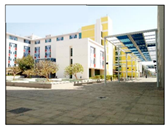
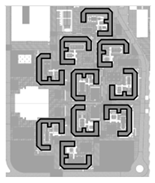
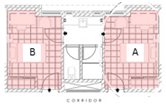
As the PCT focuses on people’s perceptions based on their experiences of the same event, place, or object [22], it was important to consider a sample of students who shared common demographic characteristics and had lived in the same hostels. Undergraduate Emirati female students at the UAEU were targeted for this study, and ethics approval was obtained from the relevant committee of the university. We first interviewed a student housing specialist who provided a list of students who had lived in their homes and as well as two types of hostels on the UAEU campus. The students lived in their homes during their first academic semester and took online courses. They then lived in the Maqam 4 hostel the next semester. Once they had completed their first academic year, they were moved to the New Campus (NC) hostel. They thus spent almost one academic semester in each of their homes, the Maqam 4 hostel, and the NC hostel. Details of the two hostels are shown in Table 1. They had been recently built by following international standards and thus were suitable for consideration in this study. The importance of there being three places of residence that the students had experienced is based on the idea of comparison, which constitutes the core of the PCT. This concept suggests that people can better describe their perceptions of an element when they compare it with others [22].
Given the nature of this study, we used purposive sampling to interview the representative students. We created an online survey through Google Forms and sent it to 390 students. We obtained a list of 22 students who could have been interviewed for this study. We subsequently contacted them and conducted 15 one-on-one semi-structured interviews. We asked the following set of pre-determined questions in each:
- When comparing the three places, how do you describe your living experience in each?
- When comparing the three places, where did you psychologically feel the best, and why?
- What are the design-related aspects of these spaces that you feel influenced you positively?
- What are the design-related aspects of these spaces that you feel influenced you negatively?
- If you imagine an ideal place for university students, what would it be like?
The interviewees were all around 19 years old, were enrolled in different colleges/programs, and were from different emirates. The interview took on a conversational tone in a quiet environment with minimal inference by the interviewer. To ensure the focus of the interview on the design of the hostels and to help students reflect on their experiences, they were encouraged to think of the questions by comparing the three built environments that they had experienced. Props were continually provided to them to explore the meanings of their expressed thoughts. The interviews were conducted by telephone, and each lasted approximately 30 minutes. All interviews were digitally recorded with the permission of the participants by using a handheld recorder. Although data saturation was achieved at the 10th interview, when it became clear that there were no new themes, the remaining five participants were interviewed to emphasize commonality.
2.3. Data Processing and Analysis
The interviews were transcribed and translated into English. The transcripts were then analyzed thematically [26] as this is efficient for analyzing qualitative data generated based on PCT [27-29]. The data were coded based on their distinguished meanings and commonality in wording [30] and were then categorized into themes featuring internal homogeneity and external heterogeneity [31]. These themes were derived from the data, rather than from prevalent theoretical or conceptual frameworks. The transcripts were read and reread to develop the codes. A multi-coding approach was used, with frequent discussions with the co-researcher to refine the themes until a consensus had been reached on the final themes.
3. Results
The results were categorized into three main themes through thematic analysis. These themes were substantiated by several subthemes that exemplified the participants’ perceptions. The first theme was obtained from the first question in the interview, regarding the students’ general perceptions of their living experiences. This introductory part was important not only to capture the content of a living experience for students, but also to help the interviewees adapt to the nature of study. The second and main theme of the results, gained from the second, third, and fourth questions, represented the students’ perceptions of their psychological well-being, which was identified as one of the aspects of their perceptions that formulated their living experiences. The last theme, gleaned from responses to the fifth question, reflected the students’ perceptions of an ideal place to live, where their psychological well-being was adequately supported.
3.1. Students’ Perceptions of their Living Experiences
The students’ living experiences mainly revolved around four dimensions: the level of concentration when studying, sleeping behaviors, capability of accessing the means of catering to their daily needs, and their psychological status. By comparing the three built environments—their home, the Maqam 4 hostel, and the NC hostel—the students described the impacts of different design-related factors on these dimensions. The presence/absence of sound insulation, which determined the extent of noise, was mentioned the most often by the respondents. For example, they claimed that its absence in the NC hostel disrupted their focus while studying, led to trouble sleeping, and affected their privacy.
“In Maqam 4, the place was calmer. I was sleeping better.”
“… but the only bad thing [sic] is that it has no sound insulation. Especially at weekends, you hear people sitting outside, someone walking in the corridor, or girls talking in adjacent rooms. This is its only defect.”
“The first thing is that our home is calm; so, the situation was suitable for me. In Maqam 4, we did not hear outside noise. It was calm. In the New Campus hostel, the walls are thin and so you can hear everything. The sound is very annoying, especially at night when we want to sleep. I preferred studying in the library than in my room.”
“The only negative about the NC hostel is that it is noisy. There is no insulation to block the noise from outside. It was very annoying. My room was in building 1, on the side of the emergency exit. So whenever someone opened or closed the door to this exit, I would wake up from my sleep. I am an engineering student, and our classes start at eight o’clock in the morning. So, it was very annoying ... I hear you and your noise; how can I focus on my study?! Not all my classes are in person, and I have several online courses that are university requirements. With the noise outside and the teacher talking, I cannot concentrate.”
Another design element that was often mentioned by the respondents was represented by the distances to nearby facilities. This element mainly influenced the ease with which the students could access the facilities for satisfying their daily needs. For example, the respondents perceived as more convenient the shorter distances to the canteen and their classes from the NC hostel than from the Maqam 4 hostel.
“In the NC hostel, we are already within the university campus. If I want something, I can go back to the university to get it because it is close to me.”
“The only bad thing [sic] about the Maqam 4 hostel is that it is far from my classes, whereas the New Campus is close to the canteen and my classes. The buildings are very close to it, and so are the labs.”
The students also described their living experiences by indicating how they felt owing to some design-related elements of their dwellings. For example, they claimed that the presence/absence of sound insulation influenced their feeling of loneliness. While the Maqam 4 hostel was perceived by them to be very calm, some students felt scared and lonely while in the NC hostel, where students had complained about noise, while others construed the noise as a positive sign of life.
“Maqam 4 is very calm, to the extent that you feel lonely, really alone, while you don’t feel this in the NC hostel.”
Moreover, the students claimed that the use of dark versus light colors in the interior had a significant psychological impact on them. They described feeling depressed due to the use of brown colors in the corridors of Maqam 4, in contrast to the NC hostel, the white color of the walls of which lent a feeling of exhilaration to the students.
“But as a décor for the place, I felt, ‘no.’ Psychologically, Maqam 4 was hurting me a little. I felt that the place was closing in on me. The colors were green and purple. It was not helpful. It was nice in the NC building. I felt that the colors were lighter and exhilarating.”
“The only problem in Maqam 4 was that I felt the place was a little depressing because of the colors. The place is brown, and a bit scary.”
3.2. Students’ Perceptions of their Psychological Well-being
Table 2 shows the main design-related factors that the students claimed had a psychological influence on them. Their different feelings are described in correlation with various design-related aspects.
3.3. Students’ Perceptions of an Ideal University Hostel
Table 3 shows the students’ perceptions of the ideal hostel. They emphasized, in our interviews with them, the design-related factors that enhanced their psychological well-being in built environments.
4. Discussion
The students’ perceptions of their living experience, psychological well-being, and the ideal hostel environment during interviews with them highlighted some main design-related factors of the built environment that contribute to their important emotional constructs. The acoustic parameter was frequently mentioned by them. Its presence/absence was correlated with feelings of concentration and privacy, and with being comfortable, annoyed, and scared. The other commonly mentioned design-related factors were correlated with the quality of visual perception, including the interior colors used, artificial and natural lighting, and the surrounding views. The range of colors used for the walls, doors, and the furniture, the suitability of artificial lighting, the amount of natural light in interior spaces, and the extent to which the students could see natural scenes were correlated with feelings of depression, comfort, and motivation, and with being energetic, afraid, and annoyed. Although such private spaces as bedrooms, bathrooms, and study areas were cited by the students as contributing to a feeling of privacy, communal spaces had a more significant psychological impact on them. This was reflected in their emphasis not only on having communal spaces to support their social interactions, but also in their descriptions of various characteristics of these communal spaces that evoke feelings of comfort and excitement in them.
The above design-related factors were also mentioned by students when detailing their desiderata of an ideal hostel. They focused primarily on direct and indirect exposures to nature. The students linked improved living experiences, involving more social interaction and focused studying, with the availability of a suitable outdoor landscape. This finding is supported by the literature on well-being in psychology [32,33]. The results also verified the importance of the support provided by multi-functional communal spaces for social interaction. This was identified as the main desideratum of the ideal hostel environment in our pilot study [18], and was also linked to nature. The absence of recreational and physical exercises has been associated with various mental health issues during COVID-19, such as stress, anxiety, and depression [34]. Multi-functional recreational and communal spaces can be used in the design of hostels that can be used in normal as well as extreme scenarios, like COVID-19.
The physical design-related factors mentioned in this study, such as the size of the bedroom, lighting, and surrounding views, have been found to influence students’ mental well-being in past work [10,12,15]. However, the feelings that the students expressed in our interviews can be related more intimately to their emotional well-being than to the presence/absence of certain mental concerns. There are three main theories of emotions that differ in their causes: the physiological theory based on responses within the human body [35], the neurological theory based on responses within the human brain [36], and the cognitive theory based on the subject’s thoughts [37]. The correlation between the built environment and subjective emotions has been objectively considered in architecture, where different biometric tools are used to measure certain emotions [5,38,39]. On the contrary, subjectivity has rarely been used to identify people’s emotional needs based on the cognitive theory of emotions. Because the instant emotional response of users to certain stimuli within the built environment does not guarantee clarity regarding their long-term preferences, there is a need to understand people’s feelings and emotions by using qualitative interactive approaches based on psychological methods [40]. This study takes a step toward such an investigation by implementing psychological interviews that revealed a set of emotional constructs. Further research is required to categorize them.
It is important to mention that this study constituted an ambitious implementation of a recently considered aim concerning personal well-being and its relation to the built environment in the post-COVID-19 context, with a focus on individual differences in people’s sensitivity to experiences of built environments [19,20,41].
5. Conclusions
To the best of the authors’ knowledge, this qualitative study is the first of its kind to have methodologically used the psychological approach to capture students’ perceptions of their experiences within the built environment. Their reported perceptions revealed the main differences between their experiences of two kinds of built environments: their homes and university hostels. The results revealed the kinds of feelings they had in correlation with various design-related factors. We also asked them to describe the characteristics of the ideal hostel that accentuated positive feelings and mitigated negative ones. The importance of using the RGT was verified based on its ability to extract the actual perceptions of students, rather than modeling their expected perceptions in the design phase. The core of PCT, on which the RGT is based, is the concept of a comparison of the experienced elements—built environments in case of this study. This concept enriches the quality of the collected data in terms of the accuracy with which they can reflect the participants’ perceptions [22]. The data obtained from this technique can improve post-occupancy evaluations by providing a better understanding of the positives and negatives experienced by participants in certain built environments. This in turn can help better identify the factors that contribute to framing their experiences.
There is greater recognition of the role of the built environment on people’s well-being in general, and their mental well-being in particular, in the post-COVID-19 context. This fact can be seen in numerous studies. For example, there is a study descripted an optimized responsive environment where there is a significant connection between various physical design aspects of the built environment and several integrative medicine such as, sleep, relationships, and movement [42]. Thinking about how buildings should be designed to correspond to people’s well-being is promoted from the objective of reducing the negative impact to the objective of increasing the positive impact where the emotional aspect appears. This study also promotes the use of tools to investigate users’ perceptions from the level of using standardized scales to the level of implementing an interactive approach that considers the diversity and contextuality of users [20].
The concept of emotional well-being within the built environment remains vague. Given the persistent emphasis that the WHO has placed on mental well-being, as evidenced by its recently published report on “Transforming mental health for all” [43], more research is required to investigate people’s emotional needs and design an emotionally healthy built environment. This study constitutes an effort to this end gap of research. Further work is needed to establish a theoretical framework of emotional well-being in the built environment.
Author Contributions
Conceptualization, Ahmed Agiel; Data curation, Fanan Jameel; Investigation, Fanan Jameel; Methodology, Fanan Jameel; Project administration, Ahmed Agiel; Supervision, Ahmed Agiel; Visualization, Fanan Jameel; Writing – original draft, Fanan Jameel.
Funding
The APC was funded by United Arab Emirates University.
Institutional Review Board Statement
The study was approved by UAEU Subcommittee for Research Ethics in Social Sciences, of the United Arab Emirates University (ERS_2021_7291, 2021).
Informed Consent Statement
Informed consent was obtained from all subjects involved in the study.
Data Availability Statement
The datasets generated or analyzed during this study are available from the corresponding author upon reasonable request.
Acknowledgments
The authors would like to thank all students who participated in the study.
Conflicts of Interest
The authors declare no conflict of interest.
References
- “Mental health: strengthening our response,” World Health Organization, Mar. 30. 2018. Available online: https://www.who.int/news-room/fact-sheets/detail/mental-health-strengthening-our-response (accessed on 25 August 2021).
- Galderisi, S.; Heinz, A.; Kastrup, M.; Beezhold, J.; Sartorius, N. Toward a new definition of mental health. World Psychiatry 2015, 14(2), 231–233. [Google Scholar] [CrossRef] [PubMed]
- Healthcare, P. Differences between mental health & emotional health | PFBH Assessment Center. Apr. 30. 2019. Available online: https://www.pyramidhealthcarepa.com/what-is-the-difference-between-mental-health-emotional-health/ (accessed on 10 October 2021).
- Park, C.L.; et al. Emotional well-being: What it is and why it matters. Affective Sci. 2022, Nov. [Google Scholar] [CrossRef] [PubMed]
- Bower, I.; Tucker, R.; Enticott, P.G. Impact of built environment design on emotion measured via neurophysiological correlates and subjective indicators: A systematic review. J. Environ. Psychol. 2019, 66, 101344. [Google Scholar] [CrossRef]
- Yadav, M.; Chaspari, T.; Kim, J.; Ahn, C.R. Capturing and quantifying emotional distress in the built environment. Proceedings of the Workshop on Human-Habitat for Health (H3): Human-Habitat Multimodal Interaction for Promoting Health and Well-Being in the Internet of Things Era, in H3 ’18, Association for Computing Machinery: New York, NY, USA, 2018; 1–8. [Google Scholar] [CrossRef]
- Huynh, Q.; Craig, W.; Janssen, I.; Pickett, W. Exposure to public natural space as a protective factor for emotional well-being among young people in Canada. BMC Public Health 2013, 13, 407. [Google Scholar] [CrossRef]
- Duan, S.; Shen, Z.; Luo, X. Exploring the relationship between urban youth sentiment and the built environment using machine learning and Weibo comments. Int. J. Environ. Res. Public Health 2022, 19. [Google Scholar] [CrossRef]
- “COVID-19 pandemic triggers 25% increase in prevalence of anxiety and depression worldwide.” World Health Organization, Mar. 02. 2022. Available online: https://www.who.int/news/item/02-03-2022-covid-19-pandemic-triggers-25-increase-in-prevalence-of-anxiety-and-depression-worldwide (accessed on 6 May 2022).
- Dzhambov, A.M.; et al. Does greenery experienced indoors and outdoors provide an escape and support mental health during the COVID-19 quarantine? Environ. Res. 2020, 110420. [Google Scholar] [CrossRef]
- Cao, W.; et al. The psychological impact of the COVID-19 epidemic on college students in China. Psychiatry Res. 2020, 287, 112934. [Google Scholar] [CrossRef]
- Amerio, A.; et al. COVID-19 lockdown: Housing built environment’s effects on mental health. Int. J. Environ. Res. Public Health 2020, 17(16). [Google Scholar] [CrossRef]
- Xiong, J.; et al. Impact of COVID-19 pandemic on mental health in the general population: A systematic review. J. Affective Disord. 2020, 277, 55–64. [Google Scholar] [CrossRef]
- Sheroun, D.; Wankhar, D.D.; Devrani, A.; Pv, L.; Gita, S.; Chatterjee, K. A study to assess the perceived stress and coping strategies among B.Sc. nursing students of selected colleges in Pune during COVID-19 pandemic lockdown. Int. J. Sci. Healthcare Res. 2020; 9. [Google Scholar]
- Husky, M.M.; Kovess-Masfety, V.; Swendsen, J.D. Stress and anxiety among university students in France during Covid-19 mandatory confinement. Compr. Psychiatry 2020, 102, 152191. [Google Scholar] [CrossRef]
- Goh, L. The future is now: Imagining university life in a post COVID-19 world. Available online: https://www.aurecongroup.com/thinking/thinking-papers/covid-19-reshaping-education-asia (accessed on 2 February 2021).
- Chen, D.; et al. Quarantine experience of close contacts of COVID-19 patients in China: A qualitative descriptive study. Gen. Hosp. Psychiatry 2020, 66, 81–88. [Google Scholar] [CrossRef]
- Jameel, F.; Agiel, A. Using repertory grid technique to investigate the impact of changing university hostel function during COVID-19 pandemic on students’ well-being: A pilot study. ZEMCH International Conference, 2021, 778–787.
- Awada, M.; et al. Ten questions concerning occupant health in buildings during normal operations and extreme events including the COVID-19 pandemic. Build. Environ. 2021, 188, 107480. [Google Scholar] [CrossRef]
- Altomonte, S.; et al. Ten questions concerning well-being in the built environment. Build. Environ. 2020, 180, 106949. [Google Scholar] [CrossRef]
- Rahman, R.; Bidoun, D.; Agiel, A.; Albdour, A. Advancing the use of the repertory grid technique in the built environment: A systematic review. J. Front. Built Environ. 2022, 8, 1082149. [Google Scholar] [CrossRef]
- Fransella, F.; Bell, R.; Bannister, D. A Manual for Repertory Grid Technique, 2nd ed.; England, 2004. [Google Scholar]
- Wright, R.P. “Element selection: The Psychology of Personal Constructs.” Feb. 15. 2004. Available online: http://www.pcp-net.org/encyclopaedia/element-select.html (accessed on 2 March 2021).
- van de Kerkhof, M.; Repertory grid technique (RGT). Ivm Institute for Environmental Studies. Available online: http://www.ivm.vu.nl/en/Images/PT4_tcm234-161509.pdf (accessed on 2 March 2021).
- Jankowicz, D. The Easy Guide to Repertory Grids; John Wiley & Sons Ltd.: Chichester, UK, 2004. [Google Scholar]
- Braun, V.; Clarke, V. Using thematic analysis in psychology. Qual. Res. Psychol. 2006, 3(2), 77–101. [Google Scholar] [CrossRef]
- Holder, E. Personal constructions of the mother role: Perceptions of mothers in health care. University of Hertfordshire Research Archive 2018. [Google Scholar] [CrossRef]
- Burr, V.; Giliberto, M.; Butt, T. Construing the cultural other and the self: A Personal analysis of English and Italian perceptions of national character. Int. J. Intercultural Relat. 2013, 39. [Google Scholar] [CrossRef]
- Hair, N.; Rose, S.; Clark, M. Using qualitative repertory grid techniques to explore perceptions of business-to-business online customer experience. J. Customer Behav. 2009, 8, 51–65. [Google Scholar] [CrossRef]
- Fishbein, M. An investigation of the relationships between beliefs about an object and the attitude toward that object. Hum. Relat. 1963, 16, 233–239. [Google Scholar] [CrossRef]
- Guba, E.G. Toward a Methodology of Naturalistic Inquiry in Educational Evaluation. CSE Monograph Series in Evaluation, 8. Center for the Study of Evaluation, Graduate School of Education, University of California, Los Angeles, California. 1978. [Google Scholar]
- Gillis, K.; Gatersleben, B. A review of psychological literature on the health and wellbeing benefits of biophilic design. Build. 2015, 5(3), 3. [Google Scholar] [CrossRef]
- Beemer, C.J.; et al. A brief review on the mental health for selected elements of the built environment. Indoor Built Environ. 2021, 30(2), 152–165. [Google Scholar] [CrossRef]
- Khan, A.H.; Sultana, S.; Hossain, S.; Hasan, M.T.; Ahmed, H.U.; Sikder, Md. T. The impact of COVID-19 pandemic on mental health & wellbeing among home-quarantined Bangladeshi students: A cross-sectional pilot study. J. Affective Disord. 2020, 277, 121–128. [Google Scholar] [CrossRef]
- James, W. What is an emotion? Mind 1884, 9, 188–205. [Google Scholar] [CrossRef]
- Cannon, W.B. The James-Lange theory of emotions: A critical examination and an alternative theory. Am. J. Psychol. 1927, 39, 106. [Google Scholar] [CrossRef]
- Lazarus, R.S.; Averill, J.R.; Opton, E.M. Towards a cognitive theory of emotion. In Third international symposium on feelings and emotions; Arnold, M., Ed.; Academic Press: New York, 1970; pp. 207–232. [Google Scholar] [CrossRef]
- Zamani, M.; Kheirollahi, M.; Vafaee, F. Evaluating the impact of architectural space on human emotions using biometrics data. J. Urb. Plan. Des. Arch. 2022, 5. [Google Scholar]
- Albdour, A.; Agiel, A.; Ghoudi, K. Assessing the Emotional Affordance of Brand Image and Foreign Image Based on a Physiological Method Using Examples from Dubai: Exploratory Study. Build. 2022, 12(10), 1650. [Google Scholar] [CrossRef]
- Bluyssen, P.M. Towards new methods and ways to create healthy and comfortable buildings. Build. Environ. 2010, 45(4), 808–818. [Google Scholar] [CrossRef]
- Lolli, F.; Marinello, S.; Coruzzolo, A.M.; Butturi, M.A. Post-occupancy evaluation’s (POE) applications for improving indoor environment quality (IEQ). Toxics 2022, 10. [Google Scholar] [CrossRef]
- Engineer, A.; et al. An integrative health framework for wellbeing in the built environment. Build. Environ. 2021, 205, 108253. [Google Scholar] [CrossRef]
- “World mental health report: Transforming mental health for all” Executive summary. WHO. 2022. Available online: https://www.who.int/publications-detail-redirect/9789240050860 (accessed on 31 October 2022).

Table 1.
Newly built hostels for women students at the UAEU.
| Maqam 4 | New Campus | ||
|---|---|---|---|
| Exterior view | 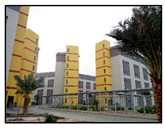 |
 |
|
| Site layout1 | 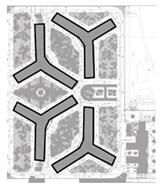 |
 |
|
| Typical room unit1 | 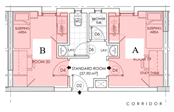 |
 |
|
Architectural drawings of the hostel were obtained from the Department of Campus Development of the UAEU.
Table 2.
Students’ perceptions of the main design-related factors influencing their psychological well-being.
Table 2.
Students’ perceptions of the main design-related factors influencing their psychological well-being.
| Design-related factors | Common perceptions |
| Availability/ unavailability of private individual spaces |
“At home, I like studying at the desk, and this is available in the NC hostel; every student has her own desk in her room.” “Maqam 4 is better than the New Campus hostel in many ways. First, aspect there is no sharing.” “I feel that the hostel makes the student self-reliant. She is living in a room alone and must take care of herself. This is what influences me positively: I rely on myself. I have a room that I must clean and take care of organizing it. No one is taking care of it for me.” |
| Sizes of spaces |
“In Maqam 4, the wide, and this helps me cope with my moods. The NC hostel is narrower.” “The design of the room in Maqam 4 is nice. It is small, but you do not feel that it is too small. You feel that the bed and the cupboard are in appropriate places to make the room spacious. The space is not too compacted. This is not the case with the New Campus hostel.” “The New Campus has a small area. This does not allow space for easily rearranging the bed and the desk. You cannot put the desk near the pinboard as this means that the cabinet cannot be opened or takes up a lot of space. You cannot walk comfortably. This is the problem” |
| Brightness/dimness of artificial lighting |
“The lighting. It was the weakest in the New Campus hostel. I am the kind of person where I want the room to be very well lit. I feel good in this case.” “In Maqam 4, the light was not nice. The place is dull and obsolete in the corridors, and everywhere else.” “The New Campus is more comfortable; even the lights are much more comfortable. I like the New Campus more than Maqam 4, where I did not like the white light in the bedroom. It was annoying. I feel that it would be better if it had lighting like that of the New Campus hostel.” |
| Exposure to/restriction on natural views |
“I loved the gardens because I was studying outside a lot, and it had tables with chairs. I was in the appropriate mood studying there.” “The greenery outside is nice. It has a nice impact. When you open the window, you find lush views.” |
| Lightness/darkness of interior colors |
“The colors in the Maqam 4 hostel are very dark. The rooms are pink, the curtains are pink, the table and the doors are brown. You understand. While the light is strong, the room is still depressing.” “The atmosphere is depressing because the colors in the hostel are generally dull. In the NC hostel, I feel a little more energetic than in Maqam 4 because of the colors. The colors in Maqam 4 are darker than in the NC hostel.” “The NC hostel helps a lot because the colors in it are light, and this motivates us to study.” “The white color in the New Campus hostel is motivating and makes you feel comfortable. When I passed through the corridor, I did not feel afraid as I did in the corridors of Maqam 4, where I would run to reach my room because I found the brown color of the walls scary.” “What annoys me a little is the dark colors. For example, I told you about the pink walls and curtains in Maqam 4. It was not all one solid, dark color. No, it was decorated, but it was pink. It was annoying. The bathrooms in Maqam 4 were also a dark, burnt brown; so, it was a little annoying for me. Dark colors annoy me a little.” |
| Openness/closedness of communal spaces |
“Sometimes, the girls would bring an electric stove to the New Campus hostel and cook food. The rooms that are adjacent to the kitchen smell of food because the kitchen is not closed. The Maqam hostel has a kitchen with a door.” “Sometimes, I do not want to sit in the bedroom. I want to change, but the New Campus hostel has no study area. There is a place for sitting but I find that it is not comfortable. Girls are passing always.” |
| Extent of natural light |
“The windows at home are very large; I like spaces with a lot of natural light.” “The windows in the New Campus hostel are large. This makes me comfortable. At home, my room has a lot of windows, and I like it when the sunlight enters my room. You know, you feel energetic in the morning. You got excited to do things and study.” |
| Presence/absence of sound insulation |
“The insulation in Maqam 4 is very good. Even if I have a friend visiting, we do not hear the noise outside. We study and can concentrate in this space. While I was able to study in the NC hostel, the noise from outside interfered with the calm and prevented me from concentrating on studying. Maqam 4 is thus better for its environment for studying and comfort.” “There is no sound insulation in the New Campus. I feel that there is no privacy. Sometimes, when I talk to my family on the phone or with someone in my room, I need privacy. The girl in the adjacent room can hear me if she is in her bathroom or her bedroom. This is annoying for both of us. It is annoying for me because there are private things that I do not want someone to hear, and she can hear it. She is annoyed by having to hear my voice. This is not okay.” “Psychologically, I did not like Maqam 4 very much. It was very calm, to the extent that—I was online mostly—I felt that I was in a strange place that was uncomfortable. It was very calm; I could hear any sound. It was scary. This may be because at home, I am used to hearing my sisters’ voices, and other sounds. When I hear people around me, I am more comfortable. But Maqam is very calm.” |
| Distances to nearby facilities |
“At home, it is the opposite: It is more comfortable. Everything is available; so, I do not waste time. Because the New Campus is close to the canteen, I can go there and return quickly, and not get tired. When you walk from Maqam 4 to the canteen, you feel tired from waking. The New Campus is more comfortable in this sense.” “The proximity of the library to the NC hostel is convenient. When I want to get in the mood to study, I go to the library.” “Maqam 4 is a little far from the university and its colleges and is thus scary.” |
| Supportive/unsupportive communal spaces for social interaction |
“In Maqam 4, I did not see many people. Everyone was mostly online, including all my friends, except me. I was mostly alone.” “I can spend more time with my friends in the NC hostel, unlike in Maqam 4. You also feel like you want to study. We all get excited and study.” “They moved me to the New Campus. The building is in a nice place. When we sit or walk outside, it is nicer and more comfortable.” |
Table 3.
Students’ perceptions of the main characteristics of an ideal hostel.
| Main characteristics | Common perceptions |
| Availability of private spaces |
“I like the bedroom very much and do not see anything that needs to be changed: the bathroom as well. Especially, the idea of one bathroom for every two rooms is better than that of one bathroom for multiple rooms.” “Every student likes the NC hostel, and I prefer the allocation of rooms here. Everyone gets their own room, but the bathroom is shared. At least this provides privacy in the room. It is better to have a separate bathroom for each student, but if enough bathrooms are not available, it is fine to have to share it with someone I know. Not just anyone though.” |
| Spacious sizes of spaces |
“It is a building where the rooms are not comfortable. The student should at least have the comfort of living in the room without feeling squeezed.” “The room is wide and there is space to put my stuff. You do not feel like you are in a narrow place and don’t get worried.” “For example, you can widen the bedrooms a little” + “For example, you can widen the corridors. I feel that they are very narrow.” |
| Suitable artificial lighting |
“The lighting is suitable: not too dim and not too strong.” “The lighting affects me, especially at study time.” “The lighting should be good.” |
| Exposure to natural views |
“There should be greenery inside the building, so that you feel the green space as you walk and smell the air and the plants.” “I feel the most important things are the greenery, plants, and the furniture. They lend the place more beauty and comfort.” “The gardens. Now that I am at home, I miss the gardens of the hostel.” “I feel the landscape outside is good for my psychological well-being, such that one wants to go outside.” “I feel like if it were up to me, I would make a wall of windows so I can see nature outside. In Maqam 4, the lounge has longitudinal windows so I can see outside. There is nature I can see. The only negative thing is that the windows of the lounges in Maqam 4 cannot be opened; so, there is no ventilation. I am one of the people who like studying at sunrise, but I cannot open the windows to hear the birds in the morning while I am studying, and to feel the fresh, cold air. So, I feel isolated. It needs ventilation.” “If you open the curtains, I think the entire atmosphere of the room changes.” “It would be better to have places for studying outside because there are chairs away from each other but not for studying. We usually bring tables from inside to outside and make a sitting area to study.” |
| Use of light interior colors |
“The colors are fresh and include beige and white.” “Light colors should be used to make the students feel comfortable while they are studying.” “Regarding colors, I feel that it would be nice for the rooms to have some color: pastel colors on the walls.” |
| Enclosure of certain communal spaces |
“When we want to study, we sit in any lounge space we find empty. But people passing by can see you studying, and not all of them are quiet. It is nice to have study rooms away from our bedrooms because the bedrooms themselves encourage sleeping. Productivity will increase if study rooms with coffee corners are made available. Something exciting.” “The living area in the New Campus is open; so, I do not feel nice. It is better to have a closed room so that the girls are comfortable. Moreover, there is no closed kitchen, so the smell of food from it reaches the rooms. It would be better if it was closed.” |
| Presence of sound insulation |
“First, the place needs to have privacy. I mean no sound. Second, there should be a place that is private and calming so that the students can study, sleep, talk, be comfortable overall, and not be annoyed. Sometimes, I get worried. When I am taking an online class, I do not want to wear headphones but want to listen to the lecture without them, but I cannot do so because the girl in the adjacent room will be able to hear me and I do not want to bother her. I thus feel that sound insulation is very important.” “You should insulate the walls between the rooms. This is the most important thing to enable the student to concentrate on studying.” |
| Availability of nearby basic facilities for daily needs |
“The place motivates the student and assures her that she is at home. For example, there is a pantry.” “The point is that the feeling you have is one of being at home, rather than in a university. You feel you are in your home and do not feel strange, or that you are in a faraway place. You have everything, like the kitchen and laundry. You do not have to go up and down or wait in a row. Everything is available.” “I want study rooms or study halls. The atmosphere in a hall is different from that in a room. This is the thing I have the biggest problem with.” “The study rooms are what I miss the most.” “The kitchen in our hostel now has nothing: only a microwave and a sink. We need to bring everything else, and when students cannot afford to do so, they cannot cook food and must eat the canteen food. It is nice to have a kitchen that is well equipped for students.” |
| Availability of communal spaces encouraging social interaction |
“I feel they need to add study rooms, like in Maqam 4. There are study rooms there that motivated me and others to study. You are studying in a place where the other girls are studying as well.” “But it will be nice to have a gathering room for when we meet or watch TV or a movie.” |
Disclaimer/Publisher’s Note: The statements, opinions and data contained in all publications are solely those of the individual author(s) and contributor(s) and not of MDPI and/or the editor(s). MDPI and/or the editor(s) disclaim responsibility for any injury to people or property resulting from any ideas, methods, instructions or products referred to in the content. |
© 2023 by the authors. Licensee MDPI, Basel, Switzerland. This article is an open access article distributed under the terms and conditions of the Creative Commons Attribution (CC BY) license (http://creativecommons.org/licenses/by/4.0/).
Copyright: This open access article is published under a Creative Commons CC BY 4.0 license, which permit the free download, distribution, and reuse, provided that the author and preprint are cited in any reuse.


