

Submitted:
18 August 2024
Posted:
19 August 2024
You are already at the latest version
Abstract
IntroductionGlycogen synthase kinase 3 (GSK-3) has been associated with a lot of diseases, such as Alzheimer’s Disease and diabetes. Its role in depression is connected to stress and neuroinflammation. Lithium is an essential inhibitor of GSK-3. Some studies have suggested that the use of this psychiatric medication may lower suicide rates. Here, we outline the current understanding and discoveries regarding the link between GSK-3 and suicide. MethodWe used the PRISMA statement and defined the PECOS strategy, such as Population (P) = individuals; exposure (E) = GSK-3 alteration function; comparison (C) = without GSK-3 alteration function; outcome (O) = suicide; and study design(S) = all kinds of studies with an association between GSK-3 and suicide.ResultsTwelve studies were included in this review. GSK-3 appears to be related to suicidal behavior by activating inflammatory pathways, activating genes, altering neurotransmission, and increasing impulsivity. Clinical studies do not present robust results that allow defining an epidemiological profile of greater risk for suicidal behavior in association with changes in the functioning of GSK-3.ConclusionThe interference of GSK-3 functioning in suicidal behavior seems inevitable, with solid evidence from laboratory animal studies. However, there is a need for further clinical studies on this crucial topic to answer better some questions about the association between GSK-3 and suicide.
Keywords:
Suicide
; GSK-3
; suicide biology
1-. Introduction:
Glycogen synthase kinase 3 (GSK-3) is a serine/threonine protein kinase first described in rabbit skeletal muscle in the Department of Biochemistry of the University of Dundee, Scotland, 1979 (Figure 1).[1] GSK-3 can phosphorylate and inactivate the metabolic enzyme glycogen synthase. This protein can phosphorylate over 100 protein substrates and is at the intersection of many signaling pathways regulating neuronal plasticity, gene expression, and cell survival.[2]
Glycogen synthase kinase 3 (GSK-3) is an enzyme classified within the family of serine/threonine protein kinases, playing a pivotal role in the regulation of diverse cellular processes by catalyzing the addition of phosphate groups to specific serine and threonine amino acid residues within proteins. This post-translational modification influences the activity and function of the modified proteins. Adjacent to the active site, a positively charged pocket exists, specifically designed to bind a "priming" phosphate group attached to a serine or threonine residue located four positions away from the target phosphorylation site. Comprised of residues 181, 200, 97, and 85, the active site possesses the capability to bind the terminal phosphate group of ATP and facilitate its transfer to the specific place on the substrate.
This protein kinase can be found in mammals in two homologous forms: GSK-3α and GSK-3β.[3] The two gene products of GSK-3 exhibit a high degree of similarity in their kinase domains. However, they showcase significant differences in their amino and carboxy termini. Specifically, GSK-3α features a glycine-rich N-terminal extension absent in GSK-3β. This dissimilarity is also reflected in the relative molecular masses of GSK-3α and GSK-3β. GSK-3α is anticipated to have a molecular weight of 51 kDa, slightly higher than GSK-3β, which is approximately 47 kDa in size. An alternate form of GSK-3β, GSK-3β2, possesses a 13 amino acid insertion in its kinase domain. However, GSK-3β2 is present in lower quantities than the GSK-3β1 variant.[4]
Specific phosphorylation events regulate the activity of the GSK-3β kinase. Phosphorylation of tyrosine 216 (T216) in GSK-3β and tyrosine 279 (T279) in GSK-3a is necessary for maximal activity, while phosphorylation of serine 9 (S9) in GSK-3β and serine 21 (S21) in GSK-3a inhibits the kinase.[5]
GSK-3β is highly expressed in the central nervous system (CNS) and is associated with the Wnt pathway, a complex signaling network operating within cells. It involves a group of specialized molecules known as Wnt molecules, which are the main targets of the GSK-3β enzyme.[6] This pathway plays a crucial role in orchestrating the organization and differentiation of cells, promoting cell growth, shaping neuronal structures, and integrating neurons into established circuits within the nervous system. The Wnt molecules have the vital function of inhibiting the GSK-3β enzyme, which then triggers the movement of β-catenin to the nucleus. This movement activates various enhancers and transcription factors responsible for generating neurotrophins, such as brain-derived neurotrophic factor (BDNF), regulating circadian rhythms, and modulating inflammatory responses within the body.[7]
The beta isoform is an inflammation regulator interacting with various molecules associated with neurodegenerative diseases, including hippocampal cell proliferation, neuronal development and regeneration, cell cycle regulation, and neuronal polarization.[8]
There have been suggested potential links between GSK-3β dysregulation and affective disorders, such as depression, bipolar disorder, and anxiety. Mood disorders are a significant risk factor for suicide, and it has been suggested that abnormalities in GSK-3β may be associated.[9] Agomelatine and ketamine, as well as lithium, act on GSK-3 via the protein kinase B (Akt) pathway and have a different mechanism of action than traditional antidepressants. Prolonged use of agomelatine causes a reduction in hyperphosphorylation levels in the frontal lobes, which may be associated with improved cognitive capacity. This can generate an improvement in the ability to solve problems and reduce suicidal intentions.[10] Akt inhibits the action of GSK-3, and activation of the dopamine D2 receptor inhibits Akt and increases GSK-3 function. [11] Acting agonists on serotonin 5-HT1A receptors trigger a cascade that increases phosphorylation by GSK-3β.[12] The presynaptic 5-HT1A autoreceptors on serotonin (5-HT) neurons significantly inhibit their firing activity through negative feedback after 5-HT release. Enhanced expression of 5-HT1A autoreceptors is associated with an increased susceptibility to depression, higher incidence of suicide attempts, and reduced responsiveness to selective serotonin reuptake inhibitors (SSRIs).[13]
GSK-3 has been associated with several diseases, such as Alzheimer’s Disease (AD), Major Depression Disorder (MDD), and Bipolar Disorder (BD). In AD, GSK-3 increases the tau hyperphosphorylation and promotes tau aggregation.[14] Lithium, a GSK-3 inhibitor, has been considered for a long time as a therapeutic strategy to prevent neurodegeneration by tau aggregate.[15] Lithium is the gold standard mood stabilizer, exerting important control of impulsivity in the BD.[16] In MDD, the GSK-3 was associated with physiopathology inflammation and decreased brain-derived neurotrophic factor (BDNF). The lifetime prevalence of MDD is 16,9% in the USA.[17] [18] Suicide is associated with MDD and other mental disorders.[19] Just like lithium, ketamine demonstrated efficacy in remitting suicidal behavior in MDD. The ketamine can decrease GSK-3 action and increase BDNF.[20]
Suicide has been one of the most studied human problems since ancient times. The first records of suicide that we know of are the Egyptian papyrus entitled “The Debate between a Man and His Soul.”[21] In those times of theosophy, suicide brought great spiritual reflections. According to legend, the suicide of one of Pythagoras' disciples inspired him to formulate the principles of philosophy.[22] It was also by studying suicide that sociology emerged, and psychology developed suicidology, which every day seeks more biological explanations.[23]
The phenomenon of suicide is most comprehensively understood as a complex syndrome that encompasses psychological, social, philosophical, and neurobiological dimensions. The objective of this present study is to search the literature for evidence on the association of GSK-3 with suicidal behavior in the human context.
2. Methods:
2.1. Search Strategy
Following the PRISMA methodology[24], the defined papers encompassed eligible and non-restricted languages. Furthermore, it was systematically identified by searching electronic databases Pubmed, Embase, and Lilacs (May 2024). Our search terms included "GSK 3" OR "GSK-3" OR "Glycogen synthase kinase 3" AND "suicide". Also, we defined the PECOS strategy such as Population (P) = individuals; Exposition(E) = GSK-3 alteration function; Comparison(C) = without GSK-3 alteration function; Outcome(O) = suicide; Study design(S) = all kind of study with association between GSK-3 and suicide.
To be eligible, studies had to meet the following criteria: reported a relationship between GSK-3 and suicidal ideation, suicidal behavior, or suicide. We excluded every study that had no description of a possible association between GSK-3 and suicide. Two authors systematically searched, read, and shared the findings.
2.2. Study Selection
A flow chart of the study identification and selection process is presented in Figure 2. We identified eighty-two articles (Embase=42; Lilacs=30; Pubmed=10). Twenty-three were excluded due to repetition. The abstracts of forty-nine articles were read. After that, twenty-eight were excluded because of any description of the relationship between GSK-3 and suicide. Thirty-one was read in full. Thirty were writing in English and one in Spanish. Of these, nineteen were excluded because they did not describe associations between suicide and GSK-3. It included 12 articles in this review.
3. Results:
Details of 12 articles are summarized in Table 1. This study included data for 1.060 individuals (519 suicide or suicide behavior and 541 controls) of seven primary studies. One of them was a cohort that searched for GSK-3 genes in suicide attempts.[25] They select One hundred and ninety-nine unrelated Caucasian bipolar type I or II outpatients (102 males and 97 females) from the Bipolar Disorder Program (BDP) of the Hospital Clinic of Barcelona and mental health services in Oviedo, Spain. Inclusion criteria were as follows: (a) bipolar I or II DSM-IV-TR diagnosis, (b) age over 18 years, (c) being descended from at least two generations of Caucasian, (d) fulfilling criteria for euthymia defined as a score ≤of eight on the Hamilton Depression Rating Scale (HDRS) and a score ≤six on the Young Mania Rating Scale (YMRS) at inclusion and during the assessment period and (e) written informed consent. Exclusion criteria were the presence of (a) mental retardation (defined as IQ<70) and/or (b) severe organic disease. DNA was extracted from blood samples according to standard protocols. Several SNPs at IMPA1 gene (rs915, rs1058401 and rs2268432), IMPA2 gene (rs669838, rs1020294, rs1250171, and rs630110), INPP1 gene (rs3791809, rs4853694 and rs909270), GSK3α gene (rs3745233) and GSK3β gene (rs334558, rs1732170 and rs11921360) were selected based on literature and the SYSNPS program. Analysis was made with Hardy–Weinberg equilibrium (HWE) for genotype frequencies calculated using Chi-square test; Genotype and allele frequencies were compared between groups using Chi-square contingency analysis. Odds ratios (OR) with 95% confidence intervals (CI) were estimated for the effects of high-risk genotypes. Carriers of the AA genotype for rs669838-IMPA2 gene were more likely to have a history of suicide attempts in comparison to C-allele carriers (CC or CA) (OR=2.92; CI95% [1.19– 7.26]; χ2=7.015; p=0.008). Similarly, patients carrying the GG genotype of the rs4853694-INPP1 gene were more likely to be suicide attempters than A-allele carriers (AA or AG) (OR=3.69; CI95% [1.05–14.56]; χ2=5.665; p=0.020).
Two other studies were case controls, and four were necropsies. The most important insights of GSK-3 and suicide associations are:
3.1. GSK-3 and Inflammation
Neuroglia plays an essential role in inflammatory reactions in the central nervous system. Astrocytes have a neuroprotective role and release glutamine, which is taken up by neuronal terminals, where it is reconverted to glutamate and GABA. GSK-3 increases the levels of inflammatory cytokines, which decrease glutamine synthetase activity. Thus, substances that inhibit GSK-3, such as lithium, increase the release of glutamine and exert an anti-inflammatory role in the brain.[26] In the presence of inflammation, the body activates the enzyme indoleamine-2,3-dioxygenase, which catalyzes kynurenine production. Studies have revealed elevated levels of kynurenine in the blood of individuals with a history of suicide attempts and depression, compared to both depressed individuals without a history of suicide attempts and healthy individuals without depression.[27]
3.2. GSK-3 and Genetic Expression
GSK-3β mRNA level and GSK-3β mRNA to cyclophilin (CyP - a housekeeping gene) mRNA ratio in the prefrontal cortex (PFC) of teenage suicide is lower than that of the control subjects.[28] Glutamine synthetase is a gene influenced by the Wnt-GSK3-beta-catenin signaling pathway, which is involved in various cellular processes.[26]
3.3. GSK-3 and Neurotransmission
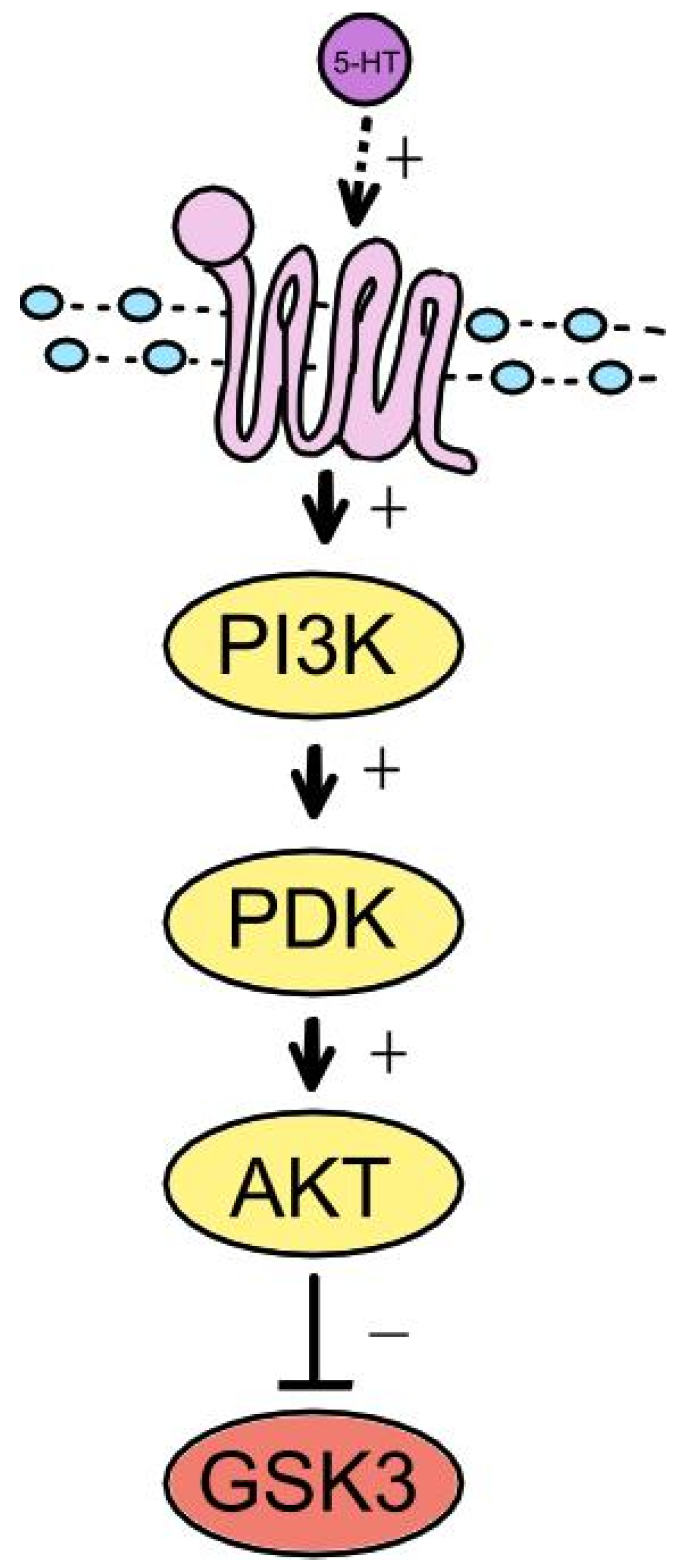
Serotonin has been associated with the hyperphosphorylation activity promoted by GSK-3. The reduction in Akt activity observed in suicide victims was found to be connected to the weakening of 5-HT1A signaling further upstream. If this assertion holds, the weakening of 5-HT1A /Akt signaling may alter GSK-3 activity (Figure 3).[29]
Activation of receptor 5-HT1A leads to inactivation of GSK-3. A deficiency in the 5-HT1A pathways leads to increased GSK-3 activity and is associated with suicide.
5-HT1A: serotonin receptor subtype 1; PDK: phosphoinositide-dependent kinase-1; PI3K: phosphatidylinositol-3-kinase.
3.4. GSK-3 and Impulsivity
Elevated levels of kynurenine have been identified as a potential indicator of increased risk for suicide attempts, irrespective of the severity of depression. Furthermore, kynurenine metabolites are believed to be involved in the impulsivity and neurocognitive impairments associated with suicidal behavior.[30]

Table 1.
GSK-3 and suicide.
| Citation | Design | Study aim | Relevance to GSK-3 and suicide | Suicide group(s) | Control group relevant for comparison | Relevant Result | |
|---|---|---|---|---|---|---|---|
| Karege et al, 2007[29] | Postmortem study | To examine possible abnormality in the Akt/glycogen synthase kinase-3β (GSK-3β) axis of depressed suicide victims’ brains. | Inhibition of GSK-3β might contribute to antidepressant activity, increasing our interest in the role of GSK-3β in major depression disorder (MDD) and suicidality. | n = 20 | n = 20 | There was no change either in GSK-3α/β and Akt-1 protein levels or in lithium-inhibitable total GSK-3α/β enzyme activity of the ventral prefrontal cortex. The enzyme activity of Akt decreased significantly [analysis of variance (ANOVA): F(3,36) = 5.372; p = .003], whereas GSK-3β activity increased significantly [ANOVA: F(3,36) = 8.567; p = .002] in depressed suicide victims and non-suicide subjects but not in non-depressed suicide victims. | |
| Pandey et al, 2009[28] | Postmortem study | To examine the regional distribution and compare the abundance of GSK-3β gene expression in different regions of postmortem brain samples. |
There is both direct and indirect evidence suggesting the involvement of GSK-3β in the pathophysiology of mood disorders and possibly schizophrenia. Given the observation that both mood disorders and schizophrenia may be risk factors for suicidal behavior, it was of interest to examine the role of GSK-3b in suicide. | n = 27 adults n = 29 teenage |
n = 20 adults n = 26 teenage |
There were no significant differences in the mean GSK-3β mRNA levels among the teenage suicide subjects who were diagnosed with major depressive disorders (PFC: 2,913.54 ± 983.69; hippo- campus: 2,911.71 ± 1,113.35; n = 8), with no history of mental disorders (PFC: 2,573.12 ± 1,124.47; hippocampus: 2,570.24 ± 1,110.75; n = 9), or with other psychiatric diagnoses (PFC: 3,173.46 ± 1,255.44; hippocampus: 2,849.24 ± 1,172.08; n = 10) | |
| Citation | Design | Study aim | Relevance to GSK-3 and suicide | Suicide group(s) | Control group relevant for comparison | Relevant Result | |
| Yoon et al, 2009[31] | Case-control study | Investigate GSK-3β gene for association with suicidal behavior in depressive patients. | Inhibition of GSK-3β might contribute to antidepressant activity, increasing our interest in the role of GSK-3β in major depression disorder (MDD) and suicidality. |
n = 170 | n = 164 | The genotype distribution of the -1727A/T (controls: p= 0.133; patients: p= 0.183) and -50C/T (controls: p= 0.188; patients: p= 0.430) agreed with the Hardy-Weinberg equilibrium. The results showed that allele, genotype for the two SNPs do not differ between the controls and suicide attempters. | |
| Yoon and Kim, 2010[9] | Case-control study | Investigate associations between −1727A/T and −50C/T of the GSK-3β gene and MDD and suicidal behavior. | Since mood disorders are major risk factors for suicide, it has been suggested that abnormalities in GSK-3β may also be associated with suicide. | n = 170 | n = 147 | The genotype distributions of −1727A/T and −50C/T agreed with Hardy–Weinberg equilibrium. The results showed that the alleles, genotypes, and haplotypes of the two SNPs do not differ between suicidal MDD subjects, non-suicidal MDD subjects, and normal controls. | |
| Kalkman, 2011[26] | Literature review | Propose to hypothesis of the supplementation with glutamine to reduce suicide | The GSK-3 inhibitor, lithium, reduced death by suicide | Not suicide participants | Not control group | The enzyme activity of GSK-3 was significantly increased in postmortem study of prefrontal cortex from depressed suicide victims. | |
| Karege et al, 2012[32] | Postmortem study | To examine whether there is an abnormality in this signaling axis in major depression. | Investigations of β-catenin and GSK3β activation state on human brains are therefore necessary to confirm that GSK3β is implicated in mood dysregulation. | n = 10 individuals who died by suicide with documented MDD. | n = 10 MDD who died from a different documented cause. | The tGSK3β/pGSK3β ratio was increased in MDD suicide (MDD+S; pb0.001) and non-suicide (MDD; pb0.002) subjects. | |
| Citation | Design | Study aim | Relevance to GSK-3 and suicide | Suicide group(s) | Control group relevant for comparison | Relevant Result | |
| Ren et al, 2013[33] | Postmortem study | Examined the role of Wnt signaling in teenage suicide by determining the protein and mRNA expression of GSK3β, pGSK3β-Ser9, and β-catenin in the PFC and hippocampus of teenage suicide victims and normal controls. | It is quite possible that this effect of lithium in suicidal behavior may be related to its effect on GSK3β. | n = 24 (14 male and 10 female) | n = 24 (17 male and seven female) | No significant change was observed in the GSK3β protein levels either in the PFC or hippocampus of suicide victims compared to controls. However, protein levels of pGSK3β-ser9 were significantly decreased in the PFC and hippocampus of suicide victims compared to normal controls. | |
| Jiménez el al, 2013[25] | Cohort | To investigate the association of the IMPA1 and 2, INPP1, GSK3α and β genes with suicidal behavior in BP. | A potential role of genetic variability in GSK3 comports with studies reporting that glutamine synthetase activity was significantly reduced, not only in depressed suicides, but also in suicides free of depressive symptomatology. | n = 69 | n = 130 | T-allele carriers of the rs1732170-GSK3β gene and A-allele carriers of the rs11921360-GSK3β gene had a higher risk for attempting suicide. | |
| Beurel and Jope, 2014[27] | Literature review | Inflammation may be a key factor precipitating suicidal behaviors | Lithium is an established inhibitor of GSK-3 and it may contribute to antisuicidal actions. | Not suicide participants | Not control group | Stress is established to cause activation of GSK-3 in rodent brain. Active GSK-3 promotes inflammation and was hypothesize that inflammation contributes to provoking components of suicidal behavior. | |
| Benard et al, 2016[34] | Literature review | To highlight evidence about the preventive action of Li on suicide in BD populations. | This emblematic anti-suicide effect of Li is however not well known by psychiatric physicians. | Not suicide participants | Not control group | Genetic variants of the glycogen synthase kinase 3α/ β (GSK3α and β; proteins inhibited by Li) seem to be associated with more impulsiveness in BD populations. | |
| Citation | Design | Study aim | Relevance to GSK-3 and suicide | Suicide group(s) | Control group relevant for comparison | Relevant Result | |
| Malhi et al, 2018[35] | Literature review | Investigating the effects of a medication known for its anti-suicidal properties on neurobiological and neurocognitive substrates of suicidal thinking may provide a deeper and more meaningful understanding of suicide. | A recent neuro- cognitive model of suicide in the context of bipolar disorder provides a useful developmental framework for the psychological processes that culminate in suicide. | Not suicide participants | Not control group | Via GSK3β induced changes, lithium is ultimately able to alter suicidal thinking and behaviors. | |
| Landa et al, 2021[36] | Literature review | To analyze the risk factors associated with suicidal behavior, their pathophysiological correlations, and their treatment with lithium carbonate. | A direct relationship has been demonstrated between the deregulation of GSK3 and BDNF (with an increase in the inflammatory profile) in patients at greater risk of suicidal behavior. | Not suicide participants | Not control group | Lithium carbonate has the modulation capacity of the GSK3 receptor, through direct and indirect mechanisms. A relevant point of view of the action mechanism is the modulation on the complex of beta-arrestins (ARRB). The ARRB activates GSK3 through the formation of a complex with the AKT kinase and protein phosphatase 2 (PP2A). Lithium, by blocking the formation of the ARRB-AKT-PP2A complex, indirectly inhibits the action of the GSK3. In this way, the inflammatory process at the level of the central nervous system would be reduced, and it would generate an effect on suicidal behaviors. | |
BD: bipolar disorder; BP: bipolar patients; Li: Lithium; MDD: major depression disorders; PFC: prefrontal cortex.
4. Discussion:
Strong evidence from studies in laboratory animals demonstrates the importance of GSK-3 in suicidal behavior. Lithium has been considered the best drug for suicide prevention.[37] It has a twofold impact on GSK-3. First, it competes with magnesium ions, resulting in the direct inhibition of the enzyme. Second, it aids in the inhibitory phosphorylation of GSK-3β. These complex interactions and their subsequent biological effects underscore the significant role of GSK-3 as a focal point in research related to mood disorders.[38]
In this present review, five studies conducted were literature reviews that provided insight linking Lithium to suicide prevention. One was a cohort, two were cross-sectional studies, and four were necropsy. Three of them had a small sample size (n > 60 is minimal for suicide research). The other four were adequate samples (two cross-sectional, one autopsy, and one cohort). The two cross-sectional studies and autopsy did not find a significant statistical difference between suicide and controls. Cohort finds a substantial difference between suicide and controls.
The role of GSK-3 in the context of suicidal behavior is of considerable significance; however, discrepancies often emerge between initial laboratory findings and clinical observations. It is imperative to consider additional contributing factors that may influence the profile of suicidal tendencies and to comprehend their interaction with variations in GSK-3. Cognitive impairments in decision-making may be triggered by the hyperactivation of GSK-3, with consequent hyperphosphorylation of the tau protein and destabilization of microtubules.[39] This primary pathophysiological mechanism needs to be studied better. This fact is reinforced by the observation that GSK-3 is an interface between Alzheimer's disease and suicide.[40]
A comprehensive global approach involving follow-up studies across diverse geographic regions is indispensable for assessing the genetic dimensions of GSK-3 and the intricate nature of self-destructive behaviors. Such studies will yield a more profound understanding and insight, potentially leading to more efficacious interventions in the prevention and treatment of suicide.
Conclusion:
Based on research conducted on laboratory animals, it is evident that there is a strong connection between GSK-3 dysfunctions and depressive behavior. Additionally, the way lithium works in the brain to treat mental health conditions is linked to its ability to interfere with the functioning of GSK-3, resulting in a powerful anti-suicidal effect. Receptor 5-HT1A dysfunctions that lead to GSK-3 hyperfunction and consequent suicidal behavior are an important therapeutic target to be better explored in future clinical drug research.
This review brings attention to the scarcity of clinical studies that effectively establish the relationship between GSK-3 and suicide within a clinical context. There is a need for further research on this crucial topic to better answer our questions about the association between GSK-3 and suicide in the clinical context.
Author Contributions
Juliano Flávio Rubatino Rodrigues conceptualized this study, searched online platforms, read abstracts, helped extract the data, and wrote the text. María Fernanda Serna Rodriguez helped with methodology, searched online platforms, read abstracts, and helped extract the data. Lívia Peregrino Rodrigues helped extract the data and proofread the English after all the written text. Spencer Luiz Marques Payão helped with the discussion. Fernando Victor Martins Rubatino helped write the introduction. Antonio Ali Perez-Maya supervised this study. Gerardo Maria de Araújo Filho administred the Project.
Funding
The authors' resources were used.
Acknowledgments
We thank CAPES for providing access to article search platforms.
Conflicts of Interest
The authors declare no conflicts of interest with the present study.
References
- Embi, N.; Rylatt, D.B.; Cohen, P. Glycongen Synthase Kinase-3 from Rabbit Skeletal Muscle. Eur J Biochem. 1980, 107, 519–527. [Google Scholar] [CrossRef]
- Jope, R.S.; Johnson, G.V.W. The glamour and gloom of glycogen synthase kinase-3. Trends Biochem Sci. 2004, 29, 95–102. [Google Scholar] [CrossRef]
- Woodgett, J.R. Molecular cloning and expression of glycogen synthasekinase-3/Factor A. he EMBO Journal. 1990, 9, 2431–2438. [Google Scholar] [CrossRef]
- Doble, B.W.; Kelly, K.F.; Woodgett, J.R. Molecular Mechanisms Underlying Pluripotency and Lineage Commitment – The Role of GSK-3. 2011. In: Embryonic Stem Cells - Basic Biology to Bioengineering [Internet]. InTech. Available from: https://www.intechopen.com/chapters/19272.
- Lai, S.; Wang, P.; Gong, J.; Zhang, S. New insights into the role of GSK-3β in the brain: From neurodegenerative disease to tumorigenesis. PeerJ. 2023, 11, e16635. [Google Scholar] [CrossRef]
- Sai Varshini, M.; Aishwarya Reddy, R.; Thaggikuppe Krishnamurthy, P. Unlocking hope: GSK-3 inhibitors and Wnt pathway activation in Alzheimer's therapy. J Drug Target. 2024, 32, 909–917. [Google Scholar] [CrossRef]
- Jones, G.H.; Rong, C.; Shariq, A.S.; Mishra, A.; Machado-Vieira, R. Intracellular Signaling Cascades in Bipolar Disorder. In: Young AH, Juruena MF, editors. Bipolar Disorder: From Neuroscience to Treatment Current Topics in Behavioral Neurosciences. 48. Switzerland: Springer; 2020. p. 101-32.
- Munner, A. Wnt and GSK3 Signalling Pathways in Bipolar Disorder: Clinical and Thereapeutic Implication. Clinical Psychopharmacology and Neuroscience. 2017, 15, 100–114. [Google Scholar] [CrossRef]
- Yoon, H.-K.; Kim, Y.-K. Association between glycogen synthase kinase-3b gene polymorphisms and major depression and suicidal behavior in a Korean population. Progress in Neuro-Psychopharmacology & Biological Psychiatry. 2010, 34, 331–334. [Google Scholar]
- Musazzi L, Seguini M, Mallei A, Treccani G, Pelizzari M, Tornese P; et al. Time-dependent activation of MAPK/Erk1/2 and Akt/GSK3 cascades: Modulation by agomelatine. BMC Neuroscience. 2014; 15.
- Beaulieu, J.M.; Gainetdinov, R.R.; Caron, M.G. The Akt-GSK-3 signaling cascade in the actions of dopamine. Trends Pharmacol Sci. 2007, 28, 166–172. [Google Scholar] [CrossRef] [PubMed]
- Beaulieu, J.M. A role for Akt and glycogen synthase kinase-3 as integrators of dopamine and serotonin neurotransmission in mental health. J Psychiatry Neurosci. 2012, 37, 7–16. [Google Scholar] [CrossRef] [PubMed]
- Harkin, E.F.; Nasrallah, G.; Le François, B.; Albert, P.R. Transcriptional Regulation of the Huma 5-HT1A Receptor Gene by Lithium: Role of Deaf1 and GSK3beta. Int J Mol Sci. 2023, 24, 15620. [Google Scholar] [CrossRef] [PubMed]
- Hernandez F, Lucas JJ, Avila J. GSK3 and Tau: Two Convergence Points in Alzheimer's Disease. Journal of Alzheimer's Disease. 2013, 33, S141–S144. [Google Scholar]
- Alvarez, G.; Muñoz-Montaño, R.; Satrústegui, J.; Avila, J.; Bogónez, E.; Díaz-Nido, J. Lithium protects cultured neurons against B-amyloid-induced neurodegeneration. FEBS Letters. 1999, 453, 260–264. [Google Scholar] [CrossRef] [PubMed]
- Giotakos, O. Is impulsivity in part a lithium deficiency state? Psychiatriki. 2018, 29, 264–270. [Google Scholar] [CrossRef]
- Kessler, R.C. ; JBE The epidemiology of depression across cultures. Annu Rev Public Health. 2013, 34, 119–138. [Google Scholar] [CrossRef] [PubMed]
- McCallum, R.T.; Perreault, M.L. Glycogen Synthase Kinase-3. Cells. 2021;10.
- Rodrigues, J.F.R. O que é o suicídio: Perfil epidemiológico de suicídio na cidade de Marília: Proposições para prevenção. São Paulo: Dialética; 2022. 312 p.
- De Berardis D, Fornaro M, Valchera A, Cavuto M, Perna G, Di Nicola M; et al. Eradicating Suicide at Its Roots: Preclinical Bases and.
- Clinical Evidence of the Efficacy of Ketamine in the.
- Treatment of Suicidal Behaviors. Int J Mol Sci. 2018; 19.
- Allen, J.P. The Debate between a Man and His Soul: A Masterpiece of Ancient Egyptian Literature. Leiden, The Netherlands: Koninklijke Brill NV; 2011. 313 p.
- Chaignet, A.E. Pythagore et la Philosophie Pythagoricenne. 12 ed. Paris: Librairie Académique; 1874. 354 p.
- Shneidman, E. Definition of suicide. Los Angelis (CA): Interscience; 1985. 272 p.
- Page MJ, McKenzie JE, Bossuyt PM; et al. The PRISMA 2020 statement: An updated guideline for reporting systematic reviews. Syst Rev. 2021; 10.
- Jiménez E, Arias B, Mitjans M, Goikolea JM, Roda E, Sáiz PA; et al. Genetic variability at IMPA2, INPP1 and GSK3B increases the risk of suicidal behavior in bipolar patients. European Neuropsychopharmacology. 2013, 23, 1452–1462. [Google Scholar] [CrossRef] [PubMed]
- Kalkman, H.O. Circumstantial evidence for a role of glutamine-synthetase in suicide. Medical Hypotheses. 2011; 905–907. [Google Scholar]
- Beurel, E.; Jope, R.S. Inflammation and lithium: Clues to mechanisms contributing to suicide-linked traits. Transl Psychiatry. 2014, 4, e488. [Google Scholar] [CrossRef] [PubMed]
- Pandey GN, Dwivedi Y, Rizavi HS, Teppen T, Gaszner GL, Roberts RC; et al. GSK-3b Gene Expression in Human Postmortem Brain: Regional Distribution, Effects of Age and Suicide. Neurochem Res. 2009, 34, 274–285. [Google Scholar] [CrossRef] [PubMed]
- Karege, F.; Perroud, N.; Burkhardt, S.; Schwald, M.; Ballmann, E. Alteration in Kinase Activity But Not in Protein Levels of Protein Kinase B and Glycogen Synthase Kinase-3beta in Ventral Prefrontal Cortex of Depressed Suicide Victims. Biol Psychiatry. 2007, 61, 240–245. [Google Scholar] [CrossRef]
- Beurel, E.; Toups, M.; Nemeroff, C.B. The Bidirectional Relationship of Depression and Inflammation: Double Trouble. Neuron. 2020, 107, 234–256. [Google Scholar] [CrossRef]
- Yoon, H.K.; Kim, Y.K.; Lee, B.H.; Hwang, J.A. Association study of -1727 A/T and -50C/T GSK-3 beta gene polymorphism with suicidal behavior in depressed patients. European Neuropsychopharmacology. 2009, 19, S225–S226. [Google Scholar] [CrossRef]
- Karege F, Perroud N, Burkhardt S, Fernandez R, Ballmann E, La Harpe R; et al. Protein levels of B-catenin and activation of glycogen synthase kinase-3B in major depression. A study with postmortem prefontal cortex. Journal of Affective Disorders. 2012, 136, 185–188. [Google Scholar] [CrossRef] [PubMed]
- Ren, X.; Rizavi, H.S.; Khan, M.A.; Dwivedi, Y.; Pandey, G.N. Alterede Wnt signalling in the teenage suicide brain: Focus on glycogen synthase kinase-3B and B-catenin. International Journal of Neuropsychopharmacology. 2013, 16, 945–5. [Google Scholar] [CrossRef] [PubMed]
- Bernard, V.; Vaiva, G.; Masson, M.; Geoffroy, P.A. Lithium and suicide prevention in bipolar disorder. L'Encéphale. 2016, 42, 234–241. [Google Scholar] [CrossRef]
- Malhi GS, Das P, Outhred T, Irwin L, Morris G, Hamilton A; et al. Understanding suicide: Focusing on its mechanisms through a lithium lens. Journal of Affective Disorders. 2018, 241, 338–347. [Google Scholar] [CrossRef]
- Landa, J.I.; Duarte, J.M.; Appiani, F.J. Conductas suicidas en adolescentes: Factores de riesgo, fisiopatología y el uso de litio como terapia preventiva. Prev Méd Argent. 2021, 107, 397–405. [Google Scholar]
- Sarai, S.K.; Mekala, H.M.; Lippmann, S. Lithium Suicide Prevention: A Brief Review and Reminder. Innov Clin Neurosci. 2018, 15, 30–32. [Google Scholar]
- Can, A.; Schulze, T.G.; Gould, T.D. Molecular actions and clinical pharmacogenetics of lithium therapy. Pharmacol Biochem Behav. 2014, 123, 3–16. [Google Scholar] [CrossRef] [PubMed]
- Rodrigues JFR, Rodrigues LP, Rodrigues FCP, Rubatino FVM, Atalaia da Silva KC, Serna Rodriguez MF; et al. Tau and Depression: A Systematic Review. Preprints [Internet]. 2024. Available from: https://www.preprints.org/manuscript/202408.0925/v1.
- Rodrigues, J.F.R.; Rodrigues, L.P.; Araújo Filho, G.M. Alzheimer's Disease and Suicide: An Integrative Literature Review. Current Alzheimer Research. 2023, 20, 758–768. [Google Scholar] [CrossRef] [PubMed]
Figure 1.
Glycogen synthase kinase 3 (GSK-3).
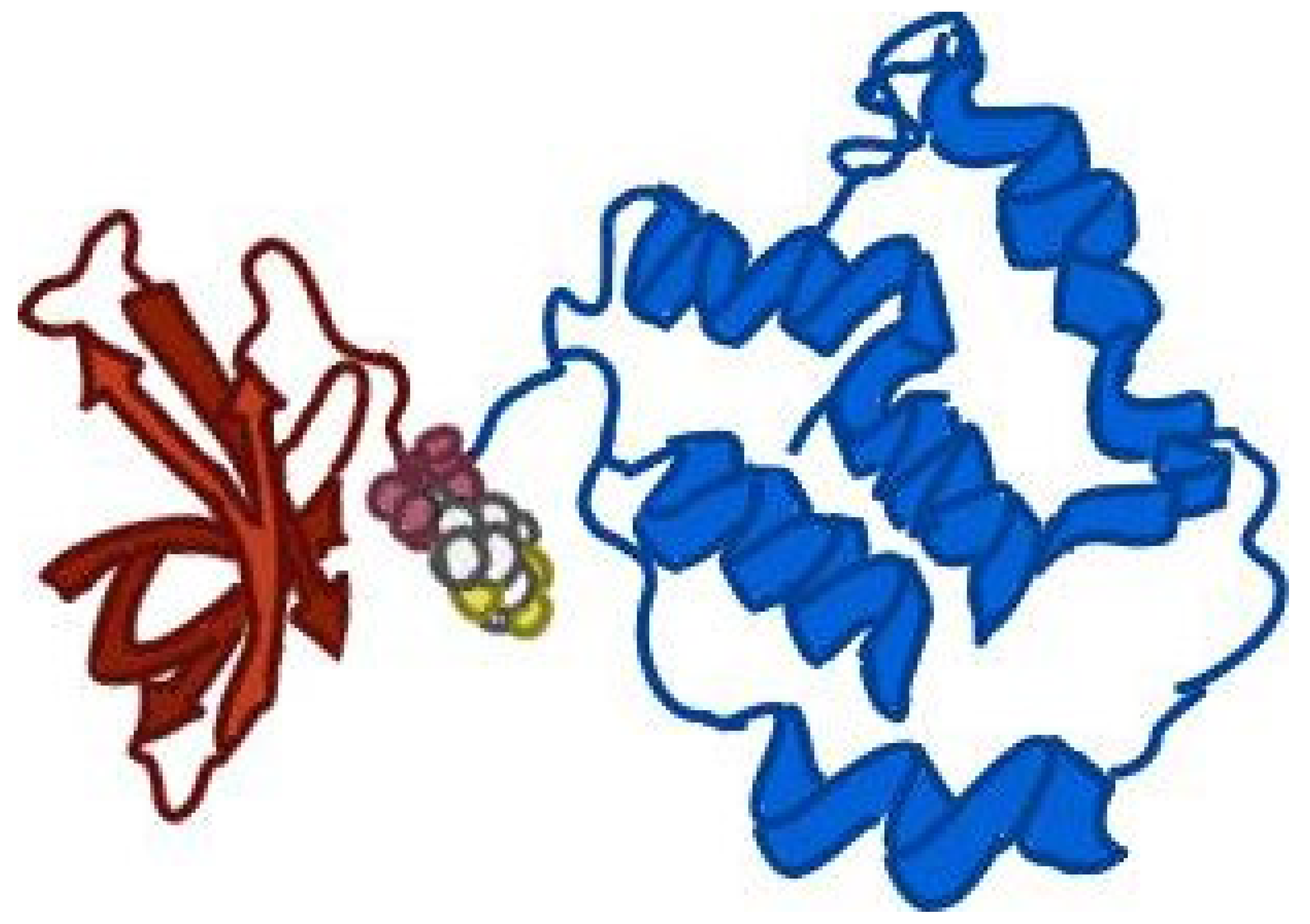
Figure 2.
– Flowchart.
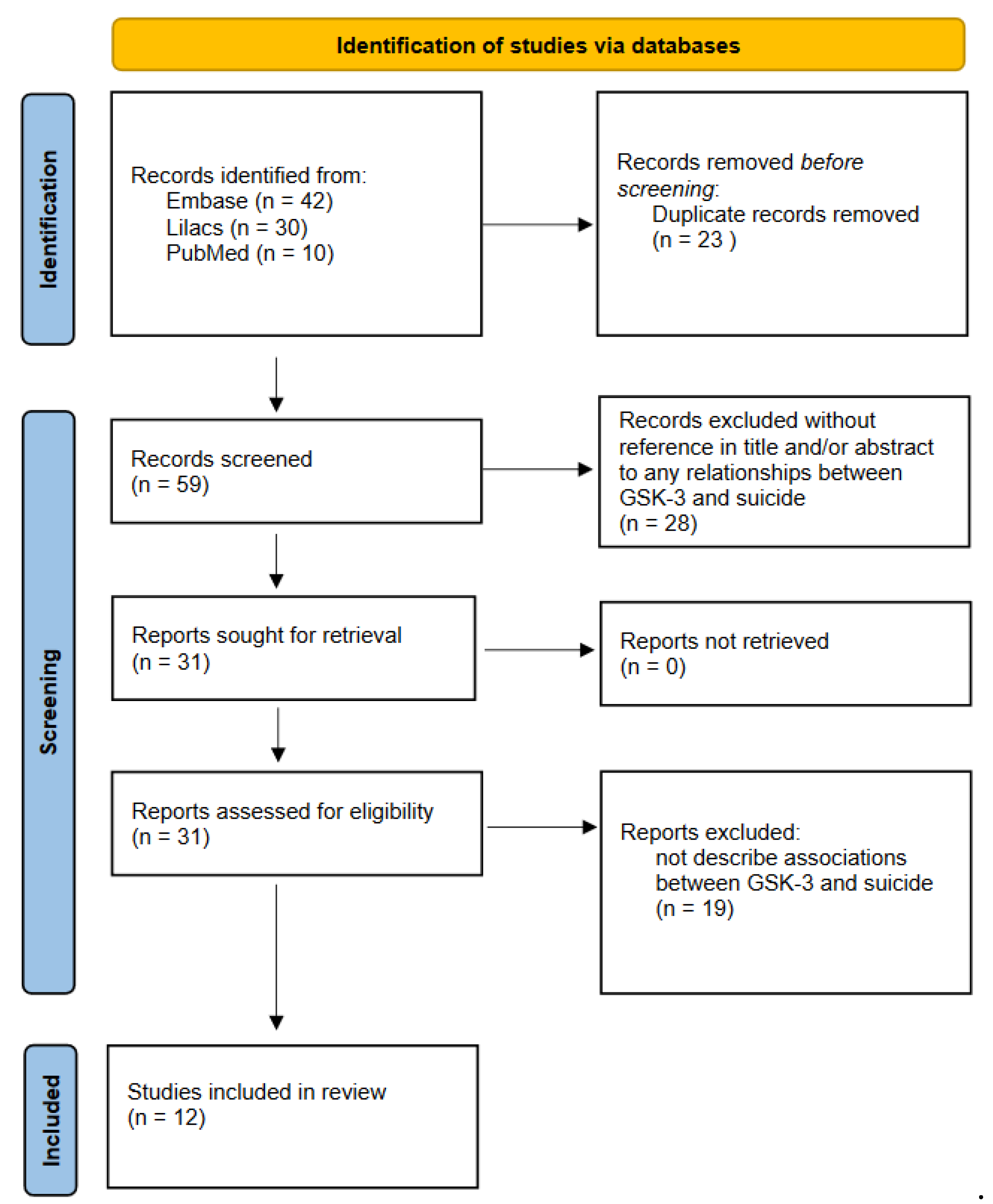
Figure 3.
5-HT1A and GSK-3.
Disclaimer/Publisher’s Note: The statements, opinions and data contained in all publications are solely those of the individual author(s) and contributor(s) and not of MDPI and/or the editor(s). MDPI and/or the editor(s) disclaim responsibility for any injury to people or property resulting from any ideas, methods, instructions or products referred to in the content. |
© 2024 by the authors. Licensee MDPI, Basel, Switzerland. This article is an open access article distributed under the terms and conditions of the Creative Commons Attribution (CC BY) license (https://creativecommons.org/licenses/by/4.0/).
Copyright: This open access article is published under a Creative Commons CC BY 4.0 license, which permit the free download, distribution, and reuse, provided that the author and preprint are cited in any reuse.