

Submitted:
19 August 2024
Posted:
20 August 2024
You are already at the latest version
Abstract
It seems that natural compounds with bioactivity are the food constituents, present in the diets, that may provide protective effects on health due to their biochemical effects. The main benefits appear to be decline in oxidative stress and inflammation that are crucial in the pathogenesis of obesity, diabetes and metabolic syndrome. Apart from anti-inflammatory activity, these molecules also possess antifungal, and anti-infective preventative effects. Further evidence indicate that these bioactive molecules are the constituents, which are known to increase function of the foods. This review aims to emphasize that plant based diet is rich in phytochemicals such as antioxidants, vitamins, minerals, polyphenolics and flavonoids, amino acids and fatty acids, that are able to cause benefits via these compounds. These bioactive molecules can target mechanisms of oxidative stress and inflammation that are crucial in the management of metabolic syndrome. These antioxidant compounds appear to be essential component of plant based diets and are crucial for healthiness. Most investigators have proposed that bioactive compounds act as nutraceuticals which are able to regulate certain patho-physiological mechanisms responsible for metabolic diseases. The bioactive compoundspresent in the plant based diets are primary and secondary metabolites of nutritive and non-nutritive natural components generating health benefits by preventing or managing chronic disease or its symptoms. The bioactive compounds are known for their beneficial effects to health. Despite their small quantity in the diets, these bioactive compounds may trigger certain mechanisms that may cause alteration with improvement in health. It seems that most of the bioactive compounds co-existing in the plant-based diets, may be extremely healthful. However, if they are taken in excess, they can cause toxic effects. There is an urgent need to evaluate each bioactive compound to establish a beneficial quantity and a threshold of toxicity, while treating metabolic syndrome.
Keywords:
Foods and function
; health
; functional foods
; healthy diet
; diseases
; micronutrient
; nutraceuticals
; flavonoids
Introduction
Oxidative stress and inflammation are crucial in the pathophysiology of chronic non-communicable diseases (NCDs) including metabolic syndrome [1,2,3,4,5,6,7,8,9,10]. Bioactive compounds are important constituents of a healthy plant based diet which act by decreasing oxidative stress and inflammation [1,2,3,4,5]. Plant based diets having balanced quantity of bioactive compounds, may be superior that can provide the physiological and metabolic functions [4,5,6,7,8,9]. There is a controversy regarding the definition of functional foods and functional diets [11,12,13]. In general, functional foods or functional diets are defined as those foods, that improve health as well as treat diseases. Further research indicates that western diet [1,2,3] and lifestyle such as tobacco intake [10] can predispose oxidative stress and inflammation leading to metabolic diseases such as obesity, metabolic syndrome, diabetes mellitus and hyperlipidaemia [1,2,3,6]. However, Mediterranean diet or a plant based diet, which is rich in bioactive compounds may be protective against these metabolic diseases [4,5].
Oxidative Stress and Inflammation in the Pathophysiology of Metabolic Syndrome
There is evidence that oxidative stress and inflammation are important metabolic and pathophysiological mechanisms, that may be easily induced by one another [1,2,3]. It seems that, both the mechanisms are simultaneously observed in many pathological conditions. The process of inflammatory induces oxidative stress and reduces cellular antioxidant capacity by causing a decline in the endogenous antioxidants as well as in the exogenous antioxidants that are supplied through diet [4,5]. Overproduction of free radicals due to western diet and lifestyle, interact with cell membrane fatty acids and proteins resulting in to impairment of their function [7,8,9,10]. It is possible that there are two major mechanisms through which oxidative stress contributes to disease [1]. In the first one there is an involvement of the production of reactive oxygen species (ROS) during the radical stress; in particularly •OH, ONOO− and HOCl, which directly can oxidize and damage the macromolecules, including cell membrane lipids, structural proteins, enzymes and nucleic acids, leading to aberrant cell function and death [1,2,3]. In the second mechanism, there is aberrant redox signaling during the oxidative stress [1,2,3]. There are certain oxidants, such as hydrogen peroxide (H2O2) are produced in the cells due to physiological activation, which may act as second messengers [1,8]. It seems that non-physiological produced H2O2 can cause redox signaling during the process of oxidative stress causing oxidative damage to cells [8,9,10].
In chronic metabolic diseases, such as obesity, diabetes mellitus and metabolic syndrome, both types of mechanisms of oxidative stress may occur in a single disease, in which both advanced glycation end (AGE) products accumulate along with aberrant activation of stress signaling leading to complications of diabetes [1,2,3,8]. There is increased production of H2O2 and release of iron from proteins due to oxidative stress by superoxide (O2•−) and peroxy-nitrite (ONOO− ) radicals, which may cause a marked elevation in the production of lipid peroxidation products including 4-hydroxy-2-nonenal (HNE), leading to aberrant cell signaling [1,2,3,9]. Since, oxidative stress has been associated with a wide range of pathological conditions, these conditions have been classified into two categories on the basis of the oxidative stress-induced damage to the etiology of these pathologies. It is possible that oxidative stress and inflammation may be the primary cause of certain pathology; such as pollution, smoking and radiation induced atherosclerosis[1,10]. Alternatively, oxidative stress may also be secondary contributor to disease progression, such as in dementia, chronic obstructive pulmonary disease (COPD), cancer and hypertension.
In metabolic diseases such as obesity, there is an increase in the accumulation of white adipose tissue, induced by western diet rich in refined carbohydrates and trans fat, that interact with genetics factors including thrifty genotype [2,3]. Increased consumption of high-fat or high-carbohydrate diets may alter oxygen metabolism, leading to increased production of free radicals, causing oxidative damage of cell membranes which worsen due to deficiency of antioxidants in the adipocytes and all other concerned cells [3]. Deposition of lipids may be accompanied by increased production of ROS with increased peroxidation of lipids to produce ROS. If the production of ROS exceeds the antioxidant capacity of a cell, it leads to dysfunction of the adipocytes, beta cells of pancreas and endothelial dysfunction which may initiate metabolic syndrome leading to diabetes and other metabolic and cardiovascular diseases (CVDs) [4]. Apart from this, the adipocytes produce several adipokines; pro-inflammatory cytokines including tumour necrosis factor alpha (TNF-α), interleukin-6 (IL-6), and leptin which are pro-inflammatory. It seems that IL-6 is involved in causing insulin resistance and glucose intolerance through negative regulation of visfatin. The development of insulin resistance and the pro-inflammatory response also occurs due to increase in TNF-α [1,2,3,6,9]. Epidemiological studies have demonstrated that oxidative stress and inflammation as well as insulin resistance may be decreased by Mediterranean type of diets, due to high content of fibre and flavonoids as well as antioxidants in the diet [4,5]. Further details of the mechanisms by which oxidative stress causes diseases would be given later. Figure 1 illustrated the mechanism of the effects of diets on pathogenesis and prevention of metabolic diseases.
Bioactive Compounds and Functional Foods
There is evidence that bioactive compounds such fibre and flavonoids as well as other micronutrients are crucial in making a food functional. All the foods, in particular foods that are functional can provide protective effects on health [11,12]. These benefits may be inhibition of oxidative stress, anti-oxidative, inhibition of inflammation, antifungal, and various additional protective effects [11,12,13,14]. The usefulness of these compounds illustrates the value of micronutrient rich foods possessing bioactivity that may be exploited for therapy [12]. There are several definitions proposed by various experts to characterise functional foods which acknowledge the role of bioactive compounds in the foods [13,14,15]. It seems that certain bioactive compounds may be the constituents that increase the beneficial property of functional foods and hence are essential to get place under the title of functional foods. These foods with unique properties are capable of providing beneficial effects though bioactive compounds, because these compounds can target mechanisms in providing the beneficial effects on health or diseases during the treatment [13]. The Institute of Food Technologists define these foods as “foods and food components that provide a health benefit beyond basic nutrition [16]. The functional food concept proposed by the Japanese, is well known in many countries from the ancient period because such foods were used for the improvement of health and treatment of diseases [17]. The idea of using these words about certain foods was novel and gained popularity due to additional properties of such foods beyond mundane nutritional effects [17]. Each of food functional foods may have the quality to target specific mechanisms that are linked to diseases; diabetes, obesity, cancer, and Alzheimer’s disease [14]. If these mechanisms are targeted well, the functional foods may accomplish healthiness to the extent, what drugs often fail to do, in the treatment of chronic disease. The adverse effects of functional foods, may be apparent, if they are consumed in the toxic dosage. These foods should be able to effectively manage chronic non-communicable diseases (NCDs) along with their manifestations. There would be no serious side effects of functional foods, that are associated with drug therapy.
Effects of Functional Bioactive Foods on Metabolic Diseases
Type 2 diabetes mellitus (T2DM) is a major chronic metabolic disorder affecting over 450 million people globally. It is caused by several risk factors, and one is diet and the amount and quality of food consumed, especially those rich in fats and sugar. If diagnosed late or left untreated, T2DM can lead to several long-term diseases such as neuropathy, cardiomyopathy, nephropathy, retinopathy, and many others. It is advisable to consume daily an appropriate amounts of foods, in divided 4-5 meals, which are rich in bioactive molecules such as antioxidants, fibres, phenols, and other essential ingredients. Like certain foods, prescribed medications to treat T2DM often work by helping the patient to lose weight and regain insulin sensitivity, like the action of bioactive functional foods that target these mechanisms [17,18]. In one study the authors defined functional bioactive foods as ‘functional foods medicine”, suggesting that functional food could also be medicine [12]. It is particularly noteworthy that T2DM is not the only chronic metabolic disease that has been treated with functional foods. However, several other studies have investigated the beneficial use of functional foods to treat CVDs [19]. Seaweeds contain several metabolites including lipids and fibres which act as bioactive compounds that interact with other biological molecules in the body.
Functional foods can be used in treating, preventing, and managing all the non-communicable diseases (NCDs) including metabolic diseases and cancer[17,18,19]. Many herbal remedies including leaves and bark are considered functional foods and some examples include mint, bitter melon, cinnamon, and tea. Cancer patients have been using these herbal remedies to manage breast, colon, and prostate cancer. The functional food remedies have been clinically shown to help cancer patients in the management of their disease, solidifying the importance of functional foods in managing chronic disease [19]. The bioactive compounds are the primary source of functional foods being able to treat, manage, and prevent chronic disease. Bioactive compounds are the driving force that establishes the functional aspect of functional foods. A standard acknowledgement of these compounds will bring a general understanding as to how functional foods improve health. Thus, the Functional Food Centre’s updated definition is a stride in the right direction. Bioactive compounds have an essential role in functional foods as the component that improves health and helping to treat disease [12,13,19]. Some experts have proposed functional farming to grow functional foods rich in potential bioactive non-pharmacological agents.
Effects of Polyphenols and Anthocyanins on Inflammation
Some studies have investigated the relationship between bioactive compounds found in certain foods and their protective roes in the development and treatment inflammation [20,21]. Many experts believe that some of the preventable chronic conditions are inflammatory in nature. Anthocyanins are anti-inflammatory bioactive agents found in many plants, including cinnamon and bitter melon and they possess several health benefits. In 2018, Shah et al, performed a systematic review and meta-analysis of randomized controlled trials. The mean difference of hs-CRP was found to be 0.164 after reducing inflammatory markers. This study concluded that anthocyanin improves inflammation and lipid profile[20]. Poulsen et al, performed a systematic review and meta-analysis of 16 studies. The results showed significant reductions in C-reactive protein (CRP) level. Similarly, anthocyanins and plant oils were able to induce significant reduction in CRP levels in diabetic patients [21]. Bioactive compounds are believed to interact with biomarkers endogenously in the body to exert their potential medicinal beneficial effects. In doing this, these compounds can further enhance longevity and quality of life of people as reported in a study on overweight/obese patients. In conclusion, the findings suggest that a diet high in fruits/vegetables and plant-oils is beneficial for attenuating elevated CRP. [21]. Fallah, et al, [22] conducted a systematic review and meta-analysis of 32 randomized controlled trials researching the effects of anthocyanins in the human body. Their study found that anthocyanins administered in higher doses (>300 mg/day) significantly decreased levels of CRP, interleukin 6 (IL-6), tumour necrosis factor alpha (TNF-α), and vascular cell adhesion molecule (VCAM-1). Foods which contain anthocyanins can reduce the levels of systemic and vascular inflammation in humans, according to the results from a previous study [22].
Polyphenols are also natural bioactive compounds found in certain foods that have several health benefits. Table 1 shows the potential beneficial effects of such bioactive compounds as polyphenols and anthocyanins on inflammation. In 2020, Moua, et al, published a systematic review and meta-analysis of 11 studies involving over 60,000 participants. Their results reported a statistically significant association between coffee consumption and CRP levels in three studies with the largest sample sizes. The associations among Europeans and Americans (US) women, as well as Japanese men, were inverse (1.3%-5.5% decrease in CRP per 100 mL of coffee consumed) [23]. In 2021, Sarkhosh-Khorsani, et al, conducted a systematic review and meta-analysis of 17 randomized controlled trials involving over 600 participants. They found that CRP levels were significantly affected by higher grape polyphenol doses (>500 mg/d) and longer intervention periods (*12 weeks) according to the subgroup analysis. In addition, grape polyphenols were shown to effectively lower CRP levels in patients with clinical conditions. The results show that grape seed extract, as well as grape juice and raisins, have significant effects on CRP levels. Moreover, the results from the meta-regression reveal that CRP levels are affected by the duration and amount of grape polyphenol supplementation. Furthermore, CRP levels were reported to be varied significantly and this depended on the number of polyphenols in grape products [24].The data in table 1 shows the effects of bioactive compounds, such as polyphenols and anthocyanins on inflammation.
Effect of the Polyphenol on Blood Pressure
World Health Organization (WHO) reported that over 1 billion people have hypertension globally. In 2015, Li et al, [25]conducted a meta-analysis of 10 randomized controlled trials. In comparison to control subjects (12 comparisons), grape polyphenols significantly reduced systolic blood pressure by 1.48 mm Hg per day. A subgroup analysis indicated a larger reduction was found for patients with metabolic syndrome (median intake of grape polyphenols * 733 mg/day) or the intake of low-dose grape polyphenols (* 733 mg/day) [25].In 2017, Marx, et al, [26]carried out a systematic review and meta-analysis of 12 studies using several polyphenol-rich interventions such as soybeans, cocoa, pomegranates, grapes, and turmeric. There was a significant improvement in diastolic blood pressure with polyphenol-rich interventions (Mean difference -5.62 mm Hg) [26] In 2020, Weaver et al, performed a systematic review and meta-analysis of 37 studies. Researchers observed significant reductions in systolic blood pressure in human studies that used pure resveratrol (-3.7 mm Hg). From the results, the authors of the paper concluded that red wine polyphenols were effective in reducing blood pressure. Currently, human populations are at severe at risk for developing cardiovascular diseases, including hypertension and they may benefit from these therapies, particularly by lowering systolic blood pressure [27]. In addition, bitter melon and fenugreeks have also been found to reduce blood pressure, which may be due to their polyphenol content (personal communication, JS). Table 2 illustrates the potential beneficial effect of polyphenol on blood pressure.
Effect of Polyphenols and Anthocyanins on Blood Lipids
WHO reported that heart diseases and stroke are associated with high cholesterol levels in the body. In 2019, George, et al, [28] published a systematic review and meta-analysis of 26 studies. In their study, olive oil containing high polyphenol level as compared to low olive oil polyphenol significantly improved oxidized LDL in the body (Standard Mean Difference: -0.44) total cholesterol (MD 4.5 mg/dL) and HDL cholesterol (Mean difference of 2.37 mg/dL) [28]. In 2016, Liu et al, [29] conducted a systematic review and meta-analysis of 6 studies with over 500 participants. Their results showed that anthocyanin supplementation has significant effects on total cholesterol [MD = -24.06,], triglycerides [MD = -26.14], LDL-C [MD = -22.10] and HDL-C (MD = 5.58, 95%). The study concluded that in patients with dyslipidaemia, anthocyanin therapy could reduce serum total cholesterol, triglycerides, and LDL cholesterol levels, and increases HDL cholesterol [29]. In 2018, Shah, et al, [20] carried out a systematic review and meta-analysis of randomized controlled trials. This analysis showed that triglyceride levels were significantly decreased by a mean difference of -9.16, low density lipoprotein levels were decreased by a mean difference of -8.86, the levels of apolipoprotein B were decreased by -7.13, and the levels of high-density lipoprotein increased by 1.67 [20]. In 2021, Lin, et al, [30] performed a systematic review and meta-analysis of 44 randomized controlled trials and 15 prospective studies. The results revealed that supplementation of purified anthocyanin significantly reduced blood LDL cholesterol and triglyceride concentrations (WMD: -5.43 mg/dL and -6.2 mg/dL, respectively), and significantly increased HDL cholesterol (WMD: 11.49 mg/dL). Another study demonstrated that anthocyanin-rich berry administration led to a significant decrease in blood cholesterol (WMD: -4.48 mg/dL), as well as improved blood lipid profiles and a reduction in circulating pro-inflammatory cytokines, which may reduce the risk for CVDs [30]. Finally, in 2022, Wilken, et al, [31] published a systematic review and meta-analysis of 21 articles. Low-density lipoprotein was generally reduced in the studies (p=0.04). After a 4-6-week intervention, HDL levels increased with the consumption of cranberries and freeze-dried berries. Fruit products like freeze-dried strawberries, which contain concentrated berry compounds, showed notable effects [31]. Table 3 shows the potential beneficial effect of polyphenols and anthocyanins on the levels of blood lipids.
Effect of Polyphenols and Anthocyanins on Glycaemic Parameters
In 2019, the WHO reported that the global diabetic complications accounted for an estimated 1.5 million deaths annually and these deaths were directly related to diabetes. In 2017, Palma-Duran, et al, [32] conducted a systematic review and meta-analysis of 36 randomized controlled trials. For 0.7 to 12 months, polyphenol supplementations (either extracts, supplements, or foods) (28 mg to 1.5 g) were tested in diabetic patients. The results revealed that polyphenol supplementations significantly reduced HbA1c% by -0.53 units when combined across all subjects (n = 1,954, mean baseline HbA1c = 7.03%, 53 mmol/mol). Study participants with T2DM experienced significant reductions in HbA1c and lowered HbA1c% by 0.21. The study concluded polyphenols were effective in reducing HbA1c in T2DM patients without any intervention at the glycaemic level and in turn, polyphenols might be able to reduce and possibly prevent diabetes-induced long-term complications [32]. In 2020, Raimundo, et al, [33] carried out a meta-analysis of 20 randomized controlled trials. A comparison of the intervention and control means showed overall that polyphenol consumption contributed to reduced fasting glucose levels (- 3.32 mg/dL). Despite this, haemoglobin HbA1C decreased only modestly (- 0.24%). Comparative analyses showed that consumption of polyphenols was more associated with lower levels of blood glucose in diabetes individuals (- 5.86 mg/dL) and that these compounds could act in combination with anti-diabetic medications (- 10.17 mg/dL). Moreover, the results suggest that consumption of (poly)phenols may contribute in lowering the levels of blood glucose in individuals with T2DM or those who are at risk in developing diabetes [33].
With respect to the effect of anthocyanins on blood glucose parameters, Yang, et al, [34], performed a systematic review and meta-analysis of 32 randomized controlled trials involving over 1400 subjects. The results revealed that in addition to reducing fasting glucose (SMD: -0.31), 2-hour postprandial sugar (SMD: -0.82), glycated haemoglobin (SMD: -0.65), and total cholesterol (SMD: -0.33), anthocyanins supplementations were able to improve whole blood lipid profile (SMD: -0.35). These findings support the health benefits of anthocyanins in the prevention of and management of cardiometabolic disease [34]. Finally, in 2020, Fallah, et al, [25,35] published a systematic review and meta-analysis of randomized controlled trials in diabetic patients. Their results showed that when compared to control subjects, fasting blood sugar (FBS; -2.70 mg/dl), 2-hour postprandial glucose (PPG; -11.1 mg/dl) and glycated haemoglobin (HbA1c; -11.1 mg/dl) levels were significantly reduced. For at least eight weeks and at doses of more than 300 mg/day, anthocyanin consumption dramatically reduced FBS, 2-h PPG, HbA1c, and homeostasis model assessment of insulin resistance (HOMA-IR) levels. Another study reported decreased levels of FBS, 2-h PPG, HbA1c, and HOMA-IR in T2DM patients and overweight/obese individuals following the administration of anthocyanins. Generally, dietary anthocyanins have been shown to significantly improve biomarkers of glycaemic control and glucose metabolism among patients with T2DM [35]. Table 4 illustrates the potential beneficial effects of polyphenols and anthocyanins on blood glucose parameters in the body.
Oxidative Stress and Metabolic Diseases
Oxidative stress is a pathophysiological condition that occurs when there is an imbalance between the productions of reactive oxygen species (ROS) and reactive carbonyl species (RCS) and the ability of the body to neutralize and eliminate these lethal oxidants leading to physiological levels [1,2,3,36,37,38]. ROS and RCS are generated as byproducts of normal metabolic processes as well as in elevated blood glucose level as in diabetes. Moreover, they can also be produced in response to environmental stressors and insults such as ultraviolet (UV) radiation, air pollution, toxins, some diets, smoking and others [1,2,3]. When ROS and RCS levels become excessively high, they can damage cellular components such as DNA, lipids, and proteins, leading to cellular dysfunction and diseases [3]. In addition to its role in disease, oxidative stress also plays a crucial role in the biological processes of aging [39].
Metabolic syndrome is a cluster of metabolic abnormalities that increase the risk of developing CVDs, obesity and T2DM [40,41,42,43,44]. It can be defined as the presence of at least three of the following criteria, namely abdominal obesity, elevated blood pressure, elevated fasting glucose, elevated triglycerides, and reduced high-density lipoprotein (HDL) cholesterol levels [41,42]. Abdominal obesity is a key component of metabolic syndrome, as it is associated with insulin resistance (IR) and the release of pro-inflammatory cytokines from adipose tissue. Elevated blood pressure is also a common feature of metabolic syndrome and is thought to result from an increased sympathetic tone and impaired endothelial function [42]. IR and hyperinsulinemia are often present in individuals with metabolic syndrome and are linked to dyslipidemia, as well as the development of non-alcoholic fatty liver disease [42,43]. Metabolic syndrome is aa major global growing public health concern, as it is estimated to affect approximately one-quarter of adults worldwide, not only in Westernized countries but now in low and moderate income -countries [42]. It is associated with an increased risk of CVDs, obesity and T2DM, as well as other conditions such as non-alcoholic fatty liver disease and polycystic ovary syndrome [41,42].
Oxidative stress and chronic inflammation are closely linked and can both contribute to the development of metabolic diseases. Oxidative stress is the imbalance between the production of (ROS) and the ability of the body to detoxify these harmful molecules, leading to cellular damage. Chronic inflammation, on the other hand, is a persistent immune response that leads to tissue damage and dysfunction leading to metabolic diseases [45]. Oxidative stress can trigger chronic inflammation by activating pro-inflammatory signaling pathways, which in turn exacerbates oxidative stress and creates a cycle of inflammation and damage to the body [43,44]. Chronic inflammation can also lead to oxidative stress by increasing the production of ROS and RCS from immune cells and damaged tissues [45]. The combined effects of oxidative stress and chronic inflammation can contribute to the development of metabolic diseases by impairing normal metabolic processes [45]. For example, oxidative stress and inflammation can cause insulin resistance, a key feature of such metabolic disorders as obesity and T2DM [46]. IR occurs when cells become less responsive to insulin, leading to impaired glucose uptake and elevated blood sugar levels. Oxidative stress and inflammation can also contribute to the development of metabolic non-alcoholic fatty liver disease (NAFLD) [48]. Interestingly, both oxidative stress and chronic inflammation can be reduced cost-effectively through lifestyle modifications and in chronic states by medical interventions. As such, these are effective strategies for preventing and treating metabolic diseases.
Previous studies have shown that at molecular level, ROS, and RCS, generated at high pharmacological levels, can attack cellular proteins, glucose, lipids, and nucleic acids, leading to cellular dysfunction and a range of pathologies. As highly reactive molecules, both ROS and RCS can exert direct insults and damage to several cellular components, including proteins, lipids, glucose and nucleic acids, through a pathophysiological process of oxidative stress. Oxidative stress induced by ROS and RCS can also cause damage to proteins by modifying their amino acid residues, leading to altered protein function or degradation [49,50]. Lipids are also susceptible to oxidative stress, and lipid peroxidation can occur in the presence of ROS and RCS, leading to the formation of harmful reactive lipid species that can damage cellular membranes and alter cellular signaling pathways [51]. In addition, oxidative stress can cause DNA damage by modifying nucleic acids, leading to genetic mutations and chromosomal abnormalities [52]. DNA damage can lead to altered cellular transport mechanisms and decreased biological activity, as well as increased immune activation and inflammation leading to cancer [50,53].
The consequences of oxidative stress-induced cellular dysfunction can be wide-ranging and can contribute to a range of pathologies, including neurodegenerative diseases, CVDs, cancer, and metabolic disorders [53]. The loss of energy metabolism in the body can lead to an alteration of cell signaling and cell cycle control, genetic mutations, altered cellular transport mechanisms, and decreased biological activity which are all potential outcomes of oxidative stress resulting in cellular dysfunction [40]. This oxidative stress-induced cellular damage can contribute to the development of a range of pathologies, highlighting the importance of maintaining redox balance in the body. Studies suggest that the nutritional stress caused by a high-fat, high-carbohydrate diet can also promote oxidative stress, as evidenced by increased lipid peroxidation products, protein carbonylation, decreased antioxidant system and reduced glutathione (GSH) levels. These changes can lead to the initiation of a pathogenic milieu and the development of several chronic diseases [40,41,42,43].
A high-fat, high-carbohydrate diet can lead to the accumulation of ROS and RCS in the body leading to oxidative stress and damage to cellular components [44]. Increased levels of ROS and RCS can lead to lipid peroxidation, resulting in the formation of harmful reactive lipid species that can damage cellular membranes and organelles, especially the mitochondria leading to mitochondrial dysfunction and alteration in cellular signaling pathways. Furthermore, oxidative stress can cause damage to proteins by modifying their amino acid residues, leading to altered protein function or degradation, as evidenced by increased protein carbonylation in response to a high-fat, high-carbohydrate diet [45]. This can lead to alterations in cellular signaling and metabolic pathways and contribute to the development of chronic diseases. The antioxidant system, which helps to regulate oxidative stress, can also be affected by a high-fat, high-carbohydrate diet. This can lead to decreased levels of antioxidants such as reduced (GSH), which can exacerbate oxidative stress and inflammation and insulin resistance and contribute to the development of chronic diseases [46]. These pathological changes induced by a high-fat and high-carbohydrate Western diets, including increased lipid peroxidation products, protein carbonylation, and decreased antioxidant system and GSH levels, can lead to the initiation of a pathogenic milieu and the development of several chronic metabolic diseases such as obesity, insulin resistance and metabolic syndrome, leading to the initiation of a pathogenic milieu which in turn contributes to the development of several chronic diseases T2DM and CVDs [44,45,46,47,48].
In summary, several studies have suggested that oxidative stress and chronic inflammation are closely inter-linked and moreover, both are involved in the pathogenesis of chronic diseases. Oxidative stress results from an imbalance between the production of ROS and RCS and the antioxidant defense mechanism(s) of the body, while chronic inflammation is a response to tissue damage or infection involving the release of pro-inflammatory cytokines and chemokines [49]. Some other studies have also suggested that oxidative stress and chronic inflammation can lead to the development of chronic diseases through various subcellular, cellular, and molecular mechanisms. For example, oxidative stress can induce DNA damage and impair DNA repair mechanisms, leading to genetic mutations and the development of diseases, especially cancer [50]. Similarly, chronic inflammation can lead to the development of IR and T2DM via the activation of pro-inflammatory signaling pathways, which in turn can impair insulin signaling and glucose uptake in peripheral tissues [51]. In addition, both oxidative stress and chronic inflammation can promote the development of atherosclerosis and CVDs through their effects on endothelial cell function, lipid metabolism, and plaque formation [52]. Furthermore, oxidative stress and chronic inflammation can also impair cell cycle regulation, leading to abnormal cell growth and the development of cancer [49]. Therefore, it is clear that oxidative stress has been implicated in a wide range of diseases, including cancer, insulin resistance, cardiovascular disease, neurodegenerative disorders, obesity, and diabetes [1,2,3,4,5,53,54,55]. It seems that bioactive compounds could be useful in the prevention of all the NCDs. In previous studies, cocoa, omega-3 fatty acids and coenzyme Q10 have been found to be protective against NCDs [56,57,58].
In conclusion, several research studies have shown a positive impact of these plant-based bioactive compounds on NCDs, including metabolic diseases as well as longevity and the quality of life. Oxidative stress and chronic inflammation are important underlying factors that lead to the development of such pathologies as adipogenesis, obesity, diabetes, metabolic syndrome, insulin resistance and CVDs through altered cellular and nuclear mechanisms, including impaired DNA damage and repair and cell cycle regulation. The bioactive components of functional foods are the determining factors to either delay or prevent the development of f several of the metabolic diseases globally. It is not very clear what are the cellular and molecular mechanisms via which bioactive molecules of functional food can induce their protective effects against the development of several diseases in the body.An understanding of how functional foods improve health will become more widespread with an acknowledgement of these compounds. As such, the Functional Food Centre’s updated definition represents an important step forward, but further modification may be interesting. As a component of functional foods, bioactive compounds play a crucial role in improving health by treating several diseases. The results also indicate the bioactive properties of polyphenols and anthocyanins and their ability to reduce inflammation, blood pressure, lipid levels, and glucose levels. Additional research is also necessary to support these results.
Conclusions
Classification of Flavonoids
Flavonoids generally accumulate in vacuoles of plant cells in the form of glycosides. In chemical structure, flavonoids have three rings (C6-C3-C6) as their basic skeleton (labeled A, B, and C in Fig. 1). Based on structural differences, flavonoids are generally classified into seven subclasses: flavonols, flavones, isoflavones, anthocyanidins, flavanones, flavanols, and chalcones (Fig. 1).
Author Contributions
All authors participated in writing the article equally, although article was drafted by RBS and JF and rephrasing by JS.
Funding
This publication was supported by grant AKARDIO COVID-19, ITMS: 313011AUB1, Operational Program Integrated Infrastructure, co-founded by European Regional Development Fund.
Acknowledgments
The International College of Nutrition and International College of Cardiology are thanked for providing logistic support to write this article.
Competing Interests
Conflict of interest has not been declared by the authors.
References
- Forman: HJ., Zhang H. Targeting oxidative stress in disease: promise and limitations of antioxidant therapy. Nat Rev Drug Discov 20, 689–709 (2021). [CrossRef]
- Jiang S, Liu H, Li C. Dietary Regulation of Oxidative Stress in Chronic Metabolic Diseases. Foods. 2021 Aug 11;10(8):1854. [CrossRef]
- Manna P., Jain S.K. Obesity, oxidative stress, adipose tissue dysfunction, and the associated health risks: Causes and therapeutic strategies. Metab. Syndr. Relat. Disord. 2015;13 :423–444. [CrossRef]
- Serra-Majem L., Roman-Vinas B., Sanchez-Villegas A., Guasch-Ferre M., Corella D., La Vecchia C. Benefits of the Mediterranean diet: Epidemiological and molecular aspects. Mol. Aspects Med. 2019;67:1–55. [CrossRef]
- Najjar RS, Feresin RG. Protective Role of Polyphenols in Heart Failure: MolecularTargets and Cellular Mechanisms Underlying TheirTherapeutic Potential. Int Jour Mol Sciences. 2021, 22, 1668. [CrossRef]
- Pandey KB., Rizvi, SI, & Ahmad A. Diet-induced oxidative stress. Journal of Food Science and Technology, 2019; 56(2), 686-695.
- Maurya DK, &Devasagayam, TP. Antioxidant and pro-oxidant nature of hydroxycinnamic acid derivatives ferulic and caffeic acids. Food and Chemical Toxicology, 2010;48(12), 3369-3373.
- Cooke, MS., Evans, MD., Dizdaroglu, M, &Lunec, J. Oxidative DNA damage: mechanisms, mutation, and disease. FASEB Journal, 2003;17(10), 1195-1214.
- Hotamisligil, GS. Inflammation and metabolic disorders. Nature,2006; 444(7121), 860-867. [CrossRef]
- Pryor, WA, & Stone, K.. Oxidants in cigarette smoke. Radicals, hydrogen peroxide, peroxynitrate, and peroxynitrite. Annals of the New York Academy of Sciences, 1993;686(1), 12-28.
- Martirosyan D., Miller E., Bioactive Compounds: The Key to Functional Foods. Bioactive Compounds in Health and Disease 2018; 8(7):36-39. [CrossRef]
- Martirosyan D and KasiaPisarski. Bioactive Compounds: Their Role in Functional Food and Human Health, Classifications, and Definitions. In: Bioactive Compounds and Cancer. Edited by DanikMartirosyan and Jin-Rong Zhou. San Diego: Food Science Publisher; 238-277.
- Martirosyan D and Jaishree Singh. A new definition of functional food by FFD: what makes a new definition unique? Functional Foods in Health and Disease 2015; 5(6):209-223.
- Milner JA; Functional Foods and Health Promotion, The Journal of Nutrition, 1999; 129:1395S–1397S.
- Khan, M.I., Anjum, F.M., Sohaib, M. et al. Rev EndocrMetabDisord (2013) 14: 287.
- Institute of Food Technologists. Functional foods: Opportunities and challenges. March 2005.
- del Castillo MD, Iriondo-DeHond A, Martirosyan DM. Are Functional Foods Essential for Sustainable Health? Ann Nutr Food Sci. 2018; 2(1): Article 1015.
- Alkhatib, A., Tsang, C., Tiss, A., Bahorun, T., Arefanian, H., Barake, R., … Tuomilehto, J.Functional Foods and Lifestyle Approaches for Diabetes Prevention and Management. Nutrients, 2017;9(12), Article 1310. [CrossRef]
- Isaza A, Halabi G, Yulia G, Khan S.Bioactive compounds in foods and sustainable health. Int J Clin Nutrition 2021; 21(1): 66-73.Bioactive compounds in foods and sustainable health.
- Shah K, Shah P. Effect of anthocyanin supplementations on lipid profile and inflammatory markers: a systematic review and meta-analysis of randomized controlled trials. Cholesterol. 2018;2018: Article 8450793. [CrossRef]
- Poulsen NB, Lambert MNT, Jeppesen PB. The effect of plant derived bioactive compounds on inflammation: a systematic review and meta-analysis. MolNutr Food Res. 2020; 64(18):Article e2000473. [CrossRef]
- Fallah AA, Sarmast E, Fatehi P, Jafari T. Impact of dietary anthocyanins on systemic and vascular inflammation: Systematic review and meta-analysis on randomised clinical trials. Food ChemToxicol. 2020; 135:Article 110922. [CrossRef]
- Moua ED, Hu C, Day N, Hord NG, Takata Y. Coffee consumption and c-reactive protein levels: a systematic review and meta-analysis. Nutrients. 2020;12(5): Article E1349. [CrossRef]
- Sarkhosh-Khorasani S, Hosseinzadeh M. The effect of grape products containing polyphenols on C-reactive protein levels: a systematic review and meta-analysis of randomized controlled trials. Br J Nutr. 2021;125(11):1230-1245.
- Li SH, Zhao P, Tian HB, Chen LH, Cui LQ. Effect of grape polyphenols on blood pressure: a meta-analysis of randomized controlled trials. PLoS One. 2015;10(9): Article e0137665. [CrossRef]
- Marx W, Kelly J, Marshall S, Nakos S, Campbell K, Itsiopoulos C. The effect of polyphenol-rich interventions on cardiovascular risk factors in haemodialysis: a systematic review and meta-analysis. Nutrients. 2017;9(12): Article E1345. [CrossRef]
- Weaver SR, Rendeiro C, McGettrick HM, Philp A, Lucas SJE. Fine wine or sour grapes? A systematic review and meta-analysis of the impact of red wine polyphenols on vascular health. Eur J Nutr. 2021;60(1):1-28.
- George ES, Marshall S, Mayr HL, et al. The effect of high-polyphenol extra virgin olive oil on cardiovascular risk factors: A systematic review and meta-analysis. Crit Rev Food SciNutr. 2019;59(17):2772-2795. [CrossRef]
- Liu C, Sun J, Lu Y, Bo Y. Effects of anthocyanin on serum lipids in dyslipidemia patients: a systematic review and meta-analysis. PLoS One. 2016;11(9): Article e0162089.
- Xu Lin, Tian Z, Chen H, Zhao Y, Yang Y. Anthocyanins, anthocyanin-rich berries, and cardiovascular risks: systematic review and meta-analysis of 44 randomized controlled trials and 15 prospective cohort studies. Front Nutr. 2021; 8: Article 747884.
- Wilken MR, Lambert MNT, Christensen CB, Jeppesen PB. Effects of anthocyanin-rich berries on the risk of metabolic syndrome: a systematic review and meta-analysis. Rev Diabetic Stud. 2022;18(1):42-57. [CrossRef]
- Palma-Duran SA, Vlassopoulos A, Lean M, Govan L, Combet E. Nutritional intervention and impact of polyphenol on glycohemoglobin (Hba1c) in non-diabetic and type 2 diabetic subjects: Systematic review and meta-analysis. Crit Rev Food SciNutr. 2017;57(5): Article 975-986.
- Raimundo AF, Félix F, Andrade R, et al. Combined effect of interventions with pure or enriched mixtures of (Poly)phenols and anti-diabetic medication in type 2 diabetes management: a meta-analysis of randomized controlled human trials. Eur J Nutr. 2020;59(4):1329-1343. [CrossRef]
- Yang L, Ling W, Du Z, et al. Effects of anthocyanins on cardiometabolic health: a systematic review and meta-analysis of randomized controlled trials. AdvNutr. 2017;8(5):684-693. [CrossRef]
- Fallah AA, Sarmast E, Jafari T. Effect of dietary anthocyanins on biomarkers of glycemic control and glucose metabolism: A systematic review and meta-analysis of randomized clinical trials. Food Res Int. 2020;137: Article 109379. [CrossRef]
- Mingatto, F. E., Santos, A. C., Uyemura, S. A., Jordani, M. C., Curti, C., & Santos, R. H. (2007). Effect of fatty acid chain length on superoxide production by heart mitochondria. Biochimica et BiophysicaActa (BBA)-Bioenergetics, 2007;1767(9), Article 954-961.
- Halliwell, B, &Gutteridge, JM. Free radicals in biology and medicine. Oxford University Press.2015.
- Sies, H. Oxidative stress: a concept in redox biology and medicine. Redox biology, 2017;4, 180-183. [CrossRef]
- Harman, D. Aging: a theory based on free radical and radiation chemistry. Journal of Gerontology, 1956;11(3), 298-300. [CrossRef]
- Alberti, KG., Eckel, RH., Grundy, SM., Zimmet, P.Z., Cleeman, J. I., Donato, KA., ... & Smith Jr,SC. Harmonizing the metabolic syndrome: a joint interim statement of the International Diabetes Federation Task Force on Epidemiology and Prevention; National Heart, Lung, and Blood Institute; American Heart Association; World Heart Federation; International Atherosclerosis Society; and International Association for the Study of Obesity. Circulation, 2009;120(16), 1640-1645.
- Grundy, SM., Cleeman, J. I., Daniels, SR., Donato, KA., Eckel, RH., Franklin, BA., ... & Costa, F. Diagnosis and management of the metabolic syndrome: an American Heart Association/National Heart, Lung, and Blood Institute Scientific Statement. Circulation, 2005;112(17), 2735-2752.
- Reaven, GM. Banting lecture 1988. Role of insulin resistance in human disease. Diabetes, 1988;37(12), 1595-1607.
- Choi, Y. J., Lee, D. H., Han, K. D., & Yoon, H. Metabolic risks associated with body mass index and waist circumference in older adults: a nationwide study in Korea. Obesity Research & Clinical Practice, 2013;7(3), e198-e267.
- Furukawa, S., Fujita, T., Shimabukuro, M., Iwaki, M., Yamada, Y., Nakajima, Y., ... & Kanazawa, Y. Increased oxidative stress in obesity and its impact on metabolic syndrome. The Journal of Clinical Investigation, 2004;114(12), 1752-1761.
- Hotamisligil, GS. Inflammation and metabolic disorders. Nature, 2017;444(7121), 860-867. [CrossRef]
- Katsuki, A, Sumida, Y, &Gabazza, EC. Homeostasis model assessment is a reliable indicator of insulin resistance during follow-up of patients with type 2 diabetes. Diabetes Care, 2002;25(12), 2360-2361.
- Pizzino, G., Irrera, N., Cucinotta, M., Pallio, G.,Mannino, F., Arcoraci, V, &Squadrito, F. (2017). Oxidative stress: harms and benefits for human health. Oxidative Medicine and Cellular Longevity, 2017, Article 8416763.
- Tilg H, &Moschen, AR. Evolution of inflammation in nonalcoholic fatty liver disease: the multiple parallel hits hypothesis. Hepatology, 2010.52(5), 1836-1846.
- Dalle-Donne, I., Rossi, R., Colombo, R., Giustarini, D., &Milzani, A. Protein carbonyl groups as biomarkers of oxidative stress. ClinicaChimicaActa, 2006;329(1-2), 23-38.
- Furukawa, S., Fujita, T., Shimabukuro, M., Iwaki, M., Yamada, Y., Nakajima, Y,& Kanazawa, Y. Increased oxidative stress in obesity and its impact on metabolic syndrome. The Journal of Clinical Investigation, 2004;114(12), 1752-1761.
- Halliwell, B. Reactive species and antioxidants. Redox biology is a fundamental theme of aerobic life. Plant Physiology, 2006;141(2), 312-322. https://doi.org/10.1104/pp.106.077073. [CrossRef]
- Valavanidis, A., Vlachogianni, T., &Fiotakis, K. Tobacco smoke: involvement of reactive oxygen species and stable free radicals in mechanisms of oxidative damage, carcinogenesis and synergistic effects with other respirable particles. International Journal of Environmental Research and Public Health, 2009;6(2), 445-462.
- Valko, M., Rhodes, C. J., Moncol, J., Izakovic, M., & Mazur, M. Free radicals, metals and antioxidants in oxidative stress-induced cancer. Chemico-Biological Interactions, 2008;160(1), 1-40. [CrossRef]
- Kim, JA., Montagnani, M., Koh, KK., &Quon, MJ. Reciprocal relationships between insulin resistance and endothelial dysfunction: molecular and pathophysiological mechanisms. Circulation, 2018;113(15), 1888-1904.
- Lee J, Jang M, Kim, CS., Lee, YM., Kim, KS., Kim, JS., & Kim, SG. Low-carbohydrate diets induce oxidative stress in rats. Life Sciences, 2018;204, 71-77.
- Jain M, Juneja LR, Singh RB, Takahashi T, ElmarghyO, Fedacko J, Singh R,, Tribulova N, Hristova K, De Meester F, Wilczynska A, Wilson DW, Martyrosyan D, Singh RB, Sharma R, Omidvor S. Effects of cocoa intake on risk of cardio-metabolic diseases. Int J Clin Nutrition 2021; 21: 12-27.
- Omidvar S, Pati S, Singh RB, Takahashi T, Shin HH, Lee MK, Kim SA, Fedacko J, Singh R, Tribulova N, Hristova K, De Meester F, Wilczynska A, Wilson DW, Singh RB, Sharma R, Juneja LR. Association of cocoa consumption and risk of cardiovascular diseases and other chronic diseases. World Heart J 2013; 5: 47-68.
- Fedacko J, Vargova V, Singh RB, Anjum B, Takahashi T, Tongnuka M, Dharwadkar S, Singh S, Singh V, Kulshresth SK, De Meester F, Wilson DW. Association of high w-6/w-3 fatty acid ratio diet with causes of death due to noncommunicable diseases among urban decedents in North India. The Open Nutra Jour 2012; 5:113-123.
- Li D. Effect of the vegetarian diet on non-communicable diseases. J Sci Food Agric. 2013. [CrossRef]
- Tonstad S, Stewart K, Oda K, Batech M, Herring RP, Fraser GE. Vegetarian diets and incidence of diabetes in the Adventist Health Study-2. NutrMetabCardiovasc Dis. 2013;23(4):292–9. [CrossRef]
- U.S. Department of Health and Human Services and U.S. Department of Agriculture. 2015 – 2020 Dietary Guidelines for Americans. 2015 Available from: http://health.gov/dietaryguidelines/2015/guidelines/.
- Satija A, Hu FB. Plant-based diets and cardiovascular health. Trends Cardiovasc Med. 2018 Oct;28(7):437-441. [CrossRef]
- Bruns A, Greupner T, Nebl J, Hahn A. Plant-based diets and cardiovascular risk factors: a comparison of flexitarians, vegans and omnivores in a cross-sectional study. BMC Nutr. 2024 Feb 12;10(1):29. [CrossRef]
- Willett W, Rockström J, Loken B, Springmann M, Lang T, Vermeulen S et al. Food in the Anthropocene: the EAT–Lancet Commission on healthy diets from sustainable food systems. The Lancet. 2. Februar 2019; 393(10170):447–92.
- Malek L, Umberger W. How flexible are flexitarians? Examining diversity in dietary patterns, motivations and future intentions. Clean Responsible Consum 1 Oct. 2021;3:100038. [CrossRef]
- Phillips CM, Shivappa N, Hébert JR, Perry IJ. Dietary inflammatory index and Biomarkers of Lipoprotein Metabolism, inflammation and glucose homeostasis in adults. Nutrients 8 August. 2018;10(8):1033.
Figure 1.
Mechanism of the effects of diets on pathogenesis and prevention of metabolic diseases.
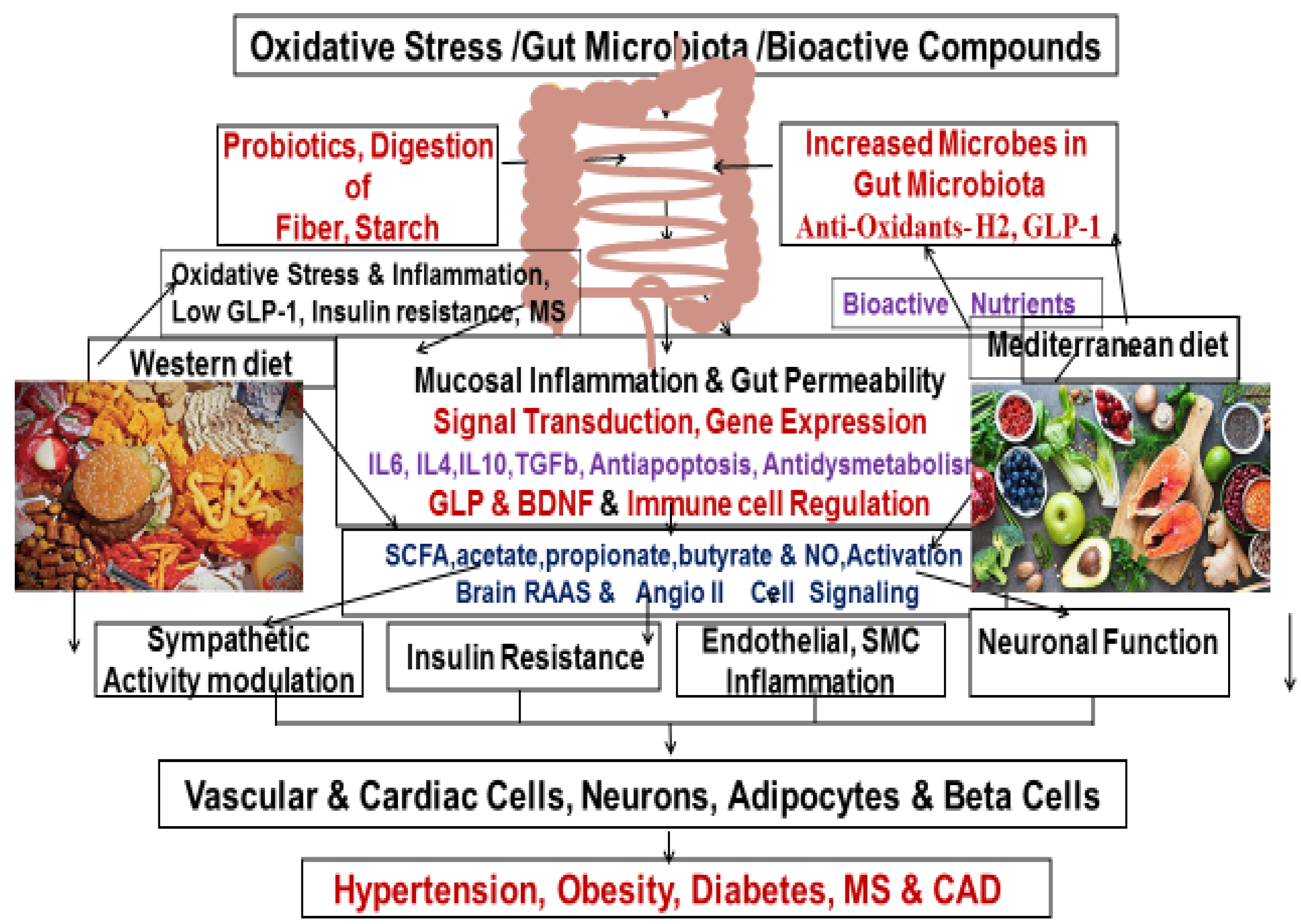

Table 1.
Effects of bioactive compounds, such as polyphenols and anthocyanins on inflammation.
| Authors | Shah, et al,2018 [23] | Sarkoshi-Khorsani, et al, 2021[24] |
| Condition | Lipid profile and inflammatory status from 17 studies. | Chronic inflammation from 17 studies. |
| Study | Systematic review and meta-analysis | Systematic review and meta-analysis |
| Study Design | Randomized controlled studies (n=1,535) | Randomized controlled trials (n=668) |
| Measured parameters | Triglycerides, low density lipoprotein, apolipoprotein B, high density lipoprotein, tumour necrosis factor, C-reactive protein, and interleukin- 6 | C-reactive protein |
| Results | Anthocyanin supplementation significantly improves lipid profile and inflammatory status | Grape products containing polyphenols decreased CRP significantly |
Table 2.
Effect of polyphenol on blood pressure.
| Shao-hua Li, et al, 2015 [25] | Weaver, et al, 2020 [27] | |
| Condition | High blood pressure | High blood pressure |
| Study design | Meta-analysis from 10 studies. | Systematic review and meta-analysis from 37 studies |
| Criteria | Randomized controlled trials (n=543) | Randomized, placebo-controlled trials. (n=2,093) |
| Measured parameters | Systolic blood pressure | Systolic blood pressure |
| Results | Daily consumption of polyphenols from grapes could significantly reduce systolic blood pressure. | Studies indicated significant improvements in systolic blood pressure overall for polyphenols of red wine and pure resveratrol |
Table 3.
Effect of polyphenols and anthocyanins on blood lipids.
| Authors | George, et al,2019 [28 ] | Liu, et al,2016 [29 ] |
| Condition | Cardiovascular disease from 26 studies | Dyslipidaemia from, 6 studies |
| Study design | Systematic review and meta-analysis | Systematic review and meta-analysis |
| Criteria | Randomized controlled trials (n=925) | Randomized controlled trials (n=586) |
| Measured parameters |
Oxidized LDL, total cholesterol, and HDL cholesterol, | Total cholesterol, triglycerides, LDL-C and HDL-C |
| Results | Compared to low olive oil polyphenol, high olive oil polyphenol significantly improved blood oxidized LDL, total cholesterol, and HDL cholesterol in the body | Anthocyanin supplementation significantly reduced TC, TG and LDL-C levels in patients with dyslipidaemia. |
Table 4.
Effect of polyphenols and anthocyanins on glycaemic parameters.
| Authors | Palma-Duran et al 2017 [32] | Yang, et al,2020 [34] |
| Condition | Type 2 diabetes mellitus (T2DM) from 36 studies | Cardio-metabolic diseases from 32 studies. |
| Study | Systematic review and meta-analysis | Systematic review and meta-analysis. |
| Inclusion criteria | Randomized, controlled trials (n=1954). | Randomized controlled trials (n=1491) |
| Measured parameters | HbA1c % | Fasting glucose, 2-hour glucose, HbA1c, total cholesterol and LDL cholesterol. |
| Results | Polyphenol supplementation significantly lowered HbA1c % in T2DM patients without any intervention at glycemia, and could contribute to the delay and possible, the prevention of diabetes | Anthocyanins significantly reduced fasting glucose, 2-hour postprandial glucose, glycated haemoglobin, total cholesterol, and LDL. The significant improvements in glycaemic control and lipids support the benefits of anthocyanins in the prevention and management of cardiometabolic disease. |
Disclaimer/Publisher’s Note: The statements, opinions and data contained in all publications are solely those of the individual author(s) and contributor(s) and not of MDPI and/or the editor(s). MDPI and/or the editor(s) disclaim responsibility for any injury to people or property resulting from any ideas, methods, instructions or products referred to in the content. |
© 2024 by the authors. Licensee MDPI, Basel, Switzerland. This article is an open access article distributed under the terms and conditions of the Creative Commons Attribution (CC BY) license (http://creativecommons.org/licenses/by/4.0/).
Copyright: This open access article is published under a Creative Commons CC BY 4.0 license, which permit the free download, distribution, and reuse, provided that the author and preprint are cited in any reuse.


