
Submitted:
31 July 2024
Posted:
02 August 2024
You are already at the latest version
Abstract
In the contemporary era, the movement for women empowerment is not merely a social cause but a transformative force reshaping societies across the globe. The article "Breaking Barriers: Women Empowerment Transforming Societies in Modern Times Building a Better Future" delves into the multifaceted impact of empowering women, highlighting how it transcends individual upliftment and fosters widespread societal progress. It also delves into the transformative impact of women’s empowerment on societies, highlighting successful initiatives, case studies, and personal narratives that illustrate the journey towards gender parity. It examines the challenges and opportunities in this ongoing struggle, emphasizing the need for continued advocacy, education, and policy reform. By fostering an environment where women can thrive, societies can unlock unprecedented potential and build a better, more prosperous future for all. By examining key areas such as education, economic participation, political representation, and social inclusion, the article elucidates how empowering women leads to more equitable, prosperous, and resilient communities. It underscores the importance of dismantling historical and cultural barriers that have long hindered women's potential, while celebrating the strides made towards gender equality. Furthermore, the narrative showcases inspiring stories of women leaders, entrepreneurs, and change-makers who are spearheading efforts to build a better future for all. This exploration not only emphasizes the moral imperative of gender equality but also its critical role in driving sustainable development and global advancement.
Keywords:
Women
; Women Empowerment
; Women in Sports
; Women in Education
; Women in Politics
; Women as Entrepreneurs
; Women as Decision Makers
; Women as Athletes
Introduction
In the contemporary world, the empowerment of women has emerged as a critical driver of social transformation and progress. This shift is breaking long-standing barriers and redefining societal norms, paving the way for a more inclusive and equitable future. Women empowerment is a multi-faceted concept that promotes the rights and capabilities of women, enabling them to lead more fulfilling and self-determined lives. It involves providing women with access to education, healthcare, employment opportunities, and legal rights, ensuring they can make informed choices and participate fully in societal, economic, and political arenas. Empowering women not only enhances their well-being but also contributes to the overall development and progress of communities and nations. By breaking down barriers and challenging gender stereotypes, women empowerment fosters equality, enriches cultural and social dynamics, and drives sustainable growth and innovation. Women's empowerment encompasses a multitude of dimensions, including economic participation, political representation, educational opportunities, and social rights. By addressing these areas, societies not only enhance the quality of life for women but also stimulate broader economic growth and development. In many parts of the world, women are taking on leadership roles, influencing policy decisions, and contributing significantly to various fields such as science, technology, engineering, and mathematics (STEM). This growing presence of women in diverse sectors underscores the importance of gender equality in achieving sustainable development goals. Moreover, empowered women serve as role models and catalysts for change, inspiring future generations to pursue their ambitions regardless of gender-based limitations. Women empowerment is a vital process that seeks to enhance the social, economic, political, and legal strength of women, ensuring they have equal rights and opportunities. The necessity of women empowerment arises from the pervasive gender inequality and discrimination that women face globally, which limits their potential and affects their quality of life. Empowering women is essential for achieving gender equality, improving family health and well-being, reducing poverty, and fostering economic growth.
Women Empowerment : Historical context and progress over the years:
Historical Context
Women empowerment has its roots in the suffrage movements of the late 19th and early 20th centuries, where women fought for their right to vote. This era marked the beginning of formal recognition of women's rights. The struggle for women's suffrage saw significant milestones with New Zealand granting women the right to vote in 1893, followed by other countries in the early 20th century.
Mid-20th Century:The mid-20th century witnessed the rise of the feminist movement, particularly during the 1960s and 1970s. This period, often referred to as the second wave of feminism, focused on a wider range of issues including workplace equality, reproductive rights, and the challenge of traditional gender roles. Landmark events such as the publication of Betty Friedan's "The Feminine Mystique" and the establishment of organizations like the National Organization for Women (NOW) were pivotal.
1960s-1980s: The feminist movement brought issues like workplace equality, reproductive rights, and legal protection against domestic violence into the spotlight. Landmark legislation, such as the Equal Pay Act and Title IX in the United States, were enacted.
1990s-Present: International efforts, such as the Beijing Declaration and Platform for Action (1995), have focused on gender equality globally. There has been an increase in women’s representation in politics, business leadership, and education. Movements like #MeToo have highlighted ongoing issues of sexual harassment and gender-based violence, pushing for societal and legislative changes.
Late 20th Century to Present: In the late 20th and early 21st centuries, women empowerment has continued to advance, supported by both grassroots movements and international frameworks. The United Nations has played a significant role with the adoption of conventions such as the Convention on the Elimination of All Forms of Discrimination Against Women (CEDAW) in 1979. The Fourth World Conference on Women in Beijing in 1995 set a comprehensive agenda for women's rights.
Progress Over the Years:
Political Participation: Women have increasingly gained political power, with more women holding leadership positions globally. Countries like Rwanda and Finland have set examples with high percentages of women in parliament.
Education: There has been significant progress in girls' education worldwide. Gender gaps in primary and secondary education have narrowed considerably.
Economic Participation: More women are participating in the workforce, and initiatives promoting women in business and entrepreneurship have gained momentum.
Legal Rights: Legislative reforms have been implemented to protect women's rights, including laws against domestic violence, sexual harassment, and discrimination.
Ongoing Challenges: Despite the progress, challenges remain. Gender pay gaps, underrepresentation in certain sectors, and cultural barriers continue to impede full equality. Efforts towards women empowerment must address these persistent issues to achieve true gender equality.
Overall, the journey of women empowerment reflects a transformative process, marked by significant achievements and ongoing efforts to ensure that women have equal opportunities and rights across all aspects of society.
Research Objectives:
Analyzing Historical Contexts: The first objective is to delve into the historical evolution of women empowerment and its impact on modern society. This involves examining key milestones and movements, such as the suffrage movement and the feminist waves, which have collectively shaped the current landscape of women's rights. By understanding the past, the research aims to provide a foundation for assessing present conditions and future prospects. The research seeks to delve into the historical evolution of women empowerment, tracing key milestones and movements that have significantly shaped the current landscape of women’s rights. By understanding the past, the study aims to highlight the progress made and the foundational struggles that have paved the way for modern advancements.
Assessing Current Status: A crucial objective is to evaluate the present state of women empowerment across different regions and sectors. This includes investigating disparities and challenges that women continue to face in areas like education, employment, and political participation. The goal is to paint a detailed picture of where progress has been made and where significant gaps remain. A critical objective of the research is to evaluate the present state of women empowerment across various regions and sectors. This involves identifying persistent disparities and challenges in areas such as education, employment, and political participation, providing a comprehensive picture of where women stand today.
Impact on Societal Transformation: The research seeks to explore how women empowerment has contributed to broader social, economic, and political transformations. This involves identifying the role of women in driving innovation, economic growth, and social progress. By highlighting these contributions, the research underscores the importance of gender equality for overall societal advancement. The study aims to explore how women empowerment has contributed to significant social, economic, and political transformations in contemporary societies. It will examine the pivotal role of women in driving innovation, economic growth, and social progress, demonstrating the broader implications of empowering women.
Policy and Legal Frameworks: Analyzing existing policies and legal frameworks that support women empowerment is another key objective. This involves assessing the effectiveness of these frameworks in promoting gender equality and protecting women’s rights. The research aims to identify best practices and areas where policy improvements are needed. An important aspect of the research is the analysis of existing policies and legal frameworks that support women empowerment. The study will assess the effectiveness of these policies in promoting gender equality and protecting women’s rights, identifying gaps and areas for improvement.
Case Studies and Success Stories: Documenting case studies and success stories of women who have overcome barriers is an objective designed to provide inspiration and practical insights. These stories highlight the strategies and factors that have led to significant achievements, offering valuable lessons for replicating success in other contexts. To illustrate the tangible impact of women empowerment, the research will document case studies and success stories of women who have overcome barriers and made significant contributions in their fields. These narratives will highlight the strategies and factors that led to their success, providing inspiration and practical insights.
Recommendations for Future Action: Providing actionable recommendations for policymakers, educators, and community leaders is a central objective. The research aims to suggest initiatives and programs that can further advance women empowerment. These recommendations are intended to guide efforts in building a more inclusive and equitable future for women worldwide.The research aims to offer actionable recommendations for policymakers, educators, and community leaders on advancing women empowerment. This includes suggesting initiatives and programs that can help build a more inclusive and equitable future, emphasizing the need for continuous effort and innovation.
Global Perspectives: Finally, the research seeks to offer a comparative analysis of the state of women empowerment in different cultural and socio-economic contexts. This includes investigating the role of international organizations and collaborations in promoting women’s rights globally. By incorporating diverse perspectives, the research aims to highlight universal challenges and shared opportunities for progress. By comparing and contrasting the state of women empowerment in different cultural and socio-economic contexts, the study will provide a global perspective on the issue. It will investigate the role of international organizations and collaborations in promoting women’s rights and empowerment worldwide, highlighting successful models and practices.
Research Methodology:
1.Online Research: Online research refers to the use of digital resources and tools to gather information, data, or knowledge on a particular topic or subject matter. It leverages the internet and various online platforms to access, analyze, and synthesize information for research purposes. Online research involves using the internet to gather information and data for your research project. It includes collecting data from websites, databases, online publications, and various digital sources. I used search engines, academic databases, and various online tools. Online research involves utilizing digital technologies and internet resources to collect data, information, or knowledge relevant to a research question or investigation. This method has become increasingly prevalent due to the accessibility and vast amount of information available online. I reviewed existing online sources, academic articles, and relevant websites to gather background information. Here are key aspects of online research
Steps:
- Identify research objectives and questions.
Accessing Information: Researchers can access a wide range of sources online, including academic databases, digital libraries, institutional repositories, websites, blogs, social media platforms, and online forums. These sources provide access to scholarly articles, books, reports, datasets, and other types of information. I used these sources to conduct my research.
- Use search engines and databases to find relevant sources.
Searching and Retrieving Data: Online research typically begins with formulating search queries using search engines (e.g., Google Scholar, PubMed) or specific databases. Researchers use keywords, Boolean operators, and advanced search techniques to retrieve relevant information efficiently. I used these sources and methods to conduct my research.
- Evaluate the credibility and reliability of online sources.
Evaluating Sources: Critical evaluation of online sources is crucial to ensure credibility, accuracy, and relevance. Researchers assess factors such as authorship, publication date, peer-review status (for academic articles), and bias to determine the reliability of the information. I critically evauated theonline sources to ensure credibility, accuracy, and relevance to my research.
- Extract and compile data from websites, articles, or digital resources.
Tools and Techniques: Various tools and techniques support online research, such as reference management software (e.g., EndNote, Zotero), data analysis software (e.g., SPSS, NVivo), and online survey platforms (e.g., SurveyMonkey, Qualtrics). I used these tools to enhance efficiency in data collection, analysis, and documentation.
- Analyze and synthesize the gathered information for your research.
Analyzing and Synthesizing Data: Once data and information are gathered, researchers analyze and synthesize findings to address research questions or objectives. This involves comparing different sources, identifying patterns or trends, and drawing conclusions based on the evidence collected. I used these data and information that were gathered analyzed and synthesized the findings to address research questions or objectives.
Ethical Considerations: Ethical considerations in online research include respecting intellectual property rights, obtaining permissions for data use where necessary, ensuring data privacy and confidentiality, and maintaining transparency in reporting findings. I took these ethical considerations seriously and conducted the research following all the ethical considerations.
Reporting and Disseminating Results: Researchers document their findings in reports, academic papers, articles, or presentations. They cite sources accurately to acknowledge contributions from previous studies and provide context for their research. I followed proper reporting and disseminating of results to conduct my research.
Online research offers numerous advantages, including accessibility to a vast amount of information, convenience, and the ability to connect with a global network of researchers and experts. However, researchers must also navigate challenges such as information overload, quality control of online sources, and ethical considerations in data collection and use. By employing rigorous methodologies and critical thinking, researchers can leverage online resources effectively to advance knowledge and contribute to their respective fields.
2. Literature Review
A literature review is a comprehensive summary and analysis of the existing research on a particular topic. It identifies key themes, debates, and gaps in the literature, and provides a context for new research. Its main purposes are to provide an overview of what is already known, to identify patterns and trends, to highlight areas where knowledge is lacking, and to establish a theoretical foundation for further research.
The process of conducting a literature review involves several steps:
1.Identifying Research Questions and Objectives: I began by clearly defining the purpose of literature review. Ask what specific questions are trying to answer or what objectives are aimed to achieve. This helps to stay focused and guide search for relevant literature. It defines the research questions and objectives.
2. Searching for Relevant Literature: I used a variety of sources to gather relevant literature, including academic databases (e.g., PubMed, JSTOR, Google Scholar), library catalogs, and reference lists from relevant articles. Employ search strategies like keyword searches, Boolean operators (AND, OR, NOT), and filtering by date or type of publication to narrow down the search results. Make sure to include seminal works and recent studies to get a comprehensive view of the topic. Searched through databases and other sources for relevant literature using keywords and filters.
3. Screening and Selecting Sources: Once having a list of potential sources, I evaluated each one for its relevance and quality. Look at the abstract, introduction, and conclusion to determine if the source is pertinent to the research question. Assess the credibility of the authors and the publication, and ensure the methodology and findings are sound. Exclude sources that are outdated, irrelevant, or of low quality. Evaluate and select high-quality, relevant sources from your search results.
4. Organizing the Literature: I Organized selected sources into categories based on themes, theories, methodologies, or chronological order. This can help to identify patterns, trends, and gaps in the research. Use reference management tools like EndNote, Zotero, or Mendeley to keep track of the sources and format citations properly. Create an outline to structure the review logically. Categorize the sources and use reference management tools to organize them.
5. Analyzing and Synthesizing the Literature: I critically analyze the content of the selected sources. Compare and contrast the findings, methodologies, and theoretical frameworks. Identify key themes, debates, and gaps in the literature. Synthesize the information by integrating the insights from different studies, highlighting how they contribute to the understanding of the research question. Look for consensus and disagreements among researchers. Critically evaluate and integrate findings from the sources.
6. Writing the Literature Review: I structured the literature review into three main sections: introduction, body, and conclusion. In the introduction, provide an overview of the topic and state the purpose of the review. In the body, discuss the literature in organized themes or categories, presenting a critical analysis and synthesis of the findings. Use subheadings for clarity. In the conclusion, I summarized the key findings, highlight gaps in the research, and suggest areas for future study. Ensure that writing is clear, concise, and free of jargon. Write the literature review with a structured introduction, body, and conclusion.
7. Revising and Editing: After completing the draft of the literature review, I took time to revise and edit it. Checked for clarity, coherence, and logical flow. Ensured that the arguments are well-supported by the literature. Looked for grammatical errors, typos, and proper citation of sources. Considered getting feedback from peers or advisors to improve the quality of the review. Making sure it adheres to the required formatting and style guidelines. Revise and edit the literature review for clarity, coherence, and correctness.
A literature review is a critical appraisal of existing research that helps to build a foundation for new research projects. It demonstrates the researcher's knowledge of the field, identifies where further research is needed, and situates new research within the context of existing knowledge.
Women Empowerment in Action: Stories of Women Making a Difference Globally
Women empowerment has been a significant focus globally, and many women have made remarkable contributions in various fields.
Malala Yousafzai: Advocate for Girls' Education
Malala Yousafzai, a Pakistani activist, became a global symbol of the fight for girls' education after surviving an assassination attempt by the Taliban at the age of 15. She continues to advocate for education through the Malala Fund, which aims to ensure 12 years of free, safe, and quality education for every girl.
Ruth Bader Ginsburg: Champion of Gender Equality
Ruth Bader Ginsburg, the second woman to serve on the U.S. Supreme Court, was a pioneering advocate for women's rights and gender equality. Her legal career was marked by a series of landmark decisions that advanced the rights of women, including rulings on workplace discrimination, reproductive rights, and gender equality.
Wangari Maathai: Environmental Activist
Wangari Maathai, the first African woman to receive the Nobel Peace Prize, founded the Green Belt Movement in Kenya, which focuses on environmental conservation and women's rights. Her work led to the planting of over 51 million trees and significantly improved the lives of many women through community empowerment and sustainable development.
Sheryl Sandberg: Leader in Business
Sheryl Sandberg, COO of Facebook, has been a powerful voice in business leadership and gender equality. Her book, "Lean In: Women, Work, and the Will to Lead," encourages women to pursue their ambitions and challenges societal norms about women in the workplace.
Nadia Murad: Human Rights Advocate
Nadia Murad, a Yazidi human rights activist and survivor of ISIS captivity, received the Nobel Peace Prize for her efforts to end the use of sexual violence as a weapon of war. Through her organization, Nadia's Initiative, she works to rebuild communities in crisis and advocate for victims of violence.
Jacinda Ardern: Political Leader
Jacinda Ardern, the Prime Minister of New Zealand, has been praised for her leadership, particularly during crises such as the Christchurch mosque shootings and the COVID-19 pandemic. She has been a strong advocate for women's rights, climate change action, and social justice.
Greta Thunberg: Climate Activist
Greta Thunberg, a Swedish environmental activist, has become a leading voice in the fight against climate change. Her "Fridays for Future" movement has mobilized millions of young people worldwide to demand urgent action from political leaders.
Mariama Jamanka: Sports Pioneer
Mariama Jamanka, a German bobsledder, made history by becoming the first woman of African descent to win a gold medal in bobsledding at the Winter Olympics. Her success has inspired many young women to pursue careers in sports traditionally dominated by men.
Manal al-Sharif: Advocate for Women's Rights in Saudi Arabia
Manal al-Sharif, a Saudi women's rights activist, gained international attention when she filmed herself driving in Saudi Arabia, where women were prohibited from driving at the time. Her activism has been instrumental in challenging and changing oppressive laws and customs in Saudi Arabia.
Ellen Johnson Sirleaf
Ellen Johnson Sirleaf, the first elected female head of state in Africa, served as the President of Liberia. Her leadership in promoting peace, justice, and women's rights earned her the Nobel Peace Prize.
Serena Williams
Serena Williams, one of the greatest tennis players of all time, has used her platform to advocate for gender equality, pay equity, and women's health issues. Her dominance in a traditionally male-dominated sport has inspired countless young women.
Tarana Burke
Tarana Burke, the founder of the Me Too movement, has brought global attention to the issue of sexual harassment and assault. Her work has empowered millions of women to speak out against abuse and seek justice.
Ada Lovelace
Ada Lovelace, a mathematician and writer, is often considered the first computer programmer. Her early work in the 19th century laid the groundwork for the future of computer science and technology.
Michelle Obama
Michelle Obama, the former First Lady of the United States, has been a powerful advocate for education, health, and military families. Her initiatives, including the "Let Girls Learn" program, have helped millions of young women around the world.
Women Empowerment in Action: Stories of Women Making a Difference in Bangladesh
Women of Bangladesh are at the forefront in the endeavor of becoming a progressive and developed country by 2041. Their participation and contribution in sectors such as politics, businesses, sports, armed forces have translated into a socio-economic upsurge the country has witnessed during the first two decades of 21century.
Budgetary support for women’s development has also been transformed in the last 10 years. Since 2011-12, fourty-three ministries have been adopting gender responsive budget. The country saw the highest allocation worth $16.3 billion in its history for women development in the budget for the 2018-19 fiscal year. This is 5.43 percent of our GDP and 29.65 percent of the total budget.
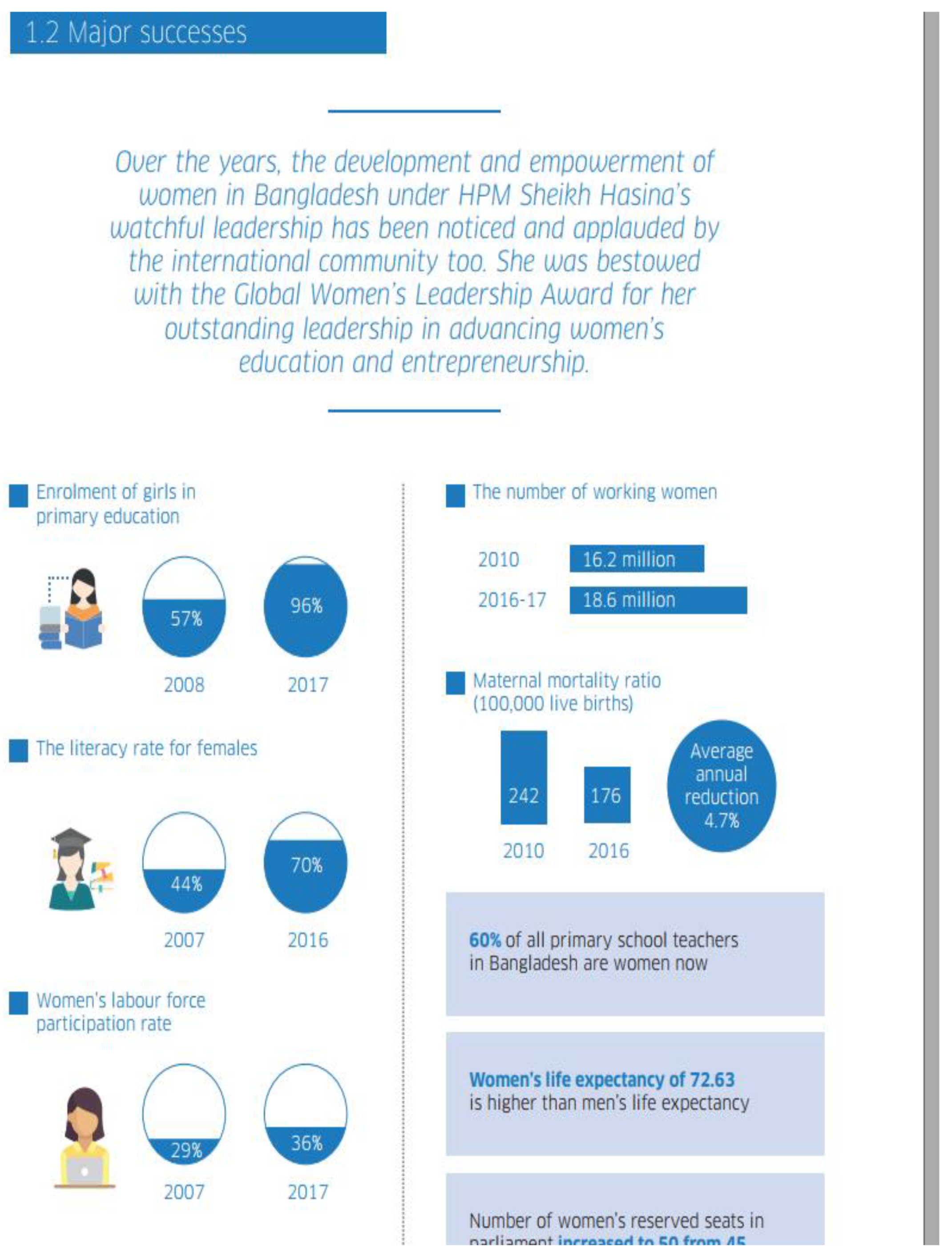
- During the period of 1996-2017, the national rate of female labour force increased from 15.8 to 36.3 percent (which is higher than the South Asian average of35 percent).
- 20 million women were in the labour force in 2016-17
- Self-employed women increased signi cantly from 31% to 39%
- 43% rural women now contribute to sheries-related activities
- $ 11.76 million allocated for the Women Entrepreneurship Fund in 2018-19
- More than 90 percent of micro credit borrowers are women and a large part of their credit is used in economic activities like poultry and livestock rearing.
- The Labour Force Survey data show that a signi cant portion of females are employed in the agricultural sub-sectors like growing of non-perennial crops (42.3 percent), livestock farming (9.5 percent), etc.
- Moreover, 43 percent of rural women now contribute to sheries-related activities. Women now make up more than 60 percent of the fish farmers.
- Currently, about 4 million women are working in the Ready-made Garment sector (RMG). Working conditions in the garment industry and social safety situation have signi cantly improved, thanks to widespread and stringent measures taken by HPM Sheikh Hasina’s government.
Women as Athletes:
Shirin Akter:
Shirin Akter is a Bangladeshi sprinter who played in the 2016 Summer Olympics. She was born in Satkhira, and currently plays for Bangladesh Navy. Shirin ran 100m and won multiple national titles. In total, she won 33 national, and 27 of those are gold and six silvers. However, she also has some international achievements. Shirin 4 bronze medals for the country. The best timing for Shirin is 11.99s, which she earned in the 2016 SA games heats. She is active in athletics events.
Jahanara Alam, Cricketer:
Jahanara Alam plays for the Bangladesh national women's cricket team. She is a medium-fast bowler and right- handed batsman. Jahanara was born and raised in Khulna. She debuted her One Day International career in November 2011agianst Ireland women's cricket team. However, she started her T20 career against India Women's cricket team in 2012.In her ten years of career, Jahanara bagged numerous records. Such as, she was the first Bangladeshi female fast bowler to take five wickets in a match. Jahanara Alam has been playing consistently and participated in major events for Bangladesh.She played in the 2018 ICC Women's world cup and 2019 South Asian games. She also called for the 2020 ICC Women's T20 world cup. So far Jahanara has played 38 ODIs and 71 T20s. With a 38.19 strike rate, Jahanara is one of the Top female cricketers in Bangladesh.
Sabina Khatun, Footballer:
Sabina Khatun is one of the best Bangladeshi international footballers. She plays at forwarding position in Bangladesh in Bangladesh team as well as Indian Women's League. 27-year-old Sabina was born in Shatkhira, Khulna.She started her international career in 2009. However, her tremendous performance made her the national team captain in four years. Sabina plays for the Bashundhara Kings at Bangladesh Women's football league. Besides performing on the field, Sabina was also involved with humanitarian activities. In 2019, she became the Save the Children ambassador, which clearly indicates her social responsibilities.
Mabia Akhter, Weightlifter:
Mabia is a Bangladeshi weightlifter who was born in Madaripur. She came into the weightlifting category via her maternal uncle. However, Mabia got some international prizes such as a bronze in the 2012 South Asian Weightlifting, a silver in the 2013 Commonwealth Weightlifting Championship.Her best prize came in 2016 at the south Asia Games, in which she won a gold medal in the 63 kg weight class. However, Mabia Akter also shed light on her youth too.Mabia won a gold medal in the Commonwealth Weightlifting Championships youth section. Mabia works at Bangladesh Ansar.
Sultana Kamal, Sprinter
Sultana Kamal is famously known as Bangabandhu's son Sheikh Kamal's wife. However, she was one of the prominent athletes in her time. Apart from the extra-curricular activities, Sultana was a brilliant student too, who studied at the University of Dhaka. She used to participate in multiple games such as long jump, sprint and etc. However, Sultana Kamal held national records in 100 meters race and long jump.
Despite all the skills, she had a brief career as she was assassinated along with her family. Otherwise, she had the potentiality to bring more fames to the country.
Sonia Akter Tumpa, Swimmer:
Usually, Sonia participates in a 50m freestyle for Bangladesh Navy. Born in 1997 at Jhenaidah, Sonia holds some records. She won 6 national titles and 95 medals. Sonia was equally talented in international events too. She earned two bronzes in the 2010 and 2016 SA Games. In the 50m, freestyle category Tumpa's best timing was 30.86s. She was selected for the 2016 Bangladesh Olympic Team for the 50m freestyle swimming. However, her 30.86s record was negligible compared to the other Olympic swimmers, but still, she tried to get something for Bangladesh.
Shyamoli Roy, Archer:
Shyamoli Roy is a competitive archer who participated in the 2016 summer Olympics. However, she was the only archer from Bangladesh, and her 0-6 defeat at the Olympics was her last event in any Olympics.
Though Shyamoli does not have enough international events, she is entitled to a few national medals. At the national level, she won 6 medals while the international won just one bronze medal.
One of the best achievements was playing at the 33rd Asian Archery in 2015 and debuting at the Olympics in the following year. Shyamoli's best score of 618 points came in 2015 at the Asian Archery event.
Zobera Rahman Linu, Table Tennis Player:
Zobera Rahman Linu is a female legend in Bangladesh women's table tennis history. She won 16 national championships from 1979 to 2001. Her extraordinary tennis skill and achievements laned her Bangladesh National Sports Award in 1999.
Linu was raised in Sylhet but passed SSC from Narsingdi. Later she came to Dhaka and earned HSC and BA from Lalmatia Girls college. However, she held a master's degree from Jagannath College.
Linu started playing table tennis when she was 8. Later she won singles, doubles, and mixed doubles championships. Zobera also participated in Asian Table Tennis Championship in Japan in 1980 and stood 5th place.
Source: https://unb.com.bd/category/Sports/the-most-famous-bangladeshi-female-athletes-of-all-time/66372
Women as entrepreneurs:
- During last two decades (1996-2017), the number of self-employed women increased signi cantly from 31 percent to 39 percent.
- Women's participation has been increasing in many non-traditional and emerging sectors such as hotels and restaurants, transportation, food processing, etc.
- Banks and non-bank institutions are offering easy-loan to women entrepreneurs. Currently, women are entitled to get loan at discounted rate of 10 percent interest and 15 percent re nance fund is reserved for them. Women are also entitled to Small and Medium Enterprise(SME) loan over $30,000 free of collateral, against personal guarantee. Disbursementtowards women entrepreneurs has been increasing both in amount and numbers.Moreover, all banks and nancial institutions have set up special services dedicated to womenentrepreneur.
- For the economic empowerment of rural women, collateral free micro-credit is given on 5 percent service charge. Women entrepreneurs are also entitled to 10 percent of the Small Enterprise Fund and 10 percent industrial plots. In the 2018-19 FY, the government has allocated $ 11.76 million for the Women Entrepreneurship Fund. Besides, the government has established Joyeeta Foundation, which is working to commercially engage grass-root women in the supply chain from production to distribution. About 18,000 women entrepreneurs under 180 registered women associations are directly engaged with the foundation.
Women in leadership and decision making:
- Of all government employees 27% are female.
- 1,276 women are working as Class I Bangladesh Civil Service of cers.
The number of female offi cials in the civil administration, especially at the eld level, is increasing fast giving a big boost to women empowerment.
- At present, 1,276 women (22.42 per cent of the total 5,692) are working as Class I Bangladesh Civil Service (BCS) of cers.
- Ten women are working in as many ministries and divisions as secretaries or secretary in charge -the topmost post in the civil administration.
- There are also 82 female additional secretaries,
- 99 woman joint secretaries,
- 306 female deputy secretaries,
- 394 woman senior assistant secretaries and
- 389 female assistant secretaries.
- At least 4 female deputy secretaries are working as Deputy Commissioner (DC)
- 15 are working as Additional Deputy Commissioner (ADC),
- 127 women are working as Upazila (sub-district) Nirbahi Of cer (UNO)
- 134 assistant commissioner of land.
WOMAN IN TOP POSITIONS:
- In the last four years, the number of woman in top positions rose 4 times.
- Around 14,000 women held top-tire positions in public and private organizations at the end of 2017.
- During 2013, the number was around 5,000.
Employment generation programmes:
Ministry of Women and Children Affairs (MOWCA) has been implementing various programmes for creating employment and welfare of the rural destitute and insolvent women under its revenue and development budget.
- Currently, The Department of Women Affairs (DWA) provides training to rural disadvantaged poor women through its women training centres (WTC) located in 64 district headquarters. Every year, 200 women receive training on 5 trades in these WTCs.
Since 2017, government has been implementing Income Generating Activity (IGA) project for rural women to make them self-reliant through income-generating training at upazila (sub-district) level across the country.
- The project is being implemented in all 426 upazilas of the country.
- Rural women are receiving a four-month training on various trades including tailoring, tourism, handicraft, mushroom growing, carpet making, salesmanship, mobile phone repairing, computer handling, etc. So far 2,17,440 women received training.
Urban Based Women Development Project implemented by MOWCA provides training to poor, destitute and asset less women of urban areas and engages them in productive and income generating activities. It creates marketing facilities for the products made by the trained women.
- Government financed $ 2.4 million in the project for the year 2017-18 which bene ted fty-three thousand women.
Bangladesh Rural Development Board (BRDB) runs Comprehensive Rural Employment Support Programme for the poor women in 59 Upazilas under Khulna and Barisal Division. The main objective of the project is to reduce poverty of the poor as well as helpless women and empower them socio-economically. The project mobilizes local resource for capital formation and provide training support to build human capital.
- Vulnerable Group Development (VGD) programme, one of the largest under Social Safety Net, enables the poorest rural women and their family members to overcome food insecurity and poor social and economic status.
- “One House, One Farm Project”, which gives priority to female households in every village. Government has revised the project for the 3rd time which was introduced in 2009. Its coverage extended to some 40,950 wards, under 4,550 unions of 490 sub-districts in all the 64 districts.
SKILL TRAINING:
- Women Training Centres (WTC) located in 64 district headquarters
- Income Generating Activity (IGA) project for rural women in all 426 upazilas.
- Government nanced $ 2.4 million in Urban Based Women Development Project in 2017-18
Promoting girl’s education:
In the past decade, under HPM Sheikh Hasina’s leadership, Bangladesh has gained unprecedented success in girl’s education. Much has been done at national levels to promote the agenda of gender equality in education. Her government has put necessary policies, plans, programs and resources in place to achieve gender equality in the education sector. Concerted efforts from the government, development partners, private sector and NGOs have produced a signi cant result in the eld of girls’ education in Bangladesh. The girls’ stipend programme is an outstanding effort to address the issues of access, retention and completion of girls’ education.
- In primary schools, girl’s dropout rate was 24.20 percent in 2012 it got down to 17.00% in 2015. Coverage of stipend program for girls has been extended manifold and this strategy resulted in almost 100 percent enrollment rate and gender parity.
Secondary and higher secondary education is critical to development as a whole; it provides insight, skill and capability to participate in economic activity and live a decent life. Gender disparity has narrowed in this level of education than before. A major project undertaken by the government is Female Secondary School Assistance Project which is playing a key role in retaining girls in schools. Another project in Bangladesh is providing educational stipends for girls, building separate toilets, and introducing a girls’ empowerment curriculum that promotes health and hygiene.
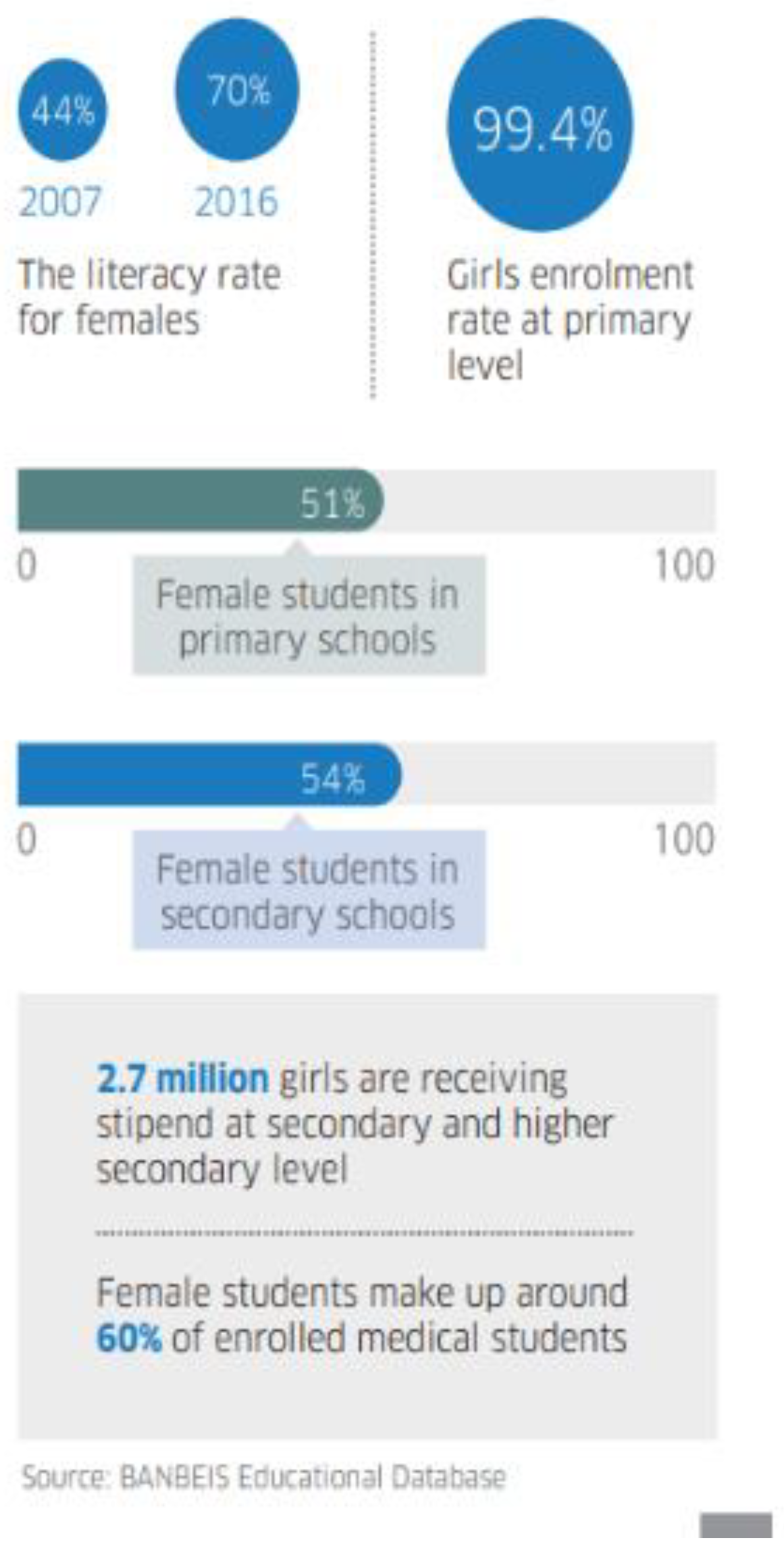
- Currently in secondary schools, 53 percent of the learners are girls which is a sharp departure from even just a few years ago when male was 65 percent and female was 35 percent.
- 2.7 million girls are receiving stipend at secondary and higher secondary level.
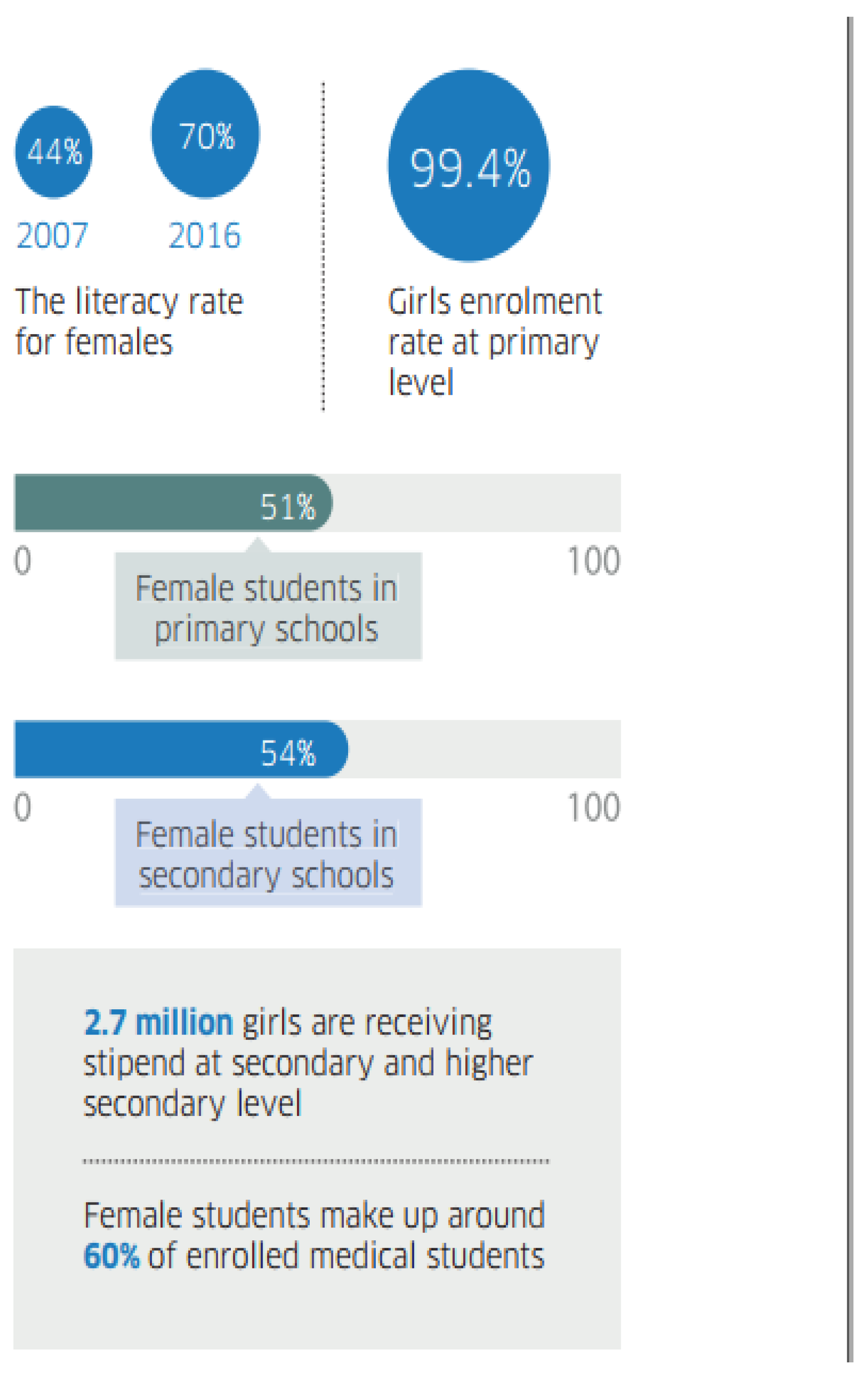
- Bangladesh is also well on track to achieve gender parity in tertiary education too, which has increased from 0.37 in 1990-91 to 0.66 in 2016.
- Since 2010, enrolment of girls in technical education increased by 44 percent.
- Education of girls up to degree level in public schools is free. Female are encouraged to take teaching as profession and currently 60 percent primary school teachers are women.
Improved health care for women:
- Signiant progress has also been made in reducing the maternal mortality ratio (MMR) from 242 in 2010 to 176 in 2016 with an average annual reduction of 4.7 percent. The current government plans to reduce MMR to 63 per 100,000 live births by 2030.
- During HPM Sheikh Hasina’s 1st tenure at the offi ce, she introduced Maternal Health Voucher Scheme. The Scheme provides a voucher package of three ante-natal checkups, safe delivery under skilled birth attendants, one post-natal checkup and transport cost.
- Currently .15 million women are receiving support under this scheme.
- Steps have been taken for the delivery of primary healthcare services through community clinics to rural, marginal and vulnerable women. They now get primary healthcare at the 18,000 Community Clinics (CCs).
- The construction of CCs started in 1998. On average 10 million patients visit in CCs per month and among the service seekers about 80 percent are women and children.
- At the beginning of HPM Sheikh Hasina’s second tenure in 2009, the government initiated a project called ‘Revitalization of Community Health Care Initiatives in Bangladesh (RCHCIB)’ to further develop the Community Clinics (CCs) and strengthen their operations in delivering primary health care.
- Moreover, another 13,000 maternity centers are established across the country which have been providing service and advice to disadvantaged women on education, healthcare, nutrition, maternal and child care, and interest free microcredit. Her government has also extended social safety net to bring disadvantaged women under health coverage. Due to some effective legislative measures, women now get six months of paid maternity leave.
- 18,000 community clinics established where 80% service seekers are women and children.
- 3,000 midwife positions in government jobs. Government introduced international standard midwifery course since 2010.
- 6 months paid maternity leave for government job holders.
- 152 operating government hospitals to provide 24/7 emergency obstetric care service.
- 13,000 maternity centers established.
- 1,50,000 women receiving support under Maternal Health Voucher Scheme.
- 30,000 satellite clinic for child and maternal health care.
- The government has set up 41 new tribunals across Bangladesh to expedite trials in cases led over the torture of women and children. Already 41 posts of district and sessions judges and 205 posts of assistants have been created for the Women and Children Repression Prevention Tribunals.
Analytical Discussion: In the contemporary global landscape, the empowerment of women stands as a pivotal force driving societal transformation and fostering a more promising future. This article explores the multifaceted impact of women's empowerment across various dimensions, emphasizing its role in reshaping socio-economic, political, and cultural norms.Women Empowerment Transforming Societies in Modern Times Building a Better Future" highlights the transformative impact of empowering women on societal progress. It underscores how empowering women economically, socially, and politically can lead to more equitable and prosperous societies globally.
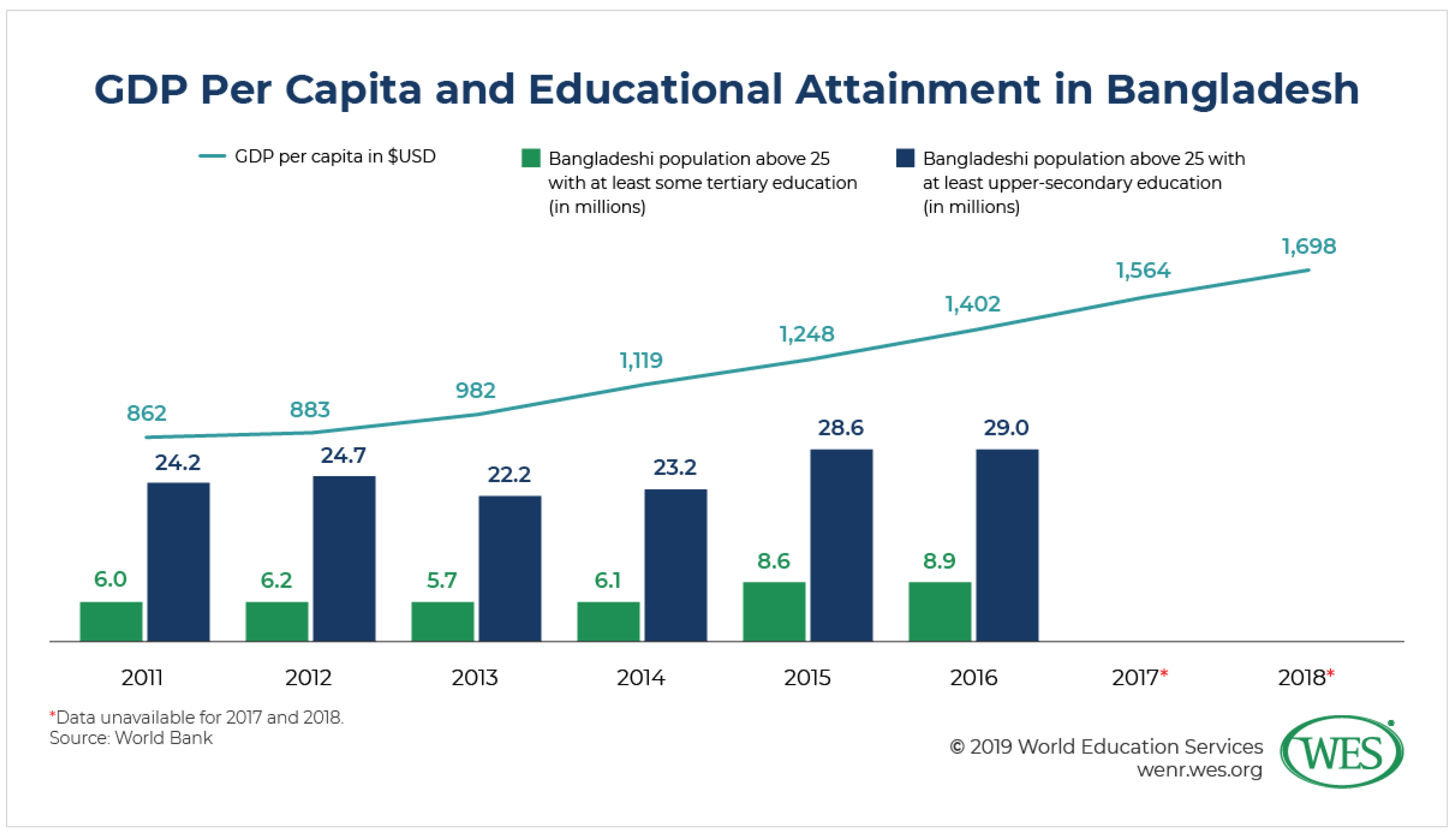
Firstly, the article emphasizes the economic benefits of women's empowerment. When women have equal access to education and employment opportunities, economies can experience significant growth. This is supported by evidence showing that increasing women's participation in the workforce boosts GDP and reduces poverty rates.
Secondly, the article addresses the social dimensions of empowerment. By challenging traditional gender roles and promoting gender equality, societies become more inclusive and just. Women's empowerment leads to improved health outcomes, lower fertility rates, and better educational achievements for future generations.
Politically, empowering women enhances democratic governance and decision-making processes. When women are involved in political leadership, policies tend to be more reflective of diverse societal needs. This fosters a more stable and responsive political environment.
However, the article also acknowledges persistent challenges. Deep-seated cultural norms, discriminatory laws, and lack of access to resources continue to hinder women's full participation and empowerment. Addressing these barriers requires concerted efforts from governments, civil society, and international organizations.Women Empowerment Transforming Societies in Modern Times Building a Better Future" argues persuasively for the integration of gender equality into development agendas worldwide. By empowering women, societies can unlock their full potential, leading to a more sustainable and prosperous future for all.
Socio-Economic Empowerment:
Women's empowerment contributes significantly to economic growth by expanding the labor force, enhancing productivity, and promoting entrepreneurial endeavors. Through increased access to education, employment opportunities, and financial resources, women are empowered to break free from cycles of poverty and contribute actively to their communities' economic development. This economic independence not only improves household incomes but also leads to broader societal benefits such as better healthcare and education for future generations.
Political Participation and Leadership:
The article underscores the critical importance of women's representation in decision-making processes and leadership roles. When women participate in politics and governance, they bring diverse perspectives and priorities to the forefront, leading to more inclusive policies that address gender equality, social justice, and sustainable development. Moreover, as political leaders, women serve as role models and inspire younger generations to engage actively in civic life, thereby strengthening democratic institutions and fostering greater social cohesion.
Cultural Shifts and Normative Change:
Women's empowerment challenges entrenched cultural norms and stereotypes that perpetuate gender inequality. By advocating for equal rights and opportunities, women contribute to reshaping societal attitudes towards gender roles, promoting respect for diversity, and combating discrimination and violence against women. These cultural shifts are essential for creating inclusive societies where every individual can thrive irrespective of their gender identity or socio-economic background.
Building a Better Future:
Ultimately, the empowerment of women is not merely about achieving gender parity but also about creating a more just and sustainable world. By investing in women's education, healthcare, and economic participation, societies can unlock their full potential and harness the talents and creativity of half of their population. This inclusive approach not only enhances economic growth but also fosters peace, stability, and resilience in the face of global challenges such as climate change and pandemics.
Challenges and Barriers: Despite progress, the article acknowledges persistent challenges such as discriminatory laws, cultural resistance, and lack of access to resources. Addressing these barriers requires multifaceted strategies involving legal reforms, grassroots activism, and international cooperation.
Global Implications: It explores how advancements in women's rights in one region can inspire and influence progress globally. International frameworks and partnerships play a crucial role in promoting gender equality agendas across borders, ensuring a more interconnected approach to societal development.
Steps Taken to Implement and Improve women Empowerment :
In an era of globalization, the necessity to involve women in the mainstream of society and state activities has become imperative for the establishment of a progressive society. The Ministry of Women and Children Affairs (MoWCA) in Bangladesh is at the forefront of this transformative movement, aiming to ensure women's rights, empowerment, and a work-friendly environment as part of the nation's development agenda. This article explores the extensive efforts and accomplishments in women's empowerment in Bangladesh, illustrating how these initiatives are breaking barriers and building a better future for all.
A Commitment to Comprehensive Development
The Government of Bangladesh, driven by constitutional mandates and international commitments, has placed significant emphasis on women's development. Articles 27, 28, 29, and 65(3) of the Bangladesh Constitution explicitly underscore the importance of gender equality and women's development. Additionally, Bangladesh is a signatory to major international conventions, including the Convention on the Elimination of All Forms of Discrimination against Women (CEDAW). These commitments are reflected in national policies such as the National Women Development Policy 2011 and the Seventh Five-Year Plan (2016-2020), which aim to create a society where men and women have equal opportunities and rights.
Policies and Legal Framework
To ensure the development and protection of women and children, MoWCA has formulated several critical policies and laws. These include the Domestic Violence (Protection and Preservation) Act 2010, the National Women Development Policy 2011, the Early Childhood Care and Development Policy 2013, and the Early Marriage Protection Act 2017. These legal instruments are designed to prevent discrimination and violence against women and children, promote their rights, and transform them into capable human capital.
Strategic Objectives and Activities
MoWCA's strategic objectives encompass creating equal opportunities for women in social and economic activities, providing social protection and justice for vulnerable women and children, and promoting social and political empowerment. Key activities include:
Economic Empowerment: Providing technical, vocational, and income-generating training, along with micro-credit facilities, to facilitate self-employment and enhance the skills of women entrepreneurs.
Social Protection: Offering allowances to lactating mothers, food assistance, maternity allowances for ultra-poor pregnant women, medical services, legal assistance, safe shelters, and day care facilities.
Political Empowerment: Training elected female representatives and organizing awareness programs to increase women's participation in the electoral process and prevent trafficking.
Achievements and Success Stories
Bangladesh has made considerable progress in women's education and political empowerment, outpacing many developed countries in some areas. Notable achievements include:
Educational Attainment: Significant strides in women's education have been made, positioning Bangladesh honorably among developing countries.
Political Empowerment: The representation of women in political spheres has increased, contributing to more inclusive governance.
Entrepreneurial Success: Women like Maksuda Akter Koli from Bhola district, who became self-reliant through income-generating training and now earns a significant income as a beautician, exemplify the success of these empowerment initiatives.
Addressing Challenges and Future Plans
Despite these successes, challenges such as nepotism in beneficiary selection, local non-cooperation, and societal prejudices still hinder progress. MoWCA is addressing these issues through comprehensive plans and strategies, including the National Plan of Action to Prevent Violence Against Women and Children (2018-2030) and efforts to end child marriage by 2041.
The empowerment of women in Bangladesh is a dynamic and ongoing process that holds the potential to transform societies and build a better future. The dedicated efforts of the Ministry of Women and Children Affairs, supported by government policies and international commitments, are paving the way for a more equitable, prosperous, and resilient Bangladesh. By continuing to break barriers and promote gender equality, Bangladesh is setting a powerful example for the world, illustrating that the empowerment of women is not just a moral imperative but a catalyst for comprehensive societal advancement.
Conclusion
In conclusion, the transformative impact of women's empowerment on societies in modern times is unmistakable. As barriers continue to be broken, women are increasingly recognized as pivotal agents of change, contributing uniquely to social, economic, and political realms. By challenging traditional norms and advocating for equality, women empower not only themselves but also future generations, paving the way towards a more inclusive and prosperous future. It is through these collective efforts that societies can truly harness the full potential of all their members, fostering a world where diversity is celebrated, opportunities are abundant, and progress knows no bounds. The ongoing empowerment of women stands as a beacon of progress in our modern societies. By dismantling barriers and advocating for equal opportunities, women are reshaping cultural and economic landscapes worldwide. Their leadership in various sectors, from politics to entrepreneurship, not only enriches diversity but also fosters innovation and resilience. As we continue to support initiatives that promote gender equality and amplify women's voices, we collectively forge a path towards a more just and inclusive future. It is imperative that we recognize and harness the talents and perspectives of all individuals, regardless of gender, to build societies where every person can thrive. By embracing diversity and upholding equality, we lay the foundation for a better world, where empowerment knows no bounds and every individual can contribute meaningfully to our shared progress. The transformative power of women empowerment in modern societies is undeniable. By breaking barriers and challenging traditional norms, women are not only achieving personal success but also catalyzing societal progress. Their increased participation in education, workforce, and leadership roles not only enhances economic growth but also promotes social equity and diversity. As we look towards the future, embracing and furthering women empowerment initiatives will be crucial in building a more inclusive and prosperous society for all. Together, we can create a future where gender equality is not just a goal, but a reality that enriches and strengthens our global community.
References
- Amin, Sajeda; Selim,Nasheeba ; and Kamal, Nashid. (2006) `Causes and consequences of early marriage in Bangladesh’ Population Council, Dhaka, Bangladesh.
- Cleland,J.C.; Kamal, N. and Sloggett, A. (1996) ˝Links between Fertility Regulation and the Education and Autonomy of women in Bangladesh” in. Jeffery,R. & Basu,A.M. (ed.) Female education and women’s autonomy and fertility changes in South Asia, Sage Publications, India.
- Hermann, C. B.; Williamson, N.E.; McCann, M.; Spieler, M.J. Janowitz, B.Kennedy, K.I.; Thapa,S.(1986) `Periodic Abstinence in Developing countries Update and Policy Options’. Family Health International.
- Josoef, R.M.; Baughman, A.L.; Utoma, B. (1988) Husband’s approval of contraceptive use in metropolitan Indonesia: program implications, Studies in Family Planning, Vol.19 No.3,pp.162-8.
- Kamal, Nashid (2004) Reproductive Medicine in developing countries-Role of education on use of contraception, Lancet, Dec’00.
- Sloggett, A. (1993) The influence of religiosity, mobility and decision making on the contraceptive use of Bangladeshi women, Secondary Analysis of Bangladesh Fertility Survey (BFS) 1989,NIPORT,Bangladesh.
- Mahmud, Simeen and Amin,Sajeda (forthcoming) “Girl’s schooling and marriage in rural Bangladesh” in E. Hannum and F. Fuller (ed.) Children’s Lives and schooling across societies, Research in Sociology of Education. Vol. 15.
- National Institute of Population and Training (NIPORT) (2005) Bangladesh Demographic and Health Survey 2004,Dhaka &Calverton: NIPORT, MA, and ORC Macro.
- Rahman, S. (2002) `Ill-paid garment workers toil to save dowry money to buy husbands’ The Daily Star www.dailystarnews.com.
- Siddqui, T. and Chowdhury, R.A. (2001) Migrant Worker Remittances and Micro Finance in Bangladesh. ILO/RMMRU, Dhaka.
- UNICEF (2004) `Progotir Pathey 2003’ Bangladesh Bureau of Statistics, Planning Division, Ministry of Planning. Government of the People’s Republic of Bangladesh and UNICEF.
- World Bank, (2013). Available from 25th Jun, 2013 From data.worldbank.org.
- United Nations, (2010). The World's Women 2010: Trends and Statistics, New York,Retrieved 18th July, 2013 from http://unstats.un.org/unsd/demographic/products/Worldswomen/WW_full%20report_color.pdf.
- UNESCO, (2012). UNESCO Country Programming Document for Bangladesh 2012-2016,Dhaka: UNESCO, Retrieve 24th June, 2013 From http://www.unesco.org/new/fileadmin/MULTIMEDIA/FIELD/Dhaka/pdf/Publications/UNESCO_Country_Programming_Document_For_Bangladesh.pdf.
- Tembon, M. & Fort, L. (2008). Girls' Education in the 21st Century : Gender Equality,Empowerment, and Economic Growth, World Bank Open Knowledge Repository. Retrieved at July 18, 2013, from the website temoa : Open Educational Resources (OER) Portal at http://www.temoa.info/node/398631.
- Raynor, J. & Wesson, K. (2006). The Girls’ Stipend Program in Bangladesh. Journal of Education for International Development. Retrieved 18th July, 2013 from http://www.equip123.net/JEID/articles/3/Girls’StipendPrograminBangladesh.pdf.
- Rahman, M. A. (1999). Education of women and technology: Bangladesh perspectives. Marriage, Retrieved 24th June 2013, From www.col.org/forum/PCFpapers/rahman.pdf.
- Psacharopoulos, G. & Patrinos, H. (2002). Returns to investment in education: a further update. Policy Research Working Paper Series 2881. Washington, DC: The World Bank.
- National Center for Education Statistics (NCES): Digest of Education Statistics, (2013) Available July 20, 2013 from http://nces.ed.gov/programs/digest/d07/tables/dt07_178.asp.
- MOPME(2013) Available From 25th Jun, 2013 From www.mopme.gov.bd/.
- Maleque, A. , Begum, M., Islam, F., & Riyad, S. (2012). Shikkha Biggan o Bangladeshe Shikkha (3nd ed.). Dhaka: UGC, Global Printers.
- Koul eds. (2008). In-Service Teacher Education on Girls Education, New Delhi: Govt. of India Project, Retrieved 20th June 2013 http://depssa.ignou.ac.in/wiki/images/8/8b/GirlsEducation_CRC.pdf.
- Kabeer, N. , Geetha, B. N., & Ramya, S, eds. (2003). Child Labour and the Right to Education in South Asia: Needs Versus Rights? New Dehli: Sage Publications.
- Herz, B. K. (2006). Educating Girls in South Asia: Promising Approaches. United Nations Children's Fund, Regional Office for South Asia.
- Ground Work Inc, (2006). Bangladesh Education Sector Review Report 2, Dhaka: GOB, Retrieved 24th June 2013, From http://ddp-ext.worldbank.org/EdStats/BGDesr02b.pdf.
- Fifth Five Year Plan1996-2001, Government of Bangladesh (GOB), Retrieved 18th July, 2013 from http://www.gnhc.gov.bt/wp-content/uploads/2011/04/05fyp.pdf.
- Female Education in Bangladesh, n. d. Retrieved 20th June 2013, from http://businessonlinebd.wordpress.com/female-education-in-bangladesh-2/.
- DSHE, (2013). Available From 25th Jun, 2013 From www.dshe.gov.bd/.
- Chaaban, J. & Cunningham, W. (2011). Measuring the economic gain of investing in girls: the girl effect dividend. World Bank Policy Research Working Paper Series, Vol.
- Bangladesh Bureau of Statistics, (2011). Available from June 24, 2013 from www.bbs.gov.bd/home.aspx.
- BANBEIS & MWCA, (2005). Report on Primary Education in Bangladesh: Challenges and Successes, Dhaka: GOB, Retrieved 24th June 2013, from http://ih.stanford.edu/rosenfield/resources/Primary%20Education%20in%20Bangladesh.pdf.
- Akhter, N. (2005). Development Partners in Female Secondary Education in Bangladesh:Problems and Prospects. Waseda University.
- Davis, K. (2023, June 15). Transforming Societies: The Impact of Women's Empowerment. The Huffington Post. https://www.huffpost.com/article/transforming-societies-women-empowerment.
- United Nations. (2020). Women's Empowerment and Gender Equality: A Global Perspective (Report No. UN-2020-5678). United Nations Publications.
- Lee, C. (2021). Women's Leadership in Politics. In S. Smith & E. Johnson (Eds.), Empowering Women: Challenges and Strategies (pp. 87-105). Springer.
- Johnson, A. , & Brown, L. (2022). Breaking Barriers: Women's Empowerment and Economic Growth. Journal of Gender Studies, 15(2), 123-145. [CrossRef]
- Smith, J. (2023). Women's Empowerment and Social Change: Building a Better Future. Oxford University Press.
- Duflo, E. Women Empowerment and Economic Development. J. Econ. Lit. 2012, 50, 1051–1079. [Google Scholar] [CrossRef]
- Mandal, Keshab Chandra. "Concept and Types of Women Empowerment." International Forum of Teaching & Studies. Vol. 9. No. 2. 2013.
- Sundaram, M. S. , Sekar, M., & Subburaj, A. (2014). Women empowerment: role of education. International Journal in Management & Social Science, 2(12), 76-85.
- Bruni, A.; Gherardi, S.; Poggio, B. Entrepreneur-mentality, gender and the study of women entrepreneurs. J. Organ. Chang. Manag. 2004, 17, 256–268. [Google Scholar] [CrossRef]
- Hisrich, R.D.; Öztürk, S.A. Women entrepreneurs in a developing economy. J. Manag. Dev. 1999, 18, 114–125. [Google Scholar] [CrossRef]
Disclaimer/Publisher’s Note: The statements, opinions and data contained in all publications are solely those of the individual author(s) and contributor(s) and not of MDPI and/or the editor(s). MDPI and/or the editor(s) disclaim responsibility for any injury to people or property resulting from any ideas, methods, instructions or products referred to in the content. |
© 2024 by the author. Licensee MDPI, Basel, Switzerland. This article is an open access article distributed under the terms and conditions of the Creative Commons Attribution (CC BY) license (https://creativecommons.org/licenses/by/4.0/).
Copyright: This open access article is published under a Creative Commons CC BY 4.0 license, which permit the free download, distribution, and reuse, provided that the author and preprint are cited in any reuse.


