
Submitted:
01 August 2024
Posted:
02 August 2024
You are already at the latest version
Abstract
The objective of this study was to investigate the impact of adding fermented herbal extracts (FHE) derived from mulberry leaf (Morus alba), Javanese turmeric (Curcuma xanthorrhiza), and fingerroot (Boesenbergia rotunda) to the diet of tiger shrimp (Penaeus monodon) on their growth, moulting performance, feed efficiency, and nutrient retention. The main feed used in this trial was a commercially manufactured pellet, then five different doses of FHE supplementation were used: 0 mg/kg feed (P0, control), 50 mg/kg feed (P1), 100 mg/kg feed (P2), 150 mg/kg feed (P3), and 200 mg/kg feed (P4). Weight gain, average daily gain, and length gain of shrimps fed P2 was significantly higher than that of those fed the control diet. Similar result was observed in moulting performance. The application of P2 showed superior results in enhancing the FE of cultured shrimp. Thus, the protein and energy retention of P. monodon was significantly better in P2 treatment groups. P0 had the lowest crude protein, while shrimp given P2 and P3 diets had the highest crude protein content of any treatment group. Based on the findings, it is recommended that the juvenile tiger shrimp diet contain 100 mg/kg of FHE for the best effects.
Keywords:
fermented herbal extract
; growth
; moulting
; nutrient retention
; tiger shrimp
1. Introduction
According to FAO [1], the global output of aquatic animals in 2022 reached a record-breaking 185 million tons (live weight equivalent), representing a 4% increase compared to 2020. Aquaculture yielded around 94 million tonnes of aquatic animals, accounting for 51% of the overall production. This surpassed the production of catch fisheries, which amounted to 91 million tonnes (49%) for the first time. Aquaculture is also vital to food security in underdeveloped nations by creating jobs and increasing nutrition [2,3]. Shrimp farming has emerged as a significant component of the global aquaculture sector, at least in the past two decades, whereas wild shrimp catches have remained stagnant. Aquaculture’s contribution to the global shrimp supply exceeds 83.7% due to the scarcity or decline of wild populations [4]. The surge in output mostly stems from the escalating demand fueled by population and economic expansion, as well as a growing inclination towards nutritious food. Litopenaeus vannamei has been the predominant species in this process. The global production of L. vannamei has shown significant growth, rising from 155 thousand tonnes in 2000 to 5.8 million tonnes in 2020 [5]. Conversely, the formerly dominant species, Penaeus monodon, has not undergone similar expansion and has maintained a relatively stable level of production. Its production has only increased from 631 thousand tonnes in 2000 to 774 thousand tonnes in 2019 [3,6].
Today, the shrimp production sector has implemented innovative approaches, advanced technology, and refined strategies in farm and feed management to guarantee a more sustainable future for the industry compared to its previous practices [7]. Improvements in feed management include the usage of feed additives, which have been demonstrated to have a range of beneficial effects. Feed additives are substances, both nutritive and non-nutritive, that are added to the diet in small amounts. They serve various purposes, including improving the nutritional value of aquafeed, boosting the immune system and reducing stress, making the feed more appealing, promoting growth, and preserving water quality.
Herbal extracts, which are derived from plants, are a potential choice among the many types of feed additives in the aquafeed business [8,9]. They have been extensively employed as prophylactic alternatives to conventional methods of production enhancement. Plant extracts have been reported to favor various functions, such as enhancing the nutritional value of aquafeed, enhancing feed palatability, improving growth performance [10], increasing immunomodulation and stress-alleviation, and maintaining water quality in fish and shrimp aquaculture. However, the use of plant-derived substances in aquafeed to achieve sustainable shrimp farming is influenced by a number of issues, including the presence of antinutritional factors, decreased nutrient bioavailability, indigestible particles, and microbial contamination [11]. Fermentation has garnered significant attention in recent years as a solution to these issues in aquafeed constituents, as it offers host organisms health-promoting probiotic benefits. Multiple studies have demonstrated that fermentation enhances the accessibility and absorbability of nutrients in feed, leading to improved palatability and digestibility [12,13,14]. Additionally, fermentation eliminates anti-nutritional compounds present in dietary feed ingredients, making them more readily digestible. Ultimately, these improvements in digestion contribute to enhanced growth and overall health performance of aquaculture species.
In light of the growing interest in using herbal feed additives to enhance fish growth and survival in culture systems, the present study investigated the effects of fermented herbal extract (FHE) supplementation in the diets for juvenile tiger shrimp P. monodon. This study showcased the feasibility of utilizing eco-friendly alternatives to preserve growth and enhance feeding performances. It emphasized the advantages of incorporating natural nutritional supplements in aquaculture, shedding light on the potential benefits they offer. Moreover, it offered valuable insights for the development of more efficient and sustainable aquaculture operations.
2. Materials and Methods
2.1. Preparation of Fermented Herbal Extract (FHE) as Phytobiotic
The composition of FHE consisted of three herbal extracts, namely mulberry leaf (Morus alba), Javanese turmeric (Curcuma xanthorrhiza), and fingerroot (Boesenbergia rotunda), all present in similar amounts. These extracts were then fermented using probiotics, specifically Lactobacillus casei and Saccharomyces cereviceae. The probiotic strain of L. casei was acquired from Yakult ® (Tokyo, Japan, intended for human consumption). Meanwhile, commercial baker’s yeast, S. cerevisae, in the form of instant dry yeast, was utilized. The FHE used as phytobiotic in this study was prepared by the Marine and Fisheries Biotechnology Laboratory of Hasanuddin University, Makassar, Indonesia [15]. Concisely, 1 mL of diluted S. cerevisae, 1 mL of L. casei (4 × 10⁶ cfu/mL), and 1 mL of pre-treated (boiled) molasses were combined with 1 L of distilled water containing 500 mg of herbal extracts (stock FHE). The fermentation process lasted for 30 days under the conditions of 29°C–32°C. The stock FHE was diluted differently for each treatment: treatment P0 involved adding 100 mL of distilled water, treatment P1 involved adding 10 mL of FHE stock to 90 mL of distilled water, treatment P2 involved adding 20 mL of FHE stock to 80 mL of distilled water, and treatment P3 involved using 30 mL to 70 mL of distilled water, and treatment P4 involved adding 40 mL of FHE stock to 60 mL of distilled water. The chemical and proximal composition of FHE is presented in Table 1.
2.2. Experimental Diet
The primary feed utilized in this study was a commercially produced pellet (Samsung, PT CJ Feed, Jombang., Indonesia). The base feed was coated with FHE using the spraying method, as previously applied [16]. Five supplementation levels of FHE were used in the present study: 0 mg/kg feed (P0, control), 50 mg/kg feed (P1), 100 mg/kg feed (P2), 150 mg/kg feed (P3), and 200 mg/kg feed (P4). Then, the FHE-coated feed was left to dry in the air and then packaged based on the daily feeding quantity. The proximal composition of the base feed used in this experiment is shown in Table 2.
2.3. Shrimp and Experimental Conditions
Healthy tiger shrimp juveniles with an average weight of ± 1.00 g were obtained from the Technical Implementing Unit of Brackishwater Aquaculture (TIUBA) in Takalar, South Sulawesi. The shrimps were acclimatized to ambient laboratory conditions for one week. Subsequently, uniform size of the shrimp juveniles were placed and raised in 15 rectangular outdoor plastic containers (50 × 40 × 25 cm3). The density of shrimp in each tank was maintained at 30 juveniles per meter square or 10 individuals per tank, representing five treatment groups in triplicates. A high-pressure air pump provided constant aeration to each tank. Throughout this time frame, the feeding rate equivalent to 8% of their biomass was applied. The feeding occurred at four designated intervals throughout the day: 0700, 1200, 1700, and 2200. Unused feed was collected one hour after feeding and measured to determine the amount of feed consumed.
2.4. Proximal Analysis
The proximate composition of the feeds and whole-body of shrimp (6 shrimps from each replicate) that were fed with the experimental diets was evaluated using the AOAC method [17]. In brief, the samples were subjected to oven-drying at a temperature of 105 °C until a consistent weight was achieved to measure the moisture content and dry matter. The nitrogen content was measured using an automated digestor (Vadopest, Gerhardt, Germany) and a Kjeltec auto distillation unit (Tecator Kjeltec 2200, FOSS, Denmark). The crude protein was then estimated by multiplying the nitrogen concentration by 6.25 after titration. The analysis of crude lipid content was conducted by extracting dried samples using the Soxhlet method with 1.25% H2SO4 and 1.25% NaOH as solvents. The extraction was performed using the Soxhlet extractor (Tecator Soxtec 2050, FOSS, Sweden). The fat-free samples underwent acid and base digestion, followed by oven drying, to determine the crude fibre content. To measure the ash content, the samples were incinerated in an electric muffle furnace (Electric PM L6/12, Luoyang, China) at a temperature of 550 °C for a duration of 6 hours. The gross energy of the tested diets was computed using the NRC method [18].
2.5. Growth and Molting Performances
Parameters that were assessed as indices for growth included the weight gain (WG), length gain (LG), average daily gain (ADG) as well as molting performance (MP). Throughout the experiment, WG, FL, ADG and MP were measured according to the following formulae:
where Wt and Wo are the final and initial weights, respectively.
where Lt and Lo are the final and initial lengths, respectively.
where Wt and Wo are the final and initial weights, respectively; t is the number of days in the feeding trial.
where SS and TS are the loose shrimp shells and number of shrimp in the tank, respectively.
WG = Wt − Wo
LG = Lt − Lo
ADG = (LnWt − LnWo) t–1 × 100%
MP = (SS − NS) × 100%
2.6. Feeding Performances and Nutrient Retention
Feed efficiency (FE) was calculated for all treatment groups using the following formulae:
where Wt and Wo are the final and initial weights, respectively; F is the amount of feed consumed throughout the experiment.
FE = (Wt − Wo) F–1 × 100%
The nutrient retention assessment for protein, lipid, and energy was calculated, as per methods reported previously [15] as follows:
where Pt and Po are the final and initial protein contents, respectively; PI is the average protein intake during the trial.
where Lt and Lo are the final and initial lipid contents, respectively; LI is the average lipid intake during the trial.
where Et and Eo are the final and initial energy contents, respectively; EI is the average energy intake during the trial.
PR = ((Wt × Pt) − (Wo × Po) PI–1 × 100%
LR = ((Wt × Lt) − (Wo × Lo) LI–1 × 100%
ER = ((Wt × Et) − (Wo × Eo) EI–1 × 100%
2.7. Statistical Analysis
The data are reported as the mean ± standard error (SE) of 3 replicates. The percentage data underwent an arcsin square root transformation. The data were assessed for normal distribution and for equal variance using one-way analysis of variance (ANOVA). All statistical tests had a significance level of P < 0.05 and were conducted using GraphPad Prism Version 10.2.3 for Windows (GraphPad Software Inc., San Diego, USA).
3. Results
3.1. Growth Performances
The survival rate of juvenile tiger shrimps Penaeus monodon was 100% in all experimental groups. WG of shrimps fed P2 was significantly higher than that of those fed the control diet. However, there were no significant differences in WG of shrimps fed the FHE-supplemented diets. Similar case was also found for ADG parameter. However, the highest LG was significantly observed when shrimps were fed with VM2 and VM3. Growth performances of the tiger shrimp during the feeding trial is presented in Table 3.
3.2. Moulting Performances
Throughout the feeding experiment, moulting performance (MP) of the shrimps was significantly higher in those fed P2 and P3 than in other diets. However, the MP of shrimps fed P3 was not significantly different than those fed P0, P1, and P4 (Figure 1).
3.3. Feed Efficiency
With respect to feed efficiency (FE), significant difference was noticed among treatments after 30 days. Supplementation of fermented herbal extract (FHE) had significant effect on FE level: P2 application showed better result in improving the FE of juvenile tiger shrimp P. monodon (Figure 2).
3.4. Nutrient Retention
In Figure 3, the P2 treatment group showed significantly higher protein retention (PR) compared to P0, although there were no significant difference in PR among P2, P1, P3 and P4 treatment groups.
On the other hand, the supplementation of herbal extract (FHE) had no significant effect on the lipid retention (LR) of the juvenile P. monodon, as shown in Figure 4. The LR of the experimental animals ranged from 2.85 % to 4.15 % among all treatment groups.
As presented in Figure 5, the energy retention (ER) of juvenile P. monodon supplemented with 100 ml/kg fermented herbal extract (P2) was significantly higher compared to all other supplementation groups. The lowest value in ER was observed when diets were not supplemented with the herbal extract.
3.5. Proximal Composition of Shrimp’s Flesh
The proximal composition of juvenile tiger shrimp is described in Table 4. Crude protein (CP) was the lowest in the control group (70.56%), and juvenile tiger shrimp fed P2 and P3 diets attained the highest CP content among all treatment groups. Whilst the highest crude lipid (CL) content was found in juvenile tiger shrimp fed the control diet (P0), the lowest crude lipid (CL) content was observed in juvenile tiger shrimp fed P2 and P3 diets. Furthermore, crude fibre (CF) of juvenile tiger shrimps was not significantly different among all treatment groups. No significant difference with regard to nitrogen free extract among all treatment groups. Ash content was higher in the controlled diet, compared to that from other dietary treatments.
4. Discussion
Over the past few decades, there has been significant research into the use of medicinal herbal plants or their extracts as feed supplements in aquaculture species, including shrimp. These compounds have a long history of being used in fish and shrimp production because of their favorable effects on feed palatability, growth performance, antioxidant capabilities, anti-inflammatory responses, immunological modulation, and resistance against some pathogenic microorganisms [19,20,21,22,23,24,25,26,27,28,29,30].
To the best of our knowledge, the effects of fermented herbal extracts (FHE) from the three combined plant-based ingredients of mulberry leaf (M. alba), Javanese turmeric (C. xanthorrhiza), and fingerroot (B. rotunda) on growth performances and feed utilization of juvenile tiger shrimp P. monodon is first recorded in the present study. Throughout the experiment, dietary supplementation with FHE as phytobiotic improved the growth of juvenile tiger shrimp, as evidenced by better WG, ADG, and LG. Incorporation of FHE at 100 mg/kg improved tiger shrimp WG by approximately 65%, compared to the control diet. Various herbal supplements have undergone testing and demonstrated comparable growth-enhancing properties of shrimp, including seaweeds extract [31], Macleaya cordata leave [32], Panax notoginseng water extract [33], Piper betle and Phyllanthus emblica leaf extracts [34], Diplazium esculentum extract [35], Terminalia catappa L. tree [36], Astagalus membranaceus and Eucommia ulmoides extract [37], Bidens alba and Plectranthus amboinicus leaves [38], Solanum trilobatum, Curcuma longa, Psidium guajava, Ocimum sanctum, Azadirachta indica, Acalypha fruticosa, Centella asiatica, Bacopa monnieri, P. betle, and Leucas aspera extract [39], Achyranthes aspera extract [40], Citrus lemon extract [41], Alpinia officinarum stems and leaves extract [42], and Asparagus cochinchinensis and P. notoginseng extract [23].
Moreover, research has demonstrated that the effects of herbal extracts on aquaculture species growth are dose-dependent [43]. Growth typically rises until a dietary extract inclusion level (also known as the optimal inclusion level), after which it falls as extract inclusion levels rise. For example, dietary Aloe vera polysaccharides crude powder extracts optimum supplementation level of between 1.76 and 1.79% per kg diet was found most suitable for maximum growth in African catfish (Clarias gariepinus) fingerlings [44]. Similarly, 2.0%/kg diet of polyherbal (S. trilobatum, C. longa, P. guajava, O. sanctum, A. indica, A. fruticosa, C. asiatica, B. monnieri, P. betle and L. aspera) supplement was recommended to be the dietary optimum level that can enhance growth and immunity in shrimp Penaeus vannamei [39]. In addition, the optimum dietary inclusion level of Achyranthes aspera extract seemed to be 0.2–0.4 mg/kg diet for juvenile Pacific white shrimp Penaeus vannamei [40]. Indeed, it has been noted that higher levels of herbal extract in fish diets might lead to poor or no growth, which is mostly caused by increased concentrations of anti-nutritional components, toxic substances, and excessive doses [45,46,47,48,49,50].
The current study has demonstrated that FHE contains phytochemical compounds such as sitosterol, alkaloid, saponin, flavonoid, and curcumin. The growth enhancement seen in this study may be linked to the presence of abundant phenolic chemicals and other phytochemicals in FHE described in the present study. Phytochemical substances such as tannin, saponin, flavonoid, steroid, terpenoids have also been demonstrated to be responsible for enhanced growth and physiological status of C. gariepenus fingerlings [51]. In addition, herbal phytochemicals are reported to be biotransformed by gut bacteria, resulting in bioavailable molecules having antimicrobial, anti-inflammatory, antioxidant, and digestive effects [33,36,52,53,54,55].
The phytochemical compounds contained in the diets may be responsible for the reported moulting performance (MP) effects of the FHE. The beneficial effect of FHE on MP of tiger shrimp in the present study is consistent with previous investigation suggesting that synchronized molting in crustacean can be enhanced by phytoecdysone, which act as a stimulant [35]. Shrimp, like all other arthropods, grow by first untying the connectives that separate the living mass from the exoskeleton, or extracellular cover, and then rapidly letting it absorb water to expand its new elastic cuticle and harden it quickly for defense, feeding, movement, and body structure [56]. Moulting is a periodic process in crustaceans where they shed their exoskeleton as part of their growth. Shrimp growth is a non-continuous process that is controlled by the moult cycle. This cycle consists of brief periods of rapid development during moulting, and longer intervals between moults where no growth takes place [57]. The behavioural and metabolic adaptations that occur during the shrimp moulting cycle have important implications for energy balance and feed utilization in aquaculture settings [58]. In aquatic organisms, growth takes place when the nutrients absorbed from diets surpass the requirements for basal energy and activity [59]. Based on the findings, it can be suggested that FHE has the potential to enhance the feed efficiency (FE) of juvenile tiger shrimp. This is likely due to the ability of FHE to facilitate the digestion and absorption of nutrients in tiger shrimp, leading to improved growth.
The primary digestive enzymes found in the intestines of fish include amylase, lipase, and protease. Assessing the activity of digestive enzymes in the intestines of fish is a crucial indicator that reveals the physiological function of fish. This measurement helps determine how well fish absorb and utilize nutrients [27,28,60]. Supplementation of herbal extract as feed additive enhanced the excretion of protease, lipase, and amylase enzymes in the intestines of fish, resulting in enhanced nutrient absorption and improved fish growth [54,61]. The bioactive chemicals present in seed powder have the potential to improve intestinal epithelial cell function and growth performance by inducing the release of digesting enzymes. Consequently, this can promote the viability of advantageous gut microorganisms and optimize the assimilation of absorbed nutrients. In the present study, the oral administration of FHE improved protein absorption efficiency and energy retention in juvenile tiger shrimp, which might be due to increased secretions from the digestive system, as reported by several studies [27,33,62].
The dietary requirements and developmental potential of fish have a direct impact on their body composition. The nutritional quality of fish is frequently assessed by examining the total crude fat and crude protein content of the entire body. The study discovered that fish that were fed a diet supplemented with FHE at 100 mg/kg or 150 mg/kg feed had the maximum whole-body protein content, indicating an increase in protein retention efficiency, which could also be associated with the improvement of FE in FHE-treated groups. The substantial protein content of the FHE, which has been reported to be comparable to that of other protein-rich plants such as soy, lupin, and pea, may be responsible for the increase in protein content. It was notable that while muscle CL contents were significantly upregulated by FHE treatment, whole-body CL contents in the FHE-supplemented groups were lowered, following a trend likely opposite to that of whole-body CP. This showed great capabilities of phytobiotic on gaining healthier shrimp body composition and higher nutritional value for human consumers, as suggested by previous research [63]. Further, compared to the control group, the increased energy content in the whole-body proximal composition of the experimental animals fed with FHE-supplemented diets at 50 mg/kg or 100 mg/kg feed suggests a positive effects of FHE on feed utilization throughout the rearing period.
It was discovered that fermentation works well to break down ANFs, crude fiber, and carbohydrates, as well as to increase the amount of crude protein and peptides and improve the amino acid composition of plant sources [12,64]. In addition to enhancing nutritional value, fermentation has been shown to boost the feed’s synthesis of antioxidants such as flavonoids, phenolics, and g-aminobutyric acid [13,65]. Thus, once the herbs undergo fermentation with probiotics, the abundant probiotics can enhance the efficiency of feed utilization in the animal’s body and stimulate the metabolism of nutrients, hence enhancing the animal’s production performance. While Lactobacillus plays an important role in the sensory, nutritional, and hygiene of various fermented products, as well as producing a variety of aromatic compounds that impart flavor, Saccharomyces (yeast) is a eukaryotic single-cell microorganism that can convert carbohydrates into carbon dioxide and alcohol, and is frequently used in biomass production due to its ability to rapidly utilize a variety of carbon sources and produce large amounts of protein [13]. The influences of fermented herbal products on growth and feed utilisation of cultured fish and shrimp have been well documented by several studies. For instance, it was emphasized that when grouper were fed diets supplemented with dried lemon peel herb, the growth performance was deteriorated, however biotechnological approach through fermentation of the ingredient with Lactobacillus plantarum had no adverse impact on fish growth [66]. Therefore, better growth and feed utilization of juvenile tiger shrimp fed FHE-supplemented diets as demonstrated in the current study can be associated with the advantageous roles of fermentation approach.
Phytobiotic supplementation offer efficient and environmentally-friendly methods for treating fish ailments while ensuring the preservation of the environment’s sustainability. For example, it is documented that the presence of polyphenolic flavonoids, which chelate free radicals, can have a protective effect against the peroxidative damage that can occur in the liver and kidney [53]. Herbal extracts can serve as effective natural substitutes for antibiotics or chemical medications in the treatment of black tiger shrimp P. monodon against pathogenic Vibrio parahaemolyticus [34]. They can also help mitigate issues related to drug resistance and the accumulation of residues in fish and consumers [67].
5. Conclusions
The present study documented that the supplementation of FHE through top-coating technique improved the growth, feed efficiency, nutrient retention, and crude protein whole body content of P. monodon. These factors are crucial for the successful application of aquaculture practices. Based on the findings, it is recommended that the juvenile tiger shrimp’s diet should contain 100 mg/kg of FHE for optimal results. Thus, the current study demonstrates that employing FHE as a phytobiotic is beneficial for increasing aquaculture productivity in tiger shrimp, wchich could contribute to the sustainable growth of the aquaculture industry in the future.
Author Contributions
Conceptualization, I.I. and Y.F.; methodology, Y.F.; software, I.I. and S.S.; validation, I.I. and S.S.; formal analysis, I.I.; investigation, S.S.; resources, Y.F and S.S.; data curation, S.S.; writing—original draft preparation, I.I.; writing—review and editing, Y.F.; visualization, S.S.; supervision, Y.F.; project administration, I.I.; funding acquisition, I.I. and S.S. All authors have read and agreed to the published version of the manuscript.
Funding
This research was funded by the Center for Education, Indonesian Ministry of Marine Affairs and Fisheries. The APC was funded by Marine and Fisheries Polytechnic of Jembrana (Bali, Indonesia).
Institutional Review Board Statement
All animal care and experimental methods used in this study were authorized by the Jakarta Technical University of Fisheries’ Institutional Animal Care and Use Committees (Jakarta, Indonesia).
Data Availability Statement
Upon reasonable request, the datasets of this study can be available from the corresponding author.
Conflicts of Interest
The authors declare no conflicts of interest. The funders had no role in the design of the study; in the collection, analyses, or interpretation of data; in the writing of the manuscript; or in the decision to publish the results.
References
- FAO. The State of World Fisheries and Aquaculture 2024: Blue Transformation in Action. Rome, Italy: FAO; 2024. pp. 264.
- Béné, C.; Arthur, R.; Norbury, H.; Allison, E.H.; Beveridge, M.; Bush, S.; Campling, L.; Leschen, W.; Little, D.; Squires, D.; et al. Contribution of Fisheries and Aquaculture to Food Security and Poverty Reduction: Assessing the Current Evidence. World Dev. 2016, 79, 177–196. [Google Scholar] [CrossRef]
- Nunes, A.J.; Dalen, L.L.; Leonardi, G.; Burri, L. Developing sustainable, cost-effective and high-performance shrimp feed formulations containing low fish meal levels. Aquac. Rep. 2022, 27. [Google Scholar] [CrossRef]
- Asmild, M.; Hukom, V.; Nielsen, R.; Nielsen, M. Is economies of scale driving the development in shrimp farming from Penaeus monodon to Litopenaeus vannamei? The case of Indonesia. Aquaculture 2024, 579. [Google Scholar] [CrossRef]
- Verdegem, M.; Buschmann, A.H.; Latt, U.W.; Dalsgaard, A.J.T.; Lovatelli, A. The contribution of aquaculture systems to global aquaculture production. J. World Aquac. Soc. 2023, 54, 206–250. [Google Scholar] [CrossRef]
- FAO. Global aquaculture production Quantity (1950–2021) Rome, Italy: Food and Agriculture Organization; 2023. Available online: https://www.fao.org/fishery/statistics-query/en/aquaculture/aquaculture_quantity.
- Walsh, S.; Nguyen, K.; Strebel, L.; Rhodes, M.; Davis, D.A. Utilising feed effectors and automated feeders for semi-intensive pacific white shrimp (Litopenaeus vannamei) production. Aquac. Fish Fish. 2022, 2, 540–551. [Google Scholar] [CrossRef]
- Gupta, A.; Gupta, S.K.; Priyam, M.; Siddik, M.A.; Kumar, N.; Mishra, P.K.; Gupta, K.K.; Sarkar, B.; Sharma, T.R.; Pattanayak, A. Immunomodulation by dietary supplements: A preventive health strategy for sustainable aquaculture of tropical freshwater fish, Labeo rohita (Hamilton, 1822). Rev. Aquac. 2021, 13, 2364–2394. [Google Scholar] [CrossRef]
- Reverter, M.; Bontemps, N.; Lecchini, D.; Banaigs, B.; Sasal, P. Use of plant extracts in fish aquaculture as an alternative to chemotherapy: Current status and future perspectives. Aquaculture 2014, 433, 50–61. [Google Scholar] [CrossRef]
- Kesselring, J.; Gruber, C.; Standen, B.; Wein, S. Effect of a phytogenic feed additive on the growth performance and immunity of Pacific white leg shrimp, Litopenaeus vannamei, fed a low fishmeal diet. J. World Aquac. Soc. 2020, 52, 303–315. [Google Scholar] [CrossRef]
- Siddik, M.A.B.; Julien, B.B.; Islam, S.M.M.; Francis, D.S. Fermentation in aquafeed processing: Achieving sustainability in feeds for global aquaculture production. Rev. Aquac. 2024. [Google Scholar] [CrossRef]
- Ghosh, K.; Ray, A.K. Aquafeed Formulation Using Plant Feedstuffs: Prospective Application of Fish-Gut Microorganisms and Microbial Biotechnology. In Soft Chemistry and Food Fermentation, 1st ed.; Grumezescu, A.M., Holban, A.M., Eds.; Academic Press, London, UK, 2017; pp. 109-144.
- Jiang, W.; Jia, X.; Xie, N.; Wen, C.; Ma, S.; Jiang, G.; Li, X.; Chi, C.; Zhang, D.; Liu, W. Aquafeed fermentation improves dietary nutritional quality and benefits feeding behavior, meat flavor, and intestinal microbiota of Chinese mitten crab (Eriocheir sinensis). Anim. Nutr. 2023, 14, 1–19. [Google Scholar] [CrossRef] [PubMed]
- Nassar, A.A.M.A.; Gharib, A.A.E.-A.; Abdelgalil, S.Y.; AbdAllah, H.M.; Elmowalid, G.A. Immunomodulatory, antioxidant, and growth-promoting activities of dietary fermented Moringa oleifera in Nile tilapia (Oreochromus niloticus) with in-vivo protection against Aeromonas hydrophila. BMC Veter- Res. 2024, 20, 1–18. [Google Scholar] [CrossRef] [PubMed]
- Fujaya, Y.; Hidayani, A.A.; Sari, D.K.; Aslamyah, S.; Rukminasari, N.; Muthalib, A.; Cristianto, S.; Defista, E.; Fazhan, H.; Waiho, K. The Optimal Dosage of Fermented Herbal Extract on Growth and Feed Efficiency of Nile Tilapia (Oreochromis niloticus). Trop. Life Sci. Res. 2023, 34, 39–56. [Google Scholar] [CrossRef] [PubMed]
- Siddik, M.A.; Foysal, J.; Fotedar, R.; Francis, D.S.; Gupta, S.K. Probiotic yeast Saccharomyces cerevisiae coupled with Lactobacillus casei modulates physiological performance and promotes gut microbiota in juvenile barramundi, Lates calcarifer. Aquaculture 2021, 546, 737346. [Google Scholar] [CrossRef]
- AOAC (Association of Official Agricultural Chemists). Meat and meat products. In Official Methods of Analysis. 15th ed.; Association of Official Analytical Chemists: Washington, DC, USA, 1990; Volume 2, pp. 931–948.
- NRC (National Tresearch Council). Nutrient requirement of fish. Board on Agriculture, Subcommittee on Fish Nutrition, National Academy Press, 1993; pp. 128.
- Immanuel, G.; Vincybai, V.; Sivaram, V.; Palavesam, A.; Marian, M.P. Effect of butanolic extracts from terrestrial herbs and seaweeds on the survival, growth and pathogen (Vibrio parahaemolyticus) load on shrimp Penaeus indicus juveniles. Aquaculture 2004, 236, 53–65. [Google Scholar] [CrossRef]
- Sheikhlar, A.; Alimon, A.R.; Daud, H.; Saad, C.R.; Webster, C.D.; Meng, G.Y.; Ebrahimi, M. White Mulberry (Morus alba) Foliage Methanolic Extract Can Alleviate Aeromonas hydrophila Infection in African Catfish (Clarias gariepinus). Sci. World J. 2014, 2014, 1–8. [Google Scholar] [CrossRef] [PubMed]
- Labrador, J.R.P.; Guiares, R.C.; Hontiveros, G.J.S.; Gonzlez-Redondo, P. Effect of garlic powder-supplemented diets on the growth and survival of Pacific white leg shrimp (Litopenaeus vannamei). Cogent Food Agric. 2016, 2. [Google Scholar] [CrossRef]
- Sokooti, R.; Chelemal Dezfoulnejad, M.; Javaheri Baboli, M. Effects of olive leaf extract (Olea europaea Leecino) on growth, haematological parameters, immune system and carcass composition in common carp (Cyprinus carpio). Aquac. Res. 2020, 52, 2415–2423. [Google Scholar] [CrossRef]
- Xie, X.D.; Zhou, S.M.; Cheng, J.; Yu, M.L.; Wei, Y.Y.; Mo, M.L.; Hu, T.J. Effects of medical herbs in Tian-Dong-Tang-Gan powder on non-specific immune responses and resistance to acute ammonia stress in Litopenaeus vannamei. Aquac. Res. 2021, 52, 3360–3370. [Google Scholar] [CrossRef]
- Pelvan, E.; Karaoğlu, .; Fırat, E..; Kalyon, K.B.; Ros, E.; Alasalvar, C. Immunomodulatory effects of selected medicinal herbs and their essential oils: A comprehensive review. J. Funct. Foods 2022, 94. [CrossRef]
- Qin, C.; Wang, J.; Zhao, W.; Pi, D.; Yan, X.; Nie, G. Effects of Dietary Bitter Melon Extract on Growth Performance, Antioxidant Capacity, Inflammatory Cytokines Expression, and Intestinal Microbiota in Common Carp (Cyprinus carpio L.). Aquac. Nutr. 2022, 2022, 1–11. [Google Scholar] [CrossRef]
- Eissa, E.-S.H.; Elbahnaswy, S.; El-Baz, A.H.; El-Haroun, E.; Ashour, M.; Mansour, A.T.; Saadony, S.; El-Saeed, A.F.; Kabary, H.; Jastaniah, S.D.; et al. Effects of dietary commercial phytobiotic “Sanacore® GM” on Pacific white shrimp (Litopenaeus vannamei) growth, immune response, redux status, intestinal health, and disease resistance against Fusarium solani. Aquac. Int. 2023, 32, 3041–3060. [Google Scholar] [CrossRef]
- Lin, Z.; Pan, L.; Xie, R.; Li, L.; Wen, J.; Zhou, X.; Dong, X.; Xie, S.; Tan, B.; Liu, H. Effects of dietary artemisinin on growth performance, digestive enzyme activity, intestinal microbiota, antioxidant capacity and immune biomarkers of Coral trout (Plectropomus leopardus). Aquac. Rep. 2023, 29. [Google Scholar] [CrossRef]
- Trivedi, S.P.; Dwivedi, S.; Singh, S.; Khan, A.A.; Kumar, M.; Dubey, I.; Trivedi, A.; Kumar, V.; Yadav, K.K. Dietary supplementation of Withania somnifera and Asparagus racemosus enhances growth performance coupled with transcriptional modulation of growth and immune responsive genes in fish, Channa punctatus. Aquac. Fish. 2024. [Google Scholar] [CrossRef]
- Wang, Z.; Wang, X.; Li, X.; Lu, K.; Wang, L.; Ma, X.; Song, K.; Zhang, C. Antioxidant effects of the aqueous extract of turmeric against hydrogen peroxide-induced oxidative stress in spotted seabass (Lateolabrax maculatus). Aquac. Fish. 2024, 9, 71–77. [Google Scholar] [CrossRef]
- Yue, R.; Dong, W.; Feng, Z.; Jin, T.; Wang, W.; He, Y.; Chen, Y.; Lin, S. Effects of three tested medicinal plant extracts on growth, immune function and microflora in juvenile largemouth bass (Micropterus salmoides). Aquac. Rep. 2024, 36. [Google Scholar] [CrossRef]
- AftabUddin, S.; Siddique, M.a.M.; Habib, A.; Akter, S.; Hossen, S.; Tanchangya, P.; Abdullah Al, M. Effects of seaweeds extract on growth, survival, antibacterial activities, and immune responses of Penaeus monodon against Vibrio parahaemolyticus. Ital. J. Anim. Sci. 2021, 20, 243–255. [Google Scholar] [CrossRef]
- Bussabong, P.; Rairat, T.; Chuchird, N.; Keetanon, A.; Phansawat, P.; Cherdkeattipol, K.; Pichitkul, P.; Kraitavin, W. Effects of isoquinoline alkaloids from Macleaya cordata on growth performance, survival, immune response, and resistance to Vibrio parahaemolyticus infection of Pacific white shrimp (Litopenaeus vannamei). PLOS ONE 2021, 16, e0251343. [Google Scholar] [CrossRef] [PubMed]
- Chen, Y.-T.; Kuo, C.-L.; Wu, C.-C.; Liu, C.-H.; Hsieh, S.-L. Effects of Panax notoginseng Water Extract on Immune Responses and Digestive Enzymes in White Shrimp Litopenaeus vannamei. Animals 2023, 13, 1131. [Google Scholar] [CrossRef] [PubMed]
- Ghosh, A.K.; Islam, H.M.R.; Banu, G.R.; Panda, S.K.; Schoofs, L.; Luyten, W. Effects of Piper betle and Phyllanthus emblica leaf extracts on the growth and resistance of black tiger shrimp, Penaeus monodon, against pathogenic Vibrio parahaemolyticus. Aquac. Int. 2023, 32, 3689–3708. [Google Scholar] [CrossRef]
- Hajar-Azira, Z.; Aaqillah-Amr, M.A.; Rasdi, N.W.; Ma, H.; Ikhwanuddin, M. Preliminary investigation on the effect of fiddlehead fern, Diplazium esculentum, extract to the growth performance of giant freshwater prawn, Macrobrachium rosenbergii, postlarvae. Aquac. Int. 2022, 31, 81–101. [Google Scholar] [CrossRef]
- Haridevamuthu, B.; Chandran, A.; Raj, D.; Almutairi, B.O.; Arokiyaraj, S.; Dhanaraj, M.; Seetharaman, S.; Arockiaraj, J. Growth performance and immunomodulatory effect of Terminalia catappa L. diet on Litopenaeus vannamei against Vibrio parahaemolyticus challenge. Aquac. Int. 2023, 32, 2549–2570. [Google Scholar] [CrossRef]
- Huang, H.; Pan, L.; Pan, S.; Song, M. Effects of dietary herbal formulae combined by Astragalus polysaccharides, chlorogenic acid and allicin in different combinations and proportions on growth performance, non-specific immunity, antioxidant status, vibriosis resistance and damage indexes of Litopenaeus vannamei. Aquac. Res. 2017, 49, 701–716. [Google Scholar] [CrossRef]
- Huang, H.-T.; Liao, Z.-H.; Wu, Y.-S.; Lin, Y.-J.; Kang, Y.-S.; Nan, F.-H. Effects of Bidens alba and Plectranthus amboinicus dietary supplements on nonspecific immune responses, growth, and resistance to Vibrio alginolyticus in white leg shrimp (Penaeus vannamei). Aquaculture 2022, 546. [Google Scholar] [CrossRef]
- Iyapparaj, P.; Revathi, P.; Divakar, S.; Marudhupandi, T.; Niroshan, S. Evaluation of polyherbal feed supplement (Ban-V) on the enhancement of growth and non-specific immune responses in shrimp Penaeus vannamei. Aquac. Int. 2021, 29, 1091–1101. [Google Scholar] [CrossRef]
- Ko, D.; Medagoda, N.; Yun, K.S.; Lee, K.J. Effects of dietary supplementation of Achyranthes aspera extract on growth performance, digestibility, innate immunity, antioxidant capacity, and disease resistance of juvenile Pacific white shrimp, Penaeus vannamei. J. World Aquac. Soc. 2023, 55. [Google Scholar] [CrossRef]
- Lee, Y.-C.; Chang, C.-C.; Lin, Y.-H. Effect of fermented lemon peel as a functional feed additive on growth, non-specific immune responses, and Vibrio alginolyticus resistance in whiteleg shrimp, Litopenaeus vannamei. Aquac. Rep. 2024, 34. [Google Scholar] [CrossRef]
- Li, J.-T.; Jing, Z.; Chen, H.-Q.; Zheng, P.-H.; Lu, Y.-P.; Zhang, X.-X.; Zhang, Z.-L.; Lv, Y.; Xu, J.-R.; Wang, D.-M.; et al. Effects of Alpinia officinarum stems and leaves extract on growth performance, non-specific immunity, and intestinal microflora of Litopenaeus vannamei. Aquac. Rep. 2024, 34. [Google Scholar] [CrossRef]
- Gabriel, N.N.; González-Redondo, P. Review on the progress in the role of herbal extracts in tilapia culture. Cogent Food & Agriculture 2019, 5.
- Gabriel, N.N.; Wilhelm, M.R.; Habte-Tsion, H.-M.; Chimwamurombe, P.; Omoregie, E.; Iipinge, L.N.; Shimooshili, K. Effect of dietary Aloe vera polysaccharides supplementation on growth performance, feed utilization, hemato-biochemical parameters, and survival at low pH in African catfish (Clarias gariepinus) fingerlings. Int. Aquat. Res. 2019, 11, 57–72. [Google Scholar] [CrossRef]
- Abarike, E.; Dandi, S.; Ampofo-Yeboah, A. A blend of Guava, Bitter, and Neem Leaf extracts improves haematology and resistance to co-infection of Streptococcus agalactiae and Aeromonas jandaie but not Liver health in Nile tilapia. Fish Shellfish. Immunol. Rep. 2022, 3, 100066. [Google Scholar] [CrossRef] [PubMed]
- Lin, Y.; Lu, S.; Tahir, F.A.; Zhou, Q.; Miao, L.; Liu, B.; Ge, X. Effects of Astragalus membranaceus extract and Eucommia ulmoides leaf extract on growth performance, blood biochemistry, and antioxidant capacity of gibel carp juveniles (Carassius auratus gibelio var. CAS V). Aquac. Rep. 2023, 29. [Google Scholar] [CrossRef]
- Macedo, J.d.S.; Copatti, C.E.; Costa, E.V.; da Silva, F.M.A.; Dutra, L.M.; Santos, V.L.d.A.; Almeida, J.R.G.d.S.; Tavares-Dias, M.; Melo, J.F.B. Effects of Citrus limon extract on growth performance and immunity in striped catfish (Pangasius hypophthalmus). Aquac. Int. 2022, 31, 719–738. [Google Scholar] [CrossRef]
- Noorbakhsh, M.F.; Ghaemi, M.; Gholamhosseini, A.; Heidari, A.A. Effects of Dietary Supplement of Basil Extract on Biochemical and Immunological Parameters and Growth Performance in Oncorhynchus mykiss. Aquac. Nutr. 2024, 2024, 1–11. [Google Scholar] [CrossRef]
- Yang, Q.; Wang, Y.; Li, G.; Huang, X.; Zheng, L.; Peng, M.; Cao, Y.; Wang, X. Effect of dietary supplementation Ampelopsis grossedentata extract on growth performance and muscle nutrition of Megalobrama hoffmanni by gut bacterial mediation. Heliyon 2024, 10, e29008. [Google Scholar] [CrossRef] [PubMed]
- Zare, M.; Esmaeili, N.; Paolacci, S.; Stejskal, V. Nettle (Urtica dioica) Additive as a Growth Promoter and Immune Stimulator in Fish. Aquac. Nutr. 2023, 2023, 1–21. [Google Scholar] [CrossRef] [PubMed]
- Adeniyi, O.V.; Norman, A.S.; Onojobi, S. Effects of dietary supplementation of Parkia biglobosa pulp on growth performance and physiological status of Clarias gariepinus fingerlings. J. Basic Appl. Zool. 2023, 84, 1–12. [Google Scholar] [CrossRef]
- Afshari, F.; Sotoudeh, E.; Mozanzadeh, M.T.; Ghasemi, A. Dietary mixture of short-chain fatty acids, a phytogenic agent, and a permeabilizer improved growth, antioxidant enzymes, and immunocompetence in whiteleg shrimp juveniles (Penaeus vannamei). Aquac. Int. 2022, 31, 847–866. [Google Scholar] [CrossRef]
- Ashry, A.M.; Habiba, M.M.; Abdel-Warith, A.-W.A.; Younis, E.M.; Davies, S.J.; Elnakeeb, M.A.; Abdelghany, M.F.; El-Zayat, A.M.; El-Sebaey, A.M. Dietary effect of powdered herbal seeds on zootechnical performance, hemato-biochemical indices, immunological status, and intestinal microbiota of European sea bass (Dicentrarchus labrax). Aquac. Rep. 2024, 36. [Google Scholar] [CrossRef]
- Chauhan, S.; Thayes, C.; Ali, B.; Rawal, Y.K. Evaluation of Himalayan nettle (Urtica ardens) extract meal in common carp (Cyprinus carpio) feed: Impact on growth performance, digestive enzyme activity and antioxidant capacity. Aquac. Rep. 2024, 36. [Google Scholar] [CrossRef]
- Moghadam, H.; Sourinejad, I.; Johari, S.A. Digestive enzyme activities, intestinal histology, and gut microbiota of Pacific white shrimp Litopenaeus vannamei fed with turmeric, curcumin, and nanomicelle curcumin. Aquac. Int. 2022, 31, 15–30. [Google Scholar] [CrossRef]
- Chang, E.S.; Mykles, D.L. Regulation of crustacean molting: A review and our perspectives. Gen. Comp. Endocrinol. 2011, 172, 323–330. [Google Scholar] [CrossRef] [PubMed]
- Franco, A.; Ferreira, J.; Nobre, A. Development of a growth model for penaeid shrimp. Aquaculture 2006, 259, 268–277. [Google Scholar] [CrossRef]
- Lemos, D.; Weissman, D. Moulting in the grow-out of farmed shrimp: a review. Rev. Aquac. 2020, 13, 5–17. [Google Scholar] [CrossRef]
- Jobling, M. Bioenergetics: feed intake and energy partitioning. In Fish Ecophysiology, 1st ed.; Rankin, J.F., Jensen, F.B. Chapman & Hall, London, UK, 1993; pp. 421.
- Wang, J.; Deng, L.; Chen, M.; Che, Y.; Li, L.; Zhu, L.; Chen, G.; Feng, T. Phytogenic feed additives as natural antibiotic alternatives in animal health and production: A review of the literature of the last decade. Anim. Nutr. 2024, 17, 244–264. [Google Scholar] [CrossRef] [PubMed]
- Adineh, H.; Zahedi, S.; Yousefi, M.; Sedaghat, Z.; Yilmaz, S.; Alamdari, E.G.; Farhangi, M. The Use of Perovskia abrotanoides Extract in Ameliorating Heat Stress-Induced Oxidative Damage and Improving Growth Efficiency in Carp Juveniles (Cyprinus carpio). Aquac. Nutr. 2024, 2024. [Google Scholar] [CrossRef]
- Kari, Z.A.; Wee, W.; Hamid, N.K.A.; Mat, K.; Rusli, N.D.; Khalid, H.N.M.; Sukri, S.A.M.; Harun, H.C.; Dawood, M.A.O.; Hakim, A.H.; et al. Recent Advances of Phytobiotic Utilization in Carp Farming: A Review. Aquac. Nutr. 2022, 2022, 1–10. [Google Scholar] [CrossRef]
- He, X.; Chen, A.; Liao, Z.; Zhong, J.; Cheng, A.; Xue, X.; Li, F.; Chen, M.; Yao, R.; Zhao, W.; et al. Dietary Supplementation of Astragalus membranaceus Extract Affects Growth Performance, Antioxidant Capacity, Immune Response, and Energy Metabolism of Largemouth Bass (Micropterus salmoides). Aquac. Nutr. 2024, 2024, 1–21. [Google Scholar] [CrossRef] [PubMed]
- Rajesh, N.; Joseph, I.; Raj, R.P. Value addition of vegetable wastes by solid-state fermentation using Aspergillus niger for use in aquafeed industry. Waste Manag. 2010, 30, 2223–2227. [Google Scholar] [CrossRef] [PubMed]
- Yang, L.; Zeng, X.; Qiao, S. Advances in research on solid-state fermented feed and its utilization: The pioneer of private customization for intestinal microorganisms. Anim. Nutr. 2021, 7, 905–916. [Google Scholar] [CrossRef] [PubMed]
- Zhuo, L.-C.; Zamhari, D.N.J.B.A.; Yong, A.S.K.; Shapawi, R.; Lin, Y.-H. Effects of fermented lemon peel supplementation in diet on growth, immune responses, and intestinal morphology of Asian sea bass, Lates calcarifer. Aquac. Rep. 2021, 21. [Google Scholar] [CrossRef]
- Abo-Elmaaty, A.M.A.; Sharawy, E.; Younis, E.M.; Abdelwarith, A.A.; Ibrahim, R.E.; Amer, S.A.; Davies, S.J.; Khalifa, H.A. Therapeutic effects of white poplar (Populus alba) leave extract on hepatorenal, stress, and antioxidant-immune parameters of Oreochromis niloticus challenged with Aeromonas veronii. Ital. J. Anim. Sci. 2024, 23, 721–733. [Google Scholar] [CrossRef]
Figure 1.
Moulting performances of tiger shrimp P. monodon fed the experimental diets.
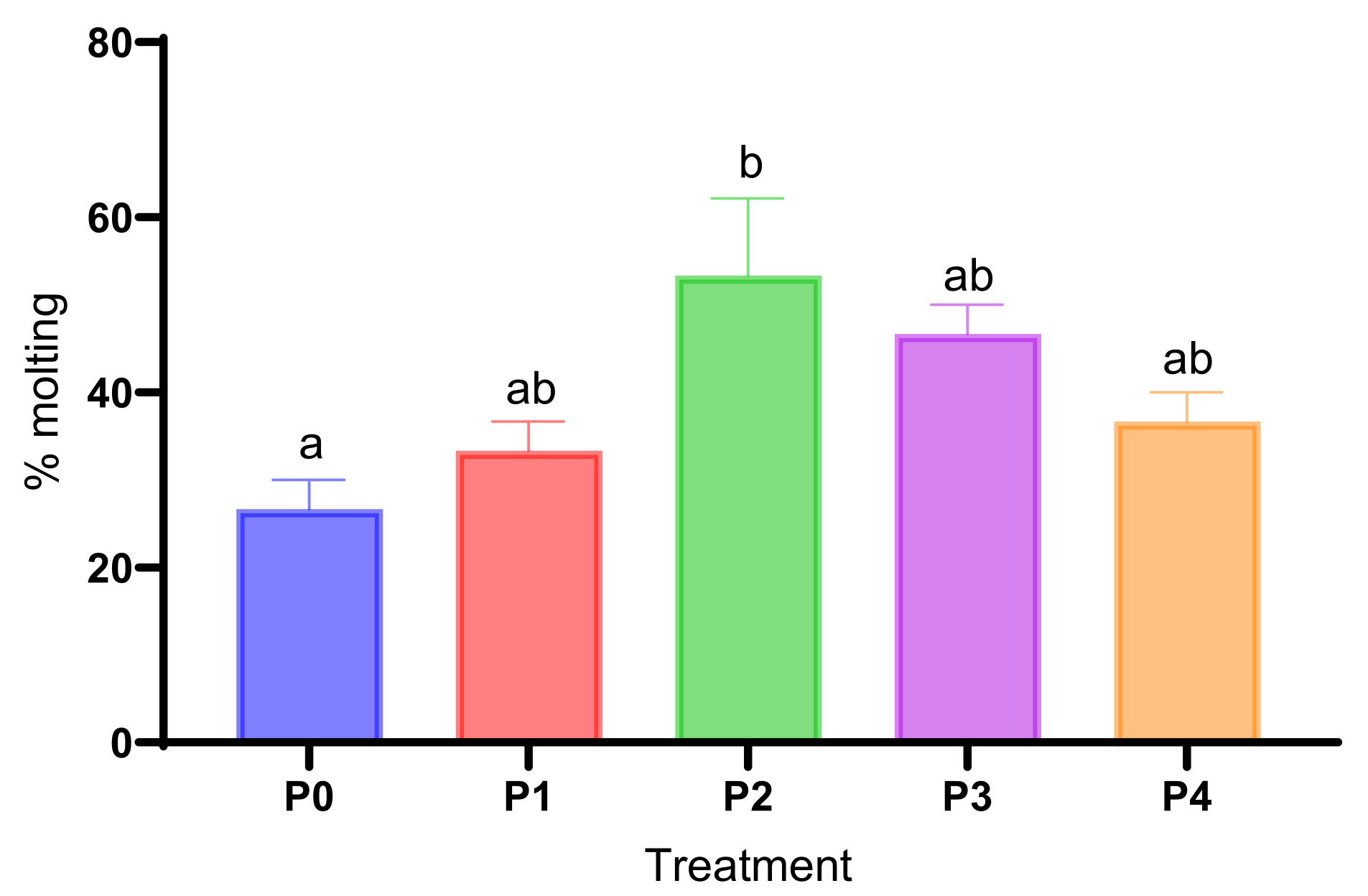
Figure 2.
Feed efficiency of tiger shrimp P. monodon fed the experimental diets.
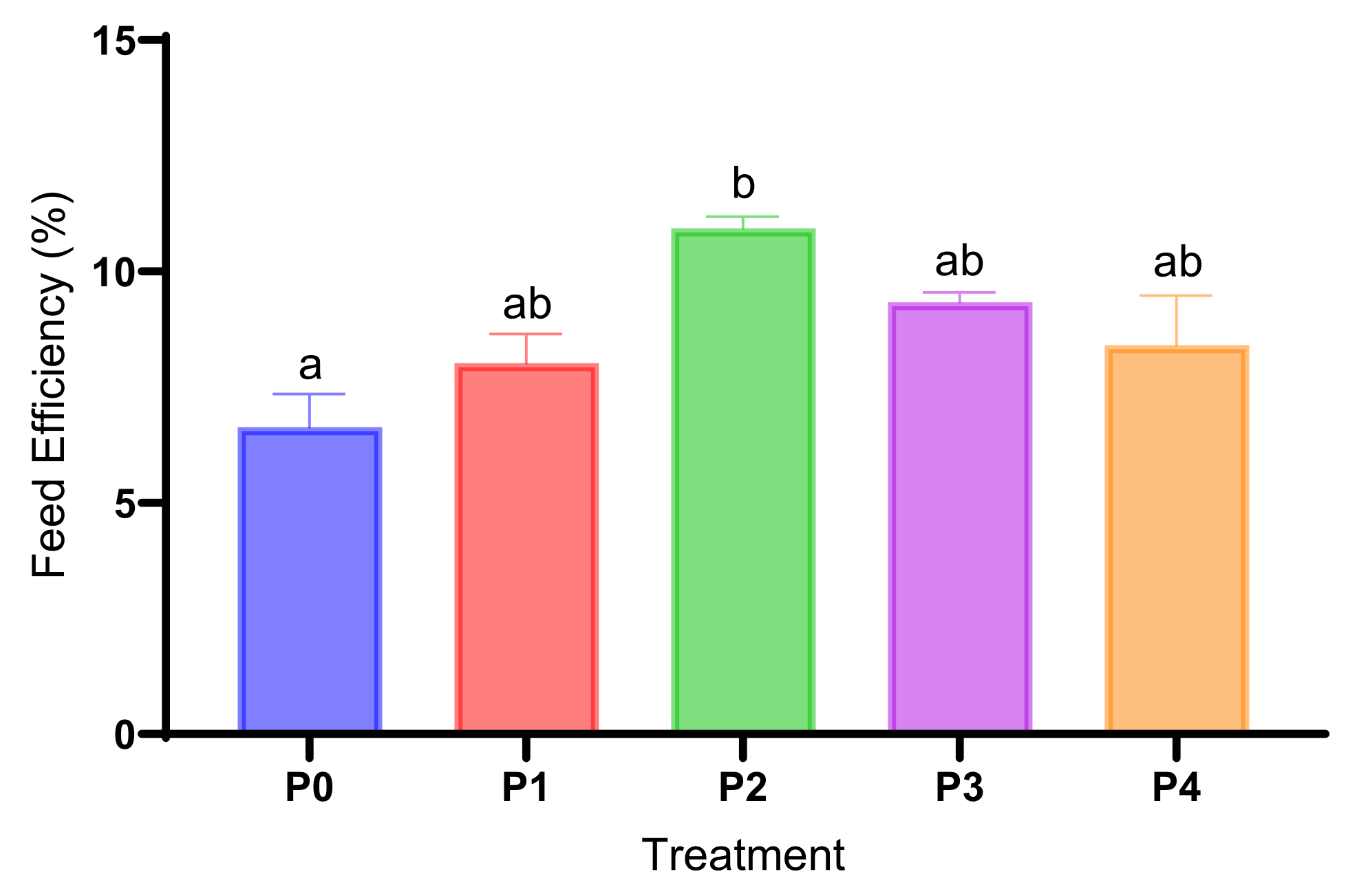
Figure 3.
Protein retention of tiger shrimp P. monodon fed the experimental diets.
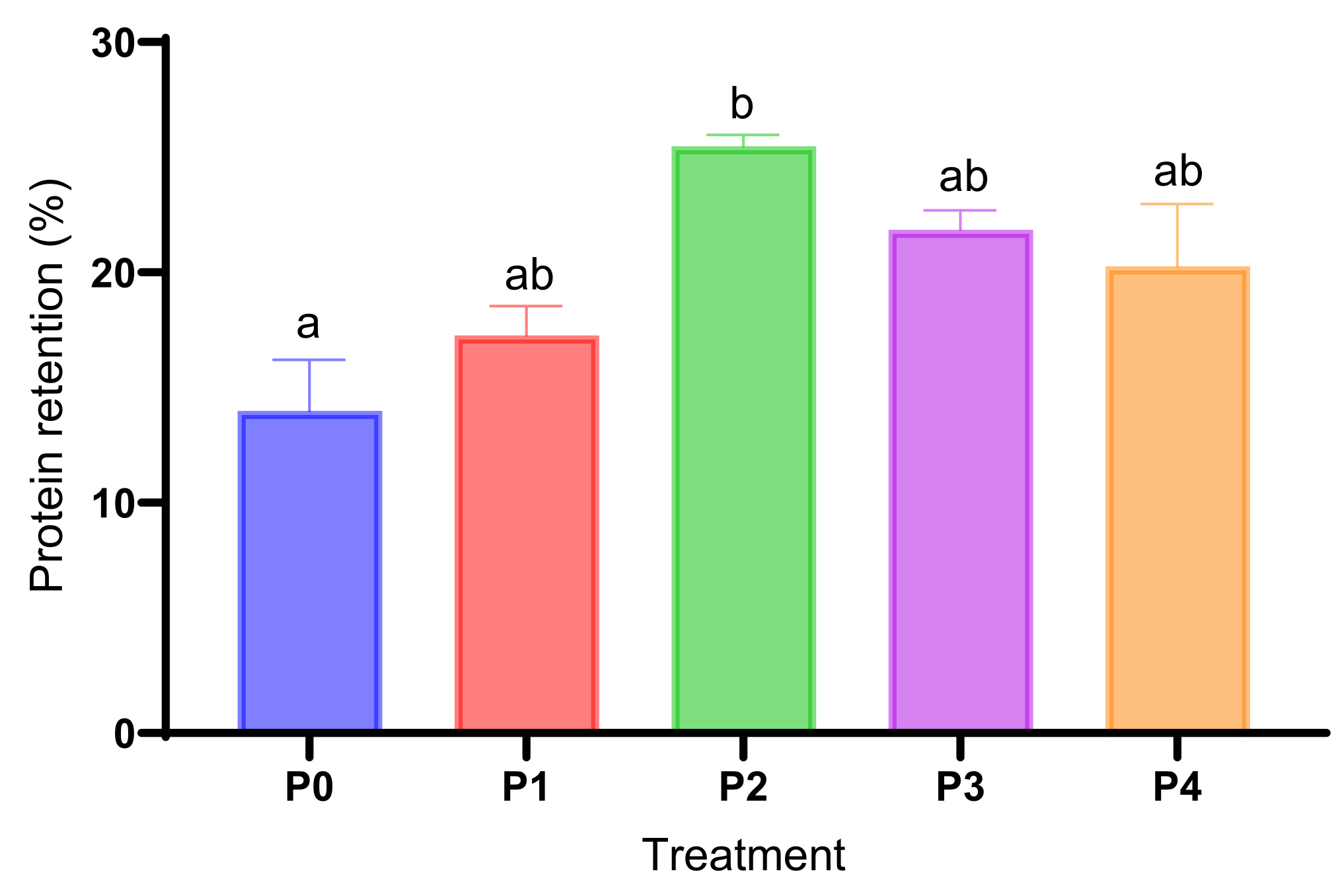
Figure 4.
Lipid retention of tiger shrimp P. monodon fed the experimental diets.
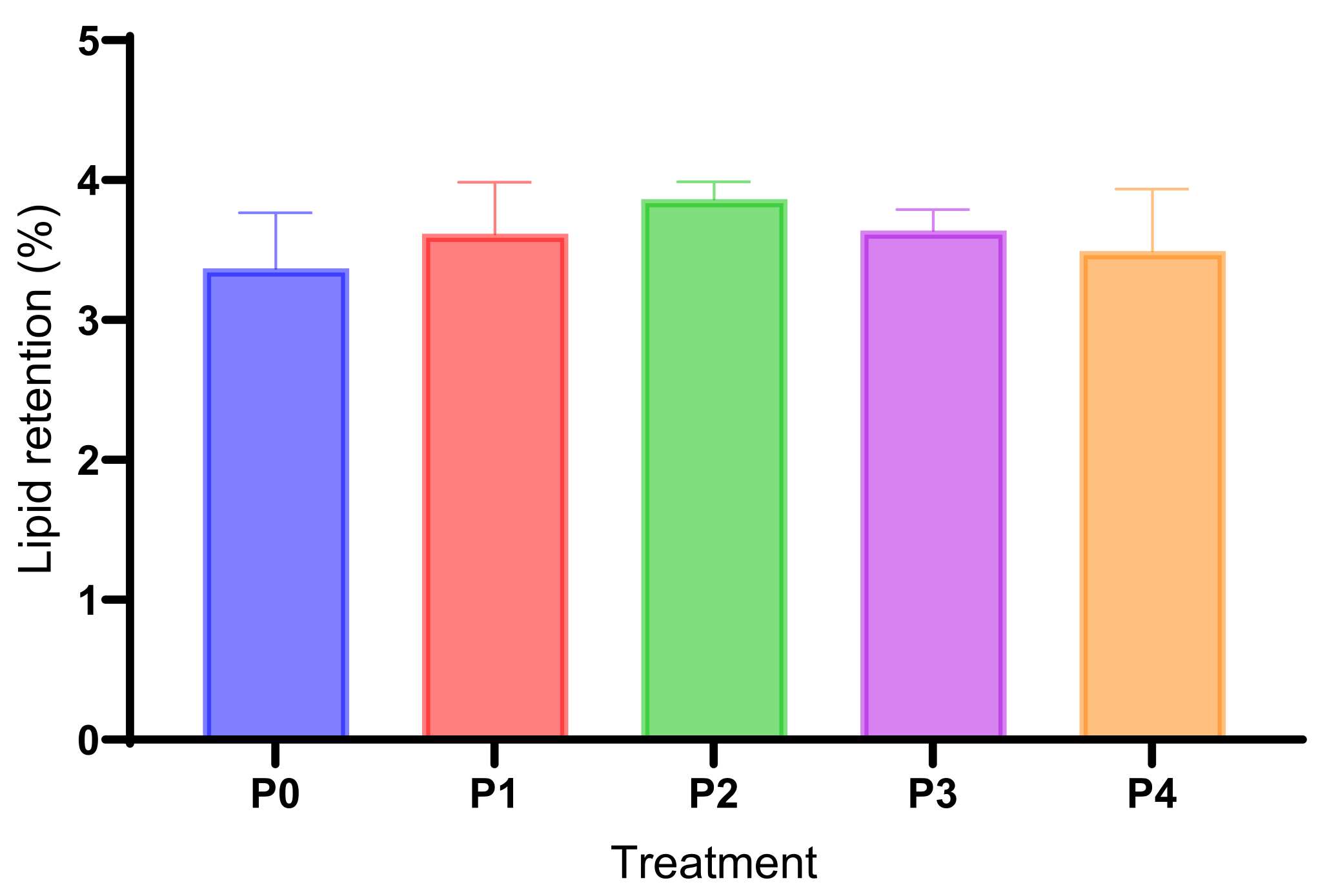
Figure 5.
Energy retention of tiger shrimp P. monodon fed the experimental diets.
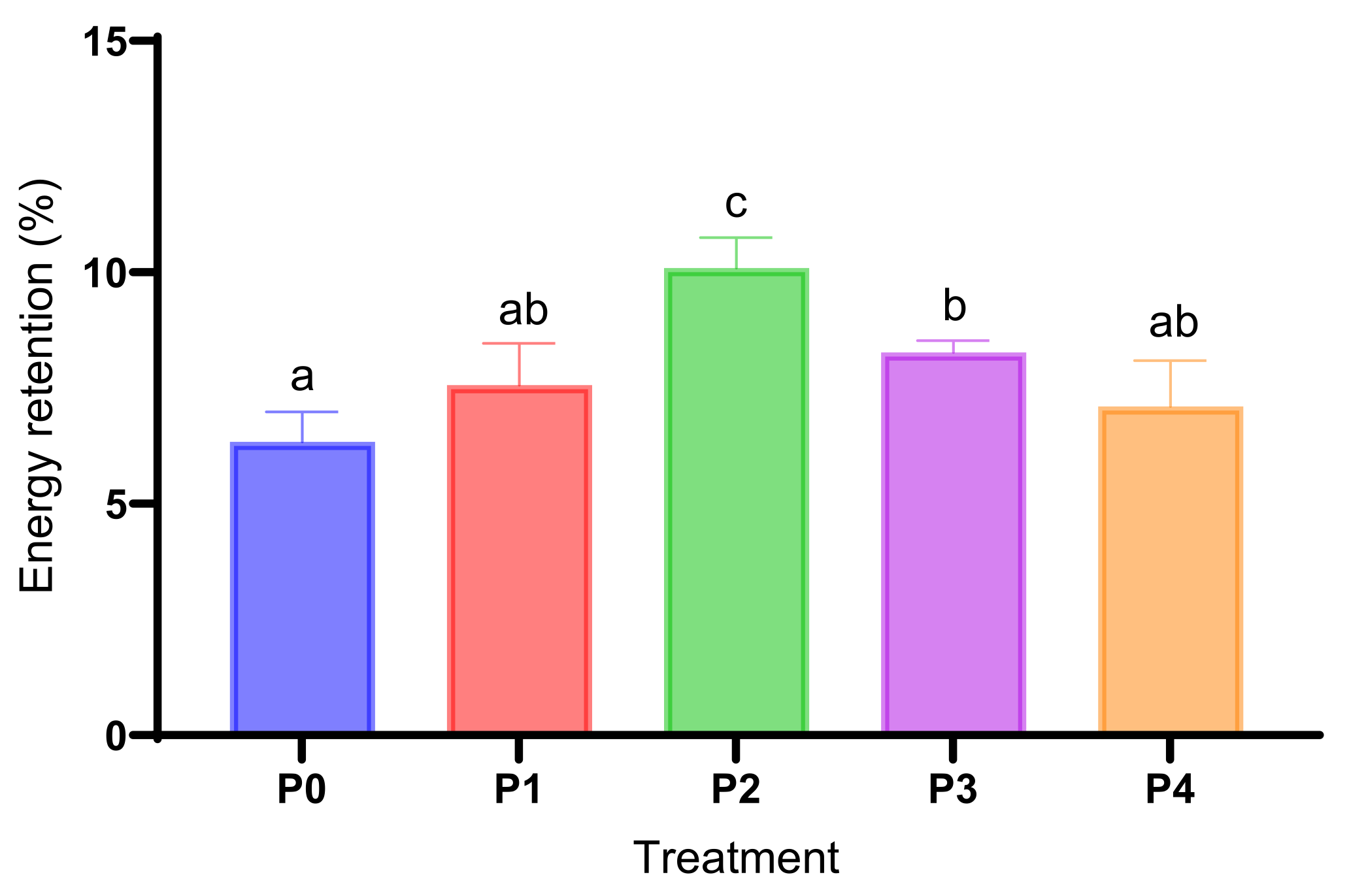

Table 1.
Phytochemical and proximal compositions of fermented herbal extract (FHE) 1.
| Phytochemicals2 | Concentration (µg ml–1) |
|---|---|
| Sitosterol | 5.50 |
| Alkaloid | 56.17 |
| Saponin | 0.69 |
| Flavonoid | 543.65 |
| Curcumin | 0.10 |
| Vitamin and Minerals3 | |
| Vitamin A | 0.18 |
| Vitamin C | 406.85 |
| Phosphorus (P) | < 0.05 |
| Iron (Fe) | 11.62 |
| Calium (K) | 1536.81 |
| Calcium (Ca) | 172.17 |
| Magnesium (Mg) | 219.66 |
| Natrium (Na) | 729.31 |
| Zinc (Zn) | 0.55 |
| Enzymes4 | |
| Amylase | 0.122 |
| Lipase | 0.875 |
| Protese | 0.272 |
1.100 mL of FHE is equivalent to 500 mg of herbal extract (HE). 2 Integrated research and testing laboratory of Gadjah Mada University, Indonesia. 3 Makassar Health Laboratory Centre, Indonesia. 4 Biochemical Laboratory of FMIPA, Hasanuddin University, Indonesia.
Table 2.
Proximal compositions of the base feed.
| Proximal Composition | Percentage (%) |
|---|---|
| Moisture | 11.33 |
| Crude Protein (dry weight) | 35.48 |
| Crude Lipid (dry weight) | 6.81 |
| Ash (dry weight) | 13.05 |
| Crude Fibre (dry weight) | 3.56 |
Table 3.
Growth performances of tiger shrimp P. monodon fed the experimental diets.
| Treatment | Growth indicators | ||
|---|---|---|---|
| WG (g) | ADG (%) | LG (cm) | |
| P0 | 1.59 ± 0.24a | 2.42 ± 0.29a | 2.16 ± 0.06a |
| P1 | 1.93 ± 0.21ab | 3.03 ± 0.19ab | 2.27 ± 0.03ab |
| P2 | 2.62 ± 0.09b | 3.78 ± 0.39b | 2.55 ± 0.17b |
| P3 | 2.24 ± 0.07ab | 3.10 ± 0.08ab | 2.54 ± 0.05ab |
| P4 | 2.02 ± 0.37ab | 2.83 ± 0.38ab | 2.25 ± 0.04ab |
Data are presented as the mean ± SE of three replicates. Values in the same column with the same superscript are not significantly different (P > 0.05). WG: weight gain, ADG: average daily gain, LG: length gain
Table 4.
Proximal composition of tiger shrimp P. monodon fed the experimental diets.
| Treatment | Composition | ||||||
|---|---|---|---|---|---|---|---|
| Moisture (%) |
CP (%) |
CL (%) |
Carbohydrate | Ash (%) |
Energy (kkal/g) |
||
| CF (%) | NFE (%) | ||||||
| P0 | 81.39 ± 0.52c | 70.56 ± 0.18a | 4.37 ± 0.07d | 1.05 ± 0.07ab | 1.70 ± 0.03 | 22.32 ± 0.21b | 289.23 ± 2.33a |
| P1 | 80.15 ± 0.28bc | 75.29 ± 0.26b | 4.16 ± 0.06c | 1.15 ± 0.04b | 2.21 ± 0.63 | 17.19 ± 0.57a | 305.61 ± 1.85b |
| P2 | 71.88 ± 0.77a | 82.37 ± 1.14c | 1.98 ± 0.04a | 0.75 ± 0.11a | 1.04 ± 0.09 | 18.85 ± 1.05a | 308.81 ± 3.06b |
| P3 | 77.71 ± 0.78a | 77.50 ± 1.14c | 2.37 ± 0.03a | 0.93 ± 0.09a | 1.46 ± 0.22 | 17.75 ± 1.18a | 296.42 ± 2.74a |
| P4 | 80.42 ± 1.07b | 76.31 ± 0.35b | 2.84 ± 0.05b | 1.26 ± 0.03ab | 1.48 ± 0.06 | 18.12 ± 0.36a | 296.94 ± 2.55a |
Data are presented as the mean ± SE of three replicates. Values in the same column with the same superscript are not significantly different (P > 0.05). CP: crude protein, CL: crude lipid, CF: crude fibre, NFE: nitrogen free extract.
Disclaimer/Publisher’s Note: The statements, opinions and data contained in all publications are solely those of the individual author(s) and contributor(s) and not of MDPI and/or the editor(s). MDPI and/or the editor(s) disclaim responsibility for any injury to people or property resulting from any ideas, methods, instructions or products referred to in the content. |
© 2024 by the authors. Licensee MDPI, Basel, Switzerland. This article is an open access article distributed under the terms and conditions of the Creative Commons Attribution (CC BY) license (http://creativecommons.org/licenses/by/4.0/).
Copyright: This open access article is published under a Creative Commons CC BY 4.0 license, which permit the free download, distribution, and reuse, provided that the author and preprint are cited in any reuse.


