

Submitted:
25 July 2024
Posted:
29 July 2024
You are already at the latest version
Abstract
To address the problems of lining cracking and spalling of tunnel structures in coastal areas under the influence of special geologic conditions, environmental loading, and the coupling effect of chemical erosion effects, hybrid fibers were introduced to fly ash concrete in this study. The working performance, compressive strength, split tensile strength, and flexural strength of the hybrid fiber fly ash concrete were tested.The NEL chloride diffusion coefficient under steady-state conditions and the durability test for resistance to sulfate corrosion were carried out. Thus, in-depth analyses of the comprehensive performance of the hybrid fiber fly ash concrete used for tunnel lining were carried out and the damage mechanism were explored. The results showed that the hybrid fiber fly ash concrete exhibited higher strength compared to the control group concrete. However, when the fibers exceeded a certain dosage, the reduction in the working properties of the concrete structure led to the creation of larger pores in the matrix structure, which in turn affected the mechanical properties of the concrete. The most significant reduction in NEL chloride diffusion coefficient was observed when both steel fibers and coconut fibers were added at 1.0 % volumetric parameter, compared to the control group. The apparent state and compressive strength after sulfate corrosion were also minimally affected. This study ensured that the mechanical properties of the concrete were improved and also substantially improved the corrosion resistance of the matrix, providing a scientific basis for the performance improvement of tunnel lining concrete, confirming that steel-coconut fibers hybrid fiber fly ash concrete has a great potential to improve the structural load bearing capacity and durability, and may provide theoretical support for the continued use of tunneling projects and construction processes.
Keywords:
tunnel lining concrete
; persistence
; steel fiber
; coconut fiber
; mechanism analysis Ergonomics
1. Introduction
Concrete is the key material for tunnel lining, and for tunnel structures in coastal areas, it not only has to withstand the pressure of environmental loads but also must resist the occurrence of erosion phenomena such as galvanic corrosion. When the bearing capacity of the concrete structure is insufficient or the structure is eroded by chloride ions and sulfate ions for a long period, the tunnel lining concrete is very susceptible to cracking.
The cracks on the lining surface are distributed in a discontinuous and random manner, and these cracks gradually expand and form through cracks under the long-term action of multiple loads such as hydrostatic pressure, ground stress, and dynamic train load. This eventually leads to deterioration and dislodgement of the concrete structure, causing serious safety hazards. Comprehensive use of the synergistic effect of fibers can significantly improve the mechanical properties and durability of tunnel lining concrete in coastal areas, guaranteeing the long-term stable operation of tunnel structures.
Fly ash concrete is now widely used in engineering. The use of fly ash instead of cement in tunnel lining structures can achieve the dual purpose of „reusing fly ash” and „saving cement”, but it may have adverse effects on the concrete, which may seriously affect the safety and durability of the tunnel structure. Adding fibers to fly ash concrete has become an effective way to solve this phenomenon.
- (1)
- Steel fibers can significantly enhance the mechanical properties and durability of fly ash concrete structures, however, their contribution in terms of toughness is low. In case of large deformation of concrete or severe impacts, steel fibers are unable to absorb enough energy to resist the occurrence of fracture situations. Tiberti et al. [1] investigated the use of steel fiber concrete as a partial wire mesh lining to determine the feasibility of using steel fiber concrete lining to reinforce the critical connection zone between the tunnel’s up arch and the steps. Kaufmann W et al. [2] found that steel fibers incorporated in concrete are very beneficial for shear transfer across cracks, which balances the compressive stresses on the crack faces and greatly enhances the aggregate’s interlocking effect. Tests by Kooiman et al. [3] showed that steel fiber concrete has a high tensile stress resistance and can effectively reduce ductile damage and mitigate cracking when properly incorporated into concrete. Wu et al. [4] analyzed the effect of different types and dosages of steel fibers on the performance of concrete and finally found that the increase in the volume of fibers can improve the compressive and flexural strength and reduce the shrinkage properties of ultra-high-performance concrete. However, the concrete properties were limited by the toughness of the fibers when the steel fiber dosage exceeded 2%. Buratti et al. [5] found that steel fibers can optimally reduce the thickness of tunnel lining and the bridging effect of the fibers can significantly reduce the crack width of the tunnel lining. Zhang et al. [6] prepared two sets of high-flow steel-fiber concretes (HF-SFRC) doped with silica fume or fly ash and tested them. The synergistic effect between fly ash or silica fume, steel fibers, and cement in the mixtures enhanced the flowability and improved the mechanical properties of HF-SFRC. Wu et al. [7] investigated the effect of the type and dosage of steel fibers on the abrasion resistance of fibrous concrete. The results showed that the short straight and medium hooked-end fibers had a better distribution of space and bridging effect, and had a better resistance to debris flow abrasion. Liu.[8] studied the bending angle of the end hook type steel fiber end hook, and found that the compressive strength, tensile strength, bending strength, and elastic modulus of SFRC were affected by the aspect ratio, content, and end hook bending angle of steel fiber. Nehdi et al. [9] conducted a preliminary study on ultra-high-performance steel fiber concrete tunnel lining pipe sheets with different steel fiber lengths and admixtures. It was found that the short fibers are more capable of improving the strain-hardening phase of the lining concrete and are fully capable of replacing the steel reinforcement in corrosive environments. Chiaia et al. [10] investigated the application of steel fibers in cast-in-place steel fiber concrete tunnel lining in both normal service conditions and extreme conditions provided the corresponding structural advantages, and the fibers were able to reduce the crack width. Shao G.d. [11] took samples from the inner and outer surfaces of a tunnel lining, respectively, and studied the anti-chlorine ion penetration performance. The results showed that the chloride ion diffusion coefficient of steel fiber concrete was reduced by 34% to 41% compared with that of ordinary concrete, and the steel fibers could effectively prevent the diffusion of chloride ions in the concrete, and it was better to be located in the inner side of the tunnel. Zhang et al. [12] found that steel fibers significantly improved the durability of concrete, and the chloride diffusion coefficient (CDC) of nano-concrete was reduced by 17.1% when the SF admixture was 1.5%. You [13] et al. added synthetic steel fibers into concrete and finally concluded that coarse synthetic steel fibers improved the densification of the concrete structures, and inhibited the entry of sulfate ions into the interior of the concrete. Thus, the degradation of concrete by sulfate was reduced. By studying the load-bearing characteristics of plain concrete, reinforced concrete, and steel fiber concrete lining, it was found that steel fibers can improve the load-bearing capacity of the lining structure, but the number of cracks in steel fiber concrete lining is more and the development path is more tortuous [14]. Liu et al.[15] found that after adding steel fibers to the concrete, the mechanical properties of the concrete and the ability of territorial rupture have been improved, but the working capacity has a certain magnitude of Cui et al.[16] investigated the damage mechanism of fiber concrete lining in tunnel applications and carried out flexural simulation tests and found that the flexural effect of mixed fiber concrete lining was better than that of steel fiber concrete lining. Therefore, the addition of plant fibers with superior toughness based on single-mixed steel fibers can substantially enhance the flexural and tensile properties of concrete.
- (2)
- The introduction of coconut fibers significantly improves the toughness of fly ash concrete and enhances the ductile performance of the structure during flexural action, in addition, the corrosion resistance of coconut fibers makes it excellent in resisting harsh environmental factors such as chloride attack and sulfate corrosion, which makes it an ideal choice of construction material for coastal and other environmental conditions. Chain-arranged cellulose molecules form the basis of coconut fibers and largely determine the tensile properties of plant fibers [17]. Ali et al. [18] discussed the suitability of coconut fiber-reinforced concrete in various projects and concluded that coconut fibers can have an improvement in tensile strength, flexural strength, and fracture toughness of concrete. Hwang et al. [19] found that the addition of coconut fibers to concrete has a positive effect on the initial crack deflection, toughness index, plastic cracking and impact resistance of the composites can be positively affected. Reis [20] conducted a three-point bending test to investigate the flexural strength, and fracture toughness of epoxy polymer concrete reinforced with coconut, bagasse, and banana fibers. It was found that coconut fiber reinforced polymer concrete had the highest fracture toughness and coconut fiber increased the flexural strength of concrete by 25%. Wu Hui [21] et al. added coconut fiber (CF) to magnesium phosphate cement and tested its compressive properties, the results showed that when the CF dosage was higher than 1%, the brittleness of magnesium phosphate cement was significantly reduced, and the specimen damage morphology was changed from brittleness to a certain degree of ductility when the CF dosage was 2%. Ahmad et al. [22] investigated the effect of coconut fibers with different lengths and volumetric additions on the properties of high-performance concrete and found that the best overall performance was obtained with a coconut fiber length of 50 mm and volume addition of 1.5%. While enhancing the toughness of concrete matrix, coconut fibers are also beneficial in terms of concrete durability. Ramli et al. [23] investigated the strength and durability of coconut fiber concrete in aggressive environments such as seawater and air exposure for different times. The durability tests such as depth of carbonation, intrinsic permeability, and chloride ion penetration tests, and the microstructure were investigated using a scanning electron microscope and X-ray diffractometer and it was found that due to the incorporation of coconut fibers, the durability properties such as chloride ion permeability were improved in addition to the improvement in compression and flexural properties. B. Ali et al. [24] summarized the literature on coconut fiber as a reinforcing material for concrete and found that although coconut fiber improves the toughness of concrete, its improvement in compressive strength and modulus of elasticity of concrete is limited.
- (3)
- Due to the coastal area tunnels were not only subjected to environmental loads and other external forces, and suffered many chloride salts, sulfates and other aggressive ions corrosion, resulting in cracks spalling and other phenomena. Steel fibers have good compressive properties, coconut fibers have high toughness and corrosion resistance, the complementary role of the two fibers is very suitable for the coastal area tunnel lining environment. In this study, the NEL chloride diffusion coefficient test as well as the sulfate corrosion test were carried out based on testing the working and mechanical properties of concrete. In addition, in-depth structural analyses of the reinforcement mechanism of fibers in fly ash concrete were carried out in this study, aiming to reveal the interaction between the fibers and the concrete matrix and its effect on the macroscopic properties of the material.
2. Materials and Methods
2.1. Test Preparation
2.1.1. Raw Materials
The cementitious materials used in this study were locally produced P·O42.5R ordinary silicate cement and 1250 mesh secondary fly ash; medium sand with a fineness modulus of 2.7 was used as the fine aggregate in this study; crushed stone with a diameter of 5-20 mm was selected for the application of coarse aggregate. Polycarboxylate Superplasticizer was used as an admixture; steel fibers were selected as 40mm end-hook type steel fibers; coconut fibers were selected with a length of 40~50mm. The physical properties of the fibers are shown in Table 1, and the fiber shapes are shown in Figure 1.
2.1.2. Mixing Ratio
To investigate the effect of different volumetric additions of steel fibers and coconut fibers on the properties of fly ash concrete. In this experiment, the steel fibers were divided into five volume contents, which are 0 %, 0.5 %, 1.0 %, 1.5 %, and 2 % respectively. Coconut fibers were divided into six volumes of content, respectively 0 %, 0.5 %, 0.75 %, 1.0 %, 1.25 %, 1.5 %. The fibers were added to the fly ash concrete in different combinations, and the mechanical properties and durability of the test blocks were tested. The concrete mixing ratio is shown in Table 2.
2.1.3. Preparation of Specimens
In the preparation of specimens for this test, coconut fibers were first soaked for 12 hours to remove adhering impurities, dried in the sun, and then cut into small segments of 4-5 cm of uniform length. Coarse aggregate was sieved to remove fine particles and dust impurities to ensure cleanliness and consistency of aggregate size. The sand was sieved to remove individual large diameter particles. Coarse aggregate, fine aggregate, cement, and fly ash were poured into the mixer in a sequential order. After 2 minutes of mixing, steel fibers and treated coconut fibers were gradually and uniformly spread into the mixer, and mixing was continued until the fibers were well mixed with the concrete matrix. Water pre-mixed with Polycarboxylate Superplasticizer was added to the mixer and the mixture was continued until a homogeneous concrete mix was formed. After placing in the mold, the concrete was vibrated using a vibrating table until there were no obvious air bubbles inside the concrete, smoothed the surface and covered with plastic film, the surface was watered and moisturized for 24 hours, and then removed and placed in a Maintenance box at 18℃~22℃with a humidity of 95% or more for 28 days to ensure that the concrete reaches the design strength.
2.2. Test Methods
2.2.1. Compression Test, Splitting Tensile Test and Flexural Test
This test was based on GB/T 39698-2020 [25], JGJ 52-2006 [26], GB/T 50081-2019 [27], and GB/T 50082-2009 [28]. For the mechanical properties tests, each mix was tested in a group of three test blocks, where the compressive and splitting tensile test blocks were of size 100mm x 100mm x 100mm, and the flexural test blocks were of size 100mm x 100mm x 400mm, and the Pressure testing machine specialty was utilized to test the mechanical properties of the blended fiber concretes after curing them for 28d in the standard conditions (Figure 2).
- 4)
- The principle of compressive strength test is as follows:
where, fcc represents the compressive strength (MPa) of concrete cube specimens, and the calculation results should be accurate to 0.1 MPa; F represents the failure load of the specimen (N); A represents the compressive area of the specimen (mm2).
- 5)
- The principle of splitting tensile strength test is as follows:
where, fts represents the splitting tensile strength of concrete (MPa); F’ indicates the failure load of the specimen (N); A’ is the splitting surface area (mm2) of the specimen is represented.
- 6)
- The principle of flexural strength test is as follows:
where, ff represents the flexural strength of concrete (MPa); it represents the load (N)when the specimen is destroyed; l is the bearing span (mm); b is the width of the cross section of the specimen (mm); h is the height of the cross section of the specimen(mm).
2.2.2. NEL Chloride Diffusion Coefficient Test
(1) According to the standard,100 × 50mm cylinder test blocks were made. The three test blocks were a group. After 28 days of curing, the vacuum saturated salt treatment is carried out. The machine is shown in Figure 3(a). The NEL-PDR chloride diffusion coefficient tester was used to test the chloride ion permeability of the test block, as shown in Figure 3(b).
(2) The test used the NEL method proposed by Professor Lu [29] of Tsinghua University. The test principle was based on the Nernst Einstein equation. The concrete is regarded as a solid electrolyte, and the diffusion coefficient of the charged particle i in the concrete is related to its partial conductance. On this basis, if the concentration Ci of the ion i and the partial conductance are known, it is easy to obtain the diffusion coefficient of the ion i (assuming that the chloride ion migration coefficient is 1, and the chloride ion concentration in the concrete pore solution is Ci). The formula is (4).
where :Di is the diffusion coefficient of charged particle i, s/m;is the partial conductivity of charged particles, s/m; R is the gas constant, taking 8.314 J / mol·K; T is the absolute temperature, take K; Zi is the charge number of charged particle i; f is the Faraday constant, taking 96500 Coul/mol; Ci is the number concentration of charged particles, cm3/mol.
2.2.3. Sulfate Corrosion Resistance Test
According to the specification, cube test blocks with the size of 100 mm × 100 mm × 100 mm were made. Three test blocks were used as a group. The test was started after 26 days of curing. The test pieces were soaked in 5 % Na2SO4 solution for (15±0.5) h, and the solution was quickly emptied. After drying for 30 min, the solution was heated to 80°C within 30 min, dried at (80±5) °C for 6 h, cooled to 25 ~ 30°C within the last 2 h, and put into 5% Na2SO4 solution again to enter a new round of circulation. The total time of each dry-wet cycle was (24±2) h. A total of 60 cycles were carried out. After the cycle, the apparent state and strength loss rate of the concrete test block were observed and tested. The strength loss rate (5) formula is as follows:
In the formula: fcc’ is the percentage of the compressive strength loss rate (%) of the cube concrete test block; fcc0 is the initial compressive strength of the specimen (MPa); fcc1 is the compressive strength (MPa)of the specimen after the dry-wet cycle is completed.
3. Analysis and Discussion of Results
3.1. Slump Value
The specimen slump decreased with increasing fiber content. Figure 4 shows the effect of fibers admixture on slump, all fly ash concretes admixed with fibers had less slump than the control. This was consistent with the finding of [30] that the interlocking of fibers affected their slump values compared to the control. Higher fibers in fresh concrete mixtures result in a tendency for the fibers to ball up, which reduced the slump considerably. But too small a slump value would have a reduced effect on the compatibility of the concrete mix, making it inconvenient for construction.
3.2. Mechanical Properties of Concrete
3.2.1. Compressive Strength
The compressive strength of fly ash concrete specimen with different volumetric admixture of steel fibers and coconut fibers is shown in Figure 6. As shown in the figure, the compressive strength of the specimen with different coconut fibers admixtures showed a trend of increasing and then decreasing with the increase of steel fibers. Without adding any fibers, the compressive strength of the matrix was 29.41 MPa. At this time when the test blocks were damaged, they showed the characteristics of brittle damage, and the outer wall of the test blocs were detached, as shown in Figure 5. After mixing steel fibers and coconut fibers alone, the compressive strength increased up to 32.56 MPa and 39.3 MPa. The strength of steel fibers itself was higher than that of coconut fibers resulting in an overall strength greater than that of coconut fibers when mixed alone.
There was also a substantial increase in compressive strength when blended, the compressive strength of fly ash concrete specimens with the addition of 1.5% steel fibers and 0.5% coconut fibers was enhanced by 29.1 % as compared to the control group. In a study by Song [31], the compressive strength of the concrete matrix with the addition of fibers was enhanced by 15 %. With the increase of steel fibers admixture, the fibers were distributed longitudinally and horizontally in the concrete, changing the structure of the matrix concrete while generating more voids, and after adding a small amount of coconut fibers, the overall structure of the concrete interior would be improved, and through the combined effect of steel fibers and coconut fibers, the coconut fibers prevented cracks from being carried out. The steel fibers organized the concrete to spread out to the surrounding area under pressure, and the two synergistically showed higher Performance. However, when the steel fibers admixture exceeded 1.5 % and the coconut fibers admixture exceeds 1.0 %, regardless of the admixture method, the compressive strength of fly ash concrete was negatively affected in this study, which was in agreement with the experimental results of many researchers that excessive fibers lead to loss of compressive strength of concrete [8,32,33].
The reason for the occurrence of Ⅰ may be that when the coconut fibers dosage was 0.5%, with the increase of steel fibers dosage, the fly ash concrete matrix structure produced larger pores, which ultimately leaded to a reduction in the compressive strength and was lower than that of the compressive strength when steel fibers were dosed alone.
3.2.2. Splitting Tensile Strength
The splitting tensile strength of fly ash concrete specimen is shown in Figure 7, without any fibers admixture, the concrete specimen undergoes sudden brittle damage and the cracks expanded and penetrate through the entire cross-section and specimen, splitting the specimen in two as shown in Figure 8(a). The maximum increased in split tensile strength was 15.7% when 1.5% steel fibers alone were added to the matrix and 16.1% when 1.0% coconut fibers alone were added to the matrix. The damage mechanism of fibers concrete was very different from the control group. It is evident in Figure 8(b) that due to the bridging effect of the fibers, the fibers prevented the matrix from cracking completely, allowing the brittle damage of the concrete to be transformed into ductile damage. Among the mixed fibers, 1.0 % steel fibers and 1.0 % coconut fibers were able to enhance the splitting tensile strength of the concrete specimens more effectively and by 22.6%. A study by Yufei Xie [34] found that the addition of steel fibers increased the matrix splitting tensile strength by 15.56% compared to normal concrete. It indicated that the synergistic effect of the mixed fibers plays a greater role. This result agreed with the findings of Sivakumar et al [35], while increasing the tensile strength of concrete, concluded that the increase in strength raised from the combination of metallic and non-metallic fibers.
A small number of fibers could fill the holes in the concrete and make the inside of the specimen denser and could allow the load to be dispersed uniformly. However, when too many fibers were mixed, the phenomenon of agglomeration occurs, the fibers were unevenly distributed in the concrete, and the compatibility deteriorates, which also resulted in larger pores inside the concrete, which lead to a decrease in the splitting tensile strength.
The reason for 1 was concluded after careful analysis that it might be due to laboratory machine factors, which made the fiber distribution uneven and led to errors.
3.2.3. Flexural Strength
The flexural strength of concrete specimens is shown in Figure 9. Same as the above compressive strength and splitting tensile strength patterns, the flexural strength of the specimen blocks showed a tendency to increase and then decrease with the increase of fibers. As shown in Figure 11(a), the control fly ash concrete specimens produced brittle damage and fracture as expected. The bridging effect of the fibers was more clearly demonstrated when compared to the splitting tensile strength. As shown in Figure 11(b), which showed the fracture picture when steel fibers were added alone, the steel fibers were distributed longitudinally and transversely in the matrix, and the crack openings in the specimens were significantly wider than those in the fiber-mixed specimens (Figure 11(c)). The highest flexural strength was obtained when both steel fibers and coconut fibers were mixed at 1.0 %, which improved by 26.58% compared to the control. The specimens did not fail rapidly after the small cracks were produced, as shown in Figure 10, but the cracks gradually spread towards the top of the specimen as the deformation increased. The strain growth in the cross-sectional region accelerated with further increase in stress, and finally the specimen was destroyed when the width of the cracks reached 6.96 mm. This was in line with the trend of the results of Das et al [36] by testing the mechanical properties of blended fiber concrete, where the most significant effect on flexural enhancement was observed at 1.0 % of coconut fibers admixture.
Appearing Ⅰ、Ⅱ may be the reason for the excessive mixing of coconut fibers, because of the light weight of coconut fibers, when the volume fraction increases, the number of fibers would surge, the ease of the concrete matrix deteriorated, the fibers were difficult to completely churning, the formation of stratification phenomenon, resulting in reduced strength.
3.3. Concrete Durability Properties
3.3.1. NEL Chloride Diffusion Coefficient
The steady state chloride diffusion coefficient graph of fly ash concrete specimens is shown in Figure 13. Figure 12 shows some of the specimens. Figure 14 shows the schematic diagram of the test. According to Figure 13, it was found that the addition of 1.5% coconut fibers and 2.0% steel fibers increased the diffusion coefficient by 12.6% compared to the control. This indicated an increase in the permeability of concrete to chloride ions. This phenomenon was indicative of the possible adverse effect of excess fibers incorporation on the permeability of concrete. Excessive fibers incorporation reduced the dispersion of fibers, which makes it difficult to disperse the fibers during the mixing process and tends to form a solid mass and introduce many air bubbles additionally, which leads to many air holes remaining in the concrete after hardening. It not only provided more channels for ions to enter the interior of concrete, but also improved the penetration rate of chloride ions in the interior of concrete. The study of Bai Min et al. [37] reached a similar conclusion, pointing out that when the fiber admixture exceeds a certain threshold, the internal pore structure of concrete deteriorates, which was not conducive to the improvement of the resistance of concrete to chloride ion erosion.
The overall chloride ion diffusion coefficients of the fly ash concretes were decreased when the fibers were added appropriately. The inhibition of chloride ion diffusion was most pronounced when steel fibers and coconut fibers were incorporated at a volume admixture of 1.0 %, respectively. The addition of appropriate amount of fiber concrete effectively inhibited the formation and development of shrinkage microcracks during the hardening process. This was because the presence of microcracks largely increases the penetration rate of chloride ions within the concrete. The crack-blocking effect of fibers plays a role, and the randomly distributed hybrid fiber fly ash concrete reduces the possibility of generating penetrating cracks, and this effect is pictorially described in engineering practice as the synergistic effect of „1+1>2”, which not only strengthened the cohesion of the concrete, but also improved the pore structure of the concrete at the microscopic level and reduced the connectivity of the pores, thus significantly improved the anti-chlorine ion permeability of the tunnel lining.
3.3.2. Resistance to Sulphate Corrosion
Sulfate erosion damage is a very complex physicochemical process, the mechanism is very complex. The essence is that as the external erosion medium SO42- into the internal pores of concrete, and some components of the cement reaction, resulting in expansion material, the formation of expansion stress. When the force is greater than the tensile strength of concrete, it will lead to a significant reduction in concrete strength, and even cause damage to the concrete structure.
Upon observation, it was found that there were no signs of corrosion on the surface of the control concrete at the end of the wet and dry cycles, as shown in Figure 17(a). However, after the specimen was subjected to external force, it was observed that the right side of the specimen was completely peeled off. According to the data in Figure 16, it was found that the compressive strength of the control group decreased significantly, by 38% compared to the strength before erosion. It is observed through Figure 15 that there is a layer of sulfuric acid corrosion products on all the surfaces of the fly ash concrete. The cement on the surface of the concrete reacted chemically with Mg2+ and SO42- to produce calcium alumina as well as gypsum and other substances.
Figure 15 (I) is the apparent diagram of concrete with coconut fibers, and a large number of holes appear on the surface. The preliminary analysis is that the sulfate related to the internal pores after passing through the lime on the corrosion surface, forming a channel. In Figure 15 (II) group (1.0 % steel fiber, 1.0 % coconut fiber), although a small amount of brown rust spots was found on the surface of the concrete test block. This is due to the precipitation of Fe2+ from the surface of concrete after corrosion. However, these rust spots only appear in the millimeter range of the concrete surface. The internal structure of concrete still maintains good mechanical properties and durability and has little effect on the overall structure of concrete, showing good sulfate resistance. Whether it is a single type of fiber or mixed fiber, it can effectively alleviate the decrease of compressive strength of concrete matrix after appropriate addition. This is similar to the findings of Paul et al [38], where the hybrid fibers were able to utilize the bridging effect to improve the durability performance while controlling cracking.
The reason for Ⅰ should be analyzed as too much coconut fiber single mixing, resulting in more voided within the matrix, during immersion, the sodium sulfate solution entered the concrete interior through the voids, and the degree of corrosion on the matrix was increased after several dry and wet cycles.
4. Conclusions
To cope with the problem of cracking and spalling of lining concrete in tunnels in coastal areas, due to loading and long-term chemical corrosion, in this study, steel fibers and coconut fibers were introduced, in different volume fractions, individually or mixed into the fly ash concrete matrix. The performance of hybrid fiber fly ash concrete reinforced with steel fibers and coconut fibers was thoroughly analyzed by carrying out mechanical property tests and durability tests, and the following conclusions were obtained:
- With the admixture of fibers, the mechanical properties of fly ash concrete all showed a trend of first increase and then decrease. The compressive strength of concrete suffered adverse effects when coconut fibers were added alone more than 1.0 %. The overall properties of concrete were all impaired to different degrees when steel fibers alone were added at a dosage of more than 1.5 %.
- The results of mechanical properties tests showed that the inclusion of appropriate amount of fibers can induce the fly ash concrete to change the brittle damage of the matrix into ductile damage at the time of destruction. When the volume admixture of both steel fibers and coconut fibers were 1.0%. The bridging effect of fibers significantly enhanced the flexural strength of fly ash concrete. The strength was enhanced by 26.58% as compared to the control group.
- The results of the durability tests showed that when steel fibers were mixed with coconut fibers at an equal volume ratio of 1.0 %, they not only effectively reduced the diffusion of chloride ions, but also resisted the erosive effect of sulfates to the maximum extent. The appropriate amount of fibers can effectively inhibit the extension of concrete cracks, thus preventing the penetration and diffusion of aggressive substances.
- In this study, the key indexes of compressive strength, flexural strength, and Resistance to sulphate corrosion of the mix were considered for the tunnel lining environment in coastal areas. The optimal ratio of hybrid fiber fly ash concrete to enhance the comprehensive performance was found through tests. The durability of the matrix was significantly enhanced while improving the toughness and crack resistance of the concrete. The composite application of steel fibers and coconut fibers can effectively extend the service life of the tunnel lining structure and improve its sustainable utilization.
Author Contributions
Conceptualization, S.D. and W.L.; methodology, W.L.; validation, S.D.; formal analysis, W.L. and Y.L.; investigation, W.L.; data curation, W.L.; writing—original draft preparation, W.L.; writing—review and editing, S.D. and W.L.; supervision, S.D.; project administration, W.L.; All authors have read and agreed to the published version of the manuscript.
Funding
This research received no external funding.
Institutional Review Board Statement
Not applicable.
Informed Consent Statement
Not applicable.
Data Availability Statement
The data presented in this study are available on request from the corresponding author.
Conflicts of Interest
The authors declare no conflicts of interest.
References
- Tiberti, G.; Minelli, F.; Plizzari, G. Reinforcement optimization of fiber reinforced concrete linings for conventional tunnels. Composites Part B: Engineering. 2014, 58, 199–207. [Google Scholar] [CrossRef]
- Kaufmann, W.; Amin, A.; Beck, A.; Lee, M. Shear transfer across cracks in steel fibre reinforced concrete. Engineering Structures. 2019, 186, 508–524. [Google Scholar] [CrossRef]
- Kooiman, A.G. Modelling steel fibre reinforced concrete for structural design. 2000. http://resolver.tudelft.nl/uuid:e7a12191-4484-4fc3-b4c5-e8c0d51271a0.
- Wu, Z.; Shi, C.; Khayat, K.H. Investigation of mechanical properties and shrinkage of ultra-high performance concrete: Influence of steel fiber content and shape. Composites Part B: Engineering, 2019; 174. [Google Scholar] [CrossRef]
- Buratti, N.; Ferracuti, B.; Savoia, M. Concrete crack reduction in tunnel linings by steel fibre-reinforced concretes. Construction and Building Materials. 2013, 44, 249–259. [Google Scholar] [CrossRef]
- Zhang, H.; Cao, L.; Duan, Y.; Tang, Z.; Hu, F.; Chen, Z. High-flowable and high-performance steel fiber reinforced concrete adapted by fly ash and silica fume. Case Studies in Construction Materials. 2024, 20, e02796. [Google Scholar] [CrossRef]
- Wu, F.; Yu, Q.; Chen, X. Effects of steel fibre type and dosage on abrasion resistance of concrete against debris flow. Cement and Concrete Composites. 2022, 134, 104776. [Google Scholar] [CrossRef]
- Haoyun Liu; Sihao Qiao; Shaoqi Wu; Feiyang Zhao; Lin Liao. Study on the in fluence of parameters of single hooked-end steel fiber on the flexural properties of concrete. Concrete. 2023,10,25-31. [CrossRef]
- Nehdi, M.L.; Abbas, S.; Soliman, A.M. Exploratory study of ultra-high performance fiber reinforced concrete tunnel lining segments with varying steel fiber lengths and dosages. Engineering Structures. 2015, 101, 733–742. [Google Scholar] [CrossRef]
- Chiaia, B.; Fantilli, A.P.; Vallini, P. Combining fiber-reinforced concrete with traditional reinforcement in tunnel linings. Engineering Structures. 2009, 31, 1600–1606. [Google Scholar] [CrossRef]
- Shao G.D. Research on Mechanical Properties and Durability of Tunnel Prefabricated Lining Blocks. Modern urban rail transportation. 2017, 71-74. (In Chinese).
- Zhang, P.; Zhang, H.; Cui, G.; Yue, X.; Guo, J.; Hui, D. Effect of steel fiber on impact resistance and durability of concrete containing nano-SiO2. Nanotechnology Reviews. 2021, 10, 504–517. [Google Scholar] [CrossRef]
- You, S.; Ji, H.; Liu, J.; Song, C.; Tang, W. Fracture performance of macro synthetic steel fiber concrete exposed to a sulfate environment. Anti-Corrosion Methods and Materials. 2016, 63, 236–244. [Google Scholar] [CrossRef]
- Cui, G.-Y.; Qi, J.-S.; Wang, D.-Y. Experimental study on load bearing characteristics of steel fiber reinforced concrete lining in the soft surrounding rock tunnel. Advances in Civil Engineering. 2020, 2020, 4976238. [Google Scholar] [CrossRef]
- Liu, Y.; Shi, C.; Zhang, Z.; Li, N.; Shi, D. Mechanical and fracture properties of ultra-high performance geopolymer concrete: Effects of steel fiber and silica fume. Cement and Concrete Composites. 2020, 112, 103665. [Google Scholar] [CrossRef]
- Cui, G.-Y.; Wang, X.-L.; Wang, D.-Y. Study on the model test of the antibreaking effect of fiber reinforced concrete lining in tunnel. Shock and Vibration 2020. 2020, 5419650. [Google Scholar] [CrossRef]
- Mwaikambo, L.Y.; Ansell, M.P. Mechanical properties of alkali treated plant fibres and their potential as reinforcement materials II. Sisal fibres. Journal of materials science. 2006, 41, 2497–2508. [Google Scholar] [CrossRef]
- Ali, M.; Liu, A.; Sou, H.; Chouw, N. Mechanical and dynamic properties of coconut fibre reinforced concrete. Construction and Building Materials. 2012, 30, 814–825. [Google Scholar] [CrossRef]
- Hwang, C.-L.; Tran, V.-A.; Hong, J.-W.; Hsieh, Y.-C. Effects of short coconut fiber on the mechanical properties, plastic cracking behavior, and impact resistance of cementitious composites. Construction and Building Materials. 2016, 127, 984–992. [Google Scholar] [CrossRef]
- Reis, J. Fracture and flexural characterization of natural fiber-reinforced polymer concrete. Construction and building materials. 2006, 20, 673–678. [Google Scholar] [CrossRef]
- Hui Wu; Min Huang; Liwen Zhang; Zhujian Xie; Junping Zhang. Experimental study on compressive performance of coconut fiber MPC compositen cement-based materials. J. Xi’an Univ. of Arch. &Tech. (Natural Science Edition). 2022,54,257-266. [CrossRef]
- Ahmad, W.; Farooq, S.H.; Usman, M.; Khan, M.; Ahmad, A.; Aslam, F.; Yousef, R.A.; Abduljabbar, H.A.; Sufian, M. Effect of coconut fiber length and content on properties of high strength concrete. Materials. 2020, 13, 1075. [Google Scholar] [CrossRef] [PubMed]
- Ramli, M.; Kwan, W.H.; Abas, N.F. Strength and durability of coconut-fiber-reinforced concrete in aggressive environments. Construction and Building Materials. 2013, 38, 554–566. [Google Scholar] [CrossRef]
- Ali, B.; Hawreen, A.; Kahla, N.B.; Amir, M.T.; Azab, M.; Raza, A. A critical review on the utilization of coconut (coconut fiber) in cementitious materials. Construction and Building Materials. 2022, 351. [Google Scholar] [CrossRef]
- GB/T 39698-2020; Confirmation Methods for Delivering Common Portland Cement. State Market Regulatory Administration: Beijing, China, 2020.
- JGJ 52-2006; Standard for Technical Requirements and Test Method of Sand and Crushed Stone for Ordinary Concrete. China Academy of Building Research: Beijing, China, 2006.
- GB/T 50081-2019; Standard for Test Method of Mechanical and Physical Performance Concrete. China Architecture and Building Press: Beijing, China, 2019.
- GB/T 50082-2009; Standard for Test Methods of Long-Term Performance and Durability of Ordinary Concrete. Ministry of Housing and Urban-Rural Development of the People’s Republic of China: Beijing, China, 2009.
- Lu, X. Application of the Nernst-Einstein equation to concrete. Cement and concrete research. 1997, 27, 293–302. [Google Scholar] [CrossRef]
- Rudraswamy, M.; Patagundi, B.; Prakash, K. The Workability Studies of Hybrid Fiber Reinforced Concrete Formed by Using Fibs of Different Aspect Ratio. International Journal of Civil Engineering and Technology, 9(7), 2018, pp. 1293 1301. http://iaeme.com/Home/issue/IJCIET?Volume=9&Issue=7.
- Song, P.; Hwang, S. Mechanical properties of high-strength steel fiber-reinforced concrete. Construction and Building Materials. 2004, 18, 669–673. [Google Scholar] [CrossRef]
- Folino, P.; Lima, C.; Martinelli, E.; Pepe, M.; Caggiano. On the mechanical response of hybrid fiber reinforced concrete with recycled and industrial steel fibers. Construction and Building Materials. 2017, 147, 286–295. [Google Scholar] [CrossRef]
- Sathyan, D.; Madhavan, M.K.; Raj, A.; Raj. Mechanical and durability properties of hybrid fiber reinforced foam concrete. Construction and Building Materials. 2020, 245, 118373. [Google Scholar] [CrossRef]
- Yufei Xie; Meng Sheng; Yifan Lv. Experimental Study on Mechanical Properties of Steel Fiber Concrete. Sichuan Cement, 2020, 14-15. (In Chinese).
- Santhanam, M.; Sivakumar. Mechanical properties of high strength concrete reinforced with metallic and non-metallic fibres. Cement and Concrete Composites. 2007, 29, 603–608. [Google Scholar] [CrossRef]
- Das, S.; Sobuz, M.H.R.; Tam, V.W.; Akid, A.S.M.; Sutan, N.M.; Rahman, F.M. Effects of incorporating hybrid fibres on rheological and mechanical properties of fibre reinforced concrete. Construction and Building Materials. 2020, 262, 120561. [Google Scholar] [CrossRef]
- Min Bai; Ditao Niu; Guixiu Jiang; Xiong Wu. Study on the influence of steel fiber content on chloride ion permeability of concrete. CHINA CONCRETE AND CEMENT PRODUCTS. 2015,49-52. https://link.oversea.cnki.net/doi/10.19761/j.1000-4637.2015.11.012.
- Paul, S.C.; van Zijl, G.P.; Šavija, B. Effect of fibers on durability of concrete: A practical review. Materials. 2020, 13, 4562. [Google Scholar] [CrossRef] [PubMed]
Figure 1.
Fiber picture.
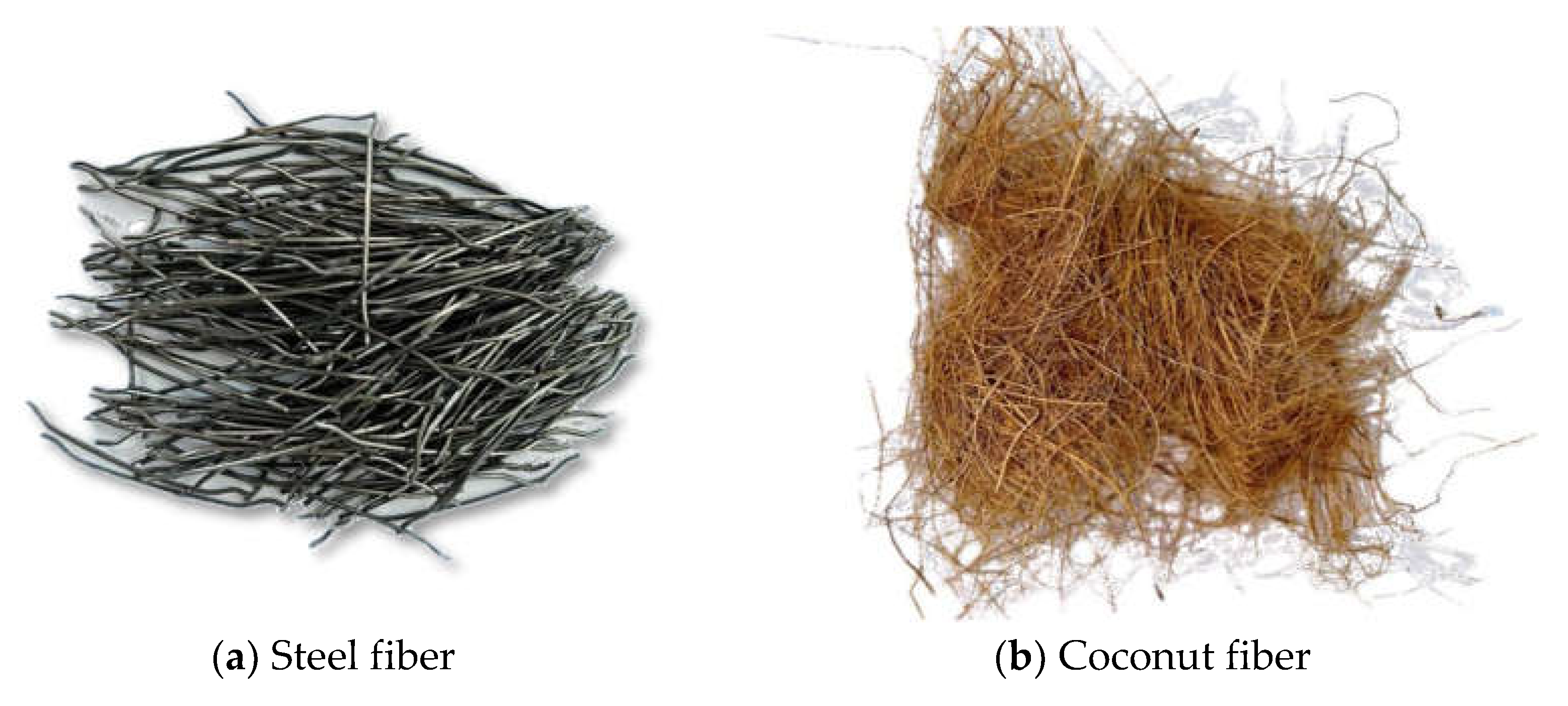
Figure 2.
Pressure testing machine specialties and models.
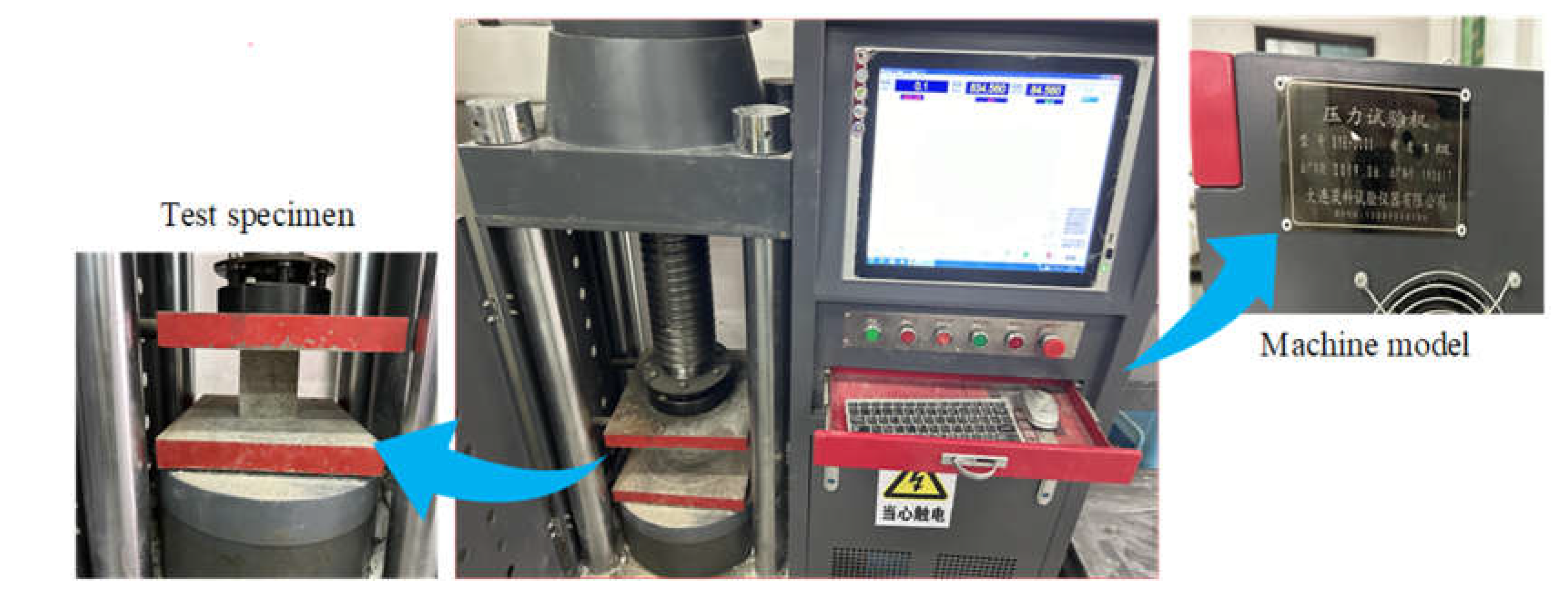
Figure 3.
Figure 3. (a) is salt saturation instrument; (b) is NEL-PDR chloride diffusion coefficient tester. .
Figure 3.
Figure 3. (a) is salt saturation instrument; (b) is NEL-PDR chloride diffusion coefficient tester. .
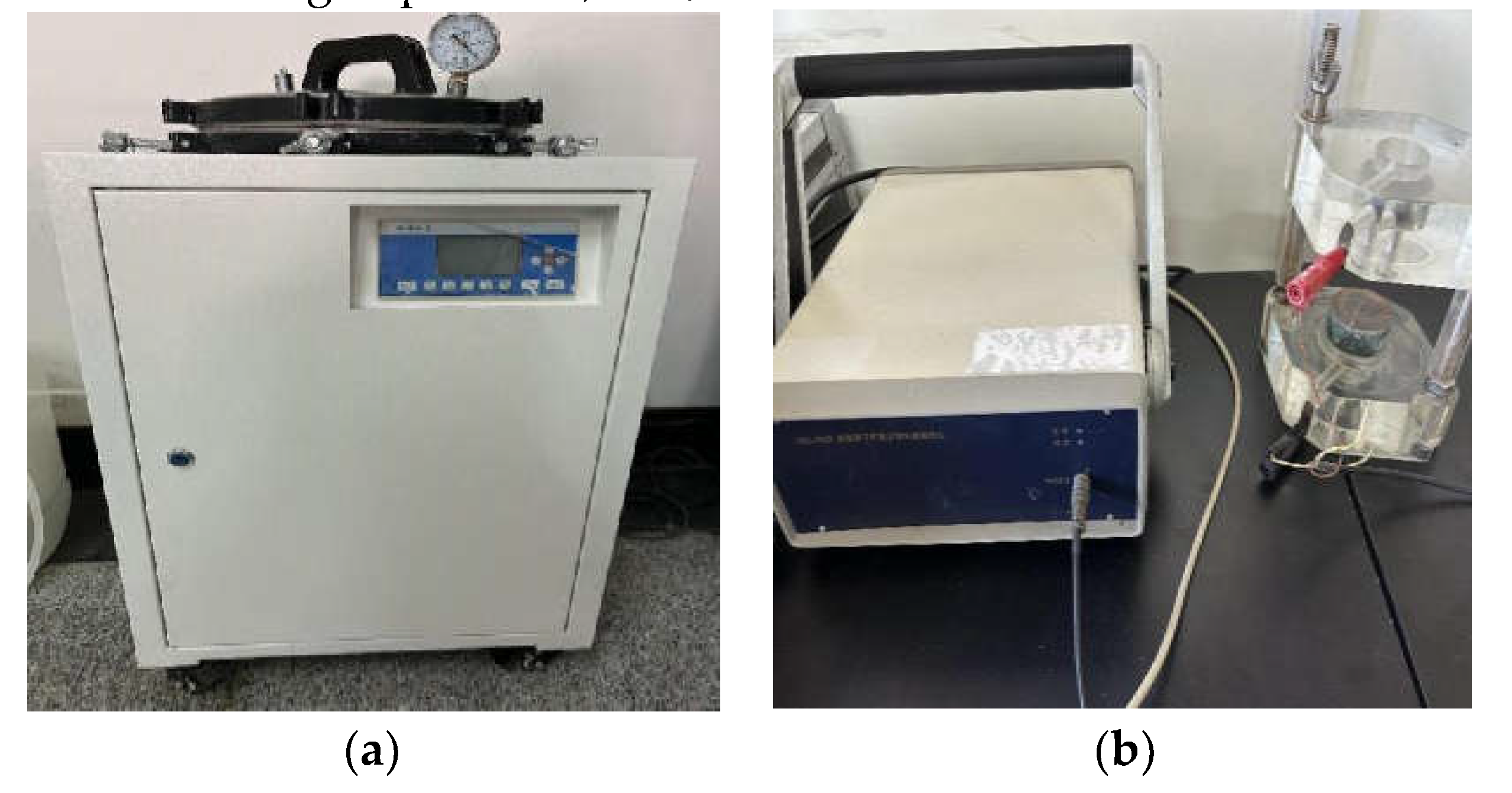
Figure 4.
Graph of slump values.
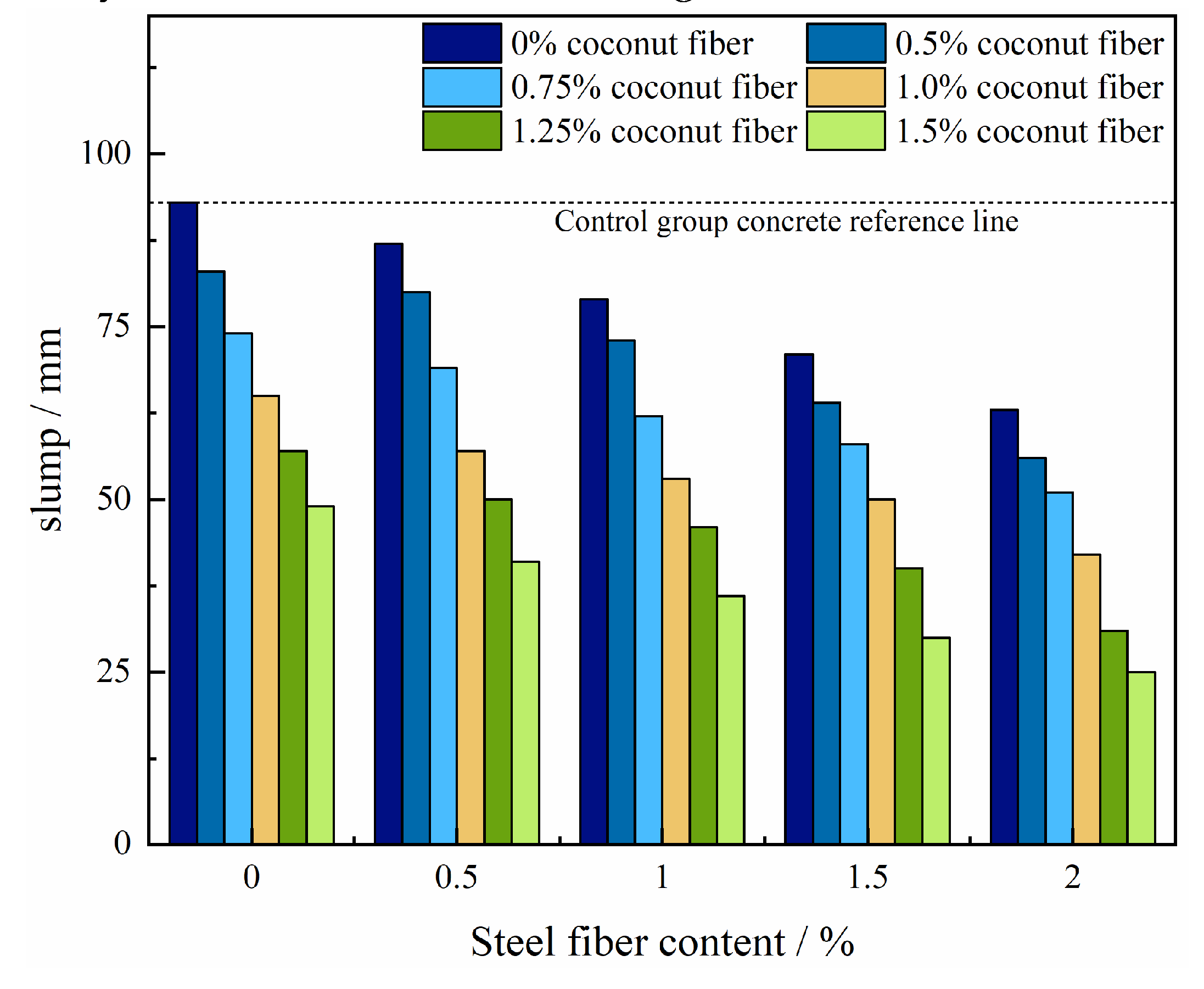
Figure 5.
The failure pattern of the control group specimen.
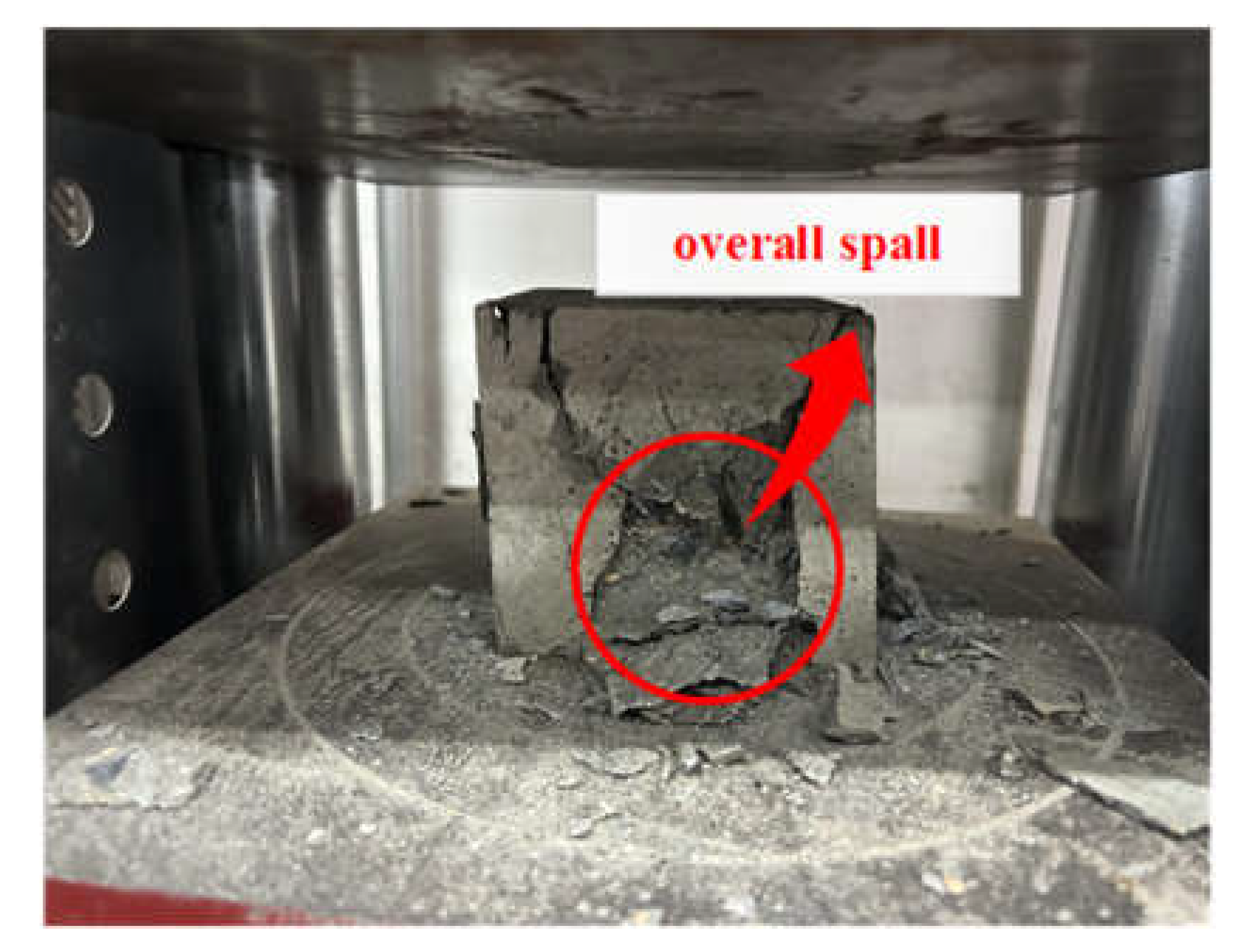
Figure 6.
Compressive strength curve of specimen.
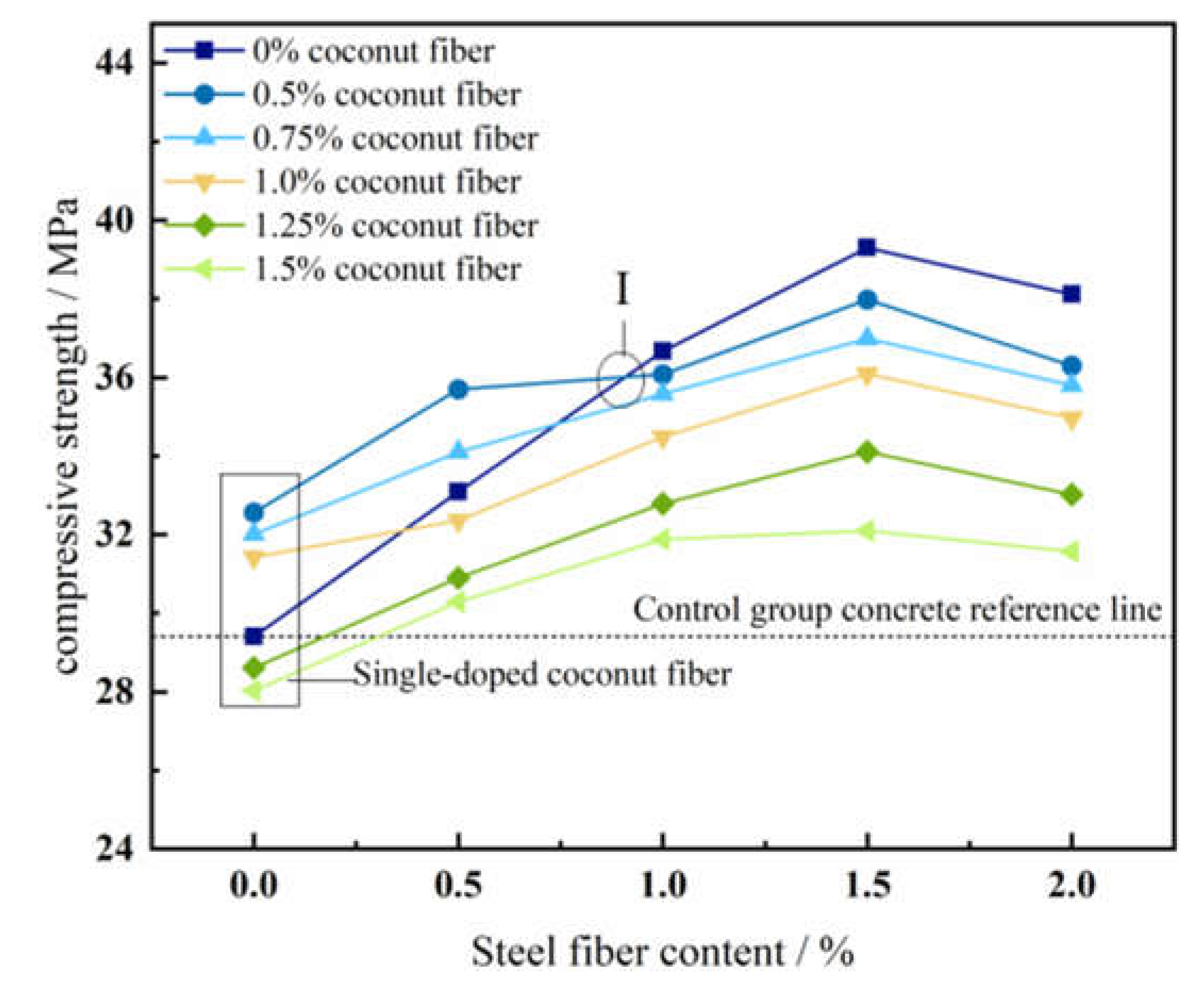
Figure 7.
Split tensile strength curve of specimen.
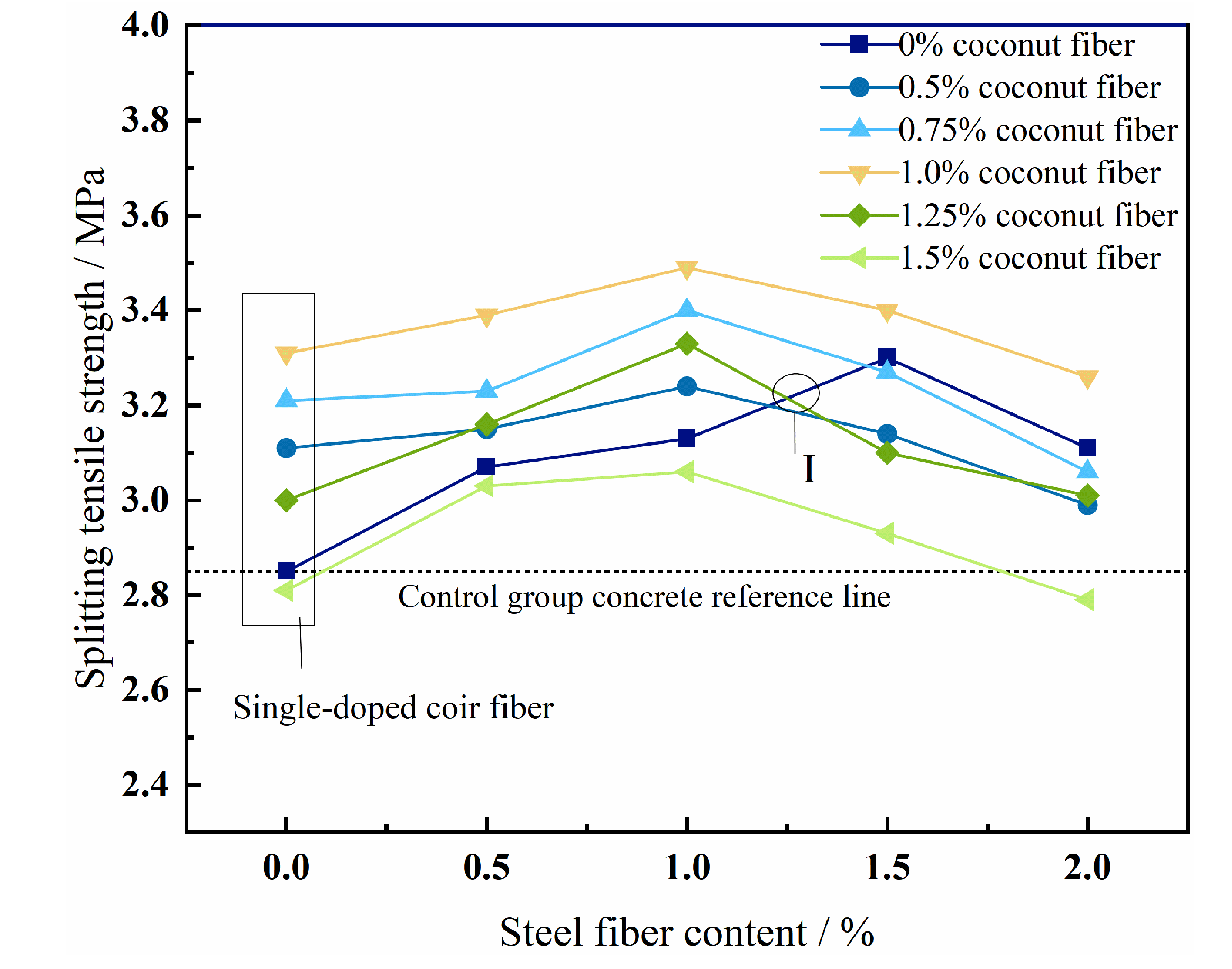
Figure 8.
Specimen splitting tensile damage morphology (a)Control fly ash concrete; (b)hybrid fiber fly ash concrete.
Figure 8.
Specimen splitting tensile damage morphology (a)Control fly ash concrete; (b)hybrid fiber fly ash concrete.
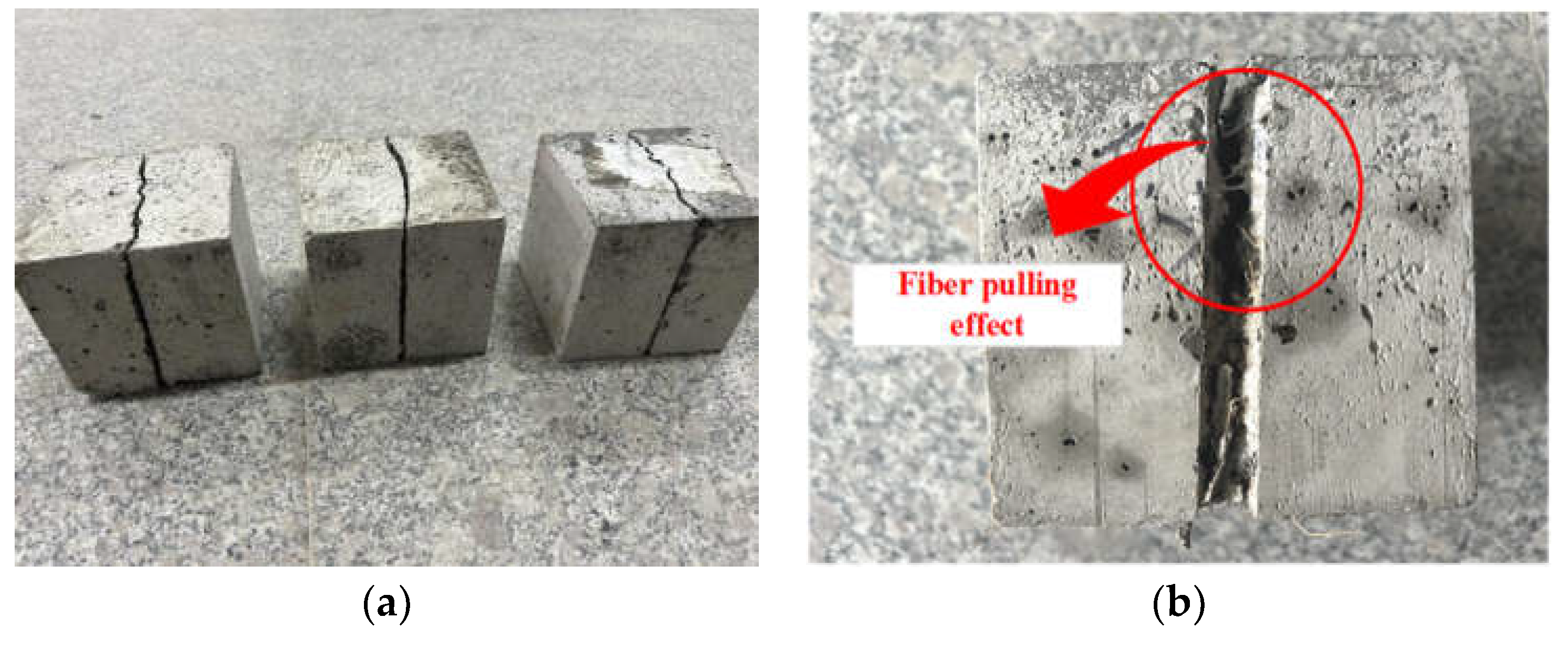
Figure 9.
Flexural strength curve of specimen.
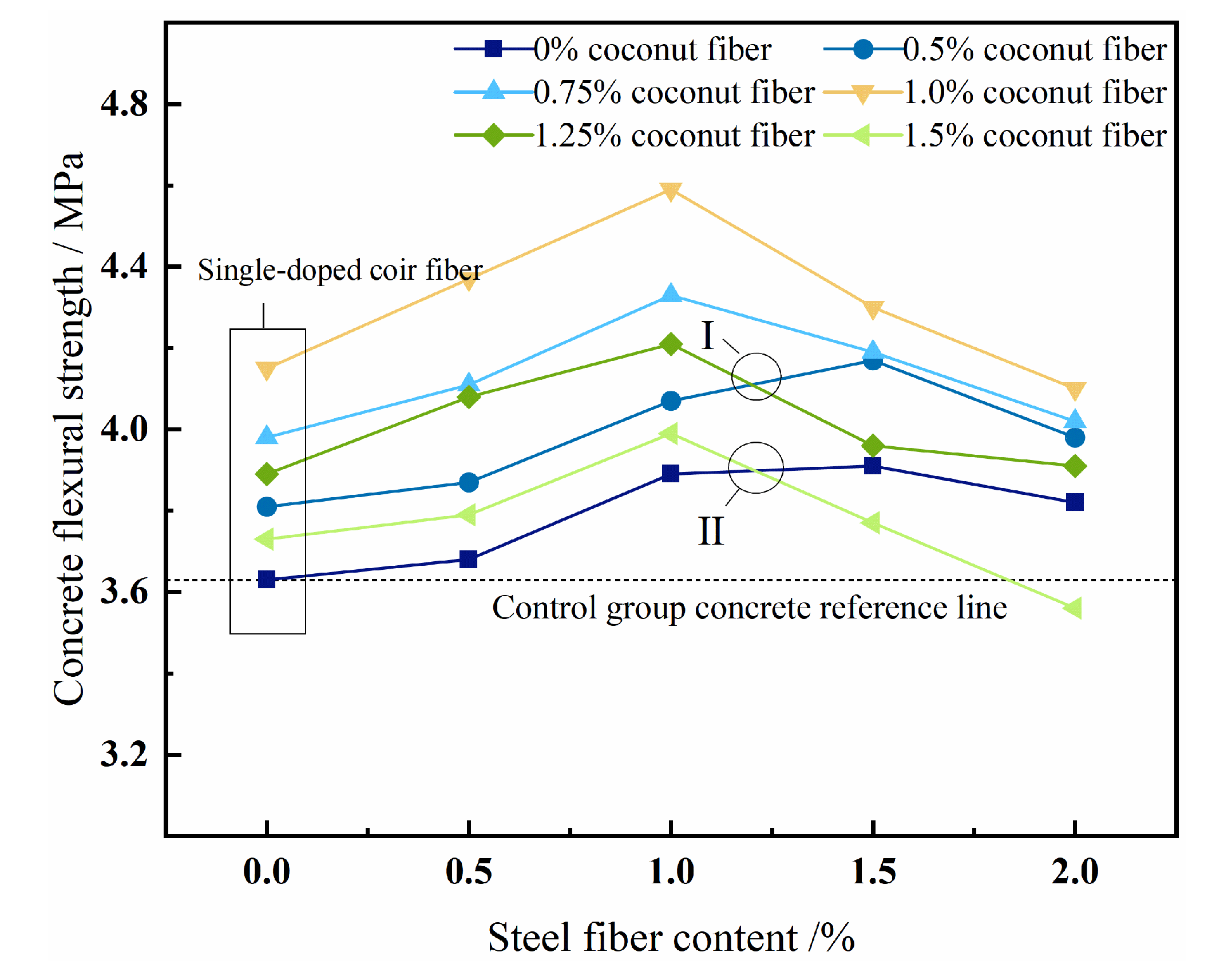
Figure 10.
Force distribution of specimen.
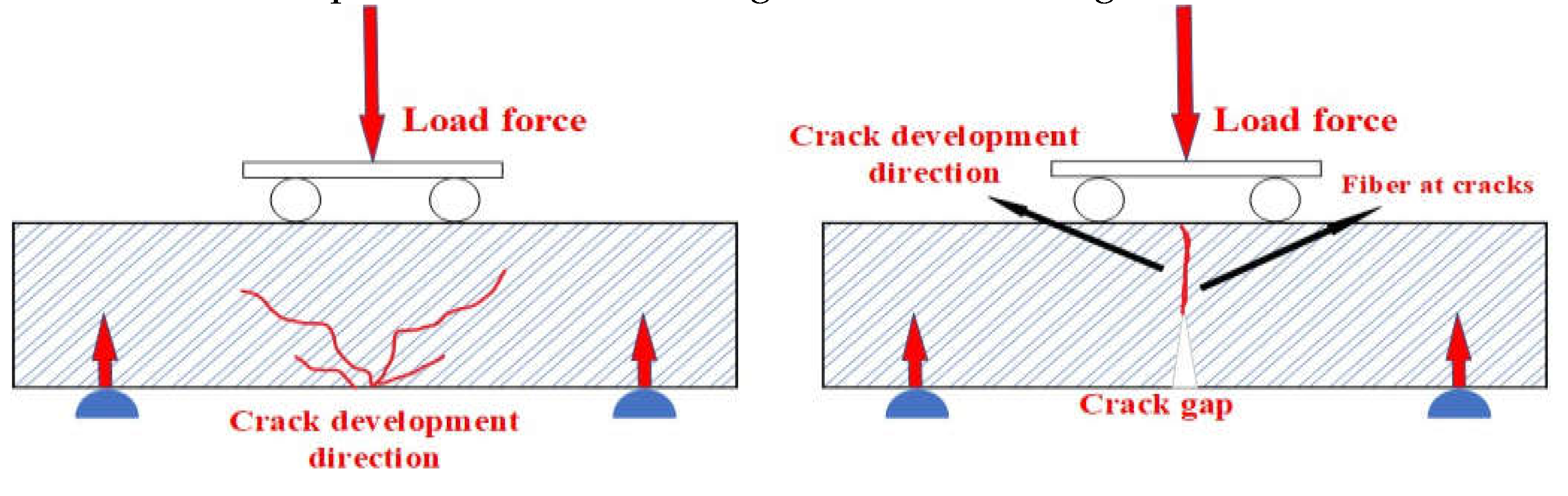
Figure 11.
Fracture damage morphology of specimen (a)Control specimen; (b)Single doped steel fibers specimen group; (c)Mixed fiber specimen group.
Figure 11.
Fracture damage morphology of specimen (a)Control specimen; (b)Single doped steel fibers specimen group; (c)Mixed fiber specimen group.
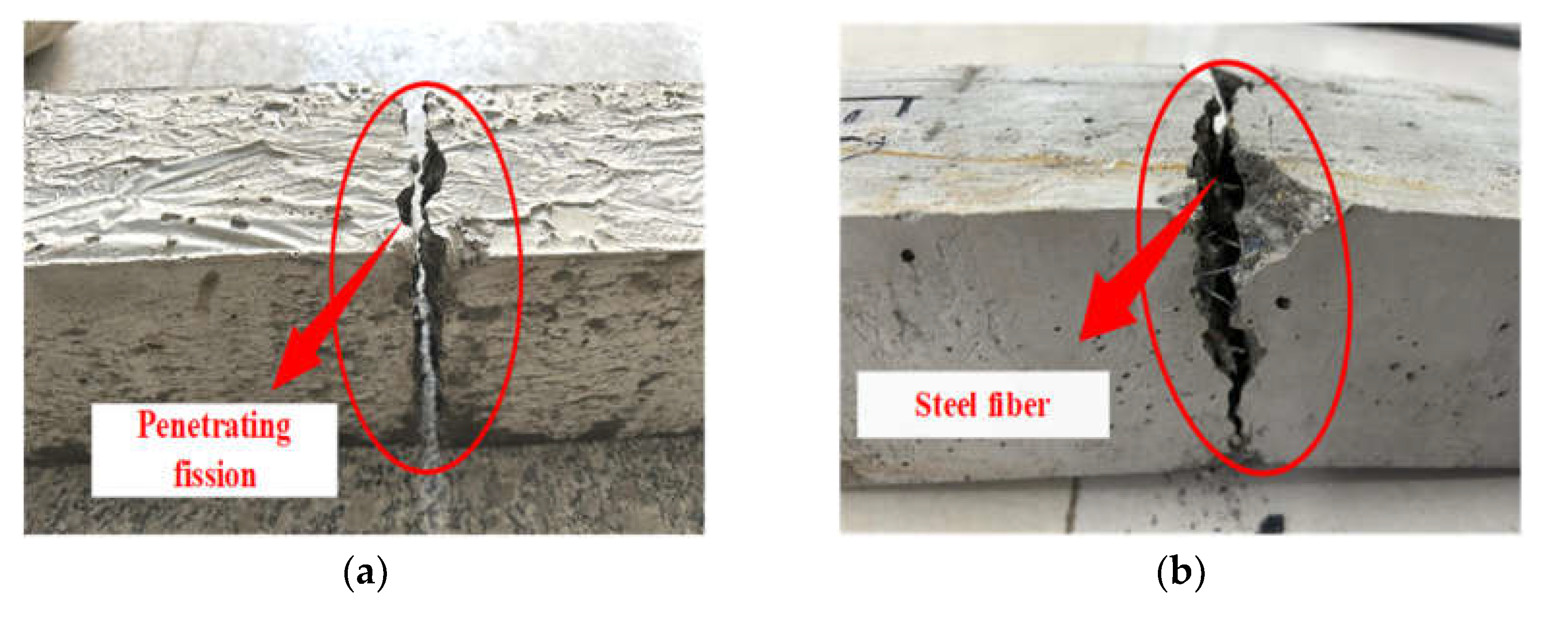
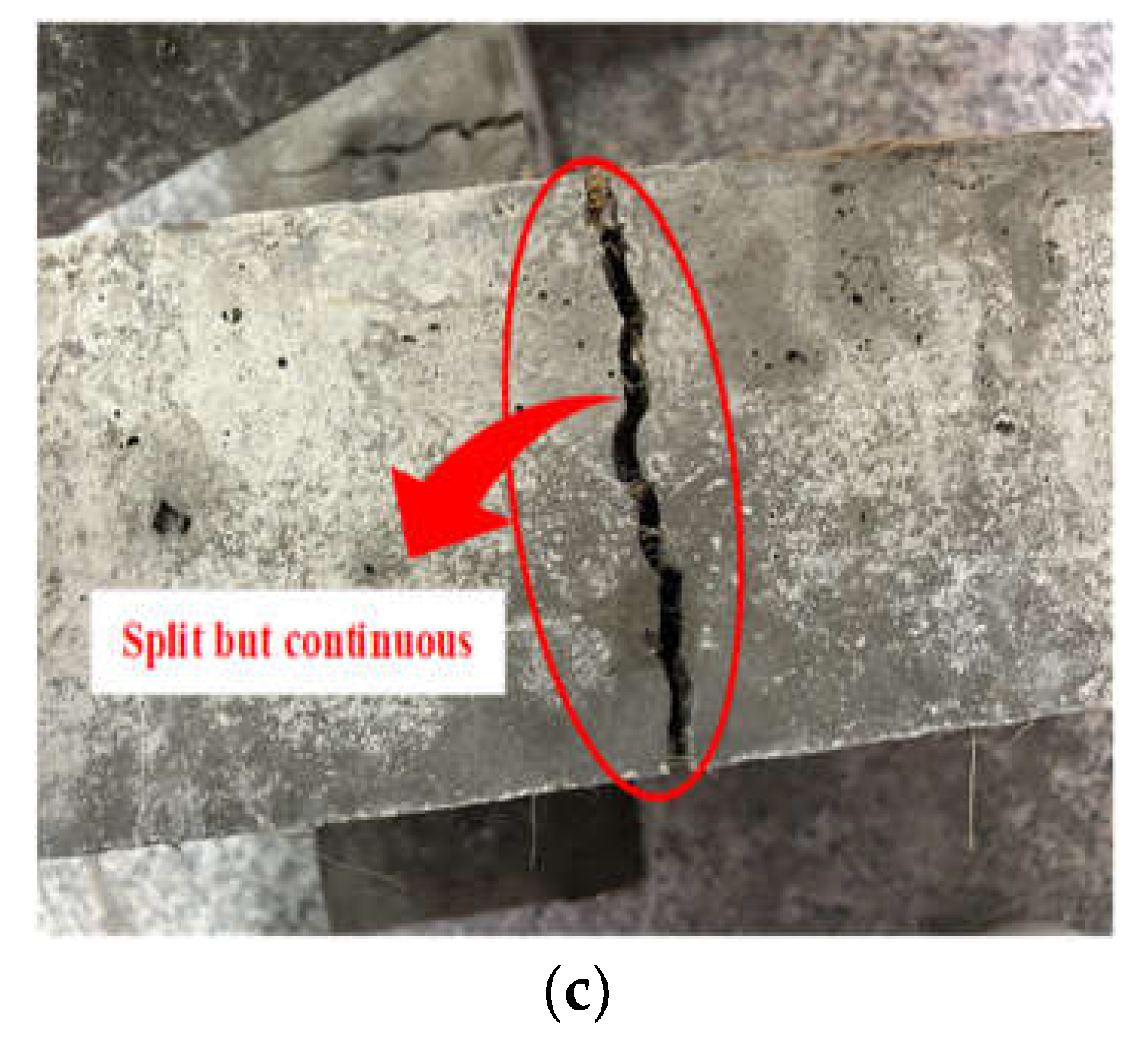
Figure 12.
Chloride diffusion coefficient specimens schematic diagram.
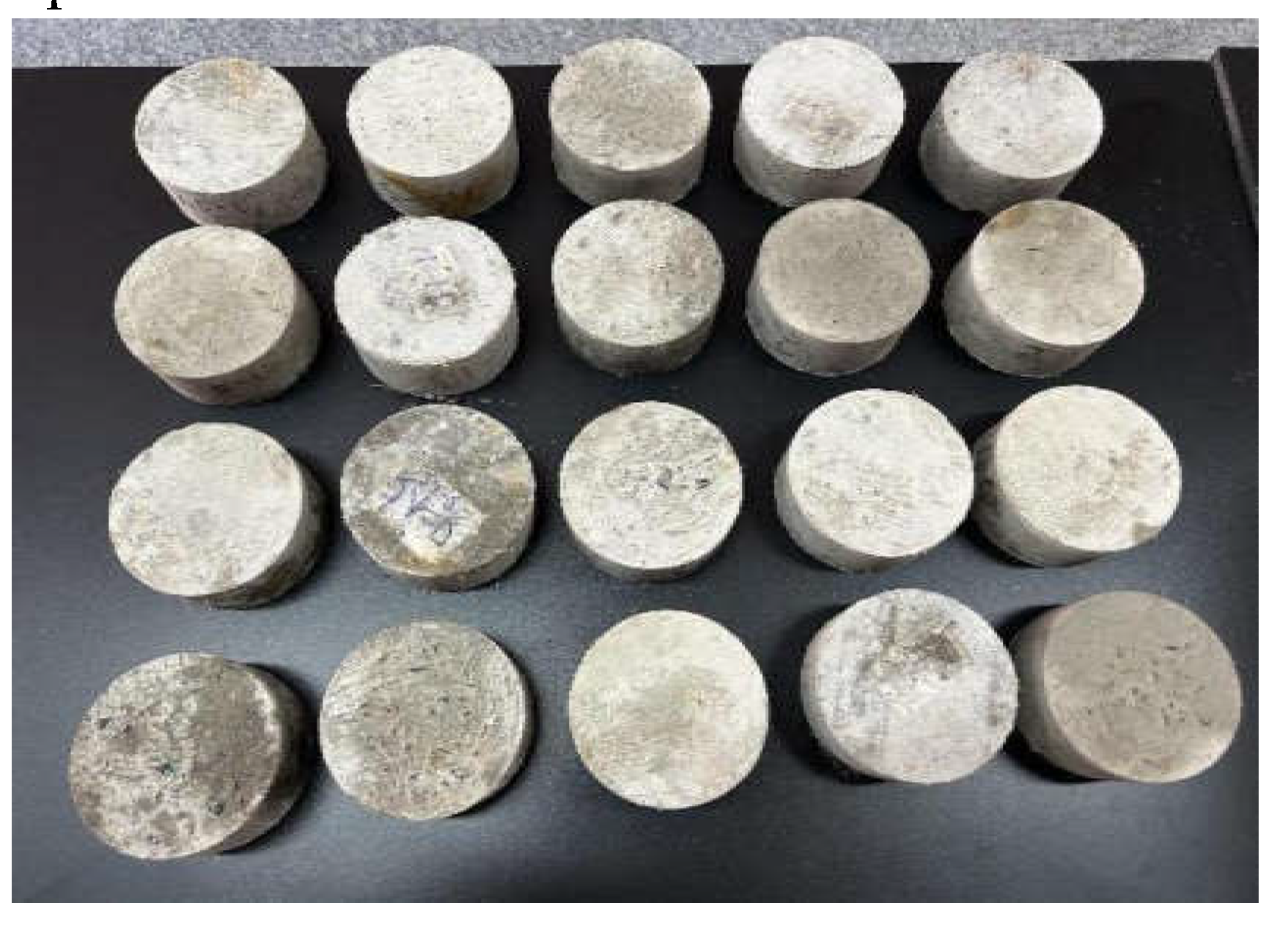
Figure 13.
Chloride diffusion coefficient graph.
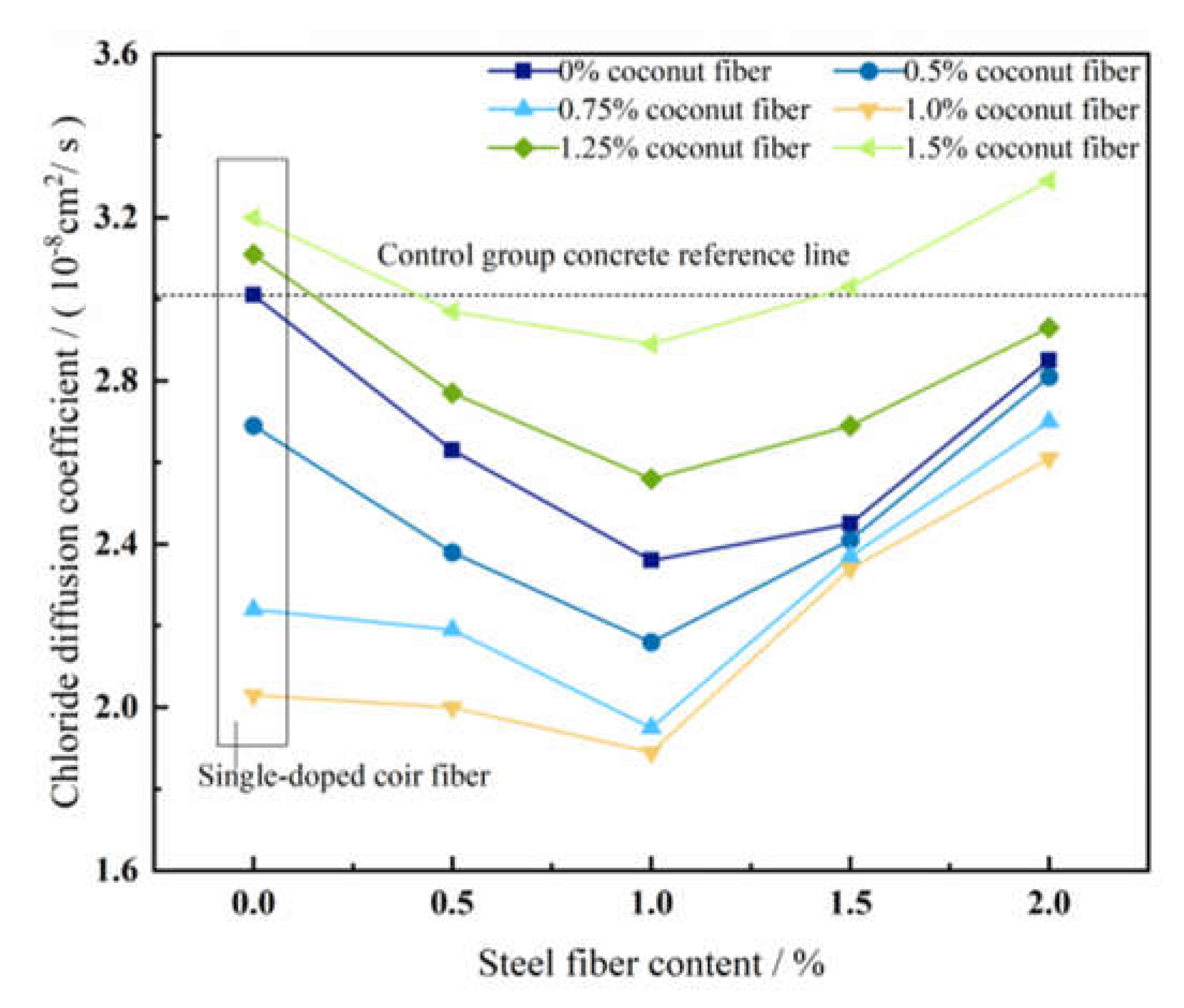
Figure 14.
Schematic diagram of chloride ion diffusion mechanism.
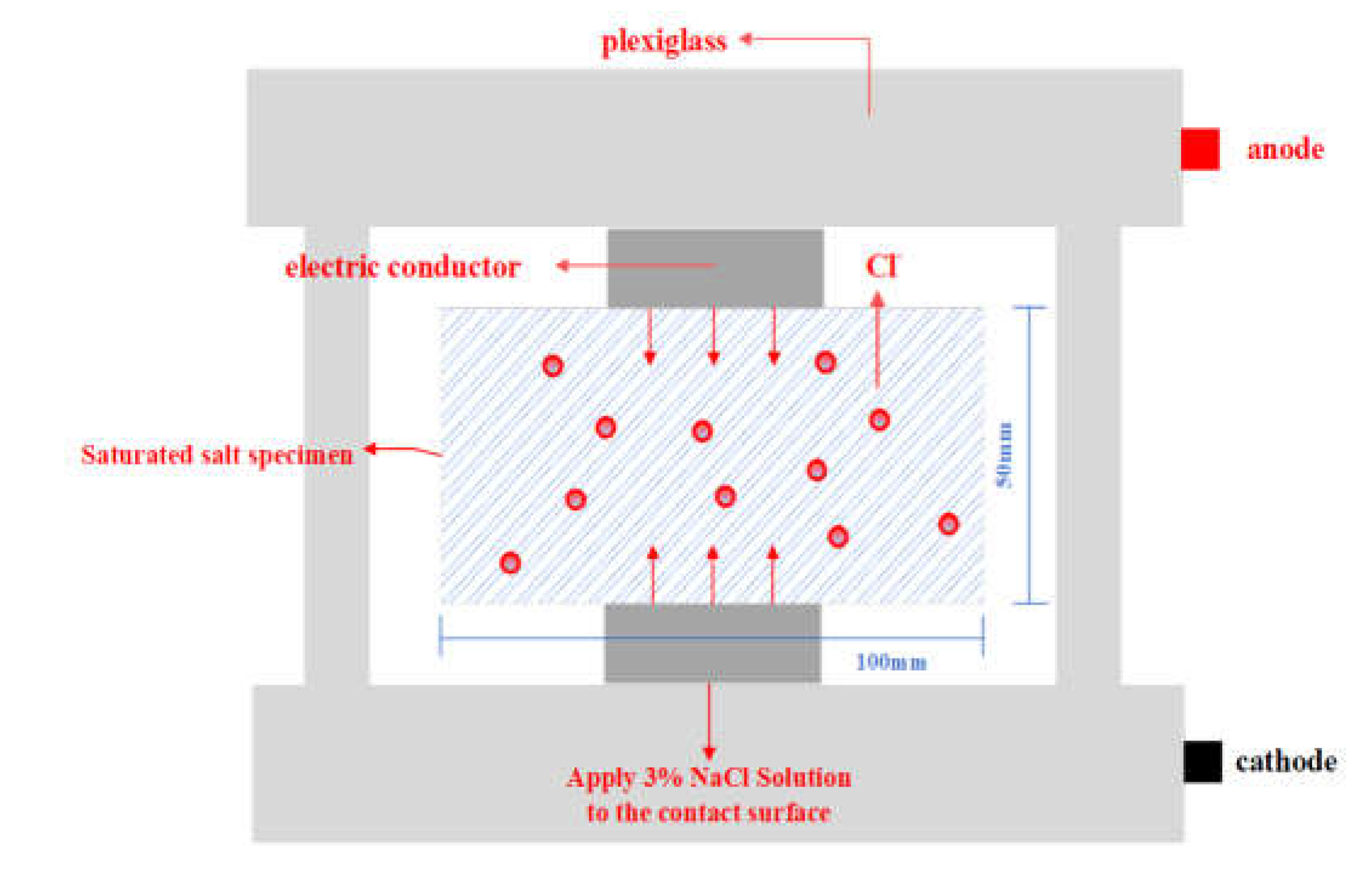
Figure 15.
Apparent state diagram of specimen after corrosion. Ⅰ is single mixed coconut fibers fly ash concrete; Ⅱ is mixed fibers group (1.0% steel fibers & 0.5% coconut fibers).
Figure 15.
Apparent state diagram of specimen after corrosion. Ⅰ is single mixed coconut fibers fly ash concrete; Ⅱ is mixed fibers group (1.0% steel fibers & 0.5% coconut fibers).
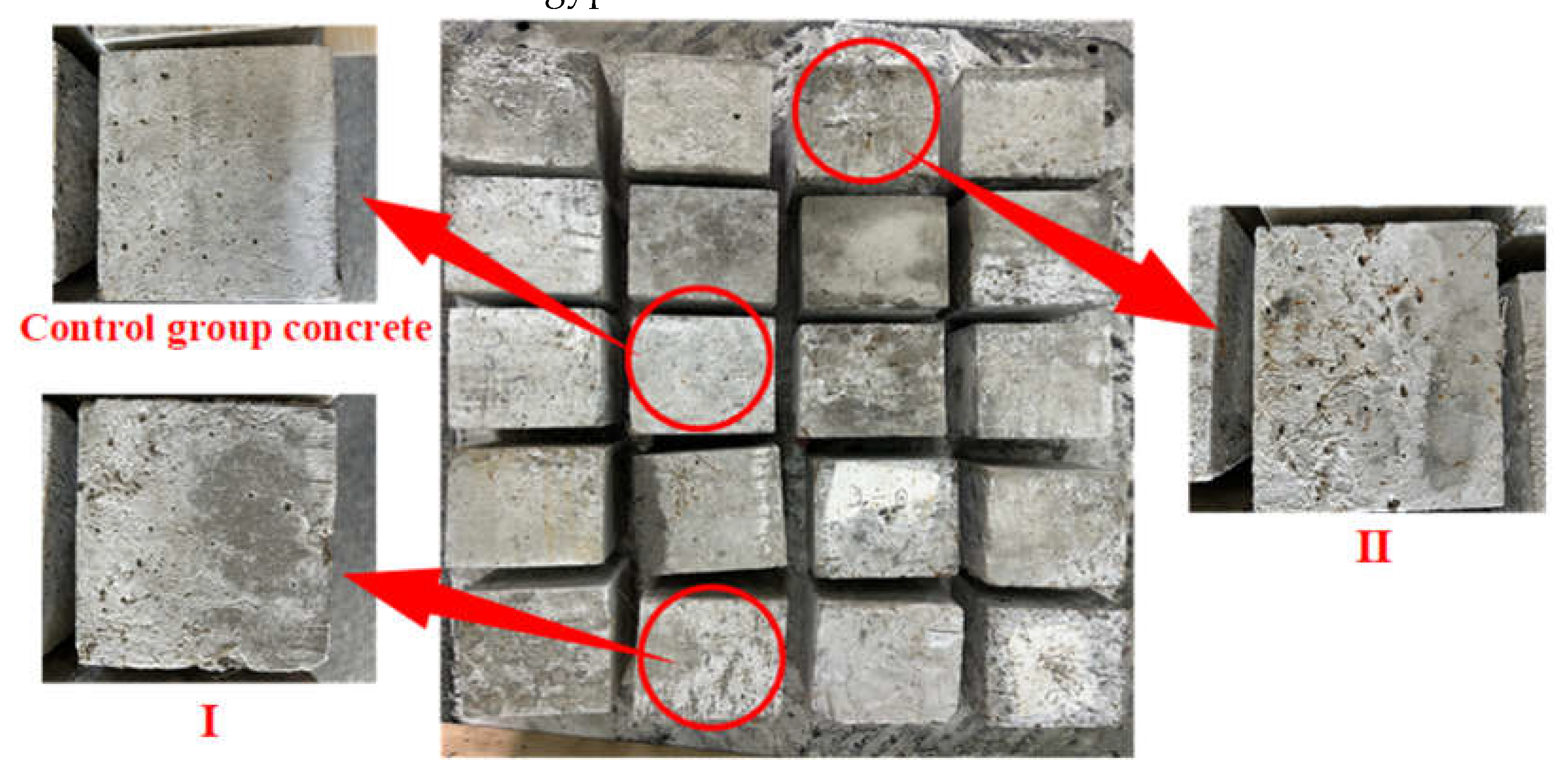
Figure 16.
Specimen strength loss rate curve.
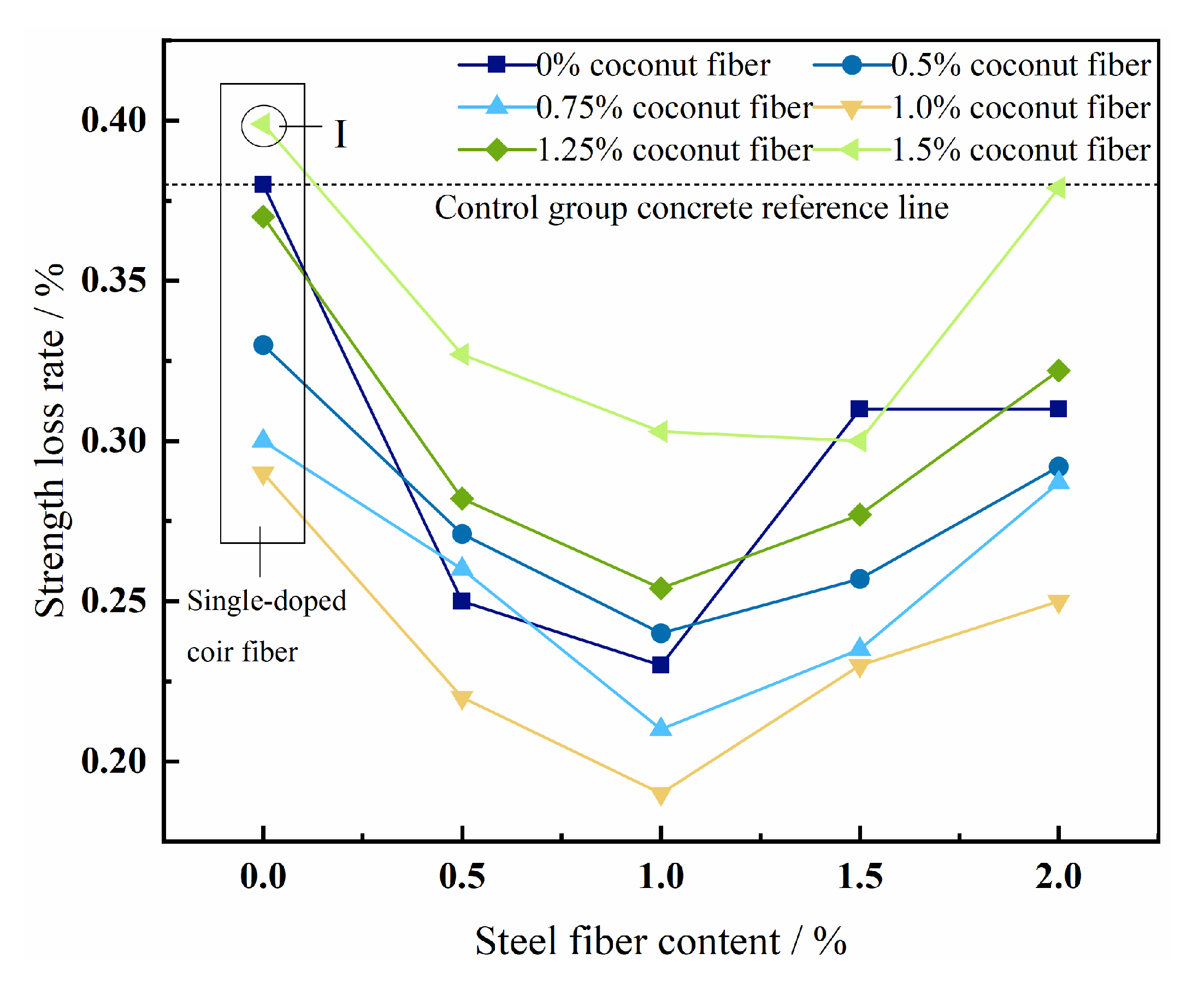
Figure 17.
Damage morphology diagram after corrosion. (a) Control group; (b) Mixed fibers group.
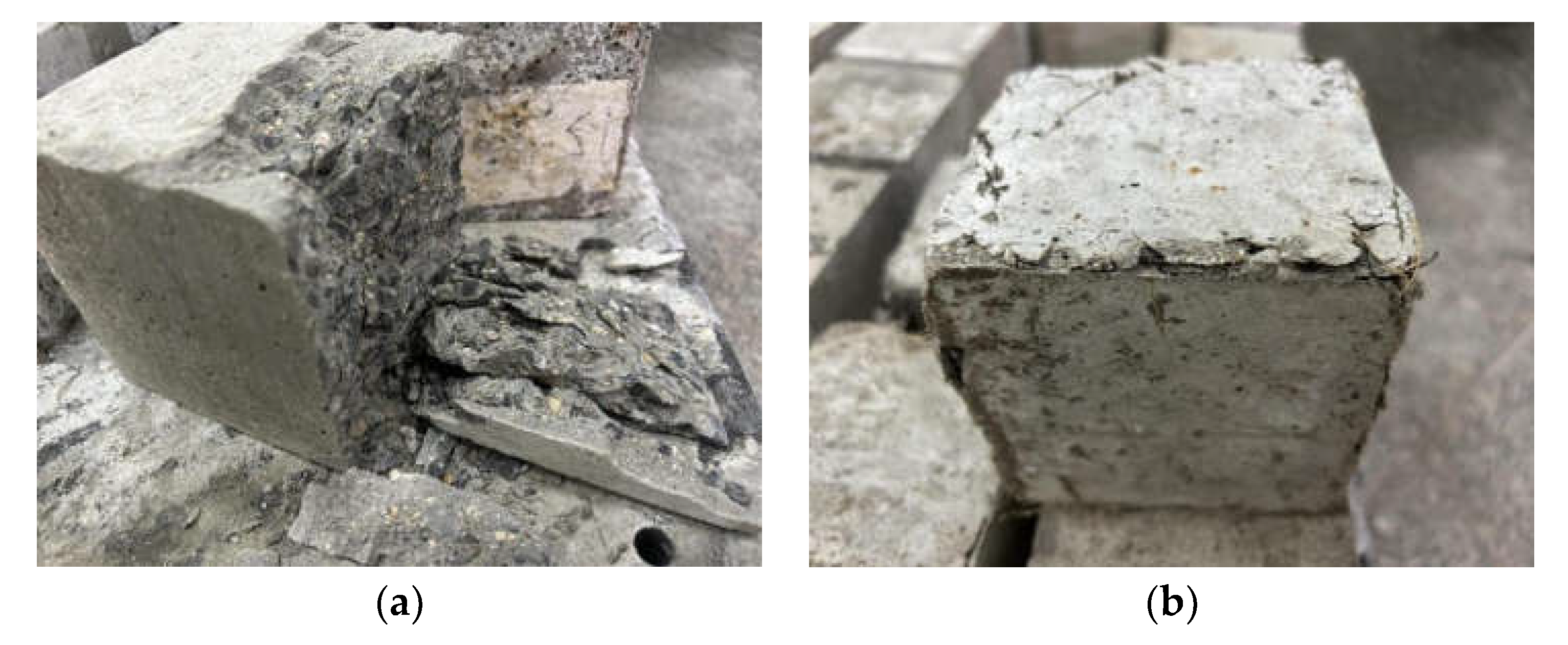

Table 1.
Fiber physical properties.
| Fiber class | Length (mm) | Width (mm) | Density(g/cm-3) |
|---|---|---|---|
| Steel fiber | 40 | 4 | 7.90 |
| Coconut fiber | 40~50 | 0.4 | 1.12 |
Table 2.
Mixing ratio.
| water cement ratio |
Water | binding material | Fine aggregate |
Coarse aggregate |
Admixture |
|---|---|---|---|---|---|
| Kg·m3 | |||||
| 0.5 | 195 | 390 | 672.2 | 1142.8 | 1.95 |
Disclaimer/Publisher’s Note: The statements, opinions and data contained in all publications are solely those of the individual author(s) and contributor(s) and not of MDPI and/or the editor(s). MDPI and/or the editor(s) disclaim responsibility for any injury to people or property resulting from any ideas, methods, instructions or products referred to in the content. |
© 2024 by the authors. Licensee MDPI, Basel, Switzerland. This article is an open access article distributed under the terms and conditions of the Creative Commons Attribution (CC BY) license (http://creativecommons.org/licenses/by/4.0/).
Copyright: This open access article is published under a Creative Commons CC BY 4.0 license, which permit the free download, distribution, and reuse, provided that the author and preprint are cited in any reuse.


