
Submitted:
12 July 2024
Posted:
15 July 2024
You are already at the latest version
Abstract
The aim of the study was to assess the intensity of the impact of the Křoví mining facility on the environment. The impact of the exploitation of rock deposits in Křoví on the atmosphere, lithosphere, biosphere, hydrosphere and anthroposphere was presented. Vulnerability to natural hazards was also assessed. The multi-criteria Analytic Hierarchy Process (AHP) method and the Leopold matrix were used to assess the impact. The assessment of the impact of raw material extraction in the quarry was carried out by competent experts. It has been found that the lithosphere and biosphere are under the greatest pressure due to land use and surface transformation (including deforestation). The increased susceptibility of the area to natural hazards was noted due to vibrations caused by increased truck traffic (transportation of excavated material). The total value of the matrix indicates the average intensity of the mining facility's impact on the environment. The location of the deposit above the water table of the Bílý potok river means that the extraction of the mineral has a minor impact on the water conditions in the area. Changes in topography and vegetation, and soil degradation are temporary and reversible. Once the mining operations have ceased, the site should be reclaimed and the program of reforestation and habitat restoration implemented to help mitigate adverse impacts on the biosphere.
Keywords:
open pit mine
; Křoví
; AHP
; Leopold matrix
; environment
; emissions
1. Introduction
Mining is vital to both global and national economies, providing essential raw materials for construction, manufacturing, and technology industries. The extraction of building stone from quarries like the one near Křoví supports infrastructure development and urban growth, driving economic advancement [1]. These minerals are crucial for producing roads, buildings, and other structures, underscoring their importance to economic and social progress. Additionally, the mining sector generates employment, from direct jobs in extraction and processing to ancillary roles in transportation and equipment maintenance. Revenue from mining activities significantly contributes to national GDP and can be used to fund public services and development projects [2].
When undertaking mining activities, companies are obliged to identify and describe the expected impacts on the natural environment. The assessment of the impact of open-pit mining on the environment should include data on the impact on soil, air, water, landscape and humans. Determining the degree of nuisance of industrial facilities becomes an integral element in identifying the real environmental threat.
A quarry which is the subject of our analysis is an open pit mine near the village Křoví in Czech Republic [3]. Křoví is a small village in the Vysočina Region, situated approximately 25 kilometers northwest of the city of Brno. A quarry, where continuous extraction of building stone takes place, is located approximately 1 km from the village of Křoví (2023, population 568).
The method used is standard for extracting building stone from quarries. It involves drilling holes into the rock and using controlled explosions to break it into smaller pieces. Heavy machinery, such as excavators and loaders, then transport the stone to a crushing plant where it is processed into different sizes for construction. This approach ensures the efficient and safe extraction of building stone.
2. Research Area
The quarry is surrounded by forests or fields, and nearby, there is a watercourse - the Bílý potok (Figure 1 and Figure 2). The quarry is located just outside the village, leveraging the region’s geological formations which are rich in various types of stone, of which most can be used for construction purposes. The quarry is not located within any protected land-scape area, nor does it host endangered fauna or flora. One disadvantage of the quarry's location is that heavy trucks pass through the village of Křoví, causing noise, dust, and vibrations that affect older buildings. Nearby are two old mills but nobody lives there over the whole year just during summer.
The quarry is not located within any protected landscape area, however, as mentioned before, nearby area is abundant in forests, which should be preserved to maintain biodiversity in the region. In terms of water bodies that should be taken into account, there is Bílý potok (stream) near the quarry. It requires protection from sedimentation and potential contamination caused by chemical runoff.
The method used is standard for extracting building stone from quarries. It involves drilling holes into the rock and using controlled explosions to break it into smaller pieces. Heavy machinery, such as excavators and loaders, then transport the stone to a crushing plant where it is processed into different sizes for construction (Figure 3). This approach ensures the efficient and safe extraction of building stone.
3. Materials and Methods
3.1. AHP Method
Experience and intuition have traditionally been central to decision-making because of the frequent lack of quantitative data. Qualitative analysis is performed primarily on the judgment, knowledge and experience. In case where limited information is available, then subjective probabilities, based on general professional experience, knowledge and opinion of experts, can be the basic analysis. Advanced computer programs using intelligent information processing techniques, as well as extensive decision support systems, are used due to the increasing requirements for the protection and management of environmental resources [5,6,7].
A methodology for qualitative decision-making using Analytic Hierarchy Process (AHP) is present herein. This method is currently widely used in many fields of science and economy, including economics, medicine, logistics, marketing, mining, and environmental engineering [8,9,10,11]. Its usefulness has been verified practically while solving various decision-making issues, including those of a socio-economic nature [12,13].
Environmental impacts of mining can occur at local, regional, and global scales through direct and indirect mining practices. Impacts can result in erosion, sinkholes, loss of biodiversity, or the contamination of soil, groundwater, and surface water by the chemicals emitted from mining processes [14,15,16].
The Analytic Hierarchy Process (AHP) is a structured technique used for decision-making that involves breaking down a complex problem into a hierarchy of simpler sub-problems, each of which can be analyzed independently. To obtain weights (importances) in AHP, decision-makers compare elements pairwise (scale from 1 to 9) in terms of their relative importance with respect to each criterion at each level of the hierarchy:
- 1 the elements (features) are equally important; two elements (features) contribute to achieve an aim;
- 3 a domination one element over other (second) is minimal; there are some grounds to put one element over the second;
- 5 a domination one element over other (second) is medium; there are some logical and an justified data to put one element over second;
- 7 a domination one element over other (second) is big; there are some convincing evidence to put one element over the second;
- 9 a domination one element over other (second) is very big; superiority of one element over another is so obvious that it is beyond doubt.
These comparisons are used to construct a pairwise comparison matrix. The weights are then derived from this matrix, typically by calculating the principal eigenvector, which provides a measure of the relative importance of each element. This process helps to ensure consistency and rationality in decision-making.
The assessment of impact of the mining object on the local environment is performed along the four main steps:
- decision criteria and decision alternatives.
- undertake pairwise comparisons.
- calculate the relative priorities or weights of the elements.
- determinate the priority ranking of decision elements [11].
3.2. Leopold Matrix Method
The Leopold Matrix method is a tool used for environmental impact assessment to systematically evaluate the potential impacts of a project on the environment. It consists of a two-dimensional matrix, where one axis lists various planned project activities and the other axis lists different environmental factors. The intersections of the matrix cells are used to assess the impacts, by assigning numerical values that indicate the intensity and significance of the effects. This method provides a clear and comprehensive analysis of environmental impacts, facilitating informed decision-making [17].
We used the following scale of importance for analyze the impact of mine on the lithosphere, hydrosphere, atmosphere, anthroposphere, and biosphere and vulnerability to natural hazards environment:
- 0 points no impact
- 1 point weak impact
- 2 points significant impact
- 3 points medium impact
- 4 points strong impact
- 5 points very strong impact.
As a result of multiplying the magnitude of impacts and importance of particular environmental elements and by summing of all impacts subsequently, a total value of the assessment of environmental impact exerted by the facility has been established.
4. Results
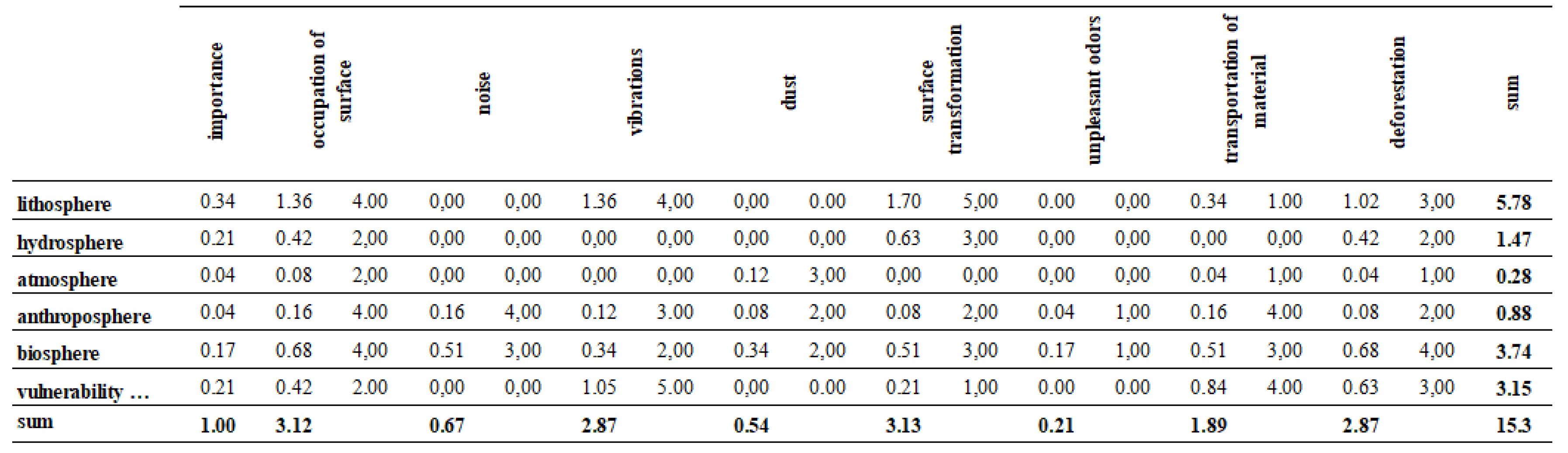
The Table 1 and Table 2 and Figure 4 and Figure 5 present the calculation results for the AHP and Leopold matrices. Then, interpretation and discussion were carried out. Remedial measures are indicated.
It can be said that the fact that the research project is an open pit mine means that occupation of surface (3.12) and surface transformation (3.13) have the greatest influence on the environment, especially the lithosphere (Figure 5). Surface erosion is also accompanied by a high value in the area of deforestation (2.87), which has a particular impact on the biosphere (0.68).
The influence of vibrations has a value of 2.87. Vibrations have a strong impact on the lithosphere (1.36). In addition to effects on the anthroposphere (caused by the nearby Křoví) (0.36) and biosphere (0.68), the vulnerability to natural hazards environment point is particularly important here (1.06).
Due to the nearby Křoví the influence on the anthroposphere is particularly high here. Large trucks have to drive through the settlement with the quarried material, which can be perceived as a nuisance. The impact of transportation on vulnerability to natural hazard environment is also high (0.51).
Other influences on the environment such as noise (0.67), dust (0.54) or unpleasant odors (0.21) are relatively low. The assessment of the open-pit mining operation near Křoví reveals significant environmental and social impacts. The most critical effects are on the lithosphere (5.78) and biosphere (3.74), particularly due to land occupation, surface transformation, and deforestation (Table 2). These activities contribute to soil erosion, habitat loss, and reduced biodiversity in the region. Additionally, the transportation of materials through Křoví, accompanied by noise, dust, and vibrations, poses considerable disturbances to the local community and increases the village's vulnerability to natural hazards. The total value of the matrix (15.3) indicates the average intensity of the mining facility's impact on the environment. assessment of environmental impact exerted by the facility has been established.
5. Key Findings and Mitigation Measures
Key Findings
- Lithosphere Impact: The quarry operations lead to substantial land occupation (3.12) and surface transformation (3.13), which are the primary contributors to environmental degradation. These activities disrupt the soil structure and can lead to long-term geological instability.
- Biosphere Impact: Deforestation (2.87) is a major concern, impacting local flora and fauna. The reduction in forested areas decreases biodiversity and affects the natural habitats of various species.
- Community Impact: The movement of heavy trucks through the village causes noise (0.67), dust (0.54), and vibrations (2.87), which are particularly disruptive to residents and the structural integrity of older buildings. The anthroposphere impact (0.88) highlights significant socio-economic disruptions.
- Vulnerability to Natural Hazards: The increased vibrations (2.87) and surface alterations elevate the area's susceptibility to natural hazards, such as landslides, affecting both the natural and built environment.
Mitigation Measures
- Environmental Restoration: Implementing reforestation programs and restoring natural habitats can help mitigate the adverse effects on the biosphere. Using native species for replanting will support biodiversity recovery.
- Dust and Noise Control: Installing dust suppression systems and noise barriers can reduce the impact on the local community. Regular maintenance of heavy machinery and the use of quieter equipment can further minimize disturbances.
- Transportation Management: Establishing alternative routes for transporting materials that bypass residential areas can reduce noise and vibrations in Křoví. Scheduling transportation during less disruptive times can also alleviate community impact.
- Water Protection: Implementing sediment control measures and monitoring water quality in the Bílý potok stream can prevent contamination and protect aquatic ecosystems.
- Community Engagement: Involving local residents in decision-making processes and maintaining open communication channels can help address their concerns and enhance community resilience.
- Regulatory Compliance: Adhering to stringent environmental regulations and continuously monitoring the quarry’s impact will ensure sustainable practices. Regular environmental impact assessments should be conducted to adapt to changing conditions and new findings.
In conclusion, the total value of the matrix indicates the average intensity (15.3) of the mining facility's impact on the environment. The quarry near Křoví contributes to economic growth by providing essential materials for construction, but it also poses significant environmental and social challenges. Balancing these benefits with robust mitigation strategies is crucial to achieving sustainable development. By adopting comprehensive environmental management practices and actively engaging with the local community, the negative impacts can be significantly reduced, ensuring long-term ecological and social well-being.
Author Contributions
Conceptualization, W.S.; Methodology, AD, AK, NR, WS, NV and LZ; Validation, AD, AK, NR, WS, NV and LZ; Formal Analysis, WS; Data Curation, AD, AK, NR, NV and LZ; Writing – Original Draft Preparation, AD, AK, NR, NV and LZ; Writing – Review & Editing, WS; Visualization, AD, AK, NR, NV and LZ; Supervision, WS; Project Administration, WS.
Funding
This research received no external funding.
Ethics Statement
Not applicable.
Informed Consent Statemen
Not applicable.t
Declaration of Competing Interest
The authors declare that they have no known competing financial interests or personal relationships that could have appeared to influence the work reported in this paper.
References
- Hustrulid W.A. Quarry. Encyclopedia Britannica. https://www.britannica.com/technology/quarry-mining (accessed on 22.05.2024).
- https://theconstructor.org/building/quarrying-of-stones-construction-works/17284/#google_vignette (accessed on 28.5.2024).
- https://www.vodnimlyny.cz/mlyny/objekty/detail/1067-krovsky-porupkuv-mlyn (accessed on 28.05.2024).
- https://en.mapy.cz/zakladni?source=muni&id=5324&x=16.2558181&y=49.3103346&z=13 (accessed on 28.05.2024).
- Wind Y., Saaty T.L. Marketing applications of the Analytic Hierarchy Process. Manag. Sci. 1980, Volume 26 (7), pp. 641–658. [CrossRef]
- Giang Huong N. The analytic hierarchy process: a mathematical model for decision making problems. Indep. Study Thesis. The College of Wooster, 2014, Volume 132.
- Biedrawa A., Sobczyk W. AHP - Computer support for making complex decisions. Sci. Yearbook Educ.-Tech.-Comp. Sci. 2010, Volume 1 (1), pp. 28-291.
- Liberatore M.J., Nydick R.L. The analytic hierarchy process in medical and health. Eur. J. Oper. Res. 2008, Volume 189, pp. 194–207. [CrossRef]
- Adamus W., Gręda A. Supporting multi-criteria decisions in solving selected organizational and managerial problems. Opera research. and decision-making 2, Poland 2005.
- Pohekar S.D., Ramachandran M. Application of multi-criteria decision making to sustainable energy planning – a review. Renew. Sustain. Energy Rev. 2004, Volume 8, pp. 365–381. [CrossRef]
- www.researchgate.net/publication/233649010_Decision_making_using_the_analytic_hierarchy_process_in_mining_engineering (accessed on 27.05.2024).
- Bascetin A. The study of decision making tools for equipment selection in mining engineering operations. Min. Res. Manag. 2009, Volume 25 (3), pp. 37-56.
- Kozioł W. Application of the analytical hierarchical process (AHP) for multi-criteria assessment of innovation in stone mining waste management technologies. Ann. Set The Env. Prot. 2011, Volume 13, pp. 1619-1634.
- Kubicz J., Hämmerling M., Walczak N. Comparison of the environmental impact of various methods of mining waste disposal technologies using the AHP method. Ecol. Engin. 2016, Volume 47, 131-136.
- Saaty T.L. Decision making the analytic hierarchy and network processes (AHP/ANP). J. Syst. Sci. Syst. Eng. 2004, Volume13 (1). [CrossRef]
- Mark D. Adaptive AHP: a review of marketing applications with extensions. Eur. J. Mark. 2001, Volume 35 (7/8), pp. 872–894. [CrossRef]
- Sobczyk W., Kowalska A., Sobczyk E.J. The use of AHP multi-criteria method and Leopold matrix to assess the impact of gravel and sand pits on the environment of the Jasiolka Valley. Min. Res. Manag. 2014, Volume 30 (2), pp. 157-172. [CrossRef]
Figure 1.
Open pit mine Křoví location (shown with a pin) near Brno: (a) Map of Europe with the mine marked; (b) map of the Czech Republic with the location of the mine [4].
Figure 1.
Open pit mine Křoví location (shown with a pin) near Brno: (a) Map of Europe with the mine marked; (b) map of the Czech Republic with the location of the mine [4].
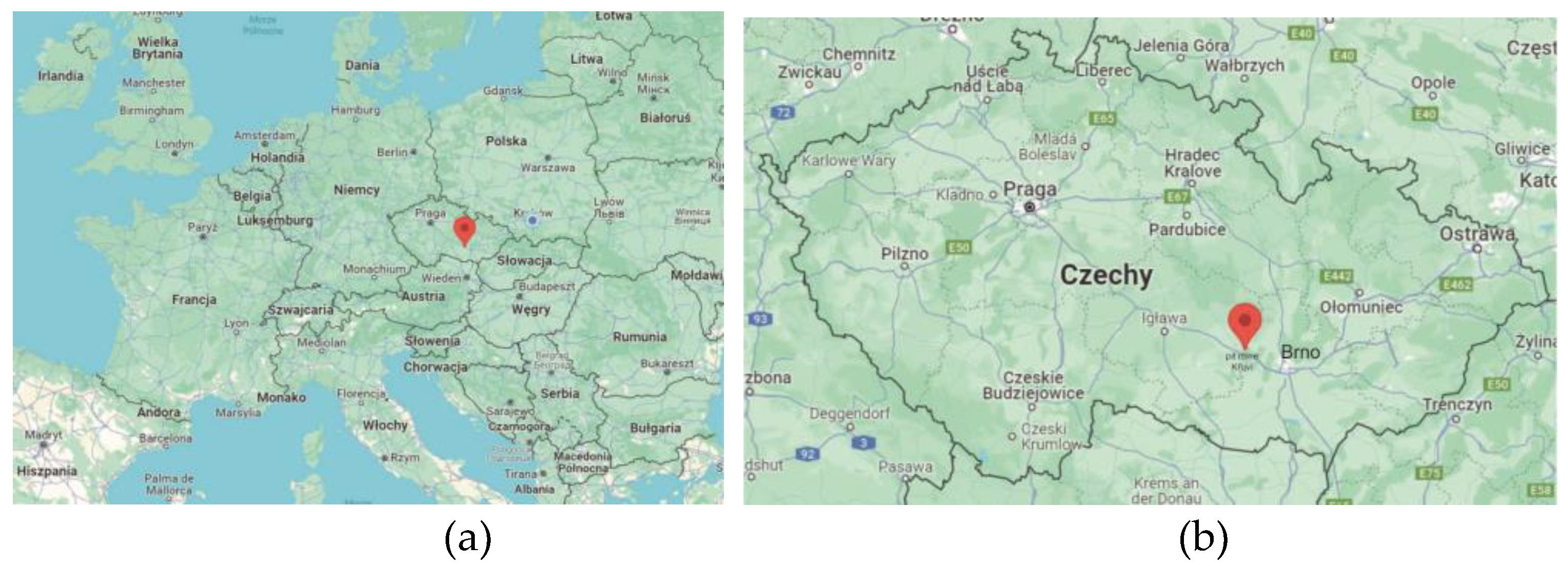
Figure 2.
Open pit mine (shown with an arrow) near the village of Křoví [4].
Figure 2.
Open pit mine (shown with an arrow) near the village of Křoví [4].
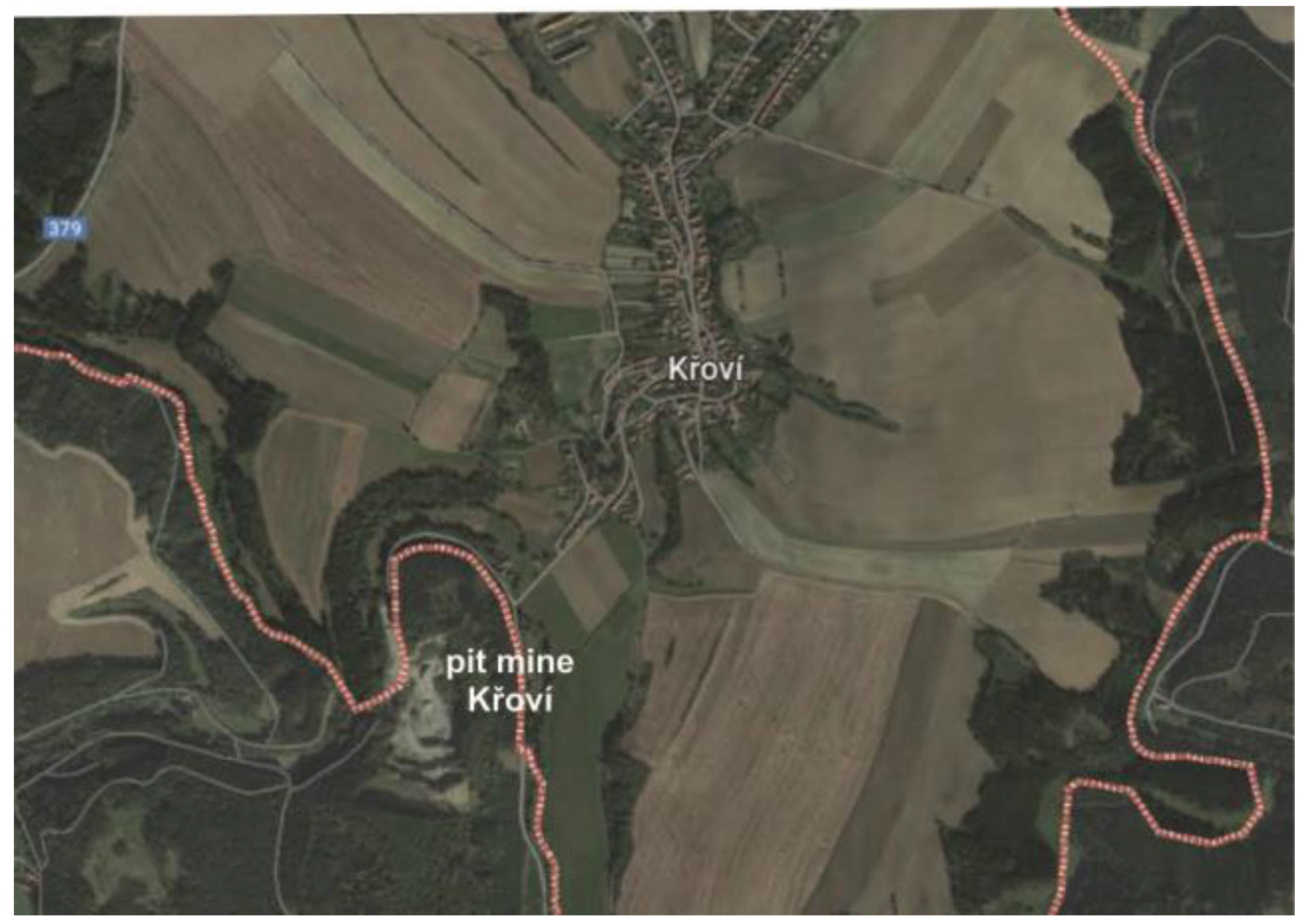
Figure 3.
Photos of the quarry with building stone to be excavated: (a) Folded arrangement of rock layers; (b) Mining machine [author L.Zakova].
Figure 3.
Photos of the quarry with building stone to be excavated: (a) Folded arrangement of rock layers; (b) Mining machine [author L.Zakova].
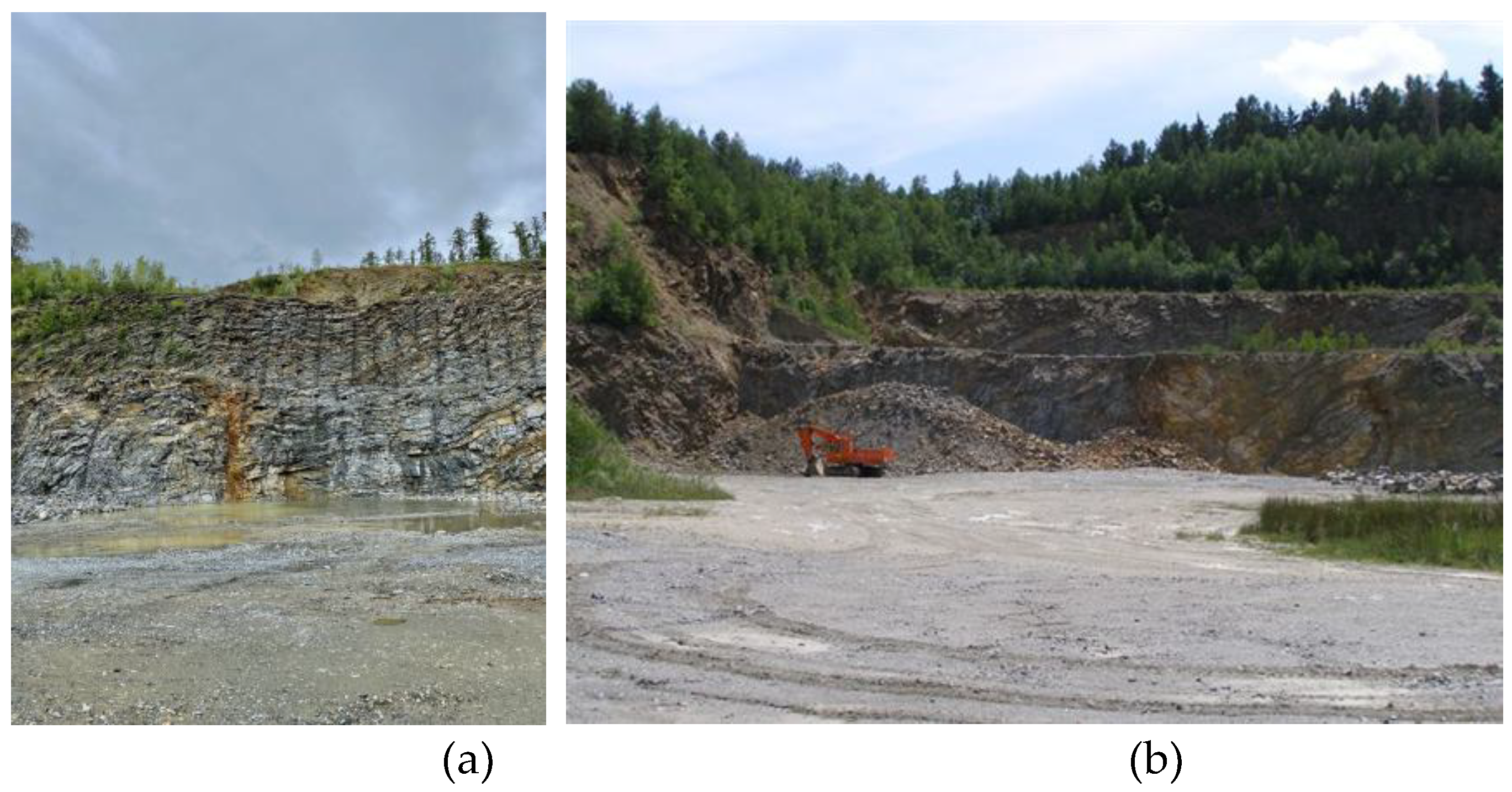
Figure 4.
Diagram showing weights results from AHP.
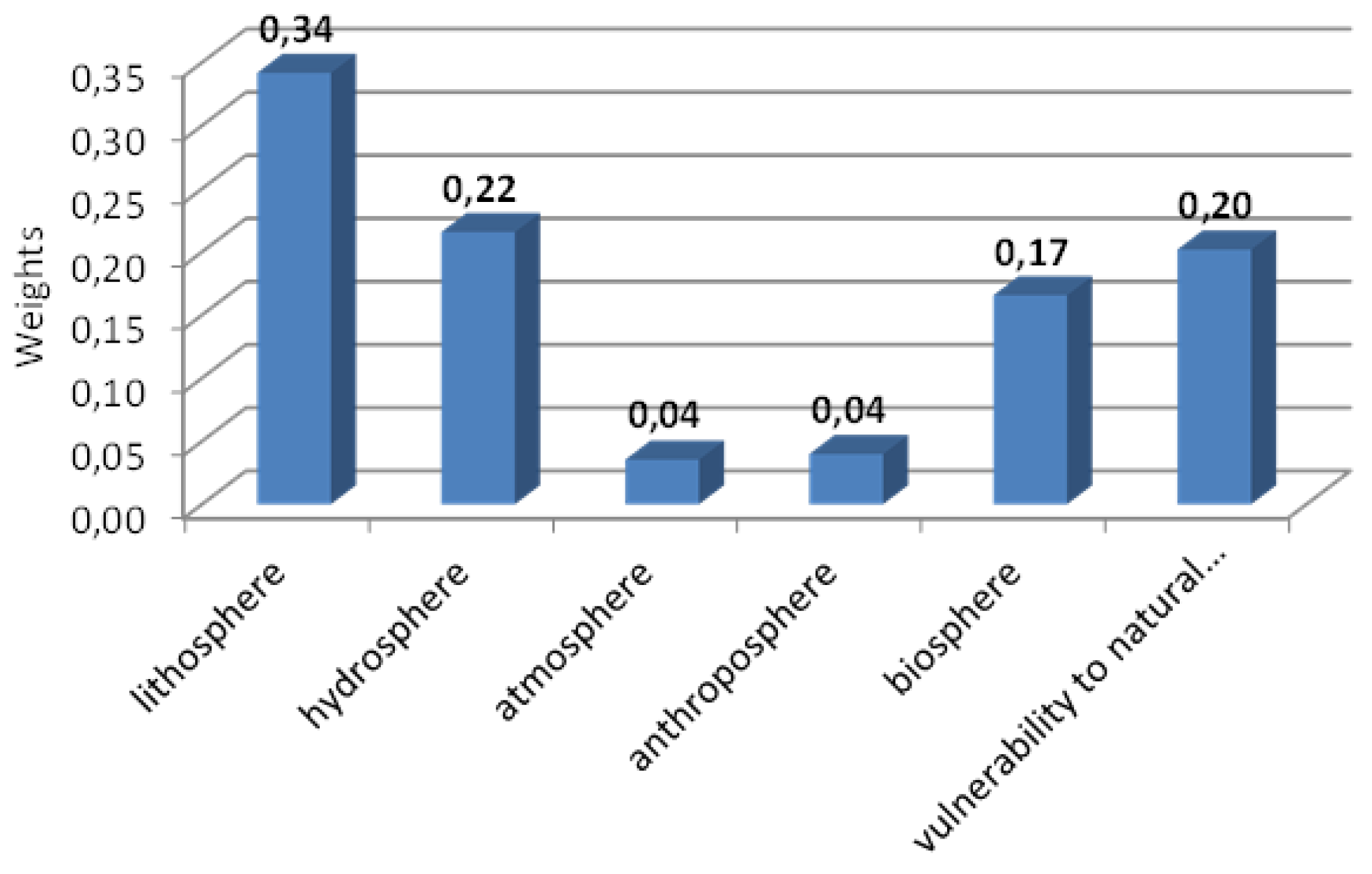
Figure 5.
Diagram showing results from AHP.
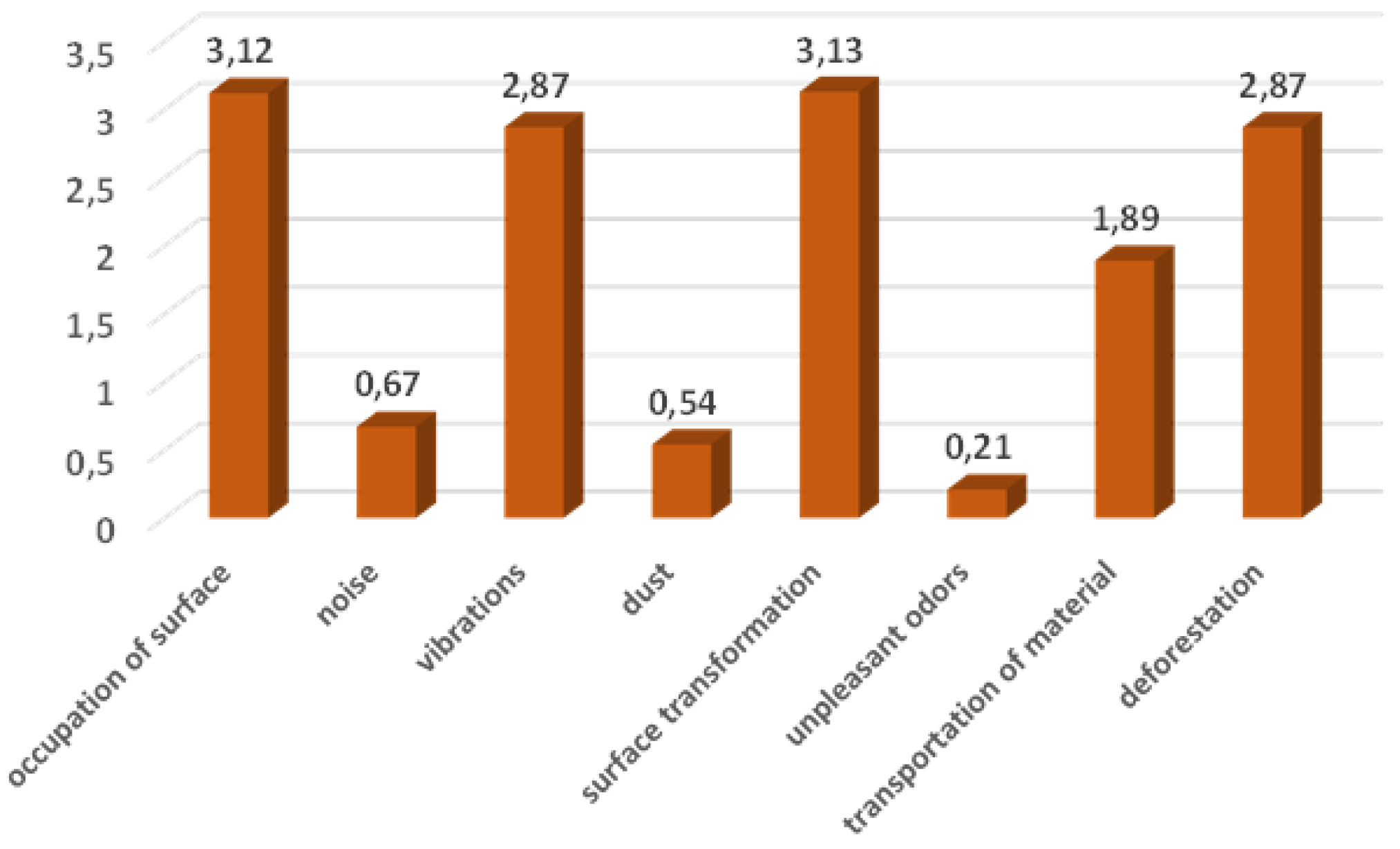

Table 1.
The calculation results for the AHP.
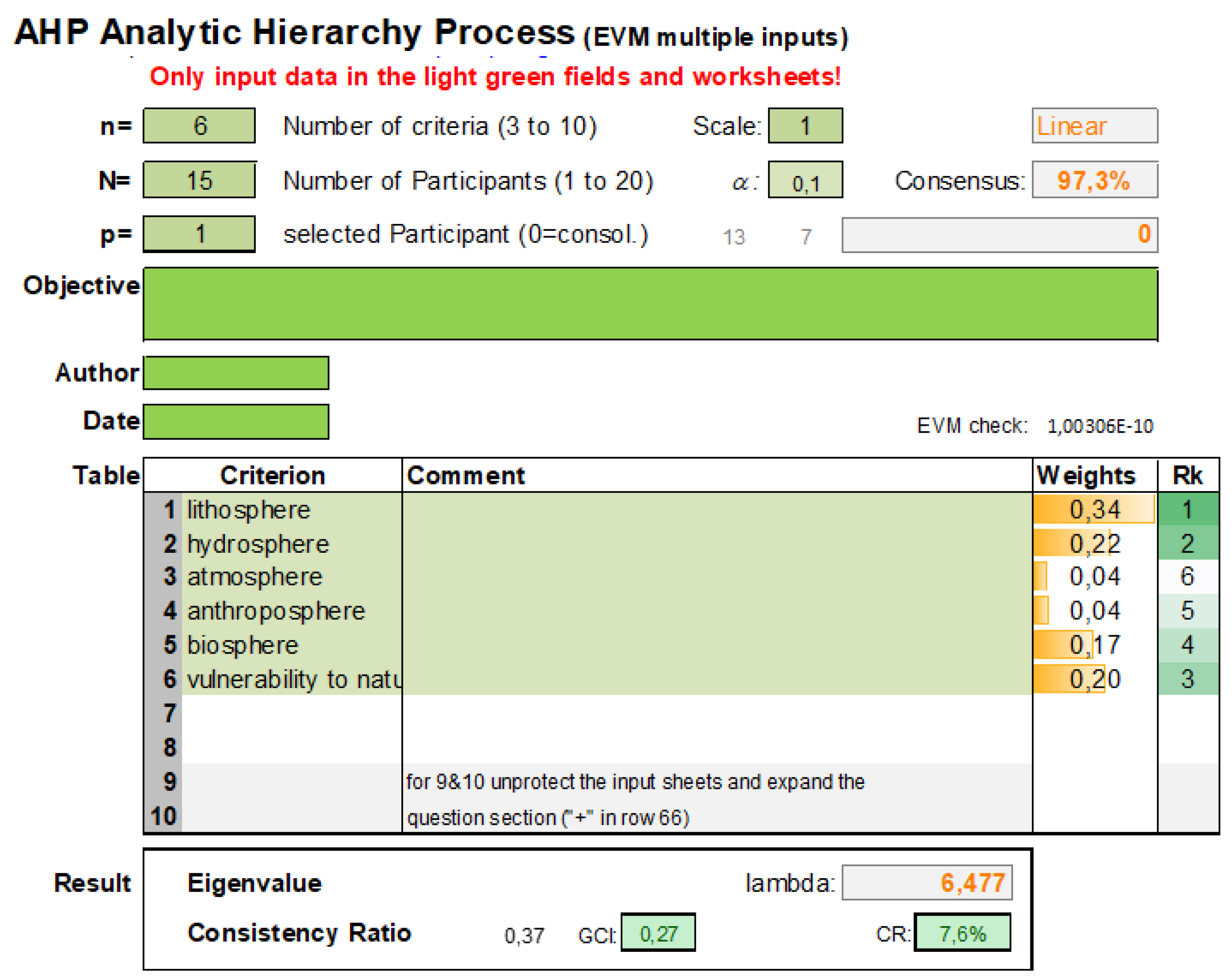
Table 2.
Leopold’s matrix diagram.
Disclaimer/Publisher’s Note: The statements, opinions and data contained in all publications are solely those of the individual author(s) and contributor(s) and not of MDPI and/or the editor(s). MDPI and/or the editor(s) disclaim responsibility for any injury to people or property resulting from any ideas, methods, instructions or products referred to in the content. |
© 2024 by the authors. Licensee MDPI, Basel, Switzerland. This article is an open access article distributed under the terms and conditions of the Creative Commons Attribution (CC BY) license (http://creativecommons.org/licenses/by/4.0/).
Copyright: This open access article is published under a Creative Commons CC BY 4.0 license, which permit the free download, distribution, and reuse, provided that the author and preprint are cited in any reuse.


