

Submitted:
10 July 2024
Posted:
15 July 2024
You are already at the latest version
Abstract
Pet nutrition awareness has risen enormously, with an increasing interest in homemade diets aimed at controlling food composition. Literature in this field is scarce, especially regarding the homemade diet’s long-term effects on pathological conditions. This prospective study encompassed 167 healthy and sick dogs subjected to a customized dietary plan based on homemade food. After an initial visit, dog owners provided questionnaires with follow-up data on their perceptions of physical signs changes or symptom modifications. 104 (62%) subjects maintained the homemade diet, while 63 reverted to their previous diet. The median follow-up was 14 months. Out of 31 healthy dogs that continued the nutritional plan, 70% exhibited improvements in their coat condition and 47% a decrease in evacuation frequency. Regarding weight loss goals, 67% of dogs achieved their target. The 67 pathological dogs that completed the follow-up were primarily affected by gastrointestinal and dermatological disorders. Dogs with chronic enteropathy improved their symptoms in 95% of the cases, subjects with dermatological pathologies in 83%, and patients presenting both disorders in 100%. These clinical results are promising. Personalized and well-balanced homemade diets noticeably enhanced the overall pet’s health, with almost a complete remission of symptoms in pathological dogs.
Keywords:
homemade diet
; dog nutrition
; follow-up study
; gastroenteropathy
; dermopathy
1. Introduction
Over the past few decades, there has been a remarkable increase in pet owners' consciousness regarding the health, wellbeing, and nutritional requirements of their animals [1]. This heightened awareness has prompted considerable attention to ensure that pets receive optimal nutrition, as it is pivotal in elevating their overall quality of life [2,3,4].
The desire for greater control over food composition and the belief in providing a healthier and more natural approach are among the key factors contributing to the preference for homemade diets. Homemade diets can be tailored to meet the specific nutritional needs of individual dogs, potentially leading to improved health outcomes. Additionally, preparing homemade diets fosters a profound emotional bond between pet owners and their animals, even if it requires time, effort, and knowledge of canine nutrition [2,3,4].
Moreover, the mounting concerns about the quality and safety of ingredients used in commercial pet foods [3] have been further amplified by non-scientific online sources linking such diets to chronic pet illnesses. This surge in worry has led many pet owners to seek alternative feeding options to ensure the wellbeing of their pets.
This trend underscores the crucial role of veterinary practitioners, who are now experiencing increasing inquiries about alternative diets and requests for guidance on homemade feeding [5]. It becomes of utmost importance for veterinarians to be well-informed and knowledgeable on this subject, enabling them to offer accurate and comprehensive explanations to pet owners, direct them to nutritionists, and thereby discourage reliance on unverified sources lacking scientific validity.
Utilizing home diets extends beyond proactive health-conscious choices; it has also become a viable approach within clinical practice, demonstrating its potential benefits. For instance, veterinarians may opt for a homemade diet to assess the patient's response to dietary changes when diagnosing food allergies or managing chronic intestinal diseases [6]. Moreover, in cases involving patients with decreased appetite or those suffering from multiple diseases, home diets can prove instrumental in stimulating appetite and providing tailored nutritional solutions [7].
The primary objective of homemade diets revolves around promoting dietary diversity, which in turn facilitates the cultivation of a healthy and varied gut microbial flora [8]. In the long run, this approach may mitigate the risk of developing pet food intolerances or allergies [9].
Nevertheless, few publications demonstrate the benefits of the homemade diet. In veterinary nutrition, the long-term effects of this diet on the animal's quality of life and clinical success in pathological animals have yet to be investigated. This fact underscores the need for further research in this area, highlighting the crucial role of experts in animal nutrition in advancing the understanding of homemade diets and their potential benefits.
For these reasons, the main objective of this experimental study was to explore, over a period of time, dog owners’ perceptions of those who sought nutritional consultation for homemade diets for various purposes. Furthermore, the study aimed to investigate the prevalence of owners who consistently maintained this dietary approach versus those who abandoned it.
2. Materials and Methods
One hundred and sixty-seven dogs who underwent nutritional counseling from October 2020 to May 2022 were enrolled in this prospective study. Dogs were enrolled consecutively regardless sex, age, and breed. Their owners had to choose a homemade maintenance diet to be included in this study. Both healthy and diseased dogs were included.
During the initial veterinary visit, a comprehensive nutritional medical record was compiled (see Table 1), capturing all the information about the animal’s lifestyle and recent and remote medical history, with particular attention to food habits and allergies. This record also included additional details about ongoing or prior treatments in cases with underlying diseases. This comprehensive approach ensured that no aspect of the dog's health and diet was overlooked.
Each dog was provided with a personalized nutritional plan (software PetDiet Pro veterinary diet balancing program) consisting of fresh human foods integrated with essential vitamin-mineral supplement (Carevit Ultra Pet™, NBF Lanes) to ensure the proper balance of micronutrients in the diet. Each food plan was formulated according to the dog's specific nutritional requirements, individual preferences reported by the owner, any existing allergies or intolerances, and the specific medical conditions necessitating the consultation.
In cases of obesity, low-calorie diets were designed to achieve a target weight loss of approximately 1-2% per week. For subjects with pathological conditions, selecting functional foods was predicated on the specific pathologies observed and the ongoing therapies. This approach encompassed the incorporation of pathology-specific nutraceutical complementary feeds. In subjects with food allergies, new highly digestible protein and carbohydrate sources, hitherto unutilized by the animals, were considered.
At the end of the study period, the dog's owners were asked to complete a questionnaire to collect follow-up data. Owners received the questionnaire via email. Each digital questionnaire was specific for each patient, whether the diet had been formulated for a healthy or a pathological dog. The latter case focused mainly on dogs with dermatopathy and gastroenteropathy, and there were mixed cases of the two conditions.
To ensure the study's robustness, the owners of the enrolled dogs were requested to provide detailed information on various aspects of their dog's health and wellbeing. This comprehensive data collection encompassed improvements in ration palatability, coat and stool quality, defecation frequency, body-conditions score (BCS), and activity level. They were also asked to report any adverse reactions or the occurrence of diseases.
If the owners decided to discontinue the home diet, they were also asked to report the reasons for returning to the previous diet.
If the new dietary intervention was requested for disease-related conditions, further questions focused on the progress of the disease and whether the diet had improved the symptomatology were asked.
In addition, the questionnaires also left space to report whether the supplements and nutraceuticals in the diet were discontinued and had encountered problems in their administration.
The data collected were obtained anonymously, following the provisions of European Regulation 2016/679 (General Data Protection Regulation) concerning the protection of personal data, after the participants consented to processing their personal and sensitive data for this research.
All responses were considered valid only after the participants accepted the consent to process sensitive data and correctly completed the questionnaire.
3. Results
In the clinical study, 167 dogs of both sexes, small, medium, and large in size, aged between 7 months and 14 years, were included. Fifty dogs (30%) were half-breed, and 117 (70%) belonged to purebred breeds. Of the 167 dogs, 74 females were neutered (75% of the females), while 39 males were neutered (57%).
Referrals for nutritional consultation were divided into distinct categories: 48 cases were for a maintenance diet, 9 for obesity, 47 for chronic gastroenteropathy, 23 for dermopathy, 29 for both gastrointestinal and dermatological conditions, with the remaining 11 cases involving also other pathologies (Figure 1).
The median follow-up, derived as the time between the nutritional counseling and the last contact, was 14 months (range 5 - 24).
At the time of the nutritional consultation, 67% of the dogs were on commercial pet food diets, while only 17% were on exclusive balanced homemade diets, and the remainder (16%) were on mixed diets.
Out of 167 dogs, 104 (62%) maintained the homemade diet until the end of the study, while 63 (38%) reverted to their previous diet. The primary reasons for discontinuing the prescribed nutritional plan were predominantly linked to owner compliance (27 cases). Other causes of discontinuation were attributed to dog's failure to adapt to a new dietary regimen (15 cases), lack of palatability (8 cases), occurrence of new diseases (5 cases), and the death of the animal for reasons unrelated to nutritional issues (8 cases).
It should be noted that, among the 104 dogs who completed the follow-up keeping the personalized and balanced nutritional plan formulated according to their unique needs and preferences, 80 (48%) ate only a homemade diet cooked with fresh foods, while 24 subjects (14%) were fed a mixed diet, i.e., a mix of homemade diet and a lower percentage (around 20-30%) of commercial food.
Figure 2. describes the percentage increase in homemade diet use at the end of the study.
Table 2 and Table 3 enumerate the reasons for nutritional consultations in both the subjects who completed the follow-up and the ones who did not complete the study, showing that the two groups were largely comparable.
Among the 48 healthy patients for which the homemade diet was requested for maintenance purposes, 31 dogs continued the nutritional plan, exhibiting, according to owners' perception, in 70% of cases, improvements in their coat condition, which became shinier and softer. Moreover, 47% of them experienced a decrease in evacuation frequency. Parameters such as stool consistency, appetite, and energy levels remained relatively stable in this subgroup of dogs (Figure 3). Nevertheless, in 5 subjects, symptoms emerged after introducing the new food plan, primarily manifesting as gastrointestinal disturbances.
Among the 6 dogs with weight loss goals that maintained the homemade diet, 4 achieved the set objective (67%), attaining an appropriate BCS. These 4 dogs were without overt symptoms, so the scope was preventive. They were small (1 dog), medium (1 dog), and large dogs (2 dogs), young and old (range 2 – 12 years), all neutered, with different levels of activity. The common condition was due to the fact that all of them were previously feed mainly with commercial food. The remaining 2 dogs did not reach the weight target at the end of the study period.
Among the 104 subjects that completed the follow-up, 67 (64%) were pathological dogs primarily affected by gastrointestinal and dermatological disorders.
Specifically, the 36 subjects with chronic enteropathy had chronic diarrhea in 22 cases (61%), while vomiting was observed in 7 cases (19%) and reflux in 4 (11%). Apart from the presence of 3 puppies, 27 studied dogs (75%) with this pathology were young or adult.
Regarding the 12 subjects with dermatological disorders, 6 cases were diagnosed with dermatitis (50%), while 3 (21%) experienced otitis, and 2 (17%) presented with mono- or bilateral lacrimation.
As shown in Figure 4, the owners reported that the dogs affected by chronic enteropathy mainly benefited from a personalized homemade diet, improving their symptoms in 95% of the cases. Dogs with dermatological pathologies reached significant improvements in 83% of the cases. Moreover, the patients presenting with both gastrointestinal and dermatological disorders at the beginning of the study dramatically improved their symptoms in all cases.
All formulated nutritional plans also included the administration of complete supplementation for vitamins and minerals, while specific supplements were additionally prescribed for pathological cases depending on the clinical presentation. The follow-up revealed that the supplementation was well tolerated in 79% of the cases. Nevertheless, 21% of dog owners ceased providing the supplements. The main reasons for the suspension were because supplements were unpalatable to the dog (93%) or challenging to find (7%).
4. Discussion
The motivations for approaching a homemade diet identified in this study, such as the desire for greater control over food composition and the belief in providing a healthier and more natural approach, have also been documented in existing literature [2,3,10].
The role of veterinarians, pet nutritionists, and researchers is crucial in the success of a nutritional plan. Monitoring the animal over time not only helps assess the owner's compliance but also evaluates the efficacy of the nutrition plan drawn up or adjusted.
The starting point of this study concerning the rising request for homemade diets aligns with previous research and is consistent with the increasing awareness among pet owners regarding the importance of pet nutrition and wellbeing [2,3,4].
The finding that 67% of the dogs at the beginning of this research were on commercial pet-food diets while only 17% were on exclusive homemade diets suggests that despite the increasing interest in homemade diets, commercial pet foods remain the dominant choice for most dog owners [11]. This preference could be mainly due to the increased costs associated with fresh ingredient and supplement purchases compared to commercial pet food. Additionally, the considerable effort and time in preparing the homemade ration could contribute to the choice [7].
Significantly, this study’s findings underscore the potential benefits of a tailored and balanced homemade diet [12], or a prevalence of homemade diet mixed with a lower percentage of commercial pet food. These findings reveal that such diets brought satisfaction to dog owners in 62% of the cases in the long run, with a satisfaction rate equal to or close to 100% in the owners of animals with dermatological and gastrointestinal underlying diseases.
It must be highlighted that the primary reasons for discontinuing the prescribed nutritional plan during the follow-up period were predominantly linked to owner compliance issues, not adverse events involving pets. Among the owners who reverted to the previous diet habit, 43% of them took this decision because of their unwillingness to proceed with the tasks that involved this nutritional plan, including timing for preparing the daily ration or the difficulties in finding the supplements. Only 24% of these 63 pet owners reported giving up on the prescribed diet for challenges related to this food plan, while 12% were forced to abandon the homemade diet because the dogs did not like it. In the remaining cases, the reason for dropping the study was linked to the onset of new pathologies (8%) or the death of the animal (13%).
The relatively high incidence of pet owners who discharge the prescribed homemade diet may be due to a need for more profound knowledge of this nutritional approach. Clients should be guided in preparing daily rations to avoid wasting their time. Furthermore, they should also be trained to purchase the best ingredients and supplements easily, and a new and responsible culture around pet nutrition and specific needs should be created. It is worth pointing out the urgency for health-economics assessments to disclose the long-term benefits of the animals and their owners regarding wellbeing, quality of life, and related cost savings in terms of drug consumption and veterinary costs.
Among the cohort of healthy dogs that continued the homemade diet for maintenance purposes, a substantial proportion of the owners (70%) reported improvements in coat condition, becoming shinier and softer, and a decrease in evacuation frequency was reported in 47% of cases. While these positive effects are encouraging, it is essential to acknowledge that not all dogs experienced such improvements, and some developed new symptoms, particularly gastrointestinal signs, after introducing the homemade diet. This outcome points out the current challenges associated with the introduction of a new diet. However, with the nutritionist's guidance and the right approach, these challenges can be overcome, and the benefits of a homemade diet can be maximized, including its potential to prevent later food-related diseases.
Among the dogs that kept the prescribed diet and had weight loss goals, 4 out of 6 achieved their target weight and attained an appropriate BCS. These results support the potential effectiveness of homemade diets in supporting weight management objectives for overweight or obese dogs. Even in this regard, there is no consistent literature supporting this statement. However, the authors' clinical experience suggests that by better intercepting dogs' food preferences and working on the volume of the cooked ingredients, it is often easier to reach the weight reduction target by enhancing the pet's satiety level.
The most notable outcomes involved the 67 pathological cases primarily involving gastrointestinal and/or dermatological disorders. According to the owners ' responses, the prescribed homemade diet led to improvements in about 94% of the sick subjects. These results suggest that a homemade diet could be beneficial in managing certain pathological conditions, especially those associated with adverse food reactions, and this aligns with previous research that has reported favorable outcomes when dealing with homemade diets for specific medical conditions [3,13].
It is essential to underscore that the main improvements disclosed in dogs with one or more gastrointestinal issues concerned young or young adult patients (75%). For this reason, it is possible to assume that young dogs affected by various enteropathies should benefit from the homemade nutritional approach, suggesting including this type of diet among the treatment strategies.
Finally, 100% of the successes gained in subjects with both gastrointestinal and dermatological disorders suggest that a tailored homemade diet might be the unique way to nutritionally treat two or more existing pathologies. With commercial pet food, veterinarians must prioritize one disorder over another. Moreover, a homemade diet overcomes allergens coming from mites or preservatives present in commercial pet foods [12,14], avoiding additional foods that may be allergenic.
Besides the new insight into owner perception of homemade diets for their dogs, some limitations should be acknowledged. One of the limitations of this prospective study is the lack of a medical evaluation at the end of the study, which may have underestimated the results. It should also be acknowledged that the study design did not consider a control group and a randomization, limiting the generalizability of the present findings to other dogs.
The authors advocated further prospective, randomized, controlled trials to confirm these conclusions and shed light on additional advantages of a personalized and well-balanced homemade diet in preventing and addressing specific medical conditions.
5. Conclusions
The clinical results obtained in this study are promising. Owners of dogs with diet-related diseases who chose to rely on homemade feeding and pursued this diet could witness almost complete remission of their pets' symptoms. The personalized food plans, considering the individual preferences and medical conditions of the animals, and the careful selection of functional ingredients and fresh foods concerning sources that might be allergenic contributed to the success of the homemade diet regimen. Incorporating essential vitamin-mineral supplements and pathology-specific nutraceutical feeds supported the nutritional needs of dogs with underlying pathologies. The customization of the homemade diet by the nutritionist significantly improved the overall health of the dogs, both healthy and pathological, confirming the importance of a homemade cooked diet as a valuable tool in veterinary practice.
Author Contributions
Conceptualization, Giulia Pignataro; Data curation, Luana Clerico; Formal analysis, Paolo Crisi and Benedetta Belà; Investigation, Giulia Pignataro and Elena Landolfi; Methodology, Giulia Pignataro, Paolo Crisi, Benedetta Belà, Isa Fusaro and Alessandro Gramenzi; Supervision, Isa Fusaro; Writing – original draft, Giulia Pignataro and Elena Landolfi; Writing – review & editing, Paolo Crisi and Luana Clerico. All authors have read and agreed to the published version of the manuscript.
Funding
This research did not receive any funding
Institutional Review Board Statement
The study was conducted according to the directive 2010/63/EU, article 1 (paragraph 5f); the present study did not imply any form of animal suffering or health risk, since it focused on the administration of a natural substance.
Informed Consent Statement
Informed consent was obtained from the owner or legal custodian of all dogs involved in in the study.
Data Availability Statement
Data presented in this study will be available upon request.
Conflicts of Interest
G.P. and A.G. are business consultants for NBF Lanes, Milan of which the vitamin mineral supplements Carevit Ultra™ were prescribed.
References
- Johnson, L.N.; Linder, D.E.; Heinze, C.R.; Kehs, R.L.; Freeman, L.M. Evaluation of owner experiences and adherence to home-cooked diet recipes for dogs. J. Small Anim. Pract. 2016, 57, 23–27. [Google Scholar] [CrossRef] [PubMed]
- Berschneider, H.M. Alternative diets. Clin. Tech. Small Anim. Pract. 2002, 17, 1–5. [Google Scholar] [CrossRef] [PubMed]
- Remillard, R.L. Homemade diets: attributes, pitfalls, and a call for action. Top. Companion Anim. Med. 2008, 23, 137–142. [Google Scholar] [CrossRef] [PubMed]
- Weeth, L.P. Focus on nutrition: Home-prepared diets for dogs and cats. Compend. Contin. Educ. Vet. 2013, 35, E1–E3. [Google Scholar]
- Morgan, G.; Williams, N.; Schmidt, V.; Cookson, D.; Carrie Symington, C.; Pinchbeck, G. A Dog’s Dinner: Factors affecting food choice and feeding practices for UK dog owners feeding raw meat-based or conventional cooked diets. Prev. Vet. Med. 2022, 208, 1–10. [Google Scholar] [CrossRef] [PubMed]
- Verlinden, A.; Hesta, M.; Millet, S.; Janssens, G.P. Food allergy in dogs and cats: a review. Crit. Rev. Food Sci. Nutr. 2006, 46, 259–273. [Google Scholar] [CrossRef] [PubMed]
- Lund, J.D.; Agger, J.F.; Vestergaard, K.S. Reported behaviour problems in pet dogs in Denmark: age distribution and influence of breed and gender. Prev. Vet. Med. 1996, 28, 33–48. [Google Scholar] [CrossRef]
- Tanprasertsuk, J.; Shmalberg, J.; Maughan, H.; Tate, D.E.; Perry, L.M.; Jha, A.R.; Honaker, R.W. Heterogeneity of gut microbial responses in healthy household dogs transitioning from an extruded to a mildly cooked diet. PeerJ. 2021, 9, 11648. [Google Scholar] [CrossRef] [PubMed]
- Mueller, R.S.; Unterer, S. Adverse food reactions: Pathogenesis, clinical signs, diagnosis and alternatives to elimination diets. Vet.J. 2018, 236, 89–95. [Google Scholar] [CrossRef] [PubMed]
- Laflamme, D.P.; Abood, S.K.; Fascetti, A.J.; Fleeman, L.M.; Michel, K.E.; Bauer, C.; Kemp, B.L.E.; Van Doren, J.R.; Willoughby, K.N. Pet feeding practices of dog and cat owners in the United States and Australia. J. Am. Vet. Med. Assoc. 2008, 232, 687–694. [Google Scholar] [CrossRef] [PubMed]
- Michel, K.E. Unconventional Diets for Dogs and Cats. Vet. Clin. Small Anim. 2006, 36, 1269–1281. [Google Scholar] [CrossRef] [PubMed]
- Pedrinelli, V.; Vessecchi Amorim Zafalon, R.; Bueno Ayres Rodrigues, R.; Pamplona Perini, M.; Consentino Conti, R.M.; de Carvalho Balieiro, J.C.; Brunetto, M.A. Influence of number of ingredients, use of supplement and vegetarian or vegan preparation on the composition of homemade diets for dogs and cats. BMC Vet. Res. 2021, 17, 358–367. [Google Scholar] [CrossRef] [PubMed]
- Guilford, W.G.; Matz, M.E. The nutritional management of gastrointestinal tract disorders in companion animals. NZ Vet. J. 2003, 51, 284–291. [Google Scholar] [CrossRef] [PubMed]
- Breiteneder, H.; Mills, E.N.C. Molecular properties of food allergens. J. Allergy Clin. Immunol. 2005, 115, 14–23. [Google Scholar] [CrossRef]
Figure 1.
Case stories of referrals for nutritional consultation and formulation of homemade diet.
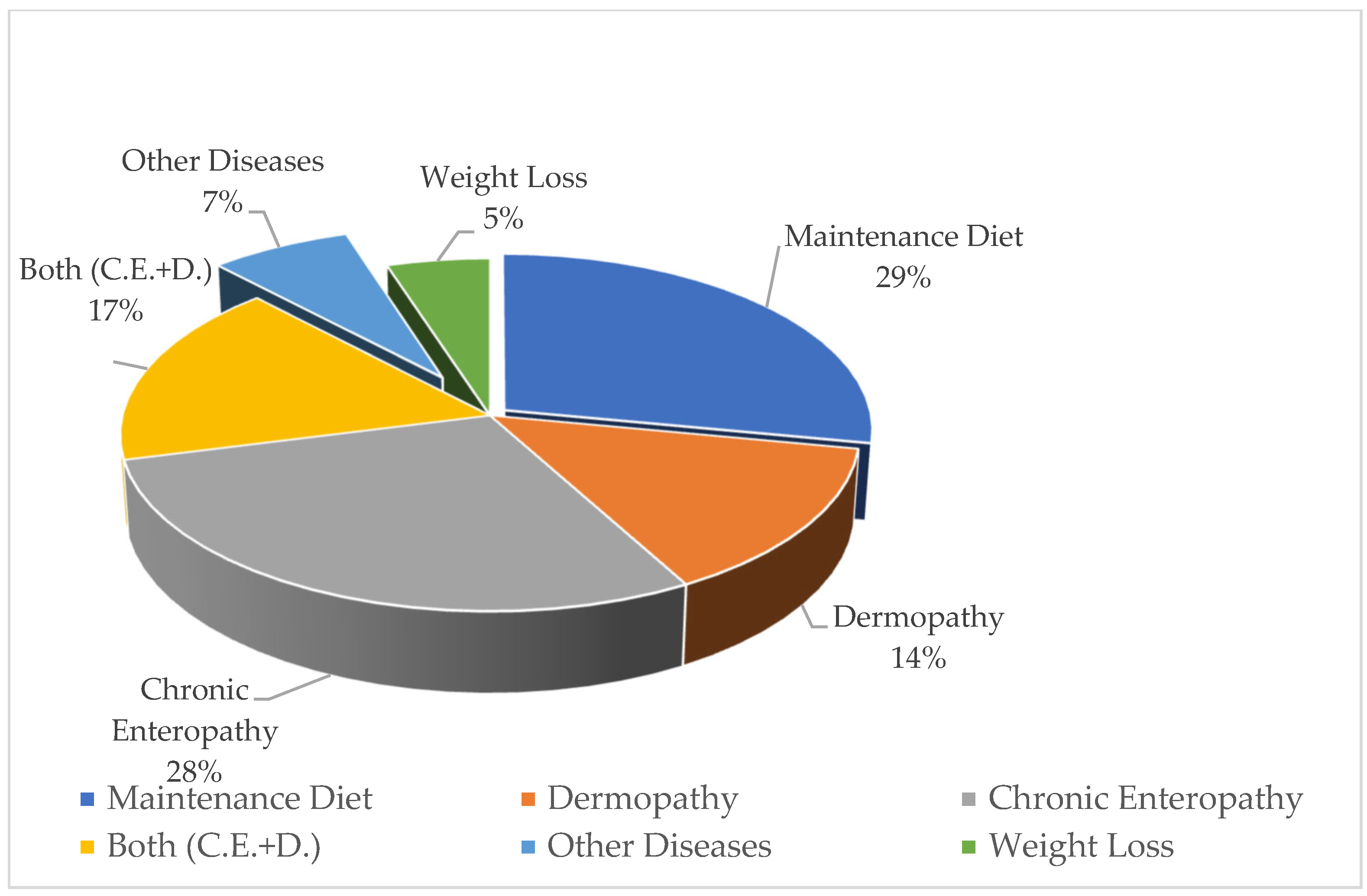
Figure 2.
a) Types of diets to which the animals were fed at the study beginning; b) Types of diets in which the animals completed the study.
Figure 2.
a) Types of diets to which the animals were fed at the study beginning; b) Types of diets in which the animals completed the study.
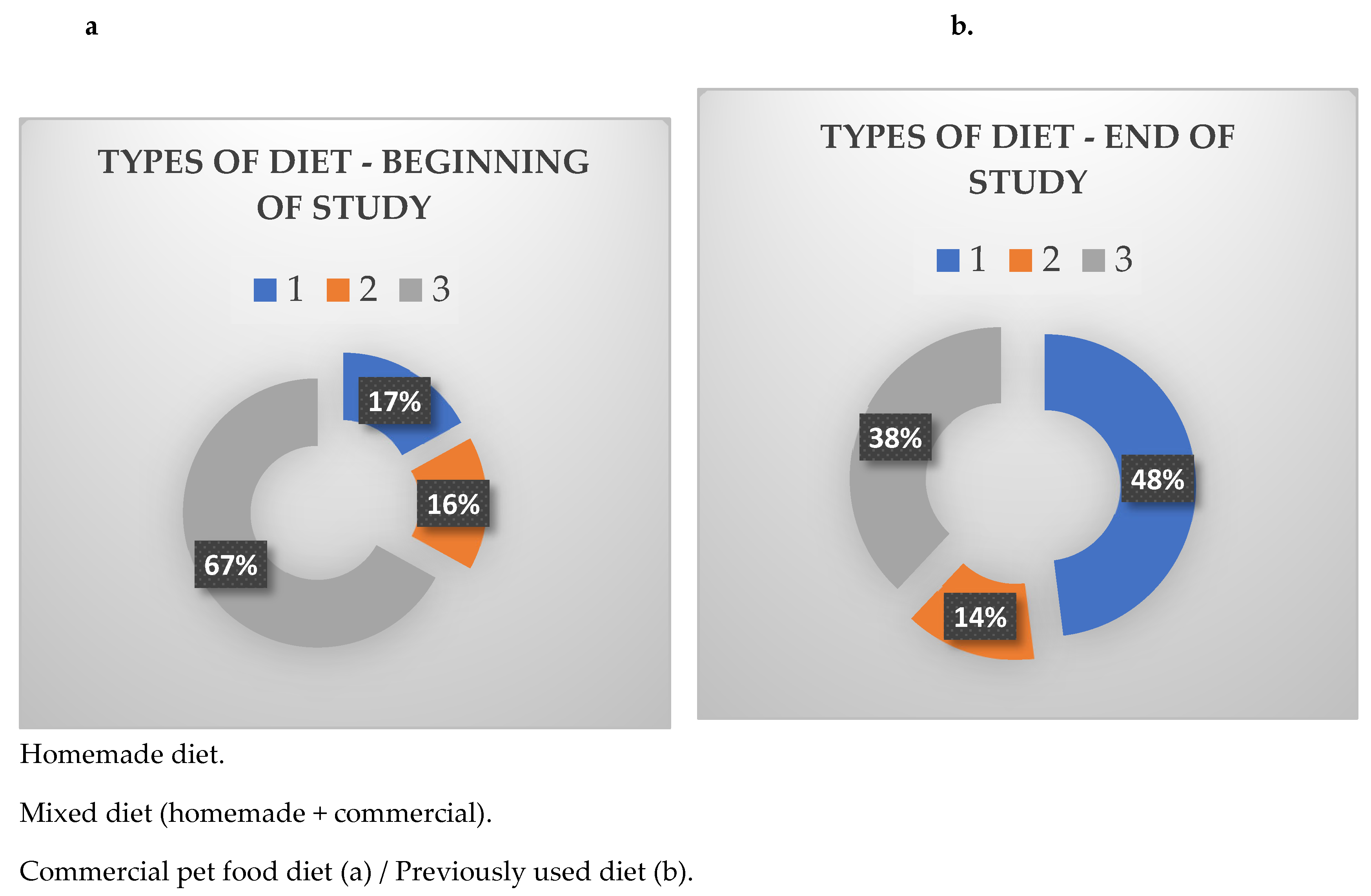
Figure 3.
Results in subjects who used a homemade diet for maintenance purposes.
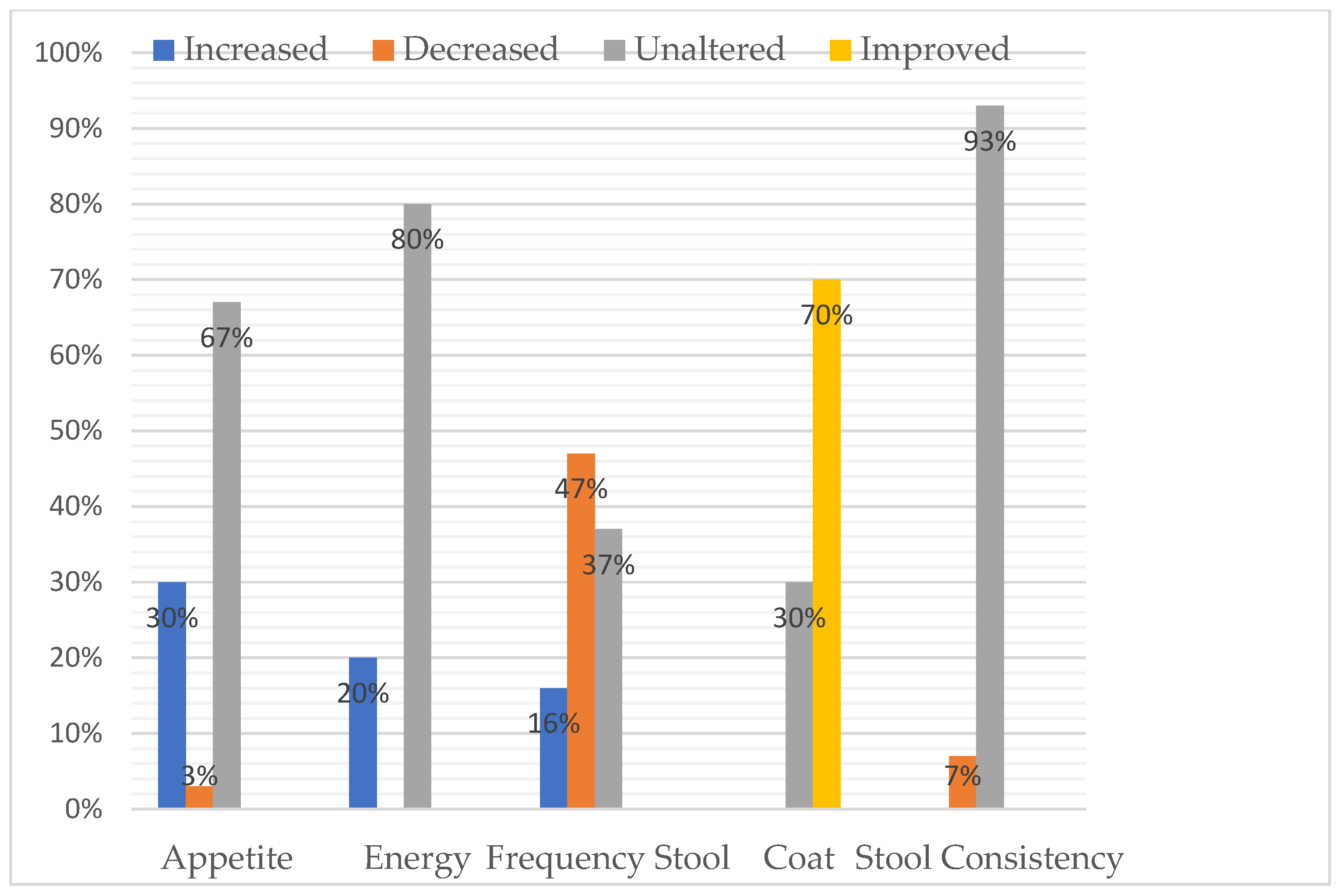
Figure 4.
Homemade diet results obtained from subjects with gastrointestinal, dermatological, or a combination of both pathologies.
Figure 4.
Homemade diet results obtained from subjects with gastrointestinal, dermatological, or a combination of both pathologies.
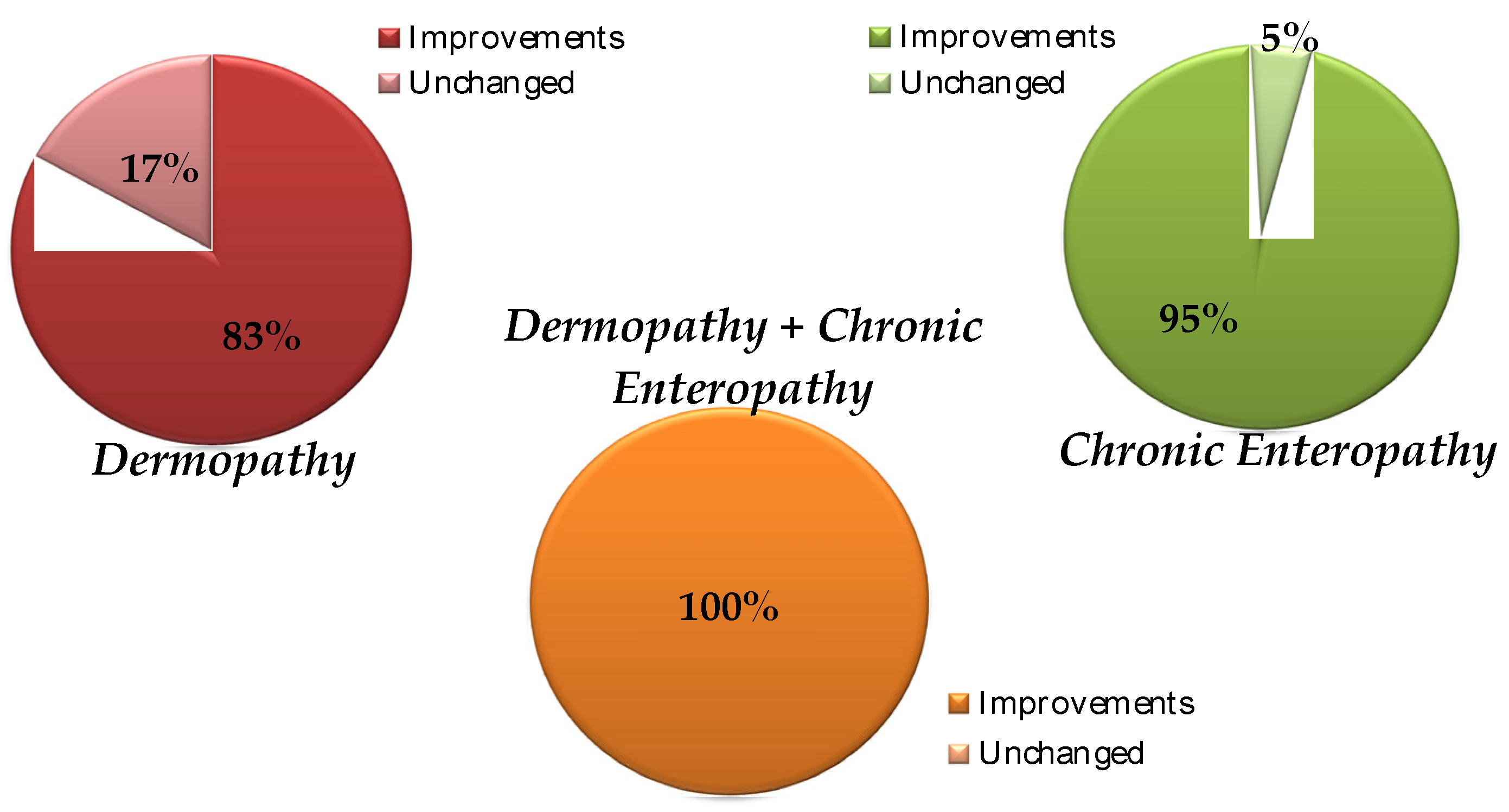

Table 1.
Copy of the record filled during the veterinary and nutritional visit.
|
Nutrition counseling request form. Owner Animal NAME SPECIES BREED SEX STERILIZED AGE TEMPER PHYSICAL ACTIVITY PERFORMED Environment Nutritional status (BCS 1 to 9) CURRENT WEIGHT IDEAL WEIGHT HEIGHT AT WITHERS Current nutrition • Homemade diet • Commercial wet food • Commercial dry food • Snacks No. of meals Supplements Drugs Other ingredients Adverse reactions to foods or other substances Clinical indications • Obesity • Gastrointestinal problems • Food or environmental allergies/intolerances • Dermatological problems • Chronic kidney disease, stage • Urinary problems • Liver disease • Chronic disease • Orthopedics • Postoperative recovery • Heart failure • Diabetes mellitus • Endocrinopathy • Oncologic disease Diet selection Commercial diet Homemade diet Mixed (homemade + commercial) Notes |
Table 2.
Reasons for nutritional consultations in the 104 dogs who completed the follow-up.
| Referral | Number of cases |
|---|---|
| Maintenance diet | 31 |
| Obesity | 6 |
| Gastroenteropathy | 36 |
| Dermopathy | 12 |
| Gastroenteropathy + dermopathy | 12 |
| Various pathologies | 7 |
Table 3.
Reasons for nutritional consultations in the 63 dogs who did not complete the follow-up.
| Referral | Number of cases |
|---|---|
| Maintenance diet | 17 |
| Obesity | 3 |
| Gastroenteropathy | 11 |
| Dermopathy | 11 |
| Gastroenteropathy + dermopathy | 17 |
| Various pathologies | 4 |
Disclaimer/Publisher’s Note: The statements, opinions and data contained in all publications are solely those of the individual author(s) and contributor(s) and not of MDPI and/or the editor(s). MDPI and/or the editor(s) disclaim responsibility for any injury to people or property resulting from any ideas, methods, instructions or products referred to in the content. |
© 2024 by the authors. Licensee MDPI, Basel, Switzerland. This article is an open access article distributed under the terms and conditions of the Creative Commons Attribution (CC BY) license (http://creativecommons.org/licenses/by/4.0/).
Copyright: This open access article is published under a Creative Commons CC BY 4.0 license, which permit the free download, distribution, and reuse, provided that the author and preprint are cited in any reuse.


