
Submitted:
09 July 2024
Posted:
10 July 2024
You are already at the latest version
Abstract
Small and Medium Enterprises (SMEs) are recognized as the main drivers of economic growth and development in many countries throughout the world. SMEs represent about 90% of the manufacturing sector and contribute about 14% of the total manufacturing contribution to GDP. Despite SMEs’ potential to change Nigeria’s status from a consumer economy to a production economy, policies that will ensure that environmentally- friendly manufacturing processes and production technology are not implemented or complied with. SMEs’ operational activities may be deleterious to human health and the ecosystem if environmental management practices are not adopted or prioritized. This paper evaluated the perception and adoption of the Environmental Management System, mainly ISO 14001, by SMEs in Nigeria. One hundred and fifty (150) SMEs in the manufacturing sector in Lagos and Ogun State, Southwestern Nigeria, were randomly selected for this study. The paper posits that environmental management literacy and advocacy should be carried out in SMEs. Environmental management practices involve engaging both industries and product end-users in sustainable practices. The paper concludes that the implementation of environmental management practices and culture by SMEs will abate environmental pollution and its concomitant health risks to humans, the environment, flora, and fauna. Mandatory and voluntary environmental measures are suggested as a means of engendering eco-friendly innovation for sustainable development, triggering employment, job security, and gross domestic product.
Keywords:
Environmental Management
; SMEs
; Environmental pollution
; Eco-friendly innovation
; Sustainable development
1. Introduction
Small and medium enterprises (SMEs) are pivotal to economic growth and development in developing and emerging nations (Obi et al., 2018; Ndiaye et al., 2018). In emerging economies, SMEs contribute approximately 45% of total employment and 33% of GDP (OECD, 2017). In low-income countries, they account for 78% of all employment but only contribute 16% to GDP (Dalberg Global Development Advisors, 2011). This significant discrepancy highlights the untapped potential and the critical need for supportive policies and financial frameworks to enhance their productivity and overall economic impact.
In Nigeria, SMEs are major contributors to the manufacturing sector, contributing about 14% of the total manufacturing contribution to GDP (Oyelaran-Oyeyinka, 2012). Distributed in clusters within industrial zones, this sector is the largest contributor to GDP after crude oil. However, it also has significant ecological footprints, impacting citizens’ health, the environment, and the economy. SMEs, particularly those in the chemical, automotive, electronics, pulp, and paper industries, produce more hazardous substances per unit of output than larger industries. These emissions exacerbate global warming and climate change (Omoyajowo et al. 2022, 2024). This raises a question about the discord between the developmental objectives of inclusive growth and the environmental management practices required of SMEs in a green economy.
Despite their economic and environmental significance, SMEs in Nigeria show poor environmental policy literacy and awareness. Unlike multinational corporations (MNCs), which are more committed to green economy policies, SMEs focus mainly on survival and profitability (OECD, 2009a). This difference is largely due to the lack of understanding that environmental management can improve corporate performance and competitiveness. Additionally, limited access to information, training, and resources further hampers SMEs’ ability to integrate sustainable practices, underscoring the need for targeted educational and financial support to bridge this knowledge gap.
There is a notable gap in the study of the ecological and carbon footprints of SMEs in Nigeria. Unlike in countries like the United Kingdom and France, where SMEs’ environmental impacts are well-documented (Malmborg, 2006; Daddi et al., 2010), Nigerian SMEs often do not conduct environmental audits. Regulatory organizations struggle to accurately determine SMEs’ pollution contributions due to inadequate monitoring and support system (Omoyajowo et al., 2022a). A recent survey revealed that less than 6% of 120 Nigerian SMEs were aware of their environmental impact (PwC─Nigeria, 2020). This highlights a significant environmental management deficit and a lack of awareness of Sustainable Development Goals (SDGs). Many SMEs believe their small size renders their environmental impact negligible, demonstrating ignorance of their role in achieving sustainable development.
Environmental sustainability for firms, particularly SMEs, involves adopting sustainable practices that ultimately minimize negative environmental impacts while enhancing operational efficiency and competitiveness, building resilience for tomorrow’s business and environmental landscape (Olalekan et al, 2019; Omoyajowo et al., 2023). This includes reducing energy consumption, minimizing waste, adopting renewable energy sources, and ensuring sustainable sourcing of materials. For SMEs, embracing environmental sustainability can lead to cost savings through energy efficiency, improved market opportunities as consumers increasingly prefer eco-friendly products, and compliance with regulations that support environmental sustainability (Omoyajowo et al, 2023, 2024).
Moreover, integrating environmental management system like the ISO 14001 into business strategies can enhance SMEs’ resilience against environmental risks and improve their reputation among stakeholders. Programs that offer training, resources, and financial incentives are crucial to support SMEs in this transition. By fostering a culture of sustainability, SMEs can not only contribute to broader environmental goals but also secure long-term economic benefits and competitive advantages (Ajibola et al., 2020, Olalekan et al, 2019; Omoyajowo et al, 2024).
Against this backdrop, this paper assesses the perception and adoption of Environmental Management Systems, particularly ISO 14001, among SMEs in Nigeria. Through an exploration of awareness and implementation of environmental management practices within Nigeria’s SME sector, this study seeks to pinpoint the challenges and opportunities associated with SMEs aligning with international sustainability standards. Consequently, this paper serves as a reference for governments and sustainable development partners to formulate policies and initiatives aimed at encouraging SMEs to adopt sustainable practices. Such practices not only facilitate compliance with global standards but also enhance opportunities for growth and resilience amidst evolving economic and environmental dynamics.
2. Literature Review and Conceptual Framework
SMEs are recognized as vital drivers of economic growth, sustainability, and industrial advancement within a nation. Despite their modest size and economic influence on an individual basis, they collectively play a significant role in contributing to GDP (Muller, Devnani, Julius, Gasliardi, & Marzorchi, 2016). SMEs account for over 95% of all enterprises and play a very important role in creating employment opportunities in Nigeria (Adewoye & Akanbi, 2012).
ISO 14001 provides a robust framework for SMEs in Nigeria to improve environmental performance in line with best global practices in their day-to-day production and manufacturing processes. An environmental management system, according to ISO 14001, is a component of the overall management system, which includes organizational structure, planning activities, responsibilities, practices, procedures, processes, and resources for developing, implementing, achieving, reviewing, and maintaining environmental policy (Ghid, 2003; Ghid, 2012). The Standard Organization of Nigeria (SON) is a member body of ISO and actively participates on the technical committee on environmental management. It is directly responsible for the issuance of ISO 14001 certification for industries in Nigeria. As such, the Standard Organization of Nigeria (SON) has a major role to play in sensitizing SMEs on the need to adopt ISO 14001 while making the process of certification less expensive and bureaucratic. Environmental management systems are critical tools for sustainable development whilst the pressures of meeting environmental regulations and contributing to sustainability efforts are strong incentives for SMEs to adopt environmental management system (Ajibola et al, 2020; Olalekan et al., 2019). Mandatory environmental measures need to be applied to facilitate environmental conservation. Mandatory: as an economic policy that will ensure made-in-Nigeria goods comply with ISO 14001. Such compliance will not only ensure green innovation but also impact the global competitiveness of Nigerian goods.
It is not inappropriate to say that no economy can thrive only on its local consumers, considering the world is a global market. More so, there is an increasing preference among Western consumers for environmentally friendly products; organisations are therefore expected to exert such market pull and appropriate same in their business strategies. Mandatory or voluntary environmental measures can engender eco-friendly innovation for sustainable development, thereby triggering employment, job security, and gross domestic products, amongst others. This is expected to rub off on local consumers, developing positive attitudes towards these environmental measures. In line with the Sustainable Development Goals, Nigeria’s economic and social development needs to be oriented to ensure that the satisfaction of today’s needs will not affect the opportunities for satisfying future generations’ needs. Thus, environmental management systems compliance, such as eco-labelling and environmental certification, is increasingly becoming critical in promoting the global brand and value of business enterprises internationally and locally. The environmental management system ISO 14001 should be made mandatory for business enterprises in developing countries. However, the Environmental Management and Audit Scheme (EMAS) could be implemented voluntarily in these companies, as practiced in the European Union. Nonetheless, these environmental protection measures could be modified, or their implementation expanded by business enterprises as dictated by the impact of globalization on the world’s economy as it affects business enterprises’ competitiveness and market share (Scot, 2003; Ruzevicius, 2008a; Zutshi & Sohal, 2004).
Various internal and external factors affect the adoption of environmental management policies by SMEs in Nigeria. These factors include lack of awareness, limited financial resources, lack of technical expertise, resistance to change, inadequate regulatory enforcement, limited access to information and support, limited infrastructure, and lack of collaboration and networking opportunities. Overcoming these barriers is crucial to encouraging SMEs to adopt sustainable practices and contribute to environmental protection in Nigeria. Some studies identified the lack of awareness and knowledge as one of the critical factors constraining the adoption or practices of environmental management in Nigerian SMEs (Omoyajowo et al. 2021; Owolabi, 2019). Many SMEs in Nigeria may lack sufficient awareness or knowledge about the importance and benefits of adopting environmental management policies due to limited access to information, inadequate training opportunities, and the prioritization of immediate business survival over long-term sustainability (Omoyajowo et al., 2024, 2021; Ajibola et al., 2020).
Limited financial resources affect the adoption of environmental management systems by SMEs. Omoyajowo et al. (2024) identified limited financing as a critical barrier to adopting green computing practices, as organizations often struggle to allocate resources for eco-friendly IT equipment and recycling programs, thereby deprioritizing these initiatives in favor of other business activities. Similarly, several studies averred that SMEs often have limited financial resources to invest in environmental management practices, and the cost of implementing these policies, such as purchasing energy-efficient equipment or adopting waste reduction measures, can be a significant barrier for SMEs (Omole and Lazarevic, 2019, Omoyajowo et al, 2022, 2023, 2024). Similarly, the lack of technical expertise by SMEs may pose huge challenges in implementing environmental management policies. This is so because they may require specialized knowledge to develop and implement sustainable practices, which may not be readily available to them (Akinlo, 2016). Adeyeye and Jiburum (2019) noted that SMEs are often resistant to changing their existing business practices, especially if they believe it will negatively impact their operations or profitability. This resistance can hamper their adoption of environmental management policies.
In addition, there are external factors that are not within the control of the SMEs. Onu and Umeokafor (2019) submitted that the lack of regulatory enforcement, inadequate enforcement of environmental regulations, and weak penalties for non-compliance can discourage SMEs from adopting environmental management policies. Onu and Umeokafor (2019) further averred that without strict enforcement, there may be little incentive for SMEs to invest in sustainability practices. Oyedokun and Oyedokun (2019) explained that limited access to information and the absence of industry-specific guidelines and support for SMEs in Nigeria in accessing information and resources related to environmental management may be a major barrier to the adoption and practice of environmental management policies. Furthermore, limited infrastructure such as inadequate waste management systems or lack of reliable energy supply, can impede SMEs from adopting environmental management policies. Pinder et al. (2017) posit that SMEs may find it difficult to implement sustainable practices without proper infrastructure support.
Similarly, the lack of collaboration and networking within and among SMEs may make it difficult for SMEs to interact with stakeholders on the gains and importance of eco-innovation and the need to adopt or introduce sustainable environmental policies in their businesses. Olagunju and Ismaila (2018) reported that a lack of collaboration and networking with other organisations and stakeholders can hinder the adoption of environmental management practices.
2.1. Conceptual Framework
The Quintuple Helix Concept (QHC) of human-natural system interactions is derived from the concept of Man-Nature Interactions. This concept highlights how human activities impact ecosystem functions, processes, and structures at both macro and micro scales. These impacts, often negative, trigger perturbations and dysfunctionalities in the natural system, leading to global warming and other environmental issues (Omoyajowo et al, 2023, 2024). The QHC emphasizes the need for synergy among government, industry, academia, and society to achieve environmental sustainability.
Humans advertently or inadvertently impact ecosystem functions, processes, and structures at either the macro- or micro-scales. These impacts are often negative or malevolent, although there are also benevolent impacts of human activities on the environment. A critical observation of the interactive nature of the Earth system reveals a helical effect of human impact on the Earth’s ecosystem. These impacts trigger perturbations and dysfunctionalities in the natural system, affecting other components of the Earth. This has often led to global warming, including the damage and death of humans, flora, and fauna. The anthroposphere, which largely refers to human societies, economies, and sociocultural landscapes, has generated daily various human activities with an increasing impact on the processes that govern ecosystem properties. The effect of human activities on the earth’s ecosystem consequently results in a helical chain of reactions in humans and on biotic and abiotic components, which include soils at a temporal and spatial scale. The four spheres of the Earth, namely the atmosphere, hydrosphere, lithosphere, and biosphere, have unique boundaries but are also interlinked. This indicates that the release of pollutants into the atmosphere may have deleterious effects on other components. As a result of the helical interactions among the components, any introduction of harmful substances or injudicious use of the environment would have deleterious consequences for the environment and economy. Humans are the major drivers of the modification and destruction of ecosystems through diverse activities. Industrial activities, particularly those of SMEs, directly and indirectly impact all four components of the environment: the atmosphere, hydrosphere, lithosphere, and biosphere, including the socioeconomic, political, and cultural landscape. This explains the consequential challenges humans face because of their impact on the environment.
The QHC, as represented in Figure 1, revealed the helical interactions among the earth’s components and the impact on each component on the one hand, humans and their anthropologic environment. Based on the foregoing, it is instructive that humans manage the environment concerning their daily activities. Human activities, such as agricultural, industrial, transportation, and housing activities, require land use management for a sustainable environment. Policymakers should implement policies that protect the environment from the indiscriminate activities of SMEs. The enforcement and implementation of environmental management policies by SMEs are critical to ensuring that the environment is safe and protected, considering their high-level emissions of greenhouse gases. The anthroposphere, being the sphere of human activities, is the political domain responsible for the formulation, enactment, and enforcement of policies and laws that can safeguard or protect the environment from SMEs’ deleterious activities. The interplay between environmental laws and policies considering climate change implies that a safe environment can be largely guaranteed if there is a political will to formulate policies and enact laws to foster eco-innovation in SMEs for a sustainable environment. This further suggests that political leadership must understand the concept of eco-innovation and initiate such policy discourse with SMEs and other critical stakeholders. Political and corporate synergy in all hierarchies of environmental governance is required to regulate and protect the environment from the adverse impacts of SMEs on humans and nature. The Quintuple Helix Concept (QHC) underscores the importance of synergy among Government - Industry – Academia, and society (pressure groups) as critical to environmental sustainability. This relates to societal orientation, psychology, and education on environmental protection, which hinge on the implementation and enforcement of sustainable environmental laws and policies in SMEs.
3. Study Methodology
In evaluating the perception and adoption of the Environmental Management System, mainly ISO 14001, by SMEs in Nigeria, one hundred and fifty (150) SMEs in the manufacturing sector were randomly sampled in Lagos and Ogun State, Southwestern Nigeria. The term “SMEs” used in this study is subsumed within the context of size. This suggests that only manufacturing firms with staff strength of less than 300 were considered. A questionnaire was administered to the Production or General Manager in each of the one hundred and fifty manufacturing firms. The questions were based on the awareness of ISO 14001, the practice of ISO 14001 by the firms, and barriers to EMS adoption, amongst others. One hundred and twenty questionnaires were retrieved, analyzed using SPSS, and presented as simple percentages and charts. The ethical consent of respondents was sought before they enlisted in the study.
The questionnaire was designed based on a comprehensive review of existing literature on EMS adoption among SMEs. To ensure the reliability and validity of the questionnaire, we conducted a pilot test with 10 SMEs that were not part of the main study. Feedback from the pilot test was used to refine the questions for clarity and relevance. The sampling method employed was simple random sampling to ensure that all SMEs in Lagos and Ogun State had an equal chance of being selected. We achieved a response rate of 90%, with 144 out of 150 questionnaires returned. Non-responses were followed up with phone calls and emails to minimize bias. The data collected from the questionnaires were analyzed using SPSS version 25. Descriptive statistics, including frequencies and percentages, were used to summarize the data. Graphs and charts were generated to visually represent the key findings.
3.1. Results and Discussions
The adoption and implementation of EMS by small-scale manufacturing firms in developing countries are faced with several constraints and barriers. These barriers could be broadly categorized into those that are external to the firm and internal to the firm (Milieu Ltd. and Risk & Policy Analysis Ltd., 2009). These include factors ranging from the cost of implementation, lack of support and guidance, and other drawbacks linked to the institutional framework and the lack of market recognition of EMS. The public does not recognize EMS adoption or ISO 14001 certification, resulting in low customer awareness and a lack of recognition by public institutions as factors impeding organizations’ desire to adopt a formal EMS like ISO 14001. This aligns with Iraldo et al. (2009) and Jaffe and Palmer (1997), who identified that cost and lack of recognition are significant barriers. Our findings confirm these earlier studies and add that the lack of market pull for green products exacerbates this issue in Nigeria.
Figure 2 shows that only 20% of manufacturing firms recognize the importance of ISO 14001 certification, while the other 80% do not. The reasons for this may be due to a lack of awareness of EMS by SMEs, poor interactions with global brands, and the failure of relevant government agencies to sensitize stakeholders on the need to adopt and implement EMS.
Similarly, Figure 3 reveals that the cost of implementation is a major barrier for SMEs, considering their limited financial resources (Iraldo et al., 2009; Jaffe and Palmer, 1997). These costs may include expenditures on technical measures such as the cost of green technology equipment, plant management, control, and maintenance. The fear of spending on external consulting may also hinder these firms from adopting an environmental management system, as they are primarily focused on making profits.
Internal Barriers
Internal barriers to EMS implementation in SMEs are obstacles that arise within the firms and prevent the adoption of EMS (Patton and Baron, 1995). These include factors such as time and human capital, difficulties in understanding and perceiving the EMS scheme, and the environmental culture of the organization. Lack of time, lack of staff resources, and lack of know-how deter EMS implementation in SMEs, which confirms the findings of Bocconi et al. (2006). A worrisome barrier to the adoption of EMS is the fear of disclosing certain environmental non-compliances that would have otherwise remained uncovered. Therefore, the fear of having to sustain higher costs of penalties instead of saving money because of the implementation of the EMS may prevent SMEs from adopting ISO 14001. This concern is in line with findings by Rennings et al. (2006), who noted that fear of regulatory scrutiny can deter EMS adoption.
Similarly, the lack of eco-management-targeted skills or human resources is a barrier that SMEs are faced with when deciding to implement an EMS (ISO 14001). Figure 4 revealed that only 6% of SMEs sampled adopted and implemented EMS, while Figure 5 indicated that more than 65% of SMEs do not practice any environmental policy. This lack of practice indicates a significant gap in environmental management, largely due to the difficulties in understanding ISO 14001 and the lack of resources to implement it, as suggested by Bocconi et al. (2006).
Most SMEs do not, as a matter of necessity, carry out accurate analyses of their companies’ activities in the environment due to a lack of resources and technical know-how. The firms are more concerned with the technical (business) aspects of their organisations. Nonetheless, few SMEs are acquainted with instruments and methodologies for environmental impact measurement and assessment; however, these SMEs lack the time and technical resources to carry out in-depth analysis on their own (Patton and Baron, 1995).
This practice may hinder EMS adoption and environmental management policy implementation. In addition, most SMEs in Nigeria do not have a robust environmental management framework; thus, the companies are disenchanted with the process of structuring their environmental management system from scratch, which is required in adopting and implementing EMS. In addition to this, there is the complex documentation of ISO 14001, which may hinder the adoption of EMS by SMEs. This is because most of these firms lack the technical know-how and structure to implement ISO 14001. Most SMEs in Nigeria do not appreciate the importance of having an environmental statement besides their vision and mission. This indicates a lack of concern for the impact of their activities on the environment. A survey conducted by the authors, as shown in Figure 3 and Figure 4, reveals that a larger percentage of these firms are ignorant or indifferent to policies on environmental sustainability. Unfortunately, such policies are deemed unnecessary for their business operations. This view is accentuated by Figure 6, as only 30% of the SMEs are fully aware that their activities impact the environment and the ecosystem. This could be linked to the general indifference of the public about the implications of SMEs’ activities on the environment and the general poor environmental culture in the manufacturing sector.
3.2. Benefits of EMS Adoption & Implementation by SMEs
Environmental sustainability is becoming a global concept as economies and organisations become conscious of the impacts of industrial activities such as global warming, climate change, biodiversity depletion, and epidemics while putting measures in place to stop or reduce them. Companies in developed economies find it imperative to align with the report of the Intergovernmental Panel on Climate Change (IPCC) on protecting the environment. SMEs in Nigeria can also derive great benefits if they adopt and implement an environmental management system like ISO 14001, as it raises the organizational and management efficiency of the company (Rennings et al., 2006). This means the adoption and implementation of ISO 14001 by SMEs will improve their capacity to manage and control their environmental performance by continuously monitoring their processes and output flow through procedural and operational control. By improving the skills and raising the awareness of the personnel on environmental management standards, SMEs can obtain positive management results in terms of consistent plan-do-check-act (PDCA) by tracking the EMS measurable for total quality management. Another benefit of adopting and implementing ISO 14001 is local and global recognition; it projects the firm as a responsible corporate organization committed to environmental sustainability (Abdul-Rahman Adegbite et al., 2012).
In summary, the benefits of ISO 14001 for small-scale firms could either be direct or intangible. The direct benefits include (i) material savings through more complete product input processing, substitution, and recycling of by-products and waste. (ii.) reduced energy consumption. (iii.) Reduced material storage costs. (iv.) reduced costs for emissions, discharges, waste handling, transport, and disposal. (v.) increased process yields; (vi.) reduced insurance rates. (vii.) reduced environmental liability. (ix.) reduced enforcement fines. The intangible benefits may include (i) improved corporate image among regulators, customers, and the public. (ii.) proof of social responsibility (iii.) improved employee morale.
An Environmental Management System (EMS) is considered a beneficial tool for organizations that wish to integrate environmental management into the overall corporate management system, not only to comply with existing regulations but also to consider and eventually respond to changing knowledge and technology (Bansal & Bogner, 2002). The most frequent actions within environmental planning regarding the improvement of production processes and energy efficiency or energy production, are considered the safest ways to achieve cost reductions. These investments already appear to be typical components of EMS programs (Gasbarro et al., 2013). However, the other issue that rests on environmental planning is leadership and commitment. ISO 14001 provides a systematic and holistic framework for managing environmental impacts, ensuring legal compliance, and fostering continual improvement, requiring top management to demonstrate leadership and commitment by integrating the EMS into business processes and promoting environmental awareness. Recent findings underscore the link between leadership, commitment, spiritual consciousness, and environmental responsibility, refocusing the impetus for effective and positive change and offering strategies for broadening environmental stewardship (Omoyajowo et al., 2023).
3.3. Government Roles and Support for SMEs in Implementing EMS
Regulatory obligations and other external pressures, such as social pressure, may induce the adoption and implementation of ISO 14001 in Nigeria. SMEs could adopt and implement ISO 14001 to comply with increasing legal requirements (Jenkins R. 1998). Hence, agencies of government such as SON and NESREA should implement an EMS such as ISO 1400 in the operational activities of SMEs for improved environmental performance.
More so, awards and national recognition should be given to companies that have successfully implemented environmental management systems in a “cradle to grave” approach in their firms’ processes and output flow. This means that an environmental performance index or indicators should be designed to measure each SME’s efforts. The government should also come up with policies that will provide technical support to SME personnel in the adoption, documentation, implementation, and review of ISO 14001. SMEs have always lacked adequate financial support from the government; financial and economic incentives should be provided to facilitate their ISO 14001 certification in terms of giving discounts or tax rebates to encourage SMEs to adopt it for a sustainable environment.
3.4. Implications for Policymakers, SME Owners and Other Stakeholders
Our findings highlight several implications for policymakers. First, there is a need for greater awareness and education programs to increase understanding of the benefits of EMS among SMEs. Government agencies should work closely with SMEs to simplify the certification process and reduce associated costs. Providing financial incentives, such as subsidies or tax breaks, can also encourage SMEs to adopt EMS. Policymakers should also focus on improving the regulatory framework to enforce environmental standards while providing support to SMEs for compliance. This dual approach can ensure that SMEs are both aware of the regulations and capable of meeting them. For SME owners, the study underscores the importance of integrating environmental management into their business strategies. Owners should seek out training opportunities and resources to better understand and implement EMS. By doing so, they can not only improve their environmental performance but also gain a competitive edge in both local and international markets. Owners should also consider the long-term benefits of EMS adoption, such as cost savings from improved efficiency, better compliance with regulations, and enhanced corporate image. These benefits can offset the initial costs and challenges associated with EMS implementation. Other stakeholders, including industry associations, NGOs, and consumers, play a crucial role in promoting EMS adoption (Ajibola et al, 2020; Olalekan et al, 2019). Industry associations can provide a platform for knowledge sharing and collaboration among SMEs. NGOs can assist with training and advocacy, helping to raise awareness of the importance of environmental management. Consumers can drive demand for environmentally friendly products, encouraging SMEs to adopt sustainable practices.
4. Conclusion and Recommendations
The environmental policy for SMEs needs to be geared towards the promotion and adoption of cleaner processes and product technologies (Zackrisson et al. 2000, Omoyajowo et al, 2024). In practice, EMS (ISO 14001) provides the requisite platform to ascertain, define, and activate the technological, technical, and organizational opportunities existing in SMEs that can be used to prevent or resolve environmental problems. As earlier noted, SMEs still must contend with several hindrances ranging from internal to external obstacles in their adoption of environmental management systems (ISO 14001). These obstacles relate to their size, technical know-how and/or personnel expertise, financial resources, and management structure in the understanding, adoption, documentation, and implementation of ISO 14001. Therefore, the following are recommended for both SMEs and policymakers:
- As such, the government has a great responsibility to ensure that the processes leading to ISO 14001 certification are not cumbersome and time-consuming. Simplifying the certification process is crucial for encouraging more SMEs to adopt EMS. This includes reducing bureaucratic hurdles and providing clear, straightforward guidelines that SMEs can easily follow.
- In addition to this, the government and its agencies should simplify the complex nature of ISO for easy documentation and implementation by SMEs. Financial support in the form of grants, subsidies, or low-interest loans should be made available to SMEs to cover the costs of EMS implementation. Additionally, technical support, including training programs and consultancy services, should be provided to help SMEs develop the necessary expertise to implement EMS.
- The public should be sensitized about the need to check out ISO certification and eco-labelling on products since total environmental management quality is a collective effort of both producers and consumers. Public awareness campaigns can help increase consumer demand for environmentally friendly products, thereby encouraging SMEs to adopt sustainable practices.
- Periodic training should also be conducted for personnel of these SMEs for effective implementation of ISO 14001 for a cleaner and greener environment. Similarly, national and regional recognition should be given to firms that have successfully implemented ISO 14001. Awards and certifications can serve as incentives for SMEs to pursue EMS adoption.
- Importantly, environmental policy in Nigeria needs to be geared towards the promotion of innovation at the firm level while influencing the innovation process and technological development within SMEs in favor of cleaner techniques and technology responses (Zackrisson et al. 2000). Business organizations in Nigeria should be mandated and challenged to implement ecological certification programs and eco-label products and services.
- Encouraging innovation and technological development is essential for achieving long-term environmental sustainability. The government should support research and development initiatives that focus on creating affordable, efficient, and sustainable technologies for SMEs (Ajibola et al., 2020).
- The environmental protection measures should also include international environmental certification and other sustainable development measures such as the environmental management system (ISO 14001); environmental certification and labelling of products (Calabro, 2007; Ruzevicius & Waginger, 2007; Vossenaar, 1996); environmental certification of accommodation and recreation services (Ruzevicius & Waginger, 2007); certification of forests and the timber supply chain (Ruzevicius, 2008b); ecological and ergonomic certification of computer equipment, mobile phones, and office furniture; and ecological certification of automobiles.
- Adopting international standards and certifications can enhance the global competitiveness of Nigerian SMEs. It signals to international markets that Nigerian products meet high environmental standards, thereby opening new market opportunities.
References
- Abdul-Rahman Adegbite, Amiolemen S. O, Ologeh I O., and Oyefuga I.O (2012) ‘Sustainable Development Policy and Corporate Social Responsibility in Business Organisation in Nigeria’, Journal of sustainable Development, Vol. 5 No. 6. [CrossRef]
- Adewoye, J.O. and Akanbi, T. A. (2012). Role of Information and Communication Technology Investment on the Profitability of Small Medium Scale Industries – A Case of Sachet Water Companies in Oyo State, Nigeria. Journal of Emerging Trends in Economics and Management Sciences (JETEMS) 3 (1), 64-71, Available online at http://www.jetems.scholarlinkresearch.org.
- Adeyeye, S. A., & Jiburum, U. P. (2019). Environmental management practices and profitability of small and medium-sized manufacturing enterprises in Lagos, Nigeria. Heliyon, 5(8), e02132.
- Ajibola, A. F., Raimi, M. O., Steve-Awogbami, O. C., Adeniji, A. O., & Adekunle, A. P. (2020). Policy responses to addressing the issues of environmental health impacts of charcoal factory in Nigeria: Necessity today; essentiality tomorrow. Communication, Society and Media, 2576-5388.
- Akinlo, A. E. (2016). Constraints to adoption of cleaner production practices by manufacturing firms in Nigeria. Journal of Cleaner Production, 137, 1147-1157.
- Bansal P, and Bogner W.C, (2002) Deciding on ISO 14001: Economics institutions and context. Long Range Planning, 35, 269–290.
- Bocconi, ISO14001 Solutions (1998) ‘An Assessment of the Implementation Status of Council Regulation (No 1836/93) Eco-management and Audit Scheme in the Member States (AIMS-EMAS), Final Report Project No. 97/630/3040/DEB/E1, European Commission of Environment, Brussels .
- Daddi T, Testa F, Iraldo F. (2010) ‘A cluster-based approach as an effective way to implement the ECAP (Environmental Compliance Action Program): Evidence from some good practices, Local Environment’, Vol 15 No. 1, pp.73–82.
- Dalberg Global Development Advisors (2011), Report on Support to SMEs in Developing Countries Through Financial Intermediaries. https://www.eib.org/attachments/dalberg_sme-briefingpaper.pdf.
- Gasbarro F, Rizzi F, and Frey M. (2013) The mutual influence of Environmental Management Systems and the EU ETS: Findings for the Italian pulp and paper industry, European Management Journal, 31(1):16-26.
- Iraldo F, Testa F and Frey M. (2009) ‘Is an environmental management system able to influence environmental and competitive performance? The case of the eco-management and audit scheme (EMAS) in the European Union, Journal of Cleaner Production 17: 1444–1452 .
- ISO, (2005) ‘ISO, The Global Use of Environmental Management System by Small and Medium Enterprises: Executive Report by ISO/TC207/SC1/Strategic SME Group, ISO, Geneva’.
- Jaffe A. B and Palmer K. (1997) ‘Environmental Regulation and Innovation: A Panel Data Study, The Review of Economics and Statistics 79 MIT Press’, pp. 610-619.
- Jenkins R. (1998) ‘Environmental Regulation and International Competitiveness: A Review of Literature and Some European Evidence, United Nations University Institute for New Technologies’.
- Malmborg, A. (2006) ‘ISO 14001 in Uruguay – Problems and Opportunities: 3 – 46, Final Thesis, Master Programme in Business Administration, Swedish University of Agricultural Science, available from http://ex-epsilon.slu.se:8080/archive/ 00000582/01/examensarbete.pdf .
- Milieu Ltd and Risk and Policy Analysis Ltd, (2009). ‘Study on the Costs and Benefits of EMAS to Registered Organisations’. Final Report for DG Environment of the European Commission under Study Contract No. 07.0307/2008/517800/ETU/G.2.
- Ndiaye, N.; Razak, L.A.; Nagayev, R.; Ng, A. Demystifying small and medium enterprises (SMEs) performance in emerging and developing economies. Borsa Istanb. Rev. 2018, 18, 269–281.
- Obi, J.; Ibidunni, A.S.; Tolulope, A.; Olokundun, M.A.; Amaihian, A.B.; Borishade, T.T.; Fred, P. Contribution of small and medium enterprises to economic development: Evidence from a transiting economy. Data Brief 2018, 18, 835–839.
- OECD (2009a). Sustainable Manufacturing and Eco-Innovation. Framework, Practices and Measurement. Synthesis Report, OECD, Paris .
- OECD (2017), Small, Medium, Strong. Trends in SME Performance and Business Conditions, OECD Publishing, Paris. [1] OECD (2016), Resource-Efficient Practices in the Ukrainian Concrete. [CrossRef]
- Olagunju, R., & Ismaila, A. F. (2018). Environmental management practices and the performance of small and medium scale enterprises in Nigeria. Journal of Applied Sciences, 18(10), 424-430.Omole, M., & Lazarevic, D. (2019). Barriers and enablers to green supply chain management adoption by Small-and Medium-Sized Enterprises: A systematic literature review. Journal of Cleaner Production, 224, 106-122.
- Olalekan, R. M., Omidiji, A. O., Williams, E. A., Christianah, M. B., & Modupe, O. (2019). The roles of all tiers of government and development partners in environmental conservation of natural resources: A case study in Nigeria. MOJ Ecology & Environmental Sciences, 4(3), 114-121.
- Omoyajowo, K. O., Adewunmi, M. A., Omoyajowo, K. A., Ogunyebi, A. L., Njoku, K. L., Makengo, B. M. ... Ojo-Emmanuel, G. (2024). Transitioning to a Сlimate-Resilient Society: Empirical Evidence on What Drives the Adoption of Green Computing Policies in Nigerian Organisations. Trends in Ecological and Indoor Environmental Engineering, 2(1), 28-34. [CrossRef]
- Omoyajowo, K. O., Amiolemen, S., Makengo, B. M., & Ogunyebi, A. (2022a). Impact of COVID-19 pandemic on single-use plastics in some American firms: Policy insights. Ecological Safety and Balanced Use of Resources, 2(24), 7-12. [CrossRef]
- Omoyajowo, K. O., Danjin, M., Omoyajowo, K., Odipe, O., Mwadi, B., & May, A.; et al. (2023). Exploring the interplay of environmental conservation within spirituality and multicultural perspective: Insights from a cross-sectional study. Environment, Development and Sustainability, 1-29.
- Omoyajowo, K. O., Omoyajowo, K. A., Bakare, T. I., Ogunyebi, A. L., & Ukoh, S. (2022b). Reflections on the nexus between climate change, food security and violent conflicts: A tour through the Nigeria experience. Ecological Safety & Balanced Use of Resources, 25(1). 22-30.
- Omoyajowo, K., Ebosiem, S., Akinola, A., Amiolemen, S., Omoyajowo, K., Oriola, A., Adenekan, O., & Raimi, A.-G. (2021). Drivers of telecommuting policy in Nigerian organisations. International Journal of Business, Technology and Organizational Behavior (IJBTOB), 1(4), 263-275.
- Oyelaran-Oyeyinka (2012) Promoting Small Medium Enterprises in the Nigeria Oil and Gas.
- Patton D. and Baron P.J. (1995) Factors influencing companies’ response to environmental responsibility’. Eco-management and auditing, Vol. 2 pp. 41–46 .
- Pinder, J. E., Boamah, K. B., Owusu, A. Y., & Appiah, D. O. (2017). An empirical assessment of factors influencing environmental management practices of SMEs in Ghana. Journal of Cleaner Production, 154, 415-424 .
- PwC Nigeria. (2020). PwC’s MSME Survey 2020. Retrieved from https://www.pwc.com/ng/en/assets/pdf/pwc-msme-survey-2020-final.pdf 5/20/2021.
- Onu, P. N., & Umeokafor, N. (2019). The status of construction SMEs’ environmental management systems certification in Nigeria. Sustainability, 11(16), 4397.
- Owolabi, S. A. (2019). Factors influencing the adoption of environmental management practices by construction companies in Nigeria. Journal of Construction Engineering and Management, 145(5), 04019022.
- Oyedokun, T., & Oyedokun, A. (2019). Environmental management practices and challenges in small and medium-sized enterprises in Nigeria. Pollution, 5(2), 231-240.
- Rennings K, Ziegler A, Ankele K, and Hoffmann E. (2006). ‘The influence of different characteristics of the EU environmental management and auditing scheme on technical environmental innovations and economic performance, Ecological Economics’ No 57 pp 45– 59.
- Ruževičius,J., Waginger, E. (2007). Eco-labelling in Austria and Lithuania: a comparative study. Economics and Management. N 12. P. 1043–1050.
- Zackrisson, M., Enroth M. and Widing A. (2000). ‘Environmental management systems – paper tiger or powerful tool’. Assessment of the environmental and economic effectiveness of ISO 14001 and EMAS”. Industrial Research Institutes in Sweden IVF Research Publication 00828, Stockholm .
Figure 1.
Quintuple Helix Concept of Humans—Natural Environment Interactions.
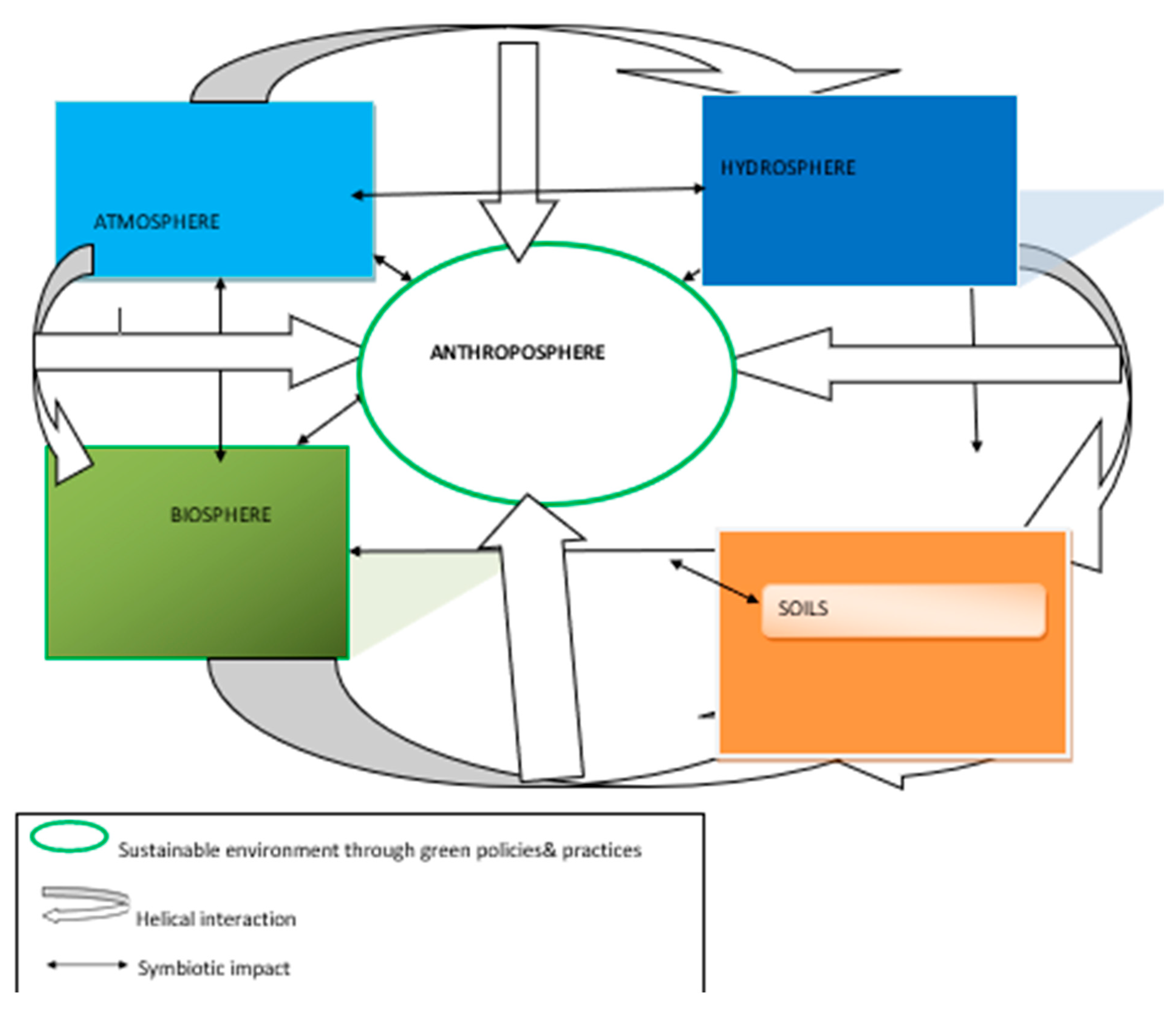
Figure 2.
Recognition and Importance of ISO 14001 Certification by firms.
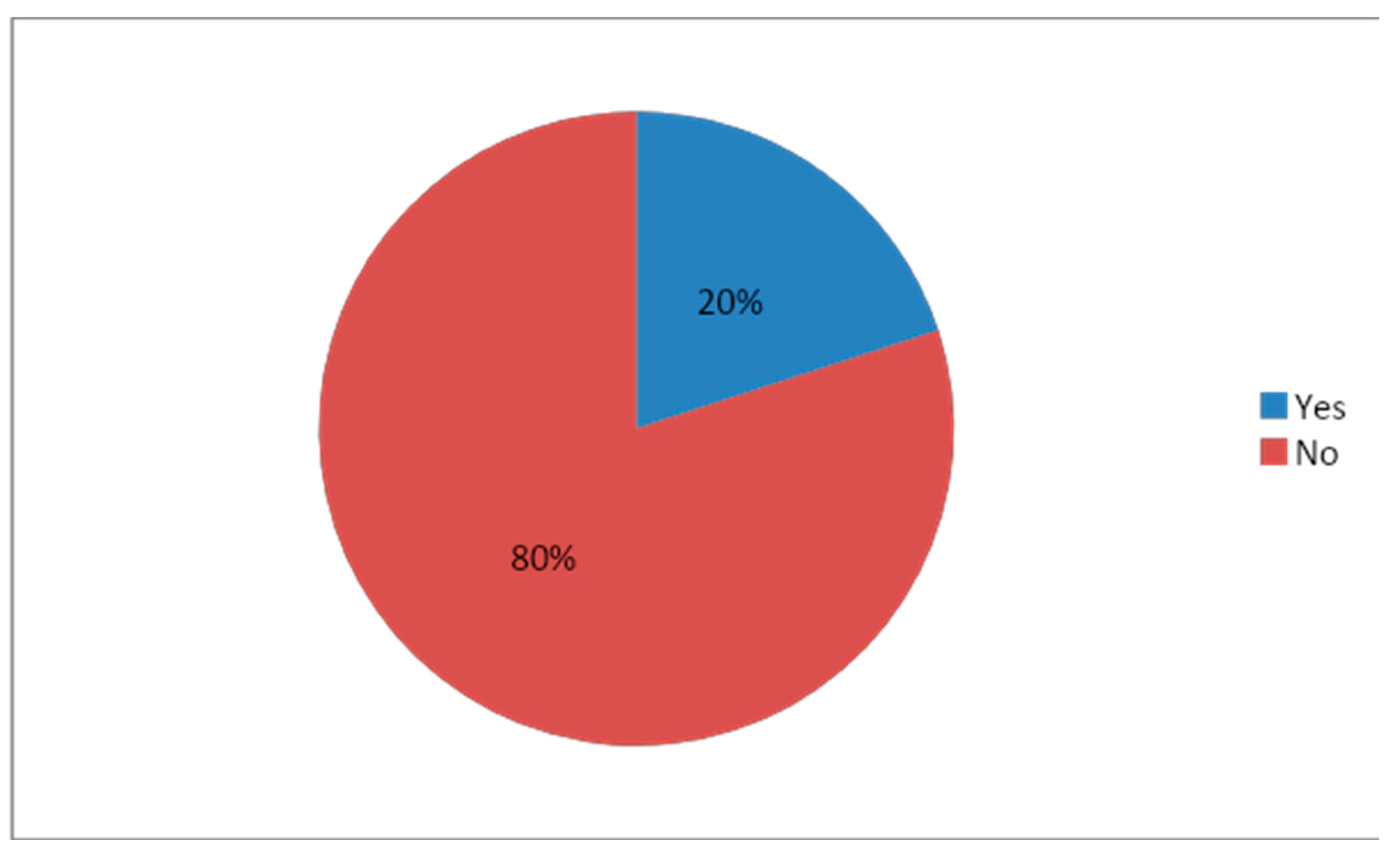
Figure 3.
Barriers against EMS Adoption by Firms.
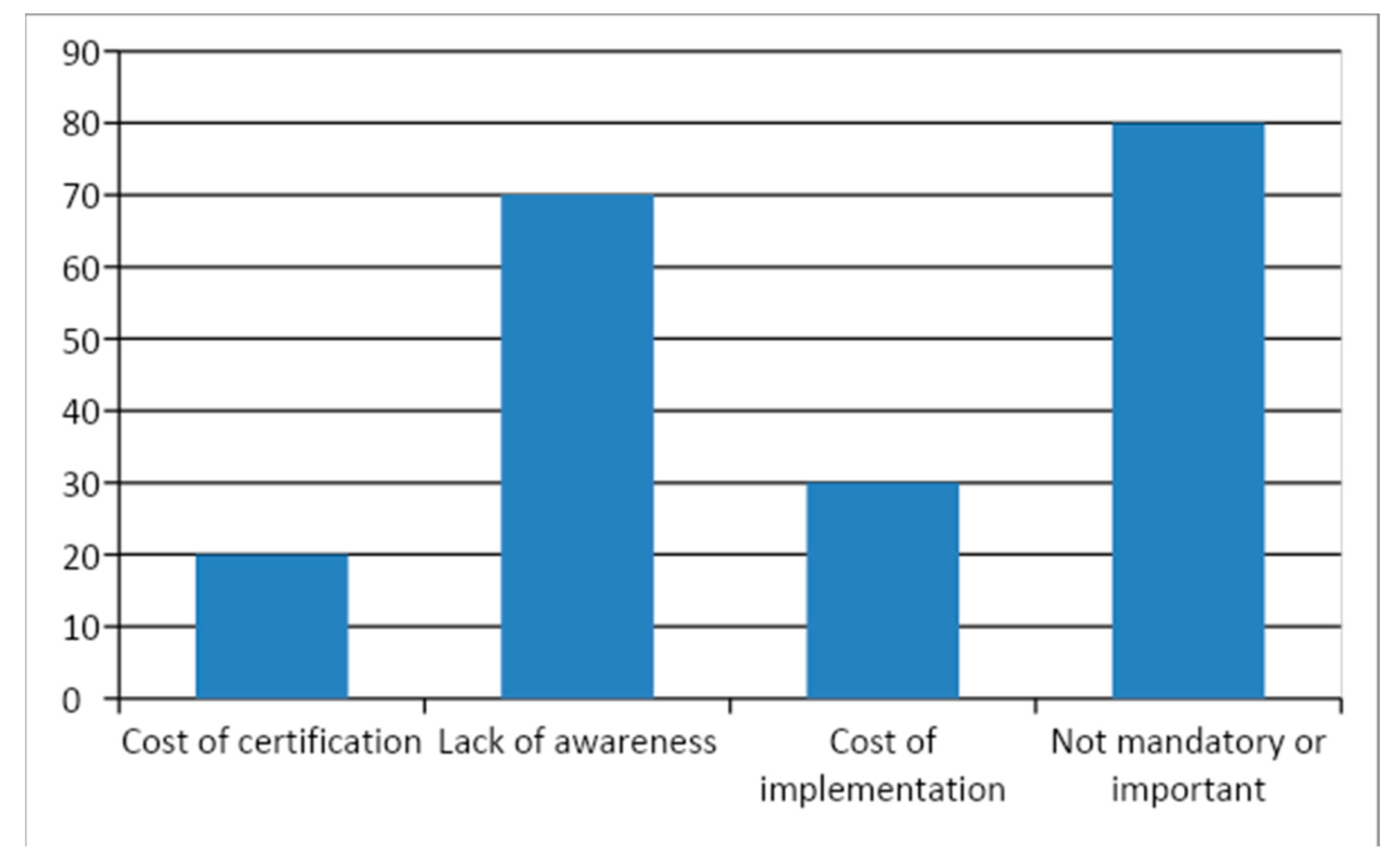
Figure 4.
Adoption and Implementation of EMS in Manufacturing Firms.
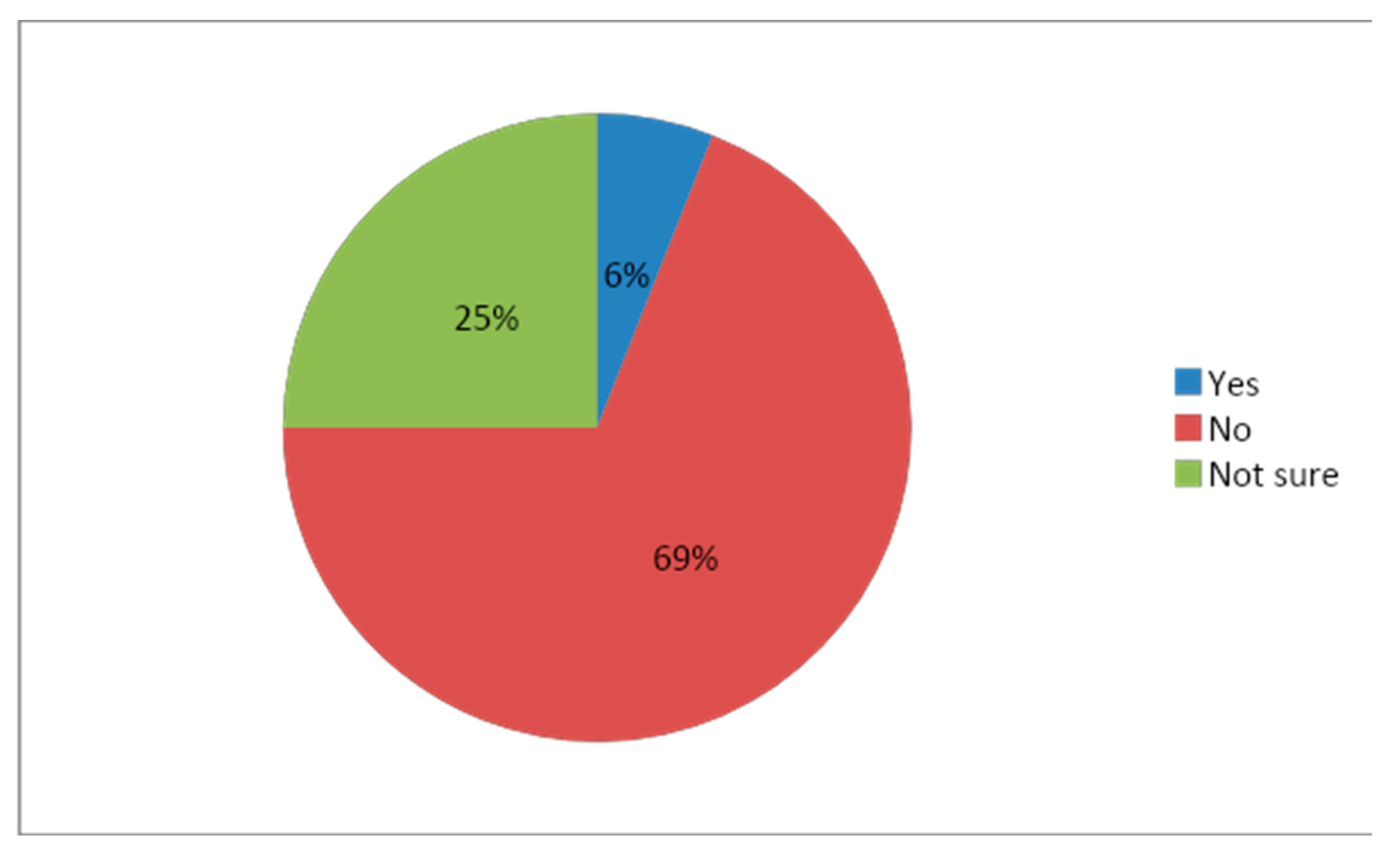
Figure 5.
Practice of Environmental Policy by SMEs.
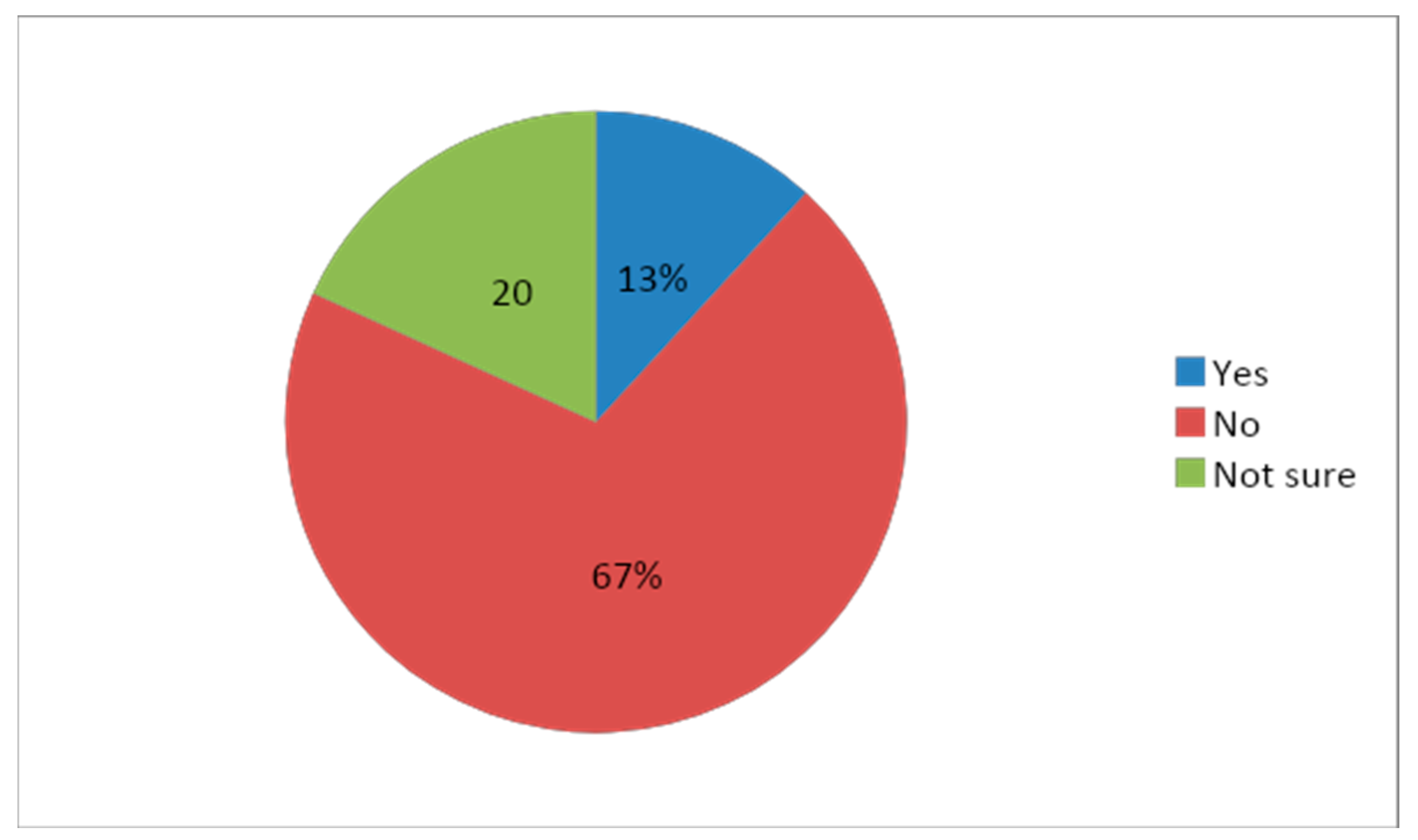
Figure 6.
Firm’s Awareness of its Environmental Impact on the Environment.
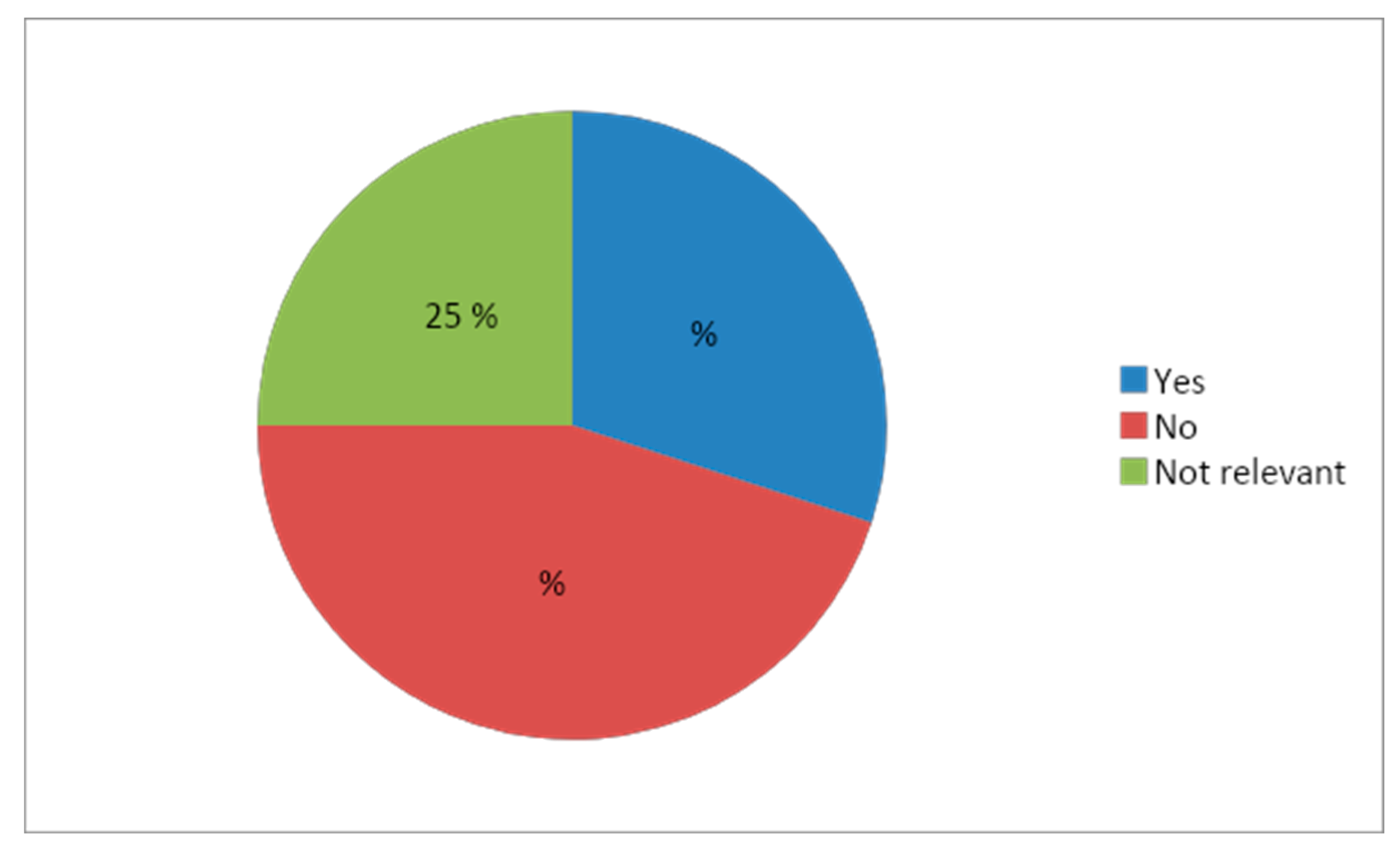
Disclaimer/Publisher’s Note: The statements, opinions and data contained in all publications are solely those of the individual author(s) and contributor(s) and not of MDPI and/or the editor(s). MDPI and/or the editor(s) disclaim responsibility for any injury to people or property resulting from any ideas, methods, instructions or products referred to in the content. |
© 2024 by the authors. Licensee MDPI, Basel, Switzerland. This article is an open access article distributed under the terms and conditions of the Creative Commons Attribution (CC BY) license (http://creativecommons.org/licenses/by/4.0/).
Copyright: This open access article is published under a Creative Commons CC BY 4.0 license, which permit the free download, distribution, and reuse, provided that the author and preprint are cited in any reuse.


