

Submitted:
08 July 2024
Posted:
09 July 2024
You are already at the latest version
Abstract
This study aimed to evaluate the effects of plasma treated metal contaminated water, used for irrigation, on plant growth. Zinc (Zn) is one of the more commonly used metals. It can enter the environment from industrial processes as particles released into the atmosphere or as wastewater discharged into waterways or the ground. Exposure to large amounts of zinc, even for a short time, can seriously affect human health. In this experiment, three different DBD O2 plasma treated zinc contaminated water and a control (tap water) were used, with Arabidopsis thaliana as the model plant. The treatments were: i) Control, ii) Zn water, iii) Zn+O3(30 min), and iv) Zn+O3(60 min). Arabidopsis plant exhibited maximum growth in the Zn+O3(30 min) treatment. All growth parameters, except leaf area, followed this trend: Zn+O3(30 min) > Control > Zn water > Zn+O3(60 min). Gene expression analysis revealed that reduced metal ion stress and controlled oxidation due to active oxygen species contributed to favorable/improved growth of Arabidopsis in the Zn+O3(30 min) treatment. Therefore, 30 minutes of DBD O2 plasma treated zinc contaminated water [Zn+O3(30 min)] can mitigate the adverse effects of excess zinc ions and promote the growth of Arabidopsis plants.
Keywords:
metal dissolved water
; DBD
; plasma irradiation
; ozone
; growth performance
; gene expression analysis
1. Introduction
The increase in human population has placed a demand for an increased food supply [1]. This has resulted in increased use of pesticides, fertilizers, manures, composts, and wastewater for irrigation. Municipal and industrial wastewater and related effluents have been applied to the land for more than 400 years and now is a common practice in many parts of the world [2]. It is estimated that approximately 20 million hectares of arable land around the world are irrigated with wastewater. In several Asian and African cities, studies suggest that agriculture based on wastewater irrigation accounts for 50 percent of the vegetable supply to urban areas [3]. Although the metal concentrations in wastewater effluents are usually relatively low, long-term irrigation of land with such can eventually result in heavy metal accumulation in the soil. Food crops are grown in metal contaminated soil and by wastewater irrigation can uptake and accumulate metals in quantities high enough to affect food quality and safety. Nowadays, food contamination with heavy metals and their harmful impacts on human and environmental health is a major challenge in many countries. Many studies have shown that heavy metals and metalloids can disturb human metabolomics and contribute to increased morbidity and even mortality [4,5,6]. In addition, heavy metals are non-biodegradable and, in many cases, can be carcinogenic [7,8,9,10,11,12]. The degree of toxicity of selected heavy metals to humans varies as follows: Co < Al < Cr < Pb < Ni < Zn < Cu < Cd < Hg, and the toxic effect on humans depends on many variables such as the type of heavy metal and type of compound, and its solubility, dose, method and time of exposure [13]. Therefore, removing heavy metals from water is crucial for the protection of human health and the environment.
Zinc (Zn) plays a substantial role in many biological processes and is an essential trace element for the proper growth and reproduction of plants and the health of animals and humans; it has also been reported to cause contamination of soil, water, and food chains [14,15,16]. Zinc enters the environment as a result of both natural processes and human activities. Most zinc is introduced into water by artificial pathways and may enter from numerous sources including mine drainage, industrial and municipal wastes, urban runoff, coal-fired power stations, and burning of waste materials, but the largest input occurs from the erosion of soil particles containing Zn [17,18]. High water Zn levels can be an indication of Zn pollution, from e.g. industrial processes of Zn leaching into the groundwater which may seriously affect human health. According to the Food and Agricultural Organization (FAO) and World Health Organization (WHO) drinking water containing Zn > 3.0 mg/L tends to be opalescent, develops a greasy film when boiled, and has an undesirable astringent taste [19]. Recent studies have shown that polluted waters or industrial wastewaters may contain varying amounts of zinc, for example, 52.8 mg/L (electroplating company) [20], 10 mg/L, being approximately 80% and 20% in the form of Zn2+ and ZnSO4 (aq), respectively [21], 33.3 g/L (spent acid solution from the pickling stage of a galvanizing plant) [22], 1392.1 mg/L (zinc plating industry) [23], 22.7 mg/L (galvanic wastewater) and 49.8 mg/L (zinc electroplating industry) [25]. It has been found that the long-term effects of irrigation with wastewater might include pollution of groundwater and soil with heavy metals including Zn ions [26]. The recommended maximum content of Zn in irrigation water is 2.0 mg/L, since above this limit Zn is toxic to many plant species [27] and can pollute water aquifers [26]. Exposure to large amounts of zinc, even for a short time, can cause stomach cramps, nausea, and vomiting. In the long term, exposure to zinc may cause serious health issues that include but are not limited to anemia, pancreas damage, and the decreasing of HDL cholesterol; however, zinc in trace amounts is essential for human health [28]. The toxicological properties of zinc and its compounds, the possibility of migration, and the risk of environmental pollution make it necessary to remove zinc ions from polluted waters and wastewater before they are released into the environment.
The removal of contaminants from wastewater in modern treatment plants is often incomplete. Cold plasma is considered a promising remediation method considering its environmental compatibility, high contaminants removal, and high energy efficiency of the process. Cold atmospheric plasma (CAP) is an advanced oxidation process (AOPs) that has been considered an advantageous and promising remediation technique for both water and soil [29,30,31,32,33,34]. Non-thermal plasma or cold plasma was produced with numerous methods [35]. Among these methods, dielectric barrier discharges (DBD) and corona discharges (CD) have shown the highest efficiency in water treatment [35]. However, most studies have focused on using low-temperature plasmas to be inactivated microorganisms and to decompose organic compounds for wastewater treatment [35,36,37,38,39]. Dielectric barrier discharge has been commonly generated with the coaxial electrode configuration for water treatment. During the DBD occurs using atmospheric air, energetic free electrons, ultraviolet (UV) light, and a variety of active species are produced in the electrode gap [36]. These active species such as oxygen radicals, OH radicals, and ozone would also oxidize metal ions in liquid effectively. Among these species, ozone is one of the relatively stable active species. Oxidation of the heavy metal ions using oxidation reagents sometimes produces deposits of metal oxide [40,41,42,43] and these metal oxide deposits can be removed from the water easily using filtration or deposition [44,45,46,47]. Research has been carried out using the DBD (dielectric barrier discharge) oxygen plasma method on metal contaminated water and was confirmed the effective removal of metal (Zn) from contaminated water [48]. This study focuses on treating zinc contaminated water, used for plant cultivation, with ozone. However, no research has been conducted so far on how plasma treated metal contaminated water affects plant growth. In this experiment, metal ions dissolved in water were converted to metal oxides using ozone oxidation treatment. The treated water was then used to irrigate plants to determine the impact of metal ion removal on their growth. Therefore, the objective of this experiment is to observe the effect of DBD oxygen plasma treated zinc contaminated irrigation water on plant growth.
2. Experimental Apparatus and Methods
To determine the effect of oxygen plasma treated Zn contaminated water on plant growth, three different plasma treated zinc contaminated water and a control were used in this experiment. The treatments were: i) Control [tap water], ii) Zn water [zinc contaminated water], iii) Zn+O3(30 min) [30 minutes of O2 plasma treated Zn contaminated water], and iv) Zn+O3(60 min) [60 minutes of O2 plasma treated Zn contaminated water]. These different treated waters were used to irrigate the plants to observe the effects on growth performance.
2.1. Preparation of Irrigation Water
Zn water (zinc contaminated water) was produced by electrolysis using cylindrical electrodes of 5 mm in diameter and 30 mm in length, which were made of pure zinc. The amount of water used to prepare this metal contaminated water was 0.2 L. When the DC voltage at 8 V was applied to one electrode then metal (zinc) ions dissolved in water. The density of zinc ions in water was obtained using the measurement reagent. The zinc was measured by the colorimetric method using a color-developing reagent for zinc ions [49]. The color variation of the color-developing reagent was quantified using a photonic multichannel spectrometer and converted into the zinc concentration using the standard curve of liquid color of zinc concentration. The concentration of Zn ion in zinc contaminated water was around 39 ppm at pH 10.06.
In this study, the DBD (dielectric barrier discharge) plasma method was used for ozone dissolution into zinc contaminated water. To prepare the oxygen plasma treated of zinc contaminated water, ozone oxidation of the zinc contaminated water was performed separately by the simple ozone bubbling in the water containing the metal ions, as shown in Figure 1. The amount of water was 0.2 L and there was no water flow in the water vessel. The ozone was generated by the torch-shaped dielectric barrier discharge while using pure oxygen gas with a flow rate of 1.0 L/min. The barrier discharge plasma torch used in this experiment has the shape of a cylindrical tube with dimensions of 100 mm in length and 4 mm in inner diameter, which was made from porous alumina. The cylindrical spiral-type discharge electrode was set along the inner wall of the alumina tube, and the copper film as the grounded electrode was wounded on the outer of the alumina tube. When the high voltage with 5 kHz was applied to the discharge electrode, the barrier discharge occurred on the inner surface of the tube, and the oxygen plasma was generated.
The ozone was produced by high-energy electrons in the plasma and was ejected from the opening edge of the tube by the oxygen gas flow. The produced ozone was transported into the water vessel and dissolved in water using a bubbler. Table 1 shows the experimental conditions of this study. The concentration of the gaseous ozone ejected from the dielectric barrier discharge (DBD) device was measured using the gas detection tube (KITAGAWA Gas Detector Tube System, Model AP-20) and was controlled by changing the discharge voltage. This concentration range was almost the same as that used for the practical ozone treatment of tap water.
Zn+O3(30 min) [30 minutes of O2 plasma treated Zn contaminated water] and Zn+O3(60 min) [60 minutes of O2 plasma treated Zn contaminated water] treated water was produced through 30 and 60 minutes of oxygen plasma treatment in Zn contaminated water, respectively. The ozone concentration in the Zn+O3(30min) treated water was 0.58 ppm at pH 7.4, while in the Zn+O3(60min) treated water, it was 0.77 ppm at pH 8.7. After treating the zinc contaminated water with oxygen plasma, it was transferred to a conical tube and centrifuged. The deposit accumulated at the bottom was then extracted from the water. Then this deposit-free treated water was used as irrigation water to assess its effect on plant cultivation. All the treated water was prepared three days before beginning irrigation to ensure that any residual ozone, with a lifetime of several hours, would not have an adverse effect on the plants.
2.2. Growth Performance Analysis
Arabidopsis thaliana (wild type, Columbia-01) served as the model plant in this experiment to assess the impact of plasma treated metal contaminated water on plant growth. Each treatment involved 5 pots, with 10 Arabidopsis seeds sown in each. After germination, one plant was allowed to grow in each pot. Plants were irrigated with treated water daily along with control measures. The plants were all cultivated in the same large plant incubator to ensure uniform environmental conditions. Arabidopsis thaliana cultivated after one month of growth following seed sowing. To assess growth performance, data from 5 plant samples of each treatment were averaged. Plant height and seed weight were measured, and leaf area was calculated using image processing software. Plant height was measured by scale measure and seed weight was measured in precision measure. When the leaf size grows to about 1 cm, select the 5th leaf from the one with the largest leaf area in each strain, that is, measure the area of a total of 5 leaves from 5 plants, and a simple average was obtained. The leaf area was measured from the captured images of leaves using the image processing software (Image J). The total area of 5 leaves was measured in descending order of area and evaluated using the average value. The standard error and error bars were calculated. The growth performance of the plants was assessed using plant height, seed weight, and leaf area as indicators.
2.3. Gene Expression Analysis
To evaluate the effect of zinc contaminated water on plant growth after treatment with DBD O2 plasma, the biological responses of plants were examined. One comprehensive method to understand these responses is through gene expression analysis. Arabidopsis leaves were selected for gene expression analysis after three weeks of growth, when they reached approximately 1 cm in size. The 5th leaf with the largest area from each treatment plant was collected, and RNA was extracted using RNA extraction reagent. The quality of the extracted RNA was confirmed via electrophoresis. Gene expression in the leaves was analyzed using the microarray method with a microarray scanner (AgilentSurePrintG3GE8x60Kv2). The gene data obtained were organized using functional annotation bioinformatics and pathway analysis methods with the Database for Annotation, Visualization, and Integrated Discovery (DAVID) (http://david.abcc.ncifcrf.gov/home.jsp) [50,51]. The significance level for this analysis was set at p < 0.05.
3. Results and Discussion
Arabidopsis thaliana was irrigated with various plasma treated zinc contaminated water alongside a control to observe their effects on growth performance. Various growth parameters were measured to assess the impact on physical appearance, and gene expression analysis was conducted to identify biological changes in the plants’ genes.
3.1. Growth Response of Plant
Different growth parameters of Arabidopsis, such as plant height, seed weight, and leaf area, were observed. The average data from 5 plant samples of each treatment were used to measure the effects of oxygen plasma treated Zn contaminated water.
3.1.1. Visual Effect on Plant Growth
Plant growth of Arabidopsis was affected by different plasma treated zinc contaminated water. The maximum growth of the Arabidopsis plants was observed in 30 minutes of O2 plasma treated zinc contaminated water [Zn+O3(30min)], followed by control. The poorest growth was found in 60 minutes of O2 plasma treated zinc contaminated water [Zn+O3(60min)], followed by zinc contaminated water [Zn water]. The visual effects on the leaves of the Arabidopsis plant are shown in Figure 2. It is observed from this figure that most of the leaves turned reddish color and became distorted in the zinc contaminated water. The maximum number of green leaves was found in 30 minutes of O2 plasma treated zinc contaminated water, followed by the control [tap water]. The trend of plant growth was as follows: Zn+O3(30min) > Control > Zn+O3(60min) > Zn water.
From Figure 2, it is also observed that plant growth and leaf color are good in 30 minutes of O2 plasma treated zinc contaminated water [Zn+O3(30min)]. This improvement might be due to Zn+O3(30min) mitigating the toxic effects of zinc on Arabidopsis growth. The second healthiest growth was found in the control, which used tap water. In contrast, 60 minutes of O2 plasma treated zinc contaminated water [Zn+O3(60min)] showed leaf damage. Poor growth with distorted leaves was observed in Arabidopsis plants irrigated with zinc contaminated water [Zn water]. The leaf distortion and poor growth can be attributed to the toxic effect of zinc.
3.1.2. Effect on Plant Height
Different plasma treated zinc contaminated water affected the growth of the Arabidopsis plant. The maximum plant height (36.75 cm) was observed in 30 minutes of O2 plasma treated zinc contaminated water [Zn+O3(30min)] (Figure 3). The second highest plant height was found in control, followed by zinc contaminated water [Zn water]. The lowest plant height (31.9 cm) was observed in 60 minutes of O2 plasma treated zinc contaminated water [Zn+O3(60min)].
From Figure 3, it is identified that Zn+O3(30min) treatment mitigates the negative effects of zinc on the Arabidopsis plant and showed the highest plant height. On the other hand, the lowest plant height was observed in Zn+O3(60min) treatment, which may be attributed to both the effects of zinc and prolonged plasma exposure on Arabidopsis. In zinc contaminated water, the plant height was lower than in the control. This decrease might be due to the excessive zinc ion effect on plant growth, resulting in reduced plant height.
3.1.3. Effect on Seed Weight
Seed weight was measured in this experiment, and the maximum seed weight was found in 30 minutes of O2 plasma treated zinc contaminated water [Zn+O3(30min)]. The minimum seed weight was found in 60 minutes of O2 plasma treated zinc contaminated water [Zn+O3(60min)], as shown in Figure 4. The trend of seed weight was as follows: Zn+O3(30min) > Control > Zn water > Zn+O3(60min).
From Figure 4 it is evident that seed weight decreased in both Zn water and Zn+O3(60min) treatments compared to the control. Excessive zinc ions in the Zn contaminated water might cause zinc toxicity within the plant, damaging seed production. The lowest seed weight was found in the Zn+O3(60min) treatment, which might be due to the combined effects of zinc and prolonged ozone exposure. Long-term oxygen plasma application in zinc contaminated water might damage seed production in Arabidopsis, resulting in reduced seed weight. The maximum seed weight was found in the Zn+O3(30min) treatment. This might be due to the 30 minutes of oxygen plasma application can mitigate the damage caused by zinc toxicity, leading to the highest seed weight in Arabidopsis.
3.1.4. Effect on Leaf Area
The largest leaf area was observed in 30 minutes of O2 plasma treated zinc contaminated water [Zn+O3(30min)], as shown in (Figure 5). The second largest leaf area was found in 60 minutes of O2 plasma treated zinc contaminated water [Zn+O3(60min)]. The smallest leaf area was found in control. The trend of leaf area is as follows: Zn+O3(30min) > Zn+O3(60min) > Zn water > Control.
It is identified from Figure 5 that leaf area increased in all treatments compared to the control. Zinc deficiency might be the reason for the smallest leaf area in the control, which was treated with tap water. However, the quality of the leaves deteriorated in both the Zn water and Zn+O3(60min) treatments, as shown in Figure 2. Reddish, distorted leaves with the smallest leaf area were found in the zinc contaminated water, likely due to zinc toxicity. It is possible to think that the maximum leaf area with good quality observed in the Zn+O3(30min) treatment was due to 30 minutes of O2 plasma treated zinc contaminated water mitigated the negative effects of zinc, resulting in the highest leaf area of Arabidopsis.
3.2. Evaluation of Zinc Effects on Biological Reactions of Plant
One of the comprehensive methods to understand biological reactions in living organisms is to analyze gene expressions. Gene expression analysis of Arabidopsis leaves was conducted to identify the changes in genes. RNA was extracted from the leaves of Arabidopsis thaliana after three weeks of growth, and microplates for the gene expression analysis were prepared. The lists of expressed genes were analyzed using the DAVID software, and an annotation table of the functions of the expressed genes was obtained. From the annotation table and signaling pathways in response to zinc ions, the effects of plasma treated zinc contaminated water on Arabidopsis were clarified. All gene expression data showed significant differences at p < 0.05.
3.2.1. Gene Expression Analysis of Plant Fed with Zn Water
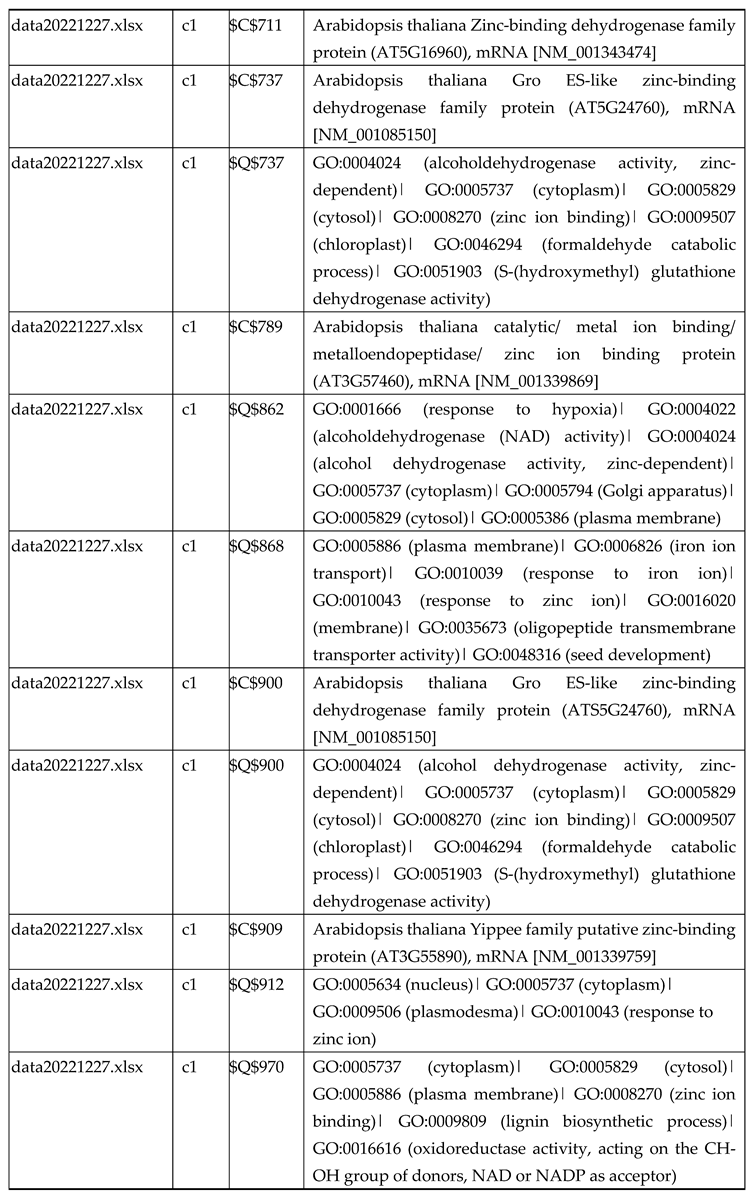
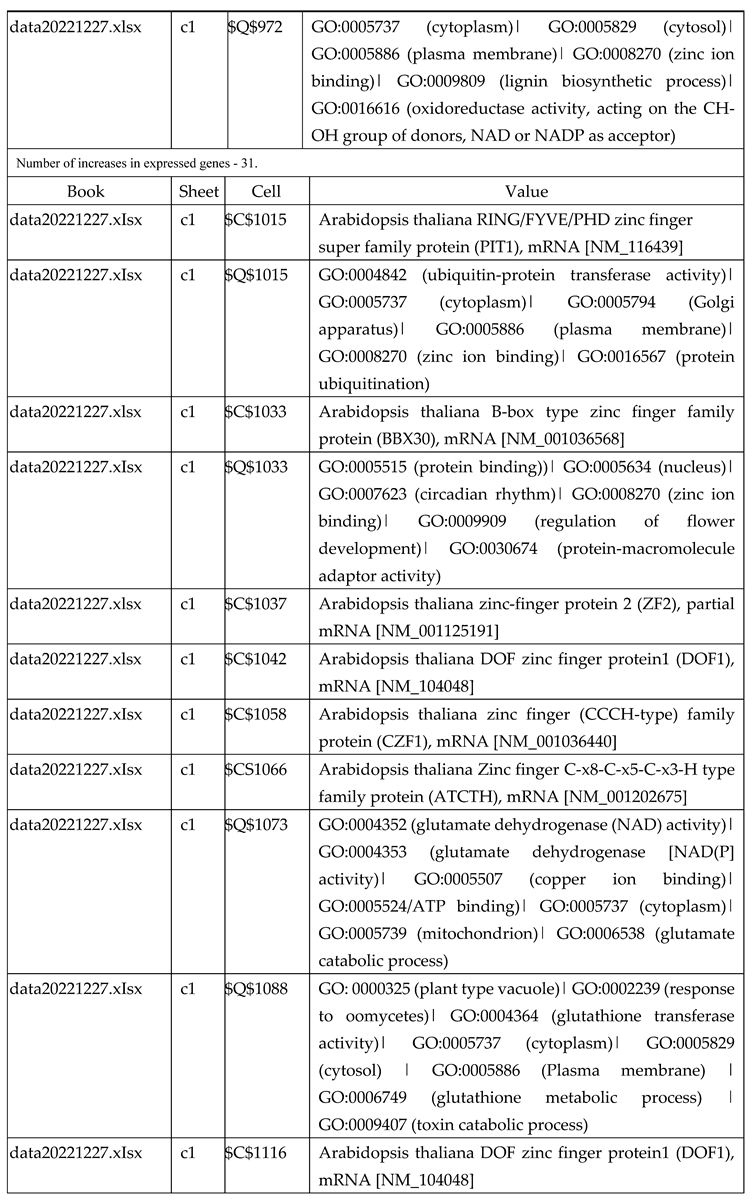
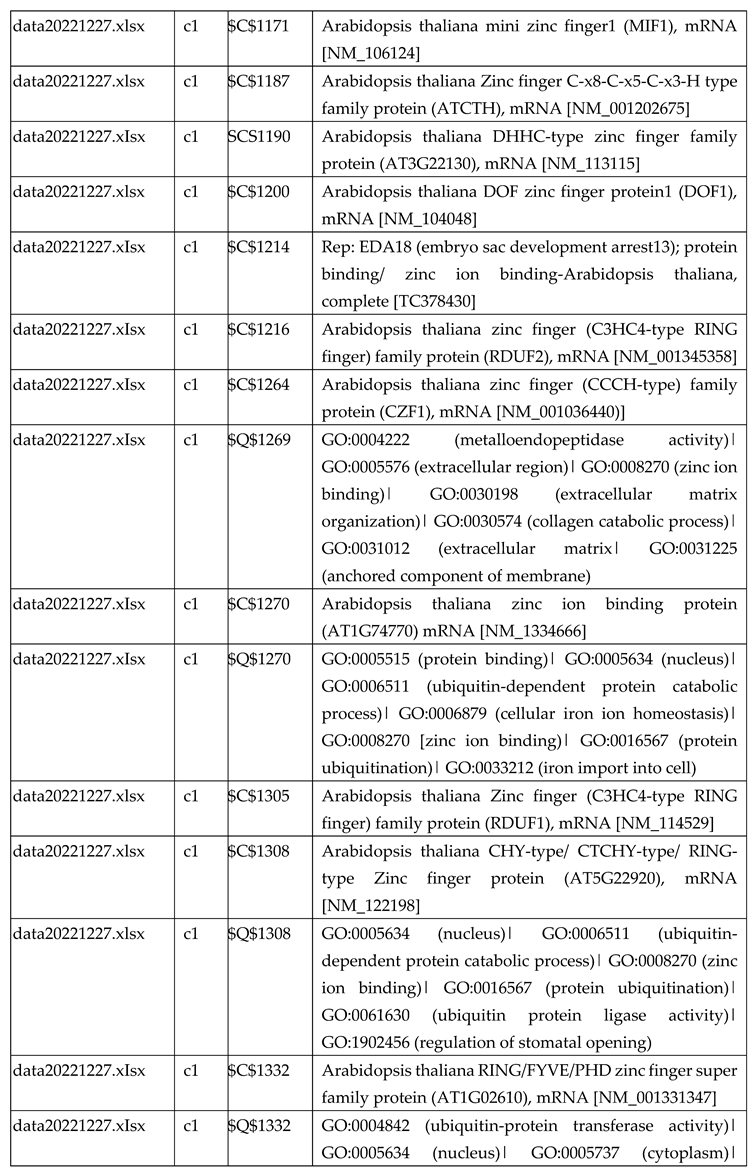
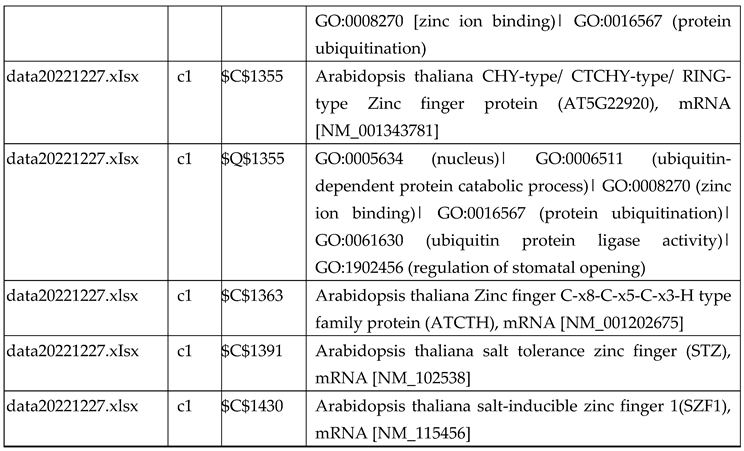
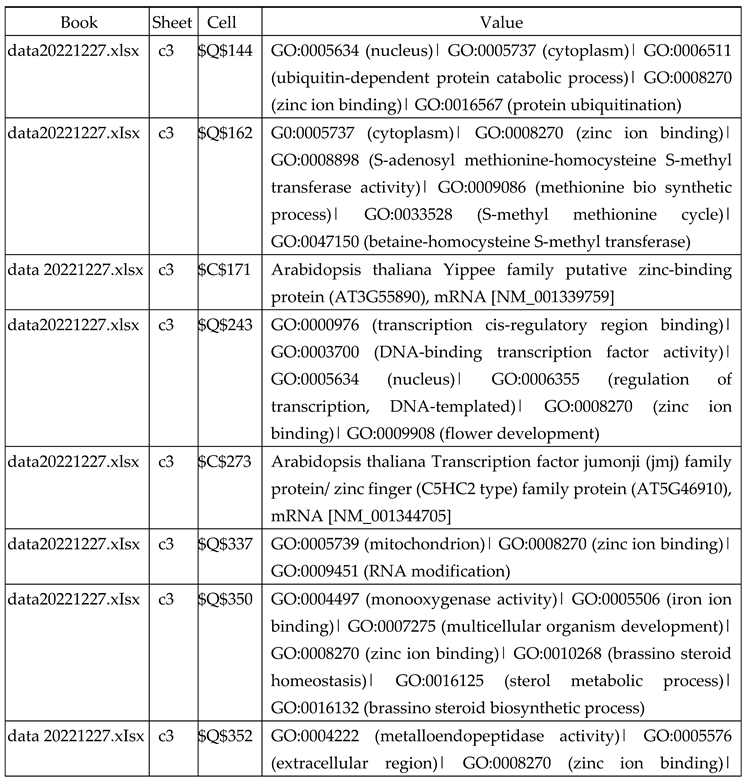
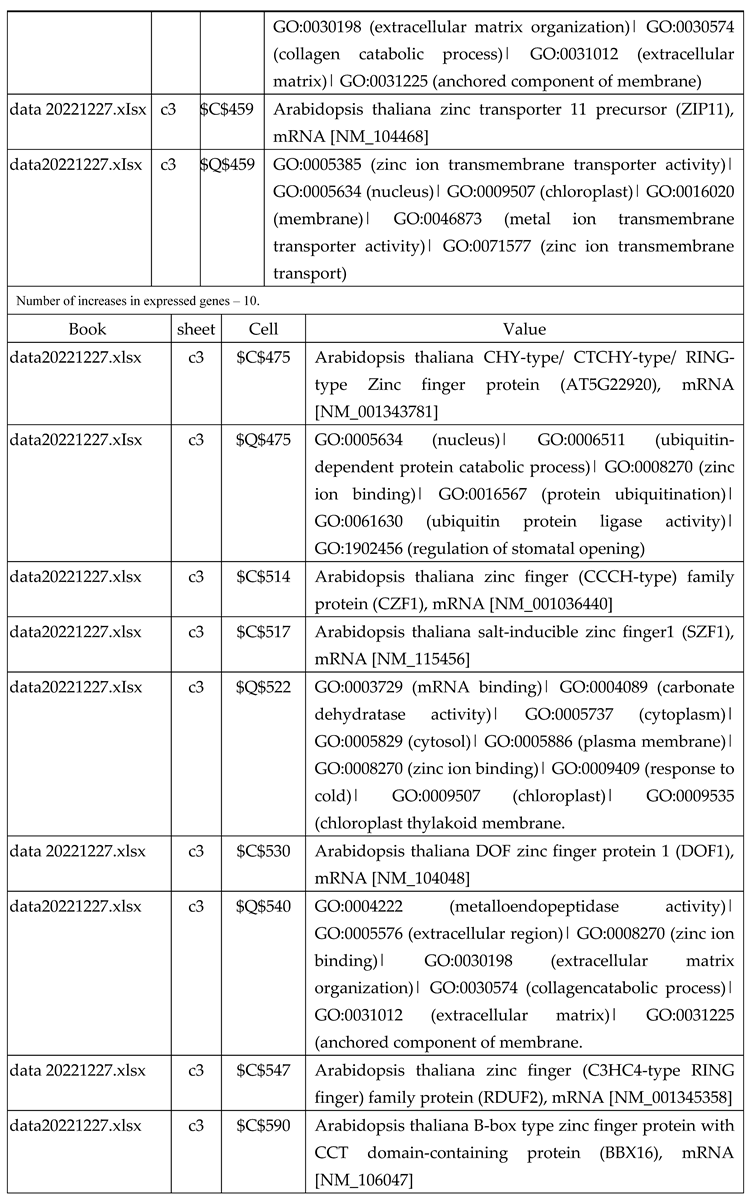
When zinc ion concentration in the water increased, the zinc ion penetrated the cells. Table 2 shows the functional annotation of expressed genes in Arabidopsis thaliana, which was irrigated with zinc contaminated water (Zn water). The most significant annotation of expressed gene functions was related to cell wall strengthening. Feeding the Arabidopsis plants with Zn water caused excessive zinc ion uptake, which damaged the cell walls. As a response, the plants attempted to enhance cell wall strengthening activity to minimize this damage. Therefore, Arabidopsis plants strengthened their cell walls to overcome the detrimental effects of excessive zinc ions.
Table 2 identifies 62 expressed genes, with 31 showing increased expression and 31 showing decreased expression. The gene expression annotation revealed an increased response to the auxin hormone in the Arabidopsis plants. Auxin is a plant growth hormone that influences various growth responses. In the Zn water (zinc contaminated water) treatment, the plants faced growth problems due to the high concentration of zinc. Based on the gene expression, it is possible to think that the plants increased auxin hormone production to mitigate the growth problems caused by zinc toxicity.
3.2.2. Gene Expression Analysis of Plant Fed with Zn+O3(30min)
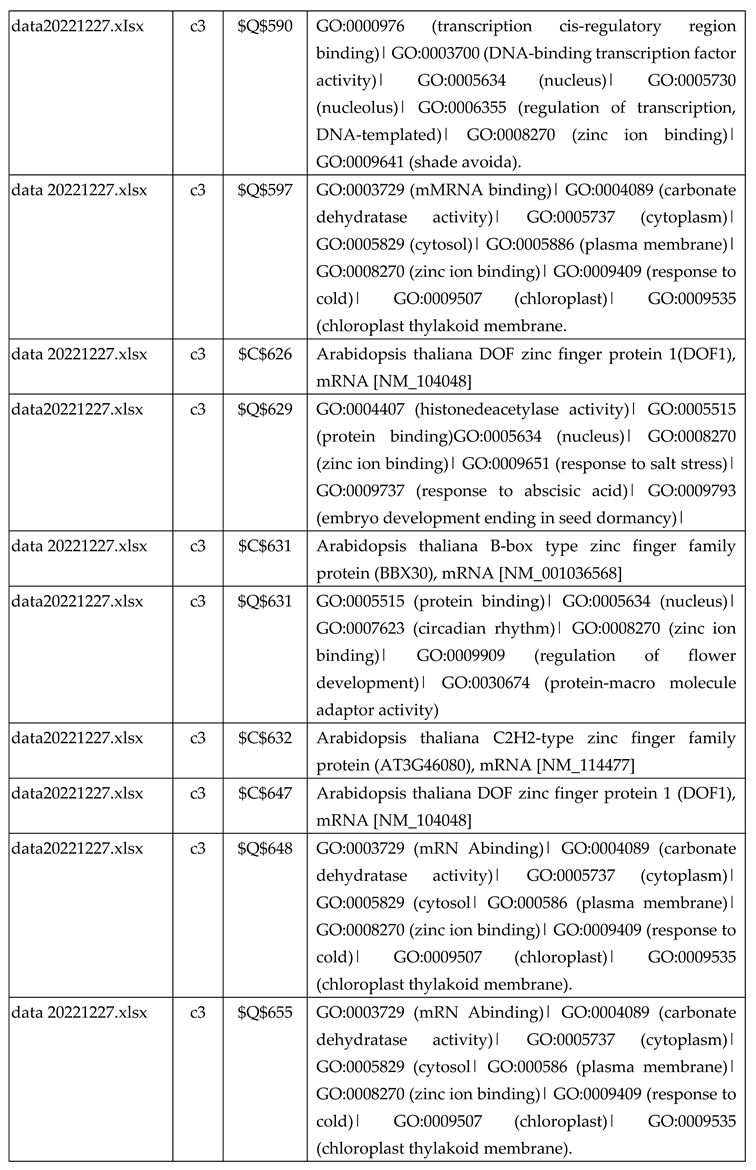
Table 3 shows the functional annotations of expressed genes in Arabidopsis plants irrigated with 30 minutes of plasma-treated zinc-contaminated water. The gene expressions coding for plant hormones such as auxin, jasmonic acid, and ethylene were enhanced by the treatment. Zinc is a major component of auxin and jasmonic acid. This result suggests that the defense response in plants was improved. Jasmonic acid modulates defense response activity in plants. The 30 minutes of O2 plasma treatment might cause some damage inside the plant, prompting an increase in defense hormones to recover. It also helps the plant recover from O3 stimulation.
The number of expressed genes for the Zn+O3(30min) treatment was reduced to 39, compared to the Zn water treatment, which had 62 expressed genes. From the gene expression annotation in Table 3, it was identified that the response to the abscisic acid hormone was decreased in the Arabidopsis plant. Abscisic acid is a major phytohormone that plays a crucial role in regulating plant growth and development, stress responses, and multiple physiological processes [52]. Based on the gene expression data, it is possible to consider that the plant might have been attempting to overcome various growth-related problems.
Gene expression annotation of this treatment also revealed a decrease in glutathione metabolic processes and glutathione transferase activity in the Arabidopsis plant. Glutathione is an essential metabolite for plant life, well-known for its role in controlling reactive oxygen species (ROS) [53]. Based on gene expression analysis, it can be inferred that the plant may regulate oxidation caused by active oxygen species produced during the 30 minutes plasma application.
Gene expression analysis further indicated that reduced metal ion stress and controlled oxidation due to active oxygen species are likely factors contributing to the healthy growth of Arabidopsis plants. This condition appears achievable with the Zn+O3(30min) treatment.
3.2.3. Gene Expression Analysis of Plant Fed with Zn+O3(60min)
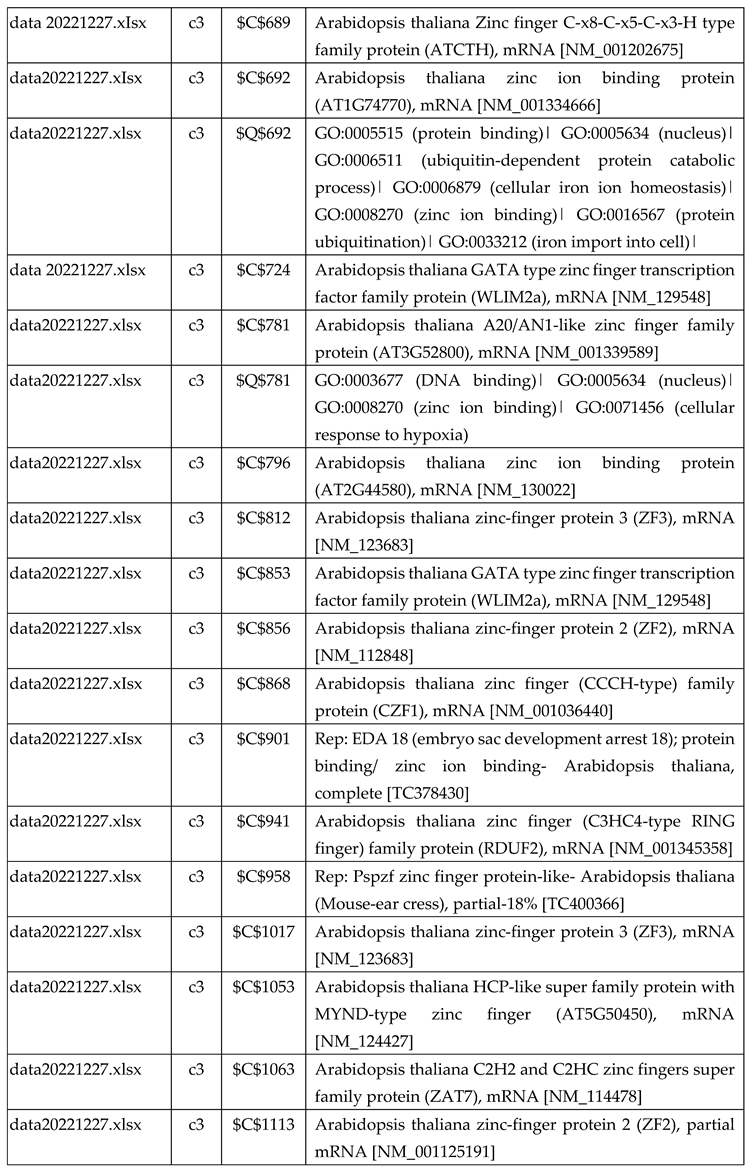
The redox annotation is presented in the functional annotation table (Table 4), demonstrating the effects when zinc ion water was treated with oxygen plasma for 60 minutes. In this case, ozone and active oxygen species accumulate in the water. Genes encoding superoxide dismutase, glutathione, and Thioredoxin are highlighted in the annotation table. Additionally, typical gene expressions related to plant hormones show similarities with the 30 minutes plasma treatment.
Arabidopsis plant grown with Zn+O3(60min) water showed actual damage from active oxygen species. Excessive oxidation in this treatment leads to significant plant damage, prompting an increase in antioxidative substances. These hormones are produced to neutralize active oxygen species, thereby enhancing the plant’s defense response. In comparison, plant damage is less severe with Zn+O3 (30 min), allowing for better plant growth recovery.
In Zn+O3(60min), the number of expressed genes decreased to 54, compared to 62 in the Zn water treatment. According to gene expression annotation in Table 4, it was observed that the expression of genes responsive to abscisic acid decreased twofold in Arabidopsis plants. Abscisic acid is a major phytohormone crucial for regulating plant growth, development, stress responses, and various physiological processes. Based on gene expression data, it can be inferred that Arabidopsis experienced impaired growth under this treatment. Physical growth parameter analysis also confirmed poor growth outcomes in this treatment.
4. Conclusions
Arabidopsis thaliana plants were irrigated with different DBD oxygen plasma treated zinc contaminated water to evaluate their effect on growth performance. This study found that the maximum growth performance occurred with 30 minutes of O2 plasma treated zinc contaminated water [Zn+O3(30min)]. Visual observations of Arabidopsis showed maximum plant height and green leaves in the Zn+O3(30min) treatment, while a distorted reddish color was observed in the zinc contaminated water [Zn water]. Growth parameters, except for leaf area, followed this trend: Zn+O3(30min)> Control> Zn water> Zn+O3(60min). Based on the gene expression data from the Zn water treatment, it is evident that plants increased auxin hormone production to mitigate the growth problems caused by zinc toxicity, which explains the poor growth performance of Arabidopsis under this treatment. Also, in the Zn+O3 (60 min) treatment, the expression of genes responsive to abscisic acid decreased twofold in Arabidopsis plants, indicating poor growth. Gene expression data in the Zn+O3(30min) treatment indicated that reduced metal ion stress and controlled oxidation by active oxygen species contributed to the improved growth of Arabidopsis. Therefore, it can be concluded that 30 minutes of DBD O2 plasma treated zinc contaminated water [Zn+O3(30min)] can help alleviate the negative effects of excess zinc ions and promote the growth of Arabidopsis plants.
Author Contributions
Conceptualization - Sayma Khanom and Nobuya Hayashi; Methodology - Nobuya Hayashi; Investigation - Sayma Khanom.; Writing: original draft preparation - Sayma Khanom; Writing: review and editing - Sayma Khanom and Nobuya Hayashi; Supervision - Nobuya Hayashi.
Conflicts of Interest
The authors declare no conflict of interest.
References
- Charles Pereira, H. Food production and population growth. Land Use Policy, Volume 10(3) 187-190 (1993). [CrossRef]
- Reed, S. C., Crites, R. W. & Middlebrooks, E. J. Natural systems for waste management and treatment. (2nd edition) McGraw-Hill, New York, USA. (1995).
- Bjuhr, J. Trace metals in soils irrigated with waste water in a periurban area downstream Hanoi city, Vietnam. Seminar Paper, Institutionen för markvetenskap, Sveriges lantbruksuniversitet (SLU), Uppsala, Sweden. (2007).
- Sobhanardakani, S., Tayebi, L. & Farmany, A. Toxic metal (Pb, Hg, and As) contamination of muscle, gill and liver tissues of Otolithes ruber, Pampus argenteus, Parastromateus niger, Scomberomorus commerson and Onchorynchus mykiss. World Appl. Sci. J. 14, 1453-1456 (2011).
- Barakat, M. A. New trends in removing heavy metals from industrial wastewater. Arabian J. Chem. 4, 361-377 (2011). [CrossRef]
- Rai, P. K., Lee, S. S., Zhang, M., Tsang, Y. F. & Kim, K. H. Heavy metals in food crops: Health risks, fate, mechanisms, and management. Environ. Int. 125, 365-385 (2019). [CrossRef]
- El-Sherif, I. Y., Tolani, S., Ofosu, K., Mohamed, O. A. & Wanekaya, A. K. Polymeric nanofibers for the removal of Cr(III) from tannery waste water. J. Environ. Manag. 129, 410-413 (2013). [CrossRef]
- Borba, C. E., Guirardello, R., Silva, E. A., Veit, M. T. & Tavares, C. R. G. Removal of nickel(II) ions from aqueous solution by biosorption in a fixed bed column: Experimental and theoretical breakthrough curves. Biochem. Eng. J. 30, 184-191 (2006). [CrossRef]
- Taseidifar, M., Makavipour, F., Pashley, R. M. & Rahman, A. F. M. M. Removal of heavy metal ions from water using ion flotation. Environ. Technol. Innov. 8, 182-190 (2017). [CrossRef]
- Zou, Y., Wang, X., Khan, A., Wang, P., Liu, Y., Alsaedi, A., Hayat, T. & Wang, X. Environmental remediation and application of nanoscale zero-valent iron and its composites for the removal of heavy metal ions: A review. Environ. Sci. Technol. 50, 7290-7304 (2016). [CrossRef]
- García-Niño, W. R. & Pedraza-Chaverrí, J. Protective effect of curcumin against heavy metals-induced liver damage. Food Chem. Toxicol. 69, 182-201 (2014). [CrossRef]
- Tjandraatmadja, G. & Diaper, C. Sources of critical contaminants in domestic wastewater: contaminant contribution from household products. CSIRO: Water for a healthy country national research flagship. Australia. (2006). https://publications.csiro.au/rpr/download?pid=procite:e8e1f460-b821-4c47-871c-3a2eb7a77c5d&dsid=DS1.
- Mansourri, G. & Madani, M. Examination of the level of heavy metals in wastewater of Bandar Abbas Wastewater Treatment Plant. Open J. Ecol. 6, 55-61 (2016). [CrossRef]
- Lebourg, A., Sterckeman, T., Ciesielski, H. & Proix, N. Trace metal speculation in three unbuffered salt solutions used to assess their bioavailability in soil. J. Environ. Qual. 27, 584-590 (1998). [CrossRef]
- Alloway, B. J. Zinc in soils and crop nutrition. (second ed.), IZA and IFA, Brussels Belgium, Paris, France. (2008).
- Cakmak, I. Enrichment of cereal grains with zinc: agronomic or genetic biofortification. Plant Soil. 302, 1-17 (2008). [CrossRef]
- U.S. Environmental Protection Agency (EPA). Ambient water quality criteria for silver, EPA-440/5-80-071. Office of water regulations and standards, Criteria and standard division. Washington, DC. (1980).
- U.S. Environmental Protection Agency (EPA). Exposure and risk assessment for zinc, EPA 440/4-81-016. Office of water regulations and standards, (WH-553). Washington, DC. (1980).
- FAO/WHO. Evaluation of certain food additives and contaminants. Joint FAO/WHO expert committee on food additives, (WHO Food Additives Series, No. 17). Cambridge University Press, Cambridge. (1982).
- Zinicovscaia, I., Yushin, N., Grozdov, D., Abdusamadzoda, D., Safonov, A. & Rodlovskaya, E. Zinc-containing effluent treatment using shewanella xiamenensis biofilm formed on zeolite. Materials. 14, 1760 (2021). [CrossRef]
- Pozdniakova, T. A., Mazur, L. P., Boaventura, R. A. R. & Vilar, V. J. P. Brown macro-algae as natural cation exchangers for the treatment of zinc containing wastewaters generated in the galvanizing process. J. Clean Prod. 119, 38-49 (2016). [CrossRef]
- Zueva, S. B., Ferella, F., Innocenzi, V., De Michelis, I., Corradini, V., Ippolito, N.M. & Vegliò, F. Recovery of zinc from treatment of spent acid solutions from the pickling stage of galvanizing plants. Sustainability. 13, 407 (2021). [CrossRef]
- John, M., Heuss-Assbichler, S. & Ulrich, A. Recovery of Zn from wastewater of zinc plating industry by precipitation of doped ZnO nanoparticles. Int. J. Environ. Sci. Technol. 13, 2127-2134 (2016). [CrossRef]
- Thomas, M., Kozik, V., Bąk, A., Barbusiński, K., Jazowiecka-Rakus, J. & Jampilek, J. Removal of heavy metal ions from wastewaters: an application of sodium trithiocarbonate and wastewater toxicity assessment. Materials. 14, 655 (2021). [CrossRef]
- Zinicovscaia, I., Yushin, N., Abdusamadzoda, D., Grozdov, D. & Shvetsova, M. Efficient removal of metals from synthetic and real galvanic zinc-containing effluents. Brewer’s Yeast Saccharomyces cerevisiae. Materials. 13, 3624 (2020). [CrossRef]
- Lebourg, A., Sterckeman, T., Ciesielski, H. & Proix, N. Trace metal speculation in three unbuffered salt solutions used to assess their bioavailability in soil. J. Environ. Qual., 27, 584-590 (1998). [CrossRef]
- Pratt, P. F. Quality criteria for trace elements in irrigation waters. University of California, Division of Agricultural Sciences, California Agricultural Experiment Station, p.46. (1972).
- Available online: https://www.dcceew.gov.au/environment/protection/npi/substances/fact-sheets/zinc-and compounds.
- Kang, G. D. & Cao, Y. M. Development of antifouling reverse osmosis membranes for water treatment: A review. Water Research. 46(3), 584-611 (2012). [CrossRef]
- Mukherjee, A., Mandal, T., Ganguly, A. & Chatterjee, P.K. Lignin degradation in the production of bioethanol-A review. Chem. Bio. Eng. Rev. 3(2), 86-96 (2016). [CrossRef]
- Gupta, V. K. & Ali, I. Environmental Water (Ed: V. K. G. Ali), Elsevier, Amsterdam (2013).
- Ipek, U. Removal of Zn2+ and Ni2+ from an Aqueous Solution by Reverse Osmosis. Desalination. 174(2),161-169 (2005). [CrossRef]
- Muataz, A., Atieh, Ji, Y. & Kochkodan, V. Metals in the Environment: Toxic Metals Removal, Bioinorganic Chemistry and Applications. Volume 2017, Article ID 4309198. [CrossRef]
- Gupta DA. Implication of environmental flows in river basin management. Physics and Chemistry of the Earth. 33(5), 298-303 (2008). [CrossRef]
- Adhoum, N., Monser, L., Bellakhal, N. & Belgaied, J. E. Treatment of electroplating wastewater containing Cu2+, Zn2+ and Cr (VI) by electrocoagulation. Journal of Hazardous Materials. 112(3), 207-213 (2004). [CrossRef]
- Hunsom, M., Pruksathorn, K., Damronglerd, S., Vergnes, H. & Duverneuil, P. Electrochemical treatment of heavy metals (Cu2+, Cr6+, Ni2+) from industrial effluent and modeling of copper reduction. Water Research. 39(4), 610-616 (2005). [CrossRef]
- Brusick, D. Genotoxicity of Phenolic Antioxidants. Toxicol. Ind. Health. 9 (1-2), 223-230 (1993). [CrossRef]
- Merzouk, B., Yakoubi, M., Zongo, I., Leclerc, J. P., Paternotte, G., Pontvianne, S. & Lapicque, F. Effect of modification of textile wastewater composition on electrocoagulation efficiency. Desalination. 275(1), 181-186 (2011). [CrossRef]
- Grimm, J., Bessarabov, D. & Sanderson, R. Review of electro-assisted methods for water purification. Desalination. 115(3), 285-294 (1998). [CrossRef]
- De Zuane, J. Handbook of Drinking Water Quality: Standards and Controls. Van Nostrand Reinhold, New York, Van Nostrand Reinhold. (1990).
- Kurniawan, T. A., Gilbert, Y. S., Chan, Lo, W. H. & Babel, S. Physico-chemical treatment techniques for wastewater laden with heavy metals. Chemical Engineering Journal. 118 (1-2), 83-98 (2006). [CrossRef]
- Oyaro, N., Juddy, O., Murago, E. N. M. & Gitonga, E. The contents of Pb, Cu, Zn and Cd in meat in Nairobi, Kenya. Journal of Food, Agriculture and Environment. 5(3&4), 119-121 (2007).
- Borba, C. E., R. Guirardello, R., Silva, E. A., Veit, M. T. & Tavares, C. R. G. Removal of nickel (II) ions from aqueous solution by biosorption in a fixed bed column: Experimental and theoretical breakthrough curves. Biochemical Engineering Journal. 30(2), 184-191 (2006). [CrossRef]
- Lee, H. & Choi, W. Photocatalytic Oxidation of Arsenite in TiO2 Suspension: Kinetics and Mechanisms. Environmental Science & Technology. 36(17), 3872-3878 (2002). [CrossRef]
- Fry, L. M., Mihelcic, J. R. & Watkins, D. W. Water and non-water related challenges of achieving global sanitation coverage. Environmental Science & Technology. 42(12), 4298-4304 (2008). [CrossRef]
- Montgomery, M. A. & Elimelech, M. Water and sanitation in developing countries: including health in the equation. Environ. Sci. Technol. 41(1), 17-24 (2007). PMID: 17265923. [CrossRef]
- Hahladakis, J., Smaragdaki, E., Vasilaki, G. & Gidarakos, E. Use of Sediment Quality Guidelines and pollution indicators for the assessment of heavy metal and PAH contamination in Greek surficial sea and lake sediments. Environ. Monit. Assess. 185(3), 2843-2853 (2013). Epub 2012 Jul 22. PMID: 22821321. [CrossRef]
- Khanom, S. & Hayashi, N. Removal of metal ions from water using oxygen plasma. Scientific Reports. 11, 9175 (2021). [CrossRef]
- Shibata, S. Solvent extraction behavior of some metal-1-(2-pyridylazo)-2-naphthol chelates. Analytica Chimica Acta. 23, 367-369 (1960). [CrossRef]
- Huang, D. W., Sherman, B. T. & Lempicki, R. A. Systematic and integrative analysis of large gene lists using DAVID Bioinformatics Resources. Nat. Protoc. 4, 44-57 (2009). [CrossRef]
- Huang, D. W., Sherman, B. T. & Lempicki, R. A. Bioinformatics enrichment tools: Paths toward the comprehensive functional analysis of large gene lists. Nucleic Acids Res. 37, 1-13 (2009). [CrossRef]
- Gupta, K., Wani, S. H., Razzaq, A., Skalicky, M., Samantara, K., Gupta, S., Pandita, D., Goel, S., Grewal, S., Hejnak, V., Shiv, A., El-Sabrout, A. M., Elansary, H. O., Alaklabi, A. & Brestic, M. Abscisic Acid: Role in fruit development and ripening. Front. Plant Sci. 13, 817500 (2022). [CrossRef]
- Dorion, S., Ouellet, J. C. & Rivoal, J. Glutathione Metabolism in Plants under Stress: Beyond Reactive Oxygen Species Detoxification. Metabolites. 11(9), 641 (2021). [CrossRef]
Figure 1.
Experimental setup of ozone dissolution into zinc contaminated water.
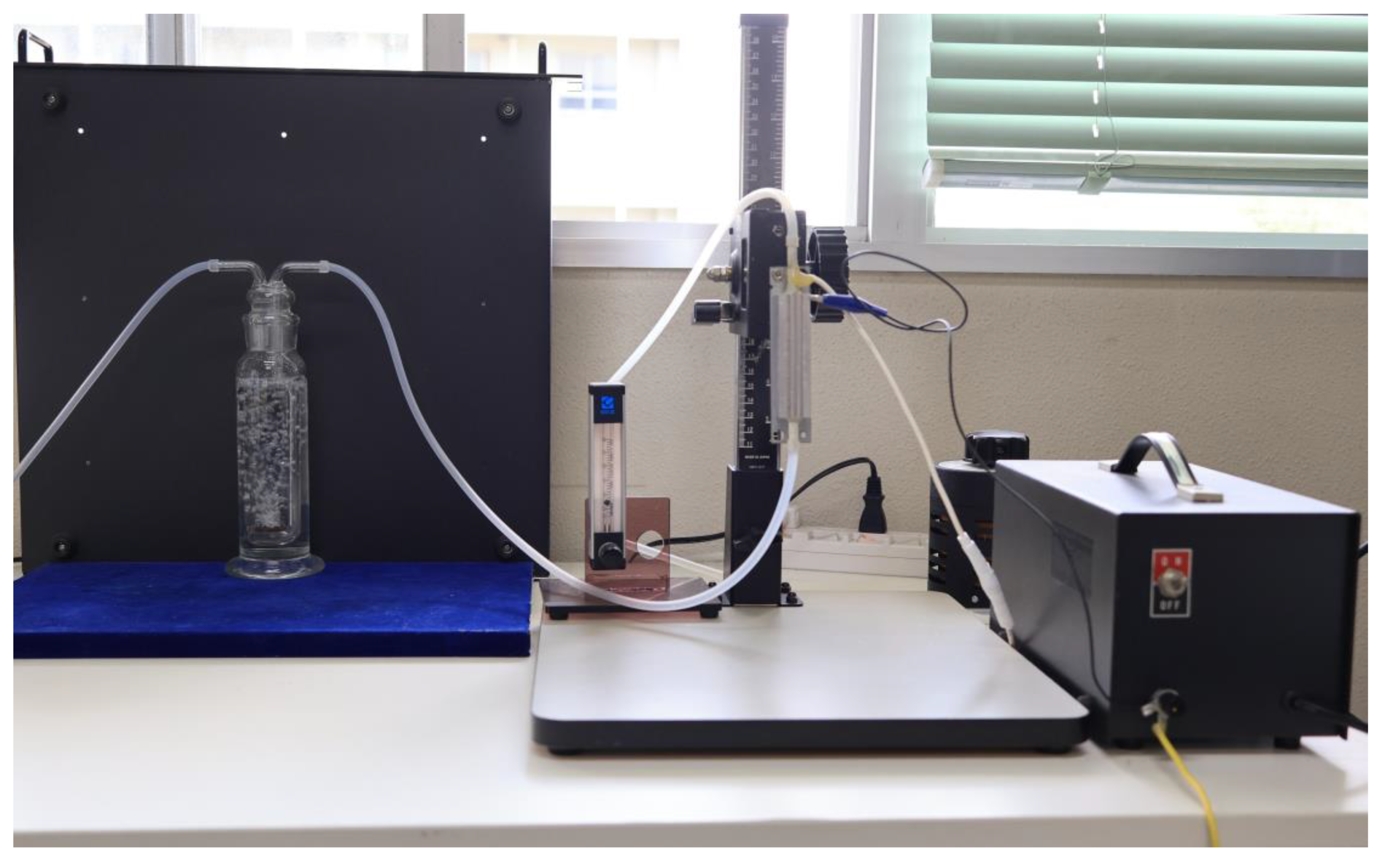
Figure 2.
Effect on plant growth by irrigating with plasma treated zinc contaminated water.
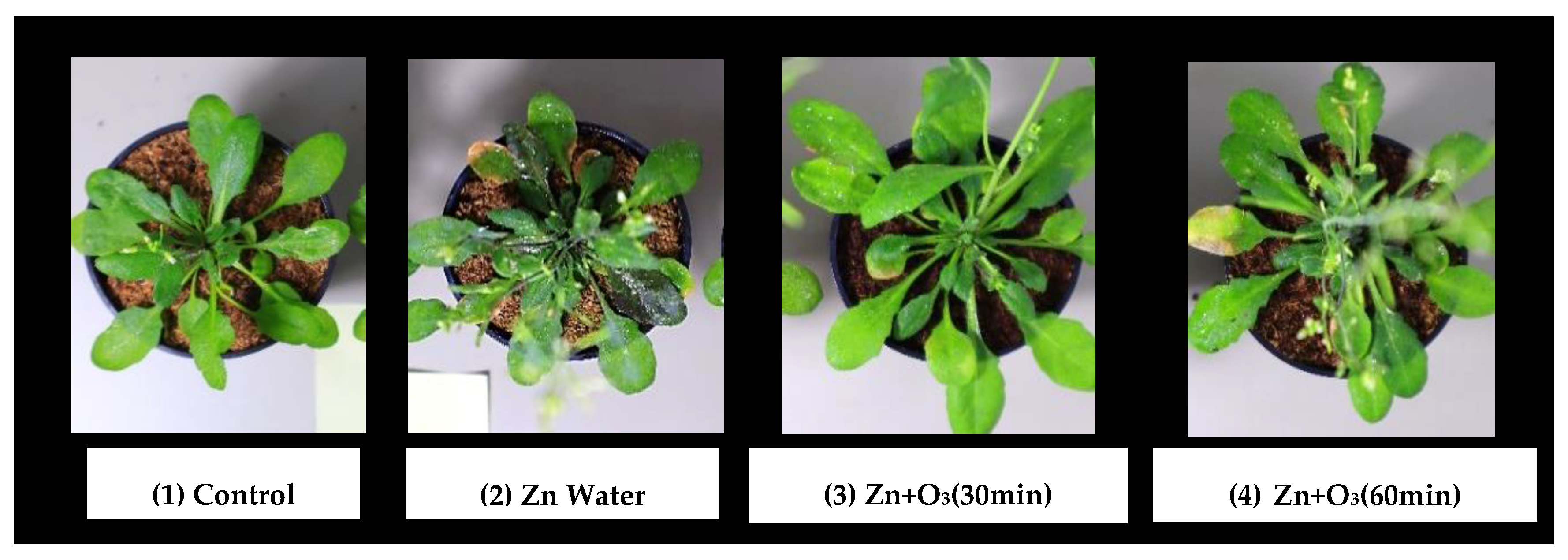
Figure 3.
Effect on plant height by irrigating with plasma treated zinc contaminated water.
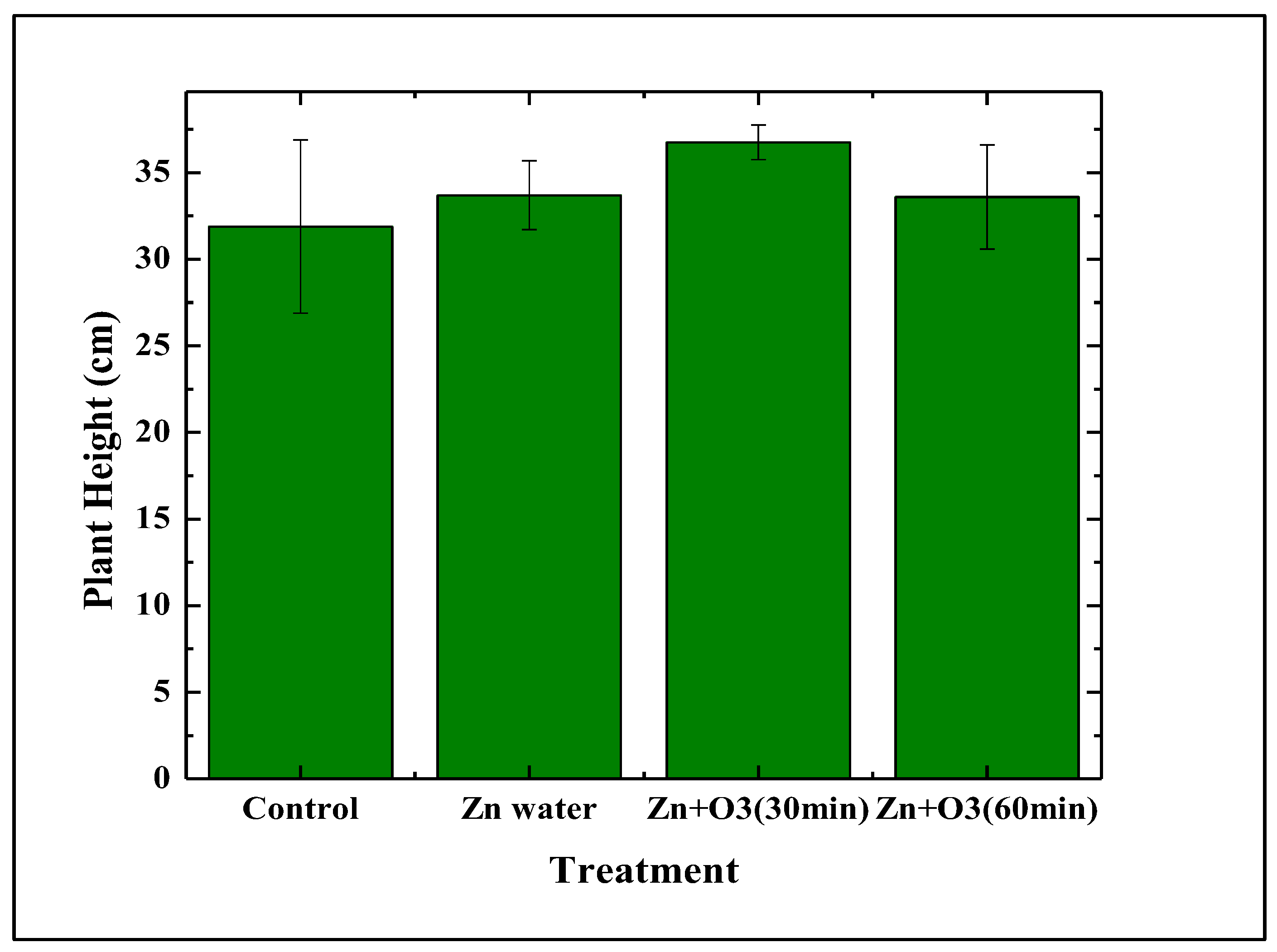
Figure 4.
Effect on seed weight by irrigating with plasma treated zinc contaminated water.
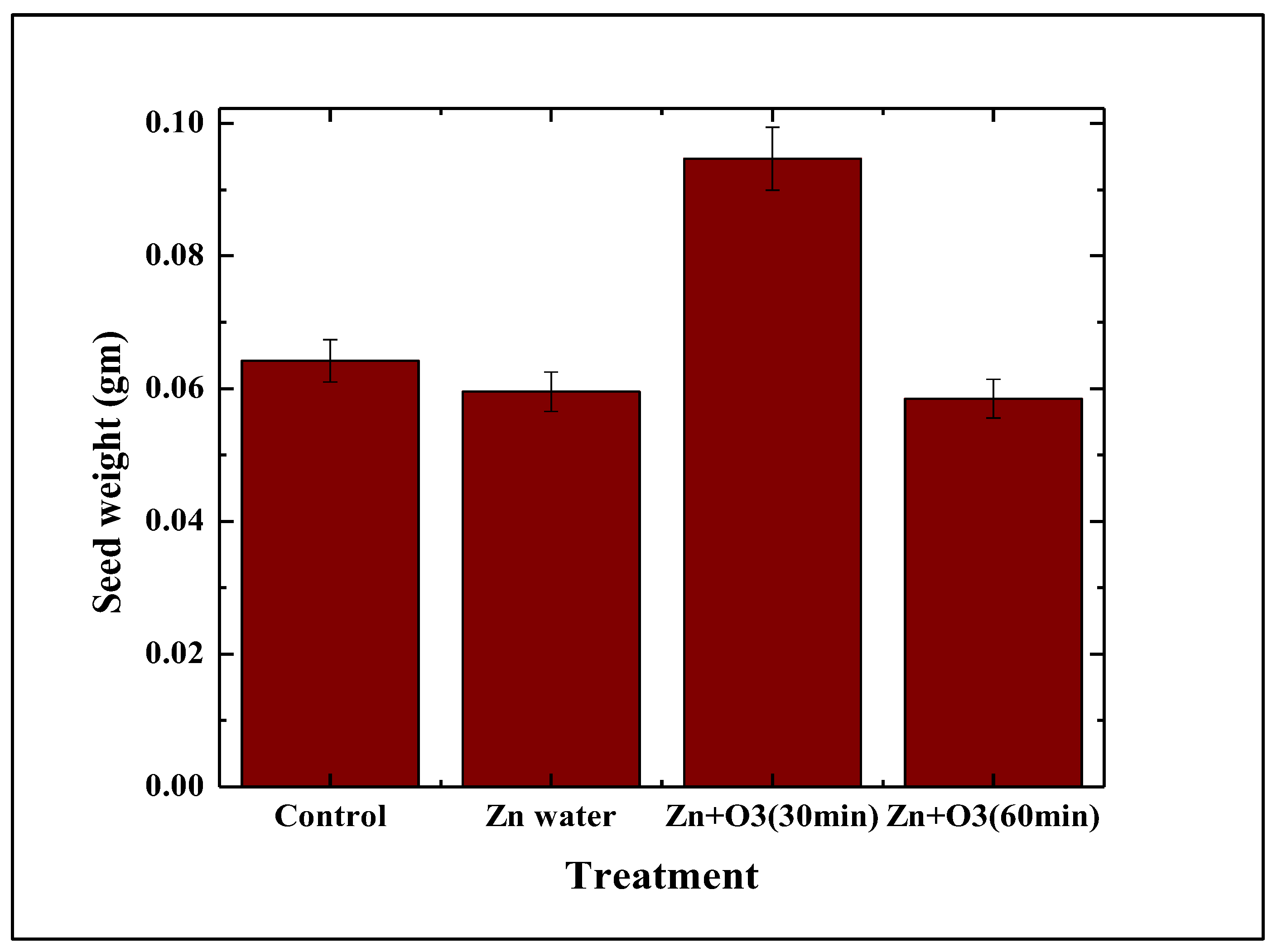
Figure 5.
Effect on leaf area by irrigating with plasma treated zinc contaminated water.
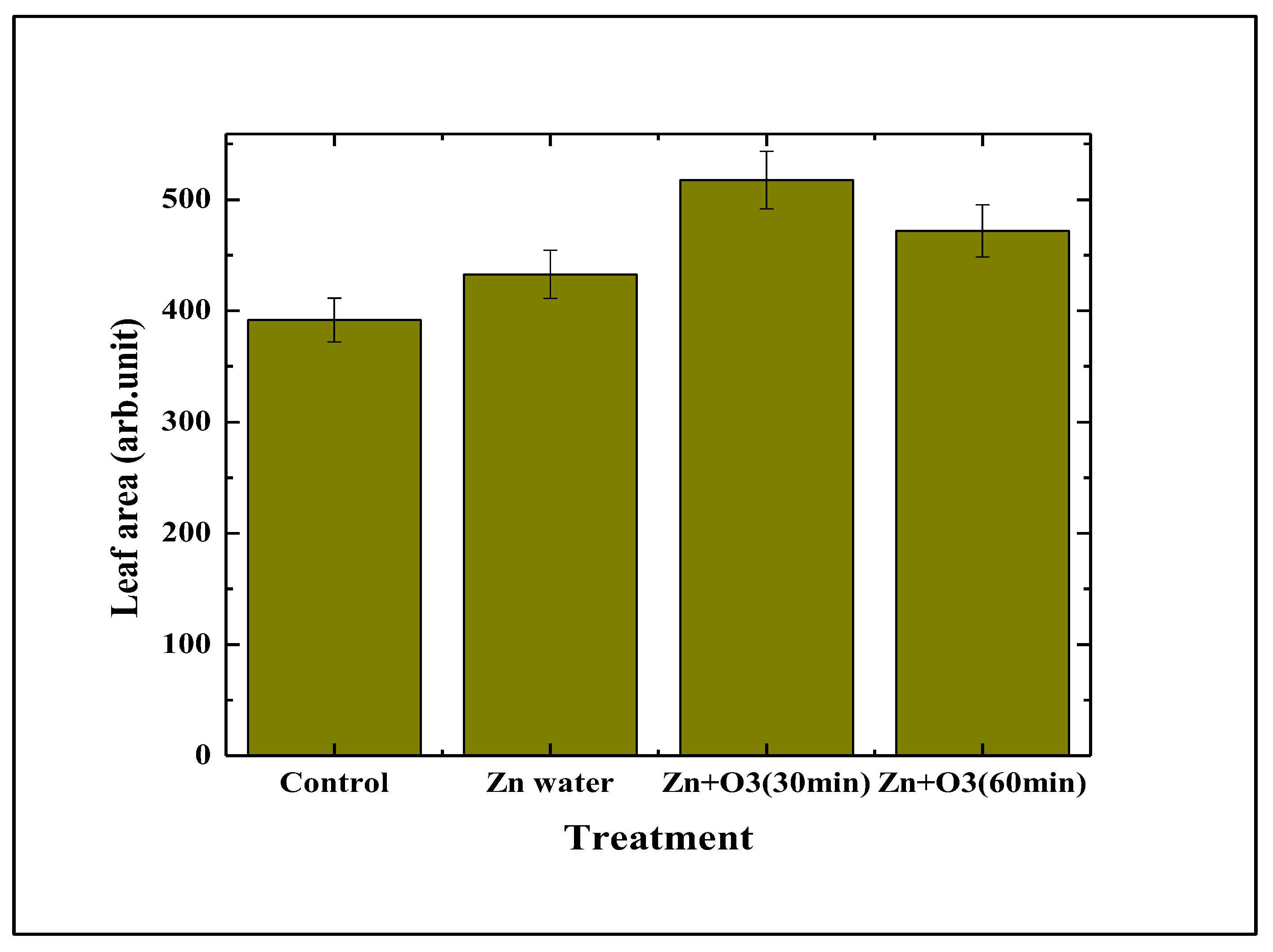

Table 1.
Experimental conditions of ozone dissolution in zinc contaminated water.
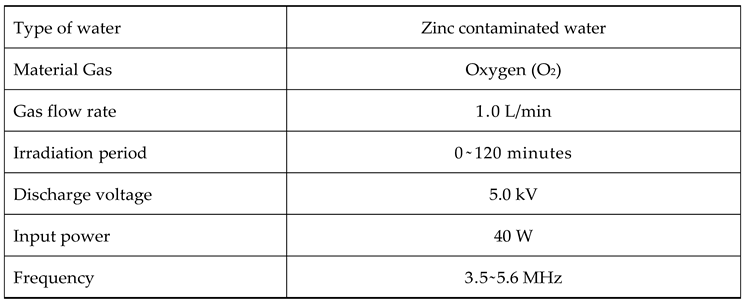
Table 2.
Annotation table of Zn contaminated water effect on Arabidopsis plant.
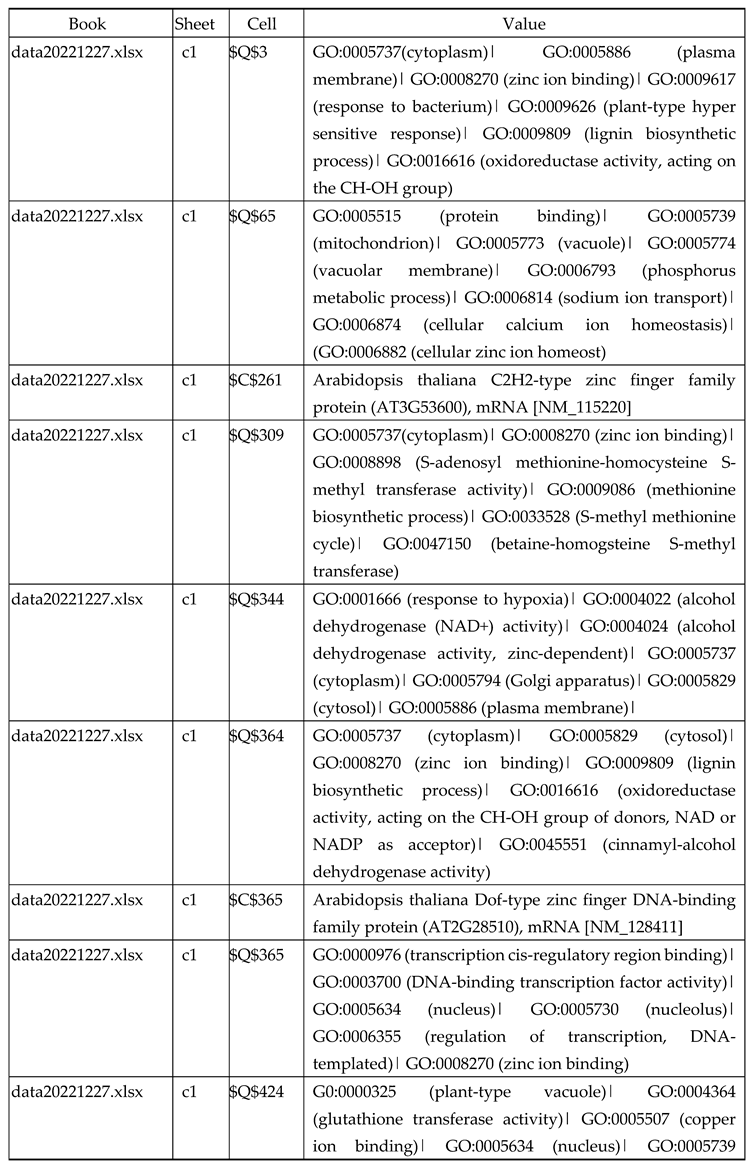
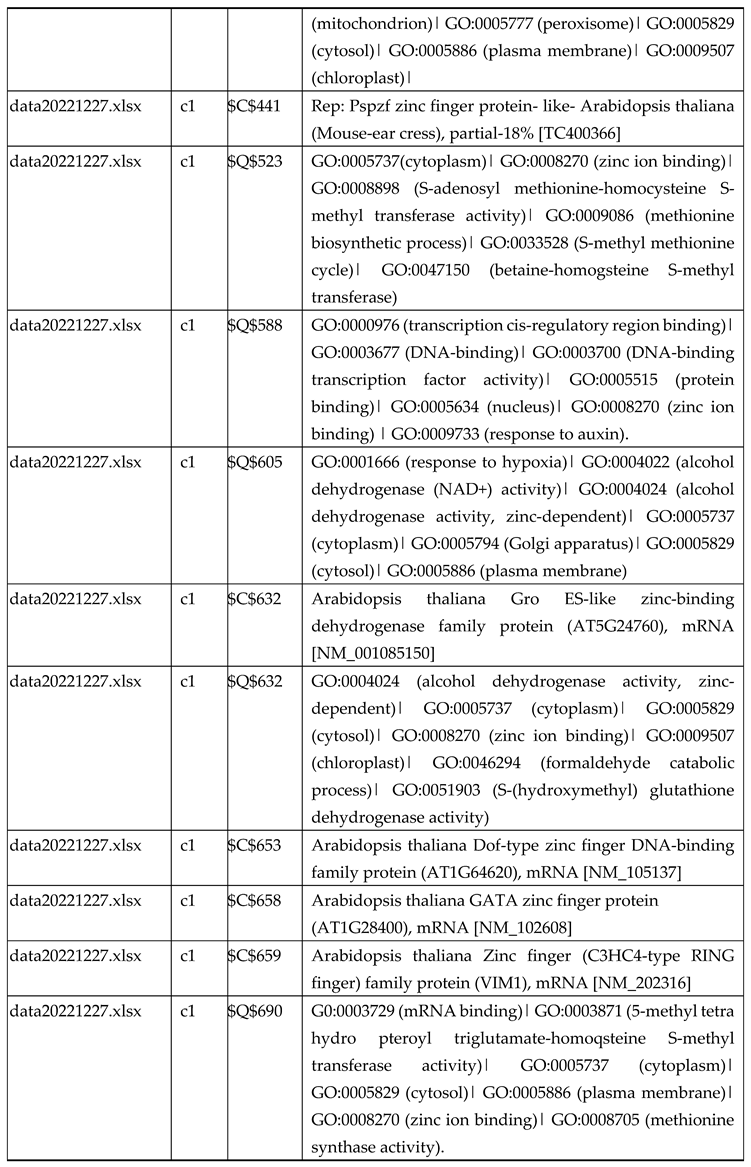
Number of decreases in expressed genes - 31.
Table 3.
Annotation table of Zn+O3(30min) effect on Arabidopsis plant.
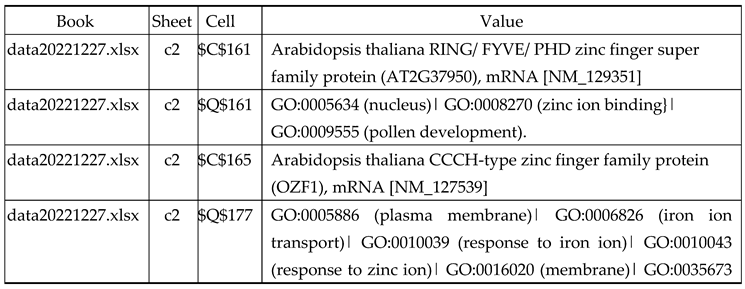
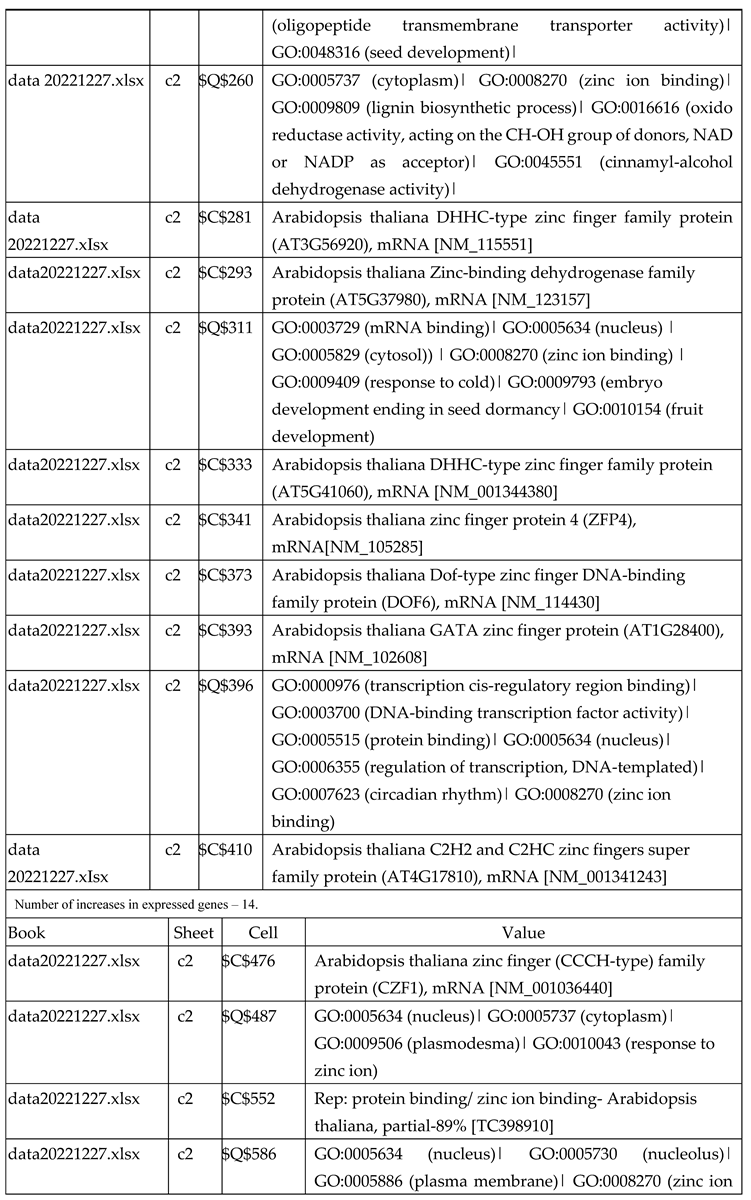
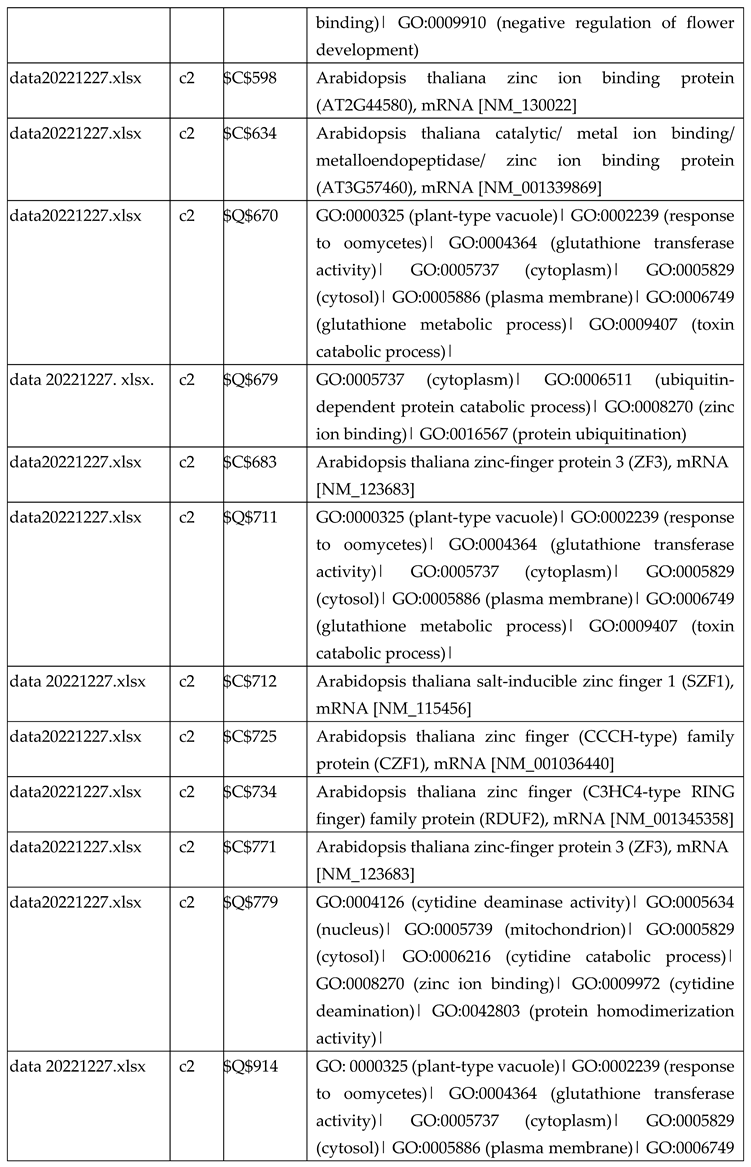
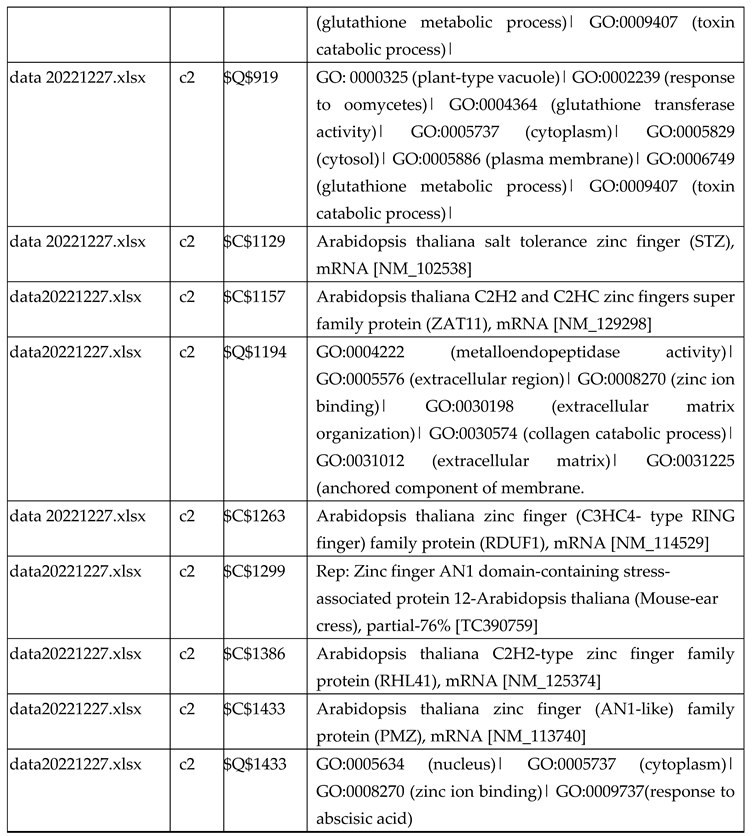
Number of decreases in expressed genes – 25.
Table 4.
Annotation table of Zn+O3(60min) effect on Arabidopsis plant.
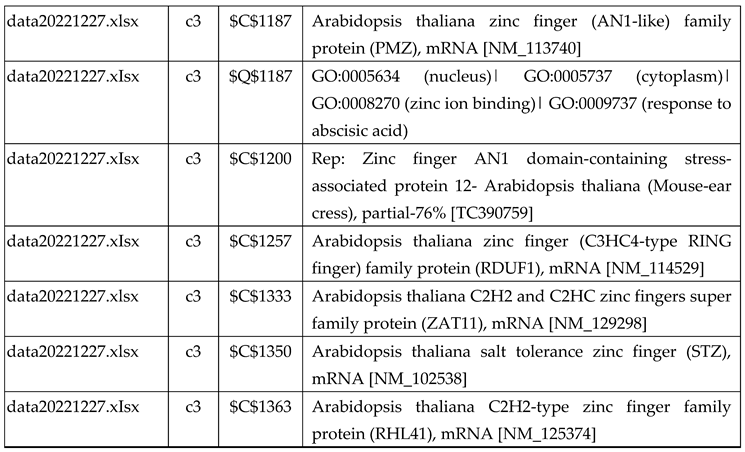
Number of decreases in expressed genes – 44.
Disclaimer/Publisher’s Note: The statements, opinions and data contained in all publications are solely those of the individual author(s) and contributor(s) and not of MDPI and/or the editor(s). MDPI and/or the editor(s) disclaim responsibility for any injury to people or property resulting from any ideas, methods, instructions or products referred to in the content. |
© 2024 by the authors. Licensee MDPI, Basel, Switzerland. This article is an open access article distributed under the terms and conditions of the Creative Commons Attribution (CC BY) license (http://creativecommons.org/licenses/by/4.0/).
Copyright: This open access article is published under a Creative Commons CC BY 4.0 license, which permit the free download, distribution, and reuse, provided that the author and preprint are cited in any reuse.


