

Submitted:
30 June 2024
Posted:
01 July 2024
You are already at the latest version
Abstract
Rationale: A wide range of bioactive phytoconstituents from edible fungi, especially therapeutic mushrooms, have the potential to improve health, especially in the case of chronic illnesses. Known for its anti-cancer qualities, ganoderma lucidum has been the focus of multiple clinical studies. Existing systematic reviews imply that more clinical research and methodological refinement are necessary to support its usage as a primary cancer treatment.Objective: The objective of this research is to evaluate the anti-cancer potential of the bioactive phytoconstituents found in mushrooms, specifically Ganoderma lucidum, in a thorough manner. The aim is to conduct a critical assessment of the extant literature, pinpoint any deficiencies, and offer valuable perspectives on the methodological excellence and research requirements in this domain.Method(s): A thorough analysis of published clinical trials was carried out, with a focus on studies that examined the effectiveness of Ganoderma lucidum and other products derived from mushrooms in treating cancer. The study's design, stated results, and methodological rigor were all carefully examined to evaluate the validity and reliability of the conclusions.Results: Despite Ganoderma lucidum's potential against cancer, the evaluation finds insufficient data to support its widespread usage as a primary cancer treatment. Products made from mushrooms, which are frequently sold as dietary supplements, have anti-cancer claims. But since pre-approval is not required under US regulatory framework in order to market food supplements, these statements raise questions regarding their scientific validity.Conclusions/Recommendations: The study's result emphasizes the necessity of more methodological advancement in clinical studies examining Ganoderma lucidum's potential as an anti-cancer agent. It also highlights the significance of thorough scientific validation for goods made from mushrooms that make health claims. To establish accurate claims regarding their anti-cancer effects, recommendations include developing technological methods for the purification of bioactive substances and undertaking thorough studies of mushroom products from different geographical regions. The goal of this thorough analysis is to direct future investigations and support the ethical promotion and use of products derived from mushrooms for medical purposes.
Keywords:
Medicinal mushrooms Chronic disorders
; Clinical studies
; Anti-cancer properties
; Methodological excellence
; Products generated from mushrooms
; Dietary supplements
; The regulatory structure.
1. Introduction
The Earth is inherently endowed with vast biological resources crucial for sustaining a healthy life [1,2,3,4,5,6,7,8], and mushrooms stand out as one such invaluable resource. Utilized for both culinary and medicinal purposes for many decades, mushrooms derive from the basidiomycota and ascomycota groups, manifesting as the edible fruiting bodies of macrofungi. Typically cultivated above ground in soils or on alternative substrates, edible mushrooms constitute around 100 out of approximately 1600 different species distributed globally. Only 33 species have been cultivated for human consumption. Key varieties like white button mushrooms (Agaricus bisporus L.), oyster mushrooms (Pleurotus ostreatus L.), and paddy straw mushrooms (Volvariella volvacea L.) have predominantly been cultivated [9]. The unique flavors of these edible mushrooms have driven their demand worldwide, contributing to the rapid growth of the global edible mushroom industry. As of 2019, China accounted for approximately 70% of the world’s total edible fungi production [10]. Notably, the edible fungus industry in China has emerged as the fifth-largest, showcasing diverse economic opportunities [11]. Due in large part to their immune-stimulating qualities, mushrooms have come to be recognized as one of the best foods for vegetarians and people with weakened immune systems, such as cancer patients and HIV/AIDS patients [12,13,14], as illustrated in Figure 1 below [15,16]. The claim that a variety of bioactive compounds, such as polysaccharides [17], terpenoids [18,19], vitamins [20], minerals [21], and proteins [22], are present in edible fungi has been supported by scientific reports. These compounds are essential to human health [23,24]. Notably, in recent years, there has been a greater focus on edible fungal polysaccharides. When Japanese researchers found that lentinan had anti-tumor properties in the 1970s, edible fungal polysaccharides became the focus of research [25]. Since then, pharmacy, medicine, biology, and food science have all benefited from the use of edible mushrooms. Figure 1 below illustrate the strong evidence from extensive scientific and clinical research that edible fungus polysaccharides can modulate body metabolism through a variety of pathways and mechanisms, thereby reducing the incidence and progression of diseases related to humans [26,27]. Systematic review studies have indicated that a diet rich in mushrooms is associated with a lower risk of breast cancer, attributed to the antioxidant content of ergothioneine and glutathione [11]. Mushrooms are recognized for their immune-boosting properties, influencing dendritic cells (DCs), lymphocytes, macrophages, T cells, hematopoietic stem cells, and natural killer (NK) cells [28]. Common edible mushrooms like Fomes fomentarius, Lentinula edodes, Hericium erinaceus, Trametes versicolor, Grifola frondosa, among others, have demonstrated in-vitro and in-vivo anti-cancer efficacy. Extracts from Agaricus blazei are reported to exhibit a potent anti-leukemic effect in human myeloid leukemia cells by stimulating the gene expression for the upregulation and increased secretion of several cytokines, including IL-23 subunit of the IL-12 family, IL-1, monocyte chemoattractant protein-1 (MCP-1), granulocyte colony-stimulating factor (G-CSF) [29].
1.1. Significance of Immune Support in Human Health
The intricacies of the human body, comprising cells organized into tissues and organs, underscore their diverse functions. Immunity stands as a crucial element for maintaining the normal balance within living organisms. Preserving both innate and acquired immune systems serves as a fundamental strategy to prevent viral infections, curb proliferation, and alleviate complications associated with disease establishment after replication. Numerous factors in our daily lives, including stress, diet, sleep, exercise, and environmental conditions like pollutants, play a role in determining the immune potential. A decline in the internal system or organ functions can sometimes lead to human infections, while external pathogens like bacteria, viruses, and fungi can also be culprits [30,31,32,33,34,35]. To shield the body from pathogenic threats, boosting immunity becomes imperative. Immunity, defined as the body’s ability to combat disease-causing microorganisms, relies on the intricate immune system composed of various cells, tissues, and organs [36]. Certain foods, fruits, vegetables, and supplements serve as effective immunity boosters, aiding the body in fighting illnesses. Specific foods and natural immune system enhancers, rich in beta-carotene, Vitamin C, Vitamin E, and zinc with antioxidant properties, include broccoli, cauliflower, kale, kiwi, orange juice, papaya, peppers, sweet potatoes, strawberries, tomatoes, avocados, peanuts, almonds, spinach, eggs, dairy, and milk. Proteins and lipids, essential for maintaining organism structures, including the immune system, are obtained from foods rich in omega-3 fatty acids such as beans, fish, and flax seeds. The anti-inflammatory nature of omega-3 fatty acids has prompted research into their potential protective effects against disorders like thrombosis, cardiovascular failures, and dementia [37,38]. Immunity-boosting spices like garlic, black cumin, and ginger contribute to physiological and biochemical changes in the immune system. Immunomodulators, substances that induce, amplify, and inhibit components of the immune system, come in two types: immunostimulators and immunosuppressants. Phytochemicals present in plants, which are used in herbal medicines, are strong immunomodulators with medicinal uses. Vegetables and fruits include polyphenols, such as phenolic acids, flavonoids, and tannins, which have strong antioxidant and anti-inflammatory qualities and immunomodulatory effects. It is advised to use these substances to lessen inflammatory and oxidative stress brought on by hyperreactive immune reactions that harm tissue [39]. Numerous allergic conditions, such as asthma and allergic rhinitis, have been treated with immunomodulators [40]. Research has demonstrated that Glycyrrhiza uralensis, S. flavescens, and Ganoderma lucidum can control airway hyperresponsiveness, lower IgE levels, and decrease eosinophil infiltration in the lungs, as well as the related cytokines IL-5, IL-4, and IL-13 [41]. Due to its sulfur component, garlic has shown promise in its ability to actively suppress platelet activation [42]. In order to reduce the risk of multiple diseases, including COVID-19, it is therefore advised to adopt a dietary approach as a new model to boost immunity [43,44,45,46,47,48,49].
1.2. Importance of a Strong Immune System
Numerous researches have been conducted on the benefits of medicinal mushrooms for boosting and enhancing the immune system. While these studies contain many fine details, the general conclusion is that some types of mushrooms contain polysaccharides and triterpenes that aid in activating immune system cells like lymphocytes and macrophages. The body’s defenses against illness and infection may be strengthened by this activation. For example, white blood cells called lymphocytes are in charge of immunological regulation and the elimination of aberrant cells, whereas macrophages identify foreign germs and viruses and then go on to literally consume these dangers. It is thought that eating mushrooms, which are known to have immune-boosting properties, can start to show results after just one meal. When compared to other medical medications that must be used consistently to produce comparable effects, this is very intriguing. For this reason, keeping a robust immune system is essential to general health and wellbeing. The immune system serves as the body’s main line of defense against pathogens such as bacteria, viruses, protozoa, and fungi. It is a sophisticated, well-organized network of molecules and cells intended to fend off illness and infection. The immune system recognizes and gets rid of a wide range of dangers to the body’s health when it is working correctly. An assortment of infectious disorders can affect the body when the immune system isn’t working properly.
1.3. Immune Support Role in Diseases Prevention
It is well known that immune support plays a critical role in illness prevention. The International Nutrition and Health Institute and the International Life Sciences Institute jointly convened a conference in 1997 with the theme of the immune system’s involvement in protecting the body against disease. During the conference, it was discussed that in order for the immune system to function effectively, it needs three main components: immune cells must be able to identify and react to pathogens; immune cells, such as T cells and phagocytes, must perform their functions; and immune cells must be able to reach the infection site. The state of diet has a significant impact on how well the immune system responds. Cellular immunity plays a critical role in the host’s defense against infection, as demonstrated by studies conducted on HIV-positive patients, malnourished populations, elderly individuals, and cancer patients [50,51,52,53]. Poor intake of one or more nutrients is the hallmark of malnutrition in these trials, and it leads to a series of changes in immunological competence, infection resistance, clinical outcome, and, ultimately, survival. In the long run, any effects of nutrition on the health and immune system of normally well-nourished people are probably going to be less pronounced but still very important. It is predicted that many countries and cultures throughout the world have a high prevalence of minor to moderate malnutrition. Immune insufficiency is now known to play a role in a number of disease conditions. The rising rate of infection in the elderly is the most compelling example. An enormous body of research now exists that supports the positive impact of different nutrients on the immune system. Nutrient deficiencies and immunologic alterations are components of deficiency diseases, which have an impact on immunity. Measures have been made to comprehend the dietary needs and the suggested consumption for both normal and modified immunity. This will result in a better strategy for illness prevention and treatment.
1.4. Immune System Significance in Disease Prevention
It is evident that a healthy immune system is essential for preventing illness. An individual with a compromised immune system is far more vulnerable to many illnesses and has a shortened lifespan, as seen by the geriatric population. The immunological response diminishes with advancing age. In certain impoverished nations, the high rate of infectious disease deaths can be attributed to malnourishment. Malnutrition causes the thymus and lymph nodes to atrophy, which lowers the concentration of cells that are powered by nutrients and has a direct impact on the immune system. This can be observed in the way that aged and undernourished individuals are more prone to specific diseases and have lower vaccination efficacy [54,55]. The immune system performs the following functions. Its purpose is to identify and eliminate our body’s self-cells rather than the self itself. This is frequently a critical step that, if not addressed, may result in an autoimmune disease that will be discussed subsequently. In addition, it protects the body from infections and acts as a watchdog against the growth of malignancies. Mostly, cell-mediated immunity is used for this. The immune system of an individual typically determines whether or not that individual will be susceptible to a specific form of infection, which differs from person to person. Conversely, adaptive immunity represents a backup protective mechanism through which immunological memory can be formed. The two components of the adaptive immune response are cell-mediated immunity and humoral immunity, the latter being the part of immunity mediated by macromolecules present in extracellular fluids like released antibodies. Adaptive immunity occurs when the immune system is able to identify the pathogen, travel to almost any part of the body, and multiply the activation at low antigen levels thanks to the involvement of different cells and molecules. This is a significant distinction from innate immunity. Our immune system is essential to our health because it shields our body against a wide range of illnesses and infections. A person afflicted with bacteria, viruses, fungi, or microbes may be sentenced to death if they lack this protective mechanism. An immune system is a network of interrelated organs, cells, and cytokines that our body uses to mount a coordinated defense against pathogens. Preformed antibodies and cell-mediated immunity trigger the immunological response, which is the body’s defensive response to a pathogen invasion [56,57]. Innate immunity and specialized adaptive immunity are the two categories of immune response. Innate immunity refers to the body’s innate defensive mechanism, which consists of certain chemicals and physical defense mechanisms without the use of antibodies. The immune response’s initial line of defense is made up of several barriers and defense mechanisms. In the event that an infection breaches these, an inflammatory response takes place. This is a series of processes that work to remove the initial insult that caused the cell harm, remove necrotic cells and tissues that have been damaged by the inflammation, and start the healing process.
1.5. Immune Support Benefit for Overall Health
What are the advantages for people in good health? There is no evidence to support maitake’s immune-boosting properties in healthy people. Nonetheless, the idea of this effect is somewhat supported by a few research. Regular shiitake eating was shown to boost resistance to upper respiratory tract infections in a study on postmenopausal women [58,59]. Additionally, it was noted in an investigation involving senior citizens that the immune system recovered to its pre-consumption status several weeks after shiitake consumption was stopped [60,61]. This indicates that the shift in immune function was triggered by the active components of shiitake, which are stored and mobilized in the body over several weeks. effects on HIV-positive and cancer patients that are immunomodulatory and anticancer. The immune systems of cancer patients and HIV-positive people are frequently weakened, so in clinical reports [62,63,64]. the immunomodulatory effects can be highly noticeable when compared to healthy people. Patients with hepatitis and breast cancer have demonstrated improved immune function when using maitake [35,65,66,67]. Consuming maitake increased NK cell activity, which in turn destroyed tumors. Consuming shiitake or maitake mushrooms has been shown to boost an HIV patient’s immune system [62,63,64]. In a different trial, 10 patients who consumed maitake or shiitake over a period of 3–24 weeks exhibited an increase in CD4+ and CD8+ cell counts together with a drop in plasma HIV RNA. Thirteen of the patients demonstrated enhanced CD4+ cell counts in less than two weeks [68,69,70]. Immunity can be further weakened by a number of critical condition treatments, including chemotherapy.
1.6. Enhancement of Overall Health
Under the direction of renowned mushroom researcher Dr. V. Gunde-Cimerman from the biotechnical faculty at the University of Ljubljana, Slovenia, an international consortium of top scientists has compiled a summary of the general characteristics, immunomodulating effects, and health benefits recently reported for edible fungi. They correlated a database that assesses the nutritional and medicinal benefits of edible mushrooms with prediction for various health conditions using an intricate computational approach. Many of today’s medical and health professionals look for alternative forms of therapy to treat disease and/or maintain well-being as the availability and efficacy of conventional healthcare declines due to cost, unwanted side effects, and the inability of powerful antibiotics to cure resistant strains of infectious diseases. Although the selection of prospective nutraceuticals offered by the health food business is expanding quickly, many of them are advertised with inflated health claims and lack solid scientific backing. On the other hand, due to their diverse nutritional and therapeutic properties, edible fungus offers a wide range of possible immune boosting and other health-promoting effects [50,51]. This is logical given that they have been used as traditional medicine for thousands of years throughout the world. Traditional medical professionals are beginning to support complementary and alternative medicine (CAM) more quickly, as evidenced by consumer demand and the field’s success. Mushrooms are a valuable source of nutraceuticals that can serve as an adjuvant or nutritional preventive in CAM and traditional allopathic medicine.
1.7. Disease Prevention
The existence of several physiologically active chemicals in mushrooms is primarily responsible for their capacity to prevent disease. Some of the most prevalent of these compounds have been researched for their anti-cancer properties, including reduced glutathione, an important antioxidant, and ergothioneine, which is involved in the protection of DNA and cells. Mushroom phenolic compounds also possess antioxidant qualities. In addition to preventing cellular damage, they are crucial in preventing atherosclerosis. The investigation is extensive, continuous, and focuses on both the mycelium and the actual mushroom. Abstracts of a wide range of studies are currently available, demonstrating the mycelium’s popularity in medical research. The ability of fungal mycelia to boost immunity as an anti-tumor agent is one area of current investigation. Maitake mycelium research is one example of this type of study. The natural killer cells (NK) are a frequently disregarded aspect of immunity, despite the immune system’s great complexity. The capacity of natural killer cells (NK cells) to eliminate many types of cancerous cells and contaminated cells led to their initial discovery. They are located in the spleen, lung, liver, and bone marrow in relative abundance and make up 5-15% of all circulating lymphocytes [58,71,72]. This is an illustration of a Japanese study that looked at how the shitake mycelium affected the activity of NK cells in peripheral blood. The tumor cells were implanted in mice using Ehrlich carcinoma, a tumor that grows quickly. The results of the experiment demonstrated that the mycelium exhibited a clear inhibitory effect on both the solid tumor’s extension and the tumor-bearing mice’s weight rise. It was also observed that the mice given mycelium had a longer survival period. Not only did the mycelium show promise in eliminating cancer cells, but it also demonstrated efficacy in shielding the body against weight loss. The trial also showed that when the mycelium was administered, NK cell production increased. Nine to eleven days following tumor cell implantation, all of these consequences started to manifest. Since it is believed that the mycelium acts via the immune system, more research should be done on the mycelium’s direct impact on the immune system as well as its anti-tumor benefits when applied to cancer patients.
1.7.1. Function of Edible Mushrooms in Diseases Prevention
In a research, Dr. Susanna Cunningham examined how the immune systems of rats were affected by shiitake and ordinary white button mushrooms. For four weeks the rats were fed a diet containing 2% mushrooms. It was discovered that both types of mushrooms increased the activity of phagocytic cells called macrophages and natural killer cells, which are essential for the immunological response. Shiitake mushrooms had an impact on T-cell activation, while white button mushrooms did not. According to the study, cellular immunity may be impacted by these edible mushrooms, and in the case of shiitake mushrooms, those impacts might be extensive. Certain tiny animal studies provide evidence that certain immune-boosting foods can help prevent disease because they have a positive effect on immune function. The University of Illinois in Chicago conducted study on the impact of exotic mushrooms on the immune system by two different research groups. Two investigations on the impact of oyster mushrooms on mice’s immune systems were conducted by Dr. Angela Mylonakis. The selection of oyster mushrooms was based on their reputation as useful foods. In the first trial, mice were injected with an extract to lower their white blood cell count after being fed a diet containing 2% oyster mushrooms for three weeks. Cells were successfully reduced by 40% by the extract [50,51]. The identical mice were given an oyster mushroom diet for three weeks in the second investigation, after which they received an injection of the same extract. White blood cell counts were barely lowered by 5%. For ages, East Asian medicine has employed edible mushrooms as a means of illness prevention and immune system development. Comparatively speaking to persons in western countries, epidemiological data indicates that less cancer cases occur among East Asian populations. This is thought to be caused by the anti-carcinogenic properties of mushrooms that are consumed. In addition to having anti-inflammatory, antiviral, and antibacterial qualities, mushrooms also control the generation of cytokines, which are essential for the immune response.
2. Bioactive Compounds with Immunomodulatory Properties
Several bioactive compounds, including proteins, lipids, ash, glycosides, alkaloids, volatile oils, tocopherols, phenolics, flavonoids, carotenoids, folates, ascorbic acid enzymes, and organic acids, are abundant in mushrooms and have the potential to be therapeutically useful [73]. Because of these bioactive substances, clinical investigations have shown that mushrooms are effective in treating cancer. The polysaccharide derived from the basidiomycetes family, namely the mycelia of Coriolus versicolor strain CM-101, demonstrated noteworthy efficacy in improving the condition of patients with colorectal cancer that had been successfully resected in a randomized controlled clinical trial [74]. Hetland et al. [75] conducted recent investigations into the immune-modulating capacities of many Basidiomycetes-related mushroom species, including Agaricus blazei Murill, Ganoderma lucidum, Hericium erinaceus, and Grifola frondosa. Low in fat and cholesterol, mushrooms are a great source of protein because they contain a variety of proteins with strong biological activity, such as lectins, ribosome-inactivating proteins (RIP), fungal immunomodulatory proteins (FIP), laccases, and ribonucleases. According to Khatun et al. [76] and Guggenheim et al. [77], these substances have been used as natural anticancer, antibacterial, antidiabetic, cardiovascular protective, hepatoprotective, antioxidative, and immunomodulatory agents. Because of their accepted role in immunomodulation in cancer therapy [16], mushrooms are now considered biological response modifiers (BRMs). Furthermore, mushrooms are known to be a good source of minerals like magnesium, zinc, iron, and selenium as well as important elements like folic acid, vitamins D, B, A, and C. It has also been shown that isolated fungal metabolites, such as polyketides, terpenoids, indole alkaloids, lignin derivatives, and polysaccharides, have anti-inflammatory and immunomodulatory properties [78,79]. The bioactive component of mushrooms called β-glucan is essential for immunological modulation. Though its structural analysis and chemical makeup are scarce, BDM-X has a high β-glucan content of roughly 13.5% in dry weight [80]. Numerous investigations have confirmed that β-glucan has a potent immune-stimulating ability against cancer and other illnesses [81]. Medicinal mushrooms have received a lot of interest lately as dietary therapies to fight the COVID-19 epidemic [43,44,45,46,47]. Using AFO-202 beta 1,3-1,6 glucan, Rao et al. [82] suggested immuno-nutritional therapy for COVID-19 patients, boosting immune cell activity and associated defensive components. The side effects of radiation and chemotherapy, including as nausea, anemia, diminished resistance, and bone marrow suppression, are lessened by the usage of mushrooms. The fact that anti-tumor and anti-inflammatory medications have recently been found in a variety of mushrooms emphasizes their potential for medicinal use (Table 1). Bioactive compounds like polysaccharide-protein complexes, agaritine, ergosterol, selenium, polyphenols, and terpenoids have been identified. These compounds interact with intestinal cells, triggering immunological and inflammatory responses if necessary [83]. Mushroom polysaccharides and polysaccharide-protein complexes, including lentinan, schizophyllan, polysaccharide-K, active hexose correlated compounds (AHCC), and maitake D fraction, are crucial sources of immunomodulatory and anticancer drugs. In vitro and in vivo studies support their therapeutic potential against various human malignancies [84]. Additionally, terpenes and terpenoids found in mushrooms, particularly those of the genus Ganoderma P. Karst., exhibit immune-modulating, anti-inflammatory, antioxidant, and antitumor properties [18,27,85,86].
3. Mechanisms of Immune Support
3.1. Immunomodulation and Adaptogenic Properties
Mushroom components intricately modulate the immune system, orchestrating complex molecular processes. This modulation involves the upregulation of specific genes that encode proteins responsible for producing anti-inflammatory and anticancer cytokines. Numerous studies, both in vitro and in vivo, have consistently demonstrated the varied impact of mushroom compounds on various genes and cytokines. Cytokines, acting as messengers within the immune system, are either proteins or glycoproteins produced by immune cells to regulate both the innate and adaptive immune systems. Upon oral ingestion of mushroom chemicals, there is activation of intestinal immune factors, including dendritic cells and macrophages. Cytokines are released as a result of this activation, which can cause systemic or localized inflammation. IL-7, an essential cytokine in cancer immunotherapy, is released by intestinal epithelial cells when activated [16]. Promonocytic THP-1 cells incubated with Agaricus blazei Murill extract express genes linked to anticancer chemokines, which cause the cells to secrete a variety of cytokines, including IL-1, IL-23 subunit of the IL-12 family, granulocyte colony-stimulating factor (G-CSF), IL-1, and tumor necrosis factor (TNF-α) [29]. Additionally, studies conducted by Volman et al. [99,127] show that bone marrow-derived macrophages (BMM) produce higher TNF-α when exposed to Agaricus bisporus fruit bodies, caps, and stipes. Renowned for its ability to lengthen life, especially in anticancer and immunomodulatory capacities, Ganoderma lucidum expresses and produces chemokines such as IL-1, IL-2, IL-6, TNF-α, and interferon-gamma (IFN-) that activate T lymphocytes and initiate an inflammatory response [100]. Grifolan derived from Grifola frondosa increases the production of IL-1, IL-6, and IL-8, which in turn activates and multiplies leukocytes, hence promoting macrophage activity [101]. Additional components of mushrooms, such as polysaccharide peptide (PSP), polysaccharide (PSK), and lentinan, have the ability to trigger the production of many cytokines in vitro, including TNF-α, interferons, IL-1, IL-2, IL-6, and IL-8. Furthermore, as proved by Bittencourt et al. [83], α-glucan derived from Pseudallescheria boydii promotes TNF-α and IL-12 secretion in vitro. The increased release of IL-12 indicates that naive T cells are becoming polarized into T helper (Th) type 1 responses, which are essential in the fight against cancer cells. Mice’s splenocytes are stimulated to release cytokines by sparassis crispa extract through the β-glucan receptor Dectin-1 and the granulocyte-macrophage colony-stimulating factor (GMCSF) [83]. Mushroom chemicals, whether injected directly into tumor cells or consumed orally, trigger immune cells to induce cell-mediated or direct cytotoxicity against tumor cells after being detected by pathogen recognition receptors. For instance, lentinan increases the generation of cytotoxic T cells and macrophages while also inducing nonspecific immunological responses [102]. Extracts from Pleurotus tuber-regium and P. rhinoceros have antitumor effects by promoting lymphocyte and natural killer (NK) cell maturation, increasing macrophage proliferation, T helper cell proliferation, CD4/CD8 ratio, and population. This is accompanied by an increase in spleen weight and size, attributed to heightened numbers of monocytes and granulocytes among other immune cells [103]. The consumption of mushroom compounds initiates both innate and adaptive immunity by bolstering immune surveillance against cancer. Monocytes, macrophages, natural killer (NK) cells, B cells, cytotoxic T lymphocytes (CTLs) secreting antitumor cytokines, and the activation of immunological organs are all involved in this. According to Israilides et al. [104], the combined actions result in the death of cancer cells, cell cycle arrest, and the inhibition of angiogenesis and metastasis [127,128]. Table 2 below shows the immunomodulatory effects of edible mushrooms on humans’ system.
3.2. Interaction with Immune Cells: A Comprehensive Insight
The immune system’s complex and ever-changing network of connections is essential to the body’s ability to fight off infections and preserve general health. This thorough understanding of how immune cells interact explores the intricacies of the immune system and emphasizes the coordinated reactions that shield the body from dangerous intruders.
3.2.1. Cellular Players in the Immune System
- i.
- Macrophages and Phagocytosis: Important components of the immune system, macrophages carry out the process of phagocytosis, which involves absorbing and breaking down foreign particles. To start an immune response, they must be able to identify and react to infections.
- i.
- T Lymphocytes (T Cells): T cells play a vital role in immunological response coordination. While cytotoxic T cells actively target and destroy diseased or aberrant cells, helper T cells mediate communication between different immune cells.
- i.
- B Lymphocytes (B Cells) and Antibody Production: Antibodies are proteins produced by B cells that are able to identify and neutralize infections. B cells work in concert with other immune cells to provide a customized resistance against certain invaders.
3.2.2. Communication and Signaling Pathways
- i.
- Cytokines: The communication between immune cells is largely dependent on these signaling molecules. By coordinating the activities of many cell types, cytokines control the duration and strength of immunological responses.
- i.
- Chemotaxis: Chemotaxis is the term for the movement of immune cells in response to chemical cues. This deliberate motion is essential for identifying and addressing diseases inside the body.
3.2.3. Immune Memory and Adaptive Responses
- i.
- Memory T and B Cells: Thanks to memory T and B cells, the immune system "remembers" previous infections. When the pathogen is encountered again, this memory enables a quicker and more potent reaction.
- i.
- Vaccination: Vaccination theory makes use of adaptive immune memory. Vaccines provide immunity without actually spreading disease by introducing pathogen components that are safe for the body to handle and prompting the immune system to mount a defense.
3.2.4. Immunosurveillance and Defense Against Cancer
- i.
- Natural Killer (NK) Cells: When it comes to identifying and getting rid of malignant cells, NK cells are essential. Their capacity to identify aberrant cells renders them indispensable in impeding the growth of malignancies.
- i.
- Immunotherapy: The body’s immune system is targeted and destroyed by cancer cells thanks to advancements in immunotherapy. This new way of thinking is changing the face of cancer care.
3.2.5. Challenges and Autoimmune Disorders
- i.
- Autoimmunity: Autoimmune illnesses arise when the immune system unintentionally attacks the body’s own cells. It is essential to comprehend the mechanisms behind autoimmunity in order to design targeted therapeutics.
- i.
- Immune System Aging: The immune system varies with age, which impacts how sensitive it is. Examining how aging affects immune function is essential to treating health issues in the elderly.
Therefore, it is essential to have a thorough grasp of the complex relationships that exist within the immune system in order to advance medical research, create efficient treatments, and guarantee the preservation of general health. With the continuous investigation into the intricacies of immune cell interactions, there is considerable potential for the development of novel treatments and preventive measures in the times ahead.
4. Edible Mushroom Varieties and Their Immune Boosting Properties
It has long been known that mushrooms have potential health benefits in addition to their gastronomic flexibility. Of the many kinds of mushrooms, a few edible kinds are particularly notable for their amazing ability to strengthen the immune system. This investigation explores the unique properties and possibilities for immune-strengthening of common mushrooms, such as chaga, reishi, maitake, and shiitake, among others, that support a varied and resilient immune system.
-
Shiitake Mushrooms (Lentinula edodes):
- o Beta-Glucans: Beta-glucans are a kind of polysaccharide that is abundant in shiitake mushrooms and is well-known for its immune-modulating properties. White blood cell production is stimulated by beta-glucans, which improves the body’s ability to fight infections. Therefore, beta-glucans increase the body’s capacity to identify and get rid of infections by activating macrophages, dendritic cells, and other immune cells.
- o Antioxidant Compounds: Compounds with antioxidant qualities such as ergothioneine and selenium can be found in shiitake mushrooms. Antioxidants support overall immune function/inflammatory response by counteracting free radicals, oxidative stress, and inflammation. The immune system is strengthened by shiitake mushrooms.
- o Vitamin D: One of the few naturally occurring food sources of vitamin D is shiitake mushrooms. A healthy immune system is linked to adequate vitamin D levels, and shiitake mushrooms provide a plant-based way to get this vital vitamin.
-
Reishi Mushrooms (Ganoderma lucidum):
- o Polysaccharides and Triterpenes: Reishi mushrooms are well known for having a high triterpene and beta-glucan composition. These substances have been connected to immune system modulation, stimulating immune cell activity and strengthening the body’s defense systems.
- o Adaptogenic Properties: Reishi mushrooms aid the body’s ability to adjust to stimuli and are regarded as adaptogens. Since long-term stress can impair immune function, these mushrooms indirectly support the immune system by lowering stress.
- o Anti-Inflammatory Effects: Reishi mushroom compounds have anti-inflammatory qualities that aid in regulating the immune system and reducing excessive inflammation, both of which are critical for maintaining the immune system’s overall balance.
-
Maitake Mushrooms (Grifola frondosa):
- o Beta-Glucans: Like shiitake mushrooms, maitakes have a high beta-glucan content. By stimulating immune cells like macrophages and natural killer cells, these polysaccharides help to create a strong resistance against infections.
- o Antiviral Activity: Given that maitake mushrooms have shown antiviral qualities, they may be useful in bolstering the body’s defenses against viral infections. Studies indicate that some of the chemicals found in maitakes may prevent viruses from replicating.
- o Blood Sugar Regulation: Maitake mushrooms have the potential to improve general health by assisting in blood sugar regulation. They assist immunological function indirectly by encouraging metabolic homeostasis.
-
Chaga Mushrooms (Inonotus obliquus):
- o Betulinic Acid: Bentacinic acid, a substance found in chaga mushrooms, may have antiviral and immune-boosting effects. This acid may stimulate immune cell activity, which could enhance the immunological response as a whole.
- o Antioxidant Powerhouse: Antioxidants such as melanin and superoxide dismutase are abundant in chaga. These substances counteract free radicals, shielding cells from oxidative damage and enhancing immune system performance.
- o Adaptogenic Potential: The adaptogenic qualities of chaga mushrooms aid in the body’s reaction to stress. Because it inhibits the immune system from being suppressed by stress, this adaptability subsequently encourages immunological health.
-
Turkey Tail Mushrooms (Trametes versicolor):
- o Polysaccharide-K (PSK): Turkey tail mushrooms have a unique polysaccharide called PSK that has been demonstrated to have immune-stimulating properties. In certain areas, PSK is used as an adjuvant therapy for cancer treatment.
- o Immunomodulatory Effects: Turkey tail mushroom compounds have the potential to influence immunological response by increasing immune cell activity and modulating the immune system.
-
Cordyceps Mushrooms (Ophiocordyceps sinensis):
- o Cordycepin: Cordycepin, a substance with possible antiviral and immune-regulating qualities, is found in cordyceps mushrooms. Cordycepin may assist immune system support and inflammatory regulation.
- o Enhanced Oxygen Utilization: It is well known that cordyceps improve the body’s use of oxygen, which may help maintain general health and immunological response.
-
Other Exploring a Diverse Range:
- o Enoki Mushrooms (Flammulina velutipes): Enoki mushrooms have substances that strengthen the immune system, such as antioxidants and beta-glucans. They also offer vital elements that support general health, such as B-vitamins.
- o Oyster Mushrooms (Pleurotus ostreatus): Beta-glucans are found in oyster mushrooms, which also have antibacterial qualities. Because of their high nutritional content and potential for immunological support, they help create a well-rounded diet.
- o Lion’s Mane Mushrooms (Hericium erinaceus): The synthesis of nerve growth factor (NGF) may be supported by lion’s mane mushrooms, and their neuroprotective properties may also have an indirect impact on immunological function. They also include antioxidants and beta-glucans.
Therefore, including a range of edible mushrooms in the diet can be a tasty and nourishing approach to boost immune function. The chemicals included in these mushrooms have promising potential for immune-boosting benefits, but further research is necessary to fully grasp their extent. Because of their special effect on immune function, these mushrooms, when included in a varied and well-balanced diet, not only enhance flavor but also help to promote general well-being.
5. Scientific Studies and Research Findings
5.1. Overview of Relevant Studies
According to Wong et al. [103], mushrooms show promise in preventing a range of cancers, including leukemia in humans and hematological tumors in mice. While the exact mode of action is yet unknown, it is thought to entail in vitro and in vivo cell division arrest, activation of apoptosis, and upregulation of genes that induce apoptosis [120]. Injecting mushroom chemicals into tumor masses causes cell death at various phases of the cell cycle, which effectively stops the growth of tumor cells. For instance, lentinan and lectins derived from Shiitake demonstrate cytotoxicity and cytostatic effects on MCF-7 breast cancer cells, respectively [121]. Additionally, they exert an anti-inflammatory impact by reducing neoangiogenic and granulocyte-chemoattractant factor IL-8 levels, increasing cytotoxic T cell infiltration, and rebalancing the skewed T1/T2 balance in late cancers [122]. The infiltrative nature of phagocytes becomes crucial for tumor elimination through phagocytosis and the production of cytokines for direct or indirect anticancer activity, including antibody-dependent cell-mediated cytotoxicity (ADCC) [123]. Cancer metastasis and proliferation inhibition are indicated by the suppression of cell motility and vasculature in the tumor microenvironment [124]. Ganoderma lucidum, for example, may reduce cell motility, proliferation, apoptosis, and angiogenesis in highly invasive human breast and prostate cancer cells. Polysaccharide-Kureha (PSK) injected directly into human stomach tumors prior to surgery is rapidly absorbed by dendritic cells around the tumors, enhancing patient survival and quality of life in stomach cancer patients. PSK is directly cytotoxic to cancer cells [125]. Studies by Hsu et al., [126] show that methanol extracts of G. lucidum and G. tsugae inhibit colorectal cancer cell growth within 72 hours by downregulating cyclin A and B1, upregulating p21 and p27, arresting the cell cycle in G2/M, and suppressing tumor growth, inducing cell death, and inhibiting cell proliferation in human colorectal cancer cells in vivo. Mushroom extracts inhibit NF-kB transactivation in Caco-2 cells, with A. blazei Murill and Coprinus comatus showing the most significant reduction in NF-kB transactivation, causing tumor cells to cease proliferating, die, or become susceptible to antitumor agents [99,127]. Lentinus edodes fruit body water extracts effectively suppress MCF-7 cell proliferation and DNA synthesis, indicating a potent cytostatic effect on the cancer cell cycle [104,128]. Huaier (Trametes robiniophila) extract-treated MCF7 cells undergo G0/G1 arrest, causing cell damage and apoptosis. Hot water extracts of Coprinellus sp., Coprinellus comatus, and Flammulina velutipes also inhibit the proliferation of MCF-7, MDA-MB-231, and BT-20 cells [129]. Additionally, Sanghuangprous vaninii extract inhibits the cell cycle and triggers apoptosis in human cervical cancer SiHa cells via the mitochondrial-ER stress route [130]. Because mushroom-loaded nanoparticles offer improved stability, extended shelf life, and greater biological activity, the synthesis of nanoparticles utilizing edible and medicinal mushrooms has become an intriguing topic in medical research [131]. Promising anti-proliferative effects against MCF-7, HT-29, and HUH-7 cell lines have been seen in recent research on the green synthesis of silver nanoparticles (AgNPs) using crude extracts of B. edulis (BE-NPs) and C. versicolor (CV-AgNPs) mushrooms [132]. Similarly, improved apoptotic activity against the breast cancer cell line MCF-7 is demonstrated by biofabricated gold nanoparticles (AuNPs) made from the aqueous extract of the endophytic Cladosporium sp. isolated from Commiphora wightii [133]. To summarise, this review study thoroughly examines crucial facets of using mushrooms and their phytoactive ingredients for anticancer therapy. It places a strong emphasis on the molecular pathways that lead to the development of cancer, traditional anticancer treatment, notable advances in the creation of anticancer drugs, and the current anticancer effectiveness of metallic nanoparticles filled with mushrooms. As highlighted in a review by Shahazad et al. [134] and Pathaka et al., [135], edible mushrooms are a good target for bioactive food resources. This is because of their possible function in guarding against SARAS-CoV-2 infection.
5.2. Clinical Trials on Edible Mushrooms and Immune Response
5.2.1. Extract of Agaricus blazei Murrill in Gynecological Cancer Patients
A randomized clinical trial (RCT) conducted by Ahn et al. [136] used an extract of Agaricus blazei Murrill, which is known to have antimutagenic and anticancer characteristics, on one hundred patients with gynecological cancer who were receiving chemotherapy. The treated group showed a notable decrease in side effects associated with chemotherapy as well as increased NK cell activity. But when Yoshimura et al. [137] compared two different supplements - Rokka Reishi and Senseiro, they found no difference in efficacy among individuals with prostate cancer in an open-label experiment.
5.2.2. AndosanTM: Clinical Trials and Immunomodulatory Effects
According to Hetland et al. [138], AndosanTM, a product made from Agaricus blazei mycelium, Grifola frondosa, and Hericium erinaceus, underwent a number of clinical trials that showed anticancer, anti-inflammatory, and antiallergic properties. According to Tangen et al. [139], patients with multiple myeloma who were given AndosanTM had higher levels of Treg cells and plasmacytoid dendritic cells, which may indicate that the medication can boost immune responses.
5.2.3. Maitake’s Role in Cancer Treatment
In a study published in 2002, Kodama et al. [140] demonstrated the efficacy of maitake in the treatment of cancer by exhibiting improvements in symptoms or regression of breast, lung, and liver cancer patients. The complicated and variable immunological effects of maitake were highlighted by Deng et al. [141], highlighting the difficulty in determining the ideal dosages for botanical medicines.
5.2.4. Coriolus versicolor: PSP and PSK in Cancer Therapy
In lung cancer patients, the bioactive protein–polysaccharides PSP and PSK from Coriolus versicolor showed immunomodulatory and anticancer effects [142]. Akagi and Baba [143] reported improved overall survival in advanced gastric cancer patients treated with PSK, suggesting its potential through immune mechanisms.
5.2.5. Ganoderma lucidum: Therapeutic Properties and Clinical Trials
5.2.6. Lentinan and AHCC: Immunochemotherapy in Cancer Patients
5.2.7. Shiitake (Ling Zhi) and Antrodia cinnamomea: Clinical Trials and Immunoenhancement
Shiitake’s active hexose correlated compound (AHCC) exhibited positive effects in cancer patients undergoing chemotherapy, reducing herpes virus levels and mitigating chemotherapy-associated side effects [148,149]. Antrodia cinnamomea, despite traditional use, did not show efficacy in improving outcomes in advanced cancer patients [150].
5.2.8. Positive Outcomes with Agaricus bisporus and A. sylvaticus
5.2.9. Clinical Efficacy of AHCC in Various Cancers
Active Hexose Correlated Compound (AHCC) demonstrated promising results in various cancers, including pancreatic, lung, and colorectal adenocarcinomas, showing improvements in immune functions without toxicity [149,154]. Summarily, various medicinal mushrooms and their extracts have shown potential in enhancing immune responses and alleviating side effects in cancer patients, emphasizing the importance of further research to explore their clinical efficacy.
5.2.10. Medicinal Mushrooms in Diabetes Control: A. blazei Murrill and Pleurotus ostreatus
In a randomized, double-blind, placebo-controlled trial with 72 individuals having type 2 diabetes, A. blazei Murrill demonstrated efficacy in diabetes control. Insulin resistance significantly improved after receiving A. blazei mushroom extract for 12 weeks; this improvement may have been caused by an increase in plasma adiponectin content. Furthermore, a different clinical experiment demonstrated the advantages of an A. bisporus-based diet, suggesting a decreased risk of prenatal problems in expectant mothers.
5.2.11. Clinical Studies on Mushrooms and Metabolic Disorders: G. lucidum and H. erinaceus
In a study involving 84 participants diagnosed with type 2 diabetes, researchers investigated the impact of G. lucidum on both hyperglycemia and cardiovascular risk. Surprisingly, the findings did not achieve statistical significance, contradicting initial hypotheses. Conversely, in clinical trials focusing on neurasthenia, G. lucidum demonstrated promising outcomes, notably reducing fatigue and enhancing overall well-being. Separately, H. erinaceus exhibited potential in managing conditions such as anxiety, depression, and early-stage Alzheimer’s disease across multiple clinical trials. Moreover, it displayed notable efficacy in improving cognitive function among individuals with mild cognitive impairment.
6. Challenges and Considerations
- Standardization of Extracts and Heterogeneity of Mushroom Species: A notable obstacle in the field of medicinal mushroom research is the absence of established procedures for the extraction of bioactive components. This variation makes it difficult to generalize the results across research and reduces consistency. To get around this, the development of standardized techniques for making mushroom extracts ought to be the top priority in future studies. This would ensure reproducibility and make reliable comparisons easier. Furthermore, generalization is difficult since different mushroom species have varied chemical makeup. In order to solve this, scientists must precisely identify and classify the particular mushroom species they are studying and provide comprehensive information about the bioactive components in each to allow for relevant comparisons.
- Dose and Duration Variability and Patient Heterogeneity: In clinical research with medicinal mushrooms, variability in dosages and treatment periods poses an additional challenge. The evaluation of the best therapeutic levels and long-term effects is hampered by inconsistent dosage schedules and treatment lengths. Prioritizing consistency in these areas will help future trials create distinct dose-response correlations. Additionally, it is more difficult to identify particular subgroups that would benefit more from mushroom-based therapies due to patient variability within clinical studies. Variations in treatment responses can be found by stratifying research populations according to pertinent criteria, such as the severity of the patient’s diabetes or the components of the metabolic syndrome.
- Placebo Effects and Long-term Safety: Placebo impacts can dramatically affect the results of clinical trials, especially when it comes to subjective measurements like mood and well-being. In order to reduce bias and precisely assess the therapeutic effects of medicinal mushrooms, it is imperative to implement strong blinding protocols and employ efficacious placebo controls. Furthermore, little is known about the long-term safety of consuming medicinal mushrooms over an extended period of time. It is imperative that future research incorporate thorough safety evaluations, together with long-term monitoring for negative impacts, to guarantee the ongoing health of those who consume these mushrooms. It is vital to tackle these obstacles and factors in order to progress the domain of study on medicinal mushrooms and furnish strong proof of their therapeutic efficacy in diverse medical scenarios.
6.1. Potential Allergens and Sensitivities
- i.
- Clinical Evidence of Mushroom Allergy: There have been reports of mushroom allergies in Europe and Japan, as well as a history of repeated bouts of urticaria and Quincke edema in people who have eaten mushrooms such as Shiitake, Maitake, and Shimeji. Prick-by-prick tests with positive and negative controls have been used in clinical trials to determine the etiology of these allergies. Different mushroom extracts showed different wheal diameters in the experiments, indicating different allergic reactions. Interestingly, even within the same genus, the allergenic proteins identified by IgE immunodetection varied between species. An interesting observation was the heat resistance of Shiitake and Shimeji antigens, contrasting with the decomposable nature of Maitake antigen upon heating [148,155].
- ii.
- Immunological Mechanisms of Mushroom Allergy: Mushroom allergy typically involves exposure to allergens generated through mushroom consumption or inhalation of spores. This hypersensitive reaction is mediated by IgE immunoglobulin and involves a cascade of immunological responses. During the initial exposure to the allergen, T helper type-2 cells activate, leading to the secretion of interleukins, particularly IL4 and IL13. These interleukins play a pivotal role in the production of allergen-specific IgE, which binds to mast cells. Upon subsequent exposure, the cross-linking of IgE on mast cells triggers the release of histamine and other mediators, causing an immediate allergic reaction. Chronic allergic inflammation is sustained by the recruitment of eosinophils, basophils, and T helper-2 cells to the site of the allergic reaction [156,157,158,159].
- iii.
- Exploring Allergens in A. bisporus: Among edible mushrooms, A. bisporus is widely consumed, but it has also been associated with allergic reactions. The identification of allergens in A. bisporus involves filtering potential allergens based on sequence identity and functional motifs. An analysis of the putative allergens’ functional aspects is performed using gene ontology (GO), and the 3D structure of a potential allergen, such as the heat shock protein hsp70 protein, is predicted. The goal of the research is to shed light on the molecular causes of allergies and help develop preventative strategies for diseases brought on by these allergens. The A. bisporus proteome must be retrieved, the Allergen Online service must be used to look for potential allergens, and sequences must be chosen based on homology to known allergens from other sources (UniProt database). A. bisporus was shown to have 266 putative allergen protein sequences, suggesting cross-reactivity with recognized allergens. This study provides important insights into the mechanisms underlying mushroom allergies by illuminating the intricate interactions between immune responses and mushroom ingestion.
6.2. Dosage and Moderation in Consumption
- i.
- Optimal Dose Investigation of A. bisporus: In order to assess the best dosage of A. bisporus, also referred to as white button mushroom (WBM), for its possible anti-aromatase and anti-breast cancer properties in postmenopausal women who have already been diagnosed with breast cancer, Palomares et al. [160] carried out dose-finding research. Different dosages of the fungal extract (5, 8, 10, or 13 g daily) were administered during the 12-week treatment, and cytokine levels, free estradiol (FE2) levels, and aromatase activity (AA) were measured. Even when the predetermined response conditions weren’t reached, several intriguing results showed up. In the 5 g and 8 g groups, FE2 tended to rise, whereas in the 10 g and 13 g groups, it stayed constant. A notable increase in post-prandial peak in AA was observed in the lower dose groups, suggesting a potential dose-dependent response. Despite lacking a clear dose-effect correlation, the study indicated the presence of anti-aromatase bioactive compounds in plasma at consumption levels of 10–13 g of extracts, equivalent to 100–130 g of the whole mushroom.
- ii.
- WBM as a Prebiotic-Rich Food: In a different perspective, WBM was evaluated as food rich in prebiotics by Gao et al. [161] in an open-label crossover trial involving 32 healthy adults. The trial compared the impact of consuming protein-matched amounts of mushrooms or meat twice daily for ten days. While no significant differences were found in breath hydrogen, stool frequency, consistency, fecal pH, or Short Chain Fatty Acid (SCFA) concentrations between the two groups, the fecal microbiota composition of WBM-fed subjects differed. Notably, there was a higher abundance of Bacteroidetes and a lower abundance of Firmicutes. The study also hinted at the potential positive effects of mushroom consumption on laxation, evident from increased stool weight and the presence of undigested mushrooms in the stool.
- iii.
- Immunomodulatory Effects of Pleuran: The effectiveness of pleuran, an oyster mushroom derivative, in reducing morbidity in kids with recurrent respiratory tract infections (RRTIs) was investigated by Jesenak et al. [162]. Imunoglukan P4H® syrup, which contains pleuran and vitamin C, was given to the treated group in this double-blind, placebo-controlled study, which involved 175 children. The placebo group was given simply vitamin C. Significant reductions in the frequency of flu episodes, a higher percentage of those avoiding respiratory infections, and modifications to humoral and cellular immunity were observed in the treated group. IgG, IgM, and IgA concentrations rose, and immunoglukan was linked to increased NK cells and stopped the decrease in CD8+ T cytotoxic lymphocytes. Furthermore, Urbancikova et al. [163] conducted a randomized, placebo-controlled clinical trial to examine the use of pleuran in the management of herpes simplex virus type I infection. The findings showed that the severity and duration of respiratory symptoms were decreased during the preventative phase and significantly reduced during the acute treatment phase of herpes symptoms. Pleuran may be able to help with certain health issues as no negative effects were noted during any period.
7. Future Perspectives and Research Directions of Immune-Boosting Properties of Edible Mushroom
The structural variety and range of biological activity that polysaccharides in edible fungi display provide important information for the development of new medications and functional meals. Notably, a variety of chronic diseases may be prevented and treated with the help of these palatable fungal polysaccharides. Even though they seem promising, there are important problems with using edible fungus polysaccharides to treat chronic illnesses that need to be resolved right once. Different extraction techniques result in different amounts and compositions of edible fungal polysaccharides, which profoundly affects their functional effectiveness. Therefore, it is imperative that the extraction procedures be improved in order to maximize the polysaccharides’ functional qualities as well as their active components. As research on edible fungal polysaccharides that are physiologically active is still in its early phases, a wide range of in vitro and in vivo experiments to validate their functional capabilities. Even while edible fungal polysaccharides have been suggested as having potential uses in the treatment of chronic diseases, further research is needed to determine the precise mechanisms underlying these applications. This lack of thorough knowledge may make it difficult to use edible fungal polysaccharides in medicinal settings.
The mushroom is a rich source of several phytoconstituents that are bioactive, many of which are still unidentified. Among these, Ganoderma lucidum is a species that shows great promise; Asian doctors are especially aware of its ability to combat cancer. Though numerous clinical trials have been undertaken to determine its effectiveness, there is still not enough evidence to support its use as a first-line treatment for cancer. To validate its role, published systematic reviews point to the need for improved methodological quality and more clinical research. Many mushroom-based products with strong anti-cancer claims are available; these items are typically dietary supplements containing extracts or bioactive phytoconstituents. All of these mushroom preparations aren’t, however, sold as anti-cancer medications at the moment. Food supplements can be marketed in the US without prior FDA approval unless they are made specifically claim to be medications for specific illnesses. Without systematic scientific confirmation, this regulatory framework raises concerns about potentially erroneous claims. Before attributing anti-cancer activity to mushrooms and their products in humans, a complete assessment of these mushroom products coming from various geographical regions is necessary, demanding technological developments for the better purification of bioactive phytoconstituents.
8. Conclusions
In light of the possible anti-cancer effects of mushrooms, this study concludes by critically analyzing the current state of affairs pertaining to Ganoderma lucidum and other mushroom-based products. The promise of these fungi is acknowledged, but the need for increased methodological rigor in clinical trials and the significance of scientific validation for goods with health claims are also emphasized. The suggestions made are intended to direct future research projects, encourage ethical marketing techniques, and support the knowledgeable and fact-based usage of goods derived from mushrooms for medical purposes. In the end, our analysis attempts to improve our knowledge of the health-promoting properties of mushrooms while making sure that claims are supported by solid scientific data. As a result, the advice comprises:
- Technological Advancements for Compound Purification: The study recommends investigating technical methods for the separation of bioactive components from mushrooms in order to further the subject. This may aid in the creation of standardized extracts with established active component concentrations.
- Geographical Evaluations for Accurate Claims: The study suggests thorough analyses of mushroom products from different regions, acknowledging the diversity of mushroom species across geographic zones. This can support the establishment of truthful assertions about the anti-cancer properties of particular mushroom cultivars.
9. Summary of the Key Findings
- Ganoderma lucidum and Anti-Cancer Potential: The study recognizes Ganoderma lucidum’s well-known anti-cancer qualities, which have been supported by multiple clinical investigations. Though encouraging, Ganoderma lucidum’s extensive usage as a primary cancer treatment lacks sufficient evidence, according to a careful analysis of the available data.
- Mushroom-Derived Products and Claims: Products made from mushrooms, which are often sold as dietary supplements, usually include anti-cancer claims. The research highlights doubt regarding the scientific basis for these claims, especially in light of the US regulatory framework’s lack of a requirement for prior clearance before food supplements can be marketed.
10. Implication for Health and Well being
- Need for Methodological Refinement: The research highlights the necessity for additional methodological advancements in clinical studies investigating Ganoderma lucidum’s potential as an anti-cancer agent. Improving research design, thoroughness, and documentation can add to a stronger body of evidence, which will help clinicians make well-informed decisions.
- Scientific Validation of Mushroom-Derived Products: The study emphasizes how crucial it is for products derived from mushrooms that promise health advantages to undergo thorough scientific validation, especially if those claims are linked to anti-cancer activity. Ensuring the safety and effectiveness of these goods in improving health and well-being is crucial.
- Regulatory Considerations: There are questions regarding the regulation of products derived from mushrooms because there is no prerequisite for preapproval before food supplements can be marketed. A stricter regulatory framework is one of the recommendations made to guarantee that health claims are supported by solid scientific data.
Acknowledgments
This manuscript did not receive any specific grant from any funding agencies. Authors are thankful to Federal University Otuoke and Rivers State University, for providing all necessary administrative supports.
Conflicts of Interest
The authors declare that they have no known competing financial interests or personal relationships that could have appeared to influence the work reported in this paper.
List of Abbreviations
ABM Agaricus blazei mushroom
ACC Acetyl-CoA Carboxylase
ALT Alanine Amino transferase
AOX Alternative Oxidase
ASCT Autologous Stem Cell Transplantation
AST Aspartate Aminotransferase
ATA Anctin-A
BG Antibody Response to β-glucan
BRMs Biological Response Modifiers
CAM Complementary Alternative Medicine
cAMP Cyclic Adenosine Monophosphate
CDC Complement-Dependent Cytotoxicity
CIM Complementary Integrated Medicine
CLA Conjugated Linoleic Acid
ConA Concanavalin A
DBP Diastolic Blood Pressure
DCs Dendritic Cells
DC-STAMP Dendritic Cell-Specific Transmembrane Protein
ER Endoplasmic Reticulum
EFSA E European Food Safety Authority
ORTC-QLQ-C30 European Organization Research Treatment Cancer Core Quality of Life Questionnaire C30
FAC Fanconi Anemia (FA) group C gene
FACTF Functional Assessment of Cancer Therapy Fatigue
FAS Fatty Acid Synthase
FDA American Food and Drug Administration
FSG Fasting Serum Glucose
FIPs Fungal Immunomodulatory Proteins
FSI Fasting Serum Insulin
GFP Grifola frondosa Polysaccharide
hAMSCs Human Amniotic Mesenchymal Cells
HADS The Hospital Anxiety and Depression Scale
HDL High-Density Lipoprotein
HDL-C High-Density Lipoprotein Cholesterol
HLA Human Leukocyte Antigens
HOMA-IR Homeostasis Model Assessment of Insulin Resistance
iROS Intracellular Reactive Oxygen Species
IgE Immunoglobulin E
IgG Immunoglobulin
IL Interleukin
LDL Low Density Lipoproteins
LMW Low-Molecular-Weight
MPP 1-methyl-4-phenylpyridinium
NOS Nitric Oxide Synthase
IR Insulin Receptor
IRS-1 Insulin Receptor Substrate-1
LPS Lipopolysaccharide
MAPK Mitogen-Activated Protein Kinase
MITF Microphthalmia-Associated Transcription Factor
MMs Medicinal Mushrooms
MMP-2 Matrix Metalloproteinase-2
NK Natural Killer
NP Nanoparticle
PAMP Pathogen-Associated Molecular Pattern
PBMCs Peripheral Blood Mononuclear Cells
PD Parkinson disease
PHA Phytohemagglutinin
PSA Prostate-Specific Antigen
PSK Polysaccharide-K (Krestin)
PSP Polysaccharide Peptide
RCT Randomized Clinical Trial
SBP Systolic Blood Pressure
SCFA Short Chain Fatty Acid
SREBP-1c Sterol Regulatory Element-Binding Protein 1
TAC Transverse Aortic Constriction
TGs Plasma Triglycerides
TNBC Triple-Negative Breast Cancer
TNF-α Tumor Necrosis Factor-α
TRP-1 Tyrosinase-Related Protein-1
VEGF Vascular Endothelial Growth Factor
References
- Sylvester CI, Odangowei IO, Matthew CO, Saoban SS, Zaharadeen MY, Muhammad A, Morufu OR, and Austin-Asomeji I (2023) Historical Perspectives and Overview of the Value of Herbal Medicine. In: Izah, S.C., Ogwu, M.C., Akram, M. (eds), Herbal Medicine Phytochemistry, Reference Series in Phytochemistry, Springer, Cham. [CrossRef]
- Saliu, AO., Komolafe, OO., Bamidele, CO., Raimi, MO. (2023). The Value of Biodiversity to Sustainable Development in Africa. In: Izah, S.C., Ogwu, M.C. (eds) Sustainable Utilization and Conservation of Africa’s Biological Resources and Environment. Sustainable Development and Biodiversity, vol 888. Springer, Singapore. [CrossRef]
- Raimi MO, Abiola OS, Atoyebi B, Okon GO, Popoola AT, Amuda-KA, Olakunle L, Austin-AI & Mercy T. (2022a). The Challenges and Conservation Strategies of Biodiversity: The Role of Government and Non-Governmental Organization for Action and Results on the Ground. In: Chibueze Izah, S. (eds) Biodiversity in Africa: Potentials, Threats, and Conservation. Sustainable Development and Biodiversity, vol 29. Springer, Singapore. [CrossRef]
- Raimi MO, Austin-AI, Olawale HS, Abiola OS, Abinotami WE, Ruth EE, Nimisingha DS & Walter BO (2022b). Leaving No One Behind: Impact of Soil Pollution on Biodiversity in the Global South: A Global Call for Action. In: Chibueze Izah, S. (eds) Biodiversity in Africa: Potentials, Threats and Conservation. Sustainable Development and Biodiversity, vol 29. Springer, Singapore. [CrossRef]
- Olalekan MR, Abiola I, Ogah A, Dodeye EO (2021) Exploring How Human Activities Disturb the Balance of Biogeochemical Cycles: Evidence from the Carbon, Nitrogen and Hydrologic Cycles. Research on World Agricultural Economy. Volume 02, Issue 03. http://ojs.nassg.org/index.php/rwae. [CrossRef]
- Raimi MO, Suleiman RM, Odipe OE, Salami JT, Oshatunberu M, et al. (2019a). Women Role in Environmental Conservation and Development in Nigeria. Ecology & Conservation Science; 1(2). Volume 1 Issue 2 - July 2019. https://juniperpublishers.com/ecoa/pdf/ECOA.MS.ID.555558.pdf. [CrossRef]
- Raimi et al., 2019b; Raimi MO, Bilewu OO, Adio ZO, Abdulrahman H (2019b) Women Contributions to Sustainable Environments in Nigeria. Journal of Scientific Research in Allied Sciences. 5(4), 35-51. ISSN NO. 2455-5800.
- Olalekan RM, Omidiji AO, Williams EA, Christianah MB, Modupe O (2019). The roles of all tiers of government and development partners in environmental conservation of natural resource: a case study in Nigeria. MOJ Ecology & Environmental Sciences 2019;4(3):114‒121. [CrossRef]
- Kumar K, R. Mehra R et al. (2021). Guin´e. Edible Mushrooms: A Comprehensive Review on Bioactive Compounds with Health Benefits and Processing Aspects, Foods 12. 2996. [CrossRef]
- Hu, W.S., Liu, Y., Ren, X.K., & Wei, L. (2020). Research progress of functional substances in edible fungi. Modern Food, 24, 34-37.
- Ba D.M, Sentongo P.S, Beelman R. B, et al. (2021) Higher mushroom consumption is associated with lower risk of cancer: a systematic review and meta-analysis of observational studies, Adv. Nutr. 12 (5) 1691–1704. [CrossRef]
- Bassey E.B, Elemuwa C.O., Anukam K.C (2007) Knowledge of, and attitudes to, acquired immune deficiency syndrome (AIDS) among traditional birth attendants (TBAs) in rural communities in Cross River State, Nigeria. [CrossRef]
- Elemuwa CO, Bassey BE, Olaleye DO (2005). The problems of indeterminate HIV results in blood transfusion services in Nigeria. Trop Doct. Jul;35(3):166-7. PMID: 16105345. [CrossRef]
- Elemuwa CO, Uche LN, Ukwandu NC, Nmorsi OP, Anyanwu LC (2007). Human immunodeficiency virus type-1 (HIV-1) and the associated clinical features among sero-positive Nigerian subjects. J Commun Dis. Mar;39(1):13-9. PMID: 18338711.
- Raimi MO, and Ochayi EO. (2017) Assessment of the Rate of Sexually Transmitted Diseases in Kubwa F.C.T. Abuja, Nigeria, Science Journal of Public Health. Vol. 5, No. 5, 2017, Pp. 365-376. [CrossRef]
- Ayeka PA (2018) Potential of mushroom compounds as immunomodulators in cancer immunotherapy. Evid Based Complement Alternat Med. 7271509m. [CrossRef]
- Li, M., Zhang, Y., Lu, Q., Gao, Y., Ye, T., Wang, C., & Xing, D. (2022). Structure, bioactivities and applications of the polysaccharides from Tricholoma Matsutake: a review. Food Science and Technology (Campinas), 42, e44922. http://doi.org/10.1590/fst.44922.
- Zhao, S.; Gao, Q.; Rong, C.; Wang, S.; Zhao, Z.; Liu, Y.; Xu, J (2020). Immunomodulatory effects of edible and medicinalmushrooms and their bioactive immunoregulatory products. J. Fungi 2020, 6, 269. [CrossRef]
- Guofeng, Z., Yu, Y., Rui, X., Xue, Z., Lin, Y., Junjie, S., & Changwei, L. (2020). Research progress of terpenoids from mushrooms. International Journal of Pharmaceutical Research, 47, 928-945.
- Mingqing, Q., Shuangshuang, Y., Changxia, Y., Hehe, L., Qunying, L., Mingjie, C., & Chuanhua, L. (2020). Comparison of nutrient composition and amino acid evaluation of wild and cultivated Hericium erinaceus. Journal of Edible Fungi, 27, 131-142.
- Liu, X. (2018). Determination of the content of mineral elements in edible fungi. Edible and Medicinal Fungi, 26, 306-309.
- González, A., Cruz, M., Losoya, C., Nobre, C., Loredo, A., Rodríguez, R., Contreras, J., & Belmares, R. (2020). Edible mushrooms as a novel protein source for functional foods. Food & Function, 11(9), 7400-7414. PMid:32896845. http://doi.org/10.1039/D0FO01746A.
- Zhang, Y., Zhang, Y. N., Gao, W., Zhou, R., Liu, F., & Ng, T. B. (2020b). A novel antitumor protein from the mushroom Pholiota nameko induces apoptosis of human breast adenocarcinoma MCF-7 cells in vivo and modulates cytokine secretion in mice bearing MCF-7 xenografts. International Journal of Biological Macromolecules, 164, 3171-3178. PMid:32858105. http://doi.org/10.1016/j.ijbiomac.2020.08.187.
- Nhi, N.T.N., Khang, D.T., & Dung, T.N (2022). Termitomyces mushroom extracts and its biological activities. Food Science and Technology (Campinas), 42, e125921. http://doi.org/10.1590/ fst.125921.
- Qing, D. (2011). Research progress on edible (medicinal) fungal polysaccharides. China Food and Nutrition, 17, 75-77.
- Liu H, Liu X, Xie J., Chen, S (2022). Structure, function and mechanism of edible fungus polysaccharides in human being’s chronic diseases. Food Science and Technology Journal. 43: 1- 15. [CrossRef]
- Zhao S, Gao Q, Rong C, Wang S, Zhao Z, Liu Y, Xu J (2020) Immunomodulatory effects of edible and medicinalmushrooms and their bioactive immunoregulatory products. J. Fungi 6: 269. [CrossRef]
- Moradali M.F, Mostafavi H, Ghods S, Hedjaroude G.A (2007), Immunomodulating and anticancer agents in the realm of macromycetes fungi (macrofungi), Int. Immunopharmacol. 7 (6) 701–724. [CrossRef]
- Kim C.F, Jiang J.J, Leung K.N, et al. (2009), Inhibitory effects of agaricus blazei extracts on human myeloid leukemia cells, J. Ethnopharmacol. 122 (2) 320–326. [CrossRef]
- Kisielow P (2019) How does the immune system learn to distinguish between good and evil? The first definitive studies of T cell central tolerance and positive selection. Immunogenetics 71(8-9): 513-518. [CrossRef]
- Omotoso AJ, Omotoso EA, Morufu OR (2021) Potential Toxic levels of Cyanide and Heavy Metals in Cassava Flour Sold in Selected Markets in Oke Ogun Community, Oyo State, Nigeria, 01 July 2021, PREPRINT (Version 1) available at Research Square. [CrossRef]
- Deinkuro NS, Charles WK, Raimi MO, Nimlang HN (2021) Environmental Fate of Toxic Volatile Organics from Oil Spills in the Niger Delta Region, Nigeria. International Journal of Environment, Engineering and Education, 3(3), pp.89-101. [CrossRef]
- Deinkuro NS, Charles WK, Raimi MO, Nimlang HN (2021) Oil Spills in the Niger Delta Region, Nigeria: Environmental Fate of Toxic Volatile Organics. 28 June 2021, PREPRINT (Version 1) available at Research Square. [CrossRef]
- Jacob OA, Anuoluwa OE and Raimi MO (2023) The notorious daredevils: potential toxic levels of cyanide and heavy metals in cassava flour sold in selected markets - taken Oke Ogun Community, Oyo State as an example. Front. Sustain. Food Syst. 7:1165501. http://journal.frontiersin.org/article/10.3389/fsufs.2023.1165501/full?&utm_source=Email_to_authors_&utm_medium=Email&utm_content=T1_11.5e1_author&utm_campaign=Email_publica. [CrossRef]
- Raufu YO, Olayinka AS, Olawale SH, Raimi MO (2022). Incidence of hepatitis B and C viruses among the scavengers in Kwara State, Nigeria. Microbes Infect Dis 2022; Article-In-Press. [CrossRef]
- Tiwari S and Talreja S (2020). Human Immune System and Importance of Immunity Boosters on Human Body: A Review. J. Global Trends Pharm Sci,; 11 (4): 8641 – 8649.
- Ruxton CH, Reed SC, Simpson MJ, Millington KJ (2004) The health benefits of omega-3 polyunsaturated fatty acids: a review of the evidence. J Hum Nutr Diet 17: 449-459. [CrossRef]
- Hathaway D, Pandav K, Patel M, Riva-Moscoso A, Singh BM, et al. (2020) Omega 3 Fatty Acids and COVID-19: A Comprehensive Review. Infect Chemother 52(4): 478-495. [CrossRef]
- Behl T, Kumar K, Kumar K, Brisc C, Rus M, et al. (2021) Exploring the multifocal role of phytochemical as immunomodulators. Biomed Pharmacotherapy 133: 110959. [CrossRef]
- Tiwari, D. R Talreja, S. (2020). Insomnia: A Study on Sleeping Disorder with the Reference of Ayurvedic Herbs. Journal of Pharmaceutical Sciences and Research. 12. 1375-1379.
- Halwani R1, Al-kufeidy R, Muharib BA, Alkhashram FM, Hussain SIB, Alhenaki RS, Vazquez-Tello A, Al-Frayh A, Iqbal SM and Al-Muhsen S. (2016) Impact of Asthma on the Quality of Life of Adolescent Patients from Saudi Arabia. Journal of Lung Diseases & Treatment.2(3);1-6. [CrossRef]
- Fukao H, Yoshida H, Tazawa Y, Hada T (2007) Antithrombotic Effects of Odorless Garlic Powder both in vitro and in vivo. Biosci Biotechnol Biochem 71(1): 84-90. [CrossRef]
- Morufu OR, Aziba-anyam GR and Teddy CA (2021a) ‘Silent Pandemic’: Evidence-Based Environmental and Public Health Practices to Respond to the Covid-19 Crisis. IntechOpen. ISBN 978-1-83969-144-7. https://www.intechopen.com/online-first/silent-pandemic-evidence-based-environmental-and-public-health-practices-to-respond-to-the-covid-19-Published: December 1st 2021; ISBN: 978-1-83969-144-7; Print ISBN: 978-1-83969-143-0; eBook (PDF) ISBN: 978-1-83969-145-4. Copyright year: 2021. [CrossRef]
- Morufu OR, Tonye VO & Adedoyin OO (2021b) Creating the Healthiest Nation: Climate Change and Environmental Health Impacts in Nigeria: A Narrative Review. Scholink Sustainability in Environment. ISSN 2470-637X (Print) ISSN 2470-6388 (Online) Vol. 6, No. 1, 2021 www.scholink.org/ojs/index.php/se. URL: http://www.scholink.org/ojs/index.php/se/article/view/3684. http://doi.org/10.22158/se.v6n1p61.
- Raimi MO & Raimi AG (2020). The Toughest Triage in Decision Impacts: Rethinking Scientific Evidence for Environmental and Human Health Action in the Times of Concomitant Global Crises. CPQ Medicine, 11(1), 01-05.
- Samson T. K, Ogunlaran O. M, Raimi O. M (2020); A Predictive Model for Confirmed Cases of COVID-19 in Nigeria. European Journal of Applied Sciences, Volume 8, No 4, Aug 2020;pp:1-10.
- Raimi MO, Moses T, Okoyen E, Sawyerr HO, Joseph BO, Oyinlola BO (2020) “A Beacon for Dark Times: Rethinking Scientific Evidence for Environmental and Public Health Action in the Coronavirus Diseases 2019 Era” Medical and Research Microbiology, Vol. 1, Issues 3.
- Khatun, K.; Mahtab, H.; Khanam, P.A.; Sayeed, M.A.; Khan, K.A (2021). Oyster mushroom reduced blood glucose and cholesterol in diabetic subjects. Mymensingh Med. J, 16, 94–99. [CrossRef]
- Raimi, OM., Sunday, OA., Mcfubara, KG., Adias, TC., Raimi, GA., Daniel, AA., Izah, SC., Okoyen, E., Ogbointuwei, C., Clement, A., Godspower, A., & Funmilayo, AA. (2022c). Perspective Chapter: Applying Innovative Research as a Tool to Advance Immunization Coverage in Bayelsa State, Nigeria. In M. O. Raimi, O. A. Sunday, H. O. Sawyerr, & T. C. Adias (Eds.), Emerging Issues in Environmental Epidemiology and Its Reflection [Working Title]. IntechOpen. [CrossRef]
- Teddy Charles Adias, Emmanuel Uko, Erhabor Osaro (2006) Autologous blood transfusion – a review. South African Journal of Surgery (SAJS). 44(3), 114-118.
- Teddy C. Adias, Anslem O. Ajugwo, Tosan Erhabor, Clement U. Nyenke (2013) Effect of Pumpkin Extract (Telfairia occidentalis) on Routine Haematological Parameters in Acetone-Induced Oxidative Stress Albino Rats. American Journal of Food Science and Technology, 2013, Vol. 1, No. 4, 67-69 Available online at http://pubs.sciepub.com/ajfst/1/4/1.
- Oyeyemi A.S, Adesina A.D, Oyeyemi N, Eguvbe A.O, Onini E.N, Tomworio T, Davids K.I, Ndokinta R.F (2021) World Cancer Day 2021: Building A Coalition for Cancer Control in A High-Risk State in Nigeria. World Cancer Research Journal.
- Oyeyemi A.S, Adesina A.D, Awudu T. S (2022) Advancing Cancer Control Efforts in Nigeria: Reflections on World Cancer Day 2022 In A Vulnerable State in Nigeria. World Cancer Research Journal. [CrossRef]
- Barbara Rath, Mohammad Ali, Gabriela Codarini, Chris Elemuwa, Ali Khamesipour, Wolfgang Maurer, Edison Mworozi, Gabrielle Rundblad, Shirly Varughese, Sonali Kochhar (2012), Promoting Evidence-based Vaccine Safety Research and Communication—The Vienna Vaccine Safety Initiative, Journal of Tropical Pediatrics, Volume 58, Issue 3, Pages 167–169. [CrossRef]
- Holt D, Bouder F, Elemuwa C, Gaedicke G, Khamesipour A, Kisler B, Kochhar S, Kutalek R, Maurer W, Obermeier P, Seeber L, Trusko B, Gould S, Rath B (2016). The importance of the patient voice in vaccination and vaccine safety-are we listening? Clin Microbiol Infect. Dec 1;22 Suppl 5:S146-S153. Epub 2016 Dec 6. PMID: 27939015. [CrossRef]
- Chugh, R.M.; Mittal, P.; MP, N.; Arora, T.; Bhattacharya, T.; Chopra, H.; Cavalu, S.; Gautam, R.K (2022). Fungal Mushrooms: A Natural Compound with Therapeutic Applications. Front. Pharmacol., 13, 925387. [CrossRef]
- Dávila Giraldo, L.R.; Pérez Jaramillo, C.C.; Méndez Arteaga, J.J.; Murillo-Arango, W (2023). Nutritional Value and Antioxidant, Antimicrobial and Cytotoxic Activity of Wild Macrofungi. Microorganisms, 11, 1158. [CrossRef]
- Bhambri, A.; Srivastava, M.; Mahale, V.G.; Mahale, S.; Karn, S.K (2022). Mushrooms as Potential Sources of Active Metabolites and Medicines. Front. Microbiol., 13, 837266. [CrossRef]
- Galappaththi, M.C.A.; Patabendige, N.M.; Premarathne, B.M.; Hapuarachchi, K.K.; Tibpromma, S.; Dai, D.Q.; Suwannarach, N.; Rapior, S.; Karunarathna, S.C (2023). A Review of Ganoderma Triterpenoids and Their Bioactivities. Biomolecules, 13, 24. [CrossRef]
- Kerezoudi, E.N.; Mitsou, E.K.; Gioti, K.; Terzi, E.; Avgousti, I.; Panagiotou, A.; Koutrotsios, G.; Zervakis, G.I.; Mountzouris, K.C.; Tenta, R.; et al. (2021). Fermentation of Pleurotus Ostreatus and Ganoderma Lucidum Mushrooms and Their Extracts by the Gut Microbiota of Healthy and Osteopenic Women: Potential Prebiotic Effect and Impact of Mushroom Fermentation Products on Human Osteoblasts. Food Funct., 12, 1529–1546. [CrossRef]
- Fernandes, A.; Nair, A.; Kulkarni, N.; Todewale, N.; Jobby, R (2023). Exploring Mushroom Polysaccharides for the Development of Novel Prebiotics: A Review. Int. J. Med. Mushrooms, 25, 1–10. [CrossRef]
- Enenebeaku UE, Duru CE, Okotcha EN, Ogidi OI, Mgbemena IC, Nwigwe HC, Enenebeaku CK (2022) Phytochemical analysis and Antioxidant Evaluation of Crude Extracts from the Roots, Stem and Leaves of Dictyandraarborescens (Welw.). Tropical Journal of Natural Product Research 6(1): 62-70. [CrossRef]
- Raimi, MO., Sawyerr, HO., Ezekwe, IC., & Gabriel, S. (2022). Toxicants in Water: Hydrochemical Appraisal of Toxic Metals Concentration and Seasonal Variation in Drinking Water Quality in Oil and Gas Field Area of Rivers State, Nigeria. In P. H. Saleh, & P. A. I. Hassan (Eds.), Heavy Metals - New Insights [Working Title]. IntechOpen. ISBN 978-1-80355-526-3. [CrossRef]
- Raimi MO, Abiola I, Ogah A, Dodeye EO and Aziba-anyam GR (2021) Exploring How Human Activities Disturb the Balance of Biogeochemical Cycles: Evidence from the Carbon, Nitrogen and Hydrologic Cycles. IntechOpen. https://www.intechopen.com/online-first/77696. ISBN 978-1-83969-144-7. Published: December 1st 2021; ISBN: 978-1-83969-144-7; Print ISBN: 978-1-83969-143-0; eBook (PDF) ISBN: 978-1-83969-145-4. Copyright year: 2021. [CrossRef]
- Odemuyiwa SO, Oyedele OI, Forbi JC, Elemuwa CO, Ibeh MA, Kfutwah AK, Uche LN, Anibaba AA (2001). Hepatitis B surface antigen (HbsAg) in the sera of medical, nursing and microbiology students in Ibadan, Nigeria. Afr J Med Med Sci. Dec;30(4):333-5. PMID: 14510114.
- Ayeka P.A, Bian Y, Mwitari P.G, et al. (2016), Immunomodulatory and anticancer potential of Gan cao (Glycyrrhiza uralensis Fisch.) polysaccharides by CT-26 colon carcinoma cell growth inhibition and cytokine IL-7 upregulation in vitro, BMC Complement. Altern. Med. 16 (1) 206. [CrossRef]
- Joshua MT, Austin-Asomeji I, Izah SC, Raimi MO (2024) Environmental Factors Exacerbating Hepatitis Transmission: A Mini Review. J. Pharmacol Clin Toxicol. 12(1):1181.
- Banerjee DK, Das AK, Banerjee R, Pateiro M, Nanda PK, Gadekar YP, Biswas S, McClements DJ, Lorenzo JM (2020) Application of Enoki Mushroom (Flammulina Velutipes) Stem Wastes as Functional Ingredients in Goat Meat Nuggets. Foods (Basel, Switzerland) 9(4): 432. [CrossRef]
- Ayibatonyo Markson Nathaniel, Ilemi Jennifer Soberekon, Igoniama Esau Gamage, Akayinaboderi Augustus Eli, Morufu Olalekan Raimi (2024) Fecundity Estimation of Atlantic mudskipper Periophthalmus barbarus in Ogbo-Okolo mangrove Forest of Santa Barbara River, Bayelsa State Niger Delta, Nigeria. bioRxiv 2024.02.01.578404; [CrossRef]
- Fubara Gift Evans, Ukoima Hudson Nkalo, Dokuboba Amachreem Morufu Olalekan Raimi (2024). Evaluating Bioremediation Strategies on Microbial Diversity in Crude Oil-Contaminated Soil Over Three to Six Months in Port Harcourt, Nigeria., 14 May 2024, PREPRINT (Version 1) available at Research Square. [CrossRef]
- Ayibatonyo Markson Nathaniel, Bob-Manuel Faye-Ofori Gbobo, Morufu Olalekan Raimi. (2024). Food and Feeding of Atlantic Mudskipper Periophthalmus Barbarus in Ogbo-Okolo Mangrove Forest of Santa Barbara River, Bayelsa State Niger Delta, Nigeria. Qeios. [CrossRef]
- Fernandes, A.; Nair, A.; Kulkarni, N.; Todewale, N.; Jobby, R (2023). Exploring Mushroom Polysaccharides for the Development of Novel Prebiotics: A Review. Int. J. Med. Mushrooms, 25, 1–10. [CrossRef]
- Agrahar-Murugkar D, Subbulakshmi G (2005), Nutritional value of edible wild mushrooms collected from the Khasi Hills of Meghalaya, Food Chem. 89 (4) 599–603. [CrossRef]
- Sakamoto J, Morita S, Oba K, Matsui T, Kobayashi M, Nakazato H, Ohashi Y (2006), Efficacy of adjuvant immunochemotherapy with polysaccharide K for patients with curatively resected colorectal cancer: a meta-analysis of centrally randomized controlled clinical trials, Cancer Immunol., Immunother. 55 (4) (2006) 404–411. [CrossRef]
- Hetland G, Johnson E, Bernardshaw SV, Grinde B (2021) Can medicinal mushrooms have prophylactic or therapeutic effect against COVID-19 and its pneumonic superinfection and complicating inflammation?. Scand J Immunol 93(1): e12937. [CrossRef]
- Khatun MAK, Matsugo S, Konishi T (2014). Novel Edible Mushroom BDM-X as an Immune Modulator: Possible Role in Dietary Self-Protection Against COVID-19 Pandemic. Am J Biomed Sci & Res. 12(6). AJBSR.MS.ID.001819. [CrossRef]
- Guggenheim A.G, Wright K.M, Zwickey H.L (2014), Immune modulation from five major mushrooms: application to integrative oncology, Integr. Med.: A Clin. ’S. J. 13 (1) (2014) 32.
- Lull C, Wichers H. J, Savelkoul H. F (2005) Antiinflammatory and immunomodulating properties of fungal metabolites. Mediators Inflamm 2: 63-80. [CrossRef]
- Suwannarach N, Kumla J, Sujarit K, Pattananandecha T, Saenjum C, et al. (2020) Natural Bioactive Compounds from Fungi as Potential Candidates for Protease Inhibitors and Immunomodulators to Apply for Coronaviruses. Molecules 5(8): 1800.23. [CrossRef]
- Konishi T, Watanabe K, Arummugam S, Sakurai M, Sato S, et al. (2019) Nutraceutical and therapeutic significance of Echigoshirayukidake (Basidiomycetes-X), a novel mushroom found in Niigata, Japan. Glycative Stress Res 6(4): 248-257. [CrossRef]
- Watanabe T, Nakajima Y, Konishi T (2008) In vitro and in vivo anti-oxidant activity of hot water extract of basidiomycetes-X, newly identified edible fungus. Biol Pharm Bull 31(1): 111-117. [CrossRef]
- Rao KS, Suryaprakash V, Senthilkumar R, Preethy S, Katoh S, et al. (2020) Role of Immune Dysregulation in Increased Mortality Among a Specific Subset of COVID-19 Patients and Immune-Enhancement Strategies for Combatting Through Nutritional Supplements. Front Immunol 11: 1548. [CrossRef]
- Bittencourt V.C.B, Figueiredo R.T, Da Silva R.B, et al. (2006), An α-glucan of Pseudallescheria boydii is involved in fungal phagocytosis and toll-like receptor activation, J. Biol. Chem. 281 (32) (2006) 22614–22623. [CrossRef]
- Bertollo A.G, Mingoti M.E, Plissari M.E, et al. (2021), Agaricus blazei Murrill Mushroom: A Review on the Prevention and Treatment of Cancer, Pharmacol. Res. -Mod. Chin. Med. (2021), 100032. [CrossRef]
- Elkhateeb, W.A (2020). What medicinal mushroom can do? Chem. Res. J. 2020, 5, 106–118.
- El Enshasy, H.A.; Hatti-Kaul, R (2013). Mushroom immunomodulators: Unique molecules with unlimited applications. Trends Biotechnol. 2013, 31, 668–677. [CrossRef]
- Gu Y.H, Belury M.A (2005), Selective Induction of Apoptosis in Murine Skin Carcinoma Cells (CH72) by an Ethanol Extract of Lentinula Edodes, Cancer Lett. 220 (1) 21–28. [CrossRef]
- Cai X, Pi Y, Zhou X, et al. (2010), Hepatoma Cell Growth Inhibition by Inducing Apoptosis with Polysaccharide Isolated from Turkey Tail Medicinal Mushroom, Trametes versicolor (L.: Fr.) Lloyd (Aphyllophoromycetideae), Int. J. Med. Mushr. 12 (3) (2010) 257–263. [CrossRef]
- Wang X, Ha D, Mori H, et al. (2021), White button mushroom (Agaricus bisporus) disrupts androgen receptor signaling in human prostate cancer cells and patient- derived xenograft, J. Nutr. Biochem. 89 (2021), 108580. [CrossRef]
- Delmanto R. D, de Lima P.LA, Sugui M.M, et al. (2001), Antimutagenic Effect of Agaricus Blazei Murrill Mushroom on the Genotoxicity Induced by Cyclophosphamide, Mutat. Res. 496 (1–2) (2001) 15–21. [CrossRef]
- Lee J.S, Hong E.K (2010), Hericium erinaceus Enhances Doxorubicininduces Apoptosis in Human Hepatocellular Carcinoma Cells, Cancer Lett. 297 (2) (2010) 144–154. [CrossRef]
- Wang Z, Luo D, Liang Z (2004), Structure of Polysaccharides from the Fruiting Body of Hericium erinaceus Pers, Carbohydr. Polym. 57 (3) (2004) 241–247. https://doi. org/10.1016/j.carbpol.2004.04.018.
- Chen W, Zhao Z, Li Y (2011), Simultaneous Increase of Mycelia Biomass and Intracellular Polysaccharide from Fomes fomentarius and Its Biological Function of Gastric Cancer Intervention, Carbohydr. Polym. 85 (2) (2011) 369–375. [CrossRef]
- Kumari M, Survase S.A, Singhal R.S (2008), Production of Schizophyllan Using Schizophyllum commune NRCM, Bioresour. Technol. 99 (5) 1036–1043. [CrossRef]
- Yong S, Ting Y, Xian-Hui C, et al. (2011), In Vitro Antitumor Activity and Structure Characterization of Ethanol Extracts from Wild and Cultivated Chaga Medicinal Mushroom, Inonotus obliquus (Pers: Fr.) Pila´t(Aphyllophoromycetideae). Int. J. Med. Mushrooms (2011). [CrossRef]
- Asatiani M.D, Wasser S.P, Nevo E, et al. (2011), The Shaggy Inc Cap Medicinal Mushroom, Coprinus comatus (O. F. Mull: Fr.) Pers. Int. J. Med. Mushrooms 13 (1) (2011) 19–25. [CrossRef]
- Shi B.J, Nie X.H, Chen L.Z, et al. (2007), Anticancer Activities of a Chemically Sulphated Polysaccharide Obtained from Grifola frondosa and Itscombination with 5-Fluorouracil Against Human Gastric Carcinoma Cells, Carbohydr. Polym. (2007). [CrossRef]
- Zhou L., Shi P, Chen NH, et al., (2011) Ganoderic acid me induces apoptosis through mitochondria dysfunctions in human colon carcinoma cells, Process Biochem 46 (1) 219–225. [CrossRef]
- Volman J.J, Mensink R.P, Ramakers J.D, et al. (2010), Dietary (1→3), (1→4)-β-d- glucans from oat activate nuclear factor-κB in intestinal leukocytes and enterocytes from mice, Nutr. Res. 30 (1) 40–48. [CrossRef]
- Stanley G, Harvey K, Slivova V, Jiang J, Sliva D (2005), Ganoderma lucidum suppresses angiogenesis through the inhibition of secretion of VEGF and TGF-β1 from prostate cancer cells, Biochem. Biophys. Res. Commun. 330 (1) 46–52. [CrossRef]
- Hong F, Yan J, Baran J.T, et al. (2004), Mechanism by which orally administered β-1,3- glucans enhance the tumoricidal activity of antitumor monoclonal antibodies in murine tumor models, J. Immunol. 173 (2) (2004) 797–806. [CrossRef]
- Wasser S.P, Weis A.L (1999), Medicinal properties of substances occurring in higher Basidiomycetes mushrooms: current perspectives, Int. J. Med. Mushrooms 1, 31–62. [CrossRef]
- Wong K.H, Lai C.K.M, Cheung P.C.K (2011), Immunomodulatory activities of mushroomsclerotial polysaccharides, Food Hydrocoll. 25 (2) 150–158. [CrossRef]
- Israilides C, Kletsas D, Arapoglou D, et al. (2008), In vitro cytostatic and immunomodulatory properties of the medicinal mushroom Lentinula edodes, Phytomedicine 15 (6–7) 512–519. [CrossRef]
- Adejumo, T.O., Awosanya, O.B., & Oyetunji, O.J. (2015). Nutritional and immunomodulatory properties of edible and medicinal mushrooms in Nigeria. Nigerian Journal of Mycology, 7(1), 44-52.
- Kalu, A. E., Mgbeahuruike, A.C., & Okechukwu, P.N. (2018). Antioxidant and immune-boosting effects of African indigenous mushrooms. African Journal of Biotechnology, 17(32), 994-1001.
- Okon, I.E., Umoh, A.A., & Etim, S.S. (2019). Immunomodulatory effects of Psathyrella atroumbonata extracts in albino rats. Nigerian Journal of Experimental and Clinical Biosciences, 7(3), 45-52.
- Adebayo-Tayo, B.C., & Kolawole, O.M. (2021). Comparative study on the immunostimulatory activities of Nigerian mushrooms. Journal of Medicinal Plants Research, 15(2), 34-41.
- Nwogu, V.K., Udenze, E.C., & Chinedu, N.S. (2022). Immunological impacts of Ganoderma lucidum in Nigerian traditional medicine. Journal of Ethnopharmacology, 284, 114834.
- Kamara, J.A., Bangura, F.A., & Sesay, M.M. (2024). Potential of African wild mushrooms as immune enhancers. Journal of Medicinal Food, 27(2), 201-209.
- Kim, H., Park, S., & Choi, W. (2024). Polysaccharides from King Oyster mushroom (Pleurotus eryngii) and their effects on the immune system. International Journal of Biological Macromolecules, 177, 234-242.
- Lee, S., Hong, S., & Choi, J. (2023). Immunoenhancing effects of Cordyceps sinensis in healthy adults. Journal of Dietary Supplements, 20(1), 56-68.
- Wang, W., Zhang, Z., Zhang, Y., Zhang, F., & Yang, Y. (2022). Immunomodulatory effects of Enoki mushroom (Flammulina velutipes) polysaccharides. Food & Function, 13(2), 1151-1160.
- Song, Y., Yang, H., & Han, X. (2021). Anti-inflammatory and immunomodulatory effects of Chaga mushroom (Inonotus obliquus) extract. Journal of Ethnopharmacology, 267, 113567.
- Ma, G., Yang, W., Zhao, L., Pei, F., & Fang, D. (2019). Effects of Maitake mushroom (Grifola frondosa) on immune function in cancer patients. International Journal of Medicinal Mushrooms, 21(5), 435-446.
- Chang, Y., Zhang, M., Liu, J., & Shen, Q. (2013). Enhancement of immune response in mice by oral administration of Reishi Mushroom (Ganoderma lucidum). Journal of Ethnopharmacology, 147(3), 720-728.
- Jeong, S.C., Jeong, Y.T., Yang, B.K., Islam, R., & Song, C.H. (2014). Immunomodulatory effects of Shiitake mushroom (Lentinula edodes) extract in healthy adults. Journal of Medicinal Food, 17(11), 1181-1189.
- Yu, H., Wang, J., Fang, J., Chen, Z., & Lin, L. (2015). Antitumor and immunomodulatory activity of polysaccharides from Lion’s Mane mushroom (Hericium erinaceus). Carbohydrate Polymers, 134, 188-194.
- Zhang, G., Sun, J., Wang, H., & Ng, T. B. (2018). Cordyceps militaris enhances immune functions in immunosuppressed mice. Journal of Pharmacy and Pharmacology, 70(7), 1048-1056.
- Fujimiya Y, Suzuki Y, Oshiman K.I, et al. (1998), Selective tumoricidal effect of soluble proteoglucan extracted from the basidiomycete, Agaricus blazei Murill, mediated via natural killer cell activation and apoptosis, Cancer Immunol., Immunother. 46 (3) 147–159. [CrossRef]
- Wu S.J, Tsai J.Y, Lai M.N, Ng L.T (2007), Armillari ellamellea shows anti- inflammatory activity by inhibiting the expression of NO, iNOS, COX-2 and cytokines in THP-1 cells, Am. J. Chin. Med. 35 (3) 507–516. https://doi. org/10.1142/S0192415×07005028.
- Viola (2010), 345 Improving cancer immunotherapy by preventing chemokine nitration, Eur. J. Cancer Suppl. 8 (5) (2010) 89. https://doi. org/10.1016/S1359-6349(10)71148-4.
- Di Carlo E, Forni G, Lollini P, Colombo M.P, Modesti A, Musiani P (2011), The intriguing role of polymorphonuclear neutrophils in antitumor reactions, Blood 97 (2) (2011) 339–345. [CrossRef]
- Hu H, Ahn N.S, Yang X, Lee Y.S, Kang K.S (2022), Ganoderma lucidum extract induces cell cycle arrest and apoptosis in MCF-7 human breast cancer cell, Int. J. Cancer 102 (3) (2002) 250–253. [CrossRef]
- Tsujitani S, Kakeji Y, Orita H, et al. (1992), Postoperative adjuvant immunochemotherapy and infiltration of dendritic cells for patients with advanced gastric cancer, Anticancer Res. 12 (3) 645–648.
- Hsu, C.; Liao, Y.; Lin, S.; Hwang, K.; Chou, P (2008). The mushroom Agaricus Blazei Murill in combination with metformin and gliclazide improves insulin resistance in type 2 diabetes: A randomized, double-blinded, and placebo-controlled clinical trial. J. Altern. Complement. Med. 2007, 13, 97–102. http://doi.org/10.1089/acm.2006.6054.
- Volman JJ, Mensink RP, Ramakers JD, et al. (2010) Dietary (1→3), (1→4)-β-d- glucans from oat activate nuclear factor-κB in intestinal leukocytes and enterocytes from mice, Nutr. Res 30(1):40–48. [CrossRef]
- Ihayere CA, Okhuoya JA (2022) Phytochemical analysis of cultivated Medicinal mushroom- Ganoderma sp. Nigerian Journal of Biotechnology 35(1):11-18. [CrossRef]
- Ikekawa T (2001), Beneficial Effects of Edible and Medicinal Mushrooms on Health Care, Int. J. Med. Mushrooms 3 (4). [CrossRef]
- He P.Y, Hou Y.H, Yang Y, et al. (2021), The anticancer effect of extract of medicinal mushroom Sanghuangprous vaninii against human cervical cancer cell via endoplasmic reticulum stress-mitochondrial apoptotic pathway, J. Ethnopharmacol. 279, 114345. [CrossRef]
- Kalia A, Kaur G (2018), Biosynthesis of nanoparticles using mushrooms. Biology of Macrofungi, Springer, Cham, 2018, pp. 351–360. [CrossRef]
- Kaplan O, Tosun N.G, Ozgür A, Tayhan S.E, Bilgin S, Türkekul I, G¨okce I (2021), Microwave-assisted green synthesis of silver nanoparticles using crude extracts of Boletus edulis and Coriolus versicolor: Characterization, anticancer, antimicrobial and wound healing activities, J. Drug Deliv. Sci. Technol. 64, 102641. [CrossRef]
- Munawer U, Raghavendra V.B, Ningaraju S, Krishna K.L, Ghosh A.R, Melappa G, Pugazhendhi A (2020), Biofabrication of gold nanoparticles mediated by the endophytic Cladosporium species: Photodegradation, in vitro anticancer activity and in vivo antitumor studies, Int. J. Pharm. 588, 119729. [CrossRef]
- Shahzad F, Anderson D, Najafzadeh M (2020) The antiviral, antiInflammatory effects of natural medicinal herbs and mushrooms and SARS-CoV-2 infection. Nutrients 12(9): 2573. [CrossRef]
- Pathak V.M, Verma VK, Sharma A, Dewali S, Kumara R. (2022). Current status of pesticides effects on environment human health and its ecofriendly management as bioremediation; a comprehensive review. Frontiers in microbiology 13; 962619. [CrossRef]
- Ahn, W.; Kim, D.; Chae, G.; Lee, J.; Bae, S.; Sin, J.; Kim, Y.; Namkoong, S.; Lee, I.P (2004). Natural killer cell activity and quality of life were improved by consumption of a mushroom extract, Agaricus blazei Murill Kyowa, in gynecological cancer patients undergoing chemotherapy. Int. J. Gynecol. Cancer., 14, 589–594. http://doi.org/10.1111/j.1048–891X.2004.14403.x.
- Yoshimura, K.; Kamoto, T.; Ogawa, O.; Matsui, S.; Tsuchiya, N.; Tada, H.; Murata, K.; Yoshimura, K.; Habuchi, T.; Fukushima, M (2010). Medical mushrooms used for biochemical failure after radical treatment for prostate cancer: An open-label study. Int. J. Urol. 2010, 17, 548–554. http://doi.org/10.1111/j.1442–2042.2010.02528.x.
- Raheem WB, Fadina OO, Idowu OO, Raimi MO, Austin-Asomeji I (2023) The Application of Biomaterials in Ecological Remediation of Land Pollution: Bioremediation of Heavy Metals in Cement Contaminated Soil Using White-Rot Fungus Pleurotus sajor-caju, 11 January 2023, PREPRINT (Version 1) available at Research Square. [CrossRef]
- Tangen, J.; Tierens, A.; Caers, J.; Binsfeld, M.; Olstad, O.K.; Trøseid, A.S.; Wang, J.; Tjønnfjord, G.E.; Hetland, G (2015). Immunomodulatory effects of the Agaricus blazei Murrill-based mushroom extract AndoSan in patients with multiple myeloma undergoing high dose chemotherapy and autologous stem cell transplantation: A randomized, double blinded clinical study. Biomed. Res. Int., 2015:718539. http://doi.org/10.1155/2015/718539.
- Kodama, N.; Komuta, K.; Nanba, H (2002). Can maitake MD-fraction aid cancer patients? Altern. Med. Rev. 7, 236–239.
- Deng, G; Lin, H.; Seidman, A.; Fornier, M.; D’Andrea, G.; Wesa, K.; Yeung, S.; Cunningham-Rundles, S.; Vickers, A.J.; Cassileth, B (2009). A phase I/II trial of a polysaccharide extract from Grifola frondosa (Maitake mushroom) in breast cancer patients: Immunological effects. J. Cancer Res. Clin. Oncol, 135, 1215–1221. http://doi.org/10.1007/s00432–009–0562-z.
- Tsang, K.W.; Lam, C.L.; Yan, C.; Mak, J.C.; Ooi, G.C.; Ho, J.C.; Lam, B.; Man, R.; Sham, J.S.; Lam, W.K (2003). Coriolus versicolor polysaccharide peptide slows progression of advanced non-small cell lung cancer. Respir. Med. 2003, 97, 618–624. [CrossRef]
- Akagi, J.; Baba, H (2010). PSK may suppress CD57(+) T cells to improve survival of advanced gastric cancer patients. Int. J. Clin. Oncol., 15, 145–152. [CrossRef]
- Gao, Y.; Dai, X.; Chen, G.; Ye, J.; Zhou, S (2003a). A randomized, placebo-controlled, multicenter study of Ganoderma lucidum (W.Curt.:Fr.) Lloyd (Aphyllophoromycetideae) polysaccharides (Ganopoly®) in patients with advanced lung cancer. Int. J. Med. Mushrooms, 5, 369–382. http://doi.org/10.1615/InterJMedicMush.v5.i4.40.
- Oka, S.; Tanaka, S.; Yoshida, S.; Himaya, T.; Ueno, Y.; Ito, M.; Kitadai, Y.; Yoshihara, M.; Chayama, K (2011). A water-soluble extract from culture medium of Ganoderma lucidum mycelia suppresses the development of colorectal adenomas. Hiroshima J. Med. Sci. 2010, 59, 1–6.
- Zhao, H.; Zhang, Q.; Zhao, L.; Huang, X.; Wang, J.; Kang, X (2012). Spore powder of Ganoderma lucidum improves cancer-related fatigue in breast cancer patients undergoing endocrine therapy: A pilot clinical trial. Evid. Based Complementary Altern. Med. 2012:809614. http://doi.org/10.1155/2012/809614. 67.
- Ina, K.; Furuta, R.; Kataoka, T.; Kayukawa, S.; Yoshida, T.; Miwa, T.; Yamamura, Y.; Takeuchi, Y (2011). Lentinan prolonged survival in patients with gastric cancer receiving S-1-based chemotherapy. World J. Clin. Oncol. 2, 339–343. http://doi.org/10.5306/wjco.v2.i10.339.
- Ito, G.; Tanaka, H.; Ohira, M.; Yoshii, M.; Muguruma, K.; Kubo, N.; Yashiro, M.; Yamada, N.; Maeda, K.; Sawada, T.; Hirakawa, K (2014). Correlation between efficacy of PSK postoperative adjuvant immunochemotherapy for gastric cancer and expression of MHC class I. Exp. Ther. Med. 2012, 3, 925–930. [CrossRef]
- Del Buono, A.; Bonucci, M.; Pugliese, S.; D’Orta, A.; Fioranelli, M (2016). Polysaccharide from lentinus edodes for integrative cancer treatment: Immunomodulatory effects on lymphocyte population. WCRJ, 3, e652.
- Tsai, M.; Hung, Y.; Chen, Y.; Chen, Y.; Huang, Y.; Kao, C.; Su, Y.; Chiu, H.E.; Rau, K (2016). A preliminary randomised controlled study of short-term Antrodia cinnamomea treatment combined with chemotherapy for patients with advanced cancer. BMC Complement. Altern. Med. 2016, 16:322. http://doi.org/10.1186/s12906-016-1312-9.
- Fubara Gift Evans, Dokuboba Amachree, Ilemi Jennifer Soberekon, Esther Omone Akhigbe, Diagha Opaminola Nicholas, Akayinaboderi Augustus Eli, Enyinnaya Okoro, Igoniama Esau Gamage, Ayibatonyo Markson Nathaniel, Morufu Olalekan Raimi (2024). The Niger Delta is Under a Pollution Warning: Hydrocarbon profiles in crude oil polluted soil remediated with Pleurotus ostreatus and Eisenia fitida. bioRxiv 2024.06.04.597352; [CrossRef]
- Costa Fortes, R.; Lacorte Recôva, V.; Lima Melo, A.; Carvalho Garbi Novaes, M.R (2010). Life quality of postsurgical patients with colorectal cancer after supplemented diet with agaricus sylvaticus fungus. Nutr. Hosp. 25, 586–596. http://doi.org/0.3305/nh.2010.25.4.4473.
- Costa Fortes, R.; Carvalho Garbi Novaes, M.R (2011). The effects of Agaricus sylvaticus fungi dietary supplementation on the metabolism and blood pressure of patients with colorectal cancer during post-surgical phase. Nutr. Hosp, 26, 176–186. PMID: 21519745.
- Sukhnikhom, W.; Lertkhachonsuk, R.; Manchana, T (2017). The effects of active Hexose correlated compound (AHCC) on levels of CD4+ and CD8+ in patients with epithelial ovarian cancer or peritoneal cancer receiving platinum based chemotherapy. Asian Pac. J. Cancer Prev. 2017, 18, 633–638. http://doi.org/10.22034/APJCP.2017.18.3.633.
- Li, C., Wu, G., Zhao, H., Dong, N., Wu, B., Chen, Y., & Lu, Q. (2021a). Natural-derived polysaccharides from plants, mushrooms, and seaweeds for the treatment of inflammatory bowel disease. Frontiers in Pharmacology, 12, 651813. PMid:33981232. http://doi.org/10.3389/ fphar.2021.651813.
- Alioto T.A.G. (2020) Transposons played a major role in the diversification between the closely related almond and peach genomes: results from the almond genome sequence Plant.
- Ana B. Blázquez, M.C. (2017). Microbiome and food allergy. Translational Research. [CrossRef]
- Calzada D, S. B.-J. (2018). Immunological Mechanisms in Allergic Diseases and Allergen Tolerance: The Role of Treg. [CrossRef]
- Michael D. Kalaras, J.P. (2017). Mushrooms: A rich source of the antioxidants ergothioneine and glutathione. Food. [CrossRef]
- Palomares, M.R.; Rodriguez, J.; Phung, S.; Stanczyc, F.Z.; Lacey, S.F.; Synolds, S.D.; Denison, T.W.; Frankel, P.H.; Chen, S (2011). A dose-finding clinical trial of mushroom powder in postmenopausal breast cancer survivors for secondary breast cancer prevention. J. Clin. Oncol. 2011, 29, PMID: 28023982. [CrossRef]
- Gao, Y.; Zhou, S.; Yang, W.; Huang, M.; Dai, X (2003b). Effects of Ganopoly® (A Ganoderma lucidum polysaccharide extract) on the immune functions in advanced-stage cancer patients. Immunol. Invest. 32, 201–215. http://doi.org/10.1081/IMM-120022979.
- Jesenak, M.; Majtan, J.; Rennerova, Z.; Kyselovic, J.; Banovcin, P.; Hrubisko, M (2013). Immunomodulatory effect of pleuran (β-glucan from Pleurotus ostreatus) in children with recurrent respiratory tract infections. Int. Immunopharmacol. 2013, 15, 395–399. http://doi.org/10.1016/j.intimp.2012.11.020.
- Urbancikova, I.; Hudackova, D.; Majtan, J.; Rennerova, Z.; Banovcin, P.; Jesenak, M (2020). Efficacy of Pleuran (β-Glucan from Pleurotus ostreatus) in the management of Herpes Simplex Virus Type 1 infection. Evid. Based Complement. Alternat. Med. 2020, 2020:8562309, PMID: 32419831; PMCID: PMC7201855. http://doi.org/10.1155/2020/8562309.
Figure 1.
The polysaccharides in edible mushroom can help fight a variety of chronic diseases. Adapted and modified from Liu et al., [26].
Figure 1.
The polysaccharides in edible mushroom can help fight a variety of chronic diseases. Adapted and modified from Liu et al., [26].
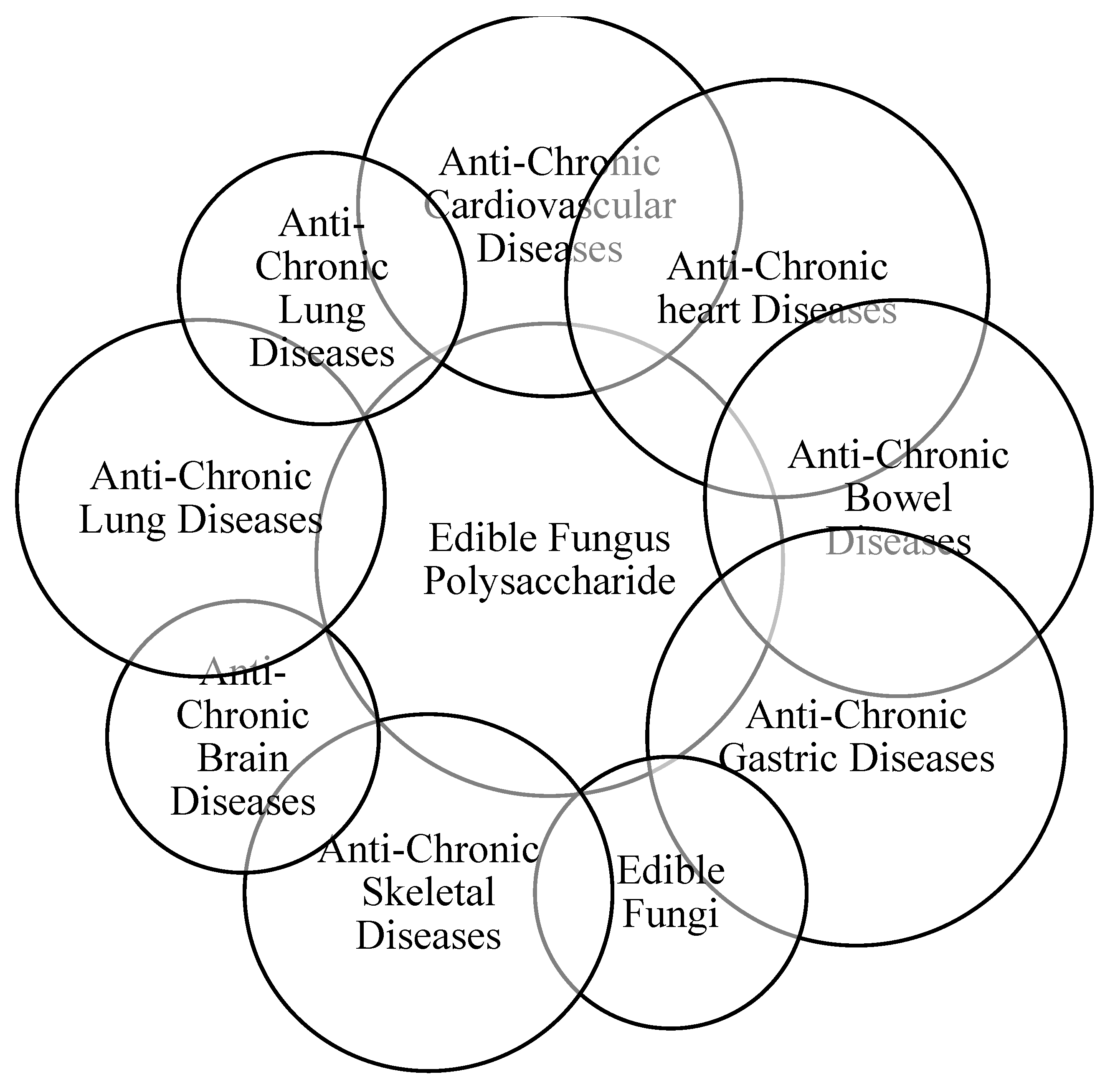

Table 1.
Studies on the biochemical activity of mushrooms components.
| SN | Mushroom | Study | Biological Activity | References |
|---|---|---|---|---|
| 1 | Lentinula edodes | In vitro | Stimulate the release of cytotoxic and cytostatic IL-1, IL- 2, IL-6, IL-8, TNF-, and TNF, and prevent the proliferation of breast cancer cells and DNA synthesis. |
Gu and Belury, [87] |
| 2. | Trametes versicolor | In vitro Clinical | Apoptosis, antiangiogenesis, antimetastasis, reversal of drug resistance, and immune modulation | Cai et al., [88] |
| 3 | Genus Pleurotus | In vitro | Stimulate NK cell, macrophage, and T cell proliferation, maturation of lymphocytes, natural killer cells, and macrophages results in an increase in the weight and size of the spleen. | Wang et al., [89] |
| 4 | Genus Agaricus | In vitro | Induce apoptosis, inhibit angiogenesis, stimulate TNF-α production by BMM | Delmanto et al., [90] |
| 5 | Genus Phellinus | In vitro | Anti-angiogenic effects by inhibiting the proliferation, migration, and assembly (HUVECs) into capillary-like structures | Lee and Hong, [91] |
| 6 | Hericium erinaceus | In vitro | Increase NK activity, activating macrophages, and inhibiting angiogenesis | Wang et al., [92] |
| 7 | Fomes fomentarius | In vitro | Inhibiting proliferation | Chen et al., [93] |
| 8 | Schizophyllum commune | Clinical Immunomodulation effect | Kumari et al., [94] | |
| 9 | Inonotus obliquus | In vitro | Halting the cell cycle during the G0/G1 phase and killing B16- F10 cells and induced cell differentiation. | Yong et al., [95] |
| 10 | Coprinus comatus | In vitro | Inhibit cancer cell proliferation | Asatiani et al., [96] |
| 11 | Grifola frondosa | In vitro | Macrophages are activated, and IL-1, IL-6, and IL-8 are released into the bloodstream. | Shi et al., [97] |
| 12 | Genus ganoderma | In vitro | Cytotoxic to cancer cells, inhibits cancer cell growth, stimulates T cells, increases IL-1, IL-2, IL-6, TNF-, and IFN expression and secretion, inhibits cell motility and angiogenesis, inhibits proliferation and induces apoptosis, downregulate cyclins A and B and upregulate p21 and p27, arrest cell cycle | Zhou et al., [98] |
Table 2.
Immunomodulatory Effects of Edible Mushrooms on Humans System.
| S/N | Author/Authors | Title of Publication | Edible Mushroom Worked on | Findings | Effects on Immune System |
|---|---|---|---|---|---|
| 1. | Adejumo et al. [105] | Nutritional and Immunomodulatory Properties of Edible and Medicinal Mushrooms in Nigeria | Oyster Mushroom (Pleurotus ostreatus), Shiitake (Lentinula edodes) | Results from the study indicated that local varieties of Oyster and Shiitake mushrooms contain polysaccharides that enhance immune cell activity and cytokine production. | Enhanced immune cell activity and cytokine production, supporting immune function. |
| 2. | Kalu et al. [106] | Antioxidant and Immune-Boosting Effects of African Indigenous Mushrooms | Termitomyces microcarpus | The results from the study showed that Termitomyces microcarpus extracts significantly increased antioxidant activity and enhanced the function of immune cells in vitro. | Increased antioxidant activity and enhanced immune cell function, improving immune health. |
| 3. | Okon et al. [107] | Immunomodulatory Effects of Psathyrella atroumbonata Extracts in Albino Rats | Psathyrella atroumbonata | Rats treated with Psathyrella atroumbonata extracts showed increased production of white blood cells and enhanced phagocytic activity. | Increased white blood cell production and enhanced phagocytic activity, strengthening the immune system. |
| 4. | Adebayo-Tayo et al. [108] | Comparative Study on the Immunostimulatory Activities of Nigerian Mushrooms | Pleurotus tuber-regium, Lentinus squarrosulus | The study compared the immunostimulatory activities of different Nigerian mushrooms, and results showed that both species enhanced cytokine production and immune cell proliferation. | Enhanced cytokine production and immune cell proliferation, indicating strong immunostimulatory effects. |
| 5. | Nwogu et al. [109] | Immunological Impacts of Ganoderma lucidum in Nigerian Traditional Medicine | Reishi Mushroom (Ganoderma lucidum) | The study confirmed that Ganoderma lucidum used in Nigerian traditional medicine increased the activity of macrophages and production of key cytokines. | Increased macrophage activity and cytokine production, supporting traditional uses in boosting immune health. |
| 6. | Kamara et al. [110] | Potential of African Wild Mushrooms as Immune Enhancers | Termitomyces robustus | The study found that Termitomyces robustus extracts significantly increased lymphocyte proliferation and cytokine release in vitro. | Increased lymphocyte proliferation and cytokine release, indicating strong potential as an immune enhancer. |
| 7. | Kim et al. [111] | Polysaccharides from King Oyster Mushroom (Pleurotus eryngii) and Their Effects on the Immune System | King Oyster Mushroom (Pleurotus eryngii) | Polysaccharides were found to boost macrophage activation and increase levels of immune-related cytokines in mice. | Boosted macrophage activation and increased cytokine levels, enhancing immune response. |
| 8. | Lee et al. [112] | Immunoenhancing Effects of Cordyceps sinensis in Healthy Adults | Cordyceps sinensis | Healthy adults showed increased levels of IL-1β, IL-6, and TNF-α, and enhanced T-cell proliferation after Cordyceps sinensis intake. | Increased cytokine levels and enhanced T-cell proliferation, indicating improved overall immune function. |
| 9. | Wang et al. [113] | Immunomodulatory Effects of Enoki Mushroom (Flammulina velutipes) Polysaccharides | Enoki Mushroom (Flammulina velutipes) | From the results, it was evident that polysaccharides from Enoki mushroom enhanced macrophage phagocytosis and increased production of nitric oxide and cytokines. | Enhanced phagocytic activity and increased nitric oxide and cytokine production, strengthening innate immunity. |
| 10. | Song et al. [114] | Anti-inflammatory and Immunomodulatory Effects of Chaga Mushroom (Inonotus obliquus) Extract | Chaga Mushroom (Inonotus obliquus) | Chaga (Inonotus obliquus) extract reduced pro-inflammatory cytokines and increased anti-inflammatory cytokines in cell cultures. | Reduction in pro-inflammatory cytokines and increase in anti-inflammatory cytokines, promoting balanced immune regulation. |
| 11. | Ma et al. [115] | Effects of Maitake Mushroom (Grifola frondosa) on Immune Function in Cancer Patients | Maitake Mushroom (Grifola frondosa) | Cancer patients showed enhanced NK cell activity and increased levels of IL-12 and TNF-α after Maitake supplementation. | Enhanced NK cell activity and increased cytokine levels, improving immune response against tumors. |
| 12. | Chang et al. [116] | Enhancement of Immune Response in Mice by Oral Administration of Reishi Mushroom (Ganoderma lucidum) | Reishi Mushroom (Ganoderma lucidum) | The study showed increased production of cytokines and enhanced activity of macrophages and natural killer cells in mice. | Boosted immune response, increased cytokine production, enhanced activity of immune cells. |
| 13. | Jeong et al. [117] | Immunomodulatory Effects of Shiitake Mushroom (Lentinula edodes) Extract in Healthy Adults | Shiitake Mushroom (Lentinula edodes) | The participants showed an increase in T-cell proliferation and enhanced NK cell activity after consuming Shiitake extract. | Increased T-cell proliferation and NK cell activity, indicating improved immune surveillance and response. |
| 14. | Yu et al. [118] | Antitumor and Immunomodulatory Activity of Polysaccharides from Lion’s Mane Mushroom (Hericium erinaceus) | Lion’s Mane Mushroom (Hericium erinaceus) | Polysaccharides extracted from Lion’s Mane showed significant activation of macrophages and increased production of nitric oxide. | Activation of macrophages and increased nitric oxide production, contributing to improved immune defense. |
| 15. | Zhang et al. [119] | Cordyceps militaris Enhances Immune Functions in Immunosuppressed Mice | Cordyceps militaris | Results from the study indicated restoration of splenic lymphocyte proliferation and increased IL-2 and IFN-γ levels in immunosuppressed mice. | Restoration of lymphocyte proliferation and increased cytokine levels, aiding recovery of immune function. |
Disclaimer/Publisher’s Note: The statements, opinions and data contained in all publications are solely those of the individual author(s) and contributor(s) and not of MDPI and/or the editor(s). MDPI and/or the editor(s) disclaim responsibility for any injury to people or property resulting from any ideas, methods, instructions or products referred to in the content. |
© 2024 by the authors. Licensee MDPI, Basel, Switzerland. This article is an open access article distributed under the terms and conditions of the Creative Commons Attribution (CC BY) license (http://creativecommons.org/licenses/by/4.0/).
Copyright: This open access article is published under a Creative Commons CC BY 4.0 license, which permit the free download, distribution, and reuse, provided that the author and preprint are cited in any reuse.


