

Submitted:
14 June 2024
Posted:
17 June 2024
You are already at the latest version
Abstract
Phytochemicals have a long and successful history in drug discovery. With recent advancements in analytical techniques and methodologies, discovering bioactive leads from natural compounds has become easier. Computational techniques like molecular docking, QSAR modelling and machine learning, and network pharmacology are among the most promising new tools that allow researchers to make predictions concerning natural products' potential targets, thereby guiding experimental validation efforts. Additionally, approaches like LC-MS or LC-NMR speed up compound identification by streamlining analytical processes. Integrating structural and computational biology aids in lead identification, thus providing invaluable information to understand how phytochemicals interact with potential targets in the body. Emerging computational approach is machine learning involving QSAR modelling and deep neural networks that interrelate phytochemical properties with diverse physiological activities such as antimicrobial or anticancer effects.
Keywords:
phytochemicals
; natural products
; traditional medicine
1. Introduction
Phytochemicals are plant natural products with biological activity that possess numerous therapeutic properties. Traditional medicines have utilised the beneficial properties associated with these compounds for centuries, highlighting their potential to become novel drug candidates [1]. Modern scientific approaches such as structural and computational biology offer unprecedented opportunities to study these natural products further. Analysis conducted via structural biology techniques has revealed three-dimensional structures of phytochemicals that can aid investigations with molecular docking or virtual screening to find new pharmacologically active molecules [2].
This literature review will explore the role of phytochemicals in modern-day drug discovery. The review highlights essential findings and trends in this field from 1995, focusing on the methodologies used, the challenges encountered, and future research prospects.
1.1. The Role of Phytochemicals in Traditional Medicine
Traditional medicine encompasses numerous approaches from indigenous knowledge systems and is heavily influenced by phytochemicals derived from plants that have both cultural and historical significance [3]. Plant-based remedies have shaped modern pharmacology through the identification of valuable therapeutic agents present within them. With its interdisciplinary approach, ethnopharmacology seeks to understand how these specific phytochemicals function as part of traditional healing methods [1].
Approximately 70−80% of the global population uses traditional medicines to treat diseases [4]. For those living in rural regions across the globe with limited access to advanced Western medical practices and technology, traditional medications continue to be an essential aspect of inclusive healthcare solutions [5]. Phytomedicines are derived from centuries-old healing traditions from the natural resources surrounding them. Moreover, these medicines often emphasise curing disease beyond the physical symptoms alone; they maintain a patient's overall psychological and ethical balance as integral determinants of health, making phytomedicines beneficial amongst community members who value holistic recovery [6]. Many such preparations are extracted directly from plants, and some can be modified by structural transformation. Given the natural diversity of plants globally, there are many unidentified phytochemicals whose biological actions are yet to be discovered [7]
In recent years, traditional Chinese and African medicine have been used against diseases, including COVID-19. For instance, the National Administration of Traditional Chinese Medicine organised a study to identify potential treatments against COVID-19, and the Lung Cleansing and Detoxifying Decoction (LCDD) was widely used and studied through clinical trials. LCDD contains 21 ingredients, including Ephedra sinica, Atractylodes macrocephala, and Scutellaria baicalensis, which likely counteract COVID-19 through synergistic activities[8]. The first trial showed that LCDD was effective on 90% of the 214 COVID-19 patients. Further trials were carried on a larger trial group with 1262 patients, including 57 with severe symptoms. The results showed that 99.28% of the patients recovered, and none of the patients developed severe symptoms during the treatment [8].
In Africa, an elixir based on Artemisia annua extract, known as "covid-organics," was used as a potential cure for COVID-19, and studies are still ongoing [9]. Plant-based antimalarials like artemisinin from Artemisia spp. have also been tested against the SARS-CoV-2 virus [10].
Panax ginseng has been widely used as a healing plant in Asian traditional medicine. This species contains many natural products, including ginsenosides, that exert qualities such as improving immune health, reducing inflammation, and having anticancer effects [11]. Similarly, turmeric, or Curcuma longa, a plant in the ginger family Zingiberaceae which is prominent in Ayurvedic culture, contains curcumin and has wound-healing abilities, antioxidant and anti-inflammatory activities [12]. Moreover, Echinacea from North America is effective against respiratory disorders [13]. Echinacea possesses phytochemicals such as phenolics, including, caftaric acid, chicoric acid, cynarin, chlorogenic acid and echinacoside. Volatile terpenes, such as germacrene D and polyacetylene, are also present, and these possess antimicrobial and antioxidant activities. Ascorbic acid is also present, and it aids in immune augmentation. The polysaccharides and glycoproteins in the plant, including arabinogalactans, inulin and heteroxylans, possess immunostimulatory and anti-inflammatory activities that aid in immune modulation, thus reducing inflammation often experienced during illness episodes [14,15,16].
Plant-derived compounds have also been used to treat diarrhoea, a major global health issue. Several scientific studies have found that herbal extracts act as anti-secretory agents, have anti-peristaltic effects, and have antimicrobial and antispasmodic properties. Apigenin and friedelin have been identified as strong anti-diarrhoeal agents because of their anti-secretory and anti-motility activity [17].
Arctostaphylos uva-ursi and Vaccinium macrocarpon have been used to treat urinary tract infections, and the essential oils from Allium sativum, Melaleuca alternifolia, and Melissa officinalis have been extensively used to treat respiratory, GI, urinary, and skin infections [18].
The examples above show that plant-derived phytochemicals may play a role in traditional medicine, offering potential remedies for various health conditions. With the integration of modern and traditional medical systems and the exploration of the world's under-explored biodiversity, there is immense potential to discover novel phytochemicals and drug leads.
1.2. Examples of approved commercial phytochemical drugs
Several plant-derived drugs on the market have been developed to treat various diseases (Figure 1), e.g., apomorphine (1) is made semisynthetically from morphine isolated from Papaver somniferum L. While originally investigated as a potential non-addictive morphine replacement, the pharmacology of 1 is distinct, acting as a dopamine receptor agonist and it is now approved for the treatment of Parkinson’s disease [19]. Arteether (2) is a semisynthetic drug derived from artemisinin from Artemisia annua and is used to treat malaria. Arteether is oil soluble, has a long elimination, half-life, and is more stable than artemisinin [20]. Galantamine (3) is an Amaryllidaceae alkaloid from Galanthus woronowii and an acetylcholinesterase inhibitor used in Alzheimer's treatments [18]. Tiotropium is a muscarinic receptor antagonist from Atropa belladonna that has been used to treat asthma and chronic obstructive pulmonary disease (COPD) [21]. Other examples include anthocran, cysticlean and monoselect macropcarpon from Vaccinium spp., which are being used to treat urinary tract infections. GutGuard is a standard product that was derived from Glycyrrhiza glabra extract, and Parodontax is a product that was developed from Commiphora myrrha, Echinacea purpurea, Krameria triandra, and Matricaria recutita extracts. Mentha arvensis, M. piperita and Salvia officinalis essential oils have all been used to treat oral infections [22].
Even in recent times, natural products play a role in drug development, with 10 of 53 new products approved by the FDA in 2023 being natural products (Figure 2) [23]. Examples include bexagliflozin (4) (BrenzavvyTM) and sotalgliflozin (5) (InpefaTM), sodium-glucose co-transporter inhibitors that are synthetic analogues of the natural product phlorizin originally isolated from apple trees. BrenzavvyTM has been authorized for glycemic control in adults with type 2 diabetes, and InpefaTM has been approved as a cardiovascular therapeutic. The synthetic steroids zuranolone (6) (ZurzuvaeTM) and vamorolone (7) (AgamreeTM) were respectively approved for the treatment of postpartum depression and Duchenne muscular dystrophy.
FilsuvezTM is an extract of birch terpenpoids that was approved in 2023. The topical gel consists of pentacyclic triterpenes (Figure 3), namely, betulin (8) (72–88%), lupeol (9) (2.4–5.7%), betulinic acid (10) (2.6–4.2%), erythrodiol (11) (0.5–1.2%), and oleanolic acid (12) (0.3–0.8%). The gel treats partial-thickness wounds with Junctional and Dystrophic Epidermolysis Bullosa (JEB and DEB). This is the first treatment approved for wounds associated with the rare disease JEB [23].
2. Phytochemicals and their modern-day applications
2.1. Phytochemicals as antivirals
Viral infections are one of the leading causes of morbidity and mortality. Examples of severe viral infections are Ebola, AIDS (acquired immunodeficiency syndrome), influenza, and SARS (severe acute respiratory syndrome) [24]. Viruses have several invasion mechanisms. Due to their genetic diversity, each virus has its unique biochemical configuration of surface molecules, which work like a lock and key, enabling viruses to enter hosts by accurately fitting the molecules on the surfaces of targets [25].
There is some evidence of antiviral potential of phytochemicals, particularly with tannins, yet little progress has been made in clinical analysis and product development. Preliminary studies suggest the feasibility of developing phytotherapeutics against viral infections [26,27,28,29]. For instance, saponins extracted from the bark of the soapbark tree (Quillaja saponaria), were successfully utilised as an adjuvant in the Pneumo-5 vaccine, offering potent protection against the bovine parainfluenza-3 virus [30,31].
Natural products, may be selective antiviral agents [32], but their effectiveness can be limited by high cytotoxicity or low antiviral activity [33]. Further research on the anti-viral properties of phytochemicals will allow for the development of target-specific drug delivery systems. Very little knowledge exists of how phytochemicals interact with viruses or structures within the host cells. Therefore, there is a need to develop novel technologies and targeting strategies that can avoid cellular defences, transport phytochemicals to targeted intracellular sites, and release the phytochemicals in response to specific molecular signals [34]. Developing drug delivery systems, such as PEG-PLGA nanoparticles, can enhance their selectivity index and improve their protective properties against respiratory viruses [35,36]. Moreover, combining phytochemicals with established antiviral drugs may also enhance efficacy. For example the sesquiterpene (Figure 4) germacrone (13), when paired with oseltamivir, demonstrated a synergistic effect in inhibiting influenza virus infection both in vitro and in vivo [37].
The Human Immunodeficiency Virus (HIV) is classified as a 'balanced pathogen', persistently residing in the human body without immediately causing the catastrophic consequences observed with viruses such as COVID-19. It eventually progresses to terminal illness through ongoing replication, necessitating rigorous treatment for its eradication [38]. Several phytochemicals may control HIV using various mechanisms, as shown in Figure 5. [39]. One study showed that Patentiflorin A was more effective in suppressing HIV than azidothymidine (zidovudine) [40].
Plants were used extensively by local communities during the COVID-19 pandemic [41,42,43,44]. Medicinal plants may possess anti-inflammatory and anti-oxidative properties [45]. Several phytochemicals, such as capsaicin, gallic acid, naringin, psychotrine and quercetin, have shown some antiviral properties targeting COVID-19 [46]. Another study by Hafidul et al. 2020 revealed that ginger metabolites geraniol, gingerol, shogaol, zingerone, zingiberene and zingiberenol have exceptional antiviral properties that can reduce the virulence of SARS-CoV-2. These natural products bind to the Spike (S) protein and disrupt binding to the ACE2 receptor on the host cell phytochemicals as well as inhibiting the main protease (Mpro) necessary for replication of the virus [47].
2.2. Phytochemicals in Cancer Combination Therapies
Several phytochemicals possess multi-targeted activity that simultaneously act on various biological pathways implicated in cancer [48,49]. Incorporating nature-derived substances in poly-cures may benefit overall treatment efficacy through synergism [1,50]. Additionally, evidence indicates that combining various phytochemicals could yield potent synergistic effects that boost overall treatment efficiency while hindering the emergence of drug resistance [1,51].
The emergence of chemo-resistance has resulted in the development of combination cancer therapy [52]. Combining multiple compounds can create a synergistic effect, amplifying their therapeutic benefits beyond the sum of their results. Synergy may lead to greater efficacy while requiring lower dosages for individual components, reducing unfavourable side effects. The potential synergy between natural products and co-administered drugs could yield more significant clinical responses for patients suffering from varied illnesses or health conditions. By targeting multiple pathways simultaneously, natural products may have the ability to overcome resistance triggered by mutations and modifications in single targets. Additionally, combining natural products with conventional drugs creates selective pressure on pathogens and cells or causes reduced mutation rates [53,54]. Optimising the pharmacokinetic profiles of combined drug therapies is critical for achieving maximal therapeutic benefits while minimising adverse drug reactions. Incorporating natural products into these therapeutic strategies offers a novel approach to improving overall efficacy [55,56,57]. Natural products within this framework are advantageous due to their multifaceted forms and inherent molecular diversity, which generate many pharmacological effects [58,59,60].
A study by Wang et al. (2022) demonstrated that nanoparticles can be used for co-delivery of these drugs in cancer therapy [61]. In recent studies, mesoporous nanoparticles were used to deliver 5-fluorouracil (5-FU), a chemotherapy drug used for chemotherapy and curcumin (Figure 6). This combination led to cell cycle arrest and apoptosis in laryngeal tumours (Hep-2 cells). [62].
The emerging strategy of drug repositioning and repurposing existing drugs for new therapeutic applications presents an opportunity for phytochemicals. Bioactive phytochemicals such as the taxanes (14), ellipticine (15), camptothecin (16), combretastatin (17), , podophyllotoxin (19), homoharringtonine (20) (Figure 7), and others are reported for their potential anticancer effects on various neoplastic diseases [66].
Moreover, phytochemicals have been applied in cancer immunotherapy and vaccines and used as immune checkpoint inhibitors [67]. The FDA has confirmed the use of natural products and immunotherapeutic approaches in cancer treatment. Moreover, the process of cancer drug discovery has been accelerated by natural products, and evidence has shown that approximately 47% of anti-tumour drugs are derived from natural products [52,68,69,70,71,72,73,74,75]. Several studies have shown that natural compounds are capable of reducing estrogen receptor alpha (ER-α) levels, angiogenesis suppression proliferation and metastasis inhibition, apoptosis and cell cycle arrest of breast tumours [52,76,77,78,79].
2.3. Phytochemicals as antimicrobials
The search for novel antibiotics should be accelerated as there are new microbial resistance determinants in bacteria, some of which have no effective remedies [80]. Microbial pathogens have developed self-defence machinery which protects them against antimicrobial drugs, antibiotics, and pesticides (Figure 5). These mechanisms are active in pathogenic microbes, especially antibiotic-resistant phenotypes, ensuring their protection against a wide range of antibiotics [81,82].
Plants have been shown to possess antimicrobial activities, even in their crude form. The crude extracts or powders can further be purified to enhance potencies [83]. Several medicinal plant species are distributed across the African region and have been shown to possess some antimicrobial properties, e.g., Hibiscus calyphyllus, Cassia abbreviata, Dicoma anomala, Securidosa longipendunculata and Lippia javanica, to name a few [84]. Phytochemicals can play an important role in combatting antimicrobial resistance (AMR) and reducing the burden of infectious diseases. There is ongoing research in developing new antimicrobial therapies, which are currently supported by technological advancements in proteomics and metabolomics in Africa despite the economic challenges [84].
Phytochemicals may play an essential role in drug resistance since they are chemically diverse and possess a wide range of biological activities, which allows them to be used in complementary therapies [81]. They possess antimicrobial activities which can combat antimicrobial resistance when combined with multiple drugs with different mechanisms of action [1,85].
The chemical diversity of phytochemicals offers a large repository for identifying novel drugs with distinctive modes of action (Figure 8). This heterogeneity allows these phytochemicals to home in on distinct cellular pathways and receptors, thus providing a better chance of discovering compounds that could potentially overcome drug resistance mechanisms encountered with current medications [1,86]. Phytochemicals can enhance antibiotic efficacy by disrupting bacterial cell walls, inhibiting efflux pumps, or modulating virulence factors (Figure 8).
3. Drug discovery approaches using phytochemicals
Synthetic compounds have dominated the field of medicinal chemistry [87]. Nevertheless, due to their diverse bioactivities, phytochemicals are increasingly considered promising alternatives for new drug development [1,86]. For instance, lead compounds can be obtained from phytochemicals such as alkaloids, terpenes, and flavonoids [1,88]. One key attribute supporting the importance of phytochemicals in drug discovery stems from their chemical diversity, broad spectrum of biological functions, and historical use within traditional medicinal practices [89]. As such, phytochemical screening is valuable for lead compound discovery efforts.
Drug development uses sophisticated techniques, including high-throughput screening, structure-based drug design and computational methods [90] (Figure 6). Phytochemicals can be modified to enhance variables like drug effectiveness, resulting in an excellent resource pool to design new medical regimens specific to patients' needs [91,92]. Though synthetic compounds have historically been a prominent source of drug candidates discovered via these approaches, natural products are also being explored. Despite this effort, identifying new drugs from natural sources remains daunting because of their complex structures and challenges in isolation and identification processes [93].
3.1. Traditional versus modern drug discovery methods
Pharmacological research has dedicated numerous years seeking new compounds capable of efficiently treating different disorders. Exploring potential medications has included techniques such as rational drug design (producing synthetic molecules based on current drugs) or ethnopharmacology by adopting indigenous remedies. Additionally, using naturally occurring substances extracted from plants or animals (a natural-product-based strategy) has been utilised in several studies [1,94]. Although these methods resulted in positive effects in some situations, they demanded substantial effort and took significant periods for discovery.
Thanks to advances in structural and computational biology, exploring phytochemicals' potential applications in drug discovery has never been more promising. With unparalleled detail and accuracy surpassing traditional laboratory experiments, these cutting-edge techniques give researchers unprecedented insight into biological processes, which is invaluable towards finding new treatments for the numerous maladies weighing heavily on humanity [1,95]. Despite this, identifying, designing, and testing promising drugs still presents formidable challenges that must be overcome.
3.1.1. Traditional Drug Discovery Methods
Serendipitous events have played a crucial role in discovering life-saving medications in drug discovery. A great example is the chance discovery of penicillin by Alexander Fleming in 1928 when his bacterial culture was accidentally contaminated [96]. Although such occurrences can be unpredictable and unreliable for systematically identifying new drugs, ethnopharmacology's study of traditional medicines and plant-based treatments has provided another promising avenue for innovation. Natural product screening is another method used to investigate various organic samples, including plants and microbes, along with defined criteria consistently uncovering novel biologically active molecules targeting multiple medical conditions across oncology, their diagnosis and treatment, and various bacterial/viral infections of multiple organ systems. Despite its effectiveness, conventional bioactivity-guided fractionation and isolation is a time-consuming process that may only sometimes lead to the discovery of new compounds [1,97].
3.1.2. Modern Drug Discovery Methods
The integration of molecular biology, biochemistry, and structural biology has ushered in a new era for drug design [98,99,100]. Rational drug design represents a contemporary approach grounded in an exhaustive understanding of the disease mechanism and the target molecule's structure and function. Such intrinsic knowledge enables researchers to develop particular and potent therapeutic agents targeting particular interactions. However, creating these agents requires extensive research into the disease and the targeted molecule's nature. It is widely regarded as one of modern medicine's most innovative approaches [101].
High-throughput screening (HTS) technology maximises efficiency while evaluating large libraries of compounds for their biological activity against specific targets or disease models within pharmaceutical research settings. High-throughput screening can be employed on several compound libraries, such as synthetic, natural product extracts, genome-scale gene knockouts, or RNA interference reagents (Figure 6). Although HTS yields rapid discoveries of active compounds, obstacles such as a lack of proper assay materials and potential inaccuracies may arise to limit its effectiveness [102,103].
Fortunately, computational tools like molecular modelling or docking enable researchers to expect interactions between generated molecules and their intended targets while also determining the chemical properties of these agents so they can assign priority levels before testing [104,105]. While computational methods have shown remarkable potential in accelerating drug discovery efforts, their success relies heavily on two primary factors: the quality and relevance of input data sets and the algorithms' efficacy and precision [106,107,108].
Over the past years, several studies have explored the properties of phytochemicals as either adjuvants or inhibitors to enhance the potency of existing antibiotics, showing promising results for future medical applications. By employing computational techniques like virtual screening, molecular docking, QSAR modelling and network pharmacology, scientists can quickly and more efficiently discover and enhance natural compounds with activity against drug-resistant targets (Figure 6) [1,28,109,110]. These methods provide insight into the mechanisms underlying phytochemical action towards drug resistance, thus adding to our understanding of such diseases. Advanced analytical methods that help isolate, identify, and characterise potential compounds have recently been applied. Furthermore, combining separation and detection methods through hyphenated approaches such as LC-MS and LC-NMR are efficient in streamlining compound identification (Figure 6) [111,112,113].
4. Computational approaches to identifying potential phytochemical drugs
Computational approaches have emerged as an effective means of identifying and optimising phytochemical therapeutics. For instance, machine learning, virtual screening, molecular dynamics simulations and molecular docking have previously been used to identify and modify the biological activity of phytochemicals (Figure 9) [reference].
Virtual screening is a popular computational technique in drug discovery that can rapidly evaluate and prioritise compounds for experimental testing against a specific target or disease model [116,117,118]. Several approaches can be used, e.g., molecular descriptors and fingerprint-based similarity searching to ligand-based pharmacophore model or structure-based techniques. [119,120,121].Virtual screening methods can be applied to large databases containing known phytochemicals or to in silico-generated libraries mimicking natural products [122]. This efficient technique manages large datasets and can reduce the number of compounds evaluated in biological assays [123].
4.1. Molecular Docking
Molecular docking has emerged as a game-changer in phytochemical drug discovery, offering a computational strategy to predict a phytochemical’s binding mode to its target protein(s) [126]. This tool is indispensable in selecting phytochemicals with high potential for further experimental investigation [126]. For instance, during the COVID-19 pandemic, molecular docking was instrumental in assessing and validating the ability of phytochemical ligands to interact with druggable targets for SARS-CoV-2 replication and pathogenesis.[reference] Among the predicted SARS-CoV-2 targets, the main protease (3CLpro) stood out as a significant druggable target due to its high conservation and the fatal impact its mutation would have on the virus [127]. In another study, 43 drugs and 35 phytochemical candidates were selected for molecular docking studies based on their potential inhibitory effects towards the Spike glycoprotein of SARS-CoV-2. These candidates passed toxicity prediction and drug likeliness and demonstrated a consistent docking to all the variants. Liquiritin (14) (a repurposed drug) and apigenin (15) (a phytochemical) (Figure 9) emerged as top contenders based on docking score, ADMET analysis, and drug likeliness profiles. However, in vitro and in vivo studies are yet to be carried out to validate its potency [128].
4.2. Molecular Dynamics
Molecular dynamics (MD) may also play an important role to refine docking or virtual screening results because biomolecules in the human body are dynamic, unlike the static conformations used in traditional structure-based drug design methods. Therefore, understanding the changing molecular structure of proteins can be critical. Molecular dynamics (MD) predicts biomolecule molecular and structural changes due to inter- and intramolecular forces, making it critical for drug discovery studies [123]. Moreover, molecular dynamic simulations can augment structure models by adding dynamics and atomic-scale movements [124].
The correlated atomic movements of phytochemicals must be interpreted in the context of pathways and processes to translate atomic-level understanding to functional insights at the cellular level. Network-based methods developed to this end have led to workable and predictable cell models [125]. Our understanding of cellular complexity is enhanced by integrating data from diverse sources, where the power of each dataset can be combined to complement one another, leading to discoveries with actionable insights.
Additionally, other phytochemicals, such as phenolics and terpenoids, have shown potential as leads, including quercetin, luteolin, and neoandrographolide (Figure 10) that were identified as potential inhibitors of SARS-CoV-2 druggable protein targets. It was shown that their interaction could disrupt viral replication and pathogenesis [129].
Molecular docking has also been instrumental in discovering anticancer drugs from phytochemicals. For instance, in a study by Swargiary and Mani (2021), bayogenin (19) and andrographolide (21) (Figure 11) were revealed as the best lead compounds to target Hexokinase 2 (HK2) through molecular docking. Asiatic acid (20) also interacted with HK2, albeit less effectively than bayogenin and andrographolide. These compounds may be novel anticancer agents targeting HK2, pending further in vitro and in vivo experimental studies [130]. In another study on Sauropus androgynus, molecular docking and network pharmacology were employed to identify prime target genes and potential mechanisms, with AKT1, mTOR, AR, PPID, FKBP5, and NR3C1 being identified [131]. The PI3K-Akt signalling pathway, an essential regulatory node in various pathological processes, was significantly impacted. This study combined network pharmacology, molecular docking, and in vitro experiments to better understand the anticancer and anti-inflammatory molecular bioactivities of S. androgynous [131].
4.3. Machine Learning and Artificial Intelligence
Artificial Intelligence and machine learning (ML) algorithms hold immense potential for improving our understanding of phytochemistry and its application to medical science. These methods offer convenient ways to explore how certain structural elements affect a compound's qualities, such as bioactivity or biochemical behaviour. Through employing machine learning (ML) techniques like deep learning, and network-based approaches [132], researchers have provided several insights into phytochemical research.[need a reference for the use in phytochemical research] These powerful computational tools allow researchers to analyse the intricate connections between phytochemical molecular characteristics and their biological properties, thereby identifying potential targets for therapy development. Moreover, machine learning offers new avenues for developing therapies based on particular phytochemicals to predict possible patient-specific reactions [133]. In one study, Shin et al. (2023) developed a workflow comprising two quantitative structure-activity relationship-based machine learning models to discover novel glucocorticoid receptor (GR)-antagonizing phytochemicals. The two models identified 65 phytochemicals that antagonised GR. They found demethylzeylasteral (22) (Figure 12), a phytochemical of the Tripterygium wilfordii Radix, exhibited potent anti-obesity activity in vitro [134].
Another study evaluated a novel computational screening strategy that classified bioactive compounds and plants in semantic space generated by word embedding algorithms. The classifier showed good performance in binary (presence/absence of bioactivity) classification for both phytochemicals and plant genera, and this strategy led to the discovery of antimicrobial activity of several essential oils from Cinnamomum sieboldii and Lindera triloba against S. aureus. The results validated machine-learning classification in semantic space and showed that this approach can be useful for exploring bioactive plant extracts [135].
García-Pérez et al. (2020) combined plant in vitro culture with neuro-fuzzy logic to characterise and optimise experimental conditions to produce phenolic compounds in the Bryophyllum spp. plant under nutritional stress. The algorithms could learn from experimental observations and construct a model with prediction abilities to characterise flavonoid content, total phenolic content, and radical-scavenging activity. They also proposed the combination of two cutting-edge methodologies involving plant in vitro culture and artificial intelligence-based tools to identify the phytochemical potential of under-exploited medicinal plants [136]. Artificial intelligence–based approaches such as machine learning have great potential for improving the bio-relevance of in vitro biological assays because machine learning models have better inherent accuracy in predicting in vivo outcomes than current in vitro assay models. [137].
5. Conclusions
Using phytochemicals as a basis for drug discovery is a promising avenue for creating novel therapeutic drugs. Moreover, coupled with current technologies, phytochemicals can be harnessed and applied in the drug discovery processes. For example, optimising high-throughput screening, application of computational practices, implementing synthetic biology techniques, and customising precision medicine can significantly streamline progress in creating effective therapeutics from phytochemicals. The use of emerging technologies and interdisciplinary research will help in maximising the potential benefits of phytochemicals in treating various diseases. By using or applying these cutting-edge tools, we can unlock new innovative therapeutics with far-reaching implications for patients worldwide.
Author Contributions
“Conceptualization, P.C.; writing—original draft preparation, P.C.; writing—review and editing, M.H., A.G., S.G., K.W.; visualization, P.C.; supervision, M.H., A.G., S.G., M.J., K.W., A.N.; project administration, M.H. All authors have read and agreed to the published version of the manuscript.”
Funding
P.C. was funded by the AstraZeneca Postdoctoral Program.
Institutional Review Board Statement
“Not applicable”
Informed Consent Statement
“Not applicable.”
Conflicts of Interest
P.C., M.J., A.N., K.W. and M.H. are at AstraZeneca.
References
- Atanasov, A.G.; Zotchev, S.B.; Dirsch, V.M.; Orhan, I.E.; Banach, M.; Rollinger, J.M.; et al. Natural products in drug discovery: advances and opportunities. Nat. Rev. Drug Discov 2021, 20, 200–216. [Google Scholar] [CrossRef] [PubMed]
- Ourmazd, A.; Moffat, K.; Lattman, E.E. Structural biology is solved — now what? Nat. Methods 2022, 19, 24–26. [Google Scholar] [CrossRef] [PubMed]
- Lemonnier, N.; Zhou, G.-B.; Prasher, B.; Mukerji, M.; Chen, Z.; Brahmachari, S.K.; et al. Traditional Knowledge-based Medicine: A Review of History, Principles, and Relevance in the Present Context of P4 Systems Medicine. Prog Prev Med 2017, 2, e0011. [Google Scholar] [CrossRef]
- Sheng-Ji, P. Ethnobotanical Approaches of Traditional Medicine Studies: Some Experiences From Asia. Pharm Biol 2001, 39, 74–79. [Google Scholar]
- Garcia, S. Pandemics and Traditional Plant-Based Remedies. A Historical-Botanical Review in the Era of COVID19. Front Plant Sci 2020, 11, 571042. [Google Scholar] [CrossRef] [PubMed]
- Kurhekar, J.V. Chapter 4 - Ancient and modern practices in phytomedicine. In Preparation of Phytopharmaceuticals for the Management of Disorders; Egbuna, C., Mishra, A.P., Goyal, M.R., Eds.; Eds.; Publisher: Academic Press, 2021; pp. 55–75. [Google Scholar]
- Mendelsohn, R.; Balick, M.J. The value of undiscovered pharmaceuticals in tropical forests. Econ Bot 1995, 49, 223–228. [Google Scholar] [CrossRef]
- Weng, J.K. Plant Solutions for the COVID-19 Pandemic and Beyond: Historical Reflections and Future Perspectives. Mol Plant 2020, 13, 803–807. [Google Scholar] [CrossRef] [PubMed]
- Mohanty, S.S.; Sahoo, C.R.; Paidesetty, S.K.; Padhy, R.N. Role of phytocompounds as the potential anti-viral agent: an overview. Naunyn Schmiedebergs Arch Pharmacol 2023, 396, 2311–2329. [Google Scholar] [CrossRef] [PubMed]
- Farmanpour-Kalalagh, K.; Beyraghdar Kashkooli, A.; Babaei, A.; Rezaei, A. , van der Krol, A.R. Artemisinins in Combating Viral Infections Like SARS-CoV-2, Inflammation and Cancers and Options to Meet Increased Global Demand. Front Plant Sci 2022, 13. [Google Scholar] [CrossRef]
- Chang, Y.S.; Seo, E.K.; Gyllenhaal, C.; Block, K.I. Panax ginseng: a role in cancer therapy? Integr Cancer Ther 2003, 2, 13–33. [Google Scholar] [CrossRef]
- Akaberi, M.; Sahebkar, A.; Emami, S.A. Turmeric and Curcumin: From Traditional to Modern Medicine. Adv Exp Med Biol 2021, 1291, 15–39. [Google Scholar] [PubMed]
- Aucoin, M.; Cooley, K.; Saunders, P.R.; Carè, J.; Anheyer, D.; Medina, D.N.; et al. The effect of Echinacea spp. on the prevention or treatment of COVID-19 and other respiratory tract infections in humans: A rapid review. Adv Integr Med 2020, 7, 203–217. [Google Scholar] [CrossRef] [PubMed]
- Nagoor Meeran, M.F.; Javed, H.; Sharma, C.; Goyal, S.N.; Kumar, S.; Jha, N.K.; et al. Can Echinacea be a potential candidate to target immunity, inflammation, and infection - The trinity of coronavirus disease 2019. Heliyon 2021, 7. [Google Scholar] [CrossRef]
- Manayi, A.; Vazirian, M.; Saeidnia, S. Echinacea purpurea: Pharmacology, phytochemistry and analysis methods. Pharmacogn Rev 2015, 9, 63–72. [Google Scholar] [PubMed]
- Barnes, J.; Anderson, L.A.; Gibbons, S.; Phillipson, J.D. Echinacea species (Echinacea angustifolia (DC. ) Hell., Echinacea pallida (Nutt.) Nutt.,Echinacea purpurea (L.) Moench): a review of their chemistry, pharmacology and clinical properties. J Pharm Pharmacol 2005, 57, 929–954. [Google Scholar]
- Rawat, P.; Singh, P.K.; Kumar, V. Evidence based traditional anti-diarrheal medicinal plants and their phytocompounds. Biomed Pharmacother 2017, 96, 1453–1464. [Google Scholar] [CrossRef] [PubMed]
- Heinrich, M.; Lee Teoh, H. Galanthamine from snowdrop--the development of a modern drug against Alzheimer's disease from local Caucasian knowledge. J Ethnopharmacol 2004, 92, 147–162. [Google Scholar] [CrossRef] [PubMed]
- Deleu, D.; Hanssens, Y.; Northway, M.G. Subcutaneous apomorphine: an evidence-based review of its use in Parkinson's disease. Drugs Aging 2004, 21, 687–709. [Google Scholar] [CrossRef]
- van Agtmael, M.A.; Eggelte, T.A. , van Boxtel, C.J. Artemisinin drugs in the treatment of malaria: from medicinal herb to registered medication. Trends Pharmacol Sci 1999, 20, 199–205. [Google Scholar] [CrossRef]
- Mundy, C.; Kirkpatrick, P. Tiotropium bromide. Nat Rev Drug Discov 2004, 3, 643–644. [Google Scholar] [CrossRef]
- Khameneh, B.; Eskin, N.A.M.; Iranshahy, M.; Fazly Bazzaz, B.S. Phytochemicals: A Promising Weapon in the Arsenal against Antibiotic-Resistant Bacteria. Antibiotics (Basel) 2021, 10, 10. [Google Scholar] [CrossRef] [PubMed]
- de la Torre, B.G.; Albericio, F. The Pharmaceutical Industry in 2023: An Analysis of FDA Drug Approvals from the Perspective of Molecules. Mol 2024, 29. [Google Scholar] [CrossRef] [PubMed]
- Choudhari, A.S.; Mandave, P.C.; Deshpande, M.; Ranjekar, P.; Prakash, O. Phytochemicals in Cancer Treatment: From Preclinical Studies to Clinical Practice. Front Pharmacol 2019, 10, 1614. [Google Scholar] [CrossRef] [PubMed]
- Gasparini, R.; Amicizia, D.; Lai, P.L.; Panatto, D. Clinical and socioeconomic impact of seasonal and pandemic influenza in adults and the elderly. Hum Vaccin Immunother 2012, 8, 21–28. [Google Scholar] [CrossRef] [PubMed]
- Jassim, S.A.A.; Naji, M.A. Novel antiviral agents: a medicinal plant perspective. J Appl Microbiol 2003, 95, 412–427. [Google Scholar] [CrossRef] [PubMed]
- Bhattacharya, R.; Dev, K.; Sourirajan, A. Antiviral activity of bioactive phytocompounds against coronavirus: An update. J Virol Methods 2021, 290, 114070. [Google Scholar] [CrossRef] [PubMed]
- Sankar, M.; Ramachandran, B.; Pandi, B.; Mutharasappan, N.; Ramasamy, V.; Prabu, P.G.; et al. In silico Screening of Natural Phytocompounds Towards Identification of Potential Lead Compounds to Treat COVID-19. Front Mol Biosci 2021, 8, 8. [Google Scholar] [CrossRef] [PubMed]
- Kar, B.; Dehury, B.; Singh, M.K.; Pati, S.; Bhattacharya, D. Identification of phytocompounds as newer antiviral drugs against COVID-19 through molecular docking and simulation based study. J Mol Graph Model 2022, 114, 108192. [Google Scholar] [CrossRef] [PubMed]
- Gul, I.; Hassan, A.; Haq, E.; Ahmad, S.M.; Shah, R.A.; Ganai, N.A.; et al. An Investigation of the Antiviral Potential of Phytocompounds against Avian Infectious Bronchitis Virus through Template-Based Molecular Docking and Molecular Dynamics Simulation Analysis. Viruses 2023, 15, 847. [Google Scholar] [CrossRef]
- Abd El Fadeel, M.R.; El-Dakhly, A.T.; Allam, A.M.; Farag, T.K.; El-Kholy, A.A. Preparation and efficacy of freeze-dried inactivated vaccine against bovine viral diarrhea virus genotypes 1 and 2, bovine herpes virus type 1.1, bovine parainfluenza-3 virus, and bovine respiratory syncytial virus. Clin Exp Vaccine Res.
- Reed, J.; Orme, A.; El-Demerdash, A.; Owen, C.; Martin, L.B.B.; Misra, R.C.; et al. Elucidation of the pathway for biosynthesis of saponin adjuvants from the soapbark tree. Science 2023, 379, 1252–1264. [Google Scholar] [CrossRef]
- Jamshidnia, M.; Sewell, R.D.E.; Rafieian-Kopaei, M. An Update on Promising Agents against COVID-19: Secondary Metabolites and Mechanistic Aspects. Curr Pharm Des 2022, 28, 2415–2425. [Google Scholar] [CrossRef] [PubMed]
- Musarra-Pizzo, M.; Pennisi, R.; Ben-Amor, I.; Mandalari, G.; Sciortino, M.T. Antiviral Activity Exerted by Natural Products against Human Viruses. Viruses 2021, 13. [Google Scholar] [CrossRef] [PubMed]
- Thakur, M.; Singh, M.; Kumar, S.; Dwivedi, V.P.; Dakal, T.C.; Yadav, V. A Reappraisal of the Antiviral Properties of and Immune Regulation through Dietary Phytochemicals. ACS Pharmacol Transl Sci 2023, 6, 1600–1615. [Google Scholar] [CrossRef] [PubMed]
- Loureiro, J.A.; Pereira, M.C. PLGA Based Drug Carrier and Pharmaceutical Applications: The Most Recent Advances. Pharmaceutics 2020, 12. [Google Scholar] [CrossRef]
- Mares, A.G.; Pacassoni, G.; Marti, J.S.; Pujals, S.; Albertazzi, L. Formulation of tunable size PLGA-PEG nanoparticles for drug delivery using microfluidic technology. PLoS One 2021, 16, e0251821. [Google Scholar] [CrossRef] [PubMed]
- Ma, L.; Yao, L. Antiviral Effects of Plant-Derived Essential Oils and Their Components: An Updated Review. Mol 2020, 25. [Google Scholar] [CrossRef] [PubMed]
- Priyadarsani Mandhata, C.; Ranjan Sahoo, C.; Nath Padhy, R. A comprehensive overview on the role of phytocompounds in human immunodeficiency virus treatment. J Integr Med 2023, 21, 332–353. [Google Scholar] [CrossRef]
- Kaur, R.; Sharma, P.; Gupta, G.K.; Ntie-Kang, F.; Kumar, D. Structure-Activity-Relationship and Mechanistic Insights for Anti-HIV Natural Products. Mol 2020, 25, 2070. [Google Scholar] [CrossRef]
- Zhang, H.-J.; Rumschlag-Booms, E.; Guan, Y.-F.; Wang, D.-Y.; Liu, K.-L.; Li, W.-F.; et al. Potent Inhibitor of Drug-Resistant HIV-1 Strains Identified from the Medicinal Plant Justicia gendarussa. J Nat Prod 2017, 80, 1798–1807. [Google Scholar] [CrossRef]
- Oladele, J.O.; Ajayi, E.I.; Oyeleke, O.M.; Oladele, O.T.; Olowookere, B.D.; Adeniyi, B.M.; et al. A systematic review on COVID-19 pandemic with special emphasis on curative potentials of Nigeria based medicinal plants. Heliyon 2020, 6, e04897. [Google Scholar] [CrossRef]
- da Silva, A.M.; Horsth, A.L.; Timóteo, É.d.S.; Faria, R.J.; Bazoni, P.S.; Meira, E.F.; et al. Use of medicinal plants during COVID-19 pandemic in Brazil. Sci Rep 2023, 13, 16558. [Google Scholar] [CrossRef] [PubMed]
- Khadka, D.; Dhamala, M.K.; Li, F.; Aryal, P.C.; Magar, P.R.; Bhatta, S.; et al. The use of medicinal plants to prevent COVID-19 in Nepal. J Ethnobiology Ethnomed 2021, 172, 6. [Google Scholar] [CrossRef] [PubMed]
- Bellik, Y. ; M. Hammoudi, S.; Abdellah, F.; Iguer-Ouada, M.; Boukraa, L. Phytochemicals to Prevent Inflammation and Allergy. Recent Pat on Inflam Allergy Drug Discov 2012, 6, 147–158. [Google Scholar] [CrossRef] [PubMed]
- Wahedi, H.M.; Ahmad, S.; Abbasi, S.W. Stilbene-based natural compounds as promising drug candidates against COVID-19. J Biomol Struct Dyn 2021, 39, 3225–3234. [Google Scholar] [CrossRef] [PubMed]
- Ahmad Hafidul, A.; Feri Eko, H.; Adzral, A.; Iva Himmatul, A.; Fatchiyah, F. Virtual prediction of antiviral potential of ginger (Zingiber officinale) bioactive compounds against spike and MPro of SARS-CoV2 protein. Berk Penelit Hayati 2020, 25. [Google Scholar]
- Choudhary, N.; Bawari, S.; Burcher, J.T.; Sinha, D.; Tewari, D.; Bishayee, A. Targeting Cell Signaling Pathways in Lung Cancer by Bioactive Phytocompounds. Cancers 2023, 15, 3980. [Google Scholar] [CrossRef]
- Ansari, P.; Akther, S.; Hannan, J.M.A.; Seidel, V.; Nujat, N.J.; Abdel-Wahab, Y.H.A. Pharmacologically Active Phytomolecules Isolated from Traditional Antidiabetic Plants and Their Therapeutic Role for the Management of Diabetes Mellitus. Mol 2022, 27. [Google Scholar] [CrossRef] [PubMed]
- Nishimura, S.; Matsumori, N. Chemical diversity and mode of action of natural products targeting lipids in the eukaryotic cell membrane. Nat Prod Rep 2020, 37, 677–702. [Google Scholar] [CrossRef] [PubMed]
- Choudhury, A. Potential Role of Bioactive Phytochemicals in Combination Therapies against Antimicrobial Activity. J Pharmacopuncture 2022, 25, 79–87. [Google Scholar] [CrossRef]
- Zandieh, M.A.; Farahani, M.H.; Daryab, M.; Motahari, A.; Gholami, S.; Salmani, F.; et al. Stimuli-responsive (nano)architectures for phytochemical delivery in cancer therapy. Biomedicine & Pharmacotherapy 2023, 166, 115283. [Google Scholar]
- Rossiter, S.E.; Fletcher, M.H.; Wuest, W.M. Natural Products as Platforms To Overcome Antibiotic Resistance. Chem Rev 2017, 117, 12415–12474. [Google Scholar] [CrossRef] [PubMed]
- Talib, W.H.; Alsayed, A.R.; Barakat, M.; Abu-Taha, M.I.; Mahmod, A.I. Targeting Drug Chemo-Resistance in Cancer Using Natural Products. Biomedicines 2021, 9. [Google Scholar] [CrossRef] [PubMed]
- Reichel, A.; Lienau, P. Pharmacokinetics in Drug Discovery: An Exposure-Centred Approach to Optimising and Predicting Drug Efficacy and Safety. Handb Exp Pharmacol 2016, 232, 235–260. [Google Scholar] [PubMed]
- Irurzun-Arana, I.; McDonald, T.O.; Trocóniz, I.F.; Michor, F. Pharmacokinetic Profiles Determine Optimal Combination Treatment Schedules in Computational Models of Drug Resistance. Cancer Res 2020, 80, 3372–3382. [Google Scholar] [CrossRef] [PubMed]
- Wang, B.; Warden, A.R.; Ding, X. The optimization of combinatorial drug therapies: Strategies and laboratorial platforms. Drug Discov Today 2021, 26, 2646–2659. [Google Scholar] [CrossRef] [PubMed]
- Chauhan, V.M.; Zhang, H.; Dalby, P.A.; Aylott, J.W. Advancements in the co-formulation of biologic therapeutics. J Control Release 2020, 327, 397–405. [Google Scholar] [CrossRef] [PubMed]
- Strohbehn, G.W.; Kacew, A.J.; Goldstein, D.A.; Feldman, R.C.; Ratain, M.J. Combination therapy patents: a new front in evergreening. Nat Biotechnol 2021, 39, 1504–1510. [Google Scholar] [CrossRef] [PubMed]
- Plana, D.; Palmer, A.C.; Sorger, P.K. Independent Drug Action in Combination Therapy: Implications for Precision Oncology. Cancer Discov 2022, 12, 606–624. [Google Scholar] [CrossRef]
- Wang, L.; Zhao, L.; Lin, Z.; Yu, D.; Jin, M.; Zhou, P.; et al. Targeting DCLK1 overcomes 5-fluorouracil resistance in colorectal cancer through inhibiting CCAR1/beta-catenin pathway-mediated cancer stemness. Clin Transl Med 2022, 12. [Google Scholar]
- Wang, D.; Yu, D.; Liu, X.; Wang, Q.; Chen, X.; Hu, X.; et al. Targeting laryngeal cancer cells with 5-fluorouracil and curcumin using mesoporous silica nanoparticles. Technol Cancer Res T 2020, 19, 1533033820962114. [Google Scholar] [CrossRef]
- Harada, K.; Ohashi, R.; Naito, K.; Kanki, K. Hedgehog Signal Inhibitor GANT61 Inhibits the Malignant Behavior of Undifferentiated Hepatocellular Carcinoma Cells by Targeting Non-Canonical GLI Signaling. Int J Mol Sci 2020, 21, 21. [Google Scholar] [CrossRef] [PubMed]
- Borah, A.; Pillai, S.C.; Rochani, A.K.; Palaninathan, V.; Nakajima, Y.; Maekawa, T.; et al. GANT61 and curcumin-loaded PLGA nanoparticles for GLI1 and PI3K/Akt-mediated inhibition in breast adenocarcinoma. Nanotechnology 2020, 31. [Google Scholar] [CrossRef] [PubMed]
- Ak, G.; Karakayalı, T.; Cin, A.N.; Özel, B.; Şanlıer, Ş.H. One pot green synthesis of doxorubicin and curcumin loaded magnetic nanoparticles and cytotoxicity studies. Anticancer Agents Med Chem 2021, 21, 2563–2571. [Google Scholar] [CrossRef]
- Mazumder, K.; Aktar, A.; Roy, P.; Biswas, B.; Hossain, M.E.; Sarkar, K.K.; et al. A Review on Mechanistic Insight of Plant Derived Anticancer Bioactive Phytocompounds and Their Structure Activity Relationship. Mol 2022, 27. [Google Scholar] [CrossRef] [PubMed]
- Dong, S.; Guo, X.; Han, F.; He, Z.; Wang, Y. Emerging role of natural products in cancer immunotherapy. Acta Pharmaceutica Sinica B 2022, 12, 1163–1185. [Google Scholar] [CrossRef] [PubMed]
- Mignani, S.; Rodrigues, J.; Tomas, H.; Zablocka, M.; Shi, X.; Caminade, A.M.; et al. Dendrimers in combination with natural products and analogues as anticancer agents. Chem Soc Reviews 2018, 47, 514–532. [Google Scholar] [CrossRef] [PubMed]
- Braicu, C.; Mehterov, N.; Vladimirov, B.; Sarafian, V.; Nabavi, S.M.; Atanasov, A.G.; et al. Nutrigenomics in cancer: Revisiting the effects of natural compounds. Semin Cancer Biol 2017, 46, 84–106. [Google Scholar] [CrossRef] [PubMed]
- Efferth, T.; Saeed, M.E.M.; Kadioglu, O.; Seo, E.-J.; Shirooie, S.; Mbaveng, A.T.; et al. Collateral sensitivity of natural products in drug-resistant cancer cells. Biotechnol Adv 2020, 38, 107342. [Google Scholar] [CrossRef] [PubMed]
- Fontana, F.; Raimondi, M.; Di Domizio, A.; Moretti, R.M.; Montagnani Marelli, M.; Limonta, P. Unraveling the molecular mechanisms and the potential chemopreventive/therapeutic properties of natural compounds in melanoma. Sem Cancer Biol 2019, 59, 266–282. [Google Scholar] [CrossRef]
- Ye, J.; Zhang, R.; Wu, F.; Zhai, L.; Wang, K.; Xiao, M.; et al. Non-apoptotic cell death in malignant tumor cells and natural compounds. Cancer Lett 2018, 420, 210–227. [Google Scholar] [CrossRef]
- Fontana, F.; Raimondi, M.; Marzagalli, M.; Di Domizio, A.; Limonta, P. The emerging role of paraptosis in tumor cell biology: Perspectives for cancer prevention and therapy with natural compounds. Biochim Biophys Acta - Rev Cancer, 1873. [Google Scholar]
- Chhabra, G.; Singh, C.K.; Ndiaye, M.A.; Fedorowicz, S.; Molot, A.; Ahmad, N. Prostate cancer chemoprevention by natural agents: Clinical evidence and potential implications. Cancer Lett 2018, 422, 9–18. [Google Scholar] [CrossRef]
- Garg, N.; Luzzatto-Knaan, T.; Melnik, A.V.; Caraballo-Rodríguez, A.M.; Floros, D.J.; Petras, D.; et al. Natural products as mediators of disease. Nat Prod Rep 2017, 34, 194–219. [Google Scholar] [CrossRef] [PubMed]
- Lv, Z.D.; Liu, X.P.; Zhao, W.J.; Dong, Q.; Li, F.N.; Wang, H.B.; et al. Curcumin induces apoptosis in breast cancer cells and inhibits tumor growth in vitro and in vivo. Int J Clin Exp Pathol 2014, 7, 2818–2824. [Google Scholar] [PubMed]
- Gallardo, M.; Calaf, G.M. Curcumin inhibits invasive capabilities through epithelial mesenchymal transition in breast cancer cell lines. Int J Oncol 2016, 49, 1019–1027. [Google Scholar] [CrossRef] [PubMed]
- Varinska, L.; Gal, P.; Mojzisova, G.; Mirossay, L.; Mojzis, J. Soy and Breast Cancer: Focus on Angiogenesis. Int J Mol Sci 2015, 16, 11728–11749. [Google Scholar] [CrossRef] [PubMed]
- Hu, X.-J.; Xie, M.-Y.; Kluxen, F.M.; Diel, P. Genistein modulates the anti-tumor activity of cisplatin in MCF-7 breast and HT-29 colon cancer cells. Arch Toxicol 2014, 88, 625–635. [Google Scholar] [CrossRef] [PubMed]
- Newman, D.J.; Cragg, G.M. Natural Products as Sources of New Drugs over the Nearly Four Decades from 01/1981 to 09/2019. J Nat Prod 2020, 83, 770–803. [Google Scholar] [CrossRef] [PubMed]
- Khare, T.; Anand, U.; Dey, A.; Assaraf, Y.G.; Chen, Z.S.; Liu, Z.; et al. Exploring Phytochemicals for Combating Antibiotic Resistance in Microbial Pathogens. Front Pharmacol 2021, 12, 720726. [Google Scholar] [CrossRef] [PubMed]
- Mak, S.; Xu, Y.; Nodwell, J.R. The expression of antibiotic resistance genes in antibiotic-producing bacteria. Mol Microbiol. 2014, 93, 391–402. [Google Scholar] [CrossRef]
- Perumal Samy, R.; Gopalakrishnakone, P. Therapeutic Potential of Plants as Anti-microbials for Drug Discovery. Evid Based Complement Alternat Med 2010, 7, 283–294. [Google Scholar] [CrossRef]
- Moiketsi, B.N.; Makale, K.P.P.; Rantong, G.; Rahube, T.O.; Makhzoum, A. Potential of Selected African Medicinal Plants as Alternative Therapeutics against Multi-Drug-Resistant Bacteria. Biomedicines 2023, 11, 11. [Google Scholar] [CrossRef]
- Suganya, T.; Packiavathy, I.A.S.V.; Aseervatham, G.S.B.; Carmona, A.; Rashmi, V.; Mariappan, S.; et al. Tackling Multiple-Drug-Resistant Bacteria With Conventional and Complex Phytochemicals. Front Cell Infect Microbiol 2022, 12. [Google Scholar] [CrossRef]
- Scherlach, K.; Hertweck, C. Mining and unearthing hidden biosynthetic potential. Nat Comm 2021, 12, 3864. [Google Scholar] [CrossRef]
- Campos, K.R.; Coleman, P.J.; Alvarez, J.C.; Dreher, S.D.; Garbaccio, R.M.; Terrett, N.K.; et al. The importance of synthetic chemistry in the pharmaceutical industry. Science 2019, 363, eaat0805. [Google Scholar] [CrossRef]
- Holzmeyer, L.; Hartig, A.-K.; Franke, K.; Brandt, W.; Muellner-Riehl, A.N.; Wessjohann, L.A.; et al. Evaluation of plant sources for antiinfective lead compound discovery by correlating phylogenetic, spatial, and bioactivity data. Proc Nat Acad Sci 2020, 117, 12444–12451. [Google Scholar] [CrossRef]
- Yu, W.; MacKerell, A.D.; Jr. Computer-Aided Drug Design Methods. Methods Mol Biol 2017, 1520, 85–106. [Google Scholar]
- Mithun, R.; Shubham, J.K.; Anil, G.J. Drug Repurposing (DR): An Emerging Approach in Drug Discovery. In IntechOpen, Farid, A.B., editor. Drug Repurposing. Rijeka, 2020.
- Vijayakumar, S.; Prabhu, S.; Rajalakhsmi, S.; Manogar, P. Review on potential phytocompounds in drug development for Parkinson disease: A pharmacoinformatic approach. Inform Med Unlocked 2016, 5, 15–25. [Google Scholar] [CrossRef]
- Han, H.S.; Koo, S.Y.; Choi, K.Y. Emerging nanoformulation strategies for phytocompounds and applications from drug delivery to phototherapy to imaging. Bioact Mater 2022, 14, 182–205. [Google Scholar] [CrossRef]
- Li, J.W.; Vederas, J.C. Drug discovery and natural products: end of an era or an endless frontier? Science. 2009, 325, 161–165. [Google Scholar] [CrossRef]
- Zhou, S.F.; Zhong, W.Z. Drug Design and Discovery: Principles and Applications. Mol 2017, 22, 22. [Google Scholar] [CrossRef] [PubMed]
- Subramaniam, S.; Kleywegt, G.J. A paradigm shift in structural biology. Nat Methods 2022, 19, 20–23. [Google Scholar] [CrossRef]
- Tan, S.Y.; Tatsumura, Y. Alexander Fleming (1881-1955): Discoverer of penicillin. Singapore Med J 2015, 56, 366–367. [Google Scholar] [CrossRef]
- Beutler, J.A. Natural Products as a Foundation for Drug Discovery. Curr Protoc Pharmacol 2019, 86, e67. [Google Scholar] [CrossRef]
- Bárcena, M.; Barnes, C.O.; Beck, M.; Bjorkman, P.J.; Canard, B.; Gao, G.F.; et al. Structural biology in the fight against COVID-19. Nat Struct Mol Biol 2021, 28, 2–7. [Google Scholar] [CrossRef]
- Masrati, G.; Landau, M.; Ben-Tal, N.; Lupas, A.; Kosloff, M.; Kosinski, J. Integrative Structural Biology in the Era of Accurate Structure Prediction. J Mol Biol 2021, 433, 167127. [Google Scholar] [CrossRef]
- Ziegler, S.J.; Mallinson, S.J.B.; St John, P.C.; Bomble, Y.J. Advances in integrative structural biology: Towards understanding protein complexes in their cellular context. Comput Struct Biotechnol J 2021, 19, 214–225. [Google Scholar] [CrossRef]
- Mahapatra, M.K.; Karuppasamy, M. Fundamental considerations in drug design. Computer Aided Drug Design (CADD): From Ligand-Based Methods to Structure-Based Approaches. 2022, 17-55.
- Dreiman, G.H.S.; Bictash, M.; Fish, P.V.; Griffin, L.; Svensson, F. Changing the HTS Paradigm: AI-Driven Iterative Screening for Hit Finding. SLAS Discov 2021, 26, 257–262. [Google Scholar] [CrossRef]
- Prudent, R.; Annis, D.A.; Dandliker, P.J.; Ortholand, J.-Y.; Roche, D. Exploring new targets and chemical space with affinity selection-mass spectrometry. Nat Rev Chem 2021, 5, 62–71. [Google Scholar] [CrossRef]
- Bender, B.J.; Gahbauer, S.; Luttens, A.; Lyu, J.; Webb, C.M.; Stein, R.M.; et al. A practical guide to large-scale docking. Nat Protoc 2021, 16, 4799–4832. [Google Scholar] [CrossRef]
- Stanzione, F.; Giangreco, I.; Cole, J.C. Use of molecular docking computational tools in drug discovery. Prog Med Chem 2021, 60, 273–343. [Google Scholar]
- Ou-Yang, S.S.; Lu, J.Y.; Kong, X.Q.; Liang, Z.J.; Luo, C.; Jiang, H. Computational drug discovery. Acta Pharmacol Sin 2012, 33, 1131–1140. [Google Scholar] [CrossRef]
- Leelananda, S.P.; Lindert, S. Computational methods in drug discovery. Beilstein J Org Chem 2016, 12, 2694–2718. [Google Scholar] [CrossRef]
- Sadybekov, A.V.; Katritch, V. Computational approaches streamlining drug discovery. Nature 2023, 616, 673–685. [Google Scholar] [CrossRef]
- Rallabandi, H.R.; Mekapogu, M.; Natesan, K.; Saindane, M.; Dhupal, M.; Swamy, M.K.; et al. Computational Methods Used in Phytocompound-Based Drug Discovery. In Plant-derived Bioactives: Chemistry and Mode of Action; Swamy, M.K., editor. Springer Singapore, 2020. pp. 549–573.
- Das, S.K.; Mahanta, S.; Tanti, B.; Tag, H.; Hui, P.K. Identification of phytocompounds from Houttuynia cordata Thunb. as potential inhibitors for SARS-CoV-2 replication proteins through GC-MS/LC-MS characterization, molecular docking and molecular dynamics simulation. Mol Divers 2022, 26, 365–388. [Google Scholar] [CrossRef]
- Imaduwage, K.P.; Lakbub, J.; Go, E.P.; Desaire, H. Rapid LC-MS Based High-Throughput Screening Method, Affording No False Positives or False Negatives, Identifies a New Inhibitor for Carbonic Anhydrase. Sci Rep 2017, 7, 10324. [Google Scholar] [CrossRef]
- Wills, L.P. The use of high-throughput screening techniques to evaluate mitochondrial toxicity. Toxicology 2017, 391, 34–41. [Google Scholar] [CrossRef]
- Roy, A. High-Throughput Screening (HTS) Technology. In Encyclopedia of Molecular Pharmacology; Offermanns, S., Rosenthal, W., Eds, *!!! REPLACE !!!*, Eds.; Cham: Springer International Publishing, 2021; pp. 787–799. [Google Scholar]
- Li, G.; Peng, X.; Guo, Y.; Gong, S.; Cao, S.; Qiu, F. Currently Available Strategies for Target Identification of Bioactive Natural Products. Front Chem 2021, 9, 761609. [Google Scholar] [CrossRef]
- Asiamah, I.; Obiri, S.A.; Tamekloe, W.; Armah, F.A.; Borquaye, L.S. Applications of molecular docking in natural products-based drug discovery. Sci Afr 2023, 20, e01593. [Google Scholar] [CrossRef]
- Reddy, A.S.; Pati, S.P.; Kumar, P.P.; Pradeep, H.N.; Sastry, G.N. Virtual screening in drug discovery -- a computational perspective. Curr Protein Pept Sci 2007, 8, 329–351. [Google Scholar] [CrossRef]
- Lavecchia, A.; Di Giovanni, C. Virtual screening strategies in drug discovery: a critical review. Curr Med Chem 2013, 20, 2839–2860. [Google Scholar] [CrossRef]
- Kontoyianni, M. Docking and Virtual Screening in Drug Discovery. Methods Mol Biol 2017, 1647, 255–266. [Google Scholar]
- Hert, J.; Willett, P.; Wilton, D.J.; Acklin, P.; Azzaoui, K.; Jacoby, E.; et al. Comparison of fingerprint-based methods for virtual screening using multiple bioactive reference structures. J Chem Inf Comput Sci 2004, 44, 1177–1185. [Google Scholar] [CrossRef]
- Qing, X.; Yin Lee, X.; De Raeymaeker, J.; Rh Tame, J.; Yj Zhang, K.; De Maeyer, M.; et al. Pharmacophore modeling: advances, limitations, and current utility in drug discovery. J Receptor Ligand Channel Res 2014, 7, 81–92. [Google Scholar]
- Muegge, I.; Mukherjee, P. An overview of molecular fingerprint similarity search in virtual screening. Expert Opin Drug Discov 2016, 11, 137–148. [Google Scholar] [CrossRef]
- Santana, K. , do Nascimento, L.D.; Lima, E.L.A.; Damasceno, V.; Nahum, C.; Braga, R.C.; et al. Applications of Virtual Screening in Bioprospecting: Facts, Shifts, and Perspectives to Explore the Chemo-Structural Diversity of Natural Products. Front Chem 2021, 9, 662688. [Google Scholar] [CrossRef]
- Das, A.P.; Agarwal, S.M. Recent advances in the area of plant-based anticancer drug discovery using computational approaches. Mol Divers 2023, 1–25. [Google Scholar]
- Padhi, A.K.; Janežič, M.; Zhang, K.Y.J. Chapter 26 - Molecular dynamics simulations: Principles, methods, and applications in protein conformational dynamics. In Advances in Protein Molecular and Structural Biology Methods; Tripathi, T.; Dubey, V.K.; Eds.; Academic Press, 2022, pp. 439–454.
- Zhang, W.; Chien, J.; Yong, J.; Kuang, R. Network-based machine learning and graph theory algorithms for precision oncology. Precis Oncol 2017, 1, 25. [Google Scholar] [CrossRef]
- Kumar, S.; Kumar, S. Chapter 6 - Molecular Docking: A Structure-Based Approach for Drug Repurposing. In: Roy, K., editor. In Silico Drug Design: Academic Press; 2019. pp. 161–189.
- Silvestrini, L.; Belhaj, N.; Comez, L.; Gerelli, Y.; Lauria, A.; Libera, V.; et al. The dimer-monomer equilibrium of SARS-CoV-2 main protease is affected by small molecule inhibitors. Sci Rep 2021, 11, 9283. [Google Scholar] [CrossRef]
- Chugh, A.; Sehgal, I.; Khurana, N.; Verma, K.; Rolta, R.; Vats, P.; et al. Comparative docking studies of drugs and phytocompounds for emerging variants of SARS-CoV-2. 3 Biotech 2023, 13, 36. [Google Scholar] [CrossRef]
- Jamiu, A.T.; Pohl, C.H.; Bello, S.; Adedoja, T.; Sabiu, S. A review on molecular docking analysis of phytocompounds against SARS-CoV-2 druggable targets. All Life 2021, 14, 1100–1128. [Google Scholar] [CrossRef]
- Swargiary, G.; Mani, S. ER and PGR targeting ability of phytocompounds derived from Centella asiatica and Andrographis paniculata: An in-silico approach. J Herb Med 2022, 32, 100541. [Google Scholar] [CrossRef]
- Gayathiri, E.; Prakash, P.; Ahamed, M.; Pandiaraj, S.; Venkidasamy, B.; Dayalan, H.; et al. Multitargeted pharmacokinetics, molecular docking and network pharmacology-based identification of effective phytocompounds from Sauropus androgynus (L.) Merr for inflammation and cancer treatment. J Biomol Struct Dyn.
- Mao, J.; Akhtar, J.; Zhang, X.; Sun, L.; Guan, S.; Li, X.; et al. Comprehensive strategies of machine-learning-based quantitative structure-activity relationship models. iScience 2021, 24, 103052. [Google Scholar] [CrossRef]
- Paul, D.; Sanap, G.; Shenoy, S.; Kalyane, D.; Kalia, K.; Tekade, R.K. Artificial intelligence in drug discovery and development. Drug Discov Today 2021, 26, 80–93. [Google Scholar] [CrossRef]
- Shin, S.H.; Hur, G.; Kim, N.R.; Park, J.H.Y.; Lee, K.W.; Yang, H. A machine learning-integrated stepwise method to discover novel anti-obesity phytochemicals that antagonize the glucocorticoid receptor. Food Func 2023, 14, 1869–1883. [Google Scholar] [CrossRef]
- Yabuuchi, H.; Hayashi, K.; Shigemoto, A.; Fujiwara, M.; Nomura, Y.; Nakashima, M.; et al. Virtual screening of antimicrobial plant extracts by machine-learning classification of chemical compounds in semantic space. PLoS One 2023, 18, e0285716. [Google Scholar] [CrossRef]
- García-Pérez, P.; Lozano-Milo, E.; Landín, M.; Gallego, P.P. Combining Medicinal Plant In Vitro Culture with Machine Learning Technologies for Maximizing the Production of Phenolic Compounds. Antioxidants (Basel) 2020, 9. [Google Scholar] [CrossRef] [PubMed]
- Idowu, S.O.; Fatokun, A.A. Artificial Intelligence (AI) to the Rescue: Deploying Machine Learning to Bridge the Biorelevance Gap in Antioxidant Assays. SLAS Technol 2021, 26, 16–25. [Google Scholar] [CrossRef] [PubMed]
- Atanasov, A.G.; Zotchev, S.B.; Dirsch, V.M.; Orhan, I.E.; Banach, M.; Rollinger, J.M.; et al. Natural products in drug discovery: advances and opportunities. Nat. Rev. Drug Discov. 2021, 202, 00–216. [Google Scholar] [CrossRef] [PubMed]
- Ourmazd, A.; Moffat, K.; Lattman, E.E. Structural biology is solved — now what? Nature Methods 2022, 192, 4–26. [Google Scholar] [CrossRef] [PubMed]
- Lemonnier, N.; Zhou, G.-B.; Prasher, B.; Mukerji, M.; Chen, Z.; Brahmachari, S.K.; et al. Traditional Knowledge-based Medicine: A Review of History, Principles, and Relevance in the Present Context of P4 Systems Medicine. Prog. Prev. Med. 2017, 2, e0011. [Google Scholar] [CrossRef]
- Sheng-Ji, P. Ethnobotanical Approaches of Traditional Medicine Studies: Some Experiences From Asia. Pharm. Biol. 2001, 39, 74–79. [Google Scholar] [PubMed]
- Garcia, S. Pandemics and Traditional Plant-Based Remedies. A Historical-Botanical Review in the Era of COVID19. Front Plant Sci 2020, 115, 71042. [Google Scholar] [CrossRef] [PubMed]
- Kurhekar, J.V. Chapter 4 - Ancient and modern practices in phytomedicine. In: Egbuna, C.; Mishra, A.P.; Goyal, M.R., editors. Preparation of Phytopharmaceuticals for the Management of Disorders: Academic Press; 2021. p. 55-75.
- Mendelsohn, R.; Balick, M.J. The value of undiscovered pharmaceuticals in tropical forests. Econ. Bot. 1995, 492, 23–228. [Google Scholar] [CrossRef]
- Weng, J.K. Plant Solutions for the COVID-19 Pandemic and Beyond: Historical Reflections and Future Perspectives. Mol. Plant 2020, 138, 03–807. [Google Scholar] [CrossRef] [PubMed]
- Mohanty, S.S.; Sahoo, C.R.; Paidesetty, S.K.; Padhy, R.N. Role of phytocompounds as the potential anti-viral agent: an overview. Naunyn Schmiedebergs Arch. Pharmacol. 2023, 3962, 311–2329. [Google Scholar] [CrossRef] [PubMed]
- Farmanpour-Kalalagh, K.; Beyraghdar Kashkooli, A.; Babaei, A.; Rezaei, A. , van der Krol, A.R. Artemisinins in Combating Viral Infections Like SARS-CoV-2, Inflammation and Cancers and Options to Meet Increased Global Demand. Frontiers in Plant Science, 2022; 12. [Google Scholar]
- Chang, Y.S.; Seo, E.K.; Gyllenhaal, C.; Block, K.I. Panax ginseng: a role in cancer therapy? Integr Cancer Ther 2003, 21, 3–33. [Google Scholar] [CrossRef]
- Akaberi, M.; Sahebkar, A.; Emami, S.A. Turmeric and Curcumin: From Traditional to Modern Medicine. Adv. Exp. Med. Biol. 2021, 12911, 5–39. [Google Scholar]
- Aucoin, M.; Cooley, K.; Saunders, P.R.; Carè, J.; Anheyer, D.; Medina, D.N.; et al. The effect of Echinacea spp. on the prevention or treatment of COVID-19 and other respiratory tract infections in humans: A rapid review. Adv. Integr. Med. 2020, 72, 03–217. [Google Scholar] [CrossRef] [PubMed]
- Nagoor Meeran, M.F.; Javed, H.; Sharma, C.; Goyal, S.N.; Kumar, S.; Jha, N.K.; et al. Can Echinacea be a potential candidate to target immunity, inflammation, and infection - The trinity of coronavirus disease 2019. Heliyon 2021, 7, e05990. [Google Scholar] [CrossRef] [PubMed]
- Manayi, A.; Vazirian, M.; Saeidnia, S. Echinacea purpurea: Pharmacology, phytochemistry and analysis methods. Pharmacogn. Rev. 2015, 96, 3–72. [Google Scholar]
- Barnes, J.; Anderson, L.A.; Gibbons, S.; Phillipson, J.D. Echinacea species (Echinacea angustifolia (DC.) Hell., Echinacea pallida (Nutt.) Nutt.,Echinacea purpurea (L.) Moench): a review of their chemistry, pharmacology and clinical properties. J. Pharm. Pharmacol. 2005, 579, 29–954. [Google Scholar]
- Rawat, P.; Singh, P.K.; Kumar, V. Evidence based traditional anti-diarrheal medicinal plants and their phytocompounds. Biomed. Pharmacother. 2017, 961, 453–1464. [Google Scholar] [CrossRef] [PubMed]
- Heinrich, M.; Lee Teoh, H. Galanthamine from snowdrop--the development of a modern drug against Alzheimer's disease from local Caucasian knowledge. J. Ethnopharmacol. 2004, 92, 147–162. [Google Scholar] [CrossRef] [PubMed]
- Deleu, D.; Hanssens, Y.; Northway, M.G. Subcutaneous apomorphine : an evidence-based review of its use in Parkinson's disease. Drugs Aging 2004, 216, 87–709. [Google Scholar] [CrossRef] [PubMed]
- van Agtmael, M.A.; Eggelte, T.A. , van Boxtel, C.J. Artemisinin drugs in the treatment of malaria: from medicinal herb to registered medication. Trends Pharmacol. Sci. 1999, 201, 99–205. [Google Scholar]
- Mundy, C.; Kirkpatrick, P. Tiotropium bromide. Nat. Rev. Drug Discov. 2004, 36, 43–644. [Google Scholar] [CrossRef]
- Khameneh, B.; Eskin, N.A.M.; Iranshahy, M.; Fazly Bazzaz, B.S. Phytochemicals: A Promising Weapon in the Arsenal against Antibiotic-Resistant Bacteria. Antibiotics 2021, 10. [Google Scholar] [CrossRef]
- de la Torre, B.G.; Albericio, F. The Pharmaceutical Industry in 2023: An Analysis of FDA Drug Approvals from the Perspective of Molecules. Molecules 2024, 29. [Google Scholar] [CrossRef]
- Gasparini, R.; Amicizia, D.; Lai, P.L.; Panatto, D. Clinical and socioeconomic impact of seasonal and pandemic influenza in adults and the elderly. Hum. Vaccin. Immunother. 2012, 82, 1–28. [Google Scholar] [CrossRef] [PubMed]
- Jassim, S.A.A.; Naji, M.A. Novel antiviral agents: a medicinal plant perspective. J. Appl. Microbiol. 2003, 954, 12–427. [Google Scholar] [CrossRef] [PubMed]
- Bhattacharya, R.; Dev, K.; Sourirajan, A. Antiviral activity of bioactive phytocompounds against coronavirus: An update. J. Virol. Methods 2021, 2901, 14070. [Google Scholar] [CrossRef] [PubMed]
- Sankar, M.; Ramachandran, B.; Pandi, B.; Mutharasappan, N.; Ramasamy, V.; Prabu, P.G.; et al. In silico Screening of Natural Phytocompounds Towards Identification of Potential Lead Compounds to Treat COVID-19. Frontiers in Molecular Biosciences 2021, 8. [Google Scholar] [CrossRef]
- Kar, B.; Dehury, B.; Singh, M.K.; Pati, S.; Bhattacharya, D. Identification of phytocompounds as newer antiviral drugs against COVID-19 through molecular docking and simulation based study. J. Mol. Graph. Model. 2022, 1141, 08192. [Google Scholar] [CrossRef] [PubMed]
- Gul, I.; Hassan, A.; Haq, E.; Ahmad, S.M.; Shah, R.A.; Ganai, N.A.; et al. An Investigation of the Antiviral Potential of Phytocompounds against Avian Infectious Bronchitis Virus through Template-Based Molecular Docking and Molecular Dynamics Simulation Analysis. Viruses 2023, 158, 47. [Google Scholar] [CrossRef]
- Abd El Fadeel, M.R.; El-Dakhly, A.T.; Allam, A.M.; Farag, T.K.; El-Kholy, A.A. Preparation and efficacy of freeze-dried inactivated vaccine against bovine viral diarrhea virus genotypes 1 and 2, bovine herpes virus type 1.1, bovine parainfluenza-3 virus, and bovine respiratory syncytial virus. Clin. Exp. Vaccine Res. 2020, 91, 19–125. [Google Scholar] [CrossRef] [PubMed]
- Reed, J.; Orme, A.; El-Demerdash, A.; Owen, C.; Martin, L.B.B.; Misra, R.C.; et al. Elucidation of the pathway for biosynthesis of saponin adjuvants from the soapbark tree. Science 2023, 3791, 252–1264. [Google Scholar] [CrossRef]
- Jamshidnia, M.; Sewell, R.D.E.; Rafieian-Kopaei, M. An Update on Promising Agents against COVID-19: Secondary Metabolites and Mechanistic Aspects. Curr. Pharm. Des. 2022, 282, 415–2425. [Google Scholar] [CrossRef]
- Musarra-Pizzo, M.; Pennisi, R.; Ben-Amor, I.; Mandalari, G.; Sciortino, M.T. Antiviral Activity Exerted by Natural Products against Human Viruses. Viruses 2021, 13. [Google Scholar] [CrossRef] [PubMed]
- Thakur, M.; Singh, M.; Kumar, S.; Dwivedi, V.P.; Dakal, T.C.; Yadav, V. A Reappraisal of the Antiviral Properties of and Immune Regulation through Dietary Phytochemicals. ACS Pharmacol. Transl. Sci. 2023, 61, 600–1615. [Google Scholar] [CrossRef] [PubMed]
- Loureiro, J.A.; Pereira, M.C. PLGA Based Drug Carrier and Pharmaceutical Applications: The Most Recent Advances. Pharmaceutics 2020, 12. [Google Scholar] [CrossRef] [PubMed]
- Mares, A.G.; Pacassoni, G.; Marti, J.S.; Pujals, S.; Albertazzi, L. Formulation of tunable size PLGA-PEG nanoparticles for drug delivery using microfluidic technology. PLoS One, 2021; 16, e0251821. [Google Scholar]
- Ma, L.; Yao, L. Antiviral Effects of Plant-Derived Essential Oils and Their Components: An Updated Review. Molecules 2020, 25. [Google Scholar] [CrossRef] [PubMed]
- Priyadarsani Mandhata, C.; Ranjan Sahoo, C.; Nath Padhy, R. A comprehensive overview on the role of phytocompounds in human immunodeficiency virus treatment. J. Integr. Med. 2023, 213, 32–353. [Google Scholar] [CrossRef] [PubMed]
- Kaur, R.; Sharma, P.; Gupta, G.K.; Ntie-Kang, F.; Kumar, D. Structure-Activity-Relationship and Mechanistic Insights for Anti-HIV Natural Products. Molecules 2020, 252, 070. [Google Scholar] [CrossRef] [PubMed]
- Zhang, H.-J.; Rumschlag-Booms, E.; Guan, Y.-F.; Wang, D.-Y.; Liu, K.-L.; Li, W.-F.; et al. Potent Inhibitor of Drug-Resistant HIV-1 Strains Identified from the Medicinal Plant Justicia gendarussa. J. Nat. Prod. 2017, 801, 798–1807. [Google Scholar]
- Oladele, J.O.; Ajayi, E.I.; Oyeleke, O.M.; Oladele, O.T.; Olowookere, B.D.; Adeniyi, B.M.; et al. A systematic review on COVID-19 pandemic with special emphasis on curative potentials of Nigeria based medicinal plants. Heliyon, 2020; 6, e04897. [Google Scholar]
- Villena-Tejada, M.; Vera-Ferchau, I.; Cardona-Rivero, A.; Zamalloa-Cornejo, R.; Quispe-Florez, M.; Frisancho-Triveño, Z.; et al. Use of medicinal plants for COVID-19 prevention and respiratory symptom treatment during the pandemic in Cusco, Peru: A cross-sectional survey. PLoS One, 2021; 16, e0257165. [Google Scholar]
- da Silva, A.M.; Horsth, A.L.; Timóteo, É.d.S.; Faria, R.J.; Bazoni, P.S.; Meira, E.F.; et al. Use of medicinal plants during COVID-19 pandemic in Brazil. Sci. Rep. 2023, 131, 6558. [Google Scholar] [CrossRef]
- Khadka, D.; Dhamala, M.K.; Li, F.; Aryal, P.C.; Magar, P.R.; Bhatta, S.; et al. The use of medicinal plants to prevent COVID-19 in Nepal. J. Ethnobiol. Ethnomedicine 2021, 172, 6. [Google Scholar] [CrossRef]
- Bellik, Y.; M. Hammoudi, S.; Abdellah, F.; Iguer-Ouada, M.; Boukraa, L. Phytochemicals to Prevent Inflammation and Allergy. Recent. Pat. Inflamm. Allergy Drug Discov. 2012, 61, 47–158. [Google Scholar]
- Wahedi, H.M.; Ahmad, S.; Abbasi, S.W. Stilbene-based natural compounds as promising drug candidates against COVID-19. J. Biomol. Struct. Dyn. 2021, 393, 225–3234. [Google Scholar] [CrossRef] [PubMed]
- Ahmad Hafidul, A.; Feri Eko, H.; Adzral, A.; Iva Himmatul, A.; Fatchiyah, F. Virtual prediction of antiviral potential of ginger (Zingiber officinale) bioactive compounds against spike and MPro of SARS-CoV2 protein. Berkala Penelitian Hayati 2020, 25. [Google Scholar]
- Choudhary, N.; Bawari, S.; Burcher, J.T.; Sinha, D.; Tewari, D.; Bishayee, A. Targeting Cell Signaling Pathways in Lung Cancer by Bioactive Phytocompounds. Cancers 2023, 153, 980. [Google Scholar] [CrossRef]
- Ansari, P.; Akther, S.; Hannan, J.M.A.; Seidel, V.; Nujat, N.J.; Abdel-Wahab, Y.H.A. Pharmacologically Active Phytomolecules Isolated from Traditional Antidiabetic Plants and Their Therapeutic Role for the Management of Diabetes Mellitus. Molecules 2022, 27. [Google Scholar] [CrossRef] [PubMed]
- Nishimura, S.; Matsumori, N. Chemical diversity and mode of action of natural products targeting lipids in the eukaryotic cell membrane. Nat. Prod. Rep. 2020, 376, 77–702. [Google Scholar] [CrossRef] [PubMed]
- Choudhury, A. Potential Role of Bioactive Phytochemicals in Combination Therapies against Antimicrobial Activity. J. Pharmacopunct. 2022, 257, 9–87. [Google Scholar] [CrossRef] [PubMed]
- Zandieh, M.A.; Farahani, M.H.; Daryab, M.; Motahari, A.; Gholami, S.; Salmani, F.; et al. Stimuli-responsive (nano)architectures for phytochemical delivery in cancer therapy. Biomed. Pharmacother. 2023, 1661, 15283. [Google Scholar] [CrossRef] [PubMed]
- Rossiter, S.E.; Fletcher, M.H.; Wuest, W.M. Natural Products as Platforms To Overcome Antibiotic Resistance. Chem. Rev. 2017, 1171, 2415–12474. [Google Scholar] [CrossRef]
- Talib, W.H.; Alsayed, A.R.; Barakat, M.; Abu-Taha, M.I.; Mahmod, A.I. Targeting Drug Chemo-Resistance in Cancer Using Natural Products. Biomedicines 2021, 9. [Google Scholar] [CrossRef]
- Reichel, A.; Lienau, P. Pharmacokinetics in Drug Discovery: An Exposure-Centred Approach to Optimising and Predicting Drug Efficacy and Safety. Handb. Exp. Pharmacol. 2016, 2322, 35–260. [Google Scholar]
- Irurzun-Arana, I.; McDonald, T.O.; Trocóniz, I.F.; Michor, F. Pharmacokinetic Profiles Determine Optimal Combination Treatment Schedules in Computational Models of Drug Resistance. Cancer Res. 2020, 803, 372–3382. [Google Scholar] [CrossRef] [PubMed]
- Wang, B.; Warden, A.R.; Ding, X. The optimization of combinatorial drug therapies: Strategies and laboratorial platforms. Drug Discov. Today 2021, 262, 646–2659. [Google Scholar] [CrossRef] [PubMed]
- Chauhan, V.M.; Zhang, H.; Dalby, P.A.; Aylott, J.W. Advancements in the co-formulation of biologic therapeutics. J. Control. Release 2020, 3273, 97–405. [Google Scholar] [CrossRef] [PubMed]
- Strohbehn, G.W.; Kacew, A.J.; Goldstein, D.A.; Feldman, R.C.; Ratain, M.J. Combination therapy patents: a new front in evergreening. Nat. Biotechnol. 2021, 391, 504–1510. [Google Scholar] [CrossRef] [PubMed]
- Plana, D.; Palmer, A.C.; Sorger, P.K. Independent Drug Action in Combination Therapy: Implications for Precision Oncology. Cancer Discov. 2022, 126, 06–624. [Google Scholar] [CrossRef] [PubMed]
- Wang, L.; Zhao, L.; Lin, Z.; Yu, D.; Jin, M.; Zhou, P.; et al. Targeting DCLK1 overcomes 5-fluorouracil resistance in colorectal cancer through inhibiting CCAR1/beta-catenin pathway-mediated cancer stemness. Clin. Transl. Med. 2022, 12. [Google Scholar]
- Wang, D.; Yu, D.; Liu, X.; Wang, Q.; Chen, X.; Hu, X.; et al. Targeting laryngeal cancer cells with 5-fluorouracil and curcumin using mesoporous silica nanoparticles. Technol. Cancer Res. Treat. 2020, 191, 533033820962114. [Google Scholar] [CrossRef] [PubMed]
- Harada, K.; Ohashi, R.; Naito, K.; Kanki, K. Hedgehog Signal Inhibitor GANT61 Inhibits the Malignant Behavior of Undifferentiated Hepatocellular Carcinoma Cells by Targeting Non-Canonical GLI Signaling. Int. J. Mol. Sci. 2020, 21. [Google Scholar] [CrossRef] [PubMed]
- Borah, A.; Pillai, S.C.; Rochani, A.K.; Palaninathan, V.; Nakajima, Y.; Maekawa, T.; et al. GANT61 and curcumin-loaded PLGA nanoparticles for GLI1 and PI3K/Akt-mediated inhibition in breast adenocarcinoma. Nanotechnology 2020, 31. [Google Scholar] [CrossRef]
- Ak, G.; Karakayalı, T.; Cin, A.N.; Özel, B.; Şanlıer, Ş.H. One pot green synthesis of doxorubicin and curcumin loaded magnetic nanoparticles and cytotoxicity studies. Anti-Cancer Agents Med. Chem. 2021, 212, 563–2571. [Google Scholar] [CrossRef]
- Mazumder, K.; Aktar, A.; Roy, P.; Biswas, B.; Hossain, M.E.; Sarkar, K.K.; et al. A Review on Mechanistic Insight of Plant Derived Anticancer Bioactive Phytocompounds and Their Structure Activity Relationship. Molecules 2022, 27. [Google Scholar] [CrossRef] [PubMed]
- Dong, S.; Guo, X.; Han, F.; He, Z.; Wang, Y. Emerging role of natural products in cancer immunotherapy. Acta Pharm. Sin. B 2022, 121, 163–1185. [Google Scholar] [CrossRef] [PubMed]
- Mignani, S.; Rodrigues, J.; Tomas, H.; Zablocka, M.; Shi, X.; Caminade, A.M.; et al. Dendrimers in combination with natural products and analogues as anti-cancer agents. Chem. Soc. Rev. 2018, 475, 14–532. [Google Scholar] [CrossRef] [PubMed]
- Braicu, C.; Mehterov, N.; Vladimirov, B.; Sarafian, V.; Nabavi, S.M.; Atanasov, A.G.; et al. Nutrigenomics in cancer: Revisiting the effects of natural compounds. Semin. Cancer Biol. 2017, 468, 4–106. [Google Scholar] [CrossRef] [PubMed]
- Efferth, T.; Saeed, M.E.M.; Kadioglu, O.; Seo, E.-J.; Shirooie, S.; Mbaveng, A.T.; et al. Collateral sensitivity of natural products in drug-resistant cancer cells. Biotechnol. Adv. 2020, 381, 07342. [Google Scholar] [CrossRef] [PubMed]
- Fontana, F.; Raimondi, M.; Di Domizio, A.; Moretti, R.M.; Montagnani Marelli, M.; Limonta, P. Unraveling the molecular mechanisms and the potential chemopreventive/therapeutic properties of natural compounds in melanoma. Semin. Cancer Biol. 2019, 592, 66–282. [Google Scholar] [CrossRef] [PubMed]
- Ye, J.; Zhang, R.; Wu, F.; Zhai, L.; Wang, K.; Xiao, M.; et al. Non-apoptotic cell death in malignant tumor cells and natural compounds. Cancer Lett. 2018, 4202, 10–227. [Google Scholar] [CrossRef] [PubMed]
- Fontana, F.; Raimondi, M.; Marzagalli, M.; Di Domizio, A.; Limonta, P. The emerging role of paraptosis in tumor cell biology: Perspectives for cancer prevention and therapy with natural compounds. Biochimica et Biophysica Acta - Reviews on Cancer, 2020; 1873. [Google Scholar]
- Chhabra, G.; Singh, C.K.; Ndiaye, M.A.; Fedorowicz, S.; Molot, A.; Ahmad, N. Prostate cancer chemoprevention by natural agents: Clinical evidence and potential implications. Cancer Letters 2018, 4229. [Google Scholar] [CrossRef] [PubMed]
- Garg, N.; Luzzatto-Knaan, T.; Melnik, A.V.; Caraballo-Rodríguez, A.M.; Floros, D.J.; Petras, D.; et al. Natural products as mediators of disease. Nat. Prod. Rep. 2017, 341, 94–219. [Google Scholar] [CrossRef]
- Lv, Z.D.; Liu, X.P.; Zhao, W.J.; Dong, Q.; Li, F.N.; Wang, H.B.; et al. Curcumin induces apoptosis in breast cancer cells and inhibits tumor growth in vitro and in vivo. Int. J. Clin. Exp. Pathol. 2014, 72, 818–2824. [Google Scholar]
- Gallardo, M.; Calaf, G.M. Curcumin inhibits invasive capabilities through epithelial mesenchymal transition in breast cancer cell lines. Int. J. Oncol. 2016, 491, 019–1027. [Google Scholar] [CrossRef]
- Varinska, L.; Gal, P.; Mojzisova, G.; Mirossay, L.; Mojzis, J. Soy and Breast Cancer: Focus on Angiogenesis. Int. J. Mol. Sci. 2015, 161, 1728–11749. [Google Scholar] [CrossRef] [PubMed]
- Hu, X.-J.; Xie, M.-Y.; Kluxen, F.M.; Diel, P. Genistein modulates the anti-tumor activity of cisplatin in MCF-7 breast and HT-29 colon cancer cells. Arch. Toxicol. 2014, 886, 25–635. [Google Scholar] [CrossRef] [PubMed]
- Newman, D.J.; Cragg, G.M. Natural Products as Sources of New Drugs over the Nearly Four Decades from 01/1981 to 09/2019. J. Nat. Prod. 2020, 837, 70–803. [Google Scholar] [CrossRef]
- Khare, T.; Anand, U.; Dey, A.; Assaraf, Y.G.; Chen, Z.S.; Liu, Z.; et al. Exploring Phytochemicals for Combating Antibiotic Resistance in Microbial Pathogens. Front. Pharmacol. 2021, 127, 20726. [Google Scholar] [CrossRef]
- Mak, S.; Xu, Y.; Nodwell, J.R. The expression of antibiotic resistance genes in antibiotic-producing bacteria. Mol. Microbiol. 2014, 933, 91–402. [Google Scholar] [CrossRef]
- Perumal Samy, R.; Gopalakrishnakone, P. Therapeutic Potential of Plants as Anti-microbials for Drug Discovery. Evid. Based Complement. Altern. Med. 2010, 72, 83–294. [Google Scholar] [CrossRef] [PubMed]
- Moiketsi, B.N.; Makale, K.P.P.; Rantong, G.; Rahube, T.O.; Makhzoum, A. Potential of Selected African Medicinal Plants as Alternative Therapeutics against Multi-Drug-Resistant Bacteria. Biomedicines 2023, 11. [Google Scholar] [CrossRef] [PubMed]
- Suganya, T.; Packiavathy, I.A.S.V.; Aseervatham, G.S.B.; Carmona, A.; Rashmi, V.; Mariappan, S.; et al. Tackling Multiple-Drug-Resistant Bacteria With Conventional and Complex Phytochemicals. Frontiers in Cellular and Infection Microbiology 2022, 12. [Google Scholar] [CrossRef]
- Scherlach, K.; Hertweck, C. Mining and unearthing hidden biosynthetic potential. Nat. Commun. 2021, 123, 864. [Google Scholar] [CrossRef]
- Campos, K.R.; Coleman, P.J.; Alvarez, J.C.; Dreher, S.D.; Garbaccio, R.M.; Terrett, N.K.; et al. The importance of synthetic chemistry in the pharmaceutical industry. Science 2019, 363, eaat0805. [Google Scholar] [CrossRef]
- Holzmeyer, L.; Hartig, A.-K.; Franke, K.; Brandt, W.; Muellner-Riehl, A.N.; Wessjohann, L.A.; et al. Evaluation of plant sources for antiinfective lead compound discovery by correlating phylogenetic, spatial, and bioactivity data. Proc. Natl. Acad. Sci. 2020, 1171, 2444–12451. [Google Scholar] [CrossRef] [PubMed]
- Yu, W.; MacKerell, A.D.; Jr. Computer-Aided Drug Design Methods. Methods Mol. Biol. 2017, 15208, 5–106. [Google Scholar]
- Mithun, R.; Shubham, J.K.; Anil, G.J. Drug Repurposing (DR): An Emerging Approach in Drug Discovery. In: Farid, A.B., editor. Drug Repurposing. Rijeka: IntechOpen; 2020. p. Ch. 1.
- Vijayakumar, S.; Prabhu, S.; Rajalakhsmi, S.; Manogar, P. Review on potential phytocompounds in drug development for Parkinson disease: A pharmacoinformatic approach. Inform. Med. Unlocked 2016, 51, 5–25. [Google Scholar] [CrossRef]
- Han, H.S.; Koo, S.Y.; Choi, K.Y. Emerging nanoformulation strategies for phytocompounds and applications from drug delivery to phototherapy to imaging. Bioact. Mater. 2022, 141, 82–205. [Google Scholar] [CrossRef] [PubMed]
- Li, J.W.; Vederas, J.C. Drug discovery and natural products: end of an era or an endless frontier? Science 2009, 3251, 61–165. [Google Scholar] [CrossRef] [PubMed]
- Zhou, S.F.; Zhong, W.Z. Drug Design and Discovery: Principles and Applications. Molecules 2017, 22. [Google Scholar] [CrossRef] [PubMed]
- Subramaniam, S.; Kleywegt, G.J. A paradigm shift in structural biology. Nat. Methods 2022, 192, 0–23. [Google Scholar] [CrossRef] [PubMed]
- Tan, S.Y.; Tatsumura, Y. Alexander Fleming (1881-1955): Discoverer of penicillin. Singap. Med. J. 2015, 563, 66–367. [Google Scholar] [CrossRef]
- Beutler, J.A. Natural Products as a Foundation for Drug Discovery. Curr. Protoc. Pharmacol. 2019; 86, e67. [Google Scholar]
- Bárcena, M.; Barnes, C.O.; Beck, M.; Bjorkman, P.J.; Canard, B.; Gao, G.F.; et al. Structural biology in the fight against COVID-19. Nat. Struct. Mol. Biol. 2021, 282. [Google Scholar] [CrossRef]
- Masrati, G.; Landau, M.; Ben-Tal, N.; Lupas, A.; Kosloff, M.; Kosinski, J. Integrative Structural Biology in the Era of Accurate Structure Prediction. J. Mol. Biol. 2021, 4331, 67127. [Google Scholar] [CrossRef]
- Ziegler, S.J.; Mallinson, S.J.B.; St John, P.C.; Bomble, Y.J. Advances in integrative structural biology: Towards understanding protein complexes in their cellular context. Comput. Struct. Biotechnol. J. 2021, 192, 14–225. [Google Scholar] [CrossRef]
- Mahapatra, M.K.; Karuppasamy, M. Fundamental considerations in drug design. Comput. Aided Drug Des. (CADD): Ligand-Based Methods Struct. -Based Approaches 2022, 1, 7–55. [Google Scholar]
- Dreiman, G.H.S.; Bictash, M.; Fish, P.V.; Griffin, L.; Svensson, F. Changing the HTS Paradigm: AI-Driven Iterative Screening for Hit Finding. SLAS Discov. 2021, 262, 57–262. [Google Scholar] [CrossRef] [PubMed]
- Prudent, R.; Annis, D.A.; Dandliker, P.J.; Ortholand, J.-Y.; Roche, D. Exploring new targets and chemical space with affinity selection-mass spectrometry. Nat. Rev. Chem. 2021, 56, 2–71. [Google Scholar] [CrossRef]
- Bender, B.J.; Gahbauer, S.; Luttens, A.; Lyu, J.; Webb, C.M.; Stein, R.M.; et al. A practical guide to large-scale docking. Nat. Protoc. 2021, 164, 799–4832. [Google Scholar] [CrossRef]
- Stanzione, F.; Giangreco, I.; Cole, J.C. Use of molecular docking computational tools in drug discovery. Prog. Med. Chem. 2021, 602, 73–343. [Google Scholar]
- Ou-Yang, S.S.; Lu, J.Y.; Kong, X.Q.; Liang, Z.J.; Luo, C.; Jiang, H. Computational drug discovery. Acta Pharmacol. Sin. 2012, 331, 131–1140. [Google Scholar] [CrossRef]
- Leelananda, S.P.; Lindert, S. Computational methods in drug discovery. Beilstein J. Org. Chem. 2016, 122, 694–2718. [Google Scholar] [CrossRef] [PubMed]
- Sadybekov, A.V.; Katritch, V. Computational approaches streamlining drug discovery. Nature 2023, 6166, 73–685. [Google Scholar] [CrossRef]
- Rallabandi, H.R.; Mekapogu, M.; Natesan, K.; Saindane, M.; Dhupal, M.; Swamy, M.K.; et al. Computational Methods Used in Phytocompound-Based Drug Discovery. In: Swamy, M.K., editor. Plant-derived Bioactives: Chemistry and Mode of Action. Singapore: Springer Singapore; 2020. p. 549-573.
- Das, S.K.; Mahanta, S.; Tanti, B.; Tag, H.; Hui, P.K. Identification of phytocompounds from Houttuynia cordata Thunb. as potential inhibitors for SARS-CoV-2 replication proteins through GC-MS/LC-MS characterization, molecular docking and molecular dynamics simulation. Mol. Divers. 2022, 263, 65–388. [Google Scholar] [CrossRef] [PubMed]
- Imaduwage, K.P.; Lakbub, J.; Go, E.P.; Desaire, H. Rapid LC-MS Based High-Throughput Screening Method, Affording No False Positives or False Negatives, Identifies a New Inhibitor for Carbonic Anhydrase. Sci. Rep. 2017, 71, 0324. [Google Scholar] [CrossRef] [PubMed]
- Wills, L.P. The use of high-throughput screening techniques to evaluate mitochondrial toxicity. Toxicology 2017, 3913, 4–41. [Google Scholar] [CrossRef] [PubMed]
- Roy, A. High-Throughput Screening (HTS) Technology. In: Offermanns, S.; Rosenthal, W., editors. Encyclopedia of Molecular Pharmacology. Cham: Springer International Publishing; 2021. p. 787-799.
- Li, G.; Peng, X.; Guo, Y.; Gong, S.; Cao, S.; Qiu, F. Currently Available Strategies for Target Identification of Bioactive Natural Products. Front. Chem. 2021, 97, 61609. [Google Scholar] [CrossRef] [PubMed]
- Asiamah, I.; Obiri, S.A.; Tamekloe, W.; Armah, F.A.; Borquaye, L.S. Applications of molecular docking in natural products-based drug discovery. Sci. Afr. 2023, 20, e01593. [Google Scholar] [CrossRef]
- Reddy, A.S.; Pati, S.P.; Kumar, P.P.; Pradeep, H.N.; Sastry, G.N. Virtual screening in drug discovery -- a computational perspective. Curr. Protein Pept. Sci. 2007, 83, 29–351. [Google Scholar]
- Lavecchia, A.; Di Giovanni, C. Virtual screening strategies in drug discovery: a critical review. Curr. Med. Chem. 2013, 202, 839–2860. [Google Scholar] [CrossRef]
- Kontoyianni, M. Docking and Virtual Screening in Drug Discovery. Methods Mol. Biol. 2017, 16472, 55–266. [Google Scholar]
- Hert, J.; Willett, P.; Wilton, D.J.; Acklin, P.; Azzaoui, K.; Jacoby, E.; et al. Comparison of fingerprint-based methods for virtual screening using multiple bioactive reference structures. J. Chem. Inf. Comput. Sci. 2004, 441, 177–1185. [Google Scholar] [CrossRef]
- Qing, X.; Yin Lee, X.; De Raeymaeker, J.; Rh Tame, J.; Yj Zhang, K.; De Maeyer, M.; et al. Pharmacophore modeling: advances, limitations, and current utility in drug discovery. Journal of Receptor, Ligand Channel Res. 2014, 7, 81–92. [Google Scholar]
- Muegge, I.; Mukherjee, P. An overview of molecular fingerprint similarity search in virtual screening. Expert. Opin. Drug Discov. 2016, 111, 37–148. [Google Scholar] [CrossRef] [PubMed]
- Santana, K. , do Nascimento, L.D.; Lima, E.L.A.; Damasceno, V.; Nahum, C.; Braga, R.C.; et al. Applications of Virtual Screening in Bioprospecting: Facts, Shifts, and Perspectives to Explore the Chemo-Structural Diversity of Natural Products. Front. Chem. 2021, 96, 62688. [Google Scholar]
- Das, A.P.; Agarwal, S.M. Recent advances in the area of plant-based anti-cancer drug discovery using computational approaches. Mol. Divers. 2023, 1, 25. [Google Scholar] [CrossRef]
- Padhi, A.K.; Janežič, M.; Zhang, K.Y.J. Chapter 26 - Molecular dynamics simulations: Principles, methods, and applications in protein conformational dynamics. In: Tripathi, T.; Dubey, V.K., editors. Advances in Protein Molecular and Structural Biology Methods: Academic Press; 2022. p. 439-454.
- Zhang, W.; Chien, J.; Yong, J.; Kuang, R. Network-based machine learning and graph theory algorithms for precision oncology. npj Precis. Oncol. 2017, 12, 5. [Google Scholar] [CrossRef] [PubMed]
- Kumar, S.; Kumar, S. Chapter 6 - Molecular Docking: A Structure-Based Approach for Drug Repurposing. In: Roy, K., editor. In Silico Drug Design: Academic Press; 2019. p. 161-189.
- Silvestrini, L.; Belhaj, N.; Comez, L.; Gerelli, Y.; Lauria, A.; Libera, V.; et al. The dimer-monomer equilibrium of SARS-CoV-2 main protease is affected by small molecule inhibitors. Sci. Rep. 2021, 119, 283. [Google Scholar] [CrossRef]
- Chugh, A.; Sehgal, I.; Khurana, N.; Verma, K.; Rolta, R.; Vats, P.; et al. Comparative docking studies of drugs and phytocompounds for emerging variants of SARS-CoV-2. Biotech. 2023, 133, 6. [Google Scholar] [CrossRef]
- Jamiu, A.T.; Pohl, C.H.; Bello, S.; Adedoja, T.; Sabiu, S. A review on molecular docking analysis of phytocompounds against SARS-CoV-2 druggable targets. All. Life 2021, 141, 100–1128. [Google Scholar] [CrossRef]
- Swargiary, G.; Mani, S. ER and PGR targeting ability of phytocompounds derived from Centella asiatica and Andrographis paniculata: An in-silico approach. J. Herb. Med. 2022, 321, 00541. [Google Scholar] [CrossRef]
- Gayathiri, E.; Prakash, P.; Ahamed, M.; Pandiaraj, S.; Venkidasamy, B.; Dayalan, H.; et al. Multitargeted pharmacokinetics, molecular docking and network pharmacology-based identification of effective phytocompounds from Sauropus androgynus (L.) Merr for inflammation and cancer treatment. J. Biomol. Struct. Dyn. 2023, 1, 14. [Google Scholar] [CrossRef]
- Mao, J.; Akhtar, J.; Zhang, X.; Sun, L.; Guan, S.; Li, X.; et al. Comprehensive strategies of machine-learning-based quantitative structure-activity relationship models. iScience 2021, 241, 03052. [Google Scholar] [CrossRef]
- Paul, D.; Sanap, G.; Shenoy, S.; Kalyane, D.; Kalia, K.; Tekade, R.K. Artificial intelligence in drug discovery and development. Drug Discov. Today 2021, 268, 0–93. [Google Scholar] [CrossRef] [PubMed]
- Shin, S.H.; Hur, G.; Kim, N.R.; Park, J.H.Y.; Lee, K.W.; Yang, H. A machine learning-integrated stepwise method to discover novel anti-obesity phytochemicals that antagonize the glucocorticoid receptor. Food Funct. 2023, 141, 869–1883. [Google Scholar] [CrossRef] [PubMed]
- Yabuuchi, H.; Hayashi, K.; Shigemoto, A.; Fujiwara, M.; Nomura, Y.; Nakashima, M.; et al. Virtual screening of antimicrobial plant extracts by machine-learning classification of chemical compounds in semantic space. PLoS One 2023, 18, e0285716. [Google Scholar] [CrossRef] [PubMed]
- García-Pérez, P.; Lozano-Milo, E.; Landín, M.; Gallego, P.P. Combining Medicinal Plant In Vitro Culture with Machine Learning Technologies for Maximizing the Production of Phenolic Compounds. Antioxidants 2020, 9. [Google Scholar] [CrossRef]
- Idowu, S.O.; Fatokun, A.A. Artificial Intelligence (AI) to the Rescue: Deploying Machine Learning to Bridge the Biorelevance Gap in Antioxidant Assays. SLAS Technol. 2021, 261, 6–25. [Google Scholar] [CrossRef]
Figure 1.
Phytochemicals used as drugs. Apomorphine (1), arteether (2) and galantamine (3).
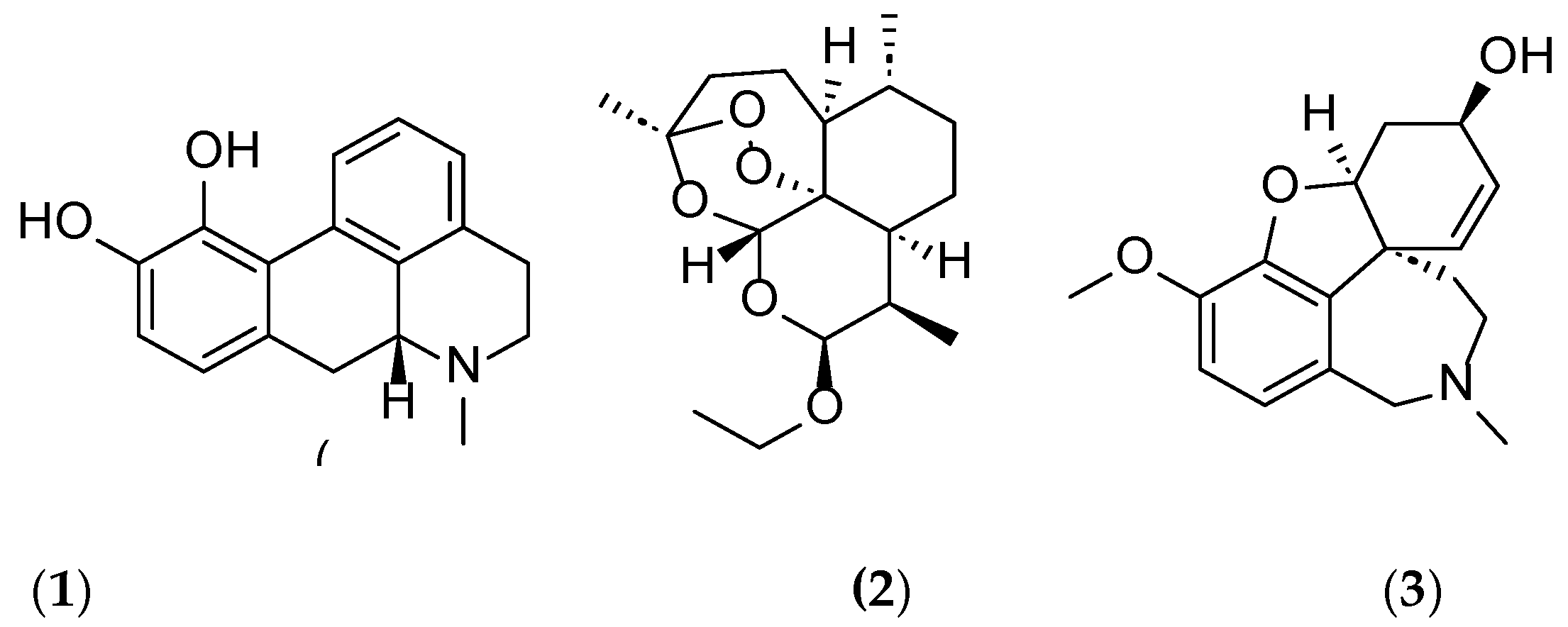
Figure 2.
Natural product inspired drugs approved by the FDA in 2023. Bexagliflozin (BrenzavvyTM) (4), sotalgliflozin (InpefaTM) (5), zuranolone (ZurzuvaeTM) (6) and vamorolone (7) (AgamreeTM).
Figure 2.
Natural product inspired drugs approved by the FDA in 2023. Bexagliflozin (BrenzavvyTM) (4), sotalgliflozin (InpefaTM) (5), zuranolone (ZurzuvaeTM) (6) and vamorolone (7) (AgamreeTM).
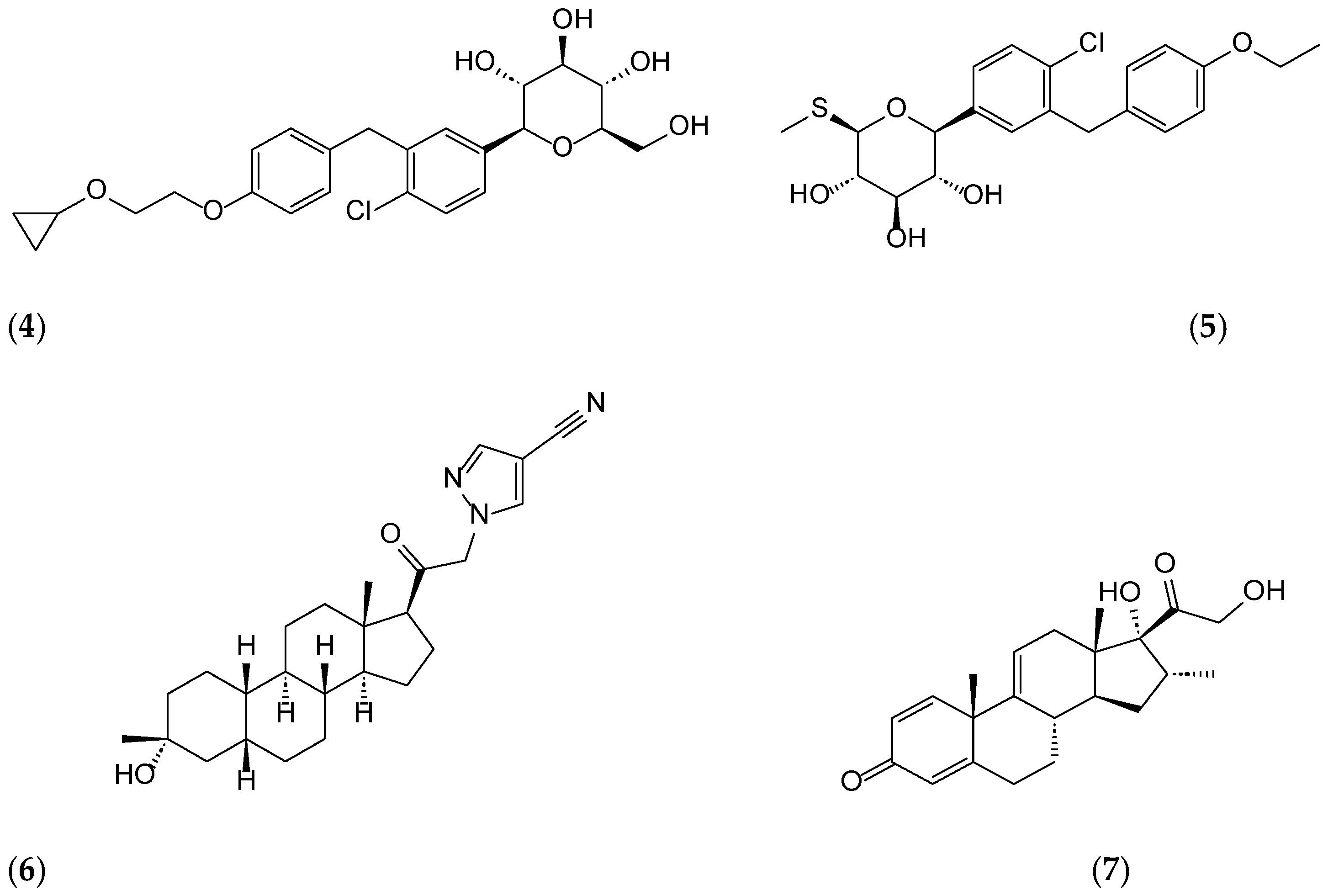
Figure 3.
Phytochemicals found in FilsuvezTM are composed of a mixture of pentacyclic triterpenes betulin (8), lupeol (9), betulinic acid (10), erythrodiol (11) and oleanolic acid (12) [23].
Figure 3.
Phytochemicals found in FilsuvezTM are composed of a mixture of pentacyclic triterpenes betulin (8), lupeol (9), betulinic acid (10), erythrodiol (11) and oleanolic acid (12) [23].
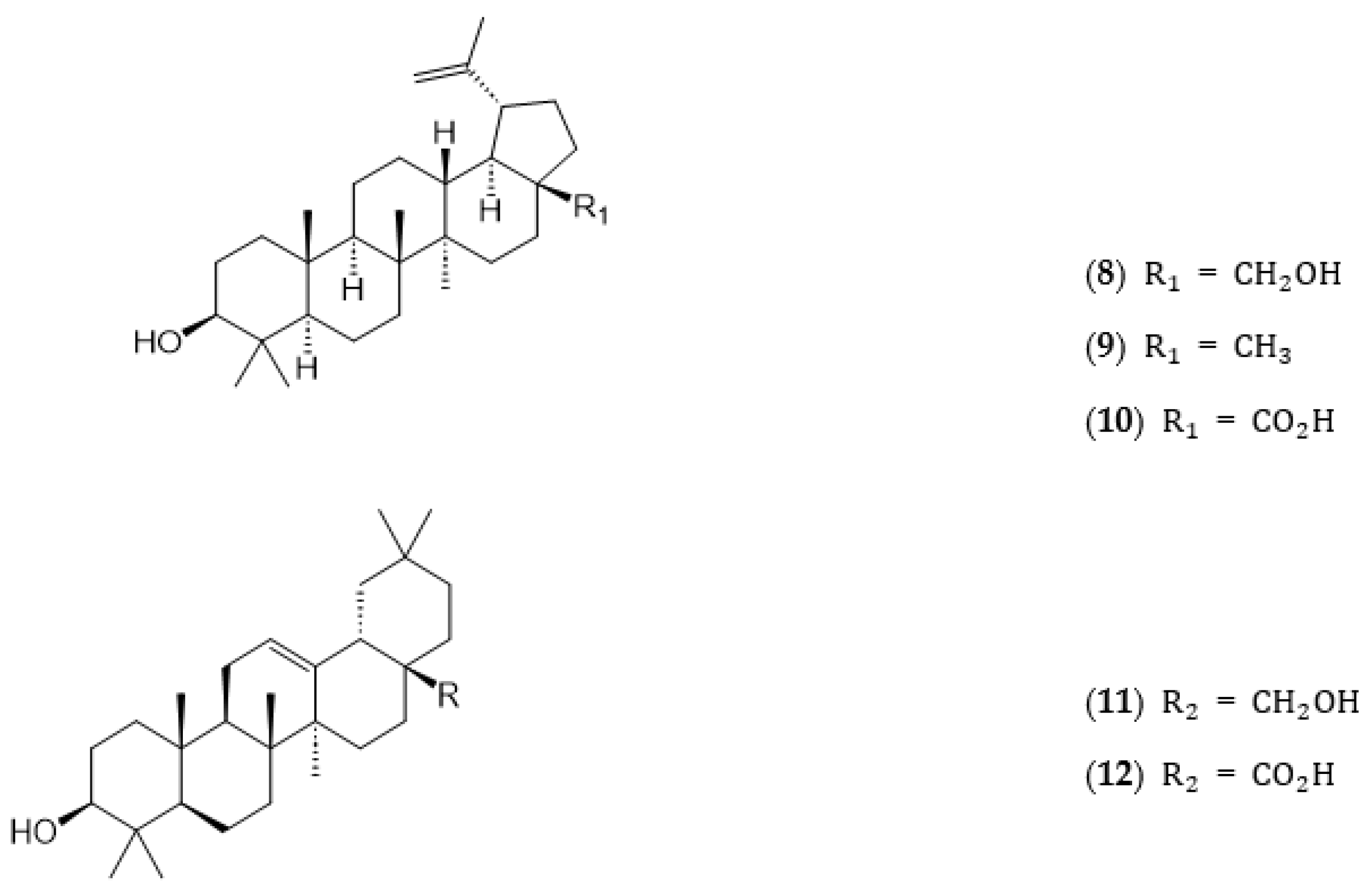
Figure 4.
The sesquiterpene germacrone (13), synergistic with the antiviral agent oseltamivir.
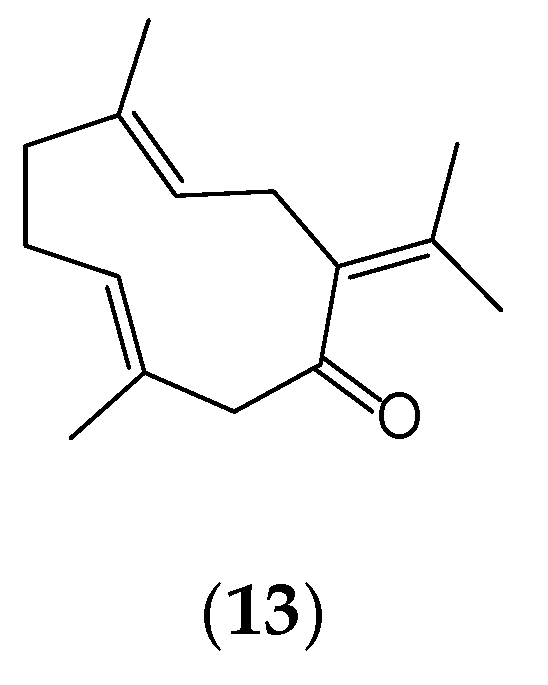
Figure 5.
Phytochemicals showing anti-HIV potential adapted from [38]. Created with BioRender.com.
Figure 5.
Phytochemicals showing anti-HIV potential adapted from [38]. Created with BioRender.com.
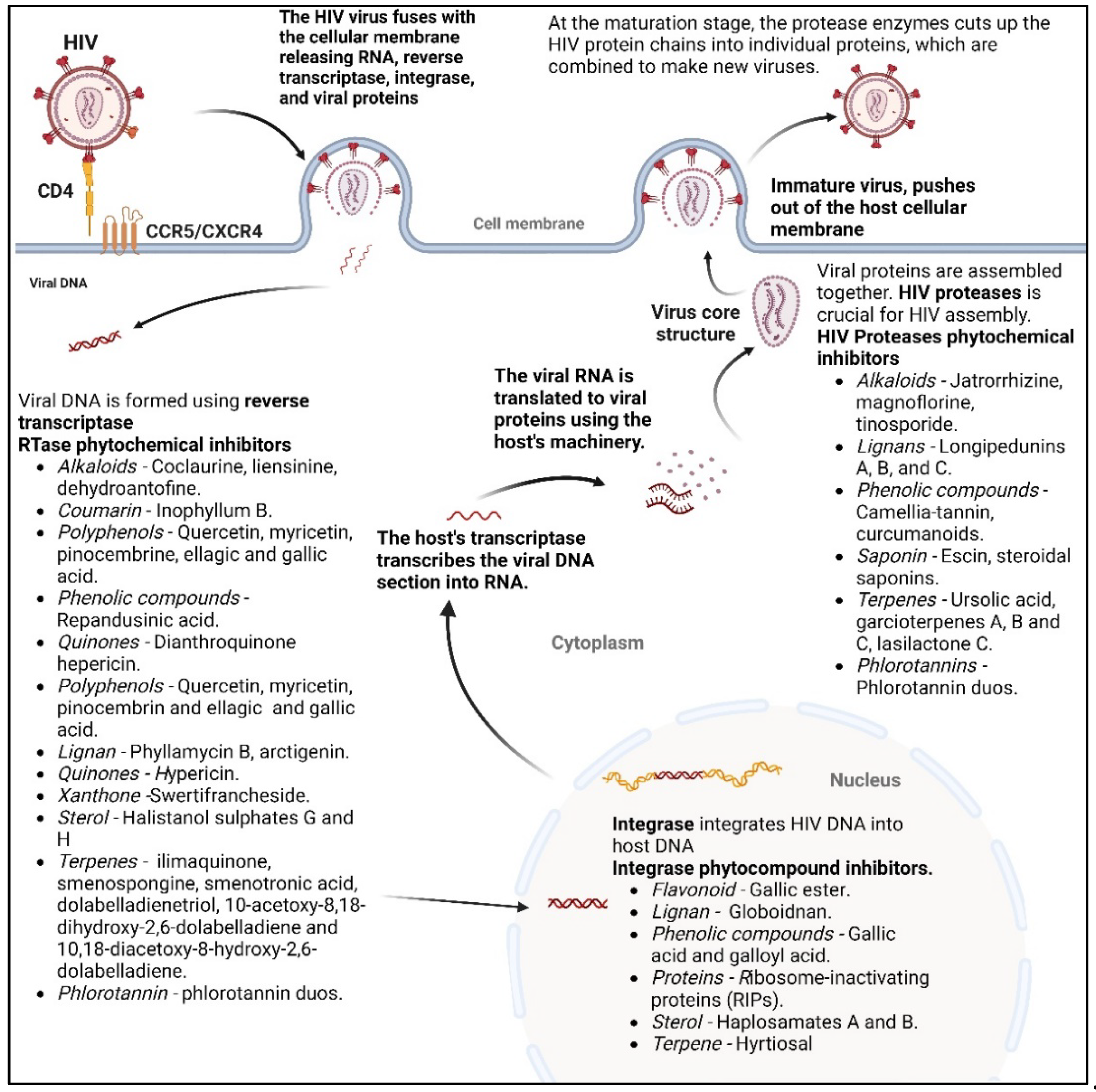
Figure 6.
The co-delivery of phytochemicals in cancer therapy *adapted from [52], created with BioRender.com.
Figure 6.
The co-delivery of phytochemicals in cancer therapy *adapted from [52], created with BioRender.com.
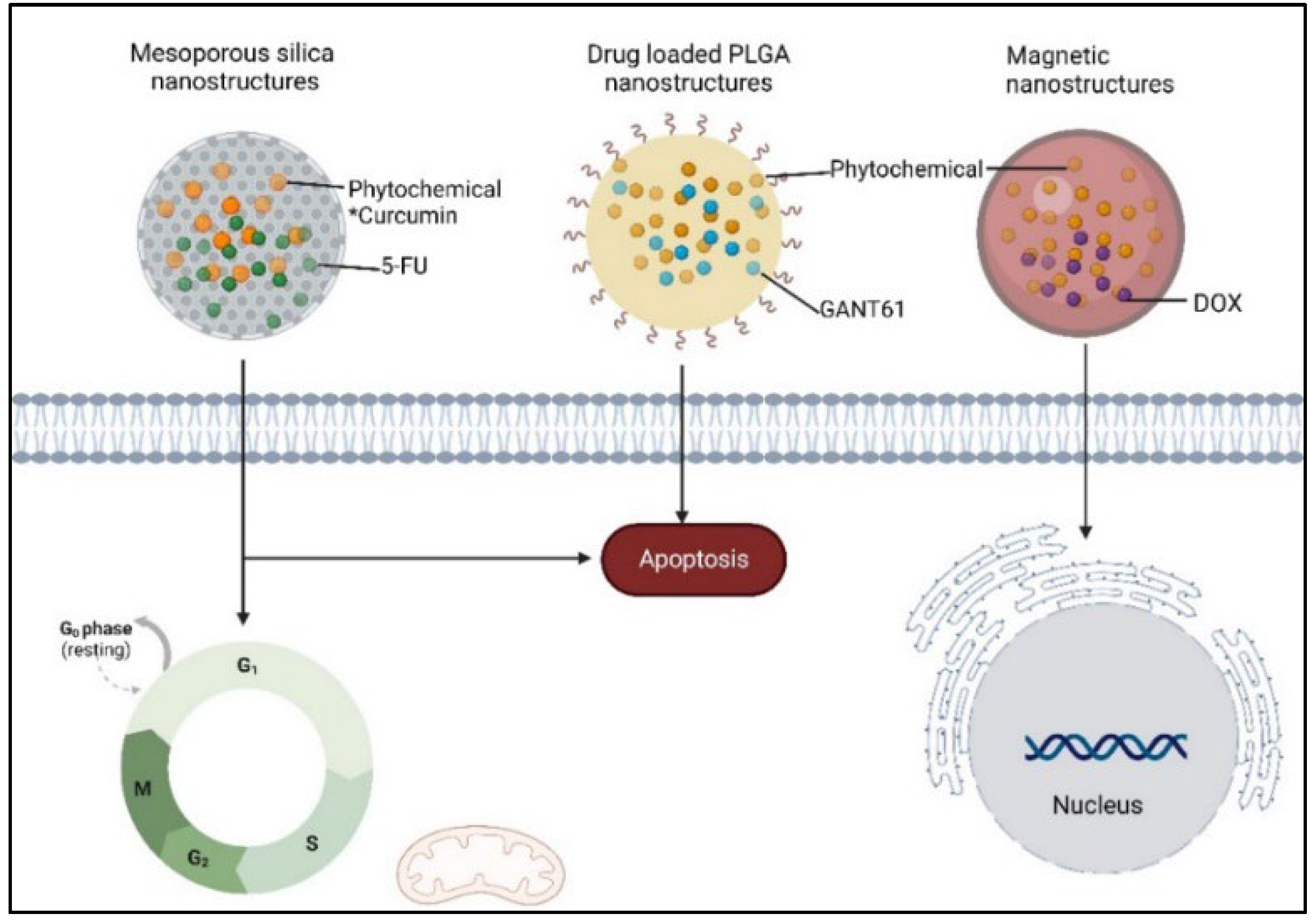
Figure 7.
Chemical structures of taxane (14), ellipticine (15), camptothecin (16), combretastatin (17), podophyllotoxin (19), homoharringtonine (20).
Figure 7.
Chemical structures of taxane (14), ellipticine (15), camptothecin (16), combretastatin (17), podophyllotoxin (19), homoharringtonine (20).
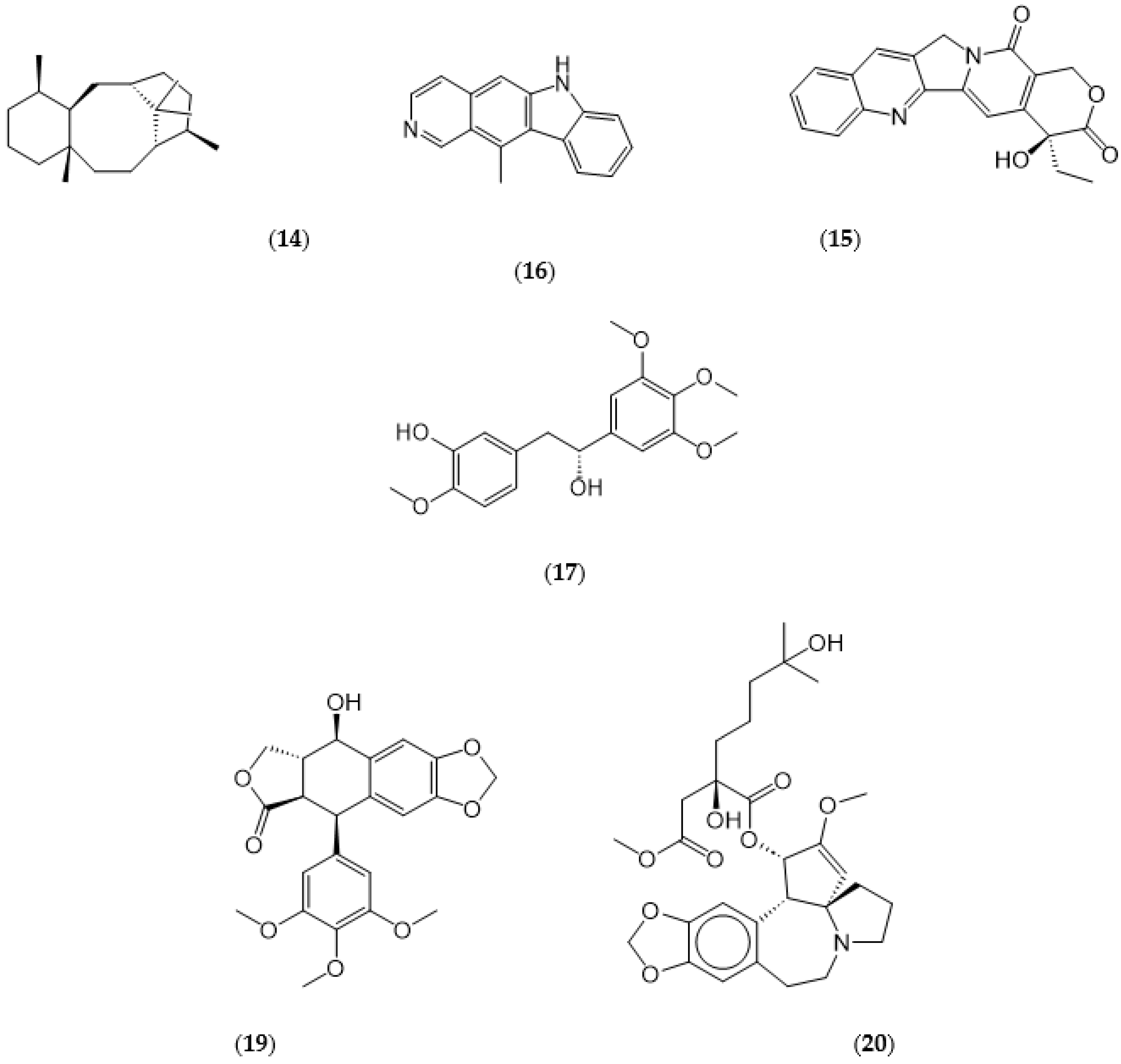
Figure 8.
Phytochemicals and their mechanisms of action against drug resistance in microorganisms *Adapted from [22,81]. Created with BioRender.com.
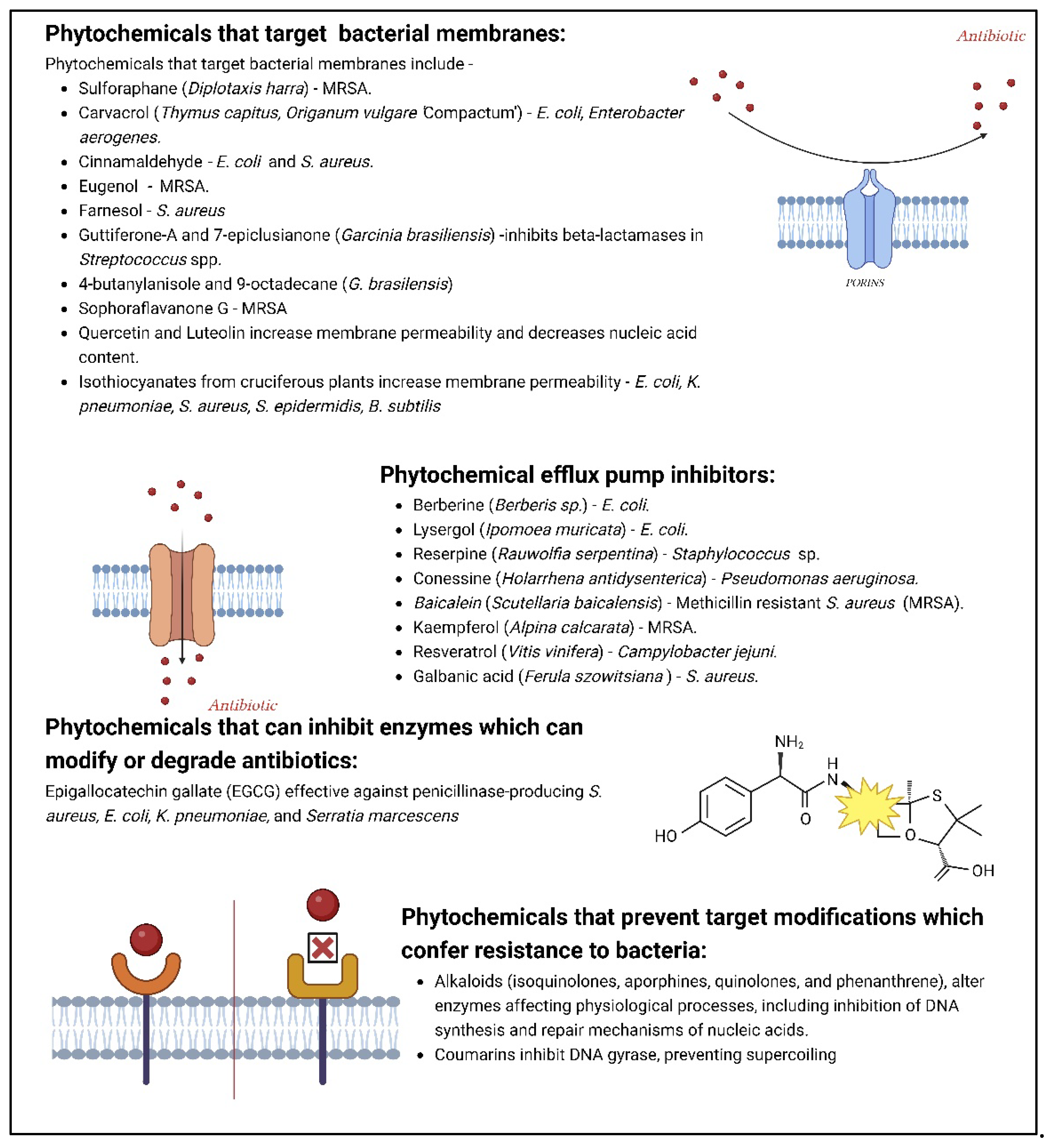
Figure 9.
Sequential Stages in Phytochemical Drug Discovery and Development.
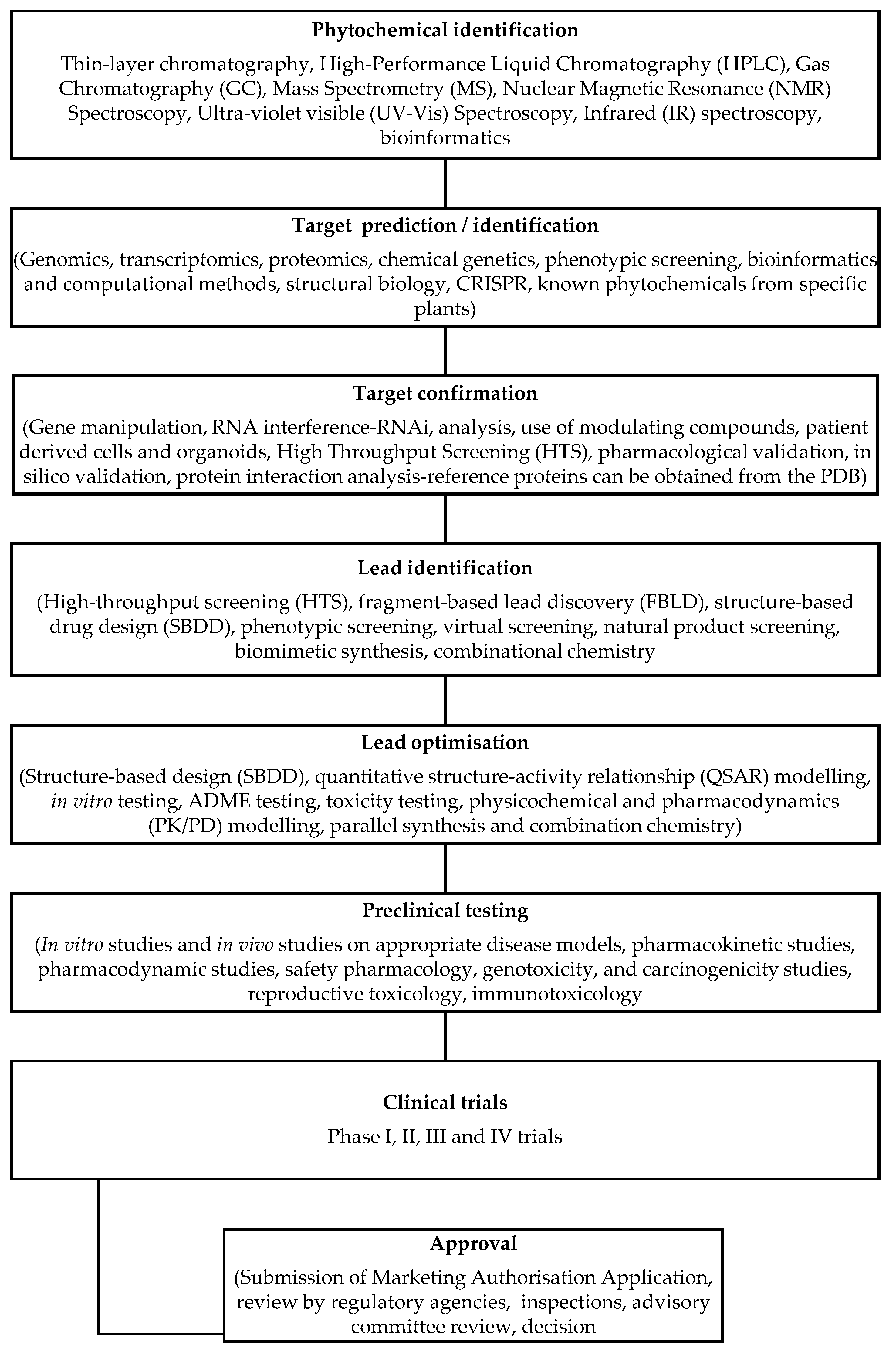
Figure 10.
Chemical structures of liquiritin (14) apigenin (15), quercetin (16), luteolin (17) and neoandrographolide (18).
Figure 10.
Chemical structures of liquiritin (14) apigenin (15), quercetin (16), luteolin (17) and neoandrographolide (18).
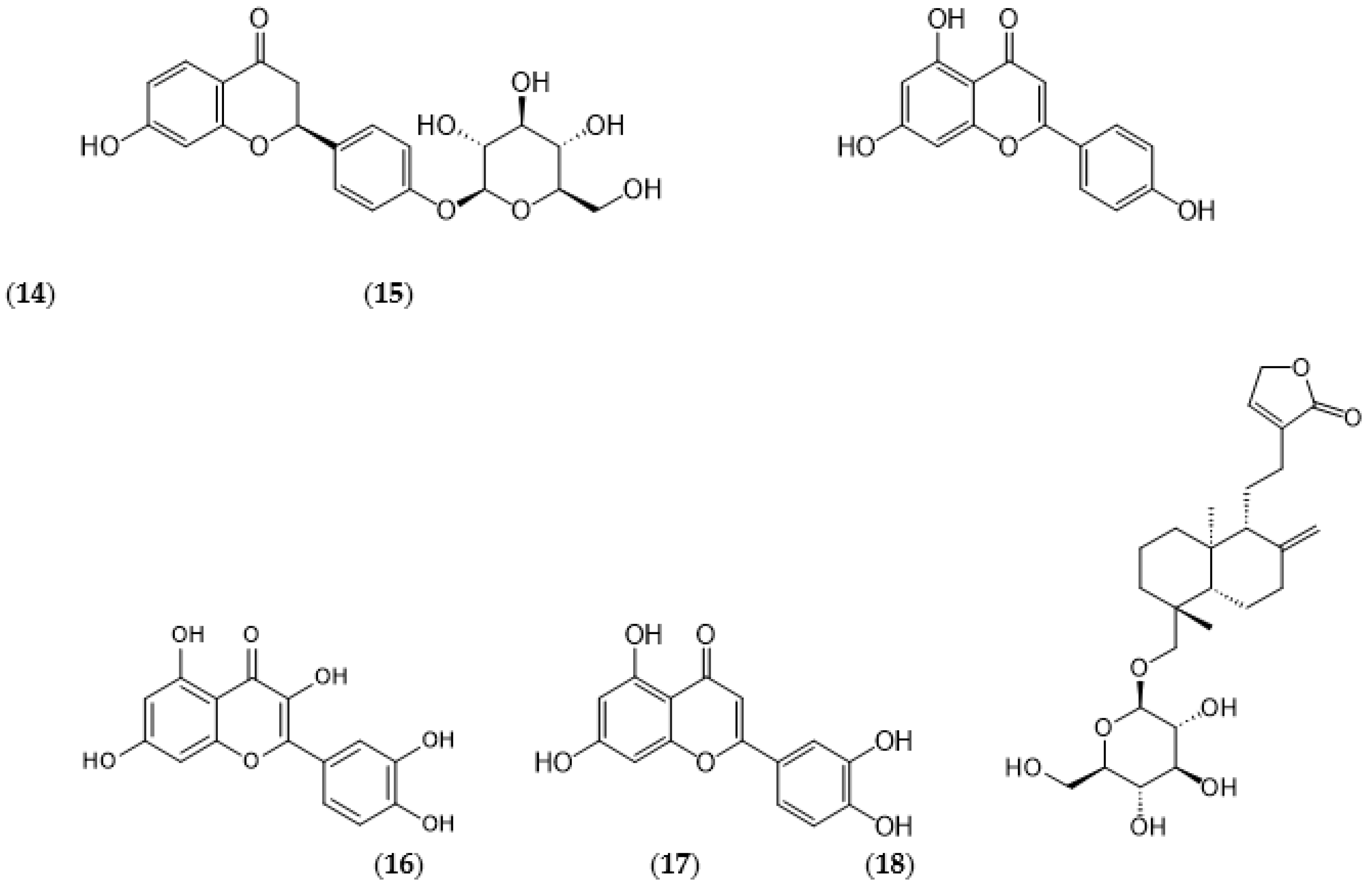
Figure 11.
Bayogenin (19) asiatic acid (20) and andrographolide (21), potential leads against HK2.
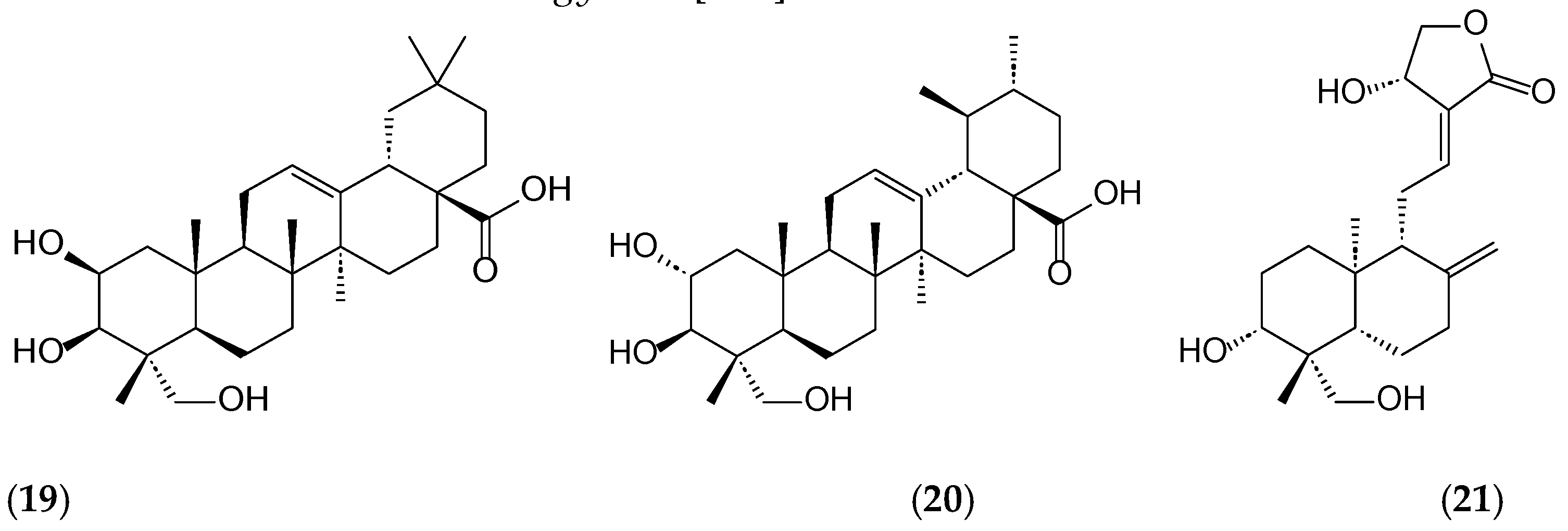
Figure 12.
The phytochemical demethylzeylasteral (22), a glucocorticoid receptor antagonist.
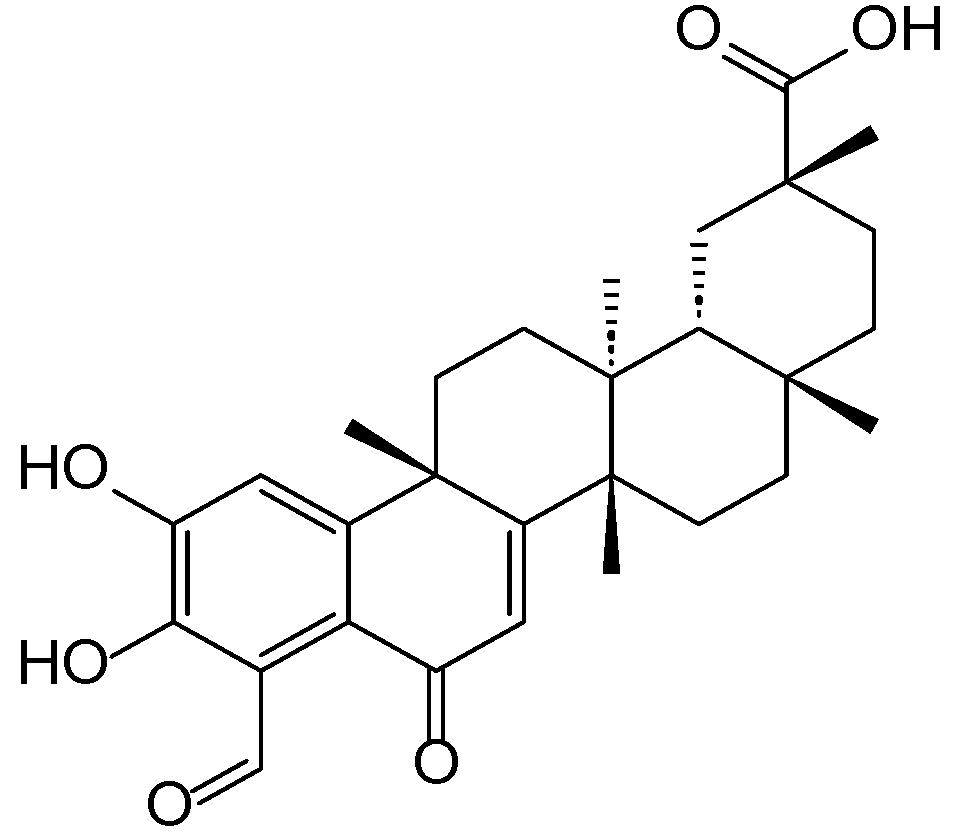
Disclaimer/Publisher’s Note: The statements, opinions and data contained in all publications are solely those of the individual author(s) and contributor(s) and not of MDPI and/or the editor(s). MDPI and/or the editor(s) disclaim responsibility for any injury to people or property resulting from any ideas, methods, instructions or products referred to in the content. |
© 2024 by the authors. Licensee MDPI, Basel, Switzerland. This article is an open access article distributed under the terms and conditions of the Creative Commons Attribution (CC BY) license (http://creativecommons.org/licenses/by/4.0/).
Copyright: This open access article is published under a Creative Commons CC BY 4.0 license, which permit the free download, distribution, and reuse, provided that the author and preprint are cited in any reuse.


