
Submitted:
29 May 2024
Posted:
30 May 2024
You are already at the latest version
Abstract
The field of construction materials is pivotal in developing sustainable and resilient infrastructure. This demands continuous research to understand the properties and behaviors of these materials under diverse conditions. Although advancements in material science and numerical modeling have been significant, experimental testing remains indispensable for a thorough comprehension of material characteristics, particularly under extreme stresses and environmental factors. This need has forced the development of a wide array of testing techniques, each designed to evaluate specific engineering properties, thus creating a complex and varied landscape of experimental methodologies. This study provides a comprehensive overview of both conventional and innovative experimental testing techniques used to characterize construction materials. It explores the related methodologies and identifies potential gaps in their application within the industry. The spectrum of testing covered includes mechanical, chemical, thermal, microstructural, durability, physical, rheological properties, and non-destructive testing methods. Mechanical tests assess strength, hardness, and fatigue, whereas chemical analyses utilize techniques such as spectroscopy and chromatography. Thermal properties are examined using thermogravimetric analysis, and microstructural characteristics are explored through advanced imaging techniques. Durability testing focuses on materials’ resistance to environmental challenges, while physical properties tests evaluate aspects like porosity and water absorption. Rheological and non-destructive tests further examine materials’ behavior and integrity without causing damage. By discussing these methodologies, the study sheds light on various approaches to material evaluation and aims to enhance the selection, application, and development of testing standards. This overview seeks to inform and inspire future research and innovation in the science of construction materials, contributing to the development of more resilient and sustainable construction practices.
Keywords:
Construction materials characterization
; Microstructure testing
; Structural behavior analysis
; Sustainability in construction
1. Introduction
The evaluation of material behavior and characteristics is a cornerstone in the construction industry, pivotal for advancing sustainable and durable infrastructure [1]. With the progressive developments in material science coupled with the advent of sophisticated numerical models, the understanding of material properties has seen substantial enhancement [2]. Despite these technological advances, experimental testing remains indispensable, serving as a vital tool for a comprehensive understanding of material responses, particularly under extreme environmental conditions and stressors [3,4]. This necessity has led to the development and refinement of various experimental methodologies, detailed in Table 1, which explore a range of engineering properties of construction materials [5]. The importance of experimental testing in the construction sector is underscored by the expanding limits of architectural design and structural engineering, which in turn increase the demand for materials capable of withstanding more complex and challenging environments [117]
Traditional materials such as concrete, steel, and timber are increasingly being augmented or replaced by innovative composites, smart materials, and sustainable alternatives. These new materials promise not only enhanced performance but also reduced environmental impacts [118]. As a result, it become more practical to construct structures with improved performance at reduced costs or impacts [119]. Experimental testing effectively bridges the gap between theoretical models and real-world applications, providing empirical data that is crucial for validating the performance and safety of materials [120]. The diverse array of testing methods reflects the complex nature of material behaviors and the specific requirements imposed by different construction scenarios [121]. For instance, while attributes such as tensile strength and compressibility are critical for structural components, factors like permeability and thermal resistance are vital for building envelopes [122]. The introduction of non-destructive testing methods has transformed material evaluation, enabling in-situ analysis without compromising the structural integrity [123,124,125]. This study aims to comprehensively review an extensive range of experimental tests used in evaluating the properties and behaviors of construction materials. It covers both conventional and non-conventional methods, spanning mechanical, chemical, thermal, microstructural, and durability assessments, in addition to physical and rheological properties. The discussions include techniques ranging from evaluating compression, flexural, and shear strengths to advanced methods like spectroscopy, chromatography, and various thermal analyses. Ultimately, this article intends to serve as a valuable reference for those engaged in the development or quality assurance of construction materials within the civil engineering sector. It aims to provide a summary of the types of tests available and their applications, thereby enhancing the understanding and implementation of these methodologies in practice. Figure 1 depicts the methodology followed for preparing this review paper.
2. Mechanical Properties Testing
2.1. Compression Strength Testing: Determines the Material's Ability to Withstand Compression Loads
Compression testing of construction materials is a critical aspect of assessing their suitability and performance in the built environment. Figure 2 shows the compression test apparatus. This process involves evaluating materials under loads that simulate conditions they will face in actual structures; hence, it helps ensure their reliability and safety. The importance of compression testing lies in its ability to provide essential data on the compressive strength, stress-strain behavior, and overall mechanical performance of various construction materials, ranging from traditional earth bricks to advanced composite materials. The applications of compression testing are vast and diverse. As a result, many studies have attempted to model it using numerical approaches [126]. A previous study investigated the compression behavior of rammed earth, a non-industrial material, thereby contributing to the understanding of its potential in civil engineering [127]. On the other hand, a paper was published focusing on the mechanical performance of oriented strand boards in compression tests, underlining the importance of such evaluations in optimizing the use of engineered wood products [128]. Techniques for compression testing vary depending on the material being tested and the specific properties of interest. Traditional methods, as discussed by [129], aim to simplify the compressive strength test to make it more accessible and practical for widespread use. Nevertheless, advanced materials, such as glass fiber-reinforced polymer bars, necessitated the development of new test methods to accurately characterize their behavior in compression, as explored by [130]. The accuracy of compression testing can be influenced by factors such as specimen preparation, testing conditions, and the method of load application. A study was performed highlighting the effect of the loading method on the outcomes of compression testing for composite materials, suggesting that test procedures need to be carefully designed and standardized [131].
2.2. Tensile Strength Testing: Measures the Material's Resistance to Being Pulled Apart and Determines Tensile Strength
Tensile testing is a mechanical procedure that evaluates a material's strength and ductility by measuring its resistance to being pulled apart. Figure 3 presents the tensile test apparatus. Previously, some papers have discussed various aspects of tensile testing, from historical development and methodologies to the introduction of new techniques for specific materials like soils and concrete [133,134,135]. A study introduced a novel technique for high-strain-rate tensile testing of engineering materials [136]. This advancement is particularly relevant for materials subjected to impact or explosive loads, where the material's performance under high strain rates is critical. Similarly, [137,138] have expanded the scope of tensile testing to include local materials and fabric-cement composites, respectively, demonstrating the broad applicability of tensile testing.
2.3. Flexural Strength Testing: Assesses the material's ability to bear bending forces.
Flexural testing evaluates a material's capacity to resist deformation under bending forces. Studies such as [140] have utilized a third-point flexural beam test in assessing the flexural strength of cementitiously stabilized materials. A paper was conducted to study the flexural behavior of geopolymer concrete to understand how non-conventional construction materials behave under bending loads [141]. Similarly, [142] explored the use of recycled concrete aggregates in reinforced concrete beams through flexural testing. A study performed in order to investigate sustainable materials for surfboard construction using flexural tests [143]. Collectively, these studies underscore the role of flexural testing in material behavior assessment. Figure 4 shows the flexural test apparatus.
2.4. Shear Strength Testing: Evaluates the Material's Ability to Withstand Sliding Forces
Shear testing plays a pivotal role in assessing the ability of construction materials to withstand sliding forces. Figure 5 illustrates the shear test apparatus. Previous studies have used various methodologies, such as direct shear tests, to evaluate the shear strength and resistance of a wide range of materials, from recycled construction and demolition materials to stabilized earth and polymeric substances. Two papers have specifically focused on the shear strength properties of recycled materials and geogrid-reinforced demolition waste [145,146]. Another paper explored shear testing for polymeric materials [147]. Similarly, [148] evaluated shear test methods for stabilized rammed earth. A study was conducted to investigate the shear strength components of concrete under direct shearing [149].
2.5. Modulus of Elasticity: Assesses the Material's Ability to Deform Elastically under Stress
Modulus of elasticity testing is fundamental in evaluating the elastic properties of construction materials, providing insight into their flexibility and resilience under applied forces. This test measures a material's stiffness or rigidity, indicating how much it will deform under a specific load before returning to its original shape. This test is crucial for understanding how materials will behave when subjected to stress in real-world applications. The modulus of elasticity is a key parameter in the design and analysis of buildings, bridges, and other infrastructure, as it directly impacts the deformation and load-bearing capacity of these structures. The significance of modulus of elasticity testing spans across various construction materials, from concrete to mortars and composite materials. For instance, a study conducted to evaluate the modulus of elasticity for normal and high-strength concrete using granite and calc-granulite aggregates, highlighting the impact of aggregate type on concrete's elastic properties [151]. Similarly, [152] performed both static and dynamic analyses to determine the modulus of elasticity of mortars, providing valuable insights for material selection and structural design. Furthermore, a study was performed to explore the innovative use of surface-bonded piezoelectric transducers to assess the wave modulus of elasticity of concrete, offering a non-destructive approach to evaluate the material's elastic characteristics [153]. Techniques for testing the modulus of elasticity vary based on the material in question and the desired accuracy of the results. Traditional static testing methods involve applying a known load to a material and measuring the resulting deformation, while dynamic testing techniques, such as those using piezoelectric transducers, allow for the assessment of elastic properties without causing permanent deformation. The choice of testing method depends on factors such as the material's nature, the scale of the project, and specific engineering requirements. The accuracy of the modulus of elasticity testing can be influenced by several variables, including specimen preparation, testing environment, and equipment precision.
2.6. Hardness Test: Measures the Resistance of a Material to Deformation, Particularly Permanent Deformation, Indentation, or Scratching
The hardness test evaluates a material's resistance to deformation, particularly permanent deformation, indentation, or scratching. This test helps in understanding the durability and wear resistance of various materials, ranging from polymers to metals and rocks. As a result, it aids in predicting the lifecycle and application suitability of materials in various industries, including construction, manufacturing, and engineering. Figure 6 represents the hardness test apparatus. Historically, the concept of hardness and its measurement has evolved, leading to the development of various testing techniques. Early works by researchers such as [154,155] laid the ground for understanding the physical meaning of indentation and scratch hardness, highlighting its practical applications and theoretical implications. These foundational studies have been expanded upon by subsequent research, including the comprehensive reviews and critical analyses by [156,157] and others, which examined localized damage characteristics and provided a critical overview of indentation hardness measurements across macro-, micro-, and nanoscales. The significance of hardness testing extends beyond mere measurement. As outlined by [158], the application of testing materials' hardness encompasses a broad spectrum of disciplines, illustrating its fundamental role in material characterization. Techniques such as the scratch test, as discussed by [154], and the multi-pass dual-indenter scratch test, explored by [159,160] offer insights into the abrasive wear resistance of materials. These methods not only measure the surface resistance but also reveal subsurface deformation layers, providing a comprehensive understanding of a material's durability under stress. Moreover, studies such as [161,162] have highlighted the application of hardness tests in rock characterization and the evaluation of ferrous microstructures' abrasive wear resistance, respectively.
2.7. Impact Resistance Test: Evaluates a Material's Ability to Resist Sudden Impacts or Shocks
Impact resistance testing, Figure 7, is an essential aspect that evaluates a material's ability to withstand sudden impacts or shocks. Previously, a study conducted to report the importance of this test in characterizing materials to understand their mechanical properties comprehensively [164]. A paper performed to review the deformation and fracture behavior of materials subjected to underwater explosions [165]. A work on concrete materials in high dynamic response simulations was conducted by [166] to demonstrate the application of impact testing in assessing the resilience of structures to dynamic loads. A study was performed to highlight the role of impact resistance tests in advancing material science, especially for those designed to withstand severe environmental conditions [167].
2.8. Creep Test: Measures the Time-Dependent Deformation of Materials under Constant Stress
The creep test measures the time-dependent deformation of materials when subjected to constant stress over time. This test aids in understanding how materials behave under sustained loads, revealing their long-term durability and mechanical properties. A study was conducted to explore the time-dependent behavior of diabase to develop a nonlinear creep model [169]. Similarly, [170] investigated the creep characteristics of concrete used in tunnel lining structures. Another paper was conducted to expand the scope of creep tests to nanostructured copper, incorporating variables such as time, stress, and temperature to assess deformation [171]. Other studies such as [172,173] further contributed to the field by examining the time-dependent properties of rocks and saturated soils, respectively, emphasizing the test's role in understanding soil and rock mechanics under long-term loading conditions. The work of [174] on argillaceous rocks and the study by [175] extend the test's application to both geological and mechanical engineering fields. Finally, another study was performed to explore the time-dependent response of engineered cementitious composites by performing creep testing [176]. These studies underscore the significance of creep tests in material science and engineering. They provide insights into the long-term behavior of materials under constant stress, which is crucial for the design, analysis, and development of materials and structures across a wide range of applications. Figure 8 illustrates the creep test apparatus.
2.9. Fatigue Test: Assesses the Material's Ability to Withstand Cyclic Loading and Determines its Fatigue Life
Fatigue testing is a crucial method that assesses a material's ability to withstand cyclic loading, ultimately determining its fatigue life. Figure 9 demonstrates the fatigue test apparatus. This type of testing is fundamental for evaluating how materials behave under repeated stress conditions, which can lead to fatigue failure. A study by [178] laid the ground for understanding the mechanics of materials in low-cycle fatigue testing. A paper was performed by [179] to explore the fatigue and durability of structural materials. Another paper was conducted ti explore high cycle fatigue from a mechanics of materials viewpoint, addressing the behavior of materials subjected to a high number of cycles at relatively low-stress levels [180]. A study done by [181] extended this application to the dynamic fatigue and strength characterization of ceramic materials.
3. Chemical Properties Testing
3.1. Spectroscopy: Identifies the Chemical Composition of Materials
Spectroscopy is a technique for identifying the chemical composition of materials. This method's importance lies in its ability to provide detailed insights into the molecular structure and composition of materials without destructive testing. Figure 10 represents the spectroscopy test. A paper conducted by [183] utilized infrared spectroscopy to explore building materials, demonstrating how vibrational spectroscopic techniques can explain the chemical makeup and modifications within cementitious materials. Another study performed by [184] explored the utility of field spectroscopy devices in characterizing commonly used construction materials. This adaptability is essential in the on-site analysis, ensuring material specifications are met and identifying potential issues without the need for extensive sample preparation or transport. A paper was done to expand the scope of spectroscopic analysis into the terahertz domain, illustrating the potential of terahertz spectroscopy in providing new insights into the behavior of construction materials [185]. Their research points to the expanding horizon of spectroscopic techniques in construction material science, offering new tools for material characterization.
3.2. Chromatography: Used to Separate and Analyze Compounds That Can Be Vaporized without Decomposition
Chromatography, Figure 11, a versatile analytical technique, is instrumental in the separation and analysis of compounds that can be vaporized without decomposition. Its significance in the field of construction materials is increasingly recognized for its ability to identify, quantify, and purify the chemical constituents of complex mixtures. This method's application extends from analyzing asphalt materials to detecting toxic substances in construction components, showcasing its broad utility in ensuring material safety and performance. A study conducted by [187] discussed the application of gel permeation chromatography technology in reviewing asphalt materials. Their study highlights chromatography's critical role in understanding the molecular weight distribution of polymers in asphalt, which directly impacts the material's performance in construction. This insight is pivotal for improving asphalt formulations and enhancing road durability. Another paper performed by [188] employed high-performance liquid chromatography coupled with tandem mass spectrometry to detect toxic organophosphorus compounds in construction materials. Their work underscores chromatography's sensitivity and precision in identifying hazardous substances, contributing to safer construction practices by ensuring materials are free from harmful contaminants. Despite its wide-ranging applications, the technique's limitations include the need for specialized equipment and expertise, potential sample preparation complexities, and the challenge of interpreting chromatographic data. However, the depth of analysis it provides, from purity assessment to compositional analysis, makes chromatography an invaluable tool in the continuous effort to improve and certify the quality of construction materials.
3.3. X-ray Fluorescence: Determines the Elemental Composition of Materials
X-ray fluorescence (XRF) has emerged as a critical tool for determining the elemental composition of materials. By measuring the characteristic secondary (or fluorescent) X-rays emitted from a material when it is excited by a primary X-ray source, XRF can identify and quantify the elements present within a sample without destructive testing. Figure 12 illustrates the XRF test apparatus. Utilization of XRF was conducted to analyze various construction materials [190]. Similarly, [191] developed XRF-based quantitative methodologies for the elemental characterization of building materials and their degradation products. A study done by [192] demonstrated the technique's effectiveness in analyzing steel products, proving XRF's applicability beyond conventional construction materials. Innovative applications, such as the work by [193,194] have utilized micro X-ray fluorescence to image silane coatings in concrete and to map chloride profiles, respectively, offering new dimensions to understanding material properties and behaviors. The high-resolution characterizations by [195,196] further illustrate XRF's capability in fine-tuning the composition of advanced materials like alkali-activated binders and geopolymers, contributing to the development of more sustainable construction materials.
3.4. pH Measurement: Determines the Acidity or Alkalinity of Aqueous Solutions in Materials
pH measurement is a process utilized to determine the acidity or alkalinity of aqueous solutions in various materials. This measurement is not commonly done when it comes to construction materials, representing an important gap in the literature. Figure 13 demonstrates the pH measurement apparatus. A paper conducted by [198] explored the theoretical and practical considerations of net alkalinity and net acidity. A study performed by [199] discussed the approach for testing the pH of concrete. Another paper done by [200] offered an overview of pH principles and measurement techniques, underscoring the fundamental nature of pH measurement in scientific research and its broad application spectrum. A study by [201] reviewed methods for measuring pH in concrete.
4. Thermal Properties Testing
4.1. Thermogravimetric Analysis: Measures Changes in Weight in Relation to Changes in Temperature
Thermogravimetric analysis (TGA) is a technique used to measure the change in weight of a material as a function of temperature or time under a controlled atmosphere. TGA provides insights into the thermal stability and composition of materials, such as cement, aggregates, and composites, by monitoring weight loss resulting from dehydration, decomposition, or oxidation processes. Figure 14 represents the TGA test apparatus. A paper conducted by [203] have underscored the significance of TGA in the microstructural analysis of cementitious materials, offering a detailed understanding of hydration products and their thermal behaviors. Similarly, [204] utilized thermogravimetric methods alongside chemical analysis and gammadensimetry to measure carbonation profiles in concrete, illustrating TGA's applicability in evaluating the durability of construction materials. Another paper done by [205] demonstrated TGA's role in assessing the self-cementation properties of recycled concrete aggregates, thereby contributing to sustainable construction practices. Moreover, studies such as [206,207] have shown how TGA can aid in the characterization of gypsum and optimization of cementitious materials, respectively, highlighting its versatility in construction material science.
4.2. Differential Scanning Calorimetry: Determines the Energy Absorbed or Released by a Material as It Is Heated or Cooled
Differential scanning calorimetry (DSC) is a thermal analysis technique that measures the energy absorbed or released by a material as it is heated or cooled. This technique provides insights into the thermal transitions of materials, such as melting, crystallization, and glass transitions, which are essential for understanding the material's behavior under different temperature regimes. The significance of DSC in the field of construction materials has been demonstrated through various studies. For instance, a paper conducted by [209] utilized DSC to evaluate the thermal properties of autoclaved cement-based materials containing construction and demolition waste, illustrating the method's applicability in recycling processes. Similarly, a study performed by [210] characterized epoxy-asphalt binders, highlighting DSC's role in assessing the thermal stability and compatibility of composite materials. Studies such as [211,212] explored the hydration products of Portland cement with metakaolin replacement, showing DSC's utility in understanding cement chemistry and the effects of additives on the hydration process. These studies underscore the technique's relevance in optimizing material compositions for enhanced performance. Another study conducted by [213] analyzed the thermal properties of thermochromic asphalt binders, and [214] developed a method to construct continuous cooling transformation diagrams for blast furnace slag. Figure 15 illustrates the DSC test schematic diagram.
4.3. Thermal Conductivity Test: Measures the rate at which heat passes through a material.
The thermal conductivity test is an analytical technique utilized to quantify the rate at which heat passes through a material. Figure 16 shows the schematic diagram of the thermal conductivity test. A study performed by [216] reviewed common methods and techniques for measuring the thermal conductivity of insulation materials. Similarly, [217] discussed measurement techniques for thermal conductivity and interfacial thermal conductance, focusing on both bulk and thin film materials. A paper conducted by [218] reviewed thermal conductivity measurement techniques specifically for characterizing thermal energy storage materials. The detailed development of a thermal conductivity apparatus contributed to the ongoing refinement of measurement technology and methodology [219]. Another study produced by [220] provided a brief review of instruments designed to measure the thermal conductivity of engineering materials, shedding light on the technological developments in this field. A review of the thermal conductivity of concrete was performed by [221]. Papers such as [222,223] studied the thermal conductivity of porous concrete materials.
4.4. Thermal Expansion Test: Determines the Expansion Rate of Materials When Subjected to Temperature Changes
The thermal expansion test is a critical evaluation method utilized to determine the rate at which materials expand or contract in response to temperature changes. Previously, a study done by [225] presented an analytical approach to evaluate the coefficients of thermal expansion of textile composite materials. Another paper conducted by [226] developed a system for monitoring the thermal expansion coefficient and autogenous deformation of hardening materials. The exploration of non-destructive testing (NDT) methods contributed in the evaluation of thermal expansion coefficients, showcasing the advancements in measurement techniques that allow for the preservation of test specimens [227]. Another study focused on the conduction of an interlaboratory study to measure the coefficient of thermal expansion of concrete [228]. A paper performed by [229] investigated the thermal expansion of epoxy and polyester polymer plain and fiber-reinforced mortars. The application of thermal expansion kinetics to measure the permeability of cementitious materials which offers a method to assess material properties that are influenced by thermal expansion [230]. A paper done by [231] introduced a novel experimental setup for determining the thermal expansion coefficient of concrete at cryogenic temperatures. Another study performed by [232] assessed the coefficient of thermal expansion of concrete. A paper conducted by [233] modeled the internal water pressure development in saturated concrete subjected to thermal expansion tests. The exploration of the effect of silicon content on the thermal expansion of titanium-molybdenum biomaterial alloys was investigated by [234]. Figure 17 represents the thermal expansion test apparatus.
4.5. Hot Disk Thermal Constants Analyzer: Measures Thermal Conductivity, Thermal Diffusivity, and Specific Heat of Materials
The hot disk thermal constants analyzer represents a significant advancement in the measurement of thermal properties of materials, including thermal conductivity, thermal diffusivity, and specific heat. Figure 18 illustrates the hot disk thermal constants analyzer. This method allows for the comprehensive characterization of materials. A study performed by [236] introduced the use of hot disk sensors for transient measurements of thin samples while [237] highlighted the test's applications in measuring the thermal transport properties of solids under various conditions. Another paper conducted by [238] evaluated the technique's effectiveness in measuring the thermal conductivity of both isotropic and anisotropic thermally insulating materials. The comparison of the thermal properties of wood measured by the hot-disk method with those obtained through the steady-state method, confirmed the hot disk's accuracy and reliability [239].
5. Microstructural Properties Testing
5.1. Scanning Electron Microscopy: Provides Detailed Images of the Material's Surface and Microstructure
Scanning electron microscopy (SEM) provides high-resolution images of material surfaces, offering a detailed view of microstructural elements, such as pores, cracks, and the composition of composite materials. The importance of SEM in construction material science is profound, as it allows for the in-depth analysis of material properties that influence strength, durability, and overall performance. Studies like those by [241,242] have demonstrated SEM's utility in evaluating the microstructure of various materials, including concrete and clay bricks, revealing the internal characteristics that are not visible to the naked eye. A study performed by [243] provided a comprehensive review of SEM, emphasizing its significance in material characterization across multiple fields. Similarly, studies such as [244,245] utilized SEM to analyze the physical and chemical characteristics of fly ash and the hydration of Portland cement, respectively, showcasing the technique's versatility. SEM's application extends beyond traditional construction materials; for instance, [246] explored its use in automating the segmentation of SEM images for concrete microstructure analysis using machine learning. This illustrates the technique's adaptability to modern analytical methods, enhancing the accuracy and efficiency of material characterization. Figure 19 demonstrates the SEM test apparatus.
5.2. X-ray Diffraction: Identifies the Crystalline Phases and Orientation of Crystals within the Material
X-ray Diffraction (XRD) is an approach for identifying the crystalline phases and determining the orientation of crystals within materials. The importance of XRD in construction material science, as highlighted by [248], lies in its application to providing insights into the crystalline structure that directly impacts the mechanical properties and durability of construction materials. Studies such as [249,250] have elaborated on the applications of XRD in materials characterization across various fields, including construction. Another paper conducted by [251] illustrated the use of XRD in quantifying amorphous materials in cement, offering a deeper understanding of how these materials contribute to the strength and longevity of concrete structures. Studies such as [252,253] extend the utility of XRD to structural health monitoring and analysis of composite materials, respectively. Figure 20 shows the schematic diagram of the XRD test.
5.3. Transmission Electron Microscopy: Offers High-Resolution Images of the Material, Allowing for the Study of Its Nanostructure
Transmission electron microscopy (TEM) is a tool that provides high-resolution images, allowing for the study of the nanostructure of materials. Figure 21 represents the TEM test apparatus. TEM offers an unparalleled glimpse into the atomic and molecular arrangements within materials, enabling researchers to understand the fundamental properties that govern their behavior and performance. A study done by [255] demonstrated TEM's capability to analyze soil materials at the nano level, providing critical insights into soil chemistry and mineralogy that influence its physical properties. Another paper performed by [256] studied cementitious materials using TEM. Studies such as [242,257] utilized SEM to evaluate composite materials' microstructures comprehensively.
5.4. Atomic Force Microscopy: Provides Nanoscale Surface Profiling and Analysis to Understand Material Behavior at a Microscopic level
Atomic force microscopy (AFM) allows for the examination of material surfaces with atomic precision. A paper conducted by [259] showed the use of AFM in characterizing polymer surfaces. Another study proposed by [260] explored the nano- to microscale wear and mechanical characterization of materials, underscoring AFM's versatility in assessing material durability and performance under various conditions. A study done by [261] demonstrated AFM's capability in nanoscale materials patterning and engineering. A comprehensive understanding of the basic modes and advanced applications of AFM was presented by [262]. A paper performed by [263] further emphasized the application of AFM in characterizing nano-engineered implants. Another study provided by [264] used AFM in the measurements of nanoscale mechanical properties of cement pastes. The adoption of AFM to quantify the local elastic modulus of hardened cement paste was accomplished by [265]. AFM was utilized by [266] to examine cement and cement hydration products. Another paper presented by [267] employed AFM to examine nanostructures of glass concrete. Figure 22 illustrates the schematic diagram of the AFM test.
6. Durability Properties Testing
6.1. Freeze-Thaw Testing: Assesses the Material's Resistance to Freezing and Thawing Cycles
Freeze-thaw testing is a method in the construction industry utilized to assess the durability and longevity of materials exposed to cyclic freezing and thawing conditions. This type of testing is essential for materials like concrete, which may be subjected to such environmental stresses in cold climates. Figure 23 demonstrates the freeze-thaw test apparatus. A study conducted by [269] explored the internal deterioration of concrete due to freeze/thaw resistance. Studies such as [270,271] have conducted studies comparing the freeze/thaw durability of concrete made from recycled demolition aggregates to that of concrete made with virgin aggregates and investigating the performance of synthetic fiber-reinforced concrete under freeze-thaw conditions, respectively. Studies such as [272,273,274] explored the effects of freeze-thaw cycles on concrete materials, including prestressed concrete specimens and concrete under compressive load with joints.
6.2. Sulfate Attack Testing: Evaluates the material's durability against sulfate ions.
Sulfate attack testing is a critical evaluation process for assessing the durability of construction materials, particularly concrete, against the corrosive effects of sulfate ions. This type of testing is vital for determining the long-term performance and integrity of structures exposed to environments rich in sulfates, such as soils, groundwater, and certain industrial effluents. A paper done by [276] emphasized the role of supplementary cementitious materials in enhancing the resistance of concrete to sulfate attack. Similarly, another study performed by [277] discussed accelerated testing methods designed to quickly evaluate the resistance of cementitious materials to physical sulfate attack. Potential accelerated test methods were explored by [278] to assess physical sulfate attacks on concrete, aiming to establish more efficient and predictive evaluation techniques. Figure 24 represents the sulfate attack test apparatus.
6.3. Chemical Resistance Test: Evaluates the Material's Resistance to Chemicals
The chemical resistance test is a critical assessment that evaluates a material's ability to withstand exposure to chemicals without degrading or losing functionality. Figure 25 represents the schematic diagram of the chemical test. Studies such as [280,281] further contributed to the understanding of corrosion resistance in stainless steel and magnesium alloys, respectively. A study done by [282] demonstrated the high corrosion resistance of magnesium coated with hydroxyapatite. The corrosion resistance of aluminum and magnesium alloys were explored by [283]. Similarly, the Malaysian rice husk ash was explored by [284] to investigate the effectiveness of it improving the durability and corrosion resistance of concrete. Another paper performed by [285] studied the chemical resistance of sulfur concrete.
6.4. Corrosion Testing: Assesses the Susceptibility of Materials to Corrosion under Various Environmental Conditions
Corrosion testing is a process that assesses the susceptibility of materials to corrosion under various environmental conditions. A paper done by [287] offered valuable data on the corrosion behavior of a wide range of materials. Another study conducted by [288] critically reviewed tests for general and localized corrosion of magnesium alloys. The atmospheric corrosion of carbon steel under different environmental parameters was investigated by [289]. A paper performed by [290] reviewed the corrosion assessment of reinforced concrete. Another study presented by [291] performed corrosion testing on steel-reinforced XD3 concrete samples prepared with a green inhibitor and two different superplasticizers. The corrosion behavior of steel-reinforced green concrete containing recycled coarse aggregate additions in sulfate media was studied by [292]. Figure 26 illustrates the schematic diagram of the corrosion test.
6.5. Chloride Penetration Testing: Measures the Material's Resistance to Chloride ion Penetration, Relevant for Corrosion Resistance in Steel Reinforcement
Chloride penetration testing is a critical assessment method for evaluating the resistance of materials, particularly concrete, to chloride ion penetration. Figure 27 demonstrates the chloride penetration testing apparatus. This testing is essential in the context of reinforcing steel within concrete structures, as chloride ions are a primary cause of corrosion. Understanding a material's resistance to chloride ingress is vital for ensuring the longevity and integrity of infrastructure, especially in environments exposed to deicing salts or seawater. A paper performed by [294] compared two methods for assessing chloride ion penetration in concrete through a field study. Another study done by [295] emphasized the significance of studying chloride-induced corrosion of reinforcement steel in cracked concrete. The electrochemical response and chloride threshold of steel in highly resistive concrete systems were examined by [296]. A study conducted by [297] investigated the impact of initial curing on the chloride ingress and corrosion resistance characteristics of concretes made with plain and blended cement. Studies such as [298,299] explored the penetration of chloride in concrete subject to wetting and drying cycles and the corrosion behavior of corrosion-resistant steel reinforcements in high-performance concrete environments, respectively. Additionally, papers such as [300,301] studied the chloride-induced corrosion in steel bars embedded in fiber-reinforced concrete under chloride attack.
6.6. Carbonation Testing: Assesses the Depth of Carbonation in Concrete, Which Can Affect its Durability and Steel Reinforcement Corrosion
Carbonation testing plays a crucial role in assessing the durability of concrete structures, particularly in evaluating the depth of carbonation, which can significantly affect both the concrete's durability and the corrosion of steel reinforcement embedded within. Figure 28 shows the carboniation test apparatus. Studies such as [304,305] contributed foundational knowledge on carbonation in concrete and its effect on steel corrosion. A study conducted by [306] evaluated the performance of a penetrating corrosion inhibitor in concrete affected by carbonation-induced corrosion. Another paper performed by [307] examined the effects of concrete quality and cover depth on carbonation-induced reinforcement corrosion. The impacts of climate change on structures were explored by [308], focusing on carbonation-induced corrosion in Malta's reinforced concrete structures. The durability of concrete incorporating recycled coarse aggregates was investigated by [309]. On the other hand, a paper presented by [310] discussed the effects of global climate change on carbonation-induced corrosion. Another study done by [311] conducted a probabilistic analysis of reinforcement corrosion due to combined carbonation and chloride ingress. The evaluating degree of carbonation in concretes exposed to three different environments was focused on by [312]. The correlation between permeability/carbonation and its influence on the service life of reinforced concrete structures was explored by [313].
6.7. Moisture Absorption Test: Evaluates the Amount of Moisture Absorbed by Materials under Specific Conditions
The moisture absorption test is a method that evaluates the ability of materials to absorb moisture under specific conditions. A study performed by [315] emphasized the importance of understanding moisture transport and storage coefficients in porous mineral building materials. The moisture absorption of bacterial cellulose fiber-reinforced starch biocomposites was explored by [316]. Another paper conducted by [317] investigated conditions for moisture damage in asphalt concrete, underlining the necessity of appropriate laboratory test methods to prevent moisture-induced deterioration in road construction. On the other hand, a paper done by [318] conducted accelerated weathering studies on kenaf/sisal fiber fabric-reinforced hybrid bioepoxy composites. The effect of water absorption on the mechanical properties of hybrid interwoven cellulosic-cellulosic fiber-reinforced epoxy composites was examined by [319]. Another study presented by [320] assessed the performance of mortars with pozzolanic additions, including moisture-related properties, to ensure the durability of construction materials. The dynamic properties of fiber-reinforced polymers exposed to hot, wet conditions was investigated by [321]. The water absorption, permeability, and resistance to chloride-ion penetration of lightweight aggregate concrete were studied by [322]. The thermal and sound insulation materials made from waste wool and recycled polyester fibers were investigated by [323], including their biodegradation behavior, which is closely related to moisture absorption. Figure 29 represents the moisture absorption test apparatus and procedure.
6.8. Salt Spray Test: Tests the material's Resistance to Corrosion Caused by Salt or Saline Environments, Often Used for Metals
The salt spray test is a widely adopted method to assess the corrosion resistance of materials in salt or saline environments. This test simulates the harsh conditions materials may encounter. A paper performed by [283] discusses the corrosion resistance of aluminum and magnesium alloys. The research on thermally sprayed aluminum with cathodic protection shows the method's utility in characterizing coatings designed to protect steel in natural seawater [325]. Another study conducted by [326] address materials selection in multi-stage flash desalination plants, where corrosion resistance is paramount for operational efficiency and safety. The durability of organic-inorganic sol-gel interlayers in Al-GFRP-CFRP laminates within a saline environment was investigated by [327]. Studies such as [328,329] further demonstrate the salt spray test's application in assessing the mechanical degradation and creep rupture life of stainless steel and Nimonic-263, respectively, in saline environments critical for nuclear and marine turbine applications. The impact of acidity and salinity on the erosion-corrosion performance of metals was explored by [330], further validating the salt spray test's role in understanding material behavior under specific corrosive conditions. Figure 30 illustrates the salt spray test apparatus.
7. Physical Properties Testing
7.1. Porosity and Density Measurements: Determine the Void Spaces within a Material and Its Mass per Volume
Porosity and density measurements are fundamental in evaluating the structural and functional characteristics of construction materials, particularly concrete. These measurements provide insights into the material's void spaces and its mass per unit volume, respectively, which are critical for assessing durability, strength, and permeability. Studies such as [332,333] explored porous concrete and high-porosity cement-based foam materials. A paper presented by [334] explored the relationship between porosity and strength in porous concrete. A higher porosity generally leads to lower strength, highlighting the need for optimizing the porosity levels to meet specific engineering requirements without compromising structural integrity. Another study conducted by [335] investigated the classification of mixed construction and demolition waste aggregate by porosity, revealing how porosity can affect the mechanical performance of recycled aggregate concrete. Figure 31 demonstrates the schematic diagram of the porosity and density measurements test.
7.2. Water Absorption Test: Assesses the Porosity of Materials by Measuring the Amount of Water Absorbed under Specified Conditions
The water absorption test is a crucial assessment method used to determine the porosity of construction materials, such as concrete, by measuring the amount of water they can absorb under specified conditions. This test provides valuable insights into the material's density, porosity, and overall durability. A study performed by [337] highlighted the significance of water absorption in evaluating the durability of concrete materials. Similarly, the water absorption characteristics of concrete composites containing fly ash was explored by [338]. Another paper done by [339] focused on the strength and water absorption properties of lightweight concrete brick. The effects of pozzolanic materials on the water absorption and mechanical properties of autoclaved aerated concrete were investigated by [340]. The work of [341,342] expanded the understanding of how additives, such as shredded rubber wastes and bacteria, respectively, affect the water absorption rates of cement composites and their mechanical properties. A study presented by [343] introduced a novel method for determining the density and water absorption of fine recycled aggregates. Figure 32 represents the water absorption test apparatus.
7.3. Shrinkage Test: Measures the Change in Dimensions of Materials, Particularly Concrete, Mortar, and Grout, as They Dry or React to Temperature Changes
The shrinkage test is a tool in the construction industry used to measure the change in dimensions of materials such as concrete, mortar, and grout as they dry or react to temperature changes [344]. A paper conducted by [345] investigated the influence of shrinkage and water transport mechanisms on the microstructure and crack formation in tile adhesive mortars. Another study performed by [346] reviewed the application of shrinkage-reducing admixtures in concrete, showcasing advancements in chemical treatments designed to mitigate shrinkage effects and enhance concrete's resistance to cracking. The influence of compressive strength and maturity conditions on the shrinkage of ordinary concrete were examined [347]. Another study presented by [348] studied the susceptibility of Portland cement and blended cement concretes to plastic shrinkage cracking. The stability and performance of a new geopolymer grout were evaluated by [349], focusing on rheological and mechanical characteristics that influence shrinkage and overall material performance. Studies such as [350,351] discussed strategies for controlling cracking in concrete structures, including methods to limit shrinkage-induced stresses and cracks. Another paper done by [352] provided a comprehensive overview of steel corrosion in concrete, linking shrinkage-induced cracking to increased risk of corrosion in steel reinforcements, thus affecting the longevity of concrete structures. The potential use of waste powder paint in cement grout and mortar was explored by [353]. Figure 33 shows the shrinkage test apparatus.
8. Rheological Properties Testing
8.1. Viscosity Measurement: Determines the Material's Resistance to Flow
Viscosity measurement is a fundamental test that quantifies the resistance of a material to flow, providing critical insights into its rheological properties. This test is especially significant in the field of construction material science, where understanding the flow characteristics of materials like concrete is crucial for both processing and application. A study performed by [355] demonstrated the importance of correlating viscosity measurements obtained from different rheometers for fresh concrete. The role of viscosity-enhancing admixtures in cement-based materials was explored by [356], shedding light on how these admixtures modify the flow behavior and stability of the mixtures. This work highlights the practical applications of viscosity measurement in optimizing the formulations of construction materials for improved performance and workability. Similarly, a paper conducted by [357] introduced an innovative approach to assessing the viscosity of cement paste using a mini-slump-flow test. Figure 34 illustrates the viscosity measurement test apparatus.
8.2. Workability Tests: Assess the Ease with Which a Concrete Mix Can Be Mixed, Placed, Compacted, and Finished
Workability tests for concrete, including the slump test, flow table test, compacting factor test, Vee-Bee consistometer test, Kelly Ball test (ball penetration test), J-Ring test, L-Box test, and T500 Slump Flow test, are critical for evaluating the concrete's behavior during handling and processing. These tests not only provide insights into the mix's ease of use but also influence the quality and structural integrity of the completed project. Figure 35 demonstrates the slump test apparatus. These tests provide valuable insights into the concrete's behavior during handling and processing, impacting the quality and integrity of the final structure. The Slump Test measures the height difference between a concrete sample's original and slumped states, offering a straightforward evaluation of the mix's consistency and workability. The Flow Table Test evaluates the flowability of concrete by measuring how far it spreads on a flat surface after lifting a cone. This test is particularly useful for assessing the consistency of concrete mixes that are too fluid for the slump test. The Compacting Factor Test is designed to measure the concrete's compactability by comparing the weight of the concrete before and after compaction. It offers a more precise evaluation of the mix's workability, especially for low and very low workability concretes. The Vee-Bee Consistometer Test assesses the time required for a concrete sample to change from a conical shape to a cylindrical shape under vibration, providing a measure of the concrete's viscosity and plasticity. The Kelly Ball Test (or Ball Penetration Test) measures the workability by the depth a ball penetrates into the concrete. This simple test gives a direct indication of the concrete's consistency and is particularly useful on-site. The J-Ring Test evaluates the passing ability of self-consolidating concrete around rebar and other obstacles without segregation. This test is crucial for high-performance concretes where flow without blockage is essential. The L-Box Test measures the flow and passing ability of self-consolidating concrete through tight spaces and around corners, simulating real-life conditions and obstacles in concrete placement. Finally, the T500 Slump Flow Test times how long it takes for concrete to spread to a diameter of 500 mm, providing a quick indication of the flow rate and viscosity of the mix, especially in self-consolidating concrete applications. A paper presented by [359] emphasized the significance of workability testing in evaluating the performance of self-consolidating concrete. The workability parameters in the context of 3D printing with concrete was explored by [360]. The development of specialized tests, such as the two-point workability test described by [361], further illustrates the industry's effort to tailor workability testing to high-performance concretes, which have unique requirements for flow and stability. The various factors influencing concrete workability, including water content, aggregate size and shape, and admixtures were discussed by [362].
9. Non-destructive Testing
9.1. Ultrasonic Testing: Utilizes High-Frequency Sound Waves to Detect Internal Flaws or Characterize Properties of Materials
Ultrasonic Testing (UT) is an NDT technique that employs high-frequency sound waves to detect internal flaws or to characterize the properties of materials. This method is widely recognized for its ability to provide precise and reliable information on the integrity and characteristics of materials without causing any damage. Figure 36 shows the schematic diagram of NDT. A study performed by [364] have extensively covered the principles and applications of ultrasonic testing of materials. Another paper conducted by [365] further elaborate on the fundamentals, technologies, and applications of ultrasonics, demonstrating the broad applicability of UT across various industries. The International Atomic Energy Agency (IAEA) has published manuals, such as the one in 1988, providing guidelines for ultrasonic testing of materials at Level 2. The ultrasonic NDT evaluation systems was discussed by [366]. A study presented by [367] focuses on industrial ultrasonic inspection. The ultrasonic methods of NDT testing were explored by [368]. The work of [369] contributed to the body of knowledge with their discussions on the NDT of metallic structures and the advancements in non-contact ultrasound techniques, respectively.
9.2. Radiography: Employs X-rays or Gamma Rays to Capture Images of a Material's Internal Structure and Reveal Defects or Irregularities
Radiography, utilizing X-rays or gamma rays, is a pivotal NDT method that captures images of a material's internal structure to reveal defects and irregularities and assess integrity. Figure 37 illustrates the radiography test apparatus. A study conducted by [371] provides a comprehensive overview of industrial radiology, highlighting the theoretical foundations and practical applications of radiographic testing in identifying and analyzing subsurface defects. A radiographic study of simulated void-like defects in aluminum casting and welded joints in steel was conducted by [372]. The work of [373] explored the use of neutron radiography, an alternative to traditional X-ray methods. The application of polymer composites and nanocomposites for X-ray shielding was discussed by [374]. Another paper presented by [375] highlighted the application of X-ray computed tomography in the aerospace industry. A study conducted by [376] focused on digital radiography, detailing the physical principles and quality control measures essential for producing high-quality radiographic images. The computer vision for X-ray testing was explored by [377], illustrating how image processing and analysis techniques can extract detailed information from radiographic images. The work of [378] discussed the atomic origins and applications of X-rays. A study by [379] visualized frost damage in concrete by means of neutron radiography. Currently, studies on using radiography as NDT in construction materials are still limited and future efforts in this field are required.
9.3. Ground Penetrating Radar: Uses Radar Pulses to Image the Subsurface and Identify Changes in Material Properties, Voids, and Cracks
Ground penetrating radar (GPR) is an advanced geophysical technique that employs radar pulses to image the subsurface, allowing for the identification of changes in material properties, voids, cracks, and other anomalies. Figure 38 represents the GPR device and survey technique. This non-invasive method has become an indispensable tool in archaeological, civil engineering, and environmental studies for its ability to provide detailed insights without disturbing the ground. The work of [381] emphasized GPR's role in transport infrastructure evaluation, particularly in the NDT of roadways and bridges. A paper performed by [382] explored the improvement and application of GPR in the NDT inspection of concrete bridges. The use of radar imaging techniques in the NDT of reinforced concrete bridges was discussed by [383]. Another study contributed to the development of new GPR methodologies for assessing soil and cement concrete pavements was provided by [384]. The work of [385] focused on applying 3D Ground-Penetrating Radar in various contexts, from locating buried culverts and historical graves to studying sandstone reservoir analogs and impact craters, showing GPR's versatility across different fields. The work of [386] demonstrated GPR's ability to image fractures in massive limestone formations. A study presented by [387] investigated GPR for the detection of leaking pipelines under roadway pavements. The prediction of asphalt concrete pavement density using GPR was explored by [388].
9.4. Free Vibration Testing: Measures the Natural Frequencies and Damping Ratios of the Material to Determine the Dynamic Characteristics and Potential Structural Weaknesses
Free vibration testing is a sophisticated technique utilized to measure the natural frequencies, damping ratios, and mode shapes of materials and structures. This method is important in determining the dynamic characteristics of a system, identifying potential structural weaknesses, and informing design and maintenance decisions to enhance structural integrity and performance [390]. The work of [391] laid the foundation for understanding mechanical and structural vibrations, elucidating how natural frequencies and damping mechanisms influence the dynamic response of structures. A study performed by [392] provided a practical guide to modal testing, emphasizing its application in real-world scenarios to diagnose and rectify vibrational issues. The vibration measurement techniques were explored by [393], showing the precision and analytical depth that vibration testing brings to the evaluation of material and structural properties. The work of [394,395] discussed the dynamic assessment of structural building components and high-quality modal testing methods. The structural dynamics within earthquake engineering was explored by [396]. Studies such as [397,398] discussed vibration control strategies, including active and passive damping methods, to mitigate undesirable vibrations and extend the lifespan of structures. A paper presented by [399] provided a comprehensive look at vibration dynamics and control, offering insights into the theoretical and practical aspects of managing vibrations in engineering designs. These references collectively underscore the importance of free vibration testing in identifying the dynamic properties of materials and structures, enabling engineers to predict their behavior under various loading conditions and improve their design for better performance and safety. Figure 39 demonstrates the free vibration test apparatus.
10. Conclusions
This study offers an exhaustive review of the multitude of experimental tests used for evaluating the properties and behaviors of construction materials. It explores both traditional methods and innovative non-conventional techniques that encompass mechanical, chemical, thermal, microstructural, and durability assessments, along with physical, rheological properties and non-destructive testing techniques. This comprehensive scope ensures that a broad spectrum of methodologies, from standard tests assessing compression, flexural, and shear strengths to more sophisticated techniques such as spectroscopy, chromatography, and various thermal analyses, are covered. Despite the extensive range of testing methods explored, the study identifies a significant gap in the literature concerning the widespread adoption and practical application of many non-conventional testing techniques. These advanced methods, although promising in terms of providing more nuanced insights into material behaviors under varied environmental and operational conditions, are not as commonly utilized within the industry as might be expected. This observation underscores the need for a greater use of the benefits and applicabilities of these non-conventional techniques, particularly in terms of their potential to enhance the understanding of new and complex materials. Furthermore, the development and standardization of testing protocols are highlighted as crucial for the broader acceptance and implementation of these methods within the construction industry. Standardized protocols would not only facilitate a more uniform approach to material testing across different projects and laboratories but also increase the reliability and comparability of results, fostering greater confidence in the materials used in critical infrastructure. The conclusion of this study advocates for the ongoing development of experimental testing methodologies that keep pace with the evolving demands of the construction industry. By continuing to expand and refine these methodologies and by promoting their broader adoption through standardized practices, the field can better ensure the quality and durability of construction materials. This, in turn, supports the advancement of civil engineering projects that are not only structurally sound but also innovative and sustainable. Ultimately, this study aims to serve as a reference for both practitioners and researchers engaged in the development or quality assurance of construction materials within the civil engineering sector. It seeks to bridge the gap between current practice and cutting-edge research, facilitating a deeper understanding and implementation of effective material testing methodologies.
Author Contributions
Conceptualization, A.H., A.AH., S.A., and T.J.; formal analysis, A.H., A.AH., S.A., and T.J.; writing—original draft preparation, A.H., and A.AH.; writing—review and editing, S.A. and T.J. All authors have read and agreed to the published version of the manuscript.
Funding
Funding information is not available.
Data Availability Statement
Data will be made available from the corresponding author on reasonable request.
Conflicts of Interest
The authors declare no conflict of interest.
References
- Talaat, A.; Emad, A.; Tarek, A.; Masbouba, M.; Essam, A.; Kohail, M. Factors affecting the results of concrete compression testing: A review. Ain Shams Eng. J. 2020. [Google Scholar] [CrossRef]
- Comminal, R. , da Silva, W. ( 138, 106256.
- Rajabi, A.M.; Moaf, F.O.; Abdelgader, H.S. Evaluation of Mechanical Properties of Two-Stage Concrete and Conventional Concrete Using Nondestructive Tests. J. Mater. Civ. Eng. 2020, 32, 04020185. [Google Scholar] [CrossRef]
- Bhardwaj, M. C. (2002). Non contact ultrasound: the final frontier in non destructive analysis. Boalsburg: Second Wave Systems.
- Hou, S.; Duan, Z.; Xiao, J.; Ye, J. A review of 3D printed concrete: Performance requirements, testing measurements and mix design. Constr. Build. Mater. 2020, 273, 121745. [Google Scholar] [CrossRef]
- ASTM, A. (2018). ASTM C39/C39M-18 standard test method for compressive strength of cylindrical concrete specimens. ASTM International, West Conshohocken, PA ASTM, AI.
- BS 12390-3 (2009) Testing hardened concrete. Compressive Strength of Test Specimens. British Standards Institution (BSI), London, UK.
- CSN, E. (2009). 12390-3: Testing hardened concrete-Part 3: Compressive strength of test specimens. The Czech Republic.
- ASTM, A. (2016). ASTM C78/C78M-16 standard test method for flexural strength of concrete (using simple beam with third-point loading ASTM International, West Conshohocken, PA ASTM, AI.
- BS 12390-5 (2019) Testing hardened concrete. Flexural strength of test specimens. British Standards Institution (BSI), London, UK.
- de Normalisation, C. E. (2009). EN 12390–5: Testing Hardened Concrete—Part 5: Flexural Strength of Test Specimens. CEN: Brussels, Belgium.
- ASTM, A. (2010). ASTM C732/C732M-10 standard test method for shear strength of plastics by punch tool. ASTM International, West Conshohocken, PA ASTM, AI.
- BS 7991 (2001). Determination of the mode I adhesive fracture energy GIC of structure adhesives using the double cantilever beam (DCB) and tapered double cantilever beam (TDCB) specimens. British Standards Institution (BSI), London, UK.
- ISO. (2018). 1922:2018 Rigid cellular plastics–determination of shear properties. ISO: Geneva, Switzerland.
- ASTM, A. (2017). ASTM E111-17 Standard test method for young's modulus, tangent modulus, and chord modulus, in, ASTM International, West Conshohocken, PA, ASTM, AI.
- BS 527-1 (2012) Plastics. Determination of tensile properties. General principles. British Standards Institution (BSI), London, UK.
- ISO. (2019). 527-1:2019 Determination of tensile properties – Part 1: General principles. ISO: Geneva, Switzerland.
- ASTM, A. (2023). ASTM D785-23 Standard Test Method for Rockwell Hardness of Plastics and Electrical Insulating Materials, ASTM International, West Conshohocken, PA, ASTM, AI.
- BS 2039-1 (2003) Plastics Determination of hardness Part 1: Ball indentation method. General principles. British Standards Institution (BSI), London, UK.
- ISO. (2003). 2039-1:2003 Plastics Determination of hardness Part 1: Ball indentation method. ISO: Geneva, Switzerland.
- ASTM, A. (2023). ASTM D256- 23e1 Standard Test Methods for Determining the Izod Pendulum Impact Resistance of Plastics, ASTM International, West Conshohocken, PA, ASTM, AI.
- BS 179-1 (2023) Plastics. Determination of Charpy impact properties Non-instrumented impact test. British Standards Institution (BSI), London, UK.
- ISO. (2023). 179-1:2023 Plastics. Determination of Charpy impact properties Non-instrumented impact test. ISO: Geneva, Switzerland.
- ASTM, A. (2015). ASTM C512- C512M-15 Standard Test Method for Creep of Concrete in Compression, ASTM International, West Conshohocken, PA, ASTM, AI.
- BS 1881-122 (2011) Testing concrete Part 122: Method for determination of water absorption. British Standards Institution (BSI), London, UK.
- ISO. (2019). 13791:2019 Assessment of in-situ compressive strength in structures and precast concrete components. ISO: Geneva, Switzerland.
- ASTM, A. (2021). ASTM E466-21 Standard Practice for Conducting Force Controlled Constant Amplitude Axial Fatigue Tests of Metallic Materials, ASTM International, West Conshohocken, PA, ASTM, AI.
- BS 7270 (2006) Metallic materials - Constant amplitude strain controlled axial fatigue - Method of test. British Standards Institution (BSI), London, UK.
- ISO. (2010). 6072:2010 Aerospace series - Metallic materials - Test methods - Constant amplitude fatigue testing. ISO: Geneva, Switzerland.
- ASTM, A. (2021). ASTM E1252-98(2021) Standard Practice for General Techniques for Obtaining Infrared Spectra for Qualitative Analysis, ASTM International, West Conshohocken, PA, ASTM, AI.
- BS 3696 (1995) Water for analytical laboratory use. Specification and test methods. British Standards Institution (BSI), London, UK.
- ISO. (1995). 3696:1995 Water for analytical laboratory use. Specification and test methods. ISO: Geneva, Switzerland.
- ASTM, A. (2021). ASTM D6581-18 Standard Test Methods for Bromate, Bromide, Chlorate, and Chlorite in Drinking Water by Suppressed Ion Chromatography, ASTM International, West Conshohocken, PA, ASTM, AI.
- BS 12341 (2014) Ambient air — Standard gravimetric measurement method for the determination of the PM10 or PM2,5 mass concentration of suspended particulate matter. British Standards Institution (BSI), London, UK.
- ISO. (2014). 12341:2014 Ambient air — Standard gravimetric measurement method for the determination of the PM10 or PM2,5 mass concentration of suspended particulate matter. ISO: Geneva, Switzerland.
- ASTM, A. (2017). ASTM D4327-17 Standard Test Method for Anions in Water by Suppressed Ion Chromatography, ASTM International, West Conshohocken, PA, ASTM, AI.
- BS 11885 (2009) Water quality. Determination of selected elements by inductively coupled plasma optical emission spectrometry (ICP-OES). British Standards Institution (BSI), London, UK.
- ISO. (2009). 11885:2009 Water quality. Determination of selected elements by inductively coupled plasma optical emission spectrometry (ICP-OES). ISO: Geneva, Switzerland.
- ASTM, A. (2019). ASTM E70-19 Standard Test Method for pH of Aqueous Solutions with the Glass Electrode, ASTM International, West Conshohocken, PA, ASTM, AI.
- BS 3978 (1987) Specification for water for laboratory use. British Standards Institution (BSI), London, UK.
- ISO. (2012). 10523:2012 Water quality - Determination of pH. ISO: Geneva, Switzerland.
- ASTM, A. (2020). ASTM E1131-20 Standard Test Method for Compositional Analysis by Thermogravimetry, ASTM International, West Conshohocken, PA, ASTM, AI.
- BS 8201 (2011) Code of practice for installation of flooring of wood and wood-based panels.
- ISO. (2011). 8201:2011 Code of practice for installation of flooring of wood and wood-based panels. ISO: Geneva, Switzerland.
- ASTM, A. (2021). ASTM D3418-21 Standard Test Method for Transition Temperatures and Enthalpies of Fusion and Crystallization of Polymers by Differential Scanning Calorimetry, ASTM International, West Conshohocken, PA, ASTM, AI.
- BS 11357 (1997) Plastics. Differential scanning calorimetry (DSC). General principles.
- ISO. (1997). 11357: 1997 Plastics. Differential scanning calorimetry (DSC). General principles. ISO: Geneva, Switzerland.
- ASTM, A. (2021). ASTM C518-21 Standard Test Method for Steady-State Thermal Transmission Properties by Means of the Heat Flow Meter Apparatus, ASTM International, West Conshohocken, PA, ASTM, AI.
- BS 12667 (2001) Thermal Performance of Building Materials and Products - Determination of Thermal Resistance by Means of Guarded Hot Plate and Heat Flow Meter Methods - Products of High and Medium Thermal Resistance. British Standards Institution (BSI), London, UK.
- ISO. (2001). 12667: 2001 Thermal Performance of Building Materials and Products - Determination of Thermal Resistance by Means of Guarded Hot Plate and Heat Flow Meter Methods - Products of High and Medium Thermal Resistance. ISO: Geneva, Switzerland.
- ASTM, A. (2019). ASTM E831-19 Standard Test Method for Linear Thermal Expansion of Solid Materials by Thermomechanical Analysis, ASTM International, West Conshohocken, PA, ASTM, AI.
- BS 11359-1 (2014) Plastics - Thermomechanical Analysis (TMA) - Part 1: General Principles. British Standards Institution (BSI), London, UK.
- ISO. (2014). 11359-1: 2014 Plastics - Thermomechanical Analysis (TMA) - Part 1: General Principles. ISO: Geneva, Switzerland.
- ASTM, A. (2019). ASTM D7896-19 Standard Test Method for Thermal Conductivity, Thermal Diffusivity, and Volumetric Heat Capacity of Engine Coolants and Related Fluids by Transient Hot Wire Liquid Thermal Conductivity Method, ASTM International, West Conshohocken, PA, ASTM, AI.
- ASTM, A. (2022). ASTM E2809-22 Standard Guide for Using Scanning Electron Microscopy/Energy Dispersive X-Ray Spectroscopy (SEM/EDS) in Forensic Polymer Examinations, ASTM International, West Conshohocken, PA, ASTM, AI.
- BS 340-1 (1979) Specification for Precast Concrete Kerbs, Channels, Edgings and Quadrants. British Standards Institution (BSI), London, UK.
- ISO. (1979). 340-1: 1979 Specification for Precast Concrete Kerbs, Channels, Edgings and Quadrants. ISO: Geneva, Switzerland.
- ASTM, A. (2022). ASTM D8-22a Standard Terminology Relating to Materials for Roads and Pavements, ASTM International, West Conshohocken, PA, ASTM, AI.
- BS 13925-1 (2003) Non-destructive testing - X-ray diffraction from polycrystalline and amorphous materials - Part 1: General principles. British Standards Institution (BSI), London, UK.
- ISO. (2003). 13925-1: 2003 Non-destructive testing - X-ray diffraction from polycrystalline and amorphous materials - Part 1: General principles. ISO: Geneva, Switzerland.
- ASTM, A. (2021). ASTM E2015-04(2021) Standard Guide for Preparation of Plastics and Polymeric Specimens for Microstructural Examination, ASTM International, West Conshohocken, PA, ASTM, AI.
- ISO. (2019). ISO 21432 Non-destructive testing: Standard test method for determining residual stresses by neutron diffraction, ISO.
- ASTM. (2021). ASTM E1621-21 Standard Guide for Elemental Analysis by Wavelength Dispersive X-Ray Fluorescence Spectrometry.
- ASTM, A. (2020). ASTM E2382-04(2020) Standard Guide to Scanner and Tip Related Artifacts in Scanning Tunneling Microscopy and Atomic Force Microscopy, ASTM International, West Conshohocken, PA, ASTM, AI.
- BS 20903 (2019) Surface chemical analysis - Auger electron spectroscopy and X-ray photoelectron spectroscopy - Methods used to determine peak intensities and information required when reporting results. British Standards Institution (BSI), London, UK.
- ISO. (2019). 20903: 2019 Surface chemical analysis - Auger electron spectroscopy and X-ray photoelectron spectroscopy - Methods used to determine peak intensities and information required when reporting results. ISO: Geneva, Switzerland.
- ASTM, A. (1997). ASTM C666-97 Standard Test Method for Resistance of Concrete to Rapid Freezing and Thawing, ASTM International, West Conshohocken, PA, ASTM, AI.
- BS 1367-1 (2007) Tests for thermal and weathering properties of aggregates - Part 1: Determination of resistance to freezing and thawing. British Standards Institution (BSI), London, UK.
- ISO. (2007). 1367-1: 2007 Tests for thermal and weathering properties of aggregates - Part 1: Determination of resistance to freezing and thawing. ISO: Geneva, Switzerland.
- ASTM, A. (2004). ASTM C1012-04 Standard Test Method for Length Change of Hydraulic-Cement Mortars Exposed to a Sulfate Solution, ASTM International, West Conshohocken, PA, ASTM, AI.
- BS 13295 (2004) Products and systems for the protection and repair of concrete structures Test methods Determination of resistance to carbonation. British Standards Institution (BSI), London, UK.
- ISO. (2004). 13295: 2004 Products and systems for the protection and repair of concrete structures Test methods Determination of resistance to carbonation. ISO: Geneva, Switzerland.
- ASTM, A. (2021). ASTM G31-21 Standard Guide for Laboratory Immersion Corrosion Testing of Metals, ASTM International, West Conshohocken, PA, ASTM, AI.
- ASTM. (2020). ASTM C267-20 Standard Test Methods for Chemical Resistance of Mortars, Grouts, and Monolithic Surfacings and Polymer Concretes.
- ISO. (2010). ISO 175:2010 Plastics Methods of test for the determination of the effects of immersion in liquid chemicals.
- ASTM, A. (2020). ASTM G48-11(2020) e1 Standard Test Methods for Pitting and Crevice Corrosion Resistance of Stainless Steels and Related Alloys by Use of Ferric Chloride Solution, ASTM International, West Conshohocken, PA, ASTM, AI.
- ASTM. (2017). ASTM G1-03(2017)e1 Standard Practice for Preparing, Cleaning, and Evaluating Corrosion Test Specimens.
- ISO. (2017). 9227: 2017 Corrosion tests in artificial atmospheres — Salt spray tests. ISO: Geneva, Switzerland.
- ASTM, A. (2022). ASTM C1202-22e1 (2022) Standard Test Method for Electrical Indication of Concrete’s Ability to Resist Chloride Ion Penetration, ASTM International, West Conshohocken, PA, ASTM, AI.
- BS 12390-8 (2019) Testing hardened concrete Part 8: Depth of penetration of water under pressure. British Standards Institution (BSI), London, UK.
- ISO. (2019). 12390-8: 2019 Testing hardened concrete Part 8: Depth of penetration of water under pressure. ISO: Geneva, Switzerland.
- ASTM, A. (2020). ASTM C1583/C1583M-20 (2020) Standard Test Method for Tensile Strength of Concrete Surfaces and the Bond Strength or Tensile Strength of Concrete Repair and Overlay Materials by Direct Tension (Pull-off Method), ASTM International, West Conshohocken, PA, ASTM, AI.
- BS 13295 (2004) Products and systems for the protection and repair of concrete structures Test methods Determination of resistance to carbonation. British Standards Institution (BSI), London, UK.
- ISO. (2004). 13295: 2004 Products and systems for the protection and repair of concrete structures Test methods Determination of resistance to carbonation. ISO: Geneva, Switzerland.
- ASTM, A. (2020). ASTM C1585-20 (2020) Standard Test Method for Measurement of Rate of Absorption of Water by Hydraulic-Cement Concretes, ASTM International, West Conshohocken, PA, ASTM, AI.
- BS 1881-124 (2015) Testing Concrete - Part 124: Methods for analysis of hardened concrete. British Standards Institution (BSI), London, UK.
- ISO. (2019). 13791: 2019 Assessment of in-situ compressive strength in structures and precast concrete components. ISO: Geneva, Switzerland.
- ASTM, A. (2019). ASTM B117-19 (2019) Standard Practice for Operating Salt Spray (Fog) Apparatus, ASTM International, West Conshohocken, PA, ASTM, AI.
- BS 9227 (2017) Corrosion tests in artificial atmospheres - Salt spray tests. British Standards Institution (BSI), London, UK.
- ISO. (2017). 9227: 2017 Corrosion tests in artificial atmospheres - Salt spray tests. ISO: Geneva, Switzerland.
- ASTM. (2020). ASTM D792-20 Standard Test Methods for Density and Specific Gravity (Relative Density) of Plastics by Displacement.
- BS 1936 (2007) Natural stone test methods - Determination of real density and apparent density, and of total and open porosity. British Standards Institution (BSI), London, UK.
- ISO. (2007). 1936: 2007 Natural stone test methods - Determination of real density and apparent density, and of total and open porosity. ISO: Geneva, Switzerland.
- BS 13755 (2008) Natural Stone Test Methods - Determination of Water Absorption at Atmospheric Pressure. British Standards Institution (BSI), London, UK.
- ISO. (2008). 13755: 2008 Natural Stone Test Methods - Determination of Water Absorption at Atmospheric Pressure. ISO: Geneva, Switzerland.
- ASTM, A. (1975). ASTM C157-75 (1975) Standard Test Method for Length Change Of Hardened Cement Mortar And Concrete, ASTM International, West Conshohocken, PA, ASTM, AI.
- BS 12617-4 (2002) Products and Systems for the Protection and Repair of Concrete Structures - Test Methods - Part 4: Determination of Shrinkage and Expansion. British Standards Institution (BSI), London, UK.
- ISO. (2002). 12617-4: 2002 Products and Systems for the Protection and Repair of Concrete Structures - Test Methods - Part 4: Determination of Shrinkage and Expansion. ISO: Geneva, Switzerland.
- ASTM, A. (2024). ASTM D445-24 (2024) Standard Test Method for Kinematic Viscosity of Transparent and Opaque Liquids (and Calculation of Dynamic Viscosity), ASTM International, West Conshohocken, PA, ASTM, AI.
- BS 3104 (2020) Petroleum products – Transparent and opaque liquids – Determination of kinematic viscosity and calculation of dynamic viscosity. British Standards Institution (BSI), London, UK.
- ISO. (2020). 3104: 2020 Petroleum products – Transparent and opaque liquids – Determination of kinematic viscosity and calculation of dynamic viscosity. ISO: Geneva, Switzerland.
- ASTM, A. (2020). ASTM C143/C143M-20 (2020) Standard Test Method for Slump of Hydraulic-Cement Concrete, ASTM International, West Conshohocken, PA, ASTM, AI.
- BS 12350-2 (2019) Testing fresh concrete Part 2: Slump-test. British Standards Institution (BSI), London, UK.
- ISO. (2019). 12350-2: 2019 Testing fresh concrete Part 2: Slump-test. ISO: Geneva, Switzerland.
- ASTM, A. (2020). ASTM E494-20 (2020) Standard Practice for Measuring Ultrasonic Velocity in Materials by Comparative Pulse-Echo Method, ASTM International, West Conshohocken, PA, ASTM, AI.
- BS 583-2 (2001) Non-Destructive Testing - Ultrasonic Examination - Part 2: Sensitivity and Range Setting. British Standards Institution (BSI), London, UK.
- ISO. (2001). 583-2: 2001 Non-Destructive Testing - Ultrasonic Examination - Part 2: Sensitivity and Range Setting. ISO: Geneva, Switzerland.
- ASTM, A. (2018). ASTM E1742/E1742M-18 (2018) Standard Practice for Radiographic Examination, ASTM International, West Conshohocken, PA, ASTM, AI.
- BS 444 (1994) Non-destructive testing - General principles for radiographic examination of metallic materials by X- and gamma-rays. British Standards Institution (BSI), London, UK.
- ISO. (1994). 444: 1994 Non-destructive testing - General principles for radiographic examination of metallic materials by X- and gamma-rays. ISO: Geneva, Switzerland.
- ASTM, A. (2019). ASTM D6432-19 (2019) Standard Guide for Using the Surface Ground Penetrating Radar Method for Subsurface Investigation, ASTM International, West Conshohocken, PA, ASTM, AI.
- BS 5930 (2015) Code of practice for ground investigations. British Standards Institution (BSI), London, UK.
- ISO. (2007). 1997-2: 2007 Eurocode 7. Geotechnical design Ground investigation and testing. ISO: Geneva, Switzerland.
- ASTM, A. (2017). ASTM E289-17 (2017) Standard Test Method for Linear Thermal Expansion of Rigid Solids with Interferometry, ASTM International, West Conshohocken, PA, ASTM, AI.
- BS 7626-5 (2019) Mechanical vibration and shock — Experimental determination of mechanical mobility — Part 5: Measurements using impact excitation with an exciter which is not attached to the structure. British Standards Institution (BSI), London, UK.
- ISO. (2019). 7626-5: 2019 Mechanical vibration and shock — Experimental determination of mechanical mobility — Part 5: Measurements using impact excitation with an exciter which is not attached to the structure. ISO: Geneva, Switzerland.
- Mata-Falcón, J.; Haefliger, S.; Lee, M.; Galkovski, T.; Gehri, N. Combined application of distributed fibre optical and digital image correlation measurements to structural concrete experiments. Eng. Struct. 2020, 225, 111309. [Google Scholar] [CrossRef]
- Habib, A.; Yildirim, U. Simplified modeling of rubberized concrete properties using multivariable regression analysis. Mater. De Construccion 2022, 72, e289–e289. [Google Scholar] [CrossRef]
- Habib, A.; AL Houri, A.; Habib, M.; Elzokra, A.; Yildirim, U. Structural Performance and Finite Element Modeling of Roller Compacted Concrete Dams: A Review. Lat. Am. J. Solids Struct. 2021, 18. [Google Scholar] [CrossRef]
- Mohammadyan-Yasouj, S.E.; Ghaderi, A. Experimental investigation of waste glass powder, basalt fibre, and carbon nanotube on the mechanical properties of concrete. Constr. Build. Mater. 2020, 252. [Google Scholar] [CrossRef]
- Li, W.; Chen, B.; Han, L.-H.; Lam, D. Experimental study on the performance of steel-concrete interfaces in circular concrete-filled double skin steel tube. Thin-Walled Struct. 2020, 149, 106660. [Google Scholar] [CrossRef]
- Tang, Y.; Wang, Y.; Wu, D.; Chen, M.; Pang, L.; Sun, J.; Feng, W.; Wang, X. Exploring temperature-resilient recycled aggregate concrete with waste rubber: An experimental and multi-objective optimization analysis. Rev. Adv. Mater. Sci. 2023, 62. [Google Scholar] [CrossRef]
- Huang, Y.; Huang, J.; Zhang, W.; Liu, X. Experimental and numerical study of hooked-end steel fiber-reinforced concrete based on the meso- and macro-models. Compos. Struct. 2023, 309. [Google Scholar] [CrossRef]
- Gao, C.; Kong, X.; Fang, Q. Experimental and numerical investigation on the attenuation of blast waves in concrete induced by cylindrical charge explosion. Int. J. Impact Eng. 2023, 174. [Google Scholar] [CrossRef]
- Khakimov, S. R. (2023). The Influence of Temperature on the Surrounding Environment and Process Hardening of Concrete. Excellencia: International Multi-disciplinary Journal of Education (2994-9521), 1(6), 314-321.
- Habib, A.; Yildirim, U.; Habib, M. Applying Kernel Principal Component Analysis for Enhanced Multivariable Regression Modeling of Rubberized Concrete Properties. Arab. J. Sci. Eng. 2022, 48, 5383–5396. [Google Scholar] [CrossRef]
- Bui, Q.-B.; Morel, J.-C.; Hans, S.; Meunier, N. Compression behaviour of non-industrial materials in civil engineering by three scale experiments: the case of rammed earth. Mater. Struct. 2008, 42, 1101–1116. [Google Scholar] [CrossRef]
- Li, W.; Chen, C.; Shi, J.; Mei, C.; Kibleur, P.; Van Acker, J.; Van den Bulcke, J. Understanding the mechanical performance of OSB in compression tests. Constr. Build. Mater. 2020, 260, 119837. [Google Scholar] [CrossRef]
- Aubert, J.E.; Maillard, P.; Morel, J.-C.; Al Rafii, M. Towards a simple compressive strength test for earth bricks? Mater. Struct. 2016, 49, 1641–1654. [Google Scholar] [CrossRef]
- Khorramian, K.; Sadeghian, P. Material Characterization of GFRP Bars in Compression Using a New Test Method. J. Test. Evaluation 2021, 49, 1037–1052. [Google Scholar] [CrossRef]
- Xie, M.; Adams, D.F. Effect of Loading Method on Compression Testing of Composite Materials. J. Compos. Mater. 1995, 29, 1581–1600. [Google Scholar] [CrossRef]
- Feng, Y.; Niu, Z.; Zhao, C.; Li, L. Compressive Test Investigation and Numerical Simulation of Polyvinyl-Alcohol (PVA)-Fiber-Reinforced Rubber Concrete. Buildings 2023, 13, 431. [Google Scholar] [CrossRef]
- Al Houri, A.; Habib, A.; Elzokra, A.; Habib, M. Tensile Testing of Soils: History, Equipment and Methodologies. Civ. Eng. J. 2020, 6, 591–601. [Google Scholar] [CrossRef]
- Alhussainy, F.; Hasan, H.A.; Rogic, S.; Sheikh, M.N.; Hadi, M.N. Direct tensile testing of Self-Compacting Concrete. Constr. Build. Mater. 2016, 112, 903–906. [Google Scholar] [CrossRef]
- Alhussainy, F.; Hasan, H.A.; Sheikh, M.N.; Hadi, M.N.S. A New Method for Direct Tensile Testing of Concrete. J. Test. Evaluation 2019, 47, 704–718. [Google Scholar] [CrossRef]
- Zhou, J.; Pellegrino, A.; Heisserer, U.; Duke, P.W.; Curtis, P.T.; Morton, J.; Petrinic, N.; Tagarielli, V.L. A new technique for tensile testing of engineering materials and composites at high strain rates. Proc. R. Soc. A: Math. Phys. Eng. Sci. 2019, 475, 20190310. [Google Scholar] [CrossRef] [PubMed]
- Zhu, D.; Peled, A.; Mobasher, B. Dynamic tensile testing of fabric–cement composites. Constr. Build. Mater. 2010, 25, 385–395. [Google Scholar] [CrossRef]
- Betaubun, P. (2018). Compressive Strength And Tensile Tests For Concrete Made From Local Materials From Toftof, Eligobel District. International Journal of Civil Engineering and Technology (IJCIET), 9(8), 574-579.
- Rao, Q.; Liu, Z.; Ma, C.; Yi, W.; Xie, W. A New Flattened Cylinder Specimen for Direct Tensile Test of Rock. Sensors 2021, 21, 4157. [Google Scholar] [CrossRef] [PubMed]
- Mandal, T.; Tinjum, J.M.; Gokce, A.; Edil, T.B. Protocol for Testing Flexural Strength, Flexural Modulus, and Fatigue Failure of Cementitiously Stabilized Materials Using Third-Point Flexural Beam Tests. Geotech. Test. J. 2016, 39, 91–105. [Google Scholar] [CrossRef]
- Malkawi, A. B. , Habib, M. ( 18(65), 132–139.
- Kang, T.H.-K.; Kim, W.; Kwak, Y.-K.; Hong, S.-G. Flexural Testing of Reinforced Concrete Beams with Recycled Concrete Aggregates. ACI Struct. J. 2014, 111. [Google Scholar] [CrossRef]
- Johnstone, J. (2011). Flexural testing of sustainable and alternative materials for surfboard construction, in comparison to current industry standard materials.
- Ding, Y.; Li, Y.; Zhao, X.; Dai, J.; Xu, H. Investigation into the Flexural Toughness and Methods of Evaluating Ductile Concrete. Appl. Sci. 2022, 12, 12313. [Google Scholar] [CrossRef]
- Piratheepan, J.; Arulrajah, A.; Disfani, M.M. Large-Scale Direct Shear Testing of Recycled Construction and Demolition Materials. Adv. Civ. Eng. Mater. 2013, 2, 25–36. [Google Scholar] [CrossRef]
- Arulrajah, A.; Rahman, M.A.; Piratheepan, J.; Bo, M.W.; Imteaz, M.A. Evaluation of Interface Shear Strength Properties of Geogrid-Reinforced Construction and Demolition Materials Using a Modified Large-Scale Direct Shear Testing Apparatus. J. Mater. Civ. Eng. 2014, 26, 974–982. [Google Scholar] [CrossRef]
- Bradler, P.R.; Fischer, J.; Wan-Wendner, R.; Lang, R.W. Shear test equipment for testing various polymeric materials by using standardized multipurpose specimens with minor adaptions. Polym. Test. 2019, 75, 93–98. [Google Scholar] [CrossRef]
- Cheah, J. S. J. , Walker, P., Heath, A., & Morgan, T. K. K. B. (2012). Evaluating shear test methods for stabilised rammed earth. Proceedings of the Institution of Civil Engineers-Construction Materials, 165(6), 325-334.
- Ma, S.; Wong, R.; Chau, K. Shear strength components of concrete under direct shearing. Cem. Concr. Res. 2007, 37, 1248–1256. [Google Scholar] [CrossRef]
- Qasim, O.A. Comparison between the Behaviors of Different Concrete Types in Various Shear Tests. IOP Conf. Series: Mater. Sci. Eng. 2020, 745. [Google Scholar] [CrossRef]
- Arora, V.V.; Singh, B.; Patel, V.; Trivedi, A. Evaluation of modulus of elasticity for normal and high strength concrete with granite and calc-granulite aggregate. Struct. Concr. 2020, 22. [Google Scholar] [CrossRef]
- Marques, A.I.; Morais, J.; Morais, P.; Veiga, M.D.R.; Santos, C.; Candeias, P.; Ferreira, J.G. Modulus of elasticity of mortars: Static and dynamic analyses. Constr. Build. Mater. 2019, 232, 117216. [Google Scholar] [CrossRef]
- Yu, H.; Lu, L.; Qiao, P. Assessment of wave modulus of elasticity of concrete with surface-bonded piezoelectric transducers. Constr. Build. Mater. 2020, 242, 118033. [Google Scholar] [CrossRef]
- Shires, G.A. Hardness Tests Research: Some Practical Aspects of the Scratch Test for Hardness. Proc. Inst. Mech. Eng. 1925, 108, 647–687. [Google Scholar] [CrossRef]
- Tabor, D. The physical meaning of indentation and scratch hardness. Br. J. Appl. Phys. 1956, 7, 159–166. [Google Scholar] [CrossRef]
- Briscoe, B.J.; Sinha, S.K. Scratch Resistance and Localised Damage Characteristics of Polymer Surfaces – a Review. Mater. und Werkst. 2003, 34, 989–1002. [Google Scholar] [CrossRef]
- Broitman, E. Indentation Hardness Measurements at Macro-, Micro-, and Nanoscale: A Critical Overview. Tribol. Lett. 2017, 65. [Google Scholar] [CrossRef]
- Stachurski, Z. H. (2006). Testing materials’ hardness science, technology & application. In Mater Forum (Vol. 30, pp. 118-125).
- Xu, X.; van der Zwaag, S.; Xu, W. Prediction of the abrasion resistance of construction steels on the basis of the subsurface deformation layer in a multi-pass dual-indenter scratch test. Wear 2015, 338-339, 47–53. [Google Scholar] [CrossRef]
- Capitanu, L. , Badita, L. L., & Florescu, V. (2018). The abrasion resistance estimation of the C120 steel by a multi-pass dual-indenter scratch test. Jurnal Tribologi, 16, 30-41.
- Atkinson, R. H. (1993). Hardness tests for rock characterization. In Rock testing and site characterization (pp. 105-117). Pergamon.
- Narayanaswamy, B.; Ghaderi, A.; Hodgson, P.; Cizek, P.; Chao, Q.; Safi, M.; Beladi, H. Abrasive Wear Resistance of Ferrous Microstructures with Similar Bulk Hardness Levels Evaluated by a Scratch-Tester Method. Met. Mater. Trans. A 2019, 50, 4839–4850. [Google Scholar] [CrossRef]
- Mohamed, A. F. , Hassan, M. K., Alshamrani, A. H., Azam, S. A., Abdellah, M. Y., & Backar, A. H. (2022). Assessment of the Wear Behavior and Surface Roughness of Epoxy/Date Seed's Powder Bio-composites. American Journal of Mechanical Engineering, 10(1), 41-48.
- Mathias, L. (2023). Material Characterization with Digital Image Correlation: Understanding the properties and behavior of materials through various testing methods, such as tensile, hardness, and impact testing, to determine their mechanical, thermal, and chemical characteristics. SSRN Journal.
- Rajendran, R.; Narasimhan, K. Deformation and fracture behaviour of plate specimens subjected to underwater explosion—a review. Int. J. Impact Eng. 2006, 32, 1945–1963. [Google Scholar] [CrossRef]
- Tu, Z.; Lu, Y. Evaluation of typical concrete material models used in hydrocodes for high dynamic response simulations. Int. J. Impact Eng. 2009, 36, 132–146. [Google Scholar] [CrossRef]
- Milionis, A.; Loth, E.; Bayer, I.S. Recent advances in the mechanical durability of superhydrophobic materials. Adv. Colloid Interface Sci. 2016, 229, 57–79. [Google Scholar] [CrossRef] [PubMed]
- Jabir, H.A.; Abid, S.R.; Murali, G.; Ali, S.H.; Klyuev, S.; Fediuk, R.; Vatin, N.; Promakhov, V.; Vasilev, Y. Experimental Tests and Reliability Analysis of the Cracking Impact Resistance of UHPFRC. Fibers 2020, 8, 74. [Google Scholar] [CrossRef]
- Yang, W.; Zhang, Q.; Li, S.; Wang, S. Time-Dependent Behavior of Diabase and a Nonlinear Creep Model. Rock Mech. Rock Eng. 2013, 47, 1211–1224. [Google Scholar] [CrossRef]
- Liu, W.; Zhang, S.; Sun, B.; Chen, L. Creep characteristics and time-dependent creep model of tunnel lining structure concrete. Mech. Time-Dependent Mater. 2020, 25, 365–382. [Google Scholar] [CrossRef]
- Yang, X.-S.; Wang, Y.-J.; Zhai, H.-R.; Wang, G.-Y.; Su, Y.-J.; Dai, L.; Ogata, S.; Zhang, T.-Y. Time-, stress-, and temperature-dependent deformation in nanostructured copper: Creep tests and simulations. J. Mech. Phys. Solids 2016, 94, 191–206. [Google Scholar] [CrossRef]
- Li, Y.; Xia, C. Time-dependent tests on intact rocks in uniaxial compression. Int. J. Rock Mech. Min. Sci. Géoméch. Abstr. 2000, 37, 467–475. [Google Scholar] [CrossRef]
- Yin, J.-H.; Tong, F. Constitutive modeling of time-dependent stress–strain behaviour of saturated soils exhibiting both creep and swelling. Can. Geotech. J. 2011, 48, 1870–1885. [Google Scholar] [CrossRef]
- Fabre, G. , & Pellet, F. (2006). Creep and time-dependent damage in argillaceous rocks. International Journal of Rock Mechanics and Mining Sciences, 43(6), 950-960.
- Lucas, B.N.; Oliver, W.C.; Pharr, G.M.; Loubet, J.-L. Time Dependent Deformation During Indentation Testing. MRS Proc. 1996, 436. [Google Scholar] [CrossRef]
- Boshoff, W. P. , & Van Zijl, G. P. (2007). Time-dependent response of ECC: Characterisation of creep and rate dependence. Cement and concrete research, 37(5), 725-734.
- Zhang, L.; Huang, C.; Li, Z.; Han, Z.; Weng, X.; Wang, L. Uniaxial Creep Test Analysis on Creep Characteristics of Fully Weathered Sandy Shale. Processes 2023, 11, 610. [Google Scholar] [CrossRef]
- Raske, D. T. , & Morrow, J. (1969). Mechanics of materials in low cycle fatigue testing. In Manual on low cycle fatigue testing. ASTM International.
- Manson, S.; Halford, G. Fatigue and Durability of Structural Materials; ASM International: Materials Park, OH, United States, 2006. [Google Scholar]
- Nicholas, T. (2006). High cycle fatigue: a mechanics of materials perspective. Elsevier.
- Teixeira, E.C.; Piascik, J.R.; Stoner, B.R.; Thompson, J.Y. Dynamic fatigue and strength characterization of three ceramic materials. J. Mater. Sci. Mater. Med. 2007, 18, 1219–1224. [Google Scholar] [CrossRef] [PubMed]
- Qu, G.; Huang, P.; Zhou, G.; Lv, S. Experimental Research on Fatigue Behavior of Existing Reinforced Concrete Beams. Adv. Civ. Eng. 2020, 2020, 1–13. [Google Scholar] [CrossRef]
- Fernández-Carrasco, L. , Torrens-Martín, D., Morales, L. M., & Martínez-Ramírez, S. (2012). Infrared spectroscopy in the analysis of building and construction materials. Infrared spectroscopy–Materials science, engineering and technology, 510.
- Zofka, A.; Chrysochoou, M.; Yut, I.; Johnston, C.; Shaw, M.; Sun, S.-P.; Mahoney, J.; Farquharson, S.; Donahue, M. ; Strategic Highway Research Program Renewal Focus Area; et al. Evaluating Applications of Field Spectroscopy Devices to Fingerprint Commonly Used Construction Materials; The National Academies Press: Washington, DC, United States, 2013. [Google Scholar]
- Abina, A.; Puc, U.; Jeglič, A.; Zidanšek, A. Applications of Terahertz Spectroscopy in the Field of Construction and Building Materials. Appl. Spectrosc. Rev. 2014, 50, 279–303. [Google Scholar] [CrossRef]
- Politano, G.G.; Versace, C. Spectroscopic Ellipsometry: Advancements, Applications and Future Prospects in Optical Characterization. Spectrosc. J. 2023, 1, 163–181. [Google Scholar] [CrossRef]
- Ma, J.; Sun, G.; Sun, D.; Yu, F.; Hu, M.; Lu, T. Application of gel permeation chromatography technology in asphalt materials: A review. Constr. Build. Mater. 2021, 278. [Google Scholar] [CrossRef]
- Leninskii, M.A.; Savelieva, E.I.; Karakashev, G.V.; Vasilieva, I.A.; Samchenko, N.A. Determination of the Conversion Products of Toxic organophosphorus substances in Construction Materials Using High-Performance Liquid Chromatography with Tandem Mass Spectrometry. J. Anal. Chem. 2022, 77, 1694–1704. [Google Scholar] [CrossRef]
- Liao, X.; Zhang, W.; Chen, J.; Wang, Q.; Wu, X.; Ling, S.; Guo, D. Deterioration and Oxidation Characteristics of Black Shale under Immersion and Its Impact on the Strength of Concrete. Materials 2020, 13, 2515. [Google Scholar] [CrossRef]
- Ulusoy, Ö. , Akça, B., & Erzeneoğlu, S. Z. (2019). Analysis of various construction materials used in turkey with wavelength dispersive x-ray fluorescence spectrometer. JMEST, 6, 10994-11002.
- Garcia-Florentino, C.; Maguregui, M.; Margui, E.; Torrent, L.; Queralt, I.; Madariaga, J.M. Development of Total Reflection X-ray fluorescence spectrometry quantitative methodologies for elemental characterization of building materials and their degradation products. Spectrochim. Acta Part B: At. Spectrosc. 2018, 143, 18–25. [Google Scholar] [CrossRef]
- Al-Eshaikh, M.A.; Kadachi, A. Elemental analysis of steel products using X-ray fluorescence (XRF) technique. J. King Saud Univ. - Eng. Sci. 2011, 23, 75–79. [Google Scholar] [CrossRef]
- Sudbrink, B.; Khanzadeh Moradllo, M.; Hu, Q.; Ley, M.T.; Davis, J.M.; Materer, N.; Apblett, A. Imaging the presence of silane coatings in concrete with micro X-ray fluorescence. Cem. Concr. Res. 2017, 92, 121–127. [Google Scholar] [CrossRef]
- Moradllo, M.K.; Sudbrink, B.; Hu, Q.; Aboustait, M.; Tabb, B.; Ley, M.T.; Davis, J.M. Using micro X-ray fluorescence to image chloride profiles in concrete. Cem. Concr. Res. 2017, 92, 128–141. [Google Scholar] [CrossRef]
- Bernal, S. A. , Provis, J. L., Rose, V., & de Gutiérrez, R. M. (2013). High-resolution X-ray diffraction and fluorescence microscopy characterization of alkali-activated slag-metakaolin binders. Journal of the american ceramic society, 96(6), 1951-1957.
- Yang, T.; Yao, X.; Zhang, Z. Quantification of chloride diffusion in fly ash–slag-based geopolymers by X-ray fluorescence (XRF). Constr. Build. Mater. 2014, 69, 109–115. [Google Scholar] [CrossRef]
- López-Núñez, R. Portable X-ray Fluorescence Analysis of Organic Amendments: A Review. Appl. Sci. 2022, 12, 6944. [Google Scholar] [CrossRef]
- Kirby, C. S. , & Cravotta III, C. A. (2005b). Net alkalinity and net acidity 2: practical considerations. Applied Geochemistry, 20(10), 1941-1964.
- Grubb, J. A. , Limaye, H. S., & Kakade, A. M. (2007). Testing pH of concrete. Concrete International-Detroit-, 29(4), 78.
- Karastogianni, S. , Girousi, S., & Sotiropoulos, S. (2016). pH: Principles and measurement. Encyclopedia of Food and Health, 4, 333-338.
- Behnood, A. , Van Tittelboom, K., & De Belie, N. (2016). Methods for measuring pH in concrete: A review. Construction and Building Materials, 105, 176-188.
- Stojanović, G.; Radovanović, M.; Krstić, D.; Ignjatovic, I.; Dragaš, J.; Carević, V. Determination of pH in Powdered Concrete Samples or in Suspension. Appl. Sci. 2019, 9, 3257. [Google Scholar] [CrossRef]
- Lothenbach, B. , Durdzinski, P. ( 1, 177–211.
- Villain, G.; Thiery, M.; Platret, G. Measurement methods of carbonation profiles in concrete: Thermogravimetry, chemical analysis and gammadensimetry. Cem. Concr. Res. 2007, 37, 1182–1192. [Google Scholar] [CrossRef]
- Wang, C.; Chazallon, C.; Braymand, S.; Hornych, P. Thermogravimetric analysis (TGA) for characterization of self-cementation of recycled concrete aggregates in pavement. Thermochim. Acta 2024, 733. [Google Scholar] [CrossRef]
- Borrachero, M. , Paya, J., Bonilla, M., & Monzó, J. (2008). The use of thermogravimetric analysis technique for the characterization of construction materials: the gypsum case. Journal of thermal analysis and Calorimetry, 91(2), 503-509.
- Tobón, J.I.; Paya, J.; Borrachero, M.V.; Soriano, L.; Restrepo, O.J. Determination of the optimum parameters in the high resolution thermogravimetric analysis (HRTG) for cementitious materials. J. Therm. Anal. Calorim. 2010, 107, 233–239. [Google Scholar] [CrossRef]
- Veliseicik, T.; Zurauskiene, R.; Valentukeviciene, M. Determining the Impact of High Temperature Fire Conditions on Fibre Cement Boards Using Thermogravimetric Analysis. Symmetry 2020, 12, 1717. [Google Scholar] [CrossRef]
- Klimesch, D.S.; Ray, A.; Guerbois, J.-P. Differential scanning calorimetry evaluation of autoclaved cement based building materials made with construction and demolition waste. Thermochim. Acta 2002, 389, 195–198. [Google Scholar] [CrossRef]
- Apostolidis, P.; Liu, X.; Erkens, S.; Scarpas, A. Characterization of epoxy-asphalt binders by differential scanning calorimetry. Constr. Build. Mater. 2020, 249, 118800. [Google Scholar] [CrossRef]
- Sha, W. (2002). Differential scanning calorimetry study of the hydration products in Portland cement pastes with metakaolin replacement. In Advances in building technology (pp. 881-888). Elsevier.
- Sha, W.; Pereira, G. Differential scanning calorimetry study of ordinary Portland cement paste containing metakaolin and theoretical approach of metakaolin activity. Cem. Concr. Compos. 2001, 23, 455–461. [Google Scholar] [CrossRef]
- Hu, J.; Wanasekara, N.; Yu, X. (. Thermal Properties of Thermochromic Asphalt Binders by Modulated Differential Scanning Calorimetry. Transp. Res. Rec. J. Transp. Res. Board 2014, 2444, 142–150. [Google Scholar] [CrossRef]
- Gan, L.; Zhang, C.; Shangguan, F.; Li, X. A Differential Scanning Calorimetry Method for Construction of Continuous Cooling Transformation Diagram of Blast Furnace Slag. Met. Mater. Trans. B 2012, 43, 460–467. [Google Scholar] [CrossRef]
- Atamanov, M.K.; Noboru, I.; Shotaro, T.; Amrousse, R.; Tulepov, M.Y.; Kerimkulova, A.R.; Hobosyan, M.A.; Hori, K.; Martirosyan, K.S.; Mansurov, Z.A. Investigation of Сombustion and Thermal Analysis of Ammonium Nitrate with Carbonaceous Materials. Combust. Sci. Technol. 2016, 188, 2003–2011. [Google Scholar] [CrossRef]
- Yüksel, N. (2016). The review of some commonly used methods and techniques to measure the thermal conductivity of insulation materials. In Insulation materials in context of sustainability. IntechOpen.
- Zhao, D.; Qian, X.; Gu, X.; Jajja, S.A.; Yang, R. Measurement techniques for thermal conductivity and interfacial thermal conductance of bulk and thin film materials. J. Electron. Packag. 2016, 138, 040802. [Google Scholar] [CrossRef]
- Palacios, A.; Cong, L.; Navarro, M.E.; Ding, Y.; Barreneche, C. Thermal conductivity measurement techniques for characterizing thermal energy storage materials - A review. Renew. Sustain. Energy Rev. 2019, 108, 32–52. [Google Scholar] [CrossRef]
- Eithun, C. F. (2012). Development of a thermal conductivity apparatus: Analysis and design (Master's thesis, Institutt for energi-og prosessteknikk).
- Sharma, V.; Singh, S.; Narad, S. Instruments to Measure Thermal Conductivity of Engineering Materials - A Brief Review. J. Adv. Res. Mech. Eng. Technol. 2020, 07, 16–25. [Google Scholar] [CrossRef]
- Asadi, I.; Shafigh, P.; Hassan, Z.F.A.B.; Mahyuddin, N.B. Thermal conductivity of concrete – A review. J. Build. Eng. 2018, 20, 81–93. [Google Scholar] [CrossRef]
- Sun, Y.; Gao, P.; Geng, F.; Li, H.; Zhang, L.; Liu, H. Thermal conductivity and mechanical properties of porous concrete materials. Mater. Lett. 2017, 209, 349–352. [Google Scholar] [CrossRef]
- Nassiri, S.; Nantasai, B. Thermal Conductivity of Pervious Concrete for Various Porosities. ACI Mater. J. 2017, 114, 265–271. [Google Scholar] [CrossRef]
- Castán-Fernández, C.; Marcos-Robredo, G.; Castro-García, M.P.; Rey-Ronco, M.A.; Alonso-Sánchez, T. Apparatus Development for the Measurement of the Thermal Conductivity of Geothermal Backfill Materials. Inventions 2023, 8, 30. [Google Scholar] [CrossRef]
- Gowayed, Y.; Zou, W.; Gross, S. An analytical approach to evaluate the coefficients of thermal expansion of textile composite materials. Polym. Compos. 2000, 21, 814–820. [Google Scholar] [CrossRef]
- Viviani, M.; Glisic, B.; Smith, I.F.C. System for monitoring the evolution of the thermal expansion coefficient and autogenous deformation of hardening materials. Smart Mater. Struct. 2006, 15, N137–N146. [Google Scholar] [CrossRef]
- Zhutovsky, S.; Kovler, K. Evaluation of the Thermal Expansion Coefficient Using Non-Destructive Testing. 10th International Conference on Mechanics and Physics of Creep, Shrinkage, and Durability of Concrete and Concrete Structures. LOCATION OF CONFERENCE, AustriaDATE OF CONFERENCE;
- Crawford, G.L.; Gudimettla, J.M.; Tanesi, J. Interlaboratory Study on Measuring Coefficient of Thermal Expansion of Concrete. Transp. Res. Rec. J. Transp. Res. Board 2010, 2164, 58–65. [Google Scholar] [CrossRef]
- Ribeiro, M.; Reis, J.; Ferreira, A.; Marques, A. Thermal expansion of epoxy and polyester polymer mortars—plain mortars and fibre-reinforced mortars. Polym. Test. 2003, 22, 849–857. [Google Scholar] [CrossRef]
- Ai, H.; Young, J.F.; Scherer, G.W. Thermal Expansion Kinetics: Method to Measure Permeability of Cementitious Materials: II, Application to Hardened Cement Pastes. J. Am. Ceram. Soc. 2001, 84, 385–91. [Google Scholar] [CrossRef]
- Tsolakis, E.; Kalligeros, C.; Tzouganakis, P.; Koulocheris, D.; Spitas, V. A novel experimental setup for the determination of the thermal expansion coefficient of concrete at cryogenic temperatures. Constr. Build. Mater. 2021, 309, 125134. [Google Scholar] [CrossRef]
- Sakyi-Bekoe, K. (2008). Assessment of the coefficient of thermal expansion of Alabama concrete (Doctoral dissertation).
- Siddiqui, S.; Grasley, Z.; Fowler, D.W. Internal water pressure development in saturated concrete cylinder subjected to coefficient of thermal expansion tests: Poroelastic model. Constr. Build. Mater. 2016, 112, 996–1004. [Google Scholar] [CrossRef]
- Aly, H.A.; Seleman, M.M.E.-S.; Bakkar, A.; Albaijan, I.; Ahmed, M.M.Z.; Ibrahim, K.M. Effect of Si Content on the Thermal Expansion of Ti15Mo(0–2 Si) Biomaterial Alloys during Different Heating Rates. Materials 2023, 16, 4768. [Google Scholar] [CrossRef]
- Luo, W.; Xue, S.; Zhao, C.; Zhang, M.; Li, G. Robust Interferometry for Testing Thermal Expansion of Dual-Material Lattices. Materials 2020, 13, 313. [Google Scholar] [CrossRef]
- Gustavsson, M.; Karawacki, E.; Gustafsson, S.E. Thermal conductivity, thermal diffusivity, and specific heat of thin samples from transient measurements with hot disk sensors. Rev. Sci. Instruments 1994, 65, 3856–3859. [Google Scholar] [CrossRef]
- Gustavsson, M.; Gustavsson, J.; Gustafsson, S.; Hälldahl, L. Recent developments and applications of the hot disk thermal constants analyser for measuring thermal transport properties of solids. High Temp. Press. 2000, 32, 47–51. [Google Scholar] [CrossRef]
- Trofimov, A.A.; Atchley, J.; Shrestha, S.S.; Desjarlais, A.O.; Wang, H. Evaluation of measuring thermal conductivity of isotropic and anisotropic thermally insulating materials by transient plane source (Hot Disk) technique. J. Porous Mater. 2020, 27, 1791–1800. [Google Scholar] [CrossRef]
- Maeda, K.; Tsunetsugu, Y.; Miyamoto, K.; Shibusawa, T. Thermal properties of wood measured by the hot-disk method: comparison with thermal properties measured by the steady-state method. J. Wood Sci. 2021, 67, 1–14. [Google Scholar] [CrossRef]
- Li, G.; Xu, G.; Tao, Z. Effect on the Thermal Properties of Building Mortars with Microencapsulated Phase Change Materials for Radiant Floors. Buildings 2023, 13, 2476. [Google Scholar] [CrossRef]
- Balendran, R.; Pang, H.; Wen, H. Use of scanning electron microscopy in concrete studies. Struct. Surv. 1998, 16, 146–153. [Google Scholar] [CrossRef]
- Pospíšil, K.; Frýbort, A.; Kratochvíl, A.; Macháčková, J. Scanning Electron Microscopy Method as a Tool for the Evaluation of Selected Materials Microstructure. Trans. Transp. Sci. 2008, 1, 13–20. [Google Scholar] [CrossRef]
- Mohammed, A. , & Abdullah, A. In (2018). Scanning electron microscopy (SEM): A review. In Proceedings of the 2018 International Conference on Hydraulics and Pneumatics—HERVEX, Băile Govora, Romania (Vol. 2018; pp. 7–9. [Google Scholar]
- Aboustait, M.; Kim, T.; Ley, M.T.; Davis, J.M. Physical and chemical characteristics of fly ash using automated scanning electron microscopy. Constr. Build. Mater. 2016, 106, 1–10. [Google Scholar] [CrossRef]
- Chu, D.C.; Kleib, J.; Amar, M.; Benzerzour, M.; Abriak, N.-E. Determination of the degree of hydration of Portland cement using three different approaches: Scanning electron microscopy (SEM-BSE) and Thermogravimetric analysis (TGA). Case Stud. Constr. Mater. 2021, 15, e00754. [Google Scholar] [CrossRef]
- Bangaru, S.S.; Wang, C.; Zhou, X.; Hassan, M. Scanning electron microscopy (SEM) image segmentation for microstructure analysis of concrete using U-net convolutional neural network. Autom. Constr. 2022, 144. [Google Scholar] [CrossRef]
- Imtiaz, T.; Ahmed, A.; Hossain, S.; Faysal, M. Microstructure Analysis and Strength Characterization of Recycled Base and Sub-Base Materials Using Scanning Electron Microscope. Infrastructures 2020, 5, 70. [Google Scholar] [CrossRef]
- Vázquez, F. T. (1974). X ray diffraction. Applications to construction quality control. Materiales de Construcción, 24(155), 63-84.
- Bunaciu, A.A.; Udriştioiu, E.g.; Aboul-Enein, H.Y. X-Ray Diffraction: Instrumentation and Applications. Crit. Rev. Anal. Chem. 2014, 45, 289–299. [Google Scholar] [CrossRef] [PubMed]
- Epp, J. (2016). X-ray diffraction (XRD) techniques for materials characterization. In Materials characterization using nondestructive evaluation (NDE) methods (pp. 81-124). Woodhead Publishing.
- Snellings, R.; Salze, A.; Scrivener, K. Use of X-ray diffraction to quantify amorphous supplementary cementitious materials in anhydrous and hydrated blended cements. Cem. Concr. Res. 2014, 64, 89–98. [Google Scholar] [CrossRef]
- Dhapekar, N. K. , & Chopkar, D. M. (2016). Structural health monitoring of ordinary portland cement concrete structures using X-ray diffraction. International Journal of Applied Engineering Research, 11(9), 6128-6131.
- Uzbaş, B.; Aydin, A.C. Analysis of Fly Ash Concrete With Scanning Electron Microscopy and X-Ray Diffraction. Adv. Sci. Technol. Res. J. 2019, 13, 100–110. [Google Scholar] [CrossRef]
- Koyama, K.; Mitsui, Y.; Takahashi, K.; Watanabe, K. X-ray powder diffraction camera for high-field experiments. J. Physics: Conf. Ser. 2009, 156, 012018. [Google Scholar] [CrossRef]
- Gilkes, R. J. (1994). Transmission electron microscope analysis of soil materials. Quantitative methods in soil mineralogy, 177-204.
- Mathur, P. C. (2007). Study of cementitious materials using transmission electron microscopy. École polytechnique fédérale de Lausanne.
- Stutzman, P. E. , & Clifton, J. R. (1999, April). Specimen preparation for scanning electron microscopy. In Proceedings of the international conference on cement microscopy (Vol. 21; pp. 10–22.
- Lam, J. , Katti, P. ( 10(9), 2177. [PubMed]
- Magonov, S.N.; Reneker, D.H. CHARACTERIZATION OF POLYMER SURFACES WITH ATOMIC FORCE MICROSCOPY. Annu. Rev. Mater. Sci. 1997, 27, 175–222. [Google Scholar] [CrossRef]
- Bhushan, B. Nano- to microscale wear and mechanical characterization using scanning probe microscopy. Wear 2001, 251, 1105–1123. [Google Scholar] [CrossRef]
- Xie, X.; Chung, H.; Sow, C.; Wee, A. Nanoscale materials patterning and engineering by atomic force microscopy nanolithography. Mater. Sci. Eng. R: Rep. 2006, 54, 1–48. [Google Scholar] [CrossRef]
- Haugstad, G. (2012). Atomic force microscopy: understanding basic modes and advanced applications. John Wiley & Sons.
- Gulati, K.; Adachi, T. Profiling to Probing: Atomic force microscopy to characterize nano-engineered implants. Acta Biomater. 2023, 170, 15–38. [Google Scholar] [CrossRef] [PubMed]
- Kim, J.H.; Balogun, O.; Shah, S.P. Atomic Force Acoustic Microscopy to Measure Nanoscale Mechanical Properties of Cement Pastes. Transp. Res. Rec. J. Transp. Res. Board 2010, 2141, 102–108. [Google Scholar] [CrossRef]
- Trtik, P.; Kaufmann, J.; Volz, U. On the use of peak-force tapping atomic force microscopy for quantification of the local elastic modulus in hardened cement paste. Cem. Concr. Res. 2012, 42, 215–221. [Google Scholar] [CrossRef]
- Peled, A.; Castro, J.; Weiss, W. Atomic force and lateral force microscopy (AFM and LFM) examinations of cement and cement hydration products. Cem. Concr. Compos. 2013, 36, 48–55. [Google Scholar] [CrossRef]
- Bisht, K.; Siddique, S.; Ramana, P.V. Employing atomic force microscopy technique and X-ray diffraction analysis to examine nanostructure and phase of glass concrete. Eur. J. Environ. Civ. Eng. 2019, 26, 700–718. [Google Scholar] [CrossRef]
- Zhou, L.; Cai, M.; Tong, T.; Wang, H. Progress in the Correlative Atomic Force Microscopy and Optical Microscopy. Sensors 2017, 17, 938. [Google Scholar] [CrossRef]
- Tang, L.; Petersson, P.-. .-E. Slab test: Freeze/thaw resistance of concrete—Internal deterioration. Mater. Struct. 2004, 37, 754–759. [Google Scholar] [CrossRef]
- Richardson, A.; Coventry, K.; Bacon, J. Freeze/thaw durability of concrete with recycled demolition aggregate compared to virgin aggregate concrete. J. Clean. Prod. 2011, 19, 272–277. [Google Scholar] [CrossRef]
- Al Rikabi, F.T.; Sargand, S.M.; Khoury, I.; Hussein, H.H. Material Properties of Synthetic Fiber-Reinforced Concrete under Freeze-Thaw Conditions. J. Mater. Civ. Eng. 2018, 30. [Google Scholar] [CrossRef]
- Qin, X.-C.; Meng, S.-P.; Cao, D.-F.; Tu, Y.-M.; Sabourova, N.; Grip, N.; Ohlsson, U.; Blanksvärd, T.; Sas, G.; Elfgren, L. Evaluation of freeze-thaw damage on concrete material and prestressed concrete specimens. Constr. Build. Mater. 2016, 125, 892–904. [Google Scholar] [CrossRef]
- Liu, D.; Tu, Y.; Sas, G.; Elfgren, L. Freeze-thaw damage evaluation and model creation for concrete exposed to freeze–thaw cycles at early-age. Constr. Build. Mater. 2021, 312, 125352. [Google Scholar] [CrossRef]
- Shen, Y.; Liu, J.; Zhou, S.; Li, G. Experimental investigation on the freeze–thaw durability of concrete under compressive load and with joints. Constr. Build. Mater. 2019, 229, 116893. [Google Scholar] [CrossRef]
- Chen, C.; Zhang, C.; Liu, X.; Pan, X.; Pan, Y.; Jia, P. Effects of Freeze-Thaw Cycles on Permeability Behavior and Desiccation Cracking of Dalian Red Clay in China Considering Saline Intrusion. Sustainability 2023, 15, 3858. [Google Scholar] [CrossRef]
- A Elahi, M.; Shearer, C.R.; Reza, A.N.R.; Saha, A.K.; Khan, N.N.; Hossain, M.; Sarker, P.K. Improving the sulfate attack resistance of concrete by using supplementary cementitious materials (SCMs): A review. Constr. Build. Mater. 2021, 281, 122628. [Google Scholar] [CrossRef]
- Zhutovsky, S.; Hooton, R.D. Accelerated testing of cementitious materials for resistance to physical sulfate attack. Constr. Build. Mater. 2017, 145, 98–106. [Google Scholar] [CrossRef]
- Alyami, M.H.; Alrashidi, R.S.; Mosavi, H.; Almarshoud, M.A.; Riding, K.A. Potential accelerated test methods for physical sulfate attack on concrete. Constr. Build. Mater. 2019, 229, 116920. [Google Scholar] [CrossRef]
- Jabbour, M.; Metalssi, O.O.; Quiertant, M.; Baroghel-Bouny, V. A Critical Review of Existing Test-Methods for External Sulfate Attack. Materials 2022, 15, 7554. [Google Scholar] [CrossRef] [PubMed]
- Sedriks, A. J. (1996). Corrosion of stainless steels (Vol. 15). John Wiley & Sons.
- Blawert, C.; Dietzel, W.; Ghali, E.; Song, G. Anodizing Treatments for Magnesium Alloys and Their Effect on Corrosion Resistance in Various Environments. Adv. Eng. Mater. 2006, 8, 511–533. [Google Scholar] [CrossRef]
- Hiromoto, S.; Yamamoto, A. High corrosion resistance of magnesium coated with hydroxyapatite directly synthesized in an aqueous solution. Electrochimica Acta 2009, 54, 7085–7093. [Google Scholar] [CrossRef]
- Ghali, E. (2010). Corrosion resistance of aluminum and magnesium alloys: understanding, performance, and testing. John Wiley & Sons.
- Bakar, B. H. A. , Jaya, R. P., & Aziz, H. A. (2011, August). Malaysian rice husk ash–improving the durability and corrosion resistance of concrete: Pre-review. In EACEF-International Conference of Civil Engineering (Vol. 1, pp. 607-612).
- Erofeev, V.; Yausheva, L.; Bulgakov, A.; Bobryshev, A.; Shafigullin, L.; Afonin, V. Chemical resistance of sulfur concrete. THE THIRD INTERNATIONAL SCIENTIFIC CONFERENCE CONSTRUCTION MECHANICS, HYDRAULICS AND WATER RESOURCES ENGINEERING (CONMECHYDRO 2021 AS). LOCATION OF CONFERENCE, UzbekistanDATE OF CONFERENCE; p. 060021.
- Lee, H.B.; Lee, K.S.; Kim, S.J.; Choi, B.I.; Go, B.R.; Rhu, C.J.; Han, T.H. Effect of Chemical Agents on the Morphology and Chemical Structures of Microplastics. Polymers 2022, 14, 4353. [Google Scholar] [CrossRef] [PubMed]
- Craig, B. D. , & Anderson, D. S. (Eds.). (1994). Handbook of corrosion data. ASM international.
- Ghali, E.; Dietzel, W.; Kainer, K.-U. Testing of General and Localized Corrosion of Magnesium Alloys: A Critical Review. J. Mater. Eng. Perform. 2004, 13, 517–529. [Google Scholar] [CrossRef]
- Cao, X.; Deng, H.; Lan, W.; Cao, P. Electrochemical investigation on atmospheric corrosion of carbon steel under different environmental parameters. Anti-Corrosion Methods Mater. 2013, 60, 199–205. [Google Scholar] [CrossRef]
- Daniyal; Akhtar, S. Corrosion assessment and control techniques for reinforced concrete structures: a review. J. Build. Pathol. Rehabilitation 2019, 5, 1. [Google Scholar] [CrossRef]
- Abdulsada, S.A.; Fazakas. ; Török, T.I. Corrosion testing on steel reinforced XD3 concrete samples prepared with a green inhibitor and two different superplasticizers. Mater. Corros. 2019, 70, 1262–1272. [Google Scholar] [CrossRef]
- Landa-Sánchez, A.; Bosch, J.; Baltazar-Zamora, M.A.; Croche, R.; Landa-Ruiz, L.; Santiago-Hurtado, G.; Moreno-Landeros, V.M.; Olguín-Coca, J.; López-Léon, L.; Bastidas, J.M.; et al. Corrosion Behavior of Steel-Reinforced Green Concrete Containing Recycled Coarse Aggregate Additions in Sulfate Media. Materials 2020, 13, 4345. [Google Scholar] [CrossRef]
- Morris, D.; Mamidi, S.K.; Kamat, S.; Cheng, K.-Y.; Bijukumar, D.; Tsai, P.-I.; Wu, M.-H.; Orías, A.A.E.; Mathew, M.T. Mechanical, Electrochemical and Biological Behavior of 3D Printed-Porous Titanium for Biomedical Applications. J. Bio- Tribo-Corrosion 2021, 7, 1–15. [Google Scholar] [CrossRef]
- Ryan, E. W. (2011). Comparison of two methods for the assessment of chloride ion penetration in concrete: A field study.
- Bhaskar, S. (2013). Study of chloride induced corrosion of reinforcement steel in cracked concrete (Doctoral dissertation, Ph. D. thesis, Indian Institute of Technology Madras, Chennai, India).
- Rengaraju, S. R. I. P. R. I. Y. A. (2019). Electrochemical response and chloride threshold of steel in highly resistive concrete systems. Indian Institute of Technology Madras, 36.
- Güneyisi, E.; Özturan, T.; Gesogˇlu, M. Effect of initial curing on chloride ingress and corrosion resistance characteristics of concretes made with plain and blended cements. J. Affect. Disord. 2007, 42, 2676–2685. [Google Scholar] [CrossRef]
- Bioubakhsh, S. (2011). The penetration of chloride in concrete subject to wetting and drying: measurement and modelling (Doctoral dissertation, UCL (University College London)).
- Wang, B. (2019). Corrosion Behavior of Corrosion-Resistant Steel Reinforcements in High and Ultra-High Performance Concrete in Chloride Attack Environments (Doctoral dissertation).
- Paul, S. C. , & van Zijl, G. P. (2016). Chloride-induced corrosion modelling of cracked reinforced SHCC. Archives of Civil and Mechanical Engineering, 16, 734-742.
- Berrocal, C.G.; Lundgren, K.; Löfgren, I. Corrosion of steel bars embedded in fibre reinforced concrete under chloride attack: State of the art. Cem. Concr. Res. 2016, 80, 69–85. [Google Scholar] [CrossRef]
- Hološová, M. .; Eštoková, A.; Lupták, M. Rapid Chloride Permeability Test of Mortar Samples with Various Admixtures. The 4th International Conference on Advances in Environmental Engineering. LOCATION OF CONFERENCE, COUNTRYDATE OF CONFERENCE; p. 36.
- Zych, T. (2015). Test methods of concrete resistance to chloride ingress. Czasopismo Techniczne.
- Moreno, E. I. (1997). Carbonation in Concrete and Effect on Steel Corrosion.
- Parrott, L.J. A study of carbonation-induced corrosion. Mag. Concr. Res. 1994, 46, 23–28. [Google Scholar] [CrossRef]
- Heiyantuduwa, R.; Alexander, M.G.; Mackechnie, J.R. Performance of a Penetrating Corrosion Inhibitor in Concrete Affected by Carbonation-Induced Corrosion. J. Mater. Civ. Eng. 2006, 18, 842–850. [Google Scholar] [CrossRef]
- Ikotun, J. O. (2017). Effects of concrete quality and cover depth on carbonation-induced reinforcement corrosion and initiation of concrete cover cracking in reinforced concrete structures (Doctoral dissertation, University of the Witwatersrand, Faculty of Engineering and the Built Environment, School of Civil and Environmental Engineering).
- Mizzi, B.; Wang, Y.; Borg, R.P. Effects of climate change on structures; analysis of carbonation-induced corrosion in Reinforced Concrete Structures in Malta. IOP Conf. Series: Mater. Sci. Eng. 2018, 442, 012023. [Google Scholar] [CrossRef]
- Ortolan, T.L.P.; Borges, P.M.; Silvestro, L.; da Silva, S.R.; Possan, E.; Andrade, J.J.d.O. Durability of concrete incorporating recycled coarse aggregates: carbonation and service life prediction under chloride-induced corrosion. Constr. Build. Mater. 2023, 404. [Google Scholar] [CrossRef]
- Talukdar, S. (2013). The effects of global climate change on carbonation induced corrosion of reinforced concrete structures (Doctoral dissertation, University of British Columbia).
- Zhu, X.; Zi, G.; Lee, W.; Kim, S.; Kong, J. Probabilistic analysis of reinforcement corrosion due to the combined action of carbonation and chloride ingress in concrete. Constr. Build. Mater. 2016, 124, 667–680. [Google Scholar] [CrossRef]
- Andrade, C. Evaluation of the degree of carbonation of concretes in three environments. Constr. Build. Mater. 2019, 230, 116804. [Google Scholar] [CrossRef]
- Belgacem, M. E. G. (2021). Correlation permeability/carbonation and its influence on the service life of reinforced concrete structures (Doctoral dissertation).
- Zhang, P.; Li, Q.-F. Effect of polypropylene fiber on durability of concrete composite containing fly ash and silica fume. Compos. Part B: Eng. 2013, 45, 1587–1594. [Google Scholar] [CrossRef]
- Krus, M. (1996). Moisture transport and storage coefficients of porous mineral building materials. Theoretical Principles and New Test Methods. IRB-Verlag Stuttgart.
- Wan, Y.Z.; Luo, H.; He, F.; Liang, H.; Huang, Y.; Li, X.L. Mechanical, moisture absorption, and biodegradation behaviours of bacterial cellulose fibre-reinforced starch biocomposites. Compos. Sci. Technol. 2009, 69, 1212–1217. [Google Scholar] [CrossRef]
- Lu, Q. (2005). Investigation of conditions for moisture damage in asphalt concrete and appropriate laboratory test methods.
- Yorseng, K.; Rangappa, S.M.; Pulikkalparambil, H.; Siengchin, S.; Parameswaranpillai, J. Accelerated weathering studies of kenaf/sisal fiber fabric reinforced fully biobased hybrid bioepoxy composites for semi-structural applications: Morphology, thermo-mechanical, water absorption behavior and surface hydrophobicity. Constr. Build. Mater. 2019, 235, 117464. [Google Scholar] [CrossRef]
- Maslinda, A.; Majid, M.A.; Ridzuan, M.; Afendi, M.; Gibson, A. Effect of water absorption on the mechanical properties of hybrid interwoven cellulosic-cellulosic fibre reinforced epoxy composites. Compos. Struct. 2017, 167, 227–237. [Google Scholar] [CrossRef]
- Veiga, M.R.; Velosa, A.; Magalhães, A. Experimental applications of mortars with pozzolanic additions: Characterization and performance evaluation. Constr. Build. Mater. 2008, 23, 318–327. [Google Scholar] [CrossRef]
- Adams, R.; Singh, M. The dynamic properties of fibre-reinforced polymers exposed to hot, wet conditions. Compos. Sci. Technol. 1996, 56, 977–997. [Google Scholar] [CrossRef]
- Liu, X.; Chia, K.S.; Zhang, M.-H. Water absorption, permeability, and resistance to chloride-ion penetration of lightweight aggregate concrete. Constr. Build. Mater. 2010, 25, 335–343. [Google Scholar] [CrossRef]
- Patnaik, A.; Mvubu, M.; Muniyasamy, S.; Botha, A.; Anandjiwala, R.D. Thermal and sound insulation materials from waste wool and recycled polyester fibers and their biodegradation studies. Energy Build. 2015, 92, 161–169. [Google Scholar] [CrossRef]
- Tang, K.-P.M.; Kan, C.-W.; Fan, J.-T. Comparison of test methods for measuring water absorption and transport test methods of fabrics. Measurement 2017, 97, 126–137. [Google Scholar] [CrossRef]
- Egtvedt, S. (2011). Thermally sprayed aluminum (TSA) with cathodic protection as corrosion protection for steel in natural seawater: characterization of properties on TSA and calcareous deposit (Master's thesis, Institutt for materialteknologi).
- Malik, A.U.; Al-Fozan, S.A. Corrosion and materials selection in MSF desalination plants. Corros. Rev. 2011, 29, 153–175. [Google Scholar] [CrossRef]
- Surowska, B.; Ostapiuk, M.; Jakubczak, P.; Droździel, M. The Durability of an Organic–Inorganic Sol–Gel Interlayer in Al-GFRP-CFRP Laminates in a Saline Environment. Materials 2019, 12, 2362. [Google Scholar] [CrossRef]
- Chiang, M.; Hsu, H.; Young, M.; Huang, J. Mechanical degradation of cold-worked 304 stainless steel in salt spray environments. J. Nucl. Mater. 2012, 422, 58–68. [Google Scholar] [CrossRef]
- Bagui, S.; Ray, A.; Sahu, J.; Parida, N.; Swaminathan, J.; Tamilselvi, M.; Mannan, S. Influence of saline environment on creep rupture life of Nimonic-263 for marine turbine application. Mater. Sci. Eng. A 2013, 566, 54–60. [Google Scholar] [CrossRef]
- Karafyllias, G. (2017). The effect of acidity and salinity level in erosion-corrosion performance of metals.
- Chen, H.; Gao, W.; Liu, T.; Lin, W.; Li, M. An experimental study on the effect of salt spray testing on the optical properties of solar selective absorber coatings produced with different manufacturing technologies. Int. J. Energy Environ. Eng. 2019, 10, 231–242. [Google Scholar] [CrossRef]
- Agar-Ozbek, A.S.; Weerheijm, J.; Schlangen, E.; van Breugel, K. Investigating porous concrete with improved strength: Testing at different scales. Constr. Build. Mater. 2013, 41, 480–490. [Google Scholar] [CrossRef]
- Sang, G.; Zhu, Y.; Yang, G.; Zhang, H. Preparation and characterization of high porosity cement-based foam material. Constr. Build. Mater. 2015, 91, 133–137. [Google Scholar] [CrossRef]
- Lian, C.; Zhuge, Y.; Beecham, S. The relationship between porosity and strength for porous concrete. Constr. Build. Mater. 2011, 25, 4294–4298. [Google Scholar] [CrossRef]
- Angulo, S.C.; Carrijo, P.M.; Figueiredo, A.D.; Chaves, A.P.; John, V.M. On the classification of mixed construction and demolition waste aggregate by porosity and its impact on the mechanical performance of concrete. Mater. Struct. 2009, 43, 519–528. [Google Scholar] [CrossRef]
- Liu, L.; Li, H.; Zhou, H.; Lin, S.; Li, S. Design and Application of a Rock Porosity Measurement Apparatus under High Isostatic Pressure. Minerals 2022, 12, 127. [Google Scholar] [CrossRef]
- Zhang, S.P.; Zong, L. Evaluation of Relationship between Water Absorption and Durability of Concrete Materials. Adv. Mater. Sci. Eng. 2014, 2014, 1–8. [Google Scholar] [CrossRef]
- Golewski, G.L. Assessing of water absorption on concrete composites containing fly ash up to 30 % in regards to structures completely immersed in water. Case Stud. Constr. Mater. 2023, 19. [Google Scholar] [CrossRef]
- Nurain Izzati, M. Y. , Suraya Hani, A., Shahiron, S., Sallehuddin Shah, A., Mohamad Hairi, O., Zalipah, J.,... & Nurul Amirah, K. (2019, April). Strength and water absorption properties of lightweight concrete brick. In IOP Conference Series: Materials Science and Engineering (Vol. 513, p. 012005). IOP Publishing.
- Pachideh, G.; Gholhaki, M. Effect of pozzolanic materials on mechanical properties and water absorption of autoclaved aerated concrete. J. Build. Eng. 2019, 26, 100856. [Google Scholar] [CrossRef]
- Benazzouk, A.; Douzane, O.; Langlet, T.; Mezreb, K.; Roucoult, J.; Quéneudec, M. Physico-mechanical properties and water absorption of cement composite containing shredded rubber wastes. Cem. Concr. Compos. 2007, 29, 732–740. [Google Scholar] [CrossRef]
- Chahal, N.; Siddique, R.; Rajor, A. Influence of bacteria on the compressive strength, water absorption and rapid chloride permeability of fly ash concrete. Constr. Build. Mater. 2012, 28, 351–356. [Google Scholar] [CrossRef]
- Rodrigues, F.; Evangelista, L.; de Brito, J. A new method to determine the density and water absorption of fine recycled aggregates. Mater. Res. 2013, 16, 1045–1051. [Google Scholar] [CrossRef]
- Elzokra, A.A.E.; Al Houri, A.; Habib, A.; Habib, M.; Malkawi, A.B. Shrinkage Behavior of Conventional and Nonconventional Concrete: A Review. Civ. Eng. J. 2020, 6, 1839–1851. [Google Scholar] [CrossRef]
- Wetzel, A.; Herwegh, M.; Zurbriggen, R.; Winnefeld, F. Influence of shrinkage and water transport mechanisms on microstructure and crack formation of tile adhesive mortars. Cem. Concr. Res. 2012, 42, 39–50. [Google Scholar] [CrossRef]
- Zhan, P.-M.; He, Z.-H. Application of shrinkage reducing admixture in concrete: A review. Constr. Build. Mater. 2019, 201, 676–690. [Google Scholar] [CrossRef]
- Szlachetka, O.; Witkowska-Dobrev, J.; Dohojda, M.; Cała, A. Influence of compressive strength and maturity conditions on shrinkage of ordinary concrete. Adv. Mech. Eng. 2021, 13. [Google Scholar] [CrossRef]
- Ghourchian, S.; Wyrzykowski, M.; Baquerizo, L.; Lura, P. Susceptibility of Portland cement and blended cement concretes to plastic shrinkage cracking. Cem. Concr. Compos. 2018, 85, 44–55. [Google Scholar] [CrossRef]
- Aboulayt, A.; Jaafri, R.; Samouh, H.; El Idrissi, A.C.; Roziere, E.; Moussa, R.; Loukili, A. Stability of a new geopolymer grout: Rheological and mechanical performances of metakaolin-fly ash binary mixtures. Constr. Build. Mater. 2018, 181, 420–436. [Google Scholar] [CrossRef]
- Abou-Zeid, M. , Fowler, D. J. ( 224, 12–16.
- Emmons, P. H. , & Vaysburd, A. M. (1995). Performance Criteria for Concrete Repair Materials: Phase I. US Army Engineer Waterways Experiment Station.
- Bertolini, L. , Elsener, B., Pedeferri, P., Redaelli, E., & Polder, R. B. (2013). Corrosion of steel in concrete: prevention, diagnosis, repair. John Wiley & Sons.
- Mohammed, A. W. , Ibralebbe, R. M., & Aminayi, P. (2012). Evaluation of Potential use of Waste Powder Paint (WPP) in Cement Grout and Mortar.
- Barabanshchikov, Y.; Pham, H.; Usanova, K. Influence of Microfibrillated Cellulose Additive on Strength, Elastic Modulus, Heat Release, and Shrinkage of Mortar and Concrete. Materials 2021, 14, 6933. [Google Scholar] [CrossRef] [PubMed]
- Ferraris, C. F. , & Martys, N. S. ( 108(3), 229.
- Khayat, K.H. Viscosity-enhancing admixtures for cement-based materials — An overview. Cem. Concr. Compos. 1998, 20, 171–188. [Google Scholar] [CrossRef]
- Tregger, N. , Ferrara, L., & Shah, S. P. (2008). Identifying viscosity of cement paste from mini-slump-flow test. ACI Materials Journal, 105(6), 558.
- Bhattad, A. (2023). Review on viscosity measurement: devices, methods and models. Journal of Thermal Analysis and Calorimetry, 1-17.
- Khayat, K. H. (1999). Workability, testing, and performance of self-consolidating concrete. Materials Journal, 96(3), 346-353.
- Papachristoforou, M.; Mitsopoulos, V.; Stefanidou, M. Evaluation of workability parameters in 3D printing concrete. Procedia Struct. Integr. 2018, 10, 155–162. [Google Scholar] [CrossRef]
- Domone, P.L.J.; Yongmo, X.; Banfill, P.F.G. Developments of the two-point workability test for high-performance concrete. Mag. Concr. Res. 1999, 51, 171–179. [Google Scholar] [CrossRef]
- Daniel, D. G. (2006). Factors influencing concrete workability. In Significance of tests and properties of concrete and concrete-making materials. ASTM International.
- Ahmed, S.; Yehia, S. Evaluation of Workability and Structuration Rate of Locally Developed 3D Printing Concrete Using Conventional Methods. Materials 2022, 15, 1243. [Google Scholar] [CrossRef] [PubMed]
- Krautkrämer, J. , & Krautkrämer, H. (2013). Ultrasonic testing of materials. Springer Science & Business Media.
- Ensminger, D. , & Bond, L. J. (2024). Ultrasonics: fundamentals, technologies, and applications. CRC press.
- Schmerr, L. , & Song, J. S. (2007). Ultrasonic nondestructive evaluation systems.
- Chaplin, R. (2017). Industrial Ultrasonic Inspection: Levels 1 and 2. FriesenPress.
- Blitz, J. , & Simpson, G. (1995). Ultrasonic methods of non-destructive testing (Vol. 2). Springer Science & Business Media.
- Gessesew, F. (2007). Non-Destructive Testing of Metallic Structures (Doctoral dissertation, Addis Ababa University).
- Guo, C.; Xu, C.; Hao, J.; Xiao, D.; Yang, W. Ultrasonic Non-Destructive Testing System of Semi-Enclosed Workpiece with Dual-Robot Testing System. Sensors 2019, 19, 3359. [Google Scholar] [CrossRef] [PubMed]
- Halmshaw, R. (1995). Industrial radiology: theory and practice (Vol. 1). Springer Science & Business Media.
- Al-Zubaidy, F. R. S. (2010). X-ray Radiographic Study of Simulated Voids–Like Defects in Aluminum Casting and Welded Joints in Steel (Doctoral dissertation, Ministry of Higher Education).
- Berger, H. , & Iddings, F. ( 17, 387–395.
- Low, I.M.; Azman, N.Z.N. Polymer Composites and Nanocomposites for X-Rays Shielding; Springer Science and Business Media LLC: Dordrecht, GX, Netherlands, 2020. [Google Scholar]
- Kourra, N. (2016). The application of x-ray computed tomography in aerospace industry: innovation report (Doctoral dissertation, University of Warwick).
- Seeram, E. , & Seeram, E. (2019). Continuous quality improvement for digital radiography. Digital Radiography: Physical Principles and Quality Control, 185-211.
- Mery, D. , & Pieringer, C. (2020). Computer vision for x-ray testing: Imaging, systems, image databases, and algorithms. Springer Nature.
- Urone, P. P. , & Hinrichs, R. (2016). 30.4 X Rays: Atomic Origins and Applications. College Physics.
- Wittmann, F. H. , Zhang, P. , Lehmann, E., & Zhao, Geneva, ASMES Aedification Publishers (pp. 155-174)., T. (2011). Visualisation of frost damage in concrete by means of neutron radiography. In Proceedings of a Workshop on Basic Research on Concrete and Applications. [Google Scholar]
- Kim, T.-H.; Heo, D.-W.; Jeong, C.-W.; Ryu, J.-H.; Jun, H.Y.; Han, S.-J.; Ha, T.; Yoon, K.-H. Development of Portable Digital Radiography System with a Device for Monitoring X-ray Source-Detector Angle and Its Application in Chest Imaging. Sensors 2017, 17, 531. [Google Scholar] [CrossRef]
- Hugenschmidt, J. (2010). Geophysics and non-destructive testing for transport infrastructure, with special emphasis on ground penetrating radar (Doctoral dissertation, ETH Zurich).
- Topczewski, L. (2007). Improvement and application of ground penetrating radar non-destructive technique for the concrete brigde inspection.
- Huston, D. , Fuhr, P. ( 2002). Nondestructive testing of reinforced concrete bridges using radar imaging techniques. The New England Transportation Consortium Report, 15.
- Rasol, M. A. R. (2021). Development of new GPR methodologies for soil and cement concrete pavement assessment.
- Aziz, A. S. (2016). 3D Ground-Penetrating Radar (Gpr) Investigations: Buried Culverts, Historical Graves, A Sandstone Reservoir Analog, And An Impact Crater (Doctoral dissertation).
- Seren, A. , & Acikgoz, A. D. ( 7(40), 3368–3381.
- Suarez, P. F. (2004). Investigation of ground penetrating radar for detection of leaking pipelines under roadway pavements and development of fiber-wrapping repair technique.
- Wang, S. (2021). Prediction of asphalt concrete pavement density from processing ground-penetrating radar compaction data (Doctoral dissertation, University of Illinois at Urbana-Champaign).
- Lombardi, F.; Ortuani, B.; Facchi, A.; Lualdi, M. Assessing the Perspectives of Ground Penetrating Radar for Precision Farming. Remote. Sens. 2022, 14, 6066. [Google Scholar] [CrossRef]
- Habib, A.; Yildirim, U.; Eren, O. Mechanical and dynamic properties of high strength concrete with well graded coarse and fine tire rubber. Constr. Build. Mater. 2020, 246, 118502. [Google Scholar] [CrossRef]
- Craig Jr, R. R. , & Kurdila, A. J. (2006). Fundamentals of structural dynamics. John Wiley & Sons.
- Avitabile, P. (2017). Modal testing: a practitioner's guide. John Wiley & Sons.
- Buzdugan, G. , Mihailescu, E., & Rades, M. (2013). Vibration measurement (Vol. 8). Springer Science & Business Media.
- Araiza Garaygordobil, J. C. (2003). Dynamic assessment of structural building components. Universitat Politècnica de Catalunya.
- Ashory, M. R. (1999). High quality modal testing methods (Doctoral dissertation, University of London).
- Rajasekaran, S. (2009). Structural dynamics of earthquake engineering: theory and application using MATHEMATICA and MATLAB. Elsevier.
- Inman, D. J. (2017). Vibration with control. John Wiley & Sons.
- Baz, A.M. Active and Passive Vibration Damping; Wiley: Hoboken, NJ, United States, 2018. [Google Scholar]
- Genta, G. (2009). Vibration dynamics and control (Vol. 616). New York: Springer.
- Merzuki, M.N.M.; Rejab, M.R.M.; Sani, M.S.M.; Zhang, B.; Quanjin, M. Experimental investigation of free vibration analysis on fibre metal composite laminates. J. Mech. Eng. Sci. 2019, 13, 5753–5763. [Google Scholar] [CrossRef]
Figure 1.
Details of the general methodology adopted for developing this review paper.
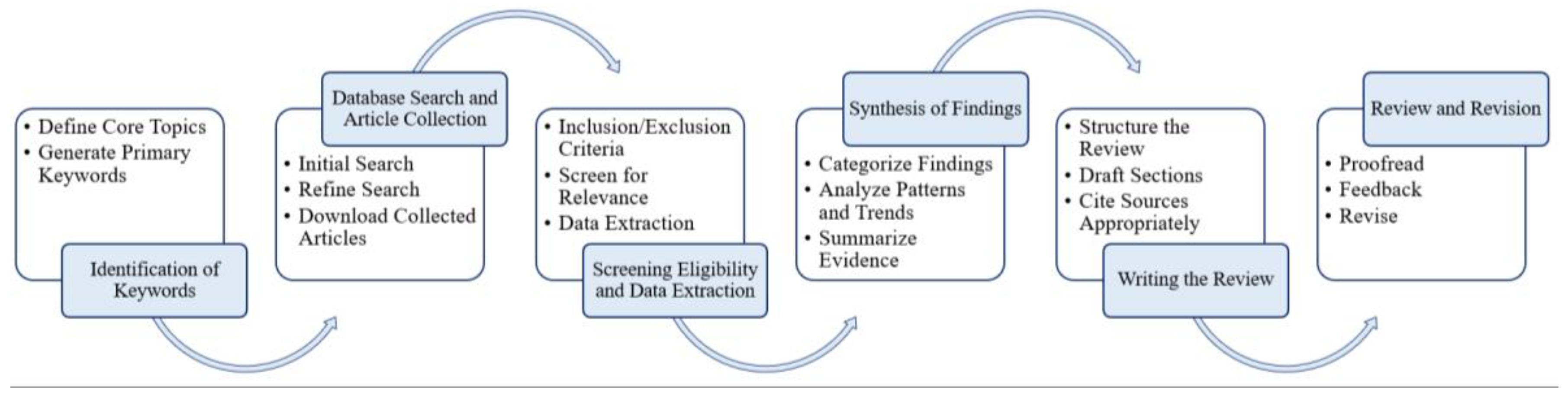
Figure 2.
Testing apparatus for compression test [132].
Figure 2.
Testing apparatus for compression test [132].
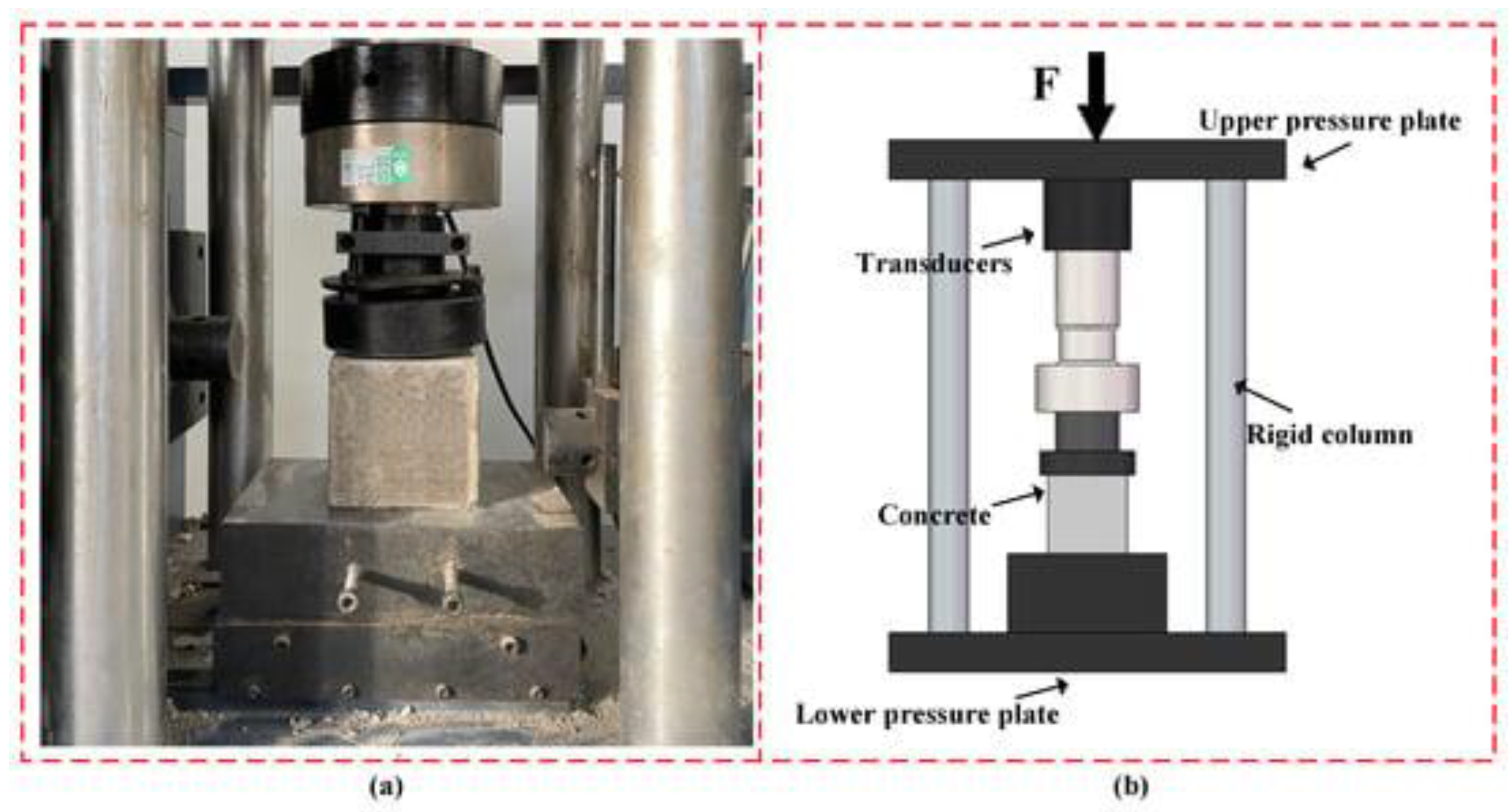
Figure 3.
Testing apparatus for tensile test [139].
Figure 3.
Testing apparatus for tensile test [139].
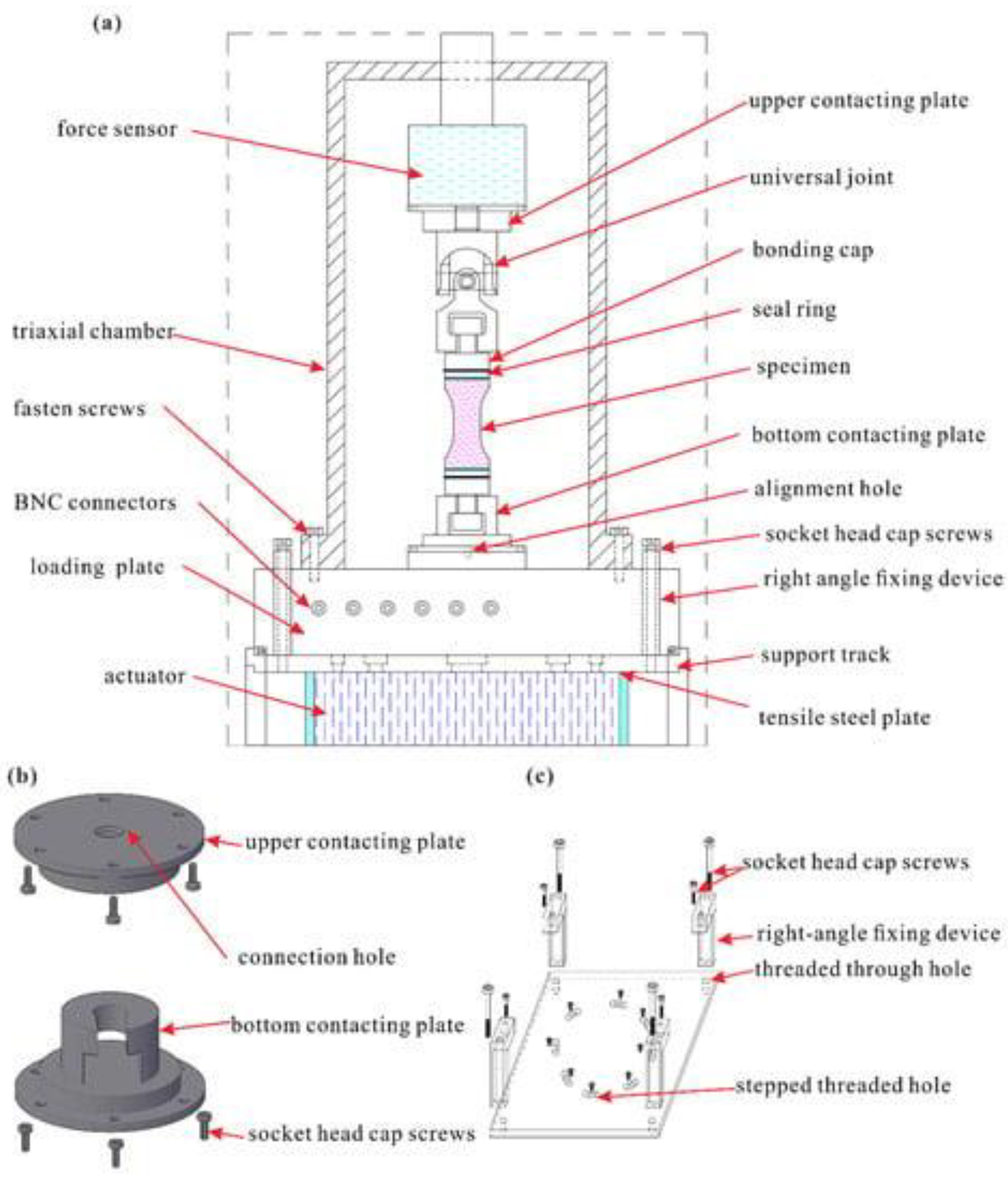
Figure 4.
Testing apparatus for flexural testing [144].
Figure 4.
Testing apparatus for flexural testing [144].
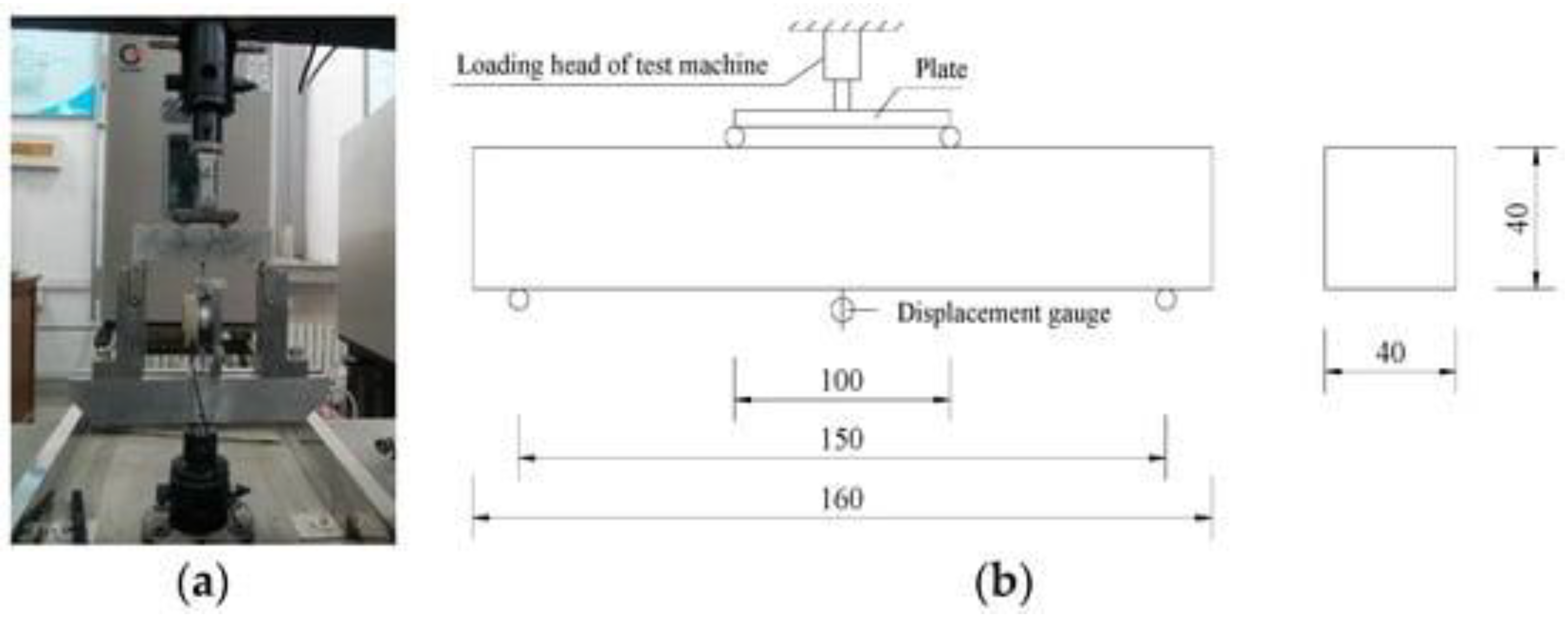
Figure 5.
Testing apparatus for shear test [150].
Figure 5.
Testing apparatus for shear test [150].
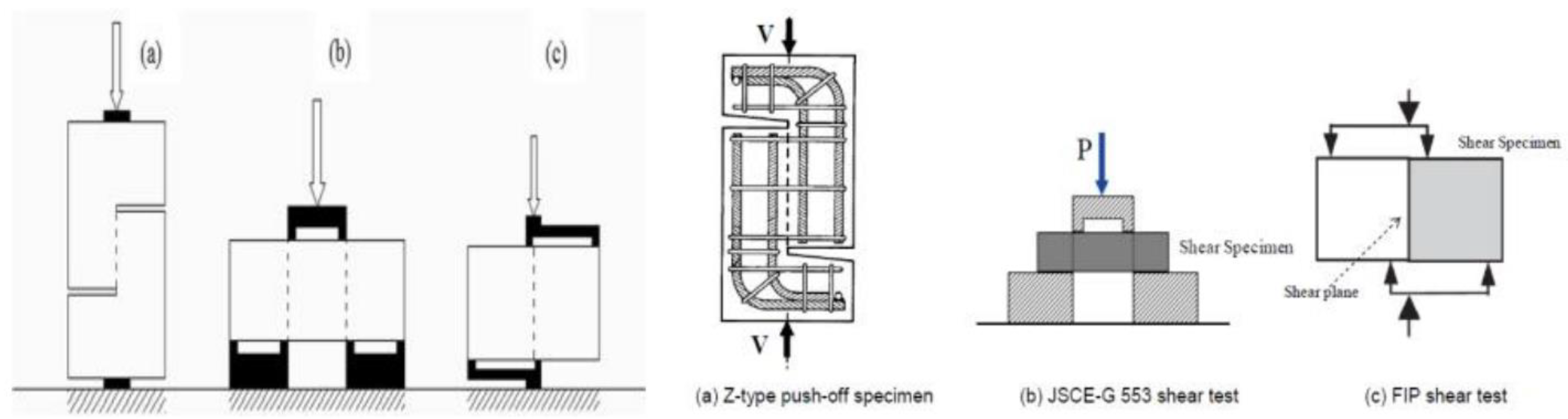
Figure 6.
Testing apparatus for hardness test [163].
Figure 6.
Testing apparatus for hardness test [163].
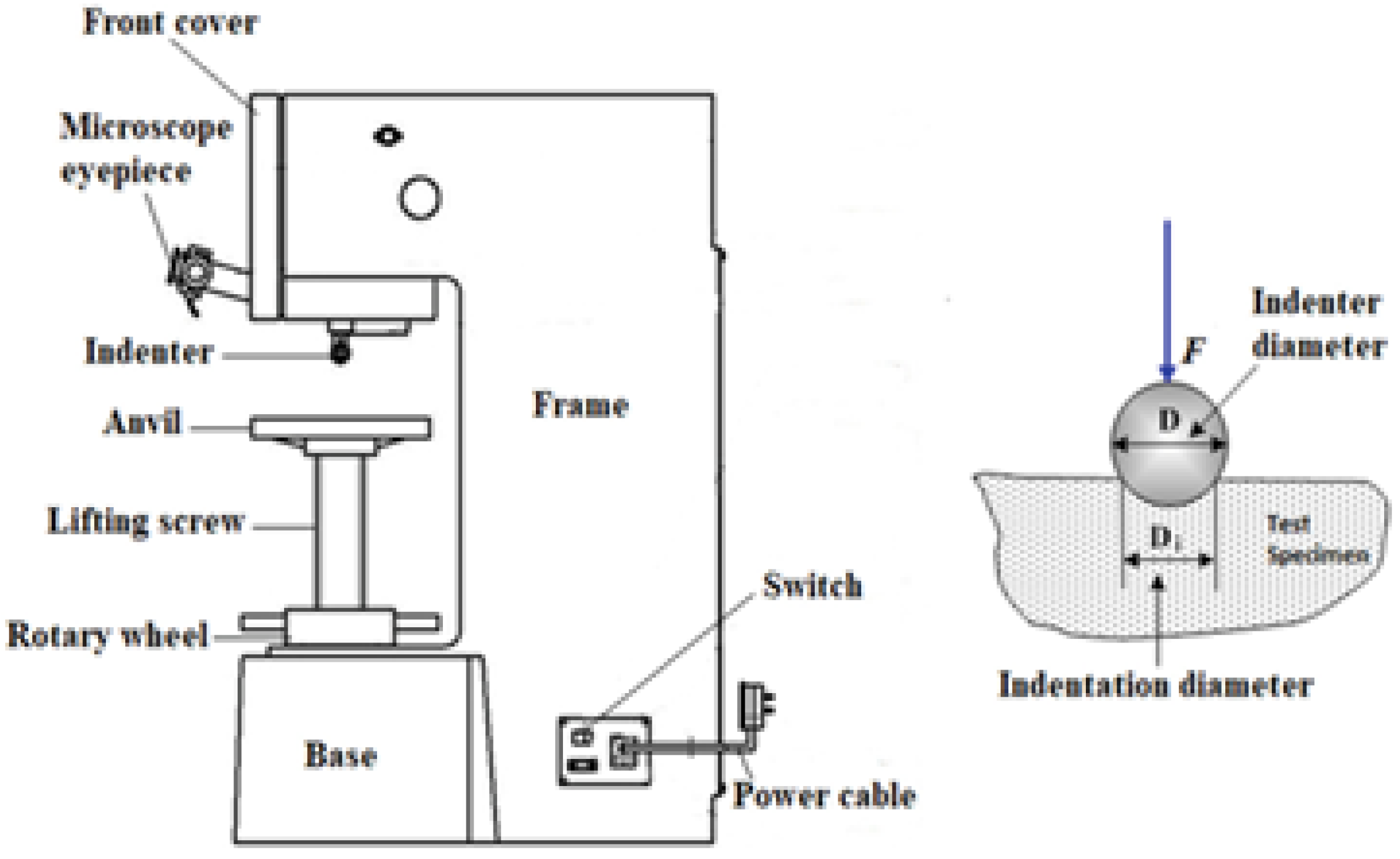
Figure 7.
Testing apparatus for impact resistance test [168].
Figure 7.
Testing apparatus for impact resistance test [168].
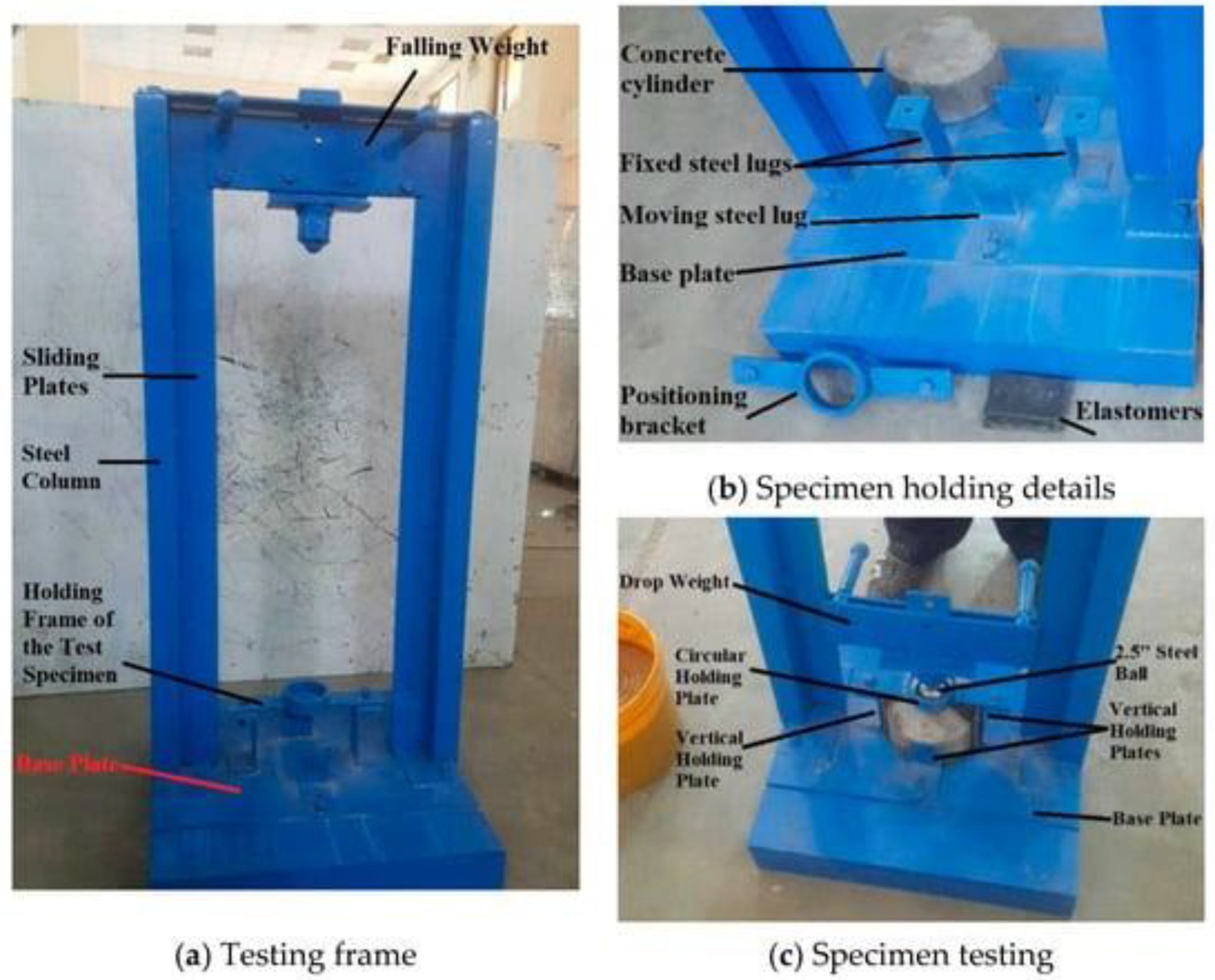
Figure 8.
Testing apparatus for creep test [177].
Figure 8.
Testing apparatus for creep test [177].
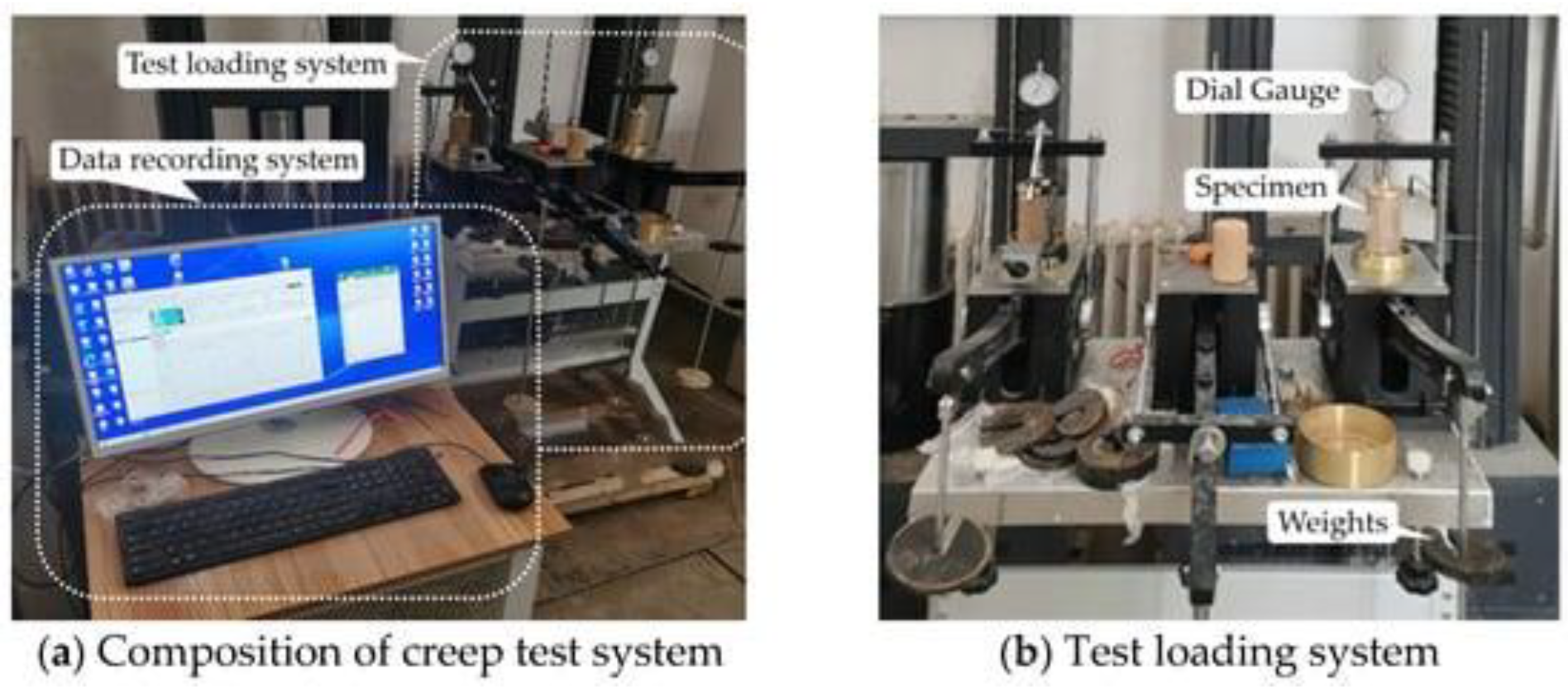
Figure 9.
Testing apparatus for fatigue test [182].
Figure 9.
Testing apparatus for fatigue test [182].
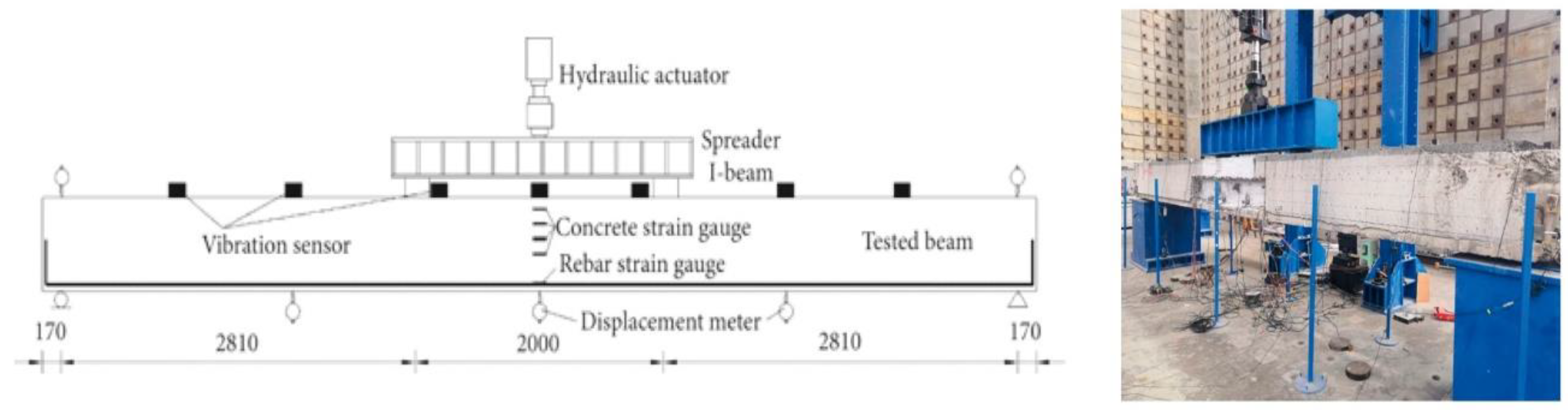
Figure 10.
Spectroscopy test [186].
Figure 10.
Spectroscopy test [186].
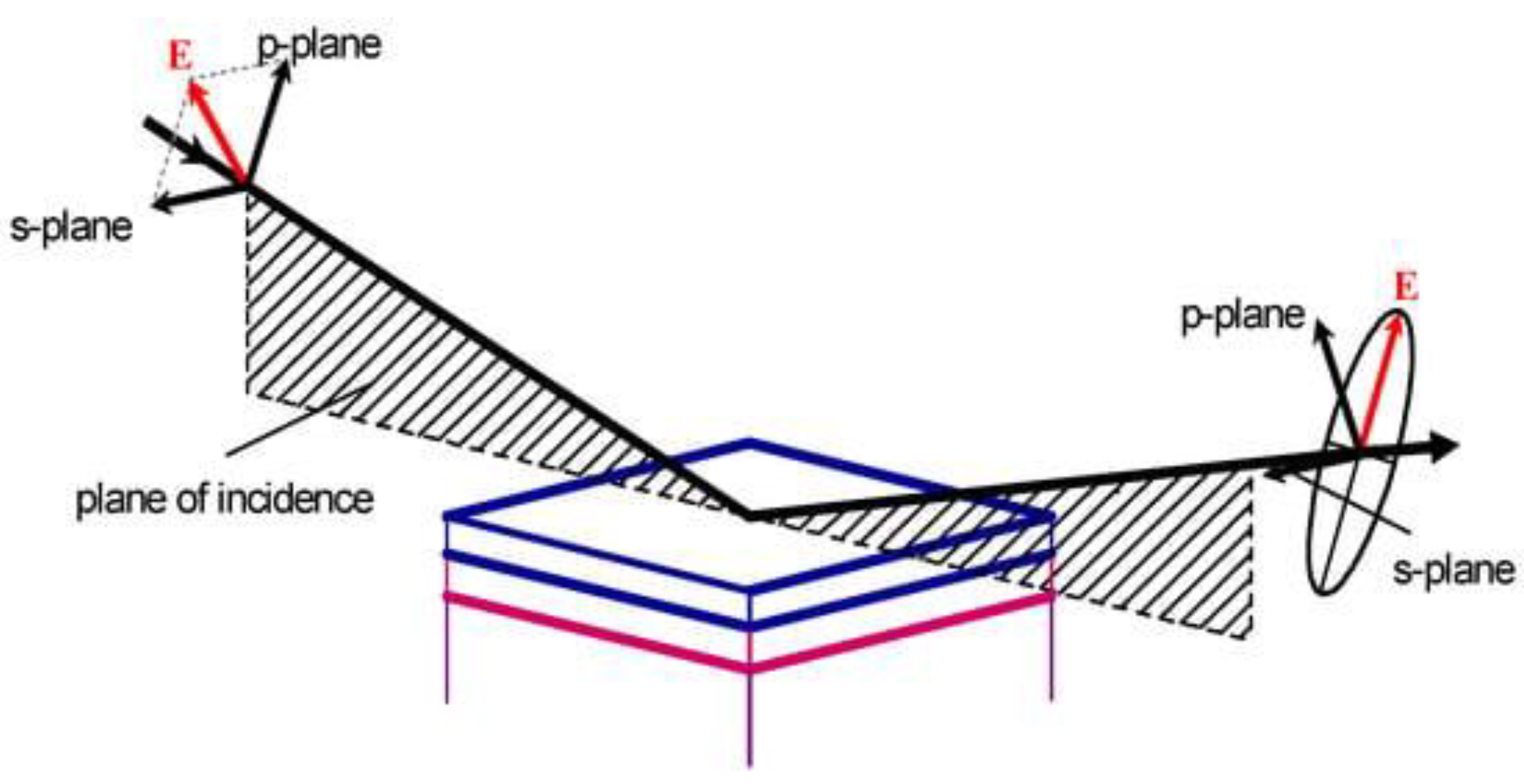
Figure 11.
Chromatography test [189].
Figure 11.
Chromatography test [189].
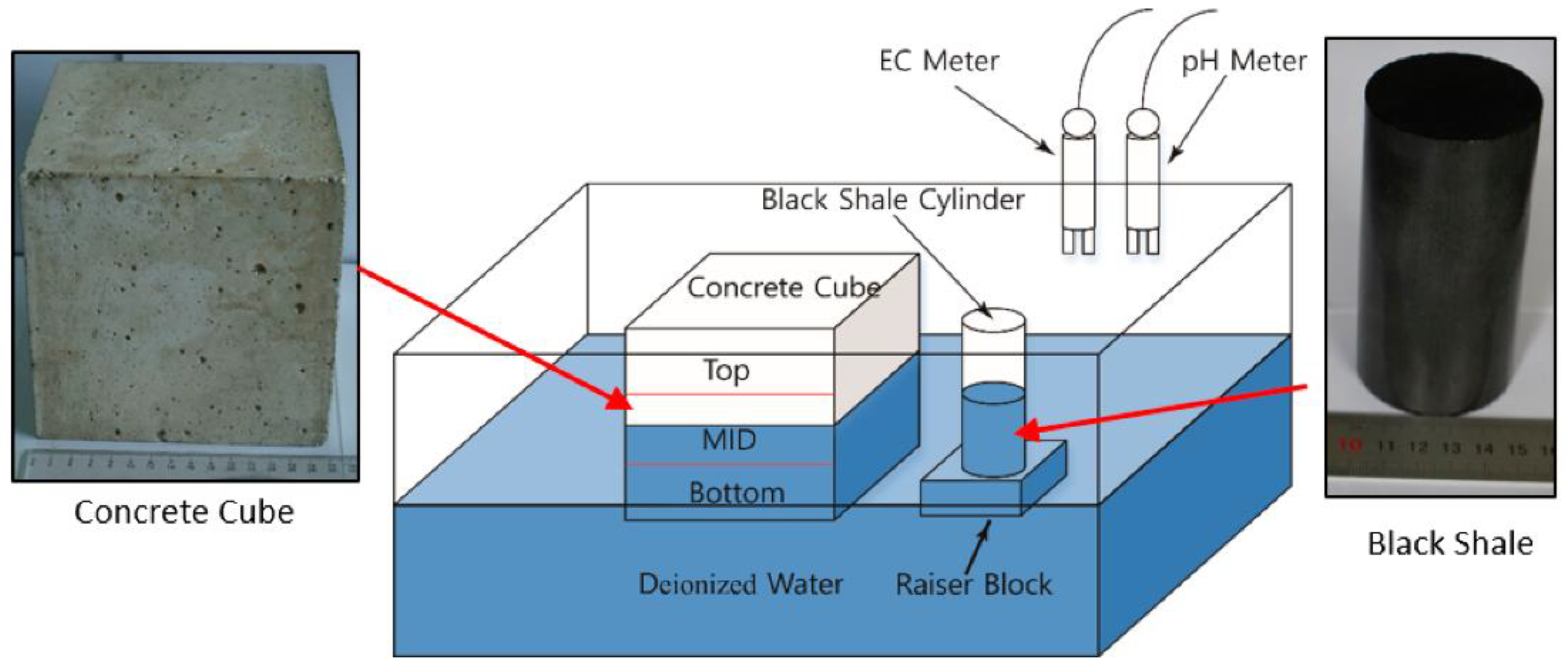
Figure 12.
Testing apparatus for X-ray Fluorescence test [197].
Figure 12.
Testing apparatus for X-ray Fluorescence test [197].
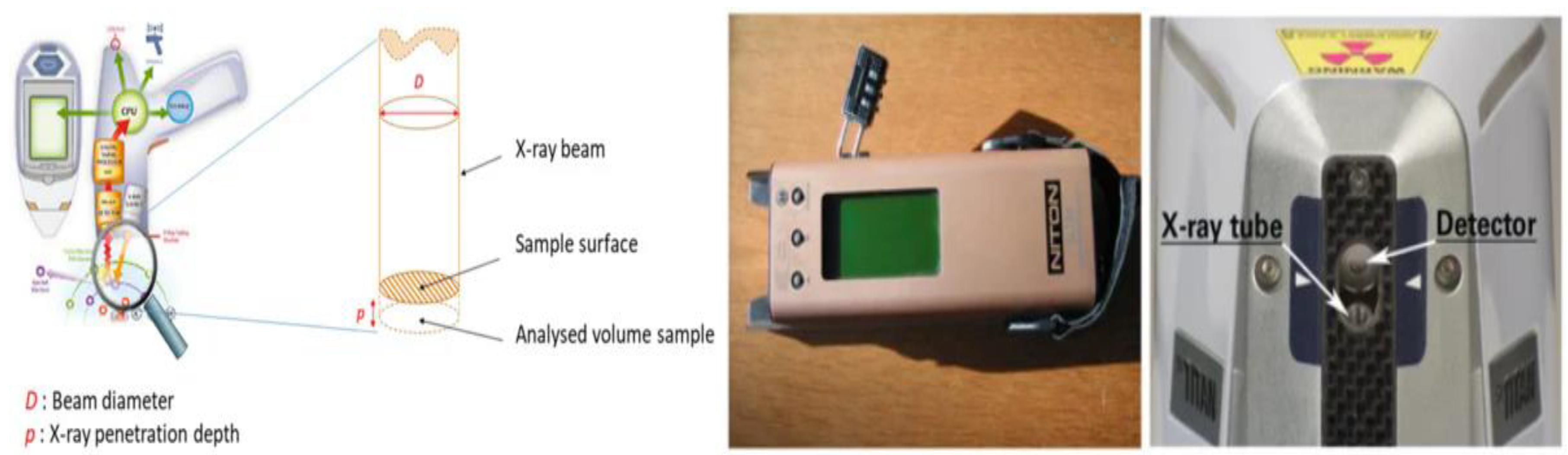
Figure 13.
Testing apparatus for pH measurement [202].
Figure 13.
Testing apparatus for pH measurement [202].
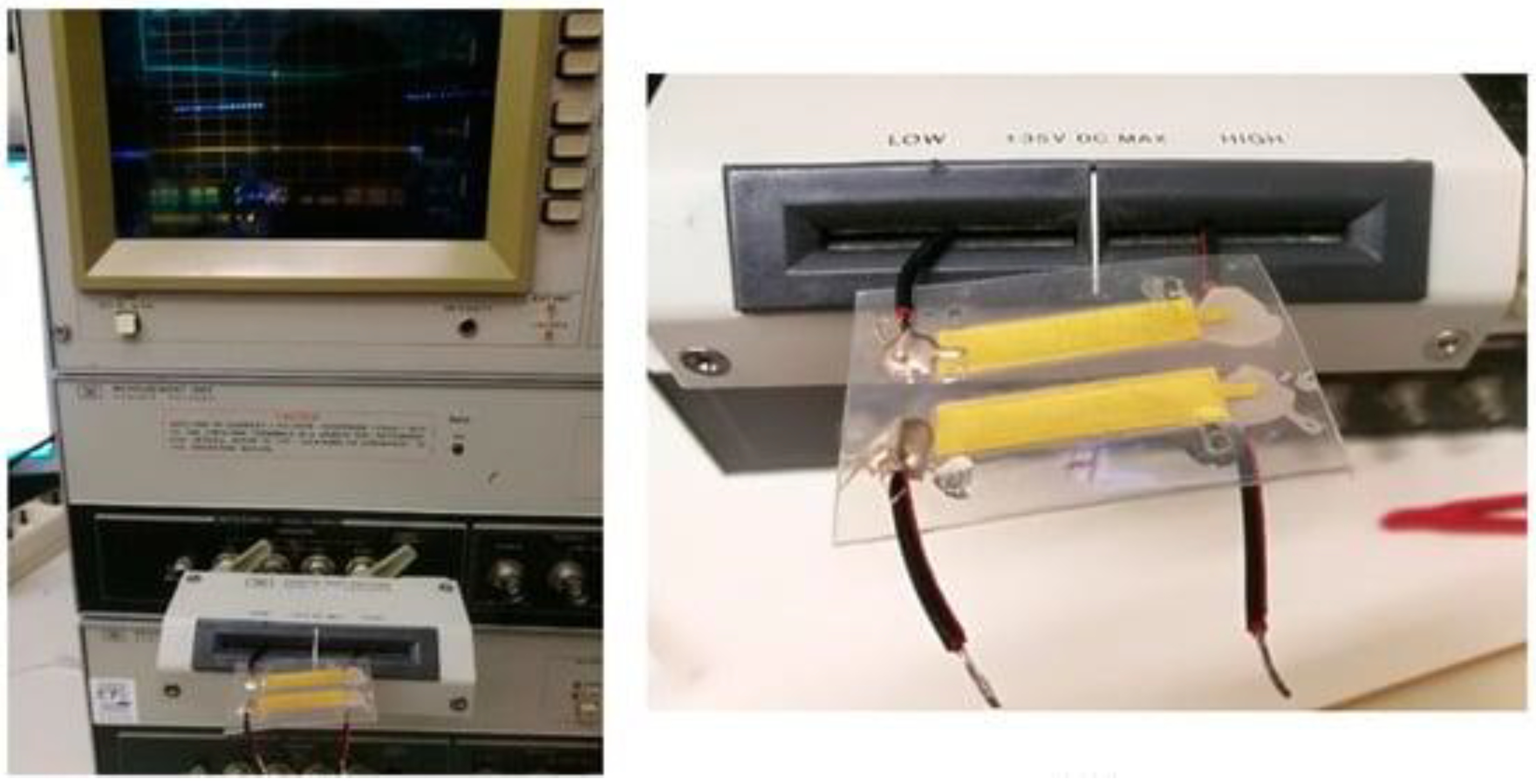
Figure 14.
Testing apparatus for TGA [208].
Figure 14.
Testing apparatus for TGA [208].
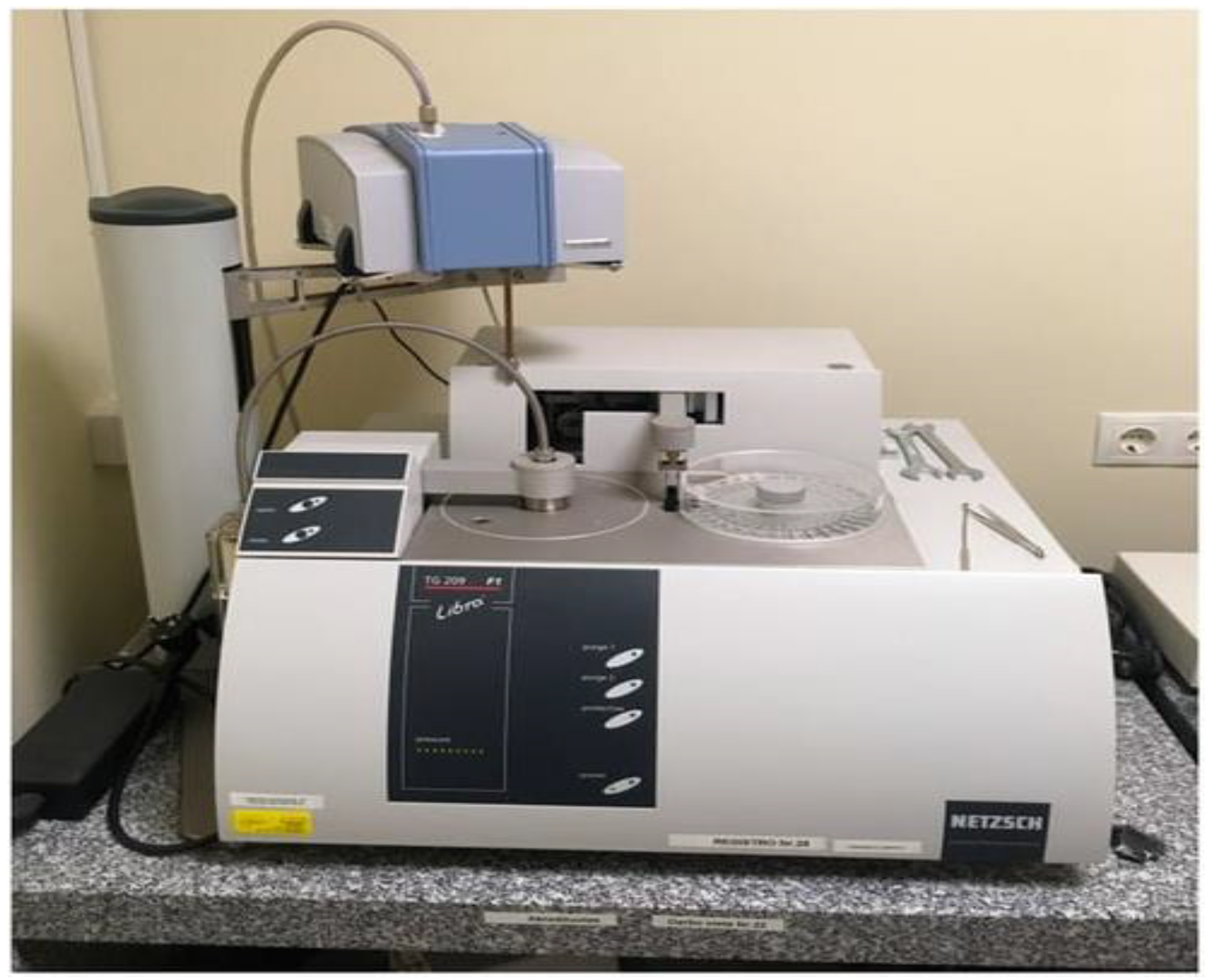
Figure 15.
Schematic diagram for DSC test [215].
Figure 15.
Schematic diagram for DSC test [215].
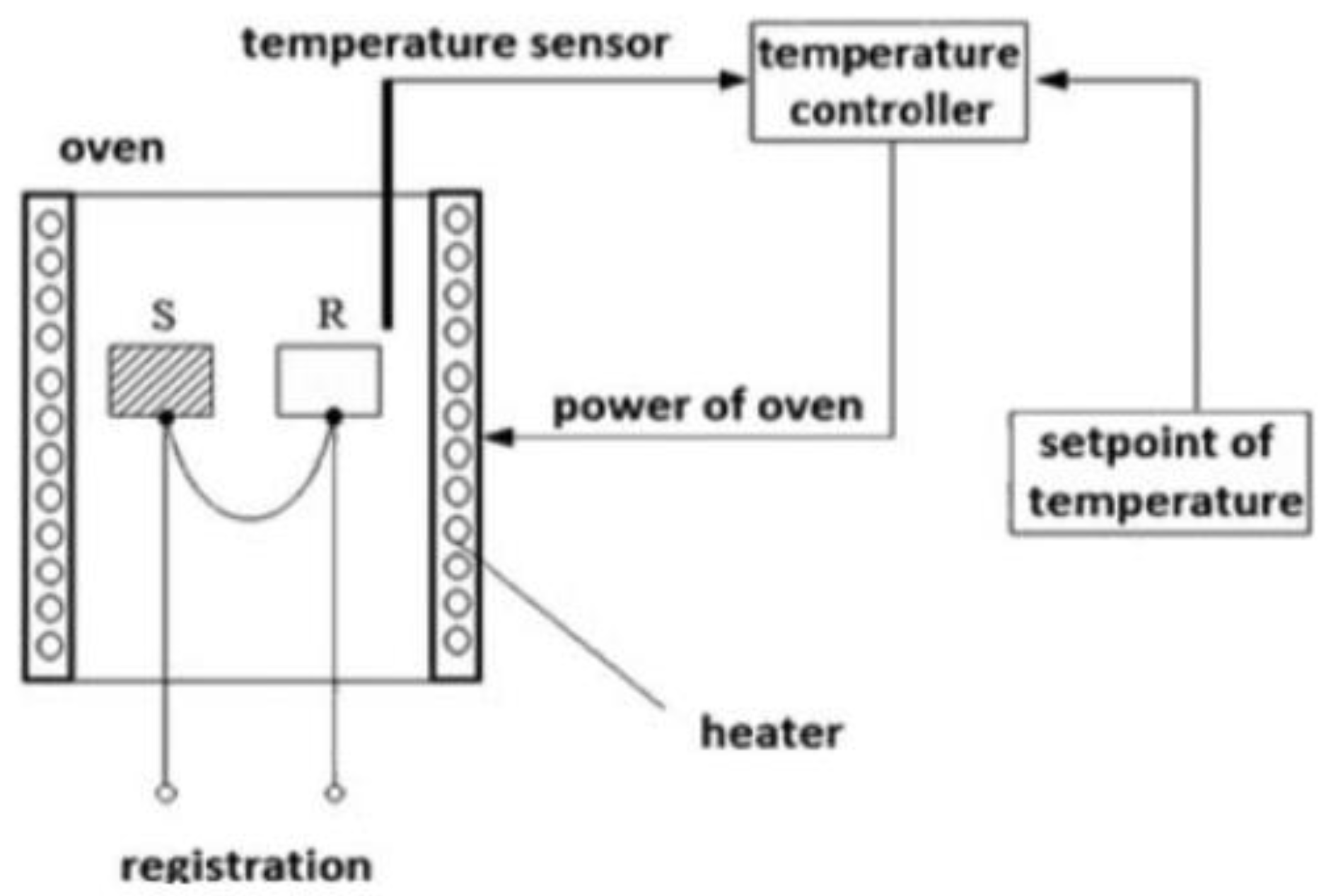
Figure 16.
Schematic diagram of thermal conductivity test [224].
Figure 16.
Schematic diagram of thermal conductivity test [224].
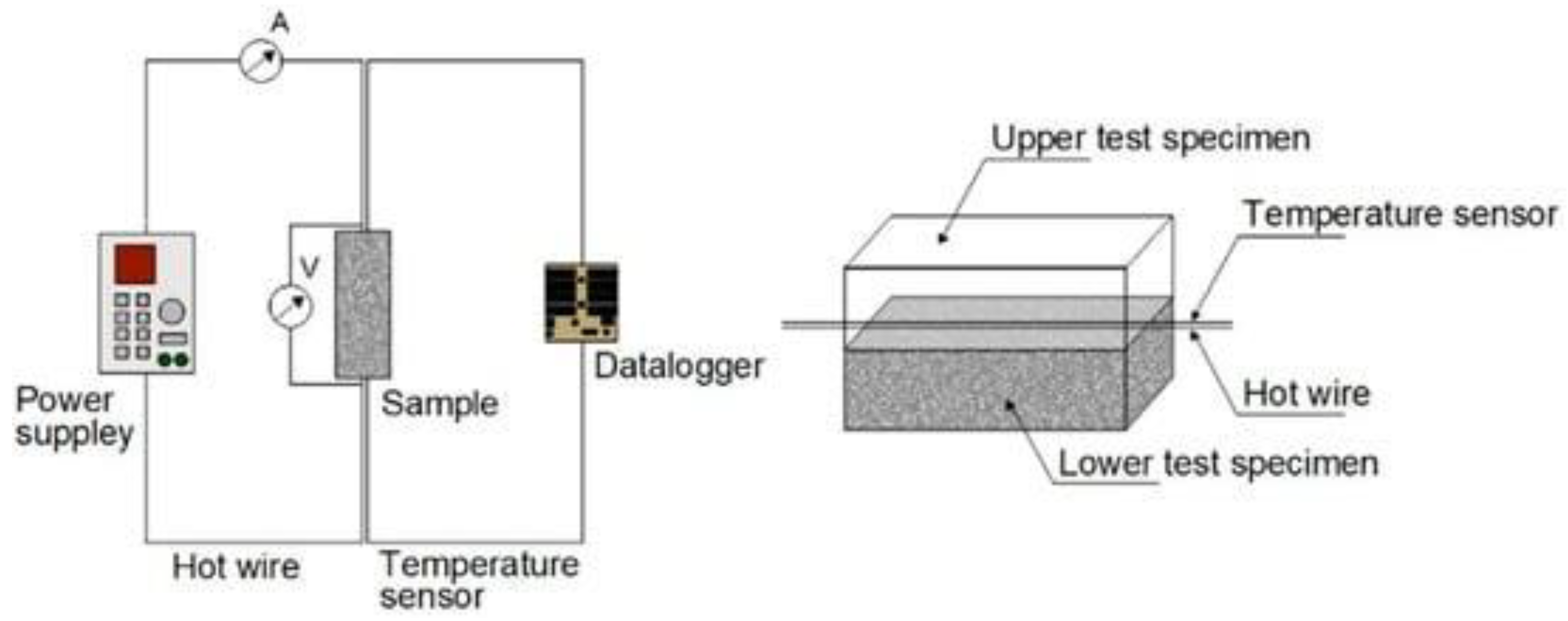
Figure 17.
Testing apparatus of thermal expansion test [235].
Figure 17.
Testing apparatus of thermal expansion test [235].
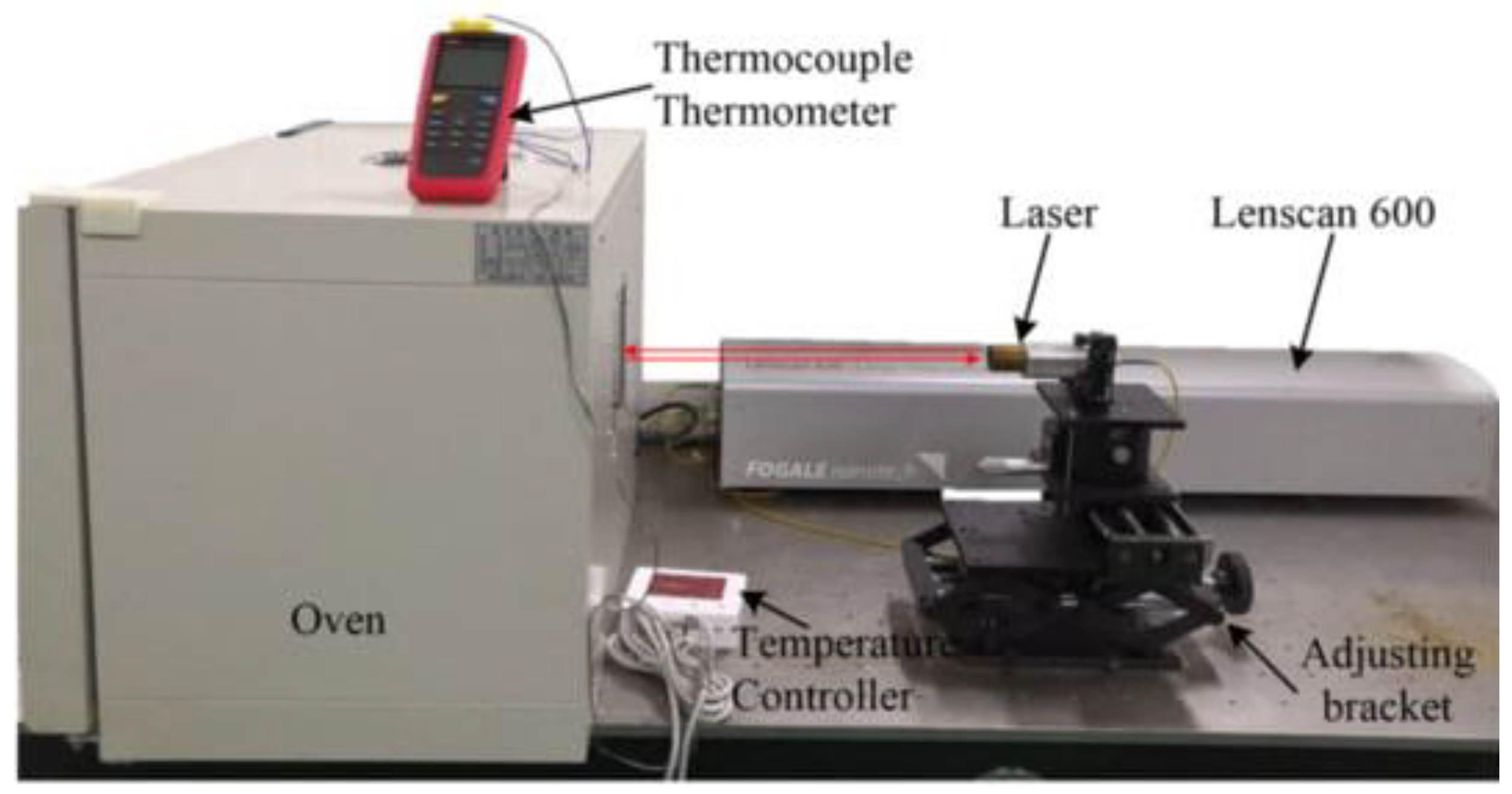
Figure 18.
Testing apparatus for hot disk thermal analyzer [240].
Figure 18.
Testing apparatus for hot disk thermal analyzer [240].
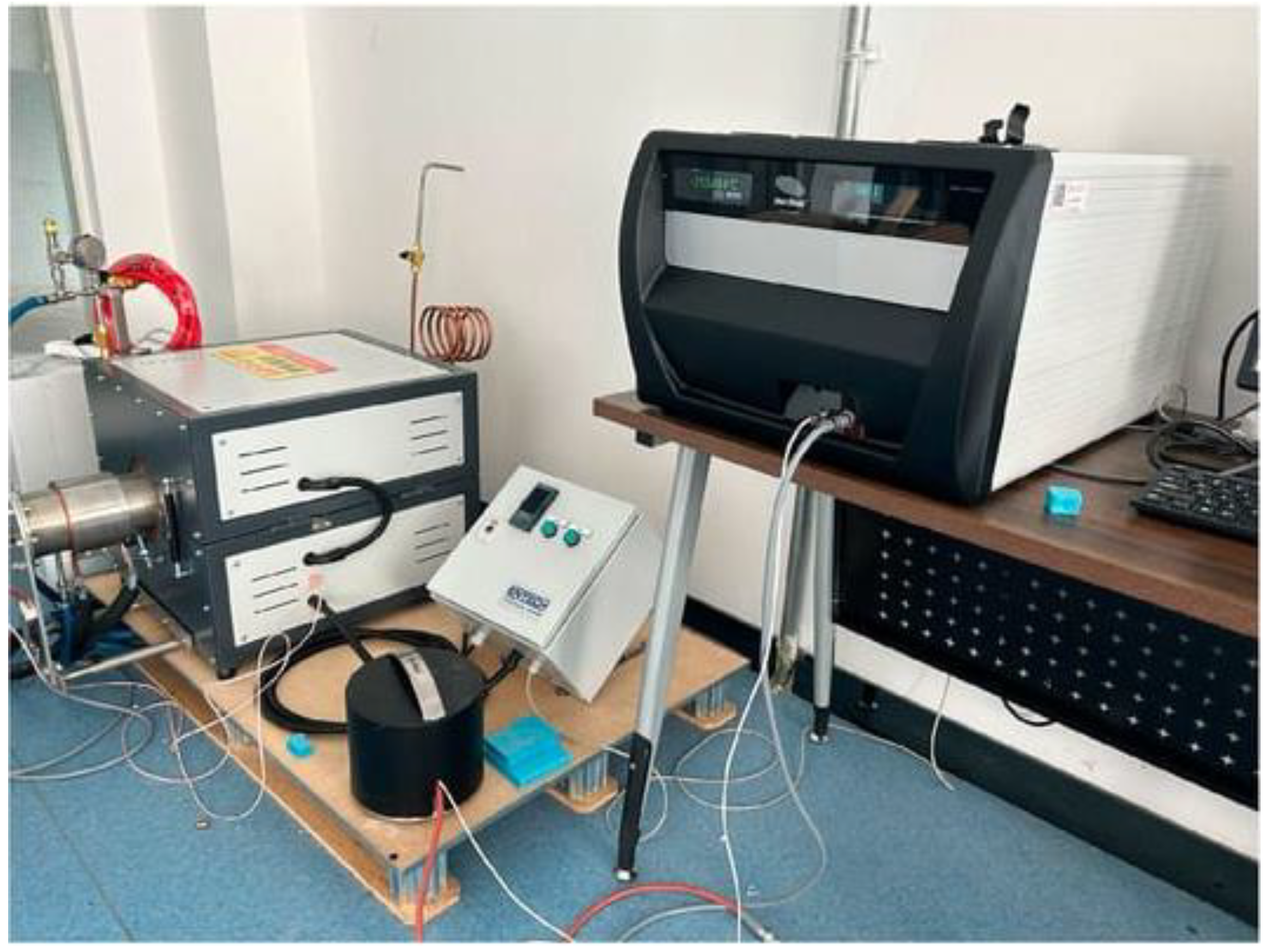
Figure 19.
Testing apparatus for SEM [247].
Figure 19.
Testing apparatus for SEM [247].
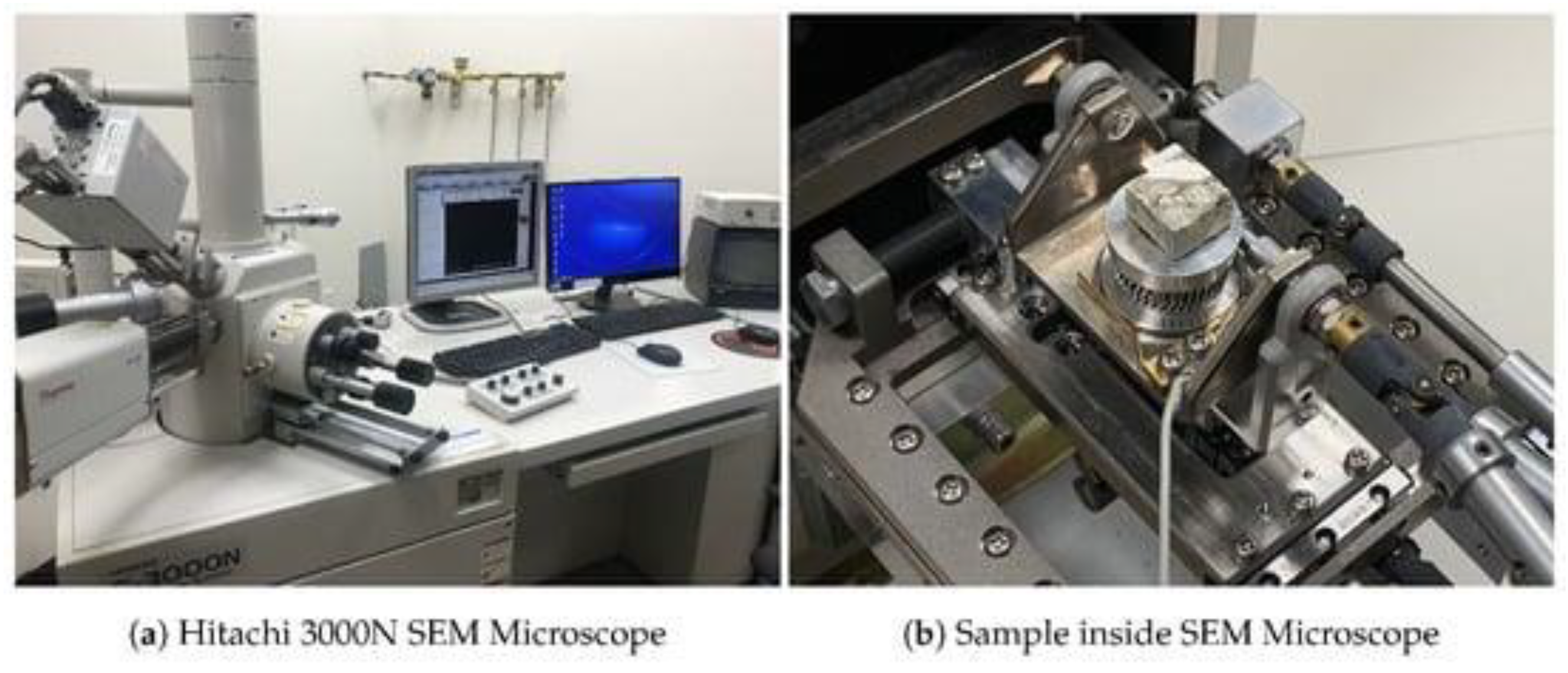
Figure 20.
Testing apparatus for XRD [254].
Figure 20.
Testing apparatus for XRD [254].
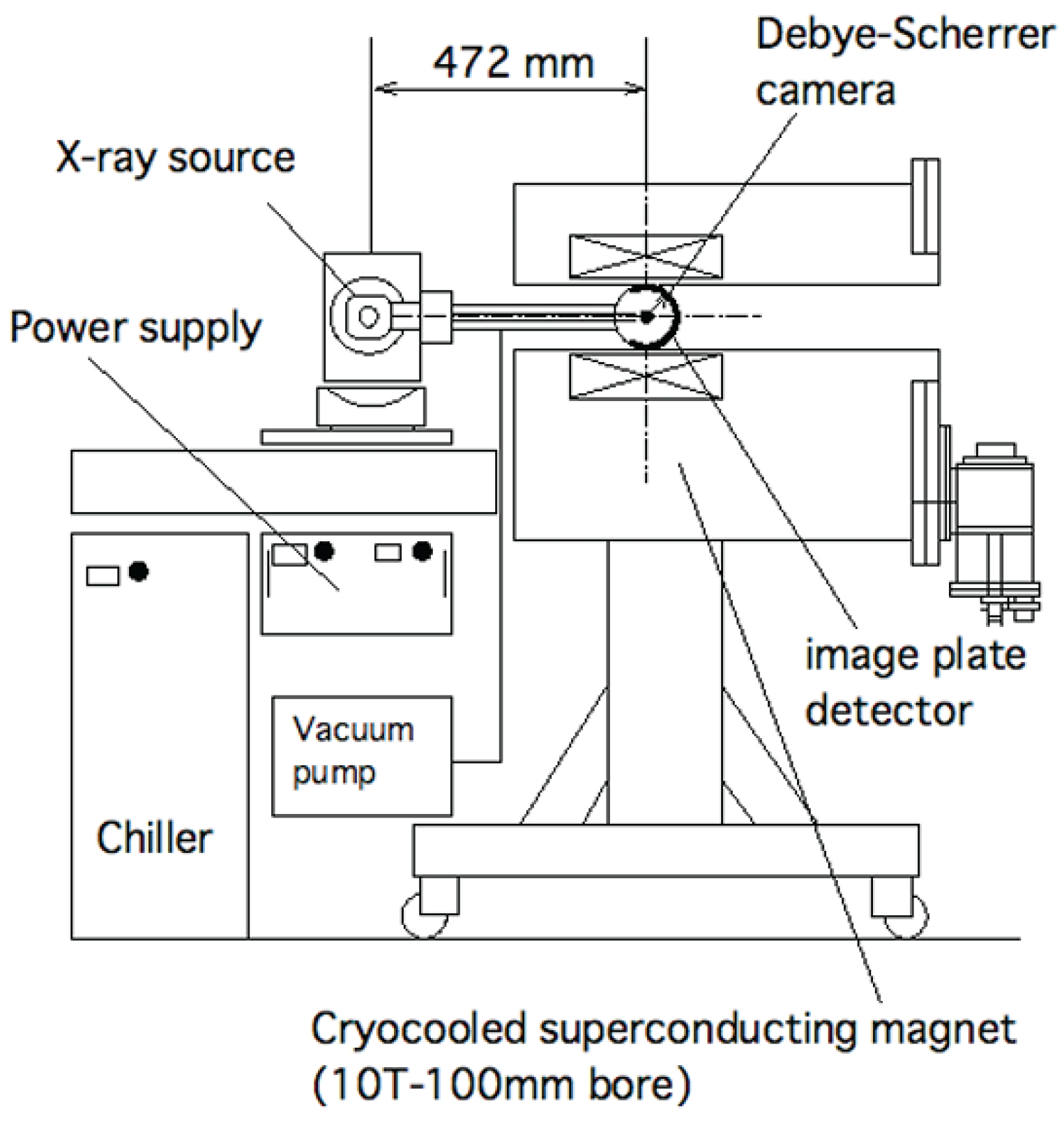
Figure 21.
Testing apparatus for TEM [258].
Figure 21.
Testing apparatus for TEM [258].
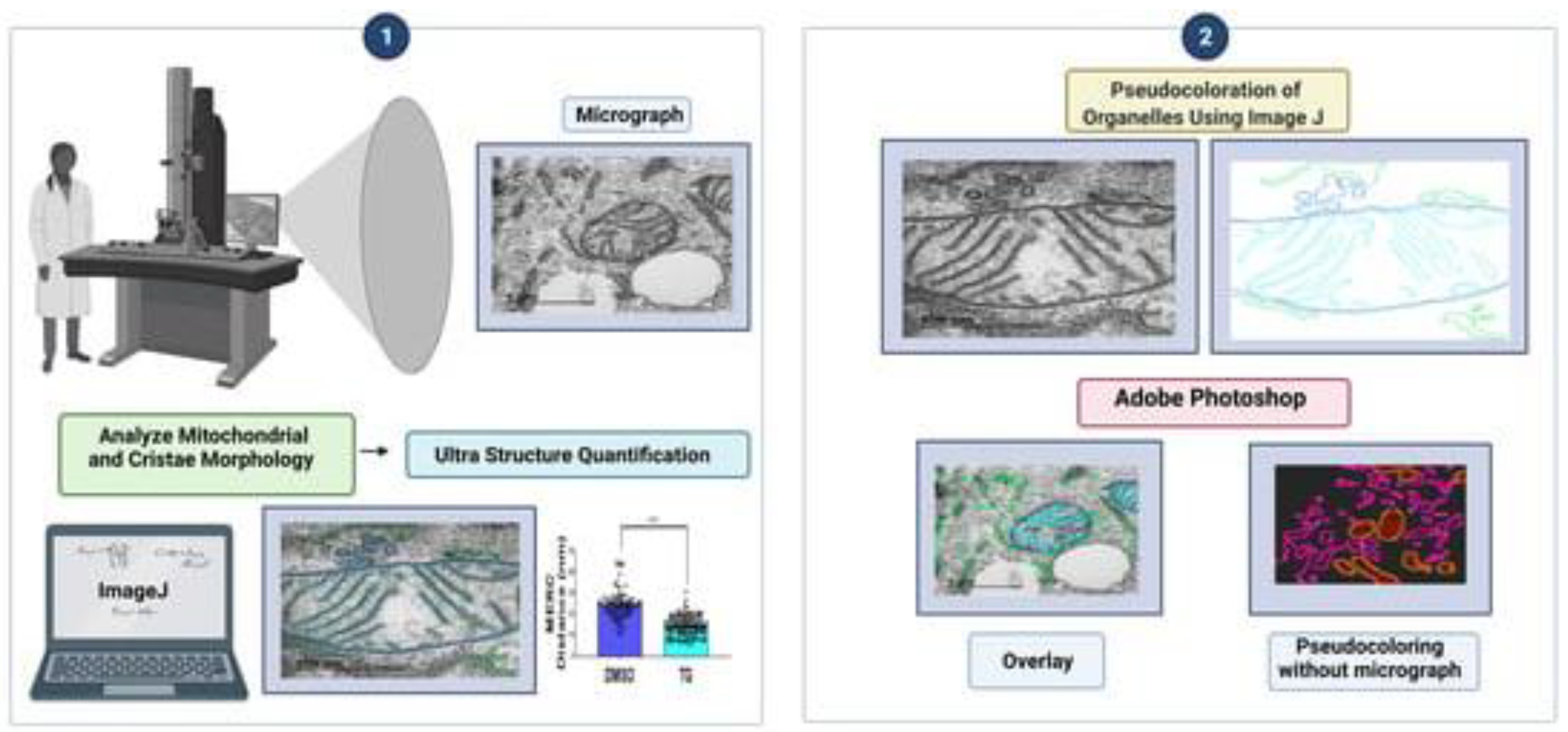
Figure 22.
Schematic diagram of AFM [268].
Figure 22.
Schematic diagram of AFM [268].
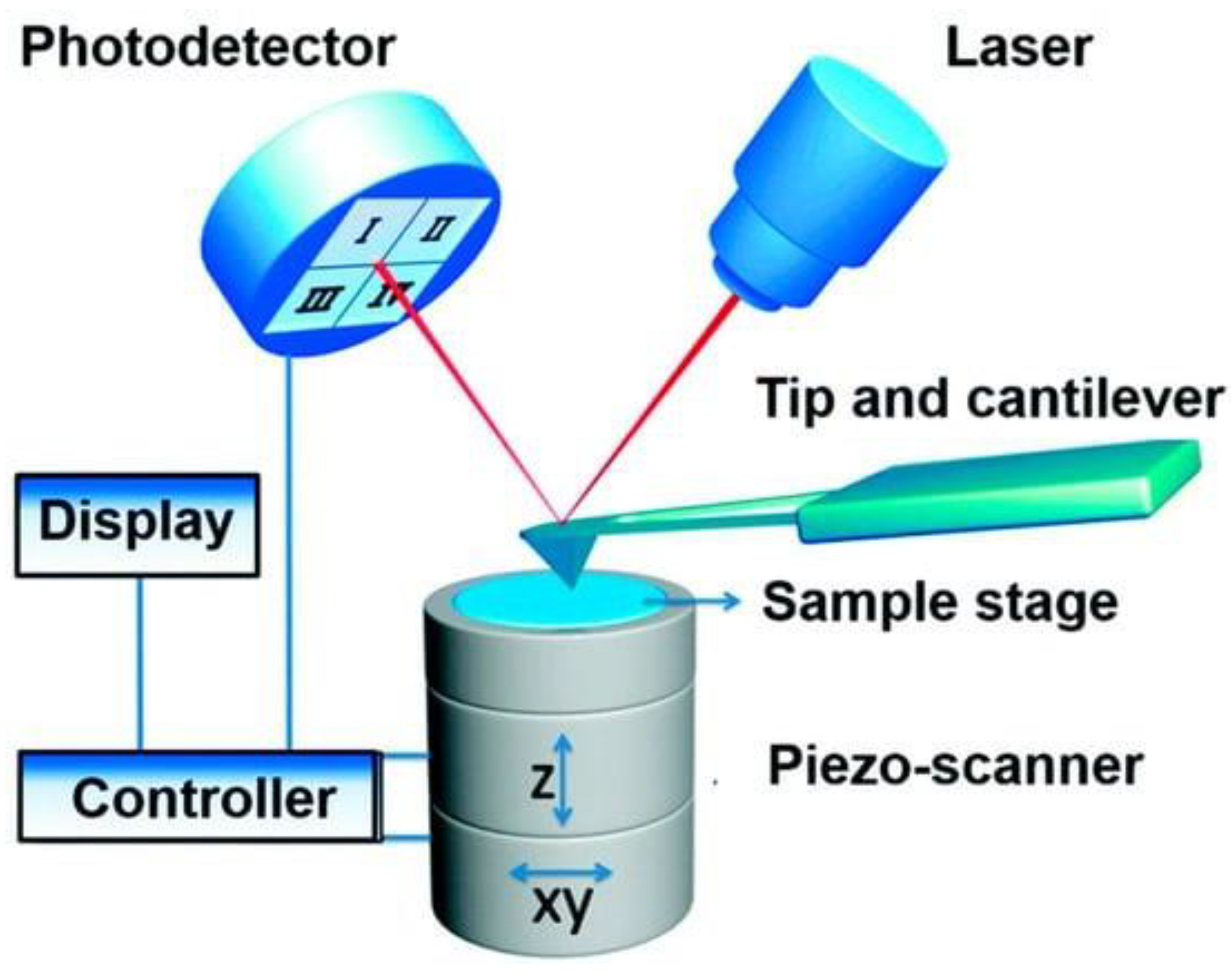
Figure 23.
Testing apparatus and procedure of freeze-thaw test [275].
Figure 23.
Testing apparatus and procedure of freeze-thaw test [275].
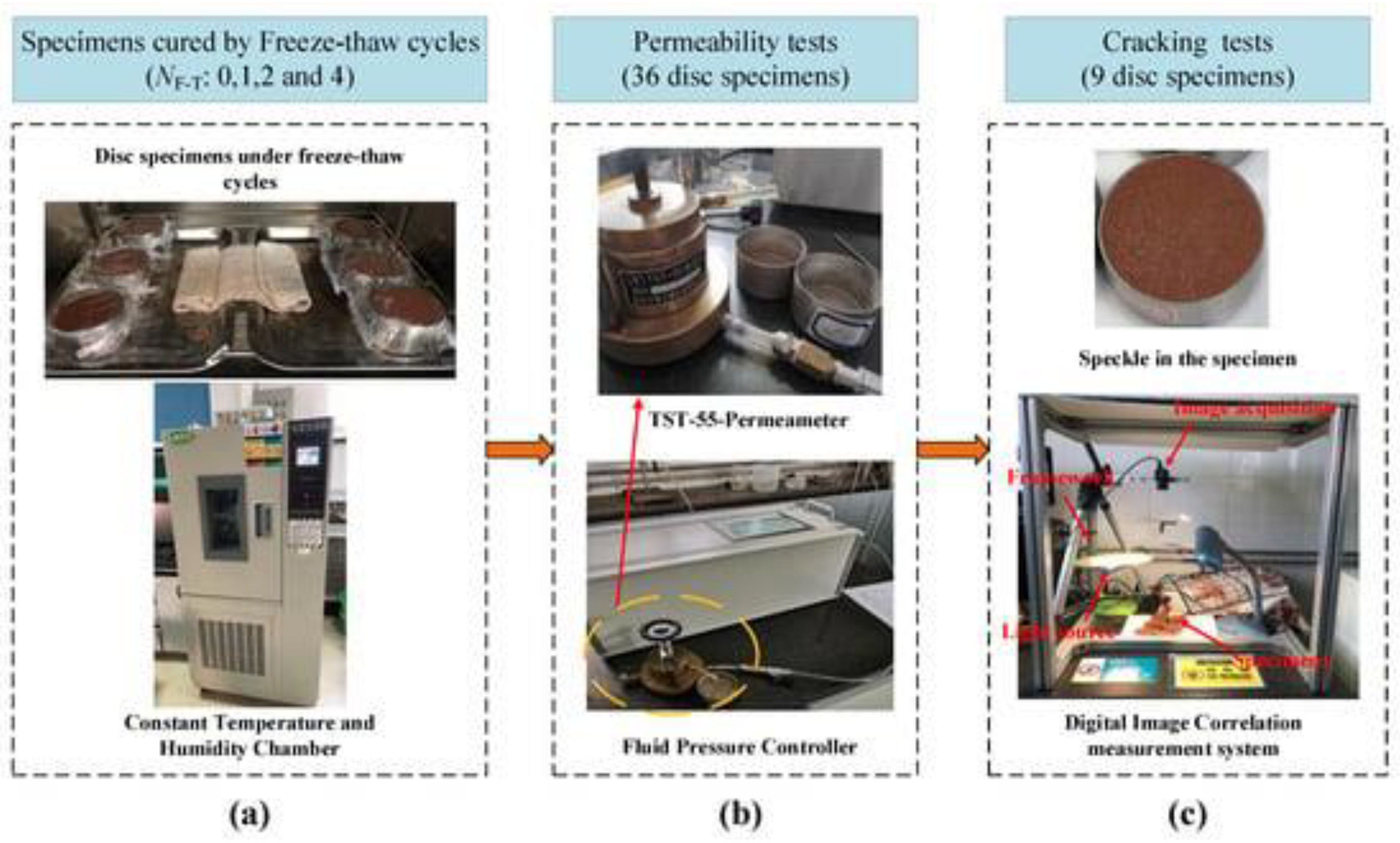
Figure 24.
Schematic diagram of sulfate attack test apparatus [279].
Figure 24.
Schematic diagram of sulfate attack test apparatus [279].
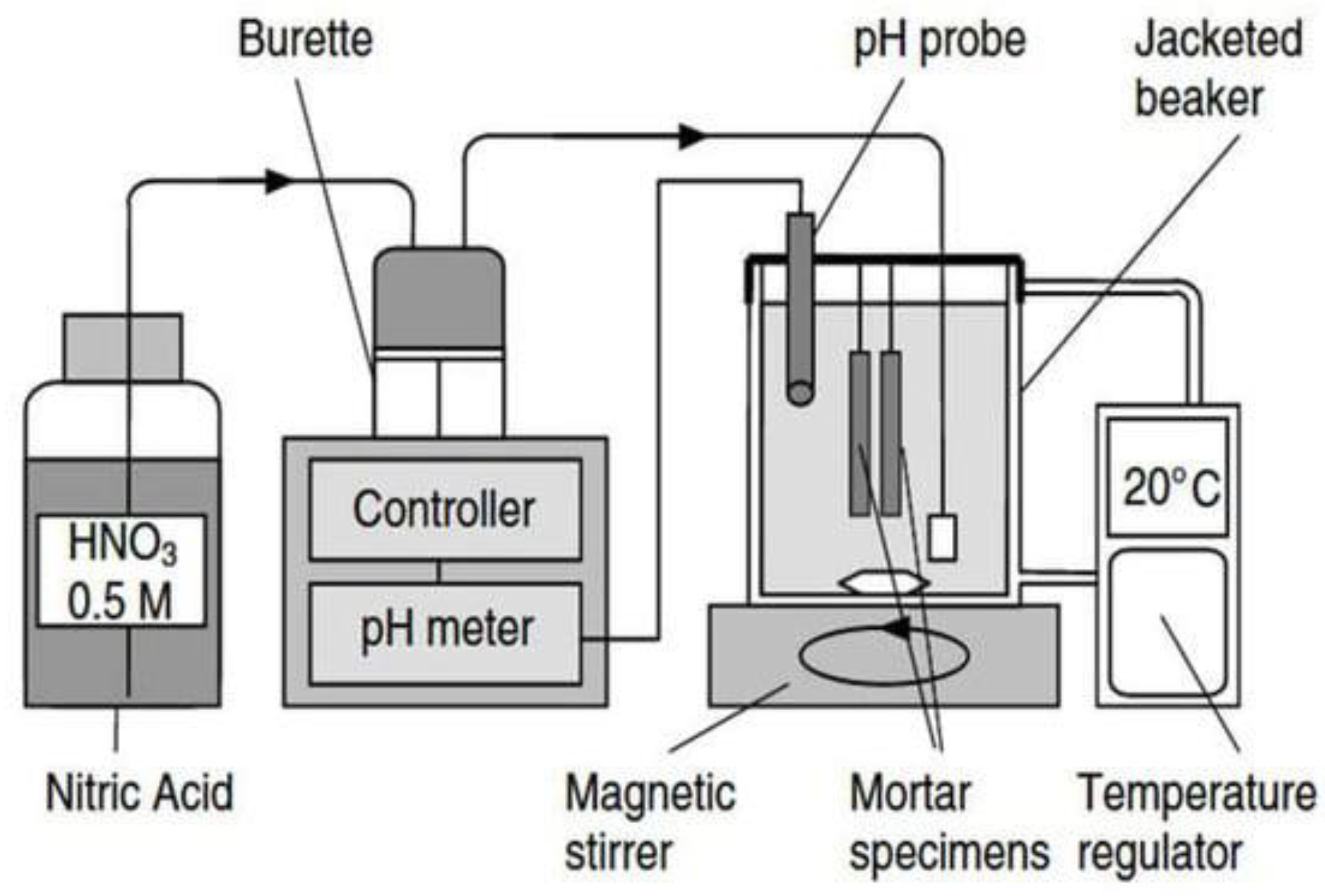
Figure 25.
Schematic diagram of the chemical test [286].
Figure 25.
Schematic diagram of the chemical test [286].
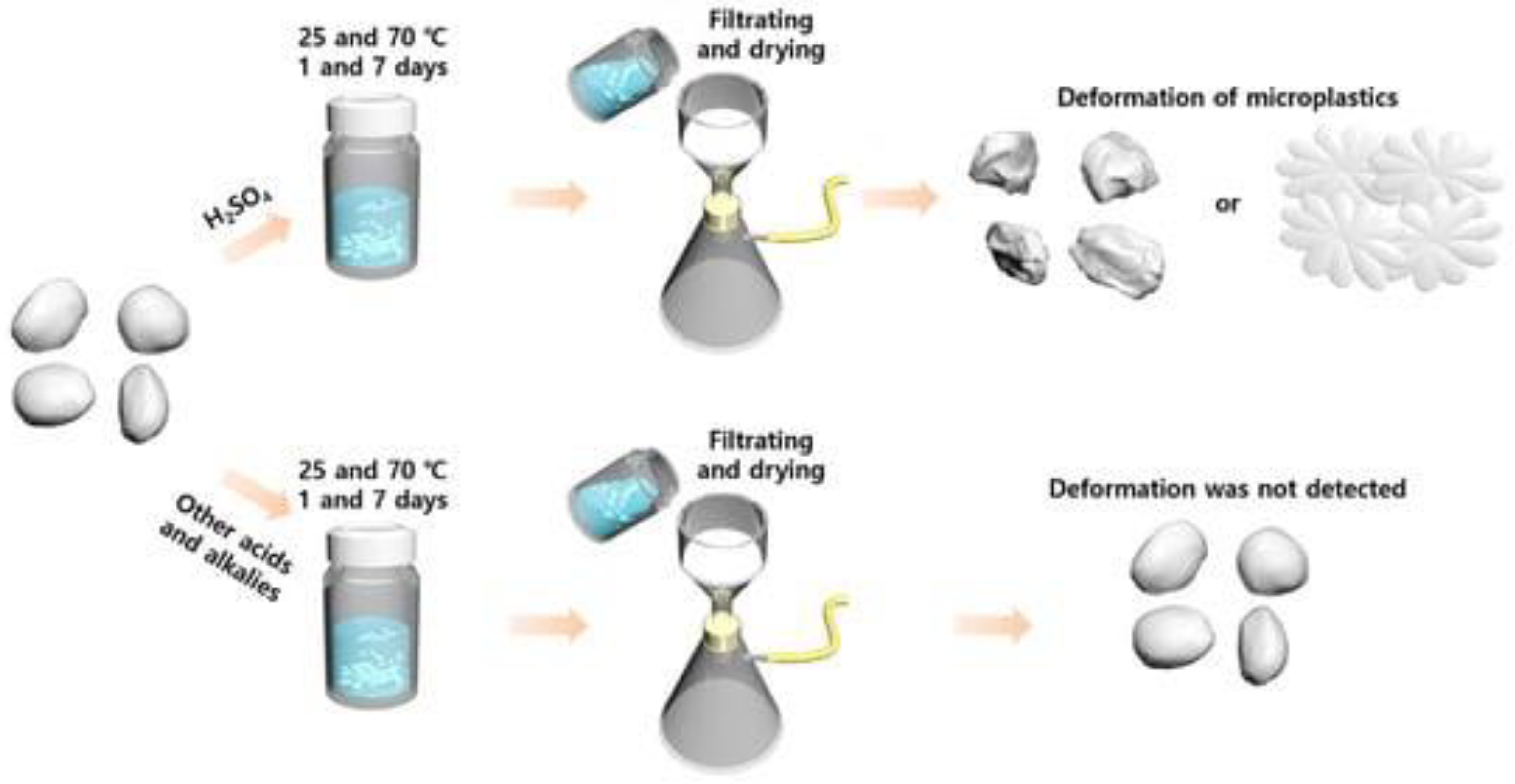
Figure 26.
Schematic diagram of corrosion testing apparatus [293].
Figure 26.
Schematic diagram of corrosion testing apparatus [293].
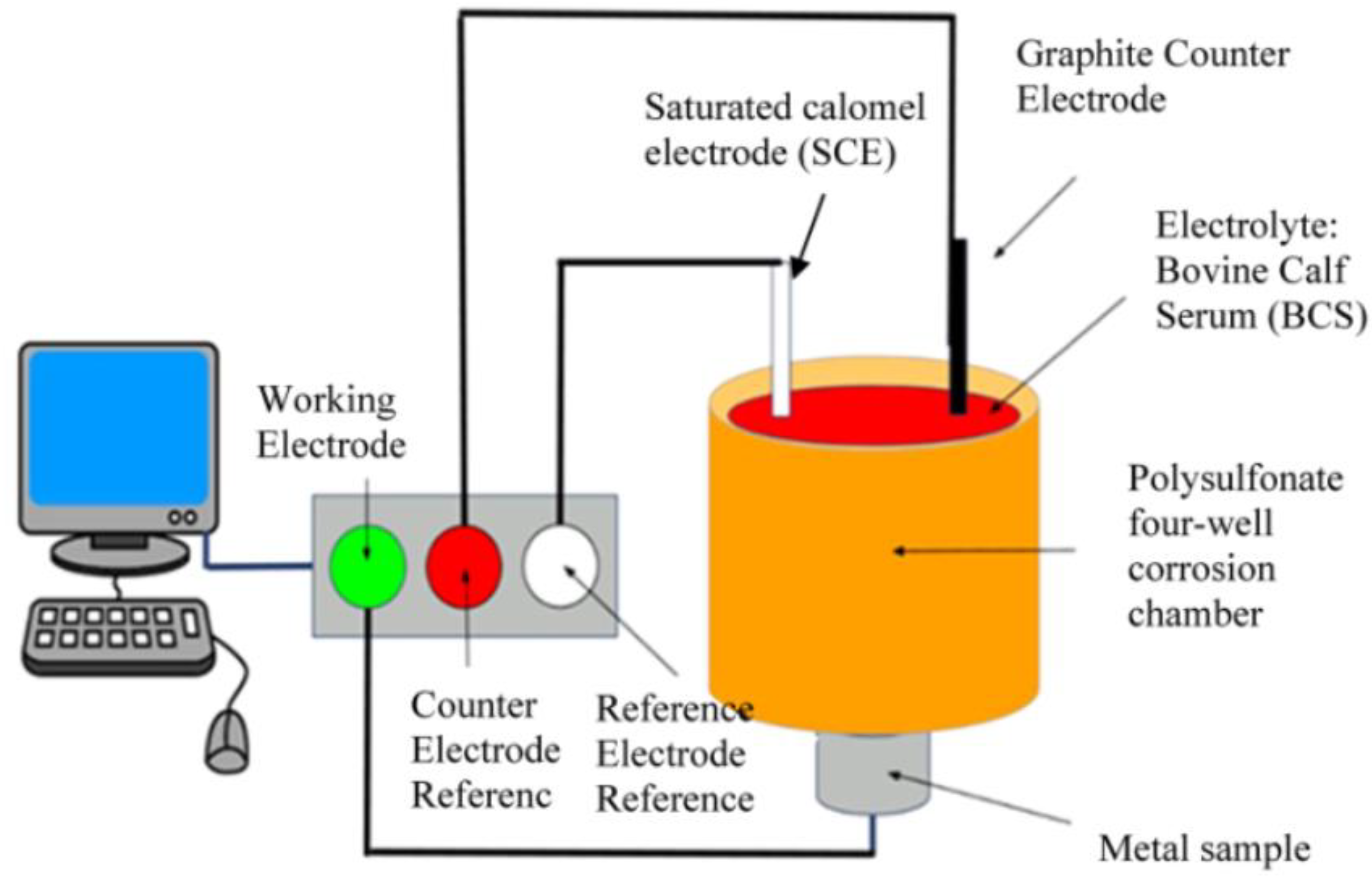
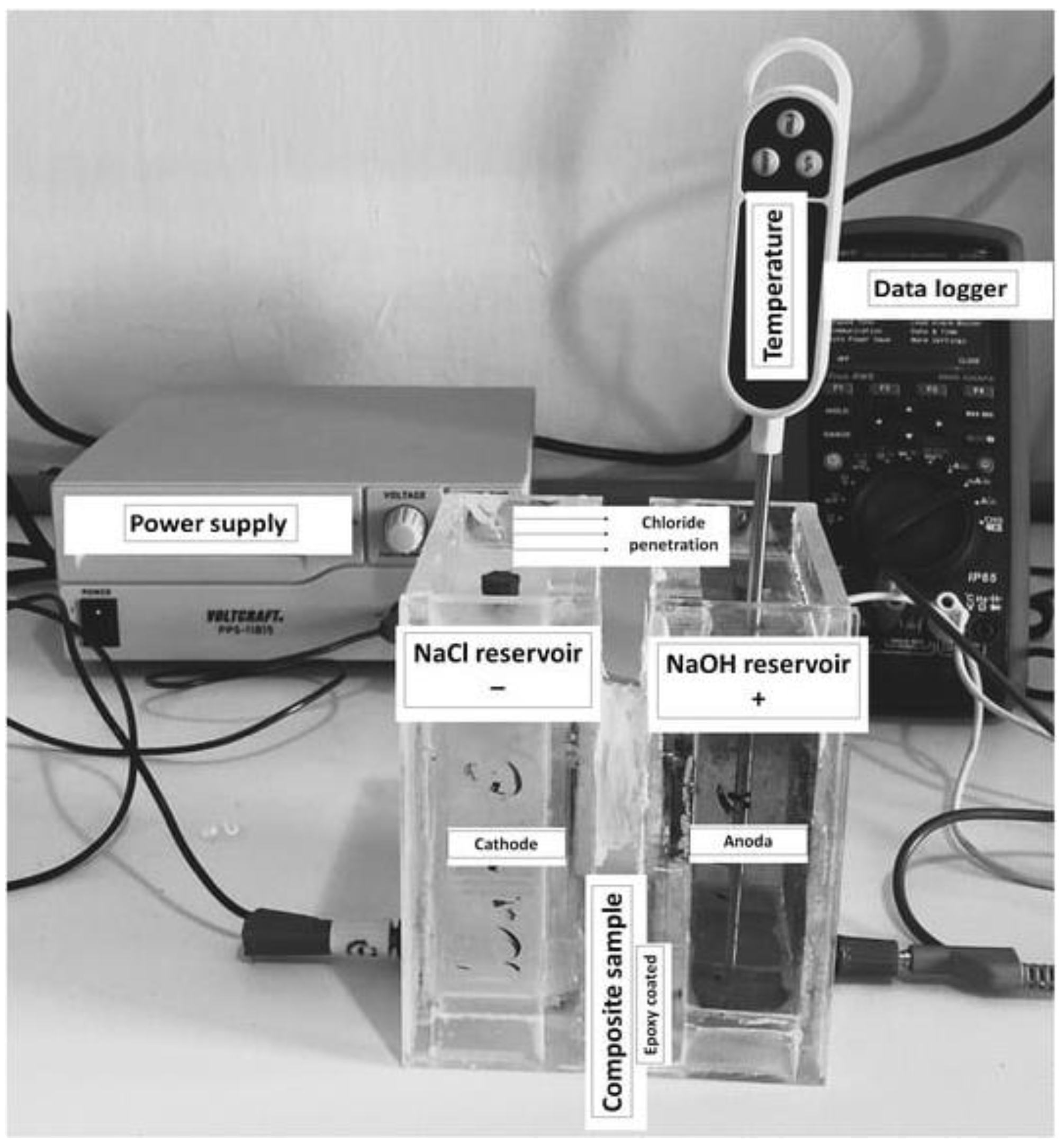
Figure 28.
Testing apparatus of carbonation test [314].
Figure 28.
Testing apparatus of carbonation test [314].
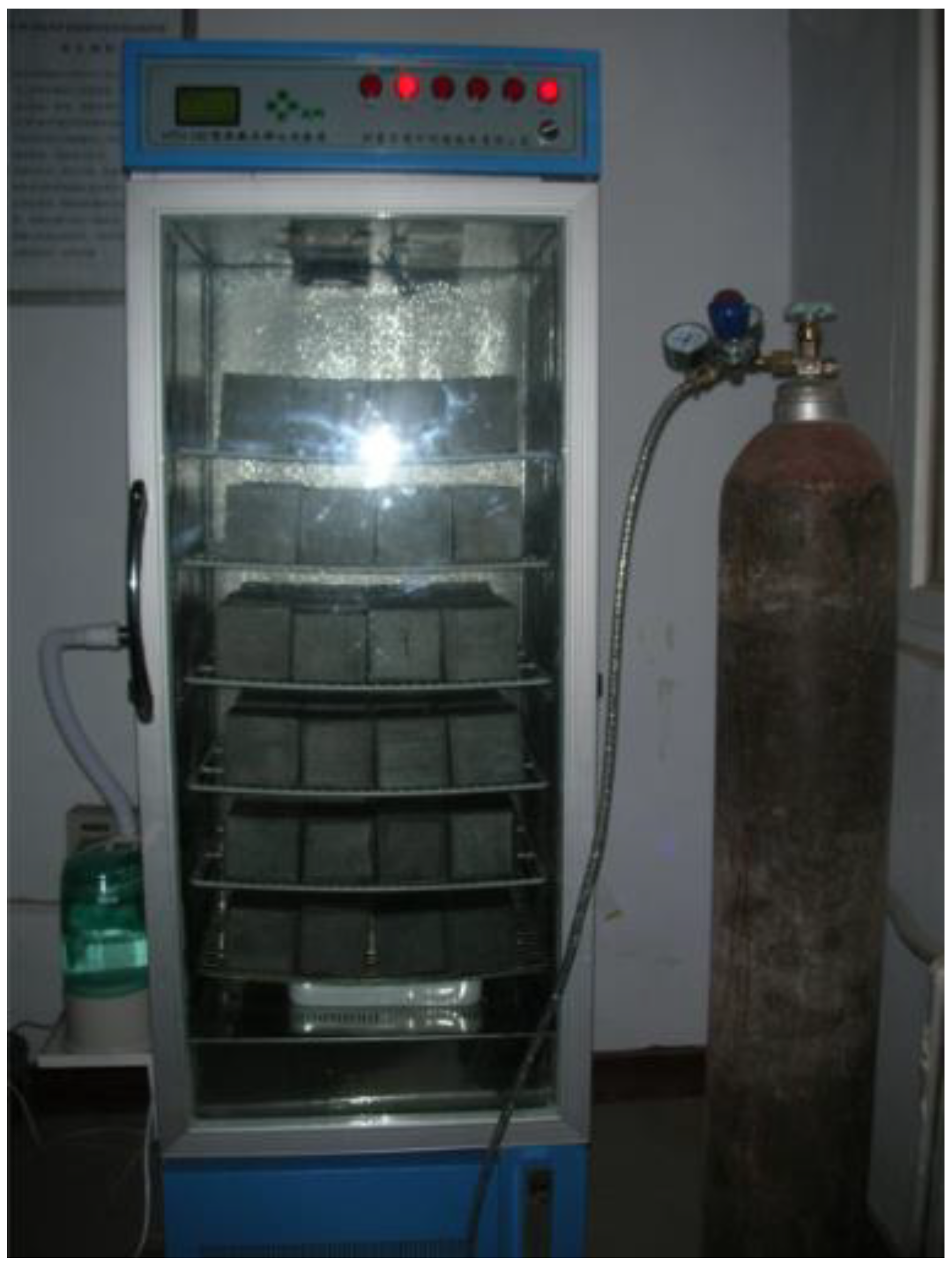
Figure 29.
Testing apparatus and procedure of moisture absorption test [324].
Figure 29.
Testing apparatus and procedure of moisture absorption test [324].
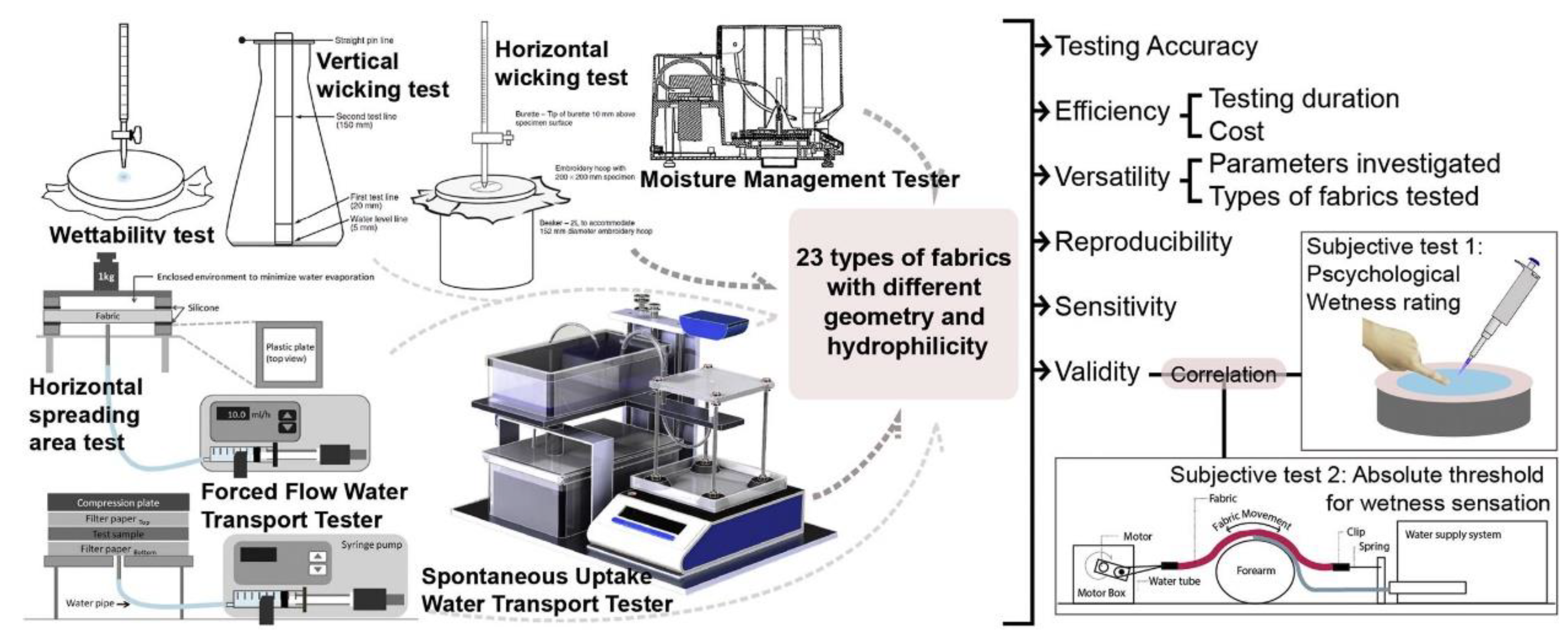
Figure 30.
Testing apparatus of salt spray test [331].
Figure 30.
Testing apparatus of salt spray test [331].
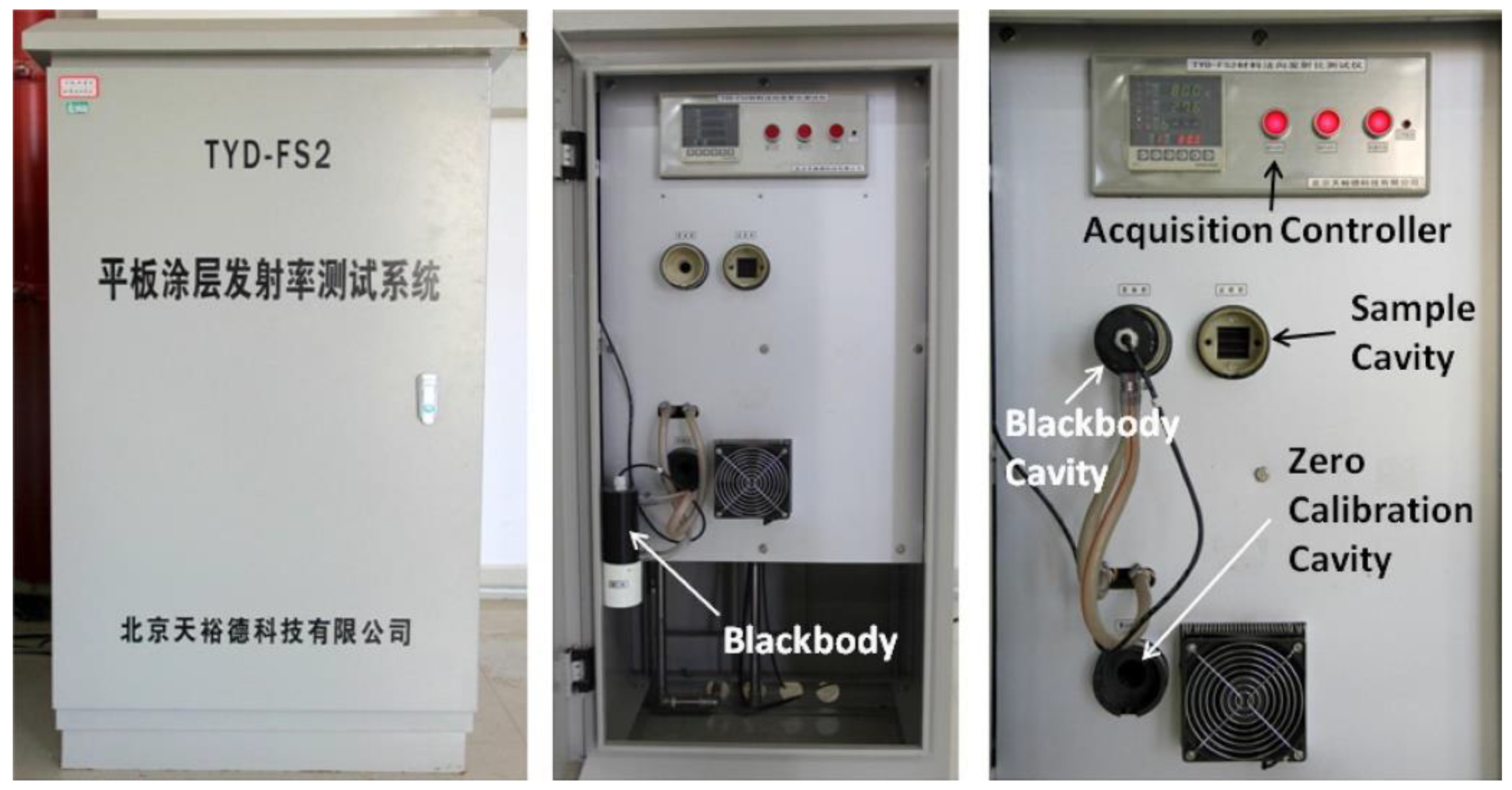
Figure 31.
Schematic diagram of porosity and density measurements test [336].
Figure 31.
Schematic diagram of porosity and density measurements test [336].
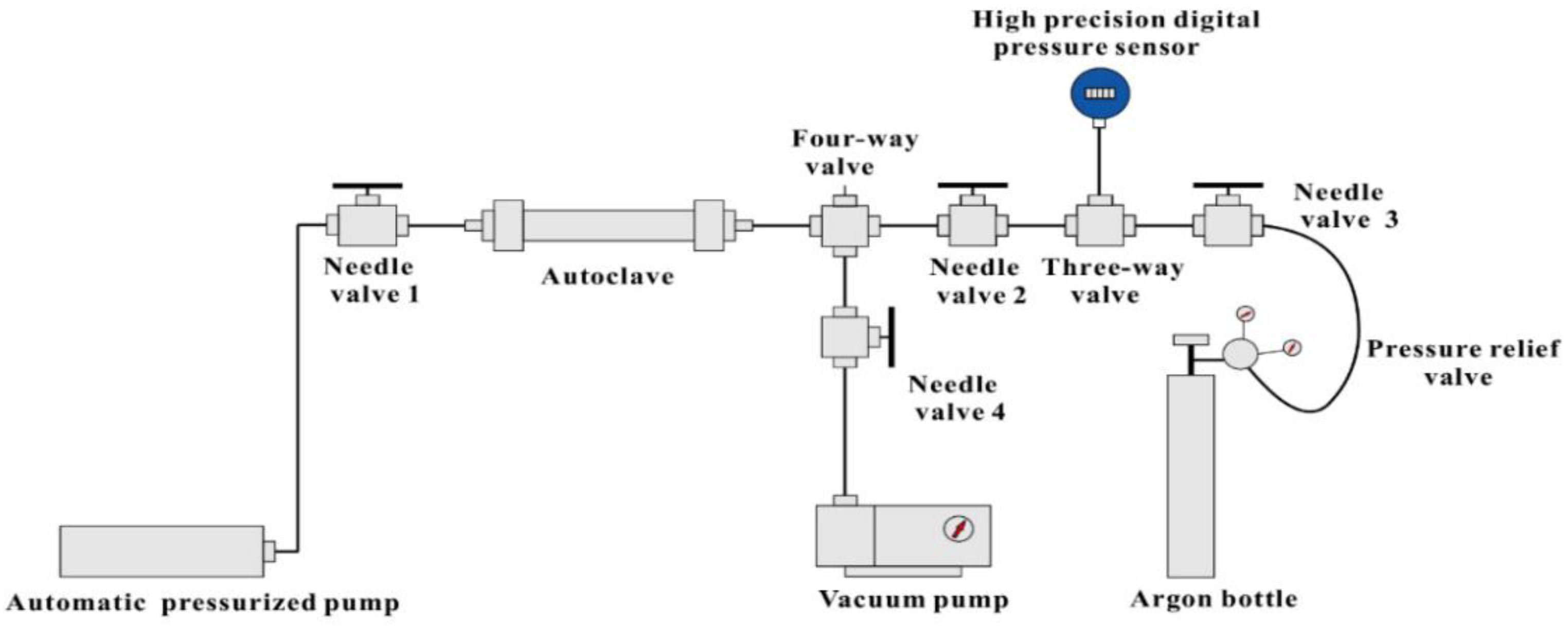
Figure 32.
Testing apparatus of water absorption test [324].
Figure 32.
Testing apparatus of water absorption test [324].
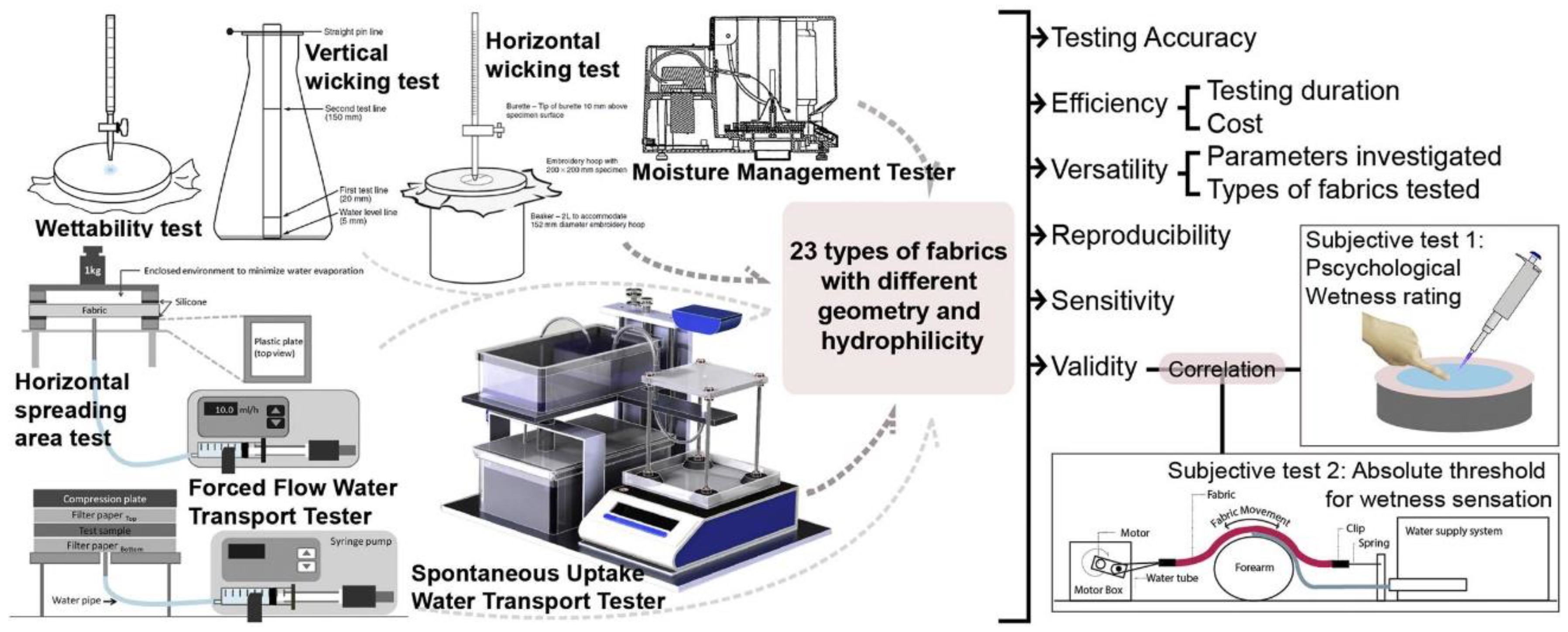
Figure 33.
Testing apparatus of shrinkage test [354].
Figure 33.
Testing apparatus of shrinkage test [354].
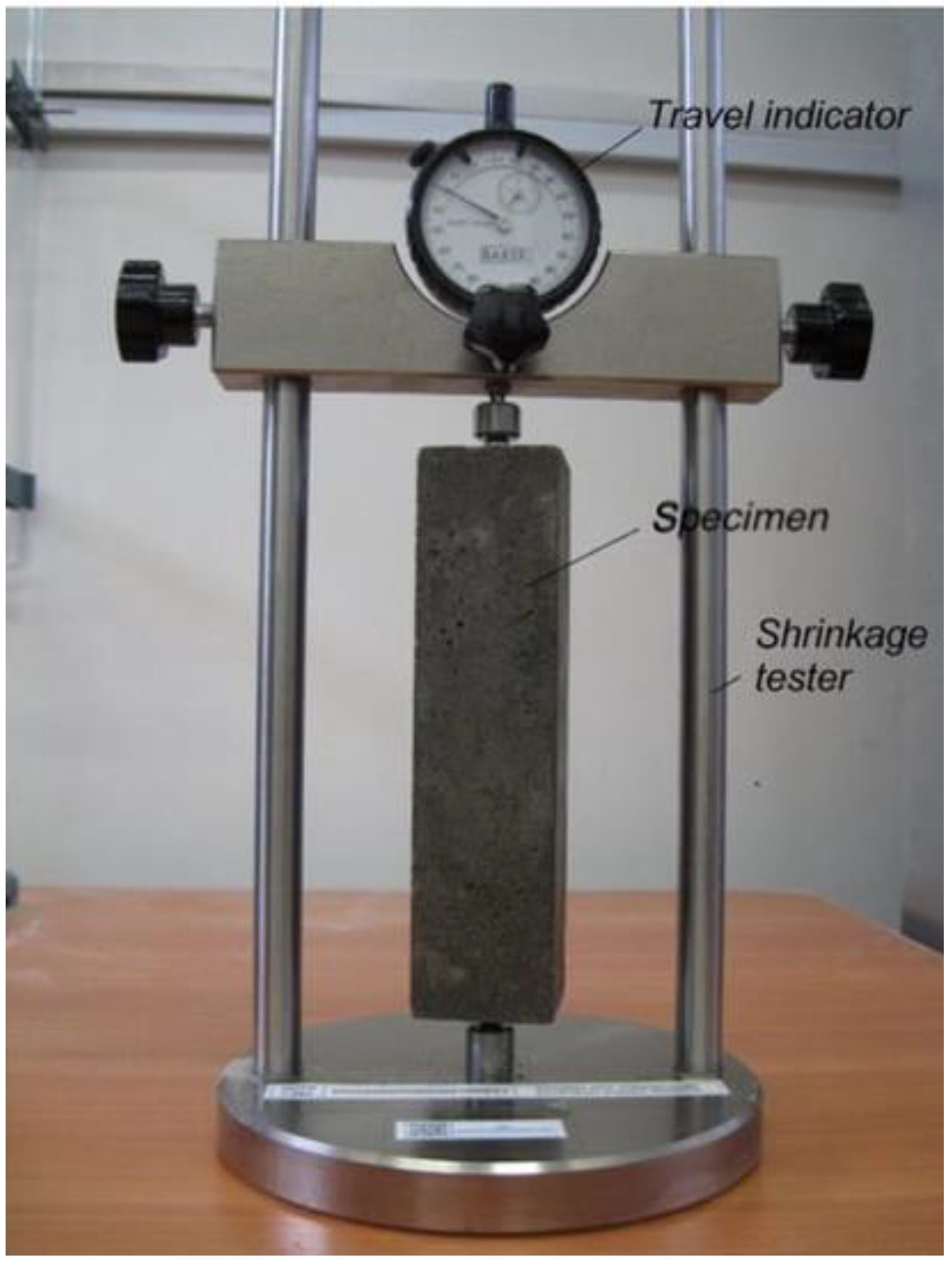
Figure 34.
Testing apparatus of viscosity measurement test [358].
Figure 34.
Testing apparatus of viscosity measurement test [358].
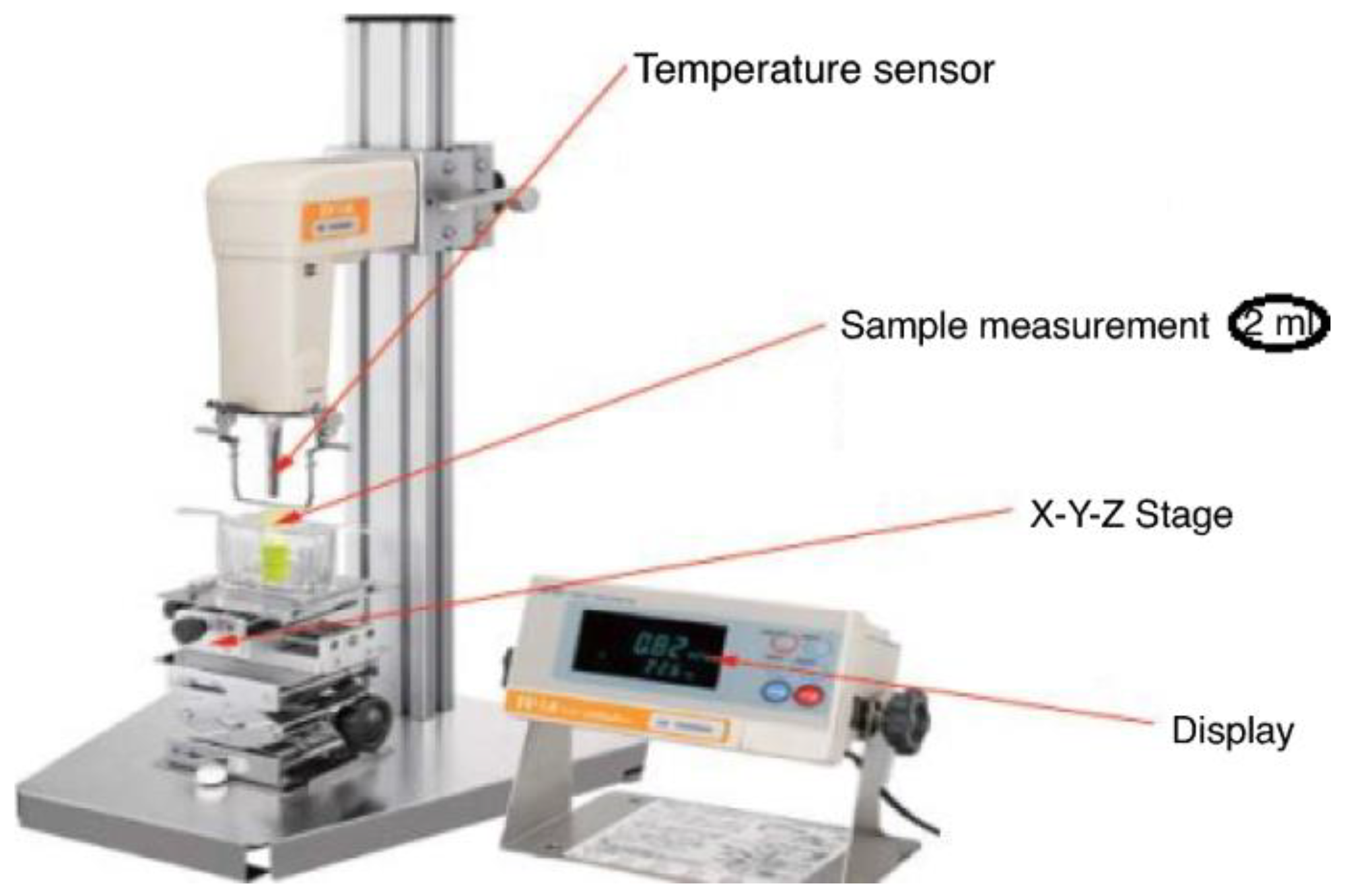
Figure 35.
Slump cone and mortar mold of the workability test [363].
Figure 35.
Slump cone and mortar mold of the workability test [363].
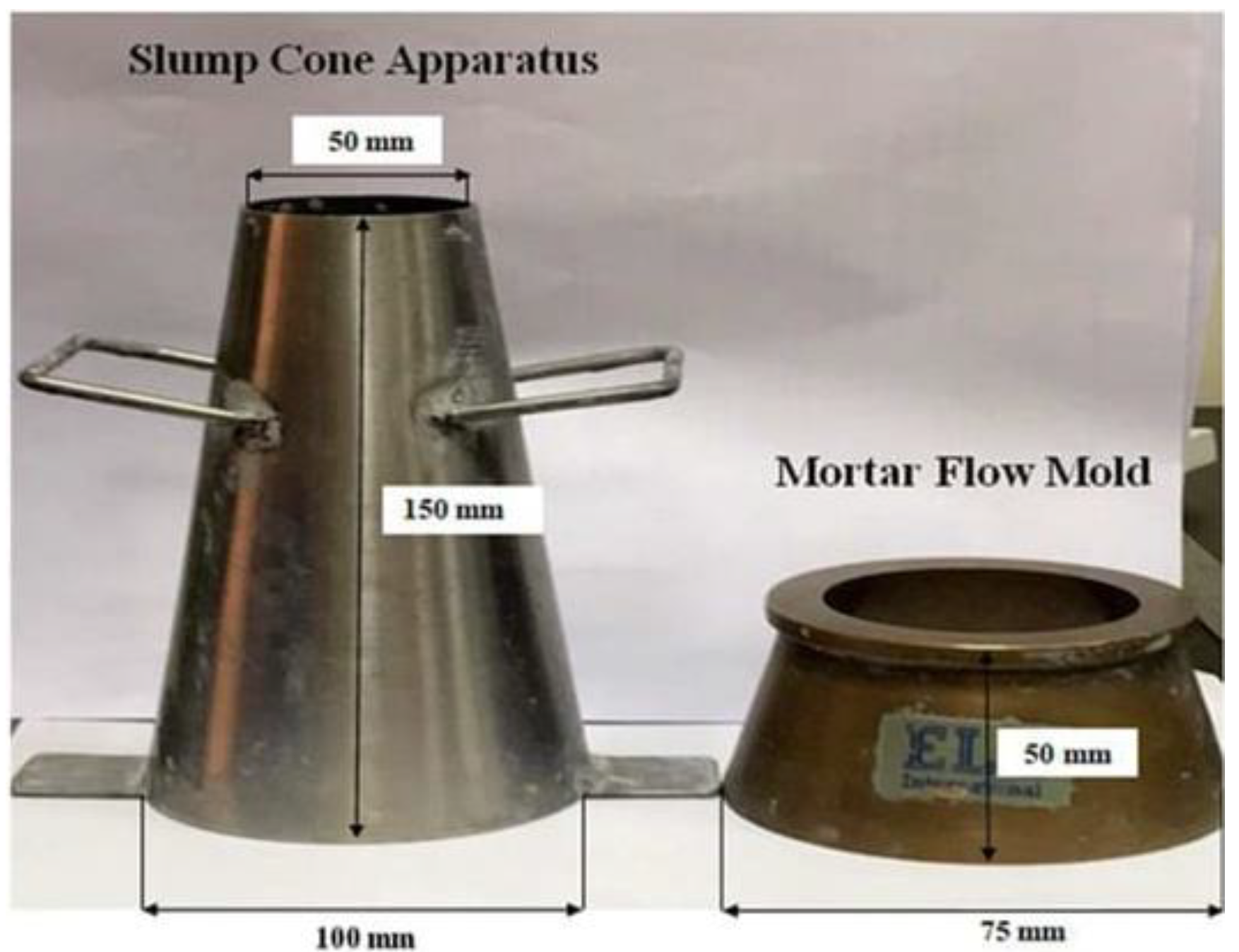
Figure 36.
Schematic diagram of NDT test [370].
Figure 36.
Schematic diagram of NDT test [370].
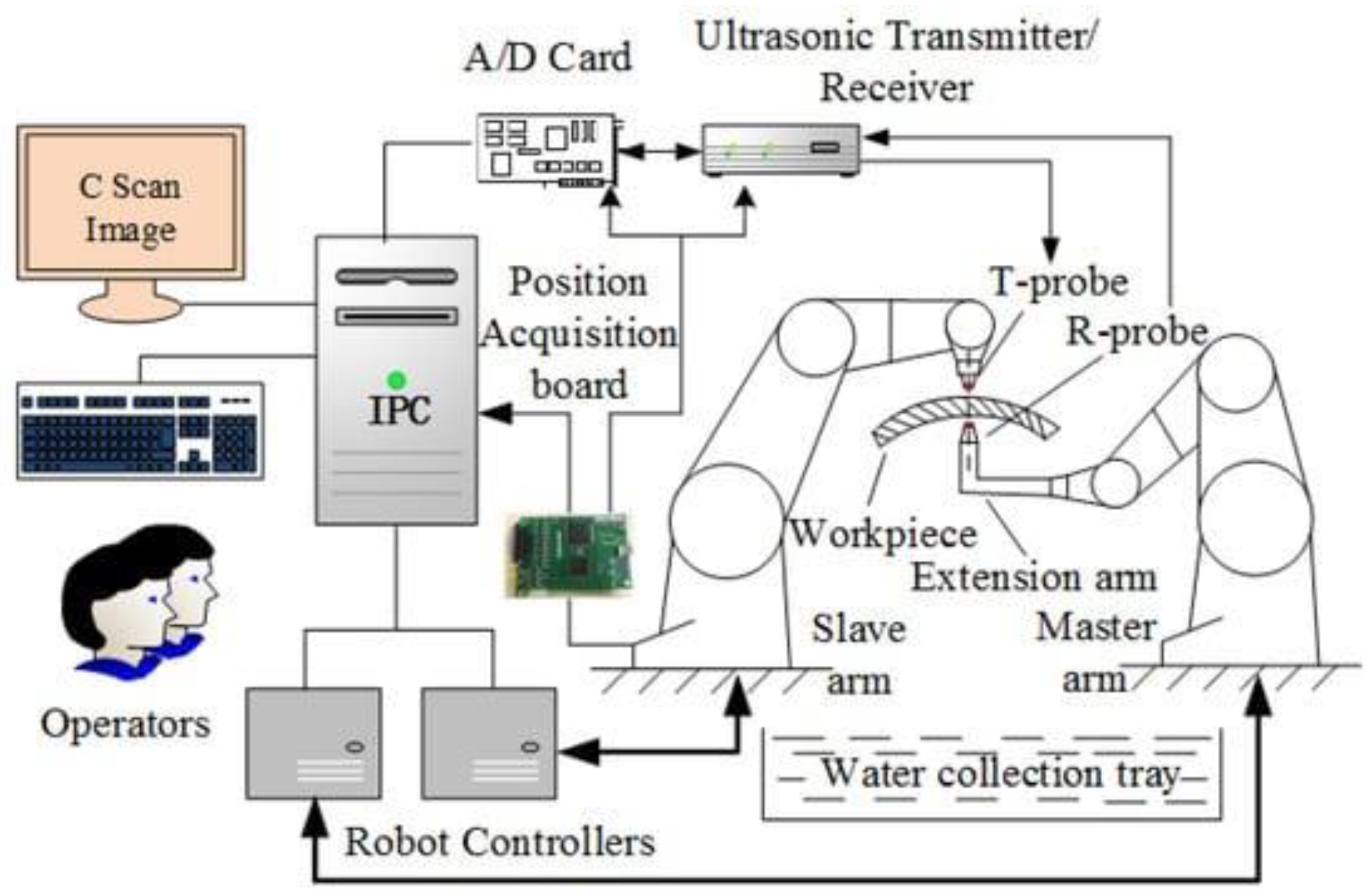
Figure 37.
Testing apparatus of Radiography test [380].
Figure 37.
Testing apparatus of Radiography test [380].
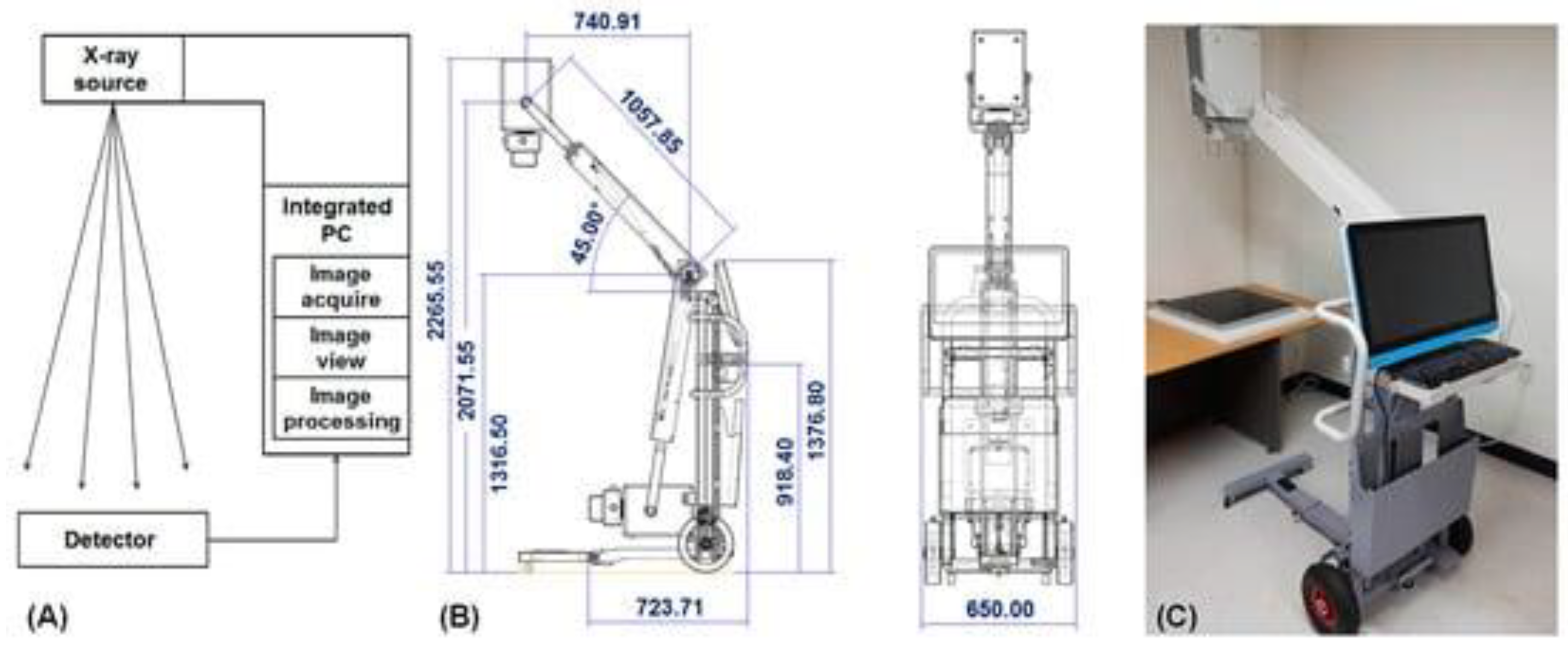
Figure 38.
GPR device and survey technique [389].
Figure 38.
GPR device and survey technique [389].
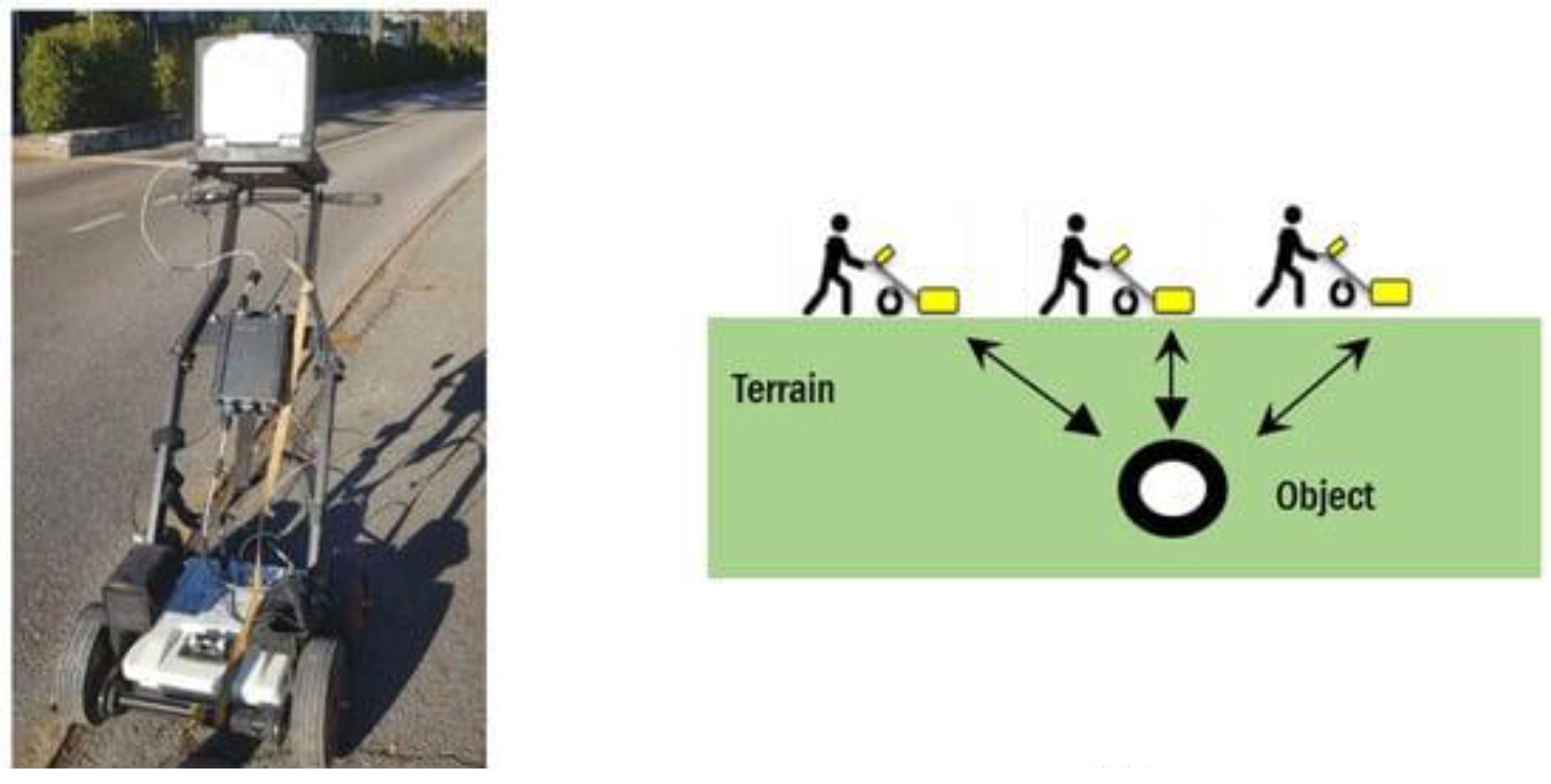
Figure 39.
Testing apparatus of free vibration test [400].
Figure 39.
Testing apparatus of free vibration test [400].
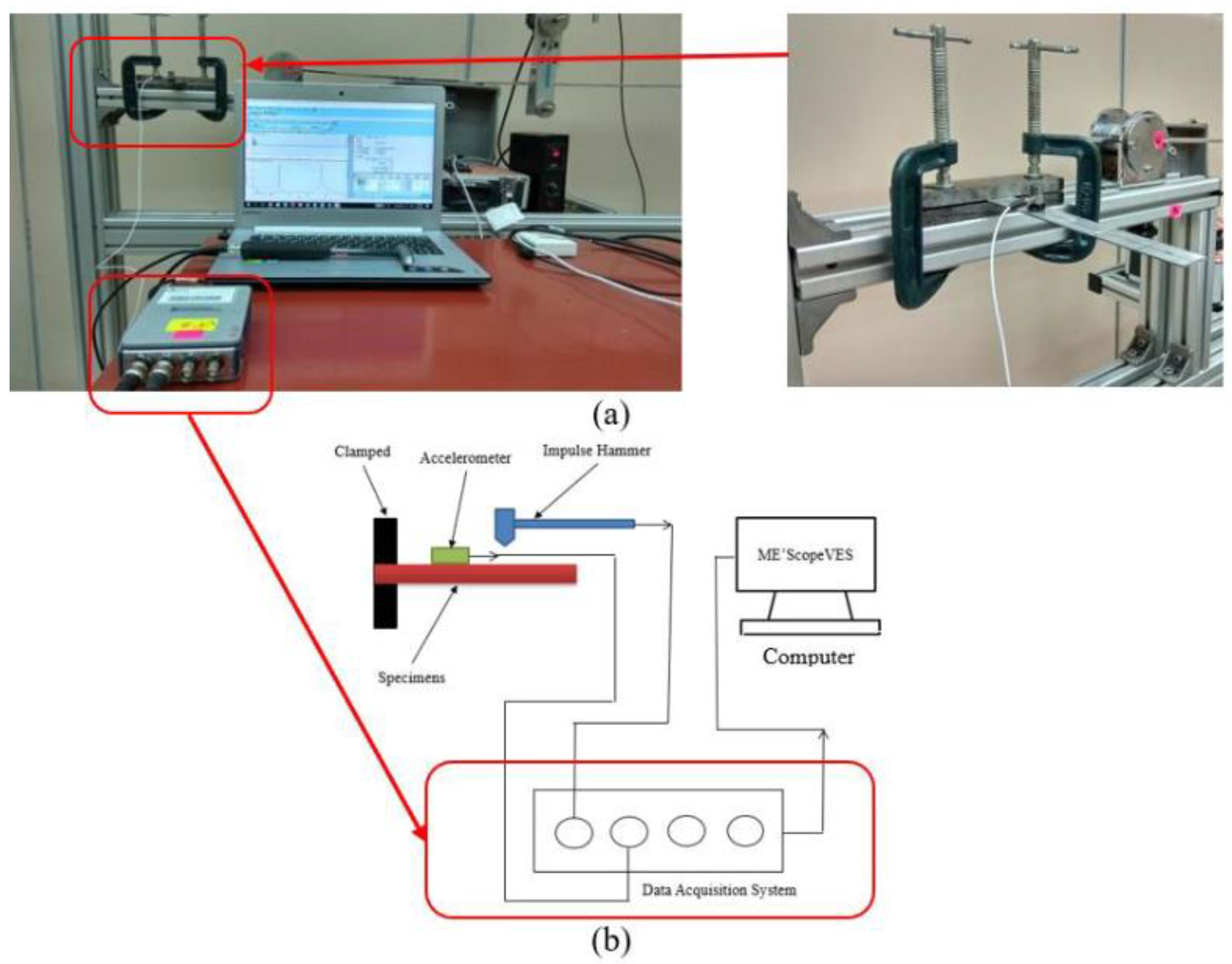

Table 1.
A brief summary of various experimental methods used in the construction industry.
| Category | Test Type | Purpose | Technical Aspects | General Outcomes | Examples of the Testing Standards |
| Mechanical Properties Testing | Compression Strength | To determine a material's resistance to compression forces | Application of compressive force until failure | Maximum compression force the material can withstand | ASTM C39 [6]; BS EN 12390-3 [7]; EN 12390-3 [8] |
| Flexural Strength | To assess a material's ability to resist bending forces | Bending a specimen until it fractures or yields | Maximum stress at failure and the material's flexural modulus | ASTM C78 [9]; BS EN 12390-5 [10]; EN 12390-5 [11] | |
| Shear Strength | To evaluate the material's resistance to shear forces | Applying force parallel to the specimen's cross-section | Shear strength at yield or fracture | ASTM D732 [12]; BS 7991 [13]; EN ISO 1922 [14] | |
| Modulus of Elasticity Test | To determine a material's ability to deform elastically under stress | Subjecting the material to a known load and measuring deformation | Elastic modulus, indicating stiffness or rigidity | ASTM E111 [15]; BS EN ISO 527-1 [16]; EN ISO 527-1 [17] | |
| Hardness Test | To measure a material's resistance to deformation and scratching | Indenting the material with a specific force | Hardness value, indicating wear resistance and ductility | ASTM D785 [18]; BS EN ISO 2039-1 [19]; EN ISO 2039-1 [20] | |
| Impact Resistance Test | To determine the material's ability to withstand sudden impacts | Dropping a weight from a known height or swinging a pendulum | Energy absorbed before failure, indicating toughness | ASTM D256 [21]; BS EN ISO 179-1 [22]; EN ISO 179-1 [23] | |
| Creep Test | To measure time-dependent deformation under constant stress | Subjecting the material to a constant load at a temperature | Creep rate and time to failure, providing insights on long-term stability | ASTM C512 [24]; BS 1881-122 [25]; EN 13791 [26] | |
| Fatigue Test | To assess endurance under cyclic loading | Repeatedly applying a stress or strain cycle | Number of cycles to failure, indicating fatigue life | ASTM E466 [27]; BS 7270 [28]; EN 6072 [29] | |
| Chemical Properties Testing | Spectroscopy | Analyze material composition | Interaction of light with matter (absorption, emission, etc.) | Elemental and molecular composition | ASTM E1252 [30]; BS EN ISO 3696 [31]; EN ISO 3696 [32] |
| Chromatography | Separate and analyze components of a mixture | Mobile and stationary phases to separate substances | Identification and quantification of mixture components | ASTM D6581 [33]; BS EN 12341 [34]; EN 12341 [35] | |
| X-ray Fluorescence | Elemental analysis | Excitation of atoms in a sample by X-ray beam and measuring emitted radiation | Elemental composition | ASTM D4327 [36]; BS EN ISO 11885 [37]; EN ISO 11885 [38] | |
| pH Measurement | Determine acidity or alkalinity | Use of pH meters or indicators | pH value | ASTM E70 [39]; BS 3978 [40]; EN ISO 10523 [41] | |
| Thermal Properties Testing | Thermogravimetric Analysis | Measure changes in mass as a function of temperature | Controlled temperature program leading to material decomposition | Decomposition temperatures, mass loss | ASTM E1131 [42]; BS EN 8201 [43]; EN 8201 [44] |
| Differential Scanning Calorimetry | Measure heat flow associated with material transitions | Heat is applied and the difference in heat flow between the sample and reference is measured | Glass transition, crystallization, melting points | ASTM D3418 [45]; BS EN ISO 11357 [46]; EN ISO 11357 [47] | |
| Thermal Conductivity Test | Evaluate the material's ability to conduct heat | Steady-state or transient methods to measure heat flow | Thermal conductivity value | ASTM C518 [48]; BS EN 12667 [49]; EN 12667 [50] | |
| Thermal Expansion Test | Measure the material's dimensional change with the temperature | Material is heated and dimensional changes are recorded | Coefficient of thermal expansion | ASTM E831 [51]; BS EN ISO 11359 [52]; EN ISO 11359 [53] | |
| Hot Disk Thermal Constants Analyzer | Determine thermal conductivity, diffusivity, and specific heat | Transient plane source technique | Thermal properties | ASTM D7896 [54] | |
| Microstructural Properties Testing | Scanning Electron Microscopy | Examine surface morphology and composition | Electron beam scans the surface, generating various signals | High-resolution images, elemental analysis | ASTM ESEM [55]; BS 340-1 [56]; EN ISO 22309 [57] |
| X-ray Diffraction | Identify crystalline phases and orientation | X-rays diffracted by crystal lattice | Phase identification, crystal structure | ASTM D8 [58]; BS EN 13925 [59]; EN 13925 [60] | |
| Transmission Electron Microscopy | Visualize internal structure at atomic level | Electron beam transmitted through thin specimen | High-resolution internal structure | ASTM E2015 [61]; ISO 21432 [62]; ASTM E1621 [63] | |
| Atomic Force Microscopy | Image surfaces at atomic scale | Probe scans the surface with atomic-scale resolution | Surface topography | ASTM E2382 [64]; BS EN ISO 20903 [65]; EN ISO 20903 [66] | |
| Durability Properties Testing | Freeze-Thaw Testing | Evaluate durability against freeze-thaw cycles | Cyclic freezing and thawing of material samples | Resistance to freeze-thaw damage | ASTM C666 [67]; BS EN 1367-1 [68]; EN 1367-1 [69] |
| Sulfate Attack Testing | Assess resistance to sulfate exposure | Immersion in sulfate solution or exposure to sulfate-rich environment | Durability against sulfate attack | ASTM C1012 [70]; BS EN 13295 [71]; EN 13295 [72] | |
| Chemical Resistance Test | Determine the material's resistance to chemicals | Exposure to aggressive chemicals | Degree of resistance to chemical exposure | ASTM G31 [73]; ASTM C267 [74]; ISO 175 [75] | |
| Corrosion Testing | Assess susceptibility to corrosion | Exposure to a corrosive environment or application of electrical methods | Corrosion rate, type, and form | ASTM G48 [76]; ASTM G1 [77]; EN ISO 9227 [78] | |
| Chloride Penetration Testing | Evaluate resistance to chloride ingress | Application of an electrical field or ponding test | Depth of chloride penetration | ASTM C1202 [79]; BS EN 12390-8 [80]; EN 12390-8 [81] | |
| Carbonation Testing | Assess resistance to carbonation | Exposure to a CO2-rich environment | Depth of carbonation front | ASTM C1583 [82]; BS EN 13295 [83]; EN 13295 [84] | |
| Moisture Absorption Test | Measure the material's ability to absorb moisture | Weighing before and after moisture exposure | Percentage of moisture absorbed | ASTM C1585 [85]; BS 1881-124 [86]; EN 13791 [87] | |
| Salt Spray Test | Evaluate resistance to salt corrosion | Exposure to salt mist or fog | Corrosion resistance in saline environments | ASTM B117 [88]; BS EN ISO 9227 [89]; EN ISO 9227 [90] | |
| Physical Properties Testing | Porosity and Density Measurements | Determine porosity and density | Archimedes' principle, pycnometry, or mercury intrusion porosimetry | Porosity percentage, density | ASTM D792 [91]; BS EN 1936 [92]; EN 1936 [93] |
| Water Absorption Test | Assess the material's ability to absorb water | Immersion in water and measuring weight gain | Water absorption capacity | ASTM C1585 [85]; BS EN 13755 [94]; EN 13755 [95] | |
| Shrinkage Test | Measure the material's dimensional stability | Length measurements before and after drying or curing | Degree of shrinkage | ASTM C157 [96]; BS EN 12617-4 [97]; EN 12617-4 [98] | |
| Rheological Properties Testing | Viscosity Measurement | Determine fluid's resistance to flow | Rotational viscometers or capillary viscometers | Viscosity value | ASTM D445 [99]; BS EN ISO 3104 [100]; EN ISO 3104 [101] |
| Workability Tests | Evaluate concrete or mortar's ease of placement | Slump test, flow table test, or Vebe test | Workability index or value | ASTM C143 [102]; BS EN 12350-2 [103]; EN 12350-2 [104] | |
| Non-Destructive Testing | Ultrasonic Testing | Detect internal flaws or characterize materials | High-frequency sound waves are transmitted through material | Flaw detection, material thickness | ASTM E494 [105]; BS EN 583-2 [106]; EN 583-2 [107] |
| Radiography | Visualize internal features using X-rays or gamma rays | Penetrating radiation passes through material and is captured on film or sensor | Internal defects, weld quality | ASTM E1742 [108]; BS EN 444 [109]; EN 444 [110] | |
| Ground Penetrating Radar | Detect buried objects or changes in material properties | Radar pulses are sent into the ground and reflections from sub-surface structures are analyzed | Subsurface features, layer thickness | ASTM D6432 [111]; BS 5930 [112]; EN 1997-2 [113] | |
| Free Vibration Testing | Assess dynamic properties of structures | Natural frequencies, mode shapes, and damping ratios are determined through vibration analysis | Dynamic characteristics of structures | ASTM E289 [114]; BS EN ISO 7626-5 [115]; EN ISO 7626-5 [116] |
Disclaimer/Publisher’s Note: The statements, opinions and data contained in all publications are solely those of the individual author(s) and contributor(s) and not of MDPI and/or the editor(s). MDPI and/or the editor(s) disclaim responsibility for any injury to people or property resulting from any ideas, methods, instructions or products referred to in the content. |
© 2024 by the authors. Licensee MDPI, Basel, Switzerland. This article is an open access article distributed under the terms and conditions of the Creative Commons Attribution (CC BY) license (https://creativecommons.org/licenses/by/4.0/).
Copyright: This open access article is published under a Creative Commons CC BY 4.0 license, which permit the free download, distribution, and reuse, provided that the author and preprint are cited in any reuse.


