

Submitted:
24 April 2025
Posted:
25 April 2025
You are already at the latest version
Abstract
Nordic exercises aim to enhance physical abilities and prevent injuries; however, their applicability across different sports remains unclear. This study aims to analyze their effects across various sports disciplines. Objective: To analyze the effects of Nordic exercises on the lower limbs and their relationship with absolute strength and vertical jump in various sports disciplines (football, athletics, basketball, sport climbing, cycling and taekwondo). Method Quasi-experimental study involving 122 athletes (mean age 18±3 years): football (n=24), athletics/speed (n=20), sport climbing (n=20), basketball (n=24), taekwondo (n=14) and cycling (n=20); classified into a control group CG (n=57) and an experimental group EG (n=65). Results: Dominant absolute strength at baseline (12.4±0.51 kg) and post-intervention (14.5±0.98 kg) increased significantly, particularly in basketball (P < 0.05); vertical jump of the initial (42.4±1.2kg) and final (45.8±1.5kg) EG, with a significant difference in all modalities between before and after (p≤0.05), except in cycling and taekwondo; no major changes were found in the GC. Conclusion: Nordic exercises are recommended as part of training to improve levels of vertical jump and vertical jump with emphasis on the modalities of football, basketball, athletics/speed and sport climbing, being applicable to increase absolute strength in basketball.
Keywords:
Nordic training
; Hamstrings
; vertical jump
; Absolute strength
1. Introduction
A primary goal of sports training, conditioning, and physiotherapy is to design strategies and periodization models that optimize physical preparedness and athletic performance [1,2]. The existing literature highlights the importance of improving absolute strength and establishing effective injury prevention models across different sports disciplines. Currently, several interventions based on specific physical stimuli are being discussed, showing both positive and negative results in the enhancement of these capacities. Sudies suggest that 62% of athletes sustain injuries, 92% of which involve the lower limbs. Among them, about 33% are hamstring-related injuries, underscoring the urgent need to implement specific prevention and monitoring strategies to reduce the risk of such injuries in athletic populations [3].
Key strategies include addressing muscular deficits, enhancing strength, preventing injuries, and facilitating return-to-sport progression. This latter area has been more extensively investigated in sports such as soccer, due to its high physical demands and the elevated prevalence of muscular injuries in the posterior thigh region. A recent study reviewing the prevalence of injuries in basketball, handball, and volleyball players reported that, in basketball, muscular strains occur in 21.2% of elite male players. In the case of female players, lower limb injuries accounted for 29.03% of all reported cases. Similarly, among professional NBA players, the most common injuries were also concentrated in the lower extremities [4,5,6].
Understanding the physical demands of each sport, strength and conditioning programs are designed specifically [5]; tailored to technical demands like jumping, sprinting, and directional change. It is essential that both strength training and the development of other physical capacities are appropriately aligned with the programming of elite athletes. Furthermore, evidence emphasizes the importance of proper planning, including training duration and periodization characteristics. Variations have been identified in the execution time of motor tasks, the mode of exercise application, and even the suitability of physical stimuli—factors that must be tailored according to the biological principles of training required for optimal preparation [7,8,9].
Elite and recreational athletes routinely perform explosive movements that place high demands on the hamstrings. Various authors have addressed this topic, emphasizing the need to target muscle groups that experience high levels of tension, eccentric loading, functional activity, and injury risk following high-intensity athletic demands [10,11,12]. One of the most affected muscle groups are the hamstrings, for which several programs have been developed using specialized and specific protocols. Notable interventions include the NHE, FIFA 11+, and core stability training, all of which improve performance and reduce injury risk [13,14,15].
Eccentric training generates greater muscular tension, contributing to muscle strengthening, reducing the incidence of injuries, increasing fascicle length, and minimizing asymmetries in the lower limbs [16]. Evidence suggests that the risk of hamstring injury is mainly associated with a previous injury history and a wider age range among athletes [17,18,19]. Running-based activities heighten hamstring injury risk due to their anatomical role and antagonistic relationship with the quadriceps. From a biomechanical perspective, their dual action on the knee and hip—known as the “Lombard Paradox” implies that while the quadriceps and hamstrings act simultaneously, they exert opposing effects on muscle length, thereby increasing the risk of injury. Additionally, it is important to highlight that the hamstrings play a key role in deceleration during walking, running, and high-speed directional changes. However, further research is recommended to explore the correlation between these functional roles and injury risk [20,21,22].
In taekwondo, trained skills focus primarily on kicking techniques, which is why most injuries are localized in the lower limbs [23]. To prevent these injuries and improve performance, it is recommended to implement a training program with appropriate exercise dosing, with a primary goal of strengthening the lower extremities [24]. In athletics, both hamstring volume and strength are associated with improved sprint acceleration performance [25]. Moreover, it has been shown that lower limb strength training programs require time and consistency to be effective in reducing the risk of injuries [26]. In sport climbing, although predominant physical demands focus on the upper limbs, adequate hip mobility, aerobic endurance, hamstring and back strength, and vertical jump capacity are also required. These demands may vary depending on the specific subdiscipline practiced [27,28]. In basketball, eccentric strength is considered a key factor for rapid and efficient deceleration. A cross-sectional study demonstrated that athletes with higher levels of NHE strength exhibited better deceleration skills as well as improved jumping performance [29]. Finally, in cycling, the repetitive knee motion requires coordinated activation of the hamstrings and quadriceps, functioning as agonist and antagonist, respectively. This makes it necessary to include training strategies focused on preventing muscular imbalances, with an emphasis on comprehensive lower limb strengthening [30].
This study analyzes the effects of the NHE on absolute strength and vertical jump performance, aiming to understand its impact according to the specific demands of sports such as soccer, sprinting/athletics, basketball, sport climbing, cycling, and taekwondo. Musculoskeletal damage to the hamstrings is common across various sports disciplines [19], and has been especially studied in soccer players, according to the most recent reviews [20,31]. However, there is still limited information regarding the incidence and behavior of these injuries in other sport modalities. Currently, NHE protocols have been incorporated into both physiotherapy programs and athletic training routines, with the aim of enhancing eccentric strength and preventing hamstring injuries. Their application has shown multiple benefits and is widely recommended [11,32,33,34]. Nevertheless, although NHE is considered the gold standard for hamstring injury prevention in soccer, its effectiveness in other sporting contexts is not yet fully established. A recent systematic review evaluated the impact of NHE on sports performance and injury prevention, demonstrating improvements in knee flexor strength and suggesting that a high-volume protocol followed by low-volume maintenance might be more appropriate for implementation in team sports and rehabilitation settings, particularly when combined with a comprehensive physiotherapy program. [35,36,37]
2. Materials and Methods
This was a quasi-experimental pre and post-test study [34]; designed to evaluate the effects of NHE on vertical jump performance and absolute strength in athletes. The NHE protocol was applied over a 9-week intervention, which included one week of initial assessment (pre-test), seven weeks of training, and one week of final assessment (post-test).
2.1. Participants
In 2022, participants were recruited via federations and sports clubs, with these inclusion criteria: a) Athletes registered in federations or sports clubs in the province of Imbabura, Republic of Ecuador; b) Athletes with at least 12 months of consistent experience in their respective sport discipline; c) Aged between 16 and 28 years; d) Athletes or their legal guardians who signed the informed consent form; e) Not currently in a competitive phase or approaching one, according to the training macrocycle for each discipline; f) In good health (no musculoskeletal or respiratory conditions), with a normal Body Mass Index (BMI) as recorded in the databases of the respective sports clubs; g) No participation in an NHE or similar protocol within the six months prior to the intervention.
A total of 166 eligible athletes were registered. The sample size was calculated for a finite population, with a 5% margin of error and a 95% confidence level, resulting in an initial sample of 122 participants [38]. During the process, the sample was increased to 130 participants to account for potential dropouts. The graphical protocol is detailed in Figure 1.
The sample was classified into two independent groups: a CG, which continued with their regular training according to their sport discipline, and an EG, to which the NHE were added as part of their routine. Both groups were required to present homogeneous values in vertical jump performance and absolute strength of both the dominant and non-dominant limbs. The latter was assessed bilaterally to avoid biased results (Table 2)
During the evaluation and intervention process, some athletes were excluded for the reasons outlined in Figure 1. In the end, the CG consisted of 57 athletes and the EG included 65 athletes (mean age: 18.2 ± 3.2 years), representing the following disciplines: soccer (n = 24), sprinting/athletics —100 and 200 meters— (n = 20), sport climbing (n = 20), basketball (n = 24), taekwondo (n = 14), and cycling (n = 20). The characteristics of these groups are detailed in Table 2.
Groups were randomized using Microsoft Excel 2021’s automated randomization function. Each participant was assigned a number, which remained hidden until the draw was completed. At the time of group assignment, the participants were identified and randomly subdivided into two independent groups: CG (n = 57) and EG (n = 65).
2.2. Instruments
Instrument 1: Vertical Jump – Reliability coefficient: 0.97. The VERT vertical jump device, equipped with G Windth of Nickel technology, was used to determine jump height in centimeters [39].
Instrument 2: Absolute Strength – Lower limb dynamometer: A CRANE SCAL electronic leg scale was used to assess strength levels, providing values in kilograms and newtons. The device demonstrates excellent validity for lower limb movements (ICC > 0.9) and moderate intra- and inter-rater reliability (ICC > 0.75) [40].
2.3. Procedures
Before the study began, potential participants were contacted, informed of the research objectives, and provided written informed consent. Athletes were recruited asynchronously to exclude those in competitive phases or nearing major events, ensuring protocol adherence.
The study followed the Declaration of Helsinki, with guaranteed data anonymity and confidentiality.
Seven physiotherapists all with prior experience in a pilot study of 60 multi-sport athletes were trained to administer pre- and post-test evaluations [10]. Port-specific trainers collaborated with physiotherapists to implement the intervention protocol and post-test following a standardized training session [41]. The intervention adapted a published NHE protocol for athlete-specific needs and replicability.
The research process was divided into three phases:
1. Pre-test phase:
a. Athletes were grouped by sport at their training facilities for study briefing and consent. b. Randomization assigned participants to CG or EG using a standardized draw. c. Pre-test evaluations occurred at training sites (Monday post-rest weekend), with coach/athlete approval. d. Pilot data indicated 13 minutes per athlete for evaluations.
2. NHE Training Phase
a. Starting position:
- Kneel on a padded surface, torso upright and facing forward.
- A partner/therapist stabilizes the ankles."Kneel on a padded surface.
b. Activation & Descent:
- Stabilize the trunk by contracting glutes, core, and back muscles.
- Keep arms unsupported (extended or relaxed).
3) Post-test phase:
Post-test evaluations were administered to all athletes (CG and EG) after the 7-week intervention, replicating pre-test procedures.
For both the pre-test and post-test assessments, a standardized 20-minute warm-up was conducted, which included:
- Standardized 20-minute warm-up (pre- and post-test):
- General-to-specific joint mobility (proximal-to-distal, upper/lower limbs).
- Ground-level jogging.
- Squats, deadlifts, and bridges: 3 sets × 10s tension/10s rest.
- Quadriceps/hamstring stretching: 2 sets × 10s hold.
Three trials per test were averaged. Vertical jump was assessed on Day 1; dynamometer-based strength on Day 2.
2.4. NHE Training Protocol (Table 1)
The EG completed NHE sessions before regular training for 7 weeks.
Each session included the standardized 20-minute warm-up (identical to testing) and a 5-minute cool-down.
The NHE protocol followed the training plan outlined in Table 1:
1. Volume Progression:
- Weeks 2–4: 2 sets/session.
- Weeks 5–8: 3 sets/session.
2. Repetition Scheme:
- Increase by 2 reps/week until Week 6, then maintain.
3. Eccentric Tension:
- Start: 2s eccentric hold; progress to 5s.
4. Rest & Duration:
- 2-minute inter-set rest; total session: 23–25 minutes.
Physiotherapists and coaches collaboratively monitored EG/CG athletes. The CG maintained unmodified training routines throughout.

Table 1.
NHE training protocol.
| Weeks | 1 | 2 | 3 | 4 | 5 | 6 | 7 | 8 | 9 | |
| Warm-up- minutes |
P R E - T E S T |
15 | 15 | 15 | 15 | 15 | 15 | 15 |
P O S T - T E S T |
|
| Serie | 2 | 2 | 2 | 3 | 3 | 3 | 3 | |||
| Repetitions | 5 | 6 | 8 | 10 | 12 | 12 | 10 | |||
| Eccentric tensión in seconds | 2 | 2 | 3 | 3 | 5 | 5 | 3 | |||
| Rest in minutes | 2 | 2 | 2 | 1 | 1 | 1 | 1 | |||
| Cool-Down in minutes | 5 | 5 | 5 | 5 | 5 | 5 | 5 | |||
| Total time in minutes | 23 | 23 | 23 | 24 | 25 | 25 | 24 |
2.5. Statistical Analysis
A database was created and processed using a statistical software package. The qualitative variable gender is presented as frequencies (f) and percentages (%), while the quantitative variables — age; initial and final strength of the dominant and non-dominant sides; initial and final vertical jump height — are reported as mean values and standard deviations (±).
Normality was confirmed via Kolmogorov-Smirnov tests, justifying parametric test. An independent samples t-test was used to compare mean values between the control and experimental groups at both baseline and post-intervention phases. A paired samples t-test was used to assess within-group differences (pre- and post-intervention) for both experimental and control groups
To analyze the effects of the intervention on absolute strength (dominant and non-dominant) and vertical jump, A 2-way mixed ANOVA assessed intervention effects, with: Within-subject factor: Time (pre/post); between-subject factors: Group (EG/CG) and Sport (6 disciplines); interactions tested: Time×Group (TG), Time×Sport×Group (TSG); Effect sizes: ηp²; p<0.05.
3. Resultados
There were no statistically significant differences in baseline dominant-side strength between the CG and the EG, with a mean value of approximately 12.4 kg. Similarly, the non-dominant side strength showed no significant intergroup differences, presenting an average of 11.1 kg. Vertical jump performance ranged between 40.5 and 42.4 cm in both groups, with no statistically significant differences observed. These findings, presented in Table 2, indicate homogeneity between the independent samples across the primary study variables.
The EG received the intervention for 7 weeks, generating significant differences between the initial and final values: The absolute strength of the dominant side initially registered averages of 12.4kg, and at the end of the intervention there was an increase of 14.5kg, with significant differences (p<0.01). The absolute strength of the non-dominant side presented mean values of 11.1kg, and after the intervention time it increased to 13.8kg, likewise with significant differences between means (p<0.01). Vertical jump height increased from an initial average of 42.4 cm to 45.8 cm following the intervention with a significant difference observed between pre- and post-test measurements (p<0.01). In contrast, the CG showed no statistically significant differences between pre- and post-test values in any of the three variables assessed (Table 3).
Table 3.
Comparison of initial and final intergroup strength.
| Group | Experimental | Control | ||||||
| Characteristics | Pretest | Posttest | t value | p | Pretest | Posttest | t value | p |
| Dominant A.S | 12.4 ±0.51 | 14.5±0,98 | -3.47 | ** | 12.5 ±0,48 | 12.52±0.48 | -0.18 | 0.85 |
| Non-dominant A.S | 11.1±0.42 | 13.8±0.81 | -2.8 | ** | 11.5±0.48 | 11.61±0.44 | -0.33 | 0.74 |
| Vertical Jump | 42.4±1.02 | 45.8±1.5 | -4.5 | ** | 40.5±1.4 | 39.8±1.2 | -1.3 | 0.17 |
| Absolute strength (A.S), Vertical Jump (V.J), ± (standard deviation of the mean), t (t student), p * (<0.05) **(<0.01) | ||||||||
An important mean difference is evident between the vertical jump and the absolute strength of the final dominant and non-dominant side, when comparing the results between independent groups (p<0.05), as described in Table 4.
The absolute strength values measured in kilograms on the dominant and non-dominant sides in the EG showed a slight increase, particularly in the disciplines of sport climbing, basketball, football and sprinting (Figure 3 and Figure 4). An increase in mean vertical jump height was observed in the EG corresponding to sport climbing, basketball, sprinting, and football, indicating performance improvements across these disciplines following the intervention (Figure 5).
Figure 3.
Dominant Absolute Strength.
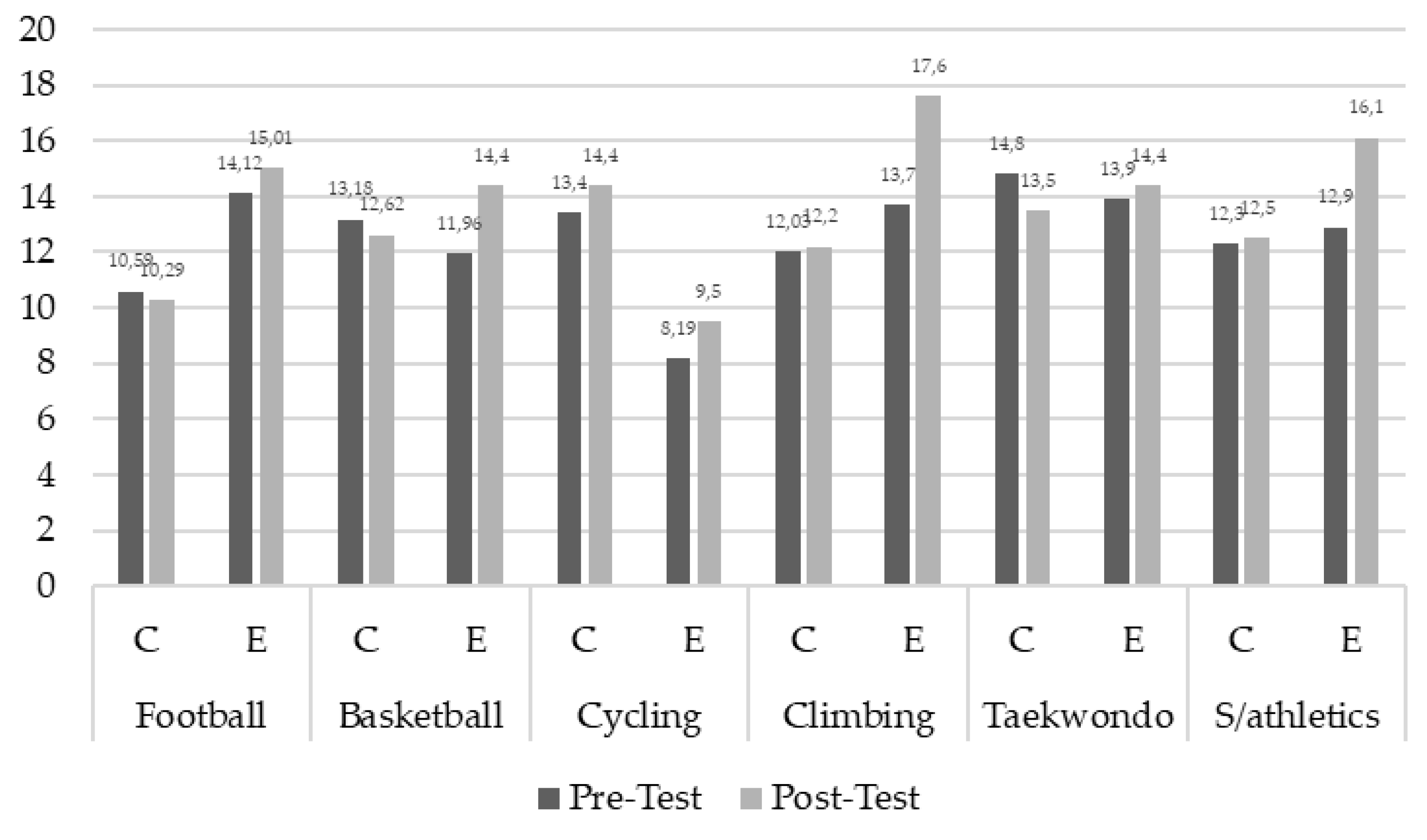
In Table 5, the repeated measures ANOVA shows that there was a significant difference in the three variables: dominant absolute strength (F=6.6; p=<0.01; ηp²=0.044); non-dominant (F=8.3; p<0.01; ηp²=0.07); and explosive strength (F=19.03; p<0.01; ηp²=0.14); These results highlight a meaningful effect of the time × group (T×G) interaction, suggesting that the intervention contributed to performance gains over time in the experimental group. However, the time × sport discipline × group (T×S×G) interaction did not yield statistically significant differences in any of the three variables, indicating that the effect of the intervention varied across sports and did not follow a consistent pattern. This variability suggests that sport-specific factors may influence the responsiveness to eccentric strength training protocols.
4. Discussion
The aim of this study was to examine the effects of NHE on the lower limbs, specifically focusing on their relationship with absolute strength and vertical jump performance. This investigation was framed within the physical demands of various sports, including football, track and field, basketball, sport climbing, cycling, and taekwondo. To ensure sample homogeneity, inclusion criteria were applied, and statistical tests, such as the Student’s t-test, were performed, confirming the absence of significant differences prior to the intervention. The majority of participants exhibited right-side dominance. Notably, this study integrated multiple sports disciplines within a single analysis, aiming to assess whether the effects of NHE are statistically significant and practically applicable across different sports.
The findings of this study align with existing scientific literature regarding the benefits of NHE for enhancing lower limb muscle strength, particularly in athletes recovering from injury. The Danish Society of Sports Physical Therapy (DSSF) [42], endorses the use of NHE to improve muscular strength and reduce injury risk, citing their adaptability in terms of load and training volume. Numerous studies emphasize the efficacy of NHE in increasing eccentric strength in both male and female athletes. In this study, the intervention protocol was standardized across sexes, with identical training volume, load, and frequency. Nonetheless, the need for future research involving larger, sex-stratified samples is recognized to explore possible gender-specific responses to the intervention [37,43].
According to Capaverde et al. [44], age does not significantly affect the outcomes of Nordic training protocols, thereby supporting their applicability across both adolescent and adult populations (p = 0.12). In line with these findings, the present study involved participants with a mean age of 18 years, ranging from 16 to 28, which reinforces the relevance of the intervention across a broad age spectrum. It is important to acknowledge, however, that body mass index (BMI) was not analyzed in this study. This decision was based on the fact that all participants were affiliated with sports federations or clubs and were under ongoing nutritional supervision by qualified professionals [45,46,47].
In this study, the CG exhibited an average absolute strength of 12.5 kg (118 N), with no statistically significant change observed (p>0.05). In contrast, the EG reached an average of 14.5 kg (143 N), indicating a statistically significant improvement (p<0.05). These findings align with those of Vianna et a [48], who reported a significant increase in absolute strength (p<0.01) among female football players following an eight-week Nordic hamstring exercise program. This reinforces the effectiveness of the intervention in enhancing hamstring strength.
With regard to vertical jump performance, Villarreal et al [49] suggest that this capacity can be enhanced through plyometric training programs that include bodyweight exercises and change-of-direction drills. Rønnestad and Mujika [50], attribute these improvements to neuromuscular adaptations, specifically the increased recruitment angles of motor units, which contribute to greater knee joint stability during jumping. In the present study, a significant increase in vertical jump height was observed in the experimental group, rising from 42.4 cm to 45.8 cm (p< 0.01).
Considering that our study included the evaluation of various sports disciplines, it is important to emphasize that each of them involves specific physical capabilities. On the field of play, athletes display distinct characteristics—such as strength, endurance, or speed—depending on the demands particular to each discipline. Although absolute strength significantly improved in sport climbing, basketball, sprinting, and football, no relevant changes were observed in the other disciplines. These findings align with Whyte et al. [51], who reported increases of up to 19% in both dominant and non-dominant limbs, although the interaction effects were not statistically significant. Nonetheless, these findings carry clinical implications, suggesting that Nordic hamstring exercises are beneficial for interventions targeting the hamstrings [52].
Most existing research has predominantly focused on football. A key strength of our study is the inclusion of a diverse range of sports disciplines, allowing for broader applicability of the findings. Notably, a slight decrease in absolute strength was observed in taekwondo athletes, which may be attributed to the specific demands and training modalities of that discipline. Cardozo and Moreno-Jiménez [53,54], advocate for the implementation of sport-specific parameters and more precise assessment tools to enhance the accuracy of strength evaluation across different athletic contexts.
In terms of vertical jump performance, NHE led to height increases in most disciplines, supporting Whyte’s [54] conclusion that these exercises enhance eccentric isokinetic strength and help reduce the risk of hamstring injuries. However, no significant improvements were found in cycling or taekwondo.
The study's limitations include the inability to attribute the observed strength gains solely to the Nordic exercises, as both the control and experimental groups continued with their regular training programs. While no significant changes were recorded in the control group, slight improvements in absolute strength and vertical jump were noted. Caution is advised when prescribing and implementing NHE, as these exercises, despite appearing simple, are technically demanding especially for individuals who do not train regularly or follow a structured program.
Additionally, due to the limited sample size, the results should be interpreted with caution. Future studies are recommended with larger samples, sex-based comparisons, and more detailed analyses such as electromyographic evaluations before and after the intervention.
This study explored disciplines like taekwondo, cycling, basketball, sprinting/athletics, and sport climbing—fields where research on the application of NHE is limited. As such, this study provides both a theoretical and methodological foundation for future interventions in these sports. However, further research is needed to address limitations such as the lack of imaging tests to assess hypertrophy and other physiological adaptations resulting from the training.
5. Conclusiones
The athletes in this study had a mean age of 18.2 years and were divided into two independent groups, consisting of male and female participants, with homogeneous characteristics at the start of the study. After a 7-week training intervention, the results indicated that the EG showed a significant improvement in both vertical jump height and absolute strength from the pre-test to the post-test assessments. In contrast, the CG exhibited no significant changes.
The NHE has demonstrated a positive effect on both absolute strength and vertical jump performance, with significant improvements noted in sports such as climbing, basketball, football, and sprinting—disciplines that involve substantial eccentric hamstring movements. A closer examination of the effects by sport discipline revealed notable enhancements in both dominant and non-dominant leg strength in climbing, basketball, football, and sprinting/athletics. Additionally, vertical jump performance showed improvements in football, sprinting, and climbing. These findings are consistent with the biomechanical demands of these sports, all of which rely heavily on eccentric actions of the hamstring muscle.
Overall, a significant interaction was observed between time (pre-test and post-test) and group (EG and CG) across the three variables studied, confirming the effectiveness of the intervention in enhancing lower limb performance over time. However, no significant interactions were found between time, sport discipline, and group, indicating that the magnitude of improvement varied by sport. This suggests that the specific physiological and biomechanical demands of each discipline played a key role in influencing the response to the training.
It is recommended to incorporate NHE in alignment with the periodization and planning of strength training. While NHE are widely regarded as fundamental for hamstring development, their necessity may vary depending on the specific demands of each sport disciplin
The icorporation of NHE should be considered during the final stages of rehabilitation, as they may serve as a Return to Play (RTP) criterion to ensure that the physical and physiological demands of the hamstring muscles are met.
5.1. Practical Applications
1) As described in this study, after applying a NHE protocol to athletes from various sport disciplines, the focus was placed on improving absolute strength and vertical jump. The findings indicate that not all sports lead to gains in these physical capacities.
2) In this context, physicians, physiotherapists, and other professionals knowledgeable about the protocol can tailor the strength training program to suit the athlete's current phase within the macrocycle.
3) Based on the results, vertical jump performance improved in most of the studied disciplines, except in cycling and taekwondo; therefore, its application may be more appropriate for sports where Nordic stimulation has demonstrated positive effects.
4) With respect to absolute strength, the implemented protocol showed positive effects particularly in basketball and soccer.
5) The scope of the 7-week Nordic training protocol appears to have limited effects; thus, the observed improvements may be temporary or influenced by load management within each macrocycle.
Author Contributions
Conceptualization: V.P.-M.; Methodology: V.P.-M., S.C.-M.; Validation: R.P.-G., V.P.-M.; Formal analysis: V.P.-M., S.C.-M., R.P.-G.; Investigation: V.P.-M., R.P.-G.; Resources: R.P.-G.; Data curation: V.P.-M., R.P.-G.; Writing – original draft preparation: V.P.-M., S.C.-M.; Funding acquisition: R.P.-G. All authors have read and agreed to the published version of the manuscript.
Funding
This research did not receive any external funding.
Institutional Review Board Statement
Approved by the Honorable Board of Directors: DNI No. 325-CD 2021; Faculty of Health Sciences, Universidad Técnica del Norte, Ibarra, Ecuador.
Informed Consent Statement
This study was conducted in accordance with the Declaration of Helsinki, ensuring anonymity and confidentiality of personal data. Informed consent was obtained from all subjects involved in the study.
Data Availability Statement
The data presented in this study are available upon request from the corresponding author. Due to the qualitative nature of the study, the data are not publicly accessible.
Acknowledgments
The authors express their gratitude to the Research Project: "Optimization of the training management process in cooperation-opposition sports" (Senescyt: CEB-PROMETEO-007-2013). We also thank the AFIDESA Research Group of the Universidad de las Fuerzas Armadas–ESPE. Additionally, we extend our appreciation to the Research Project entitled: "Analysis of muscular strength before and after Nordic training in athletes from Imbabura, 2022 period" (Resolution: 325-CD), Universidad Técnica del Norte, Ibarra–Ecuador.
Conflicts of Interest
The authors declare that they have no conflicts of interest.
References
- Bompa, T.O.; Buzzichelli, C. Periodization of Strength Training for Sports. 3rd ed. Champaign, IL: Human Kinetics; 2021.
- Calero-Morales, S.; Vinueza-Burgos, G.D.; Yance-Carvajal, C.L.; Paguay-Balladares, W.J. Gross Motor Development in Preschoolers through Conductivist and Constructivist Physical Recreational Activities: Comparative Research. Sports 2023, 11, 61. [Google Scholar] [CrossRef]
- Edouard, P.; Caumeil, B.; Giroux, C.; Bruneau, A.; Tondut, J.; Navarro, L.; Hanon, C.; Guilhem, G.; Ruffault, A. Epidemiology of injury complaints in elite sprinting athletes in athletics (track and field). Appl. Sci. 2023, 13, 8105. [Google Scholar] [CrossRef]
- Biz, C.; Nicoletti, P.; Baldin, G.; Bragazzi, N.L.; Crimì, A.; Ruggieri, P. Hamstring Strain Injury (HSI) Prevention in Professional and Semi-Professional Football Teams: a systematic review and meta-analysis. Int J Environ Res Public Health 2021, 18, 8272. [Google Scholar] [CrossRef]
- Buckthorpe, M.; Danelon, F.; La Rosa, G.; Nanni, G.; Stride, M.; Della Villa, F. Recommendations for hamstring function recovery after ACL reconstruction. Sports Med. 2021, 51, 607–624. [Google Scholar] [CrossRef] [PubMed]
- Milić, V.; Radenković, O.; Čaprić, I.; Mekić, R.; Trajković, N.; Špirtović, O.; Koničanin, A.; Bratić, M.; Mujanović, R.; Preljević, A.; Murić, B.; Kahrović, I. Sports injuries in basketball, handball, and volleyball players: Systematic review. Life 2025, 15, 529. [Google Scholar] [CrossRef] [PubMed]
- Jeffreys, I.; Moody, J. Strength and Conditioning for Sports Performance. 2nd ed. New York: Routledge; 2021.
- Augustsson, J.; Alt, T.; Andersson, H. Speed matters in the Nordic hamstring exercise: higher peak knee flexor force during fast stretch-shortening variant compared to the standard slow eccentric execution in elite athletes. Sports 2023, 11, 130. [Google Scholar] [CrossRef]
- Kasper, K. Sports Training Principles. Curr Sports Med Rep. 2019, 18, 95–96. [Google Scholar] [CrossRef]
- Paredes-Gómez, R.; Potosí-Moya, V. Análisis del protocolo de curl nórdico en la flexibilidad de los deportistas. Retos 2023, 48, 720–726. [Google Scholar] [CrossRef]
- Gómez-Piqueras P, Martínez-Serrano A, Freitas TT, Gómez Díaz A, Loturco I, Giménez E, et al. Weekly Programming of Hamstring-Related Training Contents in European Professional Soccer. Sports 2024, 12, 73. [Google Scholar] [CrossRef]
- Lee, J.W.; Mok, K.M.; Chan, H.C.; Yung, P.S.; Chan, K.M. Eccentric hamstring strength deficit and poor hamstring-to-quadriceps ratio are risk factors for hamstring strain injury in football: A prospective study of 146 professional players. J Sci Med Sport. 2018, 21, 789–793. [Google Scholar] [CrossRef]
- Patiño, B.A.; Uribe, J.D.; Valderrama, V. Análisis bibliométrico de la pliometría en el deporte: 40 años de producción científica. Retos: Nuevas Tendencias en Educación Física, Deporte y Recreación, 1: 53. [CrossRef]
- Franchina, M.; Turati, M.; Tercier, S.; Kwiatkowski, B. FIFA 11+ Kids: Challenges in implementing a prevention program. J Child Orthop. 2023, 17, 22–27. [Google Scholar] [CrossRef] [PubMed]
- Freeman, B.W.; Young, W.B.; Talpey, S.W.; Smyth, A.M.; Pane, C.L.; Carlon, T.A. The Effects of sprint training and Nordic hamstring exercise on eccentric hamstring strength and sprint performance in adolescent athletes. J Sports Med Phys Fitness. 2019, 59, 1119–1125. [Google Scholar] [CrossRef]
- Van de Hoef PA, Brink MS, Huisstede BM, van Smeden M, de Vries N, Goedhart EA, Gouttebarge V, Backx FJG et al. Does a bounding exercise program prevent hamstring injuries in adult male soccer players? A cluster-RCT. Scand J Med Sci Sports. 2019, 29, 515–523. [Google Scholar] [CrossRef]
- Rudisill, S.S.; Varady, N.H.; Kucharik, M.P.; Eberlin, C.T.; Martin, S.D. Evidence-based hamstring injury prevention and risk factor management: A systematic review and meta-analysis of randomized controlled trials. Am J Sports Med. 2023, 51, 1927–1942. [Google Scholar] [CrossRef] [PubMed]
- Danielsson A, Horvath A, Senorski C, Alentorn-Geli E, Garrett WE, Cugat R, Samuelsson K, Senorski EH et al. The mechanism of hamstring injuries: a systematic review. BMC Musculoskelet Disord. 2020, 21, 1–21. [Google Scholar] [CrossRef]
- Ribeiro-Alvares, J.B.; Dornelles, M.P.; Fritsch, C.G.; de Lima-E-Silva, F.X.; Medeiros, T.M.; Severo-Silveira, L.; Bernardes Marques, V.; Manfredini Baroni, B.; et al. Prevalence of hamstring strain injury risk factors in professional and under-20 male football (soccer) players. J Sport Rehabil. 2020, 29, 339–345. [Google Scholar] [CrossRef]
- Timmins, R.G.; Bourne, M.N.; Shield, A.J.; Williams, M.D.; Lorenzen, C.; Opar, D.A. Short biceps femoris fascicles and eccentric knee flexor weakness increase the risk of hamstring injury in elite football (soccer): a prospective cohort study. Br J Sports Med. 2016, 50, 1524–1535. [Google Scholar] [CrossRef]
- Kalema, R.N.; Schache, A.G.; Williams, M.D.; Heiderscheit, B.; Trajano, G.S.; Shield, A.J. Sprinting biomechanics and hamstring injuries: is there a link? A literature review. Sports 2021, 9, 141. [Google Scholar] [CrossRef]
- Reis, F.J.; Macedo, A.R. Influence of hamstring tightness in pelvic, lumbar, and trunk range of motion in low back pain and asymptomatic volunteers during forward bending. Asian Spine J. 2015, 9, 535–540. [Google Scholar] [CrossRef]
- Willauschus, M.; Rüther, J.; Millrose, M.; Walcher, M.; Lambert, C.; Bail, H.J.; Geßlein, M.; et al. Foot and ankle injuries in elite taekwondo athletes: a 4-year descriptive analysis. Orthop J Sports Med. 2021, 9, 23259671211061112. [Google Scholar] [CrossRef]
- Sugiura, Y.; Sakuma, K.; Fujita, S.; Aoki, K.; Takazawa, Y. Effects of various numbers of runs on the success of hamstring injury prevention program in sprinters. Int J Environ Res Public Health. 2022, 19, 9375. [Google Scholar] [CrossRef] [PubMed]
- Nuell S, Illera-Dominguez V, Carmona G, Macadam P, Lloret M, Padullés JM, Alomar X, Cadefau JA et al. Hamstring muscle volume as an indicator of sprint performance. J Strength Cond Res. 2021, 35, 902–909. [Google Scholar] [CrossRef] [PubMed]
- Minghelli, B.; Machado, L.; Capela, R. Musculoskeletal injuries in taekwondo athletes: a nationwide study in Portugal. Rev Assoc Med Bras. 2020, 66, 124–132. [Google Scholar] [CrossRef] [PubMed]
- MacKenzie R, Monaghan L, Masson RA, Werner AK, Caprez TS, Johnston L, Kemi OJ et al. Physical and physiological determinants of rock climbing. Int J Sports Physiol Perform. 2020, 15, 168–179. [Google Scholar] [CrossRef]
- Donti, O.; Papia, K.; Toubekis, A.; Donti, A.; Sands, W.A.; Bogdanis, G.C. Flexibility training in preadolescent female athletes: Acute and long-term effects of intermittent and continuous static stretching. J Sports Sci. 2018, 36, 1453–1460. [Google Scholar] [CrossRef]
- Smajla, D.; Kozinc, Z.; Šarabon, N. Associations between lower limb eccentric muscle capability and change of direction speed in basketball and tennis players. PeerJ. 2022, 10, e13439. [Google Scholar] [CrossRef]
- Kotler, D.H.; Babu, A.N.; Robidoux, G. Prevention, evaluation, and rehabilitation of cycling-related injury. Curr Sports Med Rep. 2016, 15, 199–206. [Google Scholar] [CrossRef]
- Tumiñá-Ospina, D.M.; Rivas-Campo, Y.; García-Garro, P.A.; Gómez-Rodas, A.; Afanador, D.F. Efectividad de los ejercicios nórdicos sobre la incidencia de lesiones de isquiotibiales en futbolistas profesionales y amateur masculinos entre los 15 y 41 años. Revisión sistemática. Rev Iberoam Cienc Act Fís Deporte. 2022, 11, 47–65. [Google Scholar] [CrossRef]
- Huygaerts S, Cos F, Cohen DD, Calleja-González J, Guitart M, Blazevich AJ, Alcaraz PE et al. Mechanisms of hamstring strain injury: Interactions between Fatigue, Muscle Activation and function. Deportes 2020, 8, 65. [Google Scholar] [CrossRef]
- Sharma, V.; Desai, S.; Devare, N. The Role of the Nordic Hamstring Curl in the Rehabilitation of Hamstring Injuries: A Narrative Review. Parul Univ. J. Health Sci. Res. 2023, 2, 23–30. [Google Scholar] [CrossRef]
- Saleh, A.; Al Attar, W.; Faude, O.; Husain, M.A.; Soomro, N.; Sanders, R.H. Combining the Copenhagen Adduction Exercise and Nordic Hamstring Exercise Improves Dynamic Balance Among Male Athletes: A Randomized Controlled Trial. Sports Health. 2021, 13, 580–587. [Google Scholar] [CrossRef]
- Cuthbert, M.; Ripley, N.; McMahon, J.J.; Evans, M.; Haff, G.G.; Comfort, P. The Effect of Nordic Hamstring Exercise Intervention Volume on Eccentric Strength and Muscle Architecture Adaptations: A Systematic Review and Meta-analyses. Sports Med. 2020, 50, 83–99. [Google Scholar] [CrossRef] [PubMed]
- Edouard P, Pollock N, Guex K, Kelly S, Prince C, Navarro L, et al. Hamstring muscle injuries and hamstring specific training in elite athletics (Track and Field) Athletes. Int J Environ Res Public Health. 2022, 19, 10992. [Google Scholar] [CrossRef]
- Nunes, H.; Fernandes, L.G.; Martins, P.N.; Ferreira, R.M. The Effects of Nordic Hamstring Exercise on Performance and Injury in the Lower Extremities: An Umbrella Review. Healthcare 2024, 12, 1462. [Google Scholar] [CrossRef]
- Siedlecki, S.L. Quasi-Experimental Research Designs. Clin Nurse Spec. 2020, 34, 198–202. [Google Scholar] [CrossRef] [PubMed]
- Manor, J.; Bunn, J.; Bohannon, R.W. Validity and reliability of jump height measurements obtained from Nonathletic populations with the VERT device. J Geriatr Phys Ther. 2020, 43, 20–23. [Google Scholar] [CrossRef]
- Romero-Franco, N.; Jiménez-Reyes, P.; Montaño-Munuera, J.A. Validity and Reliability of a Low-Cost Digital Dynamometer for Measuring Isometric Strength of Lower Limb. J. Sports Sci. 2017, 35, 2179–2184. [Google Scholar] [CrossRef] [PubMed]
- Van der Horst, N.; Smits, D.W.; Petersen, J.; Goedhart, E.A.; Backx, F.J. The preventive effect of the Nordic hamstring exercise on hamstring injuries in amateur soccer players: a randomized controlled trial. Inj. Prev. Am J Sports Med. 2015, 20, e8. [Google Scholar] [CrossRef]
- Sharma, V.; Desai, S.; Devare, N. The Role of the Nordic Hamstring Curl in the Rehabilitation of Hamstring Injuries: A Narrative Review. Parul University Journal of Health Sciences and Research 2024, 2, 23–32. [Google Scholar] [CrossRef]
- Hu, C.; Du, Z.; Tao, M.; Song, Y. Effects of Different Hamstring Eccentric Exercise Programs on Preventing Lower Extremity Injuries: A Systematic Review and Meta-Analysis. Int J Environ Res Public Health. 2023, 20, 2057. [Google Scholar] [CrossRef]
- Capaverde, V.D.; Oliveira, G.D.; de Lima-E-Silva, F.X.; Ribeiro-Alvares, J.B.; Baroni, B.M. Do age and body size affect the eccentric knee flexor strength measured during the Nordic hamstring exercise in male soccer players? Sports Biomech. 2021, 1–11. [Google Scholar] [CrossRef]
- Raya-González, J.; Castillo, D.; Clemente, F.M. Injury prevention of hamstring injuries through exercise interventions. J Sports Med Phys Fitness. 2021, 61, 1242–1251. [Google Scholar] [CrossRef] [PubMed]
- Ishøi, L.; Krommes, K.; Husted, R.S.; Juhl, C.B.; Thorborg, K. Diagnosis, prevention and treatment of common lower extremity muscle injuries in sport—grading the evidence: A statement paper commissioned by the Danish Society of Sports Physical Therapy (DSSF). Br J Sports Med. 2020, 54, 528–537. [Google Scholar] [CrossRef] [PubMed]
- Al Attar, W.S.; Soomro, N.; Sinclair, P.J.; Pappas, E.; Sanders, R.H. Effect of injury prevention programs that include the Nordic hamstring exercise on hamstring injury rates in soccer players: A systematic review and meta-analysis. Sports Med. 2017, 47, 907–916. [Google Scholar] [CrossRef]
- Vianna, K.B.; Rodrigues, L.G.; Oliveira, N.T.; Ribeiro-Alvares, J.B.; Baroni, B.M. A preseason training program with the Nordic hamstring exercises increases eccentric knee flexor strength and fascicle length in professional female soccer players. Int J Sports Phys Ther. 2021, 16, 459–467. [Google Scholar] [CrossRef] [PubMed]
- de Villarreal, E.S.; Molina, J.G.; de Castro-Maqueda, G.; Gutiérrez-Manzanedo, J.V. Effects of plyometric, strength and change of direction training on high-school basketball player’s Physical Fitness. J Hum Kinet. 2021, 78, 175–186. [Google Scholar] [CrossRef]
- Rønnestad, B.R.; Mujika, I. Optimizing strength training for running and cycling endurance performance: A review. Scand J Med Sci Sports. 2014, 24, 603–612. [Google Scholar] [CrossRef]
- Whyte, E.F.; Heneghan, B.; Feely, K.; Moran, K.A.; O'Connor, S. The effect of hip extension and Nordic hamstring exercise protocols on hamstring strength: a randomized controlled trial. J Strength Cond Res. 2021, 35, 2682–2689. [Google Scholar] [CrossRef]
- Llurda-Almuzara L, Labata-Lezaun N, López-de-Celis C, Aiguadé-Aiguadé R, Romaní-Sánchez S, Rodríguez-Sanz J, et al. Biceps femoris activation during hamstring strength exercises: A systematic review. Int J Environ Res Public Health. 2021, 18, 8733. [Google Scholar] [CrossRef]
- Cardozo, L.A.; Moreno-Jiménez, J. Valoración de la fuerza explosiva en deportistas de taekwondo: una revisión sistemática. https://revistakronos.info/articulo/valoracion-de-la-fuerza-explosiva-en-deportistas-de-taekwondo-una-revision-sistematica-2430-sa-y5b4e14fcec173. Kronos 2018, 17, 1–15. [Google Scholar]
- Drury, B.; Peacock, D.; Moran, J.; Cone, C.; Campillo, R.R. Different interset rest intervals during the Nordic hamstring exercise in young male athletes. J Athl Train. 2021, 56, 952–959. [Google Scholar] [CrossRef] [PubMed]
Disclaimer/Publisher’s Note: The statements, opinions, and data contained in all publications are solely those of the individual authors and contributors and not of MDPI and/or the editors. MDPI and/or the editors disclaim responsibility for any injury to people or property resulting from any ideas, methods, instructions, or products referred to in the content. |
Figure 1.
Flow diagram of participants.
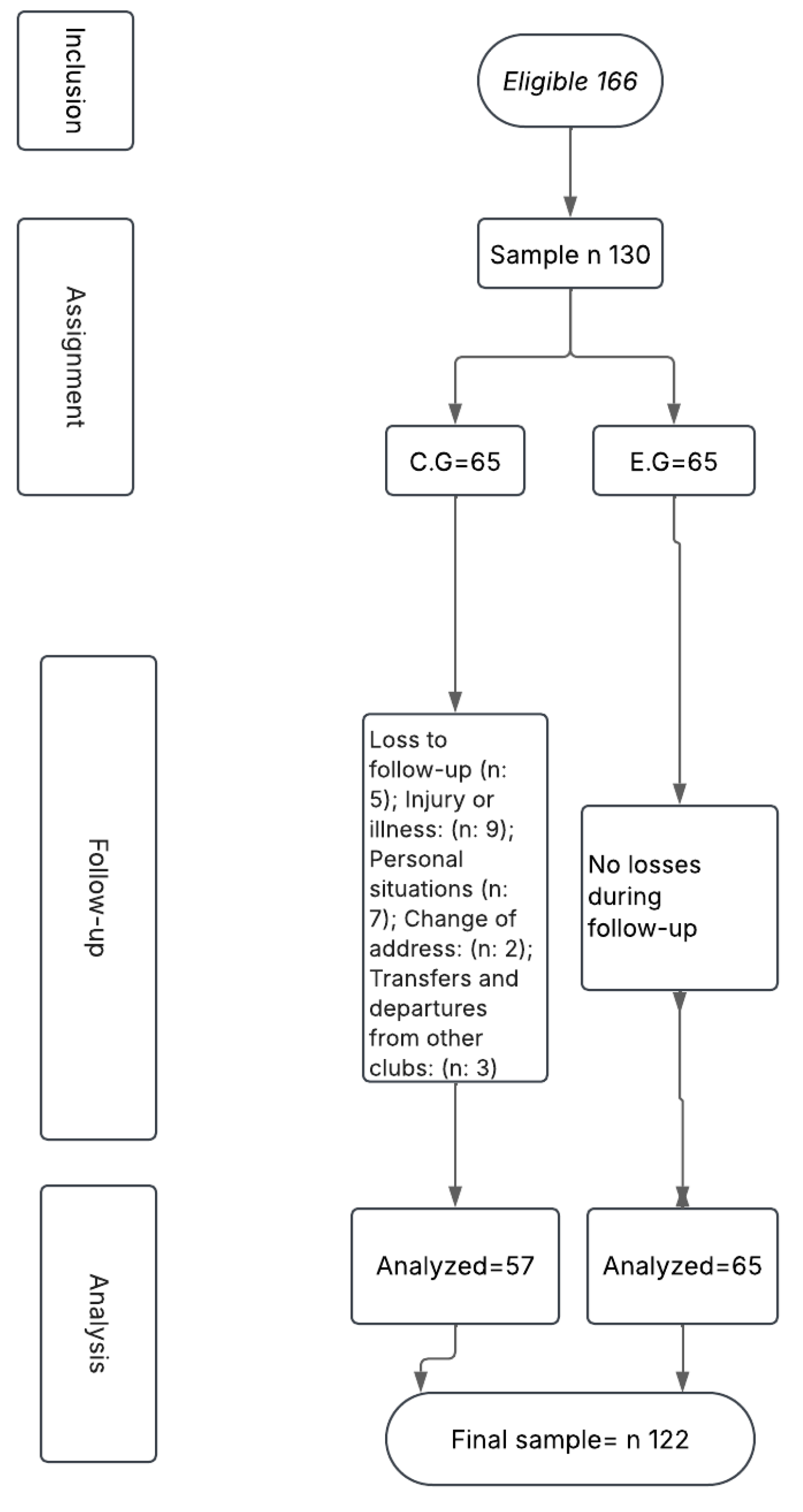
Figure 2.
NHE training execution.
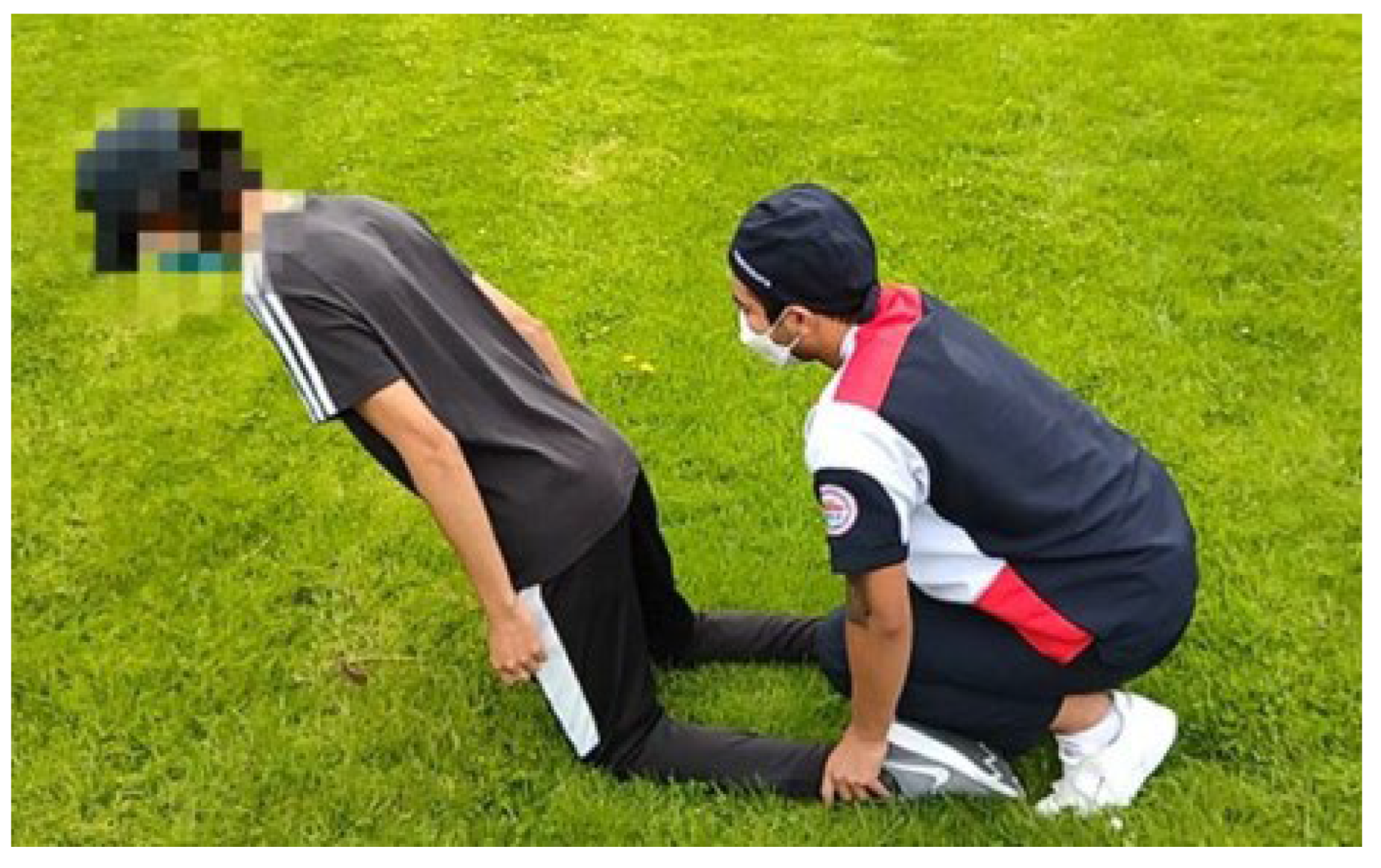
Figure 3.
Group NHE training session guided by the physiotherapist.
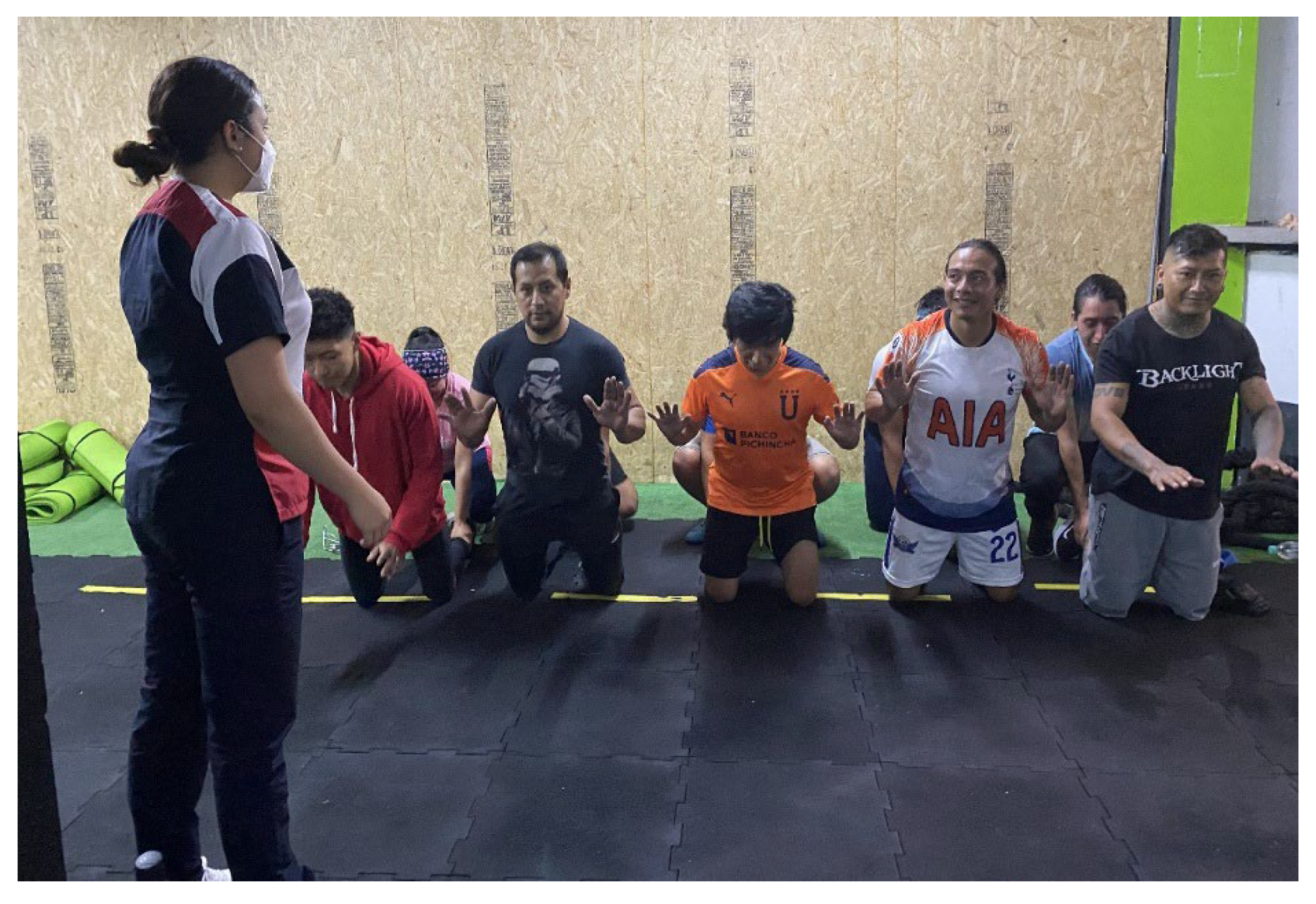
Figure 4.
Non-Dominant Absolute Strength.
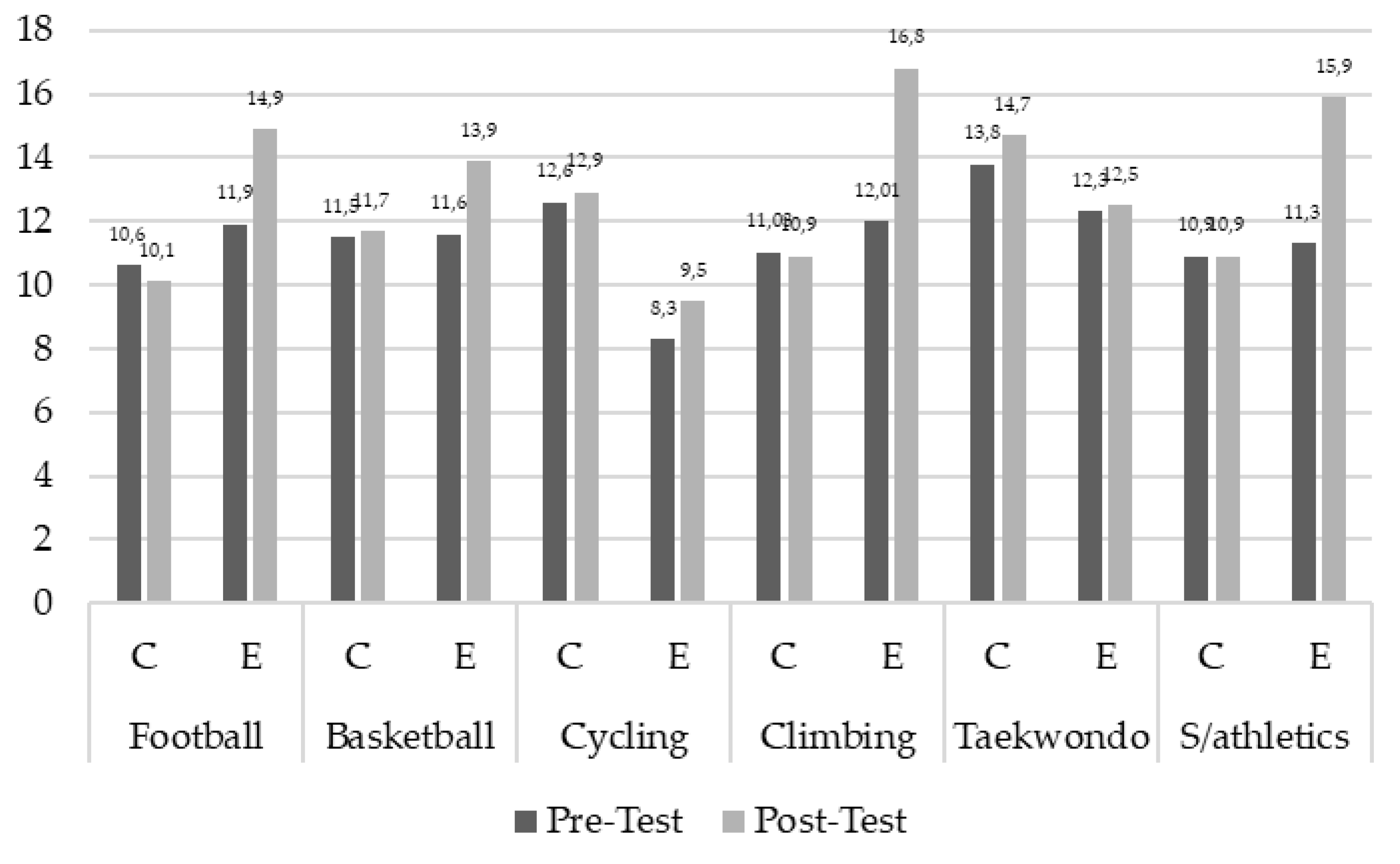
Figure 5.
Vertical Jump.
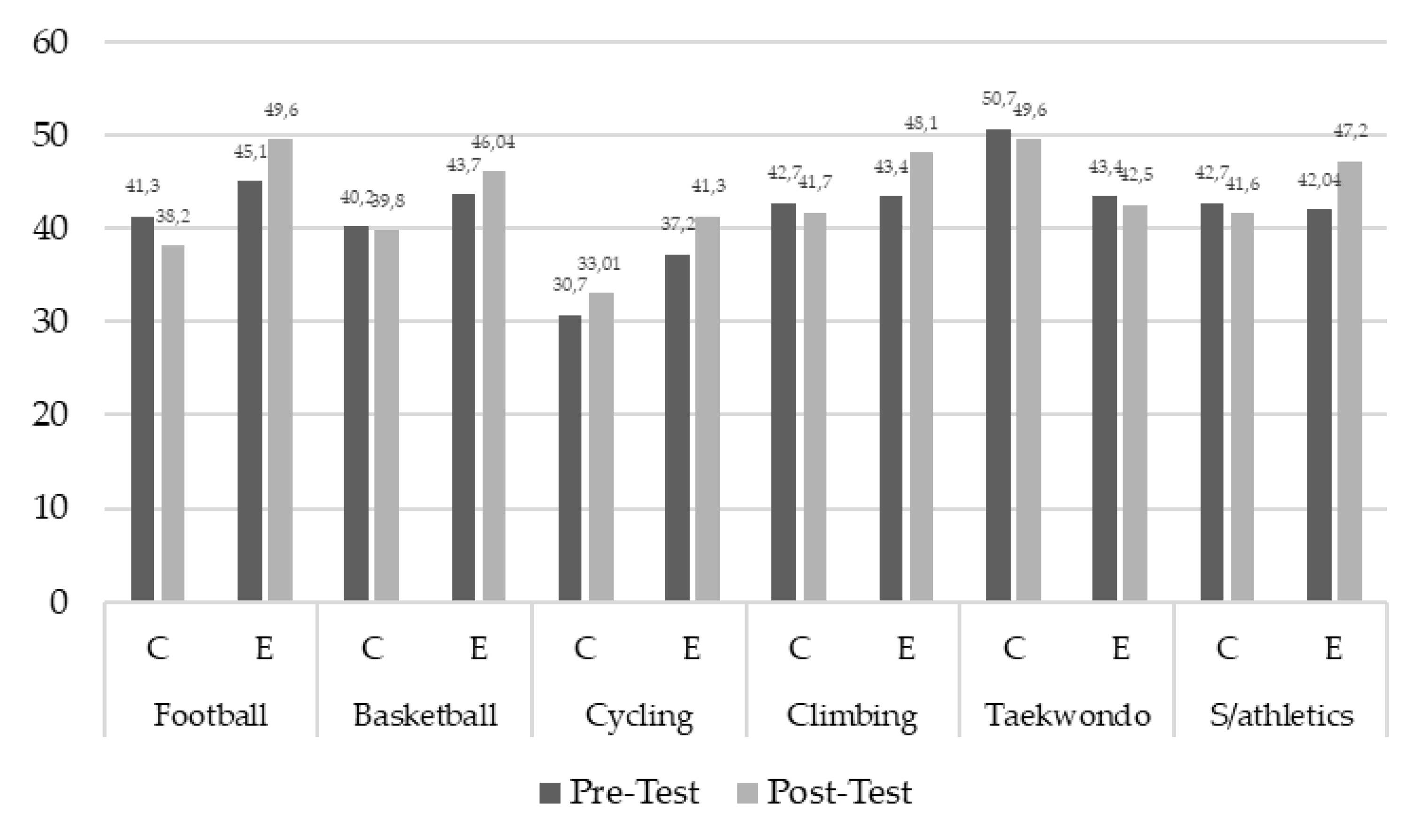
Table 2.
Initial characteristics of the athletes.
| Variable | EG | CG | t value | p |
| Age | 18.2 ±3.2 | 18.6 ±3.4 | 0.44 | 0.6 |
| Gender | ||||
| Female | 23.0% | 22.1% | - | - |
| Male | 30.3% | 24.6% | - | - |
| Experience (years) | 3.6 ±4.11 | 3.7 ±3.89 | 0.1 | 0.5 |
| Dominant Absolute Strength I |
12.4 ± 0.51 | 12.5 ± 0.48 | 1.19 | 0.5 |
| Non-dominant absolute strength I |
11.1 ±0.42 | 11.5 ±0.48 | 0.56 | 0.7 |
| Vertical Jump | 42.4±1.02 | 40.5±1.36 | -1.1 | 0.7 |
| Absolute strength (A.S), I (initial), F (final), Vertical Jump (V.J), ± (standard deviation of the mean); (t student), p * (p <0.05) **(p < 0.01), experimental group (EG) ; control group (CG) | ||||
Table 4.
Final characteristics of absolute strength and vertical jump between independent groups.
| Characteristics | CG | EG | t value | p | |
| Dominant A.S | 12.52±0.48 | 14.5±0.98 | -2.22 | ** | |
| Non-dominant A.S | 11.61±0.44 | 13.8±0.81 | -1.7 | ** | |
| V.J | 39.84±1.21 | 45.8±1.5 | -3.59 | ** | |
| Absolute strength (A.S), Vertical Jump (V.J), ± (standard deviation of the mean), t value (t student), p * (<0.05) **(< 0.01), experimental group (EG) ; control group (CG) | |||||
Table 5.
ANOVA repeated measures for dominant, non-dominant absolute strength and vertical jump.
| Strength | Effect | F | p | ηp² |
| S.A Dominant | T*G | 6.63 | ** | 0.04 |
| T*S*G | 2.74 | 0.9 | 0.01 | |
| S.A no Dominant | T*G | 8.3 | ** | 0.07 |
| T*S*G | 0.91 | 0.5 | 0.04 | |
| V.J | T*G | 19.03 | ** | 0.14 |
| T*S*G | 1.6 | 0.175 | 0.06 | |
| Absolute strength (S.A), Vertical Jump (V.J)T*G ( time: pre y post-test *EG, CG); T*S*G (time: pre y post-test *Sport*E,G C.G ) p * (p <0.05) **(p <0.01) | ||||
Disclaimer/Publisher’s Note: The statements, opinions and data contained in all publications are solely those of the individual author(s) and contributor(s) and not of MDPI and/or the editor(s). MDPI and/or the editor(s) disclaim responsibility for any injury to people or property resulting from any ideas, methods, instructions or products referred to in the content. |
© 2025 by the authors. Licensee MDPI, Basel, Switzerland. This article is an open access article distributed under the terms and conditions of the Creative Commons Attribution (CC BY) license (http://creativecommons.org/licenses/by/4.0/).
Copyright: This open access article is published under a Creative Commons CC BY 4.0 license, which permit the free download, distribution, and reuse, provided that the author and preprint are cited in any reuse.


