
Submitted:
12 May 2024
Posted:
13 May 2024
You are already at the latest version
Abstract
Paracetamol, also known as acetaminophen, is one of the most widely used over-the-counter analgesics and antipyretics globally. While generally considered safe when used as directed, excessive or prolonged use of paracetamol can lead to adverse effects on various organ systems within the human body. This comprehensive review explores the physiological mechanisms underlying paracetamol toxicity, its effects on different organs, risk factors for overdose, diagnostic methods, and potential management strategies.
Keywords:
drug
; paracetamol
; Human body
; Excess use
Introduction
Paracetamol, also known as acetaminophen, is one of the most commonly used medications worldwide for the relief of pain and reduction of fever[1]. Its widespread availability over the counter and perception of safety have contributed to its extensive use across diverse demographic groups[2]. Its widespread availability over the counter and perception of safety have contributed to its extensive use across diverse demographic groups[2].
The aim of this review is to provide a comprehensive overview of the physiological mechanisms, organ-specific effects, risk factors, diagnostic approaches, and management strategies associated with excessive paracetamol consumption[3]. By synthesizing existing literature and research findings[4], this review aims to enhance understanding among healthcare professionals and the general public regarding the potential risks and consequences of paracetamol misuse or overdose[5].
Understanding the physiological mechanisms underlying paracetamol toxicity is crucial for recognizing and managing its adverse effects effectively[6]. While paracetamol is generally considered safe at therapeutic doses, the risk of toxicity increases with higher doses, particularly in cases of overdose[7]. The liver is the primary site of paracetamol metabolism, where it undergoes biotransformation into both non-toxic and toxic metabolites. Under normal conditions, these metabolites are efficiently conjugated and excreted from the body[8]. However, in cases of overdose, the metabolic pathways become saturated, leading to the accumulation of toxic metabolites, particularly N-acetyl-p-benzoquinone imine (NAPQI)[9]. The depletion of hepatic glutathione stores exacerbates oxidative stress and mitochondrial dysfunction, resulting in hepatocellular injury and potential liver failure[10].
Beyond hepatotoxicity, excessive paracetamol use can also adversely affect other organ systems, including the kidneys, cardiovascular system, and gastrointestinal tract[11]. Furthermore, certain risk factors, such as intentional overdose, chronic alcohol consumption, and concurrent use of medications affecting hepatic metabolism, can exacerbate the likelihood and severity of paracetamol toxicity[12]. Timely diagnosis of paracetamol overdose is essential for implementing appropriate management strategies and preventing life-threatening complications[13]. Diagnostic approaches typically involve assessing the patient's history, clinical presentation, serum paracetamol levels, and liver function tests.
Management of paracetamol overdose revolves around early recognition, supportive care, and administration of the antidote, N-acetylcysteine (NAC)[14]. NAC replenishes depleted glutathione stores, thereby mitigating liver injury and preventing the progression to acute liver failure. In severe cases, advanced interventions, such as hemodialysis or liver transplantation, may be necessary to ensure optimal patient outcomes[15].
Physiological Mechanisms
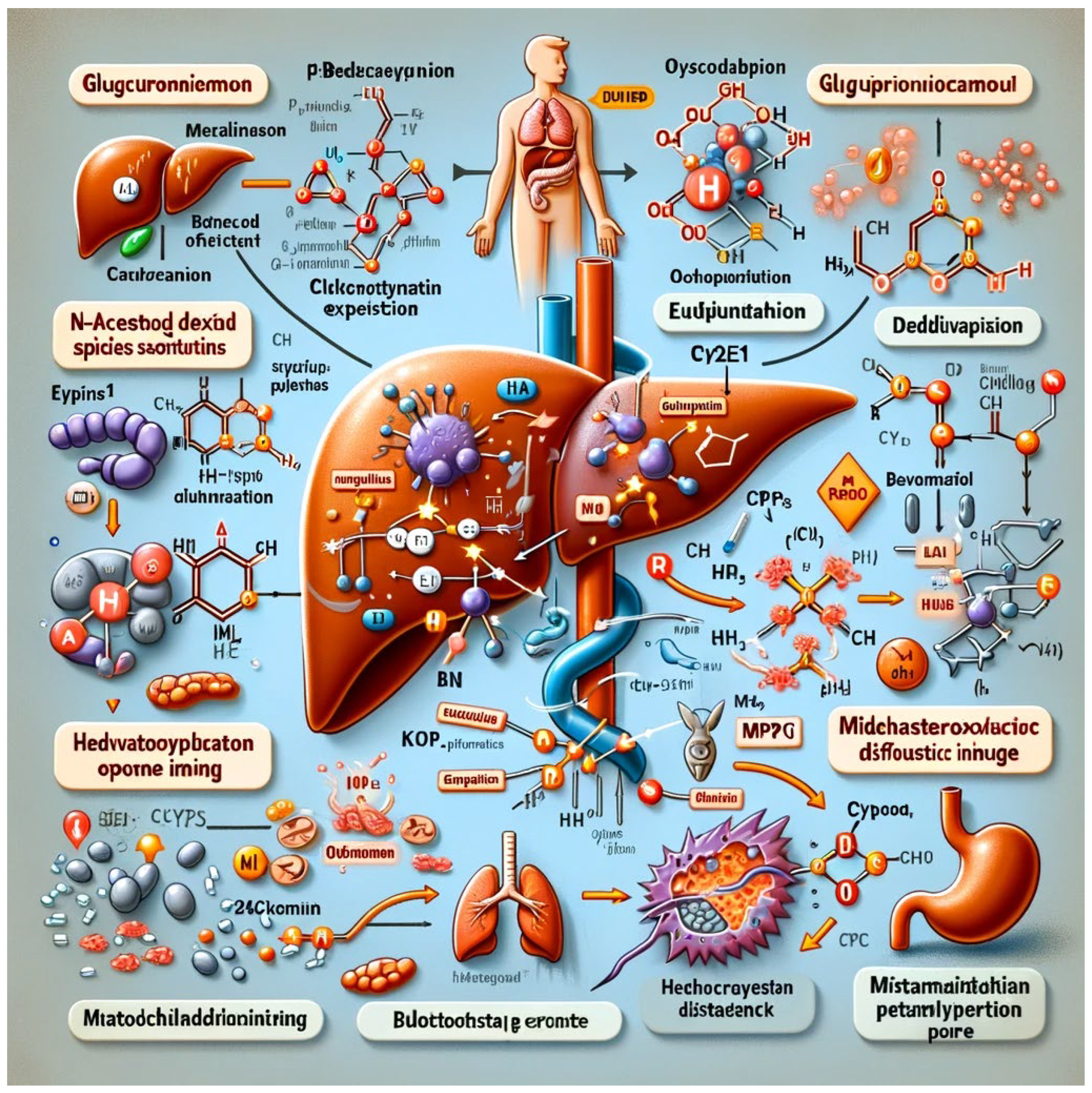
Paracetamol, chemically known as N-acetyl-para-aminophenol, is primarily metabolized in the liver through several pathways, including glucuronidation, sulfation, and oxidation[16]. At therapeutic doses, these metabolic pathways effectively convert paracetamol into inactive metabolites that are excreted in the urine[9]. However, when consumed in excessive amounts, these pathways become overwhelmed, leading to the formation of toxic metabolites, particularly N-acetyl-p-benzoquinone imine (NAPQI)[17].
The formation of NAPQI is facilitated by the cytochrome P450 enzyme system, specifically the CYP2E1 isoform. Under normal circumstances, NAPQI is rapidly conjugated with glutathione, a tripeptide antioxidant present in high concentrations within hepatocytes, rendering it harmless[8]. However, in cases of paracetamol overdose, glutathione stores become depleted due to the overwhelming production of NAPQI, leading to the accumulation of toxic metabolites and subsequent hepatocellular injury[18].
The toxic effects of NAPQI are primarily mediated by oxidative stress and mitochondrial dysfunction. NAPQI binds to cellular proteins, leading to the formation of protein adducts, disruption of cellular membranes, and activation of inflammatory pathways[19]. Furthermore, NAPQI-induced oxidative stress results in the generation of reactive oxygen species (ROS), which further exacerbate cellular damage by promoting lipid peroxidation, DNA fragmentation, and apoptosis[20].
Mitochondrial dysfunction plays a central role in paracetamol-induced hepatotoxicity. NAPQI-induced oxidative stress impairs mitochondrial respiration and ATP production, leading to energy depletion and cellular injury[21]. Additionally, mitochondrial permeability transition pore (MPTP) opening exacerbates hepatocyte death by facilitating the release of pro-apoptotic factors, such as cytochrome c, into the cytosol.
The severity of paracetamol-induced hepatotoxicity depends on various factors, including the dose ingested, the duration of exposure, and individual susceptibility factors[22]. Acute overdose can result in fulminant hepatic failure, necessitating urgent medical intervention, including liver transplantation. Chronic excessive use of paracetamol may also lead to cumulative liver damage[23], eventually progressing to chronic liver disease, such as cirrhosis.
In addition to hepatotoxicity, paracetamol toxicity can also affect extrahepatic tissues, including the kidneys, cardiovascular system, and gastrointestinal tract[24]. The underlying mechanisms of extrahepatic toxicity are not fully understood but may involve oxidative stress, inflammation, and direct cellular injury[25].
Figure 1.
illustrate the fig of Physiological Mechanisms.
Organ-Specific Effects
- 1.
- Liver
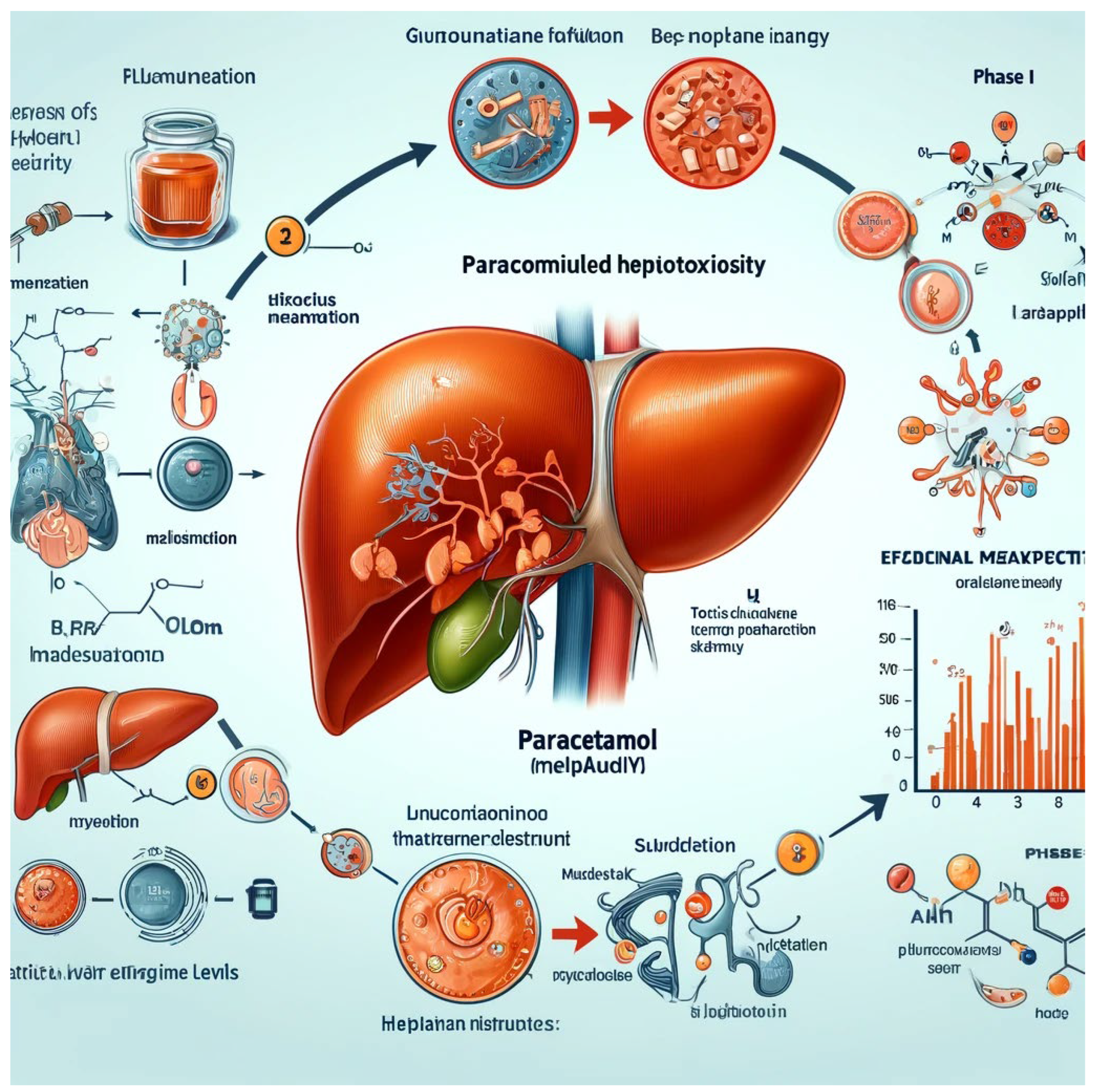
Paracetamol-induced hepatotoxicity is the most well-documented and clinically significant consequence of excessive paracetamol consumption[26]. The liver serves as the primary site of paracetamol metabolism, where it undergoes phase I (oxidation) and phase II (conjugation) biotransformation reactions[27]. Under normal conditions, the majority of paracetamol is metabolized via glucuronidation and sulfation pathways, yielding non-toxic metabolites that are readily excreted in the urine.
However, when ingested in excessive doses, paracetamol overwhelms these metabolic pathways, leading to the formation of toxic metabolites, particularly N-acetyl-p-benzoquinone imine (NAPQI)[28]. NAPQI is primarily produced via the cytochrome P450-mediated oxidation pathway, specifically through the CYP2E1 isoform. In the absence of sufficient glutathione, NAPQI binds to cellular proteins, resulting in oxidative stress, mitochondrial dysfunction, and hepatocellular injury[29].
The toxic effects of NAPQI on the liver manifest in a dose-dependent manner. In mild cases of paracetamol overdose, patients may exhibit elevated liver enzyme levels (e.g., alanine aminotransferase, ALT; aspartate aminotransferase, AST) and mild hepatic inflammation, commonly referred to as hepatocellular injury[30]. However, in severe cases, particularly those involving massive overdose, fulminant hepatic failure may develop, characterized by widespread hepatocyte necrosis, coagulopathy, hepatic encephalopathy, and multi-organ dysfunction syndrome (MODS)[31].
The clinical presentation of paracetamol-induced hepatotoxicity typically follows a predictable timeline. In the acute phase, patients may be asymptomatic or present with non-specific symptoms such as nausea, vomiting, abdominal pain, and malaise[11]. As the toxicity progresses, hepatic enzyme levels rise, indicating ongoing hepatocellular injury. In severe cases, signs of hepatic decompensation, such as jaundice, hepatic encephalopathy, and coagulopathy, may become evident[32].
Early diagnosis of paracetamol-induced hepatotoxicity is crucial for initiating timely intervention and preventing irreversible liver damage. Serum paracetamol levels should be measured as soon as possible following ingestion[11], with consideration given to the timing of ingestion and the potential for delayed absorption. Additionally, liver function tests, including ALT, AST, bilirubin, and international normalized ratio (INR), should be monitored regularly to assess the extent of hepatocellular injury and hepatic dysfunction[33].
The management of paracetamol-induced hepatotoxicity revolves around early recognition, supportive care, and administration of the antidote, N-acetylcysteine (NAC). NAC serves as a precursor for glutathione synthesis, replenishing depleted hepatic stores and preventing the accumulation of toxic metabolites[11]. When administered within the appropriate timeframe, NAC has been shown to reduce the risk of hepatic injury and improve patient outcomes[34]. In severe cases of fulminant hepatic failure, advanced interventions, such as liver transplantation, may be necessary to prevent mortality and facilitate recovery[35].
Figure 2.
liver.
- 2.
- Kidneys
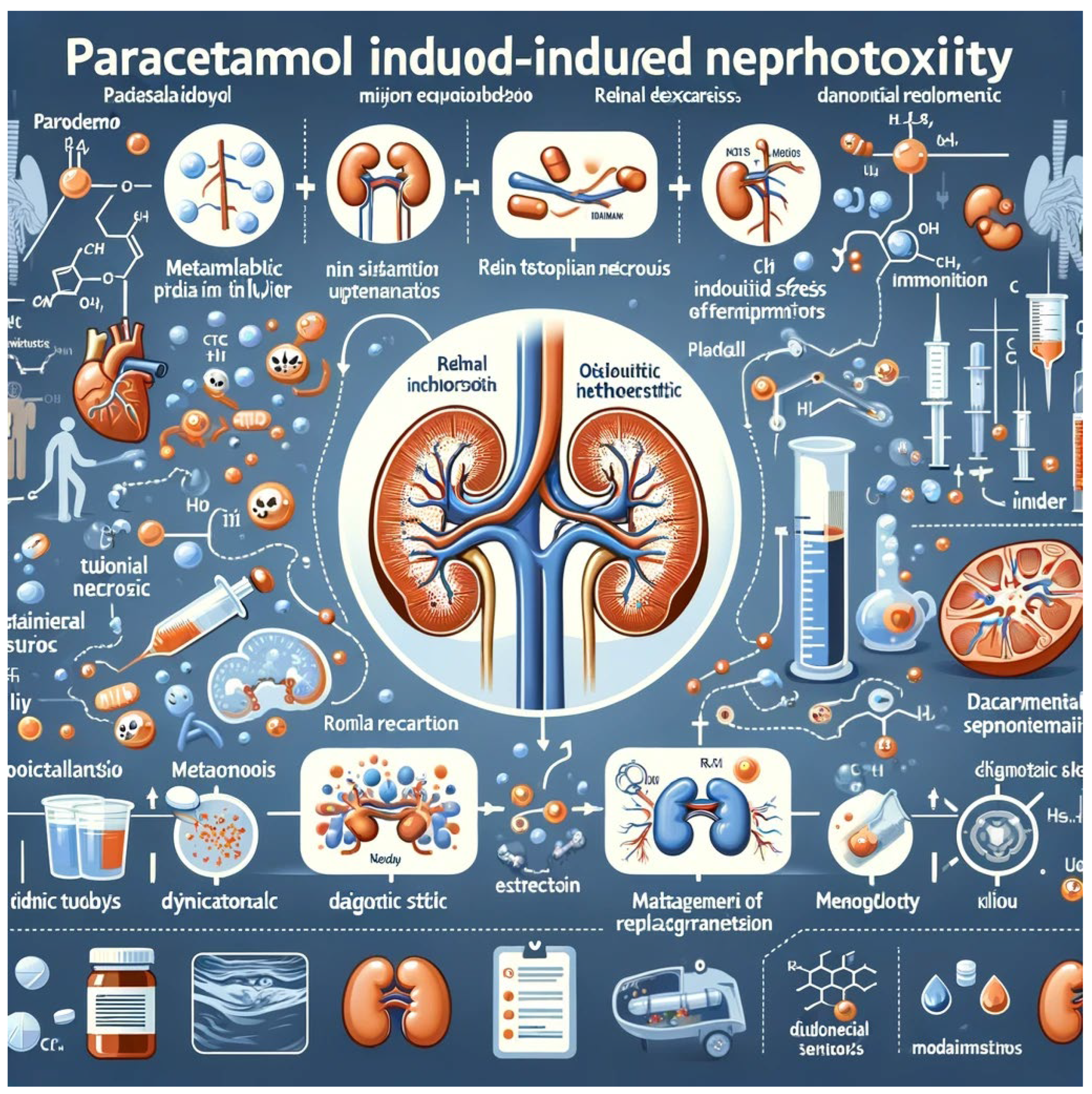
While hepatotoxicity is the most well-known consequence of paracetamol overdose, emerging evidence suggests that excessive paracetamol consumption can also have adverse effects on renal function[36], although these effects are less common and less extensively studied compared to liver toxicity.
Paracetamol is primarily metabolized in the liver, and only a small fraction of the drug undergoes renal excretion in its unchanged form. Therefore, direct nephrotoxicity from paracetamol itself is rare[8]. However, in cases of severe paracetamol overdose or when the drug is taken in combination with other nephrotoxic agents, such as nonsteroidal anti-inflammatory drugs (NSAIDs), the kidneys may be subject to injury[37].
The exact mechanisms underlying paracetamol-induced nephrotoxicity are not fully understood but may involve several factors, including renal ischemia, oxidative stress, and inflammation[36]. Animal studies have suggested that high doses of paracetamol can lead to renal tubular necrosis and interstitial nephritis, particularly in the presence of pre-existing renal impairment or dehydration[38].
Clinical manifestations of paracetamol-induced nephrotoxicity may vary and can range from mild renal impairment to acute kidney injury (AKI) requiring renal replacement therapy[39]. Patients may present with symptoms such as decreased urine output, fluid retention, electrolyte imbalances, and elevated serum creatinine levels[40]. Additionally, urinary biomarkers of kidney injury, such as neutrophil gelatinase-associated lipocalin (NGAL) and kidney injury molecule-1 (KIM-1), may be elevated in cases of paracetamol-induced AKI[39].
Diagnosis of paracetamol-induced nephrotoxicity typically involves assessing renal function through serum creatinine measurements, urine output monitoring, and urinalysis[41]. Imaging studies, such as renal ultrasound, may also be performed to evaluate for structural abnormalities or signs of obstruction[42].
Management of paracetamol-induced nephrotoxicity is primarily supportive and aimed at preserving renal function and preventing further injury[36]. This may include hydration to maintain adequate renal perfusion, correction of electrolyte imbalances, and avoidance of nephrotoxic medications[43]. In severe cases of AKI, renal replacement therapy, such as hemodialysis or continuous renal replacement therapy (CRRT), may be necessary to support renal function until recovery occurs[44].
Figure 3.
Kidney.
- 3.
- Cardiovascular System
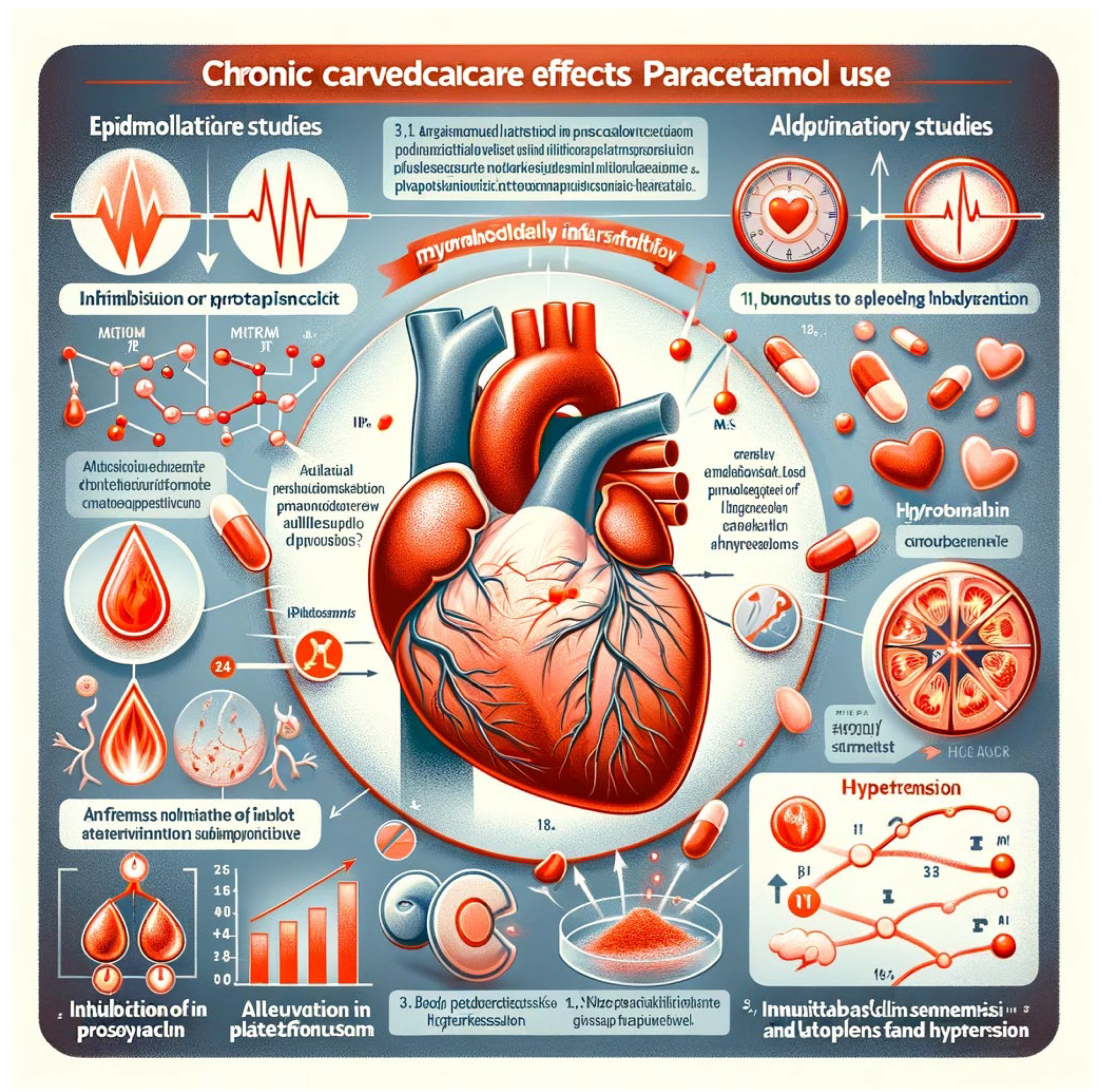
Recent studies have suggested potential associations between excessive or chronic paracetamol use and adverse cardiovascular outcomes, although the underlying mechanisms and causality remain subjects of debate[45]. While paracetamol is primarily recognized for its analgesic and antipyretic properties, emerging evidence suggests that it may also exert effects on the cardiovascular system, including the risk of myocardial infarction (MI) and hypertension[46].
Myocardial Infarction (MI):
Several epidemiological studies have investigated the potential link between paracetamol use and the risk of MI[47]. While findings have been mixed, some studies have reported an increased risk of MI associated with long-term or high-dose paracetamol use[48]. The proposed mechanisms underlying this association include the potential inhibition of prostacyclin synthesis and alterations in platelet function, which may predispose individuals to thrombotic events[49].
However, it is essential to interpret these findings with caution, as confounding factors, such as the underlying medical conditions for which paracetamol is prescribed (e.g., chronic pain, inflammatory conditions), may contribute to the observed associations[50]. Further research, including prospective studies and mechanistic investigations, is needed to elucidate the potential causal relationship between paracetamol use and the risk of MI[6].
Hypertension:
Some studies have suggested a potential association between paracetamol use and the development or exacerbation of hypertension[50]. Chronic use of paracetamol has been hypothesized to disrupt the balance between vasodilatory and vasoconstrictive pathways, leading to alterations in blood pressure regulation. Additionally, paracetamol-induced inhibition of prostaglandin synthesis may impact renal function and sodium balance, contributing to hypertension development[51].
Again, while observational studies have reported associations between paracetamol use and hypertension, causality has not been firmly established. The potential for confounding by indication and other factors underscores the need for further research to clarify the relationship between paracetamol use and hypertension risk.
Figure 4.
Cardiovascular System.
- 4.
- Gastrointestinal Tract
Excessive or prolonged use of paracetamol has been associated with various adverse effects on the gastrointestinal (GI) tract[45]. While paracetamol is generally well-tolerated, it can exert irritant effects on the gastric mucosa and may contribute to GI symptoms and complications, particularly when used in high doses or over extended periods[52].
Gastric Mucosal Irritation:
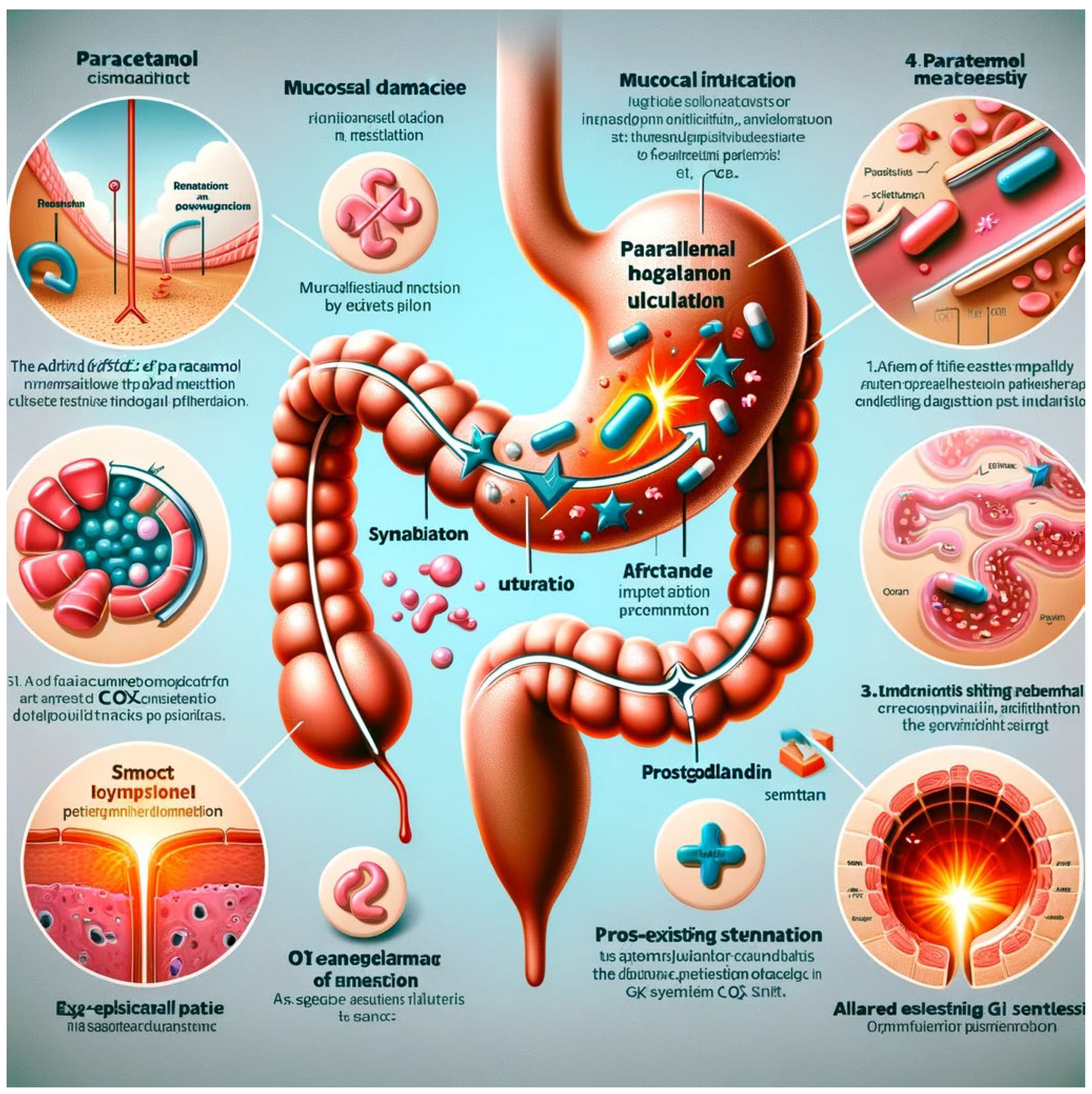
Paracetamol is primarily metabolized in the liver, and only a small fraction of the drug reaches systemic circulation unchanged[53]. However, unmetabolized paracetamol that reaches the GI tract may directly irritate the gastric mucosa, leading to mucosal damage and ulcer formation[54]. The exact mechanisms underlying paracetamol-induced GI irritation are not fully understood but may involve local toxic effects and alterations in mucosal barrier function[55].
Gastric Ulceration and Bleeding:
Chronic use of paracetamol, particularly when taken in high doses or in combination with other medications such as nonsteroidal anti-inflammatory drugs (NSAIDs), has been associated with an increased risk of gastric ulceration and gastrointestinal bleeding[56]. Paracetamol-induced inhibition of cyclooxygenase (COX) enzymes, albeit to a lesser extent than traditional NSAIDs, may impair prostaglandin synthesis and compromise the protective mucosal layer, predisposing the GI tract to injury[57].
Non-Specific Abdominal Pain:
Chronic use of paracetamol has also been linked to non-specific abdominal pain, although the exact mechanisms underlying this symptom remain unclear[58]. It is hypothesized that chronic paracetamol use may disrupt normal GI motility and sensory function, leading to visceral hypersensitivity and altered pain perception[59]. Additionally, psychological factors such as medication-related anxiety or somatization may contribute to the development of abdominal pain in some individuals[60].
While the GI adverse effects of paracetamol are generally mild and reversible, healthcare professionals should be aware of their potential impact, particularly in individuals with pre-existing GI conditions or those taking concomitant medications with GI side effects[60]. Patients should be counseled on the appropriate use of paracetamol, including adherence to recommended dosages and avoidance of prolonged or excessive use. Additionally, individuals with a history of GI bleeding or ulcers should use paracetamol cautiously and under the guidance of a healthcare provider[61].
Figure 5.
Gastrointestinal Tract.
Risk Factors and Diagnostic Approaches
A) Risk Factors for Paracetamol Toxicity:
1. Dose: Exceeding the recommended dosage of paracetamol, whether intentionally or unintentionally, increases the risk of toxicity[12].
2. Frequency and Duration of Use: Prolonged or frequent use of paracetamol, especially at high doses, can lead to cumulative toxicity[62].
3. Concomitant Use of Medications: Certain medications, such as enzyme-inducing drugs (e.g., carbamazepine, phenytoin) or enzyme-inhibiting drugs (e.g., isoniazid, cimetidine), can alter paracetamol metabolism and increase the risk of toxicity[63].
4. Underlying Liver Disease: Individuals with pre-existing liver conditions, such as cirrhosis or hepatitis, may be more susceptible to paracetamol-induced hepatotoxicity[64].
5. Alcohol Consumption: Chronic alcohol consumption can potentiate paracetamol-induced liver injury by inducing cytochrome P450 enzymes and depleting hepatic glutathione stores[26].
6. Age and Weight: Children and elderly individuals may be more vulnerable to paracetamol toxicity due to differences in drug metabolism and clearance[65].
7. Intentional Overdose: Deliberate self-poisoning with paracetamol is a significant risk factor for toxicity, particularly in cases of suicidal ideation or mental health disorders[66].
B) Diagnostic Approaches:
1. History and Clinical Examination: A thorough history should be obtained, including details of paracetamol ingestion, timing, and quantity. Clinical examination may reveal signs of toxicity, such as abdominal pain, nausea, vomiting, and jaundice[67].
2. Serum Paracetamol Levels: Measurement of serum paracetamol concentrations is essential for assessing the risk of toxicity and guiding treatment decisions[68]. Levels should be obtained as soon as possible following ingestion, with repeat measurements at regular intervals to assess for delayed absorption or potential toxicity[69].
3. Liver Function Tests: Serum liver enzymes, including alanine aminotransferase (ALT), aspartate aminotransferase (AST), and bilirubin, should be monitored to assess the extent of hepatocellular injury and hepatic dysfunction[70].
4. Coagulation Studies: International normalized ratio (INR) and prothrombin time (PT) should be measured to evaluate for coagulopathy, which may indicate severe liver injury and impaired synthetic function[71].
5. Renal Function Tests: Serum creatinine and blood urea nitrogen (BUN) levels should be assessed to evaluate renal function and assess for potential nephrotoxicity[71].
6. Imaging Studies: Abdominal ultrasound or computed tomography (CT) scans may be performed to assess for evidence of liver injury, hepatomegaly, or other abdominal pathology[72].
Management Strategies
1. Early Recognition and Supportive Care: Prompt recognition of paracetamol overdose is essential for initiating appropriate management[73]. Healthcare providers should obtain a thorough history of paracetamol ingestion, including the timing and quantity of ingestion[74]. Supportive care should be initiated immediately, including airway management, oxygen supplementation, and hemodynamic stabilization as needed[75].
2. Serum Paracetamol Levels: Measurement of serum paracetamol concentrations is critical for assessing the risk of toxicity and guiding treatment decisions[68]. The Rumack-Matthew nomogram or a standard treatment graph can be used to determine the need for N-acetylcysteine (NAC) administration based on the timing of ingestion and serum paracetamol concentration[76].
3. N-acetylcysteine (NAC) Administration: NAC is the antidote for paracetamol overdose and serves as a precursor for glutathione synthesis, replenishing depleted hepatic stores and preventing the formation of toxic metabolites[77]. NAC can be administered orally or intravenously, with the intravenous route preferred in cases of severe overdose or impaired oral intake[78].
4. Treatment Regimens: Various treatment regimens for NAC administration are available, including the oral, intravenous, and intramuscular routes[78]. The choice of regimen depends on factors such as the severity of overdose, the presence of symptoms, and the patient's clinical condition[79]. The standard oral regimen involves a loading dose followed by a maintenance infusion over 20-72 hours[80].
5. Monitoring and Supportive Care: Patients should be closely monitored for signs of hepatotoxicity, renal dysfunction, and other complications associated with paracetamol overdose[81]. Serial measurement of liver enzymes, renal function tests, and coagulation studies should be performed to assess the progression of toxicity and guide treatment decisions[82]. Supportive care measures, including fluid resuscitation, electrolyte correction, and nutritional support, should be instituted as needed[83].
6. Consideration for Advanced Interventions: In cases of severe paracetamol overdose resulting in acute liver failure or multi-organ dysfunction syndrome (MODS), advanced interventions such as hemodialysis or liver transplantation may be necessary[84]. These interventions should be considered in consultation with specialists experienced in the management of acute liver failure[85].
7. Psychosocial Support and Counseling: Patients who have experienced paracetamol overdose, whether intentional or unintentional, may benefit from psychosocial support and counseling to address underlying mental health issues, reduce the risk of future overdose, and promote medication adherence and safety.
Conclusion
Excessive use of paracetamol can have detrimental effects on various organ systems, particularly the liver. Healthcare professionals should be vigilant in educating patients about the appropriate dosing and potential risks associated with paracetamol use. Timely recognition and management of paracetamol toxicity are essential for preventing life-threatening complications and improving patient outcomes. Further research is warranted to elucidate the long-term consequences of chronic paracetamol use and identify strategies for minimizing associated risks.
References
- Ogemdi, I.K., A Review on the Properties and Uses of Paracetamol. International Journal of Pharmacy and Chemistry, 2019. 5(3): p. 31-35. [CrossRef]
- Brownson, R.C., et al., Measuring the built environment for physical activity: state of the science. American journal of preventive medicine, 2009. 36(4): p. S99-S123. e12. [CrossRef]
- Lindon, J.C., et al., Metabonomics technologies and their applications in physiological monitoring, drug safety assessment and disease diagnosis. Biomarkers, 2004. 9(1): p. 1-31. [CrossRef]
- Barbour, R.S. and M. Barbour, Evaluating and synthesizing qualitative research: the need to develop a distinctive approach. Journal of evaluation in clinical practice, 2003. 9(2): p. 179-186. [CrossRef]
- v. Wintzingerode, F., U.B. Göbel, and E. Stackebrandt, Determination of microbial diversity in environmental samples: pitfalls of PCR-based rRNA analysis. FEMS microbiology reviews, 1997. 21(3): p. 213-229.
- Graham, G.G., et al., The modern pharmacology of paracetamol: therapeutic actions, mechanism of action, metabolism, toxicity and recent pharmacological findings. Inflammopharmacology, 2013. 21: p. 201-232. [CrossRef]
- Graham, G.G., K.F. Scott, and R.O. Day, Tolerability of paracetamol. Drug safety, 2005. 28(3): p. 227-240. [CrossRef]
- Bessems, J.G. and N.P. Vermeulen, Paracetamol (acetaminophen)-induced toxicity: molecular and biochemical mechanisms, analogues and protective approaches. Critical reviews in toxicology, 2001. 31(1): p. 55-138. [CrossRef]
- Mazaleuskaya, L.L., et al., PharmGKB summary: pathways of acetaminophen metabolism at the therapeutic versus toxic doses. Pharmacogenetics and genomics, 2015. 25(8): p. 416-426.
- Vairetti, M., et al., Changes in glutathione content in liver diseases: an update. Antioxidants, 2021. 10(3): p. 364. [CrossRef]
- Yoon, E., et al., Acetaminophen-induced hepatotoxicity: a comprehensive update. Journal of clinical and translational hepatology, 2016. 4(2): p. 131. [CrossRef]
- Rotundo, L. and N. Pyrsopoulos, Liver injury induced by paracetamol and challenges associated with intentional and unintentional use. World journal of hepatology, 2020. 12(4): p. 125. [CrossRef]
- Locci, C., et al., Paracetamol overdose in the newborn and infant: a life-threatening event. European journal of clinical pharmacology, 2021. 77: p. 809-815. [CrossRef]
- FAthelrAhmAn, A.I., Ten challenges associated with management of paracetamol overdose: an update on current practice and relevant evidence from epidemiological and clinical studies. J Clin Diagnost Res, 2021. 15(3). [CrossRef]
- Squires, J.E., et al., North American Society for Pediatric Gastroenterology, Hepatology, and Nutrition position paper on the diagnosis and management of pediatric acute liver failure. Journal of pediatric gastroenterology and nutrition, 2022. 74(1): p. 138-158. [CrossRef]
- Chowdhury, A., et al., Current etiological comprehension and therapeutic targets of acetaminophen-induced hepatotoxicity. Pharmacological research, 2020. 161: p. 105102. [CrossRef]
- Gopinathan, S., Molecular mechanisms of liver injury induced by hepatotoxins. European Journal of Biomedical, 2016. 3(11): p. 229-237.
- Du, K., A. Ramachandran, and H. Jaeschke, Oxidative stress during acetaminophen hepatotoxicity: Sources, pathophysiological role and therapeutic potential. Redox biology, 2016. 10: p. 148-156. [CrossRef]
- Jaeschke, H., et al., Mitochondrial damage and biogenesis in acetaminophen-induced liver injury. Liver research, 2019. 3(3-4): p. 150-156. [CrossRef]
- Urrunaga, N.H., et al., M1 muscarinic receptors modify oxidative stress response to acetaminophen-induced acute liver injury. Free Radical Biology and Medicine, 2015. 78: p. 66-81. [CrossRef]
- Ramachandran, A. and H. Jaeschke, A mitochondrial journey through acetaminophen hepatotoxicity. Food and chemical toxicology, 2020. 140: p. 111282. [CrossRef]
- Mahadevan, S.B., et al., Paracetamol induced hepatotoxicity. Archives of disease in childhood, 2006. 91(7): p. 598-603.
- Craig, D.G., et al., Overdose pattern and outcome in paracetamol-induced acute severe hepatotoxicity. British journal of clinical pharmacology, 2011. 71(2): p. 273-282. [CrossRef]
- Burcham, P.C. and P.C. Burcham, Target-organ toxicity: liver and kidney. An Introduction to Toxicology, 2014: p. 151-187.
- Ramos-Tovar, E. and P. Muriel, Molecular mechanisms that link oxidative stress, inflammation, and fibrosis in the liver. Antioxidants, 2020. 9(12): p. 1279. [CrossRef]
- Riordan, S.M. and R. Williams, Alcohol exposure and paracetamol-induced hepatotoxicity. Addiction biology, 2002. 7(2): p. 191-206. [CrossRef]
- Tompkins, L.M. and H. Wang, Liver Drug Metabolism. Oral Bioavailability: Basic Principles, Advanced Concepts, and Applications, 2011: p. 127-144.
- Kholili, U., et al., Liver injury associated with Acetaminophen: A Review. Research Journal of Pharmacy and Technology, 2023. 16(4): p. 2006-2012. [CrossRef]
- Bhattacharyya, S., K. Sinha, and P. C Sil, Cytochrome P450s: mechanisms and biological implications in drug metabolism and its interaction with oxidative stress. Current drug metabolism, 2014. 15(7): p. 719-742. [CrossRef]
- Stefanello, S.T., et al., Acetaminophen Oxidation and Inflammatory Markers–A Review of Hepatic Molecular Mechanisms and Preclinical Studies. Current Drug Targets, 2020. 21(12): p. 1225-1236. [CrossRef]
- Karunarathna, I., B. Rathnayake, and D. Kumari, Advancements in the Management of Acute Liver Failure: Pathophysiology, Diagnosis, and Treatment Strategies. Uva Clinical Lab. Retrieved from ResearchGate, 2024.
- Angeli, P., et al., EASL Clinical Practice Guidelines for the management of patients with decompensated cirrhosis. Journal of hepatology, 2018. 69(2): p. 406-460. [CrossRef]
- Agrawal, S., R.K. Dhiman, and J.K. Limdi, Evaluation of abnormal liver function tests. Postgraduate medical journal, 2016. 92(1086): p. 223-234. [CrossRef]
- Rumack, B.H. and D.N. Bateman, Acetaminophen and acetylcysteine dose and duration: past, present and future. Clinical toxicology, 2012. 50(2): p. 91-98. [CrossRef]
- Vipani, A., C.C. Lindenmeyer, and V. Sundaram, Treatment of severe acute on chronic liver failure: management of organ failures, investigational therapeutics, and the role of liver transplantation. Journal of Clinical Gastroenterology, 2021. 55(8): p. 667-676.
- Wang, X., et al., Paracetamol: overdose-induced oxidative stress toxicity, metabolism, and protective effects of various compounds in vivo and in vitro. Drug metabolism reviews, 2017. 49(4): p. 395-437.
- Whelton, A., Nephrotoxicity of nonsteroidal anti-inflammatory drugs: physiologic foundations and clinical implications. The American journal of medicine, 1999. 106(5): p. 13S-24S. [CrossRef]
- Pakravan, N., Paracetamol poisoning and its treatment in man. 2008.
- Waring, W.S. and A. Moonie, Earlier recognition of nephrotoxicity using novel biomarkers of acute kidney injury. Clinical toxicology, 2011. 49(8): p. 720-728. [CrossRef]
- Chambers, J.K., Fluid and electrolyte problems in renal and urologic disorders. Nursing Clinics of North America, 1987. 22(4): p. 815-826. [CrossRef]
- Mazer, M. and J. Perrone, Acetaminophen-induced nephrotoxicity: pathophysiology, clinical manifestations, and management. Journal of Medical Toxicology, 2008. 4: p. 2-6. [CrossRef]
- Mostbeck, G.H., T. Zontsich, and K. Turetschek, Ultrasound of the kidney: obstruction and medical diseases. European radiology, 2001. 11: p. 1878-1889. [CrossRef]
- Prowle, J.R., et al., Fluid balance and acute kidney injury. Nature Reviews Nephrology, 2010. 6(2): p. 107-115. [CrossRef]
- Paden, M.L., et al., Recovery of renal function and survival after continuous renal replacement therapy during extracorporeal membrane oxygenation. Pediatric Critical Care Medicine, 2011. 12(2): p. 153-158. [CrossRef]
- Alchin, J., et al., Why paracetamol (acetaminophen) is a suitable first choice for treating mild to moderate acute pain in adults with liver, kidney or cardiovascular disease, gastrointestinal disorders, asthma, or who are older. Current medical research and opinion, 2022. 38(5): p. 811-825. [CrossRef]
- Fanelli, A., et al., Cardiovascular and cerebrovascular risk with nonsteroidal anti-inflammatory drugs and cyclooxygenase 2 inhibitors: latest evidence and clinical implications. Therapeutic advances in drug safety, 2017. 8(6): p. 173-182. [CrossRef]
- Fulton, R.L., et al., Acetaminophen use and risk of myocardial infarction and stroke in a hypertensive cohort. Hypertension, 2015. 65(5): p. 1008-1014. [CrossRef]
- Moore, N., Coronary risks associated with diclofenac and other NSAIDs: an update. Drug safety, 2020. 43(4): p. 301-318. [CrossRef]
- Aksu, K., A. Donmez, and G. Keser, Inflammation-induced thrombosis: mechanisms, disease associations and management. Current pharmaceutical design, 2012. 18(11): p. 1478-1493.
- McCrae, J., et al., Long-term adverse effects of paracetamol–a review. British journal of clinical pharmacology, 2018. 84(10): p. 2218-2230. [CrossRef]
- Hassan-Ahmed, M., Renal function in a rat model of an analgesic nephropathy: Effect of chloroquine. 2002: The University of Manchester (United Kingdom). [CrossRef]
- Fokunang, C., et al., Overview of non-steroidal anti-inflammatory drugs (nsaids) in resource limited countries. Moj Toxicol, 2018. 4(1): p. 5-13.
- Graham, G. and M. Hicks, Pharmacokinetics and metabolism of paracetamol (acetaminophen), in Aspirin and related drugs. 2004, Taylor and Francis London. p. 181-213.
- Hassan, M.N., A Study on Drug’s Side Effects due to Using GIT Drugs Without Prescription in Lower Class People in Bangladesh. 2017, East West University.
- Pasupuleti, V.R., et al., Honey, propolis, and royal jelly: a comprehensive review of their biological actions and health benefits. Oxidative medicine and cellular longevity, 2017. 2017. [CrossRef]
- Sostres, C., et al., Adverse effects of non-steroidal anti-inflammatory drugs (NSAIDs, aspirin and coxibs) on upper gastrointestinal tract. Best practice & research Clinical gastroenterology, 2010. 24(2): p. 121-132. [CrossRef]
- Penrose, A.J., Investigating the role of eyes absent homolog 1 (EYA1) in aspirin-induced gastric ulceration. 2019: The University of Liverpool (United Kingdom).
- Wehling, M., Non-steroidal anti-inflammatory drug use in chronic pain conditions with special emphasis on the elderly and patients with relevant comorbidities: management and mitigation of risks and adverse effects. European journal of clinical pharmacology, 2014. 70: p. 1159-1172. [CrossRef]
- Davis, M.P., Drug management of visceral pain: concepts from basic research. Pain research and treatment, 2012. 2012. [CrossRef]
- Goodoory, V.C., et al., Willingness to accept risk with medication in return for cure of symptoms among patients with Rome IV irritable bowel syndrome. Alimentary Pharmacology & Therapeutics, 2022. 55(10): p. 1311-1319. [CrossRef]
- Kress, H.G. and G. Untersteiner, Clinical update on benefit versus risks of oral paracetamol alone or with codeine: still a good option? Current medical research and opinion, 2017. 33(2): p. 289-304.
- Jasat, H., et al., Prolonged use of paracetamol and the prescribing patterns on rehabilitation facilities. Journal of Clinical Nursing, 2022. 31(23-24): p. 3605-3616. [CrossRef]
- Yew, W., Clinically significant interactions with drugs used in the treatment of tuberculosis. Drug safety, 2002. 25: p. 111-113. [CrossRef]
- Caparrotta, T.M., D.J. Antoine, and J.W. Dear, Are some people at increased risk of paracetamol-induced liver injury? A critical review of the literature. European journal of clinical pharmacology, 2018. 74: p. 147-160. [CrossRef]
- Mitchell, S.J., A.E. Kane, and S.N. Hilmer, Age-related changes in the hepatic pharmacology and toxicology of paracetamol. Current gerontology and geriatrics research, 2011. 2011. [CrossRef]
- Schmidt, L.E., Paracetamol self-poisoning among adolescents in a department of hepatology. International Journal of Adolescent Medicine and Health, 2001. 13(4): p. 327-334. [CrossRef]
- Rabinovitz, M. and D.H. Van Thiel, Hepatotoxicity of nonsteroidal anti-inflammatory drugs. American Journal of Gastroenterology (Springer Nature), 1992. 87(12).
- Kozer, E. and G. Koren, Management of paracetamol overdose: current controversies. Drug safety, 2001. 24: p. 503-512.
- Roberts, D.M. and N.A. Buckley, Pharmacokinetic considerations in clinical toxicology: clinical applications. Clinical pharmacokinetics, 2007. 46: p. 897-939.
- Gowda, S., et al., A review on laboratory liver function tests. The Pan african medical journal, 2009. 3.
- Tripodi, A., et al., The prothrombin time test as a measure of bleeding risk and prognosis in liver disease. Alimentary pharmacology & therapeutics, 2007. 26(2): p. 141-148. [CrossRef]
- Bora, A., et al., Assessment of liver volume with computed tomography and comparison of findings with ultrasonography. Abdominal imaging, 2014. 39: p. 1153-1161. [CrossRef]
- Pettie, J. and M. Dow, Assessment and management of paracetamol poisoning in adults. Nursing Standard (through 2013), 2013. 27(45): p. 39.
- Dart, R.C., et al., Acetaminophen poisoning: an evidence-based consensus guideline for out-of-hospital management. Clinical Toxicology, 2006. 44(1): p. 1-18. [CrossRef]
- Higgs, A., et al., Guidelines for the management of tracheal intubation in critically ill adults. British journal of anaesthesia, 2018. 120(2): p. 323-352. [CrossRef]
- Chomchai, S., et al., Sensitivity of dose-estimations for acute acetaminophen overdose in predicting hepatotoxicity risk using the Rumack-Matthew Nomogram. Pharmacology Research & Perspectives, 2022. 10(1): p. e00920. [CrossRef]
- Jones, A.L., Mechanism of action and value of N-acetylcysteine in the treatment of early and late acetaminophen poisoning: a critical review. Journal of Toxicology: Clinical Toxicology, 1998. 36(4): p. 277-285. [CrossRef]
- Tenório, M.C.d.S., et al., N-acetylcysteine (NAC): impacts on human health. Antioxidants, 2021. 10(6): p. 967.
- Thorpy, M.J. and Y. Dauvilliers, Clinical and practical considerations in the pharmacologic management of narcolepsy. Sleep medicine, 2015. 16(1): p. 9-18. [CrossRef]
- Thummel, K.E., et al., Design and optimization of dosage regimens: pharmacokinetic data. Goodman & Gilman’s the pharmacological basis of therapeutics, 2006. 11: p. 1787-1888.
- Makin, A. and R. Williams, The current management of paracetamol overdosage. International Journal of Clinical Practice, 1994. 48(3): p. 144-148. [CrossRef]
- Schultze, A.E., D. Ennulat, and A.D. Aulbach, Clinical pathology in nonclinical toxicity testing, in Haschek and Rousseaux's Handbook of Toxicologic Pathology. 2022, Elsevier. p. 295-334.
- Taylor, B.E., et al., Guidelines for the provision and assessment of nutrition support therapy in the adult critically ill patient: Society of Critical Care Medicine (SCCM) and American Society for Parenteral and Enteral Nutrition (ASPEN). Critical care medicine, 2016. 44(2): p. 390-438.
- Karunarathna, I., et al., Advancements in the Management of Acute Liver Failure: Pathophysiology, Diagnosis, and Treatment Strategies. Uva Clinical Lab. Retrieved from Advancements in the Management of Acute Liver Failure: Pathophysiology, Diagnosis, and Treatment Strategies, 2024.
- Polson, J. and W.M. Lee, AASLD position paper: the management of acute liver failure. Hepatology, 2005. 41(5): p. 1179-1197. [CrossRef]
Disclaimer/Publisher’s Note: The statements, opinions and data contained in all publications are solely those of the individual author(s) and contributor(s) and not of MDPI and/or the editor(s). MDPI and/or the editor(s) disclaim responsibility for any injury to people or property resulting from any ideas, methods, instructions or products referred to in the content. |
© 2024 by the authors. Licensee MDPI, Basel, Switzerland. This article is an open access article distributed under the terms and conditions of the Creative Commons Attribution (CC BY) license (http://creativecommons.org/licenses/by/4.0/).
Copyright: This open access article is published under a Creative Commons CC BY 4.0 license, which permit the free download, distribution, and reuse, provided that the author and preprint are cited in any reuse.