

Submitted:
02 May 2024
Posted:
03 May 2024
You are already at the latest version
Abstract
This study evaluates the viability of n-octanol as an alternative fuel in a direct-injection diesel engine, aiming to enhance sustainability and efficiency. Experiments employed varying blends of n-octanol (10%, 30%, and 50% by volume) with pure diesel, analyzing impacts on engine performance and emissions. The methodology involved testing each blend in a single-cylinder engine, measuring engine performance parameters such as brake torque and brake power under full load conditions across an engine speed range from 1400 to 2500 rpm. Comparative assessments of performance and emission characteristics at a constant engine speed of 1700 rpm were also conducted with varying loads. Results indicated that while n-octanol blends consistently improved brake thermal efficiency, they also increased brake specific fuel consumption due to the lower energy content of n-octanol. Consequently, while all n-octanol blends reduced nitrogen oxides (NOx) emissions compared to pure diesel, they also significantly decreased carbon monoxide, hydrocarbons, and smoke opacity, presenting a comprehensive reduction in harmful emissions. However, the benefits came with nuanced trade-offs: notably, higher concentrations of n-octanol (especially the 50% blend) led to a relative increase in NOx emissions as the octanol ratio increased. The study concludes that n-octanol significantly improves engine efficiency and reduces diesel dependence, but optimizing the blend ratio is crucial to balance performance improvements with comprehensive emission reductions.
Keywords:
n-octanol
; nitrogen oxides
; carbon monoxide
; smoke opacity
; diesel engine
; brake thermal efficiency
; brake power
1. Introduction
Diesel engines are fundamental to global transportation, powering industries from agriculture to logistics and substantially contributing to economic growth. However, they pose considerable environmental challenges, emitting particulate matter (PM), nitrogen oxides (NOx), and carbon dioxide, significantly contributing to local air pollution and global climate change. These emissions are linked to severe health implications, including respiratory and cardiovascular diseases [1,2]. The reliance on fossil fuels exacerbates these issues, as oil and gas extraction and refining processes cause substantial ecological damage, including air and water pollution and soil contamination [3].
The global movement toward sustainability and stricter emission regulations has driven the development of cleaner and more efficient diesel engine technologies [4,5], and the exploration of alternative fuels to reduce reliance on fossil fuels and mitigate environmental impacts. Advances in hybrid technologies, characterized by high compression ratios and two-stage turbochargers with intercoolers, have significantly enhanced fuel efficiency [6]. Additionally, after-treatment systems such as diesel particulate filters, diesel oxidation catalysts, and selective catalytic reduction have been rigorously studied to decrease atmospheric pollutants [7,8,9]. Innovations in thermal management techniques for these systems, including the use of insulation methods to reduce heat loss, electrically heated catalysts to improve component light-off times, and phase-change materials to stabilize temperature fluctuations, have been crucial in enhancing the efficiency of these technologies [10]. Continuing research on alternative fuels for diesel engines aims to meet stringent environmental standards. Notable findings include the use of biodiesel, derived from natural oils and fats, which offers a renewable, less polluting alternative to conventional diesel [11,12], and the use of synthetic fuels like dimethyl ether, which, due to its high cetane number and oxygen content, produces significantly lower amounts of soot and NOx [13].
Furthermore, synthetic fuels generated from renewable energy sources, such as wind, solar, and hydro-power, promote energy independence by providing a sustainable alternative to fossil fuels [14]. Incorporating hydrogen as a fuel supplement in diesel engines also shows the potential to significantly reduce emissions when adequately blended with diesel [15,16]. These innovative fuel options emphasize the varied approaches explored to achieve cleaner combustion and a reduced environmental footprint in diesel engine operations.
As part of the broader quest for sustainability, the historical development of alcohol fuels like methanol and ethanol has been a crucial aspect of the journey toward sustainable energy solutions. These fuels were first explored seriously during the oil crises of the 1970s when the need to reduce dependence on finite petroleum reserves became apparent. Methanol and ethanol, derived from biomass and fermentable crops, emerged as viable alternatives due to their renewable nature and potential for cleaner combustion [17,18]. The late 20th century saw accelerated research into these biofuels spurred by advancements in production technologies that enhanced both their economic viability and environmental benefits [19,20].
Lower alcohols such as methanol and ethanol have shown promise as alternative fuels for internal combustion engines, mainly because of their high-octane ratings, which enhance engine performance and efficiency [21]. Ethanol can be mixed with gasoline in various proportions without requiring significant engine modifications, offering flexibility. However, there are challenges associated with their broader adoption. Both fuels have lower energy densities than traditional gasoline, which can reduce fuel economy. Their hygroscopic nature can lead to water absorption, leading to issues such as phase separation and corrosion in fuel systems [22,23]. Moreover, the inherent toxicity of methanol and the complexities involved in storing and managing ethanol necessitate meticulous handling protocols [24,25]. Despite these obstacles, the potential environmental benefits continue to motivate sustained research and development efforts, emphasizing these technologies’ pivotal role in diminishing greenhouse gas emissions and bolstering energy autonomy [26].
Building upon foundational research into methanol and ethanol, researchers now focus on higher alcohols like n-butanol, n-pentanol, and n-octanol as more effective alternatives. Recent studies highlight n-butanol’s potential in diesel blends, which enhance fuel efficiency and significantly reduce emissions such as soot despite challenges like increased NOx emissions [27]. These blends also lower polycyclic aromatic hydrocarbons, improving environmental compatibility [28]. Higher alcohols offer greater energy content and higher cetane numbers, enhancing compatibility with diesel engines and improving performance. They also address issues like phase separation and volatility, thanks to their increased molecular weights and reduced volatility [29,30,31].
Moreover, n-octanol blends notably decrease PM and NOx emissions, enhancing brake thermal efficiency (BTE) and reducing fuel consumption [32,33]. The oxygen content of these alcohols promotes more complete combustion, which is crucial for minimizing smoke and particulate emissions. Additionally, their seamless blending with diesel offers a practical transition strategy toward more sustainable fuel systems, requiring minimal modifications to existing engine designs or fuel distribution infrastructures [34,35].
However, integrating higher alcohols into the diesel and gasoline fuel matrices presents challenges. Although benefits include improved knock resistance and better emissions profiles, the studies also underscore the need for further research to optimize combustion processes and address concerns related to raw materials’ production costs and availability [36,37]. Moreover, while higher alcohols can mitigate emissions such as PM and NOx, their use may increase other emissions, notably aldehydes such as formaldehyde and acetaldehyde. This increase largely depends on the higher alcohol type employed and the specific conditions under which combustion occurs, including combustion temperature and the engine’s operational parameters [38,39].
A comprehensive evaluation of alternative fuels through various experimental cases is required to address these complexities due to the diversity in diesel engine designs and operating conditions. By systematically studying the effects of n-octanol addition across various engine loads and speeds, this research provides valuable insights into the practical implications of using higher alcohols in real-world scenarios. Furthermore, this study contributes to the body of knowledge by offering a comparative analysis of octanol’s effects on diesel engines, filling gaps left by previous research. It highlights the potential of octanol as a sustainable alternative fuel, capable of significantly reducing harmful emissions while maintaining or enhancing engine performance. The findings of this research could inform future fuel formulation and engine design, aiding in the transition towards more environmentally friendly and efficient transportation solutions.
2. Experimental Setup
2.1. Research Engine and Equipment
This study conducted a series of combustion experiments using an MT502E single-cylinder engine test bed (ESSOM, Bangkok, Thailand) to explore the impact of various fuel blends on engine performance and exhaust gas characteristics. The diesel engine was naturally aspirated air-cooled with a swept volume of 298.6 cm³. The engine was connected to an air-cooled eddy current dynamometer to apply load, with exhaust gas temperature, brake torque, and air and fuel flow rate sensors linked to an instrument panel. The throttle valve opening and load level were controlled via a computer connected to this panel. Fuel was directly injected into the combustion chamber using a mechanical injector equipped with a hole-type nozzle, and the engine operated at a compression ratio of 21:1. Detailed specifications of the test engine are presented in Table 1. At the same time, Figure 1 illustrates the schematic of the experimental setup.
Based on the collected data, performance and combustion characteristics such as brake power, BTE, and brake specific fuel consumption (BSFC) were calculated using MT502E software. For measuring major post-combustion exhaust gases, a non-dispersive infrared QRO-402 gas analyzer (QroTech, Bucheon, Korea) was utilized, and smoke opacity was measured using a partial flow sampling-based OPA-102 smoke meter (QroTech). Table 2 details the exhaust gas components’ concentration measurement range, accuracy, and resolution.
2.2. Tested Fuels
To analyze and compare the combustion and emission characteristics of n-octanol/diesel blends, commercial diesel was mixed with n-octanol in volume ratios of 10%, 30%, and 50%, respectively, named D90O10, D70O30, and D50O50, with pure diesel designated as D100. The n-octanol used in the experiments was supplied by Daejung Chemicals & Metals Co., Ltd. (Korea) and is of an extra pure grade with a purity exceeding 99%. Phase separation was not observed even 48 hours after mixing, and pre-mixing was performed before each experiment to ensure the homogeneity of the fuel blends. According to prior studies [30,31], the phase separation commonly observed in blends with lower alcohols is not expected to impact the experimental outcomes significantly. Table 3 presents the physicochemical properties of the diesel and octanol used in the experiments, highlighting differences in lower heating value, oxygen content, and cetane number.
2.3. Test Conditions and Procedure
Performance comparisons of different fuel blends were conducted under full load conditions using variable speed tests, and emission characteristics were assessed at a constant engine speed of 1700 rpm with varying brake torques of 6, 8, 10, and 12 Nm. The full-load experiments were carried out from 1400 to 2500 rpm in increments of 100 rpm. Before the experiments, the engine could idle for at least 15 minutes using D100 to ensure it reached normal operating temperature. Before changing fuels, all remaining fuel was drained from the tank, which was then refilled with D100, and the engine was operated for about three minutes to purge any residual mixed fuel from the fuel system. Engine load and speed were gradually adjusted to stabilize the engine under the new conditions, after which experimental data were collected. Each experimental condition was repeated three times to establish average values for comparative analysis.
3. Results and Discussion
3.1. Variable-Speed Tests at Full Load
3.1.1. Brake Torque
The measured brake torque values across various engine speeds for different fuel blends clearly show an increasing trend in torque with engine speed, as depicted in Figure 2. For pure diesel (D100), the torque values rise from 12.02 Nm at 1409 rpm to 14.04 Nm at 2508 rpm. This upward trend is consistent across all fuel blends, although the rates of torque increase vary slightly. D90O10 starts at 12.08 Nm at 1406 rpm and reaches 14.00 Nm by 2503 rpm. D70O30 begins at 11.95 Nm at 1401 rpm and achieves 13.98 Nm by 2509 rpm. Meanwhile, D50O50 starts from 11.75 Nm at 1404 rpm and climbs to 13.90 Nm by 2504 rpm. The rise in torque with increasing engine speed suggests enhanced engine performance, likely due to more efficient fuel combustion as engine speed escalates.
Analyzing the relationship between the octanol blend ratio and brake torque reveals a pattern where an increase in the octanol ratio generally correlates with a slight decrease in brake torque. D100 exhibits the highest torque across all engine speeds, with a gradual decline in maximum torque as the octanol ratio increases from 10% in D90O10 to 50% in D50O50. This reduction in brake torque with increased octanol content can be attributed to several factors inherent to the properties of octanol as a fuel component. Octanol has a lower energy density than diesel, which may result in a lower calorific value per unit fuel volume. Additionally, the combustion characteristics of octanol, including its ignition quality and flame speed, might differ from those of diesel. Notably, octanol’s higher viscosity than diesel could be disadvantageous during atomization, evaporation, and mixing with air processes, potentially affecting combustion and energy conversion efficiency.
3.1.2. Brake Power
Figure 3 indicates a clear trend that brake power increases with engine speed across all fuel blends tested. For D100, brake power progresses from 1.77 kW at 1409 rpm to 3.69 kW at 2508 rpm. This increasing trend is consistent, albeit with variations in the rate of increase across different blends. D90O10 starts with a power of 1.78 kW at 1406 rpm and peaks at 3.68 kW at 2503 rpm. Similarly, D70O30 begins at 1.76 kW at 1401 rpm, rising to 3.67 kW at 2509 rpm, and D50O50 starts from 1.72 kW at 1404 rpm, increasing to 3.63 kW at 2504 rpm.
Incorporating n-octanol into diesel has a nuanced impact on brake power output. As the octanol content in the fuel blend increases, there is a noticeable but slight variation in power output. Initially, blends with lower octanol content, such as D90O10, exhibit brake power outputs that closely match or slightly exceed that of D100. However, higher octanol ratios in D70O30 and D50O50 result in marginally lower power outputs at engine speeds equivalent to D100 and D90O10. This suggests that while octanol can be blended with diesel to maintain or slightly enhance power output at lower concentrations, higher concentrations may not proportionally improve or slightly reduce the engine’s power output. The peak power output for D50O50 is slightly less than that of pure diesel and the lower octanol blends, suggesting diminishing returns at higher octanol concentrations. Despite this, n-octanol/diesel blends, even with up to 50% n-octanol, still provide competitive performance for diesel engines. This is particularly significant from an environmental and sustainability perspective, as n-octanol can be derived from renewable sources, offering a pathway to reduce reliance on fossil diesel.
3.1.3. Brake Thermal Efficiency
Figure 4 illustrates a general trend of increasing BTE with engine speed across all fuel blends. For D100, BTE starts at 16.76% at 1409 rpm and peaks at 19.07% at 2207 rpm before slightly dropping to 18.04% at 2508 rpm. This pattern of increase followed by a slight decrease is consistent across the blends, indicating optimal efficiency at mid-range speeds. The data reveal a nuanced interaction between octanol blend ratios and BTE. As the proportion of octanol in the fuel blend increases, there is a noticeable improvement in BTE, particularly at mid to high engine speeds.
This improvement could be attributed to the oxygenated nature of octanol, which enhances combustion quality and improves thermal efficiency. The highest BTE values observed in D50O50 support the potential for significant efficiency gains with higher octanol content, aligning with environmental goals of reducing fossil fuel usage and emissions. However, the slight decrease in BTE at the highest engine speeds across all blends indicates practical limits to efficiency gains, possibly due to fuel combustion dynamics and engine design constraints. This observation highlights the importance of optimizing engine and fuel blend configurations to maximize efficiency and performance.
3.1.4. Brake Specific Fuel Consumption
Across all fuel blends, BSFC exhibits a declining trend with increasing engine speed up to a certain point, beyond which the values either stabilize or slightly increase, as shown in Figure 5. For example, the BSFC for D100 decreases from 500.52 g/kWh at 1409 rpm to a minimum of 436.90 g/kWh at 2109 rpm before increasing again to 462.19 g/kWh at 2508 rpm. This pattern suggests an optimal range of engine speeds for fuel efficiency, which is consistent across the different fuel blends.
Adding octanol to diesel fuel generally results in a slight increase in BSFC, especially with higher octanol content. For instance, D50O50 shows higher BSFC values across most engine speeds than other blends. Specifically, the BSFC for D50O50 starts at 541.44 g/kWh at 1404 rpm and varies across engine speeds, peaking at 479.57 g/kWh at 2504 rpm. The increase in BSFC with higher octanol content can be attributed to the lower energy content per unit mass of octanol compared to diesel, requiring more fuel to produce the same amount of power.
However, the minimal BSFC values for all blends indicate that there is an optimal engine speed range where the efficiency differences between the blends are less pronounced. This suggests that while octanol blends may initially appear less efficient, they can achieve comparable levels of fuel efficiency to pure diesel under optimal operating conditions. The slight increase in BSFC at the highest engine speeds for all blends reflects a common characteristic of diesel engines, where fuel efficiency decreases as the engine operates further from its optimal speed range.
3.2. Fixed-Speed Tests at Part Load
3.2.1. Brake Thermal Efficiency
Figure 6 shows a clear trend of increasing BTE with increasing brake mean effective pressure (BMEP) across all fuel blends. Specifically, for the pure diesel fuel (D100), BTE improves from 14.01% at 0.247 MPa to 17.73% at 0.485 MPa. This trend is consistent with the established understanding that higher engine loads (as indicated by higher BMEP) lead to more efficient fuel consumption and energy conversion within diesel engines due to improved combustion efficiency and heat utilization.
The relationship between the octanol mixing ratio in the fuel and BTE reveals a clear pattern: as the proportion of octanol increases, there is a general trend of improved BTE across all levels of BMEP. Specifically, at the highest BMEP condition (approximately 0.49 MPa), BTE values increase from 17.728% for D100 to 18.169% for D50O50. This trend suggests fuel mixtures with higher octanol content are more thermally efficient under the tested engine load conditions.
The observed improvement in BTE with increasing octanol content could be attributed to the physicochemical properties, which enhance combustion. Octanol’s lower self-ignition temperature improves fuel ignition quality and efficiency. Its higher oxygen content also promotes more complete combustion, thus boosting thermal efficiency. As indicated in Table 4, a lower AFR reduces heat losses to the surrounding air, further enhancing combustion.
3.2.2. Brake Specific Fuel Consumption
The evaluation of BSFC across different BMEP levels for various fuel mixtures provides crucial insights into the fuel efficiency of a diesel engine under part-load conditions. Figure 7 demonstrates a general trend of decreasing BSFC with increasing BMEP for all fuel mixtures. For D100, BSFC decreases from 594.53 g/kWh at a BMEP of 0.247 MPa to 469.68 g/kWh at a BMEP of 0.485 MPa. This decreasing trend in BSFC with higher BMEP levels indicates improved fuel efficiency as the engine operates under higher load conditions. The reduction in BSFC is attributed to the more effective conversion of fuel energy into work, a characteristic efficiency behavior of diesel engines as they move towards their optimal operating range.
Analyzing the relationship between the octanol mixing ratio in the fuel and BSFC reveals a nuanced interaction. At similar BMEP levels, introducing octanol initially results in a slight increase in BSFC for D90O10 compared to D100, indicating a marginal decrease in fuel efficiency. However, as the octanol content increases to 30% and 50% (D70O30 and D50O50), the BSFC values rise more significantly, reaching 485.84 g/kWh and 489.81 g/kWh at the highest BMEP level, respectively. This increase in BSFC with higher octanol content can be interpreted in the context of the physicochemical properties of octanol. While octanol may improve combustion efficiency through its oxygenation effects, these benefits appear offset by the lower energy content per unit volume of octanol compared to diesel. Consequently, higher octanol blends require more fuel (by mass) to produce the same energy output, leading to increased BSFC values.
The observed trends suggest that while n-octanol/diesel blends can enhance combustion efficiency and thermal performance, they do so at the cost of increased fuel consumption per unit of energy produced, particularly at higher octanol concentrations. This trade-off highlights the importance of optimizing the n-octanol/diesel ratio to balance the benefits of improved combustion and emissions characteristics with maintaining fuel efficiency.
3.2.3. NOx Emissions
Figure 8 illustrates a clear trend where the concentration of NOx generally increases with rising BMEP across all fuel types, peaking before decreasing at the highest BMEP values tested. For example, in D100, NOx levels rise from 300.7 ppm at a BMEP of 0.247 MPa to a peak of 481.7 ppm at 0.410 MPa, then decrease slightly to 393.0 ppm at 0.485 MPa. This pattern aligns with the typical behavior of diesel engines, where increased combustion temperatures at higher engine loads lead to more thermal NOx formation. More energy is available to overcome the activation energy needed to break nitrogen and oxygen bonds.
Introducing octanol into diesel significantly impacts NOx emissions, with a general trend of increasing NOx concentrations as the percentage of octanol increases. NOx emissions in diesel engines are primarily thermal NOx, predominantly influenced by combustion temperature and oxygen concentration. The higher latent heat of vaporization of n-octanol compared to diesel fuel may reduce NOx emissions owing to its cooling effect. However, oxygen in n-octanol can accelerate combustion, increasing in-cylinder temperatures and, consequently, NOx concentrations. Despite this, n-octanol/diesel blended fuels significantly lower NOx emissions than D100 across all experimental conditions, indicating that while n-octanol’s cooling effect is substantial, it is partially offset by NOx formation in post-flame gases. Additionally, at a BMEP of 0.41 MPa or less, the AFR exceeds the stoichiometric values of 14.8/14.4/13.9 for D90O10/D70O30/D50O50, creating a lean mixture that reduces local hot spots during combustion. Conversely, at a BMEP of 0.49 MPa, where the AFRs of 13.7/13.6/13.8 are below stoichiometric levels, NOx emissions decrease owing to incomplete combustion caused by oxygen deficiency, resulting in lower NOx concentrations in the exhaust gas.
3.2.4. CO Emissions
Figure 9 illustrates that CO concentration progressively increases with rising BMEP across all tested fuel blends. This upward trend aligns with typical diesel engine behavior, where higher engine loads often facilitate richer combustion environments. Consequently, these conditions lead to more incomplete fuel combustion, substantially increasing CO emissions. For instance, with D100, CO concentration escalates sharply from 0.05% at a BMEP of 0.247 MPa to 1.13% at 0.485 MPa, demonstrating a significant escalation as engine load intensifies.
The integration of octanol into diesel fuel markedly influences CO concentrations, predominantly exhibiting a reduction in CO levels as the percentage of octanol in the blend increases. For example, while CO emissions for D100 at the highest BMEP tested (0.485 MPa) reach 1.13%, D50O50 at a slightly higher BMEP (0.489 MPa) demonstrates considerably lower emissions, measuring only 0.35%. This reduction highlights octanol’s effectiveness in enhancing the combustion process. The genesis of CO emissions is typically linked to the suppression of the fuel’s oxidation reaction due to a deficit in available air and the presence of low combustion temperatures, both indicative of incomplete combustion within diesel engines. In areas where the fuel mixture is vibrant, incomplete combustion is more prevalent, exacerbated by the local formation of rich mixtures. Additionally, the enhanced viscosity of n-octanol, relative to D100, could further complicate fuel atomization and mixing processes, potentially expanding the presence of rich zones that contribute to incomplete combustion and subsequent CO emissions. This relationship underscores the complex interplay between fuel composition, engine operating conditions, and emission characteristics, demonstrating the potential of octanol to improve emission outcomes in modern diesel engines.
3.2.5. HC Emissions
Various factors, including fuel properties, AFR, and the characteristics of air-fuel mixing, influence HC emissions. Additionally, flame quenching in the combustion chamber walls, particularly with high-pressure fuel injection systems, is a notable source of HC emissions. Figure 10 demonstrates an apparent increase in HC concentrations as BMEP rises, consistent across all fuel blends. This indicates that higher engine loads create conditions that favor incomplete combustion, thus escalating HC emissions. For example, in D100, HC levels surge from 3.0 ppm at a BMEP of 0.247 MPa to 40.1 ppm at 0.485 MPa. This significant rise reflects the difficulties in achieving complete combustion at higher engine loads, a prevalent challenge in diesel engines owing to the necessity of a rich fuel mixture under these conditions.
Introducing octanol into diesel fuel notably impacts HC emissions, demonstrating an apparent mitigation effect. As the octanol content increases, a substantial decrease in HC emissions is observed. For instance, at a BMEP of 0.489 MPa, HC emissions in D50O50 are markedly lower at 16.9 ppm, compared to 40.1 ppm in D100 at 0.485 MPa. This decrease is mainly due to the oxygenated nature of octanol, which significantly improves the combustion process. The inherent oxygen in the octanol molecule facilitates more thorough combustion of hydrocarbons, thereby diminishing the emissions of unburned or partially burned fuel particles. This effect underscores the role of fuel composition in enhancing combustion efficiency and reducing harmful emissions in diesel engines
3.2.6. Smoke Opacity
Smoke is a complex mixture of tiny solid particles, liquid droplets, and gases, primarily produced from incomplete fuel combustion. The specific composition of smoke can vary with changes in the combustion environment, including fuel type, temperature, and the quality of air-fuel mixing. Figure 11 illustrates a distinct trend where smoke opacity escalates with increasing BMEP across all fuel blends, showing that higher engine loads often lead to richer combustion conditions and enhanced PM production. For instance, in the case of D100, smoke opacity rises markedly from 5.3% at a BMEP of 0.247 MPa to 97.6% at 0.485 MPa, demonstrating the challenges of achieving efficient combustion at elevated loads due to incomplete fuel burning.
Adding octanol to diesel fuel significantly influences smoke opacity, showing a clear trend of decreased opacity as the percentage of octanol increases. For instance, while D100 displays 97.6% smoke opacity at the highest BMEP tested, D50O50 shows a markedly lower opacity of 59.8% at a similar BMEP of 0.489 MPa. The reduction in smoke opacity with octanol can be directly attributed to its oxygenated nature, which promotes a more complete combustion of hydrocarbons. This thorough burning effectively reduces the emission of unburned carbon particles, significant contributors to visible smoke. Furthermore, oxygen in the octanol-enhanced fuel ensures that a more significant proportion of the carbon in the fuel is oxidized to carbon dioxide, thus significantly diminishing smoke formation.
4. Conclusions
This study has thoroughly evaluated the effects of n-octanol/diesel fuel blends on a compression ignition engine’s performance and emission characteristics. Significant emission reductions and efficiency improvements have been revealed, underscoring the potential of n-octanol as a sustainable alternative fuel despite some challenges noted in emission behaviors, particularly regarding NOx.
In the experiments conducted across various engine loads and speeds, CO, HC, and smoke opacity reductions have been consistently observed with the addition of n-octanol, alongside enhancements in BTE. It has been found that increases in the octanol ratio in the fuel blend led to higher NOx emissions relative to lower octanol concentrations; however, these levels remain substantially below those emitted by pure diesel. Although NOx emissions rise with higher octanol content, the overall impact of octanol blending has been shown to continue reducing NOx emissions compared to conventional diesel. The properties of octanol, such as its oxygen content and the cooling effects from its higher latent heat of vaporization, are suggested to contribute positively, albeit complexly, to emission control.
The significance of these results is underscored by global carbon neutrality goals. N-octanol, potentially derived from renewable sources, reduces critical pollutants and boosts engine efficiency, aligning closely with efforts to decrease fossil fuel reliance and lessen transport’s environmental impact. N-octanol, positioned as a promising candidate for more sustainable and environmentally friendly internal combustion engine technologies, shows significant potential. Future research should focus on refining higher-octanol blends to balance performance benefits and minimize potential increases in NOx emissions. Innovations in fuel formulation and engine design are expected to address these challenges, enhancing the viability of high-octanol blends for widespread use
Author Contributions
Conceptualization, JK; methodology, JA and JK; software, KJ and BK; formal analysis, JA and JK; investigation, KJ, JY and BK; resources, BK and JY; data curation, JA and KJ; writing—original draft preparation, JA and KJ; writing—review and editing, JY and JK; visualization, JA and KJ; supervision, JK All authors have read and agreed to the published version of the manuscript.
Funding
This research received no external funding.
Data Availability Statement
Data are contained within the article.
Conflicts of Interest
The authors declare no conflicts of interest.
References
- Silverman, D.T.; Samanic, C.M.; Lubin, J.H.; Blair, A.E.; Stewart, P.A.; Vermeulen, R.; Coble, J.B.; Rothman, N.; Schleiff, P.L.; Travis, W.D.; Ziegler, R.G.; Wacholder, S.; Attfield, M.D. The diesel exhaust in miners study: a nested case–control study of lung cancer and diesel exhaust. J. Natl. Cancer. Inst. 2012, 104, 855–868. [Google Scholar] [CrossRef] [PubMed]
- Grahame, T. J.; Schlesinger, R. B. Cardiovascular health and particulate vehicular emissions: a critical evaluation of the evidence. Air. Qual. Atmos. Health 2010, 3, 3–27. [Google Scholar] [CrossRef]
- Mohamed, L.; Al-Thukair, A.A. Environmental Assessments in the Oil and Gas Industry. Water Air Soil Pollut: Focus 2009, 9, 99–105. [Google Scholar] [CrossRef]
- Singh, A.P.; Agarwal, A.K. Low-temperature combustion: an advanced technology for internal combustion engines. In Advances in internal combustion engine research; Srivastava, D.K., Agarwal, A.K., Datta, A., Maurya, RK; Springer, Singapore, 2018, pp. 9-41.
- Ayodhya, A.S.; Narayanappa, K.G. An overview of after-treatment systems for diesel engines. Environ. Sci. Pollut. Res. 2018, 25, 35034–35047. [Google Scholar] [CrossRef] [PubMed]
- Li, L.; Zheng, Z.; Wang, H.; Wang, X.; Sun, H.; Li, J.; Yao, M. Thermal Efficiency Enhancement of a Turbocharged Diesel Engine Dedicated for Hybrid Commercial Vehicle Application. SAE Tech. Paper 2022, No. 2022-01-7053. [Google Scholar]
- Li, J.; Ge, Y.; Wang, H.; Yu, C.; Yan, X.; Hao, L.; Tan, J. Effects of different diesel particulate filter on emission characteristics of in-use diesel vehicles. Energy Sources Part A-Recovery Util. Environ. Eff. 2019, 41, 2989–3000. [Google Scholar] [CrossRef]
- Zhang, Z.H.; Cheung, C.S.; Chan, T.L.; Yao, C.D. Emission reduction from diesel engine using fumigation methanol and diesel oxidation catalyst. Sci. Total Environ. 2009, 407, 4497–4505. [Google Scholar] [CrossRef] [PubMed]
- Kim, H.J.; Jo, S.; Kwon, S.; Lee, J.T.; Park, S. NOX emission analysis according to after-treatment devices (SCR, LNT+ SCR, SDPF), and control strategies in Euro-6 light-duty diesel vehicles. Fuel 2022, 310, 122297. [Google Scholar] [CrossRef]
- Wu, G.; Feng, G.; Li, Y.; Ling, T.; Peng, X.; Su, Z.; Zhao, X. A Review of Thermal Energy Management of Diesel Exhaust after-Treatment Systems Technology and Efficiency Enhancement Approaches. Energies 2024, 17, 584. [Google Scholar] [CrossRef]
- Xue, J.; Grift, T.E.; Hansen, A.C. Effect of biodiesel on engine performances and emissions. Renew. Sustain. Energy Rev. 2011, 15, 1098–1116. [Google Scholar] [CrossRef]
- Ghazali, W.N.M.W.; Mamat, R.; Masjuki, H.H.; Najafi, G. Effects of biodiesel from different feedstocks on engine performance and emissions: A review. Renew. Sustain. Energy Rev. 2015, 51, 585–602. [Google Scholar] [CrossRef]
- Park, S.H.; Lee, C.S. Applicability of dimethyl ether (DME) in a compression ignition engine as an alternative fuel. Energy Convers. Manag. 2014, 86, 848–863. [Google Scholar] [CrossRef]
- Hänggi, S.; Elbert, P.; Bütler, T.; Cabalzar, U.; Teske, S.; Bach, C.; Onder, C. A review of synthetic fuels for passenger vehicles. Energy Reports 2019, 5, 555–569. [Google Scholar] [CrossRef]
- Verma, S.; Suman, A.; Das, L.M.; Kaushik, S.C.; Tyagi, S.K. A renewable pathway towards increased utilization of hydrogen in diesel engines. Int. J. Hydrogen Energy 2020, 45, 5577–5587. [Google Scholar] [CrossRef]
- Karagöz, Y.; Sandalcı, T.; Yüksek, L.; Dalkılıç, A.S.; Wongwises, S. Effect of hydrogen–diesel dual-fuel usage on performance, emissions and diesel combustion in diesel engines. Adv. Mech. Eng. 2016, 8, 1–13. [Google Scholar] [CrossRef]
- Shamsul, N.S.; Kamarudin, S.K.; Rahman, N.A.; Kofli, N.T. An overview on the production of bio-methanol as potential renewable energy. Renew. Sustain. Energy Rev. 2014, 33, 578–588. [Google Scholar] [CrossRef]
- Mielenz, J. R. Ethanol production from biomass: technology and commercialization status. Curr. Opin. Microbiol. 2001, 4, 324–329. [Google Scholar] [CrossRef]
- Ishikawa, Y.; Saka, S. Chemical conversion of cellulose as treated in supercritical methanol. Cellulose 2001, 8, 189–195. [Google Scholar] [CrossRef]
- Güllü, D.; Demirbaş, A. Biomass to methanol via pyrolysis process. Energy Convers. Manag. 2001, 42, 1349–1356. [Google Scholar] [CrossRef]
- Speth, R.L.; Chow, E.W.; Malina, R.; Barrett, S.R.; Heywood, J.B.; Green, W.H. Economic and environmental benefits of higher-octane gasoline. Environ. Sci. Technol. 2014, 48, 6561–6568. [Google Scholar] [CrossRef]
- French, R.; Malone, P. Phase equilibria of ethanol fuel blends. Fluid Phase Equilib. 2005, 228, 27–40. [Google Scholar] [CrossRef]
- Amine, M.; Awad, E.N.; Ibrahim, V.; Barakat, Y. Effect of ethyl acetate addition on phase stability, octane number and volatility criteria of ethanol-gasoline blends. Egypt. J. Pet. 2018, 27, 567–572. [Google Scholar] [CrossRef]
- Tephly, T.R. The toxicity of methanol. Life Sci. 1991, 48, 1031–1041. [Google Scholar] [CrossRef]
- Moriarty, K. Handbook for Handling, Storing, and Dispensing E85 and Other Ethanol-Gasoline Blends; National Renewable Energy Lab. (NREL), Golden, CO, United States, 2013.
- Jamrozik, A.; Tutak, W.; Grab-Rogaliński, K. Combustion stability, performance and emission characteristics of a CI engine fueled with diesel/n-butanol blends. Energies 2021, 14, 2817. [Google Scholar] [CrossRef]
- Yilmaz, N.; Vigil, F.M.; Atmanli, A.; Donaldson, B. Detailed analysis of PAH formation, toxicity and regulated pollutants in a diesel engine running on diesel blends with n-propanol, n-butanol and n-pentanol. Energies 2022, 15, 6487. [Google Scholar] [CrossRef]
- Wyman, C.E. Biomass ethanol: technical progress, opportunities, and commercial challenges. Annu. Rev. Energy Environ. 1999, 24, 189–226. [Google Scholar] [CrossRef]
- Yilmaz, N.; Ileri, E.; Atmanli, A. Performance of biodiesel/higher alcohols blends in a diesel engine. Int. J. Energy Res. 2016, 40, 1134–1143. [Google Scholar] [CrossRef]
- Algayyim, S.J.M.; Wandel, A.P.; Yusaf, T.; Hamawand, I. The impact of n-butanol and iso-butanol as components of butanol-acetone (BA) mixture-diesel blend on spray, combustion characteristics, engine performance and emission in direct injection diesel engine. Energy 2017, 140, 1074–1086. [Google Scholar] [CrossRef]
- Heufer, K.A.; Sarathy, S.M.; Curran, H.J.; Davis, A.C.; Westbrook, C.K.; Pitz, W. J. Detailed kinetic modeling study of n-pentanol oxidation. Energy Fuels 2012, 26, 6678–6685. [Google Scholar] [CrossRef]
- Devarajan, Y.; Munuswamy, D.B.; Nagappan, B. ; Pandian, AK Performance, combustion and emission analysis of mustard oil biodiesel and octanol blends in diesel engine. Heat Mass Transf. 2018, 54, 1803–1811. [Google Scholar] [CrossRef]
- Kumar, B.R.; Saravanan, S.; Rana, D.; Anish, V.; Nagendran, A. Effect of a sustainable biofuel–n-octanol–on the combustion, performance and emissions of a DI diesel engine under naturally aspirated and exhaust gas recirculation (EGR) modes. Energy Convers. Manag. 2016, 118, 275–286. [Google Scholar] [CrossRef]
- Li, L.; Wang, J.; Wang, Z.; Liu, H. Combustion and emissions of compression ignition in a direct injection diesel engine fueled with pentanol. Energy 2015, 80, 575–581. [Google Scholar] [CrossRef]
- Sidharth; Kumar, N. Performance and emission studies of ternary fuel blends of diesel, biodiesel and octanol. Energy Sources Part A-Recovery Util. Environ. Eff. 2020, 42, 2277–2296. [Google Scholar]
- Gautam, M.; Martin, D.W. Combustion characteristics of higher-alcohol/gasoline blends. Proc. Instn. Mech. Engrs. Part A 2000, 214, 497–511. [Google Scholar] [CrossRef]
- Yesilyurt, M.K. A detailed investigation on the performance, combustion, and exhaust emission characteristics of a diesel engine running on the blend of diesel fuel, biodiesel and 1-heptanol (C7 alcohol) as a next-generation higher alcohol. Fuel 2020, 275, 117893. [Google Scholar] [CrossRef]
- Gautam, M.; Martin, D.W.; Carder, D. Emissions characteristics of higher alcohol/gasoline blends. Proc. Instn. Mech. Engrs. Part A 2000, 214, 165–182. [Google Scholar] [CrossRef]
- Kumar, B.R.; Saravanan, S. Use of higher alcohol biofuels in diesel engines: A review. Renew. Sustain. Energy Rev. 2016, 60, 84–115. [Google Scholar] [CrossRef]
Figure 1.
Schematic diagram of experimental apparatus.
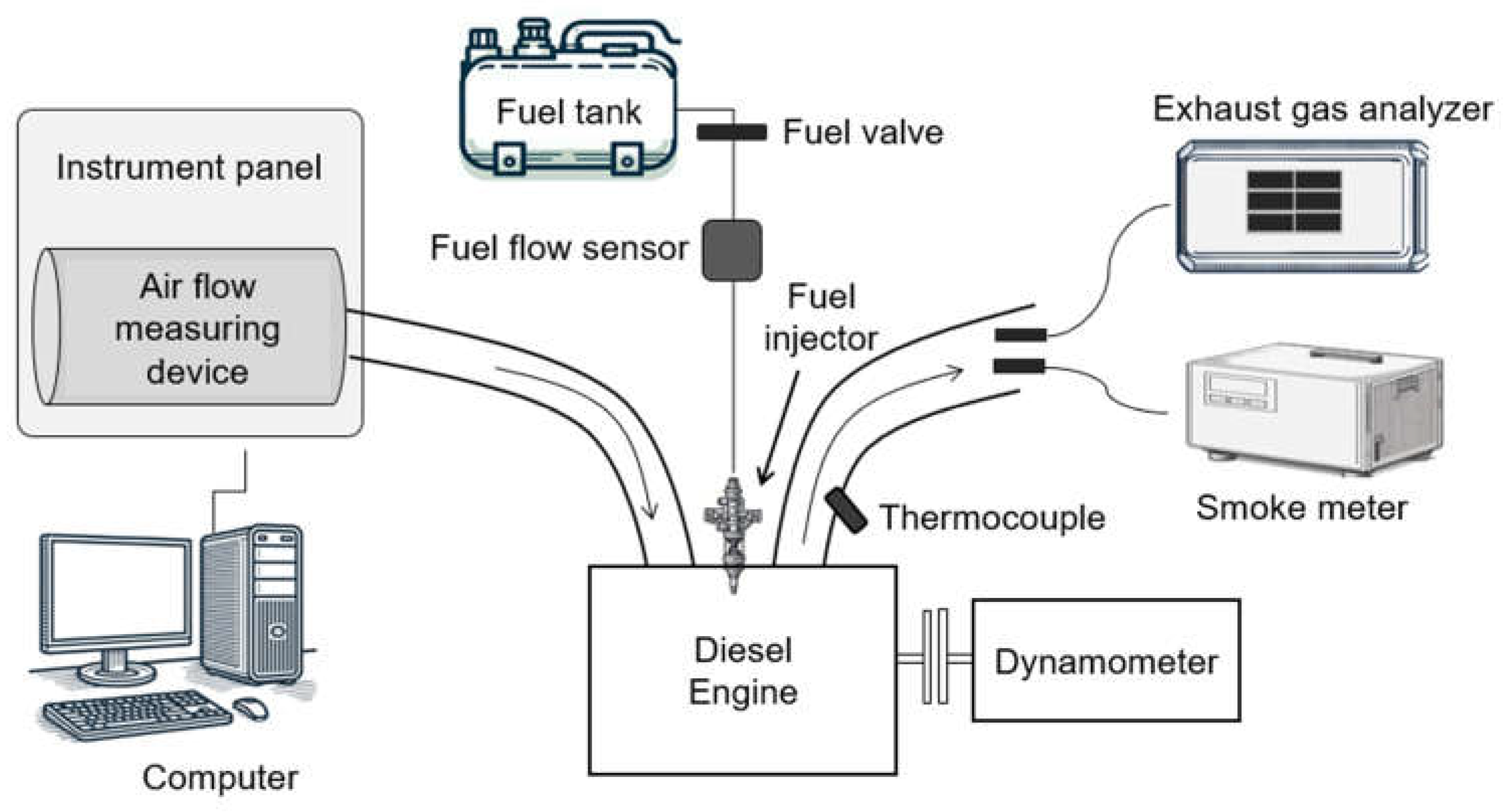
Figure 2.
Comparison of brake torque with engine speed for test fuels.
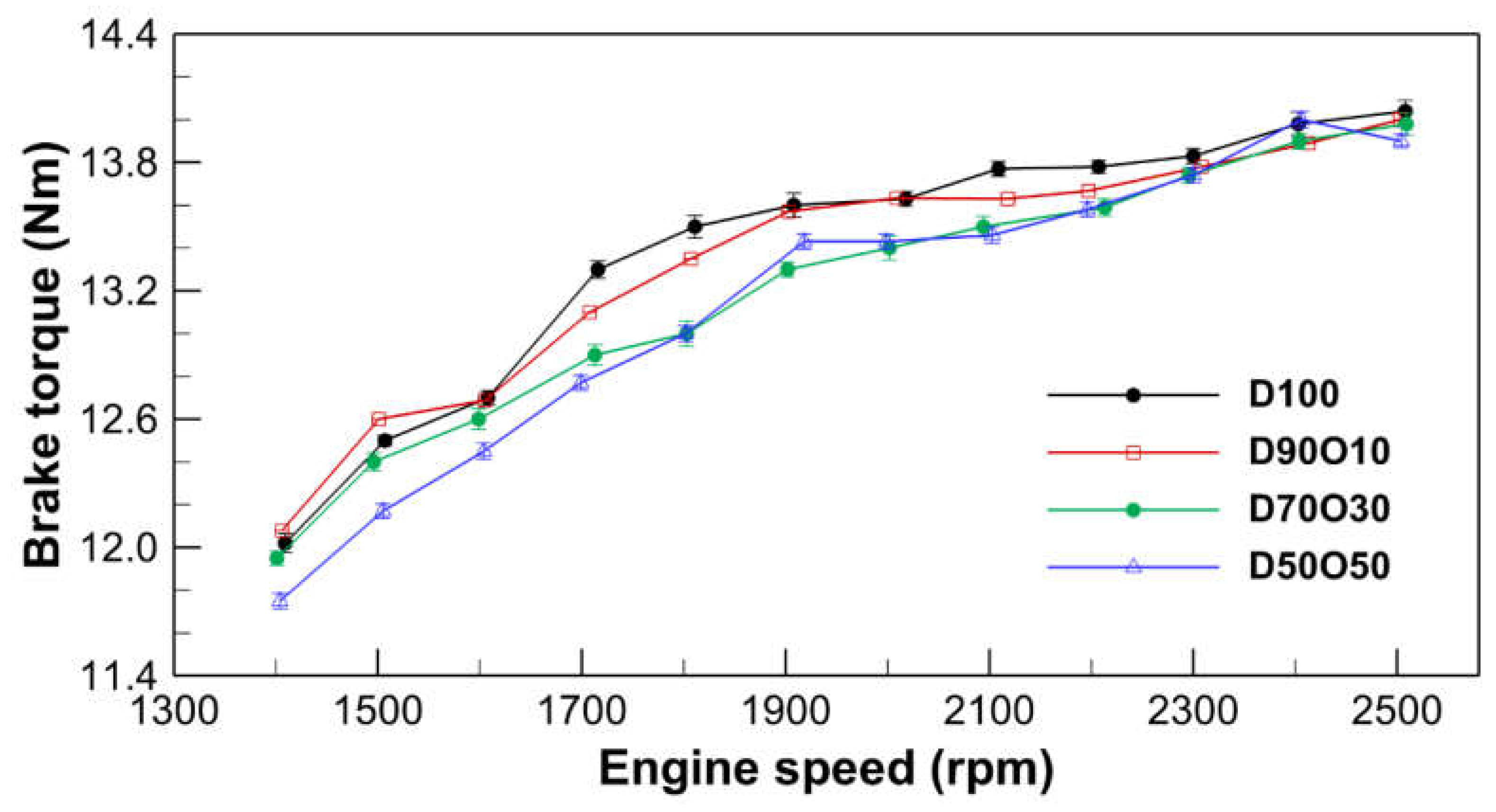
Figure 3.
Comparison of brake power with engine speed for test fuels.
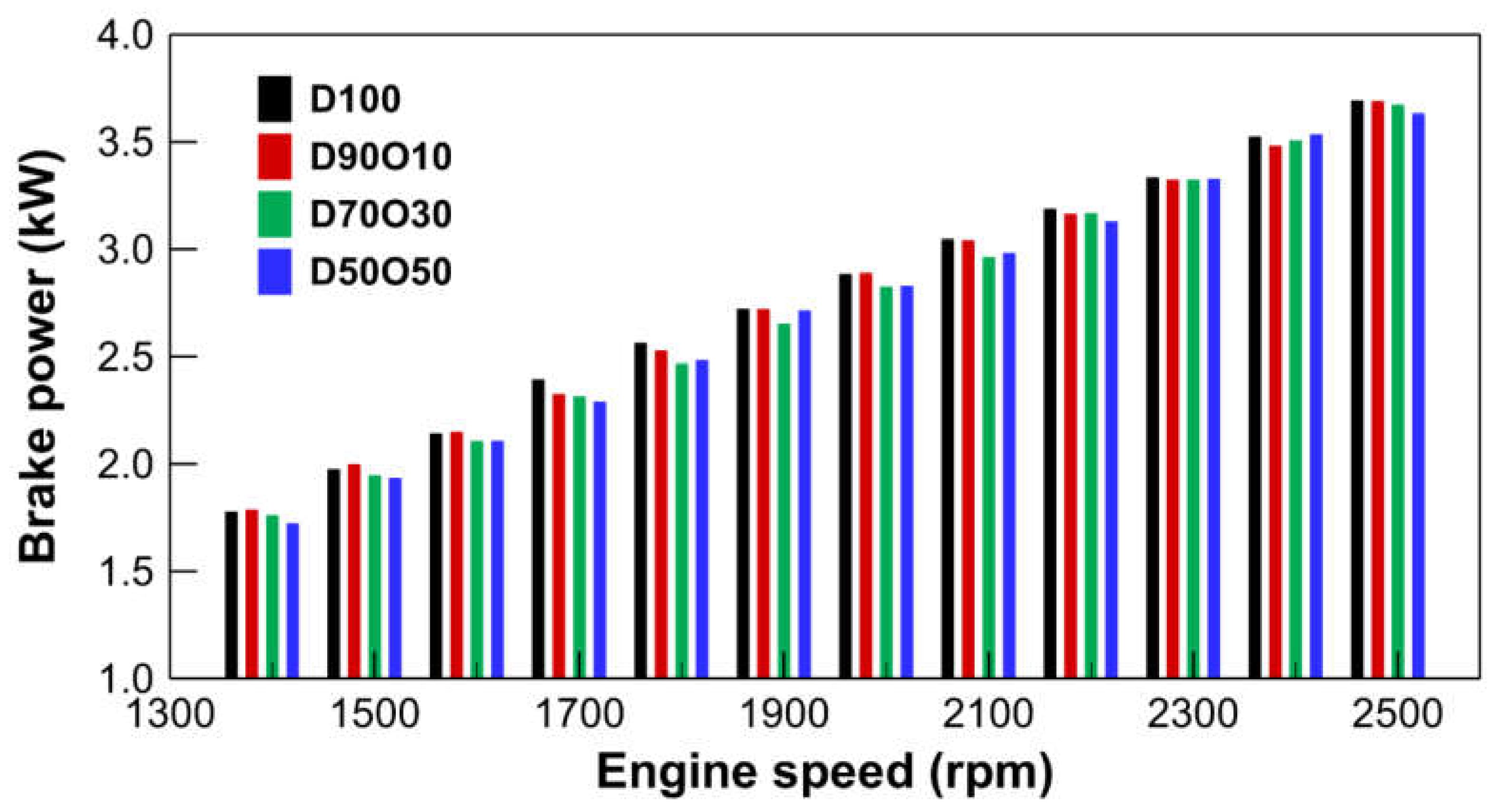
Figure 4.
Comparison of brake thermal efficiency with engine speed for test fuels.
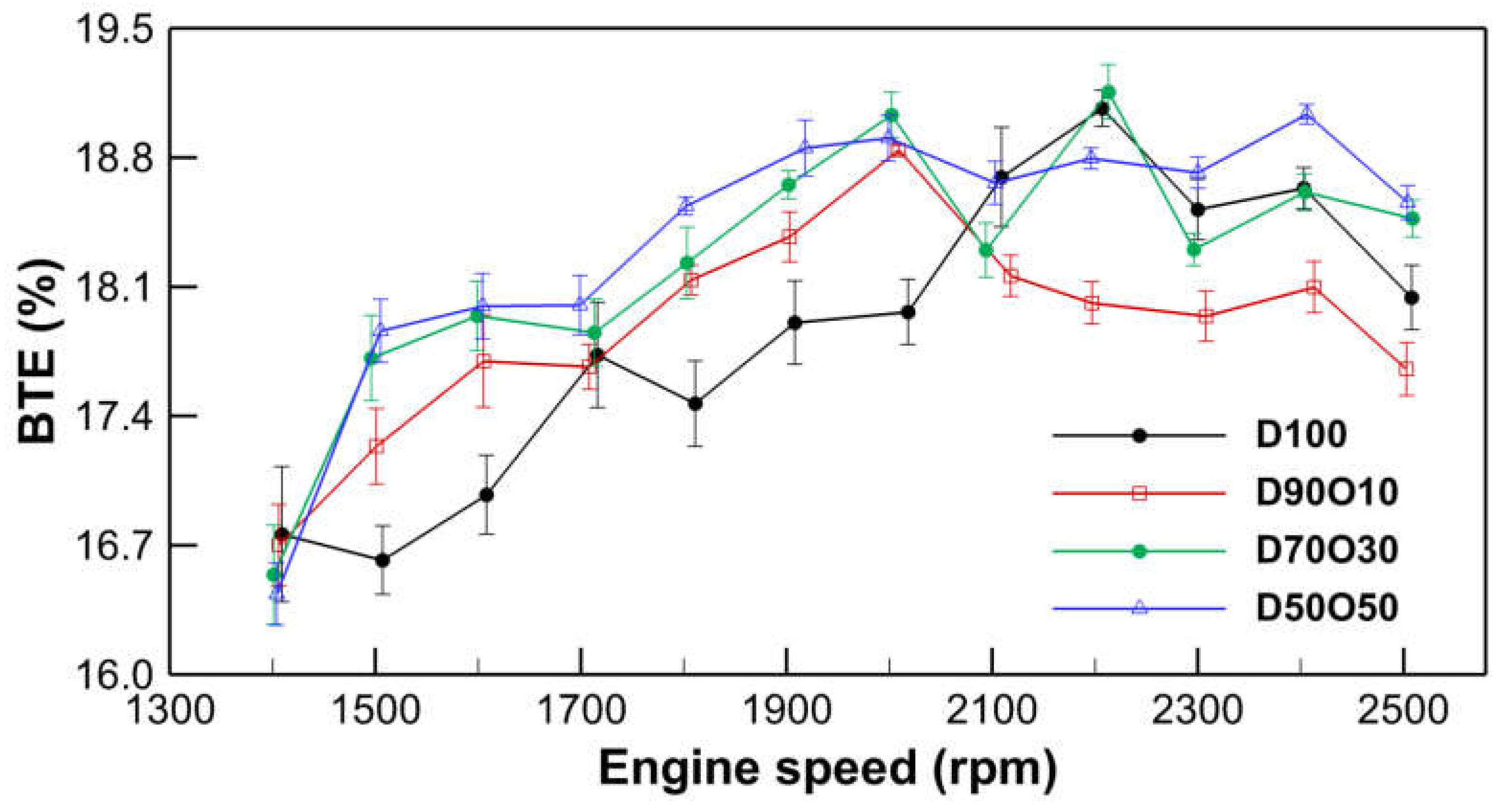
Figure 5.
Comparison of brake specific fuel consumption with engine speed for test fuels.
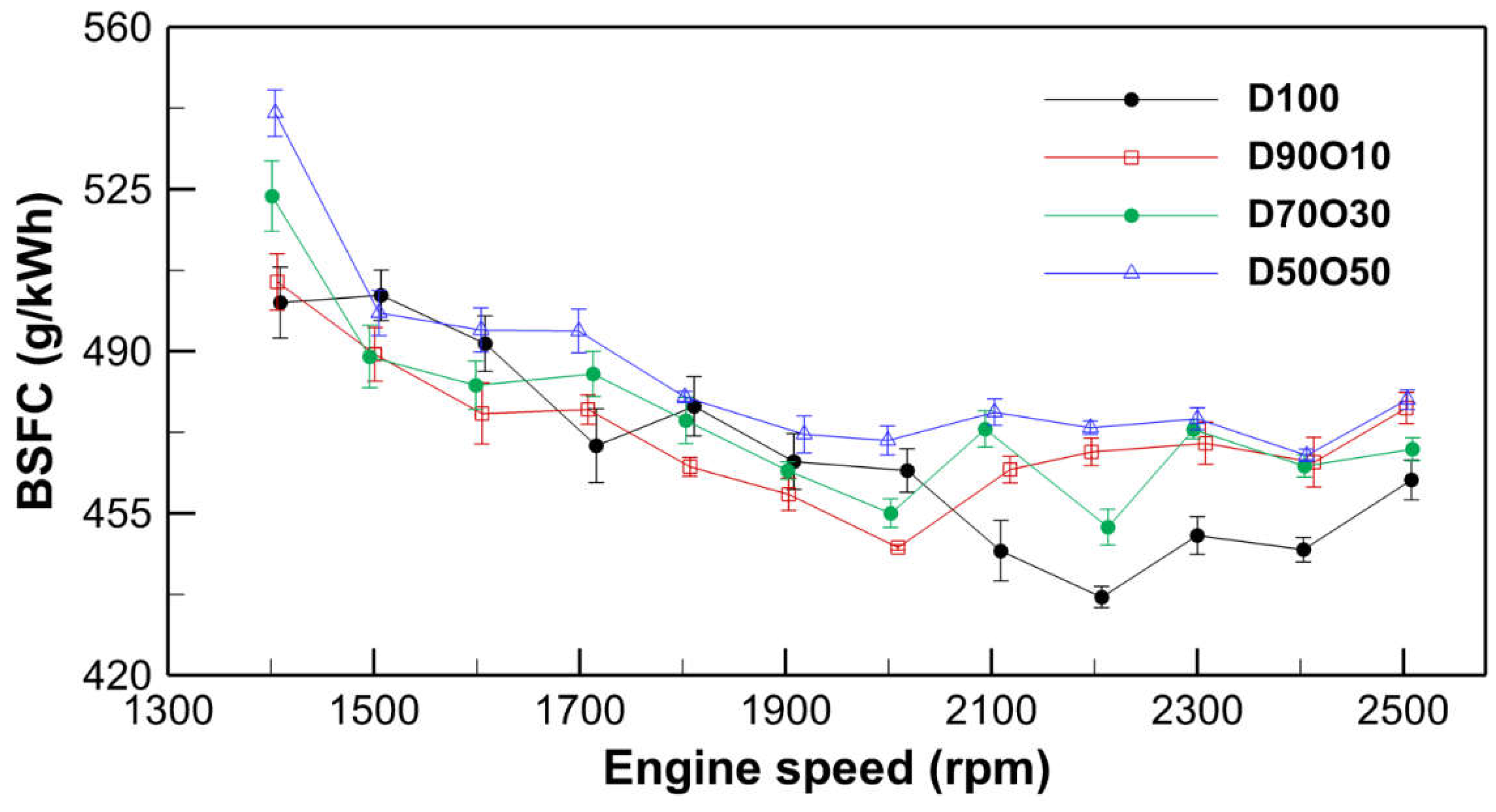
Figure 6.
Comparison of brake thermal efficiency with brake mean effective pressure at 1700 rpm.
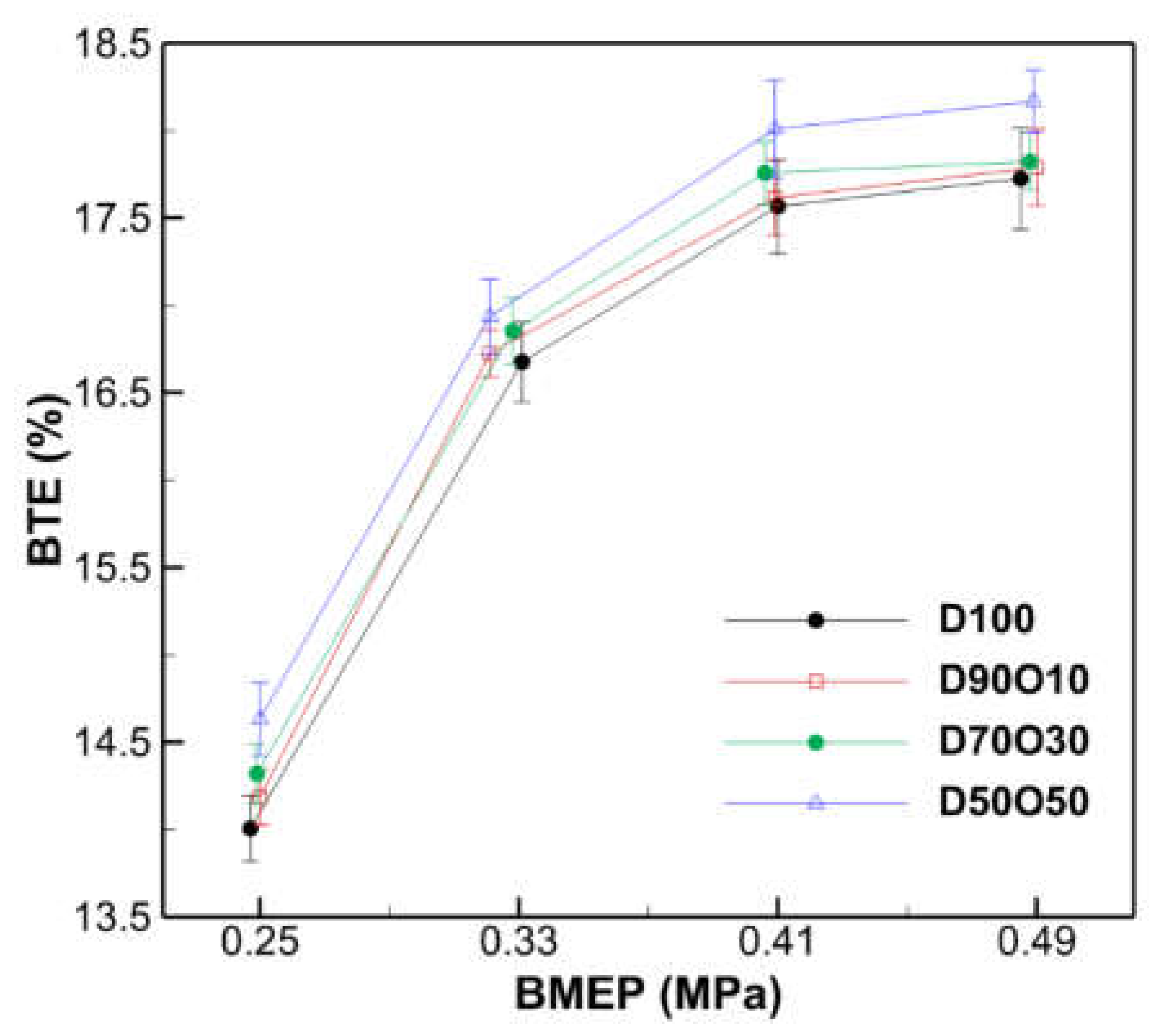
Figure 7.
Comparison of brake specific fuel consumption with brake mean effective pressure at 1700 rpm.
Figure 7.
Comparison of brake specific fuel consumption with brake mean effective pressure at 1700 rpm.
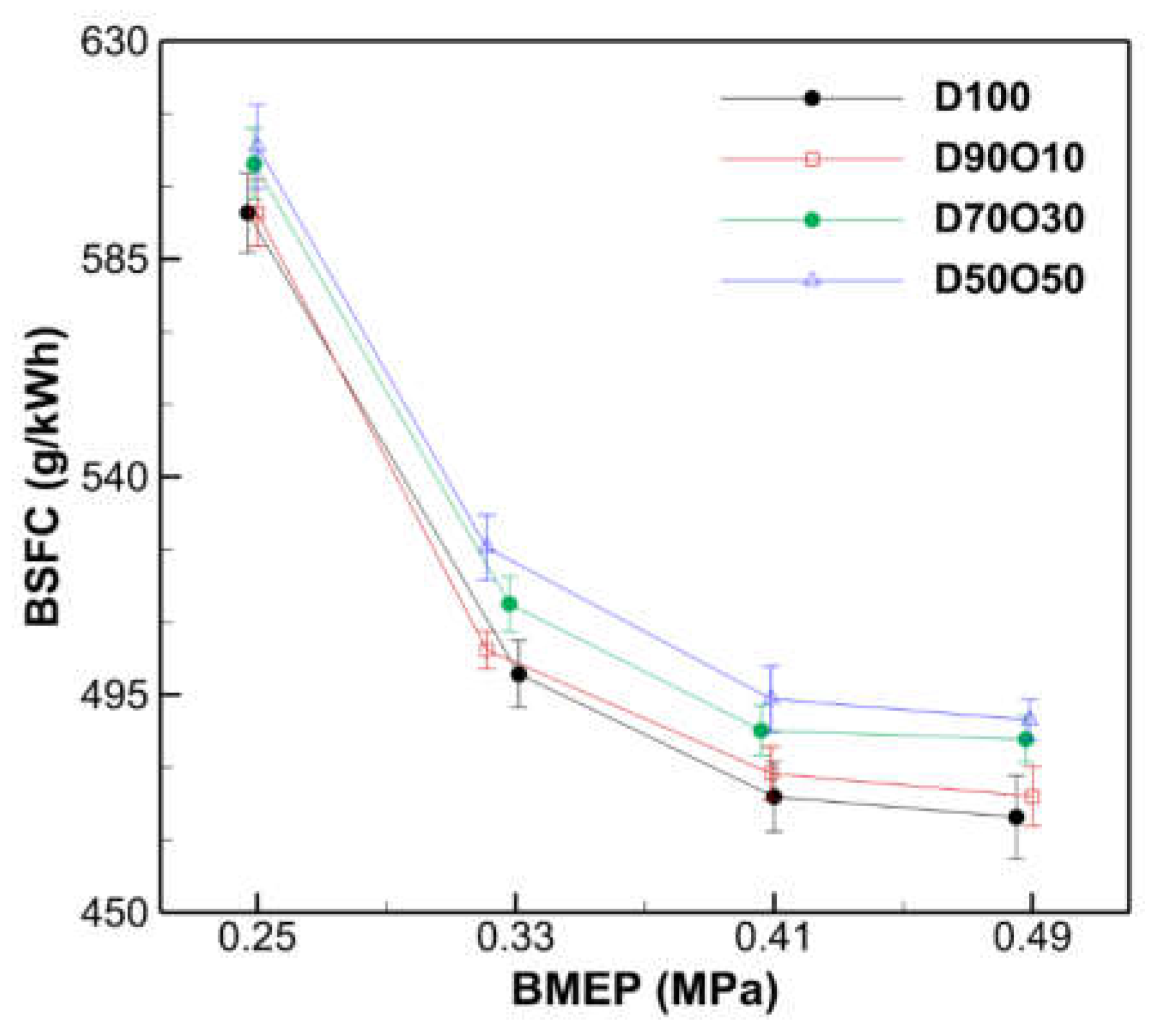
Figure 8.
Comparison of NOx emissions with brake mean effective pressure at 1700 rpm.
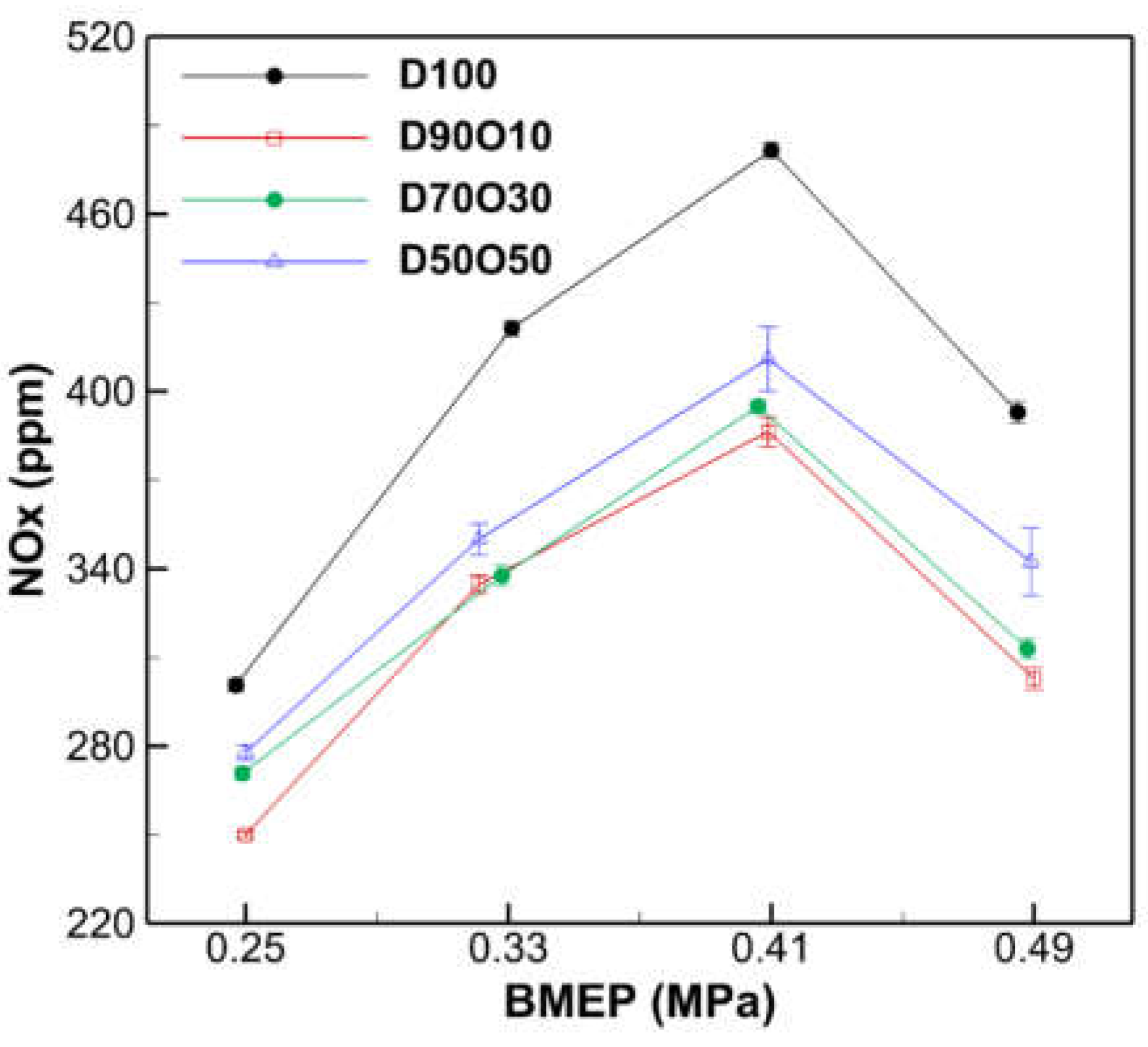
Figure 9.
Comparison of CO emissions with brake mean effective pressure at 1700 rpm.
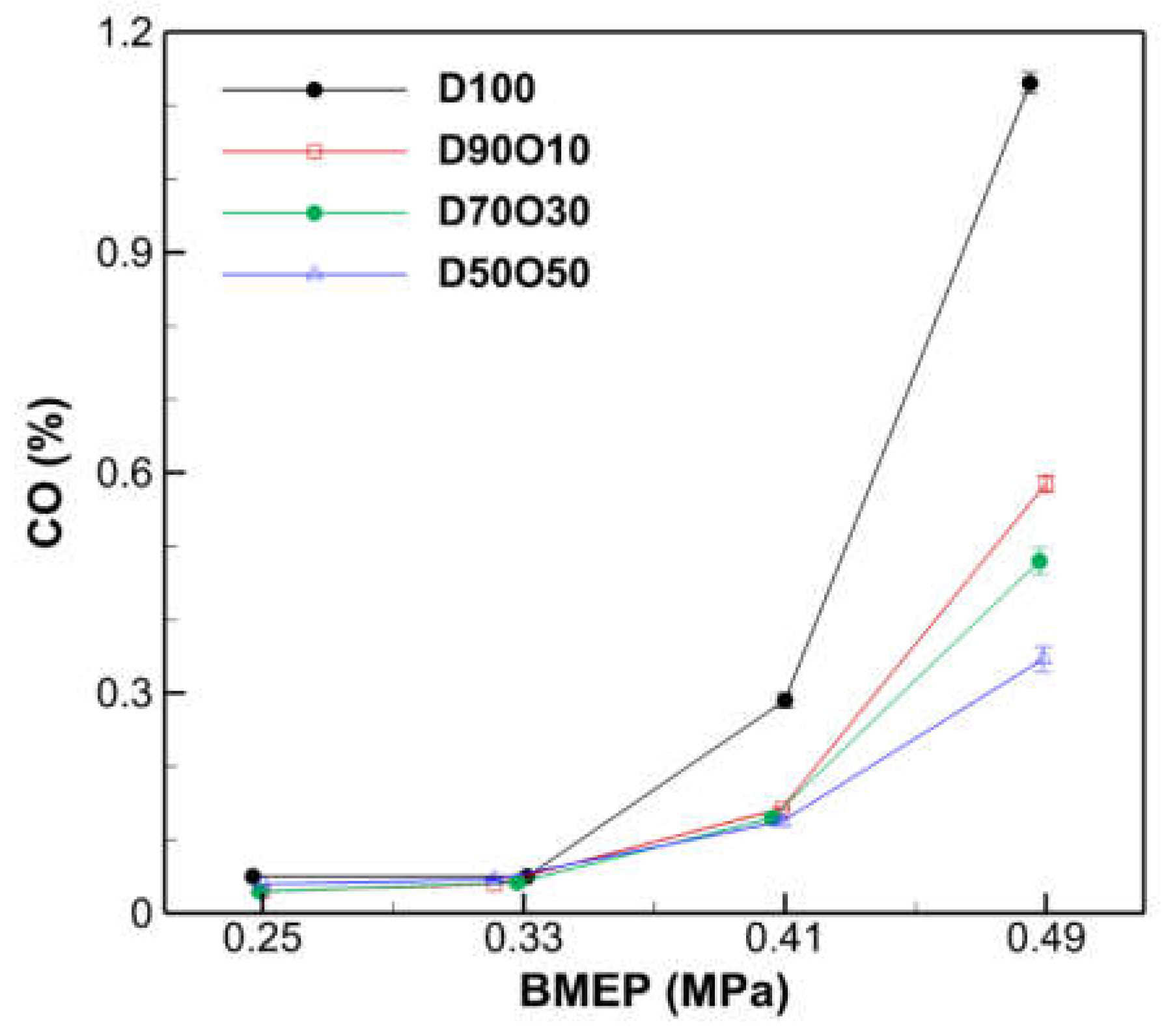
Figure 10.
Comparison of HC emissions with brake mean effective pressure at 1700 rpm.
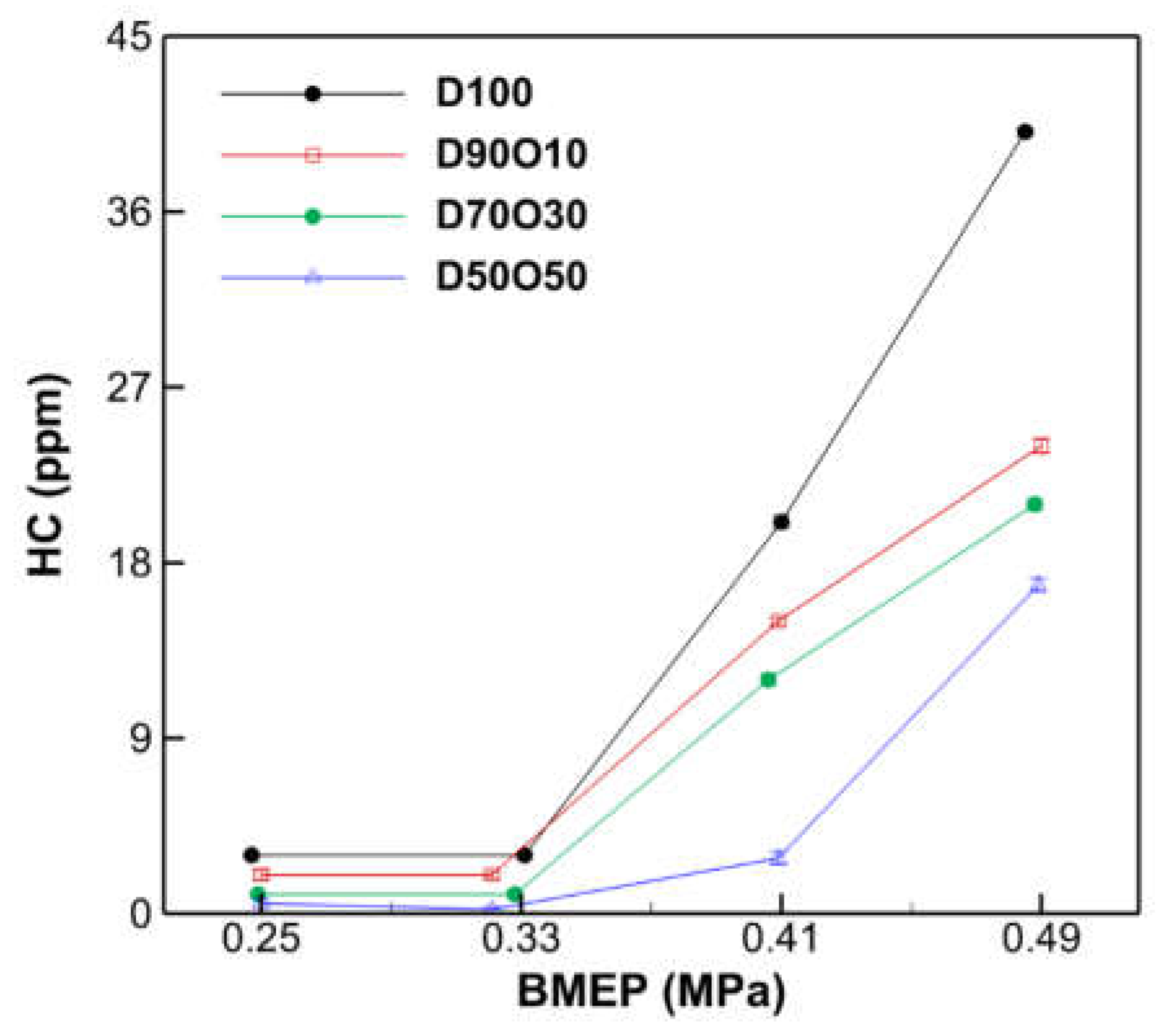
Figure 11.
Comparison of smoke opacity with brake mean effective pressure at 1700 rpm.
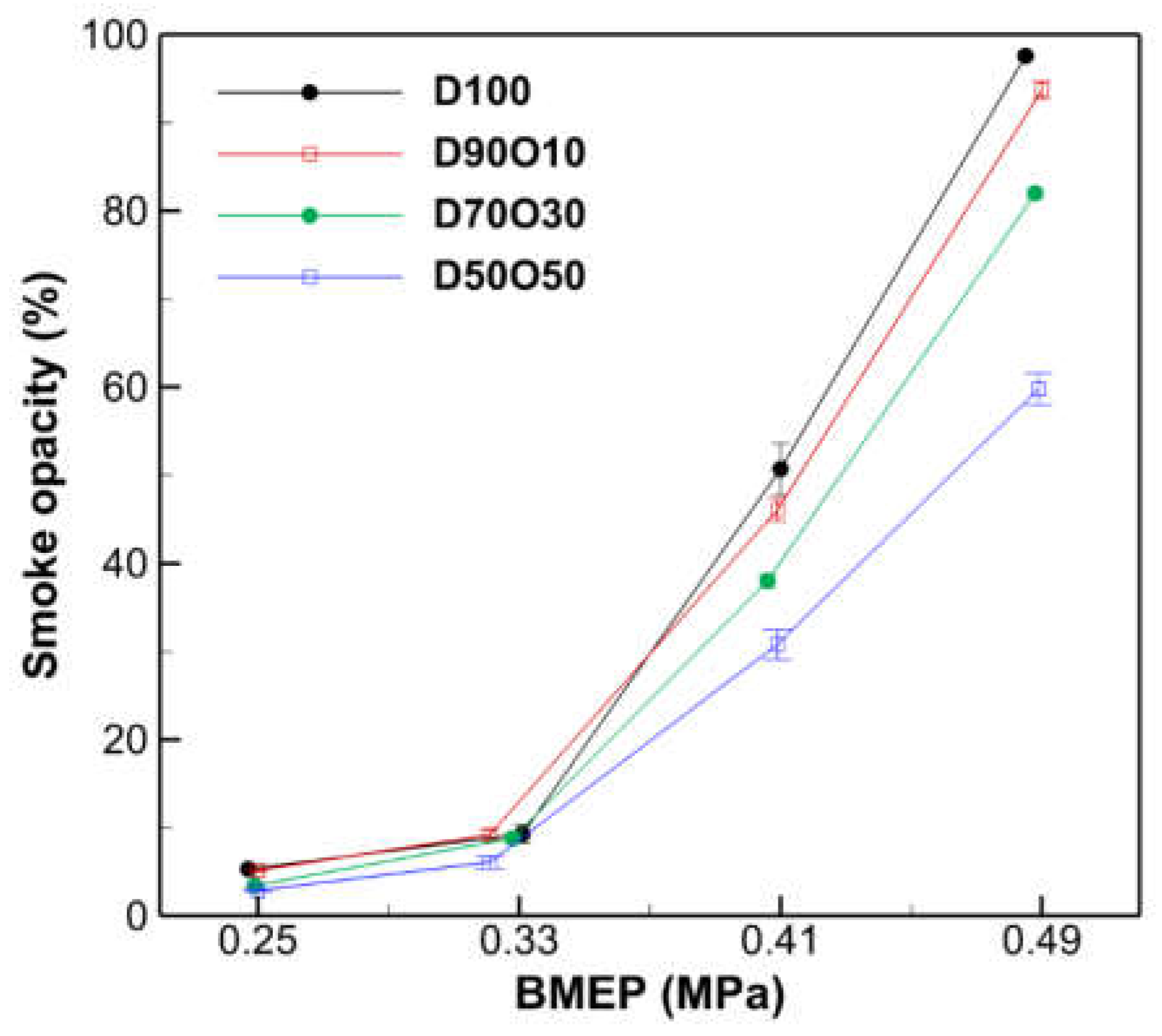

Table 1.
Specifications of the test engine.
| Parameter | Specifications |
|---|---|
| Model | MITSUKI MIT-178F |
| Number of cylinders | 1 |
| Ignition | Compression ignition |
| Injection type | Direct injection |
| Injector nozzle | Hole type |
| Cooling system | Air-cooled |
| Rated power | 5.22 kW @ 3000 rpm |
| Swept volume | 298.6 cm3 |
| Bore | 78 mm |
| Stroke | 62.5 mm |
| Compression ratio | 21 |
| Lubrication oil | SAE 5W-30 API CF |
Table 2.
Technical specifications of the gas analyzer and smoke meter.
| Emissions | Range | Accuracy | Resolution |
|---|---|---|---|
| NOx | 0-5000 ppm | ±15 ppm | 1 ppm |
| CO | 0-10% | ±0.02% | 0.01% |
| HC | 0-9999 ppm | ±20 ppm | 1 ppm |
| Smoke | 0-100% | ±1% | 0.1% |
Table 3.
Fuel properties.
| Properties | Diesel | n-octanol |
|---|---|---|
| Lower heating value (MJ/kg) | 42.9 | 37.6 |
| Latent heat of vaporization (MJ/kg) | 0.27 | 0.55 |
| Cetane number | >52 | 37 |
| Self-ignition temperature (℃) | 260 | 253 |
| Density (kg/m3) | 840 | 820 |
| Kinematic viscosity at 20℃ (mm2/s) | 3.4 | 10.2 |
| Oxygen (wt.%) | 0 | 12.3 |
| Stoichiometric air-fuel ratio (AFR) | 14.9 | 12.7 |
Table 4.
Air-fuel ratios at 1700 rpm for test fuels.
| BMEP | AFRD100 | AFRD90O10 | AFRD70O30 | AFRD50O50 |
|---|---|---|---|---|
| 0.247 | 23.0 | 21.6 | 21.4 | 21.6 |
| 0.330 | 20.3 | 19.4 | 19.0 | 19.6 |
| 0.412 | 17.2 | 16.3 | 15.8 | 15.9 |
| 0.494 | 14.5 | 13.7 | 13.6 | 13.8 |
Disclaimer/Publisher’s Note: The statements, opinions and data contained in all publications are solely those of the individual author(s) and contributor(s) and not of MDPI and/or the editor(s). MDPI and/or the editor(s) disclaim responsibility for any injury to people or property resulting from any ideas, methods, instructions or products referred to in the content. |
© 2024 by the authors. Licensee MDPI, Basel, Switzerland. This article is an open access article distributed under the terms and conditions of the Creative Commons Attribution (CC BY) license (http://creativecommons.org/licenses/by/4.0/).
Copyright: This open access article is published under a Creative Commons CC BY 4.0 license, which permit the free download, distribution, and reuse, provided that the author and preprint are cited in any reuse.


