
Submitted:
31 March 2024
Posted:
02 April 2024
You are already at the latest version
Abstract
This study explores the complexities involved in the extraction and purification of catechins, prominent bioactive compounds found in plant extracts and tea. It addresses challenges arising from the intricate molecular structure of catechins and their inherent variability across botanical sources. Despite these obstacles, catechins present significant potential, particularly in healthcare. Their potent antioxidant properties have been extensively investigated and associated with numerous health benefits, positioning them as promising therapeutic agents for combating chronic diseases. Furthermore, catechins have diverse applications across various industries, including food and beverage, cosmetics, agriculture, and materials science. This abstract emphasizes the importance of continued research and innovation in catechin extraction and utilization, which hold promise for advancing human health and technological progress across multiple domains.
Keywords:
catechins
; HPLC
; extraction methods
; purification
; tea polyphenols
1. Introduction
Catechins, a class of polyphenolic compounds predominantly found in tea, particularly green tea, have garnered substantial scientific interest in recent years owing to their diverse physiological effects and potential therapeutic applications [1]. These bioactive molecules, characterized by their antioxidant properties, are part of the flavonoid family and are present in various plant-based foods like cocoa, berries, and apples. Catechins’ chemical structure, comprising two benzene rings linked by a dihydropyran heterocycle, enables them to scavenge free radicals and reactive oxygen species, thus mitigating oxidative stress and its associated health risks [2].
Green tea emerges as a prominent dietary source of catechins (Figure 1), notably containing epigallocatechin gallate (EGCG), the most abundant and biologically active catechin. Epicatechin (EC), epicatechin gallate (ECG), and epigallocatechin (EGC) are among the other catechins present in green tea, albeit in varying concentrations influenced by factors such as tea variety, processing techniques, and brewing methods. While green tea boasts higher catechin levels compared to other tea variants like black or oolong tea, the fermentation process involved in their production may lead to catechin degradation [3,4,5].
Numerous studies have unveiled a myriad of potential health benefits associated with catechins consumption, particularly in cardiovascular health enhancement. Catechins have been shown to ameliorate blood vessel function, reduce blood pressure, and lower cholesterol levels, collectively mitigating the risk of cardiovascular diseases. Additionally, catechins’ anti-inflammatory properties render them beneficial in modulating immune responses and alleviating inflammatory conditions such as arthritis and inflammatory bowel disease [6,7].
2. Materials and Methods
A thorough exploration of electronic databases including PubMed, Scopus, Web of Science, and Google Scholar was conducted to identify pertinent studies. The search utilized keywords such as “catechins,” “flavonoids,” “green tea,” “health benefits,” “isolation,” and “separation.” This search strategy aimed to encompass articles, reviews, and meta-analyses focusing on catechins’ physiological effects, mechanisms of action, and therapeutic potential.
Studies meeting the following criteria were included: discussion of methods for catechins’ isolation and purification. Only articles written in English and published in peer-reviewed journals were considered. Both preclinical and clinical studies were incorporated to provide a comprehensive overview. No limitations were set on the publication date to encompass a wide range of research findings. More than 100 articles were found, however, we selected only 35 that contained all the information for the present study.
Relevant data, including study design, participant characteristics, intervention details, outcomes measured, and key findings, were extracted from eligible studies. These data were synthesized to offer an overview of catechins’ physiological effects, therapeutic potential, and methods for their isolation and purification from plant extracts.
Descriptive analysis was employed to synthesize the findings of included studies, with a focus on studies about the extraction and separation of catechins from different plant extracts. Through qualitative synthesis, key themes and trends were identified. Where applicable, quantitative data were summarized using tables, figures, and narrative synthesis. The synthesized findings were presented to provide insights into the current understanding of catechins and to guide future research and clinical applications.
3. Results
Tea contains a multitude of polyphenols, with varying compositions. Besides the usual major types, there exist numerous trace and unidentified polyphenols in tea. Consequently, it is imperative to discuss analytical methods for tea polyphenol compounds based on specific analytical needs. The determination of tea polyphenols can be categorized into two groups based on different requirements: total polyphenols and individual polyphenols in tea. As depicted in Figure 2, methods for analyzing total tea polyphenols encompass titration, spectrophotometry, near-infrared spectroscopy, electrochemical techniques, etc. Among these, spectrophotometry stands out as the most commonly utilized, often following international standard protocols.
Separating catechins (Figure 3) from plant extracts provides numerous advantages in both research and industrial applications. Firstly, isolating catechins allows for a more focused investigation into their specific health benefits and mechanisms of action [8].
Obtaining pure catechin compounds enables researchers to conduct controlled experiments, elucidating the effects of individual catechins on various physiological processes, such as antioxidant activity, anti-inflammatory properties, and anticancer effects. This targeted approach deepens our understanding of catechins’ therapeutic potential and facilitates the development of more effective treatments for diseases ranging from cardiovascular disorders to neurodegenerative conditions [10].
Secondly, the isolation of catechins from plant extracts enhances their bioavailability and potency, leading to improved efficacy in therapeutic applications. Extracting and purifying catechins from plant sources eliminates unwanted compounds and impurities, thereby increasing the concentration of active ingredients in the final product. This purification process ensures that catechins reach their target tissues and exert their beneficial effects more efficiently [11,12]. Various techniques can be employed to separate catechins from plant extracts, including solvent extraction, chromatography (such as HPLC), and membrane filtration. These methods allow for the precise isolation and purification of catechins while minimizing degradation and preserving their bioactivity. Additionally, advancements in technology have led to the development of more efficient and cost-effective processes for catechin separation, paving the way for their widespread use in pharmaceuticals, nutraceuticals, and functional foods [13,14,15].
The anticancer potential of catechins, particularly EGCG, has been extensively investigated, with evidence suggesting their ability to inhibit cancer cell proliferation, induce apoptosis, and impede angiogenesis. Furthermore, catechins’ metabolic effects, including enhanced fat oxidation and improved insulin sensitivity, hold promise in weight management and type 2 diabetes prevention and management [16,17].
Catechins’ neuroprotective effects have also garnered attention, with research indicating their ability to protect neurons from oxidative stress and neurotoxicity, potentially mitigating the risk of neurodegenerative diseases like Alzheimer’s and Parkinson’s. Moreover, catechins may support cognitive function through their interactions with neurotransmitter systems and neuroplasticity mechanisms [18,19,20].
Catechins represent a class of bioactive compounds with diverse health-promoting properties, offering potential therapeutic avenues for various diseases. This review aims to comprehensively explore the physiological effects, mechanisms of action, and therapeutic potential of catechins, shedding light on their significance in promoting overall health and well-being [21]. Despite promising findings from preclinical studies, further research, particularly clinical trials, is warranted to elucidate catechins’ efficacy, optimal dosages, and long-term effects in human populations [22].
Separating and purifying catechins from plant matter and tea involves a range of methods aimed at efficiently isolating these bioactive compounds. One commonly used technique is solvent extraction, where the plant material or tea leaves are immersed in a suitable solvent, such as ethanol or water, to dissolve the catechins. Afterward, the solvent is evaporated, leaving a concentrated extract containing catechins, which can then undergo further purification steps [23,24].
Another method is chromatography, which includes various techniques such as column chromatography, high-performance liquid chromatography (HPLC), Figure 3, and thin-layer chromatography (TLC). These methods rely on the different affinities of catechins for the stationary and mobile phases, enabling the separation of catechins based on their molecular properties. HPLC, renowned for its high resolution and sensitivity, is commonly utilized for precise quantification and purification of catechins from complex mixtures [25,26,27].
High-performance liquid chromatography (HPLC), Figure 4, is extensively utilized for the extraction and purification of catechins from plant extracts and tea due to its exceptional precision and adaptability. In the realm of catechin analysis, HPLC’s capability to meticulously separate individual catechin compounds from complex mixtures with extraordinary resolution is unparalleled [28]. This high resolution proves particularly crucial when dealing with intricate matrices like plant extracts and tea, where numerous compounds may coexist [29]. Through meticulous adjustment of parameters such as the mobile phase composition, stationary phase type, and flow rate, HPLC enables the selective separation of catechins based on their distinct molecular properties, including size, polarity, and charge. Consequently, researchers can accurately identify and quantify individual catechins present in the sample, facilitating comprehensive analyses of their concentration levels and distribution patterns [30].
HPLC exhibits remarkable sensitivity, allowing for the detection and quantification of catechins even at extremely low concentrations. This attribute is essential for assessing catechins’ pharmacokinetics and bioavailability in biological samples, as well as for detecting trace amounts of these bioactive compounds in plant extracts and tea. By employing various detection methods such as ultraviolet (UV) or fluorescence detection, HPLC enhances sensitivity and selectivity in catechin analysis [31]. UV detection, widely utilized due to its simplicity and broad applicability, provides robust detection of catechins based on their characteristic absorption spectra. Conversely, fluorescence detection enhances sensitivity and specificity for specific catechins, enabling more refined analyses of complex samples. This combination of high sensitivity, resolution, and compatibility with diverse detection methods underscores HPLC’s pivotal role in unraveling the intricacies of catechin chemistry and facilitating advancements in research and industry applications [32].
On the other hand, liquid chromatography (Figure 5) emerges as the predominant method for both qualitative and quantitative analysis of individual polyphenols in tea. Different liquid chromatography techniques offer unique benefits and drawbacks. While High Performance Liquid Chromatography (HPLC) provides high resolution and versatility it demands expensive equipment and expertise.
Nowadays, hyphenated techniques coupled with mass spectrometry (LC-MS/MS) remain the most used methods for the identification of known and unknown compounds in vegetal material. Depending on the capacity of the system, the precision of the chemical identification allows researchers to explore both targeted and untargeted screening.
Membrane filtration techniques like ultrafiltration and nanofiltration can be employed to separate catechins based on their molecular size and charge. These methods use semipermeable membranes to selectively retain catechins while allowing smaller molecules to pass through. Membrane filtration offers advantages such as scalability, minimal solvent usage, and low energy consumption, making it suitable for large-scale catechin purification from plant extracts and tea [33,34].
Moreover, precipitation methods can isolate catechins from plant extracts and tea. Chemical agents like acids, bases, or salts are added to the extract to precipitate catechins, which can then be separated via filtration or centrifugation. Alternatively, protein precipitation methods such as trichloroacetic acid (TCA) precipitation can remove proteins and other impurities from the extract, leaving purified catechins [35].
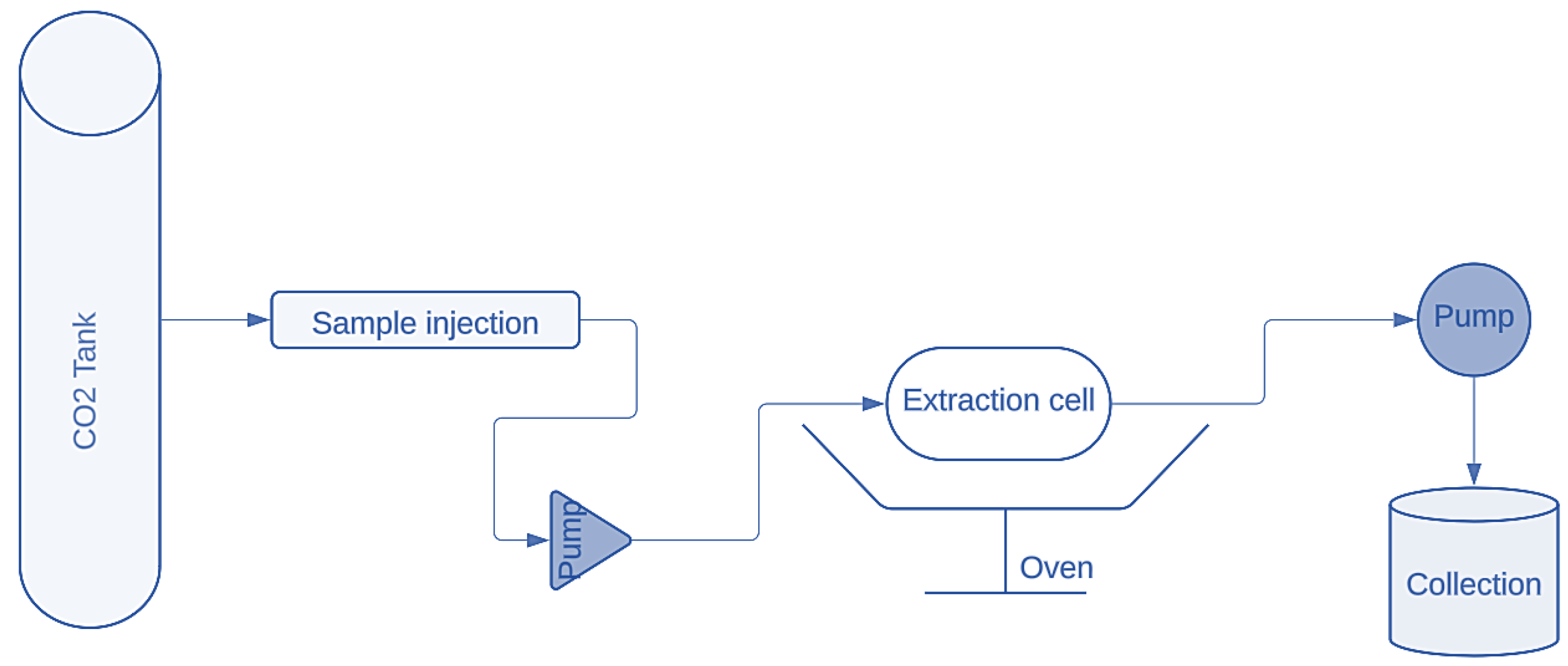
Supercritical fluid extraction (SFE), Figure 6, is another technique used to extract and purify catechins. In SFE, carbon dioxide acts as a solvent under supercritical conditions (high pressure and temperature), facilitating efficient catechin extraction while avoiding thermal degradation. SFE offers advantages like selectivity, minimal solvent residue, and environmental friendliness, making it appealing for catechin extraction and purification [36].
Solid-phase extraction (SPE) can isolate and purify catechins from plant extracts and tea. In SPE, a solid sorbent material with a specific affinity for catechins is packed into a column, and the extract is passed through under controlled conditions. Catechins selectively adsorb onto the sorbent material, while other components are eluted, resulting in purified catechins.
Furthermore, preparative chromatography allows large-scale purification of catechins using chromatographic techniques. Preparative chromatography systems equipped with columns and stationary phases enable the separation of catechins from complex mixtures with high purity and yield. This method is particularly useful for industrial-scale production of purified catechins for various applications [38].
Enzymatic hydrolysis can also release catechins from glycoside forms present in plant extracts and tea. Enzymes like β-glucosidase are added to catalyze the hydrolysis of glycosidic bonds, liberating free catechins. This method enhances catechins’ bioavailability and antioxidant activity [39].
Lastly, combining multiple separation and purification techniques can achieve optimal results. These approaches leverage the strengths of each method to overcome limitations and attain higher purity and yield of catechins from plant extracts and tea. By integrating techniques like solvent extraction, chromatography, membrane filtration, and enzymatic hydrolysis, researchers and manufacturers can tailor the purification process to meet specific requirements for catechin isolation and purification [40].
4. Discussion
Catechins, a subgroup of flavonoids, are widely dispersed among various plant-based foods and beverages. Green tea notably emerges as one of the most abundant dietary sources of catechins, prominently featuring epigallocatechin gallate (EGCG) as the primary and biologically active catechin. Other catechins present in green tea include epicatechin (EC), epicatechin gallate (ECG), and epigallocatechin (EGC). These catechins play pivotal roles in shaping the flavor profile and health-enhancing properties of green tea [41]. However, it’s crucial to recognize that the concentration of catechins in green tea may fluctuate depending on factors like tea variety, processing techniques, and brewing methods. Beyond green tea, catechins can also be found in other varieties of tea, albeit in diminished amounts. Black tea and oolong tea harbor catechins, although their levels are reduced due to the fermentation or oxidation processes involved in their production. Nevertheless, these teas still confer some health benefits attributed to catechins, albeit to a lesser extent than green tea [42].
Catechins extend beyond tea; they are also prevalent in various other plant-based foods. Cocoa and dark chocolate, for instance, are noteworthy sources of catechins, including catechin and epicatechin, contributing to their antioxidant prowess. Additionally, fruits such as berries (e.g., strawberries, blueberries, raspberries) and apples contain catechins, albeit in smaller amounts compared to tea and cocoa. These foods offer a diverse assortment of flavonoids, including catechins, which contribute to their potential health benefits [43].
Furthermore, some nuts, seeds, and legumes also contain catechins, albeit in lesser quantities compared to tea and specific fruits. For example, almonds, peanuts, and pecans contain catechins, bolstering their antioxidant capacity and potential health effects. Additionally, certain herbs and spices, such as cinnamon, thyme, and cloves, contain varying levels of catechins, expanding the spectrum of dietary sources of these bioactive compounds [44].
The extraction of catechins presents formidable challenges due to their intricate molecular structure and coexistence with other compounds in plant extracts and tea. A significant hurdle lies in the variability of catechin content among diverse plant species and tea varieties, as well as within different parts of the same plant. This variability mandates precise extraction and purification techniques to ensure consistent and dependable results. Catechins are prone to degradation during extraction processes, particularly when exposed to high temperatures or prolonged exposure to light and oxygen. Hence, maintaining optimal extraction conditions is paramount to preserve catechin integrity and ensure the accuracy of results obtained [45].
Despite these challenges, the extraction and purification of catechins offer myriad advantages and hold immense promise across various fields. Notably, their robust antioxidant activity stands out as a key advantage, extensively studied and proven to confer numerous health benefits. Catechins boast potent free radical-scavenging properties, aiding in the reduction of oxidative stress and inflammation, thereby potentially mitigating the risk of chronic diseases such as cardiovascular diseases, cancer, and neurodegenerative disorders. Moreover, catechins exhibit the ability to modulate various cellular signaling pathways implicated in cell proliferation, apoptosis, and inflammation, underscoring their potential as therapeutic agents for addressing a broad spectrum of ailments [46].
Some concerns arose in the last recent years referring to the use of catechins in concentrated forms (additional use of food supplements rich in catechins) which may cause liver problems if daily doses are at least 800 mg or more. However, EFSA studies confirmed that natural and dietary sources with catechins are safe and in rational consumption should not pose any health threats [47].
Furthermore, the isolated catechin compounds have found applications beyond the realm of healthcare, permeating diverse sectors. In the food and beverage industry, catechins serve as natural antioxidants and preservatives, prolonging the shelf life of products and preventing lipid oxidation, thereby upholding product quality and freshness. They are also incorporated into functional foods (especially fortified meat preparations) and dietary supplements to augment their nutritional value and health-promoting attributes. In the realm of cosmetics and skincare, catechins are esteemed for their anti-aging and skin-protective effects, combatting oxidative stress and UV-induced damage to promote skin health and vitality. Moreover, in the agricultural domain, catechins have piqued interest for their potential as natural pesticides and insecticides, offering eco-friendly alternatives to synthetic chemicals. Leveraging catechins’ insecticidal and antimicrobial properties, researchers explore their efficacy in controlling pests and pathogens in crops, while minimizing environmental impact. Catechins hold promise in materials science and nanotechnology, as they are investigated for their role in developing bioactive coatings, films, and nanoparticles with applications in drug delivery, tissue engineering, and environmental remediation [48].
5. Conclusions
In conclusion, while the extraction and purification of catechins present formidable challenges due to their intricate molecular structure and variable content across plant sources, overcoming these hurdles offers substantial benefits and holds significant potential across various domains. Catechins’ robust antioxidant properties, extensively validated through scientific investigation, position them as promising candidates for therapeutic interventions against chronic diseases. Furthermore, the versatile applications of catechins extend beyond healthcare, spanning industries such as food and beverage, cosmetics, agriculture, and materials science. Their adaptability and diverse benefits underscore their crucial role in advancing human health and technological innovation. Consequently, ongoing scholarly inquiry and innovative efforts in catechin research are poised to yield further insights and advancements, fostering expanded utilization and enhanced impact across multifaceted fields.
Author Contributions
Conceptualization, M.H., O.C., I.I.L.; methodology, M.H.; software, F.C.; validation, O.C., I.I.L. and M.H.; formal analysis, I.M-B.; investigation, S.R.; resources, I.I.L.; data curation, I.M-B.; writing—original draft preparation, I.I.L.; writing—review and editing, O.C.; visualization, S.R.; supervision, M.H.; project administration, M.H. All authors have read and agreed to the published version of the manuscript.
Conflicts of Interest
The authors declare no conflicts of interest.
References
- Arts, I. C., & Hollman, P. C. Polyphenols and disease risk in epidemiologic studies. The American Journal of Clinical Nutrition 2005, 81(1), 317S-325S. [CrossRef]
- Balentine, D. A., Wiseman, S. A., & Bouwens, L. C. The chemistry of tea flavonoids. Critical Reviews in Food Science and Nutrition 1997, 37(8), 693-704. [CrossRef]
- Cabrera, C., Artacho, R., & Giménez, R. Beneficial effects of green tea—a review. Journal of the American College of Nutrition 2006, 25(2), 79-99. [CrossRef]
- Chowdhury, P., & Barooah, M. Tea Catechins: Beneficial Perspectives in Medicine, Food, and Cosmetics—A Review. Comprehensive Reviews in Food Science and Food Safety 2021, 20(2), 1334-1358.
- Chowdhury, P., & Barooah, M. Production and application of tea polyphenols: Present scenario and future perspectives. Food Research International 2021, 140, 110053.
- Chu, K. O., & Wang, C. C. Recent progress of natural products from traditional Chinese medicine in cancer drug discovery. European Journal of Medicinal Chemistry 2020, 204, 112595.
- Daglia, M. Polyphenols as antimicrobial agents. Current Opinion in Biotechnology 2012, 23(2), 174-181. [CrossRef]
- Lungu, I., Huzum, B., Humulescu, I. A., Cioanca, O., Morariu, D., Șerban, I. L., & Hancianu, M. Flavonoids as promising therapeutic and dietary agents. The Medical-Surgical Journal 2020, 124(1), 151-156.
- . Choung, M. G., Hwang, Y. S., Lee, M. S., Lee, J., Kang, S. T., & Jun, T. H. Comparison of extraction and isolation efficiency of catechins and caffeine from green tea leaves using different solvent systems. International journal of food science & technology 2014, 49(6), 1572-1578. [CrossRef]
- Dong, P., & Zhang, Y. Study on extraction of tea polyphenols from tea by ultrasonic method. Food Science and Technology 2018, 43(3), 62-65.
- Fraga, C. G., Galleano, M., Verstraeten, S. V., & Oteiza, P. I. Basic biochemical mechanisms behind the health benefits of polyphenols. Molecular aspects of medicine 2010, 31(6), 435-445. [CrossRef]
- Friedman, M. Anticarcinogenic, cardioprotective, and other health benefits of tomato compounds lycopene, α-tomatine, and tomatidine in pure form and in fresh and processed tomatoes. Journal of Agricultural and Food Chemistry 2014, 62(36), 9485-9502. [CrossRef]
- García-Ruiz, A., Baig, M. N., & Rodríguez-Pérez, C. Optimization of the ultrasound-assisted extraction of catechins from green tea using green solvents. Molecules 2018, 23(7), 1687.
- Hollman, P. C., & Katan, M. B. Health effects and bioavailability of dietary flavonols. Free Radical Research 1999, 31(s1), S75-S80. [CrossRef]
- Jabeen, A., & Hussain, S. Green tea (Camellia sinensis) polyphenols: Nutraceutical perspectives. Food Science and Technology International 2017, 23(7), 555-567.
- Lungu I. L., Batir-Marin D., Panainte A., Mircea C. , Tuchilus C., Stefanache A., Szasz F. A., Grigorie D., Robu S., Cioanca O., Hancianu M., Catechin-Zinc-Complex: Synthesis, Characterization and Biological Activity Assessment. Farmacia 2023, 71(4).
- Jeon, J. H., Lim, D. W., Lee, J. W., & Kim, Y. T. Antioxidant and anti-inflammatory activities of selected medicinal plants and fungi containing phenolic and flavonoid compounds. Korean Journal of Physiology and Pharmacology 2018, 22(3), 227-236.
- Katiyar, S. K., & Agarwal, R. Green tea prevents non-melanoma skin cancer by enhancing DNA repair. Archives of Dermatology 2002, 138(10), 1409-1413.
- Khan, N., & Mukhtar, H. Tea polyphenols for health promotion. Life Sciences 2007, 81(7), 519-533. [CrossRef]
- Kumazawa, S., Taniguchi, M., Suzuki, Y., Shimura, M., & Kwon, M. S. Structure-activity relationships of catechins and their derivatives. Antioxidants 2009, 6(4), 1-8.
- Lambert, J. D., Sang, S., & Yang, C. S. Possible controversy over dietary polyphenols: Benefits vs risks. Chemical Research in Toxicology 2007, 20(4), 583-585. [CrossRef]
- Lee, S. C., Chan, W. K., Lee, T. W., Lam, C.I., & Wong, C. K. Preparation of catechins-rich extract from green tea. US Patent 2002 No. 6,440,422.
- Lin, J. K., & Lin-Shiau, S. Y. Mechanisms of hypolipidemic and anti-obesity effects of tea and tea polyphenols. Molecular Nutrition & Food Research 2006, 50(2), 211-217. [CrossRef]
- Loo, B. M. Simplified high-performance liquid chromatographic method for the quantitation of tea catechins. Journal of Chromatography A 1998, 793(1-2), 53-57.
- Lu, H., Meng, X., & Yang, C. S. Enzymology of methylation of tea catechins and inhibition of catechol-O-methyltransferase by (−)-epigallocatechin gallate. Drug Metabolism and Disposition 2003, 31(5), 572-579. [CrossRef]
- Maalik, A., Khan, F. A., & Mumtaz, A. Health implications of tea: Herbal and green tea. Journal of Food Processing & Beverages 2019, 7(1), 6-11.
- Nakachi, K., Suemasu, K., Suga, K., Takeo, T., Imai, K., Higashi, Y., & Fukuda, S. Influence of drinking green tea on breast cancer malignancy among Japanese patients. Journal of Epidemiology & Community Health 1998, 52(6), 377-381. [CrossRef]
- Nehlig, A. Effects of coffee/caffeine on brain health and disease: What should I tell my patients? Practical Neurology 2018, 18(2), 133-139.
- Newman, D. J., & Cragg, G. M. Natural products as sources of new drugs over the 30 years from 1981 to 2010. Journal of Natural Products 2012, 75(3), 311-335. [CrossRef]
- Niu, Y., Gong, Y., Xie, T., & Wu, C. Optimization of enzyme assisted extraction of catechins from green tea using response surface methodology. Journal of Food Engineering 2008, 83(1), 9-16.
- Pan, M. H., & Ho, C. T. Chemopreventive effects of natural dietary compounds on cancer development. Chemical Society Reviews 2008, 37(11), 2558-2574. [CrossRef]
- Pandey, K. B., & Rizvi, S. I. Plant polyphenols as dietary antioxidants in human health and disease. Oxidative Medicine and Cellular Longevity 2009, 2(5), 270-278. [CrossRef]
- Patel, R. K., & Patel, N. J. Review on green tea constituents and its hidden benefits. International Journal of Pharmacy and Pharmaceutical Sciences 2015, 7(2), 30-35.
- Peng, X., Zhang, G., Liao, Y., Gong, D., & Wang, B. Extraction of catechins from green tea and the stability study of extracts. US Patent 2002 No. 6,428,741.
- Pietta, P. G., Simonetti, P., & Gardana, C. Catechin metabolites after intake of green tea infusions. BioFactors 1998, 8(1-2), 111-118. [CrossRef]
- Qiu, Y., Li, S., Wang, J., & Zhang, Q. Progress in the determination and extraction of catechins in tea. Journal of Food Science and Technology 2020, 37(4), 123-130.
- Sökmen, M., Demir, E., & Alomar, S. Y. Optimization of sequential supercritical fluid extraction (SFE) of caffeine and catechins from green tea. The Journal of Supercritical Fluids 2018, 133, 171-176. [CrossRef]
- Ray, P. D., Huang, B. W., & Tsuji, Y. Reactive oxygen species (ROS) homeostasis and redox regulation in cellular signaling. Cellular Signalling 2012, 24(5), 981-990. [CrossRef]
- Sanada, T., & Okano, M. Systematic extraction of catechins from green tea using ascorbic acid and basic methanol treatment. Journal of Chromatography A 2003, 1011(1-2), 189-199.
- Sang, S., & Lambert, J. D. Ho C-T, Yang C-S, 7th International Symposium on Tea Science and Human Health, 2011: The chemistry and biotransformation of tea constituents 2011. [CrossRef]
- Scalbert, A., Manach, C., Morand, C., Rémésy, C., & Jiménez, L. Dietary polyphenols and the prevention of diseases. Critical Reviews in Food Science and Nutrition 2005, 45(4), 287-306. [CrossRef]
- Shimizu, M., Deguchi, T., Lim, J. T., & Moriwaki, H. Kopelovich L, Weinstein IB, Chemoprevention of azoxymethane-induced rat colon carcinogenesis by the naturally occurring flavonoids, diosmin and hesperidin. Carcinogenesis 2008, 29(1), 105-111. [CrossRef]
- Si, W., & Gong, J. Green tea and its extracts in cancer prevention and therapy. Frontiers in Bioscience 2019, 24(1), 1535-1549. [CrossRef]
- Steinmann, J., & Buer, J. Pietschmann T, Steinmann E, Anti-infective properties of epigallocatechin-3-gallate (EGCG), a component of green tea. British Journal of Pharmacology 2009, 168(5), 1059-1073.
- Su, Y. L., Leung, L. K., & Huang, Y. Chen Z-Y, Stability of tea theaflavins and catechins. Food Chemistry 2003, 83(2), 189-195. [CrossRef]
- Wang, J., & Zhang, Q. Determination of catechins in tea by high performance liquid chromatography. China Tea 2018, 40(1), 7-10.
- EFSA Panel on Food Additives and Nutrient Sources Added to Food (ANS), et al. Scientific opinion on the safety of green tea catechins. EFSA Journal 2018, 16(4), e05239.
- Teng, H., Chen, L., & Huang, Q. Chemical characteristics of tea catechins. Food Science 2018, 39(9), 313-319.
Figure 1.
Catechins and their specific structures.
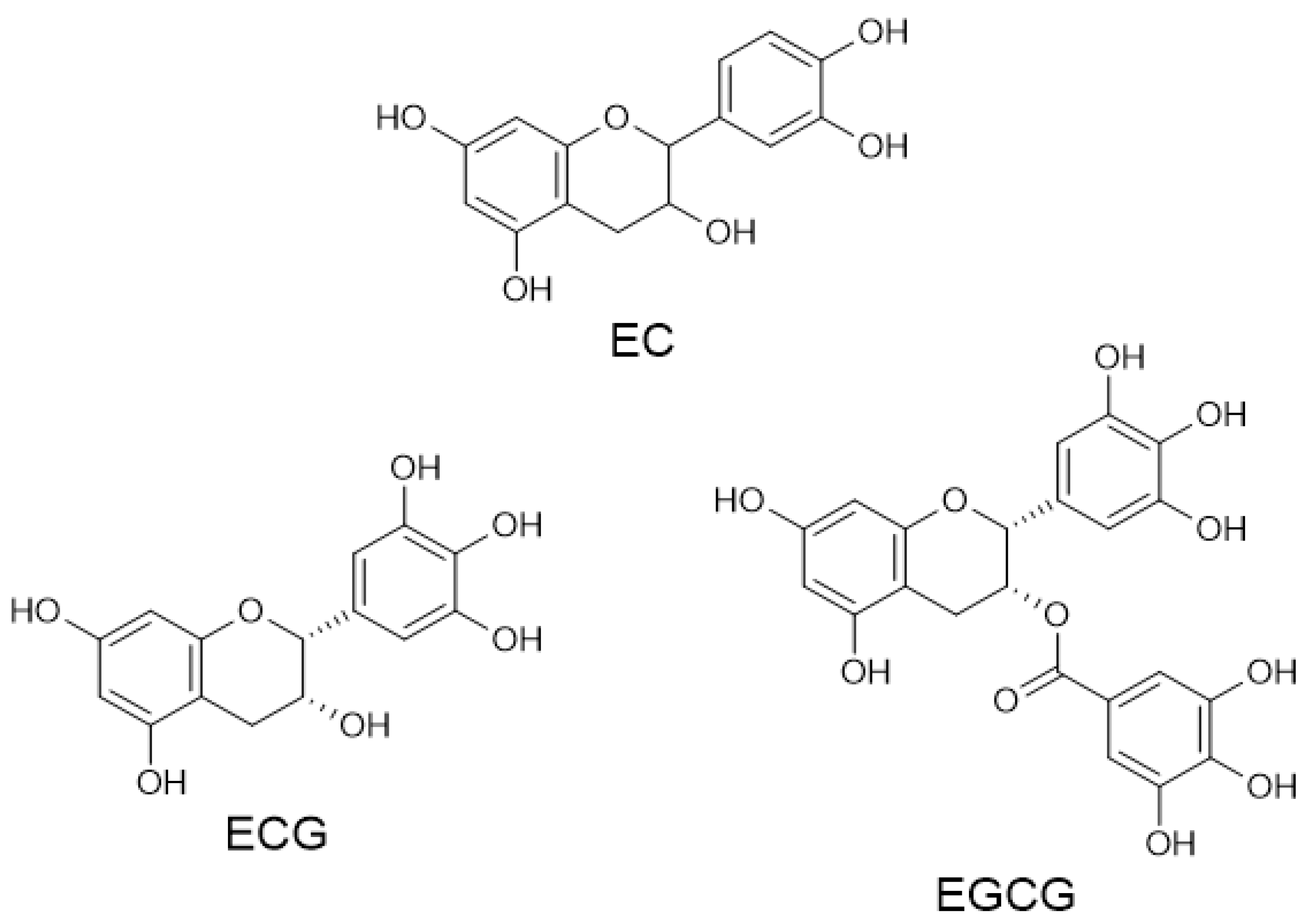
Figure 2.
Different methods for analyzing tea polyphenols, their advantages and disadvantages.
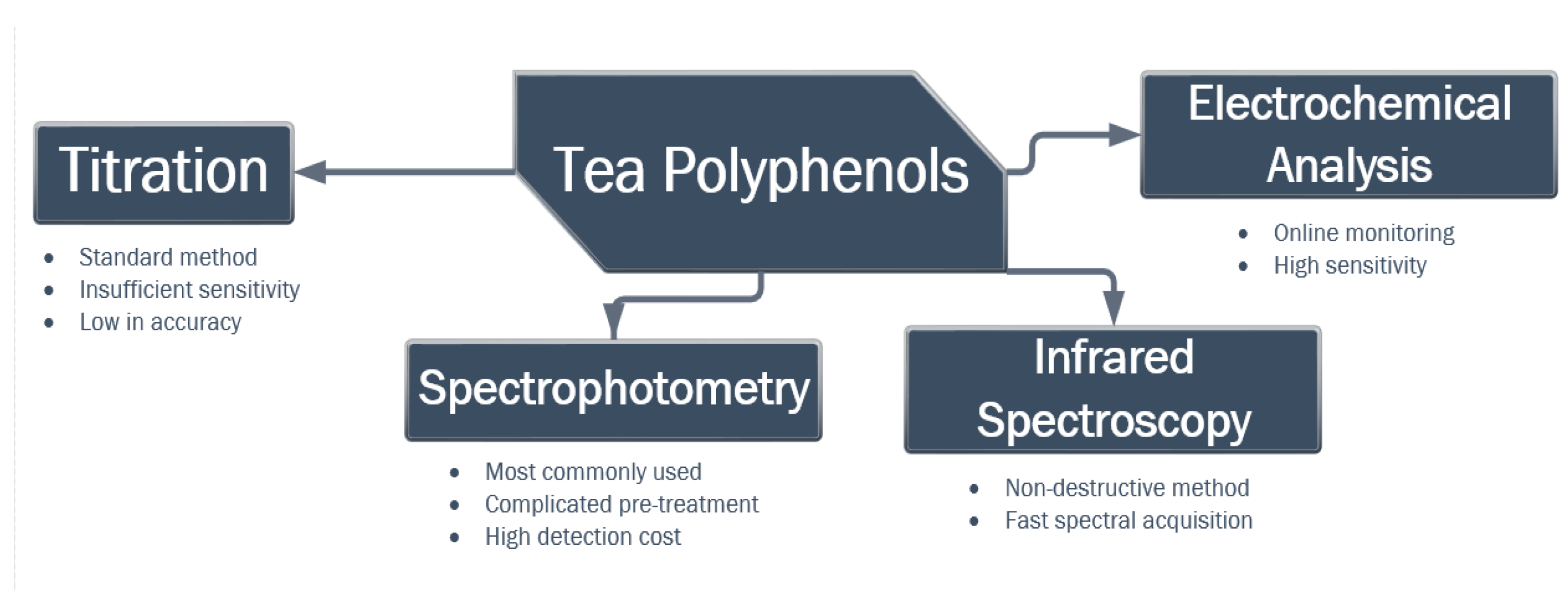
Figure 3.
General method for extracting and separating catechins from tea leaves [9].
Figure 3.
General method for extracting and separating catechins from tea leaves [9].
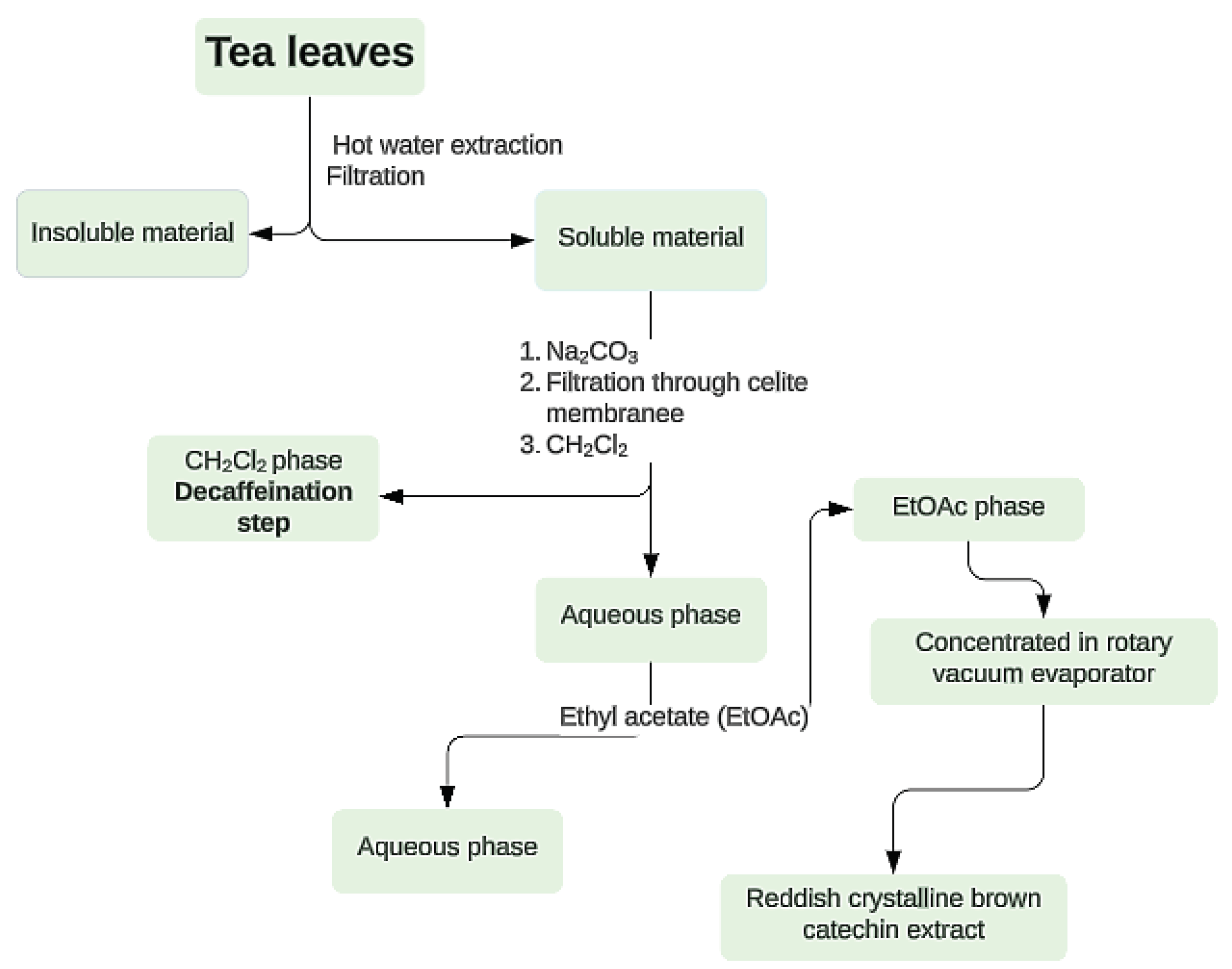
Figure 4.
HPLC systematic overview and mechanism.
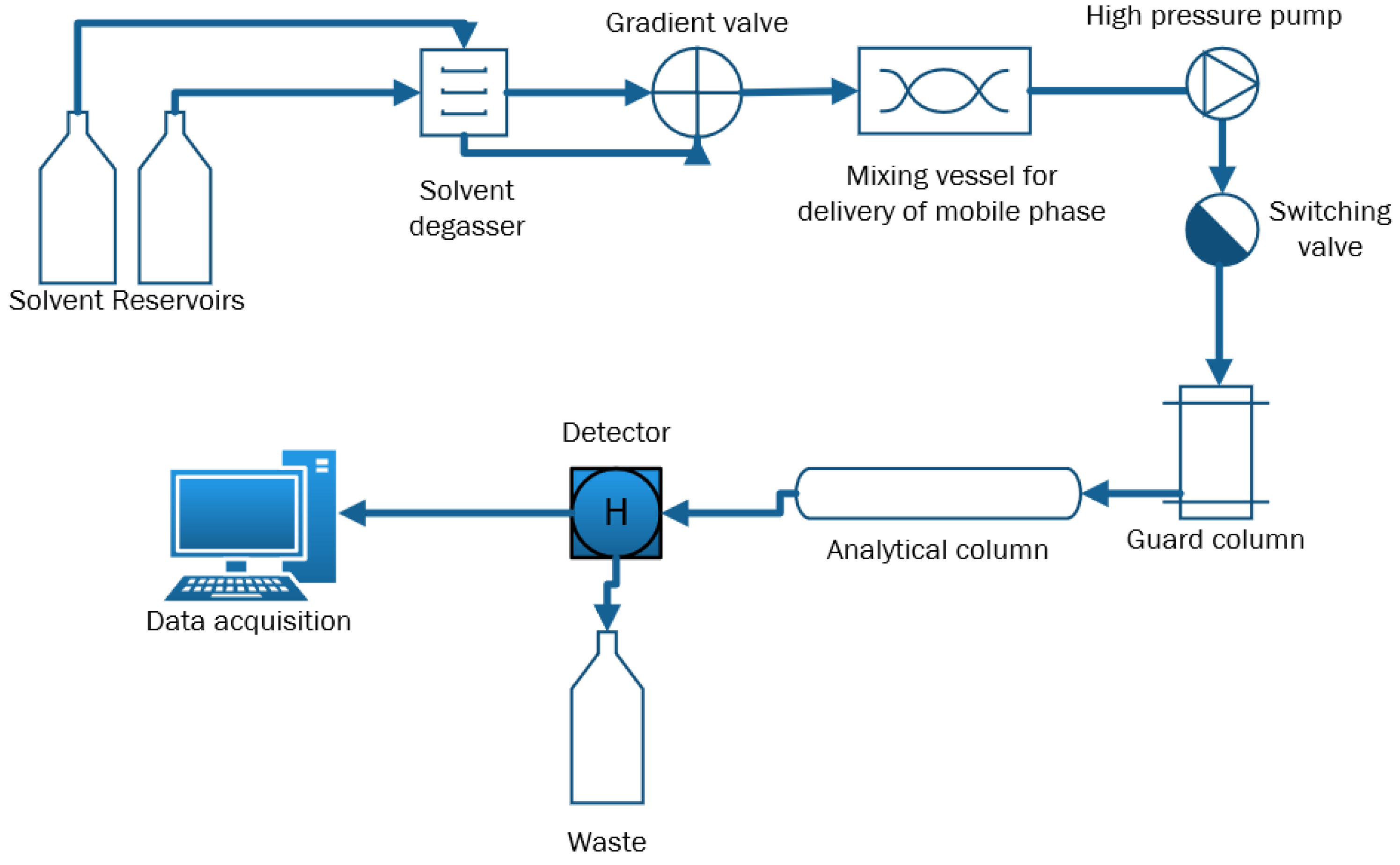
Figure 5.
Different types of liquid chromatography configurations for separating tea polyphenols.
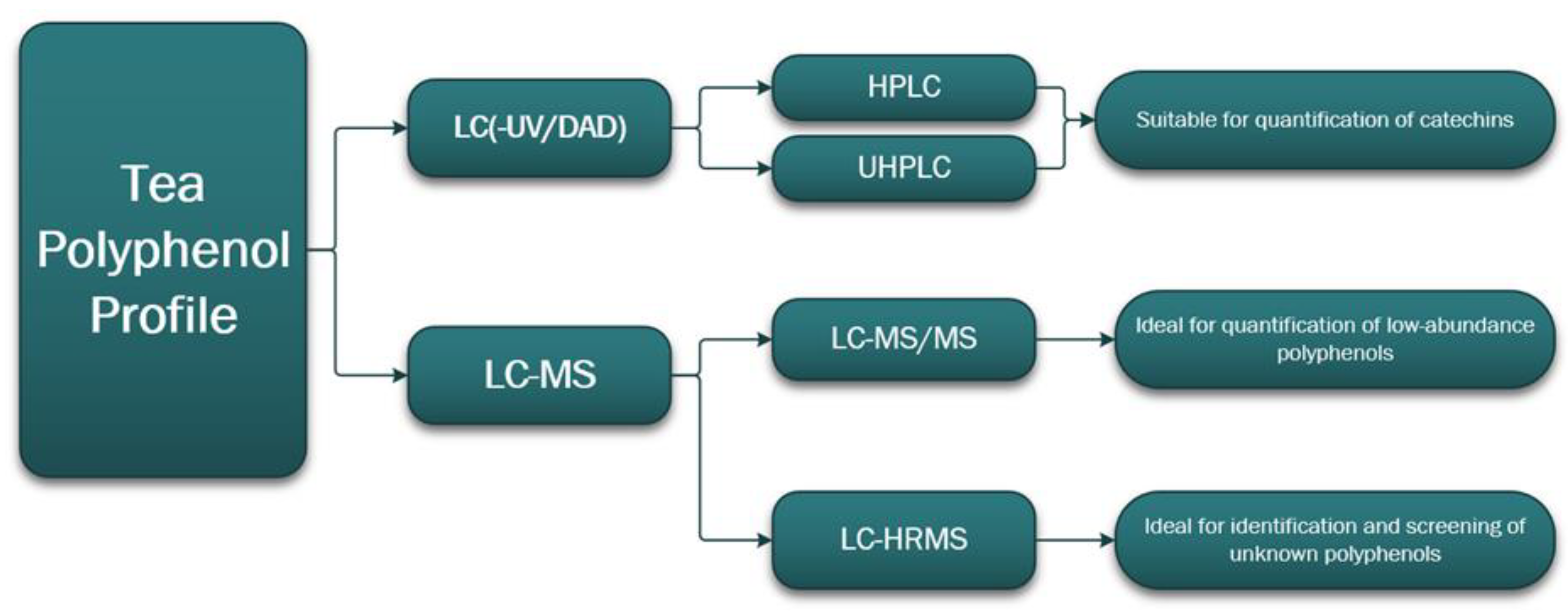
Figure 6.
SFE catechin extraction and purification [37].
Figure 6.
SFE catechin extraction and purification [37].
Disclaimer/Publisher’s Note: The statements, opinions and data contained in all publications are solely those of the individual author(s) and contributor(s) and not of MDPI and/or the editor(s). MDPI and/or the editor(s) disclaim responsibility for any injury to people or property resulting from any ideas, methods, instructions or products referred to in the content. |
© 2024 by the authors. Licensee MDPI, Basel, Switzerland. This article is an open access article distributed under the terms and conditions of the Creative Commons Attribution (CC BY) license (http://creativecommons.org/licenses/by/4.0/).
Copyright: This open access article is published under a Creative Commons CC BY 4.0 license, which permit the free download, distribution, and reuse, provided that the author and preprint are cited in any reuse.


