

Submitted:
23 February 2024
Posted:
23 February 2024
You are already at the latest version
Abstract
Abstract: Field studies with large-stemmed plants Artemisia dubia (wormwood) have been carried out at Vėžaičiai Branch LAMMC since 2018. According to three years of experimental results, annual dry matter (DM) yield varied from 7.94 to 10.14 t ha-1. Growing conditions, nitrogen ap-plication level and harvesting time had significant impacts on Artemisia dubia productivity. This article presents the results of research on preparation and use of Artemisia dubia biomass for en-ergy conversion and evaluation of technological-technical and environmental parameters of these plants utilization for solid biofuel. For experiments were used 6 variants of Artemisia dubia samples, which were grown in 2021: plants were cut three times and two fertilization options were used: (1) no fertilization and (2) fertilization with 180 kg ha-1 of nitrogen fertilizer. These harvested plants were chopped, milled and were pressed into the pellets. The physi-cal-mechanical characteristics (mоisture content, density and strength) of Artemisia dubia pellets were investigated. During this study, it was found that the density in dry mass (DM) of pellets ranged from 1119.86 to 1192.44 kg m-3. The pellet moisture content ranged from 8.80 to 10.49%. After testing of pellet strength, it was found that the pellets which were made from plant bio-mass PK-1-1, were the most resistant to compression, they withstood 560.36 N of pressure. Dry fuel lower heating value (LHV) of pellets was sufficiently high and was very close to pine saw-dust pellets, it varied from 17.46±0.25 MJ kg-1 to 18.14±0.28 MJ kg-1. The ash content of burned pellets ranged from 3.62±0.02% to 6.47±0.09%. Emissions of harmful pollutants – CO2, CO, NOx and unburnt hydrocarbons (CxHy) did not exceed the maximum permissible levels. Summariz-ing the results of investigated properties, cоmbustion and emissiоns of Artemisia dubia pellets, it can be concluded that this biofuel can be used for production of pressed biofuel and it is charac-terized by sufficient high quality, efficient combustion and permissible emissions to the envi-ronment.
Keywords:
Artemisia dubia plant
; dry mass
; nitrogen
; cutting time
; energy parameters
; solid biofuel
; proper-ties
; environmental impact.
1. Introduction
In the European Union, the increase in the amount of energy obtained from biomass processing is promoted [1]. An increase in the number of heat production facilities is expected, where biomass will be used for heat or electricity or combined production. Traditional wood biomass is the most commonly supplied, but new feedstocks are being introduced to the market in these sectors to meet anticipated future demand. A promising alternative to cover the limited availability of high-quality wood biomass is herbaceous biomass, which also reduces the cost of raw material supply. In this context, the increasing importance of herbaceous biomass from energy plants, agricultural residues, whose processing can be sustainable conditions in the market of biomass raw materials, is expected [2]. The use of fossil fuels as the main source of energy is directly related to global climate change due to CO2 emissions, so it is necessary to look for new, cheap and easily accessible sources of energy.
In order to understand the suitability of the raw material for energy production, it is important to determine the elemental composition of the raw material. Therefore, it is important to determine the amount of chemical elements in the plant biomass. Carbon, nitrogen, hydrogen, and oxygen are the most important components of solid fuel, and during the fuel burning process, oxygen and carbon react in an exothermic reaction forming the following compounds, CO2 and H2O [3].
Special attention should be paid to decentralized low-cost renewable fuels, which can be used primarily in those households that do not have access to gas or heat supplied from other sources. Better and more efficient use of biomass energy is considered a favorable option for reducing carbon emissions. Biomass pellet fuel is one of the most common and important ways of using biomass energy, so granulation appears to be a great opportunity to increase the competitiveness of biomass pellet fuel production in the future [4,5].
It has been established by scientific analysis that the densification of herbaceous biomass with an addition of woody biomass (Spruce sawdust) improves the combustion characteristics of the densified herbaceous biomass (Reed canary grass), providing a faster thermal decomposition of biomass pellets with the increase of the average mass loss. The addition of woody biomass ensures a more complete combustion of volatiles and decreases the average mass fraction of polluting emissions (CO, NOx) in the products. Densified biomass mixture of Reed canary grass and Spruce sawdust (equal parts) has a lower ash content, a higher heating value, an increased heat production rate and total amount of energy in comparison with herbaceous biomass [6].
In comparing the woody pellets, straw pellets and herbaceous biomass (switchgrass and miscanthus) from the combustion technique perspective, application of herbaceous biomass can cause problems like corrosion, slagging and fouling. When considering the scenario of the increase in energy consumption, the market for herbaceous biomass is bright [7]. Polish scientists have investigated the use of crude plants such as, wormwood (Artemisia ab-sinthium L.) Canadian goldenrod (Solidago canadensis L.) and Common sedge (Tanacetum vulgare L.) as a biofuel source. Mentioned plants are considered weeds and have many advantages, allowing for wider use for energy purposes, especially in cases where large areas of land are covered with weeds.
Clean, fully biogenic, renewable fuel is an interesting alternative to the usually expensive processed wood biomass such as pellets or briquettes. The research results revealed that the studied species can be considered excellent sources of primary energy due to their high calorific value (over 16 MJ kg−1), low moisture content, low costs and availability. The studied plants were particularly promising because they occupy a large part of uncultivated land and can be used for fuel in many homes without changing boilers and heating systems [8]. According to other Polish scientists works even higher heating value of 17.40 MJ kg–1 was determined for willow Salix viminalis pellets. The ash content was higher in pellets produced from green biomass willow leaf sunflower 9.92% and giant miscanthus 6.85% DM (dry material) [9]. According to Lithuanian scientists a perennial herbaceous energy plant Artemisia dubia is a promising plant for enhancement of renewable resources. The highest of A. dubia Wall. productivity in the first year was as low as 4.92 t ha-1, in the second and third years the biomass productivity of unfertilized swards increased to 23.12 and 14.86 t ha-1 of DM respectively. The average moisture content was from 59.2 ± 0.83% till 10.98 ± 0.60% in A. dubia Wall harvest. Notable that Nitrogen fertilization did not have a significant influence on crop productivity. The studies showed that the calorific value of A. dubia Wall. was 18.53 MJ kg−1 on average. Ash content varied from 2.54 to 3.44% on average [10]. According to other work results, the calorific value of energy crops varies from 17.92 MJ kg-1 in A. dubia case till 18.50 MJ kg-1 in C. sativa case [11].
According to other studies in Lithuania, herbaceous plants M. giganteus and A. dubia are potential energy crops in northern part of temperate climate zones. The highest productivity of evaluated energy crops was achieved in M. giganteus (21.54 t ha-1) and A. dubia (17.86 t ha-1) swards. S. hermaphrodita (12.30 t ha-1) and the traditional crop F. arundinacea (10.99 t ha-1) produced the lowest biomass DM yield. Nontraditional energy crops Miscanthus giganteus and Artemisia dubia presented a high concentration of carbon, cellulose and lignin and a lower concentration of inhibiting elements potassium and phosphorus compared to other evaluated crops. The biomass quality of these crops was consistent with the results obtained by other researchers and can be compared with woody short-rotation forests. The higher energy value was determined for A. dubia and M. giganteus. Evaluation of energy potential and energy efficiency showed differences between crops and was effectively proportional to biomass DM yield, but not to their energy value [12]. The growth of herbaceous plants in a monoculture for biomass production in a 3-year period had a positive balance for all types of organic fertilizations at both cutting frequencies [13].
Herbaceous feedstocks of Triticale, Cynara and Jerusalem artichoke stalks tested in or the production of solid biofuels exhibited comparatively poorer fuel properties than their woody counterparts in terms of carbon and lignin content, heating value, and ash contents, exhibiting significantly higher levels of Cl, and alkali metals. Despite the less demanding requirements of non-woody pellets, only triticale complied with the quality standards for this type of solid biofuels [14]. In other works various species were compared, for example Stone lichen (Cetraria islandica), Mistletoe (Viscum album), Knotweed (Polygonum aviculare), Wheatgrass (Agropyron repens) and Knapweed (Centaurium erythraea). Results showed that the species are good resources as biofuel in the form of pellets. Of all species, the Viscum album presents the highest heating value, carbon content, and the lowest moisture content, thus being the most suitable material for biofuel pellets manufacturing [15].
According to other studies, herbaceous biomass ensures easy flow characteristics and a stable pelletizing process, while woody biomass with coarse and hard particles caused the pelletizing unit motor to be overloaded. For comparison, the highest specific energy consumption in pelletizing in woody residues was 206 kWh t-1, and herbaceous residues demanded 71 kWh t-1, but significant negative features of herbaceous pellets were low bulk density (616 kg m-3), high moisture content (10.64%) and low net energy density (9.7 GJ m−3). In contrast, woody pellets have bulk density (663–722 kg m-3), lower moisture content (3–4%) and high net energy density (12.3–13.2 GJ m−3) [16].
The findings from Forbes et al. [17] show, that biomass fuels experiments demonstrate that the diverse nature of biomass fuels can be found even in fuels from the same genus and origin e and that have undergone the same processing methods. The predictive analyses for energy content were shown to correlate well with combustion results, confirming the applicability of those to raw fuel as indicators of combustion outcomes. Fuel N content was seen to influence NOx emissions, most especially in the willow and to a lesser extent in miscanthus.
Herbaceous plant pellets have high potential as an alternative biomass plant for energy purposes. It should be noted when discussing about emissions from burning herbaceous plant pellets made from the perennial herbaceous mallow plant Sida hermaphrodita (L.) Rusby (‘Sida’) showed low CO emission of 40 mg Nm-3, good burnout, and low slagging behavior, however, but with increased levels of NOx and SO2. Combustion displayed high CO emissions (1300 mg Nm-3), while SO2 values were below 100 mg Nm-3. Contents of HCl in the flue gas ranged between 32 and 52 mg Nm-3. High contents of alkaline earth metals such as CaO resulted in high ash melting temperatures of up to 1450°C [18].
In this work, the main focus is directed to the assessment of new plant species and their potential for energy use. One of these plants, Artemisia dubia was studied, which, compared to common wormwood grows significantly more biomass and provides the opportunity to produce a larger amount of biofuel. Overall, Artemisia dubia as a species was studied as allelopathic plants [19], and their biomass feedstock for food industry, phytochemistry, or pharmacology) [20].
In Lithuania, relatively recently, A. dubia has been studied as an energy crop. Comparative studies have shown that the productivity of A. dubia is significantly higher than that of A. vulgaris [21]. The influence of mineral and organic fertilizers on the productivity of A. dubia was investigated. It should be noted here that the data of the conducted studies are quite different. The productivity of A. dubia varied greatly and depended on the soil characteristics of the study area [22,23]. However, we did not find any data on whether A. dubia was grown and studied as energy crops in other parts of the world.
So far, the experiments with A. dubia also began in Western Lithuania (LAMMC Vėžaičiai Branch). Since there are different soil types in Western Lithuania, naturally acid soils prevail here. In this respect, there are many sites that are not suitable for traditional agricultural crops here. Viewed from the other side, to not compete with traditional food crops, different alternative non-food crops or energy crops might be grown in the land which is less suitable or unprofitable for traditional farming land [24].
A. dubia biomass energetical parameters are not well investigated yet. The factors influencing Artemisia dubia plant biomass used for energy conversion involve a multidimensional analysis that considers various aspects. Parameters that can influence biomass productivity and utilization are climatic conditions, soil quality, cultivation practices, harvesting techniques, technological parameters, environmental parameters, chemical composition, economic considerations, policy and regulatory framework and a lot of others. A comprehensive study integrating main factors can provide valuable insights into optimizing Artemisia dubia plant biomass uses. The main focus of this work is on assessing the technological and environmental parameters of Artemisia dubia plant biomass use for pressed biofuel production.
2. Materials and Methods
Plant growing in the fields. Field trials were conducted with Artemisia dubia. The plants were grown and investigated in Western Lithuania, on the eastern edge of the coastal plain (55° 430 N, 21°270 E). The study field is a naturally acidic moraine bathygleyic Dystric Glossic Retisol [25] with a clay content (<0.002 mm) of 15.0%. The determined average annual precipitation in the studied field was about 915 mm.
This field experiment was done according to the two-factor method. Factor 1 was harvest time and Factor 2 used nitrogen rates. Artemisia dubia plants were harvested 3 times: 1) at the end of June (PK-1-1 and PK-1-3); 2) in mid-August (PK-2-1 and PK-2-3); 3) at the end of the growing season, that is, at the beginning of October (PK-3-1 and PK-3-3). The harvested area of all treatments was 3.3 m2.
Factor 2 was nitrogen rates. The seedlings were planted and fertilized by 3 nitrogen levels (0, 90 and 180 N kg ha-1) [24]. However, this article presented only two experiments, when nitrogen levels were 0 and the highest amount was 180 kg ha-1. Each experiment was repeated 3 times.
Fractional composition of milled biomass. In order to determine the suitability of Artemisia dubia plants for biofuel production, at the beginning the stems were chopped with a drum chopper into 5-7 mm long particles and then milled into flour with a Retsch hammer mill (Retsch, Germany). To assess the quality of the flour, its fractional composition was determined. For this purpose, 100 g of chopped and milled biomass samples of plant stems were used, which were sieved with a Haver EML Digital plus sieve shaker with a sieve set Retsch SM 200 (Retsch, Germany) by using sieves with the following mesh sizes: 0.25 mm, 0.5 mm, 0.63 mm, 1.0 mm and 2.0 mm. The flour is sifted with a set of sieves for 1 min and the mass remaining on the sieves was weighted, and the percentage of every fraction was calculated. Each test was repeated 3 times.
Flour pressing and pellet production. During this research, six variants of biofuel pellets were produced from Artemisia dubia plant biomass, and softwood sawdust pellets were produced as a control sample. The research was carried out in the laboratories of Vytautas Magnus University Agriculture Academy. A 7.5 kW granulator "Peleciarka" (POLEXIM, Poland) with a horizontal matrix with 6 mm holes was used for production of granulated biofuel. After cooling for 15–20 min of pressed granules, their biometrical, physical-mechanical, thermal and other properties were investigated. All of these research studies were conducted using standard research methods and specialized equipment and devices [26,27].
The biometric indicators of the produced pellets were determined by measuring their length and diameter in the central part of the pellets [28]. A digital Vernier caliper was used for this purpose (measurement accuracy 0.01 mm). 10 pellets from each type of produced pellets were selected for experimental studies. The mass of the pellets was estimated by weighing them on a KERN ABJ balance (weighing accuracy 0.001 g) and the average values of the measured mass of all tested pellet types with errors were calculated.
Pellet moisture content and density. The moisture content of the pellets was determined using a standard methodology using a drying chamber [29]. The density of different types of granules is calculated based on the mass of the weighed granules and their calculated volume, knowing the length and diameter of the granules [26].
Tests on the mechanical strength (compression resistance) of the pellets were performed using the Instron Universal Tester (INSTRON, USA) [30]. In this study, a cylindrical pellet was placed on a horizontal plane and acted vertically by a special rod, gradually increasing the load force. When the device was switched on, the pellet was subjected to a low (1 mm min-1) compression rate, and the loading force was stopped when the pellet was fully deformed or broken. With the help of the device's computer program, the applied force and the displacement of the rod were recorded and graphs illustrating the changes in the force acting on the pellet were drawn.
Pellet thermal properties, heating values and ash content. These experiments were performed in the Thermal Equipment Research and Testing Laboratory of Lithuanian Energy Institute (LEI). Based on standard methodologies were determined Lover and Higher Heating Values of pellets (LHV and HHV), the values of chlorine and other elements, and the amount of ash after pellet burning [24].
Characteristic of ash melting temperatures were determined by using high-temperature Carbolite CAF digital furnace and by using the methodology presented in the Lithuanian standard [31]. This test is carried out by heating the ash sample in a special furnace, in which the sample changes its state and shape as the temperature of the sample is raised. According to the ASTM D 1857 standard, the changes in the shape of prepared for the test ash cone, when it is burning in an oxidizing environment, are divided into the following four phases [32]:
- initial point of deformation (IT) when the sharp peak is rounded;
- softening temperature (ST), when the ash cone deforms and its height decreases to the size of its diameter;
- hemisphere temperature (HT), when the sample assumes a hemispherical shape;
- melting point (FT), at which the ash melts and liquefies.
Emissions of released harmful gases into the environment were determined by burning pellets in a special low-power (5 kW) hearth-type stove Astra P–5 (Astra, Lithuania). A sample mass of 5 kg of each type of produced pellets was used for burning. During pellet burning, the average exhaust gas temperature was determined, which varied between 110–200°C. The produced harmful gases were measured by using combustion product analysers Datatest 400 CEM and VE7. Each sample was burned for about 10–12 minutes and these emissions of harmful gases to the environment were measured – CO, CO2, NOx and CxHy). Limit values of harmful emissions of biofuel burning facilities are determined by using the standard valid in Lithuania [33].
When evaluating and comparing the results of the conducted experimental studies, the properties of various types of granular biofuel were analyzed and evaluated, and the repeated values of the research data were statistically evaluated by one-way analysis of variance, correlation and regression [34].
3. Results and Discussion
3.1. Artemisia dubia productivity and characteristics of samples
The results presented in Figure 1 indicate that Artemisia vulgaris DM yield during the successive 3 growing years highly depended on the growing year (i.e., meteorological conditions during vegetation), time of cutting and nitrogen fertilization rate. The results indicate that Artemisia vulgaris is a vigorously growing species. Once planted in 2018 and despite a period of moisture shortage in the topsoil layer in June, DM yield in 2019 reached 9.52 t ha-1, on average. Accordingly, water and temperature regimes during the 2020 growing season was also favorable for plants growing and biomass accumulation, especially during the period of intensive biomass accumulation – from May to July. In this respect, Artemisia dubia productivity reached 10.14 t ha-1. In 2021, the weather of the 1st half of vegetation could be described as very warm with a relatively low amount of precipitation period, especially in June and July months. Also, plants experienced a shortage of moisture in the upper soil layer. Here, the average DM yield reached 7.94 t ha-1 and was the lowest in comparison with the previous two seasons.
The increase of DM yield is closely and positively correlated with the number of stems, stem weight, and stem height. The results of the following parameters as well as their mutual interaction will be presented in a separate article.
When growing in control treatments (N0) i.e., without nitrogen application, the average Artemisia dubia plant productivity per three years period was 7.54 t ha-1 DM. Even without nitrogen fertilization, there were sufficient nitrogen reserves in the support plants physiological requirements during the first vegetation. The use annual 90 kg ha-1 nitrogen rate (N90) caused the increase of DM yield up to 9.28 t ha-1. In this respect, the use of each 1 kg nitrogen fertilizer caused the increase of Artemisia dubia plant productivity by 19.33 kg. Further, in comparison with the plants growing without nitrogen fertilization (control treatment or N0), the use of highest 180 kg ha-1 nitrogen rate (N180) (the fertilization was done two times in split doses) caused an increase in DM yield up to 10.77 t ha-1 (or by 23.02%). Here, each 1 kg of nitrogen fertilizers caused an increase in productivity by 17.94 kg.
The cuttings of stems were performed as the following: 1) biomass was harvested two times: 3rd decade of June and 1st decade of October (the aftermath) and 2) once per vegetation in the 1st decade of October. In the fields where cuttings were done two times per vegetation, the average DM yield reached 6.57 t ha-1. It might be explained by the fact that once cut in June, Artemisia dubia plants showed weak regrowth of their biomass (or aftermath) until the end of vegetation. Usually, the aftermath harvest was appr. 1.0–1.50 t ha-1 DM [24]. Contrarily when the plants had the opportunity to grow until October (or until the end of the growing season), their biomass increment was substantially higher – 11.82 t ha-1.
The data presented in Figure 1 indicates that the data reliability corresponds to 95% and 99% probability levels.
3.2. Determination of produced mill properties
Before preparing the biomass of Artemisia dubia plant stems for granulation, in the first step, the plant stems were chopped with a drum chopper into 15-20 mm particles. This chopped fraction was subsequently milled in a Retsch SM 200 (Retsch, Germany) hammer mill using a sieve with round holes of 2 mm diameter. Previous studies of biometric properties of fibrous plant and other herbaceous plant granules have shown that produced pellets of well-milled fractions of flour with a fineness of 2 mm were of high quality and sufficiently strong [26]. The fractional composition of the produced flour is shown in Figure 2.
After plant milling the moisture content of the flour was determined, which varied from 7.4 to 7.8%. This moisture content of the flour was too low for the production of biofuel pellets, so the flour was moistened to 13–15% before pressing the pellets.
3.3. Determination of pressed biofuel pellet properties
The properties of the pressed granules depend greatly on the used granulation equipment, the raw material and quality of its preparation, the fractional composition of the flour and the moisture content of the raw material.
3.3.1. Pellet biometric properties
The most important biometric properties of produced and tested biofuel pellets using Artemisia dubia chopped and milled plant stem biomass are presented in Figure 3. It was found that the average diameter of the biofuel pellet ranged from 6.22 to 6.39 mm and the average pellet length varied from 24.66 to 25.77 mm. In comparison, the studied pine sawdust pellets were longer, their length reached 30.73 ± 0.88 mm (Table 1).
3.3.2. Pellet moisture content, density, ash content and heating value
The quality and properties of the granules are greatly influenced by their humidity. If the granules are too dry, they tend to absorb moisture from the environment and may swell, and disintegrate, and such a mass of flour is difficult to burn in special pellet boilers. According to the studies conducted by various scientists, it is appropriate to recommend raw materials with a moisture content of 15–20% for the production of pellets [35]. Other researchers [36] studied pellets produced from a mixture of straw and willow and, based on the results of their research, indicated that the optimal moisture content of pellets for the combustion process is 6–8%. Therefore, it is obvious that it is important to determine the moisture content of biofuel pellets. Based on the results of the study of Artemisia dubia plants and pine sawdust pellets, various important biofuel properties were determined, they are presented in Table 1.
After investigation of the most important properties of biofuel pellets produced from Artemisia dubia plants, it was found that the moisture content of all sorts of produced pellets was very similar and varied from 8.80±0.55% to 10.49±0.40%. The moisture content of pine sawdust pellets, which was tested for control, was lower and reached 7.50±0.55. % (Table 1).
The research results of the density of pellets produced from Artemisia dubia plants show that the highest density of biofuel pellets was produced from Artemisia dubia plants (1st harvest, sort PK-1-1), it reached 1192.44±69.72 kg m-3, and the lowest density pellets obtained from pine sawdust, 1100.90±34.0 kg m-3 (Table 1, Figure 4). Summarizing the results of the density of produced pellets, it can be stated that all types of biofuel pellets produced from Artemisia dubia plants had a high density, which exceeded 1000 kg m-3).
Determined density results of Artemisia dubia plant pellets were statistically evaluated according to Student's and Tukey's HSD tests and the essential limit of density difference was calculated. There were no detected significant differences between the different sorts of investigated pellets.
When evaluating the results of other researchers, who investigated the density of biofuel pellets, it can be observed that sufficiently high density and strong pellets can also be produced from other large-stemmed herbaceous plants. For example, Maj et al. determined, that the density of biofuel pellets produced from the mixture of corn cobs and corn husks, reached 1150 kg m-3 and was very similar to our research results of Artemisia dubia plant pellets [37]. Another researcher, Tulumuru et al. made the biofuel pellets from corn stover and reached their density 1133 kg m-3 [38].
The ash content index of pellets is characterized by the amount of ash remaining after burning the pellets. If the amount of remaining ash is lower, then the quality and properties of biofuel pellets are better [39].
After evaluating the ash content of Artemisia dubia plant pellets, it was found that it varied from 3.62 ± 0.02℅ (PK-3-3) to 6.47 ± 0.09 (PK-2-3). Very similar ash content was detected after burning of the sort PK-3-3 and the control sample (pine sawdust pellets), it reached 3.46 ± 0.05% (Figure 5). It can also be noted that the lowest ash content of pellets obtained by burning pellets which was obtained from plants of the 3rd harvest (without N fertilization – 4.53 ± 0.08%, with fertilization of 180 N kg ha-1 – 3.62 ± 0.02℅). After evaluating the results of studies on the ash content of Artemisia dubia plant biofuel pellets, it can be noted that they meet the main requirements of the standard [40].
Evaluating the results of other researchers' studies on the ash content of non-traditional plant pellets shows that the amount of produced ash can be even higher. For example, burning palm kernel shells produced 10.67% ash, while rice straw pellets had an ash content of 12.03% [41].
Values of Lower heating (LHV) and Higher heating (HHV) of all produced types of pellets were very similar and sufficiently high, and these heating values varied from 17.92 ± 1.01 to 18.25 ± 0.59 MJ kg-1 (Figure 6).
As can be seen, the heating values (MJ kg-1) of Artemisia dubia biomass did not change statistically significantly with respect to cutting time. When evaluating the use of nitrogen fertilizers (N180), the calorific value of Artemisia dubia was slightly lower. When evaluating the amount of nitrogen in the grown biomass, it was found that when nitrogen fertilizers were used, its amount in Artemisia dubia biomass was higher than in biomass grown in unfertilized soil [24].
When evaluating the results of research by other scientists using various plant biomass, similar trends can be observed, that determined heating values can be similar. Ozturk et al. found that the higher heating value of corn pellets was quite high and could be as high as 18.11 MJ kg-1 [39].
Researchers from Croatia investigated the energy properties and biomass productivity of Switchgrass (Panicum virgatum L.) in northwestern Croatia [42]. It was determined that compared to autumn, when Switchgrass harvesting in spring, higher quality biomass was produced and its properties for biofuel preparation were improved: plant moisture decreased from 33.88% to 10.95%, and ash content from 4.59% to 3.1%, calorific value also increased from 18.60 MJ kg−1 to 18.73 MJ kg−1 [42].
3.3.3. Evaluation of Artemisia dubia plant pellet strength and resistance to compression
Biofuel pellets' strength ensures that fuel will arrive at its destination as intended and can be used and stored without breaking down into finer particles. The strength test curves of all investigated series of pellets, on purpose, show the character of the force variation in the different Artemisia dubia plant raw material series type, shown in Figure 7. After analyzing the deformation curves it was observed that the maximum crushing force in the horizontal direction sample No. 3 achieved more than 699 N, when deformation ranging 0.35 mm until the pellet completely disintegrated in the PK-1-1 series case and the mentioned pellets series showed the greatest strength result compared to all other samples. The other samples in PK-1-1 series case reached their maximum compressive forces in the zones 494 N to 562 N with deformation ranging from 0.27 to 0.57 mm. PK-2-1 deformed at a maximum compression force of more than 450 N in sample No. 3 case and the compression deformation was 0.33 mm. The remaining samples only reached 145 N to 250 N with deformation ranging from 0.26 to 0.47 mm. The strength test results of the PK-2-1 series samples were evenly distributed and were from 466 to 547 N with deformation ranging from 0.39 to 0.52 mm. In PK-2-3 series samples from 326 till 534 N with deformation ranging from 0.40 till 0.59 mm. PK-3-1 and PK-3-3 series pellets did not reach more than 301 N maximum compression force.
The experimental results of pellets compressive strength presented in Figure 8 show that the average strength of the PK-1-1 series pellets, with a semi-static stability of 560.36 ± 100.97 N in the horizontal direction, was found to be the most mechanically stable. In second place there were PK-2-1 series pellets, but there was no significant difference between PK-2-1 and PK-2-3 series pellets. It can be said that both series of these granules are mechanically stable (505.93 ± 49.30 and 427.83 ± 106.15 N respectively). The semi-static stability of PK-1-3 pellets was 251.10 ± 151.97 N, PK-3-1 achieved 214.46 ± 84.26 N, and PK-3-3 191.14 ± 76.49 N on average. There was no significant difference between all three mentioned variants. It should be emphasized that almost two-fold less compared with most mechanically stable PK-1-1 series pellets. The weaker pellets are still suitable for use as a biofuel, but there is a possibility that pellets will break down faster during reloading and storage activity.
Matching letters shown in Figure 8 indicate no significant difference between different pellet types. Error bars represent the 95% confidence interval of the mean.
3.3.4. Pellet elemental composition and ash melting temperatures
Determined Artemisia dubia plant pellets' elemental composition and ash melting temperatures are presented in Table 2. Research results of determined pellet elemental composition show, that the biggest amount was detected of carbon C, which varied from 47.34 ± 0.12 to 49.36 ± 0.01%. These the biggest values were very similar how for pine sawdust pellets, 49.87 ± 0.11%.
Results of pellet ash melting temperatures show that ST and DT temperatures were lower than for pine sawdust pellets, except for the case PK-3-1 (1352 ± 0.63°C). Other ash melting temperatures, such as HT and FT were significantly higher than temperatures of pine sawdust pellets, except for the cases PK-1-1 and PK-1-3, when ash melting temperatures reached only 836 ± 0.32°C and 760 ± 0.37°C. These values were similar to some sorts of straw, which are not recommended for use in biofuel production because use of this sort of biofuel can cause slag formation on the surfaces of burning implements [43].
Visually, these ash melting temperatures distributions and variations are very clearly visible in the presented Figure 9.
After performing the correlation analysis, it became clear that the carbon and nitrogen amounts of the granules, as well as the amounts of oxygen, nitrogen, and hydrogen, were most inversely correlated (Table 3).
Negative reliable moderate to strong correlations were found between pellet carbon, oxygen, and ash content (Table 4). Hydrogen was more correlated with ash melting temperature ST, sulphur correlated with temperatures DT and HT. Nitrogen content was correlated with many investigated parameters: pellet density, ash content, ash melting temperatures ST and DT. A reliable strong positive relationship was established between the moisture content of the granules and the amount of chlorine in them.
Correlation analysis of the data showed that the thermo-physical properties of the granules were poorly correlated with each other. Except for pellet density, which correlated with ash melting temperatures ST and DT.
3.3.5. Determination of harmful emissions from the combustion of produced pellet
The results of studies of harmful emissions during the burning of biofuel pellets produced from Artemisia dubia plants and pine sawdust pellets are presented in Table 5. These results show the sufficient high quality of the produced biofuel and its suitability for use as a solid biofuel when people trying to minimize environmental pollution and negative impact on people.
According to the requirements of the standard [33] it was determined that the emissions of the produced Artemisia dubia plants and pine sawdust pellets did not exceed the maximum permissible concentrations. However, it was observed that in sample PK-1-1 several indicators slightly exceeded the permissible limits: the detected concentration of CO gas was the highest and reached 8303 ppm, and the concentration of CxHy gas was also too high and reached 1109 ppm.
Analyzing the results of determined harmful emissions, it can be seen that the lowest concentrations of harmful gases were obtained when burning the control sample, pine sawdust pellets. Their values were obtained as follows: CO – 188 ppm; NOx – 111 ppm and CxHy – 9 ppm. However, when burning the produced control sample the highest concentration of CO2 emissions was detected, reaching as much as 4.7% (Figure 10).
High concentrations of harmful gases were detected during the burning of early harvest sample PK-1-1, only CO2 emissions of this sample were determined to be the lowest and amounted to only 2.5%, which was almost two times less compared to the control sample.
Emissions of other harmful gases, such as sulfur dioxide, were also investigated during the burning of Artemisia dubia plant pellets, but in all samples, these emissions were very low or were not detected. When evaluating all the research results of the harmful emission studies, it was observed that by delaying the harvesting time of Artemisia dubia plants, lower emissions of harmful gases and, at the same time, a lower harmful impact on the environment was observed.
Summarizing these results, it is reasonable to recommend these plants, which grow well in the Lithuanian climate, to be grown and used for the production of pressed solid biofuel. However, in order to ensure that the burning of such biofuel has the least harmful impact on the environment, it is recommended to harvest Artemisia dubia plants for the production of granular biofuel as late in autumn, as it is possible.
4. Conclusions
Six variants of Artemisia dubia plants and control sample pine sawdust pellets for biofuel use were produced and tested. Field experiment was done according to the two factors method. Factor 1 – harvest time. Artemisia dubia plants were harvested 3 times: at the end of June (PK-1-1, 0N and PK-1-3, 180N); in mid-August (PK-2-1, 0N and PK-2-3, 180N); at the beginning of October (PK-3-1, 0N and PK-3-3, 180N). Factor 2 was nitrogen rates. The seedlings were planted and fertilized by 2 nitrogen levels (0 and 180 N kg ha-1).
After evaluation of pellet biometric and physical-mechanical properties it was determined, that the average diameter of tested Artemisia dubia plant pellets ranged from 6.22 mm to 6.39 mm and pellet length varied from 24.66 mm to 25.77 mm. The moisture content of all sorts of pellets varied from 8.80% to 10.49%, and the density in dry mass (DM) of pellets ranged from 1119.86 kg m-3 to 1192.44 kg m-3. The pellets which were made from Artemisia dubia plant biomass PK-1-1, were the most resistant to compression, they withstood 560.36 N of pressure force.
Dry fuel lower heating value (LHV) of investigated Artemisia dubia plant pellets varied from 17.46 MJ kg-1 to 18.14 MJ kg-1 and it was sufficiently high and very close to LHV of pine sawdust pellets. The ash content of burned pellets ranged from 3.62℅ (PK-3-3) to 6.47℅ (PK-2-3). Very similar ash content was after burning of the sort PK-3-3 and pine sawdust pellets, it reached 3.46%. It was detected that the lowest ash content of pellets was obtained from plants of the last, 3rd harvest (without N fertilization – 4.53%, with fertilization of 180 N kg ha-1 – 3.62℅).
Results of investigated Artemisia dubia plant pellet ash melting temperatures show, that ST and DT temperatures were lower than for pine sawdust pellets, except for the case PK-3-1 (1352°C). Ash melting temperatures HT and FT were significantly higher than temperatures of pine sawdust pellets, except for the cases PK-1-1 and PK-1-3, when ash melting temperatures reached only 836°C and 760°C. These values were similar to some sorts of straw, which can cause slag formation on the surfaces of burning implements.
Determined pellet elemental composition show, that the biggest amount was detected of carbon C, which varied from 47.34% to 49.36%. The biggest C values were very similar how to pine sawdust pellets, which reached 49.87%.
Analyzing the results of harmful emissions – CO2, CO, NOx, and CxHy it can be seen that they did not exceed the maximum permissible levels. The lowest concentrations of harmful gases were obtained when burning pine sawdust pellets: CO – 188 ppm; NOx – 111 ppm; CxHy – 9 ppm. But when burning these pellets, the highest concentration of CO2 emissions, reached as much as 4.7%. High concentrations of harmful gases were detected during the burning of early harvest sample PK-1-1.
Summarizing the results of investigated properties, combustion and emissions of Artemisia dubia plant pellets, it can be concluded that this plant can be used for the production of pressed biofuel because it is characterized by sufficiently high quality, efficient combustion, and permissible emissions. But in order to ensure the least harmful impact on the environment, it is recommended to harvest plants as late as possible in autumn.
Author Contributions
Conceptualization, A.J., G.Š and R.M.; methodology, A.J., K.R. and E.Š; software, D.K. and R.B.; validation, A.J., M.M. and S.B.; formal analysis, A.J. and G.Š.; investigation, A.J., R.M and K.R.; resources, D.K., G.Š. and E.Š; data curation, A.J., G.Š., R.M. and S.B; writing—original draft preparation, A.J., R.M., M.M. and K.R.; writing—review and editing, D.K., R.B. and E.Š; supervision, A.J., G.Š. and R.M.; funding acquisition, K.R. and E.Š. All authors have read and agreed to the published version of the manuscript.
Funding
This research received no external funding.
Data Availability Statement
Not applicable.
Acknowledgments
The study was conducted in compliance with the long-term program “Plant biopotential and quality for multifunctional practice”.
Conflicts of Interest
The authors declare no conflicts of interest.
References
- European Commission COM. Green paper: A 2030 framework for climate and energy policies. Brussels 2013. Available online: https://eur-lex.europa.eu/LexUriServ/LexUriServ.do?uri=COM:2013:0169:FIN:en:PDF (accessed on 20 01 2024).
- De Laporte, A.V.; Weersink, A.J.; McKenney, D.W. Effects of supply chain structure and biomass prices on bioenergy feedstock supply. Applied Energy 2016, 183, 1053–1064. [CrossRef]
- Alvarez-Alvarez, P.; Pizarro, C.; Barrio-Anta, M.; Camara-Obregon, A.; Bueno, J.M.L.; Alvarez, A.; Gutierrez, I.; Burslem, D.F. Evaluation of tree species for biomass energy production in northwest Spain. Forests 2018, 9(4), 160. [CrossRef]
- Cui, X.; Yang, J.; Wang, Z.; Shi, X. Better use of bioenergy: A critical review of co-pelletizing for biofuel manufacturing. Carbon Capture Science & Technology 2021, 1, 1–12. [CrossRef]
- Jasinskas, A.; Minajeva, A.; Šarauskis, E.; Romaneckas, K.; Kimbirauskienė, R.; Pedišius, N. Recycling and utilisation of faba bean harvesting and threshing waste for bioenergy. Renewable energy 2020, 162, 257–266. [CrossRef]
- Barmina, I.; Lickrastina, A.; Zake, M.; Arshanitsa, A.; Solodovnik, V.; Telisheva, G. Effect of main characteristics of pelletized renewable energy resources on combustion characteristics and heat energy production. Chemical Engineering 2012, 29, 901–906. [CrossRef]
- Hui, Y. Comparison of woody pellets, straw pellets, and delayed harvest system herbaceous biomass (switchgrass and miscanthus): analysis of current combustion techniques determining the value of biomass. 2011. Available online: http://edepot.wur.nl/192415 (accessed on 18 01 2024).
- Ciesielczuk, T.; Poluszyńska, J.; Rosik-Dulewska, C.; Sporek, M.; Lenkiewicz, M. Uses of weeds as an economical alternative to processed wood biomass and fossil fuels. Ecological Engineering 2016, 95, 485–491. [CrossRef]
- Stolarski, M. J.; Warmiński, K.; Krzyżaniak, M.; Olba–Zięty, E. Cascaded use of perennial industrial crop biomass: The effect of biomass type and pretreatment method on pellet properties. Industrial Crops and Products 2022, 185, 115104. [CrossRef]
- Černiauskienė, Ž.; Raila, A. J.; Zvicevičius, E.; Kadžiulienė, Ž.; Tilvikienė, V. Analysis of Artemisia dubia Wall. growth, preparation for biofuel and thermal conversion properties. Renewable Energy 2018, 118, 468–476. [CrossRef]
- Černiauskienė, Ž.; Raila, A. J.; Zvicevičius, E.; Tilvikienė, V.; Jankauskienė, Z. Comparative Research of Thermochemical Conversion Properties of Coarse-Energy Crops. Energies 2021, 14(19), 6380. [CrossRef]
- Tilvikiene, V.; Kadžiulienė, Z.; Liaudanskienė, I.; Zvicevičius, E.; Černiauskienė, Z.; Čipliene, A.; Raila, A.J., Baltrušaitis, J. The quality and energy potential of introduced energy crops in northern part of temperate climate zone. Renewable Energy 2020, 151, 887–895. [CrossRef]
- Rancane, S.; Makovskis, K.; Lazdina, D.; Daugaviete, M.; Gutmane, I.; Berzins, P. Analysis of economical, social and environmental aspects of agroforestry systems of trees and perennial herbaceous plants. Agronomy Research 2014, 12(2), 589–602.
- San Miguel, G.; Sánchez, F.; Pérez, A.; Velasco, L. One-step torrefaction and densification of woody and herbaceous biomass feedstocks. Renewable Energy 2022, 195, 825–840. [CrossRef]
- Neacsu, A.; Gheorghe, D. Characterization of biomass renewable energy resources from some perennial species. Revue Roumaine de Chimie 2021, 66(4), 321–329.
- Yılmaz, H.; Çanakcı, M.; Topakcı, M.; Karayel, D.; Yiğit, M.; Ortaçeşme, D. In-situ pelletization of campus biomass residues: Case study for Akdeniz University. Renewable Energy 2023, 212, 972–983. [CrossRef]
- Forbes, E. G. A.; Easson, D. L.; Lyons, G. A.; McRoberts, W. C. Physico-chemical characteristics of eight different biomass fuels and comparison of combustion and emission results in a small scale multi-fuel boiler. Energy conversion and management 2014. 87, 1162–1169. [CrossRef]
- Jablonowski, N. D.; Kollmann, T.; Meiller, M.; Dohrn, M.; Müller, M.; Nabel, M.; … Schrey, S. D. Full assessment of Sida (Sida hermaphrodita) biomass as a solid fuel. GCB Bioenergy 2020, 12(8), 618–635. [CrossRef]
- Mallik, B. B. D.; Acharya, B. D.; Saquib, M.; Chettri, M. K. Allelopathic effect of Artemisia dubia extracts on seed germination and seedling growth of some weeds and winter crops. Ecoprint: An International Journal of Ecology 2014, 21, 23–30. http://dx.doi.org/10.3126/eco.v21i0.11901.
- Ashraf, M.; Hayat, M. Q.; Mumtaz, A. S. A study on elemental contents of medicinally important species of Artemisia L. (Asteraceae) found in Pakistan. Journal of Medicinal Plants Research 2010, 4(21), 2256–2263.
- Kryževičienė, A.; Šarūnaitė, L.; Stukonis, V.; Dabkevičius, Z.; Kadžiulienė, Ž. Assessment of perennial mugwort (Artemisia vulgaris L. and Artemisia dubia Wall.) potential for biofuel production. Agricultural Sciences 2010, 17, 1-2.
- Tilvikiene, V.; Kadziuliene, Z.; Raila, A.; Zvicevicius, E.; Liaudanskiene, I.; Volkaviciute, Z.; Pociene, L. Artemisia dubia Wall. – A Novel Energy Crop for Temperate Climate Zone in Europe. In Proceedings of the 23rd European Biomass Conference and Exhibition, Vienna, Austria, 1–4 June 2015.
- Kadžiulienė, Ž.; Tilvikienė, V.; Liaudanskienė, I.; Pocienė, L.; Černiauskienė, Ž.; Zvicevicius, E.; Raila, A. Artemisia dubia growth, yield and biomass characteristics for combustion. Zemdirbyste-Agriculture 2017, 104(2), 99–106. [CrossRef]
- Šiaudinis, G.; Jasinskas, A.; Karčauskienė, D.; Skuodienė, R.; Repšienė, R. The impact of nitrogen on the yield formation of Artemisia dubia Wall.: efficiency and assessment of energy parameters. Plants 2023, 12 (13), 2441. [CrossRef]
- World Reference Base (WRB) for Soil Resources, World Soil Resources Reports No. 106. FAO: Rome, Italy, 2014, 187–189. Available online: https://www.fao.org/3/i3794en/I3794en.pdf (accessed on 16 01 2024).
- Jasinskas, A.; Streikus, D.; Vonžodas, T. Fibrous hemp (Felina 32, USO 31, Finola) and fibrous nettle processing and usage of pressed biofuel for energy purposes. Renewable energy 2020, 149, 11–21. [CrossRef]
- Minajeva, A.; Jasinskas, A.; Domeika, R.; Vaiciukevičius, E.; Lemanas, E.; Bielski, S. The Study of the faba bean waste and potato peels recycling for pellet production and usage for energy conversion. Energies 2021, 14 (10), 1–14. [CrossRef]
- ISO 17829. Solid Biofuels. Determination of Length and Diameter of Pellets; ISO: Geneva, Switzerland, 2015.
- ISO 18134. Solid Biofuels—Determination of Moisture Content; ISO: Geneva, Switzerland, 2017.
- Streikus, D. Assessment of technologies for processing and usage of coarse-stem and fibrous plants for energy purposes. Summary of PhD Thesis, Vytauto Didžiojo universitetas, Lithuania, Kaunas, 2020.
- LST CEN/TS 15370-1. Solid Biofuels - Methods for the Determination of Ash Melting Temperatures - Part 1; CEN/TS: Department of Standardization, Vilnius, Lithuania, 2007.
- Vareas, V.; Kask U.; Muiste P.; Pihu T.; Soosaar S. Biofuel user manual. Zara: Vilnius, Lithuania, 2007. 168 p. (in Lithuanian). Available online: https://www.ena.lt/uploads/PDF-AEI/Leidiniai-LT/4-Biokuro-zinynas.pdf (accessed on 16 01 2024).
- LAND 43-2013. Norms for Combustion Plants Emissions. Department of Standardization: Vilnius, Lithuania, 2013.
- Raudonius, S. Application of statistics in plant and crop research: Important issues. Zemdirbyste 2017, 104, 377–382.
- Ungureanu, N.; Vladut, V.; Voicu, G.; Dinca, M.N.; Zabava, B.S. Influence of biomass moisture content on pellet properties–Review. Engineering for rural development 2018, 17, 1876–1883.
- Greinert, A.; Mrówczyńska, M.; Grech, R.; Szefner, W. The Use of Plant Biomass Pellets for Energy Production by Combustion in Dedicated Furnaces. Energies 2020, 13(2), 463. [CrossRef]
- Maj, G.; Krzaczek, P.; Gołębiowski, W.; Słowik, T.; Szyszlak-Bargłowicz, J.; Zając, G. Energy Consumption and Quality of Pellets Made of Waste from Corn Grain Drying Process. Sustainability 2022, 14(13), 8129. [CrossRef]
- Tumuluru, J.S. Effect of pellet die diameter on density and durability of pellets made from high moisture woody and herbaceous biomass. Carbon Resour. Convers. 2018, 1, 44–54. [CrossRef]
- Ozturk, H.H.; Ayhan, B.; Turgut, K. An assessment of the energetic properties of fuel pellets made by agricultural wastes. Scientific Papers. Series E. Land Reclamation, Earth Observation and Surveying, Environmental Engineering 2019, 8, 9–16.
- ISO 17225-6. Solid biofuels — Fuel specifications and classes — Part 6: Graded non-woody pellets, Department of Standardization, Vilnius, Lithuania, 2021.
- Rajput, S.P.; Jadhav, S.V.; Thorat, B.N. Methods to improve properties of fuel pellets obtained from different biomass sources: Effect of biomass blends and binders. Fuel Processing Technology 2020, 199, 106255. [CrossRef]
- Matin, B.; Leto, J.; Antonovi´c, A.; Brandi´c, I.; Juriši´c, V.; Matin, A.; Kriˇcka, T.; Grubor, M.; Kontek, M.; Bilandžija, N. Energetic Properties and Biomass Productivity of Switchgrass (Panicum virgatum L.) under Agroecological Conditions in Northwestern Croatia. Agronomy 2023, 13, 1161. [CrossRef]
- Zeng, T.; Mlonka-Mędrala, A.; Lenz, V.; Nelles M. Evaluation of bottom ash slagging risk during combustion of herbaceous and woody biomass fuels in a small-scale boiler by principal component analysis. Biomass Convers Biorefinery 2019, 11, 1211–1229. [CrossRef]
Figure 1.
The average means of Artemisia dubia productivity (t ha-1) and its dependence on Year, harvesting time (June 3rd decade, October 1st decade) and nitrogen fertilization rate (N0, N90 and N180).
Figure 1.
The average means of Artemisia dubia productivity (t ha-1) and its dependence on Year, harvesting time (June 3rd decade, October 1st decade) and nitrogen fertilization rate (N0, N90 and N180).
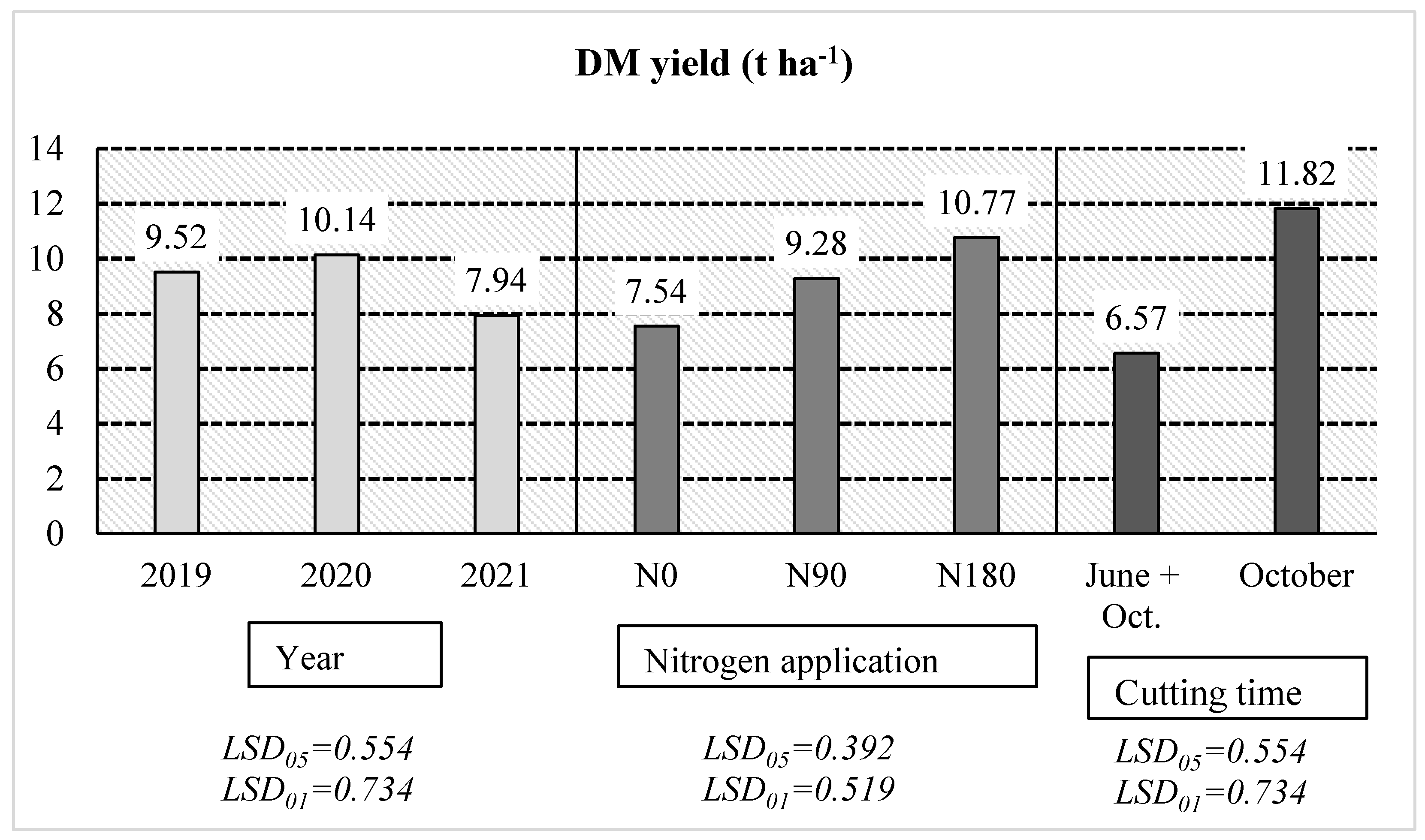
Figure 2.
Results of Artemisia dubia plant flour fractional composition.
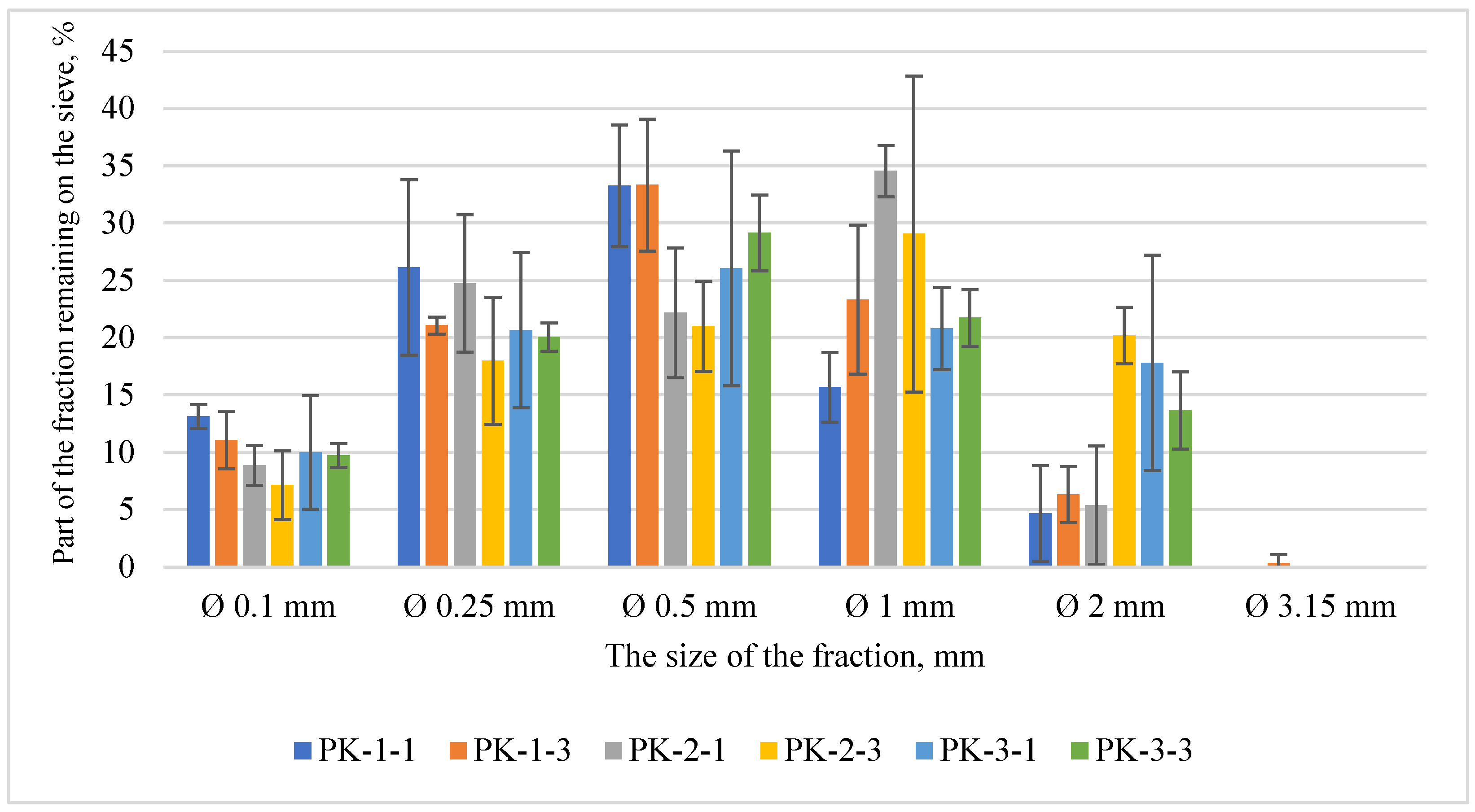
Figure 3.
Produced biofuel pellets of Artemisia dubia plants, which were fertilized with 0 and 180 kg ha-1 of nitrogen fertilizer and were harvested in different harvest periods.
Figure 3.
Produced biofuel pellets of Artemisia dubia plants, which were fertilized with 0 and 180 kg ha-1 of nitrogen fertilizer and were harvested in different harvest periods.
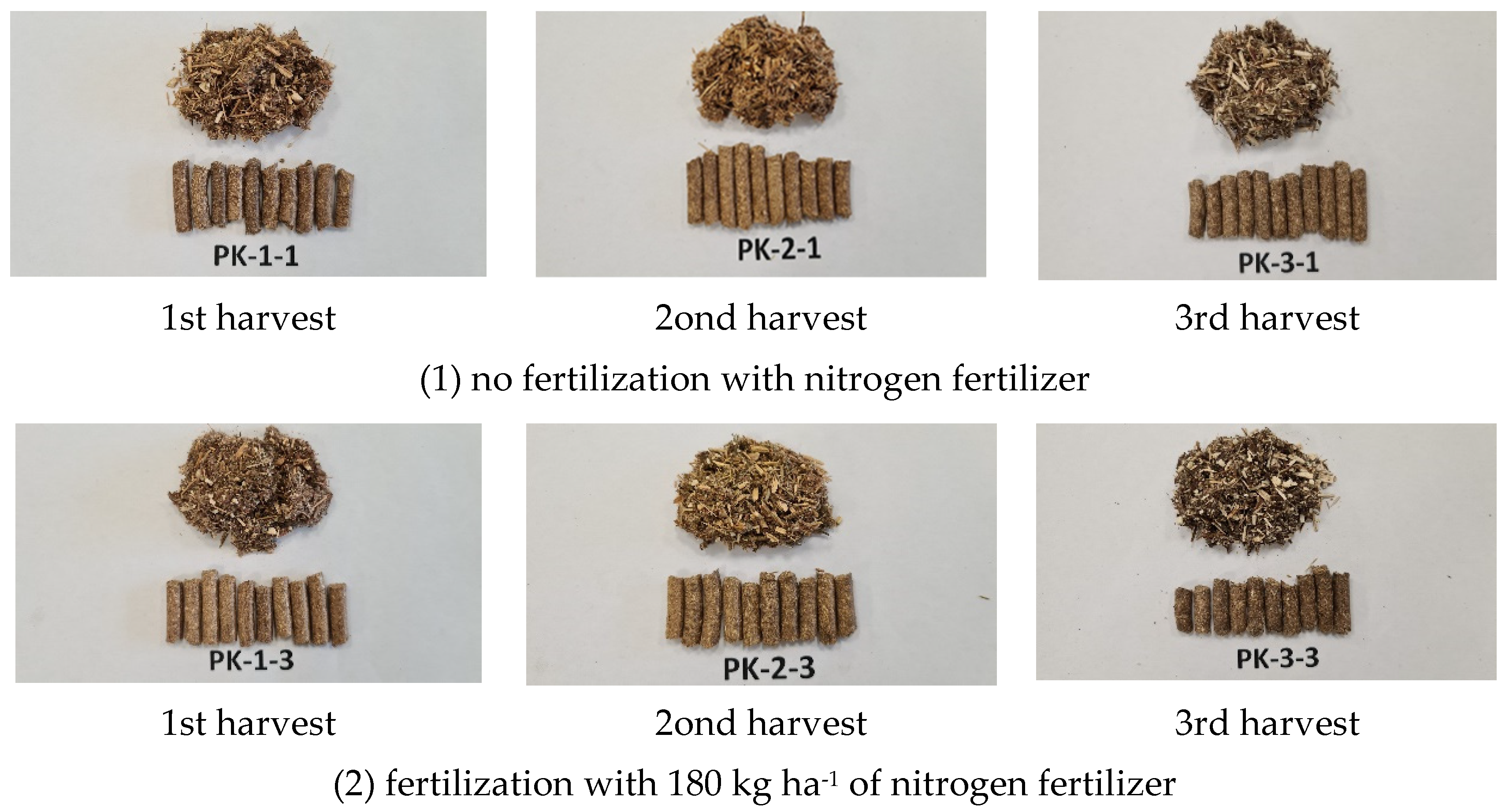
Figure 4.
Average means of pellet density.
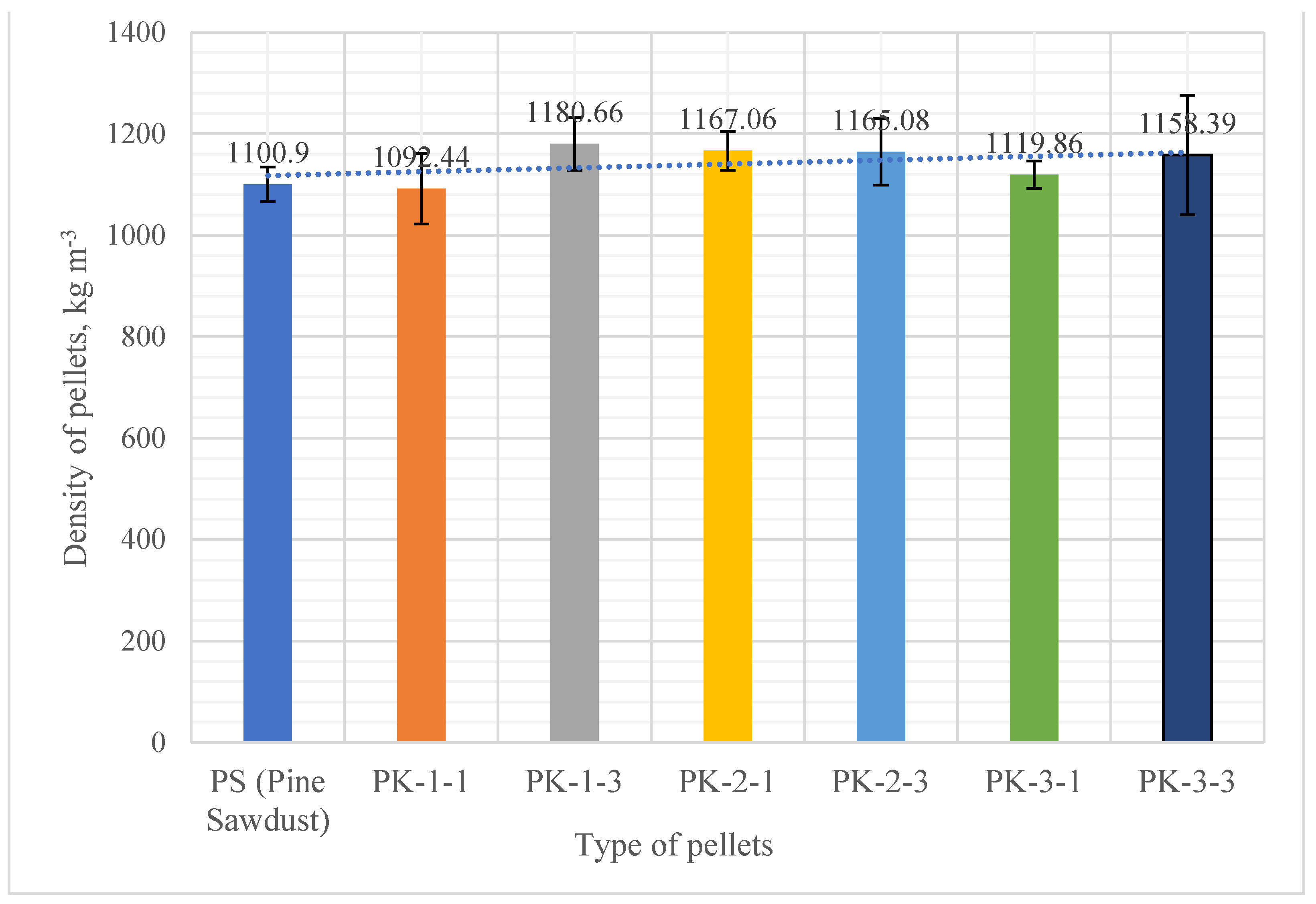
Figure 5.
Determined means of ash content after Artemisia dubia plant and pine sawdust pellet burning.
Figure 5.
Determined means of ash content after Artemisia dubia plant and pine sawdust pellet burning.
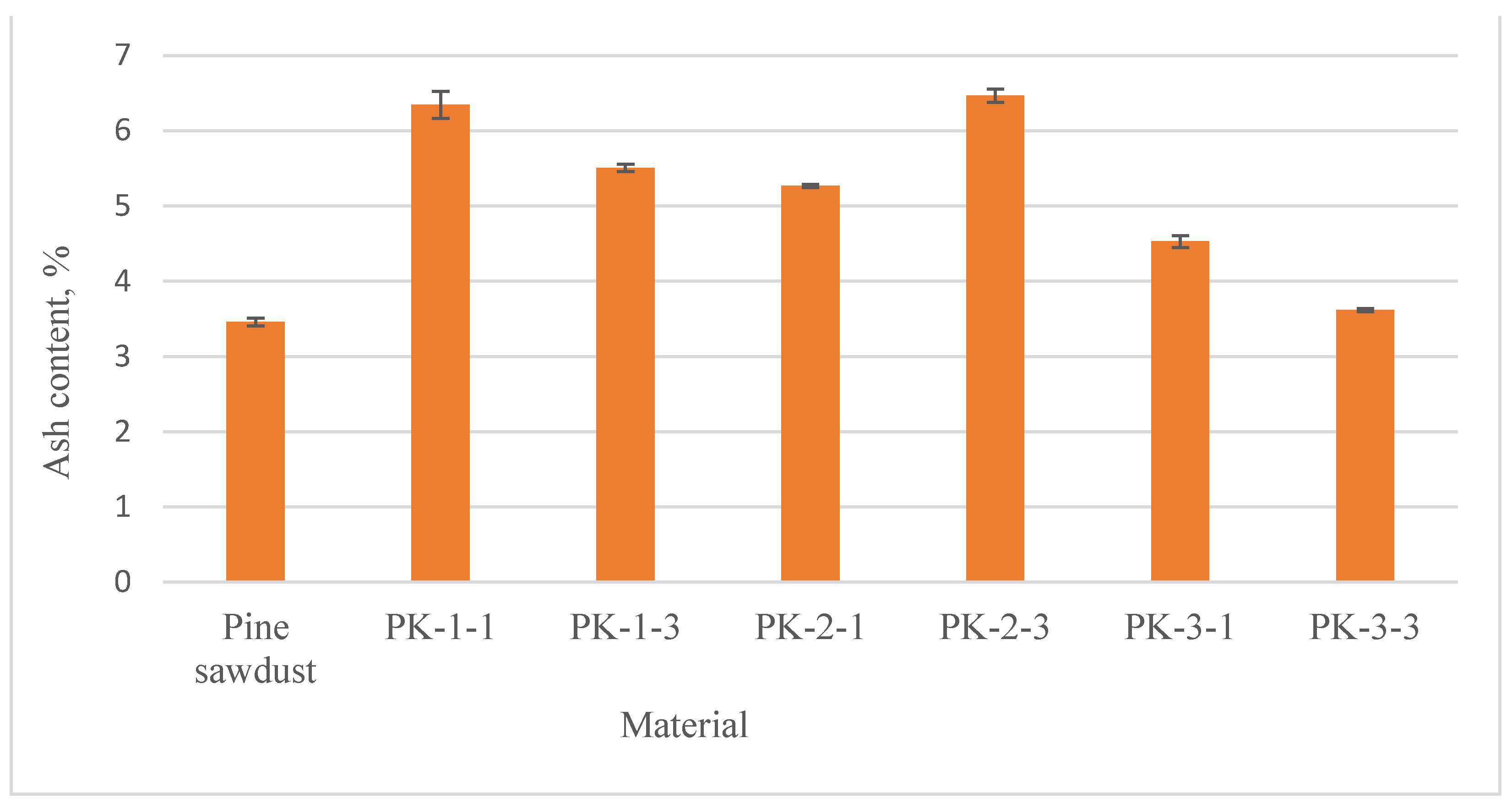
Figure 6.
Means of Artemisia dubia plant pellet heating values.
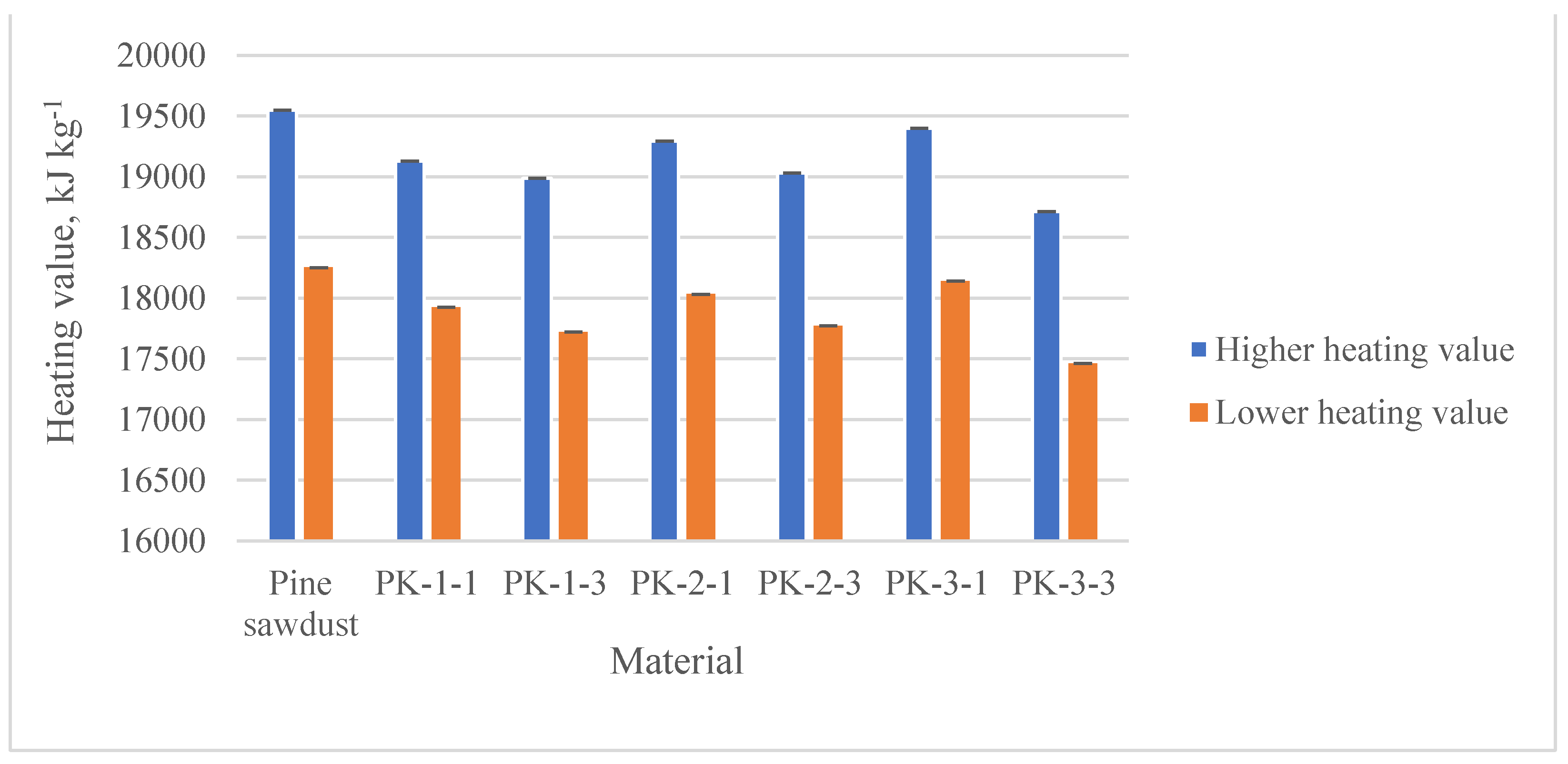
Figure 7.
Curves of produced Artemisia dubia plant pellet strength test. (a) PK-1-1; (b) PK-1-3; (c) PK-2-1; (d) PK-2-3; (e) PK-3-1; (f) PK-3-3.
Figure 7.
Curves of produced Artemisia dubia plant pellet strength test. (a) PK-1-1; (b) PK-1-3; (c) PK-2-1; (d) PK-2-3; (e) PK-3-1; (f) PK-3-3.
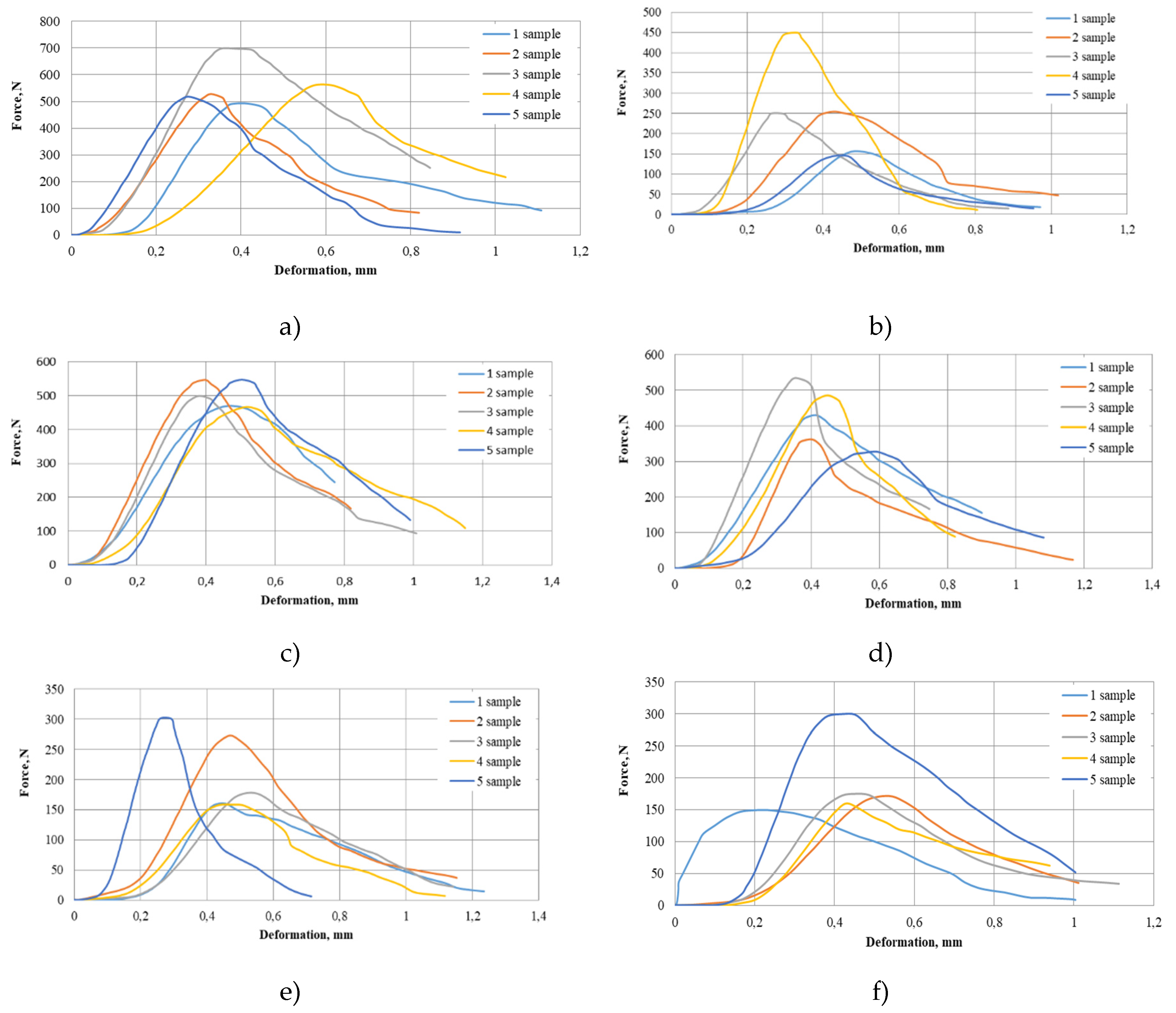
Figure 8.
Comparison of the compressive strength of produced Artemisia dubia plant pellets.
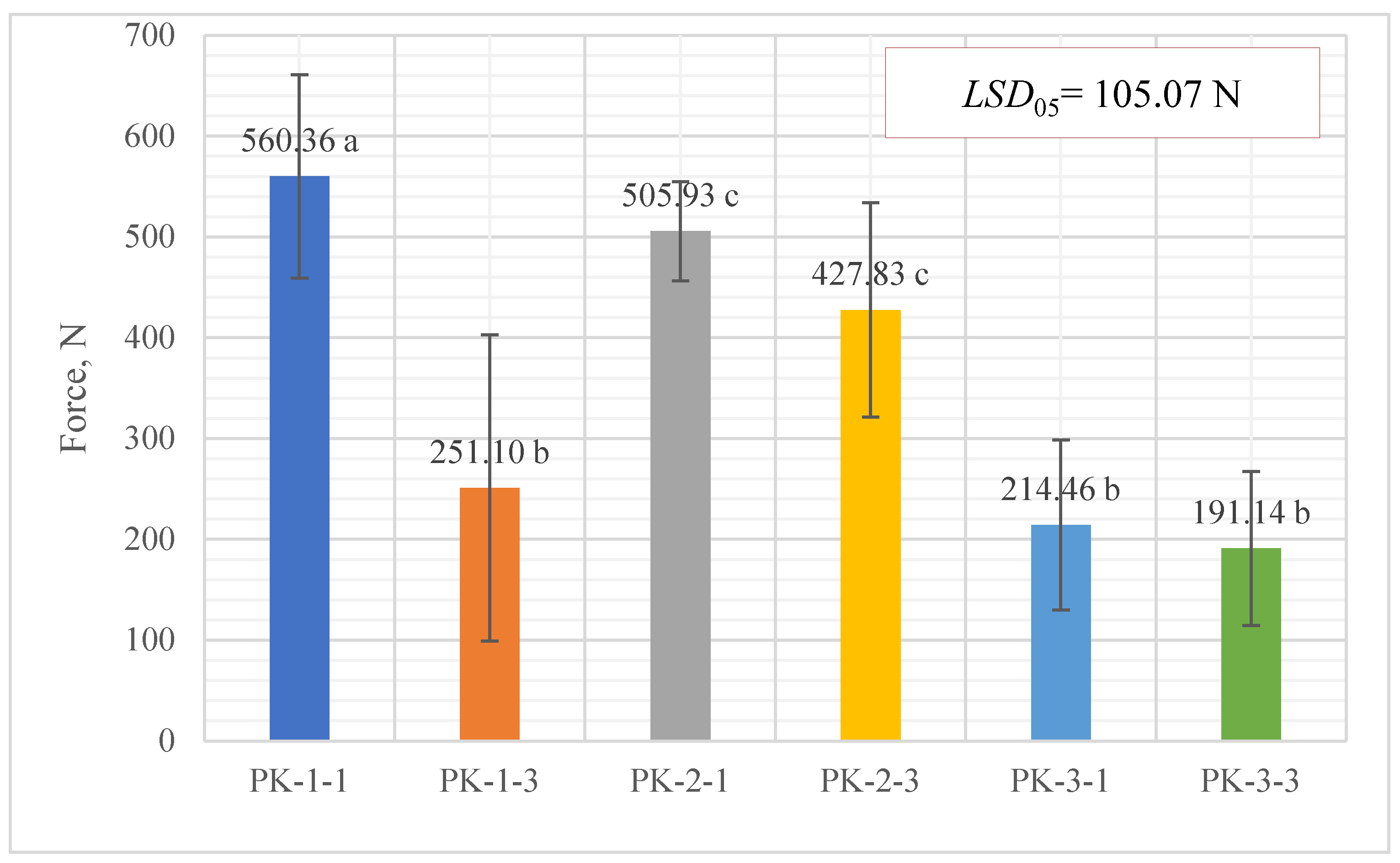
Figure 9.
Variation of Artemisia dubia plant pellet ash melting temperatures.
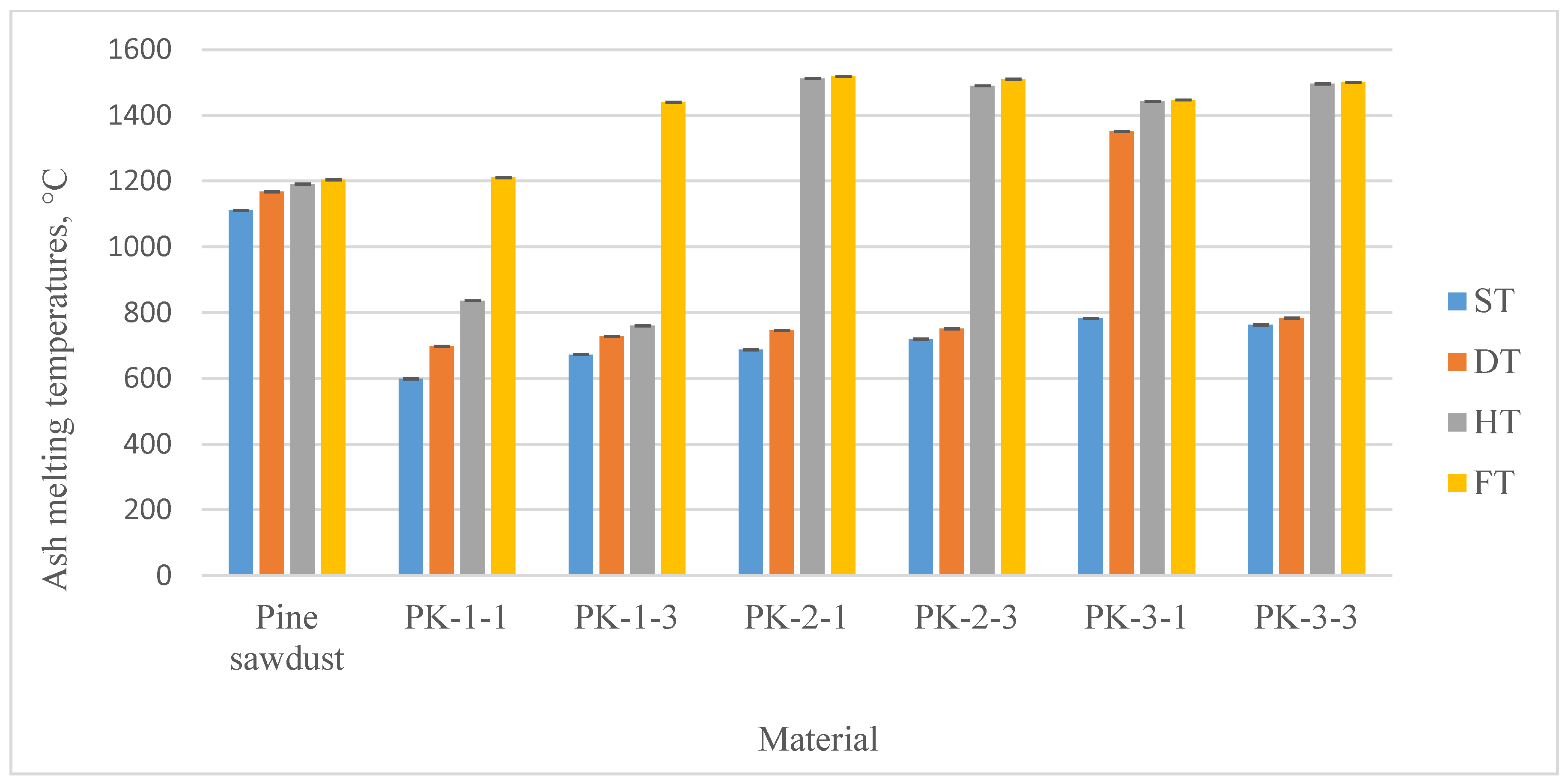
Figure 10.
Determination of CO2 emissions from the burning of biofuel pellets.
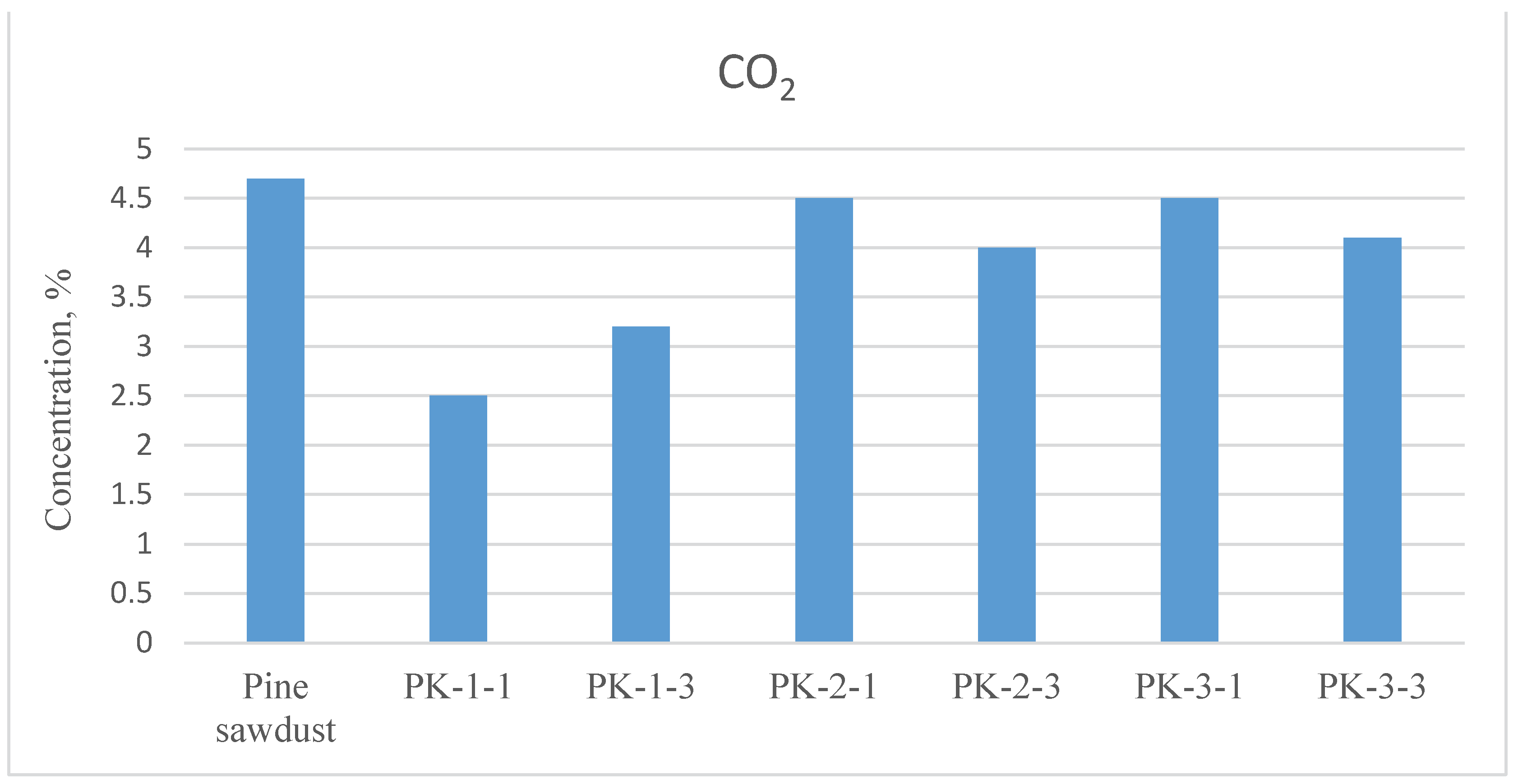

Table 1.
Main characteristics of produced Artemisia dubia plant (various sorts) and pine sawdust pellets.
Table 1.
Main characteristics of produced Artemisia dubia plant (various sorts) and pine sawdust pellets.
| Parameter | PK-1-1 | PK-1-3 | PK-2-1 | PK-2-3 | PK-3-1 | PK-3-3 | Pine sawdust (PS) |
|---|---|---|---|---|---|---|---|
| Length, mm |
25.77 | 25.33 | 25.79 | 23.97 | 24.66 | 21.82 | 30.73 ± 0.88 |
| Diameter, mm | 6.22 | 6.32 | 6.39 | 6.32 | 6.25 | 6.31 | 6.09 ± 0.13 |
| Mass, g |
0.93 | 0.94 | 0.96 | 0.88 | 0.85 | 0.79 | 0.91 ± 0.05 |
| Density, kg m-3 |
1192.44 ±69.72 |
1180.66 ±52.25 |
1167.06 ±38.11 |
1165.08 ±65.87 |
1119.86 ±26.65 |
1158.39 ±117.84 |
1100.90 ±34.00 |
| Moisture content, % |
9.98 ± 0.33 | 8.85 ± 0.61 | 9.26 ± 0.37 | 8.80 ± 0.55 | 9.66 ± 0.55 | 10.49 ± 0.40 | 7.50 ± 0.55 |
| Ash content, % |
6.35 ± 0.18 | 5.51 ± 0.05 | 5.27 ± 0.02 | 6.47 ± 0.09 | 4.53 ± 0.08 | 3.62 ± 0.02 | 3.46 ± 0.05 |
| LHV, MJ kg-1 |
17.92 ± 1.01 | 17.72 ± 0.30 | 18.03 ± 0.05 | 17.77 ± 0.30 | 18.14 ± 0.28 | 17462 ± 0.25 | 18.25 ± 0.59 |
Table 2.
Main elemental characteristics of investigated Artemisia dubia plant and pine sawdust pellets, and ash melting temperatures.
Table 2.
Main elemental characteristics of investigated Artemisia dubia plant and pine sawdust pellets, and ash melting temperatures.
| Parameter | PK-1-1 | PK-1-3 | PK-2-1 | PK-2-3 | PK-3-1 | PK-3-3 | Pine sawdust (PS) |
|---|---|---|---|---|---|---|---|
| Artemisia dubia plant pellets elemental composition, % | |||||||
| C, % | 48.67 ± 0.20 | 47.34 ± 0.12 | 48.33 ± 0.09 | 47.52 ± 0.10 | 48.73 ± 0.11 | 49.36 ± 0.01 | 49.87 ± 0.11 |
| N, % | 1.22 ± 0.09 | 1.41 ± 0.13 | 1.00 ± 0.03 | 1.51 ± 0.01 | 0.68 ± 0.02 | 0.90 ± 0.01 | 0.47 ± 0.01 |
| H, % | 5.51 ± 0.01 | 5.79 ± 0.06 | 5.76 ± 0.09 | 5.75 ± 0.02 | 5.76 ± 0.02 | 5.73 ± 0.05 | 5.94 ± 0.03 |
| S, % | 0.07 ± 4.91 | 0.07 ± 8.77 | 0.06 ± 2.78 | 0.06 ± 11.49 | 0.05 ± 2.34 | 0.06 ± 5.49 | 0.06 ± 2.28 |
| O, % | 37.8 | 39.6 | 39.4 | 38.4 | 39.9 | 40.0 | 40.1 |
| Cl, % | 0.37 ± 9.81 | 0.30 ± 5.86 | 0.20 ± 10.04 | 0.25 ± 8.77 | 0.37 ± 9.81 | 0.38 ± 8.77 | 0.07 ± 1.31 |
| Artemisia dubia plant pellets ash melting temperatures, °C | |||||||
| ST, °C | 599 ± 1.56 | 672 ± 0.42 | 687 ± 0.62 | 720 ± 0.79 | 783 ± 0.54 | 763 ± 0.93 | 1111 ± 0.38 |
| DT, °C | 698 ± 0.81 | 728 ± 0.78 | 746 ± 0.76 | 751 ± 0.19 | 1352 ± 0.63 | 783 ± 0.90 | 1168 ± 0.48 |
| HT, °C | 836 ± 0.32 | 760 ± 0.37 | 1512 ± 0.19 | 1490 ± 0.19 | 1442 ± 0.39 | 1496 ± 0.87 | 1191 ± 0.59 |
| FT, °C | 1211 ± 0.58 | 1440 ± 0.39 | 1519 ± 0.28 | 1510 ± 0.37 | 1447 ± 0.29 | 1500 ± 0.19 | 1204 ± 0.47 |
Table 3.
Correlations (r) between pellet’s chemical properties.
| Independent variables, x |
Depended variables, Y | |||||
|---|---|---|---|---|---|---|
| C, % | O, % | H, % | N, % | S, % | Cl, % | |
| C, % | 1.000 | 0.433 | n | -0.880** | -0.334 | n |
| O, % | - | 1.000 | 0.775* | -0.676 | -0.498 | n |
| H, % | - | - | 1.000 | -0.479 | -0.398 | -0.724 |
| N, % | - | - | - | 1.000 | 0.587 | 0.330 |
| S, % | - | - | - | - | 1.000 | n |
Table 4.
Correlations between pellet’s chemical and thermo-physical properties.
| Independed variable x | Depended variables, Y | |||||||
|---|---|---|---|---|---|---|---|---|
| Humidity, % |
Density, kg m-3 |
Ash content, % | LHV, MJ kg-1 |
ST, °C |
DT, °C |
HT, °C |
FT, °C |
|
| C, % | n | -0.635 | -0.792* | 0.393 | 0.667 | 0.499 | n | -0.502 |
| O, % | n | -0.682 | -0.883** | 0.344 | 0.618 | 0.564 | 0.305 | n |
| H, % | -0.739 | -0.744 | -0.621 | n | 0.807* | 0.496 | n | n |
| N, % | n | 0.848* | 0.853* | n | -0.759* | -0.784* | -0.301 | 0.347 |
| S, % | n | 0.723 | 0.459 | n | -0.400 | -0.758* | -0.809* | -0.351 |
| Cl,% | 0.901** | 0.496 | n | 0.398 | -0.711 | n | n | n |
Table 5.
Emissions from the burning of pressed Artemisia dubia plants and pine sawdust pellets.
| Plant species | CO2 | CO | NOx | CxHy |
|---|---|---|---|---|
| % | ppm | ppm | ppm | |
| PK-1-1 | 2.5 | 8303 | 157 | 1109 |
| PK-1-3 | 3.2 | 3219 | 150 | 307 |
| PK-2-1 | 4.5 | 2447 | 169 | 206 |
| PK-2-3 | 4.0 | 4121 | 206 | 495 |
| PK-3-1 | 4.5 | 702 | 111 | 40 |
| PK-3-3 | 4.1 | 2555 | 141 | 287 |
| Pine sawdust | 4.7 | 188 | 111 | 9 |
Disclaimer/Publisher’s Note: The statements, opinions and data contained in all publications are solely those of the individual author(s) and contributor(s) and not of MDPI and/or the editor(s). MDPI and/or the editor(s) disclaim responsibility for any injury to people or property resulting from any ideas, methods, instructions or products referred to in the content. |
© 2024 by the authors. Licensee MDPI, Basel, Switzerland. This article is an open access article distributed under the terms and conditions of the Creative Commons Attribution (CC BY) license (http://creativecommons.org/licenses/by/4.0/).
Copyright: This open access article is published under a Creative Commons CC BY 4.0 license, which permit the free download, distribution, and reuse, provided that the author and preprint are cited in any reuse.


