

Submitted:
09 January 2024
Posted:
10 January 2024
You are already at the latest version
Abstract
There is less attention to use an environmental perspective in economic valuation and individuals' willingness to pay for recreational sites. Therefore, the aim of this study is to use contingent valuation methods to estimate the recreational value and willingness to pay of visitors to the protected area of Helen forest, considering the scale of the new environmental paradigm (NEP). To achieve this, the sample size for survey was determined using the Cochran method, and then economic valuation and environmental perspective questions were designed and completed through the completion of a dual-dimensional questionnaire and NEP scale. To determine the factors influencing individuals' willingness to pay, the logistic regression model was employed. In this study, two modeling approaches were used. The first utilized a base model containing socio-economic variables, while the second model integrated a NEP into the base, and subsequent estimations were conducted. The results indicated that 83.04% of visitors are willing to pay an amount for the recreational use of the study area. The estimated model results demonstrated that variables such as the proposed amount, frequency of visits, environmental statement, age, gender, education, individual monthly income, residency, and the NEP are among the most influential factors affecting the likelihood of accepting the proposed amount by tourists. The strong and positive correlation between the NEP and willingness to pay indicates that individuals with a favorable environmental perspective tend to exhibit a higher willingness to pay. In this study, the average willingness to pay per household per visit was 199,793 Rials, and the annual recreational value for the entire Helen forest area was 23746832564 Rials. Furthermore, the survey results regarding visitors' perspective on the NEP revealed that the average NEP score for visitors to Helen forest was 36.57, with the statement 'plants and animals have similar rights to humans' receiving the highest average score of 28.4. The result of this study shows the importance of environmental perspective for sustainable management of a recreational site to balance economic development with environmental conservation and social well-being.
Keywords:
Recreational value
; new environmental paradigm (NEP)
; contingent valuation methods (CVM)
; willingness to pay (WTP).
1. Introduction
People benefit from various services that forests provide, such as timber, which has a market price, and recreation, which does not have a market price [1]. Measuring these services in monetary terms can help society understand how nature contributes to human well-being and inform policy decisions for ecosystem conservation [2,3]. Economic valuations are an important first step for management practices that seek to optimize the use of resources while maximizing societal well-being [4,5,6]. By estimating the values of environmental goods that are usually ignored in policy decisions, the valuation process itself encourages a more complete assessment of the full value of forests, not just the market prices that are easily observable. Among the valuation methods that try to measure the different values of forest ecosystem services, most of the attention is given to marketable goods like timber that have market prices and economic impacts [5]. While traditional market value assessments primarily focus on timber extraction, non-market valuation approaches can effectively illuminate the broader socio-economic contributions of forest ecosystems. [6]. In recent years, the increasing use of forest wood products has reduced the other benefits that natural forests provide, such as biodiversity, culture, and other public goods [7,8]. Besides timber, forests also provide other public environmental goods that improve human well-being, such as recreation and biodiversity conservation. However, these services are public goods that do not have a market price or data to show how much people value them [9]. We can still estimate the economic value of these services by asking people how much they are willing to pay for them in a hypothetical situation [10]. In this method, we can capture the monetary values that people assign to these non-market forest benefits and communicate the broader social values of natural resources beyond the mere commercial assessment of timber [6]. In the absence of readily available market prices for public environmental goods, artificial valuation scenarios are employed to construct hypothetical markets for quantifying the exchange values of these ecosystem services [11].
These non-market valuation techniques provide a mechanism to assign proxy monetary values to the diverse goods and services provided by nature, regardless of their actual pricing [12]. Among these methodologies, the contingent valuation method (CVM) has gained widespread recognition in the academic literature as a preferred approach for illuminating the economic values of forest ecosystem services [13]. Pioneered by Davis [14] to estimate recreational use values for woodlands. CVM utilizes survey instruments to construct hypothetical scenarios that elicit individuals' willingness to pay (WTP), thereby uncovering previously hidden preferences for public environmental goods [15]. CVM serves as a valuable tool for eliciting WTP monetary estimates from community members for the conservation of forest resources, quantitatively approximating the implicit economic values of these public environmental goods [16]. At its core, CVM establishes a bridge between the ecological attributes that are most crucial for conservation and individuals' financially quantified preferences, or WTP, for preserving those attributes [17]. The elicited WTP values provide crucial insights into individuals' preferences, including the underlying factors influencing their choices, regarding hypothetical changes in the provision levels of environmental goods and services. This information is essential for policymaking that aims to align with the socially optimal level of natural resource management. Moreover, understanding public values serves as a critical foundation for shaping subsequent attitudes and behaviors that have implications for conservation outcomes [18,19]. A key variable that significantly impacts the outcomes of contingent valuation scenarios and influences WTP estimates is participants' pre-existing environmental attitudes. This highlights the significance of integrating environmental attitudes within the realm of CV studies. Literature emphasizes the relevance of motivations and belief systems as they contribute to nonuse values [20,21]. More specifically, a deeper examination of the underlying motivations and belief structures driving non-use existence values is essential for contextualizing contingent valuation analyses in environmental economics research [22]. While economic models often treat quantified WTP levels as direct reflections of revealed preferences, psychological literature suggests that these hypothetical payments represent expressed behavioral intentions that are partially shaped by attitudinal factors [23,24].
In 1993, a panel of distinguished economists convened by the National Oceanic and Atmospheric Administration (NOAA) acknowledged the crucial role of accounting for 'attitudes toward the environment' in interpreting responses within economic valuation scenarios [25]. Numerous studies have since corroborated this relationship [26]. Environmental attitudes, as defined by Bartczak [27] and McIntyre and Milfont [28], encompass latent psychological tendencies that manifest as individuals' evaluative orientations toward the natural world, ranging from favorable to unfavorable stances. These attitudes directly influence pro-environmental behaviors and behavioral intentions [29]. Environmental attitude stands as a significant predictor of pro-environmental behavioral intention, thereby influencing actual pro-environmental behavior [30]. A substantial body of theory supports the notion that internal attitudes guide external behaviors, including economic decisions involving environmental goods [31,32]. For instance, WTP levels expressed in surveys may reflect underlying attitudes about the value of nature and beliefs about the consequences of environmental changes [18,32]. Reflecting the link between attitudes and behaviors, research increasingly identifies the influence of environmental perspectives on WTP, surpassing pure economic calculations [27]. Improving the precision of defining and collecting attitude measures can substantially enhance the descriptive and predictive power of economic models in estimating WTP empirically, especially in contexts that seek to understand the behavioral intention behind WTP [33].
The New Environmental Paradigm (NEP) scale is widely recognized as a pivotal quantitative instrument within environmental literature, extensively utilized to measure attitudes and worldviews concerning the environment. The NEP scale, originally consisting of 12 items, was a fundamental tool for measuring attitudes toward the environment [34]. It underwent expansion to encompass 15 items and was rebranded as the 'new ecological paradigm' scale, evaluating the endorsement of eco-centric systemic beliefs [36]. Empirical analyses typically approach the study of environmentally impactful human behaviors through a framework that contrasts the Dominant Social Paradigm (DSP) with the alternative NEP perspective. Marked by anthropocentric assumptions that prioritize economic productivity over ecological stability, DSP treats natural resources as limitless inputs for human exploitation, whereas NEP recognizes the intricate interdependencies within interconnected ecosystems with limited carrying capacities. Moreover, all elements within ecosystems, encompassing humans and other living entities, are interconnected. Consequently, the destruction of one component within an ecosystem could lead to a decline in its entirety. As humans acquire more profound insights into ecosystems, their attitudes toward the environment can undergo significant transformations [29,37]. The evolution from a DSP to an NEP, beginning in the late 20th century, signifies a shift away from the perception of human superiority towards acknowledging the inherent value of nature. This transition moves beyond accepting environmental degradation for economic gain to emphasizing the significance of preserving ecosystem health [38]. Despite numerous studies evaluating the worth of environmental goods and services, only a limited subset incorporates environmental attitudes as an explanatory factor for WTP. This is often gauged using the NEP scale. These studies are: Kotchen and Reiling [39], Cooper et al [40], Spash [41], Meyerhoff [42], Ojea and Loureiro [43], Aldrich et al. [44], Hoyos et al. [45], Choi and Fielding [46], Bartczak [27], Meldrum [47], Halkos and Matsiori [48], Taye et al. [49], Kim et al. [50] and Yu et al. [51]. Within these studies, environmental attitude has been a focal point in assessing diverse environmental goods and services. Typically, the findings across these studies indicate a positive correlation, showcasing that higher positive environmental attitudes often align with increased WTP.
According to the mentioned literatures, it is necessary to address the issues of valuing natural resources by considering the environmental attitude to move towards sustainable development. Therefore, considering the importance of the issue and its impact on environmental economics, it is necessary to study the importance and attractiveness of understanding the relationship between environmental values and NEP. This issue is also very important in relation to the environmental behavior of tourists of a region in the form of their WTP, because the behavior of tourists of a region has a strong effect on the environmental society of that region. This study enriches the literature by bridging the economic and psychological aspects of cultural ecosystem services within developing nations, an area that has received limited attention in prior research. The study offers novel and valuable insights into the values and preferences of people toward nature in a Middle Eastern context, which can inform and improve the decision-making process for the conservation and management of the forest resources. To achieve these objectives, the study estimates the recreational value of Helen forest by using two models: The first model uses socio-economic variables as the base model, and the second model incorporates the NEP scale along with the socio-economic variables.
2. Materials and Methods
The study area
The Helen forest protected area, situated in the southwest of Iran, encompasses portions of the Ardal, Lordegan, and Kiyar cities within the Chaharmahal and Bakhtiari provinces. The area extends over approximately 40,231 hectares, of which 30,000 hectares are classified as forestland and 10,000 hectares as pastureland (Figure 1). Dominant tree species within the forest are Helen oak (Quercus brantii), coexisting with other plant species such as almonds (Amygdalus spp.), Pistacia mutica, and Astragalus spp. [52]. The climate of the area varies from humid to very humid, as categorized by the Domarten’s climate classification system, based on the region's climatic characteristics. The average annual precipitation is 550 mm, and the average annual temperature is 14.2 C. The topography of the area is mountainous, with altitudes ranging from 1,168 to 3,225 meters [53]. The area is biodiversity-rich, as it harbors diverse habitats of mountain, forest, pasture, and riverside ecosystems. This area sustains a diverse array of flora and fauna species, some of which are endemic and play a pivotal role in maintaining the region's biological integrity [54].
Methodology
The CVM is firmly rooted in welfare economics, aligning with neoclassical economic value principles and the pursuit of maximizing individual utility. Economists, researchers, and policymakers favor this survey technique due to its comprehensive and adaptable methodology, offering a robust foundation for estimating benefits in environmental enhancements and other public goods, thus aiding in the design of effective and credible policies [55]. As previously outlined, the CVM relies on direct inquiries to individuals regarding their WTP for a specific commodity. A critical aspect of applying CVM involves selecting suitable survey and elicitation methods to ensure the accuracy of data collected. Presently, one of the pivotal methods for WTP determination is the stated preference-based contingent valuation experiment, incorporating field experiments and survey data collection to capture participant preferences [56]. CVM aims to gauge WTP within hypothetical market scenarios, often employing interviews as a favored method among various data collection approaches [57].
In this study, estimation involved face-to-face interviews utilizing a random sampling method, comprising the completion of 230 double-bounded dichotomous choice questionnaires in contingent valuation (DBDC-CV). This method necessitates selecting a subsequent bid beyond the initial offer, contingent upon the respondent's affirmative or negative reaction to the preliminary bid [58]. The DBDC-CV model mirrors the consumer decision-making process in real markets through its dichotomous-choice approach, resembling the 'yes' or 'no' scenario [59]. This methodology effectively mitigates biases stemming from unfamiliarity with goods [60]. The DBDC-CV model comprises two questions: The initial inquiry regarding the respondent's WTP a specified amount for a product, and the subsequent query about their WTP a higher (or lower) amount than the initial bid. The respondent's WTP falls between the two bid prices if either response is positive, between the second bid and their maximum WTP if both responses are positive, and below the second bid if both responses are negative. Finally, according to Cochran formula, 230 questionnaires were completed by tourists visiting the Helen forest through random sampling. The questionnaire comprised three sections: The initial section gathered respondents' personal information and socio-economic status, encompassing age, gender, household size, occupation, education, forest visit frequency, affiliation with environment agencies or related organizations, household income, and more. The second section specifically delved into environmental attitudes, employing NEP for assessment.
The NEP scale is a globally recognized survey tool crafted to gauge environmental concerns across populations using a comprehensive set of fifteen statements [61]. These statements within the NEP address attitudes toward the environment [62] and are categorized into five dimensions: acceptance of growth limits, anti-anthropocentrism, recognition of natural balance fragility, rejection of exceptionalism, and acknowledgment of a potential ecocrisis [63]. This section prompts respondents with statements reflecting either an anthropocentric or ecocentric worldview, asking them to rate their agreement from 'fully disagree' to 'fully agree.' To quantify ecological-mindedness, we converted these responses into a score on a five-point scale for each respondent. This section required respondents to indicate their environmental attitudes, assessed using the NEP scale. The information derived from the responses to the NEP questions formed the basis of our study, examining how environmental attitudes can explain WTP. The analysis was conducted using 230 comprehensive responses to the NEP questions. Additionally, in the third section, data concerning individuals' WTP for recreational values of Helen's forest was gathered for further examination.
Three proposed entrance fees (100,000, 50,000 and 200,000 Rials) were presented to examine the WTP for recreational and tourist services at the Helen forest area. As recommended by Siew et al. [64], pre-testing serves three main purposes: (1) evaluating the soundness of the questionnaire; (2) determining the relevance of variables; and (3) establishing appropriate initial bid values for the double-bounded dichotomous choice method. This section presented three interconnected questions featuring bids of 100,000 Rials, 50,000 Rials, and 20,000 Rials. The initial question proposed a midpoint price of 100,000 Rials, querying respondents whether they were willing to pay this amount as an entrance fee to access and enjoy the tourism, recreational, and related services provided by the Helen forest.
If the answer was " yes", then 200000 Rials, were offered. Conversely, if the answer was "no," an offer of 50,000 Rials was proposed. Respondents were also given the option to specify an amount lower than 50,000 Rials or higher than 200,000 Rials in the form of a question. They were asked: What is the minimum and maximum amount you would be willing to pay to access the recreational and tourism services of Helen Forest? The determination of the recreational value hinges on the dependent variable, which is the probability of accepting the proposed entrance price. This probability is derived from maximizing respondent utility when answering the questions [65].
Each visitor is willing to allocate a portion of his/her income corresponding to the suggested amount for using environmental resources. The utility derived from utilizing these environmental resources surpasses the utility experienced when these resources are not utilized. This concept is articulated through the following relationship [66]:
U represents the indirect utility derived by an individual, A stands for the person's income, Y signifies the proposed amount, and S encompasses other socio-economic factors influenced by personal preferences. and are random variables with a mean of zero and equally distributed independently. The utility difference ΔU can be described as follows [67].
Indeed, in this scenario, each respondent will elicit either a zero or a one as a response. This leads to the formulation of an econometric model where the dependent variable assumes a binary form. To handle such models, logit or probit models are commonly employed to analyze and predict outcomes based on binary dependent variables. The study employed the logit model due to its simplicity and dependable calculations [68]. The probability (Pi) that a person will accept the offer (A) is described as the following equation based on logit model:
, represents a cumulative distribution function with a standard logistic difference and incorporates several socio-economic variables including income, proposed amount, age, gender, and education. 𝛽, γ and θ represent coefficients, with expectations that γ > 0, 𝛽 ≤ 0, θ >0.
Calculating the average WTP
There are three methods to estimate the WTP [69]:
- Estimating the average WTP involves calculating the expected WTP by numerically integrating between zero and infinity (mean method).
- Estimating the total WTP involves calculating the expected WTP by numerically integrating between positive infinity and negative infinity (overall mean method).
- Estimating the partial WTP involves calculating the expected WTP by numerically integrating between zero and the maximum proposal (truncated mean method) (Eq. 5-7).
Among these methods, the third one stands out for its stability, consistency with theory, and statistical efficiency. It is calculated according to the following relationship (Eq. 8 and Eq. 9) [70]. The logistic or logit model, a statistical tool in both statistics and econometrics, specifically addresses binary dependent variables. This model derives its coefficients through the process of maximum likelihood estimation [71]. After the logit model is estimated, the expected WTP is calculated using a numerical integral between zero and the maximum accepted proposed bid by visitors to Helen's forest, as described [72].
is expecting amount of WTP and 𝛼 * is adjusted y intercept. That is added to original y intercept term by socio-economic values. This study aims to estimate the WTP of visitors for the environmental quality of Helen forest using a logistic regression model. The model is as follows:
In this model, Y is the dependent variable that represents the WTP for the recreational use of Helen forest. Y takes the value of one if the individual is willing to pay the proposed amount and zero if not. are the explanatory variables, are the coefficients of the explanatory variables and n is the number of explanatory variables. The study used two modeling approaches to estimate the recreational value of the protected area of Helen forest. The first model included the explanatory variables of the proposed bid, membership in a NGO, number of visits, environmental statement, age, gender, education, household size, monthly income of the individual, residence and travel duration. The second model added the NEP variable to the explanatory variables of the first model. The study compared the effects of using environmental attitudes in estimating the recreational value of an area with the base case. SHAZAM and Excel software were used to estimate the economic models (logit model) and perform statistical analysis.
Finally, considering the amount of WTP for each visitor and knowing the statistics of the total number of visitors per year, it is possible to estimate the total recreational value of Helen protected forest area. In the logit model, the initial estimated coefficients only show the signs of the effect of the explanatory variables on the probability of accepting the dependent variable and do not have a quantitative interpretation, but only the elasticities and marginal effect are interpreted. The marginal effect measures the extent of change in the probability of accepting the proposed rate due to a one-unit change in each descriptive variable. It is computed using the following formula [73]:
ME: Marginal effect
: Coefficient estimated for the Kth descriptive variable
: Representative of descriptive variables
The elasticity, a metric gauging the sensitivity of a dependent variable to alterations in an independent variable [74], signifies the percentage fluctuations in the observed probability of WTP among different age groups due to a 1% change in each descriptive variable. It is computed through the following formula [73]:
: represents the specific independent variable
: stands for the probability of occurrence (either 0 or 1)
x: denotes the descriptive variables
3. Result
3.1. Analysis of Socio-economic Attributes
The socio-economic attributes of the 230 survey participants are summarized in Table 1. The sample was predominantly male (n=177, 77%), with a mean age of 37.9 years. Most respondents (56.95%) belonged to the 30-40-year age range, whereas the group aged 50 years and above comprised the smallest percentage (5.65%). The average level of education was 16 years of schooling, and the average monthly income was 6.5 million tomans. The average household size was 3.35 members, and the average frequency of visiting the surveyed location was 6.2 times per year.
3.2. Ethical Perspectives and WTP
The current study analyzed individuals' behavior regarding the use and benefit of tourism and recreational services in the study area. Participants (n=230) assessed two environment-related perspectives: A deontological viewpoint upholding environmental protection as an ethical duty for which payment should occur regardless of personal benefit, and a teleological perspective deeming environmental protection payments should depend on accrued human benefits. Most respondents (n=159; 69.1%) aligned with the deontological perspective, believing the importance of environmental preservation sufficiently high to deserve unconditional investment. The remaining sample (n=71; 30.9%) endorsed the teleological view, positing payments should follow from received environmental benefits. Correlational analyses revealed WTP for regional tourism services diverged by ethical orientation: Specifically, intention-to-pay rates were higher among deontological (87% willing) than teleological (73% willing) respondents. On average, deontological respondents approved payments of approximately 125,000 Rials for area recreational services - exceeding the mean sum sanctioned by teleological respondents (Table 2).
3.3. WTP for Helen forest access
The economic value questionnaire measured visitors’ WTP for access to the Helen forest area, encompassing its tourism offerings and recreational services. The results showed that 83.04% of the 230 respondents (n=191) were willing to pay some amount, while 16.96% (n=39) were unwilling to pay (Table 3).
3.4. Pricing options and WTP
The three proposed bid in this study's questionnaire were determined through pre-testing using the double bounded dichotomous approach. Specifically, visitors were first asked about their WTP to access the recreational services at Helen forest. The average stated WTP was calculated as 100,000 Rials. This average value was then halved to derive the median proposed price of 50,000 Rials and doubled to obtain the higher bound of 200,000 Rials. The first question asked whether respondents would be willing to pay 100,000 Rials per visit for themselves and their family to use and benefit from the tourism, recreational and tourist services at the Helen forest area. In case of a negative response, a follow-up question presented the lower price of 50,000 Rials. For a positive response, the subsequent question offered the higher price of 200,000 Rials. Out of the 230 respondents, 31 respondents (13.48%) rejected the initial bid of 100,000 Rials. A majority of 160 respondents (69.57%) accepted the initial bid. The remaining 39 respondents (17.0%) provided no clear response. Those who accepted the initial bid were then asked about their WTP 200,000 Rials. Within this group, 54 respondents accepted the offer, while 106 rejected the bid of 200,000 Rials. Finally, respondents who had declined the initial bid of 100,000 Rials were offered the reduced option of 50,000 Rials. Among this group, 23 respondents (10%) accepted the lower bid, while 47 (20.4%) continued to decline this reduced offer.
3.5. New environmental paradigm and tourist perspectives
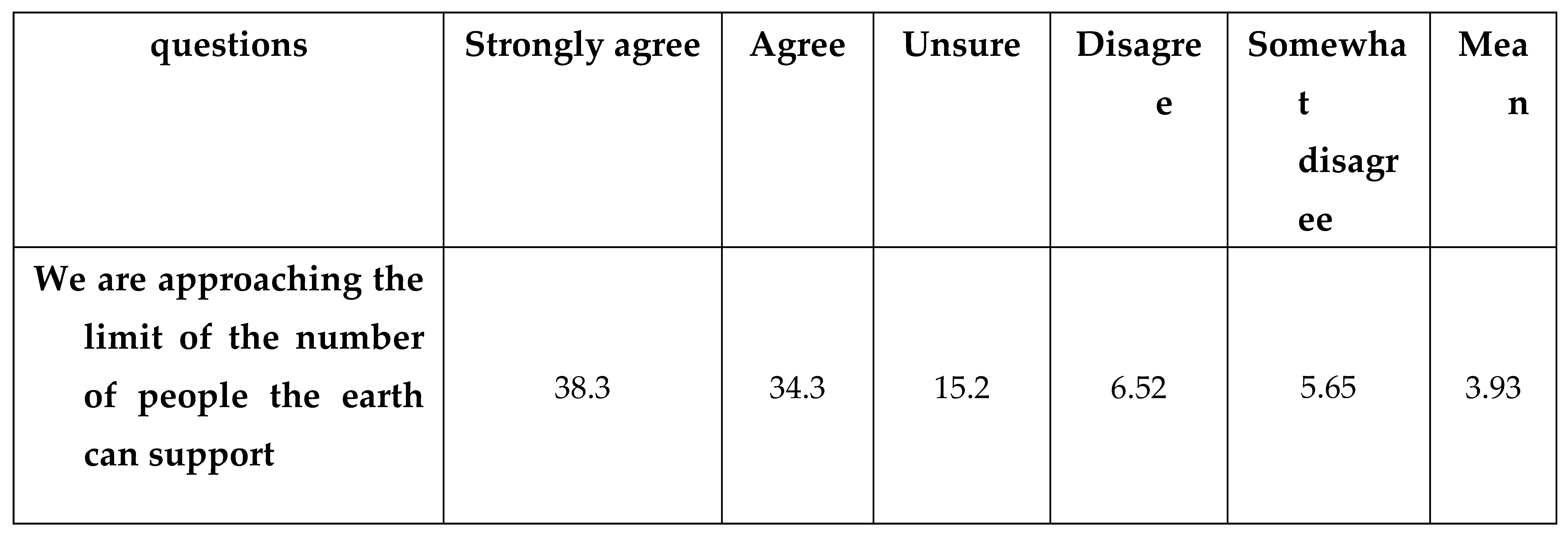
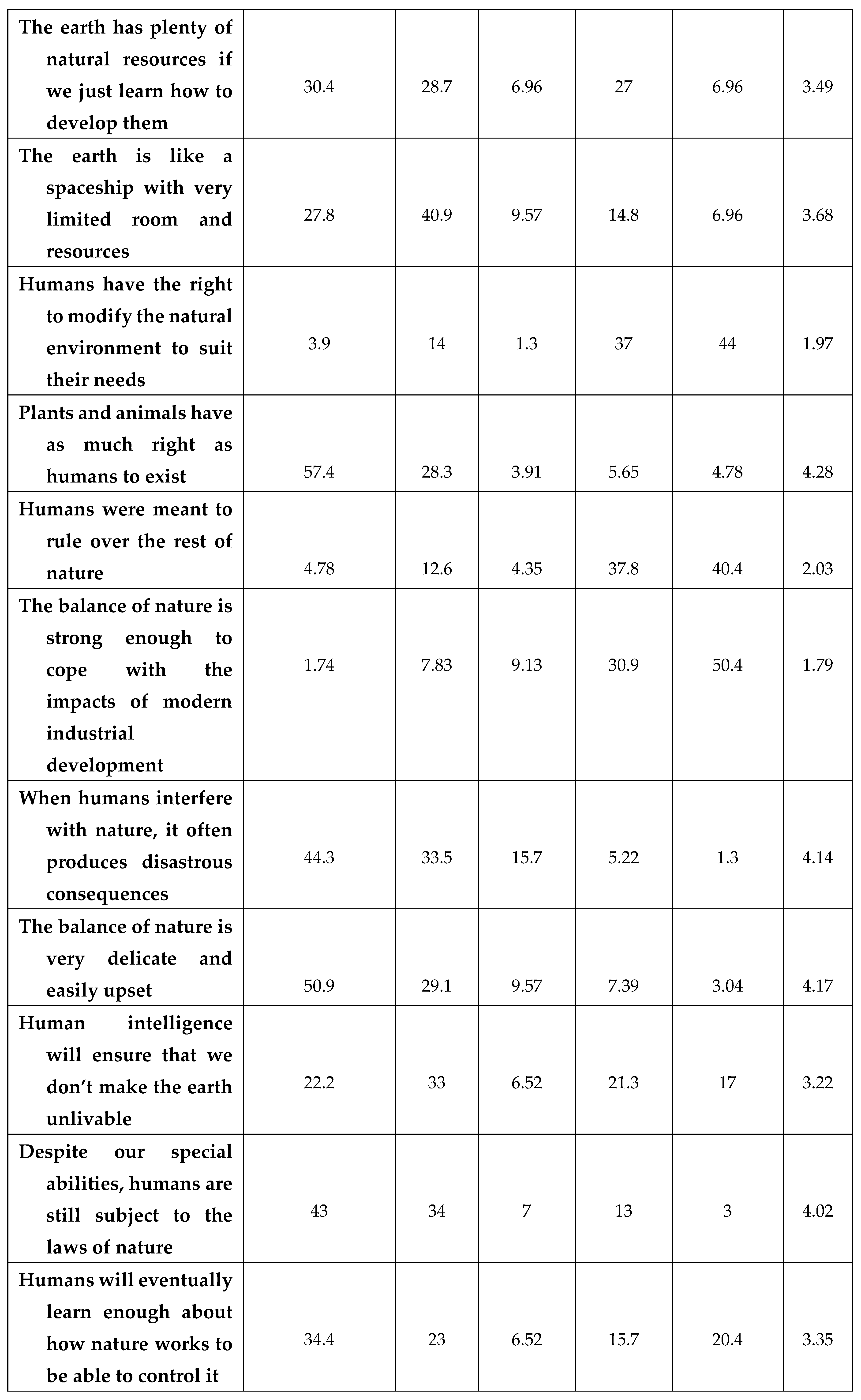
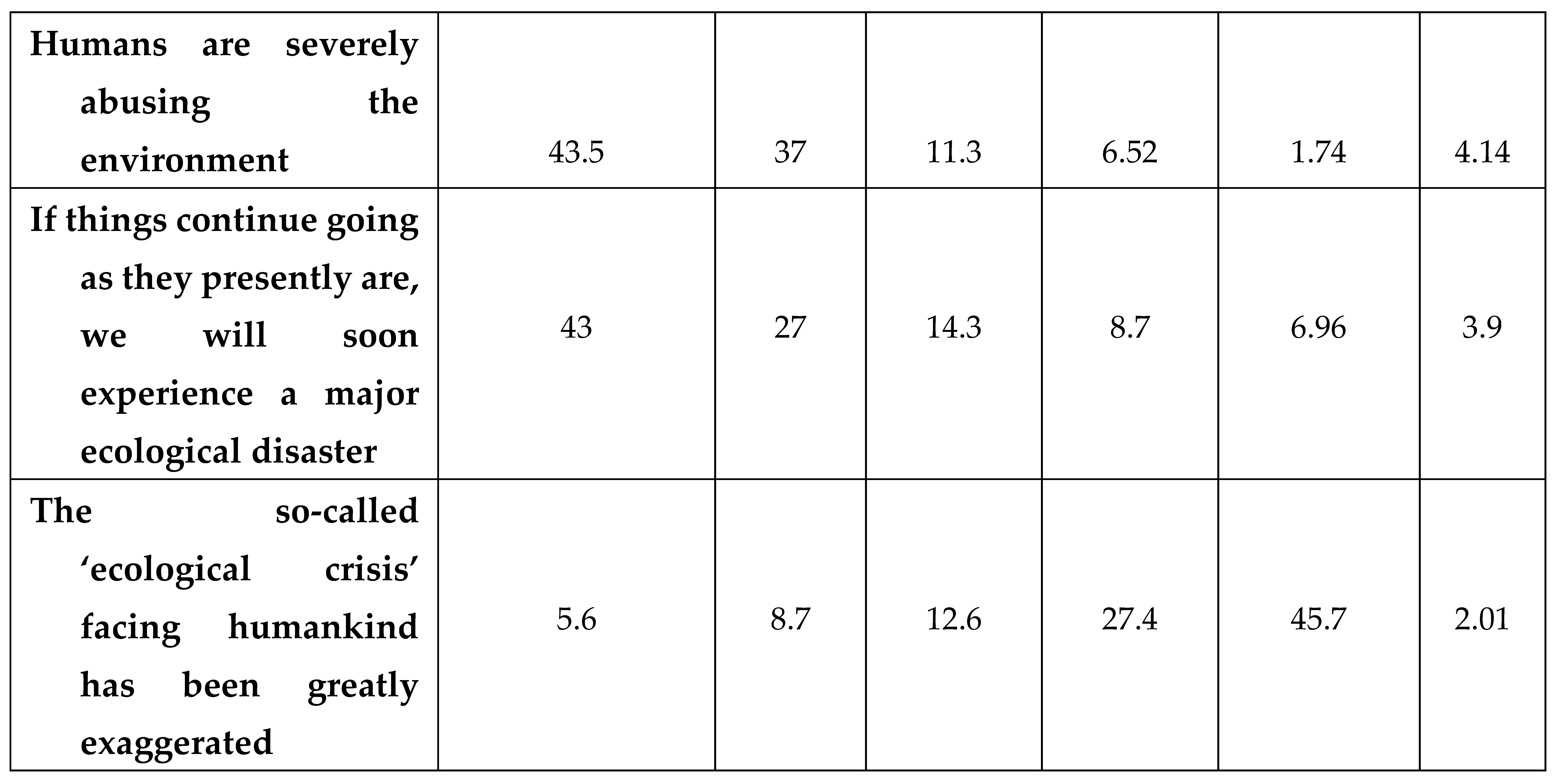
This study employed a 15-item Likert scale questionnaire to investigate visitors ' perspectives on the NEP within the protected Helen forest area. The questionnaire encompassed a range of scores from 15 to 75. The statement "plants and animals have as much right as humans to exist" received the highest mean score of 4.28, indicating a strong agreement among the respondents. In contrast, the lowest mean score of 1.79 was associated with the statement "the balance of nature is strong enough to cope with the impacts of modern industrial development", suggesting a lower level of agreement. The overall mean index score of 57.36 further emphasizes the overall positive perception of the NEP among the visitors' respondents.

Table 5.
Frequency distribution of the attitude of the NEP of the respondents of Helen forest area.
3.6. Logit model analysis
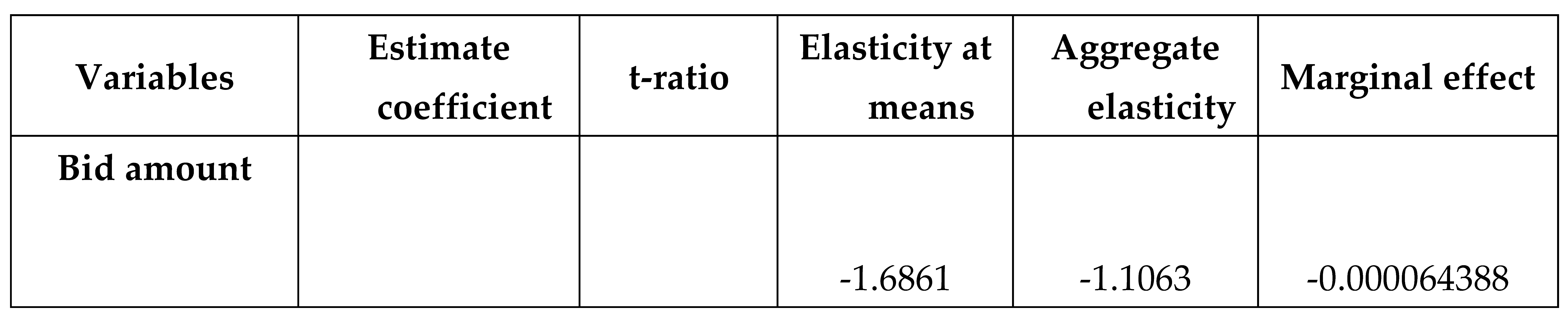
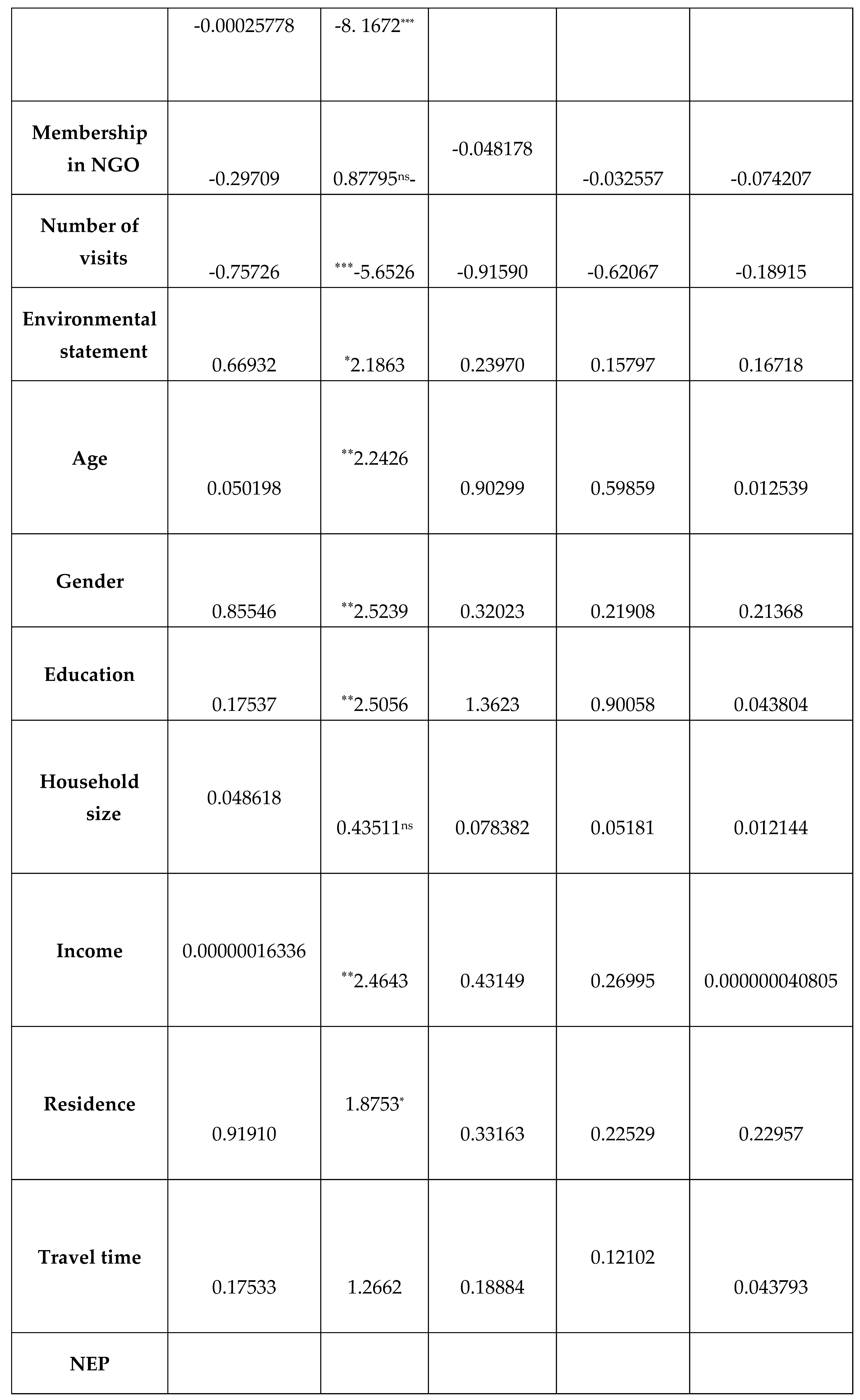
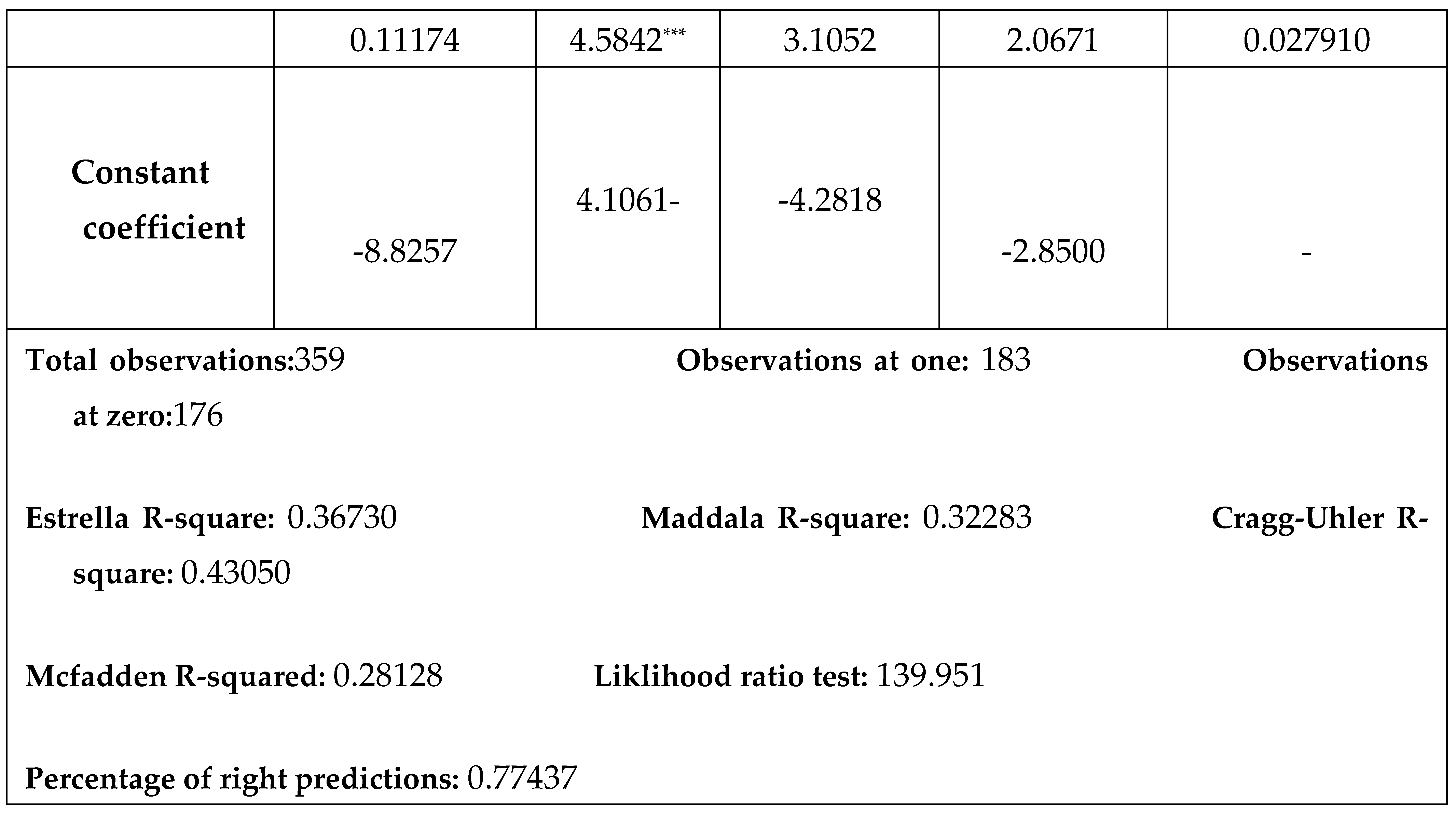
This study used the maximum likelihood method to estimate the coefficients, statistical significance levels, and impact of the explanatory variables of the logit model on the dependent variable. Table 6 and Table 7 shows the results for the first model as the base model and the second model with the environmental attitude variable. In both models, the proposed bid and the number of visits had a negative and significant effect on the WTP of individuals for the recreational use of Helen forest. The first model revealed that the most important positive and significant factors influencing the WTP of individuals for the recreational use of Helen forest were individual income, age, gender, education, environmental statement, travel duration and residence. The second model also found that individual income, age, gender, education, environmental statement, residence, and the NEP had a positive and significant influence on the WTP. The likelihood ratio test statistic measured the overall significance and goodness of fit of the logit model. It was 116.689 in the first model and 139.951 in the second model. The significance of this statistic in both models indicated that the estimated model was generally significant. In the first model, the goodness-of-fit criteria—Estrella, Maddala, Cragg-Uhler, and McFadden coefficients—were 0.30955, 0.27750, 0.37005, and 0.23453, respectively. Meanwhile, the second model exhibited values of 0.36730, 0.32283, 0.43050, and 0.28128 for the same criteria. These figures in both models were considered satisfactory given the number of observations within the dependent variable. The accuracy of predictions in the first model reached 74%, while in the second model it was 77%. These values denote a high predictive capability of the regression, surpassing the acceptable threshold for the logit model, which typically stands at 70%.
3.7. Calculating the WTP and the total annual recreational value of the Helen forest
The expected value of WTP using Eq. 8 was calculated by calculating the average WTP method by numerical integration in the range of zero to maximum offer. The average WTP of each household per visit for the recreational use of the study area was 138237 Rials in the first model and 199793 Rials in the second model. The study used the relation (8) to calculate the average WTP:
= 138237 Rials Model 1
In addition, the average WTP of each family per year for the recreational use of the study area was calculated based on the average number of visits to Helen forest (2.60). The total recreational value of the whole area was estimated by multiplying the average WTP of each family per year by the number of families visiting Helen forest per year (45714 families). The total recreational value of Helen forest was 16430466661 Rial in the first model and 23746825551 Rials in the second model. The study used the following formulas to calculate the average WTP per year for each family and the total annual recreational value:
Average WTP per year for each family = E (WTP) × Average number of visits to Helen's forest
= 138237 ×2.60= 359416.2 Rials Model 1
= 199793× 2.60= 519461.8 Rials Model 2
Annual recreational value of Helen's forest = average WTP per year per family * number of families visiting per year
= 359416.2 × 45714.3 = 16430459992 Rials Model 1
= 519461.8 × 45714.3 = 23746832564 Rials Model 2
4. Discussion
Nature-based tourism, which involves visiting natural areas for recreation, education, or cultural purposes, is one of the main economic arguments for conserving natural resources. Indeed, it has emerged as one of the most rapidly expanding economic sectors globally [75,76]. Recreational benefits derived from forests constitute a substantial portion of the overall economic value (TEV) of forests, playing an increasingly vital role in the management of multifunctional forests within protected areas [77]. The monetary value of socially desirable goods, such as recreational activities in preserved natural areas, has been ignored [5,78]. Therefore, one of the most widely used services of natural resources is its recreational value. This denotes that individuals are willing to spend an amount to benefit from this function of nature [79]. The Helen protected forest area in Iran plays an undeniable role in the services and functions of the forest. However, it remains vulnerable to both natural and human-induced threats [80]. The escalating pressures on these protected regions emphasize the necessity for economic justification to support their conservation and continued protection [81].
Since according to environmental laws, reasonable use of the resources of this vegetation is allowed and there are many villages on the margins and inside the area, there are no pristine conditions, especially for areas with lower altitudes and greater access. As a result, the effects of human activities in the area are quite evident. Indeed, this situation presents an opportunity. Leveraging people's environmental attitudes toward safeguarding the Helen protected forest area can facilitate economic valuation efforts. Their intrinsic value for conservation can be harnessed to establish the economic worth of preserving this vital ecosystem. Therefore, given that the use of environmental attitudes in economic valuation models, especially in terms of contingent valuation studies that aim to motivate WTP behavior, is very important [82].
In this study, two baseline models were estimated: one without considering environmental attitudes, and the second model incorporating environmental attitudes using the CVM to demonstrate their impact on economic valuation issues. The application of CVM in the field of valuation of forest ecosystem services is mainly from two aspects. On the one hand, it is a financially motivated tool for forest management programs. In fact, it is payment for forest ecosystem services [83,84]. On the contrary, the utilization of CVM extends to non-monetary incentive programs aimed at evaluating community preferences and WTP for forest conservation activities [86]. Therefore, the purpose of this study, which is a combination of attitude-behavior literature techniques and economic valuation, is to estimate the recreational value of the Helen protected forest area using NEP as a theoretical basis for determining people's WTP under the CVM.
The study conducted in the Helen protected forest area revealed that 83.04% of individuals expressed WTP for accessing and enjoying the tourist and recreational services provided by this forest. Hence, based on the estimated percentage, it's evident that despite being a developing country, Iran showcases a willingness among its people to invest financially in utilizing the tourism potential of its forests. This implies a crucial transformation of environmental considerations into monetary valuation, underscoring the substantial importance people place on natural resources and ecosystems. The favorable effects of tourism in protected areas extend beyond mere economic gains. Tourists' appreciation for nature within these areas encompasses various dimensions beyond economic benefits, encompassing recreational and aesthetic values as well [87]. Therefore, the high percentage of people's WTP for the recreational value of the Helen forest is promising in terms of management and given the threats to the area, it is necessary and essential to preserve and restore this forest. Socio-economic and demographic factors of visitors as well as recreational activities and objectives significantly influence recreational demand and preferences [88,89]. Therefore, the examination of factors influencing people's WTP, as determined by logit model estimation in the Helen protected forest area, highlighted the paramount explanatory variable affecting recreational value in CVM in both models. The estimated coefficient of the proposed amount variable emerged as the most significant and influential, signifying visitors' WTP for the area's recreational value in both models. The estimated coefficient of the offer factor, a pivotal determinant in estimating the potential WTP for recreational value, exhibits statistical significance at the 1% level, denoted by its expected negative sign. This signifies that within the assumed market scenario, an increase in the offered price corresponds to a reduced likelihood of respondents indicating a "yes" for WTP.
In [90], the estimation of the effect of the proposed amount on WTP to protect the Simlipal forest in India yielded a negative and significant impact. In [91], the price of the proposed amount was identified as the most influential variable affecting on WTP. In our study, a 1% rise in respondents' reaction to the proposed price results in a decrease of 1.034% in the probability of accepting the proposed amount in the first model and a decrease of 1.1063% in the second model. Considering the marginal effect of this variable, a one-unit increase in the proposed price leads to a decrease in the probability of accepting the proposed amount by 0.000054581 in the first model and by 0.000064388 in the second model. Consequently, it can be inferred that an increase in the admission fee at Helen forest corresponds to a decrease in visitors' WTP for recreational use.
Knowing the number of visits of individuals to tourist areas is important in estimating the number of person-days or hours of visits in planning and allocation of recreational facilities available in the park [92]. This variable was statistically significant at the 1% level with the expected minus sign in both models within our study. This indicates that with increasing number of visits to the study area, people's WTP decreases. This could be attributed to a decline in utility and a rise in the cost-effectiveness of the proposed admission fees, particularly impacting families who frequent the study area multiple times within a year. Therefore, the elasticity and marginal effect of the number of visits variable indicate a decrease in the probability of accepting the proposed amount by 0.52191% and 0.14643 units in the first model and by 0.62067% and 0.18915 units in the second model. This decrease corresponds to a 1% increase in the number of visitors and an increment of one-unit (each visit) to the Helen forest area. Studies by [93,94] similarly reported a notable impact of the number of visits on WTP.
In order to identify the reasons for visitors' tendencies towards the recreational value of Helen forest, we probed two environmental perspectives; ethical and consequential statements. The expected sign of the environmental statement variable in both models is positive and statistically significant at the 10% level of influence on the WTP of the visitors. This indicates that the visitors in the study area, holding an ethical perspective, view the preservation of the environment to maintain the recreational value of Helen forest as a moral obligation. They are willing to financially support its recreational value, even if it doesn't directly benefit them. As a result, the positive sign indicates that ethically oriented visitors are more willing to pay than consequential visitors. The emergence of different ethical perspectives on environmental protection highlights fundamental ideological differences that may profoundly shape attitudes and conservation engagement. The ethical viewpoint expresses an eccentric paradigm - placing nature as the primary focus of ethical considerations - while the viewpoint of consequential individuals gives priority only to human benefits. Based on the results obtained, the elasticity of this variable showed that with a 1%t increase in this variable, the probability of accepting the proposed amount will increase by 0.13322% in the first model and 0.15797% in the second model among visitors holding this viewpoint. Also, the marginal effect of this variable showed that increasing one-unit of the proposed price, the probability of WTP will increase by 0.13087 units in the first model and 0.16718 units in the second model for individuals with this viewpoint. A study on Bamu National Park in Iran [95] confirmed the correlation between individuals endorsing an ethical viewpoint and WTP, reporting results analogous to those observed in the present study.
Among the significant variables influencing people's WTP for the recreational value of Helen forest, age, gender, and education emerged as notably influential factors in both models, displaying a positive and significant impact. The elasticity of the age, gender, and education variables in the first model demonstrates respective increases of 0.63691%, 0.19816%, and 0.81397% in the probability of accepting the proposed amount with a 1% change in these variables. In the second model, these variables exhibit increases of 0.59859%, 0.21908%, and 0.90058% in the probability of acceptance with the same 1% change. Moreover, an increase of one-unit in the aforementioned variables results in an increase in WTP by 0.012329, 0.18079, and 0.036628 units in the first model. In the second model, these increases amount to 0.012539, 0.21368, and 0.043804 units, respectively, indicating the marginal effect of age, gender, and education variables on WTP. It can therefore be concluded that in the present study, people's WTP for recreational benefits from Helen's forest increases with age. According to field observations, the main reason for this was the direct relationship between the income of visiting individuals and the age of individuals, so that individuals who had higher incomes with increasing age assigned higher WTPs. Also, the education variable showed that a higher level of education influences the probability of “yes” in the WTP of visitors. Therefore, it can be concluded that the importance and recreational benefits of the Helen forest area are high for the educated segment of society, and education is one of the ways to appreciate the recreational value of the area and preserve and restore the living and pristine nature of this forest. Numerous studies, including [96,97], reported comparable findings to the present study concerning the variables mentioned earlier.
Examining the coefficient of income variable showed that this variable has a positive and significant effect at the 5% level in both models on individuals' WTP. In general, people's income has a great influence on accepting and paying an amount for the recreational value. In this regard, the elasticity of the income variable showed that a 1% increase in people's income increases the probability of accepting the proposed amount by 0.26002% in the first model and 0.26995% in the second model. Considering the marginal effect, a one-unit increase in people's income corresponds to an increase of 0.000000036293 units in the probability of accepting the amount for the recreational value of Helen forest in the first model and 0.000000040805 units in the second model. Therefore, given the positive relationship between people's income and the probability of accepting the proposed amounts to preserve this area, poverty alleviation policies, improved income distribution and job creation policies that lead to increased income for people in society will increase people's WTP to preserve the environment, and will help sustainable tourism development. Overall, the transition from low-income to high-income groups correlates with an increase in the WTP for the recreational value of Helen Forest, as supported by [98], affirming a direct relationship between income and the probability variables governing WTP in their study.
The residence location variable helps us to determine whether the residence of visitors has any effect on their WTP for the recreational value of Helen forest or not. Therefore, the elasticity of the residence variable showed that the probability of accepting the proposed amount increased by 0.23234 % in the first model and 0.22529% in the second model with a 1% increase in this variable. On the other hand, the final effect of this variable showed that with an increase of one- unit (being native), the probability of accepting the proposed amount increased by 0.21947 units in the first model and 0.22957 units in the second model. This means that native tourists are more willing to pay for the recreational benefit than non-native people.
In this study, the duration of the trip was identified as one of the influential variables on WTP. As the distance to the forest is the most important factor in decision making for recreational trips [99,100]. This variable had a positive and significant effect at the 10% level on people's WTP in the first model. Consequently, the elasticity of this variable indicates that a 1% rise in the price offered to visitors corresponds to a 0.20118% increase in the probability of accepting the proposed amount. Additionally, the marginal effect of this variable reveals that a one-unit increase (representing distance from residence to Helen forest) leads to a 0.067547 unit rise in the probability of accepting the proposed amount. This suggests that individuals residing farther from Helen forest attribute greater economic value to it.
This study incorporated the social attitude variable, represented by the NEP, into the model alongside individual socio-economic variables [46,101], aiming to investigate its impact on the recreational value of Helen forest. The logit model estimation showed that the environmental attitude variable, represented by the NEP, held statistical significance at the 1% level with a positive sign. This signifies a notable and positive association between the NEP and people’s WTP for the cost of shared recreational use. Moreover, it suggests that the NEP contributes to augmenting and fortifying financial support for the recreational value within this area.
People’s environmental attitude is a key factor influencing their WTP for the recreational use and enjoyment of Helen forest. As proposed in [102], the NEP stands as a significant predictor for economic WTP in environmental protection. This study incorporates latent psychological factors into forest valuation studies and enhances our understanding of how the visitors value ecosystem services. Previous studies have also demonstrated the positive impact of environmental attitudes on the value of environmental goods and services. For instance, [39,63,103] found a positive and significant effect of the NEP on people’s WTP in their research. As highlighted in [48], positive environmental attitudes correlate with increased WTP for environmental protection, a trend corroborated by findings in this study.
Examining the elasticity of the NEP in the second model showed that with an increase of 1% of this variable, the probability of accepting the proposed amount increases by 2.0671 %. On the other hand, the final effect showed that an increase of one-unit of environmental attitude variable increases the probability of accepting the proposed amount by 0.027910 units. Indeed, the results revealed an ecological interdependent relationship between humans and nature among tourists visiting Helen forest. This relationship signifies a departure from anthropocentric views, advocating instead for restrained growth, maintaining natural balance, and rejecting a solely human-centered perspective [104]. Given threatening regional developments, visitors believed altering notions of human superiority to recognize nature's intrinsic value is a vital, influential measure for protecting Helen forest or similar areas. Moreover, analysis of the NEP scale responses further supported this view emphasizing humanity’s interconnection with the environment. Specifically, the highest agreement was for the notion that plants, animals and humans have equal rights to life [105], indicating recognition of the inherent worth of all ecosystem elements. This aligns with conclusions by [27] and [39] that willingness to ascribe equal life rights was prevalent. Demonstrating this eco-centric perspective’s effect, models incorporating environmental attitudes produced higher WTP estimates, from 359416.2 to 519461.8 Rials annually per household, favorable figures considering Iran’s inflation. Consequently, annual recreational values rose from 16430459992 to 23746832564 Rials between models, highlighting the substantial influence of environmental paradigms on economic valuations and visitor perspectives. This influence fosters positive attitudes toward environmentally-friendly behaviors [106].
5. Conclusion
This study concludes that visitors who exhibit more positive and robust environmental attitudes tend to assign higher value to environmental aspects. Notably, this study marks the pioneering effort in Iran, introducing the concept of recreational valuation from the perspective of the “new ecological paradigm” to the public. Furthermore, this study encourages greater focus on environmental concerns with an ecological approach to safeguard protected areas like Helen forest. It also anticipates heightened attention from officials towards Helen forest to bolster its recreational standing, urging necessary actions for its enhancement and development, given its substantial potential. Investment in education, advertising, and the introduction of ecosystem values pertaining to this area should also be considered. From a managerial standpoint, this study yields promising outcomes. Firstly, it indicates that visitors to Helen forest exhibit awareness regarding the significance of natural resources and the environment. Secondly, it shows that society has a considerable WTP to support recreational use. These findings provide policymakers and officials to endorse environmental quality and safeguard natural resources, preventing their undervaluation resulting from insufficient government support. Crucially, this study demonstrates people's ability to translate numerous environmental aspects into monetary terms, signifying their valuation of these resources. Consequently, it urges the policy makers to recognize the significance of publicly owned resources and undertake essential measures to protect, enhance, and develop them.
Author Contributions
Conceptualization, Z.K.A., H.A., S.M.L. and S.S.; data collection, Z.K.A; methodology, H.A., S.M.L.; S.S.; formal analysis, Z.K.A., H.A., writing draft, Z.K.A., and S.M.L., writing review and editing S.M.L.; supervision; H.A, S.M.L and S.S.; This paper and the underlying research described within it formed part of the doctoral dissertation of Z.K.A (PhD Candidate).
Institutional Review Board Statement
Not applicable.
Informed Consent Statement
Informed consent was gathered from participants apprised of the study’s nature, risks, benefits, confidentiality protections, and right to withdraw. To minimize risk while supporting conservation, this study utilized anonymous questionnaires regarding willingness to pay and new environmental paradigm. Data was securely stored, and only aggregate findings will be reported.
Data Availability Statement
The data are available on request from the corresponding author.
Acknowledgments
The authors are grateful for the opportunity to conduct research in the Helen protected area, which is considered by Iran's Department of Environment to be an area of critical environmental concern. We thank Chaharmahal and Bakhtiari Protected Area management in Iran and staff for granting access and providing logistical assistance during our field investigations.
Conflicts of Interest
The authors declare no conflict of interest.
References
- Enriquez-de-Salamanca, A., Valuation of ecosystem services: A source of financing Mediterranean loss-making forests. Small-scale Forestry 2023, 22 (1), 167-192. [CrossRef]
- De Groot, R.; Brander, L.; Van Der Ploeg, S.; Costanza, R.; Bernard, F.; Braat, L.; Christie, M.; Crossman, N.; Ghermandi, A.; Hein, L. Global estimates of the value of ecosystems and their services in monetary units. Ecosystem services 2012, 1(1), 50–61. [Google Scholar] [CrossRef]
- Perez-Verdin, G.; Sanjurjo-Rivera, E.; Galicia, L.; Hernandez-Diaz, J. C.; Hernandez-Trejo, V.; Marquez-Linares, M. A. Economic valuation of ecosystem services in Mexico: Current status and trends. Ecosystem Services 2016, 21, 6–19. [Google Scholar] [CrossRef]
- Campbell, E. T. Revealed social preference for ecosystem services using the eco-price. Ecosystem Services 2018, 30, 267–275. [Google Scholar] [CrossRef]
- Kornatowska, B.; Sienkiewicz, J. Forest ecosystem services–assessment methods. Folia Forestalia Polonica. Series A. Forestry 2018, 60(4), 248–260. [Google Scholar] [CrossRef]
- Bertram, C.; Larondelle, N. Going to the woods is going home: Recreational benefits of a larger urban forest site—A travel cost analysis for Berlin, Germany. Ecological economics 2017, 132, 255–263. [Google Scholar] [CrossRef]
- Bamwesigye, D.; Hlaváčková, P. In The non-wood forest value of Bwindi impenetrable forest, Uganda, Conference proceedings from International Scientific Conference “Public recreation and landscape protection–with nature hand in hand”, Brno, 2nd-4th May, 2017.
- Bamwesigye, D.; Hlavackova, P. Forest wood production in Tropical Africa. J. Landsc. Manag 2018, 9, 39–45. [Google Scholar]
- Upton, V.; Dhubháin, Á. N.; Bullock, C., The valuation of non-market forest benefits in Ireland: A review. Irish Forestry 2019, 109–125-109–125.. Upton, V.; Dhubháin, Á. N.; Bullock, C., The valuation of non-market forest benefits in Ireland: A review. Irish Forestry 2019, 109–125-109–125.
- Hou, Y.; Li, B.; Müller, F.; Fu, Q.; Chen, W. A conservation decision-making framework based on ecosystem service hotspot and interaction analyses on multiple scales. Science of the Total Environment 2018, 643, 277–291. [Google Scholar] [CrossRef] [PubMed]
- Tambor, M.; Pavlova, M.; Rechel, B.; Golinowska, S.; Sowada, C.; Groot, W. Willingness to pay for publicly financed health care services in Central and Eastern Europe: Evidence from six countries based on a contingent valuation method. Social Science & Medicine 2014, 116, 193–201. [Google Scholar] [CrossRef]
- Zhang, L.; Yu, X.; Jiang, M.; Xue, Z.; Lu, X.; Zou, Y. A consistent ecosystem services valuation method based on Total Economic Value and Equivalent Value Factors: A case study in the Sanjiang Plain, Northeast China. Ecological Complexity 2017, 29, 40–48. [Google Scholar] [CrossRef]
- Riccioli, F.; Fratini, R.; Fagarazzi, C.; Cozzi, M.; Viccaro, M.; Romano, S.; Rocchini, D.; Espinosa Diaz, S.; Tattoni, C. Mapping the recreational value of coppices’ management systems in Tuscany. Sustainability 2020, 12(19), 8039. [Google Scholar] [CrossRef]
- Davis, R. K. Recreation planning as an economic problem. Nat. Resources J. 1963, 3, 239. [Google Scholar]
- Kharchenko, N.; Morkovina, S.; Kapitonov, D.; Lisova, O. Forest ecosystem services in the system of sustainable forest use of sparsely forested regions of Russia. Journal of Engineering and Applied Sciences 2018, 13(10), 3567–3572. [Google Scholar]
- Tauristina, A.; Diswandi, D.; Mahmudi, H., Economic Valuation of Forest Resources from Drinking Water Customers’ Point of View: a Contingent Valuation Method Application.
- Needham, K.; Hanley, N. Valuing a managed realignment scheme: What are the drivers of public willingness to pay? Ocean & Coastal Management 2019, 170, 29–39. [Google Scholar] [CrossRef]
- Fulton, D. C.; Manfredo, M. J.; Lipscomb, J. Wildlife value orientations: A conceptual and measurement approach. Human dimensions of wildlife 1996, 1(2), 24–47. [Google Scholar] [CrossRef]
- Brown, G.; Reed, P. Validation of a forest values typology for use in national forest planning. Forest science 2000, 46(2), 240–247. [Google Scholar]
- McConnell, K. E., Existence and bequest value. In Managing air quality and scenic resources at national parks and wilderness areas, Routledge: 2019; pp 254-264.
- Bergstrom, J.; Reiling, S., Does existence value exist? 1998.
- Loomis, J., The role of economics in managing natural resources for society. Society and Natural Resources: A Summary of Knowledge. Modern Litho, Jefferson, MO 2004, 295-304.
- Harris, C. C.; Driver, B. L.; McLaughlin, W. J. Improving the contingent valuation method: a psychological perspective. Journal of environmental economics and management 1989, 17(3), 213–229. [Google Scholar] [CrossRef]
- Ajzen, I.; Driver, B. Contingent value measurement: On the nature and meaning of willingness to pay. Journal of consumer psychology 1992, 1(4), 297–316. [Google Scholar] [CrossRef]
- Arrow, K.; Solow, R.; Portney, P. R.; Leamer, E. E.; Radner, R.; Schuman, H. Report of the NOAA panel on contingent valuation. Federal register 1993, 58(10), 4601–4614. [Google Scholar]
- Johnston, R. J.; Boyle, K. J.; Adamowicz, W.; Bennett, J.; Brouwer, R.; Cameron, T. A.; Hanemann, W. M.; Hanley, N.; Ryan, M.; Scarpa, R. Contemporary guidance for stated preference studies. Journal of the Association of Environmental and Resource Economists 2017, 4(2), 319–405. [Google Scholar] [CrossRef]
- Bartczak, A. The role of social and environmental attitudes in non-market valuation: An application to the Białowieża Forest. Forest Policy and Economics 2015, 50, 357–365. [Google Scholar] [CrossRef]
- McIntyre, A.; Milfont, T. L. Who cares? Measuring environmental attitudes. Research methods for environmental psychology 2016, 93–114. [Google Scholar]
- Sulphey, M.; AlKahtani, N. S.; Senan, N. A. M.; Adow, A. H. E. New Environmental Paradigm, Environmental Attitude, and Proenvironmental Behaviour as Antecedents of Environmental Sustainability. International Journal of Energy Economics and Policy 2023, 13(3), 418. [Google Scholar] [CrossRef]
- Qian, C.; Yu, K.; Gao, J. Understanding environmental attitude and willingness to pay with an objective measure of attitude strength. Environment and Behavior 2021, 53(2), 119–150. [Google Scholar] [CrossRef]
- Bateman, I.; Großbritannien, D. o. T., Economic valuation with stated preference techniques: a manual. Edward Elgar Cheltenham: 2002; Vol. 50.
- Stern, P. C. New environmental theories: toward a coherent theory of environmentally significant behavior. Journal of social issues 2000, 56(3), 407–424. [Google Scholar] [CrossRef]
- Spash, C. L.; Urama, K.; Burton, R.; Kenyon, W.; Shannon, P.; Hill, G. Motives behind willingness to pay for improving biodiversity in a water ecosystem: Economics, ethics and social psychology. Ecological Economics 2009, 68(4), 955–964. [Google Scholar] [CrossRef]
- Dunlap, R. E., The new environmental paradigm scale: from marginality to worldwide use. Journal of environmental education 2008, 40 (1). [CrossRef]
- Dunlap, R. E.; Van Liere, K. D. The “new environmental paradigm”. The journal of environmental education 1978, 9(4), 10–19. [Google Scholar] [CrossRef]
- Dunlap, R. E.; Van Liere, K. D.; Mertig, A. G.; Jones, R. E. New trends in measuring environmental attitudes: measuring endorsement of the new ecological paradigm: a revised NEP scale. Journal of social issues 2000, 56(3), 425–442. [Google Scholar] [CrossRef]
- Putrawan, I. M. Measuring new environmental paradigm based on students knowledge about ecosystem and locus of control. EURASIA Journal of Mathematics, Science and Technology Education 2015, 11, 325–333. [Google Scholar] [CrossRef]
- Kemper, J. A.; Ballantine, P. W.; Hall, C. M. Sustainability worldviews of marketing academics: A segmentation analysis and implications for professional development. Journal of Cleaner Production 2020, 271, 122568. [Google Scholar] [CrossRef]
- Kotchen, M. J.; Reiling, S. D. Environmental attitudes, motivations, and contingent valuation of nonuse values: a case study involving endangered species. Ecological Economics 2000, 32(1), 93–107. [Google Scholar] [CrossRef]
- Cooper, P.; Poe, G. L.; Bateman, I. J. The structure of motivation for contingent values: a case study of lake water quality improvement. Ecological Economics 2004, 50, 69–82. [Google Scholar] [CrossRef]
- Spash, C. L. Non-economic motivation for contingent values: Rights and attitudinal beliefs in the willingness to pay for environmental improvements. Land Economics 2006, 82(4), 602–622. [Google Scholar] [CrossRef]
- Meyerhoff, J. Stated willingness to pay as hypothetical behaviour: can attitudes tell us more? Journal of Environmental Planning and Management 2006, 49(2), 209–226. [Google Scholar] [CrossRef]
- Ojea, E.; Loureiro, M. L. Altruistic, egoistic and biospheric values in willingness to pay (WTP) for wildlife. Ecological Economics 2007, 63(4), 807–814. [Google Scholar] [CrossRef]
- Aldrich, G. A.; Grimsrud, K. M.; Thacher, J. A.; Kotchen, M. J. Relating environmental attitudes and contingent values: how robust are methods for identifying preference heterogeneity? Environmental and Resource Economics 2007, 37, 757–775. [Google Scholar] [CrossRef]
- Hoyos, D. The state of the art of environmental valuation with discrete choice experiments. Ecological economics 2010, 69(8), 1595–1603. [Google Scholar] [CrossRef]
- Choi, A. S.; Fielding, K. S. Environmental attitudes as WTP predictors: A case study involving endangered species. Ecological Economics 2013, 89, 24–32. [Google Scholar] [CrossRef]
- Meldrum, J. R. Comparing different attitude statements in latent class models of stated preferences for managing an invasive forest pathogen. Ecological Economics 2015, 120, 13–22. [Google Scholar] [CrossRef]
- Halkos, G.; Matsiori, S. Environmental attitude, motivations and values for marine biodiversity protection. Journal of Behavioral and experimental Economics 2017, 69, 61–70. [Google Scholar] [CrossRef]
- Taye, F. A.; Vedel, S. E.; Jacobsen, J. B. Accounting for environmental attitude to explain variations in willingness to pay for forest ecosystem services using the new environmental paradigm. Journal of Environmental Economics and Policy 2018, 7(4), 420–440. [Google Scholar] [CrossRef]
- Kim, D.; Avenzora, R.; Lee, J.-h. Exploring the outdoor recreational behavior and new environmental paradigm among urban forest visitors in Korea, Taiwan and Indonesia. Forests 2021, 12(12), 1651. [Google Scholar] [CrossRef]
- Yu, Y.; Wang, E.; Wang, Z. Valuing Nonuse Value of a National Forest Park with Consideration of the Local Residents’ Environmental Attitudes. Forests 2023, 14(7), 1487. [Google Scholar] [CrossRef]
- Jafari, A.; Arman, Z. Monitoring of vegetation cover change in Helen forested protected area and its causes based on bi-temporal analysis of NDVI. Journal of Natural Environment 2015, 67. [Google Scholar]
- Raeisian, R., Final report national plan of data collection and analysis to provide identification of watersheds in Chaharmahal and Bakhtiari. Livestock and Natural Resources Research Center of Chaharmahal and Bakhtiari Province, Shahrekord (in Persian) 2000.
- Naderi, E.; Jafari, A.; Mafi-Gholami, D. Zoning Helen Forest protected area in Chaharmahal and Bakhtiari province for conservation-ecotourism goals. Journal of Tourism and Development 2023, 12(1), 43–58. [Google Scholar]
- Bance, P.; Chassy, A. Citizen Advisory Committees in the Contingent Valuation Method Process. Politics & Policy 2020, 48, 766–797. [Google Scholar] [CrossRef]
- Shee, A.; Azzarri, C.; Haile, B. Farmers’ willingness to pay for improved agricultural technologies: Evidence from a field experiment in Tanzania. Sustainability 2019, 12(1), 216. [Google Scholar] [CrossRef]
- Mitchell, R.; Carson, R.; Ruud, P., Cincinnati visibility valuation study: Pilot study findings. Report to the Electric Power Research Institute, USA 1989.
- Marta-Pedroso, C.; Freitas, H.; Domingos, T. Testing for the survey mode effect on contingent valuation data quality: A case study of web based versus in-person interviews. Ecological economics 2007, 62, 388–398. [Google Scholar] [CrossRef]
- Zhou, Y.; Chen, H.; Xu, S.; Wu, L. How cognitive bias and information disclosure affect the willingness of urban residents to pay for green power? Journal of Cleaner Production 2018, 189, 552–562. [Google Scholar] [CrossRef]
- Xie, B.-C.; Zhao, W.; Yin, Z.-L.; Xie, P. How much will the residents pay for clean energy? Empirical study using the double bound dichotomous choice method for Tianjin, China. Journal of Cleaner Production 2019, 241, 118208. [Google Scholar] [CrossRef]
- Vidal, D. G.; Dias, R. C.; Seixas, P. C.; Dinis, M. A. P.; Fernandes, C. O.; Barros, N.; Maia, R. L., Measuring Environmental Concern of Urban Green Spaces’ Users (UGSU) Through the Application of the New Ecological Paradigm Scale (NEPS): Evidence from a Southern European City. In Sustainable Policies and Practices in Energy, Environment and Health Research: Addressing Cross-cutting Issues, Springer: 2021; pp 21-37.
- Naseri, H.; Waygood, E. O. D.; Wang, B.; Patterson, Z.; Daziano, R. A. A novel feature selection technique to better predict climate change stage of change. Sustainability 2021, 14(1), 40. [Google Scholar] [CrossRef]
- Liu, W.-Y.; Lin, Y.-Z.; Hsieh, C.-M. Assessing the ecological value of an urban forest park: A case study of sinhua forest park in taiwan. Forests 2021, 12(6), 806. [Google Scholar] [CrossRef]
- Siew, M. K.; Yacob, M. R.; Radam, A.; Adamu, A.; Alias, E. F. Estimating willingness to pay for wetland conservation: a contingent valuation study of Paya Indah Wetland, Selangor Malaysia. Procedia Environmental Sciences 2015, 30, 268–272. [Google Scholar] [CrossRef]
- Asafu-Adjaye, J.; Tapsuwan, S. A contingent valuation study of scuba diving benefits: Case study in Mu Ko Similan Marine National Park, Thailand. Tourism Management 2008, 29(6), 1122–1130. [Google Scholar] [CrossRef]
- Hanemann, W. M. Valuing the environment through contingent valuation. Journal of economic perspectives 1994, 8(4), 19–43. [Google Scholar] [CrossRef]
- Lee, C.-K.; Han, S.-Y. Estimating the use and preservation values of national parks’ tourism resources using a contingent valuation method. Tourism management 2002, 23(5), 531–540. [Google Scholar] [CrossRef]
- Judge, G. G.; Griffiths, W. E.; Hill, R. C.; Lütkepohl, H.; Lee, T.-C., The theory and practice of econometrics. John wiley & sons: 1991; Vol. 49.
- Bateman, I., Placing money values on the unpriced benefits of forestry. Quarterly Journal of Forestry (United Kingdom) 1991.
- White, P.; Lovett, J. Public preferences and willingness-to-pay for nature conservation in the North York Moors National Park, UK. Journal of Environmental Management 1999, 55(1), 1–13. [Google Scholar] [CrossRef]
- Kennedy, C., Conservation thresholds for land use planners. Environmental Law Institute: 2003.
- Khodaverdi Zadeh, M.; Najafi Allamdarloo, H.; Raheli, H. The estimated value of the contingent valuation method recreational village Orumieh dam. Agricultural Economics Research 2010, 2(4), 49–62. [Google Scholar]
- Judge, G. G., Introduction to the Theory and Practice of Econometrics. 1988.
- Fatahi, A., Foundations of economic valuation of natural resources. Ardakan University Press, First edition, Iran: 2013.
- Balmford, A.; Green, J. M.; Anderson, M.; Beresford, J.; Huang, C.; Naidoo, R.; Walpole, M.; Manica, A. Walk on the wild side: estimating the global magnitude of visits to protected areas. PLoS biology 2015, 13(2), e1002074. [Google Scholar] [CrossRef] [PubMed]
- Buckley, R.; Brough, P.; Hague, L.; Chauvenet, A.; Fleming, C.; Roche, E.; Sofija, E.; Harris, N. Economic value of protected areas via visitor mental health. Nature communications 2019, 10(1), 5005. [Google Scholar] [CrossRef]
- Myung, E. An exploratory study of attendee willingness to pay for environmentally friendly meetings. International Journal of Hospitality & Tourism Administration 2017, 18, 272–287. [Google Scholar] [CrossRef]
- Cook, D.; Davíðsdóttir, B.; Kristófersson, D. M. An ecosystem services perspective for classifying and valuing the environmental impacts of geothermal power projects. Energy for Sustainable Development 2017, 40, 126–138. [Google Scholar] [CrossRef]
- Doli, A.; Bamwesigye, D.; Hlaváčková, P.; Fialová, J.; Kupec, P.; Asamoah, O. Forest park visitors opinions and willingness to pay for sustainable development of the Germia forest and recreational park. Sustainability 2021, 13(6), 3160. [Google Scholar] [CrossRef]
- Shirmardi, H. A.; Mozaffarian, V.; Gholami, P.; Heidari, G.; Safaei, M. Introduction of the flora, life form and chorology of Helen protected area in Chaharmahal and Bakhtiari province. Iranian Journal of Plant Biology 2014, 6(20), 75–96. [Google Scholar]
- do Val Simardi Beraldo Souza, T.; Thapa, B.; Rodrigues, C. G. d. O.; Imori, D. Economic impacts of tourism in protected areas of Brazil. Journal of Sustainable Tourism 2019, 27(6), 735–749. [Google Scholar] [CrossRef]
- Luzar, E. J.; Cosse, K. J. Willingness to pay or intention to pay: The attitude-behavior relationship in contingent valuation. The Journal of Socio-Economics 1998, 27, 427–444. [Google Scholar] [CrossRef]
- Khanal, Y.; Devkota, B. P. Farmers' responsibilization in payment for environmental services: Lessons from community forestry in Nepal. Forest Policy and Economics 2020, 118, 102237. [Google Scholar] [CrossRef]
- Naime, J.; Mora, F.; Sánchez-Martínez, M.; Arreola, F.; Balvanera, P. Economic valuation of ecosystem services from secondary tropical forests: trade-offs and implications for policy making. Forest Ecology and Management 2020, 473, 118294. [Google Scholar] [CrossRef]
- Tilahun, M.; Vranken, L.; Muys, B.; Deckers, J.; Gebregziabher, K.; Gebrehiwot, K.; Bauer, H.; Mathijs, E. Rural households' demand for frankincense forest conservation in Tigray, Ethiopia: a contingent valuation analysis. Land Degradation & Development 2015, 26, 642–653. [Google Scholar]
- Iranah, P.; Lal, P.; Wolde, B. T.; Burli, P. Valuing visitor access to forested areas and exploring willingness to pay for forest conservation and restoration finance: The case of small island developing state of Mauritius. Journal of environmental management 2018, 223, 868–877. [Google Scholar] [CrossRef] [PubMed]
- Harmon, D. In Intangible values of protected areas: what are they? Why do they matter?, The George Wright Forum, JSTOR: 2004; pp 9-22.
- Abildtrup, J.; Olsen, S. B.; Stenger, A. Combining RP and SP data while accounting for large choice sets and travel mode–an application to forest recreation. Journal of Environmental Economics and Policy 2015, 4(2), 177–201. [Google Scholar] [CrossRef]
- Giergiczny, M.; Czajkowski, M.; Żylicz, T.; Angelstam, P. Choice experiment assessment of public preferences for forest structural attributes. Ecological Economics 2015, 119, 8–23. [Google Scholar] [CrossRef]
- Saha, D.; Agarwalla, S., Willingness to Pay for Forest Conservation: An Empirical Investigation in Simlipal Forest. 2023.
- Subanti, S.; Zukhronah, E.; Handajani, S.; Irawan, B. B.; Hakim, A. In Measuring economic value for tourism destination using contingent valuation method: The Sangiran Sites, Central Java Province, Indonesia, Journal of Physics: Conference Series, IOP Publishing: 2018; p 012066.
- Beal, D. J., A travel cost analysis of the value of Carnarvon Gorge National Park for recreational use. Review of Marketing and Agricultural economics 1995, 63 (430-2016-31498), 292-303.
- Yeganeh, H.; Pourbagher, S.; Akbari, M., Investigating the factors affecting the willingness to pay ecotourism in the desert area rural of Qaleh-Bala Biarjomand-Semnan province. 2022.
- Chang-San, B. A study of the economic valuation of the Saryeoni forest path utilizing the contingent valuation method. Global Business & Finance Review (GBFR), 2019; 24, 51–64. [Google Scholar] [CrossRef]
- Amirnejad, H.; Ataie Solout, K.; Zarandian, A. Comparison of Contingent Valuation and Travel Cost Methods to Estimate Outdoor Recreation Value of Recreation, Tourism and Aesthetic Function of Bamou National Park. Journal of Environmental Science and Technology 2020, 22(9), 73–85. [Google Scholar]
- Tan, Ç. An assessment of pre-service teachers’ attitudes toward books on environment and, relationship between attitudes and environmental behaviours; environmental thinking. Procedia-Social and Behavioral Sciences 2014, 116, 4357–4361. [Google Scholar] [CrossRef]
- Deng, J.; Andrada II, R.; Pierskalla, C. Visitors’ and residents’ perceptions of urban forests for leisure in Washington DC. Urban forestry & urban greening 2017, 28, 1–11. [Google Scholar] [CrossRef]
- Song, X.; Lv, X.; Li, C. Willingness and motivation of residents to pay for conservation of urban green spaces in Jinan, China. Acta Ecologica Sinica 2015, 35(4), 89–94. [Google Scholar] [CrossRef]
- Hörnsten, L.; Fredman, P. On the distance to recreational forests in Sweden. Landscape and urban planning 2000, 51(1), 1–10. [Google Scholar] [CrossRef]
- Smink, C. K., Forests and Recreation–New Functions of Afforestation as Seen in Denmark. In New perspectives on people and forests, Springer: 2011; pp 87-95.
- Milon, J. W.; Scrogin, D. Latent preferences and valuation of wetland ecosystem restoration. Ecological Economics 2006, 56(2), 162–175. [Google Scholar] [CrossRef]
- Hedlund, T. The impact of values, environmental concern, and willingness to accept economic sacrifices to protect the environment on tourists’ intentions to buy ecologically sustainable tourism alternatives. Tourism and Hospitality Research 2011, 11(4), 278–288. [Google Scholar] [CrossRef]
- Hwang, Y. T.; Moon, J.; Lee, W. S.; Kim, S. A.; Kim, J. Evaluation of firefly as a tourist attraction and resource using contingent valuation method based on a new environmental paradigm. Journal of Quality Assurance in Hospitality & Tourism 2020, 21, 320–336. [Google Scholar] [CrossRef]
- Dervişoglu, S., Learning pre-conditions for protecting the biodiversity. Unpublished doctoral dissertation) Hacettepe University, Ankara 2007.
- Stevenson, R. B. Schooling and environmental education: Contradictions in purpose and practice. Environmental education research 2007, 13(2), 139–153. [Google Scholar] [CrossRef]
- Torabi, Z.-A.; Rezvani, M. R.; Palouj, M. Comparing the effect of lecture and jigsaw teaching strategies on attitude and environmentally responsible behavior: A mixed-methods approach. Journal of Quality Assurance in Hospitality & Tourism 2022, 23, 1064–1087. [Google Scholar] [CrossRef]
Figure 1.
Geographical location of Helen protected forest area.

Table 1.
Socio-economic characteristics in the study area.
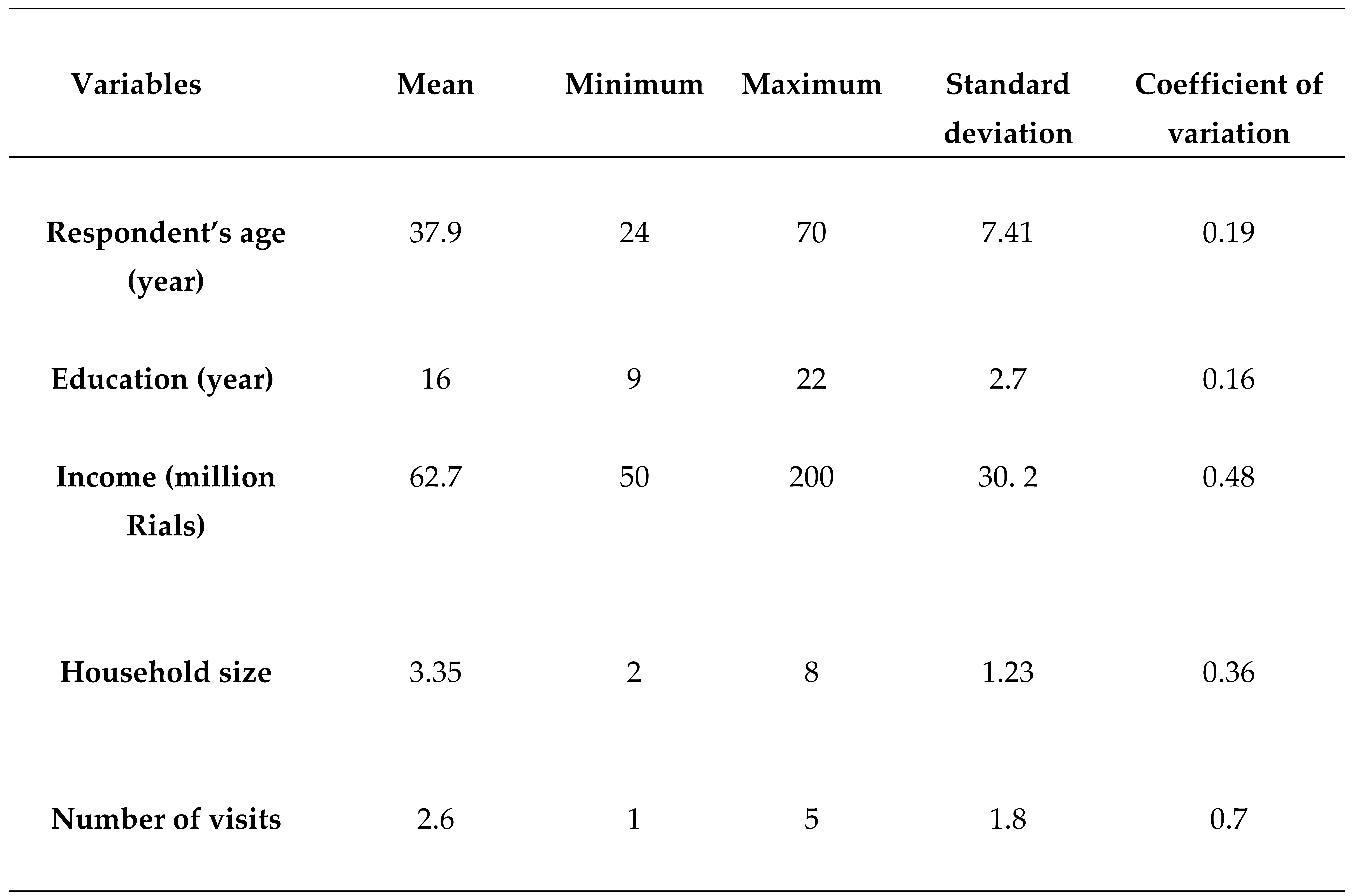
Table 2.
Investigating the environmental statement characteristics in the study area.

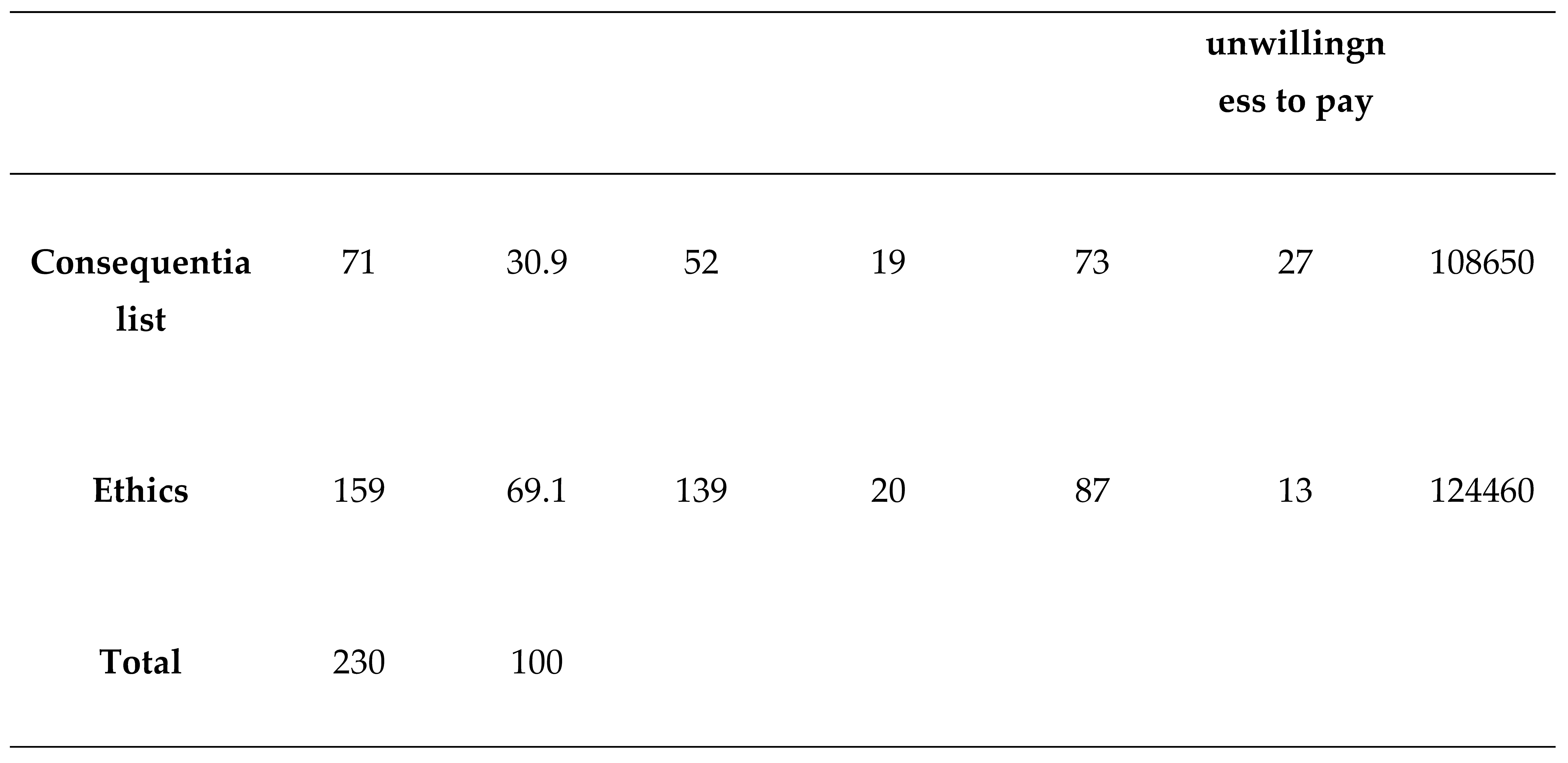
Table 3.
Investigating the WTP of visitors in the study area.
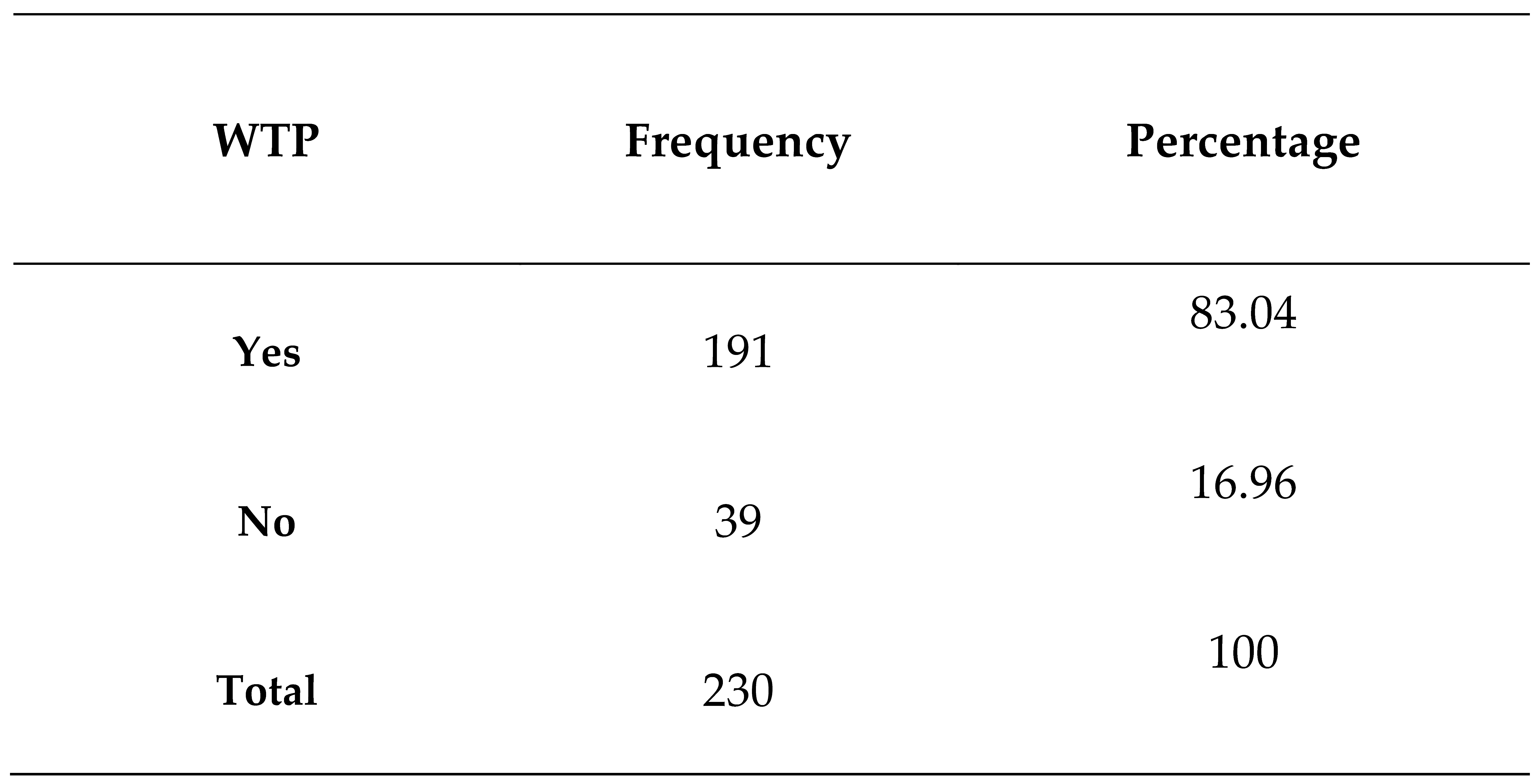
Table 4.
Acceptance status of the bid amount in the study area.
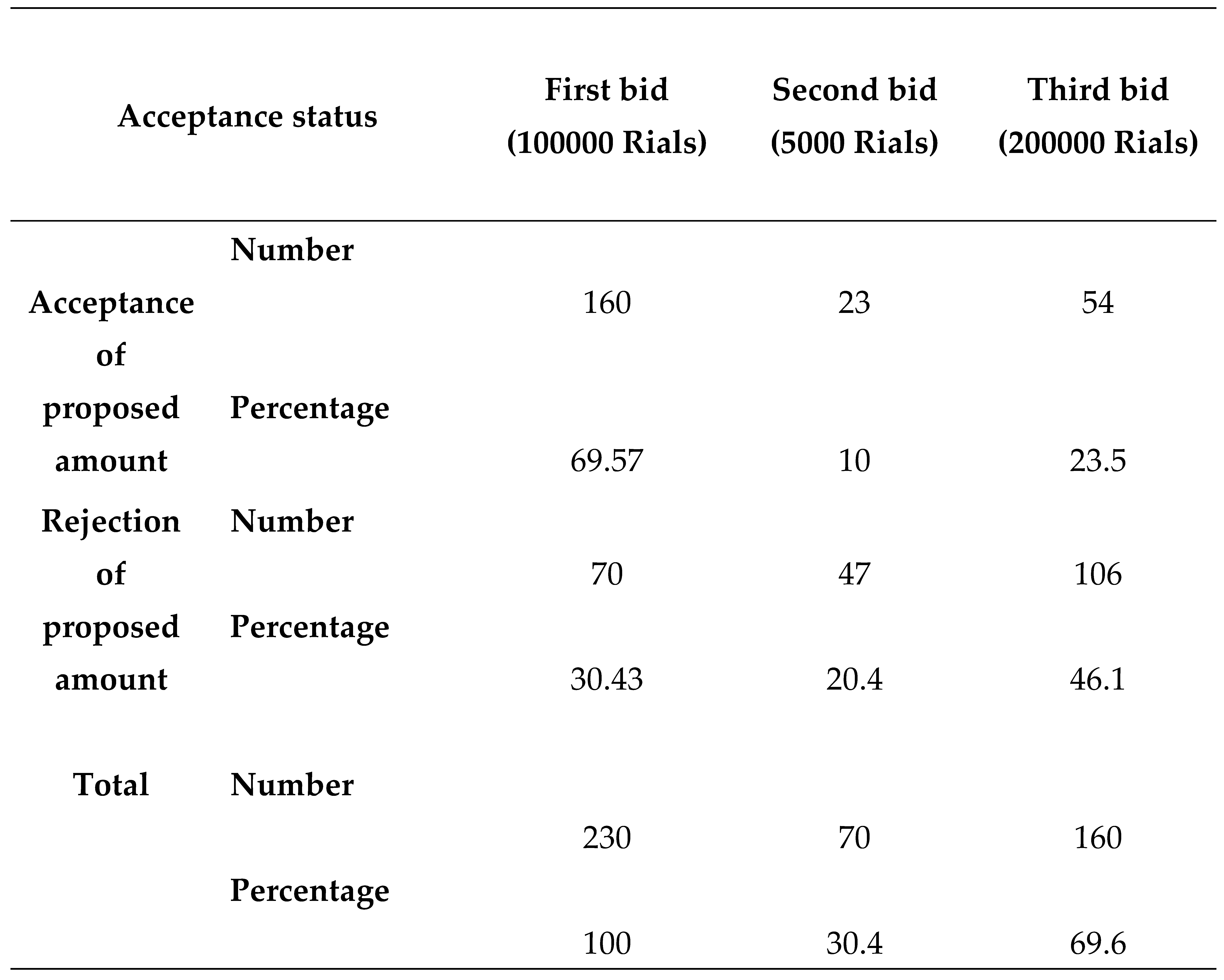
Table 6.
Results of the first logit regression model in the study area.
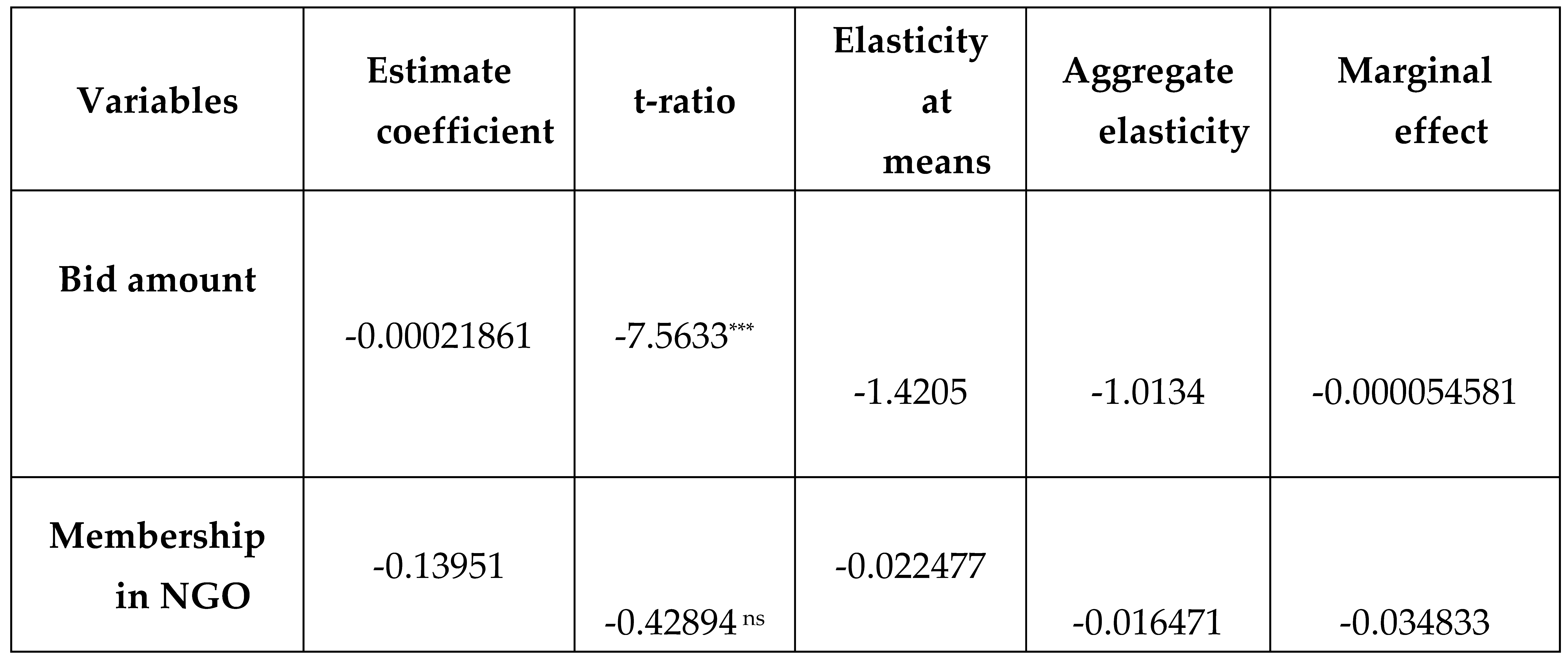
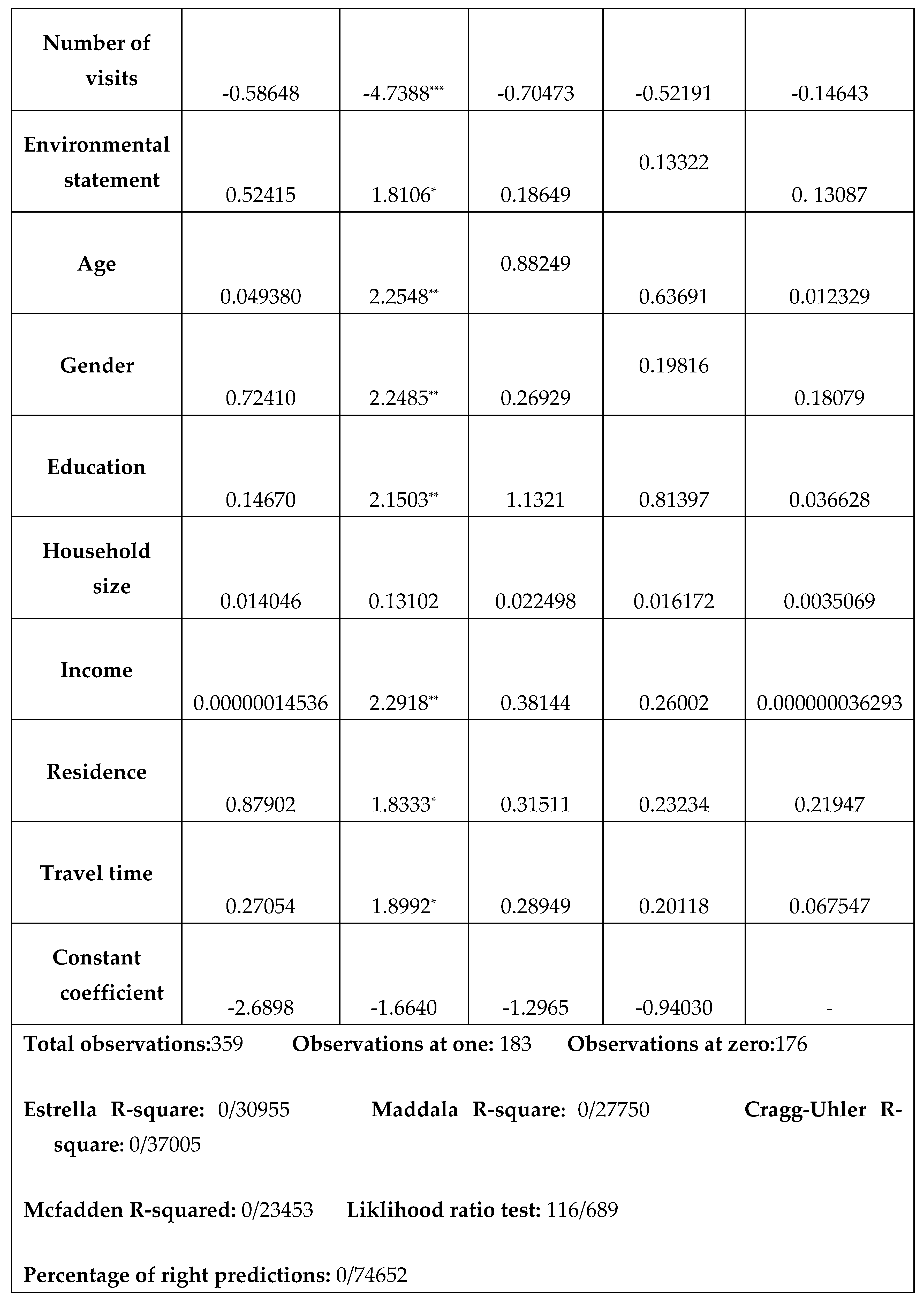
Table 7.
Results of the second logit regression model considering NEP in the study area.
***, ** and * are statistically significant at the significance levels of 99, 95 and 90%.
Disclaimer/Publisher’s Note: The statements, opinions and data contained in all publications are solely those of the individual author(s) and contributor(s) and not of MDPI and/or the editor(s). MDPI and/or the editor(s) disclaim responsibility for any injury to people or property resulting from any ideas, methods, instructions or products referred to in the content. |
© 2024 by the authors. Licensee MDPI, Basel, Switzerland. This article is an open access article distributed under the terms and conditions of the Creative Commons Attribution (CC BY) license (http://creativecommons.org/licenses/by/4.0/).
Copyright: This open access article is published under a Creative Commons CC BY 4.0 license, which permit the free download, distribution, and reuse, provided that the author and preprint are cited in any reuse.


