
Submitted:
06 November 2023
Posted:
07 November 2023
You are already at the latest version
Abstract
Nano-nitrogen fertilizers (NNFs) have emerged as a promising technology in the field of agriculture, offering potential solutions to improve nutrient uptake efficiency, enhance crop productivity, and reduce environmental impacts. The NNFs showed superior characteristics and performance on crops and therefore, became a potential alternative to conventional nitrogen (N) fertilisers. These fertilizers enhance plant uptake while simultaneously reducing environmental losses. Additionally, their small particle size increases crop acclimation and decreases the application rate. With all these beneficial traits of NNFs, they potentially contribute to achieving Sustainable Development Goals (SDGs). This review article summarises the materials used in NNFs formulation, methods of preparing NNFs, and their crop responses. This review also highlights the limitations identified in the research studies and provides research recommendations for the future. Further, this review provides a critical assessment of the current state of NNFs and their prospects for revolutionizing modern agriculture to attain SDGs.
Keywords:
crop responses
; environmental impacts
; nanoparticles
; smart fertilisers
; synergist
1. Introduction
The ever-growing population has a substantial impact on food demand and necessitates higher agricultural production [1]. With limited arable land, increasing the agricultural input rates, including nitrogen (N) fertilisers, to get higher productivity is seen as a successful way to address the growing food demand [2]. Nitrogen is a major nutrient for plants that primarily influences vegetative growth and crop yield [3]. Although higher levels of N fertilizer are applied with the goal of achieving higher yields, only a small fraction is actually taken up by the plants, while a significant portion is lost through processes such as leaching, runoff, and gaseous emissions namely N2O, NO, and NH3 [4,5]. With the main focus on increasing productivity, the negative environmental consequences of increasing the application rate or excessively applying N fertilisers have been often overlooked in the past [6]. However, after several studies showed the detrimental effects of higher N application rates on soil health, water quality, and ecosystem sustainability, a paradigm shift has taken place towards the sustainable use of N fertilisers in agricultural systems.
The current and future agriculture practices should align with the Sustainable Development Goals (SDGs) established by the United Nations to effectively tackle global challenges such as poverty, hunger, climate change, and environmental degradation. Sustainable agriculture plays a crucial role in achieving the SDGs. Achieving SDGs can be facilitated through the precise application of input resources, particularly N fertilisers. Towards this, several approaches are being used namely split applications, integrated nutrient management, application closer to the root zone, foliar application, application of fertiliser after substantial development of crop and use of smart fertilisers [6,7]. Of these, smart fertilisers are the latest technology used to minimise nitrogen losses to the environment and to increase nitrogen utilisation efficiency (NUE).
Smart fertilisers, also known as slow (SRF) or controlled release fertilisers (CRF), have the ability to release nutrients in a slower manner than conventional fertiliser and their release pattern matches the crop nutrient demand [8,9]. Several materials have been used in the formulation of SRF and nanomaterials have emerged as a recent addition to this repertoire. These materials are within the range of 1-100 nm. Nanomaterials offer unique properties to improve nutrient releases such as high surface area, high reactivity and high porosity, thus advancing the field of fertilizer technology [10,11]. Owing to the high surface area to volume ratio, nanomaterials adsorb nutrients higher than bulk materials. Hence, the loading capacity of nanomaterials is very high [12]. Nanofertlisers showed higher absorbance than conventional fertilisers when they were used as foliar applications [13]. Furthermore, nanoparticles are applied as synergists along with fertilisers to increase crop performance [10,14]. Given the benefits of nanofertilisers, they have the potential to be a significant player in achieving SDGs as they can minimise the application rate, frequency of application, losses to the environment, and control greenhouse gas emissions. Although several studies reported the significance of nanofertlisers in agriculture, a dedicated study for nano-nitrogen fertilisers is unavailable. Therefore, this study summarises the materials used for formulating NNFs, methods employed in preparing NNFs, and their responses to crops.
2. Materials used in nanoparticle preparation
2.1. Clay minerals
Clay minerals are used in nanofertilizers due to their unique properties such as high cation exchange capacity (CEC), porous structure, high surface-to-volume ratio, colloidal property and ease of modification. Additionally, they are readily available and cheap materials compared to their counterparts. Bentonite [15], attapulgite [16], kaoline [17] and glauconite [18] are a few of the clay minerals used for the formulation of NNFs.
Bentonite is an aluminium phyllosilicate clay that is primarily composed of montmorillonite, a member of the smectite group of minerals [19]. It is derived from volcanic ash deposits that have undergone weathering and transformation over time. The lamellar structure of bentonite consists of two silica tetrahedral sheets with an alumina octahedral sheet sandwiched in between. The sheet structure of attapulgite contains interlayer spaces that are occupied by various cations. These cations have the ability to be replaced by other cations [20]. Therefore, this provides the opportunity to incorporate several macro and micronutrients with this clay. The CEC of this clay ranged between 60–150 meq 100 g-1 of soil [21].
Several NNFs were developed using bentonite as a raw material [11,15]. In a study, Umar, et al. [15] developed an SRF by coating urea with Zn-fortified nano-bentonite (Table 1). To enhance the presence of Zn2+ on the active sites of bentonite, nano-bentonite was treated with varying concentrations of ZnSO4 solution. Subsequently, urea was coated using two different methods: firstly, by employing vegetable oil and nano-bentonite (referred to as ZnBenVegU), and secondly, by using stearic acid, paraffin oil, Ca (OH)2, and nano-bentonite (referred to as ZnBenParU). The results of a soil incubation study (Table 1) indicated that the release of urea was effectively controlled for up to 10 days with ZnBenVegU, and up to 15 days with ZnBenParU. The authors propose that the network structure of bentonite potentially increases the distance water must traverse, thereby reducing urea dissolution. Liu, et al. [11] developed SRF by reacting biochar together with bentonite and polyvinyl alcohol (PVA) and impregnated the urea into it (Table 1). Through a reaction between the -OH group of bentonites and biochar along with polyvinyl alcohol (PVA), new bonds were formed. The findings of this study demonstrated that bentonite and urea were successfully incorporated within the cavities and channels of biochar, and underwent polymerization with PVA. This impregnation and polymerization process effectively slowed down the dissolution of urea in water for a period of up to 42 days. In another study, urea was intercalated with quaternary ammonium lignin (QAL) modified nano-bentonite and then mixed with sodium alginate to form NNFs [22] (Table 1).
Attapulgite, also known as palygorskite, is a hydrated aluminium-magnesium silicate (Mg,Al)4(Si)8(O,OH,H2O)26·nH2O). This is a naturally occurring nano-clay with a nanorod structure and the average length and width of this rod are 800-1000 and 30-40 nm, respectively [16]. Attapulgite exhibits a ribbon-layer structure with a 2:1 arrangement in which ribbons are interconnected through the inversion of SiO4 tetrahedra (Figure 1). This arrangement allows to formation of channels and tunnels [23] which could accommodate foreign materials or other minerals. The cation exchange capacity of attapulgite ranged between 11 – 33 meq 100 g-1 of soil [24].
Various NNFs were created by combining modified attapulgite with urea (WNLCU) and ammonium chloride (WNLCN), along with the addition of sodium polyacrylate (P) and polyacrylamide (M) [16] (Table 1). Sodium polyacrylate has high water retention ability and polyacrylamide forms a stronger bond with the nano-rod structure of attapulgite. Therefore, the addition of these compounds enhances the network structure of the matrix and extends the nutrient release by 66 and 90% more than the control treatment (Table 1). In a study, modified attapulgite mixed with polyacrylamide (P) and then loaded into urea or ammonium chloride (NH4Cl) to get loss control urea (LCU) or loss control NH4Cl (LCN) [25]. This forms a 3D skeleton structure mainly formed by modified attapulgite and P and urea also take part in the structure (Figure 2). The morphology of the 3D skeleton is pH dependent and more amount of H-bonds form when pH increases. These fertilisers were reported to decrease N leaching losses by 50% compared to urea and NH4Cl (Table 1).
Kaolin, which is also referred to as china clay, is a clay mineral primarily composed of kaolinite. It possesses a white colour, soft consistency, and fine-grained texture with a smooth feel. Kaolin originates from the weathering and erosion processes of rocks, specifically those rich in feldspar like granite. The chemical formula of kaolin is Al2O3. 2SiO2·2H2O. The structural arrangement of kaolinite is with one tetrahedral sheet of silica (SiO4) linked through oxygen atoms to one octahedral sheet of alumina (AlO6) octahedra [26]. It can interact with other molecules in the inter-layer space.
Kaolin and abandoned plastics (polystyrene) nanocomposites were used as coating materials for SRFs [17] (Table 1). The combination of sodium polyacrylate and polyacrylamide resulted in the formation of a honeycomb structure, as confirmed by SEM images. This structural arrangement led to an increased surface area, enabling effective adsorption and absorption of nutrients, while also functioning as a slow-release fertilizer (SRF). Another NNF was developed by intercalating urea with kaolin and then granulating it with chitosan, as described by Roshanravan, et al. [27]. Notably, the native form of kaolin was utilized instead of a modified form in this preparation. As a result, the release of urea was extended beyond 30 days, and the NNF exhibited a controlled release of urea that was 60-77% lower compared to urea (Table 1). Additionally, the study demonstrated that this NNF effectively reduced NH3 release by 6% compared to urea. Similar urea intercalated NNF with kaolin was produced by co-grinding these raw materials [28]. This study found that increasing milling speed and milling time increased the incorporation of urea into the amorphous structure of kaolin. Further, increasing milling speed and time prolonged the urea release time from the NNF and the best NNF controlled the release up to 7 days (Table 1).
2.2. Minerals
Glauconite is a green-coloured mineral belonging to the mica group. It is a hydrous potassium, iron, aluminium silicate mineral ((K,Na)(Fe,Al,Mg)2(Si,Al)4O10(OH)2). It is commonly found in sedimentary rocks such as sandstones and shales. The structure of glauconite consists of a 2:1 layered arrangement, with an octahedral layer sandwiched between two tetrahedral layers [29]. In preparing NNF, Rudmin, et al. [18] glauconite was activated using chemical methods, mechanical methods, or a combination of both (Table 1). Ammonium dihydrogen phosphate (ADP) was then loaded into the activated glauconite. Various analyses confirmed that ADP molecules were adsorbed by the surface and meso and macro pores, as well as intercalated between layers of glauconite. In a soil leaching column test, this formulation demonstrated an extended release of nutrients for more than 56 days.
Zeolites are characterized as three-dimensional, microporous, crystalline solids that possess distinct structures composed of aluminium, silicon, and oxygen within their framework. Additionally, the pores of zeolites contain cations and water molecules [30]. Zeolite’s high pore density and anion exchange capacity allow for the incorporation of a significant number of anions within its structure. Two different zeolites; synthesized zeolite clinoptilonite (SZC) and synthesized zeolite montmorillonite (SZM) were prepared using silica and aluminium nitrate and loaded with ammonium nitrate (AN) [31]. The nitrogen release of this NNF was 35% lower than AN. Lateef, et al. [30] prepared another nano-zeolite with sodium silicate and ethylene glycol and then Sodium nitrate (SN), urea and other macro and micronutrients were doped into it. The water incubation and soil leaching study exhibited that these fertilisers can extend the N release for more than 7 and 16 days, respectively (Table 1).
Nano ZnO is extensively utilized as a nanomaterial in various applications, including the formulation of NNFs. Due to its commercial availability, nano ZnO is easily accessible and can be conveniently used in various applications within the agricultural sector. Milani, et al. [32] developed nao-ZnO coated and regular-ZnO coated urea/mono ammonium phosphate (MAP) NNF and compared their characteristics (Table 1). Results revealed that coated urea slightly dissolved and dispersed in soil than coated MAP possibly due to the high ionic strength of urea solution and high pH [33]. This study provides evidence that the solubility of nano-ZnO-coated fertilizers is influenced by the acidity generated by the main nutrient used in the fertilizer. Further, this study revealed that ZnO in coated MAP underwent different speciation like ZnSO4, Zn(NH4)PO4, (CaZn2(PO4)2.2H2O) and Zn(OH)2. Interestingly, the speciation of ZnO differs between nano and bulk-coated ZnO, suggesting that the speciation of ZnO is dependent on particle size. Indeed, the interactions among ZnO, fertilizers, and soil have a significant impact on the formation of various soluble constituents, which, in turn, affect the controlled release ability of the coatings. These reactions play a crucial role in determining the release kinetics and availability of nutrients from the coated fertilizers in the soil environment. In a previous study by these researchers, it was found that Zn solubility was not significantly influenced by the size of the ZnO particle used for coating urea or MAP [34] (Table 1).
2.3. Nano-biochar
Nano-biochar has gained significant attention in the field of agriculture due to its diverse applications. It has been recognized for its potential in various areas such as wastewater treatments, soil amendment, environmental remediation, pesticide formulation, and nutrient delivery [35]. Khan, et al. [36] produced biochar from wheat straw and prepared the nano-biochar by mechanical grinding (Table 1). NNF was prepared by impregnating sodium nitrate and other macro-and micro-nutrients into nano-biochar. The XRD- and FTIR analysis confirmed that nutrients impregnated well into the nano-biochar. It controlled the nitrate release for more than 10 days. In a similar method, corn-based nano-biochar was prepared and nutrients (N, Ca, P, K, Mg) were impregnated [37]. The nutrient release from this NNF extended for more than 14 days (Table 1). In this study, it was observed that nutrient release initially occurred rapidly and then gradually slowed down. This phenomenon can be attributed to the quick release of surface-bound nutrients followed by the slower release of nutrients impregnated into the macro- and mesopores of the material [8].
2.4. Other nano-materials
In addition to the materials discussed in this section, other substances such as nano-cellulose [38], and Hydroxyapatite [39] were also used for preparing the NNFs.
Nano-cellulose, derived from cellulose fibres, offers unique properties including high surface area, biodegradability, and stability that make it a promising material for NNF formulations [40]. Nanocellulose was prepared from eucalyptus pulp and it was mixed with sodium alginate, FeCl3.6H2O (Ferric Chloride; FC) and urea to form a hydrogel as pH-sensitive NNF [38]. Under microscopic examination, the gel without FC (only nanocellulose) displayed a smooth structure, whereas the introduction of FC resulted in an increase in surface coarseness and roughness. The optimum level of FC is important for the correct level of cross-linking. Increasing the FC content above optimum level led to a weakening of the bonding within the gel matrix. This was evident in the nutrient release in water and soil as well. The NNF with 5%, 10% and 20% FC extended the 80% of urea release by 3.5, 25 and 5 hours, respectively (Table 1). Therefore, this study concluded that 10% of FC and pH 11 was conducive for longer urea retention.
Hydroxyapatite (HA) is a naturally occurring mineral form of calcium apatite and the chemical formula is Ca10(PO4)6(OH)2. Hydroxyapatite finds extensive use in the medical field, specifically in diverse dental applications such as toothpaste, dental fillings, and coatings for dental implants. However, there has been a recent increase in its application within the agricultural sector especially in developing NNFs [39]. The first nano-HA urea was developed with a ratio of urea: HA was 1:1 using the oven drying method [41] (Table 1).
Another NNF was prepared by incorporating urea into nano-HA in a 6:1 ratio using flash drying [42]. Due to the rapid drying method employed, it was possible to incorporate 6 parts of urea with 1 part of nano-HA before phase separation occurred. The researchers noted that surpassing this urea level may result in phase separation during the drying process. This study confirmed the formation of new bonds between urea and nano-HA; however, these bonds were relatively weak, allowing for the release of urea from the matrix to behave as an SRF. Under accelerated leaching conditions, the release of urea was extended up to 3820 seconds, representing an 86% release, which was 12 times lower than that of pure urea. Hydroxyapatite, being a slow-release source of phosphorus, is commonly utilized in perennial crops. In the formation of nano-HA, the solubility of P may increase but it was not investigated in this study (Table 1).
3. Methods of nanoparticle formulations and modifications for preparing NNFs
There are several nanoparticle formulation and modification methods are used in the preparation of NNFs which are summarised in Figure 3.
3.1. Nanoparticle Formulation Methods
There are several methods available for formulating nanoparticles. They are mainly categorised into two methods; top-down and bottom-up approaches. The top-down approach involves breaking down larger particles or bulk materials physically or mechanically to obtain nanoparticles. This approach involves breaking down the starting material into smaller particles through processes such as milling, grinding, or lithography. In the bottom-up approach, nanoparticles are formulated from smaller building blocks or molecular precursors. This approach involves the controlled growth or self-assembly of these building blocks to form nanoparticles with desired properties. Sol-gel method, self-assembly, template-assisted synthesis, microfluidic synthesis and biomimetic synthesis are a few examples of bottom-up approaches.
3.1.1. Sol-gel method
Sol-gel method is widely used in preparing nanoparticles which belongs to bottom-up approaches. In this technique, a precursor solution is prepared by dissolving metal hydroxide or metal salts in a solvent (Figure 4). This solution functions as the initiating material for nanoparticle synthesis. Water or a hydrolysing agent is added to the precursor solution, which generates hydroxyl groups via a hydrolysis reaction. Then condensation takes place where the hydroxyl groups combine to form new chemical bonds. This forms nanoparticle nuclei within the solution. An ageing period will be given to allow the growth of nanoparticles. Finally, nanoparticle suspension dries to remove the solvent entrapped within the pores of the nanoparticle. Based on the drying method, the final product can take two forms: a highly dense xerogel and a more porous aerogel [43].
Several NNFs were synthesised using the sol-gel method. For example, the ZnO nanoparticles were prepared by adding and mixing ZnSO4.H2O dropwise into the KOH solution [15]. Subsequently, ZnO-NPs were subjected to a washing and ethanol was dried by oven drying. Afterwards, dried ZnO-NPs were calcined and ground into powder (Table 1). In preparation for matrix and coated controlled release urea formulation, the sol-gel method was used [22]. First quaternary ammonium-lignin (QAL) was prepared by mixing epoxypropyl trimethylammonium chloride (ETAC) with lignin dissolved in NaOH. Subsequently, bentonite clay suspension was mixed with QAL suspension and the mixture (QAL-modified bentonite) was freeze-dried. Finally, urea was coated by this mixture in the presence of sodium alginate and Ca(OH)2 suspension. In another study, nano-hydroxyapatite (HA) was prepared by adding H3PO4 into Ca(OH)2 and TX-100 suspension [39]. Followed by this, nano-HA was mixed with cellulose fibre and urea, (NH)4SO4 and K2SO4 to formulate NNFs (Table 1).
3.1.2. Mechanical attrition
Mechanical attrition is an easy way of synthesising nanoparticles. This method involves grinding or milling of bulk materials to reduce the particle size to nanoscale. In mechanical attrition, a high-energy mechanical device, such as a ball mill, rod mill or ring mill is used. The repeated collision and impact on the material by the device lead to the fragmentation of the bulk material, ultimately producing nanoparticles [43]. Several studies employed mechanical attrition for preparing the NNFs. In preparation for nano-biochar SRF, nano-biochar was prepared by grinding the wheat biochar [36]. Similarly, Lateef, et al. [37] used homogeniser to prepare nano-wheat biochar (Table 1). AlShamaileh, et al. [28] employed a planetary ball mill to grind different ratios of urea and kaolinite for 120 mins at a rotational speed between 200-700 rpm. Contamination with impurities while milling, agglomeration of particles, a wide range of particle size distribution, and heat generation are a few challenges associated with the mechanical attrition method (Table 1). Ultrahigh-speed cutting was used by Liu, et al. [17] for preparing nano-composite as a coating material for NNFs. In this study, purified natural kaoline was treated with alkaline ether sulphate. Then the mixture was commingled and cut at a high speed of 30,000 rpm for 10 mins. This process enabled intercalation and gelation to take place. Rudmin, et al. [18] activated glauconite for the preparation of glauconite-diammonium phosphate NNF using mill ring or planetary milling at 700 rpm for 10 mins (Table 1).
3.1.3. Hydrothermal synthesis
Hydrothermal synthesis is a bottom-up method used in the synthesis of nanoparticles. In this method, nanoparticles are formed through chemical reactions that occur under high-pressure and high-temperature conditions in an aqueous solution. It offers precise control over the size, shape, composition, and crystallinity of the resulting nanoparticles. The desired properties of the nanoparticles can be obtained by optimising the reaction conditions, such as temperature, pressure, reaction time, and precursor concentrations. Bhardwaj, et al. [31] employed hydrothermal synthesis for preparing two zeolites named SZC (synthesized zeolite clinoptilolite) and SZM (synthesized zeolite montmorillonite). In this method, tetraethoxy silane (C2H5O)4Si (silica source), aluminium nitrate (aluminium source), potassium (potassium source) and sodium hydroxide (alkali source) are reacted in a Teflon-lined stainless-steel pressure vessel which was kept in a preheated (150°C) oven for 72 h (Table 1).
3.1.4. Co-precipitation method
The co-precipitation method is a chemical method for the synthesis of nanoparticles in which multiple precursor materials react and form simultaneous precipitation. This involves with mixing of two or more precursor solutions, causing a chemical reaction that leads to the formation of nanoparticles. Nano-zeolite particles were synthesised as a carrier for the formulation of NNFs using the co-preparation method [30]. In this preparation, sodium silicate solution and ethylene glycol were heated and stirred in a homogenous mixture. Subsequently, AlSO4 and NaOH were added dropwise while stirring at 50-60 °C. The resultant product formed a grey-coloured nano zeolite (Table 1).
3.2. Nanoparticles modification methods
The surface properties, composition or structural changes to increase its desired characteristics are achieved through the modification of nanoparticles. This can be achieved through various methods including surface modification, chemical functionalization, and coating techniques. Several modification techniques namely high-energy electron beam irradiation, ozone treatment, applying surfactants, and catalytic oxidation are a few methods employed in the formulation of NNFs.
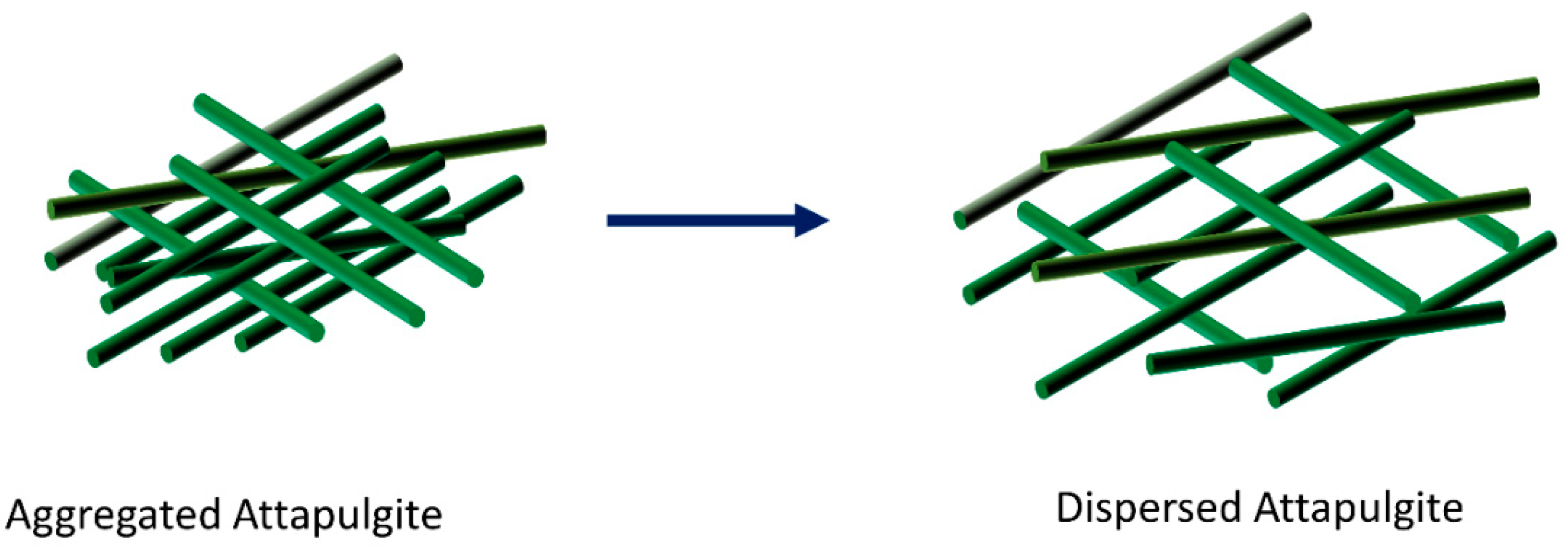
Although the nano nature of attapulgite is beneficial in the formulation of NNFs, the rod structures tend to aggregate with each other due to the high surface area and nano-effect [16,25]. This necessitates modifications of attapulgite to improve the dispersion and retain its nano carrier property. Towards this, Zhou, et al. [16] applied high-energy electron beam (HEEB) irradiation to natural attapulgite which separated the rods from each other and increased the effective surface area (Figure 5). However, Cai, et al. [25] applied ozone (O3) oxidation and hydrothermal processes to increase the dispersion of nano-rods and increase –OH active sites on the surface. Authors reported that increased active sites might help to form a micro-nano network with urea (Table 1).
Zeolites exhibit high loading ability for anions but they typically have a low capacity for loading cations onto their pores. However, this limitation can be overcome through structural modifications, which enhance their cation loading capacity. Methods such as applying surfactants and thermal treatments are commonly employed for these purposes [30]. In a study conducted by Milani, et al. [34], it was observed that nano-ZnO particles exhibited a similar tendency for particle aggregation in water suspensions, forming clumps at the micrometre scale (Table 1). This aggregation process was found to be faster for nano-particles compared to bulk particles, primarily due to Brownian motion and the uniform particle size of nano-ZnO [34,42]. Additionally, high ionic strength and low surface charge of ZnO also facilitate this aggregation process (Table 1).

Table 1.
The nanoparticle-coated slow-release N fertilisers (NSRNFs) and their method of development and response on crops.
Table 1.
The nanoparticle-coated slow-release N fertilisers (NSRNFs) and their method of development and response on crops.
| Fertiliser | N source | Nutrients | NP used | NP preparation or modification method | Binder/ other components | Method of SRF preparation | N release | Reference |
|---|---|---|---|---|---|---|---|---|
| ZnBenVegU | Urea | N & Zn | Zn fortified nano-bentonite | Soil-gel | Vegetable oil | Coating | 10 days | [15] |
| ZnBenParU | Urea | N & Zn | Zn fortified nano-bentonite | Soil-gel | stearic acid, paraffin oil, paraffin wax | Coating | 15 days | [15] |
| QAL-Ben-U | Urea | N | Bentonite | Soil-gel | Quaternary ammoniumlignin (QAL) | Matrix and coating | N/A | [22] |
| Nano-biochar SRF | Sodium Nitrate | N, P, K, Ca and micronutrients | Nano-biochar | Physical crushing | N/A | Impregnation | >10 days | [36] |
| U-CAM | Urea | N, Fe & Ca | Carboxylated nano-cellulose (CNF) | Catalytic oxidation | hydrogel | Matrix | >30 days | [38] |
| BNC fertiliser | sodium nitrate | N, Ca, P, K, Mg and micronutrients | Nano-biochar | Physical crushing | N/A | Impregnation | >14 days | [37] |
| WNLCU | Urea | N | Attapulgite (HA) | High-energy electron beam (HEEB) irradiation |
sodium polyacrylate (P) and polyacrylamide (M) | Matrix | 66% lower than control | [16] |
| WNLCN | Ammonium chloride | N | Attapulgite (HA) | High-energy electron beam (HEEB) irradiation |
sodium polyacrylate (P) and polyacrylamide (M) | Matrix | 90% lower than control | [16] |
| Loss control urea (LCU) | Urea | N | Attapulgite | Irradiated by high-energy electron beam and O3 treatment | Polyacrylamide (P) | Matrix | 50% lower than urea | [25] |
| Coated urea | Urea | N | Kaoline and Polystyrene-starch |
Ultrahigh speed cutting and semi-emulsification |
None | Coating | N/A | [17] |
| Kao-urea | Urea | N | Kaolin | None | Chitosan | Matrix | >30 days | [27] |
| Kao-urea | Urea | N | Kaolin | Milling | None | Matrix | >7 days | [28] |
| Gal-ADP | Ammonium dihydrogen phosphate (ADP) | N, K, P and other micronutrients | Glauconite | Chemical and mechanochemical method | Na2CO3 as extender | Matrix | > 56 days | [18] |
| HA-POL-Urea | Urea | N, K and P | Hydroxyapatite (HDA) | Sol-gel | Cellulose fibre, polyacrylamide | Matrix | 112 days | [39] |
| Zeo-AN | Ammonium nitrate (AN) | N | Zeolite (Surface modified) | Hydrothermally synthesized | None | Surface carrier | 35% lower than CF | [31] |
| Nano Zn-MAP and Nano Zn-Urea | Monoammonium phosphate (MAP) and Urea | N | ZnO | N/A | Water | Coating | N/A | [32] |
| Zeolite | Sodium nitrate | N and other macro and micronutrients | Zeolite | Co-precipitation method |
None | Surface carrier | >7 days- water & >16 days- soil | [30] |
| Zn-MAP & Zn-Urea | Monoammonium Phosphate (MAP) and Urea |
N and Zn | ZnO | None | Water | Coating | N/A | [34] |
4. Crop responses for nano-nitrogen fertilisers
Several studies have been conducted to investigate the responses of NNFs on different crops, considering different climate and soil conditions. These studies primarily examined agronomic performance, yield response, nitrogen uptake, and physiological changes. The following section summarised the crop responses observed when applying NNFs.
4.1. Yield responses
Ever growing population, limited arable land and declining land productivity pose significant challenges to the agriculture sector. Henceforward, it is crucial to focus on increasing crop yield per unit application of nutrients [1]. Several studies showed that NNFs significantly increased crop yield compared to conventional N fertilisers. For example, Rudmin, et al. [18] formulated new nano ADP–glauconite fertilisers and tested them on oats. It was found that these fertilisers significantly (P<0.05) increased the yield by 4.6% compared to non-fertilised treatment (Table 2).
The application rate of NNF influences the yield of crops. A greenhouse experiment conducted by Rop, et al. [44] showed that a lower application rate (266 kg ha-1) of NNF significantly (P<0.05) decreased the maize yield by 91-191% compared to urea (application rate was 532 and 1064 kg ha-1). However, maize yield was significantly (P<0.05) increased of yield by 11% for NNF compared to urea when a higher application rate (1064 kg ha-1) was employed (Table 2). This observation was consistent for the yield of capsicum and kale, in the same study [44]. A higher application rate of 1064 kg ha-1 NNF increased the capsicum and kale yield by 14% and 18.6%, respectively, for NNF compared to conventional fertiliser (Table 2). In a study, nano-Zno and vegetable oil-coated urea significantly (P<0.05) increased the grain yield of wheat than non-fertilised wheat [45] (Table 2). Karoline-urea NNF applied to rice increased the yield by 80% compared to urea single application [46].
Upadhyay, et al. [47] reported that nano-urea foliar application with basal urea at low and high application levels didn’t significantly increase the yield compared to basal application of urea on maize and wheat in a two-year field study. However, 75% of the recommended level of basal application with foliar application of urea significantly increased (P<0.05) maize yield in the last year of the study but was not effective for wheat in both years (Table 2). Similarly, the same treatment significantly (P<0.05) increased the yield of mustard in the first year of study but not in pearl millet [47]. Ammonium lignin-modified bentonite-coated urea formulations were prepared and tested on tomatoes against urea in a greenhouse [22]. Most of the NNF formulations at different application levels provided significantly (P<0.05) higher yields than urea (Table 2). However, when comparing a lower level of NNF (<100 kg N ha-1) to conventional urea (100 kg N ha-1), the NNF only yielded similar levels of crop yield. Raguraj, et al. [48] tested urea–HA nanohybrid fertilizer against urea in tea fields across three agroecological regions in Sri Lanka (Table 2). According to the results, 10-17% and 14-16% yield increment was observed over urea in the low country and Uva region, respectively, but no difference in the mid-country. Only a few studies compared the nano and bulk particles used to prepare SRF on the crop responses. For instance, Dimkpa, et al. [45] showed that coating urea with nano and bulk ZnO didn’t show any significant differences in the wheat yield (Table 2). In summary, studies have shown that NNFs can be a viable option to increase crop yield.
4.2. Crop nitrogen uptake
The uptake of nitrogen by crops is vital for promoting healthy plant growth, protein synthesis, and photosynthesis, ultimately leading to increased crop productivity. Efficient nitrogen uptake also contributes to environmental sustainability by minimizing nutrient waste and reducing the environmental impact of agricultural practices. Studies showed mixed effects of NNF on crop nitrogen uptake. For instance, 15N labelled urea in attapulgite sodium polyacry- late polyacrylamide complex was tested against urea alone on corn in a pot experiment [16]. This NNF showed significantly (P<0.05) higher plant total 15N compared to urea (Table 2). Rop, et al. [44] developed a cellulose-graft-poly(acrylamide)/nanohydroxyapatite NNF and tested it on maize, kale and capsicum. At 1064 kg ha-1 application rate, NNF significantly (P<0.05) lowered capsicum herbage N than urea. However, maize and kale herbage N was not significantly different between NNF and urea treatment (Table 2).
Dimkpa, et al. [45] tested nano-ZnO/ vegetable oil (VO) coated urea fertiliser against urea with nano-Zno (without coating) on wheat under drought and non-draught conditions (Table 2). The results revealed that both fertilisers gave similar plant N uptake under drought and non-draught conditions. In another study, Helal, et al. [22] ammonium lignin-modified bentonite-coated urea formulations were applied to tomatoes in a greenhouse study. These formulations significantly (P<0.05) increased the N accumulation in plants than urea (control). The highest N accumulation was 4.7 times higher than the control (Table 2). A study tested developed urea-chitosan nano hydride fertilisers (UCNH) and tested them on rice [49]. Different levels of UCNH (0-500 mg N L-1) were applied as compensation for urea along with conventional urea (165-66 kg N ha-1) and N uptake by grains and straw was measured. When the UCNH percentage increased and the urea level decreased, the N content of both cereal and straw significantly (P<0.05) decreased. Nevertheless, 500 mg N L-1 compensatory level of UCNH with 60% of recommended urea level (99 kg N ha-1) didn’t significantly (P<0.05) decrease the N content thus suggested as the best alternative for 100% recommended urea level application (165 kg N ha-1) (Table 2). A NNF made of urea and kaolinite also has been reported to not increase the leaf N compared to urea application [46].
Nanomaterials are used as synergists with conventional fertilisers to increase crop performances in sustainable agriculture [50]. A study used nono-carbon, nano-CaCO3 and the composite of both as synergists with urea on winter wheat to investigate their performance in pot and field experiments [10]. The results indicated that all the synergists had a significant (P<0.05) effect on increasing plant nitrogen (N) uptake, with improvements ranging between 15% and 65% compared to using urea alone (Table 2). Another study reported that nitrogen uptake of peanuts increased with co-application of nano-CaCO3 [14] (Table 2). Nanomaterials increase the dispersion of fertilisers in the soil [51] and also act as an agent to control nutrient release [10,50]. Ammonium ions are adsorbed on the surface of nanomaterials as well as release H ions which control the loss of ammonium ions in soil [10]. Further, nanomaterials inhibit the denitrifying bacteria thus decreasing nitrate losses [52]. As a result, the reduction in nutrient loss leads to an increase in plant uptake.
4.3. Nitrogen utilisation efficiency (NUE)
Nitrogen utilization efficiency (NUE) refers to the ability of crops to convert the applied nitrogen to a useful component (i.e. yield). Improving NUE is essential for sustainable agriculture, as it helps minimise N losses thus reducing environmental pollution, and optimizing crop productivity. Only a limited number of studies have reported the NUE of NNFs. For example, a study reported that the NUE of winter wheat increased by 5-22% by applying nano-carbon and nano-CaCO3 as synergists [10] (Table 2). HA-urea nanohybrid applied to tea in Sri Lanka significantly (P<0.05) improved the NUE [48] (Table 2). In a field study, NNF was applied to lettuce as a foliar application at different levels with ammonium nitrate (AN) as a compensator for AN [53]. The NUE was significantly (P<0.05) 3 times higher for 100% NNF application than 100% AN application in both years (Table 2). Some other studies suggested that this could be due to the regulation of important nitrogen metabolism-related unigenes [54].
4.4. Germination of seeds
Few studies have reported that NNFs contribute to an increase in germination percentage in many plant species. A study reported that urea/carboxylated nano-cellulose NNF increased the germination percentage of wheat by 20-27% compared to urea [38] (Table 2). Nano ADP – Glauconite, a NNF, significantly (P<0.05) increased the germination percentage of oats by 6% for the best treatment [18] (Table 2). Badran, et al. [55] conducted a comprehensive study to examine the influence of urea, ammonium sulphate and NNF (urea surface-modified hydroxy appetite nanoparticles) on germination of almond seeds under varying levels of saline conditions. The study found that the germination rate was significantly (P<0.05) higher for NNF compared to other fertilisers at all application rates and under all levels of saline conditions (1, 3 and 5 ds m-1) (Table 2). However, germination percentage was significantly (P<0.05) improved only at higher application levels of NNF under all saline conditions. Therefore, this study evident that NNF can be used to alleviate the effect of saline water on seed germination. The higher germination exhibited by NNF could potentially attributed to the intake of nanomaterials by seeds, leading to an increase in the micro pores for water intrusion that could increase the germination [56].
4.5. Chlorophyll content
Chlorophyll is a colour pigment responsible for capturing light energy during photosynthesis, and its content directly influences energy production and essential metabolic processes. Studies have shown that application of NNFs enhances chlorophyll content in plants compared to conventional nitrogen fertilizers. For example, a 25% AN and 50% NNF application significantly (P<0.05) increased the chlorophyll content of lettuce by 10 SPAD than AN application alone in two years [53]. This observation is directly correlated with the leave N content. Quaternary ammonium lignin (QAL) modified nano-bentonite coated urea applied to tomato significantly (P<0.05) increased the leaf chlorophyll content compared to urea at higher application rates [22]. However, at lower-level applications, the chlorophyll content is only comparable to urea.
4.6. Gene expression
Several studies reported the positive influence of NPs on gene expression [57,58,59]. However, only a few studies reported that NNFs induce gene expression which is beneficial for crops. Glutamine synthase (GS) genes are responsible for N assimilation in crops which induce nitrate transportation family genes. Yang, et al. [10] found that nano calcium carbonate (NCa) and nanocarbon (NC) synergist applied to wheat with N fertilisers significantly (P<0.05) increased the expression of GS such as TaGS1, TaGS2, TaNRT2.2 and TaNRT2.3 compared to N fertiliser alone. Therefore, these synergists increased the N transportation and accumulation in wheat. Chew, et al. [60] reported that biochar-based nano-iron fortified compound fertiliser significantly (P<0.05) downregulated the expression of ammonium transportation genes such as OsAMT1.1, OsAMT1.2, and OsAMT1.3 in root compared to control. Whereas this NNF significantly (P<0.05) increased the nitrate transporter genes such as OsNAR2.1 and OsNRT2.3 in root than control. This is evident that NNF promotes the transportation of nitrates over ammonium ions.
Table 2.
The effect of N-nano fertilisers or synergists on crop response (Significant values mean P<0.05).
Table 2.
The effect of N-nano fertilisers or synergists on crop response (Significant values mean P<0.05).
| Fertiliser & Nanoparticle | Application rate (kg/ha) |
Crop | Crop response | Study country | Reference |
|---|---|---|---|---|---|
| Urea (U)+nano carbon (NC) synergist | N - 525 NC – 1.575 |
Wheat | Leaf N accumulation is significantly higher by 55-65% than the control. Glutamine synthetase activity and nitrate transporter gene were higher than the control |
China | [10] |
| Urea (U)+nano calcium Carbonate (NCa) synergist |
N - 525 NCa - 1.575 |
Wheat | Leaf N accumulation is significantly higher by 20-30% than control Glutamine synthetase activity and nitrate transporter gene were higher than the control |
China | [10] |
| Urea+ Carboxylated nano-cellulose | 16.45 | Wheat | Germination rate, tiller number, photosynthetic rate and chlorophyll Content were higher than urea treatment |
China | [38] |
| Urea/ NH4NO3 in attapulgite sodium polyacry- late polyacrylamide complex | 81 | Corn | Higher 15N abundance and TN in leaf Increased the height and stem diameter than the control |
China | [16] |
| Nano-nitrogen chelate (NNC) fertilizers | 80-161 | Sugarcane | The NUE of NNC was significantly higher than urea (control) treatment. | Iran | [61] |
| Nano ADP - Glauconite | 50 | Oat | The germination rate, plant height and yield were significantly (P<0.05) higher than non-NNF treated plot. | Russia | [18] |
| Nano-hydroxyapatite (nHA) with Cellulose fibre and polyacrylamide + urea | 45-223 | Maize | At a lower application rate, growth parameters were significantly (P<0.05) lower than conventional fertilisers (CF). However, at a high application rate, no significant difference was observed. | Kenya | [44] |
| nHA with Cellulose fibre and polyacrylamide + urea | 45-223 | Kale | At a high application level, NNF showed a significantly (P<0.05) higher yield than CF. At a low application rate herbage N was significantly lower by 33% than CF. |
Kenya | [44] |
| nHA with Cellulose fibre and polyacrylamide + urea | 45-223 | Capsicum | At a high application level, NNF showed a significantly (P<0.05) higher yield by 54% than conventional fertilisers. At a low application rate herbage N was significantly lower by 43% than CF. |
Kenya | [44] |
| Zno-np/vegetable oil (VO) coated urea (ZN-VO-Urea) | 100 mg-N kg-1 soil | Wheat | ZN-VO-Urea fertilisers showed significantly (P<0.05) higher yield than VO-coated urea. But plant N was not significantly different between them. However, there was no significant difference between nano- and bulk-ZN-VO coated urea. This suggests that Zno has a synergetic effect with fertiliser than the nano size of the particle in the coating. |
United States | [45] |
| Nano-urea | 0-150 | Maize and mustard | At 113 kg-N ha-1 application rate, nano fertiliser showed a significant (P<0.05) yield than CF. | India | [47] |
| Quaternary ammonium lignin (QAL) modified nano-bentonite coated urea | 75-300 | Tomato | Most of the NNF significantly increased yield and N uptake by tomato than urea. | Egypt | [22] |
| Urea–HA nanohybrid fertilizer | 240 | Tea | The tea yield increase was noticed in the low country and Uva region but not in mid country. | Sri Lanka | [48] |
| Urea-chitosan nanohybrid fertiliser (UCNH) | Urea (66-165 kg N ha-1) + Urea-chitosan (0-500 mg N L-1) | Rice | The best treatment was the application of 500 mg N L-1 compensatory level of UCNH with 60% of the recommended urea level (99 kg N ha-1). | Egypt | [49] |
| Urea surface-modified hydroxy appetite (HA) nanoparticles | 0-33 kg N ha-1 | Almond | Nano fertiliser at a higher application rate significantly increased the germination of almonds than urea and ammonium sulphate. | Egypt | [55] |
| NNF | Ammonium nitrate (AN) (0-100%) and/or NNF (0-75%) | Lettuce | In both study years, NUE was significantly increased for 100% NNF application than 100% AN application. | Egypt | [53] |
| Kao-urea NNF | 150 kg ha-1. | Rice | The best NNF significantly increased the yield but not the leaf N content compared to urea. | Malaysia | [46] |
5. Disadvantages of nanoparticles for crops and the environment
Despite nanoparticles providing several benefits to crops and the environment, a few disadvantages were also identified that are associated with them. Excess application of nanoparticles could be toxic for plants. The toxicity of the NPs depends on their physiochemical properties such as particle size, reactivity, charge density, shape and solubility [62]. Dimkpa, et al. [45] reported that nano-ZnO can be toxic to plants and therefore, NNFs should formulated with low concentrations of nano-ZnO. Nevertheless, there is currently no direct evidence demonstrating the toxicity of NNFs for plants.
Several studies showed that NPs are ingested by plants and modify biological activities such as nutrient uptake, photosynthesis, and gene expression [63]. In a similar way, NPs can mutate the plant genes and induce them to produce chemical compounds that are toxic and detrimental to the plants themselves and to consumers. Additionally, these NPs can react with biochemicals within the cell and form unwanted chemical compounds.
NPs have been slowly accumulating in the environment and potentially they harm the soil, crops and ecosystem. Metal and ion NPs used for the formulation of NNFs could persist in the soil for a long term which may be toxic for crops and may change the nutrient dynamics. NPs with heavy metals contaminate the soil and water bodies. Some of the NPs possess antimicrobial activity which can adversely impact the beneficial soil microbial population [64]. Nevertheless, no comprehensive studies were conducted to examine the impact of residual NPs in soil and the fate of heavy metals.
The application of dry nanoscale fertilizers through broadcast methods can result in drift losses, leading to adverse consequences for human respiratory health [45]. Several studies highlighted the negative impact of NPs on human calls like damage to the plasma membranes, toxicity for mitochondria, nuclear damage, formation of reactive oxygen species, and interference with signalling pathways [65].
Currently, relevant regulatory frameworks to deal with nano-based products including NNFs are unavailable. The leading countries producing nano-based products are developing safety standards, risk assessment protocols and regulatory frameworks to safeguard the workers in the relevant industries and the consumers [65].
6. Limitations in the studies and future research directions
- It is worth noting that certain studies have compared nanofertilizers (NNFs) to untreated control groups, which inherently results in superior performance by the NNFs. However, to provide a more comprehensive evaluation, it is important for studies to include appropriate control groups for comparison. These control groups should consist of conventional fertilizers or other smart fertilisers or other commercially available nano-fertilisers commonly used in agricultural systems. Comparing NNFs against these control groups allows for a more accurate assessment of the effectiveness and added benefits of newly developed NNFs.
- Many studies on nanoparticles have been conducted in controlled laboratory settings, which may not fully represent real-world agricultural conditions. More field studies are required to validate the findings and assess the practical implications in agricultural settings.
- Nanoparticles have the potential to persist in the environment over the long term. It is important to understand the fate and behaviour of these particles to assess any potential risks. However, currently, there is a lack of publicly available studies specifically addressing long-term trials and their impact on the environment. Further research is needed to comprehensively evaluate the long-term effects of nanoparticles and ensure their safe and sustainable use in agricultural applications.
- Some nanocarriers have the potential to be phytotoxic which may have negative impacts namely stunted growth, reduced biomass accumulation, chlorosis, wilting, and even plant death. Therefore, studies focusing on the accumulation of nanoparticles by plants and their long-term effects need to be conducted.
- Further research is needed to investigate the transmission of nanoparticles (NPs) through the food chain. Understanding how NPs can potentially accumulate and transfer from one organism to another within the food web is crucial for assessing their overall impact on human health and the environment.
- The fate of NPs ingested by the crops and their negative impacts on the crop itself and the living beings consuming them needs to be analysed rigorously.
7. Conclusion
The review article provides a comprehensive summary of the existing literature concerning the formulation of nano-nitrogen fertilizers and the corresponding crop responses upon their application with a special emphasis on their contributions to the Sustainable Development Goals (SDGs). Studies demonstrated that using NNFs provided benefits over conventional N fertilisers with respect to yield, quality of yield, nitrogen utilisation efficiency and various physiological responses. Therefore, NNFs have high potential to address the SDGs such as alleviating hunger and mitigating the environmental contamination with N fertilisers. However, there are grey sides to NNF applications since the negative impacts of these fertilisers on human health, soil microbial population, other flora and fauna and the total ecosystem are not completely understood yet. Considering these factors, it is imperative to establish regulations for the application of NNFs and develop global standards for evaluating their impacts.
Funding
This study was not supported by any grant.
Conflicts of Interest
The author has no conflict of interest to declare.
References
- Abhiram, G.; Grafton, M.; Jeyakumar, P.; Bishop, P.; Davies, C.E.; McCurdy, M. Iron-rich sand promoted nitrate reduction in a study for testing of lignite based new slow-release fertilisers. Science of The Total Environment 2023, 864, 160949. [Google Scholar] [CrossRef] [PubMed]
- Spiertz, J. Nitrogen, sustainable agriculture and food security: a review. Sustainable agriculture 2009, 635–651. [Google Scholar]
- Gnaratnam, A.; McCurdy, M.; Grafton, M.; Jeyakumar, P.; Bishop, P.; Davies, C. Assessment of nitrogen fertilizers under controlled environment–a lysimeter design. 2019.
- Mahmud, K.; Panday, D.; Mergoum, A.; Missaoui, A. Nitrogen losses and potential mitigation strategies for a sustainable agroecosystem. Sustainability 2021, 13, 2400. [Google Scholar] [CrossRef]
- Abhiram, G.; Grafton, M.; Jeyakumar, P.; Bishop, P.; Davies, C.E.; McCurdy, M. The nitrogen dynamics of newly developed lignite-based controlled-release fertilisers in the soil-plant cycle. Plants 2022, 11, 3288. [Google Scholar] [CrossRef] [PubMed]
- Gunaratnam, A. Design and fabrication of a climate-controlled lysimeter and testing of new controlled-release fertilisers: a thesis presented in partial fulfilment of the requirements for the degree of Doctor of Philosophy (PHD) in Agricultural Engineering and Environmental Sciences at Massey University, Palmerston North, New Zealand. Massey University, 2021.
- Abhiram, G.; McCurdy, M.; Davies, C.E.; Grafton, M.; Jeyakumar, P.; Bishop, P. An innovative lysimeter system for controlled climate studies. Biosystems Engineering 2023, 228, 105–119. [Google Scholar] [CrossRef]
- Abhiram, G.; Bishop, P.; Jeyakumar, P.; Grafton, M.; Davies, C.E.; McCurdy, M. Formulation and characterization of polyester-lignite composite coated slow-release fertilizers. Journal of Coatings Technology and Research 2023, 20, 307–320. [Google Scholar] [CrossRef]
- Trenkel, M. Slow-and Controlled-Release and Stabilized Fertilizers: An Option for Enhancing Nutrient Use Effiiency in Agriculture, International Fertilizer Industry Association (IFA), 2010.
- Yang, M.; Dong, C.; Shi, Y. Nano fertilizer synergist effects on nitrogen utilization and related gene expression in wheat. BMC Plant Biology 2023, 23, 26. [Google Scholar] [CrossRef]
- Liu, X.; Liao, J.; Song, H.; Yang, Y.; Guan, C.; Zhang, Z. A biochar-based route for environmentally friendly controlled release of nitrogen: urea-loaded biochar and bentonite composite. Scientific reports 2019, 9, 9548. [Google Scholar] [CrossRef] [PubMed]
- Thakor, A.S.; Gambhir, S.S. Nanooncology: the future of cancer diagnosis and therapy. CA: a cancer journal for clinicians 2013, 63, 395–418. [Google Scholar] [CrossRef]
- Shweta; Sood, S.; Sharma, A.; Chadha, S.; Guleria, V. Nanotechnology: A cutting-edge technology in vegetable production. The Journal of Horticultural Science and Biotechnology 2021, 96, 682–695. [Google Scholar] [CrossRef]
- Xiumei, L.; Fudao, Z.; Shuqing, Z.; Xusheng, H.; Rufang, W.; Zhaobin, F.; Yujun, W. Responses of peanut to nano-calcium carbonate. Plant Nutrition and Fertitizer Science 2005, 11, 385–389. [Google Scholar]
- Umar, W.; Czinkota, I.; Gulyás, M.; Aziz, T.; Hameed, M.K. Development and characterization of slow release N and Zn fertilizer by coating urea with Zn fortified nano-bentonite and ZnO NPs using various binders. Environmental Technology & Innovation 2022, 26, 102250. [Google Scholar]
- Zhou, L.; Cai, D.; He, L.; Zhong, N.; Yu, M.; Zhang, X.; Wu, Z. Fabrication of a high-performance fertilizer to control the loss of water and nutrient using micro/nano networks. ACS Sustainable Chemistry & Engineering 2015, 3, 645–653. [Google Scholar]
- Liu, X.-M.; Feng, Z.-B.; Zhang, F.-D.; Zhang, S.-Q.; He, X.-S. Preparation and testing of cementing and coating nano-subnanocomposites of slow/controlled-release fertilizer. Agricultural Sciences in China 2006, 5, 700–706. [Google Scholar] [CrossRef]
- Rudmin, M.; Makarov, B.; López-Quirós, A.; Maximov, P.; Lokteva, V.; Ibraeva, K.; Kurovsky, A.; Gummer, Y.; Ruban, A. Preparation, Features, and Efficiency of Nanocomposite Fertilisers Based on Glauconite and Ammonium Dihydrogen Phosphate. Materials 2023, 16, 6080. [Google Scholar] [CrossRef]
- Moosavi, M. Bentonite clay as a natural remedy: a brief review. Iranian journal of public health 2017, 46, 1176. [Google Scholar] [PubMed]
- Gandhi, D.; Bandyopadhyay, R.; Soni, B. Naturally occurring bentonite clay: Structural augmentation, characterization and application as catalyst. Materials Today: Proceedings 2022, 57, 194–201. [Google Scholar] [CrossRef]
- Shahid, S.A.; Abdelfattah, M.A.; Taha, F.K. Developments in soil salinity assessment and reclamation: innovative thinking and use of marginal soil and water resources in irrigated agriculture; Springer Science & Business Media, 2013. [Google Scholar]
- Helal, M.I.; El-Mogy, M.M.; Khater, H.A.; Fathy, M.A.; Ibrahim, F.E.; Li, Y.C.; Tong, Z.; Abdelgawad, K.F. A Controlled-Release Nanofertilizer Improves Tomato Growth and Minimizes Nitrogen Consumption. Plants 2023, 12, 1978. [Google Scholar] [CrossRef] [PubMed]
- Liu, J.; Zhong, J.; Chen, Z.; Mao, J.; Liu, J.; Zhang, Z.; Li, X.; Ren, S. Preparation, characterization, application and structure evolution of attapulgite: from nanorods to nanosheets. Applied Surface Science 2021, 565, 150398. [Google Scholar] [CrossRef]
- Pushpaletha, P.; Lalithambika, M. Modified attapulgite: an efficient solid acid catalyst for acetylation of alcohols using acetic acid. Applied Clay Science 2011, 51, 424–430. [Google Scholar] [CrossRef]
- Cai, D.; Wu, Z.; Jiang, J.; Wu, Y.; Feng, H.; Brown, I.G.; Chu, P.K.; Yu, Z. Controlling nitrogen migration through micro-nano networks. Scientific reports 2014, 4, 3665. [Google Scholar] [CrossRef] [PubMed]
- Panda, A.K.; Mishra, B.G.; Mishra, D.K.; Singh, R.K. Effect of sulphuric acid treatment on the physico-chemical characteristics of kaolin clay. Colloids and surfaces A: Physicochemical and engineering aspects 2010, 363, 98–104. [Google Scholar] [CrossRef]
- Roshanravan, B.; Soltani, S.M.; Rashid, S.A.; Mahdavi, F.; Yusop, M.K. Enhancement of nitrogen release properties of urea–kaolinite fertilizer with chitosan binder. Chemical Speciation & Bioavailability 2015, 27, 44–51. [Google Scholar]
- AlShamaileh, E.M.; Al-Rawajfeh, A.E.; Alrbaihat, M.R. Solid-state mechanochemical synthesis of Kaolinite-Urea complexes for application as slow release fertilizer. Journal of Ecological Engineering 2019, 20, 267–276. [Google Scholar] [CrossRef]
- Hassan, M.S.; Baioumy, H.M. Structural and chemical alteration of glauconite under progressive acid treatment. Clays and clay minerals 2006, 54, 491–499. [Google Scholar] [CrossRef]
- Lateef, A.; Nazir, R.; Jamil, N.; Alam, S.; Shah, R.; Khan, M.N.; Saleem, M. Synthesis and characterization of zeolite based nano–composite: An environment friendly slow release fertilizer. Microporous and Mesoporous Materials 2016, 232, 174–183. [Google Scholar] [CrossRef]
- Bhardwaj, D.; Tomar, R. Use of surface modified inorganic nano materials as slow release nitrogen fertilizer. Sustainable Agricultural Development: Recent Approaches in Resources Management and Environmentally-Balanced Production Enhancement 2011, 171-184.
- Milani, N.; Hettiarachchi, G.M.; Kirby, J.K.; Beak, D.G.; Stacey, S.P.; McLaughlin, M.J. Fate of zinc oxide nanoparticles coated onto macronutrient fertilizers in an alkaline calcareous soil. PLoS One 2015, 10, e0126275. [Google Scholar] [CrossRef]
- Cornelis, G.; Hund-Rinke, K.; Kuhlbusch, T.; Van den Brink, N.; Nickel, C. Fate and bioavailability of engineered nanoparticles in soils: a review. Critical Reviews in Environmental Science and Technology 2014, 44, 2720–2764. [Google Scholar] [CrossRef]
- Milani, N.; McLaughlin, M.J.; Stacey, S.P.; Kirby, J.K.; Hettiarachchi, G.M.; Beak, D.G.; Cornelis, G. Dissolution kinetics of macronutrient fertilizers coated with manufactured zinc oxide nanoparticles. Journal of Agricultural and Food Chemistry 2012, 60, 3991–3998. [Google Scholar] [CrossRef]
- Sashidhar, P.; Kochar, M.; Singh, B.; Gupta, M.; Cahill, D.; Adholeya, A.; Dubey, M. Biochar for delivery of agri-inputs: Current status and future perspectives. Science of the Total Environment 2020, 703, 134892. [Google Scholar] [CrossRef]
- Khan, H.A.; Naqvi, S.R.; Mehran, M.T.; Khoja, A.H.; Niazi, M.B.K.; Juchelková, D.; Atabani, A. A performance evaluation study of nano-biochar as a potential slow-release nano-fertilizer from wheat straw residue for sustainable agriculture. Chemosphere 2021, 285, 131382. [Google Scholar] [CrossRef]
- Lateef, A.; Nazir, R.; Jamil, N.; Alam, S.; Shah, R.; Khan, M.N.; Saleem, M. Synthesis and characterization of environmental friendly corncob biochar based nano-composite–A potential slow release nano-fertilizer for sustainable agriculture. Environmental Nanotechnology, Monitoring & Management 2019, 11, 100212. [Google Scholar]
- Wang, Y.; Shaghaleh, H.; Hamoud, Y.A.; Zhang, S.; Li, P.; Xu, X.; Liu, H. Synthesis of a pH-responsive nano-cellulose/sodium alginate/MOFs hydrogel and its application in the regulation of water and N-fertilizer. International Journal of Biological Macromolecules 2021, 187, 262–271. [Google Scholar] [CrossRef]
- Rop, K.; Karuku, G.N.; Mbui, D.; Michira, I.; Njomo, N. Formulation of slow release NPK fertilizer (cellulose-graft-poly (acrylamide)/nano-hydroxyapatite/soluble fertilizer) composite and evaluating its N mineralization potential. Annals of Agricultural Sciences 2018, 63, 163–172. [Google Scholar] [CrossRef]
- Mateo, S.; Peinado, S.; Morillas-Gutiérrez, F.; La Rubia, M.D.; Moya, A.J. Nanocellulose from agricultural wastes: Products and applications—A review. Processes 2021, 9, 1594. [Google Scholar] [CrossRef]
- Gunaratne, G.P.; Kottegoda, N.; Madusanka, N.; Munaweera, I.; Sandaruwan, C.; Priyadarshana, W.M.G.I.; Siriwardhana, A.; Madhushanka, B.A.D.; Rathnayake, U.A.; Karunaratne, V. Two New Plant Nutrient Nanocomposites Based on Urea Coated Hydroxyapatite: Efficacy and Plant Uptake. Indian J Agr Sci 2016, 86, 494–499. [Google Scholar] [CrossRef]
- Kottegoda, N.; Sandaruwan, C.; Priyadarshana, G.; Siriwardhana, A.; Rathnayake, U.A.; Berugoda Arachchige, D.M.; Kumarasinghe, A.R.; Dahanayake, D.; Karunaratne, V.; Amaratunga, G.A. Urea-hydroxyapatite nanohybrids for slow release of nitrogen. ACS nano 2017, 11, 1214–1221. [Google Scholar] [CrossRef]
- Rajput, N. Methods of preparation of nanoparticles-a review. International Journal of Advances in Engineering & Technology 2015, 7, 1806. [Google Scholar]
- Rop, K.; Karuku, G.N.; Mbui, D.; Njomo, N.; Michira, I. Evaluating the effects of formulated nano-NPK slow release fertilizer composite on the performance and yield of maize, kale and capsicum. Annals of Agricultural Sciences 2019, 64, 9–19. [Google Scholar] [CrossRef]
- Dimkpa, C.O.; Andrews, J.; Fugice, J.; Singh, U.; Bindraban, P.S.; Elmer, W.H.; Gardea-Torresdey, J.L.; White, J.C. Facile coating of urea with low-dose ZnO nanoparticles promotes wheat performance and enhances Zn uptake under drought stress. Frontiers in plant science 2020, 11, 168. [Google Scholar] [CrossRef]
- Roshanravan, B.; Mahmoud Soltani, S.; Mahdavi, F.; Abdul Rashid, S.; Khanif Yusop, M. Preparation of encapsulated urea-kaolinite controlled release fertiliser and their effect on rice productivity. Chemical Speciation & Bioavailability 2014, 26, 249–256. [Google Scholar]
- Upadhyay, P.K.; Dey, A.; Singh, V.K.; Dwivedi, B.S.; Singh, T.; GA, R.; Babu, S.; Rathore, S.S.; Singh, R.K.; Shekhawat, K. Conjoint application of nano-urea with conventional fertilizers: An energy efficient and environmentally robust approach for sustainable crop production. Plos one 2023, 18, e0284009. [Google Scholar] [CrossRef] [PubMed]
- Raguraj, S.; Wijayathunga, W.M.S.; Gunaratne, G.P.; Amali, R.K.A.; Priyadarshana, G.; Sandaruwan, C.; Karunaratne, V.; Hettiarachchi, L.S.K.; Kottegoda, N. Urea–hydroxyapatite nanohybrid as an efficient nutrient source in Camellia sinensis (L.) Kuntze (tea). Journal of Plant Nutrition 2020, 43, 2383–2394. [Google Scholar] [CrossRef]
- Elshayb, O.M.; Nada, A.M.; Farroh, K.Y.; AL-Huqail, A.A.; Aljabri, M.; Binothman, N.; Seleiman, M.F. Utilizing urea–chitosan nanohybrid for minimizing synthetic urea application and maximizing Oryza sativa l. productivity and n uptake. Agriculture 2022, 12, 944. [Google Scholar] [CrossRef]
- Chandel, M.; Kaur, K.; Sahu, B.K.; Sharma, S.; Panneerselvam, R.; Shanmugam, V. Promise of nano-carbon to the next generation sustainable agriculture. Carbon 2022, 188, 461–481. [Google Scholar] [CrossRef]
- El-Saadony, M.T.; ALmoshadak, A.S.; Shafi, M.E.; Albaqami, N.M.; Saad, A.M.; El-Tahan, A.M.; Desoky, E.-S.M.; Elnahal, A.S.; Almakas, A.; Abd El-Mageed, T.A. Vital roles of sustainable nano-fertilizers in improving plant quality and quantity-an updated review. Saudi journal of biological sciences 2021, 28, 7349–7359. [Google Scholar] [CrossRef] [PubMed]
- Li, Q.; Wang, D.; Gao, Z.; Du, C.; Guan, E.; Wang, G. Effects of Nano-carbon on nitrogen transformation and N2O emissions from tobacco planting soils. Soils 2021, 53, 258–264. [Google Scholar]
- Sharaf-Eldin, M.A.; Elsawy, M.B.; Eisa, M.Y.; El-Ramady, H.; Usman, M.; Zia-ur-Rehman, M. Application of nano-nitrogen fertilizers to enhance nitrogen efficiency for lettuce growth under different irrigation regimes. Pakistan Journal of Agricultural Sciences 2022, 59. [Google Scholar]
- Wang, Y.; Chen, R.; Hao, Y.; Liu, H.; Song, S.; Sun, G. Transcriptome analysis reveals differentially expressed genes (DEGs) related to lettuce (Lactuca sativa) treated by TiO 2/ZnO nanoparticles. Plant Growth Regulation 2017, 83, 13–25. [Google Scholar] [CrossRef]
- Badran, A.; Savin, I. Effect of nano-fertilizer on seed germination and first stages of bitter almond seedlings’ growth under saline conditions. BioNanoScience 2018, 8, 742–751. [Google Scholar] [CrossRef]
- Khodakovskaya, M.; Dervishi, E.; Mahmood, M.; Xu, Y.; Li, Z.; Watanabe, F.; Biris, A.S. Carbon nanotubes are able to penetrate plant seed coat and dramatically affect seed germination and plant growth. ACS nano 2009, 3, 3221–3227. [Google Scholar] [CrossRef] [PubMed]
- Chun, S.-C.; Chandrasekaran, M. Chitosan and chitosan nanoparticles induced expression of pathogenesis-related proteins genes enhances biotic stress tolerance in tomato. International Journal of Biological Macromolecules 2019, 125, 948–954. [Google Scholar] [CrossRef] [PubMed]
- Syu, Y.-y.; Hung, J.-H.; Chen, J.-C.; Chuang, H.-w. Impacts of size and shape of silver nanoparticles on Arabidopsis plant growth and gene expression. Plant physiology and biochemistry 2014, 83, 57–64. [Google Scholar] [CrossRef] [PubMed]
- Thakur, S.; Saini, R.V.; Singh, P.; Raizada, P.; Thakur, V.K.; Saini, A.K. Nanoparticles as an emerging tool to alter the gene expression: Preparation and conjugation methods. Materials Today Chemistry 2020, 17, 100295. [Google Scholar] [CrossRef]
- Chew, J.; Joseph, S.; Chen, G.; Zhang, Y.; Zhu, L.; Liu, M.; Taherymoosavi, S.; Munroe, P.; Mitchell, D.R.; Pan, G. Biochar-based fertiliser enhances nutrient uptake and transport in rice seedlings. Science of The Total Environment 2022, 826, 154174. [Google Scholar] [CrossRef] [PubMed]
- Alimohammadi, M.; Panahpour, E.; Naseri, A. Assessing the effects of urea and nano-nitrogen chelate fertilizers on sugarcane yield and dynamic of nitrate in soil. Soil Science and Plant Nutrition 2020, 66, 352–359. [Google Scholar] [CrossRef]
- Doak, S.H.; Dusinska, M. NanoGenotoxicology: present and the future. Mutagenesis 2017, 32, 1–4. [Google Scholar] [CrossRef] [PubMed]
- Rizwan, M.; Ali, S.; ur Rehman, M.Z.; Riaz, M.; Adrees, M.; Hussain, A.; Zahir, Z.A.; Rinklebe, J. Effects of nanoparticles on trace element uptake and toxicity in plants: A review. Ecotoxicology and Environmental Safety 2021, 221, 112437. [Google Scholar] [CrossRef] [PubMed]
- Khan, S.T.; Musarrat, J.; Al-Khedhairy, A.A. Countering drug resistance, infectious diseases, and sepsis using metal and metal oxides nanoparticles: current status. Colloids and Surfaces B: Biointerfaces 2016, 146, 70–83. [Google Scholar] [CrossRef]
- Arora, S.; Murmu, G.; Mukherjee, K.; Saha, S.; Maity, D. A comprehensive overview of nanotechnology in sustainable agriculture. Journal of Biotechnology 2022, 355, 21–41. [Google Scholar] [CrossRef]
Figure 1.
Schematic diagram of nanosheet preparation from natural attapulgite [23].
Figure 1.
Schematic diagram of nanosheet preparation from natural attapulgite [23].
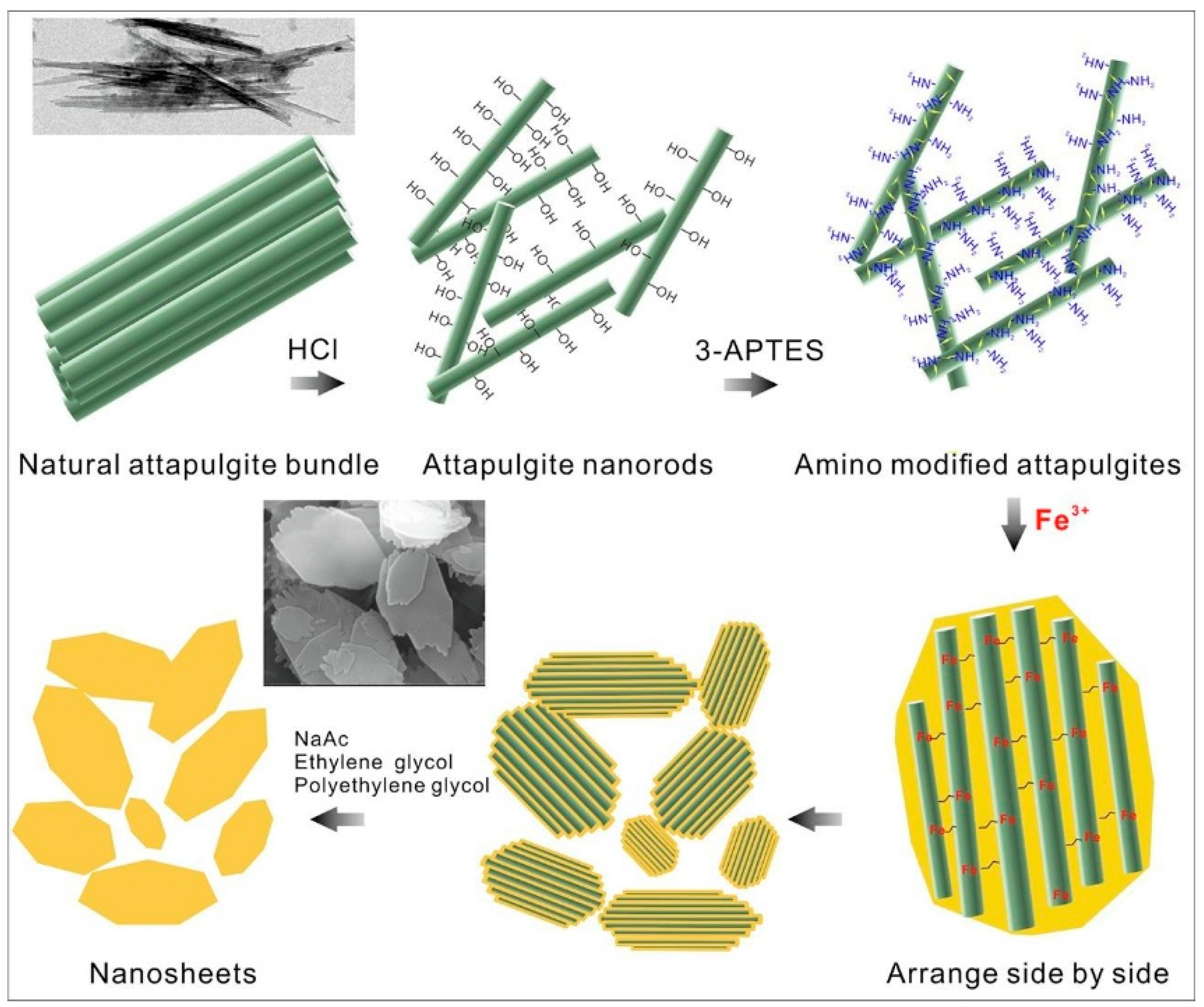
Figure 2.
Scanning electron microscopy (SEM) images of (a) micro/nano network surface of LCU, and (b) Transmission electron microscope (TEM) of LCU with nanorod structure in the skeleton [25].
Figure 2.
Scanning electron microscopy (SEM) images of (a) micro/nano network surface of LCU, and (b) Transmission electron microscope (TEM) of LCU with nanorod structure in the skeleton [25].
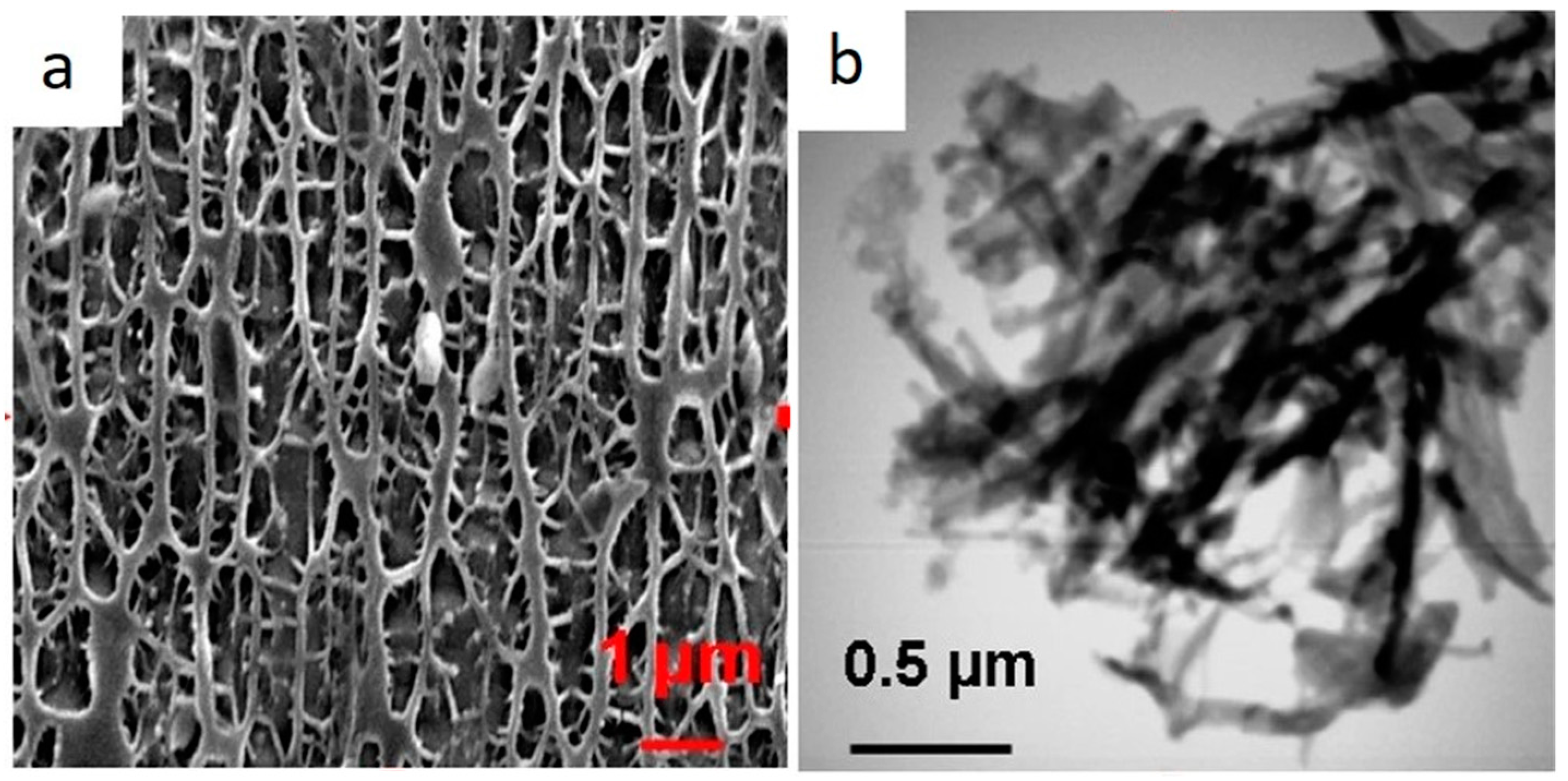
Figure 3.
Nanoparticles formulation and modification methods.
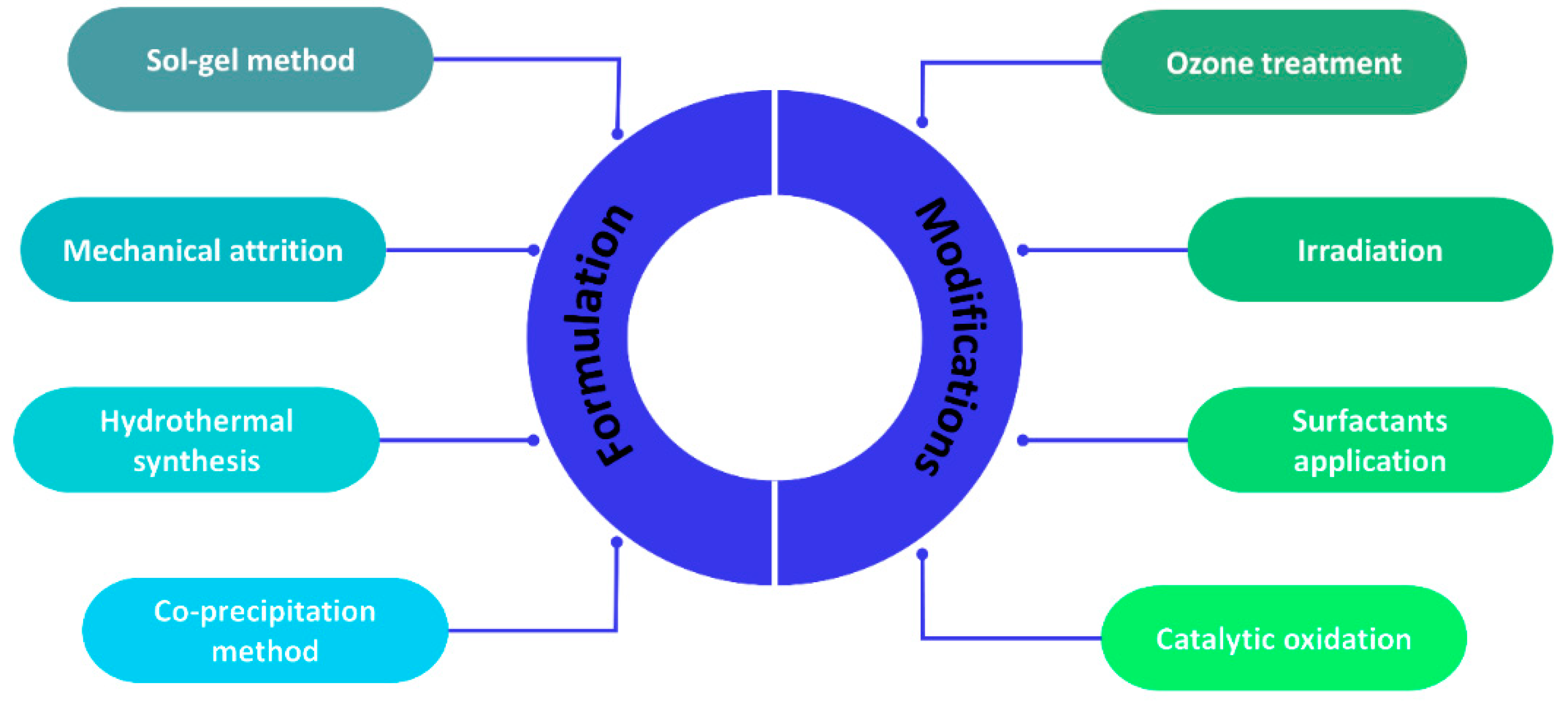
Figure 4.
The generalised sol-gel preparation method.
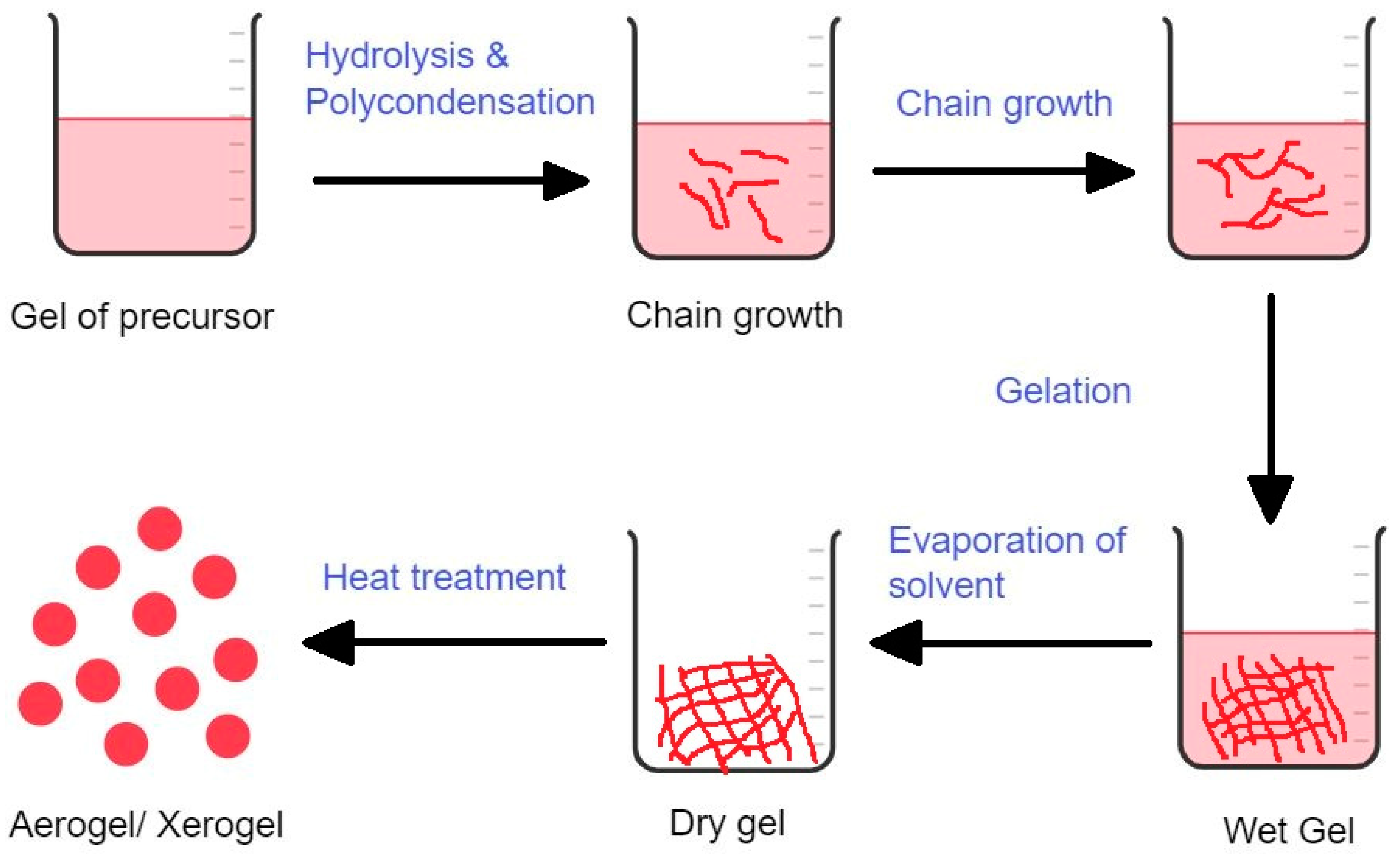
Figure 5.
Schematic diagram of aggregated attapulgite dispersed after irradiation.
Disclaimer/Publisher’s Note: The statements, opinions and data contained in all publications are solely those of the individual author(s) and contributor(s) and not of MDPI and/or the editor(s). MDPI and/or the editor(s) disclaim responsibility for any injury to people or property resulting from any ideas, methods, instructions or products referred to in the content. |
© 2023 by the authors. Licensee MDPI, Basel, Switzerland. This article is an open access article distributed under the terms and conditions of the Creative Commons Attribution (CC BY) license (http://creativecommons.org/licenses/by/4.0/).
Copyright: This open access article is published under a Creative Commons CC BY 4.0 license, which permit the free download, distribution, and reuse, provided that the author and preprint are cited in any reuse.


