
Submitted:
24 October 2023
Posted:
26 October 2023
You are already at the latest version
Abstract
The increasing demand for water resources in urban areas, such as Bangladesh, due to population growth is a significant concern. One potential solution under consideration is the use of air conditioning (AC) condensate water. A study conducted at the European University of Bangladesh (EUB) focused on assessing the quality and quantity of AC condensate water from various systems. The results indicate that the collected water generally adhered to the quality standards established for drinking and household use in Bangladesh. Parameters such as pH (averaging 6.8), turbidity (1.08 NTU), total dissolved solids (TDS) (averaging 219 mg/L), iron content (0 mg/L), alkalinity (averaging 41.67 mg/L), arsenic (0 mg/L), chemical oxygen demand (COD) (averaging 3.67 mg/L), biochemical oxygen demand (BOD) (averaging 1.33 mg/L), chloride content (averaging 30.77 mg/L), and other factors were evaluated. Moreover, the AC units at EUB, varying in cooling capacity (1 ton, 2 tons, and 4 tons), produced substantial monthly volumes of 96, 177, and 354 liters of condensate water, respectively. This underscores the potential of AC condensate water as a valuable resource for addressing urban water scarcity. As a result, there is a pressing need for local decision-makers and policymakers to establish well-defined guidelines for the effective utilization of AC condensate water to mitigate water scarcity issues in urban areas.
Keywords:
Air conditioning unit
; AC condensate
; Drinking water quality
; Drinking water scarcity
1. Introduction
The rapid growth of urban populations is placing significant stress on their water resources, exacerbated by the scarcity of freshwater and escalating costs associated with water supply systems [1,2,3,4]. This issue is particularly pressing in Dhaka city, where the water supply problem is intensifying [5,6,7]. Newly developed areas and some parts of the old city are grappling with a worsening water supply situation because the Dhaka Water Supply and Sewage Authority (DWASA) is unable to keep up with the increasing demand for safe drinking water [8,9]. As of the present day, the daily water demand in Dhaka, serving approximately 9 million people, stands at 165 crore liters, and it is projected to surge to about 2.5 times that amount by 2030 [10,11]. DWASA's current daily production capacity is 144 crore liters, as reported in 2005 [12,13]. Furthermore, the physical leakage in the water distribution system currently ranges between 30-40%, as per data from 2007 [14,15]. During the dry season, water demand experiences an approximate 25% spike, resulting in a shortfall of about 100-120 crore liters per day [16,17,18,19]. Over the last five years, DWASA has managed to increase daily production by 3.5 crore liters by installing deep tube wells [12,13]. However, excessive groundwater extraction, coupled with inadequate aquifer recharge in the city, is leading to a rapid and concerning decline in groundwater levels [20,21,22,23]. To address the increasing water demand in Dhaka, the DWASA is increasingly prioritizing the use of surface water sources for providing clean drinking water. Nevertheless, a significant challenge arises due to the extensive pollution of surface water bodies in the vicinity of Dhaka, hindering the effective utilization of these water sources [7,24,25,26,27,28].
To protect water supply systems, efficient solid waste management is vital [29,30,31,32,33,34,35,36]. It safeguards water sources against contamination caused by improper waste disposal [37,38,39]. In addition, the practice of recycling solid waste, with a particular focus on organic materials intended for biogas production, serves to mitigate the strain on conventional energy sources while simultaneously promoting sustainable energy generation [40,41,42,43,44]. As a consequence, this indirectly aids in the enhancement of water supply systems through the reduction of energy-intensive procedures associated with water treatment and distribution. The management of solid waste does not end there. Its influence on wastewater quality is direct [45,46,47]. Ensuring effective management is crucial to prevent treatment facility effluent from adversely impacting the quality of the overall water supply [48,49,50,51,52]. This, in turn, contributes to the establishment of a more secure and dependable water supply system. Ensuring proper hygiene is an essential component of this equation [4,53,54,55]. Ensuring responsible management and appropriate disposal of solid waste are critical in mitigating the health hazards linked to water sources that have been contaminated [33,39,56,57]. In addition to safeguarding the quality of the drinking water supply and public health, ensuring the proper treatment and disposal of wastewater contributes to the creation of a safer and more sanitary environment for all [58,59,60,61]. Moreover, rainwater harvesting offers a sustainable alternative for augmenting the availability of potable water [62,63,64]. By alleviating strain on current resources and encouraging water conservation, it contributes to the overarching objective of guaranteeing dependable and secure water accessibility for communities. Amid the challenges posed by the COVID-19 pandemic, the interplay between efficient solid waste management, safeguarding water supply systems, and responsible rainwater harvesting practices has become even more crucial, as they collectively contribute to the enhancement of water quality, public health, and sustainable water resources in our communities [65,66,67,68].
Air conditioning condensate water presents a viable water-saving option, applicable at both the individual household and larger building scale [69,70,71]. Traditional cooling systems rely on evaporator coils, with condensate drains typically discarding the water [72,73]. However, capturing and reusing this resource is a promising alternative. This untapped source of water from air conditioning systems can be repurposed for cooling towers and outdoor irrigation [74,75]. Air-handling processes often involve the use of water and liquid desiccant, coming into direct contact with humid air, facilitating heat and mass transfer between the air and the liquid. The effectiveness of this water capture largely depends on the surface area available for collection. Various experiments worldwide have reported diverse yields. For instance, in a fishing village in Chile, a station with a condensing area of 48 m2 produced 3.3 L/m2 per day [76]. In Saudi Arabia, experiments achieved a maximum yield of 0.22 L/m2 per night based on energy balance and 1.25 L/m2 per day through moisture recovery under a glass cover [76]. Despite the potential of air conditioning condensate water, there is limited literature discussing its quality. A study suggested that it often exhibits purer content than tap water [77]. Similarly, a study conducted by Bryant et al. (2008) in Qatar concluded that the water tested met high-quality standards and could be suitable for human consumption with minimal biological contaminant treatment [78]. Nevertheless, there is a risk of contamination, particularly in warm environments, which is why chlorine treatment is commonly employed [79,80,81,82].
The objective of this study are to determine the quantity of water produced from different types of AC system; to assess the AC condensate water quality; and to identify the possible reuse of AC water.
2. Materials and Methods
2.1. Sample Collection
The process of selecting sample collection sites entailed the classification of these sites into three distinct groups, which were determined based on the capacity of their respective air conditioning (AC) units. These groups were categorized as small capacity, medium capacity, and large capacity. The aforementioned samples were collected from three separate air conditioning units situated at the institution, referred to as EUB. These units possess capacities of 1 ton, 2 tons, and 4 tons, respectively. The collection process employed high-density polyethylene bottles that were obtained from a nearby supplier. Before the collection of samples, the bottles were subjected to a thorough cleaning procedure, which included three rounds of rinsing with deionized (DI) water, followed by an additional three rounds of rinsing with the AC condensate water. Following that, the samples were gathered and expeditiously preserved at a temperature of 4 degrees Celsius. Before conducting any analytical procedures or tests, the samples were allowed to equilibrate to the room temperature. Table 1 shows the sample information.
2.2. Sample Analysis
Various methods were employed to evaluate a diverse set of physical, chemical, and bacteriological variables at the sampling locations and in the controlled laboratory setting, as outlined in Table 2.
Upon collection, water samples were visually examined without the use of any optical aids. The samples were evaluated for odor through direct inhalation and were subjected to taste evaluation to determine their quality. To ascertain the TS content, water samples of 50 mL were subjected to a drying process at a temperature of 105°C within 100 mL beakers, and subsequently, the resulting weight differential was computed [83]. The measurement of TDS involved the filtration of 50 mL samples, subsequent drying, and the subsequent determination of the mass of the remaining solid [83]. The determination of TSS was achieved through the subtraction of TDS from TS.
Water sample's chemical analysis involved various methods and instruments: pH levels were measured using a pH multi meter prove (Hach 9532800), arsenic content was determined with an atomic absorption flame spectrometer ( Shimadzu AA-7000), chloride concentration was assessed through titration with a standardized AgNO3 solution, DO levels were recorded using a digital DO meter (HACH DR 300), EC was measured with a conductivity meter (Hach 9532800), and iron concentrations were analyzed via colorimetry using a spectrophotometer (HACH DR 3900). CO2 was measured by using OxyGuard CO2 meter. COD was measured with HACH test kits (TNT 824) with HACH DR 3900 spectrophotometer. BOD was measured with 5 days standard method [84,85].
3. Results and Discussions
3.1. Physical Parameters
The study encompassed the evaluation of various physical parameters, namely color, odor, taste, temperature, TS, TDS, and TSS. Table 3 provides a summary of the physical parameters that were determined for each sample of water.
In all sampled instances, the visual attributes such as color, taste, and odor were deemed acceptable for potable water. However, when examining the physical parameters, specifically TS, TDS, and TSS, some variations were observed. Sample 1 exhibited the highest values among all parameters, with recorded values of 244 mg/L for TS, 240 mg/L for TDS, and 4 mg/L for TSS. Conversely, Sample 3 displayed the lowest values across these parameters, recording values of 193 mg/L for TS, 190 mg/L for TDS, and 3 mg/L for TSS. The turbidity values were found to be 0.8, 0.69, and 1.66 NTU respectively for sample 1, 2 and 3. While some fluctuations were noted, it is noteworthy that all recorded values fell below the permissible limits set by the relevant drinking water quality standards. Figure 1 and Figure 2 are showing the graphical presentation of TDS and Turbidity.
3.2. Chemical Parameters
Table 4 presents a comprehensive summary of the chemical parameters that underwent analysis in relation to the water samples that were collected. The parameters are of significant importance in the evaluation of water quality, as they provide valuable information regarding the makeup of the water and its appropriateness for a range of uses, such as consumption, agricultural activities, and industrial processes.
pH
The pH values for the three collected samples can be observed in Figure 3. All recorded values consistently lie within the narrow range of 6.6 to 7, with a calculated mean pH of 6.8 and lies between the BD standard guidelines. These results suggest that the pH measurements conducted in this phase of the research indicate the condensate water's near-neutrality, as is evident from the predominance of samples clustering around the neutral point. There is no substantial evidence to support the presence of pronounced acidic or alkaline characteristics within the collected condensate water samples.
COD
Figure 4 represents the COD values of the differen samples. There have no significant difference was observed for the analyzed samples. All the samples were within the permissible limit set by BD standard. Sample 3 has the least value among all. High COD levels in drinking water may indicate organic pollutants, causing bad taste and odor. Disinfection byproducts from high COD water may increase the risk of gastrointestinal and other health issues [86,87].
BOD
Figure 5 provides an overview of the BOD values obtained from the examined samples. The analysis demonstrates that the BOD values observed in all the samples fall well within the permissible limits established by the BD standard for drinking water purposes. When looking at the samples, Sample 2 had the highest BOD value, measuring 2 mg/L. Samples 1 and 3 had the lowest BOD values, each measuring 1 mg/L. High BOD water indicates organic pollutants that deplete dissolved oxygen and harm aquatic life. High BOD in drinking water may indicate contamination, requiring thorough treatment to make it safe and tasty [88]. Direct health effects are rare.
Alkalinity
Alkalinity serves as the counterpart to acidity, with an increase in pH corresponding to a rise in alkalinity. Figure 6 represents the alkalinity values of the samples. The assessment revealed no substantial differences in alkalinity values among the samples. Although Sample 2 exhibited the highest alkalinity at 45 mg/L, Samples 1 and 3 had lower values, each at 40 mg/L, remaining consistent with the BD standard's lower limit for drinking water quality. It is noteworthy that alkalinity plays a pivotal role in evaluating the corrosive characteristics of water [89].
Dissolved Oxygen
DO measurements for the samples revealed values of 6.5, 6.7, and 6.7 for Sample 1, Sample 2, and Sample 3, respectively. Samples 2 and 3 exhibited the highest DO values, while Sample 1 recorded the lowest. It is worth noting that these DO values marginally exceed the recommended limit set by the BD standard, which stipulates a maximum of 6. While this deviation could potentially pose minor concerns, it remains of minimal consequence in the context of drinking water quality. Adequate dissolved oxygen levels in drinking water are essential to support the well-being of aquatic organisms and prevent issues related to corrosion in distribution systems [90].
Chloride
Elevated chloride concentrations are known to impart a salty taste to water and beverages. As depicted in Figure 7, the chloride content across the samples exhibited a range of values. Sample 2 demonstrated the highest chloride content at 35.5 mg/L, followed by Sample 1 at 30.175 mg/L, and Sample 3 with the lowest recorded value of 26.625 mg/L. It is noteworthy that all these chloride values, although varying among the samples, remain below the minimum threshold established by BD standard guidelines. The maintenance of chloride levels within the standard limits ensures that the taste and palatability of drinking water are not adversely affected. Adequate chloride levels in drinking water are crucial to prevent corrosion in distribution systems and maintain water quality [91,92].
Iron
In situations where water is sourced directly from wells or involves anaerobic groundwater, it can sometimes contain ferrous iron in concentrations of several mg/L. However, it is noteworthy that none of the three samples exhibited any detectable presence of iron. According to BD standard guidelines for drinking water, the acceptable range for iron is set at 0.3 - 1 mg/L. The absence of detectable iron in the AC condensate samples indicates their suitability for drinking, particularly in terms of iron content. Maintaining low iron levels in drinking water is essential to prevent issues related to taste, odor, and potential staining of plumbing fixtures [93].
Carbon Dioxide
As illustrated in Figure 8, the CO2 levels in the samples were uniformly present and notably consistent. Each sample exhibited a CO2 value of 8.8 mg/L. The BD standard does not specify a particular limit for CO2 in drinking water, although lower levels are generally preferred. The presence of consistent and relatively low CO2 levels in these samples is advantageous, as excessive CO2 can lead to a decrease in water pH, potentially affecting taste and corrosivity in distribution systems. Adequate control of CO2 content is essential for maintaining water quality and minimizing potential concerns [94].
Arsenic
Arsenic was undetectable in all three samples, aligning with the BD standard's recommended limit for drinking water, set at 0.05 mg/L. The absence of arsenic in the samples indicates their suitability for drinking, with no concerns regarding the risk of arsenicosis-related diseases. Maintaining arsenic levels within the specified limit is essential for ensuring the safety and health of individuals consuming the water. High levels of arsenic in drinking water can lead to severe health issues, including arsenicosis, making the absence of arsenic a positive indicator of water quality [95].
3.3. Quantity of the AC Condensate Water
The determination of the quantity of AC condensate water involved continuous collection over a 24-hour period, where three distinct air conditioning units, each of varying capacities (1 ton, 2 tons, and 4 tons), were operated. The 1-ton AC unit produced approximately 3.2 liters of condensate water over the 24-hour duration, the 2-ton AC unit generated 5.9 liters, and the 4-ton AC unit yielded 11.8 liters within the same timeframe. These findings underscore the considerable potential of AC condensate water as a significant water source. If this water source proves to be potable, it has the capacity to substantially alleviate the demand for drinking water in densely populated urban areas like Dhaka, Bangladesh, and even globally. Given the widespread usage of air conditioning systems in households worldwide, the cumulative volume of condensate water holds promise as a valuable resource with far-reaching implications. While the data presented here pertains to just three specific AC units, the cumulative volume of condensate water could be substantial, bearing relevance for sustainable water supply considerations in various settings. Further exploration of the potability and treatment of AC condensate water could be a valuable avenue for research and practical application.
4. Conclusion
In conclusion, the comprehensive assessment of both physical and chemical parameters in the context of the collected water samples has provided valuable insights into the potential use of AC condensate water as a source for drinking water supply. The results indicate that, in general, the AC condensate water exhibits characteristics that align with the parameters set by established water quality standards, affirming its potential as a viable source of potable water. The physical attributes, such as color, taste, odor, temperature, TS, TDS, TSS, and turbidity, were all within acceptable limits, ensuring that the water maintains desirable sensory qualities. Furthermore, variations among these parameters, although present, remained within the prescribed standards. Regarding chemical parameters, pH levels, arsenic, chloride, and iron content were all found to be well within acceptable ranges, underscoring the suitability of AC condensate water for drinking purposes. The absence of harmful substances such as arsenic, low chloride levels, and undetectable iron are all positive indicators of water quality.
It was also found that, each operating continuously for 24 hours, demonstrate that AC condensate water production can be substantial, with the 1-ton AC unit yielding approximately 3.2 liters, the 2-ton unit generating 5.9 liters, and the 4-ton unit producing a remarkable 11.8 liters over a day. When extrapolated over a month, these figures become even more compelling. For instance, the 4-ton AC unit alone could generate approximately 354 liters of condensate water monthly, indicating the potential for high-volume production from a single source. Considering the extensive use of AC systems in households worldwide, the cumulative volume of AC condensate water is substantial and has the potential to significantly supplement the drinking water demand in urban areas, such as Dhaka, Bangladesh, and beyond.
In summary, AC condensate water represents a promising and underexplored resource for addressing drinking water supply challenges. While its potential volume is substantial, further research and practical initiatives are needed to harness this resource sustainably, ensuring its quality and safety, and to explore its broader implications for water sustainability.
Funding
There has no external funding for this research.
Conflict of Interest
There are no conflicts of interest among the authors.
References
- [1] S. Dos Santos et al., “Urban growth and water access in sub-Saharan Africa: Progress, challenges, and emerging research directions,” Science of the Total Environment, vol. 607, pp. 497–508, 2017. [CrossRef]
- [2] V. A. Tzanakakis, N. V. Paranychianakis, and A. N. Angelakis, Water supply and water scarcity, vol. 12, no. 9. MDPI, 2020, p. 2347. [CrossRef]
- [3] W. A. Jury and H. J. Vaux Jr, “The emerging global water crisis: managing scarcity and conflict between water users,” Advances in agronomy, vol. 95, pp. 1–76, 2007. [CrossRef]
- [4] P. Roy, M. A. Ahmed, M. Islam, M. Azad, M. Islam, and M. Islam, Water Supply, Sanitation System and Water-borne Diseases of Slum Dwellers of Bastuhara Colony, Khulna. 2020.
- [5] K. Azharul Haq, “Water management in Dhaka,” Water Resources Development, vol. 22, no. 2, pp. 291–311, 2006.
- [6] M. S. H. Swapan, A. U. Zaman, T. Ahsan, and F. Ahmed, “Transforming urban dichotomies and challenges of South Asian megacities: Rethinking sustainable growth of Dhaka, Bangladesh,” Urban Science, vol. 1, no. 4, p. 31, 2017. [CrossRef]
- [7] A. M. Dewan, M. H. Kabir, K. Nahar, and M. Z. Rahman, “Urbanisation and environmental degradation in Dhaka Metropolitan Area of Bangladesh,” International Journal of Environment and Sustainable Development, vol. 11, no. 2, pp. 118–147, 2012. [CrossRef]
- [8] D. Singha and D. S. Kendra, “Water initiative for the urban poor,” 2002.
- [9] M. A. Baten, K. S. Lisa, and A. S. Chowdhury, “Water supply of Dhaka city: present context and future scenarios,” in Water security in Asia: Opportunities and challenges in the context of climate change, Springer, 2021, pp. 351–367. [CrossRef]
- [10] M. E. Haque, “Study on surface water availability for future water demand for Dhaka city,” 2018.
- [11] M. Moshfika, “Development of adaptation strategies to groundwater level declination in Dhaka city,” 2021.
- [12] S. Uddin, A. Omar, and M. A. Alam, “Assessment of quantity and quality of condensate water from air conditioners,” in Proceedings of the 2nd International Conference on Water and Environmental Engineering (iCWEE2019), 2019, pp. 84–93.
- [13] M. Shibly Anwar, “Potentials for water conservation in Dhaka city,” 2010.
- [14] T. Chaki, “Efficient hydraulic modelling of water distribution system for a selected district metered area of Dhaka city,” 2017.
- [15] G. M. Islam, “Sustainable management of Dhaka city water supply through district metering area approach: a case study,” 2018.
- [16] K. E. Furst et al., “Effects of Intrusion on Disinfection Byproduct Formation in Intermittent Distribution Systems,” ACS ES&T Water, vol. 2, no. 5, pp. 807–816, 2022. [CrossRef]
- [17] F. S. Khan, “Assessment of water quality at DND conveyance canal and its implications on treated water quality at Saidabad water treatment plant,” 2008.
- [18] A. M. Hossain, J. Fien, and R. Horne, “Megacity Dhaka as example of water security syndrome for the developing world: implications for sustainability science”.
- [19] D. W. Smith et al., “Chlorine taste can increase simulated exposure to both fecal contamination and disinfection byproducts in water supplies,” Water Research, vol. 207, p. 117806, 2021. [CrossRef]
- [20] M. A. Hoque, M. M. Hoque, and K. M. Ahmed, “Declining groundwater level and aquifer dewatering in Dhaka metropolitan area, Bangladesh: causes and quantification,” Hydrogeology Journal, vol. 15, pp. 1523–1534, 2007. [CrossRef]
- [21] S. K. Roy and A. Zahid, “Assessment of declining groundwater levels due to excessive pumping in the Dhaka District of Bangladesh,” Environ Earth Sci, vol. 80, no. 8, p. 333, Apr. 2021. [CrossRef]
- [22] M. Moshfika, S. Biswas, and M. S. Mondal, “Assessing Groundwater Level Declination in Dhaka City and Identifying Adaptation Options for Sustainable Water Supply,” Sustainability, vol. 14, no. 3, Art. no. 3, Jan. 2022. [CrossRef]
- [23] M. Islam, M. Van Camp, D. Hossain, M. M. R. Sarker, S. Khatun, and K. Walraevens, “Impacts of Large-Scale Groundwater Exploitation Based on Long-Term Evolution of Hydraulic Heads in Dhaka City, Bangladesh,” Water, vol. 13, no. 10, Art. no. 10, Jan. 2021. [CrossRef]
- [24] M. K. Hasan, A. Shahriar, and K. U. Jim, “Water pollution in Bangladesh and its impact on public health,” Heliyon, vol. 5, no. 8, p. e02145, Aug. 2019. [CrossRef]
- [25] N. T. Chowdhury, “Water management in Bangladesh: an analytical review,” Water Policy, vol. 12, no. 1, pp. 32–51, Nov. 2009. [CrossRef]
- [26] M. A. H. Bhuiyan, M. A. Rakib, S. B. Dampare, S. Ganyaglo, and S. Suzuki, “Surface water quality assessment in the central part of Bangladesh using multivariate analysis,” KSCE J Civ Eng, vol. 15, no. 6, pp. 995–1003, Jul. 2011. [CrossRef]
- [27] M. A. H. Bhuiyan et al., “Investigation of the possible sources of heavy metal contamination in lagoon and canal water in the tannery industrial area in Dhaka, Bangladesh,” Environ Monit Assess, vol. 175, no. 1, pp. 633–649, Apr. 2011. [CrossRef]
- [28] Md. Bodrud-Doza, S. M. D.-U. Islam, T. Rume, S. B. Quraishi, M. S. Rahman, and M. A. H. Bhuiyan, “Groundwater quality and human health risk assessment for safe and sustainable water supply of Dhaka City dwellers in Bangladesh,” Groundwater for Sustainable Development, vol. 10, p. 100374, Apr. 2020. [CrossRef]
- [29] Md. A. Ahmed, M. Hossain, and M. Islam, Prediction of Solid Waste Generation Rate and Determination of Future Waste Characteristics at South-western Region of Bangladesh Using Artificial Neural Network. KUET, Khulna, Bangladesh: WasteSafe 2017, KUET, Khulna, Bangladesh, 2017.
- [30] H. B. Sharma et al., “Challenges, opportunities, and innovations for effective solid waste management during and post COVID-19 pandemic,” Resources, Conservation and Recycling, vol. 162, p. 105052, Nov. 2020. [CrossRef]
- [31] Md. A. Ahmed and S. M. Moniruzzaman, A Study on Plastic Waste Recycling Process in Khulna City. KUET, Khulna, Bangladesh: 4th International Conference on Civil Engineering for Sustainable Development (ICCESD 2018), KUET, Khulna, Bangladesh, 2018.
- [32] P. Kjeldsen, M. A. Barlaz, A. P. Rooker, A. Baun, A. Ledin, and T. H. Christensen, “Present and Long-Term Composition of MSW Landfill Leachate: A Review,” Critical Reviews in Environmental Science and Technology, vol. 32, no. 4, pp. 297–336, Oct. 2002. [CrossRef]
- [33] Md. M. Rahman, D. B. P. Argha, and M. Haque, PRESENT SCENARIO OF MUNICIPAL SOLID WASTE MANAGEMENT IN SATKHIRA MUNICIPALITY. 2018.
- [34] M. A. Ahmed and S. D. Chakrabarti, “SCENARIO OF EXISTING SOLID WASTE MANAGEMENT PRACTICES AND INTEGRATED SOLID WASTE MANAGEMENT MODEL FOR DEVELOPING COUNTRY WITH REFERENCE TO JHENAIDAH MUNICIPALITY, BANGLADESH,” presented at the 4 th International Conference on Civil Engineering for Sustainable Development (ICCESD 2018), Khulna, Bangladesh: Department of Civil Engg., KUET, Feb. 2018.
- [35] H. Wang et al., “Water and Wastewater Treatment in Africa – Current Practices and Challenges,” CLEAN – Soil, Air, Water, vol. 42, no. 8, pp. 1029–1035, 2014. [CrossRef]
- [36] T. Khan, D. B. P. Argha, and M. S. Anita, An Analysis of Existing Medical Waste Management and Possible Health Hazards in Jhenaidah Municipality. 2021.
- [37] G. Lee and R. Jones, “Municipal solid waste management: Long-term public health and environmental protection,” Jan. 1991.
- [38] E. C. Manfredi et al., “Solid Waste and Water Quality Management Models for Sagarmatha National Park and Buffer Zone, Nepal,” mred, vol. 30, no. 2, pp. 127–142, May 2010. [CrossRef]
- [39] A. K. Ziraba, T. N. Haregu, and B. Mberu, “A review and framework for understanding the potential impact of poor solid waste management on health in developing countries,” Archives of Public Health, vol. 74, no. 1, p. 55, Dec. 2016. [CrossRef]
- [40] P. Roy, Md. A. Ahmed, and Md. H. Shah, “Biogas generation from kitchen and vegetable waste in replacement of traditional method and its future forecasting by using ARIMA model,” Waste Dispos. Sustain. Energy, vol. 3, no. 2, pp. 165–175, Jun. 2021. [CrossRef]
- [41] P. Merlin Christy, L. R. Gopinath, and D. Divya, “A review on anaerobic decomposition and enhancement of biogas production through enzymes and microorganisms,” Renewable and Sustainable Energy Reviews, vol. 34, pp. 167–173, Jun. 2014. [CrossRef]
- [42] Md. A. Ahmed, P. Roy, A. Bari, and M. Azad, Conversion of Cow Dung to Biogas as Renewable Energy Through Mesophilic Anaerobic Digestion by Using Silica Gel as Catalyst, 5th ed. Chittagong: ICMERE 2019, Chittagong University of Engineering & Technology (CUET), 2019.
- [43] M. A. Ahmed, P. Roy, M. H. Shah, D. P. Argha, D. Datta, and R. H. Ri̇yad, “Recycling of cotton dust for organic farming is a pivotal replacement of chemical fertilizers by composting and its quality analysis,” ERT, vol. 4, no. 2, Art. no. 2, Jun. 2021. [CrossRef]
- [44] L. Deng et al., “Application and development of biogas technology for the treatment of waste in China,” Renewable and Sustainable Energy Reviews, vol. 70, pp. 845–851, Apr. 2017. [CrossRef]
- [45] R. F. de P. V. Marques, A. M. da Silva, L. dos S. Rodrigues, and G. Coelho, “Impacts of urban solid waste disposal on the quality of surface water in three cities of Minas Gerais - Brazil,” Ciênc. agrotec., vol. 36, pp. 684–692, Dec. 2012. [CrossRef]
- [46] G. Chen et al., “Environmental, energy, and economic analysis of integrated treatment of municipal solid waste and sewage sludge: A case study in China,” Science of The Total Environment, vol. 647, pp. 1433–1443, Jan. 2019. [CrossRef]
- [47] A. Ahmad et al., “Effect of sewage sludge biochar on the soil nutrient, microbial abundance, and plant biomass: A sustainable approach towards mitigation of solid waste,” Chemosphere, vol. 287, p. 132112, Jan. 2022. [CrossRef]
- [48] M. R. Rashid and M. Ashik, “Evaluation of Physicochemical Treatment Technologies for Landfill Leachate Induced Dissolved Organic Nitrogen (DON).,” AEESP Research and Education Conference, Northeastern University, June 20-23, 2023, Jun. 2023, Accessed: Sep. 10, 2023. [Online]. Available: https://par.nsf.gov/biblio/10431232-evaluation-physicochemical-treatment-technologies-landfill-leachate-induced-dissolved-organic-nitrogen-don.
- [49] H. Tutu, Water Quality. BoD – Books on Demand, 2017.
- [50] M. A. Ahmed* and M. Redowan, “Fate and Transport of the Biologically Treated Landfill Leachate Induced Dissolved Organic Nitrogen (DON),” AEESP Research and Education Conference, Northeastern University, June 20-23, 2023, Jun. 2023, Accessed: Sep. 10, 2023. [Online]. Available: https://par.nsf.gov/biblio/10431230-fate-transport-biologically-treated-landfill-leachate-induced-dissolved-organic-nitrogen-don.
- [51] R. O. Carey and K. W. Migliaccio, “Contribution of Wastewater Treatment Plant Effluents to Nutrient Dynamics in Aquatic Systems: A Review,” Environmental Management, vol. 44, no. 2, pp. 205–217, Aug. 2009. [CrossRef]
- [52] K. Roy, Q. Bari, S. Mostakim, and D. B. P. Argha, Water Supply History of Khulna City. 2019.
- [53] G. Hutton and C. Chase, “Water Supply, Sanitation, and Hygiene,” in Injury Prevention and Environmental Health, 3rd ed., C. N. Mock, R. Nugent, O. Kobusingye, and K. R. Smith, Eds., Washington (DC): The International Bank for Reconstruction and Development / The World Bank, 2017. Accessed: Oct. 23, 2023. [Online]. Available: http://www.ncbi.nlm.nih.gov/books/NBK525207/.
- 54] P. Roy, M. A. Ahmed, and A. Kumer, “AN OVERVIEW OF HYGIENE PRACTICES AND HEALTH RISKS RELATED TO STREET FOODS AND DRINKING WATER FROM ROADSIDE RESTAURANTS OF KHULNA CITY OF BANGLADESH,” EJERE, vol. 3, no. 2, Art. no. 2, Dec. 2019, Accessed: Aug. 08, 2023. [Online]. Available: https://dergipark.org.tr/en/pub/ejere/issue/49620/590483.
- [55] G. Hutton and C. Chase, “The Knowledge Base for Achieving the Sustainable Development Goal Targets on Water Supply, Sanitation and Hygiene,” International Journal of Environmental Research and Public Health, vol. 13, no. 6, Art. no. 6, Jun. 2016. [CrossRef]
- [56] L. Rodić and D. C. Wilson, “Resolving Governance Issues to Achieve Priority Sustainable Development Goals Related to Solid Waste Management in Developing Countries,” Sustainability, vol. 9, no. 3, Art. no. 3, Mar. 2017. [CrossRef]
- [57] R. K. Henry, Z. Yongsheng, and D. Jun, “Municipal solid waste management challenges in developing countries – Kenyan case study,” Waste Management, vol. 26, no. 1, pp. 92–100, Jan. 2006. [CrossRef]
- [58] S. C. Jhansi and S. K. Mishra, “Wastewater Treatment and Reuse: Sustainability Options,” Consilience, no. 10, pp. 1–15, 2013, Accessed: Oct. 23, 2023. [Online]. Available: https://www.jstor.org/stable/26476137.
- [59] M. S. Winkler et al., “Sanitation safety planning as a tool for achieving safely managed sanitation systems and safe use of wastewater,” WHO South-East Asia Journal of Public Health, vol. 6, no. 2, p. 34, Sep. 2017. [CrossRef]
- [60] C. Tortajada, “Contributions of recycled wastewater to clean water and sanitation Sustainable Development Goals,” npj Clean Water, vol. 3, no. 1, Art. no. 1, Apr. 2020. [CrossRef]
- [61] K. Andersson, S. Dickin, and A. Rosemarin, “Towards ‘Sustainable’ Sanitation: Challenges and Opportunities in Urban Areas,” Sustainability, vol. 8, no. 12, Art. no. 12, Dec. 2016. [CrossRef]
- [62] Z. Huang et al., “Integrated Water Resource Management: Rethinking the Contribution of Rainwater Harvesting,” Sustainability, vol. 13, no. 15, Art. no. 15, Jan. 2021. [CrossRef]
- [63] S. Saha, Md. R. Ahme, Md. A. Ahmed, and Md. S. Islam, “Study on Rainwater Harvesting in Dacope Upazila, Khulna, Bangladesh,” presented at the 4th International Conference on Advances in Civil Engineering 2018 (ICACE 2018), Chittagong, Bangladesh: Department of Civil Engg., CUET, Dec. 2018.
- [64] H. T. Ishaku, M. R. Majid, and F. Johar, “Rainwater Harvesting: An Alternative to Safe Water Supply in Nigerian Rural Communities,” Water Resour Manage, vol. 26, no. 2, pp. 295–305, Jan. 2012. [CrossRef]
- [65] A. Hasib and D. B. P. Argha, COVID-19: LACK OF CORONAVIRUS WASTES MANAGEMENT-AN UPCOMING THREAT FOR THE MEGACITY DHAKA. 2021.
- [66] A. S. Narayan et al., “Advancements in and Integration of Water, Sanitation, and Solid Waste for Low- and Middle-Income Countries,” Annual Review of Environment and Resources, vol. 46, no. 1, pp. 193–219, 2021. [CrossRef]
- [67] D. B. P. Argha, A. Hasib, and M. Rahman, “A comparative study on the variation of air quality index of Dhaka city before and after the nationwide lockdown due to COVID-19,” in 6th International Conference on Engineering Research, Innovation and Education (2021). Sylhet, Bangladesh, 2021.
- [68] J. R. S. Selvan Christyraj, J. D. Selvan Christyraj, P. Adhimoorthy, K. Rajagopalan, and J. Nimita Jebaranjitham, “Impact of Biomedical Waste Management System on Infection Control in the Midst of COVID-19 Pandemic,” in The Impact of the COVID-19 Pandemic on Green Societies: Environmental Sustainability, C. Chakraborty, S. Roy, S. Sharma, and T. A. Tran, Eds., Cham: Springer International Publishing, 2021, pp. 235–262. [CrossRef]
- [69] T. El Merheby, “Prospects for Participatory Water Condensate Harvesting from Air-conditioning Home Units for Use in Public Gardens: A Case Study in Tripoli, Lebanon,” Thesis, 2021. Accessed: Oct. 23, 2023. [Online]. Available: https://scholarworks.aub.edu.lb/handle/10938/22431.
- [70] A. Stephan and L. Stephan, “Life cycle water, energy and cost analysis of multiple water harvesting and management measures for apartment buildings in a Mediterranean climate,” Sustainable Cities and Society, vol. 32, pp. 584–603, Jul. 2017. [CrossRef]
- [71] W. Eades, “Energy and water recovery using air-handling unit condensate from laboratory HVAC systems,” Sustainable Cities and Society, vol. 42, pp. 162–175, Jul. 2018. [CrossRef]
- [72] H. Quon and S. Jiang, “Decision making for implementing non-traditional water sources: a review of challenges and potential solutions,” npj Clean Water, vol. 6, no. 1, Art. no. 1, Aug. 2023. [CrossRef]
- [73] M. Elashmawy, “Experimental study on water extraction from atmospheric air using tubular solar still,” Journal of Cleaner Production, vol. 249, p. 119322, Mar. 2020. [CrossRef]
- [74] M. Hastbacka, J. Dieckmann, and J. Brodrick, “‘Smart’ irrigation systems,” ASHRAE Journal, vol. 54, no. 8, pp. 76–80, Aug. 2012, Accessed: Oct. 23, 2023. [Online]. Available: https://go.gale.com/ps/i.do?p=AONE&sw=w&issn=00012491&v=2.1&it=r&id=GALE%7CA339849693&sid=googleScholar&linkaccess=abs.
- [75] S. Algarni, C. A. Saleel, and M. A. Mujeebu, “Air-conditioning condensate recovery and applications—Current developments and challenges ahead,” Sustainable Cities and Society, vol. 37, pp. 263–274, Feb. 2018. [CrossRef]
- [76] B. A. Habeebullah, “Potential use of evaporator coils for water extraction in hot and humid areas,” Desalination, vol. 237, no. 1, pp. 330–345, Feb. 2009. [CrossRef]
- [77] B. Zhao, L.-Y. Wang, and T.-S. Chung, “Enhanced membrane systems to harvest water and provide comfortable air via dehumidification & moisture condensation,” Separation and Purification Technology, vol. 220, pp. 136–144, Aug. 2019. [CrossRef]
- [78] J. A. Bryant and T. Ahmed, “Condensate Water Collection for an Institutional Building in Doha, Qatar: An Opportunity for Water Sustainability,” Dec. 2008, Accessed: Oct. 23, 2023. [Online]. Available: https://oaktrust.library.tamu.edu/handle/1969.1/90780.
- [79] W. A. Rutala and D. J. Weber, “Uses of inorganic hypochlorite (bleach) in health-care facilities,” Clinical Microbiology Reviews, vol. 10, no. 4, pp. 597–610, Oct. 1997. [CrossRef]
- [80] J. Wang et al., “Disinfection technology of hospital wastes and wastewater: Suggestions for disinfection strategy during coronavirus Disease 2019 (COVID-19) pandemic in China,” Environmental Pollution, vol. 262, p. 114665, Jul. 2020. [CrossRef]
- [81] N. J. Ashbolt, “Microbial Contamination of Drinking Water and Human Health from Community Water Systems,” Curr Envir Health Rpt, vol. 2, no. 1, pp. 95–106, Mar. 2015. [CrossRef]
- [82] A. V. B. Reddy, M. Moniruzzaman, and T. M. Aminabhavi, “Polychlorinated biphenyls (PCBs) in the environment: Recent updates on sampling, pretreatment, cleanup technologies and their analysis,” Chemical Engineering Journal, vol. 358, pp. 1186–1207, Feb. 2019. [CrossRef]
- [83] A. Naik, S. N. Raghavendra, and K. S. M. S. Raghavarao, “Production of Coconut Protein Powder from Coconut Wet Processing Waste and its Characterization,” Appl Biochem Biotechnol, vol. 167, no. 5, pp. 1290–1302, Jul. 2012. [CrossRef]
- [84] S. Jouanneau et al., “Methods for assessing biochemical oxygen demand (BOD): A review,” Water Research, vol. 49, pp. 62–82, Feb. 2014. [CrossRef]
- [85] R. Cossu, T. Lai, and A. Sandon, “Standardization of BOD5/COD ratio as a biological stability index for MSW,” Waste Management, vol. 32, no. 8, pp. 1503–1508, Aug. 2012. [CrossRef]
- [86] A. L. Srivastav, N. Patel, and V. K. Chaudhary, “Disinfection by-products in drinking water: Occurrence, toxicity and abatement,” Environmental Pollution, vol. 267, p. 115474, Dec. 2020. [CrossRef]
- [87] S. E. Hrudey, “Chlorination disinfection by-products, public health risk tradeoffs and me,” Water Research, vol. 43, no. 8, pp. 2057–2092, May 2009. [CrossRef]
- [88] A. Anju, P. Ravi S., and S. Bechan, “Water Pollution with Special Reference to Pesticide Contamination in India,” Journal of Water Resource and Protection, vol. 2010, May 2010. [CrossRef]
- [89] M. Li, Z. Liu, Y. Chen, and Y. Hai, “Characteristics of iron corrosion scales and water quality variations in drinking water distribution systems of different pipe materials,” Water Research, vol. 106, pp. 593–603, Dec. 2016. [CrossRef]
- [90] M. Glavan, Water Challenges of an Urbanizing World. BoD – Books on Demand, 2018.
- [91] K. C. Makris, S. S. Andra, and G. Botsaris, “Pipe Scales and Biofilms in Drinking-Water Distribution Systems: Undermining Finished Water Quality,” Critical Reviews in Environmental Science and Technology, vol. 44, no. 13, pp. 1477–1523, Jul. 2014. [CrossRef]
- [92] N. R. Council, D. on E. and L. Studies, W. S. and T. Board, and C. on P. W. S. D. S. A. and R. Risks, Drinking Water Distribution Systems: Assessing and Reducing Risks. National Academies Press, 2007.
- [93] N. Khatri, S. Tyagi, and D. Rawtani, “Recent strategies for the removal of iron from water: A review,” Journal of Water Process Engineering, vol. 19, pp. 291–304, Oct. 2017. [CrossRef]
- [94] D. A. Laird, “The Charcoal Vision: A Win–Win–Win Scenario for Simultaneously Producing Bioenergy, Permanently Sequestering Carbon, while Improving Soil and Water Quality,” Agronomy Journal, vol. 100, no. 1, pp. 178–181, 2008. [CrossRef]
- [95] M. M. Rahman, J. C. Ng, and R. Naidu, “Chronic exposure of arsenic via drinking water and its adverse health impacts on humans,” Environ Geochem Health, vol. 31, no. 1, pp. 189–200, Apr. 2009. [CrossRef]
Figure 1.
TDS chart of the tested samples.
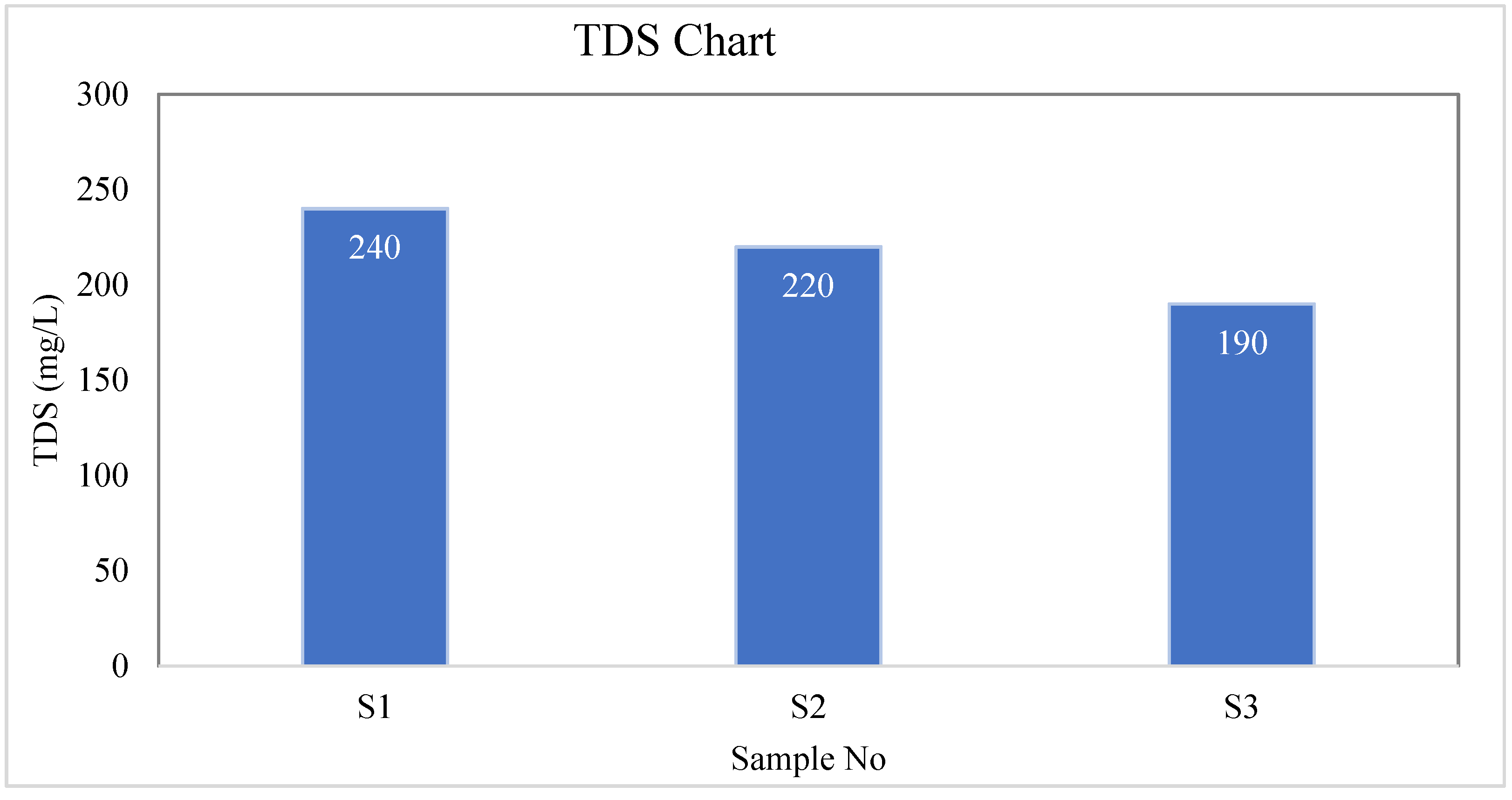
Figure 2.
Turbidity chart of the tested samples.
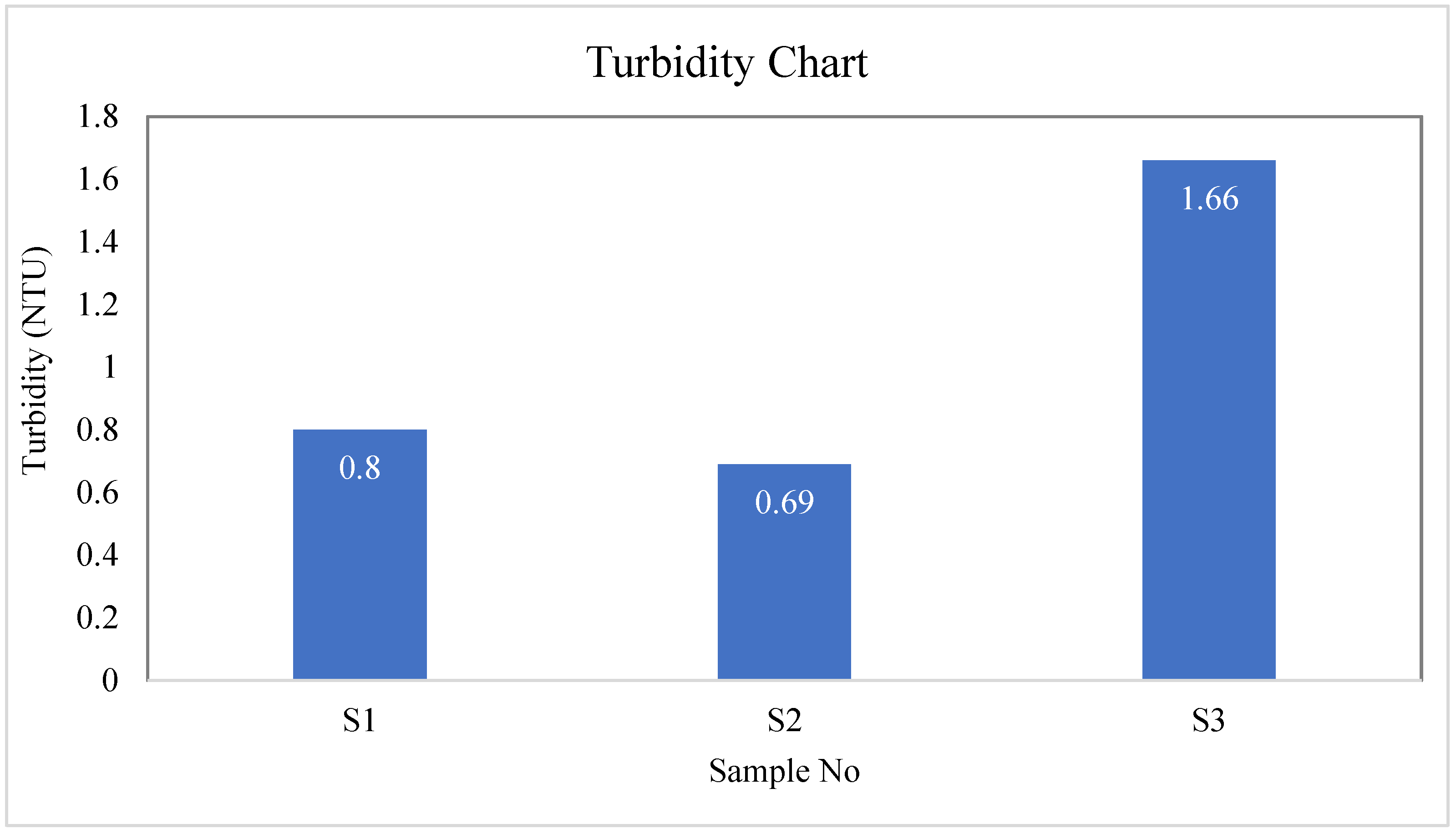
Figure 3.
pH chart of the tested samples.
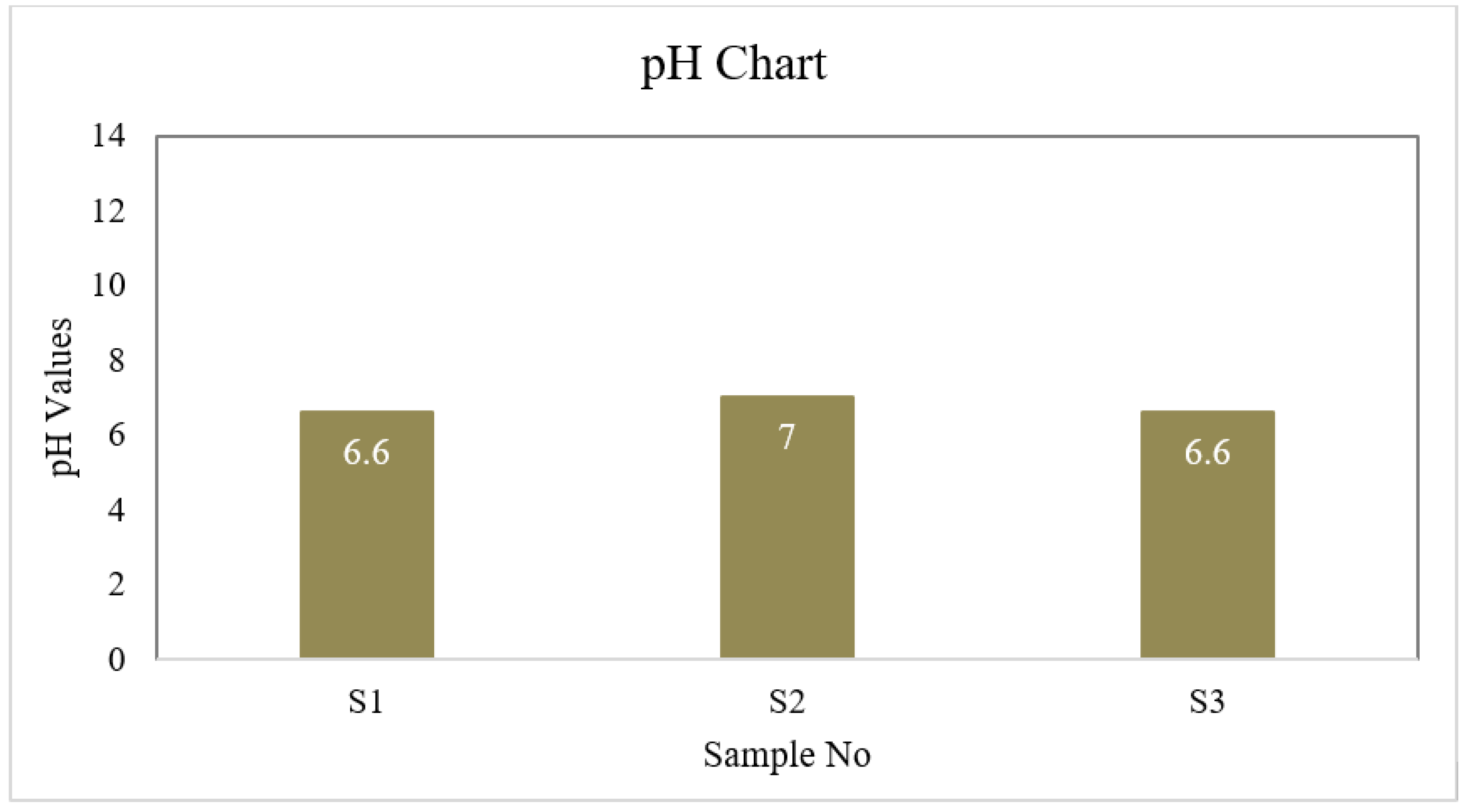
Figure 4.
COD chart of the tested samples.
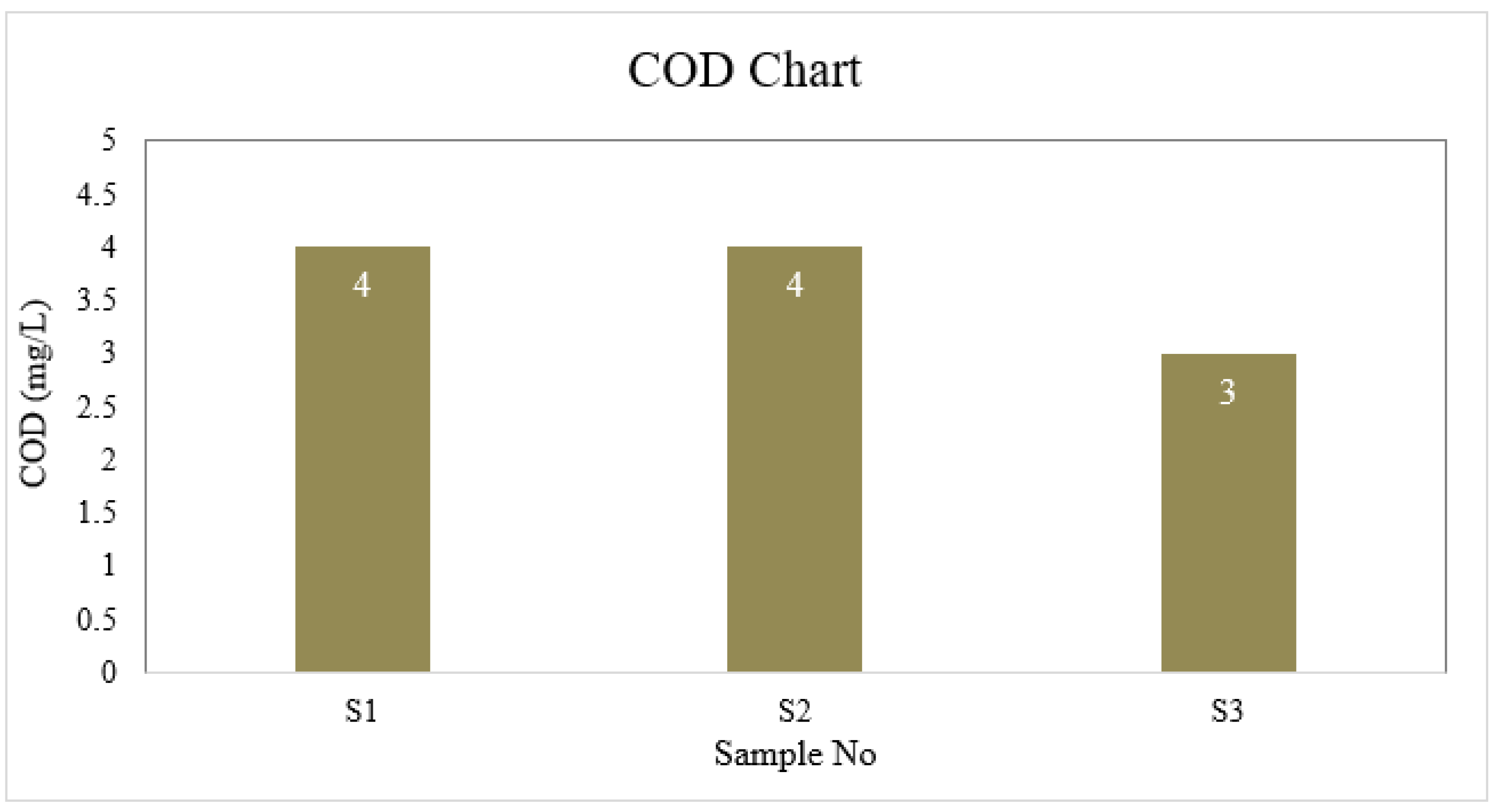
Figure 5.
BOD chart of the tested samples.
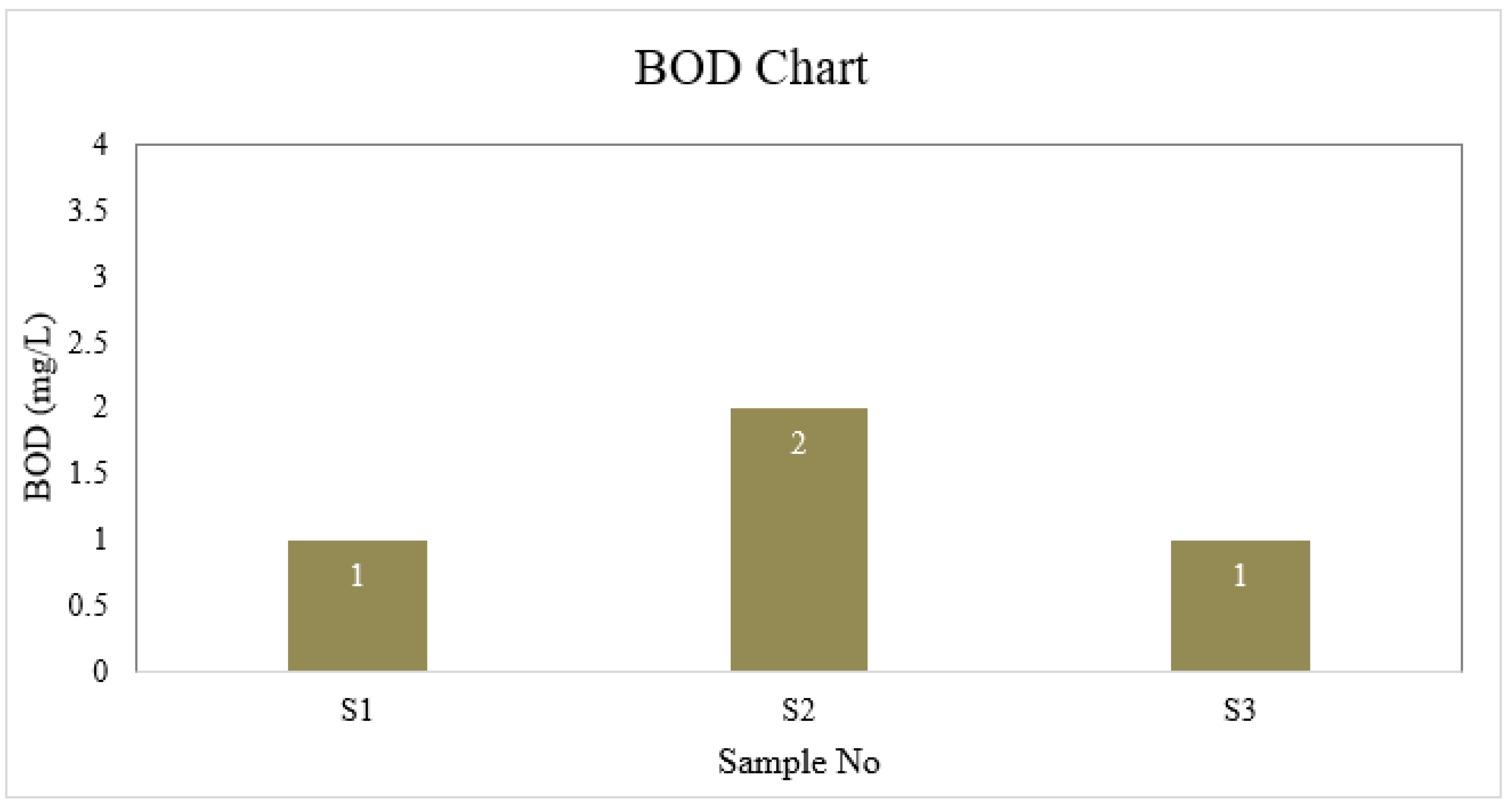
Figure 6.
Alkalinity chart of the tested samples.
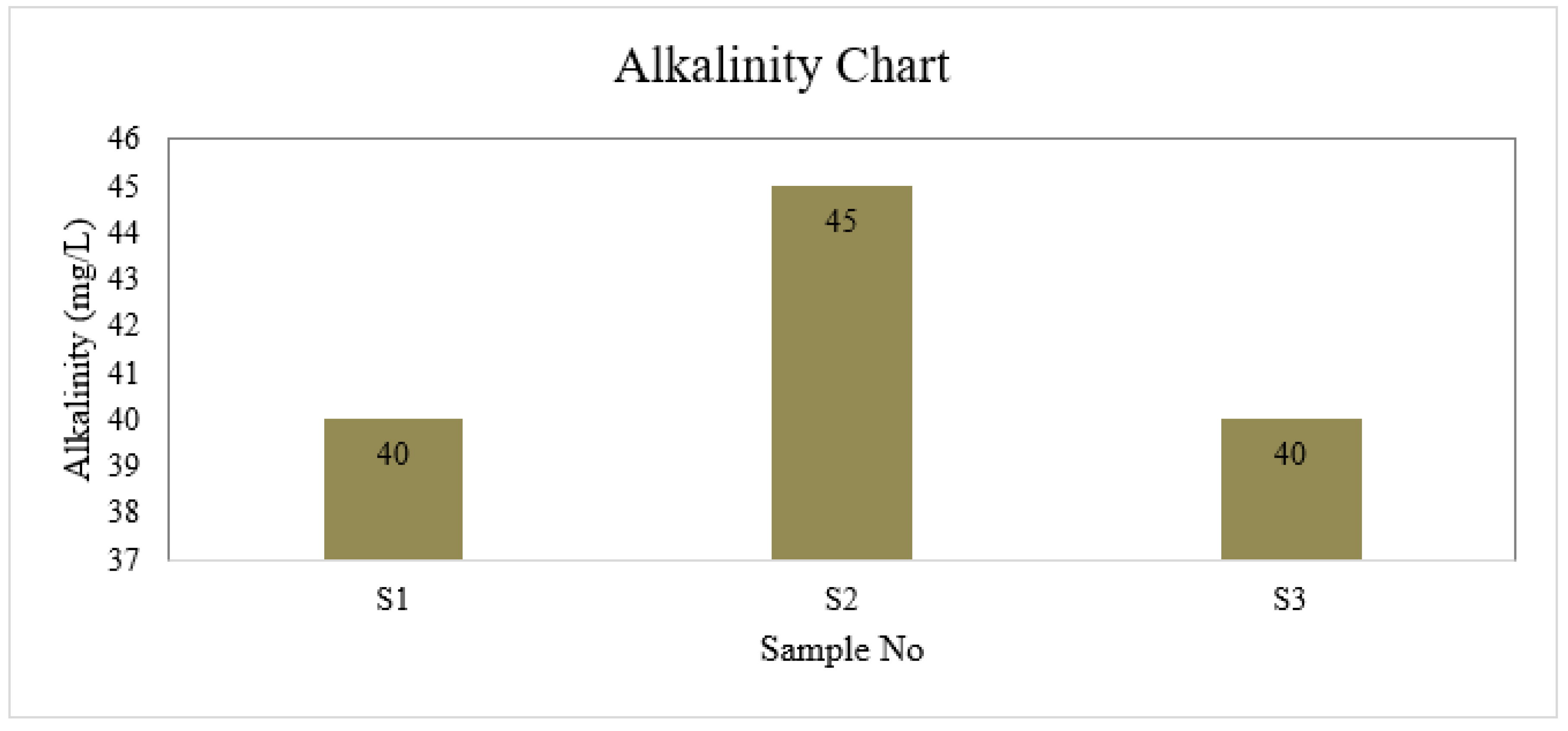
Figure 7.
Chloride chart of the tested samples.
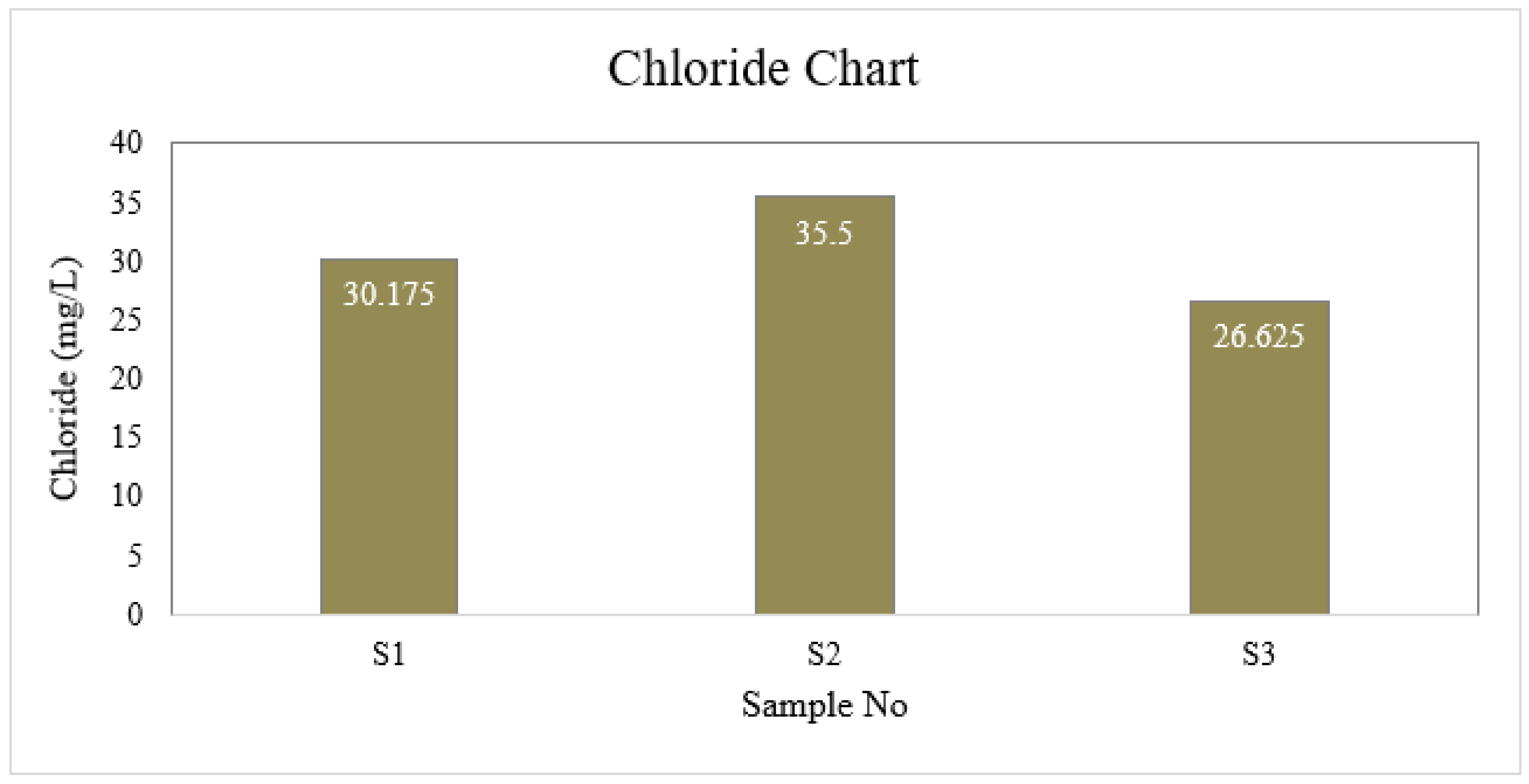
Figure 8.
CO2 chart of the tested samples.
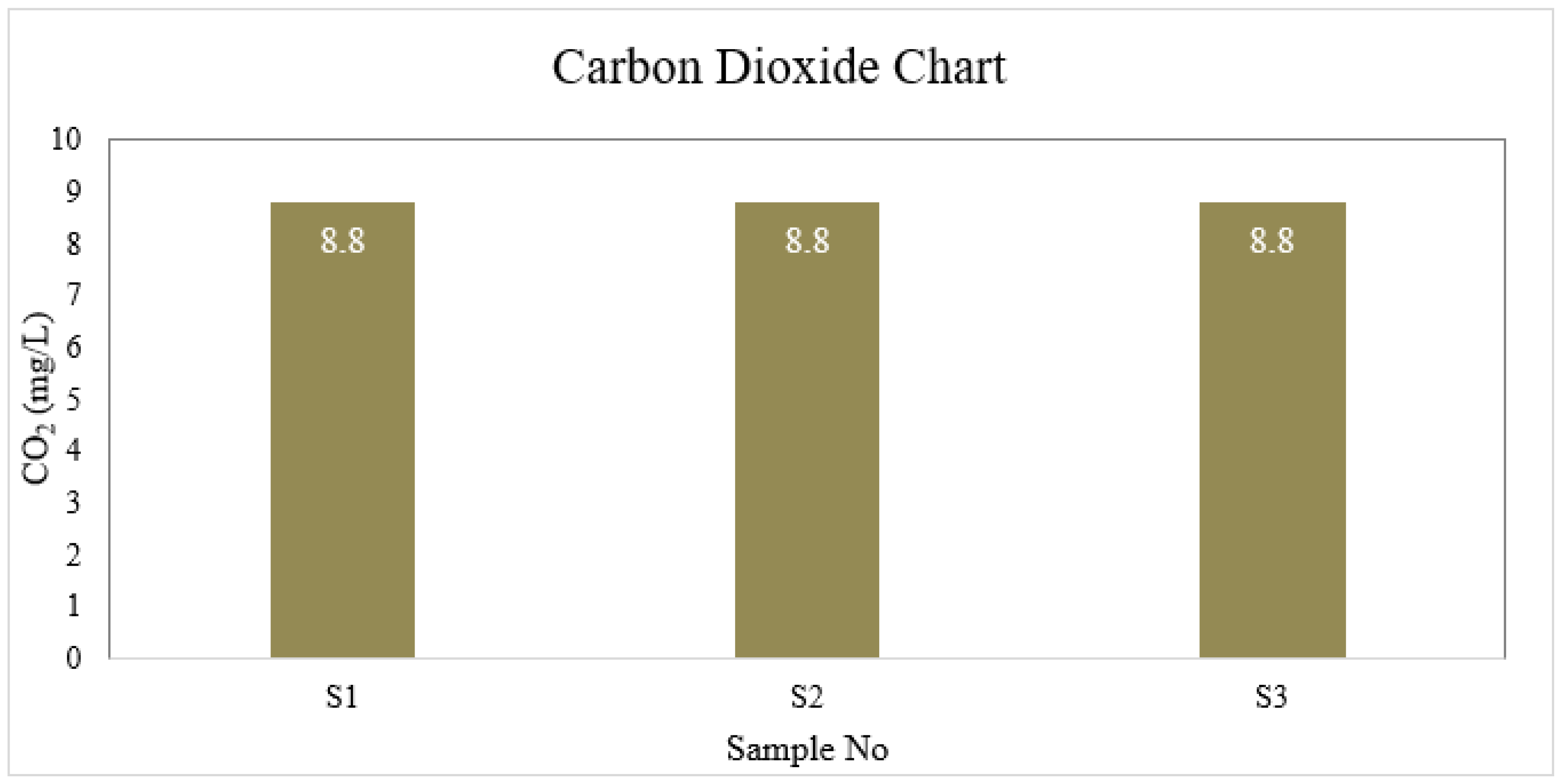

Table 1.
Sample collection information.
| Sample No | Respective AC Units | Sample Volume (mL) | Sample Temperature (ºC) | Sample Color | Sample Taste | Sample Odor |
|---|---|---|---|---|---|---|
| S1 | 1 ton | 1000 | 26.7 | Colorless | Tasteless | Odorless |
| S2 | 2 tons | 1000 | 28 | Colorless | Tasteless | Odorless |
| S3 | 4 tons | 1000 | 29.4 | Colorless | Tasteless | Odorless |
Table 2.
Sample analysis methods, parameter units and respective Bangladesh (BD) standard (Environmental Conservation Rules' 1997 (ECR'97)) values. .
Table 2.
Sample analysis methods, parameter units and respective Bangladesh (BD) standard (Environmental Conservation Rules' 1997 (ECR'97)) values. .
| Parameters | Methods | Units | BD Standard (ECR’97) | |
|---|---|---|---|---|
| Temperature | Temperature Probe | ºC | --- | |
| Physical | Color | Visualization | --- | --- |
| Taste | Tongue | --- | --- | |
| Odor | Smelling | --- | --- | |
| Total Solids (TS) | mg/L | --- | ||
| Total Dissolve Solids (TDS) | Filtration, Evaporation | mg/L | 1000 | |
| Total Suspended Solids (TSS) | Filtration, Evaporation | mg/L | 10 | |
| Turbidity (NTU) | Turbidimeter | NTU | 10 | |
| Chemical | Acidity/Alkanity(pH) | Electrometric | ---- | 6.5 – 8.5 |
| Arsenic (As) | Atomic Absorption Flame Spectrometer | mg/L | 0.05 | |
| Alkalinity as CaCO3 | Titrimetric | mg/L | 150 – 250 | |
| Chloride (Cl-) | Titrimetric | mg/L | 150 – 600 | |
| Dissolve oxygen(DO) | Electrometric | mg/L | ≤ 6 | |
| Electrical Conductivity (EC) | Electrometric | μS/cm | 700 | |
| Iron (Fe) | Colorimetric | mg/L | 0.3 – 1 | |
| Carbon dioxide (CO2) | CO2 meter | mg/L | --- | |
| Chemical Oxygen Demand (COD) | Colorimetric Method | mg/L | 4 | |
| Biochemical Oxygen Demand (BOD) | Standard Method 5210B | mg/L | 2 | |
Table 3.
This table provides a summary of the measured physical parameters of water samples.
| Sample ID | Color | Odor | Taste | Temperature (°C) |
TS (mg/L) |
TDS (mg/L) |
TSS (mg/L) |
Turbidity (NTU) |
|---|---|---|---|---|---|---|---|---|
| S-01 | Colorless | Odorless | Tasteless | 26.7 | 244 | 240 | 4 | 0.80 |
| S-02 | Colorless | Odorless | Tasteless | 28 | 224 | 220 | 4 | 0.69 |
| S-03 | Colorless | Odorless | Tasteless | 29.4 | 193 | 190 | 3 | 1.66 |
| BD Standard | --- | --- | --- | --- | --- | 1000 | 10 | 10 |
Table 4.
This table provides a summary of the measured chemical parameters of water samples.
| Sample ID |
pH |
COD (mg/L) |
BOD (mg/L) |
Alkalinity (mg/l) |
Dissolve oxygen (mg/L) |
Chloride (mg/L) |
Iron ppm |
Carbon dioxide (mg/L) |
Arsenic (mg/L) |
|---|---|---|---|---|---|---|---|---|---|
| S1 | 6.6 | 4 | 1 | 40 | 6.5 | 30.175 | 0 | 8.8 | 0 |
| S2 | 7.0 | 4 | 2 | 45 | 6.7 | 35.5 | 0 | 8.8 | 0 |
| S3 | 6.7 | 3 | 1 | 40 | 6.7 | 26.625 | 0 | 8.8 | 0 |
| BD Standard | 6.5-8.5 | 4 | 2 | 150-250 | ≤ 6 | 150-600 | 0.3-1 | --- | 0.05 |
Disclaimer/Publisher’s Note: The statements, opinions and data contained in all publications are solely those of the individual author(s) and contributor(s) and not of MDPI and/or the editor(s). MDPI and/or the editor(s) disclaim responsibility for any injury to people or property resulting from any ideas, methods, instructions or products referred to in the content. |
© 2023 by the authors. Licensee MDPI, Basel, Switzerland. This article is an open access article distributed under the terms and conditions of the Creative Commons Attribution (CC BY) license (http://creativecommons.org/licenses/by/4.0/).
Copyright: This open access article is published under a Creative Commons CC BY 4.0 license, which permit the free download, distribution, and reuse, provided that the author and preprint are cited in any reuse.


