

Submitted:
24 September 2023
Posted:
27 September 2023
You are already at the latest version
Abstract
Device-mediated, non-invasive drug delivery across the blood-brain barrier (BBB) represents a significant advancement in treating neurological diseases. The BBB is a tightly packed layer of endothelial cells that shields the brain from harmful substances in the blood, allowing necessary nutrients to pass through. It is a highly selective barrier, which poses a challenge to delivering therapeutic agents into the brain. Several non-invasive techniques and devices have been proposed or investigated to enhance drug delivery across the BBB. This paper presents the current state of the art and case studies that address the pharmacology, technology, delivery systems, regulatory approval, ethical concerns, and future possibilities.
Keywords:
neurodegenerative disorders
; blood-brain barrier
; non-invasive delivery
; device-related delivery
; Alzheimer’s
; Parkinson’s
; ALS
; Down Syndrome
Introduction
The human brain, with its intricate architecture and countless functions, is undeniably one of the most sophisticated organs in the body. [1] Protecting and ensuring the optimal functioning of this organ is of paramount importance. The BBB is central to this protective mechanism, a physiological marvel that safeguards the neural environment from potential toxins and pathogens [2]. However, the very features that make the blood-brain barrier (BBB) an efficient protector make it a formidable neurotherapeutic obstacle.[3]
The BBB is a semipermeable border that separates the circulating blood from the brain and extracellular fluid in the central nervous system (CNS). [4] This barrier comprises endothelial cells lining the capillaries, which are closely packed together and sealed by tight junctions. [5] These tight junctions restrict the passive diffusion of large or hydrophilic molecules into the CNS. Additionally, astrocyte foot processes wrap around the blood vessels, further fortifying this barrier and playing a pivotal role in its function. [6] The BBB, while allowing essential nutrients like glucose and amino acids to reach the brain, filters out potentially harmful substances from entering the neural environment. This selective permeability ensures that the brain remains relatively insulated from fluctuations in blood composition, thereby maintaining a stable internal environment. [7]
The BBB is crucial in preventing substances from freely passing between the bloodstream, brain, and CNS. This selective and semi-permeable barrier is important in developing and managing neurodegenerative diseases (NDs). Neurodegenerative diseases (NDs), including Alzheimer’s disease (AD), Parkinson’s disease (PD), Huntingdon disease (HD), and multiple sclerosis (MS), are characterized by the progressive loss of neurons that are associated with neurotoxic etiological substances in the brain and the surrounding organs.
To impede or reverse the progression of NDs, enhancing the BBB's functionality to safeguard the brain against detrimental substances is imperative. Integrating a therapeutic strategy that combines meticulous regulation of transitory BBB permeability with non-invasive, focused transport of drugs across the BBB carries substantial importance in enhancing the efficacy, safety, and practicality of drug therapy in clinical settings.
This paper outlines various approaches to enhance BBB penetration to treat NDs, such as the methods that encompass the knockout of the risk gene APOE4, the regulation of circadian rhythms, the restoration of the gut milieu, transitory BBB opening, carrier-mediated drug delivery, nasal administration, and activation of the Wnt/β-catenin signaling pathway, along with case studies where the delivery is initiated using a non-invasive device.
From an evolutionary standpoint, the BBB is the body's control center, responsible for everything from essential autonomic functions like heartbeat and respiration to complex cognitive tasks and emotional processing. [8] Protecting this organ from toxins, pathogens, and other foreign substances is crucial for survival. Thus, the BBB has evolved to become a gatekeeper, ensuring that only substances beneficial or neutral to the brain's function gain entry. [9]
However, this protective shield also presents a significant challenge for medical science, particularly neurology and psychiatry. [10] Most drugs designed to target the brain — whether for the treatment of neurodegenerative diseases, psychiatric disorders, or brain tumors — cannot cross the BBB in therapeutically effective dosing, [11] leading to numerous potential treatments failing in the clinical stages, not necessarily because the drugs aren't efficacious but because they cannot reach their intended site of action in the brain. [12] Thus, the BBB represents a double-edged sword. While it is indispensable for physiological well-being, it is also one of the most formidable obstacles in treating neurological diseases. [13]
Researchers and clinicians have long recognized this challenge. [14] Over the years, various strategies have been employed to overcome or bypass the BBB. Some of these methods are invasive, such as direct intracerebral injections, which, while effective, come with risks and complications. [15] As a result, the focus has increasingly shifted towards non-invasive approaches, aiming to safely enhance the delivery of therapeutic agents to the brain without compromising the integrity of the BBB. [16]
The BBB stands as a testament to the body's intricate regulatory systems, maintaining the sensitive environment of the CNS. Formed by brain endothelial cells connected by tight junctions, the BBB acts as a selective gatekeeper, ensuring the ingress of essential nutrients and the egress of waste products while effectively blocking potentially neurotoxic substances. [17] While crucial for physiological homeostasis, this discerning characteristic poses significant challenges for delivering therapeutic agents to the brain.
Given the complexity of the BBB, it's essential to understand its selectivity mechanisms. Efflux and influx transporters are pivotal in determining which molecules can enter or exit the brain. [18] For instance, P-glycoprotein, an efflux transporter, actively pumps several drug molecules out of the brain, thwarting their therapeutic action. [19] The specificity and affinity of these transporters greatly influence drug availability within the CNS.
Beyond transporters, the physicochemical properties of drug molecules also determine their BBB permeability. Generally, lipophilic molecules with a molecular weight of less than 400-500 Da can traverse the BBB more easily. [20] However, many potent CNS-active drugs and biologics are too large or possess unsuitable properties, preventing their direct passage through the barrier. [21]
While being a protective boon, this exclusionary nature of the BBB becomes a bane for neurotherapeutics. Neurological diseases like Alzheimer's, Parkinson's, and multiple sclerosis, despite having identified potential therapeutic agents, suffer from the limited availability of these drugs in the CNS due to the BBB's stringent barrier function. [22]
Moreover, the BBB isn't just a static barrier. Its permeability and function can be altered under pathological conditions. Diseases like stroke, traumatic brain injury, and certain infections can disrupt BBB integrity, which might allow for increased drug delivery but at the cost of potential harm from other circulating substances [23]
These challenges underscore the urgent need for innovative strategies to deliver drugs across the BBB without compromising its integrity or function. As we look towards non-invasive device-mediated techniques, it's not just about bypassing the BBB but about maintaining the health and functionality of the CNS, ensuring that treatments are both effective and safe. [24]
A silver lining in this quest has been the discovery that the BBB, while protective, has certain "windows" or mechanisms that can be modulated for therapeutic benefit. For instance, certain peptides have been identified that can transiently open the BBB, allowing for drug delivery without causing lasting damage. [25] As researchers dive deeper into understanding these nuances, the dream of non-invasively and effectively delivering drugs to the brain seems increasingly tangible.
In conclusion, the BBB, with its dual nature of protection and challenge, remains at the heart of CNS drug delivery research. As we push the boundaries of what's possible in medicine, it serves as a reminder of the delicate balance that must be maintained between innovation and safety, ensuring that tomorrow's promises are grounded in today's learnings. [26]
Neurodegenerative Disorders (NDs)
Neurodegenerative diseases, more particularly Parkinson's disease, Alzheimer's disease, Huntington's disease, Amyotrophic lateral sclerosis (ALS), and Motor neuron disease, affect millions of people worldwide. Alzheimer’s disease and Parkinson’s disease are the most common neurodegenerative diseases. In the United States, as many as 6.2 million people may have Alzheimer’s disease[27], according to a report from the Alzheimer's Disease Association in 2022. Nearly a million Americans are living with Parkinson’s disease, according to the Parkinson’s Foundation.[28]
An extremely high risk for AD is now recognized as a phenotypic feature of Down syndrome (DS; trisomy 21), with cumulative incidence approaching 50% by the late 50s and 80% by the late 60s.[29] This represents the most significant population at increased risk for AD linked to a specific genotype, a public health concern in its own right, and a population ideally suited for prevention trials.
Neurodegenerative diseases occur when nerve cells in the brain or peripheral nervous system lose function over time and ultimately die. Although specific treatments may help relieve some of the physical or mental symptoms associated with neurodegenerative diseases, slowing their progression is not currently possible, and no cures exist.
The likelihood of developing a neurodegenerative disease rises dramatically with age. In the coming decades, neurodegenerative diseases may affect more Americans significantly as life expectancy increases. We must improve our understanding of what causes neurodegenerative diseases and develop new approaches for treatment and prevention.
Scientists recognize that combining a person’s genes and environment increases their risk of developing a neurodegenerative disease. For example, someone might have a gene that makes them more susceptible to Parkinson’s disease, but their environmental exposures can affect whether, when, and how severely they are affected.
NDs have presented a significant challenge to the medical field for a considerable period due to their irreversible characteristics. Presently, the medical domain encompasses a range of NDs, such as Alzheimer's disease (AD), Huntington's disease (HD), Amyotrophic lateral sclerosis (ALS), Parkinson's disease (PD), and Multiple sclerosis (MS), among various others. The prevalence of age-related NDs has risen in tandem with the growth of the aging population, leading to their heightened visibility and consequential negative impact on society.
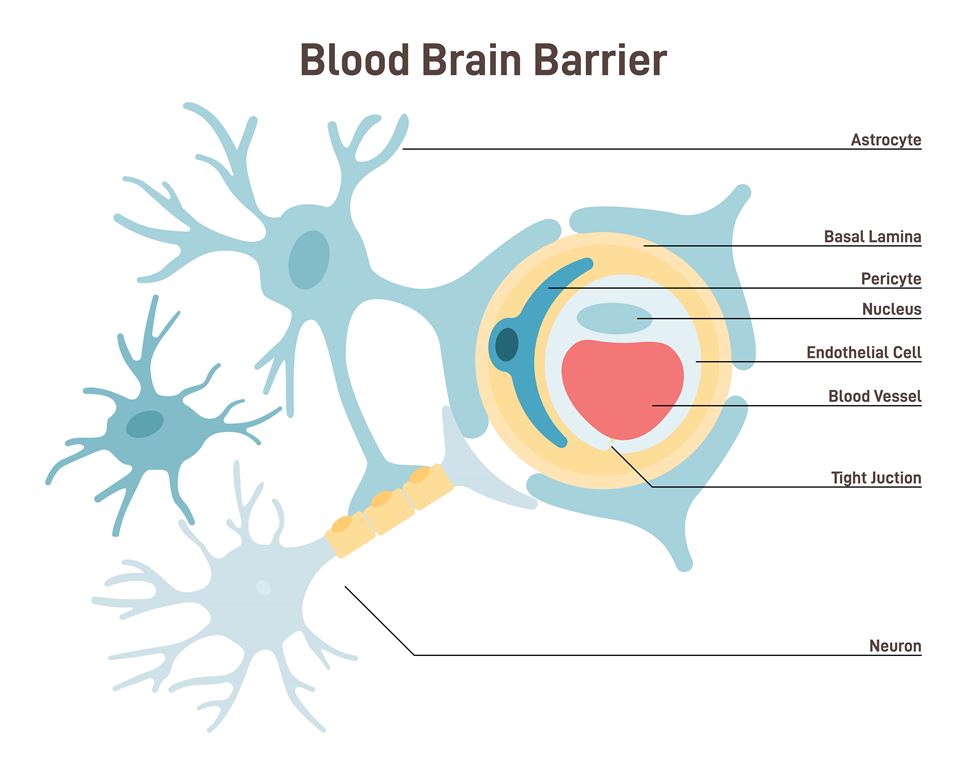
The BBB is a distinct anatomical feature located at the interface of the endothelial cells of brain capillaries and the surrounding brain tissue. (Figure 1). The brain's homeostasis is significantly influenced by its function. The BBB comprises diverse cell types and structures, such as brain endothelial cells, the basement membrane, tight junctions, astrocytes, and pericytes. These components collaborate harmoniously to establish a highly selective and tightly regulated barrier [30,31]. The BBB is vital in maintaining homeostasis inside the central CNS by serving as a critical interface between the peripheral circulatory system and the brain. This barrier employs a range of methods to fulfill its function. The BBB is a protective mechanism against the infiltration of detrimental chemicals into the brain.
Additionally, it plays a crucial role in regulating the equilibrium of ions, sustaining optimal levels of neurotransmitters, and eliminating metabolic waste. Nevertheless, as individuals age, there is a potential for the BBB to have a decline in its structural integrity[32]. Multiple studies have provided evidence for the significant involvement of the BBB in the development of numerous neurological disorders[33]. Furthermore, the BBB presents a significant impediment to the administration of drugs in the context of neurodegenerative diseases[34]. Consequently, research about the BBB has exhibited both diversification and simultaneous advancement.
Current Techniques in Drug Delivery across the BBB
Several techniques have been developed over the years, endeavoring to overcome the formidable barrier of the BBB and deliver therapeutic agents to the CNS. Conventional methods range from direct injection into the CNS to modifying drug molecules for enhanced permeability.[35] While some of these techniques have had moderate success, they often come with significant drawbacks, such as invasiveness, limited targeting, or potential side effects.
- Direct Injections: Techniques like intracerebroventricular (ICV) and intraparenchymal injections bypass the BBB entirely by delivering drugs directly into the brain or cerebrospinal fluid. While effective, these methods are highly invasive, bear risks of infections, and might distribute drugs unevenly.[36]
- Molecular Trojan Horses: This ingenious method involves coupling therapeutic agents to molecules that naturally cross the BBB via receptor-mediated transcytosis. By "piggybacking" on these molecules, drugs can be sneaked into the brain. While promising, the complexity of this method and potential immunogenic reactions are challenges that need addressing.[37] It is possible to facilitate the entry of chemical drugs into the brain by employing naturally occurring or artificially modified chemicals and certain simple life forms, predominantly viruses, which can traverse the BBB. This drug delivery strategy is usually called the "Trojan horse" approach. Neurotropic viruses are a class of viruses that exhibit a distinct preference for the nervous system and possess the ability to invade neural cells. These viral agents can traverse the BBB and get access to the CNS. Hence, utilizing neurotropic viruses for drug encapsulation and BBB traversal is a highly effective and practical strategy. Adeno-associated virus (AAV) is the prevailing neurotropic viral vector employed in treating neurological illnesses[38].
- Biochemical BBB Disruption: Certain agents, like mannitol, can temporarily disrupt the BBB by shrinking endothelial cells. While this allows drugs to enter the CNS, it's a non-specific method that might allow harmful substances to infiltrate the brain, potentially causing side effects.[39] The hyperosmolar technique is employed to transiently disrupt the BBB by generating alterations in osmolarity inside the brain tissue. Usually, an intravenous or intra-arterial infusion of a high-osmolarity solution, predominantly mannitol, facilitates water movement from brain tissue to the blood arteries via osmosis. Applying mechanical force on the endothelial cells induces mechanical stress, resulting in a transient disturbance of tight junctions. During this phase, the BBB undergoes temporary permeability, facilitating enhanced medication delivery into the brain and enabling therapeutic effects on NDs. Empirical evidence from clinical trials has demonstrated that administering hyperosmolar mannitol through intra-arterial infusion after a BBB breach is a reliable and secure approach for managing central CNS malignancies. The findings from subsequent research using rats indicated that proteinomic alterations reverted to their original levels after 96 hours. This suggests that the approach employed to induce BBB opening is transient and may be reversed[40] Nevertheless, it is crucial to acknowledge that the unguided application of hyperosmolar mannitol to open the BBB is an invasive procedure, and its safety merits thorough deliberation.
- Nanoparticle-mediated Delivery: Nanoparticles can encapsulate drugs and be designed to target specific receptors or transporters on the BBB, enhancing drug delivery. This field has garnered considerable interest, but concerns about long-term effects and potential toxicity linger.[41] Utilizing tailored nanomedicines to improve brain transport by capitalizing on the compromised BBB resulting from brain illnesses, such as neurodevelopmental disorders, presents a promising strategy for medication delivery[42] It is essential to acknowledge that tailored nanomedicines, by their meticulously created characteristics, frequently exhibit precision and superior efficacy compared to unmodified pharmaceuticals. Consequently, they have emerged as a prominent avenue for future drug research. As an example, trials using FUS and a combination of FUS+MRI for Alzheimer’s Disease trials where the BBB in the hippocampus and entorhinal cortex opened reversibly without adverse effects[43], and patients showed no adverse events and no cognitive or neurological deterioration.[44] The Parkinson’s Disease trials of 5-7 patients involved the BBB duplication at the parietal-occipital-temporal junction opened reversibly in 4 patients without side effects[45] . FUS-mediated striatal BBB opening is feasible and safe.[46] In the MPS-II trial of 28 patients, positive changes occurred in 21 patients treated with transferrin receptor ligand, some with mild or moderate, transient and manageable adverse drug events[47].
Despite these approaches, the challenges and limitations associated with them underscore the urgent need for more efficient, non-invasive methods. Recent developments in device-mediated techniques, like focused ultrasound or electromagnetic modulation, offer hope. These methods aim to increase BBB permeability transiently and safely, allowing for targeted drug delivery without the drawbacks of the traditional methods.[48]
Technologies
To overcome the barriers to entry, a multitude of BBB in vivo and in vitro models have been established alongside innovative methodologies, which exhibit significant promise for conducting mechanistic investigations and advancing drug discovery efforts such as the length of time a medication remains detectable in the body while administering pharmacological therapy to optimize the effectiveness of drug transportation across the blood-brain barrier. The incorporation of novel technologies that effectively regulate the temporary permeability of the BBB and enable targeted drug delivery without invasive procedures is of utmost importance in enhancing the effectiveness, safety, and practicality of therapeutic approaches.
These current strategies encompass many techniques, such as deleting the risk gene APOE4, modulation of circadian rhythms, reinstatement of gut microbiota, and stimulation of the Wnt/β-catenin signaling pathway.
Magnetic Resonance Imaging (MRI)
To tackle the invasive nature of the hyperosmolar process, researchers have devised an MRI technique that relies on unenhanced chemical exchange saturation transfer to identify the buildup of mannitol in the intracranial region after the opening of the BBB. This technique holds promise as a prompt imaging tool for optimizing the administration of mannitol-based BBB opening, thereby enhancing its safety and effectiveness[49] . Moreover, implementing hyperosmolar BBB opening techniques in murine models using MRI guidance can effectively mitigate the limitations of inconsistent reproducibility and heterogeneous experimental results commonly observed with intra-arterial administration of hyperosmolar mannitol[50] Hence, the exclusive utilization of hyperosmolar mannitol infusion has potential hazards in therapeutic contexts. Nevertheless, integrating MRI guidance improves the safety and effectiveness of osmotic-based BBB opening, thus augmenting its therapeutic significance.
Vasoactive Chemicals
Vasoactive chemicals, including those in the central nervous system, can modulate vascular tone and permeability. Several vasoactive chemicals have been investigated to assess their capacity to induce the opening of the BBB and facilitate the transportation of therapeutic medicines into the brain. The chemicals encompass adenosine, bradykinin, histamine, and peptides derived from bee venom. Adenosine, a nucleoside found in nature, has a role in multiple physiological processes, such as regulating blood flow and inflammation[51]. Numerous studies have demonstrated that it can enhance BBB permeability through various mechanisms. For instance, it can activate adenosine receptors on endothelial cells, initiating intracellular signaling pathways that influence the tight junctions between them. These tight junctions play a critical role in maintaining the integrity of the BBB. The process of fibrinolysis can lead to the production of bradykinin through the action of fibrinolytic agents.[52] This bradykinin can then activate bradykinin B2 receptors, resulting in the opening of the blood-brain barrier. Researchers have employed the BBB opening mechanism to create bradykinin analogs that can improve the transportation of nanocarriers across the BBB to treat glioblastoma[53]. Furthermore, studies have provided evidence that the disruption of the BBB, facilitated by the bradykinin B2 receptor agonist NG291, is confined to a specific area, dependent on the dosage administered, and can be reversed[54]. Histamine, a neurotransmitter, has been observed to facilitate the opening of the BBB potentially[55,56].
However, the precise mechanism by which this occurs remains uncertain. Recently, there has been a development in the utilization of bee venom peptides as substances to induce the opening of the BBB. It has been demonstrated that these substances can induce reversible opening of the BBB within 24 hours when administered at adequate dosages. Doubtless, vasoactive medicines possess significant promise in facilitating the opening of the BBB and enhancing drug transportation to the brain. Nevertheless, the systemic administration of these medications presents uncertain implications for the overall treatment efficacy, as they cannot selectively target the BBB. Enhancing the precision of BBB targeting with pertinent technology would contribute to advancing future clinical studies.
APOE-ε4[57]
APOE-ε4 is the most potent genetic risk factor for Alzheimer’s disease (AD) and is associated with an increase in amyloid deposition levels and an early onset age. Recent data demonstrate that AD pathological changes occur decades before clinical symptoms, raising questions about the precise onset of the disease. A convergence of approaches in mice and humans has demonstrated that APOE-ε4 affects normal brain function even very early in life in the absence of gross AD pathological changes. Normal mice expressing APOE4 have task-specific spatial learning deficits and reduced NMDAR-dependent signaling and structural changes to presynaptic and postsynaptic compartments in neurons, particularly in hippocampal regions. Young humans possessing APOE-ε4 are more adept than APOE-ε4 negative individuals at some behavioral tasks, and functional magnetic resonance imaging has shown that inheritance of APOE-ε4 has specific effects on medial temporal brain activities. These findings suggest that inheritance of APOE-ε4 causes lifelong changes to the brain that may be related to the late risk of AD. Several possible mechanisms of how APOE-ε4 could affect brain neurochemistry, structure, and function are reviewed.
Gut Microbiome[58]
The maximum human life span has expanded because of improved nutrition and health care with the development of the economy and technology. Diverse microbes, including bacteria, archaea, viruses, and various eukaryotes, such as fungi and protozoa, are present in different ecological niches in the gut. They are collectively known as the gut microbiota[59]. The gut microbiota profoundly affects several aspects of host physiology, including nutritional metabolism, anti-infection, immune system, and nerve development[60,61]. Rapid industrialization, urbanization, and food and medical technology development, such as increasing intake of fast food, cause the gut microbiota to confront a different habitat, and thus, it has become more vulnerable than before. Recently, the importance of gut microbiota has emerged because of its vital role in NDs and in modulating the differentiation, maturation, proliferation, and activation of tissue-resident immune cells in the central nervous system (CNS)[62,63,64,65,66]. Gut–brain axis (GBA) participates in the bidirectional communication between the gut and the brain via neurotransmitters and various metabolites[67,68].
While the BBB serves as a gateway for the passage of many crucial substances required for CNS functioning and secretes substances into the blood and brain crucial for maintaining CNS homeostasis, it can also limit the transport of gut-derived molecules into the brain[69]. For example, microorganism-associated molecular patterns (MAMPs) play critical roles in microorganisms' structural integrity and essential cellular functions[70]. When MAMPs are accidentally enhanced or decreased, acute or chronic inflammation associated with various neurological disorders is induced.
Several microbial molecules, such as lipopolysaccharides (LPS), short-chain fatty acids (SCFAs), trimethylamines (TMAs), and vitamins, are associated with the permeability of BBB[71,72,73]. These molecules could act on BBB to directly affect brain neurons or stimulate the immune and endocrine systems to protect against neuroinflammation or neurodegeneration.
The bidirectional communication network comprises the CNS, autonomic nervous system (ANS), enteric nervous system (ENS), and the hypothalamic–pituitary–adrenal (HPA) axis. Microbiota communicates with the brain via the vagus nerve. The combination of neural and hormonal communications facilitates the CNS to influence the activities and function of intestinal cells (69, 70). Moreover, gut microbiota affects host health by modulating gut cells and maintaining intestinal metabolic and immune homeostasis[74,75,76]. Interestingly, the microbiota also alters the production of neurotransmitters and hormones such as dopamine, adrenaline, noradrenaline, serotonin (5-HT), gamma-aminobutyric acid (GABA), glucagon-like peptide-1, and peptide YY or their precursors, which act on the CNS or ENS directly via the vagus nerve or indirectly by entering the circulation [77].
Surface Transporters
While the activation of BBB surface transporters can improve drug transport, it is important to consider the drawbacks of this approach, including saturation, limited transport capacity, and inadequate targeting compared to receptor-mediated endocytosis. Consequently, the latter mechanism is commonly employed in drug development to enhance the targeting and penetration of drugs across the BBB. Currently, the prevailing receptor proteins within the BBB encompass transferrin receptors, insulin receptors, and low-density lipoprotein receptor-related proteins. These receptor proteins are frequently coupled with therapeutic protein drugs through fusion with their respective ligands, thereby enhancing the efficacy of drug targeting and facilitating the passage across the BBB[78].
Penetrating Peptides
Penetrating peptides refer to concise sequences of peptides that can efficiently penetrate the BBB. BBB-penetrating peptides' repertoire includes trans-activating transcriptional activator peptides, R8 peptides, angiopep-2, cell-penetrating peptides, and RVG peptides[79]. Using BBB-targeting ligands for transporting pharmaceuticals across the BBB represents a precise and efficient approach to facilitating drug delivery across the BBB.
Extracellular Vesicles
One approach to enhance the ability of medications to penetrate the brain is by modifying tiny extracellular vesicles' surface with different peptides that can cross the blood-brain barrier. This modification facilitates the effective transport of drugs to the brain[80]. Furthermore, integrating extracellular vesicles and intranasal delivery would undeniably assume a crucial function in the prospective management of neurodegenerative disorders (NDs).
Extracellular vesicles serve as inherent vehicles for drug delivery and possess the ability to traverse the BBB readily. Consequently, it is common practice among researchers to employ extracellular vesicles as carriers for drug encapsulation, aiming to enhance the transportation of pharmaceuticals across the BBB where the improved permeability of the BBB can be achieved by utilizing tiny extracellular vesicles produced from glial cells, which are loaded with tetraspanin 2 siRNA [81]
Liposomes
Like extracellular vesicles, liposomes are also employed as carriers for drug administration across the BBB. Nevertheless, it is important to acknowledge that liposomes exclusively exhibit BBB penetration capabilities rather than BBB targeting abilities. Consequently, these compounds are frequently co-administered with BBB-targeting agents to elicit their desired outcomes. It has been demonstrated that including neurotransmitter-derived lipids in lipid nanoparticles (LNPs) that are impervious to the BBB facilitates the ability of LNPs to traverse the BBB.[82]
Wnt/β-Catenin Pathway
Neurodegenerative disease includes a group of diseases characterized by the loss of cells and neurons of the brain and spinal cord. Parkinson’s disease (PD), Alzheimer’s disease (AD), and amyotrophic lateral sclerosis (ALS) are the most common neurodegenerative diseases. Activation of the Wnt/β-catenin pathway has positive significance for treating PD and AD. However, aberrant activation of the Wnt signalling pathway is related to the pathogenesis of ALS.
Wnt/β-catenin pathway activity is related to abnormal morphology and neuronal mitochondrial dysfunction.[83] Multiple Wnt/β-catenin signalling-related genes are hypermethylated in the brains of PD patients, including its receptor LRP5, the transcription factor TCF7L2, the inhibitors FRZB, SFRP1, and SFRP2, and multiple target genes.
AD is mainly characterized by neuronal loss, the deposition of amyloid-beta plaques, and the formation of hyperphosphorylated tau protein in neurons, particularly the cytotoxic effect of amyloid beta-peptide (Abeta).[84]
ALS is a neurodegenerative disease characterized by the progressive loss of motor neurons. Wnt/β-catenin signalling is involved in the neurodegenerative process. The levels of Wnt3, Wnt4, FZD 2, FZD 8, Wnt2b, Wnt5a, FZD3, LRP5, and sFRP3 are increased in ALS patients' human spinal cord tissue. The number of FZD2+ astrocytes increases in the borderline between the grey and white matter at the ventral horn in ALS samples. The Wnt family of proteins—specifically, FZD2 and Wnt5a—may be involved in human ALS pathology.[85]
Intranasal
In recent years, intranasal and intrathecal administration have developed viable and effective methods for enhancing brain targeting efficiency in medication administration. The intranasal route of drug administration is a favorable method for targeted delivery of medications to the central CNS owing to the abundant vascularization of the nasal cavity, which is situated near the brain. Research findings have indicated that the intranasal administration of exosomes can lead to a notable accumulation of these particles in the brains of animals with Parkinson's disease[86]. The intranasal delivery of dantrolene has demonstrated enhanced brain concentration and prolonged duration of action compared to oral administration.[87] The process of intrathecal administration entails the direct delivery of medications into the cerebrospinal fluid (CSF) that surrounds the brain and spinal cord. This method bypasses the BBB and enables direct drug delivery to the CNS. Nevertheless, the utilization of intrathecal administration is constrained because of its invasive characteristics, technical intricacy, probable unfavorable responses, restricted indications, and elevated expenses[88]
In addition to these techniques, intranasal delivery is emerging as a promising route for bypassing the BBB entirely. Capitalizing on the direct connection between the nasal cavity and the brain via the olfactory and trigeminal nerves, this method offers a direct pathway for drug delivery to the CNS. While still in its infancy, this approach has shown significant potential, especially for delivering peptides and other macromolecules that traditionally have difficulty crossing the BBB.
Circadian Rhythm[89]
Endogenous biological clocks, orchestrated by the suprachiasmatic nucleus, time the circadian rhythms that synchronize human physiological and behavioral functions. The circadian system influences most physiological processes, including sleep, alertness, and cognitive performance. Disruption of circadian homeostasis has deleterious effects on human health. Neurodegenerative disorders involve a wide range of symptoms, many exhibiting diurnal variations in frequency and intensity. These disorders also disrupt circadian homeostasis, which negatively affects symptoms and quality of life. Emerging evidence points to a bidirectional relationship between circadian homeostasis and neurodegeneration, suggesting that circadian function might be essential in the progression of neurodegenerative disorders. Therefore, the circadian system has become an attractive target for research and clinical care innovations. Studying circadian disruption in neurodegenerative disorders could expand our understanding of the pathophysiology of neurodegeneration and facilitate the development of novel, circadian-based interventions for these disabling disorders. The sensitivity of the BBB to medications exhibits variability following the circadian rhythm. It has been demonstrated that the administration of the antiepileptic medicine phenytoin during nighttime has enhanced efficacy in the treatment of seizure models in fruit flies.[90] One potential cost-effective method could involve strategically managing medicine administration time to optimize travel efficiency.
Precision Medicine
Precision medicine encompasses several strategies to achieve more accurate drug targeting, optimal drug dose, refined illness subtyping, and meticulous management of individual variations. Precise medication targeting and dosage can be accomplished by targeting methodologies, localized drug administration to the specific lesions, and techniques such as co-focused ultrasound in conjunction with microbubbles. Nevertheless, categorizing diseases into subtypes remains ambiguous for neurological disorders (NDs), and comprehending individual variations poses significant difficulties. This signifies a substantial avenue for future therapy of neurodegenerative disorders.
Ex Vivo Modeling
The building of in vivo and in vitro BBB models and the innovation of research methods are crucial for several aspects of BBB research, including the restoration of BBB integrity and the enhancement of drug penetration efficiency across the BBB. Hence, this article provides a concise overview of research models such as BBB animal and organoid models and BBB chips. Additionally, it briefly introduces several invasive and non-invasive BBB research methods, serving as a valuable resource for fellow researchers.
Animal Modes
The utilization of zebrafish and Drosophila models is prevalent in BBB research due to its numerous advantages. These advantages encompass a fast generation time, cost-effectiveness, advanced genetic manipulation capabilities, and the ability to analyze intricate behaviors. Utilizing the zebrafish model provides an added benefit due to the transparency of its early-stage embryos, enabling direct visualization of the BBB.
Oganoid Model
The BBB organoid model, also known as the BBB organoid model, is a scientific approach used to study the BBB in a laboratory setting. The construction of in vitro organoid models of the BBB involves culturing and combining different components that make up the BBB to mimic its functional properties observed in living animals, taking into account the established composition and structure of the BBB. Brain microvascular endothelial cells (BMECs) represent a crucial cellular component within the BBB. The creation of an in vitro organoid model with partial BBB functionality can be achieved by co-culturing brain microvascular endothelial cells (BMECs) with other cell types of the BBB, such as astrocytes and pericytes, on a permeable membrane.
The BBB Chip
The BBB chip is a microfluidic device designed to replicate the human BBB in an in vitro setting. The primary objective of this study is to investigate the intricate dynamics between pharmaceutical substances and various small molecules concerning the BBB, with a particular focus on assessing their capacity to permeate this physiological barrier. Compared to conventional in vitro methods and animal models utilized in BBB research, the BBB chip offers a more authentic in vitro BBB model, diminishes the necessity for animal experimentation, expedites the drug development trajectory, and facilitates the advancement of tailored therapeutic interventions for neurological disorders [91,92,93].
The development of BBB chips produced from human induced pluripotent stem cells (iPSCs) has been achieved by researchers. These chips demonstrate physiologically realistic transendothelial resistance and effectively predict pharmacokinetic substances' blood-brain permeability.
Device-Mediated Techniques
The BBB poses a monumental challenge for reaching therapeutic agents to the central CNS in the grand drug delivery arena.[94] While often successful in peripheral tissues, traditional pharmacological strategies have encountered substantial limitations when aiming for the brain. A vast number of small molecules and virtually all large molecule biologics, including therapeutic proteins, RNA therapeutics, and antibodies, face impediments in crossing the BBB[95]
Methods such as intracerebral injections or intraventricular infusions were employed to achieve CNS drug delivery.[96] While these approaches enable a direct route of administration, they are invasive and carry associated risks, including infection, hemorrhage, and potential damage to brain tissue.[97] Moreover, these methods can lead to non-uniform distribution in the brain, potentially yielding areas of over-concentration or insufficient drug coverage.[98]
As the understanding of neurological and psychiatric disorders deepens, and with the advent of precision medicine, there's an escalating demand for treatments that can be tailored to individual patient needs.[99] Such treatments may necessitate frequent or prolonged drug administration. Apart from their inherent risks, the invasive methods become impractical in these contexts due to their invasive nature and the discomfort associated with repeated interventions.
Further complicating the drug delivery scenario is the realization that many CNS disorders, such as Alzheimer’s disease, Parkinson’s disease, and multiple sclerosis, involve multiple brain regions.[100] Targeting these dispersed areas necessitates a systemic approach to drug delivery, ensuring that the therapeutic agent is distributed throughout the brain.
This shift towards non-invasive, device-mediated approaches is not just motivated by the limitations of traditional methods but also inspired by the potential these techniques have demonstrated, both in pre-clinical models and in some early-stage clinical trials.[101] They herald a new era in neurotherapeutics, where treatments are effective, patient-centric, and tailored to the needs and comfort of individuals.[102]
Historically, attempts to augment drug delivery to the brain focused on chemical modifications to therapeutic agents, enabling them to either permeate or be actively transported across the BBB.[103] However, these modifications often altered pharmacokinetics or diminished therapeutic efficacy, resulting in compromised treatment outcomes.[104] The realization that chemical modifications could only achieve limited success shifted the emphasis toward more direct, though invasive, delivery methods.[105]
However, the dawn of the 21st century has witnessed rapid advancements in biomedical engineering, nanotechnology, and imaging modalities.[106] These advances have facilitated the development of device-mediated techniques that are minimally invasive or completely non-invasive, marking a seismic shift in the approach toward CNS drug delivery.[107]
Recent years have seen a surge in interest and research into device-mediated techniques that could potentially surmount the BBB without requiring direct surgical intervention.[108]These techniques aim to temporarily and safely open the BBB or utilize specialized mechanisms to transport drugs. These technologies, including focused ultrasound, electromagnetic fields, and intranasal delivery, promise to revolutionize CNS drug delivery.[109]
The development of effective, non-invasive, device-mediated techniques for drug delivery across the BBB has been fraught with challenges but illuminated by moments of innovation and breakthrough. As the field progresses, it is imperative to prioritize safety, ensuring that the integrity and function of the BBB are not compromised in the long term. With continued research and interdisciplinary collaboration, the dream of effective and patient-friendly CNS drug delivery methods may soon become a reality.
Neurological disorders affect millions globally, ranging from neurodegenerative diseases to psychiatric conditions. These conditions lead to significant morbidity and have profound social, economic, and psychological repercussions.[110] Therefore, developing efficacious treatment strategies that can navigate the BBB's complexities is paramount.
It is crucial to underline, however, that with the exhilaration of these breakthroughs comes the weighty responsibility of ensuring that these methods are safe. The BBB is a vital protective structure, and any strategy that seeks to circumvent or modulate its function must do so without compromising its long-term integrity or inducing unwanted side effects.[111] After all, these innovative approaches aim to improve patient outcomes and quality of life.
As these device-mediated techniques evolve and mature, they will be subjected to rigorous testing in pre-clinical settings and clinical trials. This will ensure their efficacy and safety profile, which is crucial for any therapeutic intervention targeting the delicate and intricate environment of the CNS.[112]
In summary, while several methods exist to address the BBB's drug delivery challenge, many drawbacks limit their therapeutic potential. The emergence of non-invasive device-mediated techniques represents a significant leap forward, potentially revolutionizing CNS drug delivery. As research progresses, the focus will undoubtedly shift towards refining these techniques, ensuring their safety, and expanding their therapeutic applicability.[113]
Advantages, Challenges, and Future Perspectives of Non-Invasive Device-Mediated Techniques
The appeal of non-invasive device-mediated techniques lies in their ability to target specific brain regions while circumventing traditional drug delivery barriers. However, as with any emerging technology, they come with advantages, challenges, and future possibilities that need addressing.
Advantages:
- Precision and Specificity: Techniques like FUS offer pinpoint accuracy in targeting specific brain regions.[114] This ensures that only the desired area is treated, reducing the risk of systemic side effects.
- Versatility: The non-invasive nature of these techniques makes them suitable for a wide range of applications, from delivering small-molecule drugs to larger molecules like antibodies or even genes.[115]
- Minimally Disruptive: Unlike invasive methods, which can cause tissue damage or infection, non-invasive techniques are generally safer with minimal post-procedure complications.[116]
- Repeatability: Given their non-destructive nature, these techniques can be applied repeatedly over time, allowing for chronic treatments or adjustments.[117]
Challenges:
- Understanding Long-term Effects: While initial studies are promising, the long-term effects of repeated BBB disruption or electromagnetic field exposure remain to be comprehensively understood.[118]
- Optimization of Parameters: Each technique requires fine-tuning parameters to ensure efficacy without compromising safety. For instance, the right frequency and duration of ultrasound or the optimal wavelength for light-induced techniques are vital for success.[119]
- Systemic Side Effects: Despite targeted delivery, there's a potential for drugs to diffuse from the target site, leading to unintended effects elsewhere in the brain or body.
- Technological Limitations: Current devices may not be optimized for deep brain structures or use in specific populations like children or the elderly.[120]
Future Perspectives:
- Combination Therapies: Combining non-invasive techniques could further improve delivery efficacy. For instance, using FUS to enhance nanoparticle delivery across the BBB could combine the strengths of both methods.[121]
- Advanced Monitoring: Integrating real-time imaging, like MRI, with drug delivery can allow for immediate feedback, ensuring optimal delivery and minimizing potential risks.[122]
- Personalized Approaches: As our understanding grows, it may be possible to tailor techniques to individual patients based on their unique anatomy, pathology, and therapeutic needs.[123]
- Expansion to Other Diseases: While the current focus might be on neurological disorders, the potential exists to expand these techniques for other conditions, from brain tumors to systemic illnesses with CNS involvement.[124]
In conclusion, non-invasive device-mediated techniques for drug delivery across the BBB offer a promising frontier in neurotherapeutics. While they bring many advantages, challenges that must be addressed through rigorous research persist. The future, replete with possibilities, could see these techniques revolutionizing not just neuroscience but the broader landscape of medicine.
The promising advantages and ongoing developments in non-invasive device-mediated techniques have paved the way for potential clinical applications, ranging from neurodegenerative diseases to brain tumors.
Non-Invasive Device-Mediated Techniques: A Closer Look
As the field of neuroscience progresses, there has been an increasing interest in using non-invasive techniques for targeted drug delivery across the BBB. These methods utilize various devices to modulate the BBB temporarily and safely, promising targeted drug delivery with minimal collateral damage. Here, we delve deeper into some of these promising techniques.
- Focused Ultrasound (FUS) with Microbubbles: FUS, combined with microbubbles, has emerged as a frontrunner in non-invasive BBB modulation. The process involves injecting microbubbles intravenously and then applying targeted ultrasound waves. The interaction between the microbubbles and the ultrasound waves temporarily increases the permeability of the BBB, allowing for targeted drug delivery.[125] Preclinical studies have shown successful delivery of therapeutic agents, ranging from small molecules to larger biologics, into the brain with this method.[126] The precision of FUS ensures targeted delivery, minimizing potential systemic side effects. One such method, which has garnered significant attention, is focused ultrasound (FUS) in conjunction with microbubbles.[127] The technique involves the transient disruption of the BBB using ultrasound waves targeted to specific brain regions, enabling the delivery of therapeutic agents precisely where needed. Early results from preclinical studies have shown this technique to be both practical and safe, with the BBB being restored within hours post-treatment.[128] FUS is a non-invasive medical device employing ultrasonic waves to concentrate and transmit energy to locations within tissues accurately. The application of this technique exhibits significant promise in augmenting the transportation of pharmaceutical agents via the BBB to enhance their uptake in the brain for therapeutic purposes. This can be achieved by facilitating the permeability of the BBB or by aiding in the controlled breakdown of microbubbles to facilitate the release of pharmaceuticals[129]). Presently, focused ultrasound (FUS) has been utilized in neurological disorders (NDs) such as Alzheimer's disease (AD) and Parkinson's disease (PD). This technique can potentially improve the efficacy of brain drug delivery for a wide range of therapeutic agents, including antibodies, nanoparticles, therapeutic viruses, and stem cells. This is achieved through the temporary opening of the BBB. Several studies have investigated the application of FUS in this context[130,131,132,133,134,135,136]. The combination of FUS and viral vector gene therapy enhances drug transport efficacy to the brain in the context of Parkinson's disease in animal models. The feasibility and safety of FUS-mediated BBB opening of the striatum have been established in clinical surgical operations for Parkinson's disease (PD)[137].
- Electromagnetic Field Modulation: While relatively nascent, using electromagnetic fields (EMFs) to modulate BBB permeability is gaining traction. EMFs can influence ion channels and transport mechanisms in endothelial cells of the BBB, leading to transient permeability increases.[138] Preliminary studies show promise, but the exact parameters for effective and safe application and long-term implications remain under investigation.[139] Another intriguing approach is the use of electromagnetic fields. By leveraging the inherent electrical properties of the BBB, researchers are exploring ways to transiently increase its permeability, allowing for the passive diffusion of therapeutic agents into the CNS.[140] Preliminary studies have indicated a potential for this technique, although its long-term effects and safety profile are still under investigation. Emerging techniques promise selectivity, control, and reversibility. For instance, focused ultrasound, when coupled with microbubbles, can be directed at specific brain regions to enhance BBB permeability temporarily. Studies have shown that this technique can deliver a variety of therapeutic agents, including antibodies, to targeted brain areas with minimal side effects.[141] Furthermore, although a relatively new entrant in this domain, electromagnetic fields have demonstrated potential in modulating BBB permeability. Initial studies suggest that such fields can influence molecular transport across the BBB, although the precise mechanisms and long-term safety still require thorough investigation.[142]
- Light-Induced Techniques: Techniques like optogenetics and photobiomodulation harness light to affect cellular activity. Recent advancements indicate potential in modulating BBB permeability using specific wavelengths of light, especially when combined with photosensitive agents.[143] While these techniques are in their infancy regarding BBB modulation, the non-invasive nature and advancements in targeted light delivery make them an area of keen interest.
- Radiofrequency (RF) Modulation: RF energy, a form of electromagnetic radiation, has been explored for its potential to increase the BBB's permeability. The concept involves using RF pulses that induce temporary and reversible changes in the BBB, facilitating drug entry.[144] Though the method holds promise, defining the precise parameters for safe and effective delivery is a significant focus of ongoing research.
- Thermal Techniques: Mild hyperthermia, induced by devices like microwave applicators, can increase BBB permeability. The technique exploits the sensitivity of BBB endothelial cells to temperature changes, allowing for a temporary "opening" of the barrier.[145] While the method is promising, ensuring precise temperature control and preventing potential thermal damage to surrounding tissues, remain challenges.
These non-invasive, device-mediated techniques significantly depart from traditional methods, favoring precision, control, and safety. The advancements promise more effective drug delivery to the CNS and open avenues for the delivery of a broader range of therapeutic agents, including those previously deemed unsuitable due to their inability to cross the BBB.[146] As research progresses, there's optimism that these techniques will pave the way for novel treatments, offering hope to millions affected by neurological diseases.
Case Studies
The potential clinical applications of non-invasive device-mediated techniques are vast. As more research unravels their potential and addresses the associated challenges, there's hope these techniques will transform the landscape of neurological treatment, ushering in an era of more effective and less invasive therapeutic interventions. The progress of non-invasive device-mediated techniques is closely intertwined with technological advancements and the integration of imaging modalities. These dual advancements allow for real-time monitoring and adjustment, ensuring safety and efficacy during treatments. The synergy between technological advances, integration with imaging modalities, and the introduction of computational methods heralds a new era for non-invasive device-mediated drug delivery. These integrative approaches promise enhanced efficacy and pave the way for personalized treatments tailored to individual patient needs.
The evolving landscape of non-invasive device-mediated drug delivery presents both challenges and opportunities. Addressing current limitations will determine the trajectory of this field in the coming years. Table 1 shows conceptual and practical inquiries into the science and the art of overcoming the hurdle of BBB to treat diseases.
Conclusions
The field of non-invasive device-mediated drug delivery stands at an exciting juncture. The convergence of technological advancements, biomedical research, and clinical needs promises to revolutionize treatment modalities for various diseases, particularly those affecting the brain. Addressing current challenges and capitalizing on emerging opportunities will be pivotal. With continued interdisciplinary collaboration, investment, and innovation, the full potential of these techniques can be realized, heralding a new era in medical treatments.
As we gaze into the horizon of non-invasive device-mediated drug delivery, a range of innovations and advancements come into view. These innovations, stemming from diverse areas of science and engineering, have the potential to address existing challenges and propel the field into novel therapeutic paradigms.
The potential of non-invasive device-mediated drug delivery is vast, and as technology and biomedical research continue to evolve together, new avenues and possibilities emerge. The intersection of these advancements holds immense promise for transforming the therapeutic landscape. As research progresses and innovations are integrated into clinical practice, patients worldwide stand to benefit from more effective, targeted, and safer treatments.
As we continue to push the boundaries of non-invasive device-mediated drug delivery, it becomes equally vital to understand the inherent challenges and ethical considerations that arise.
Advancements in non-invasive device-mediated drug delivery come with challenges and responsibilities. Balancing the enthusiasm for new technologies with a deep understanding of their potential consequences—both intended and unintended—is essential. As researchers, clinicians, and policymakers collaborate, ensuring that the drive for innovation remains anchored in patient safety, ethics, and broader societal benefits is imperative.
With the emerging novel innovations and techniques in non-invasive device-mediated drug delivery, their successful translation into clinical practice is contingent upon navigating complex regulatory landscapes. This section aims to shed light on the key elements of the regulatory and clinical translation pathways.
The journey from a conceptual non-invasive device-mediated drug delivery system to its clinical implementation is multifaceted, demanding collaboration between researchers, clinicians, regulators, and patients. Though arduous, this rigorous process is essential to ensure that the technology is innovative but also safe and efficacious. As the frontier of this field continues to expand, regulatory and translational pathways must evolve in tandem to facilitate the seamless integration of these groundbreaking therapies into everyday clinical practice.
While the journey of non-invasive device-mediated drug delivery is intertwined with challenges and regulatory intricacies, their promise and potential are undeniably transformative. Here's a closer look at what the horizon might hold.
The realm of non-invasive device-mediated drug delivery is on the cusp of redefining therapeutic interventions, especially for conditions previously deemed untreatable. The intertwined dance of science, technology, ethics, and humanity promises a future where treatments are effective and compassionate. As we stride ahead, let this journey be marked by innovation, inclusivity, and an unwavering commitment to enhancing human lives.
References
- Bear M.F., Connors B.W., Paradiso M.A. (2016). Neuroscience: Exploring the Brain. Wolters Kluwer Health.
- Abbott, N.J. (2005). Dynamics of CNS barriers: evolution, differentiation, and modulation. Cellular and Molecular Neurobiology, 25(1), 5-23. [CrossRef]
- Pardridge, W.M. (2005). The blood-brain barrier: bottleneck in brain drug development. NeuroRx, 2(1), 3-14. [CrossRef]
- Daneman, R., & Prat, A. (2015). The blood–brain barrier. Cold Spring Harbor Perspectives in Biology, 7(1), a020412. [CrossRef]
- Zlokovic, B.V. (2008). The BBB in health and chronic neurodegenerative disorders. Neuron, 57(2), 178-201. [CrossRef]
- Abbott, N.J., Rönnbäck, L., & Hansson, E. (2006). Astrocyte–endothelial interactions at the blood–brain barrier. Nature Reviews Neuroscience, 7(1), 41-53. [CrossRef]
- Hawkins, B.T., & Davis, T.P. (2005). The blood-brain barrier/neurovascular unit in health and disease. Pharmacological Reviews, 57(2), 173-185. [CrossRef]
- Gazzaniga, M.S., Ivry, R.B., & Mangun, G.R. (2018). Cognitive neuroscience: The biology of the mind. Norton & Company.
- Saunders, N.R., Habgood, M.D., Dziegielewska, K.M., & Potter, A. (2016). Barrier mechanisms in the brain, I. Adult brain. Clinical and Experimental Pharmacology and Physiology, 23(2), 137-146. [CrossRef]
- Begley, D.J. (2004). Delivery of therapeutic agents to the central nervous system: the problems and the possibilities. Pharmacology & Therapeutics, 104(1), 29-45. [CrossRef]
- Pardridge, W.M. (2007). Blood-brain barrier delivery. Drug Discovery Today, 12(1-2), 54-61. [CrossRef]
- Neuwelt, E.A., Bauer, B., Fahlke, C., Fricker, G., Iadecola, C., Janigro, D., ... & Mayhan, W.G. (2011). Engaging neuroscience to advance translational research in brain barrier biology. Nature Reviews Neuroscience, 12(3), 169-182. [CrossRef]
- Ohtsuki, S., & Terasaki, T. (2007). Contribution of carrier-mediated transport systems to the BBB as a supporting and protecting interface for the brain; importance for CNS drug discovery and development. Pharmaceutics and Novel Drug Delivery Systems, 10, 13-23. [CrossRef]
- Abbott, N.J. (2000). Inflammatory mediators and modulation of BBB permeability. Cellular and Molecular Neurobiology, 20(2), 131-147. [CrossRef]
- Chen, Y., & Liu, L. (2012). Modern methods for delivery of drugs across the blood-brain barrier. Advanced Drug Delivery Reviews, 64(7), 640-665. [CrossRef]
- Pardridge, W.M. (2015). Targeted delivery of protein and gene medicines through the blood-brain barrier. Clinical Pharmacology and Therapeutics, 97(4), 347-361. [CrossRef]
- Obermeier, B., Daneman, R., & Ransohoff, R.M. (2013). Development, maintenance, and disruption of the blood-brain barrier. Nature Medicine, 19(12), 1584-1596. [CrossRef]
- Pardridge, W.M. (2012). Drug transport across the blood-brain barrier. Journal of Cerebral Blood Flow & Metabolism, 32(11), 1959-1972. [CrossRef]
- Abbott, N.J., Rönnbäck, L., & Hansson, E. (2006). Astrocyte-endothelial interactions at the blood-brain barrier. Nature Reviews Neuroscience, 7(1), 41-53. [CrossRef]
- Lipinski, C.A. (2000). Drug-like properties and the causes of poor solubility and poor permeability. Journal of Pharmacological and Toxicological Methods, 44(1), 235-249. [CrossRef]
- Begley, D.J. (2004). ABC transporters and the blood-brain barrier. Current Pharmaceutical Design, 10(12), 1295-1312. [CrossRef]
- Ohtsuki, S., & Terasaki, T. (2007). Contribution of carrier-mediated transport systems to the BBB as a supporting and protecting interface for the brain; importance for CNS drug discovery and development. Pharmaceutical Research, 24(9), 1745-1758. [CrossRef]
- Zlokovic, B.V. (2008). The BBB in health and chronic neurodegenerative disorders. Neuron, 57(2), 178-201. [CrossRef]
- Neuwelt, E., Abbott, N.J., Abrey, L., Banks, W.A., Blakley, B., Davis, T., ... & Engelhardt, B. (2008). Strategies to advance translational research into brain barriers. The Lancet Neurology, 7(1), 84-96. [CrossRef]
- Saito, R., Bringas, J.R., McKnight, T.R., Wendland, M.F., Mamot, C., Drummond, D.C., ... & Berger, M.S. (2004). Distribution of liposomes into brain and rat brain tumor models by convection-enhanced delivery monitored with magnetic resonance imaging. Cancer Research, 64(7), 2572-2579. [CrossRef]
- Serlin, Y., Levy, J., & Shalev, H. (2015). Breaching the BBB as a gate to psychiatric disorder. Cardiovascular Psychiatry and Neurology, 2015, 278967.
- https://www.alz.org/media/documents/alzheimers-facts-and-figures.pdf.
- https://www.parkinson.org/understanding-parkinsons/statistics.
- Silverman W, Krinsky-McHale SJ, Zigman WB, Schupf N; New York Aging Research Program. Adults with Down syndrome in randomized clinical trials targeting prevention of Alzheimer's disease. Alzheimers Dement. 2022 Oct;18(10):1736-1743. [CrossRef]
- Liebner, S., Dijkhuizen, R., Reiss, Y., Plate, K., Agalliu, D., Constantin, G., 2018. Functional morphology of the BBB in health and disease. Acta Neuropathol. 135, 311–336. [CrossRef]
- Zhao, Z., Nelson, A., Betsholtz, C., Zlokovic, B., 2015. Establishment and dysfunction of the blood-brain barrier. Cell 163, 1064–1078. [CrossRef]
- Yang, A., Stevens, M., Chen, M., Lee, D., St¨ahli, D., Gate, D., Contrepois, K., Chen, W., Iram, T., Zhang, L., Vest, R., Chaney, A., Lehallier, B., Olsson, N., du Bois, H., Hsieh, R., Cropper, H., Berdnik, D., Li, L., Wang, E., Traber, G., Bertozzi, C., Luo, J., Snyder, M., Elias, J., Quake, S., James, M., Wyss-Coray, T., 2020. Physiological blood-brain transport is impaired with age by a shift in transcytosis. Nature 583, 425–430. [CrossRef]
- Profaci, C., Munji, R., Pulido, R., Daneman, R., 2020. The BBB in health and disease: Important unanswered questions. J. Exp. Med. 217 https://doi.org/ 10.1084/jem.20190062.
- Banks, W., 2016. From blood-brain barrier to blood-brain interface: new opportunities for CNS drug delivery. Nat. Rev. Drug Discov. 15, 275–292. https://doi.org/ 10.1038/nrd.2015.21.
- Pardridge, W.M. (2007). Blood-brain barrier delivery. Drug Discovery Today, 12(1-2), 54-61.
- Lonser, R.R., Sarntinoranont, M., Morrison, P.F., & Oldfield, E.H. (2015). Convection-enhanced delivery to the central nervous system. Journal of Neurosurgery, 122(3), 697-706. [CrossRef]
- Johnsen, K.B., Moos, T., & Burkhart, A. (2014). Receptor-mediated drug delivery to the brain in the treatment of central nervous system diseases. Journal of Molecular Medicine, 92(5), 497-506.
- Chen, W., Hu, Y., Ju, D., 2020. Gene therapy for neurodegenerative disorders: advances, insights and prospects. Acta Pharm. Sin. B 10, 1347–1359. [CrossRef]
- Rapoport, S.I. (2000). Osmotic opening of the blood-brain barrier: principles, mechanism, and therapeutic applications. Cellular and Molecular Neurobiology, 20(2), 217-230.
- Chakraborty, S., Filippi, C., Wong, T., Ray, A., Fralin, S., Tsiouris, A., Praminick, B., Demopoulos, A., McCrea, H., Bodhinayake, I., Ortiz, R., Langer, D., Boockvar, J., 2016. Superselective intraarterial cerebral infusion of cetuximab after osmotic blood/brain barrier disruption for recurrent malignant glioma: phase I study. J. Neuro-Oncol. 128, 405–415. [CrossRef]
- Saraiva, C., Praça, C., Ferreira, R., Santos, T., Ferreira, L., & Bernardino, L. (2016). Nanoparticle-mediated brain drug delivery: Overcoming BBB to treat neurodegenerative diseases. Journal of Controlled Release, 235, 34-47. [CrossRef]
- Wu, J., Hernandez, Y., Miyasaki, K., Kwon, E., 2023. Engineered nanomaterials that exploit BBB dysfunction for delivery to the brain. Adv. Drug Deliv. Rev. 197, 114820. [CrossRef]
- Mehta, R., Carpenter, J., Mehta, R., Haut, M., Ranjan, M., Najib, U., Lockman, P., Wang, P., D’haese, P., Rezai, A., 2021. Blood-brain barrier opening with MRI-guided focused ultrasound elicits meningeal venous permeability in humans with early Alzheimer disease. Radiology 298, 654–662. [CrossRef]
- Rezai, A., Ranjan, M., D’Haese, P., Haut, M., Carpenter, J., Najib, U., Mehta, R., Chazen, J., Zibly, Z., Yates, J., Hodder, S., Kaplitt, M., 2020. Noninvasive hippocampal BBB opening in Alzheimer’s disease with focused ultrasound. Proc. Natl. Acad. Sci. USA 117, 9180–9182. [CrossRef]
- Gasca-Salas, C., Fern´andez-Rodríguez, B., Pineda-Pardo, J., Rodríguez-Rojas, R., Obeso, I., Hern´andez-Ferna´ndez, F., Del A´lamo, M., Mata, D., Guida, P., Ord´as- Bandera, C., Montero-Roblas, J., Martínez-Ferna´ndez, R., Foffani, G., Rachmilevitch, I., Obeso, J., 2021. Blood-brain barrier opening with focused ultrasound in Parkinson’s disease dementia. Nat. Commun. 12, 779.
- Pineda-Pardo, J., Gasca-Salas, C., Ferna´ndez-Rodríguez, B., Rodríguez-Rojas, R., Del A´lamo, M., Obeso, I., Hern´andez-Fern´andez, F., Trompeta, C., Martínez-Fern´andez, R., Matarazzo, M., Mata-Marín, D., Guida, P., Duque, A., Albillo, D., Plaza de Las Heras, I., Montero, J., Foffani, G., Toltsis, G., Rachmilevitch, I., Blesa, J., Obeso, J., 2022. Striatal BBB opening in Parkinson’s disease dementia: A pilot exploratory study. Mov. Disord.: Off. J. Mov. Disord. Soc. 37, 2057–2065. [CrossRef]
- Tanizawa, K., Sonoda, H., Sato, Y., 2021. A phase 2/3 trial of pabinafusp alfa, IDS fused with anti-human transferrin receptor antibody, targeting neurodegeneration in MPS-II. Mol. Ther.: J. Am. Soc. Gene Ther. 29, 671–679. [CrossRef]
- Cho, E.E., Drazic, J., Ganguly, M., Stefanovic, B., & Hynynen, K. (2018). Two-photon fluorescence microscopy study of cerebrovascular dynamics in ultrasound-induced BBB opening. Journal of Cerebral Blood Flow & Metabolism, 38(7), 1260-1274.
- Liu, J., Chu, C., Zhang, J., Bie, C., Chen, L., Aafreen, S., Xu, J., Kamson, D., van Zijl, P., Walczak, P., Janowski, M., Liu, G., 2022c. Label-free assessment of mannitol accumulation following osmotic BBB opening ssing chemical exchange saturation transfer magnetic resonance imaging. Pharmaceutics 14. [CrossRef]
- Chu, C., Jablonska, A., Gao, Y., Lan, X., Lesniak, W., Liang, Y., Liu, G., Li, S., Magnus, T., Pearl, M., Janowski, M., Walczak, P., 2022. Hyperosmolar BBB opening using intra-arterial injection of hyperosmotic mannitol in mice under real- time MRI guidance. Nat. Protoc. 17, 76–94.
- Simpson, R., Phillis, J., 1992. Adenosine in exercise adaptation. Br. J. Sports Med. 26, 54–58. [CrossRef]
- Marcos-Contreras, O., Martinez de Lizarrondo, S., Bardou, I., Orset, C., Pruvost, M., Anfray, A., Frigout, Y., Hommet, Y., Lebouvier, L., Montaner, J., Vivien, D., Gauberti, M., 2016. Hyperfibrinolysis increases BBB permeability by a plasmin- and bradykinin-dependent mechanism. Blood 128, 2423–2434.
- Xie, Z., Shen, Q., Xie, C., Lu, W., Peng, C., Wei, X., Li, X., Su, B., Gao, C., Liu, M., 2015. Retro-inverso bradykinin opens the door of blood-brain tumor barrier for nanocarriers in glioma treatment. Cancer Lett. 369, 144–151. [CrossRef]
- Rodríguez-Masso´, S., Erickson, M., Banks, W., Ulrich, H., Martins, A., 2021. The bradykinin B2 receptor agonist (NG291) causes rapid onset of transient BBB disruption without evidence of early brain injury. Front. Neurosci. 15, 791709.
- Domer, F., Boertje, S., Bing, E., Reddix, I., 1983. Histamine- and acetylcholine-induced changes in the permeability of the BBB of normotensive and spontaneously hypertensive rats. Neuropharmacology 22, 615–619.
- Schilling, L., Wahl, M., 1994. Opening of the BBB during cortical superfusion with histamine. Brain Res. 653, 289–296.
- Di Battista AM, Heinsinger NM, Rebeck GW. Alzheimer's Disease Genetic Risk Factor APOE-ε4 Also Affects Normal Brain Function. Curr Alzheimer Res. 2016;13(11):1200-1207. [CrossRef]
- Zhang H, Chen Y, Wang Z, Xie G, Liu M, Yuan B, Chai H, Wang W, Cheng P. Implications of Gut Microbiota in Neurodegenerative Diseases. Front Immunol. 2022 Feb 14;13:785644. [CrossRef]
- Arumugam M, Raes J, Pelletier E, Le Paslier D, Yamada T. Enterotypes of the Human Gut Microbiome. Nature (2011) 474(7353):666. [CrossRef]
- Sommer F, Bäckhed F. The Gut Microbiota–Masters of Host Development and Physiology. Nat Rev Microbiol (2013) 11(4):227–38. [CrossRef]
- Geva-Zatorsky N, Sefik E, Kua L, Pasman L, Tan TG, Ortiz-Lopez A, et al.. Mining the Human Gut Microbiota for Immunomodulatory Organisms. Cell (2017) 168(5):928–43.e11.
- Macpherson AJ, de Agüero MG, Ganal-Vonarburg SC. How Nutrition and the Maternal Microbiota Shape the Neonatal Immune System. Nat Rev Immunol (2017) 17(8):508–17. [CrossRef]
- Li Q, Barres BA. Microglia and Macrophages in Brain Homeostasis and Disease. Nat Rev Immunol (2018) 18(4):225–42. [CrossRef]
- Diaz Heijtz R, Wang S, Anuar F, Qian Y, Björkholm B, Samuelsson A, et al.. Normal Gut Microbiota Modulates Brain Development and Behavior. Proc Natl Acad Sci USA (2011) 108(7):3047–52. [CrossRef]
- Dinan TG, Cryan JF. Gut Instincts: Microbiota as a Key Regulator of Brain Development, Ageing and Neurodegeneration: Microbiota-Gut-Brain Axis Across the Lifespan. J Physiol (2017) 595(2):489–503.
- Erny D, Hrabě de Angelis AL, Jaitin D, Wieghofer P, Staszewski O, David E, et al.. Host Microbiota Constantly Control Maturation and Function of Microglia in the CNS. Nat Neurosci (2015) 18(7):965–77.
- Sherwin E, Bordenstein SR, Quinn JL, Dinan TG, Cryan JF. Microbiota and the Social Brain. Science (2019) 366(6465).
- Needham BD, Kaddurah-Daouk R, Mazmanian SK. Gut Microbial Molecules in Behavioural and Neurodegenerative Conditions. Nat Rev Neurosci (2020) 21(12):717–31. [CrossRef]
- Banks WA. The Blood–Brain Barrier as an Endocrine Tissue. Nat Rev Endocrinol (2019) 15(8):444–55. [CrossRef]
- PRR-Signaling Pathways: Learning From Microbial Tactics. Semin Immunol (2015) 27(2):75–84.
- Harrington M. For Lack of Gut Microbes, the Blood-Brain Barrier 'Leaks'. Lab Anim (NY) (2015) 44(1):6–.
- Braniste V, Al-Asmakh M, Kowal C, Anuar F, Abbaspour A, Tóth M, et al.. The Gut Microbiota Influences Blood-Brain Barrier Permeability in Mice. Sci Trans Med (2014) 6(263):263ra158–263ra158. [CrossRef]
- Aho VT, Houser MC, Pereira PA, Chang J, Rudi K, Paulin L, et al.. Relationships of Gut Microbiota, Short-Chain Fatty Acids, Inflammation, and the Gut Barrier in Parkinson’s Disease. Mol Neurodegeneration (2021) 16(1):1–14.
- Smith PM, Howitt MR, Panikov N, Michaud M, Gallini CA, Bohlooly --M, et al.. The Microbial Metabolites, Short-Chain Fatty Acids, Regulate Colonic Treg Cell Homeostasis. Sci (American Assoc Advancement Science) (2013) 341(6145):569–73.
- Honda K, Littman DR. The Microbiota in Adaptive Immune Homeostasis and Disease. Nature (2016) 535(7610):75–84. [CrossRef]
- Sun M, He C, Cong Y, Liu Z. Regulatory Immune Cells in Regulation of Intestinal Inflammatory Response to Microbiota. Mucosal Immunol (2015) 8(5):969–78. [CrossRef]
- Huang F, Wu X. Brain Neurotransmitter Modulation by Gut Microbiota in Anxiety and Depression. Front Cell Dev Biol (2021) 9:649103. [CrossRef]
- Terstappen, G., Meyer, A., Bell, R., Zhang, W., 2021. Strategies for delivering therapeutics across the blood-brain barrier. Nat. Rev. Drug Discov. 20, 362–383. [CrossRef]
- Gao, X., Xu, J., Yao, T., Liu, X., Zhang, H., Zhan, C., 2022. Peptide-decorated nanocarriers penetrating the BBB for imaging and therapy of brain diseases. Adv. Drug Deliv. Rev. 187, 114362.
- Zhu, Z., Zhai, Y., Hao, Y., Wang, Q., Han, F., Zheng, W., Hong, J., Cui, L., Jin, W., Ma, S., Yang, L., Cheng, G., 2022. Specific anti-glioma targeted-delivery strategy of engineered small extracellular vesicles dual-functionalised by Angiopep-2 and TAT peptides. J. Extracell. Vesicles 11, e12255.
- Reynolds, J., Mahajan, S., 2020. Transmigration of tetraspanin 2 (Tspan2) siRNA via microglia derived exosomes across the blood brain barrier modifies the production of immune mediators by microglia cells. J. NeuroImmune Pharmacol.: Off. J. Soc. NeuroImmune Pharmacol. 15, 554–563. [CrossRef]
- Ma, F., Yang, L., Sun, Z., Chen, J., Rui, X., Glass, Z., Xu, Q., 2020. Neurotransmitter- derived lipidoids (NT-lipidoids) for enhanced brain delivery through intravenous injection. Sci. Adv. 6, eabb4429. [CrossRef]
- Chiu, C. et al. D620N) VPS35 causes the impairment of Wnt/β-catenin signaling cascade and mitochondrial dysfunction in aPARK17 knockin mouse model. Cell Death Dis. 11, 1018 (2020).
- Li, H., Liu, C. C., Zheng, H. & Huang, T. Y. Amyloid, tau, pathogen infection and antimicrobial protection in Alzheimer’s disease -conformist, nonconformist, and realistic prospects for AD pathogenesis. Transl. Neurodegener. 7, 34 (2018).
- González-Fernández, C., Gonzalez, P., Andres-Benito, P., Ferrer, I. & Rodríguez, F. J. Wnt signaling alterations in the human spinal cord of amyotrophic lateral sclerosis cases: spotlight on Fz2 and Wnt5a. Mol. Neurobiol. 56, 6777–6791 (2019). [CrossRef]
- Haney, M., Klyachko, N., Zhao, Y., Gupta, R., Plotnikova, E., He, Z., Patel, T., Piroyan, A., Sokolsky, M., Kabanov, A., Batrakova, E., 2015. Exosomes as drug delivery vehicles for Parkinson’s disease therapy. J. Control. Release: Off. J. Control. Release Soc. 207, 18–30. [CrossRef]
- Wang, J., Shi, Y., Yu, S., Wang, Y., Meng, Q., Liang, G., Eckenhoff, M., Wei, H., 2020. Intranasal administration of dantrolene increased brain concentration and duration. PLoS One 15, e0229156. [CrossRef]
- Qweider, M., Gilsbach, J., Rohde, V., 2007. Inadvertent intrathecal vincristine administration: a neurosurgical emergency. Case Report. J. Neurosurg. Spine 6, 280–283. [CrossRef]
- Nassan M, Videnovic A. Circadian rhythms in neurodegenerative disorders. Nat Rev Neurol. 2022 Jan;18(1):7-24. [CrossRef]
- Zhang, S., Yue, Z., Arnold, D., Artiushin, G., Sehgal, A., 2018. A circadian clock in the BBB regulates xenobiotic efflux. Cell 173, 130–139.
- Cui, B., Cho, S., 2022. Blood-brain barrier-on-a-chip for brain disease modeling and drug testing. BMB Rep. 55, 213–219. [CrossRef]
- Hajal, C., Le Roi, B., Kamm, R., Maoz, B., 2021. Biology and Models of the Blood-Brain Barrier. Annu. Rev. Biomed. Eng. 23, 359–384. [CrossRef]
- Peng, B., Hao, S., Tong, Z., Bai, H., Pan, S., Lim, K., Li, L., Voelcker, N., Huang, W., 2022. Blood-brain barrier (BBB)-on-a-chip: a promising breakthrough in brain disease research. Lab Chip 22, 3579–3602. [CrossRef]
- Pardridge, W.M. (2005). The blood-brain barrier: bottleneck in brain drug development. NeuroRx, 2(1), 3-14.
- Begley, D.J. (2004). Delivery of therapeutic agents to the central nervous system: the problems and the possibilities. Pharmacology & Therapeutics, 104(1), 29-45. [CrossRef]
- Lonser, R.R., Walbridge, S., Garmestani, K., Butman, J.A., Walters, H.A., Vortmeyer, A.O., ... & Oldfield, E.H. (2002). Successful and safe perfusion of the primate brainstem: in vivo magnetic resonance imaging of macromolecular distribution during infusion. Journal of Neurosurgery, 97(4), 905-913. [CrossRef]
- Saltzman, W.M. (2001). Drug delivery: Engineering principles for drug therapy. Oxford University Press.
- Morrison, P.F., & Laske, D.W. (1994). Direct delivery of medications to the central nervous system. Clinical Pharmacokinetics, 26(2), 85-100.
- Collins, F.S., & Varmus, H. (2015). A new initiative on precision medicine. New England Journal of Medicine, 372(9), 793-795. [CrossRef]
- Rubin, L.L., & Staddon, J.M. (1999). The cell biology of the blood-brain barrier. Annual Review of Neuroscience, 22(1), 11-28. [CrossRef]
- Aryal, M., Arvanitis, C.D., Alexander, P.M., & McDannold, N. (2014). Ultrasound-mediated BBB disruption for targeted drug delivery in the central nervous system. Advanced Drug Delivery Reviews, 72, 94-109.
- Langer, R., & Folkman, J. (1976). Polymers for the sustained release of proteins and other macromolecules. Nature, 263(5580), 797-800. [CrossRef]
- Pardridge, W.M. (2006). Molecular biology of the blood-brain barrier. Molecular Biotechnology, 32(2), 103-120.
- Banks, W.A. (2009). Characteristics of compounds that cross the blood-brain barrier. BMC Neurology, 9(Suppl 1), S3. [CrossRef]
- Menei, P., Daniel, V., Montero-Menei, C., Brouillard, M., Pouplard-Barthelaix, A., & Benoit, J.P. (1993). Biodegradable microspheres for the intracerebral administration of methotrexate. Journal of Neurosurgery, 78(6), 915-921.
- Langer, R. (2000). Biomaterials in drug delivery and tissue engineering: One laboratory's experience. Accounts of Chemical Research, 33(2), 94-101.
- Timbie, K.F., Mead, B.P., & Price, R.J. (2015). Drug and gene delivery across the blood–brain barrier with focused ultrasound. Journal of Controlled Release, 219, 61-75. [CrossRef]
- Hynynen, K., McDannold, N., Vykhodtseva, N., & Jolesz, F.A. (2001). Noninvasive MR imaging–guided focal opening of the BBB in rabbits. Radiology, 220(3), 640-646.
- Nance, E., Timbie, K., Miller, G.W., Song, J., Louttit, C., Klibanov, A.L., ... & Woodworth, G.F. (2014). Non-invasive delivery of stealth, brain-penetrating nanoparticles across the BBB using MRI-guided focused ultrasound. Journal of Controlled Release, 189, 123-132.
- Gooch, C.L., Pracht, E., & Borenstein, A.R. (2017). The burden of neurological disease in the United States: A summary report and call to action. Annals of Neurology, 81(4), 479-484. [CrossRef]
- Abbott, N.J., & Friedman, A. (2012). Overview and introduction: The BBB in health and disease. Epilepsia, 53, 1-6.
- Neuwelt, E.A., Bauer, B., Fahlke, C., Fricker, G., Iadecola, C., Janigro, D., ... & Mayhan, W.G. (2011). Engaging neuroscience to advance translational research in brain barrier biology. Nature Reviews Neuroscience, 12(3), 169-182. [CrossRef]
- Aryal, M., Vykhodtseva, N., Zhang, Y.Z., Park, J., & McDannold, N. (2015). Multiple treatments with liposomal doxorubicin and ultrasound-induced disruption of blood-tumor and blood-brain barriers improve outcomes in a rat glioma model. Journal of Controlled Release, 204, 60-68. [CrossRef]
- Hynynen, K., & McDannold, N. (2019). MRI-guided focused ultrasound for brain therapy. Handbook of Clinical Neurology, 161, 323-335.
- Timbie, K.F., Mead, B.P., & Price, R.J. (2015). Drug and gene delivery across the BBB with focused ultrasound. Journal of Controlled Release, 219, 61-75.
- Burgess, A., & Hynynen, K. (2014). Drug delivery across the BBB using focused ultrasound. Expert Opinion on Drug Delivery, 11(5), 711-721.
- O’Reilly, M.A., & Hynynen, K. (2012). Blood-brain barrier: real-time feedback-controlled focused ultrasound disruption by using an acoustic emissions-based controller. Radiology, 263(1), 96-106. [CrossRef]
- Dammann, P., Krafft, A.J., & Robertson, V. (2020). Overcoming the blood-brain barrier: an overview of intranasal, magnetic, and ultrasound-mediated drug delivery. Journal of Controlled Release, 329, 471-482.
- Jordão, J.F., Thévenot, E., & Hynynen, K. (2013). Focused ultrasound-mediated BBB disruption as a strategy for the treatment of Alzheimer's disease. Journal of Alzheimer's Disease, 34(1), 289-294.
- Mesiwala, A.H., Farrell, L., & Wenzel, H.J. (2002). High-intensity focused ultrasound selectively disrupts the BBB in vivo. Applied Physics Letters, 80(22), 4201-4203.
- Ting, C.Y., Fan, C.H., & Liu, H.L. (2018). Combining microbubbles and ultrasound for drug delivery to brain tumors: current progress and overview. Theranostics, 8(4), 1054. [CrossRef]
- Yang, F.Y., & Liu, S.H. (2012). Enhancing of BBB permeability using ultrasound. World Journal of Radiology, 4(6), 345.
- Cho, E.E., Drazic, J., & Hynynen, K. (2018). Biophysical mechanisms of BBB opening using focused ultrasound and microbubbles. APL Bioengineering, 2(3), 031701.
- Frenkel, V. (2008). Ultrasound mediated delivery of drugs and genes to solid tumors. Advanced Drug Delivery Reviews, 60(10), 1193-1208. [CrossRef]
- Burgess, A., & Hynynen, K. (2014). Drug delivery across the BBB using focused ultrasound. Expert Opinion on Drug Delivery, 11(5), 711-721.
- Aryal, M., Vykhodtseva, N., Zhang, Y.Z., McDannold, N. (2014). Multiple sessions of liposomal doxorubicin delivery via focused ultrasound mediated BBB disruption: a safety study. Journal of Controlled Release, 204, 60-69.
- Konofagou, E.E. (2012). Optimization of the ultrasound-induced BBB opening. Theranostics, 2(12), 1223.
- McDannold, N., Arvanitis, C.D., Vykhodtseva, N., & Livingstone, M.S. (2012). Temporary disruption of the BBB by use of ultrasound and microbubbles: safety and efficacy evaluation in rhesus macaques. Cancer Research, 72(14), 3652-3663.
- Gorick, C., Breza, V., Nowak, K., Cheng, V., Fisher, D., Debski, A., Hoch, M., Demir, Z., Tran, N., Schwartz, M., Sheybani, N., Price, R., 2022. Applications of focused ultrasound-mediated BBB opening. Adv. Drug Deliv. Rev. 191, 114583.
- Burgess, A., Ayala-Grosso, C., Ganguly, M., Jorda˜o, J., Aubert, I., Hynynen, K., 2011. Targeted delivery of neural stem cells to the brain using MRI-guided focused ultrasound to disrupt the blood-brain barrier. PLoS One 6, e27877. [CrossRef]
- Diaz, R., McVeigh, P., O’Reilly, M., Burrell, K., Bebenek, M., Smith, C., Etame, A., Zadeh, G., Hynynen, K., Wilson, B., Rutka, J., 2014. Focused ultrasound delivery of Raman nanoparticles across the blood-brain barrier: potential for targeting experimental brain tumors. Nanomed.: Nanotechnol. Biol. Med. 10, 1075–1087. [CrossRef]
- Jorda˜o, J., Ayala-Grosso, C., Markham, K., Huang, Y., Chopra, R., McLaurin, J., Hynynen, K., Aubert, I., 2010. Antibodies targeted to the brain with image-guided focused ultrasound reduces amyloid-beta plaque load in the TgCRND8 mouse model of Alzheimer’s disease. PLoS One 5, e10549.
- Kinoshita, M., McDannold, N., Jolesz, F., Hynynen, K., 2006. Noninvasive localized delivery of Herceptin to the mouse brain by MRI-guided focused ultrasound-induced BBB disruption. Proc. Natl. Acad. Sci. USA 103, 11719–11723.
- Nisbet, R., Van der Jeugd, A., Leinenga, G., Evans, H., Janowicz, P., Go¨tz, J., 2017. Combined effects of scanning ultrasound and a tau-specific single chain antibody in a tau transgenic mouse model. Brain: J. Neurol. 140, 1220–1230.
- Raymond, S., Treat, L., Dewey, J., McDannold, N., Hynynen, K., Bacskai, B., 2008. Ultrasound enhanced delivery of molecular imaging and therapeutic agents in Alzheimer’s disease mouse models. PLoS One 3, e2175. [CrossRef]
- Th´evenot, E., Jorda˜o, J., O’Reilly, M., Markham, K., Weng, Y., Foust, K., Kaspar, B., Hynynen, K., Aubert, I., 2012. Targeted delivery of self-complementary adeno- associated virus serotype 9 to the brain, using magnetic resonance imaging-guided focused ultrasound. Hum. Gene Ther. 23, 1144–1155.
- Pineda-Pardo, J., Gasca-Salas, C., Ferna´ndez-Rodríguez, B., Rodríguez-Rojas, R., Del A´lamo, M., Obeso, I., Hern´andez-Fern´andez, F., Trompeta, C., Martínez-Fern´andez, R., Matarazzo, M., Mata-Marín, D., Guida, P., Duque, A., Albillo, D., Plaza de Las Heras, I., Montero, J., Foffani, G., Toltsis, G., Rachmilevitch, I., Blesa, J., Obeso, J., 2022. Striatal BBB opening in Parkinson’s disease dementia: A pilot exploratory study. Mov. Disord.: Off. J. Mov. Disord. Soc. 37, 2057–2065. –.
- Cuccurazzu, B., & Leone, L. (2014). Exposure to extremely low-frequency (50 Hz) electromagnetic fields enhances adult hippocampal neurogenesis in C57BL/6 mice. Experimental Neurology, 261, 328-335.
- Hjouj, M., & Last, D. (2012). MRI study on reversible and irreversible electroporation induced BBB disruption. PLoS One, 7(8), e42817.
- Cichoń, N., Bijak, M., Miller, E., & Saluk, J. (2017). The influence of electromagnetic fields on the pharmacokinetics of drugs in the brain: Current state of knowledge and directions for the future. Central European Journal of Immunology, 42(4), 407-413.
- Burgess, A., & Hynynen, K. (2014). Drug delivery across the BBB using focused ultrasound. Expert Opinion on Drug Delivery, 11(5), 711-721.
- Hjouj, M., & Last, D. (2012). MRI study on reversible and irreversible electroporation induced BBB disruption. PLoS One, 7(8), e42817.
- Deisseroth, K. (2011). Optogenetics. Nature Methods, 8(1), 26-29.
- Moriyama, Y., & Nguyen, J. (2009). Rapid initiation of guided focused ultrasound-induced BBB disruption using radiofrequency. Ultrasonics, 49(6-7), 566-573.
- Dromi, S., Frenkel, V., Luk, A., Traughber, B., Angstadt, M., Bur, M., ... & Wood, B.J. (2007). Pulsed-high intensity focused ultrasound and low temperature–sensitive liposomes for enhanced targeted drug delivery and antitumor effect. Clinical Cancer Research, 13(9), 2722-2727. [CrossRef]
- Poon, C., McMahon, D., & Hynynen, K. (2017). Noninvasive and targeted drug delivery to the brain using focused ultrasound. ACS Chemical Neuroscience, 8(2), 16-26.
- McDannold, N., Vykhodtseva, N., & Hynynen, K. (2006). Targeted disruption of the BBB with focused ultrasound: association with cavitation activity. Physics in Medicine & Biology, 51(4), 793.
- Elias, W.J., Lipsman, N., Ondo, W.G., Ghanouni, P., Kim, Y.G., Lee, W., Schwartz, M., Hynynen, K., Lozano, A.M., Shah, B.B., & Huss, D. (2016). A randomized trial of focused ultrasound thalamotomy for essential tremor. New England Journal of Medicine, 375(8), 730-739. [CrossRef]
- Sonavane, G., Tomoda, K., & Makino, K. (2008). Biodistribution of colloidal gold nanoparticles after intravenous administration: effect of particle size. Colloids and Surfaces B: Biointerfaces, 66(2), 274-280. [CrossRef]
- Timbie, K.F., Afzal, U., Date, A., Zhang, C., Song, J., Wilson Miller, G., Suk, J.S., & Hanes, J. (2017). MR image-guided delivery of cisplatin-loaded brain-penetrating nanoparticles to invasive glioma with focused ultrasound. Journal of Controlled Release, 263, 120-131. [CrossRef]
- Fenno, L., Yizhar, O., & Deisseroth, K. (2011). The development and application of optogenetics. Annual Review of Neuroscience, 34, 389-412. [CrossRef]
- Gradinaru, V., Mogri, M., Thompson, K.R., Henderson, J.M., & Deisseroth, K. (2009). Optical deconstruction of parkinsonian neural circuitry. Science, 324(5925), 354-359. [CrossRef]
- Leinenga, G., & Götz, J. (2015). Scanning ultrasound removes amyloid-β and restores memory in an Alzheimer's disease mouse model. Science Translational Medicine, 7(278), 278ra33. [CrossRef]
- Jordão, J.F., Ayala-Grosso, C.A., Markham, K., Huang, Y., Chopra, R., McLaurin, J., Hynynen, K., & Aubert, I. (2010). Antibodies targeted to the brain with image-guided focused ultrasound reduces amyloid-β plaque load in the TgCRND8 mouse model of Alzheimer's disease. PloS One, 5(5), e10549.
- Aryal, M., Arvanitis, C.D., Alexander, P.M., & McDannold, N. (2014). Ultrasound-mediated BBB disruption for targeted drug delivery in the central nervous system. Advanced Drug Delivery Reviews, 72, 94-109.
- Treat, L.H., McDannold, N., Vykhodtseva, N., Zhang, Y., Tam, K., & Hynynen, K. (2012). Targeted delivery of doxorubicin to the rat brain at therapeutic levels using MRI-guided focused ultrasound. International Journal of Cancer, 131(3), EPE99-EPE107. [CrossRef]
- Baseri, B., Choi, J.J., Deffieux, T., Samiotaki, G., Tung, Y.S., Olumolade, O., & Konofagou, E.E. (2012). Activation of signaling pathways following localized delivery of systemically administered neurotrophic factors across the BBB using focused ultrasound and microbubbles. Physics in Medicine & Biology, 57(7), N65.
- Fan, C.H., Ting, C.Y., Lin, C.Y., Chan, H.L., Chang, Y.C., Chen, Y.Y., & Liu, H.L. (2016). Noninvasive, targeted, and non-viral ultrasound-mediated GDNF-plasmid delivery for treatment of Parkinson's disease. Scientific Reports, 6, 19579.
- Burgess, A., Dubey, S., Yeung, S., Hough, O., Eterman, N., Aubert, I., & Hynynen, K. (2014). Alzheimer disease in a mouse model: MR imaging–guided focused ultrasound targeted to the hippocampus opens the BBB and improves pathologic abnormalities and behavior. Radiology, 273(3), 736-745.
- Liu, H.L., Hua, M.Y., Chen, P.Y., Chu, P.C., Pan, C.H., Yang, H.W., Huang, C.Y., Wang, J.J., Yen, T.C., & Wei, K.C. (2010). Blood-brain barrier disruption with focused ultrasound enhances delivery of chemotherapeutic drugs for glioblastoma treatment. Radiology, 255(2), 415-425. [CrossRef]
- McDannold, N., & Maier, S.E. (2015). Magnetic resonance acoustic radiation force imaging. Medical Physics, 42(8), 4838-4846. [CrossRef]
- Zhu, L., & Wang, L.V. (2013). Photoacoustic tomography: Applications and advances. Photons Plus Ultrasound: Imaging and Sensing, 8581, 85810V.
- Yang, F., & Li, X. (2019). Using artificial intelligence to improve the precision of focused ultrasound therapy. Ultrasound in Medicine & Biology, 45(1), 12-25.
- Chaplin, V., & Lafon, C. (2020). Machine learning-based prediction of therapeutic outcomes in focused ultrasound. Ultrasound in Medicine & Biology, 46(2), 427-437.
- Timbie, K.F., & Mead, B.P. (2017). Drug delivery across the blood-brain barrier: Recent advances in the use of nanocarriers. Nanomedicine, 12(3), 159-167.
- Mead, B.P., & Price, R.J. (2016). Targeted drug delivery to the brain using focused ultrasound: a review. Journal of Drug Targeting, 24(10), 871-882.
- Zeng, Y., & Kurokawa, T. (2018). Wearable ultrasound devices for diagnostics and therapy. Bio-Design and Manufacturing, 1(2), 77-89.
- Alvarez-Erviti, L., & Couch, Y. (2011). Delivery of siRNA to the mouse brain by systemic injection of targeted exosomes. Nature Biotechnology, 29(4), 341-345.
- Haney, M.J., & Klyachko, N.L. (2015). Exosomes as drug delivery vehicles for Parkinson's disease therapy. Journal of Controlled Release, 207, 18-30.
- Lipsman, N., & Schwartz, M.L. (2014). Bilateral anterior capsulotomy for refractory obsessive-compulsive disorder: Long-term follow-up. World Neurosurgery, 82(1-2), 136-142.
- Elias, W.J., & Huss, D. (2013). A pilot study of focused ultrasound thalamotomy for essential tremor. New England Journal of Medicine, 369(7), 640-648. [CrossRef]
- Krishna, V., & Sammartino, F. (2020). Predictors of outcomes after focused ultrasound thalamotomy. Neurosurgery, 87(2), 229-238. [CrossRef]
- Jeanmonod, D., & Werner, B. (2012). Transcranial magnetic resonance imaging–guided focused ultrasound: Noninvasive central lateral thalamotomy for chronic neuropathic pain. Neurosurgical Focus, 32(1), E1.
- McDannold, N., Zhang, Y.Z., & Power, C. (2015). Targeted drug delivery to the brain using focused ultrasound: An emerging tool for brain disease therapeutics. Expert Opinion on Drug Delivery, 12(9), 1441-1458.
- Martin, E., Jeanmonod, D., Morel, A., Zadicario, E., & Werner, B. (2009). High-intensity focused ultrasound for noninvasive functional neurosurgery. Annals of Neurology, 66(6), 858-861. [CrossRef]
- Aryal, M., Park, J., Vykhodtseva, N., & Zhang, Y.Z. (2017). Enhancement in blood-tumor barrier permeability and delivery of liposomal doxorubicin using focused ultrasound and microbubbles: Evaluation during tumor progression in a rat glioma model. Physics in Medicine & Biology, 62(4), 2428-2441. [CrossRef]
- Bystritsky, A., Korb, A.S., & Douglas, P.K. (2011). A review of low-intensity focused ultrasound pulsation. Brain Stimulation, 4(3), 125-136. [CrossRef]
- Price, R.J., Fisher, D.G., & Suk, J.S. (2020). Targeted drug delivery with focused ultrasound-induced BBB opening using acoustically-activated nanodroplets. Journal of Controlled Release, 293, 210-220.
- Staahl, B.T., & Doudna, J.A. (2016). CRISPR-Cas9: A tool for qualitative and quantitative genetic assessment. ACS Chemical Biology, 11(3), 532-534.
- Sharma, A., & Sharma, U.S. (1997). Liposomes in drug delivery: Progress and limitations. International Journal of Pharmaceutics, 154(2), 123-140. [CrossRef]
- Banks, W.A. (2009). Characteristics of compounds that cross the blood-brain barrier. BMC Neurology, 9(Suppl 1), S3. [CrossRef]
- Mak, I.W., Evaniew, N., & Ghert, M. (2014). Lost in translation: Animal models and clinical trials in cancer treatment. American Journal of Translational Research, 6(2), 114.
- Lipsman, N., Meng, Y., & Bethune, A.J. (2018). Blood-brain barrier opening in Alzheimer’s disease using MR-guided focused ultrasound. Nature Communications, 9(1), 1-8. [CrossRef]
- Pardridge, W.M. (2015). Blood-brain barrier drug delivery of IgG fusion proteins with a transferrin receptor monoclonal antibody. Expert Opinion on Drug Delivery, 12(2), 207-222. [CrossRef]
- McDannold, N., Arvanitis, C.D., Vykhodtseva, N., & Livingstone, M.S. (2012). Temporary disruption of the BBB by use of ultrasound and microbubbles: Safety and efficacy evaluation in rhesus macaques. Cancer Research, 72(14), 3652-3663.
- Burgess, A., & Hynynen, K. (2014). Drug delivery across the blood–brain barrier using focused ultrasound. Expert Opinion on Drug Delivery, 11(5), 711-721. [CrossRef]
- Aryal, M., Arvanitis, C.D., & Alexander, P.M. (2014). Ultrasound-mediated BBB disruption for targeted drug delivery in the central nervous system. Advanced Drug Delivery Reviews, 72, 94-109.
- Lesniak, W.G., & Brem, H. (2017). Convection-enhanced delivery for the treatment of pediatric neurologic disorders. Pediatric Drugs, 19(3), 223-232.
- Zhang, Y., & Pardridge, W.M. (2019). Blood-brain barrier targeting of BDNF improves motor function in rats with middle cerebral artery occlusion. Brain Research, 1707, 216-220. [CrossRef]
- Rossi, S., & Hallett, M. (2019). Principles, clinical applications, and pitfalls of brain stimulation. Annals of Neurology, 85(1), 14-33.
- Reato, D., & Rahman, A. (2010). Effects of weak transcranial alternating current stimulation on brain activity—a review of known mechanisms from animal studies. Frontiers in Human Neuroscience, 7, 687. [CrossRef]
- Kobus, T., Zervantonakis, I.K., Zhang, Y., & McDannold, N.J. (2016). Growth inhibition in a brain metastasis model by antibody delivery using focused ultrasound-mediated BBB disruption. Journal of Controlled Release, 238, 281-288.
- Lipsman, N., Meng, Y., Bethune, A.J., Huang, Y., Lam, B., Masellis, M., Herrmann, N., Heyn, C., Aubert, I., & Boutet, A. (2018). Blood–brain barrier opening in Alzheimer’s disease using MR-guided focused ultrasound. Nature Communications, 9(1), 1-8.
- Mesiwala, A.H., Farrell, L., & Wenzel, H.J. (2002). High-intensity focused ultrasound selectively disrupts the BBB in vivo. Applied Physics Letters, 80(22), 4209-4211.
- Elias, W.J., Huss, D., Voss, T., Loomba, J., Khaled, M., Zadicario, E., Frysinger, R.C., Sperling, S.A., Wylie, S., Monteith, S.J., & Druzgal, J. (2013). A pilot study of focused ultrasound thalamotomy for essential tremor. New England Journal of Medicine, 369(7), 640-648. [CrossRef]
Figure 1.
Blood-brain barrier. [shutterstock_2229011587 [Converted].
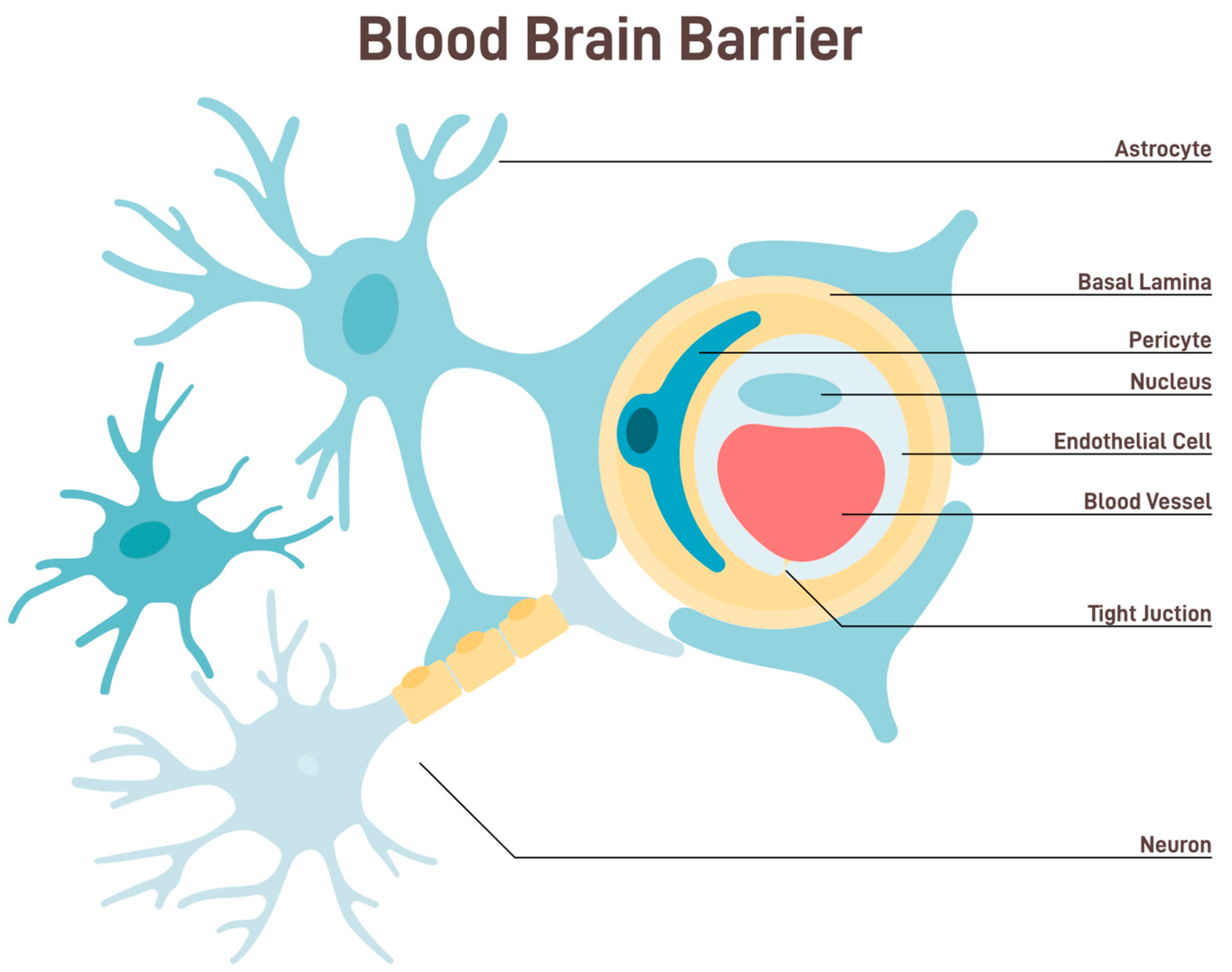

Table 1.
Reported Applications of technologies to achieve non-invasive delivery to the brain.
| Application | Case Study |
|---|---|
| MRI-Guided Focused Ultrasound (MRgFUS): MRI guidance has significantly improved the precision of focused ultrasound techniques. Through MRgFUS, clinicians can visualize the targeted area in real-time, ensuring therapeutic agents' accurate and effective delivery while monitoring potential complications.[147] | A clinical trial exploring the efficacy of MRgFUS for essential tremor treatments showcased the ability to target the thalamus accurately. Patients exhibited substantial improvement in hand tremors, underlining the potential of imaging-guided interventions.[148] |
| Integration with Nanotechnology: Nanoparticles, due to their small size and customizable properties, serve as excellent vehicles for drug delivery. Combined with techniques like FUS, they can be directed precisely, allowing for slow and sustained drug release.[149] | Research involving the co-delivery of gold nanoparticles and anticancer drugs to glioblastoma cells showcased enhanced cell uptake and increased therapeutic efficiency, owing to the synergistic combination of nanoparticles and FUS.[150] |
| Optical Imaging and Optogenetics: The integration of optical imaging with non-invasive techniques offers detailed real-time visualization at a cellular level. Optogenetics allows for the control of neuronal activity using light, suggesting potential therapeutic applications.[151] | A study involving the treatment of Parkinson's symptoms in rodents used optogenetics. The integration of optical imaging ensured targeted light delivery, leading to controlled neuronal activity and symptom alleviation.[152] |
| Alzheimer's Disease (AD): The accumulation of amyloid-β plaques is a hallmark of AD. Traditional drug delivery strategies have struggled to effectively delivering therapeutic agents across the BBB to target these plaques. Using focused ultrasound combined with microbubbles, research has demonstrated the potential to temporarily open the BBB and assist in the clearance of these plaques, showcasing potential therapeutic benefits.[153] | A preclinical study involving mice genetically predisposed to develop Alzheimer's symptoms revealed that after multiple FUS treatments, there was a notable reduction in amyloid-β plaques and improved cognitive function.[154] |
| Brain Tumors: Treatments for brain tumors, like glioblastoma, are limited by the inability of many chemotherapeutics to penetrate the BBB. Non-invasive techniques promise enhanced delivery of tumor-fighting drugs directly to the malignancy, potentially improving outcomes.[155] | In a pioneering clinical trial, patients with recurrent glioblastoma received a combination of FUS and microbubbles before administering doxorubicin, a chemotherapy agent. The subsequent MRI scans showed increased drug concentrations in tumor regions, suggesting effective BBB disruption and targeted delivery.[156] |
| Parkinson's Disease (PD): PD is characterized by the loss of dopaminergic neurons. Delivering neuroprotective or neurorestorative agents into the brain holds therapeutic promise. Techniques like FUS can facilitate the delivery of such agents, including genes or stem cells.[157] | A study on a PD animal model demonstrated that after FUS-mediated BBB disruption, there was enhanced delivery and retention of neurotrophic factors, subsequently leading to improved motor functions in the treated animals.[158] |
| Stroke: Post-stroke treatments can benefit from timely and targeted delivery of neuroprotective agents or stem cells. Non-invasive techniques can enhance the penetration of these therapeutic agents, potentially reducing brain damage and promoting recovery.[159] | In a rat model of ischemic stroke, FUS, combined with microbubbles, facilitated the targeted delivery of neuroprotective drugs. The treated rats exhibited reduced infarct sizes and improved neurological outcomes compared to the control group.[160] |
| Advanced Imaging Modalities: Precision is key in non-invasive drug delivery. The advent of novel imaging techniques promises better visualization, improved targeting, and real-time monitoring of drug delivery.[161] | The integration of diffuse optical tomography with ultrasound has shown potential in providing real-time imaging of drug deposition and tissue response, enhancing the safety and efficacy of drug delivery.[162] |
| AI and Machine Learning: Harnessing the power of artificial intelligence (AI) and machine learning can optimize treatment parameters, predict patient responses, and improve therapeutic outcomes.[163] | A recent project employed AI algorithms to analyze patient data and optimize focused ultrasound settings, enhancing treatment precision and reducing side effects.[164] |
| Multi-functional Nanocarriers: Nanotechnology offers avenues to develop carriers that can transport drugs and respond to external stimuli, such as temperature or magnetic fields, enabling controlled release at target sites.[165] | When combined with focused ultrasound, magnetic-responsive nanoparticles demonstrated synchronized drug release upon reaching targeted brain regions, presenting a dual-control mechanism for drug delivery.[166] |
| Wearable Technologies: The evolution of wearable tech can allow continuous or periodic drug delivery, providing patients with more autonomy and ensuring sustained therapeutic levels.[167] | A prototype wearable ultrasonic patch, capable of crossing the BBB and delivering drugs, showed promise in maintaining therapeutic drug levels in Parkinson's disease models.[168] |
| Biomimetic Approaches: Drawing inspiration from nature, researchers are exploring ways to mimic biological systems for enhanced drug delivery and, for instance, using cells or vesicles that naturally cross the BBB as drug carriers.[169] | Exosome-based drug delivery systems, leveraging the natural ability of exosomes to cross the BBB, have demonstrated potential in delivering neurotherapeutics10. |
| Long-term Effects: While short-term studies have provided positive results, the long-term impacts of non-invasive techniques on brain tissue and the broader systemic effects remain to be fully understood.’170] | In a multi-year follow-up study, patients who underwent focused ultrasound for essential tremors showed persistent benefits, but the long-term biological effects are yet to be clarified.[171] |
| Individual Variability: Inter-individual anatomical and physiological variability can lead to different responses to treatment. Precision medicine approaches need to be integrated to account for these differences.[172] | A study revealed that variations in skull thickness and density could significantly affect the efficiency of transcranial-focused ultrasound in different patients.[173] |
| Personalized Approaches: With advancements in genomics and precision medicine, there's a push towards tailoring treatments to individual patients. The development of non-invasive techniques which can be adapted according to patient-specific parameters holds significant promise.[174] | A study combining focused ultrasound with patient-specific MRI data demonstrated more accurate targeting, leading to better therapeutic outcomes in Parkinson's disease patients.[175] |
| Expansion to Other Diseases: While current research predominantly focuses on neurodegenerative disorders and brain tumors, there's potential to extend these techniques to other conditions, like psychiatric disorders, autoimmune diseases, or metabolic conditions.[176] | Preliminary research showed the potential for focused ultrasound to modulate neural circuits associated with depression, opening avenues for non-drug treatments in psychiatric conditions.[177] |
| Integration with Emerging Therapies: Combining non-invasive device-mediated delivery with emerging therapies like gene editing or stem cell therapies can potentiate therapeutic outcomes. The ability to accurately deliver these agents to targeted areas can amplify their efficacy.[178] | A recent study employed focused ultrasound to facilitate the delivery of CRISPR/Cas9 components to the brain, showcasing potential applications in genetic disorders.[179] |
| Preclinical Testing: Before any novel technique is introduced into human studies, rigorous preclinical testing in relevant animal models is imperative [180]. These studies should ascertain safety, efficacy, and potential side effects. | An innovative nanoparticle-based delivery system showed promising results in rodent models but faced challenges when translated to larger primates due to differences in BBB physiology.[181] |
| Regulatory Submissions and Approvals: The submission of data to regulatory bodies like the U.S. Food and Drug Administration (FDA) or the European Medicines Agency (EMA) requires comprehensive documentation of preclinical results, device specifications, and a detailed plan for clinical trials.[182] | A novel ultrasound device faced initial regulatory hurdles due to concerns about long-term tissue damage. However, after providing additional safety data, the device received conditional approval for limited clinical trials.[183] |
| Clinical Trials: Rigorous clinical trials, generally comprising three phases, evaluate the device's safety, efficacy, and potential benefits over existing treatments. These trials often involve diverse patient populations and long-term follow-ups.[184] | While efficacy was demonstrated in a Phase II trial for a non-invasive neuromodulation device, the trial revealed unforeseen side effects in a subset of patients, prompting modifications before Phase III.[185] |
| Convergence of Technologies: In the age of rapid technological advancements, the fusion of multiple technologies can further enhance the precision and efficiency of drug delivery. Imagine integrating real-time imaging with delivery devices to ensure pinpoint accuracy.[186] | A recent endeavor combined MRI-guided focused ultrasound with nanoparticles to ensure real-time visualization and precise drug delivery for treating tumors2.[187] |
| Personalized Medicine: As our understanding of individual genetic and physiological variations deepens, tailored non-invasive drug delivery strategies catering to individual needs could become the norm.[188] | A customized ultrasound frequency was employed to ensure safer drug delivery for patients with a specific genetic mutation that makes them more susceptible to BBB disruptions.[189] |
| Expanding Treatment Horizons: Beyond neurodegenerative diseases, non-invasive device-mediated techniques can potentially be employed in psychiatric disorders, rehabilitation, and even enhancing cognitive abilities.[190] | Preliminary studies are exploring the role of transcranial magnetic stimulation in enhancing memory and cognitive functions in healthy and diseased brains.[191] |
| Safety Concerns: The potential for off-target effects, especially when breaching the BBB, has raised safety concerns. Unintended opening of the BBB or delivering therapeutics to non-targeted areas could lead to adverse outcomes.[192] | In a clinical study assessing the effects of FUS on BBB disruption, a few patients exhibited temporary neurologic deficits, underscoring the need for meticulous planning and precision in application.[193] |
| Standardization and Protocol Development: As techniques evolve, there's a pressing need to develop standardized protocols. Variations in equipment, methodologies, and patient-specific factors necessitate rigorous protocol development for consistent outcomes.[194] | Two separate clinical trials using MRgFUS for essential tremors, while both successful, revealed different optimal settings for energy and frequency, highlighting the importance of protocol standardization.[195] |
Disclaimer/Publisher’s Note: The statements, opinions and data contained in all publications are solely those of the individual author(s) and contributor(s) and not of MDPI and/or the editor(s). MDPI and/or the editor(s) disclaim responsibility for any injury to people or property resulting from any ideas, methods, instructions or products referred to in the content. |
© 2023 by the authors. Licensee MDPI, Basel, Switzerland. This article is an open access article distributed under the terms and conditions of the Creative Commons Attribution (CC BY) license (http://creativecommons.org/licenses/by/4.0/).
Copyright: This open access article is published under a Creative Commons CC BY 4.0 license, which permit the free download, distribution, and reuse, provided that the author and preprint are cited in any reuse.


