

Submitted:
03 August 2023
Posted:
04 August 2023
You are already at the latest version
Abstract
The global agricultural sector is increasingly pressured to adopt sustainable practices and reduce its environmental impact. In this context, greenhouses play a crucial role in enabling year-round crop production, ensuring food security, and minimizing reliance on traditional open-field farming. However, the energy consumption associated with greenhouse operations poses a significant challenge to achieving sustainability goals. As a result, there is a growing emphasis on transitioning greenhouses towards near-zero energy consumption.
Near-zero energy consumption in greenhouses refers to the ambitious objective of minimizing energy usage to the greatest extent possible while maintaining optimal growing conditions for crops. This goal encompasses reducing energy consumption for heating, cooling, lighting, and other operational needs, as well as exploring renewable energy sources to power greenhouse operations.
This review article offers a comprehensive overview of greenhouse energy consumption, with the main goal of analyzing the present situation, identifying key challenges, exploring potential opportunities, and proposing future perspectives for decreasing energy usage in greenhouse environments. As the focus on sustainable agricultural practices grows, the need to reduce energy consumption in greenhouses becomes increasingly important. The review critically examines current technological models and strategies applied in smart greenhouse applications, as well as the monitoring of microclimatic conditions inside the greenhouse, encompassing factors such as temperature, humidity, CO2 levels, soil quality, and crop cultivation. Moreover, it aims to present existing literature that investigates the advancement of greenhouses toward achieving significant reductions in energy consumption.
Keywords:
Smart Greenhouse
; Optimization
; Control
; Zero energy
1. Introduction
Smart greenhouses have emerged as a promising solution to address the challenges of agricultural production by ensuring optimal plant growth while minimizing energy consumption [1]. Energy optimization in these greenhouses is crucial for reducing production costs, limiting environmental impact, and ensuring optimal growth conditions [2,3]. To achieve these goals, a range of tools and techniques are employed to maximize energy efficiency and promote sustainability in smart greenhouse systems [4].
Greenhouse design is a key element in optimizing energy usage [5]. Studies have emphasized the importance of adequate greenhouse design, considering factors such as shape, size, orientation, and innovative materials [6,7,8]. Covering materials like polyethylene or glass are used to protect plants from weather fluctuations while allowing optimal transmission of photosynthetically active light [9,10,11,12]. Smart glazing technologies, both active and passive, can modify the optical properties of greenhouse covers, thereby improving light transmission [13,14]. Additionally, shading techniques can be employed to reduce solar energy input during summer months, thereby decreasing water consumption for crop irrigation [15]. Insect screens can also be used to prevent pests while enabling the transmission of photosynthetically active light [16].
Moreover, other technical aspects are also crucial for energy management in modern greenhouses. Artificial lighting plays a crucial role in extending the crop growth cycle and providing the necessary light intensity [17]. High-efficiency LED lighting systems are widely used to deliver tailored lighting for plant needs, adjusting quantity, intensity, and light spectrum [18]. These systems reduce energy consumption by providing only the required amount of light for photosynthesis while minimizing energy losses as heat [18]. LED lamps offer significant advantages in energy savings compared to traditional technologies such as high-pressure sodium lamps due to their high luminous efficiency and adjustable wavelength [19].
In this context, several studies focused on energy optimization and lighting systems in greenhouse agriculture. The study proposed by [20] investigates the energy savings achieved by transitioning from High-Pressure Sodium (HPS) to LED lighting in greenhouses. LED lighting proves to be beneficial by reducing energy consumption for lighting; however, it increases the demand for heating, resulting in overall energy savings of 10-25%. Another work by [21] introduces an expert system technology database combined with a parallel particle swarm optimization algorithm to optimize plant light intensity. The algorithm enables faster and more accurate identification of optimal positions for LED lights and drive circuit lit LED arrays, with significant energy savings compared to fluorescent and incandescent lamps. The study by [22] presents a hybrid sunlight-LED system based on the Internet of Things (IoT) for greenhouse plants. This system combines sunlight lighting through fiber optics with precise sun-tracking and LED lighting for uniform coverage. By automatically switching between sunlight and LED based on weather conditions, the system promotes accelerated plant growth and increased fruit and vegetable production. It employs wireless technologies such as Wi-Fi, mobile, and Bluetooth for intelligent lighting control, overcoming the limitations of traditional photovoltaic lighting systems. The review highlights the energy-saving potential, optimization capabilities, and adaptability of these advanced lighting systems for sustainable greenhouse agriculture.
Effective management of temperature, humidity, and ventilation is another key aspect of energy optimization in smart greenhouses [23]. Smart heating and cooling systems are employed to maintain optimal thermal conditions throughout the year, utilizing renewable energy sources such as solar energy or geothermal heat pumps, along with evaporative cooling systems, to reduce energy consumption while maintaining optimal growth conditions [24]. Adequate ventilation systems ensure proper air circulation, facilitating better temperature and humidity regulation [25]. These systems are controlled based on plant needs and climatic conditions, minimizing energy consumption while preserving crop thermal comfort [26].
Furthermore, precise irrigation management is a crucial aspect of energy optimization in smart greenhouses [27]. Advanced irrigation systems like drip irrigation are used to provide water to plants efficiently and precisely [28]. Soil moisture sensors and control algorithms enable real-time monitoring of plant water requirements, avoiding unnecessary water losses and reducing energy consumption associated with water pumping [29].
In addition, emerging technological advancements are taking place in the field of modern greenhouses [30]. For example, automated monitoring and control systems can be used to monitor and adjust greenhouse environmental conditions in real-time, enabling more efficient energy use [31]. Environmental sensors monitor parameters such as temperature, humidity, light intensity, and air quality, while adaptive control systems adjust greenhouse parameters based on the collected data [32]. The use of heat recovery systems can contribute to reducing energy losses by capturing and reutilizing the heat generated within the greenhouse [33]. New cultivation methods like hydroponics and aeroponics, which involve growing plants without soil in nutrient solutions or in the air, also allow for more efficient use of water and nutrients, thereby reducing the environmental footprint [34]. These approaches maintain optimal conditions for plant growth while minimizing energy losses [35].
In this context, the utilization of advanced controllers such as PID (Proportional, Integral, Derivative), fuzzy logic, Artificial Neural Networks (ANN) and MPC (Model Predictive Control) proves to be a promising approach to maximize energy efficiency in smart greenhouses [36].
The use of these advanced controllers in smart greenhouses offers several advantages. Firstly, they enable more precise and responsive regulation of environmental conditions, thereby maximizing energy efficiency and enhancing crop growth [37]. Moreover, these controllers can account for seasonal variations, weather conditions, and specific crop needs to adapt control strategies accordingly [38]. Finally, they provide increased flexibility and adaptability, allowing smart greenhouse operators to effectively manage variations and changes in the production environment [39].
These technological advances aim to promote smart greenhouses that are energy-neutral, consume no water, and emit no CO2, offering a sustainable solution for agriculture and the environment. This study presents a systematic literature review carried out using three major databases: Google Scholar, IEEE Xplore, and Scopus, covering the period from 2018 to 2023 (until May). Our approach regarding the selection of research papers is based on the main important parameters that are monitored and controlled in the specific context of greenhouse cultivation, namely energy conservation. The search criteria were based on the TAK approach [40] presented in Figure 1, using keywords such as [“smart greenhouse” & “optimization” & “zero energy”]. The results show that the number of articles retrieved from Google Scholar during this period (2018-2023) amounted to 11,260, while the corresponding figure for the period from 2010 to 2023 was 15,200, with a percentage increase of 75% (Figure 2). In contrast, Scopus produced 43 articles from 2018 to 2023, compared with 55 articles from 2010 to 2023.
This article focuses primarily on studies related to zero energy consumption and zero environmental impact. Therefore, an additional set of articles was examined using keywords such as [(agricultural greenhouse” OR “greenhouse” OR “smart greenhouse”) AND (“control” OR “optimization”) AND (“zero energy” OR “zero water” OR “zero CO2 emissions”)]. Google Scholar results revealed around 45 relevant articles, in Scopus a total of 120 articles were identified, while IEEE Xplore produced 3 articles with most including other fields not related to agriculture such as smart buildings with zero energy.
Furthermore, in terms of literature, this review not only lists the studies on zero energy consumption for smart greenhouses available, but it also presents articles that highlight the approaches in terms of technologies adopted. In this context, the various methodologies, control techniques and optimization models that have been applied to improve the quality of monitoring and control of smart greenhouses are reviewed and compared in terms of performance.
This article aims to present the current literature on methodological models and methods for smart greenhouse applications, monitoring and controlling microclimatic conditions inside the greenhouse, such as indoor temperature, CO2, humidity, soil quality, and crop. It also aims to present the state-of-the-art greenhouse literature towards near-zero energy consumption. This article is organized as follows: the first part focuses on control and monitoring techniques in the smart greenhouse, including classical and advanced approaches, as well as intelligent approaches, discussing the advantages and limitations of these approaches. In the second part of the article, the state of the art on greenhouses towards near-zero energy consumption is presented in terms of zero water consumption, zero environmental impact, and zero CO2 emissions.
2. Methods for Improving Monitoring and Control in Smart Greenhouses
Monitoring and control are critical aspects of managing smart greenhouses, aiming to optimize growing conditions and enhance crop production [41]. Various methods have been developed to improve monitoring and control in smart greenhouses, encompassing classical or conventional control techniques, such as ON/OFF control and PID control, which rely on feedback mechanisms to regulate environmental factors. Advanced control approaches, such as Model Predictive Control (MPC), adaptive control, and robust control, offer more sophisticated strategies for optimizing greenhouse conditions. Additionally, intelligent control methods, including fuzzy logic, artificial neural networks, particle swarm optimization, and genetic algorithms, leverage artificial intelligence techniques to enhance precision and efficiency in greenhouse management. By integrating these diverse methods, smart greenhouses can achieve higher levels of control, productivity, and sustainability. Figure 3 presents a suggested categorization that classifies the tasks involved in controlling greenhouse climate into three primary groups.
2.1. Classical control approaches
- -
- ON/OFF control
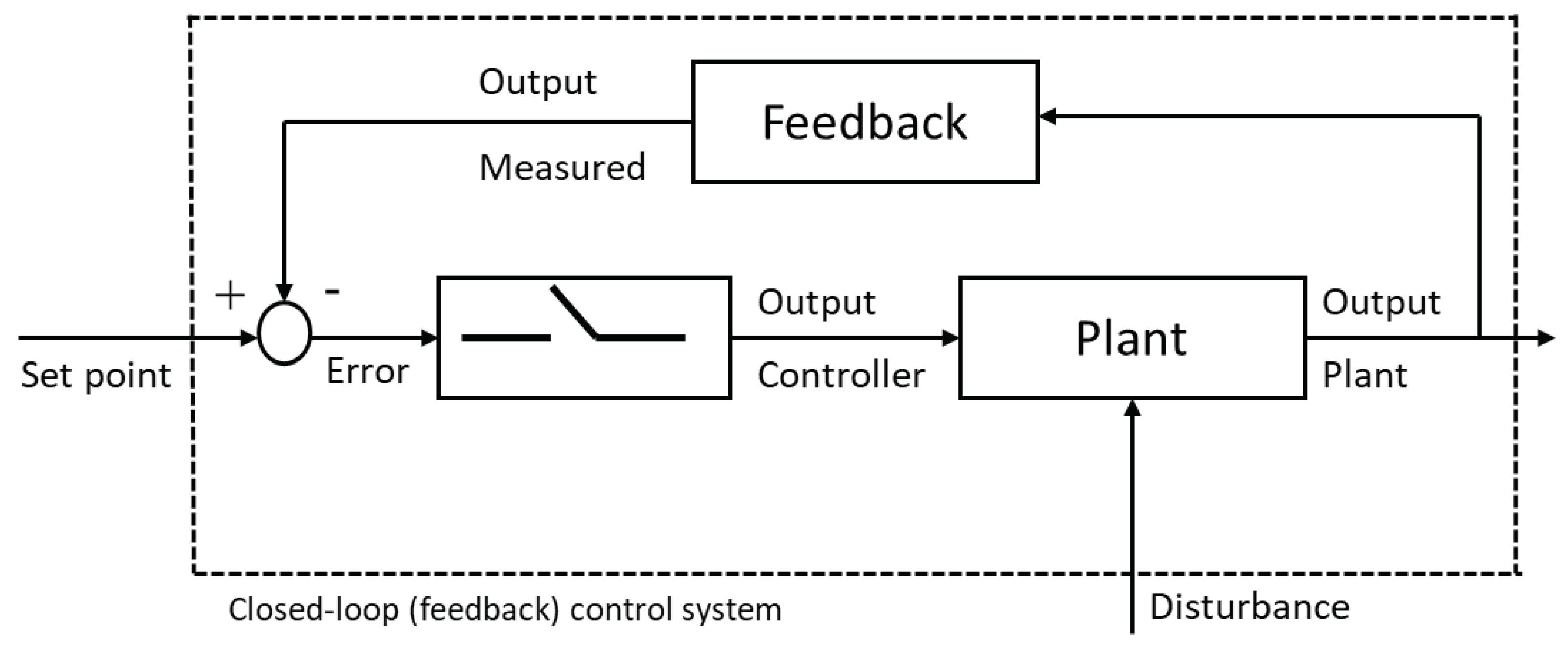
The ON/OFF control model is a fundamental feedback mechanism used in control loops, particularly in systems where precise control is not required [42]. This control device operates with a binary output, where the system’s operation is either turned on or off, without any intermediate states [43]. The ON/OFF controller responds by switching the output when the controlled variable crosses the set-point threshold [44]. The following figure presents a descriptive diagram of an ON/OFF control system.
Figure 4.
ON/OFF control system.
One of the significant advantages of the ON/OFF control model is its simplicity and ease of implementation, particularly in cases where the mathematical model of the system is unknown or complex, making controller tuning challenging [45]. This model is commonly used in greenhouse environments to regulate various environmental factors such as temperature, humidity, CO2 concentration, light, moisture, ventilation, irrigation, and heating [46,47].
The ON/OFF control model is suitable for systems that cannot handle frequent on/off switching of energy or have a large mass resulting in slow changes in process variables [48]. It has demonstrated good performance and energy conservation capabilities in numerous studies [49]. For instance, it has been successfully applied to achieve energy-efficient climate control in greenhouses, leading to optimized crop growth and reduced energy consumption.
The energy-saving feature of the ON/OFF controller allows for a versatile strategy that can be easily adjusted to meet specific performance requirements [50]. This adaptability enables efficient and cost-effective control of greenhouse environmental factors, contributing to sustainable agriculture practices.
In recent years, many studies have focused on the application of ON/OFF control in greenhouses, the study proposed by [51] examined the performance of a greenhouse climate control strategy that incorporated on/off control using Variable Frequency Drive (VFD) controllers. The strategy considered plant transpiration, heating, variable vent configurations, and a fogging system. Computer simulations were conducted in two locations with different climates. The results demonstrated that the set points for cooling demands were effectively maintained, with the crop’s transpiration playing a crucial role in adding water vapor to the atmosphere. However, in high humidity outside air conditions, achieving set points was challenging without the addition of dehumidification action to the strategy. This study highlights the importance of on/off control and flexible climate control systems, such as VFD controllers, in extreme greenhouse environments.
Temperature and humidity management in greenhouses significantly impact crop growth. The study presented by [52] evaluated the performance of a small-scale suspension-type dehumidifier with a heating module in terms of temperature and humidity changes over time. A remote monitoring and control system utilizing 27 sensor nodes and an on/off controller was implemented. The results demonstrated satisfactory performance of the on/off control strategy, with successful remote operation of the dehumidifier and heating module. The temperature and humidity exhibited spatial and vertical variability, with greater changes observed in the middle section of the greenhouse. The study provides insights into the utilization of on/off control for temperature and humidity management in greenhouses during different seasons.
Energy consumption is a significant concern in greenhouse temperature control. This study [53] proposes a model-based predictive control strategy using switch actuators to regulate greenhouse temperature. The strategy calculates optimal on/off actuator switch combinations based on control precision and energy loss, considering a weighting factor for cost performance. Simulation results demonstrate that the developed control algorithm achieves set point tracking with reduced energy consumption. Compared to a common model predictive controller, the proposed strategy achieves an operating consumption of only 61.5%.
In another study presented by [54], The authors explore the application of IoT in remotely monitoring and controlling greenhouse parameters such as CO2, soil moisture, temperature, and light. The IoT system enables farmers to gather information through cloud accounts and internet connections, eliminating the need for physical visits to the field. Additionally, the system facilitates automated actions such as rolling on/off greenhouse windows/doors based on soil moisture levels. The results illustrate the effectiveness of the proposed IoT system in maintaining precise greenhouse parameters, resulting in increased yield.
- -
- Proportional Integral Derivative (PID) control
PID controllers are widely used in smart greenhouses due to their simplicity and proven effectiveness [55]. The PID controller adjusts environmental parameters such as temperature, humidity, and lighting in real-time based on specific crop requirements. It consists of three components: the proportional part, which responds to the current error; the integral part, which corrects accumulated past errors, and the derivative part, which anticipates future error variations [56]. This combination enables precise and stable regulation of environmental conditions, contributing to optimal energy utilization in smart greenhouses.
A Proportional-Integral-Derivative (PID) controller utilizes feedback to continuously compute an error value, which represents the difference between a desired reference value (r(t)) and the measured variable (y(t)). The control function in a continuous-time system is expressed as:
where , and , and are respectively the proportional, integrative, and derivative gains. Adjusting these control parameters is necessary to enhance system performance. While stability is a fundamental requirement, different gain values can lead to variations in settling times, overshooting, and other characteristics. As a result, tuning a PID controller can be a challenging process. Figure 5 presents an example of a PID controller.
In this context, many studies have focused on the application of PID control in greenhouses, the study proposed by [57] presents an intelligent control system for greenhouse temperature, humidity, and light, utilizing an internal incremental PID control algorithm. By considering the variation of output as the transmission signal, the algorithm achieves precise control without the need for repeated integration operations. Through simulation and analysis, it is observed that the design scheme based on the internal incremental PID control algorithm outperforms the traditional position PID control algorithm in terms of response speed and sampling frequency. The study utilizes MATLAB software to simulate incremental PID control and selects environmental temperature as the influencing factor for parameter adjustment. Additionally, a multi-factor monitoring system for the greenhouse environment is developed, demonstrating the effectiveness of the internal incremental PID control algorithm in achieving precise measurement and control of multiple factors.
In the study conducted by authors [58], a parameter Self-Tuning PID control approach (STPID) is proposed to address the challenges faced in greenhouse climate control. The primary objective is to enhance the reliability of controllers while maintaining satisfactory control performance. The proposed approach involves the transformation of the interconnected greenhouse climate system into four individual single-input single-output (SISO) subsystems, employing PID controllers for regulating heating, fogging, CO2 injection, and ventilation. The adaptive parameter tuning is accomplished using the Levenberg-Marquardt (LM) algorithm, which takes into account real weather data. The effectiveness of the proposed method is demonstrated through a comparative analysis of two existing approaches, CAAC (Control Allocation based Adaptive Control) and NNOC (NN-approximation–based optimal control). It should be noted, however, that in terms of control accuracy, STPID may not be as optimal as CAAC and NNOC. The limitations of STPID include its reliance on the LM optimization algorithm and the trade-off between the controlled outputs. Nevertheless, the method exhibits applicability in complex control systems that are challenging to model, providing generality and wide-ranging suitability in various domains such as irrigation control and beneficiation control.
Another study presented by [59] focuses on the cultivation of paprika in a greenhouse system, which offers controlled environmental conditions conducive to its growth. The hardware setup includes Nodemcu ESP8266 as the central controller, a 12v DC water pump for temperature cooling, IBT_2 motor driver for pump speed control, BME280 sensor for temperature and humidity readings, and a 100W 220V lamp for temperature increase. The system utilizes Arduino IDE, MIT App Inventor for monitoring, and Firebase as a database. Apart from temperature control, remote monitoring of temperature and humidity using a mobile device is also possible. The testing results indicate that with PID control based on the Nodemcu ESP8266 Microcontroller and the parameter values of Kp = 10, Ki = 0.5, and Kd = 45, the system effectively maintains the desired air temperature in the greenhouse. The Steady State Error (Ess) values obtained in high-temperature and low-temperature conditions were 0.41% and 0.17%, respectively, demonstrating high accuracy rates of 99.59% and 99.83%. The system’s performance was monitored by farmers through the MIT App Inventor mobile application, providing them with real-time data. Additionally, the air humidity levels were maintained within the range of 70-84%. Overall, the intelligent paprika greenhouse system successfully controls the air temperature in accordance with the specified set point, offering reliable and accurate performance under various conditions.
Another study presented by [60] proposes a detailed design of a greenhouse control system using a PID controller. Unlike previous systems, this new system focuses on minimizing energy costs for crop growth in a greenhouse. It consists of two important processes: the Greenhouse Control Process (GCP) and the Crop Growth Process (CGP). Data from these processes, including crop status information and climate set-point information, are stored in a database. The PID controller operates within the GCP, while the environment control decision-making takes place in the CGP. By using different combinations of PID controllers (P, PI, PD, and PID), users can simulate energy costs and optimize controller design for their greenhouse system. This proposed system offers a feasible solution for reducing energy costs in greenhouses and promoting the development of various greenhouse-related applications.
The focus of the study conducted by [61] is on a smart greenhouse implementation using PID and fuzzy logic controllers. The study introduces a novel observer design for controlling various parameters in a greenhouse, with the aim of increasing crop yield and facilitating indoor breeding and planting. Control actions are based on the fusion of different parameters to optimize energy consumption and water use. MATLAB Simulink models are utilized to design PID controllers for humidity and temperature, while a fuzzy inference system is developed for carbon dioxide enrichment. This integrated approach enables efficient control of greenhouse conditions, leading to improved resource utilization and plant growth.
2.2. Advanced control approaches
- -
- Model Predictive Control (MPC)
On the other hand, MPC controller represents a more advanced and sophisticated approach for energy optimization in smart greenhouses. It utilizes a mathematical model of the greenhouse and crops to predict the future behavior of the system. By considering operational constraints, performance objectives, and weather forecasts, the MPC controller generates optimal control strategies to minimize energy consumption while maintaining optimal growth conditions [62]. Through its ability to anticipate and adjust environmental parameters in real-time, the MPC controller allows fine-tuned regulation of energy in smart greenhouses [63]. To control the system, MPC uses a sliding-horizon approach. For each step, the controller applies only the first value of the optimal control sequence, as this value is continuously recalculated in response to new measurements of the system’s output. In Figure 6, an overview of the MPC approach is shown.
In recent years, the application of Model Predictive Control (MPC) in greenhouse environments has gained significant attention. Researchers have conducted several studies to explore the potential of MPC in optimizing resource consumption, addressing water shortages, and improving crop yield. In this context, the study by [64] proposed energy-water management systems based on MPC strategies for addressing water shortages and optimizing resource consumption in rural communities reliant on crop self-consumption. The control strategy incorporated a fuzzy optimizer to determine optimal consumption from isolated microgrids, taking local resources into account. The controller operates on two timescales, with medium-term optimization estimating water demand for supporting crop growth and short-term optimization managing climate conditions inside the greenhouse for irrigation, water tank refilling, and ventilation. Experimental tests conducted on an isolated community case study demonstrated reduced energy consumption and optimized irrigation. Results indicated that the proposed controller is a viable solution for implementing intelligent management systems for greenhouses. Simulation results showed successful crop irrigation and reduced water usage, with a relative yield of over 0.986 achieved despite low precision in medium-term predictions. However, the system faced challenges in meeting daily irrigation objectives due to high water demand and limited storage capacity. Addressing these issues will be crucial for community adoption and system effectiveness.
In a study carried out by [65], the authors introduce an innovative approach to centrally control a network of greenhouses integrated with a microgrid. The main objective is to optimize the system’s operation by using a coordinated model predictive control (MPC) strategy that takes into account the variability of renewable energy sources and weather conditions. A comprehensive optimization model is developed to schedule and manage the network’s operation based on real-time data collected from sensors. This approach enables effective control of the indoor climate and enhances crop production through a supervisory control and energy management system. The coordination among subsystems is achieved through a bidirectional communication infrastructure, with a master central controller responsible for coordinating and managing control signals. The MPC-based algorithm is evaluated through a case study, demonstrating its capability to track desired climate conditions and meet operational constraints.
Another study conducted by [66] introduces a data driven MPC method for regulating temperature and reducing energy consumption in semi-closed greenhouses. This approach integrates a multilayer perceptron model, objective function, and optimization algorithm to accurately predict temperatures based on historical data that includes parameters like solar radiation, outside temperature, humidity difference, fan speed, and HVAC (Heating, Ventilation and Air Conditioning) control. The performance of the greenhouse model is evaluated through various scenarios, including adjustments to the prediction time step and the number of samples in the training dataset. The results highlight the superior temperature control achieved by the MPC approach compared to the greenhouse adaptive control system, with Root Mean Square Error (RMSE) values of 0.33 °C and 0.36 °C for winter and summer, respectively. Furthermore, the MPC framework contributes to energy reductions of 7.70% and 16.57% during the winter and summer seasons, respectively. With its adaptability to different greenhouse systems by adjusting the model to new datasets, the proposed MPC framework is a promising solution for improving efficiency and sustainability in greenhouse agriculture.
This paper [67] presents the implementation of a model predictive control (MPC) system in a high-efficiency greenhouse to regulate indoor air temperature. The objective is to optimize the control signals for the water mass flow rate supplied by a heat pump, aiming to track a predefined temperature profile while saving energy. The MPC model incorporates multi-objective optimization, considering energy and mass balances to account for the dynamic behavior of the greenhouse. Energy is supplied by a ground coupled heat pump and solar radiation, while energy losses occur through heat transfers across the glazed envelope. The proposed MPC method is applied in an innovative greenhouse in Italy and compared with a traditional reactive control method in terms of indoor temperature deviation and electric power consumption. Results show that the MPC approach achieves significant energy savings of approximately 30% compared to the relay control, while maintaining a consistent and reliable temperature profile aligned with the predefined target over a 20-hour time horizon in a greenhouse with specific dimensions.
In the same context, the study by [68] focuses on optimizing greenhouse system performance to reduce energy, water, and CO2 consumption. Four strategies are proposed, targeting energy, water, and CO2 minimization, as well as overall cost reduction. Strategy 1 focuses on minimizing energy consumption associated with heating, cooling, ventilation, and irrigation processes. Strategy 2 aims to reduce water usage specifically for irrigation purposes. Strategy 3 centers on minimizing CO2 consumption during the process of greenhouse enrichment. Finally, Strategy 4 aims to achieve the overall objective of minimizing the total cost incurred through the efficient management of energy, water, and CO2 consumption. By utilizing a Multi-Input Multi-Output (MIMO) climate model and a modified evapotranspiration model, the research evaluates the impact of various factors on the optimization outcomes. Additionally, a model predictive controller (MPC) is developed to address disturbances and ensure effective control. The results highlight the effectiveness of Strategy 4 in significantly reducing the total cost of energy, water and CO2 consumed. The study emphasizes the importance of considering electricity price, system constraints, and temperature and humidity constraints in achieving optimal outcomes. The proposed MPC controller outperforms the open-loop controller, demonstrating its potential for practical implementation. Overall, the research provides valuable insights for improving the efficiency and sustainability of greenhouse systems.
This study [69] presents a data-driven robust model predictive control approach for efficient greenhouse climate control in harsh environments like Qatar. By integrating dynamic control models and a data-driven robust optimization framework, the proposed method accurately addresses uncertainty in weather forecast errors. Historical data is used to construct uncertainty sets, and optimal control inputs are determined to minimize costs and state violations. The approach is applied to a greenhouse in Doha, Qatar, demonstrating lower control costs compared to other methods. The results highlight the effectiveness of the proposed approach in maintaining a suitable greenhouse climate for crop production in harsh conditions.
Another study by[70], the authors focus on the utilization of Thermal Energy Storage (TES) for a cooling plant and the need for more advanced control strategies due to the changing energy landscape. The study presents a model predictive control (MPC) approach for optimal operation of a chiller plant, TES, and photovoltaics in a district cooling system. The MPC formulation, designed as a mixed-integer linear program, demonstrates improved performance compared to baseline rule-based controls. The results highlight reductions in excess PV power, greenhouse gas emissions, and peak electricity demand, indicating the effectiveness of the MPC approach for enhancing the efficiency and sustainability of the cooling system.
- -
- Adaptive control
Adaptive control represents a control approach that constantly modifies its actions according to system feedback [71]. It uses mathematical models or learning algorithms to estimate system dynamics and adjust control parameters accordingly [72]. This dynamic adaptation enables the controller to respond to variations in the controlled system, thus improving performance and resilience. In the context of greenhouses, adaptive control has been used to regulate several environmental parameters such as temperature, humidity, CO2 levels, light intensity, and irrigation. By continuously monitoring the system and adapting control actions to changing conditions, this strategy can effectively maintain desired setpoints and compensate for uncertainties and disturbances within the system. Figure 7 shows a representative diagram of an adaptive control system.
In this context, the authors in their paper [73] focus on the online estimation of greenhouse temperature and parameter states through adaptive control. The research employs system identification techniques to determine a suitable mathematical model based on input-output data and compares it with the original system model. Through extensive data processing and identification operations, the transfer function of the greenhouse model is obtained. The study provides detailed insights into the system structure, benefiting the design of the model’s sub-modules. The results demonstrate the convergence of errors over time and the gradual approximation of the controlled object model to the reference model output, indicating the effectiveness of the adaptive control system. Additionally, stability tests ensure the stability of the designed control system. Overall, this research contributes to the development of a mathematical model for greenhouse temperature and parameter estimation, enabling adaptive control of the system.
In another study by [74], the authors highlight the challenges associated with controlling the complex dynamics of Chinese solar greenhouses (CSGs). A dynamic model based on energy conservation laws is developed to address the non-linear and uncertain nature of CSGs. The proposed control strategy combines a nonlinear adaptive controller, using a radial basis function neural network, with a switching mechanism. Experimental results show that the presented control scheme outperforms the conventional PID method, with mean errors of 0.8460 and 0.2967, and standard errors of 1.8480 and 1.3342, respectively. According to the researchers, the use of a generalized minimum variance method and the use of an RBF (Radial Basis Function) neural network contribute to the improvement in control performance. Experimental results confirm the adaptability, robustness, and real-time control performance of the proposed nonlinear adaptive control method. Overall, this research provides valuable information and a reference for the formulation of climate control systems for practical application in greenhouse production.
Moreover, the study carried out by [75], focuses on achieving adaptive control in agricultural greenhouses by utilizing an Intelligent Fuzzy Auxiliary Cognitive System (IFACS). The research uses IFACS for adaptive control and supply chain management in smart agricultural greenhouses. By implementing IFACS, the study was successful in maintaining greenhouse temperature within the desired range, reducing its impact on the development of agricultural greenhouses. In addition, the application of IFACS in supply chain management results in a significant reduction in greenhouse gas emissions, particularly from non-manufacturing suppliers. The results provide valuable information on the effective adaptive control of intelligent agricultural greenhouses using IFACS, and on the environmental control achieved through supply chain management.
- -
- Robust control
Robust control techniques have been widely used to ensure the stable and reliable operation of greenhouses [76]. It focuses on the design of control strategies capable of effectively managing uncertainties and disturbances [77]. In the context of greenhouse control, robust control algorithms aim to regulate key environmental variables, such as temperature, humidity, and CO2 concentration, while taking into account uncertainties in weather forecasts and system dynamics. By offering adaptability and resilience, robust control strategies can improve the performance of greenhouse systems, enabling them to withstand difficult and dynamic operating conditions. Figure 8 presents the robust control system architecture.
In this context, the authors in their research work [78] present a new framework called a Data-Driven Robust Predictive Control Model (DDRMPC) for efficient greenhouse climate management. By integrating dynamic control models for temperature, humidity, and CO2 levels with robust data-based optimization models, the framework effectively addresses uncertainties in weather forecasts. By exploiting historical data, data-driven uncertainty sets are constructed for ambient temperature, solar radiation, and humidity using support vector clustering with a weighted generalized intersection kernel. In order to refine the uncertainty sets and ensure optimal performance, a training-calibration procedure is implemented. In addition, an affine perturbation feedback policy is used to solve the optimization problem in DDRMPC, providing practical approximations to optimal control. In a case study conducted in a semi-closed greenhouse in New York, DDRMPC shows significant cost savings compared to rule-based control and robust model predictive control, reducing costs by 14% and 4%, respectively. Moreover, DDRMPC maintains a low probability of constraint violation of just 0.39%, guaranteeing an ideal greenhouse climate conducive to healthy plant growth. As a result, the proposed DDRMPC approach improves the performance and cost-effectiveness of greenhouse climate control, outperforming alternative control strategies.
In the same context, the study conducted by [79] presents an application of data-driven robust model predictive control (PKDDRMPC) for efficient greenhouse climate control in harsh environments, specifically focusing on a tomato greenhouse in Qatar. The PKDDRMPC framework integrates dynamic control models for temperature, CO2 concentration, and humidity with a data-driven robust optimization approach to capture uncertainties in weather forecasts accurately. By utilizing Principal Component Analysis (PCA) and Kernel Density Estimation (KDE), data-driven uncertainty sets for temperature, solar radiation, and humidity are constructed from historical data. The PKDDRMPC strategy minimizes control costs and state violations by solving a data-driven optimization problem at each time step. Comparative analysis with other control strategies, including rule-based control, CEMPC, RMPC, and SVC-based RMPC, demonstrates the superiority of PKDDRMPC in terms of both constraint violation and total control cost. PKDDRMPC outperforms rule-based control and RMPC by achieving 14% and 4% lower total control costs, respectively, while maintaining nearly zero constraint violations. The findings highlight the effectiveness of PKDDRMPC in ensuring a suitable growing environment for tomatoes under harsh climatic conditions, demonstrating its potential for efficient greenhouse climate control.
2.3. Intelligent control approaches
Intelligent greenhouse control approaches comprise various techniques that exploit advanced algorithms and computational methods to optimize and automate the control of greenhouse environments. These include Fuzzy Logic Control (FLC), Artificial Neural Networks (ANN), Particle Swarm Optimization (PSO), and Genetic Algorithms (GA).
- -
- Fuzzy Logic Control (FLC)
Fuzzy Logic Control (FLC) is a computational approach that uses linguistic variables and fuzzy sets to model and control complex systems [80]. In greenhouse control systems based on FLC, fuzzy rules are used to capture expert knowledge and make decisions based on linguistic descriptions of input and output variables, enabling flexible and adaptive control strategies [81]. A typical FLC system is shown in Figure 9.
In this study [82], an advanced modeling and management system was developed to improve greenhouse cultivation by maintaining an optimal microclimate for plant growth. The system utilizes an enhanced intermediate model implemented in MATLAB/Simulink to simulate the energy balance and a Fuzzy Logic Controller (FLC) to regulate greenhouse actuators. Real-time data monitoring and IoT technology were integrated to enhance system control. Testing in a greenhouse in Tunisia demonstrated the effectiveness of the FLC in controlling humidity levels by accurately managing actuators. The implementation of the FLC on a Raspberry Pi 3 using Python and fuzzy modules reduced overall costs while achieving excellent results. The system enables real-time monitoring, addresses data recording challenges, and provides opportunities for ongoing analysis and improvement.
In another study [83], the climate control of a plant factory system is investigated with the aim of effectively regulating temperature and humidity levels. The research introduces a Fuzzy Logic Controller (FLC) optimized using Particle Swarm Optimization (PSO), which focuses on controlling the actuators, air-conditioners, and incoming-outgoing fans. Computer simulations demonstrate that the proposed FLC with PSO achieves superior temperature and humidity regulation compared to existing controllers, while also being more energy efficient. The results suggest that this approach offers an accurate and efficient method for controlling the indoor climate in crop production, making it a valuable option for plant factory systems.
In addition, in article [84], the authors present an optimized hybrid power system for an agricultural greenhouse, integrating a wind turbine and a PV generator, with control provided by a fuzzy logic-based Maximum Power Point Tracking (MPPT) algorithm. This system was simulated and validated in the MATLAB/Simulink environment. Their results demonstrate the effectiveness of the proposed system in effectively controlling the greenhouse microclimate throughout the different seasons. The hybrid power system, coupled with the greenhouse actuators, improves energy consumption, and ensures the stable operation of the heating and ventilation system.
- -
- Artificial neural networks (ANN)
Artificial Neural Networks (ANNs) provide computer models inspired by the structure and function of the human neuron [85]. In greenhouse control, ANNs are trained using historical data to learn relationships between environmental variables and control actions [86]. From this, ANNs can predict and optimize control actions based on real-time sensor data, facilitating adaptive, data-driven control strategies [87]. Figure 10 shows a schematic representation of the ANN controller.
In their article [88], the authors provide a comprehensive review of artificial neural networks (ANNs) applications in greenhouse technology, highlighting the predominance of feed-forward architectures in the work analyzed. Furthermore, the review explores different network training techniques and the feasibility of using optimization models for the learning process. The pros and cons of ANNs are observed in various greenhouse applications, including microclimate prediction, energy optimization, and carbon dioxide control. This study analyzes 35 works, revealing that the majority (74%) focus on microclimate description and prediction, while 9% concentrate on energy optimization, and 17% cover other greenhouse network applications. Among the investigated NN (Neural Networks) types, feedforward networks account for 46%, while RNNs (Recurrent Neural Network) represent 20% and other NN types make up 32%. This analysis provides valuable information for developers of intelligent protected agricultural systems, particularly those incorporating 4.0 technologies.
In addition, in a study by [89], the authors present an IoT-based smart greenhouse system that integrates monitoring, alerting, cloud storage, automation, and disease prediction for improved crop production. To ensure optimal growing conditions, the system continuously monitors environmental variables and uses automated irrigation management. In addition, disease detection is achieved through the use of deep learning models analyzing leaf pictures. The results demonstrate the effectiveness of deep neural networks in accurately predicting disease and underline the importance of selecting optimal parameters to achieve high accuracy. The research has important implications for the future automation of agriculture and offers farmers the possibility of rapidly identifying diseases using mobile applications.
In the [90] study, an artificial neural network (ANN) model was developed to predict the temperature and relative humidity inside a greenhouse as a function of various input variables. The model is intended to support a Decision Support System (DSS) for maintaining optimal greenhouse conditions with minimal energy consumption. The study uses a multilayer perceptron neural network (MLP-NN) trained with the Levenberg-Marquardt backpropagation algorithm. The model demonstrates excellent accuracy with maximum errors of 0.877 K and 2.838% for temperature and relative humidity, respectively. The coefficients of determination (R2) are 0.999 for both parameters. The low prediction errors and high statistical values indicate the model’s ability to contribute effectively to a DSS for greenhouse management. This study provides valuable insights into the optimization of greenhouse conditions and energy efficiency through the integration of ANN models and decision support systems.
In this research paper [91], a robust system for smart irrigation in greenhouses using artificial neural networks (ANNs) and an Internet of Things (IoT) architecture is presented. This system uses four soil sensors to predict future moisture levels, demonstrating superior performance compared to Support Vector Regression (SVR) methods. The proposed system uses transfer learning to address challenges such as limited training data, the low processing power of state-of-the-art devices, and the integration of climate sensors. On the other hand, the proposed IoT architecture offers a complete solution for efficient and accurate greenhouse irrigation. This study concludes by highlighting the commercialization and actual implementation of the techniques, suggesting potential directions for improvement and extension of the approach to different environments and adaptive sensor selection based on soil types and cost considerations.
- -
- Particle swarm optimization (PSO)
Particle Swarm Optimization (PSO) is a stochastic population-based optimization algorithm inspired by the collective behavior of social organisms, such as flocks of birds or schools of fish [92]. In the control of greenhouses, PSO algorithms search for optimal control parameters by iteratively updating a population of candidate solutions in a big search space [93]. PSO-based approaches can efficiently optimize control actions to minimize energy consumption, maximize crop yield or maintain desired environmental conditions [93]. Figure 11 shows a schematic diagram of particle swarm optimization.
Within this framework, a study by [94] presents a robust model predictive control (MPC) strategy based on particle swarm optimization (PSO) for greenhouse temperature systems. The strategy uses a nonlinear affine physical temperature model and solves a minimax online optimal control problem to achieve a trade-off between setpoint tracking and cost reduction. The reformulated optimization problem is solved using PSO, and a constraint fitness priority ranking is proposed to ensure constraint satisfaction. Simulation results demonstrate the effectiveness of the proposed control system in achieving set points, offering improved control variables, accuracy, and robustness over conventional MPC.
In another study by [95], the researchers focus on sustainable agriculture based on adaptive particle swarm optimization (PSO) and artificial neural networks (ANN). The proposed approach combines incoming datasets with existing ones without the need for dataset summarization. The PSO algorithm identifies and retains influential records while deleting less important ones. The adaptive PSO-ANN architecture incorporates an adaptive input and output layer to continuously update datasets without restoring the system. Comparative studies demonstrate the effectiveness of the proposed approach, achieving high accuracy of 94.8%, precision of 91.15%, recall, and F1 score in classification tasks. A case study on smart olive cultivation using adaptive PSO-ANN and IoT technologies presents improved agricultural production and water consumption efficiency. The research highlights the potential of smart agriculture to meet the challenges of climate change and increase productivity.
In addition, this study [96] addresses the challenges of path loss in Wireless Sensor Networks (WSNs) deployed in agricultural fields. A new two path loss models using ZigBee WSNs in an agricultural field are formulated. The models, based on exponential and polynomial functions, are optimized using the particle swarm optimization (PSO) algorithm to determine the optimal coefficients. The hybrid EXP-PSO and POLY-PSO models significantly improve the coefficient of determination (R2) and achieve a lower Mean Absolute Error (MAE) than previous models. Accurate path loss models are crucial for the successful deployment of WSN nodes in smart farming applications, guaranteeing reliable data communication without packet loss between nodes.
- -
- Genetic algorithms (GA)
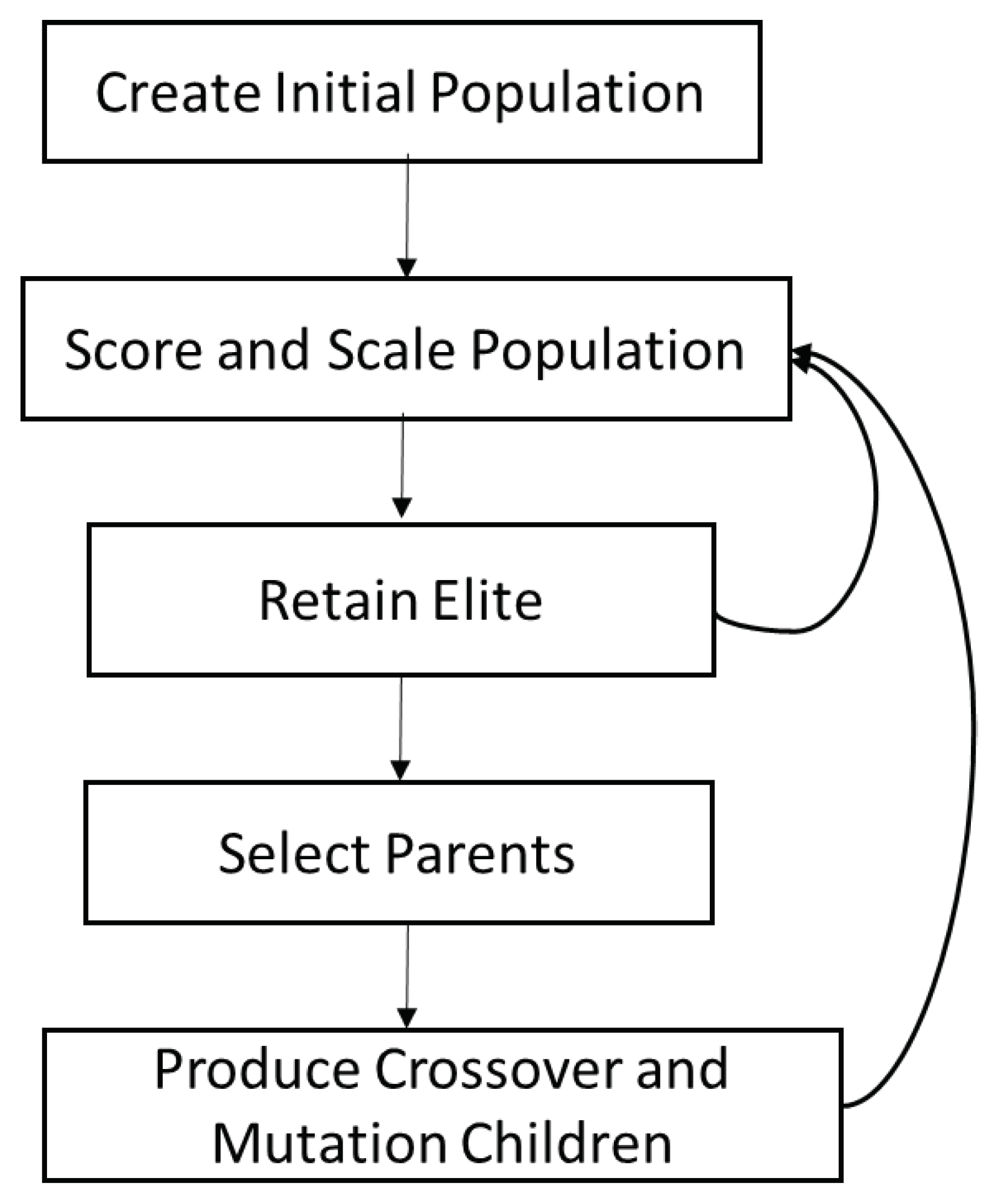
Genetic algorithms (GAs) are search and optimization algorithms for difficult problems inspired by the principles of genetic selection breeding [97]. GA-based greenhouse control approaches encode control strategies in chromosome form and apply genetic operators, such as selection, crossover, and mutation, to evolve and improve control policies over time [98]. GA algorithms can explore a vast space of solutions to find optimal or near-optimal control actions [99].
Figure 12.
General schematic diagram of Genetic Algorithm.
In their work [100], the authors propose an intelligent agricultural system that uses data mining technology and the ZigBee wireless sensor network to monitor and control various aspects of agricultural production. The system integrates a three-layer structure consisting of a data acquisition network, a communication layer with gateways and servers, and an application layer with mobile terminal control. Data mining techniques are used to analyze and process the collected data, providing reliable information for farm management. To optimize the weights and thresholds of a BP (Back Propagation) neural network, the paper proposes the use of a single-crossing Multi-Generation Genetic Algorithm Back Propagation, leading to the establishment of the MGABP model. The analytical hierarchy process is presented as a guiding mechanism for the neural network. Experimental analysis confirms the performance of the proposed model, demonstrating practical effectiveness in the intelligent agricultural system. However, this research contributes to a comprehensive and integrated approach to agricultural data monitoring and analysis, incorporating state-of-the-art technologies for better decision-making in sustainable agriculture.
Another study [101] focuses on the design of an intelligent control system for agricultural greenhouses using an improved adaptive genetic algorithm. An experimental platform is developed and tested to validate the feasibility of the system. The results demonstrate that intelligent control of agricultural greenhouses achieves a stable air temperature deviation of less than 0.5°C, an air humidity deviation of less than 1% RH (Relative Humidity) and small fluctuations in carbon dioxide concentration. Finally, this article highlights the overall function and structure of the system, underlining its benefits in improving crop yields and quality. The intelligent control system is recommended for its reasonable structure, accurate data collection, stable communication, and comprehensive control capabilities. Although some areas for improvement are recognized, the paper’s design and method present advanced features and practical functionality in greenhouse control, contributing to the advancement of intelligent agricultural production.
Furthermore, the paper by [102] proposes an agricultural water-efficient irrigation prediction algorithm that combines the genetic algorithm (GA) with a BP neural network. The algorithm uses factors such as humidity and light intensity as inputs to the neural network and optimizes weights and thresholds using GA’s global search capability. The model is tested using data from an experimental field base, and an intelligent farm environment acquisition system is implemented using IoT technology. Results highlight the high accuracy of the GA-BP neural network algorithm in predicting crop water demand and its effectiveness in achieving water-efficient irrigation. The algorithm demonstrates high adaptability and contributes to the goal of efficient water use in agriculture.
The table below shows the main advantages, limitations, and challenges of each of these approaches.

Table 1.
Advantages and limitations of the methods for monitoring and control in intelligent greenhouses.
Table 1.
Advantages and limitations of the methods for monitoring and control in intelligent greenhouses.
| Methods | Advantages | Limitations and Challenges | |
|---|---|---|---|
| Classical control Methods | ON/OFF control |
Simplicity: ON/OFF control is simple to implement and requires minimal computing resources. Energy savings: ON/OFF control enables efficient energy saving by activating or deactivating control devices as required, thus reducing energy consumption during periods of stability. Cost-efficiency: ON/OFF control is a cost-effective solution, which makes it accessible to greenhouse operators with limited resources. Reliability: ON/OFF controllers provide reliability and have been widely used in various industries, with a proven track record of performance. |
Hysteresis: With ON/OFF control, the control output may oscillate around the setpoint because of switching thresholds, which might affect stability and accuracy. Overshoot and Settling Time: The discrete nature of ON/OFF control can lead to overshooting when switching occurs, resulting in a prolonged settling period before the system reaches stability at the desired setpoint. Limited Precision: When compared to more advanced control systems, ON/OFF control may exhibit greater fluctuations around the setpoint, resulting in less precise regulation of environmental conditions. Handling Nonlinearities: The basic ON/OFF control mechanism may encounter challenges in effectively managing nonlinear behaviors and intricate interactions within the greenhouse system. |
| PID control |
Simplicity: The PID controller’s algorithm is easy to understand and implement, making it accessible for greenhouse operators with varying levels of expertise. Robustness: PID control exhibits robust performance, effectively handling disturbances and uncertainties commonly encountered in greenhouse environments. Reliability: PID controllers have been extensively used in industrial settings and have a long-standing reputation for reliability and stability in controlling various systems. Adaptability: PID parameters can be tuned and adjusted to suit different greenhouse setups, crop types, and desired environmental conditions, allowing for flexibility and customization. |
Non-linearities: greenhouse environments present non-linear behaviors, such as time-varying dynamics and coupling effects, which can limit PID controller performance. Setpoint changes: A PID controller may experience transient responses and significant delays when adapting to sudden setpoint changes. External disturbances: PID control’s ability to maintain desired conditions may be affected by environmental disturbances, such as weather fluctuations or equipment failure. Wind-up effects:PID control’s integral term can lead to wind-up effects, thus causing overshoot and instability in the system. |
|
| Advanced control Methods | MPC Control |
Dynamic adaptability: MPC considers the dynamic behavior of the greenhouse system involved and adapts control actions in real-time, which means it is ideally suited to the management of complex, time-varying dynamics. Optimal control: allows MPC to optimize control actions over a prediction horizon, considering constraints and objectives, resulting in improved performance and energy efficiency. Robustness: for robust and reliable control under variable operating conditions, MPC can handle system uncertainties, disturbances, and model inaccuracies. Flexibility: MPC can solve multivariable control problems, enabling simultaneous regulation of several environmental parameters in order to achieve optimal growing conditions. |
Model accuracy: MPC requires precise mathematical models of the greenhouse system, and any discrepancies between the model and the real system can affect control performance. Computational complexity: MPC requires an optimization problem to be solved at each time step, so it can be computationally demanding, requiring efficient algorithms for real-time implementation. Model updating: Greenhouse system dynamics can change over time, making periodic model updates necessary to guarantee accurate predictions and monitor performance. |
| Adaptive control |
Adaptability: It can adapt to varying operating conditions, enabling effective control to be maintained even in the presence of uncertainties and changes in greenhouse dynamics. Robustness: it can handle uncertainties and model disturbances, guaranteeing reliable control performance against unpredictable factors. Energy efficiency: Adaptive control can minimize energy consumption while maintaining desired climatic conditions, by continuously optimizing control actions based on real-time feedback. Fault tolerance: It can detect and compensate for greenhouse system faults or deviations, improving system resilience and reducing crop losses. |
Model complexity: It can be difficult to develop accurate mathematical models that capture the complex dynamics and interactions within the greenhouse system. Adaptation rate: control algorithm adaptation rates must be carefully tuned to strike a balance between responsiveness and stability. Sensor selection and reliability: adaptive control relies on accurate and reliable sensor measurements, requiring careful sensor selection and maintenance. |
|
| Robust control |
Stability: Reliable control techniques ensure stability in the presence of uncertainties and disturbances, avoiding system instabilities and guaranteeing reliable performance. Performance:With robust control, desired control objectives can be achieved in the presence of uncertainties, providing accurate and robust regulation of greenhouse climatic variables. Adaptability: Designed to control a wide range of uncertainties and disturbances, robust control is suitable for variable greenhouse conditions and dynamic operating environments. Fault tolerance: Robust control is able both to detect and compensate for faults or deviations occurring in the greenhouse system, providing system resilience, and minimizing crop losses. |
Modeling uncertainties: It can be difficult to accurately characterize and model uncertainties in the greenhouse system, which requires robust control design methods that account for a wide range of uncertainties. Controller complexity: robust control designs may require a lot of computation and detailed system models, which can pose challenges in real-time implementation and practical application. Sensitivity to modeling errors: the performance of robust controls can be affected by modeling errors and mismatches between assumed uncertainties and actual system behavior. |
|
| Intelligent control Methods | Fuzzy logic control |
Non-linearity management: fuzzy logic control can handle non-linearities and complex relationships involving input and output variables, thus enabling it to be adapted to greenhouse systems with non-linear dynamics. Linguistic representation: fuzzy logic control enables the intuitive, human representation of control rules, making it easier to interpret and understand control strategies. Integration of expert knowledge: fuzzy logic control can integrate expert knowledge and experience into control design, leveraging domain expertise for effective control strategies. |
Designing the rule base: building an appropriate rule base for fuzzy logic control requires specialized knowledge and careful consideration of the system’s behavior and objectives. Membership function design: it can be difficult to design membership functions that accurately represent the system’s input and output variables and require careful iterative refinement. System complexity: increasing the complexity of the greenhouse system, the design and tuning of fuzzy logic control may be more complex and more computationally demanding. |
| Artificial Neural Networks |
Non-linear modeling: ANNs are able to capture and model the non-linear relationships and dynamics inherent in greenhouse systems, that make them suitable for monitoring and controlling complex, non-linear climate variables. Adaptive learning: It can adapt and learn from environmental feedback, enabling them to adjust control strategies in real time in response to changing conditions. Data-driven approach: they use historical data to learn patterns and relationships, which enables them to generalize control strategies on the basis of previous experience. Fault tolerance: ANNs can handle sensor failures or noisy data using redundancy and distributed processing. |
Availability of training data: Adequate and representative training data are essential for developing accurate and reliable ANN models. It can be difficult to obtain complete and diverse data sets in greenhouses. Model complexity and interpretability: complex ANN architectures will be difficult to interpret, which makes it hard to understand the underlying decision-making process. Over-fitting and generalization: precautions must be taken to avoid over-fitting, where the network becomes too specialized for training data and performs poorly on new or unseen data. |
|
| Particle Swarm Optimization |
Global search capability: its ability to explore the global search space enables PSO to find optimal or near-optimal solutions, also in highly non-linear and complex greenhouse control problems. Adaptive and dynamic optimization: in response to changing environmental conditions, PSO can dynamically adapt its search behavior, adapting it to real-time control in dynamic greenhouse systems. Fast convergence: In many applications, PSO algorithms converge relatively quickly, enabling efficient optimization and control adjustments in real-time applications. Noisy environment robustness: with its population approach and exploration-exploitation balance, PSO is robust to the noisy and uncertain sensor data frequently encountered in greenhouse environments. |
Parameter tuning: the selection of appropriate PSO algorithm parameters, such as inertia weight swarm size and acceleration coefficients, can have a significant impact on both optimization performance and convergence speed. Premature convergence: premature convergence can occur when the swarm is trapped in local optima and fails at exploring the entire search space. In order to overcome this challenge, careful parameter tuning, and exploration strategies are essential. Computational complexity: as the number of control variables and the complexity of the optimization problem increase, so do the computational requirements of PSO. For greenhouse control applications on a large scale, efficient implementation techniques need to be considered. |
|
| Genetic Algorithms |
Global search capability: they can explore the search space on a global scale, enabling them to find optimal or near-optimal solutions, even in complex, highly non-linear greenhouse control problems. Adaptive and dynamic optimization: they can adapt their population to changing environmental conditions, which makes them suitable for real-time control in dynamic greenhouse systems. Robustness to local optima: GAs use population-based search, avoiding trapping in local optima and allowing exploration of diverse solutions. Constraint management: GA systems can incorporate constraints on control variables, such as maximum and minimum limits, thus ensuring that the solutions generated satisfy the operational constraints of the greenhouse system. |
Parameter tuning: the selection of appropriate GA parameters, such as crossover and mutation rates, population size, and selection mechanisms, can have a significant impact on optimization performance and speed of convergence. Computational complexity: GAs can be computationally intensive, particularly for problems involving large-scale greenhouse control with a high number of control variables and complex fitness functions. Therefore, it is important to consider efficient implementation techniques. Speed of convergence: Many generations may be required to converge on an optimal solution, and premature convergence may occur. It is essential to balance exploration and exploitation through rigorous selection mechanisms and operator choices. |
|
3. Greenhouse Towards Near Zero Energy Consumption
Currently, numerous research efforts are focused on achieving zero energy consumption and minimal environmental impact in smart greenhouses [103]. Within this context, the authors in their article [104] present a comprehensive review of precision and sustainable agriculture approaches, with a specific emphasis on integrating technological innovations into modern greenhouse systems. As the agricultural sector embraces the principles of Industry 4.0, smart agricultural systems have become increasingly crucial, with the greenhouse industry leading the way in technological advancements to enhance agricultural production efficiency and quality. To achieve these objectives, smart greenhouses are equipped with monitoring and control systems based on the Internet of Things (IoT) and advanced Information and Communication Technologies (ICT). These systems enable real-time data acquisition on crop health, soil conditions, temperature, humidity, and other critical parameters within the greenhouse. The central goal is to achieve energy efficiency and sustainability in production. This article examines the comparison and analysis of traditional control methods against Model Predictive Control (MPC) strategies to optimize indoor microclimate conditions, with a specific focus on energy-saving approaches. MPC’s potential lies in its ability to effectively model the system dynamics, enabling precise and timely optimization. Furthermore, the article highlights the need to conserve energy and water in the agricultural sector, indicating that MPC holds promise in achieving near-zero energy consumption and reducing water and pesticide usage in smart greenhouses. The authors discuss the ongoing digital revolution in agriculture and the role of advanced control technologies, particularly MPC, in implementing energy-saving initiatives. They suggest potential areas for future research, including collaborative control schemes among different greenhouses, utilizing distributed MPC for efficient resource management.
In the same context, another study prepared by [105] examines the integration of renewable energy technologies, as well as solar photovoltaic (PV), solar thermal, photovoltaic-thermal (PVT), biomass, and geothermal, with greenhouse growing systems to achieve Net-Zero Energy Greenhouses (nZEG). The aim is to improve the efficiency of energy and water use in greenhouses while minimizing their impact on the environment. Several renewable sources, such as solar energy and geothermal heat, offer the potential to reduce operating costs and sustainably meet greenhouse energy demand. Sensitive Thermal Energy Storage (STES) is being explored to improve energy storage capacities and achieve energy savings of up to 28 kWh/m2 per greenhouse surface. In addition, Phase Change Materials (PCM) are being widely studied for Thermal Energy Storage (TES) with high thermal efficiencies and reduced energy consumption. The study reviews different types of STES systems and their applications, highlighting the benefits of integrating PCMs into greenhouse roofs as transparent double-layer panels to enhance greenhouse performance. It also provides valuable information on optimizing energy use and thermal energy storage for the development of efficient, environmentally friendly greenhouse systems.
In his paper [106], the author presents a Model of predictive control for a connected cluster of microgrids, integrated with multi-smart greenhouses, to create a smart local power grid in the context of smart grids. As part of the research, each microgrid is equipped with renewable generators, advanced communication, pumps, metering infrastructure, energy storage devices, and a set of greenhouses with HVAC, CO2 injectors, artificial lighting, and sensors. The aim of the study is to develop a coordinated optimization framework based on the Predictive Control Model (MPC) to efficiently manage the operation of clustered microgrids and facilitate the exchange of energy flows while guaranteeing high-quality service. The microgrids are interconnected to enhance the use of local renewable energy production, and an electrical link connects the cluster to the main grid for the exchange of excess/shortage electricity. The system is coordinated via a two-way communications infrastructure, with a centralized controller managing the control signals. A comprehensive planning optimization algorithm is applied to effectively control the operation of microgrids, aiming to improve energy efficiency and optimize microclimate variables for optimal crop development in all greenhouses. The MPC-based energy management framework is demonstrated through a case study with in-depth numerical simulations, highlighting its performance and efficiency. Results indicate that the proposed control algorithm responds effectively to variations in electrical load and efficiently manages HVAC operation for optimal temperature control. Interconnected microgrids successfully balance renewable energy generation and electrical loads via local electrical links, achieving zero net energy emissions without relying on main grid support. The approach of cooperative control demonstrates the potential of highly efficient and sustainable greenhouse energy management within a smart grid framework.
For the purpose of achieving net-zero energy greenhouse operation in warm and moderate climates, a study [107] examines the integration of semi-transparent Organic Solar Cells (OSC) into greenhouses. This study uses a dynamic energy model to evaluate the benefits of integrating OSC on the net energy demand of greenhouses at different locations in the United States. Their results indicate the potential for OSC greenhouse systems to achieve a surplus of annual energy in warm and moderate climates. As well, the integration of OSCs minimizes the reduction in sunlight entering the greenhouse, partly because OSCs replace the need for shade cloths. The study also highlights the significant energy savings achieved by OSC integration, mainly attributed to the low-emissivity nature of the ITO (Indium Tin Oxide) electrodes and optical coating. OSC greenhouses show lower heating demands in winter, with energy savings ranging from 32% to 54% at different sites. While energy savings in cooling demands during the summer are not as significant, OSCs act as efficient blinds while exploiting excess energy. The study highlights the potential of OSC greenhouses for high-yield, environmentally friendly agriculture, and underscores the importance of further optimizing solar cell design, orientation, and operating practices to maximize system performance and achieve net-zero energy operation. This modeling study provides a promising basis for future research and optimization of OSC-greenhouse systems.
In the present study [108], the viability of a solar greenhouse integrated with a high-efficiency combined cooling, heating, and power (CCHP) system for growing lettuce and tomato in the arid climate region of Yazd, Iran, is explored. A dynamic simulation of the greenhouse is carried out using Engineering Equation Solver (EES), TRNSYS, and Design Builder. Both thermodynamic and economic aspects of the system are analyzed, and in-depth comparisons are made with a reference system comprising a pad-fan configuration and a gas heater for heating. The results indicate that the annual electricity generated by the turbine for tomato and lettuce is 21,392.33 kWh and 30,903.33 kWh, respectively, by using R134a as the working fluid. The proposed system saves 1841.29 m3 and 266.5 m3 of fuel and 10,675.04 m3 and 141.01 m3 of water for lettuce and tomato, respectively, compared with the reference system. Furthermore, for lettuce and tomato, the payback period (PBT) was estimated at 12 and 15 years, respectively. In addition, the annual net profit for the first year of operation is $3,745.51 for lettuce and $1,651.48 for tomato. The study focuses on the feasibility of using a high-efficiency solar CCHP system, based on the organic Rankine cycle and the ejector refrigeration cycle, for greenhouse cultivation in place of conventional electricity-intensive systems. The results also highlight the significant difference in heating and cooling load requirements between lettuce and tomato in different seasons, with lettuce having lower heating demands in cold seasons and higher cooling demands in warm seasons.
With a focus on the development of an urban-centric, climate-resilient food retail facility with an indoor agricultural center or climate-controlled greenhouse in Calgary, Canada, the study presented in this article [109] aims to explore optimal design parameters, integrate renewable energy technologies, and implement energy-sharing strategies in the building complex. The research shows that with an integrated building design approach, state-of-the-art technologies, and high energy efficiency measures, a 27% net reduction in energy consumption is achieved compared to the minimum requirement of applicable energy codes. In addition, the retail greenhouse-sales complex can meet a further 21% of its energy demand for heating and irrigation water by sharing waste heat from the retail refrigeration compressor racks. Furthermore, by using on-site renewable energy generation, a net-zero energy performance for the complex is achievable. This study presents the potential of combining buildings optimized for on-site operation and energy sharing to reduce dependence on distribution networks while providing a local and resilient source of food production. The results also demonstrate that the implementation of energy efficiency measures, waste heat recovery, and on-site solar photovoltaic systems can deliver significant energy savings, with a 49% reduction in overall energy consumption compared to similar existing buildings. Their proposed approach offers a holistic and innovative solution for energy-efficient urban developments, applicable in a variety of locations, and valuable for architectural and engineering design processes in new and existing infrastructure in the retail and greenhouse sectors. The energy-sharing schemes developed in this study can be adapted to different buildings, HVAC systems, renewable energy systems, and energy-sharing combinations.
To improve crop growth and reduce energy consumption, a study [110] was carried out to optimize and transform a solar greenhouse in the very cold climate of China into a Net Zero Energy Solar Greenhouse (NZESG). In the work, passive insulation measures using expanded cement panels of different thicknesses and positions were investigated, and flexible photovoltaic (PV) panels were placed on the greenhouse roof in different arrangements. The optimal NZESG case was determined using a multi-objective entropy weight method, taking into account energy savings, carbon emission reduction, payback period, and cost. The results revealed that case (a) with 50 mm external insulation and PV1 in a checkerboard layout achieved the highest overall score, making it the best NZESG option. PV1 demonstrated high energy production, moderate shading, and the lowest cost among PV arrangements. In addition, case (a) with external insulation and 200 mm thick insulation showed the best energy-saving and carbon emission reduction effects but had higher investment costs and payback periods. However, the investment costs and payback periods were higher. Finally, case (a) and PV1 were identified as the optimum NZESG, generating 20,479.30 kWh per year and effectively meeting the greenhouse’s post-retrofit energy consumption.
A systematic analysis approach is presented to optimize indoor agricultural installations [111], considering energy efficiency and renewable energy systems. The optimization is based on a Life Cycle Cost (LCC) analysis, considering capital and energy costs throughout the lifetime of the facility. The study reveals that optimal designs based on LCC significantly reduce annual energy consumption, by up to 65% compared to reference cases. Key energy efficiency measures include high-performance heating and cooling systems, as well as optimized operational controls. Daylighting controls and temperature settings are consistently matched to optimized designs at all US sites. However, the study reveals that achieving net-zero energy (NZE) designs for indoor agricultural facilities is generally not cost-effective, except for locations such as Sacramento, California. It highlights the need for climate-appropriate control strategies, shading devices, and high-performance HVAC systems, as well as the implementation of photovoltaic systems, particularly in areas with high electricity prices.
In this article [112], the authors present their work on the design, modeling and construction of a high-efficiency photovoltaic mini-greenhouse operating as a near-zero energy building (NZEB). The greenhouse was equipped with a semi-transparent roof-mounted photovoltaic system (3 kWpv) coupled to an air-to-water heat pump and battery storage, and its performance was dynamically simulated using the EnergyPlus model. In addition, energy-saving strategies such as reflective shading and controlled natural ventilation reduce annual energy requirements by 30%. To achieve this, the PV electrical model takes into account the effects of temperature, inverter efficiency, and battery state of charge. As a result of the dynamic analysis, the PV power plant meets 94% of the air-conditioning requirements and provides a surplus of around 1355 kWhel per year, potentially feeding into the grid. Operational measurements and monitoring will validate the model, and the results show that the greenhouse is energy-neutral, with a payback period of 6-7 years and the capacity to produce surplus energy if connected to the grid.
An innovative management and monitoring approach is proposed for a cooperative cluster of interconnected smart greenhouses [113], known as microgrids, with the aim of improving energy efficiency and making efficient use of renewable energy sources. The interconnected microgrids enable electricity exchanges, optimizing the use of renewable energy production within the cluster. In addition, a centralized controller-based master algorithm is developed to efficiently manage the entire cooperative cluster, considering operational constraints, and creating optimal crop development environments across all networks. The results of a case study with four cooperative networks show that energy storage systems effectively regulate their operation, improving supply reliability and balancing power generation and electrical loads. Power exchanges occur mainly at night, due to high peak loads from artificial lighting. The cluster successfully balances power generation and local loads through cooperation and coordination between microgrids without relying on the main power grid, ensuring optimal microclimate environments for crop growth. The framework developed offers an overview of intelligent monitoring and control methods for greenhouses powered by networked microgrids, with the potential for further exploration of distributed control approaches in future studies.
The article [114] presents a state-of-the-art floating ebb and flow system greenhouse with integrated sensors, cloud connectivity, and artificial intelligence for real-time data processing and decision-making in plant growth research. The study aims to develop an autonomous, intelligent greenhouse suitable for future scientific experiments. The proposed greenhouse includes a novel microclimate pocket sensing solution using an automated guided suspended platform sensor system, ensuring accurate and comprehensive data collection. In addition, the methodology for replacing sensor data knowledge with artificial intelligence for plant health estimation is presented, enabling longer reflux periods and improved nutrient levels in the final product. By using intelligent design and AI algorithms, greenhouse profitability and research data reliability are improved. The paper describes the system architecture and the process of synchronizing data with the cloud, facilitating the analysis of big data. The main objective of the project is to train a deep neural model using RGB camera images to estimate plant health, reducing dependence on traditional sensor systems and improving energy efficiency in greenhouse production. The proposed automated hybrid sensor arrangement based on the suspended platform successfully detects microclimate influences, eliminating potential problems with fixed arrangements and costly conveyor systems. Experimental validation demonstrates the precise positioning of the sensor node over the plant growing area. The results of this study provide a promising approach for advanced plant research and a new starting point for the Urtica-BioFuture project.
The study [115] focuses on the development of rural energy in China to achieve the goals of “peak carbon” and “carbon neutrality”. This study introduces the concept of the Rural Energy Internet (REI), which encompasses the energy sectors of rural living, planting, and animal husbandry. By integrating cutting-edge energy and IT technologies, the REI aims to promote low-carbon, digital, and intelligent rural energy solutions. Three case studies demonstrate the practical benefits of REI in terms of energy and carbon reduction. Given that rural areas contribute significantly to carbon emissions in China, REI’s focus on renewable energy sources can effectively reduce rural carbon emissions and support the “peak carbon” goal. Moreover, considering the carbon sink role of rural agriculture, REI has the potential to achieve low or zero carbon emissions in rural energy, making it a crucial tool for advancing China’s “peak carbon” and “carbon neutrality” goals.
The author in [116] proposes an innovative Economic Model Predictive Control (EMPC) strategy for optimizing greenhouse operations, aimed at achieving cleaner and more sustainable agricultural production while considering the Energy-Water-Carbon-Food Nexus (EWCF). The proposed approach incorporates an optimization layer that minimizes greenhouse operating costs by taking into account heating/cooling, ventilation, CO2 supply and irrigation, as well as CO2 emissions and crop photosynthesis. In addition, a sensitivity analysis examines the influence of the price of electricity, the price of CO2 supplied, and the Social Cost of Carbon (SCC) on total costs. The control layer incorporates a model predictive control (MPC) method to effectively manage system disturbances and maintain the optimal microclimate for crop growth, thereby improving crop yields. Simulation results demonstrate the effectiveness of the proposed MPC method, resulting in reduced carbon emissions and total costs compared to traditional reference methods. In addition, the MPC controller shows robust performance under various disturbances. The study provides valuable information for growers to make informed decisions in pursuit of sustainable development goals in greenhouse crop production.
In addition, in order to provide a grid-free zero-carbon greenhouse design, the research work presented in paper [117] focuses on the design, modeling, and optimization of agricultural greenhouses in the hot, arid climate of Qatar. The aim is to improve energy and water use efficiency by equipping greenhouses with solar photovoltaic systems while maintaining favorable growing conditions for crops. The proposed Passive Solar Greenhouse (PSGH) design integrates solar PV on the roof, ensuring a continuous supply of daylight for plant growth while significantly reducing the cooling load. The optimized PSGH design was compared with conventional greenhouses through simulation of different sizes. The results showed a significant reduction in cooling load of around 74% and a reduction in annual energy consumption of over 77% compared with conventional greenhouse designs.
4. Conclusions
Greenhouses play a crucial role in supporting year-round agricultural production, ensuring food security, and minimizing dependence on traditional open-field farming. However, the energy consumption associated with greenhouse operations poses significant challenges to sustainability objectives. This paper provides a comprehensive overview of greenhouse energy consumption, aiming to analyze the current state, identify key challenges, explore potential opportunities, and suggest future perspectives for reducing energy consumption in smart greenhouse environments.
For this purpose, the main objective of this paper is to provide a review of current scientific work concerning the technological models and strategies used in smart greenhouse applications, as well as the monitoring and regulation of microclimatic conditions in the greenhouse, encompassing aspects such as temperature, CO2 levels, humidity, soil quality, and cultivation. In addition, the paper then examines the specific energy consumption aspects of greenhouse operations, including heating, cooling, lighting, and other operational needs.
By utilizing a systematic literature review approach, major databases such as Google Scholar, IEEE Xplore, and Scopus are explored to gather relevant studies published between 2018 and 2023. The search criteria focus on keywords such as “greenhouse,” “energy,” and “optimization” to ensure comprehensive coverage of the topic. The analysis provides insights into the volume and trends of research conducted in this field, highlighting the growing interest and research focus on greenhouse energy consumption.
Moreover, the overview addresses the challenges faced in reducing greenhouse energy consumption, such as high energy costs, reliance on non-renewable energy sources, and the need for optimal growing conditions. It explores various strategies and technologies aimed at improving energy efficiency, including advanced insulation materials, optimized ventilation systems, intelligent control systems, and the integration of renewable energy sources.
Furthermore, the paper discusses potential future directions for greenhouse energy consumption, such as the utilization of emerging technologies like the Internet of Things (IoT), machine learning, and predictive analytics for optimizing energy usage and resource management. It emphasizes the importance of collaboration between researchers, policymakers, and industry stakeholders to promote the adoption of energy-efficient practices in greenhouse operations.
By providing a comprehensive overview of greenhouse energy consumption, this paper serves as a valuable resource for researchers, practitioners, and policymakers working towards sustainable and energy-efficient agricultural practices. It identifies gaps in current knowledge, highlights potential research directions, and encourages the development and implementation of innovative solutions to achieve a more sustainable and energy-conscious greenhouse sector.
Author Contributions
Conceptualization, A.S., E.Z., A.O., D.Z., S.Z., and R.S.; methodology, A.S., E.Z., A.O., D.Z., S.Z., and R.S.; software, A.S., E.Z., A.O., D.Z., S.Z., and R.S.; validation, A.S., E.Z., A.O., D.Z., S.Z., and R.S.; formal analysis, A.S., E.Z., A.O., D.Z., S.Z., and R.S.; investigation, A.S., E.Z., A.O., D.Z., S.Z., and R.S.; resources, A.S., E.Z., A.O., D.Z., S.Z., and R.S.; data curation, A.S., E.Z., A.O., D.Z., S.Z., and R.S.; writing—original draft preparation, A.S., E.Z., A.O., D.Z., S.Z., and R.S.; writing—review and editing, A.S., E.Z., A.O., D.Z., S.Z., and R.S.; visualization, A.S., E.Z., A.O., D.Z., S.Z., and R.S.; supervision, A.S., E.Z., A.O., D.Z., S.Z., and R.S.; project administration, A.S., E.Z., A.O., D.Z., S.Z., and R.S.; funding acquisition, A.S., E.Z., A.O., D.Z., S.Z., and R.S. All authors have read and agreed to the published version of the manuscript.
Funding
This study was carried out within the Agritech National Research Center and received funding from the European Union Next-Generation EU (PIANO NAZIONALE DI RIPRESA E RESILIENZA (PNRR) – MISSIONE 4 COMPONENTE 2, INVESTIMENTO 1.4 – D.D. 1032 17/06/2022, CN00000022).
Institutional Review Board Statement
Not applicable
Informed Consent Statement
Not applicable
Data Availability Statement
Not applicable
Acknowledgments
Not applicable
Conflicts of Interest
The authors declare no conflict of interest.
Nomenclature
| AI | Artificial Intelligence | MPC | Model Predictive Control |
| ANN | Artificial Neural Networks | MPPT | Maximum Power Point Tracking |
| ANN | Artificial Neural Networks | NN | Neural Networks |
| BP | Back Propagation | NNOC | NN-approximation–based Optimal Control |
| CAAC | Control Allocation based Adaptive Control | NZE | Net Zero Energy |
| CCHP | Combined Cooling, Heating, and Power | nZEG | net-Zero Energy Greenhouses |
| CEMPC | Certainty Equivalent MPC | NZESG | Net Zero Energy Solar Greenhouse |
| CGP | Crop Growth Process | OSC | Organic Solar Cells |
| CSGs | Chinese Solar Greenhouses | PBT | Profit Before Tax |
| PKDDRMPC | Data-Driven Robust Model Predictive Control | PCA | Principal Component Analysis |
| DDRMPC | Data-Driven Robust Predictive Control Model | PCM | Phase Change Materials |
| DSS | Decision Support System | PID | Proportional, Integral, Derivative |
| EES | Engineering Equation Solver | POLY | Polynomial |
| EMPC | Economic Model Predictive Control | PSGH | Passive Solar Greenhouse |
| Ess | Steady State Error | PSO | Particle Swarm Optimization |
| EWCF | Energy-Water-Carbon-Food Nexus | PV | Photovoltaic |
| EXP | Exponential | PVT | Photovoltaic Thermal |
| FLC | Fuzzy Logic Control | RBF | Radial Basis Function |
| GA | Genetic Algorithms | REI | Rural Energy Internet |
| GCP | Greenhouse Control Process | RH | Relative Humidity |
| HPS | High-Pressure Sodium | RMPC | Robust MPC |
| HVAC | Heating, Ventilation and Air Conditioning | RMSE | Root Mean Square Error |
| ICT | Information and Communication Technologies | RNN | Recurrent Neural Network |
| IFACS | Intelligent Fuzzy Auxiliary Cognitive System | SCC | Social Cost of Carbon |
| IoT | Internet of Things | SISO | Single-Input Single-Output |
| IT | Information Technology | STES | Sensitive Thermal Energy Storage |
| ITO | Indium Tin Oxide | SVC | Support Vector Clustering |
| KDE | Kernel Density Estimation | SVR | Support Vector Regression |
| LCC | Life Cycle Cost | TAK | Title, Abstract, and Keywords |
| LED | Light Emitting Diode | TES | Thermal Energy Storage |
| LM | Levenberg-Marquardt | TES | Thermal Energy Storage |
| MAE | Mean Absolute Error | VFD | Variable Frequency Drive |
| MGABP | Multi-Generation Genetic Algorithm Back Propagation | Wi-Fi | Wireless Fidelity |
| MIMO | Multi-Input Multi-Output | WSNs | Wireless Sensor Networks |
| MLP-NN | Multilayer Perceptron Neural Network | ZigBee | Zonal Intercommunication Global-standard |
References
- Karanisa, T.; Achour, Y.; Ouammi, A.; Sayadi, S. Smart Greenhouses as the Path towards Precision Agriculture in the Food-Energy and Water Nexus: Case Study of Qatar. Environment Systems and Decisions 2022 42:4 2022, 42, 521–546, . [CrossRef]
- Oukil, A.; Nourani, A.; Bencheikh, A.; Soltani, A.A. Using Inverse Data Envelopment Analysis to Evaluate Potential Impact of Mergers on Energy Use Optimization - Application in the Agricultural Production. J Clean Prod 2022, 381, 135199, . [CrossRef]
- Soheilifard, F.; Taki, M.; van Zelm, R. Impact of Energy Flow Optimization on the Mitigation of Environmental Consequences and Costs in Greenhouse Cucumber Production. Environmental Science and Pollution Research 2021, 28, 8421–8433, . [CrossRef]
- Kavga, A.; Thomopoulos, V.; Barouchas, P.; Stefanakis, N.; Liopa-Tsakalidi, A. Research on Innovative Training on Smart Greenhouse Technologies for Economic and Environmental Sustainability. Sustainability 2021, Vol. 13, Page 10536 2021, 13, 10536, . [CrossRef]
- Vadiee, A.; Martin, V. Thermal Energy Storage Strategies for Effective Closed Greenhouse Design. Appl Energy 2013, 109, 337–343, . [CrossRef]
- Zhang, Y.; Henke, M.; Li, Y.; Xu, D.; Liu, A.; Liu, X.; Li, T. Towards the Maximization of Energy Performance of an Energy-Saving Chinese Solar Greenhouse: A Systematic Analysis of Common Greenhouse Shapes. Solar Energy 2022, 236, 320–334, . [CrossRef]
- Golzar, F.; Heeren, N.; Hellweg, S.; Roshandel, R. A Novel Integrated Framework to Evaluate Greenhouse Energy Demand and Crop Yield Production. Renewable and Sustainable Energy Reviews 2018, 96, 487–501, . [CrossRef]
- Tong, G.; Christopher, D.M.; Li, T.; Wang, T. Passive Solar Energy Utilization: A Review of Cross-Section Building Parameter Selection for Chinese Solar Greenhouses. Renewable and Sustainable Energy Reviews 2013, 26, 540–548, . [CrossRef]
- Zhang, M.; Yan, T.; Wang, W.; Jia, X.; Wang, J.; Klemeš, J.J. Energy-Saving Design and Control Strategy towards Modern Sustainable Greenhouse: A Review. Renewable and Sustainable Energy Reviews 2022, 164, 112602, . [CrossRef]
- Maraveas, C. Environmental Sustainability of Greenhouse Covering Materials. Sustainability 2019, Vol. 11, Page 6129 2019, 11, 6129, . [CrossRef]
- Sangpradit, K. Study of the Solar Transmissivity of Plastic Cladding Materials and Influence of Dust and Dirt on Greenhouse Cultivations. Energy Procedia 2014, 56, 566–573, . [CrossRef]
- Balocco, C.; Mercatelli, L.; Azzali, N.; Meucci, M.; Grazzini, G. Experimental Transmittance of Polyethylene Films in the Solar and Infrared Wavelengths. Solar Energy 2018, 165, 199–205, . [CrossRef]
- Ouammi, A.; Achour, Y.; Dagdougui, H.; Zejli, D. Optimal Operation Scheduling for a Smart Greenhouse Integrated Microgrid. Energy for Sustainable Development 2020, 58, 129–137, . [CrossRef]
- Reddy, P.P. Greenhouse Technology. Sustainable Crop Protection under Protected Cultivation 2016, 13–22, . [CrossRef]
- Figueiroa, V.; Torres, J.P.N. Simulation of a Small Smart Greenhouse. Designs 2022, Vol. 6, Page 106 2022, 6, 106, . [CrossRef]
- Achour, Y.; Ouammi, A.; Zejli, D. Technological Progresses in Modern Sustainable Greenhouses Cultivation as the Path towards Precision Agriculture. Renewable and Sustainable Energy Reviews 2021, 147, 111251, . [CrossRef]
- Alsanius, B.W.; Bergstrand, K.J.; Hartmann, R.; Gharaie, S.; Wohanka, W.; Dorais, M.; Rosberg, A.K. Ornamental Flowers in New Light: Artificial Lighting Shapes the Microbial Phyllosphere Community Structure of Greenhouse Grown Sunflowers (Helianthus Annuus L.). Sci Hortic 2017, 216, 234–247, . [CrossRef]
- Paradiso, R.; Proietti, S. Light-Quality Manipulation to Control Plant Growth and Photomorphogenesis in Greenhouse Horticulture: The State of the Art and the Opportunities of Modern LED Systems. J Plant Growth Regul 2022, 41, 742–780, . [CrossRef]
- Badji, A.; Benseddik, A.; Bensaha, H.; Boukhelifa, A.; Hasrane, I. Design, Technology, and Management of Greenhouse: A Review. J Clean Prod 2022, 373, 133753, . [CrossRef]
- Katzin, D.; Marcelis, L.F.M.; van Mourik, S. Energy Savings in Greenhouses by Transition from High-Pressure Sodium to LED Lighting. Appl Energy 2021, 281, 116019, . [CrossRef]
- He, F.; Zeng, L.; Li, D.; Ren, Z. Study of LED Array Fill Light Based on Parallel Particle Swarm Optimization in Greenhouse Planting. Information Processing in Agriculture 2019, 6, 73–80, . [CrossRef]
- Tang, Y.; Jia, M.; Mei, Y.; Yu, Y.; Zhang, J.; Tang, R.; Song, K. 3D Intelligent Supplement Light Illumination Using Hybrid Sunlight and LED for Greenhouse Plants. Optik (Stuttg) 2019, 183, 367–374, . [CrossRef]
- Iddio, E.; Wang, L.; Thomas, Y.; McMorrow, G.; Denzer, A. Energy Efficient Operation and Modeling for Greenhouses: A Literature Review. Renewable and Sustainable Energy Reviews 2020, 117, 109480, . [CrossRef]
- Mashonjowa, E.; Ronsse, F.; Milford, J.R.; Pieters, J.G. Modelling the Thermal Performance of a Naturally Ventilated Greenhouse in Zimbabwe Using a Dynamic Greenhouse Climate Model. Solar Energy 2013, 91, 381–393, . [CrossRef]
- Xu, J.; Li, Y.; Wang, R.Z.; Liu, W.; Zhou, P. Experimental Performance of Evaporative Cooling Pad Systems in Greenhouses in Humid Subtropical Climates. Appl Energy 2015, 138, 291–301, . [CrossRef]
- Van Beveren, P.J.M.; Bontsema, J.; Van Straten, G.; Van Henten, E.J. Minimal Heating and Cooling in a Modern Rose Greenhouse. Appl Energy 2015, 137, 97–109, . [CrossRef]
- Rafiee, M.R.; Mahmoodi-Eshkaftaki, M. Optimization of Irrigation Management and Environmental Assessment Using the Water Cycle Algorithm. Soil Use Manag 2023, 39, 917–932, . [CrossRef]
- Wu, Y.; Yan, S.; Fan, J.; Zhang, F.; Xiang, Y.; Zheng, J.; Guo, J. Responses of Growth, Fruit Yield, Quality and Water Productivity of Greenhouse Tomato to Deficit Drip Irrigation. Sci Hortic 2021, 275, 109710, . [CrossRef]
- Shamshiri, R.R. and H.I.A. and T.K.R. and B.S.K. and S.S. and F.M. and S.M. and M.B. and S.S. Greenhouse Automation Using Wireless Sensors and IoT Instruments Integrated with Artificial Intelligence. Next-generation greenhouses for food security} 2021.
- Hosseini-Fashami, F.; Motevali, A.; Nabavi-Pelesaraei, A.; Hashemi, S.J.; Chau, K. Energy-Life Cycle Assessment on Applying Solar Technologies for Greenhouse Strawberry Production. Renewable and Sustainable Energy Reviews 2019, 116, 109411, . [CrossRef]
- Kumar, P.; Saroj, S.; Kumar, S.; Azad, C. Automated Monitoring and Regulation of User-Friendly Greenhouse Using Arduino. In; 2021; pp. 43–59.
- Garlando, U.; Bar-On, L.; Avni, A.; Shacham-Diamand, Y.; Demarchi, D. Plants and Environmental Sensors for Smart Agriculture, an Overview. In Proceedings of the 2020 IEEE SENSORS; IEEE, October 25 2020; pp. 1–4.
- Amani, M.; Foroushani, S.; Sultan, M.; Bahrami, M. Comprehensive Review on Dehumidification Strategies for Agricultural Greenhouse Applications. Appl Therm Eng 2020, 181, 115979, . [CrossRef]
- Gunarathne, K.; Welihinda, D.; Erandima, T.; Mendis, J.; Vanderbona, D.; Thabrew, A.; Hydher, H. PID Controlled Autonomous Urban Greenhouse Complex. In Proceedings of the 2021 10th International Conference on Information and Automation for Sustainability (ICIAfS); IEEE, August 11 2021; pp. 440–445.
- Yano, A.; Cossu, M. Energy Sustainable Greenhouse Crop Cultivation Using Photovoltaic Technologies. Renewable and Sustainable Energy Reviews 2019, 109, 116–137, . [CrossRef]
- Zhang, S.; Guo, Y.; Zhao, H.; Wang, Y.; Chow, D.; Fang, Y. Methodologies of Control Strategies for Improving Energy Efficiency in Agricultural Greenhouses. J Clean Prod 2020, 274, 122695, . [CrossRef]
- Aghaseyedabdollah, Mh.; Alaviyan, Y.; Yazdizadeh, A. IoT Based Smart Greenhouse Design with an Intelligent Supervisory Fuzzy Optimized Controller. In Proceedings of the 2021 7th International Conference on Web Research (ICWR); IEEE, May 19 2021; pp. 311–317.
- Zhang, C. Greenhouse Intelligent Control System Based on Microcontroller.; 2018; p. 040033.
- Bersani, C.; Ruggiero, C.; Sacile, R.; Soussi, A.; Zero, E. Internet of Things Approaches for Monitoring and Control of Smart Greenhouses in Industry 4.0. Energies (Basel) 2022, 15, 3834, . [CrossRef]
- Maroli, A.; Narwane, V.S.; Gardas, B.B. Applications of IoT for Achieving Sustainability in Agricultural Sector: A Comprehensive Review. J Environ Manage 2021, 298, 113488, . [CrossRef]
- Maraveas, C. Incorporating Artificial Intelligence Technology in Smart Greenhouses: Current State of the Art. Applied Sciences 2022, 13, 14, . [CrossRef]
- Åström, K.J., & M.R.M. Feedback Systems: An Introduction for Scientists and Engineers; Princeton university press., 2021;
- Wiegart, T.; Steiner, F.; Schulte, P.; Yuan, P. Shaped On–Off Keying Using Polar Codes. IEEE Communications Letters 2019, 23, 1922–1926, . [CrossRef]
- Homod, R.Z.; Gaeid, K.S.; Dawood, S.M.; Hatami, A.; Sahari, K.S. Evaluation of Energy-Saving Potential for Optimal Time Response of HVAC Control System in Smart Buildings. Appl Energy 2020, 271, 115255, . [CrossRef]
- Faizollahzadeh Ardabili, S.; Mahmoudi, A.; Mesri Gundoshmian, T.; Roshanianfard, A. Modeling and Comparison of Fuzzy and on/off Controller in a Mushroom Growing Hall. Measurement 2016, 90, 127–134, . [CrossRef]
- Ali, M.; Chowdhury, M.; Islam, M.N.; Islam, S.; Kiraga, S.; Jeong, J.H.; Chung, S.O. Irrigation Control and Image Acquisition for Rice Cultivation in UAE Desert Soil. IOP Conf Ser Earth Environ Sci 2021, 924, 012018, . [CrossRef]
- Abbassy, M.M.; Ead, W.M. Intelligent Greenhouse Management System. In Proceedings of the 2020 6th International Conference on Advanced Computing and Communication Systems (ICACCS); IEEE, March 2020; pp. 1317–1321.
- Serale, G.; Gnoli, L.; Giraudo, E.; Fabrizio, E. A Supervisory Control Strategy for Improving Energy Efficiency of Artificial Lighting Systems in Greenhouses. Energies (Basel) 2021, 14, 202, . [CrossRef]
- Liang, Y.; Pan, Y.; Yuan, X.; Yang, Y.; Fu, L.; Li, J.; Sun, T.; Huang, Z.; Kosonen, R. Assessment of Operational Carbon Emission Reduction of Energy Conservation Measures for Commercial Buildings: Model Development. Energy Build 2022, 268, 112189, . [CrossRef]
- Sumalan, R.L.; Stroia, N.; Moga, D.; Muresan, V.; Lodin, A.; Vintila, T.; Popescu, C.A. A Cost-Effective Embedded Platform for Greenhouse Environment Control and Remote Monitoring. Agronomy 2020, 10, 936, . [CrossRef]
- Villarreal-Guerrero, F.; Pinedo-Alvarez, A.; Flores-Velázquez, J. Control of Greenhouse-Air Energy and Vapor Pressure Deficit with Heating, Variable Fogging Rates and Variable Vent Configurations: Simulated Effectiveness under Varied Outside Climates. Comput Electron Agric 2020, 174, 105515, . [CrossRef]
- Islam, M.N.; Iqbal, M.Z.; Ali, M.; Jang, B.-E.; Chowdhury, M.; Kabir, M.S.N.; Jang, S.-H.; Chung, S.-O. Performance Evaluation of a Suspension-Type Dehumidifier with a Heating Module for Smart Greenhouses. Journal of Biosystems Engineering 2020, 45, 155–166, . [CrossRef]
- Liang, M.-H.; Chen, L.-J.; He, Y.-F.; Du, S.-F. Greenhouse Temperature Predictive Control for Energy Saving Using Switch Actuators. IFAC-PapersOnLine 2018, 51, 747–751, . [CrossRef]
- Pallavi, S.; Mallapur, J.D.; Bendigeri, K.Y. Remote Sensing and Controlling of Greenhouse Agriculture Parameters Based on IoT. In Proceedings of the 2017 International Conference on Big Data, IoT and Data Science (BID); IEEE, December 2018; pp. 44–48.
- Zaguia, A. Smart Greenhouse Management System with Cloud-Based Platform and IoT Sensors. Spatial Information Research 2023, . [CrossRef]
- Gonzalez-Amarillo, C.A.; Corrales-Munoz, J.C.; Mendoza-Moreno, M.A.; Gonzalez Amarillo, A. maria; Hussein, A.F.; Arunkumar, N.; Ramirez-Gonzalez, G. An IoT-Based Traceability System for Greenhouse Seedling Crops. IEEE Access 2018, 6, 67528–67535, . [CrossRef]
- Niu, H.; Liao, X.; Dai, Y.; Hu, C.; Zhang, L.; Chen, S. A Multi-Factor Control System in Greenhouse Based on The Internal Incremental PID Algorithm. In Proceedings of the 2021 International Conference on Electronic Information Technology and Smart Agriculture (ICEITSA); IEEE, December 2021; pp. 99–105.
- Su, Y.; Yu, Q.; Zeng, L. Parameter Self-Tuning PID Control for Greenhouse Climate Control Problem. IEEE Access 2020, 8, 186157–186171, . [CrossRef]
- Effendi, D.H.; Kamelia, L.; Faroqi, A.; Ulhaq, M.I.Z. Pepper Greenhouse Condition Control System Using the Proportional Integral Derivative (PID) Methods. In Proceedings of the 2022 8th International Conference on Wireless and Telematics (ICWT); IEEE, July 21 2022; pp. 1–5.
- Vasanth Ragu; Chang-Sun Shin; 박장우; 이명배; Yongyun Cho A Greenhouse Control System Based on Best-Fitted PID Controller to Minimize Energy Cost. Journal of Knowledge Information Technology and Systems 2018, 13, 1–9, . [CrossRef]
- Chaudhary, G.; Kaur, S.; Mehta, B.; Tewani, R. Observer Based Fuzzy and PID Controlled Smart Greenhouse. Journal of Statistics and Management Systems 2019, 22, 393–401, . [CrossRef]
- Howard, D.A.; Ma, Z.; Veje, C.; Clausen, A.; Aaslyng, J.M.; Jørgensen, B.N. Greenhouse Industry 4.0 – Digital Twin Technology for Commercial Greenhouses. Energy Informatics 2021, 4, 37, . [CrossRef]
- Xie, P.; Tan, S.; Guerrero, J.M.; Vasquez, J.C. MPC-Informed ECMS Based Real-Time Power Management Strategy for Hybrid Electric Ship. Energy Reports 2021, 7, 126–133, . [CrossRef]
- Endo, A.; Parra, S.; Cartagena, O.; Sáez, D.; Muñoz, C.; Huircan, J.I. Energy–Water Management System Based on MPC for a Greenhouse in a Mapuche Indigenous Community. Applied Sciences 2023, 13, 4734, . [CrossRef]
- Ouammi, A.; Achour, Y.; Zejli, D.; Dagdougui, H. Supervisory Model Predictive Control for Optimal Energy Management of Networked Smart Greenhouses Integrated Microgrid. IEEE Transactions on Automation Science and Engineering 2020, 17, 117–128, . [CrossRef]
- Mahmood, F.; Govindan, R.; Bermak, A.; Yang, D.; Khadra, C.; Al-Ansari, T. Energy Utilization Assessment of a Semi-Closed Greenhouse Using Data-Driven Model Predictive Control. J Clean Prod 2021, 324, 129172, . [CrossRef]
- Bersani, C.; Fossa, M.; Priarone, A.; Sacile, R.; Zero, E. Model Predictive Control versus Traditional Relay Control in a High Energy Efficiency Greenhouse. Energies (Basel) 2021, 14, 3353, . [CrossRef]
- Lin, D.; Zhang, L.; Xia, X. Model Predictive Control of a Venlo-Type Greenhouse System Considering Electrical Energy, Water and Carbon Dioxide Consumption. Appl Energy 2021, 298, 117163, . [CrossRef]
- Chen, W.-H.; You, F. Smart Greenhouse Control under Harsh Climate Conditions Based on Data-Driven Robust Model Predictive Control with Principal Component Analysis and Kernel Density Estimation. J Process Control 2021, 107, 103–113, . [CrossRef]
- Kim, D.; Wang, Z.; Brugger, J.; Blum, D.; Wetter, M.; Hong, T.; Piette, M.A. Site Demonstration and Performance Evaluation of MPC for a Large Chiller Plant with TES for Renewable Energy Integration and Grid Decarbonization. Appl Energy 2022, 321, 119343, . [CrossRef]
- Zhang, G.; Zhang, L.; Li, X.; Gong, Z.; Dong, Y. An Adaptive Control Method for the Covers on the South Roof of Chinese Solar Greenhouses: A Case Study of Insulation Blankets. Comput Electron Agric 2023, 209, 107861, . [CrossRef]
- Li, Z.; Ding, Z.; Wang, M.; Oko, E. Model-Free Adaptive Control for MEA-Based Post-Combustion Carbon Capture Processes. Fuel 2018, 224, 637–643, . [CrossRef]
- Wang, L.; Wang, B. Construction of Greenhouse Environment Temperature Adaptive Model Based on Parameter Identification. Comput Electron Agric 2020, 174, 105477, . [CrossRef]
- Wang, Y.; Lu, Y.; Xiao, R. Application of Nonlinear Adaptive Control in Temperature of Chinese Solar Greenhouses. Electronics (Basel) 2021, 10, 1582, . [CrossRef]
- Tian, Y. Adaptive Control and Supply Chain Management of Intelligent Agricultural Greenhouse by Intelligent Fuzzy Auxiliary Cognitive System. Expert Syst 2022, . [CrossRef]
- Ahirwar, M.; Mahia, R.N. An Evaluation of Techniques for Controlling and Monitoring Greenhouse. In Proceedings of the 2023 International Conference for Advancement in Technology (ICONAT); IEEE, January 24 2023; pp. 1–8.
- Subin, M.C.; Singh, A.; Kalaichelvi, V.; Karthikeyan, R.; Periasamy, C. Design and Robustness Analysis of Intelligent Controllers for Commercial Greenhouse. Mechanical Sciences 2020, 11, 299–316, . [CrossRef]
- Chen, W.-H.; You, F. Semiclosed Greenhouse Climate Control Under Uncertainty via Machine Learning and Data-Driven Robust Model Predictive Control. IEEE Transactions on Control Systems Technology 2022, 30, 1186–1197, . [CrossRef]
- Chen, W.-H.; You, F. Smart Greenhouse Control under Harsh Climate Conditions Based on Data-Driven Robust Model Predictive Control with Principal Component Analysis and Kernel Density Estimation. J Process Control 2021, 107, 103–113, . [CrossRef]
- Mostafa, S.A.; Mustapha, A.; Mohammed, M.A.; Ahmad, M.S.; Mahmoud, M.A. A Fuzzy Logic Control in Adjustable Autonomy of a Multi-Agent System for an Automated Elderly Movement Monitoring Application. Int J Med Inform 2018, 112, 173–184, . [CrossRef]
- Ben Ali, R.; Bouadila, S.; Mami, A. Development of a Fuzzy Logic Controller Applied to an Agricultural Greenhouse Experimentally Validated. Appl Therm Eng 2018, 141, 798–810, . [CrossRef]
- Belkadi, A.; Sghaier, N.; Hassine, I. Ben; Mezghanni, D.; Mami, A. Humidity Control Inside Smart Greenhouse Using a Raspberry Pi Card by Applying FLC Technique. In Proceedings of the 2023 IEEE International Conference on Advanced Systems and Emergent Technologies (IC_ASET); IEEE, April 29 2023; pp. 1–6.
- Chinsuwan, N.; Radpukdee, T. Mathematical Modeling of a Plant Factory System for Optimal Fuzzy Logic Control. In Proceedings of the 2020 IEEE International Conference on Automatic Control and Intelligent Systems (I2CACIS); IEEE, June 2020; pp. 195–200.
- Riahi, J.; Vergura, S.; Mezghani, D.; Mami, A. A Combined PV-Wind Energy System for an Energy Saving Greenhouse. In Proceedings of the 2020 IEEE International Conference on Environment and Electrical Engineering and 2020 IEEE Industrial and Commercial Power Systems Europe (EEEIC / I&CPS Europe); IEEE, June 2020; pp. 1–6.
- Villarrubia, G.; De Paz, J.F.; Chamoso, P.; la Prieta, F. De Artificial Neural Networks Used in Optimization Problems. Neurocomputing 2018, 272, 10–16, . [CrossRef]
- Hadidi, A.; Saba, D.; Sahli, Y. The Role of Artificial Neuron Networks in Intelligent Agriculture (Case Study: Greenhouse). In; 2021; pp. 45–67.
- Manonmani, A.; Thyagarajan, T.; Elango, M.; Sutha, S. Modelling and Control of Greenhouse System Using Neural Networks. Transactions of the Institute of Measurement and Control 2018, 40, 918–929, . [CrossRef]
- Escamilla-García, A.; Soto-Zarazúa, G.M.; Toledano-Ayala, M.; Rivas-Araiza, E.; Gastélum-Barrios, A. Applications of Artificial Neural Networks in Greenhouse Technology and Overview for Smart Agriculture Development. Applied Sciences 2020, 10, 3835, . [CrossRef]
- Pothuganti, K.; Sridevi, B.; Seshabattar, P. IoT and Deep Learning Based Smart Greenhouse Disease Prediction. In Proceedings of the 2021 International Conference on Recent Trends on Electronics, Information, Communication & Technology (RTEICT); IEEE, August 27 2021; pp. 793–799.
- Petrakis, T.; Kavga, A.; Thomopoulos, V.; Argiriou, A.A. Neural Network Model for Greenhouse Microclimate Predictions. Agriculture 2022, 12, 780, . [CrossRef]
- Risheh, A.; Jalili, A.; Nazerfard, E. Smart Irrigation IoT Solution Using Transfer Learning for Neural Networks. In Proceedings of the 2020 10th International Conference on Computer and Knowledge Engineering (ICCKE); IEEE, October 29 2020; pp. 342–349.
- Wang, D.; Tan, D.; Liu, L. Particle Swarm Optimization Algorithm: An Overview. Soft comput 2018, 22, 387–408, . [CrossRef]
- Ullah, I.; Fayaz, M.; Aman, M.; Kim, D. An Optimization Scheme for IoT Based Smart Greenhouse Climate Control with Efficient Energy Consumption. Computing 2022, 104, 433–457, . [CrossRef]
- Chen, L.; Du, S.; He, Y.; Liang, M.; Xu, D. Robust Model Predictive Control for Greenhouse Temperature Based on Particle Swarm Optimization. Information Processing in Agriculture 2018, 5, 329–338, . [CrossRef]
- Tawfeek, M.A.; Alanazi, S.; El-Aziz, A.A.A. Smart Greenhouse Based on ANN and IOT. Processes 2022, 10, 2402, . [CrossRef]
- Jawad, H.M.; Jawad, A.M.; Nordin, R.; Gharghan, S.K.; Abdullah, N.F.; Ismail, M.; Abu-AlShaeer, M.J. Accurate Empirical Path-Loss Model Based on Particle Swarm Optimization for Wireless Sensor Networks in Smart Agriculture. IEEE Sens J 2020, 20, 552–561, . [CrossRef]
- Mirjalili, S. Genetic Algorithm. Evolutionary Algorithms and Neural Networks. Studies in Computational Intelligence 2019, 780, . [CrossRef]
- Lambora, A.; Gupta, K.; Chopra, K. Genetic Algorithm- A Literature Review. In Proceedings of the 2019 International Conference on Machine Learning, Big Data, Cloud and Parallel Computing (COMITCon); IEEE, February 2019; pp. 380–384.
- Maraveas, C.; Asteris, P.G.; Arvanitis, K.G.; Bartzanas, T.; Loukatos, D. Application of Bio and Nature-Inspired Algorithms in Agricultural Engineering. Archives of Computational Methods in Engineering 2023, 30, 1979–2012, . [CrossRef]
- Liu, W. Smart Sensors, Sensing Mechanisms and Platforms of Sustainable Smart Agriculture Realized through the Big Data Analysis. Cluster Comput 2021, . [CrossRef]
- Chen, Q.; Hu, X. Design of Intelligent Control System for Agricultural Greenhouses Based on Adaptive Improved Genetic Algorithm for Multi-Energy Supply System. Energy Reports 2022, 8, 12126–12138, . [CrossRef]
- Yang, Y. Research and Implementation of Agricultural Water-Saving Irrigation Prediction Algorithm Based on GA-BP Neural Network. In Proceedings of the 2022 13th Asian Control Conference (ASCC); IEEE, May 4 2022; pp. 2454–2459.
- Ullah, K.R.; Prodanovic, V.; Pignatta, G.; Deletic, A.; Santamouris, M. Technological Advancements towards the Net-Zero Energy Communities: A Review on 23 Case Studies around the Globe. Solar Energy 2021, 224, 1107–1126, . [CrossRef]
- Bersani, C.; Ouammi, A.; Sacile, R.; Zero, E. Model Predictive Control of Smart Greenhouses as the Path towards Near Zero Energy Consumption. Energies (Basel) 2020, 13, 3647, . [CrossRef]
- Gorjian, S.; Ebadi, H.; Najafi, G.; Singh Chandel, S.; Yildizhan, H. Recent Advances in Net-Zero Energy Greenhouses and Adapted Thermal Energy Storage Systems. Sustainable Energy Technologies and Assessments 2021, 43, 100940, . [CrossRef]
- Ouammi, A. Model Predictive Control for Optimal Energy Management of Connected Cluster of Microgrids with Net Zero Energy Multi-Greenhouses. Energy 2021, 234, 121274, . [CrossRef]
- Ravishankar, E.; Booth, R.E.; Saravitz, C.; Sederoff, H.; Ade, H.W.; O’Connor, B.T. Achieving Net Zero Energy Greenhouses by Integrating Semitransparent Organic Solar Cells. Joule 2020, 4, 490–506, . [CrossRef]
- Mohsenipour, M.; Ebadollahi, M.; Rostamzadeh, H.; Amidpour, M. Design and Evaluation of a Solar-Based Trigeneration System for a Nearly Zero Energy Greenhouse in Arid Region. J Clean Prod 2020, 254, 119990, . [CrossRef]
- Syed, A.M.; Hachem, C. Net-Zero Energy Design and Energy Sharing Potential of Retail - Greenhouse Complex. Journal of Building Engineering 2019, 24, 100736, . [CrossRef]
- Jiang, W.; Jin, Y.; Liu, G.; Ju, Z.; Arıcı, M.; Li, D.; Guo, W. Net-Zero Energy Optimization of Solar Greenhouses in Severe Cold Climate Using Passive Insulation and Photovoltaic. J Clean Prod 2023, 402, 136770, . [CrossRef]
- Engler, N.; Krarti, M. Optimal Designs for Net Zero Energy Controlled Environment Agriculture Facilities. Energy Build 2022, 272, 112364, . [CrossRef]
- Boccalatte, A.; Fossa, M.; Sacile, R. Modeling, Design and Construction of a Zero-Energy PV Greenhouse for Applications in Mediterranean Climates. Thermal Science and Engineering Progress 2021, 25, 101046, . [CrossRef]
- Ouammi, A.; Zejli, D. Centralized Controller for the Optimal Operation of a Cooperative Cluster of Connected Microgrids Powered Multi-Greenhouses. Sustainable Computing: Informatics and Systems 2022, 33, 100641, . [CrossRef]
- Cafuta, D.; Dodig, I.; Cesar, I.; Kramberger, T. Developing a Modern Greenhouse Scientific Research Facility—A Case Study. Sensors 2021, 21, 2575, . [CrossRef]
- Long, H.; Fu, X.; Kong, W.; Chen, H.; Zhou, Y.; Yang, F. Key Technologies and Applications of Rural Energy Internet in China. Information Processing in Agriculture 2022, . [CrossRef]
- Ren, Z.; Dong, Y.; Lin, D.; Zhang, L.; Fan, Y.; Xia, X. Managing Energy-Water-Carbon-Food Nexus for Cleaner Agricultural Greenhouse Production: A Control System Approach. Science of The Total Environment 2022, 848, 157756, . [CrossRef]
- Hassabou, A.M.; Khan, M.A. Towards Autonomous Solar Driven Agricultural Greenhouses in Qatar - Integration with Solar Cooling. In Proceedings of the 2019 7th International Renewable and Sustainable Energy Conference (IRSEC); IEEE, November 2019; pp. 1–8.
Figure 1.
Procedure for the literature study based on the TAK approach followed for this article.
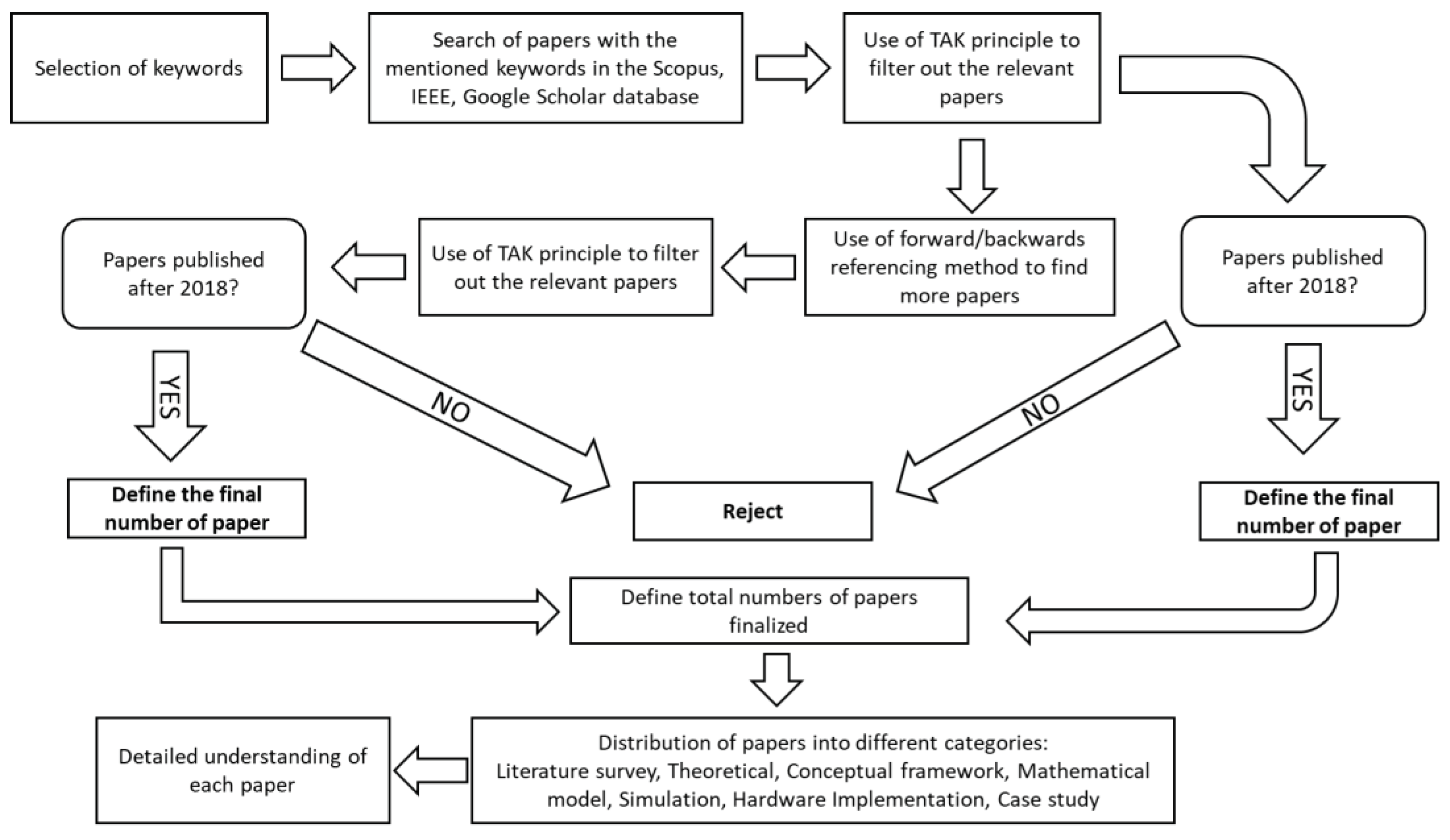
Figure 2.
Published paper in the context of “Optimization energy for greenhouse” during the period 2018 -2023.
Figure 2.
Published paper in the context of “Optimization energy for greenhouse” during the period 2018 -2023.
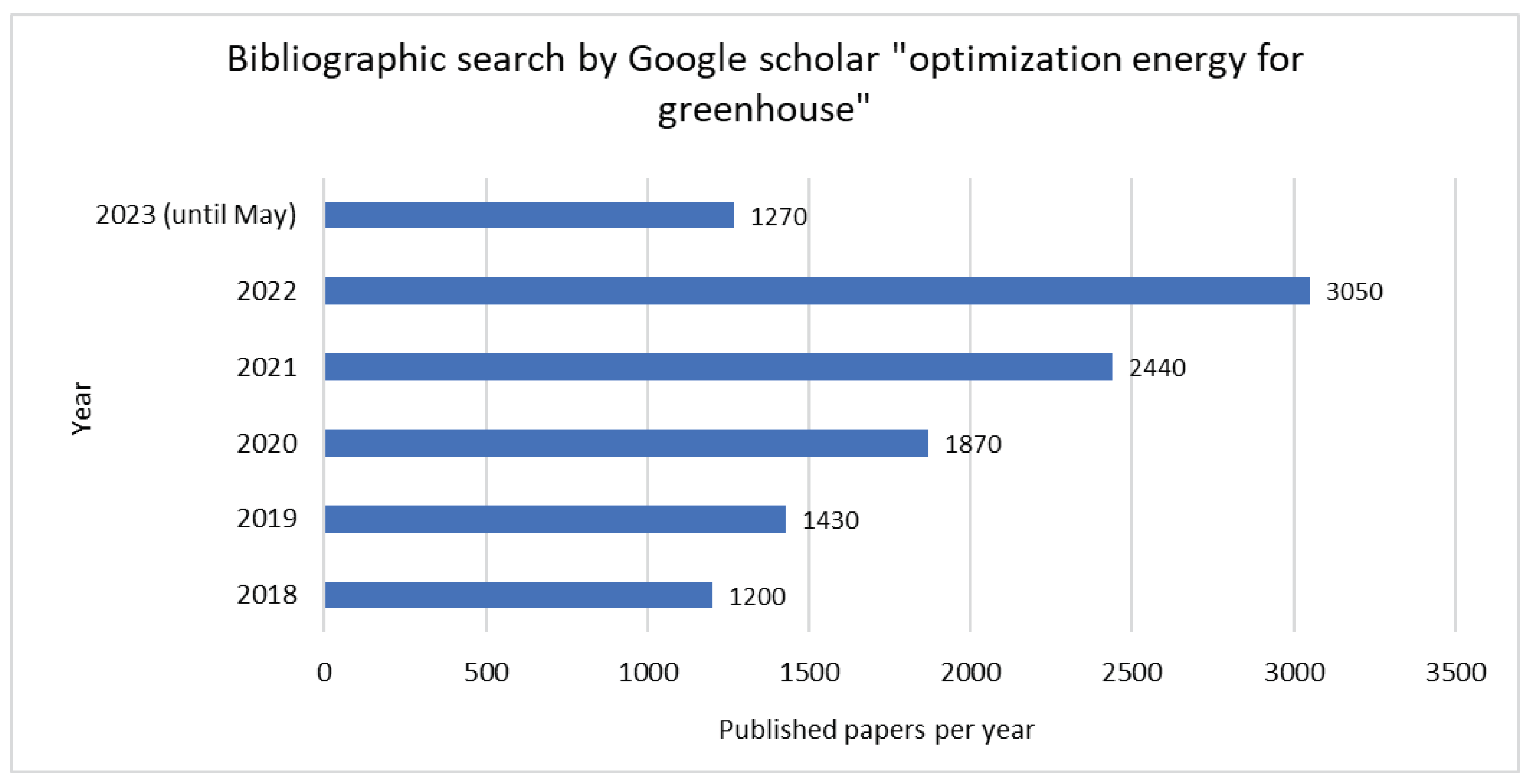
Figure 3.
Classification of greenhouse control approaches.
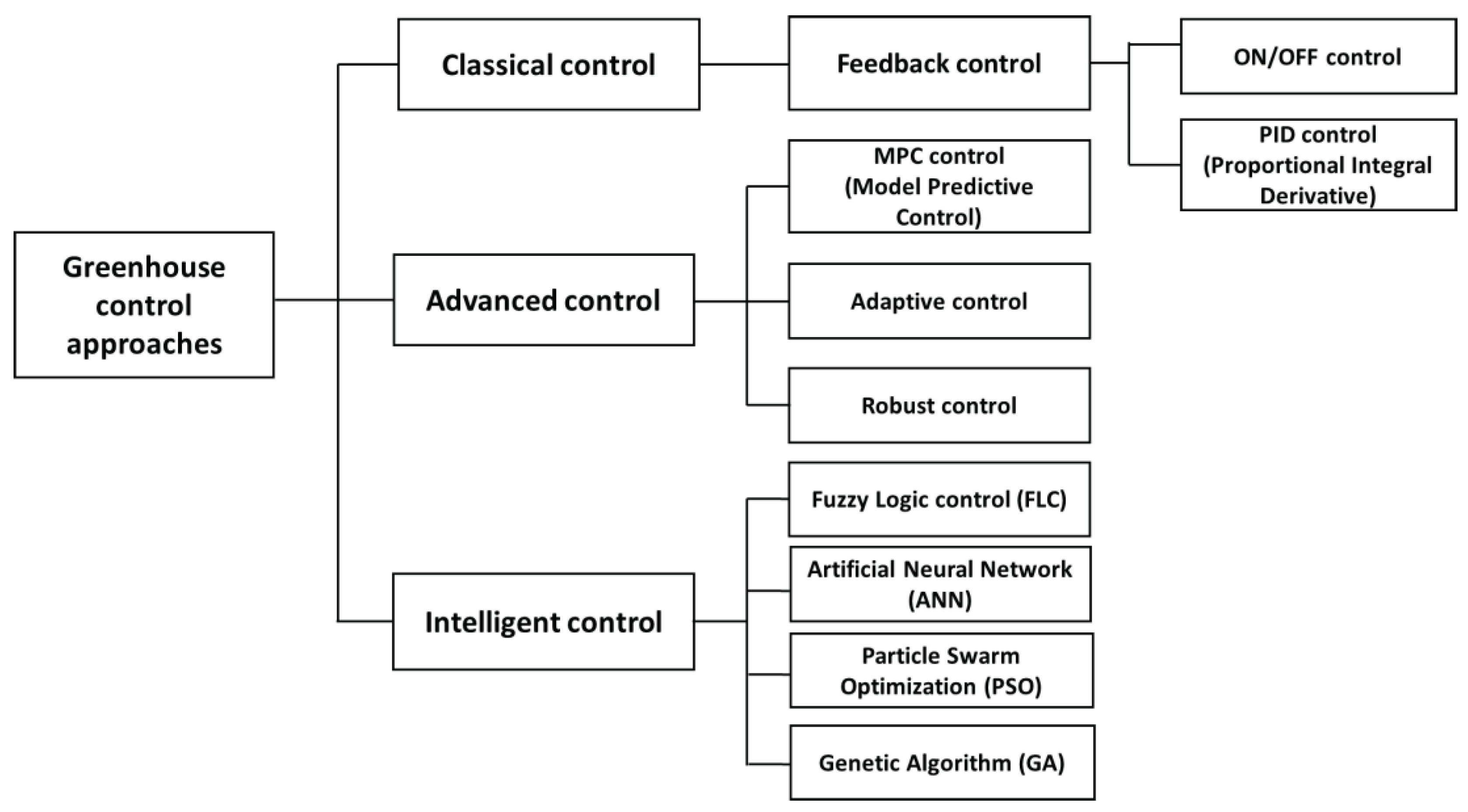
Figure 5.
PID controller design.
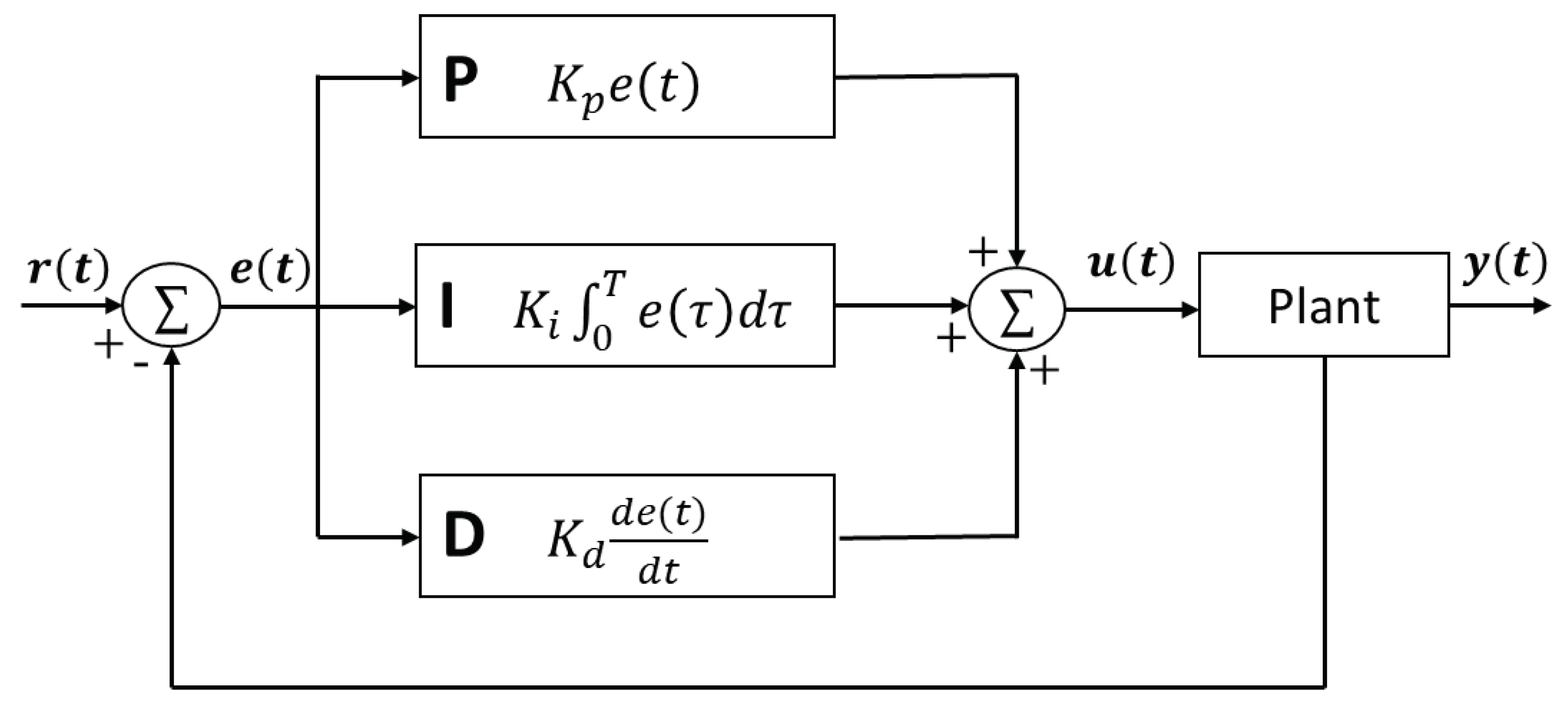
Figure 6.
MPC schema.
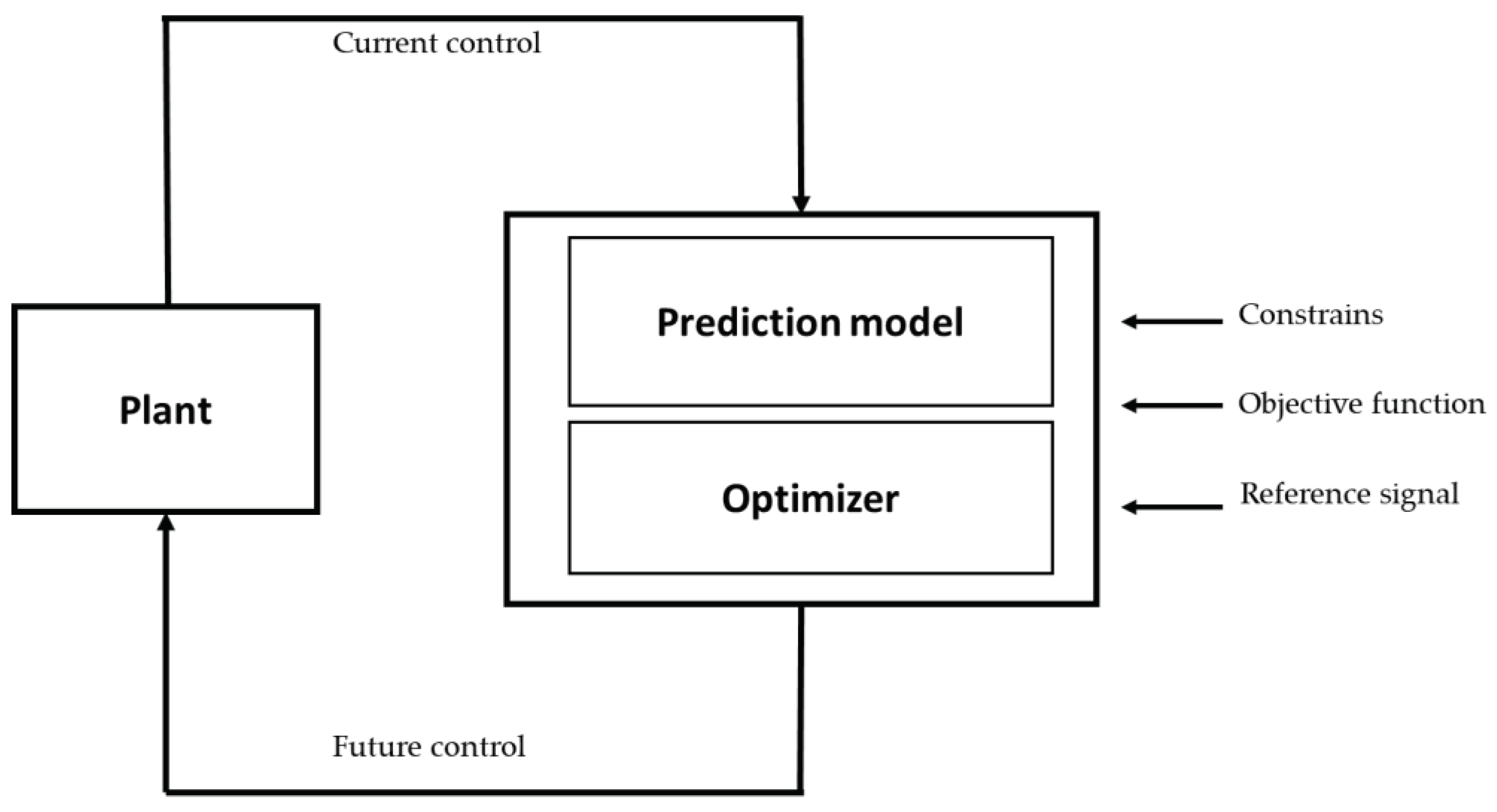
Figure 7.
Diagram of an Adaptive Control System.
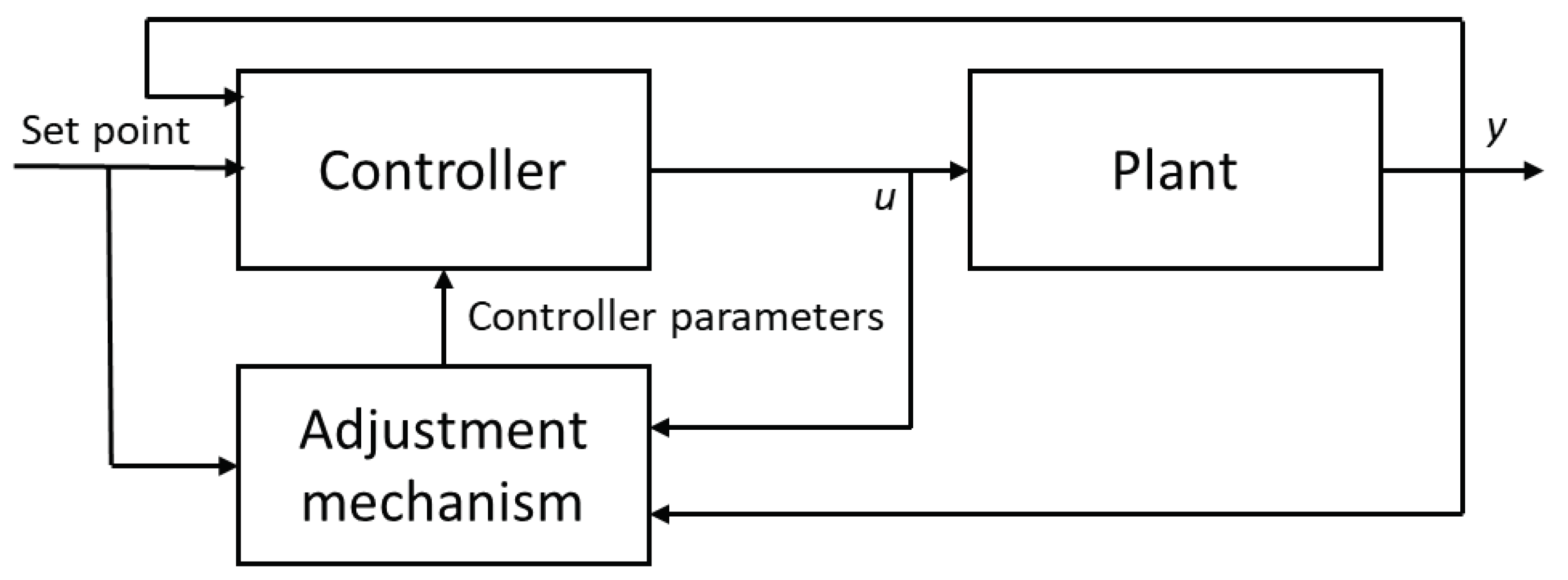
Figure 8.
Robust control system architecture.
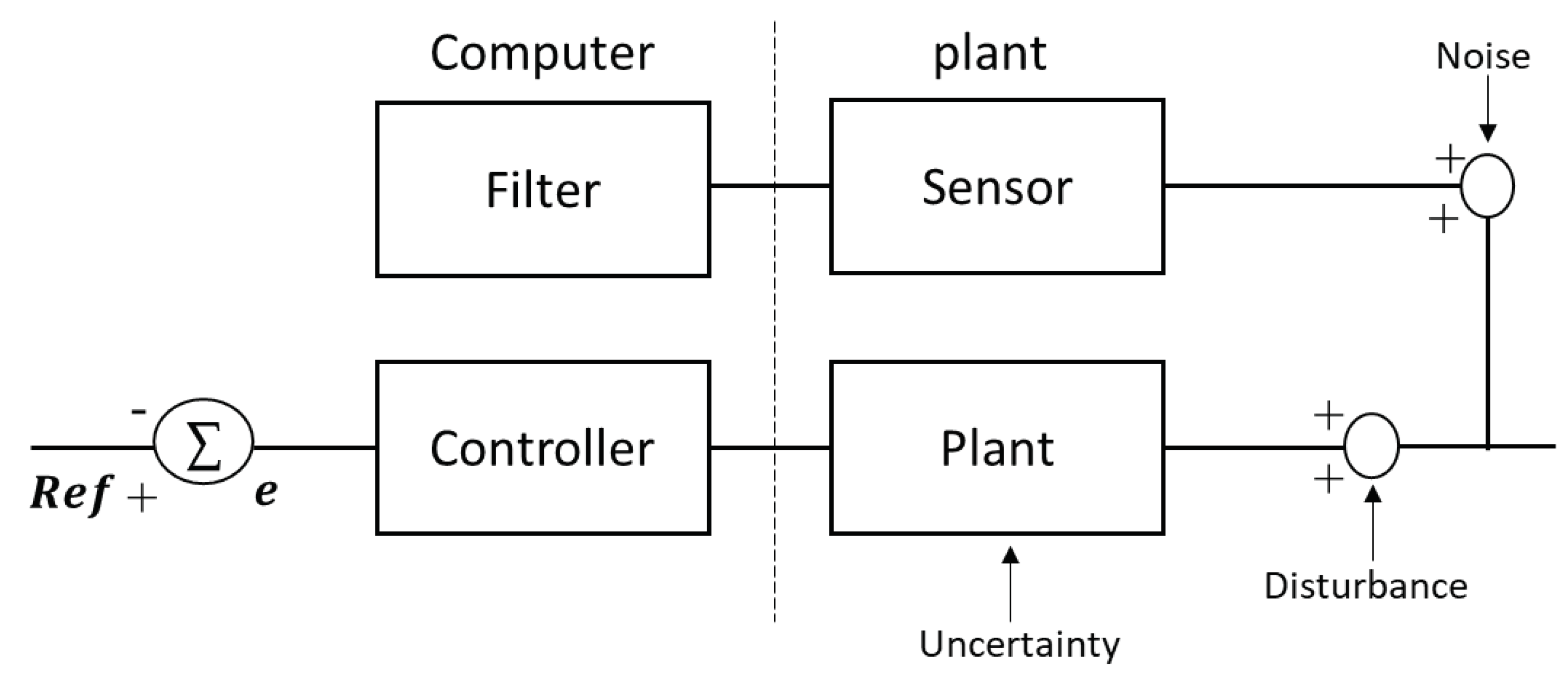
Figure 9.
A typical Fuzzy Logic Control system schema.
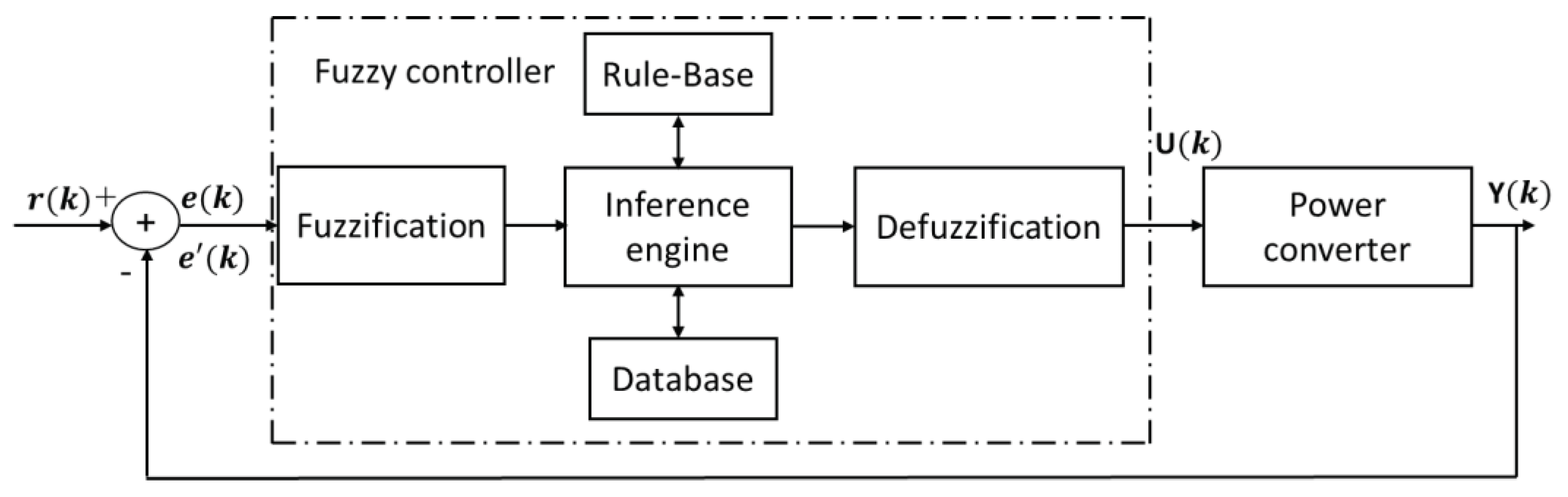
Figure 10.
A schematic depiction of the ANN controller.
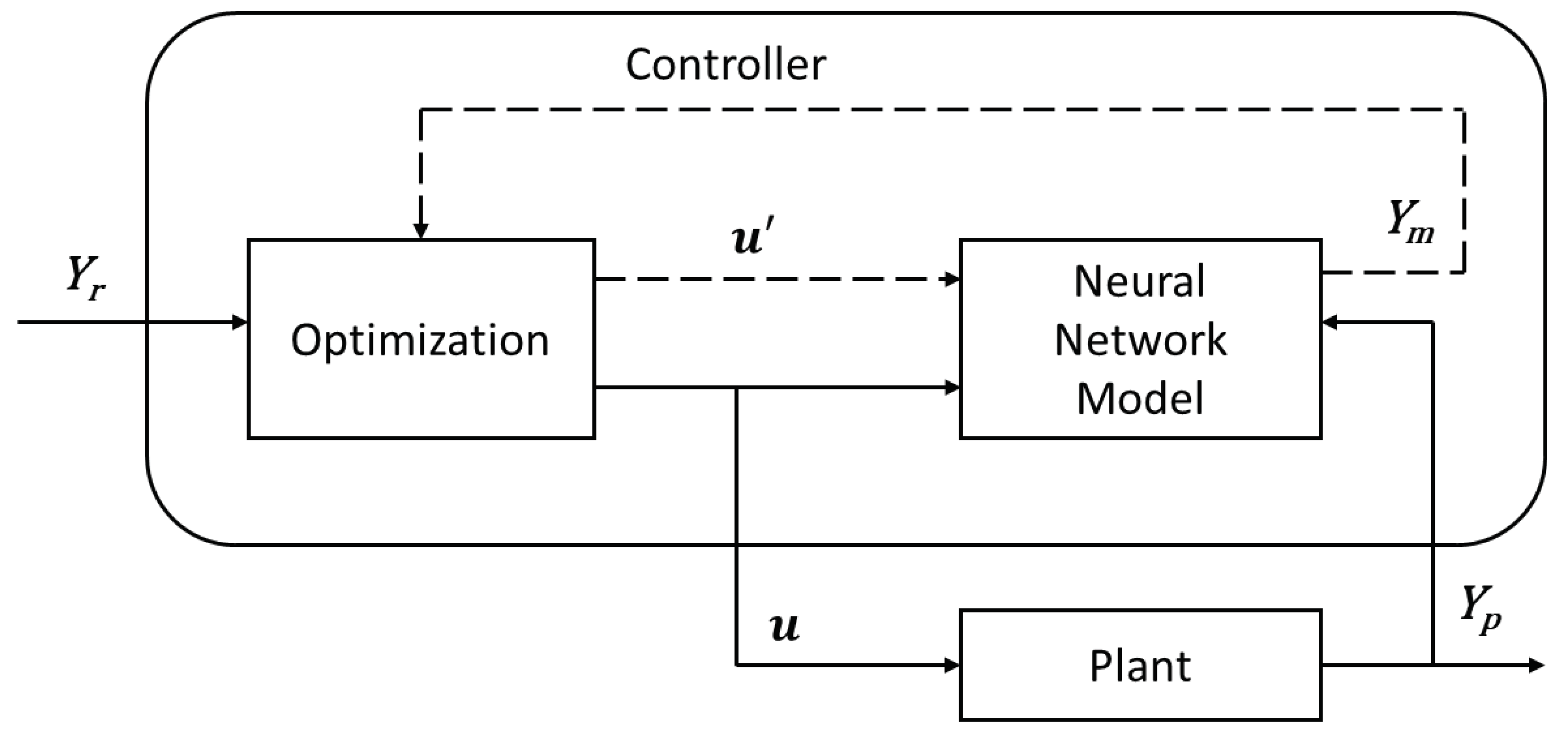
Figure 11.
Schematic diagram of particle swarm optimization.
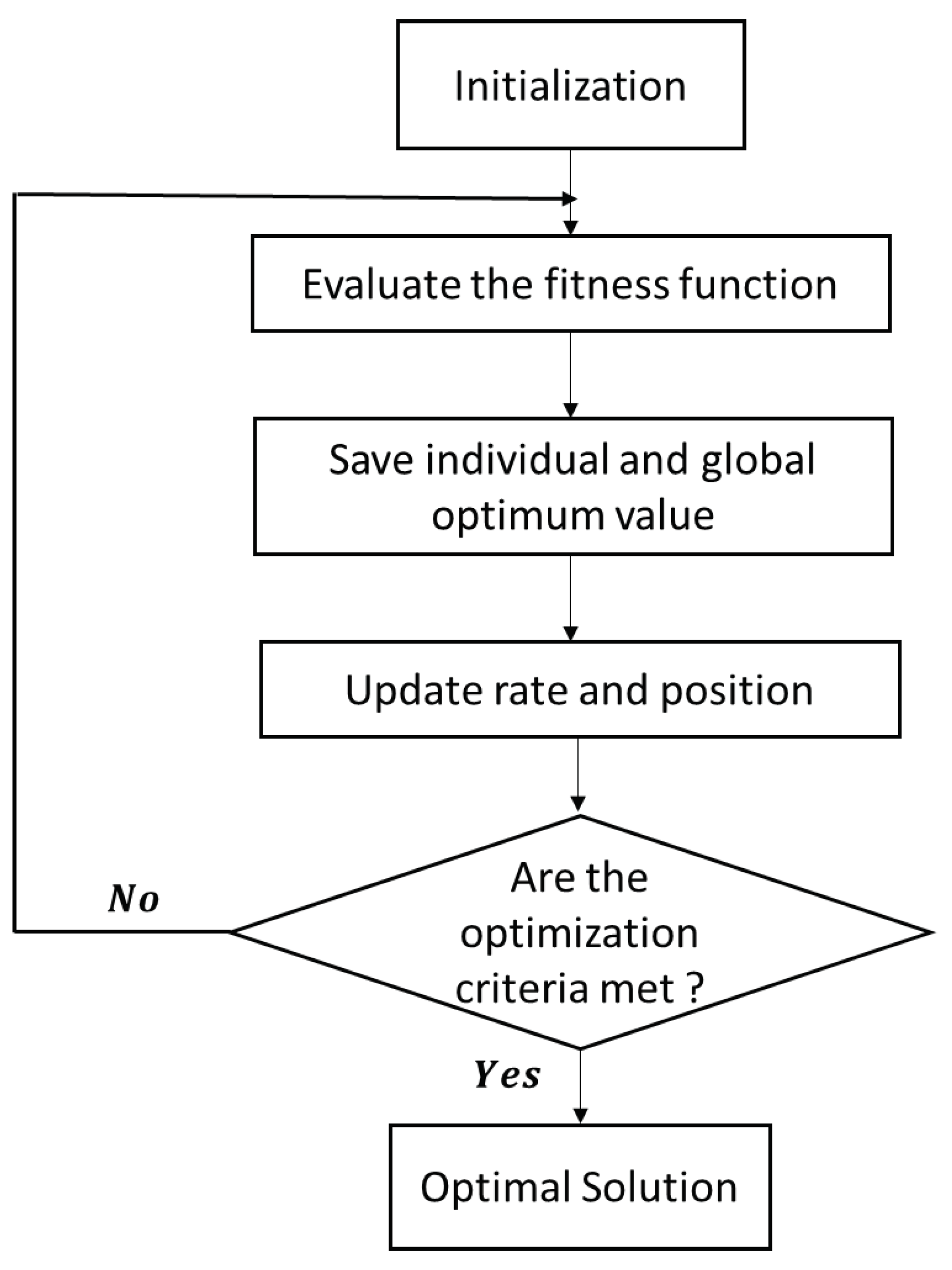
Disclaimer/Publisher’s Note: The statements, opinions and data contained in all publications are solely those of the individual author(s) and contributor(s) and not of MDPI and/or the editor(s). MDPI and/or the editor(s) disclaim responsibility for any injury to people or property resulting from any ideas, methods, instructions or products referred to in the content. |
© 2023 by the authors. Licensee MDPI, Basel, Switzerland. This article is an open access article distributed under the terms and conditions of the Creative Commons Attribution (CC BY) license (http://creativecommons.org/licenses/by/4.0/).
Copyright: This open access article is published under a Creative Commons CC BY 4.0 license, which permit the free download, distribution, and reuse, provided that the author and preprint are cited in any reuse.


