

Submitted:
17 July 2023
Posted:
18 July 2023
You are already at the latest version
Abstract
The main purpose of this article is to identify key areas of research on climate change in the context of the SDGs, focusing on the potential development impacts on Bolivia and Paraguay. Application of the Delphi technique with the involvement of a panel of experts allowed the consolidation of different perspectives and knowledge on climate change, focusing on those that experts considered to have the greatest potential impact on the regions. The results of this study constitute a valuable guide for decision-makers and funding bodies, highlighting research areas that could have a significant impact at the national and regional levels, as well as for researchers, identifying specific research areas crucial for regional development and climate change mitigation.
Keywords:
Climate change
; Policymaking
; Foresight
; Sustainable Development Goals
; Research priorities
; Delphi study
1. Introduction
It is widely recognized that scientific research must be cutting-edge, applicable and relevant to social challenges. Considering the constraints of limited research funding and the necessity for funders to make informed choices, defining research directions becomes crucial in tackling societal challenges. Furthermore, these areas of research should address the SDG objectives [1]. Among SDGs, climate change is understood to be the most acute global challenge requiring urgent solutions to mitigate its effects and thus it is the subject of the SDG 13. In this context, Fuentes et. al. [2] emphasized the importance of scientific research in understanding climate change issues, which will have implications to design policies and strategies aimed at mitigating its negative impacts.
Undoubtedly, the world is attempting to respond to the SDG objectives by reflecting them in national policies, developing new strategies and solutions. However, it is essential to consider regional and country contexts, as Confraria et al. [1] found the research priorities are not aligned with the SDGs in low and middle-income countries, due to the significant inequalities in research capacity and funding across countries. Local governments play a crucial role in achieving the SDGs, given their knowledge and awareness of local issues, decision-making power, and direct engagement with local communities. However, ensuring long-term progress towards achieving the SDGs requires effective planning and decision-making, which are integral components of local governance [3]. Thus, cooperation between scientific community and governments is essential to achieve SDG based on the knowledge generated in each country's scientific knowledge system.
A critical aspect that requires attention is to understand specific challenges and vulnerabilities in different geographic contexts, which must be reflected in research priorities related to climate change within those regions. Given that, this study aims to identify and assess future global trends in climate change research, focusing on hypothetical applications for development in the context of Bolivia and Paraguay, and to develop strategic recommendations to guide R&D policy development in Latin America. For this purpose, the Delphi technique was used, which allows reliable knowledge of a topic through the input of experts with solid knowledge of it. As previous studies demonstrate, although research is part of national policy in both countries, it is still underdeveloped and there is a lack of concrete indicators to achieve policy goals [4]. Targeting research directions to address the regional pressing challenges can inform policies and strategies in this regard, as well as specific indicators for their achievement.
2. Climate change research and the Sustainable Development Goals (SDG)
Sustainable Development Goals provide a comprehensive framework to guide countries in achieving sustainable development by 2030, consisting of 17 goals, 169 targets and several indicators, which forms a complex and interconnected global challenge [5]. It is necessary that each nation integrate these SDGs across all levels of government, to fight climate change as a global effort.
Climate change causes a set of impacts both at environmental level, as well as socio-cultural and economic [6], and, in this way, it has a wide impact on the achievement of Sustainable Development Goals, both directly and indirectly [7].
The interrelation of the SDGs highlights the need for an integrated and holistic approach to climate change and sustainable development. As Miola et al. [8] (p.28) refer, "the SDGs implementation cannot be treated in isolation, but it should be contextualized in the specific political context which integrates the SDGs priorities in a broader context of policy priorities”.
Sustainable Development Goals were formulated based on its multidimensionality, which means it covers the three main dimensions of sustainability (economy, society, and environment), and in this way, they “are cross-linked and form an interlinked interwoven network of goals and targets” [9] (p. 161), providing several synergies and complementarities between them [8].
It is possible to verify these synergies, for instance, concerning the SDG 13, which is specifically related to climate action. It refers to the necessity of urgent action to combat climate change and to strengthen resilience and adaptive capacity to climate-related hazards and natural disasters, through the integration of measures into national policies, strategies, and planning [10]. This includes, as an example, promoting sustainable natural resources management and education, and awareness-raising, while simultaneously advancing other SGDs, such as life on land (SDG 15), and quality education (SDG 4).
The same happens with SDG 7 that ensures access for all to affordable, reliable, sustainable, and clean energy. The transition to renewable energy sources, such as solar, wind or thermal power, helps reduce greenhouse gas emissions, the main driver of climate change. By promoting energy efficiency and increasing access to clean energy, we simultaneously combat climate change (SDG13), promote better health and well-being (SDG 3) and advance industry, innovation, and infrastructure (SDG).
Climate action should be integrated into policies, planning, and decision-making processes at all levels. Collaboration among governments, businesses, civil society, academia, and individuals is crucial to achieve the SDGs while addressing climate change effectively. Academia and scientific knowledge systems should be seen as an influencer of the governmental agenda to make them more oriented towards adapting to climate change [11].
It is thus important to promote collaboration between academia and governments to achieve global and national sustainable goals and targets, based on the knowledge produced by the scientific knowledge system of each country. As Fuentes et. al [2] (p. 2) have already referred, “Scientific research contributes to the global understanding of complex and interdependent climate change issues. Such research can also inform the development of policies to alleviate or mitigate the climate emergency, but those studies have been relatively limited”.
In this way, it is important to develop studies that identify and assess future global trends in the field of climate change, focusing on the development of strategic recommendations to guide policy making, integrating the decision-making system and the scientific knowledge system.
3. The Delphi technique
The Delphi technique refers to a research tool characteristic mainly of qualitative research methods [12,13,14,15] and is based on the opinions and perspectives of people considered experts in the field or topic under study. It aims to discuss complex and subjective problems or issues, so they require significant knowledge and experience on the part of these people. Problems and issues that are generally not easily addressed using conventional questionnaires or interviews [12,16].
Thus, this technique allows one to obtain credible knowledge about a specific topic or thematic area that is not available or that is in some way limited or unclear through the contribution of people with solid knowledge about the topic or topic under study, usually called specialists or experts and who constitute what is called a Delphi panel.
With a flexible and predominantly exploratory content, its application presupposes the structured and systematized collection of the perspectives and opinions of these specialists on the subject of study, in a non-face-to-face and anonymous way, through questionnaires that are answered in successive rounds, together with the sending of controlled feedback on the answers and perspectives obtained in the previous round, in order to allow each expert to know the answers and global perspectives of the other experts, thus trying to build an acceptable consensus around the topic under study.
The interaction between the panel of experts is carried out virtually, preserving anonymity, where they can express their opinions on a given topic thoughtfully and without the pressure and spontaneous character that other methodologies promote. The interaction takes place in several rounds in which it is possible, after knowing the initial round's general opinions, to rethink and reformulate the perspectives to reach a final consensus on the topic. The possibility of reformulation allows for obtaining potentially more reliable data. However, the Delphi methodology is not presented as a substitute for other methodologies based, for example, on statistical or analytical analysis, but as a credible alternative for investigating topics. That requires further analysis.
As for consensus, although it is often mentioned that this is the main objective of the technique, that is, to build an acceptable consensus around the topic under discussion [15,16,17,18,19,20], its increasing application has often removed the restriction around consensus [21]. For Gupta and Clarke [22], the Delphi technique is intended to generate consensus and obtain from a panel of experts, answers and opinions of high quality and credibility on a particular topic under analysis. Dalkey (1967), quoted by Woudenberg [23], argues that, although consensus is indeed essential, it should not be seen as the main objective of the application of this technique, proving in many cases that both the collection of information and consensus is essential, already relatively high after the second round, noting that in the following rounds, the trend is towards a more significant and more consistent increase in consensus, compared to tabbing. Also, in this context, Gordon [24] argues that the Delphi technique can be seen as a controlled debate in which the reasons for extreme opinions are explicit, and feedback is presented neutrally, without the association of feelings on the part of others. Usually, expert groups move towards consensus, but even when such consensus does not occur, the reasons for taking different positions are clarified. The analyses and conclusions drawn by the coordinator are based not only on the reasons given by the expert group but also on his knowledge and objectives. The value of the Delphi technique is thus translated into the global set of ideas it generates, whether through consensus or not. Because the number of respondents usually is small, the Delphi technique does not produce, nor does it claim to produce statistically significant results. That is, the results obtained by any Delphi group do not predict the response of a larger population or even a different Delphi group. They represent the synthesis of the opinion of a particular group [24].
The number of rounds varies from study to study; however, it is generally accepted that two to three rounds should be conducted [23,25]. This number will necessarily depend on the factors associated with the greater or lesser degree of withdrawal of the participants that is verified between rounds, the degree of consensus obtained, or the stability of responses reached at the end of each round or through the predefinition of a fixed number of stipulated rounds. As an example, Garrrod and Fyall [16] completed the Delphi study at the end of the third round, after having registered a significant number of dropouts, even opting not to use the data collected in the third round. Edwards et al. [25] emphasize that more than two or three rounds may be inadvisable because participants, faced with several successive questionnaires around the same topic, may feel they need more motivation to continue participating in the study and, therefore, contribute to its development.
From the moment it began to be used, this technique found immediate application in the field of forecasting, especially those related to technological advances and the occurrence of certain events or happenings. However, the Delphi technique has been used much more and goes beyond forecasting, proving to be especially useful in planning and development policies.
Faucher, Everett, and Lawson [14] differentiate three main types of applications of the Delphi method:
- classic method, predictive of future events.
- political method, oriented to developing policies or public affairs.
- decision-making method, in which an attempt is made to address a given issue to lead to decision-making on strategic measures.
In addition to these three main types, a combination of typologies can be verified, giving rise to the hybrid method.
The technique is applied by a coordinator (or a coordinating team), which usually coincides with the researcher himself or a member of his team.
In the literature, there are no previously defined general criteria to structure the profile of individuals to integrate a Delphi panel, as evidenced by Hsu and Stanford [19]. However, some specific criteria have been identified and considered valid, namely, the fact that individuals have personal or professional experience in the thematic area or subject of study, they can contribute with their perspectives to the construction of more solid knowledge about study and are willing to review their initial or previous perspectives to try to obtain a global consensus perspective. Suppose the latter criterion is more subjective and difficult to weigh and apply. In that case, the criteria associated with previous experience and the ability or willingness to contribute with their perspectives to the construction of more solid knowledge are easier to delimit, assuming that when individuals with experience and specialized knowledge are integrated by those who have agreed to be part of the study and the panel mentioned above, and implicitly they will be admitting that they will be interested in contributing with their testimony to the increase of knowledge around the subject under study.
Once the specialists' profile has been defined, it is essential to work throughout the selection process of the members to be integrated from the universe of potential specialists who could be of interest to the study from the beginning.
Different criteria can also be used here:
- the geographical restriction of the members to integrate, choosing specialists who work or reside in the geographical area of study.
- the accentuated specificity of the subject of study, which can lead to a bottleneck of individuals considered specialists in that subject.
- the appointment of new participants by a restricted initial group that, from the beginning, integrates the panel, calling this method "snowball" [26] because by asking the members of the panel to nominate other members with recognized knowledge in the area under study, the panel is gaining in size. In the latter case, it must be considered that the first members of the panel may point out or suggest other specialists closer to them and, eventually, that they even agree with their points of view, which can lead to biases or conditioning of these results of the study.
As for the number of experts to be part of the panel, there has yet to be a consensus in the literature regarding the number of elements or the ideal size of the panel [19]. In this regard, Smith (1995), cited by Garrod and Fyall [16], states that, although there are successful studies made up of panels ranging from 4 to 904 specialists, the ideal number would be between 40 and 50. Other authors, such as Yong et al. [27], suggest that a number between 15 and 20 would suffice. Delbecq et al. [28] argue that researchers should use as few specialists as possible, however, seeking to verify the results in subsequent research. For these authors, 10 and 15 specialists will be sufficient if the group is homogeneous. If the group is heterogeneous from the beginning, more participants will be needed. Ludwig [29] notes that the number of specialists to be used in a Delphi study is generally determined by the minimum necessary to constitute a representative exchange of perspectives and by the information processing capacity of the coordinator or his team, considering that most Delphi studies involve between 15 and 20 participants.).
4. Research framework
This study is part of the INNOVA project - "Promoting Research Management in Higher Education Institutions in Bolivia and Paraguay," funded by the Erasmus+/KA2 program – Cooperation for innovation and the exchange of good practices – Development of Competencies in the field of Higher Education. It is a pilot exercise of incursion into the field of foresight methods, which aims to identify and evaluate future global trends of cutting-edge research in the field of climate change, focusing on hypothetical applications for development within the context of Bolivia and Paraguay and the development of strategic recommendations to guide policy formulation in the field of R&D at the HE level in Latin America.
The design of the methodology had the following requirements:
- Participation of at least three experts from each institution within the INNOVA consortium (partners may also consider including external experts): 3*11=33 experts.
- Execution of at least two rounds of consultation feedback with the expert panel during the Delphi study.
- Gender perspective and indigenous knowledge.
- Methodologies of initiation to foresight
- To integrate the panel of experts, two specific profiles of participants were stipulated:
- Expert in research management (1 per institution)
- Accredited experience in holding a research management position at the level of Higher Education.
- Research work carried out in Bolivia and/or Paraguay and familiarization with the region (Does not apply to EU partners).
- Expert in climate change (2 per institution).
- Experience accredited by participation in research projects or publications in the fields related to Climate Change.
- Research work carried out in Bolivia and/or Paraguay and familiarization with the region (Does not apply to EU partners).
Each project partner institution identified three experts who met the criteria (Figure 1). Then, a formal invitation was sent to participate in this Delphi study. From this group of identified experts, 31 effectively participated in the study. These participants constitute what we consider the Delphi panel for this study. The panel is balanced, as it includes representatives from all partner universities and, as such, allows all of them to contribute their contributions to the topic under study.
4.1. Delphi rounds
The first questionnaire (first round applied between December 2021 and January 2022) was designed based on the report "UNESCO Science Report: the race against time for smarter development" [30] and specifically addressed the issue of trends on climate change research topics in Bolivia and Paraguay, linked to the fulfillment of the SDGs. Among the SDGs mentioned in the UNESCO Science Report [30], the ones with the most significant potential impact on the context of Bolivia and Paraguay were selected: SDG 2: Zero hunger; SDG 3: Health and Well-being; SDG 6: Clean water and sanitation; SDG 7: Clean and affordable energy; SDG 9: Infrastructure, industrialization, and innovation; SDG 13: Climate action; SDG 15: Life on land. Within these SDGs, the lines of research with higher scientific publications were selected, totaling 47 items. Then, experts were asked to indicate the degree of potential future impact (time horizon 2030) regarding climate change research within the specific context of Bolivia and Paraguay. In the last section of this questionnaire, experts could propose other priority lines of research that had yet to be identified in the UNESCO Science Report.
The second questionnaire (second round applied in February 2022) was based on the results collected and analyzed in the previous round. The aggregation of the individual assessments on the potential impact of each research line allowed for obtaining a hierarchy, considering their priority. In the second round, experts were asked to indicate their level of agreement regarding the context of Latin America and the context of Bolivia, and Paraguay.
During both rounds, experts could always add new perspectives or comments about the topics in discussion.
4.2. Results and discussion
During the first round, the impact assessment results for each of the identified lines of research, have obtained a positive impact assessment (greater than five on a scale of 0 out of 10) by more than 50% of the participants. This analysis is corroborated by the calculation of the median for each of the research lines, none of which are less than 6 (out of 10).
Likewise, for all the SDGs observed, the lines of research with the best impact assessments have medians equal to or greater than 8, which demonstrates the high degree of consensus among experts regarding the expected positive impact of the lines of research that have been extracted from the UNESCO Science Report [30], which are considered as the lines of most significant impact at a global level linked are the fulfilment of SDGs.
Also, it was noted that all lines of research presented a considerable number of positive evaluations (these are 9 or 10), which shows a high expectation of experts in the potential impact of such research. On the other hand, only nine lines of research (out of a total of 47) have obtained evaluations that we can consider very negative (of 0 or 1). Thus, in none of these 9 cases, there are more than two valuations of this type.
Regarding the level of consensus among the experts, and given the results described above, a high degree of agreement is observed, which confirms the relevance and potential impact (in the context of Bolivia as in Paraguay) that the experts give to the lines of research linked to the SDGs that have more outstanding scientific production at a global level.
The calculation of the mean and quartiles for each of the questions asked in the previous round have allowed for establishing a hierarchy between the lines of research presented, according to two criteria:
- The value of the mean, which allows calculating the value of the scale that improves, represents the consensus among all the participants in the study;
- The percentiles' value will measure the dispersion between the participant's evaluations for each research line.
Based on these two values, a hierarchy was established between those lines that obtained the highest degree of consensus in each SDG.
In this case, the objective of this second Delphi round was to measure the degree of agreement or disagreement that each of the participating experts showed concerning the rankings obtained from the results of the previous round. This degree of agreement or disagreement should be expressed regarding the impact of the lines of research at both the regional (Latin American) and national levels (in the case of experts from Bolivia and Paraguay).
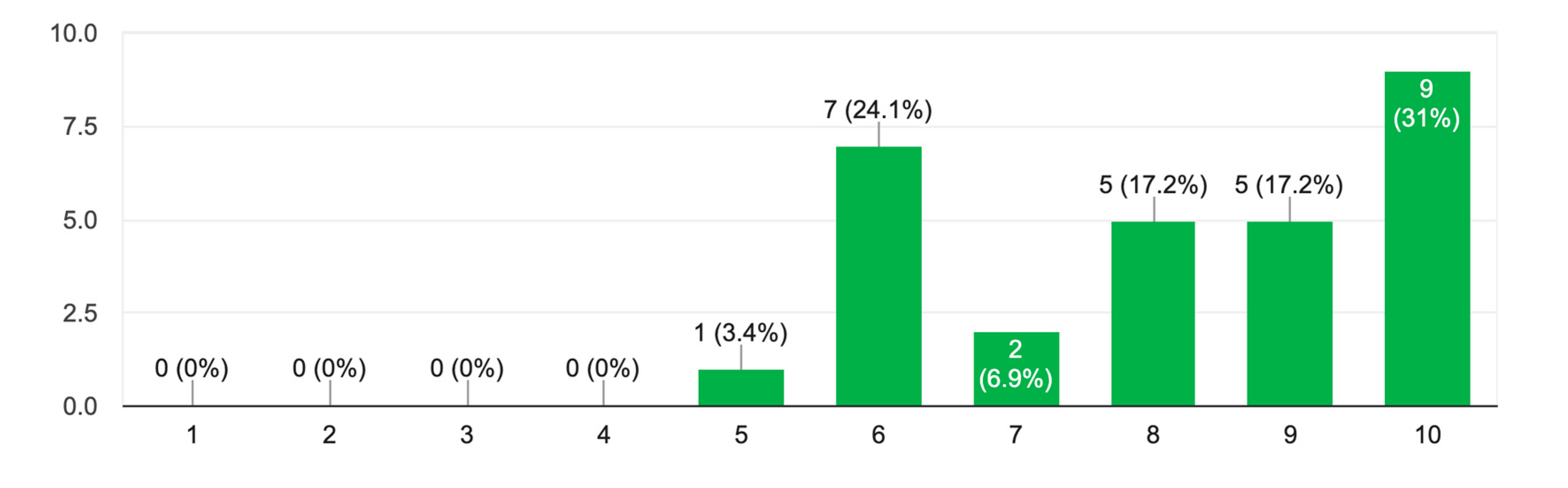
As for the results, Graphic 1 shows a high degree of consensus regarding the priority lines of SDG 2: Zero hunger (Table 1), with 31% of experts showing total agreement (10) with the order resulting from the previous round. On the other hand, 24.1% of responses show a moderate degree of agreement (6). In their complementary assessments, some experts have considered that lines such as agroecology or precision agriculture can have a more significant potential impact on the Latin American region.
Regarding the potential impact at the country level, the agreement level remained high but with a lower concentration. Two experts considered that this order does not correspond to the priorities of Paraguay.
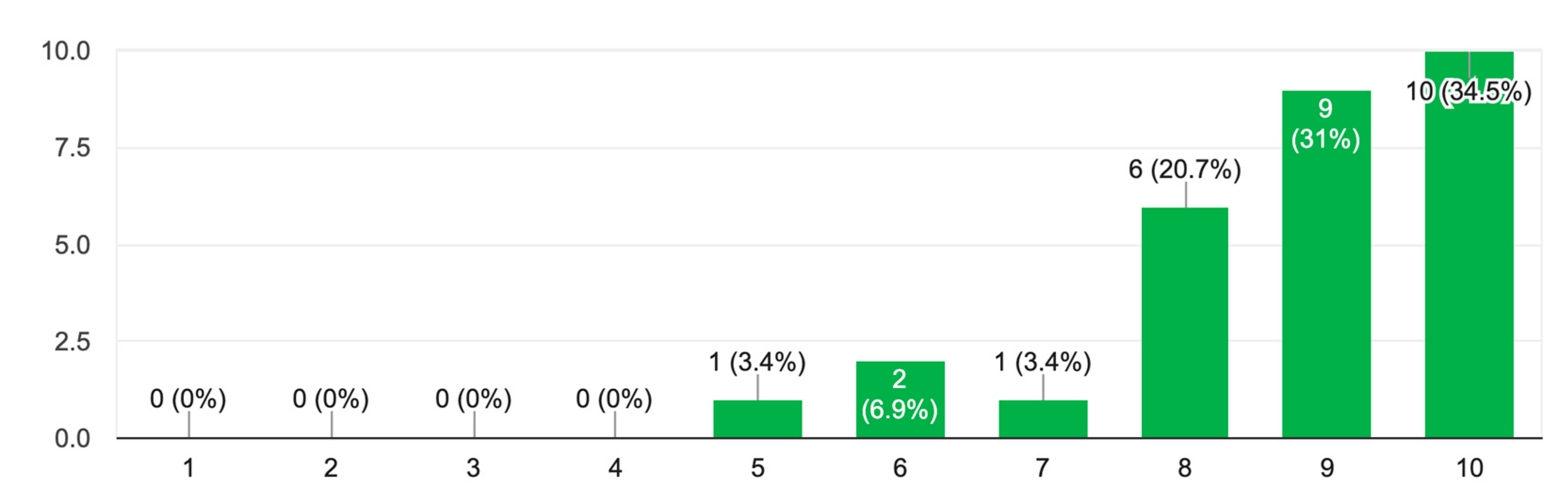
For the priority lines of SDG 3: Health and well-being (Table 2), Graphic 2 shows a higher level of agreement when compared to the previous SDG. It is noted that 65.5% of the participants indicated total agreement (10) or very high (9). Experts who show a more moderate degree of agreement base their position on the line impact on health of soil, freshwater, and air pollution.
Graphic 1.
Level of agreement regarding research priorities for SGD 2 for South America (2nd round).
Graphic 1.
Level of agreement regarding research priorities for SGD 2 for South America (2nd round).
Also noted by several participants is the fact that there is an apparent effect that the appearance of COVID-19 has had on the opinion of the panel, placing as a line of research with a more significant impact at the regional level the need to research on new or emerging viruses that can infect humans.
At the country level, there was a similar assessment of the impact of the lines linked to SDG3 - Greetings and Well-being, however, showing a more moderate degree of agreement than at the regional level.
Graphic 2.
Level of agreement regarding research priorities for SGD 3 for South America (2nd round).
Graphic 2.
Level of agreement regarding research priorities for SGD 3 for South America (2nd round).
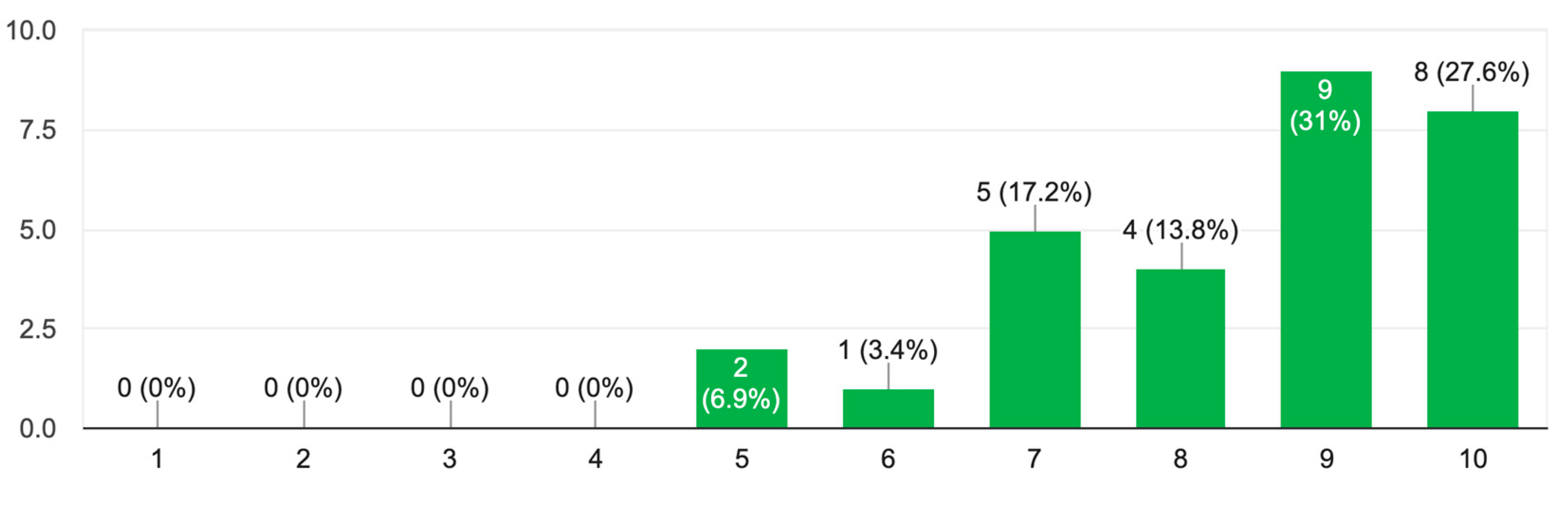
Regarding SDG 6: Clean water and sanitation (Table 3), there was also a degree of total agreement (10) or very high (9) of 58.6% of participants (Graphic 3). In their complementary assessments, the experts have agreed to highlight the importance of the lines linked to this SDG. However, local, or national particularities can mark in some way which of these lines can have the most significant impact.
In line with what has been stated at the regional level, the results at the national level show a degree of total (10) or very high (9) agreement of 62.9% of participants, with only one expert showing disagreement (4), and considering that this order does not entirely corresponds to the context of Paraguay.
Graphic 3.
Level of agreement regarding research priorities for SGD 6 for South America (2nd round).
Graphic 3.
Level of agreement regarding research priorities for SGD 6 for South America (2nd round).
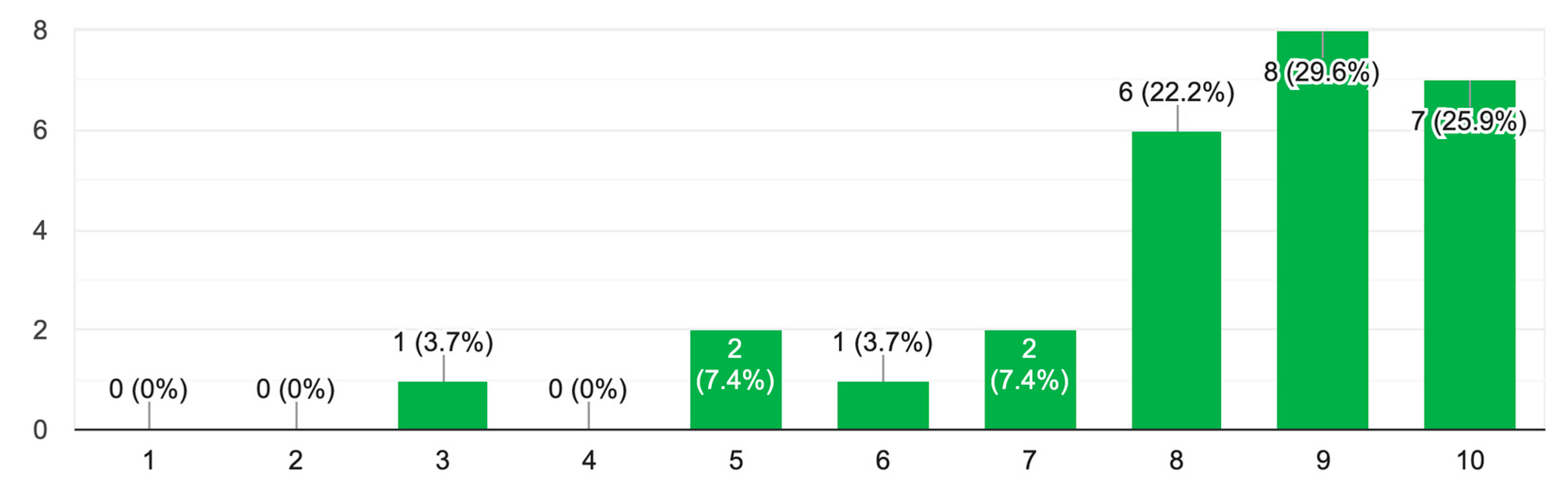
For SDG 7: Clean and affordable energy (Table 4), the results show a majority of the panel (55.5%) positioning themselves as a total (10) or strongly in agreement (9) with the ranking presented (Graphic 4). Other experts, who show a more moderate degree of agreement (or even disagreement in one of the cases), consider that the impact of some of the lines does not correspond to the region's reality, as is the case of smart network technologies or nuclear fusion. On the other hand, they consider that research on hydrogen energy should have greater prominence based on its potential impact on the region.
The assessments presented at the country level are like the regional level, although it is noted that here the degree of total agreement (10) is only 11.5%. Among the observations on the lines that have the most significant impact at the national level, it is worth highlighting the case of photovoltaic energy, considered an energy source of great potential in Bolivia.
Graphic 4.
Level of agreement regarding research priorities for SGD 7 for South America (2nd round).
Graphic 4.
Level of agreement regarding research priorities for SGD 7 for South America (2nd round).
Focusing now on SDG 9: Infrastructure, industrialization, and innovation (Table 5), the panel of experts has shown a very high degree of agreement on their potential impact on the region, with a degree of total agreement (10) or very high (9) among 65.5% of the experts (Graphic 5). A generalized comment among several experts has pointed out the importance for the region of the development of research in sustainable transport, which is considered the line of research with the most potential impact regarding this SDG. The most noted discrepancy corresponds to the position of the research line eco-construction materials, indicated by one of the experts as a line of great potential in the region.
At the national level, the results reflect a similar opinion of the panel. Experts have pointed out the tremendous potential impact sustainable transport and more extraordinary battery efficiency lines can have, especially for Bolivia. The greater importance given to the research on eco-construction materials is also noted at the national level.
Graphic 5.
Level of agreement regarding research priorities for SGD 9 for South America (2nd round).
Graphic 5.
Level of agreement regarding research priorities for SGD 9 for South America (2nd round).
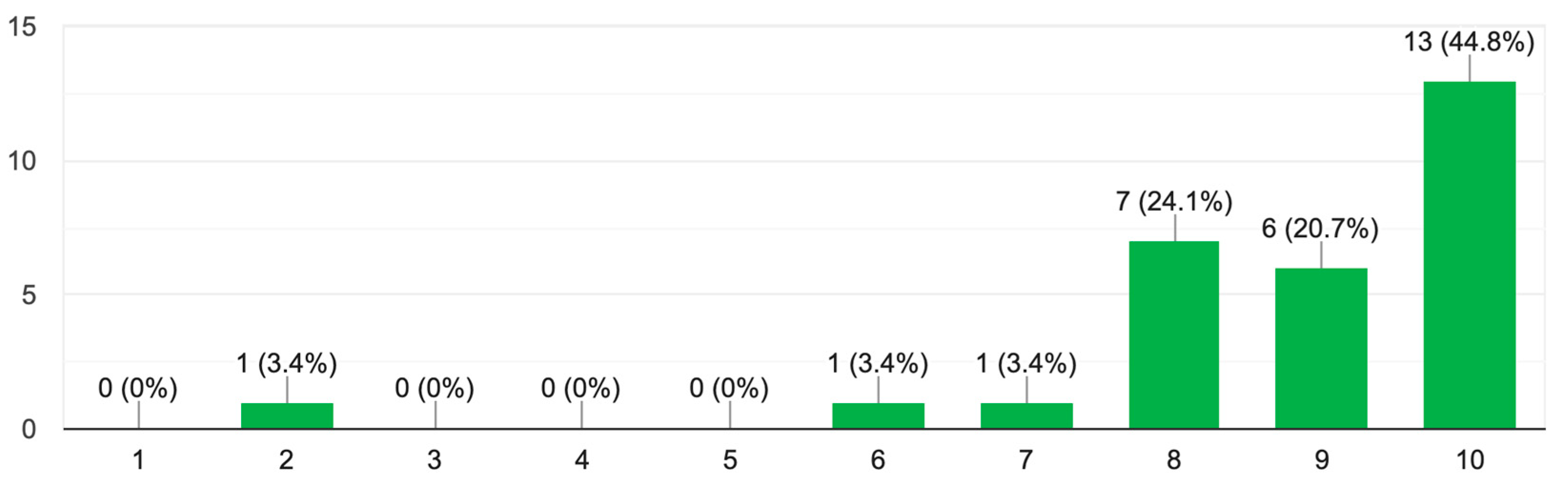
The lines of research linked to SDG 13: Climate Action (Table 6) also have a high degree of agreement regarding its impact at the regional level, with a degree of total agreement (10) or very high (9) among 78.6% of the panel (Graphic 6). However, we can observe a case that shows some disagreement (4), considering that research on national and urban greenhouse gas emissions should be the most significant impact linked to this SDG.
At the national level, there was a higher concentration in the distribution of responses, with no experts showing disagreement with the ranking. Likewise, the opinion of one of the experts who consider research on national and urban greenhouse gas emissions as the line of most significant impact linked to this SDG is reiterated at the national level.
Graphic 6.
Level of agreement regarding research priorities for SGD 13 for South America (2nd round).
Graphic 6.
Level of agreement regarding research priorities for SGD 13 for South America (2nd round).
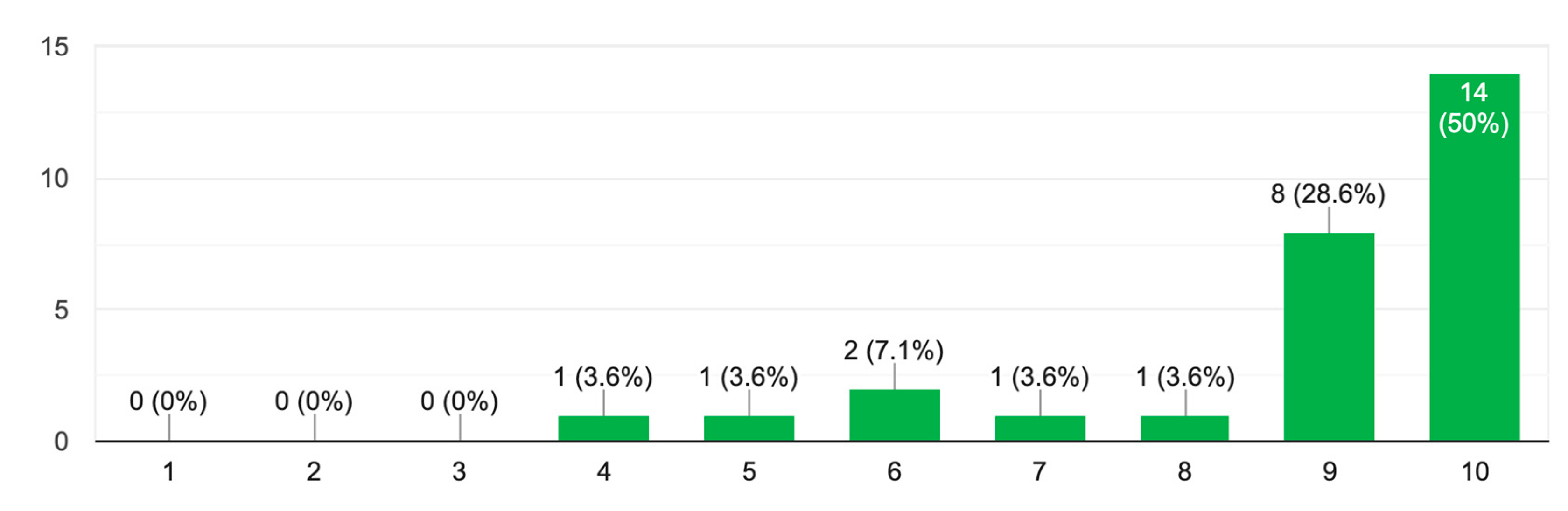
Considering the lines of research linked to SDG 15: Life on Earth (Table 7), there were the ones with a higher level of agreement, with 79.3% of experts indicating a total (10) or very high (9) agreement (Graphic 7).
At the country level, there is a very similar agreement level. However, there were identified some specific comments from experts who consider research on biodiversity, specifically on ecosystems in terrestrial protected areas, as well as research on the sustainable use of terrestrial ecosystems, to have the most significant potential impact.
Graphic 7.
Level of agreement regarding research priorities for SGD 15 for South America (2nd round).
Graphic 7.
Level of agreement regarding research priorities for SGD 15 for South America (2nd round).
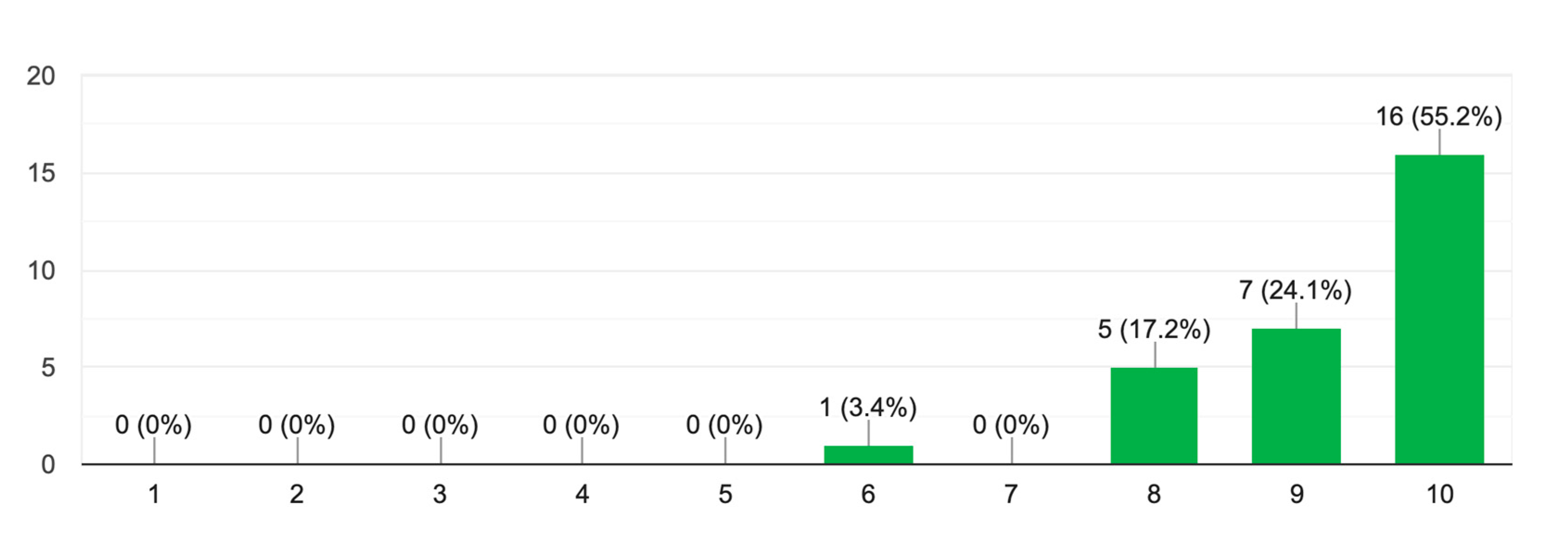
Finally, the experts were asked to rank other lines of research that they considered to have the most significant potential impact in the region, with 1 being the most priority and 5 being the least priority.
The results are presented in Graphic 8. The lines of research on territorial planning and organization, development of the circular economy, and sustainable cities stand out as the most priority, with the first two being valued as priority 1 or 2 by a more significant number of experts.
Graphic 8.
Other priority research lines (2nd round).
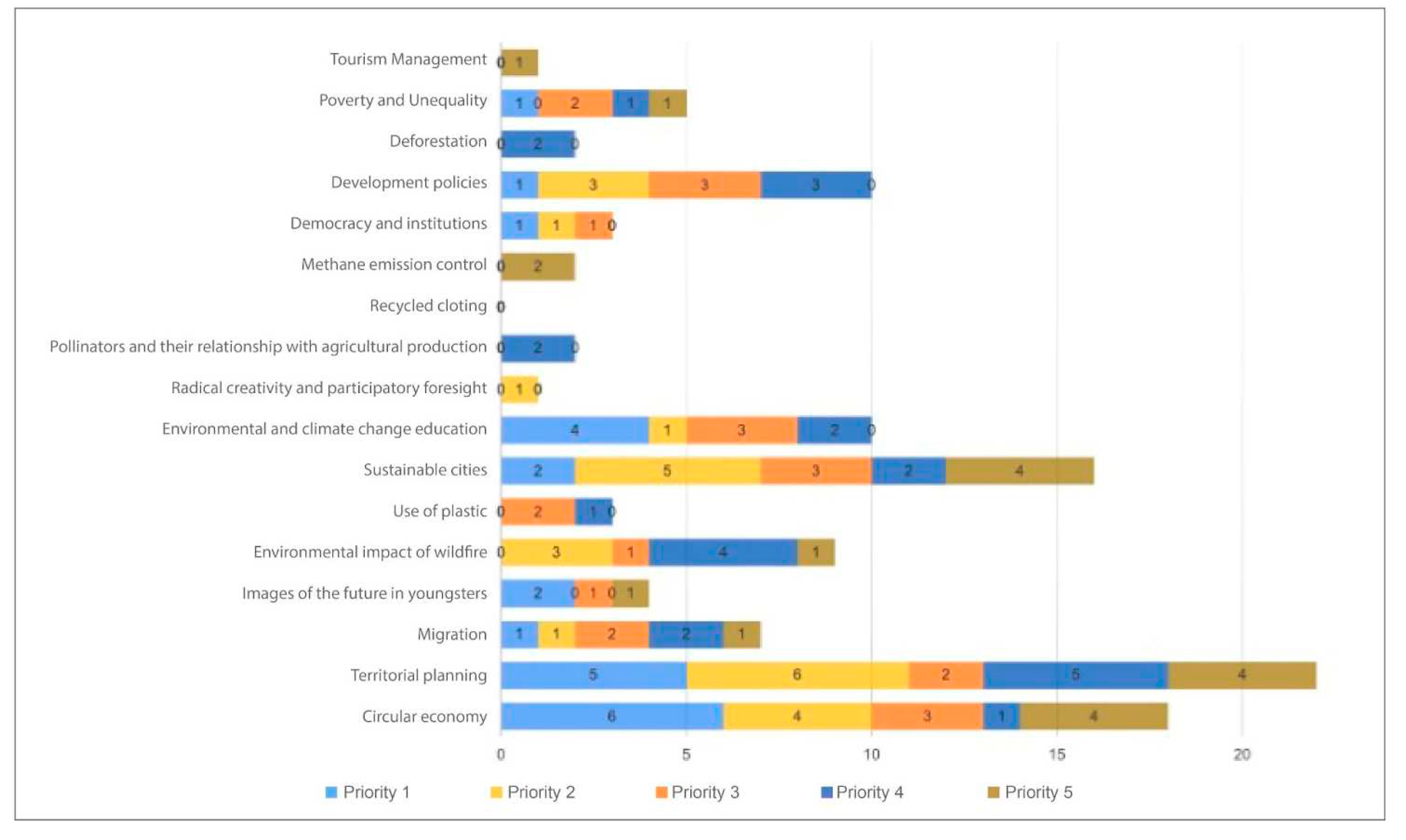
It should also be noted that four experts consider the line of education on the environment as the line that deserves a higher priority level. However, this position has less consensus among the experts than the three lines mentioned above.
5. Conclusions
This study was based on the identification and evaluation of future global trends of cutting-edge research in the field of climate change, focusing on hypothetical applications for development within Bolivia and Paraguay.
The first step in this was to find a source of contrasting and reliable information that would allow us to identify the lines of research currently experiencing the most significant scientific production, specifically those linked to the SDG whose fulfilment can have a more significant direct impact on Bolivia and Paraguay. This desktop research work gave us a clearer and more concise vision of global research trends in climate change.
The first assessment of these trends by experts has served to corroborate that trends in climate change research at the global level present a high degree of potential impact in the region. Thus, the fact that researchers and research centers from all over the world are working on lines of interest for the region, and especially for Bolivia and Paraguay, becomes one of the main incentives for researchers and research centers in these two Latin American countries to try to find international connections in the field of research. In this sense, the international connection with research networks focused on these lines will become one of the main success factors for promoting climate change research in Bolivia and Paraguay.
The second assessment carried out by the panel of experts has allowed the proposal of other lines of research on climate change that are priorities for the region, focusing on those that are considered to have the most significant potential impact in Bolivia and Paraguay. In this sense, the prioritization of these lines presents a double utility. On the one hand, it presents an orientation to the public administration and financing entities on the lines of research that present the most significant potential to generate an impact at the national and regional level; on the other, they guide researchers on which are the lines that can allow the creation of networks or research centers aimed at the development of research that may be key to the development of the region and the fight against climate change. In this way, we present, in a summarized way, the main conclusions regarding the prioritization of the lines of research.
In SDG 2: Zero hunger, the priority line of research at the regional level is related to maintaining the genetic diversity of food crops, followed in order of importance, agroecology, helping small food producers, Traditional knowledge, Pest resistant crops, and Precision agriculture. This strategic alignment had a high consensus for the Latin American context. Regarding the potential impact at the country level, the level of the agreement remains high. However, it is known that the concentration of results is low, considering some experts that this order only corresponds somewhat to the priorities in Paraguay.
In the case of SDG 3: Health and well-being, the main line of research at the regional level is related to New or re-emerging viruses that can infect humans, followed by the health impact of soil, freshwater, and air pollution, Communicable tropical diseases, Human resistance to antibiotics, Regenerative medicine, Reproductive Health and Neonatology, Type 2 Diabetes, Tuberculosis Drugs and Vaccines and Human Immunodeficiency Virus (HIV). In this case, the participants show a high degree of total or very high agreement, and the emergence of COVID has had a substantial impact on this assessment. As for countries, we observed a similar assessment, although showing a more moderate degree of agreement than at the regional level.
In SDG 6: Clean water and sanitation, the priority line refers to Sustainable freshwater extraction and supply, followed by Integrated national water resources management, Transboundary water resources management, Water collection and Wastewater treatment, recycling, and reuse. This order has a high degree of total or very high agreement at the regional level. The results at the national level also show a high degree of total or very high agreement, with a single participant demonstrating a minimum level of disagreement and considering that this order corresponds to the potential impact of each of these lines in their country (Paraguay).
In SDG 7: Clean and affordable energy, the priority line is Cleaner Fossil Fuel Technology, Hydropower, Biofuels and Biomass, Smart Red Technology, Photovoltaics, Nuclear Fusion, Wind Turbine Technologies, Geothermal Energy, and Hydrogen Energy. Here, too, the results show a high degree of total or very high agreement. The rest of the panel, which shows a more moderate degree of agreement (including the lack of agreement in one of the cases), considers that the impact of some of the lines does not correspond to the reality of the region, as is the case of Smart network technologies or nuclear fusion. On the other hand, research on hydrogen energy should have a more significant role depending on its potential impact on the region. For countries, the assessments are like those mentioned at the regional level if they know that the degree of total agreement is low here. Among the observations on the lines of most significant impact at the national level, it is worth highlighting the case of photovoltaic energy, considered an energy source of great potential in Bolivia.
Regarding SDG 9: Infrastructure, industrialization, and innovation, the priority line refers to Sustainable transport, followed by Eco-industrial waste management, Greater battery efficiency, Eco-construction materials, and Carbon price. Here, too, the panel of experts has shown a high degree of agreement on its potential impact on the region. The most notable discrepancy concerning the established order corresponds to the position of the research line Eco-construction materials, pointed out by one of the experts as a line of great potential in the region. At the national level, the results reflect a similar view, with Bolivian experts pointing out the tremendous potential impact that the combined lines of Sustainable Transport and High Battery Efficiency can have. The assessment of a greater relevance of the research line Eco-construction materials is also observed at the national level.
In SDG 13: Climate action, the priority line refers to the Local impact of climate-related hazards and disasters. Local Strategies follow it for Disaster Risk Reduction, New Technologies to Protect from Climate-Related Risks, Climate-Ready Crops, National and Urban Greenhouse Gas Emissions, and Carbon Capture and Storage. These lines of research are also highly valued at the regional level. However, there is a minor disagreement regarding research on national and urban greenhouse gas emissions that should be considered the most significant impact of this SDG. At the national level, there is a greater concentration in the distribution of responses, where we are still looking for an expert who demonstrates any disagreement with the established order.
In SDG 15: Life on Earth, the priority line is the State of terrestrial biodiversity, followed by sustainable use of terrestrial ecosystems; extension of water-related ecosystems; the socio-ecological impact of terrestrial protected areas; use of ecosystem-based approaches in terrestrial protected areas; minimizing poaching and trafficking of protected species; and address invasive alien species. These lines are the ones that have had a greater degree of agreement concerning the impact ranking established at the regional level. The results obtained at the country level also reflect a degree of agreement like the ranking presented. However, at the national level, we find comments from some experts who consider research on biodiversity to have the most significant potential impact, specifically on ecosystems in protected terrestrial areas, in addition to research on the sustainable use of terrestrial resources.
Finally, the panel identified other priority lines that should have been added to the SDGs initially discussed, namely territorial planning and organization; development of the circular economy; sustainable cities; and Environmental Education.
The contribution of this work could be beneficial in three specific contexts. On the one hand, it contributes to the academic environment by 1) identifying the priority lines of research to which academics should pay more urgent attention and 2) presenting a methodological framework (based on the Delphi method) that could be used for identifying and evaluating research lines in other geographical contexts or academic fields; On the other hand, it shows the professional and industrial environment which themes will be more present shortly and, therefore, already provide a framework that enables and supports decision-making regarding measures to be implemented in organizations, on the path of development sustainable; Finally, it presents guidelines for society and, more specifically, for local communities on environmental and climate concerns that should be part of local, regional and national political agendas.
As for the limitations of the study, it is considered that the identification of only two case studies (Bolivia and Paraguay) may be limiting for a Latin American context and, as such, more studies and more excellent territorial coverage will be necessary to understand in a more comprehensive way more solid the future scenario regarding research on climate change in Latin America.
Funding
This work was supported by the UIDB/05105/2020 Program Contract, funded by national funds through the FCT I.P.
Acknowledgments
The authors gratefully acknowledge the support of the EU Erasmus + Innova “PromotINg research MaNagement at Higher EducatiOn Institutions in Bolivia and Paraguay” (619084-EPP-1-2020-1-BO-EPPKA2-CBHE-SP) project consortium. This project has been funded with support from the European Commission. This publication reflects the views only of the authors, and the Commission cannot be held responsible for any use which may be made of the information contained therein.
References
- Confraria, H. , Ciarli, T., & Noyons, E. Countries' research priorities in relation to the Sustainable Development Goals. Maastricht Economic and Social Research Institute on Innovation and Technology. Proceedings of the 18th International Conference of the International Society for Scientometrics and Informetrics (ISSI2021), Leuven, Belgium, 12-15 July 2022, 281-292.
- Fuentes, M.; Cárdenas, J.P.; Urbina, C.; Vidal, G.; Olivares, G.; Lawler, D.; Bustos Azocar, E.; Rasmussen, E. Alignment between United Nations Environmental Assembly Guidance and National Research Priorities. Sustainability. 2023, 15, 2636. [Google Scholar] [CrossRef]
- Reddy, P. S. Localising the Sustainable Development Goals (SDGs): the role of local government in context. African Journal of Public Affairs. 2016, 9(2), 1-15. 2263. Available online: https://hdl.handle.
- Ramazanova M, Silva, F, Albuquerque H, Fuentes Ávila J, Barrera Zuleta B, and Guzmán S. Research management in higher education institutions in Bolivia and Paraguay: a SWOT analysis. International Journal of Education Economics and Development, 2023 (accepted for publication).
- Empig, E.E.; Sivacioglu, A.; Pacaldo, R.S.; Suson, P.D.; Lavilles, R.Q.; Teves, M.R.Y.; Ferolin, M.C.M.; Amparado, R.F., Jr. Climate Change, Sustainable Forest Management, ICT Nexus, and the SDG 2030: A Systems Thinking Approach. Sustainability 2023, 15, 6712. [Google Scholar] [CrossRef]
- Wolf, F.; Filho, W.L.; Singh, P.; Scherle, N.; Reiser, D.; Telesford, J.; Milikovic, I.B.; Havea, P.H.; Li, C.; Surroop, D. Influences of Climate Change on Tourism Development in Small Pacific Island States. Sustainability 2021, 13, 4223. [Google Scholar] [CrossRef]
- Tamasiga, P.; Onyeaka, H.; Akinsemolu, A.; Bakwena, M. The Inter-Relationship between Climate Change, Inequality, Poverty and Food Security in Africa: A Bibliometric Review and Content Analysis Approach. Sustainability 2023, 15, 5628. [Google Scholar] [CrossRef]
- Miola A, Borchardt S, Neher F, Buscaglia D, Interlinkages and policy coherence for the Sustainable Development Goals implementation: An operational method to identify trade-offs and co-benefits in a systemic way, EUR 29646 EN, Publications Office of the European Union, Luxembourg, 2019, ISBN 978-92- 79-99556-9 , JRC115163. [CrossRef]
- Hovarth SM, Muhr MM, Kirchner M, Toth W, Germann V, Hundscheid L, Vacik H, Scherz M, Kreiner H, Fehr F, Borgwardt F, Guhnemann A, Becsi B, Schneeberger A, Gratzer G. Handling a complex agenda: A review and assessment of methods to analyse SDG entity interactions. Environmental Science and Policy. 2022, 131, 160–176. [CrossRef]
- United Nations Development Goals Goal 13 – Climate Action. 2023. Available online: https://www.undp.org/sustainable-development-goals/climate-action (accessed on June, 6th 2023).
- Bull, B. , Aguilar-Stoen, M. Changing Elites, Institutions and Environmental Governance, in Environmental Governance in Latin America, Castro, F., Hogenboom, B., Baud, M. (editors), Palgrave Macmillan, 2016. Chapter 5, 137-163.
- Perez, A. S. (director). Apuntes de Metodología de la Investigación en Turismo. Organización Mundial del Turismo (OMT/UNWTO). Madrid. 2001. ISBN: 92-844-0488-6. Available online: https://www.e-unwto.org/doi/pdf/10.
- Bas, E. Megatendencias para el siglo XXI: un estudio Delfos. Fondo de Cultura Económica. España, 2004. ISBN: 978-9681671631.
- Faucher, J., Everett, A., e Lawson, R. Applying a modified Delphi approach to determine the current state of the concept of knowledge. In Proceedings of the 39th Annual Meeting of the Decision Sciences Institute, Baltimore, Maryland, USA 22-25 November 2008. Volume 1, 1726-1731.
- Veal, A. Research Methods for Leisure and Tourism: A Practical Guide (5th Ed.), Harlow: Prentice Hall. . 2018. ISBN: 978-1-292-11531-3 (PDF).
- Garrod, B. e Fyall. A. Revisiting Delphi: The Delphi Technique in tourism research. In Tourism Research Methods: Integrating Theory and Practice. Ritchie, W., Burns, P., Palmer, C. (Eds.). Wallingford: CAB International, 2005, pp 85-98. [CrossRef]
- Landeta, J. Landeta, J. The Delphi Method (1st ed. 1999). Barcelona: Ariel. 2005.
- Linstone, H. , Turof, M. The Delphi method, techniques and applications. Reading: Addison- Wesley Publishing. 1975. [Google Scholar]
- Hsu, C. e Sandford, B. The Delphi Technique: Making Sense of Consensus. Practical Assessment Research & Evaluation, 2007, 12 (10). [CrossRef]
- Moeller, G. e E. Shafer. The Delphi Technique: A Tool for Long-Range Travel and Tourim Planning. In Travel, Tourism, and Hospitality Research: a handbook for managers and researchers. Ritchie, J. Goeldner, C. (Eds). New York: John Wiley & Sons, 1994, pp.473-480.
- Landeta, J. Current validity of the Delphi method in social sciences. Technological Forecasting and Social Change, 2006, 73:467-482. [CrossRef]
- Gupta, U. e Clarke, R. (1996). Theory and applications of the Delphi technique: a bibliography (1975-1994). Technological Forecasting and Social Change, 53 (2), 185-211.
- Woudenberg, F. An evaluation of Delphi. Technological Forecasting and Social Change. 1991, 40(2), pp131–150. [Google Scholar] [CrossRef]
- Gordon, T. (1994). The Delphi method. Futures Research Methodology. AC/UNU Millennium Project. [on-line]. Available online: https://eumed-agpol.iamm.fr/private/priv_docum/wp5_files/5-delphi.pdf (accessed on 12 May 2023).
- Edwards, D. , Griffin, T. e Hayllar, B. Urban tourism research: developing an agenda. Annals of Tourism Research, 2008, 35 (4), 1032-1052. [CrossRef]
- Lee, C. e King, B. Using the Delphi method to assess the potential of Taiwan’s hot springs tourism sector, International Journal of Tourism Research, 2008, 10, 341–352. [Google Scholar] [CrossRef]
- Yong, Y. , Keng, K. e Leng, T. A Delphi forecast for the Singapure tourism industry: future scenario and marketing implications. International Marketing Review, 1989, 6(3), 35-46. [CrossRef]
- Delbecq, A. , Van de Ven, A. e Gustafson, D. Group techniques for program planning: a guide to nominal group and Delphi processes. Glenview IL, Scott Foresman and Company, 1975. ISBN 0-673-07591-5.
- Ludwig, B. Predicting the future: Have you considered using the Delphi methodology? Journal of Extension, 1997, 35 (5). Available online: https://archives.joe.org/joe/1997october/tt2.php.
- United Nations Educational, Scientific and Cultural Organization. UNESCO Science Report 2021: the Race Against Time for Smarter Development. Schneegans, S., Straza, T., Lewis, J. (editors). 2021. [CrossRef]
Figure 1.
Initial Delphi panel proposal.
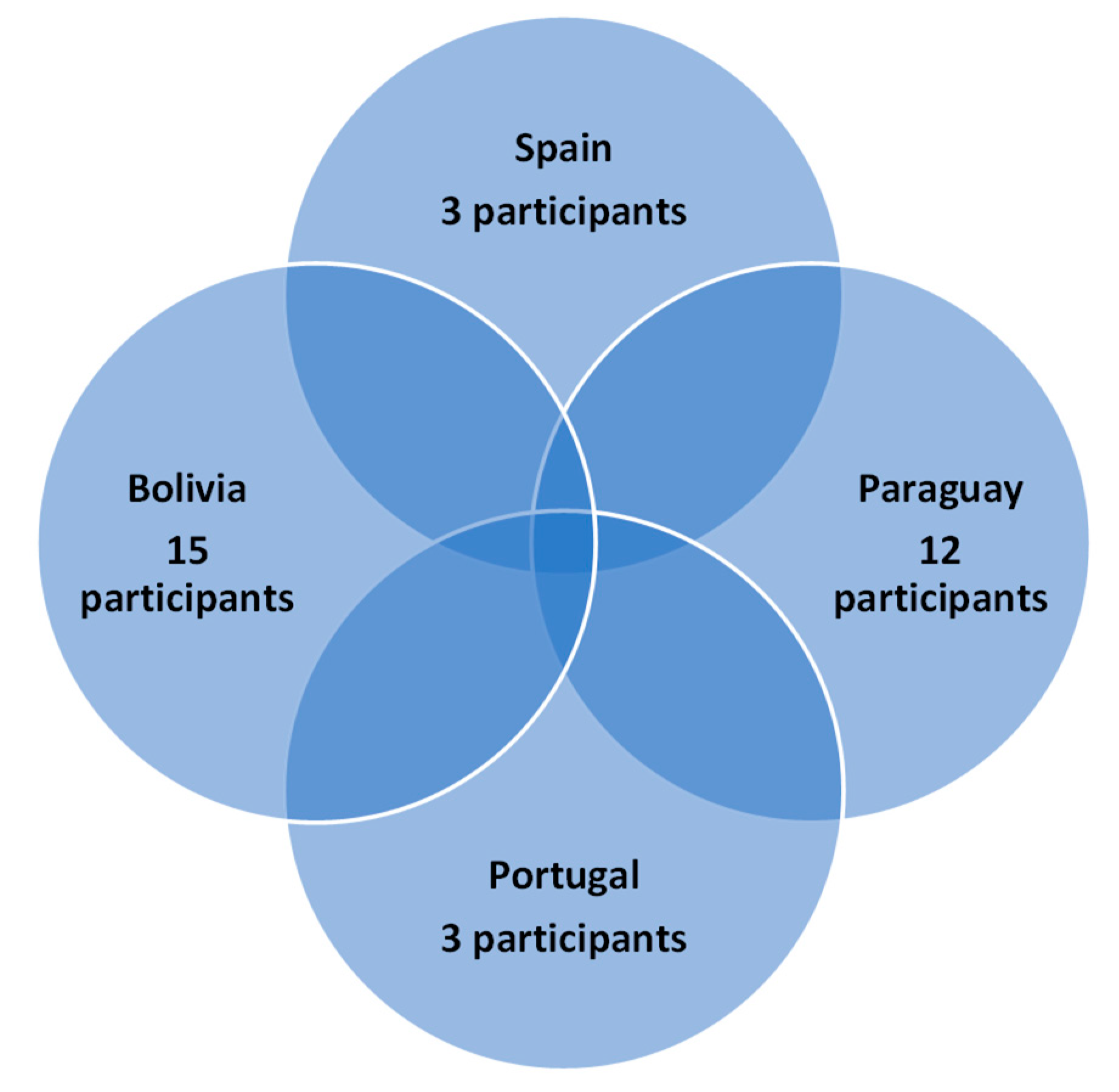

Table 1.
Ranking of research priorities for SDG 2: Zero hunger (1st round).
| Rank | Specific research lines |
|---|---|
| 1 | Maintaining the genetic diversity of food crops |
| 2 | Agroecology |
| 3 | Aid to small-scale food producers |
| 4 | Traditional knowledge |
| 5 | Pest-resistant crops |
| 6 | Precision agriculture |
Table 2.
Ranking of research priorities for SDG 3: Health and well-being (1st round).
| Rank | Specific research lines |
|---|---|
| 1 | New or re-emerging viruses that can infect humans |
| 2 | Impact on health of soil, freshwater, and air pollution |
| 3 | Tropical communicable diseases |
| 4 | Human resistance to antibiotics |
| 5 | Regenerative medicine |
| 6 | Reproductive health and neonatology |
| 7 | Type 2 diabetes |
| 8 | Drugs and vaccines for tuberculosis |
| 9 | Human immunodeficiency virus (HIV) |
Table 3.
Ranking of research priorities for SDG 6: Clean water and sanitation (1st round).
| Rank | Specific research lines |
|---|---|
| 1 | Sustainable freshwater extraction and supply |
| 2 | Integrated national water resources management |
| 3 | Transboundary water resources management |
| 4 | Water collection |
| 5 | Wastewater treatment, recycling, and reuse |
Table 4.
Ranking of research priorities for SDG 7: Clean and affordable energy (1st round).
| Rank | Specific research lines |
|---|---|
| 1 | Cleaner fossil fuel technology |
| 2 | Hydropower |
| 3 | Biofuels and biomass |
| 4 | Smart network technology |
| 5 | Photovoltaic |
| 6 | Nuclear fusion |
| 7 | Wind turbine technologies |
| 8 | Geothermal energy |
| 9 | Hydrogen energy |
Table 5.
Ranking of research priorities for SDG 9: Infrastructure, industrialization, and innovation (1st round).
Table 5.
Ranking of research priorities for SDG 9: Infrastructure, industrialization, and innovation (1st round).
| Rank | Specific research lines |
|---|---|
| 1 | Sustainable transport |
| 2 | Eco-industrial waste management |
| 3 | Increased battery efficiency |
| 4 | Eco construction materials |
| 5 | Carbon pricing |
Table 6.
Ranking of research priorities for SDG 13: Climate action (1st round).
| Rank | Specific research lines |
|---|---|
| 1 | Local impact of climate-related hazards and disasters |
| 2 | Local disaster risk reduction strategies |
| 3 | New technologies to protect against climate-related hazards |
| 4 | Climate-ready crops |
| 5 | National and urban greenhouse gas emissions |
| 6 | Carbon capture and storage |
Table 7.
Ranking of research priorities for SDG 15: Life on Earth (1st round).
| Rank | Specific research lines |
|---|---|
| 1 | State of terrestrial biodiversity |
| 2 | Sustainable use of terrestrial ecosystems |
| 3 | Extension of water-related ecosystems |
| 4 | Socio-ecological impact of terrestrial protected areas |
| 5 | Use of ecosystem-based approaches in terrestrial protected areas |
| 6 | Minimize poaching and trafficking of protected species |
| 7 | Addressing invasive alien species |
Disclaimer/Publisher’s Note: The statements, opinions and data contained in all publications are solely those of the individual author(s) and contributor(s) and not of MDPI and/or the editor(s). MDPI and/or the editor(s) disclaim responsibility for any injury to people or property resulting from any ideas, methods, instructions or products referred to in the content. |
© 2023 by the authors. Licensee MDPI, Basel, Switzerland. This article is an open access article distributed under the terms and conditions of the Creative Commons Attribution (CC BY) license (http://creativecommons.org/licenses/by/4.0/).
Copyright: This open access article is published under a Creative Commons CC BY 4.0 license, which permit the free download, distribution, and reuse, provided that the author and preprint are cited in any reuse.


