

Submitted:
06 July 2023
Posted:
10 July 2023
You are already at the latest version
Abstract
The wettability of the oil-brine-rock systems is very challenging mainly for the carbonate reservoirs and it plays a significant role to enhance the oil recovery (EOR). Carbonate rocks are mad-up of complex lithology, hence these requires careful treatments in controlling their wetting behavior for enhanced oil recovery. Therefore, it is extremely important to modify their wettability from an oil-wet rock behavior to a water-wet so that the residual oil can be produced efficiently. Thus, the present study has examined the effectiveness of alumina nanofluid as well as a new chemical methyl blue to alter the wettability. The methyl blue is released on massive scale from various industries i.e. pharma, textile and food industry which is a key environmental concern which contaminates the water table. Hence the study, explores the effects of MB and alumina nanofluid on the wettability. The effect of nanofluids formulated via dispersing the alumina nanoparticles in aqueous solutions at various concentration (0. 0.05, 0.3, 0.50, 0.75 and 1.0 wt. %) were tested for wettability modification under different physio-thermal conditions. Subsequently, the wettability change was examined for the samples treated with different concentrations of MB (10, 15, 30, 50 and 100 mg/L) for 7-days at two different temperatures of (25 and 50 0C). The results showed that hydrophobicity of the SML carbonate rock has significantly reversed while treating with alumina nanofluids and MB. Thus, the wettability modification/reversal via treatment of MB and alumina nanofluid can be an effective mechanism to hydrogen injection and for EOR processes.
Keywords:
Wettability
; carbonate rock
; Sui main limestone
; Methylene blue
; enhanced oil recovery
1. Introduction
Fossil fuels are the significant contributor to the world energy demand [1,2,3,4,5].It is reported that carbonate reservoirs rock formations exhibits massive volume of about 60% of all the global reserves. Hence, carbonate reservoirs are considered to be the crucial targets to fulfill the present day energy needs [6,7]. Exploitation and development of carbonate reservoirs is challenging due to heterogeneity and its complex multi-modal pore structures[8,9].Generally, low hydrocarbon recovery from carbonate reservoirs is mainly due to its nature of the mixed to oil-wet characteristics[10,11,12]. For instance, oil-wet carbonate rocks shows higher residual oil saturations due to larger bonding of oil and reservoir rock[13] and higher interfacial tensions (IFT) [14]. Thus, this requires considerable attention by which wettability can be altered and to recover the trapped oil amounts. Most of these reservoirs are water-wet; thus, the residual trapping of oil is larger at the in-situ conditions and even at core scale [15,16]. Many studies have described the rock wetting phenomena in which higher amounts of residual oil are trapped within subsurface formations mainly due to the strong water-wet conditions [15,16,17]. Though, the oil recovery from carbonate reservoirs via secondary recovery methods is ineffective. Generally, the oil is produced from fractures via secondary recovery flooding operations; however, the water is not absorbed into the matrix of the carbonate rocks due to its inherited oil-wet behavior [18]. Thus, the oil remains trapped in carbonate reservoir rocks and the overall recovery by secondary recovery processes in such reservoirs achieved is up to 10-30% [19].Basically, the displacement efficiencies of carbonate reservoirs are mainly affected by various parameters, such as fluid viscosities, IFT, rock pore morphology, and Wettability of the rock[20]. Among all above mentioned parameters wettability is one of the more desirable to evaluate the flow behavior such rocks. In addition, the reservoir dynamic properties are mainly affected by wettability which in turn is affected by subsurface reservoir rock mineral composition and formation brines chemistry[21,22]. Therefore, the wettability is considered to be one of the most essential rock properties to influence the fluid flow in subsurface reservoir rocks [23,24,25]. Obviously, the definition of wettability is very simple but it is very complex to underhand the expression at reservoir scale or even within core plug at lab scale due to the fact that rock exhibit complex pore morphologies, rock heterogeneities and divergent mineral constituents[24]. Therefore, several methods have been introduced to modify the wettability of such rocks and to enhance the trapped oil recovery. Recently, an industrial waste i.e. the methylene blue dye and organic pollutant is in use to alter the wetting behavior of these carbonates has multiple advantages. Firstly, this mitigates the disposal of industrial waste-water (hazardous substances) into environment and may contaminate the water table. Secondly, the use of MB modifies the rock wettability and enhances the oil recovery and hydrogen geo-storage capacity[7]. In addition, recently the use of nano materials by dispersing with distilled water as a base fluid to formulate the nanofluids has gained considerable importance in improving the oil recovery [26,27,28,29]. Generally the nanofluids are formed by dispersing the desired quantity of nanoparticles into the base fluid. Over the decades, various nano materials have been introduced for improved oil recovery including the TiO2 [30] SiO2 [31,32,33], Zinc oxide (ZnO)[34]and the graphene [35]. Thus, nanofluids have appeared as a prominent materials to recover the trapped oil by altering the oil-water IFT, changing the effluents viscosity and to increase the oil mobility[36], to alter the rock wettability[37]. Substantial oil and gas resources are present in the Central and lower Indus Basin, Pakistan. Numerous fields are the globe is currently produces from carbonate reservoirs which can be benefited. Existing production data shows that conventional methods of recovery are inefficient and challenging due to number of reasons i.e. diversified rock composition, complex pore network and fractured rocks. Thus, the present study’s key target is to improve the residual oil productivity of particularly from carbonate reservoir rocks through application of nano-fluids and MB treatments. By the applications of such treatments to Sui main limestone rocks, the oil recovery would be improved through wettability modifications[7]. The following paper aims to investigate systematically, the impact of methyl blue, alumina nanoparticles over wide range of experimental conditions on wettability alteration as well as improving the enhanced recovery.
2. Geology and Tectonic Setting of Study Area
The sedimentary basin studied is characterized as a thick sequence of sedimentary rocks that includes sandstones, siltstones, and shales. The different rocks are deposited in a variety of environments, including fluvial, deltaic, and marine settings in this sedimentary basin. The tectonic setting of this sedimentary Basin is very complex and is influenced by a variety of factors over geological period. Cretaceous period, the Middle Indus Basin was affected by the emplacement of large igneous intrusions, which caused significant deformation and uplift in the region [38]. This uplift led to the formation of a large dome-like structure known as the Khairpur Anticline[38]. In the Paleogene and Neogene periods, the region was affected by tectonic forces. This study examines the main hydrocarbon producing carbonate formation of the middle Indus Basin (MIB) which is being stretched from Sukkur rift zone in the north to Hyderabad in the south[38]. This limestone formation is overlain by Ghazij, Habib Rahi and Sirki formation as shown in Figure 1 [39].
3. Materials and Methods
3.1. Materials
The core samples from Sui main limestone (SML) carbonates formation were obtained from hydrocarbon development institute (HDIP), Islamabad. Sui main limestone reservoir is considered to be the isolated reservoir, mainly formed in a closed system supported by aquifer at the bottom. The petrophysical characterization of these carbonate rock is extremely difficult due to heterogeneity and it exhibit complex pore network. Based on the data obtained from well logs these limestone reservoirs exhibits large variations in porosities ranging from 2%–36%, with an average porosity of 22%[40]. In places these carbonates have indicated micro fractures and vugs which have resulted in high porosity values. These micro-cracks were interconnected well thus allowing the fluid to be produced more effectively[39,40].
The samples of SML formation were received from HDIP were of 1.5 inch plug sized. After receiving, all samples were thoroughly cleaned by washing with the demineralized water and then were dried in oven. Afterwards, the cubes were prepared with variable sizes of around 1.5 × 1.5 x2 cm were cut and then polished on the lap of grinder with grit paper. The aluminum oxide nanoparticles powder of alumina (Al2O3) was purchased from Sigma Aldrich. This nanoparticle powder has purity of 99.0%, and with particles size of up to150nmwith density of around 3.95 g/cm3 nearly spherical. In addition, the sample surface was treated with MB organic pollutant powder to modify wettability which was also purchased also from Sigma Aldrich.
Figure 2.
Illustration shows the (a) subsurface carbonate core thin section of Sui main limestone (SML) formation (b) stack of (Al2O3) nanoparticle powder and Methylene blue dye (c)MB dye solution under varying concentration (10, 25, 50, 75, and 100) mg/L (d) alumina based nanofluid concentrations (0.05, 0.3, 0.50, 0.75 and 1.0 wt. %).
Figure 2.
Illustration shows the (a) subsurface carbonate core thin section of Sui main limestone (SML) formation (b) stack of (Al2O3) nanoparticle powder and Methylene blue dye (c)MB dye solution under varying concentration (10, 25, 50, 75, and 100) mg/L (d) alumina based nanofluid concentrations (0.05, 0.3, 0.50, 0.75 and 1.0 wt. %).
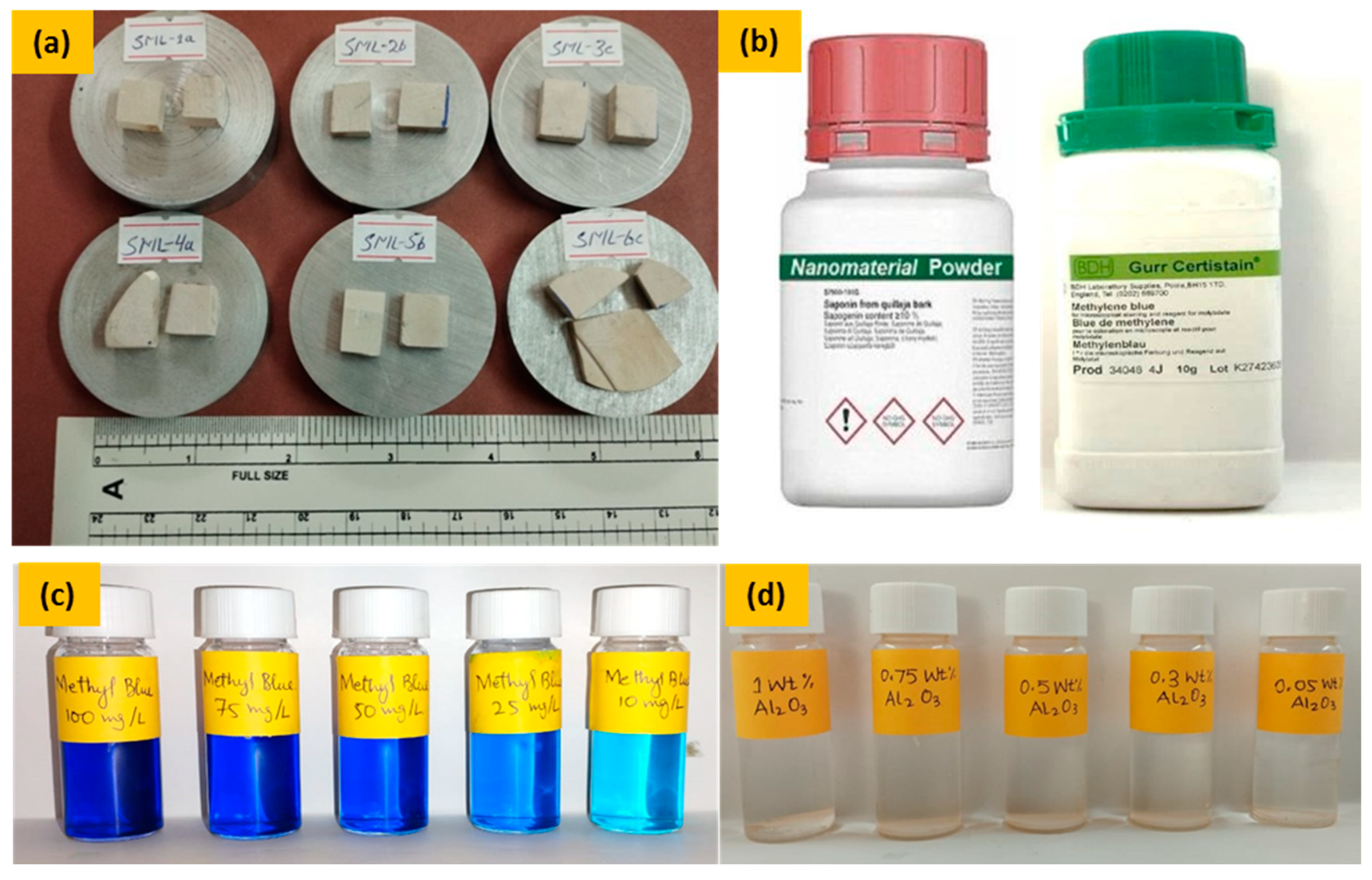
Figure 3.
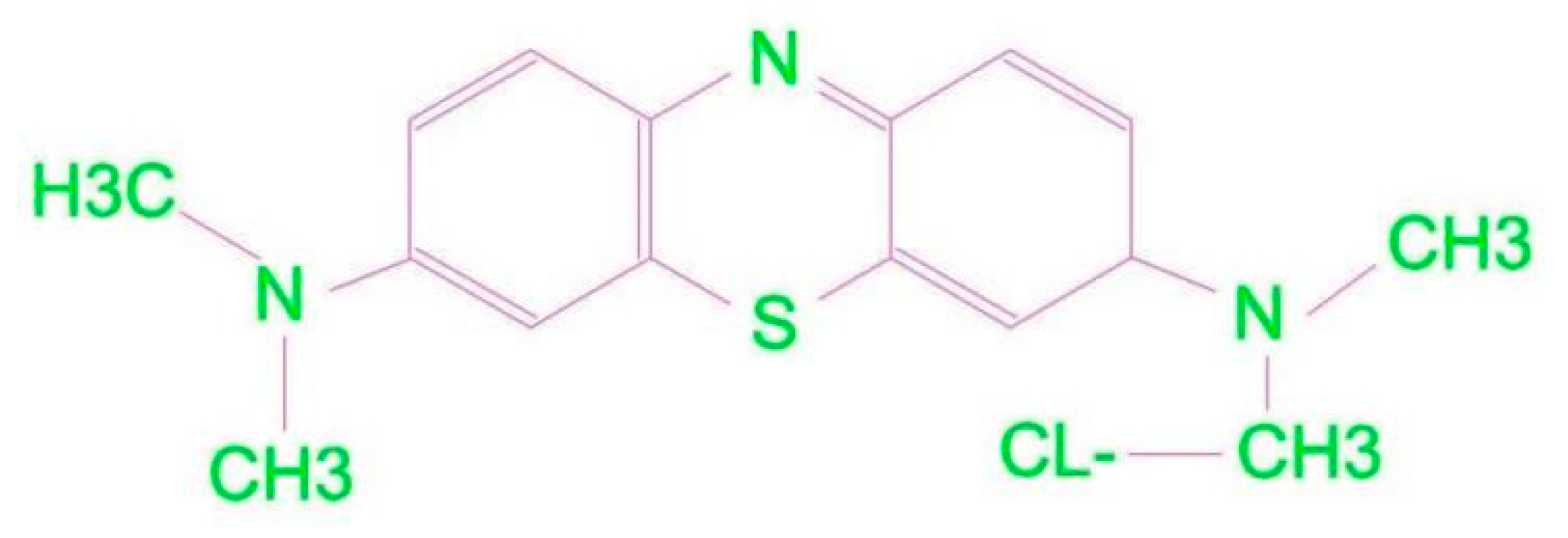
Illustration shows the chemical structure of methylene blue (MB).
3.2. Fluids Formulations, Treatment and Stability
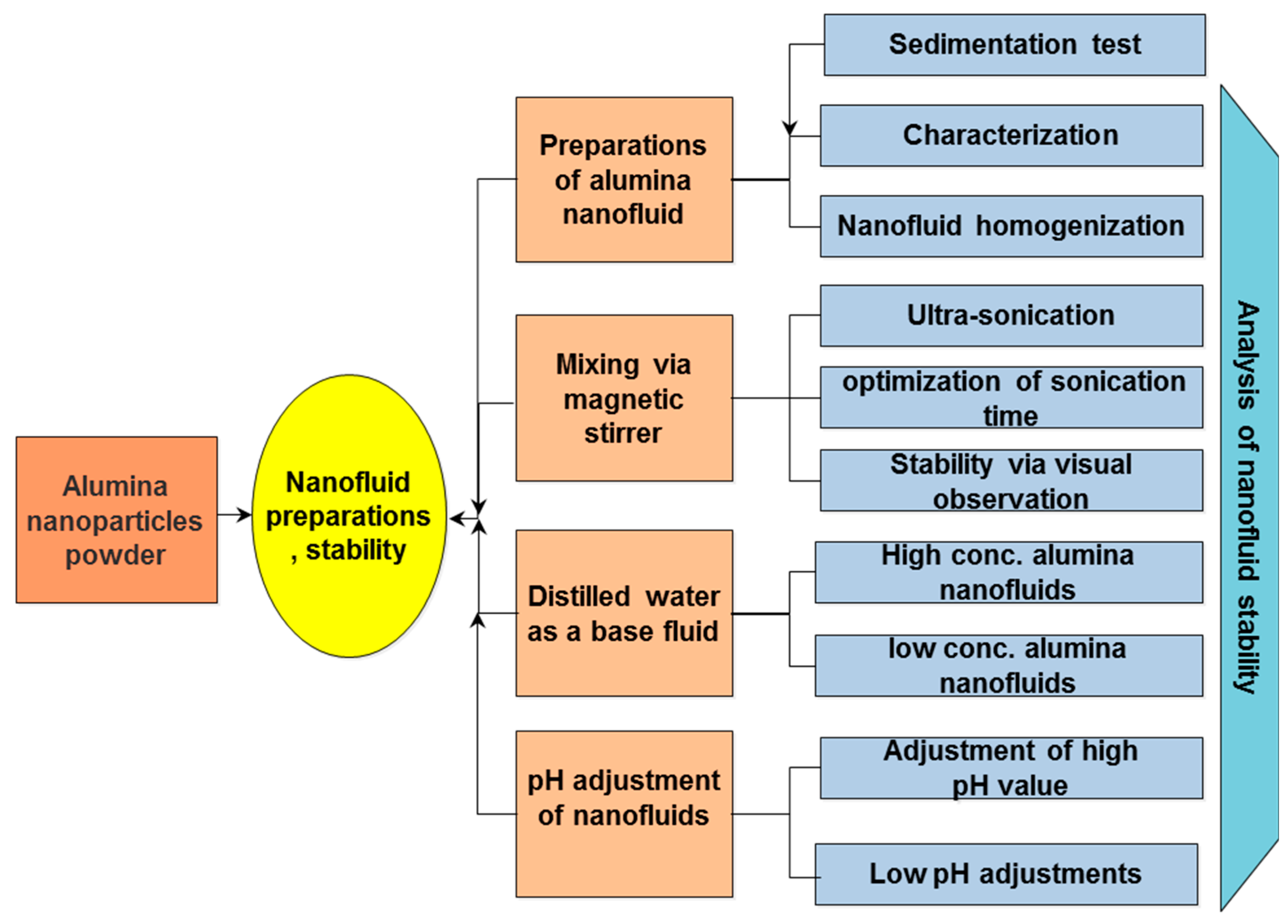
Alumina nanofluids formulated via desired amount of alumina nanoparticle powders and de-mineralized water was used as a base fluid. Alumina nanofluids with varying concentrations (0.05, 0.3, 0.50, 0.75 and 1.0 wt. %) were prepared in which distilled water was added as dispersing agent. The description of the properties of aluminium oxide (Al2O3) nano-powder is provided in Table 1. Afterwards, different concentrations of MB dye (10, 25, 50, 75, and 100 mg/L) were prepared to modify the limestone carbonate rock samples wettability. The lime stone core samples were then aged in alumina nanofluid and MB solutions to modify their wettability. Alumina nanoparticle and methyl blue including sodium chloride (NaCl) were purchased from Sigma-Aldrich. Initially, the nanoparticles were not mixed properly with the base fluids to make a uniform mixture. Thus, to disperse the nanoparticle clusters, the ultra-sonication device was used to increase the stability of nanofluids. An ultrasonic device was used to homogenize the nanofluid for 10 minutes to improve the stability.
Figure 4.
Flow chart illustrates the stable aluminum oxide nanofluid formulation.
3.3. Sample Ageing Procedure
The samples were appropriately clean and dried then immersed into the solutions of methyl blue and alumina nanofluids. The alumina nanofluids and methyl blue were prepared to age the samples. The nanofluids prior to use for ageing were homogenized using magnetic stirrer at 300rpm and ambient conditions of temperature and pressures. Thereafter, the homogenous uniform mixture was formed and the solutions were put in sealed vial bottles to prevent the evaporation of paraffin and solvents. The SML samples chips were then submerged into both of the solutions methyl blue and alumina nanofluids for 7-days. The SML samples treated with methyl blue at concentration of (10, 15, 30, 50 and 100 mg/L) and alumina nanofluid concentration of 0.05, 0.3, 0.50, 0.75 and 1.0 wt. %) respectively.
4. Experimental Methods
4.1. X-ray Diffraction Analysis XRD
Mineral constituents of Sui main lime stone carbonate rocks samples were attained via analytical instruments and the results were analysed using the Xpert-Pro software. For chemical composition of Sui Main limestone, the powdered samples of less than 2 micrometres were prepared and sent to an analytical X-ray diffractometer analyser. Experimental details of X-ray diffraction analysis are explained in our previous studies[2].
4.2. Fourier Transforms Infrared (FTIR) Spectroscopy
Fourier transform infrared (FTIR) spectroscopy is a quick and efficient way of measuring the constituent components in any of the sample. Hence, for this reason in this study the samples of desired sizes were prepared and sent to another Lab for testing. The details about FTIR experimental procedures are explained in[41].
4.3. Surface Features Characterization via Atomic Force Microscopy (AFM)
Samples topographic features were analyzed before and after treating the Sui main limestone samples via AFM. The purpose of these experiments was to examine the samples surface smoothness prior to CA tests. As per experimental set-up requirements, the small cubes of Sui Main limestones samples were cut and then polished via different sand papers. The desired sized for AFM features examination were around 10 × 10 × 2 mm, therefore the sample sizes were further reduced to this aforementioned sizes. Further, for experimental details the readers are referred to our previous published studies[2].
4.4. Surface Morphology via SEM
The Scanning electron microscopy (SEM) tool was used to examine the micro structural and surface features of the Sui main limestone samples to quantify the sample surface morphology that underwent to alumina nanofluid and MB treatments. This technique is used to evaluate the rock surface morphology changes after treating the samples with MB and nanofluids. For this reason, very small cubes of approximately 12 × 12 × 5 mm were cut and prepared with smooth surfaces for analysis. This was performed via precision cutter with varying lengths and widths.
4.5. Wettability Determination via CA Measurement
Contact angle measurement involves the recording of images and analysis of recorded images using image-J software. For this, very basic equipment was used for measuring the contact angle as illustrated in Figure 5. The experimental setup consists of three main components which include the light source, sample placing stage and a camera for image recording. The details about the CA measurement are described in our previous published study[3].The CA measurement follows the four basic steps as describe below:
- The sample stage is carefully flattened so that the dispensed liquid droplets remain aligned on the sample surface.
- Fill the syringe with designated amount of fluid via pumping chamber.
- Dispense the brine drop which stays on the sample surface after deposition. The light is illuminated behind the dispensed drop so that camera can capture the magnified image via optical lens appropriately.
- The captured images via HD camera wereanalysed precisely using the image-J software and the CA was determined with accuracy.
5. Results and Discussions
It is of vital importance to evaluate the trapping mechanism of residual oil and to predict the recoverable oil via wettability modification [42,43,44]. Wettability has a significant importance in every stage of recovery of oil. Thus, the modification of wettability via different treatments can provide favorable environment to enhance the trapped oil recovery. In this regard, the carbonate rock samples of Sui main limestone formation were treated with methyl blue (MB) under different concentrations (10, 25, 50, 75, and 100mg/L) and were also treated by alumina nanofluids (0.05, 0.1, 0.3, 0.75 and 1 wt. %). The aim was to analyze the wetting characteristics of carbonate rocks and assessing their effects by determining the contact angles under ambient pressure, different temperatures (25 and 50 ◦C), and varying NaCl brine salinities (0 M, 0.1 M and 0.3 M).
5.1. Surface Features Evaluation via SEM, Profilometry and AFM
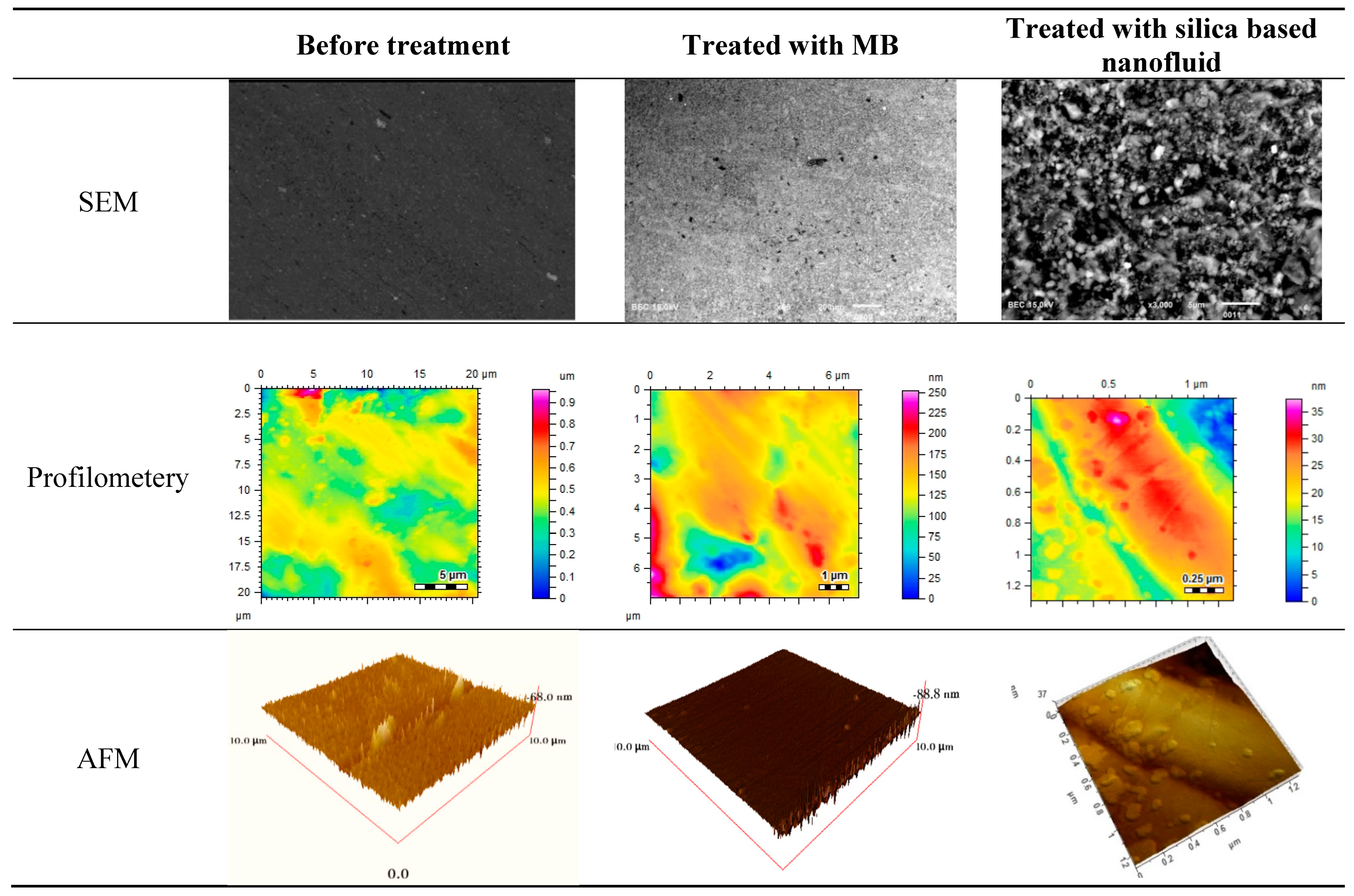
Surface topographic features of Sui main limestone samples were examined via scanning electron microscopy, profilometry and Atomic force microscopy (AFM). The topographic feature (surface profiles) were analyzed before and after treating samples with alumina nanofluids and methyl blue dye under different concentration at ambient temperature and pressures. The profilometry and surface topographies of samples analyzed in this study are displayed in Table 2. It appears that the SEM images prior to treatment are smooth without having spikes and rough surfaces; however, after treating samples with MB and alumina nanofluids their surface topography has changed as it could be seen from images. The alumina nanoparticles o micron sizes of nano scale are visible in almost in SEM to AFM photographs with insignificant particle sizes. Similarly, the corresponding profilometry have shown similar behavior in samples with and without treatments. The study performed AFM experiments, in which shows the root-mean-square (RMS) concerning to the samples studied has shown increase in surface roughness from 26 nm to 85nm for samples aged with alumina nanofluids. However, the samples treated with methyl blue at 100mg/L-concentration, it appears that the peak intensities of samples were decreased because of the methyl blue reaction with surfaces as described in 2D and 3D pictures (Table 2).The findings of this study are similar to some extent with other published work of the authors. For example[45]described in his recent work that the quartz samples surface roughness changed when these quartz samples were treated with acids under different conditions. Similarly,[19] reported that the calcite treated samples with nanoparticles of silica also increases with roughness of samples surfaces which in turn affected with wetting characteristics of calcites. Moreover, other authors also reported the changes in surfaces roughness such as in Arabian carbonates which were aged with crude oil also shown an increase in CA values[46].
5.2. Fourier Transform Infrared (FTIR) Spectroscopy Analysis
The quantification of limestone carbonates was scanned via infrared spectroscopy of treated and untreated samples as shown in Figure 6. The samples were scanned with resolution starting from 400 cm−1 to 4000 cm−1. The FTIR spectrum shows that different peaks are appearing at 999, 1495, and 1795 are indication of existence of calcite[47,48]. This shows that Sui main lime stone carbonate analyzed in this study are mainly composed of Ca as it is present in the form of calcite recognized via absorption bands [13]. The stretching bonds observed at 998, 1499 and 718 cm−1 can be identified as bending modes as of CO-3 bonding to corresponding peaks. The treated and untreated limestone samples peaks to their corresponding compositions are displayed in Figure 6. The peak intensity of these samples was seen changing at 998, 1495 and 3500 cm−1 respectively corresponding calcium and carbon bonding. It appears that the treated samples intensity changed corresponding to their stretching and have shown enlargement in peaks observed.
5.3. Effect of MB on Wettability
The wettability of a material depends on its surface energy and the intermolecular forces between the liquid and the rock surface. Similar to Methyl orange, methyl blue is a synthetic dye which is commonly used by various industrial sectors and is discharged in massive quantity. In this study, the MB treated limestone carbonate rock samples wettability was measured and the results are displayed in Figure 7 and Figure 8 respectively. This shows that CA decreases from 870 to 530 degrees with increasing concentration of MB under both conditions of temperatures. At MB concentration of 10 mg/L at room temperature, it is noticed that the values of CA is 83.70, which is close to the untreated sample contact angle measured at similar temperatures. However, the value of CA at increasing concentrations of MB have shown gradual decline. Generally, the MB possesses an inherent chemical property which modifies the wettability of rock surfaces. The reversal of wettability from oil-wet to water will help in increasing the oil recovery and use of MB simultaneously will helps in mitigating the environmental concerns. The optimum MB concentration noticed was the 100mg/L, where most of the samples contact angle nearly becomes unique thus; it is recommended that the 100mg/L would be the effective MB concentration of methyl blue to modify the wettability of these limestones to achieve the desired effects. Our study results of contact angle alteration are similar to the previous studies in which people treated samples with methyl orange have shown reduction in contact angle values at increasing concentrations[41]. Subsequently the MB dye uses in materials coating industry have prominent application where desired formulations of MB dye alter the surface properties of the material. Hence, in such industries the MB is used along with other chemicals to modify the wettability.
5.4. Effect of Alumina Based Nanofluid on Wettability
Wettability alteration via nanofluid injection is one of the novel techniques to be employed for enhanced recovery of residual oil. Thus, in this study, effect of alumina nanofluids on the wettability alteration of a SML carbonate rocks were experimentally studied under different concentration of alumina nanofluid (0.05, 0.20, 0.50 and 0.80 wt. %. The contact angle results obtained under different conditions are displayed in Figure 9. This shows that the prior to treatment these limestone samples were oil-wet. However, the samples when treated with alumina nanofluids shown a drastic change in their wettability. The contact of these samples were measured using NaCl brine (0 M, 0.1M, 0.3 M) under varying temperatures of 25 and 50 0C respectively. The results show that the contact angle measured initially at lower concentration of alumina nanofluid of 0.0.05wt. %was higher at 25 0C. Subsequently, we noticed that as the concentrations of alumina nanofluid increased to0.30 wt. % the contact angle values reduced (i.e. the wettability modified from hydrophobic to hydrophilic). However, the CA at alumina nanofluids concentration at 1.0 wt. % showed an upward jump. As a result, the ideal concentration of alumina nanofluid is the 0.30 wt. % to modify the wettability from oil-wet to water is recommended which in turn will help in improving the oil recovery. Though, it appears that the increasing concentration of alumina nanofluid is not particularly effective in changing the wetting characterizes of these lime stones. Afterwards, the contact angle was determined using NaCl brine concentration of 0.3 M. This also has shown similar trend in contact angle values determined. It gives the impression that at lower nanofluids concentration the CA was significantly lower and as nanofluid concentration increased to 1.0 wt. % the CA significantly increased. This is due to that fact that nanoparticles were deposited on surface of samples which lead to decreases the surface roughness. For examples[49] performed experiments on Indiana limestone rock samples and have reported the similar wetting behavior of their samples treated with alumina nanofluid.
6. Conclusions
In this study we investigated the effects of new chemical methyl blue an organic pollutant along with varying concentration of alumina nanofluids to use as wettability modifier for Sui main limestone carbonate reservoir rocks samples. The use of organic pollutant (MB) to alter the wetting behavior of these carbonates has multiple advantages. As, it mitigates the dispose of industrial waste water (hazardous substances) into environment, which may contaminate the water table, subsequently use of it modifies the rock wettability. Therefore, the study conducted experiments first by aging the limestone carbonates samples. Afterwards, the CA was measured in air-brine system (0.0, 0.1 and 0.3 M NaCl) pre and post-treated samples with methyl blue (MB) at different concentrations (10, 25, 50, 75, and 100 mg/L). Initially, the CA was measured at ambient conditions, later the CA was measurement was made at an increased temperature of 50 0C and at higher MB concentration (100mg/L). From our results, it appears that the CA measured on MB treated samples wettability is considerably dropped. Although, at high concentration of methyl blue (MB) i.e. of 100mg/L yields significantly more reduction in CA values. Thus, it was found that that increasing the concentration of MB to 100mg/L can significantly alter the limestone rock wettability. Hence, it is found that 100 mg/L concentration of methyl blue (MB) should be considered as an optimum concentration for changing CA from oil wet to water wet. Therefore, an attempt was made to assess the feasibility of organic pollutant disposal into underground for improved oil recovery; subsequently this suggests the safe disposal of hazardous pollutants.
Funding
This research received no external funding.
Acknowledgments
Authors would like to acknowledge the support of the Directorate General of Petroleum Concession (DGPC) Islamabad Pakistan for providing core samples. Also, the authors are thankful to Hydrocarbon Development Institute of Pakistan (HDIP) for lab access. In addition, authors would like to extend gratitude to the Departments of Petroleum, NED University of Engineering and Technology, Karachi for their experimental work and literature support.
References
- Davies, A.; Simmons, M.D. Demand for ‘advantaged’hydrocarbons during the 21st century energy transition. Energy Reports 2021, 7, 4483–4497. [Google Scholar] [CrossRef]
- Shar, A.M.; Ali, M.; Bhutto, D.K.; Alanazi, A.; Akhondzadeh, H.; Keshavarz, A.; Iglauer, S.; Hoteit, H. Cryogenic Liquid Nitrogen Fracking Effects on Petro-Physical and Morphological Characteristics of the Sembar Shale Gas Formation in the Lower Indus Basin, Pakistan. Energy & Fuels 2022, 36, 13743–13752. [Google Scholar] [CrossRef]
- Bhutto, D.K.; Shar, A.M.; Abbasi, G.R.; Ansari, U. Shale Wettability Characteristics via Air/Brines and Air/Oil Contact Angles and Influence of Controlling Factors: A Case Study of Lower Indus Basin, Pakistan. ACS omega 2022. [Google Scholar] [CrossRef] [PubMed]
- Shar, A.M.; Mahesar, A.A.; Abbasi, G.R.; Narejo, A.A.; Hakro, A.A.A.D. Influence of diagenetic features on petrophysical properties of fine-grained rocks of Oligocene strata in the Lower Indus Basin, Pakistan. Open Geosciences 2021, 13, 517–531. [Google Scholar] [CrossRef]
- Ali Abro, W.; Majeed Shar, A.; Sang Lee, K.; Ali Narejo, A. An integrated analysis of mineralogical and microstructural characteristics and petrophysical properties of carbonate rocks in the lower Indus Basin, Pakistan. Open Geosciences 2019, 11, 1151–1167. [Google Scholar] [CrossRef]
- Mahesar, A.A.; Shar, A.M.; Ali, M.; Tunio, A.H.; Uqailli, M.A.; Mohanty, U.S.; Akhondzadeh, H.; Iglauer, S.; Keshavarz, A. Morphological and petro physical estimation of eocene tight carbonate formation cracking by cryogenic liquid nitrogen; a case study of Lower Indus basin, Pakistan. Journal of Petroleum Science and Engineering 2020, 192, 107318. [Google Scholar] [CrossRef]
- Alhamad, F.; Ali, M.; Ali, M.; Abid, H.; Hoteit, H.; Iglauer, S.; Keshavarz, A. Effect of methyl orange on wettability of sandstone formations: Implications for enhanced oil recovery. Energy Reports 2022, 8, 12357–12365. [Google Scholar] [CrossRef]
- Morad, S.; Al-Aasm, I.; Sirat, M.; Sattar, M. Vein calcite in cretaceous carbonate reservoirs of Abu Dhabi: Record of origin of fluids and diagenetic conditions. Journal of Geochemical Exploration 2010, 106, 156–170. [Google Scholar] [CrossRef]
- Paganoni, M.; Al Harthi, A.; Morad, D.; Morad, S.; Ceriani, A.; Mansurbeg, H.; Al Suwaidi, A.; Al-Aasm, I.S.; Ehrenberg, S.N.; Sirat, M. Impact of stylolitization on diagenesis of a Lower Cretaceous carbonate reservoir from a giant oilfield, Abu Dhabi, United Arab Emirates. Sedimentary Geology 2016, 335, 70–92. [Google Scholar] [CrossRef]
- Eslahati, M.; Mehrabianfar, P.; Isari, A.A.; Bahraminejad, H.; Manshad, A.K.; Keshavarz, A. Experimental investigation of Alfalfa natural surfactant and synergistic effects of Ca2+, Mg2+, and SO42− ions for EOR applications: Interfacial tension optimization, wettability alteration and imbibition studies. Journal of Molecular Liquids 2020, 310, 113123. [Google Scholar] [CrossRef]
- Souayeh, M.; Al-Maamari, R.S.; Karimi, M.; Aoudia, M. Wettability alteration and oil recovery by surfactant assisted low salinity water in carbonate rock: The impact of nonionic/anionic surfactants. Journal of Petroleum Science and Engineering 2021, 197, 108108. [Google Scholar] [CrossRef]
- Al-Anssari, S.; Arif, M.; Wang, S.; Barifcani, A.; Lebedev, M.; Iglauer, S. Wettability of nanofluid-modified oil-wet calcite at reservoir conditions. Fuel 2018, 211, 405–414. [Google Scholar] [CrossRef]
- Naik, S.; You, Z.; Bedrikovetsky, P. Rate enhancement in unconventional gas reservoirs by wettability alteration. Journal of Natural Gas Science and Engineering 2015, 26, 1573–1584. [Google Scholar] [CrossRef]
- Safari, M.; Jye, J.W.J.; Rahimi, A.; Gholami, R.; Yisong, L.; Khur, W.S. Salinity adjustment to improve the efficiency of nano glass flakes (NGFs) in interfacial tension reduction. Journal of Petroleum Science and Engineering 2022, 212, 109874. [Google Scholar] [CrossRef]
- Iglauer, S.; Wu, Y.; Shuler, P.; Tang, Y.; Goddard III, W.A. New surfactant classes for enhanced oil recovery and their tertiary oil recovery potential. Journal of Petroleum science and Engineering 2010, 71, 23–29. [Google Scholar] [CrossRef]
- Iglauer, S.; Wu, Y.; Shuler, P.; Tang, Y.; Goddard III, W.A. Alkyl polyglycoside surfactant–alcohol cosolvent formulations for improved oil recovery. Colloids and Surfaces A: Physicochemical and Engineering Aspects 2009, 339, 48–59. [Google Scholar] [CrossRef]
- Golabi, E.; SEYEDIN, A.F.; AYAT, E.S. Chemical induced wettability alteration of carbonate reservoir rocks. 2009.
- Austad, T.; Standnes, D.C. Spontaneous imbibition of water into oil-wet carbonates. Journal of Petroleum Science and Engineering 2003, 39, 363–376. [Google Scholar] [CrossRef]
- Al-Anssari, S.; Barifcani, A.; Wang, S.; Maxim, L.; Iglauer, S. Wettability alteration of oil-wet carbonate by silica nanofluid. Journal of colloid and interface science 2016, 461, 435–442. [Google Scholar] [CrossRef]
- Ekechukwu, G.K.; Khishvand, M.; Kuang, W.; Piri, M.; Masalmeh, S. The effect of wettability on waterflood oil recovery in carbonate rock samples: A systematic multi-scale experimental investigation. Transport in Porous Media 2021, 138, 369–400. [Google Scholar] [CrossRef]
- Iglauer, S.; Pentland, C.; Busch, A. CO2 wettability of seal and reservoir rocks and the implications for carbon geo-sequestration. Water Resources Research 2015, 51, 729–774. [Google Scholar] [CrossRef]
- Wang, S.; Edwards, I.M.; Clarens, A.F. Wettability phenomena at the CO2–brine–mineral interface: implications for geologic carbon sequestration. Environmental science & technology 2013, 47, 234–241. [Google Scholar] [CrossRef]
- Al-Hadhrami, H.S.; Blunt, M.J. Thermally induced wettability alteration to improve oil recovery in fractured reservoirs. SPE Reservoir Evaluation & Engineering 2001, 4, 179–186. [Google Scholar] [CrossRef]
- Deng, X.; Kamal, M.S.; Patil, S.; Hussain, S.M.S.; Zhou, X. A review on wettability alteration in carbonate rocks: Wettability modifiers. Energy & Fuels 2019, 34, 31–54. [Google Scholar] [CrossRef]
- Mohan, K.; Gupta, R.; Mohanty, K. Wettability altering secondary oil recovery in carbonate rocks. Energy & Fuels 2011, 25, 3966–3973. [Google Scholar] [CrossRef]
- Lager, A.; Webb, K.; Black, C. Impact of brine chemistry on oil recovery. In Proceedings of the IOR 2007-14th European symposium on improved oil recovery, 2007; pp. cp-24-00020. [Google Scholar] [CrossRef]
- Saboori, R.; Azin, R.; Osfouri, S.; Sabbaghi, S.; Bahramian, A. Wettability alteration of carbonate cores by alumina-nanofluid in different base fluids and temperature. Journal of Sustainable Energy Engineering 2018, 6, 84–98. [Google Scholar] [CrossRef]
- Nazari Moghaddam, R.; Bahramian, A.; Fakhroueian, Z.; Karimi, A.; Arya, S. Comparative study of using nanoparticles for enhanced oil recovery: wettability alteration of carbonate rocks. Energy & Fuels 2015, 29, 2111–2119. [Google Scholar] [CrossRef]
- Izadi, N.; Nasernejad, B. Newly engineered alumina quantum dot-based nanofluid in enhanced oil recovery at reservoir conditions. Scientific Reports 2022, 12, 9505. [Google Scholar] [CrossRef]
- Murshed, S.S.; Tan, S.-H.; Nguyen, N.-T. Temperature dependence of interfacial properties and viscosity of nanofluids for droplet-based microfluidics. Journal of Physics D: Applied Physics 2008, 41, 085502. [Google Scholar] [CrossRef]
- Lu, T.; Li, Z.; Zhou, Y.; Zhang, C. Enhanced oil recovery of low-permeability cores by SiO2 nanofluid. Energy & fuels 2017, 31, 5612–5621. [Google Scholar] [CrossRef]
- Ali, M.; Shar, A.M.; Mahesar, A.A.; Al-Yaseri, A.; Yekeen, N.; Memon, K.R.; Keshavarz, A.; Hoteit, H. Experimental evaluation of liquid nitrogen fracturing on the development of tight gas carbonate rocks in the Lower Indus Basin, Pakistan. Fuel 2022, 309, 122192. [Google Scholar] [CrossRef]
- Rezvani, H.; Panahpoori, D.; Riazi, M.; Parsaei, R.; Tabaei, M.; Cortés, F.B. A novel foam formulation by Al2O3/SiO2 nanoparticles for EOR applications: A mechanistic study. Journal of Molecular Liquids 2020, 304, 112730. [Google Scholar] [CrossRef]
- Alnarabiji, M.S.; Yahya, N.; Nadeem, S.; Adil, M.; Baig, M.K.; Ghanem, O.B.; Azizi, K.; Ahmed, S.; Maulianda, B.; Klemeš, J.J. Nanofluid enhanced oil recovery using induced ZnO nanocrystals by electromagnetic energy: Viscosity increment. Fuel 2018, 233, 632–643. [Google Scholar] [CrossRef]
- AfzaliTabar, M.; Alaei, M.; Bazmi, M.; Khojasteh, R.R.; Koolivand-Salooki, M.; Motiee, F.; Rashidi, A. Facile and economical preparation method of nanoporous graphene/silica nanohybrid and evaluation of its Pickering emulsion properties for Chemical Enhanced oil Recovery (C-EOR). Fuel 2017, 206, 453–466. [Google Scholar] [CrossRef]
- Patel, A.; Xue, Y.; Hartley, R.; Sant, V.; Eles, J.R.; Cui, X.T.; Stolz, D.B.; Sant, S. Hierarchically aligned fibrous hydrogel films through microfluidic self-assembly of graphene and polysaccharides. Biotechnology and bioengineering 2018, 115, 2654–2667. [Google Scholar] [CrossRef]
- Hill, D.; Barron, A.R.; Alexander, S. Controlling the wettability of plastic by thermally embedding coated aluminium oxide nanoparticles into the surface. Journal of colloid and interface science 2020, 567, 45–53. [Google Scholar] [CrossRef] [PubMed]
- Kadri, I.B. Petroleum geology of Pakistan: Pakistan Petroleum Limited. Karachi, Pakistan 1995.
- Siddiqui, N.K. Sui Main Limestone: Regional geology and the analysis of original pressures of a closed-system reservoir in central Pakistan. AAPG bulletin 2004, 88, 1007–1035. [Google Scholar] [CrossRef]
- Khalid, P.; Ehsan, M.I.; Khurram, S.; Ullah, I.; Ahmad, Q.A. Reservoir quality and facies modeling of the early Eocene carbonate stratigraphic unit of the Middle Indus Basin, Pakistan. Frontiers in Earth Science 2022, 10, 1063877. [Google Scholar] [CrossRef]
- Alhamad, F.; Sedev, R.; Ali, M.; Ali, M.; Hoteit, H.; Iglauer, S.; Keshavarz, A. Effect of methyl orange on the hydrogen wettability of sandstone formation for enhancing the potential of underground hydrogen storage. Energy & Fuels 2023, 37, 6149–6157. [Google Scholar] [CrossRef]
- Pentland, C.H.; Itsekiri, E.; Al Mansoori, S.K.; Iglauer, S.; Bijeljic, B.; Blunt, M.J. Measurement of nonwetting-phase trapping in sandpacks. Spe Journal 2010, 15, 274–281. [Google Scholar] [CrossRef]
- Haghighi, O.M.; Zargar, G.; Khaksar Manshad, A.; Ali, M.; Takassi, M.A.; Ali, J.A.; Keshavarz, A. Effect of environment-friendly non-ionic surfactant on interfacial tension reduction and wettability alteration; implications for enhanced oil recovery. Energies 2020, 13, 3988. [Google Scholar] [CrossRef]
- Nazarahari, M.J.; Manshad, A.K.; Ali, M.; Ali, J.A.; Shafiei, A.; Sajadi, S.M.; Moradi, S.; Iglauer, S.; Keshavarz, A. Impact of a novel biosynthesized nanocomposite (SiO2@ Montmorilant@ Xanthan) on wettability shift and interfacial tension: Applications for enhanced oil recovery. Fuel 2021, 298, 120773. [Google Scholar] [CrossRef]
- Iglauer, S.; Ali, M.; Keshavarz, A. Hydrogen wettability of sandstone reservoirs: implications for hydrogen geo-storage. Geophysical Research Letters 2021, 48, e2020GL090814. [Google Scholar] [CrossRef]
- Arif, M.; Abu-Khamsin, S.A.; Zhang, Y.; Iglauer, S. Experimental investigation of carbonate wettability as a function of mineralogical and thermo-physical conditions. Fuel 2020, 264, 116846. [Google Scholar] [CrossRef]
- Al-Degs, Y.S.; El-Barghouthi, M.I.; Issa, A.A.; Khraisheh, M.A.; Walker, G.M. Sorption of Zn (II), Pb (II), and Co (II) using natural sorbents: equilibrium and kinetic studies. Water research 2006, 40, 2645–2658. [Google Scholar] [CrossRef]
- Nayak, P.S.; Singh, B. Instrumental characterization of clay by XRF, XRD and FTIR. Bulletin of materials science 2007, 30, 235–238. [Google Scholar] [CrossRef]
- Hosseini, M.; Sedev, R.; Ali, M.; Ali, M.; Fahimpour, J.; Keshavarz, A.; Iglauer, S. Hydrogen-wettability alteration of Indiana limestone in the presence of organic acids and nanofluid. International Journal of Hydrogen Energy 2023. [Google Scholar] [CrossRef]
Figure 1.
Sedimentary map of the study area along major tectonic settings of the Pakistan[39].
Figure 1.
Sedimentary map of the study area along major tectonic settings of the Pakistan[39].
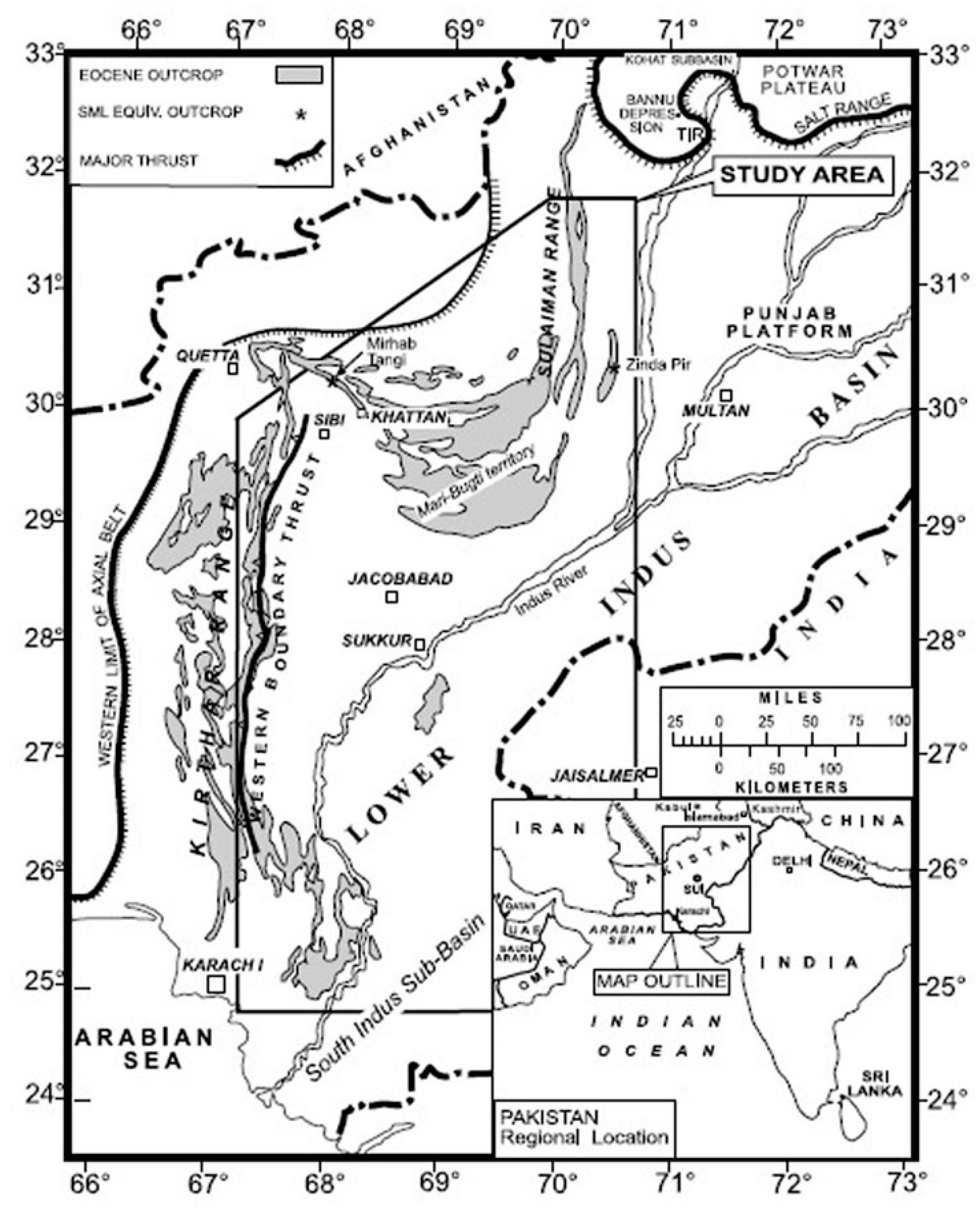
Figure 5.
Illustration shows the contact angle measurement facility.
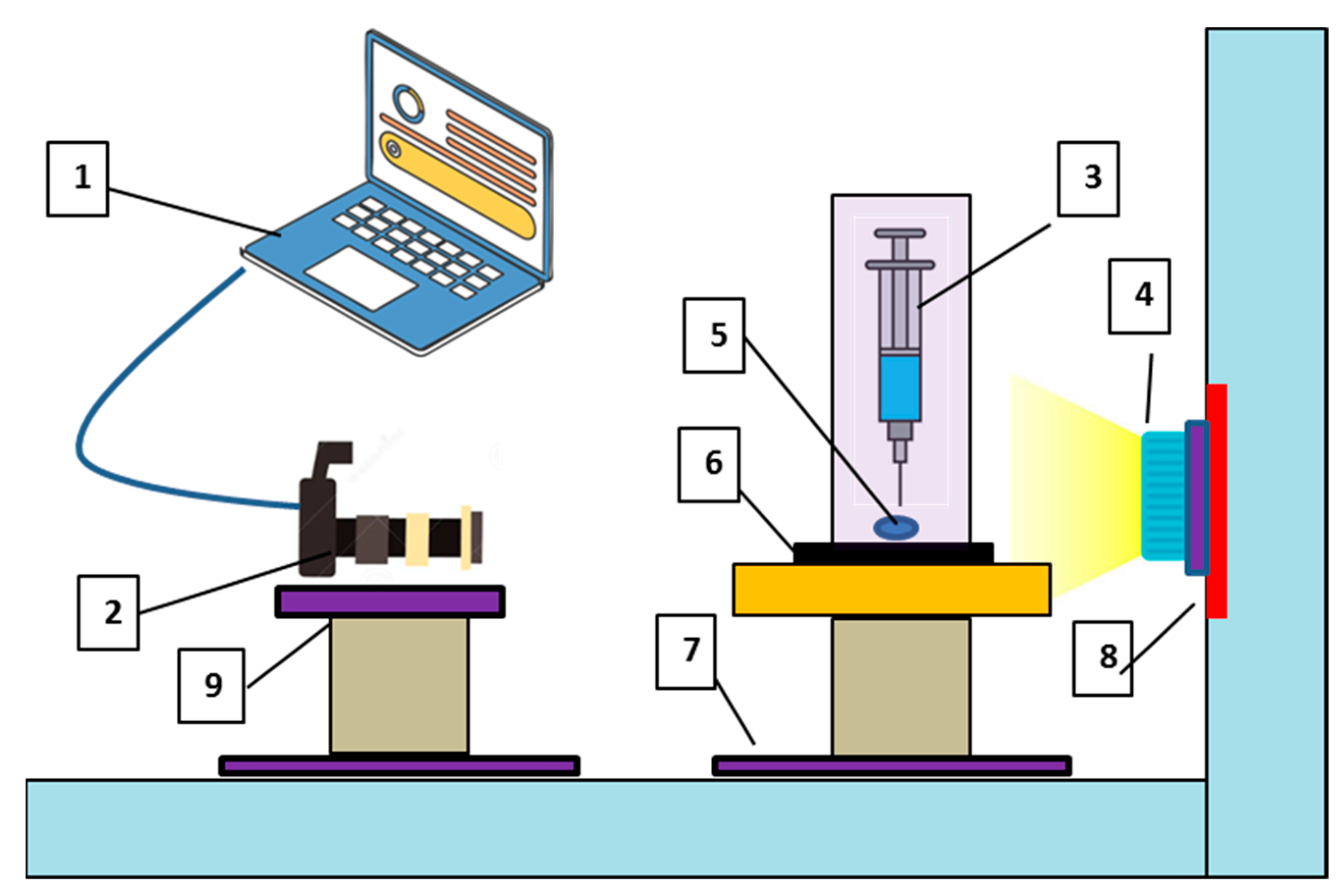
Figure 6.
Illustration shows the Fourier-transform infrared spectra of sandstone core sample without treatment, surface treated with alumina nanofluid and treated with methyl blue (MB).
Figure 6.
Illustration shows the Fourier-transform infrared spectra of sandstone core sample without treatment, surface treated with alumina nanofluid and treated with methyl blue (MB).
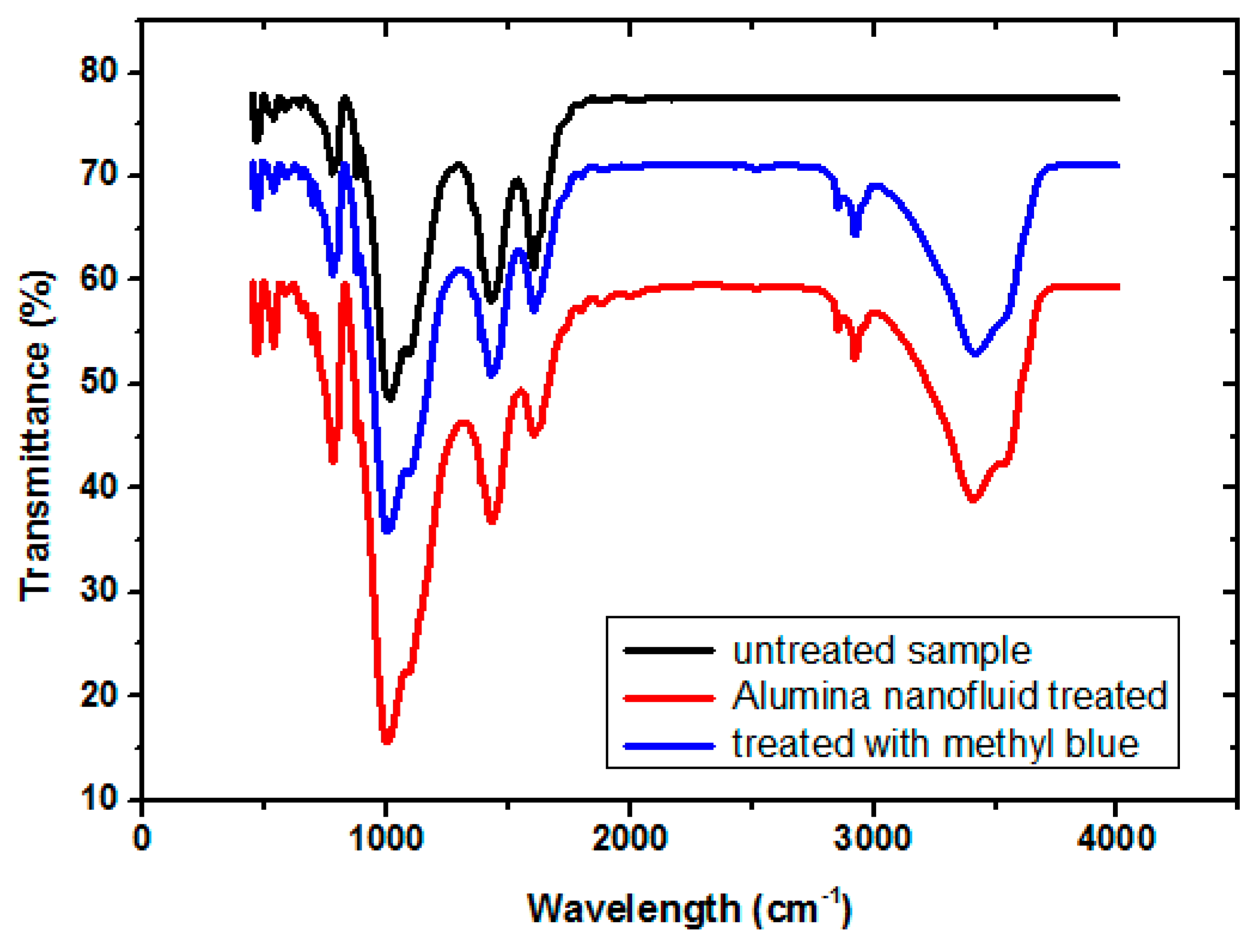
Figure 7.
Contact angle images of the brine droplets of (NaCl) on the MB-treated core sample surfaces at 25 °C (first row) and 50°C (second row).
Figure 7.
Contact angle images of the brine droplets of (NaCl) on the MB-treated core sample surfaces at 25 °C (first row) and 50°C (second row).
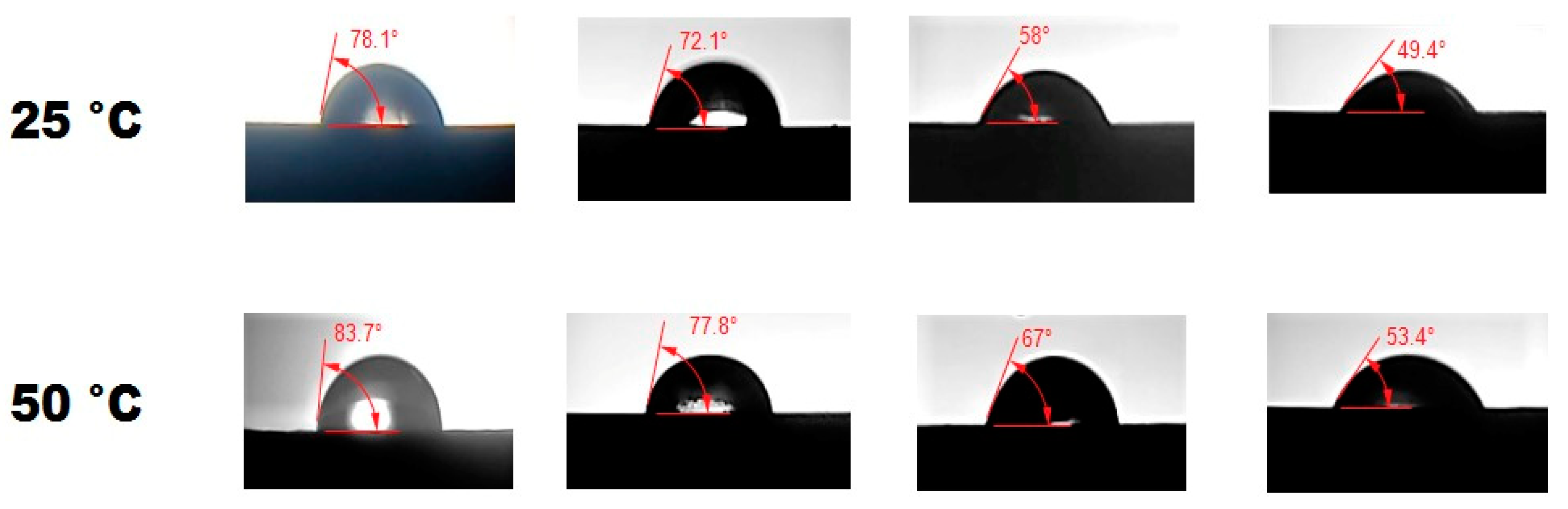
Figure 8.
Influnce of MB treatment on air-brine conatact angle measured as a function of different concentrations.
Figure 8.
Influnce of MB treatment on air-brine conatact angle measured as a function of different concentrations.
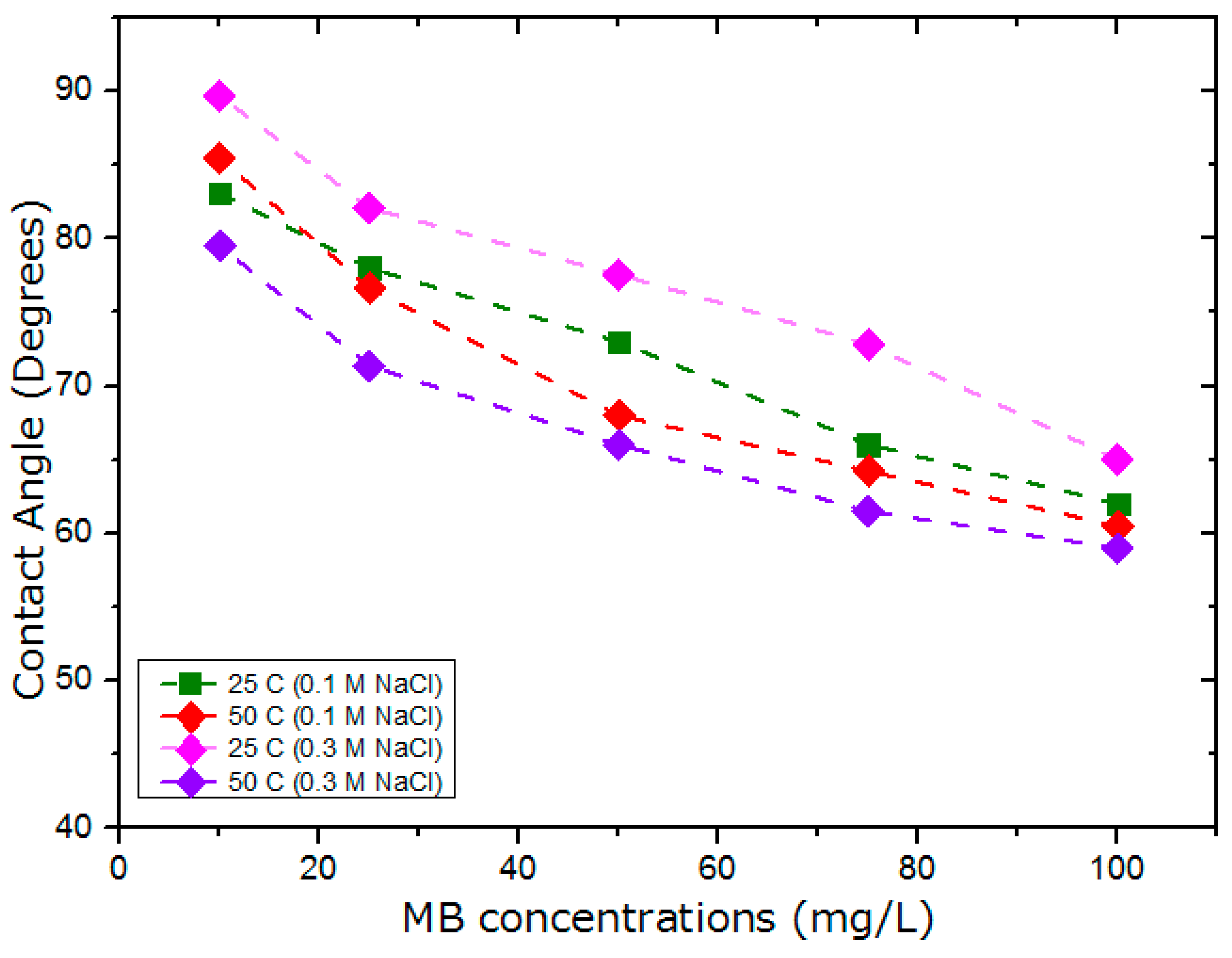
Figure 9.
Effect of alumina nanofluid on the air-brine contact angle measured as function of various concentrations.
Figure 9.
Effect of alumina nanofluid on the air-brine contact angle measured as function of various concentrations.
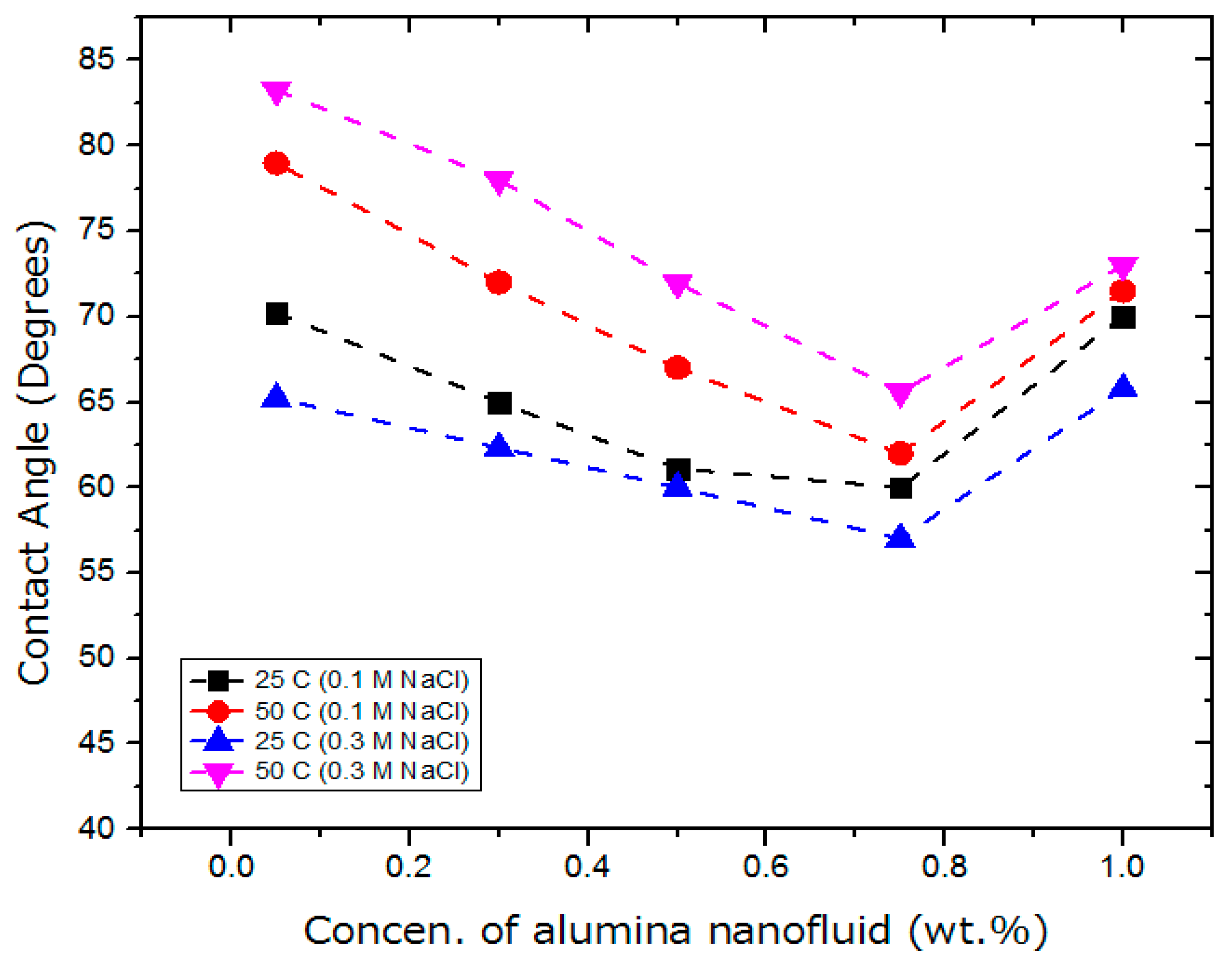

Table 1.
Description of the aluminum oxide (Al2O3) nanoparticle is provided.
| S.No. | Properties | Values (Al2O3) |
|---|---|---|
| 1 | Molecular weight | 101.96 |
| 2 | Form | Solid |
| 3 | Diameter | 25-30nm |
| 4 | Specific surface area | 30-42 m2/g |
| 5 | Purity | 99.96 |
| 6 | Supplier | Sigma-Aldrich |
Table 2.
Illustration shows the results from Profilometry, SEM and AFM images of core samples of Sandstone samples before and after treatment.
Table 2.
Illustration shows the results from Profilometry, SEM and AFM images of core samples of Sandstone samples before and after treatment.
Disclaimer/Publisher’s Note: The statements, opinions and data contained in all publications are solely those of the individual author(s) and contributor(s) and not of MDPI and/or the editor(s). MDPI and/or the editor(s) disclaim responsibility for any injury to people or property resulting from any ideas, methods, instructions or products referred to in the content. |
© 2023 by the authors. Licensee MDPI, Basel, Switzerland. This article is an open access article distributed under the terms and conditions of the Creative Commons Attribution (CC BY) license (http://creativecommons.org/licenses/by/4.0/).
Copyright: This open access article is published under a Creative Commons CC BY 4.0 license, which permit the free download, distribution, and reuse, provided that the author and preprint are cited in any reuse.


