

Submitted:
12 June 2023
Posted:
12 June 2023
You are already at the latest version
Abstract
In the era of disruption, to achieve food sustainability and the SDGs, Indonesia is faced with changes in the values, attitudes, and behavior of the community to be adaptive to environmental and technological changes. This study aims to analyze the factors that influence social transformation in peri-urban communities and their impact on food sustainability and the achievement of SDGs. The research method is a qualitative approach, triangulated by conducting in-depth interviews, field observations, and focus group discussion (FGD) in two districts. The results showed that factors influencing social transformation in peri-urban communities include: strengthening public awareness of the importance of food sustainability, access to information and technology, collaborative synergetic of government, companies, academics, and community participation in decision-making on empowerment programs. This social transformation leads to increased food production and poverty reduction. Private facilitators through CSR programs play a role in achieving food sustainability and achieving several SDG indicators related to poverty. The occurrence of collaborative synergetic between community participation, extension workers, village government, media utilization, academics, and companies contributes significantly to transforming the values, attitudes, and behavior of people managing community resources.
Keywords:
collaboration
; empowerment
; organic farming
; sustainable
1. Introduction
Efforts to achieve the Sustainable Development Goals (SDGs) in transitional communities from rural to urban cultures in the era of disruptive agricultural community life are confronted with issues of food and poverty. In Indonesia, this transition is marked by social transformations in peri-urban communities. The complexity of this transformation arises from the relatively high poverty rates in these communities. The poverty rate in 2020 was 10.19 percent, with 7.88 percent in urban areas, 12.82 percent in rural areas, and a 0.97 percent increase from 2019 [1]. The estimated poverty rate in peri-urban areas is 9.12 percent [1,2].
Studies related to peri-urban areas have been conducted on the relationship between peri-urban regions, with a focus on the relationship between villages and cities [3], in terms of physical, social, and economic aspects [2,4], and the perspective of rural-urban migration [5]. However, none of these studies have analyzed the social transformation aspects related to food and the achievement of SDGs indicators. Nevertheless, they are valuable in understanding the relationship between rural-urban population movements.
The presence of corporate social responsibility (CSR) programs in this research location have developed efforts to empower the community in anticipating the transformation. The research by Sumardjo et al. (2022) demonstrates that participatory and collaborative approaches at the community level play a role in the empowerment of the community and in the efforts to achieve the SDGs [6,7]. Companies that contribute to poverty alleviation and the achievement of SDGs are appreciated in the assessment of the Environmental Performance Improvement Program (Proper) by the Ministry of Environment and Forestry. This encourages companies to play a role in community empowerment in the first-ring impact area of their operational activities [8,9,10].
The synergistic collaborative approach of the hexahelix is considered an innovation in community empowerment in recent developments. This hexahelix collaboration has gained strength in the era of disruption, especially during the COVID-19 pandemic. The hexahelix approach is a development of the synergistic collaboration approach among academicians, businesses, government, and communities (ABG-C) at the local level. Furthermore, there is the development of the pentahelix approach, which involves academicians, businesses, government, communities, and facilitators/change agents [7,9]. In the era of the pandemic, where the role of social media is increasingly important for communication among internal and external stakeholders in building social capital and human capital [11,12,13].
This study focuses on analyzing the factors influencing social transformation in peri-urban communities and their impact on food sustainability and the achievement of SDGs. Within this study, there is a phenomenon of collaborative synergistic hexahelix, which is an extension of the pentahelix plus, with the role of social media through information and communication technology. The role of media is also significant in exploring innovations by stakeholders in their efforts to empower communities through participatory approaches.
In ethnographic research in the field of health, revealed that collaboration can result in the alignment of orientations in addressing critical health issues and encourage stakeholder participation [14]. The hexahelix approach in this study is inspired by the analysis of Beiter et al. regarding such collaborative synergies. This study analyzes the role of information and communication technology (ICT) media in strengthening the collaborative synergistic hexahelix. There are several factors that impact problem-solving solutions, including collaboration among all stakeholders, openness, knowledge about the problem, and communication among stakeholders [15]. Collaboration contributes to better problem-solving outcomes. Adequate conditions such as personnel, time-related resources, or financial conditions play a crucial role in collaboration. Uthoff et al. also emphasize the importance of implementing adequate augmentative and alternative communication (AAC) [15].
White (2023) discusses the importance of social transformation in addressing the main challenges of environmental protection and human rights to advance social and ecological justice [16]. Implicitly, it can be said that White highlights the failure to respond to the problems and consequences of ecocide, which is related to the weakness of inclusion and collaborative synergies. White refers to the Intergovernmental Panel on Climate Change [17], which suggests that in transformations, there are adaptation options that can reduce the risks of crises, particularly the climate crisis, to achieve a just, equitable, and sustainable world. Pörtner et al. inspire the analysis in this study, particularly in relation to adaptation, justice, equity, and sustainability.
Sumardjo et al. examined the social transformation of Indonesian forest communities by mentioning studies presented in various relevant journals at the previous five years that supported the validity of the concept of social transformation [6]. Social transformation was examined from the perspective of participatory research by Erel et al. in 2017. The same participatory methodological approaches were used by Benjamin-Thomas et al. to advance transformational work, particularly in the study of livelihood transitions [18]. The community-based social alterations that are the subject of this study were examined by Spiegel [19]. Van Bruggen used qualitative methods to investigate social transformation in employment-related community-level case studies [20]. To aid in social change, Coy and Rudman used an exploratory strategy [18,21,22]. Maring and Sumardjo et al. used collaborative analysis to examine the transformation of forest communities involving relevant stakeholders [6,23]. This study is a continuation of previous research that emphasizes social transformation in terms of collaborative aspects related to food sustainability and the achievement of SDGs indicators.
According to Sumardjo et al. [24], their study found that in collaboration, the convergence of communication [25,26,27] through dialogical processes [28] in the form of Sodality forums [29,30] among collaborating stakeholders is essential [9]. Sumardjo et al. (2022; 2020; 2019), in their research related to social transformation, found the importance of adaptive attitudes in facing strategic environmental changes [10,24,31,32,33]. These adaptive attitudes encompass four levels, namely filtration power, competitive power, complementary power, and adaptive power, as indications of community resilience and self-reliance.
Munford (2023) found the importance of individuals and interventions from various parties in enhancing community capacity for sustainable change through social transformation [34]. Additionally, the relational approach and partnerships among stakeholders based on mutual respect and trust are crucial. This approach creates meaning in managing local resources independently to face mental challenges towards sustainability. This study utilizes various approaches, at least in the form of hexahelix collaborative synergies among stakeholders involved in community empowerment during the disruptions occurring in peri-urban communities. The researchers examine how the rise of communication and information technology roles has affected social change in the age of disruptions related to food sustainability and the accomplishment of the Sustainable Development Goals (SDGs).
The novelty aspect of this research lies in the analysis related to digitalization and information technology, the concept of sharing economy, and broader community participation. In the era of disruptions, to achieve food sustainability and SDGs, Indonesia faces the need for changes in values, attitudes, and behaviors of society to be adaptive to environmental and technological changes. This research aims to analyze the factors influencing social transformation in peri-urban communities and their impact on food sustainability and the achievement of SDGs
2. Methods
Utilizing qualitative research techniques, this study takes a case study approach. Peri-urban communities in West Java, Indonesia’s paddy and dryland farming regions, serve as the study’s subjects. The main technique used is the cybernetic approach, which is considered reliable for gathering information in qualitative research [31,35,36,37,38]. Triangulation is a method of data collecting in cybernetics that combines observation, in-depth interviews with informants, focus group discussions, and document reviews. Direct and participatory observations are conducted throughout the activities, focusing on the behaviors and activities of the peri-urban community, particularly related to food production, distribution, and consumption. In-depth interviews are conducted with purposively selected respondents. Secondary data is gathered through the examination of activity reports and the analysis of secondary data related to government policies and programs concerning food sustainability and the achievement of SDGs.
Data analysis was conducted qualitatively using a thematic approach for interview and direct observation data. Secondary data was analyzed using a descriptive and interpretive approach. The research instruments used include interview questionnaires, observation guidelines, and document and policy checklists. The research process began with the identification of research locations and the selection of informants, followed by data collection through interviews, observations, FGDs, and document analysis. Subsequently, qualitative and descriptive data analysis was conducted, followed by drawing conclusions and providing policy recommendations.
The validity of the research was achieved through data triangulation from different sources, checks and verification by experts and peers, as well as self-reflection by the researcher on their position, attitudes, and influence on the data and interpretation. This research is expected to contribute to the understanding of social transformation in peri-urban communities in achieving food sustainability and SDG attainment in Indonesia. The locations were selected in peri-urban food communities in paddy farmers in Karawang Regency and dryland farmers in Majalengka Regency. These two communities have the potential to exhibit different forms of social transformation. The observation period took place between July 2019 and May 2023.
3. Results
3.1. Factors Influencing Social Transformation
The main factors contributing to social transformation in peri-urban communities are disruptions resulting from changes in strategic environmental conditions, particularly the conversion of agricultural land for the development of transportation infrastructure, communication facilities, and other economic purposes. The social transformation encompasses the following aspects: (1) the advancement of information technology, (2) the emergence of sharing economies promoting economic justice, (3) changes in social and cultural values, (4) the community’s attitude towards adapting to changes in their strategic environment, (5) behavior based on the awareness of the importance of collaboration, and (6) increased community participation closely linked to their level of empowerment.
The observed social transformation is influenced by various factors, including (1) disruptions caused by changes in the peri-urban community’s strategic environment, (2) increased awareness of the importance of collaborative synergy, (3) access to information and communication technology (ICT), and (4) the level of community empowerment in managing their communal resources. A detailed mapping of these factors is provided in Table 1.
Social transformation regarding the development of information technology is closely related to all factors influencing the process of social transformation. On the other hand, the transformation towards a sharing economy that leads to justice is particularly related to the strengthening of community awareness, collaborative synergy, and the development of community empowerment. The transformation of social and cultural values is closely related to the disruptions caused by the COVID-19 pandemic and the development of ICT, where the longer the pandemic crisis persists, the stronger the transformation process becomes, supported by the access of local figures to ICT. Changes in people’s attitudes towards strategic environmental changes, such as the COVID-19 pandemic and the development of ICT, are closely related to disruptions, the strengthening of awareness, and the development of community empowerment in facing the occurring disruptions. People’s behavior is influenced by the pressures of disruptive situations, access to ICT, perceived collaborative synergy among the community, and the level of community empowerment. The transformation of increased community participation is related to the strengthening of community awareness, access to ICT, collaborative synergy, and the level of community empowerment.
3.2. The Process of Social Transformation in Peri-Urban Communities during the Disruption Era
At the time of this study, the occurrence of disruption was triggered by two main factors: the COVID-19 pandemic and the rapid development of information and communication technology (ICT). Disruption can be described as the unpreparedness of communities to face the pandemic crisis and access digital communication, particularly through Android-based social media. Social transformation becomes a strong demand in dealing with such disruption. In the disruption era, peri-urban communities face high uncertainty regarding the impacts of the pandemic crisis and all economic strata experience paralysis. The lower strata of society face confusion regarding rules and various social restrictions that limit their ability to earn a living, lack the certainty of time, and have limited face-to-face interactions. Even when the pandemic subsides, and the government declares entry into a new post-pandemic era, warnings about the threats posed by new COVID-19 variants continue to color the disruption.
There is a relationship between the process of social transformation and the types of transformation that occur in peri-urban communities in the era of disruption. Certain types of transformation show a correlation with specific transformations. In detail, this can be seen in Table 2, which illustrates the relationship between types and processes of social transformation in peri-urban communities during the era of disruption. There are at least six types of social transformation in peri-urban communities, including transformations related to: (1) digital information technology, (2) sharing economy leading to partnership synergy, (3) cultural and social value orientations, (4) community attitudes towards changes in their strategic environment, (5) behavior based on awareness of the importance of collaboration, and (6) increased participation closely related to the level of community empowerment. Each type of transformation exhibits distinct social transformation processes as presented in Table 2.
There are at least five distinct transformation processes associated with these types of transformations, namely: (1) collaboration, (2) adaptation, (3) synergy, (4) digitalization, and (5) sustainability. The detailed relationship between types and processes of social transformation can be further explained as follows:
First, the development of information technology plays a crucial role in transforming the way peri-urban communities interact with fellow farmers and partners through social media platforms, as well as accessing information and technologies that can meet the market demands for agricultural products. Social transformation is heavily influenced by the significant role of technology in shaping and changing social structures, as well as its impact on social and cultural aspects. The transformation of social structures in agricultural communities is influenced by the limited access to agricultural land resources and the awareness of the need for sustainable food production, with a long-term goal of reducing poverty. The process of farmer/community education and online marketing is greatly supported by the presence of ICT [39,40,41,42]. In dryland areas, the transformation of social structures leads to collaborative synergy among community members in managing limited backyard land. The cultural transformation in both the paddy field and dryland communities focuses on the agricultural innovation values that can be accessed by local influential figures, particularly from the younger generation. These influential figures play the role of local champions as they build markets for agricultural products and disseminate agricultural information/innovations through social media and ICT. Farmer groups act as a forum through social media, serving as a platform for sharing information, collaborative learning, and business cooperation among farmers and their partners. These partners include agricultural extension officers, input suppliers, and agricultural product marketers.
The development of digital technology has accelerated the adoption of digital tools in various community activities, especially through social media. Communities, through the role of local influencers with access to smartphones, are increasingly utilizing digital services for work, learning, shopping, and socializing. This has influenced the way people interact, communicate, access information, and has led to shifts in values such as openness to technology, understanding of the digital world, and the need for digital literacy.
Second, the sharing economy can be observed among farmers and their partners in utilizing natural and social resources collectively and sustainably. This sharing economy has become a significant aspect of social transformation in peri-urban communities. Business models such as vehicle sharing, accommodation sharing, and other forms of economic cooperation have transformed the traditional economic paradigm, which was previously oriented towards subsistence and non-collaborative economies. Each participating party contributes in accordance with their respective capabilities, ensuring that benefits are proportionate to needs and contributions and encouraging justice and equity for all parties. This sustainable collaboration can only occur when there is synergy among the collaborating parties, namely the farmers and their partners.
Third, the transformation of cultural values in peri-urban communities in Indonesia during the era of the COVID-19 pandemic can be described as follows. There has been a shift in cultural values towards a greater concern for following health protocols. People have become more aware of the importance of maintaining individual, family, and collective health, as well as taking preventive measures such as handwashing, wearing masks, and practicing physical distancing. Places of worship are also subject to health protocol regulations, and events such as weddings and other celebrations have been canceled. As the new normal approaches, these health protocols are gradually relaxed but still followed. There is a strengthening of solidarity and mutual cooperation among community members in peri-urban areas. Forms of cooperation include assisting those who are economically affected by donating food, daily necessities, or providing moral support. These activities demonstrate an increase in empathy and concern for others. There has been a change in work patterns, with a shift towards more flexible work arrangements such as working from home or using hybrid online-offline work models. This has transformed how individuals, groups, or collectives work, collaborate, and interact in the workplace. Values such as adaptability, self-reliance, and discipline are considered increasingly important.
Fourth, the attitude of adaptability and flexibility is crucial for communities in peri-urban areas to cope with the disruptive era caused by changes in the strategic environment. Social transformation is influenced by the capacity for flexibility and adaptability in facing these changes. The ability to adapt quickly and overcome new challenges becomes the focus of the social transformation process. The transformation of values and attitudes of community adaptation in this context includes filtering ability, competitiveness, compatibility, and adaptability. This aligns with the research conducted by Sumardjo et al.[32,33]. Figure 1 shows the precise transformation of community values and attitudes.
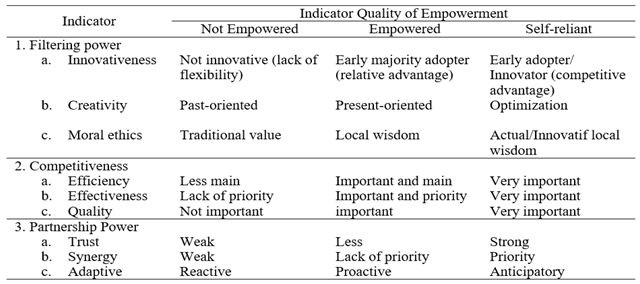
Related to the transformation of attitudes and behaviors of adaptation, it can be explained in Table 3. The transformation of values and attitudes of adaptation moves through three levels of community empowerment, namely from ‘less empowered’ transforming into ‘empowered’ and ultimately reaching the pinnacle of becoming ‘self-reliant’ communities. Self-reliant communities are characterized by sustainable empowerment with indications of the ability to synergistically collaborate with various stakeholders for food sustainability and the achievement of Sustainable Development Goals (SDGs). These results support and add to those of Sumardjo et al [6,7,33]. The term ‘filtering power’ refers to the ability to make appropriate decisions based on broad and up-to-date insights in managing agricultural businesses. ‘Competitiveness’ denotes the ability to behave increasingly efficiently and effectively in managing the potential of natural and social resources that can be accessed. partnership power’ represents the ability to develop collaborative synergies between the peri-urban community and its partners. Meanwhile, ‘daya adaptasi’ signifies the ability to think and act progressively in anticipating the trends of strategic environmental changes in the lives of peri-urban communities.
Fifth, behavioral transformation in society aligns with the increasing awareness of sustainable hygiene practices. Society’s behavior is related to changes in knowledge, attitudes, and actions [43,44,45]. Peri-urban communities have become more concerned about utilizing their yards for urban farming, and maintaining cleanliness in their living spaces, the surrounding environment, and public areas. There has been an increased interest in a more pragmatic lifestyle, waste management for agriculture, and the selection of environmentally friendly products. Additionally, social activities are predominantly conducted online or on a smaller scale. Society has learned to adapt to these limitations and has found new ways to maintain social connections through digital communication, particularly through the use of Android-based platforms.
Four forms of community adaptation to environmental changes and innovation in backyard utilization were identified by Sumardjo et al.’s study [32,33] as follows: (1) apathetic type; (2) reactive type; (3) proactive type; and (4) anticipatory type. Additionally, this progression shows growing tolerance to the ongoing changes. These results are consistent with those of Sumardjo et al. (2018), who focused on engaging families in the cultivation of organic medicinal plants. The detailed profiles of communities based on their adaptation types to environmental changes are as follows: (1) Apathetic type: This type is observed among participants from low education and income backgrounds, representing the lower socioeconomic strata. Their adaptation depends on interventions from external parties. They adjust to empowerment initiatives that are primarily influenced or pushed by outside parties, such as the facilitator and local cadre positions. (2) Reactive type: People of this type tend to have just a basic level of education, to come from the lower-middle socioeconomic strata, and to have a socialistic inclination. They adjust in reaction to perceived hazards and the information-sharing responsibilities of other players in the implementation of innovative urban farming techniques for medicinal plants. (3) Proactive kind: Participants with medium to high levels of education, reasonably cosmopolitan backgrounds, and access to local cadres or facilitators’ knowledge are examples of this type. After gathering knowledge from easily accessible sources, such as local community leaders, facilitators, and business partners, they quickly adopt attitudes and take action. These people frequently participate actively in empowerment initiatives, have sufficient knowledge and skills, and have a favorable outlook on potential business risks. (4) Anticipatory type: This type primarily occurs among local figures who have developed an adaptive attitude. These influential figures have relatively higher levels of education and cosmopolitan backgrounds. They have access to digital information, such as cyber extension services, and actively communicate with facilitators, as well as acquire information from the internet. They are able to take in data from a variety of sources and organize their operations while taking into account understanding of the potential effects of changes and risks that might be concerned.
Participants in family empowerment need to enhance their adaptive attitudes, notably by being more proactive and anticipatory rather than reactive, in order to reduce the business risks. Families’ adaptive attitudes have been successfully reinforced by the support and direction given during family empowerment events, changing them from being mostly reactive and indifferent to proactive and anticipatory.
Sixth, social transformation in peri-urban communities is evident through increased community participation. Participation is a crucial component in the empowerment process that leads to social transformation [9,46,47]. Communities now have increased access to technology and information in the age of disruption, allowing for broad participation in social transformation. This indicates that social transformation emphasizes the importance of active community participation in social and cultural changes, particularly in terms of values related to paddy and dryland agriculture, attitudes towards sustainable food needs, and poverty reduction.
3.3. Collaboration in Hexahelix for Social Transformation in Peri-Urban Communities
The collaborative approach is a key factor in the social transformation process of peri-urban communities in response to environmental changes. Current theories of social transformation increasingly emphasize the need for collaborative approaches in addressing these changes. In this study, the hexahelix collaboration among partners in the empowerment process of peri-urban communities was identified. This approach serves as a catalyst for sustainable food security and the achievement of SDGs, particularly in relation to poverty reduction.
Sustainable social transformation in peri-urban communities is realized through the synergy of collaborative efforts between the government, business sector, community organizations, academia, change agents (facilitators), and media communication, with active participation from various stakeholders to achieve the goals of food security, sustainability, and SDG attainment. The roles of each party are as follows:
At the peri-urban community level, academics have played a central role in both communities studied, which is to develop community participation from a state of powerlessness towards community empowerment. This central role involves integrating various community partners to realize the hopes and future of the community, particularly in the areas of food and poverty alleviation, through strengthening access to information and innovation for social transformation. In general, academics have a role in generating knowledge and research findings that are relevant to support social transformation. Academics with a participatory approach have conducted studies and analyses on disruptions, and the impacts of disruptions, identified community-level solutions and provided policy recommendations at a broader level to the government. Additionally, academics produce change agents, such as facilitators or community empowerment practitioners, who can interact directly with the community.
The real role of these change agents is to strengthen access to information, training, and the capacity building of human capital and social capital to implement positive changes in community life. The government has a role in legitimizing community programs that align with policies supporting social transformation in the era of disruption. The government can legitimize regulations developed participative by the community aimed at improving community welfare and addressing challenges, including the COVID-19 pandemic. The business sector, utilizing funds from Corporate Social Responsibility (CSR) programs, has played a significant role in social transformation by funding community empowerment programs in collaboration with academics. This is the responsibility of businesses to be socially and environmentally responsible, especially in the areas affected by their operational activities. Community empowerment programs adopt sustainable business models, support local communities, and invest in positive technological innovations. Additionally, businesses can provide employment opportunities, training, and economic opportunities that strengthen community self-reliance. Communities and community organizations, including non-profit organizations, NGOs, and local community groups, play a role in mobilizing and strengthening community participation in social transformation. Communities are positioned as subjects in social transformation towards sustainable food security and the achievement of SDGs, particularly poverty reduction, through capacity building in community empowerment.
The media plays a crucial role in disseminating information, raising awareness, and shaping public opinion. Through news coverage, educational programs, and social media platforms, the media can communicate important issues such as health, the environment, or innovation, and provide a platform for various stakeholders to share their perspectives and experiences. Concrete manifestations of this role are easily accessible to the community, especially through platforms like WhatsApp and YouTube. These media platforms are preferred because they are easily digestible, searchable, and require less time. The younger generation plays a role in accessing communication media and bridging the need for information and innovation through media forums. These media forums take the form of WhatsApp groups and farmer groups.
The importance of sustainability becomes a shared value orientation among collaborating parties in facing the era of disruption. Sustainability is a primary concern in social transformation theory. Social, cultural, economic, and environmental sustainability are crucial elements in achieving sustainable changes. In the social transformation of peri-urban communities, efforts are needed to integrate sustainability aspects into the strategies and goals of social transformation, namely the sustainability of meeting food needs and reducing poverty within the framework of achieving the SDGs.
3.4. The Impact of Social Transformation
Rice fields in Karawang
- (1)
- Economic Benefits
In the rice fields of Karawang, the economic benefits of the ‘Jejak Setapak’ Program can be seen through a 5.2 percent increase in harvest yields. There has been an improvement in harvest yields from the pre-Covid-19 period in 2019 compared to the post-pandemic period in 2023. The harvest yield per three months in 2019 amounted to Rp 225,192,000. The farmers’ harvest yield increased in 2023 to Rp 237,589,000. Through organic farming systems, in addition to a 5.2 percent increase in food production, there is a cost-saving of Rp 326,000 per farmer per hectare. Apart from organic rice, the peri-urban community has also developed urban farming using aquaponics systems in their backyard spaces. Through aquaponics, members of the peri-urban farming group obtain an additional monthly agricultural income of Rp 948,000 per household.
- (2)
- Social Benefits
The peri-urban community empowerment program in rice farming has the following social advantages: (1) Creation of social institutions, such as farmer groups acting as a forum for cooperation, learning from one another, and strengthening relationships between farmers and outside stakeholders. (2) The functioning of the “Saripati Tani” cooperative is to serve the farmers’ needs in farming activities, marketing agricultural products, and providing sources of capital for farming ventures. Another social benefit is the reduction of poverty through the employment of 15 unemployed workers between 2019 and 2022. The empowerment program has also been replicated by five other villages that were inspired by the collaborative efforts of the hexahelix collaboration in Plawad Subdistrict.
The peri-urban community empowerment in Plawad Subdistrict involves 46 farmers who are members of the “Paguyuban Saripati Tani” (Saripati Farmers Association). The farmers utilize 6.75 hectares of land for organic farming and maintain four ponds for aquaponics cultivation. Regular assistance is provided by academics, funded through the corporate social responsibility (CSR) program of a company, in coordination with the participatory involvement of the village government, district office, community members, change agents/facilitators, and media.
- (3)
- Environmental Benefits
One of the main missions of the “Jejak Setapak” community empowerment program is to transform conventional agriculture from chemical fertilizer use to environmentally friendly organic farming. Over the course of three years, 6.75 hectares of paddy fields have been developed using organic farming practices. The implementation of organic farming also involves the utilization of organic waste, such as animal manure. In 2022, 20.25 tons of animal manure were utilized for composting, 1,000 kg of wild plants for natural pesticides, and 394 kg of kitchen waste and rotten plants/fruits for the production of local microorganisms (mol). These materials support soil fertility improvement in the cultivation of organic rice under the Jejak Setapak program.
In this program, farmers are also introduced to the use of water hyacinth as a biofilter, which helps mitigate the deterioration of wastewater quality below the established threshold. Water hyacinth can remove phenolic compounds from water bodies at a rate of 160 kg/ha within 72 hours, and it can also absorb other compounds such as phosphorus, ammonium, lead, mercury, and cobalt. Another positive environmental impact is the reduction of straw burning by 36.75 tons. Straw burning can produce harmful carbon gases, with 1,068 kg of CO2 emitted per 1 kg of burned straw. Thus, the utilization of 36,750 kg of straw has contributed to a reduction of 39,249 kg of CO2.
These efforts will continue to be enhanced to have a broader impact. The implementation of organic farming, which improves the quality of paddy soil in Karawang, plays a significant role in ensuring national food security. The participation of farmers and youth offers a new hope for Indonesia in the sustainability of the community’s staple food supply.
Backyard Gardens in Majalengka
- a.
- Economic Benefits
Community empowerment on dry lands focuses on optimizing the use of backyard gardens and dormant lands around peri-urban settlements. The economic impact of this empowerment program is derived from the sale of fresh organic products harvested from group demonstration plots, processed food products from the harvested crops, sales of solid organic fertilizers, and the value of liquid organic fertilizers and local microorganisms used by the group for horticultural cultivation. The income per household of farmers has changed from 0 rupiah to Rp. 3,008,850. This income is generated from the sales of liquid organic fertilizers (LOF), solid organic fertilizers (SOF), fresh agricultural products, local microorganisms (MOL), and processed products, totaling Rp 30,086,850, as detailed in Figure 3.
- c.
- Social Benefits
The social impact of the peri-urban community empowerment program on dry lands is reflected in the establishment of collaborative partnerships between the Department of Food Security, Agriculture, and Fisheries of Majalengka Regency, government agricultural extension agencies (District Agricultural Extension Centers), as well as the Village Governments of Bongas Wetan and Cidenok, CARE IPB as an academic institution, PT Pertamina EP, and community leaders.
This collaboration is manifested in activities such as horticultural agricultural education, utilization of backyard lands, organic waste management, and positive conflict management. Furthermore, this collaboration has resulted in the functioning of women farmer groups (KWT), youth farmers, and their cooperation with government agencies and other relevant stakeholders in order to achieve institutional self-reliance.
Both direct and indirect participants can be utilized for measuring the program’s social impact. Members of women farmer organizations and young farmers who were previously unemployed but now have jobs to raise their family’s income are the program’s direct participants. They also acquire horticultural cultivation skills. On the other hand, the indirect beneficiaries are community members who are involved or receive extension education through the women farmer groups and youth farmers. An overview of the direct and indirect social impact beneficiaries can be seen in Figure 4.
The environmental/ecological benefits of this program are derived from the total amount of processed liquid organic waste into local microorganisms and liquid organic fertilizer, solid organic waste transformed into solid organic fertilizer, and the total area of unused land being utilized. The reduction of organic waste by 750 kg has the potential to decrease the amount of methane gas (CH4) emissions by 0.0004 Gg/year or equivalent to 7.88 tons of CO2 equivalent per year.
3.5. Program Achievements Towards SDGs
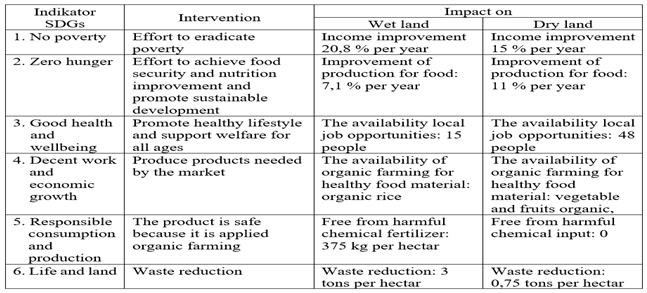
The community empowerment program not only has an impact on social transformation as previously described but also has a positive impact on (1) the sustainability of organic food and (2) the achievement of six SDGs indicators. The six SDGs indicators are: life on land, no poverty, zero hunger, good health and wellbeing, decent work and economic growth, and life on land. The program seems to be more supportive of long-term economic viability in paddy fields while being more supportive of long-term environmental sustainability on dry land. Both in dry land and paddy fields, the program is conducive to social sustainability.
Peri-urban community empowerment has been proven effective in achieving various aspects of SDGs. Findings from Sumardjo et al. revealed that empowerment has an impact on economic, social, and environmental sustainability, aligning with the objectives of the empowerment program [10]. Community-based empowerment is an effective approach to enhance efforts towards achieving SDGs. Table 4 provides more specific achievements for the six SDGs.
4. Conclusions and Implications
Conclusions:
- Efforts in empowering agricultural communities in peri-urban areas have had an impact on six types of social transformations, including transformations related to: (1) the utilization of digital information technology, (2) a sharing economy that promotes partnership synergy through hexahelix collaboration, (3) Transformation of attitudes and socio-cultural values in response to the Covid-19 pandemic crisis towards the post-pandemic era, (4) community attitudes towards changes occurring in their strategic environment, (5) Behavioral changes in society based on an increased awareness of the importance of synergy and collaboration, and (6) The degree of community empowerment is strongly related to increased community participation.
- The social transformation process is influenced by several factors, including: (1) disruptions caused by the dynamics of changes in the peri-urban community’s strategic environment, triggered by the COVID-19 pandemic crisis and ICT developments, (2) an increased awareness of the importance of collaborative synergy in empowerment, (3) the accessibility of various collaborative parties to ICT, and (4) the development of the community’s empowerment level in managing the potential resources of their community.
- The community empowerment program not only has an impact on social transformations but also has positive effects on (1) the sustainability of organic food and (2) the achievement of the six SDGs indicators. Responsible consumption and production, no hunger, no poverty, decent work and economic growth, good health and well-being, and life on land are the six SDG indicators. In paddy fields, there is a more conducive environment for economic sustainability, while in dry land, the impact is more conducive to environmental sustainability. Both paddy fields and dry land are conducive to social sustainability.
Implications:
- The positive impact of transformation is triggered by hexahelix collaboration in the process of participatory social intervention through community empowerment. In this regard, the role and integrity of academics are needed to act as integrators, prioritizing inclusive values among collaborators.
- Clarity among collaborative partners is essential in social interventions, particularly regarding the orientation of community empowerment goals. The desired orientation includes clear indicators of SDGs achievement that align with the needs and accessible resources.
- The development of inclusive and participatory approaches is crucial for the sustainability of the social, economic, and environmental impacts of community empowerment interventions. The inclusive orientation developed by collaborators becomes the key to achieving the desired social transformation in peri-urban communities through hexahelix-based empowerment interventions.
- These recommendations highlight the importance of collaboration, clarity, and inclusivity in community empowerment interventions. By implementing these recommendations, stakeholders can enhance the effectiveness and sustainability of their interventions, leading to positive impacts on social, economic, and environmental aspects in peri-urban communities.
Author Contributions
Conceptualization, S; methodology, S; validation, S., A.F., and L.D. All authors contributed to the writing and revising of the manuscript. All authors have read and agreed to the published version of the manuscript.
Funding
This research was funded by The Directorate of Research and Community Service, Directorate General of Higher Education, Research, and Technology, Ministry of Education, Culture, Research, and Technology, grant number 001/E5/PG.02.00.PL/2023
Institutional Review Board Statement
Not applicable.
Informed Consent Statement
Not applicable.
Data Availability Statement
Not applicable.
Acknowledgments
Thank you to The Directorate of Research and Innovation at IPB University for facilitating this research, as well as local partners (Field Facilitators and Village Heads) who have helped during data collection.
Conflicts of Interest
The authors declare that there are no potential conflicts of interest regarding the research, authorship and/or publication of this article.
References
- “BPS: Tingkat Pengangguran Terbuka sebesar 5,83 Persen pada Februari 2022 - Data Tempo.co.” https://data.tempo.co/data/1419/bps-tingkat-pengangguran-terbuka-sebesar-583-persen-pada-februari-2022 (accessed Sep. 03, 2022).
- H. Zulfinanda, N. N. Pratiwi, and A. Wulandari, “Analisis Tipologi Wilayah Peri Urban Berdasarkan Aspek Fisik di Kecamatan Sungai Raya Kabupaten Kubu Raya,” JeLAST : Jurnal PWK, Laut, Sipil, Tambang, vol. 7, no. 3, pp. 1–10, 2020.
- K. D. R. Sari and E. B. Santoso, “Analisis Keterkaitan Wilayah Peri Urban di Kabupaten Gresik dengan Wilayah Desa-Kota di Sekitarnya,” Jurnal Teknik ITS, vol. 6, no. 2, Sep. 2017. [CrossRef]
- N. N. Pratiwi, “Korelasi Antar Aspek Pembentuk Tipologi Wilayah Peri Urban Kecamatan Sungai Raya,” TATALOKA, vol. 25, no. 1, pp. 13–23, Feb. 2023. [CrossRef]
- Z. Rosyidi and B. U. Aulia, “Pola Keterkaitan Kota-Desa dari Segi Pergerakan Orang Antara Kota Mojokerto dengan Wilayah Peri Urban di Kabupaten Mojokerto,” Jurnal Teknik ITS, vol. 8, no. 2, Jan. 2020. [CrossRef]
- Sumardjo, A. Firmansyah, and L. Dharmawan, “The Role of Extension and Local Champions in Empowering Coastal Communities For Achieving SDGs,” The Seybold Report, vol. 17, no. 11, pp. 1639–1651, 2022.
- Sumardjo, A. Firmansyah, and L. Dharmawan, Pemberdayaan Urban Farming Pada Masyarakat Peri-Urban sebagai Upaya Pencapaian SDGs, 1st ed. Bogor: IPB Press, 2022.
- S. Sumardjo, A. Firmansyah, and L. Dharmawan, “Organic Farming for Sustainable Development in Peri-Urban Community,” in Proceedings of the 2nd International Conference on Rural Socio-Economic Transformation: Agrarian, Ecology, Communication and Community Development Perspectives, RUSET 2021, 14-15 September 2021, Bogor, West Java, Indonesia, EAI, 2022. [CrossRef]
- Sumardjo, A. Firmansyah, and L. Dharmawan, “Sodality in Peri-Urban Community Empowerment: Perspective of Development Communication and Extension Science,” Sodality: Jurnal Sosiologi Pedesaan, vol. 9, no. 1, pp. 29–41, Aug. 2021. [CrossRef]
- Sumardjo, A. Firmansyah, and Manikharda, “Organic Medical Plants Urban Farming Based on Family Empowerment on Bekasi , West Java,” Journal of Hunan University, vol. 47, no. 12, 2020.
- P. Bourdieu, “The forms of capital,” in Handbook of Theory and Research for the Sociology of Education, J. Richardson, Ed., Westport, CT: Greenwood, 1986. [CrossRef]
- R. D. Putnam, “Social capital and public affairs,” Bulletin of the American Academy of Arts and Sciences, 1994, [Online]. Available: https://www.jstor.org/stable/3824796.
- M. Woolcock and D. Narayan, “Social Capital: Implications for Development Theory, Research, and Policy,” World Bank Res Obs, vol. 15, no. 2, pp. 225–249, Aug. 2000. [CrossRef]
- P. Bieler et al., “Distributing Reflexivity through Co-laborative Ethnography,” J Contemp Ethnogr, vol. 50, no. 1, pp. 77–98, Feb. 2021. [CrossRef]
- S. A. K. Uthoff, A. Zinkevich, J. Boenisch, S. K. Sachse, T. Bernasconi, and L. Ansmann, “Collaboration between stakeholders involved in augmentative and alternative communication (AAC) care of people without natural speech,” J Interprof Care, vol. 35, no. 6, pp. 821–831, Nov. 2021. [CrossRef]
- R. White, “Conceptions of ecocide and challenges for social transformation,” Current Issues in Criminal Justice, pp. 1–12, May 2023. [CrossRef]
- IPCC, “Climate Change 2022: Impacts, Adaptation and Vulnerability. Contribution of Working Group II to the Sixth Assessment Report of the Intergovernmental Panel on Climate Change [H.-O. Pörtner, D.C. Roberts, M. Tignor, E.S. Poloczanska, K. Mintenbeck, A. Alegría, M. Craig, S. Langsdorf, S. Löschke, V. Möller, A. Okem, B. Rama (eds.)],” Cambridge, UK and New York, NY, USA, 2022.
- T. E. Benjamin-Thomas, D. Laliberte Rudman, D. Cameron, and B. Batorowicz, “Participatory digital methodologies: Potential of three approaches for advancing transformative occupation-based research with children and youth,” J Occup Sci, vol. 26, no. 4, pp. 559–574, Oct. 2019. [CrossRef]
- J. B. Spiegel, B. Ortiz Choukroun, A. Campaña, K. M. Boydell, J. Breilh, and A. Yassi, “Social transformation, collective health and community-based arts: ‘Buen Vivir’ and Ecuador’s social circus programme,” Glob Public Health, vol. 14, no. 6–7, pp. 899–922, Jul. 2019. [CrossRef]
- H. van Bruggen et al., Case Studies For Social Transformation Through Occupation. ENOTHE, 2020.
- D. Coy, “From little things, big things grow: Facilitating community empowerment in the energy transformation,” Energy Res Soc Sci, vol. 84, 2022. [CrossRef]
- D. Coy, “Rethinking community empowerment in the energy transformation: A critical review of the definitions, drivers and outcomes,” Energy Res Soc Sci, vol. 72, 2021. [CrossRef]
- P. Maring, “Conflict transformation and collaboration in developing social forestry in Flores, Indonesia,” Forest and Society, vol. 6, no. 1, pp. 40–66, Apr. 2022. [CrossRef]
- S. Sumardjo, A. Firmansyah, and L. Dharmawan, “The Role of Creative Social Energy in Strengthening Ecological Adaptation Capacity Through Community Empowerment,” Jurnal Penyuluhan, vol. 16, no. 2, pp. 323–332, Nov. 2020. [CrossRef]
- Rogers, “Demonstrating the value of community development: An inclusive evaluation capacity building approach in a non-profit Aboriginal and Torres Strait Islander organisation,” Eval J Australas, vol. 18, no. 4, pp. 234–255, 2018. [CrossRef]
- E. M. Rogers, Diffusion of innovations, 5th ed. New York: Free Press, 2003. [Online]. Available: https://books.google.co.id/books?id=9U1K5LjUOwEC&printsec=frontcover&redir_esc=y#v=onepage&q&f=false.
- E. M. Rogers and D. L. Kincaid, Communication Networks: Toward a New Paradigm for Research. Free Press, 1981. [Online]. Available: https://books.google.co.id/books?id=r3tiAAAAMAAJ.
- P. Freire, Pendidikan Kaum Tertindas, 6th ed. Jakarta: Pustaka LP3ES, 2008.
- Tjondronegoro Smp, “National development, transmigration models and demographic trends in Indonesia.,” Indones Q, vol. 11, no. 2, 1983.
- Q. van Ufford and S. M. P. Tjondronegoro, “Social Organization and Planned Development in Rural Java.,” Man, vol. 20, no. 4, 1985. [CrossRef]
- Sumardjo, A. Firmansyah, and L. Dharmawan, “Social Transformation Base on Creative Social Energy toward Community Autonomous and their Wel-Being,” Journal of Positive School Psychology, vol. 6, no. 10, 2022.
- Sumardjo, A. Firmansyah, and L. Dharmawan, “Ecological adaptation of coastal communities based on social energy : A case of natural disasters potential on the north coast of West Java Ecological adaptation of coastal communities based on social energy : A case of natural disasters potential on the,” IOP Conf Ser Earth Environ Sci, 2019. [CrossRef]
- Sumardjo, A. Firmansyah, and Manikharda, “Community adaptation on ecological changes through urban farming innovation for family food security,” in Proceedings of the International Confernece on Rural Socio-Economic Transformation: Agrarian, Ecology, Communication and Community Development Perspectives (RUSET 2018), November 14-15, 2018, Bogor, West Java, Indonesia, R. A. Kinseng, A. H. Dharmawan, D. Lubis, and A. U. Seminar, Eds., CRC Press, 2019. [Online]. Available: https://www.routledge.com/Rural-Socio-Economic-Transformation-Agrarian-Ecology-Communication-and/Kinseng-Dharmawan-Lubis-Seminar/p/book/9780367236038.
- R. Munford, “Transformative Social Work Practice: Providing Meaningful Support to People Living with Mental Health Challenges,” Practice, pp. 1–16, May 2023. [CrossRef]
- S. Lara, “Participatory rural appraisal as an educational tool to empower sustainable community processes,” J Clean Prod, vol. 172, pp. 4254–4262, 2018. [CrossRef]
- G. Maulani, “Educating farmers using participatory rural appraisal construct,” 2020 5th International Conference on Informatics and Computing, ICIC 2020. 2020. [CrossRef]
- M. E. Menconi, “European farmers and participatory rural appraisal: A systematic literature review on experiences to optimize rural development,” Land use policy, vol. 60, pp. 1–11, 2017. [CrossRef]
- L. A. Omondi, “Learning together: Participatory rural appraisal for coproduction of climate change knowledge,” Action Research, 2020. [CrossRef]
- L. Dharmawan, P. Muljono, D. Retno Hapsari, and B. Priyo Purwanto, “Digital Information Development in Agriculture Extension in Facing New Normal Era During Covid-19 Pandemics,” Jonuns.Com, vol. 47, no. 12, 2020, [Online]. Available: http://jonuns.com/index.php/journal/article/view/482.
- J. J. L. Osumba, J. W. Recha, and G. W. Oroma, “Transforming Agricultural Extension Service Delivery through Innovative Bottom–Up Climate-Resilient Agribusiness Farmer Field Schools,” Sustainability, vol. 13, no. 7, p. 3938, Apr. 2021. [CrossRef]
- Palanisamy and N. Bharadwaj, “Utilization of Information Disseminated through Mobile Telephones by Farmers in Tamil Nadu,” JOURNAL OF EXTENSION EDUCATION, vol. 29, no. 3, p. 5902, Sep. 2018. [CrossRef]
- H. Ihsaniyati, S. Sarwoprasodjo, P. Muljono, and D. Gandasari, “The Use of Social Media for Development Communication and Social Change: A Review,” Sustainability, vol. 15, no. 3, p. 2283, Jan. 2023. [CrossRef]
- W. Jiumpanyarach, “Organic Agriculture: Farmers Perception and Adaptation in Northern Thailand,” Asian Journal of Agriculture and Rural Development, vol. 11, no. 3, pp. 245–254, Sep. 2021. [CrossRef]
- J. MacLeod, A. J. Brandt, K. Collins, H. Moller, and J. Manhire, “Behavioural insights for improved uptake of agricultural sustainability assessment tools,” People and Nature, vol. 4, no. 2, pp. 428–444, Apr. 2022. [CrossRef]
- S. Santaweesuk, P. Boonyakawee, and W. Siriwong, “Knowledge, attitude and practice of pesticide use and serum cholinesterase levels among rice farmers in Nakhon Nayok Province, Thailand,” J Health Res, vol. 34, no. 5, pp. 379–387, Jun. 2020. [CrossRef]
- L. E. Méndez-Barrientos, A. DeVincentis, J. Rudnick, R. Dahlquist-Willard, B. Lowry, and K. Gould, “Farmer Participation and Institutional Capture in Common-Pool Resource Governance Reforms. The Case of Groundwater Management in California,” Soc Nat Resour, vol. 33, no. 12, pp. 1486–1507, Dec. 2020. [CrossRef]
- L. Peng, J. Tan, W. Deng, and Y. Liu, “Farmers’ participation in community-based disaster management: The role of trust, place attachment and self-efficacy,” International Journal of Disaster Risk Reduction, vol. 51, p. 101895, Dec. 2020. [CrossRef]
Figure 1.
Illustrates how a peri-urban community’s beliefs and attitudes transformed.
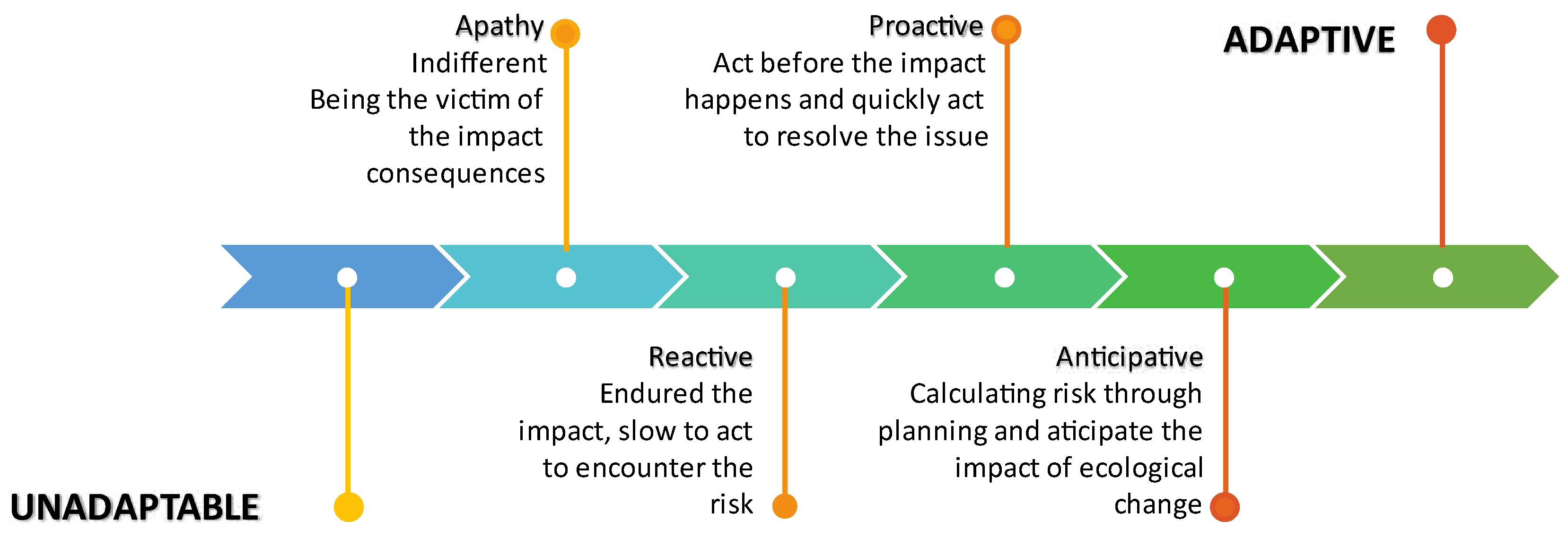
Figure 2.
Figure 2. Hexahelix collaboration for peri-urban community transformation
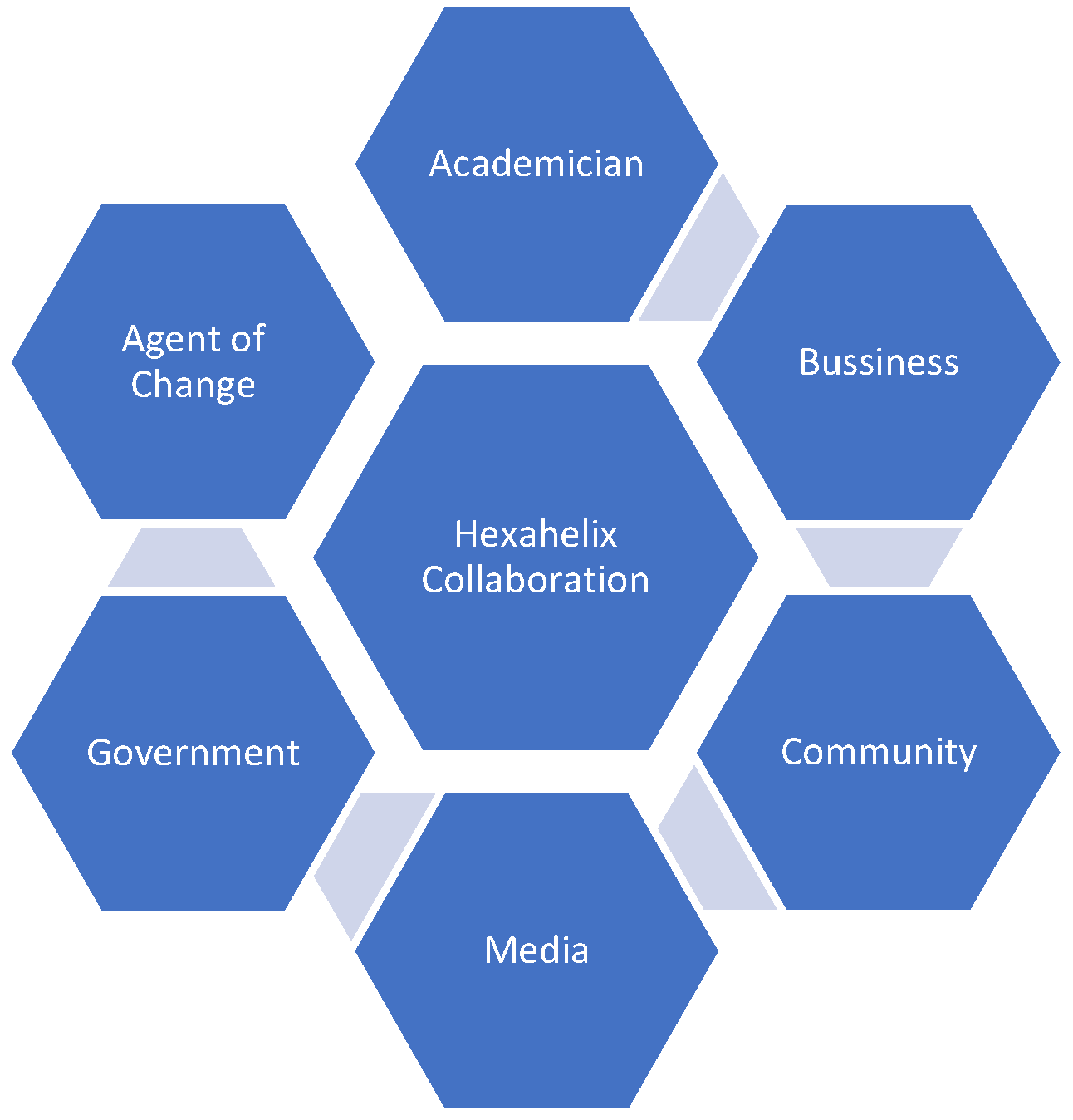
Figure 3.
Economic Impact of Peri-Urban Community Empowerment Program on Dry Lands.
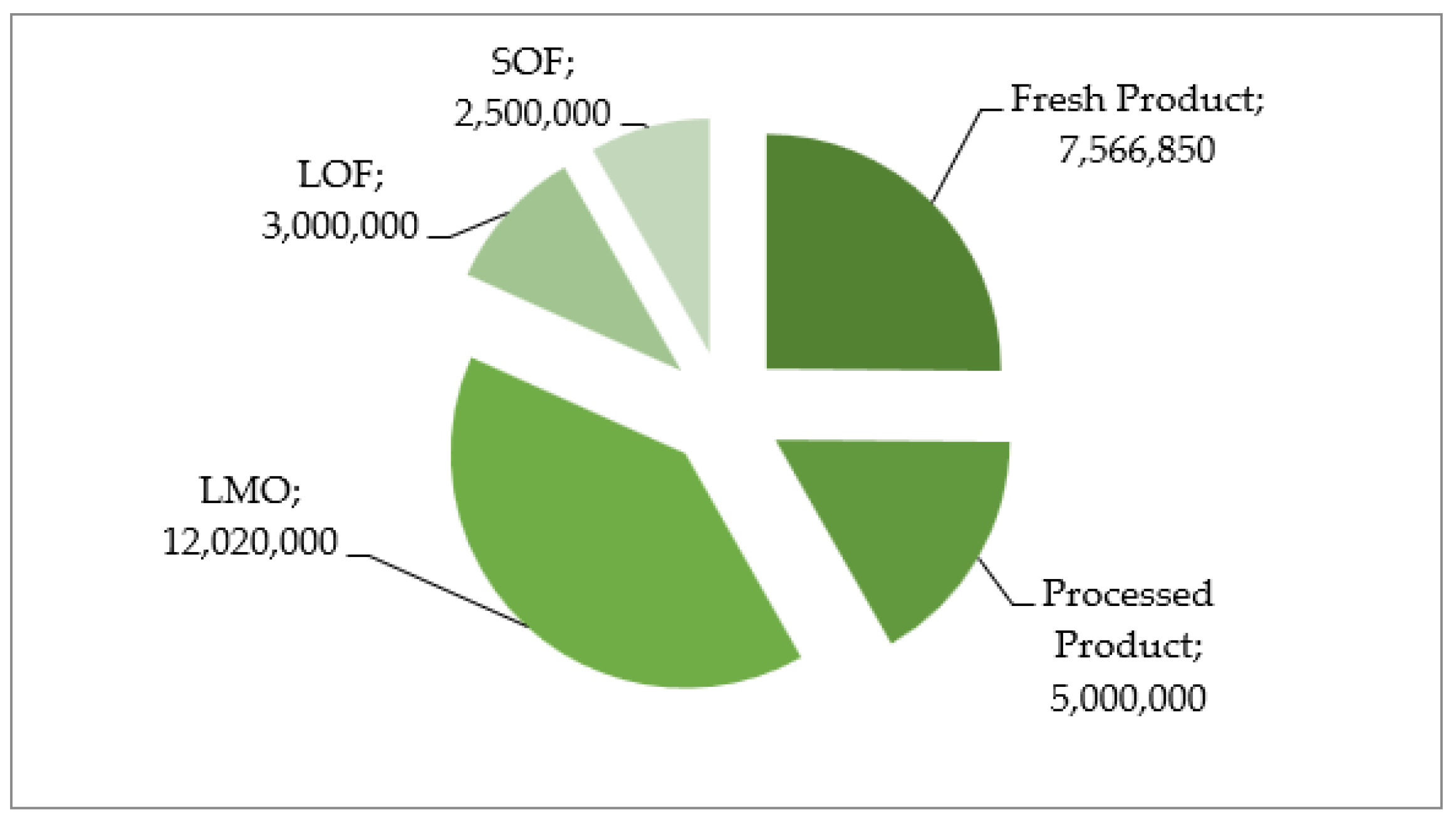
Figure 4.
Social Impact of the Peri-Urban Community Empowerment Program on Dry Lands.
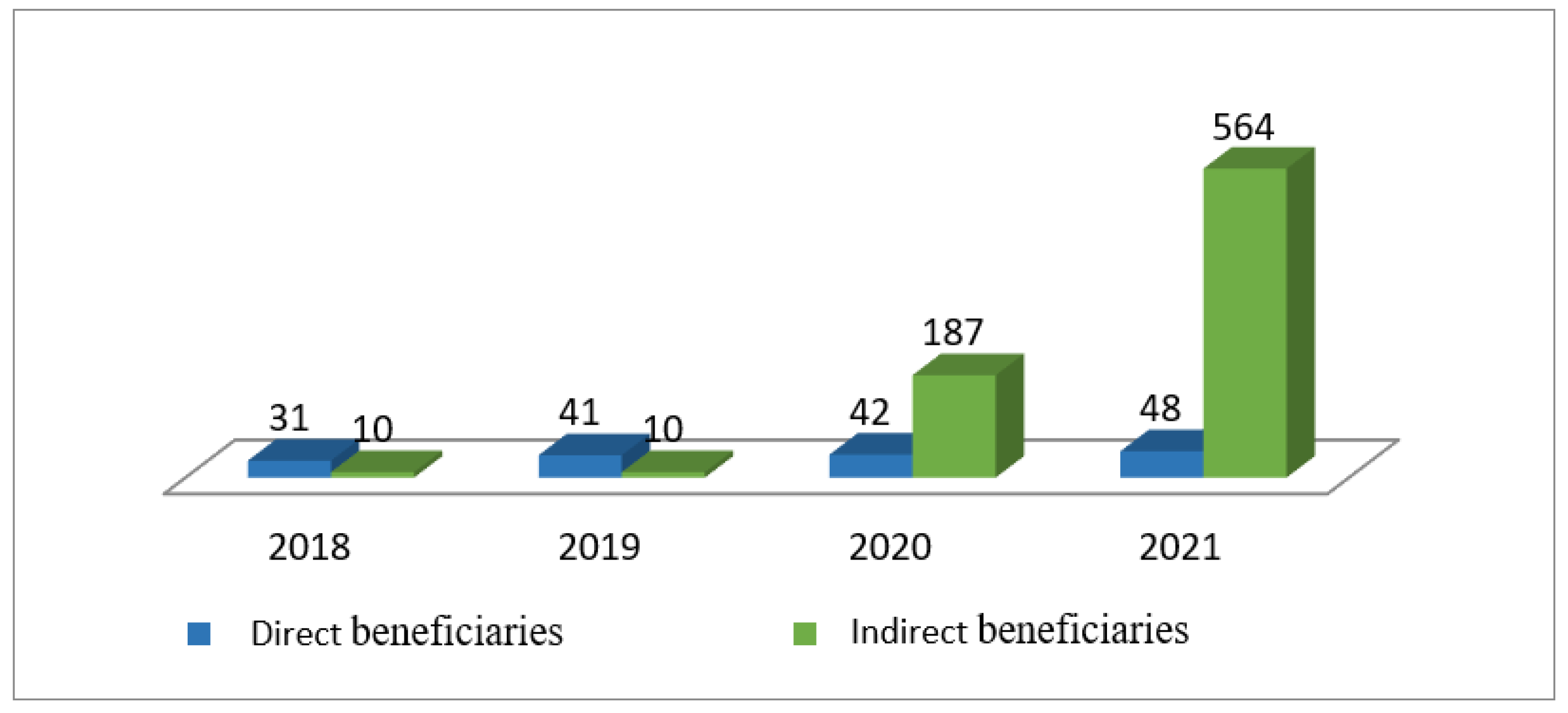
Figure 5.
Environmental Impact of the Peri-Urban Community Empowerment Program in Dry Land.
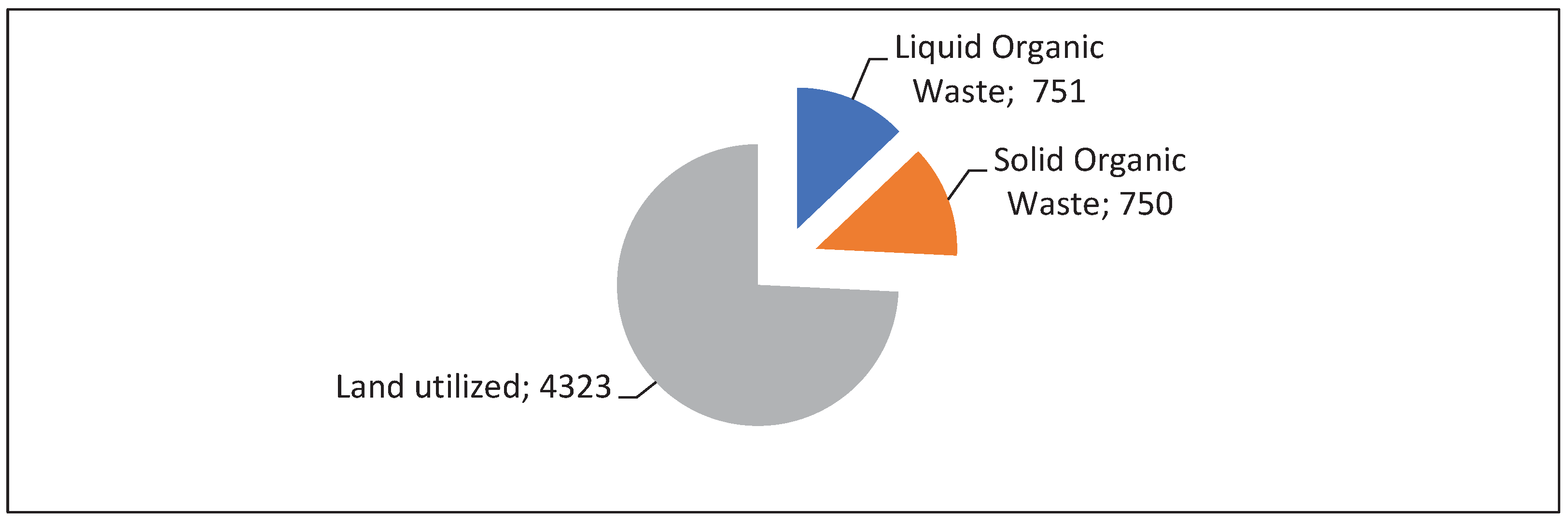

Table 1.
Relationship between types of social transformation and factors related to the transformation process in Peri-Urban communities during the Disruption era.
Table 1.
Relationship between types of social transformation and factors related to the transformation process in Peri-Urban communities during the Disruption era.
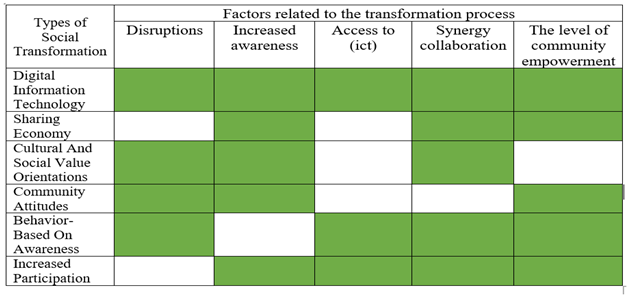
Table 2.
Relationship between Types and Processes of Social Transformation in Peri-Urban Communities in the Era of Disruption.
Table 2.
Relationship between Types and Processes of Social Transformation in Peri-Urban Communities in the Era of Disruption.
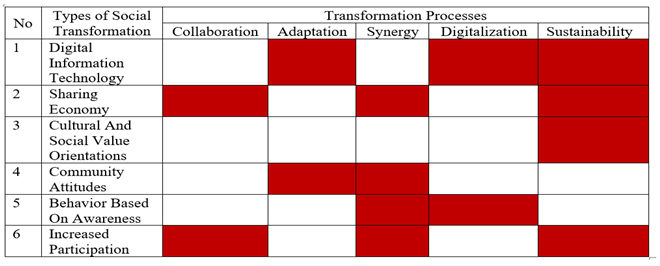
Table 3.
Transformation of values and attitudes toward community empowerment.
Description: The results of this analysis are in line with Sumardjo (2018) and Sumardjo et. al. (2018; 2022).
Table 4.
Achievements of SDGs in the Urban Farming Community Empowerment Program in Paddy Field and Dry Land Typologies.
Table 4.
Achievements of SDGs in the Urban Farming Community Empowerment Program in Paddy Field and Dry Land Typologies.
Disclaimer/Publisher’s Note: The statements, opinions and data contained in all publications are solely those of the individual author(s) and contributor(s) and not of MDPI and/or the editor(s). MDPI and/or the editor(s) disclaim responsibility for any injury to people or property resulting from any ideas, methods, instructions or products referred to in the content. |
© 2023 by the authors. Licensee MDPI, Basel, Switzerland. This article is an open access article distributed under the terms and conditions of the Creative Commons Attribution (CC BY) license (http://creativecommons.org/licenses/by/4.0/).
Copyright: This open access article is published under a Creative Commons CC BY 4.0 license, which permit the free download, distribution, and reuse, provided that the author and preprint are cited in any reuse.


