

Submitted:
20 April 2023
Posted:
23 April 2023
You are already at the latest version
Preprints on COVID-19 and SARS-CoV-2
Abstract
Natural herbs and functional foods contain bioactive molecules capable of augmenting the immune system and mediating anti-viral functions. Functional foods, such as prebiotics, probiotics, and dietary fibers, have been shown to have positive effects on gut microbiota diversity and immune function. The use of functional foods has been linked with en-hanced immunity, regeneration, improved cognitive function, maintenance of gut mi-crobiota, and significant improvement in overall health. The gut microbiota plays a critical role in maintaining overall health and immune function, and disruptions to its balance have been linked to various health problems. SARS-CoV-2 infection has been shown to affect gut microbiota diversity, and the emergence of variants poses new challenges to combat the virus. SARS-CoV-2 recognizes and infects human cells through ACE2 receptors prevalent in lung and gut epithelial cells. Humans are prone to SARS-CoV-2 infection because the respiratory and gastrointestinal tracts are rich in microbial diversity and contain high ACE2 and TMPRSS2. This review article explores the potential use of functional foods in mitigating the impact of SARS-CoV-2 variants on gut microbiota diversity and the potential use of functional foods as a strategy to combat these effects.
Keywords:
COVID-19
; SARS-CoV-2
; Gut microbiota
; Variants
; Probiotics
; gut microbiota metabolites
1. Introduction
Since ancient times, functional or therapeutic foods have been used to treat and prevent many ailments. Many plants and herbs contain bioactive compounds such as tannins, polyphenols, flavonoids, terpenoids, etc., known to possess therapeutic or preventive properties [1]. Additionally, using probiotics as food supplements can help fight infections and support the body’s natural defense mechanism. Preventative measures against Covid19 have gained popularity, and various functional foods effectively strengthen the immune response to fight infection. The nutritional status of an individual is a key factor governing the extent of severity of SARS-COV-2 infection. Thus, supplementation of vitamins and minerals is helpful in the prevention and treatment [2]. Several functional foods of therapeutic value are beneficial in this regard. Several vitamins, like Vitamin C, D, and E, have been shown to promote an immune response against viral infections[3].
Furthermore, they function as potent antioxidants and help to reduce the levels of ROS and cellular stress. Minerals in the form of micro-minerals or macro-minerals are essential for many biological functions [4]. Supplementation of some minerals like Zinc has an immune-protective effect as it promotes autophagy, cytokine production, anti-viral function, and enhancement of anti-viral drugs’ efficacy. Apart from functional foods, plants derived small molecules or herbal formulations are found to be effective in reducing the detrimental effects of COVID-19 infection. Many of these have been a part of traditional medicine in various cultures. Isolation and characterization of their bioactive molecules have proved their protective effect in various clinical conditions. Notably, incorporating functional foods and herbal formulations as a therapeutic strategy against COVID-19 infection has benefits in terms of prevention through strengthening the immune system and diminishing the extent of infection.
The emergence of the SARS-CoV-2 virus, which causes the COVID-19 pandemic, has severely impacted public health and the world economy [5]. As the virus mutates, it produces different variants that vary in their ability to spread and the severity of the infections they cause [6,7]. Unlike the original strain, these variants are also affecting younger individuals. Additionally, the SARS-CoV-2 virus is more contagious than the SARS-CoV virus.[8]. The genetic makeup of SARS-CoV-2 has undergone considerable changes leading to variations compared to the first identified genetic sequence of Wuhan-Hu1 [9]. The identification and nomenclature of genetic sequence mutations are carried out using Phylogenetic Assignment of Named Global Outbreak (PANGO). The nomenclature employs Greek letters, i.e., Alpha, Beta, Delta, etc., to denote variants and a series of letters and numbers to assign lineages, i.e., BA.1.1, B.A.2, etc. [10]. Mutations in the SARS-CoV-2 receptor binding domain which has given rise to new SARS-CoV-2 variants, including Alpha (B.1.1.7), Beta (B.1.351), Gamma (P.1), Delta (B.1.617.2), Cluster 5, B.1.1.207, B.1429/B.427, B.1.525, Omicron (B.1.1.529), Mu (B.1.621) and LAMBDA (C.37).
Based on their impact on public health, the emerging SARS-CoV-2 variants have been categorized by WHO into three groups: variants of concern (VOC), Variants of interest (VOI), and Variants under monitoring (VUM) [11]. The mutations in SARS-CoV-2 can be either deleterious or neutral, resulting in resistance to existing treatment strategies and showing higher infectivity or no apparent effect, respectively [12]. The viral phenotype is modified via a small set of mutations conferring an advantage regarding their pathogenicity and transmissibility. The antigenicity of mutant SARS-CoV2 modulates the immune recognition properties leading to their escape from the host immune response. SARS-CoV2 variants with higher accumulation of such mutations have shown enhanced transmissibility and are categorized under VOC. It has been shown that nearly 90% of plasma antibodies act against the spike receptor binding domain (RBD) [13].
Patients infected with COVID-19 commonly display respiratory symptoms, such as fever, fatigue, cough, shortness of breath, and abnormal chest X-ray results. Additionally, many COVID-19 patients experience gastrointestinal issues, such as nausea or vomiting, diarrhea, abdominal pain, and loss of appetite [14]. Studies have found that the balance of microbiota in the respiratory and gastrointestinal systems of hospitalized COVID-19 patients is disturbed. This disruption may make patients more susceptible to secondary infections of the respiratory and gastrointestinal tracts, which contribute to the severity of COVID-19 [15]. Therefore, the microbiota may play a crucial role in SARS-CoV-2 infection. The human body contains ten times more bacterial cells in its microbiota than human tissue cells and a hundred times more bacterial cells than human genes. These bacteria inhabit all areas of the human body, including the respiratory and gastrointestinal tracts, and are selectively allowed to colonize. The microbiota performs several vital functions in the human body, including the decomposition of indigestible proteins and carbohydrates, nutrient absorption and digestion, vitamin production, and the regulation of host immunity. The microbiota is also linked to various diseases and significantly impacts human health [16,17,18].
The management of Covid-19 infection is a major challenge in light of its serious implications on systemic functions and adverse effects on immunity. Apart from must be implemented to augment the body’s natural defense mechanism. In this regard, natural herbs and functional foods provide an excellent way to minimize the effect of the SARS-CoV-2 virus through various mechanisms like anti-viral functions, immune-boosting functions, antioxidant functions, and maintenance of gastrointestinal microbiota homeostasis.
There have been suggestions that probiotics could help reduce the spread of COVID-19, but there is currently a lack of evidence to support this [19]. However, this also highlights the need for further research and a better understanding of the microbiome. One major challenge is the potential for misinterpretation of data and unrealistic expectations for how quickly complex research can be translated into practical applications by society, scientists, and healthcare professionals.
So far, the use of probiotics in COVID-19 has mainly been supported by indirect evidence [20]. The current understanding is that the gut microbiome, which refers to the combined genetic material of the various microorganisms in the human gastrointestinal tract, can regulate and be regulated by viruses entering the body, leading to positive or adverse effects. Furthermore, certain beneficial bacteria in the gut can help defend against potential pathogens by interacting with human cells and promoting healthy immune function [21]. This suggests that consuming dietary microbes like probiotics or prebiotics could positively impact immune function during infections [22].
This review provides an overview of recent research on how COVID-19 affects the gut microbiota, including the specific bacteria involved and their impact on immunity and disease severity. Additionally, it discusses what is currently known about the potential for probiotics, prebiotics, and nutritional interventions to reduce susceptibility to COVID-19. Finally, the review examines several studies that have used plant-based probiotics to target coronavirus and considers implications for future research design and the potential role of precision nutrition in COVID-19.
2. What qualifies a food as "functional"?
Functional foods result from advancements in nutritional science that emerged during the same period as the baby boomer generation. Experiences of food rationing during wartime highlighted the importance of population-based strategies to prevent dietary deficiencies [23]. To address this, free school milk was introduced, and vitamins and minerals were added to certain foods to ensure people met their recommended intake. This led to the acceptance of fortified breakfast cereals as a healthy part of the lifestyle for a new generation of Australians. Thus, a new era of "functional foods" began, which refers to foods that provide sustenance and positively impact consumers' health.
Functional food science is the result of collaboration between different fields of science and the needs of the general public. It combines food science, nutrition, and medicine principles to create foods that straddle the boundary between food and pharmaceuticals. Researchers in this field study food's various components and potential health benefits. Functional food scientists utilize biomarkers or "indicators" present in the body to track changes in health and the body's ability to maintain equilibrium. This technique helps assess the effects of functional foods on health and determine the appropriate and safe dosage of these foods. Functional foods can be classified based on their intended health benefits or the ingredients that provide those benefits [24]. These classifications are not mutually exclusive; many functional foods may fit into multiple categories. Here are some common classifications:
- Nutraceuticals: Foods or food products that contain bioactive compounds (such as vitamins, minerals, or antioxidants) that have medicinal properties.
- Fortified/Enriched Foods: Foods that have additional nutrients added to them to increase their nutritional value (such as vitamin-D fortified milk or iron-enriched cereal).
- Probiotics: Foods that contain live beneficial bacteria that help improve gut health and boost the immune system.
- Prebiotics: Foods that contain non-digestible fibers that promote the growth of beneficial gut bacteria.
- Dietary Supplements: Products that contain one or more ingredients (such as vitamins, minerals, or herbs) intended to supplement the diet.
- Functional Beverages: Beverages that contain added nutrients, such as vitamins or minerals, or bioactive compounds, like antioxidants.
- Whole Foods: Certain foods like fruits, vegetables, nuts, and whole grains have inherent health benefits and can be considered functional foods when consumed as part of a healthy diet.
In the 1980s, functional food emerged in Japan as food scientists provided evidence of their products' beneficial effects on health [25]. These foods were given a special label, FOSHU or Food for Specific Health Uses, upon approval. Other countries and scientific organizations attempted to develop their definitions for functional foods, which resulted in high sales but also led to confusion among consumers about what the term functional food means. The Functional Food Center (FFC) has defined "functional food" as natural or processed foods that contain biologically active compounds, whether known or unknown [26]. When consumed in defined, and effective, these foods have clinically proven and documented health benefits for the prevention, management, or treatment of chronic diseases. This definition is distinctive in recognizing the importance of "bioactive compounds," which are biochemical molecules that enhance health through physiological mechanisms. Moreover, the definition emphasizes that bioactive compounds must be consumed in non-toxic amounts, as there are upper limits beyond which they can become hazardous. The main goal of the FFC is to establish a uniform definition of functional foods that will enhance the credibility of functional food research. Additionally, it is important for all the centre aims to promote the commercialization of functional foods, enhance global collaboration and communication, and ultimately improve the health of the population.
3. SARS-CoV-2 infection in the gastrointestinal tract
Angiotensin-converting enzyme 2 (ACE2) is present in several body tissues, such as the cardiovascular system, kidneys, testis, and the gastrointestinal tract, including the colon, cecum, duodenum, ileum, and jejunum. This implies that SARS-CoV-2 can affect the gastrointestinal tract, leading to irregular intestinal secretion, malabsorption, and other gastrointestinal symptoms [27,28]. The gut virome can affect the host's health or disease state by influencing the immunophenotype rather than acting as a pathogen. The detection of SARS-CoV-2 RNA in the stool of COVID-19 patients suggests that the virus can spread through the fecal-oral route [29]. The virus was found in various parts of the gastrointestinal tract, and the nucleocapsid protein was found in the stomach, rectum, and duodenum glandular epithelial cells. In some cases, viral RNA was still detectable in feces even after respiratory tests were negative, indicating that the virus was still replicating in the gastrointestinal tract, and fecal-oral transmission could continue even after respiratory clearance [30,31,32,33,34].
3.1. Gastrointestinal complications in COVID-19
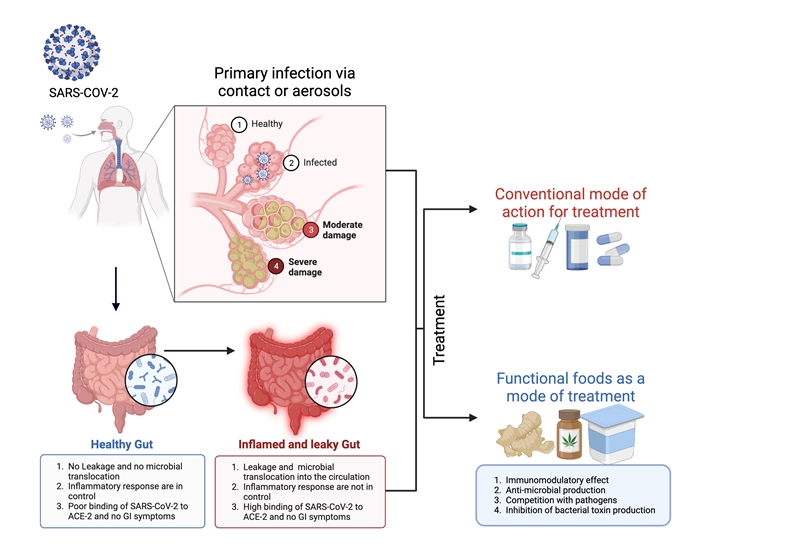
COVID-19 patients have been found to have bowel wall thickening with hyperemia, mesenteric thickening, fluid-filled large bowel, and sometimes ischemia and pneumatosis, as shown by imaging techniques [35]. In addition to fever and respiratory symptoms, COVID-19 patients commonly experience digestive symptoms such as nausea, anorexia, vomiting, and diarrhea. Some COVID-19 patients experience only digestive symptoms, while others may have these symptoms before developing respiratory symptoms. Systematic reviews and meta-analyses have shown that gastrointestinal symptoms occur in 2-21% of COVID-19 patients, with the most common being diarrhea (8-17%), nausea or vomiting (4-20%), and loss of appetite (2-21%) [36]. Dysregulation of intestinal ion transporters due to SARS-CoV-2 infection may cause infectious diarrhea and malabsorption, leading to inflammation and gastrointestinal symptoms. Patients infected with SARS-CoV-2 commonly experience diarrhea along with fever and cough. Animal studies have shown that changes in the ACE2 enzyme can lead to susceptibility to diarrhea and inflammation in the colon. In a retrospective analysis of 84 SARS-CoV-2 patients in Wuhan Union Hospital, viral RNA was detected in the fecal samples of all patients with diarrhea. A statistical analysis of 35 studies showed that 15% of COVID-19 patients experienced digestive symptoms like diarrhea, vomiting, nausea, and lack of appetite [37]. Gut dysbiosis is thought to be the primary cause of diarrhea in COVID-19 patients. However, further research is needed to understand the mechanisms underlying viral infections causing diarrhea and the relationship between respiratory and gastrointestinal symptoms [38] (Figure 1).
3.2. Alteration of gut microbiota upon SARS-CoV-2 infection
Table 1 demonstrates that the human gastrointestinal tract and respiratory tract host microbiota, which is a community of microorganisms numbering in the trillions. This microbiota is crucial for maintaining metabolic homeostasis and facilitating immune maturation [39]. A "healthy" microbiome interacts functionally and continuously with the host organism through surface antigens and microbial metabolites. This interaction provides necessary molecular signals to fine-tune immune responses in various body parts, including the respiratory system, and protect against disease [40]. The gut microbiota can influence the maturation, development, and function of immune cells and the activation of peripheral immune cells, including cellular and humoral immunity [41]. Disrupting gut barrier integrity and releasing proinflammatory cytokines into the circulatory system activate innate and adaptive immune cells, leading to systemic inflammation. The gut microbiota is disrupted by entering inflammatory cells, such as neutrophils and lymphocytes, into the intestinal mucosa [42].
The composition of gut microbiota changes after viral infection. The severity of the disease is linked with an increase in the concentration of inflammatory cytokines and blood markers, such as C-reactive protein, lactate dehydrogenase, aspartate aminotransferase, and g-glutamyl transferase [43]. A viral infection can cause intestinal wall permeability and malabsorption by enterocytes. Patients infected with SARS-CoV-2 had elevated fecal calprotectin levels, indicating intestinal inflammation [44]. A recent systematic review showed that COVID-19 patients had a depletion in the genera Ruminococcus, Alistipes, Eubacterium, Bifidobacterium, Faecalibacterium, Roseburia, Fusicathenibacter, and Blautia, as well as the enrichment of Eggerthella, Bacteroides, Actinomyces, Clostridium, Streptococcus, Rothia, and Collin-sella as shown in Figure 2 [45].
Respiratory dysbiosis can also influence the digestive tract through immune control, and the composition and function of the gut microbiome can affect the respiratory tract through the underlying mucosal immune system. [46]. In patients with COVID-19, changes in the gut microbiome are associated with disease severity and poor prognosis. Specifically, there are increases in certain bacteria, such as Bacteroides, Parabacteria, Clostridium, and reductions in others, such as Roseburia, Eubacterium, and Faecalibacterium. The Ascomycota phylum indicated higher relative abundance and decreased diversity and richness in the fungal gut microbiota of severe/critical COVID-19 patients. [47,48]. Additionally, patients with severe SARS-CoV-2 infection had significantly lower bacterial diversity and lower relative abundances of certain beneficial bacteria in the gut microbiome. Therefore, correcting the gut microbiota during the COVID-19 pandemic may help improve population immunity and protect public health [49].
The severity of COVID-19 is linked to the relative abundance of certain bacteria in the gut microbiome. While Faecalibacterium prausnitzii, which contains anti-inflammatory characteristics, exhibited an inverse association with disease severity, Coprobacillus, Clostridium ramosum, and Clostridium hathewayi each showed positive correlations with disease severity. [50]. Moreover, fecal samples with high SARS-CoV-2 infectivity contained more opportunistic pathogenic bacteria (such as Collinsella species and Morganella morganii) and fewer bacteria that produce short-chain fatty acids (like Parabacteroides merdae and Lachnospiraceae bacterium) compared to samples with low SARS-CoV-2 viral infectivity [44].
F. prausnitzii is a type of bacteria that lives in the human body without causing harm and has been found to have anti-inflammatory effects in clinical studies [51,52]. By secreting bioactive chemicals, it can prevent intestinal epithelial cells from activating nuclear factor-kB and producing IL-8. Additionally, F. prausnitzii can stimulate the secretion of IL-10, which inhibits the production of proinflammatory cytokines and enhances the suppressive activity of Tregs in the mucosa [53]. This bacterium is an important contributor to the body's defense mechanisms, and its depletion has been observed in COVID-19 patients. During hospitalization, the abundance of certain intestinal microorganisms showed a reverse trend compared to the load of SARS-CoV-2 in fecal samples of patients. Coprobacillus was found to upregulate the expression of ACE2, while Bacteroides thetaiotaomicron, Bacteroides dorei, and Bacteroides massiliensis were found to downregulate ACE2 expression in the gut of patients. Overall, these findings suggest that harmful bacteria and the absence of beneficial bacteria in the gut are closely related to the severity of COVID-19 [54,55].
3.3. Loss of gut microbial diversity and associated risk factors in COVID-19 patients
Risk factors and comorbidities associated with COVID-19 include dementia, Alzheimer's disease, male gender, smoking, hypertension, or asthma [55]. All these risk factors and comorbidities are associated with changes in the gut microbiome. These changes lead to alterations in the immune system and increase the susceptibility to suffering from the adverse effects of CoV [56]. The microbial diversity reduces as aging occurs, which causes severe inflammatory conditions. So, SARS-CoV-2 infection seems more perilous in older people and people with diseased conditions. Although the evolution of gut microbiota during human life is similar to older people's gut microbiota, infant gut microbiota also shows decreased diversity [57]. The microbiota in infants remains unstable in the initial years until it changes to adult microbiota [58]. In a healthy individual, the gut microbiota is believed to be stable throughout life, and its diversity remains high [59]. In old age or diseased individuals, gut microbiome diversity diminishes, and gut dysbiosis rises, associated with mental impairment, inflammation, and depression [60]. In older adults, it was also identified that the gut microbiota contains reduced levels of specific bacterial groups. Nonetheless, bacterial groups such as Lactobacillus, Bacteroides, and Clostridium show recurrent alterations [61].
It has been stated that more COVID-19 fatalities are associated with older individuals due to the following reasons (1) lessened microbial diversity, (2) weak immune system, and (3) systemic inflammation. Notably, gut microbiota diversity decreases with aging, so COVID-19 has become a fatal infection in most elderly patients [17]. Besides older age, obesity is also correlated with changes in intestinal microbiota, which serves as one of the risk factors for the severity of SARS-CoV-2 infection. Intriguingly, 25% of the patients who died from COVID-19 infection in the United States were found to be obese [62]. Adipose tissue serves an essential role in systemic immune activation and widespread COVID-19. Adipocytes show a heightened level of ACE2 expression in obese individuals, and eliminating existing inflamed adipose tissue reduces the viral entry and systemic viral spread [63].
Moreover, adipose tissue shows irregulated lymphoid and myeloid responses in individuals with obesity, which is correlated with improper regulation of cytokine profiles [64]. Furthermore, obese individuals show increased levels of chemerin, a proinflammatory cytokine, and leukotriene, worsening the cytokine storm risk [65]. Additionally, COVID-19 patients with diabetes have a high chance of facing severe complications accredited to gut metabolite dysfunction and systemic inflammation [66]. Likewise, SARS-CoV-2-infected patients with cardiovascular diseases, hypertension, nervous disorders, and other diseases may worsen the complications of COVID-19 due to an imbalance in the intestinal flora and reduced microbial diversity [67]. Pre-existing diseases like cancer, cardiovascular disorders, lung problems, hyperglycemia, and diabetes increase the mortality risk during COVID-19 and influenza viral infections. These morbidities pave to gut dysbiosis, circadian dysregulation, and mitochondrial dysfunction [68]. There is proof that the microbiome in the gastrointestinal tract impacts the metabolic, digestive, and immune systems, host sleep, mental states, and circadian rhythms via the microbiome-gut-brain axis [69]. It was found that microorganisms and circadian genes are associated. Therefore, psychological status, good sleep duration, and quality are essential to cope with the COVID-19 pandemic. Nevertheless, various drugs exert adverse effects by destroying the gut and lung microbiome integrity to worsen the potentiality to overcome COVID-19 infection and other viral infections and pathogenicity [70].
5. Discussion and Conclusion
Although Covid-19 is primarily known for causing respiratory symptoms, it can also impact the digestive system by binding to ACE2 receptors and causing an imbalance in gut microbiota, known as dysbiosis. Dysbiosis is linked to Covid-19 in older individuals and those with the virus. Antibiotics can cause inflammation in the intestines, which can be significant. The immune response in the gut can be influenced by bacterial metabolites and fragments, thus affecting the presentation of COVID-19. Short-chain fatty acids (SCFA) in fiber-rich diets can protect against inflammation in the intestines. Probiotics can help improve gut dysbiosis by modulating the immune system. Personalized dietary strategies should be used in conjunction with traditional therapies. The gut microbiota can be influenced by diet and is malleable. Research could investigate the effects of COVID-19 variants on the gut microbiota and how bacteria, fungi, and phages create an environment in the stomach for COVID-19. Before and during SARSCoV-2 infection, gut dysbiosis can affect disease progression and clinical outcomes in a self-reinforcing cycle.
The composition of the gut microbiota in COVID-19 patients during their hospitalization is associated with the levels of cytokines, chemokines, and inflammation markers in their plasma. This indicates that the gut microbiota may influence the severity and course of disease by influencing the host's immune response. According to recent immunological studies of COVID-19 patients, the depletion of particular bacterial species was associated with increased TNF-, CXCL10, CCL2, and IL-10. This suggests that these bacteria play a role in preventing excessive inflammation. Several drugs used to treat COVID-19 may interfere with the normal functioning of the gastrointestinal (GI) tract and lead to various clinical symptoms that could further exacerbate the risk and severity of GI symptoms in Covid-19 patients, such as nausea, vomiting, gastroparesis, and gastric ulcers, through various molecular pathways and mechanisms.
The respiratory infection driven on by SARS-CoV-2 affects the gastrointestinal tract microbiome, whereas respiratory infections affect the respiratory tract bacteria and immune system. However, gastrointestinal infections are often neglected. The SARS-CoV-2 immune response is influenced by the SARS-CoV-2 microbiome, part of the GI tract microbiota. Supporting this theory, depleted gut commensals such B. adolescentis, F. prausnitzii, E. rectale, R. (Blautia) obeum, and D. formicigenerans have been associated to decreased host inflammatory response in several inflammatory-related disorders.F. prausnitzii can activate human colonic regulatory T cells that produce IL-10, which is an anti-inflammatory cytokine. E. rectale has been associated with reduced inflammation in Alzheimer’s disease, while B. adolescentis can block the activation of nuclear factor κB, a promoter of proinflammatory cytokines. A microbial-mediated immunological dysregulation is supported by the prevalence of Ruminococcus gnavus, Ruminococcus torques, Bacteroides dorei, and Bacteroides vulgatus in COVID-19 patients. Whereas B. dorei and B. vulgatus are correlated to inflammatory gut disorders like irritable bowel syndrome and ulcerative colitis, R. gnavus and R. torques have been linked to inflammatory bowel disease. It is currently unclear whether the inflammatory gut microorganisms that are more common in COVID-19 patients are actively involved in causing the disease or if they are thriving due to the absence of other beneficial gut microorganisms. The increased frequency of virus infections has allowed SARS-CoV-2 to mutate and develop new variants (such as alpha, beta, gamma, and delta) with higher transmission rates and can cause damage to the endothelial lining of blood vessels or disrupt the immune system. As a result, gut microbial dysbiosis may exacerbate the gastrointestinal injury. This raises questions about the potential relationship between microbial diversity and health and the emergence of COVID-19 variants. The current treatment for COVID-19 with numerous variants relies on symptomatic approaches, and considering gastrointestinal problems associated with this drug is vital. A novel potential strategy using probiotics, gut microbiota metabolites, and dietary products to enhance the gut microbiota composition in COVID-19 patients can be of great significance. Finally, the role of the lung microbiota may also be investigated. These investigations will help us understand SARS-CoV-2 variations and their effects on gut dysbiosis and probiotic regulation of the intestinal microbiota to improve COVID-19 patient health. Furthermore, the available therapeutics against Covid must include modes of preventive measures apart from treatment regimes.
Traditional herbal medicines and functional foods are promising to enhance innate and adaptive immune functions and provide extended protection against COVID. Many herbal formulations and functional foods have been studied for their efficacy against COVID, and they show potential to be developed further for safe and effective therapeutic use. Several functional foods have demonstrated antiviral activity, an important aspect of their potential benefits against COVID infection. Most functional foods have a potent immune-boosting effect, including small molecules like polyphenols, flavonoids, and curcumin, vitamins such as Vitamin C, E, and D, and elemental micronutrients such as zinc. Furthermore, functional foods have demonstrated health benefits in various chronic conditions, making them especially beneficial for patients with conditions like osteoporosis, obesity, diabetes, and other metabolic diseases, which make them more vulnerable to the adverse effects of SARS-CoV-2. However, the health benefits of functional foods against COVID require scientific claims and optimizations to establish their role in therapeutics. Additionally, there is a need for toxicological evaluation to determine the optimal dosage and safe administration of these functional foods.
6. Study highlights
There is no proof of SARS-CoV-2 mutations and how they impact gut dysbiosis, but many studies have suggested a connection between COVID-19 and an imbalance in the gut flora. We investigated the effects of the various SARS-CoV-2 variants (Alpha, Beta, Gamma, Delta, and Omicron) on gut microbiota dysbiosis in COVID-19 patients. Additionally, we explored dietary interventions, such as probiotics, that could alleviate gut dysbiosis in COVID-19 patients. While traditional herbal remedies and functional foods may offer some advantages, more research is necessary to understand how they work and any drawbacks. Therefore, further research is required to fully comprehend the interaction between the virus, host, and microbiome and develop more effective therapies.
Author Contributions
Conceptualization and revision of manuscript-AB, IS, AKDR, XF, and SP; Writing Original draft preparation and editing-DD, SP, IS and AB; Reviewing/Editing of the manuscript-AB, IS, AKDR, XF, SP, and DD; Pictorial representation- DD and IS. All authors approved the content of the manuscript.
Funding
This study was funded by the Chettinad Academy of Research and Education (CARE) (CARE SEED MONEY Grant no. Ref.No. 004/Regr. /AR-Research/2022-04 to Dr. Surajit Pathak), Chettinad Hospital and Research Institute (CHRI), Kelambakkam, Chennai-603103, India.
Acknowledgments
We would like to thank Chettinad Academy of Research and Education and all the participating institutes for the facilities.
Conflicts of Interest
The authors declare no conflict of interest.
References
- Yadav, M.; Chatterji, S.; Gupta, S.K.; Watal, G. Preliminary phytochemical screening of six medicinal plants used in traditional medicine. Int J Pharm Pharm Sci 2014, 6, 539–542. [Google Scholar]
- Farzana, M.; Shahriar, S.; Jeba, F.R.; Tabassum, T.; Araf, Y.; Ullah, M.A.; Tasnim, J.; Chakraborty, A.; Naima, T.A.; Marma, K.K.S. Functional food: complementary to fight against COVID-19. Beni-Suef University journal of basic and applied sciences 2022, 11, 33. [Google Scholar] [CrossRef]
- Gombart, A.F.; Pierre, A.; Maggini, S. A review of micronutrients and the immune system–working in harmony to reduce the risk of infection. Nutrients 2020, 12, 236. [Google Scholar] [CrossRef]
- Maathuis, F.J.; Diatloff, E. Roles and functions of plant mineral nutrients. Plant mineral nutrients: methods and protocols 2013, 1–21. [Google Scholar]
- Chadha, J.; Khullar, L.; Mittal, N. Facing the wrath of enigmatic mutations: a review on the emergence of severe acute respiratory syndrome coronavirus 2 variants amid coronavirus disease-19 pandemic. Environmental microbiology 2022, 24, 2615–2629. [Google Scholar] [CrossRef] [PubMed]
- Papanikolaou, V.; Chrysovergis, A.; Ragos, V.; Tsiambas, E.; Katsinis, S.; Manoli, A.; Papouliakos, S.; Roukas, D.; Mastronikolis, S.; Peschos, D. From delta to Omicron: S1-RBD/S2 mutation/deletion equilibrium in SARS-CoV-2 defined variants. Gene 2022, 814, 146134. [Google Scholar] [CrossRef] [PubMed]
- Robson, F.; Khan, K.S.; Le, T.K.; Paris, C.; Demirbag, S.; Barfuss, P.; Rocchi, P.; Ng, W.-L. Coronavirus RNA proofreading: molecular basis and therapeutic targeting. Molecular cell 2020, 79, 710–727. [Google Scholar] [CrossRef]
- Mohapatra, R.K.; Kandi, V.; Tuli, H.S.; Chakraborty, C.; Dhama, K. The recombinant variants of SARS-CoV-2: Concerns continues amid COVID-19 pandemic. Journal of Medical Virology 2022, 94, 3506. [Google Scholar] [CrossRef] [PubMed]
- Mercatelli, D.; Giorgi, F.M. Geographic and genomic distribution of SARS-CoV-2 mutations. Frontiers in microbiology 2020, 11, 1800. [Google Scholar] [CrossRef]
- O’Toole, Á.; Pybus, O.G.; Abram, M.E.; Kelly, E.J.; Rambaut, A. Pango lineage designation and assignment using SARS-CoV-2 spike gene nucleotide sequences. BMC genomics 2022, 23, 1–13. [Google Scholar] [CrossRef]
- Parums, D.V. Revised World Health Organization (WHO) terminology for variants of concern and variants of interest of SARS-CoV-2. Medical Science Monitor: International Medical Journal of Experimental and Clinical Research 2021, 27, e933622–e933621. [Google Scholar] [CrossRef] [PubMed]
- Harvey, W.T.; Carabelli, A.M.; Jackson, B.; Gupta, R.K.; Thomson, E.C.; Harrison, E.M.; Ludden, C.; Reeve, R.; Rambaut, A.; Consortium, C.-G.U. SARS-CoV-2 variants, spike mutations and immune escape. Nature Reviews Microbiology 2021, 19, 409–424. [Google Scholar] [CrossRef] [PubMed]
- Piccoli, L.; Park, Y.-J.; Tortorici, M.A.; Czudnochowski, N.; Walls, A.C.; Beltramello, M.; Silacci-Fregni, C.; Pinto, D.; Rosen, L.E.; Bowen, J.E. Mapping neutralizing and immunodominant sites on the SARS-CoV-2 spike receptor-binding domain by structure-guided high-resolution serology. Cell 2020, 183, 1024–1042. [Google Scholar] [CrossRef] [PubMed]
- Alwaheed, A.J.; Alalwan, M.A.; Aldakhlan, H.M.; Albeladi, F.H. Necrotizing pancreatitis with portal vein thrombosis in young patient with COVID-19. Journal of Infection and Public Health 2022, 15, 433–436. [Google Scholar] [CrossRef] [PubMed]
- Liu, Y.; Kuang, D.; Li, D.; Yang, J.; Yan, J.; Xia, Y.; Zhang, F.; Cao, H. Roles of the gut microbiota in severe SARS-CoV-2 infection. Cytokine & growth factor reviews, 2022. [Google Scholar]
- Andrade, B.G.; Cuadrat, R.R.; Tonetti, F.R.; Kitazawa, H.; Villena, J. The role of respiratory microbiota in the protection against viral diseases: Respiratory commensal bacteria as next-generation probiotics for COVID-19. Bioscience of Microbiota, Food and Health 2022, 41, 94–102. [Google Scholar] [CrossRef] [PubMed]
- Wang, B.; Zhang, L.; Wang, Y.; Dai, T.; Qin, Z.; Zhou, F.; Zhang, L. Alterations in microbiota of patients with COVID-19: potential mechanisms and therapeutic interventions. Signal Transduction and Targeted Therapy 2022, 7, 143. [Google Scholar] [CrossRef] [PubMed]
- Rajeev, R.; Seethalakshmi, P.; Jena, P.K.; Prathiviraj, R.; Kiran, G.S.; Selvin, J. Gut microbiome responses in the metabolism of human dietary components: Implications in health and homeostasis. Critical Reviews in Food Science and Nutrition 2022, 62, 7615–7631. [Google Scholar] [CrossRef]
- Baud, D. Baud, D., Dimopoulou Agri, V., Gibson, G. R., Reid, G., & Giannoni, E. Using probiotics to flatten the curve of coronavirus disease COVID-2019 pandemic. Frontiers in public health 2020, 8, 186. [Google Scholar]
- Mak, G. C., Cheng, P. K., Lau, S. S., Wong, K. K., Lau, C. S., Lam, E. T.,... & Tsang, D. N. (2020). Evaluation of rapid antigen test for detection of SARS-CoV-2 virus. Journal of Clinical Virology 2020, 129, 104500.
- Cabinian, A. , Sinsimer, D., Tang, M., Jang, Y., Choi, B., Laouar, Y., & Laouar, A. (2018). Gut symbiotic microbes imprint intestinal immune cells with the innate receptor SLAMF4 which contributes to gut immune protection against enteric pathogens. Gut 67(5), 847–859.
- Jespersen, L., Tarnow, I., Eskesen, D., Morberg, C. M., Michelsen, B., Bügel, S., ... & Calder, P. C. (2015). Effect of Lactobacillus paracasei subsp. paracasei, L. casei 431 on immune response to influenza vaccination and upper respiratory tract infections in healthy adult volunteers: a randomized, double-blind, placebo-controlled, parallel-group study. The American journal of clinical nutrition 1196, 101, 1188–1196.
- Ezard, N., Oppenheimer, E., Burton, A., Schilperoord, M., Macdonald, D., Adelekan, M.,... & Van Ommeren, M. (2011). Six rapid assessments of alcohol and other substance use in populations displaced by conflict. 5, 1-15. Conflict and health, 2011, 5, 1–15.
- Kwak, N. S., & Jukes, D. J. (2001). Functional foods. Part 1: the development of a regulatory concept. Food Control 2001, 12, 99–107.
- Henry, C. J. Functional foods. European Journal of Clinical Nutrition 2010, 64, 657–659. [Google Scholar] [CrossRef] [PubMed]
- Martirosyan, D. M., & Singh, J. (2015). A new definition of functional food by FFC: what makes a new definition unique? Functional foods in health and disease 2015, 5, 209–223.
- Andrade, B.G.; Cuadrat, R.R.; Tonetti, F.R.; Kitazawa, H.; Villena, J. The role of respiratory microbiota in the protection against viral diseases: Respiratory commensal bacteria as next-generation probiotics for COVID-19. Bioscience of Microbiota, Food and Health 2022, 41, 94–102. [Google Scholar] [CrossRef] [PubMed]
- Wang, B.; Zhang, L.; Wang, Y.; Dai, T.; Qin, Z.; Zhou, F.; Zhang, L. Alterations in microbiota of patients with COVID-19: potential mechanisms and therapeutic interventions. Signal Transduction and Targeted Therapy 2022, 7, 143. [Google Scholar] [CrossRef]
- Rajeev, R.; Seethalakshmi, P.; Jena, P.K.; Prathiviraj, R.; Kiran, G.S.; Selvin, J. Gut microbiome responses in the metabolism of human dietary components: Implications in health and homeostasis. Critical Reviews in Food Science and Nutrition 2022, 62, 7615–7631. [Google Scholar] [CrossRef]
- Pisoschi, A.M.; Pop, A.; Iordache, F.; Stanca, L.; Geicu, O.I.; Bilteanu, L.; Serban, A.I. Antioxidant, anti-inflammatory and immunomodulatory roles of vitamins in COVID-19 therapy. European Journal of Medicinal Chemistry 2022, 114175. [Google Scholar] [CrossRef]
- Malone, B.; Urakova, N.; Snijder, E.J.; Campbell, E.A. Structures and functions of coronavirus replication–transcription complexes and their relevance for SARS-CoV-2 drug design. Nature Reviews Molecular Cell Biology 2022, 23, 21–39. [Google Scholar] [CrossRef]
- Chen, T.-H.; Hsu, M.-T.; Lee, M.-Y.; Chou, C.-K. Gastrointestinal involvement in SARS-CoV-2 infection. Viruses 2022, 14, 1188. [Google Scholar] [CrossRef]
- Baddock, H.T.; Brolih, S.; Yosaatmadja, Y.; Ratnaweera, M.; Bielinski, M.; Swift, L.P.; Cruz-Migoni, A.; Fan, H.; Keown, J.R.; Walker, A.P. Characterization of the SARS-CoV-2 ExoN (nsp14ExoN–nsp10) complex: implications for its role in viral genome stability and inhibitor identification. Nucleic acids research 2022, 50, 1484–1500. [Google Scholar] [CrossRef]
- Jackson, C.B.; Farzan, M.; Chen, B.; Choe, H. Mechanisms of SARS-CoV-2 entry into cells. Nature reviews Molecular cell biology 2022, 23, 3–20. [Google Scholar] [CrossRef]
- Revzin, M. V., Raza, S., Srivastava, N. C., Warshawsky, R., D’agostino, C., Malhotra, A.,... & Pellerito, J. S. (2020). Multisystem imaging manifestations of COVID-19, part 2: from cardiac complications to pediatric manifestations. Radiographics 2020, 40, 1866–1892.
- Sultan, S. Gastrointestinal Endoscopy in Patients with Coronavirus Disease 2019: Indications, Findings, and Safety. Gastroenterology Clinics 2023, 52, 157–172. [Google Scholar] [CrossRef] [PubMed]
- Gheblawi, M., Wang, K., Viveiros, A., Nguyen, Q., Zhong, J. C., Turner, A. J.,... & Oudit, G. Y. (2020). Angiotensin-converting enzyme 2: SARS-CoV-2 receptor and regulator of the renin-angiotensin system: celebrating the 20th anniversary of the discovery of ACE2. Circulation research 2020, 126, 1456–1474.
- Villapol, S. Gastrointestinal symptoms associated with COVID-19: impact on the gut microbiome. Translational Research 2020, 226, 57–69. [Google Scholar] [CrossRef] [PubMed]
- Lau, H.; Ng, S.; Yu, J. Targeting the gut microbiota in COVID-19: hype or hope? Gastroenterology 2021. [Google Scholar]
- Goguyer-Deschaumes, R.; Waeckel, L.; Killian, M.; Rochereau, N.; Paul, S. Metabolites and secretory immunoglobulins: messengers and effectors of the host–microbiota intestinal equilibrium. Trends in Immunology 2022, 43, 63–77. [Google Scholar] [CrossRef]
- Posner, D.A.; Lee, C.Y.; Portet, A.; Clatworthy, M.R. Humoral immunity at the brain borders in homeostasis. Current Opinion in Immunology 2022, 76, 102188. [Google Scholar] [CrossRef]
- Craig, C.F.; Filippone, R.T.; Stavely, R.; Bornstein, J.C.; Apostolopoulos, V.; Nurgali, K. Neuroinflammation as an etiological trigger for depression comorbid with inflammatory bowel disease. Journal of Neuroinflammation 2022, 19, 1–30. [Google Scholar] [CrossRef] [PubMed]
- Zhang, F.; Wan, Y.; Zuo, T.; Yeoh, Y.K.; Liu, Q.; Zhang, L.; Zhan, H.; Lu, W.; Xu, W.; Lui, G.C. Prolonged impairment of short-chain fatty acid and L-isoleucine biosynthesis in gut microbiome in patients with COVID-19. Gastroenterology 2022, 162, 548–561.e544. [Google Scholar] [CrossRef] [PubMed]
- Rasmi, Y.; Hatamkhani, S.; Naderi, R.; Shokati, A.; Zadeh, V.N.; Hosseinzadeh, F.; Farnamian, Y.; Jalali, L. Molecular signaling pathways, pathophysiological features in various organs, and treatment strategies in SARS-CoV2 infection. Acta Histochemica 2022, 151908. [Google Scholar] [CrossRef]
- Farsi, Y.; Tahvildari, A.; Arbabi, M.; Vazife, F.; Sechi, L.A.; Shahidi Bonjar, A.H.; Jamshidi, P.; Nasiri, M.J.; Mirsaeidi, M. Diagnostic, prognostic, and therapeutic roles of gut microbiota in COVID-19: a comprehensive systematic review. Frontiers in cellular and infection microbiology 2022, 182. [Google Scholar] [CrossRef]
- Rastogi, S.; Mohanty, S.; Sharma, S.; Tripathi, P. Possible role of gut microbes and host’s immune response in gut–lung homeostasis. Frontiers in immunology 2022, 13. [Google Scholar] [CrossRef]
- Zuo, T.; Zhang, F.; Lui, G.C.; Yeoh, Y.K.; Li, A.Y.; Zhan, H.; Wan, Y.; Chung, A.C.; Cheung, C.P.; Chen, N. Alterations in gut microbiota of patients with COVID-19 during time of hospitalization. Gastroenterology 2020, 159, 944–955.e948. [Google Scholar] [CrossRef]
- Reinold, J.; Farahpour, F.; Schoerding, A.-K.; Fehring, C.; Dolff, S.; Konik, M.; Korth, J.; Van Baal, L.; Buer, J.; Witzke, O. The fungal gut microbiome exhibits reduced diversity and increased relative abundance of ascomycota in severe COVID-19 illness and distinct interconnected communities in SARS-CoV-2 positive patients. Frontiers in Cellular and Infection Microbiology 2022, 466. [Google Scholar] [CrossRef]
- Hazan, S.; Stollman, N.; Bozkurt, H.S.; Dave, S.; Papoutsis, A.J.; Daniels, J.; Barrows, B.D.; Quigley, E.M.; Borody, T.J. Lost microbes of COVID-19: Bifidobacterium, Faecalibacterium depletion and decreased microbiome diversity associated with SARS-CoV-2 infection severity. BMJ Open Gastroenterology 2022, 9, e000871. [Google Scholar] [CrossRef] [PubMed]
- Abbasi, A.F.; Marinkovic, A.; Prakash, S.; Sanyaolu, A.; Smith, S. COVID-19 and the Human Gut Microbiome: An Under-Recognized Association. Chonnam Medical Journal 2022, 58, 96–101. [Google Scholar] [CrossRef]
- Hernández-Flores, T.d.J.; Pedraza-Brindis, E.J.; Cárdenas-Bedoya, J.; Ruíz-Carrillo, J.D.; Méndez-Clemente, A.S.; Martínez-Guzmán, M.A.; Iñiguez-Gutiérrez, L. Role of Micronutrients and Gut Microbiota-Derived Metabolites in COVID-19 Recovery. International Journal of Molecular Sciences 2022, 23, 12324. [Google Scholar] [CrossRef] [PubMed]
- Zhao, S.; Feng, P.; Meng, W.; Jin, W.; Li, X.; Li, X. Modulated gut microbiota for potential COVID-19 prevention and treatment. Frontiers in medicine 2022, 9. [Google Scholar] [CrossRef] [PubMed]
- Liu, Q.; Mak, J.W.Y.; Su, Q.; Yeoh, Y.K.; Lui, G.C.-Y.; Ng, S.S.S.; Zhang, F.; Li, A.Y.; Lu, W.; Hui, D.S.-C. Gut microbiota dynamics in a prospective cohort of patients with post-acute COVID-19 syndrome. Gut 2022, 71, 544–552. [Google Scholar] [CrossRef] [PubMed]
- Malik, J.A.; Ahmed, S.; Yaseen, Z.; Alanazi, M.; Alharby, T.N.; Alshammari, H.A.; Anwar, S. Association of SARS-CoV-2 and Polypharmacy with Gut–Lung Axis: From Pathogenesis to Treatment. ACS omega 2022, 7, 33651–33665. [Google Scholar] [CrossRef]
- Baksh, R.A.; Strydom, A.; Pape, S.E.; Chan, L.F.; Gulliford, M.C. Susceptibility to COVID-19 Diagnosis in People with Down Syndrome Compared to the General Population: Matched-Cohort Study Using Primary Care Electronic Records in the UK. Journal of General Internal Medicine 2022, 37, 2009–2015. [Google Scholar] [CrossRef]
- Ragnoli, B.; Pochetti, P.; Pignatti, P.; Barbieri, M.; Mondini, L.; Ruggero, L.; Trotta, L.; Montuschi, P.; Malerba, M. Sleep deprivation, immune suppression and SARS-CoV-2 infection. International Journal of Environmental Research and Public Health 2022, 19, 904. [Google Scholar] [CrossRef]
- Bosco, N.; Noti, M. The aging gut microbiome and its impact on host immunity. Genes & Immunity 2021, 22, 289–303. [Google Scholar]
- Beller, L.; Deboutte, W.; Vieira-Silva, S.; Falony, G.; Tito, R.Y.; Rymenans, L.; Yinda, C.K.; Vanmechelen, B.; Van Espen, L.; Jansen, D. The virota and its transkingdom interactions in the healthy infant gut. Proceedings of the National Academy of Sciences 2022, 119, e2114619119. [Google Scholar] [CrossRef]
- Shamash, M.; Maurice, C.F. Phages in the infant gut: a framework for virome development during early life. The ISME Journal 2022, 16, 323–330. [Google Scholar] [CrossRef]
- Lee, J.E.; Walton, D.; O’Connor, C.P.; Wammes, M.; Burton, J.P.; Osuch, E.A. Drugs, guts, brains, but not rock and roll: The need to consider the role of gut microbiota in contemporary mental health and wellness of emerging adults. International Journal of Molecular Sciences 2022, 23, 6643. [Google Scholar] [CrossRef]
- Davinelli, S.; Scapagnini, G. Interactions between dietary polyphenols and aging gut microbiota: A review. BioFactors 2022, 48, 274–284. [Google Scholar] [CrossRef]
- Stefan, N.; Sippel, K.; Heni, M.; Fritsche, A.; Wagner, R.; Jakob, C.E.; Preißl, H.; Von Werder, A.; Khodamoradi, Y.; Borgmann, S. Obesity and impaired metabolic health increase risk of COVID-19-Related mortality in young and middle-aged adults to the level observed in older people: The LEOSS registry. Frontiers in medicine 2022, 1231. [Google Scholar] [CrossRef]
- Lauwers, M.; Au, M.; Yuan, S.; Wen, C. COVID-19 in joint ageing and osteoarthritis: current status and perspectives. International Journal of Molecular Sciences 2022, 23, 720. [Google Scholar] [CrossRef] [PubMed]
- Muskiet, F.A.; Carrera-Bastos, P.; Pruimboom, L.; Lucia, A.; Furman, D. Obesity and leptin resistance in the regulation of the type I interferon early response and the increased risk for severe COVID-19. Nutrients 2022, 14, 1388. [Google Scholar] [CrossRef] [PubMed]
- Alfaro, S.; Acuña, V.; Ceriani, R.; Cavieres, M.F.; Weinstein-Oppenheimer, C.R.; Campos-Estrada, C. Involvement of Inflammation and Its Resolution in Disease and Therapeutics. International Journal of Molecular Sciences 2022, 23, 10719. [Google Scholar] [CrossRef] [PubMed]
- Kaviani, M.; Keshtkar, S.; Soleimanian, S.; Sabet Sarvestani, F.; Azarpira, N.; Pakbaz, S. Susceptibility to Metabolic Diseases in COVID-19: To be or Not to be an Issue. Frontiers in Molecular Biosciences 2022, 9, 21. [Google Scholar] [CrossRef]
- Gupta, A.; Marzook, H.; Ahmad, F. Comorbidities and clinical complications associated with SARS-CoV-2 infection: an overview. Clinical and Experimental Medicine 2022, 1–19. [Google Scholar] [CrossRef]
- Gebrayel, P.; Nicco, C.; Al Khodor, S.; Bilinski, J.; Caselli, E.; Comelli, E.M.; Egert, M.; Giaroni, C.; Karpinski, T.M.; Loniewski, I. Microbiota medicine: towards clinical revolution. Journal of Translational Medicine 2022, 20, 1–20. [Google Scholar] [CrossRef]
- Góralczyk-Bińkowska, A.; Szmajda-Krygier, D.; Kozłowska, E. The microbiota–gut–brain Axis in psychiatric disorders. International Journal of Molecular Sciences 2022, 23, 11245. [Google Scholar] [CrossRef]
- Scapaticci, S.; Neri, C.; Marseglia, G.; Staiano, A.; Chiarelli, F.; Verduci, E. The impact of the COVID-19 pandemic on lifestyle behaviors in children and adolescents: an international overview. Italian Journal of Pediatrics 2022, 48, 1–17. [Google Scholar] [CrossRef]
- Kow, C.S.; Hasan, S.S. The use of antimotility drugs in COVID-19 associated diarrhea. Journal of Infection 2021, 82, e19. [Google Scholar] [CrossRef]
- Lamers, M.M.; Haagmans, B.L. SARS-CoV-2 pathogenesis. Nature reviews microbiology 2022, 20, 270–284. [Google Scholar] [CrossRef] [PubMed]
- Bagheri, S.; Zolghadri, S.; Stanek, A. Beneficial Effects of Anti-Inflammatory Diet in Modulating Gut Microbiota and Controlling Obesity. Nutrients 2022, 14, 3985. [Google Scholar] [CrossRef] [PubMed]
- Lee, D.; Goh, T.W.; Kang, M.G.; Choi, H.J.; Yeo, S.Y.; Yang, J.; Huh, C.S.; Kim, Y.Y.; Kim, Y. Perspectives and advances in probiotics and the gut microbiome in companion animals. Journal of Animal Science and Technology 2022, 64, 197. [Google Scholar] [CrossRef] [PubMed]
- Włodarczyk, J.; Czerwiński, B.; Fichna, J. Short-chain fatty acids–microbiota crosstalk in the coronavirus disease (COVID-19). Pharmacological Reports 2022, 74, 1198–1207. [Google Scholar] [CrossRef] [PubMed]
- Alli, S.R.; Gorbovskaya, I.; Liu, J.C.; Kolla, N.J.; Brown, L.; Müller, D.J. The gut microbiome in depression and potential benefit of prebiotics, probiotics and synbiotics: A systematic review of clinical trials and observational studies. International Journal of Molecular Sciences 2022, 23, 4494. [Google Scholar] [CrossRef] [PubMed]
- Cao, X. , Jiang, Y., Zhao, T., Wang, P., Wang, Y., Chen, Z.,... & Fang, D.. Compression experiment and numerical evaluation on mechanical responses of the lattice structures with stochastic geometric defects originated from additive-manufacturing. Composites Part B: Engineering 2020, 194, 108030. [Google Scholar]
- Li, Q., Wang, H., Li, X., Zheng, Y., Wei, Y., Zhang, P.,... & Tong, X. (2020). The role played by traditional Chinese medicine in preventing and treating COVID-19 in China. Frontiers of Medicine 2020, 14, 681–688.
- Arunachalam, K., Sasidharan, S. P., & Yang, X. (2022). A concise review of mushrooms antiviral and immunomodulatory properties that may combat against COVID-19. Food Chemistry Advances 2022, 100023.
- Trompette, A., Gollwitzer, E. S., Yadava, K., Sichelstiel, A. K., Sprenger, N., Ngom-Bru, C.,... & Marsland, B. J. (2014). Gut microbiota metabolism of dietary fiber influences allergic airway disease and hematopoiesis. Nature medicine 2014, 20, 159–166.
- Klaenhammer, T. R., Kleerebezem, M., Kopp, M. V., & Rescigno, M. The impact of probiotics and prebiotics on the immune system. Nature Reviews Immunology 2012, 12(10), 728–734.
- Kim, D. H., Kim, S., Ahn, J. B., Kim, J. H., Ma, H. W., Seo, D. H.,... & Cheon, J. H. (2020). Lactobacillus plantarum CBT LP3 ameliorates colitis via modulating T cells in mice. International Journal of Medical Microbiology 2020, 310(2), 151391.
- Bevins, C. L., & Salzman, N. H. (2011). Paneth cells, anti-microbial peptides and maintenance of intestinal homeostasis. Nature Reviews Microbiology 2011, 9, 356–368.
- Ivanov, I. I., de Llanos Frutos, R., Manel, N., Yoshinaga, K., Rifkin, D. B., Sartor, R. B.,... & Littman, D. R. (2008). Specific microbiota direct the differentiation of IL-17-producing T-helper cells in the mucosa of the small intestine. Cell host & microbe 2008, 4, 337–349.
- Chai, W., Burwinkel, M., Wang, Z., Palissa, C., Esch, B., Twardziok, S., ... & Schmidt, M. F. (2013). Antiviral effects of a probiotic Enterococcus faecium strain against transmissible gastroenteritis coronavirus. Archives of virology 2013, 158, 799–807.
- Minato, T., Nirasawa, S., Sato, T., Yamaguchi, T., Hoshizaki, M., Inagaki, T.,... & Kuba, K. (2020). B38-CAP is a bacteria-derived ACE2-like enzyme that suppresses hypertension and cardiac dysfunction. Nature Communications 2020, 11, 1058.
- Kumova, O. K., Fike, A. J., Thayer, J. L., Nguyen, L. T., Mell, J. C., Pascasio, J., ... & Carey, A. J. (2019). Lung transcriptional unresponsiveness and loss of early influenza virus control in infected neonates is prevented by intranasal Lactobacillus rhamnosus GG. PLoS Pathogens 2019, 15(10), e1008072.
- Mookherjee, N., Anderson, M. A., Haagsman, H. P., & Davidson, D. J. (2020). Anti-microbial host defence peptides: functions and clinical potential. Nature reviews Drug discovery 2020, 19, 311–332.
- Mierau, I., & Kleerebezem, M. (2005). 10 years of the nisin-controlled gene expression system (NICE) in Lactococcus lactis. Applied microbiology and biotechnology 2005, 68, 705–717.
- Kim, T.-H.; Kang, J.W.; Jeon, S.-R.; Ang, L.; Lee, H.W.; Lee, M.S. Use of traditional, complementary and integrative medicine during the COVID-19 pandemic: A systematic review and meta-analysis. Frontiers in Medicine 2022, 9. [Google Scholar] [CrossRef] [PubMed]
- Bauer-Estrada, K.; Sandoval-Cuellar, C.; Rojas-Muñoz, Y.; Quintanilla-Carvajal, M.X. The modulatory effect of encapsulated bioactives and probiotics on gut microbiota: improving health status through functional food. Food & Function 2023, 14, 32–55. [Google Scholar]
- Voland, L.; Le Roy, T.; Debédat, J.; Clément, K. Gut microbiota and vitamin status in persons with obesity: A key interplay. Obesity Reviews 2022, 23, e13377. [Google Scholar] [CrossRef]
- Ikhimiukor, O.O.; Odih, E.E.; Donado-Godoy, P.; Okeke, I.N. A bottom-up view of anti-microbial resistance transmission in developing countries. Nature Microbiology 2022, 7, 757–765. [Google Scholar] [CrossRef]
- Silva, Y.; Bernardi, A.; Frozza, R. The role of short-chain fatty acids from gut microbiota in gut-brain communication. Front Endocrinol. 2020, 11, 25. [Google Scholar] [CrossRef]
- Guo, Y.; Wu, F.-G. Probiotics armored with metal-phenolic network-based nanocoatings for gut microbiome modulation. Matter 2023, 6, 23–25. [Google Scholar] [CrossRef]
- Damián, M.R.; Cortes-Perez, N.G.; Quintana, E.T.; Ortiz-Moreno, A.; Garfias Noguez, C.; Cruceño-Casarrubias, C.E.; Sánchez Pardo, M.E.; Bermúdez-Humarán, L.G. Functional foods, nutraceuticals and probiotics: a focus on human health. Microorganisms 2022, 10, 1065. [Google Scholar] [CrossRef]
- Küçükgöz, K.; Trząskowska, M. Nondairy probiotic products: Functional foods that require more attention. Nutrients 2022, 14, 753. [Google Scholar] [CrossRef]
- Di Stefano, M.; Santonocito, S.; Polizzi, A.; Mauceri, R.; Troiano, G.; Lo Giudice, A.; Romano, A.; Mascitti, M.; Isola, G. A Reciprocal Link between Oral, Gut Microbiota during Periodontitis: The Potential Role of Probiotics in Reducing Dysbiosis-Induced Inflammation. International Journal of Molecular Sciences 2023, 24, 1084. [Google Scholar] [CrossRef]
- Fan, H.X.; Sheng, S.; Zhang, F. New hope for Parkinson's disease treatment: Targeting gut microbiota. CNS Neuroscience & Therapeutics 2022, 28, 1675–1688. [Google Scholar]
- Mahdavi-Roshan, M.; Salari, A.; Kheirkhah, J.; Ghorbani, Z. The effects of probiotics on inflammation, endothelial dysfunction, and atherosclerosis progression: a mechanistic overview. Heart, Lung and Circulation.
- Zanganeh, S.; Goodarzi, N.; Doroudian, M.; Movahed, E. Potential COVID-19 therapeutic approaches targeting angiotensin-converting enzyme 2; an updated review. Reviews in Medical Virology 2022, 32, e2321. [Google Scholar] [CrossRef]
- Xiong, R.-G.; Zhou, D.-D.; Wu, S.-X.; Huang, S.-Y.; Saimaiti, A.; Yang, Z.-J.; Shang, A.; Zhao, C.-N.; Gan, R.-Y.; Li, H.-B. Health benefits and side effects of short-chain fatty acids. Foods 2022, 11, 2863. [Google Scholar] [CrossRef]
- Yahfoufi, N.; Kadamani, A.K.; Aly, S.; Al Sharani, S.; Liang, J.; Butcher, J.; Stintzi, A.; Matar, C.; Ismail, N. Pubertal consumption of R. badensis subspecies acadiensis modulates LPS-induced immune responses and gut microbiome dysbiosis in a sex-specific manner. Brain, Behavior, and Immunity 2023, 107, 62–75. [Google Scholar] [CrossRef]
- Peixoto, R.S.; Voolstra, C.R.; Sweet, M.; Duarte, C.M.; Carvalho, S.; Villela, H.; Lunshof, J.E.; Gram, L.; Woodhams, D.C.; Walter, J. Harnessing the microbiome to prevent global biodiversity loss. Nature Microbiology 2022, 7, 1726–1735. [Google Scholar] [CrossRef]
- Yadav, M.; Chatterji, S.; Gupta, S.K.; Watal, G. Preliminary phytochemical screening of six medicinal plants used in traditional medicine. Int J Pharm Pharm Sci 2014, 6, 539–542. [Google Scholar]
- Lee, D.; Goh, T.W.; Kang, M.G.; Choi, H.J.; Yeo, S.Y.; Yang, J.; Huh, C.S.; Kim, Y.Y.; Kim, Y. Perspectives and advances in probiotics and the gut microbiome in companion animals. Journal of Animal Science and Technology 2022, 64, 197. [Google Scholar] [CrossRef]
- Alli, S.R.; Gorbovskaya, I.; Liu, J.C.; Kolla, N.J.; Brown, L.; Müller, D.J. The gut microbiome in depression and potential benefit of prebiotics, probiotics and synbiotics: A systematic review of clinical trials and observational studies. International Journal of Molecular Sciences 2022, 23, 4494. [Google Scholar] [CrossRef]
- Kim, T.-H.; Kang, J.W.; Jeon, S.-R.; Ang, L.; Lee, H.W.; Lee, M.S. Use of traditional, complementary and integrative medicine during the COVID-19 pandemic: A systematic review and meta-analysis. Frontiers in Medicine 2022, 9. [Google Scholar] [CrossRef]
- Bauer-Estrada, K.; Sandoval-Cuellar, C.; Rojas-Muñoz, Y.; Quintanilla-Carvajal, M.X. The modulatory effect of encapsulated bioactives and probiotics on gut microbiota: improving health status through functional food. Food & Function 2023, 14, 32–55. [Google Scholar]
- Voland, L.; Le Roy, T.; Debédat, J.; Clément, K. Gut microbiota and vitamin status in persons with obesity: A key interplay. Obesity Reviews 2022, 23, e13377. [Google Scholar] [CrossRef]
- Ikhimiukor, O.O.; Odih, E.E.; Donado-Godoy, P.; Okeke, I.N. A bottom-up view of anti-microbial resistance transmission in developing countries. Nature Microbiology 2022, 7, 757–765. [Google Scholar] [CrossRef]
- Silva, Y.; Bernardi, A.; Frozza, R. The role of short-chain fatty acids from gut microbiota in gut-brain communication. Front Endocrinol. 2020, 11, 25. [Google Scholar] [CrossRef]
- Guo, Y.; Wu, F.-G. Probiotics armored with metal-phenolic network-based nanocoatings for gut microbiome modulation. Matter 2023, 6, 23–25. [Google Scholar] [CrossRef]
- Damián, M.R.; Cortes-Perez, N.G.; Quintana, E.T.; Ortiz-Moreno, A.; Garfias Noguez, C.; Cruceño-Casarrubias, C.E.; Sánchez Pardo, M.E.; Bermúdez-Humarán, L.G. Functional foods, nutraceuticals and probiotics: a focus on human health. Microorganisms 2022, 10, 1065. [Google Scholar] [CrossRef]
- Küçükgöz, K.; Trząskowska, M. Nondairy probiotic products: Functional foods that require more attention. Nutrients 2022, 14, 753. [Google Scholar] [CrossRef]
- Di Stefano, M.; Santonocito, S.; Polizzi, A.; Mauceri, R.; Troiano, G.; Lo Giudice, A.; Romano, A.; Mascitti, M.; Isola, G. A Reciprocal Link between Oral, Gut Microbiota during Periodontitis: The Potential Role of Probiotics in Reducing Dysbiosis-Induced Inflammation. International Journal of Molecular Sciences 2023, 24, 1084. [Google Scholar] [CrossRef]
- Fan, H.X.; Sheng, S.; Zhang, F. New hope for Parkinson's disease treatment: Targeting gut microbiota. CNS Neuroscience & Therapeutics 2022, 28, 1675–1688. [Google Scholar]
- Mahdavi-Roshan, M.; Salari, A.; Kheirkhah, J.; Ghorbani, Z. The effects of probiotics on inflammation, endothelial dysfunction, and atherosclerosis progression: a mechanistic overview. Heart, Lung and Circulation, 2022. [Google Scholar]
- Kasti, A.; Petsis, K.; Lambrinou, S.; Katsas, K.; Nikolaki, M.; Papanikolaou, I.S.; Hatziagelaki, E.; Triantafyllou, K. A combination of Mediterranean and low-FODMAP diets for managing IBS symptoms? Ask your gut! Microorganisms 2022, 10, 751. [Google Scholar] [CrossRef]
- Xiong, R.-G.; Zhou, D.-D.; Wu, S.-X.; Huang, S.-Y.; Saimaiti, A.; Yang, Z.-J.; Shang, A.; Zhao, C.-N.; Gan, R.-Y.; Li, H.-B. Health benefits and side effects of short-chain fatty acids. Foods 2022, 11, 2863. [Google Scholar] [CrossRef]
- Yahfoufi, N.; Kadamani, A.K.; Aly, S.; Al Sharani, S.; Liang, J.; Butcher, J.; Stintzi, A.; Matar, C.; Ismail, N. Pubertal consumption of R. badensis subspecies acadiensis modulates LPS-induced immune responses and gut microbiome dysbiosis in a sex-specific manner. Brain, Behavior, and Immunity 2023, 107, 62–75. [Google Scholar] [CrossRef]
- Peixoto, R.S.; Voolstra, C.R.; Sweet, M.; Duarte, C.M.; Carvalho, S.; Villela, H.; Lunshof, J.E.; Gram, L.; Woodhams, D.C.; Walter, J. Harnessing the microbiome to prevent global biodiversity loss. Nature Microbiology 2022, 7, 1726–1735. [Google Scholar] [CrossRef]
- Bottari, B.; Castellone, V.; Neviani, E. Probiotics and COVID-19. International journal of food sciences and nutrition 2021, 72, 293–299. [Google Scholar] [CrossRef]
- Sundararaman, A.; Ray, M.; Ravindra, P.; Halami, P.M. Role of probiotics to combat viral infections with emphasis on COVID-19. Applied microbiology and biotechnology 2020, 104, 8089–8104. [Google Scholar] [CrossRef]
- Benarba, B.; Pandiella, A. Medicinal plants as sources of active molecules against COVID-19. Frontiers in pharmacology 2020, 1189. [Google Scholar] [CrossRef]
- Omokhua-Uyi, A.G.; Van Staden, J. Natural product remedies for COVID-19: A focus on safety. South African Journal of Botany 2021, 139, 386–398. [Google Scholar] [CrossRef]
- Team, A.U.C.-R.; Akindele, A.J.; Agunbiade, F.O.; Sofidiya, M.O.; Awodele, O.; Sowemimo, A.; Ade-Ademilua, O.; Akinleye, M.O.; Ishola, I.O.; Orabueze, I. COVID-19 pandemic: A case for phytomedicines. Natural Product Communications 2020, 15, 1934578X20945086. [Google Scholar]
- Hudson, J.; Vimalanathan, S. Echinacea—A source of potent antivirals for respiratory virus infections. Pharmaceuticals 2011, 4, 1019–1031. [Google Scholar] [CrossRef]
- Sharma, M.; Anderson, S.A.; Schoop, R.; Hudson, J.B. Induction of multiple pro-inflammatory cytokines by respiratory viruses and reversal by standardized Echinacea, a potent antiviral herbal extract. Antiviral research 2009, 83, 165–170. [Google Scholar] [CrossRef] [PubMed]
- Barnes, J.; Anderson, L.A.; Gibbons, S.; Phillipson, J.D. Echinacea species (Echinacea angustifolia (DC.) Hell., Echinacea pallida (Nutt.) Nutt., Echinacea purpurea (L.) Moench): a review of their chemistry, pharmacology and clinical properties. Journal of Pharmacy and Pharmacology 2005, 57, 929–954. [Google Scholar] [CrossRef]
- Kocaadam, B.; Şanlier, N. Curcumin, an active component of turmeric (Curcuma longa), and its effects on health. Critical reviews in food science and nutrition 2017, 57, 2889–2895. [Google Scholar] [CrossRef] [PubMed]
- Hewlings, S.J.; Kalman, D.S. Curcumin: A review of its effects on human health. Foods 2017, 6, 92. [Google Scholar] [CrossRef]
- Chabot, A.B.; Huntwork, M.P. Turmeric as a possible treatment for COVID-19-induced anosmia and ageusia. Cureus 2021, 13. [Google Scholar] [CrossRef]
- D’Alessandro, S.; Scaccabarozzi, D.; Signorini, L.; Perego, F.; Ilboudo, D.P.; Ferrante, P.; Delbue, S. The use of antimalarial drugs against viral infection. Microorganisms 2020, 8, 85. [Google Scholar] [CrossRef] [PubMed]
- Vincent, M.J.; Bergeron, E.; Benjannet, S.; Erickson, B.R.; Rollin, P.E.; Ksiazek, T.G.; Seidah, N.G.; Nichol, S.T. Chloroquine is a potent inhibitor of SARS coronavirus infection and spread. Virology journal 2005, 2, 1–10. [Google Scholar] [CrossRef] [PubMed]
- Oon, S.F.; Nallappan, M.; Tee, T.T.; Shohaimi, S.; Kassim, N.K.; Sa’ariwijaya, M.S.F.; Cheah, Y.H. Xanthorrhizol: a review of its pharmacological activities and anticancer properties. Cancer cell international 2015, 15, 1–15. [Google Scholar] [CrossRef] [PubMed]
- Lim, C.S.; Jin, D.Q.; Mok, H.; Oh, S.J.; Lee, J.U.; Hwang, J.K.; Ha, I.; Han, J.S. Antioxidant and antiinflammatory activities of xanthorrhizol in hippocampal neurons and primary cultured microglia. Journal of neuroscience research 2005, 82, 831–838. [Google Scholar] [CrossRef] [PubMed]
- Nugraha, R.V.; Ridwansyah, H.; Ghozali, M.; Khairani, A.F.; Atik, N. Traditional herbal medicine candidates as complementary treatments for COVID-19: a review of their mechanisms, pros and cons. Evidence-Based Complementary and Alternative Medicine 2020, 2020. [Google Scholar] [CrossRef]
- Dangles, O.; Dufour, C. Flavonoid-protein interactions. Flavonoids: chemistry, biochemistry and applications.
- Le Marchand, L. Cancer preventive effects of flavonoids—a review. Biomedicine & pharmacotherapy 2002, 56, 296–301. [Google Scholar]
- Spagnuolo, C.; Moccia, S.; Russo, G.L. Anti-inflammatory effects of flavonoids in neurodegenerative disorders. European journal of medicinal chemistry 2018, 153, 105–115. [Google Scholar] [CrossRef]
- Khan, M.; Zaeem, A.; Munir, A.; Ulfat, A.; Mumtaz, A. Plants secondary metabolites (PSMS), AS an investi-gational source against COVID-19 from flora of Pakistan. Pak J Bot 2022, 54, 1485–1493. [Google Scholar] [CrossRef]
- Reichling, J. Plant-microbe interactions and secondary metabolites with antibacterial, antifungal and antiviral properties. Annual plant reviews volume 39: Functions and biotechnology of plant secondary metabolites 2010, 39, 214–347. [Google Scholar]
- Wink, M. Modes of action of herbal medicines and plant secondary metabolites. Medicines 2015, 2, 251–286. [Google Scholar] [CrossRef]
- Luo, L.; Jiang, J.; Wang, C.; Fitzgerald, M.; Hu, W.; Zhou, Y.; Zhang, H.; Chen, S. Analysis on herbal medicines utilized for treatment of COVID-19. Acta Pharmaceutica Sinica B 2020, 10, 1192–1204. [Google Scholar] [CrossRef] [PubMed]
- Davis, J.M.; Murphy, E.A.; Carmichael, M.D. Effects of the dietary flavonoid quercetin upon performance and health. Current sports medicine reports 2009, 8, 206–213. [Google Scholar] [CrossRef] [PubMed]
- Colunga Biancatelli, R.M.L.; Berrill, M.; Catravas, J.D.; Marik, P.E. Quercetin and vitamin C: an experimental, synergistic therapy for the prevention and treatment of SARS-CoV-2 related disease (COVID-19). Frontiers in immunology 2020, 1451. [Google Scholar] [CrossRef] [PubMed]
- Bribi, N. Pharmacological activity of alkaloids: a review. Asian journal of botany 2018, 1, 1–6. [Google Scholar]
- Gonzalez, B.L.; de Oliveira, N.C.; Ritter, M.R.; Tonin, F.S.; Melo, E.B.; Sanches, A.C.C.; Fernandez-Llimos, F.; Petruco, M.V.; de Mello, J.C.P.; Chierrito, D. The naturally-derived alkaloids as a potential treatment for COVID-19: A scoping review. Phytotherapy Research 2022, 36, 2686–2709. [Google Scholar] [CrossRef]
- Reider, C.A.; Chung, R.-Y.; Devarshi, P.P.; Grant, R.W.; Hazels Mitmesser, S. Inadequacy of immune health nutrients: intakes in US adults, the 2005–2016 NHANES. Nutrients 2020, 12, 1735. [Google Scholar] [CrossRef]
- Grant, W.B.; Lahore, H.; McDonnell, S.L.; Baggerly, C.A.; French, C.B.; Aliano, J.L.; Bhattoa, H.P. Evidence that vitamin D supplementation could reduce risk of influenza and COVID-19 infections and deaths. Nutrients 2020, 12, 988. [Google Scholar] [CrossRef]
- Rondanelli, M.; Miccono, A.; Lamburghini, S.; Avanzato, I.; Riva, A.; Allegrini, P.; Faliva, M.A.; Peroni, G.; Nichetti, M.; Perna, S. Self-care for common colds: the pivotal role of vitamin D, vitamin C, zinc, and echinacea in three main immune interactive clusters (physical barriers, innate and adaptive immunity) involved during an episode of common colds—practical advice on dosages and on the time to take these nutrients/botanicals in order to prevent or treat common colds. Evidence-Based Complementary and Alternative Medicine 2018, 2018. [Google Scholar]
- McCartney, D.M.; Byrne, D.G. Optimisation of vitamin D status for enhanced Immuno-protection against Covid-19. Ir Med J 2020, 113, 58. [Google Scholar]
- Khudhair, D.H.; Al-Gareeb, A.I.; Al-Kuraishy, H.M.; El-Kadem, A.H.; Elekhnawy, E.; Negm, W.A.; Saber, S.; Cavalu, S.; Tirla, A.; Alotaibi, S.S. Combination of vitamin C and curcumin safeguards against methotrexate-induced acute liver injury in mice by synergistic antioxidant effects. Frontiers in Medicine 2022, 9. [Google Scholar] [CrossRef]
- Feyaerts, A.F.; Luyten, W. Vitamin C as prophylaxis and adjunctive medical treatment for COVID-19? Nutrition 2020, 79, 110948. [Google Scholar] [CrossRef] [PubMed]
Figure 1.
Basic pathway of gut-lung axis in COVID-19 individuals.
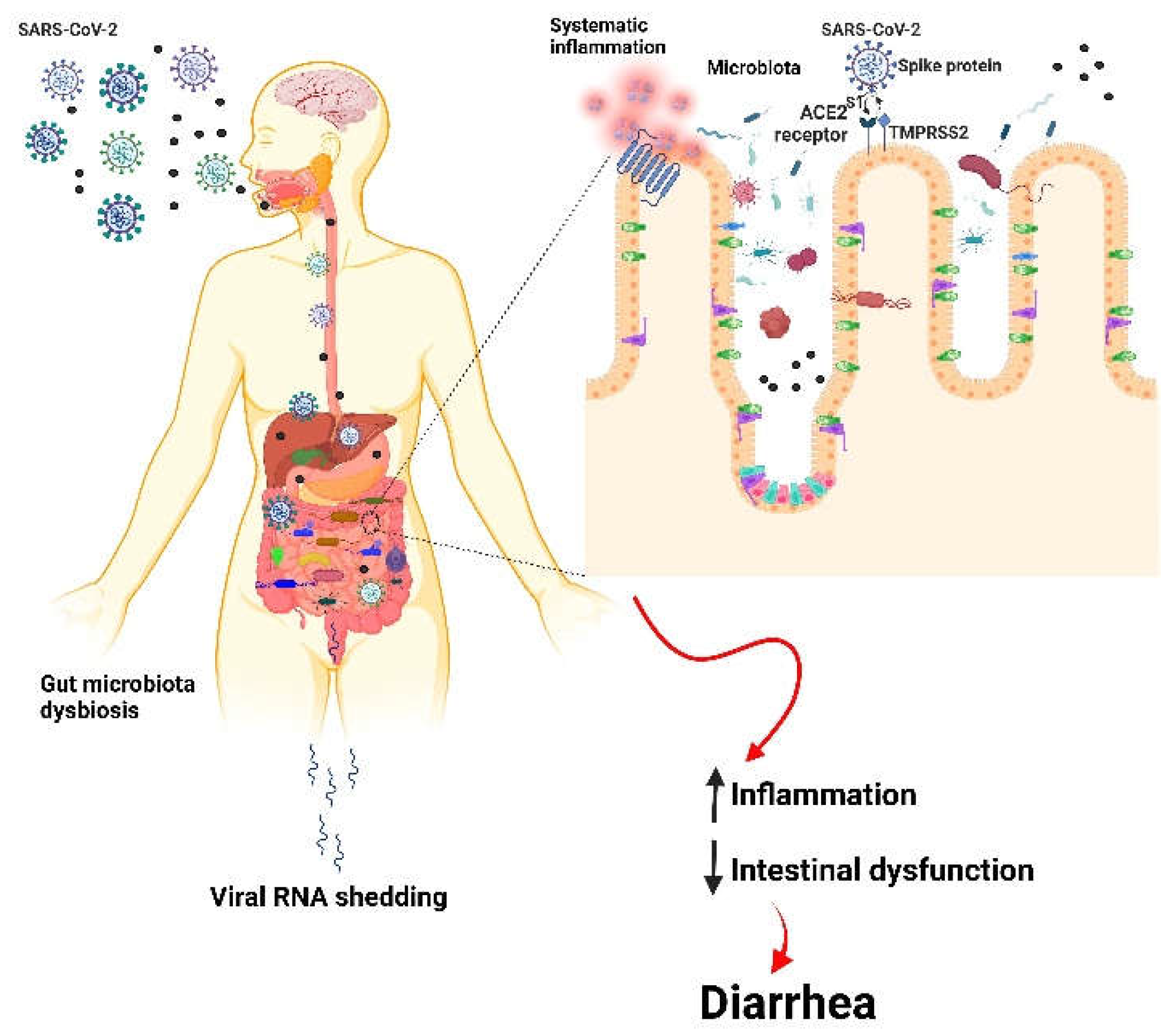
Figure 2.
Factors for the high binding affinity of the spike protein of SARS CoV-2 with enterocytes in the gut.
Figure 2.
Factors for the high binding affinity of the spike protein of SARS CoV-2 with enterocytes in the gut.
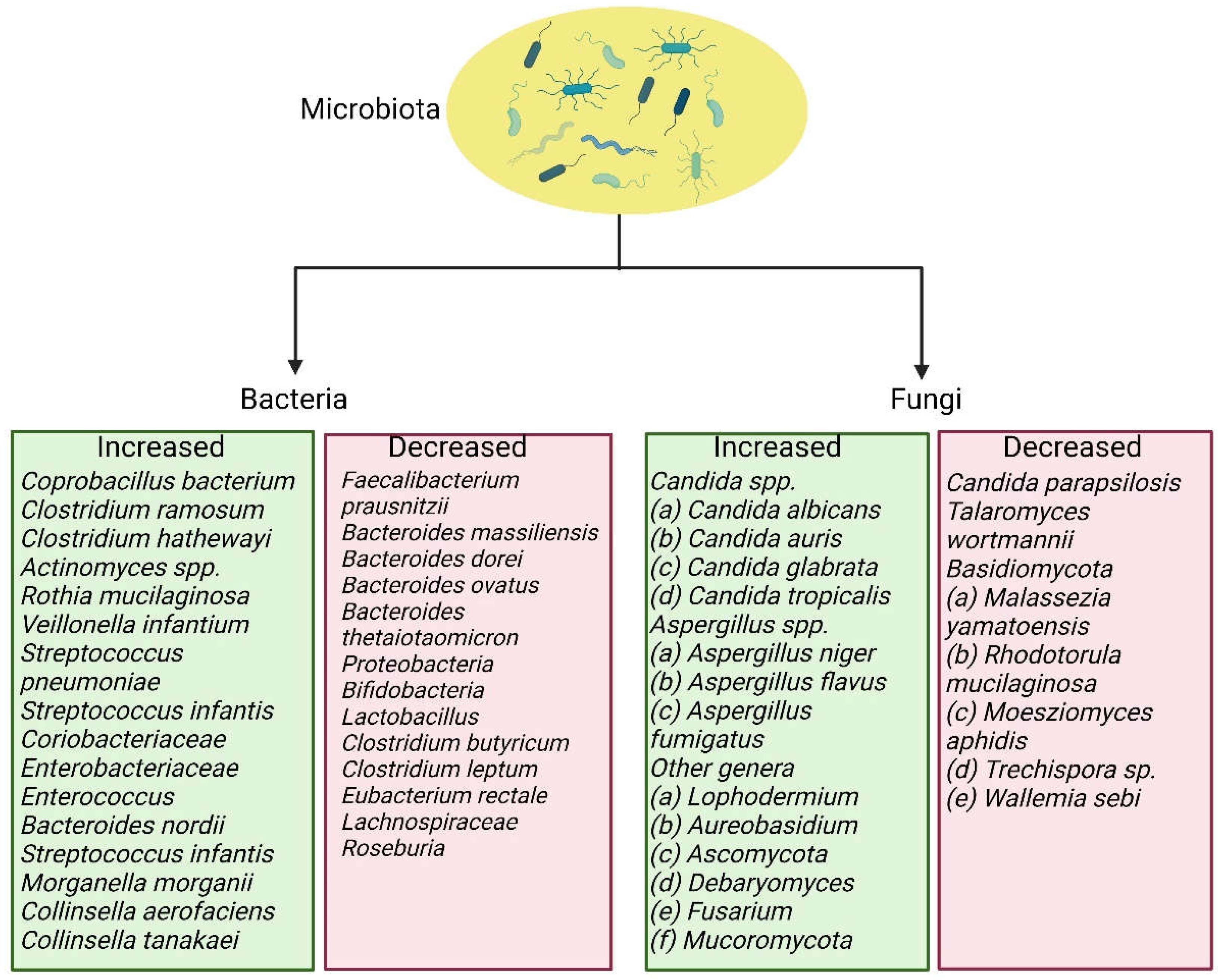
Figure 3.
SARS-CoV-2 infection and its associated gut microbiome dysbiosis.
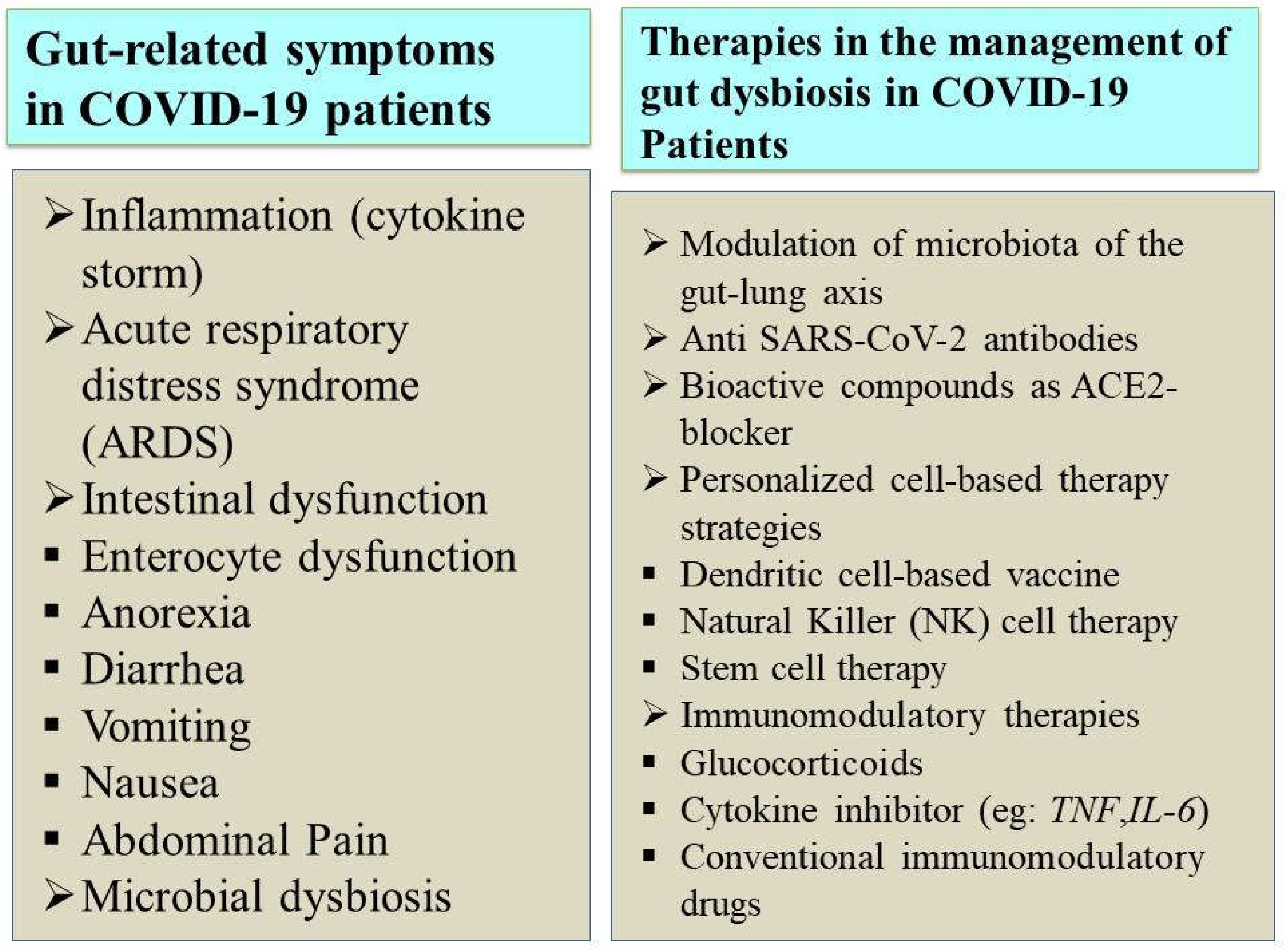
Figure 4.
The representative image shows the influence of prebiotics and probiotics on SARS-CoV-2 infection.
Figure 4.
The representative image shows the influence of prebiotics and probiotics on SARS-CoV-2 infection.
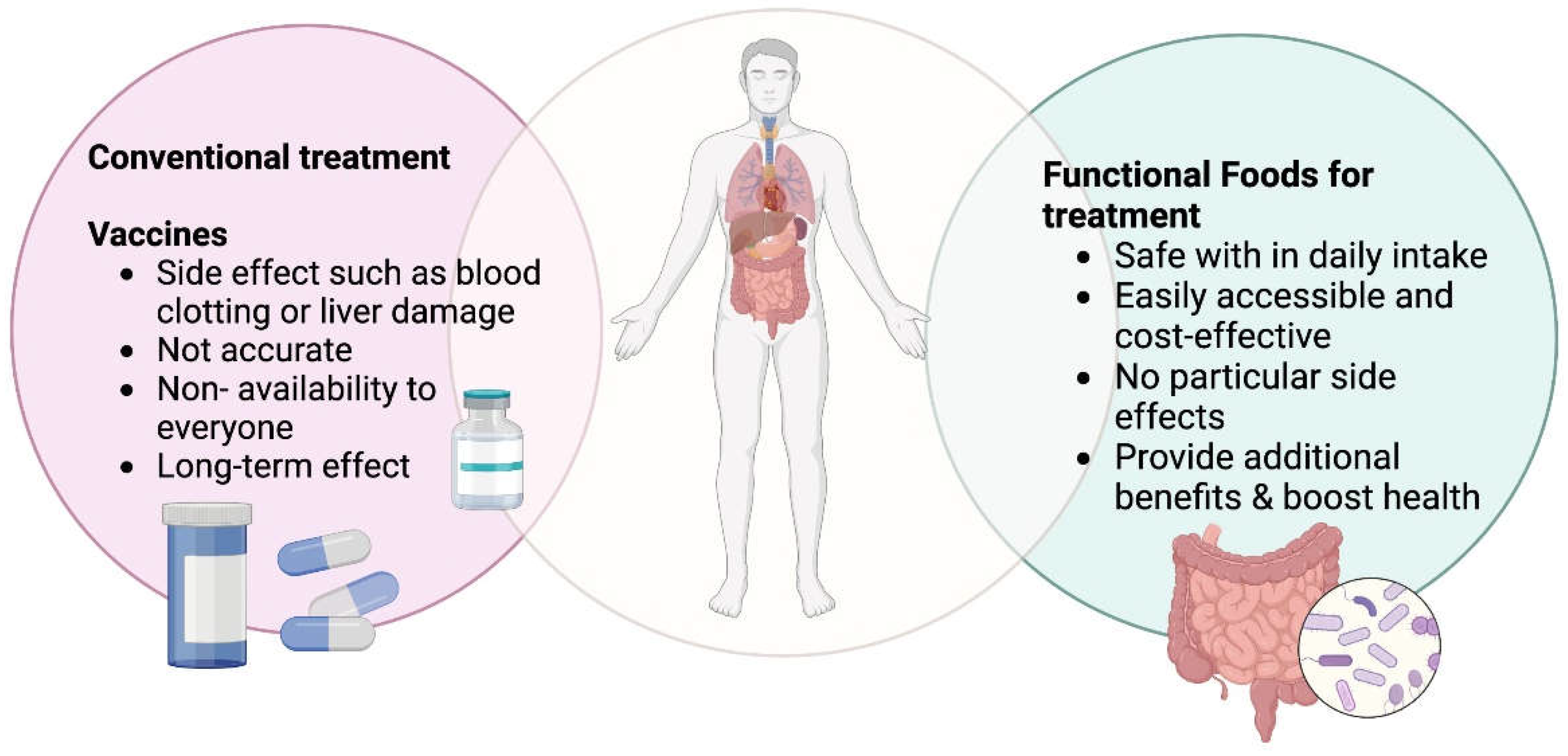
Figure 5.
Strategies for designing successful probiotics.
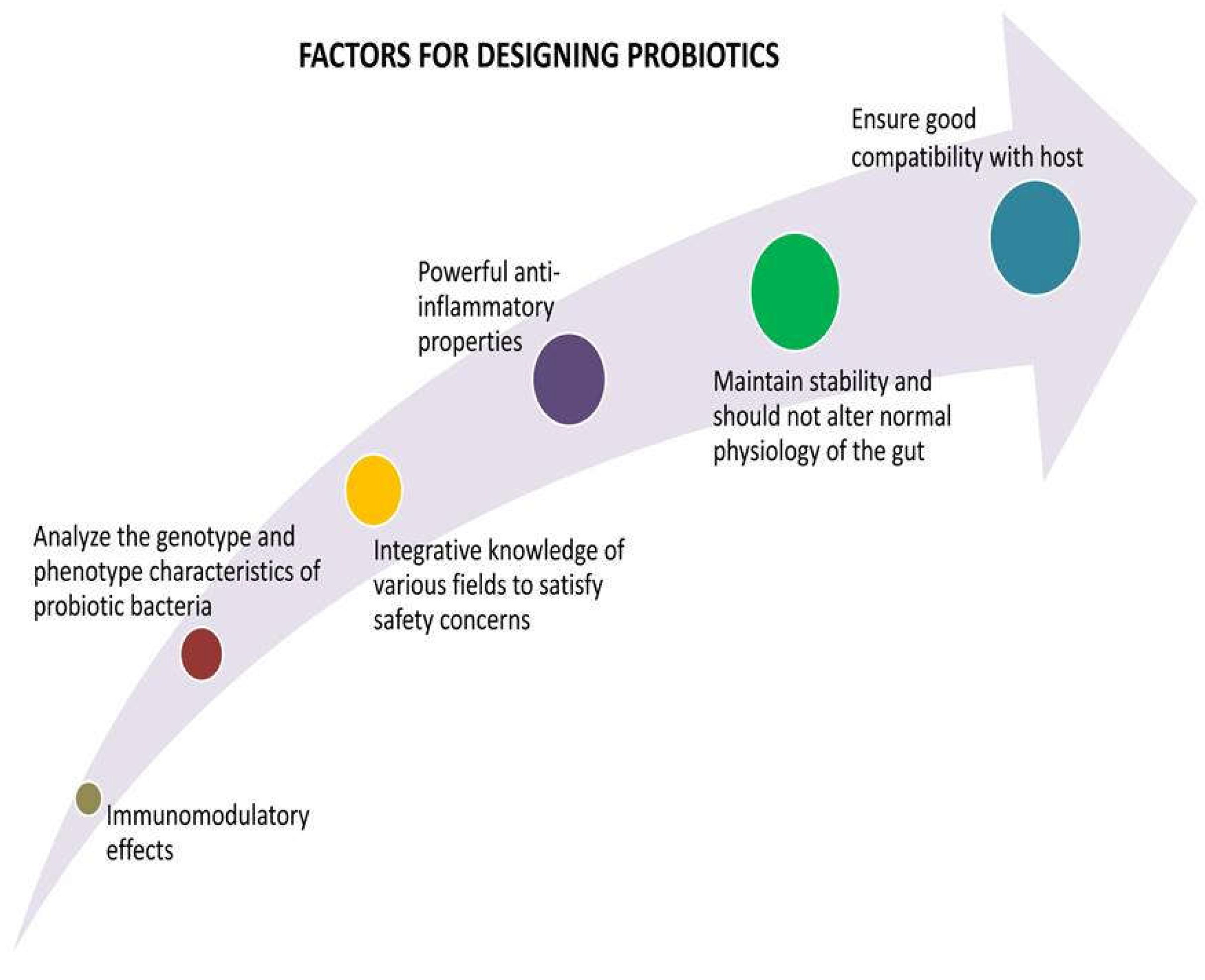

Table 1.
Communities of bacteria seen in various areas of the respiratory and gastrointestinal systems.
Table 1.
Communities of bacteria seen in various areas of the respiratory and gastrointestinal systems.
| Location | Microbial diversity (unit-1) | Representative composition | Reference |
|---|---|---|---|
| Nasal cavity | 1×10³ |
Streptococcus Propionibacterium Corynebacterium Moraxella |
[39] |
| Nasopharynx | 1×10³ |
Streptococcus Dolosigranulum Haemophilus |
|
| Oropharynx | 1×10⁶ |
Rothia Veillonella Leptotrichia Preuotella |
|
| Lung | 1×10² |
Veillonella Preuotella Streptococcus Tropheryma whipplei |
|
| Stomach | 1×101 |
Lactobacillus Helicobacter Veillonella |
|
| Duodenum | 1×10³ |
Streptococcus Lactococcus Staphylococcus |
|
| Jejunum | 1×10⁴ |
Lactobacillus Streptococcus Enterococcus |
|
| Ileum | 1×10⁷ |
Segmented filamentous bacteria Enterobacteriaceae Bacteroides Clostridium |
|
| Colon | 1×10¹² |
Proteobacteria Bacteroides Clostridium Lachospiraceae Prevotellaceae |
Table 2.
List of probiotics and their mechanisms of action in gut microbiota in patients with COVID-19.
Table 2.
List of probiotics and their mechanisms of action in gut microbiota in patients with COVID-19.
| Category | Source | Probiotics | Mechanism & Effects | Reference |
|---|---|---|---|---|
| Vegetables | Sauerkraut | Lactobacillus plantarum | Promotes the growth of beneficial probiotics, boosts the immune system, ↓ stress & brain health, ↓risk of cancer, ↓ rate of age-related loss in bone mineral density |
[105,106] |
| Miso | Aspergillus oryzae | Starch hydrolysis, ↓ risk of cancer, heart disease | ||
| Kanji | Rhodotorulaglutinis | ↓cell and tissue damage | ||
| Cassava | Galactomycesgeotrichum | Starch hydrolysis | ||
| Pickle | Pediococcus cerevisiae | ↓ chances of heart disease, stroke, cancer, and respiratory disease | ||
| Pulque | Torulasporadelbrueckii | Inhibit DPPH activity | ||
| es of the gut microbiota in severe Fruits | Masau | Saccharomyces cerevisiae | Produce folates which ↓ the risk of Alzheimer’s disease, cardiovascular disease | |
| Cocoa | Saccharomyces cerevisiae, Halimeda opuntia | Anti-inflammatory activity, ↓ risk of irritable bowel syndrome (IBS) | ||
| Kombucha | Medusomycesgisevii Lindau | Starch hydrolysis, ↓ risk of rheumatism, gout & hemorrhoids | ||
| Olives | Candida krusei | ↑ amylase & trypsin activity | ||
| Tepache | Hanseniasporauvarum | Inhibit the growth of pathogenic bacteria | ||
| Chilli Pepper | Hanseniasporaguilliermondii | Prevents colonization by pathways in the human gut | ||
| Cereals | Sourdough | Chamaerops humilis | Good hydrophobicity & hemolytic activity | |
| Ogi | Pichia kudriavzevii | Helps generate hormones and lowering in blood pressure | ||
| Pozol | Rhodotorulaminuta | ↓ secretion of Interleukin-8 (IL-8), ↓ cholesterol | ||
| Dairy Products | Yogurt | Lactobacillus bulgaricus, Streptococcus thermophilus | ↓ digestive problem & enhance gut microbiota | |
| Kefir | Kluyveromyces spp. | Anti-inflammatory activity and anti-aging properties | ||
| Milk | Lactobacillus fermentum | ↓ Osteoporosis | ||
| Plant-based protein | Tempeh | Bifidobacterium | ↓ oxidative stress, ↓ cholesterol level Improves bone health |
Disclaimer/Publisher’s Note: The statements, opinions and data contained in all publications are solely those of the individual author(s) and contributor(s) and not of MDPI and/or the editor(s). MDPI and/or the editor(s) disclaim responsibility for any injury to people or property resulting from any ideas, methods, instructions or products referred to in the content. |
© 2023 by the authors. Licensee MDPI, Basel, Switzerland. This article is an open access article distributed under the terms and conditions of the Creative Commons Attribution (CC BY) license (https://creativecommons.org/licenses/by/4.0/).
Copyright: This open access article is published under a Creative Commons CC BY 4.0 license, which permit the free download, distribution, and reuse, provided that the author and preprint are cited in any reuse.


