

Submitted:
27 January 2023
Posted:
30 January 2023
You are already at the latest version
Abstract
Globally, non-timber forest products (NTFPs) continue to contribute vastly to addressing the food, poverty reduction, income, and livelihood requirements of people in rural areas. However, as at now, there is no specific existing data highlighting periodic contributions of NTFPs to the economy of the Eastern region and the country. The study analyses the contribution of NTFPs towards economic development in the Eastern region and the achievement of SDGs in Ghana. Through Focus Group Discussions and qualitative analysis, it was concluded that NTFPs contribute immensely towards the economic development of the Eastern region and the country through employment and direct taxes. Ultimately, it is evident from the study that the destruction of the Atiwa forest reserve for the purpose of bauxite mining will widely hinder the country’s achievement of the SDGs. Also, the study found out that residents will continue to exploit forest resources if the core concerns of institutional deficiencies and rural poverty are not addressed. To curb this situation, there should be sustainable, regulated, and authorized harvesting of NTFPs/NWFPs, community/user empowerment, sectoral education and training programmes, etc. Even though these are common solutions, the study found them extremely rare in the study area.
Keywords:
Non-Timber Forest Product
; Sustainable Development Goals
; Sustainable Forest Management
; forest policy
; forest degradation
; endangered species
1. Introduction
Major forests in Africa and the tropics serve as enhancers to resilience to climatic changes and as a backbone to livelihoods to millions of rural dwellers and the cities alike. Approximately 1.3 billion people in the world are believed to rely on forests and forest products as a source of their livelihoods [1]. Most of them are believed to be living below the poverty line especially in the in low- and middle-income countries [2]. Be that as it may, forest resources and services are thought to contribute at least one fifth to a little over one quarter of family income which is almost the comparable amount as that of agriculture particularly for those that live close to forests [3]. Major forests contribute about US $250 billion per annum, to developing economies which is more than twofold the amount of money of International Development Assistance and a little more than the yearly global yield of gold and silver combined [4]. According to World Bank [5] the rates of rural and urban poverty rests 25% and 14% respectively while regions with tiny villages the rate was 27%, 17% in tiny towns and 6% in cities. The African wood industry is dominated by informal and small-scale companies. For example, in Ghana, the formal forest sector employs 50 000 people, but the informal sector employs 260 000. The country’s informal sawmill sector employs over 97 000 people and generates approximately USD 18 million in yearly income, the majority of which is unreported. The charcoal business in Tanzania generates an estimated USD 650 million per year and employs over 2 million people [6]. Agriculture in Africa is highly reliant on rain, making it extremely sensitive to climate change. When there is failure in crop yield, many rural populations turn to forests and trees for wild foods such fruits, tubers, fish, bushmeat, edible insects, beeswax, and honey. Forests also serve as sources of herbal medicine and livelihood [7]. In Sub-Saharan Africa, wood fuel (firewood and charcoal) is the principal source of residential energy for more than 90% of the population. Wood fuel use is increasing as a result of population growth and expanding urbanization trends, for example, a 1% increase in urbanization has been related to a 14% increase in charcoal usage [8]. It is predicted that Africa generated 649 million m3 of woodfuel in 2013, accounting for 35% of world output in that year. The per-capita use of woodfuel in Africa is predicted to be 0.585 m3 [9], which is more than double the world average (0.259 m3). The number of Africans reliant on charcoal is expected to rise from 583 million in 2000 to 823 million by 2030 [10]. Tropical forests are posed with a threat from deforestation and degradation, largely owing to over-exploitation, logging, and transformation to other land uses [11]. During dry seasons or when food is scarce, the harvesting of NTFPs for food and forage supply many tree varieties become vulnerable endangered and will be at the risk of overexploitation. This would typically amount to savanna degradation and consequently to loss of biodiversity [12].
1.1. Problem statement
The overall poverty rate in Ghana fell from 51.7% in 1991-92 to 24.2% in 2018, while the percentage of people living below the extreme poverty line also fell from 36.5% to 13.2% over the same period [13]. Consequently, Ghana has achieved the first Millennium Development Goal (MDG1) goal of reducing by half the proportion of the population living in extreme poverty before the expected 2015 date [14]. This achievement, however, is only applicable at national level, whereas the situation in rural areas, including forest fringe communities, is quite different at the household level. The geographical placement of communities along or in the forests provide them with the ability to cope with the severity of poverty by directly or indirectly relying on forest resources, particularly non-timber forest products (NTFPs) [15]. Although the country can boast of achieving the Millennium Development Goals (MDGs), it is still far from achieving the Sustainable Development Goals (SDGs). It is evident that the Eastern region of Ghana possesses quite a number of forests and forest reserves [7]. The Atiwa forest reserve in the Eastern region and its fringe communities are used in this research. When the Atiwa range was originally designated a Forest Reserve in 1926, it was to protect its value as a watershed source. The forest reserve hosts the Birim, Densu, and Ayensu headwaters and their affluent rivers, which are important sources of water for the surrounding communities, including the capital of Ghana, Accra. Not only that, streams, such as Awusu, Kokoben, Obiri ne Obeng, Abudwusu, and others, which are highly depended upon by the people of Atiwa West district, also have their headwaters in the forest reserve. As the years passed, people began to recognize other values of the forest as well. More than 100 species that live in the forest are globally threatened, and more than 227 species of bird call Atiwa home [15].
However, for some, the value of Atiwa is not the forest itself, but the minerals that lie beneath its soil. The forest reserve is situated on top of about 150 million tons of bauxite deposit, which is a precious mineral used for aluminium processing. The Government of Ghana intends to mine the bauxite in the Atiwa Range Forest Reserve as part of a national infrastructure development program. The bauxite deposit will be used as a mortgage to the Chinese to fund the country’s development drive [16].
Several organizations, such as Rocha Ghana, Friends of Earth Ghana, the Ghana Wildlife Society (BirdLife Partner), the West African Primate Conservation Action, and a number of specialist and state agencies oppose the initiative of mining in the reserve. This is because, in order to mine the Atiwa Range Forest Reserve, the entire forest would have to be removed. While this forest was not seen as irreplaceable, it will be almost impossible to restore the forest after bauxite mining because the soil is very devastated throughout the operation [17]. The Ghanaian government is adamant that, they will establish a devastating bauxite mine in the Atiwa Forest [18] despite intense resistance from local and international conservation organizations. This is a globally recognized and important ecosystem that serves as a home to exceptional biodiversity and provides water to five million residents (as mentioned earlier). Again, it is the main source of numerous non-timber forest products in the region.
The main objective of this study is to analyse the contribution of non-timber forest products towards economic development in the Eastern region of Ghana. And generally, assess its role towards the achievement of SDGs. As at now, there is no specific existing data highlighting a periodic contribution of NTFPs to the economy of the eastern region and the country as a whole. This is the reason behind the uniqueness of the study. The study tries to pinpoint the economic importance of NTFPs/NWFPs in the livelihoods of residents of forest fringe communities and the economy.
1.2. Research questions
The study will answer/discuss the following questions.
- How does degradation of Atiwa forest reserve affect the achievement of SDGs and increase poverty in the Eastern region?
- How does Sustainable Forest management ensure socioeconomic development?
- How does Sustainable Forest management ensure environmental development and preserves biodiversity?
1.3. Conceptualization
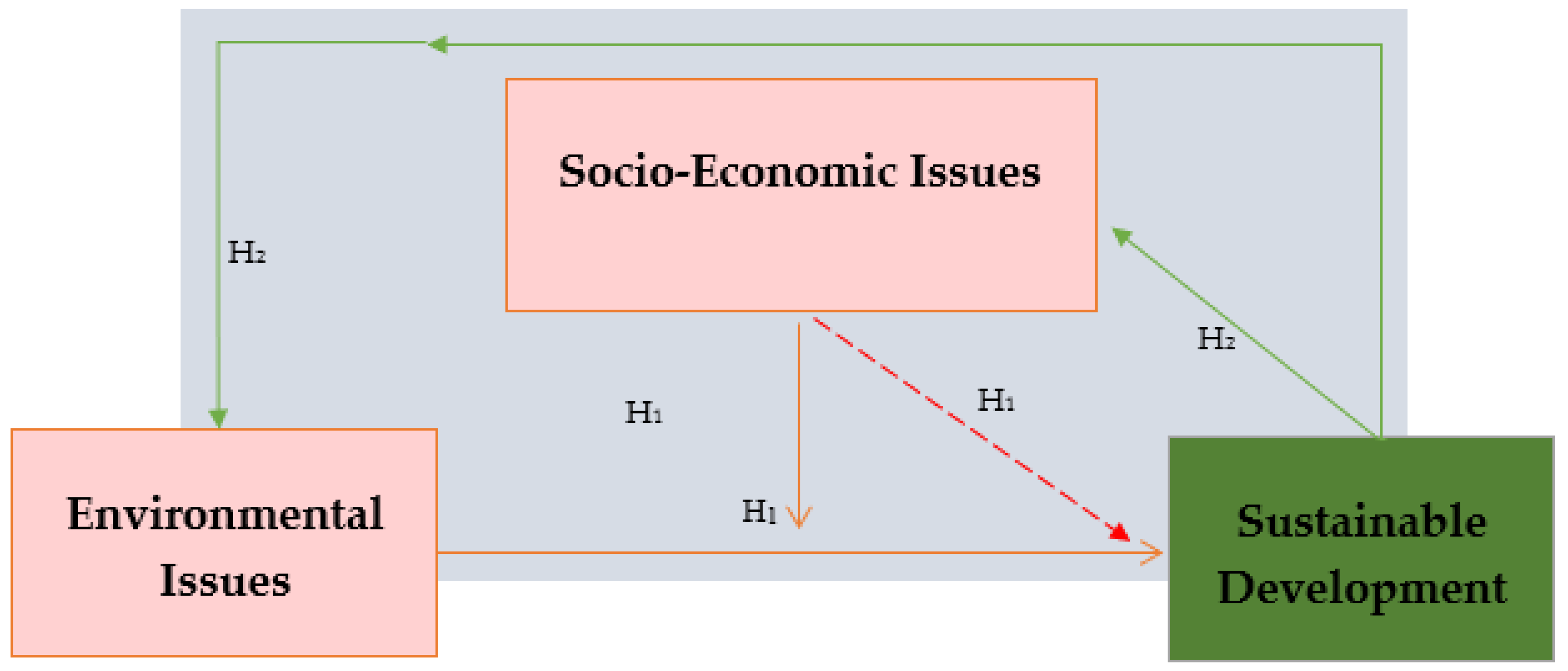
The Sustainable Development Goals (SDGs) emphasize the significance of poverty reduction and advocate for policy implementation that contributes to the socioeconomic development of the poor. The Sustainable Development Goals (SDGs) are categorised into 2 main parts, i.e., environmental goals and human development (socioeconomic) goals.
Considering the economic potential of the Eastern region of Ghana, the study seeks to assess how the natural resources (forests) could be maximally utilized in a way that could lead to the achievement of the Sustainable Development Goals. The focus of the study is on NTFPs. The study seeks to address socioeconomic and environmental issues in the region that can affect the achievement of the Sustainable Development Goals (SDGs) and also provide policy recommendations.
Figure 1.
Conceptualizing socioeconomic effects of forest Degradation on the achievement of SDGs.
2. Materials and methods
The study is solely reliant on primary data (focus group discussions) for the analysis. However, secondary data were used in support of the findings during discussions.
The data were obtained through Focus Group Discussions (FGD) made up of people who directly depend on NTFPs/NWFPs from forests in the Eastern region for economic gains.
A FGD is a sort of in-depth interview conducted in a group setting, with meetings presenting features specified by the proposal, size, composition, and interview techniques. The interaction inside the group is the focus or target of analysis. Members influence each other throughout the discussion by responding to questions and making contributions. The moderator facilitates discussion by making remarks or bringing up topics. The transcripts of the group conversations, as well as the moderator’s thoughts and commentaries, are the primary data produced by this approach. People’s engagement, a series of sessions, the homogeneity of participants in terms of research interests, the collection of qualitative data, and conversation centred on a topic chosen by the objective of the study are the general features of the Focus Group [19]. A FGD is an excellent technique to get people with comparable backgrounds or experiences together to explore a specific topic of interest. A moderator (or group facilitator) guides the group of participants by introducing themes for discussion and assisting the group in participating in a vibrant and natural dialogue among themselves.
To obtain these data the researcher travelled to Ghana between 30 September and 30 October 2021 under the auspices of the Bilateral Agreement program of Mendel University. As the researcher was considered an intern with the Environmental Protection Agency of Ghana, the host supervisor coordinated with community leaders who assisted the author in organising the focus groups. Two focus groups were involved in the discussions with each lasting for at least 1 hour. Although various viewpoints disagree on the appropriate size, focus groups are typically small. Some propose a group of eight to fifteen persons [20,21]. Based on this assertion, the first and second FGDs consisted of 15 participants each. The first group was made up of vendors of bushmeat, mushrooms, chewing sticks, firewood, snails, wood carvers and honey. This discussion took place in Akyem Anyinam. The second FGD took place at Akyem Moseaso. The group consisted of 15 people who are into herbal/traditional medicine. The same set of questions were used during both discussions. Both towns are in the Atiwa East District Assembly of the Eastern region of Ghana, and they are also considered fringe communities of the Atiwa forest reserve. It should be noted that the local language of the participants was used during the FDG therefore, all the names of plants and animals were mentioned in the local language (see appendices).
2.1. Guide for Focus Group Discussions
- Gender of participant
- Age of participant
- Occupation/sector
- Sources of goods
- What is/are your derivative(s) of the forests?
- What is your annual income range?
- Do you pay taxes?
- Means of tax payment.
- Do you know of any government policies regarding your business activities?
- Are you part of any recognized organization?
- What challenges do you face in your industry?
The data obtained through Focus group discussions were analysed qualitatively using thematic approach. Thematic analysis (TA) is a method for logically discovering, organizing, and providing insight regarding meaning patterns (themes) in a dataset. TA enables the researcher to see and make sense of communal or shared meanings and experiences by concentrating on meaning across a dataset [22].
3. Results
3.1. Focus Group Discussion 1
FGD 1 was held at Akyem Anyinam the capital of the Atiwa East District Assembly of the Eastern Region of Ghana. This group consisted of 15 people: 9 males and 6 females who are within the age range of 26-62years. They were made up of 4 vendors of bushmeat, 2 mushrooms sellers, 3 chewing sticks and firewood sellers, 2 snail traders, 2 wood carvers and 2 honey vendors. Apart from the 2 wood carvers who have Higher National Diploma in Sculpture, none of the other participants had Senior High School education. Nonetheless, all of them had basic education. They informed through the discussion that they get their products from primary forests, forest reserves (notably, Atiwa), farms, and from hunters who hunt in the forests. Examples of woods mentioned by the carvers include False rubber tree, Scented guarea, Cordia Daniellia, Natal white stinkwood, Stool wood, and African teak. However, due to scarcity, now they are using woods like Mahogany, Mansonia, and Aningeria. Examples of bushmeats from the forest are Grey rhebok, Grasscutter, Ground Pangolin, Bushbuck, Mangabey monkeys, African Hog and Antelopes. From these businesses, they are able to make an annual net income of 5500- 20000 Cedis. They are stated that they pay taxes to the district and regional authorities through daily tax collection by Internal Revenue Service representatives or monthly income tax which is also collected by the representatives. They were asked if they know about any policies that regulates their businesses and their sources of goods. Apart from the Wood carvers who mentioned that they know about illegal logging, the other participants had no knowledge about any existing policies for their businesses. However, with the exception of the chewing sticks and firewood vendors, all the other participants belonged to at least one traders’ association pertaining to their ventures. They mentioned that these associations serve as support groups. Sometimes they contribute financially to help each other in times funerals, birth and even education of participants wards (which is more like a non-interest loan). With respect to the challenges they face, a profound submission made by the mushrooms sellers is that they sometimes have to trek deep into the forest to locate anthills and it’s very dangerous. The firewood vendors mentioned that they don’t go into the forest reserves to harvest dead woods but sometimes they are chased by forestry officers when they are gathering woods along the boundaries and equally, when they are gathering woods from farms, they are tagged as thieves. Bushmeat sellers mentioned scarcity of bushmeat. Generally, they agreed that since they pay taxes, they expect the government to give them some sort of education to improve their businesses.
3.2. Focus Group Discussion 2
FGD 2 was held in Akyem Moseaso, also in the Atiwa East District Assembly of the Eastern region of Ghana. This FDG was solely organised for individuals who deal with traditional/herbal medicine. The group was made up of 10 males and 5 females of whom 5 are into leaves and plant-based medicines and the remaining 10 are into wood back and root-based medicines. The youngest participant was 29 years old and the oldest was 64 years old. Three of them never had any formal education and the remaining twelve participants have basic education (Middle School Leavers Certificate or Basic Education Certificate Examination). The main sources of their goods are the Atiwa forest reserve, other primary forests, bushes and farms. Examples of medicinal plants from the forests are Paullinia (Paullinia pinnata (L) (which is used for the treatment of waist pain, ulcer, sexual weakness, piles, rheumatism, bone fracture, impotency, fatigue, fever, stroke, HIV/AIDS), Mahogany (Khaya ivorensis) (they are used to cure coughs, fevers, and anaemia, as well as wounds, sores, ulcers, and tumors, and as an anodyne to alleviate rheumatic symptoms and lumbago), Ethiopian pepper (Xylopia aethiopica (A. Rich) (used for the treatment of Stomach-ache, Chicken Pox, Bladder Trouble, Leprosy, Diabetes mellitus, Strengthening Pregnancy, Asthma, Mental illness, Convulsions, Arthritis, Inflammation), African Neem (Azadirachta indica (A. Juss), which is used for the treatment of malaria, tuberculosis, cancer, worm infections, wounds. Moringa (Moringa oleifera (Lam.) (used for the treatment of hypertension, ulcer, fever, malaria, typhoid, blood tonic, urine retention, bilharzia, diarrhea), Schrad (Bambusa vulgaris (J.C. Wendl.) (used for the treatment of malaria, hypertension, cancer), adenia cissampeloides (planch, ex benth. Herms) (used for the treatment of fever, malaria, wounds, gastro-intestinal disease, numbness, hypertension, wound), Black pepper (Piper nigrum (L.) (which is used to treat Malaria, cancers, excipient) among others. From their businesses, they are able to make an annual net income of 7300- 32000 Cedis. Even though they are all members of at least one traders’ association, majority of them do not have a recognised license for their business and therefore do not really pay taxes. Those who have licenses for their operations mentioned that they pay taxes to IRS through their representatives. Even though they are all aware that they need to operate under licenses given by the Food and Drugs Authority of Ghana, they are not aware of policies that govern their source of goods. Their main challenge is the influx of fake traditional medicine dealer. They all claimed that they inherited the knowledge into herbal medicine from their parents or grandparents without any formal education. Another challenge is that most Ghanaians associate traditional medicine with African spiritual practices which is seen as “evil” by other religious believers. Since the majority of them operate without license, they were not concerned about government policies because they believe that it might lead to the collapse of their business. Nonetheless, the 2 participants who have license believe that government policies will help protect the industry and will compel them the obtain professional and formal education which will eventually help their business to boom.
4. Discussions
4.1. Degradation of Atiwa forest reserve and its impact on the achievement of SDGs and poverty in the Eastern Region
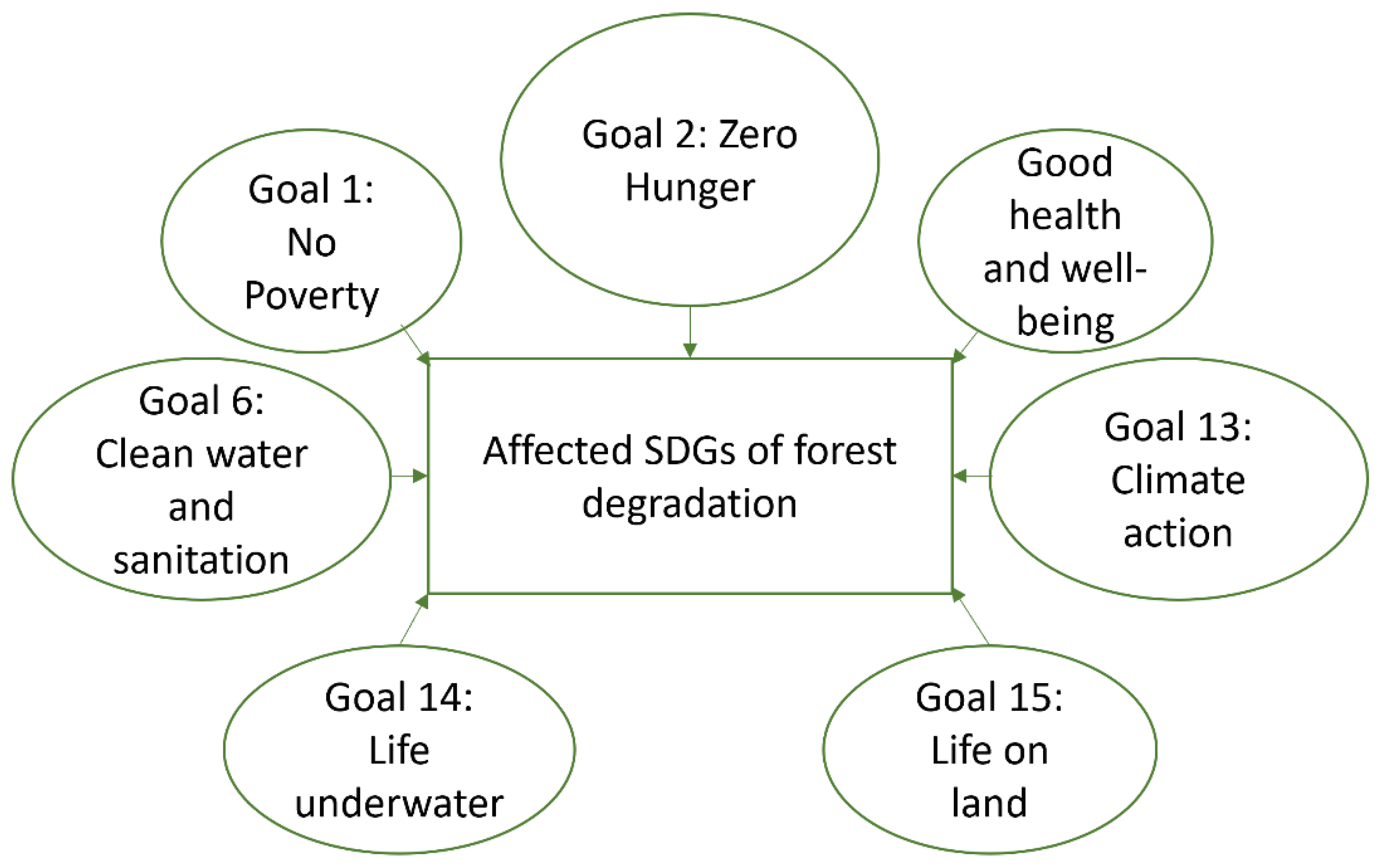
SDG 15, "Life on Land: Protect, Restore, and Promote Sustainable Use of Terrestrial Ecosystems; Sustainably Manage Forests; Combat Desertification; Halt and Reverse Land Degradation, and Halt Biodiversity Loss," could be addressed to the forest sector. Target 15.1 states, "By 2020, ensure the conservation, restoration, and sustainable use of terrestrial and inland freshwater ecosystems and their services, particularly forests, wetlands, mountains, and drylands, in accordance with international agreements," while Target 15.2 states, "By 2020, promote the implementation of sustainable management of all types of forests, halt deforestation, restore degraded forests, and significantly increase afforestation" [23]. The Atiwa forest reserve is critical in terms of sustainable development. According to McCullough et al. [15], Atiwa has been officially categorized in a number of ways over the past 90 to 100 years in recognition of its importance as a repository for biodiversity, including national forest reserve in 1926, Special Biological Protection Area in 1994, Hill Sanctuary in 1995, and one of Ghana’s 30 Globally Significant Biodiversity Areas (GSBAs) in 1999. BirdLife International designated Atiwa as an Important Bird Area (IBA) in 2001. This is because, as already indicated, the Atiwa Range serves as the headwaters of three river systems. - the Ayensu River, the Densu River, and the Birim River. The most significant source of domestic and industrial water for nearby settlements and for several of Ghana’s largest population cities, particularly Accra, are these three rivers. As a result, the Atiwa forests safeguard and supply a source of clean water for a large portion of Ghana’s populace as well as for critical facets of the nation’s biodiversity. Atiwa has also been acknowledged as a reserve of national significance. Globally, the 2020 objectives for preventing biodiversity loss are falling short, with over 31,000 species facing extinction [23,24]. From the discussions, it became clear that they mostly rely on the forests and forest reserve for their economic gains and therefore degradation of the forest reserve will have a significant impact on both the environmental and human-centred SDGs. Ultimately, seven Sustainable Development Goals and their respective targets would be directly impacted. These are Goal 1: No poverty; Goal 2: Zero hunger; Goal 3: Good health and wellbeing; Goal 6: Clean water and sanitation; Goal 13: Climate action; Goal 14: Life underwater; and Goal 15: Life on land (see Figure 2).
In fact, forests may be connected to all of the SDGs, either directly or indirectly. Forests produce plant- and animal-based goods that are vital as meals and medicines, thus contributing to the achievement of the SDGs of eliminating hunger and guaranteeing health and wellbeing. Forest employment may help to provide decent work, and forest-based income can help to eradicate poverty [25], as mentioned earlier, and these earnings can be used to buy food, which helps to ensure food security. Forests also produce clean water and have an impact on hydrological cycle and downstream water supplies, thereby contributing to water and sanitation. Forest biomass may help reduce the world’s reliance on fossil fuels for energy, and forests can help with responsible consumption and production by supplying sustainable materials to replace non-renewable ones. Forests may also contribute to economic development and innovation. Some forest communities are among the most egalitarian in the world in terms of gender and equality, while participatory forest management techniques help to develop inclusive societies and institutions. Forests are critical for carbon storage and climate regulation. Forests also provide essential support services, including nitrogen cycling and crop pollination, which are critical for long-term agricultural productivity. Furthermore, mangroves provide coastal protection, increasing the resilience of coastal communities to climate-related risks. Recreational, spiritual, religious, and other nonmaterial advantages are among the forest-related cultural ecosystem services. These advantages are significant for both rural and urban people, since they contribute to learning and physical and mental wellbeing, as well as more resilient and sustainable communities. Furthermore, forests contain the majority of the world’s terrestrial biodiversity.
4.2. Sustainable Forest management and socioeconomic development.
From the results, it is evident that the people of the Eastern region rely on forests and forest resources for livelihood. From the focus group discussions, there is the realization that the forest sector provides array of (informal) jobs. Not only timber/wood related jobs but non-wood related jobs as well; including mushroom selling, wild honey supplying, snails selling, bushmeat vending, firewood and chewing stick selling, and herbal/traditional medicine businesses. Evidently these people make enough money from NTFPs derived from the Atiwa forest reserve and other forests in the region and from these monies, they are able to make a living.
The economic importance of NTFPs for Africa’s rural livelihoods has been widely acknowledged, both in terms of subsistence and monetary revenue. The fact that NTFPs are sited in forests that are home to indigenous communities is at the heart of their economic relevance. The gathering of NTFPs is a crucial source of income and employment for rural poor, indigenous populations, and people who live in forests [26]. According to Ammal and Mariam [27], in Northern Ghana, the lowest weekly revenue from NTFPs ranged from 1 to 25 Ghana cedis (GHC), while the highest weekly income was 65+ Ghana Cedis. In Malawi, their contributions towards annual total household earning ranged from 15% [28] and in Mali, around 40% [29]. Evidently, from the study, the participants front the FGD indicated that they directly contribute to the region’s economic growth through the payment of taxes. The lack of information on the ecology and physiology of NTFP species is a serious hindrance to resource management attempts. Nonetheless, contrary to this, there are limitless information about the make-up of the Atiwa forest reserve and this makes it ready for sustainable management.
4.3. Impact of Sustainable Forest management on environmental development and biodiversity preservation
Forest biodiversity is rapidly disappearing, and it is a matter of great concern. A major publication like the Red List of Threatened Species [30] show that a large and growing number of forest ecosystems, species and inhabitants are endangered or being lost worldwide as a result of forest habitat loss and forest degradation, and that the effects of climate change will exacerbate this loss of forest biodiversity. Tropical wet forests have the highest concentration of endangered species of any biome [31] which Atiwa FR is one of them. It is thought that many species, which have not yet been officially named, are now being lost along with their tropical forest habitats [30].
According to the Millennium Ecosystem Assessment, non-timber forest products (NTFPs) and services account for up to 96 percent of the value of forests [31]. In Central Africa, for instance, the utilization of forest wildlife (bushmeat) accounts for up to 80% of protein consumption in rural families [32]. Nonetheless, the critical significance of NTFPs in the national and particularly rural economies is sometimes overlooked in national statistics as well as pertinent initiatives and plans. This is similar in the case of Ghana. As it was identified from the FDGs, the regional and local authorities receive daily and monthly taxes from NTFP/NWFP traders yet there is no evidence/ records of their contribution to the economies.
It is evident from the study that even the regular citizen knows of scarcity in many of these species in the forests. Sustainable forest management in this case would be very important to ensure that biodiversity and livelihood are on a par. In December 2007, the United Nations General Assembly approved the most commonly accepted, inter-governmentally agreed definition of Sustainable Forest Management (SFM): “Sustainable Forest Management as a dynamic and evolving concept aims to maintain and enhance the economic, social, and environmental value of all types of forests, for the benefit of present and future generations. It is characterized by seven elements, including: (i) extent of forest resources; (ii) forest biological diversity; (iii) forest health and vitality; (iv) productive functions of forest resources; (v) protective functions of forest resources; (vi) socio-economic functions of forests; and (vii) legal, policy and institutional framework” [33]. Again, from the FGDs, it became glaring that the residents are actively using endangered species (plants and animals) in their daily economic activities. The International Union for Conservation of Nature has Milicia excelsa on the Red List under ’Near Threatened’. The Carvers who participated in the FGD also mentioned that this is one of the woods under scarcity and that is why they are now resorting to woods such as Aningeria and Piptadenia for carvings.
In the same way the bushmeat dealers mention a number of animals that are usually on their list including Pangolins. Pangolins are highly threatened by poachers who persistently hunt for their flesh as well as their scales, which are used in traditional medicine [30,34]. Excessive deforestation of their native habitats has also caused a great harm to these species. They are the world’s most trafficked animals [30]. There are eight pangolin species whose conservation status is categorized as endangered as of January 2020. On the International Union for Conservation of Nature’s Red List of Threatened Species, three (Manis culionensis (de Elera), Manis pentadactyla (Linnaeus), and Manis javanica (Desmarest) are critically endangered, three (Phataginus tricuspis, Manis crassicaudata, and Smutsia gigantea) are endangered, and two (Phataginus tetradactyla and Smutsia temminckii) are considered vulnerable [30].
The Atiwa FR characteristically, is a top-notch nature the needs to me sustainably managed and conserved for both economic use and biodiversity protection.
5. Conclusions and policy recommendation
In contrast to timber commercialization, that is frequently covered in forestry literature, understanding of NTFP/NWFP commercialization is limited and scant, especially in less developed countries where collectors are primarily people on low incomes who sell these items to supplement their livelihoods. The focus on global markets for NTFPs frequently obscures the relevance of NTFP commerce in developing nations in local contexts. NTFPs/NWFPs continue to contribute immensely to addressing the food, poverty reduction, income, and livelihood requirements of people in rural areas. It is projected that NTFP/NWFP provides income to about 20-25 percent of Ghana’s economically engaged people [35].
It is impossible to overlook the fact that even though the people are benefiting from the forests and the forest reserve economically, their actions need to be thoroughly monitored by the Forestry Commission of Ghana.
Considering the fact that in the 2020 SDG 15 report, over 31,000 species are under the threat of extinction, and Atiwa is home to many threatened species, it is the recommendation of the authors, and also the suggestion of many stakeholders and some of the people in the fringe communities, that the forest be turned into a national park and groomed towards ecotourism, which will present a win-win for all stakeholders and, thereby, help the country in achieving the Sustainable Development Goals. Forests are frequently used as a basis for sustainable development and, as such, they must be thoroughly included in the SDG decision-making processes. Human-caused deforestation and desertification pose enormous obstacles to sustainable development and have impacted the lives and livelihoods of millions of people. Forests are critical to the survival of life on Earth and play a crucial role in the battle against climate change. Investing in land restoration is also essential for improving livelihoods, decreasing vulnerabilities, and lowering economic risks. The discussions held throughout the study revealed that residents will continue to exploit forest resources as long as the core concerns of institutional deficiencies and rural poverty are not addressed. Under the current conditions, habitat degradation, disruption of ecosystem services, and biodiversity erosion are all expected to continue. It is consequently required of policymakers to comprehend the nuances of these difficulties, particularly the local authorities, in order to devise effective solutions.
Even though the suggested solutions are widely not new; they are not found in the area of study. Suggested solutions include:
5.1. Sustainable, regulated, and authorized harvesting of NTFPs/ NWFPs
Government development initiatives generally ignore non-timber forest products (NTFPs) and other forest ecosystem services. This is problematic, because NFTPs and forest services such as medicinal and food plants, clean water, bushmeat, rattan etc. are vital in rural lives and local and national economies but are mostly under-represented or not included in development initiatives and national databases. The absence of NFTPs from government development objectives and programs exposes them to unsustainable, uncontrolled, and unlicensed harvesting, such as bushmeat overhunting. Bushmeat hunting is the capture of any non-domesticated terrestrial animal, bird, reptile, or amphibian from the wild. Food hunting in tropical forests is a cause for worry since there is substantial evidence that the extent of harvesting in these areas constitutes a major danger to several tropical forest species. Furthermore, wildlife depletion is inextricably tied to the food security and livelihood of many tropical forest-region communities because many of these forest-dwellers or forest-dependent individuals have few other sources of protein as well as money. The "bushmeat issue" is a problem of uncontrolled shared resources being exploited in an unsustainable manner due to insufficient governance and legislative frameworks. Most of those fundamental factors of unsustainable wildlife usage are similar to those of poverty. Greater emphasis must subsequently be placed on governance concerns such as policy and regulation and incorporating the high value bushmeat trade into the national economy policies. Even though, hunting of some animal is prohibited in between 1 August to 1 December in Ghana, these animals are still being poached during this period.
5.2. Community/User empowerment
Empowering the residents of forest fringe communities/ forest resource users might be a vital tool for long-term sustainability. However, the transfer of rights must be accompanied by the transfer of responsibility for the resource’s protection, in accordance with the resource’s characteristics such biodiversity, as a national and global good. At the same time, it is impossible to transfer rights to bushmeat resources, for example, to local populations without also addressing rights to timber and mining. There are no general answers to the problem of unsustainable bushmeat hunting in tropical forests. Approaches must be adjusted to local cultural, social, and political situations and must be nation, location, and context specific. Forest activities, and land use planning of authorities, should always consider the rights and indigenous practices of residents of fringe communities. The core idea for accomplishing this is via effective involvement of local peoples as well as local stakeholders when it comes to decision-making and governmental systems, regarding prior, and affirmative decision to any initiatives, or changes affecting their societies, traditional practices, and environment.
5.3. Sectoral education and training programmes:
5.3.1. Education/trainings on mushroom farming
Ghana has a large potential for mushroom production due to the abundance of natural resources and a favourable climate for its gemination. Mushrooms, which are high in protein, vitamins, and minerals yet low in fat, are a favourite meal in Ghana. The collecting of edible mushrooms in rural regions and subsequent sale in urban areas is a historical custom that is still practiced by certain dealers. Mushroom production in Ghana begun many centuries back with the use of the traditional pit technique, which produced very poor and irregular yields. Even though the Eastern region of Ghana is known to be one of the places to get the best wild mushrooms, little to nothing is known about its economic contribution to the region’s economy. As it has been identified from the study, these collectors are mainly poor people living in the rural communities and therefore do not have the financial capability to seek external training on producing mushrooms in and out of season. Due to this, mushroom collectors, according to the study, operate on seasonal basis. Over reliance on the wild for mushrooms can eventually lead to extinction. The study recommends that the government in partnership with NGOs should organise trainings, seminars, and symposiums for these collectors. Although the National Mushroom Development Project (NMDP) was established in June 1990 by a cooperative effort of the Food Research Institute- Council for Scientific and Industrial Research, Ghana Export Promotion Council, and the MoFA with the primary goal of methodically developing and promoting intensive mushroom farming, use, and export, many mushroom collectors, per the results, are not aware of any existing programmes.
5.3.2. Plant medicine trainings for informal practitioners
Thorough measures must be in place to separate traditional medicine practices from traditional spiritualism. In Ghana, the practice of medicine is inextricably linked with the practice of religion, and Africans are notoriously devout, as is their idea of medicine. Aside from the acknowledged and accepted strictly biological causes of illnesses, there are also traditional interpretations for them [36]. The Ministry of Health if Ghana is already aware of the effectiveness of herbal medications and the possible complications that may result from their abuse and/or misapplication. For this reason, there is should be through periodic training for practitioners. In Ghana, the process of normalizing traditional medicine has been guided by the policies and regulations of previous governments. For example, the collapse of the Nkrumah’s administration hampered prior attempts to embrace traditional medical practices. Nevertheless, Acheampong’s military regime relaunched the efforts in the 1970s. The approach was intensified in 1973, with the founding of the Centre for Scientific Research into Plant Medicine (CSRPM) at Mampong in the Eastern Region. Under the Rawlings’ administration, the Ghana National Association of Traditional Healers (GNATH) was founded in 1991. Its objective was to mobilize healers with extensive understanding of traditional remedies. The Ghana Federation of Traditional Healers (GFTH) was established in 1993. It was later reformed and is now known as the Ghana Federation of Traditional Medicine Practitioners Association GHAFTRAM). This organization serves as the parent body for all traditional healer unions in Ghana and it provides recognition and legal status to organisations and their members. The MoH of Ghana, therefore, through the media should mobilize all traditional medicine practitioners and make sure that they are registered with a recognised association and are operating with the right license after going through thoroughly sponsored trainings.
5.3.3. Apicultural education/trainings in rural areas
This study his brought to light that most of the honey dealers in the Eastern region and the country as a whole, get their honey from the wild. This has a great impact not only in terms of the danger it poses to the bees, but also the yield. Studies, for example, Kiros and Tsegay [37], show that when compared to traditional beehives, the use of upgraded hives such as the frame hive can result in increased honey yield. As mentioned by Hanspal [38], Ghana’s honey industry, up until now, is not regulated. In Ghana, insufficient attention has been paid to the legislative and regulatory environment for the creation of NTFPs. Because forest policies continue to classify NTFPs as "minor" forest products, they get less attention than wood in forest management initiatives and policies. The absence of a definitive policy on NTFPs has hampered their promotion, commercialization, and supply chain management. Forest policies have historically been controlled by the economic interests of succeeding administrations for the utilization of wood resources for the generating of foreign exchange. Ghana’s forestry policies have failed to recognize the significance of NTFPs, as well as to provide an enabling climate for their promotion and growth. According to World Bank, as indicated in The Africa Report [38], honey producers in Ghana will receive a new policy to control business operations and exports in order to strengthen the National Honey Production and Investment Policy, allowing the country to attain a trillion-dollar industry by 2030. This shows that the government is aware of how honey, a NWFP, can contribute to the booming of the nation’s economy. It is eminent, therefore, that rural producers are extensively trained and financially supported towards this course to achieve the set goals.
5.4. Increasing Local Government powers for jobs creation
Even though, Ghana operates a decentralized economy, policies and activities are still cantered in the cities. More powers should be given to the local government to establish jobs and ensure its functionality in the rural area. Most of forest reserves in Ghana are considered to be potential ecotourism sites however none as of now is confirmed as such. The apparent beautiful and endowed nature and characteristics of the Atiwa forest reserve should be well broadcasted and made accessible to attracts tourists from all parts of the world. The butterfly sanctuary in the forest makes it unique among the other reserves (both major and minor) in the country. The government, together with private organisations, can commission these reserves into tourist sites which would bring tremendous improvement to people’s livelihoods in fringe communities. New jobs would be created for the people living close-by.
5.5. Adopting new measures to enforce existing policies
Recent cases of illegal mining activities in Ghana are found in forests and forest reserves. The Atiwa forest reserve is a victim, as already presented in the study. Implementing a policy framework as an approach to enhancing environmental practices is therefore necessary. These strategies should concentrate on encouraging miners’ moral accountability by educating, advertising, and using social pressure to bring about a shift in behaviour. Consequently, enforcement of current legislation, using forces such as police, will increase the policy implementation act. This strategy would ensure that small-scale miners extract minerals without destroying the environment by suitable means. Despite the fact that there was a countrywide force actions against illegal mining, additional research suggests that actions named Operation Vanguard under the Akuffo-Addo administration, this was only transitory. As things stand now, that once-helpful policy has been suspended, and illegal miners have returned to numerous sites around the country including mining in and around forests and forest reserves. As a result, the author recommends that the government establishes a separate security unit solely responsible for land degradation actions such as water pollution, illegal mining, and deforestation etc. This division will serve as a taskforce, with capable men and women being recruited on a regular basis and undergoing extensive training with the goal of preventing environmental (land, water, and air) degradation.
Appendix A

Table A1.
Some woods used for carving (FGD1).
| Local/Twi name | Name of wood | Botanical Name |
|---|---|---|
| Sese | False rubber tree |
Holarrhena floribunda (G.Don) T.Durand & Schinz |
| Gyenegyene | Scented guarea | Guarea cedrata (A. Chev.) Pellegrin |
| Dua Tweneboa | Cordia | Cordia gandensis (S.Moore) |
| Hyedua | Daniellia | Daniellia ogea (Harms) Rolfe ex Holland |
| Esa | Natal white stinkwood | Celtis mildbraedii (Engl.) |
| Onyamedua | Stool wood | Alstonia boonei (De Wild.) |
| Odum | African teak | Milicia excelsa (Welw.) C.C. Berg |
| Mansonia | Mansonia | Mansonia altissima (A.Chev.) |
| Asamfena | Aningeria | Aningeria altissima (Aubrev. et Pellegr.) |
| Dahoma | Piptadenia | Piptadeniastrum africanum (Hook.f.) Brenan |
Table A2.
Some common bushmeats (FGD1).
| Local/Twi Name | Name of Bushmeat | Binomial name |
|---|---|---|
| Otwe | Grey rhebok | Pelea capreolus (Forster) |
| Akranteɛ | Grasscutter | Thryonomys swinderianus (Temminck) |
| Aprawa | Ground Pangolin | Smutsia temminckii (Smuts) |
| Nwansane | Bushbuck | Tragelaphus scriptus (Pallas) |
| Kwakuo | Mangabey monkey | Cercocebus atys (Audebert) |
| Osanka | African Hog | Hylochoerus meinertzhageni (Thomas) |
| Adowa | Antilope/Dik Dik | Antilope saltiana (Desmarest) |
Table A3.
Names and uses of some medicinal plants (FDG2).
| Local/Twi Name | Plant name (Botanical name) | Medicinal uses |
|---|---|---|
| Tuoantini | Paullinia (Paullinia pinnata | waist pain, rheumatism, ulcer, sexual weakness, piles, impotency, bone fracture, fatigue, fever, stroke, HIV/AIDS |
| Kakapenpen | Mahogany (Khaya ivorensis) | cough, anaemia, fever, wounds, ulcers, and tumours, rheumatic symptoms, sores, lumbago. |
| Nim dua | African Neem (Azadirachta indica | tuberculosis, cancer, malaria, wounds, worm infections |
| Moringa | Moringa (Moringa oleifera) | ulcer, hypertension, fever, malaria, blood tonic, typhoid, urine retention, diarrhoea, bilharzia |
| Mmpampro | Schrad (Bambusa vulgaris) | Hypertension, malaria, cancer |
| Ahomakyem | Planch (adenia cissampeloides) | fever, wounds, numbness, gastro-intestinal disease hypertension, wound, malaria |
| Awobε or Abε aduro | (Phyllanthus floribundus) | wounds, inflammation, menstrual disorders, pains, fevers |
| Nyankama | Monkey fruit (Myrianthus arboreus) | reproduction, kidney pain, diabetes |
| Wisa | Black pepper (Piper nigrum) | cancers, malaria, excipient |
| Hwenetia | Ethiopian pepper (Xylopia aethiopica) | Stomach-ache, Chicken Pox, Bladder Trouble, Leprosy, Diabetes mellitus, Strengthening Pregnancy, Asthma, Mental illness, Convulsions, Arthritis, Inflammation |
References
- Food and Agriculture Organization of the United Nations. Global Forest Resources Assessment 2000. Rome, Italy, 2014. Available online: http://www.fao.org/forest-resources-assessment/past-assessments/fra-2000/en/ (accessed on 9 July 2022).
- Dokken, T.; Angelsen, A. Forest reliance across poverty groups in Tanzania Ecological Economics, 2015, 117: 203-211. Available online: http://dx.doi.org/10.1016/j.ecolecon.2015.06.006 (accessed on 12 September 2022).
- Angelstam, P.; Elbakidze, M. Sustainable Forest management in Europe’s East and West: Trajectories of development and the role of traditional knowledge. International Union of Forest Research Organizations (IUFRO). Conference proceedings, 2006, 2, 76.
- Food and Agriculture Organisation. Forest products. FAO Statistics Yearbook, Rome, 2018. (ISSN 1020-458X).
- World Bank. SABER: Equity and Inclusion Brief, 2016. World Bank, Washington, DC. Available online: https://bit.ly/3zW9jJJ (accessed on 27 August 2022).
- FAO. Economic and social significance of forests for Africa’s sustainable development. Nature et Faune, 2011, 25(2). ISSN: 2026-5611. Available online: https://bit.ly/3OVwYxZ (accessed on 9 July 2022).
- Akomaning, Y.O. Effects of Degradation of the Atiwa Forest Reserved on the Socioeconomic Development of the Atiwa District of Ghana. Master’s Thesis, Mendel University in Brno, Brno, Czech Republic, 2018.
- International Energy Agency (IEA). World Energy outlook. Flagship report. 2013. Available online: https://www.iea.org/reports/world-energy-outlook-2013 (accessed on 7 June 2022).
- Food and Agriculture Organization. Global Forest Resources Assessment 2010; Food and Agriculture Organization of the United Nations: Rome, Italy, 2015. Available online: https://bit.ly/2ZpXIm5 (accessed on 9 July 2022).
- Gondo, P. Financing sustainable forest management in Africa: an overview of the current situation and experiences. Southern Alliance for Indigenous Resources (SAFIRE), 2010. Available online: https://bit.ly/3vBEY08 (accessed on 3 May 2022).
- FAO. State of the world’s forests 2016: Forests and agriculture: land use challenges and opportunities, Ghana. FAO, 2016, 125p, Rome, Italy, ISBN: 978-92-5-109208-8. Available online: https://bit.ly/3Jq1L4Z (accessed on 9 July 2022).
- Bondé, L.; Ouédraogo, O.; Traoré, S.; Thiombiano, A.; Boussim, J. I. Impact of environmental conditions on fruit production patterns of shea tree (Vitellaria paradoxaC.F.Gaertn) in West Africa. African Journal of Ecology, 2019, 57: 353-362.
- Ghana Statistical Service. Pattern and Trends of Poverty in Ghana. Accra: Ministry of Finance and Economic Planning, 2018.
- World Bank, Ghana Poverty Assessment. World Bank, 2020, Washington, DC. World Bank. Available online: https://bit.ly/3eqGdtw (accessed on 21 August 2022).
- McCullough, J; Alonso, E. L.; Naskrecki, P.; Wright, E. H.; Osei-Owusu, Y. An Ecological, Socio-Economic and Conservation Overview of the Atiwa Range Forest Reserve, Ghana. Conservation International, Center for Applied Biodiversity Science, 2007. Available online: https://bit.ly/2GP2jW1 (accessed on 1 September 2022).
- Ghana Business News. Reconsider the Decision to Mine in Atiwa Forest—CSOs to Government. [Online: 15 March 2019] Available online: https://bit.ly/3qFbMlp (accessed on 4 June 2022).
- Yoda, A. S. S. “We Have Cut Them All”: Ghana Struggles to Protect Its Last Old-Growth Forests. Mongabay Series: Forest Trackers, 2019. Available online: https://bit.ly/2GVf9C1 (accessed on 4 July 2022).
- Birdlife International. Major Manufacturing Companies Oppose Mining in Atiwa Forest, Ghana. Available online: https://bit.ly/2ZHOrD2 (accessed on 10 August 2022).
- Mishra, L. Focus Group Discussion in Qualitative Research. Journal on Educational Technology, 2016, 6: 1-5. [CrossRef]
- Krueger, R. A.; Casey, M. A. Focus groups: A practical guide for applied research. 2008, 4th edition. New York: SAGE.
- Muijeen, K.; Kongvattananon, P.; Somprasert, C. "The key success factors in focus group discussions with the elderly for novice researchers: a review", Journal of Health Research, 2020, 34: 4, 359-371. [CrossRef]
- Braun, V.; Clarke, V. Thematic analysis. In H. Cooper, P. M. Camic, D. L. Long, A. T. Panter, D. Rindskopf, and K. J. Sher (Eds), APA handbook of research methods inpsychology, 2, Research designs: Quantitative, qualitative, neuropsychological, and biological (57-71), 2012, American Psychological Association. Washington, DC.
- United Nations Department of Economic and Social Affairs (UNDESA). UN International Strategy for Disaster Reduction (UNISDR), 2008, Available online: https://bit.ly/3o6wUSn (accessed on 17 September 2022).
- Mohr, J. A. Toolkit for Mapping Relationships among the Sustainable Development Goals (SDGs), 2016, Available online: https://bit.ly/36MQM2M (accessed on 17 July 2022).
- Akomaning, Y.O.; Hlaváčková, P.; Darkwah, S.A.; Živělová, I.; Sujová, A. Socioeconomic Impact of Mining in the Atiwa Forest Reserve of Ghana on Fringe Communities and the Achievement of SDGs: Analysis from the Residents’ Perspective. Forests 2021, 12, 1395. [CrossRef]
- Nyame, F. K.; Grant, J. A.; Yakovleva, N. Perspectives on migration patterns in Ghana’s mining industry. Resour. Policy, 2009, 34: 6–11. [CrossRef]
- Verma, S. K.; Paul, S. K. Sustaining the non-timber forest products (NTFPs) based rural livelihood of tribal’s in Jharkhand: Issues and challenges. Jharkhand J Dev Manag Stud., 2016, 14: 6865-6883.
- Ammal, A.; Mariam, M. Contribution of non-timber forest products to livelihood of rural communities in Kumbungu District of Northern Ghana. Asian J For, 2020, 4: 10-14.
- Kamanga, P.; Vedeld, P.; Sjaastad, E. Forest incomes and rural livelihoods in Chiradzulu District, Malawi. Ecological Economics, 2009, 68: 613-624. [CrossRef]
- IUCN. The IUCN Red List of Threatened Species. 2022, Version 2022-1. ISSN 2307-8235. Available online: https://bit.ly/3SsHI9Z (accessed on 3 September 2022).
- Millennium Ecosystem Assessment Board (MEAB). Ecosystems and Human Well-Being: Policy Responses, 2005, Volume 3. Available online: https://wedocs.unep.org/20.500.11822/7848 (Accessed on 3 March 2022).
- Nasi, R.; Brown, D.; Wilkie, D.; Bennett, E.; Tutin, C.; van Tol, G.; Christophersen, T. Conservation and use of wildlife-based resources: the bushmeat crisis. CBD Technical Series No.33. Montreal, Canada, Secretariat of the Convention on Biological Diversity and Center for International Forestry Research (CIFOR), Bogor, Indonesia, 2008, 50p. ISBN: 92-9225-083-3.
- United Nations. Resolution adopted by the General Assembly 62/98: Non legally binding instruments on all types of forests, 2008. Available online: https://bit.ly/3oVzaep (accessed on 30 September 2022).
- D’Cruze, N.; Assou, D.; Coulthard, E.; Norrey, J.; Megson, D.; Macdonald, D. W.; Harrington, L. A.; Ronfot, D.; Segniagbeto, G. H.; Auliya, M. Snake oil and pangolin scales: insights into wild animal use at “Marché des Fétiches” traditional medicine market, Togo. Nature Conservation 39, 2020, 45-71. [CrossRef]
- Ahenkan. A.; Boon, E. K. Non-Timber Forest Products (NTFPs): Clearing the Confusion in Semantics. Journal of Human Ecology. 2011. Vol. 33, pp 1 - 9. [CrossRef]
- Barimah, K. B. Traditional healers in Ghana: So near to the people, yet so far away from basic health care system. Humanitas Medicine, 2016, 6(2): 1-6. [CrossRef]
- Kiros, W.; Tsegay, T. Honey-bee production practices and hive technology preferences in Jimma and Illubabor Zone of Oromiya Regional State, Ethiopia. Acta Universitatis Sapientiae, Agriculture and Environment, 2017, 9(1), pp 31-43. [CrossRef]
- Hanspal, J. Ghana: Can bees be key to sweetening the economy? The Africa Report.Com, 2022. Available online: https://bit.ly/3bqRj0n (accessed on 29 September 2022).
Figure 2.
Affected Sustainable Development Goals (SDGs) of forest degradation.
Disclaimer/Publisher’s Note: The statements, opinions and data contained in all publications are solely those of the individual author(s) and contributor(s) and not of MDPI and/or the editor(s). MDPI and/or the editor(s) disclaim responsibility for any injury to people or property resulting from any ideas, methods, instructions or products referred to in the content. |
© 2023 by the authors. Licensee MDPI, Basel, Switzerland. This article is an open access article distributed under the terms and conditions of the Creative Commons Attribution (CC BY) license (http://creativecommons.org/licenses/by/4.0/).
Copyright: This open access article is published under a Creative Commons CC BY 4.0 license, which permit the free download, distribution, and reuse, provided that the author and preprint are cited in any reuse.


