

Submitted:
04 November 2026
Posted:
05 November 2026
You are already at the latest version
Abstract
Exceptional longevity is a multifactorial phenomenon in which optimal immune system function plays an essential role. KIR receptors (Killer-cell Immunoglobulin-like Receptors), expressed on Natural Killer (NK) cells and on subpopulations of CD8+ T lymphocytes, represent key modula-tors of innate immunity. The extensive polymorphism of the KIR locus generates interindividual variability in immune surveillance capacity, with possible implications for aging. NK cells play a pivotal role in the immune response. During the ageing process, the activity and number of NK cells varies. The cytolytic activity of the natural killer cells is controlled by an array of activating and inhibitory cell surface receptors, including the KIRs.The present study aims to explore the frequency of KIR alleles in a cohort of 86 individuals in the 65-90 age bracket from Romania, providing inisghts into genetic diversity and potential implications in longevity. High-resolution KIR typing was performed using next-generation sequencing (NGS) technology, allowing for pre-cise identification of KIR alleles with a high degree of accuracy. The results reveal significant ge-netic diversity within the cohort, with prevalent alleles such as KIR2DL3*0020103, KIR2DL3*0020101, KIR2DS2*0010124, KIR2DS2*0010115 or KIR3DL1*0050101, potentially influencing disease susceptibility and longevity. The study reveals the genetic diversity of KIR alleles in elderly Romanians, highlighting prevalent alleles that could be linked to longevity and disease resistance. Further studies with larger number of samples are needed to confirm findings and uncover their implications for healthy aging and healthcare.
Keywords:
KIR
; longevity
; immunosenescence
; Natural Killer cells
; immune response
; centenarians
; immu-nogenetics
; heritability
1. Introduction
Exceptional longevity is conventionally defined as survival to age 90 and beyond, with individuals reaching 100 years termed centenarians, and those exceeding 110 years termed supercentenarians.
WHO estimates that in less than 25 years, 20% of the planet's population will be over 60, and by 2050 around 5% of the population will be over 80, putting pressure on public health and pension systems. The same WHO report mentions that the pace of population ageing is much faster than in the past[1]. WHO also estimates that death rate for peolple under 70 years of age is reducing at about 1.1% each year [2]. UN also estimates that by 2050, one in six people will be over age 65 [3] and by 2080, people aged 65 and over will outnumber children under 18, exceeding 20% of the population [4].
Regarding the ageing process, we know that it is very complex, influenced by many genetic, immunological, enviromental and lifestyle factors, but we do not fully understand the process and all it’s mechanisms.
In 2000, Gudmundsson H et al. [5] published a comprehensive genealogical study involving 1,531 Icelandic individuals who lived beyond the age of 94 years in men (761 cases) and 96 years in women (770 cases). The authors reconstructed detailed family trees, initially extending up to six generations (circa 1730), and in some cases tracing ancestry as far back as the year 1500. Their findings revealed a strong, sex-specific correlation of longevity among first-degree relatives, positioning them among the first to provide evidence of such a hereditary pattern of longevity in humans.
In 2002, Perls TT et al. [6] demonstrated that the siblings of centenarians have a significantly increased likelihood of achieving exceptional longevity compared to the general population. However, their study did not include an immunogenetic component.
Recent studies suggest that human longevity may be correlated with optimal functioning of the immune system [7]. An overly strong and rapid immune response can trigger an exaggerated acute inflammatory process in response to mild aggressions, leading to prolonged periods of more or less localized in-flammation. On the other hand, an inadequate or delayed immune response al-lows frequent and prolonged attacks by pathogens. Neither of these scenarios is beneficial to a long and healthy life.
Therefore, specific genetic determinants regulating the immune response, such as killer immunoglobulin-like receptor (KIR) genes, and human leukocyte antigen (HLA), are thought to play a key role in longevity [8,9,10].
The most widely cited estimate of the genetic component of longevity comes from the Danish twin study conducted by Herskind and colleagues, who analyzed 2,872 twin pairs born between 1870 and 1900: the heritability of adult lifespan was estimated at 0.26 in men and 0.23 in women [9]. In other words, roughly a quarter of the variation in longevity in that cohort was attributable to genetic factors.
This "modest" estimate has recently been called into question: a paper published in Science in 2026 (Shenhan et al.) argues that classical estimates underestimate true heritability, because they fail to separate deaths driven by intrinsic biological processes from those caused by extrinsic factors (accidents, acute infections). Correcting for this effect, the authors propose an intrinsic heritability of human lifespan of over 50% [11] — a major revision, still under debate at the time of writing, which strengthens the case for investigating specific genetic determinants, including immunological ones. An essential point for the topic of this article is that the heritability of longevity is not constant across the lifespan, but increases with age — a consistent observation in the literature, suggesting progressive selection of protective genetic variants at extreme ages. Genetic systems studied in this context include APOE, FOXO3A, and CETP, as well as the immune systems HLA and KIR.
Unlike HLA, whose associations with longevity have been intensively investigated since the 1990s, dedicated KIR–longevity research is a much younger and less developed field, with a limited number of studies published directly on this topic — a point this article deliberately emphasizes, in order to honestly reflect the current state of knowledge rather than present it as more advanced than it actually is.
2. Results
2.1. KIR3DL3
In the elderly cohort, a variety of alleles was identified, with KIR3DL3*0010101 and KIR3DL3*0030103 and being the most common, for both male (10.7% and 11.9%) and female late-life individuals (9.1% and 8%), while the KIR3DL3*0090101 allele was the third most frequent in the elderly women group (6.8%) and the KIR3DL3*01303 allele was the third most common in the elderly men group (4.8%) [Figure 1].
In the cohort of young individuals the results are more interesting. The KIR3DL3*0010101 and KIR3DL3*0030103 alleles are the most common in the young male group, both with 10.9%, followed by the KIR3DL3*0010104 with 9.4%. The KIR3DL3*0010101 allele was also the most frequent in the young female group, at 7.4%, followed by 10 alleles at 4.4% each (including KIR3DL3*0030103) [Figure 2].
2.2. KIR3DP1
For the KIR3DP1 gene the results are similar. In the elderly cohort the most frequent alleles are KIR3DP1*0030202 (34.1%), KIR3DP1*0030101 (13.6%) and KIR3DP1*0030207 (11.4%) for the women and KIR3DP1*0030202 (26.2%), KIR3DP1*0030101 (14.3%) and KIR3DP1*0060101 (10.7%) for the men [Figure 3]; while in the young women group the most common alleles are KIR3DP1*0030202 (38.2%) and KIR3DP1*0030101, KIR3DP1*0060101 and KIR3DP1*0030101 (all three at 8.8%); and in the young men group the most common alles are KIR3DP1*0030202 (28.1%), KIR3DP1*0030101 (14.1%) and KIR3DP1*0060101 (12.5%) [Figure 4].
2.3. KIR2DL4
The KIR2DL4 gene is the first of the framework KIR genes for wich the pattern changes. In the eledrly women the most common alleles are KIR2DL4*0050101 (18.2%), followed by KIR2DL4*0010201 (17%) and by KIR2DL4*0080204 and KIR2DL4*0080101 (both at 14.8%). In the late-life men group the mos frequent alleles are KIR2DL4*0050101 and KIR2DL4*0080204 (both at 19%) followed by KIR2DL4*0010201 and KIR2DL4*0080101 (both at 14.3%) [Figure 5].
In the young women group the most common alleles are KIR2DL4*0050101 (23.5%), KIR2DL4*0080204 and KIR2DL4*0080101 (both at 17.6%). For the young men, the most frequent alleles are KIR2DL4*0010201 (20.3%), followed by KIR2DL4*0050101 and KIR2DL4*0080204 (both at 18.8%) [Figure 6]. This is the first gene for which the most frequent allele is different between the late-life cohort and the young cohort.
2.4. KIR3DL2
For the KIR3DL2 gene the results are also not that similar. In the late-life women group the most frequent allele is KIR3DL2*0070102 (19.3%), followed by KIR3DL2*0020101, KIR3DL2*0020105 and KIR3DL2*01101 (all at 9.1%). In the elerly men cohort the most common allele is KIR3DL2*0070102 (13.4%), followed by KIR3DL2*00301 (12.2%) and KIR3DL2*0020101 (9.8%) [Figure 7].
For the young women group the most common allele is KIR3DL2*0010101 (14.7%), followed by KIR3DL2*0070102 (13.2%) and KIR3DL2*0020101 (9.1%). While in the young men cohort the most frequent allele is KIR3DL2*0070102 (18.8%), followed by KIR3DL2*0020101 (14.1%) and KIR3DL2*00301 (10.9%) [Figure 8].
Although the results for the KIR2DL4 and KIR3DL2 alleles differed between the two groups of individuals, the overall results are quite similar for the framework alleles, somewhat supporting the theory that there are no significant differences between age groups for the framework alleles. The differences observed in our study may be attributed to the relatively small sample sizes.
2.5. KIR2DL1
In the elderly women group the most common allele is KIR2DL1*0040101 (19%), followed by KIR2DL1*0030204 (16.7%) and KIR2DL1*0030212 (11.9%). In the late-life men the most frequent allele is KIR2DL1*0040101 (20.3%), followed by KIR2DL1*0030204 (16.2%) and KIR2DL1*0020102 (9.5%) [Figure 9]. In the young control cohort, the results are similar. For young women the most frequent allele is KIR2DL1*0040101 (20.7%), followed by KIR2DL1*0020102 (8.6%), KIR2DL1*0030204, KIR2DL1*0030212, KIR2DL1*0020103 and KIR2DL1*044 (all four at 6.9%). For young men the most common allele is KIR2DL1*0030204 (22.5%), followed by KIR2DL1*0040101 (17.5%) and KIR2DL1*0020102 (12.5%) [Figure 10].
2.6. KIR2DL2
For KIR2DL2 gene the results are more interesting, lesser alleles being identified. In the elderly cohort, the most common three allele in women are KIR2DL2*0010102 (65.9%), KIR2DL2*0030101(20.5%) and KIR2DL2*0030106 (9.1%); and in men KIR2DL2*0010102 (79.5%), KIR2DL2*0030101 (18.2%) and KIR2DL2*0030106 (2.3%) [Figure 11].
In the young cohort the results are different. The only two allele in young women are KIR2DL2*0030101 (66.7%) and KIR2DL2*0010102 (33.3%). The only three allele identified in young men are KIR2DL2*0010102 (50%), KIR2DL2*0030101 (42.9%) and KIR2DL2*005 (7.1%) [Figure 12].
2.7. KIR2DL3
For the KIR2DL3 gene the results are really interesting. In the elderly women cohort the most frequent allele is KIR2DL3*0010101 (at 53.8%), followed by KIR2DL3*0020103 (17.5%) and KIR2DL3*0010112 (10%). In the late-life men group the most common three allele are KIR2DL3*0010101 (38.6%), KIR2DL3*0020103 (18.6%) and KIR2DL3*0020101 (12.9%) [Figure 13].
In the young women cohort the most common allele is also KIR2DL3*0010101 (51.9%), followed by KIR2DL3*0010112 (11.1%) and KIR2DL3*00501 (9.3%). In the young men group the most frequent allele are KIR2DL3*0010101 (47.6%), followed by KIR2DL3*0020101 (16.7%), KIR2DL3*0010112 and KIR2DL3*00501 (both at 14.3%) [Figure 14].
2.8. KIR2DS2
For the KIR2DS2 loci the results are also interesting. For the late-life women the most common allele are KIR2DS2*0010124, KIR2DS2*0010102 (both at 16.7%) and KIR2DS2*0010105 and KIR2DS2*0010108 (both at 14.6%). For the elderly men the most frequent three allele are KIR2DS2*0010105 (32%), KIR2DS2*0010124 (18%) and KIR2DS2*0010115 (16%) [Figure 15].
In the young women group the most common three allele are KIR2DS2*0010105 (25%), KIR2DS2*0010108 (19.4%) and KIR2DS2*0010103 (16.7%). In the young men group the most frequent allele is KIR2DS2*0010105 (28.1%), followed by KIR2DS2*0010103 (18.8%), KIR2DS2*0010108, KIR2DS2*0010102 and KIR2DS2*002 (all three at 12.5%) [Figure 16].
2.9. KIR3DL1
For the KIR3DL1 loci there is no major change between the late-life and young cohort. For the elderly women the most common allele are KIR3DL1*0050101 (11.9%), KIR3DL1*0020103, KIR3DL1*0040102 and KIR3DL1*0010104 (all three at 9.5%). In the late-life men group the most frequent allele are KIR3DL1*0050101, KIR3DL1*0020103 (both at 11.2%), KIR3DL1*0040102 and KIR3DL1*0150214 (both at 7.5%) [Figure 17].
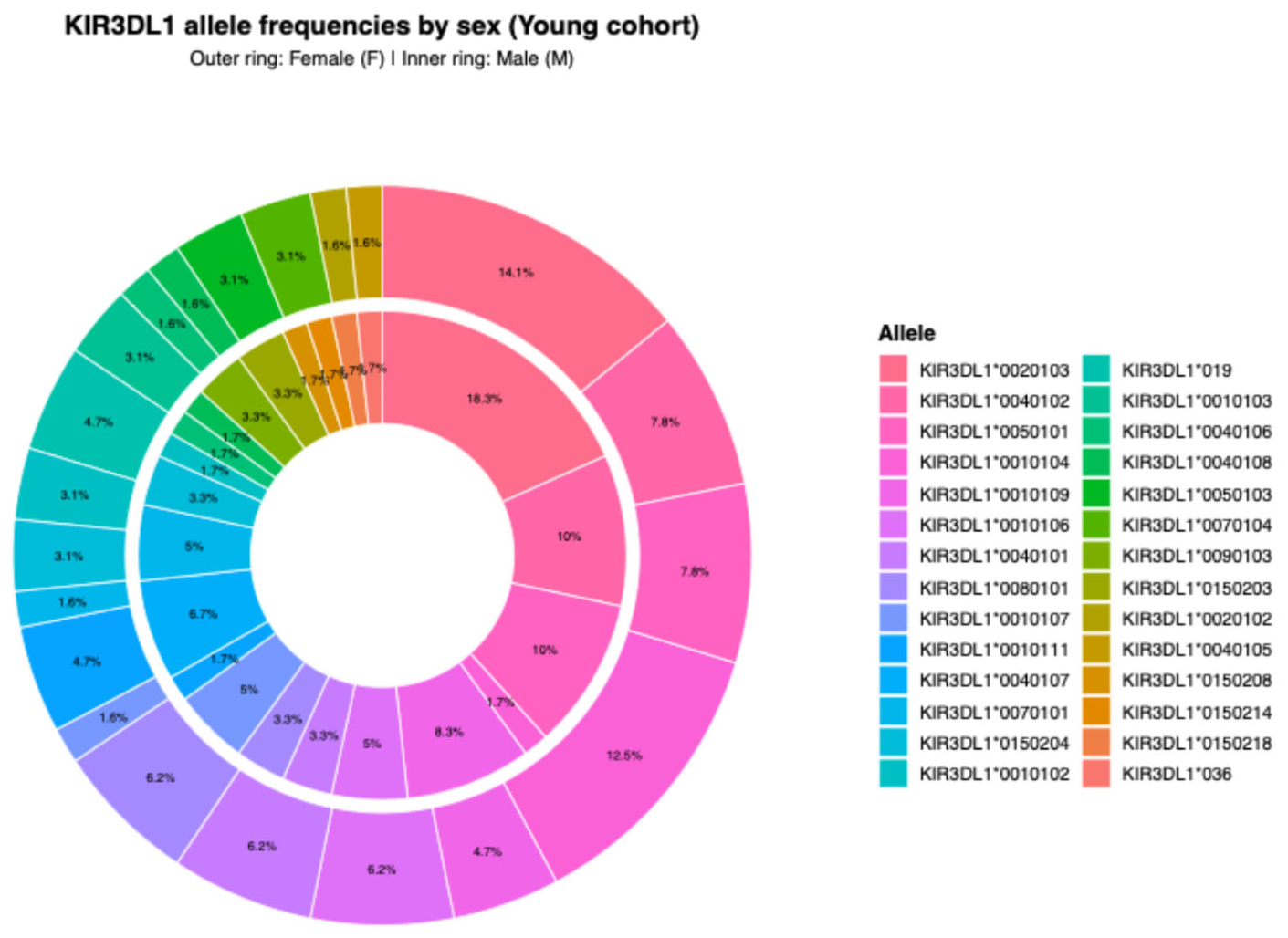
For the young women group the most frequent allele are KIR3DL1*0020103 (14.1%), KIR3DL1*0010104 (12.5%), KIR3DL1*0040102 and KIR3DL1*0050101 (both at 7.8%). In the young men group the most common allele are KIR3DL1*0020103 (18.3%), KIR3DL1*0040102 and KIR3DL1*0050101 (both at 10%) [Figure 18].
3. Discussion
The present study offers a comprehensive overview of KIR allele frequencies in a cohort of 86 Romanian individuals aged 65 years and older. The observed KIR allele frequencies in this Romanian elderly cohort demonstrates genetic diversity.
The hypothesis that the decline and dysfunction of the immune system contribute fundamentally to age-related mortality underlies the concept of immunosenescence—the set of structural and functional changes in the immune system that accompany aging, affecting both innate and adaptive immunity.
From an immunological standpoint, centenarians represent a well-known paradox: despite their extremely advanced age, many of them have an immune profile more similar to that of young adults than to that of 70-year-olds—a phenomenon sometimes referred to as “successful immunological aging,” which has spurred research on centenarians as a biological model for healthy longevity, not just for survival.
The concept of “inflammaging,” introduced by Claudio Franceschi and his colleagues in a landmark article in 2000, describes the state of chronic, low-grade systemic inflammation that accompanies normal aging and is strongly influenced by innate immune cells, including NK cells [12]. People with long lifespans, who manage to maintain a balance between inflammation and its resolution, appear to have a survival advantage – a central idea that directly links NK/KIR cell biology to the topic of longevity.
NK cells are lymphocytes of the innate immune system, capable of recognizing and eliminating virus-infected cells or tumor cells without prior antigenic sensitization; they account for approximately 5–20% of circulating lymphocytes. Their activity is regulated by a delicate balance between activating and inhibitory signals transmitted by surface receptors – of which the KIR family is the most polymorphic in humans.
The central mechanism by which inhibitory KIR receptors prevent attacks on the body’s own cells involves the recognition of “self” through class I HLA molecules: cells that lose their HLA expression (often tumor cells or infected cells) no longer transmit the inhibitory signal, and the NK cell becomes activated (“missing self recognition”). The process by which NK cells acquire the functional ability to respond to “missing self” without attacking healthy tissue is called “licensing” or “education” and was first characterized in mice by Yokoyama’s team[13], and later confirmed in humans by Anfossi and colleagues[14] – a fundamental discovery.
3.1. KIR Receptors — Relevance to Longevity
KIR receptors are encoded by an extremely polymorphic set of genes located on chromosome 19 (locus 19q13.4). Unlike other, genetically conserved NK receptors (such as the NKG2/CD94 family), KIR shows remarkable interindividual variability both in the number of genes present and in allelic diversity — making this system a plausible candidate for longevity research, although, direct gene-phenotype association evidence remains limited and heterogeneous across populations.
KIR genes are located on chromosome 19q13. 4, within the Leukocyte Receptor Complex (LRC), a genomic segment of approximately 1 Mb that also contains the LILR (leukocyte immunoglobulin-like receptor), LAIR (leukocyte-associated inhibitor receptor), and Fcα receptor gene families. The KIR locus itself spans approximately 150 kb and contains, depending on the haplotype, between 7 and 16 functional genes plus pseudogenes, arranged end-to-end in tandem and separated by relatively short intergenic regions[15].
A distinctive feature of the KIR locus, compared with other polymorphic genomic regions such as HLA, is that its variability is both of the gene-content type (presence or absence of entire genes between individuals — copy-number variation) and of the allelic type (nucleotide variation within genes that are present) [15]. This dual layer of polymorphism makes KIR genotyping technically more demanding than conventional HLA genotyping, and partly explains why large-cohort KIR studies remain relatively rare.
3.2. KIR Haplotypes: A and B
Haplotype A is relatively conserved and fixed in structure, containing predominantly inhibitory genes (KIR3DL3, KIR2DL3, KIR2DL1, KIR3DL1, KIR3DL2) and a single major activating gene — KIR2DS4. This haplotype is generally associated with more tightly regulated/inhibited NK activity.
Haplotype B is far more variable in content, potentially including additional activating genes (KIR2DS1, KIR2DS2, KIR2DS3, KIR2DS5, KIR3DS1) and the additional inhibitory gene KIR2DL5. There is no single "B haplotype" — numerous structural variants exist, which is why researchers often use a quantitative measure (the "B-content score") rather than a strictly binary classification.
Each individual inherits one haplotype from each copy of chromosome 19, resulting in A/A, A/B, or B/B genotypes. The total number of B-haplotype-specific genes present in an individual is used as a quantitative measure of NK activating potential in population studies — a methodology directly relevant to any future longevity study.
3.3. Classification and Function of KIR Receptors
Inhibitory receptors contain ITIM motifs (Immunoreceptor Tyrosine-based Inhibitory Motifs) in their cytoplasmic tail which, upon engagement of the HLA ligand, recruit the phosphatases SHP-1 and SHP-2. These dephosphorylate activating signaling proteins, blocking NK cytotoxicity. KIR2DL1 recognizes HLA-C group 2, KIR2DL2/3 recognizes HLA-C group 1, and KIR3DL1 binds HLA-B molecules carrying the Bw4 epitope — a ligand-receptor specificity that directly determines which NK cells become "licensed" in a given individual, depending on that individual’s own HLA genotype.
Activating receptors associate with the adaptor protein DAP12, whose ITAM motifs recruit the kinases ZAP70/Syk upon activation, leading to degranulation and cytokine production. Their ligands are, in general, less well characterized than those of inhibitory receptors and have lower functional affinity. For KIR3DS1, structural studies have shown that recognition of HLA-B*57:01 (Bw4) is peptide-dependent, with low affinity and high specificity for peptides bearing large aromatic residues at a particular position — which partly explains why the functional effects of KIR3DS1 are difficult to replicate consistently across different studies.
The concept of NK "licensing" was first demonstrated in mice by Kim and colleagues (2005), who showed that NK cells become functionally competent only after engaging an inhibitory receptor specific for the host’s own MHC class I molecules[2]. A year later, Anfossi and colleagues confirmed the analogous mechanism in humans: human NK cells expressing at least one inhibitory KIR receptor whose own HLA ligand is present become "licensed" — capable of efficient cytotoxicity against non-self cells while remaining tolerant of self — whereas cells lacking any such receptor remain hyporesponsive even to strong stimuli [14].
This individualized KIR-HLA interaction explains why rigorous longevity studies must analyze KIR-HLA combinations ("compound genotypes") rather than isolated KIR genes — a methodological lesson clearly illustrated by the negative studies, where the absence of compound-genotype analysis may partly explain the lack of statistical signal.
KIR genotype frequencies vary considerably between populations: the A/A haplotype is more common in East Asian populations, whereas the B haplotype predominates in sub-Saharan African populations, with European populations situated in between and showing a north-south gradient in which haplotype B and strong inhibitory HLA ligands (HLA-C2, HLA-B Bw4) become more frequent toward southern Europe. This population-level distribution partly explains why KIR–disease associations (including longevity) identified in one population do not automatically replicate in another.

Table 1.
KIR Genes — Types, Ligands, and Function.
| KIR Gene | Type | HLA Ligand | Function / Relevance | Haplotype |
|---|---|---|---|---|
| KIR3DL3 | Inhibitory | Unknown | Framework gene, telomeric; expressed in all individuals | A and B |
| KIR2DL1 | Inhibitory | HLA-C group 2 | Inhibits NK cytotoxicity against HLA-C2+ cells | A and B |
| KIR2DL2 | Inhibitory | HLA-C group 1 | Allele of the 2DL2/3 locus; high affinity for C1 | B |
| KIR2DL3 | Inhibitory | HLA-C group 1 | Weaker inhibition than 2DL2; increased in chronic HCV patients (Romania) | A and B |
| KIR2DL4 | Inhibitory/Activating | HLA-G | Framework gene; role at the maternal-fetal interface | A and B |
| KIR2DL5 | Inhibitory | Unknown | Increased frequency (unreplicated) in the Irish longevity study | B |
| KIR3DL1 | Inhibitory | HLA-B Bw4 | Combined with 3DS1, modulates HIV/AIDS progression | A and B |
| KIR3DL2 | Inhibitory | HLA-A3/A11 | Centromeric framework gene; also a receptor for CpG-ODN | A and B |
| KIR2DS1 | Activating | HLA-C group 2 | NK activation vs. HLA-C2+ cells; increased in autoimmune hepatitis | B |
| KIR2DS2 | Activating | HLA-C group 1 (weak) | In linkage disequilibrium with 2DL2 | B |
| KIR2DS3 | Activating | Unknown | Initial aging-related signal, not statistically replicated | B |
| KIR2DS4 | Activating | HLA-C*05, MICA | The only activating gene in haplotype A; deletion variant common | A and B |
| KIR2DS5 | Activating | HLA-C group 2 (weak) | Possible role in infection resistance | B |
| KIR3DS1 | Activating | HLA-B Bw4-80Ile (peptide-dependent) | With HLA-B Bw4-80Ile, delays AIDS progression | B |
| KIR2DP1 / 3DP1 | Pseudogenes | — | No functional protein expression; useful as haplotype markers | A and B |
3.4. Immunosenescence and KIR Genes in the Context of Aging
The best-established biomarker of NK cell aging is the progressive accumulation of CD57+ cells, which indicates terminal differentiation and reduced proliferative capacity. The absolute number of NK cells increases or remains stable with age in most of the populations studied, but this quantitative increase is accompanied by a qualitative decline in function per cell—NK cells from older individuals exhibit reduced cytotoxic capacity and a diminished proliferative response to cytokines such as IL-2 and IL-15 [16].
Recent studies also show that NK cells play a central role in the immune surveillance of senescent cells, whose age-related accumulation contributes to chronic, low-grade, and sterile inflammation [16]. An efficiently functioning NK cell compartment could therefore limit the accumulation of senescent cells and, indirectly, systemic aging itself—a working hypothesis relevant to positioning KIR genes as a possible determinant of the rate of aging, not merely of longevity as an end result.
KIR receptor expression on NK cells changes with advancing age: in young individuals, the KIR repertoire is diverse and polyclonal, with multiple NK subpopulations expressing different receptor combinations; in older individuals, a shift toward oligoclonality is observed, with dominance of NK subpopulations bearing fixed expression of one or a few KIR receptors.
3.5. KIR, CD8+ T Cells, and Inflammaging — A Recently Clarified Link
For a long time, KIR’s role in aging was investigated almost exclusively at the level of NK cells. A recent, well-documented discovery shows, however, that inhibitory KIR-HLA signaling directly influences the lifespan of CD8+ T lymphocytes as well. Using deuterated-water labeling to directly measure the rate of cellular turnover in vivo, Zhang and colleagues demonstrated that individuals with four functional inhibitory KIR-HLA pairs have memory CD8+ T lymphocytes with an average lifespan of 250 days, double the 125 days observed in individuals with only two such pairs [10].
The editorial commentary accompanying this study highlights that the effect is independent of direct signaling received by the KIR-expressing T cell itself, and is instead the result of indirect mechanisms — for example, stronger inhibition of NK cells or of KIR+ regulatory T lymphocytes, which would otherwise eliminate activated CD8+ T lymphocytes [17].
These findings suggest a plausible mechanism, independent of classical gene-phenotype associations, through which an individual’s KIR genotype could influence immunological longevity — by sustaining a broader memory T-cell repertoire over the long term, which is essential for antiviral and antitumor immunity at advanced ages. Whether this result translates into organism-level longevity remains to be tested directly in cohorts of older adults and centenarians.
A well-documented example of how a KIR-HLA activating combination can influence the course of a chronic disease comes from research on HIV/AIDS: the combination of the activating KIR3DS1 gene and HLA-B alleles encoding the Bw4-80Ile epitope is associated with delayed progression to AIDS in individuals infected with HIV-1 [18]. Although this is not a study on longevity per se, it illustrates the general mechanism by which an activating KIR gene, when paired with the corresponding HLA ligand, can improve immune control of chronic infections—a factor that could, in turn, contribute to a lower cumulative level of age-related inflammation over the course of a lifetime, by reducing the inflammatory burden associated with repeated viral reactivations.
There is currently no solid evidence for "a KIR longevity gene" acting independently. Instead, KIR appears to function as one node within a broader network — alongside HLA genotype, overall NK function, and memory T-cell dynamics — that collectively shapes the pace of immunological aging.
3.6. Studies on KIR Genes and Longevity — Literature Synthesis
The first — and, for a long time, the only — study to systematically investigate the full diversity of KIR genes in relation to longevity was conducted in an Irish cohort of 179 older individuals compared with 203 younger controls [19]. The results did not support a robust association: two KIR genes initially showed increased frequency in the older group, but this significance was lost upon retesting in a second sample — a result that later authors themselves interpreted as evidence of the statistical fragility of KIR-longevity associations when they are not rigorously replicated.
A later analysis from the same Belfast research group added an important nuance. Rather than repeating a simple genotype-frequency comparison, Rea and colleagues (2013) [20] asked, within a single cohort of community-living octogenarians and nonagenarians from the Belfast Elderly Longitudinal Free-living Aging STudy (BELFAST), whether carriage of KIR haplotype A versus B tracked with functional immune markers. Haplotype B carriers — who made up the large majority of this "successfully aged" cohort (76%, versus 24% for haplotype A) — showed higher numbers of NK and NK-T-like cells together with a more pro-inflammatory cytokine profile than haplotype A carriers. This finding does not show that haplotype B causes longer survival, since every subject was already elderly and in reasonably good health at the time of testing; it does show, within the very population that had earlier produced a null genotype-frequency result, that KIR haplotype is functionally linked to immune parameters directly relevant to inflammaging — reinforcing the argument that functional and mechanistic endpoints may be more informative than simple genotype-frequency comparisons.
The research group at the University of Palermo, led by Calogero Caruso and Giuseppina Candore, has produced the most substantial series of immunogenetic studies of centenarians in the European literature, built up over more than a decade. The 2010 study by Listì and colleagues genotyped HLA-DRB1 in 77 centenarians and 299 controls, and KIR together with HLA ligands in 44 centenarians and 57 controls [21]. The result: the HLA DRB1*18 allele was significantly increased in male centenarians (p=0.027 after Bonferroni correction), but no KIR gene showed a significant association after the same correction. The authors’ explicit conclusion was that HLA/KIR/longevity associations are population-specific, being strongly shaped by each population’s genetic and environmental history.
Subsequent research by the same group focused on the functional immunophenotype of NK cells rather than on the raw genotyping of KIR genes—a significant methodological shift in strategy. A study of Sicilian semi- and supercentenarians characterized age-related changes in NK cell populations at extreme ages, suggesting an adaptive rebalancing of the NK compartment in the longest-lived individuals, rather than a simple linear continuation of the decline observed in “ordinary” older adults [22]. In a related study, the same team analyzed the distribution of KIR genes and their HLA ligands in Sicilian patients with chronic viral infections (HIV, HBV, SARS-CoV-2), observing, among other findings, a north-south KIR-HLA gradient in Europe, with haplotype B and strongly inhibitory ligands (HLA-C2, HLA-B Bw4) predominating in southern Europe—data that provide a useful frame of reference for future research on longevity in populations in the Mediterranean region or Eastern Europe, including the Romanian population [23].
3.7. Data from the Romanian Population
The Center for Immunogenetics and Virology at Fundeni Clinical Institute in Bucharest, under the coordination of Prof. Dr. Ileana Constantinescu, has produced several reference studies on the distribution of KIR genes and HLA alleles in the Romanian population, although, to date, these have been focused predominantly on clinical contexts (liver disease, transplantation, hematologic malignancies) rather than directly on longevity.
Ursu et al. (2020) genotyped KIR and HLA ligands in 127 Romanian patients with chronic hepatitis C and 130 healthy controls, identifying a significantly increased frequency of the KIR2DL3, KIR2DL5, KIR2DS4, KIR3DL3, KIR2DP1, and KIR3DP1 genes in infected patients, alongside specific HLA alleles (A*23:01, B*44:02, C*04:02) associated with increased susceptibility [24]. This study offers a methodological framework directly transferable to future KIR-longevity research in the Romanian population, using the same locally validated genotyping protocols — including a healthy control group whose reference KIR/HLA frequencies could serve as a historical comparison.
The strongest evidence for KIR’s relevance to longevity comes, paradoxically, not from direct gene-phenotype association studies, but from mechanistic research on KIR’s role in regulating cellular lifespan. This gap — between a plausible, well-characterized biological mechanism and a still-thin epidemiological evidence base — represents, in fact, the main opening for original research that this article can occupy.
Table 2.
Synthesis of Verified Studies Discussed in the Text.
| Population / Study | Sample | What It Investigated | Main Result | Year |
|---|---|---|---|---|
| Irish | 179 elderly / 203 controls | Full diversity of KIR genes in healthy elderly individuals | Initial signal for KIR2DS3/2DL5, lost on retesting in a 2nd sample — no robust association | 2004 |
| Irish (BELFAST follow-up) | 500 octo/nonagenarians | Whether KIR A vs. B haplotype tracks with NK cell numbers and cytokine profile within an elderly cohort | B-haplotype carriers (76%) showed higher NK/NKT-like cell counts and a more pro-inflammatory cytokine profile than A-haplotype carriers (24%) | 2013 |
| Sicilian | 77–82 centenarians / 299 controls | HLA-DRB1 and KIR/HLA ligand frequencies in centenarians | HLA DRB1*18 increased in male centenarians (p=0.027); KIR showed no significant association | 2010 |
| Sicilian (NK immunophenotype) | Semi- and supercentenarians | NK cell immunophenotype at extreme ages | Distinct NK profile in extreme longevity, suggesting adaptive rebalancing | 2023 |
| British (CD8+ T-cell mechanism) | Healthy volunteers + chronic infections | Effect of functional KIR-HLA pairs on CD8+ T-lymphocyte lifespan | 4 functional KIR-HLA pairs → double T-cell lifespan (250 vs. 125 days) vs. 2 pairs | 2023 |
4. Materials and Methods
The The study involved 86 elderly neurovascular patients, aged between 65 and 90 years old, from various regions of Romania. Blood samples were collected ethically with informed consent. Exclusion criteria: HCV, HBV, HIV, and neoplasms.
The study was conducted from 2022 to 2024.
We conducted a comparison of the KIR allele frequency between a cohort of 86 elderly individuals (44 female patients and 42 male patients), aged betweend 65 and 90 years old, and a reference group of 66 young people (34 females and 32 males), under 35 years old, from the National Registry of Donors.
High-resolution KIR typing was performed using next-generation sequencing (NGS) technology. This method allows for precise identification of KIR alleles with a high degree of accuracy. The loci examined included the framework KIR genes KIR3DL3, KIR3DP1, KIR2DL4 and KIR3DL2; but also KIR2DL1, KIR2DL2, KIR2DS2, KIR3DL1 and KIR2DL3.
KIR allele polymorphisms identification was performed at Fundeni Clinical Institute – Centre for Immunogenetics and Virology by next-generation sequencing, Illumina platform (MiaFora, Immucor, Germany).
Written consent for participation in the study and the publication of the resulting data was obtained from all participants or their relatives.
During the preparation of this study, the authors used Microsoft 365 Copilot for the purposes of rephrasing and correcting. The authors have reviewed and edited the output and take full responsibility for the content of this publication.
5. Conclusions
This study provides, to our knowledge, the first high-resolution, NGS-based description of KIR allele frequencies in an elderly Romanian cohort. The framework genes (KIR3DL3, KIR3DP1, KIR2DL4 and KIR3DL2) showed broadly similar allelic profiles in the elderly and young groups, as aspected. The most pronounced differences were concentrated in the centromeric KIR2DL2/3–KIR2DS2 region. KIR2DL3*0020103, KIR2DL3*0020101, KIR2DS2*0010124 and KIR2DS2*0010115 were among the most frequent alleles in the elderly cohort but were not among the predominant alleles in young controls. KIR3DL1*0050101 was also more frequent in the elderly group, particularly among women.
These findings should be regarded as exploratory. The sample size is modest and the comparison is descriptive. The elderly participants were neurovascular patients aged 65–90 years rather than exceptionally long-lived individuals. HLA ligands were not typed, so functional KIR-HLA combinations could not be assessed. The observed differences therefore cannot yet be interpreted as evidence of an association with longevity.
This interpretation is consistent with the current literature. Individual KIR genes have not, to date, shown a robust, replicated association with longevity at the population level. Mechanistic data, however, provide a solid rationale for continuing to study this genetic system in the context of healthy aging: inhibitory KIR-HLA signaling extends the lifespan of CD8+ T lymphocytes, and specific KIR-HLA combinations improve immune control of chronic infections. In parallel, recent single-cell and multi-omic studies of centenarian immunity are building an increasingly precise map of the NK- and T-cell phenotypes that track with extreme longevity, although these studies have not yet been linked to KIR genotype. Connecting this functional map to KIR-HLA genetics is a concrete and timely next step for the field.
Future studies should replicate these observations in larger, age-stratified cohorts that include nonagenarians, centenarians and healthy elderly controls, with formal statistical testing and correction for multiple comparisons. Also, combine high-resolution KIR typing with HLA ligand genotyping, building on the HLA data previously reported in Romanian late-life adults [25], so that compound KIR-HLA genotypes can be analysed.
Such an integrated approach could clarify whether the allelic differences observed here reflect a genuine contribution of KIR diversity to healthy aging in the Romanian population.
Author Contributions
Conceptualization, Radu-Alexandru Truică and Ileana Constantinescu; methodology, Adriana Tălăngescu, Alexandra-Elena Constantinescu and Ileana Constantinescu; formal analysis, Radu-Alexandru Truică, Adriana Tălăngescu, Ion Mărunțelu, Alexandra-Elena Constantinescu and Ileana Constantinescu; writing—original draft preparation, Radu-Alexandru Truică; writing—review and editing, Radu-Alexandru Truică and Ileana Constantinescu; supervision, Ileana Constantinescu; project administration, Ileana Constantinescu. All authors have read and agreed to the published version of the manuscript.
Funding
This research received no external funding.
Institutional Review Board Statement
The study was conducted in accordance with the Declaration of Helsinki and approved by the Ethics Committee of FUNDENI CLINICAL INSTITUTE (protocol RGPD 2016/679, date of approval on 24.09.2026).
Informed Consent Statement
Informed consent was obtained from all subjects involved in the study.:.
Data Availability Statement
The raw data obtained and used in this study is unavailable due to privacy and ethical restrictions. Also, the raw data belongs to the Centre of Immunogenetics and Virology, Fundeni Clinical Institute and falls under its protocol.
Acknowledgments
During the preparation of this study, the authors used Microsoft 365 Copilot for the purposes of rephrasing and correcting. The authors have reviewed and edited the output and take full responsibility for the content of this publication.
Conflicts of Interest
Radu-Alexandru Truică is employed by Synevo. The conduct of this study has no commercial or financial association with Synevo or any other company. The employment relationship of Radu-Alexandru Truică does not constitute a potential conflict of interest. The participants in this study are not patients of Synevo.
Abbreviations
The following abbreviations are used in this manuscript:
| HLA | Human Leukocyte Antigen |
| KIR | Killer Immunoglobulin-like Receptor |
| NGS | Next-Generation Sequencing |
| NK | Natural Killer |
References
- Available online: https://www.who.int/news-room/fact-sheets/detail/ageing-and-health (accessed on 27 August 2026).
- Available online: https://iris.who.int/server/api/core/bitstreams/c992fbdc-11ef-43db-a478-7e7a195403ae/content (accessed on 27 August 2026).
- 2019. Available online: https://population.un.org/wpp/assets/Files/WPP2019_Highlights.pdf.
- 2024. Available online: https://www.un.org/en/global-issues/ageing.
- Gudmundsson, H.; et al. Inheritance of human longevity in Iceland. Eur. J. Hum. Genet 2000, 8, 743–749. [Google Scholar] [CrossRef] [PubMed]
- Perls, T.T.; et al. Life-long sustained mortality advantage of siblings of centenarians. Proc. Natl. Acad. U S A 2002, 99(12), 8442–7. [Google Scholar] [CrossRef] [PubMed]
- Lio, D.; et al. Association between the HLA-DR alleles and longevity: a study in Sardinian population. Exp. Gerontol. 2003, 38(3), 313–7. [Google Scholar] [CrossRef] [PubMed]
- Proust, J.; et al. HLA and longevity. Tissue Antigens 1982, 19(3), 168–73. [Google Scholar] [CrossRef] [PubMed]
- Herskind, A.M.; et al. The heritability of human longevity: a population-based study of 2872 Danish twin pairs born 1870-1900. Hum. Genet 1996, 97(3), 319–23. [Google Scholar] [CrossRef] [PubMed]
- Zhang, Y.; et al. KIR-HLA interactions extend human CD8+ T cell lifespan in vivo. J. Clin. Invest 2023, 133(2), e169496. [Google Scholar] [CrossRef] [PubMed]
- Shenbar, B.; et al. Heritability of intrinsic human life span is about 50% when confounding factors are addressed. Science 2026, 391(6784), 504–510. [Google Scholar] [CrossRef] [PubMed]
- Franceschi, C.; et al. Inflamm-aging. An evolutionary perspective on immunosenescence. Ann. N Y Acad. Sci. 2000, 908, 244–254. [Google Scholar] [CrossRef] [PubMed]
- Yokoyama, W.M.; et al. Licensing of natural killer cells by host major histocompatibility complex class I molecules. Nature 2005, 436, 709–713. [Google Scholar] [CrossRef] [PubMed]
- Anfossi, N.; et al. Human NK cell education by inhibitory receptors for MHC class I. Immunity 2006, 25, 331–342. [Google Scholar] [CrossRef] [PubMed]
- Carrington, M.; Norman, P. The KIR Gene Cluster. In NCBI Bookshelf; National Center for Biotechnology Information (US): Bethesda (MD), 2003. [Google Scholar]
- Brauning, A.; et al. Aging of the Immune System: Focus on Natural Killer Cells Phenotype and Functions. Cells 2022, 11(6), 1017. [Google Scholar] [CrossRef] [PubMed]
- Feldman, H.A.; et al. Negativity begets longevity in T cells. J. Clin. Invest 2023, 133(12), e171027. [Google Scholar] [CrossRef] [PubMed]
- Martin, M.P.; et al. Epistatic interaction between KIR3DS1 and HLA-B delays the progression to AIDS. Nat. Genet 2002, 31, 429–434. [Google Scholar] [CrossRef] [PubMed]
- Maxwell, L.D.; et al. Investigation of KIR diversity in immunosenescence and longevity within the Irish population. Exp. Gerontol. 2004, 39, 1223–1232. [Google Scholar] [CrossRef] [PubMed]
- Rea, I.M.; et al. Killer Immunoglobulin-like Receptors (KIR) haplogroups A and B track with Natural Killer Cells and Cytokine Profile in Aged Subjects: Observations from Octo/Nonagenarians in the Belfast Elderly Longitudinal Free-living Aging STudy (BELFAST). Immun. Ageing 2013, 10(1), 35. [Google Scholar] [CrossRef] [PubMed]
- Listì, F.; et al. HLA and KIR frequencies in Sicilian centenarians. Rejuvenation Res. 2010, 13(2-3), 314–318. [Google Scholar] [CrossRef] [PubMed]
- Ligotti, M.E.; et al. Sicilian Semi- and Supercentenarians: Age-related NK Cell Immunophenotype and Longevity Trait Definition. Transl. Med. UniSa 2023, 25(1), 11–15. [Google Scholar] [CrossRef] [PubMed]
- Ligotti, M.E.; et al. Distribution of KIR Genes and Their HLA Ligands in Different Viral Infectious Diseases: Frequency Study in Sicilian Population. Int. J. Mol. Sci. 2022, 23(24), 15466. [Google Scholar] [CrossRef] [PubMed]
- Ursu, L.; Calenic, B.; Diculescu, M.; Dima, A.; Constantinescu, I. HLA Alleles and KIR Genes in Romanian Patients with Chronic Hepatitis C. J. Gastrointestin Liver Dis. 2020, 29(4), 595–601. [Google Scholar] [CrossRef] [PubMed]
- Truica, R.A.; et al. Frequency of HLA Alleles in a Cohort of 100 Romanian Late-Life Adults: An Academic Insight into Genetic Longevity. Curr. Issues Mol. Biol. 2025, 47, 1018. [Google Scholar] [CrossRef] [PubMed]
Figure 1.
KIR3DL3 allele frequencies in the elderly cohort.
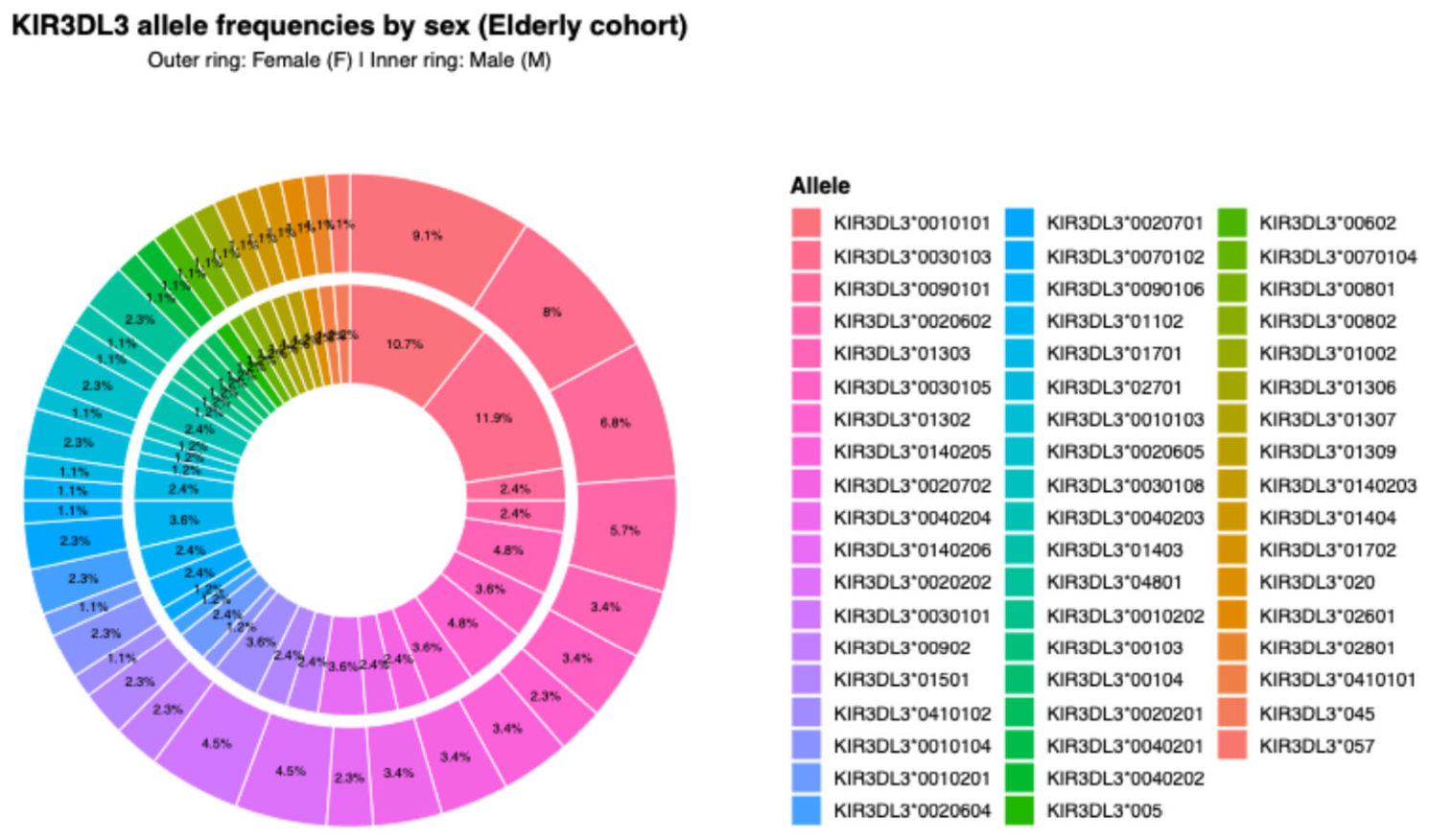
Figure 2.
KIR3DL3 allele frequencies in the young cohort.
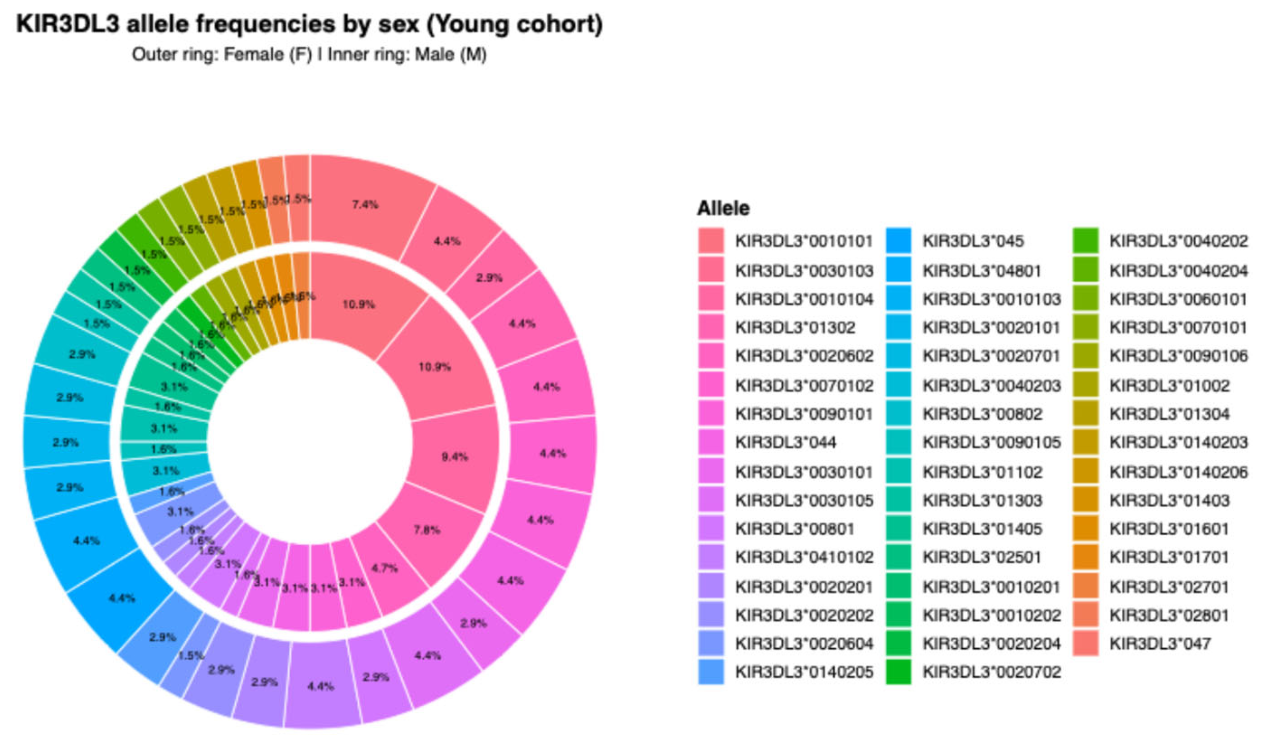
Figure 3.
KIR3DP1 allele frequencies in the elderly cohort.
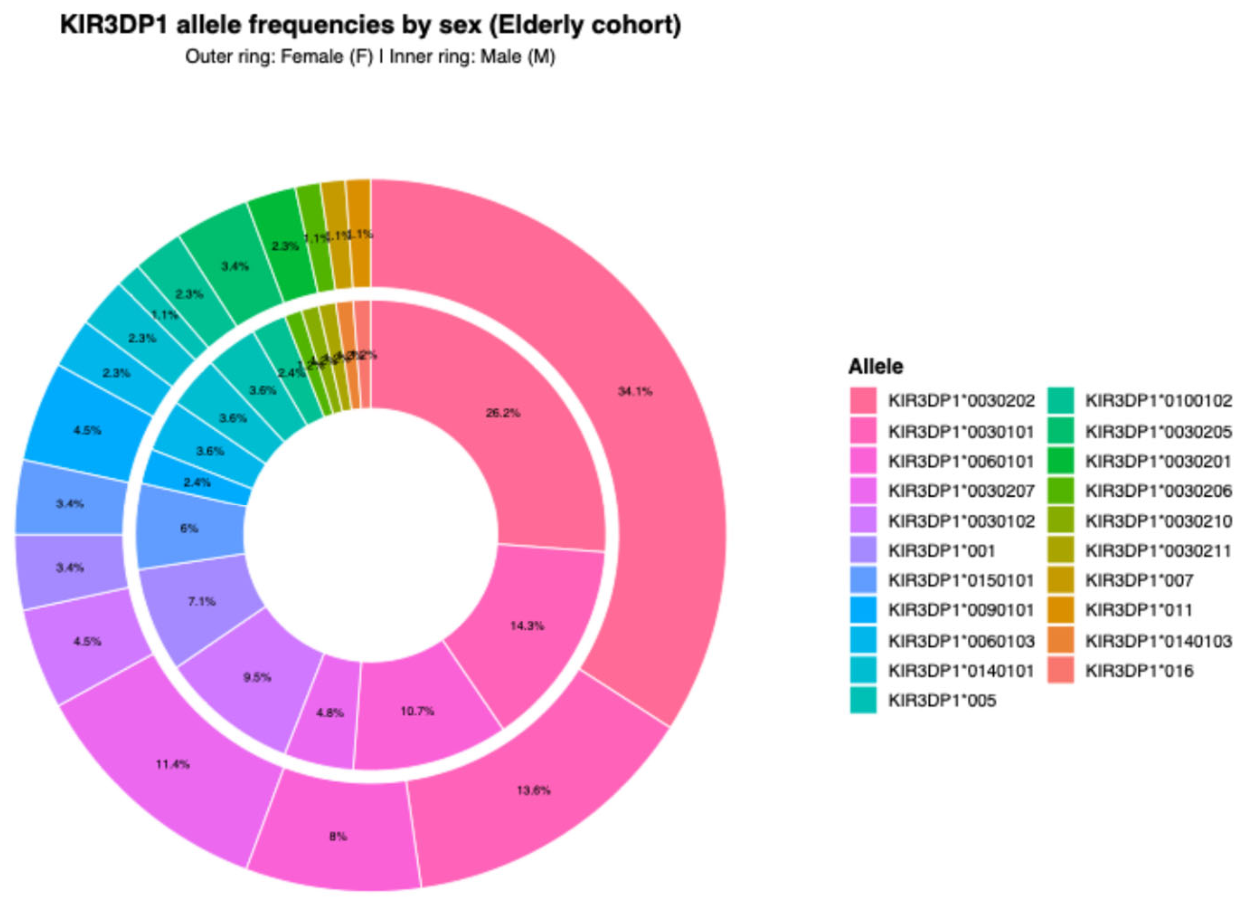
Figure 4.
KIR3DP1 allele frequencies in the young cohort.
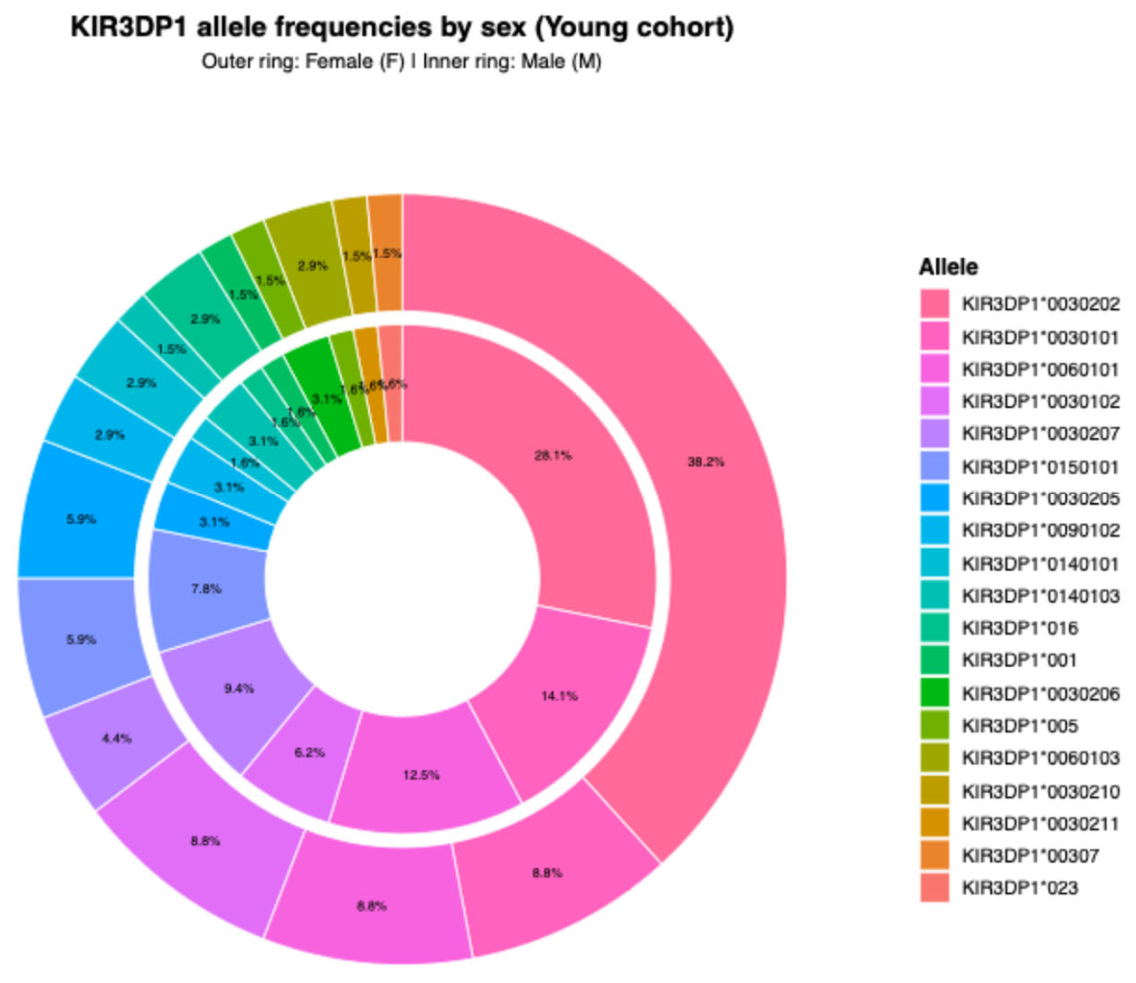
Figure 5.
KIR2DL4 allele frequencies in the elderly cohort.
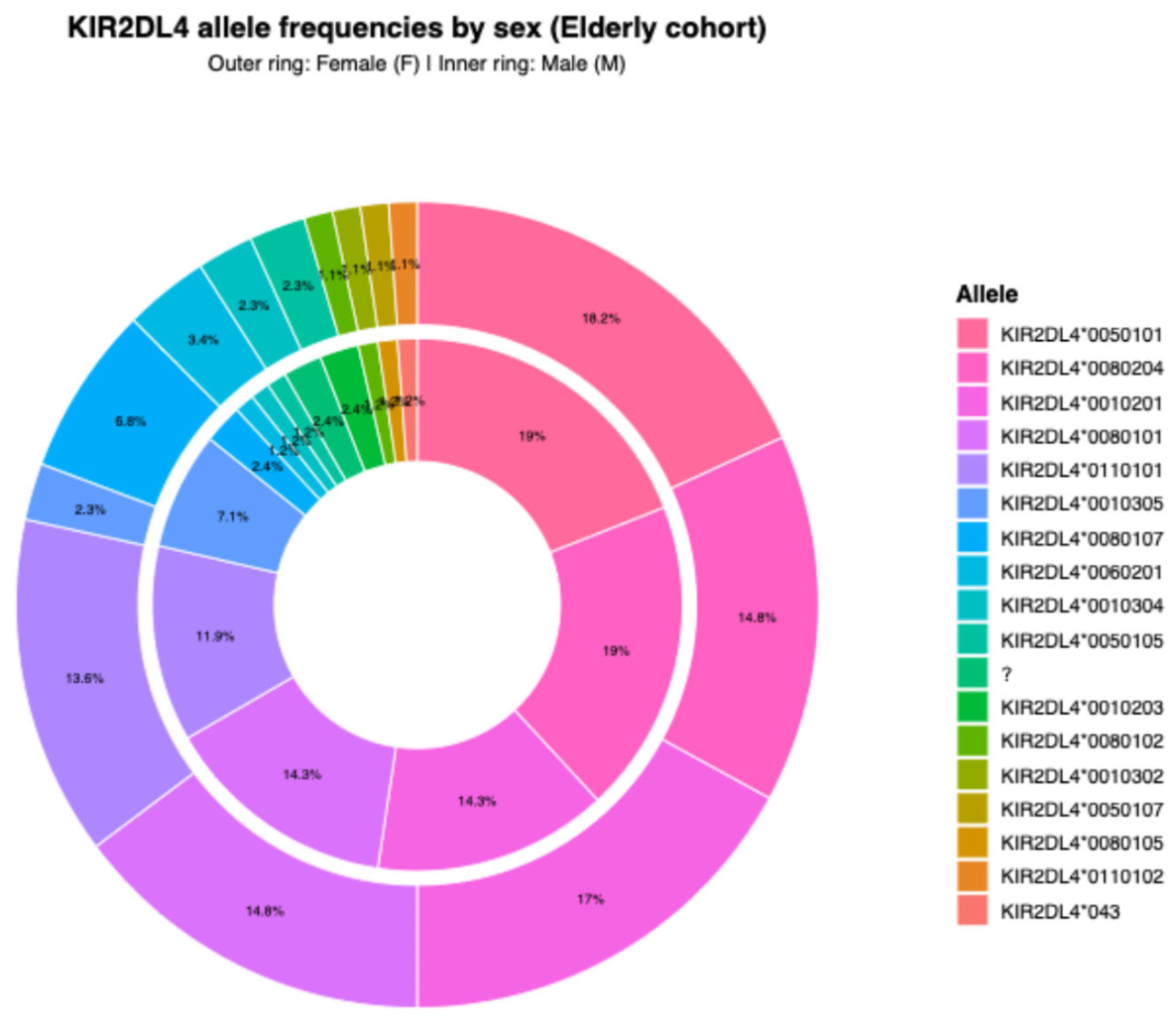
Figure 6.
KIR2DL4 allele frequencies in the young cohort.
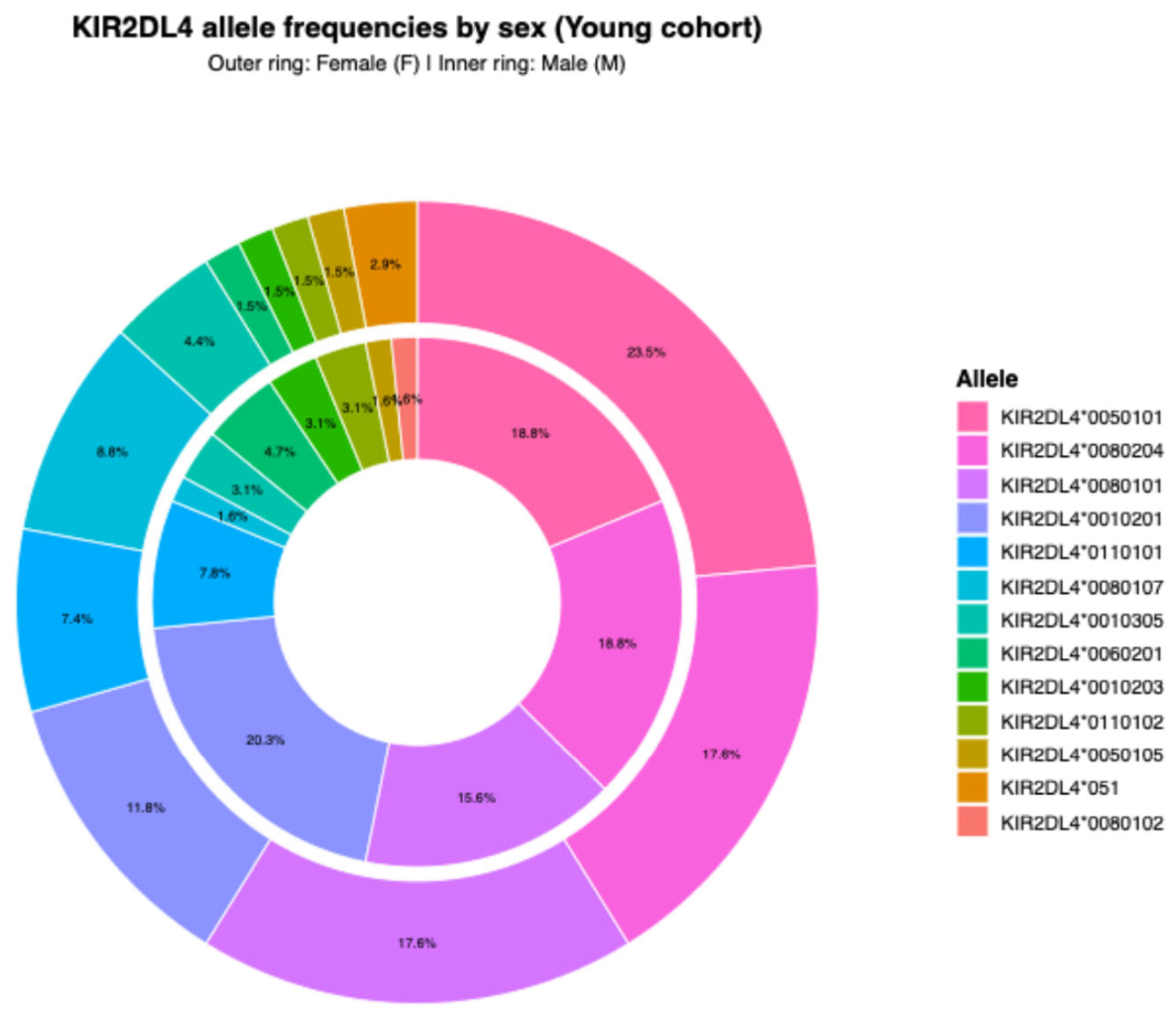
Figure 7.
KIR3DL2 allele frequencies in the elderly cohort.
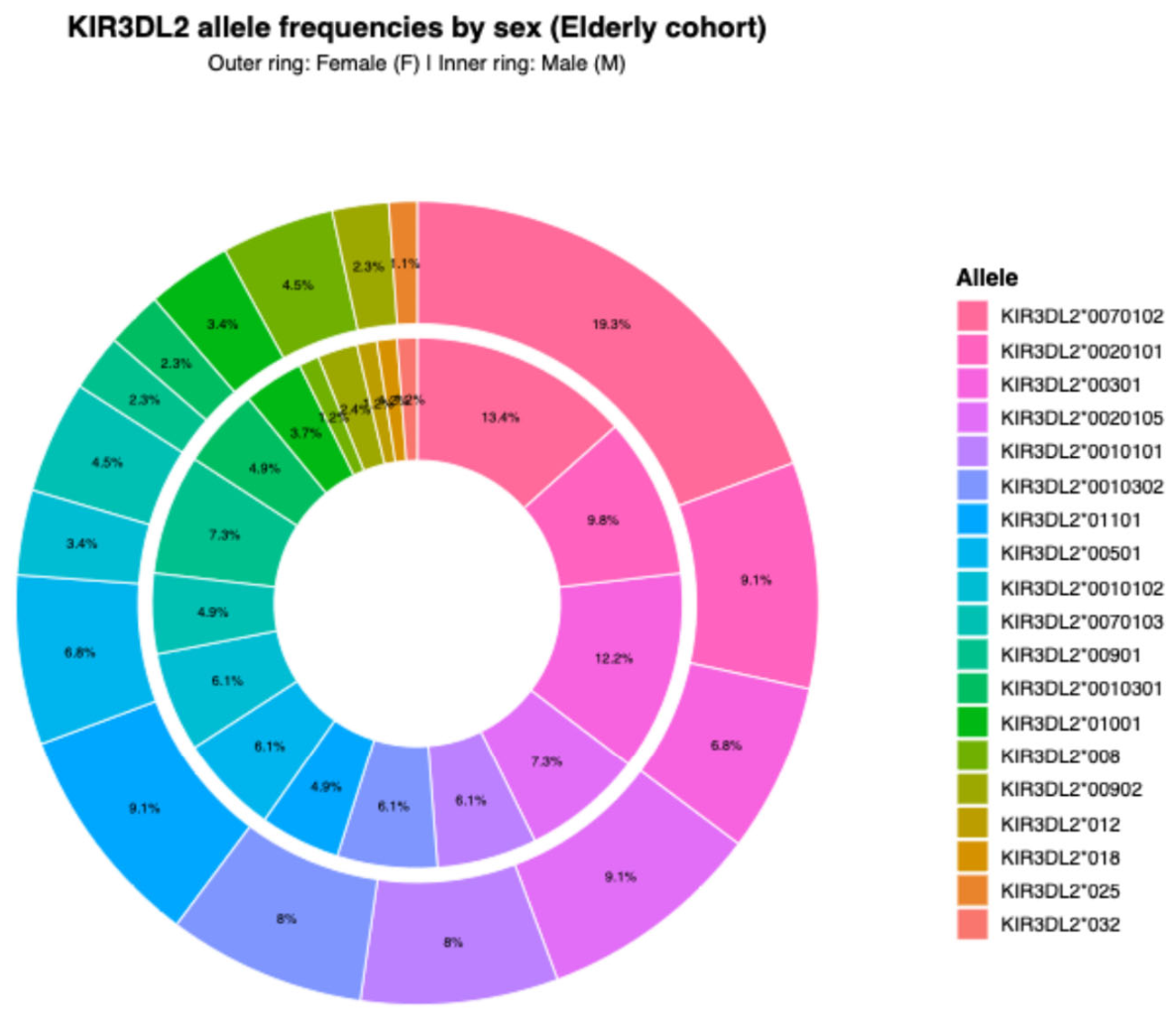
Figure 8.
KIR3DL2 allele frequencies in the young cohort.
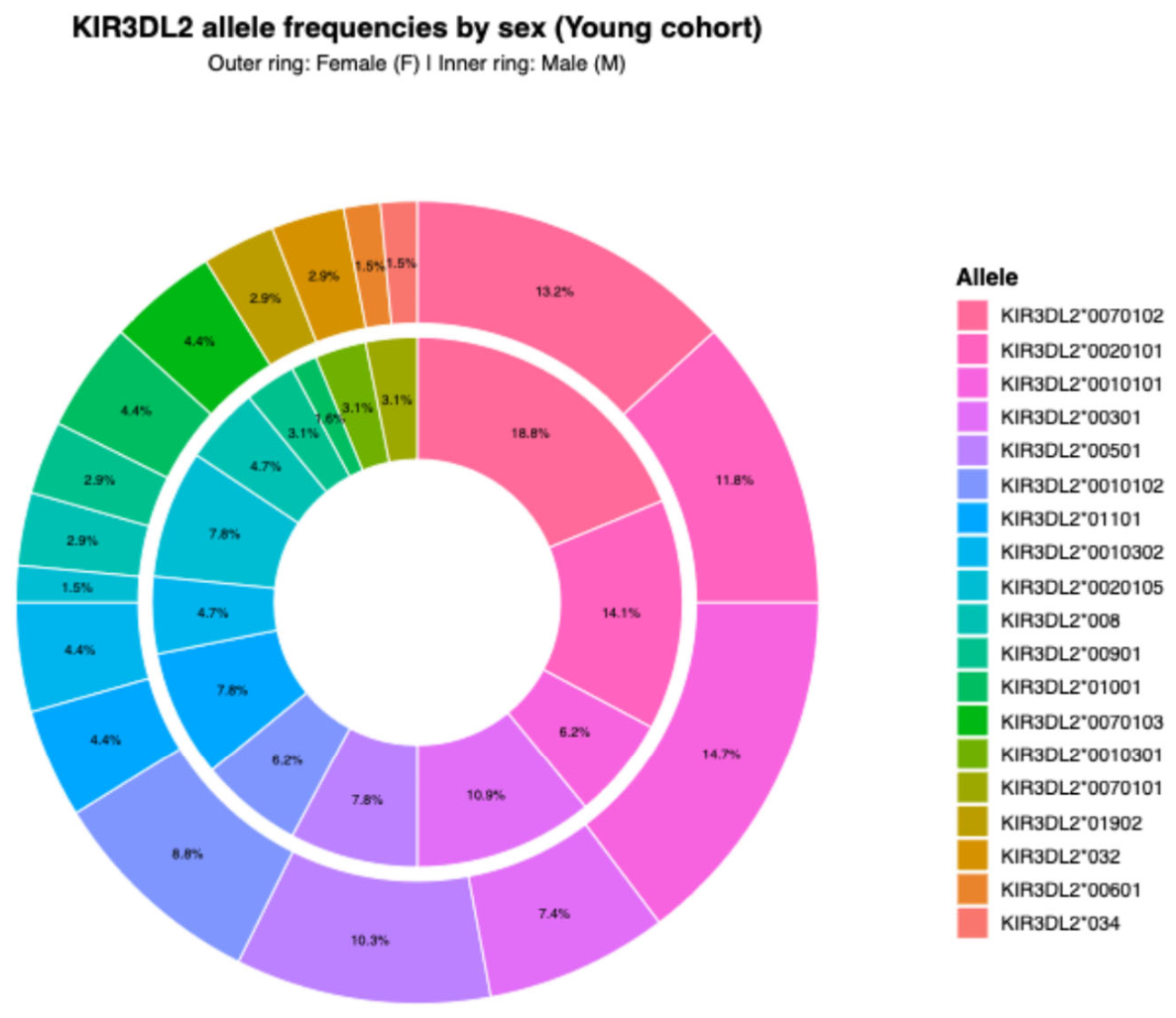
Figure 9.
KIR2DL1 allele frequencies in the elderly cohort.
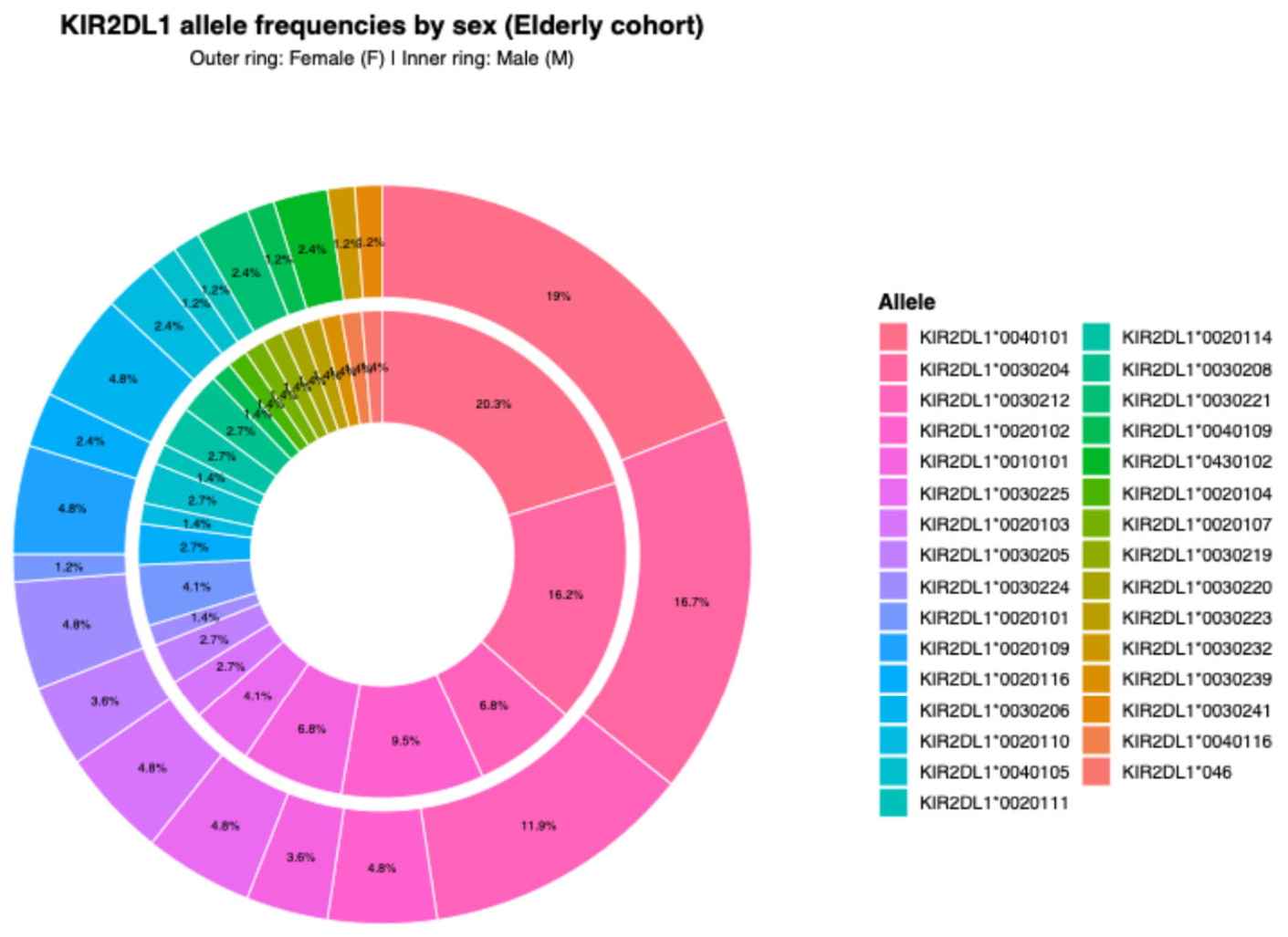
Figure 10.
KIR2DL1 allele frequencies in the young cohort.
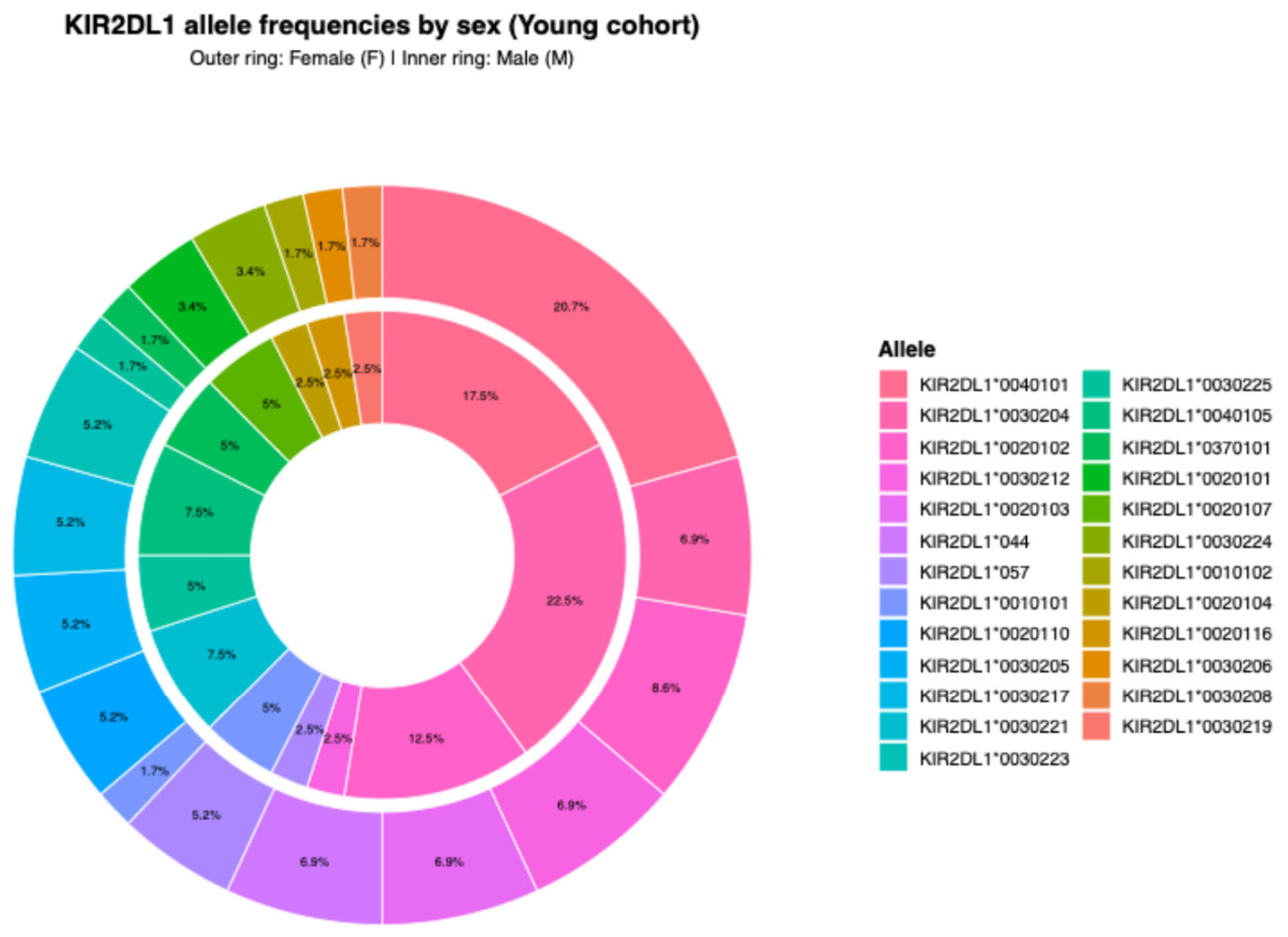
Figure 11.
KIR2DL2 allele frequencies in the elderly cohort.
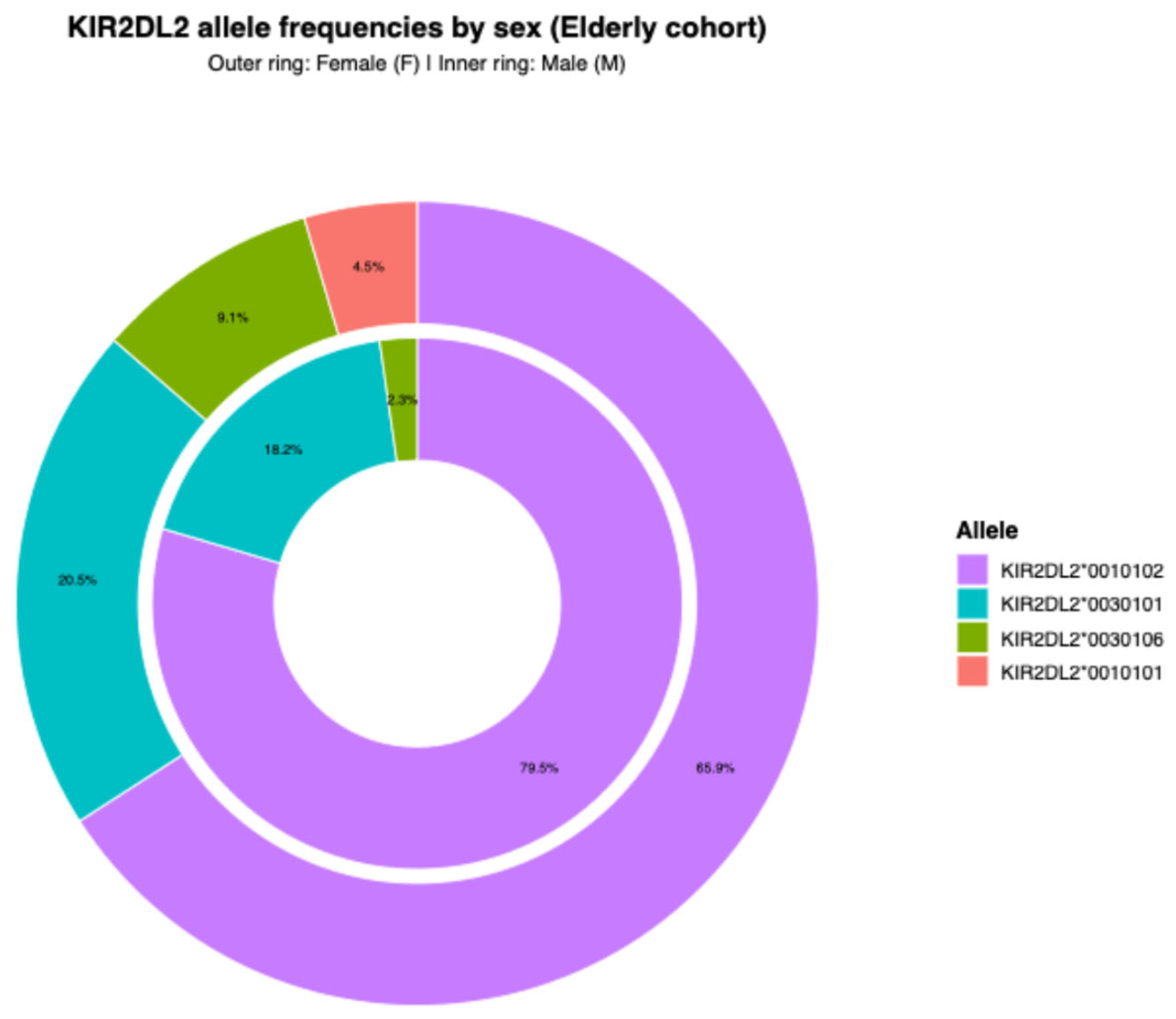
Figure 12.
KIR2DL2 allele frequencies in the young cohort.
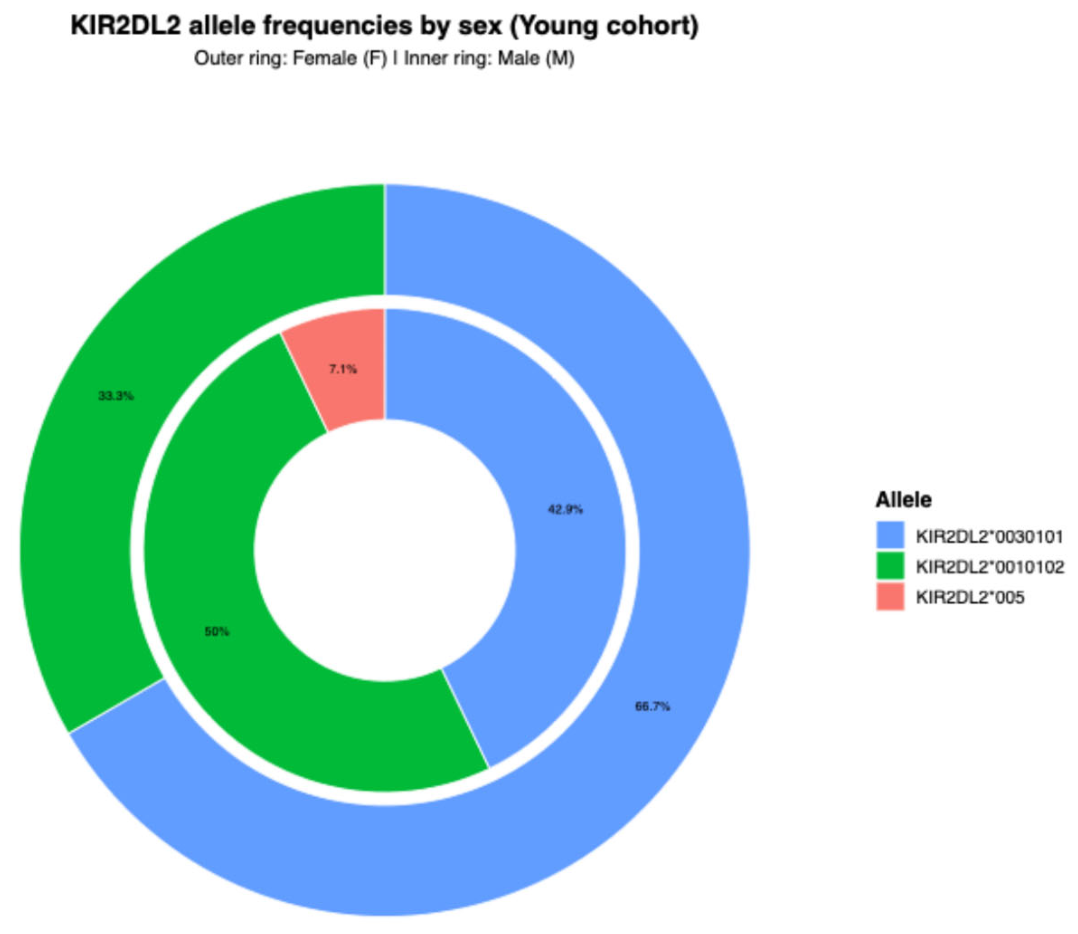
Figure 13.
KIR2DL3 allele frequencies in the elderly cohort.
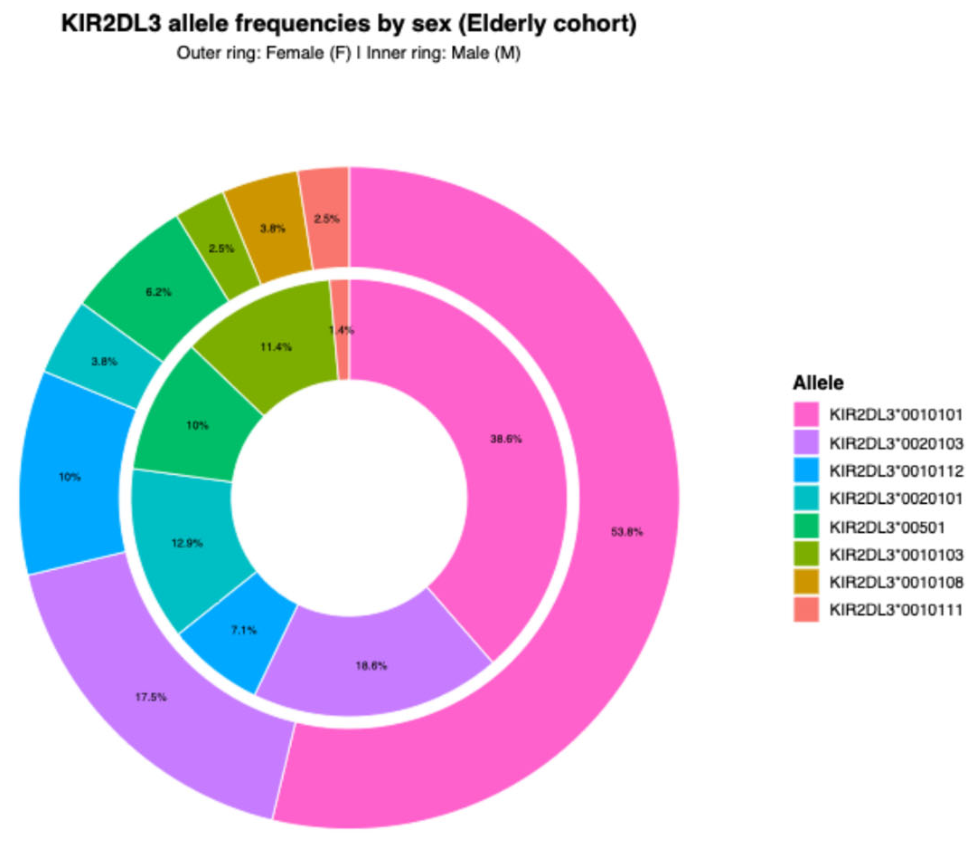
Figure 14.
KIR2DL3 allele frequencies in the young cohort.
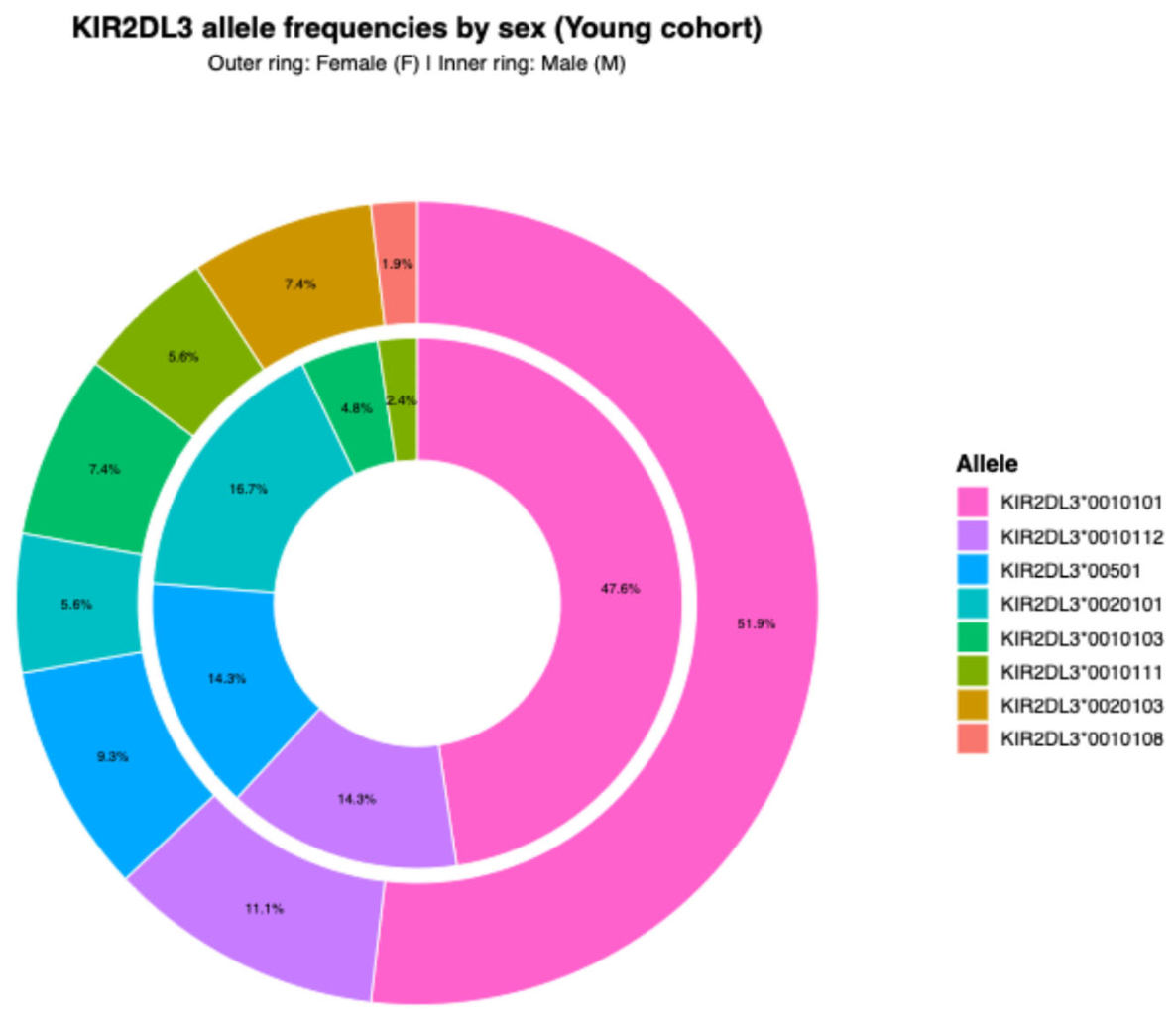
Figure 15.
KIR2DS2 allele frequencies in the elderly cohort.
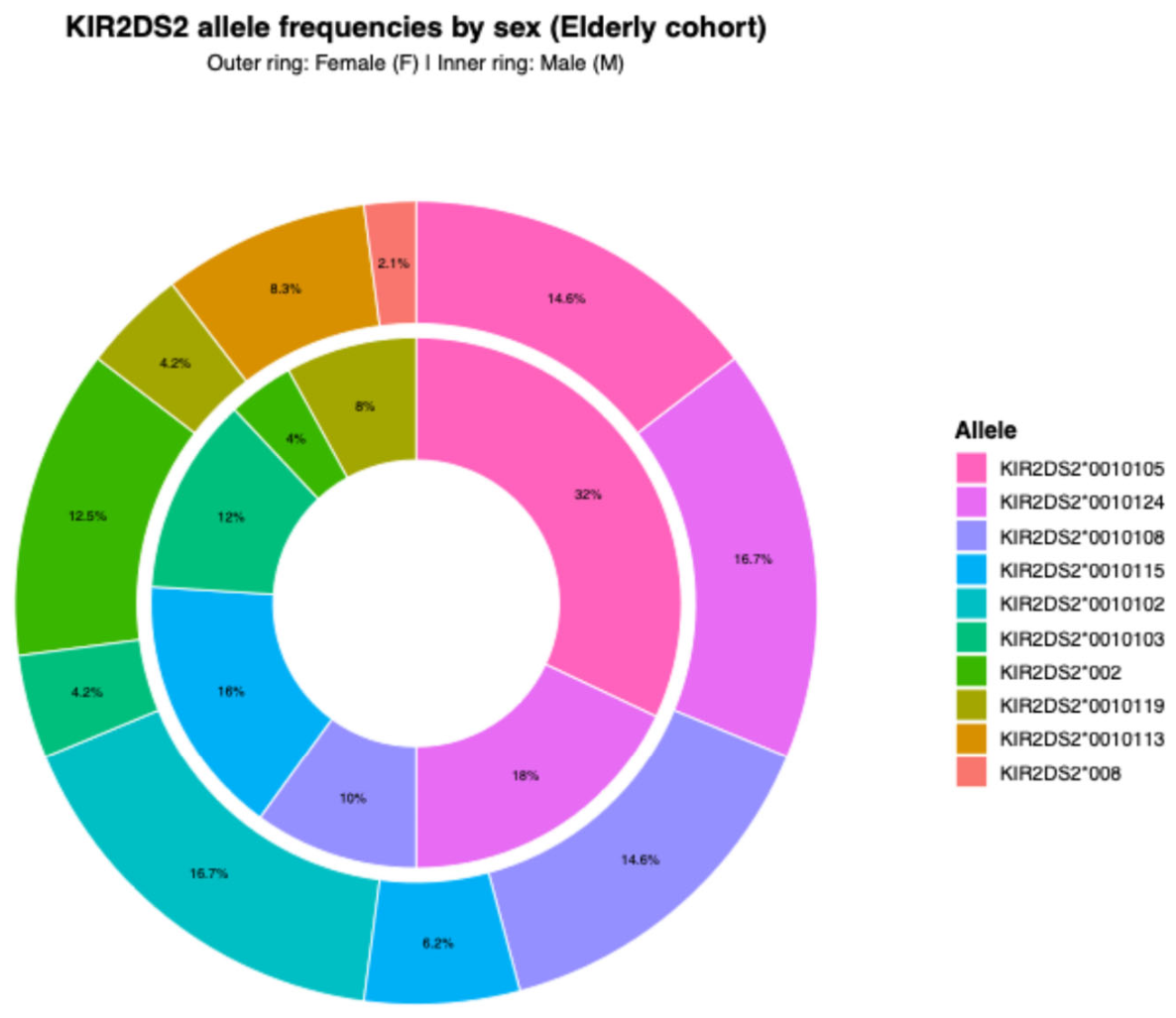
Figure 16.
KIR2DS2 allele frequencies in the young cohort.
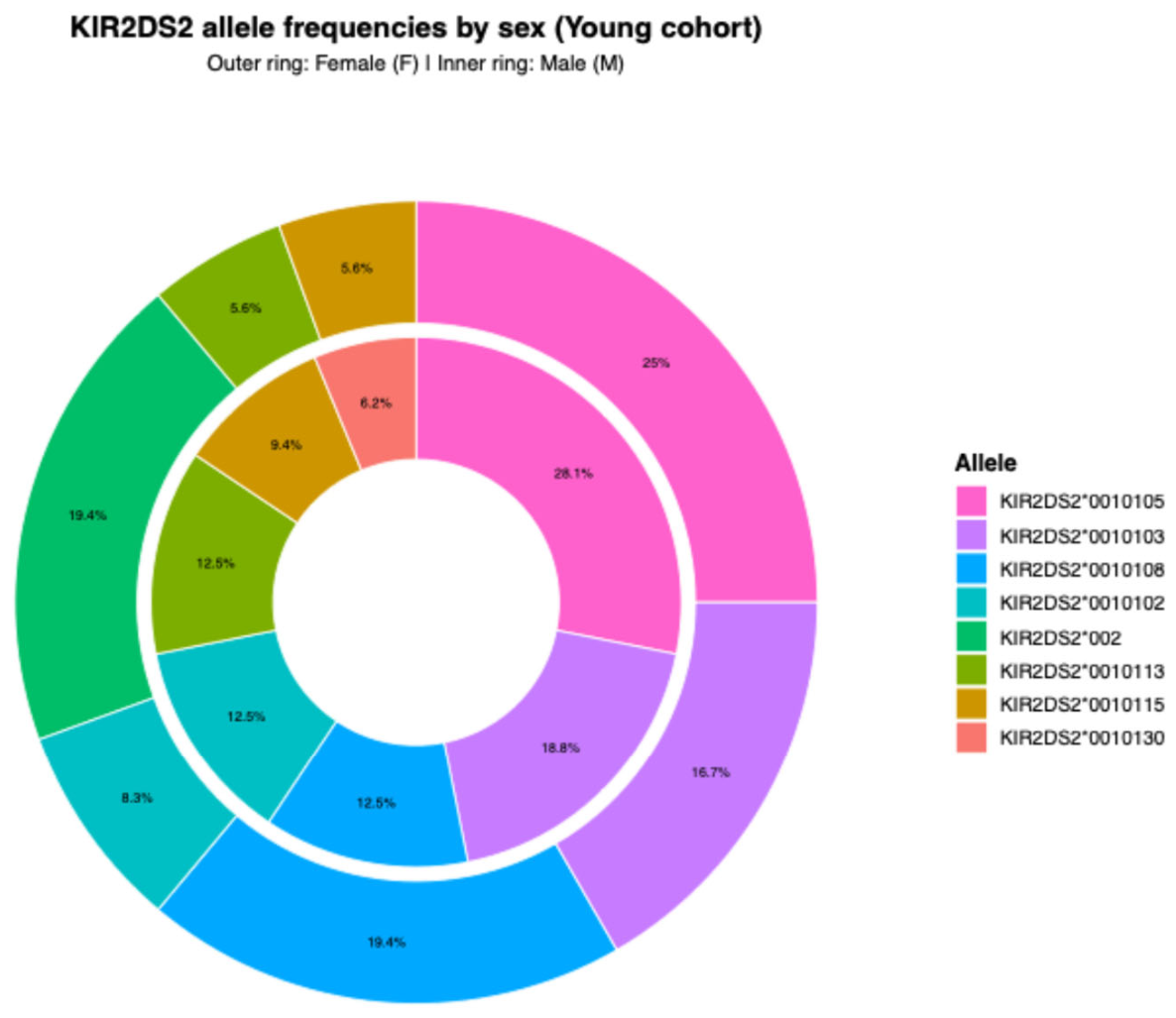
Figure 17.
KIR3DL1 allele frequencies in the elderly cohort.
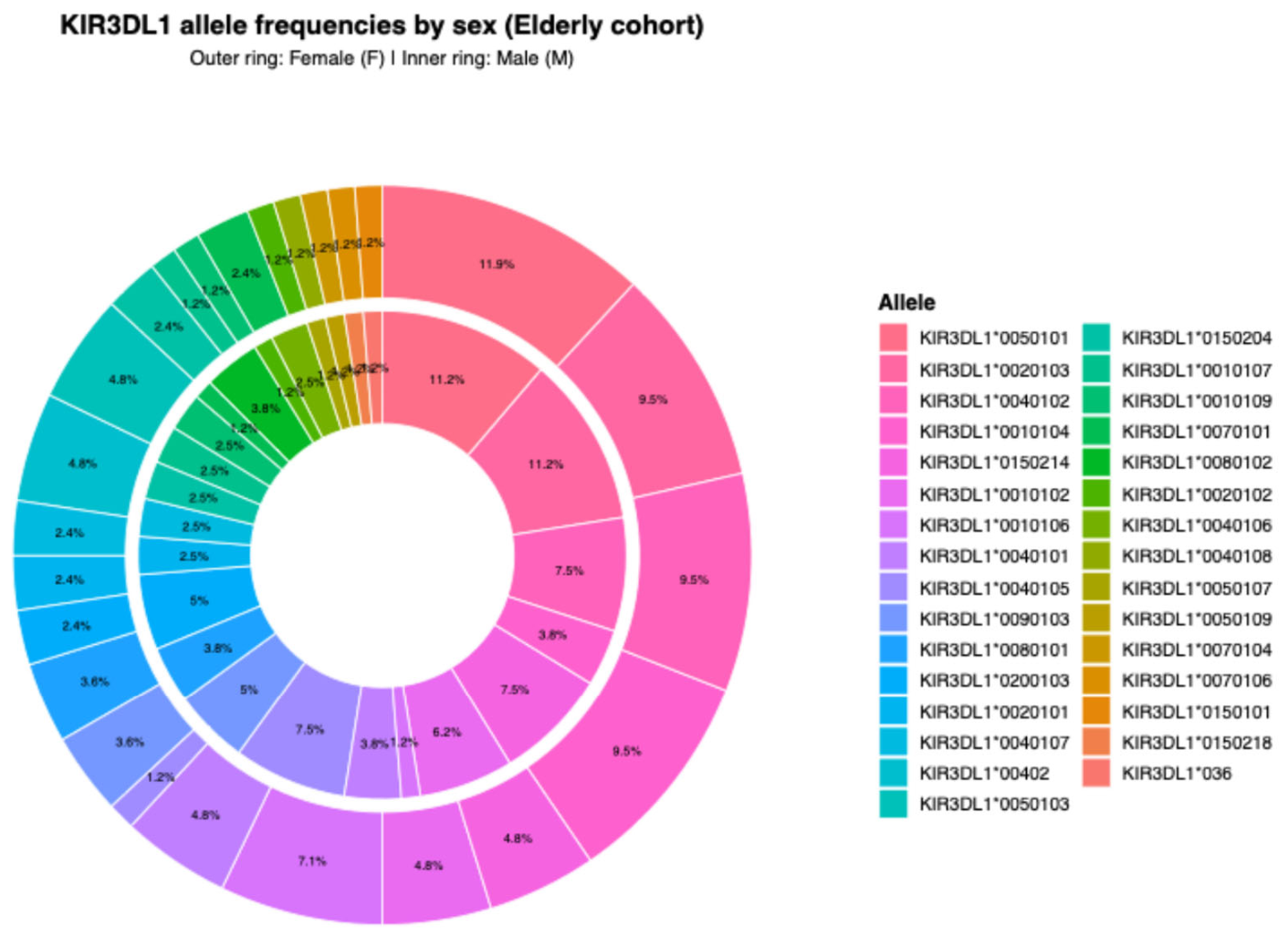
Figure 18.
KIR3DL1 allele frequencies in the young cohort.
Disclaimer/Publisher’s Note: The statements, opinions and data contained in all publications are solely those of the individual author(s) and contributor(s) and not of MDPI and/or the editor(s). MDPI and/or the editor(s) disclaim responsibility for any injury to people or property resulting from any ideas, methods, instructions or products referred to in the content. |
© 2026 by the authors. Licensee MDPI, Basel, Switzerland. This article is an open access article distributed under the terms and conditions of the Creative Commons Attribution (CC BY) license (http://creativecommons.org/licenses/by/4.0/).
Copyright: This open access article is published under a Creative Commons CC BY 4.0 license, which permit the free download, distribution, and reuse, provided that the author and preprint are cited in any reuse.