

Submitted:
27 October 2026
Posted:
28 October 2026
You are already at the latest version
Abstract
A digital transformation of the construction industry is now in place to improve efficiency, quality, sustainability, and competitiveness. Although numerous studies have reported the advantages of digital construction technologies, their adoption within the Egyptian construction industry remains limited. This study investigates the drivers, barriers, and perceived benefits influencing the adoption of digital construction technologies in the Egyptian construction industry. The survey was conducted with 228 construction professionals (architects, engineers, project managers) to determine how the use of digital tools such as Building Information Modeling (BIM) and Artificial Intelligence (AI), can influence the performance of the project. The results show that the main factors that prompt the use of digital include quality improvement, increased precision, and gaining a competitive edge. The main barriers found to be the most significant are the high costs, deficient infrastructure and a lack of skilled staff. In addition, the study outlines various advantages of digital tools, such as cost-saving, better quality of the project, higher safety, and higher productivity. The study will be significant to the current body of literature as it will determine the important determinants that influence the acceptance of digital technologies in the Egyptian construction sector. It provides specific suggestions on how to overcome the barriers to adoption, including building strong infrastructure, providing financial incentives and capacity-building measures. The findings can be of great use to the policymakers, practitioners, and other stakeholders in the industry that aims to accelerate digitalization and to enhance the sustainability and competitiveness of construction projects in Egypt.
Keywords:
drivers
; barriers
; benefits
; digital construction tools
; building information modelling (BIM)
; artificial intelligence (AI)
; construction industry
; Egypt
1. Introduction
The construction industry is undergoing a profound digital transformation aimed at improving efficiency, quality, sustainability, and competitiveness. [1,2,3] . Building Information Modelling (BIM), three-dimensional printing, unmanned aerial vehicles (UAVs) and artificial intelligence (AI) are some of the tools that can be used to optimize project performance and interaction [4,5,6]. However, despite these obvious benefits, the use of such systems is still not widespread, especially in underdeveloped economies such as Egypt [7] qualified personnel and poor infrastructure hinder their adoption.
Despite the growing body of literature on digital construction technologies, most previous studies have focused on individual technologies such as BIM, AI, or digital twins, and have largely been conducted in developed economies [8,9,10] . Research investigating digital transformation within developing construction markets remains limited, particularly in the Egyptian context. Furthermore, previous studies often examine either adoption drivers, barriers, or benefits independently, resulting in a fragmented understanding of technology uptake. Therefore, there is a need for an integrated assessment that simultaneously examines the drivers, barriers, and perceived benefits influencing digital construction adoption. This study addresses this gap by providing empirical evidence from the Egyptian construction industry and developing a comprehensive understanding of the factors affecting digital transformation in one of the largest construction markets in the Middle East and North Africa region.
The contribution of this study is threefold. First, it provides empirical evidence regarding digital construction adoption within Egypt, a context that remains underrepresented in the literature. Second, it integrates drivers, barriers, and benefits into a single analytical framework, allowing a more comprehensive evaluation of technology adoption factors. Third, the study generates practical recommendations for policymakers, construction firms, and industry stakeholders seeking to accelerate digital transformation within emerging economies.
The present study aims to explore the determinants of digital technology adoption in the Egyptian construction sector, along with the related challenges and incentives. By undertaking an extensive literature review and using an empirical survey, the study will determine the key variables that impact technology uptake and assess their impact on project delivery. The evaluation of the contribution of digital tools to increase competitiveness, project quality, and sustainability will lead to meaningful recommendations that can be used by all stakeholders to enhance the speed of digitalization in the Egyptian construction industry.
2. Literature Review
2.1. Existing Digital Construction Tools
Digital technologies are reshaping the construction industry by redefining the process of design, management, and execution of construction projects [11]. Among these developments, Building Information Modelling (BIM) is of importance [6,12]. BIM allows the development of highly detailed three-dimensional models with a large amount of data covering architectural, structural, and mechanical elements integrated in one system [13]. This integration enables all project stakeholders to develop their work in total concert, increases the accuracy of the designs, minimizes the possibility of errors, and enables real-time project control thanks to immediate inter-disciplinary communication [14].
Additive manufacturing, specifically 3D printing, has become an innovative solution for producing complex building elements [15]. This technology has the potential to greatly decrease material waste, decrease construction schedules, decrease costs, and produce greater design flexibility through on-site construction [16]. UAVs, often called drones, are extremely useful for site surveying and monitoring [17]. High-resolution cameras enable UAVs to produce real-time aerial images, assisting in the site assessment, progress tracking and safety inspections, which dramatically improves overall project governance [18].
The other important tool in the modern construction practice is Geographic Information Systems (GIS), which is used especially in the analysis of spatially explicit data [19]. GIS helps the teams to take site selection, environmental assessment and the planning of infrastructure by assessing the terrestrial conditions and the likely impacts of the project before starting the implementation [20]. In addition, cloud computing has become an essential part of digital collaboration, which enables the real-time distribution of project information and ensures that all team members, regardless of their geographic position, have access to the latest information [21].
Construct and artificial intelligence (AI), and digital twins are other emerging technologies that are shaping the way forward in construction [6,22,23]. AI is also used to automate repetitive processes, maximize planning and predict the risk, which enhances the effectiveness of decision-making [24]. Digital twins that are virtual copies of physical assets allow real-time monitoring and control of projects and thus enable the provision of informed decision-making in the project life cycle [25]. Another application of blockchain in the field of transparency and security is also spreading with regard to the management of contracts and the integrity of documents [26].
2.2. Drivers of Digital Construction Adoption
The construction industry is driving digital technologies that combine various aspects that collectively seek to enhance efficiency of its operations [1,22], project performance quality and competitiveness in a world that seems to be increasingly globalized [27,28,29]. One of the major adoption motivation reasons is the search for a competitive advantage [29,30,31]. Digital technology, such as BIM and AI, could help construction companies to save money [32], plan resources, and deliver projects faster and thus stand out in an extremely competitive business landscape [28,29,33].
Besides, the sustainability theme of the construction sector is gaining an increasingly sharp character, and digital technologies are becoming the most important tools in building environmentally friendly practices [31,34,35]. As an example, the use of BIM allows to streamline the energy saving and resource consumed, thus making the process of construction methods more sustainable. The digital twins technologies can also offer real-time performance data about the buildings, taking into account which companies can modify their approaches and lessen their impact on the environment [36]. The tools also help projects to achieve sustainability awards, including the Leadership in Energy and Environmental Design (LEED), which have now become the most important environmental stewardship indicators in the industry, thus achieving improved project qualities [30,31,32,36]
The other strong incentive is the ability to balance and provide complex designs at a higher level of accuracy and effectiveness [27,28]. With the increasing level of complexity in the construction projects [30,32], technological solutions like the Augmented Reality (AR) and Virtual Reality (VR) can provide immersive design, boosting the visualization, collaborative process and minimizing chances of errors in designs that can create dangers to the outcome of a project during the design stage [29]. Also, AI and BIM lead to improved scheduling and resource management, whereby a project will be done on time and on budget [37] , which has always been a major concern in the field of construction management [1,30,36].
Improved communication between the project stakeholders is also another important variable [27,28,30]. The tools can be used together with BIM to enhance the collaboration between architects, engineers, contractors, as well as clients by making real-time access to project information in cloud-based services possible. [29,32]
This mutual access to modern information reduces the likelihood of misunderstandings and delays and guarantees the compatibility of all parties involved in the project lifecycle [36].
Lastly, government agencies and officials are also supporting the shift to digital technologies through the allocation of financial incentives in the form of tax credits and subsidies, as well as grants [29,32]. Such incentives will reduce the obstacles in terms of financial aspects related to implementing the latest technologies, such as BIM, AI, and 3D printing, making it more feasible and supported to gain needed certifications to enable construction companies to invest in the digital tools that will help achieve a successful future [27,31,32,36,38].
A critical review of the literature reveals that digital construction adoption is influenced by three interrelated dimensions: organizational factors, technological factors, and external environmental factors. Organizational factors include competitive advantage, management commitment, workforce capability, and sustainability objectives. Technological factors relate to the perceived usefulness, interoperability, and performance benefits of digital tools. Environmental factors include government incentives, regulatory support, and market pressures. Although these factors have been extensively discussed, previous studies report inconsistent findings regarding their relative importance, particularly within developing countries. This highlights the need for context-specific empirical investigations. From the previous studies been investigated, the following eight main drivers are identified and summarized in Table 1, available in the Appendix.
2.3. Barriers to Digital Construction Adoption
Despite all the obvious advantages that digital tools bring to the construction industry, there are still many obstacles that do not allow their widespread use [39]. The major obstacle is the high cost associated with these technologies [27,28,29]. Initial capital investment that instruments like BIM, AI and advanced hardware require may be prohibitive to an extent, especially to the smaller companies with limited fiscal capacities. In addition to such high initial costs [30], ongoing costs of provision of software licenses, maintenance, and upgrades continue to increase the financial burden related to the adoption of digital solutions [30], which sometimes may come with uncertain return on investment as digital tools demand a High initial investment [29,30]. Here, issues such as Inadequate understanding of technology’s long-term benefits are a main limitation to their adoption. [31,32,36,40]
The second significant challenge is related to the lack of skilled staff [27,28,29,30]. The complexity of digital tools is becoming more complex [28,30], and this is why the number of professionals who are qualified to administer such technologies is growing. However, the construction sector is faced with a severe knowledge and skills shortage [29,30], thus making it difficult to harness the digital tool’s potential to the fullest of potential by many companies [36]. This gap is increased by the lack of detailed training programs, high time and cost of training [27,29,30,31], and the slow adoption of digital technologies of construction into the curriculums of educational institutions [32].
The problem of interoperability also creates a major barrier to adoption [27,29]. Numerous digital solutions, such as BIM and project management software, are made by different vendors and often cannot be fully compatible with each other [36]. The resultant inefficiency leads to further resource usage in aligning information between several platforms, which in the end will not create incentives to use these technologies in the first place in firms. [30,41]
There are also legal and regulatory issues of adoption [29]. Legal and regulatory challenges [30], such as Data security issues, as well as the legal status of digital signatures [32], create hindrances in the construction industry. Since the information about the construction is highly sensitive, the lack of concrete legal regulations that regulate digital transactions and contracts triggers weakly grounded concerns about privacy and intellectual property [32,42].
Lastly, resistance to change [27,29], especially to a complex technology [4,29], is a significant problem [28]. Many representatives of the construction business have been accustomed to traditional approaches and are not willing to switch to the use of new technologies [30]. Such reluctance is very often driven by a lack of awareness [29,30], Poor collaboration [30,32,36], and proper project management structure [28,29], and fears about the learning curve, the perceived threats of using the unknown tools, and fears of breaking the usual work patterns. More challenges to digital construction adoption can also be in the form of Client demand issues, Lack of government support, Lack of infrastructure, and Lack of leadership and support for digitalization. [27,28,29,30,31,36], and the fear of technology disruption. [31,32]
Existing studies consistently identify financial constraints, technical limitations, and organizational resistance as major barriers to digital adoption. However, the severity of these barriers varies considerably across countries and organizational contexts. While developed economies often emphasize interoperability and data integration challenges, developing countries frequently report infrastructure deficiencies, limited technical expertise, and financial constraints as more significant obstacles. Consequently, further empirical investigation is necessary to determine which barriers exert the greatest influence within the Egyptian construction sector. From the previous studies been investigated, the following twenty-four Barriers are identified and summarized in Table 2, available in the Appendix.
2.4. Benefits of Digital Construction Tools
There are various advantages of the use of digital construction tools [33,39], which are highly effective to meet the efficiency, sustainability and cost-efficiency of projects [3,27,28]. Cost saving is one of the main benefits [29]. Such tools as Building Information Modeling (BIM) would allow for emphasizing the cost estimation and resource planning and cost estimations that are more accurate [28,30], which will help to minimize material waste and maximize labor use. These technologies are beneficial by enhancing the scheduling [28], and reducing any mistakes that may make the project go beyond the budget, and reducing overall expenses [6,29,38].
The other major advantage is quality improvement [27,30,36]. Digital tools allow more accuracy in the design and construction process, reducing error [32], and ensuring that projects are actually implemented as per the plans [29]. Such technologies as three-dimensional printing and BIM, e.g., enable the manufacturing of accurate parts and the detecting of possible design contradictions early on, thus avoiding the expensive rework and delays in the project, thus improving productivity [30], and enhanced overall project life-cycle [30,36].
The growth of communication and collaboration between the stakeholders is also a key asset [27,29]. Cloud computing services make it possible to share the project data in real-time to ensure that all participants work with a set of common information [28]. This enhances coordination, monitoring, and minimizes the chances of miscommunication that would otherwise result in delays or errors [29,30] .
The other area where digital tools have a positive impact is safety on construction sites [27]. The use of Internet of Things (IoT) sensors and artificial intelligence (AI) helps to track the situation on the site and reveal possible risks even before they occur, which minimizes the risk of accidents and general worker safety [30,41].
Lastly, digital technologies are also sustainable due to the reduction of waste, increased energy efficiency, and the environmentally friendly construction process [30]. BIM enhances the efficient use of resources [6], three-dimensional printing and digital fabrication curb material wastage, which further benefits the construction industry towards a more sustainable industry [34,35], both environmentally and socio-economically [3,31,36,38]. Digital construction tools have also been recognized for their ability to support increased global opportunities between stakeholders, which ultimately improves the construction market value [31,32].
Collectively, previous studies suggest that digital technologies generate benefits across operational, financial, environmental, and managerial dimensions. Nevertheless, much of the available evidence originates from developed construction markets, where organizational structures, technological maturity, and regulatory environments differ substantially from those in emerging economies. Therefore, evaluating the perceived benefits within the Egyptian construction industry represents an important step toward understanding the local value proposition of digital transformation. From the previous studies been investigated, the following sixteen benefits are identified and summarized in Table 3, available in the Appendix.
2.5. Theoretical Framework for Digital Construction Adoption
The adoption of digital technologies in the construction industry has been extensively examined through several theoretical perspectives. Among the most widely used frameworks are the Technology Acceptance Model (TAM), Diffusion of Innovation (DOI) Theory, and the Technology–Organization–Environment (TOE) Framework [43]. These theories provide valuable insights into the factors influencing technology adoption and implementation within organizations. The Technology Acceptance Model (TAM), developed by Davis (1989), suggests that users’ intentions to adopt a technology are primarily influenced by perceived usefulness and perceived ease of use [44]. In the context of digital construction tools, technologies such as Building Information Modelling (BIM), Artificial Intelligence (AI), and digital twins are more likely to be adopted when construction professionals perceive them as capable of improving project performance, productivity, and decision-making processes. [45]
Diffusion of Innovation (DOI) Theory, proposed by Rogers (2003), explains how new technologies spread within organizations and industries [46]. According to this theory, adoption decisions are influenced by factors such as relative advantage, compatibility, complexity, trialability, and observability. Several of the drivers and barriers identified in the literature, including competitive advantage, implementation cost, technical complexity, and organizational readiness, can be interpreted through the DOI perspective. However, because this study focuses on organizational adoption within the Egyptian construction industry, the Technology–Organization–Environment (TOE) Framework is considered the most suitable theoretical lens. The TOE framework, developed by Tornatzky and Fleischer (1990), proposes that technology adoption is influenced by three dimensions: technological factors, organizational factors, and environmental factors [47] .
In the context of this study, technological factors include the perceived benefits, functionality, interoperability, and complexity of digital construction tools. Organizational factors include management support, workforce skills, financial resources, and organizational readiness for change. Environmental factors include government support, market competition, industry regulations, and external stakeholder pressures. The drivers, barriers, and benefits investigated in this study can therefore be categorized within these three TOE dimensions, providing a comprehensive framework for understanding digital construction adoption in the Egyptian construction sector. Accordingly, the TOE framework serves as the primary theoretical foundation of this research and guides the interpretation of the empirical findings presented in the subsequent sections.
3. Methodology
This study adopts a quantitative survey-based research approach to evaluate the drivers, barriers, and benefits of digital construction tool adoption in the Egyptian construction industry. The following phases will be used to conduct the methodology:
3.1. Literature Review
The following objectives will be carried out through a comprehensive literature review:
- To find out and discuss the digital construction tools existing in the global world and those that are used in the Egyptian construction industry.
- To review scholarly articles, industry reports, and case studies to be informed of the central drivers, obstacles, and advantages related to the implementation of digital tools in construction projects.
- To generalize the findings so as to come up with a theoretical framework to be used in the study, and this will be used in designing the survey.
3.2. Survey Design
Based on the information obtained during the literature review, a structured survey will be created, which will consist of the questions of the Likert scale (where the data can be thoroughly measured). The survey will contain the following items:
- Demographic Information: Questions, which will be used to collect some basic technical information about the respondents, such as their roles, experience, and background in the construction industry.
- Drivers: The questions were developed to determine the most significant factors that lead to the adoption of digital tools.
- Barriers: questions were directed at challenges and the barriers that were experienced in the process of adopting the digital tools.
- Benefits: The questions will discuss the benefits and positive effects of digital tools in construction projects.
All driver, barrier, and benefit statements were measured using a five-point Likert scale ranging from 1 (very low importance) to 5 (very high importance). The scale was selected because it is widely used in construction management research and facilitates the calculation of descriptive statistics and the Relative Importance Index (RII).
3.3. Questionnaire Development and Validation
- Questionnaire Development
The questionnaire was developed through an extensive review of previous studies on digital construction adoption, digital transformation, BIM implementation, and construction innovation. Initially, a pool of factors was extracted from the literature and classified into three categories: drivers, barriers, and benefits. The preliminary questionnaire was reviewed by five academic experts and three senior construction professionals to assess content validity, clarity, and relevance. Based on their feedback, several statements were reworded to improve readability and eliminate ambiguity.
A pilot study involving 20 construction professionals was subsequently conducted to evaluate questionnaire clarity and completion time. Minor modifications were introduced before full-scale distribution. The pilot responses were not included in the final dataset.
- Reliability and Validity Assessment
Internal consistency reliability was assessed using Cronbach’s Alpha coefficient. According to Hair et al. (2019), values above 0.70 indicate acceptable reliability. Content validity was established through expert review, while construct validity was supported through the adoption of measurement items from previously validated studies. The reliability results for all questionnaire constructs exceeded the recommended threshold, indicating satisfactory internal consistency.
- Data Analysis Procedures
The collected data were analyzed using the Statistical Package for Social Sciences (SPSS). Descriptive statistics, including frequencies, percentages, means, and standard deviations, were used to summarize respondent characteristics and evaluate the relative importance of each factor. Relative Importance Index (RII) analysis was employed to rank the identified drivers, barriers, and benefits according to their perceived significance. RII has been widely adopted in construction management research because it allows prioritization of factors based on stakeholder perceptions. Reliability analysis and inferential statistical tests were additionally performed to verify the consistency and robustness of the findings.
In addition, Exploratory Factor Analysis (EFA) using Principal Component Analysis (PCA) with Varimax rotation was conducted to examine the underlying structure of the questionnaire items and assess construct validity. The suitability of the data for factor analysis was evaluated using the Kaiser–Meyer–Olkin (KMO) measure of sampling adequacy and Bartlett’s Test of Sphericity. For the barriers construct, the KMO value was 0.800 and Bartlett’s Test was statistically significant (χ² = 4621.167, df = 171, p < 0.001), indicating that the data were appropriate for factor analysis. Three components with eigenvalues greater than 1.0 were retained, explaining 72.98% of the total variance. For the benefits construct, the KMO value was 0.848 and Bartlett’s Test was also significant (χ² = 3434.239, df = 120, p < 0.001). Two components with eigenvalues greater than 1.0 were retained, explaining 69.01% of the total variance. A minimum factor loading of 0.50 was adopted for interpreting the extracted components. These results confirm the suitability of the dataset and support the construct validity of the measurement instrument.
3.4. Survey Distribution
In the current study, the target population is the persons working in the Egyptian construction industry, and thus the sampling of the respondents was done with high care in ensuring the sample was both diverse and relevant. The respondents of the survey were the professionals involved in actively working on construction projects in Egypt, especially participants in such projects as the New Administrative Capital and other massive cities where there is a shift towards the use of digital construction tools.
- Sampling Method: The participants were selected using a random sampling method, a list of the professionals employed by companies engaged in major construction projects was used to select them. This was done to ensure that it has a wide range of representation of various roles in the construction sector, which covers architects, civil engineers, project managers, designer, and contractors.
- Inclusion Criteria: The participants who actively participated in the decision-making processes or the daily activities of the constructions projects were only considered eligible to be included. The respondents had to be in the construction industry with at least two years of experience and had to have direct interactions with the use of digital construction tools.
- Exclusion Criteria: To maintain relevance of the data, there were exclusion criteria according to which professionals that were not involved in active construction projects or had no experience with using digital tools were excluded.
- Sample Size and Characteristics: Survey was sent to about 350 construction professionals and 228 fully finished responses were received giving the response rate of about 65 percent. Such size of sample is considered to be adequate to be statistically analyzed in accordance with the accepted guidelines in the survey research. The respondents were a diverse group of professionals as they were architects, engineers, project mangers and designers. Though the sample size is sufficient to perform statistical analysis, one should admit that the results might not be completely applicable to smaller construction companies or even other parts of Egypt, as the attention has been paid to large-scale projects in the New Administrative Capital.
3.5. Data Screening and Cleaning Procedures
In order to guarantee reliability and integrity of collected data, a number of quality control measures were taken when conducting the survey:
- Outlier Detection: The use of the outlier detection methods was used to detect extreme values or responses that were beyond the expected ranges. The data that was found to be outliers (i.e. very inconsistent responses on the Likert-scale items) were examined individually, and a few of them were eliminated according to predetermined criteria on the way of promoting the overall dataset quality.
- Data Cleaning: There was a final data-cleaning process that ensured uniformity of data in the dataset. This was done by ensuring that all the responses had been correctly keyed into the analysis software and that no duplicate or invalid data points existed. These strict quality-control measures made sure that the end-result was reliable and valid thus making it applicable in further statistical analysis.
3.6. Data Collection
- Survey Administration: The survey was administered online within a duration of 4-6 weeks, giving enough time to the survey participants to answer.
- Follow-Up Reminders: periodic reminders were sent to the participants in order to promote a better response rate.
- Anonymity and confidentiality: All the answers were anonymous, as this will ensure confidentiality, lending an atmosphere in which the participants will not be afraid of giving candid and honest feedback.
3.7. Data Analysis
The analysis was conducted by obtaining the data as follows:
- Descriptive Statistics: The demographic information was presented in summary form to show general trends and tendencies of respondent responses. Simple statistical methods was used to establish the background data on drivers, barriers and benefits of adopting digital tools.
- Factor Analysis: The factor analytic approach was used to define the most significant underlying variables that predict the use of digital construction tools and to study the inter-relationships between the survey variables, such as the inter-relationships between barriers and drivers.
3.8. Results Interpretation and Recommendations
The analytical results are expected to emphasize on the most critical drivers, constraints and benefits related to the use of digital construction tools in the Egyptian industry compared to the international trends. Practical implications were defined, leading to recommendations for speed-up of the adoption process in the sector. Based on these findings, the study suggests recommendations that can be adopted to reduce barriers of perception, and mobilize drivers of implementation and achieve the highest potential of digital tools in improving efficiency, quality, and sustainability of construction projects in Egypt.
4. Results and discussion
This part discusses the survey results for the drivers, barriers, and benefits of digital construction technology implementation in the Egyptian construction industry. By analyzing the survey through descriptive statistics, the Relative Importance Index RII is used to find the key variables that have a more significant impact, and factor analysis. These analyses aim to identify the important factors that affect the adoption of these technologies, the challenges that hinder their implementation, and the vital benefits that construction companies perceive. Furthermore, the discussion compares the Egyptian context with global cases to identify both common and unique factors that shape the adoption of digital tools to provide a comprehensive understanding of how drivers, barriers, and benefits interact to accelerate digital transformation in construction projects.
4.1. Drivers Influencing the Adoption of Digital Technologies
The first analysis explores the drivers influencing digital construction technologies, based on respondents’ perceptions and ranked using mean scores and the Relative Importance Index RII. Understanding these drivers will help explain why organizations promote digital transformation in order to improve quality, reduce waste, and enhance partnership. By focusing on the most and least influential drivers, this analysis offers insight into whether digital adoption in the Egyptian construction sector is driven by operational performance or by external regulatory and incentive-based factors.
Table 4,available in the Appendix, and Figure 1 present the analysis and ranking statistics based on the Relative Importance Index (RII) for drivers of digital construction adoption in the Egyptian construction industry. All drivers had high mean values (≥ 3.95) and RII values above 0.79, indicating strong overall agreement among respondents on the importance of digital construction drivers. These findings confirm that practitioners in Egypt are highly aware of the strategic value of digital technologies, despite persistent adoption barriers. The relatively moderate standard deviations (SD = 0.80–1.14) indicate acceptable consensus across respondent groups.
The results show that the adoption of digital construction tools in the Egyptian construction industry focuses on performance improvement, such as improving project quality, greater accuracy and trustworthiness, gaining a competitive advantage, and improving communication, ranking as the highest drivers based on the analysis. Improving quality will be reflected on the ability of digital technologies to reduce design errors, minimize rework, and enhance overall project outcomes as strongly supported by previous studies [27,30,38]. The high ranking of accuracy and trustworthiness highlights the value of transparent information for decision-making, which aligns with Lean Construction principles that emphasize reducing uncertainty in workflows [29,32] Acquiring competitive advantage and improving communication indicate that digital transformation is considered an operational enabler that supports collaboration among stakeholders (Alwashah et al., 2024) (Oke et al., 2023)
Incentives and tax benefits, support for building certification, and projects delivery on time and within budget are the lowest drivers, which indicates that external considerations play a comparatively limited role in motivating digital adoption. Although government incentives and sustainability certifications are recognized in the literature review as facilitators of digital transformation, their lower ranking indicates limited influence in the Egyptian construction sector due to insufficient market demand (Perera et al., 2023) (Oke et al., 2023) [36]. The relatively lower importance assigned to time and cost performance is based on the schedule adherence and budget control. This finding reinforces the view that digital construction adoption in Egypt is driven mainly by immediate operational value rather than policy-driven or compliance-based incentives.
4.2. Barriers Influencing the Adoption of Digital Technologies
This part explores the critical barriers that affect the utilization of digital technologies in the construction industry, based on respondents’ points of view and ranked based on mean values and the Relative Importance Index RII. This will help identify the crucial barriers to understanding the structural, financial, and organizational challenges that determine the adequate implementation of digital transformation. From a Lean Construction perspective, barriers directly constrain steps to reduce waste and enhance process integration. Table 5, available in the Appendix, and Figure 2 show the analysis results of Barriers hindering the Adoption of Digital Technologies in the Egyptian Construction Industry.
The results show that the three significant barriers to implementing digital construction are the high costs of digital tools BA03, the lack of infrastructure hardware BA01, and the lack of skilled personnel BA05. The first barrier is the high cost of digital tools, which indicates the financial ability of acquiring and supporting advanced technologies. The shortage of adequate infrastructure highlights the readiness gap within construction organizations, as well as, the lack of skilled personnel, which implies that human capital limitations prevent the effective utilization of digital solutions. These barriers emphasize that financial and structural preparedness are considered the primary constraints on digital transformation in the Egyptian construction sector.
The results also show the three lowest barriers are complexity of technology and appropriateness of new technology-BA16-, fear of technology disruption-BA14, and resistance to change, preference for traditional methods-BA12. The results indicate that cultural and attitudinal challenges are perceived as less critical by practitioners compared to structural and financial obstacles. The less significant barriers indicate an increasing openness to digital tools among industry professionals. This emphasizes that the path to successful digital adoption lies primarily in overcoming tangible resource and skills-related limitations rather than changing mindsets alone.
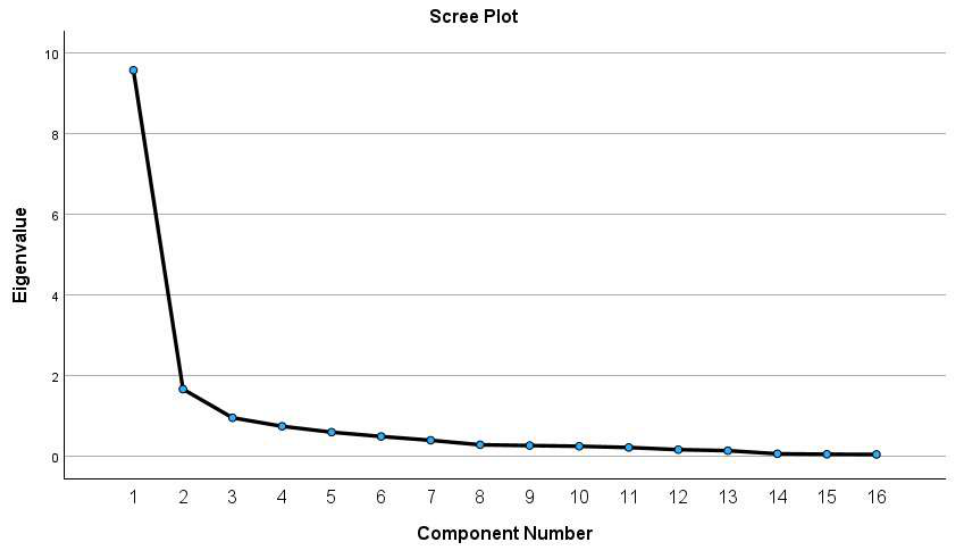
To understand the underlying structure of these barriers that hinder organizations from fully leveraging the benefits of adopting digital construction tools, a factor analysis on SPSS was conducted using Principal Component Analysis with Varimax rotation, which will help to reduce data complexity by grouping correlated barriers into distinct components, delivering a clearer view of the considerable challenges faced by construction firms. Identifying these critical dimensions will facilitate targeted interventions and enable an organized approach to deal with obstacles that restrict digital transformation. Table 6, available in the Appendix, presents the rotated component matrix and categorizes the barriers into conceptual clusters and Figure 3 shows the Scree Plot for barriers. Table 7, available in the Appendix, presents the Component Transformation Matrix for Barriers.
Prior to factor extraction, the adequacy of the dataset was confirmed using the Kaiser–Meyer–Olkin (KMO) measure and Bartlett’s Test of Sphericity. The KMO value of 0.800 indicates good sampling adequacy, while Bartlett’s Test was statistically significant (χ² = 4621.167, df = 171, p < 0.001), confirming sufficient correlations among variables for factor analysis. Principal Component Analysis extracted three components with eigenvalues greater than 1.0, explaining a cumulative 72.98% of the total variance, indicating that the retained factors adequately represent the underlying barrier dimensions.
The rotated component matrix shows that the 18 barriers to adopting digital construction in the Egyptian construction sector can be grouped into three factors. This will clarify the structure of the barriers and help to cluster them conceptually. The first factor is associated with resource and operational limits, such as BA01 - Lack of infrastructure, BA06 - Lack of collaboration, BA19 - Client demand issues, BA04-High initial investment, and BA02-Limited access to financial resources. These barriers reflect constraints related to financial resources, coordination issues, and client-based limitations.
These barriers may hinder the adoption of digital tools and highlighting the need for investment in infrastructure, collaboration mechanisms, and financial support.
Component 2 groups barriers associated with regulatory, legal, and institutional challenges. This component contains the following variables: BA10- Legal and ownership challenges, BA09 - Lack of leadership and support for digitalization, BA08-Regulatory issues, BA03- High costs of digital tools, and BA12- Resistance to change. These barriers are external and reflect the influence of policies on technology adoption. Governmental and organizational support is needed to address these barriers.
Component 3 emphasizes on knowledge, skills, and technology complexity barriers. High loadings include BA16-Complexity of technology, BA14- Fear of technology disruption, BA15-Intellectual property concerns, BA17-Lack of awareness, BA13-Difficulty in managing change, and BA18-Inadequate understanding of technology’s long-term benefits. These barriers indicate that human factors, training, and understanding of new technologies greatly influence the adoption process. Organizations need to conduct capacity-building, training to reduce uncertainty regarding digital tools adoption .
The factor analysis indicates that the barriers can be conceptually divided into three categories: Resource and operational constraints, Legal and institutional challenges, and Skills and knowledge-related challenges. This classification provides practitioners with an approach to target interventions such as financial support and training programs.
4.3. Benefits Influencing the Adoption of Digital Technologies
The adoption of digital construction tools offers many benefits that can improve construction project performance. Evaluating these benefits is essential to identifying the areas where these tools create the most value for organizations. This section analyzes the survey results regarding the extracted benefits of digital tools in the Egyptian construction sector from previous studies, highlighting the most and least significant outcomes. The analysis results will help to inform stakeholders on prioritizing investments and aligning technology use with project and organizational goals. Table 8, available in the Appendix, and Figure 4 presents Benefits of the Adoption of Digital Technologies in the Egyptian Construction Industry.
The results indicate that cost estimation is the most significant benefit of adopting digital construction tools, with a mean of 4.67 and a relative importance index of 0.93 which indicates that technologies such as BIM and AI facilitate more precise budgeting and resource planning that aligns with international findings. The next one is the increase in global opportunities with a Mean value = 4.47 and RII = 0.89, and improved quality with a Mean value = 4.46 and RII = 0.89, which reflect the capability of digital solutions to expand market reach and ensure high standards in design and execution. Safety and risk management also rank highly with a Mean value = 4.43 and RII = 0.89, showing the value of monitoring and predictive analytics in reducing accidents and hazards on construction sites. These highest-ranked benefits emphasize the strategic and operational advantages that drive the adoption of digital technologies in construction projects.
The results show that less influential benefits in motivating companies to adopt digital tools are: better progress monitoring, reduced carbon footprint, and social value measurement. This highlights areas where awareness could be increased to align digital adoption with broader environmental and social goals.
This analysis aims to understand the structure of the benefits of adopting digital construction tools—the factor analysis using Principal Component Analysis PCA in SPSS. The Rotated Component Matrix provides an understanding of how the different benefit groups. The PCA analysis defines the primary benefit categories, helping to prioritize the aspects of digitalization that have the most significant impact on project efficiency in the Egyptian construction sector. Table 9 and Table 10, available in the Appendix, present the rotated component matrix and categorize the Benefits into conceptual clusters, and Figure 5 shows the Scree Plot for Benefits.
The suitability of the benefits dataset for factor analysis was confirmed by a Kaiser–Meyer–Olkin (KMO) value of 0.848 and a statistically significant Bartlett’s Test of Sphericity (χ² = 3434.239, df = 120, p < 0.001). Principal Component Analysis retained two components with eigenvalues greater than 1.0, accounting for 69.01% of the total variance. These statistics indicate good construct validity and demonstrate that the extracted components provide an appropriate representation of the underlying benefit dimensions.
As shown in the previous tables, Component 1 shows the operational and project management benefits. Benefits in Component 1 include minimizing conflicts- BE02, improved communication-BE03, cost estimation and control-BE01, decreased project costs-BE05, safety and risk management-BE04, life-cycle and asset thinking-BE13, reduction in variation orders-BE06, better monitoring of progress-BE14, and increased productivity-BE15. These items are linked to Lean Construction principles, emphasizing waste reduction, enhanced workflow efficiency, improved communication and collaboration, and better resource management, indicating that construction practitioners adopt digital tools to improve project execution, coordination, and overall operational efficiency.
Component 2 reflects strategic and sustainability-based benefits. It includes many benefits: incorporating social and environmental principles (BE11), reduced carbon footprint (BE09), improved quality (BE10), increased global opportunities (BE07), higher market value (BE08), social value measurement (BE12), and less waste (BE16). This factor focuses on sustainability-based benefits and quality enhancement.
The results highlight that the benefits of digital construction tools are multidimensional, helping construction firms prioritize tools and practices to optimize operational performance.
4.4. Comparison of Research Findings with Previous Studies
Compared with previous studies, this paper identifies quality improvement, greater accuracy and trustworthiness, competitive advantage, and enhanced communication as the most influential drivers of digital technology adoption in the construction process. These findings suggest that Egyptian construction organizations primarily perceive digital technologies as tools to improve project performance and operational efficiency rather than merely as a means of introducing technological innovation. This observation is consistent with previous studies that identified performance improvement, productivity enhancement, and competitive positioning as major motivations for digital transformation in construction. (Nikmehr, Hosseini [6,29]
However, unlike several studies conducted in developed economies, government incentives and sustainability-related considerations were ranked lower by Egyptian practitioners. (Perera et al., 2023) (Oke et al., 2023). This difference may reflect the relatively early stage of digital transformation within the Egyptian construction sector, where organizations remain focused on immediate operational benefits and business competitiveness. From the TOE perspective, these findings highlight the importance of technological and organizational factors in shaping adoption decisions. [47]
The study confirms prior findings regarding financial, infrastructural, and human capital barriers to digital construction adoption [28,30]. The factor analysis conducted in this research provides additional insight by grouping these barriers into three broader dimensions: resource and operational constraints, legal and institutional challenges, and skills and knowledge-related challenges. This classification demonstrates that adoption challenges extend beyond financial considerations and involve organizational readiness and external environmental conditions. These findings are consistent with the TOE framework, which emphasizes the combined influence of organizational and environmental factors on technology adoption decisions. The results further suggest that the slow pace of digital transformation in Egypt is driven primarily by structural and resource-related limitations rather than resistance to innovation itself. [28,32] This finding is particularly important because it suggests that investments in infrastructure development, workforce training, and institutional support may yield greater adoption gains than awareness campaigns alone.
The study findings are consistent with prior literature on the benefits of digital construction tools for enhancing cost estimation, project quality, safety performance, and operational efficiency. [36]. Respondents identified cost estimation and control, increased global opportunities, improved quality, and enhanced safety and risk management as the most significant outcomes of digital technology adoption. These findings reinforce the argument that digital technologies generate value across operational, strategic, and managerial dimensions. The consistency of these findings with international studies suggests that the advantages of digital construction technologies are relatively universal, despite differences in national and organizational contexts. Nevertheless, the realization of these benefits remains dependent on organizations’ ability to overcome the financial, infrastructure, and skills-related barriers identified in this study. [27,28]
Overall, the findings support the applicability of the Technology–Organization–Environment (TOE) framework in explaining digital construction adoption within developing economies. The results demonstrate that the interaction of technological benefits, organizational capabilities, and external environmental conditions shapes technology adoption. Consequently, the study contributes empirical evidence from Egypt. This context remains underrepresented in the digital construction literature, and extends existing knowledge by demonstrating how drivers, barriers, and benefits interact within a developing-country construction environment. The findings provide practical insights for policymakers and industry stakeholders seeking to accelerate digital transformation within the construction sector.
5. Conclusion:
This study investigated the drivers, barriers, and benefits of adopting digital construction tools in the Egyptian construction industry to provide an empirical guide. The results show that the implementation of digital technologies is driven by performance-oriented factors, aiming to improve project quality, enhance accuracy, gain a competitive advantage, and facilitate better communication.
The study also identifies the barriers to adoption: high costs of digital tools, insufficient hardware infrastructure, and a lack of skilled personnel. Factor analysis results classified barriers into three groups: resource and operational limitations, legal and institutional challenges, and skills and knowledge-related barriers. This shows that the main challenges to digital adoption in Egypt are structural and resource-based, rather than cultural. The main benefits were found to improve cost estimation and control, project quality, safety, and productivity. These benefits align with international findings.
The study confirms that the adoption of digital construction technologies in Egypt requires managing tangible constraints while leveraging the operational and strategic benefits these tools offer. While this study contributes valuable insights into the drivers, barriers, and benefits of digital tool adoption in Egypt, several limitations warrant consideration. Finally, these findings provide actionable insights for policymakers, practitioners, and industry stakeholders seeking to promote the digitalization of construction practices in emerging economies.
First, the sample was focused on professionals involved in large-scale construction projects in the New Administrative Capital. It thus may not fully represent smaller construction firms or projects in other regions of Egypt. The findings are more applicable to large-scale projects that are already more inclined to adopt digital tools. Additionally, the study relied on self-reported data, which could introduce biases, such as social desirability bias or respondent misinterpretation. Future research could benefit from incorporating longitudinal studies or using objective performance metrics to complement these findings. Finally, the study did not explore the role of external factors, such as government policies or economic conditions, which may influence the adoption of digital tools. Future studies could investigate how these external factors affect the digital transformation of construction practices in Egypt and other emerging economies.
6. Recommendations
This study recommends the following:
- Develop training programs to integrate digital construction technologies into education and professional practices.
- Promote management involvement to facilitate digital adoption and reduce practitioners’ resistance.
- Define standards for the sector in data security, digital contracts, and intellectual property to build trust and ensure compliance.
- Encourage stakeholder partnerships to conduct pilot projects to demonstrate tangible benefits and drive adoption.
Data Availability Statement
Some or all data, models, or codes that support the findings of this study are available from the corresponding author upon reasonable request.
Acknowledgments
The Authors would like to acknowledge their affiliated institutions for their support. Generative AI tools were used solely for English language editing and improving clarity and readability. They were not used in the generation, analysis, or interpretation of research data or findings. The authors reviewed the final manuscript and take full responsibility for its content and academic integrity.
Funds: This Study received no funds.
Appendix A: List of Tables

Table A1.
Drivers of Digital Construction Adoption as retrieved from the literature. (Authors).
| # | Drivers | References |
| 1 | Gaining a competitive advantage | [1,29,30,31,36] |
| 2 | Support for building certification | [31,32,36,38] |
| 3 | Improved quality | [27,28,29,30,31,32,34,35,36,38] |
| 4 | Complex design composition | [30,31,36] |
| 5 | Ability to deliver projects on time and within budget | [22,27,28,29,30,32,33] |
| 6 | Better communication | [27,28,29,30,32] |
| 7 | Greater accuracy and trustworthiness | [27,28,29,30,32,36] |
| 8 | Incentives and tax benefits | [29,32] |
Table A2.
Barriers of Digital Construction Adoption as retrieved from the literature. (Authors).
| # | Barriers | References |
| BA01 | Lack of infrastructure – Hardware | [27,29,30,36,39] |
| BA02 | Limited access to financial resources – innovation fees | [27,28,29,30] |
| BA03 | High costs of digital tools | [27,28,29,30,31,32,36] |
| BA04 | High initial investment | [27,29,30,39] |
| BA05 | Lack of skilled personnel | [27,28,29,30](Lu et al., 2024) (Oke et al., 2023)[4] |
| BA06 | Lack of collaboration | [27,29,30,32,36] |
| BA07 | Interoperability issues | [27,29,30,36,41] |
| BA08 | Regulatory issues | [27,29,30,39] |
| BA09 | Lack of leadership and support for digitalization | [27,28,29,30,32,36] |
| BA10 | Legal and ownership challenges | [27,29,30,32] |
| BA11 | Time and cost of training | [27,29,30,32] |
| BA12 | Resistance to change, preference for traditional methods | [27,29,30,39] |
| BA13 | Difficulty in managing change – understanding new application challenges | [27,28,29,30,39] |
| BA14 | Fear of technology disruption | [31,32,39] |
| BA15 | Intellectual property concerns | [32,42] |
| BA16 | Complexity of technology, appropriateness of new technology | [4,27,29,30,40] |
| BA17 | Lack of awareness | [29,30] |
| BA18 | Inadequate understanding of technology’s long-term benefits | [31,32,39,40] |
| BA19 | Client demand issues, New hardware Issues | [27,30] |
Table A3.
Benefits of Digital Construction Adoption as retrieved from the literature. (Authors).
| # | BENEFITS | References |
| BE01 | Cost estimation and control | [28,29,30,33,39] |
| BE02 | Minimizing conflicts | [6,31,36,41] |
| BE03 | Improved communication | [27,28,29,30,32,36] |
| BE04 | Safety and risk management | [30,36,39] |
| BE05 | Decreased project costs | [29,30] |
| BE06 | Reduction in variation orders | [6,32,36] |
| BE07 | Increase in global opportunities | [6,32] |
| BE08 | Higher market value | [31,32] |
| BE09 | Reduced carbon footprint | [3,34,35,36,38,39] |
| BE10 | Improved quality | [27,28,29,30,32,38] |
| BE11 | Incorporating social and environmental; principles | [34,35,36,38,39] |
| BE12 | Social value measurement | [31,36,48] |
| BE13 | Life-cycle and asset thinking | [3,30,32] |
| BE14 | Better monitoring of progress | [27,28,29,30] |
| BE15 | Increased productivity | [27,28,29,30] |
| BE16 | Less waste | [30,36,38,39] |
Table A4.
Drivers Influencing the Adoption of Digital Technologies in the Egyptian Construction Industry. (Authors).
Table A4.
Drivers Influencing the Adoption of Digital Technologies in the Egyptian Construction Industry. (Authors).
| Driver code | Drivers | Mean | RII | SD | Rank |
| D03 | Improve quality | 4.53 | 0.91 | 0.89 | 1 |
| D07 | Greater accuracy and trustworthiness | 4.49 | 0.90 | 0.80 | 2 |
| D01 | Gaining competitive advantage. | 4.42 | 0.88 | 0.96 | 3 |
| D06 | Better communication | 4.35 | 0.87 | 0.96 | 4 |
| D05 | Ability to deliver projects on time and within budget | 4.31 | 0.86 | 1.08 | 5 |
| D04 | Complex design composition | 4.30 | 0.86 | 0.93 | 6 |
| D08 | Incentives and tax benefits | 4.12 | 0.82 | 1.05 | 7 |
| D02 | Support building certification. | 3.95 | 0.79 | 1.14 | 8 |
Table A5.
Barriers hindering the Adoption of Digital Technologies in the Egyptian Construction Industry. (Authors).
Table A5.
Barriers hindering the Adoption of Digital Technologies in the Egyptian Construction Industry. (Authors).
| BA # | Barriers | Mean S | SD | RII | Rank |
| BA03 | High costs of digital tools | 4.456 | 0.751 | 0.891 | 1 |
| BA01 | Lack of infrastructure – Hardware | 4.404 | 0.876 | 0.881 | 2 |
| BA05 | Lack of skilled personnel | 4.386 | 0.853 | 0.877 | 3 |
| BA04 | High initial investment | 4.316 | 0.862 | 0.863 | 4 |
| BA02 | Limited access to financial resources – innovation fees | 4.281 | 0.833 | 0.856 | 5 |
| BA07 | Interoperability issues | 4.246 | 0.996 | 0.849 | 6 |
| BA08 | Regulatory issues | 4.196 | 0.895 | 0.839 | 7 |
| BA06 | Lack of collaboration | 4.193 | 0.867 | 0.839 | 8 |
| BA09 | Lack of leadership and support for digitalization | 4.193 | 0.804 | 0.839 | 9 |
| BA10 | Legal and ownership challenges | 4.161 | 0.959 | 0.832 | 10 |
| BA11 | Time and cost of training | 4.158 | 0.933 | 0.832 | 11 |
| BA19 | Client demand issues, New hardware Issues | 4.140 | 1.050 | 0.828 | 12 |
| BA18 | Inadequate understanding of technology’s long-term benefits | 4.123 | 0.975 | 0.825 | 13 |
| BA13 | Difficulty in managing change – understanding new application challenges | 4.054 | 0.915 | 0.811 | 14 |
| BA17 | Lack of awareness | 3.964 | 0.981 | 0.793 | 15 |
| BA12 | Resistance to change, preference for traditional methods | 3.930 | 1.006 | 0.786 | 16 |
| BA15 | Intellectual property concerns | 3.930 | 1.168 | 0.786 | 17 |
| BA16 | Complexity of technology, appropriateness of new technology | 3.750 | 1.122 | 0.750 | 18 |
| BA14 | Fear of technology disruption | 3.684 | 1.062 | 0.737 | 19 |
Table A6.
Rotated Component Matrix for Barriers (Authors).
| Component | |||
| 1 | 2 | 3 | |
| BA01 | .843 | .028 | .205 |
| BA06 | .785 | .204 | .372 |
| BA19 | .765 | .080 | .394 |
| BA04 | .755 | .442 | .082 |
| BA02 | .737 | .342 | .241 |
| BA05 | .649 | .438 | .138 |
| BA07 | .602 | .131 | .508 |
| BA10 | .095 | .858 | .280 |
| BA09 | .166 | .852 | .327 |
| BA08 | .258 | .755 | .200 |
| BA03 | .452 | .744 | .107 |
| BA12 | .039 | .613 | .533 |
| BA11 | .456 | .529 | .387 |
| BA16 | .155 | .282 | .835 |
| BA14 | .192 | .320 | .783 |
| BA15 | .406 | .190 | .720 |
| BA17 | .456 | .168 | .705 |
| BA13 | .413 | .438 | .602 |
| BA18 | .469 | .365 | .547 |
| Extraction Method: Principal Component Analysis. Rotation Method: Varimax with Kaiser Normalization. | |||
Table A7.
Component Transformation Matrix for Barriers (Authors).
| Component | 1 | 2 | 3 |
| 1 | .619 | .545 | .566 |
| 2 | -.694 | .717 | .068 |
| 3 | .369 | .435 | -.821 |
| Extraction Method: Principal Component Analysis. Rotation Method: Varimax with Kaiser Normalization. | |||
Table A8.
Benefits of the Adoption of Digital Technologies in the Egyptian Construction Industry. (Authors).
Table A8.
Benefits of the Adoption of Digital Technologies in the Egyptian Construction Industry. (Authors).
| Benefit code | Benefit | Mean | RII | SD | Rank |
| BE01 | Cost estimation and control | 4.67 | 0.93 | 0.684 | 1 |
| BE07 | Increase in global opportunities | 4.47 | 0.89 | 0.819 | 2 |
| BE10 | Improved quality | 4.46 | 0.89 | 0.860 | 3 |
| BE04 | Safety and risk management | 4.43 | 0.89 | 0.895 | 4 |
| BE06 | Reduction in variation orders | 4.40 | 0.88 | 0.896 | 5 |
| BE15 | Increased productivity | 4.38 | 0.88 | 0.937 | 6 |
| BE03 | Improved communication | 4.37 | 0.87 | 0.887 | 7 |
| BE08 | Higher market value | 4.37 | 0.87 | 0.911 | 8 |
| BE11 | Incorporating social and environmental principles | 4.33 | 0.87 | 0.943 | 9 |
| BE16 | Less waste | 4.26 | 0.85 | 0.965 | 10 |
| BE02 | Minimizing conflicts | 4.23 | 0.85 | 0.937 | 11 |
| BE05 | Decreased project costs | 4.20 | 0.84 | 1.016 | 12 |
| BE13 | Life-cycle and asset thinking | 4.14 | 0.83 | 0.963 | 13 |
| BE12 | Social value measurement | 4.11 | 0.82 | 1.054 | 14 |
| BE09 | Reduced carbon footprint | 4.09 | 0.82 | 1.066 | 15 |
| BE14 | Better monitoring of progress | 3.95 | 0.79 | 1.050 | 16 |
Table A9.
Rotated Component Matrix for Benefits (Authors).
| Rotated Component Matrixa | ||
| Component | ||
| 1 | 2 | |
| BE02 | .893 | .084 |
| BE03 | .833 | .160 |
| BE01 | .764 | .366 |
| BE05 | .725 | .240 |
| BE04 | .697 | .381 |
| BE13 | .673 | .549 |
| BE06 | .654 | .506 |
| BE14 | .636 | .525 |
| BE15 | .589 | .561 |
| BE11 | .231 | .909 |
| BE09 | .114 | .894 |
| BE10 | .211 | .869 |
| BE07 | .393 | .732 |
| BE08 | .407 | .651 |
| BE12 | .528 | .610 |
| BE16 | .490 | .594 |
| Extraction Method: Principal Component Analysis. Rotation Method: Varimax with Kaiser Normalization. | ||
| a. Rotation converged in 3 iterations. | ||
Table A10.
Component Transformation Matrix for benefits (Authors).
| Component Transformation Matrix | ||
| Component | 1 | 2 |
| 1 | .711 | .703 |
| 2 | .703 | -.711 |
| Extraction Method: Principal Component Analysis. Rotation Method: Varimax with Kaiser Normalization. | ||
References
- Tetik, M.; Peltokorpi, A.; Seppänen, O.; Holmström, J. Direct digital construction: Technology-based operations management practice for continuous improvement of construction industry performance. Autom. Constr. 2019, vol. 107, 102910. [Google Scholar] [CrossRef]
- Dats; Zahoretska, O. ANALYSING THE IMPORTANCE OF IMPLEMENTING DIGITAL TOOLS BY CONSTRUCTION COMPANIES. Build. Prod. 2024, no. 77, 67–73. [Google Scholar] [CrossRef]
- Nikmehr; Hosseini, M. R.; Martek, I.; Zavadskas, E. K.; Antucheviciene, J. Digitalization as a Strategic Means of Achieving Sustainable Efficiencies in Construction Management: A Critical Review. Sustainability 2021, Vol. 13, vol. 13(no. 9). [Google Scholar] [CrossRef]
- Nikmehr, et al. Digitalization as a Strategic Means of Achieving Sustainable Efficiencies in Construction Management: A Critical Review. Sustainability 2021, Vol. 13, vol. 13(no. 9). [Google Scholar] [CrossRef]
- Oke, E.; Aliu, J.; Singh, P. S. Jamir; Onajite, S. A.; Samsurijan, M. Shaharudin; Ramli, R. Azura. Appraisal of awareness and usage of digital technologies for sustainable wellbeing among construction workers in a developing economy. In International Journal of Construction Management; ISSUE:ISSUE:DOI, 2024; vol. 24, no. 5, pp. 521–529. [Google Scholar] [CrossRef]
- Pan, Y.; Zhang, L. Integrating BIM and AI for Smart Construction Management: Current Status and Future Directions. Arch. Comput. Methods Eng. 2022, 2022 30:2, vol. 30(no. 2), 1081–1110. [Google Scholar] [CrossRef]
- Alshafei, A.; Shaqour, E. N.; Azzam, M. S.; Almashhour, R. T. N. Utilization and Recognition of Digital Construction Technologies in the Egyptian Construction Sector. In Journal of Structural Design and Construction Practice; REQUESTEDJOURNAL:JOURNAL:JSDCCC; WGROUP:STRING:PUBLICATION, Feb 2026; vol. 31, no. 1, p. 05025013. [Google Scholar] [CrossRef]
- Alshafei, B.; AlDweik, S. M.; ali Hassouneh, M.; AbuKarki, H.; Jarrar, A. A.; Mansour, Q. S. Digital Transformation in Design Education: Exploring the Challenges and Opportunities in Jordanian Higher Education. Computers 2025, Vol. 14, Page 535, vol. 14(no. 12), 535. [Google Scholar] [CrossRef]
- Alkherret, J.; Alshafei, I. A.; Alhusban, M.; Alkhawaldeh, A. A.; Allouzi, R.; Al-Kfouf, S. Evaluating GeoAI tools for urban resilience and sustainability: a survey-based analysis of disaster preparedness, climate adaptation, and adoption barriers using the technology acceptance model (TAM). Front. Built Environ. 2026, vol. 12, 1768360. [Google Scholar] [CrossRef]
- Cheng, Q.; Tayeh, B. A.; Abu Aisheh, Y. I.; Alaloul, W. S.; Aldahdooh, Z. A. Leveraging BIM for Sustainable Construction: Benefits, Barriers, and Best Practices. Sustainability 2024, Vol. 16, Page 7654, vol. 16(no. 17), 7654. [Google Scholar] [CrossRef]
- Gondak, M. de O.; Hluszko, C.; Moretti, V.; Zeni, G. L. F.; de Francisco, A. C. Guide to digital technologies for circularity in the project lifecycle: perspective of the EN 15643-3:2012 standard. Constr. Innov. 2025. [Google Scholar] [CrossRef]
- Diaz Schery, A.; Caiado, R. G. G.; Corseuil, E. T.; Neves, H. Bridging BIM maturity with emerging paradigms: understanding the role of industry 4.0 and sustainability in the digital transformation of construction. Constr. Innov. 2025. [Google Scholar] [CrossRef]
- Adeniyi; Thurairajah, N.; Leo-Olagbaye, F. Rethinking digital construction: a study of BIM uptake capability in BIM infant construction industries. Constr. Innov. 2024, vol. 24(no. 2), 584–605. [Google Scholar] [CrossRef]
- Khan, S.; et al. A Systematic Review of Client Satisfaction and Success Factors in BIM-Enabled Projects. Eng. Proc. 2024 2024, Vol. 76, Page 33, vol. 76(no. 1), 33. [Google Scholar] [CrossRef]
- Barjuei, E. S.; Capitanelli, A.; Bertolucci, R.; Courteille, E.; Mastrogiovanni, F.; Maratea, M. Digital workflow for printability checking and prefabrication in robotic construction 3D printing based on Artificial Intelligence planning. Eng. Appl. Artif. Intell. 2024, vol. 133, 108254. [Google Scholar] [CrossRef]
- Zhou, L.; et al. Additive Manufacturing: A Comprehensive Review. Sens. 2024 2024, Vol. 24, Page 2668, vol. 24(no. 9), 2668. [Google Scholar] [CrossRef]
- Baitsar, R.; Telishevskyi, A. “Application of Unmanned Aerial Vehicles in Construction Industry,” industry. Energy Eng. Control Syst. 2024, vol. 10(no. 1), 35–42. [Google Scholar] [CrossRef]
- Mottaeva. Development strategies for unmanned aerial vehicles in the construction industry. E3S Web Conf. 2024, vol. 515, 01020. [Google Scholar] [CrossRef]
- Akindele; Ajayi, S.; Oyegoke, A. S.; Alaka, H. A.; Omotayo, T. Application of Geographic Information System (GIS) in construction: a systematic review. Smart Sustain. Built Environ. 2025, vol. 14(no. 1), 210–236. [Google Scholar] [CrossRef]
- Uzairuddin, S.; Jaiswal, M. Digital monitoring and modeling of construction supply chain management scheme with BIM and GIS: An overview. Mater. Today Proc. 2022, vol. 65, 1908–1914. [Google Scholar] [CrossRef]
- Charef, R. A Digital Framework for the Implementation of the Circular Economy in the Construction Sector: Expert Opinions. Sustainability 2024, Vol. 16, Page 5849, vol. 16(no. 14), 5849. [Google Scholar] [CrossRef]
- Sacks, R.; Brilakis, I.; Pikas, E.; Xie, H. S.; Girolami, M. Construction with digital twin information systems. Data-Centric Eng. 2020, vol. 1(no. 6), e14. [Google Scholar] [CrossRef]
- Najafzadeh, M.; Yeganeh, A. AI-Driven Digital Twins in Industrialized Offsite Construction: A Systematic Review. Buildings 2025, vol. 15(no. 17), 2997. [Google Scholar] [CrossRef]
- Płoszaj-Mazurek, M.; Ryńska, E. Artificial Intelligence and Digital Tools for Assisting Low-Carbon Architectural Design: Merging the Use of Machine Learning, Large Language Models, and Building Information Modeling for Life Cycle Assessment Tool Development. Energies 2024, Vol. 17 vol. 17(no. 12), 2997. [Google Scholar] [CrossRef]
- Yang, Z.; Tang, C.; Zhang, T.; Zhang, Z.; Doan, D. T. Digital Twins in Construction: Architecture, Applications, Trends and Challenges. Build. 2024 2024, Vol. 14, Page 2616, vol. 14(no. 9), 2616. [Google Scholar] [CrossRef]
- Abrishami, S.; Elghaish, F.; Brooks, T.; Talebi, S. Guest editorial: Blockchain and building information management: digital construction transformation. Smart Sustain. Built Environ. 2024, vol. 13(no. 1), 1–3. [Google Scholar] [CrossRef]
- Akteke, M. E. “Enablers and Barriers in the Utilization of Digital Tools to Support Cross-Project Learning in the Construction Sector,” 2024. Available online: https://ntnuopen.ntnu.no/ntnu-xmlui/handle/11250/3150220 (accessed on Nov. 07 2025).
- Alwashah, Z.; Sweis, G. J.; Abu Hajar, H.; Abu-Khader, W.; Sweis, R. J. Challenges to adopt digital construction technologies in the Jordanian construction industry. Constr. Innov. 2024. [Google Scholar] [CrossRef]
- Ershadi, M.; Lijauco, F. A framework for digitalizing construction businesses: drivers, barriers and outcomes. Smart Sustain. Built Environ. 2024. [Google Scholar] [CrossRef]
- Farhan Jahangir, M.; Peter, C.; Schultz, L.; Kamari, A. A REVIEW OF DRIVERS AND BARRIERS OF DIGITAL TWIN ADOPTION IN BUILDING PROJECT DEVELOPMENT PROCESSES of drivers and barriers of Digital Twin adoption in building project development processes. J. Inf. Technol. Constr. (ITcon) 2024, vol. 29, 141–178. [Google Scholar] [CrossRef]
- Oke, E.; Aliu, J.; Jamir Singh, P. S.; Onajite, S. A.; Kineber, A. F.; Samsurijan, M. S. Application of Digital Technologies Tools for Social and Sustainable Construction in a Developing Economy. Sustain. 2023 2023, Vol. 15, Page 16378, vol. 15(no. 23), 16378. [Google Scholar] [CrossRef]
- Perera, S.; Jin, X.; Samaratunga, M.; Gunasekara, K. DRIVERS AND BARRIERS TO DIGITALISATION: A CROSS-ANALYSIS OF THE VIEWS OF DESIGNERS AND BUILDERS IN THE CONSTRUCTION INDUSTRY. Www.itcon.org-J. Inf. Technol. Constr. 2023, vol. 28, 87. [Google Scholar] [CrossRef]
- Albtoush, M. Faten; Doh, S. I.; Bin Abdul Rahman, A. R.; Albtoush, J. A. A. “Factors Effecting the Cost Management in Construction Projects,” Feb. 08, 2020. Available online: https://papers.ssrn.com/abstract=3534623 (accessed on Jan. 09 2026).
- Ghoneim, R. S.; Taiyara, R.; Maghaireh, Z. N. Machine Learning-Enhanced Building Information Modeling (BIM) for Sustainable Urban Planning. Civ. Eng. Archit. 2025, vol. 13(no. 3A), 2171–2184. [Google Scholar] [CrossRef]
- Ghoneim, R. S.; Arabasy, M.; Osbaa, R. A.; Al Hamad, R. A Systematic Literature Review on Integrating Machine Learning Algorithms and Metaheuristic Algorithms in Optimizing Sustainable Digital Architectural Design. Civ. Eng. Archit. 2025, vol. 13(no. 3), 1913–1931. [Google Scholar] [CrossRef]
- Lu, W.; et al. Digital technologies for construction sustainability: Status quo, challenges, and future prospects. npj Mater. Sustain. 2024 2 1 2024, vol. 2(no. 1), 1–10. [Google Scholar] [CrossRef]
- Albtoush, M. Faten; Doh, S. I. A. Rahimi Bin Abdul Rahman, and far AAldiabat Albtoush, Abdul Rahimi Bin Abdul Rahman and Ja’far A.Aldiabat Albtoush, Factors Effecting the Cost Management in Construction Projects. Int. J. Civ. Eng. Technol. 2020, vol. 11(no. 1), 105–111. [Google Scholar]
- Li, Y.; Zhao, X.; Liu, C.; Zhang, Z. Applications of Digital Technologies in Promoting Sustainable Construction Practices: A Literature Review. Sustainability 2025, Vol. 17, Page 487, vol. 17(no. 2), 487. [Google Scholar] [CrossRef]
- Adejola, F. O.; Nwobodo-Anyadiegwu, E. N. Digital Technologies for Sustainable Construction Project Management: A Systematic Review of Benefits and Challenges. Sustainability 2025, vol. 17(no. 24). [Google Scholar] [CrossRef]
- Do; Sutrisna, M.; Hammad, A.; Ramanayaka, C. What’s the real story around digital technologies in construction management? Curtin University (Bentley, Western Australia). 2018, vol. 2. Available online: https://hdl.handle.net/10652/4399 (accessed on Jan. 04 2026).
- Jiang, Y.; et al. Digital twin-enabled synchronized construction management: A roadmap from construction 4.0 towards future prospect. Dev. Built Environ. 2024, vol. 19, 100512. [Google Scholar] [CrossRef]
- Man, G. M.; Zamfir, D.; Diaconescu, D.; Radu, A. V.; Aldea, F.; Ionescu, G. The Role of Digital Technologies and Intellectual Property Management in Driving Sustainable Innovation. Sustain. 2025 2025, Vol. 17, Page 3135, vol. 17(no. 7), 3135. [Google Scholar] [CrossRef]
- Na, S.; Heo, S.; Han, S.; Shin, Y.; Roh, Y. Acceptance Model of Artificial Intelligence (AI)-Based Technologies in Construction Firms: Applying the Technology Acceptance Model (TAM) in Combination with the Technology–Organisation–Environment (TOE) Framework. Buildings 2022, Vol. 12, vol. 12(no. 2). [Google Scholar] [CrossRef]
- Davis, F. D.; Granić, A. The Technology Acceptance Model; 2024. [Google Scholar] [CrossRef]
- Ahankoob; Abbasnejad, B.; Aranda-Mena, G. Building Information Modelling (BIM) Acceptance and Learning Experiences in Undergraduate Construction Education: A Technology Acceptance Model (TAM) Perspective—An Australian Case Study. Build. 2025 2025, Vol. 15, vol. 15(no. 11). [Google Scholar] [CrossRef]
- Rogers, E. M. Diffusion of Innovations (5th... - Google Scholar. 2003. Available online: https://scholar.google.com/scholar?hl=en&as_sdt=0%2C5&q=Rogers%2C+E.+M.+%282003%29.+Diffusion+of+Innovations+%285th+ed.%29.+Free+Press.&btnG= (accessed on 12 May 2026).
- Baker. The Technology–Organization–Environment Framework; 2012; pp. 231–245. [Google Scholar] [CrossRef]
- Omrany, H.; Mehdipour, A.; Oteng, D. Digital Twin Technology and Social Sustainability: Implications for the Construction Industry. Sustainability 2024, vol. 16(no. 19), 8663. [Google Scholar] [CrossRef]
Figure 1.
Drivers Influencing the Adoption of Digital Technologies in the Egyptian Construction Industry. (Authors).
Figure 1.
Drivers Influencing the Adoption of Digital Technologies in the Egyptian Construction Industry. (Authors).
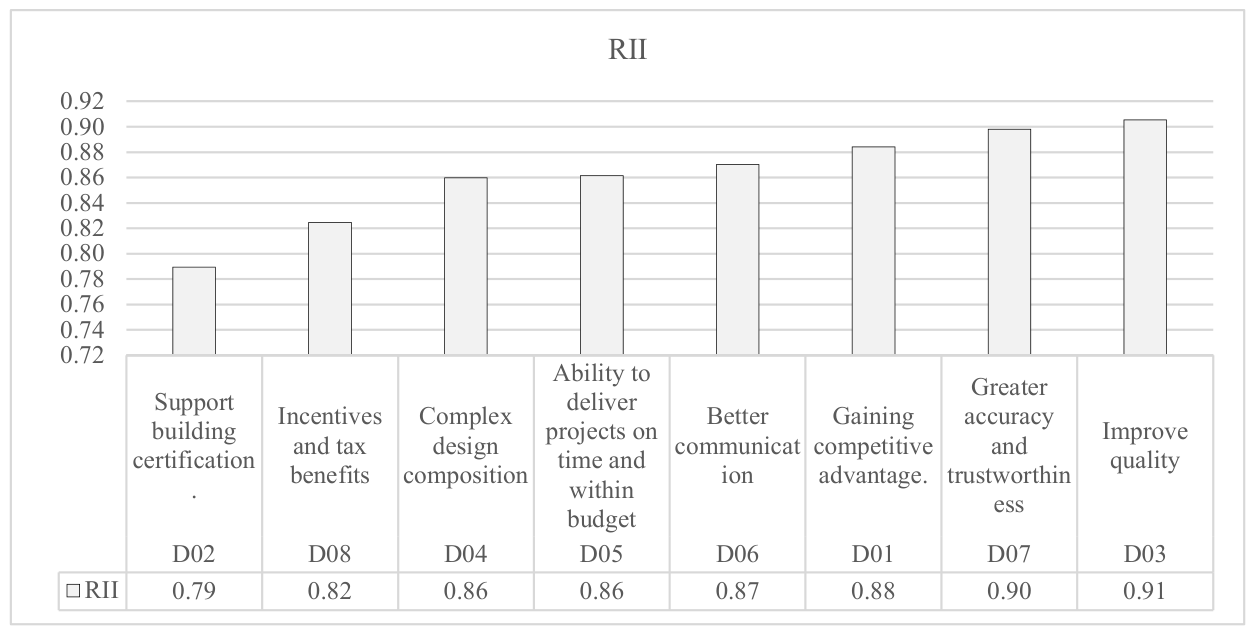
Figure 2.
Barriers hindering the Adoption of Digital Technologies in the Egyptian Construction Industry. (Authors).
Figure 2.
Barriers hindering the Adoption of Digital Technologies in the Egyptian Construction Industry. (Authors).
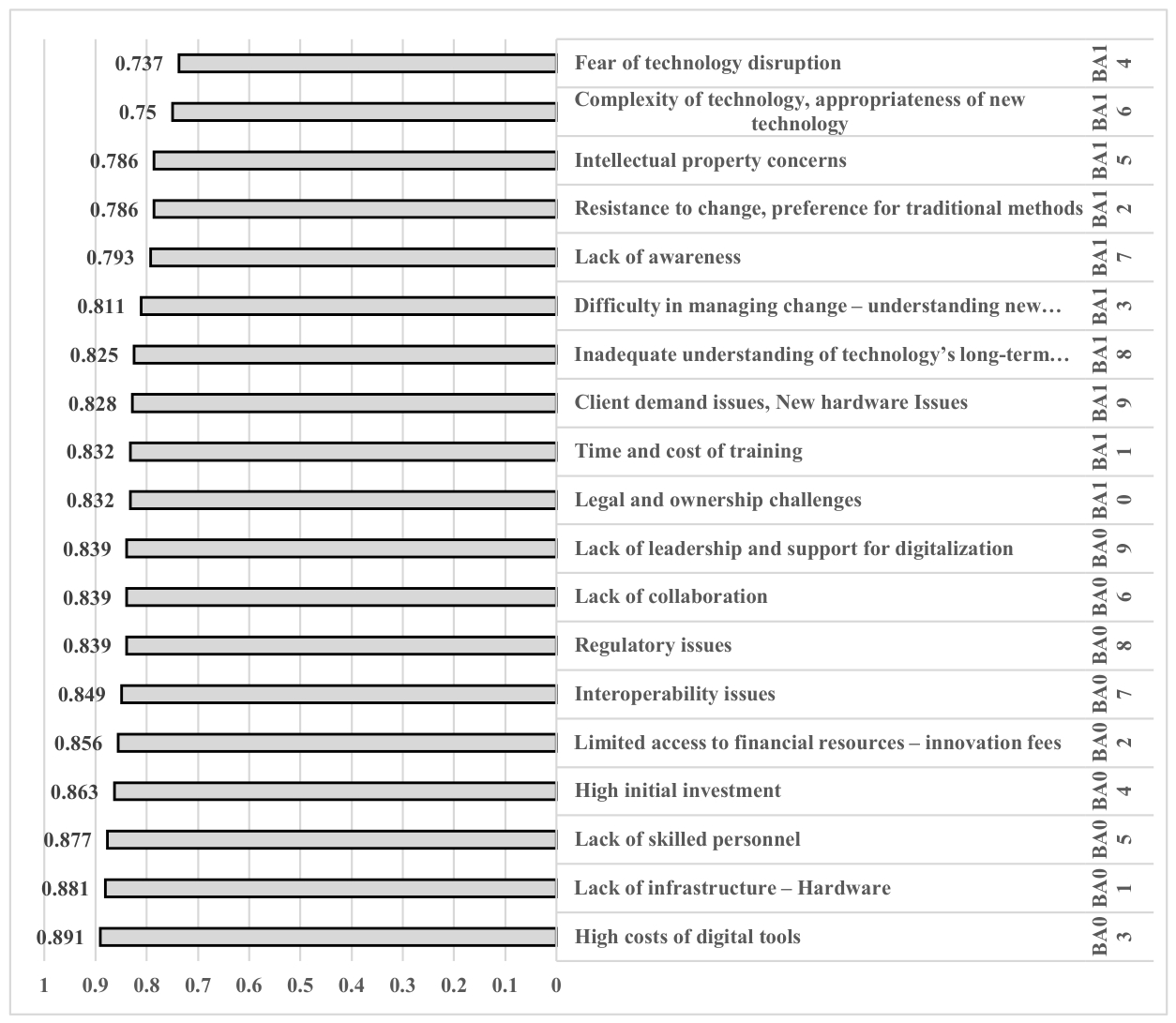
Figure 4.
Benefits of the Adoption of Digital Technologies in the Egyptian Construction Industry.
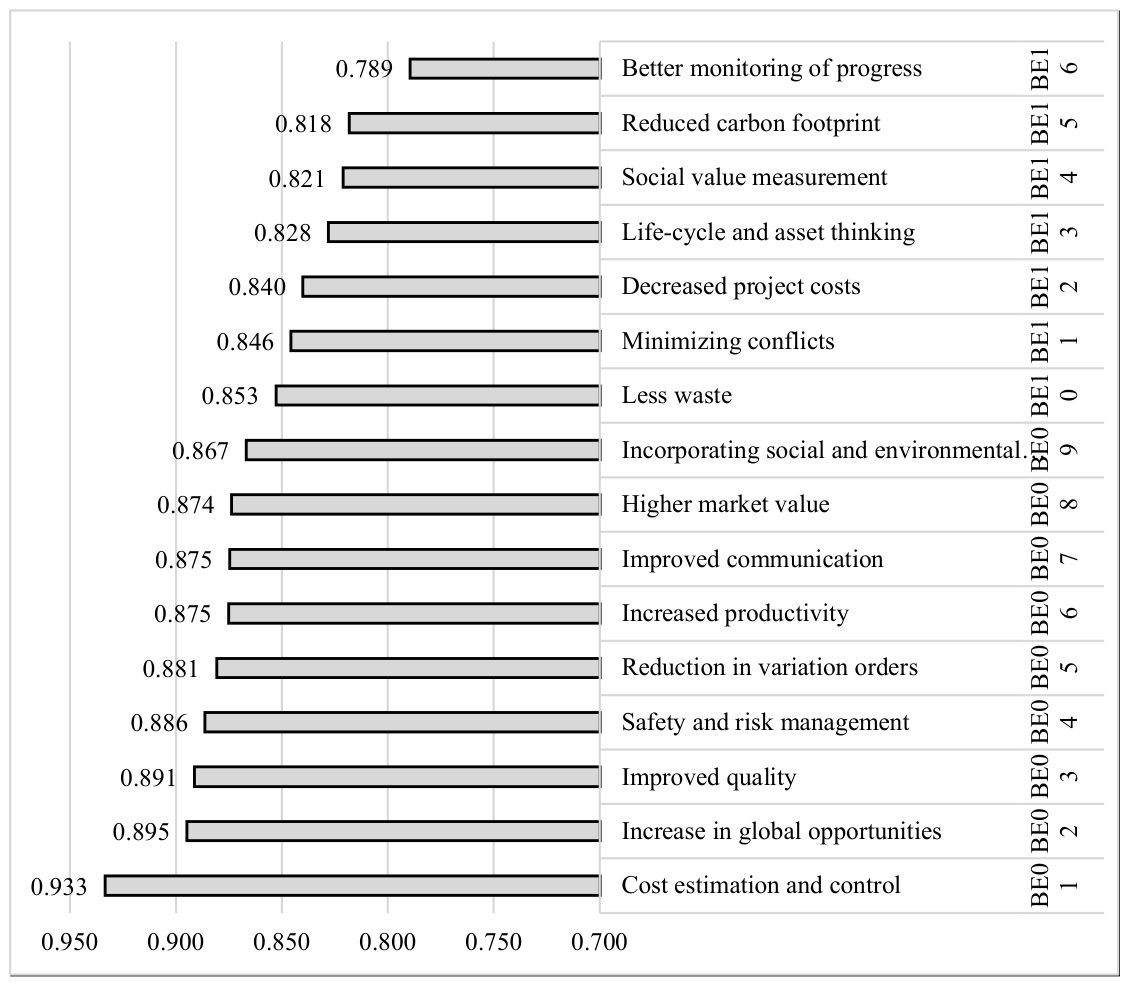
Figure 3.
Scree Plot for Barriers hindering the Adoption of Digital Technologies (Authors).
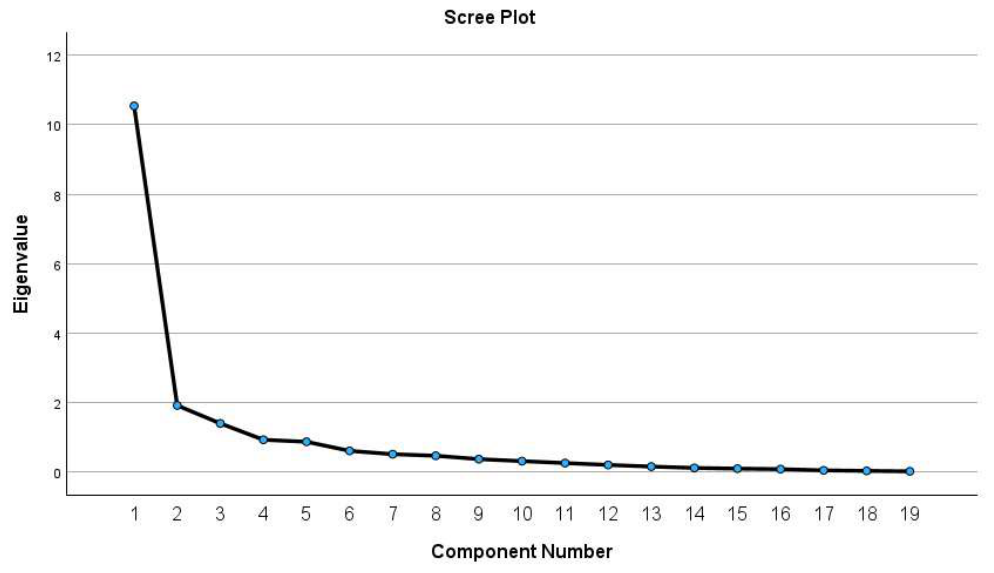
Figure 5.
Scree Plot for Benefits of the Adoption of Digital Technologies (Authors).
Disclaimer/Publisher’s Note: The statements, opinions and data contained in all publications are solely those of the individual author(s) and contributor(s) and not of MDPI and/or the editor(s). MDPI and/or the editor(s) disclaim responsibility for any injury to people or property resulting from any ideas, methods, instructions or products referred to in the content. |
© 2026 by the authors. Licensee MDPI, Basel, Switzerland. This article is an open access article distributed under the terms and conditions of the Creative Commons Attribution (CC BY) license.
Copyright: This open access article is published under a Creative Commons CC BY 4.0 license, which permit the free download, distribution, and reuse, provided that the author and preprint are cited in any reuse.