

Submitted:
19 August 2026
Posted:
20 August 2026
You are already at the latest version
Abstract
Maintaining appropriate nest temperatures during the first weeks of life is essential because neonatal puppies have limited thermoregulatory capacity. Commonly used warming methods in breeding and veterinary settings, including infrared heat lamps and electric heating pads, may produce uneven heating, unstable temperature regulation, or temperatures that are difficult to measure accurately. This study evaluated the performance and temperature measurement characteristics of commonly used neonatal puppy warming methods and compared them with a thermostatically controlled water warming system. Temperature stability, surface uniformity, and differences among temperature measurement methods were evaluated under standardized environmental conditions using Type K thermocouples, handheld infrared thermometers, digital surface thermometers, and infrared thermal imaging. Infrared-heated surfaces demonstrated substantial variation in measured temperatures depending on the measurement method and surface characteristics. Electric heating pads exhibited significantly higher surface temperatures (p < 0.05), localized hot spots, and greater temperature fluctuations than desired for neonatal thermal support. In contrast, the recirculating water warming system demonstrated greater temperature stability and more uniform heating than the other methods evaluated, with adjacent fleece temperatures maintained within the target neonatal nest temperature range.
Keywords:
thermoregulation
; canine neonatology
; neonatal hypothermia
; neonatal care
; electric heating pads
; infrared heat lamps
; recirculating water heating
1. Introduction
The neonatal period is a critical stage of canine development during which puppies undergo rapid physiological adaptation to extrauterine life. Despite advances in veterinary medicine and breeding management, neonatal mortality remains substantial in dogs, with the neonatal period representing a particularly high-risk stage of early life [1,2,3]. Newborn puppies are considerably less physiologically mature than many other domestic species and therefore depend heavily on maternal care and an appropriate thermal environment during the first two to three weeks after birth [1,2,4].
Thermoregulation is one of the greatest physiological challenges during this period. At birth, puppies transition abruptly from the warm, thermally stable uterine environment to a substantially cooler extrauterine environment. Heat is lost through evaporation, radiation, convection, and conduction, particularly while the neonate remains wet after delivery or is exposed to cool surfaces or drafts [1,4]. Because newborn puppies possess a high surface area-to-body mass ratio, limited energy reserves, minimal insulating fat, and an immature thermoregulatory system, they lose heat rapidly and have only a limited ability to maintain body temperature independently. Effective shivering and peripheral vasoconstriction are poorly developed immediately after birth, and functional thermoregulation is not established until approximately 18–21 days of age [1,2,4].
Failure to maintain an appropriate body temperature has widespread physiological consequences. Progressive hypothermia impairs cardiovascular, respiratory, gastrointestinal, metabolic, and immune function. Affected puppies may develop bradycardia, reduced gastrointestinal motility, diminished suckling activity, hypoglycemia, dehydration, tissue hypoxia, metabolic acidosis, and, in severe cases, multiple organ dysfunction and death [1,2,4]. These effects may become self-perpetuating because chilled puppies nurse less effectively, receive less colostrum and energy, and consequently become less capable of generating or conserving heat. Conversely, excessive environmental temperatures also pose significant risks. Neonatal puppies have limited ability to behaviorally avoid excessive heat, making them susceptible to dehydration, hyperthermia, and thermal injury when exposed to inappropriate warming methods [1,2].
To reduce neonatal heat loss, breeders and veterinary personnel routinely provide supplemental heat using infrared heat lamps, electric heating pads, incubators, heated water bottles, and other warming devices [2,4]. Although these methods are widely used, they transfer heat through different physical mechanisms and may produce substantially different temperature distributions within the neonatal environment. Furthermore, the apparent temperature may depend on the measurement technique employed. Infrared thermometers measure emitted radiation from a surface rather than true tissue temperature, and their accuracy is influenced by emissivity, measurement angle, distance, and surface characteristics [5]. Consequently, temperatures reported by different instruments may not accurately represent the thermal conditions experienced by neonatal puppies.
Recent work has demonstrated that the displayed temperature of veterinary neonatal incubators may differ substantially from independently measured internal temperatures, emphasizing that thermostat settings alone do not necessarily reflect the actual thermal environment provided to neonates [6]. These findings highlight the importance of objectively evaluating warming devices rather than relying solely on manufacturer settings or displayed temperatures. However, despite the widespread use of supplemental warming methods in canine breeding and neonatal veterinary practice, comparatively little quantitative information is available regarding the thermal performance, temperature stability, spatial uniformity, and measurement characteristics of commonly used warming devices. In particular, direct comparisons of infrared heat lamps, electric heating pads, and recirculating water warming systems under standardized conditions have not been reported.
The objectives of this study were therefore to evaluate the thermal performance and temperature measurement characteristics of commonly used neonatal puppy warming methods and to compare them with a thermostatically controlled recirculating water warming system. Infrared heat lamps, electric heating pads, and the recirculating water system were evaluated under standardized laboratory conditions using thermocouples, infrared thermometers, digital surface thermometers, and infrared thermal imaging. Temperature stability, surface uniformity, localized temperature elevations, and agreement among measurement methods were assessed to provide objective information that may assist breeders and veterinary professionals in selecting, monitoring, and using supplemental warming methods more safely and effectively.
2. Materials and Methods
2.1. Ethical Considerations and Simulated Load:
No live animals were used in this study. The experimental design was limited to in vitro testing using thermocouples, data loggers, and a simulated weighted cloth surrogate (approximately 142 g) to provide a standardized simulated thermal load and localized insulation representative of a neonatal puppy. This approach prevented the possibility of thermal stress or injury to live neonates while allowing the safety and performance characteristics of the heating system to be quantified.
2.2. Declaration of Generative AI and AI-assisted Technologies in the Manuscript Preparation Process
During the preparation of this work the author used ChatGPT (OpenAI) to assist with language editing, manuscript organization, and refinement of scientific writing. The study concept, experimental design, prototype development, data collection, statistical analysis, interpretation of results, and final approval of the manuscript were performed by the author. After using this tool, the author reviewed and edited the content as needed and takes full responsibility for the content of the published article.
2.3. Experimental Environment
All experiments were conducted indoors under controlled environmental conditions. Ambient room temperature was maintained at 21.1 ± 1.1 °C throughout testing. Each heating system was allowed to stabilize prior to data collection. All heating systems were evaluated within a simulated whelping environment consisting of a 152 cm (60 inch) diameter plastic pool lined with layered bedding materials representative of typical neonatal breeding conditions.
To simulate neonatal thermal load and localized insulation effects, a small, weighted cloth surrogate representing a neonatal puppy (approximately 142 g) was positioned over selected thermocouple locations during testing, as shown in Figure 1. Bedding configuration and thickness were kept consistent across all experimental conditions.
Contact-based heating systems were evaluated using temperature measurements obtained at the heating surface and beneath the fleece bedding layer. For the non-contact infrared (IR) heating system, temperature measurements were obtained directly from irradiated bedding and pool liner surfaces.
2.4. Temperature Measurement Equipment
Temperature measurements were obtained using Type K thermocouples connected to a four-channel data logger (Gain Express), a TOPDON TC004 infrared thermal camera, two handheld infrared thermometers (Papogo and Gorilla Grip, the latter with adjustable emissivity), and two black- and white-housed digital thermometers to evaluate the influence of surface emissivity on measured temperatures. Continuous thermocouple measurements were recorded at 10-second intervals throughout each experiment.
2.5. Infrared Lamp Evaluation
Infrared (IR) heating lamp performance was evaluated using 250 W infrared bulbs, including both new and used red-coated bulbs, as well as a used clear bulb. Lamps were positioned above the simulated whelping environment described in Section 2.3.
Testing was performed at multiple mounting heights to evaluate the relationship between lamp-to-surface distance and bedding temperature. Temperature measurements were obtained at bedding level within the center of the irradiated area using multiple measurement methods, including infrared thermometers, surface thermometers, and thermocouples. The thermocouples were attached to the fleece bedding using blue painters’ tape, black electrical tape, clear tape, or no tape.
A fixed mounting height of 91 cm was selected based on preliminary testing to achieve the target nest temperature of 28.9 ± 1.1 °C.
2.6. Electric Heating Pad Evaluation
Standard human heating pads (30.5 × 38 cm) with multiple settings (Warm, Low, Medium, High or Low, Medium, High) were evaluated. Each pad was placed in the simulated whelping environment described in Section 2.3.
Two pads were evaluated simultaneously, and temperature data were recorded every 10 seconds for over one hour. Each pad was tested in at least three replicate runs to evaluate surface temperature stability and bedding temperatures at both the LOW and WARM heat settings. Temperature measurements were obtained using Type K thermocouples taped directly to the center of the heating pad and to the fleece cover above it.
2.7. Recirculating Water System
Based on the findings from the infrared lamp and heating pad evaluations, a prototype recirculating water warming system was developed to evaluate indirect conductive warming as an alternative method of neonatal thermal support (Figure 2). The system consisted of a 5.7 L water reservoir, submersible circulation pump, 300 W thermostatically controlled inline heater, flexible tubing, and a 41 × 61 cm circulating water pad positioned beneath the fleece bedding. Water was continuously circulated from the reservoir through the inline heater and water pad before returning to the reservoir.
The system was configured so that all electrical and heating components remained outside the simulated whelping enclosure, with heat transferred to the bedding by conduction from the circulating water pad. The inline heater had a maximum set point of 35 °C; a setting of 33.9 °C produced bedding temperatures within the target neonatal nest temperature range of 28.9 ± 1.1 °C [7].
Temperatures were measured at the pad surface and bedding interface using independent Type K thermocouples connected to the data logger. These thermocouples were used solely for experimental measurements and were independent of the heater’s integrated temperature-control system.
2.8. Statistical Analysis
Temperature measurements were recorded at 10-second intervals within each experimental trial. Because sequential measurements within a trial were repeated observations rather than independent experimental replicates, the mean temperature for each trial was calculated and used as the experimental unit for statistical comparison. Three independent trials were evaluated for each warming condition. Results are presented as the mean ± standard deviation (SD) of the three-trial means. Mean temperatures for each electric heating pad setting were compared with those of the recirculating water warming system using two-tailed Welch’s t-tests. Within-trial temperature variability was evaluated descriptively from the repeated temperature measurements. Statistical significance was defined as p < 0.05.
Experiments conducted to investigate the effects of measurement method, tape color, and surface characteristics on infrared temperature measurements were intended to be descriptive and are presented without inferential statistical analysis.
3. Results
3.1. Temperature Measurement Challenges with Infrared Heating
Surface temperatures measured under infrared heating varied with measurement method, surface characteristics, lamp condition, lamp-to-surface distance, and localized heating patterns. Under otherwise similar test conditions, the temperature measurement methods produced different reported surface temperatures (Figure 3). Because no reference standard was available, the accuracy of individual measurement methods could not be determined.
Additional experiments demonstrated that the surface used for thermocouple attachment or infrared measurement affected the reported temperature. When thermocouples were attached to the fleece surface using different tapes, and the same surfaces were measured using handheld infrared thermometers, measured temperatures differed by tape type and measurement method (Figure 4).
Thermal imaging further demonstrated that infrared heating produced a non-uniform heating pattern on the fleece surface. A thermal image obtained with a 250 W clear infrared bulb positioned 91 cm above the surface showed a concentrated central heating zone and a cooler region consistent with a thermal shadow in the upper quadrant of the heated area (Figure 5). The minimum temperature displayed by the thermal camera was located outside the primary heated zone and outside the whelping area.
3.2. Temperature Stability of Commercial Electric Heating Pads
Commercial electric heating pads continued to increase in temperature despite repeated thermostat cycling (Figure 6). At the WARM setting, pad surface temperature increased from approximately 54 °C to 59 °C, while fleece temperature increased from approximately 46 °C to 51 °C. At the LOW setting, pad and fleece temperatures reached approximately 49 °C and 44 °C, respectively. In both settings, the fleece surface remained cooler than the pad surface, but both measurement locations increased over time.
3.3. Recirculating Water Warming System Performance
Although the inline heater exhibited normal thermostat cycling between approximately 33.4 and 36.4 °C, fleece surface temperatures remained comparatively stable throughout the monitoring period (Figure 7).
The fleece temperature adjacent to the simulated puppy stabilized near 29.7 °C, while the fleece temperature beneath the simulated puppy stabilized near 32.8 °C with minimal variation throughout the test. The thermal load produced by the simulated puppy resulted in a localized increase in fleece temperature directly beneath the surrogate compared with the surrounding fleece surface.
3.4. Statistical Results
The quantitative analysis supported the observations presented in Section 3.2 and Section 3.3. Based on the means of three independent experimental trials, pad and fleece surface temperatures were significantly lower for the recirculating water warming system than for the commercial electric heating pads at both evaluated settings (Table 1 and Table 2; p < 0.05). Repeated measurements within individual trials also demonstrated lower temperature variability for the recirculating water system than for the electric heating pads.
4. Discussion
Appropriate external warming is essential during the first weeks of life because neonatal puppies have limited thermoregulatory capacity and depend upon their environment to maintain body temperature. This study began as an effort to establish practical guidelines for the use of infrared heat lamps but evolved into a broader evaluation of commonly used neonatal warming methods after significant limitations were identified in both temperature measurement and thermal performance. These findings ultimately led to the development and proof-of-concept evaluation of a recirculating water warming system designed to provide a more stable and uniform thermal environment.
4.1. Challenges of Infrared Heating
The initial objective of this study was to establish a practical method for breeder caretakers to verify appropriate nest temperatures when using infrared heat lamps. However, the experiments demonstrated that reliable temperature measurement of infrared-heated surfaces was more complex than anticipated. Measured temperatures varied depending on the measurement method, thermocouple attachment technique, surface emissivity, lamp condition, lamp-to-surface distance, and localized heating patterns. Consequently, a single infrared surface temperature measurement may not accurately represent the thermal environment experienced by neonatal puppies.
The observed influence of tape color and surface characteristics is consistent with previous studies demonstrating that infrared temperature measurements are highly dependent upon the emissivity and surface characteristics of mammalian fur [5].
Thermal imaging further demonstrated that infrared heating produced localized hot and cool regions within the heated area. The presence of thermal shadows indicates that puppies positioned only short distances apart may experience different thermal environments within the same nest. These findings are particularly relevant because neonatal puppies depend almost entirely on their immediate nest microenvironment to maintain body temperature. As discussed in the Introduction, their limited thermoregulatory capacity and rapid heat loss make them more susceptible than older animals to spatial variations in environmental temperature. Consequently, radiant heating methods that produce non-uniform temperature distributions may provide inconsistent thermal support within the whelping area, particularly in larger litters where puppies frequently change position.
4.2. Limitations of Electric Heating Pads
Commercial electric heating pads produced surface temperatures above the recommended neonatal nest temperature. Furthermore, temperatures continued to increase despite repeated thermostat cycling, indicating that stable external surface temperatures were not maintained under the simulated bedding conditions used in this study.
Although the fleece layer reduced the surface temperature experienced by the simulated puppy, temperatures remained above the recommended nest temperature throughout testing. These findings suggest that heating pad thermostat settings and cycling behavior may not accurately reflect the thermal conditions at the bedding surface where neonatal puppies are located.
Because electric heating pads transfer heat primarily by direct conduction, localized variations in heat output may produce uneven surface temperatures and hot spots. Because neonatal puppies have limited ability to behaviorally avoid excessive heat or effectively dissipate body heat, localized elevations in surface temperature may increase the risk of overheating during prolonged exposure. These findings emphasize that thermostat settings alone may not accurately reflect the thermal conditions experienced at the bedding surface.
4.3. Performance of the Recirculating Water Warming System
The recirculating water warming system provided indirect conductive heating through circulating warm water rather than by direct contact with a heating element. Although the inline heater exhibited normal thermostat cycling, the large thermal mass and heat capacity of the circulating water, water pad, bedding, and simulated neonatal surrogate effectively buffered these temperature fluctuations, consistent with established principles of thermal energy storage and transient conductive heat transfer [8]. Consequently, fleece surface temperatures remained stable throughout the evaluation period.
The higher fleece temperature observed beneath the simulated neonatal surrogate compared with the adjacent exposed fleece likely resulted from reduced heat loss from the covered surface. The surrogate acted as an insulating thermal load, allowing heat transferred from the circulating water pad to accumulate beneath it while the adjacent fleece remained more exposed to heat loss to the surrounding environment. In living puppies, local bedding temperature would also be influenced by metabolic heat production, body position, contact area, movement, and interactions with littermates and the dam. Consequently, a warming system cannot be expected to maintain an identical surface temperature under varying neonatal thermal loads, emphasizing the importance of providing a stable thermal microenvironment while allowing puppies to behaviorally select warmer or cooler areas.
The use of circulating water also promoted more uniform heat distribution throughout the pad, reducing the likelihood of localized hot spots compared with direct-contact heating elements. This indirect method of heat transfer produced a stable thermal environment beneath the simulated neonatal surrogate while minimizing temperature fluctuations at the fleece surface.
Because all electrical and heating components were located outside the whelping enclosure, only warm water entered the neonatal environment. Of the warming methods evaluated, the recirculating water warming system maintained comparatively stable fleece surface temperatures, with temperatures adjacent to the simulated neonatal surrogate remaining within the recommended neonatal nest temperature range of 28.9 ± 1.1 °C [7].
Stable and spatially uniform thermal support may help maintain a more consistent nest microenvironment during the period when neonatal puppies have limited thermoregulatory capacity. By minimizing localized hot spots and reducing temperature fluctuations, conductive warming with circulating water may provide more consistent thermal support than intermittent or uneven heating methods. However, the physiological benefits of improved thermal stability remain to be confirmed in vivo.
4.4. Practical Implications
These findings suggest that achieving appropriate neonatal thermal support requires consideration of both temperature stability and accurate temperature measurement, consistent with established principles of neonatal thermal management [1]. Surface temperatures measured using different instruments or on different surface materials may not be directly comparable, particularly when infrared heating is used. Similarly, heating devices that regulate internal heating elements may not necessarily maintain stable temperatures at the bedding surface where puppies are located. Similar discrepancies between intended and actual neonatal warming temperatures have also been reported for veterinary neonatal incubators [6].
The target neonatal nest temperature of 28.9 ± 1.1 °C used throughout this study was based on the recommendations of Fontaine [7], which emphasize maintaining an appropriate nest microenvironment for neonatal puppies rather than relying solely on ambient room temperature. Many published temperature recommendations for orphaned puppies refer to incubator or environmental air temperatures [4], whereas puppies reared naturally with the dam experience a warmer nest microenvironment within a room maintained at a comfortable temperature for the adult dog. The recommended nest temperature should therefore be interpreted as a target for the neonatal thermal microenvironment rather than as a temperature expected to be identical at every bedding–puppy contact point.
The present study focused on this latter scenario by evaluating supplemental warming methods intended to establish the recommended nest microenvironment rather than by increasing ambient room temperature. This approach more closely reflects thermal management practices commonly used in breeding environments, where supplemental heat is provided locally while allowing the dam access to a comfortable ambient environment. The present findings demonstrate that different warming methods may produce substantially different thermal environments despite similar thermostat settings or displayed temperatures, reinforcing the importance of evaluating the nest microenvironment rather than relying solely on device settings.
All testing was conducted at an ambient room temperature of 21.1 ± 1.1 °C, representative of a typical indoor breeding environment, while the warming systems were used to establish the recommended nest temperature within the immediate puppy environment. These findings highlight the importance of evaluating the actual thermal conditions experienced by neonatal puppies rather than relying solely on controller settings or surface temperature measurements obtained by a single method.
4.5. Study Limitations
Several limitations should be acknowledged. No live animals were used, and the thermal load was simulated using a weighted cloth surrogate. Only a limited number of commercially available infrared lamps, heating pads, and temperature measurement devices were evaluated. In addition, only one prototype configuration of the recirculating water warming system was tested.
Although the simulated thermal load provided a standardized method for comparing the thermal performance of the warming systems, it could not replicate the physiological responses of living neonatal puppies, including metabolic heat production, changes in peripheral blood flow, behavioral movement within the nest, or interactions with littermates and the dam. Consequently, these findings should be interpreted as a laboratory evaluation of thermal performance and proof of concept rather than direct evidence of clinical effectiveness.
Future studies should evaluate additional warming systems and assess thermal performance under clinical breeding and veterinary conditions. Controlled studies involving neonatal puppies will be necessary to determine whether the improved thermal stability and temperature uniformity observed in vitro translate into improved physiological or clinical outcomes.
5. Conclusions
Conventional infrared heat lamps and commercial electric heating pads each demonstrated limitations that may complicate the provision of stable thermal support for neonatal puppies. Infrared heating presented challenges related to temperature measurement and non-uniform heat distribution, while commercial electric heating pads produced elevated surface temperatures and greater temperature variability under the conditions evaluated. In contrast, the recirculating water warming system maintained comparatively stable fleece surface temperatures and demonstrated lower temperature variability. These findings suggest that indirect conductive warming using a recirculating water system represents a promising approach for providing a stable neonatal thermal microenvironment. However, because this study was conducted under controlled laboratory conditions, additional studies are needed to determine whether the improved thermal performance observed in vitro translates into improved physiological or clinical outcomes in neonatal puppies.
Author Contributions
Conceptualization, methodology, validation, formal analysis, investigation, data curation, writing—original draft preparation, writing—review and editing, and project administration were performed by C.V.S.
Funding
This research received no external funding.
Institutional Review Board Statement
Not applicable.
Informed Consent Statement
Not applicable.
Data Availability Statement
The original data presented in this study are openly available in Zenodo at 10.5281/zenodo.21677818 .
Conflicts of Interest
The author declares no conflicts of interest.
References
- Reyes-Sotelo, B.; Mota-Rojas, D.; Martínez-Burnes, J.; Olmos-Hernández, A.; Hernández-Ávalos, I.; Pérez, N.J.; Casas-Alvarado, A.; Gómez-Prado, J.; Mora-Medina, P. Thermal homeostasis in the newborn puppy: Behavioral and physiological responses. J. Anim. Behav. Biometeorol. 2021, 9, 2112. [Google Scholar] [CrossRef]
- Pereira, K.H.N.P.; Fuchs, K.d.M.; Corrêa, J.V.; Chiacchio, S.B.; Lourenço, M.L.G. Neonatology: Topics on puppies and kittens neonatal management to improve neonatal outcome. Animals 2022, 12, 3426. [Google Scholar] [CrossRef] [PubMed]
- Kutzler, M.A. Canine neonatal mortality. Clin. Theriogenol. 2010, 2, 513–530. [Google Scholar] [CrossRef]
- Fitzgerald, K.T.; Newquist, K.L. Husbandry of the neonate. In Small Animal Pediatrics: The First 12 Months of Life; Peterson, M.E., Kutzler, M.A., Eds.; Elsevier Saunders: St. Louis, MO, USA, 2011; pp. 44–52. [Google Scholar] [CrossRef]
- McGowan, N.E.; Scantlebury, D.M.; Maule, A.G.; Marks, N.J. Measuring the emissivity of mammal pelage. Quant. Infrared Thermogr. J. 2018, 15, 214–222. [Google Scholar] [CrossRef]
- Christensen, B.W.; Erb, H.N. An investigation of the discrepancy between set and actual temperature of neonatal incubators: Concern for hypothermia and hyperthermia. J. Am. Vet. Med. Assoc. 2024, 262, 68–71. [Google Scholar] [CrossRef] [PubMed]
- Fontaine, E. Newborn Puppies: Temperature. Available online: https://dremmanuelfontaine.com/2023/11/20/newborn-puppies-temperature/ (accessed on 23 July 2026).
- Incropera, F.P.; DeWitt, D.P.; Bergman, T.L.; Lavine, A.S. Fundamentals of Heat and Mass Transfer, 6th ed.; John Wiley & Sons: Hoboken, NJ, USA, 2006. [Google Scholar]
Figure 1.
Test environment with simulated thermal load.
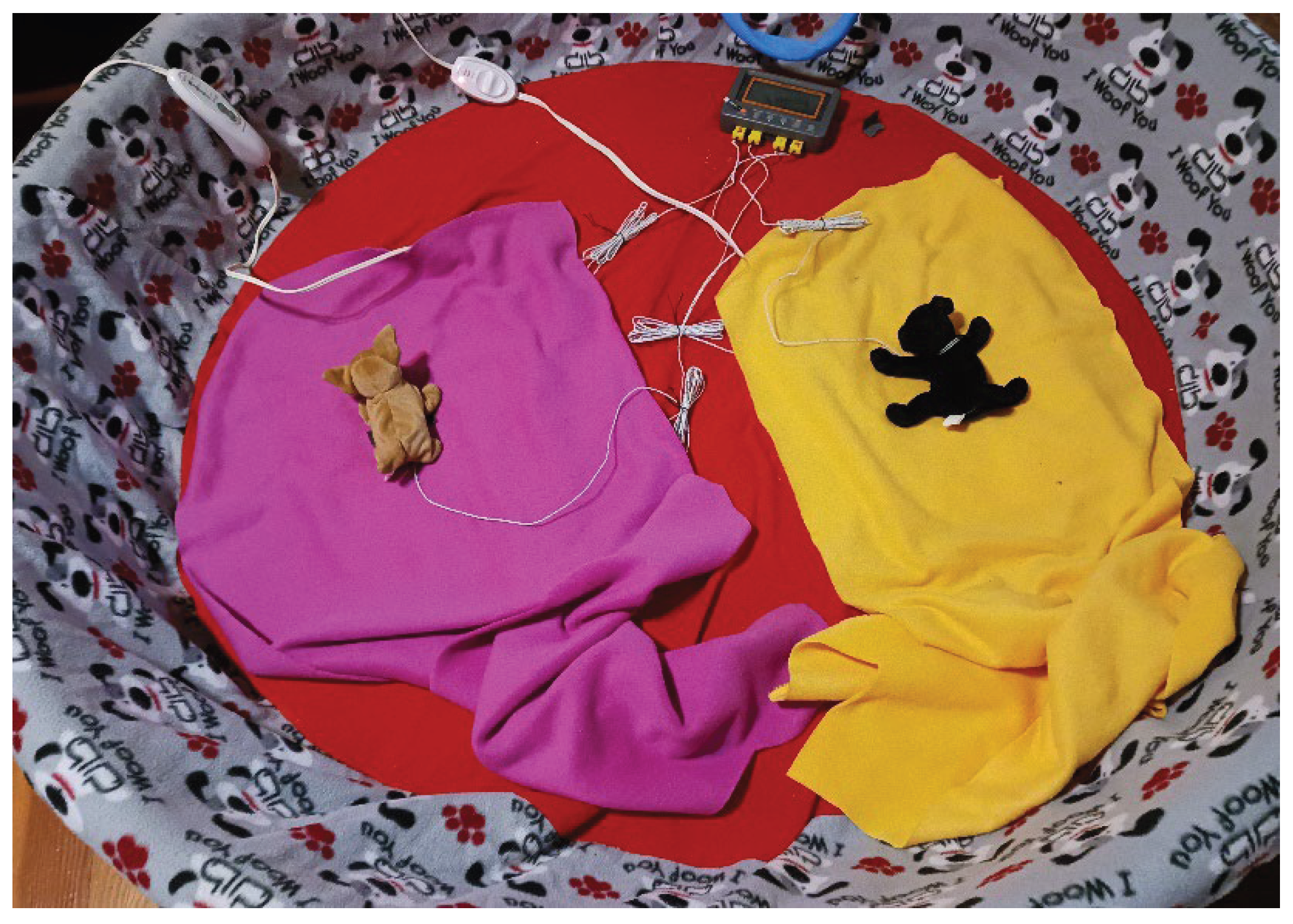
Figure 2.
Prototype recirculating water warming system consisting of a submersible pump, inline aquarium heater, and circulating water pad.
Figure 2.
Prototype recirculating water warming system consisting of a submersible pump, inline aquarium heater, and circulating water pad.
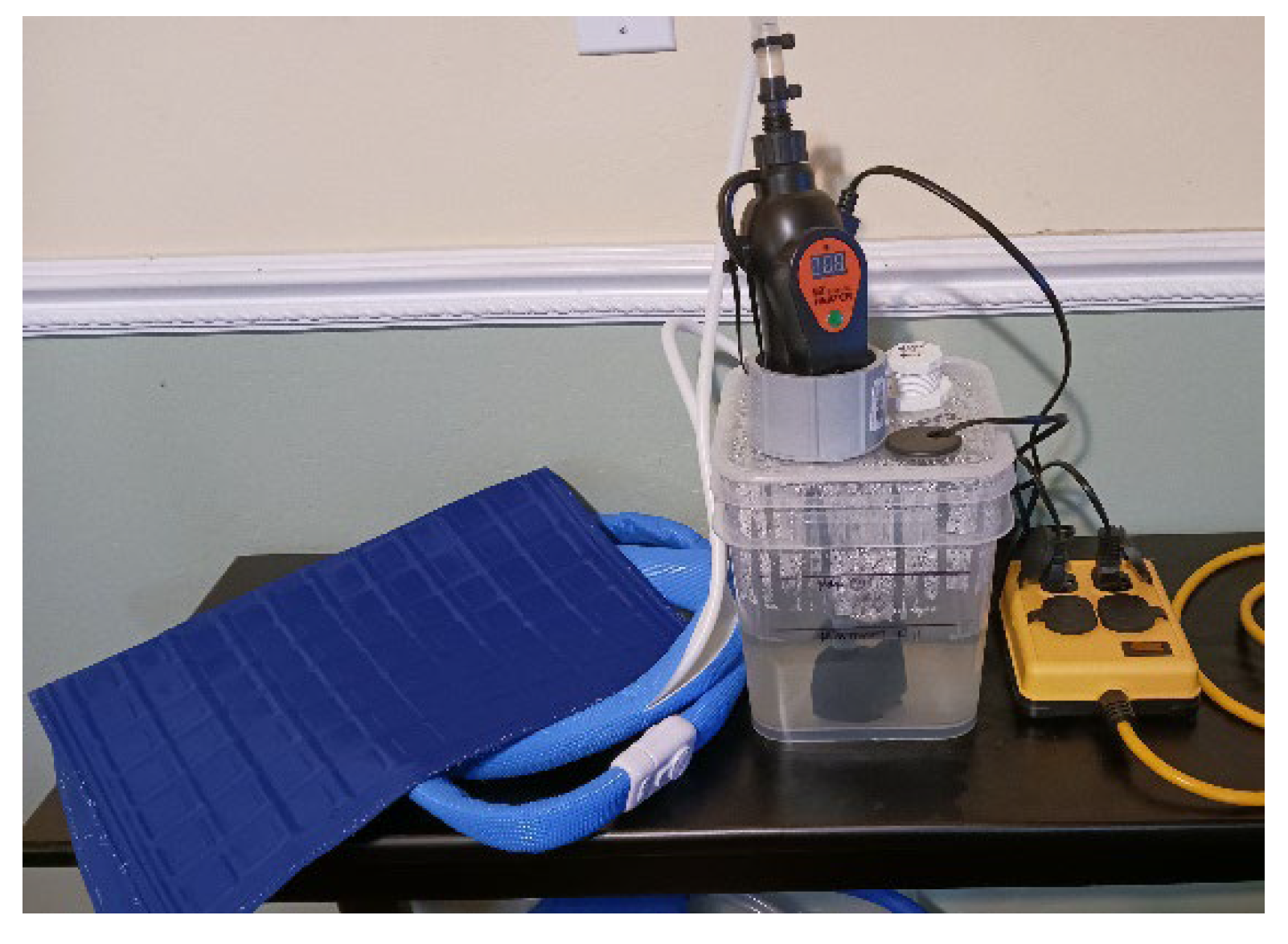
Figure 3.
Different measurement techniques produced substantially different reported temperatures under infrared heating.
Figure 3.
Different measurement techniques produced substantially different reported temperatures under infrared heating.
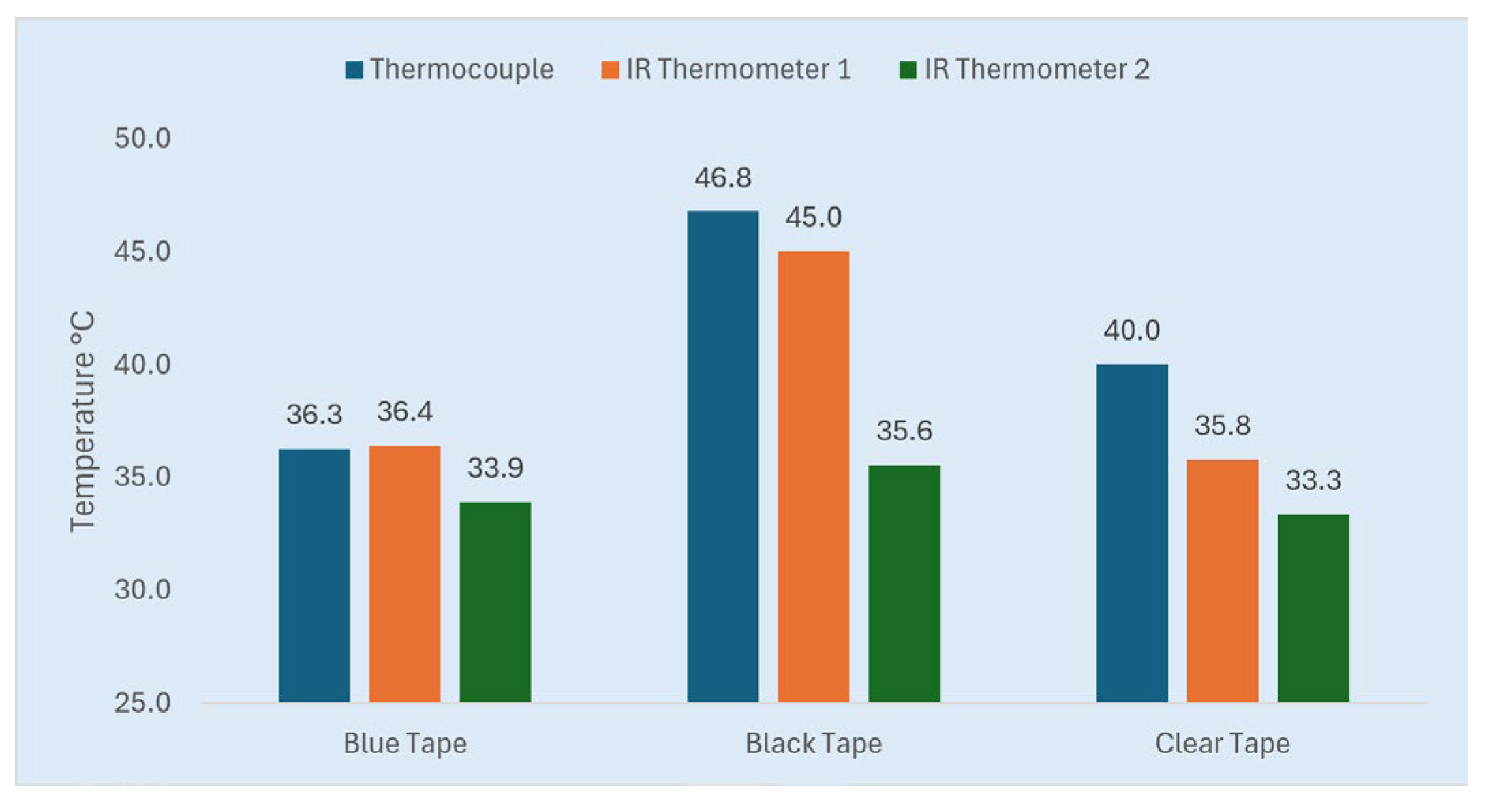
Figure 4.
Effect of tape type and measurement method on measured surface temperature under infrared heating.
Figure 4.
Effect of tape type and measurement method on measured surface temperature under infrared heating.
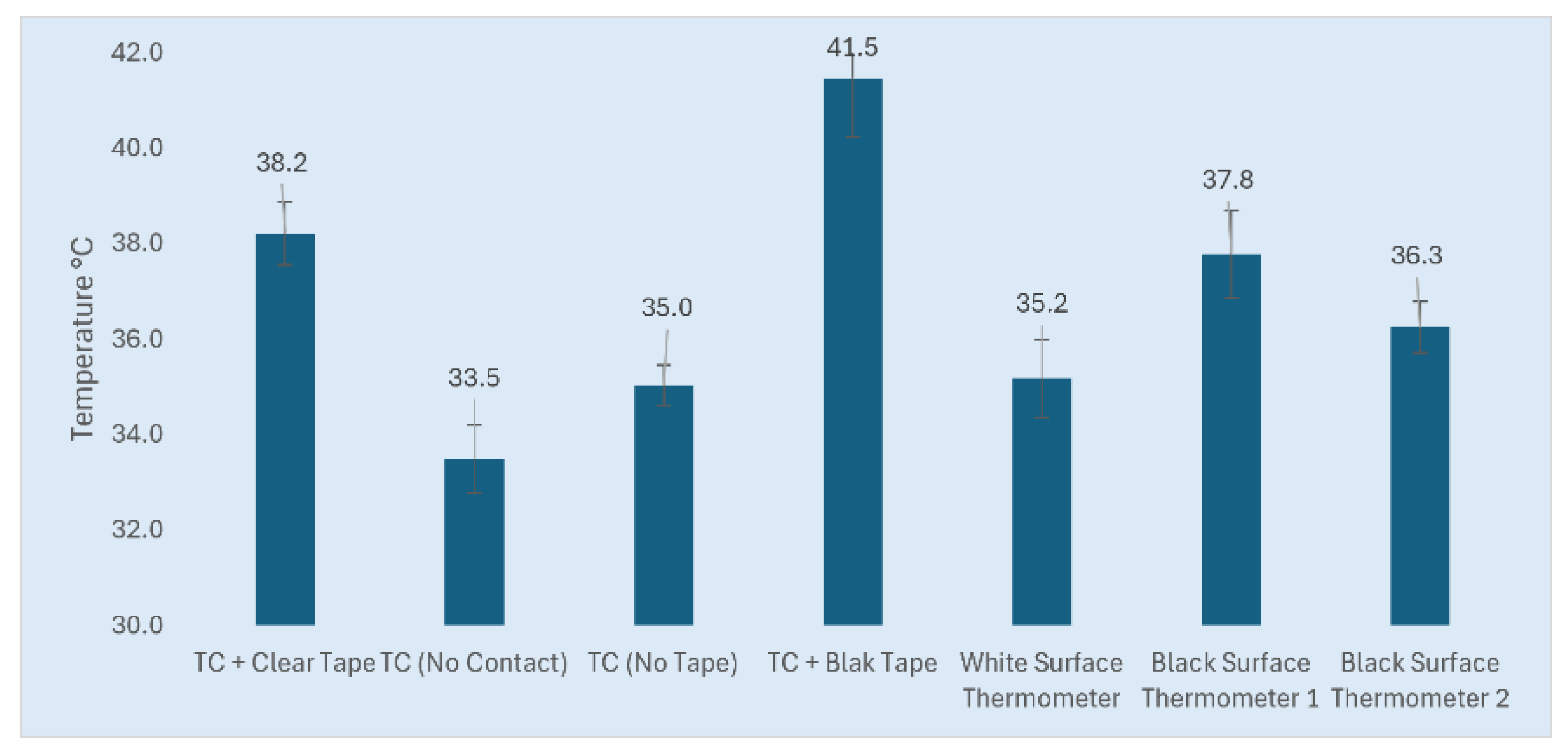
Figure 5.
Infrared thermal image of the fleece surface heated by a 250 W clear infrared bulb positioned 91 cm above the bedding. The image demonstrates a non-uniform heating pattern with a thermal shadow in the upper quadrant of the heated area.
Figure 5.
Infrared thermal image of the fleece surface heated by a 250 W clear infrared bulb positioned 91 cm above the bedding. The image demonstrates a non-uniform heating pattern with a thermal shadow in the upper quadrant of the heated area.
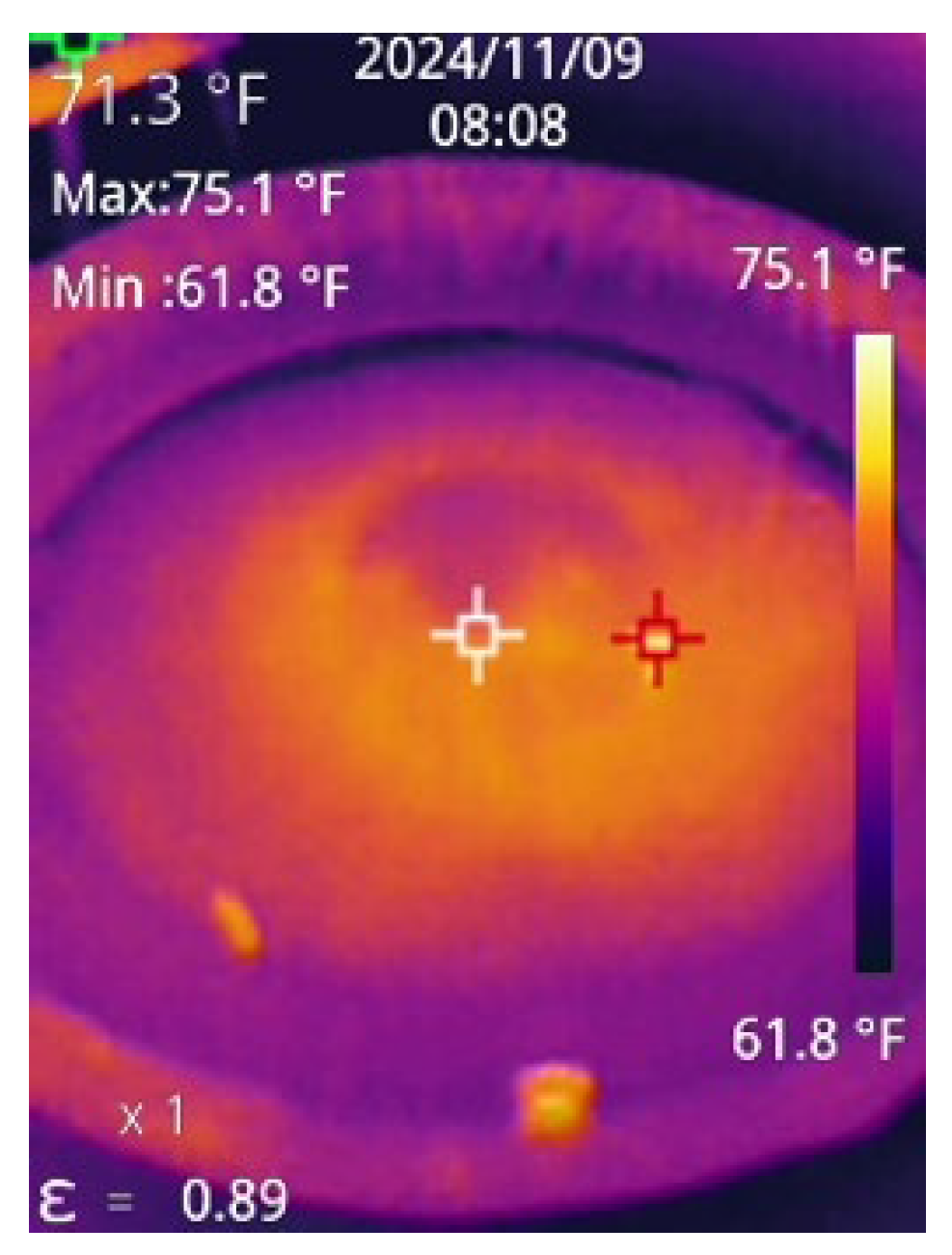
Figure 6.
Although the heating pad thermostat cycled repeatedly, pad surface temperatures continued to increase throughout the experiment.
Figure 6.
Although the heating pad thermostat cycled repeatedly, pad surface temperatures continued to increase throughout the experiment.
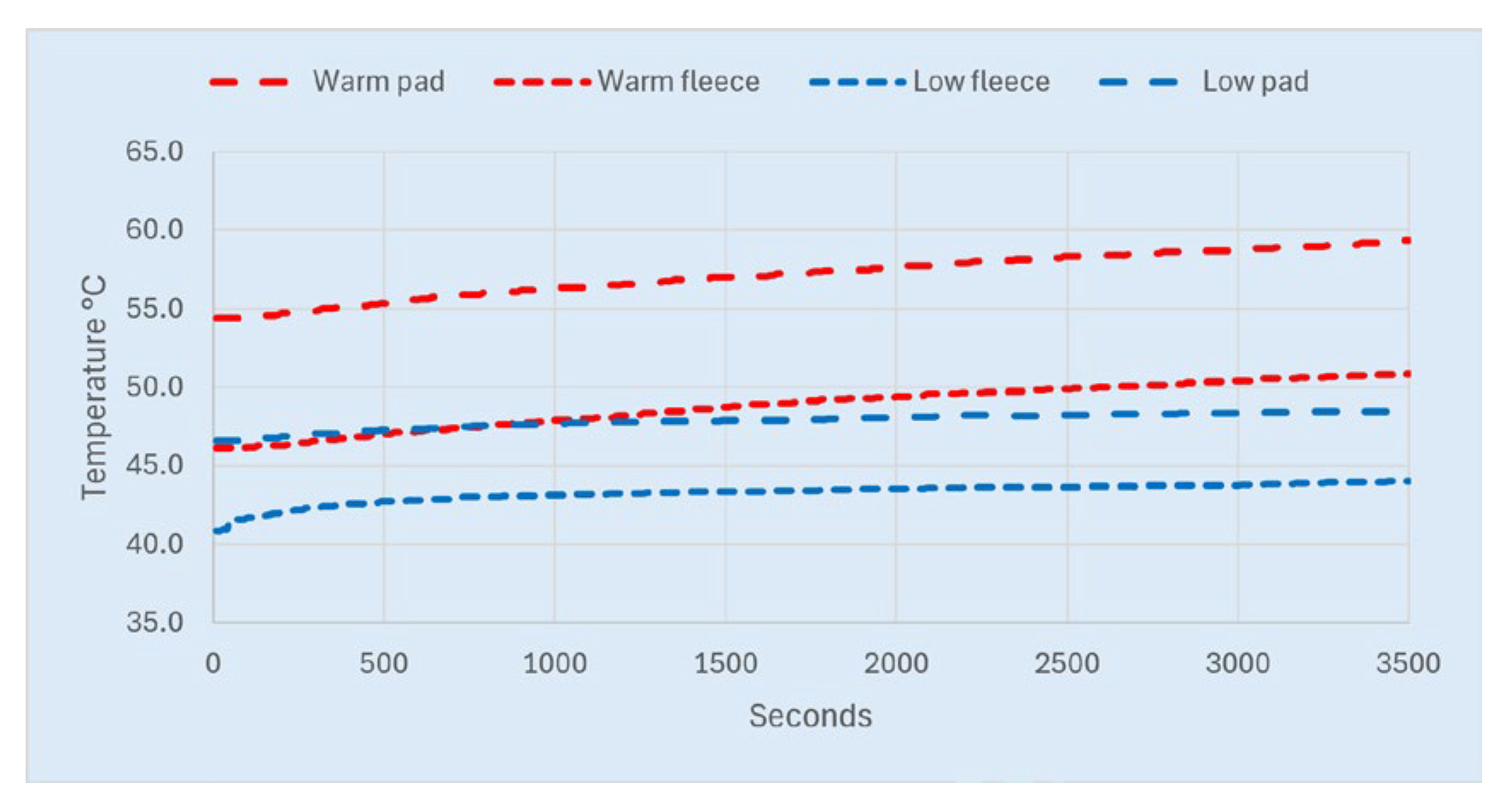
Figure 7.
Temperature profiles of the recirculating water warming system with the inline heater thermostat set to 33.9 °C. Temperatures were measured at the water pad surface beneath the simulated puppy (TC4), the fleece surface beneath the simulated puppy (TC3), and the adjacent fleece surface (TC2).
Figure 7.
Temperature profiles of the recirculating water warming system with the inline heater thermostat set to 33.9 °C. Temperatures were measured at the water pad surface beneath the simulated puppy (TC4), the fleece surface beneath the simulated puppy (TC3), and the adjacent fleece surface (TC2).
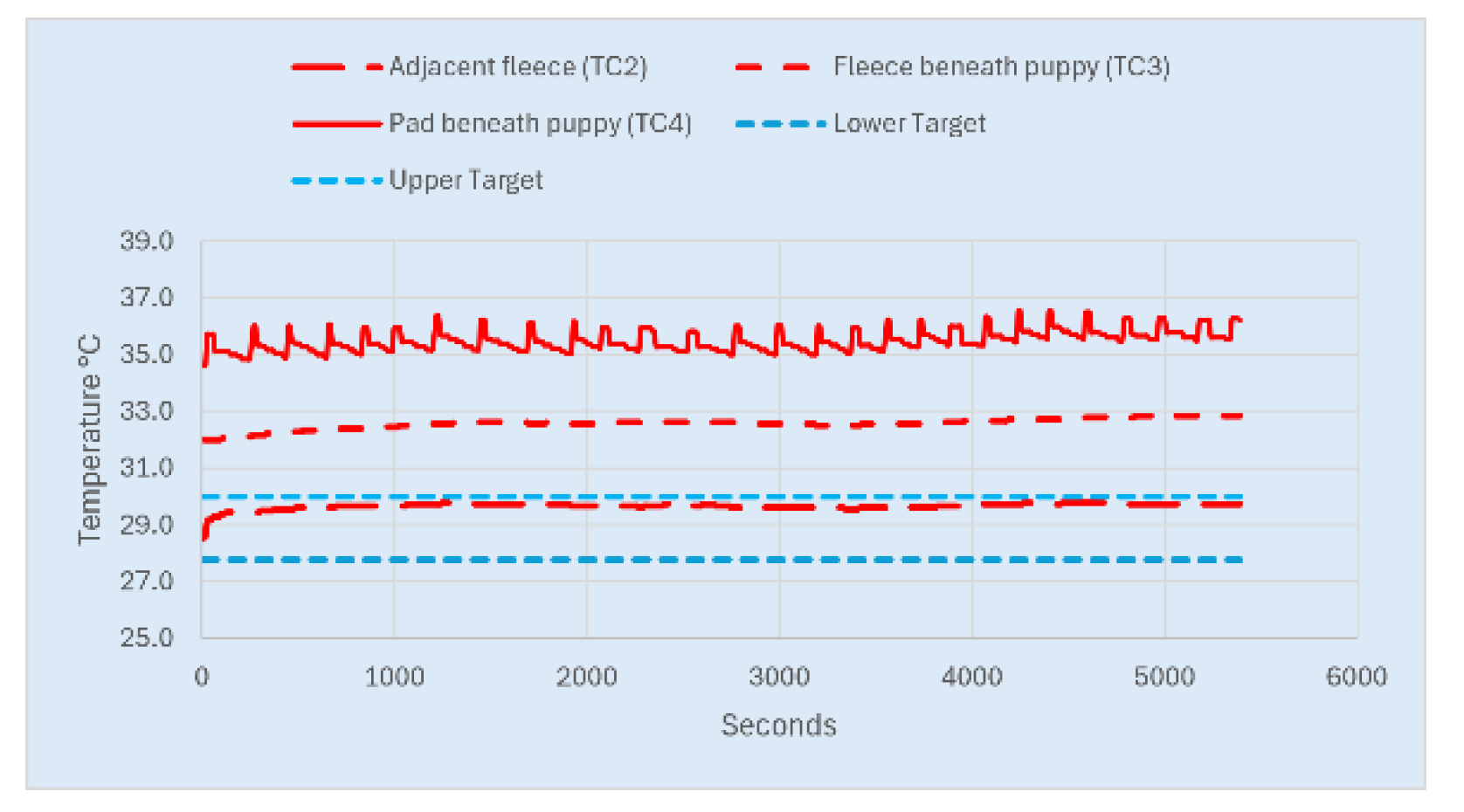

Table 1.
Pad Surface Temperature comparison between the recirculating water warming system and electric heating pads.
Table 1.
Pad Surface Temperature comparison between the recirculating water warming system and electric heating pads.
| System | Mean temperature (°C) ± SDa | p-value |
|---|---|---|
| Recirculating Water (heater set point 33.9 °C) | 35.7 ± 0.3 | NA |
| Electric pad low | 46.5 ± 1.4 | 0.0047 |
| Electric pad warm | 57.9 ± 3.0 | 0.0059 |
Table 2.
Fleece Surface Temperature comparison between the recirculating water warming system and electric heat pads.
Table 2.
Fleece Surface Temperature comparison between the recirculating water warming system and electric heat pads.
| System | Mean temperature (°C) ± SDa | p-value |
|---|---|---|
| Recirculating Water (heater set point 33.9 °C) | 32.6 ± 0.3 | NA |
| Electric pad low | 42.4 ± 2.0 | 0.0121 |
| Electric pad warm | 50.0 ± 3.1 | 0.0103 |
aValues represent the mean ± SD of three independent experimental trials. Temperature measurements collected at 10-second intervals within each trial were averaged to obtain the trial mean.
Disclaimer/Publisher’s Note: The statements, opinions and data contained in all publications are solely those of the individual author(s) and contributor(s) and not of MDPI and/or the editor(s). MDPI and/or the editor(s) disclaim responsibility for any injury to people or property resulting from any ideas, methods, instructions or products referred to in the content. |
© 2026 by the authors. Licensee MDPI, Basel, Switzerland. This article is an open access article distributed under the terms and conditions of the Creative Commons Attribution (CC BY) license (http://creativecommons.org/licenses/by/4.0/).
Copyright: This open access article is published under a Creative Commons CC BY 4.0 license, which permit the free download, distribution, and reuse, provided that the author and preprint are cited in any reuse.