

Submitted:
13 July 2026
Posted:
14 July 2026
You are already at the latest version
Abstract
Lithium-ion batteries (LIBs) electric bicycles are widely used in China, with many accidental fires occurring in parking facilities in high-rise building. Electric bicycle parking areas in high-rise buildings have become fire-prone zones. There are urgent needs to establish fire codes for the parking facilities in high-rise buildings. But only limited research has been conducted on protecting against such fires. There are also uncertainties in the appropriate methods for implementing fire barriers and fire suppression facilities. To better understand the parking facility fires in this area, four fire scenarios were studied in this paper, aiming to seek principles on how to prevent serious fire accidents by isolating E-bicycles parked in parking facilities. These principles include fire barrier design, fire separation distance between the islands and the selection of fire suppression devices. A total of six experiments on LIBs bicycle fires were conducted. Fire spread between the LIBs bicycles and the propagation patterns of smoke generated by electric bicycle fires within parking facilities were studied. The effectiveness of different fire extinguishing methods in suppressing LIBs bicycle fires was discussed. The reasonable fire separation distance for electric bicycles was determined. It was found that LIBs with ternary lithium-ion batteries (such as NCM) are more prone to initiate thermal runaway. A sprinkler system with lower hazard class is proposed to operate under lower water pressure and flow rates. Fire control methods were proposed, such as including fire-resistive eave and fire barrier. The results can be used in setting up fire code and are useful for AI training cases in developing fire models.
Keywords:
LIBs bicycle
; high-rise buildings
; fire separation
; fire extinguishing
1. Introduction
On February 23, 2024, an Electric bicycle (E-bicycle) fire occurred on the stilt floor of a residential high-rise building in Nanjing, then spread to the entire building through the shaft (Figure 1). Such an incident claimed the lives of 15 people, left 44 others injured, and caused direct economic losses exceeding RMB 33 million Yuan. The E-bicycle fire in Nanjing on February 23, 2024, was caused by the thermal runaway of lithium-ion battery from a LIBs bicycle parked on the stilt floor [1]. This small fire ignited surrounding combustible materials, then spread to the upper floors through the stack effect in the shaft and fire doors which should have been closed normally.
This accident raised several questions:
(1) How did the fire propagate through the fire doors into the shaft?
(2) Can the stilt floor be designed with appropriate fire separation distances to create "isolated islands" for E-bicycle parking, thereby limiting fire spread?
(3) Can effective fire barriers be installed between these "islands" to restrict fire propagation?
(4) Can simple fire suppression devices be installed to control fire in an early stage?
Due to the advantages of lightweight, small size, and flexibility, electric bicycles (E-bicycles) have gained widespread popularity in China. As of December 2025, the number of E-bicycles in China has reached as high as 430 million [2]. E-bicycles, in particular, have become the preferred mode of short-distance travel in many countries [3,4]. As the number of LIBs E-bicycles continues to increase, the number of fire accidents caused by E-bicycles has been increasing correspondingly. During the first half of 2025, there were about 7048 E-bicycle fire accidents nationwide [5]. E-bicycle accidents seriously threaten safety and property [6,7].
In Chinese mainland, the parking area for the E-bicycles are often set on the stilt floor of high-rise building or in the open space close to the building. As shown in the big fire occurred in the Hong Kong Special Administrative Region (HKSAR) afternoon of 26 November 2025 [8,9], the fire occurred in the flat would spread vertically up to affect other flats at the same block. Fire also spread horizontally to other blocks in burning some surfaces with unknown reasons. Fires featuring cross-spread and multi-layer three-dimensional combustion tend to develop into large-scale burning systems, trigger chain combustion and multiple ignition points, and cause casualties, structural damage and substantial property losses. Such fires are extremely difficult to put out, and the resultant disaster losses are incalculable.
In 2025, the National Standard “safety technical specification for electric bicycle” was issued in China, which imposes stringent requirements on the fire resistance performance of E-bicycle [10]. However, limited research has been conducted on the isolation of fire compartments and fire control for E-bicycle parking facilities. There are no relevant codes for the fire protection design of E-bicycle parking facilities. In particular, there are currently no applicable codes regarding compartmentation, fire suppression methods and fire alarm systems.
At present, the two primary power sources for E-bicycle in China are lead-acid batteries and lithium-ion batteries (LIBs) nowadays. In terms of vehicle-mounted batteries, the urgent requirement for energy sustainability and a low-carbon environment has triggered great interest in exploring the advanced energy storage carriers. LIBs, known for their portability and environmental friendliness, have become integral in various industries, including the consumer electronics, electric vehicles, and E-bicycle industries [11,12,13]. With the continuous development of LIBs, a trend of replacing lead-acid batteries with LIBs has emerged in the field of E-bicycles. In 2025, the sales of E-bicycles in China reached 60 million, powered by LIBs, accounting for 58.7% of the total sales of electric bicycles [14].
Typically, E-bicycle fires often occur during the thermal runaway process in LIBs [15]. Thermal runaway and subsequent ignition of LIBs can result from multiple factors, including mechanical, electrical, and thermal abuse, ultimately resulting in the combustion of the entire E-bicycle [16,17,18]. LIBs fires represent a unique category of fire hazards distinct from conventional combustible fires (e.g., solid combustible fires, liquid fuel fires, general electrical fires) due to their intrinsic electrochemical energy storage characteristics. Unlike traditional fires driven by external combustion reactions, LIBs fires originate from internal thermal runaway electrochemical reactions, leading to fundamental differences in combustion mechanism, hazard propagation, toxic product release, and fire suppression requirements, which demand targeted emergency response and preventive measures [19,20]. Even after visible flames are extinguished, residual electrochemical energy and unreacted active materials inside the battery remain, leading to delayed re-ignition that can occur hours or even 72 hours after initial suppression [21,22]. This persistent re-ignition risk requires continuous cooling monitoring of LIB fire scenes for an extended period. LIB fire suppression requires large-volume water cooling to reduce internal battery temperature and block thermal runaway propagation, or special fire-fighting facilities dedicated to lithium battery fire [23,24]. The International Organization for Standardization has even classified LIB fires as a new independent Class L fire, further highlighting their incompatibility with conventional fire suppression systems [25].
In this paper, a series of experiments on LIBs E-bicycle fires were conducted. The fire spread between the LIBs E-bicycles and smoke propagation would be studied. The effectiveness of some fire prevention measures would be discussed.
2. Scenario Concern
Due to the lack of relevant codes for the fire protection design of E-bicycle parking facilities, Fujian Province in China plans to develop its own provincial code for fire protection design of E-bicycle parking facilities. In the middle of 2024, Fujian Provincial Fire and Rescue Corps, in collaboration with Longyan Municipal Fire and Rescue Brigade, Longyan University, conducted a series of full-scale burning tests to find answers to these questions. Experimental results compiled can be taken as reference to draft future local fire safety code for parking facilities for E-bicycle. The series of experiments presented in this paper was designed to validate some proposed concepts in drafting fire code. Four scenarios were selected in the experiments (Table 1). The details of these scenarios were are given in the following table.
2.1. Fire Spread and Fire Separation Distance
Two scenarios S1 and S2 were designed to investigate the patterns of fire spread and smoke temperature variation following the ignition of LIB electric bicycles, as well as to determine the reasonable fire separation distance. The main objectives of these two scenarios are:
- (1)
- Simulating the fire and smoke spread process when thermal runaway of lithium-ion batteries in E-bicycles leads to combustion, without any intervention from fire protection facilities.
- (2)
- Understanding the fire spread from an ignited electric bicycle to other bicycles at varying separation distances under typical parking configurations.
Scenario S1 was used to simulate fires that occurred in the E-bicycle parking and charging facility within the stilt floor of a residential building. Color steel plates (red curve line in Figure 3) were used to form an enclosed space. Scenario S1 was also employed to investigate the propagation behavior of smoke within narrow passages (such as from the fire room to the shaft).
Scenario S2 was a comparative experiment designed with reference to Scenario S1. The E-bike parking and charging facility were located in the open space. In Scenario S2, a fire-resistive eave was additionally provided to study its suppression effect on smoke propagation.
2.2. Efficiency of Water Spray
Scenario S3 was designed to study the efficiency of water spray. Two experiments using standard coverage sprinkler (ZSTX80-68℃) and extended coverage sprinkler (ZSTX115-68℃) respectively were conducted. The diameter of water supply pipe was DN32, and the working pressure of sprinkler was 0.1MPa. The objectives of this scenario include:
(1) Simulating the combustion triggered by thermal runaway of LIBs in E-bicycles and recording the activation time and fire suppression effectiveness of different types of sprinklers.
(2) Understanding the suppression effect of automatic sprinkler systems on fire spread.
(3) Investigating the characteristics of smoke thermal effects on sprinklers before and after the activation of the automatic sprinkler system.
2.3. Fire Barrier
Scenario S4 was designed to study the performance of fire barriers. The selected color steel plate and non-woven fabric were used in two experiments respectively. The fire resistance of these two materials was studied in the experiments.
3. Experimental Studies
Due to safety considerations, the experimental platform was set up in a deserted factory in the suburbs. The details of the experimental site were shown in Figure 2. The red parallelogram in Figure 2(a) was the experimental area. On the east side of the experimental place there is a protection slope, and the south side is the wall of stones. A simulated E-bicycle shed measuring 24 meters in length, 12 meters in width, and 2.5 meters in height was constructed at this site. The ceiling of the shed, 24m (L)× 12m (W), was covered by the color steel plate roof Figure 2(b).
3.1. Layout of Platform
The layout of the experimental platform was shown in Figure 2(c). A total of eight experiments were carried out. To meet the needs of public safety science education, these experiments were simultaneously broadcast live by Fujian Southeast TV Station. For the convenience of uninterrupted live coverage, experimental equipment and lithium-ion electric bicycles were prearranged at eight experimental sites. These experiments were carried out continuously. Corresponding to these eight experiments, the place was divided into eight small sub-units. These sub-units were marked by different colors and numbered from one to eight as shown in Figure 2(c). Each sub-unit was 6 meters in length and 6 meters in width.
3.2. Battery and LIBs Bicycle
The LIBs bicycles used in the experiments consisted of two main components, frames and batteries. The frames were purchased from the second-hand E-bicycle market, sourced from decommissioned or end-of-life E-bicycles. All batteries were LIBs batteries, and procured from the Taobao.com online platform.
The Lithium-ion batteries were placed directly on the footrest area of these e-bicycle frames during the experiments (the red arrow shown in Figure 3). Three types of LIBs batteries were selected in these experiments. Detailed specifications of the batteries are provided in Table 2. These batteries were randomly assigned to the experiments.
3.3. Arrangement of LIBs bicycles
Among these experiments, some utilized three LIBs bicycles per trial, while others used two. For experiments using three bicycles, the layout of bicycles was shown in Figure 3.
For the experiment S4N1 and S4N2, two LIBs bicycles were placed. The arrangement of these two bicycles is shown in Figure 4. The barrier in Figure 4(b) was a color steel plate, while the material in Figure 4(c) was non-woven fabric. During the experiments, bicycle A (the red rectangle in Figure 4) was ignited.
3.4. Measurement
Before the experiments, a temperature acquisition system was deployed on site. However, due to the excessive number of personnel on site, the data transmission system was compromised during the first set of experiments. There was insufficient time available to conduct on-site repairs on the data transmission system. So, temperature data were unavailable for most experiments.
Two video cameras were placed on site to record the process of the experiments. The majority of the data were obtained from video recordings. Some of the data were acquired by stopwatch and smoke/temperature detectors used in the experiments.
4. Results and Analysis
4.1. Initiation of Thermal Runaway
As mentioned before, fire and explosion caused by thermal runaway are the primary hazards associated with LIBs usage. Thermal runaway refers to a chain reaction phenomenon triggered by various contributing factors. It occurs when the heat generation rate within the battery significantly exceeds its heat dissipation rate, leading to excessive heat accumulation that cannot be dissipated in time. The substantial heat and hazardous gases released during thermal runaway can lead to battery ignition and explosion.
Thermal runaway can be initiated by various forms of abuse or failure mechanisms. Key triggers include thermal abuse, electrical abuse, mechanical abuse and internal defects. In the experiments, the LIBs were brand-new units procured online. There were few internal defects for these batteries. Three methods were employed to induce thermal runaway in the batteries: penetration, impact, and heating. The criteria for determining thermal runaway can be found in Ref [26,27].
The tool used for penetration was iron nails 10 cm in length and 4 mm in diameter. A hammer was used for impacting the lithium batteries.
The approach applied for heating the batteries involved a complicated setup. An induction cooker with a power output of 800 W served as the heat source. Stainless steel plate measuring 60 cm in length and 40 cm in width was placed on the panel of induction cooker. The LIBs were placed directly on the plate. A wire mesh was used to bound the LIBs to the plate as a safety measure. During the experiment, they were secured together and placed on the footrest area of the LIBs bicycle (Figure 5). At the beginning of the experiment, power was supplied to the induction cooker. When white smoke emerged from the LIBs, the power was disconnected, and the battery continued to combust.
Based on the experimental results, neither penetration nor impact on the LIB triggered thermal runaway. The reason lies in the protective outer layer of the battery and the separator isolating the positive and negative electrodes, which makes thermal runaway through penetration or impact relatively more difficult.
In these experiments, thermal runaway was consistently triggered each time when the batteries were subjected to heating. The results for three types of LIBs undergoing thermal runway caused by heating were shown in Table 3.
It can be concluded that thermal runaway triggered by thermal abuse is the most likely cause of safety hazards in LIBs. LIBs with ternary lithium-ion batteries (such as NCM) are more prone to thermal runaway. More safety consideration must be paid to the ternary lithium-ion battery.
4.2. Fire Spread
Four experiments (S1N1, S2N1, S3N1 and S3N2)were used to study the fire spread between LIBs bicycles. The LIBs placed on the bicycle labeled B were heated until white smoke was emitted. The time interval from the onset of open flame in LIBs bicycle B to the ignition of the other bicycles is recorded in Table 4.
The distance between bicycle B and bicycle A was 0.6m. It could be seen that for the enclosure scenario, the time for fire spread from bicycle B to A was only 60 seconds. For the open space scenario S2N1, the time for fire spread was prolonged to 138 s. The underlying reason was that the accumulation of high-temperature smoke within the confined space increased the radiant heating to the LIB bicycles, thus accelerating temperature rise.
It is observed that water sprinkler could suppress the fire spread effectively. For experiment S3N1, the sprinkler was activated at about 150 s after the onset of open flame for bicycle B, and bicycle A was not ignited. However, due to wind effect, the sprinkler was activated at about 300 s in experiment S3N2. Bicycle A was ignited at about 163 s after the onset of open flame for bicycle B. The reason is that the delayed-activation of the sprinkler system failed to provide protection for bicycles.
The distance between bicycle B and bicycle C was 2.6 m. Bicycle C was not ignited in all these four experiments. The reasons will be discussed in the following.
4.3. Smoke Movement
It could be seen that white smoke began to emerge from the heated lithium-ion battery approximately one minute after heating commenced. Driven by buoyancy, a large amount of white smoke rapidly spread to the upper regions of the structure. Following the appearance of open flame, substantial black smoke was generated due to incomplete combustion. This black smoke is an aerosol mixture of carbon black particles, CO, CO₂, and other toxic and hazardous gases, posing a significant threat to human health.
Smoke Filling
For the case of semi-enclosed conditions (Experiment S1N1, Figure 6), the smoke which had reached the ceiling began to descend along the surrounding walls due to containment effect, rapidly filling the semi-enclosed space. Approximately 120 seconds after the open flame appeared, the ceiling area was filled with smoke, which then started to settle downward. About 170 seconds after the onset of open flame, the entire semi-enclosed space was fully occupied by black smoke. The descending curve was shown in Figure 6 (c).
On the other hand, the temperature of the hot smoke generated by the fire increased rapidly. The temperature of the hot smoke at the ceiling above the fire source reached 6310C (the data were not saved due to measurement system cables being accidentally disconnected by personnel during the experiment). Generally, when the smoke temperature at the ceiling of an enclosed space exceeds 600 0C, it can be considered that flash-over has occurred inside the building. Therefore, fire control in early stages is crucial for semi-enclosed or fully enclosed E-bicycle parking areas.
In the open space (Experiment S2N1, Figure 7), the smoke moved along the ceiling rapidly. A large amount of smoke overflowed from the eaves into the air. The depth of smoke layer under the ceiling did not exceed 30 cm. As observed in the experiment, throughout the entire test, the smoke did not accumulate and descend from the ceiling. Consequently, individuals in the open space faced a lower risk of exposure to toxic smoke. Temperature measurements of the smoke revealed that the maximum temperature of the smoke directly above the fire source was approximately 340°C, which was significantly lower than the flash-over threshold. However, since the smoke temperature exceeded 300 0C, it still posed some hazards to the building structure.
Smoke Propagation
In order to study the smoke propagation from the fire room to the shaft, a simulated shaft was designed in experiment S1N1 (shown in Figure 8). The gap between the ceiling and slope protection was employed to model the upward propagation of smoke via a shaft connected to a semi-enclosed space. It could be seen that when the LIBs bicycle was ignited, a large amount of smoke spread through the opening gap between the ceiling and the slope protection to the retaining wall and then propagated vertically upward. In other words, a large quantity of smoke spread into the shaft.
In real fire scenarios, shafts and stairwells act as rapid pathways for smoke transport, where the smoke flowing into these areas could easily lead to the development of a stack effect. Which would cause the rapid spread of fire to upper building levels, potentially lead to significant casualties and property damage. Therefore, for E-bicycle parking areas located in semi-enclosed spaces such as basements or pilotis (ground-floor void spaces) of various buildings, the normally-closed fire doors should be installed to separate these spaces from the connected building shafts or stairwell entrances.
In experiment S2N1, a fireproof eave was used to study its smoke diversion effect. Without the fireproof eave, the smoke spilled over and ascended directly along the exterior wall. The high-temperature smoke would readily lead to a secondary fire outbreak on the floors above the fire level, as shown in Figure 9, In the section with fireproof eaves, the smoke spilled over from the eave and continued to rise upward, gradually dispersing as the height increased, without forming the so-called "wall-adhering effect." The fire-resistive eave provided a certain degree of protection to the floors above it.
4.4. Fire Protection
Fire compartmentation and sprinkler systems are effective measures to prevent fire spread. In this paper, two fire barriers (color steel plate and non-woven fabric, Figure 10) were used in experiments respectively. The fire barrier function of these two materials was discussed. The effectiveness of sprinkler systems for different flow rates was compared.
Fire Barriers
The color steel plates used in experiment S4N1 were composed of a filler layer sandwiched between two color steel sheets. The core filler layer was rock wool. Each color steel sheet was 0.6 mm thick. Organic coating was applied to the surface of steel sheet. The overall thickness of steel plate was 80 mm.
As shown in Figure 11(b), bicycle C was not ignited. The maximum temperature rise on the unexposed side was approximately 3400C. Blistering (red circle in Figure 11(b)) was observed on the unexposed side directly opposite the combustion area.
In experiment S4N2, non-woven fabric was used as the fire barrier. It was a non-woven textile primarily made from polyester. Its flame-retardant properties are achieved through the addition of brominated flame retardants. The fire resistance rating of the non-woven fabric is not less than 2 hours. It could be seen from Figure 12 that bicycle C was also not ignited in this experiment. The experiment recorded a maximum temperature rise of approximately 1000C on the unexposed side. The substrate on the unexposed side of the non-woven fabric remained intact. These results indicated that non-woven fabric with a fire resistance rating of 2 hours could function as a fire barrier, providing protection comparable to a firewall during a fire.
Sprinkler System of Lower Hazard Class
In experiments S3N1 and S3N2, a simplified sprinkler system with lower hazard class than for car parks was installed to study the fire control efficiency of water spray. The detailed results were listed in Table 5.
Based on the experimental results, the simplified sprinkler system could effectively limit the fire spread due to cooling effect. However, significant variation was observed in sprinkler activation times. The primary cause of this variation was the influence of ambient wind. In the experimental S3N1, wind speed was very low. The flames and hot smoke rose vertically above the fire source (Figure 13(a)), which led to the rapid activation of sprinkler head positioned directly overhead. In experiment S3N2, the flames and hot smoke were deflected away from the vertical axis because of strong ambient wind (Figure 13(b)), which resulted in lower air temperatures around the sprinkler head directly above the fire source and made its activation more difficult.
5. Discussion on the Four Scenarios
5.1. Fire Separation Distance
In experiment S1N1, the maximum smoke temperature beneath the ceiling was measured to be 631 °C (904 K). However, for fire spread analysis, the flame itself is also the primary radiation source, especially during the initial stage of fire propagation. According to the experimental studies on electric bicycle fires reported in Ref. [14], the peak heat release rate (HRR) of a single LIBs bicycle fire can reach approximately 800 kW. This value is consistent with measurements from full-scale electric bicycle fire experiments, where the HRR typically ranges from 500 kW to 1000 kW depending on battery type and state of charge.
To determine the reasonable fire separation distance for lithium-ion battery (LIB) electric bicycles, thermal radiation analysis was carried out. The radiation received by the target bicycle can be divided into two parts: radiation from the top hot smoke layer and radiation from the fire source.
The radiation from the top hot smoke layer to the bicycle is calculated using the view factor attenuation radiation model [28,29]:
where
ε: emissivity of fire smoke, taken as 0.85 for soot-containing smoke.
σ: Stefan–Boltzmann constant, σ=5.67×10⁻⁸ W/(m2⋅K4).
T: thermodynamic temperature of smoke, K. In test S1N1, the fire occurred on a semi-enclosed overhead floor. High-temperature smoke accumulated under the ceiling, forming a horizontal hot smoke layer with a temperature of 631 °C (904 K).
F12: view factor from ceiling smoke layer to the electric bicycle.
:projected area of the target bicycle facing the fire source (the height of bicycle is about 1 m, the width of bicycle is about 0.8 m, so the projected area is about 0.8 m²);
:distance from the target to the center of the smoke layer
:angle between the target normal and the connecting line
h: height difference between the smoke layer and the top of the bicycle (m)
d: horizontal distance between the target bicycle and the fire bicycle (m)
In test S1N1, the bicycle height is about 1 m, ceiling height is 2.5 m, so the h is about 1.5 m.
The fire source radiation from the burning electric bicycle is calculated using the point source radiation model [28,29]:
where:
: radiation fraction of LIB e-bicycle fires, taken as 0.3.
: total heat release rate, kW. A heat release rate of 800 kW, as reported in Ref. [16], was adopted in the calculation.
d: horizontal distance from fire source to target, m.
The total radiant heat flux received by the target electric bicycle is the sum of the radiation from the hot smoke layer and the fire source:
The relationship between separation distance, view factor, and radiative heat flux is summarized in Table 6. The heat flux vs distance curve and corresponding fitting curve were shown in Figure 14.
The critical radiative heat flux for ignition of common combustible materials in electric bicycles, such as polyurethane foam and PVC, is approximately 4~10 kW/m², as documented in fire safety engineering literature [30]. This threshold is widely adopted for assessing fire spread risks and determining fire separation distances in building codes and standards [31]. In this paper, the median value of 7 kW/m2 was set as the critical ignition threshold. It can be seen from Table 6 that when the distance is larger than 2 meters, the received heat flux is less than 7 kW/m2.
The experimental observation that adjacent bicycles were not ignited at a separation distance larger than 2 m. which was consistent with the radiation model analysis. Experimental studies on LIBs bicycle fires have demonstrated that radiative heat fluxes at a separation distance of 2 m fall below this critical value, consistent with the observed absence of ignition of adjacent bicycles in the present experiments [32,33]. At this distance, the radiative heat flux from the flame remains below the critical ignition threshold, providing an adequate safety margin.
In experiment S1N1, jet fire (Figure 15) was observed. The distance of jet fire was less than 1.5m and the maximum flame height was about 1.8m. It can be concluded that the fire separation distance from the ignited LIBs bicycle was the primary determining factor for adjacent LIBs bicycles to be ignited. Based on the experimental results, when the separation distance exceeded 1.5 meters, the likelihood of igniting an adjacent LIBs bicycle was significantly lower; beyond 2 meters, adjacent bicycles were generally not directly ignited by the burning bicycle.
Based on these results, a fire separation distance of 2 m is recommended for LIBs bicycle parking facilities to effectively mitigate the risk of fire spread.
5.2. Fire Propagation Pathways
In fact, Both E-bicycles contain a significant amount of combustible materials, and they mainly consist of flammable plastic parts, as well as the power system (lead-acid batteries or lithium-ion batteries).
Flammable plastic parts of most E-bicycles are mainly the cushion, the shell and some decorative materials. The main composition of cushion is flexible polyurethane foam, while the shell and decorations of E-bike are usually made of Polyvinyl chloride (i.e. PVC). However, the difference in their power system (lead-acid batteries or lithium-ion batteries) would lead to different fire behaviors when they catch fire.
LIB cells and packs include many different combustible components, and their chemistry, packing, capacity, and SOC (state of charge) affect their thermal runaway and subsequent fire behaviors. Additionally, besides the electrical energy stored in the battery, the thermochemical energy can also be released from the battery fire, including both the thermal runaway heat inside the battery (i.e., the internal heat) and flame sustained by the flammable gases injected from the battery (i.e., the flame heat). Overall, LIBs bicycle fires are characterized by a large heat release rate, a fast temperature rise rate, and a long elevated-temperature duration. The main hazards of LIBs bicycle fires are high temperature, jet fire, and explosion [11].
In fires triggered by LIBs in E-bicycles, potential fire propagation pathways were shown in Figure 16.
5.3. Role of Smoke Accumulation Facilities
To further elucidate the role of smoke accumulation facilities, a simplified smoke layer accumulation model was employed. When a fire occurs, the hot smoke generated by combustion rises and accumulates beneath the ceiling. Without a smoke curtain, the smoke layer spreads horizontally without confinement, resulting in a relatively thin smoke layer with lower temperature at the sprinkler location. In contrast, when a vertical smoke curtain is installed, it restricts the horizontal spread of smoke, promoting the rapid accumulation of a thicker and hotter smoke layer directly above the fire source. This phenomenon can be described by the following relationship [28,29]:
where:
: temperature rise of the smoke layer, K
: convective heat release rate, kW
: ambient air density, kg/m3
: specific heat capacity of air, kJ/kg·K
cross-sectional area of the smoke reservoir, m2
: gravitational acceleration, m/s2
: height of the smoke curtain, m
As indicated by this relationship, reducing the cross-sectional area (by installing smoke curtains) increases the temperature rise of the accumulating smoke layer.
A higher smoke layer temperature leads to a greater radiative and convective heat flux to the sprinkler head, accelerating its thermal response. According to the sprinkler response time index (RTI) model [28]:
where:
: sprinkler activation time, s
RTI: response time index, : gas velocity, m/s
: smoke temperature, K
: ambient temperature, K
: sprinkler nominal operating temperature, K
A higher smoke temperature significantly reduces the activation time, enabling earlier fire suppression. Therefore, the installation of smoke accumulation facilities serves two critical functions: (1) it confines the smoke to a smaller reservoir, increasing the smoke layer temperature and thickness; and (2) it directs the hot smoke toward the sprinkler heads, enhancing heat transfer and reducing activation time. This explains why, in open-space parking shelters, the presence of smoke accumulation facilities is essential for ensuring rapid sprinkler response and effective early-stage fire control. These facilities included smoke curtains, fire walls, etc.
6. Application of Results
These experiments were completed in late 2024. The results have been used as reference in developing fire codes. Further, the experimental results can be useful for fire modeling involved AI training. A brief introduction is as follows.
6.1. Setting up For Code
The code “Fire Safety Guidelines for Electric Bicycle Parking and Charging Facilities in Fujian Province (Trial)” has already been published in 2024 [34]. The draft sets a maximum parking zone area of 20 m × 20 m, which matches the experimental area in this study. A fire separation distance of 2 m has been adopted as the minimum spacing between parking zones. This is precisely the fire separation distance recommended in this paper.
For fire barriers, the code recommends the use of lightweight fire-resistant curtains. The code also allows the use of flexible materials with a fire resistance rating of no less than 2 hours. The non-woven fabric used in our experiments is exactly such a material.
Furthermore, the code permits the installation of simplified sprinkler systems for early fire suppression, requiring a minimum working pressure of 0.1 MPa for the sprinkler heads. It has been verified in the experiments that water spray with the 0.1 MPa working pressure could control fire development effectively.
6.2. Cases for AI Training
Experimental results above are useful in applying AI to fire modeling on different scenarios [35,36,37]. For example, the Hefei Institute for Public Safety, Tsinghua University, launched a research project on the "Large Model for Fire Accident Reconstruction and Risk Assessment of Special Buildings"[38]. New energy safety is a very important sub-topic of this project. The experiments presented in this paper, as typical training cases, have played an important role in the development of this large model. This project is currently collecting more fire cases for training, with the aim of obtaining a large model that can be used for practical fire investigation and risk assessment in the foreseeable future.
7. Conclusions
Limited research has been conducted on the isolation of fire compartments and fire control for E-bicycle parking facilities in high-rise buildings. In this paper, a total of six experiments were carried out. Protection methods against accidental fires in E-bicycles parking facilities in high-rise buildings were proposed. The thermal runaway of LIBs used in E-bicycles were studied. The fire spread and the smoke movement were discussed. Some methods for fire protection were proposed for reference in drafting new codes on E-bicycles parking space. The conclusions are drawn as follows.
- (1)
- It is not easy to trigger thermal runaway in new LIBs. Thermal runaway triggered by thermal abuse is the most likely cause of safety hazards such as accidental fires in LIBs. LIBs with ternary lithium-ion batteries (such as NCM) are more liable to initiate thermal runaway. More safety concerns must be paid to the ternary lithium-ion battery.
- (2)
- Based on the experimental results, setting appropriate separation distance is a good measure for minimizing spreading of E-bicycle fires in the high-rise buildings. When the separation distance exceeds 1.5 meters, the likelihood of igniting an adjacent E-bicycle is significantly lower. For LIBs bicycles parking area, parking zone area of 20 m × 20 m is a good choice. The separation distance of 2 meters between parking zones is an appropriate setting.
- (3)
- The simplified sprinkler system could effectively prevent the accidental fire spread due to the cooling effect. However, the effectiveness of sprinkler spray could be significantly influenced by lateral cross winds on high-rise buildings. The cross wind on high-rise buildings would induce the deflection of fire plumes. For the E-bicycle parking located in the high-rise buildings, installing smoke accumulation facilities is crucial for reducing the response time of detection and sprinkler systems installed on the shelter roof. These facilities include smoke curtains, fire walls, etc.
- (4)
- Some fire safety measures could enhance building safety when the accidental E-bicycle fire occurred. The fire-resistive eave provides a certain degree of protection to the floors above it by reducing the horizontal spread speed. The non-woven fabric with a fire resistance rating of 2 hours could function as a fire barrier, providing protection comparable to a firewall during the fire.
- (5)
- For semi-enclosed or fully enclosed E-bicycle parking areas, the flash-over could occur during the fire. Fire control in early stages is crucial for preventing the spread of accidental E-bicycle fires in parking areas. Even in the open space, the smoke temperature could exceed 300 0C, which still poses some hazards to the building structure.
- (6)
- For E-bicycle parking areas located in semi-enclosed spaces in buildings, fire separation should be installed to prevent serious accidents caused by E-bicycle fires. The normally-closed fire doors should be installed to separate these spaces from the connected building shafts or stairwell entrances.
Acknowledgments
This research was supported by the Natural Science Foundation of Fujian Province, China (Grant No. 2024J01133093). We would like to express our sincere gratitude to Fujian Provincial Fire and Rescue Corps and Longyan Municipal Fire and Rescue Brigade for their support in conducting the experiments to establish high-rise building fire codes.
References
- Report on Nanjing 2·23 Building Fire. Available at: https:// baike.baidu.com /item/2%C2%B723%E5%8D%97%E4%BA%AC%E4%B8%80%E5%B0%8F%E5%8C%BA%E7%81%AB%E7%81%BE%E4%BA%8B%E6%95%85?fromModule=lemma_search-box.
- MRCs. 2025, Report on the status of China’s two-wheeled electric vehicle industry. Shanghai Justice Marketing Consulting Co.,Ltd, 2025.
- L.M. Li, B. Liu, W. Zheng, et al. Investigation and numerical reconstruction of a full-scale electric bicycle fire experiment in high-rise residential building. Case Studies in Thermal Engineering, 37 (2022): 1-11.
- W.Q. Liu, H. Liu, W. Liu, Z.J. Cui. Life cycle assessment of power batteries used in electric bicycles in China. Renewable and Sustainable Energy Reviews, 139 (2021):110596.
- Nationwide, electric bicycle fires in the first half of 2025 decreased by over 40% compared to the same period last year. Xinhua News Agency,2025. Available at: https://baijiahao.baidu.com/s?id=1837897233135476057&wfr=spider&for=pc.
- Y. Yu, M. Chen, S. Zaman, et al. Thermal management system for liquid-cooling PEMFC stack: From primary configuration to system control strategy. eTransportation, 12(2022):100165.
- Jason Gill, Jonathan E. H. Buston, Gemma E. Howard, Steven L. Goddard, Philip A. P. Reeve. Gill, and Jack W. Mellor. Experimental Investigations into the Failure Modes of Different Formats of Lithium-Ion Cells and the Potential Impact on Building Materials. Fire, 9(6), 2026: 213.
- South China Morning Post (SCMP), “Hong Kong’s Tai Po fire tragedy”, 28 November 2025. https://www.scmp.com/topics/hong-kongs-tai-po-fire-tragedy.
- Wenweipo, “Tai Po Hung Fuk Court Fire”, 28 November 2025. https://www.wenweipo.com/a/202511/28/AP69294b73e4b098d782b64a1a.html.
- National Standard: Safety Technical Specification for Electric Bicycle. Available at:http://www.nq.gov.cn/nqzd/nqzwgk/zcfg/202512/3b8efee000fc4012af9e91a86ed0daed.shtml.
- T. Kim, W.T Song, D.-Y. Son, L.K. Ono and Y.B Qi. Lithium-ion batteries: outlook on present, future, and hybridized technologies. J. Mater. Chem. A , 2019(7): 2942-2964.
- C.P. Grey, D.S. Hall. Prospects for lithium-ion batteries and beyond—a 2030 vision. Nature communications, 11(2020): 6279-4.
- Z.L. Yu, X.L, Shen, R. Xu, et al. Understanding the combustion behavior of electric bicycle batteries and unveiling its relationship with fire extinguishing. Journal of Energy Chemistry, 91(2024): 609–618.
- Y. Hong, C.Y Jin, S.Q Chen, et al. Experimental study of the suppressing effect of the primary fire and thermal runaway propagation for electric bicycle batteries using flood cooling. Journal of Cleaner Production, 435 (2024):140392.
- Z. Li, L. Jiang. Research on electric bicycle fire fighting tactics and methods. J. Armed Police Acad., 35 (2019): 36-40.
- Q.S. Wang, B.B. Mao, S.I. Stoliarov, J.H Sun. A review of lithium ion battery failure mechanisms and fire prevention strategies. Progress in Energy and Combustion Science, 73 (2019): 95-131.
- Y.Q. Chen, Y.Q. Kang, Y. Zhao, et al. A review of lithium-ion battery safety concerns: The issues, strategies, and testing standards. Journal of Energy Chemistry, 59 (2021): 83-99.
- M. Ghiji, V. Novozhilov, K. Moinuddin, et al. A Review of Lithium-Ion Battery Fire Suppression. Energies, 13 (2020): 5117.
- D. J. Wu. A Review of Fire and Explosion Hazards in Sustainable Lithium-Ion Battery Recycling Industries. Fire, 9(2), 2026: 76.
- Satheeskumar Navaratnam, Thisari Munmulla, Sathya Bandaranayake, Pathmanathan Rajeev and Jay Sanjayan. Reassessing Fire Design Provisions for Concrete Structures Under Emerging Electric Vehicle Fire. Fire, 9(1), 2026: 21.
- L.X. Kong, C. Li, J.C Jiang and M.G. Pecht. Li-Ion Battery Fire Hazards and Safety Strategies. Energies, 11 (2018): 2191.
- A.W. Golubkov, D. Fuchs, J. Wagner, et al. Thermal-runaway experiments on consumer Li-ion batteries with metal-oxide and olivin-type cathodes. RSC Adv, 4 (2014): 3633–3642.
- Z. X. Han, L. Y. Zhao, J. J. Zhao, G. Xu, H. Liu and M.Y. Chen. An Experimental Study on the Thermal Runaway Propagation of Cycling Aged Lithium-Ion Battery Modules. Fire, 7(4), 2024:119.
- John Sulivan. Lithium Battery Fire Vs ICE Vehicle Fire: Comparative Statistics. EnergyLast, 1 (2026).
- Long Jr., T., Faenza, N., De Beer, J. ISO 3941 Adds Class L for Li-Ion Battery Fire Safety. Exponent, 2 (2026).
- 26. UL 9540A. Test Method for Evaluating Thermal Runway Fire Propagation in Battery Energy Storage Systems. UNDERWRITERS LABORATORIES INC, June (2018).
- S. Kang, M. Kwon, J. Y. Choi, S. Choi. Full-scale fire testing of battery electric vehicles. Applied Energy, 332 (2023): 1-17.
- Hurley, M.J., et al. SFPE Handbook of Fire Protection Engineering, 5th ed., National Fire Protection Association, Quincy, MA, 2016.
- V. Babrauskas. Ignition Handbook, Fire Science Publishers, Issaquah, WA, 2003.
- Howell, J.R., Mengüç, M.P., and Siegel, R. Thermal Radiation Heat Transfer, 6th ed. CRC Press, 2015.
- 31. NFPA 80A, Standard for Protection of Buildings from Exterior Fire Exposures. National Fire Protection Association.
- X.C. He, Z.F. Liu, J. He. Study on combustion characteristics of ternary lithium battery-electric bicycle fires. Fire Science and Technology, 43(2024): 722-725.
- Q. Li, et al. Influence of temperature on combustion features of lithium-ion electric bicycles in confined spaces. China Safety Science Journal, 35(2025): 99-106.
- Fire Safety Guidelines for Electric Bicycle Parking and Charging Facilities in Fujian Province (Trial). Available at: http://www.fjxinluo.gov.cn/ztzl/xlxf/202410 /t20241014_2160728.htm.
- R. Y. Tang, Y. Cui, S. S. Han, D. Lau; C. L. Chow. Fire whirl induced smoke hazard in vertical shafts repaired with aramid fiber reinforced polymer: Experimental and numerical investigation. Journal of Building Engineering, 118(2026): 115041.
- Z. Ni, D. Y Zhao, D. Lau, C. L. Chow. Fire performance of green wall–glass curtain wall systems: A CFD study for sustainable building safety. Journal of Building Engineering, 117(2026): 114914.
- Z. Ni, D. Y. Zhao, L. Tam, D. Lau, C. L. Chow. Fire safety performance of functional vegetated green building systems: A comprehensive review. Journal of Building Engineering, 98 (2024): 111200.
- Introduction for Artificial Intelligence and Large-Scale Model Laboratory. Available at: https://www.tsinghua-hf.edu.cn/info/?cid=103128105.
Figure 1.
Nanjing 2·23 Building Accidental Fire.
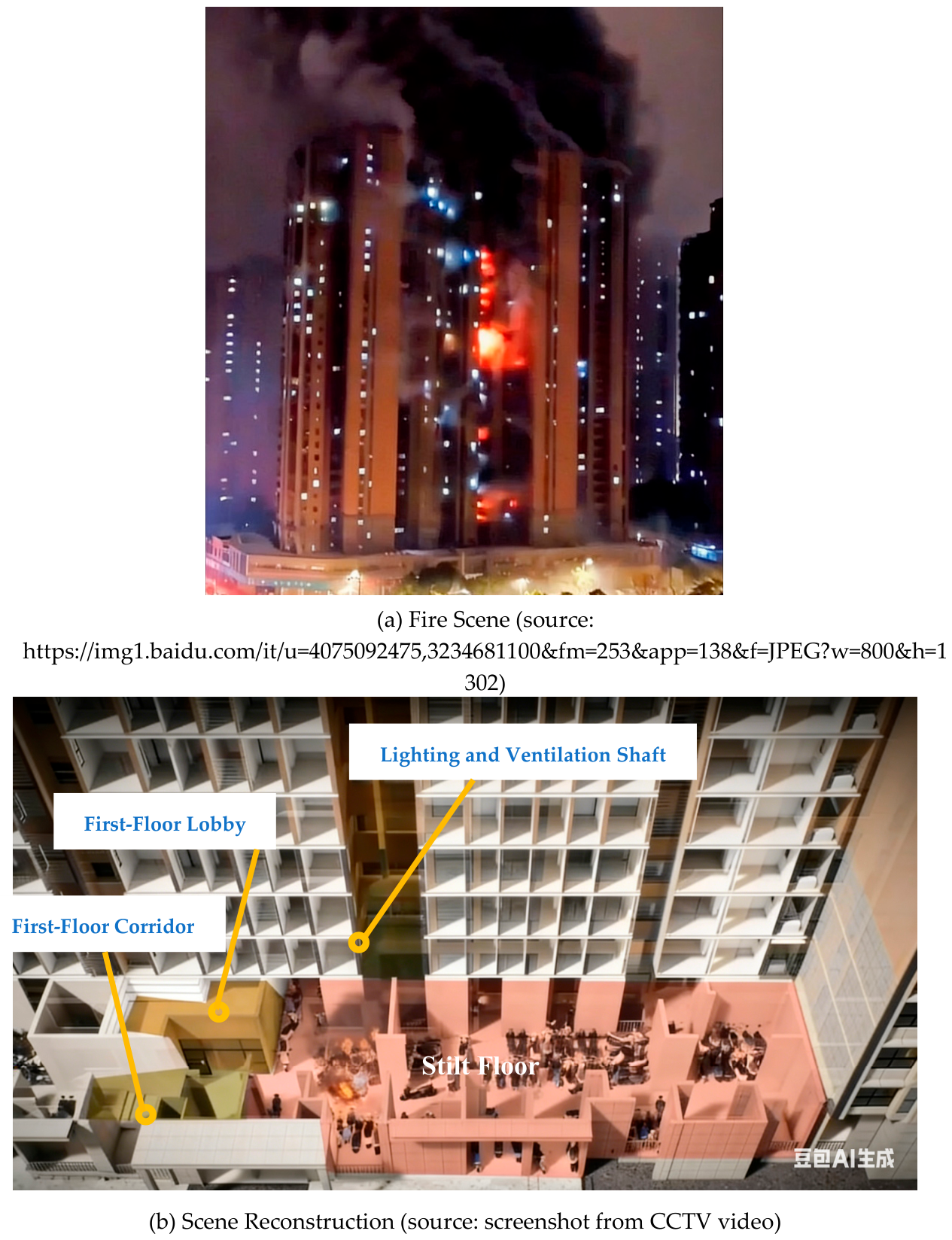
Figure 2.
Figure 2. Experimental Setup.
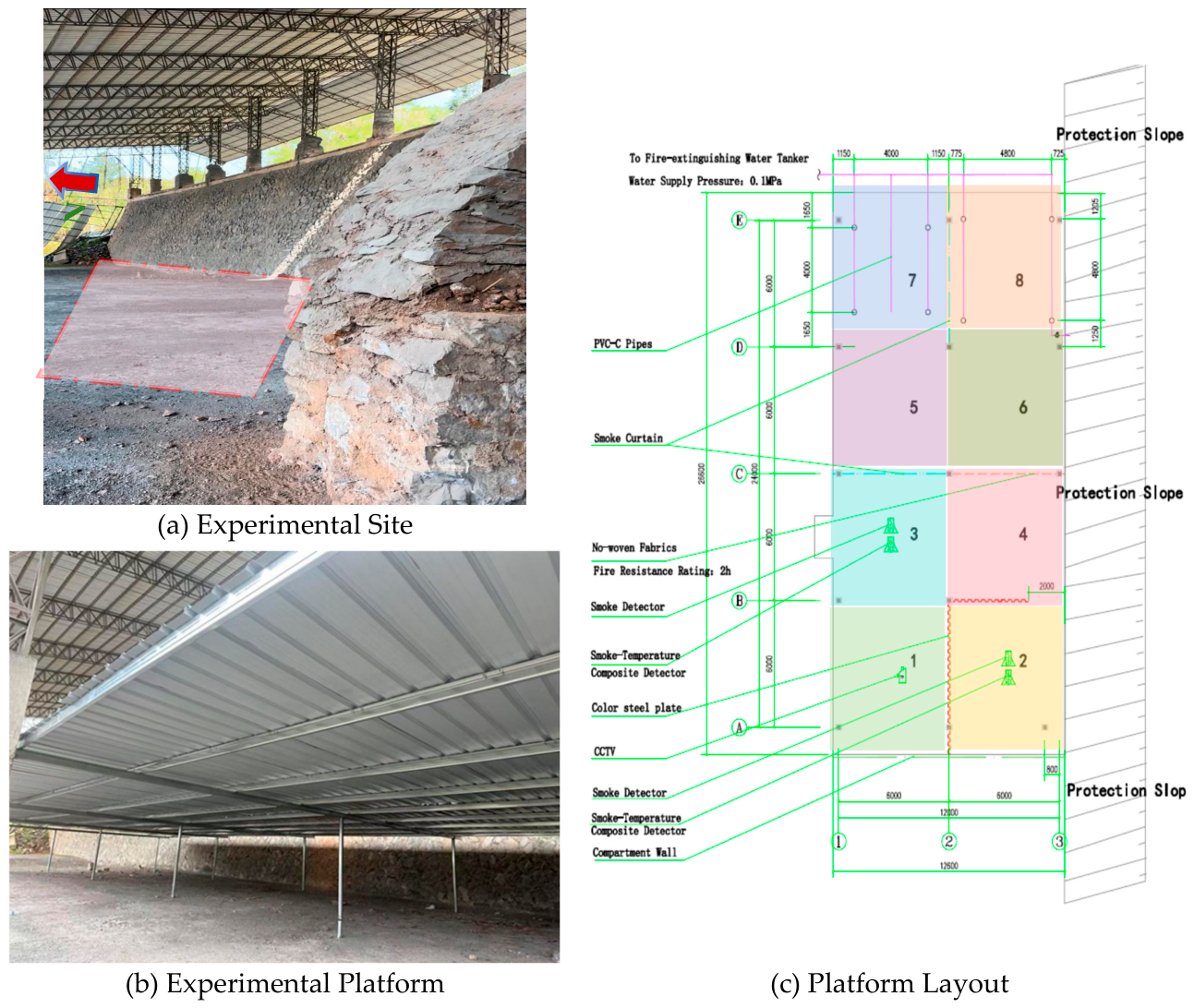
Figure 3.
Three-Bicycle Layout.
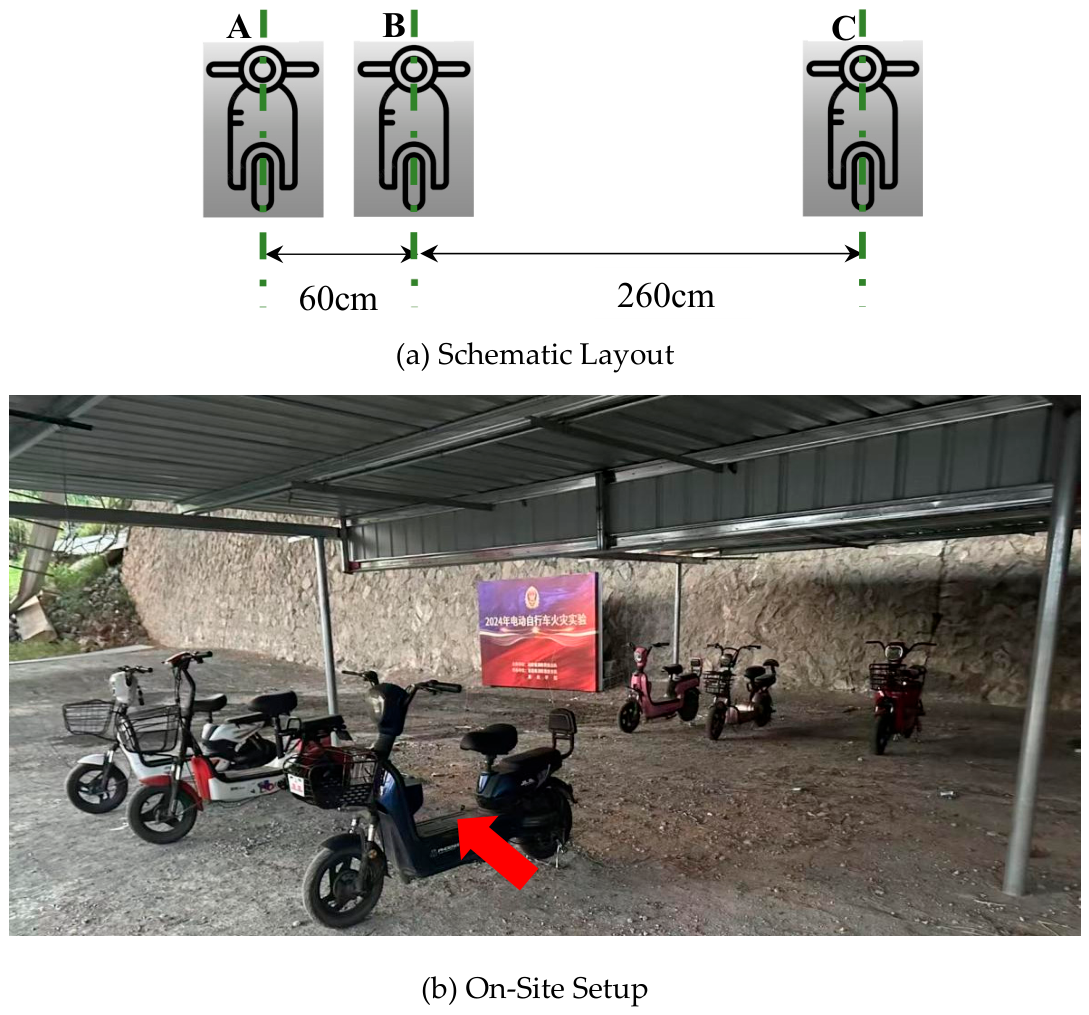
Figure 4.
Two-Bicycle Layout.
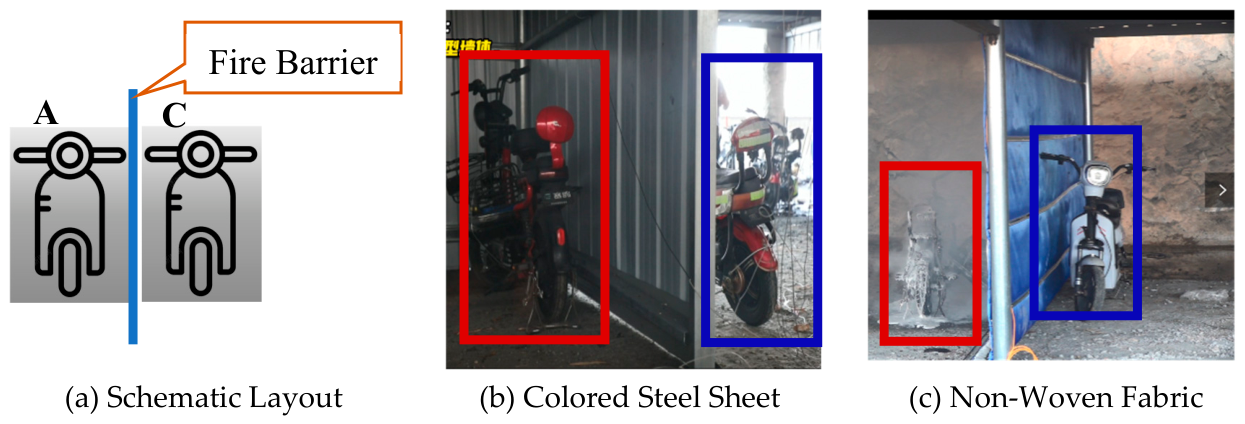
Figure 5.
Heating the LIBs in the Experiment.
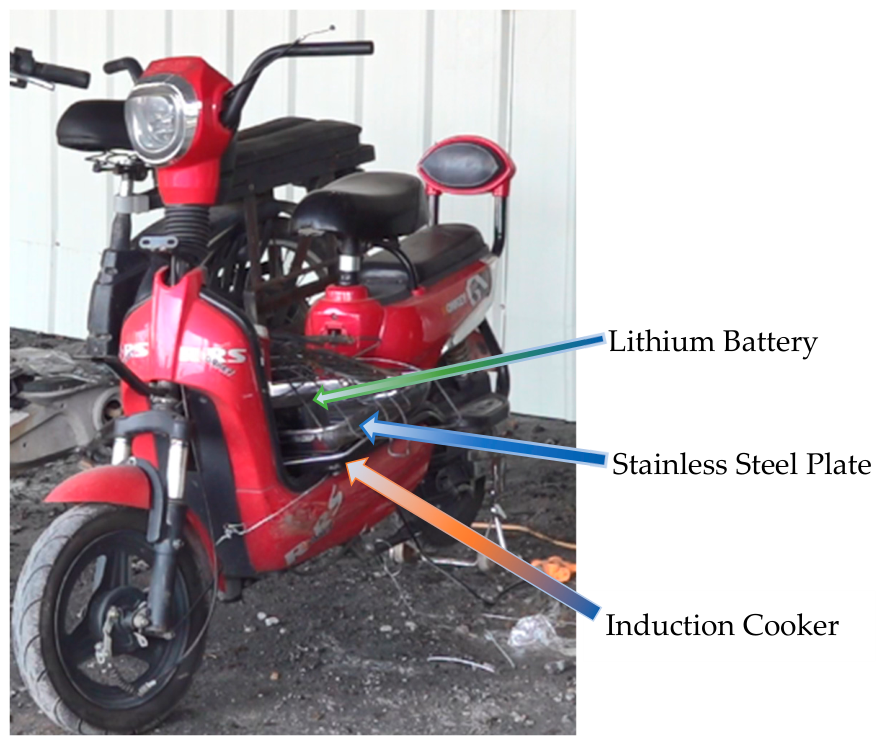
Figure 6.
Smoke Filling in the Semi-enclosed Room.
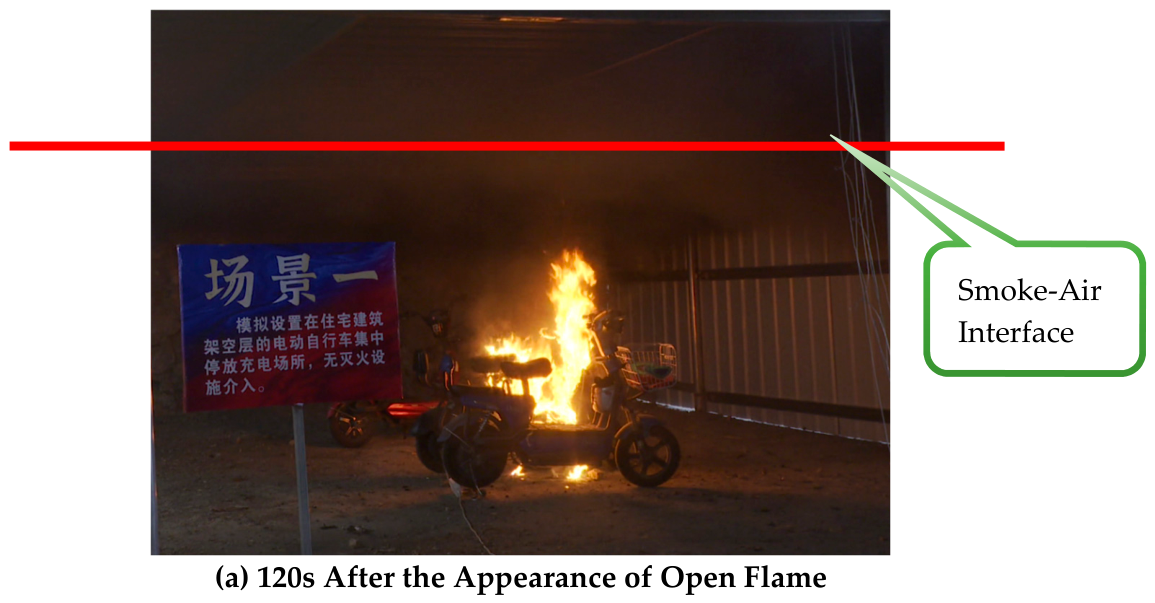
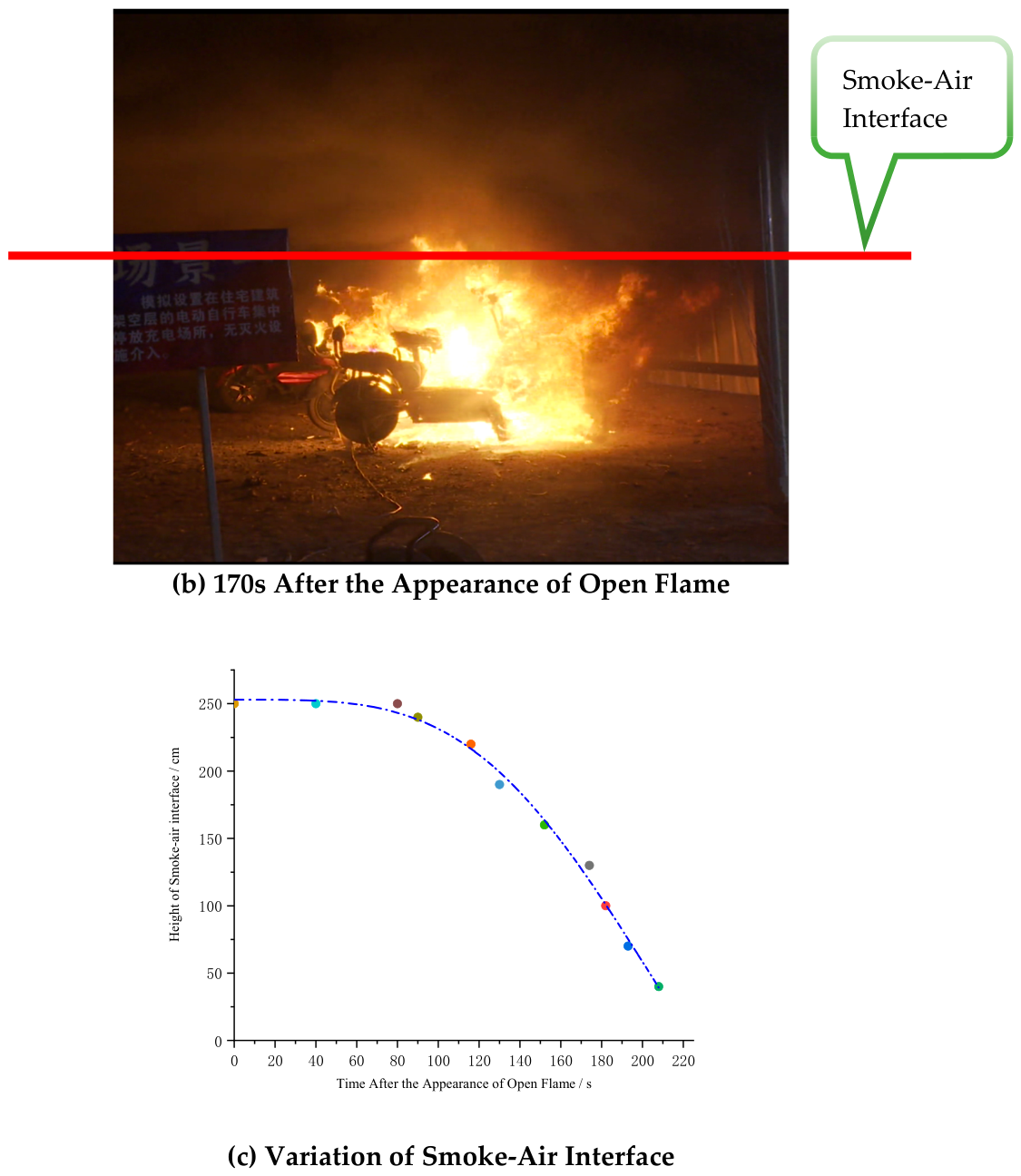
Figure 7.
Smoke Filling in the Open Space.
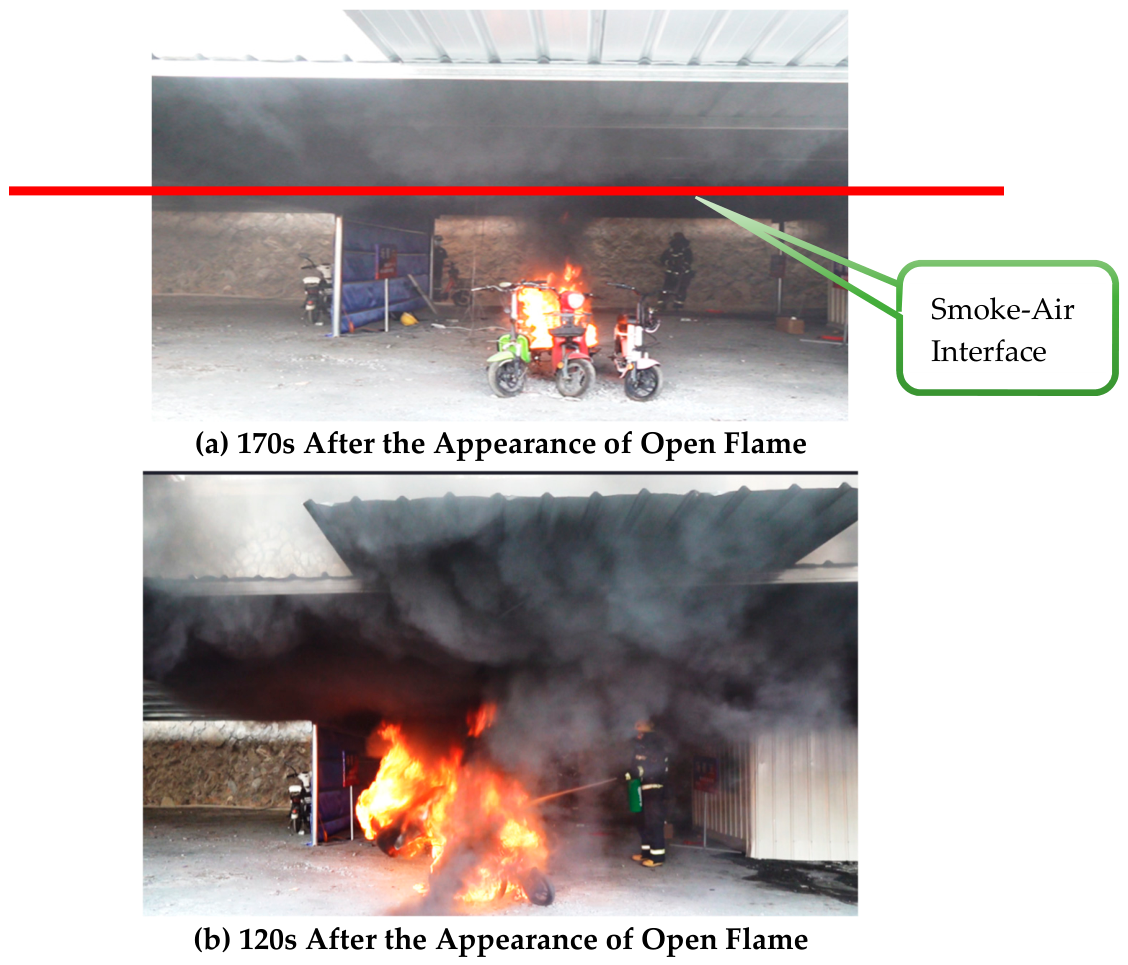
Figure 8.
Simulated Shaft.
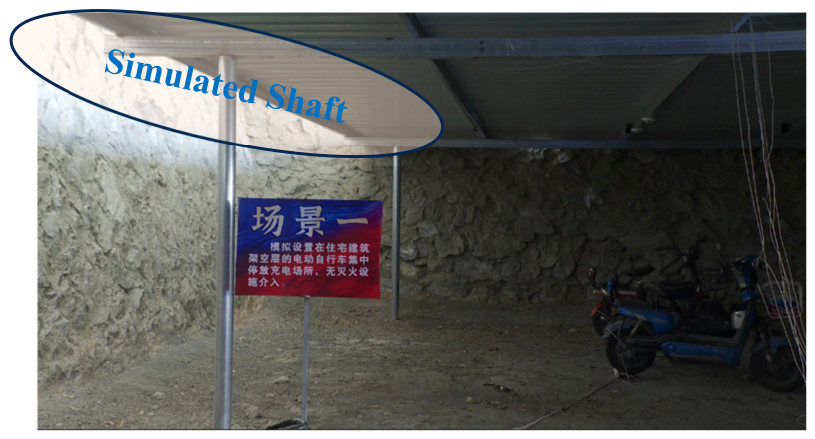
Figure 9.
Smoke Spills over the Fireproof Eave.
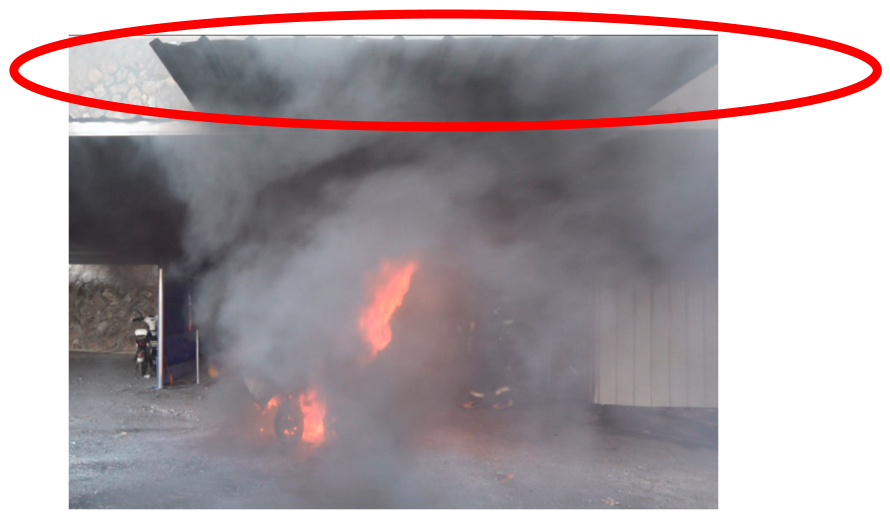
Figure 10.
Fire Barrier.
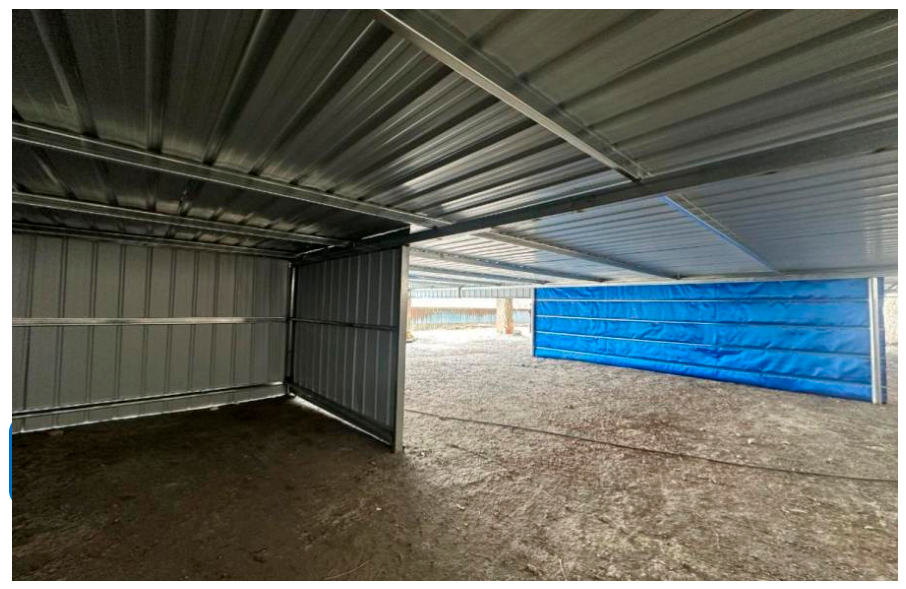
Figure 11.
Color Steel Plates as Barrier.
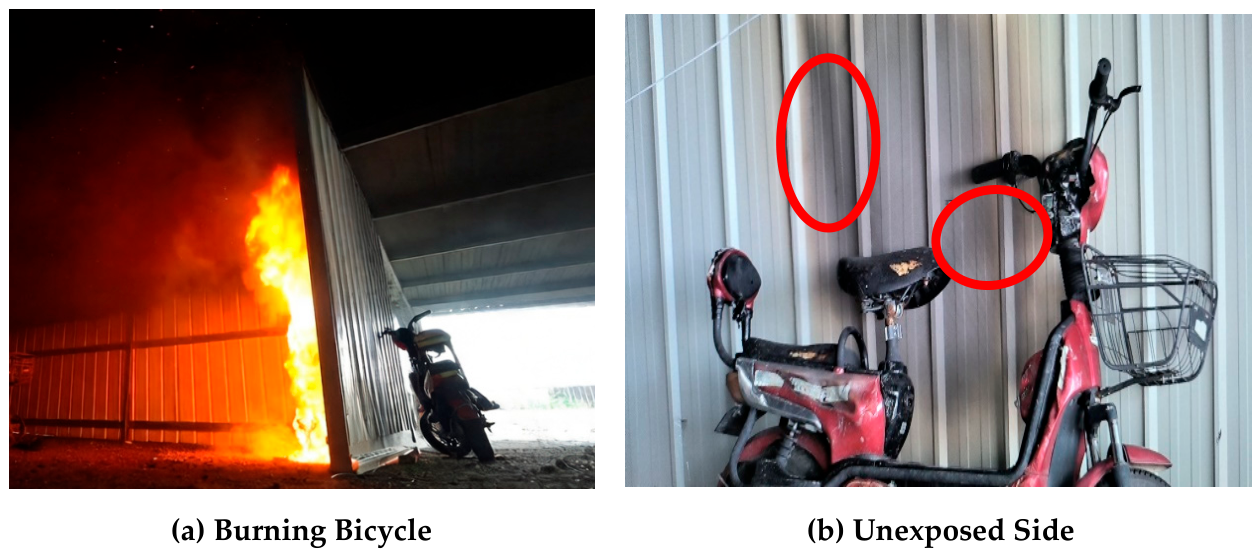
Figure 12.
Non-woven Fabric as Barrier.
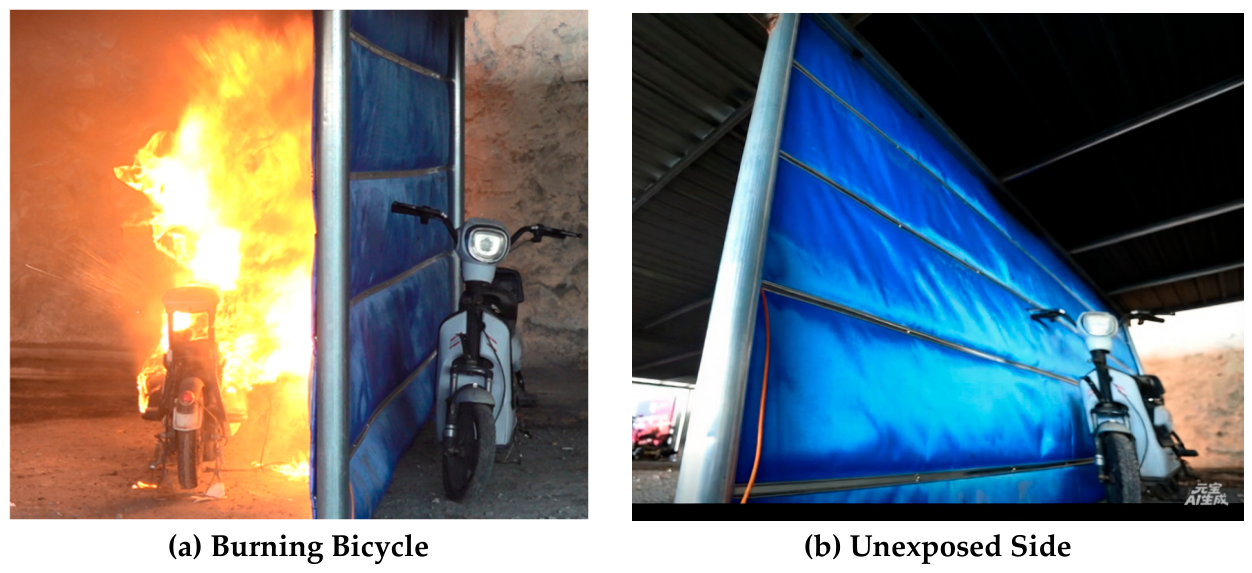
Figure 13.
Flame Structure for Sprinkler Experiments.
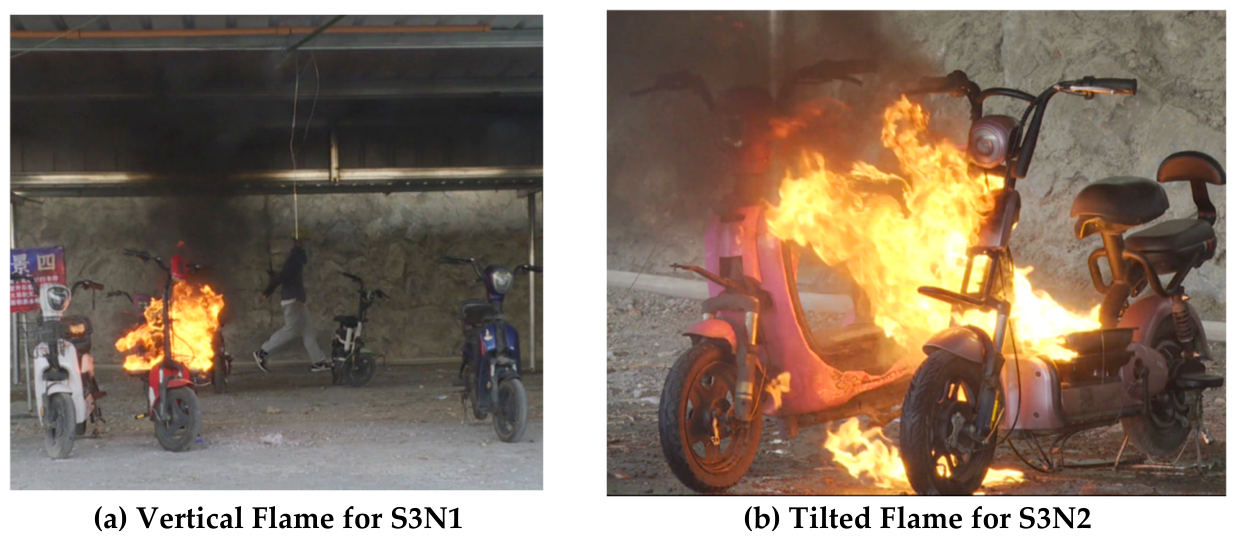
Figure 14.
Total Radiative Heat Flux.
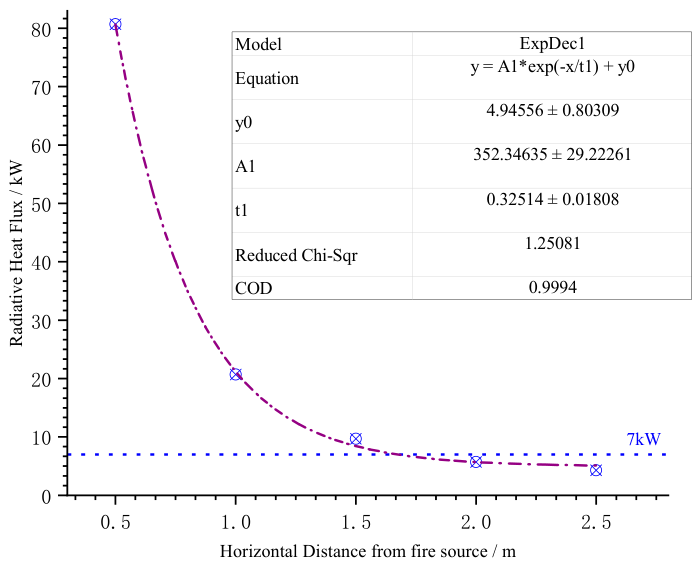
Figure 15.
Combustion of E-Bicycle.
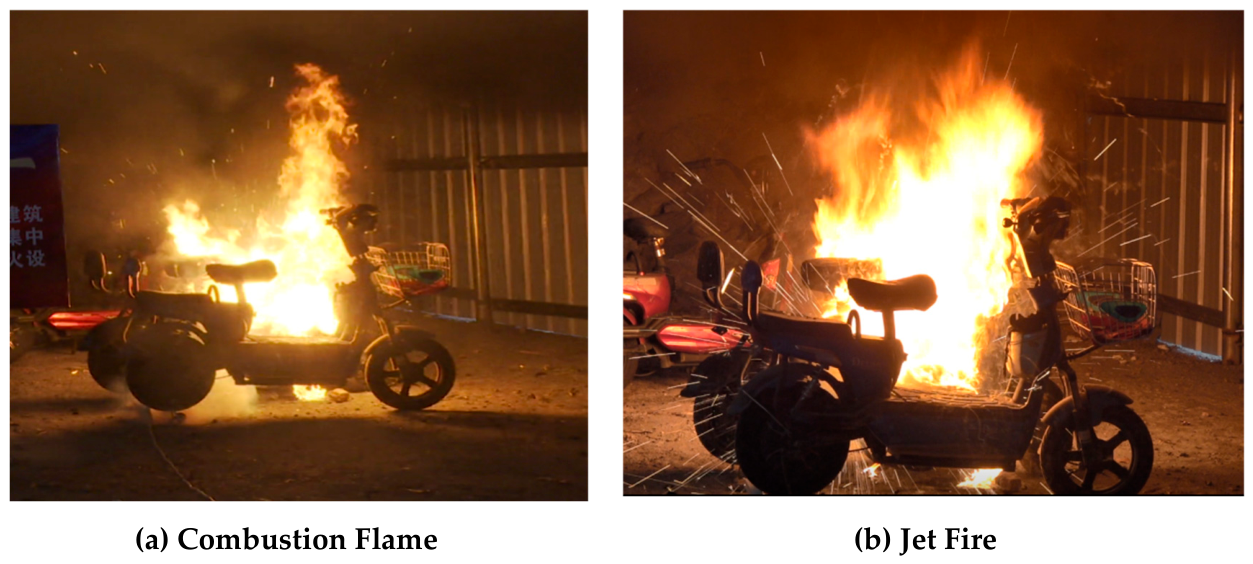
Figure 16.
Fire Propagation Pathway.
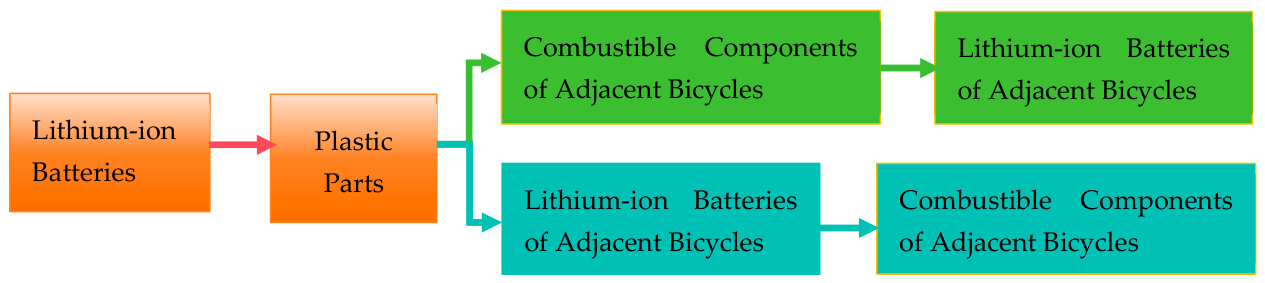

Table 1.
Details of Experiments.
| Scenario | Objectives | Experiment ID | Number of Bicycles | Experimental Parcel | Fire-proof Measure |
| S1 | Simulate fires occurring on stilt floor | S1N1 | 3 | Unit 2 | Fire detector (smoke / smoke-temperature composite) |
| S2 | Simulate fires occurring in the open space | S2N1 | 3 | Unit 3 | Fire detector (smoke / smoke-temperature composite) |
| S3 | Study the fire suppression efficacy of water spray | S3N1 | 3 | Unit 7 | Standard coverage sprinkler (ZSTX80-68℃) |
| S3N2 | 3 | Unit 8 | Extended coverage sprinkler (ZSTX115-68℃) | ||
| S4 | Seeking the effective fire barrier | S4N1 | 2 | Unit 2 / Unit 4 | color steel plate |
| S4N2 | 2 | Unit 4 / Unit 6 | Non-woven fabric |
Table 2.
Types of LIBs.
| Battery ID | Nominal Voltage / V |
Nominal Capacity / AH |
Battery Material | Nominal Size /mm |
| 1 | 48 | 10 | Lithium Manganese Oxide (LMO) | 286*71*93 |
| 2 | 48 | 12 | Lithium Iron Phosphate (LFP) | 250*140*72 |
| 3 | 48 | 12 | Nickel-Cobalt-Manganese (NCM) | 350*160*100 |
| 4 | 48 | 15 | ||
| 5 | 48 | 18 | ||
| 6 | 48 | 20 |
Table 3.
Thermal Runway of Lithium-ion Battery.
| Battery Material | Time to Smoke Emission / s | Time to Open Flame / s |
| Lithium Manganese Oxide (LMO) | 60 | 402 |
| Lithium Iron Phosphate (LFP) | 65 | 371 |
| Nickel-Cobalt-Manganese (NCM) | 45 | 282 |
Table 4.
Time Interval for Bicycle Ignition.
| Experiment ID | Time to Bicycle A ignition / s | Time to Bicycle C ignition / s |
| S1N1 | 60 | N |
| S2N1 | 138 | N |
| S3N1 | N | N |
| S3N2 | 163 | N |
* N means the bicycle did not become ignited.
Table 5.
Detailed Results for Experiments with Sprinkler.
| Experiment ID | Type of Sprinkler Head | Time to Sprinkler Activation / s | Time to Bicycle A ignition / s | Time to Bicycle C ignition / s |
| S3N1 | ZSTX80-68℃ | 150 | N | N |
| S3N2 | ZSTX115-68℃ | 320 | 163 | N |
* N means the bicycle was not ignited.
Table 6.
Radiative Heat Flux Received by Target LIBs bicycle.
| Separation distance d /m | 0.5 | 1.0 | 1.5 | 2.0 | 2.5 |
| View factor | 0.120 | 0.045 | 0.032 | 0.025 | 0.020 |
| 4.3 | 1.6 | 1.2 | 0.9 | 0.2 | |
| 76.4 | 19.1 | 8.5 | 4.8 | 3.1 | |
| 80.7 | 20.7 | 9.7 | 5.7 | 4.3 |
Disclaimer/Publisher’s Note: The statements, opinions and data contained in all publications are solely those of the individual author(s) and contributor(s) and not of MDPI and/or the editor(s). MDPI and/or the editor(s) disclaim responsibility for any injury to people or property resulting from any ideas, methods, instructions or products referred to in the content. |
© 2026 by the authors. Licensee MDPI, Basel, Switzerland. This article is an open access article distributed under the terms and conditions of the Creative Commons Attribution (CC BY) license (http://creativecommons.org/licenses/by/4.0/).
Copyright: This open access article is published under a Creative Commons CC BY 4.0 license, which permit the free download, distribution, and reuse, provided that the author and preprint are cited in any reuse.