

Submitted:
18 June 2026
Posted:
18 June 2026
You are already at the latest version
Abstract
Genetic and Molecular Bases of Mental Well-being and Mindfulness is an exciting and quickly emerging research field that examines how the genetic and molecular bases of our biology (genetics and our molecular biology) can impact our mental well-being and our mindfulness practices, and aims to uncover the biological foundations of how we can begin to engage our mental well-being, stress-resilience, and mindfulness practices.
Keywords:
mental well-being
; genetics
; DNA
; mindfulness
; GWAS
; psychology
1. Introduction
Genetic and Molecular Bases of Mental Well-being and Mindfulness is an exciting and quickly emerging research field that examines how the genetic and molecular bases of our biology (genetics and our molecular biology) can impact on our mental well-being and our mindfulness practices, and aims to uncover the biological foundations of how we can begin to engage our mental well-being, stress-resilience and mindfulness practices. This comprehensive review will cover overall three main themes:
1. The Genetic Underpinnings of Mental Well-being
2. Molecular Mechanisms Underlying Mindfulness, and
3. Conclusions on how both impact our mental well-being together with our mindfulness practices.
Mental well-being is a complex and dynamic state that encompasses emotional, psychological, and social health. It influences how individuals think, feel, behave, cope with stress, and interact with others [1]. While environmental factors such as upbringing, education, social relationships, and lifestyle play significant roles in shaping mental health, growing scientific evidence highlights the profound influence of the human genome on mental well-being. The relationship between mental health and genetics is not unidirectional; rather, it represents a sophisticated crosstalk in which genes influence mental states, and environmental experiences can, in turn, modify gene expression through epigenetic mechanisms [2,3,4,5,6].
The human genome consists of approximately three billion base pairs of DNA that encode the instructions necessary for the development and functioning of the human body, including the brain. Variations within specific genes can affect neurotransmitter systems, neural connectivity, stress responses, and cognitive functions. For example, genes involved in the regulation of serotonin, dopamine, and other neurotransmitters have been associated with susceptibility to mental health conditions such as depression, anxiety disorders, bipolar disorder, and schizophrenia. However, possessing genetic variants linked to these disorders does not guarantee their development. Instead, these genetic factors often contribute to vulnerability, which may be activated or mitigated by environmental influences [5,6,7,8,9,10,11,12].
One of the most fascinating aspects of this relationship is the concept of gene–environment interaction. Individuals carrying certain genetic variants may respond differently to stress, trauma, or social support compared to others. For instance, a person with a genetic predisposition to depression may remain mentally healthy in a supportive environment but may experience symptoms when exposed to chronic stress or adverse life events. This interaction demonstrates that genes set the stage, while life experiences shape the final outcome. Therefore, mental well-being emerges from the combined effects of biological inheritance and environmental exposures rather than from either factor alone [8,9,10,11,12,13,14].
Recent advances in genomics have also emphasized the importance of epigenetics in mental health. Epigenetics refers to changes in gene activity that occur without altering the DNA sequence itself. Environmental factors such as stress, nutrition, physical activity, sleep quality, and social relationships can influence epigenetic markers, thereby affecting how genes are expressed. Chronic psychological stress, for example, can modify the expression of genes involved in inflammation and stress regulation, potentially increasing the risk of mental disorders. Conversely, positive lifestyle interventions, including mindfulness practices, regular exercise, and supportive social interactions, may promote beneficial epigenetic changes that enhance resilience and psychological well-being [9,10,11,12,13,14].
The brain itself serves as a critical interface between the genome and mental health. Neural plasticity—the brain’s ability to adapt and reorganize in response to experiences—is partly regulated by genetic and epigenetic factors. Genes involved in neuroplasticity influence learning, memory, emotional regulation, and recovery from psychological distress. Environmental enrichment, education, therapy, and positive social engagement can stimulate neural pathways that support mental well-being, illustrating how external experiences can shape biological processes at the molecular level [15,16,17,18].
Understanding the crosstalk between the human genome and mental well-being has important implications for healthcare and personalized medicine. Advances in genomic technologies are enabling researchers to identify genetic risk factors for mental disorders and develop more targeted interventions. Personalized approaches may one day allow clinicians to predict an individual’s susceptibility to certain conditions and tailor preventive strategies or treatments accordingly. However, it is equally important to recognize that genetics is not destiny. Mental health outcomes are influenced by a broad network of biological, psychological, social, and environmental factors, many of which are modifiable [19,20,21,22,23].
Overall, mental well-being and the human genome are engaged in a continuous and intricate dialogue. Genes contribute to the biological foundation of mental health, while environmental experiences influence how these genes are expressed and function. The interplay of genetics, epigenetics, and life experiences shapes individual resilience, vulnerability, and psychological outcomes. As scientific understanding of this relationship continues to expand, it offers promising opportunities for improving mental health prevention, diagnosis, and treatment while reinforcing the importance of nurturing supportive environments that promote well-being across the lifespan [97,98] (Figure 1).
1.1. Genetic Underpinnings of Mental Well-Being
Mental well-being is a complex and multifaceted construct that has been found to have a significant genetic component [1]. Genetic influences on measures of mental well-being, such as emotional and social well-being, reflect a single, highly heritable factor, suggesting a shared genetic basis. Emerging evidence suggests that mental well-being, including traits such as neuroticism, demonstrated that these psychological characteristics are moderately heritable, with additive genetic effects accounting for a significant portion of the observed variance [2]. While the exact genetic basis remains fully elucidated, researchers [2,3] have begun identifying specific genetic variants and chromosomal regions associated with various aspects of mental well-being. For instance, studies have linked chromosomal region 9q to anxiety and panic disorder, highlighting the potential genetic underpinnings of these conditions. Additionally, genome-wide association studies have implicated common DNA sequence variations in the etiology of major depressive disorder, with a focus on genes involved in neurotransmitter systems and stress sensitivity [3,4]. These findings suggest that a complex interplay of genetic factors contributes to an individual’s susceptibility to mental well-being challenges [2].
1.2. Neurobiological Basis of Mental Well-Being
The neurobiological basis of mental well-being has been an area of increasing research interest. Studies have identified brain regions and neural circuits that are associated with various aspects of mental well-being. According to King, M.L. (2019), regions of the prefrontal cortex, which are involved in cognitive control, emotion regulation, and decision-making, have been linked to emotional well-being. Additionally, the limbic system, which includes structures like the amygdala and hippocampus, plays a crucial role in the processing of emotions and the regulation of stress response [5]. Neuroimaging studies have revealed that individuals with higher levels of mental well-being exhibit increased activity and connectivity in these brain regions, suggesting a neurobiological foundation for positive mental well-being.
1.3. Epigenetic Influences on Mental Well-Being
Epigenetic mechanisms, which involve modifications to the Deoxyribonucleic acid (DNA) and its associated chromatin structures without altering the underlying genetic sequence, have emerged as an important factor in understanding the regulation of mental well-being [6,7,8]. Studies have shown that epigenetic changes, such as DNA methylation and histone modifications, can influence the expression of genes involved in neural plasticity, stress response, and emotional regulation – all of which are critical for mental well-being [9,10,11,12].
Exposure to stressful life events, for example, has been associated with epigenetic changes that can lead to altered gene expression and contribute to the development of mental well-being issues, such as depression and anxiety [13].
Conversely, positive lifestyle factors, including mindfulness-based practices, have been linked to epigenetic modifications that promote resilience and enhance mental well-being [14].
1.4. Neurotransmitter Systems and Mental Well-Being
Key neurotransmitter systems, such as serotonin, dopamine, and gamma-aminobutyric acid, have been extensively studied as they relate to mental well-being [15,16]. Alterations in the levels and functioning of these neurotransmitters have been implicated in various mental well-being conditions, including mood disorders, anxiety, and cognitive impairments [17]. For example, reduced serotonin signaling has been associated with the development of depression, while dysregulation of dopaminergic pathways has been linked to the emergence of anhedonia, a core symptom of depression [18].
Interventions targeting these neurotransmitter systems, such as selective serotonin reuptake inhibitors and other psychopharmaceuticals, have proven effective in the management of mental well-being conditions, further underscoring the pivotal role of neurotransmitter systems in mental well-being [17].
1.5. Stress Pathways and Mental Well-Being
Chronic stress exposure is a well-established risk factor for the development of mental well-being issues. The hypothalamic-pituitary-adrenal axis, which is responsible for the physiological stress response, has been a focus of research relating to mental well-being [19,20]. Dysregulation of this stress system, leading to sustained elevations of glucocorticoids, has been linked to structural and functional changes in brain regions involved in emotional processing and cognitive function, ultimately contributing to the onset and progression of mental well-being challenges, including anxiety disorders, depression, bipolar disorder, and other mood disorders, disruptive behavior disorders, such as oppositional defiant disorder and conduct disorder [21].
Furthermore, stress-induced alterations in excitatory neurotransmission, particularly the glutamatergic system, have been implicated in the pathophysiology of mood and anxiety disorders [22]. Chronic stress can lead to enhanced glutamate release and changes in the structure and function of glutamate synapses, which may underlie the neuroplastic changes associated with the development of mental well-being conditions, including disorders that affect your mood, thinking, and behavior [21,22]. Antidepressant medications and stress-reducing interventions, such as mindfulness-based therapies, have been shown to modulate these stress pathways, highlighting their importance in the maintenance of and sustainability of mental well-being [21,22,23].
1.6. Immune Function and Mental Well-Being
Emerging evidence suggests a bidirectional relationship between the immune system and mental well-being. Chronic stress and inflammation have been linked to the development of mental well-being issues, such as depression and anxiety [24]. Proinflammatory cytokines, released during the inflammatory response, can influence the activity of neurotransmitter systems, neural plasticity, and brain function, thereby contributing to the pathogenesis of mental well-being disorders [25].
Conversely, mental well-being conditions have also been associated with alterations in immune function, with impaired immune responses and increased vulnerability to infections observed in individuals with mental well-being challenges [26].
1.7. Gut-Brain Axis and Mental Well-Being
The gut-brain axis, a bidirectional communication system between the gastrointestinal tract and the central nervous system, has emerged as a key player in the regulation of mental well-being [29,30,31]. The gut microbiome, the complex community of microorganisms residing in the intestine, has been found to influence various aspects of brain function and behavior, including mood, cognition, and stress response [32].
Alterations in the gut microbiome composition, often referred to as dysbiosis, have been associated with the development of mental well-being conditions, such as depression, anxiety, and cognitive impairments [33,34].
The mechanisms by which the gut microbiome influences mental well-being are multifaceted, involving the modulation of neuroactive compounds, immune function, and the hypothalamic-pituitary-adrenal axis [33,35].
Interventions targeting the gut-brain axis, such as dietary modifications, probiotic supplementation, and fecal transplantation, have shown promising results in the management of certain mental well-being conditions, highlighting the importance of this bidirectional communication system in the maintenance of mental well-being [35].
1.8. Circadian Rhythms and Mental Well-Being
Circadian rhythms, the internal biological clocks that regulate the 24-hour sleep-wake cycle, have a significant impact on mental well-being [36,37]. Disruptions in circadian rhythms, such as those observed in shift work or jet lag, have been linked to the development of mental well-being issues, including mood disorders, cognitive impairments, and sleep disturbances [38].
The mechanism by which circadian rhythm disruption influences mental well-being is complex, involving the modulation of neurotransmitter systems, hormone secretion, and neural plasticity [39].
Interventions targeting the restoration of circadian rhythms, such as bright light therapy, melatonin supplementation, and cognitive-behavioral therapy for insomnia, have shown beneficial effects on mental well-being, underscoring the importance of maintaining healthy circadian rhythms for optimal mental well-being and overall well-being [40,41].
1.9. Neuroplasticity and Mental Well-Being
Neuroplasticity, the ability of the brain to undergo structural and functional changes in response to various stimuli, plays a crucial role in the maintenance of mental well-being [42]. Factors such as stress, environmental enrichment, and physical activity can influence neuroplasticity, leading to changes in brain structure, connectivity, and function [43,44].
Impairments in neuroplasticity have been associated with the development of mental well-being conditions, such as depression, anxiety, and cognitive decline. Interventions that enhance neuroplasticity, such as cognitive-behavioral therapy, physical exercise, and mindfulness-based practices, have been shown to have positive effects on mental well-being, highlighting the importance of neuroplasticity in the maintenance of mental well-being [45,46,47].
1.10. Mitochondrial Function and Mental Well-Being
Mitochondria, the powerhouses of the cell, are increasingly recognized as key players in the regulation of mental well-being [48,49]. Impairments in mitochondrial function, such as those observed in neurodegenerative disorders including Alzheimer’s disease and other memory disorders, Ataxia, Huntington’s disease, and Parkinson’s disease, have been linked to the development of various mental well-being conditions, including depression, anxiety, and cognitive impairments [48].
The mechanisms by which mitochondrial dysfunction contributes to mental well-being challenges are multifaceted, involving oxidative stress, energy dysregulation, and disruptions in neurotransmitter signaling [50,51].
Interventions targeting mitochondrial function, such as the use of antioxidants, metabolic modulators, and mitochondrial-targeted therapies, have shown promise in the management of certain mental well-being conditions, such as depression (including subthreshold disorders), anxiety disorders, including panic disorder, phobias, and social anxiety disorder, highlighting the importance of mitochondrial health in the maintenance of mental well-being [49,52].
1.11. Genetic Predispositions to Mental Well-Being
Genetic factors play a significant role in the susceptibility and resilience to various mental well-being conditions, including depression, anxiety disorders, panic disorder, phobias, and social anxiety disorder. Genome-wide association studies have identified numerous genetic variants associated with the risk of developing mental well-being disorders, such as depression, anxiety, and schizophrenia [2,53].
1.12. Molecular Signatures of Mental Well-Being
The molecular underpinnings of mental well-being are complex and involve the interplay of various biological systems, including the nervous system, the immune system, and the endocrine system [6].
1.13. Psychoneuroimmunology of Mental Well-Being
The field of psychoneuroimmunology explores the bidirectional communication between the brain, the immune system, and mental well-being [61]. Chronic stress, inflammation, and immune dysregulation have been linked to the development of various mental well-being conditions, including depression, anxiety, and cognitive impairments [62,63].
2. Molecular Mechanisms Underlying Mindfulness
Alongside the growing understanding of the genetic basis of mental well-being, recent research has also shed light on the molecular mechanisms underlying mindfulness and its beneficial effects on mental well-being. Studies have shown that mindfulness can influence various physiological processes, including brain function, autonomic nervous system regulation, stress hormone levels, and immune system responses [12].
At the molecular level, mindfulness has been associated with changes in gene expression, epigenetic modifications, and alterations in neurotransmitter systems [66,67]. For instance, mindfulness-based interventions have been linked to increased expression of genes involved in stress response and immune function and decreased expression of genes associated with inflammatory processes. These molecular changes have been correlated with clinical improvements, such as reduced stress, improved mood, and enhanced immune function. Furthermore, twin studies have suggested that genetic factors may moderate the effects of mindfulness-based interventions, with individual differences in genetic variants related to neurotransmitter systems and stress sensitivity influencing the impact of mindfulness on positive affective states [1,10].
Mindfulness practices, such as meditation, have been shown to influence a variety of physiological processes, including the autonomic nervous system, stress hormones, and immune function [12]. At the molecular level, mindfulness has been associated with changes in gene expression, epigenetic modifications, and neurotransmitter systems [11].
2.1. Lifestyle Factors and Mental Well-Being
Lifestyle factors, such as physical activity, nutrition, sleep, and social engagement, play a crucial role in the maintenance of mental well-being [69,70,71]. Regular exercise, a balanced diet, adequate sleep, and strong social connections have been associated with improved mental well-being outcomes, including reduced stress, anxiety, and depression, as well as enhanced cognitive function and emotional well-being [71,72].
The underlying mechanisms by which these lifestyle factors influence mental well-being are multifaceted, involving the modulation of neurotransmitter systems, neuroplasticity, immune function, and mitochondrial health [73,74]. The implementation of lifestyle interventions targeting these pathways has shown promise in the management of mental well-being conditions, underscoring the importance of a holistic approach to mental well-being [73,75].
2.2. Contemplative Practices and Mental Well-Being
Contemplative practices, such as meditation, mindfulness, and yoga, have gained increasing attention for their potential to enhance mental well-being [76]. These practices have been shown to modulate various biological processes, including gene expression, epigenetic modifications, and the autonomic nervous system, which can lead to improved stress management, emotional regulation, and cognitive function [11].
The molecular mechanisms underlying the benefits of contemplative practices on mental well-being are not fully understood, but emerging evidence suggests that they may involve the regulation of stress hormones, inflammatory markers, and neurotransmitter systems [73].
The integration of contemplative practices into clinical and educational settings has shown promising results in the management and prevention of mental well-being conditions, highlighting their potential as complementary approaches to maintaining and promoting mental well-being [76].
2.3. Mindfulness and Neurobiological Changes
Mindfulness-based interventions have been increasingly studied for their effects on brain structure and function, providing insights into the neurobiological underpinnings of mental well-being [77]. Neuroimaging studies have demonstrated that regular mindfulness practice is associated with enhanced activity and connectivity in brain regions involved in attention, emotion regulation, and self-awareness, as well as structural changes in brain regions associated with learning, memory, and emotional processing [78].
2.4. Meditation and Molecular Regulation
Emerging research has shed light on the molecular mechanisms by which meditation and other contemplative practices can influence mental well-being [9,81]. Studies have shown that meditation can modulate gene expression and epigenetic markers, leading to changes in the regulation of stress response pathways, inflammation, and cellular aging [12,82]. For example, regular meditation has been associated with the downregulation of genes involved in inflammatory pathways and the upregulation of genes related to cellular repair and anti-aging processes [83,84]. These molecular changes may underlie the observed benefits of meditation on stress reduction, immune function, and overall physical and mental well-being [84,85].
2.5. Yoga and Genetic Expression
Yoga, a comprehensive mind-body practice, has also been studied for its effects on genetic expression and molecular pathways related to mental well-being [86,87]. Studies have shown that the practice of yoga can induce rapid changes in gene expression in peripheral blood lymphocytes, suggesting that yoga can modulate the activity of genes involved in stress response, inflammation, and cellular signaling [88].
The specific genetic and molecular pathways affected by yoga practice are diverse and may involve the regulation of transcription factors, epigenetic modifications, and the expression of genes related to neurotransmitter systems, oxidative stress, and immune function [89].
By understanding the genetic and molecular mechanisms underlying the effects of yoga on mental well-being, researchers can explore the potential of yoga-based interventions as complementary therapies for mental well-being conditions, as well as for the promotion of overall cognitive and emotional resilience [86,89]. The molecular mechanisms by which yoga influences mental well-being are not yet fully elucidated, but the available evidence suggests that yoga may have a positive impact on the regulation of stress-related genes, inflammatory pathways, and pathways involved in cellular repair and regeneration [11,88,89].
2.6. Tai Chi and Epigenetic Modifications
Similar to meditation and yoga, the practice of Tai Chi, which originates from Eastern Cultures [90,91,92], has also been associated with changes in gene expression and epigenetic modifications that may contribute to its beneficial effects on mental well-being [93]. Tai Chi practice has been linked to the downregulation of genes involved in inflammation and the upregulation of genes related to cellular repair and regeneration [11,94,95].
5. Conclusions
These genetic and molecular changes associated with contemplative practices, such as meditation, yoga, and Tai Chi, may contribute to their beneficial effects on mental well-being. The modulation of gene expression, epigenetic modifications, and the regulation of stress-related pathways and transcription factors can lead to improvements in neurotransmitter systems, neuroplasticity, immune function, and mitochondrial health. The integration of these holistic approaches into clinical and educational settings holds promise for the management and prevention of mental well-being conditions, highlighting their potential as complementary therapies for promoting overall cognitive, emotional, and physical resilience [96,97,98].
The genetic and molecular mechanisms underlying the benefits of contemplative practices, such as meditation, yoga, and Tai Chi, on mental well-being are complex and not yet fully understood. However, emerging evidence suggests that these practices can induce significant changes in gene expression, epigenetic modifications, and the regulation of key molecular pathways that are essential for maintaining cognitive, emotional, and physical resilience [99].
Through the modulation of stress-related pathways, inflammatory markers, and neurotransmitter systems, contemplative practices have been shown to downregulate genes involved in inflammatory processes and upregulate genes related to cellular repair and anti-aging mechanisms. These molecular changes may underlie the observed improvements in overall well-being, including enhanced cognitive function, emotional regulation, and stress management [85,100].
Furthermore, the practice of these mind-body techniques has been linked to structural and functional changes in the brain, with increased activity and connectivity in regions associated with attention, self-awareness, and emotional processing. These neurobiological adaptations likely contribute to the positive effects of contemplative practices on mental well-being [101,102].
As researchers continue to unravel the genetic and molecular bases of mental well-being, the integration of contemplative practices into clinical and educational settings holds great promise for the management and prevention of mental well-being conditions. By understanding the underlying mechanisms, healthcare professionals and policymakers can develop more targeted and personalized approaches to promoting overall cognitive, emotional, and physical resilience.
By integrating a deeper understanding of the genetic and molecular bases of mental well-being with the application of holistic, contemplative approaches, researchers and clinicians can develop more targeted and personalized interventions for the management and prevention of mental well-being conditions. This multifaceted approach holds great promise for promoting overall cognitive, emotional, and physical resilience in clinical and educational settings.
The authors reviewed the existing evidence reported in the current literature on the benefits of mindfulness practice, including its impact on emotional distress, positive mental states, and overall quality of life. The review also discussed the potential neurobiological mechanisms underlying the effects of mindfulness, including changes in brain function, autonomic nervous system activity, stress hormone levels, immune function, and health behaviors.
Regular yoga and related contemplative practices hold great potential for promoting mental well-being and resilience through their ability to modulate gene expression, epigenetic modifications, and key molecular pathways involved in stress response, neuroplasticity, and evidence, although the underlying mechanisms are not yet fully understood.
The wide review of the literature provides comprehensive insights into the field of “Mental Well-being and Mindfulness”. It shows the effects of meditation on mental and physical health, which found that mindfulness practices can contribute to enhanced immune function, reduced inflammation, and improved adaptation to chronic health conditions such as cancer, as well as more positive mental states and enhanced quality of life [9,103].
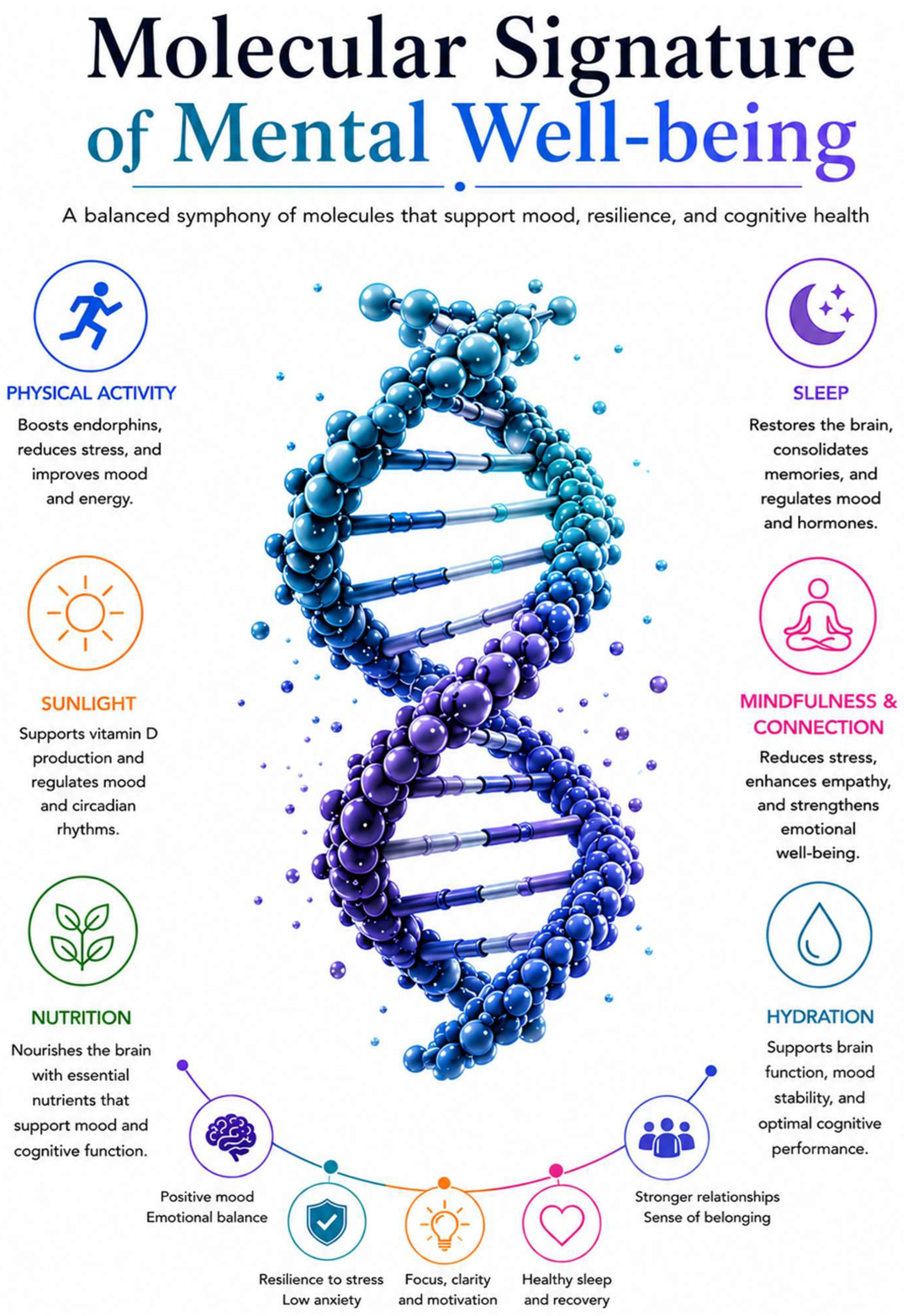
The genetic and molecular bases of mental well-being and mindfulness provide a deeper understanding of the biological factors that contribute to mental well-being. Genetic variations in neurotransmitter systems, stress response pathways, and neuroplasticity-related genes play critical roles in shaping an individual’s emotional stability and vulnerability to stress. Meanwhile, molecular mechanisms such as epigenetics and neuroplasticity further modulate mental well-being, and mindfulness practices have been shown to influence these pathways positively (Figure 2).
Future research is needed that continues to bridge genetics and mindfulness will pave the way for personalized approaches to mental well-being, empowering individuals to harness their genetic predispositions and biological potential for enhanced well-being. In this way, mindfulness practices, informed by molecular science, may offer transformative benefits for mental well-being in the years to come.
Author Contributions
Conceptualization, Şükrü Tüzmen; Methodology, Şükrü Tüzmen , Deniz Tüzmen, Abdallah Rafi, and Veronique Genniker; software, Şükrü Tüzmen ; validation, Şükrü Tüzmen , Deniz Tüzmen, Abdallah Rafi, and Veronique Genniker; formal analysis, Şükrü Tüzmen, Deniz Tüzmen, Abdallah Rafi and Veronique Genniker; investigation, Şükrü Tüzmen , Deniz Tüzmen, Abdallah Rafi and Veronique Genniker; resources, Şükrü Tüzmen , Deniz Tüzmen, Abdallah Rafi and Veronique Genniker; data curation, Şükrü Tüzmen, Deniz Tüzmen, Abdallah Rafi and Veronique Genniker; writing—original draft preparation, Şükrü Tüzmen ; writing—review and editing, Şükrü Tüzmen , Deniz Tüzmen, Abdallah Rafi and Veronique Genniker; visualization, Şükrü Tüzmen , Deniz Tüzmen, Abdallah Rafi and Veronique Genniker; supervision, Şükrü Tüzmen , and Veronique Genniker.; project administration, Şükrü Tüzmen ; funding acquisition, N/A. All authors have read and agreed to the published version of the manuscript.
Funding
This research received no external funding.
Informed Consent Statement
Not applicable.
Data Availability Statement
No new data were created or analyzed in this study.
Conflicts of Interest
The authors declare no conflicts of interest.
References
- Waszczuk, M.A.; Zavos, H.M.S.; Antonova, E.; Haworth, C.M.; Plomin, R.; Eley, T.C. A MULTIVARIATE TWIN STUDY OF TRAIT MINDFULNESS, DEPRESSIVE SYMPTOMS, AND ANXIETY SENSITIVITY. Depress Anxiety 2015, 32, 254–261. [Google Scholar] [CrossRef] [PubMed]
- Bogdan, R.; Nikolova, Y.S.; Pizzagalli, D.A. Neurogenetics of Depression: A Focus on Reward Processing and Stress Sensitivity. Neurobiol. Dis. 2013, 52, 12–23. [Google Scholar] [CrossRef] [PubMed]
- Jacob, C.; Domschke, K.; Gajewska, A.; Warrings, B.; Deckert, J. Genetics of Panic Disorder: Focus on Association Studies and Therapeutic Perspectives. Expert Rev. Neurother. 2010, 10, 1273–1284. [Google Scholar] [CrossRef] [PubMed]
- Sullivan, P.F.; Daly, M.J.; O’Donovan, M. Genetic Architectures of Psychiatric Disorders: The Emerging Picture and Its Implications. Nat. Rev. Genet 2012, 13, 537–551. [Google Scholar] [CrossRef] [PubMed]
- Šimić, G.; Tkalčić, M.; Vukić, V.; Mulc, D.; Španić, E.; Šagud, M.; Olucha-Bordonau, F.E.; Vukšić, M.; R. Hof, P. Understanding Emotions: Origins and Roles of the Amygdala. Biomolecules 2021, 11, 823. [Google Scholar] [CrossRef] [PubMed]
- Rutten, B.P.F. Neuroepigenetics of Mental Illness: The Inside Outs of the Outside Within. In Progress in Molecular Biology and Translational Science; Elsevier, 2018; Vol. 158, pp. 1–13. ISBN 9780128125922. [Google Scholar]
- Nestler, E.J. Epigenetic Mechanisms of Depression. JAMA Psychiatry 2014, 71, 454. [Google Scholar] [CrossRef] [PubMed]
- Schuebel, K.; Gitik, M.; Domschke, K.; Goldman, D. Making Sense of Epigenetics. IJNPPY 2016, 19, pyw058. [Google Scholar] [CrossRef] [PubMed]
- Greeson, J.M. Mindfulness Research Update: 2008. Complement. Health Pract. Rev. 2009, 14, 10–18. [Google Scholar] [CrossRef] [PubMed]
- Gu, Y.-Q.; Zhu, Y. Underlying Mechanisms of Mindfulness Meditation: Genomics, Circuits, and Networks. WJP 2022, 12, 1141–1149. [Google Scholar] [CrossRef] [PubMed]
- Buric, I.; Farias, M.; Jong, J.; Mee, C.; Brazil, I.A. What Is the Molecular Signature of Mind–Body Interventions? A Systematic Review of Gene Expression Changes Induced by Meditation and Related Practices. Front. Immunol. 2017, 8, 670. [Google Scholar] [CrossRef] [PubMed]
- Venditti, S.; Verdone, L.; Reale, A.; Vetriani, V.; Caserta, M.; Zampieri, M. Molecules of Silence: Effects of Meditation on Gene Expression and Epigenetics. Front. Psychol. 2020, 11, 1767. [Google Scholar] [CrossRef] [PubMed]
- Klengel, T.; Pape, J.; Binder, E.B.; Mehta, D. The Role of DNA Methylation in Stress-Related Psychiatric Disorders. Neuropharmacology 2014, 80, 115–132. [Google Scholar] [CrossRef] [PubMed]
- Gottschalk, M.G.; Domschke, K.; Schiele, M.A. Epigenetics Underlying Susceptibility and Resilience Relating to Daily Life Stress, Work Stress, and Socioeconomic Status. Front. Psychiatry 2020, 11, 163. [Google Scholar] [CrossRef] [PubMed]
- Rutten, B.P.F.; Hammels, C.; Geschwind, N.; Menne-Lothmann, C.; Pishva, E.; Schruers, K.; Van Den Hove, D.; Kenis, G.; Van Os, J.; Wichers, M. Resilience in Mental Health: Linking Psychological and Neurobiological Perspectives. Acta Psychiatr. Scand. 2013, 128, 3–20. [Google Scholar] [CrossRef] [PubMed]
- Osório, C.; Probert, T.; Jones, E.; Young, A.H.; Robbins, I. Adapting to Stress: Understanding the Neurobiology of Resilience. Behav. Med. 2017, 43, 307–322. [Google Scholar] [CrossRef] [PubMed]
- Lin, S.-H.; Lee, L.-T.; Yang, Y.K. Serotonin and Mental Disorders: A Concise Review on Molecular Neuroimaging Evidence. Clin. Psychopharmacol. Neurosci. 2014, 12, 196–202. [Google Scholar] [CrossRef] [PubMed]
- Cooper, J.A.; Arulpragasam, A.R.; Treadway, M.T. Anhedonia in Depression: Biological Mechanisms and Computational Models. Curr. Opin. Behav. Sci. 2018, 22, 128–135. [Google Scholar] [CrossRef] [PubMed]
- Lucassen, P.J.; Pruessner, J.; Sousa, N.; Almeida, O.F.X.; Van Dam, A.M.; Rajkowska, G.; Swaab, D.F.; Czéh, B. Neuropathology of Stress. Acta Neuropathol. 2014, 127, 109–135. [Google Scholar] [CrossRef] [PubMed]
- McEwen, B.S. Neurobiological and Systemic Effects of Chronic Stress. Chronic Stress 2017, 1, 2470547017692328. [Google Scholar] [CrossRef] [PubMed]
- Musazzi, L.; Racagni, G.; Popoli, M. Stress, Glucocorticoids and Glutamate Release: Effects of Antidepressant Drugs. Neurochem. Int. 2011, 59, 138–149. [Google Scholar] [CrossRef] [PubMed]
- Musazzi, L.; Treccani, G.; Popoli, M. Functional and Structural Remodeling of Glutamate Synapses in Prefrontal and Frontal Cortex Induced by Behavioral Stress. Front. Psychiatry 2015, 6. [Google Scholar] [CrossRef] [PubMed]
- Rial, D.; Lemos, C.; Pinheiro, H.; Duarte, J.M.; Gonçalves, F.Q.; Real, J.I.; Prediger, R.D.; Gonçalves, N.; Gomes, C.A.; Canas, P.M.; et al. Depression as a Glial-Based Synaptic Dysfunction. Front. Cell. Neurosci. 2016, 9. [Google Scholar] [CrossRef] [PubMed]
- Ravi, M.; Miller, A.H.; Michopoulos, V. The Immunology of Stress and the Impact of Inflammation on the Brain and Behaviour. BJPsych Adv. 2021, 27, 158–165. [Google Scholar] [CrossRef] [PubMed]
- Kronfol, Z.; Remick, D.G. Cytokines and the Brain: Implications for Clinical Psychiatry. AJP 2000, 157, 683–694. [Google Scholar] [CrossRef] [PubMed]
- Hassamal, S. Chronic Stress, Neuroinflammation, and Depression: An Overview of Pathophysiological Mechanisms and Emerging Anti-Inflammatories. Front. Psychiatry 2023, 14, 1130989. [Google Scholar] [CrossRef] [PubMed]
- Miller, A.H.; Haroon, E.; Felger, J.C. Therapeutic Implications of Brain–Immune Interactions: Treatment in Translation. Neuropsychopharmacol 2017, 42, 334–359. [Google Scholar] [CrossRef]
- Miller, A.H.; Raison, C.L. The Role of Inflammation in Depression: From Evolutionary Imperative to Modern Treatment Target. Nat. Rev. Immunol. 2016, 16, 22–34. [Google Scholar] [CrossRef] [PubMed]
- Nemani, K.; Hosseini Ghomi, R.; McCormick, B.; Fan, X. Schizophrenia and the Gut–Brain Axis. Prog. Neuro-Psychopharmacol. Biol. Psychiatry 2015, 56, 155–160. [Google Scholar] [CrossRef] [PubMed]
- Bajic, J.E.; Johnston, I.N.; Howarth, G.S.; Hutchinson, M.R. From the Bottom-Up: Chemotherapy and Gut-Brain Axis Dysregulation. Front. Behav. Neurosci. 2018, 12, 104. [Google Scholar] [CrossRef] [PubMed]
- Fung, T.C. The Microbiota-Immune Axis as a Central Mediator of Gut-Brain Communication. Neurobiol. Dis. 2020, 136, 104714. [Google Scholar] [CrossRef] [PubMed]
- Grenham, S.; Clarke, G.; Cryan, J.F.; Dinan, T.G. Brain?Gut?Microbe Communication in Health and Disease. Front. Physio. 2011, 2. [Google Scholar] [CrossRef] [PubMed]
- Rogers, G.B.; Keating, D.J.; Young, R.L.; Wong, M.-L.; Licinio, J.; Wesselingh, S. From Gut Dysbiosis to Altered Brain Function and Mental Illness: Mechanisms and Pathways. Mol. Psychiatry 2016, 21, 738–748. [Google Scholar] [CrossRef] [PubMed]
- Jameson, K.G.; Hsiao, E.Y. Linking the Gut Microbiota to a Brain Neurotransmitter. Trends Neurosci. 2018, 41, 413–414. [Google Scholar] [CrossRef] [PubMed]
- Clapp, M.; Aurora, N.; Herrera, L.; Bhatia, M.; Wilen, E.; Wakefield, S. Gut Microbiota’s Effect on Mental Health: The Gut-Brain Axis. Clin. Pract. 2017, 7, 987. [Google Scholar] [CrossRef] [PubMed]
- McClung, C.A. Circadian Rhythms and Mood Regulation: Insights from Pre-Clinical Models. Eur. Neuropsychopharmacol. 2011, 21, S683–S693. [Google Scholar] [CrossRef] [PubMed]
- Alachkar, A.; Lee, J.; Asthana, K.; Vakil Monfared, R.; Chen, J.; Alhassen, S.; Samad, M.; Wood, M.; Mayer, E.A.; Baldi, P. The Hidden Link between Circadian Entropy and Mental Health Disorders. Transl. Psychiatry 2022, 12, 281. [Google Scholar] [CrossRef] [PubMed]
- Foster, R.G.; Peirson, S.N.; Wulff, K.; Winnebeck, E.; Vetter, C.; Roenneberg, T. Sleep and Circadian Rhythm Disruption in Social Jetlag and Mental Illness. In Progress in Molecular Biology and Translational Science; Elsevier, 2013; Vol. 119, pp. 325–346. ISBN 9780123969712. [Google Scholar]
- Salgado-Delgado, R.; Tapia Osorio, A.; Saderi, N.; Escobar, C. Disruption of Circadian Rhythms: A Crucial Factor in the Etiology of Depression. Depress. Res. Treat. 2011, 2011, 1–9. [Google Scholar] [CrossRef] [PubMed]
- Walker, W.H.; Walton, J.C.; DeVries, A.C.; Nelson, R.J. Circadian Rhythm Disruption and Mental Health. Transl. Psychiatry 2020, 10, 28. [Google Scholar] [CrossRef] [PubMed]
- Hickie, I.B.; Crouse, J.J. Sleep and Circadian Rhythm Disturbances: Plausible Pathways to Major Mental Disorders? World Psychiatry 2024, 23, 150–151. [Google Scholar] [CrossRef] [PubMed]
- Ahmad, M.; Md. Din, N.S.B.; Tharumalay, R.D.; Che Din, N.; Ibrahim, N.; Amit, N.; Farah, N.M.; Osman, R.A.; Abdul Hamid, M.F.; Ibrahim, I.A.; et al. The Effects of Circadian Rhythm Disruption on Mental Health and Physiological Responses among Shift Workers and General Population. IJERPH 2020, 17, 7156. [Google Scholar] [CrossRef] [PubMed]
- Leuner, B.; Gould, E. Structural Plasticity and Hippocampal Function. Annu. Rev. Psychol. 2010, 61, 111–140. [Google Scholar] [CrossRef] [PubMed]
- Neural Plasticity and Its Contribution to Functional Recovery. In Handbook of Clinical Neurology; Elsevier, 2013; Vol. 110, pp. 3–12. ISBN 9780444529015.
- Shaffer, J. Neuroplasticity and Clinical Practice: Building Brain Power for Health. Front. Psychol. 2016, 7. [Google Scholar] [CrossRef] [PubMed]
- Karbach, J.; Schubert, T. Training-Induced Cognitive and Neural Plasticity. Front. Hum. Neurosci. 2013, 7. [Google Scholar] [CrossRef] [PubMed]
- Smith, G.S. Aging and Neuroplasticity. Dialogues Clin. Neurosci. 2013, 15, 3–5. [Google Scholar] [CrossRef] [PubMed]
- Streck, E.L.; Gonçalves, C.L.; Furlanetto, C.B.; Scaini, G.; Dal-Pizzol, F.; Quevedo, J. Mitochondria and the Central Nervous System: Searching for a Pathophysiological Basis of Psychiatric Disorders. Rev. Bras. Psiquiatr. 2014, 36, 156–167. [Google Scholar] [CrossRef] [PubMed]
- Allen, J.; Romay-Tallon, R.; Brymer, K.J.; Caruncho, H.J.; Kalynchuk, L.E. Mitochondria and Mood: Mitochondrial Dysfunction as a Key Player in the Manifestation of Depression. Front. Neurosci. 2018, 12, 386. [Google Scholar] [CrossRef] [PubMed]
- Daniels, T.E.; Olsen, E.M.; Tyrka, A.R. Stress and Psychiatric Disorders: The Role of Mitochondria. Annu. Rev. Clin. Psychol. 2020, 16, 165–186. [Google Scholar] [CrossRef] [PubMed]
- Toker, L.; Agam, G. Mitochondrial Dysfunction in Psychiatric Morbidity: Current Evidence and Therapeutic Prospects. NDT 2015, 11, 2441–2447. [Google Scholar] [CrossRef] [PubMed]
- Lopresti, A.L. Mitochondrial Dysfunction and Oxidative Stress: Relevance to the Pathophysiology and Treatment of Depression. In Neurobiology of Depression; Elsevier, 2019; pp. 159–168. ISBN 9780128133330. [Google Scholar]
- Ruderfer, D.M.; Fanous, A.H.; Ripke, S.; McQuillin, A.; Amdur, R.L.; Schizophrenia Working Group of the Psychiatric Genomics Consortium; Bipolar Disorder Working Group of the Psychiatric Genomics Consortium; Cross-Disorder Working Group of the Psychiatric Genomics Consortium; Gejman, P.V.; O’Donovan, M.C.; et al. Polygenic Dissection of Diagnosis and Clinical Dimensions of Bipolar Disorder and Schizophrenia. Mol Psychiatry 2014, 19, 1017–1024. [CrossRef] [PubMed]
- Anglin, R. Mitochondrial Dysfunction in Psychiatric Illness. Can. J. Psychiatry 2016, 61, 444–445. [Google Scholar] [CrossRef] [PubMed]
- Alexander Arguello, P.; Addington, A.; Borja, S.; Brady, L.; Dutka, T.; Gitik, M.; Koester, S.; Meinecke, D.; Merikangas, K.; McMahon, F.J.; et al. From Genetics to Biology: Advancing Mental Health Research in the Genomics ERA. Mol. Psychiatry 2019, 24, 1576–1582. [Google Scholar] [CrossRef] [PubMed]
- McMahon, F.J.; Insel, T.R. Pharmacogenomics and Personalized Medicine in Neuropsychiatry. Neuron 2012, 74, 773–776. [Google Scholar] [CrossRef] [PubMed]
- Deak, T.; Kudinova, A.; Lovelock, D.F.; Gibb, B.E.; Hennessy, M.B. A Multispecies Approach for Understanding Neuroimmune Mechanisms of Stress. Dialogues Clin. Neurosci. 2017, 19, 37–53. [Google Scholar] [CrossRef] [PubMed]
- McEwen, B.S. Biomarkers for Assessing Population and Individual Health and Disease Related to Stress and Adaptation. Metabolism 2015, 64, S2–S10. [Google Scholar] [CrossRef] [PubMed]
- Yuan, N.; Chen, Y.; Xia, Y.; Dai, J.; Liu, C. Inflammation-Related Biomarkers in Major Psychiatric Disorders: A Cross-Disorder Assessment of Reproducibility and Specificity in 43 Meta-Analyses. Transl. Psychiatry 2019, 9, 233. [Google Scholar] [CrossRef] [PubMed]
- Milenkovic, V.M.; Stanton, E.H.; Nothdurfter, C.; Rupprecht, R.; Wetzel, C.H. The Role of Chemokines in the Pathophysiology of Major Depressive Disorder. IJMS 2019, 20, 2283. [Google Scholar] [CrossRef] [PubMed]
- Irwin, M.R. Human Psychoneuroimmunology: 20 Years of Discovery. Brain Behav. Immun. 2008, 22, 129–139. [Google Scholar] [CrossRef] [PubMed]
- Capuron, L.; Miller, A.H. Immune System to Brain Signaling: Neuropsychopharmacological Implications. Pharmacol. Ther. 2011, 130, 226–238. [Google Scholar] [CrossRef] [PubMed]
- Harrison, N. INFLAMMATION AND MENTAL ILLNESS. J. Neurol. Neurosurg. Psychiatry 2013, 84, e1–e1. [Google Scholar] [CrossRef]
- Khandaker, G.M.; Dantzer, R.; Jones, P.B. Immunopsychiatry: Important Facts. Psychol. Med. 2017, 47, 2229–2237. [Google Scholar] [CrossRef] [PubMed]
- Suvisaari, J.; Mantere, O. Innate Immune Response and Psychotic Disorders. In The Innate Immune Response to Noninfectious Stressors; Elsevier, 2016; pp. 165–190. ISBN 9780128019689. [Google Scholar]
- Keng, S.-L.; Smoski, M.J.; Robins, C.J. Effects of Mindfulness on Psychological Health: A Review of Empirical Studies. Clin. Psychol. Rev. 2011, 31, 1041–1056. [Google Scholar] [CrossRef] [PubMed]
- Marchand, W.R. Neural Mechanisms of Mindfulness and Meditation: Evidence from Neuroimaging Studies. WJR 2014, 6, 471. [Google Scholar] [CrossRef] [PubMed]
- Bower, J.E.; Radin, A.; Kuhlman, K.R. Psychoneuroimmunology in the Time of COVID-19: Why Neuro-Immune Interactions Matter for Mental and Physical Health. Behav. Res. Ther. 2022, 154, 104104. [Google Scholar] [CrossRef] [PubMed]
- Firth, J.; Solmi, M.; Wootton, R.E.; Vancampfort, D.; Schuch, F.B.; Hoare, E.; Gilbody, S.; Torous, J.; Teasdale, S.B.; Jackson, S.E.; et al. A Meta-review of “Lifestyle Psychiatry”: The Role of Exercise, Smoking, Diet and Sleep in the Prevention and Treatment of Mental Disorders. World Psychiatry 2020, 19, 360–380. [Google Scholar] [CrossRef] [PubMed]
- Merlo, G.; Vela, A. Mental Health in Lifestyle Medicine: A Call to Action. Am. J. Lifestyle Med. 2022, 16, 7–20. [Google Scholar] [CrossRef] [PubMed]
- Fox, K.R. The Influence of Physical Activity on Mental Well-Being. Public Health Nutr. 1999, 2, 411–418. [Google Scholar] [CrossRef] [PubMed]
- Penedo, F.J.; Dahn, J.R. Exercise and Well-Being: A Review of Mental and Physical Health Benefits Associated with. Curr. Opin. Psychiatry 2005, 18, 189–193. [Google Scholar] [CrossRef] [PubMed]
- Gomez-Pinilla, F. The Influences of Diet and Exercise on Mental Health through Hormesis. Ageing Res. Rev. 2008, 7, 49–62. [Google Scholar] [CrossRef] [PubMed]
- Zhao, Y.; Yang, L.; Sahakian, B.J.; Langley, C.; Zhang, W.; Kuo, K.; Li, Z.; Gan, Y.; Li, Y.; Zhao, Y.; et al. The Brain Structure, Immunometabolic and Genetic Mechanisms Underlying the Association between Lifestyle and Depression. Nat. Ment. Health 2023, 1, 736–750. [Google Scholar] [CrossRef]
- Halaris, A.; Leonard, B.E. Unraveling the Complex Interplay of Immunometabolic Systems That Contribute to the Neuroprogression of Psychiatric Disorders. Neurol. Psychiatry Brain Res. 2019, 32, 111–121. [Google Scholar] [CrossRef]
- Rich, T.; Chrisinger, B.W.; Kaimal, R.; Winter, S.J.; Hedlin, H.; Min, Y.; Zhao, X.; Zhu, S.; You, S.-L.; Sun, C.-A.; et al. Contemplative Practices Behavior Is Positively Associated with Well-Being in Three Global Multi-Regional Stanford WELL for Life Cohorts. IJERPH 2022, 19, 13485. [Google Scholar] [CrossRef] [PubMed]
- Liu, H.; Cai, K.; Wang, J.; Zhang, H. The Effects of Mindfulness-Based Interventions on Anxiety, Depression, Stress, and Mindfulness in Menopausal Women: A Systematic Review and Meta-Analysis. Front. Public Health 2023, 10, 1045642. [Google Scholar] [CrossRef] [PubMed]
- Meiklejohn, J.; Phillips, C.; Freedman, M.L.; Griffin, M.L.; Biegel, G.; Roach, A.; Frank, J.; Burke, C.; Pinger, L.; Soloway, G.; et al. Integrating Mindfulness Training into K-12 Education: Fostering the Resilience of Teachers and Students. Mindfulness 2012, 3, 291–307. [Google Scholar] [CrossRef]
- Tang, Y.-Y.; Hölzel, B.K.; Posner, M.I. The Neuroscience of Mindfulness Meditation. Nat. Rev. Neurosci. 2015, 16, 213–225. [Google Scholar] [CrossRef] [PubMed]
- Guendelman, S.; Medeiros, S.; Rampes, H. Mindfulness and Emotion Regulation: Insights from Neurobiological, Psychological, and Clinical Studies. Front. Psychol. 2017, 8. [Google Scholar] [CrossRef] [PubMed]
- Kaliman, P. Epigenetics and Meditation. Curr. Opin. Psychol. 2019, 28, 76–80. [Google Scholar] [CrossRef] [PubMed]
- Chaix, R.; Alvarez-López, M.J.; Fagny, M.; Lemee, L.; Regnault, B.; Davidson, R.J.; Lutz, A.; Kaliman, P. Epigenetic Clock Analysis in Long-Term Meditators. Psychoneuroendocrinology 2017, 85, 210–214. [Google Scholar] [CrossRef] [PubMed]
- Epel, E.; Daubenmier, J.; Moskowitz, J.T.; Folkman, S.; Blackburn, E. Can Meditation Slow Rate of Cellular Aging? Cognitive Stress, Mindfulness, and Telomeres. Ann. N. Y. Acad. Sci. 2009, 1172, 34–53. [Google Scholar] [CrossRef] [PubMed]
- Álvarez-López, M.J.; Conklin, Q.A.; Cosín-Tomás, M.; Shields, G.S.; King, B.G.; Zanesco, A.P.; Kaliman, P.; Saron, C.D. Changes in the Expression of Inflammatory and Epigenetic-Modulatory Genes after an Intensive Meditation Retreat. Compr. Psychoneuroendocrinology 2022, 11, 100152. [Google Scholar] [CrossRef] [PubMed]
- Klatte, R.; Pabst, S.; Beelmann, A.; Rosendahl, J. The Efficacy of Body-Oriented Yoga in Mental Disorders. Dtsch. ÄRzteblatt Int. 2016. [Google Scholar] [CrossRef] [PubMed]
- Büssing, A.; Michalsen, A.; Khalsa, S.B.S.; Telles, S.; Sherman, K.J. Effects of Yoga on Mental and Physical Health: A Short Summary of Reviews. Evid.-Based Complement. Altern. Med. 2012, 2012, 1–7. [Google Scholar] [CrossRef] [PubMed]
- Saatcioglu, F. Regulation of Gene Expression by Yoga, Meditation and Related Practices: A Review of Recent Studies. Asian J. Psychiatry 2013, 6, 74–77. [Google Scholar] [CrossRef] [PubMed]
- Qu, S.; Olafsrud, S.M.; Meza-Zepeda, L.A.; Saatcioglu, F. Rapid Gene Expression Changes in Peripheral Blood Lymphocytes upon Practice of a Comprehensive Yoga Program. PLoS ONE 2013, 8, e61910. [Google Scholar] [CrossRef] [PubMed]
- Perry-Parrish, C.; Copeland-Linder, N.; Webb, L.; Shields, A.; Sibinga, E. Improving Self-Regulation in Adolescents: Current Evidence for the Role of Mindfulness-Based Cognitive Therapy. Adolesc. Health Med. Ther. 2016, 7, 101–108. [Google Scholar] [CrossRef]
- Klein, A.; Taieb, O.; Xavier, S.; Baubet, T.; Reyre, A. The Benefits of Mindfulness-Based Interventions on Burnout among Health Professionals: A Systematic Review. EXPLORE 2020, 16, 35–43. [Google Scholar] [CrossRef] [PubMed]
- Van Aalst, J.; Ceccarini, J.; Demyttenaere, K.; Sunaert, S.; Van Laere, K. What Has Neuroimaging Taught Us on the Neurobiology of Yoga? A Review. Front. Integr. Neurosci. 2020, 14, 34. [Google Scholar] [CrossRef] [PubMed]
- Lan, C.; Chen, S.-Y.; Lai, J.-S.; Wong, A.M.-K. Tai Chi Chuan in Medicine and Health Promotion. Evid.-Based Complement. Altern. Med. 2013, 2013, 1–17. [Google Scholar] [CrossRef] [PubMed]
- Wang, C.; Bannuru, R.; Ramel, J.; Kupelnick, B.; Scott, T.; Schmid, C.H. Tai Chi on Psychological Well-Being: Systematic Review and Meta-Analysis. BMC Complement Altern. Med. 2010, 10, 23. [Google Scholar] [CrossRef] [PubMed]
- Yu, A.P.; Tam, B.T.; Lai, C.W.; Yu, D.S.; Woo, J.; Chung, K.-F.; Hui, S.S.; Liu, J.Y.; Wei, G.X.; Siu, P.M. Revealing the Neural Mechanisms Underlying the Beneficial Effects of Tai Chi: A Neuroimaging Perspective. Am. J. Chin. Med. 2018, 46, 231–259. [Google Scholar] [CrossRef] [PubMed]
- Shafran, R.; Bennett, S.; McKenzie Smith, M. Interventions to Support Integrated Psychological Care and Holistic Health Outcomes in Paediatrics. Healthcare 2017, 5, 44. [Google Scholar] [CrossRef] [PubMed]
- Joyce, S.; Shand, F.; Tighe, J.; Laurent, S.J.; Bryant, R.A.; Harvey, S.B. Road to Resilience: A Systematic Review and Meta-Analysis of Resilience Training Programmes and Interventions. BMJ Open 2018, 8, e017858. [Google Scholar] [CrossRef] [PubMed]
- Shah, A.K.; Becicka, R.; Talen, M.R.; Edberg, D.; Namboodiri, S. Integrative Medicine and Mood, Emotions and Mental Health. Prim. Care Clin. Off. Pract. 2017, 44, 281–304. [Google Scholar] [CrossRef] [PubMed]
- Collins, N.; Phillips, N.L.H.; Reich, L.; Milbocker, K.; Roth, T.L. Epigenetic Consequences of Adversity and Intervention Throughout the Lifespan: Implications for Public Policy and Healthcare. ADV RES SCI 2020, 1, 205–216. [Google Scholar] [CrossRef]
- Lim, H.-W.; Saw, W.-Y.; Feng, L.; Lee, Y.-K.; Mahendran, R.; Cheah, I.K.-M.; Rawtaer, I.; Kumar, A.P.; Kua, E.-H.; Mahendran, R.; et al. Dataset on Gene Expression in the Elderly after Mindfulness Awareness Practice or Health Education Program. Data Brief. 2018, 18, 902–912. [Google Scholar] [CrossRef] [PubMed]
- Yuan, J.P.; Connolly, C.G.; Henje, E.; Sugrue, L.P.; Yang, T.T.; Xu, D.; Tymofiyeva, O. Gray Matter Changes in Adolescents Participating in a Meditation Training. Front. Hum. Neurosci. 2020, 14, 319. [Google Scholar] [CrossRef] [PubMed]
- Hasenkamp, W.; Barsalou, L.W. Effects of Meditation Experience on Functional Connectivity of Distributed Brain Networks. Front. Hum. Neurosci. 2012, 6. [Google Scholar] [CrossRef] [PubMed]
- Ngô, T.-L. Revue Des Effets de La Méditation de Pleine Conscience Sur La Santé Mentale et Physique et Sur Ses Mécanismes d’action. smq 2014, 38, 19–34. [Google Scholar] [CrossRef] [PubMed]
- King, M.L. The Neural Correlates of Well-Being: A Systematic Review of the Human Neuroimaging and Neuropsychological Literature. Cogn. Affect Behav. Neurosci. 2019, 19, 779–796. [Google Scholar] [CrossRef] [PubMed]
Figure 1.
A Crosstalk between Mental Well-being and Human Genome (Prepared in BioRender).
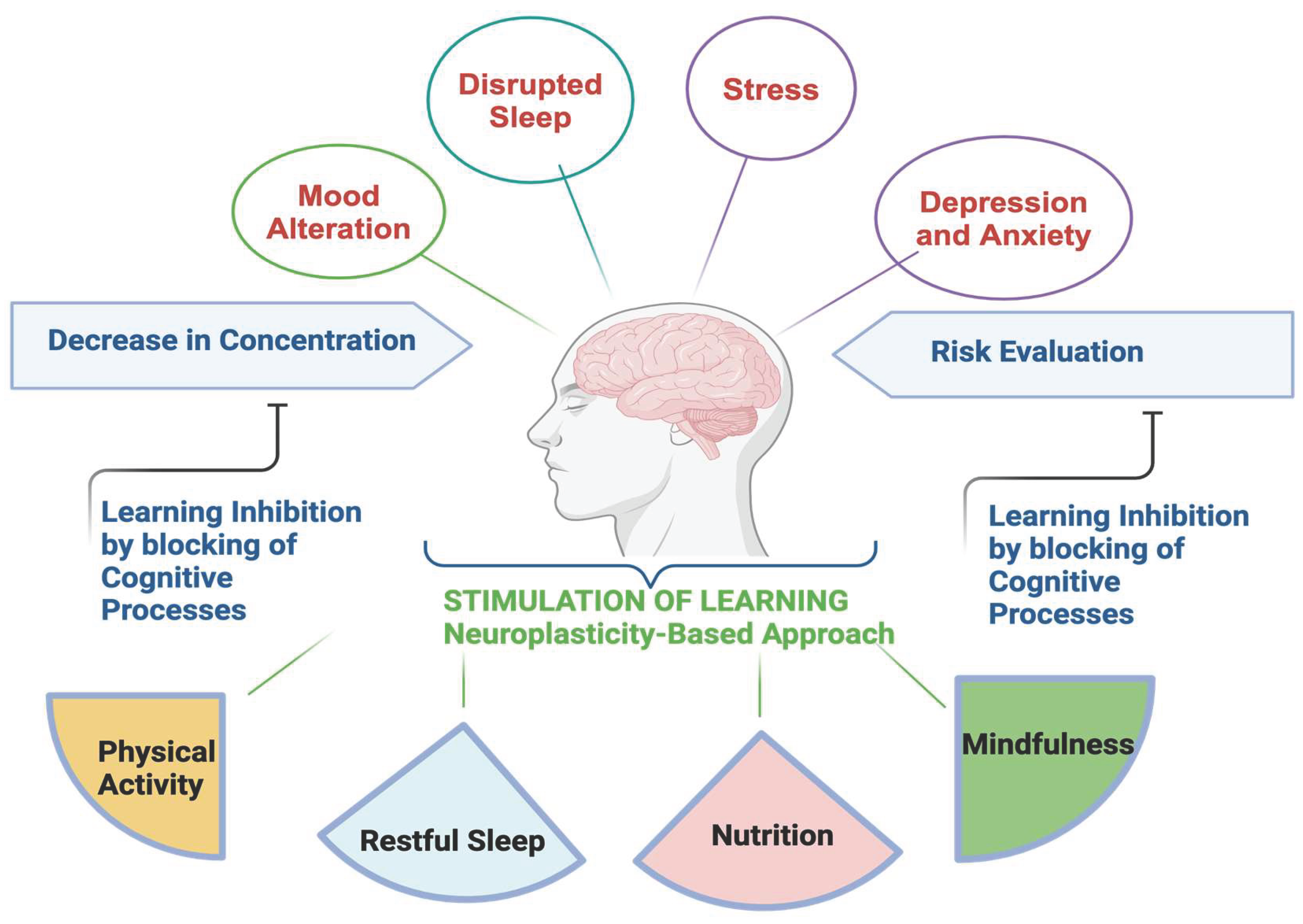
Figure 2.
Mental well-being is not defined by a single molecule, but by harmony: A dynamic balance of biology, environment, and cognitive health (Prepared in BioRender).
Figure 2.
Mental well-being is not defined by a single molecule, but by harmony: A dynamic balance of biology, environment, and cognitive health (Prepared in BioRender).
Disclaimer/Publisher’s Note: The statements, opinions and data contained in all publications are solely those of the individual author(s) and contributor(s) and not of MDPI and/or the editor(s). MDPI and/or the editor(s) disclaim responsibility for any injury to people or property resulting from any ideas, methods, instructions or products referred to in the content. |
© 2026 by the authors. Licensee MDPI, Basel, Switzerland. This article is an open access article distributed under the terms and conditions of the Creative Commons Attribution (CC BY) license (http://creativecommons.org/licenses/by/4.0/).
Copyright: This open access article is published under a Creative Commons CC BY 4.0 license, which permit the free download, distribution, and reuse, provided that the author and preprint are cited in any reuse.


