

Submitted:
11 June 2026
Posted:
12 June 2026
You are already at the latest version
Abstract
Medical implants are artificial devices or prostheses surgically inserted into the human body to treat/monitor health conditions, support, augment, or replace biological structures to restore normal bodily functions. Despite their significant contributions to healthcare advancement and quality of life improvement, medical implants encounter substantial challenges and limitations. Chief among these is microbial colonization, proliferation, and subsequent biofilm formation; which can precipitate into medical implant-associated infections (MIAIs) and implant failure, ultimately leading to serious inevitable complications and compromised patient health. Initially, MIAIs were attributed to only limited types of bacterial species (predominantly Staphylococcus spp., Streptococcus spp., P. aeruginosa, and E. coli), however, recent investigations have unveiled a broad spectrum of microbial involvement, extending from a multitude of other bacterial groups to numerous cross-kingdom species, including fungi (such as Candida spp., Aspergillus spp., Cryptococcus spp., and Penicillium spp.), along with few archean species. This review extensively categorizes the whole diversity of biofilm-mediating microbes (including bacteria, fungi & archaeal) that have been identified and implicated with the contamination and infections of various types of medical implants so far. Furthermore, it also presents the latest innovative novel approaches to combat these microbial biofilms in a revolutionary way because the traditional method of utilizing antibiotics for the treatment of microbial biofilms on medical implants faces several limitations; notably antibiotic resistance, cytotoxicity of normal host cells, and versatile morphology of cross-kingdom microbes.
Keywords:
medical implants
; microbial biofilms
; biofilm treatment
; bacterial inflammation
; antimicrobial resistance
1. Historic Evolution of Microbial Biofilms on Medical Implants
Medical implants are man-made artificial devices or tissues that are designed and implanted into the human body to support and prolong the performance of vital biological systems; ultimately increasing an individual's life expectancy by facilitating in a variety of ways such as alternating or healing malfunctioning tissues and organs, gauging diseases, and offering therapeutic & rehabilitative support, etc. [1,2]. Medical implants are widely utilized in numerous biomedical fields including cardiovascular, orthopedic, neurological, dental, and urological fields. These implants can be either fixed or removable being partially or completely inserted into the body; allowing them to be removed when no longer required [1,2]. Medical implants allow for a continual evaluation and real-time measurement of a person's daily vital signs like temperature, impedance, electrocardiogram, and respiratory rate without limiting their range of motion [3]. Despite several useful applications of medical implants [3], still infections, surgical failures, implant failures, and other complications are some serious global health concerns associated with them [4,5]. One of the highlighted risks that emerged as a prominent concern among scientists and physicians over the past few decades is the formation of microbial biofilms on medical implants, which causes infections in patients and is also credited for increasing the rate of morbidity and mortality [4,5].
A microbial biofilm is a sessile colony of organized microorganisms that are usually immersed in a self-produced extracellular polymeric substance (EPS) or matrix, being permanently bonded to a solid surface/substratum [6]. Microbial biofilms may consist of single a species or a variety of multiple harmful species (including bacteria, protozoa, archaea, algae, filamentous fungi, and yeasts) [7,8,9,10,11]. These microbial species can practically develop to form biofilms on any surface in the environment, whether it is natural (like plants and animals) or man-made (including industrial surfaces and medical implants) [12]. Approximately, 40–80% of the total discovered bacterial species are known to form biofilms on different substrate surfaces [13]. However, the formation of the microbial biofilm is a complex, multi-step procedure, primarily characterized into 5 main stages (see Figure 1); (a) primary adherence/reversible attachment of free planktonic bacteria (supported by hydrophobicity and intermolecular forces); (b) permanent adherence/irreversible attachment; (c) proliferation of bacteria, involving self-production of EPS and formation of microcolonies; (d) maturation of biofilm; and (e) detachment/dispersal of bacteria [14]. The EPS is comprised of polysaccharides, proteins, extracellular DNA (eDNA), and lipids, providing bacteria extra adhesion, stability, and protection against antibiotic therapy [15]. In healthcare settings, microbial biofilms are believed to be one of the primary causes of chronic illness and nosocomial infections due to their ability to form a protective matrix that makes them resistant to antibiotics and host immune responses. Bacteria within a biofilm are believed to be 1000-1500 times more resistant to antimicrobial medicines than planktonic cells of the same species [15]. Many serious human illnesses and infections, such as cystic fibrosis (CF), otitis media, periodontitis, infective endocarditis (IE), chronic wounds, and osteomyelitis, are caused by bacterial species that can create biofilms [16,17,18]. In particular, Pseudomonas aeruginosa causes acute pulmonary infections in CF patients [16,19]; Haemophilus influenza biofilm is responsible for otitis media (infection of the middle ear) [20] while the biofilms of Pseudomonas aerobicus and Fusobacterium nucleatum typically lead to periodontitis (an infection of the gums that destroys the soft tissues and bones supporting the teeth) [21].
The word “Biofilm” is not much ancient and was actually introduced and used only less than 50 years ago for the first time in a publication by Costerton et al. in 1981 [22]. However, this fact can't be denied that the early observations of surface-associated bacterial biofilms were initially made by Antonie van Leeuwenhoek back in 1684, just with the help of his basic primitive microscope. Leeuwenhoek (1632-1723) was a Dutchman who examined stuff from his own mouth and characterized biofilms. He discovered consolidated microorganisms in the "scurf of the teeth" and "scraped off food particles from his tongue" during the years of 1683 to 1708 [23]. After him, Louis Pasteur (1822–1895) noticed and drew bacterial aggregations as the reason why wine became acetic [24,25]. Later, for the following century or so, microbiologists had little interest in biofilm-growing microbes until the 1940s. In 1943, Zobell recognized and explained the effect of bacterial biofilms on solid surfaces [26], but their widespread distribution in nature wasn't understood until the 1970s [27]. From 1970 to 1978, Gram-stained smears of sputum and numerous autopsies of CF patients who died of chronic P. aeruginosa lung infection were performed & analyzed routinely [28,29] and thus the very first image of such a biofilm was published in 1977 (Figure 2) [29,30]; 4 years earlier even the term "Biofilm" was coined. In the 1980s, J.W. Costerton's team published studies on the bacterial glycocalyx in nature and disease [31], as well as postmortem electron microscopy observations of P. aeruginosa microcolonies in a CF lung [30]. When conducting his subsequent investigation, Costerton initially used the word "glycocalyx", which he eventually changed to "biofilms" in his next publication [31,32].
After that, biofilms have been well examined and regarded as troublesome in health and medicine due to their prevalence and innate resistance to various antimicrobials and cleaning procedures. In the medical field, biofilms have been demonstrated to form inside living tissues (such as lung tissues and tooth surfaces) as well as on the surfaces of dead tissues (such as the sequestra of bones) and medical device surfaces [33]. Biomedical devices like catheters, artificial heart valves, pacemakers, breast implants, dental implants, contact lenses, urinary catheters, and cerebrospinal fluid shunts may all experience microbial manifestations on their surfaces [12,34]. Although historically, only bacteria have been regarded as the primary culprits of persistent, chronic infections and medical implant-associated infections (MIAIs); however, certain other microorganisms predominantly fungi and some archaea have also been reported simultaneously, to be involved in the contamination of medical implants by forming biofilms on it (Table 1). Biofilms of microbes found on the surfaces of one’s body (including skin, teeth, and intestines) can grow on percutaneous cables and permanently implanted electronic devices; thus causing infection in patients, especially in those who lack strong immunity [12,35]. Once infected, the prescribed treatment is frequently removal of the contaminated device through a surgical process which ultimately drives up the cost of healthcare for national health systems. Moreover, re-operation following the surgical procedure to remove contaminated or malfunctioning implanted devices might result in new difficulties and health complications such as nosocomial infections [5]. Therefore, this review focuses the alternative revolutionary strategies for the treatment of MIAIs.
2. Microbial Biofilms on Different Medical Implants
MIAIs are serious health threats worldwide that begin with the adherence of microorganisms to the medical implant’s surfaces, which serve as a breeding ground for persistent infections [36]. According to the National Institute of Health, biofilms contribute up to 80% of all microbial infections in humans. Till now, a huge diversity of bacterial and fungal species involved in biofilm formation on medical implanted devices has been recognized (Table 1). Among bacteria, although many members of both gram-positive and gram-negative types may generate biofilms on medical devices, however, Enterococcus faecalis, Staphylococcus aureus, Staphylococcus epidermidis, Streptococcus viridans, Escherichia coli, Klebsiella pneumoniae, Proteus mirabilis, and P. aeruginosa are the utmost prevalent types [37]. Similarly, in fungi, many species are known to colonize different medical implants. The most common fungal species associated with MIAIs particularly include Candida albicans, Candida glabrata, Candida parapsilosis, Candida tropicalis, and Candida dubliniensis [38,39,40]. Additionally, some other yeasts and filamentous fungi, predominantly, Pneumocystis spp. [41], Coccidioides spp. [42], Aspergillus spp. [43], Zygomycetes spp. [44], Saccharomyces spp. [45], Blastoschizomyces spp. [46], Malassezia spp. [47], Trichosporon spp. [48], and Cryptococcus spp. [49] are also implicated with MIAIs. Cryptococcus neoformans and Aspergillus fumigatus are included among the most common non-Candida spp., which may colonize and form biofilms on several medical implants, predominantly on, ventricular shunts, peritoneal dialysis fistulas, artificial hip joints, urinary catheters, and cardiac valves [49,50]. Similarly, Malassezia pachydermatis and Fusarium spp. are also known for generating drug-resistant biofilms on implanted medical devices [50,51,52]. The most common bacterial & fungal species known in literature to contaminate by colonizing and forming biofilms on the surfaces of medical implants are summarized in Table 1 along with the infection risk rate and approximate time taken by the microbes to cause an infection.

Table 1.
Diversity of microbial species involved in biofilm formation on different medical implants.
Table 1.
Diversity of microbial species involved in biofilm formation on different medical implants.
| Artificial Medical Implants | Colonizing Infectious Microbial Species | Infection Risk Rate | Approximate Time to cause infection | Reference | ||
|---|---|---|---|---|---|---|
| Bacteria | Fungi | Archaea | ||||
| Cardiac Implants |
S. aureus a, Coagulase-negative Staphylococcus spp. (CoNS) a; (S. epidermidis a, Staphylococcus lugdunensis c, Staphylococcus capitis a, Staphylococcus saprophyticus b, Staphylococcus warneri b), Streptococcus mutans a, S. viridans b, Streptococcus pneumoniae a Streptococcus dysgalactiae b, Streptococcus bovis a, Streptococcus gallolyticus b, Streptococcus vestibularis b, Streptococcus oralis a, Enterococcus faecalis a, Enterococcus durans b, Enterococcus faecium b, HACEK b (Haemophilus spp. b, Aggregatibacter spp. b, Cardiobacterium hominis b, Eikenella corrodens b, Kingella spp. b), Gram-negative bacilli; Pyogenic bacteria, P. aeruginosa, Cutibacterium acnes b, Cutibacterium avidum c, Granulicatella adiacens c, Coxiella burnetii c, Tropheryma whipplei c, Acinetobacter baumannii c, Acinetobacter lwoffi c, Mycoplasma pneumoniae b, Mycoplasma hominis b, Legionella pneumophila c, Legionella micdadei c, Bartonella spp. c, and Diptheroids c |
Candida spp. a; (C. albicans a, C. glabrata a, C. parapsilosis b, C. krusei b, C. tropicalis b), Cryptococcus neoformans b, Aspergillus fumigatus b, Trichosporon asahii b, Histoplasma capsulatum b, and Fusarium spp. c, |
N/A | 0.13-19% | 2 weeks to 6 months | [52,53,54,55,56,57,58,59,60,61,62,63,64,65,66,67,68,69,70,71,72,73,74,75,76,77,78,79] |
| Breast Implants |
S. aureus a, Coagulase-negative Staphylococcus spp. (CoNS); S. epidermidis a, Streptococcus simulans b, Streptococcus lugdunensis b, Streptococcus pyogenes b, Streptococcus agalactiae b, Streptococcus constellatus b, Streptococcus anginosus b, Streptococcus constellatus b, P. aeruginosa a, C. acnes a, Corynebacterium simulans c, Dermabacter hominis c, Actinomyces neuii c, Peptoniphilus harei c, Finegoldia magna c, Bacteroides thetaiotaomicron c, P. mirabilis b, K. pneumoniae b, E. coli b, bacilli c, Lactobacilli c, Serratia spp. c, enterobacteria, Mycobacterium spp. (M. abscessus, M. fortuitum, and M. chelonae) c, Corynebacterium spp. c, , Enterococcus spp. b, Streptococcus spp. b and Diptheroids c |
Candida spp.; (C. albicans a, C. parapsilosis a, C. tropicalis a), Aspergillus spp. b; (A. flavus b, A. fumigatus b, A. niger b), T. beigelii b, Scedosporium apiospermum/Pseudallescheria boydii c, Paecilomyces variotii c, Curvularia spp. c, and Penicillium spp. c |
N/A | 1-53% | 20 days to 9 months | [53,54,55,80,81,82,83,84,85,86,87,88,89,90,91] |
| Dental Implants |
S. aureus a, Staphylococcus anaerobius b, Coagulase-negative Staphylococcus spp. (CoNS); Streptococcus sanguinis a, Streptococcus intermedius b, Streptococcus salivarius b, Streptococcus anginosus b, Streptococcus mitis c, S. oralis a, S. viridans a, Streptococcus cricetus c, Streptococcus rattus c, S. mutans a, Streptococcus sobrinus c, Actinomyces viscosus c, Actinomyces naeslundii c, Prevotella intermedia c, Prevotella nigrescens c, Porphyromonas gingivalis c, Campylobacter gracilis c, Campylobacter rectus c, Campylobacter showae c, Pseudomonas aerobicus c, F. nucleatum a, Aggregatibacter actinomycetemcomitans c, Eikenella corrodens c, Treponema denticola b, Tannerella forsythia b, Treponema socranskii c, Helicobacter pylori c, H. influenzae b, Eubacterium timidum b, Eubacterium brachy b, Peptostreptococcus anaerobius b, Firmicutes spp. b, Bacteroidetes spp. b, Proteobacteria spp. b, Campylobacter spp. b, Actinobacteria b, Spirochaetes b, Fusobacterium spp. a, Veillonella species b, |
C. albicans a, C. glabrata a, C. parapsilosis a, C. krusei a, C. tropicalis a and C. dubliniensis a | Methanobrevibacter oralis | 10- 56% | It may develop immediately or may take years (~14 years) | [53,54,55,92,93,94,95,96,97,98] |
| Urinary Catheters |
S. aureus a, Coagulase-negative Staphylococcus species (CoNS); S. epidermidis a, S. saprophyticus, E. coli a, E. faecalis a, P. aeruginosa a, P. mirabilis a, Proteus vulgaris b, Providencia stuartii c, Providencia rettgeri c, Morganella morganii b, Enterobacter cloacae b, Klebsiella oxytoca a, K. pneumoniae a, Citrobacter freundii, Citrobacter koseri, and Serratia spp. |
Candida spp.; (C. albicans, C. glabrata, C. parapsilosis, C. krusei, C. tropicalis and C. dubliniensis), Aspergillus spp. (A. fumigatus b), T. asahii b, Blastoschizomyces capitatusm b, C. neoformans, | Methanobrevibacter smithii * | 26.6-35% | 2 days to 42 days | [40,53,54,55,80,99,100,101,102,103,104,105] |
| Orthopedic Implants | S. aureus a, S. epidermidis a, S. lugdunensis c, Enterococcus spp. b, Streptococcus spp. c; S. agalactiae c, S. pyogenes c, S. pneumoniae c, Streptococcus mitis c, Corynebacterium striatum c, E. coli c, E. faecalis b, K. pneumoniae c, Serratia marcescens c, P. mirabilis c, P. aeruginosa c, C. acnes c, MRSA-MSSA a, Enterobacteriaceae c, and anaerobes c. | Candida spp.; (C. albicans a), Aspergillus spp.; (A. fumigatus b, A. terreus c), T. asahii b, C. neoformans c, Malassezia pachydermatis c | N/A | 5-40% | Early infection: 3 months or less Late infection: 3 months to 2 years Secondary infection: After 2 years |
[53,54,55,106,107,108,109,110,111,112,113] |
| Stents | S. aureus a, E. coli a, P. mirabilis a, P. aeruginosa a, E. faecalis a, | C. tropicalis b, C. albicans a, C. glabrata a | N/A | 13% | - | [53,54,55,114] |
| Central venous catheters | S. aureus a, S. epidermidis a, P. aeruginosa a, K. pneumoniae a, Staphylococcus schleiferib | C. albicans a | N/A | 3-14% | About 10 days | [53,54,55,115,116] |
| Ventricular Assist Device | Staphylococcus spp. a, Enterococcus spp. b, Pseudomonas spp. a | Candida spp. b | N/A | 13- 80% | 1 month to 1 year | [53,54,55,117] |
| Intrauterine Devices (IUDs) |
S. aureus a, S. epidermidis a, Lactobacillus plantarum a, P. aeruginosa a, E. coli a, E. faecalis a, Neisseria gonorrhoeae b, Listeria monocytogenes b, Trichomonas vaginalis b, Gardnerella vaginalis a, Atopobium vaginae b, F. nucleatum a, C. acnes a, A. neuii b, Bacillus firmus, Brevibacterium ravenspurgense c, Corynebacterium spp. b, Nosocomiicoccus ampullae c, Prevotella bivia a, Mycoplasma fermentans b, Enterococcus spp. b, Corynebacterium spp. b & anaerobic bacteria; (Bacteroides spp. a, Bifidobacterium spp. b, Fuscobacterium spp. b, Lactobacillus spp. b, Peptococcus spp. b, Preptostreptococcus spp. b, Proprionibacterium spp. b, Veillonella spp. b) |
C. albicans a, C. dubliniensis b, C. glabrata b, C. parapsilosis b, C. tropicalis b, and C. krusei b | N/A | 1-3% | 4 to 5 years | [6,53,54,55,118,119,120] |
| Penile Implants | E. coli a, Staphylococcus spp.; (S. epidermidis a), P. aeruginosa a, and Enterobacter aerogenes b | C. albicans a | N/A | 3-18% | 4 to 5 years | [53,121,122,123] |
a Species that was more commonly isolated from contaminated medical implants. b Species that was less commonly isolated from contaminated medical implants. c Species that was rarely isolated from contaminated medical implants. N/A: Not applicable. * This species was reported to cause urinary tract infections (UTIs), however, evidence of urinary implant colonization by this species requires further investigation.
S. aureus and Coagulase-negative staphylococci (CoNS); particularly S. epidermidis, are among the most prevalent bacterial pathogens isolated from almost all kinds of contaminated medical implants and are responsible for nearly two-thirds of MIAIs. Additionally, they are also the most common culprits for hospital-acquired, surgical site, and bloodstream infections [96,124,125]. According to reports-based estimations, S. aureus and S. epidermidis account for around 40–50% of infections that affect prosthetic heart valves, 50–70% of infections that affect catheter implants, and 87% of infections that affect the blood vessel walls [37]. Candida spp. and Aspergillus spp. are among the prominent fungal microbes attributed to nearly all types of MIAIs and exhibiting significantly higher lethality rates compared to bacterial counterparts (Table 1). Furthermore, sporadic instances of archaeal colonization on dental and urinary implants have been documented, underscoring the extensive spectrum of microbial taxa capable of contaminating medical implants [98,105]. Aside from single-specie contamination, cases of polymicrobial colonization on indwelling medical implants have also been observed. Although exploring their composition requires further investigation, the most commonly encountered polymicrobial species include MRSA-MSSA (methicillin-resistant S. aureus and methicillin-susceptible S. aureus), and P. aeruginosa-E. faecalis-K. pneumoniae [53,126]. The cardiac, urinary, dental, orthopedic, breast, and genital implants delineated herein serve as primary sites for microbial colonization and subsequent infection. Understanding the inclination of these implants for microbial colonization is pivotal in devising effective preventive strategies and therapeutic interventions to mitigate the incidence and impact of such infections.
2.1. Microbial Biofilm on Cardiac Implants
Cardiac implants are standard medical devices that are implanted in individuals suffering from cardiac disorders to avert heart failure. These devices include pacemakers, cardiac implanted electronic devices (CIEDs), implantable cardioverter-defibrillators (ICDs), and prosthetic heart valves. They are intended to improve the heart's functioning by providing mechanical assistance and controlling its rhythm. Every year, more than 1.7 million cardiovascular devices are implanted globally [127]. The yearly number of cardiac devices used in medicine is rapidly rising [128] due to the unpleasant fact that cardiac implants are susceptible to microbial infections, which may result in severe complications and even death of the patients. Out of all implanted devices, the percentage of infected devices is estimated about 1.2% to 2.4% [128,129,130], with infection rates increasing up to tenfold after device replacement or upgrade [131,132]. A significant proportion of post-cardiac infections occurring within the first year of implantation following surgical intervention are attributed to microbial colonization during the surgical procedure itself. Remarkably, a quarter (~25%) of these infections exhibit symptomatic manifestations within the first month of implantation [53]. During the surgical implantation of an artificial heart valve, tissue damage occurs, which causes platelets and fibrin to accumulate at the suture site and on the device. This attracts microorganisms that colonize at the buildup of platelets and fibrin, ultimately forming a biofilm on the tissues around the implanted valve as well as on the valve (Figure 3) [6,124]. The microorganisms attracted towards the suture site are frequently bacteria, rarely including some fungi. The prominent bacterial species that have been recognized to cause cardiac infections are mentioned in Table 1.
Although a great versatility of bacterial species contaminating cardiac implants has been reported (Table 1), surprisingly, fungal infective endocarditis (fungal-IE) poses a greater threat compared to bacterial endocarditis and it is more fatal [133]. Fungal-IE is relatively infrequent in both native valves and cardiac devices; however, it is more commonly associated with CDR-IE, especially PVE [134]. The primary pathogens implicated in fungal-IE include Candida and Aspergillus spp. [133]. A vast variety of Candida spp. have been identified as potential human pathogens, with over a dozen species capable of causing severe infections. However, up to 90% of reported invasive infections are attributed to five species only, including, C. albicans, C. glabrata, C. parapsilosis, C. krusei, and C. tropicalis [133]. C. albicans is the most commonly encountered species overall and is capable of causing infection on all cardiac devices [133], while Aspergillus spp. are more frequently linked with the PVE [78,135]. Moreover, H. capsulatum is another fungal microbe known to cause IE, particularly affecting individuals who are immunosuppressed or who have undergone heart surgery, often with colonization on prosthetic valves. Although the overall incidence rates of Candida and Aspergillus spp. out of all causative microbes of CDR-IE are relatively low; accounting for less than 2% of patients, they are potentially recognized as more fatal pathogens. The mortality rate among patients with fungal endocarditis is reported to be approximately 72% [133,136,137].
Along with individual colonization of microbial species, cases of polymicrobial colonization on CIEDs and peacemakers have also been reported, accounting for approximately 1% to 7% of cases. Although the specific composition of these mixed microbial communities has not been thoroughly investigated yet [138,139], however, attempts to do so have primarily revealed the involvement of methicillin-resistant S. aureus (MRSA) and methicillin-susceptible S. aureus (MSSA) on CIEDs [126,140].
2.2. Microbial Biofilm on Urinary Implants
A urinary catheter is a synthetic flexible tube-shaped medical device frequently constructed of plastic, latex, or silicone; typically designed to be inserted into the bladder through the urethra to treat a variety of disorders involving bladder dysfunction and controlling urine flow [141,142]. Renowned for its biocompatibility and characterized by superior attributes such as enhanced softness, flexibility, resistance to chemical agents, and promotion of smooth urine passage [142,143] this device offers a versatile therapeutic modality catering to the patients grappling with correlated medical conditions. Owing to their many advantages and contributions to healthcare settings, more than 100 million urethral catheters are marketed globally each year [144], with more than 30 million of them being implanted alone in the United States annually [102,145]. Indwelling urethral catheters (IUC), ureteral stents (US), and artificial urinary sphincters (AUS), all are classified as urinary implants and are crucial parts of contemporary medical treatment that can be placed for specified short-time duration (up to around 7 days) or unspecified prolonged duration (28 days and beyond), depending on the medical condition of the patients [141,146]. The single-use IUC is particularly valuable for male patients with cognitive impairments or urinary difficulties. Urinary catheterization for temporary or short periods of time is frequently utilized in patients who are hospitalized for a maximum of 28-30 days, or who are postoperative and are experiencing urinary retention. Conversely, catheterization that extends for more than 30 days is categorized as chronic or long-term [146,147]. For long-term catheterization, typically "Foley catheters" are employed. Foley catheters are specialized latex-made devices, which are frequently employed to maintain prolonged catheterization in patients with diverse medical complexities, including spinal cord injuries, multiple sclerosis, cerebrovascular damage, prostate enlargement, etc. [143,148].
Although these inexpensive tools are beneficial for many patients; their usage compromises the urinary tract's natural defenses and raises the risk of complex urinary tract infections (UTIs), particularly catheter-associated UTIs (CAUTIs). All varieties and models of catheters are vulnerable to CAUTIs, biofilm development, or encrustation [149]. The predominant bacterial organisms known to form biofilms associated with CAUTIs frequently include E. coli, K. pneumoniae, E. faecalis, P. mirabilis, S. aureus, S. epidermidis, S. saprophyticus, and P. aeruginosa. Additionally, various Candida spp. (C. albicans, C. tropicalis, C. dubliniensis, C. Parapsilosis, and C. glabrata), rarely alongside T. asahii, A. fumigatus, B. capitatusm, C. neoformans, and M. pachydermatis, have been recognized as fungal pathogens contributing to CAUTIs. Most of the aforementioned bacterial microbes are mainly endogenous and come from the digestive system. After catheter insertion, they colonize the patient's perineum and make their way to the urethra [40,103,104]. Among these organisms, few bacterial species such as P. mirabilis, P. rettgeri, P. vulgaris, E. cloacae, and P. aeruginosa may cause more complications. P. mirabilis, in conjunction with P. rettgeri and P. vulgaris, is linked to the development of crystalline biofilms due to its capability of producing active urease. The ureolytic enzymatic action of P. mirabilis within the catheterized urinary tract induces the production of ammonia and increases urinary pH [150,151,152]. In this alkaline milieu, typically soluble components of the urine undergo precipitation, initiating the formation of crystals primarily composed of magnesium ammonium phosphate (MgNHPO4·H2O)/struvite and hydroxylated calcium phosphate (Ca10(PO4)6(OH)2) [150,153] (Figure 4). These crystalline structures become ensnared within evolving biofilms, their growth stabilized and augmented by the biofilm matrix. Ultimately, this progression leads to catheter encrustation and subsequent blockage [152,154,155]. Nearly 40% of long-term catheterized patients experience catheter encrustation and blockage due to P. mirabilis colonization [99]. In addition to bacteria and fungi, M. smithii, can also play a role in causing UTIs. A recent study revealed that this Archean species along with the traditional pathogens, was detected in 54% of patients suffering from UTI, cystitis, pyelonephritis and prostatitis [105]. However, colonization of M. smithii on urinary implants and its involvement in causing CAUTIs has not yet been reported.
Currently, CAUTIs are one of the most prevalent diseases requiring medical attention worldwide. 40% of hospital-acquired infections and 80% of nosocomial UTIs are caused by CAUTIs, which frequently result in subsequent bloodstream infections [40,156,157]. Plastic-based ureteral stents and catheters weaken the body's natural defenses against infections and promote bacterial colonization which ultimately leads to biofilm formation on the catheter surface [145]. The development of microbial biofilm may easily occur on either the interior or exterior surfaces of the inserted catheters. The susceptibility of microorganisms to build catheter biofilms is directly proportional to the duration of catheterization [146]. In CAUTI, the primary predictor of bacteriuria is the total time passed after catheter placement. Each day that passes after catheterization raises the chance of developing CAUTI by 3% to 7% [148], which may reach up to even 80% during short-term urinary catheterization while the extended catheterization may escalate the risk to about 100% [103,104,149].
2.3. Microbial Biofilm on Dental Implants
Dental implants, which are synthetic tooth roots inserted into the mandible, serve as a structural support for a bridge or prosthetic tooth. It enhances one's physical appearance, diction, comfort, dietary habits, self-esteem, and overall health [158,159]. The durability of a dental implant is determined by the biomaterials and composition used in its fabrication. Titanium composes the majority of implants, facilitating the host's integration with relative ease. Dental implants have an overall success rate of approximately 98% [160]. Dental implant failure is predominantly attributed to numerous complications that stem from biofilm formation, which is primarily caused by oral microorganisms [161]. The oral microbiota is exceptionally intricate since the majority of bacterial species capable of colonizing distinct niches (e.g., the tongue, cheekbones, teeth, and gums) reside in the oral cavity [53]. As of the present moment, an estimated 700 bacterial species have been identified as producing biofilms in the oral cavity. Among these, more than 400 are capable of adhering to teeth and dental implants, where they establish biofilms on their surfaces and proliferate within the gingival sulci and crevices [162,163]. The process of oral colonization commences at birth and undergoes modifications as an individual ages, experiences tooth extraction or appearance, dietary choices, salivary characteristics, or antibiotic usage [53,164]. The biofilms that develop on the surface of teeth are referred to as dental plaque. The growth of oral microbes causes numerous dental diseases, including carries (tooth decay), endodontic (root canal) infections, and alveolar osteitis (dry socket) [165]. Excessive accumulation of microbial biofilms on dental implant surfaces can result in peri-implant mucositis, colloquially known as "ailing implant," characterized by inflammation of the peri-implant soft tissue without concomitant bone loss, affecting more than 50% of dental implants [166,167]. This inflammatory condition may also lead to progressive bone loss, known as periodontitis [168]. The oral microbiota implicated in the colonization of dental implants and the formation of biofilms can be categorized into primary (early) and secondary (late/main) colonizers. Early colonization of both teeth and titanium implants is primarily governed by Streptococcal spp. such as S. sanguinis, S. intermedius, S. salivarius, S. anginosus, S. mitis, S. oralis, S. viridians, S. cricetus, and S. rattus [53,54,93,94,163,169,170]. The secondary colonizers include Actinomyces spp. (A. naeslundii or A. viscosus), P. intermedia, P. nigrescens, P. gingivalis, C. gracilis, C. rectus, C. showae, P. aerobicus, F. nucleatum, A. actinomycetemcomitans, E. corrodens, T. denticola, T. forsythia, T. socranskii, H. pylori, H. influenzae, S. mutans, S. sobrinus, S. anaerobius and S. aureus [53,92,94,95,169,170,171,172]. S. aureus, one of the most studied staphylococcus spp., renowned ability of remarkable adherence to titanium surfaces and its documented correlation with suppuration and bleeding upon probing [171], has been reported as one of the most prevalent dental microbiotas, particularly in CF patients [171,173]. This prevalence can be attributed, in part, to the contemporary use of titanium metal in dental implant development, aimed at enhancing the durability and longevity of such implants. Regarding fungal pathogens implicated in dental implant infections, Candida spp., particularly C. albicans and C. glabrata, are predominant, representing 75% and 30% of isolates, respectively. Rarely encountered species such as C. dubliniensis, C. parapsilosis, C. krusei, and C. tropicalis have also been sporadically identified [97]. The signs of colonization by bacterial or fungal microbiota on the dental implant become visible within less than a year.
Apart from bacterial and fungal agents, the presence of archaea in dental implant-related infections has also been confirmed by a recent study [98]. According to Aleksandrowicz et al. archaea were detected in 10% of samples from peri-implantitis sites but were absent in samples from unaffected dental implants. However, this percentage increased to approximately 53% – 64% in samples from mild and moderate periodontitis sites, respectively. M. oralis was the primary representative of the Archaea domain found in biofilm from periodontitis and peri-implantitis sites [98]. Although currently, the archaea have only been associated with infections related to dental implants, their involvement in other types of MIAIs cannot be completely ruled out.
2.4. Microbial Biofilm on Orthopedic Implants
Orthopedic implants encompass fracture fixation devices (wires, pins, plates, screws, etc.) along with synthetic prosthetic joints (hip, knee, ankle, shoulder, and elbow) and are primarily utilized for fractured bone repairment and total joint replacement [174,175]. Internal fixation devices are usually employed for transient support that must be removed following the complete repairment of bone fracture. However, prosthetic joints are utilized to substitute irreparably impaired articulations, predominantly in individuals afflicted with inflammatory arthritis or osteoarthritis [176,177]. Despite total joint replacement is a well-established and safe procedure capable of restoring functionality and enhancing the quality of life for patients afflicted with hip and knee arthritis, postoperative complications (such as implant-associated infections due to microbial biofilm formation) persist [53,178]. Chief among these is prosthetic joint infection (PJI), a significant contributor to implant failure that often necessitates surgical revision, ultimately driving up healthcare expenses along with morbidity rate [53]. The persistence of PJIs has been reported as 0.3-2.7%, 0.5-2.8%, and 2-9% of patients after total hip, knee, and ankle joint replacement, respectively [179,180]. Consequently, the potential incidence rate of infection following internal fixation varies by fracture type (closed or open infection to different degrees) from 0.4% to 16.1% [181,182]. In trauma patients, this prevalence can substantially escalate, with rates ranging from approximately 1% (following operative fixation of closed low-energy fractures) to exceeding 30% in complex open tibia fractures [107].
Among the bacterial species associated with orthopedic implant-related infections, Staphylococci spp. prevail. S. aureus constitutes 20% to 30% of infection cases following fracture fixation and prosthetic joint infections (PJI), while CoNS account for 20% to 40% of cases [107,108,183,184], collectively contributing up to 70% of all instances. They are the most frequently identified microorganisms in both early and late infections, as well as in total knee and hip arthroplasty [185]. Other gram-positive cocci, such as Streptococci (1% to 10%) and Enterococci (3% to 7%), are less prevalent and are found less frequently. About 6% to 17% of infections are caused by gram-negative bacilli, such as P. aeruginosa and Enterobacteriaceae [107,108,178,183,184,186], whereas anaerobes, such as Propionibacteria and Peptostreptococci, are relatively rare, contributing about 4% of 5% of infections [107,108,178,183,184,186]. However, shoulder orthopedic device-related infections may exhibit a higher prevalence of C. acnes, reaching up to 38% [187]. In addition to PJIs, these bacterial pathogens have also been linked to other orthopedic conditions, such as osteomyelitis, frequently caused by S. aureus, P. aeruginosa, S. epidermidis, and E. coli [188,189]. Furthermore, polymicrobial communities responsible for 10%–20% of cases of PJIs have also been identified. These communities include P. aeruginosa-E. faecalis-K. pneumoniae, MRSA-MSSA, and MRSE-E. faecalis [53,178,190]. Apart from mono/poly-bacterial pathogens, rare instances of fungal species involvement in PJIs have also been reported, comprising around 1% of all PJIs [110]. Although Candida spp. are the traditional fungal microbiota implicated with PJIs [53,110]. However, cases of other infectious fungal species have also been reported, i.e. A. terreus [110], A. fumigatus [111], C. neoformans [112], M. pachydermatis [113], and T. asahii [106].
2.5. Microbial Biofilm on Breast Implants
Prosthetic breast implants are used for cosmetic surgical treatments (augmenting breast size and rectifying asymmetries) as well as breast reconstruction after postmastectomy (surgical removal of one or both breasts due to breast cancer or other reasons) [53,191]. With approximately 1.6 million procedures, breast augmentation ranks as the third most frequent form of cosmetic plastic surgery being performed over the globe annually, followed by nose contouring and liposuction [191]. Similar to other surgical procedures, breast augmentation is also prone to several risks including hematoma, seroma, altered nipple sensation, asymmetry, rupture, capsular contracture, and biofilm-mediated infections [192]. Breast implant-associated infection (BIAI) is a complication following breast augmentation, with an incidence ranging from 2% to 53% [82]. The primary organisms implicated with BIAIs are S. aureus and P. aeruginosa, ranking as the first and second most frequent pathogens in BIAIs respectively. Additional bacterial species that have been linked with BIAIs are mentioned in Table 1. Although BIAIs are infrequently attributed to fungal agents, however, documented cases involve a range of fungal organisms, including Aspergillus spp. (A. flavus, A. fumigatus, A. niger) [81,83,84,85,191], Candida spp. (C. albicans) [83,193], and Trichosporon (T. beigelii) [83,86]. Additionally, isolated instances have also been rarely associated with Scedosporium apiospermum/Pseudallescheria boydii [88] and one case of BIAI due to unspecified Penicillium species has also been reported in a 39-year-old female patient of capsular contracture [89]. Similarly, incidences of BIAIs due to Curvularia spp. [90], and Paecilomyces spp. (P. variotii) [91], have also been reported in different patients with breast augmentation.
2.6. Microbial Biofilm on Genital Implants
Intrauterine devices (IUDs) are small, uterus-fitting, contraceptive devices; offering highly effective, long-term birth control for females. The material composition of these devices varies from different plastic forms to copper, with durability lasting from 5 to 10 years [194,195]. Despite their effectiveness in preventing fertilization and provision of a high level of sexual satisfaction, IUDs have been linked to certain complications, including pelvic inflammation, heavier periods, menstrual cramps, and predominately infections resulting from microbial colonization on the devices [196,197]. Both bacteria and fungi are implicated with the IUDs and upper genital tract infections. The most frequent bacteria isolated from infected IUDs include S. aureus, S. epidermidis, P. aeruginosa, E. coli, E. faecalis, N. gonorrhoeae, L. monocytogenes, T. vaginalis, and G. vaginalis [53,118,119,198]. G. vaginalis may establish a symbiotic association with the uropathogenic bacteria (e.g. E. faecalis or E. coli) and co-aggregate with them to promote its own growth [199]. Consequently, several other bacterial species that have demonstrated a synergistic interaction in dual-species biofilm model, may also possibly co-aggregate with G. vaginalis in IUDs colonization. These bacteria include A. vaginae, F. nucleatum, C. acnes, A. neuii, B. firmus, B. ravenspurgense, Corynebacterium spp., N. ampullae, and P. bivia [119,200]. Moreover, Streptococcus spp., Clostridium spp., Klebsiella spp., Enterobacter spp., Proteus spp., Pseudomonas spp., Mycoplasma spp. (M. fermentans), and anaerobic spp. (Bacteroides spp., Bifidobacterium spp., Fuscobacterium spp., Lactobacillus spp., Peptococcus spp., Preptostreptococcus spp., Proprionibacterium spp., Veillonella spp.) are all known potential pathogens associated with IUD infections [53,119]. In addition to bacteria, although in a small proportion IUDs are vulnerable to fungal infections too. Some species of Actinomyces predominantly members of Candida genus may colonize IUDs. The most common Candida spp. implicated with IUDs-related infections include, C. albicans, C. dubliniensis, C. glabrata, C. parapsilosis, C. tropicalis, and C. krusei [120].
Penile implants are utilized as a top therapy choice in men suffering from erectile dysfunction (ED). ED is a common medical condition characterized by difficulty in achieving or sustaining erections. It can arise from various underlying factors involving vascular, neurogenic, psychological, and iatrogenic causes [121,201]. ED affects over 152 million men globally, particularly of above 40 years old, often associated with medical conditions like cardiovascular disease and diabetes [53,202,203]. Penile prosthetic implantation through surgery is regarded as the best standard treatment option in ED patients, acclaimed for its cost-effectiveness, robustness, and ability to augment psychological well-being and partner satisfaction [204]. Although infectious complications are relatively uncommon, occurring in roughly 3% of primary surgeries and up to 18% of revision surgeries [53,122,205], however, their occurrence can precipitate serious medical and emotional consequences [53,203]. The primary microbial isolates implicated with penile implant infections include E. coli, Staphylococcus spp. (particularly S. epidermidis), P. aeruginosa, and E. aerogenes [53,121,123,204]. Fungal infections in penile prosthesis implantation are observed at a rate of 5-6%, with Candida spp. (C. albicans) being the most commonly reported fungal agents [204].
2.7. Impact of Microbial Biofilms on Medical Implant Market
The worrisome ability of microorganisms to heavily contaminate medical implants necessitates the continuous replacement of the impacted devices and ultimately boosts up the average number of medical implants required annually (Figure 5). The annual number of most widely used medical implants in the United States (Figure 5) is likely to increase due to device failures and microbial biofilm infections. Moreover, the older population is more prone to nosocomial infections and chronic diseases, thereby requiring the temporary or permanent installation of medical implants. The World Health Organization (WHO) predicts that by the year 2050, 22% of the world's population will be 60 years of age or older. The rise in the number of ageing people will in turn further increase the need for medical implants around the world along with a simultaneous increase in their market value. In 2019, the estimated value of the artificial medical implant market was $85,389 million globally, which is projected to grow at a compound annual growth rate (CAGR) of 7.2% from 2020 to 2027 to reach $147,464 million [206]. To limit the rate of medical implant exchange, finding and adopting revolutionary strategies to control microbial biofilm growth is compulsory.
3. Modern Applied Strategies to Combat Microbial Biofilms on Medical Implants
Numerous strategies have been employed to counteract microbial biofilms on medical implants. Traditionally, antibiotics have been the cornerstone of treatment for microbial infections, administered either locally or systemically. However, several critical issues associated with antibiotic therapies warrant attention. These include the emergence and proliferation of antibiotic-resistant bacterial strains, exemplified by Methicillin-Resistant S. aureus (MRSA), and the limited spectrum of activity exhibited by many antibiotics owing to the development of antimicrobial resistance in hazardous microbes [54]. The escalation of antibiotic resistance especially in cross-kingdom species (i.e. fungi) represents a multifaceted concern, encompassing both healthcare and societal dimensions. Consequently, to alleviate this escalating crisis and preserve the efficacy of remedies for bacterial infections it is paramount to prioritize the development of novel approaches. Hence, the implementation of various novel strategies to combat infection-mediating microbes has been noted.
3.1. Antimicrobial Coatings on Medical Implants
The notable approach to impede the proliferation of microbial biofilms is the application of coating the medical implants with a vast array of antibacterial and antibiofilm agents that can thwart the preliminary attachment of planktonic cells on the implant surface. These antimicrobial agents encompass a diverse array of materials, including, chemicals, polymers, gases, antimicrobial organic peptides, nanoparticles, inorganic minerals, and metal ions [207]. Both natural (antimicrobial peptides) and synthetic materials (chemicals and polymers) may be employed in the fabrication of antibiofilm coatings. The most common polymers utilized for coating medical implants encompass hydroxyapatite and graphene. Hydroxyapatite (Ca10(PO4)6(OH)2) is a naturally occurring biocompatible, bioactive, and osteoconductive inorganic mineral variant of calcium apatite, that mimics the structure and composition of human bone [208]. Hydroxyapatite coatings can be impregnated with antibiotics or combined with other antibacterial agents such as metals (e.g., silver, copper) to enhance the antibacterial efficacy of antibiotic-infused hydroxyapatite coatings. These antibiotic-laden hydroxyapatite layers slowly release antibiotics at the implant site, preventing the initial colonization of microbes and the subsequent formation of biofilms [209]. In conjunction with metal coatings, hydroxyapatite provides dual mechanisms of action against biofilm formation, which renders it a valuable material in the development of infection-resistant orthopedic and dental implants [209,210]. Beyond hydroxyapatite coatings, the application of graphene and nitride coatings to a variety of biomedical implants can also reduce the risk of bacterial infections. Graphene is a one-dimensional monolayer of carbon atoms organized in a two-dimensional honeycomb lattice or hexagonal configuration, while nitride is a compound composed of nitrogen and one or more additional elements (typically metals); both exhibiting intrinsic antibacterial properties. The antibacterial properties of graphene coating are attributed to its capability to disrupt bacterial cell membranes and hinder microbial adhesion and biofilm formation. On the other hand, nitride coating (usually titanium nitride (TiN), silicon nitride (Si3N4), and boron nitride (BN)) is preferred for the modification of medical implants due to its biocompatibility, high hardness, and corrosion resistance [211,212]. Both graphene and nitride coatings have been shown to suppress a broad spectrum of pathogens. For instance, S. mutans and P. gingivalis were found to be inhibited by thin films of graphene coatings along with silver nanoparticles [211,212]. Similarly, nitride coatings applied to titanium-based implants (both dental and orthopedic implants) have demonstrated an antibacterial impact against S. mutans [54,211,212]. In addition to the aforementioned polymers, silane coatings, particularly, nanoplasma trimethyl silane coatings, have been demonstrated to be highly effective for preventing the growth of S. epidermidis biofilms on hydrophilic surfaces and stainless steel [213]. Furthermore, certain hydrophilic polymers such as hyaluronic acid, hydrogel coatings, and heparin coatings are beneficial in reducing bacterial adhesion on catheters both in vitro and in vivo [213,214]. Table 2 provides a detailed understanding of the prominent coatings extensively employed for the modification of various biomedical implants to counteract biofilms.
Apart from the previously mentioned polymers, numerous antimicrobial peptides, derived from various organisms, mainly animals, plants, bacteria, fungi, and viruses, exhibit antiviral, antibacterial, antiparasitic, and antifungal properties [225]. Peptides derived from humans have advantages over antibiotics due to their biocompatibility, low cytotoxicity to the host, and broad-spectrum activity. These peptides can be affixed to titanium to provide an antimicrobial effect, thereby inhibiting biofilm formation. For example, Tet213, a cationic peptide, when attached to titanium, has exhibited bactericidal activity against S. aureus and P. aeruginosa [225]. Similarly, the LL37 peptide, when imposed onto titanium surfaces, has proven effective in eradicating bacterial cells [226]. Furthermore, antimicrobial peptides in conjunction with polymers have demonstrated effective bactericidal activity on medical implants without inducing toxicity in the host [227]. For instance, a thin polymer multilayer film comprising chitosan and hyaluronic acid was applied to coat a catheter, followed by the application of a β-peptide coating onto the membrane surface. The resulting film containing the β-peptide effectively inhibited bacterial biofilm formation through controlled release mechanisms [228]. Thus, these β-peptide-containing films represent a novel and promising approach for localized delivery aimed at preventing orthopedic implant infections.
Nanotechnology, encompassing nanomaterials, nanofilms, nanocoatings, and nanostructured surfaces, is a burgeoning field in the realm of biomedical research [207]. Nanoparticles (NPs) of various metals, notably copper, zinc, magnesium, and more specifically, silver and gold, exhibit antimicrobial properties, making them potential candidates for antimicrobial modifications of implant surfaces [229]. The antibacterial attributes of silver have been recognized for a considerable duration [230], and nanosilver coatings have been extensively researched and utilized in numerous medical devices, including catheters, heart valves, and wound dressings [207]. The unique bacterial eradication mechanism of silver nanoparticles involves their attachment to the bacterial cell wall, leading to membrane disruption, and the accumulation of peroxides that oxidize the cell walls [231]. This process attacks the bacterial cell’s respiratory chain and disrupts the cell via hydroxyl radicals and other reactive oxygen species [232]. Biocompatibility of silver nanoparticles has been demonstrated, as mammalian cells are capable of phagocytosing these nanoparticles and subsequently degrading them via lysosomal fusion, thereby reducing or eliminating toxicity and free radical damage [54,207]. Additionally, silver nanoparticles possess antibacterial and antibiofilm properties, which can exhibit synergistic effects with certain antibiotics [230,232]. However, it is important to note that the applications of nanosilver are primarily beneficial for short-term use, as their biocompatibility extent remains undetermined, rendering them most appropriate for surgical site infections [54]. Other coating treatments, such as those involving gold, diamond, and titanium, have also proven to be highly effective in mitigating microbial adhesion, proliferation, and biofilm growth. Similarly, nanomaterials composed of zinc oxide, titanium oxide, and carbon nanotubes have demonstrated effectiveness in this regard [207].
3.2. Surface Modification of Implant’s Biomaterials
Another fascinating approach being explored is the alteration of the surface properties of biomaterials utilized in implantable devices [54]. The material surface of the implant has physicochemical properties that affect cell adherence and the subsequent production of biofilms [233]. These properties encompass the van der Waals forces and electrostatic interactions among the material surface and the cells, the material's surface energy and hydrophobicity, the material's morphological characteristics, including topography, composition, and roughness, as well as changes to the material's functional chemical groups [227]. The potential strategy to modify the surface of biomaterials is a promising approach to inhibit bacterial attachment and biofilm formation on material surfaces. This is based on the premise that prevention is simpler, safer, and more economical than treating an already-formed biofilm. While it aims to achieve the same goal, surface modification is distinct from coating a biomaterial, even if the two techniques have the same end goal: surface modification works without the need for coatings since the non-adhesive qualities of the material are intrinsic. Researchers are modifying biomaterial surfaces using a range of methods, such as matrix-assisted pulsed laser evaporation, to stop bacteria from adhering from the initial stages [54,233]. Surface area, surface roughness, surface energy, and hydrophilicity are some of the properties of biomaterials that may increase or decrease protein adsorption and microbial adhesion. For example, an increase in the rigidity of a material has been associated with an increase in the adherence of bacteria, such as S. epidermidis and E. coli [234]. These connections may help modify and optimize a material's surface to stop microbes from sticking to it. As a result, these variables are being investigated in relation to biomaterial surface modification for infection prevention [54,233].
4. Revolutionary Approaches to Treat Microbial Biofilms on Medical Implants
4.1. Electricidal Techniques
Electric fields are known to induce stress in cells, leading to both reversible and irreversible membrane breakdown, a process referred to as electroporation. This sensitivity of cells is dependent on the intensity and duration of the electric field [235]. Therefore, various electrical (collectively referred to as electricidal) methodologies, including direct current voltage, low alternating current, pulsed electric fields, capacitive coupling treatment, and extremely low-frequency electromagnetic waves (ELF-EMF), are being explored for their biofilm treatment capabilities [236]. When these electricidal techniques are used in conjunction with antibiotics or host immune responses, they can produce a synergistic effect (also referred to as the 'bioelectric effect') [236], which controls the growth of microbes in a revolutionary manner. For instance, Giladi et al. demonstrated that non-homogenous electric fields of 3e4 V/cm show a synergistic effect and can effectively control the growth rate of P. aeruginosa and S. aureus, particularly when applied in combination with chloramphenicol [237]. Similarly, the proliferation of the most prevalent pathogen, E. coli, was impeded when electric fields of 1.25 V/cm were combined with autoinducer 2 analogs (small molecule inhibitors of bacterial quorum sensing), which exhibited a synergistic effect when combined with gentamicin [238]. Moreover, a few other studies reported the successful eradication of biofilms of S. epidermidis, S. aureus, and P. aeruginosa using a direct current of 1800 mA [239]. Furthermore, Fadel et al. applied ELF-EM waves with a frequency of 0.8 Hz to inhibit S. typhi. This inhibition was achieved by generating an electric field of 2 V/cm through resonance with the bioelectric signal produced by S. typhi [240]. Although the electricidal techniques have proven effective in preventing and treating planktonic bacteria and biofilms, offering an alternative approach to the removal of infected devices through minimally invasive techniques and associated trauma, however, these therapies have only been minimally tested in animal studies, indicating the need for further research [54,236].
4.2. Bioacoustics Methodologies
Studies have indicated that the use of ultrasonication (500 KHz) in tandem with antibiotics enhances the permeability of antibiotics across biofilms, a phenomenon referred to as the ‘bioacoustics effect’ [236,241]. This method also effectively circumvents the conditioning film, thereby inhibiting the surface adhesion of a majority of bacteria, including E. coli, P. aeruginosa, S. epidermidis, etc. [236]. The combination of ultrasonication (28-70 KHz) and ultrasound-mediated microbubbles (300 KHz) with aminoglycoside, gentamicin, or vancomycin has been the subject of numerous studies, demonstrating antibiofilm activity against E. coli, P. aeruginosa, and S. epidermidis [242,243,244,245,246]. In particular, a research study illustrated that the concurrent administration of ultrasound waves and gentamicin encapsulated in bone cement effectively inhibited the development of biofilms by 70% in a rabbit model [247]. Moreover, investigations have elucidated the promising synergistic bactericidal efficacy of low-frequency ultrasound (LFU) in conjunction with antibiotics against both planktonic and biofilm bacteria. LFU has also been shown to enhance the controlled release of antibiotics from medical implants [244]. The effect of LFU was investigated on an indwelling catheter with the help of a special device that generated low-frequency surface acoustic waves. It was discovered that when combined with gentamicin, it eliminated over 85% of E. coli, S. epidermidis, and P. aeruginosa biofilms [248]. Furthermore, Rux et al. have recently shown that employing low-frequency, low-intensity ultrasound to detach bacteria from surfaces yielded higher bacterial counts and increased diversity with shorter sonication durations, particularly at 1 minute and 2 minutes [249]. Similar to the electricidal techniques, these techniques have also proven effective in preventing and treating planktonic bacteria and biofilms, however, these therapeutic interventions have undergone limited evaluation in animal models, underscoring the necessity for additional research in this domain.
4.3. Disruption of QS Sensing
Quorum sensing (QS) is a cellular mechanism that enables cells to detect fluctuations and respond to cell population density by modulating gene expression. QS serves as a pivotal behavior-coordination mechanism in numerous microbes. It facilitates bacterial populations to communicate and coordinate group behavior through the use of signal molecules known as autoinducers [250]. The bacterial cell envelope plays an integral role in intercellular signaling and communication between neighboring cells within small microcolonies, aiding in decision-making and proliferation processes [54,250]. Therefore, the utilization of molecules that disrupt QS offers a promising approach to prevent biofilm formation [250]. One such strategy to inhibit QS involves preventing the signaling molecules from binding to their receptors on the bacterial cell surface. This can be achieved by using analogues of the signal molecules that compete for the binding sites. It has been reported that if the formation of aggregates is prevented or if the EPS is dissolved, the exposed bacterial cells can become susceptible to therapies once again [54,250]. A diverse range of compounds, spanning polymers (e.g., silicone elastomers with triclosan, silicon rubber, RGD, and mangainin I peptides), nisin peptides in conjunction with lipid II, rosmarinic acid, allyl sulfide, extracts from ginger and Chinese medicinal plants, as well as proteases like trypsin and proteinase K, have been recognized for their ability to disrupt QS pathways and inhibit biofilm formation across various bacterial species including S. aureus, S. epidermidis, S. mutans, E. coli, and P. aeruginosa [54,251,252,253]. In E. coli, sulfathiazole has been shown to suppress the manufacture of c-di-GMP, thus inhibiting E. coli to grow as biofilm [213]. Similarly, a publication by Qin et al. revealed that two benzoate derivative treatments might prevent S. epidermidis from forming biofilms on polystyrene, glass, and mica surfaces. Additionally, it was shown that by interacting with the bacterial cells, two carboxamide derivatives might prevent initial adhesion and cell proliferation. Pre-existing biofilms, however, were unaffected by these substances [254].
4.4. Antimicrobial Photodynamic Therapy
Antimicrobial photodynamic therapy (aPDT) refers to a photochemical method that employs the interaction between light and a photoactivated sensitizer to generate reactive oxygen species (ROS). These ROS are highly cytotoxic and capable of inducing apoptosis in a wide range of microorganisms, effectively circumventing issues related to resistance [54,255]. Numerous light sources, including yttrium aluminum garnet (YAG), potassium yttrium tungstate (KYW), femtosecond, and near-infrared lasers, have been employed in both in vitro and in vivo investigations [233,256,257,258,259]. A variety of photosensitizers and diode lasers (405-940 nm) have been employed to eradicate numerous bacterial biofilms from substrates including titanium, acrylic resin, glass, and zirconia. This modality has exhibited synergistic efficacy in specific instances when combined with antibiotic therapy [54]. For instance, antifungal medications appear to be ineffective against Candida spp. due to their immense resistance against drugs; nevertheless, aPDI has been demonstrated to be effective either alone or in combination with other agents. It has been shown that aPDT with various photoactivated sensitizers, particularly MB and TB, may control C. parapsilosis and C. albicans biofilms [255]. Additionally, aPDT also demonstrated antibiofilm action against a variety of bacterial species notably S. aureus, P. aeruginosa and A. actinomycetemcomitans, E. faecalis, E. coli and A. naeslundii [255,258]. Even though this alternative treatment approach has been researched for more than a century and has shown promising control, particularly against fungal biofilms, yet further study is necessary to ensure its 100% efficiency in eliminating fungal biofilms.
5. Discussion and Future Trajectories
Despite the potential of previously discussed novel methods for biofilm treatment, their wider impact on complex organisms is still to be established. Additionally, a targeted treatment approach for archaeal or fungal biofilms on medical implants is currently absent. Gaining insights into the eukaryotic cellular mechanisms of fungal biofilms, particularly during stress conditions, may be instrumental in formulating a treatment plan for fungal biofilms. It has been widely reported that under stress conditions, the majority of eukaryotic cells generate various types of stress granules in the cytoplasm, notably TIS granules [260,261]. These stress granules are intertwined with the endoplasmic reticulum (ER) and play a crucial role in translating and translocating vital proteins to different parts of the cell during stress conditions to ascertain its survival [260]. As in novel treatment approaches, particularly during electricidal techniques, microbial cells encounter variable stress and struggle for survival, these granules could potentially serve as their primary allies. Therefore, the creation of drugs that target these stress granules, combined with the use of electricidal or bioacoustics techniques, could offer a groundbreaking treatment approach for fungal microbiota. Furthermore, understanding cellular physiology and subsequently adapting and using beneficial strains could also bring about significant changes in the treatment process. For instance, a recent study claims to reduce/eliminate microbial colonization on IUDs by the introduction of Lactobacillus gasseri G10 cells (isolated from the human vagina) [262]. G10 cells block the initial adhesion of the most prevalent microbes (i.e. S. aureus, C. albicans) to the IUD surfaces and restrict their development into a mature biofilm [262].
6. Conclusion
A diverse array of microorganisms possesses the capability to colonize and establish biofilms on implanted medical devices. This colonization leads to MIAIs and subsequent implant failure, necessitating the surgical replacement of the infected medical implant. Consequently, healthcare expenses escalate, and the likelihood of hospital-acquired infections rises with subsequent procedures to address defective implants. Hence, exploring non-surgical approaches for diagnosing and treating MIAIs becomes imperative. Although, there exists a variety of alternative approaches in addition to the utilization of antibiotics, for combating microbial biofilms, including coating the biomedical implant with a variety of antimicrobial substances, innovation of surface modification, and anti-adhesive coating, however, we have highlighted the most revolutionary and effective methods to treat MIAIs. But the practical implementation of these strategies is dependent on future research and studies. Moreover, it is crucial to emphasize that there remains a significant scope and necessity for additional research and the development of targeted strategies specifically for fungal and other cross-kingdom microbes. However, despite these challenges, the strategies discussed herein represent the most advanced and effective approaches known to date.
Funding
This research received no external funding.
Institutional Review Board Statement
Not applicable.
Informed Consent Statement
Not applicable.
Conflicts of Interest
The authors declare no conflict of interest.
References
- Teo, A. J.; et al. Polymeric biomaterials for medical implants and devices. ACS Biomater. Sci. Eng. 2. 2016. [Google Scholar] [CrossRef]
- Narayan, R. Encyclopedia of biomedical engineering; Elsevier, 2018. [Google Scholar]
- Kang, S.-K.; et al. Bioresorbable silicon electronic sensors for the brain. Nature 2016, 530. [Google Scholar] [CrossRef]
- Arciola, C. R.; Campoccia, D.; Montanaro, L. Implant infections: adhesion, biofilm formation and immune evasion. Nat. Rev. Microbiol. 2018, 16. [Google Scholar] [CrossRef]
- Archibald, L. K.; Gaynes, R. P. Hospital-acquired infections in the United States: the importance of interhospital comparisons. Infect. Dis. Clin. North. Am. 1997, 11. [Google Scholar] [CrossRef]
- Donlan, R. M.; Costerton, J. W. Biofilms: survival mechanisms of clinically relevant microorganisms. Clin. Microbiol. Rev. 2002, 15. [Google Scholar] [CrossRef]
- Tomaras, A. P.; Dorsey, C. W.; Edelmann, R. E.; Actis, L. A. Attachment to and biofilm formation on abiotic surfaces by Acinetobacter baumannii: involvement of a novel chaperone-usher pili assembly system. Microbiology 2003, 149. [Google Scholar] [CrossRef]
- Silva, V. O.; et al. Biofilm formation on biotic and abiotic surfaces in the presence of antimicrobials by Escherichia coli isolates from cases of bovine mastitis. Appl. Environ. Microbiol. 2014, 80. [Google Scholar] [CrossRef]
- Raghupathi, P. K.; et al. Synergistic interactions within a multispecies biofilm enhance individual species protection against grazing by a pelagic protozoan. Front. Microbiol. 2018, 8. [Google Scholar] [CrossRef]
- Costa-Orlandi, C. B.; et al. Fungal biofilms and polymicrobial diseases. J. Fungi. 2017, 3. [Google Scholar] [CrossRef]
- Velmourougane, K.; Prasanna, R.; Saxena, A. K. Agriculturally important microbial biofilms: present status and future prospects. J. Basic. Microbiol. 2017, 57. [Google Scholar] [CrossRef]
- Hall-Stoodley, L.; Costerton, J. W.; Stoodley, P. Bacterial biofilms: from the natural environment to infectious diseases. Nat. Rev. Microbiol. 2004, 2. [Google Scholar] [CrossRef]
- Flemming, H.-C.; Wuertz, S. Bacteria and archaea on Earth and their abundance in biofilms. Nat. Rev. Microbiol. 2019, 17. [Google Scholar] [CrossRef]
- Van Houdt, R.; Michiels, C. Biofilm formation and the food industry, a focus on the bacterial outer surface. J. Appl. Microbiol. 2010, 109. [Google Scholar] [CrossRef]
- De la Fuente-Núñez, C.; Reffuveille, F.; Fernández, L.; Hancock, R. E. Bacterial biofilm development as a multicellular adaptation: antibiotic resistance and new therapeutic strategies. Curr. Opin. Microbiol. 2013, 16. [Google Scholar] [CrossRef]
- Southey-Pillig, C. J.; Davies, D. G.; Sauer, K. Characterization of temporal protein production in Pseudomonas aeruginosa biofilms. J. Bacteriol. 2005, 187. [Google Scholar] [CrossRef]
- Akyıldız, I.; Take, G.; Uygur, K.; Kızıl, Y.; Aydil, U. Bacterial biofilm formation in the middle-ear mucosa of chronic otitis media patients. Indian J. Otolaryngol. Head. Neck. Surg. 2013, 65. [Google Scholar] [CrossRef]
- Masters, E. A.; et al. Evolving concepts in bone infection: redefining “biofilm”,“acute vs. chronic osteomyelitis”,“the immune proteome” and “local antibiotic therapy”. Bone Res. 2019, 7. [Google Scholar] [CrossRef]
- Ehsan, Z.; Clancy, J. P. Management of Pseudomonas aeruginosa infection in cystic fibrosis patients using inhaled antibiotics with a focus on nebulized liposomal amikacin. Future Microbiol. 2015, 10. [Google Scholar] [CrossRef]
- Vermee, Q.; et al. Biofilm production by Haemophilus influenzae and Streptococcus pneumoniae isolated from the nasopharynx of children with acute otitis media. BMC Infect. Dis. 2019, 19. [Google Scholar] [CrossRef]
- Jamal, M.; et al. Bacterial biofilm and associated infections. J. Chin. Med. Assoc. 81. 2018. [Google Scholar] [CrossRef]
- McCoy, W.; Bryers, J.; Robbins, J.; Costerton, J. Observations of fouling biofilm formation. Can. J. Microbiol. 1981, 27, 910–917. [Google Scholar]
- Dobell, C. Antony van Leeuwenhoek and his" Little Animals." Being Some Account of the Father of Protozoology and Bacteriology and his Multifarious Discoveries in these Disciplines. Collected, Translated, and Edited, from his Printed Works, Unpublished Manuscripts, and Contemporary Records. Published on the 300th Anniversary of his Birth; John Bale, Sons and Daniellson LTD.: London, UK, 1932. [Google Scholar]
- Pasteur, L. Annales scientifiques de l'École Normale Supérieure; pp. 113–158.
- Høiby, N. A personal history of research on microbial biofilms and biofilm infections. Pathog. Dis. 2014, 70. [Google Scholar] [CrossRef]
- Zobell, C. E. The effect of solid surfaces upon bacterial activity. J. Bacterio. 1943, 46. [Google Scholar] [CrossRef]
- Geesey, G.; Mutch, R.; Costerton, J.; Green, R. Sessile bacteria: An important component of the microbial population in small mountain streams 1. Limnol. Oceanogr. 1978, 23. Available online: https://api.semanticscholar.org/CorpusID:85695629.
- Bjarnsholt, T.; et al. Pseudomonas aeruginosa biofilms in the respiratory tract of cystic fibrosis patients. Pediatr. Pulmonol. 2009, 44. [Google Scholar] [CrossRef]
- Høiby, N. A short history of microbial biofilms and biofilm infections. Apmis 2017, 125. [Google Scholar] [CrossRef]
- Lam, J.; Chan, R.; Lam, K.; Costerton, J. Production of mucoid microcolonies by Pseudomonas aeruginosa within infected lungs in cystic fibrosis. Infect. Immun. 1980, 28. [Google Scholar] [CrossRef]
- Costerton, J. W.; Irvin, R.; Cheng, K. The bacterial glycocalyx in nature and disease. Annu. Rev. Microbiol. 1981, 35. [Google Scholar] [CrossRef]
- Costerton, J. W.; et al. Bacterial biofilms in nature and disease. Annu. Rev. Microbiol. 1987, 41. [Google Scholar] [CrossRef]
- Alav, I.; Sutton, J. M.; Rahman, K. M. Role of bacterial efflux pumps in biofilm formation. J. Antimicrob. Chemother. 2018, 73. [Google Scholar] [CrossRef]
- Wu, H.; Moser, C.; Wang, H.-Z.; Høiby, N.; Song, Z.-J. Strategies for combating bacterial biofilm infections. Int. J. Oral Sci. 2015, 7. [Google Scholar] [CrossRef]
- Chamis, A. L.; et al. Staphylococcus aureus bacteremia in patients with permanent pacemakers or implantable cardioverter-defibrillators. Circulation 2001, 104. [Google Scholar] [CrossRef]
- Lynch, A. S.; Robertson, G. T. Bacterial and fungal biofilm infections. Annu. Rev. Med. 2008, 59. [Google Scholar] [CrossRef]
- Chen, M.; Yu, Q.; Sun, H. Novel strategies for the prevention and treatment of biofilm related infections. Int. J. Mol. Sci. 2013, 14. [Google Scholar] [CrossRef]
- Kumamoto, C. A.; Vinces, M. D. Alternative Candida albicans lifestyles: growth on surfaces. Annu. Rev. Microbiol. 2005, 59. [Google Scholar] [CrossRef]
- Ramage, G.; Saville, S. P.; Thomas, D. P.; Lopez-Ribot, J. L. Candida biofilms: an update. Eukaryot. Cell. 2005, 4. [Google Scholar] [CrossRef]
- Singh, Y.; Karicheri, R.; Nath, D. The burden of catheter associated urinary tract infection by candida Albicans and non Albicans with emphasis on biofilm formation and antifungal sensitivity pattern. Int. J. Health Sci. 2022. [Google Scholar] [CrossRef]
- Cushion, M. T.; Collins, M. S.; Linke, M. J. Biofilm formation by Pneumocystis spp. Eukaryot. Cell. 2009, 8. [Google Scholar] [CrossRef]
- Davis, L. E.; Cook, G.; Costerton, J. W. Biofilm on ventriculo-peritoneal shunt tubing as a cause of treatment failure in coccidioidal meningitis. Emerg. Infect. Dis. 2002, 8. [Google Scholar] [CrossRef]
- Mowat, E.; Williams, C.; Jones, B.; Mcchlery, S.; Ramage, G. The characteristics of Aspergillus fumigatus mycetoma development: is this a biofilm? Med. Mycol. 2009, 47. [Google Scholar] [CrossRef]
- Singh, R.; Shivaprakash, M.; Chakrabarti, A. Biofilm formation by zygomycetes: quantification, structure and matrix composition. Microbiology 2011, 157. [Google Scholar] [CrossRef]
- Reynolds, T. B.; Fink, G. R. Bakers' yeast, a model for fungal biofilm formation. Science 2001, 291. [Google Scholar] [CrossRef]
- D’Antonio, D.; et al. Slime production by clinical isolates of Blastoschizomyces capitatus from patients with hematological malignancies and catheter-related fungemia. Eur. J. Clin. Microbiol. Infect. Dis. 2004, 23. [Google Scholar] [CrossRef]
- Cannizzo, F. T.; et al. Biofilm development by clinical isolates of Malassezia pachydermatis. Med. Mycol. 2007, 45. [Google Scholar] [CrossRef]
- Di Bonaventura, G.; et al. Biofilm formation by the emerging fungal pathogen Trichosporon asahii: development, architecture, and antifungal resistance. Antimicrob. Agents. Chemother. 2006, 50. [Google Scholar] [CrossRef]
- Walsh, T. J.; Schlegel, R.; Moody, M. M.; Costerton, J. W.; Salcman, M. Ventriculoatrial shunt infection due to Cryptococcus neoformans: an ultrastructural and quantitative microbiological study. Neurosurgery 1986, 18. [Google Scholar] [CrossRef]
- Ramage, G.; Rajendran, R.; Gutierrez-Correa, M.; Jones, B.; Williams, C. Aspergillus biofilms: clinical and industrial significance. FEMS Microbiol. Lett. 2011, 324. [Google Scholar] [CrossRef]
- Martinez, L. R.; Fries, B. C. Fungal biofilms: relevance in the setting of human disease. Curr. Fungal. Infect. Rep. 2010, 4. [Google Scholar] [CrossRef]
- Dignani, M.; Anaissie, E. Human fusariosis. Clin. Microbiol. Infect. 10. 2004. [Google Scholar] [CrossRef]
- Caldara, M.; Belgiovine, C.; Secchi, E.; Rusconi, R. Environmental, microbiological, and immunological features of bacterial biofilms associated with implanted medical devices. Clin. Microbiol. Rev. 2022, 35. [Google Scholar] [CrossRef]
- Khatoon, Z.; McTiernan, C. D.; Suuronen, E. J.; Mah, T.-F.; Alarcon, E. I. Bacterial biofilm formation on implantable devices and approaches to its treatment and prevention. Heliyon 2018, 4. [Google Scholar] [CrossRef]
- Kokare, C.; Chakraborty, S.; Khopade, A.; Mahadik, K. R. Biofilm: importance and applications. 2009. Available online: https://api.semanticscholar.org/CorpusID:13823722.
- Donlan, R. M. Biofilm formation: a clinically relevant microbiological process. Clin. Infect. Dis. 2001, 33. [Google Scholar] [CrossRef]
- Chesdachai, S.; Baddour, L.M.; Sohail, M.R.; Palraj, B.R.; Madhavan, M.; Tabaja, H.; et al. Candidemia in Patients with Cardiovascular Implantable Electronic Devices: Uncertainty in Management Based on Current International Guidelines. Open Forum Infect. Dis. ofad318. 2023. [Google Scholar] [CrossRef]
- Becker, K.; Heilmann, C.; Peters, G. Coagulase-negative staphylococci. Clin. Microbiol. Rev. 2014, 27. [Google Scholar] [CrossRef]
- Kouijzer, J. J.; Noordermeer, D. J.; van Leeuwen, W. J.; Verkaik, N. J.; Lattwein, K. R. Native valve, prosthetic valve, and cardiac device-related infective endocarditis: A review and update on current innovative diagnostic and therapeutic strategies. Front. Cell. Dev. Biol. 2022, 10. [Google Scholar] [CrossRef]
- Liu, T. T.; Nery, P. B.; Birnie, D.; Jessamine, P.; Suh, K. N. Cardiac device infection due to Streptococcus pneumoniae. Can. J. Infect. Dis. Med. Microbiol. 2012, 23. [Google Scholar] [CrossRef]
- Rantala, S.; Tuohinen, S. Two cases of cardiac device-related endocarditis due to Streptococcus dysgalactiae subsp. equisimilis (group C or G streptococci). BMC Infect. Dis. 2014, 14. [Google Scholar] [CrossRef]
- BAILET, M.; et al. Infective endocarditis due to Streptococcus bovis: a report of 53 cases. Eur. Hear. J. 1995, 16. [Google Scholar] [CrossRef]
- Doyuk, E.; Ormerod, O. J.; Bowler, I. C. Native valve endocarditis due to Streptococcus vestibularis and Streptococcus oralis. J. Infect. 45. 2002. [Google Scholar] [CrossRef]
- Oh, T. S.; et al. Cardiovascular implantable electronic device infections due to enterococcal species: clinical features, management, and outcomes. Pacing. Clin. Electrophysiol. 2019, 42. [Google Scholar] [CrossRef]
- Radovanovic, M.; Jevtic, D.; Barsoum, M. K.; Patel, J.; Dumic, I. Enterococcus durans Cardiac Implantable Electronic Device Lead Infection and Review of Enterococcus durans Endocarditis Cases. Medicina 2022, 58. [Google Scholar] [CrossRef]
- Moussa, Y.; Moussa, M.; Abou Chakra, M. Enterococcal prosthetic valve endocarditis secondary to transurethral prostatic resection. IDCases 2020, 19. [Google Scholar] [CrossRef]
- Ramireddy, S.; Gudipati, S.; Zervos, M. Expect the unexpected: a rare case of Pseudomonas aeruginosa endocarditis. IDCases 2020, 21. [Google Scholar] [CrossRef]
- Gürtler, N.; et al. Prosthetic valve endocarditis caused by Pseudomonas aeruginosa with variable antibacterial resistance profiles: a diagnostic challenge. BMC Infect. Dis. 2019, 19. [Google Scholar] [CrossRef]
- Papakonstantinou, P. E.; et al. Implantable Cardiac Defibrillator-Related Culture-Negative Infection: A Case of Coxiella burnetii Infection. J. Clin. Med. 2023, 12. [Google Scholar] [CrossRef]
- Fenollar, F.; et al. Tropheryma whipplei endocarditis. Emerg. Infect. Dis. 2013, 19. [Google Scholar] [CrossRef]
- Shokouhi, S.; Kamrani, G.; Ghasemzadeh, I.; Baziboroun, M. Acinetobacter endocarditis: a rare nosocomial infection of native heart valves. Iran. J. Microbiol. 2021, 13. [Google Scholar] [CrossRef]
- Dawood, H.; Nasir, S.; Khair, R. M.; Dawood, M.; Khair, R., Jr. Infective endocarditis secondary to mycoplasma pneumoniae. Cureus 2021, 13. [Google Scholar] [CrossRef]
- McCABE, R. E.; BALDWIN, J. C.; McGREGOR, C. A.; MILLER, D. C.; VOSTI, K. L. Prosthetic valve endocarditis caused by Legionella pneumophila. Ann. Intern. Med. 1984, 100. [Google Scholar] [CrossRef]
- Okaro, U.; Addisu, A.; Casanas, B.; Anderson, B. Bartonella species, an emerging cause of blood-culture-negative endocarditis. Clin. Microbiol. Rev. 2017, 30. [Google Scholar] [CrossRef]
- Baillie, G.S.; Douglas, L.J. Candida biofilms and their susceptibility to antifungal agents. Methods Enzymol. 1999, 310. [Google Scholar] [CrossRef]
- Tournu, H.; Van Dijck, P. Candida biofilms and the host: models and new concepts for eradication. Int. J. Microbiol. 2012. [Google Scholar] [CrossRef]
- Paniagua, L. M.; et al. Prosthetic valve endocarditis from Trichosporon asahii in an immunocompetent patient. JACC Case Rep. 2. 2020. [Google Scholar] [CrossRef]
- Escande, W.; et al. Culture of a prosthetic valve excised for streptococcal endocarditis positive for Aspergillus fumigatus 20 years after previous A fumigatus endocarditis. Ann. Thorac. Surg. 2011, 91. [Google Scholar] [CrossRef]
- Lagana, P.; Melcarne, L.; Delia, S. Acinetobacter baumannii and endocarditis, rare complication but important clinical relevance. Int. J. Cardiol. 2015, 187. [Google Scholar] [CrossRef]
- Ramage, G.; Rajendran, R.; Sherry, L.; Williams, C. Fungal biofilm resistance. Int. J. Microbiol. 2012. [Google Scholar] [CrossRef]
- Rosenblatt, W. B.; Pollock, A. Aspergillus flavus cultured from a saline-filled implant. Plast. Reconstr. Surg. 1997, 99. [Google Scholar] [CrossRef]
- Seng, P.; et al. The microbial epidemiology of breast implant infections in a regional referral centre for plastic and reconstructive surgery in the south of France. In.t J. Infect. Dis. 2015, 35. [Google Scholar] [CrossRef]
- Truppman, E. S.; Ellenby, J. D.; Schwartz, B. M. Fungi in and around implants after augmentation mammaplasty. Plast. Reconstr. Surg. 1979, 64. [Google Scholar] [CrossRef]
- Williams, K.; Walton, R. L.; Bunkis, J. Aspergillus colonization associated with bilateral silicone mammary implants. Plast. Reconstr. Surg. 1983, 71. [Google Scholar] [CrossRef]
- Héry, G.; Hu, W.; Jestin, N.; Lagarde, N.; Flohic, A. l. Aspergillus fumigatus infection associated with mammary prosthesis. 2003. Available online: https://www.cabidigitallibrary.org/doi/full/10.5555/20033013186.
- Reddy, B. T.; Torres, H. A.; Kontoyiannis, D. P. Breast implant infection caused by Trichosporon beigelii. Scand. J. Infect. Dis. 2002, 34. [Google Scholar] [CrossRef]
- Ablaza, V. J.; LaTrenta, G. S. Late Infection of a Breast Prosthesis withEnterococcus avium. Plast. Reconstr. Surg. 1998, 102. [Google Scholar] [CrossRef]
- Atallah, D.; et al. Mycobacterial infection of breast prosthesis–a conservative treatment: a case report. BMC Infect. Dis. 2014, 14. [Google Scholar] [CrossRef]
- Kuhn, N.; Homsy, C. Rare presentation of breast implant infection and breast implant illness caused by Penicillium species. Eplasty 22. 2022. Available online: https://pubmed.ncbi.nlm.nih.gov/35873069/.
- Kainer, M. A.; et al. Saline-filled breast implant contamination with Curvularia species among women who underwent cosmetic breast augmentation. J. Infect. Dis. 2005, 192. [Google Scholar] [CrossRef]
- Young, V. L.; Hertl, M. C.; Murray, P. R.; Lambros, V. S. Paecilomyces variotii contamination in the lumen of a saline-filled breast implant. Plast. Reconstr. Surg. 1995, 96. [Google Scholar] [CrossRef]
- Pita, P. P. C.; et al. Oral streptococci biofilm formation on different implant surface topographies. Biomed. Res. Int. 2015, 2015. [Google Scholar] [CrossRef]
- Vacca, C.; et al. In vitro Interactions between Streptococcus intermedius and Streptococcus salivarius K12 on a Titanium Cylindrical Surface. Pathogens 2020, 9. [Google Scholar] [CrossRef]
- Chatelain, S.; Lombardi, T.; Scolozzi, P. Streptococcus anginosus dental implant-related osteomyelitis of the jaws: an insidious and calamitous entity. J. Oral. Maxillofa. Surg. 2018, 76. [Google Scholar] [CrossRef]
- Persson, G. R.; Renvert, S. Cluster of bacteria associated with peri-implantitis. Clin. Implant. Dent. Relat. Res. 2014, 16. [Google Scholar] [CrossRef]
- Oliveira, W.; et al. Staphylococcus aureus and Staphylococcus epidermidis infections on implants. J. Hosp. Infect. 2018, 98. [Google Scholar] [CrossRef]
- Coco, B.; et al. Mixed Candida albicans and Candida glabrata populations associated with the pathogenesis of denture stomatitis. Oral. Microbiol. Immunol. 2008, 23. [Google Scholar] [CrossRef]
- Aleksandrowicz, P.; Brzezińska-Błaszczyk, E.; Dudko, A.; Agier, J. Archaea Occurrence in the Subgingival Biofilm in Patients with Peri-implantitis and Periodontitis. Int. J. Periodontics Restor. Dent. 2020, 40. [Google Scholar] [CrossRef]
- Macleod, S. M.; Stickler, D. J. Species interactions in mixed-community crystalline biofilms on urinary catheters. J. Med. Microbiol. 2007, 56. [Google Scholar] [CrossRef]
- Urs, T. A.; Kadiyala, V.; Deepak, S. Catheter associated urinary tract infections due to Trichosporon asahii. J. Lab. Physicians. 2018, 10. [Google Scholar] [CrossRef]
- Jeloka, T.; Shrividya, S.; Wagholikar, G. Catheter outflow obstruction due to an aspergilloma. Perit. Dial. Int. 2011, 31. [Google Scholar] [CrossRef]
- Rajaramon, S.; Shanmugam, K.; Dandela, R.; Solomon, A. P. Emerging evidence-based innovative approaches to control catheter-associated urinary tract infection: A review. Front. Cell. Infect. Microbiol. 2023, 13. [Google Scholar] [CrossRef]
- Holá, V.; Ruzicka, F.; Horka, M. Microbial diversity in biofilm infections of the urinary tract with the use of sonication techniques. FEMS Immunol. Med. Microbiol. 2010, 59. [Google Scholar] [CrossRef]
- Rishpana, M. S.; Kabbin, J. S. Candiduria in catheter associated urinary tract infection with special reference to biofilm production. Journal Clin. Diagn. Res. JCDR 9 2015. [Google Scholar] [CrossRef]
- Grine, G.; et al. Co-culture of Methanobrevibacter smithii with enterobacteria during urinary infection. EBioMedicine 2019, 43. [Google Scholar] [CrossRef]
- Zuo, Q.; et al. Trichosporon asahii infection after total knee arthroplasty: a case report and review of the literature. Can. J. Infect. Dis. Med. Microbiol. 2015, 26. [Google Scholar] [CrossRef]
- Moriarty, T. F.; et al. Orthopaedic device-related infection: current and future interventions for improved prevention and treatment. EFORT Open Rev. 1. 2016. [Google Scholar] [CrossRef]
- Montanaro, L.; et al. Scenery of Staphylococcus implant infections in orthopedics. Future Microbiol. 2011, 6. [Google Scholar] [CrossRef]
- Drago, L.; Mattina, R.; Vecchi, E. d.; Toscano, M. Phenotypic and genotypic antibiotic resistance in some probiotics proposed for medical use. Int. J. Antimicrob. Agents. 2013, 41. [Google Scholar] [CrossRef]
- Bartash, R.; et al. Periprosthetic hip joint infection with Aspergillus terreus: a clinical case and a review of the literature. Med. Mycol. Case. Rep. 2017, 18. [Google Scholar] [CrossRef]
- Baumann, P. A.; Cunningham, B.; Patel, N. S.; Finn, H. A. Aspergillus fumigatus infection in a mega prosthetic total knee arthroplasty: salvage by staged reimplantation with 5-year follow-up. J. Arthroplast. 2001, 16. [Google Scholar] [CrossRef]
- Johannsson, B.; Callaghan, J. J. Prosthetic hip infection due to Cryptococcus neoformans: case report. Diagn. Microbiol. Infect. Dis. 2009, 64. [Google Scholar] [CrossRef]
- Leylabadlo, H. E.; Zeinalzadeh, E.; Akbari, N. A. R.; Kafil, H. S. Malassezia species infection of the synovium after total knee arthroplasty surgery. GMS Hyg. Infect. Control. 2016, 11. [Google Scholar] [CrossRef]
- Tomer, N.; Garden, E.; Small, A.; Palese, M. Ureteral stent encrustation: epidemiology, pathophysiology, management and current technology. J. Urol. 2021, 205. [Google Scholar] [CrossRef]
- Zhang, L.; Gowardman, J.; Rickard, C. M. Impact of microbial attachment on intravascular catheter-related infections. Int. J. Antimicrob. Agents. 2011, 38. [Google Scholar] [CrossRef]
- Kobayashi, T.; et al. First human case of catheter-related blood stream infection caused by Staphylococcus schleiferi subspecies coagulans: a case report and literature review. Ann. Clin. Microbiol. Antimicrob. 2021, 20. [Google Scholar] [CrossRef]
- Padera, R. F. Infection in ventricular assist devices: the role of biofilm. Cardiovasc. Pathol. 2006, 15. [Google Scholar] [CrossRef]
- Pruthi, V.; Al-Janabi, A.; Pereira, B. Characterization of biofilm formed on intrauterine devices. Indian. J. Med. Microbiol. 2003, 21, 161–165. [Google Scholar]
- Carson, L.; et al. The vaginal microbiota, bacterial biofilms and polymeric drug-releasing vaginal rings. Pharmaceutics 2021, 13. [Google Scholar] [CrossRef]
- Zahran, K. M.; Agban, M. N.; Ahmed, S. H.; Hassan, E. A.; Sabet, M. A. Patterns of Candida biofilm on intrauterine devices. J. Med. Microbiol. 2015, 64. [Google Scholar] [CrossRef]
- Faller, M.; Kohler, T. The status of biofilms in penile implants. In Microorganisms; 2017. [Google Scholar] [CrossRef]
- Dawn, L. E.; Henry, G. D.; Tan, G. K.; Wilson, S. K. Biofilm and infectious agents present at the time of penile prosthesis revision surgery: times are a changing. Sex. Med. Rev. 2017, 5. [Google Scholar] [CrossRef]
- Gross, M. S.; et al. Multicenter investigation of the micro-organisms involved in penile prosthesis infection: an analysis of the efficacy of the AUA and EAU guidelines for penile prosthesis prophylaxis. J. Sex. Med. 2017, 14. [Google Scholar] [CrossRef]
- Paharik, A. E.; Horswill, A. R. The staphylococcal biofilm: adhesins, regulation, and host response. Microbiol. Spectr. 2016, 529–566. [Google Scholar] [CrossRef]
- Zheng, Y.; He, L.; Asiamah, T. K.; Otto, M. Colonization of medical devices by staphylococci. Environ. Microbiol. 2018, 20. [Google Scholar] [CrossRef]
- Xu, Z.; et al. Prevalence and Molecular Characterization of Methicillin-Resistant Staphylococci Recovered from Public Shared Bicycles in China. Int. J. Environ. Res. Public. Heal. 2022, 19. [Google Scholar] [CrossRef]
- Afari, M. E.; Syed, W.; Tsao, L. Implantable devices for heart failure monitoring and therapy. Hear. Fai.l Rev. 2018, 23. [Google Scholar] [CrossRef]
- Greenspon, A. J.; et al. 16-year trends in the infection burden for pacemakers and implantable cardioverter-defibrillators in the United States: 1993 to 2008. J. Am. Coll. Cardiol. 2011, 58. [Google Scholar] [CrossRef]
- Mela, T.; et al. Long-term infection rates associated with the pectoral versus abdominal approach to cardioverter-defibrillator implants. Am. J. Cardiol. 2001, 88. [Google Scholar] [CrossRef]
- Maisel, W. H.; et al. Pacemaker and ICD generator malfunctions: analysis of Food and Drug Administration annual reports. Jama 295 2006. [Google Scholar] [CrossRef]
- Kirkfeldt, R. E.; Johansen, J. B.; Nohr, E. A.; Jørgensen, O. D.; Nielsen, J. C. Complications after cardiac implantable electronic device implantations: an analysis of a complete, nationwide cohort in Denmark. Eur. Hear. J. 2014, 35. [Google Scholar] [CrossRef]
- Tarakji, K. G.; et al. Cardiac implantable electronic device infections: presentation, management, and patient outcomes. Heart Rhythm 2010, 7. [Google Scholar] [CrossRef]
- Yuan, S.-M. Fungal endocarditis. Braz. J. Cardiovasc. Surg. 2016, 31. [Google Scholar] [CrossRef]
- Shokohi, T.; Nouraei, S. M.; Afsarian, M. H.; Najafi, N.; Mehdipour, S. Fungal prosthetic valve endocarditis by Candida parapsilosis: a case report. Jundishapur. J. Microbiol. 2014, 7. [Google Scholar] [CrossRef]
- Pasqualotto, A.; Denning, D. Post-operative aspergillosis. Clin. Microbiol. Infect. 2006, 12. [Google Scholar] [CrossRef]
- Seelig, M. S.; et al. Patterns of Candida endocarditis following cardiac surgery: Importance of early diagnosis and therapy (an analysis of 91 cases). Prog. Cardiovasc. Dis. 1974, 17. [Google Scholar] [CrossRef]
- Ellis, M.; Al-Abdely, H.; Sandridge, A.; Greer, W.; Ventura, W. Fungal endocarditis: evidence in the world literature, 1965–1995. Clin. Infect. Dis. 2001, 32. [Google Scholar] [CrossRef]
- Nagpal, A.; Baddour, L. M.; Sohail, M. R. Microbiology and pathogenesis of cardiovascular implantable electronic device infections. Circ. Arrhythm. Electrophysiol. 2012, 5. [Google Scholar] [CrossRef]
- Murdoch, D. R.; et al. Clinical presentation, etiology, and outcome of infective endocarditis in the 21st century: the International Collaboration on Endocarditis–Prospective Cohort Study. Arch. Intern. Med. 2009, 169. [Google Scholar] [CrossRef]
- Lakhundi, S.; Zhang, K. Methicillin-resistant Staphylococcus aureus: molecular characterization, evolution, and epidemiology. Clin. Microbiol. Rev. 2018, 31. [Google Scholar] [CrossRef]
- Stickler, D. J. Bacterial biofilms in patients with indwelling urinary catheters. Nat. Clin. Pract. Urol. 2008, 5. [Google Scholar] [CrossRef]
- Lawrence, E.; Turner, I. Materials for urinary catheters: a review of their history and development in the UK. Med. Eng. Phys. 2005, 27. [Google Scholar] [CrossRef]
- Singha, P.; Locklin, J.; Handa, H. A review of the recent advances in antimicrobial coatings for urinary catheters. Acta Biomater. 2017, 50. [Google Scholar] [CrossRef]
- Saint, S.; et al. Are physicians aware of which of their patients have indwelling urinary catheters? Am. J. Med. 2000, 109. [Google Scholar] [CrossRef]
- Weinstein, R. A.; Darouiche, R. O. Device-associated infections: a macroproblem that starts with microadherence. Clin. Infect. Dis. 2001, 33. [Google Scholar] [CrossRef]
- Shackley, D. C.; et al. Variation in the prevalence of urinary catheters: a profile of National Health Service patients in England. BMJ Open 7 2017. [Google Scholar] [CrossRef]
- Donlan, R. M. Biofilms and device-associated infections. Emerg. Infect. Dis. 2001, 7. [Google Scholar] [CrossRef]
- Köves, B.; Magyar, A.; Tenke, P. Spectrum and antibiotic resistance of catheter-associated urinary tract infections. GMS Infect. Dis. 2017, 5. [Google Scholar] [CrossRef]
- Rosen, D. A.; et al. Molecular variations in Klebsiella pneumoniae and Escherichia coli FimH affect function and pathogenesis in the urinary tract. Infect. Immun. 2008, 76. [Google Scholar] [CrossRef]
- Griffith, D. P.; Musher, D. á.; Itin, C. Urease. The primary cause of infection-induced urinary stones. Invest. Urol. 1976, 13, 346–350. [Google Scholar]
- Jones, B. D.; Mobley, H. Genetic and biochemical diversity of ureases of Proteus, Providencia, and Morganella species isolated from urinary tract infection. Infect. Immun. 1987, 55. [Google Scholar] [CrossRef]
- Stickler, D.; Ganderton, L.; King, J.; Nettleton, J.; Winters, C. Proteus mirabilis biofilms and the encrustation of urethral catheters. Urol. Res. 1993, 21. [Google Scholar] [CrossRef]
- Holling, N.; et al. Evaluation of environmental scanning electron microscopy for analysis of Proteus mirabilis crystalline biofilms in situ on urinary catheters. FEMS Microbiol. Lett. 355. 2014. [Google Scholar] [CrossRef]
- Dumanski, A. J.; Hedelin, H.; Edin-Liljegren, A.; Beauchemin, D.; McLean, R. Unique ability of the Proteus mirabilis capsule to enhance mineral growth in infectious urinary calculi. Infect. Immun. 1994, 62. [Google Scholar] [CrossRef]
- Stickler, D. Clinical complications of urinary catheters caused by crystalline biofilms: something needs to be done. J. Intern. Med. 2014, 276. [Google Scholar] [CrossRef]
- Potugari, B. R.; Umukoro, P. E.; Vedre, J. G. Multimodal intervention approach reduces catheter-associated urinary tract infections in a rural tertiary care center. Clin. Med. Res. 2020, 18. [Google Scholar] [CrossRef]
- Venkataraman, R.; Yadav, U. Catheter-associated urinary tract infection: an overview. J. Basic. Clin. Physiol. Pharmacol. 2022, 34. [Google Scholar] [CrossRef]
- Hojo, K.; Nagaoka, S.; Ohshima, T.; Maeda, N. Bacterial interactions in dental biofilm development. J. Dent. Res. 2009, 88. [Google Scholar] [CrossRef]
- Kaplan, J. á. Biofilm dispersal: mechanisms, clinical implications, and potential therapeutic uses. J. Dent. Res. 2010, 89. [Google Scholar] [CrossRef]
- Silva, R. C.; et al. Titanium dental implants: an overview of applied nanobiotechnology to improve biocompatibility and prevent infections. Materials 2022, 15. [Google Scholar] [CrossRef]
- Jensen, O. Dental Implants, Part I: Reconstruction, An Issue of Oral and Maxillofacial Surgery Clinics of North America; Elsevier Health Sciences, 2019; Vol. 31. [Google Scholar]
- Romanò, C. L.; Scarponi, S.; Gallazzi, E.; Romanò, D.; Drago, L. Antibacterial coating of implants in orthopaedics and trauma: a classification proposal in an evolving panorama. J. Orthop. Surg. Res. 2015, 10. [Google Scholar] [CrossRef]
- Nakazato, G.; Tsuchiya, H.; Sato, M.; Yamauchi, M. In vivo plaque formation on implant materials. Int. J. Oral. Maxillofac. Implant. 1989, 4. [Google Scholar]
- Structure, function and diversity of the healthy human microbiome. Nature 2012, 486. [CrossRef]
- Dewhirst, F. E.; et al. The human oral microbiome. J. Bacteriol. 2010, 192. [Google Scholar] [CrossRef]
- Ghensi, P.; et al. Strong oral plaque microbiome signatures for dental implant diseases identified by strain-resolution metagenomics. npj Biofilms Microbiomes 2020, 6. [Google Scholar] [CrossRef]
- Dreyer, H.; et al. Epidemiology and risk factors of peri-implantitis: A systematic review. J. Periodontal. Res. 2018, 53. [Google Scholar] [CrossRef]
- Renvert, S.; Persson, G. R.; Pirih, F. Q.; Camargo, P. M. Peri-implant health, peri-implant mucositis, and peri-implantitis: Case definitions and diagnostic considerations. J. Clin. Periodontol. 2018, 45. [Google Scholar] [CrossRef]
- Kuramitsu, H. K.; He, X.; Lux, R.; Anderson, M. H.; Shi, W. Interspecies interactions within oral microbial communities. Microbiol. Mol. Biol. Rev. 2007, 71. [Google Scholar] [CrossRef]
- Blank, E.; et al. Evaluation of biofilm colonization on multi-part dental implants in a rat model. BMC Oral Health 2021, 21. [Google Scholar] [CrossRef]
- Moormeier, D. E.; Bayles, K. W. Staphylococcus aureus biofilm: a complex developmental organism. Mol. Microbiol. 2017, 104. [Google Scholar] [CrossRef]
- Lee, K.; Maiden, M.; Tanner, A.; Weber, H. Microbiota of successful osseointegrated dental implants. J. Periodontol. 1999, 70. [Google Scholar] [CrossRef]
- Esposito, S.; et al. Antimicrobial treatment of Staphylococcus aureus in patients with cystic fibrosis. Front. Pharmacol. 2019, 10. [Google Scholar] [CrossRef]
- Müller, M. E. Internal fixation for fresh fractures and for non-union. Proc. R. Soc. Med. 1963, 56, 455–460. [Google Scholar]
- Harris, W. H.; Sledge, C. B. Total hip and total knee replacement. N. Engl. J. Med. 1990, 323. [Google Scholar] [CrossRef]
- Zimmerli, W. Clinical presentation and treatment of orthopaedic implant-associated infection. J. Intern. Med. 2014, 276. [Google Scholar] [CrossRef]
- Jämsen, E.; et al. The decline in joint replacement surgery in rheumatoid arthritis is associated with a concomitant increase in the intensity of anti-rheumatic therapy: a nationwide register-based study from 1995 through 2010. Acta. Orthop. 2013, 84. [Google Scholar] [CrossRef]
- Pulido, L.; Ghanem, E.; Joshi, A.; Purtill, J. J.; Parvizi, J. Periprosthetic joint infection: the incidence, timing, and predisposing factors. Clin. Orthop. Relat. Res. 466. 2008. [Google Scholar] [CrossRef]
- Laffer, R.; Graber, P.; Ochsner, P.; Zimmerli, W. Outcome of prosthetic knee-associated infection: evaluation of 40 consecutive episodes at a single centre. Clin. Microbiol. Infect. 2006, 12. [Google Scholar] [CrossRef]
- Kessler, B.; et al. Risk factors for periprosthetic ankle joint infection: a case-control study. JBJS 2012, 94. [Google Scholar] [CrossRef]
- Zimmerli, W. Antibiotic prophylaxis. In AO Principles of Fracture Management; Thieme: New York, 2007; pp. 425–433. [Google Scholar]
- Gustilo, R. B.; Merkow, R. L.; Templeman, D. The management of open fractures. JBJS 1990, 72, 299–304. [Google Scholar]
- Corvec, S.; Portillo, M. E.; Pasticci, B. M.; Borens, O.; Trampuz, A. Epidemiology and new developments in the diagnosis of prosthetic joint infection. Int. J. Artif. Organs. 2012, 35. [Google Scholar] [CrossRef]
- Trampuz, A.; Zimmerli, W. Diagnosis and treatment of infections associated with fracture-fixation devices. Injury 2006, 37. [Google Scholar] [CrossRef]
- Tande, A. J.; Patel, R. Prosthetic joint infection. Clin. Microbiol. Rev. 2014, 27. [Google Scholar] [CrossRef]
- Del Pozo, J. L.; Patel, R. Infection associated with prosthetic joints. N. Engl. J. Med. 2009, 361. [Google Scholar] [CrossRef]
- Achermann, Y.; et al. Characteristics and outcome of 16 periprosthetic shoulder joint infections. Infection 41 2013. [Google Scholar] [CrossRef]
- Brady, R.; Leid, J.; Costerton, J.; Shirtliff, M. Osteomyelitis: clinical overview and mechanisms of infection persistence. Clin. Microbiol. Newslett. 2006, 28, 65–72. [Google Scholar]
- Ribeiro, M.; Monteiro, F. J.; Ferraz, M. P. Infection of orthopedic implants with emphasis on bacterial adhesion process and techniques used in studying bacterial-material interactions. Biomatter. 2012, 2. [Google Scholar] [CrossRef]
- Triffault-Fillit, C.; et al. Microbiologic epidemiology depending on time to occurrence of prosthetic joint infection: a prospective cohort study. Clin. Microbiol. Infect. 2019, 25. [Google Scholar] [CrossRef]
- Lalani, T. Breast implant infections: an update. Infect. Dis. Clin. North. Am. 2018, 32. [Google Scholar] [CrossRef]
- Moon, D. J.; Deva, A. K. Adverse events associated with breast implants: the role of bacterial infection and biofilm. Clin. Plast. Surg. 2021, 48. [Google Scholar] [CrossRef]
- Uchida, T.; Ikeda, K.; Yamaki, T. A Case of Candida albicans Infection After Breast Implant Replacement. Int. J. Surg. Wound. Care. 2023, 4, 142–145. [Google Scholar]
- Buhling, K. J.; Zite, N. B.; Lotke, P.; Black, K.; Group, I. W. Worldwide use of intrauterine contraception: a review. Contraception 2014, 89. [Google Scholar] [CrossRef]
- Aksoy, A. N.; Sarikas, G. T.; Gozgec, E. G. The effect of copper intrauterine device use duration on uterine and ovarian blood flow parameters: A prospective cross-sectional study. J. Clin. Ultrasound. 2021, 49. [Google Scholar] [CrossRef]
- Pal, Z.; Urban, E.; Dosa, E.; Pál, A.; Nagy, E. Biofilm formation on intrauterine devices in relation to duration of use. J. Med. Microbiol. 2005, 54. [Google Scholar] [CrossRef]
- Taylor, B. D.; Darville, T.; Haggerty, C. L. Does bacterial vaginosis cause pelvic inflammatory disease? Sex. Transm. Dis. 40. 2013. [Google Scholar] [CrossRef]
- Whitney, B. M.; et al. Changes in key vaginal bacteria among postpartum African women initiating intramuscular depot-medroxyprogesterone acetate. PLoS ONE 2020, 15. [Google Scholar] [CrossRef]
- Castro, J.; Machado, D.; Cerca, N. Escherichia coli and Enterococcus faecalis are able to incorporate and enhance a pre-formed Gardnerella vaginalis biofilm. Pathog. Dis. 2016, 74. [Google Scholar] [CrossRef]
- Castro, J.; Cerca, N. BV and non-BV associated Gardnerella vaginalis establish similar synergistic interactions with other BV-associated microorganisms in dual-species biofilms. Anaerobe 2015, 36. [Google Scholar] [CrossRef]
- Sharlip, I.D. Evaluation and nonsurgical management of erectile dysfunction. Urol. Clin. North. Am. 1998, 25. [Google Scholar] [CrossRef]
- Lee, D. J.; et al. Trends in the utilization of penile prostheses in the treatment of erectile dysfunction in the United States. J. Sex. Med. 2015, 12. [Google Scholar] [CrossRef]
- Isguven, S.; et al. Minimizing penile prosthesis implant infection: what can we learn from orthopedic surgery? Urology 2020, 146. [Google Scholar] [CrossRef]
- Leong, J. Y.; et al. A scoping review of penile implant biofilms—what do we know and what remains unknown? Transl. Androl. Urol. 2022, 11. [Google Scholar] [CrossRef]
- Henry, G. D.; et al. Penile prosthesis cultures during revision surgery: a multicenter study. J. Urol. 2004, 172. [Google Scholar] [CrossRef]
- Shinde, A. S.; Sumant, O. Medical Implant Market by Product Type (Orthopedic Implants, Cardiovascular Implants, Spinal Implant, Neurostimulators, Ophthalmic Implants, Dental Implants, Facial Implants, and Breast Implants) and Biomaterial Type (Metallic Biomaterials, Ceramic Biomaterials, Polymers Biomaterials, and Natural Biomaterials): Global Opportunity Analysis and Industry Forecast; Allied market Research: Portland, OR, USA, 2020. [Google Scholar]
- Veerachamy, S.; Yarlagadda, T.; Manivasagam, G.; Yarlagadda, P. K. Bacterial adherence and biofilm formation on medical implants: a review. Proc. Inst. Mech. Eng. H. 228., 2014. [Google Scholar] [CrossRef]
- Nobre, C. M.; König, B.; Pütz, N.; Hannig, M. Hydroxyapatite-based solution as adjunct treatment for biofilm management: an in situ study. Nanomaterials 2021, 11. [Google Scholar] [CrossRef]
- Ghosh, R.; Das, S.; Mallick, S. P.; Beyene, Z. A review on the antimicrobial and antibiofilm activity of doped hydroxyapatite and its composites for biomedical applications. Mater. Today. Comm. 2022, 31, 103311. [Google Scholar]
- Auclair-Daigle, C.; Bureau, M.; Legoux, J.G.; Yahia, L.H. Bioactive hydroxyapatite coatings on polymer composites for orthopedic implants. J. Biomed. Mater. Res. A. 2005, 73. [Google Scholar] [CrossRef]
- Huang, Y.; et al. The construction of hierarchical structure on Ti substrate with superior osteogenic activity and intrinsic antibacterial capability. Sci. Rep. 2014, 4. [Google Scholar] [CrossRef]
- Duarte, P. M.; et al. Effect of anti-infective mechanical therapy on clinical parameters and cytokine levels in human peri-implant diseases. J. Periodontol. 2009, 80. [Google Scholar] [CrossRef]
- Gupta, P.; Sarkar, S.; Das, B.; Bhattacharjee, S.; Tribedi, P. Biofilm, pathogenesis and prevention—a journey to break the wall: a review. Arch. Microbiol. 2016, 198. [Google Scholar] [CrossRef]
- Francolini, I.; Donelli, G. Prevention and control of biofilm-based medical-device-related infections. FEMS Immunol. Med. Microbiol. 2010, 59. [Google Scholar] [CrossRef]
- Chen, X.; Zhou, J.; Qian, Y.; Zhao, L. Antibacterial coatings on orthopedic implants. Mater. Today. Bio. 2023, 19. [Google Scholar] [CrossRef]
- Ciuca, S.; et al. Evaluation of Ag containing hydroxyapatite coatings to the Candida albicans infection. J. Microbiol. Methods. 2016, 125. [Google Scholar] [CrossRef]
- Agarwalla, S. V.; et al. Hydrophobicity of graphene as a driving force for inhibiting biofilm formation of pathogenic bacteria and fungi. Dent. Mater. 2019, 35. [Google Scholar] [CrossRef]
- Dubey, N.; et al. Graphene onto medical grade titanium: an atom-thick multimodal coating that promotes osteoblast maturation and inhibits biofilm formation from distinct species. Nanotoxicology 2018, 12. [Google Scholar] [CrossRef]
- Agarwalla, S. V.; et al. Persistent inhibition of Candida albicans biofilm and hyphae growth on titanium by graphene nanocoating. Dent. Mater. 2021, 37. [Google Scholar] [CrossRef]
- Mohammadi, H.; et al. Advances in silicon nitride ceramic biomaterials for dental applications–A review. J. Mater. Res. Technol. 2023. [Google Scholar] [CrossRef]
- Al Jabbari, Y. S.; et al. Titanium nitride and nitrogen ion implanted coated dental materials. Coatings 2012, 2. [Google Scholar] [CrossRef]
- van Hove, R. P.; Sierevelt, I. N.; van Royen, B. J.; Nolte, P. A. Titanium-nitride coating of orthopaedic implants: a review of the literature. Biomed. Res. Int. 2015. [Google Scholar] [CrossRef]
- Wang, J.; et al. The effect of different titanium nitride coatings on the adhesion of Candida albicans to titanium. Arch. Oral. Biol. 2013, 58. [Google Scholar] [CrossRef]
- Tang, H.; Wang, J.; Qian, M. Titanium powder metallurgy; Elsevier, 2015; pp. 533–554. [Google Scholar]
- Ge, X.; et al. Antibacterial coatings of fluoridated hydroxyapatite for percutaneous implants. J. Biomed. Mater. Res. A. 2010, 95. [Google Scholar] [CrossRef]
- Barnes, L.; Cooper, I. Biomaterials and medical device-associated infections; Elsevier, 2014. [Google Scholar]
- Li, P.; Yin, R.; Cheng, J.; Lin, J. Bacterial biofilm formation on biomaterials and approaches to its treatment and prevention. Int. J. Mol. Sci. 2023, 24. [Google Scholar] [CrossRef]
- López, A. d. L. R.; et al. Preventing S. aureus biofilm formation on titanium surfaces by the release of antimicrobial β-peptides from polyelectrolyte multilayers. Acta. Biomater. 2019, 93. [Google Scholar] [CrossRef]
- Mofarrehi, M.; Shojaosadati, S. A. Antibacterial properties of pure titanium coated with silver nanoparticles. Int. J. Nano. Biomater. 2012, 4. [Google Scholar] [CrossRef]
- Alarcon, E. I.; Griffith, M.; Udekwu, K. I. Silver nanoparticle applications. Spring. Int. Publ. 2015, 10, 978–973. [Google Scholar]
- Ahumada, M.; Bohne, C.; Oake, J.; Alarcon, E. I. Protein capped nanosilver free radical oxidation: role of biomolecule capping on nanoparticle colloidal stability and protein oxidation. Chem. Comm. 2018, 54. [Google Scholar] [CrossRef]
- Griffith, M.; Udekwu, K. I.; Gkotzis, S.; Mah, T.-F.; Alarcon, E. I. Anti-microbiological and anti-infective activities of silver. Silver nanoparticle applications: In the fabrication and design of medical and biosensing devices 2015, 127–146. [Google Scholar]
- Nemani, S. K.; et al. Surface Modification: Surface Modification of Polymers: Methods and Applications. Adv. Mater. Interface. 2018, 5. [Google Scholar] [CrossRef]
- Delaviz, Y.; Santerre, J.; Cvitkovitch, D. Infection resistant biomaterials. Biomater. Med. Device-Assoc. Infect. 2015, 11, 223–254. [Google Scholar] [CrossRef]
- Wu, T.-F.; Tseng, S.-Y.; Hung, J.-C. Generation of pulsed electric fields for processing microbes. IEEE Trans. Plasma. Sci. 2004, 32. [Google Scholar] [CrossRef]
- Freebairn, D.; et al. Electrical methods of controlling bacterial adhesion and biofilm on device surfaces. Expert. Rev. Med. Devices. 2013, 10. [Google Scholar] [CrossRef]
- Giladi, M.; et al. Microbial growth inhibition by alternating electric fields. Antimicrob. Agents. Chemother. 2008, 52. [Google Scholar] [CrossRef]
- Subramanian, S.; et al. Autoinducer-2 analogs and electric fields-an antibiotic-free bacterial biofilm combination treatment. Biomed. Microdevices. 2016, 18. [Google Scholar] [CrossRef]
- Sandvik, E. L.; McLeod, B. R.; Parker, A. E.; Stewart, P. S. Direct electric current treatment under physiologic saline conditions kills Staphylococcus epidermidis biofilms via electrolytic generation of hypochlorous acid. PLoS ONE 2013, 8. [Google Scholar] [CrossRef]
- Fadel, M.; Mohamed, S.; Abdelbacki, A.; El-Sharkawy, A. Inhibition of Salmonella typhi growth using extremely low frequency electromagnetic (ELF-EM) waves at resonance frequency. J. Appl. Microbiol. 2014, 117. [Google Scholar] [CrossRef]
- Vergidis, P.; Patel, R. Novel approaches to the diagnosis, prevention, and treatment of medical device-associated infections. Infect. Dis. Clin. North. Am. 2012, 26. [Google Scholar] [CrossRef]
- Williams, R. G.; Pitt, W. G. In vitro response of Escherichia coli to antibiotics and ultrasound at various insonation intensities. J. Biomater. Appl. 1997, 12. [Google Scholar] [CrossRef]
- Dong, Y.; Chen, S.; Wang, Z.; Peng, N.; Yu, J. Synergy of ultrasound microbubbles and vancomycin against Staphylococcus epidermidis biofilm. Antimicrob. Chemother. 2013, 68. [Google Scholar] [CrossRef]
- Cai, Y.; Wang, J.; Liu, X.; Wang, R.; Xia, L. A review of the combination therapy of low frequency ultrasound with antibiotics. Biomed. Res. Int. 2017. [Google Scholar] [CrossRef]
- Carmen, J. C.; et al. Ultrasonic-enhanced gentamicin transport through colony biofilms of Pseudomonas aeruginosa and Escherichia coli. J. Infect. Chemother. 2004, 10. [Google Scholar] [CrossRef]
- Rediske, A. M.; et al. Ultrasonic enhancement of antibiotic action on Escherichia coli biofilms: an in vivo model. Antimicrob. Agents. Chemother. 1999, 43. [Google Scholar] [CrossRef]
- Ensing, G.; et al. Effect of pulsed ultrasound in combination with gentamicin on bacterial viability in biofilms on bone cements in vivo. J. Appl. Microbiol. 2005, 99. [Google Scholar] [CrossRef]
- Kopel, M.; Degtyar, E.; Banin, E. Surface acoustic waves increase the susceptibility of Pseudomonas aeruginosa biofilms to antibiotic treatment. Biofouling 2011, 27. [Google Scholar] [CrossRef]
- Rux, C.; et al. Optimizing the use of low-frequency ultrasound for bacterial detachment of in vivo biofilms in dental research—a methodological study. Clin. Oral. Investig. 2023, 28. [Google Scholar] [CrossRef]
- Rutherford, S. T.; Bassler, B. L. Bacterial quorum sensing: its role in virulence and possibilities for its control. Cold. Spring. Harb. Perspect. Med. 2012, 2. [Google Scholar] [CrossRef]
- Humblot, V.; et al. The antibacterial activity of Magainin I immobilized onto mixed thiols Self-Assembled Monolayers. Biomaterials 2009, 30. [Google Scholar] [CrossRef]
- Kim, H.-S.; Park, H.-D. Ginger extract inhibits biofilm formation by Pseudomonas aeruginosa PA14. PLoS ONE 2013, 8. [Google Scholar] [CrossRef]
- Chaignon, P.; et al. Susceptibility of staphylococcal biofilms to enzymatic treatments depends on their chemical composition. Appl. Microbiol. Biotechnol. 2007, 75. [Google Scholar] [CrossRef]
- Qin, Z.; et al. Organic compounds inhibiting S. epidermidis adhesion and biofilm formation. Ultramicroscopy 2009, 109. [Google Scholar] [CrossRef]
- Hu, X.; Huang, Y.-Y.; Wang, Y.; Wang, X.; Hamblin, M. R. Antimicrobial photodynamic therapy to control clinically relevant biofilm infections. Front. Microbiol. 2018, 9. [Google Scholar] [CrossRef]
- Saffarpour, A.; et al. Bactericidal Effect of Erbium-Doped Yttrium Aluminum Garnet Laser and Photodynamic Therapy on Aggregatibacter Actinomycetemcomitans Biofilm on Implant Surface. Int. J. Oral. Maxillofac. Implant. 2016, 31. [Google Scholar] [CrossRef]
- Eick, S.; et al. In vitro-activity of Er: YAG laser in comparison with other treatment modalities on biofilm ablation from implant and tooth surfaces. PLoS ONE 2017, 12. [Google Scholar] [CrossRef]
- Cunha, A.; et al. Femtosecond laser surface texturing of titanium as a method to reduce the adhesion of Staphylococcus aureus and biofilm formation. Appl. Surf. Sci. 2016, 360. [Google Scholar] [CrossRef]
- Doll, K.; et al. Development of laser-structured liquid-infused titanium with strong biofilm-repellent properties. ACS Appl. Mater. Interfaces. 2017, 9. [Google Scholar] [CrossRef]
- Rahim, K.; Umair, M.; Haq, I. U. The role of filamentous membraneless organelle in 3UTR-mediated Protein-Protein interfaces and localization: TIGER Domain. Supramol. Mater. 2023. [Google Scholar] [CrossRef]
- Grousl, T.; Vojtova, J.; Hasek, J.; Vomastek, T. Yeast stress granules at a glance. Yeast 2022, 39. [Google Scholar] [CrossRef]
- AKTAS, B. Potential Use of Lactobacillus gasseri G10 Isolated from Human Vagina along with Intrauterine Devices (IUD) to Prevent Pathogen Colonization. SAUJS 2022, 26. [Google Scholar] [CrossRef]
Figure 1.
Systematic representation of growth of microbial biofilms on medical implants and novel approaches of treatment. Using a heart implant as model medical implant, this diagram presents the overview of every stage that occurs from microbial infection to growth and treatment.
Figure 1.
Systematic representation of growth of microbial biofilms on medical implants and novel approaches of treatment. Using a heart implant as model medical implant, this diagram presents the overview of every stage that occurs from microbial infection to growth and treatment.
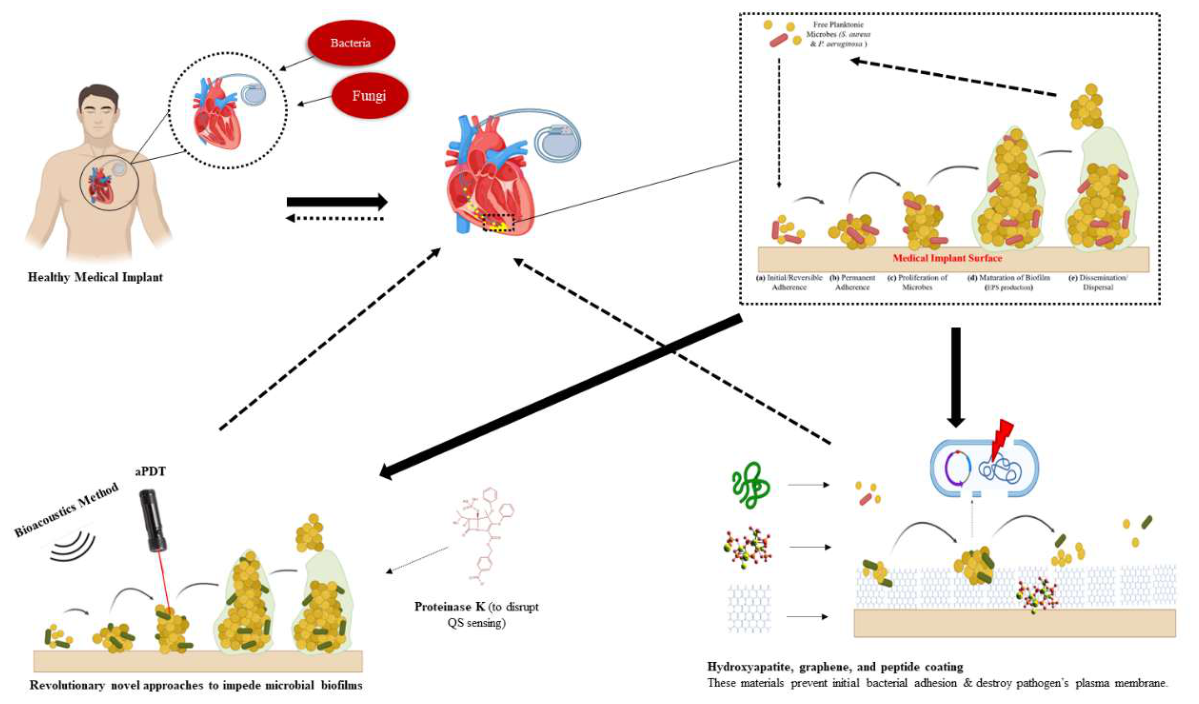
Figure 2.
(A, B) Sputum Smear from a CF patient was collected, stained, and observed at 1000X magnification using an optical microscope. Pseudomonas aeruginosa infection in a biofilm from a cystic fibrosis patient was observed. (C) Pseudomonas aeruginosa and polymorphonuclear leukocytes are visible on the smear. The same smear frequently contains both mucoid and non-mucoid forms. Image modified from [29].
Figure 2.
(A, B) Sputum Smear from a CF patient was collected, stained, and observed at 1000X magnification using an optical microscope. Pseudomonas aeruginosa infection in a biofilm from a cystic fibrosis patient was observed. (C) Pseudomonas aeruginosa and polymorphonuclear leukocytes are visible on the smear. The same smear frequently contains both mucoid and non-mucoid forms. Image modified from [29].
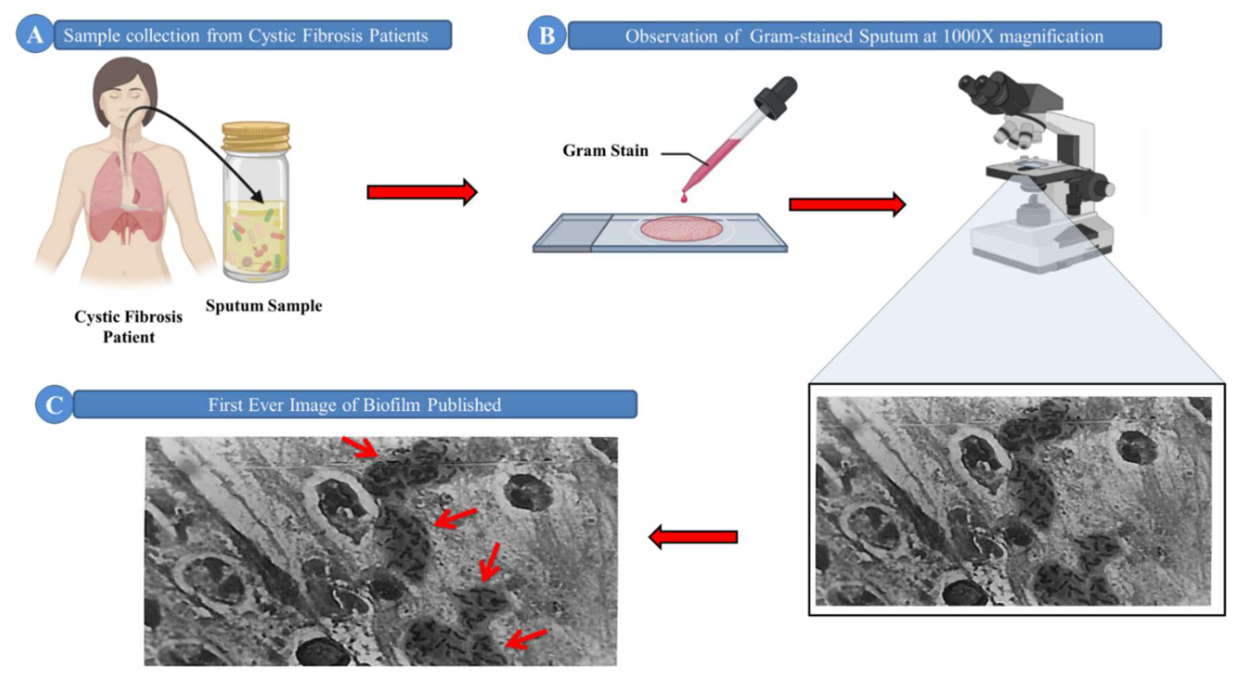
Figure 3.
Microbial Biofilm on Prosthetic Cardiac Valve and Other Cardiac Implants. Several conditions, including injectable methods, enhance the invasion of S. aureus from the skin microbiota. When it enters the body, it is drawn to platelets and fibrin, which build up on the injured cardiac tissue. It attaches to the damaged endocardial cells, proliferate and cause cardiac implant-related-IE.
Figure 3.
Microbial Biofilm on Prosthetic Cardiac Valve and Other Cardiac Implants. Several conditions, including injectable methods, enhance the invasion of S. aureus from the skin microbiota. When it enters the body, it is drawn to platelets and fibrin, which build up on the injured cardiac tissue. It attaches to the damaged endocardial cells, proliferate and cause cardiac implant-related-IE.
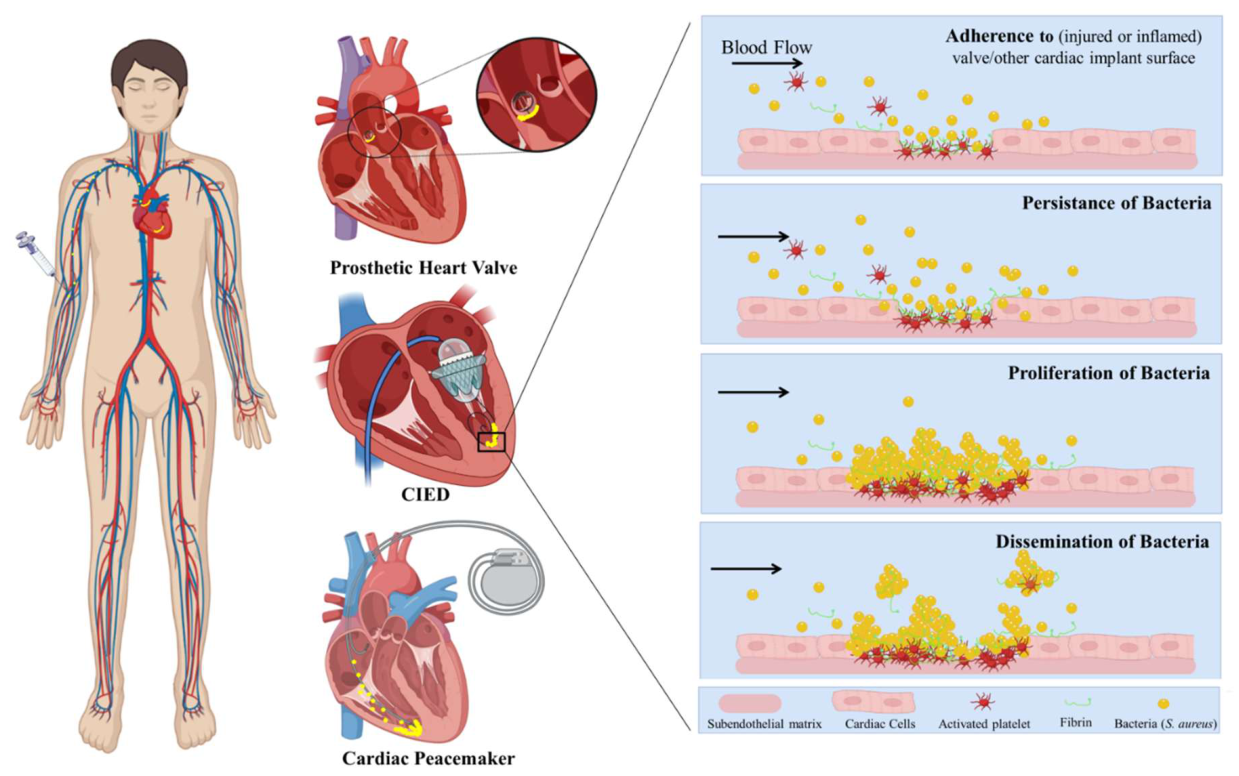
Figure 4.
Electron micrographs showing Proteus mirabilis colonizing a hydrogel-coated latex catheter (after 14 days) in the bladder. (A) This image depicts the crystalline structures found within the biofilm. (B) provides the bacterial colonization on these crystals in higher magnification. Image modified from [141].
Figure 4.
Electron micrographs showing Proteus mirabilis colonizing a hydrogel-coated latex catheter (after 14 days) in the bladder. (A) This image depicts the crystalline structures found within the biofilm. (B) provides the bacterial colonization on these crystals in higher magnification. Image modified from [141].
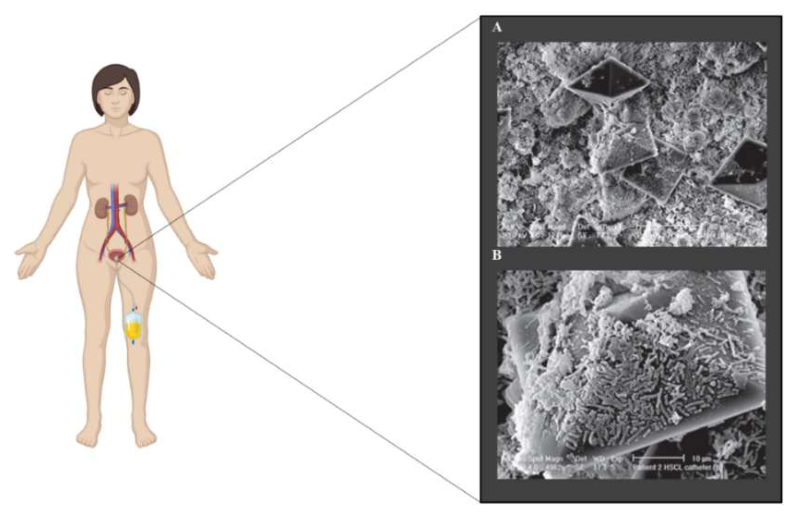
Figure 5.
The most widely used medical implants. The diagram illustrates the distribution of frequent medical devices throughout the human body, as well as the annual count of implants utilized in the United States. The common implants for both males and females are listed in the middle, while gender-specific implants are mentioned at the side of each figure.
Figure 5.
The most widely used medical implants. The diagram illustrates the distribution of frequent medical devices throughout the human body, as well as the annual count of implants utilized in the United States. The common implants for both males and females are listed in the middle, while gender-specific implants are mentioned at the side of each figure.
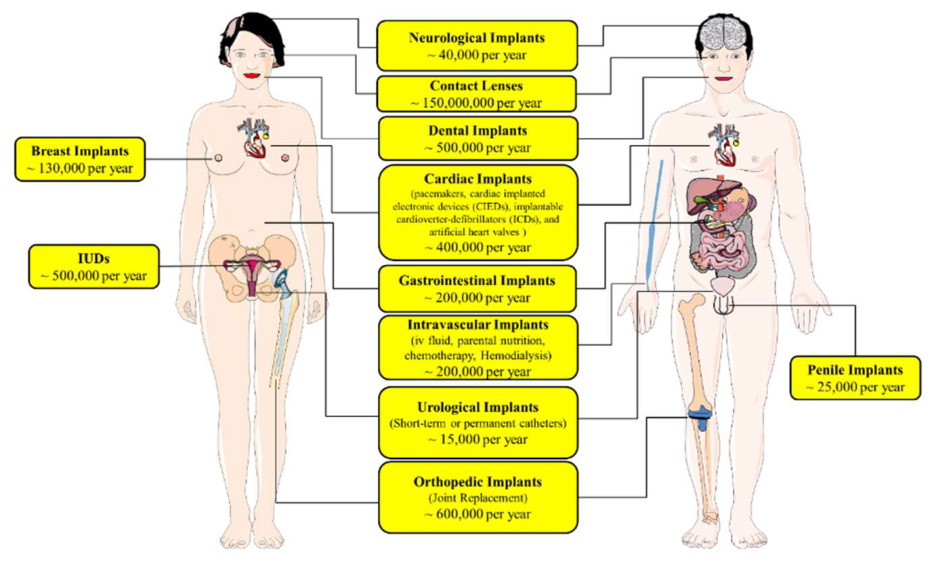
Table 2.
Polymer coating on different medical implants.
| Antimicrobial Coating Material | Structure | Medical Implants | Microbes Restricted by coating | Mode of action | Ref. | |
|---|---|---|---|---|---|---|
| Bacteria | Fungi | |||||
| Hydroxyapatite | 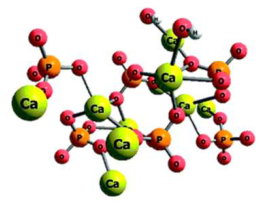 |
Orthopedic Implants | E. coli, S. aureus | Candida albicans | Prevents initial microbial colonization on implant site by controlled release of antibiotics | [210,215,216] |
| Dental Implants | Staphylococcus aureus | Candida albicans | ||||
| Graphene | 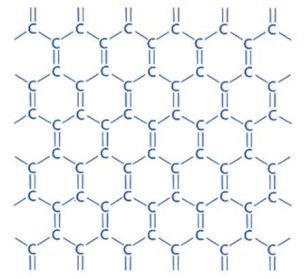 |
Ti-based-Orthopedic Implants |
S. aureus, E. coli, P. aeruginosa, E. faecalis, S. mutants |
Candida albicans | Disrupt bacterial cell membranes & hinder microbial adhesion | [217,218,219] |
| Ti-based-Dental Implants | S. mutans, P. gingivalis | Candida albicans | ||||
| Nitride Coating (Silicon nitride) |
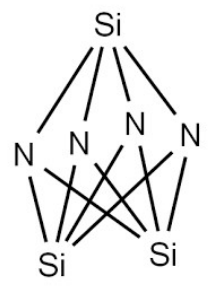 |
Orthopedic Implants | S. mutans, S. pyogenes, S. sanquinis | Candida albicans | Increases hardness and corrosion resistance of the implant to prevent initial attachment of microbes | [220,221,222,223] |
| Dental Implants | P. gingivalis, E. coli, S. epidermidis, A. actinomycetemcomitans | Candida albicans | ||||
| Poly (N-isopropyl acrylamide) |  |
- | P. gingivalis, S. aureus | - | Leads to the bacterial detachment on Ti-based-implants relative to a decrease in temperature | [224] |
Disclaimer/Publisher’s Note: The statements, opinions and data contained in all publications are solely those of the individual author(s) and contributor(s) and not of MDPI and/or the editor(s). MDPI and/or the editor(s) disclaim responsibility for any injury to people or property resulting from any ideas, methods, instructions or products referred to in the content. |
© 2026 by the authors. Licensee MDPI, Basel, Switzerland. This article is an open access article distributed under the terms and conditions of the Creative Commons Attribution (CC BY) license (http://creativecommons.org/licenses/by/4.0/).
Copyright: This open access article is published under a Creative Commons CC BY 4.0 license, which permit the free download, distribution, and reuse, provided that the author and preprint are cited in any reuse.


