Preprint
Article

This version is not peer-reviewed.

Integrated Proteomics and Metabolomics Reveal Molecular Differences and Regulatory Mechanisms Underlying Sturgeon Egg Quality

Submitted:

09 June 2026

Posted:

11 June 2026

You are already at the latest version

Abstract

Integrated proteomics and untargeted metabolomics were employed to systematically characterize molecular differences between high-quality (HQ) and low-quality (PQ) eggs of Acipenser schrenckii. Among 1,636 proteins and 1,102 metabolites, 220 differentially expressed proteins (DEPs) and 365 differential metabolites (DMs) were identified. Functional enrichment demonstrated that HQ eggs were predominantly enriched in pathways associated with amino acid biosynthesis, glycolysis/tricarboxylic acid cycle, nucleotide metabolism, and mRNA surveillance, which collectively supported material accumulation, energy supply, and embryonic developmental competence. In contrast, PQ eggs were mainly enriched in oxidative phosphorylation, mitochondrial stress response, arachidonic acid metabolism, and immune and inflammatory signaling pathways, indicating severe lipid metabolic disorders and excessive oxidative stress. Spearman correlation analysis identified L-pyroglutamic acid and ascorbic acid as core metabolic hubs responsible for maintaining high egg quality, whereas natamycin and tetrahydrocorticosterone served as characteristic metabolic biomarkers of deteriorated eggs. Key protein hubs closely associated with egg quality included GAPDH, glutathione S-transferase, and CYP450 2E1. Collectively, this study elucidates distinct molecular regulatory patterns and establishes a reliable multi-omics biomarker for evaluating sturgeon egg quality formation and deterioration.

Keywords: 
;  ;  ;  ;  ;  

1. Introduction

Sturgeon, as a “living fossil” in the aquatic ecosystem, has important economic and ecological value. China, the world’s largest producer and exporter of sturgeon caviar, accounts for 70% of the global caviar output, and sturgeon aquaculture has become an important pillar of the high-value aquatic product industry [1,2]. Nevertheless, alongside the rapid expansion of commercial sturgeon aquaculture, poor egg quality and the consequent scarcity of viable fry have emerged as critical bottlenecks impeding the sustainable development of this sector [3]. Low-quality eggs are often accompanied by low fertilization and hatching rates, which not only reduce breeding efficiency and economic benefits, but also hinder the conservation of endangered sturgeon species and the standardized development of the industry [4].
Egg quality is a comprehensive trait regulated by multiple factors, including environmental conditions, feeding management, parental physiological status, and genetic background [5]. Currently, the evaluation of sturgeon egg quality mostly relies on traditional morphological and physiological indicators, such as egg size, color, water content, and enzyme activity [3,6]. However, these indicators lack uniformity and specificity, and different studies have different evaluation standards, making it difficult to compare and integrate research results. It is also impossible to accurately reflect the intrinsic quality of eggs at the molecular level. Despite the recognized critical importance of egg quality, the underlying molecular mechanisms remain poorly understood, and standardized evaluation criteria are lacking, which severely limits the development of effective technical measures to improve egg quality.
As the main nutrient component of sturgeon eggs (accounting for approximately 24.75% of the egg composition), proteins play a crucial role in the entire process of oocyte maturation, fertilization, and early embryonic development [2,6]. They not only provide essential nutrients and energy for embryonic development, but also participate in signal transduction, cell division, and stress response, directly affecting the fertilization and hatching rates of eggs [7]. Previous proteomic studies on sturgeon eggs have identified certain proteins (e.g., phosvitin and collagen) that are related to egg quality, finding that the degradation and abnormal expression of these proteins are closely associated with a decline in egg quality [2]. Comparative proteomic analysis of Siberian sturgeon ovarian fluid and eggs has also revealed that egg proteins are primarily enriched in developmental metabolic pathways, such as oxidative phosphorylation and fatty acid metabolism [8]. However, these studies have either focused on caviar degradation during storage or analyzed only a single species. Therefore, they lack systematic comparisons between high- and low-quality eggs and fail to clarify the key proteins and regulatory pathways that determine egg quality.
Metabolomic profiling, a core component of systems biology, characterizes changes in small-molecule metabolites that reflect the ultimate outcomes of gene expression and protein regulation. Such an approach has unique advantages in exploring the molecular mechanism of egg quality formation [9]. Indeed, a recent metabolomic study on sturgeon caviar identified palmitic acid and cholesterol as specific molecular markers, and established that pathways such as glycerophospholipid and arachidonic acid metabolism are closely related to sturgeon egg development [10]. However, current sturgeon egg quality studies rely merely on single-omics analysis, which cannot fully elucidate the hierarchical regulatory relationships between upstream protein variation and downstream metabolic reprogramming. Integrated proteomic and metabolomic analysis enables the elucidation of the core regulatory cascade linking protein expression changes to metabolic phenotypic alterations. This multi-layered molecular evidence can further decode the key drivers governing egg developmental competence, thereby providing more systematic and in-depth mechanistic insights into sturgeon egg quality regulation [6,11].
In addition to this methodological gap, existing studies on sturgeon egg quality exhibit other notable deficiencies. Most previous studies have focused on individual biochemical indices or routine compositional detection, failing to correlate molecular profiles with core phenotypic indicators, including fertilization and hatching rates. Furthermore, the molecular regulatory mechanisms underlying sturgeon egg developmental competence have not been fully elucidated, and few studies have integrated the proteomic and metabolomic landscapes to comprehensively explore the key molecules and pathways governing oocyte developmental potential. Accordingly, this study performed comparative proteomic and metabolomic analyses of sturgeon eggs with distinct quality differences—strictly stratified by fertilization and hatching performance—with the aim of screening quality-related differential proteins and metabolites, dissecting key biological pathways and regulatory networks governing oocyte developmental competence, and constructing a phenotypic biomarker panel to evaluate sturgeon egg quality. The findings of this study provide a theoretical framework for sturgeon reproductive physiology and critical technical support for the high-quality and sustainable development of the sturgeon breeding industry.

2. Materials and Methods

2.1. Experimental Samples

All experimental fish were sourced from the Heilongjiang Institute of Aquatic Research, Chinese Academy of Fisheries Sciences, located in Harbin, Heilongjiang Province, China. Single female and male sturgeons were artificially fertilized to eliminate genetic variation. Fertilized eggs were incubated at 16 ± 0.5 °C. At 24 h post-fertilization (gastrula stage), eggs were examined microscopically and classified as either good-quality and poor-quality, according to sturgeon embryonic development standards reported in previous studies [6,12]. In good-quality eggs, embryos developed normally to the gastrula stage with regular cell division, an intact blastoderm, clear polarization, and high elasticity. Conversely, poor-quality eggs exhibited abnormal or arrested development by the 24-h mark, demonstrating a blurred blastoderm, asynchronous cleavage, opacity, softening, or degeneration. Each group contained three biological replicates (50 eggs per replicate). Samples were snap-frozen in liquid nitrogen and stored at −80 °C until analysis.

2.2. Label-Free Quantitative Proteomic Analysis

2.2.1. Protein Extraction and Digestion

Frozen egg samples were first ground to a fine powder under liquid nitrogen, and approximately 100 mg of the homogenate was transferred to a centrifuge tube containing lysis buffer (8 M urea, 1% SDS, 50 mM Tris-HCl, pH 8.0, supplemented with 1×protease inhibitor cocktail and 1×phosphatase inhibitor cocktail). The mixture was vortexed vigorously for 30 s, followed by sonication on ice to achieve complete cell lysis. Following sonication, the lysate was centrifuged at 12,000 rpm for 20 min at 4 °C to remove insoluble cell debris. The supernatant was collected, and total protein concentration was quantified using a BCA Protein Assay Kit (Bio-Rad Laboratories, Hercules, CA, USA). Subsequently, the extracted proteins were digested into peptides using trypsin following the standard filter-aided sample preparation (FASP) protocol described by Wiśniewski et al. [13]. The resulting peptides were desalted using Empore C18 SPE cartridges, with three consecutive rinses using a washing solution composed of 0.1% formic acid and 3% acetonitrile. Peptide concentrations were subsequently measured using a Pierce Quantitative Colorimetric Peptide Assay (Thermo Fisher Scientific).

2.2.2. LC-MS/MS Analysis

The peptides were analyzed using an EASY-nLC 1200 UHPLC system (Thermo Fisher, Germany) coupled with a Q Exactive HF-X mass spectrometer (Thermo Fisher, Germany) at Novogene Co., Ltd. (Beijing, China), as previously described [14]. The sample was fractionated using a C18 column (Waters BEHC18, 4.6×250 mm, 5 μm) on a Rigol L3000 HPLC system. Full MS scans were acquired at m/z 350–1500 (resolution 60,000). The top 40 precursors were fragmented using the HCD for MS/MS (resolution 15,000).
Raw data obtained from mass spectrometry analysis were analyzed using MaxQuant 1.6.14 software for library identification and quantitative analysis. Differential analysis was performed using the Mann-Whitney U non-parametric test (p<0.05). Enrichment analysis of differentially expressed proteins (annotated based on KEGG Orthology) was conducted using the R package clusterProfiler (FDR<0.1).

2.3. Untargeted Metabolomic Analysis (LC-MS/MS)

2.3.1. Metabolite Extraction

Eighty milligrams of frozen sample were accurately weighed into a sterile EP tube, combined with 400 μL of pre-chilled 80% methanol solution, and thoroughly ground. After high-speed centrifugation, the supernatant was collected and lyophilized into dry powder. The powder was dissolved in acetonitrile for subsequent experiments.

2.3.2. UHPLC-MS/MS Analysis

Chromatographic separation was carried out using a Vanquish Flex ultra-high-performance liquid chromatography (UPLC) system (Thermo Fisher Scientific, Waltham, MA, USA) fitted with a Hypersil Gold reversed-phase column (100 × 2.1 mm, 1.8 μm particle size). Chromatographic parameters were set as follows: flow rate of 0.5 mL/min, injection volume of 2 μL, and a binary mobile phase system comprising solvent A (aqueous solution containing 25 mM ammonium acetate and 25 mM ammonia) and solvent B (acetonitrile). Mass spectrometric detection was performed on a Q Exactive HF mass spectrometer operating in both positive and negative ionization modes. Key instrument parameters were optimized as: spray voltage, 3.5 kV; capillary temperature, 320 °C; sheath gas flow rate, 35 psi; auxiliary gas flow rate, 10 L/min; S-lens RF level, 60; and auxiliary gas heater temperature, 350 °C. Raw mass spectrometry data were processed using Compound Discoverer 3.3 software for peak alignment, relative quantification, and metabolite annotation against the mzCloud, HMDB, LIPIDMaps, and KEGG databases, as described in our previous work [14].

2.4. Multi-Omics Integration Analysis

The global correlation between metabolomic and proteomic datasets was evaluated using Pearson correlation analysis based on Euclidean distance metrics, and the statistical significance of these correlations was assessed via the Mantel test. Weighted correlation network analysis (WGCNA) was employed to construct a co-regulatory network linking proteins and metabolites that exhibited strong associations with egg quality, with a significance threshold set at Spearman’s correlation coefficient P < 0.16. Subsequently, integrated pathway enrichment analysis was conducted using MetaboAnalyst 5.0 to identify key biological pathways involved in egg quality regulation, based on the identified differentially expressed proteins and metabolites.

3. Results

3.1. LC‒MS/MS Identification of High-Quality and Low-Quality Egg Proteins

Mass spectrometric raw data were searched against the database using the MaxQuant software. A total of 989,019 MS/MS spectra were acquired, of which 69,206 were effectively matched, yielding a spectral matching rate of 6.99% (Table 1). Based on the matched spectra, 7,955 non-redundant peptides were identified, corresponding to 1,636 annotated proteins. Analysis of the peptide length distribution showed that the identified peptides were primarily distributed between 7 and 20 amino acids, with the highest abundance observed for peptides of 12 amino acids (peak at 8,590 sequences, Figure 1). The overall distribution was consistent with the typical pattern of trypsin-digested peptides, with no obvious enrichment of extremely short or long peptides.
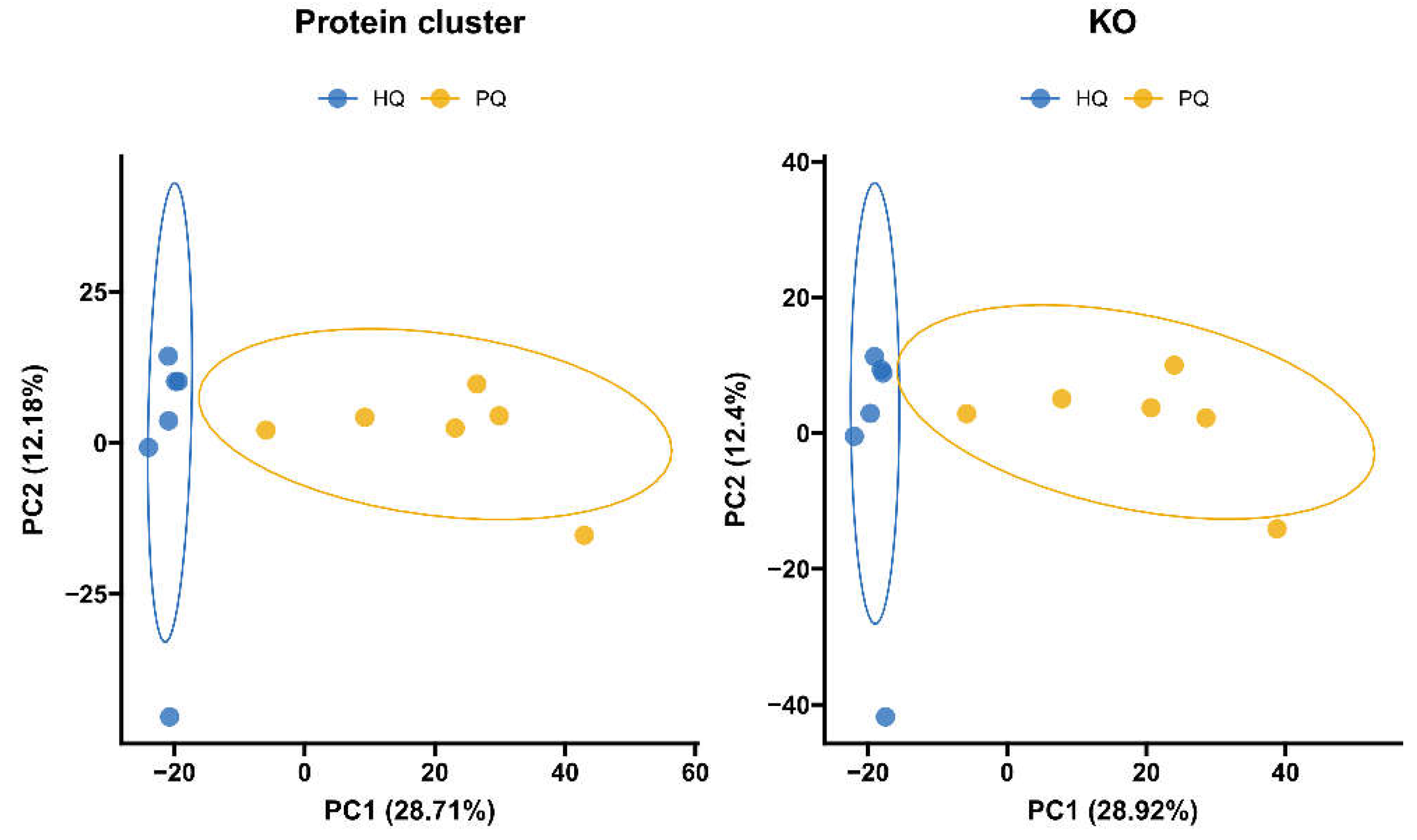
Principal component analysis (PCA) was performed based on protein expression levels and KO functional abundance profiles (Figure 2). For the PCA based on protein expression, the first principal component (PC1) and the second principal component (PC2) explained 28.71% and 12.18% of the total variance, respectively. In the PCA based on KO abundance, PC1 and PC2 explained 28.92% and 12.40% of the total variance, respectively. In both analyses, samples from the High-Quality (HQ) group were clustered on the negative half-axis of PC1, whereas samples from the Low-Quality (PQ) group were clustered on the positive half-axis of PC1. The 95% confidence ellipses of the two groups showed no obvious overlap, indicating that the HQ and PQ groups exhibited significantly different protein expression profiles and functional pathway compositions, and that the experimental grouping was biologically meaningful.

3.2. Comparison of HQ and PQ Egg Proteins

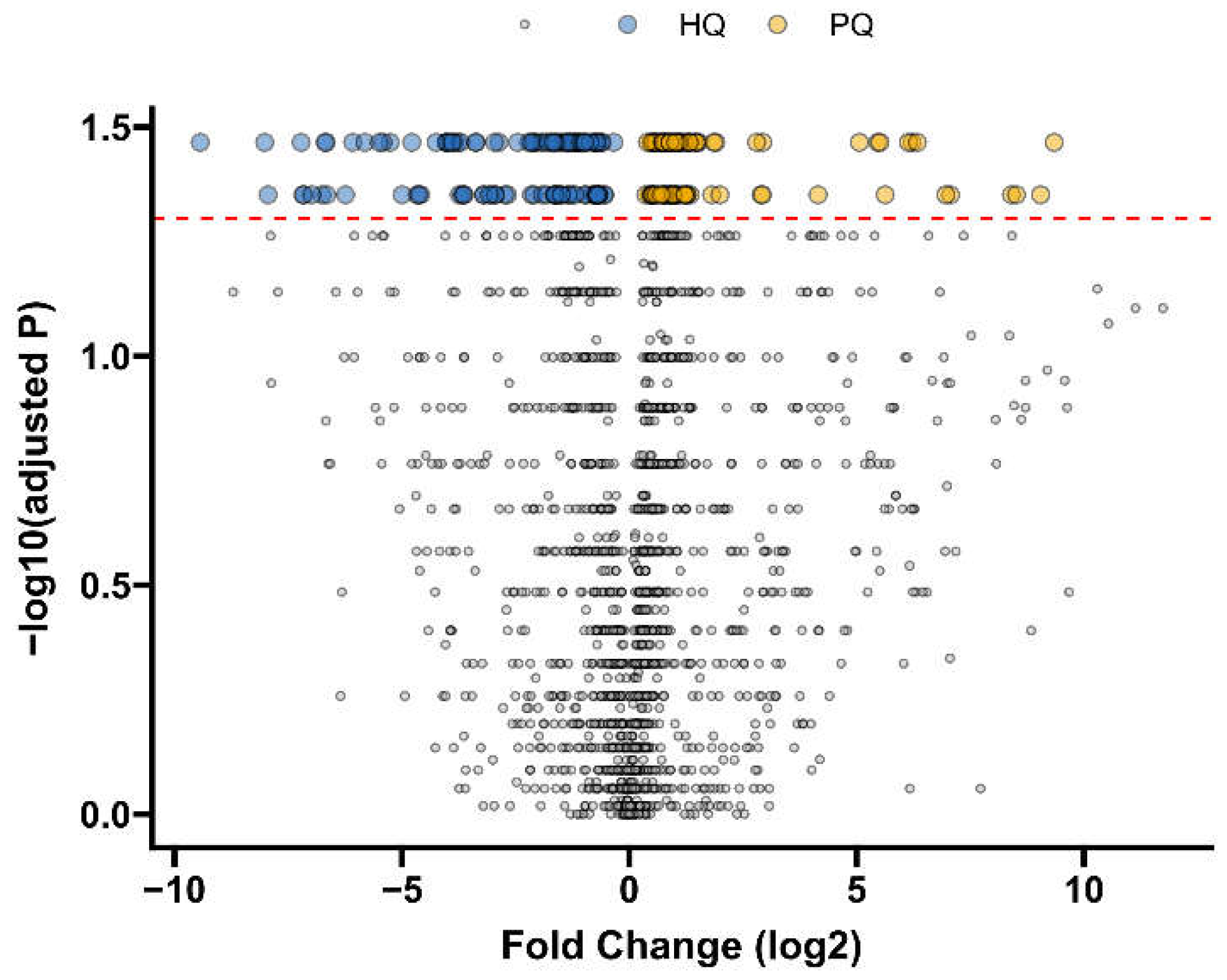
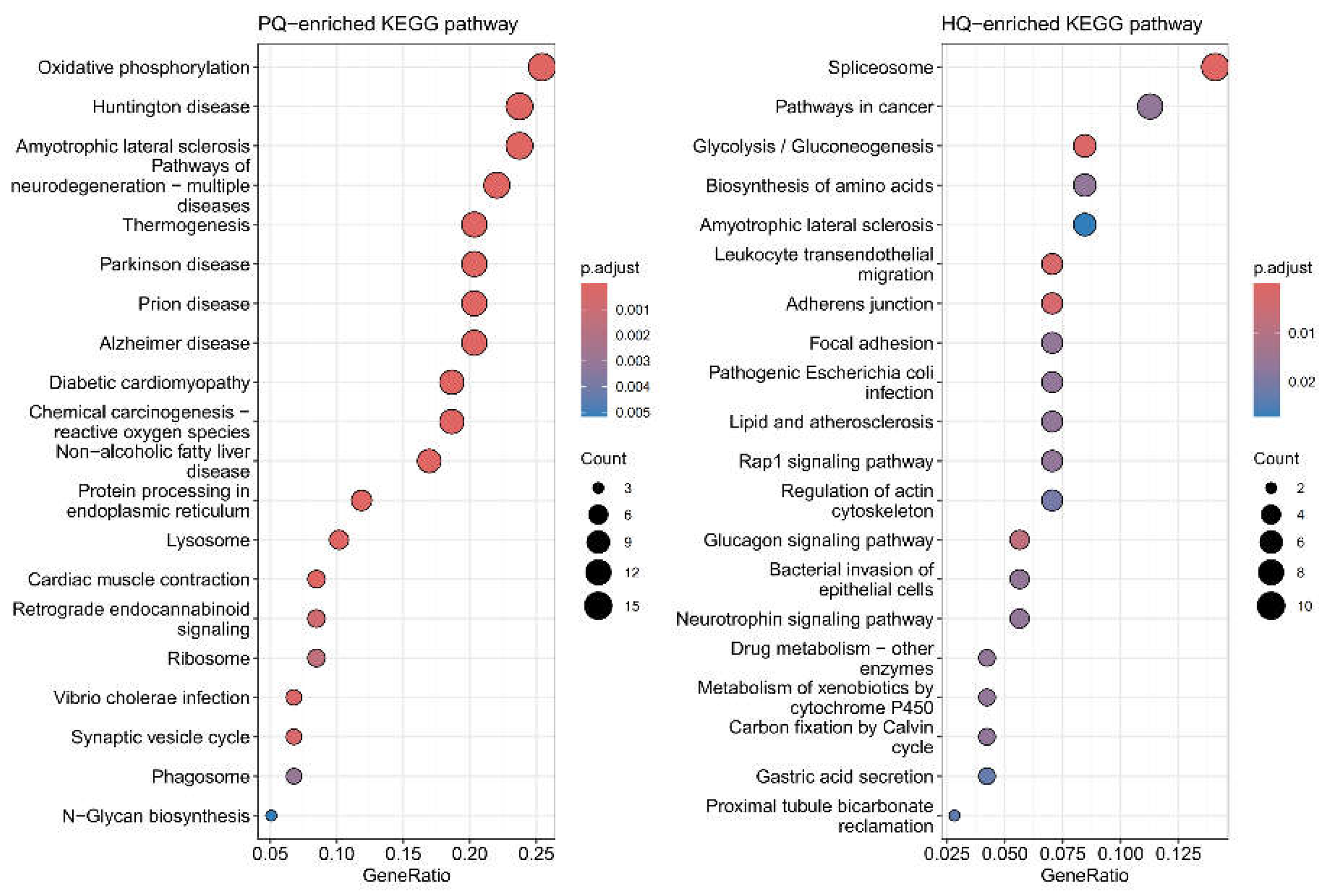
Differential protein analysis between the HQ and PQ groups was performed using the nonparametric Mann-Whitney U test (Figure 3). A total of 220 differentially expressed proteins were identified, of which 100 were upregulated in the PQ group and 120 were upregulated in the HQ group. GO functional annotation analysis revealed that the specific upregulated proteins in the HQ group were associated with glycolysis/gluconeogenesis (29 proteins); biosynthesis and metabolism of amino acids (26 proteins); and RNA splicing, transcription, and mRNA surveillance (22 proteins). In contrast, the specific upregulated proteins in the PQ group were related to oxidative phosphorylation and mitochondrial energy metabolism (35 proteins); oxidative stress, reactive oxygen species scavenging, and redox homeostasis (28 proteins); and the synaptic vesicle cycle, exocytosis, secretion, and endocytosis (22 proteins). KEGG pathway analysis (Figure 4) showed that the top 20 pathways in the HQ group were dominated by spliceosomes (10 proteins), glycolysis/gluconeogenesis (6 proteins), biosynthesis of amino acids (6 proteins), and regulation of the actin cytoskeleton (5 proteins). The top 20 pathways in the PQ group were predominantly enriched in oxidative phosphorylation (15 proteins), thermogenesis (12 proteins), and neurodegeneration including multiple diseases (13 proteins).

3.3. Untargeted Metabolomic Profiling of HQ and PQ Eggs

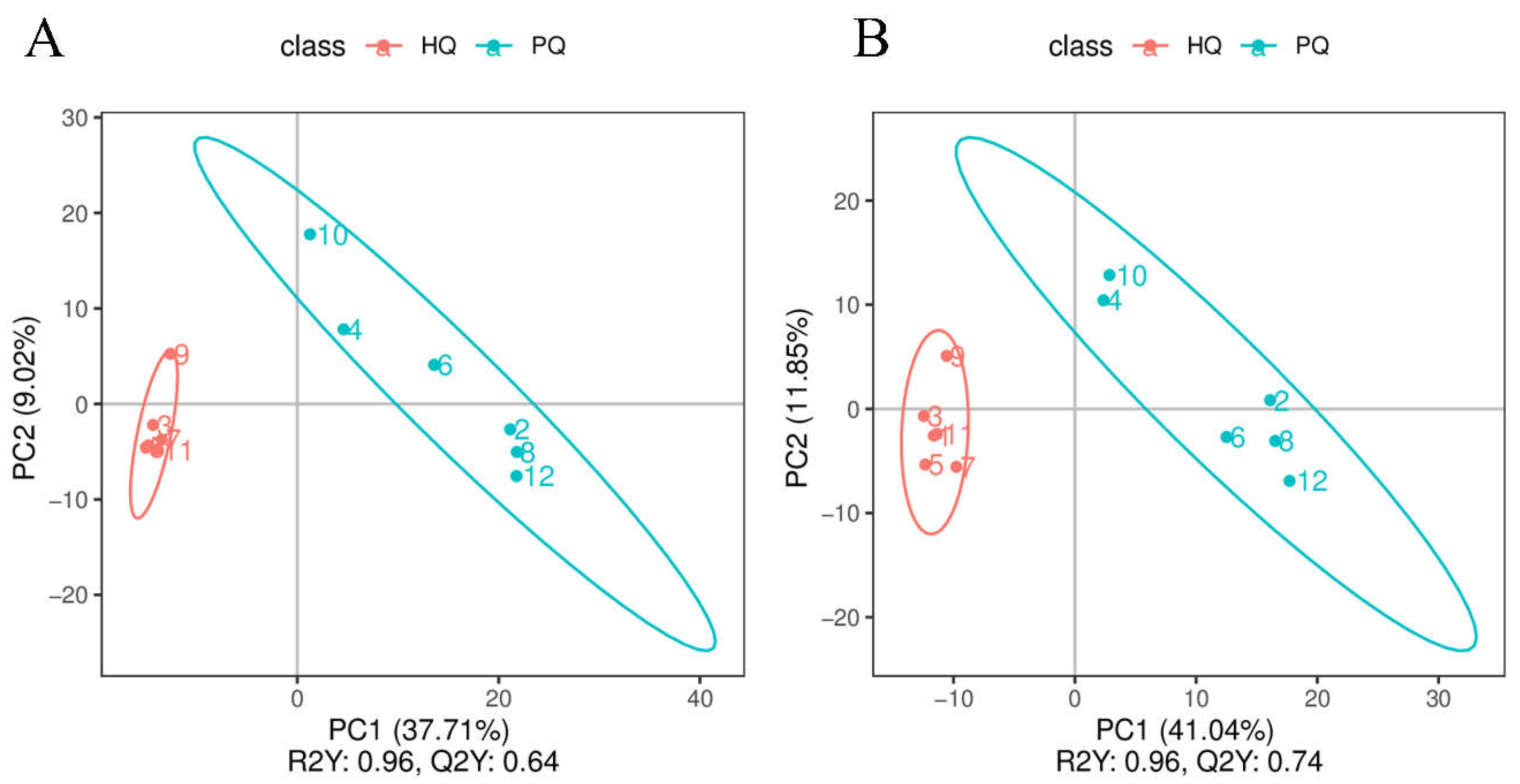
In this study, 1102 metabolites were identified, with 693 in the positive ion mode and 409 in the negative ion mode. Orthogonal partial least squares discriminant analysis (OPLS-DA) revealed a clear separation between the HQ and PQ groups in both the positive ion mode (R²Y=0.96, Q²=0.74) and negative ion mode (R²Y=0.96, Q²=0.64). High R²Y and Q² values indicated good model fitness and predictive ability, confirming stable and reproducible differences in metabolic profiles between the two groups (Figure 5).
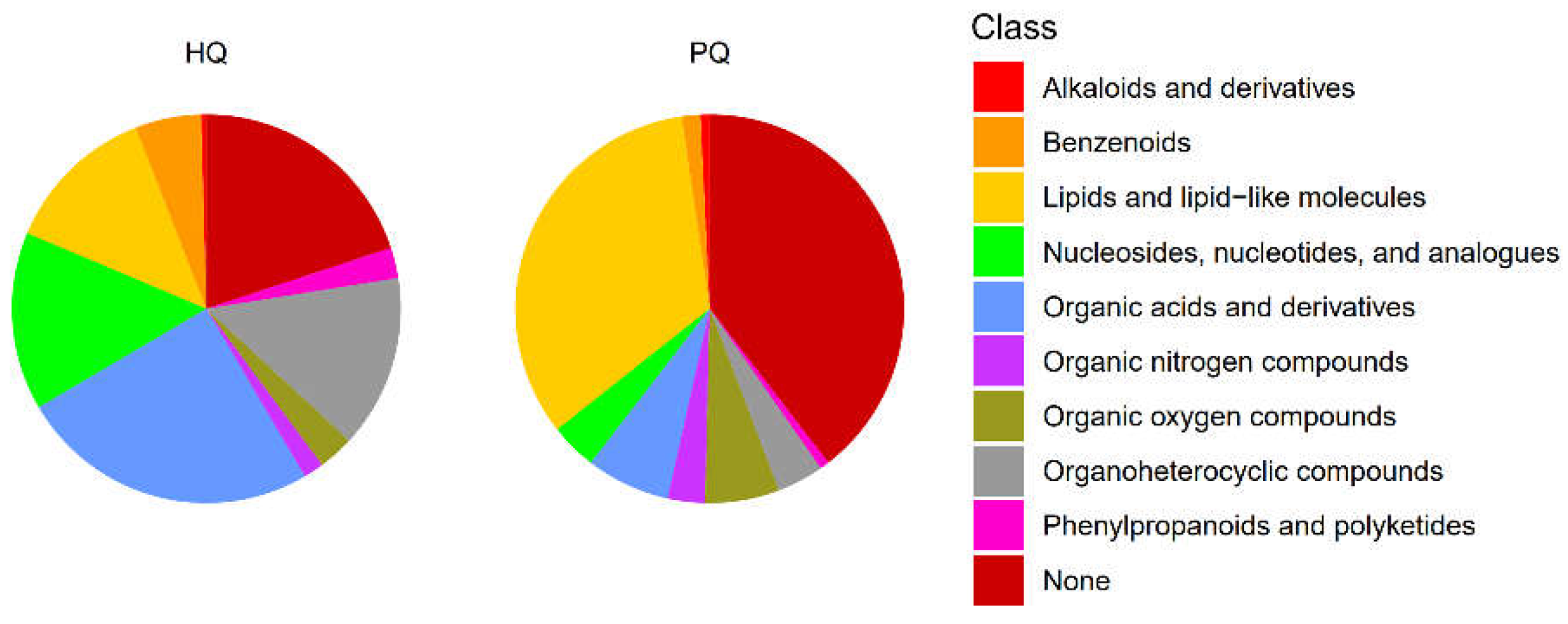
The Non-parametric Mann-Whitney U test combined with OPLS-DA was performed to evaluate the differences in metabolite abundance between the HQ and PQ groups. The variable importance in projection (VIP) of each metabolite was calculated. Metabolites with adjusted p < 0.05 and VIP > 1 were defined as differentially expressed. In total, 365 differentially expressed metabolites were identified (Figure 6). Among the 236 metabolites enriched in the HQ group, amino acids and their derivatives were most abundant (86 metabolites), followed by nucleotides and nucleoside derivatives (47 metabolites), carbohydrates and organic acids (41 metabolites), lipids and acylcarnitines (32 metabolites), vitamins and coenzymes (12 metabolites), and secondary metabolites (18 metabolites). The 129 metabolites enriched in the PQ group were predominantly lipid-related compounds, including 58 glycerophospholipids and lysophospholipids, 31 unsaturated fatty acids and eicosanoid derivatives, 16 sphingolipids, 13 fatty acid peroxidation products, and 11 stress-related secondary metabolites.
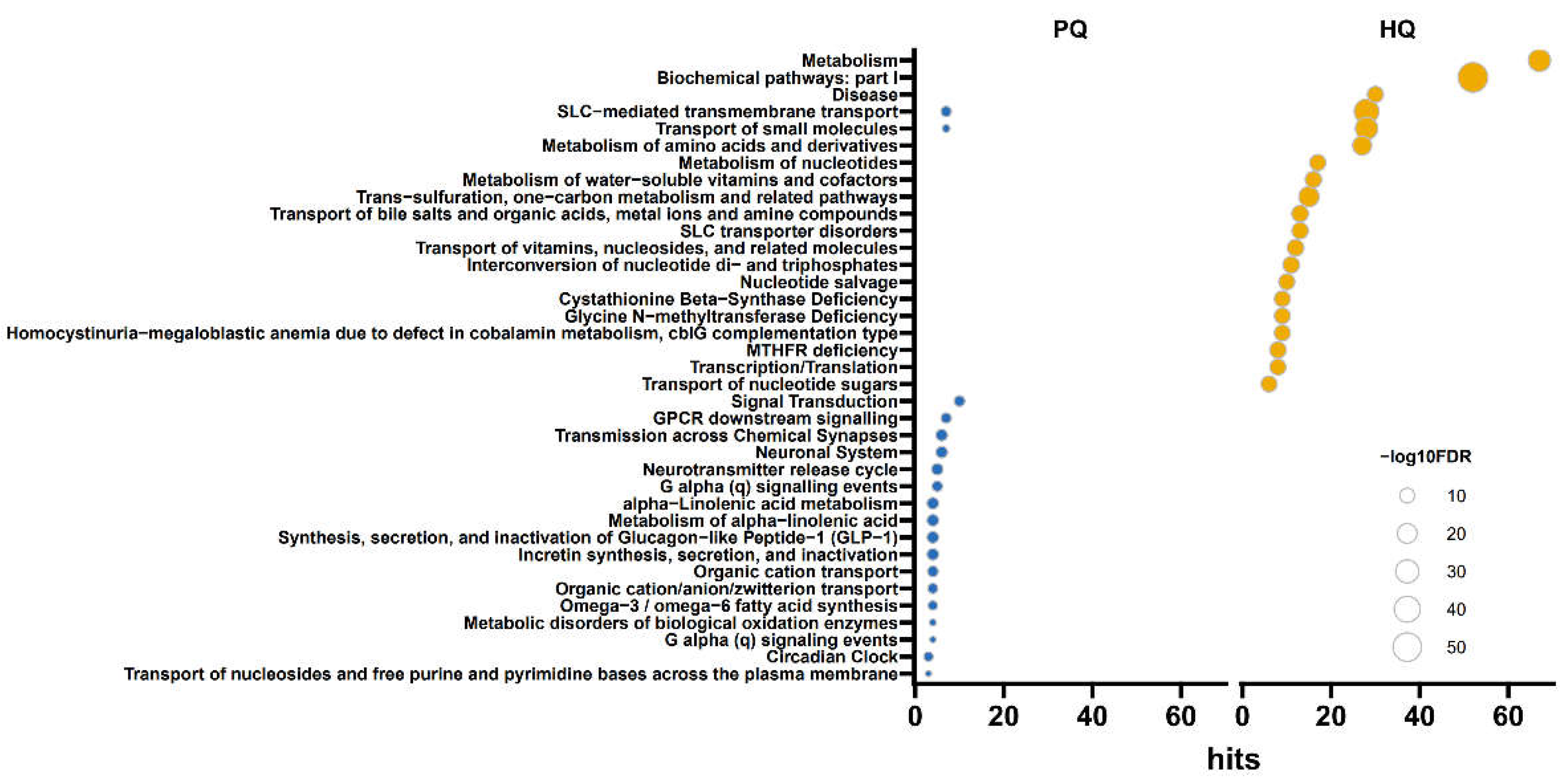
Pathway enrichment analysis was performed on 129 differential metabolites in the PQ group and 236 differential metabolites in the HQ group based on the KEGG database (Figure 7). In the PQ group, 17 enriched metabolic pathways were identified, which were primarily associated with arachidonic acid metabolism, steroidogenesis, amino acid metabolism, retinol metabolism, oxidative stress, and the immune inflammatory pathways. These pathways mainly function in lipid remodeling and environmental stress responses. In contrast, the HQ group exhibited 38 distinct metabolic pathways. Dominated by amino acid biosynthesis, glycolysis/Tricarboxylic Acid (TCA) cycle, nucleotide metabolism, and vitamin and coenzyme metabolism, these pathways are prominently enriched in the regulatory processes of embryonic development, energy supply, and fundamental anabolic metabolism.

3.4. Combined Analysis Proteomics and Metabolomics Data

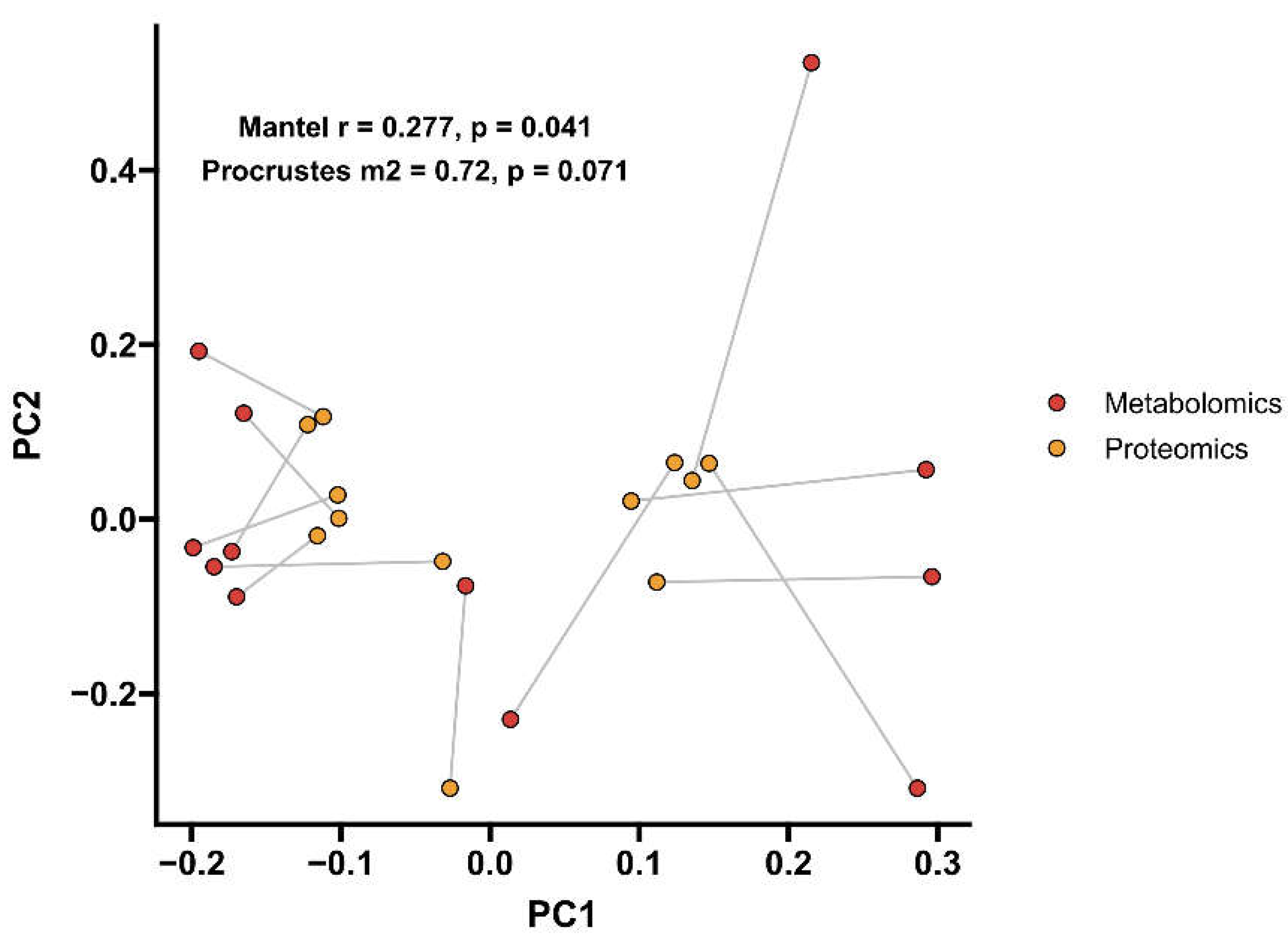
To investigate the relationship between proteomics and metabolomics, Procrustes congruence analysis was performed based on the Euclidean distance matrix and the Mantel test was used to verify the statistical significance of the correlation between proteomics and metabolomics (Figure 8). The Procrustes analysis yielded a structural goodness-of-fit value of m² = 0.72, and the Mantel test presented a correlation coefficient of r = 0.277 with p = 0.041. The Mantel test showed p < 0.05, indicating a significant positive correlation between proteomic and metabolomic profiles.
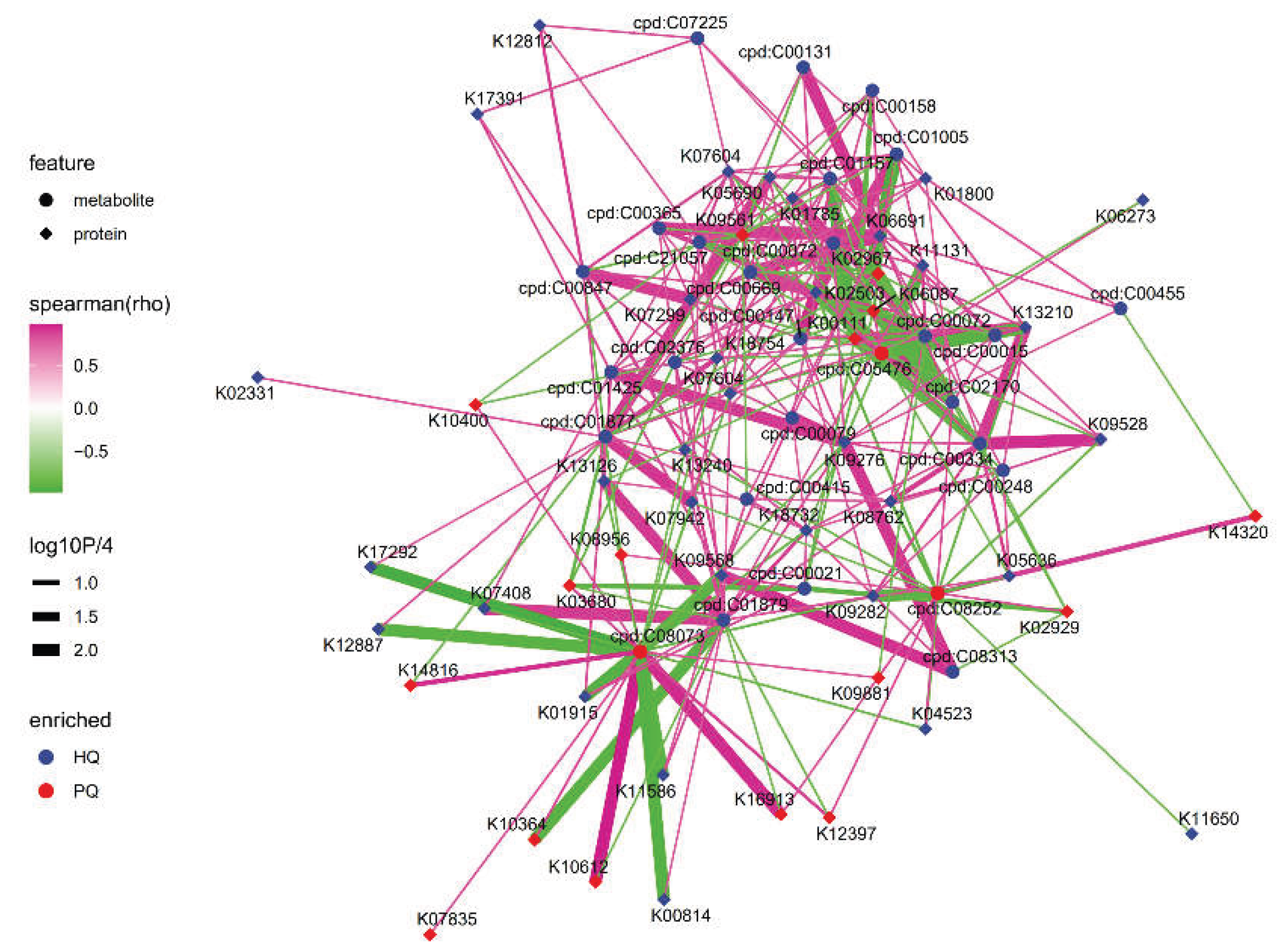
Spearman rank correlation analysis was subsequently conducted on 28 KEGG-annotated differential metabolites with VIP > 1.5 and 39 differential proteins with |log2FC| > 2. Using an adjusted p < 0.01 as the screening threshold, a total of 313 significant protein–metabolite correlation pairs were identified. Network hub analysis (Figure 9) revealed that natamycin ranked first in the node degree among the core metabolite hubs, followed by l-pyroglutamic acid, 4-oxoproline, and tetrahydrocorticosterone. Among the protein hub nodes, glyceraldehyde-3-phosphate dehydrogenase (K02503) had the highest degree, followed by glutathione S-transferase (K06691), cytochrome P450 2E1 (K00111), serine/threonine protein kinase (K09276), and lysosome-associated membrane protein (K09561). According to the absolute values of the correlation coefficients, the strongest positive correlations were found between HQ-enriched L-pyroglutamic acid and K06691 and between PQ-enriched natamycin and multidrug resistance-associated protein (K10612, r=0.979). The strongest negative correlations existed between HQ-enriched ascorbic acid and K00111, and between PQ-enriched natamycin and Vitamin C transporter (K17292, r = −0.979).
Subsequently, Joint Pathway Analysis on the MetaboAnalyst.ca platform was performed to integrate and analyze the differential metabolites and proteins. There were no shared or significantly enriched pathways between the HQ and PQ groups. The significantly enriched pathways in the HQ group included arginine biosynthesis, alanine/aspartate/glutamate metabolism, and mRNA surveillance. The dominant enriched pathways in the PQ group were tight junctions, cell adhesion molecules, glycerolipid metabolism, and virion–hepatitis virus pathways (Table 2).

4. Discussion

In this study, HQ and PQ sturgeon eggs were selected as research materials. For the first time, we systematically elucidated the molecular basis affecting sturgeon egg quality at both the proteomic and metabolomic levels, providing crucial omics evidence to reveal the molecular mechanism underlying sturgeon egg quality and screening potential biomarkers for egg quality evaluation. Both the proteomic PCA and the metabolomic OPLS-DA model demonstrated that the grouping of the HQ and PQ samples was reliable. Distinct and stable phenotypic differences were observed between the two groups in terms of protein expression profiles and metabolic homeostasis, which laid a solid methodological foundation for subsequent integrated multiomics analyses.
Studies on various fish species, including sturgeons, chum salmon, and eels, have consistently demonstrated a significant positive correlation between the abundance of key enzymes in glycolysis and the tricarboxylic acid (TCA) cycle, the activity of amino acid biosynthesis pathways, and egg hatching potential. Conversely, disruptions in energy metabolism and the downregulation of protein synthesis are often associated with reduced egg quality and arrested embryonic development [6,15,16]. Our results revealed that the functional pathways of differentially expressed proteins and metabolites in the HQ and PQ groups were distinctly different. In the HQ group, 120 proteins were upregulated and were primarily enriched in pathways such as glycolysis, amino acid biosynthesis, spliceosome, cytoskeleton, and cell junctions. Metabolically, this was reflected by enrichment in fundamental anabolic pathways, including amino acid biosynthesis, glycolysis/TCA cycle, nucleotide metabolism, and vitamin/cofactor metabolism. These findings indicate robust amino acid and nucleotide metabolism in the HQ group eggs, which is consistent with the results of previous studies. Our results are also in agreement with those of Shimizu et al. [17], who reported elevated glucose levels during the development of sterlets (Acipenser ruthenus) and bester sturgeons, indicating that gluconeogenesis during embryonic development is a ubiquitous physiological phenomenon among vertebrates. Li et al. [18] employed an iTRAQ-based proteomic approach to analyze the protein expression profiles of spermatozoa from two sturgeon species (A. baerii and A. schrenckii). They found that the differentially expressed proteins in high-quality sperm were enriched in the TCA cycle pathway. The striking similarity in the enrichment of the TCA cycle and energy metabolism pathways between high-quality sperm and HQ eggs led us to propose that the activity level of the TCA cycle may be a key factor in determining the energy supply to germ cells.
In contrast, the 100 proteins upregulated in the PQ group were mainly enriched in pathways related to oxidative phosphorylation, mitochondrial stress, redox homeostasis, and lysosomal phagocytosis. The differential metabolites in the PQ group were primarily concentrated in arachidonic acid metabolism, steroidogenesis, amino acid metabolism, oxidative stress, and immune inflammatory pathways, indicating that sturgeon eggs in the PQ group were in a prominent oxidative stress state accompanied by disordered lipid metabolism. These findings are consistent with those of previous studies on fish egg aging and stress-induced egg quality decline, which commonly report mitochondrial structural damage and abnormal activation of the oxidative phosphorylation pathway [19,20]. Proteomic studies of zebrafish egg quality have demonstrated that low-quality eggs are significantly enriched in proteins associated with endosome/lysosome function, autophagy, apoptosis, and certain oncogenic products [21]. Jiao et al. [19] confirmed that mitochondrial structural damage and abnormal activation of the oxidative phosphorylation pathway are core characteristics of egg quality deterioration and aging. Ibrahim et al. [22] revealed that environmental stress could markedly induce abnormal upregulation of proteins related to the ovarian mitochondrial respiratory chain and oxidative phosphorylation, leading to mitochondrial dysfunction and subsequent oxidative stress injury. Notably, the TCA cycle pathway was significantly enriched in high-quality eggs (HQ group) but lacked an enrichment advantage in low-quality eggs (PQ group). This result is consistent with the conclusion of Luo et al. [16] in spotted sea perch, who reported that NMN-mediated improvement in egg quality was closely associated with enhanced TCA cycle activity, further indicating that elevated TCA cycle function is strongly linked to the improvement of egg quality.
Based on the protein-metabolite correlation network constructed in this study, glutathione S-transferase (GST) and L-pyroglutamic acid were identified as key nodes exhibiting a strong positive correlation. The association between glutathione (GSH) metabolism and egg quality has been previously validated in several species. Hou et al. [23] investigated microcystin-LR-induced ovarian damage in zebrafish and found that MC-LR exposure significantly decreased the GSH content, and that GST participated in the detoxification of MC-LR via a GSH-dependent pathway. Kaptaner [24] examined Alburnus tarichi in the polluted context of Lake Van, Turkey, and reported significantly higher GSH levels in the ovaries of reproductively arrested females than in those from reference sites. In the present study, L-pyroglutamic acid was significantly enriched in HQ eggs, which may promote the functional activation of GST, thereby maintaining the redox balance and developmental competence of oocytes. Therefore, we propose that these two molecules serve as paired metabolite-protein biomarkers for evaluating sturgeon egg quality.
Studies have confirmed that mature fish eggs generally contain high levels of ascorbic acid, the abundance of which is significantly and positively correlated with oocyte maturation, fertilization capacity, and embryonic hatching potential. Insufficient ascorbic acid readily disrupts redox homeostasis, aggravates lipid damage, and increases the embryonic malformation rate and developmental arrest [25]. In the present study, ascorbic acid was markedly enriched in high-quality eggs of the HQ group and served as a core hub in the metabolite network, which is highly consistent with the findings of previous studies. A significant negative correlation was observed between ascorbic acid and CYP450 2E1 expression. In a zebrafish egg quality study, Miller et al. [26] reported that low-temperature stress simultaneously reduces ovarian ascorbic acid (vitamin C) and glutathione (GSH) levels in zebrafish, thereby leading to oocyte developmental arrest and diminished oocyte quantity. In our study, CYP450 2E1 (K00111) was upregulated in the PQ group and exhibited the strongest negative correlation with ascorbic acid, suggesting a conserved molecular injury pathway: CYP2E1activation → excessive ROS accumulation, lipid peroxidation, and decline in egg quality. Therefore, ascorbic acid can be regarded as a core metabolic biomarker reflecting the redox buffering capacity of sturgeon eggs, whereas CYP2E1 may serve as the most specific protein biomarker for low-quality sturgeon eggs.
Joint pathway enrichment analysis revealed that the HQ group was significantly enriched in pathways related to arginine biosynthesis, alanine/aspartate/glutamate metabolism, and mRNA surveillance, which are primarily involved in embryonic development-related functions, such as amino acid synthesis, energy metabolism, and gene expression regulation. In contrast, the PQ group showed significant enrichment in pathways associated with tight junctions, cell adhesion molecules, oxidative phosphorylation, virion–hepatitis virus interactions, and cardiac muscle contraction, which are mainly linked to environmental stress responses, including cell barrier regulation, immune inflammation, and oxidative stress. No shared, significantly enriched pathways were identified between the two groups, indicating a completely divergent functional orientation at the molecular regulatory level. These findings reveal the core mechanisms underlying differences in sturgeon egg quality and provide directions for future research. Consistent with our results, Liu et al. [9] observed persistent activation of the MAPK, TNF, IL-17, and Notch signaling pathways in low-quality eggs, along with enrichment of lipid metabolism and energy supply pathways in high-quality eggs in a transcriptomic study of egg quality in the leopard coral grouper (Plectropomus leopardus).
Egg quality is a complex and comprehensive trait regulated by multiple factors, including environmental conditions, breeding management, parental physiological status, and genetic background. Although we strictly controlled the consistency of sample sources and the objectivity of grouping criteria in this study, the effects of environmental factors, such as aquaculture water temperature, dissolved oxygen, and feed formulation, on the molecular characteristics of egg quality have not been systematically evaluated. Key differential molecules and pathways were screened based on bioinformatics analysis in the present study. However, core hub proteins and pivotal metabolites have not been validated through qPCR, targeted metabolomics, or in vitro functional experiments, and the underlying molecular regulatory mechanisms require further experimental verification. Subsequent functional validation will be carried out via CRISPR/Cas9-mediated gene knockout in rapidly maturing model organisms, including zebrafish (Danio rerio) and medaka (Oryzias latipes), to confirm the regulatory roles of these evolutionarily conserved pathways in oocyte development.

Author Contributions

Conceptualization, Z.Z. and N.Q.; methodology, Z.Z. and X.B.Z.; software, Z.Z. and S.H.L.; validation, Z.Z., X.B.Z. and J.L.H.; formal analysis, Z.Z.; investigation, Z.Z., X.B.Z., J.L.H., F.C. and S.H.L.; resources, Q.L.Z. and N.Q.; data curation, Z.Z. and F.C.; writing—original draft preparation, Z.Z.; writing—review and editing, N.Q. and Q.L.Z.; visualization, Z.Z. and S.H.L.; supervision, N.Q.; project administration, Q.L.Z.; funding acquisition, N.Q.

Funding

This research was funded by the Guizhou Provincial Basic Research Program [grant number ZK [2023]175], Tongren Municipal Science and Technology Program (Tongren Municipal Science and Technology Research [2024] No. 61), Guizhou Province Ecological Fisheries Industrial Technology System [grant number GZSTYYCYJSTX-202605], and the Earmarked Fund for the China Agriculture Research System [grant number CARS-46].

Data Availability Statement

The data will be made available based on the request.

Acknowledgments

The authors gratefully acknowledge the professional English language polishing and editing assistance provided by Editage Company.

Conflicts of Interest

The authors declare no conflicts of interest.

References

  1. Song, H.; Zhu, B.; Dong, T.; Wang, W.; Hu, M.; Yan, X.; Xu, S.; Hu, H. Whole-genome resequencing reveals selection signatures for caviar yield in Russian sturgeon (Acipenser gueldenstaedtii). Aquaculture 2023, 568, 739312. [Google Scholar] [CrossRef]
  2. Chai, Y.; Gong, J.L.; Du, H.; Li, L.X.; Yang, W.J.; Wei, Q.W. Gamete quality of first-generation cultured Chinese sturgeon (Acipenser sinensis) and growth performance of their F₂ progeny. J. Fish. China 2014, 38, 350–355. [Google Scholar] [CrossRef]
  3. Wang, W.; Song, H. L.; Zhu, H.; Dong, Y.; Dong, T.; Hu, H. X. Research progress on sturgeon breeding and new variety selection. Acta Sci. Nat. Univ. Sunyatseni 2025, 64, 1–12. [Google Scholar]
  4. Zhou, M.; Zhang, D.; Long, X. Biochemical compositions and transcriptome analysis reveal dynamic changes of embryonic development and nutrition metabolism in Chinese sturgeon (Acipenser sinensis). Aquaculture 2023, 577, 740003. [Google Scholar] [CrossRef]
  5. Bronzi, P.; Rosenthal, H. Present and future sturgeon and caviar production and marketing: A global market overview. J. Appl. Ichthyol. 2014, 30, 1536–1546. [Google Scholar] [CrossRef]
  6. Yang, Y.; Wu, J.P.; Zhong, J.; Li, J.Y.; Qiao, X.M.; Li, D.P.; Du, H. Exploring factors affecting the quality of Acipenser dabryanus eggs based on hatching rate. Acta Hydrobiol. Sin. 2024, 48, 1697–1705. [Google Scholar] [CrossRef]
  7. Zhang, W.; Liu, L.; Zhao, Y.; Liu, T.; Bai, F.; Wang, J.; Xu, H.; Gao, R.; Jiang, X.; Xu, X. Interactions between phosvitin and aldehydes affect the release of flavor from Russian sturgeon caviar. Food Chem. 2024, 437, 137904. [Google Scholar] [CrossRef] [PubMed]
  8. Zhou, M.; Zhang, D.; Long, X.; Chen, W.; Jiang, W.; Chen, P.; Tan, Q. Biochemical compositions and transcriptome analysis reveal dynamic changes of embryonic development and nutrition metabolism in Chinese sturgeon (Acipenser sinensis). Aquaculture 2023, 577, 740003. [Google Scholar] [CrossRef]
  9. Liu, M.; Wang, M.; Jin, C.; Li, J.; Zheng, D.; Tang, H.; Zhai, Z.; Bao, Z.; Wang, B.; Hu, J. Integrative analysis of transcriptome dynamics and Notch signaling pathways reveals molecular basis of egg quality in Plectropomus leopardus. Aquaculture 2026, 617, 743754. [Google Scholar] [CrossRef]
  10. Li, Y.; Wang, R.; Ma, B.; Cao, D.; Sun, Z.; Wang, N.; Xu, S.; Zhang, Y. Comparing ovarian metabolome between hybrid sturgeon population (Huso dauricus♀×Acipenser schrenckii♂) with differential fertility. J. Fish. Sci. China 2025, 32(2), 139–149. [Google Scholar]
  11. Fei, S.; Ou, M.; Liu, H. Transcriptomics and metabolomics reveal the regulation of reproductive performance and egg quality of blotched snakehead (Channa maculata) broodstock induced by a high protein diet. Aquac. Rep. 2024, 34, 101902. [Google Scholar] [CrossRef]
  12. Siddique, M.A.M.; Cosson, J.; Psenicka, M.; Linhart, O. A review of the structure of sturgeon egg membranes and of the associated terminology. J. Appl. Ichthyol. 2014, 30, 1246–1255. [Google Scholar] [CrossRef]
  13. Wiśniewski, J.R.; Zougman, A.; Nagaraj, N.; Mann, M. Universal sample preparation method for proteome analysis. Nat. Methods 2009, 6, 359–362. [Google Scholar] [CrossRef] [PubMed]
  14. Zhou, Z.; Liu, T.; Kong, J.; Zhao, Z.; Zhu, J. Combined proteomic and metabolomic studies on the liver of Amur sturgeon Acipenser schrenckii under titanium dioxide nanoparticle exposure. J. Oceanol. Limnol. 2024, 42, 1001–1015. [Google Scholar] [CrossRef]
  15. Żarski, D.; Cam, A. L.; Fröhlich, T.; Kösters, M.; Klopp, C.; Nynca, J.; Ciesielski, S.; Sarosiek, B.; Dryl, K.; Montfort, J.; et al. Neurodevelopment vs. the immune system: Complementary contributions of maternally-inherited gene transcripts and proteins to successful embryonic development in fish. Genomics 2021, 113, 3811–3826. [Google Scholar] [CrossRef] [PubMed]
  16. Luo, J.; Wang, S.; Lin, X.; Wang, T.; Li, J.; Jiang, D.; Wu, T.; Deng, S. Nicotinamide mononucleotide (NMN) improves the ovarian microenvironment associated with oocyte quality by increasing estrogen signaling, reprogramming ovarian metabolism, reducing oxidative stress, and inhibiting apoptosis in the spotted scat (Scatophagus argus). Theriogenology 2026, 262, 117980. [Google Scholar] [CrossRef]
  17. Shimizu, M.; Matsuzaki, T.; Kobayashi, K.; Aoyagi, A.; Kaneko, M.; Nagasawa, T.; Hiraoka, K.; Furukawa, F. Gluconeogenesis and glycogen metabolism during development in sterlet Acipenser ruthenus and bester. Fish. Sci. 2025, 91, 881–890. [Google Scholar] [CrossRef]
  18. Li, P.; Guo, W.; Yue, H.; Li, C.; Du, H.; Qiao, X.; Liu, Z.; Zhou, Q.; Wei, Q. Variability in the protein profiles in spermatozoa of two sturgeon species. PLoS ONE 2017, 12, e0186003. [Google Scholar] [CrossRef]
  19. Jiao, S.B.; He, M.D.; Sun, Y.H. Research progress and several key scientific questions in studies of fish egg quality. Acta Hydrobiol. Sin. 2023, 47, 1007–1024. [Google Scholar] [CrossRef]
  20. Dai, X.; Qiu, L.; Zhang, H.; Xu, C.; Zhao, B.; Gao, Y.; Li, H.; Mu, Y.; Chu, Z. Tea Polyphenols Improve Down-Regulation of Mitochondrial Functional Gene Expression Induced by Bisphenol A in Zebrafish Ovaries. Front. Mar. Sci. 2022, 9, 915415. [Google Scholar] [CrossRef]
  21. Yilmaz, O.; Patinote, A.; Nguyen, T.V.; Com, E.; Lavigne, R.; Pineau, C.; Sullivan, C.V.; Bobe, J. Scrambled eggs: Proteomic portraits and novel biomarkers of egg quality in zebrafish (Danio rerio). PLoS ONE 2017, 12, e0188084. [Google Scholar] [CrossRef] [PubMed]
  22. Ibrahim, N.; Khattab, A.R.; Mohammad, A.S. GC–MS-Based Metabolome Classification of Sturgeon Caviar and Fish Roe Samples Reveals Unique Caviar Signatures, Interspecies and Gender Variabilities. Sci. Rep. 2026, 16, 36474. [Google Scholar] [CrossRef] [PubMed]
  23. Hou, J.; Li, L.; Xue, T.; Long, M.; Su, Y.; Wu, N. Damage and recovery of the ovary in female zebrafish i.p.-injected with MC-LR. Aquat. Toxicol. 2014, 155, 110–118. [Google Scholar] [CrossRef]
  24. Kaptaner, B. Relation between increased oxidative stress and histological abnormalities in the ovaries of Alburnus tarichi in Lake Van, Turkey [International journal]. Environ. Monit. Assess. 2015, 187. [Google Scholar] [CrossRef]
  25. Dabrowski, K.; Ciereszko, A.; Blom, J. Ascorbic acid (vitamin C) function in fish gametogenesis and fertility Larvi ’95: Fish & Shellfish Symposium, Gent, Belgium, September 3–7, 1995 [EAS special publication]; Lavens, P., et al., Eds.; 1995; Vol. 24, p. 11. [Google Scholar]
  26. Miller, G.W.; Labut, E.M.; Tanguay, R.L. Zebrafish (Danio rerio) Fed Vitamin E-Deficient Diets Produce Embryos with Increased Morphologic Abnormalities and Mortality. J. Nutr. Biochem. 2012, 23(5), 478–486. [Google Scholar] [CrossRef] [PubMed]
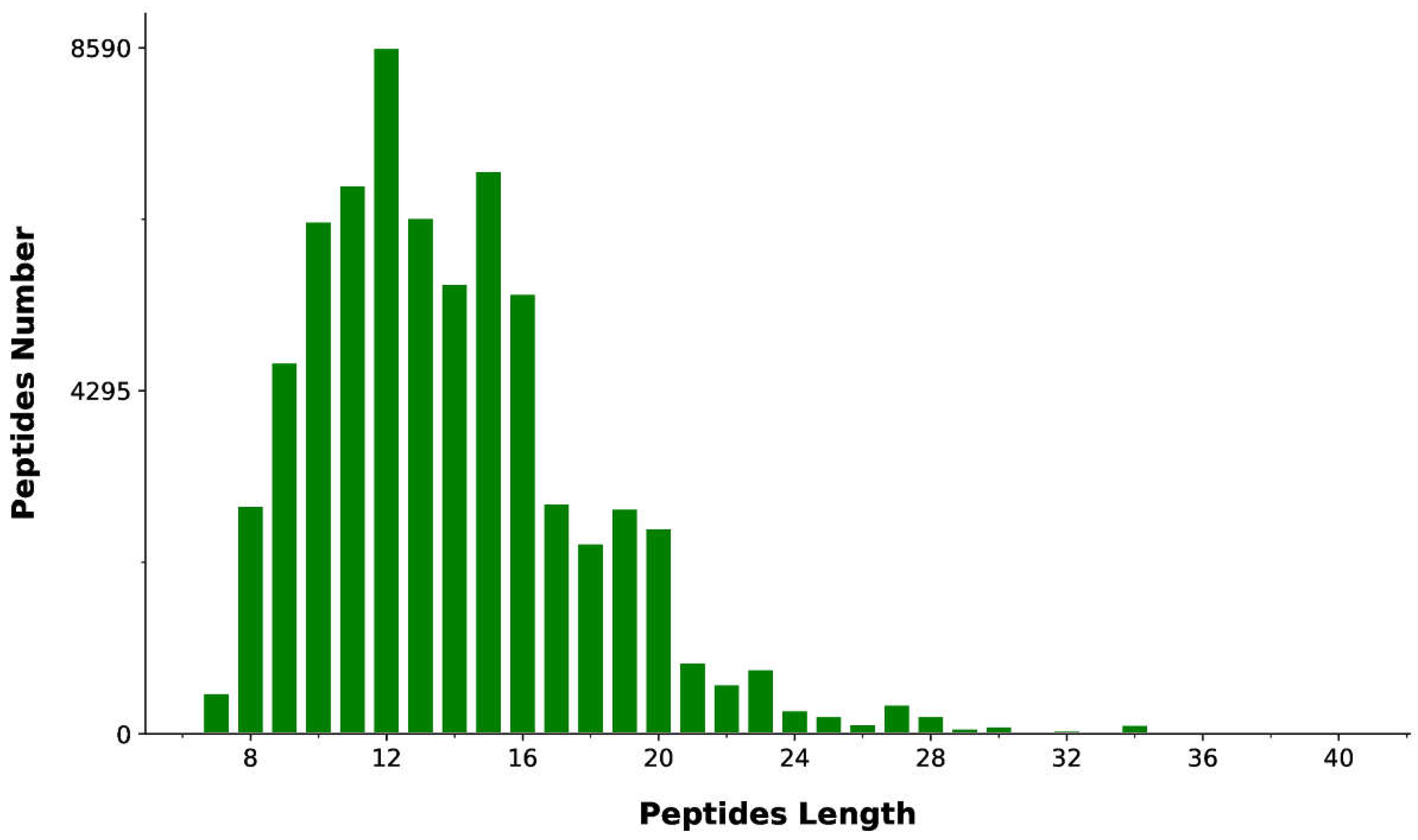
Figure 1. Peptide length distribution of the identified peptides.
Preprints 217804 g001
Figure 2. PCA results based on the abundance of protein clusters and KOs.
Preprints 217804 g002
Figure 3. The volcano plot of differentially expressed metabolites (DEMs) in the HQ vs. PQ comparisons.
Preprints 217804 g003
Figure 4. Scatter plot for KEGG enrichment analysis of HQ groups and PQ groups.
Preprints 217804 g004
Figure 5. PLS-DA score scatter plot. (A) Positive ion mode; (B) negative ion mode. X- and Y-axes show sample scores of the first and second principal components, respectively. R2Y stands for model interpretability and Q2Y for predictive capability. The model is well-established if R2Y > Q2Y.
Preprints 217804 g005
Figure 6. Enrichment distribution of differentially expressed metabolites.
Preprints 217804 g006
Figure 7. Top 20 enriched pathways of differential metabolites between PQ and HQ groups.
Preprints 217804 g007
Figure 8. Correlation analysis of proteomics and metabolomics.
Preprints 217804 g008
Figure 9. Network diagram of co-regulated proteins and metabolites. Metabolites are depicted as circular nodes and proteins as diamond-shaped nodes. Node color denotes the direction of correlation with stress intensity: red for positive correlations and blue for negative correlations. Node size is proportional to the magnitude of the correlation, with larger nodes representing stronger associations. Edge color transitions from green (negative correlation) to purple (positive correlation), and edge thickness corresponds to the strength of the pairwise correlation.
Preprints 217804 g009
Table 1. Overview of identified proteins.
Name Total spectra Matched spectra Peptides Identified proteins
ALL 989,019 69,206 7955 1636
Table 2. The significantly enriched pathways in the HQ and PQ groups.
Pathway Total Expected Hits FDR Impact
Arginine biosynthesis 56 0.407 7 1.10e-05 0.410
HQ Alanine, aspartate and glutamate metabolism 76 0.552 8 1.02e-05 0.298
mRNA surveillance pathway 99 0.720 5 0.042 0.034
Tight junction 99 1.920 41 1.88e-47 0.083
Cell adhesion molecules 250 1.436 41 6.12e-53 0.019
PQ Glycerolipid metabolism 112 0.860 1 1 0.123
Virion - Hepatitis viruses 75 0.576 41 1.06e-72 0
Disclaimer/Publisher’s Note: The statements, opinions and data contained in all publications are solely those of the individual author(s) and contributor(s) and not of MDPI and/or the editor(s). MDPI and/or the editor(s) disclaim responsibility for any injury to people or property resulting from any ideas, methods, instructions or products referred to in the content.
Copyright: This open access article is published under a Creative Commons CC BY 4.0 license, which permit the free download, distribution, and reuse, provided that the author and preprint are cited in any reuse.
Prerpints.org logo

Preprints.org is a free preprint server supported by MDPI in Basel, Switzerland.

Subscribe

Disclaimer

Terms of Use

Privacy Policy

Privacy Settings

© 2026 MDPI (Basel, Switzerland) unless otherwise stated