

Submitted:
01 June 2026
Posted:
02 June 2026
You are already at the latest version
Abstract
This study examines whether young consumers translate environmental awareness into climate-friendly dietary behavior by combining individual-level dietary carbon-footprint calculations with survey-based measures of sustainability awareness. Primary data were collected from 400 undergraduate students at Bursa Uludağ University, Türkiye, during April-June 2025. Dietary carbon footprints were estimated by matching self-reported consumption frequencies for selected food groups with emission coefficients drawn from the literature (Poore and Nemecek, 2018; FAO, 2013; Ritchie and Roser, 2021). The empirical strategy integrates descriptive statistics, correlation analysis, ANOVA and post-hoc tests, multivariate analysis, and exploratory factor analysis to identify the behavioral and awareness dimensions of responsible consumption. The average daily dietary carbon footprint was calculated as 5.15 kg CO2-eq per capita. The results show that animal-based foods, particularly red meat and poultry, are the dominant contributors to dietary emissions. Male students exhibit significantly higher carbon footprints than female students, mainly because of greater consumption of animal-based and convenience foods. Age-related differences are more limited, although fish-related emissions differ significantly between the 18-24 and 25-34 age groups. The factor analysis indicates that environmental awareness is multidimensional, with general sustainability attitudes, knowledge-oriented awareness, behavioral awareness, and personal food-waste practices emerging as distinct components. Despite relatively high awareness of local consumption and food-waste prevention, the findings reveal a persistent awareness-behavior gap: students’ stated concern for sustainability does not consistently translate into low-carbon dietary choices. By providing micro-level evidence from Türkiye, the study contributes to the literature on cleaner and responsible consumption, sustainable lifestyles, and climate-change mitigation through food choices. The findings suggest that universities can play a central role in reducing dietary carbon footprints by combining sustainability education with affordable plant-based options, food-waste prevention initiatives, eco-labeling, and gender-sensitive behavioral interventions.
Keywords:
climate-friendly consumption
; dietary carbon footprint
; sustainable diets
; environmental awareness
; young consumers
; responsible consumption
1. Introduction
Dietary choices have become a central component of sustainable consumption because food systems generate greenhouse gas emissions through production, processing, packaging, transportation, retail, preparation, and waste. As food is consumed daily and is closely connected to culture, identity, health, income, and convenience, changing dietary behavior is both environmentally important and socially complex. For this reason, the transition toward climate-friendly diets is increasingly discussed within the broader agenda of cleaner and responsible consumption, sustainable lifestyles, and climate-change mitigation (Kadıoğlu and Kaya, 2022; Clark and Tilman, 2017; Ritchie et al., 2018; Caro, 2019; Polat and Tuncel, 2021).
Previous research has shown that the environmental burdens of diets vary substantially across food groups. Animal-based foods, especially ruminant meat, generally have higher carbon, land, and water footprints than plant-based alternatives because of enteric fermentation, manure management, feed production, land-use requirements, and resource-intensive production systems (Demir and Cevger, 2007; Grossi et al., 2019; Wolf and Asrar, 2017; Poore and Nemecek, 2018). By contrast, plant-based dietary patterns are frequently associated with lower greenhouse gas emissions and more efficient resource use (Craig, 2010; Lynch et al., 2018; Carrero et al., 2020; Bayır and Kıyak, 2022; Springmann et al., 2018).
The environmental implications of food consumption are not limited to the distinction between animal-based and plant-based products. Local and seasonal consumption, food miles, packaging choices, food waste, and the structure of supply chains also influence the carbon intensity of diets (Weber and Matthews, 2008; Barbaros and Kabaran, 2014). Food waste is particularly relevant because it represents the unnecessary use of land, water, energy, labor, and transportation, while also producing avoidable emissions. Thus, climate-friendly consumption requires attention not only to what consumers eat, but also to how food is purchased, transported, prepared, and disposed of.
Although the literature on sustainable diets is extensive, empirical evidence remains limited on how young consumers in Türkiye connect environmental awareness with measurable carbon outcomes. Young people are a strategically important group because their consumption preferences are still developing and because university campuses provide institutional settings in which sustainability education, food-choice architecture, and behavioral interventions can be tested. Understanding whether awareness is reflected in actual consumption behavior is essential for designing effective policies and campus strategies.
This study addresses this gap by integrating objective dietary carbon-footprint calculations with subjective measures of environmental awareness. The study has three specific objectives: (i) to quantify the dietary carbon footprints of undergraduate students using food-group-based emission coefficients; (ii) to examine whether carbon emissions differ across socio-demographic characteristics and dietary patterns; and (iii) to evaluate the relationship between environmental awareness and actual climate-relevant consumption behavior. In doing so, the paper contributes to the Cleaner and Responsible Consumption literature by linking sustainable consumer attitudes with quantifiable carbon indicators in an under-researched national context.
2. Literature Review and Conceptual Framework
The concept of a climate-friendly consumer is closely related to the concepts of green consumer, sustainable consumption, environmentally friendly purchasing, and responsible consumption. These concepts refer to consumers who consider environmental impacts when choosing, using, and disposing of goods and services (Duru and Şura, 2013; Özcan and Özgül, 2019; Sağlam, 2023). In food-related consumption, this includes reducing high-emission foods, preferring local and seasonal products, avoiding unnecessary packaging, preventing food waste, and supporting sustainable agriculture.
Consumer behavior studies indicate that environmental awareness can influence purchasing decisions, but this effect is neither automatic nor uniform. Positive attitudes toward environmentally friendly products have been observed especially among younger consumers (Ottman et al., 2006). Eco-labels and environmental labels can increase trust and provide consumers with actionable information (Thogersen, 2000; Yücel and Ekmekçiler, 2008; Delafrooz et al., 2014). However, awareness may fail to produce behavioral change when sustainable alternatives are expensive, inaccessible, inconvenient, culturally unfamiliar, or socially stigmatized.
This discrepancy is commonly described as the attitude-behavior or awareness-behavior gap. Jackson (2008) argues that consumption is embedded in identity formation and social norms, which means that environmental values may be constrained by lifestyle expectations, habits, convenience, and symbolic meanings attached to products. In the context of food, De Boer et al. (2016) highlight that climate concerns do not always translate into reduced meat consumption. Therefore, studies of climate-friendly diets should measure both awareness and actual consumption outcomes rather than relying solely on stated attitudes.
Local and seasonal food consumption is frequently presented as a practical pathway for reducing food-related emissions because it may lower transport-related burdens and support local agricultural systems (Weber and Matthews, 2008; Künili et al., 2024; Okanlı and Demir, 2024). Sustainable gastronomy similarly emphasizes local resources, cultural food heritage, sustainable agriculture, efficient use of water and energy, and responsible dietary practices (Jones and Comfort, 2018; Froese et al., 2012; Durlu et al., 2024). Nevertheless, food miles alone do not determine the total carbon footprint of diets; the type of food consumed, especially animal-based versus plant-based composition, remains a major determinant of dietary emissions.
Based on this literature, the present study assumes that climate-friendly consumption is shaped by the interaction between dietary composition, socio-demographic factors, and environmental awareness. The empirical analysis therefore evaluates food-group-specific carbon footprints, gender and age differences, dietary-pattern effects, and the latent dimensions of awareness. This framework is consistent with responsible consumption research because it moves beyond individual attitudes and examines whether consumption systems and daily practices support lower-carbon lifestyles.
3. Materials and Methods
3.1. Study Area, Data and Sample
The main material of the study consists of primary data collected through questionnaires and secondary data obtained from national and international literature. The primary data were gathered from undergraduate students enrolled at Bursa Uludağ University, Türkiye. The university provides a relevant setting for examining young consumers because students represent a population segment whose dietary preferences, sustainability awareness, and future consumption habits are still being shaped.
The population of the study consisted of 60,372 registered students enrolled at Bursa Uludağ University in 2025. The survey was conducted during April, May, and June 2025. The questionnaire included three sections: demographic characteristics, food consumption patterns used for carbon-emission calculations, and statements measuring environmental awareness. The sample size was determined using the simple random sampling approach (Yamane, 1967; Baş, 2008; Kurtuluş, 2010). Although the minimum required sample size was calculated as 384, a total of 400 valid questionnaires were obtained and used in the analysis.
3.2. Dietary Carbon-Footprint Calculation
Dietary carbon footprints were calculated by multiplying individual consumption amounts for each food group by the corresponding emission coefficient. The food groups included red meat, poultry, fish, fruits and vegetables, and legumes. Emission coefficients were obtained from previous studies and databases in the sustainable diet literature (Poore and Nemecek, 2018; FAO, 2013; Ritchie and Roser, 2021). This approach provides a transparent and comparable measure of food-related emissions at the individual level.
The resulting values were expressed as kg CO2-eq per person per day. Food-group-specific values were then used to evaluate the relative contribution of different dietary components to total emissions. This calculation strategy is appropriate for the purpose of the study because it links actual consumption patterns to quantifiable environmental outcomes, which is central to research on responsible consumption and climate-friendly diets.
3.3. Statistical Analysis
Descriptive statistics were first used to summarize the demographic characteristics, dietary patterns, and food-group-specific carbon footprints of the participants. Pearson correlation analysis was then conducted to examine the direction and strength of relationships among the carbon-footprint values of different food groups (Derber, 2015; Hauke and Kossowski, 2011; Rodgers and Nicewander, 1988).
ANOVA was used to test whether mean carbon emissions differed across socio-demographic groups (Goldberg et al., 2020; Rouder et al., 2016; Stahle and Wold, 1989). Where statistically significant differences were identified, Tukey HSD post-hoc tests were applied to determine which groups differed from one another. Multivariate analysis was also used to evaluate the overall effect of dietary pattern on food-group-specific emissions.
Environmental awareness was measured using a five-point Likert scale. Based on the responses, exploratory factor analysis was conducted to identify the underlying dimensions of awareness. The suitability of the data for factor analysis was assessed using the Kaiser-Meyer-Olkin measure of sampling adequacy and Bartlett’s Test of Sphericity (Goretzko et al., 2021). Components with eigenvalues greater than 1 were retained, and Varimax rotation was applied. All analyses were conducted using SPSS.
4. Results
4.1. Demographic Characteristics and Dietary Profile
The sample consisted of 400 undergraduate students, of whom 58.75% were female and 41.25% were male. The participants were predominantly in the 18-24 age group, indicating a relatively homogeneous sample in terms of life stage. Omnivorous diets dominated across both genders, while vegan, vegetarian, and semi-vegetarian dietary patterns were rare. This distribution is important because omnivorous diets, especially those containing frequent animal-based foods, are generally associated with higher dietary carbon footprints.

Table 1.
Demographic characteristics of participants.
| Variable | Category | Female (n = 235) | Male (n = 165) |
| Age (%) | 18–24 | 94.47 | 93.33 |
| 25–34 | 3.83 | 6.67 | |
| 35–44 | 1.70 | 0.00 | |
| Dietary pattern (%) | Omnivorous | 94.04 | 98.18 |
| Vegan | 1.28 | 1.21 | |
| Semi-vegetarian | 4.26 | 0.00 | |
| Ovo-vegetarian | 0.00 | 0.61 | |
| Lacto-vegetarian | 0.43 | 0.00 |
Note: Values are percentages (%). Source: Authors’ calculations.
4.2. Average Daily Dietary Carbon Footprints
The average daily dietary carbon footprint of the participants was calculated as 5.15 kg CO2-eq per person per day. This value was estimated for major food groups using the reported consumption amounts and emission coefficients. Table 2 shows that red meat is the largest contributor to food-related emissions, followed by poultry. Fish, fruits and vegetables, and legumes have substantially lower emission values. This pattern is consistent with the broader literature showing that animal-based foods, especially red meat, generate higher greenhouse gas emissions than plant-based foods (Poore and Nemecek, 2018; Ridoutt et al., 2021).
The results indicate that even a limited number of carbon-intensive food groups can dominate the total dietary footprint. Red meat emissions are particularly important because methane emissions, feed production, land use, and resource requirements make ruminant-based foods more carbon intensive than most plant-based alternatives (Grossi et al., 2019; Poore and Nemecek, 2018). The relatively low values associated with legumes, fruits, and vegetables suggest that increasing the share of plant-based foods could substantially reduce the dietary carbon footprint of young consumers.
4.3. Correlations Among Food Group Carbon Footprints
The correlation matrix provides insight into whether high-emission and low-emission food groups are consumed as substitutes or complements. The strong positive correlation between red meat and poultry indicates that animal-based protein sources tend to be consumed together rather than replacing one another. This pattern implies that sustainability-oriented dietary change should focus on substitution, not merely on adding lower-emission foods to existing high-emission diets.
Table 3.
Correlation matrix of carbon footprints by food group.
| Variable | Red meat | Poultry | Fish | Fruits & vegetables | Legumes |
| Red meat | – | 0.61** | 0.24** | 0.07 | 0.06 |
| Poultry | 0.61** | – | 0.23** | 0.29** | 0.19** |
| Fish | 0.24** | 0.23** | – | 0.11 | 0.21** |
| Fruits & vegetables | 0.07 | 0.29** | 0.11 | – | 0.54** |
| Legumes | 0.06 | 0.19** | 0.21** | 0.54** | – |
Note: ** Correlation is significant at the 0.01 level (two-tailed).
The positive association between fruits and vegetables and legumes suggests a separate plant-based cluster within the diet. However, the lack of a strong negative relationship between meat and plant-based foods indicates that a clear transition from animal-based to plant-based consumption is not yet evident in the sample. This finding is relevant for responsible consumption policy because it suggests that awareness campaigns should explicitly encourage replacement of high-emission foods with lower-emission alternatives.
4.4. Age-Based Differences in Dietary Emissions
ANOVA results were used to test whether food-related carbon emissions differed across age groups. As shown in Table 4, fish-related emissions differ significantly by age, while the differences for red meat and poultry are not statistically significant at the 5% level. This suggests that age-related variation in the sample is relatively limited and concentrated in specific food groups.
The Tukey HSD test indicates that the statistically significant difference in fish-related emissions occurs between the 18-24 and 25-34 age groups. The 25-34 group shows higher fish-related emissions than the youngest group. This may reflect life-stage differences, such as higher disposable income, greater autonomy in food choices, or more frequent eating out among older students.
Table 5.
Age-based CO2 emissions from fish consumption: Tukey HSD multiple comparison test.
| Group (I) | Group (J) | Mean difference | p-value |
| 18–24 | 25–34 | -0.2044* | 0.012 |
| 18–24 | 35–44 | -0.0627 | 0.915 |
| 25–34 | 18–24 | 0.2044* | 0.012 |
Note: * p < 0.05.
4.5. Gender-Based Differences in Dietary Carbon Footprints
Gender differences are more pronounced than age differences. Male students have higher average food-related carbon footprints than female students, as shown in Table 6. This pattern is consistent with studies suggesting that men often consume larger quantities of meat and animal-based products, which increases the environmental impact of their diets (Hopwood et al., 2024; Vari et al., 2017).
The ANOVA results in Table 7 confirm that gender has a statistically significant effect on emissions across all reported food groups. The strongest differences are observed for red meat and poultry, which are also the food groups with the greatest contribution to total emissions. These findings suggest that gender-sensitive interventions may be necessary for reducing dietary carbon footprints among young consumers.
The gendered pattern of meat consumption may be interpreted through the meat-masculinity nexus, in which meat is culturally associated with strength, status, and traditional masculinity. From a responsible consumption perspective, this finding implies that information provision alone may be insufficient. Effective interventions should also address identity, social norms, taste expectations, and the availability of attractive low-carbon alternatives.
4.6. Dietary Pattern and Multivariate Emissions
The multivariate results show that dietary pattern has a statistically significant overall effect on food-group-specific carbon emissions. All four multivariate statistics reported in Table 8 are significant at p < 0.001, indicating that dietary classification is associated with systematic differences in emissions across food groups.
This result reinforces the importance of dietary composition as a determinant of environmental impact. Even within a relatively homogeneous student population, differences in dietary pattern are associated with measurable differences in emissions. This supports the argument that sustainable food policies should prioritize changes in dietary structure, particularly reductions in high-emission animal-based foods and increases in lower-emission plant-based alternatives.
4.7. Environmental Awareness and Responsible Consumption Practices
Students’ environmental awareness was measured using a set of Likert-scale statements related to seasonal consumption, fast food, local products, imported products, environmentally friendly products, food waste, packaging, natural production, sustainable agriculture, and restaurant leftovers. Table 9 reports the frequency distribution of responses.
The results reveal a mixed pattern. A large proportion of students agree that they use products produced locally or in nearby regions, and most respondents report that they avoid buying more food than needed and pay attention to food-waste prevention. These results indicate relatively positive awareness and behavior in relation to local consumption and waste reduction. However, the responses also show that fast-food or convenience-food consumption is common among participants, while avoidance of packaged foods and preference for sustainable agriculture products are less consistently observed. Thus, awareness and behavior differ across domains.
This mixed pattern provides evidence of an awareness-behavior gap. Students may express concern for sustainability and food waste, but this does not necessarily lead to consistently low-carbon food choices. Convenience, price, availability, habits, and social norms may limit the translation of awareness into behavior. These findings are consistent with Jackson (2008) and De Boer et al. (2016), who argue that sustainable consumption is shaped by social and structural conditions as well as individual attitudes.
4.8. Factor Structure of Environmental Awareness
Before factor analysis, the suitability of the data was assessed using KMO and Bartlett’s Test of Sphericity. The KMO value of 0.844 indicates very good sampling adequacy, and the significant Bartlett test confirms that the correlation matrix is appropriate for factor analysis (Watkins, 2018; Goretzko et al., 2021; Rojas-Valverde et al., 2021; Grieder and Steiner, 2022; Rogers, 2022; Wu et al., 2023).
Table 10.
Rotated component matrix for environmental awareness items.
| Item | Factor 1 | Factor 2 | Factor 3 | Factor 4 |
| (h) I avoid packaged foods as much as possible | 0.761 | |||
| (b) I consume fast food or convenience foods | -0.708 | |||
| (a) I do not consume foods produced out of season | 0.662 | |||
| (d) I do not prefer imported products when shopping for food | 0.657 | |||
| (j) I prefer products that support sustainable agriculture | 0.611 | 0.580 | ||
| (i) I prefer foods grown in natural environments | 0.546 | 0.506 | ||
| (f) I purchase environmentally friendly products | 0.559 | 0.597 | ||
| (e) I am concerned about climate change | 0.839 | |||
| (k) I pay attention to avoiding food waste | 0.549 | |||
| (g) I do not buy more food than I need when grocery shopping | 0.809 | |||
| (c) I use products produced in my place of residence or nearby regions | 0.675 | |||
| (l) I ask for leftovers to be packed when I cannot finish my meal at restaurants | 0.897 |
Note: Factor loadings of 0.50 or higher are considered meaningful (Hair et al., 2010; Tabachnick and Fidell, 2019).
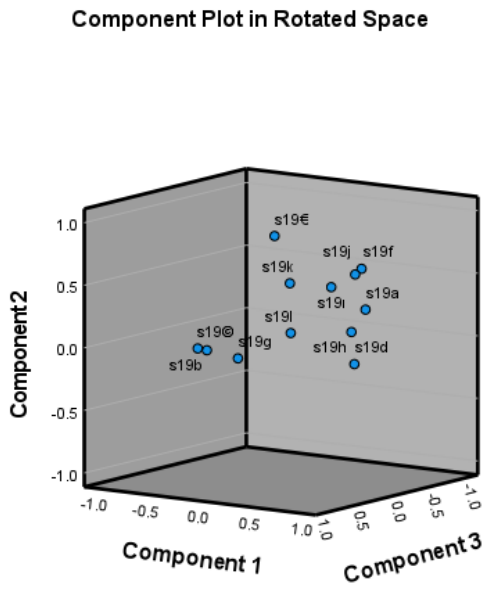
The factor analysis identifies four dimensions of environmental awareness. Factor 1 reflects general awareness and attitudes, including avoidance of packaged foods, seasonal consumption, imported-product avoidance, and sustainable product preferences. Factor 2 captures knowledge-oriented awareness, including concern about climate change and attention to food waste. Factor 3 represents behavioral awareness related to purchasing only needed food and using local products. Factor 4 reflects a personal food-waste practice, namely asking for leftovers to be packed at restaurants.
The four-factor solution explains 65.43% of the total variance, which is acceptable for social science research and indicates that the scale captures multiple dimensions of environmental awareness (Hair et al., 2010; Pallant, 2020). The dominance of the first factor suggests that general sustainability attitudes are the most influential dimension, while lower explanatory power for the behavioral and personal dimensions supports the interpretation that awareness does not automatically translate into consistent low-carbon behavior.
Figure 1.
Component plot in rotated space. Component plot in rotated space. Statements included in the Likert-scale questions are labeled alphabetically in the figure.
Figure 1.
Component plot in rotated space. Component plot in rotated space. Statements included in the Likert-scale questions are labeled alphabetically in the figure.
5. Discussion
The findings confirm that dietary carbon footprints among young consumers are strongly shaped by the composition of the diet. Animal-based foods, particularly red meat and poultry, are the main contributors to emissions. This result is consistent with the international literature on the environmental impacts of food systems and confirms that dietary shifts can contribute to climate-change mitigation (Poore and Nemecek, 2018; Clark and Tilman, 2017; Grossi et al., 2019).
The study also demonstrates that sustainable consumption cannot be explained by awareness alone. Although students report relatively high awareness in some domains, especially local consumption and food-waste prevention, high-carbon practices remain visible. This supports the awareness-behavior gap and indicates that responsible consumption requires enabling conditions, such as affordable plant-based meals, credible information, convenient low-carbon options, and social environments in which sustainable choices are normalized.
Gender differences are particularly relevant for intervention design. The higher carbon footprints of male students suggest that low-carbon dietary strategies should not be framed only as health or environmental messages. They should also address cultural meanings attached to meat, convenience, and masculinity. Campus dining services can contribute by making plant-based meals attractive, protein-rich, affordable, and visible without presenting them as restrictive or identity-threatening.
The results have practical implications for universities. Universities can influence dietary behavior through cafeteria menus, eco-labels displaying carbon information, food-waste reduction campaigns, sustainability courses, student clubs, and procurement policies favoring local and seasonal foods. Such measures align well with cleaner and responsible consumption because they combine consumer education with institutional changes in the consumption environment.
For policymakers, the findings suggest that climate-friendly dietary transitions should integrate education, economic accessibility, and behavioral tools. Information campaigns may raise awareness, but they are unlikely to be sufficient unless sustainable foods are affordable and convenient. Policies supporting local producers, sustainable agriculture, public food procurement, carbon or eco-labeling, and food-waste reduction can help translate awareness into everyday practice.
6. Conclusions and Policy Implications
This study investigated the relationship between dietary habits, carbon footprints, and environmental awareness among undergraduate students in Türkiye. By linking individual consumption data with emission coefficients and awareness indicators, the study provides micro-level evidence on climate-friendly consumption among young consumers.
The results show that students’ dietary emissions are mainly driven by animal-based foods. Red meat is the largest contributor to food-related emissions, while plant-based food groups have much lower carbon footprints. Gender differences are significant, with male students exhibiting higher emissions than female students. Age-related differences are more limited but are visible in fish-related emissions. The factor analysis confirms that environmental awareness is multidimensional and that general attitudes, knowledge, behavioral practices, and personal food-waste practices are distinct components.
The most important conclusion is that environmental awareness does not consistently translate into climate-friendly behavior. This awareness-behavior gap suggests that sustainable consumption policies should not rely solely on information provision. Instead, they should combine awareness-raising with changes in food environments, pricing, availability, social norms, and institutional support.
For universities, the findings support the development of sustainability-oriented campus food strategies. These may include expanding affordable plant-based menu options, displaying carbon-footprint labels in cafeterias, promoting local and seasonal products, reducing food waste, and integrating responsible consumption into sustainability education. For public policy, the findings highlight the importance of supporting local producers, strengthening sustainable agriculture, improving consumer information, and designing behavioral interventions that make low-carbon choices easier and more socially acceptable.
Overall, the study contributes to the literature on cleaner and responsible consumption by demonstrating how dietary carbon-footprint calculations can be combined with environmental-awareness measures to identify both opportunities and barriers for sustainable dietary transitions among young consumers.
Limitations and Future Research
The study has several limitations. First, the sample consists of undergraduate students from a single university, which limits the generalizability of the findings to all young consumers in Türkiye. Second, food consumption was self-reported, which may introduce recall bias or social desirability bias. Third, the carbon-footprint estimates depend on emission coefficients obtained from the literature; future studies could improve precision by using Türkiye-specific life-cycle assessment data where available. Fourth, the cross-sectional design does not allow causal inference about the relationship between awareness and behavior.
Future research could compare multiple universities and regions, include income and faculty-level differences, examine willingness to pay for low-carbon foods, and test intervention-based approaches such as cafeteria carbon labels or plant-based default options. Longitudinal studies would also be useful for evaluating whether sustainability education leads to durable dietary change.
Funding
The authors should state whether this research received any specific grant from funding agencies in the public, commercial, or not-for-profit sectors. If no funding was received, use: This research received no specific grant from any funding agency in the public, commercial, or not-for-profit sectors.
Informed Consent Statement
This study was conducted in accordance with the ethical standards of research involving human participants. Ethical approval was obtained from the Ethics Committee of Bursa Uludağ University on 26 March 2025, with approval number 2025/03. Participation in the survey was voluntary, and all respondents were informed about the purpose of the study before completing the questionnaire.
Data Availability Statement
The data that support the findings of this study are available from the corresponding author upon reasonable request. Because the dataset contains survey responses from students, the data are not publicly shared in order to protect participant confidentiality.
Conflicts of Interest
The authors declare that they have no known competing financial interests or personal relationships that could have appeared to influence the work reported in this paper.
References
- Bayram, H.; Öztürkcan, A. The greenhouse gas emissions from food consumption in Turkey: a regional analysis with developmental parameters. Pubs.Rsc.Org HM 2023, 1, (1) 92–99. [Google Scholar] [CrossRef]
- Boto, J.; Rocha, A.; Migueis, V.; Meireles, M.; Neto, B. N. Sustainability dimensions of the Mediterranean diet: a systematic review of the indicators used and its results. In Advances in Nutrition; Elsevier, 2022; Volume 13, 5, pp. 2015–2018. [Google Scholar]
- Bozkurt, O.; Macit-Çelebi, M. S.; Kocaadam-Bozkurt, B. Evaluation of the Dietary Carbon Footprint as a Sustainable Diet Marker in Adults: A Cross-Sectional Study. Kahramanmaraş Sütçü İmam University Journal of Agriculture and Nature 2024, 27(5), 1005–1014. [Google Scholar]
- Hauke, J.; Kossowski, T. Comparison of values of Pearson’s and Spearman’s correlation coefficients on the same sets of data. Quaestiones Geographicae 2011, 30(2), 87–93. [Google Scholar] [CrossRef]
- Hopwood, C. J.; Zizer, J. N.; Nissen, A. T.; Dillard, C.; Thompkins, A. M.; Graça, J.; Waldhorn, D. R.; Bleidorn, W. Paradoxical gender effects in meat consumption across cultures. Scientific Reports 2024, 14, 13033. [Google Scholar] [CrossRef]
- Lorca-Camara, V.; Bosque-Prous, M.; Bes-Rastrollo, M.; O’Callaghan Gordo, C.; Bach-Faig, A. Environmental and health sustainability of the Mediterranean diet: a systematic review. Advances in Nutrition 2024, 5, (12). [Google Scholar] [CrossRef]
- Ridoutt, B. G.; Baird, D.; Hendrie, G. A. The role of dairy foods in lower greenhouse gas emission and higher diet quality dietary patterns. Springer 2021, 60(1), 275–285. [Google Scholar] [CrossRef] [PubMed]
- Rodgers, J. L.; Nicewander, W. A. Thirteen ways to look at the correlation coefficient. The American Statistician 1988, 42(1), 59–66. [Google Scholar] [CrossRef]
- Rouder, J. N.; Engelhardt, C. R.; McCabe, S.; Morey, R. D. Model comparison in ANOVA. Springer 2016, 23(6), 1779–1786. [Google Scholar] [CrossRef]
- Stahle, L.; Wold, S. Analysis of variance (ANOVA). Chemometrics and Intelligent Laboratory Systems 1989, 6(4), 259–272. [Google Scholar] [CrossRef]
- Vinci, G.; Maddaloni, L.; Prencipe, S. A.; Ruggeri, M.; Di Loreto, M. V. A comparison of the Mediterranean diet and current food patterns in Italy: A life cycle thinking approach for a sustainable consumption. International Journal of Environmental Research and Public Health 2022, 19(19), 12274. [Google Scholar] [CrossRef]
- Aleksandrowicz, L.; Green, R.; Joy, E. J. M.; Smith, P.; Haines, A. The Impacts Of Dietary Change On Greenhouse Gas Emissions, Land Use, Water Use, And Health: A Systematic Review. PLOS ONE 2016, 11(11), e0165797. [Google Scholar] [CrossRef]
- Bağdatlıoğlu, N. Research on Sustainable Food Systems; SİDAŞ Publisher, 2022; p. 473. ISBN No: 978-605-5267-96-4. [Google Scholar]
- Barbaros; & B. Kabaran, S. The Mediterranean Diet And Health-Protective Mediterranean Dietary Herbs. Journal of Nutrition and Dietetics 2014, 42(2), 140–147. [Google Scholar]
- Baudry, J.; Pointereau, P.; Seconda, L.; Vidal, R.; Taupier-Letage, B.; Langevin, B.; Kesse-Guyot, E. Improvement of diet sustainability with increased level of organic food in the diet: findings from the BioNutriNet cohort. The American Journal of Clinical Nutrition 2019, 109(4), 1173–1188. [Google Scholar] [CrossRef]
- Bayır, A. G.; Kıyak, B. Plant-based diets and their effects on health in climate-supported nutrition. Academic Meat and Dairy Institution Journal. 2022, 4, 35–54. [Google Scholar]
- Bulut, B.M.; McDermott, M.; McEwan, O. Adapting The Multidimensional Mortality Awareness Measure: A Study Of Validity And Reliability. The Journal Of International Social Research 10(49), 268–275. [CrossRef]
- Caro, D. Carbon Footprint. In Encyclopedia of Ecology (Second Edition); Fath, B., Ed.; Elsevier, The Netherlands, 2019; pp. 252–257. [Google Scholar]
- Carrero, J. J.; Gonzalez-Ortiz, A.; Avesani, C. M.; Bakker, S. J. L.; Bellizzi, V.; Chauveau, P.; Clase, C. M.; Cupisti, A.; Espinosa-Cuevas, A.; Molina, P.; Moreau, K.; Piccoli, G. B.; Post, A.; Sezer, S.; Fouque, D. Plant-based diets to manage the risks and complications of chronic kidney disease. Nature Reviews Nephrology 2020, 16, 525–542. [Google Scholar] [CrossRef]
- Ceylan, Z. Ş. Calculation and comparison of carbon footprint water and protein quality in the Mediterranean diet and the diet made with Turkey Nutrition Guide recommendations; İstanbul Sabahattin Zaim Üniversitesi, Lisansüstü Eğitim Enstitüsü Beslenme ve Diyetetik Ana Bilim Dalı Yüksek Lisans Tezi, 2024. [Google Scholar]
- Clark, M.; Tilman, D. Comparative analysis of environmental impacts of agricultural production systems, agricultural input efficiency, and food choice. Environmental Research Letters 2017, 12(6). [Google Scholar] [CrossRef]
- Craig, W. J. Nutrition Concerns And Health Effects Of Vegetarian Diets. Nutrition in Clinical Practice 2010, 25(6), 613–620. [Google Scholar] [CrossRef]
- De Boer, J.; Schösler, H.; Boersema, J. J. Climate change and meat eating: An inconvenient couple? Journal of Environmental Psychology 2016, 44, 1–12. [Google Scholar] [CrossRef]
- Delafrooz, N.; Taleghani, M.; Nouri, B. Effect of green marketing on consumer purchase behaviour, Qscience Connect. 2014. Available online: https://www.qscience.com/.
- Demir, P.; & Cevger, Y. Global Warming and the Livestock Sector. Journal of the Veterinary Surgeons Association 2007, 78(1), 13–6. [Google Scholar]
- Demir, Y. Assessment of Water Footprint in Beef Production. Aydın Gastronomy 2023, 7(1), 161–171. [Google Scholar] [CrossRef]
- Derber, C. Green to Green Solving Climate Change and Remarkng the Economy; Taylor and Francis Group, 2015; ISBN 978-1-61205-343-1 s.16. [Google Scholar]
- Durlu Özkaya, F.; Varol, M. B.; Coşkun, S.; Budak, N. H. Determining the Carbon Footprint of Geographically Indicated Dishes of Ankara. Eskişehir Osmangazi University Journal of Social Sciences 2024, 2024(3), 676–688. [Google Scholar]
- Duru, M. N.; Şua, E. Green Marketing and Consumers’ Tendencies to Use Environmentally Friendly Products—Forestry Journal. 2013, 9(2), 126–136. [Google Scholar]
- Edmondson, D. R. Likert scales: A history. In Proceedings of the 12th conference on historical analysis and research in marketing (CHARM); Neilson, L. C., Ed.; 2005; pp. 127–133. [Google Scholar]
- Froese, R.; Branch, T. A.; Proelss, A.; Quaas, M.; Sainsbury, K.; Zimmermann, C. Evaluating the progress in sustainable fisheries. Marine Policy 2012, 36(1), 54–60. [Google Scholar]
- Goldberg, D.L.; Anenberg, S.C.; Griffin, D.; McLinden, C.A.; Lu, Z.; Streets, D. G. Disentangling the Impact of the COVID-19 Lockdowns on Urban NO 2 From Natural Variability. Geophysical Research Letters 2020, 47(17), 2–11. [Google Scholar] [CrossRef] [PubMed]
- Grieder, S.; Steiner, M. D. Algorithmic jingle jungle: A comparison of implementations of principal axis factoring and promax rotation in R and SPSS. Behavior Research Methods 2022, 54(1), 54–74. [Google Scholar] [CrossRef]
- Grossi, G.; Goglio, P.; Vitali, A.; & Williams, A.G. Livestock and climate change: İmpact of livestock on cli-mate and mitigation strategies. Animal Frontier 2019, 9(1), 69–76. [Google Scholar] [CrossRef]
- Hedenus, F.; Wirsenius, S.; Johansson, D. J. The Importance Of Reduced Meat And Dairy Consumption For Meeting Stringent Climate Change Targets. Climatic Change 2014, 124(1), 79–91. [Google Scholar] [CrossRef]
- Available online: http://csb.gov.tr/.
- Available online: http://fao.org.
- Available online: https://greencampus.deu.edu.tr/wp-content/uploads/2021/11/1.
- Jackson, T. Live Better by Consuming Less?: Is There a “Double Dividend” in Sustainable Consumption? Journal of Industrial Ecology 2008, 9(1-2), 19–36. [Google Scholar] [CrossRef]
- Johnston, J. L.; Fanzo, J. C.; Cogill, B. Understanding Sustainable Diets: A Descriptive Analysis Of The Determinants And Processes That İnfluence Diets And Their Impact On Health, Food Security, And Environmental Sustainability. Advances in Nutrition 2014, 5(4), 418–429. [Google Scholar] [CrossRef]
- Jones, P.; Comfort, D. A commentary on the sustainability practices of leading UK food retailers. Journal of Public Affairs 2018, 18(3), e1642. [Google Scholar] [CrossRef]
- Kadıoğlu, S.; Kaya, P.S. Environmental and Healthy Nutrition: Sustainable Diets. Journal of Samsun Health Sciences 2022, 7(1), 29–46. [Google Scholar]
- Kovancı, E.; Karakoç, D. Y. The Impact of Social Media Use on University Students’ Acquisition of Environmental Awareness. Adıyaman University Journal of Social Sciences Institute 2022, 15(41), 393–428. [Google Scholar]
- Künili, İ.E.; Çolakoğlu, F.; Ormancı, H.B.; Güngör Ertuğral, T.; Çolakoğlu, S.; Dinç, S.Ö. 2024A study examining the impact of climate change on perceptions and consumption behaviors related to food safety in Turkey. Mustafa Kemal University Journal of Agricultural Sciences 29(1), 71–83.
- Lebib, Y. Carbon Footprint Reduction and Sustainability Strategies. 2024. Available online: https://lebibyalkin.
- Lynch, H.; Johnston, C.; Wharton, C. Plant-Based Diets: Considerations for Environmental Impact, Protein Quality, and Exercise Performance. Nutrients 2018, 10(12), 1841–1856. [Google Scholar] [CrossRef] [PubMed]
- Mekonnen, M. M.; Hoekstra, A. Y. A global assessment of the water footprint of farm animal products. Ecosystems 2012, 15(3), 401–415. [Google Scholar] [CrossRef]
- Murphy, E.; Curran, T.; Holden, N.; O’Brien, D.; Upton, J. Water footprinting of pasture-based farms; beef and sheep. Animal 2018, 12(5), 1068–1076. [Google Scholar] [CrossRef]
- Noerper, T.; Neves, J.; Shaw, A.; Schulz, R.; Peterson, H.; Kocher, M.; Marquart, L.; Lundquist, H. Ultra Processed Food Consumption: Differences Between Male and Female College Students. Jandonline.Org 2025, 125, A113. [Google Scholar] [CrossRef]
- Nunnally, J.C. Psychometric theory, 2nd Edition ed; McGraw-Hill; New York, 1978. [Google Scholar]
- Okanlı, G.Ç.; Demir, O. Carbon Footprint, Types, Causes of Formation and Reduction Strategies. Underground Treasure; Economic Implications of Sustainable Agriculture; Efe Academy Publications, 2024; p. 148. ISBN 978-625-392-238-2 S. [Google Scholar]
- Özcan, H.; Özgül, B. Yeşil Pazarlama ve Tüketicilerin Yeşil Ürün Tercihlerini Etkileyen Faktörler. Journal of Vocational And Social Sciences of Turkey 2019, 1(1), 18. [Google Scholar]
- Polat, H.; Tuncel, N.Y. Sürdürülebilir Et Üretimi. The Journal Of Food 2021, 46(1), 134–151. [Google Scholar] [CrossRef]
- Ritchie, H.; Reay, D. S.; Higgins, P. The impact of global dietary guidelines on climate change. Global Environmental Change 2018, 49, 46–55. [Google Scholar] [CrossRef]
- Sağlam, M. Sustainable Climate Change Management and New Consumer Behavior Dynamics: Theoretical and Applied Sustainability Studies, Marketing and Production Management; Nobel Publishing; Istanbul, 2023; pp. ss.158–170. [Google Scholar]
- Springmann, M.; Wiebe, D.; Mason-D’Croz, D.; Sulser, K. B.; Fan, S.; Godfray, H. C. J.; Willett, W. Options for keeping the food system within environmental limits. Nature 2018, 562(7728), 519–525. [Google Scholar] [CrossRef]
- Turan, İ.; Şimşek, Ü.; Aslan, H. The Use and Analysis of Likert Scales and Likert-Type Questions in Educational Research. Sakarya University Faculty of Education Journal 2015, (30), 186–203. [Google Scholar]
- Vari, R.; Scazzocchio, B.; Del Papa, S. Dietary Habits and Gender Differences. Journal of Sex and Gender Specific Medicine 2017, 3(2), 55–58. [Google Scholar]
- Weber, C. L.; Matthews, H. S. Food-miles and the relative climate impacts of food choices in the United States. Environmental Science & Technology 2008, 42(10), 3508–3513. [Google Scholar] [CrossRef] [PubMed]
- Wolf, J.G.R.; Asrar, T.O. West, Revised Methane Emissions Factors And Spatially Distributed Annual Carbon Fluxes For Global Livestock. Carbon Balance And Management 2017, 12, (1–24. [Google Scholar] [CrossRef] [PubMed]
- Yücel, M.; Ekmekçiler, Ü. S. A Holistic Approach to the Concept of Environmentally Friendly Products; Clean Production System, Eco-Label, Green Marketing. Electronic Journal of Social Sciences 2008, 7(26), 320–333. [Google Scholar]
- Tavakol, M.; Dennick, R. Making sense of Cronbach’s alpha. International Journal of Medical Education 2011, 2, 53–55. [Google Scholar] [CrossRef]
- Panayides, P. Coefficient Alpha: Interpret With Caution. European Journal of Psychology 2013, 9(4), 687–696. [Google Scholar] [CrossRef]
- Yamane, T. Statistics: An Introductory Analysis, 2nd ed.; Harper and Row, 1967. [Google Scholar]
- Baş, T. Survey: How to Prepare, Implement and Evaluate; Seçkin Publishing, 2008. [Google Scholar]
- Kurtuluş, K. Research Methods; Türkmen Bookstore, 2010. [Google Scholar]
- Poore, J.; Nemecek, T. Reducing food’s environmental impacts through producers and consumers. Science 2018, 360(6392), 987–992. [Google Scholar] [CrossRef]
- FAO. Tackling climate change through livestock: A global assessment of emissions and mitigation opportunities; FAO; Rome, 2013; Available online: https://www.fao.org/3/i3437e/i3437e.pdf.
- Ottman, J.A.; Stafford, E.; Hartman, C. Avoiding Green Marketing Myopia: Ways To Improve Consumer Appeal For Environmentally Preferable Products. Management Faculty Publications 2006, 48, 22–36. [Google Scholar] [CrossRef]
- Ritchie, H.; Roser, M. Environmental impacts of food production; Our World in Data, 2021; Available online: https://ourworldindata.org/environmental-impacts-of-food.
- Watkins, M. W. Exploratory factor analysis: A guide to best practice. Journal of Black Psychology 2018, 44(3), 219–246. [Google Scholar] [CrossRef]
- Goretzko, D.; Pham, T. T. H.; Bühner, M. Exploratory factor analysis: Current use, methodological developments and recommendations for good practice. Current Psychology: A Journal for Diverse Perspectives on Diverse Psychological Issues 2021, 40(7), 3510–3521. [Google Scholar] [CrossRef]
- Rojas-Valverde, D. Pino-Ortega J.; Gomez-Carmona, C.D.; Rico-Gonzalez, M. A Systematic Review of Methods and Criteria Standard Proposal for the Use of Principal Component Analysis in Team’s Sports Science. International Journal of Environmental Resources Public Health 2021, 24, 7(23) 8712. [Google Scholar] [CrossRef] [PubMed]
- Rogers, P. Best Practices for Your Exploratory Factor Analysis. Review adm. Contemp. 2021, 26(06). [Google Scholar]
- Hair, J. F.; Black, W. C.; Babin, B. J.; Anderson, R. E. Multivariate Data Analysis, 7th ed.; Pearson; New York, 2010. [Google Scholar]
- Tabachnick, B. G.; Fidell, L. S. Using multivariate statistics, 7th ed.; Pearson, 2019. [Google Scholar]
- Thogersen, J. Psychological determinants of paying attention to eco-labels in purchase decisions: model development and multinational validation. Journal of Consumer Policy 2000, 23, 285–313. [Google Scholar] [CrossRef]
- Pallant, J. SPSS Survival Manual: A step-by-step guide to data analysis using IBM SPSS, 7th ed.; Routledge, 2020. [Google Scholar]
Table 2.
Average daily carbon footprint by food group.
| Food group | CO2 emissions (kg CO2-eq/day) |
| Red meat | 3.29 |
| Poultry | 1.12 |
| Fish | 0.39 |
| Fruits and vegetables | 0.13 |
| Legumes | 0.22 |
| Total | 5.15 |
Note: Values are reported as kg CO2-eq/day based on authors’ calculations.
Table 4.
ANOVA results for age and daily CO2 emissions.
| Variable | Source | SS | df | MS | F | p-value |
| Red meat | Between | 28.685 | 2 | 14.342 | 2.85 | 0.059 |
| Within | 1996.053 | 397 | 5.028 | |||
| Poultry | Between | 1.212 | 2 | 0.606 | 1.76 | 0.174 |
| Fish | Between | 0.805 | 2 | 0.402 | 4.16 | 0.016* |
Note: * p < 0.05.
Table 6.
Carbon footprint by gender.
| Gender | CO2 emissions |
| Female | 4.56 |
| Male | 5.98 |
Note: Values are reported as kg CO2-eq/day. Source: Authors’ calculations.
Table 7.
ANOVA results for gender and daily CO2 emissions.
| Variable | F | p-value |
| Red meat | 20.332 | <0.001 |
| Poultry | 23.379 | <0.001 |
| Fish | 8.369 | 0.004 |
| Legumes | 8.443 | 0.004 |
Note: p-values below 0.05 indicate statistically significant gender differences.
Table 8.
Multivariate effect of dietary pattern on daily CO2 emissions.
| Test statistic | Value | F | p-value |
| Pillai’s Trace | 0.137 | 2.796 | <0.001 |
| Wilks’ Lambda | 0.866 | 2.882 | <0.001 |
| Hotelling’s Trace | 0.152 | 2.956 | <0.001 |
| Roy’s Largest Root | 0.127 | 9.995 | <0.001 |
Note: Dependent variables are food-group-specific CO2 emissions.
Table 9.
Students’ awareness and responsible consumption practices regarding dietary carbon footprints.
Table 9.
Students’ awareness and responsible consumption practices regarding dietary carbon footprints.
| Statement | Strongly disagree n (%) | Disagree n (%) | Neutral n (%) | Agree n (%) | Strongly agree n (%) |
| I do not consume foods produced out of season | 105 (26.3) | 182 (45.5) | 49 (12.3) | 57 (14.2) | 7 (1.8) |
| I consume fast food or convenience foods | 4 (1.0) | 48 (12.0) | 37 (9.3) | 265 (66.3) | 46 (11.5) |
| I use products produced in my place of residence or nearby regions | 4 (1.0) | 35 (8.8) | 47 (11.8) | 227 (56.8) | 87 (21.8) |
| I prefer imported products when shopping for food | 71 (17.8) | 254 (63.5) | 52 (13.0) | 21 (5.3) | 2 (0.5) |
| I purchase environmentally friendly products | 21 (5.3) | 176 (44.0) | 61 (15.3) | 104 (26.0) | 38 (9.5) |
| I do not buy more food than I need when grocery shopping | 14 (3.5) | 66 (16.5) | 70 (17.5) | 205 (51.2) | 45 (11.3) |
| I avoid packaged foods as much as possible | 94 (23.5) | 212 (53.0) | 49 (12.3) | 33 (8.3) | 12 (3.0) |
| I prefer foods grown in natural environments | 11 (2.8) | 108 (27.0) | 105 (26.3) | 148 (37.0) | 28 (7.0) |
| I prefer products that support sustainable agriculture | 19 (4.8) | 210 (52.5) | 47 (11.8) | 97 (24.3) | 27 (6.8) |
| I pay attention to avoiding food waste | 7 (1.8) | 48 (12.0) | 84 (21.0) | 217 (54.3) | 43 (10.8) |
| I ask for leftovers to be packed when I cannot finish my meal at restaurants | 29 (7.2) | 204 (51.0) | 41 (10.3) | 102 (25.5) | 24 (6.0) |
Note: Responses are reported as n (%).
Disclaimer/Publisher’s Note: The statements, opinions and data contained in all publications are solely those of the individual author(s) and contributor(s) and not of MDPI and/or the editor(s). MDPI and/or the editor(s) disclaim responsibility for any injury to people or property resulting from any ideas, methods, instructions or products referred to in the content. |
© 2026 by the authors. Licensee MDPI, Basel, Switzerland. This article is an open access article distributed under the terms and conditions of the Creative Commons Attribution (CC BY) license.
Copyright: This open access article is published under a Creative Commons CC BY 4.0 license, which permit the free download, distribution, and reuse, provided that the author and preprint are cited in any reuse.


