

Submitted:
26 May 2026
Posted:
27 May 2026
You are already at the latest version
Abstract
Brick manufacturing is among the oldest industries that play a crucial role in socio-economic development, particularly in developing countries i.e. Pakistan. Pakistan is the 3rd largest brick producer in the world with 70 billion annual brick production and 20,000 kilns, after China and India. In Pakistan, a high percentage of kilns are more than a century old while a fraction of kilns shifted to zig-zag technology and the remaining kilns are working on the older technologies like Fixed Chimney Bull's Trench Kiln (FCBTK). Additionally, low-quality fuels are used, and no safety measures are there. Due to such reasons, brick kilns significantly impact air quality and health in Pakistan, which is already experiencing severe air quality problems. Brick kilns emit a huge number of pollutants into the environment including sulfur dioxide, carbon oxides (CO and CO2), nitrogen oxides, particulate matter, carcinogenic dioxins, fluoride compounds, H2S (hydrogen sulfide), polycyclic aromatic hydrocarbons (PAHs) and carbon black etc. Direct inhalation of pollutants causes respiratory diseases, nervous system diseases, cardiovascular diseases, cancer, skin diseases, and reproduction problems. Workers and nearby communities suffer more than others. These emissions also pose indirect impacts by polluting the environment, ozone depletion, acid rain, smog, global warming, and climate change. We need to shift to cleaner production and the modern technologies of brick manufacturing to overcome environmental and health challenges. For example, we can use fly ash, waste glass powder and plastic to produce our bricks rather than using clay. It not only cuts down emissions but also will be helpful to cope with health challenges.
Keywords:
brick kilns
; brick kiln technologies
; emissions
; air quality
; public health
; environment
1. Introduction
The brick manufacturing industry is one of the important and old industries that is playing a vital role in the socio-economic development, particularly in developing countries i.e., Pakistan. Bricks are the basic material used in construction and construction industry (Khan, Ali, De Felice, Salman, & Petrillo, 2019; Parvez, Rana, Nawaz, Arshad, & Research, 2023). The brick manufacturing industry fulfills the needs of increasing construction demands due to the rapidly increasing population and changing lifestyles. But at the same time, it is a problem of the current world due to its environmental challenges and public health implications. Technologies for brick manufacturing in developing countries are still old, outdated, and have no monitoring mechanisms which results in more environmental and public health problems (Hamid, Riaz, Noor, & Mazhar, 2023; Parvez et al., 2023; Subhanullah et al., 2022).
Pakistan is the third largest country in the world as a brick producer after China and India. It produces 70 billion bricks annually and has 20,000 brick kilns around the country that are contributing 1.5 to 1.7 % to the total GDP of the country (Hamid et al., 2023; Khan et al., 2019). It is estimated that the brick kiln industry is the employer for 500,000 people in Pakistan and generates revenue of 6 billion USD (Rauf et al., 2022). On the other hand, Pakistan has not shifted to modern technology yet. 99% of all kilns are more than a century old. Currently, only a fraction of kilns shifted to zig-zag technology and the remaining kilns are working on older technologies like Fixed Chimney Bull's Trench Kiln (FCBTK). In addition to this issue, there are other certain issues including no proper monitoring system for brick kilns, low-quality fuel usage, no occupational safety, and lack of awareness in the community (Khan et al., 2019; Rauf et al., 2022). These listed factors combined to increase the threat of harsh environmental consequences, air quality issues, and health-related problems in Pakistan (Subhanullah et al., 2022).
Industry of brick manufacturing in Pakistan poses serious threats to communities like air pollution, public health impacts, land degradation, and water pollution etc. Air pollution is one of the pressing environmental issues in Pakistan (Khan et al., 2019; Rauf et al., 2022; Subhanullah et al., 2022). The brisk manufacturing industry exacerbates the issue in multiple ways including but not limited to direct emissions of pollutants into the air and indirect impacts e.g., smog (W. Raza et al., 2021). Pollutants include Sulphur dioxide, carbon oxides (CO and CO2), nitrogen oxides, particulate matter, carcinogenic dioxins, fluoride compounds, toxic fumes, H2S (hydrogen sulfide), polycyclic aromatic hydrocarbons (PAHs) carbon black, etc. These all impact the air quality of surrounding areas of brick kilns and pose serious health issues to communities particularly those who are living near vicinities of kilns (Rajarathnam et al., 2014; Saju, Rahman, Debnath, & Nayan; Skinder, Pandit, Sheikh, & Ganai, 2014). Pollutants that a brick kiln produces depend upon multiple factors such as brick kiln type, the technology used in a brick kiln, the type of fuel used, and the existing climatic conditions of the area. We discussed that prevailed technology in Pakistan is FCBTK and the major fuels are coal and rubber which produce huge amounts of air pollutants (Hamid et al., 2023; Khan et al., 2019; Rauf et al., 2022; W. Raza et al., 2021).
Emissions from the brick kilns are very toxic. These can impact directly or indirectly to people (Abedin et al., 2020; Achakzai et al., 2017; Ahmad, Farooqi, Sabir, & Sardar, 2022). Direct inhalation of pollutants emitted from kilns can cause respiratory diseases, nervous system diseases, cardiovascular diseases, cancer, and reproduction problems. Skin problems, eye irritation, throat issues, and respiratory diseases are the most common diseases. Brick kilns that use rubber as fuel release more toxic dioxins and fluorides that cause liver damage, cancer, and immune system diseases (Ahmad et al., 2022; M. U. Ali et al., 2021; A. Raza & Ali, 2021; M. Saha, Ahmed, Sheikh, Mostafa, & Sciences, 2021) . Research has shown that workers who are exposed to brick kilns and people living nearby suffer more than others. These emissions also pose indirect impacts by polluting the environment, ozone depletion, acid rain, smog, global warming, and changing climate (Ahmad et al., 2022; Khan et al., 2019; M. Saha et al., 2021).
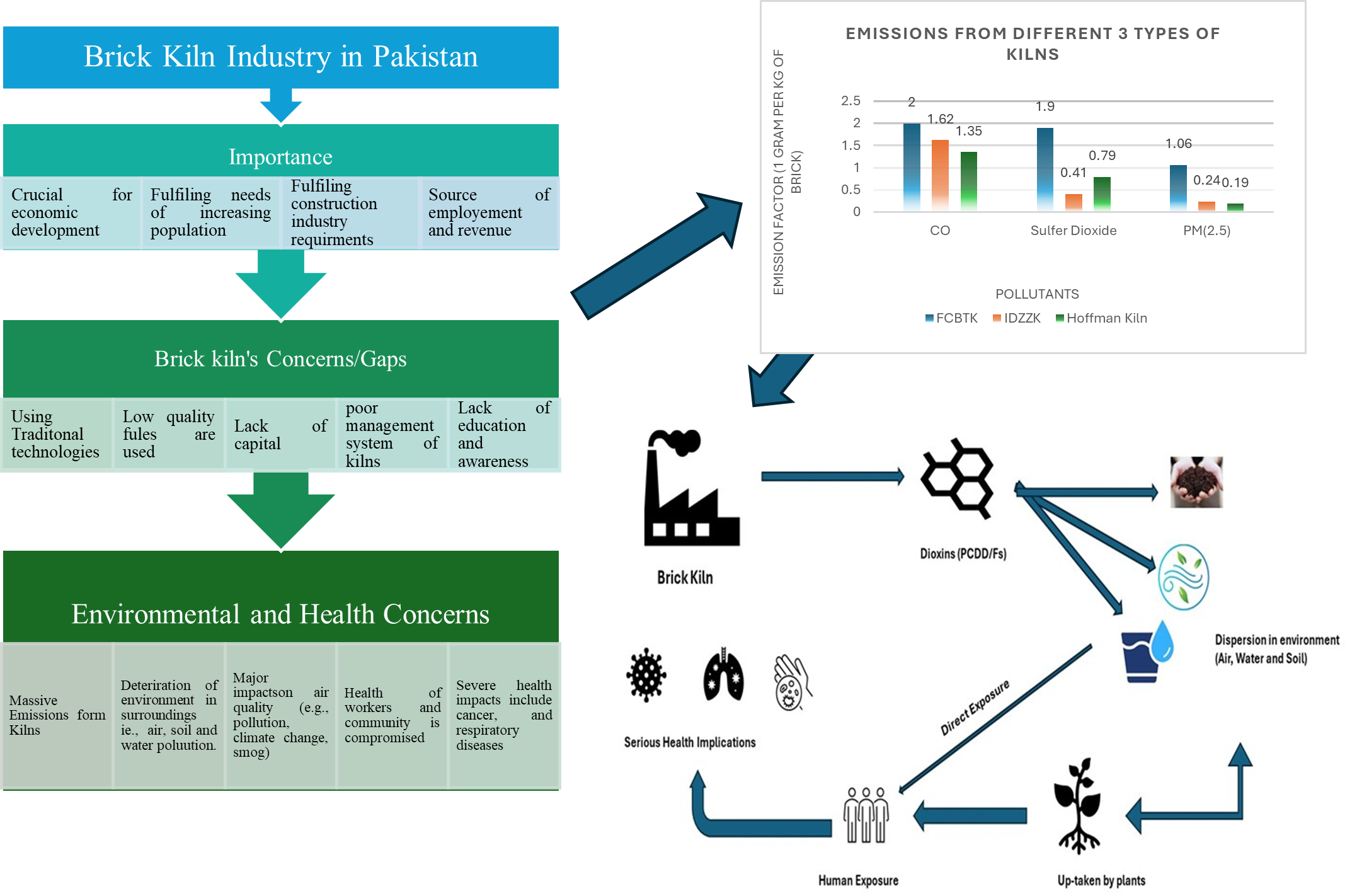
Another type of issue related to brick kilns is occupational health and safety because of the lack of preventive measures, physical stress, educated workers, awareness about health and safety at the workplace, and direct exposure to toxic pollutants (M. K. Saha, Ahmed, Sheikh, Mostafa, & Health, 2020). According to PILER (Pakistan Institute of Labor Education and Research); there is no aid provided in case of injury or emergency to worker, if any injury or emergency occurs, they cope with it on their own. Labor engaged in heavy lifting and a longer period of work pose them physical stress, back pain, and numerous other problems we discussed in detail in later sections (Hamid et al., 2023). An overall summary of all discussed problems is provided below in Figure 1.
Air pollution and public health issues are the major concerns of Pakistan. Brick manufacturing is worsening existing conditions. This Review aims to explore the air quality deterioration due to brick kilns and assess the public health concerns in Pakistan. It depicts the overall picture of the brick kiln industry, its impact on the air, and its health consequences. At the end of the review, we will discuss the recommendations or workable solutions for cleaner production technologies for brick manufacturing.
2. Methodology
To thoroughly understand the environmental and health impacts associated with brick kilns, we undertook a comprehensive search for relevant research. We scoured a multitude of electronic databases including PubMed, Embase, Web of Science, WHO Global Index, Systematic Reviews from Google Scholar, and multiple research papers. This search strategy ensured we captured research from across the region. The specific search terms we employed for each database and our investigation focused on two main areas. Firstly, we were keen to uncover pollutants emitted by brick kilns. This data included information on concentration levels, emission factors, and the overall contribution of brick kilns to air pollution. Secondly, we were interested in any research that documented the health outcomes experienced by people who work in brick kilns or live in nearby communities. Understanding the potential health risks posed by brick kiln operations was a critical aspect of our research. We extended our search beyond the electronic databases by examining the reference lists of relevant studies and reviews. This snowballing approach allowed us to gather a rich and comprehensive collection of research that would illuminate the true impact of brick kilns on both the environment and human health.
3. Current State of Air Quality
Air pollution is not only a regional but global issue. It is leading to disturbance in all components of planet Earth. Ozone depletion is a major concern of warming, and public health issues and environmental damage are major concerns attributed to air quality. According to WHO (World Health Organization), about 99% of the population is breathing polluted air. Middle- and low-income countries are more vulnerable to air pollution. Studies indicated that more than six and half million people die worldwide due to air pollution annually, and it causes 11.65% of fatalities globally. The 90% of fatalities that occur due to air pollution are attributed to low- and middle-income countries (Nag, 2022; Ouyang et al., 2022; Xue et al., 2022).
The plot in Figure 2; is derived from the website Our World data is summarizes overall deaths that occurred due to air pollution (Roser, 2021). Results are supported by the prevailing and frequently revised assessments of the mortality caused by air pollution, which are provided by the World Health Organization (WHO) and the IHME's Global Burden of Disease study and report State of Global Air, as shown in Figure 3. Their most recent calculations closely align, estimating annual deaths at 7 million and 6.7 million, respectively. These fatalities are linked to both indoor and outdoor pollution and, as detailed below, result from both human-made and natural sources of air pollution.
In addition to this IHME publishes some data in the report “State of Global Air (SOGA)” about the global burden of diseases and total deaths that occurred due to air pollution. In the following figures (Figure 3 and Figure 4), we can observe the trends of particulate matter annual average population-weighted concentrations of PM2.5 and the total number of deaths that occurred due to air pollution in 2019. If we observe both charts, we can conclude that the distribution of concentrations of the particulate matter is linked with the number of deaths, because both figures mostly depict the same trend. Except for a few discrepancies in the charts, the rest of the observation shows that where the concentrations of particulate matter are higher, the number of deaths is also higher, and vice versa. According to this data, Pakistan lies under the concentration range of 45-75 ug/m3 with 63 ug/m3 concentration of PM2.5, and the 100,000 to 500,000 deaths with the 236,000 number of deaths (IHME, 2020).
Pakistan is also facing similar trends of impacts due to air quality deterioration. According to WHO guidelines regarding concentrations of particulate matter Pakistan ranked as 3rd most polluted country in the world. The annual PM2.5 concentrations were 13.4 times higher than the WHO-provided guidelines. In addition to this Lahore ranked as an unhealthy city to live there, particularly for sensitive groups (Rehan et al., 2023). 22,600 deaths occurred by 2005 in Pakistan due to air pollution and only PM2.5 was responsible for more than 9000 deaths. This number is increasing very rapidly due to emerging problems of air pollution, e.g., smog. There are about 70 million people who are facing respiratory diseases due to air pollution among which 40 % are children. Subhanullah et al., 2022 also indicated that 80% of samples collected for particulate matter were higher than the permissible limits outlined in the National Environmental Quality Standards (NEQS) of Pakistan (Subhanullah et al., 2022).
4. Process of Brick Manufacturing
The process of clay-fired brick production begins with the extraction of raw materials, primarily clay. The clay is extracted in its natural state, often in large chunks or lumps, and is then transported to the manufacturing facility for processing. The quality and type of clay used can vary depending on the desired properties of the final product, such as texture, and strength. Other raw materials like silica, feldspar, and quartz may also be extracted and used in the brick mix to enhance its properties. After extraction, the raw materials are processed and prepared for use in brick production. The clay is crushed and ground into a fine powder. The material preparation step is crucial in ensuring the final product meets the required standards of strength, durability, and appearance. The prepared raw materials are then mixed in a specific proportion to create the brick mix. The clay powder is mixed with water and other raw materials like silica, feldspar, and quartz in a large mixing machine called a pugmill (Charai, Sghiouri, Mezrhab, Karkri, & El Hammouti, 2020; Heidari, Ghazizade, & Protection, 2021).
The brick mix is then ready to be shaped into bricks. The brick mix is then shaped into bricks using various methods, depending on the desired shape and size. The shaped bricks are then dried to remove excess moisture and prepare them for firing. The drying process can take several hours or days, depending on the climate and the desired level of dryness. The bricks are placed on racks or shelves, allowing air to circulate them and promoting even drying. The drying process is crucial in preventing cracking and warping during firing. The bricks are dried to a moisture level of around 5-7%, which is ideal for firing (Vasconcelos da Silva et al., 2020).
The dried bricks are then fired in a kiln at a relatively low temperature (around 1800°F/980°C) to create a hard, brittle surface called the "bisque" firing. This firing process burns out any organic material in the clay and removes excess moisture, making the bricks more durable and less prone to warping. The bricks are fired in a kiln for several hours, and the temperature gradually increased to a higher temperature (around 2400°F/1315°C). This firing process is called the "glost" firing. The glost firing creates a hard, glossy surface that is resistant to water and wear. The bricks are then cooled and inspected for quality (Suksuwan, Yeranee, Wae-hayee, & Technology, 2023; Yüksek, Öztaş, & Tahtalı, 2020). Finally, these bricks are extracted and stored or transported. The process is outlined in Figure 5.
5. Brick Kilns and Emissions
Each step outlines above accounts for numerous emissions. Brick production is a vital part of the construction industry, but the process generates various emissions throughout its lifecycle. Table 1 provides details about the emissions associated with each step of clay-fired brick production, highlighting the environmental impact at each stage. From raw material extraction to final delivery, energy consumption, greenhouse gas release, dust generation, and air pollutants are key concerns. Understanding this emission profile is crucial for developing sustainable brick manufacturing practices.
Pakistan is among the developing and low-income countries. It does not have much more modernization in the brick kilns industry due to economic constraints. Older technologies prevail all over the country for brick manufacturing. Pakistan uses two types of kilns for brick manufacturing: traditional kilns and modern kilns. FCBTK is an older technology and is included in the traditional type of brick kilns (Khan et al., 2019; Rauf et al., 2022). FCBTK is the most pronounced in the air quality deterioration because of poor heat transfer properties, and higher consumption of fuels. It is creating more burden on air quality instead of other modern technologies and leading to climate change (Hamid et al., 2023). Advanced kilns are also there that are technologically modified and include, Hoffman Kiln, Vertical Shaft Brick Kiln, Induced Draught Zigzag kilns (IDZZK), and MFCBTK (Modified Fixed Chimney Bull's Trench Kiln) (Khan et al., 2019; Rauf et al., 2022). New and modified technologies are more efficient and produce more bricks with less environmental impact than traditional kilns (Hamid et al., 2023; Rajarathnam et al., 2014; Subhanullah et al., 2022).
In Pakistan, if we compare traditional kiln FCBTK to advanced IDZZK we come to know that the former one has higher emissions than the latter one. Single FCBTK in Pakistan emits 14,000 tons of CO2 annually while IDZZK emits 5700 tons of CO2 annually and Hoffman has an even much higher capacity to reduce CO2 as compared to IDZZK (Rauf et al., 2022). It indicates that modified technologies are far better than the traditional ones. Unfortunately, due to economic constraints, Pakistan has not shifted yet to new technologies still more than 15,000 kilns are traditional FCBTKs and fewer are modified to IDZZKs and Zig-Zag Kilns (ZZKs) (Rajarathnam et al., 2014; Rauf et al., 2022).
Air quality is a big problem in Pakistan and brick kilns are one of the significant influencers of air pollution in developing countries including Pakistan (Achakzai et al., 2017; Khan et al., 2019). The increasing population of Pakistan and changing lifestyle within the community putting pressure on resources. Demand for construction is increasing day by day, which is leading towards the more production of bricks. As demand for construction is increasing, the number of brick kilns is also increasing. Our brick kiln manufacturing industry is meeting this demand but unfortunately, using traditional and old technologies due to several constraints (Achakzai et al., 2017; Subhanullah et al., 2022). The use of traditional techniques in Pakistan puts more pressure on the environment, particularly on the air quality (Ahmad et al., 2022; Hamid et al., 2023; Parvez et al., 2023; Subhanullah et al., 2022).
The type of fuel and fuel consumption is another important thing to consider when we talk about the air and health impact of brick kilns. Pakistan is using low-quality fuels like coal, motor oil, rubber, sawdust, wasted cardboard, and waste plastics within brick kilns which is increasing problems due to higher emissions of hazardous substances. Greenhouse gas emissions and other toxic substances are directly released into the atmosphere without any filtration and control mechanism with the burning of low-quality, cheap, and dirty fuels (Hamid et al., 2023; Rauf et al., 2022; Skinder et al., 2014).
Clay-fired bricks are produced in Pakistan that contain soil and additives to improve the quality of bricks. Then these are baked in the kiln to complete the manufacturing of bricks. Low-quality coal is the major fuel used in Pakistan as an energy and fire source for baking bricks (Hamid et al., 2023; Rauf et al., 2022; Skinder et al., 2014). Half of the coal produced in Pakistan is utilized in the brick kiln industry. It is estimated that 20 thousand kilns are there in the country, of which 16 thousand are functional and 10 thousand are working in Punjab, which utilizes about 1.5 million tons of coal annually (Hamid et al., 2023).
Due to a lack of a monitoring system, the number of kilns is using rubber, waste plastics, wood, and trash. It worsens air quality by pumping a huge number of pollutants into the air (Achakzai et al., 2017; Hamid et al., 2023; Khan et al., 2019). Hazardous emissions from brick kilns are attributed mainly to low-quality fuels used in kilns (coal, rubber, and motor oils) (Hamid et al., 2023; Nicolaou et al., 2023; Parvez et al., 2023; Subhanullah et al., 2022). There is a lack of proper emission inventory related to this sector and coal consumption which is increasing emissions over time. (Rauf et al., 2022).
Subhanullah et al., 2022, indicated that 3567.67, 2305, and 3377 µg/m3 are the highest concentrations of diverse types of particulate matter, PM10, PM2.5, and PM1 respectively, observed in the study area in Pakistan. They indicated in their study that brick kilns significantly increase the particulate matter in surrounding areas (Subhanullah et al., 2022). The 70 % coal used in the country is a source of ample SO2 and carbon black emissions. Another study by Rauf et al., 2022, indicated emissions from 3 diverse types of kilns. They compared emissions from FCBTK, IDZZK, and Hoffman Kiln. They found that the FBCTK is the most air-polluting technology, IDZZK is less than it, and Hoffman is the least polluting among these 3. They identified concentrations of CO, PM2.5, black carbon, CO2, and SO2 pollutants from these kilns. A comparison of the emissions from these kilns depicts the impact of older and modified technologies on the environment. Using that data we picked 3 pollutants and plotted a graph of emissions from all 3 kilns in Figure 6 (Rauf et al., 2022).
Emissions also depend upon the brick production capacity of the kiln. Brick kilns with a firing batch of 10,000 bricks normally emit particulate matter (0.64-1.4 kg), SO2 (0.52-5.9 kg), and CO (6.35-12.3 kg). In the Greater Dhaka region, the overall emissions from brick manufacturing include approximately 302,000 tons of CO, 3,300 tons of PM2.5, 15,500 tons of SO2, and 6,000 tons of black carbon. The annual production of 3.5 billion bricks contributes 18 million tons of CO2 emissions (Hussain et al., 2022). From this, we can estimate how brick kilns are contributing to the air quality deterioration, through the emissions of greenhouse gases and other toxic materials.
6. Nexus of Brick Kilns, Air Quality and Public Health
The brick kiln industry is highly unregulated in developing countries. Brick kilns emit toxic materials outlined above in the introduction. These not only impact the air quality of a particular area but also impart numerous health issues, environmental challenges, and management problems. These make the air quality conditions bad to worse (Achakzai et al., 2017; Hamid et al., 2023; Imaduddin, Khan, Mirza, & Bhadra, 2023; Nicolaou et al., 2023; Rajarathnam et al., 2014).
Pakistan holds third position in the brick kiln industry as discussed earlier in this paper (Hamid et al., 2023; Khan et al., 2019; Rauf et al., 2022; Subhanullah et al., 2022). Expansion of kilns is there but due to lack of capital and awareness, we are not shifting towards modern technologies like IDZZK and Hoffman kilns or sustainable solutions which are less environment-intensive technologies and have higher efficiencies. These factors all together create a huge impact on the air quality of the country and make the brick kiln manufacturing industry the worst industry for air quality by provoking environmental and public health concerns (Khan et al., 2019; Rehan et al., 2023; Subhanullah et al., 2022).
Brick manufacturing is a mechanized work that includes multiple steps. Soil is prepared mainly of clay and some other additives to improve brick quality (M. Ali et al., 2020). Then molded into brick shapes and after this baked in the brick kilns for longer periods. Then bricks are prepared and transported to required sites where needed for construction (M. Ali et al., 2020; Khan et al., 2019). Every activity involved in brick manufacturing has certain environmental and health impacts (Hossain, Zahid, Arifunnahar, Siddique, & Informatics, 2019). Pollutants from the brick kilns disturb the environment, plants, animals, and humans significantly. These impacts could be short-term or long-term. This paper is concerned with the long-term impacts, majorly including air quality and public health. There are certain other impacts like ozone depletion, soil erosion, groundwater contamination, lowering of groundwater level, food chain contamination and deforestation, but this paper only included air quality damages and its overall impacts on public health (David et al., 2020; Khan et al., 2019).
Kilns are usually built in rural or peri-urban areas where they can easily access clay to use for brick production. Mainly kilns use fossil fuels to meet their energy needs. Low-quality fuels are considered one of the major reasons for the high emission footprints of kilns (Apu, 2023; Hussain et al., 2022; Imaduddin et al., 2023; Khan et al., 2019; W. Raza et al., 2021). These emissions are a major concern for health impacts. These could harm the health of people in two ways, number one is the direct impacts of polluted air inhalation and number two is the indirect impacts of ecological damage, climate change, ozone depletion, and soil and water quality deterioration (Achakzai et al., 2017; Ahmad et al., 2022; A. Raza & Ali, 2021; M. Saha et al., 2021). Direct impacts occur due to direct breathing in the polluted air and indirect impacts are imparted by climate change, ecological disruptions, acid rain, and soil and water contamination which are consequences of emissions from the kilns and brick manufacturing process as illustrated in Table 2. Community and workers are mostly exposed to direct impacts which could last longer and frequently (Abedin et al., 2020; David et al., 2020; Hossain et al., 2019).
Brick kilns have impacts on health which is clear from literature and research as far as indicated in Table 2. Different studies have shown that silicosis, asthma, and chronic obstructive pulmonary symptoms are mainly caused by brick kilns by direct emissions into the atmosphere (Apu, 2023; Bashir et al., 2023; Kan, 2022; Nazir, Taj, Uppal, & Khalid, 2023). Particulate matter, sulfur oxides, and carcinogenic dioxins are most dangerous in the emissions from brick kilns (Bashir et al., 2023; Parvez et al., 2023; A. Raza & Ali, 2021; Saju et al.). These cause serious issues more than other pollutants. According to WHO standards value for the particulate matter is 5 µg/m3 while Pakistan has far higher values as compared to standards (Kan, 2022; Khan et al., 2019). Similarly, all other pollutants exceed NEQS and the WHO guidelines that are injurious to health and ultimately the reason is small- and large-scale industries including brick kilns (M. K. Saha et al., 2020; Shaikh, Imran, Khan, Khokhar, & Bakhsh, 2020; Skinder et al., 2014; Subhanullah et al., 2022).
6.1. Particulate Matter
Particulate matter causes skin diseases, heart diseases, asthma, respiratory diseases, eye irritation and lung cancer. Black dust from brick kilns is a serious health risk for humans (Achakzai et al., 2017; Apu, 2023; Bashir et al., 2023; David et al., 2020; Hossain et al., 2019). Subhanullah et al., 2022, indicated in their study that they found eye, skin, and respiratory diseases are due to particulate matter released from kilns, and illustrate that effects vary from person to person. They conducted a survey and found that 4.15% of respiratory diseases, 28.5% of skin problems, and 18.9% found depression in workers while they are facing nose, throat, and eye irritation constantly due to smoke from kilns. Children are more susceptible to diseases due to air pollution rather others (Subhanullah et al., 2022). Sanjel et al., 2016 reported that there are higher mean values of concentrations of particulate matter in Kathmandu Valley that contribute to 88.5% respiration and other diseases in workers (Sanjel, Thygerson, Khanal, & Joshi, 2016).
6.2. SO2
SO2 is critical in emissions from kilns and coal burning during brick manufacturing releases it in larger amounts into the atmosphere (Hamid et al., 2023; Khan et al., 2019; Rauf et al., 2022; A. Raza & Ali, 2021). It causes different kinds of respiratory diseases including irritation of the throat, irritation of the nose, wheezing, and coughing. For instance, in a Chinese village, the prominent cause of cancer is smoke released from coal-burning (Subhanullah et al., 2022).
6.3. COX
Oxides of carbon also play a vivacious role in health problems (Ahmad et al., 2022; Apu, 2023). These can cause dizziness, headache, nausea, vomiting, and even death if exposed for longer periods or in enormous quantities. CO causes toxicity which leads to death if exposure is for longer periods, and it is also known as neurotoxin (Kan, 2022; Levy, 2015; M. K. Saha et al., 2020). It has been reported that the region of Bangladesh; Dhaka has 302,000 tons emissions of carbon monoxide and 1.8 million tons of emissions of CO2 which is ultimately injurious to public health (M. Saha et al., 2021).
6.4. Dioxins
Carcinogenic dioxins prevailed in emissions where rubber is used as fuel to run brick kilns. These dioxins are extremely harmful to human health and cause serious damage (Gul et al., 2021; Hamid et al., 2023; Khan et al., 2019; Subhanullah et al., 2022). Gul et al., 2021, reported in their study that these toxic compounds have been identified in ashes collected from brick kilns in Peshawar (Gul et al., 2021). These can cause serious health issues including hepatotoxicity, immunotoxicity, birth defects, and endocrine disruption. Thyroid disorders, pulmonary dysfunction, diabetes, altered serum testosterone level, liver damage, chloracne, loss of appetite, and nausea are also reported in humans and other organisms as well due to these toxins (Fadel, Ledoux, Afif, & Courcot, 2022; Gul et al., 2021; Marquès, Domingo, & Health, 2019).Overall pollutant distribution in environment and channelization into different media given into Figure 7.
6.5. Heavy Metals
Heavy metals are also released when burning in brick kilns. A study (M. Saha et al., 2021) reported that lead, chromium, cadmium, arsenic, iron, and zinc were found in the fly ash collected from brick kilns. Brick kiln workers, exposed to significant emissions of heavy metals, have reportedly suffered from various toxic impacts (M. Saha et al., 2021). Both brick kiln workers and nearby residents show elevated levels of trace elements in their blood, with females experiencing reproductive issues and male workers exhibiting prevalent homeostatic imbalances (Al Osman, Yang, & Massey, 2019; Bo et al., 2022; Hamid et al., 2023; Mitra et al., 2022).
6.6. Organic Pollutants
Carbon black and polycyclic aromatic hydrocarbons are also part of emissions from brick kilns and cause serious health losses (M. U. Ali et al., 2021; Khan et al., 2019). Table 3 summarizes the types of different pollutants and diseases attributed to each of these.
6.7. Indirect Impacts
The above-outlined impacts are direct impacts of the emissions of brick kilns. The long-term, indirect, and scarier impacts are environmental disruptions caused by air pollution in which brick manufacturing contributes massively (Abedin et al., 2020; Achakzai et al., 2017; Ahmad et al., 2022). These impact human health indirectly as air pollution causes smog and smog leads to throat, eye, nose, and skin irritations, additionally, longer periods of exposure to smog may lead to severe health outcomes (Ahmad et al., 2022; Khan et al., 2019; M. Saha et al., 2021). Similarly, climate change is an emerging issue now and one of the major concerns is public health. Agroecological system disruptions, changing temperatures, shifting climatic zones, vector-borne diseases, and disasters are consequences of climate change which pose a serious threat to public health (Khan et al., 2019; Saju et al.; Subhanullah et al., 2022).
Another side of emissions from kilns leads to ozone depletion that allows UV radiation to reach the earth's surface and results in skin diseases and cancer problems. After a survey of this literature, we came to know that the brick manufacturing industry imparts severe impacts on human health directly or indirectly through environmental disruptions. We need to consider these all things to control the emissions from brick kilns that cause damage to the environment, and human health and compromise the workers' protection at work (Ahmad et al., 2022; David et al., 2020; Khan et al., 2019; M. Saha et al., 2021; Skinder et al., 2014).
Air pollution directly impacts climate change in multiple ways and industries like bull-trench kilns are one of the main sources of air pollution that is contributing to climate change. In South Asia, major sources of smog are small-scale industries like bull trench kilns which mainly cause respiratory and throat diseases (Nazir, Taj, Uppal, & Khalid, 2023). Ozone depletion is another problem caused by deteriorating air quality. NOx and a fraction of VOCs are directly released into the atmosphere which leads to ozone depletion. By ozone depletion, UV radiation directly reaches the earth, causing cancer and skin-related diseases. Polycyclic aromatic hydrocarbons are potent factors contributing to contamination and human health problems. Similarly, carbon monoxide causes toxicity when inhaled in high-level or longer-period exposures (Manisalidis, Stavropoulou, Stavropoulos, & Bezirtzoglou, 2020).
7. Recommendations
Brick kilns, a cornerstone of construction for centuries, come with a significant environmental cost. Burning fossil fuels releases harmful pollutants, contributing to air and climate change. Fortunately, advancements in technology and alternative materials offer promising solutions for a more sustainable future of brick production. Sustainable solutions for brick production; moving beyond traditional brick kilns. The following are a few recommendations to get rid of typical brick production and environmental pollution.
7.1. Improved Kiln Technologies
One approach focuses on improving traditional kilns themselves. Zigzag kilns offer a more efficient path for hot air, requiring less fuel and reducing emissions. Vertical Shaft Brick Kilns (VSBK) boast even better fuel efficiency and heat distribution compared to older models. For continuous operation and better emission control, tunnel kilns offer a major step forward. Finally, Hybrid Hoffman Kilns combines features from different technologies, maximizing efficiency and minimizing environmental impact (Abbas et al., 2022; Getahun et al., 2024).
7.2. Alternative Building Materials
Beyond improving kilns, a wave of alternative building materials is emerging. Compressed Stabilized Earth Blocks (CSEBs) utilize locally sourced soil, stabilized with a binder like cement or lime, offering a sustainable and cost-effective option (Riza, Abdul Rahman, & Zaidi, 2011). Fly ash, a byproduct of coal-fired power plants, can be repurposed into fly ash bricks, reducing reliance on virgin materials. Autoclaved Aerated Concrete (AAC) blocks, made from sand, cement, and a foaming agent, offer good insulation and require less energy during construction. Recycled materials like crushed concrete or demolition waste can also be incorporated into new building blocks, further minimizing our footprint (Michelini, Ferretti, Miccoli, & Parisi, 2023).
7.3. Choosing the Right Path
The optimal alternative depends on a variety of factors. Local availability of resources plays a crucial role. Cost-effectiveness is a major consideration. Building regulations and specific project requirements must be met. Finally, the desired properties of the final building material influence the selection (Maaze & Shrivastava, 2023).
8. Conclusions
In conclusion, the longstanding brick manufacturing industry in countries like Pakistan faces critical challenges, including environmental impact and public health concerns. Outdated kiln technologies, low-quality fuel usage, and lack of monitoring contribute to substantial air pollution. This, coupled with the rapid population growth and increased construction demand, exacerbates the problem. Pakistan, the world's third-largest brick producer, grapples with the consequences of century-old kilns and the prevalence of traditional methods like Fixed Chimney Bull's Trench Kiln (FCBTK). Emissions from brick kilns include harmful pollutants such as sulfur dioxide, carbon oxides, and carcinogenic substances, leading to respiratory diseases, cardiovascular issues, and other health problems for workers and nearby communities. To address these issues, a shift towards cleaner production and innovative technologies is essential. Utilizing materials like fly ash, waste glass powder, and plastic in brick manufacturing offers a sustainable and environmentally friendly alternative to traditional clay-based methods. Embracing these advancements not only reduces emissions but also promotes a healthier and more sustainable future for the brick manufacturing industry.
Abbreviations
GDP, Gross Domestic Product; FCBTK, Fixed Chimney Bull's Trench Kiln; PAHs, Polycyclic Aromatic Hydrocarbons; IDZZK, Induced Draught Zigzag kilns; MFCBTK, Modified Fixed Chimney Bull's Trench Kiln; ZZKs, Zig-Zag Kilns; PM, Particulate Matter; CO2, Carbon Dioxide; VOCs, Volatile Organic Carbons; SO2, Sulfur Dioxide; NOx, Nitrogen H2S, Hydrogen sulfide; Sulfur Oxides; and CO, Carbon Monoxide.
References
- Abbas, A.; Sajid, M. B.; Shahzad, N.; Din, E. U.; Mahmood, M.; Salahuddin, U. Barriers and drivers for adoption of energy efficient and environment friendly brick kiln technologies in Punjab, Pakistan. Energy Reports 8 2022, 15563–15573. [Google Scholar] [CrossRef]
- Abdel-Shafy, H. I.; Mansour, M. S. M. A review on polycyclic aromatic hydrocarbons: Source, environmental impact, effect on human health and remediation. Egyptian Journal of Petroleum 2016, 25(1), 107–123. [Google Scholar] [CrossRef]
- Abedin, M.; Karim, M.; Khandaker, M. U.; Kamal, M.; Hossain, S.; Miah, M.; Chemistry. Dispersion of radionuclides from coal-fired brick kilns and concomitant impact on human health and the environment. 2020, 177, 109165. [Google Scholar] [CrossRef]
- Achakzai, K.; Khalid, S.; Adrees, M.; Bibi, A.; Ali, S.; Nawaz, R.; Rizwan, M. Air pollution tolerance index of plants around brick kilns in Rawalpindi, Pakistan. Journal of Environmental Management 190 2017, 252–258. [Google Scholar] [CrossRef]
- Ahmad, H. R.; Farooqi, Z. U. R.; Sabir, M.; Sardar, M. F. Brick Kilns: Types, Emissions, Environmental Impacts, and their Remedial Measures. In Biodiversity, Conservation and Sustainability in Asia; Springer, 2022; Volume 2, pp. 945–958. [Google Scholar]
- Al Osman, M.; Yang, F.; Massey, I. Y. J. B. Exposure routes and health effects of heavy metals on children. 2019, 32, 563–573. [Google Scholar] [CrossRef]
- Ali, M.; Room, S.; Khan, M. I.; Masood, F.; Memon, R. A.; Khan, R.; Memon, A. M. Assessment of local earthen bricks in perspective of physical and mechanical properties using Geographical Information System in Peshawar, Pakistan . Paper presented at the Structures; 2020. [Google Scholar]
- Ali, M. U.; Siyi, L.; Yousaf, B.; Abbas, Q.; Hameed, R.; Zheng, C.; Wong, M. H. Emission sources and full spectrum of health impacts of black carbon associated polycyclic aromatic hydrocarbons (PAHs) in urban environment: A review. Critical Reviews in Environmental Science and Technology 2021, 51(9), 857–896. [Google Scholar] [CrossRef]
- Apu, I. K. Exploring the Ecological and Public Health Implications of Brick Manufacturing in a Suburban Municipality of Bangladesh: A Comprehensive Case Study. 2023. [Google Scholar] [CrossRef]
- Arias-Pérez, R. D.; Taborda, N. A.; Gómez, D. M.; Narvaez, J. F.; Porras, J.; Hernandez, J. C. Inflammatory effects of particulate matter air pollution. Environmental Science and Pollution Research 2020, 27(34), 42390–42404. [Google Scholar] [CrossRef] [PubMed]
- Bashir, Z.; Amjad, M.; Raza, S. F.; Ahmad, S.; Abdollahian, M.; Farooq, M. J. S. Investigating the Impact of Shifting the Brick Kiln Industry from Conventional to Zigzag Technology for a Sustainable Environment. 2023, 15(10), 8291. [Google Scholar] [CrossRef]
- Bo, X.; Guo, J.; Wan, R.; Jia, Y.; Yang, Z.; Lu, Y.; Wei, M. J. E. P. Characteristics, correlations and health risks of PCDD/Fs and heavy metals in surface soil near municipal solid waste incineration plants in Southwest China. 2022, 298, 118816. [Google Scholar] [CrossRef]
- Boningari, T.; Smirniotis, P. G. Impact of nitrogen oxides on the environment and human health: Mn-based materials for the NOx abatement. Current Opinion in Chemical Engineering 13 2016, 133–141. [Google Scholar] [CrossRef]
- Charai, M.; Sghiouri, H.; Mezrhab, A.; Karkri, M.; El Hammouti, K. J. M. T. P. Comparative study of a clay before and after fired brick-making process. 2020, 31, S103–S108. [Google Scholar] [CrossRef]
- David, M.; Afzal, M.; Shoaib, M.; Aman, F.; Cloete, K. J.; Turi, N.; Research, P. Study of occupational exposure to brick kiln emissions on heavy metal burden, biochemical profile, cortisol level and reproductive health risks among female workers at Rawat, Pakistan. 2020, 27, 44073–44088. [Google Scholar] [CrossRef]
- Du, B.; Tandoc, M. C.; Mack, M. L.; Siegel, J. A. J. I. a. Indoor CO2 concentrations and cognitive function: A critical review. 2020, 30(6), 1067–1082. [Google Scholar]
- Fadel, M.; Ledoux, F.; Afif, C.; Courcot, D. J. A. P. R. Human health risk assessment for PAHs, phthalates, elements, PCDD/Fs, and DL-PCBs in PM2. 5 and for NMVOCs in two East-Mediterranean urban sites under industrial influence. 2022, 13(1), 101261. [Google Scholar]
- Getahun, Z.; Abewaa, M.; Mengistu, A.; Adino, E.; Kontu, K.; Angassa, K.; Abdu, J. Towards sustainable charcoal production: Designing an economical brick kiln with enhanced emission control technology. Heliyon 2024, 10(6), e27797. [Google Scholar] [CrossRef] [PubMed]
- Gul, N.; Khan, B.; Khan, H.; Muhammad, S.; Ahmad, I.; Gul, N. Levels of polychlorinated dibenzo-p-dioxins and dibenzofurans (PCDD/Fs) in municipal waste dumping site, incinerator and brick kiln residues: evaluation for potential risk assessment. Arabian Journal of Geosciences 2021, 14(9), 741. [Google Scholar] [CrossRef]
- Hamid, A.; Riaz, A.; Noor, F.; Mazhar, I. Assessment and mapping of total suspended particulate and soil quality around brick kilns and occupational health issues among brick kilns workers in Pakistan. Environmental Science and Pollution Research 2023, 30(2), 3335–3350. [Google Scholar] [CrossRef]
- Heidari, L.; Ghazizade, M. J. J. P. S.; Protection, E. Recycling of spent industrial soil in manufacturing process of clay brick. 2021, 145, 133–140. [Google Scholar] [CrossRef]
- Helal, M.; Ghanem, S.; El-Sikaily, A. Impact of PCBs, Furan and Dioxin on Hepatocarcinogenesis. In Persistent Organic Pollutants (POPs)-Monitoring, Impact and Treatment; IntechOpen, 2022. [Google Scholar]
- Hossain, M.; Zahid, A.; Arifunnahar, M.; Siddique, M. J. J. o. S.; Technology; Informatics, E. Effect of brick kiln on arable land degradation, environmental pollution and consequences on livelihood of Bangladesh. 2019, 6(02), 474–488. [Google Scholar] [CrossRef]
- Hussain, A.; Khan, N. U.; Ullah, M.; Imran, M.; Ibrahim, M.; Hussain, J.; Khan, M. U. J. P. Brick kilns air pollution and its impact on the peshawar city. 2022, 8(4), 1266–1273. [Google Scholar]
- IHME; Health Effects Institute. State of Global Air 2020. Data source: Global Burden of Disease Study 2019; IHME, 2020. [Google Scholar]
- Imaduddin, S.; Khan, Y. A.; Mirza, K.; Bhadra, B. Detection of Brick Kilns Using Multi-Spectral Bands of Sentinel-2 Imagery . Paper presented at the 2023 International Conference on Artificial Intelligence and Smart Communication (AISC); 2023. [Google Scholar]
- Jacobson, T. A.; Kler, J. S.; Hernke, M. T.; Braun, R. K.; Meyer, K. C.; Funk, W. E. Direct human health risks of increased atmospheric carbon dioxide. Nature Sustainability 2019, 2(8), 691–701. [Google Scholar] [CrossRef]
- Kan, H. World Health Organization air quality guidelines 2021: implication for air pollution control and climate goal in China. Chin Med J (Engl) 2022, 135(5), 513–515. [Google Scholar] [CrossRef] [PubMed]
- Khan, M. W.; Ali, Y.; De Felice, F.; Salman, A.; Petrillo, A. J. S. o. t. T. E. Impact of brick kilns industry on environment and human health in Pakistan. 2019, 678, 383–389. [Google Scholar] [CrossRef] [PubMed]
- Levy, R. J. Carbon monoxide pollution and neurodevelopment: A public health concern. Neurotoxicology and Teratology 49 2015, 31–40. [Google Scholar] [CrossRef]
- Lewis, R. J.; Copley, G. B. Chronic low-level hydrogen sulfide exposure and potential effects on human health: A review of the epidemiological evidence. Critical Reviews in Toxicology 2015, 45(2), 93–123. [Google Scholar] [CrossRef]
- Liu, S.; Zhan, C.; Zhang, J.; Liu, H.; Xiao, Y.; Zhang, L.; Safety, E. Polycyclic aromatic hydrocarbons in railway stations dust of the mega traffic hub city, central China: Human health risk and relationship with black carbon. 2020, 205, 111155. [Google Scholar] [CrossRef]
- Maaze, M. R.; Shrivastava, S. Selection of eco-friendly alternative brick for sustainable development; A study on Technical, Economic, Environmental and Social feasibility. Construction and Building Materials 408 2023, 133808. [Google Scholar] [CrossRef]
- Manisalidis, I.; Stavropoulou, E.; Stavropoulos, A.; Bezirtzoglou, E. J. F. i. p. h. Environmental and health impacts of air pollution: a review. 8 2020, 14. [Google Scholar] [CrossRef] [PubMed]
- Marquès, M.; Domingo, J. L. J. I. J. o. E. R.; Health, P. Concentrations of PCDD/Fs in human blood: a review of data from the current decade. 2019, 16(19), 3566. [Google Scholar] [CrossRef]
- Michelini, E.; Ferretti, D.; Miccoli, L.; Parisi, F. Autoclaved aerated concrete masonry for energy efficient buildings: State of the art and future developments. Construction and Building Materials 402 2023, 132996. [Google Scholar] [CrossRef]
- Mitra, S.; Chakraborty, A. J.; Tareq, A. M.; Emran, T. B.; Nainu, F.; Khusro, A.; Simal-Gandara, J. Impact of heavy metals on the environment and human health: Novel therapeutic insights to counter the toxicity. Journal of King Saud University - Science 2022, 34(3), 101865. [Google Scholar] [CrossRef]
- Nag, I. J. C. A. J. Air pollution abatement by selective nanoparticle deposition on filtration systems. 2022, 32(1), 1–9. [Google Scholar] [CrossRef]
- Nazir, U.; Taj, M.; Uppal, M.; Khalid, S. J. a. p. a. Mitigating climate and health impact of small-scale kiln industry using multi-spectral classifier and deep learning. 2023. [Google Scholar]
- Nicolaou, L.; Sylvies, F.; Veloso, I.; Lord, K.; Chandyo, R. K.; Sharma, A. K.; Waugh, D. J. Brick kiln pollution and its impact on health: A systematic review and meta-analysis. 2023.2011. 2023, 23298642. [Google Scholar]
- Ouyang, H.; Tang, X.; Kumar, R.; Zhang, R.; Brasseur, G.; Churchill, B.; Zhu, T. J. B. o. t. A. M. S. Toward better and healthier air quality: Implementation of WHO 2021 global air quality guidelines in Asia. 2022, 103(7), E1696–E1703. [Google Scholar] [CrossRef]
- Parvez, M. A.; Rana, I. A.; Nawaz, A.; Arshad, H. S. H. J. E. S.; Research, P. The impact of brick kilns on environment and society: a bibliometric and thematic review. 2023, 30(17), 48628–48653. [Google Scholar] [CrossRef]
- Rabiei, K.; Sarrafzadegan, N.; Ghanbari, A.; Shamsipour, M.; Hassanvand, M. S.; Amini, H.; Farzadfar, F. The burden of cardiovascular and respiratory diseases attributed to ambient sulfur dioxide over 26 years. Journal of Environmental Health Science and Engineering 2020, 18(1), 267–278. [Google Scholar] [CrossRef]
- Rajarathnam, U.; Athalye, V.; Ragavan, S.; Maithel, S.; Lalchandani, D.; Kumar, S.; Bond, T. J. A. E. Assessment of air pollutant emissions from brick kilns. 2014, 98, 549–553. [Google Scholar] [CrossRef]
- Rauf, A.; Shakir, S.; Ncube, A.; Abd-ur-Rehman, H. M.; Janjua, A. K.; Khanum, S.; Khoja, A. H. Prospects towards sustainability: A comparative study to evaluate the environmental performance of brick making kilns in Pakistan. Environmental Impact Assessment Review 94 2022, 106746. [Google Scholar] [CrossRef]
- Raza, A.; Ali, Z. J. J. o. H. P. Impact of air pollution generated by brick kilns on the pulmonary health of workers. 2021, 11(31), 210906. [Google Scholar] [CrossRef]
- Raza, W.; Saeed, S.; Saulat, H.; Gul, H.; Sarfraz, M.; Sonne, C.; Kim, K.-H. A review on the deteriorating situation of smog and its preventive measures in Pakistan. Journal of Cleaner Production 279 2021, 123676. [Google Scholar] [CrossRef]
- Rehan, S. T.; Iftikhar, A.; Khan, S.; ul Hussain, H.; Ullah, I.; Naseer, U.; Asghar, M. S. J. I. J. o. S. Air pollution a hidden scourge to cardiovascular health: insight from top polluted cities of Pakistan. 2023, 109(3), 553–554. [Google Scholar] [CrossRef]
- Riza, F.; Abdul Rahman, I.; Zaidi, A. A brief review of Compressed Stabilized Earth Brick (CSEB) 2011.
- Roser, M. Data review: how many people die from air pollution?” Published online at OurWorldInData.org. 2021. Available online: https://ourworldindata.org/data-review-air-pollution-deaths'.
- Saha, M.; Ahmed, S.; Sheikh, A.; Mostafa, M. J. J. J. o. E.; Sciences, E. Impacts of Brick Kilns on Environment around Kiln areas of Bangladesh. 2021, 12(3). [Google Scholar]
- Saha, M. K.; Ahmed, S. J.; Sheikh, M. A. H.; Mostafa, M. G. J. J. o. A. P.; Health. Occupational and environmental health hazards in brick kilns. 2020. [Google Scholar] [CrossRef]
- Saju, J. A.; Rahman, M. M.; Debnath, P. K.; Nayan, S. B. IMPACTS OF AIR POLLUTION ON HUMAN HEALTH AND ENVIRONMENT DUE TO BRICK KILNS EMISSION: A REVIEW.
- Sanjel, S.; Thygerson, S. M.; Khanal, S. N.; Joshi, S. K. Environmental and occupational pollutants and their effects on health among brick kiln workers. 2016. [Google Scholar] [CrossRef]
- Shaikh, K.; Imran, U.; Khan, A.; Khokhar, W. A.; Bakhsh, H. J. S. A. S. Health risk assessment of emissions from brick kilns in Tando Hyder, Sindh, Pakistan using the AERMOD dispersion model. 2020, 2, 1–11. [Google Scholar] [CrossRef]
- Skinder, B. M.; Pandit, A. K.; Sheikh, A.; Ganai, B. J. J. P. E. C. Brick kilns: cause of atmospheric pollution. 2014, 2(112), 3. [Google Scholar] [CrossRef]
- Subhanullah, M.; Ullah, S.; Javed, M. F.; Ullah, R.; Akbar, T. A.; Ullah, W.; Sajjad, R. U. J. A. Assessment and impacts of air pollution from brick kilns on public health in northern pakistan. 2022, 13(8), 1231. [Google Scholar] [CrossRef]
- Suksuwan, W.; Yeranee, K.; Wae-hayee, M. J. I. J. o. E. S.; Technology. Environmental impacts and temperature variations in brick firing process in a Beehive Kiln. 2023, 20(8), 8925–8940. [Google Scholar] [CrossRef]
- Vasconcelos da Silva, A.; Delgado, J.; Guimarães, A.; Barbosa de Lima, W.; Soares Gomez, R.; Pereira de Farias, R.; Barbosa de Lima, A. J. E. Industrial ceramic blocks for buildings: clay characterization and drying experimental study. 2020, 13(11), 2834. [Google Scholar] [CrossRef]
- Wu, Y.; Li, R.; Cui, L.; Meng, Y.; Cheng, H.; Fu, H. The high-resolution estimation of sulfur dioxide (SO2) concentration, health effect and monetary costs in Beijing. Chemosphere 241 2020, 125031. [Google Scholar] [CrossRef]
- Xue, T.; Geng, G.; Meng, X.; Xiao, Q.; Zheng, Y.; Gong, J.; Kan, H. J. N. S. R. New WHO global air quality guidelines help prevent premature deaths in China. 2022, 9(4), nwac055. [Google Scholar] [CrossRef]
- Yang, Q.; Shen, H.; Liang, Z. J. S. C.; Society. Analysis of particulate matter and carbon monoxide emission rates from vehicles in a Shanghai tunnel. 2020, 56, 102104. [Google Scholar] [CrossRef]
- Yüksek, İ.; Öztaş, S. K.; Tahtalı, G. J. E. E. The evaluation of fired clay brick production in terms of energy efficiency: a case study in Turkey. 2020, 13, 1473–1483. [Google Scholar] [CrossRef]
- Zheng, X.-y.; Orellano, P.; Lin, H.-l.; Jiang, M.; Guan, W.-j. J. E. i. Short-term exposure to ozone, nitrogen dioxide, and sulphur dioxide and emergency department visits and hospital admissions due to asthma: A systematic review and meta-analysis. 2021, 150, 106435. [Google Scholar] [CrossRef]
Figure 1.
Illustration of Importance, Gaps, and Challenges of Brick Kilns. The importance of the brick kilns industry is depicted in the end row of the figure, after that the gaps are provided due to which we are facing problems, and the last row illustrates environmental and health challenges.
Figure 1.
Illustration of Importance, Gaps, and Challenges of Brick Kilns. The importance of the brick kilns industry is depicted in the end row of the figure, after that the gaps are provided due to which we are facing problems, and the last row illustrates environmental and health challenges.
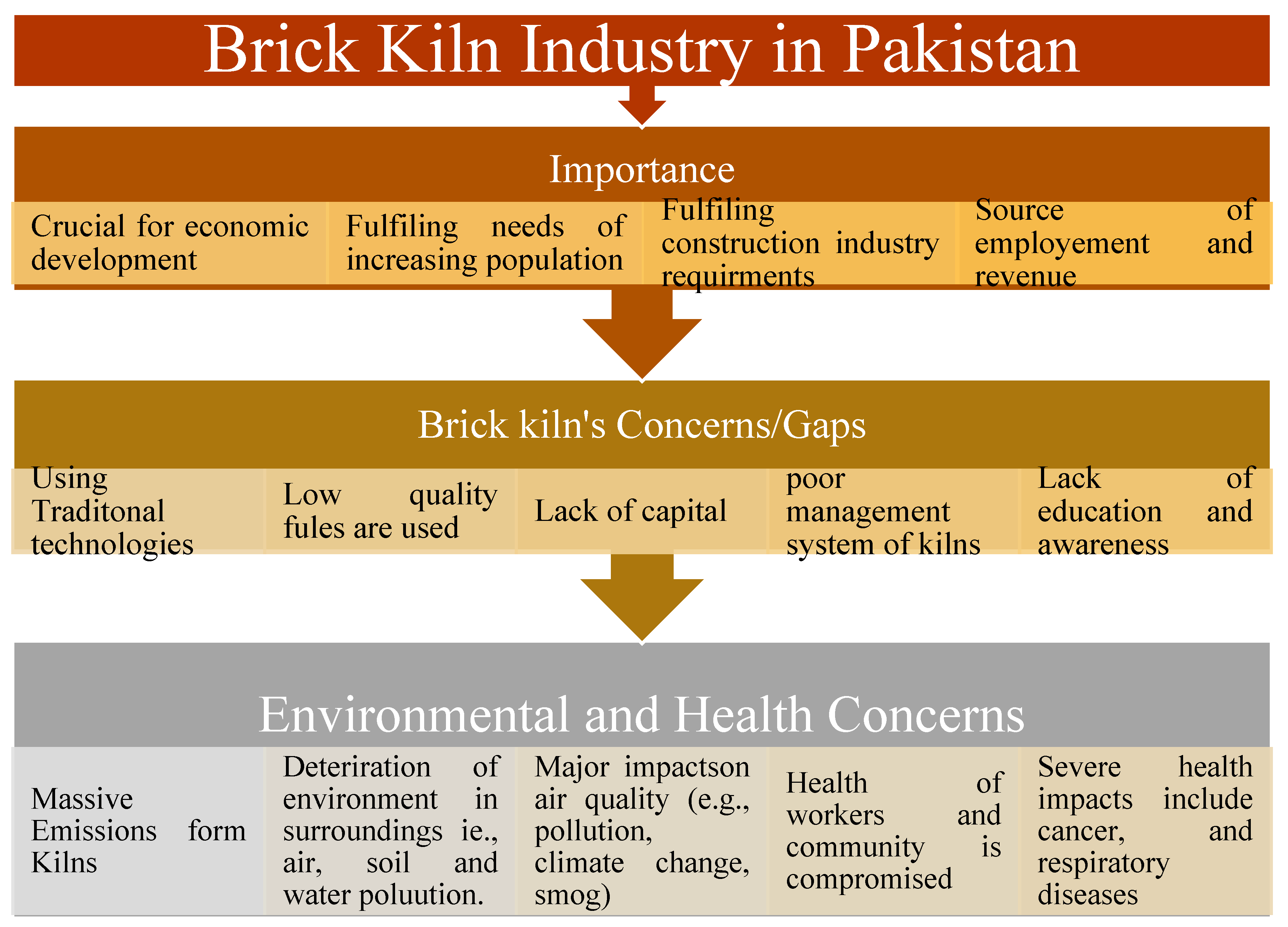
Figure 2.
Number of deaths occurred globally due to air pollution every year. Recent data collected from the given website. 1st bar is of WHO which is unveiling that 7 million deaths occur due to air pollution. Then IHME’s data depicting that 6.7 million deaths occur due to air pollution. And remaining studies showing almost same trend. At the base reasons are also provided with number of deaths (Roser, 2021).
Figure 2.
Number of deaths occurred globally due to air pollution every year. Recent data collected from the given website. 1st bar is of WHO which is unveiling that 7 million deaths occur due to air pollution. Then IHME’s data depicting that 6.7 million deaths occur due to air pollution. And remaining studies showing almost same trend. At the base reasons are also provided with number of deaths (Roser, 2021).
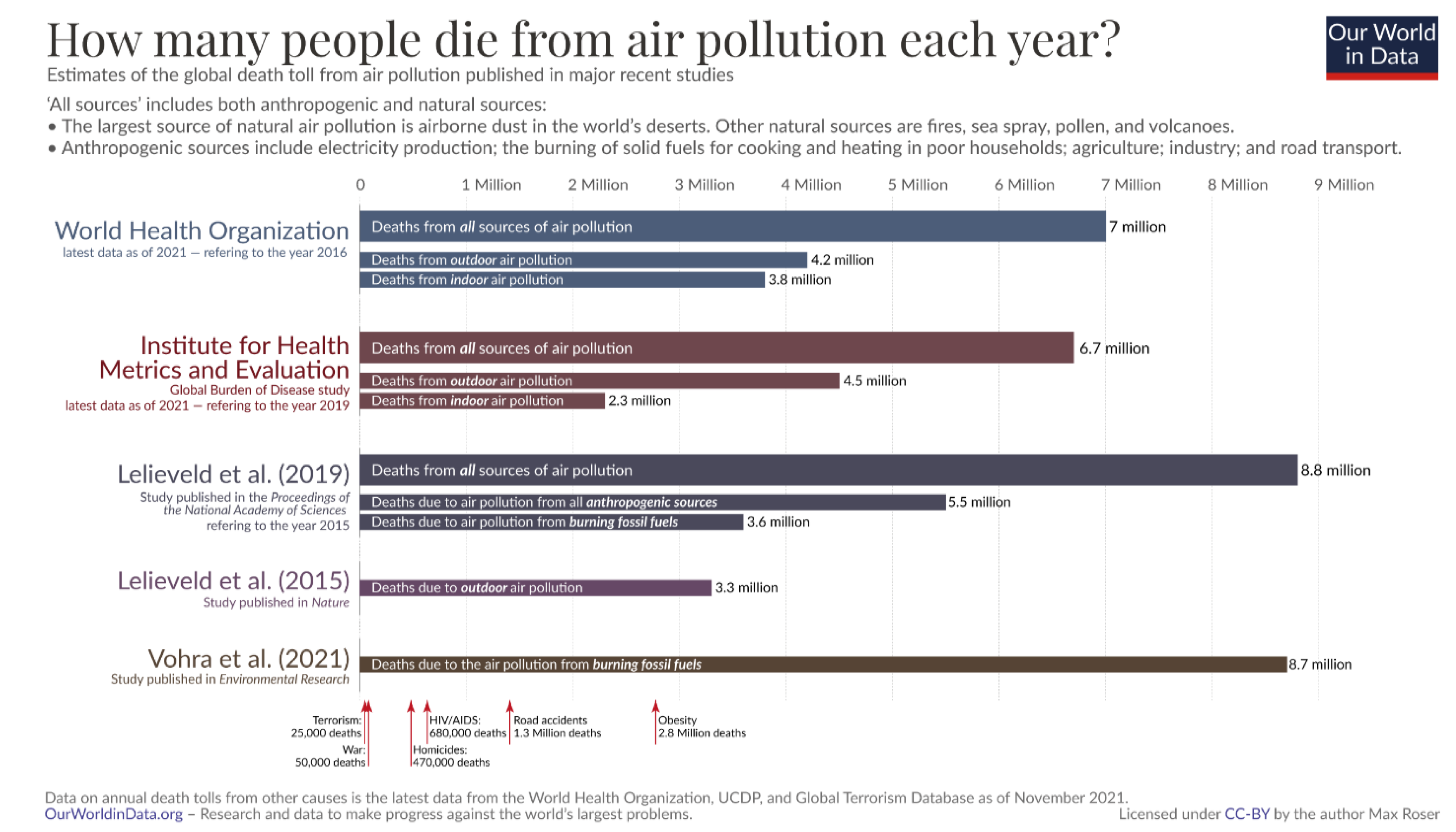
Figure 3.
Average Annual Population-Weighted PM2.5 Concentrations in 2019 (IHME, 2020).
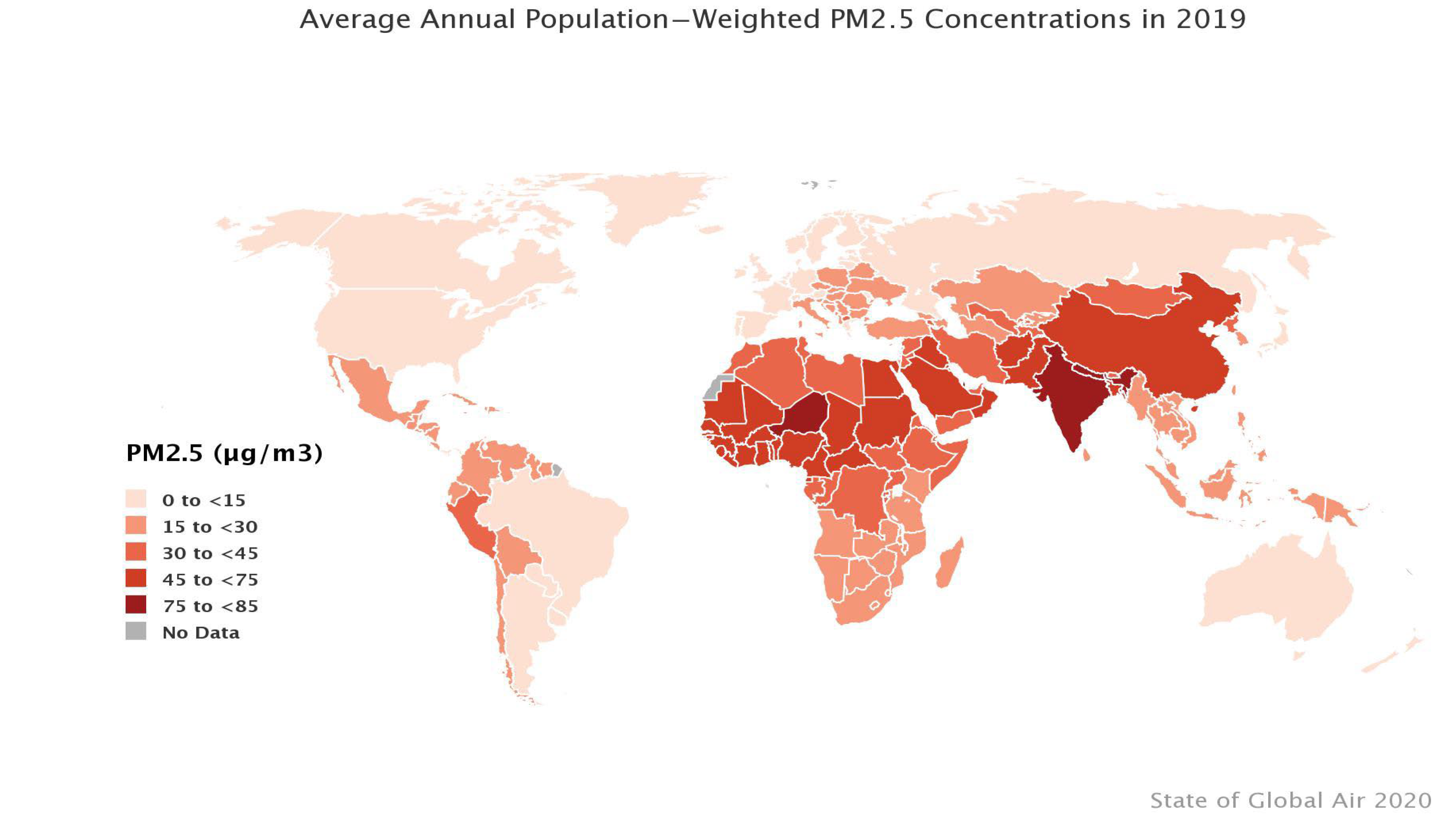
Figure 4.
Number of Deaths Occurred Due to Air Pollution by 2019 (IHME, 2020).
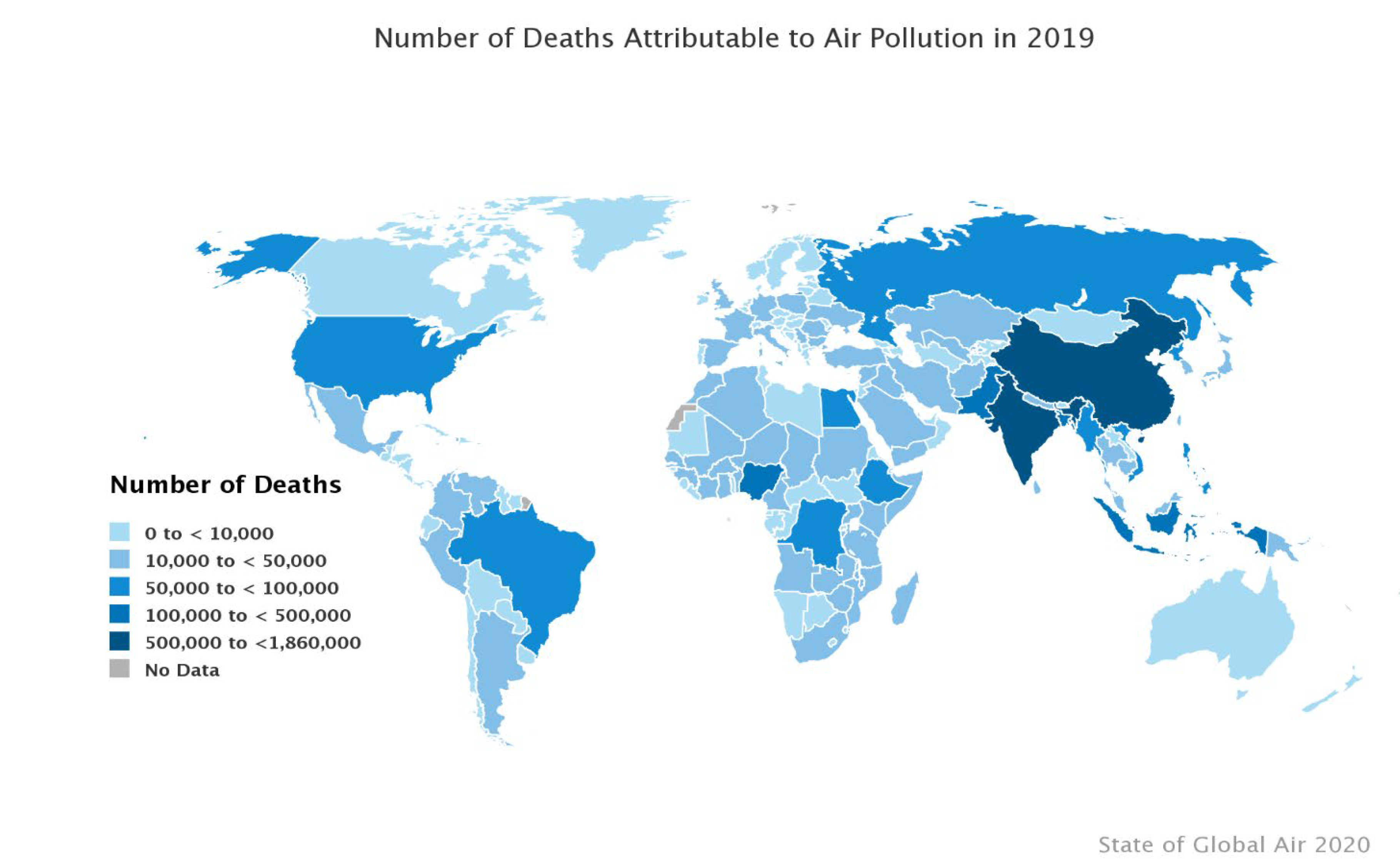
Figure 5.
Brick Manufacturing Process, 1. Soil is collected with a suitable composition for brick manufacturing. 2. Mud has been prepared. 3. Mold the mud into bricks using molds and shapers. 4. Prepared bricks dried under the sun. 5. Then fired and 6 finally extracted for use.
Figure 5.
Brick Manufacturing Process, 1. Soil is collected with a suitable composition for brick manufacturing. 2. Mud has been prepared. 3. Mold the mud into bricks using molds and shapers. 4. Prepared bricks dried under the sun. 5. Then fired and 6 finally extracted for use.
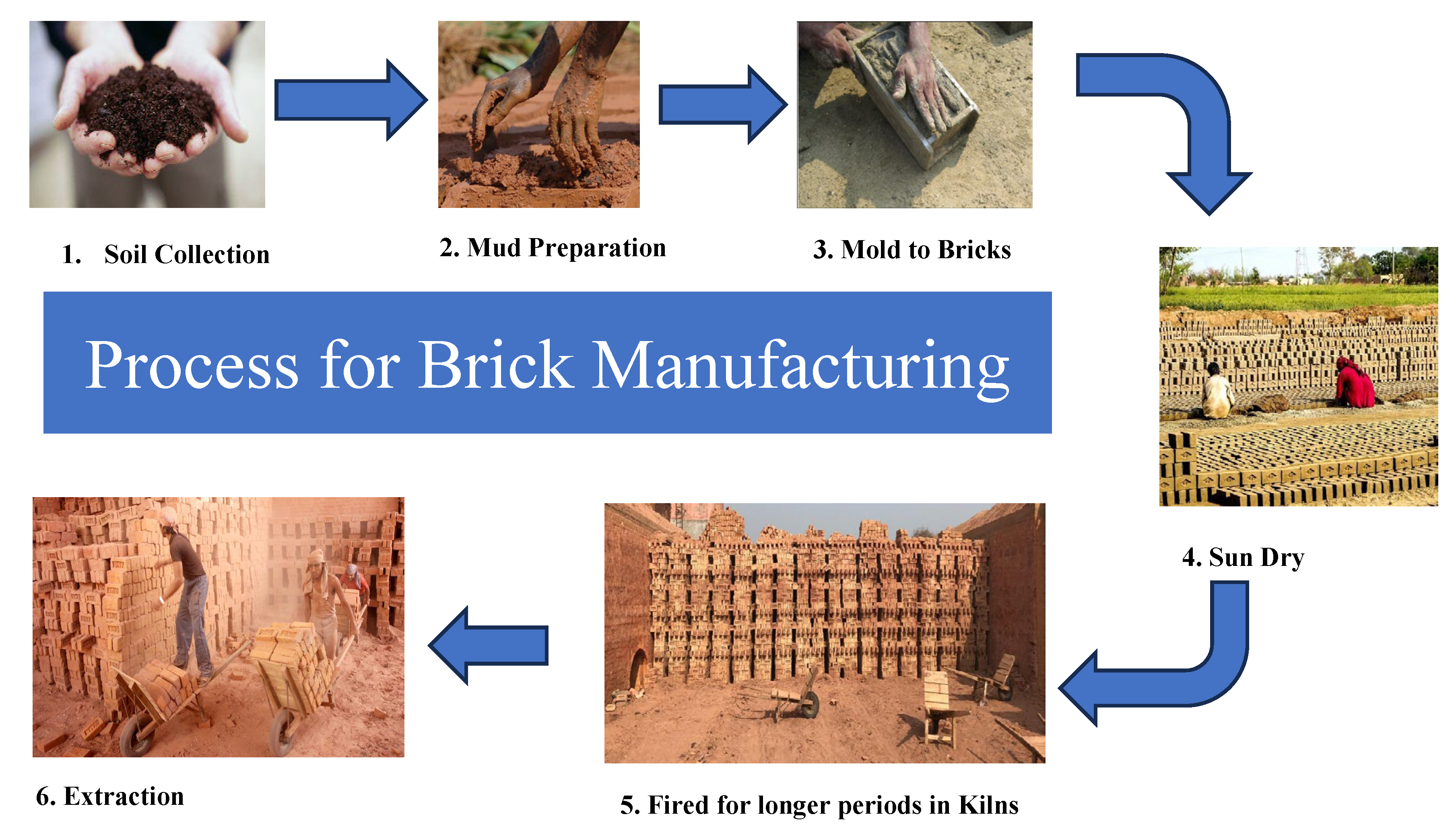
Figure 6.
Comparison of emissions from 3 different types of brick kilns (Rauf et al., 2022). Carbon monoxide, sulfur oxide, and particulate matter emissions from the 3 different types of kilns including FCBTK, IDZZK, and Hoffman Kilns. Emissions given are per kg of brick production in each kiln.
Figure 6.
Comparison of emissions from 3 different types of brick kilns (Rauf et al., 2022). Carbon monoxide, sulfur oxide, and particulate matter emissions from the 3 different types of kilns including FCBTK, IDZZK, and Hoffman Kilns. Emissions given are per kg of brick production in each kiln.
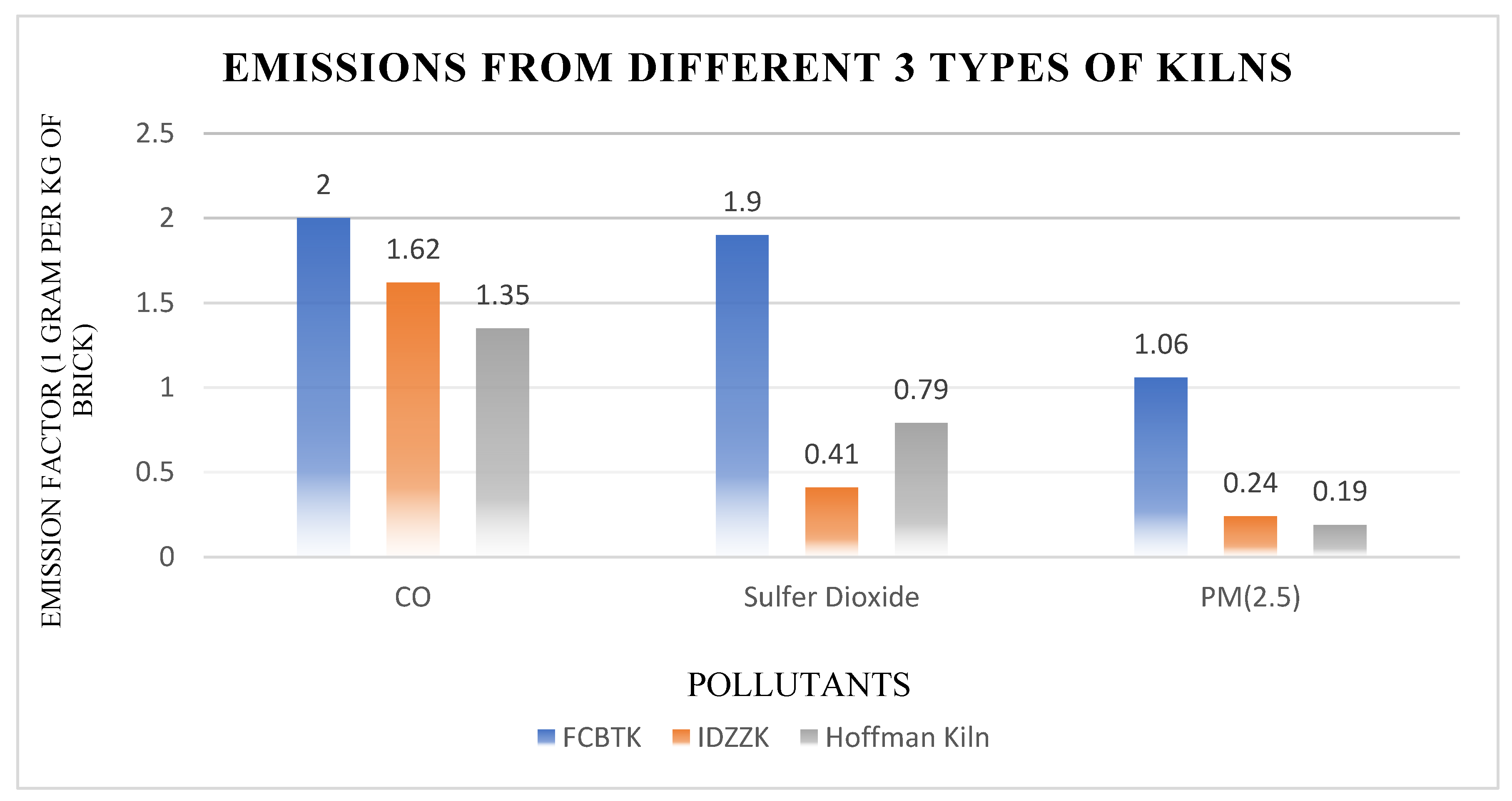
Figure 7.
Diagram depicting the spread of dioxin and its impacts on the human health. Brick kilns release dioxins which spread into the environment and cause human health problems via direct exposure and indirect by food chain.
Figure 7.
Diagram depicting the spread of dioxin and its impacts on the human health. Brick kilns release dioxins which spread into the environment and cause human health problems via direct exposure and indirect by food chain.
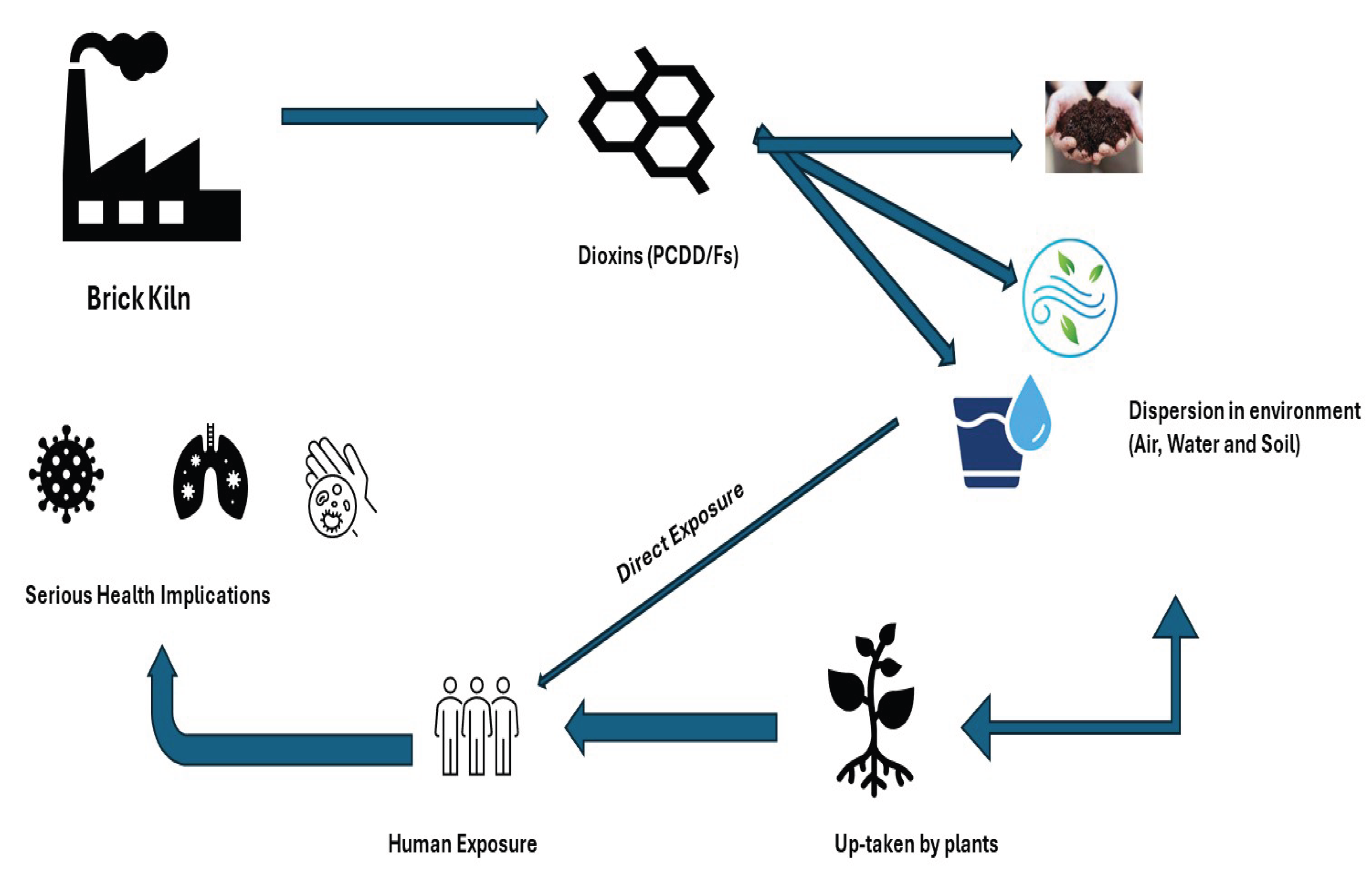

Table 1.
Summary of all steps with attributed issues.
| No. | Outline Step | Pollutants | Environmental Impacts |
|---|---|---|---|
| 1 | Raw Material Extraction | Dust (PM10 & PM2.5), Greenhouse gases (CO2) from Machinery | Air pollution, respiratory issues, Climate change |
| 2 | Preparation & Processing | Dust (crushing & grinding), Greenhouse gases (CO2) from Machinery | Air pollution, respiratory issues |
| 3 | Mixing, shaping, and drying | Dust (material handling) Water vapors and VOCs |
Air pollution, respiratory issues |
| 4 | Firing | Particulate matter (PM), Greenhouse gases (CO2) from kiln fuel, Nitrogen oxides (NOx), and Sulfur oxides (SOx) | Air pollution, respiratory issues, Smog formation, acid rain, respiratory issues, Acid rain, and respiratory issues |
| 5 | Sorting, excavation, and storage | Dust (material handling), Greenhouse gases (CO2) from transportation | Air pollution, respiratory issues |
Table 2.
Direct and Indirect Impacts of Emissions from Brick Kilns. Diseases due to direct inhalation can be categorized as direct impact and problems caused due to environmental disruptions can be categorized as indirect impacts.
Table 2.
Direct and Indirect Impacts of Emissions from Brick Kilns. Diseases due to direct inhalation can be categorized as direct impact and problems caused due to environmental disruptions can be categorized as indirect impacts.
| Impact Type | Pollutants | Health Impacts | Explanation (Image Reference) |
|---|---|---|---|
| Direct Impacts | PM, CO, SO2, PAHs etc. | Respiratory Diseases | Direct inhalation of pollutants irritates the lungs and airways, causing coughing, wheezing, and difficulty breathing. |
| Cancer | Long-term exposure to these pollutants damages cells and DNA, increasing the risk of lung cancer and other cancers. | ||
| Indirect Impacts | Exposure to Heatwaves | Heatstroke | Brick kilns generate significant heat, contributing to heatwaves. High temperatures overwhelm the body's ability to cool itself, leading to heatstroke, organ damage, and even death. |
| Climate Change, Droughts & Disasters | Malnutrition | Brick kiln emissions contribute to climate change, leading to extreme weather events like droughts and floods. These disrupt food production, causing food insecurity and malnutrition. | |
| Ozone Depletion, UV Exposure | Skin Cancer and Skin Issues | Brick kiln emissions can contribute to ozone depletion, allowing more harmful ultraviolet (UV) radiation from the sun to reach the Earth's surface. Increased UV exposure raises the risk of skin cancer, premature aging, and cataracts. | |
| Soil Pollution | Not specified in the image | Brick kilns can release pollutants that contaminate the soil. These pollutants can then enter the food chain through plants, leading to various health problems depending on the specific pollutant. | |
| Water Pollution | Bioaccumulation | Pollutants from brick kilns can contaminate water sources. When humans or animals consume contaminated water, the pollutants can accumulate in their bodies over time, leading to various health problems depending on the pollutant. |
Table 3.
Different Kinds of Pollutants Released from Brick Kilns and Their Health Impact on Humans.
| Sr. No | Pollutant | Diseases Caused by Pollutants | References |
|---|---|---|---|
| 1 | Particulate Matter (PM) | COPD (Chronic obstructive pulmonary disease), neurological diseases, hypertension, Alzheimer’s disease, anxiety, Parkinson’s disease, atherosclerosis, Asthma, loss of cognitive function, myocardial infarction, strokes cardiovascular diseases, and cancer of the lungs. | (Arias-Pérez et al., 2020; Hussain et al., 2022; Subhanullah et al., 2022) |
| 3 | Carbon Monoxide (CO) |
CO toxicity, neurotoxicity, toxicity, abnormalities in learning behavior in children, autism spectrum disorder (ASD), and Autism | (Manisalidis, Stavropoulou, Stavropoulos, & Bezirtzoglou, 2020; Yang, Shen, Liang, & Society, 2020) |
| 4 | Carbon Dioxide (CO2) | Inflammation, reduction in ability to respond, kidney problems, demineralization of bones, endothelial damage, and oxidative stress. | (Du, Tandoc, Mack, & Siegel, 2020; Jacobson et al., 2019) |
| 5 | Sulfur Dioxide (SO2) | Increases morbidity, cardiovascular and respiratory diseases. |
(Rabiei et al., 2020; Subhanullah et al., 2022; Wu et al., 2020; Zheng, Orellano, Lin, Jiang, & Guan, 2021) |
| 6 | NOx | Respiratory disorders, lung inflammation and reduced lung function, emphysema, bronchitis, and heart disease. | (Boningari & Smirniotis, 2016; Zheng et al., 2021) |
| 7 | Carbon Black and Polyaromatic Hydrocarbons (PAHs) | Bronchitis, cardiovascular issues, lung cancer, exacerbation of pre-existing lungs and hurt diseases, and asthma. | (M. U. Ali et al., 2021; Liu et al., 2020) |
| 8 | Carcinogenic Dioxins | Hepatotoxicity, immunotoxicity, birth defects, and endocrine disruption. Thyroid disorders, pulmonary dysfunction, diabetes, altered testosterone level serum, liver damage, chloracne, loss of appetite, and nausea | (Gul et al., 2021; Helal, Ghanem, & El-Sikaily, 2022) |
| 9 | Fluoride Compounds | Toxic, mutagenic, carcinogenic, disturbed body tissues, and teratogens as well. | (Abdel-Shafy & Mansour, 2016; Mitra et al., 2022) |
| 10 | Heavy Metal | Cause toxicity in some parts of the human body, responsible for neurotoxicity, nephrotoxicity, skin toxicity, hepatotoxicity, and cardiovascular toxicity, | (Al Osman et al., 2019; Mitra et al., 2022) |
| 11 | H2S | Respiratory symptoms, Neurological symptoms, | (Lewis & Copley, 2015) |
Disclaimer/Publisher’s Note: The statements, opinions and data contained in all publications are solely those of the individual author(s) and contributor(s) and not of MDPI and/or the editor(s). MDPI and/or the editor(s) disclaim responsibility for any injury to people or property resulting from any ideas, methods, instructions or products referred to in the content. |
© 2026 by the authors. Licensee MDPI, Basel, Switzerland. This article is an open access article distributed under the terms and conditions of the Creative Commons Attribution (CC BY) license (http://creativecommons.org/licenses/by/4.0/).
Copyright: This open access article is published under a Creative Commons CC BY 4.0 license, which permit the free download, distribution, and reuse, provided that the author and preprint are cited in any reuse.


