
Submitted:
29 April 2026
Posted:
30 April 2026
You are already at the latest version
Abstract
Water is an indispensable resource for the survival of all living organisms on Earth. However, many coastal villages continue to face challenges in accessing potable water, particularly during extended droughts. This comprehensive study evaluates the implementation and performance of a solar desalination system that employs photovoltaic (PV) panels and a parabolic solar concentrator to meet clean water demand in a drought-prone area of Indonesia. The system harnesses both solar-generated electricity and thermal energy to power an advanced desalination apparatus, effectively converting seawater into safe drinking water. Over a rigorous 4 months testing period, the device maintained an average steam outlet temperature of 105.9 °C, enabling a direct single-stage evaporation and condensation desalination process. Under optimal sunlight conditions, the system produced 1,500 mL of purified water every 30 minutes, resulting in a total daily output of approximately 12 L (1,500 mL × 8 cycles over 4 hours). Laboratory analysis revealed a decrease in pH from 8.0 in raw seawater to 6.8 in treated water after post-treatment pH adjustment, meeting established safety standards for human consumption. Electrical conductivity measurements fell from 40-50 mS/cm to 480-500 µS/cm, confirming substantial salt removal. These results demonstrate the system’s capacity to generate potable water using sustainable energy sources and support circular economy principles by repurposing renewable resources for water desalination in water-scarce environments.
Keywords:
clean water
; drought area
; sea water
; solar dish concentrator
; solar photovoltaic
1. Introduction
Water is a vital resource for the survival of all organisms. Access to clean water is becoming an increasingly critical issue, given that each individual requires a minimum of 140–190 liters of water per day for basic needs [1]. In recent years, rapid population growth in both urban and rural areas has led to an increase in the demand for clean water [2,3,4,5]. Many communities in remote areas, particularly rural areas, often rely on natural water sources such as springs, rivers, and lakes [6,7]. These sources are often used without adequate treatment, posing a high risk of contamination from pollutants or pathogenic bacteria that are harmful to human health [8,9,10]. Indonesia, as an archipelagic nation with a large population, faces unique challenges in providing clean water [11]. Moreover, climate change is causing longer and more intense dry seasons, further limiting clean water supplies [12,13]. Indonesia’s coastal areas are experiencing a severe clean water crisis [14]. These areas face substantial challenges in accessing clean water, with many villages across Indonesia struggling to obtain safe drinking water. The availability and accessibility of clean water for communities continues to deteriorate over time [15,16].
Natural water sources are dwindling, and the cost of obtaining treated clean water continues to rise [17], so that for poor communities in coastal areas, purchasing clean water at high prices poses a significant economic burden [18]. This situation highlights the unequal access to clean water resources, which should be a basic right for all individuals, and given the far-reaching impact of this water crisis, it is crucial to give serious attention to identifying effective solutions to address this pressing issue.
Meanwhile, seawater as an alternative water source has complex characteristics and requires processing before it can be processed into clean water [19], where the composition of seawater does not only consist of water and salt, but also contains various physico-chemical parameters that must be considered in the desalination process [20]. Salinity is the main parameter of seawater, with an average salt content of 35 grams per liter or 35,000 parts per million (ppm) [21], which mainly consists of sodium chloride (NaCl) [22]. Then, also contains other ions such as magnesium, calcium, potassium, and sulfate, while the pH level of seawater ranges from 7.5-8.4 [23].
Addressing the challenges of the clean water crisis requires innovation in water resource management [24,25]. Many communities are unable to treat seawater for safe use due to limited access to available technology [17,18,19,20,21,22,23,24,25,26]. Desalination systems are methods used to convert seawater into freshwater suitable for consumption [29,30]. This process involves evaporating seawater and condensing the vapor into clean water, leaving behind salts and other dissolved substances [31,32].
On the other hand, solar-powered desalination systems provide a sustainable and environmentally friendly solution to the clean water crisis [33,34]. This technology harnesses abundant solar energy, particularly in tropical regions such as Indonesia, to power the desalination process. Its advantages include low operational costs after installation, minimal environmental impact, and the capability to operate in remote areas without access to conventional electricity grids. Moreover, energy conservation and the adoption of alternative energy sources are essential in remote locations to maximize the efficiency of the technology employed [35]. The application of this environmentally sustainable and efficient technology is expected to improve community access to clean water, making it more affordable and readily available. This study examines the innovative development of water treatment through the implementation of a Solar Desalination Machine, a desalination system that integrates solar photovoltaic with solar dish concentrator. This approach is anticipated to offer a viable solution for meeting clean water needs in communities, particularly in regions facing similar challenges.
To address the clean water crisis in coastal areas of Indonesia and the urgency of developing sustainable solutions, various studies have been conducted to explore seawater desalination technologies utilizing renewable energy. The first study evaluated the performance of a seawater desalination system powered by photovoltaic panels and an innovative solar thermal concentrator. This system uses water preheating with PV panels, integrating a thermal recovery system and a parabolic concentrator to improve the efficiency of the reverse osmosis (RO) process. Findings showed that the use of a preheating unit reduced specific power consumption (SPCRO-PX) by 24.33–35.79% for brackish water and 18.69–22.87% for seawater. Furthermore, freshwater costs can be reduced by up to 33.1%, making this technology an efficient option for applications in remote areas [36]. The second study developed a small-scale seawater desalination system using a combination of a parabolic dish and a solar still. The system consists of a 1.46 m diameter parabolic dish and a 33 x 19 x 29 cm solar still, positioned at the dish’s focal point. The dish is covered with aluminum foil, providing a reflectivity of 0.88 to concentrate solar radiation onto the solar still. Test results showed that the system reduced pH by 7.28%, hardness by 99.29%, chloride by 98.75%, and Total Dissolved Solids (TDS) by 99.79% from seawater. While effective in purification, the system produced only a small amount of distillate (65 ml), indicating that further development is needed to increase its productivity [37].
The next research focused on a solar-powered seawater desalination system using a hyperboloid concentrator and a helical copper coil. This system consisted of an evacuated tube collector (ETC), a parabolic dish concentrator (PDC), and a hyperboloid concentrator (HBC). The hyperboloid concentrator was specifically designed to collect radiation at a wide angle of incidence without requiring tracking. The results showed that the system was capable of producing high-quality drinking water with a salt concentration of 190 ppm from seawater with a salinity of 35.07 ppt in 3 hours, yielding 300 mL of pure water. The system’s efficiency increased by 30% compared to a conventional PDC, with a maximum output temperature of 109 °C [38].
The theoretical approach in this study provides a framework for understanding the relationship between design parameters and system performance. The developed model can be used to predict system performance under various operational conditions and assist in optimizing the design for specific applications. Based on the analysis of previous studies, there is a need to develop a solar desalination system that can overcome productivity limitations while maintaining high energy efficiency and water quality. This study aims to fill this gap by developing a Solar Desalination Machine that integrates solar photovoltaic technology with a solar dish concentrator, specifically designed to increase clean water productivity while maintaining optimal energy efficiency and water quality for communities in coastal areas of Indonesia.
2. Materials and Methods
This research employed the Research and Development (R&D) methodology, a systematic and structured research-based approach that excelled in driving innovation, testing practical applications, and advancing technology [39]. The method was chosen based on the research objective of producing new technological products that could be practically applied to address problems [40]. This methodology was applied to develop and test seawater desalination technology powered by renewable energy. The study involved the analysis of various systems integrating photovoltaic panels and thermal concentration, with a primary focus on the efficiency of the seawater desalination process.
This research also employed a quantitative approach to demonstrate the scientific value and robustness of the product’s measurements through the analysis of research data [41]. The data obtained were analyzed to assess the impact of various operational parameters on efficiency and costs. The research was conducted in five stages, as shown in Figure 1.
2.1. Literature Review
The research began with a comprehensive literature review to establish a strong theoretical foundation. Journal articles and conference papers on renewable energy-powered desalination technologies were collected. These sources provided insights into the design and operational principles of existing systems, highlighting innovations in solar energy utilization, thermal dynamics, and material selection. Particular attention was paid to factors influencing desalination efficiency, such as the integration of solar photovoltaic (PV) panels and thermal concentrators. This review informed the identification of best practices and technical challenges that guided subsequent research phases [42].
2.2. System Design
The design phase involved conceptualizing and modelling a desalination system that integrated solar PV panels and a parabolic dish concentrator. This design process consisted of two phases, including initial product sketch design and a final product design. Computer-aided design (CAD) software was used to create precise component models, ensuring optimal integration of system elements. Material selection prioritized components with high thermal conductivity and durability to withstand the extreme temperatures typical of the desalination process. The design also emphasized modularity for ease of assembly and potential scalability for larger applications. The theoretical framework developed at this stage served as the basis for practical implementation. Figure 2 below shows the final three-dimensional design of the product to be developed.
Each component in Figure 2 has a function in the operation of this product. A complete list of the functions of each component can be seen in Table I.

Table 1.
Components in the Product.
| Part Code | Components | Function |
| 1 | Controller | It manages the electricity generated by solar photovoltaic, regulates power distribution to other components, monitors system performance, and stores data for analysis. This controller section is on the market above the reservoir. |
| 2 | Reservoir | Storing seawater before entering the boiler and controlling the seawater supply to the system. |
| 3 | Boiler | Capture seawater, optimize evaporation, and convert it to steam using heat provided by a solar dish concentrator. |
| 4 | Solar Dish Concentrator | Maximizing heat concentration to rapidly heat seawater to initiate the evaporation process and increase thermal efficiency by utilizing concentrated solar energy. |
| 5 | Steam Pipe | Transferring the steam generated in the boiler to the condenser and insulated to minimize heat loss during the transfer process. |
| 6 | Condenser | Cooling the steam to change it back to liquid form (desalinated water) and removing impurities and salts as the water transitions from steam to liquid. |
| 7 | Water Storage Container | Collecting desalinated water after the condensation process |
| 8 | Solar Photovoltaic | Converting solar energy into electricity |
Based on the design presented in Figure 2, this seawater desalination system operated using integrated and systematic operating principles. Furthermore, Figure 3 illustrates the framework for the overall operation of the desalination system, explaining the working mechanism from solar energy absorption to clean water production.
According to the operational framework illustrated in Figure 2, the process began with solar photovoltaic operating simultaneously to convert solar radiation into electrical energy, thereby providing an additional heating source for the water and optimizing the overall energy efficiency of the system through metered electricity usage. The electrical energy was utilized to sustain the continuous desalination process. The subsequent stage, following the solar cell operation, involved the flow of seawater from the main reservoir to the boiler unit, serving as the initial processing stage. In the boiler unit, the seawater underwent a phase transformation through evaporation, producing water vapor as an intermediate product. The Solar Dish Concentrator functioned as a collector and focuser of solar thermal energy, directing the concentrated heat to the base of the boiler to elevate the seawater temperature to the required boiling point.
Furthermore, the water vapor generated in the boiler was channeled through a piping system to the condenser unit for the condensation stage. The condenser unit operated by lowering the temperature of the steam, inducing a phase change from gas to liquid and thereby producing salt-free freshwater. The condensed freshwater was subsequently distributed and stored in a designated Water Storage Container, which served as the final storage unit.
2.3. Prototype Construction
The prototype construction phase was conducted using components procured in accordance with the design specifications. The assembly included critical elements such as the parabolic concentrator, boiler, condenser, and solar photovoltaic panels. Electronic components were integrated to regulate temperature and optimize energy utilization. Particular attention was given to ensuring assembly accuracy and component compatibility, as these factors directly influenced system efficiency and reliability. This phase translated the theoretical design into a functional, operational system.
2.4. Product Testing
This device was developed to convert seawater into potable water. Initial testing was conducted under controlled laboratory conditions to evaluate the system’s thermal performance, evaporation rate, and condensation efficiency. Key parameters such as boiler temperature and condensation rate were monitored and analyzed. Iterative adjustments were made to optimize performance, addressing any deficiencies identified during testing. This phase ensured that the system met theoretical expectations before being exposed to real-world conditions.
Following successful laboratory testing, the prototype was deployed in a drought-prone coastal area to evaluate real-world performance. Field testing was conducted in one of Indonesia’s most frequently water-stressed villages: Jepitu Village, Girisubo District, Gunung Kidul Regency, Yogyakarta Special Region.
Figure 4 shows the completed device being tested. Field testing involved measuring environmental variables, including solar irradiation, ambient temperature, and humidity, which can affect desalination efficiency. The system’s ability to sustainably produce clean water under various climatic conditions was assessed. Data collected during this phase provided valuable insights into the system’s practicality, efficiency, and potential for broader applications.
The system operation was intentionally limited to a 4-hour daily window to match the electrical availability of the 50 Wp photovoltaic panel and ensure stable and repeatable operation during peak solar irradiance conditions.
2.5. Data Analysis
Data from laboratory and field testing were statistically analyzed to evaluate system effectiveness and identify areas for improvement. Performance metrics, including daily water output, energy consumption, and desalination efficiency, were compared with those reported in previous studies and technologies. The analysis informed the final recommendations for system optimization and potential commercialization.
3. Results and Discussion
This section may be divided by subheadings. It should provide a concise and precise description of the experimental results, their interpretation, as well as the experimental conclusions that can be drawn.
This chapter presents an analysis of performance metrics and experimental findings obtained from the implementation and testing of a solar-powered desalination system. The research results are categorized based on key performance indicators, including thermal efficiency, clean water production, water pH levels, and electrical conductivity [43].
An in-depth analysis of these parameters provides comprehensive insight into the system’s effectiveness in converting seawater to freshwater. This performance evaluation includes systematic quantitative measurements to validate the operational capabilities of the desalination system. The collected data allows for the identification of critical factors influencing the optimization of the solar-powered desalination process under diverse operational conditions.
3.1. Boiler Calculation Analysis
In boiler system design, precise dimensioning is essential to ensure both operational efficiency and safety. In this study, the boiler dimensions were determined based on a design target daily water production of approximately 12 liters, which is consistent with the experimentally observed output of the prototype system.
To achieve this target, the desalination process was designed to operate in batch mode, with a nominal batch volume of 3 liters per cycle. Considering a maximum of four heating cycles per day within the available operational window, the design capacity slightly exceeds the target production to provide a conservative safety margin.
The boiler volume is first determined based on the required water volume to be stored, with the safety factor considered. Accurately determining the required volume ensures that the boiler capacity is sufficient for operational needs and prevents the risk of water shortages during the heating process. Subsequently, to determine the physical size of the boiler, specifically its diameter, a geometric approach based on its cylindrical shape is applied. Assuming the boiler resembles a vertical tube, its volume can be calculated using the formula for the volume of a cylinder, as shown in Equation 1 [44].
In the solution, it is known that the required water volume is 0.003 m3 and the actual length (height) of the boiler is 0.2 m. Therefore, the boiler diameter can be calculated using the calculation below.
Furthermore, to support the heat absorption process and provide additional space for heat distribution and technical tolerances, the absorption diameter needs to be calculated. This diameter is obtained by adding a tolerance based on the thickness of the tube wall material, which can be calculated using Equation 2 [45].
Where,
D_abs = D_boiler + 2 × t
t = material thickness = 0.002 m = 2 mm
So we get:
D_abs = 0.138 + 2 × (0.002) = 0.142 m ≈ 14.2 cm
The effective catchment area is the area responsible for receiving and absorbing heat energy on the boiler surface. This area can be calculated using Equation 3 as a combination of the circular cross-sectional area and the tube surface area [46].
With value substitution:
This value indicates the total effective surface area of the boiler directly involved in the heat absorption process and serves as a reference for subsequent thermal efficiency calculations. The calculation results show that the boiler dimensions obtained include a boiler diameter of 13.8 cm, an absorption diameter of 14.2 cm, a boiler height of 20 cm, and a material thickness of 2 mm. The effective catchment area is recorded at 0.105 square meters.
The planning stage indicates that several important aspects need to be considered to ensure the overall performance and reliability of the system. First, material selection must consider corrosion and high temperature resistance to ensure long-term system durability. Second, a reliable control system needs to be implemented, particularly for temperature and pressure regulation, to ensure safety during operation. Third, routine maintenance is highly recommended to maintain optimal performance and prevent premature failure. Finally, sensor-based monitoring needs to be installed to monitor operating parameters in real time, enabling early detection of potential system disruptions or discrepancies. In this system, the boiler section is constructed of 2 mm thick Grade 316L Stainless Steel.
3.2. Boiler Temperature Analysis
During a 4-month operational trial under real-world conditions, the desalination system demonstrated stable and efficient thermal performance. Based on monitoring results, as shown in Figure 5, the average steam outlet temperature was 105.9 °C. This temperature achievement reflects the system’s high efficiency in converting solar energy into heat, thanks primarily to the integration of a solar dish concentrator. This consistently high temperature is an important indicator that the carefully calculated boiler dimensions can support optimal thermal performance.
The correlation between actual temperature performance and the dimensional analysis during the design phase reinforces the validity of the design approach. With a boiler volume of 3 liters per cycle and an effective catchment area of 0.105 m2, this area proved sufficient to absorb and distribute heat evenly across the boiler surface. This is crucial, given that high operating temperatures require stable heat distribution and minimal gradients to prevent material damage and ensure efficient seawater evaporation. Therefore, geometric parameters such as an absorption diameter of 14.2 cm and a boiler height of 20 cm are crucial for achieving this optimal operating temperature.
Operation at approximately 105–106 °C near atmospheric pressure avoids the need for pressure vessel certification, simplifies system safety management, and is entirely compatible with 316L Stainless Steel, which maintains its structural integrity and corrosion resistance well below its working limit of approximately 870 °C. This confirms the appropriateness of the material selection and underlines the importance of real-time temperature monitoring to maintain stable operation. Real-time monitoring via sensors is also key to maintaining the system within safe and efficient operating limits, in line with the overall system reliability-based design principle.
3.3. Parabolic Heat Concentrator Calculation Analysis
To design a parabolic reflector as a heat concentrator, several main parameters are required, namely the parabola diameter (D), the parabola depth (h), and the focal length (f). Geometrically, the relationship between these three variables can be expressed in the rotating parabola formula, which can be observed in Equation 4.
Where:
= focal point (m)
D = parabola diameter (m)
= parabolic depth (m)
Value substitution:
D = 1.2 m
= 0.216 m
= = 0.416 m
Based on the calculation results and optical design considerations, a parabolic heat concentrator design was obtained with a diameter of 1.2 meters, a focal point of 41.6 cm, and a depth of 21.6 cm. These dimensions were chosen to ensure maximum concentration of sunlight to the focal point, so that heat absorption efficiency can be optimally increased in the heating process. The focal point is 41.6 cm, which is in accordance with the design of the heat concentration system. This shows that the dimensions used are in accordance with the optimal focus requirements to direct sunlight to a single point for maximum heat efficiency. Figure 6 is the parabolic heat concentrator component that implemented in real conditions.
3.4. Electrical Load and Photovoltaic System Sizing Analysis
Accurate sizing of the photovoltaic (PV) system is essential to ensure reliable operation of auxiliary electrical components, including the feedwater pump, control unit, and monitoring sensors. In contrast to thermal system sizing, PV capacity is determined based on actual electrical loads and daily operating time, rather than derived from thermal calculations.
3.4.1. Electrical Load Assessment
The electrical loads of the desalination system consist of three main components: a 12 V DC water pump (rated at 30 W), a solar charge controller (rated at 10 W), and temperature and conductivity sensors (rated at 5 W combined). The total installed electrical load is therefore:
P_load = 30 + 10 + 5 = 45 W
The total installed electrical load is therefore 45 W. With an intended daily operating period of 4 hours (limited by the 50 Wp panel capacity), the total energy demand per day is calculated using Equation 5 [47].
Where:
E = P_load × t
E = daily energy demand (Wh/day)
P_load = total electrical load power (W)
cᵤ = operating hours per day (h/day)
t_op = daily operating hours (h)
The following results are derived from the available parameters:
E = 45 W × 4 h = 180 Wh/day
3.4.2. Daily Energy Demand Calculation
Gunung Kidul, Indonesia, receives a minimum of approximately 5 peak sun hours (PSH) per day. With the total daily energy demand established, Equation 6 is used to verify that the daily energy supply from the PV panel (rated capacity multiplied by peak sun hours and the derating factor) meets or exceeds the calculated demand [48]. The daily electrical energy supplied by a photovoltaic module is estimated using:
Where:
E_PV = P_panel × PSH × η
E_PV = daily energy supply from PV panel (Wh/day)
P_panel = rated PV panel capacity (Wp)
PSH = peak sun hours per day (5 h/day for Gunung Kidul)
H = A conservative value of is 0.85
For the 50 Wp panel used in this system, with a minimum 5 peak sun hours and a derating factor of 0.85, the available daily energy supply is:
E_PV = 50 Wp × 5 h/day × 0.85 = 212.5 Wh/day
Since the available daily energy supply (212.5 Wh/day) exceeds the required electrical demand (180 Wh/day), the selected 50 Wp photovoltaic panel is sufficient to support stable system operation. The resulting design margin of approximately 18% provides tolerance for intermittent cloud cover, gradual module degradation, and short-term efficiency losses, ensuring reliable performance throughout the operational window.
3.4.3. Required PV Panel Capacity
To determine the minimum required PV panel capacity, the daily energy demand is divided by the effective daily peak sun hours (PSH) for the Gunung Kidul region (approximately 5 peak sun hours per day), and a system derating factor of 0.85 is applied to account for wiring losses, battery inefficiency, and module temperature effects, as shown in Equation 7 [49].
Where:
P_min = minimum required PV panel capacity (Wp)
E_daily = total daily energy demand (Wh/day)
PSH = peak sun hours per day (h/day)
η = system derating factor (0.85)
Calculation results:
With the minimum PV capacity of 42.4 Wp determined, the system adopts a 50 Wp panel, which exceeds the minimum requirement by a margin of 18%, providing sufficient headroom for cloudy days and system losses. Equation 8 is used to verify the number of panels required [50].
Where:
P_PV = required PV capacity (Wp)
P_min = minimum required PV panel capacity (Wp)
π = constant pi (3.14159)
Calculation results:
D_Al = N = 42.4 ÷ 50 = 0.85 → 1 panel (50 Wp satisfies 42.4 Wp)
Using Equation 9, the minimum required PV panel capacity is calculated by dividing the total daily energy demand by the available peak sun hours and the system derating factor [51].
Where:
E_available = actual energy available from selected panel (Wh/day)
E_daily = total daily energy demand (Wh/day)
η = system derating factor (0.85)
The result of the calculation is:
From the calculation, the minimum required PV capacity based on the electrical load and available solar resource is 42.4 Wp. The system design adopts a commercially available 50 Wp panel, which satisfies this requirement with an 18% margin. To confirm the adequacy of this choice, the solar cell capacity is verified against the total system load using Equation 10 [52].
Where:
P_sc = Total verified PV system capacity (Wp)
P_load = total electrical load power (W)
= system derating factor (0.85)
The result of the calculation is
P_sc = = 52.9 Wp minimum → 50 Wp panel adopted (sufficient for 4-hour daily operation)
Based on these calculations, the minimum required solar photovoltaic capacity is 42.4 Wp. The system employs a commercially available 50 Wp panel (approximately 0.6 m × 0.5 m), which exceeds the minimum requirement and provides an 18% design margin. The panel supplies 212.5 Wh/day, which is sufficient to power all auxiliary electrical loads (pump, controller, and sensors totalling 45 W) for a daily operational period of 4 hours, covering the peak solar irradiance window.
3.5. Analysis of Clean Water Produced
The desalination device demonstrates robust clean water production capabilities. Figure 7 shows the volume of clean water produced by this system. With a production rate of 1,500 mL every 30 minutes, the system is capable of producing approximately 12 liters per day over a 4-hour daily operational period under optimal sunlight conditions. This output is derived as: 1,500 mL/cycle × 8 cycles (one cycle per 30 minutes over 4 hours) = 12,000 mL ≈ 12 L/day. This capacity demonstrates meaningful potential for meeting the basic daily water needs of small households in drought-prone coastal areas. This performance is supported by the synergy between thermal and photovoltaic energy, which keeps the system operating stably throughout the peak solar irradiance window. Furthermore, this efficiency reflects the effectiveness of the parabolic concentrator design in sustaining continuous seawater evaporation and condensation.
3.6. Analysis of pH of Desalinated Water
A pH test was conducted to compare the chemical properties of seawater from the beach in Jepitu Village, Girisubo District, Gunung Kidul Regency, with desalinated water. The pH analysis of the desalinated water aims to assess its suitability for human consumption, as shown in Figure 8. The seawater from the beach has a pH of more than 8, indicating its alkaline nature. After the desalination process, the initial distillate pH measured 6.4. This slightly acidic result is a common characteristic of distilled water, caused by dissolved CO2 from the atmosphere and the removal of alkaline mineral ions during evaporation. To bring the pH within the WHO and Ministry of Health in Indonesia, potable water standard is 6.5–8.5. A simple post-treatment step was applied: a controlled addition of food-grade sodium bicarbonate (NaHCO3) solution, raising the final product water pH to 6.8. This significant pH change indicates the system’s ability to improve water quality effectively.
The final product water pH of 6.8 meets the potable water standard of pH 6.5–8.5 according to the Ministry of Health Regulation (Permenkes No. 492/MENKES/PER/IV/2010). The initial distillate pH of 6.4 was corrected via a low-cost post-treatment mineral dosing step, which is standard practice in distillation-based desalination systems. This process is likely influenced by the separation of base ions during evaporation and condensation. Furthermore, this pH change is important because excessively high or low pH can affect taste, safety, and other chemical reactions in the human body. Therefore, pH stabilization is a crucial indicator in desalination system validation.
A summary of pH types includes the characteristics of alkaline (pH > 7), neutral (pH = 7), and acidic (pH < 7) water. Seawater is generally alkaline due to its salt and mineral content. The desalination process not only removes salt but also adjusts the pH to meet consumption standards. This pH parameter is important because ideal drinking water has a pH between 6–8.5 [53,54,55]. Water with a pH that is too low can be corrosive, while a pH that is too high can affect taste and chemical reactions in the body.
3.7. Analysis of Electrical Conductivity of Water
Electrical conductivity (EC) measurements were conducted to assess the effectiveness of the desalination system in reducing seawater salinity. Figure 9 shows that raw seawater exhibits a high EC value of 40-50 mS/cm, reflecting its high dissolved salt content. After desalination, the EC value dropped dramatically to 480-500 μS/cm. This significant decrease indicates that the system successfully removed most of the dissolved salts, resulting in water with low salinity.
This decrease in conductivity also indicates that the desalinated water meets standards for domestic use, such as household consumption and agricultural irrigation. This desalination process demonstrates the technology’s effectiveness in producing clean, usable water, while also supporting water security in coastal areas lacking freshwater sources. Furthermore, these results reinforce the argument that the system can perform optimally under high solar radiation conditions.
3.8. Sustainability Contribution
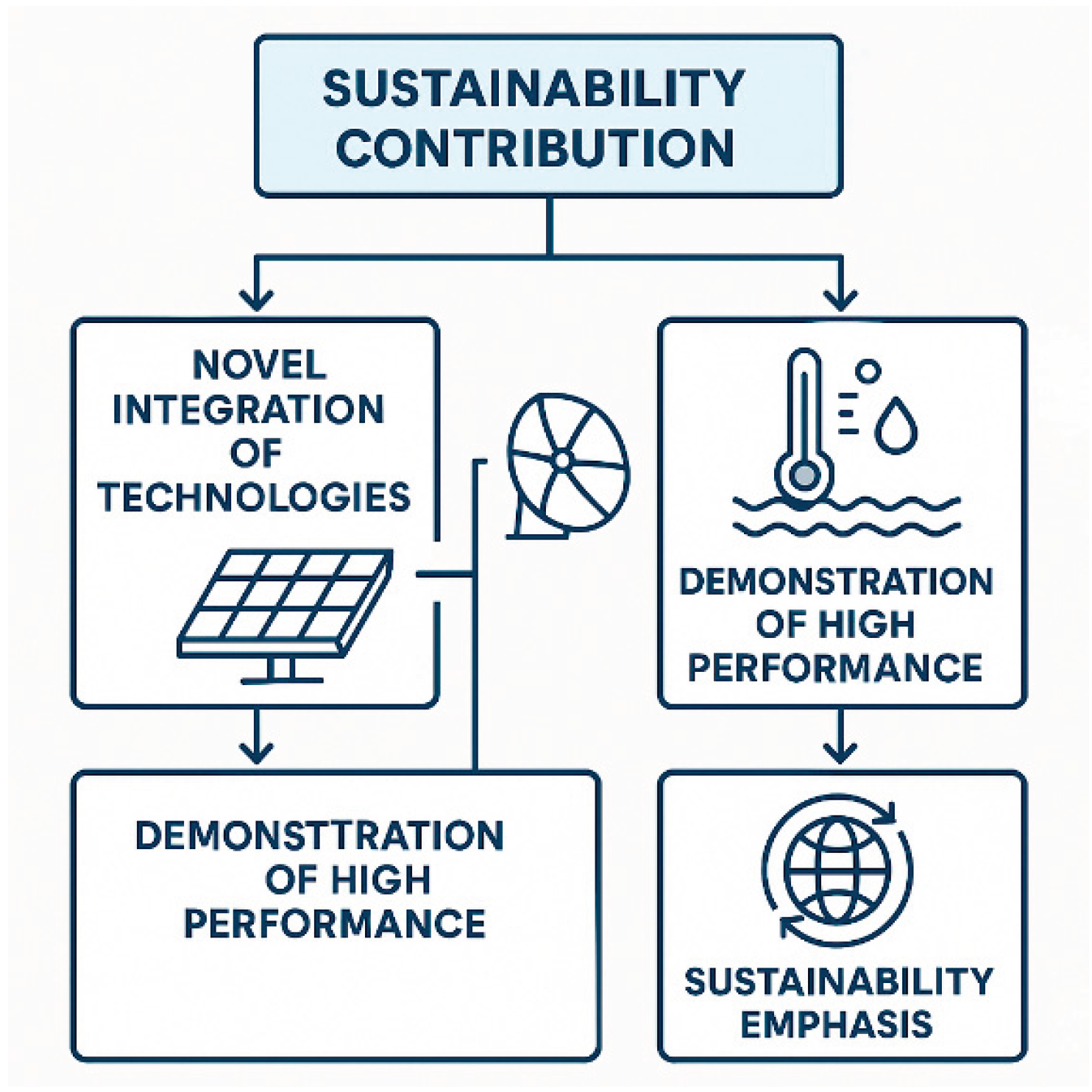
This system relies on renewable energy from sunlight, which aligns with the principles of environmental sustainability and a circular economy. By utilizing solar power for both electrical and thermal processes, the system significantly reduces its carbon footprint. Its modular design also facilitates scalability and installation across multiple geographic regions. Furthermore, this study makes several important contributions, such as the Sustainability Contribution shown in Figure 10.
3.8.1. Innovative Technology Integration
This desalination system combines solar photovoltaic panels with a parabolic solar concentrator to simultaneously harness electrical and thermal energy for efficient seawater desalination. By relying entirely on renewable solar energy, the system eliminates recurring fuel costs and grid electricity dependency, offering a potentially economical solution for off-grid water-stressed communities. A full techno-economic analysis, including capital expenditure (CAPEX) and operational expenditure (OPEX), is recommended in future work to quantify cost-per-liter metrics and compare with alternative desalination approaches.
3.8.2. Proven High Performance
The system’s performance compares favorably with other solar desalination technologies discussed in the literature. The steam outlet temperature of approximately 106 °C is consistent with similar parabolic concentrator-based desalination systems reported in the literature [37,38], confirming the adequacy of the 1.2 m dish. The daily clean water yield of 12 liters is comparable to or greater than small-scale solar stills and single-parabolic concentrator systems of equivalent aperture area, which typically produce 2–10 liters per day [37], while this system achieves its output within a compact 4-hour operational window. Testing also demonstrated significant improvements in water quality in terms of pH, salinity, and electrical conductivity.
3.8.3. Focus on Sustainability Aspects
By harnessing solar energy and reducing waste, this system implements circular economic principles and is environmentally friendly. Its implementation in a drought-prone area also demonstrates the system’s resilience and adaptability to various environmental conditions. This demonstrates that the system can be a viable solution for other areas with similar conditions.
The main advantage of this system lies in its ability to efficiently address clean water needs without compromising the environment. In addition to its environmental friendliness, the use of this hybrid system also opens up opportunities for the use of smart technology in future desalination schemes. Its reliability in various weather conditions and space-saving design allow for installations at household scales and in remote communities. This is a strategic step in supporting the Sustainable Development Goals (SDGs), particularly in terms of access to clean water and renewable energy.
4. Conclusions
This study successfully developed and tested a solar-powered seawater desalination system that integrates solar photovoltaic panel technology with a solar dish concentrator to address the clean water crisis in drought-prone coastal areas in Indonesia. This hybrid system demonstrated highly satisfactory performance, achieving an average steam outlet temperature of 105.9 °C at near-atmospheric pressure, consistently enabling efficient seawater evaporation and condensation throughout the 4 months test period.
The system’s productivity reached 1,500 ml of clean water every 30 minutes, yielding a total daily production of approximately 12 liters (1,500 mL × 8 cycles) over a 4-hour operational window under optimal sunlight conditions. These results demonstrate sufficient capacity to meet the clean water needs of small communities in remote areas. Water quality analysis showed significant improvements, with a pH change from 8 (seawater) to 6.8 (desalinated water) following post-treatment pH adjustment with a food-grade sodium bicarbonate dosing step, which falls within the WHO and Ministry of Health standard range of 6.5–8.5 for potable water. Electrical conductivity dropped dramatically from 40-50 mS/cm to 480-500 μS/cm, indicating a substantial reduction in salinity and the effectiveness of the desalination process.
The system’s advantage lies in its integrated approach, optimally utilizing solar energy through a combination of electricity generation and heat concentration. The modular design allows for scalability and adaptability to various geographic conditions, while the use of renewable energy supports the principles of environmental sustainability and a circular economy. The system has been proven to operate independently without relying on the conventional electricity grid, making it an ideal solution for remote areas.
The implementation of this solar-powered desalination system makes a significant contribution to supporting the Sustainable Development Goals (SDGs), particularly in providing access to clean water and utilizing renewable energy. This research demonstrates that solar-based desalination technology can be a practical, economical, and sustainable solution to address clean water scarcity in Indonesia, with potential for broader application in other developing countries facing similar challenges.
Author Contributions
Rizal Justian Setiawan: Conceptualization, Investigation, Writing – original draft, Writing – review & editing, Methodology, Supervision. Khakam Ma’ruf: Supervision, Writing – original draft, Visualization, Formal analysis, Conceptualization, Investigation, Methodology. Talitha Nabila Assahda: Funding acquisition, Project administration, Resources, Formal analysis. Muhammad Fauzan Rafif: Software, Validation, Funding acquisition, Data curation. Rino Prihantoro: Project administration, Funding acquisition, Writing – review & editing, Formal analysis. Frumensiana Berta Gheta: Funding acquisition, Resources, Visualization, Software. Regan Agam: Resources, Data curation, Writing – original draft, Funding acquisition. Rizky Nurhidayat: Funding acquisition, Writing – review & editing, Writing – original draft, Project administration. Putri: Resources, Data curation, Writing – original draft, Funding acquisition. All authors have read and agreed to the published version of the manuscript.
Funding
We would like to thank Indonesia Endowment Fund for Education / Lembaga Pengelola Dana Pendidikan (LPDP) from the Ministry of Finance Republic Indonesia for granting the financial support in this research. This assistance is very important in our research because this support allows us to conduct research that is beneficial to the environment, education, and society.
Institutional Review Board Statement
Not applicable. This study did not involve human participants, human data, or animals.
Informed Consent Statement
Not applicable. This study did not involve human subjects.
Data Availability Statement
The data presented in this study are included within the article. Additional datasets and detailed measurement records are available from the corresponding author upon reasonable request.
Acknowledgments
We would like to thank the Indonesia Endowment Fund for Education / Lembaga Pengelola Dana Pendidikan (LPDP) from the Ministry of Finance of the Republic Indonesia for granting this research.
Conflicts of Interest
The authors declare no conflicts of interest.
References
- Mishra, R.K. Fresh water availability and its global challenge. Br. J. Multidiscip. Adv. Stud. 2023, 4, 1–78. [Google Scholar] [CrossRef]
- Dos Santos, S.; Adams, E.A.; Neville, G.; Wada, Y.; De Sherbinin, A.; Bernhardt, E.M.; Adamo, S.B. Urban growth and water access in sub-Saharan Africa: Progress, challenges, and emerging research directions. Sci. Total Environ. 2017, 607, 497–508. [Google Scholar] [CrossRef]
- Boretti, A.; Rosa, L. Reassessing the projections of the world water development report. NPJ Clean. Water 2019, 2, 15. [Google Scholar] [CrossRef]
- He, C.; Liu, Z.; Wu, J.; Pan, X.; Fang, Z.; Li, J.; Bryan, B.A. Future global urban water scarcity and potential solutions. Nat. Commun. 2021, 12, 4667. [Google Scholar] [CrossRef]
- Mishra, R.K. Fresh water availability and its global challenge. Br. J. Multidiscip. Adv. Stud. 2023, 4, 1–78. [Google Scholar] [CrossRef]
- Bwire, G.; Sack, D.A.; Kagirita, A.; Obala, T.; Debes, A.K.; Ram, M.; Orach, C.G. The quality of drinking and domestic water from surface water sources and springs in cholera-prone communities of Uganda. BMC Public Health 2020, 20, 1–18. [Google Scholar] [CrossRef]
- Gurung, A.; Adhikari, S.; Chauhan, R.; Thakuri, S.; Nakarmi, S.; Ghale, S.; Rijal, D. Water crises in a water-rich country: Case studies from rural watersheds of Nepal's mid-hills. Water Policy 2019, 21, 826–847. [Google Scholar] [CrossRef]
- Madhav, S.; Ahamad, A.; Singh, A.K.; Kushawaha, J.; Chauhan, J.S.; Sharma, S.; Singh, P. Water pollutants: Sources and impact on the environment and human health. In Sensors in Water Pollutants Monitoring: Role of Material; Springer: Singapore, 2020; pp. 43–62. [Google Scholar]
- Fida, M.; Li, P.; Wang, Y.; Alam, S.K.; Nsabimana, A. Water contamination and human health risks in Pakistan: A review. Expo. Health 2023, 15, 619–639. [Google Scholar] [CrossRef]
- Khan, M.H.; Nafees, M.; Muhammad, N.; Ullah, U.; Hussain, R.; Bilal, M. Assessment of drinking water sources for water quality, human health risks, and pollution sources. Arch. Environ. Contam. Toxicol. 2021, 80, 41–54. [Google Scholar] [CrossRef]
- Kurniawan, T.A.; Bandala, E.R.; Othman, M.H.D.; Goh, H.H.; Anouzla, A.; Chew, K.W.; Nisa’ul Khoir, A. Implications of climate change on water quality and sanitation in climate hotspot locations: A case study in Indonesia. Water Supply 2024, 24, 517–542. [Google Scholar] [CrossRef]
- Stringer, L.C.; Mirzabaev, A.; Benjaminsen, T.A.; Harris, R.M.; Jafari, M.; Lissner, T.K.; Tirado-von Der Pahlen, C. Climate change impacts on water security in global drylands. One Earth 2021, 4, 851–864. [Google Scholar] [CrossRef]
- Mishra, R.K. Fresh water availability and its global challenge. Br. J. Multidiscip. Adv. Stud. 2023, 4, 1–78. [Google Scholar] [CrossRef]
- Van Vliet, M.T.; Jones, E.R.; Flörke, M.; Franssen, W.H.; Hanasaki, N.; Wada, Y.; Yearsley, J.R. Global water scarcity including surface water quality and expansions of clean water technologies. Environ. Res. Lett. 2021, 16, 024020. [Google Scholar] [CrossRef]
- Beard, V.A.; Mitlin, D. Water access in global South cities: The challenges of intermittency and affordability. World Dev. 2021, 147, 105625. [Google Scholar] [CrossRef]
- Susilo, S.R.T.; Prasetyo, A.; Hasniati. Changing patterns of household access to clean water in Indonesia: A study for the 2018–2022 period. Proc. 6th BIS Health Environ. Sci., 2024; 2. [Google Scholar]
- Pichel, N.; Vivar, M.; Fuentes, M. The problem of drinking water access: A review of disinfection technologies. Chemosphere 2019, 218, 1014–1030. [Google Scholar] [CrossRef]
- Alameddine, I.; Tarhini, R.; El-Fadel, M. Household economic burden from seawater intrusion in coastal urban areas. Water Int. 2018, 43, 217–236. [Google Scholar] [CrossRef]
- Badruzzaman, M.; Voutchkov, N.; Weinrich, L.; Jacangelo, J.G. Selection of pretreatment technologies for seawater reverse osmosis plants. Desalination 2019, 449, 78–91. [Google Scholar] [CrossRef]
- Ludwig, H. Seawater: Composition and properties. In Reverse Osmosis Seawater Desalination; Springer: Cham, Switzerland, 2022; pp. 73–203. [Google Scholar]
- Kim, Y.; Lee, W.G. Seawater and its resources. In Seawater Batteries; Springer Nature: Singapore, 2022; pp. 1–35. [Google Scholar]
- Mistry, K.H.; Lienhard, J.H. Effect of nonideal solution behavior on desalination of NaCl solution. J. Energy Resour. Technol. 2013, 135, 042003. [Google Scholar] [CrossRef]
- Johnson, M.D.; Rodriguez Bravo, L.M.; O’Connor, S.E.; Varley, N.F.; Altieri, A.H. pH variability exacerbates ocean acidification effects. Front. Mar. Sci. 2019, 6, 150. [Google Scholar] [CrossRef]
- Karimidastenaei, Z.; Avellán, T.; Sadegh, M.; Kløve, B.; Haghighi, A.T. Unconventional water resources. Sci. Total Environ. 2022, 827, 154429. [Google Scholar] [CrossRef]
- Tzanakakis, V.A.; Angelakis, A.N.; Paranychianakis, N.V.; Dialynas, Y.G.; Tchobanoglous, G. Sustainable water management in Crete. Water 2020, 12, 1538. [Google Scholar] [CrossRef]
- Ayaz, M.; Namazi, M.A.; ud Din, M.A.; Ershath, M.M.; Mansour, A. Sustainable seawater desalination. Desalination 2022, 540, 116022. [Google Scholar] [CrossRef]
- Mauter, M.S.; Fiske, P.S. Desalination for a circular water economy. Energy Environ. Sci. 2020, 13, 3180–3184. [Google Scholar] [CrossRef]
- Yusuf, A.; Sodiq, A.; Giwa, A.; Eke, J.; Pikuda, O.; De Luca, G.; Chakraborty, S. Membrane science for sustainable water treatment. J. Clean. Prod. 2020, 266, 121867. [Google Scholar] [CrossRef]
- Ghazi, Z.M.; Rizvi, S.W.F.; Shahid, W.M.; Abdulhameed, A.M.; Saleem, H.; Zaidi, S.J. Water desalination integrated with renewable energy. Desalination 2022, 542, 116063. [Google Scholar] [CrossRef]
- Prajapati, M.; Shah, M.; Soni, B. Geothermal integrated desalination. J. Clean. Prod. 2021, 326, 129412. [Google Scholar] [CrossRef]
- Younos, T.; Lee, J. Desalination: Concept and system components. In Corrosion and Fouling Control in Desalination Industry; Springer, 2020; pp. 3–27. [Google Scholar]
- Sheng, M.; Yang, Y.; Bin, X.; Zhao, S.; Pan, C.; Nawaz, F.; Que, W. Passive solar-driven desalination systems. Nano Energy 2021, 89, 106468. [Google Scholar] [CrossRef]
- Madhuri, R.V.S.; Said, Z.; et al. Solar energy-driven desalination. Desalination 2025, 602, 118575. [Google Scholar] [CrossRef]
- Susilo, S.R.T.; Prasetyo, A.; Hasniati. Changing patterns of household access to clean water in Indonesia. Proc. 6th BIS Health Environ. Sci., 2024; 2. [Google Scholar]
- Ahmed, N.I.; Setiawan, R.J.; Ma’ruf, K.; Mubarik, A.; Mohamed, K.A. Eliminating compressed air leaks using TRIZ. Mech. Eng. Soc. Ind. 2025, 5, 230–244. [Google Scholar] [CrossRef]
- Abdelgaied, M.; Abdullah, A.S.; Kabeel, A.E.; Abosheiasha, H.F. Hybrid PVT-driven RO desalination. Energy Convers. Manag. 2022, 258, 115558. [Google Scholar] [CrossRef]
- Abubakkar, A.; Selvakumar, P.; Rajagopal, T.; Tamilvanan, A. Solar dish desalination system. Mater. Today Proc. 2021, 45, 974–980. [Google Scholar] [CrossRef]
- Chittalakkotte, V.; Vincent, V.L.; Valiyaparambil, P. Solar-based desalination system. Mater. Today Proc. 2021, 46, 9771–9775. [Google Scholar] [CrossRef]
- Fernandes, G.; Domingues, J.; Tereso, A.; Micán, C.; Araújo, M. Risk management in university–industry R&D. Sustainability 2022, 15, 319. [Google Scholar] [CrossRef]
- Ma’ruf, K.; Setiawan, R.J.; Saputra, A.A.; Wibawa, A.M.; Ashshidiq, M.F.; Azizah, N. AI-based navigation for disaster mitigation. Proc. Int. Conf. Decision Aid Sci. Appl., 2024; pp. 1–5. [Google Scholar]
- Setiawan, R.J.; Ma’ruf, K.; Darmono; Suryanto, I.D.; Hermawan, A.T. Solar-powered fish storage box. Int. J. Power Electron. Drive Syst. 2024, 15, 2591–2602. [Google Scholar] [CrossRef]
- Snyder, H. Literature review as a research methodology. J. Bus. Res. 2019, 104, 333–339. [Google Scholar] [CrossRef]
- Rodríguez, M.; Ayuso, A.; Hayashi, M.; Moral-Martos, F. Characterizing surface–groundwater relations. Water 2018, 10, 1406. [Google Scholar] [CrossRef]
- Noori, S.R.; Hussein, H.A.; Numan, A.H. Upper drum boiler performance. AIP Conf. Proc. 2024, 3002, 050002. [Google Scholar] [CrossRef]
- Zhu, X.; Wiersma, B.; Johnson, W.R.; Sindelar, R. Burst pressure solutions. J. Press. Vessel Technol. 2023, 145, 041303. [Google Scholar] [CrossRef]
- Incropera, F.P.; DeWitt, D.P.; Bergman, T.L.; Lavine, A.S. Fundamentals of Heat and Mass Transfer, 7th ed.; Wiley: Hoboken, USA, 2017. [Google Scholar]
- Ayoobi, A.; Ramezanizadeh, M. Mathematical modeling of solar stills. Front. Energy Res. 2022, 10, 879591. [Google Scholar] [CrossRef]
- Yu, J. Heat transfer. In Fundamental Principles of Nuclear Engineering; Springer: Singapore, 2022. [Google Scholar]
- Grekova, A.; Krivosheeva, I.; Solovyeva, M.; Tokarev, M. Optimality of industrial heat exchangers. Fluids 2023, 8, 14. [Google Scholar]
- Foulaadvand, M.E.; Aghamohammadi, A.; Karimi, P.; et al. Flux profile of solar dishes. Sci. Rep. 2021, 11, 24474. [Google Scholar] [CrossRef] [PubMed]
- Hu, W.; Cervone, G.; et al. Hourly photovoltaic energy dataset. Data Brief. 2022. [Google Scholar] [CrossRef]
- Ahmed, N.I.; Setiawan, R.J.; Ma’ruf, K.; Mubarik, A.; Mohamed, K.A. Eliminating compressed air leaks using TRIZ. Mech. Eng. Soc. Ind. 2025, 5, 230–244. [Google Scholar] [CrossRef]
- Islam, R.; Faysal, S.M.; Amin, R.; Juliana, F.M.; Islam, M.J.; Alam, J.; Asaduzzaman, M. pH and TDS in bottled water. IOSR J. Nurs. Health Sci. 2017, 6, 35–40. [Google Scholar]
- Dirisu, C.G.; Mafiana, M.O.; Dirisu, G.B.; Amodu, R. Level of pH in drinking water. Eur. J. Basic Appl. Sci. 2016, 3. [Google Scholar]
- Wiryasaputra, R.; Huang, C.Y.; Lin, Y.J.; Yang, C.T. IoT potable water quality monitoring. Sensors 2024, 24, 1180. [Google Scholar]
Figure 1.
R&D Methodology Stages
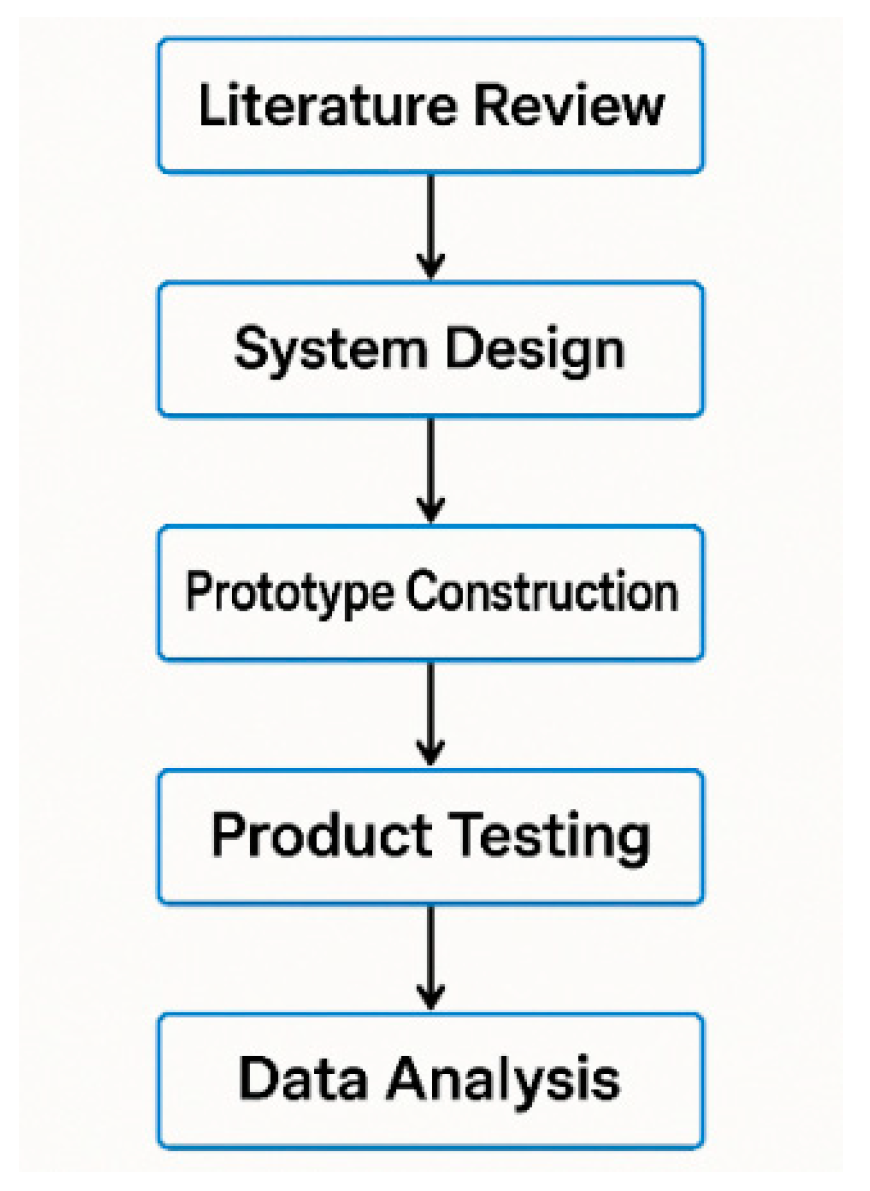
Figure 2.
Product Design Final Version
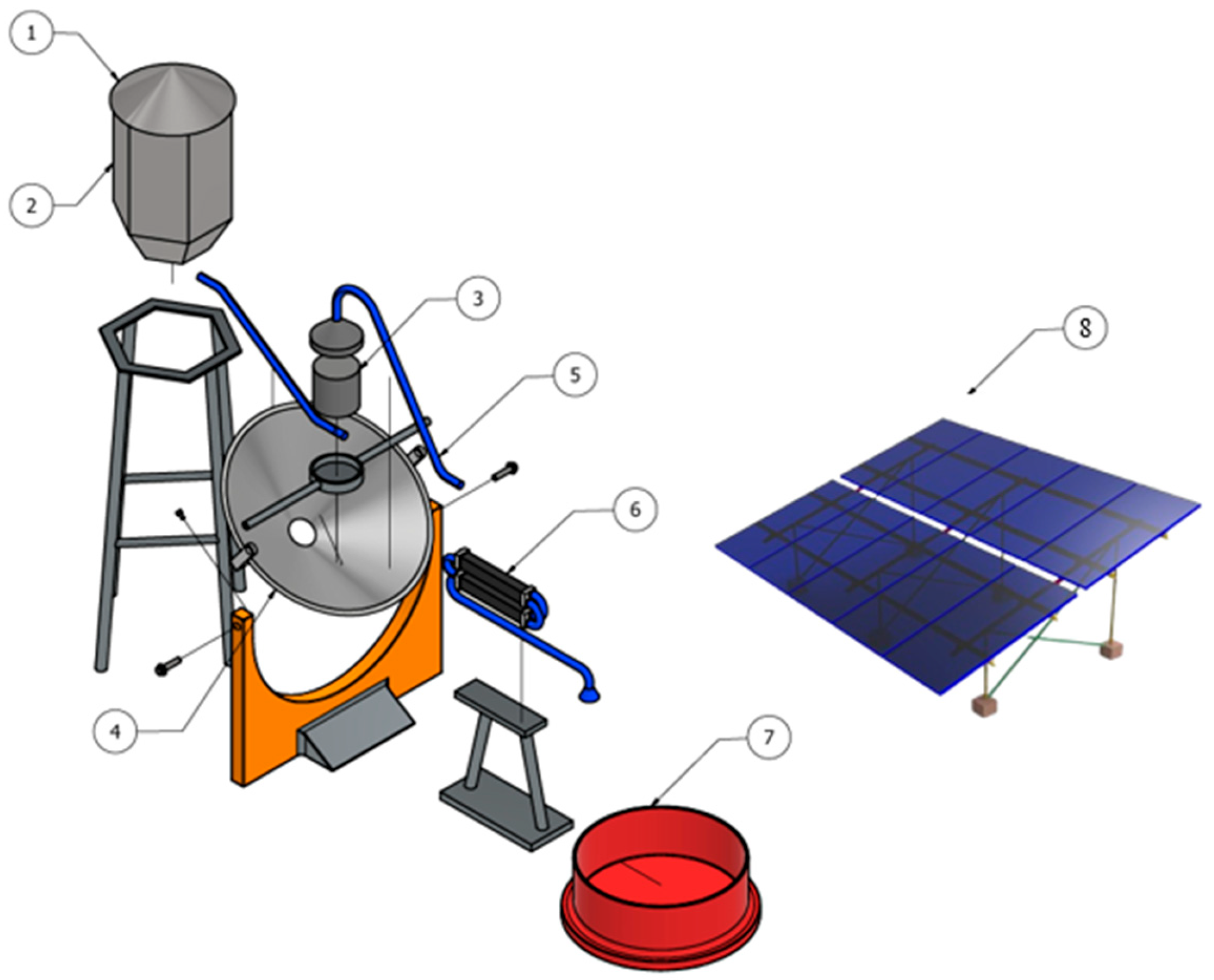
Figure 3.
Figure 3. Operational Framework of Device
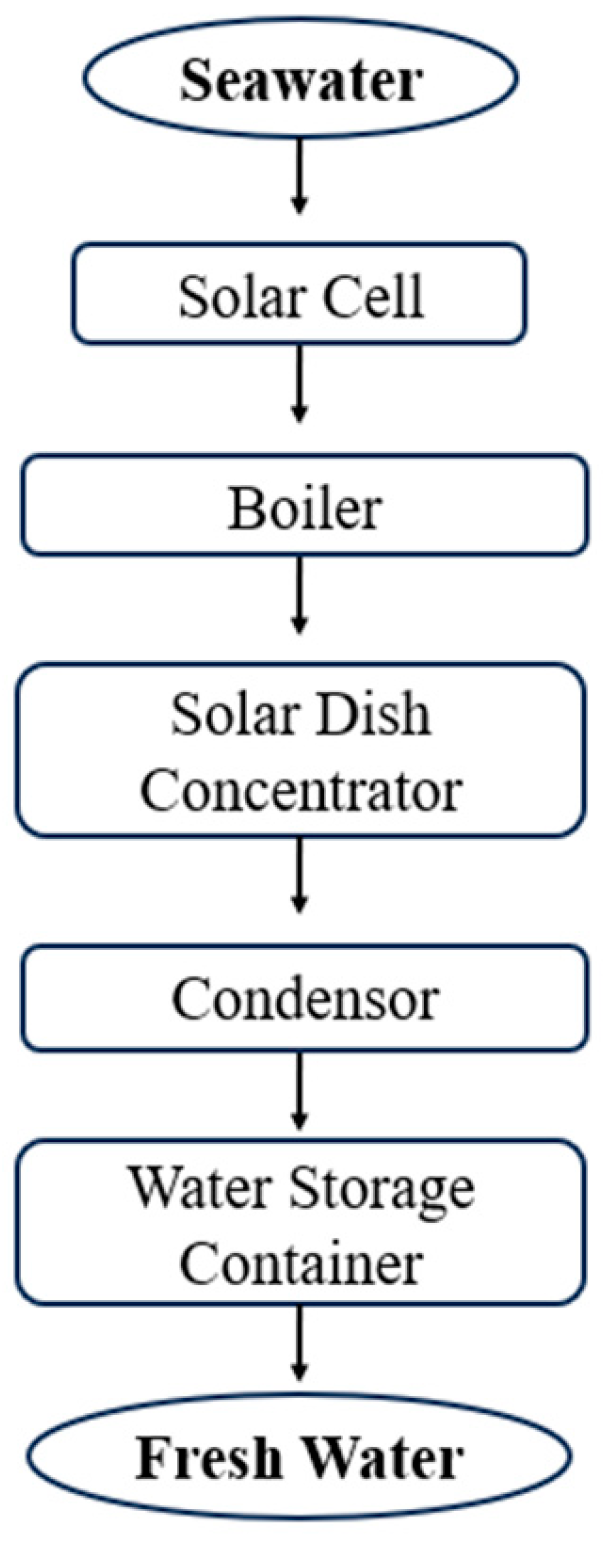
Figure 4.
Product Testing
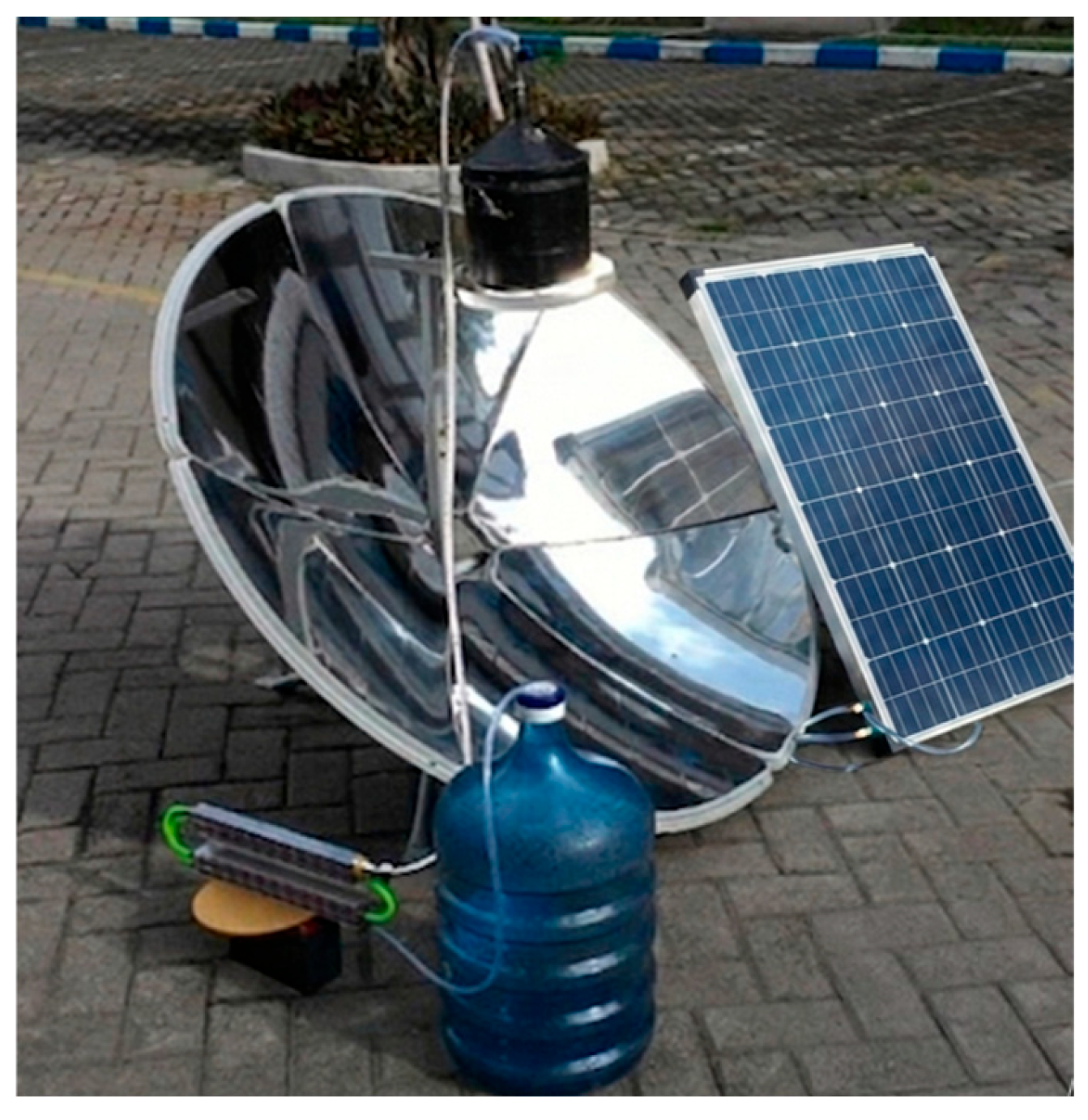
Figure 5.
Device Temperature Check
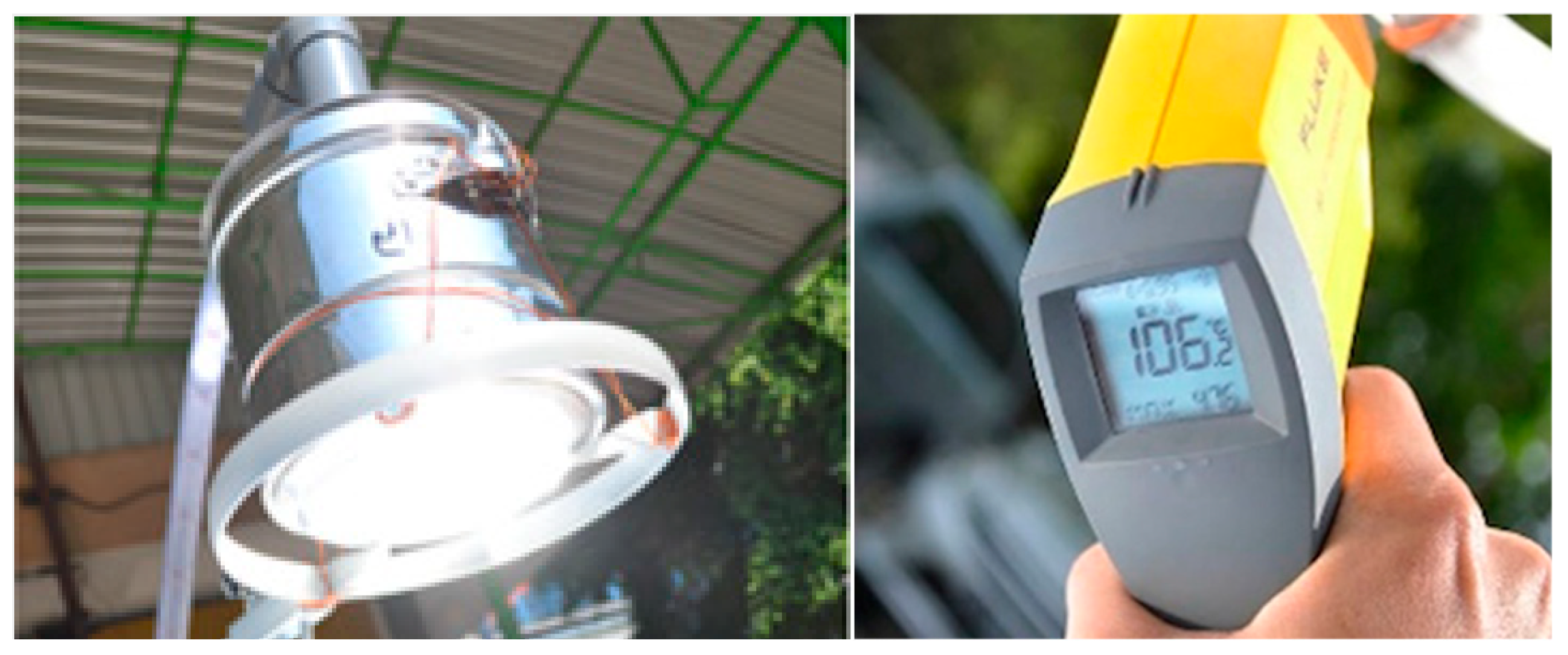
Figure 6.
Parabolic Heat Concentrator
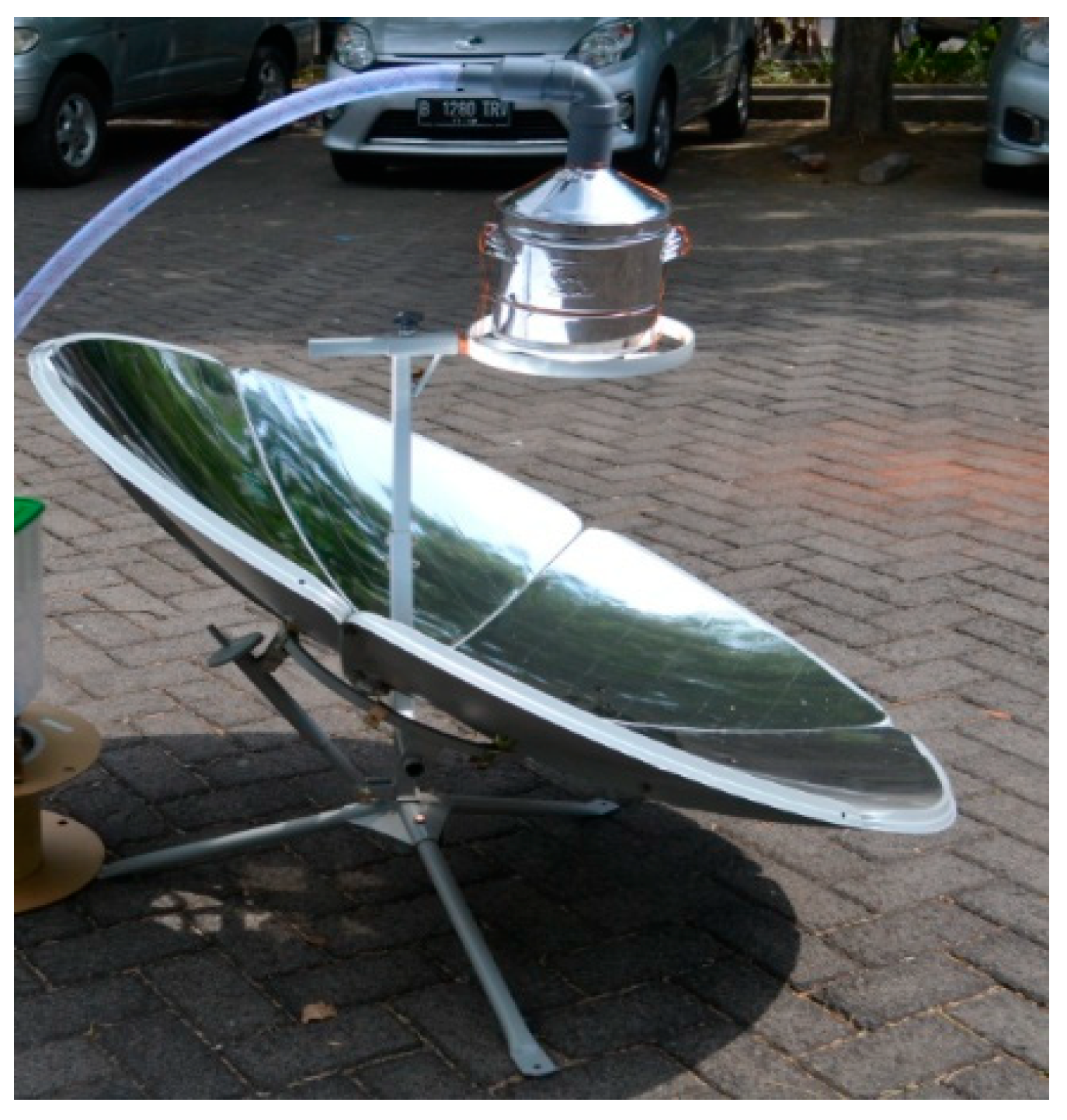
Figure 7.
Clean Water Produced
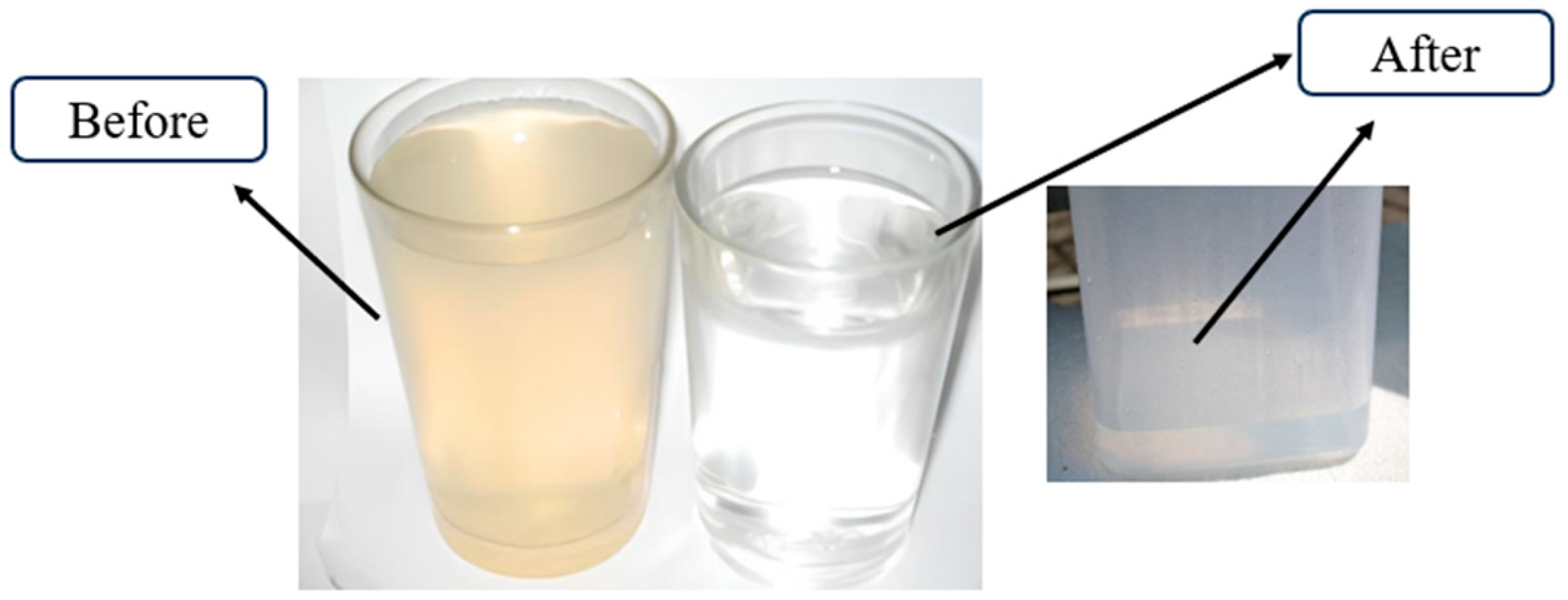
Figure 8.
pH Level Test

Figure 9.
Electrical Conductivity of Water Test

Figure 10.
Sustainability Contribution.
Disclaimer/Publisher’s Note: The statements, opinions and data contained in all publications are solely those of the individual author(s) and contributor(s) and not of MDPI and/or the editor(s). MDPI and/or the editor(s) disclaim responsibility for any injury to people or property resulting from any ideas, methods, instructions or products referred to in the content. |
© 2026 by the authors. Licensee MDPI, Basel, Switzerland. This article is an open access article distributed under the terms and conditions of the Creative Commons Attribution (CC BY) license (http://creativecommons.org/licenses/by/4.0/).
Copyright: This open access article is published under a Creative Commons CC BY 4.0 license, which permit the free download, distribution, and reuse, provided that the author and preprint are cited in any reuse.


