

Submitted:
27 April 2026
Posted:
28 April 2026
You are already at the latest version
Abstract
Genetic diversity, which includes rare genetic traits that are found in both plant and animal domains, forms the basic structure of biological variation. These traits play a major role in helping organisms adapt to changing and challenging climatic conditions and various environmental stresses. However, human activities such as industrial agriculture, and climate change are further accelerating the loss of genetic diversity. This decline leads to reduced biodiversity, unstable ecosystems, and increases the risk of extinction for certain species. This paper aims to analyze the sources, functions, and conservation strategies for rare genetic traits in plants and animals in the context of their biological potential. The study first focuses on plant genetic traits and explores where these rare traits originate, including crop wild relatives, traditional landraces, and indigenous varieties. These traits play a crucial role in enhancing environmental stress tolerance in plants. It further examines rare genetic traits in animals, highlighting the genetic foundations of traits that support adaptation and survival in animals. Loss of these traits can result in extinction and even decline in biological potential since they can contribute significantly to advancements in medicine and technology. The study discusses strategies for conservation of rare genetic traits in plants and animals under climate change and emphasizes the urgent need to conserve genetic diversity for future sustainability and resilience.
Keywords:
rare genetic traits
; plant genetic traits
; crop wild relatives
; traditional landraces
; animal genetic traits
; genetic diversity
1. Introduction
In the context of life on Earth, genes represent the fundamental unit of inheritance, with genetic diversity constituting the total variety of genes within a population, which evolves to adapt to changing environmental and climatic conditions [1,2]. This variety of genes, called genetic pool, is essential to a species for its survival and adaptability, as it provides the resilience needed for organisms to thrive in changing environments, resist threats, and sustain populations over time [3]. A genetic pool consists of many different genes which may allow individuals possessing these traits to survive and reproduce better than others when climatic conditions change [4]. Beyond ensuring the survival of species, genetic diversity sustains the ecological functions and biological resources that humans rely on, such as pollination, soil fertility, disease resistance, and ecosystem stability. These functions support agriculture, medicine, and food security, meaning that the loss of genetic diversity can directly threaten human well-being.
Within this diversity, rare genetic traits play an especially important role. Rare genetic traits within a gene pool are low-frequency alleles which often provide no immediate advantage but can act as critical resources for adaptation, acting as a buffer against extinction. These traits are especially valuable because they act as a biological reserve of adaptive potential within the genetic pool [3,4]. For instance, extreme radiation tolerance of tardigrades, driven by their rare genetic and molecular mechanisms, has been reviewed by Jönsson in 2019 to show their potential applications in medicine, biotechnology, and improving stress resistance in other organisms [5]. Similarly, in food systems, some rare genes found in crop wild relatives enable the development of climate resilient crops and livestock because of their tolerance to drought, salinity, pests, and extreme temperatures [6,7]. The current unpredictable climatic changes create extreme conditions in which commonly occurring traits may fail, so rare genetic variants are especially valuable under environmental stress [8]. The rare variants provide unique characteristics which enhance the capacity of organisms to survive and adapt when environmental pressure intensifies.
Despite their vital role in increasing adaptive capacity, rare genetic traits are increasingly being lost, largely due to habitat destruction, climate change, pollution, and intensive agriculture [9]. This has led to rapid loss of rare traits, genetic erosion and extinction and as a result, rare alleles are often first to disappear through genetic drift and inbreeding [10]. This loss of unique genetic traits is often irreversible because once a gene or allele is eliminated from a population, it cannot be recreated in its original form [9]. Population extinction or severe bottlenecks permanently remove unique genetic information, and without preserved genetic material, these traits cannot be recovered through natural evolution or technological intervention, making genetic erosion a permanent loss of adaptive potential [11].
Despite the widespread recognition of decline of biodiversity, the genetic aspect of biodiversity, particularly the role of rare, adaptive traits, is still undervalued in research and policy frameworks. Global conservation targets often prioritize species count rather than within species variation, neglecting rare alleles and unique adaptive traits, resulting in insufficient strategies to preserve genetic diversity necessary for long term resilience [12]. This review article seeks to examine the role of rare genetic traits in plant as well as animal kingdoms as a critical component of genetic diversity and highlight how their ongoing loss, driven by environmental change, undermines adaptive capacity, ecosystem stability, and the long term resilience of both natural and human supported systems. By focusing on rare, low frequency alleles, this study emphasizes genetic dimensions of biodiversity that are often overlooked despite their disproportionate importance under environmental stress.
2. Rare Genetic Traits in Plants
Rare Genetic Traits are low-frequency alleles that are maintained by selection, drift, or historical adaptation which are often invisible until environmental conditions shift. These traits are scarce in the common population and may also lead to different qualities and abilities [9,13].
2.1. Sources of Rare Plant Genetic Traits
In plant populations, while mutation creates new alleles by generating primary genetic variation, hybridization and introgression redistribute these alleles across populations, which increases their spread across genetic pools. These alleles are more persistent as compared to those in isolated environments because gene flow between closely related species allows for low-frequency alleles to move beyond their native population. This scenario is especially visible in varying and diverse environments because fluctuating selection reduces the consistent elimination of rare alleles, by reversing direction, which allows them to be maintained [14]. These patterns which are observed in crop wild relatives and traditional landraces show that they act as long-term repositories of rare genetic traits, contributing to adaptation and resilience under varying environmental conditions [15].
2.1.1. Role of Crop Wild Relatives in Sustaining Rare Genetic Traits
Crop Wild Relatives (CWRs) are undomesticated plant species that are closely related to cultivated varieties but they retain the ability to cross naturally with domesticated or currently cultivated crop varieties [7]. Loss of rare alleles in modern breeding associated with stress and disease resistance has led to genetic erosion which weakens elite commercial crops, increasing their vulnerability to biotic and abiotic stresses. This highlights the limitations of narrow genetic bases in elite cultivars presenting CWRs as practical and valuable sources of useful alleles in crop improvement [16].
The value of rare alleles derived from CWRs is seen in many major crop systems. For example, in wheat, the wild diploid species Aegilops tauschii carries rare leaf rust resistance alleles (Lr21 and Lr42) which are largely absent in presently cultivated crops due to domestication, which increased the susceptibility of elite cultivars to leaf rust and related yield losses (Figure 1A). Since the loss of these alleles weakened disease defense in modern agriculture, they were reintroduced through introgression breeding, the transfer of useful genes from wild or related species through repeated backcrossing [17]. The absence of these rare alleles led to unstable yield under fluctuating environmental conditions due to reduced abiotic stress resistance. For instance, rice, Oryza rufipogon containing rare, low-frequency QTLs qDT3.1 (drought tolerance) and qST5.2 (salinity tolerance) were lost during early rice domestication (~8,000–9,000 years ago) but improve stress tolerance when introgressed (Figure 1B) [18].
Through the process of introgression breeding has been possible, mainly to improve disease resistance and tolerance to abiotic stress. But, during the process, linkage drag may occur due to the transfer of linked wild genomic regions along with the target alleles, resulting in loss of favourable background alleles, affecting yield, quality, and other traits [19]. For instance, in tomato (Solanum lycopersicum), when disease resistance loci, including Cf bacteria and Pto bacteria resistance gene families, was introgressed from Solanum pimpinellifolium (a CWR), the introgression unintentionally co-transferred the wild Fen gene, which caused extreme sensitivity to the insecticide fenthion (Figure 1C) [20,21]. Exposure to this organophosphate insecticide causes tomato plants carrying the wild Fen allele to rapidly develop severe necrotic lesions and "burn". Other than the effects from Fen allele, the introgression resulted in undesirable traits such as reduced fruit size, altered sugar content, and delayed ripening, and impacted commercial and agronomic quality negatively. To remove these unwanted wild genomic regions, intensive backcrossing and fine-mapping had to be done to allow disease resistance while minimizing linkage drag [21]. This concession demonstrates both the practical value and limitations of using CWRs in crop improvement, highlighting the importance of conserving wild gene pools for the sustenance of future breeding potential [15].
2.1.2. Role of Traditional Landraces and Indigenous Varieties in Sustaining Rare Genetic Traits
Traditional landraces are domesticated and farmer-managed crop populations that are shaped by long-term human selection. Maintained in heterogeneous on-farm environments, with farmer seed selection that allows low-frequency alleles to persist, landraces retain higher genetic diversity than elite cultivars. Unlike CWR's, which are wild, require pre-breeding and have higher linkage drag risk, traditional landraces are agronomically adapted, easier to use in breeding, and act as an intermediate genetic resource [22].
In maize, black and purple varieties (e.g., Maiz morado and Kculli) containing rare alleles associated with high anthocyanin content, which contributes to stress protection and nutritional quality, were largely lost during modern breeding for uniform, high-yield yellow maize. As a result, modern yellow maize has lower micronutrient and phytochemical diversity, and reduced stress resilience of elite maize lines [23]. Rice landraces that have been cultivated in upland or saline-prone regions often carry rare drought-tolerance alleles and may also retain salinity-tolerance alleles absent in commercial cultivars. These adaptive alleles persist due to local adaptation, mainly because of heterogeneous habitats , rather than wild introgression [24]. Similarly, a clonally propagated crop, Saffron (Crocus sativus), is able to maintain rare somatic variants that are not captured in uniform commercial lines but contribute to environmental resilience [25].
For improving stress tolerance, nutritional quality, and enhancing yield stability under diverse environments, landraces provide valuable alleles as they contain diverse adaptive loci which are not present in modern elite cultivars [26]. However, the widespread adoption of genetically uniform high-yield varieties (HYVs) reduces diversity, and, as a result, climate change disrupts traditional farming methods, and loss of habitat accelerates genetic erosion [27]. Conservation of traditional landraces through on-farm management ensures traditional landraces continue to adapt, while seed exchange networks facilitate genetic flow between them, and ex situ genebanks secure rare genetic traits for future use [28].
However, in modern agriculture–large scale cultivation of genetically uniform, high-yielding varieties (HYVs) across wide geographic areas with heavy reliance on monocultures, certified seed systems, and centralized breeding–selection is done under preferred and managed conditions. Hence, landraces and locally adapted varieties are replaced with a few elite cultivars that have been modified for agronomic traits [29]. This presents an issue since the repeated use of the same elite genotypes reduces standing genetic variation, and rare alleles controlling stress response, defense signaling, and plasticity are not selected for the elite cultivars [30]. Over time, allelic erosion occurs and genetic diversity narrows even though the environment continues to change. For example, during the 1980s green revolution, thousands of locally adapted landraces were replaced with a few semi-dwarf HYVs (e.g., IR8 rice, Mexican wheat lines) for improvement in agronomic traits, resulting in the loss of ~75% crop genetic diversity (Figure 2) [29]. This impacted the expression of rare traits that were conditionally advantageous but now remain silent and are lost.
Since pathogens evolve faster than genetically uniform host populations, elite cultivars provide a large and predictable target for pathogen specialization. So, once a new pathogen race emerges, entire fields are susceptible simultaneously which leads to rapid, large-scale epidemics rather than localized damage because monocultures allow rapid pathogen spread due to lack of resistance diversity [31]. This is shown by Southern Corn Leaf Blight in USA (1970) where uniform maize cytoplasm allowed a novel fungal race to spread rapidly which resulted in nationwide yield losses [32].
This shows a contrast between elite cultivars and traditional landraces where continuous farmer selection preserves rare, stress-adaptive alleles and diversity slows pathogen adaptation, increasing system stability [33].
2.2. Role of Unique Plant Gene Classes in Environmental Stress Tolerance
2.2.1. Drought and Heat Stress
Due to drought or heat stress conditions, DREB (Dehydration-Responsive Element-Binding protein) /CBF (C-repeat Binding Factor) transcription factors and NAC transcription factors, found in angiosperms, are triggered and act as central dehydration-responsive and stress and senescence regulators. These usually manage large gene networks controlling osmotic adjustment, stomatal conductance, and stress responsive metabolism [34]. Another gene acting under heat stress, Heat Shock Factors (HSFs), which activate heat shock proteins (HSPs) that stabilize proteins and membranes during heat stress [35]. Delayed or insufficient responses under heat waves and drought may occur due to the lack of stress-inducible alleles and regulatory variants which leads to reduced expression plasticity [36]. The erosion of fine-tuned genetic loci results in increased yield variance under stress rather than catastrophic, total loss [37]. On the other hand, Landraces and CWRs have rare alleles with improved inducibility that provide tolerance without strong yield penalties. These alleles have context-specific expression and, hence, are often conditionally advantageous as they were not favored under optimal breeding conditions [38].
2.2.2. Salinity, Flooding, and Soil Degradation
In case of salinity, flooding, or soil degradation, HKT1;5 gene–sodium exclusion transporter found in monocotyledonous plants like wheat, rice –maintains ionic balance in plants by restricting Na⁺ transport to shoots [39] along with NHX antiporter proteins which separate Na⁺ into vacuoles to reduce cytotoxicity [40]. Another flooding tolerance gene, SUB1A is an ethylene-responsive gene that suppresses elongation growth and conserves carbohydrates during submergence [41] but is a rare case of gene-level absence in plants, historically lost from most elite rice varieties [42]. Elite cultivars possess these genes but lack high-efficiency alleles adapted to saline soils leading to salt toxicity, oxidative stress, and poor recovery after flooding. Functional alleles of these genes are abundant in landraces because modern breeding under irrigated, controlled conditions reduced selection pressure for these traits [39].
2.2.3. Resistance to Pests and Diseases
Acting against pests and diseases, NLR (Nucleotide-binding Leucine-rich Repeat receptor), or NB-LRR genes provide resistance by detecting pathogen effectors and trigger immune responses [43]. Also, gene families resistant to Cf and Pto microorganisms mediate race-specific recognition and defense signaling [44]. As elite cultivars retain fewer NLR genes and show narrow resistance spectra and many Cf and Pto families were lost during selection for yield and uniformity, reduced resistance diversity has increased vulnerability to evolving pathogens and disease outbreaks. Hence, Wild relatives and landraces maintain broad NLR repertoires due to long-term host-pathogen co-evolution [45].
Natural survival traits such as broad-spectrum disease resistance, tolerance to drought, heat, salinity, flooding, and adaptive developmental plasticity are lost which are important for the autonomous survival without human inputs [30]. Hence, dependence on external inputs such as pesticides and extensive irrigation increases. For instance, modern maize and rice hybrids require high pesticide and fertilizer inputs because endogenous genetic resistance and stress-tolerance traits present in landraces were lost during breeding, leading to disease control that is increasingly chemical-dependent rather than genetically mediated [33]. Also, in banana (cavendish), clonal propagation and uniform genetics led to loss of natural disease resistance which made global plantations extremely vulnerable to Fusarium wilt TR4 as shown in Figure 3 [46].
3. Rare Genetic Traits in Animals
- Genetic Foundation of Exceptional Animal Traits
Random mutations in DNA are the primary source in animal genomes to create new alleles in populations upon which selection can act and alter gene function, but gene duplication, epigenetic and developmental plasticity also create rare alleles. The process of gene duplication creates extra gene copies which may evolve new functions for rare traits to develop under selection; along with which, structural changes like chromosomal rearrangements, insertions and deletions create novel genetic variation. For example, in Megalonaias nervosa, which is a freshwater Unionid bivalve, events related to selection and gene duplications have expanded stress associated with various survival traits like detoxification and host interactions [47].
Also, epigenetic modifications can influence rare trait expression without altering DNA sequence and can sometimes be inherited. These mechanisms are being recognized as contributors to rare phenotypes under environmental influence. For example, in zebrafish (Danio rerio), exposure to cadmium caused specific DNA methylation changes that were transferred across at least four generations without any changes in the underlying DNA sequence (Figure 4A) [48].
Furthermore, suppression is a phenomenon where a second mutation reverses a defect, that is a harmful phenotypic mutation, from primary mutation, restoring a normal or near-normal phenotype. This occurs to allow rare but adaptive alleles to remain linked and not be separated during meiosis, which can maintain locally advantageous traits when inbreeding occurs with other populations [49]. For example, in the Heliconius butterfly, for mimicry and predator avoidance, chromosomal inversion to preserve rare wing-pattern gene combinations occurs to enable rare ecological adaptations to persist within specific environmental niches as depicted in Figure 4B [50].
- b. Consequences of Animal Genetic Trait Loss and Species Extinction
We know that the loss of locally adapted traits like drought or temperature tolerance and disappearance of behavior-linked traits like migration and breeding timing reduces ecological efficiency and disrupts ecological synchrony. In animals, population regeneration is altered by reduced predator efficiency or prey defense traits, and, in plants, loss of specialist pollinators or seed-dispersal behaviors affects plant regeneration. This results in functional homogenization where populations increasingly become genetically similar and ecologically less versatile [51]. This is visible in Atlantic cod (Gadus morhua), one of the most historically exploited commercial marine fish species in the North Atlantic, in which overfishing altered life-history traits and reduced stock recovery potential due to the selective removal of large-bodied genotypes from habitats as shown in Figure 5 [52].
Genetic diversity provides a much needed buffer against variable environments and promotes situation-specific, diverse responses to stress to prevent synchronized collapse [53]. The diversity helps provide adaptive potential under climate change to support stable trophic interactions and preserve ecosystem services (nutrient cycling, pollination, pest control) [54].
- c. Contributions to Medicine and Technology
Studying rare animal genes has helped scientists understand how cells repair, resist disease, survive extreme conditions and reveal biological mechanisms that humans do not possess naturally. These discoveries have enforced the development of new drugs, therapies, medical materials, and technologies based on copying or mimicking these natural genetic solutions [55].
Table 1 assimilates diverse genetic traits across species that have contributed to advancements in biotechnology and medicine. These examples of traits from rare or low-frequency alleles which are associated with extreme adaptations show how natural genetic variation can be used to address challenges in healthcare, biotechnology, and environmental resilience.
4. Strategies for Preserving/Conserving Rare Genetic Traits
4.1. Strategies for Plant Genetic Traits
Despite the benefits and useful applications of rare genetic alleles, under accelerating climate change, existing conservation approaches may be inadequate for preserving rare and adaptive alleles [70]. Though traditional conservation techniques, the in-situ and ex-situ techniques, exist for low-frequency genetic variants, they are limited in preserving dynamic adaptation, especially under rapid climate change [71]. In its stead, biotechnology plays an efficient role by allowing the targeted preservation of specific alleles through better controlled and efficient methods such as genetic cloning, genomic selection, and CRISPR technology [72].
Genetic cloning is a tissue culture technique which is used to produce genetically identical copies of the parent plant, usually through micropropagation. Here, genetic recombination does not occur, so cloning allows low-frequency alleles to be retained without dilution across generations [73]. Under the current climate change pressure, genetic cloning enables rapid multiplication of plants carrying beneficial rare alleles, such as disease resistance in potato varieties that are propagated clonally to maintain their genetic uniformity [74]. Since this conservation technique applies to plants with poor seed viability, it is applicable to a wider range of crops where traditional conservation methods are ineffective. For example, crops like banana, which produce non-viable seeds, depend heavily on cloning techniques for genetic conservation. However, as all generations are genetically identical, a single threat can affect an entire population simultaneously [75].
Along with genetic cloning, other biotechnology techniques like marker-assisted selection (MAS), genomic selection and CRISPR allow identification and manipulation of rare-genetic traits. These methods enable the tracking of low-frequency alleles to ensure their preservation across generations [76]. For e.g., MAS has been used to introduce the SUB1 gene for submergence tolerance into rice, Oryza sativa L. ssp. indica, for preservation of the rare adaptive trait under flood conditions (Sandhu et al., 2019). Similarly, CRISPR has been used in tomatoes, Solanum lycopersicum L., to modify genes controlling stress responses, improving tolerance to environmental changes. However, focus on only known genes, along with artificial selection bias, potentially overlook unknown rare alleles [77].
Besides the biotechnological aspect of conservation, ex situ conservation approaches, like seed banks and cryopreservation, preserve plant genetic resources in controlled environments for extended periods. These methods preserve rare alleles by protecting them from the environmental disturbances and act as a genetic backup to ensure that valuable alleles are not permanently lost due to habitat destruction [78]. For example, Svalbard Global Seed Vault in Norway stores seeds from thousands of plant species to secure rare genetic traits against global crises [79]. In contrast, in situ conservation maintains plant populations within their natural habitats which allows ongoing evolution to naturally preserve adaptive alleles [9]. For instance, wild wheat, Aegilops tauschii, and wild rice, Oryza rufipogon, populations are evolving in their native environments which naturally maintains rare alleles for stress tolerance [80]. Still, ex situ conservation does not allow natural adaptation, and in situ approaches are at risk of habitat loss and rapid climate change [9].
4.2. Strategies for Rare Animal Genetic Traits
In the case of animals, climate change is rapidly causing habitat loss and fragmentation, directly reducing the size and stability of animal populations [81]. When populations decline and become more isolated, significant genetic erosion occurs. Since rare alleles play a crucial role in helping animals adapt to disease and changing climate, it must be of our utmost priority to work towards their conservation [82].
In situ conservation strategies, where animals are simply protected within their natural habitats, preserve natural interactions between species and their environments by allowing evolution to continue under natural conditions. Since functional genetic diversity is maintained within populations, they can continuously adapt to changing environment conditions [9]. The protected areas allow the reduction of human disturbances like poaching and deforestation and contribute to population stabilization over time [83]. For example, Yellowstone National Park in the USA, a protected habitat, helps animals maintain natural selection and gene flow [84].
Considering the biotechnological aspects, genetic rescue involves introducing stored genetic material (like sperm or embryos) from different populations to different species in an area to increase overall genetic diversity within the population and, ultimately, reintroduce rare alleles that were previously lost [85,86]. For example, In 1995, eight female Texas cougars (Puma concolor stanleyana) were introduced to South Florida to rescue the critically endangered Florida panther (Puma concolor coryi), which was suffering from severe inbreeding, low genetic diversity, and physical defects (Figure 6A) [86]. Similarly, managed breeding programs use mating strategies aimed at minimizing inbreeding within small populations to help the retention of low-frequency alleles. However, genetic rescue may lead to outbreeding depression and can result in the loss of locally adapted traits [87].
Unlike plant genetic cloning, which relies on tissue culture techniques, animal cloning contains complex reproductive technologies due to major cellular and developmental differences. In plants, somatic cells can regenerate into whole new organisms, which makes cloning relatively simple, allowing large-scale regeneration of genotypes carrying rare alleles [88]. Whereas, animal cloning mainly comprises somatic cell nuclear transfer (SCNT) where nucleus of a somatic cell is inserted into an egg cell and then implanted into a surrogate mother for development [89]. This method allows the preservation of rare genetic traits by replicating individuals with valuable alleles, which is highly useful in conserving endangered species with limited genetic diversity. It acts as a genetic backup when natural populations of a species decline. For instance, Black-footed ferret, Mustela nigripes, is a highly endangered species in North America which was cloned using cryopreserved cells from the 1980s, showing that cloning can recover rare alleles absent in present living species but does not provide diversity (Figure 6B). However, animal genetic cloning has a low success rate and frequent failures along with significant ethical and welfare concerns. Hence, while cloning in plants is a scalable method of conservation, its application in animals remains technically challenged and limited, urging for more developments in its field [90].
5. Why Immediate Action is Necessary
Human activities, mainly the expansion of industrial agriculture, are a primary reason for loss of genetic diversity, leading to the extensive replacement of traditional cultivation techniques with genetically uniform, high-yield breeds. As a result, it is observed and concluded that genetic diversity erosion is a result of human-driven processes instead of natural change to a great extent [29]. According to the Food and Agriculture Organization, between 2000 and 2014, about 100 livestock breeds were reported as globally extinct with an ongoing loss of extinction of at least one livestock breed every month, highlighting the alarming rate of loss of genetic diversity [91]. Rare genetic traits are often overlooked in modern research and policy frameworks since they do not provide immediate economic benefits. However, these overlooked traits may hold critical adaptive value under future environmental conditions [9]. Many of these traits are less known about and may have undiscovered functional significance, but the loss of genetic traits is permanent once they disappear from a population and their extinction represents a permanent loss of biological potential [92]. Humans shoulder a significant ethical responsibility as the primary driver of this loss since future generations, of plants, animals, and humans, will inherit a reduced capacity for adaptation if the current trends continue [93]. Preserving genetic diversity, therefore, is not only a scientific necessity but also a moral obligation.
6. Conclusions
Based on the literature reviewed, it can be concluded that rare genetic traits are highly important and critical components of biological systems. Since these traits support adaptation, they enable organisms to survive under environmental stress. In the case of plants, crop wild relatives, landraces, and indigenous varieties are key sources for rare genetic traits, specifically those which allow plants to survive under increasing climatic challenges by enhancing stress tolerance. The genes enable plants to tolerate drought, heat, salinity, flooding, and resist pests and diseases. Similarly, animals possess rare genetic traits which have strong genetic foundations that influence key biological functions. The decline of these highly significant traits presents the alarming loss of biological reserve of adaptive potential and the increasing risk of extinction.
On a broader scale, the study highlights the wider importance of rare genetic traits in the present conditions. With increasing climate change and environmental stresses, adaptive traits are needed for survival, reproduction, and long-term persistence of species, along with ensuring biological stability. In agriculture, these traits are essential for crop resilience, yield stability, long-term food security, and, hence, mitigating genetic erosion. They also have a key role in maintaining biodiversity and ensuring ecosystem stability through natural interdependence, without human inputs. In the case of animals, these traits present important contributions in medicine and technology. Ultimately, humans rely on this genetic diversity, where benefits are often indirect but impacts are often lasting, for long-term sustainability and innovation.
Despite this review's aim at bringing forth the importance of rare genetic traits, there are certain limitations and study gaps to be acknowledged. Biodiversity functions at various levels, where genetic diversity forms the most basic step to determine adaptability and variation within a species. However, many rare traits, especially stress-resistance genes, are not fully studied and their functional roles and mechanisms remain imprecise. There is also a lack of region-specific data where indigenous varieties are often overlooked and local knowledge is underutilized. Even though conservation strategies such as in site and ex situ methods exist, their application remains unpredictable due to gaps between policy and its implementation. Future research may focus more on the genetic mechanisms of rare genetic traits and their potential applications in breeding and biotechnological innovations should be explored. A deeper understanding of all these aspects is required to produce effective and sustainable conservation strategies and to support future attempts at doing so.
Considering the future, immediate action is needed to preserve rare genetic traits in both plants and animals, and must become a global priority. Advances in biotechnology and gene banks must be done for preserving genetic diversity, and with rapid climate change, immediate conservation efforts are required where the traits are not only preserved but also sustainably utilized for long-term benefits. Therefore, protecting rare genetic traits is essential to ensure sustainability and survival for future generations.
Author Contributions
Conceptualised and written: Bhavleen Kaur; Review, editing and supervision: Ananta Ganjoo.
Funding
This research received no external funding.
Conflicts of Interest
The authors declare no conflict of interest.
References
- Reed, D.H.; Frankham, R. Correlation between fitness and genetic diversity. Conserv. Biol. 2003, 17, 230–237. [Google Scholar] [CrossRef]
- Hughes, A.R.; Inouye, B.D.; Johnson, M.T.J.; Underwood, N.; Vellend, M. Ecological consequences of genetic diversity. Ecol. Lett. 2008, 11, 609–623. [Google Scholar] [CrossRef]
- Frankham, R. Genetics and extinction. Biol. Conserv. 2005, 126, 131–140. [Google Scholar] [CrossRef]
- Barrett, R.D.H.; Schluter, D. Adaptation from standing genetic variation. Trends Ecol. Evol. 2008, 23, 38–44. [Google Scholar] [CrossRef]
- Jönsson, K.I. Radiation tolerance in tardigrades: Current knowledge and potential applications in medicine. Cancers 2019, 11, 1339. [Google Scholar] [CrossRef]
- Hajjar, R.; Hodgkin, T. The use of wild relatives in crop improvement: A survey of developments over the last 20 years. Euphytica 2007, 156, 1–13. [Google Scholar] [CrossRef]
- Kapazoglou, A.; Gerakari, M.; Lazaridi, E.; Kleftogianni, K.; Sarri, E.; Tani, E.; Bebeli, P.J. Crop wild relatives: A valuable source of tolerance to various abiotic stresses. Plants 2023, 12, 328. [Google Scholar] [CrossRef]
- Parmesan, C. Ecological and evolutionary responses to recent climate change. Annu. Rev. Ecol. Evol. Syst. 2006, 37, 637–669. [Google Scholar] [CrossRef]
- Hoban, S.; Campbell, C.D.; da Silva, J.M.; Ekblom, R.; Funk, W.C.; Garner, B.A.; et al. Genetic diversity is considered important but interpreted narrowly in country reports to the Convention on Biological Diversity. Biol. Conserv. 2021, 261, 109233. [Google Scholar] [CrossRef]
- Laikre, L.; Hoban, S.; Bruford, M.W.; Segelbacher, G.; Allendorf, F.W.; Gajardo, G.; et al. Post-2020 goals overlook genetic diversity. Science 2020, 367, 1083–1085. [Google Scholar] [CrossRef]
- Exposito-Alonso, M.; Brooker, T.R.; Czech, L.; Gillespie, L.; Hateley, S.; Kyriazis, C.C.; et al. Genetic diversity loss in the Anthropocene. Science 2022, 377, 1431–1435. [Google Scholar] [CrossRef]
- Löbl, I.; Klausnitzer, B.; Hartmann, M.; Krell, F.-T. The silent extinction of species and taxonomists. Diversity 2023, 15, 1053. [Google Scholar] [CrossRef]
- Exposito-Alonso, M.; Vasseur, F.; Ding, W.; Wang, G.; Burbano, H.A.; Weigel, D. Genomic basis and evolutionary potential for extreme drought adaptation in Arabidopsis thaliana. Nat. Ecol. Evol. 2018. [Google Scholar] [CrossRef]
- Long, Z.; Zhang, X.; Yu, Y.; Owens, G.L.; Rennison, D.J.; Palma-Silva, C.; et al. Speciation with gene flow. 2026. [Google Scholar] [CrossRef]
- Dempewolf, H.; Baute, G.; Anderson, J.E.; Kilian, B. Past and future use of wild relatives in crop breeding. Crop Sci. 2017. [Google Scholar] [CrossRef]
- Engels, J.M.M.; Thormann, I. Main challenges and actions needed to improve conservation and sustainable use of crop wild relatives. Plants 2020. [Google Scholar] [CrossRef]
- Lin, G.; Chen, H.; Tian, B.; Sehgal, S.K.; Singh, L.; Xie, J.; et al. Cloning of the broadly effective wheat leaf rust resistance gene Lr42. Nat. Commun. 2022. [Google Scholar] [CrossRef]
- Mohd Ikmal, A.; Noraziyah, A.A.S.; Wickneswari, R. Incorporating drought and submergence tolerance QTL in rice. Plants 2021. [Google Scholar] [CrossRef]
- Heuberger, M.; Bernasconi, Z.; Said, M.; Jung, E.; Herren, G.; Widrig, V.; et al. Analysis of a global wheat panel reveals diverse introgression landscape. Theor. Appl. Genet. 2024. [Google Scholar] [CrossRef]
- Martin, G.B.; Frary, A.; Wu, T.; Brommonschenkel, S.; Chunwongse, J.; Earle, E.D.; Tanksley, S.D. A member of the tomato Pto gene family confers sensitivity to fenthion. Plant Cell 1994, 6, 1543–1552. [Google Scholar]
- Labate, J.A.; Robertson, L.D. Evidence of cryptic introgression in tomato. BMC Plant Biol. 2012, 12, 133. [Google Scholar] [CrossRef] [PubMed]
- Villa, T.C.C.; Maxted, N.; Scholten, M.; Ford-Lloyd, B. Defining and identifying crop landraces. Plant Genet. Resour. 2007. [Google Scholar] [CrossRef]
- Chatham, L.A.; Juvik, J.A. Linking anthocyanin diversity and genetics in purple corn. G3 2021. [Google Scholar] [CrossRef]
- Roy, S.; Verma, B.C.; Banerjee, A.; Kumar, J.; Ray, U.S.; Mandal, N.P. Genetic diversity for drought tolerance in rice. Sci. Rep. 2021. [Google Scholar] [CrossRef]
- Mir, M.A.; Mansoor, S.; Sugapriya, M.; Alyemeni, M.N.; Wijaya, L.; Ahmad, P. Genetic diversity analysis of saffron using markers. Saudi J. Biol. Sci. 2021. [Google Scholar] [CrossRef]
- Lazaridi, E.; Kapazoglou, A.; Gerakari, M.; Kleftogianni, K.; Passa, K.; Sarri, E.; et al. Crop landraces and indigenous varieties as gene sources. 2024.
- Dwivedi, S.L.; Ceccarelli, S.; Blair, M.W.; Upadhyaya, H.D.; Are, A.K.; Ortiz, R. Landrace germplasm for improving yield and stress adaptation. Trends Plant Sci. 2016. [Google Scholar] [CrossRef] [PubMed]
- Puneeth, G.M.; Gowthami, R.; Katral, A.; Laxmisha, K.M.; Vasudeva, R.; Singh, G.P.; Archak, S. On-farm crop diversity and conservation. Sci. Rep. 2024. [Google Scholar] [CrossRef]
- Khoury, C.K.; Brush, S.; Costich, D.E.; Curry, H.A.; de Haan, S.; Engels, J.M.M.; et al. Crop genetic erosion. New Phytol. 2022. [Google Scholar] [CrossRef]
- Salgotra, R.K.; Chauhan, B.S. Genetic diversity and conservation of plant resources. Genes 2023. [Google Scholar] [CrossRef]
- Wan, N.-F.; Fu, L.; Dainese, M.; Hu, Y.-Q.; Kiær, L.P.; Isbell, F.; Scherber, C. Plant genetic diversity affects multiple trophic levels and trophic interactions. Nat. Commun. 2022. [Google Scholar] [CrossRef]
- Balint-Kurti, P.; Pataky, J. Reconsidering the lessons learned from the 1970 southern corn leaf blight epidemic. Phytopathology 2024. [Google Scholar] [CrossRef] [PubMed]
- Joshi, B.K.; Ghimire, K.H.; Neupane, S.P.; Gauchan, D.; Mengistu, D.K. Approaches and advantages of increased crop genetic diversity. In Diversity; 2023. [Google Scholar] [CrossRef]
- Hrmova, M.; Hussain, S.S. Plant transcription factors involved in drought and associated stresses. Int. J. Mol. Sci. 2021. [Google Scholar] [CrossRef]
- Kang, Y.; Lee, K.; Hoshikawa, K.; Kang, M.; Jang, S. Molecular bases of heat stress responses in vegetable crops. Front. Plant Sci. 2022. [Google Scholar] [CrossRef]
- Ali, I.; Anwar, S.; Ali, A.; Ullah, Z.; Binjawhar, D.N.; Sher, H.; et al. Biochemical and phenological characterization of wheat for drought tolerance. BMC Plant Biol. 2023. [Google Scholar] [CrossRef]
- Mei, F.; Chen, B.; Du, L.; Li, S.; Zhu, D.; Chen, N.; et al. A gain-of-function allele of a DREB transcription factor gene improves drought tolerance in wheat. 2022. [Google Scholar]
- Buitrago-Bitar, M.A.; Cortés, A.J.; López-Hernández, F.; Londoño-Caicedo, J.M.; Muñoz-Florez, J.E.; Muñoz, L.C.; Blair, M.W. Allelic diversity at abiotic stress responsive genes in tepary bean and wild relatives. 2021. [Google Scholar]
- Platten, J.D.; Egdane, J.A.; Ismail, A.M. Salinity tolerance and allele mining of HKT1;5 in rice. Ann. Bot. 2013. [Google Scholar]
- Solis, C.A.; Yong, M.T.; Zhou, M.; Venkataraman, G.; Shabala, L.; Holford, P.; et al. Evolutionary significance of NHX family in salinity stress adaptation. 2022. [Google Scholar]
- Septiningsih, E.M.; Pamplona, A.M.; Sanchez, D.L.; Neeraja, C.N.; Vergara, G.V.; Heuer, S.; et al. Development of submergence-tolerant rice cultivars: The Sub1 locus and beyond. Ann. Bot. 2009. [Google Scholar]
- Singh, A.; Singh, Y.; Mahato, A.K.; Jayaswal, P.K.; Singh, S.; Singh, R.; et al. Allelic variation in Sub1 genes and association with submergence tolerance. 2020. [Google Scholar]
- Contreras, M.P.; Lüdke, D.; Pai, H.; Toghani, A.; Kamoun, S. NLR receptors in plant immunity. Annu. Rev. Phytopathol. 2023. [Google Scholar]
- Zhao, T.; Pei, T.; Jiang, J.; Yang, H.; Zhang, H.; Li, J.; Xu, X. Mechanisms of resistance to tomato leaf mold: A review. 2022. [Google Scholar]
- Gladieux, P.; van Oosterhout, C.; Fairhead, S.; Jouet, A.; Ortiz, D.; Ravel, S.; et al. Immune receptor diversity in disease-resistant rice landraces. 2024. [Google Scholar]
- Dale, J.; James, A.; Paul, J.-Y.; Khanna, H.; Smith, M.; Peraza-Echeverria, S.; et al. Transgenic Cavendish bananas resistant to Fusarium wilt. Nat. Commun. 2017. [Google Scholar] [CrossRef]
- Rogers, R.L.; Grizzard, S.L.; Titus-McQuillan, J.E.; Bockrath, K.; Patel, S.; Wares, J.P.; Moore, C.C. Gene family amplification facilitates adaptation in freshwater bivalves. Mol. Ecol. 2020. [Google Scholar] [CrossRef]
- Pierron, F.; Daffe, G.; Daramy, F.; Heroin, D.; Barré, A.; Bouchez, O.; et al. Transgenerational effects of cadmium in zebrafish. J. Hazard. Mater. 2023. [Google Scholar] [CrossRef]
- van Leeuwen, J.; Pons, C.; Mellor, J.C.; Yamaguchi, T.N.; Friesen, H.; Koschwanez, J.; et al. Exploring genetic suppression interactions globally. Science 2016. [Google Scholar] [CrossRef] [PubMed]
- Jay, P.; Chouteau, M.; Whibley, A.; Bastide, H.; Parrinello, H.; Llaurens, V.; Joron, M. Mutation load and evolution of inversion polymorphisms. Nat. Genet. 2021. [Google Scholar] [CrossRef]
- Des Roches, S.; Post, D.M.; Turley, N.E.; Bailey, J.K.; Hendry, A.P.; Kinnison, M.T.; et al. The ecological importance of intraspecific variation. Nat. Ecol. Evol. 2018. [Google Scholar] [CrossRef]
- Reid, B.N.; Star, B.; Pinsky, M.L. Parallel polygenic adaptation in wild populations. Philos. Trans. R. Soc. B 2023. [Google Scholar] [CrossRef]
- Prunier, J.G.; Chevalier, M.; Raffard, A.; Loot, G.; Poulet, N.; Blanchet, S. Genetic erosion reduces biomass stability in fish populations. Nat. Commun. 2023. [Google Scholar] [CrossRef]
- Qiao, X.; Hautier, Y.; Geng, Y.; Wang, S.; Wang, J.; Zhang, N.; et al. Biodiversity stabilizes ecosystem productivity. For. Ecol. Manag. 2023. [Google Scholar] [CrossRef]
- Rawat, M.; Chauhan, M.; Pandey, A. Extremophiles and their biotechnological applications. Arch. Microbiol. 2024. [Google Scholar] [CrossRef]
- Conlon, J.M.; Yano, K.; Chartrel, N.; Vaudry, H.; Storey, K.B. Freeze tolerance in wood frog and insulin structure. J. Mol. Endocrinol. 1998. [Google Scholar] [CrossRef]
- MacArthur, D.G.; North, K.N. ACTN3: Genetic influence on muscle performance. J. Appl. Physiol. 2007. [Google Scholar]
- Wong, E.S.W.; Morgenstern, D.; Mofiz, E.; Gombert, S.; Morris, K.M.; Temple-Smith, P.; et al. Proteomics of platypus venom glands. Mol. Cell. Proteom. 2012. [Google Scholar]
- Mirceta, S.; Signore, A.V.; Burns, J.M.; Cossins, A.R.; Campbell, K.L.; Berenbrink, M. Evolution of mammalian diving capacity. Science 2013. [Google Scholar] [CrossRef]
- Davies, P.L. Ice-binding proteins: Diversity and function. Trends Biochem. Sci. 2014. [Google Scholar]
- Cronin, T.W.; Bok, M.J.; Marshall, N.J.; Caldwell, R.L. Filtering and polychromatic vision in mantis shrimps. Philos. Trans. R. Soc. B 2014. [Google Scholar] [CrossRef] [PubMed]
- McFall-Ngai, M. Divining the essence of symbiosis: Insights from the squid–Vibrio model. PLoS Biol. 2014. [Google Scholar] [CrossRef] [PubMed]
- Keane, M.; Semeiks, J.; Webb, A.E.; Li, Y.I.; Quesada, V.; Craig, T.; et al. Insights into the evolution of longevity from the bowhead whale genome. Cell Rep. 2015. [Google Scholar] [CrossRef] [PubMed]
- Faulkes, C.G.; Davies, K.T.J.; Rossiter, S.J.; Bennett, N.C. Molecular evolution of hyaluronan synthase 2 gene in mammals. Biol. Lett. 2015. [Google Scholar] [CrossRef] [PubMed]
- Nielsen, J.; Hedeholm, R.B.; Heinemeier, J.; Bushnell, P.G.; Christiansen, J.S.; Olsen, J.; et al. Eye lens radiocarbon reveals longevity in Greenland shark. Science 2016. [Google Scholar] [CrossRef]
- Natarajan, C.; Jendroszek, A.; Kumar, D.A.; Weber, R.E.; Fago, A.; Tame, J.R.H.; Storz, J.F. Molecular basis of hemoglobin adaptation in bar-headed goose. Science 2017. [Google Scholar] [CrossRef]
- Gallant, J.R.; Traeger, L.L.; Volkening, J.D.; Moffett, H.; Chen, P.-H.; Novina, C.D.; et al. Genomic basis for evolution of electric organs. Science 2014. [Google Scholar] [CrossRef]
- Hashimoto, T.; Kunieda, T. DNA protection protein: A mechanism of radiation tolerance. Life 2017. [Google Scholar] [CrossRef]
- Lim, H.T.; Kok, B.H.; Leow, C.Y.; Leow, C.H. Shark VNAR antibodies for infectious diseases. Fish. Shellfish Immunol. 2023. [Google Scholar] [CrossRef]
- Razgour, O.; Forester, B.; Taggart, J.B.; Bekaert, M.; Juste, J.; Ibáñez, C.; et al. Adaptive genetic variation reduces climate change vulnerability. Proc. Natl. Acad. Sci. USA, 2019. [Google Scholar] [CrossRef]
- Brauer, C.J.; Sandoval-Castillo, J.; Gates, K.; Hammer, M.P.; Unmack, P.J.; Bernatchez, L.; Beheregaray, L.B. Natural hybridization reduces climate vulnerability. Nat. Clim. Chang. 2023. [Google Scholar] [CrossRef]
- Eynard, S.E.; Windig, J.J.; Hiemstra, S.J.; Calus, M.P.L. Whole-genome sequence data uncover loss of genetic diversity. Genet. Sel. Evol. 2016. [Google Scholar] [CrossRef]
- Loyola-Vargas, V.M.; Ochoa-Alejo, N. An introduction to plant tissue culture. In Plant Cell Culture Protocols; Springer: New York, NY, USA, 2018. [Google Scholar] [CrossRef]
- Uma, S.; Karthic, R.; Kalpana, S.; Backiyarani, S. Micropropagation of banana and genetic fidelity assessment. S. Afr. J. Bot. 2023. [Google Scholar] [CrossRef]
- Chukwu, S.C.; Awala, S.K.; Angombe, S.; Valombola, J.S.; Nanhapo, P.I.; Mberama, C.; et al. Tissue culture and biotechnological innovations in banana. In Plant Cell Tissue Organ Cult.; 2025. [Google Scholar] [CrossRef]
- Kumar, R.; Das, S.P.; Choudhury, B.U.; Kumar, A.; Prakash, N.R.; Verma, R.; et al. Advances in genomic tools for plant breeding. Plant Methods 2024. [Google Scholar] [CrossRef]
- Kumar, M.; Prusty, M.R.; Pandey, M.K.; Singh, P.K.; Bohra, A.; Guo, B.; Varshney, R.K. CRISPR/Cas9 for abiotic stress management in crops. Front. Plant Sci. 2023. [Google Scholar] [CrossRef]
- Rajpurohit, D.; Jhang, T. situ and ex situ conservation of plant genetic resources; 2015. [Google Scholar]
- Asdal, Å.; Guarino, L. The Svalbard Global Seed Vault: 10 years, 1 million samples. BioScience 2018. [Google Scholar] [CrossRef] [PubMed]
- Zhang, J.; Pan, D.; Fan, Z.; Yu, H.; Jiang, L.; Lv, S.; et al. Genetic diversity of wild rice accessions. Front. Plant Sci. 2022. [Google Scholar] [CrossRef]
- Newbold, T. Future effects of climate and land-use change on biodiversity. Proc. R. Soc. B, 2018. [Google Scholar] [CrossRef]
- Haddad, N.M.; Brudvig, L.A.; Clobert, J.; Davies, K.F.; Gonzalez, A.; Holt, R.D.; et al. Habitat fragmentation impacts ecosystems. Sci. Adv. 2015. [Google Scholar] [CrossRef] [PubMed]
- Maxwell, S.L.; Cazalis, V.; Dudley, N.; Hoffmann, M.; Rodrigues, A.S.L.; Stolton, S.; et al. Area-based conservation in the 21st century. Nature 2020. [Google Scholar] [CrossRef]
- Kardos, M.; Armstrong, E.E.; Fitzpatrick, S.W.; Hauser, S.; Hedrick, P.W.; Miller, J.M.; et al. Role of genome-wide variation in conservation. Proc. Natl. Acad. Sci. USA, 2021. [Google Scholar] [CrossRef]
- Kardos, M.; Shafer, A.B.A. The peril of gene-targeted conservation. Trends Ecol. Evol. 2018. [Google Scholar] [CrossRef] [PubMed]
- Onorato, D.P.; Cunningham, M.W.; Lotz, M.; Criffield, M.; Shindle, D.; Johnson, A.; et al. Multi-generational benefits of genetic rescue. Sci. Rep. 2024. [Google Scholar] [CrossRef]
- Ivy, J.A.; Lacy, R.C.; DeWoody, J.A.; Miller, A. Molecular data in captive breeding programs. J. Hered. 2009. [Google Scholar] [CrossRef]
- Ikeuchi, M.; Sugimoto, K.; Iwase, A. Plant callus mechanisms. Plant Cell 2013. [Google Scholar] [CrossRef]
- Matoba, S.; Zhang, Y. Somatic cell nuclear transfer reprogramming. Cell Stem Cell 2018. [Google Scholar] [CrossRef] [PubMed]
- Novak, B.J.; Brand, S.; Phelan, R.; Plichta, S.; Ryder, O.A.; Wiese, R.J. Conservation cloning: Prospects and challenges. In Animals; 2025. [Google Scholar] [CrossRef]
Figure 1.
(A) Aegilops tauschii, a wild wheat relative carrying leaf rust resistance alleles (Lr21 and Lr42) used in introgression breeding (Wikimedia Commons, photo by Mark Nesbitt (2006), CC BY-SA 3.0) (B) Oryza rufipogon, the wild ancestor of cultivated rice, containing rare QTLs associated with drought and salinity tolerance (Wikimedia Commons, image by Daderot (CC0) (C)Solanum pimpinellifolium, a wild relative of cultivated tomato used in introgression breeding, is related to both disease resistance and linkage drag effects (Wikimedia Commons (KENPEI, CC BY-SA 2.1 Japan/GFDL).
Figure 1.
(A) Aegilops tauschii, a wild wheat relative carrying leaf rust resistance alleles (Lr21 and Lr42) used in introgression breeding (Wikimedia Commons, photo by Mark Nesbitt (2006), CC BY-SA 3.0) (B) Oryza rufipogon, the wild ancestor of cultivated rice, containing rare QTLs associated with drought and salinity tolerance (Wikimedia Commons, image by Daderot (CC0) (C)Solanum pimpinellifolium, a wild relative of cultivated tomato used in introgression breeding, is related to both disease resistance and linkage drag effects (Wikimedia Commons (KENPEI, CC BY-SA 2.1 Japan/GFDL).
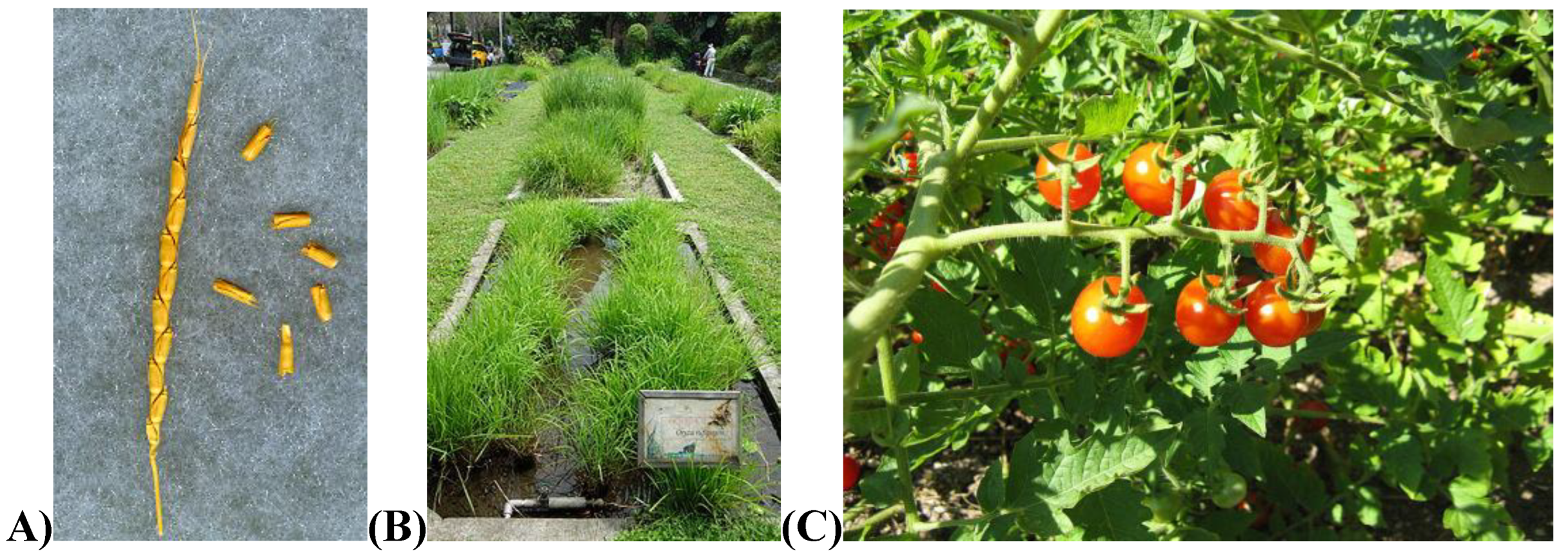
Figure 2.
Diverse rice landraces maintained before large-scale replacement by genetically uniform high-yielding varieties during the Green Revolution (Wikimedia Commons (IRRI Images, CC BY 2.0)).
Figure 2.
Diverse rice landraces maintained before large-scale replacement by genetically uniform high-yielding varieties during the Green Revolution (Wikimedia Commons (IRRI Images, CC BY 2.0)).
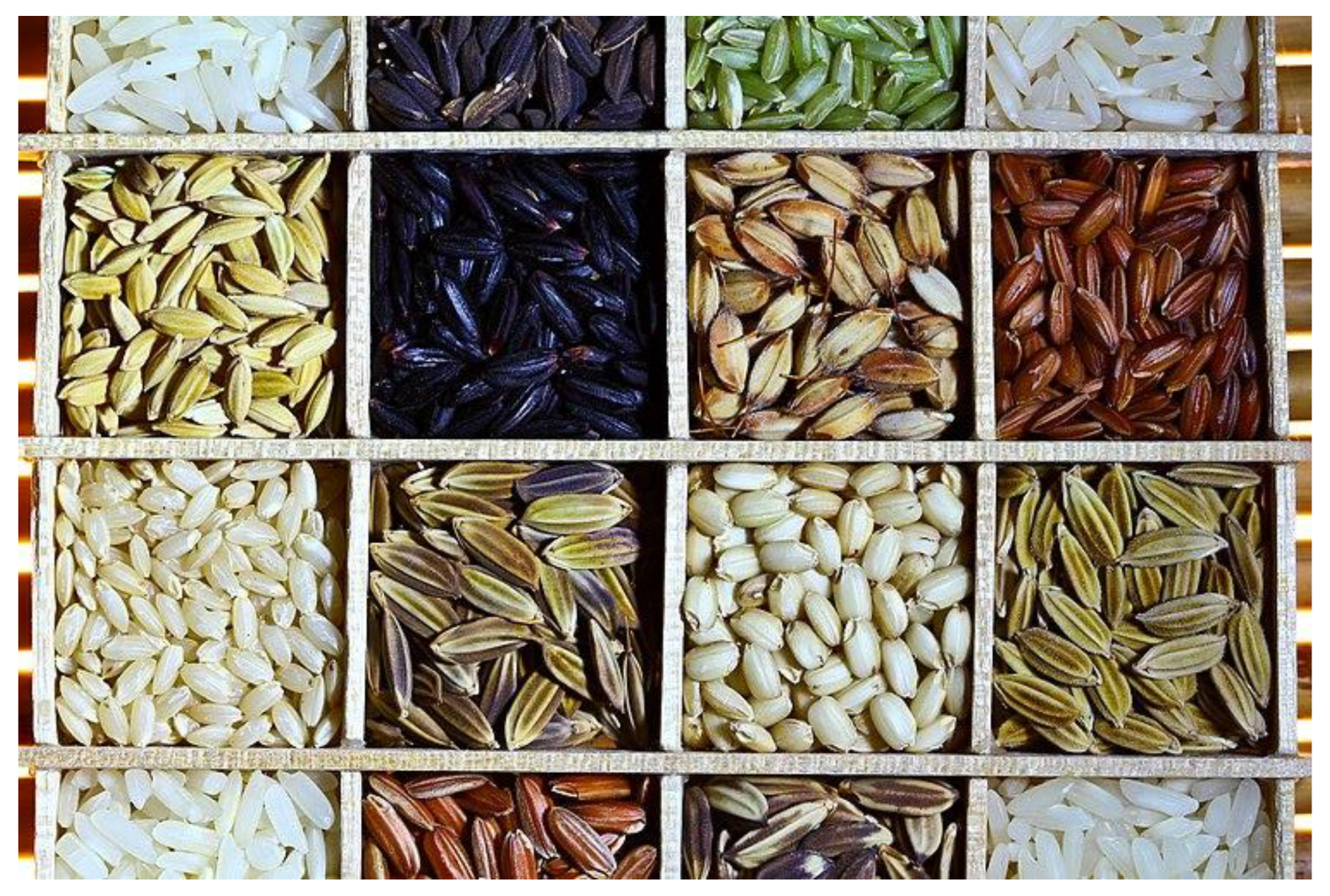
Figure 3.
Banana plants affected by Fusarium wilt (Panama disease), illustrating how clonal propagation and low genetic diversity increase vulnerability to large-scale disease outbreaks in banana plantations (Wikimedia Commons (Scot Nelson, CC0).
Figure 3.
Banana plants affected by Fusarium wilt (Panama disease), illustrating how clonal propagation and low genetic diversity increase vulnerability to large-scale disease outbreaks in banana plantations (Wikimedia Commons (Scot Nelson, CC0).
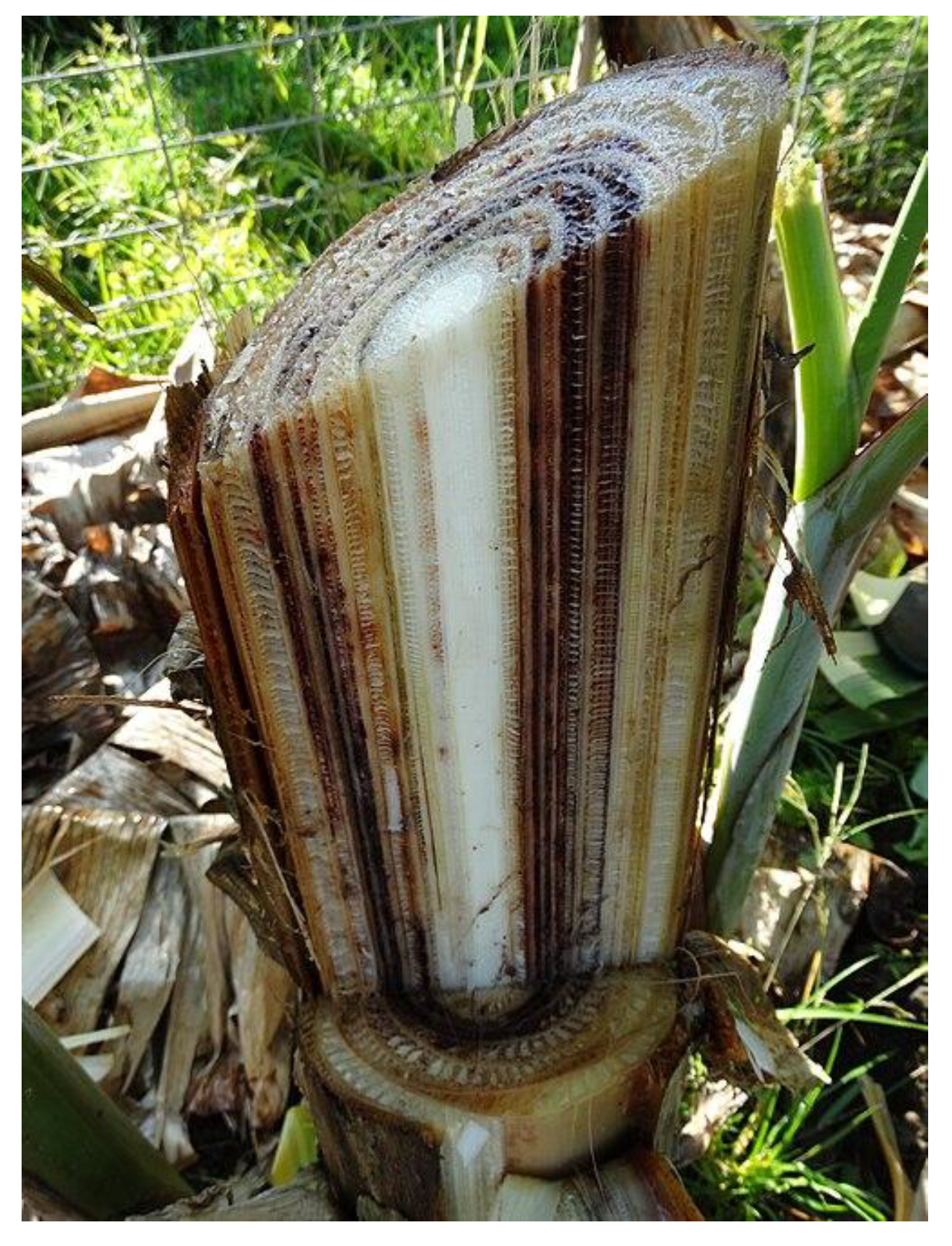
Figure 4.
(A) Zebrafish used as a model organism in studies demonstrating transgenerational epigenetic inheritance following cadmium exposure (Wikimedia Commons (Marrabbio2)), (B) Wing pattern variation and Müllerian mimicry in Heliconius butterfly species, where preserved genetic combinations contribute to adaptive predator avoidance (Meyer, A. 2006).
Figure 4.
(A) Zebrafish used as a model organism in studies demonstrating transgenerational epigenetic inheritance following cadmium exposure (Wikimedia Commons (Marrabbio2)), (B) Wing pattern variation and Müllerian mimicry in Heliconius butterfly species, where preserved genetic combinations contribute to adaptive predator avoidance (Meyer, A. 2006).
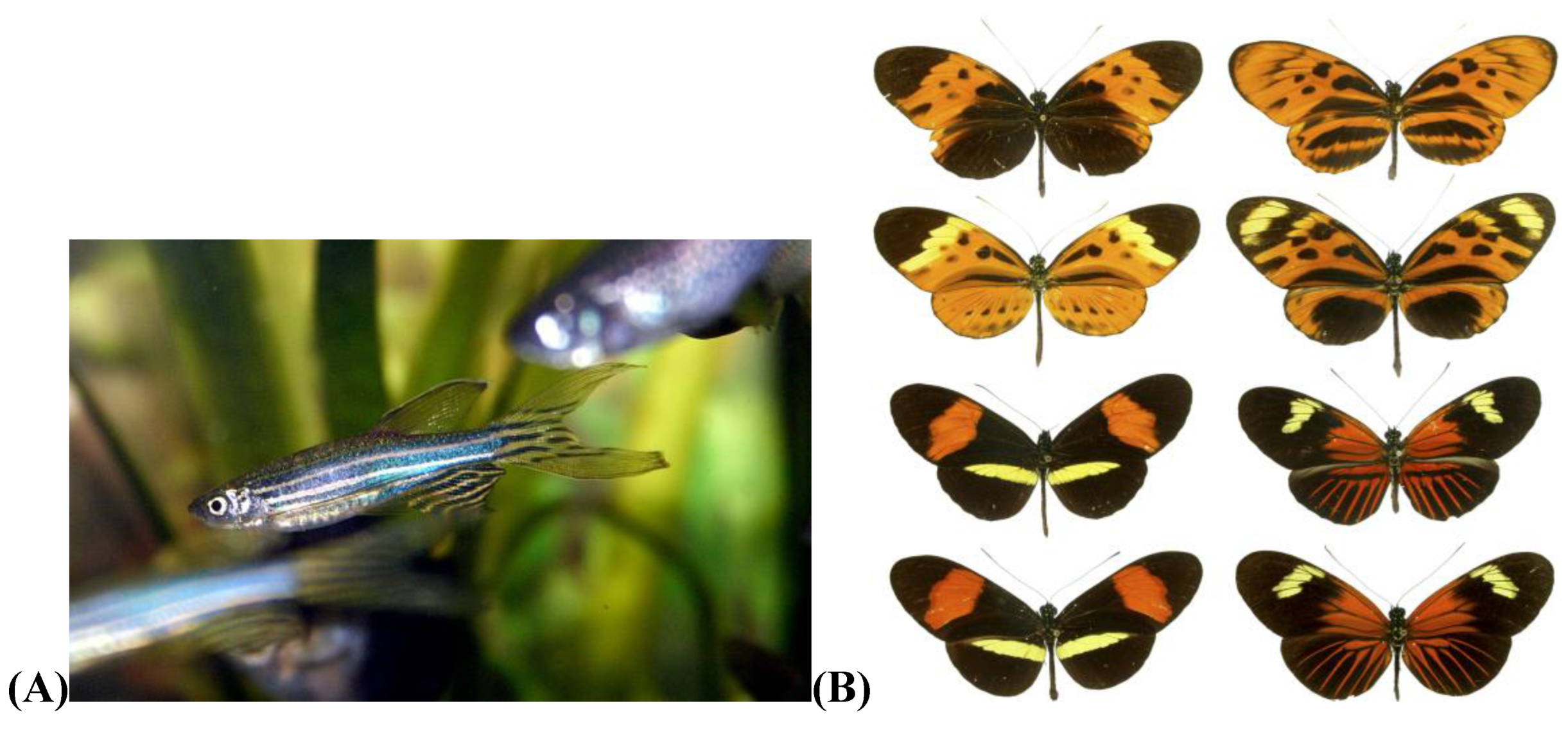
Figure 5.
Total harvest trends of Atlantic cod in the Northeast and Northwest Atlantic (1950–2012), illustrating the long-term effects of intensive harvesting on population decline and reduced recovery potential (Arne Eide, 2014).
Figure 5.
Total harvest trends of Atlantic cod in the Northeast and Northwest Atlantic (1950–2012), illustrating the long-term effects of intensive harvesting on population decline and reduced recovery potential (Arne Eide, 2014).
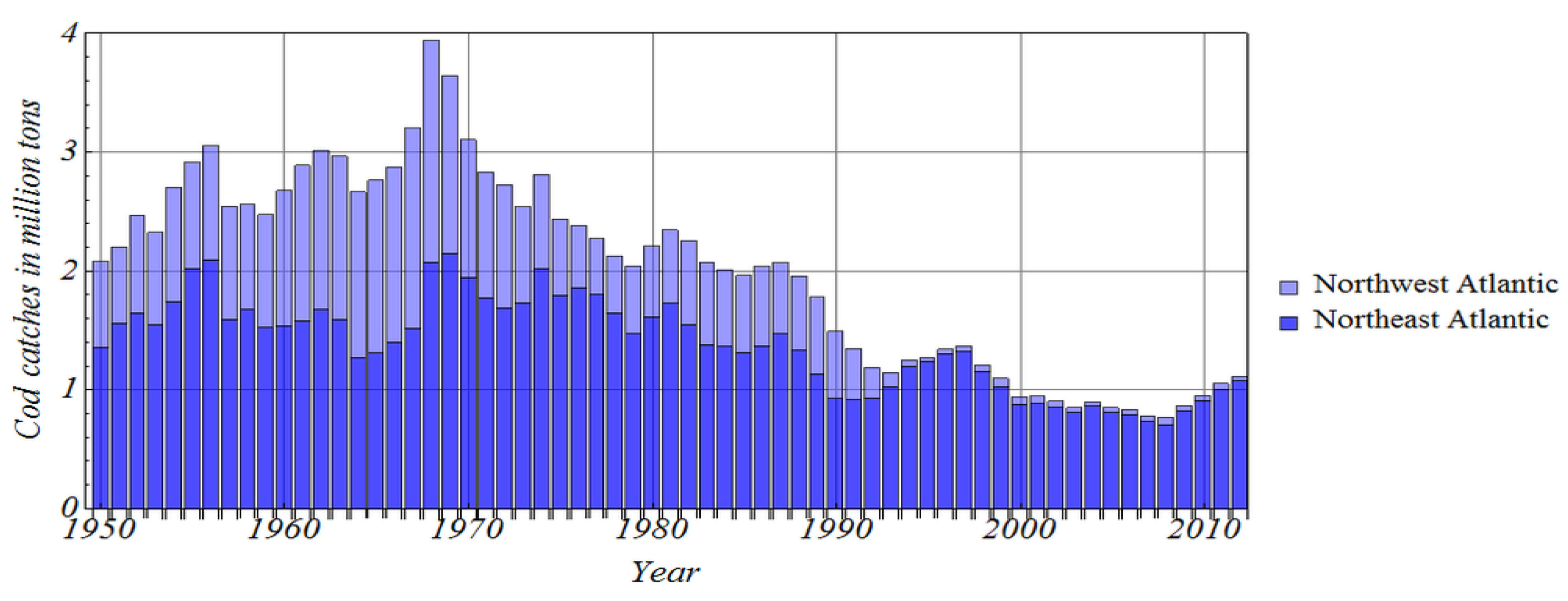
Figure 6.
(A) Florida panther populations were genetically rescued through the introduction of Texas cougars to restore genetic diversity and reduce inbreeding-related defects (Wikimedia Commons), (B) Elizabeth Ann, the first cloned endangered species in the United States, was created using cryopreserved cells from a black-footed ferret named Willa to restore lost genetic diversity in endangered populations (United States Fish and Wildlife Service National Black-footed Ferret Conservation Center. Elizabeth Ann (2021).
Figure 6.
(A) Florida panther populations were genetically rescued through the introduction of Texas cougars to restore genetic diversity and reduce inbreeding-related defects (Wikimedia Commons), (B) Elizabeth Ann, the first cloned endangered species in the United States, was created using cryopreserved cells from a black-footed ferret named Willa to restore lost genetic diversity in endangered populations (United States Fish and Wildlife Service National Black-footed Ferret Conservation Center. Elizabeth Ann (2021).
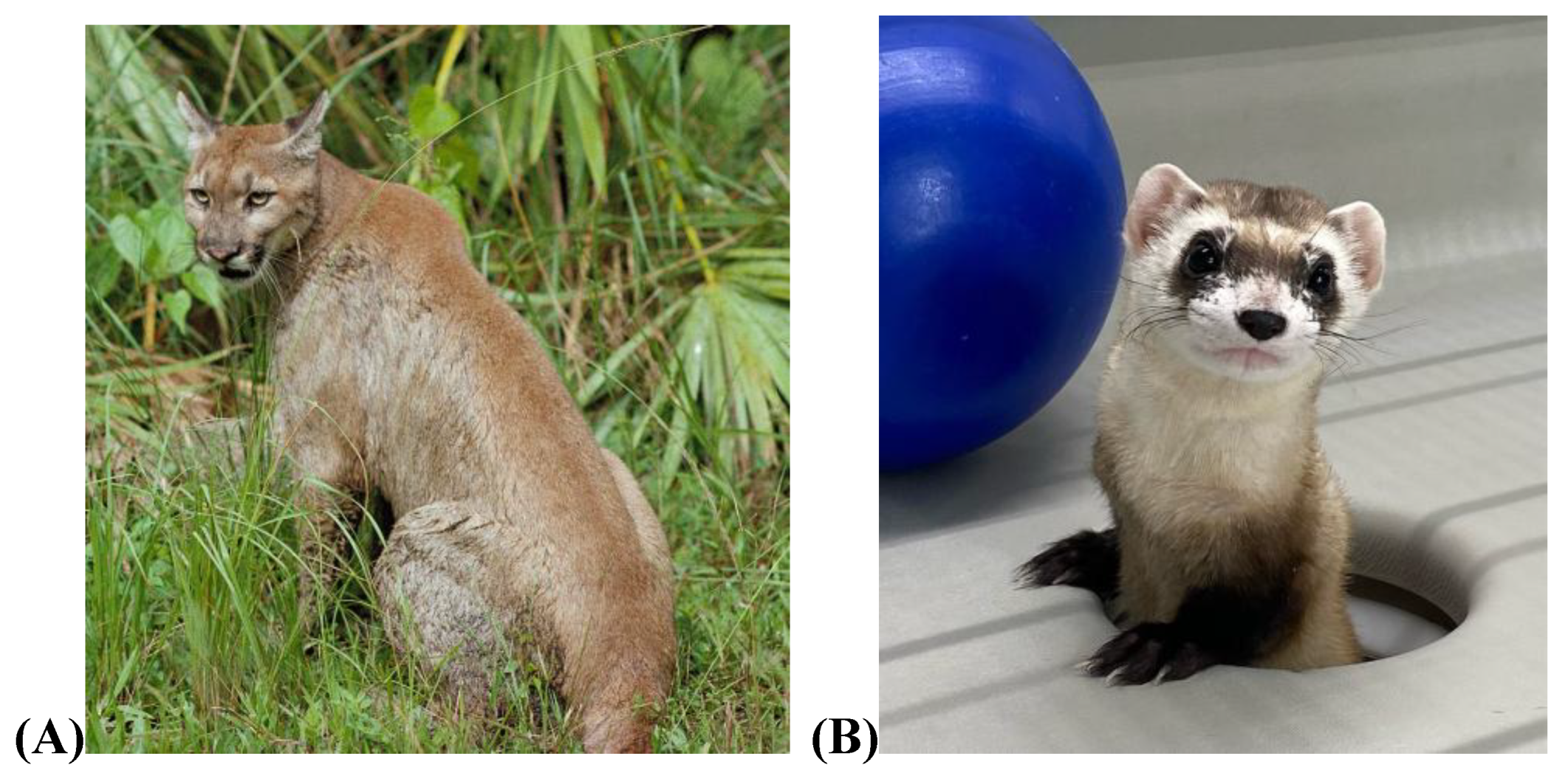

Table 1.
Applications of Unique and Rare Genetic Traits from Diverse Species in Biotechnology and Medicine.
Table 1.
Applications of Unique and Rare Genetic Traits from Diverse Species in Biotechnology and Medicine.
| S.no. | Source | Rare Animal Gene (s) | Natural purpose | Application | Use in Medicine and Technology | Status | Source |
|---|---|---|---|---|---|---|---|
| 1 | Rana sylvatica (Wood frog) | Glucose transporter and cryoprotectant genes | Allows frog tissues to survive freezing | Cryomedicine | Organ preservation and hypothermic surgery research | Experimental | [56] |
| 2 | Dipodomys deserti (Kangaroo rat) | ACTN3 variants (alpha-actinin-3 related) | Enables powerful hind-limb muscles for extreme jumping | Muscle physiology research | Treatments for muscular disorders and sports medicine | Early physiological research | [57] |
| 3 | Ornithorhynchus anatinus (Platypus) | Defensin-like venom peptide genes (OvDLPs) | Venom used by males during mating competition | Pain research | Development of novel analgesics | Early biomedical research | [58] |
| 4 | Leptonychotes weddellii (Weddell seal) | Myoglobin gene adaptations | Allows prolonged underwater diving | Hypoxia tolerance studies | Understanding oxygen deprivation in stroke and cardiac arrest | Experimental research | [59] |
| 5 | Chionodraco rastrospinosus (Antarctic icefish) | AFGP (Antifreeze Glycoprotein gene) | Prevents ice crystal formation in blood and tissues in sub-zero Antarctic waters. | Cryobiology and cryopreservation technology. | Organ preservation, fertility treatment (embryo freezing), cell storage. | Experimental to early applied biomedical research | [60] |
| 6 | Hypogastrura harveyi (Snow flea) | Ice-binding protein gene (IBP) | Prevents freezing of body fluids | Cryomedicine | Organ transplantation preservation | Experimental research | [60] |
| 7 | Odontodactylus scyllarus (Mantis shrimp) | Multiple opsin genes | Allows detection of polarized and ultraviolet light | Optical technology | Advanced imaging sensors and polarization cameras | Early technology research | [61] |
| 8 | Euprymna scolopes (Hawaiian bobtail squid) | Host-symbiosis regulation genes | Controls symbiosis with bioluminescent bacteria | Microbiome research | Synthetic biology and microbial engineering | Experimental research | [62] |
| 9 | Balaena mysticetus (Bowhead whale) | ERCC1 and PCNA pathway genes | Enhanced DNA repair and long lifespan | Aging research | Anti-aging and cancer-prevention research | Experimental | [63] |
| 10 | Heterocephalus glaber (Naked mole-rat) | HAS2 (Hyaluronan synthase 2) | Produces high-molecular-weight hyaluronan | Cancer biology | Anti-tumor therapies | Experimental research stage | [64] |
| 11 | Somniosus microcephalus (Greenland shark) | Collagen-stability genes | Maintain tissues for centuries of lifespan | Aging research | Anti-aging therapies and tissue repair | Early research | [65] |
| 12 | Anser indicus (Bar-headed Goose) | Hemoglobin alpha-chain mutation genes | Efficient oxygen binding at high altitude | Hypoxia research | Studying treatments for altitude sickness and respiratory diseases | Experimental biomedical research | [66] |
| 13 | Electrophorus electricus (Electric eel) | Voltage-gated ion channel genes (e.g., SCN4A) | Produce high-voltage electric discharges | Bio-battery design and bioelectronics | Energy-generating biological systems and neural interface research | Experimental research | [67] |
| 14 | Ramazzottius varieornatus (tardigrade) | Dsup (Damage suppressor protein) | Protects DNA from radiation and oxidative damage. | Radioprotection in cells. | Cancer radiation therapy protection, astronaut protection in space missions. | Experimental research stage | [68] |
| 15 | Ginglymostoma cirratum (Nurse shark) | VNAR antibody genes | Immune defense using small, stable antibodies. | Therapeutic antibodies and diagnostic tools. | Cancer therapy, targeted drug delivery, virus detection. | Clinical research stage | [69] |
Disclaimer/Publisher’s Note: The statements, opinions and data contained in all publications are solely those of the individual author(s) and contributor(s) and not of MDPI and/or the editor(s). MDPI and/or the editor(s) disclaim responsibility for any injury to people or property resulting from any ideas, methods, instructions or products referred to in the content. |
© 2026 by the authors. Licensee MDPI, Basel, Switzerland. This article is an open access article distributed under the terms and conditions of the Creative Commons Attribution (CC BY) license (http://creativecommons.org/licenses/by/4.0/).
Copyright: This open access article is published under a Creative Commons CC BY 4.0 license, which permit the free download, distribution, and reuse, provided that the author and preprint are cited in any reuse.