

Submitted:
27 April 2026
Posted:
28 April 2026
You are already at the latest version
Preprints on COVID-19 and SARS-CoV-2
Abstract
COVID-19 has spurred a lot of interest in complementary and alternative agents for therapeutic purposes having antiviral and immunomodulatory effects. In these, natural products and bioactive compounds from plants have been at the center of attention due to their easy access, relatively low risk, and long history of use in traditional medicine. This paper reviews in detail and critically assesses the scientific data that at present the use of certain cannabinoids, cannabimimetic compounds, and Artemisia species in the treatment and prevention of COVID-19. It gives an account of medicinal approaches to cannabinoids like cannabidiol (CBD), Δ 9 tetrahydrocannabinol (THC), alongside other minor cannabinoids and synthetic and naturally-occurring cannabimimetics. The paper discusses the potential of Artemisia annua and other species as treatments, especially focusing on their antiviral, anti-regulatory, anti-inflammatory, and immunomodulating properties. It highlights the molecular interactions with SARS-CoV-2 targets as well as cytokine regulation and modulation of oxidative stress pathways, with special emphasis on these areas. The paper raises multiple issues like preclinical and clinical studies, safety aspects, regulatory hurdles, and drawbacks related to the use of these natural compounds. After analyzing all the available data, the article entertains the idea of a cannabinoid Artemisia combination as a supportive or adjunct therapy in COVID-19 treatment. It also points out that the clinical trials are insufficient concerning the establishment of effectiveness, determination of the appropriate dosage and assurance of the long-term safety of the treatment.
Keywords:
COVID-19
; cannabinoids
; cannabimimetics
; Artemisia
; natural therapeutics
; phytochemicals
; SARS-CoV-2
; antiviral activity
; immunomodulation
; complementary medicine
1. Introduction
1.1. Background to COVID-19 and Natural Therapeutics
Coronavirus Disease 2019 (COVID-19) is a new disease caused by a virus (SARS-CoV-2) that has seriously challenged health systems, economies and ways of life all over the world [1]. Ever since it was first identified late 2019 COVID-19 has led to millions of infections and deaths globally. It has become extremely important to develop preventive and therapeutic measures as soon as possible [2]. Even though vaccines and antiviral medications greatly help in reducing the severity of the disease and the number of deaths, the emergence of new variants of the virus and the disparity in healthcare access have been the main hindrances to effectively controlling the pandemic [3]. Traditional medical ways to COVID-19 treatment mainly revolve around vaccination, antiviral drugs, immune system modulators and supportive care [4]. Nevertheless, such approaches come with their own set of problems such as drug resistance, side effects, high costs of treatment and limited availability in low and middle-income countries which have led to a search for other alternatives namely complementary and alternative therapies. Natural products from medicinal plants have attracted both scientific and public attention as possible beneficial therapies.
Plant-based remedies have been widely relied upon to manage infectious diseases across various cultures and many of the underlying compounds used in modern drugs originate from medicinal plants [5]. Natural medicines generally have many effects like antiviral, anti-inflammatory, antioxidant and immune-modulating which are all instrumental in COVID-19 disease process. These effects can not only curb the virus spread but can also prevent the cytokine storm, the major cause of disease severity and relieve the symptoms [6]. During the COVID-19 pandemic several herbal combinations and plant chemicals were tested for their potential roles in protection and treatment. Flavonoids terpenoids alkaloids and polyphenols are some of the plant-derived compounds that have potently inhibited the virus from getting into and replicating in cells in in vitro experiments [7]. Along with this, traditional medical practices in Africa, Asia and South America also saw more use of plant-based remedies for immune boosting and lung health [8].
The scientific validation of many natural therapies continues to be limited even though lots of people are getting interested in using them. There are challenges such as the fact that plant composition can vary, dosages are not standardized and there are not enough clinical trials that make it difficult for the medical community to accept them as part of a standard treatment [9]. Systematic reviews and evidence-based assessments are needed to identify which ones are good and which ones are just making claims without evidence. This paper discusses investigating the possible role of some cannabinoids and cannabimimetic compounds as well as the Artemisia genus as alternative and complementary therapeutic agents at the time of COVID-19. Through in-depth analysis of previous studies, the paper aims at informing the ongoing debate about the advantages, disadvantages and possibilities of natural treatment methods in caring for viral pandemics.
1.2. Rationale for Plant-Based and Cannabinoid Therapies
The ongoing search for effective therapies for COVID-19 has shown that it is important to look at different pharmacological methods including those taken from nature. Medicines from plants and compounds related to cannabinoids have been identified as potential candidates owing to their multiple biological activities, extensive traditional use, and scientific confirmation [10]. Their possible usefulness in handling viral infections depends on their capability to modulate several disease pathways at the same time. A major reason for considering therapies based on plants is their abundance of bioactive phytochemicals such as flavonoids, terpenes, phenolics, alkaloids and glycosides [11]. Besides being antiviral, anti-inflammatory, antioxidant, and immunomodulatory agents these compounds also possess other beneficial attributes. With regards to COVID-19 these multifunctional effects are very important because the disease involves not only the virus but also immune system disruption, oxidative stress and inflammatory damage to tissues. Compared to single-target synthetic drugs, plant-derived compounds may have combined effects that result in better therapeutic effects [12].
Cannabinoids and cannabimimetic compounds are a special set of bioactive molecules that are becoming increasingly important in medical research (Figure 1). Natural cannabinoids like cannabidiol (CBD), 9-tetrahydrocannabinol (THC) and less abundant cannabinoids influence the endocannabinoid system that among its other functions regulates immune responses inflammation pain and overall balance [13]. Changing the activity of this system effects cytokine production, leukocyte functions, and inflammatory pathways hence leading to the possibility of controlling the hyperinflammatory responses characteristic of the severe COVID-19 [14]. Besides the cannabimimetic compounds, synthetic analogues or natural molecules having cannabinoid activity provide better pharmacological stability and selectivity. Such compounds can imitate or modulate endocannabinoid signaling without triggering strong psychoactive effects thus they are very attractive potential therapeutics [15]. Their capacity to maintain immune equilibrium and to alleviate tissue inflammation provides the rationale for their adjunct treatment in viral infections. Plant and cannabinoid therapies receive support also from practical and socio-economic standpoints. Medicinal plants are accessible worldwide in particular, resource-limited areas and often they serve as less expensive substitutes to brand-name drugs. Their inclusion into health care systems may lead to greater availability of auxiliary treatments in public health crises [16]. After proper standardization and administration several plant-derived products exhibit a good safety profile.
Recent computational, laboratory and animal-model studies have added to the evidence base supporting the investigation of these treatments against the novel coronavirus. Molecular docking studies have indicated that certain plant-derived compounds and cannabinoids can bind to viral proteins such as the main protease (Mpro), spike protein and RNA-dependent RNA polymerase [17]. Biological assays have demonstrated that these substances can prevent viral entry and replication and modulate immunity of the host to some extent. The translation of plant-derived and cannabinoid therapies into clinical practice must be handled with utmost caution as factors like dose standardization, bioavailability, drug interactions and safety upon long-term use remain as major hurdles that need to be overcome [18]. Thorough scientific confirmation and well-designed clinical trials are a must before these treatments can be widely used. The justification for investigating plant-based and cannabinoid therapies in COVID-19 management lies in their wide spectrum of pharmacological activities, immunoregulatory capacity, availability and increasing scientific data [19]. These features provide ample reasons for the continued investigation of their potential as complementary and supportive therapeutic interventions in the control of viral infections.
1.3. Scope and Objectives of the Review
This review aims to discuss the potential role of some cannabinoids, cannabimimetic compounds and Artemisia species in the prevention, management, and supportive treatment of COVID-19. It explores scientific literature to give a comprehensive and critical synthesis of current knowledge about their pharmacological properties, mechanisms of action, therapeutic importance, and limitations in the context of SARS-CoV-2 infection. The range of this review includes preclinical, clinical, and computational studies that have looked at the antiviral, anti-inflammatory, antioxidant, and immunomodulatory properties of these natural compounds. It mainly focuses on studies that investigate molecular binding to viral targets, changing host immune responses, and possible synergistic effects of combination therapies. It also considers the conventional and ethnopharmacological uses of cannabis-derived compounds and Artemisia species in the management of respiratory and infectious diseases. Besides that, this review attempts to examine major areas like safety toxicity dosage standardization, regulatory frameworks, and ethical considerations of medicinal uses of plant-based and cannabinoid products. It also discusses problems in quality control of products, differences in chemical makeup of plants, and possible drugdrug interactions, especially for patients being treated with standard COVID-19 care.
The primary objectives of this review are to:
1. To study the scientific investigations about the antiviral and immunomodulatory effects of specific cannabinoids, cannabimimetics and Artemisia compounds against SARS-CoV-2.
2. To investigate the molecular and cellular mechanisms behind the impact of these compounds on virus entry and disease development.
3. To identify the practical value, potential risks and inefficiencies of using these natural products as therapeutics.
4. To locate the missing elements and weak points of the experimental designs of present studies.
5. To suggest future dissertation topics and clinical research that would prove or disprove the effectiveness of combination therapies.
This paper intends to promote the evidence-based comprehension of herbal therapies for COVID-19 and assist the decision-making of researchers clinicians and policymakers who wish to consider these methods as a part of the healthcare systems.
2. Overview of COVID-19 Pathophysiology
2.1. SARS-CoV-2 Structure and Replication
Severe Acute Respiratory Syndrome Coronavirus 2 (SARS-CoV-2), which belongs to the Coronaviridae family and the genus Betacoronavirus is an enveloped positive-sense single-stranded RNA virus [20]. As the causative agent of Coronavirus Disease 2019 (COVID-19) it presents a wide range of symptoms starting from asymptomatic infection to severe respiratory failure and multi-organ dysfunction. In-depth knowledge of the structural and replicative characteristics of SARS-CoV-2 not only aids in the unveiling of new therapeutic targets but also paves the way for understanding how natural compounds might manifest antiviral properties, through various mechanisms [21].
2.2. Structural Organization of SARS-CoV-2
The particles of SARS-CoV-2 can be either round or irregular in shape and their size is mostly between 60 and 140 nm. The virus is marked by very recognizable spike projections on its outer surface which make a coronavirus resemble a crown under the microscope. The virus’ genetic material is protected within a lipid envelope that the virus acquires from the host cell membrane [22].
The viral structure consists of four major structural proteins:
- Spike (S) protein – A glycoprotein responsible for viral attachment and entry into host cells. The S protein binds to the angiotensin-converting enzyme 2 (ACE2) receptor on host cells and facilitates membrane fusion following activation by host proteases such as TMPRSS2.
- Envelope (E) protein – A small membrane protein involved in viral assembly, release, and pathogenicity.
- Membrane (M) protein – The most abundant structural protein, which maintains viral shape and coordinates virion assembly.
- Nucleocapsid (N) protein – Binds to viral RNA to form a ribonucleoprotein complex and plays a role in genome packaging and replication.
In addition to these structural proteins SARS-CoV-2 encodes several non-structural and accessory proteins that regulate viral replication, immune evasion, and host–virus interactions [23].
2.3. Viral Entry and Attachment
The first step of an infection is the viral spike protein attaching to the ACE2 receptor which is abundantly present in the cells lining the respiratory tract, also in the cells of blood vessels and various parts of the body including the heart, kidneys and digestive system. After the virus binds to the receptor the host enzymes cleave the S protein at certain locations. These cuts cause the protein to change shape [24]. As a result, the virus’s envelope can merge with the membrane of the host’s cell. Once this merging has taken place, the viral RNA is released into the host cell’s cytoplasm, wherein it undergoes replication and translation [25]. Since the efficiency with which a virus enters a cell largely influences both how infectious the virus is and the severity of the resulting illness, the process of viral entry represents a key target for developing antiviral therapies [26].
2.4. Replication and Transcription Cycle
After entry into the host cell the viral RNA genome immediately acts as a messenger RNA. Replication begins with translating the viral genome into two huge polyproteins, pp1a and pp1ab. These polyproteins are broken down by viral proteases, such as the main protease (Mpro) and papain-like protease (PLpro), into non-structural proteins (nsps) that are necessary for the virus to replicate [27]. These non-structural proteins come together to create the replication transcription complex (RTC), which is linked with modified intracellular membranes that originate from the endoplasmic reticulum. The RTC is responsible for creating negative-sense RNA intermediates, which are then used as templates to make new genomic RNA and subgenomic mRNAs. Subgenomic mRNAs are used to make structural and accessory proteins that are moved to the endoplasmic reticulum golgi intermediate compartment (ERGIC) [28]. The virus is assembled in this compartment where the freshly made genomic RNA first binds with nucleocapsid proteins and then is enclosed by a membrane containing S, M and E proteins [29].
2.5. Virion Assembly and Release
Once assembled mature virions get enclosed into vesicles and moved to the cell surface using the secretory pathway. The virions leave the cell by exocytosis, which helps them to spread and infect nearby cells, thus furthering the infection in the host. A fast replication process of this virus results in significantly high viral loads mainly during the initial stages of infection [30]. The ongoing synthesis and secretion of viral particles cause serious cellular injuries, breakdown of epithelial barriers, and stimulation of innate immune defenses. Such processes are key in triggering the series of inflammatory events that lead to the development of COVID-19 [31].
2.6. Implications for Therapeutic Targeting
Many components of SARS-CoV-2 that are structural and for replication serve as a basis for various antiviral interventions; these include the interaction spikeACE2, viral proteases, RNA-dependent RNA polymerase (RdRp) as well as assembly pathways [32]. Many natural compounds including cannabinoids and phytochemicals from Artemisia have been proposed for their potential to interfere with these processes through either the direct binding or modulation of host factors. Knowledge of SARS-CoV-2 structure and its replication not only makes clear the mechanisms of the disease but also helps in the logical development of plant-based and cannabinoid-derived therapeutic strategies [33].
2.7. Host Immune Response and Cytokine Storm
The immune response of the host plays a key role in determining the clinical outcome of SARS-CoV-2 infection. When the virus first enters the body, a successful innate immune response in the first place is one of the factors that the body uses to determine whether the virus can be cleared [34]. Receptors that recognize pathogens including toll-like receptors (TLRs) become activated, detect the viral RNA, and trigger the production of type I interferons and pro-inflammatory cytokines. These early responses are critical for limiting viral replication and initiating adaptive immunity [35]. In severely ill COVID-19 patients this precisely controlled immune response may become disorderly and cause the body to overreact with an inflammatory response that is sometimes referred to as a “cytokine storm “. This hyperinflammatory state is the result of overproduction of cytokines and chemokines including interleukin (IL)-6, IL-1, tumor necrosis factor-alpha (TNF-α), IL-8 and interferon-gamma (IFN-γ) [36]. The uncontrolled and extensive production of these mediators results in infiltration of immune cells to a great extent, the dysfunction of the endothelium, leakage in the blood vessels, and finally, damage to several organs especially the lungs in the form of acute respiratory distress syndrome (ARDS) [37].
A cytokine storm is characterized by a vicious cycle of increased inflammation due to proinflammatory cytokines overriding the anti-inflammatory cytokines. In normal immune responses, regulatory mechanisms such as regulatory T cells and anti-inflammatory cytokines (IL-10) will help to eliminate inflammation [38]. In severe cases of COVID-19, these regulatory systems are either inhibited or insufficient, thus enabling inflammation to continue unabated. This scenario is made worse by a delayed type I interferon response which results in a lack of early viral control and prolonged immune system overdrive [39]. Overworked monocytes and macrophages are the main factors in the continuation of systemic inflammation. These cells penetrate the lung tissue and secrete a lot of inflammatory messages, thereby causing more damage to the tissue. The activation of endothelium and abnormalities in coagulation are also factors that result in complications in very sick patients such as thrombosis and disseminated intravascular coagulation [40].
It is crucial to understand the mechanisms that cause immune dysregulation in the host and the production of cytokine storm for devising specific treatment approaches. Immunoregulatory therapies that aim to inhibit the overproduction of cytokines or to bring the immune system back to its normal state for example IL-6 receptor blockers and corticosteroids have shown benefits at the clinical level in severe cases. The exact moment of intervention and proper patient selection are very important to prevent weakening the protective antiviral immunity [41]. The cytokine storm is a major pathological event in severe COVID-19 going from the viral infection to the inflammatory damage systemically and it is the focus of therapeutic efforts.
2.8. Targets for Therapeutic Intervention
Approaches to treat COVID-19 and other virus-caused diseases are mainly based on understanding of the viral life cycle and the immune response that is not properly functioning in the host [42]. Discovering molecular and cellular targets both in viral and host pathways has allowed the creation and re-use of drugs that aim to reduce viral replication, limit tissue damage and improve clinical outcomes [43]. A major therapeutic focus is the process through which the virus enters the host cells. The mechanism permitting the virus to initiate infection is the viral spike (S) protein attaching to the angiotensin-converting enzyme 2 (ACE2) receptor and it is being prepared for the entry by the transmembrane protease serine 2 (TMPRSS2) [44]. Treatments that prevent spike-ACE2 interaction or that stop TMPRSS2 activity can effectively block viral entry and multiplication. Neutralizing monoclonal antibodies and entry inhibitors are the examples of drugs that were created with the aim of disrupting this pivotal step. Another crucial target in this regard is the viral replication machinery [45]. After gaining access to the host cell, SARS-CoV-2 depends on viral enzymes such as RNA-dependent RNA polymerase (RdRp) and proteases, including the main protease (Mpro/3CLpro) and papain-like protease (PLpro), to replicate and process viral proteins. Enzyme inhibitors are capable of drastically decreasing the production of viruses. For instance, nucleoside analogues work by causing premature termination of the synthesis of viral RNA, thus limiting the infection spread [46].
Host-directed therapies have been gaining traction as key intervention strategies. Severe disease is often the result of an overzealous immune response, which’s why inflammatory pathways are targeted for a complementary approach. Major elements are cytokines such as interleukin-6 (IL-6), interleukin-1 (IL-1) and tumor necrosis factor-alpha (TNF-α) alongside their corresponding signaling pathways (JAK-STAT signaling). Manipulation of these pathways can aid in the prevention or decrease of cytokine storm-related tissue damage [47]. Coagulation pathways make an appealing target for therapy given that thrombotic complications are very common in severe COVID-19. Drugs that influence platelet activation and coagulation systems are implemented for lowering the risks of microthrombosis and subsequent organ failure [48]. New studies point out the possibility of using host metabolic and oxidative stress pathways as a target to combat viral infection which triggers major cellular stress responses [49]. Besides antioxidants, immunomodulatory phytochemicals or plant-based compounds are being investigated for their potential to provide a redox balance and control immune activation [50]. A suitable therapeutic intervention needs a multi-target approach that combines antiviral tactics with host immune modulation. Such dual attention is indispensable for not only halting the proliferation of virus but also lessening the harmful effects of immune dysregulation in the case of severe disease.
3. Cannabinoids and Cannabimimetic Compounds
Cannabinoids and cannabimimetic compounds form a diverse group of biologically active chemicals that target the endocannabinoid system (ECS), which is a multifaceted regulatory network playing a role in immune modulation inflammation pain perception, and cellular homeostasis [51]. The potential therapeutic applications of these compounds in inflammatory and infectious diseases, including COVID-19, have greatly increased global interest in their use [52].
3.1. Overview of Cannabinoids and the Endocannabinoid System
Cannabinoids are divided into three main categories, phytocannabinoids obtained from Cannabis sativa, endogenous cannabinoids also called endocannabinoids which are produced by the human body and synthetic cannabinoids which are made to resemble or influence cannabinoid receptor activity [53]. The primary cannabinoid receptors CB1 and CB2 are extensively distributed in the central nervous system and peripheral immune tissues, respectively. CB1 receptors are primarily linked to brain functions, whereas CB2 receptors are mostly found on immune cells such as macrophages, B cells, and T cells [54]. The role of CB2 receptor activation in immunomodulation is very significant, as it helps in controlling excessive inflammatory reactions without producing strong psychoactive effects. CB2 is considered a major target in the treatment of inflammatory diseases [55].
3.2. Cannabinoids and Immune Modulation
Cannabinoids have an impressive capacity to influence the immune system by controlling cytokine production, the movement of immune cells and the pathways of inflammatory signaling [56]. Research shows that certain cannabinoids can decrease the production of cytokines involved in inflammation, such as IL-6, TNF-α, and IL-1, while at the same time increasing the production of anti-inflammatory cytokines like IL-10. This alteration in the cytokine profile may play a role in lessening the impact of hyperinflammatory states like cytokine storm syndrome in very ill COVID-19 patients. Moreover, cannabinoids might influence major signaling pathways that are responsible for immune system activation, for example the NF-κB and JAK-STAT pathways. Through the alteration of these pathways, cannabinoids may lessen the over-activation of the immune system and the resulting tissue injuries and yet be capable of the execution of antiviral immune defense mechanisms [57].
3.3. Cannabimimetic Compounds
Cannabimimetic compounds are synthetic or naturally occurring molecules that imitate the effects of cannabinoids by targeting cannabinoid receptors or related signaling systems. These compounds attract much interest because, unlike classical cannabinoids, they can be chemically tweaked for higher potency, selectivity, and fewer psychoactive effects [58]. Synthetic cannabinoids have been designed to selectively bind to CB2 receptors which lead to an immunomodulatory response while keeping side effects to the central nervous system at a minimum [59]. Some non-cannabinoid plant-based compounds have also been found to have cannabimimetic properties via their influence on endocannabinoid metabolism or receptor signaling in an indirect way [60].
3.4. Therapeutic Potential in Viral and Inflammatory Diseases
Immunomodulatory features of cannabinoids and cannabimimetic substances imply there could be a therapeutic role for them in viral infections with an excessive inflammatory component. In COVID-19 such substances might mitigate cytokine storms, decrease inflammation of the lungs and prevent tissue damage. Through their antioxidative and anti-cell death mechanisms they might aid in safeguarding cells experiencing oxidative stresses due to viruses [61]. Preliminary lab results point to the potential of these compounds but patient data is scarce and more rigorous controlled trials must be done to produce data on effectiveness safety dosage, and long-term effects.
3.5. Limitations and Research Considerations
There are several difficulties that need to be resolved along with the cannabis therapeutic potential. These challenges include variability in chemical compound profiles of cannabis, divergences in receptor selectivity, possible drug-drug interactions and regulatory controls upon cannabis-based products. The immunosuppressive effects of cannabinoids might interfere with antiviral immune defense if not properly regulated [62]. Cannabinoids and cannabimimetic compounds are a class of immunomodulatory agents that are very promising with respect to inflammatory and infectious diseases [63]. Since their capability to control cytokine production and immune signaling pathways is effective, they can be considered as adjunctive therapy for diseases like COVID-19 [64]. More mechanistic investigations and properly designed clinical trials are indispensable before their habitual therapeutic use can be advised.
5. Mechanisms of Action Against SARS-CoV-2
The antiviral mechanisms behind cannabinoids, cannabimimetic compounds and Artemisia species against SARS-CoV-2 has been hypothesized to result from a mixture of direct antiviral activities targeting the viral life cycle and indirect regulation of host inflammatory and immune responses [77]. Such multi-targeted actions are very apt for a situation like COVID-19 where it is not only the SARS-CoV-2 viral replication but also the severely dysregulated host immunity that are responsible for the worsened clinical outcomes [78].
Figure 2.
Mechanism of action of cannabinoids, cannabimimetics and artemisia compounds against SARS-CoV-2.
Figure 2.
Mechanism of action of cannabinoids, cannabimimetics and artemisia compounds against SARS-CoV-2.
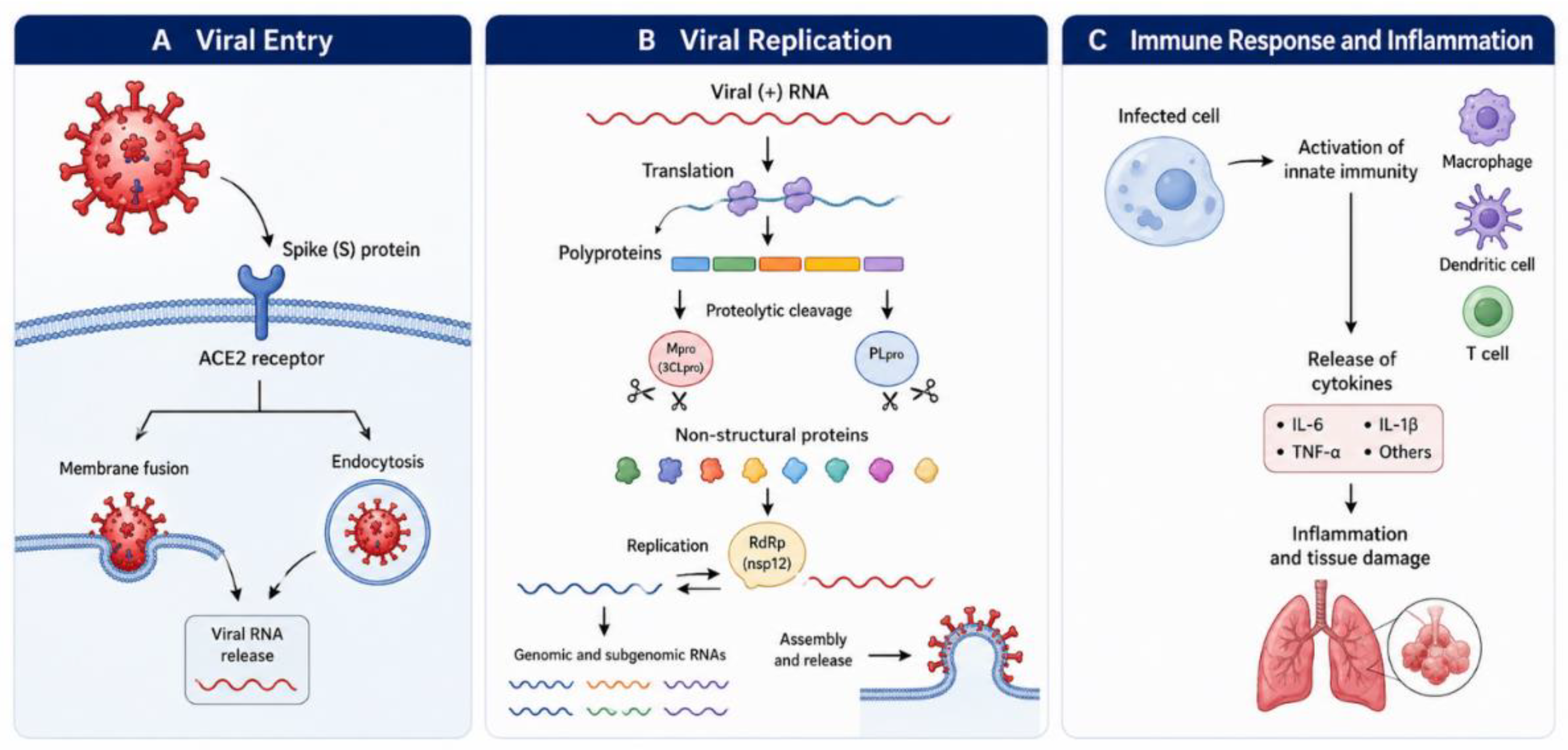
5.1. Direct Inhibition of Viral Entry
Infection of SARS-CoV-2 is initiated at an early stage by the spike (S) protein of the virus which latches on to the angiotensin-converting enzyme 2 (ACE2) receptor on the host cell surface, and this is followed by the spike protein being cleaved and activated by the host protease(s) such as TMPRSS2 [79]. Bioactive ingredients of cannabinoids and Artemisia species have been implied based on in-silico and in-vitro models to disrupt this phenomenon. Some plant compounds can attach to the part of the spike protein that binds to the receptor, resulting in a lowered binding capacity to ACE2, while others can alter the expression of ACE2 or block the activity of the protease TMPRSS2. Such dual mode of inhibitions can potentially decrease the virus sticking and entering the cell therefore restricting the initial infection and viral spread [80].
5.2. Disruption of Viral Replication and Protein Processing
After entering the host cell, the coronavirus depends on the help of its RNA-dependent RNA polymerase (RdRp) and the proteolytic enzymes such as the main protease (Mpro/3CLpro) and the papain-like protease (PLpro) to synthesize and maturing viral cells [81]. In-silico studies have found that several bioactive elements deriving from Artemisia especially artemisinin and flavonoid derivatives and a few cannabinoids from the selected group show promising inhibition exposure towards the viral enzymes studied. These substances may lessen the production of viral RNA by hindering the activity of RdRp. The blocking of the viral proteases that process the cleavage of polyproteins into functional units may not only lead to the disruption of viral maturation and assembly but also to additional viral elimination [82]. Most of these results are of a computational and preclinical nature meaning that they serve as a framework for the experimental validations to be carried out later.
5.3. Modulating the Host Immune Response
The host immune response, particularly the development of hyperinflammation and cytokine storm, is a key factor determining the severity of COVID-19. Cannabis and Artemisia compounds have immunomodulatory capabilities that can help in normalizing the immune system. Such compounds suppress the production of pro-inflammatory cytokines IL-6, IL-1 and TNF whereas they promote the production of the anti-inflammatory mediator IL-10. This cytokine regulation is tied to a diminished activation of major inflammatory pathways such as NF-κB and JAK-STAT signaling and as a result overactivation of immune response and destruction of tissues might be diminished [83].
5.4. Antioxidant and Cytoprotective Effects
One of the consequences of SARS-CoV-2 infection is oxidative stress due to the release of large amounts of reactive oxygen species (ROS) that damage lung tissue [84]. Flavonoids and terpenoids found in Artemisia species and certain cannabinoids are potent antioxidants. These molecules can directly neutralize free radicals as well as stimulate production of the body’s own antioxidants like glutathione and superoxide dismutase (SOD). By lowering oxidative stress, they could not only prevent endothelial and epithelial cell damage but also improve tissue response to infection [85].
5.5. Anti-Thrombotic and Endothelial Protective Effects
Severe COVID-19 is most often associated with endothelial injury and dysregulated coagulation resulting in microthrombosis and multiple organ failure [86]. Certain cannabinoids are reported to influence platelet function and vascular tone while both Artemisia compounds and their metabolites can increase endothelial cell function by the combination of anti-inflammatory and antioxidant mechanisms. Although the exact roles of these mechanisms in SARS-CoV-2 infection have yet to be uncovered, it can be inferred that they may help mitigate the thrombo-inflammatory complications of the disease [87].
5.6. Integrated Multi-Target Action
The mechanisms proposed for cannabinoids, cannabimimetic compounds and Artemisia species against SARS-CoV-2 extend beyond a single pathway but rather consist of a complex set of interactions that among other things inhibit viral entry replication modulate immune signaling, oxidative stress and maintain vascular integrity. A multi-target profile of this kind is especially beneficial in a complicated disease like COVID-19 where both the virus and the host contribute to the development of the disease [88].
The antiviral property of these natural and synthetic agents is due to a mixture of antiviral directly viral activity and host-directed effects. While preclinical data are quite encouraging more experimental studies and clinical trials would be needed to validate such mechanisms and to evaluate their therapeutic potential in COVID-19 treatment.
6. Synergistic Effects of Combination Therapies
It has been suggested that the mixture of cannabinoids, cannabimimetics and compounds derived from Artemisia could be used as a method to increase therapeutic effects in COVID-19 in a complementary and maybe synergistic way. Instead of a single mechanism of action these agents are involved in numerous biological processes of SARS-CoV-2 such as viral entry, immune dysregulation and inflammation. Phytocannabinoids including cannabidiol (CBD) and -tetrahydrocannabinol (THC) show immunomodulation by mainly influencing cytokine production and immune cell signaling via their interaction with the Endocannabinoid System [89]. This is expected to contribute to mitigating the excessive inflammatory response in severe cases of COVID-19. Cannabimimetics designed to replicate cannabinoid receptor activity may even potentiate the immunoregulatory effects by targeting similar pathways while not necessarily sharing the same chemical structures. Artemisia annua derived substances mainly artemisinin and its derivatives appear to be antiviral, anti-inflammatory and antioxidants [90]. These substances may act against viral replication and oxidative damage while supporting cannabinoids’ immunomodulatory actions (Table 1).
The combined mechanisms of cannabinoids and compounds from Artemisia not only offer the possibility of a multi-target therapy strategy but also indicate that cannabinoids could mainly regulate immune responses whereas Artemisia compounds can carry out antiviral and anti-inflammatory functions. Possible synergy of these compounds may include their multi-biological pathway targeting, cytokine storm reduction, less dose requirement for higher therapeutic effects and lesser side effects through complementary actions [96].
The evidence for synergistic interactions is mostly limited to in-vitro experiments, computational modelling and initial experimental data. There is a lack of large-scale clinical trials proving the safety, efficacy and best dosing of combination therapies in this situation. There are other potential risks like drug- drug interactions, differences in compound make-up and regulatory issues that should be thoroughly assessed. While combination therapies involving cannabinoids, cannabimimetics and Artemisia-derived compounds present an intriguing and potentially effective approach they remain investigational [97]. Further interdisciplinary research including controlled clinical trials and mechanistic studies is required to substantiate their role in COVID-19 management.
7. Preclinical and Clinical Evidence
A growing body of research has explored the potential of cannabinoids, cannabimimetics and Artemisia-derived compounds in the context of COVID-19. However, the strength of evidence varies considerably with most findings derived from preclinical investigations and only limited support from clinical studies [98].
7.1. Preclinical Evidence
Preclinical studies including in-vitro, in-vivo and computational modeling provide initial insights into the biological activity of these compounds. Cannabinoids such as cannabidiol (CBD) and Δ9-tetrahydrocannabinol (THC) have demonstrated anti-inflammatory and immunomodulatory effects through interactions with the Endocannabinoid System. These effects include the downregulation of pro-inflammatory cytokines and modulation of immune cell responses, which may be relevant in mitigating the cytokine storm associated with severe COVID-19 [99].
Some studies also suggest that cannabinoids may influence viral entry mechanisms, including modulation of receptor expression, although these findings remain preliminary. Cannabimimetics have shown similar immunoregulatory effects in experimental models, further supporting their potential role in managing inflammatory responses [100].
Compounds derived from Artemisia annua particularly artemisinin and its derivatives have demonstrated antiviral activity against a range of viruses in laboratory settings. In the context of SARS-CoV-2, these compounds have been reported to inhibit viral replication and reduce oxidative stress. Additionally, their anti-inflammatory properties may complement immune-modulating therapies.
Despite these promising findings preclinical studies often use controlled conditions that may not accurately reflect human physiology. Variability in experimental design, compound purity and dosing further complicates the interpretation of results.
7.2. Clinical Evidence
Clinical evidence supporting the use of these compounds in COVID-19 treatment remains limited and inconclusive. A small number of observational studies and early-phase clinical trials have investigated cannabinoids, primarily CBD, for their potential to reduce inflammation and improve clinical outcomes. While some results suggest symptomatic improvement, these studies are often limited by small sample sizes, lack of control groups, and short follow-up periods [101].
For Artemisia-derived compounds including artemisinin-based therapies, a few clinical investigations have explored their potential antiviral effects in COVID-19 patients. Some studies report reductions in symptom severity and recovery time however, methodological limitations such as non-randomized designs and inconsistent dosing limit the reliability of these findings [102].
There is currently no strong clinical evidence supporting the routine use of cannabinoids, cannabimimetics or Artemisia-based therapies as standard treatments for COVID-19. Data on combination therapies remain scarce with no well-designed randomized controlled trials confirming synergistic effects in clinical settings [103].
7.3. Key Limitations and Research Gaps
The existing body of evidence is constrained by several important limitations:
- Predominance of preclinical and exploratory studies
- Lack of large-scale, randomized controlled clinical trials
- Variability in compound formulations and dosages
- Limited data on long-term safety and drug interactions
- Insufficient evidence on combination therapy efficacy
While preclinical studies suggest that cannabinoids, cannabimimetics and Artemisia-derived compounds possess antiviral, anti-inflammatory and immunomodulatory properties, clinical validation remains inadequate. These compounds should therefore be regarded as investigational therapeutic agents, and further rigorous clinical research is required to establish their safety, efficacy, and role in COVID-19 management [104].
8. Safety, Toxicology, and Dosage Considerations
The use of cannabinoids, cannabimimetics, and Artemisia-derived compounds as investigational agents against COVID-19 requires careful evaluation of safety, toxicological profiles, and dosing strategies. Although these compounds are often perceived as “natural” and therefore safe, their pharmacological activity can lead to significant adverse effects, particularly when used inappropriately or without clinical oversight [105].
8.1. Safety of Cannabinoids
Cannabinoids such as cannabidiol (CBD) and Δ9-tetrahydrocannabinol (THC) interact with the Endocannabinoid System, influencing neurological, cardiovascular and immune functions. CBD is generally well tolerated however, reported side effects include fatigue, gastrointestinal disturbances and changes in appetite [106]. THC in contrast has psychoactive effects and may cause dizziness, anxiety, cognitive impairment and in some cases dependency [107].
Drug-drug interactions are a critical concern as cannabinoids may inhibit cytochrome P450 enzymes altering the metabolism of commonly used medications such as antivirals, anticoagulants and corticosteroids. This is particularly relevant in COVID-19 patients receiving multiple therapies [108].
8.2. Toxicological Considerations of Cannabimimetics
Cannabimimetics which mimic cannabinoid receptor activity may present similar or enhanced pharmacological effects. Synthetic variants have been associated with unpredictable toxicity, cardiovascular complications, neurotoxicity and acute adverse reactions [109]. The lack of standardized formulations and limited toxicological data further complicate their safe application.
8.3. Safety of Artemisia-Derived Compounds
Compounds derived from Artemisia annua, such as artemisinin, are generally considered safe at therapeutic doses used in antimalarial treatments. However, potential side effects include gastrointestinal discomfort, mild hepatotoxicity, and allergic reactions. Prolonged or high-dose use may increase the risk of toxicity, particularly in vulnerable populations such as pregnant women and individuals with liver impairment [110].
Variability in plant extracts due to differences in cultivation, extraction methods and compound concentrations can lead to inconsistent safety profiles.
8.4. Dosage Challenges
One of the major limitations in the application of these compounds is the lack of standardized dosing guidelines for COVID-19 treatment [111]. Dosage determination is complicated by:
- Variability in compound purity and formulation
- Differences in bioavailability and pharmacokinetics
- Limited clinical trial data to establish therapeutic ranges
- Potential interactions in combination therapies
As a result most dosing regimens remain extrapolated from other therapeutic uses or preclinical studies which may not be directly applicable to COVID-19 patients.
9. Regulatory Considerations
The regulatory status of cannabinoids varies significantly across regions, affecting their accessibility and clinical use [112]. THC-containing products are subject to strict control in many jurisdictions due to their psychoactive properties. Similarly, the use of Artemisia-based remedies outside approved pharmaceutical formulations raises concerns regarding quality control and safety [113].
While cannabinoids, cannabimimetics and Artemisia-derived compounds exhibit promising biological activities their safety and toxicological profiles require careful consideration. The absence of standardized dosing limited clinical validation and potential for adverse effects highlight the need for rigorous safety assessments. These compounds should therefore be used cautiously and remain within the scope of investigational research until sufficient clinical evidence supports their safe and effective application [114].
9.1. Regulatory and Ethical Considerations
The investigation of cannabinoids, cannabimimetics, and Artemisia-derived compounds as investigational agents against COVID-19 raises important regulatory and ethical issues [115]. These considerations are critical to ensure patient safety, scientific integrity and responsible translation of research findings into clinical practice.
9.2. Regulatory Frameworks
The legal status of cannabinoid-based products varies widely across jurisdictions. Compounds containing Δ9-tetrahydrocannabinol (THC) are often subject to strict control due to their psychoactive effects while cannabidiol (CBD) may be more accessible but still regulated depending on its intended use (medical vs. recreational) [116]. Regulatory authorities such as the U.S. Food and Drug Administration and the European Medicines Agency require rigorous evidence of safety, efficacy and quality before approving therapeutic agents [117].
Similarly, Artemisia-derived products must comply with pharmaceutical standards when marketed as medicines. However the widespread availability of herbal preparations outside regulated frameworks raises concerns about product quality, consistency and labeling accuracy.
10. Ethical, Limitations and Future Research Considerations
10.1. Ethical and Regulatory Considerations
Investigational therapies need to follow ethical standards like the Declaration of Helsinki. These include getting consent from the patient, weighing risks versus benefits, having the ethical committee giving their approval independently and all results should be made known [118]. Unproven therapies being used outside of clinical trials can jeopardize patient safety and give rise to misinformation especially if compounds are being marketed as treatments without enough scientific backing. The differences in natural products call for the implementation of strict Good Manufacturing Practice (GMP) standards to guarantee quality, consistency and safety. Scientists must share results in an accountable way not to exaggerate the advantages and at the same time guarantee that there is equitable access, affordability and fair intellectual property practices if the therapies are proven. These substances should be kept in controlled research environments until there is very strong clinical evidence.
10.2. Key Limitations and Research Gaps
Currently research into cannabinoids, cannabimimetics and compounds derived from Artemisia is primarily at the preclinical stage with very few solid clinical trials being conducted [119]. The data available largely results from small and brief studies with no uniformity in the preparations and dosages used, incomplete knowledge of the mechanisms involved and scarcity of information on combination treatments and safety over a long period. There are also issues such as differing regulations and the probability of publication bias. These shortcomings emphasize the importance of more thorough, well-standardized, and clinically oriented investigations.
10.3. Future Research Directions
Research efforts ought to be directed towards major well-structured randomized controlled trials and the creation of standardized, GMP-grade cannabinoid and Artemisia compound formulations. Studies of mechanisms in detail, therapeutic combinations evaluation, thoroughly safety, pharmacokinetic and drug-interaction profiling should be covered in detail. Emphasis should also be put on the development of enhanced drug delivery systems, acquisition of real-world evidence, regulatory harmonization and ethical communication. Most significantly these agents must be tested as supplemental therapies not as substitutes for existing COVID-19 treatments (Figure 3).
Research should be directed towards the isolation and identification of individual bioactive compounds, unveiling their pharmacokinetics and assessing the synergistic effects that arise from the confinement of entire plant extracts, among others. Properly constructed clinical trials are indispensable to confirm the effectiveness, safety and suitable dosing schedules. Besides, progress made in the field of nanotechnology and drug delivery methods may increase the bioavailability and stability of Artemisia-derived compounds, thus sharpening their therapeutic potential.
The genus Artemisia is a good source of bioactive ingredients demonstrating antiviral, antioxidant and immunomodulatory actions. If preclinical data are indicative of their possible use in the treatment of viral infections with a special focus on the activity against SARS-CoV-2, the time for clinical confirmation is not yet here. Considering the current situation, interventions with Artemisia extracts should be viewed as complementary forms of treatment rather than definitive antiviral medicine.
Conclusion
The study of cannabinoids, cannabimimetic molecules and Artemisia-based combination therapies points to the increased use of plant and synthetic bioactive molecules in treatment of COVID-19 as possible adjuncts. In-silico, in-vitro and limited in-vivo data being the basis, these compounds exhibit good antiviral, anti-inflammatory and immunomodulatory activities potentially targeted at SARS-CoV-2 infection and respective pathological manifestations. Nevertheless, the existing literature despite its positivity is not enough for a definite clinical application. The majority of investigations are limited by absence of standardized dosing, paucity of clinical trials, differences in compound purity as well as lack of knowledge of pharmacokinetics and long-term safety profiles. Although a combination of cannabinoid-Artemisia, which is synergistic is appealing in theory, it still needs thorough experimental work for proving reproducibility and therapeutic relevance. Research follows the path not only of good preclinical experiments but also clinical trials in defining efficacy, safety and mechanism of action. In view of ethical compliance and patient safety, regulatory frameworks need to change accommodating scientific evaluation of therapies that are non-traditional. Apart from these natural and synthetic compounds that provide a new avenue in antiviral research, their use in the treatment of COVID-19 is still in the research phase and has not been established by evidence for regular use.
Author Contributions
Conceptualization, methodology, validation, resources, data curation; writing—original draft preparation; writing—review and editing, H.C.
Funding
This research received no external funding.
Institutional Review Board Statement
Not applicable.
Informed Consent Statement
Not applicable.
Data Availability Statement
No new data were created or analyzed in this study. Data sharing is not applicable.
Acknowledgments
The author gratefully acknowledges, Hennie Venter, Tebogo Pitso and Lebohang Pitso for their constructive discussions, critical insights and intellectual contributions which significantly enriched the development of this review paper. The author also appreciates the informal scholarly exchanges that helped refine key concepts presented in this manuscript.
Conflicts of Interest
The author declares no conflict of interest.
Abbreviations
| CBD | Cannabidiol |
| THC | Tetrahydrocannabinol |
| SARS-CoV-2 | Severe acute respiratory syndrome coronavirus 2 |
| Mpro | main protease |
| PLpro | Papain like protease |
| 3CLpro | 3C-like protease |
| RdRp | RNA-dependent RNA polymerase |
| RNA | Ribonucleic acid |
| mRNA | messenger ribonucleic acid |
| NSPs | non-structural proteins |
| RTC | replication transcription complex |
| ACE2 | Angiotensin-converting enzyme 2 |
| TMPRSS2 | Transmembrane Protease, Serine 2 |
| TLR | Toll-like receptors |
| TNF-α | tumor necrosis factor-alpha |
| IFN-γ | interferon-gamma |
| IL | Interleukin |
| ARDS | acute respiratory distress syndrome |
| NF-κB | Nuclear Factor-kappaB |
| JAK-STAT | Janus Kinases- Signal Transducers and Activators of Transcription |
| ECS | endocannabinoid system |
| CB1 | cannabinoid receptor 1 |
| CB2 | cannabinoid receptor 2 |
| ROS | reactive oxygen species |
References
- Khan, M.; Adil, S.F.; Alkhathlan, H.Z.; Tahir, M.N.; Saif, S.; Khan, M.; Khan, S.T. COVID-19: A Global Challenge with Old History, Epidemiology and Progress So Far. Molecules 2020, 26, 39. [Google Scholar] [CrossRef]
- Murmu, N.; Sarkar, M.; Dey, S.; Manna, R.; Roy, S.; Mondal, T.; Halder, S.; Bhattacharjee, N.; Dash, S.K.; Giri, B. Efficacy and limitations of repurposed drugs and vaccines for COVID-19. J. Med. Surg. Public Heal. 2023, 2. [Google Scholar] [CrossRef]
- Matrajt, L.; Brown, E.R.; Cohen, M.S.; Dimitrov, D.; Janes, H. Could widespread use of antiviral treatment curb the COVID-19 pandemic? A modeling study. BMC Infect. Dis. 2022, 22, 1–16. [Google Scholar] [CrossRef] [PubMed]
- Wang, X.; Anwar, T.; Qureshi, H.; El-Beltagi, H.S.; Sehar, Z.; Solieva, D.; Azizov, B.; Rebouh, N.Y.; Abbasov, M.A.; Yakubov, F.; et al. Plant-based traditional remedies and their role in public health: ethnomedicinal perspectives for a growing population. J. Heal. Popul. Nutr. 2025, 44, 1–21. [Google Scholar] [CrossRef] [PubMed]
- Al-Jamal, H.; Idriss, S.; Roufayel, R.; Khattar, Z.A.; Fajloun, Z.; Sabatier, J.-M. Treating COVID-19 with Medicinal Plants: Is It Even Conceivable? A Comprehensive Review. Viruses 2024, 16, 320. [Google Scholar] [CrossRef] [PubMed]
- Alston, B.; Maphutha, J.; Ackron, J.; Kok, A.-M.; Lall, N. A review of the world’s response to COVID-19 and the potential of medicinal plants for future pandemics. South Afr. J. Bot. 2025, 184, 167–181. [Google Scholar] [CrossRef]
- Motsumi, M.M.; Nemakonde, L.D. Coping with COVID-19 using traditional medicine: perspectives from Joe Morolong, Northern Cape. Heal. SA Gesondheid 2025, 30, 12. [Google Scholar] [CrossRef]
- Wang, H.; Chen, Y.; Wang, L.; Liu, Q.; Yang, S.; Wang, C. Advancing herbal medicine: enhancing product quality and safety through robust quality control practices. Front. Pharmacol. 2023, 14, 1265178. [Google Scholar] [CrossRef] [PubMed]
- Srivastava, S.; He, F.; Huang, Y.; Niu, M.; Adholeya, A.; Peng, W.K. A Brief Review on Medicinal Plants-At-Arms against COVID-19. Interdiscip. Perspect. Infect. Dis. 2023, 2023, 1–16. [Google Scholar] [CrossRef]
- Yadav, S.P.S.; Kafle, M.; Ghimire, N.P.; Shah, N.K.; Dahal, P.; Pokhrel, S. An overview of phytochemical constituents and pharmacological implications of Cannabis sativa L. J. Herb. Med. 2023, 42. [Google Scholar] [CrossRef]
- Latif, R.; Nawaz, T. Medicinal plants and human health: a comprehensive review of bioactive compounds, therapeutic effects, and applications. Phytochem. Rev. 2025, 25, 2299–2342. [Google Scholar] [CrossRef]
- Duczmal, D.; Bazan-Wozniak, A.; Niedzielska, K.; Pietrzak, R. Cannabinoids—Multifunctional Compounds, Applications and Challenges—Mini Review. Molecules 2024, 29, 4923. [Google Scholar] [CrossRef] [PubMed]
- Paland, N.; Pechkovsky, A.; Aswad, M.; Hamza, H.; Popov, T.; Shahar, E.; Louria-Hayon, I. The Immunopathology of COVID-19 and the Cannabis Paradigm. Front. Immunol. 2021, 12, 631233. [Google Scholar] [CrossRef] [PubMed]
- Giacoppo, S.; Mandolino, G.; Galuppo, M.; Bramanti, P.; Mazzon, E. Cannabinoids: New Promising Agents in the Treatment of Neurological Diseases. Molecules 2014, 19, 18781–18816. [Google Scholar] [CrossRef]
- Awoke, A.; Gudesho, G.; Akmel, F.; Shanmugasundaram, P. Traditionally used medicinal plants for human ailments and their threats in Guraferda District, Benchi-Sheko zone, Southwest Ethiopia. J. Ethnobiol. Ethnomedicine 2024, 20, 1–45. [Google Scholar] [CrossRef]
- Patel, C.N.; Jani, S.P.; Kumar, S.P.; Modi, K.M.; Kumar, Y. Computational investigation of natural compounds as potential main protease (Mpro) inhibitors for SARS-CoV-2 virus. Comput. Biol. Med. 2022, 151, 106318–106318. [Google Scholar] [CrossRef]
- Mahmud, S.; Hossain, M.S.; Ahmed, A.T.M.F.; Islam, Z.; Sarker, E.; Islam, R. Antimicrobial and Antiviral (SARS-CoV-2) Potential of Cannabinoids and Cannabis sativa: A Comprehensive Review. Molecules 2021, 26, 7216. [Google Scholar] [CrossRef]
- Pérez, R.; Glaser, T.; Villegas, C.; Burgos, V.; Ulrich, H.; Paz, C. Therapeutic Effects of Cannabinoids and Their Applications in COVID-19 Treatment. Life 2022, 12, 2117. [Google Scholar] [CrossRef] [PubMed]
- Ravi, V.; Saxena, S.; Panda, P.S. Basic virology of SARS-CoV 2. Indian J. Med. Microbiol. 2022, 40, 182–186. [Google Scholar] [CrossRef]
- Ma, L.-L.; Liu, H.-M.; Liu, X.-M.; Yuan, X.-Y.; Xu, C.; Wang, F.; Lin, J.-Z.; Xu, R.-C.; Zhang, D.-K. Screening S protein – ACE2 blockers from natural products: Strategies and advances in the discovery of potential inhibitors of COVID-19. Eur. J. Med. Chem. 2021, 226, 113857–113857. [Google Scholar] [CrossRef]
- Bullock, H.A.; Goldsmith, C.S.; Zaki, S.R.; Martines, R.B.; Miller, S.E. Difficulties in Differentiating Coronaviruses from Subcellular Structures in Human Tissues by Electron Microscopy. Emerg. Infect. Dis. 2021, 27, 1023–1031. [Google Scholar] [CrossRef]
- Yadav, R.; Chaudhary, J.K.; Jain, N.; Chaudhary, P.K.; Khanra, S.; Dhamija, P.; Sharma, A.; Kumar, A.; Handu, S. Role of Structural and Non-Structural Proteins and Therapeutic Targets of SARS-CoV-2 for COVID-19. Cells 2021, 10(4), 821. [Google Scholar] [CrossRef]
- Mukherjee, R.; Dikic.
- Nejat, R.; Torshizi, M.F.; Najafi, D.J. S Protein, ACE2 and Host Cell Proteases in SARS-CoV-2 Cell Entry and Infectivity; Is Soluble ACE2 a Two Blade Sword? A Narrative Review. Vaccines 2023, 11, 204. [Google Scholar] [CrossRef]
- Nejat, R.; Torshizi, M.F.; Najafi, D.J. S Protein, ACE2 and Host Cell Proteases in SARS-CoV-2 Cell Entry and Infectivity; Is Soluble ACE2 a Two Blade Sword? A Narrative Review. Vaccines 2023, 11, 204. [Google Scholar] [CrossRef] [PubMed]
- Narayanan, A.; Narwal, M.; Majowicz, S.A.; Varricchio, C.; Toner, S.A.; Ballatore, C.; Brancale, A.; Murakami, K.S.; Jose, J. Identification of SARS-CoV-2 inhibitors targeting Mpro and PLpro using in-cell-protease assay. Commun. Biol. 2022, 5, 1–17. [Google Scholar] [CrossRef]
- Gorkhali, R.; Koirala, P.; Rijal, S.; Mainali, A.; Baral, A.; Bhattarai, H.K. Structure and Function of Major SARS-CoV-2 and SARS-CoV Proteins. Bioinform. Biol. Insights 2021, 15. [Google Scholar] [CrossRef] [PubMed]
- Pizzato, M.; Baraldi, C.; Sopetto, G.B.; Finozzi, D.; Gentile, C.; Gentile, M.D.; Marconi, R.; Paladino, D.; Raoss, A.; Riedmiller, I.; et al. SARS-CoV-2 and the Host Cell: A Tale of Interactions. Front. A J. Women Stud. 2022, 1. [Google Scholar] [CrossRef]
- Chatterjee, S.; Kordbacheh, R.; Sin, J. Extracellular Vesicles: A Novel Mode of Viral Propagation Exploited by Enveloped and Non-Enveloped Viruses. Microorganisms 2024, 12, 274. [Google Scholar] [CrossRef] [PubMed]
- Chatterjee, S.; Kordbacheh, R.; Sin, J. Extracellular Vesicles: A Novel Mode of Viral Propagation Exploited by Enveloped and Non-Enveloped Viruses. Microorganisms 2024, 12, 274. [Google Scholar] [CrossRef]
- Li, Y.; Lu, S.-M.; Wang, J.-L.; Yao, H.-P.; Liang, L.-G. Progress in SARS-CoV-2, diagnostic and clinical treatment of COVID-19. Heliyon 2024, 10, e33179. [Google Scholar] [CrossRef]
- Selim, S.; Harun-Ur-Rashid, M.; Al Jaouni, S.K. Unveiling the Multifaceted Potential of Artemisia: Cutting-Edge Insights into Nutritional Benefits and Emerging Therapeutic Applications. J. Pharm. Anal. 2025. [Google Scholar] [CrossRef]
- Kumar, S.; Nyodu, R.; Maurya, V.K.; Saxena.
- Anang, V.; Kumar, P.; Pracha, J.; Nho, R.S.; Mora, A.L.; Rojas, M.; Gowdy, K.; Yount, J.S.; Bednash, J.S.; Horowitz, J.C.; et al. SARS-CoV-2 innate immune recognition and implications for respiratory health. Cytokine Growth Factor Rev. 2025, 86, 167–180. [Google Scholar] [CrossRef] [PubMed]
- Emadi-Baygi, M.; Ehsanifard, M.; Afrashtehpour, N.; Norouzi, M.; Joz-Abbasalian, Z. Corona Virus Disease 2019 (COVID-19) as a System-Level Infectious Disease With Distinct Sex Disparities. Front. Immunol. 2021, 12, 778913. [Google Scholar] [CrossRef]
- Zheng, Y.; Li, Y.; Li, M.; Wang, R.; Jiang, Y.; Zhao, M.; Lu, J.; Li, R.; Li, X.; Shi, S. COVID-19 cooling: Nanostrategies targeting cytokine storm for controlling severe and critical symptoms. Med. Res. Rev. 2023, 44, 738–811. [Google Scholar] [CrossRef]
- Jarczak, D.; Nierhaus, A. Cytokine Storm—Definition, Causes, and Implications. Int. J. Mol. Sci. 2022, 23, 11740. [Google Scholar] [CrossRef]
- Smith, N.; Possémé, C.; Bondet, V.; Sugrue, J.; Townsend, L.; Charbit, B.; Rouilly, V.; Saint-André, V.; Dott, T.; Pozo, A.R.; et al. Defective activation and regulation of type I interferon immunity is associated with increasing COVID-19 severity. Nat. Commun. 2022, 13, 1–14. [Google Scholar] [CrossRef]
- Unar, A.; Bertolino, L.; Patauner, F.; Gallo, R.; Durante-Mangoni, E. Pathophysiology of Disseminated Intravascular Coagulation in Sepsis: A Clinically Focused Overview. Cells 2023, 12, 2120. [Google Scholar] [CrossRef]
- Speake, C.; Habib, T.; Lambert, K.; Hundhausen, C.; Lord, S.; Dufort, M.J.; Skinner, S.O.; Hu, A.; Kinsman, M.; Jones, B.E.; et al. IL-6–targeted therapies to block the cytokine or its receptor drive distinct alterations in T cell function. J. Clin. Investig. 2022, 7. [Google Scholar] [CrossRef]
- Sapir, T.; Averch, Z.; Lerman, B.; Bodzin, A.; Fishman, Y.; Maitra, R. COVID-19 and the Immune Response: A Multi-Phasic Approach to the Treatment of COVID-19. Int. J. Mol. Sci. 2022, 23, 8606. [Google Scholar] [CrossRef]
- Kaufmann, S.H.E.; Dorhoi, A.; Hotchkiss, R.S.; Bartenschlager, R. Host-directed therapies for bacterial and viral infections. Nat. Rev. Drug. Discov. 2017, 17, 35–56. [Google Scholar] [CrossRef] [PubMed]
- Xiang, Y.; Wang, M.; Chen, H.; Chen, L. Potential therapeutic approaches for the early entry of SARS-CoV-2 by interrupting the interaction between the spike protein on SARS-CoV-2 and angiotensin-converting enzyme 2 (ACE2). Biochem. Pharmacol. 2021, 192, 114724–114724. [Google Scholar] [CrossRef] [PubMed]
- Lu, H.; Liu, Y.; Song, Y.; Chen, L.; Zhang, L.; Li, R.; Nie, X.; Zhu, G.; Ding, X.; Wang, L. Neutralizing Antibodies vs. Viruses: Interacting Mechanisms and Escape Tactics. Microorganisms 2025, 13, 2199. [Google Scholar] [CrossRef]
- Li, C.-J.; Chao, T.-L.; Chang, T.-Y.; Hsiao, C.-C.; Lu, D.-C.; Chiang, Y.-W.; Lai, G.-C.; Tsai, Y.-M.; Fang, J.-T.; Ieong, S.; et al. Neutralizing Monoclonal Antibodies Inhibit SARS-CoV-2 Infection through Blocking Membrane Fusion. Microbiol. Spectr. 2022, 10, e0181421. [Google Scholar] [CrossRef] [PubMed]
- Yang, L.; Xie, X.; Tu, Z.; Fu, J.; Xu, D.; Zhou, Y. The signal pathways and treatment of cytokine storm in COVID-19. Signal Transduct. Target. Ther. 2021, 6, 1–20. [Google Scholar] [CrossRef] [PubMed]
- García-Ortega, A.; de la Rosa, D.; Oscullo, G.; Castillo-Villegas, D.; LópEz-Reyes, R.; MartínEz-García, M.A. Coagulation disorders and thromboembolic disease in COVID-19: review of current evidence in search of a better approach. J. Thorac. Dis. 2021, 13, 1239–1255. [Google Scholar] [CrossRef]
- Mahajan, S.; Choudhary, S.; Kumar, P.; Tomar, S. Antiviral strategies targeting host factors and mechanisms obliging +ssRNA viral pathogens. Bioorganic Med. Chem. 2021, 46, 116356–116356. [Google Scholar] [CrossRef]
- Behl, T.; Kumar, K.; Brisc, C.; Rus, M.; Nistor-Cseppento, D.C.; Bustea, C.; Aron, R.A.C.; Pantis, C.; Zengin, G.; Sehgal, A.; et al. Exploring the multifocal role of phytochemicals as immunomodulators. Biomed. Pharmacother. 2021, 133, 110959. [Google Scholar] [CrossRef]
- Nagarkatti, P.; Pandey, R.; Rieder, S.A.; Hegde, V.L.; Nagarkatti, M. Cannabinoids as Novel Anti-Inflammatory Drugs. Futur. Med. Chem. 2009, 1, 1333–1349. [Google Scholar] [CrossRef]
- Blebea, N.M.; Pricopie, A.I.; Vlad, R.-A.; Hancu, G. Phytocannabinoids: Exploring Pharmacological Profiles and Their Impact on Therapeutical Use. Int. J. Mol. Sci. 2024, 25, 4204. [Google Scholar] [CrossRef]
- Blebea, N.M.; Pricopie, A.I.; Vlad, R.-A.; Hancu, G. Phytocannabinoids: Exploring Pharmacological Profiles and Their Impact on Therapeutical Use. Int. J. Mol. Sci. 2024, 25, 4204. [Google Scholar] [CrossRef]
- Kendall, D.A.; Yudowski, G.A. Cannabinoid Receptors in the Central Nervous System: Their Signaling and Roles in Disease. Front. Cell. Neurosci. 2017, 10, 294. [Google Scholar] [CrossRef]
- Turcotte, C.; Blanchet, M.-R.; LaViolette, M.; Flamand, N. The CB2 receptor and its role as a regulator of inflammation. Cell. Mol. Life Sci. 2016, 73, 4449–4470. [Google Scholar] [CrossRef] [PubMed]
- Barakat, M.; Thiab, S.; Alzaghari, L.F.; Abdulrazzaq, S.B.; Hasen, E.; Abuarab, S.F.; Nasereddin, L.; Omar, A.; Barakat, Y.; Chellappan, D.K.; et al. Cannabis and the immune response: A comprehensive review of therapeutic potential and concerns. Phytomed. Plus 2025, 5. [Google Scholar] [CrossRef]
- Henshaw, F.R.; Dewsbury, L.S.; Lim, C.K.; Steiner, G.Z. The Effects of Cannabinoids on Pro- and Anti-Inflammatory Cytokines: A Systematic Review of In Vivo Studies. Cannabis Cannabinoid Res. 2021, 6, 177–195. [Google Scholar] [CrossRef] [PubMed]
- Schurman, L.D.; Lu, D.; Kendall, D.A.; Howlett, A.C.; Lichtman.
- Gaba, M.; Singh, S.; Mohan, C. Benzimidazole: An emerging scaffold for analgesic and anti-inflammatory agents. Eur. J. Med. Chem. 2014, 76, 494–505. [Google Scholar] [CrossRef]
- Gonçalves, E.C.D.; Baldasso, G.M.; Bicca, M.A.; Paes, R.S.; Capasso, R.; Dutra, R.C. Terpenoids, Cannabimimetic Ligands, beyond the Cannabis Plant. Molecules 2020, 25, 1567. [Google Scholar] [CrossRef]
- Hill, K.P. Cannabinoids and the Coronavirus. Cannabis Cannabinoid Res. 2020, 5, 118–120. [Google Scholar] [CrossRef]
- Zhou, Z.; Paine, M.F.; Spindle, T.R.; Huang, S.; Zhang, L. Cannabis for Medical Use: Clinical Pharmacology Perspectives on Scientific and Regulatory Challenges. Clin. Pharmacol. Ther. 2021, 111, 732–735. [Google Scholar] [CrossRef]
- Croxford, J.L.; Yamamura, T. Cannabinoids and the immune system: Potential for the treatment of inflammatory diseases? J. Neuroimmunol. 2005, 166, 3–18. [Google Scholar] [CrossRef] [PubMed]
- Onaivi, E.S.; Sharma, V. Cannabis for COVID-19: Can Cannabinoids Quell the Cytokine Storm? Futur. Sci. OA 2020, 6, FSO625. [Google Scholar] [CrossRef] [PubMed]
- Bisht, D.; Kumar, D.; Kumar, D.; Dua, K.; Chellappan, D.K. Phytochemistry and pharmacological activity of the genus artemisia. Arch. Pharmacal Res. 2021, 44, 439–474. [Google Scholar] [CrossRef] [PubMed]
- Swamikannu, B.; Umapathy, V.R.; Natarajan, P.M.; Nandini, M.S.; Stylin, A.G.S.Q.; Vimalarani, V.; Rajinikanth, S. Unlocking the Therapeutic Benefits of Artemisia Annua: A Comprehensive Overview of its Medicinal Properties. J. Pharm. Bioallied Sci. 2024, 16, S4248–S4253. [Google Scholar] [CrossRef]
- Ekiert, H.; Świątkowska, J.; Klin, P.; Rzepiela, A.; Szopa, A. Artemisia annua – Importance in Traditional Medicine and Current State of Knowledge on the Chemistry, Biological Activity and Possible Applications. Plan. Medica 2021, 87, 584–599. [Google Scholar] [CrossRef]
- Diab, M.K.; Abu-Elsaoud, A.M.; Salama, M.G.; Ghareeb, E.M. Phytochemical treasure troves—insights into bioactivities, phytochemistry, and uses of Artemisia species. Phytochem. Rev. 2025, 25, 1225–1262. [Google Scholar] [CrossRef]
- Liu, H.; Li, Z.; Zhang, Y.; Jia, L.; Cai, M.; Wang, R.; Guo, C. Antiviral effects of artemisinin and its derivatives. Chin. Med. J. 2023, 136, 2993–2995. [Google Scholar] [CrossRef]
- Hu, Z.; Liu, H.; Wu, W.; Ali, T.; Junka, A.; Sharopov, F.S.; Zou, X.; Fang, S.; Sun, Y. Artemisia Extracts Suppress H1N1 Influenza A Virus Infection by Targeting Viral HA/NA Proteins and Modulating the TLR4/MyD88/NF-κB Signaling Axis. Pharmaceuticals 2026, 19, 275. [Google Scholar] [CrossRef]
- Lee, J.Y.; Kim, J.-H.; Choi, J.M.; Noh, B.W.; Kim, H.Y.; Cho, E.J. Anti-Inflammatory Effects of Artemisia argyi H. Fermented by Lactobacillus plantarum in the LPS-Induced RAW 264.7 Cells and DSS-Induced Colitis Model. Foods 2024, 13, 998. [Google Scholar] [CrossRef]
- Van der Kooy, F. Artemisia afra and COVID-19, the Media Storm Versus the Current State-of-the-Art. Rev. Bras. De. Farm. 2024, 34, 1265–1275. [Google Scholar] [CrossRef]
- Shaer, N.A.; Mohamed, A.A.; Schnug, E. Potential of Artemisia annua Bioactives as Antiviral Agents Against SARS-CoV-2 and Other Health Complications. Pharmaceuticals 2025, 18, 1904. [Google Scholar] [CrossRef] [PubMed]
- Orege, J.I.; Adeyemi, S.B.; Tiamiyu, B.B.; Akinyemi, T.O.; Ibrahim, Y.A.; Orege, O.B. Artemisia and Artemisia-based products for COVID-19 management: current state and future perspective. Orient. Pharm. Exp. Med. 2021, 23, 85–96. [Google Scholar] [CrossRef]
- Savage, R.L.; Hill, G.R.; Barnes, J.; Kenyon, S.H.; Tatley, M.V. Suspected Hepatotoxicity With a Supercritical Carbon Dioxide Extract of Artemisia annua in Grapeseed Oil Used in New Zealand. Front. Pharmacol. 2019, 10, 1448. [Google Scholar] [CrossRef] [PubMed]
- Bisht, D.; Kumar, D.; Kumar, D.; Dua, K.; Chellappan, D.K. Phytochemistry and pharmacological activity of the genus artemisia. Arch. Pharmacal Res. 2021, 44, 439–474. [Google Scholar] [CrossRef]
- Trendafilova, A.; Moujir, L.M.; Sousa, P.M.C.; Seca, A.M.L. Research Advances on Health Effects of Edible Artemisia Species and Some Sesquiterpene Lactones Constituents. Foods 2021, 10, 65. [Google Scholar] [CrossRef]
- Ahmad, I.; Ali, R.; Lopes, M.J.d.S.; Steinmetz, C.H.D.; Haq, F.U. Artemisia annua L. and Its Derivatives: Their Antiviral Effects on COVID-19 and Possible Mechanisms. J. Explor. Res. Pharmacol. 2021, 7, 54–58. [Google Scholar] [CrossRef]
- Koyou, H.L.; Salleh, M.N.; Jelemie, C.S.; Badrin, M.J.Q.; Prastiyanto, M.E.; Ramachandran, V. TMPRSS2: A Key Host Factor in SARS-CoV-2 Infection and Potential Therapeutic Target. Medeni. Med. J. 2025, 40, 101–109. [Google Scholar] [CrossRef]
- Llivisaca-Contreras, S.A.; Naranjo-Morán, J.; Pino-Acosta, A.; Pieters, L.; Berghe, W.V.; Manzano, P.; Vargas-Pérez, J.; León-Tamariz, F.; Cevallos-Cevallos, J.M. Plants and Natural Products with Activity against Various Types of Coronaviruses: A Review with Focus on SARS-CoV-2. Molecules 2021, 26, 4099. [Google Scholar] [CrossRef]
- Han, Y.; Xu, F. PLpro Inhibitors as a Potential Treatment for COVID-19. Biomedicines 2025, 13, 1417. [Google Scholar] [CrossRef]
- Rai, K.K.; Apoorva; Sharma, L.; Pandey, N.; Meena, R.P.; Rai, S.P. Repurposing Artemisia annua L. Flavonoids, Artemisinin and Its Derivatives as Potential Drugs Against Novel Coronavirus (SARS –nCoV) as Revealed by In-Silico Studies. Int. J. Appl. Sci. Biotechnol. 2020, 8, 374–393. [Google Scholar] [CrossRef]
- Onaivi, E.S.; Sharma, V. Cannabis for COVID-19: Can Cannabinoids Quell the Cytokine Storm? Futur. Sci. OA 2020, 6, FSO625. [Google Scholar] [CrossRef] [PubMed]
- Wieczfinska, J.; Kleniewska, P.; Pawliczak, R. Oxidative Stress-Related Mechanisms in SARS-CoV-2 Infections. Oxidative Med. Cell. Longev. 2022, 2022, 5589089. [Google Scholar] [CrossRef] [PubMed]
- Cásedas, G.; Moliner, C.; Maggi, F.; Mazzara, E.; López, V. Evaluation of two different Cannabis sativa L. extracts as antioxidant and neuroprotective agents. Front. Pharmacol. 2022, 13, 1009868. [Google Scholar] [CrossRef] [PubMed]
- Zhang, J.; Tecson, K.M.; McCullough, P.A. Endothelial dysfunction contributes to COVID-19-associated vascular inflammation and coagulopathy. Rev. Cardiovasc. Med. 2020, 21, 315–319. [Google Scholar] [CrossRef]
- Wang, P.; Tian, X.; Tang, J.; Duan, X.; Wang, J.; Cao, H.; Qiu, X.; Wang, W.; Mai, M.; Yang, Q.; et al. Artemisinin protects endothelial function and vasodilation from oxidative damage via activation of PI3K/Akt/eNOS pathway. Exp. Gerontol. 2021, 147, 111270. [Google Scholar] [CrossRef]
- Zhang, X.; Tan, Y.; Ling, Y.; Lu, G.; Liu, F.; Yi, Z.; Jia, X.; Wu, M.; Shi, B.; Xu, S.; et al. Viral and host factors related to the clinical outcome of COVID-19. Nature 2020, 583, 437–440. [Google Scholar] [CrossRef]
- Rahimi, V.B.; Askari, V.R. A mechanistic review on immunomodulatory effects of selective type two cannabinoid receptor β-caryophyllene. BioFactors 2022, 48, 857–882. [Google Scholar] [CrossRef]
- Fuzimoto, A.D. An overview of the anti-SARS-CoV-2 properties of Artemisia annua, its antiviral action, protein-associated mechanisms, and repurposing for COVID-19 treatment. J. Integr. Med. 2021, 19, 375–388. [Google Scholar] [CrossRef]
- Nguyen, L.C.; Yang, D.; Nicolaescu, V.; Best, T.J.; Ohtsuki, T.; Chen, S.N.; Friesen, J.B.; Drayman, N.; Mohamed, A.; Dann, C.; et al. Cannabidiol Inhibits SARS-CoV-2 Replication and Promotes the Host Innate Immune Response. bioRxiv 2021, 10. [Google Scholar] [CrossRef]
- Wang, B.; Li, D.; Fiselier, A.; Kovalchuk, I.; Kovalchuk, O. New AKT-dependent mechanisms of anti-COVID-19 action of high-CBD Cannabis sativa extracts. Cell. Death Discov. 2022, 8, 1–12. [Google Scholar] [CrossRef]
- Altyar, A.E.; Youssef, F.S.; Kurdi, M.M.; Bifari, R.J.; Ashour, M.L. The Role of Cannabis sativa L. as a Source of Cannabinoids against Coronavirus 2 (SARS-CoV-2): An In Silico Study to Evaluate Their Activities and ADMET Properties. Molecules 2022, 27, 2797. [Google Scholar] [CrossRef]
- Cao, Y.; Francis, R. On forecasting the community-level COVID-19 cases from the concentration of SARS-CoV-2 in wastewater. Sci. Total. Environ. 2021, 786, 147451–147451. [Google Scholar] [CrossRef]
- Vallée, A. Cannabidiol and SARS-CoV-2 Infection. Front. Immunol. 2022, 13, 870787. [Google Scholar] [CrossRef] [PubMed]
- Shaer, N.A.; Mohamed, A.A.; Schnug, E. Potential of Artemisia annua Bioactives as Antiviral Agents Against SARS-CoV-2 and Other Health Complications. Pharmaceuticals 2025, 18, 1904. [Google Scholar] [CrossRef]
- Morua, E.; Cuyas, L.; Matías-Hernández, L. The Beneficial Use of Artemisia annua, Artemisinin, and Other Compounds in Animal Health. Animals 2025, 15, 1359. [Google Scholar] [CrossRef] [PubMed]
- Kapepula, P.M.; Kabengele, J.K.; Kingombe, M.; Van Bambeke, F.; Tulkens, P.M.; Kishabongo, A.S.; Decloedt, E.; Zumla, A.; Tiberi, S.; Suleman, F.; et al. Artemisia Spp. Derivatives for COVID-19 Treatment: Anecdotal Use, Political Hype, Treatment Potential, Challenges, and Road Map to Randomized Clinical Trials. Am. J. Trop. Med. Hyg. 2020, 103, 960–964. [Google Scholar] [CrossRef] [PubMed]
- Bukowska, B. Current and Potential Use of Biologically Active Compounds Derived from Cannabis sativa L. in the Treatment of Selected Diseases. Int. J. Mol. Sci. 2024, 25, 12738. [Google Scholar] [CrossRef]
- Barakat, M.; Thiab, S.; Alzaghari, L.F.; Abdulrazzaq, S.B.; Hasen, E.; Abuarab, S.F.; Nasereddin, L.; Omar, A.; Barakat, Y.; Chellappan, D.K.; et al. Cannabis and the immune response: A comprehensive review of therapeutic potential and concerns. Phytomed. Plus 2025, 5. [Google Scholar] [CrossRef]
- Holst, M.; Nowak, D.; Hoch, E. Cannabidiol As a Treatment for COVID-19 Symptoms? A Critical Review. Cannabis Cannabinoid Res. 2023, 8, 487–494. [Google Scholar] [CrossRef]
- Alston, B.; Maphutha, J.; Ackron, J.; Kok, A.-M.; Lall, N. A review of the world’s response to COVID-19 and the potential of medicinal plants for future pandemics. South Afr. J. Bot. 2025, 184, 167–181. [Google Scholar] [CrossRef]
- Afonso, S.; Gonçalves, J.; Brinca, A.T.; Rosendo, L.M.; Rosado, T.; Duarte, A.P.; Gallardo, E. Cannabinoid Therapies in Less-Common Disorders: Clinical Evidence and Formulation Strategies. Diseases 2026, 14, 83. [Google Scholar] [CrossRef] [PubMed]
- Kshirsagar, S.G.; Rao, R.V. Antiviral and Immunomodulation Effects of Artemisia. Medicina 2021, 57, 217. [Google Scholar] [CrossRef] [PubMed]
- Brown, J.D.; Goodin, A.J. Will Cannabis or Cannabinoids Protect You from SARS-CoV-2 Infection or Treat COVID-19? Med. Cannabis Cannabinoids 2022, 5, 32–35. [Google Scholar] [CrossRef] [PubMed]
- Engeli, B.E.; Lachenmeier, D.W.; Diel, P.; Guth, S.; Fernandez, M.A.V.; Roth, A.; Lampen, A.; Cartus, A.T.; Wätjen, W.; Hengstler, J.G.; et al. Cannabidiol in Foods and Food Supplements: Evaluation of Health Risks and Health Claims. Nutrients 2025, 17, 489. [Google Scholar] [CrossRef]
- MacCallum, C.A.; de Freitas, L.; Lo, L.A.; Eadie, L.; Brubacher.
- Nachnani, R.; Knehans, A.; Neighbors, J.D.; Kocis, P.T.; Lee, T.; Tegeler, K.; Trite, T.; Raup-Konsavage, W.M.; Vrana, K.E. Systematic review of drug-drug interactions of delta-9-tetrahydrocannabinol, cannabidiol, and Cannabis. Front. Pharmacol. 2024, 15, 1282831. [Google Scholar] [CrossRef]
- Ligresti, A.; De Petrocellis, L.; Di Marzo, V. From phytocannabinoids to cannabinoid receptors and endocannabinoids: Pleiotropic physiological and pathological roles through complex pharmacology. Physiol. Rev. 2016, 96, 1593–1659. [Google Scholar] [CrossRef]
- Rai, S.K.; Apoorva; Rai, K.K.; Pandey-Rai.
- Li, G.; Hilgenfeld, R.; Whitley, R.; De Clercq, E. Therapeutic strategies for COVID-19: progress and lessons learned. Nat. Rev. Drug. Discov. 2023, 22, 449–475. [Google Scholar] [CrossRef]
- Pagano, C.; Navarra, G.; Coppola, L.; Avilia, G.; Bifulco, M.; Laezza, C. Cannabinoids: Therapeutic Use in Clinical Practice. Int. J. Mol. Sci. 2022, 23, 3344. [Google Scholar] [CrossRef]
- Razouk, L.; Hamdy, R.; Ahmad, A.; Razouk, O.; Mohamed, N.A.; Soliman, S.S. Hemp versus marijuana: Chemistry- and pharmacology-associated regulatory framework. Med. Sci. Law. 2026. [Google Scholar] [CrossRef]
- Al-Sowayan, N.; Al-Harbi, F.; Alrobaish, S. Artemisia: A comprehensive review of phytochemistry, medicinal properties, and biological activities. J. Biosci. Med. 2024, 12, 524–37. [Google Scholar] [CrossRef]
- Holmes, J.; Islam, S.M.; Milligan, K.A. Exploring Cannabinoids as Potential Inhibitors of SARS-CoV-2 Papain-like Protease: Insights from Computational Analysis and Molecular Dynamics Simulations. Viruses 2024, 16, 878. [Google Scholar] [CrossRef] [PubMed]
- Kaszewska, M.; Woźniczka, K.; Sztormowska-Achranowicz, K.; Mosińska, A.; Trojan, V.; Schreiber, P.; Balog, N.; Bączek, T.; Roszkowska, A. Perspectives of cannabis-based medicines in a view of pharmacokinetic studies of Δ9-THC and CBD in humans. Biomed. Pharmacother. 2025, 192, 118673. [Google Scholar] [CrossRef] [PubMed]
- Siebert, M.; Caquelin, L.; Naudet, F.; Ross, J.S.; Ramachandran, R. Evidence supporting European Medicines Agency drug approvals (2020–2023): A cross-sectional study of trial design and outcomes. Clin. Trials 2026. [Google Scholar] [CrossRef] [PubMed]
- Kurihara, C.; Kerpel-Fronius, S.; Becker, S.; Chan, A.; Nagaty, Y.; Naseem, S.; Schenk, J.; Matsuyama, K.; Baroutsou, V. Declaration of Helsinki: ethical norm in pursuit of common global goals. Front. Med. 2024, 11, 1360653. [Google Scholar] [CrossRef]
- Cooper, Z.D.; I Abrams, D.; Gust, S.; Salicrup, A.; Throckmorton, D.C. Challenges for Clinical Cannabis and Cannabinoid Research in the United States. JNCI Monogr. 2021, 2021, 114–122. [Google Scholar] [CrossRef]
Figure 1.
Chemical structures of selected cannabinoids, cannabimimetics and artemisia derived compounds with potential therapeutic relevance against COVID-19.
Figure 1.
Chemical structures of selected cannabinoids, cannabimimetics and artemisia derived compounds with potential therapeutic relevance against COVID-19.
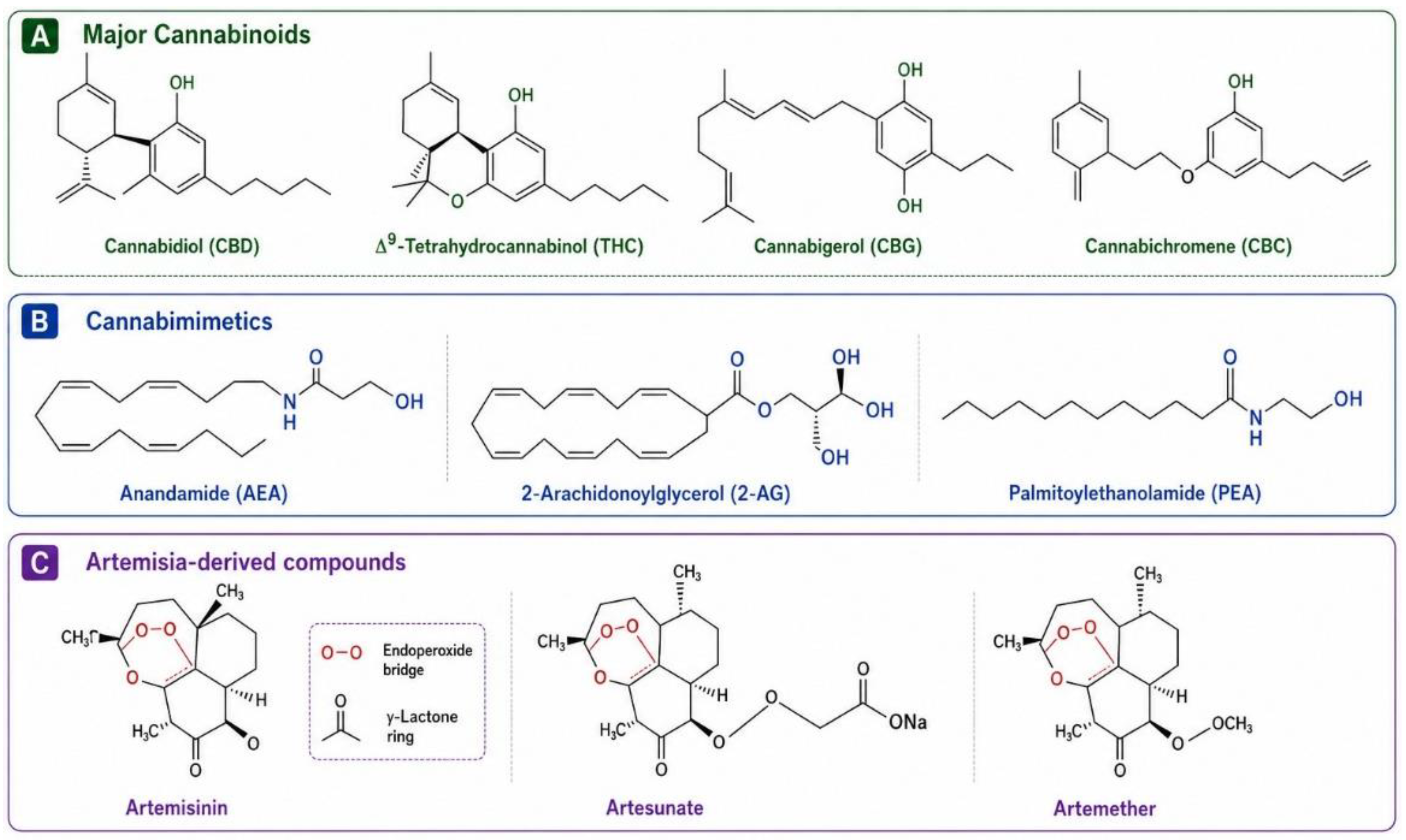
Figure 3.
Research gaps and future directions for therapies against COVID-19.
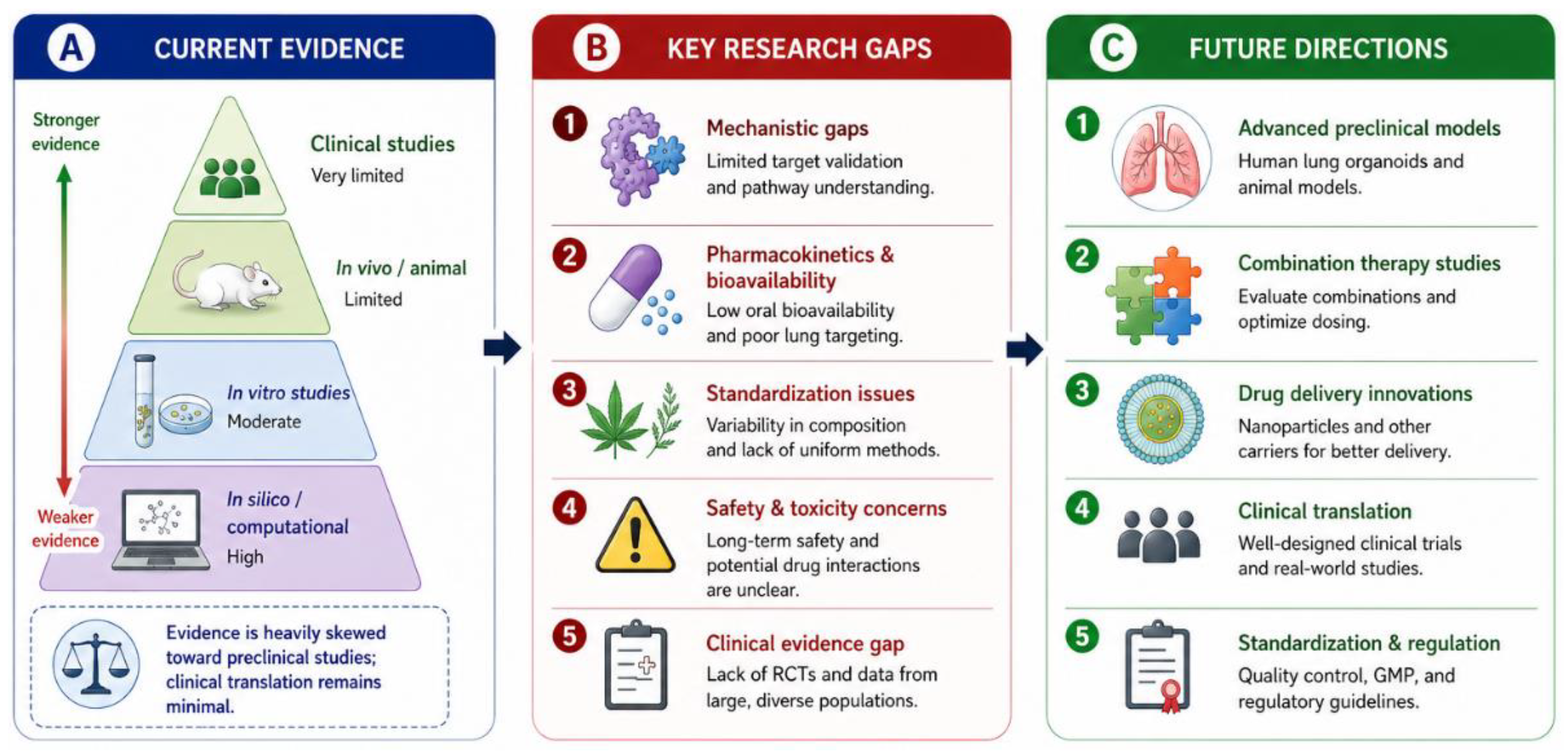

Table 1.
Combination and Synergistic Studies of Cannabinoids and Artemisia-Derived Compound.
| Combination | Model | Outcome | Evidence of synergy | Reference |
| CBD + host antiviral response | Human lung cells | Enhanced interferon signaling and reduced viral replication | Functional synergy with host immune pathways | Nguyen et al., [91] |
| High-CBD extracts (multi-compound) | Lung fibroblasts | Greater ACE2/TMPRSS2 suppression than single compounds | Suggests phytochemical synergy | Wang et al., [92] |
| Cannabinoid mixtures (CBD + THC analogs) | In silico + in vitro | Enhanced binding to Mpro | Additive/synergistic docking and antiviral potential | Altyar et al., [93] |
| Artemisia annua extracts (multi-compound) | VeroE6 cells | Higher antiviral activity than isolated compounds | Suggests plant extract synergy | Cao et al., [94] |
| Artemisinin + derivatives (artesunate, artemether) | In vitro | Artesunate shows superior activity vs artemisinin alone | Partial synergy/structure–activity relationship | Cao et al., [94] |
| Cannabinoids + anti-inflammatory pathways | Preclinical models | Reduction of cytokine storm markers | Functional synergy (anti-inflammatory + antiviral) | Vallée [95] |
Disclaimer/Publisher’s Note: The statements, opinions and data contained in all publications are solely those of the individual author(s) and contributor(s) and not of MDPI and/or the editor(s). MDPI and/or the editor(s) disclaim responsibility for any injury to people or property resulting from any ideas, methods, instructions or products referred to in the content. |
© 2026 by the author. Licensee MDPI, Basel, Switzerland. This article is an open access article distributed under the terms and conditions of the Creative Commons Attribution (CC BY) license.
Copyright: This open access article is published under a Creative Commons CC BY 4.0 license, which permit the free download, distribution, and reuse, provided that the author and preprint are cited in any reuse.


