

Submitted:
22 April 2026
Posted:
23 April 2026
You are already at the latest version
Abstract
Agricultural waste accumulation offers potential for sustainable soil management in climate-resilient farming systems, but it also poses ongoing environmental challenges. This study examines the effects of vermicomposting, which turns agricultural waste into nutrient-rich organic fertilizer using Eisenia fetida, on crop productivity and soil fertility. Treatments were compared using a randomized experimental design that included many combinations of organic waste and a control. Crop growth and yield indices were examined in addition to soil physicochemical characteristics such as pH, organic carbon, total nitrogen, available phosphorus, and exchangeable potassium. Comparing vermicompost treatments to the control, the soil's nutritional content and structural quality significantly increased (p < 0.05). Mixed organic waste substrate trials outperformed single substrate trials, suggesting synergistic interactions that enhance microbial activity and nutrient cycling. Vermicompost application improved soil fertility indicators and increased crop growth and production. These findings show that vermicomposting is an effective waste valorization technique that supports the circular economy and sustainable agriculture. The study demonstrates how it can reduce environmental pollutants while enhancing soil health, agricultural yield, and fertilizer use efficiency. All factors considered, vermicomposting is a scalable and environmentally friendly way to increase the climate resilience of agricultural systems. More research should be done on long-term field performance, economic viability, and substrate combination optimization under different agroecological conditions.
Keywords:
circular economy
; vermicomposting
; soil fertility
; organic fertilizer
; climate-resilient farming
; Eisenia fetida
; sustainable agriculture
1. Introduction
Global agricultural systems continue to face a number of significant challenges as a result of climate change, including altered temperature regimes, precipitation patterns, and the frequency of extreme weather events. These changes have made abiotic stresses like heat waves, drought, and erratic rainfall worse, especially in tropical and subtropical smallholder agricultural systems. These pressures have an adverse effect on crop productivity and sustainability [1,2]. As a result, maintaining consistent agricultural output in the face of increasing climatic variability has become a critical global concern for food security.
One of the primary factors worsening these issues is soil degradation, which is characterized by decreasing soil fertility, decreased organic matter content, nutrient depletion, and diminished soil structure. The deterioration of soil quality brought on by continuous agriculture, ineffective soil management practices, and improper disposal of agricultural waste limits crop productivity and climate stress tolerance [3]. These drawbacks highlight the significance of using sustainable soil management strategies to maintain long-term agricultural productivity and improve soil health.
Soil organic carbon (SOC) plays a major role in maintaining soil quality and ecosystem function. SOC affects aggregation, porosity, water retention, nutrient availability, and microbial activity—all essential for plant growth and resilience [4,5]. Increasing SOC through improved management techniques is therefore viewed as a crucial tactic to enhance soil fertility, promote nutrient usage efficiency, and fortify soils' resistance to environmental stress [6,7].
Improving crop performance and soil fertility can be achieved practically and sustainably by using organic fertilizers made from agricultural and livestock waste. Because they encourage greater microbial activity, better nitrogen cycling, gradual nutrient release, and higher soil water-holding capacity, these materials are essential for maintaining crop output under climate stress conditions [8,9]. Furthermore, by lowering reliance on synthetic fertilizers and enhancing soil health and long-term production, including organic amendments into agricultural systems promotes the ideas of sustainable intensification [10,11]. By promoting osmotic adjustment and preserving photosynthetic efficiency under challenging environmental circumstances, organic inputs may also improve plant physiological responses to abiotic stress [12].
Vermicomposting is a popular and environmentally beneficial way to manage organic waste. This biological process uses earthworms, particularly Eisenia fetida, to convert organic waste into high-quality organic fertilizer. Vermicomposting stabilizes organic waste while enhancing its nutritional composition, microbial activity, and overall agronomic value. Since vermicompost has been shown to improve soil structure, increase nutrient availability, and promote plant growth, it is a crucial part of sustainable agriculture and soil restoration.
Despite the established advantages of vermicomposting, there is still a agap of empirical data comparing the efficacy of various agricultural waste combinations in producing high-quality vermicompost and assessing their effects on crop performance and soil fertility, especially in smallholder farming settings in tropical regions. Additionally, there is a vacuum in the design of vermicomposting systems for real-world agricultural applications due to the lack of understanding of how substrate composition affects nutrient dynamics and agronomic outcomes.
In this context, this study uses different combinations of locally available agricultural wastes treated with Eisenia fetida to examine the impact of vermicomposting on soil fertility and crop performance. By combining soil physicochemical analysis with agronomic performance indicators, this study aims to produce empirical evidence supporting vermicomposting's role as a climate-resilient, sustainable waste management strategy that enhances soil health, increases crop productivity, and supports the ideas of the circular economy.
2. Materials and Methods
2.1. Study Area
The study was carried out in the peri-urban agricultural zone of the Maputo metropolitan region, KaMubukwana District, Maputo Province, Mozambique (25°88′S, 32°57′E), which is well-known for its intensive smallholder vegetable production. Because of its subtropical climate, the region has distinct rainy and dry seasons. Rainfall usually falls between November and March, with an annual total of 750 to 850 mm. The yearly average temperature ranges from 20 to 30 degrees Celsius.
The experimental soils were categorized as sandy loam by the USDA Soil Classification System [13]. Composite soil samples were collected before the experiment in order to determine baseline physicochemical properties. The site was selected because of its susceptibility to seasonal drought stress, the presence of biodegradable organic wastes (such as chicken manure, cow dung, and vegetable leftovers), and the observed deterioration of the soil. These characteristics made the site suitable for evaluating vermicompost as a climate-resilient soil amendment in real smallholder agricultural settings.
2.2. Experiment Design
The experiment was set up in a randomized complete block design (RCBD) with five treatments and three replications, resulting in fifteen experimental plots. Each plot measured 1.5 m × 1.0 m (1.5 m²), with 0.3 m between plots and 0.5 m between blocks, to minimize treatment interference and edge effects [14]. The treatments included one inorganic fertilizer control and four organic additions made from vermicomposting:
T1: Vermicompost derived from poultry and vegetable waste
T2: Vermicompost made from cow manure, poultry, and vegetables
T3: Vermicompost produced from cow manure and vegetable waste
T4: Traditional compost
T5: Inorganic fertilizer NPK 12-24-12
The organic fertilizer treatments (T1–T4) were applied at a rate of 20 t ha⁻¹ (3 kg per plot), whereas the inorganic fertilizer (T5) was applied as a single basal application at planting at 200 kg ha⁻¹ (0.5 kg per plot). Lettuce (Lactuca sativa L., Eden variety) was planted at 20 cm by 20 cm intervals as the test crop. All plots were maintained using standard agronomic practices, such as irrigation and hand weeding, to minimize external variability and ensure that observed variations in soil parameters, crop performance, and stress resilience were solely attributable to the treatment effects.
2.3. Vermicomposting and Organic Waste Preparation
We collected agricultural wastes from nearby farms, including cow dung, poultry manure, vegetable residues, and maize residues. The materials underwent a pre-composting phase for 10–14 days to reduce excess heat generation, ammonia toxicity, and promote partial decomposition after being physically sorted to remove non-biodegradable pollutants [15]. After pre-treatment, the substrates were put in vermicomposting units that were inoculated with Eisenia fetida, an earthworm species that is frequently used to stabilize organic waste [16]. Frequent watering maintained the moisture content between 60 and 70% and the temperature between 20 and 30 °C, which is ideal for earthworm activity [17]. The substrate was regularly moved to guarantee aeration. The material was fully stabilized after 6–8 weeks of vermicomposting, as evidenced by its crumbly, black texture, decreased volume, and earthy odor. Before being used in the field, the finished vermicompost was collected, allowed to air dry, and kept under controlled conditions.
2.4. Soil and Fertilizer Application
Soil samples were taken at a depth of 0 to 20 cm for baseline characterization before treatment application. In order to allow for stabilization and mineralization, organic amendments were manually put into the topsoil at a depth of around 15 cm eight days before the transplanting of lettuce seedlings. Every plot was irrigated normally before drought stress was applied. Seven days after planting, vermiwash—a liquid byproduct of vermicomposting—was also applied to the leaves to enhance microbial activity and nutrient uptake.
2.5. Drought Stress Simulation
During the mid-vegetative stage (25–31 days after planting), which corresponds to a critical growth phase for lettuce and represents dry-season stress conditions in the study location, irrigation was stopped for seven days in a row to simulate drought stress [18].
The following stress resilience indicators were used to track plant responses throughout the drought:
- i.
- A calibrated infrared thermometer (Fluke 62 MAX) used to measure the noon leaf surface temperature (°C) every day between 12:00 and 14:00.
- ii.
- Withering score: A five-point scoring system (1 = no withering; 5 = severe wilting) used to visually quantify wilting.
- iii.
- Recovery time: The amount of time plants need to recuperate following rewatering.
- iv.
- The survival rate (%), which was computed using the following formula:
2.6. Soil Physicochemical Analysis
Soil samples were collected from each plot both prior to planting and following harvest. Samples were air-dried and sieved (2 mm) before examination in triplicate. The soil was found to have the following qualities: pH, Soil organic carbon (SOC), Total nitrogen (TN, available phosphorus (P), exchangeable potassium (K) and cation exchange capacity(CEC).
To ensure reliability and comparability, all analyses were carried out using conventional laboratory procedures. The effects of fertilizer and vermicompost treatments on soil fertility were evaluated using these parameters.
2.7. Assessment of Crop Yield and Growth
Crop growth and yield indicators were monitored at the appropriate growth stages and at harvest. The following variables were observed:
- Plant height (in centimeters) measured using a measuring tape
- The number of leaves on each plant was manually counted.
- The level of chlorophyll was measured using a SPAD-502 chlorophyll meter [19].
- To determine fresh and dry biomass, plant material is separated and harvested at ground level. Samples were oven-dried for 30 minutes at 105 °C to ascertain their dry weight, and then they were dried to a constant weight at 75 °C.
- Marketable yield (kg ha⁻¹) was computed from the total fresh biomass of marketable lettuce heads and extrapolated per hectare.
2.8. Data Analysis
The impacts of treatments on soil characteristics, crop development, yield, and stress resilience indicators were evaluated using analysis of variance (ANOVA) [20]. The statistical model used was: Yij = μ + τi + βj + εij.
where εij is the experimental error, τiis the treatment effect, βj is the block effect, and Yij is the observed value.
Tukey's Honest Significant Difference (HSD) test with a 95% confidence level (p < 0.05) was used to separate the means when significant differences were found. Regression analysis was also used to look at the connections between crop output, stress resistance assessments, and soil fertility indicators. The coefficient of determination (R2) and significance levels (p < 0.05) were used to assess the strength of correlations. All statistical analyses were performed using R software to ensure robustness and reproducibility.
3. Results and Discussions
3.1. Vermicompost's Impact on Soil Fertility
3.1.1. Total Nitrogen (N)
Fertilizer treatments had a significant effect on the total nitrogen in the soil (p < 0.001), demonstrating how sensitive nitrogen dynamics are to nutrient management strategies. The rather constant initial nitrogen levels (0.1733–0.1767%) demonstrate baseline homogeneity and validate that the treatment caused the observed differences. All treatments saw a rise in nitrogen content after application, although the quantity of the increase varied significantly, suggesting that different treatments had varying capacities for nitrogen mineralization and retention.
The mixed-substrate vermicompost (T2) exhibited the highest nitrogen concentration (0.2867%) when compared to both single-substrate vermicomposts and inorganic fertilizer (T5: 0.27%). This improved performance is caused by the synergistic interactions between different organic substrates, which promote microbial growth, enzymatic activity, and enhanced nitrogen mineralization [21,22]. In addition to accelerating nitrogen transformation through nitrification and ammonification processes, earthworm activity stabilizes nitrogen in humified organic fractions [23].
Importantly, even though inorganic fertilizer offers relatively high nitrogen levels, its effects usually diminish quickly due to leaching and volatilization losses [24]. By promoting a slow release of nitrogen that is in line with plant needs, vermicompost, on the other hand, improves nitrogen use efficiency. This demonstrates how mixed-substrate vermicomposting improves long-term soil fertility and climatic adaptability while simultaneously increasing nitrogen availability as shown in Figure 1.
3.1.2. Available Phosphorus (P)
The significant difference in available phosphorus across treatments (p < 0.001) emphasizes how crucial organic amendments are for phosphorus transformation and mobilization[25]. Treatment effects could be accurately compared since baseline phosphorus levels (~28 mg/kg) remained consistent throughout treatments. Post-application results showed that T2 had the maximum phosphorus availability (47.94 mg/kg), followed by T5 and other vermicompost treatments.
The increased availability of phosphorus in vermicompost treatments is mostly due to microbial-mediated solubilization activities [24,26]. Organic acids produced during decomposition reduce phosphorus fixing and enhance phosphorus bioavailability by reacting with calcium, iron, and aluminum ions. Earthworm activity also releases phosphatase enzymes, which accelerates the mineralization of organic phosphorus into forms that plants can absorb [27].
Vermicompost outperformed ordinary compost (T4) in terms of phosphorus transformation efficiency, indicating the added biological value of earthworm-mediated processes [28]. Inorganic fertilizers do not promote long-term phosphorus cycling even though they supply readily soluble phosphorus. Vermicompost, on the other hand, enhances both rapid availability and continual release, making it a more ecologically friendly way to manage phosphorus in agricultural contexts (3) as in Figure 2.
3.1.3. Exchangeable Potassium (K)
Exchangeable potassium levels were significantly impacted by fertilizer treatments (p < 0.001), with T2 exhibiting the highest concentration (206.59 mg/kg). T4, T5, T1, and T3 had the lowest levels. These results imply that vermicompost, especially from mixed substrates—improves potassium availability more effectively than conventional composting [29].
Vermicompost-amended soils have higher potassium status due to the formation of stable organo-mineral complexes and improved cation exchange mechanisms [30]. Humic chemicals produced by vermicomposting enhance the soil's capacity to retain potassium ions, reducing leaching losses. Additionally, by promoting the breakdown of mineral particles, earthworm activity helps liberate non-exchangeable potassium into accessible forms [31].
In contrast, inorganic fertilizers offer easily accessible potassium, but because they lack long-term retention mechanisms, they are prone to quick depletion [32]. Vermicompost's capacity to improve potassium availability and retention emphasizes how crucial it is for maintaining soil nutrient balance and increasing fertilizer usage efficiency in field settings.
3.1.4. Organic Carbon (OC)
Soil organic carbon (SOC) increased significantly (p < 0.001) in soils treated with vermicompost, with T2 showing the biggest gain (1.54% to 2.4167%). The addition of stabilized organic matter through vermicomposting processes, which enhances carbon sequestration, is the cause of this considerable increase [4].
The increase in SOC is primarily associated with the production of humified organic compounds, which promote long-term carbon storage and improved soil structure [33]. Increased microbial biomass and activity promote carbon cycling and aggregation while also improving soil porosity, aeration, and water retention capacity. Because crop life depends on maintaining soil moisture in climate-stressed areas, these changes are particularly important [1]. Conversely, the decline in SOC under inorganic fertilizer (T5) highlights the limitations of synthetic inputs in maintaining soil organic matter [34]. The results demonstrate how important vermicomposting is for increasing nutrient availability, restoring soil carbon pools, and enhancing general soil health and climate resilience.
3.1.5. Cation Exchange Capacity (CEC)
Cation exchange capacity (CEC) increased significantly in soils treated with vermicompost, with T2 showing the biggest improvement (11.2 to 15.90 cmol(+)/kg). This increase demonstrates the soil's enhanced ability to retain and exchange essential nutrients, which is a critical indicator of improved soil fertility [35].
The observed increase in CEC is mainly caused by the accumulation of humic materials and organic colloids, which provide negatively charged sites for nutrient adsorption [36]. These sites reduce nutrient losses and improve plant uptake by aiding in the retention of cationic nutrients such as potassium, calcium, and magnesium. The rise in CEC after vermicompost treatments shows the long-term benefits of organic amendments in increasing soil nitrogen buffering capability [35,36]. This is especially important in sandy soils, which often have little inherent CEC. By improving nutrient retention, vermicompost helps sustain soil fertility and boost crop output under a range of environmental conditions.
3.1.6. The soil's pH
The soil pH in vermicompost treatments tended to be neutral, with T2 reaching 7.54. Vermicompost's ability to function as a buffer is demonstrated by this shift, which is caused by the presence of humic chemicals and base cations created during decomposition [32].
The pH needs to be kept near neutral for optimal microbial activity and nutrient availability. By reducing the soil's acidity or alkalinity, vermicompost's buffering action encourages plant growth [37]. Inorganic fertilizer, however, slightly lowered the soil's pH, which can lead to nutrient imbalances [38]. These findings show how vermicompost stabilizes the chemical properties of soil, supporting sustainable soil management and long-term agricultural output.
3.2. Crop Growth and Yield Performance
3.2.1. Germination Rate
The significant difference (p < 0.01) in germination rates between treatments indicates that the kind of fertilizer has a major impact on early crop establishment. With inorganic fertilizer, T2 had the highest germination rate (96.81%), followed by T1 (94.19%) and T5 (90.79%), whereas T3 (85.42%) and T4 (77.07%) performed badly. These results imply that vermicompost-based treatments, particularly those employing mixed substrates, provide improved conditions for seed germination and emergence. Higher germination in T2 results from the addition of cow dung, vegetable leftovers, and chicken manure, which enhances soil moisture retention, aeration, and enzymatic activity.
Vermicompost contains bioactive compounds, such as humic chemicals, enzymes, and plant growth regulators, that accelerate germination by boosting seed metabolic processes [39,40]. Additionally, microbial activity at the seed-soil interface promotes early root development and enhances nutrient solubilization. T5's moderate performance indicates rapid nutrient availability but lacks biological stimulation, whereas T4 demonstrated delayed mineralization and insufficient root-zone conditions due to partial breakdown [41,42]. These findings show that vermicompost maximizes early-stage crop establishment and enhances soil fertility, both of which are critical for raising productivity.
3.2.2. Plant Height
The height of lettuce plants differed substantially between treatments (p < 0.05), with T2 yielding the tallest plants (31.3 cm), followed by T5 (28.71 cm) and T1 (28.69 cm), and T3 (25.60 cm) and T4 (24.48 cm) with the lowest results. T2's better performance emphasizes how crucial a balanced fertilizer supply and good soil conditions are for encouraging vegetative growth. The availability of nitrogen and potassium, which are necessary for cell elongation, photosynthetic activity, and biomass accumulation, was probably increased by the combination of several organic substrates in T2.
The enhanced plant height seen in vermicompost treatments may possibly be due to improved root development and nutrient uptake efficiency brought on by humic chemicals and microbial activity [43]. T5 formed similarly because nutrients were readily available, but it lacked vermicompost's long-term nutrient release and soil-conditioning benefits. The shorter plants in T3 and T4 suggest that nutrient accessibility and root-zone aeration limitations may restrict plant growth [44,45]. These findings demonstrate that vermicompost not only increases plant development through nitrogen availability but also enhances the physical and biological properties of soil as in Figure 3.
3.2.3. The number of leaves
Between treatments, there was a significant difference (p < 0.05) in the number of leaves per plant. With 17.93 leaves, T2 had the most, followed by T1 (16.17), T5 (16.36), and T3 (15.38). With 11.94 leaves, T4 had the fewest. Increased leaf production in vermicompost treatments demonstrates improved vegetative development and canopy formation, which are critical for maximizing crop output and photosynthetic potential. Vermicompost contains cytokinin-like chemicals that promote leaf start and postpone senescence, which is probably why T2 performs better [46,47]. Furthermore, improved microbial-mediated nitrogen cycling maintains leaf growth and increases nutrient accessibility. T3 showed intermediate performance because of a less balanced nutritional composition, T4's comparatively fewer leaves indicated a limited food supply and decreased microbial activity [48,49]. These findings support vermicompost's ability to improve physiological processes in plants that have a direct impact on growth and yield.
3.2.4. Fresh and Dry Biomass
Fresh and dry biomass trends showed significant (p < 0.001) treatment differences: T2 (66.13 g, 18.07 g) > T1 (61.04 g, 16.92 g) > T5 (59.69 g, 15.20 g) > T3 (54.54 g, 12.98 g) > T4 (47.46 g, 10.87 g). T2's maximum biomass accumulation reflects the combined effects of improved soil fertility, higher photosynthetic efficiency, and enhanced nutrient availability. Long-term plant development was likely facilitated by the mixture of many organic substrates, which promoted cooperative microbial activity and nutrient cycling.
Vermicompost enhances soil aggregation, aeration, and water-holding capacity from the standpoint of soil–plant interaction, all of which lead to increased biomass production [50,51]. Due to its quick nutrient availability, inorganic fertilizer (T5) supported a sizable amount of biomass, but it lacked the long-term benefits of T1 and T2 for improving soil. Slower organic matter breakdown and poorer nutritional dynamics are the reasons for the decreased biomass in T3 and T4 [52,53]. These results demonstrate that vermicompost improves soil fertility and plant physiological performance at the same time, increasing biomass yield.
3.2.5. Marketable Yield
The yields of T2 (6.49 kg/plot) were higher than those of T3 (5.20 kg/plot) and T4 (4.18 kg/plot), followed by T1 (5.74 kg/plot) and T5 (5.63 kg/plot). The marketable yield varied significantly between treatments (p < 0.001). The increased yield of T2 demonstrates how mixed-substrate vermicompost can optimize field crop productivity. This performance reflects the cumulative improvements in soil fertility, nutrient availability, and plant physiological efficiency. Better soil structure, balanced nutrient delivery, and improved root development all promote crop growth and increase T2 output [45]. Because of the combined effects of organic nutrients and beneficial microbial activity, T1 also showed good efficacy [16,54]. Because of its quick nutrient availability, T5 produced competitive yields, but it lacked vermicompost's long-term advantages for soil health. The reduced yields in T3 and T4 demonstrate the significance of microbial activity and substrate variety for maximum crop yield [55]. These findings show how vermicompost improves agricultural systems' sustainability and productivity.
3.2.6. Chlorophyll content (SPAD Index)
Chlorophyll content varied significantly between treatments using SPAD values (p < 0.001), with T2 having the greatest value (57.54), followed by T1 (54.76), T5 (46.47), T3 (44.14), and T4 with the lowest values. Larger chlorophyll concentrations in plants treated with vermicompost indicate improved photosynthetic capacity and nutrient absorption, particularly nitrogen, which is an essential component of chlorophyll molecules.
The greater SPAD values in T2 are caused by improved root absorption efficiency and increased macro- and micronutrient availability made achievable by vermicompost [56]. Moreover, the microbial interactions and bioactive compounds in vermicompost support the stability and synthesis of chlorophyll [57,58]. Higher concentrations of chlorophyll immediately increase photosynthetic efficiency, which in turn increases biomass yield and accumulation. On the other hand, reduced physiological function and limited nutritional availability are indicated by lower SPAD levels in T3 and T4. These findings offer additional proof that mixed-substrate vermicomposting enhances plant physiological systems and agricultural yield as shown in Figure 4.
3.3. Resilience to Climate-Induced Stress
3.3.1. Leaf Surface Temperature
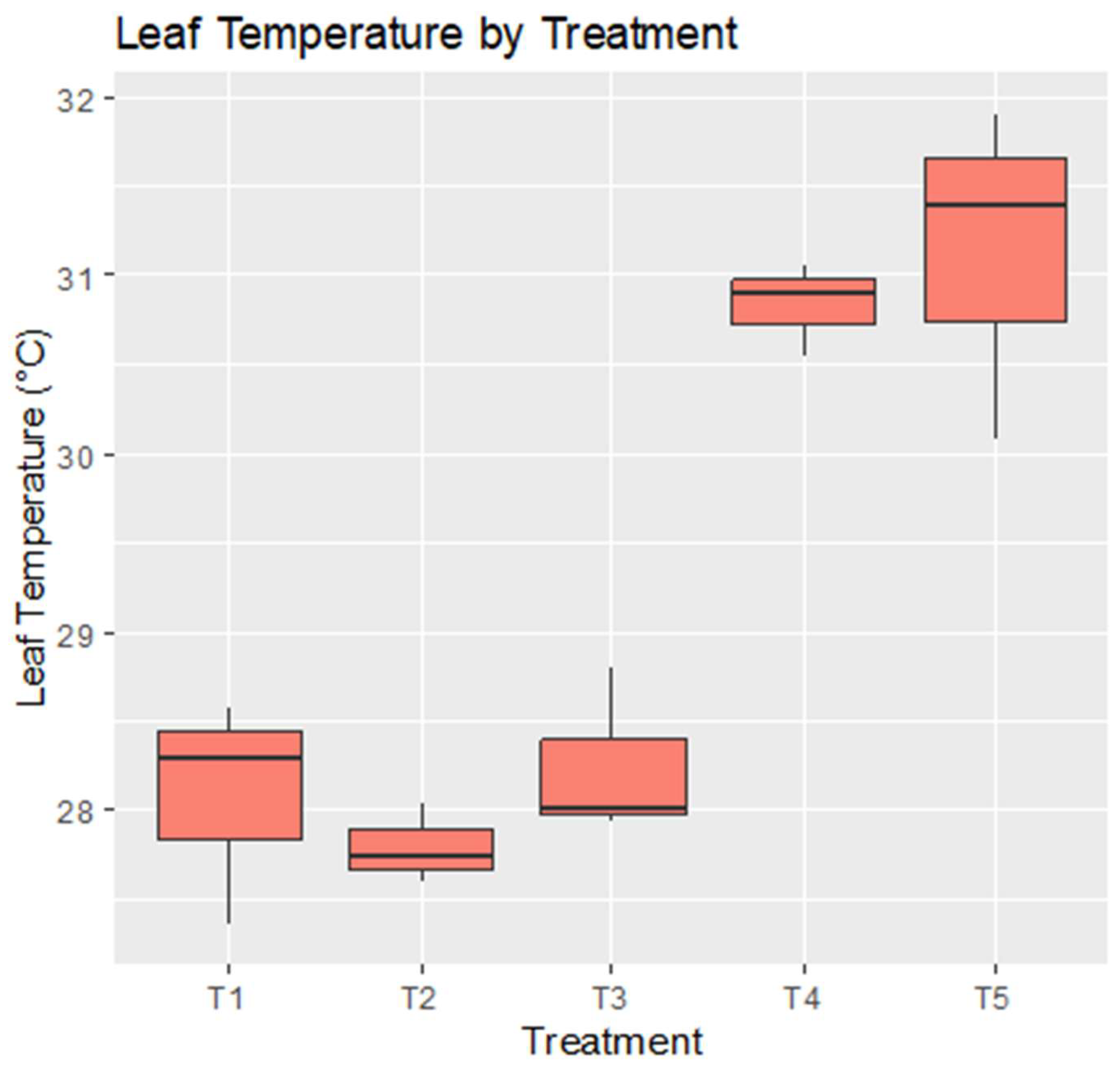
The significant differences in leaf surface temperature between treatments (p < 0.01) show strong variances in plant thermoregulation under varying soil fertility levels. T2 (27.79 °C) had the lowest temperature, followed by T1 (28.08 °C) and T3 (28.25 °C), while traditional compost (T4: 30.84 °C) and inorganic fertilizer (T5: 31.13 °C) demonstrated noticeably higher canopy temperatures. These results clearly demonstrate that vermicompost-based treatments enhance plant cooling capacity and reduce leaf heat stress.
The lower canopy temperature shown in T2 is the result of improved plant hydration status and efficient transpiration cooling processes [59]. Vermicompost-amended soils sustain continuous water intake and maintain stomatal conductance under stressful conditions due to increased porosity, aggregation, and water-holding capacity [60,61]. Improved root-soil interactions resulting from increased microbial activity also enable better hydraulic conductivity and nutrient uptake. When combined, these processes enhance evapotranspirational cooling, reducing excessive heat accumulation and preserving photosynthetic efficiency.
Conversely, the higher temperatures in T4 and T5 show low biological activity and decreased soil moisture buffering capacity, which restricts plant transpiration and increases their susceptibility to heat stress [62]. These findings highlight the vital role vermicompost-mediated improvements in the biological and physical properties of soil play in regulating canopy temperature and enhancing the physiological stability of plants under climate stress as show in Figure 5.
3.3.2. Wilting Score
Wilting scores varied considerably between treatments; T2 had the lowest score (1.33), followed by T1 (2.00) and T3 (2.33), while T4 (2.67) and T5 (3.00) showed the highest levels of wilting. Vermicompost treatments have been shown to minimize wilting, which suggests that plants have better water retention and are more resilient to drought stress. The addition of humified organic matter and microbial polysaccharides improves soil structure, increases capillary porosity, and increases water-holding capacity, all of which contribute to T2's superior performance [47,51]. These characteristics lessen water stress at the root zone and increase soil moisture availability. Additionally, it has been demonstrated that vermicompost encourages the build-up of osmoprotectants such proline, soluble sugars, and glycine betaine, which aid in preserving cell turgor and shielding cellular structures during dry spells [63].
The moderate wilting in T1 indicates a partial improvement as a result of organic matter intake, whereas the increased wilting in T4 and T5 indicates poor soil-plant water interactions and inadequate microbial support [64]. These findings show that vermicompost not only improves soil moisture dynamics but also supports plant physiological systems involved in drought resistance.
3.3.3. Recovery Days After Drought Stress
The time taken for each treatment to recover from the drought varied greatly. T2 and T1 recovered the fastest (3 days), followed by T3 (4 days), while T4 and T5 required the longest recovery period (5 days). Vermicompost treatments increase physiological resilience and successfully restore post-stress metabolic activity, as seen by the rapid recovery observed.
This improved capacity for recuperation is closely linked to the activation of antioxidant defense systems. Vermicompost is said to boost the activity of critical antioxidant enzymes like superoxide dismutase (SOD), catalase (CAT), and peroxidase (POD) that lessen oxidative damage caused by reactive oxygen species (ROS) during drought stress [10,65]. By protecting cellular membranes and chloroplast structures, these activities facilitate the rapid resumption of photosynthesis and growth upon rehydration. However, the prolonged recovery of T4 and T5 suggests a reduced capacity for biochemical buffering and a less successful restoration of cellular metabolism. These treatments lack the biological and organic components needed to facilitate rapid stress recovery. The results thus demonstrate that vermicompost enhances stress tolerance and post-stress recovery, both of which are critical for maintaining productivity in the face of shifting environmental conditions.
3.3.4. Rate of Survival
Treatment-specific survival rates differed significantly (p < 0.05), with T2 having the highest survival rate (94.91%), followed by T1 (90.86%) and T3 (89.14%), and T5 and T4 having the lowest survival rates (78.34% and lower). This pattern amply illustrates how applying vermicompost improves plant life in drought-stressed locations.
The combination of enhanced soil structure, ongoing nutrient availability, and active microbial consortia accounts for T2's high survival rate. Under stressful circumstances, vermicompost promotes the synthesis of plant growth hormones such auxins, cytokinins, and gibberellins, which enhance water and nutrient uptake and promote root elongation [16,39]. Increasing microbial diversity in vermicompost-treated soils also promotes stress signaling pathways and nutrient cycling, both of which enhance plant adaptation.
The much lower survival rates in T4 and T5 highlight the limitations of regular compost and inorganic fertilizers in terms of resistance to environmental stress. These treatments lead to decreased plant stability and higher mortality during drought conditions because they lack the integrated physical, chemical, and biological benefits of vermicompost [66]. Overall, the findings demonstrate that by strengthening physiological and structural resilience systems, vermicompost significantly increases plant survival.
3.3.5. Integrated Physiological and Soil-Plant Analysis
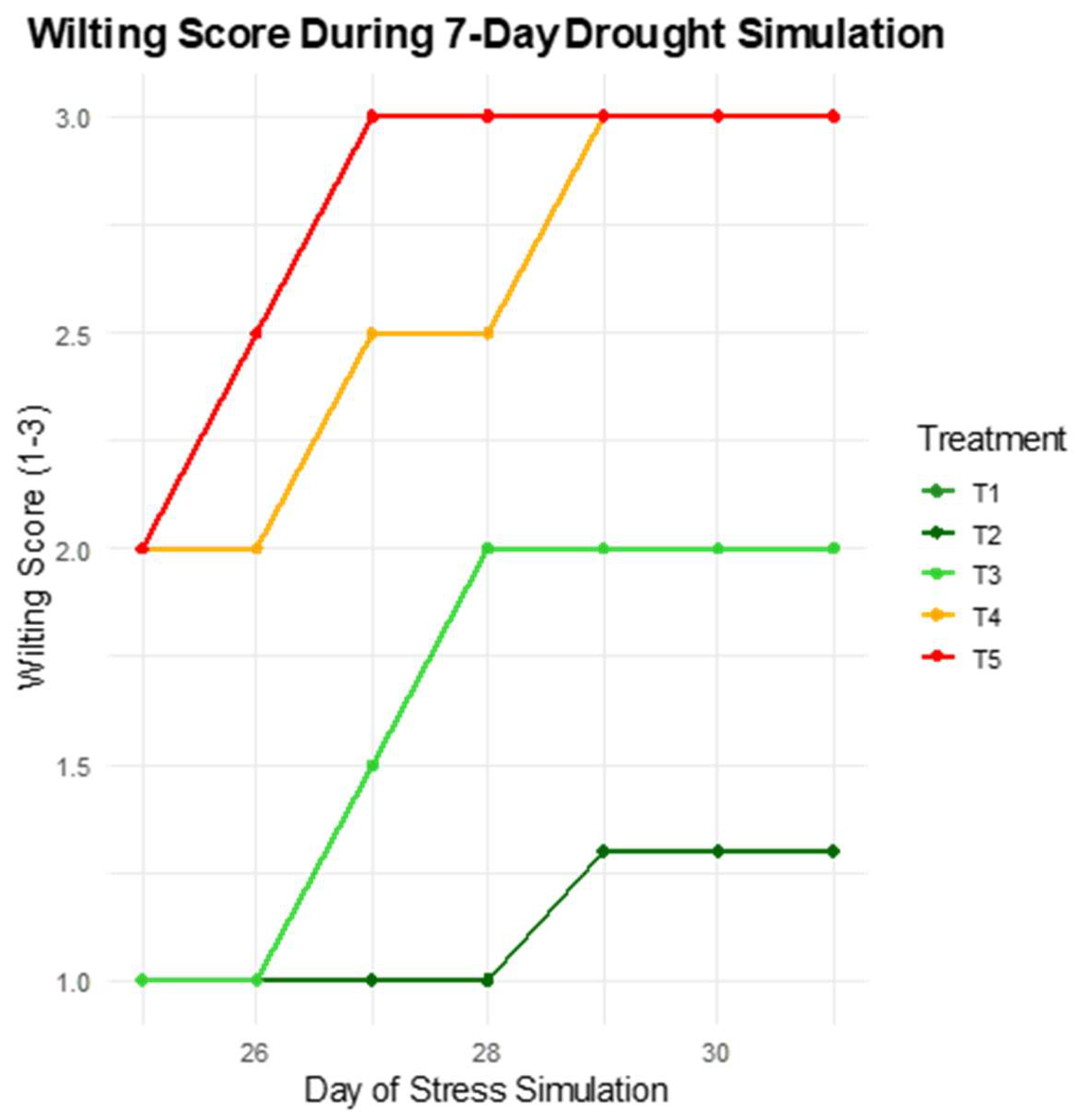
The dynamic response of lettuce to simulated drought conditions provides more evidence of the enhanced effectiveness of vermicompost treatments [67]. Time-series analysis of leaf temperature and wilting scores revealed that T2 consistently maintained lower canopy temperatures and delayed the beginning of wilting throughout the stress period, indicating sustained plant hydration and physiological stability as seen by the time trends in leaf temperature and wilting score under various treatments in Figure 6a and Figure 6 b. These reactions highlight the importance of biologically active soils in regulating plant stress responses through improved water retention, microbial activity, and root-soil interactions [68].
Figure 6.
a. Time-series plot for surface leaf temperature trends during stress simulation.
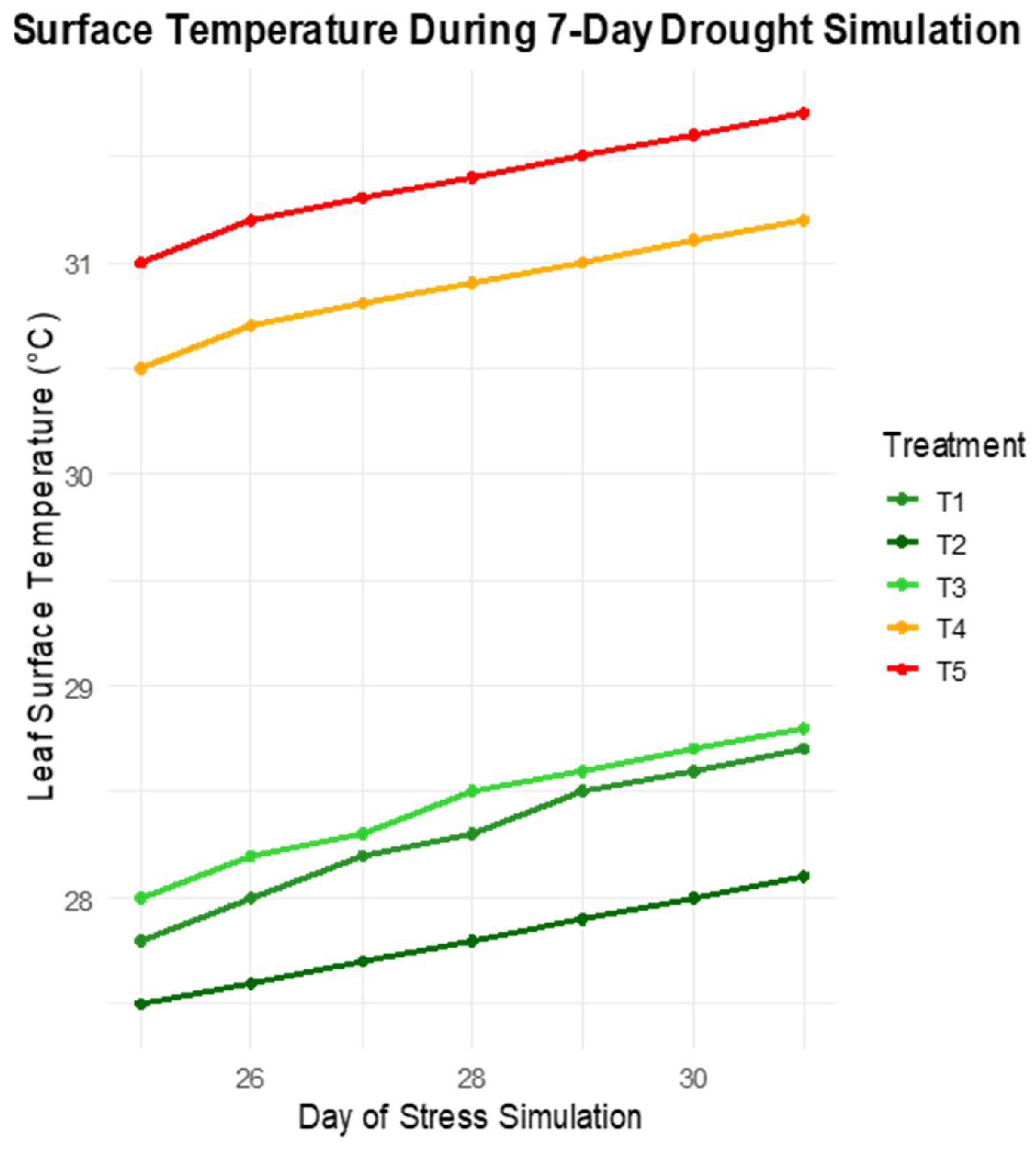
Figure 6.
b. Time-series plot for wilting score trends during stress simulation.
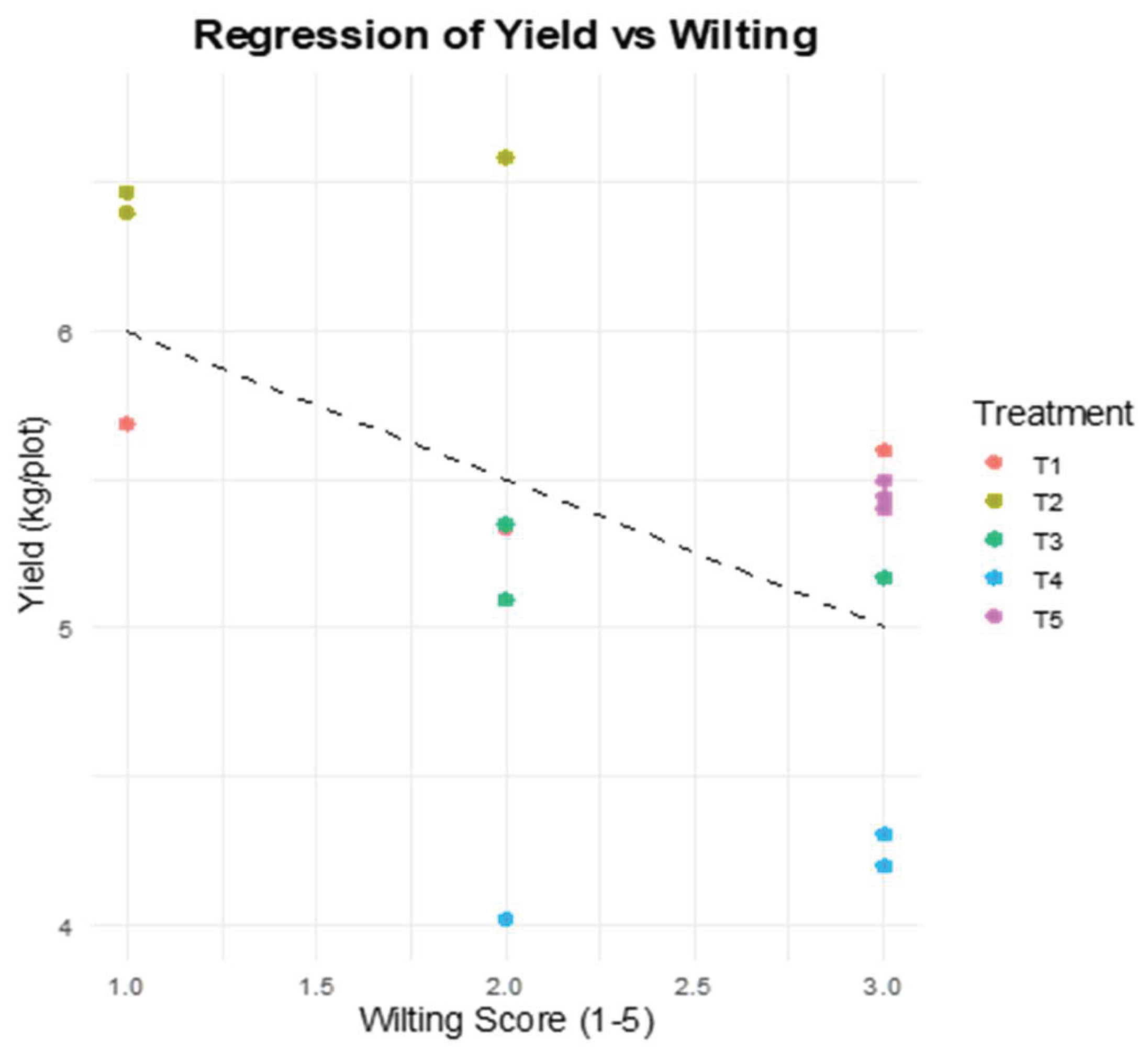
Regression analysis also revealed strong relationships between plant performance measures, including yield and stress tolerance, and changes in soil fertility (such as organic carbon and cation exchange capacity) [69], as strong correlations between plant performance features and soil fertility indicators are seen in Figs. 7a and 7b.These links show that enhanced soil chemical and biological properties are strongly associated with increased plant productivity and resilience [30]. Vermicompost-mediated nutrient cycling and soil conditioning produce a feedback mechanism whereby improved soil health promotes plant performance, which, in turn, increases resilience to climate stress.
Figure 7.
a. Regression plots to visualize relationships between yield and CEC.
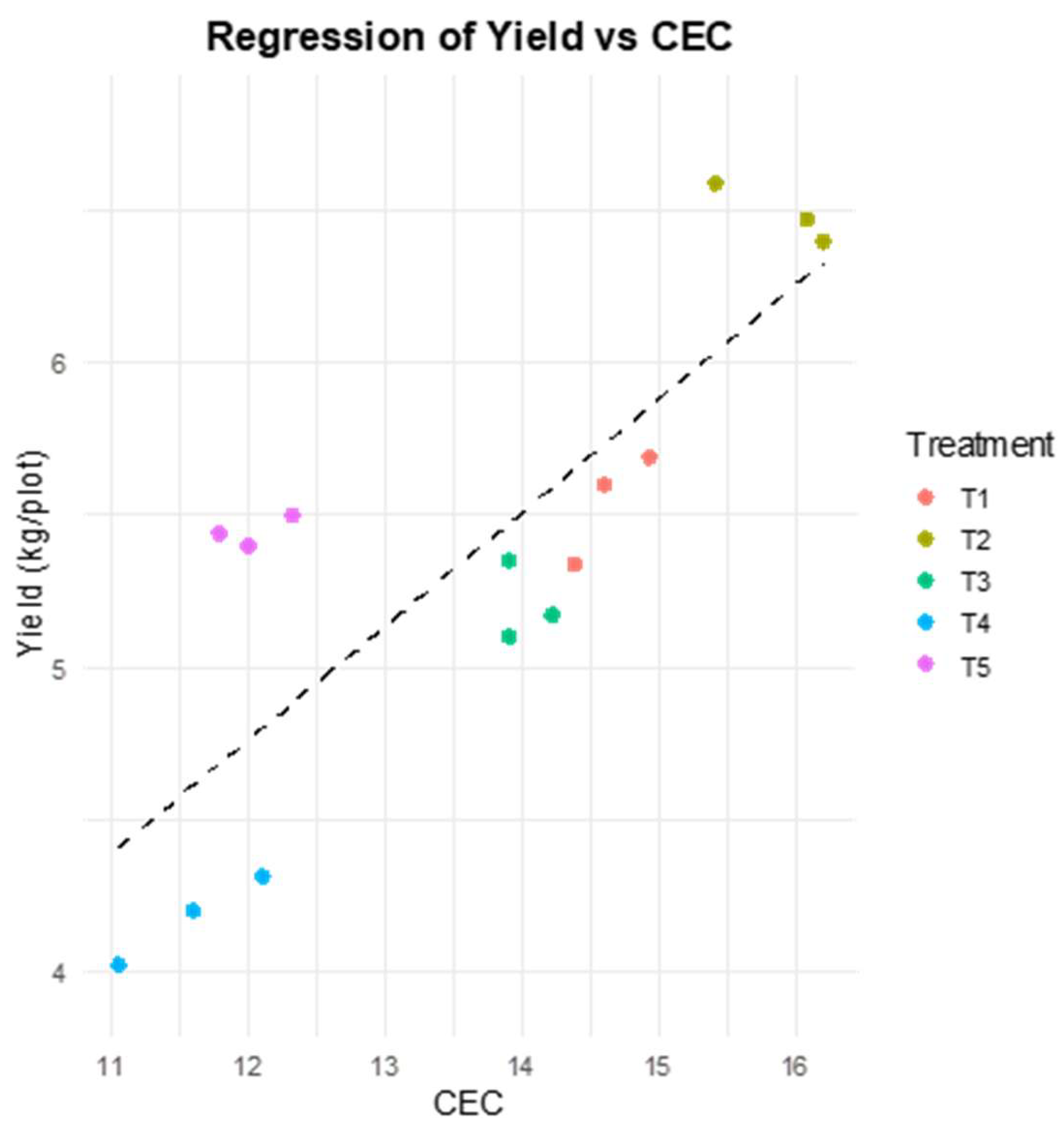
Figure 7.
b. Regression plots to visualize relationships between yield and wilting.
These findings collectively demonstrate that vermicomposting provides a comprehensive strategy for boosting climate resilience by combining increased soil fertility, increased agricultural productivity, and physiological stress tolerance, particularly when paired with a variety of organic substrates [3]. This integrated approach bridges a major gap in sustainable agriculture by linking soil management strategies with plant adaption responses under climate variability.
4. Discussion
The results of the study provide strong evidence that vermicomposting significantly enhances plant performance, soil fertility, and temperature tolerance through integrated physicochemical and biological mechanisms, particularly in the mixed-substrate system (T2). When compared to traditional composting (T4) and inorganic fertilizer (T5), vermicompost significantly increases total nitrogen, accessible phosphorus, and exchangeable potassium, demonstrating its dual roles as a nutrient supply and a regulator of nutrient cycling and retention. Previous studies have shown that earthworm-microbial interactions increase nutrient mineralization and reduce losses, improving overall nutrient consumption efficiency [70]. However, inorganic fertilizers frequently experience leaching and volatilization losses [71]. The observed increases in soil organic carbon and cation exchange capacity further imply better nutrient buffering and long-term soil fertility restoration, which is consistent with previous findings [72,73].
Increases in soil pH stability and cation exchange processes show that vermicompost creates a chemically favorable environment for microbial activity and nutrient availability. While a shift toward near-neutral pH encourages nutrient solubility and uptake, increased cation exchange capacity reduces nutrient losses and increases soil resilience, particularly in sandy or disturbed soils [27,74]. In environments treated with vermicompost, higher germination rates, plant height, leaf number, biomass accumulation, and yield show how these physicochemical enhancements directly translated into improved agricultural performance. Similar findings demonstrated that vermicompost supports plant development by increasing nutrient availability and microbial stimulation [16,75]. Additionally, humic chemicals and plant growth regulators improve root development and nutrient uptake efficiency [76,77].
By demonstrating how vermicompost enhances soil-plant interactions, which in turn boosts plant physiological functioning and productivity, this study significantly advances the field. The much higher chlorophyll content observed in vermicompost treatments is indicative of improved photosynthetic capacity, which is intimately linked to increased nitrogen availability and metabolic efficiency. Previous studies have shown that vermicompost increases microbial activity and food availability, which increases photosynthetic efficiency and chlorophyll production [10]. Significant relationships between plant performance and soil fertility indicators such as organic carbon and cation exchange capacity support the existence of a positive soil-plant feedback loop. Improved soil conditions lead to sustainable productivity and encourage plant growth [78]. who highlighted the importance of soil biological health in regulating crop productivity and nutrient cycling.
Vermicomposting greatly increases plant productivity and resilience to climate-induced stress, especially drought, according to the study. Vermicompost-treated plants showed better plant water relations and stress tolerance, as recorded by lower leaf surface temperatures, lower wilting scores, faster recovery rates, and greater survival percentages. These advantages are attributed by [79,80] to improved root-soil interactions that allow for prolonged transpiration and cooling under stress, improved soil structure, and greater water-holding capacity. Vermicompost has also been demonstrated to increase osmoprotectant accumulation and antioxidant enzyme activity, which shield plants from oxidative damage in stressful circumstances [81]. In contrast, the limits of systems lacking biological activity and stable organic matter are highlighted by the lower efficacy of standard compost and inorganic fertilizer treatments [63].
This study directly addresses important issues with resource availability, affordability, efficiency, and environmental sustainability from a resource perspective. Vermicomposting reduces reliance on expensive synthetic inputs by turning locally accessible agricultural wastes, such as vegetable scraps, cow dung, and poultry manure, into high-value organic fertilizer. This encourages the circular use of nutrients in agroecosystems and improves accessibility for smallholder farmers [16,82]. Vermicomposting improves resource-use efficiency and long-term soil fertility by decreasing losses and increasing nutrient retention [25]. In terms of the environment, it reduces garbage accumulation, eliminates soil damage caused by excessive use of chemical fertilizers, and reduces greenhouse gas emissions associated with open dumping and burning [83]. The clear performance gradient further supports the idea that optimal substrate combinations improve agronomic advantages and resource recovery.
5. Conclusions
This study provides strong empirical evidence that vermicomposting is a highly effective technique for increasing soil fertility, increasing agricultural production, and strengthening tolerance to stress caused by climate change, particularly when combined with mixed organic substrates. Treatment T2 performs better across soil physicochemical characteristics, plant growth metrics, yield, and stress tolerance indicators, demonstrating the synergistic benefits of integrated organic waste usage. Increased nutrient availability, soil organic carbon, cation exchange capacity, and biologically active soil systems enabled improved plant physiological responses, including efficient thermoregulation, reduced wilting, faster recovery, and higher survival rates during drought conditions. These findings show that vermicompost improves soil health and establishes a dynamic soil-plant feedback loop that sustains yield in the face of environmental stress.
According to the findings, vermicomposting is a scalable, sustainable, and climate-resilient agricultural method that aligns with the ideas of the circular economy by turning agricultural waste into beneficial organic fertilizer. Because it may simultaneously enhance soil structure, nutrient cycling, microbial activity, and plant adaption mechanisms, it is an essential tool for sustainable intensification in smallholder farming systems. To fully optimize and scale this technology, however, further research is needed on long-term field performance, economic viability, and substrate combination optimization under different agroecological conditions.
Author Contributions
All authors contributed to the study as follows: Clifftone Mbuku Wanyonyi: conceptualization, methodology, writing original draft, data curation and formal analysis. Rogerio Borquete A Rafael: Review and editing and supervision. John Walker Makhanu Recha; Review and editing. All authors read and approved of the final manuscript.
Funding
Financial support was received from the Centre of Excellence in Agrifood Systems-Eduardo Mondlane University.
Data Availability Statement
The original contributions presented in this study are included in the article. Further inquiries can be directed to the corresponding author(s).
Acknowledgement
This research was supported by Centre of Excellence in Agrifood Systems and Nutrition-Eduardo Mondlane University.
Ethical Considerations
Humans and vertebrate animals did not take part in this study. The use of earthworms (Eisenia fetida) complied with standard ethical guidelines for invertebrate research and did not require formal ethics approval.
Generative Artificial Intelligence Statement
Generative AI systems were only used for language editing and improving clarity. All scientific material, experimental design, data analysis, and interpretation were created and verified by the authors.
Competing interests
There was no conflict of interest.
References
- Srinivasa Rao, C.; Gopinath, K.A.; Prasad, J.V.N.S.; Prasannakumar; Singh, A.K. Climate Resilient Villages for Sustainable Food Security in Tropical India: Concept, Process, Technologies, Institutions, and Impacts. Adv Agron. 2016, 140(August), 101–214. [Google Scholar]
- Saha, S.; Bera, B.; Kumar Shit, P.; Bhattacharjee, S.; Sengupta, D.; Sengupta, N.; et al. Recurrent forest fires, emission of atmospheric pollutants (GHGs) and degradation of tropical dry deciduous forest ecosystem services. Total Environ Res Themes [Internet] 2023, 7, 100057. Available online: https://www.sciencedirect.com/science/article/pii/S2772809923000345. [CrossRef]
- Vijayshankar, G.R.; Dhivya, K.; Jyothi, K.; Hassan, M.M.; Kumar Reddy, K.S. Collection and management of vermicomposting of market waste. E3S Web Conf, 2024; p. 564. [Google Scholar]
- Wu, H.; Chu, S.; Ouyang, X.; Zou, Z.; Fu, H.; Liu, Y.; et al. Effects of Cow-Dung Vermicomposting on Soil Carbon Mineralization and Temperature Sensitivity in Camellia oleifera Forest. Agric [Internet]. 2024, 14. Available online: https://www.mdpi.com/2077-0472/14/11/1973.
- Song, S.; Li, L.; Yin, Q.; Nie, L. Effect of in situ incorporation of three types of green manure on soil quality, grain yield and 2-acetyl-1-pyrrolline content in tropical region. Crop Environ [Internet] 2022, 1(3), 189–97. Available online: https://www.sciencedirect.com/science/article/pii/S2773126X22000375. [CrossRef]
- Kumar, R.; Jha, S.; Singh, S.P.; Kumar, M.; Kumari, R.; Padbhushan, R. Organic waste recycling by vermicomposting amended with rock phosphate impacts the stability and maturity indices of vermicompost. J Air Waste Manag Assoc [Internet] 2023 [cited 2025 Apr 18], 73(7), 553–67. Available online: https://www.tandfonline.com/doi/abs/10.1080/10962247.2023.2207504. [CrossRef]
- Novotny, E.H.; Balieiro, F.; de, C.; Auccaise, R.; Benites, V.; de, M.; Coutinho, HL da C. Spectroscopic Investigation on the Effects of Biochar and Soluble Phosphorus on Grass Clipping Vermicomposting. Agric [Internet]. 2022, 12. Available online: https://www.mdpi.com/2077-0472/12/7/1011.
- Younas, M.; Zou, H.; Laraib, T.; Abbas, W.; Akhtar, M.W.; Aslam, M.N.; et al. The influence of vermicomposting on photosynthetic activity and productivity of maize (Zea mays L.) crop under semi-arid climate. PLoS One 2021, 16. [Google Scholar] [CrossRef]
- Ahmad, A.; Aslam, Z.; Bellitürk, K.; Iqbal, N.; Naeem, S.; Idrees, M.; et al. Vermicomposting Methods from Different Wastes: An Environment Friendly, Economically Viable and Socially Acceptable Approach for Crop Nutrition: A Review. Int J Food Sci Agric [Internet] 2021 [cited 2025 Apr 18], 5(1), 58–68. Available online: http://www.hillpublisher.com/ArticleDetails/494. [CrossRef]
- Talaat, N.B.; Abdel, S.A.M. A novel eco - friendly approach of combining vermicompost and effective microorganisms sustains wheat ( Triticum aestivum L.) drought tolerance by modulating photosynthetic performance and nutrient acquisition. Acta Physiol Plant [Internet] Available from. 2024, 46(8), 1–19. [Google Scholar] [CrossRef]
- Kashyap, S.; Tharannum, S.; Krishna Murthy, V.; Kale, R.D. Management of Biomass Residues Using Vermicomposting Approach; Springer [Internet], 2023; pp. 261–86. Available online: https://link.springer.com/chapter/10.1007/978-3-031-04931-6_11.
- Garwa, H.; Veerwal, * B. Sustainable Development of Organic Farming using Water Hyacinth Pontederia crassipes Over Vermitechnology by Eisenia fetida. Curr Agric Res J 2024, 12(1), 13–48. [Google Scholar] [CrossRef]
- Etheredge, C.L.; Waliczek, T.M. An Analysis of the Quality of Compost Produced from Vermicomposting Fresh Cut Flower Waste. J Environ Hortic [Internet] 2022 [cited 2025 Apr 18, 40(2), 87–93. Available online: https://meridian.allenpress.com/jeh/article-abstract/40/2/87/483944. [CrossRef]
- Jan, B.; Anwar Bhat, M.; Bhat, T.A.; Yaqoob, M.; Nazir, A.; Ashraf Bhat, M.; et al. Evaluation of seedling age and nutrient sources on phenology, yield and agrometeorological indices for sweet corn (Zea mays saccharata L.). Saudi J Biol Sci [Internet] 2022, 29(2), 735–42. Available online: https://www.sciencedirect.com/science/article/pii/S1319562X21008895. [CrossRef] [PubMed]
- Lastiri-hernández, M.A.; Álvarez-bernal, D.; Barajas, E.C.; Nacional, I.P. Effects of Sesuvium verrucos um Raf. Compost and vermicompost on the growth and production parameters of the Solanum lycopersicum L. crop. 2023. [Google Scholar]
- Singh, S.; Sinha, R.K. Vermicomposting of organic wastes by earthworms: Making wealth from waste by converting ‘garbage into gold’ for farmers. Adv Org Waste Manag Sustain Pract Approaches [Internet]. 2022, pp. 93–120. Available online: https://www.sciencedirect.com/science/article/pii/B9780323857925000046.
- Villegas-Cornelio, M.; Laines, J. Vermicomposting: I progress and strategies in the treatment of organic solid waste. Rev Mex Ciencias Agrícolas [Internet] 2017 [cited 2025 Apr 18], 8(2), 393–406. Available online: https://www.scielo.org.mx/scielo.php?pid=S2007-09342017000200393&script=sci_arttext&tlng=en. [CrossRef]
- M, M.; S, P.; M, C.; K, J.; Dey, A.; Faisal, M.; et al. Polyethylene glycol mediated improved shoot proliferation, foliar morpho-anatomy, and rooting of micropropagated shoots of Spathoglottis plicata Blume. South African J Bot [Internet] 2022, 146, 897–904. Available online: https://www.sciencedirect.com/science/article/pii/S025462992200148X. [CrossRef]
- Krouma, A. Potential of animal manure amendments in combating calcareous induced iron deficiency in pearl millet. Plant Stress [Internet] 2023, 7, 100139. Available online: https://www.sciencedirect.com/science/article/pii/S2667064X23000106. [CrossRef]
- Aalok, A.; Tripathi, A.K. Composting-vermicomposting of different types of leaves using earthworm species Eisenia fetida. Dyn Soil, Dyn Plant [Internet] 2010 [cited 2025 Apr 17], 4(SI-1), 139–44. Available online: http://web.extension.
- Lei, X.; Cui, G.; Sun, H.; Hou, S.; Deng, H.; Li, B.; et al. How do earthworms affect the pathway of sludge bio-stabilization via vermicomposting? Sci Total Environ [Internet]. 2024, p. 916. Available online: https://www.sciencedirect.com/science/article/pii/S0048969724005461.
- Zhou, Y.; Li, H.; Guo, W.; Liu, H.; Cai, M. The synergistic effect between biofertility properties and biological activities in vermicomposting: A comparable study of pig manure. J Environ Manage [Internet]. 2022, p. 324. Available online: https://www.sciencedirect.com/science/article/pii/S0301479722018539.
- Maharjan, A.; Groffman, P.M.; Vörösmarty, C.J.; Tzortziou, M.; Tang, X.; Green, P.A. Sources of terrestrial nitrogen and phosphorus mobilization in South and South East Asian coastal ecosystems. Watershed Ecol Environ [Internet] 2022, 4, 12–31. Available online: https://www.sciencedirect.com/science/article/pii/S2589471421000115. [CrossRef]
- Manyanga, M.A.; Marumure, J.; Chigede, N.; Mubvuma, M.; Mudzengi, C.P.; Nyambiya, I.; et al. Vermicomposting for Improved Soil Health: Prospects for Degraded Soils. In Marg Soils Africa Rethink Uses; Manag Reclam, 2024; pp. 325–37. [Google Scholar]
- Krounbi, L.; Enders, A.; van Es, H.; Woolf, D.; van Herzen, B.; Lehmann, J. Biological and thermochemical conversion of human solid waste to soil amendments. Waste Manag [Internet] 2019, 89, 366–78. Available online: https://www.sciencedirect.com/science/article/pii/S0956053X19302235. [CrossRef]
- Goswami, L.; Gorai, P.S.; Mandal, N.C. Microbial fortification during vermicomposting: A brief review. Recent Adv Microb Biotechnol Agric Ind Approach [Internet]. 2021, pp. 99–122. Available online: https://www.sciencedirect.com/science/article/pii/B9780128220986000112.
- Gusain, R.; Suthar, S. Vermicomposting of duckweed (Spirodela polyrhiza) by employing Eisenia fetida: Changes in nutrient contents, microbial enzyme activities and earthworm biodynamics. Bioresour Technol [Internet]. 2020, p. 311. Available online: https://www.sciencedirect.com/science/article/pii/S0960852420308579.
- Enebe, M.C.; Erasmus, M. Vermicomposting technology - A perspective on vermicompost production technologies, limitations and prospects. J Environ Manage [Internet]. 2023, p. 345. Available online: https://www.sciencedirect.com/science/article/pii/S0301479723013737.
- Ma, L.; Zhang, L.; Feng, X. Optimization of Eisenia fetida stocking density for biotransformation during green waste vermicomposting. Waste Manag [Internet] 2024, 187, 188–97. Available online: https://www.sciencedirect.com/science/article/pii/S0956053X24004070. [CrossRef] [PubMed]
- Paniagua-López, M.; Silva-Castro, G.A.; Romero-Freire, A.; Martín-Peinado, F.J.; Sierra-Aragón, M.; García-Romera, I. Integrating waste valorization and symbiotic microorganisms for sustainable bioremediation of metal(loid)-polluted soils. Sci Total Environ [Internet] 2024, 945, 174030. Available online: https://www.sciencedirect.com/science/article/pii/S0048969724041780. [CrossRef] [PubMed]
- Sharma, K.; Garg, V.K. Solid-State Fermentation for Vermicomposting: A Step Toward Sustainable and Healthy Soil. Curr Dev Biotechnol Bioeng [Internet]. 2018 [cited 2025 Apr 18, pp. 373–413. Available online: https://www.sciencedirect.com/science/article/pii/B9780444639905000177.
- Lestari, P.G.; Sinaga, A.O.Y.; Marpaung, D.S.S.; Nurhayu, W.; Oktaviani, I. Application of organic fertilizer for improving soybean production under acidic stress. Oil Crop Sci [Internet] 2024, 9(1), 46–52. Available online: https://www.sciencedirect.com/science/article/pii/S2096242824000125. [CrossRef]
- Pereira, M.M.A.; Moraes, L.C.; Mogollón, M.C.T.; Borja, C.J.F.; Duarte, M.; Buttrós, V.H.T.; et al. Cultivating Biodiversity to Harvest Sustainability: Vermicomposting and Inoculation of Microorganisms for Soil Preservation and Resilience. Agronomy [Internet]. 2023, 13. Available online: https://www.mdpi.com/2073-4395/13/1/103.
- Karmegam, N.; Karthikeyan, V.; Ambika, D.; Paul, J. Vermicomposting of Sugarcane Trash and Leaf Litter in Combination with Pressmud Using the Earthworm, Perionyx ceylanensis. Dyn Soil, Dyn plant [Internet] 2012 [cited 2025 Apr 18], 6(1), 57–64. Available online: http://www.globalsciencebooks.info/Online/GSBOnline/images/2012/DSDP_6(SI1)/DSDP_6(SI1)57-64o.pdf.
- Garau, M.; Sizmur, T.; Coole, S.; Castaldi, P.; Garau, G. Impact of Eisenia fetida earthworms and biochar on potentially toxic element mobility and health of a contaminated soil. Sci Total Environ [Internet]. 2022, p. 806. Available online: https://www.sciencedirect.com/science/article/pii/S0048969721063336.
- Wang, F.; Zhang, W.; Miao, L.; Ji, T.; Wang, Y.; Zhang, H.; et al. The effects of vermicompost and shell powder addition on Cd bioavailability, enzyme activity and bacterial community in Cd-contaminated soil: A field study. Ecotoxicol Environ Saf [Internet] 2021, 215, 112163. Available online: https://www.sciencedirect.com/science/article/pii/S0147651321002748. [CrossRef] [PubMed]
- Feizi, H.; Moradi, R.; Pourghasemian, N.; Sahabi, H. Assessing saffron response to salinity stress and alleviating potential of gamma amino butyric acid, salicylic acid and vermicompost extract on salt damage. South African J Bot [Internet] 2021, 141, 330–43. Available online: https://www.sciencedirect.com/science/article/pii/S025462992100171X. [CrossRef]
- Ghosh, M.; Devi, A. Assessment of crop growth, soil properties and crop yield in an upland acidic soil with inorganic fertilizer blended with organic amendments in summer rice cropping seasons. Int J Recycl Org Waste Agric [Internet] Available from. 2019, 8(s1), 1–9. [Google Scholar] [CrossRef]
- April, M.; Ahmad, M.; Tripathi, S.K. Effect of Integrated use of Vermicompost, FYM and Chemical Fertilizers on Soil Properties and Productivity of Wheat ( Triticum aestivum L.) in Alluvial Soil. 2022, 11(2), 101–6. [Google Scholar]
- Gómez-Roel, A.; Aira, M.; Domínguez, J. Vermicomposting Enhances Microbial Detoxification of Sewage Sludge, Enabling Potential Application of the Treated Product in Agroecosystems. Appl Sci [Internet]. 2024, 14. Available online: https://www.mdpi.com/2076-3417/14/17/7894.
- Mendoza-Hernández, D.; Fornes, F.; Belda, R.M. Compost and vermicompost of horticultural waste as substrates for cutting rooting and growth of rosemary. Sci Hortic (Amsterdam) [Internet] 2014, 178, 192–202. Available online: https://www.sciencedirect.com/science/article/pii/S0304423814004762. [CrossRef]
- Mago, M.; Yadav, A.; Gupta, R.; Garg, V.K. Management of banana crop waste biomass using vermicomposting technology. Bioresour Technol [Internet]. 2021, p. 326. Available online: https://www.sciencedirect.com/science/article/pii/S096085242100081X.
- Keskin, B.; Akhoundnejad, Y.; Dasgan, H.Y. Fulvic Acid, Amino Acids, and Vermicompost Enhanced Yield and Improved Nutrient Profile of Soilless Iceberg Lettuce; 2025; pp. 1–20. [Google Scholar]
- Ducasse, V.; Capowiez, Y.; Peigné, J. Vermicomposting of municipal solid waste as a possible lever for the development of sustainable agriculture. A review. Agron Sustain Dev [Internet]. 2022 [cited 2025 Jan 15, 42. Available online: https://link.springer.com/article/10.1007/s13593-022-00819-y.
- Suhani, I.; Srivastava, V.; Megharaj, M.; Suthar, S.; Garg, V.K. Effect of Compost and Vermicompost Amendments on Biochemical and Physiological Responses of Lady ’ s Finger ( Abelmoschus esculentus L.) Grown under Different Salinity Gradients. 2023. [Google Scholar]
- Amindin, A.; Siamian, N.; Kariminejad, N.; Clague, J.J.; Pourghasemi, H.R. An integrated GEE and machine learning framework for detecting ecological stability under land use/land cover changes. Glob Ecol Conserv [Internet] 2024, 53, e03010. Available online: https://www.sciencedirect.com/science/article/pii/S2351989424002142. [CrossRef]
- Toor, M.D.; Ay, A.; Ullah, I.; Demirkaya, S.; Kızılkaya, R.; Mihoub, A.; et al. Vermicompost Rate Effects on Soil Fertility and Morpho-Physio-Biochemical Traits of Lettuce; 2024; pp. 1–21. [Google Scholar]
- Srivastava, P.K.; Tiwari, G.N.; Sinha, A.S.K. Enhanced vermicomposting of rice straw and pressmud with biogas slurry employing Eisenia fetida: Production, characterization, growth, and toxicological risk assessment. J Environ Manage [Internet]. 2024, p. 352. Available online: https://www.sciencedirect.com/science/article/pii/S0301479724000185.
- Yİrmİbeş, B. Sürdürülebilir Çevre Dergisi Effects of Vermicompost on Sustainable Agriculture Under Different Growing Conditions Vermikompostun Farklı Yetiştirme Koşullarında Sürdürülebilir Tarım Üzerine Etkisi. 2023, 3(2). [Google Scholar]
- Bhunia, S.; Bhowmik, A.; Mallick, R.; Mukherjee, J. Agronomic Efficiency of Animal-Derived Organic Fertilizers and Their Effects on Biology and Fertility of Soil : A Review 2021, 1–25.
- Oyege, I. Effects of Vermicompost on Soil and Plant Health and Promoting Sustainable Agriculture; 2023. [Google Scholar]
- jun, Fong C; yuan, Chuang Y. Effects of Amendment with Various Vermicomposts on the Soil Fertility, Growth of Brassica chinensis L., and Resistance of Spodoptera litura Fabricius larvae. 2021. [Google Scholar]
- Soofizada, Q.; Pescatore, A.; Atefi, R.; Grassi, C.; Orlandini, S.; Napoli, M. Evaluation of Nitrogen and Phosphorus Responses on Yield, Quality and Economic Advantage of Winter Wheat ( Triticum aestivum, L.) under Four Different Agro-Climatic Zones in Afghanistan. 2023. [Google Scholar] [CrossRef]
- Ghosh, B.N.; Dogra, P.; Sharma, N.K.; Bhattacharyya, R.; Mishra, P.K. Conservation agriculture impact for soil conservation in maize–wheat cropping system in the Indian sub-Himalayas. Int Soil Water Conserv Res [Internet] 2015, 3(2), 112–8. Available online: https://www.sciencedirect.com/science/article/pii/S2095633915300721. [CrossRef]
- Yadav, A.; Garg, V.K. Bioresource Technology Biotransformation of bakery industry sludge into valuable product using vermicomposting. 2019, 274, 512–7. [Google Scholar] [PubMed]
- Mondal, T.; Datta, J.K.; Mondal, N.K. Chemical fertilizer in conjunction with biofertilizer and vermicompost induced changes in morpho-physiological and bio-chemical traits of mustard crop. J Saudi Soc Agric Sci [Internet] 2017, 16(2), 135–44. Available online: https://www.sciencedirect.com/science/article/pii/S1658077X1500017X. [CrossRef]
- El Kinany, S.; Achbani, E.; Faggroud, M.; Ouahmane, L.; El Hilali, R.; Haggoud, A.; et al. Effect of organic fertilizer and commercial arbuscular mycorrhizal fungi on the growth of micropropagated date palm cv. Feggouss. J Saudi Soc Agric Sci [Internet] 2019, 18(4), 411–7. Available online: https://www.sciencedirect.com/science/article/pii/S1658077X17302874. [CrossRef]
- Gulia, U.; Shukla, J.; Nishanth, S.; Kokila, V.; Bharti, A.; Singh, A.K.; et al. Fortifying nursery soil-less media with cyanobacteria for enhancing the growth of tomato. South African J Bot [Internet] 2022, 146, 564–72. Available online: https://www.sciencedirect.com/science/article/pii/S0254629921004804. [CrossRef]
- Saikumar, S.; Varma, C.M.K.; Saiharini, A.; Kalmeshwer, G.P.; Nagendra, K.; Lavanya, K.; et al. Grain yield responses to varied level of moisture stress at reproductive stage in an interspecific population derived from Swarna/O. glaberrima introgression line. NJAS - Wageningen J Life Sci [Internet] 2016, 78, 111–22. Available online: https://www.sciencedirect.com/science/article/pii/S157352141630029X. [CrossRef]
- Pandya, P.; Kumar, S.; Sakure, A.A.; Rafaliya, R.; Patil, G.B. Zinc oxide nanopriming elevates wheat drought tolerance by inducing stress-responsive genes and physio-biochemical changes. Curr Plant Biol [Internet] 2023, 35–36, 100292. Available online: https://www.sciencedirect.com/science/article/pii/S221466282300021X. [CrossRef]
- Ceylan, F.; Arslan, R.; Akçay, Ç. Biodegradation of Some Lignocellulosic Wastes during Composting and Their Valorization as Plant Growth Media. 2025, 6902–15. [Google Scholar] [CrossRef]
- Mpandeli, S.; Nhamo, L.; Moeletsi, M.; Masupha, T.; Magidi, J.; Tshikolomo, K.; et al. Assessing climate change and adaptive capacity at local scale using observed and remotely sensed data. Weather Clim Extrem [Internet] 2019, 26, 100240. Available online: https://www.sciencedirect.com/science/article/pii/S2212094719301380. [CrossRef]
- Bajgai, Y.; Adhikari, A.; Lal, R. Organic and Conventional Management Effects on Soil Organic Carbon and Macro-Nutrients Across Land Uses in the Bhutanese Himalayas; 2025; Volume (C), pp. 1–19. [Google Scholar]
- Katiyar, R.B.; Sundaramurthy, S.; Sharma, A.K.; Arisutha, S. Vermicompost : An Eco-Friendly and Cost-Effective Alternative for Sustainable Agriculture; 2023. [Google Scholar]
- Bhardwaj, P.; Sharma, R.K.; Sharma, R.K. Earthworm as ecofriendly resource: A review. 2025. Available online: https://www.researchgate.net/publication/392966755.
- Raza, S.T.; Rong, L.; Rene, E.R.; Ali, Z.; Iqbal, H.; Sahito, Z.A.; et al. Effects of vermicompost preparation and application on waste recycling, NH3, and N2O emissions: A systematic review on vermicomposting. Environ Technol Innov [Internet]. 2024, 35. Available online: https://www.sciencedirect.com/science/article/pii/S2352186424001986.
- Saha, D.; Choyal, P.; Mishra, U.N.; Dey, P.; Bose, B.; MD, P.; et al. Drought stress responses and inducing tolerance by seed priming approach in plants. Plant Stress [Internet] 2022, 4, 100066. Available online: https://www.sciencedirect.com/science/article/pii/S2667064X22000124. [CrossRef]
- Wang, Y.; Liu, C.; Liu, B.; Lee, T.M. Integrated outcomes of large-scale ecological restoration projects on biodiversity–eco-environment–society in China. Geogr Sustain [Internet]. 2025, 6. Available online: https://www.sciencedirect.com/science/article/pii/S2666683924000968.
- Alday, J.G.; Cox, E.S.; Santana, V.M.; Lee, H.; Ghorbani, J.; Milligan, G.; et al. Recovery of upland acid grasslands after successful Pteridium aquilinum control: Long-term effectiveness of cutting, repeated herbicide treatment and bruising. J Environ Manage [Internet] 2023, 342, 118273. Available online: https://www.sciencedirect.com/science/article/pii/S0301479723010617. [CrossRef] [PubMed]
- Alonso-Marroquin, F.; Qadir, G.; Nazha, J.; Pino, V.; Brambilla, A. A User-Friendly and Sustainable Toilet Based on Vermicomposting. Sustain [Internet]. 2023, 15. Available online: https://www.mdpi.com/2071-1050/15/16/12593.
- Singh, W.R.; Kalamdhad, A.S. Transformation of nutrients and heavy metals during vermicomposting of the invasive green weed Salvinia natans using Eisenia fetida. Int J Recycl Org Waste Agric [Internet] 2016 Sep 1 [cited 2025 Apr 18], 5(3), 205–20. Available online: https://link.springer.com/article/10.1007/s40093-016-0129-3. [CrossRef]
- Iqbal, A.; Khan, R.; Hussain, Q.; Imran, M.; Mo, Z.; Hua, T.; et al. Vermicompost application enhances soil health and plant physiological and antioxidant defense to conferring heavy metals tolerance in fragrant rice; 2024; Volume (August), pp. 1–19. [Google Scholar]
- Bin Dohaish, E.J.A. Vermicomposting of organic waste with Eisenia Fetida increases the content of exchangeable nutrients in soil. Pakistan J Biol Sci [Internet] 2020 [cited 2025 Apr 18], 23(4), 501–9. Available online: https://www.researchgate.net/profile/Al-Jawaher-Bin-Dohaish/publication/339137012_Vermicomposting_of_Organic_Waste_with_Eisenia_fetida_Increases_the_Content_of_Exchangeable_Nutrients_in_Soil/links/5e405f3c92851c7f7f2bbc3d/Vermicomposting-of-Organic-Waste-. [CrossRef]
- Ekström, H.; Droste, N.; Brady, M. Modelling forests as social-ecological systems: A systematic comparison of agent-based approaches. Environ Model Softw [Internet] 2024, 175, 105998. Available online: https://www.sciencedirect.com/science/article/pii/S1364815224000598. [CrossRef]
- Mi, J.; Lu, R.; Yan, X.; Song, D.; Yang, L.; Qin, C.; et al. Evaluating the mixture of earthworm meal and wormcast as a protein source for common carp (Cyprinus carpio L.) based on growth performance, antioxidant, immune capacity, lipid metabolism and intestinal health. Aquac Reports [Internet] 2022, 24, 101118. Available online: https://www.sciencedirect.com/science/article/pii/S2352513422001144. [CrossRef]
- Senkoro, A.M.; Munt, D.D.; Shackleton, C.M.; Ribeiro-Barros, A.I.; Voeks, R.A. The case of a threatened medicinal tree with optimistic prospects under climate change. Glob Ecol Conserv [Internet] 2024, 54, e03126. Available online: https://www.sciencedirect.com/science/article/pii/S2351989424003305. [CrossRef]
- Gupta, C.; Prakash, D.; Gupta, S.; Nazareno, M.A. Role of vermicomposting in agricultural waste management. Sustain Green Technol Environ Manag [Internet]. 4 Feb 2019, pp. 283–95. Available online: https://link.springer.com/chapter/10.1007/978-981-13-2772-8_15.
- Yuvaraj, A.; Thangaraj, R.; Maheswaran, R. Decomposition of poultry litter through vermicomposting using earthworm Drawida sulcata and its effect on plant growth. Int J Environ Sci Technol [Internet] 2019 [cited 2025 Apr 18], 16(11), 7241–54. Available online: https://link.springer.com/article/10.1007/s13762-018-2083-2. [CrossRef]
- Uma, B.; Malathi, M. Vermicompost as a soil supplement to improve growth and yield of Amaranthus species. Res J Agric Biol Sci. 2009, 5(6), 1054–60. [Google Scholar]
- Niedzialkoski, R.K.; Marostica, R.; Damaceno, F.M.; Costa, LA de M; Costa, M.S.S.; de, M. Combination of biological processes for agro-industrial poultry waste management: Effects on vermicomposting and anaerobic digestion. J Environ Manage [Internet]. 2021, p. 297. Available online: https://www.sciencedirect.com/science/article/pii/S0301479721011890.
- Joshi, R.; Singh, J.; Vig, A.P. Vermicompost as an effective organic fertilizer and biocontrol agent: effect on growth, yield and quality of plants. Rev Environ Sci Biotechnol. 2015, 14(1), 137–59. [Google Scholar] [CrossRef]
- Singh, J.; Kaur, A.; Vig, A.P. Bioremediation of Distillery Sludge into Soil-Enriching Material Through Vermicomposting with the Help of Eisenia fetida. Appl Biochem Biotechnol [Internet] 2014 Oct 1 [cited 2025 Apr 17], 174(4), 1403–19. Available online: https://link.springer.com/article/10.1007/s12010-014-1116-7. [CrossRef] [PubMed]
- Abdi, A.M.; Carrié, R.; Sidemo-Holm, W.; Cai, Z.; Boke-Olén, N.; Smith, H.G.; et al. Biodiversity decline with increasing crop productivity in agricultural fields revealed by satellite remote sensing. Ecol Indic [Internet] 2021, 130, 108098. Available online: https://www.sciencedirect.com/science/article/pii/S1470160X21007639. [CrossRef]
Figure 1.
Effects of different vermicompost treatments on the total nitrogen (N)content of soil across treatments.
Figure 1.
Effects of different vermicompost treatments on the total nitrogen (N)content of soil across treatments.
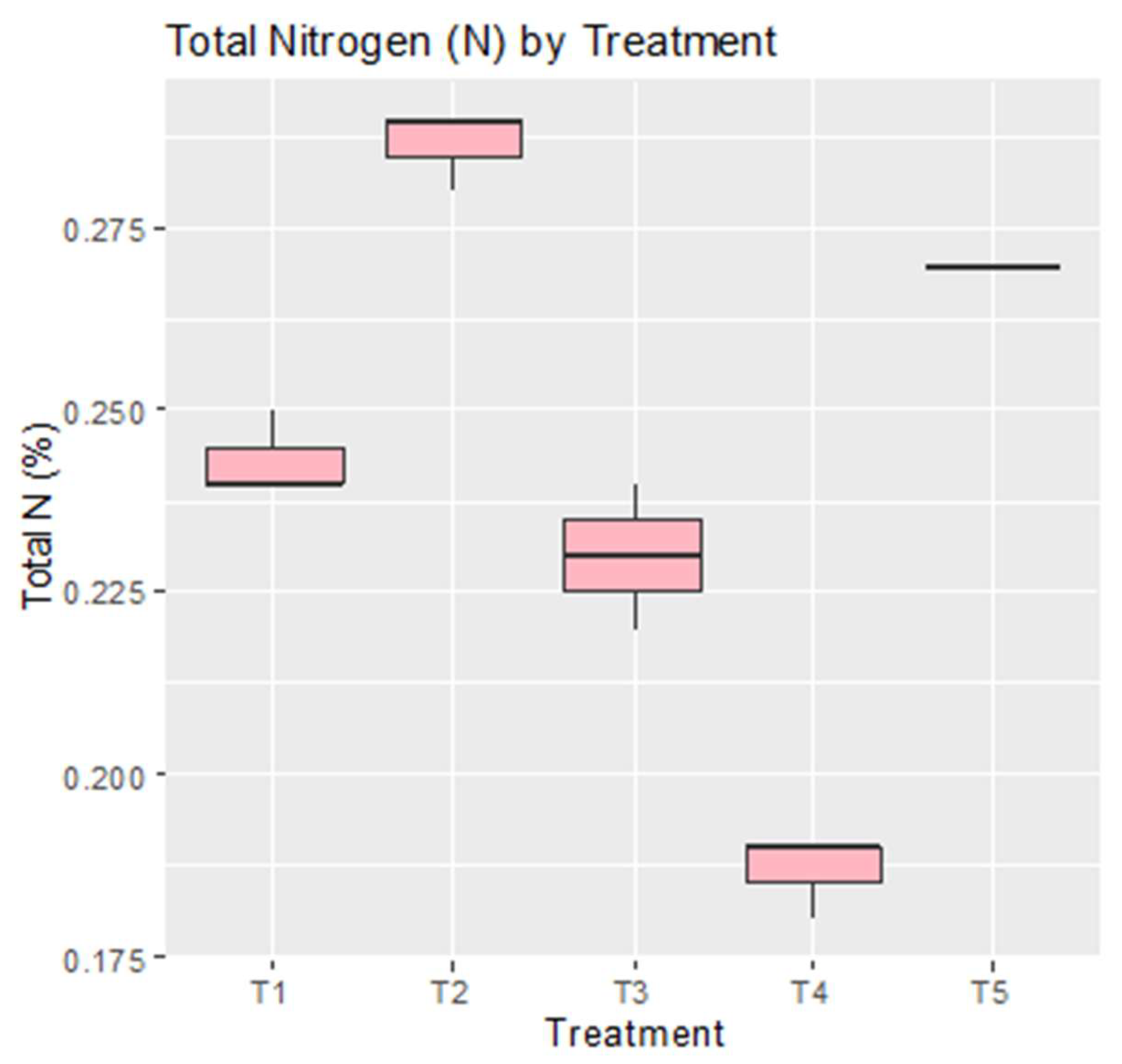
Figure 2.
The effect of various vermicompost treatments on soil phosphorus (P) availability.
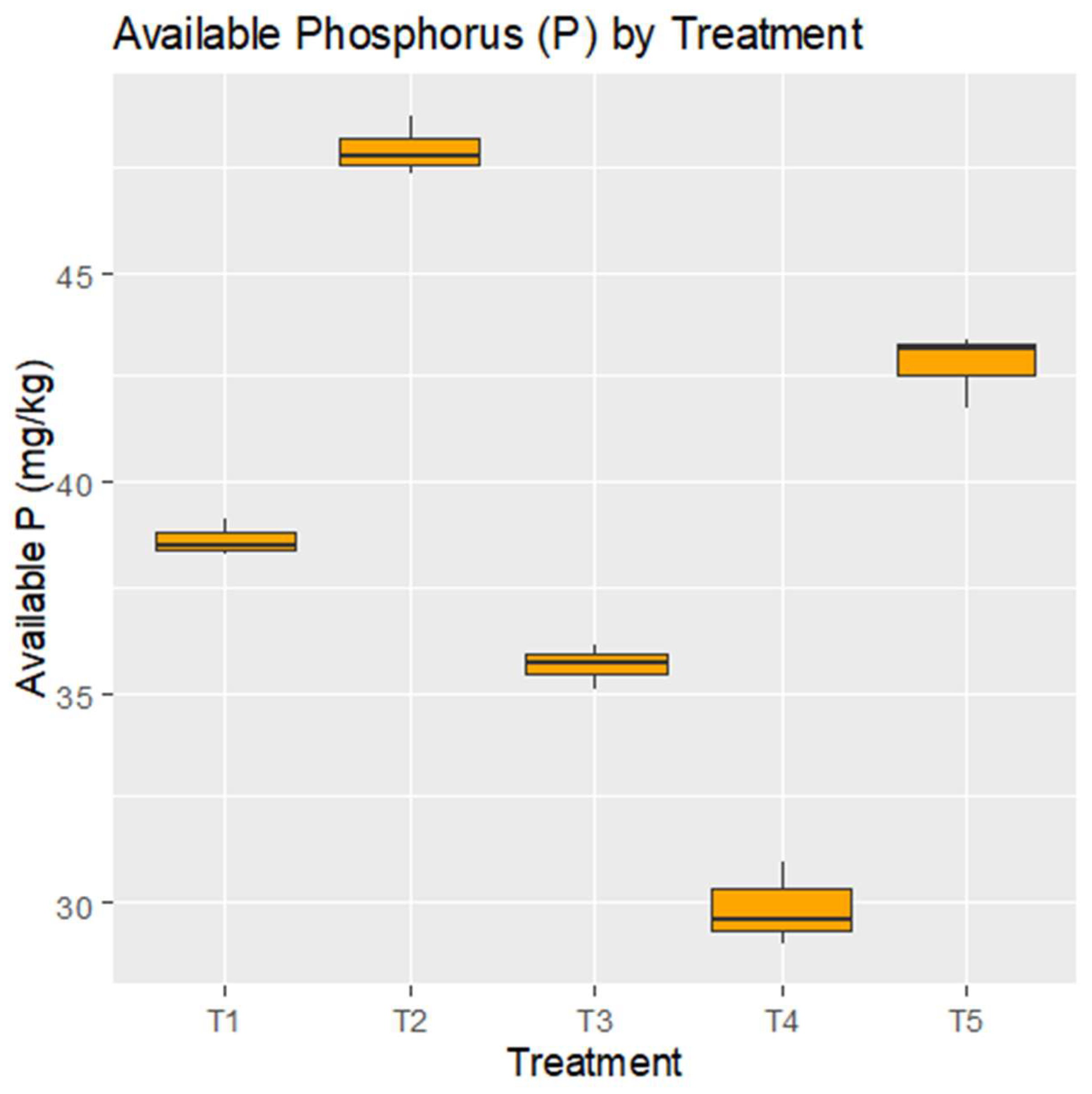
Figure 3.
Effects of vermicompost treatments on the height (cm) of lettuce plants.
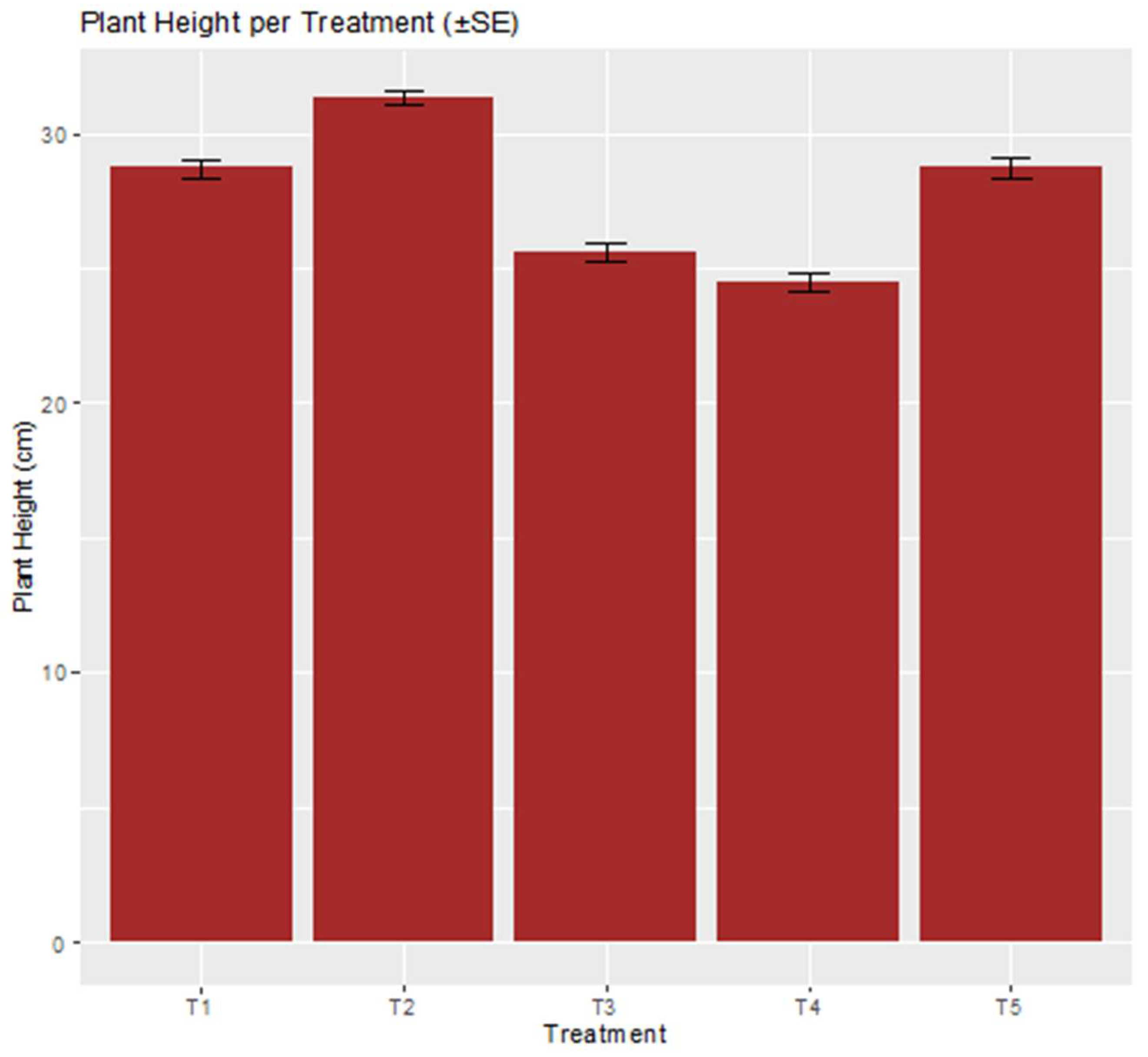
Figure 4.
Chlorophyll concentration (SPAD index) in different vermicompost and fertilizer treatments.
Figure 4.
Chlorophyll concentration (SPAD index) in different vermicompost and fertilizer treatments.
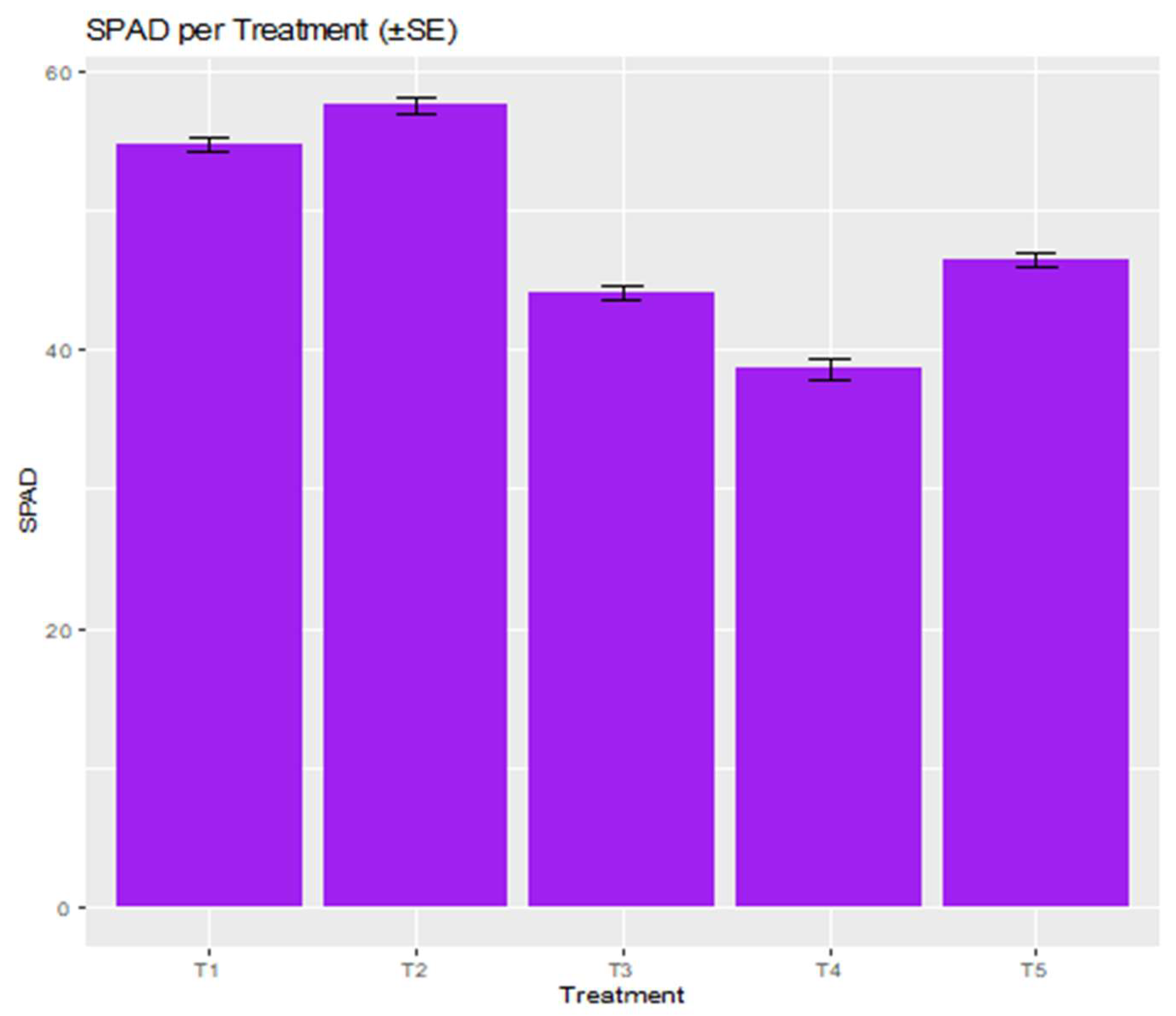
Figure 5.
Surface temperature of lettuce leaves under drought stress in each treatment (°C).
Disclaimer/Publisher’s Note: The statements, opinions and data contained in all publications are solely those of the individual author(s) and contributor(s) and not of MDPI and/or the editor(s). MDPI and/or the editor(s) disclaim responsibility for any injury to people or property resulting from any ideas, methods, instructions or products referred to in the content. |
© 2026 by the authors. Licensee MDPI, Basel, Switzerland. This article is an open access article distributed under the terms and conditions of the Creative Commons Attribution (CC BY) license (http://creativecommons.org/licenses/by/4.0/).
Copyright: This open access article is published under a Creative Commons CC BY 4.0 license, which permit the free download, distribution, and reuse, provided that the author and preprint are cited in any reuse.


