

Submitted:
17 April 2026
Posted:
20 April 2026
You are already at the latest version
Abstract
Medulloblastoma is one of the most prevalent pediatric brain tumors. Currently, existing therapies for this devastating type of cancer can only prolong the survival time with severe side effects and relapse. These therapies are not curative, for almost third of the treated patients, while the main part of the survivors is condemned to a poor quality of life. The addition of immune checkpoint inhibitors (ICIs) to immune therapy, has given some hope to patients of this type of cancer. Although, ICIs are giving a valuable contribution to immunotherapy, the exploitation of immune checkpoints inhibition within existing therapeutic strategies to cure Medulloblastoma remains understudied. However, the identification of the main molecular subgroups of medulloblastoma is considered one of the success stories of oncology. This advancement in molecular profiling of MB paved the way to subgroup-directed clinical trials, which may lead to efficacious immune targeted therapy. However, this relatively new development is still hampered by a substantial biological heterogeneity of the disease and the absence of a full understanding of the various mechanisms behind its resistance to existing therapeutic modalities. The inclusion of chimeric antigen receptor (CAR) T and CAR NK cell therapy within various therapeutic strategies and ongoing clinical trials have given a fresh hope to the patients of this fatal disease. However, ongoing clinical trials suggest that this highly promising therapy can be impaired by a number of serious limitations, including cytokine release syndrome, Graft-versus-host disease, the scarcity of target antigens, and severe adverse events. Some of the ongoing clinical trials also suggest that CAR NK is less prone to some of these limitations. This review also highlights the contribution of mass spectrometry -based proteomics, and the increasing role of liquid biopsy rather than tissue biopsy.
Keywords:
medulloblastoma
; immune checkpoints
; MB resistance
; mass spectrometry-based proteomics
; CAR T and CAR NK cell therapy
1. Introduction
Medulloblastoma (MB) is one of the most prevalent pediatric brain tumors, which makes up about 20% of all brain cancers in children. This fatal disease affects 6 in million children worldwide [1]. Current Multimodal therapy combines surgery, craniospinal irradiation, and various chemotherapeutic agents. This therapeutic modality can cure about 70% of the treated patients [2,3]. However, the same therapy leaves the survivors with severe consequences affecting their health, and their lifestyle. That said, we have to bear in mind that the wide variation in the three components of the therapy, impacts on the severity of the consequences of the therapy. For example, the dimensions of the irradiated area, doses of chemotherapy, and the number of cycles will depend on the individual patient and on the subgroup to be treated.
Over the last ten years, there have been a number of developments, which may contribute to current research efforts to develop new and more efficacious immune therapy for pediatric MB. The first development is an accurate classification of the molecular subgroups of the disease. Such classification is fundamental for a reliable stratification of MB patients, more accurate prognosis of the disease, monitoring of patient’s response to therapy, and a better understanding of the various mechanisms of resistance to immune therapy [4,5,6]. Current literature reports four medulloblastoma molecular subgroups: WNT, SHH, group 3 and group 4, each group is defined by its characteristic genome-wide transcriptomic [7,8] and DNA methylation profiles [9,10]. In a recent study, it was reported, that the highest incidence rate of metastatic disease was associated with groups 3 (~50% of cases)., and group 4 (~30% of cases), WNT: ~10%, while the metastatic rates associated with SSH group were variable, with worse outcomes observed, with TP53 mutations [11]. The final count of the subtypes associated with each subgroup is still under investigation. More recent studies, using transcriptome profiling and large-scale methylation identified 4 subtypes of SHH and 8 subtypes of non-WNT/non-SHH MBs [12,13].
The second, and equally important development is the increasing use of liquid biopsies [14] in clinical sittings, with clear shift from tissue biopsies to liquid biopsies sampling. The use of the latter method facilitates noninvasive, and repetitive (longitudinal) sampling throughout the course of the disease. These characteristics become more attractive when we are dealing with MB patients with an average age below 9 years. Tissue biopsy has been and remains the gold standard for the diagnosis and molecular profiling of most types of cancer. This sampling method enjoys high level of laboratory standardization, and it can furnish reproducible, and accurate results. However, the same method has a number of limitations, including invasiveness, and the method cannot be performed in all anatomical sites, particularly in the case of brain tumors. These limitations can be mitigated or even resolved through the use of Liquid biopsy sampling. This emerging sampling method has a number of advantages: Noninvasive, no limitation on the sampling frequency, it facilitates continuous monitoring of the disease, and the acquired samples contains molecules/cells associated with genetic, epigenetic and proteomic changes, provoked by the tumor. These molecules include, circulating tumor cells (CTCs); circulating tumor DNA (ctDNA).; RNA; proteins and metabolites. Till recently, the low concentration within the tested biofluids represented an obstacle for obtaining meaningful information. The unprecedented advances in genomic and proteomic technologies facilitated high sensitivity and high resolution to allow the detection of extremely low levels of various analytes within various biofluids. These technologies include, next-generation sequencing (NGS) also known as massively parallel sequencing [15],.droplet polymerase chain reaction [16], beads emulsification amplification and magnetics PCR (BEAMing PCR) [17]. Given the pathological characteristics of medulloblastoma and its site close to the spinal cord, Liquid biopsy sampling of cerebrospinal fluid (CSF) and subsequent analysis can furnish valuable information on the evolution of the disease. MB cells are known to be disseminated through this fluid to distant locations in the brain and in the spinal cord. The use of mass spectrometry-based proteomics to characterize protein profiles within CSF and other biofluids derived from both patients and controls can provide much needed information on biomarkers of the disease. A number of examples on the emerging role of liquid biopsy in the investigation of MB are given in the discussion.
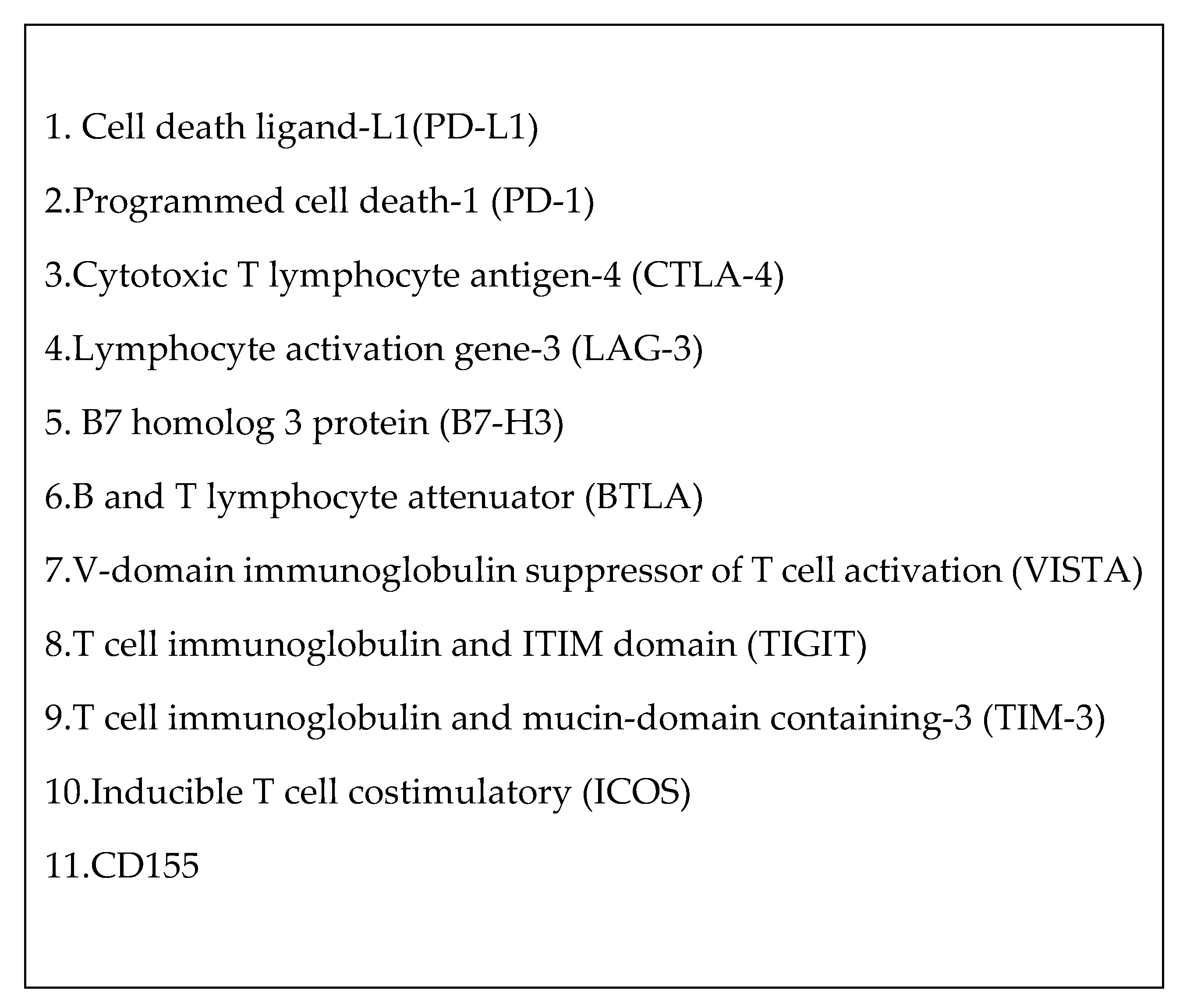
The third and equally important development is the emerging role of CAR T cell therapy. In this innovative method, cytolytic T cells are armed with a receptor that can recognize a surface protein on tumor cells. However, the successful application of this innovative method in solid tumors treatment is hampered by the low-level expression of surface antigens by this class of tumors. High density expression of such proteins is necessary for an optimal CAR activation. This observation may explain the success of this method in treating relapsed pediatric acute lymphoblastic leukemia, while, such success has not been repeated with solid tumors. It can be said, that targeting immune checkpoints as part of some therapeutic strategies to treat MB is still in its infancy. There is at least a dozen of identified human checkpoints (see box 1), yet existing clinical trials have focused on a very limited number of the listed checkpoints. B7-H3 is one of few immune checkpoints, which is expressed with sufficient density in pediatric medulloblastoma [18]. Such high expression was found in about 96% of MB pediatric patients, the same study showed that such expression was more frequent with group 4 patients compared with other subgroups. Although this study was conducted on a fairly small number of patients, the high levels of B7-H3 reported in this study confirmed the identification of this molecule by earlier studies as a promising target for CAR T-cell immunotherapy [19]. The last five years have witnessed a clear shift from CAR T to CAR NK cell therapy, in particular in solid tumors. More details on CAR T, NK are given in latter sections.
Box 1.
Immune checkpoints undergoing various investigations and varied clinical trials. Immune checkpoints. 1-3 are the most researched, and were the first to be targeted with ICIs, while the others (4-11) are described as emerging checkpoints, some of which are undergoing various clinical trials, in which they are targeted with bispecific antibodies, drug conjugate antibodies, and more recently CAR T and CAR NK cell therapy.
Box 1.
Immune checkpoints undergoing various investigations and varied clinical trials. Immune checkpoints. 1-3 are the most researched, and were the first to be targeted with ICIs, while the others (4-11) are described as emerging checkpoints, some of which are undergoing various clinical trials, in which they are targeted with bispecific antibodies, drug conjugate antibodies, and more recently CAR T and CAR NK cell therapy.
1.1.Mass Spectrometry-Based Analysis
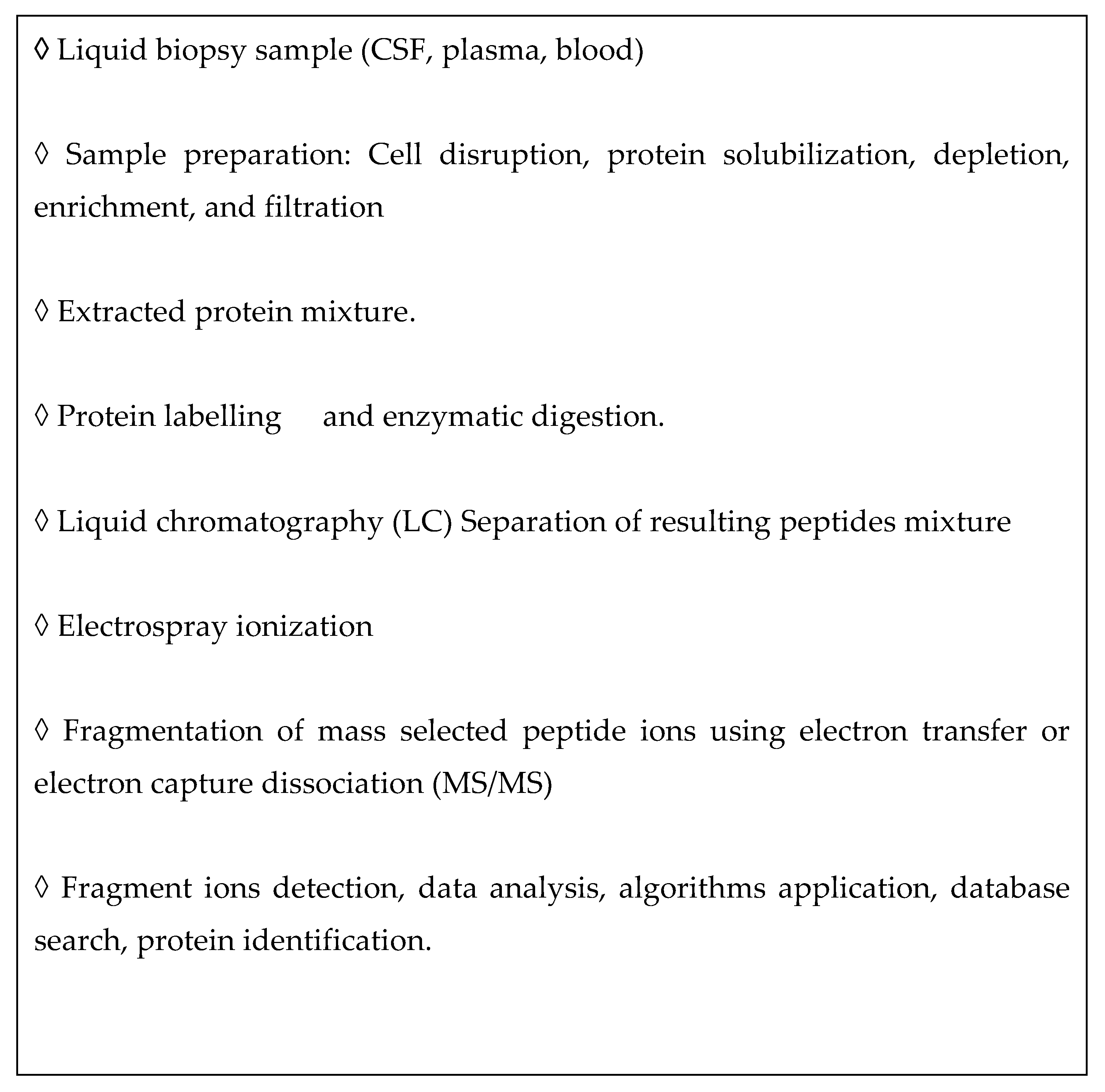
Mass spectrometry (MS) analysis of a targeted protein within a biological sample can yield accurate information on its level of expression, its post-translational modifications (PTMs), and its interaction and/or complexation with other proteins within the investigated sample. Strong evidence in current literature indicates that level of expression as well as certain PTMs are two parameters, which directly impact on the role of certain immune checkpoints in various tumors, including pediatric solid tumors [20,21,22]. Despite well demonstrated capabilities of MS-based proteomics, clinical applications of this technology remain very fragmentary. That said, the last few years have witnessed an increased application of this powerful technique in increasing number of clinical trials searching for disease biomarkers, and new therapeutic targets. This enhanced use of MS in clinical investigations can be attributed to a number of relatively recent developments: Availability of high resolution, high mass accuracy instruments, soft and more efficient ion fragmentation methods, which contribute to a more efficient detection of PTMs, and their sites, introduction of more powerful software packages, allowing easier and more efficient data analysis, enhanced contents of protein data bases, allowing more accurate assignment of the investigated proteins. Real world examples on the role of mass spectrometry in analysis relevant to pediatric MB are discussed in more details in the discussion section. The main steps in MS-based platform for protein analysis within a complex biological sample are given in box 2. More details on this platform have been given in numerous articles and reviews [23,24,25,26]., and we see no utility to enter into more details in the present review.
Box 2.
2. The main steps in a work flow commonly used for the analysis of protein mixture and associated PTMs. Electron transfer [27] and electron capture dissociation [28] are two fragmentation methods, considered milder than the traditional collision induced dissociation, which render both methods highly suitable for the identification of the sites of PTMs.
Box 2.
2. The main steps in a work flow commonly used for the analysis of protein mixture and associated PTMs. Electron transfer [27] and electron capture dissociation [28] are two fragmentation methods, considered milder than the traditional collision induced dissociation, which render both methods highly suitable for the identification of the sites of PTMs.
1.2. CAR-T Cell Therapy
Over the last ten years, CAR T cell therapy has demonstrated encouraging efficacies in the fight against certain types of cancers, and so far, seven CAR T cell products have been approved by the U.S. Food and Drug Administration (FDA), and six by the European Medicines Agency (EMA) for the treatment of hematologic malignancies [29]. CARs are engineered receptors made up of two main components: the ectodomain, which is on the outside of the cell. This domain is a ligand-specific extracellular domain consisting of a single-chain variable-fragment (scFv) region and a hinge [30,31] The scFv is a fusion protein of the variable regions of the light and heavy chains of immunoglobulins linked by a short flexible peptide linker [32]. The second component is the endodomain, which lies inside the cell and has the role of relaying various signals from the outside to the inside of the cell. This domain may consist of the intracellular T cell activation domain of CD3ζ as a single entity or by one or more intracellular co-stimulatory (or activation) domains [33]. In present day literature, CAR-T cells are classified into five generations based on the endodomain [32,34,35].
The impressive efficacy of Autologous CAR T cell therapy in managing hematologic malignancies in clinical settings has been overshadowed by its high costs, excessive production times. and stringent patient selection. These limitations resulted in an enhanced experimentation of allogeneic CAR T therapy [36,37]. This therapy however, faces two major immunologic limitations: The risk of graft-versus-host disease induction by the allogeneic cells that recognize host tissues and the rejection of the CAR modified cells by the host immune system. In more recent years, CAR NK cell therapy has emerged as a possible alternative to CAR T therapy. Early clinical trials suggest that the use of NK cells may offer a number of advantages in terms of safety and versatility. That said, it is too immature to make a rational comparison between the performance of CAR NK and CAR T therapies. Current literature reports over 1000 clinical trials using CAR T cells therapy, while the clinical trials [38] using CAR NK is around100.
2. Discussion
2.1. Mass Spectrometry/Liquid Biopsies Investigation of Medulloblastoma
Low mutation rates in malignant pediatric medulloblastoma (MB) are one of the reasons for the lack of therapeutic targets for MB therapy. Advances in mass spectrometry-based proteomics provided another research route for the identification of new therapeutic targets. As well as the search for therapeutic targets, the same technology is strongly involved in the search for all forms of biomarkers for the prediction, diagnosis, and prognosis of various diseases, including MB. These biomarkers can give much needed information on residual disease, Response to therapy, patients’ stratification, and recurrence. Cerebrospinal fluid (CSF) is a rich source of biomarkers for brain tumors. To appreciate the type of information, which can be gained through MS-based analysis of CSF, a number of real-world examples are discussed below.
Liquid chromatography coupled to tandem mass spectrometry (LC-MS/MS) was used to investigate proteins profile within CSF biopsy samples derived from medulloblastoma patients [39]. Samples were obtained from 34 MB patients and 19 healthy controls. The authors reported the quantification of over 1000 proteins in each CSF sample, few of these proteins were further validated using enzyme-linked immunosorbent assay (ELISA). These validated proteins included TKT, found to be highly upregulated in MB samples. Transketolase (TKT) is a key enzyme of the oxidative pentose phosphate pathway (PPP), encoded by KTK gene. This enzyme is known to connect this pathway to glycosis, its overexpression has been associated with tumorigenesis through diverse mechanisms [40,41]. The role of TKT in acute lymphoblastic leukemia, a serious pediatric blood cancer was confirmed in another study [42]. The authors reported that regulating TKT activity inhibits proliferation of human acute lymphoblastic leukemia cells.
In another study, LC-MS/MS was used to investigate the proteome within CSF waste from extra- ventricular drainage [43]. In their study, the authors acquired samples from 29 children suffering from various forms of brain tumors, and 17 healthy controls. The authors identified similar number of proteins, approximately 1500 in both controls and in brain tumor patients. The main objective of this study was to identify protein biomarkers to discriminate patients from controls. Proteins identified by LC-MS/MS were further validated using ELISA assay. These proteins included, S100 protein B, Thymosin beta-4, and CD109. The results generated in both studies can be considered a useful contribution to assess the proteomic profile within CSF samples from both patients and controls. However, such assessment has to take into consideration the following observations: First, Protein concentration within CSF is known to be much lower than their counterparts in plasma, such difference is attributed to the failure of many proteins to cross the blood brain barrier [44]. Parallel investigation of CSF and plasma samples from the same subjects is likely to give more realistic assessment of the proteomic profile of the patient, and more accurate identification of certain proteins for distinguishing patient from control. Second, it is commonly assumed that certain proteins within CSF samples are shed into this biofluid by tumoral cells. Such assumption cannot be fully verified, unless tissue biopsies are examined. Such option is not easy to perform, particularly at the average age of medulloblastoma pediatric patients.
Mass spectrometry-based proteomics was used to investigate molecular heterogeneity within medulloblastoma subgroups [45]. The authors examined the global proteome and phosphor proteome in a number of medulloblastoma samples. These analyses showed that tumors with similar RNA expression vary extensively at the post-transcriptional and post-translational levels. The same investigation revealed that post-translational modifications associated with MYC are indicative of poor outcome in group 3 MB patients.
The above MS-based investigations raise an obvious question: In what way such data contribute to research efforts to better understand MB? The answer to this question has to go beyond the simple identification of a high number of proteins within a single CSF sample. For example, the genes, which express what the authors called potential biomarkers should be identified, analyzed, to establish any mutations. In other words, to enhance the value of the generated proteomic profiles, they have to be considered with the relevant genetic, epigenetic, and transcriptomic data. Such inclusive approach of data generated by different technologies is imperative for a better understanding of MB. It is hoped, that such understanding may lead to deciphering the mechanism(s) of resistance of MB, which is considered one of the main challenges for the discovery of an effective curative therapy.
2.2. Mechanisms of Resistance in Medulloblastoma?
Currently, both histological and molecular heterogeneity in MB is considered the main challenge to present efforts to identify likely mechanism(s) behind resistance of MB to therapy. The World Health Organization (WHO) recognizes four molecular subgroups (mentioned earlier), and three histological subgroups: large cell anaplastic, desmoplastic/nodular, and medulloblastomas with extensive nodularity [46,47]. Among the four major molecular subgroups, group3 tumors exhibits high levels of MYC oncogene, and high rates of metastasis. Current standard care of this subgroup consists of surgical resection, radiation, and multi-agent chemotherapy. Despite such aggressive treatment, patients of this subgroup tend to develop more aggressive recurrent forms of the disease with poor survival [48]. It is disappointing to note that resistance to these aggressive forms of therapy is also encountered in two emerging forms of immune therapy, CAR T and immune checkpoint inhibitors (ICIs), yet both forms of therapy have demonstrated to be highly effective in treating some serious forms of cancer (for example, acute lymphoblastic leukemia).
The multifactorial nature of MB resistance is clearly evident in Figure 1.Current understanding of these drivers is still partial, and need to be expanded to allow informed search for an effective cure for this devastating disease.

Table 1.
Potential drivers of MB resistance to therapy, brief comments and references.
| drivers of MB resistance to therapy | Comments/ Refs. | |
|---|---|---|
| Permeability of blood- brain barrier (BBB). Cellular plasticity Glioblastoma stem cells Anti-apoptotic proteins Genetic aberrations Altered Molecular pathways metabolic reprogramming molecular/histological heterogeneity |
The Impermeability of BBB to a wide range of chemotherapeutic agents is considered a major driver of MB resistance to therapy. As well as the structural permeability of BBB, the expression of efflux transporter proteins on the surface of CNS endothelial cells is another factor, which contribute to the prevention of various therapeutic agents from reaching the targeted area within the brain [49,50]. Cellular plasticity is an important driver of therapy resistance. Cancer cells can alter their lineage to evade targeted therapy. To evade therapy, these cancer cells revert to a stem-like state, such phenomenon has been described as self-renewal to evade therapy. These studies also observed, that although, many genomic aberrations have been associated with lineage plasticity, few tumors exhibit such alterations, suggesting that resistance caused by lineage plasticity occurs through alternative mechanisms. [48,51]. Glioblastoma Stem cells represent one of the main challenges for attempts to develop efficacious therapies for solid CNS tumors. These tumor initiation cells are characterized with self-renewal, proliferation, and differentiation capabilities. These characteristics render this class of cells a major player in MB resistance and disease recurrence. these stem cells are also characterized by their low abundance within the tumor and low proliferative activity, which protects them from therapies targeting dividing cells [50,52,53]. Evasion of apoptosis is a hallmark of cancer cells, which is known to contribute to therapeutic resistance in various solid tumors. In the case of MB, a number of proteins have been identified as key players in cell apoptosis and associated pathways. These proteins include, BCL-2, MCL-1, BCL-XL, Bax and Bak are two nuclear-encoded proteins present in higher eukaryotes that are able to pierce the mitochondrial outer membrane to mediate cell death by apoptosis [54,55]. A small subset of subgroups 3 and 4 medulloblastoma patient’s harbor gene oncogenic drivers, including MYC and MYCN amplifications as well as PRDM6 overexpression. On the other hand, the majority of patients within the same subgroups displayed recurrent, large-scale copy number changes. Expression of genes that modulate metabolic responses and energy production (IDH1, HK2, HSPH1, GLS, and NFE2L1) are increased in recurrent tumors. [48,56,57,581]. Growth and progression of various forms of cancer, including medulloblastoma have always been linked to the activation of various pathways. For example, the IL-6/STAT3 pathway has been associated with tumorigenesis and acquired resistance in Group 3 medulloblastoma. Inhibition of STAT3 has been shown to render medulloblastoma cells sensitive to chemotherapy, leading to improved treatment outcomes [59,60]. metabolic pathways are used by medulloblastoma cells to adapt to environments, which lack the required nutrients and oxygen. Such adaptability is achieved through modulating glucose, lipids, amino acids, and nucleotide metabolism. Regarding MB, such pathways, and their impact on resistance to therapy are still understudied. Single-cell multi-omics analyses showed that In vivo modeling of radiation resistance exhibited chromatin-based metabolic reprogramming focused on wild-type isocitrate dehydrogenase (IDH1) activity. IDH1 inhibition reversed resistance-mediated chromatin changes and resulted in radiation re-sensitization [48,61]. Recent use of single-cell RNA-seq is providing much clearer picture on the role of intratumorally heterogeneity and tumor origin for the four molecular subgroups of medulloblastoma. Molecular profiling of MB at the single-cell level emphasized the central role of clonal heterogeneity in resistance to therapy. The impact of heterogeneity on therapy outcome was investigated, using quantitative profiling of global proteomes and phospho-proteomes of medulloblastoma samples, these measurements showed that post-translational modifications of MYC were associated with poor outcomes in Group 3 tumors [6,50,62]. |
2.3. Emerging Therapeutic Strategies for Treating Medulloblastoma
Currently, Medulloblastoma is treated with aggressive therapeutic modalities, including surgery, chemotherapy, and craniospinal irradiation. These modalities are not curative, and leave survivors with severe side effects. It has been evident for a number of years that these modalities have to be replaced with more curative and less aggressive therapies. These promising therapies, include Immune cell inhibitors (ICIs), antibody–drug conjugates [63,64], CAR T-cells, CAR-natural killer (NK) cells and Immune cell engagers [65].
2.3.1. Targeting Immune Cell Checkpoints in Medulloblastoma
The high expression of most of the checkpoints listed in box 1 has been linked with the initiation and/or progression of various forms of cancer. The case of medulloblastoma is rather interesting, where the only checkpoint expressed with sufficient intensity is B7-H3. Furthermore, the same protein is known to be expressed on both medulloblastoma cells and on non-tumor cell types within the tumor microenvironment (TME). Such characteristic means that therapies targeting B7-H3 will also target components of TME, a consequence, which is bound to influence the nature and the outcome of B7-H3-targeted therapeutic immune responses [66].
The use of CAR T cell therapy to target antigens expressed by medulloblastoma cells is becoming one of the main therapeutic strategies in the search for curative therapy for this fatal disease. disialoganglioside GD2 is one of the antigens, expressed by Medulloblastoma with sufficient intensity to allow effective use of CAR T cell therapy. GD2 is a sialic acid-bearing glycosphingolipid, a member of the ganglioside subfamily, described as a tumor-associated antigen that has emerged as a promising target for aggressive pediatric central nervous system tumors, its expression on tumor cells and limited expression in normal tissues make it an attractive target for immune therapy. Gangliosides are known to act as regulatory elements in the immune system, in the nervous system, in metabolic regulation and in cancer progression [67,68]. In a relatively recent study [69], GD2 expression was measured on primary tumor biopsies of MB children by flow cytometry. According to the authors, such expression was found in over 80% 0f MB tumors, high level of expression was observed for the three subgroups, SHH, G3, and G4, while WNT subgroup demonstrated much lower level of expression. According to this study, CAR.GD2 T-cell therapy In in vitro and in vivo models has demonstrated potential efficacy for the treatment of solid cancers, in particular, for some pediatric CNS tumors that are known to express GD2.Currently, CAR.GD2 T and CAR B7-H3 T constructs are under assessment in a number of ongoing clinical trials for the treatment of medulloblastoma (see Table 2). Figure 2. gives a schematic representation of the various steps leading to decision making leading to the design of clinical trial to assess cell therapy.
Autologous CAR T cells therapy has demonstrated to be a powerful tool for the management of some types of cancer. The potential of high therapeutic efficacy of this treatment modality has been demonstrated for hematological malignancies. That said, the extension of highly promising method to other forms of cancer, particularly solid cancers, is hampered by a number of limitations: including high costs, extended manufacturing timelines, and limited accessibility for patients, a limitation, which becomes critical for patients with a progressive disease. Other limitations include., availability of target antigen, severe toxic side effect, and low activity against solid tumors [72,73]. To mitigate some of these limitations, and to enhance the therapeutic potential of conventional CAR T cells, other CAR-engineered immune cell types are being developed and clinically tested. These include; allogeneic CAR T cells, natural killer (NK), and invariant natural, killer T (NKT) [74,75]. Clinical trials using of WCBB 2026, g; allogeneic CAR T cells have been faced with the challenge, mainly require extensive gene editing to prevent graft-versus-host disease (GvHD) and rejection [76].
2.3.2. Is CAR NK Cell Therapy an Alternative to CAR T Cell Therapy?
Safety and versatility limitations associated with both autologous, and allogeneic CAR T cells are behind the recent emergence of other variants of cell therapy. In the last few years, chimeric antigen receptor (CAR) NK cell therapy has emerged as an alternative to the well-established CAR T cell therapy. NK cells have a number of characteristics, which may address a number of limitations associated with CAR T cells. Unlike T and B cells, which rely on a single somatically rearranged receptor, NK cells use a variety of germline-encoded activating and inhibitory receptors. The access to multiple receptors by these cells enable them to trigger or inhibit functions like cytotoxic granule release and cytokine secretion [77]. Other advantageous characteristics of CAR NK cells include, significantly reduced risk of cytokine release syndrome, NK cells are not associated with graft-versus-host disease, which render them highly suitable for future development of scalable allogeneic therapy.
CAR NK therapy is still lagging behind Its CAR T counterpart. This observation is underlined by the number of clinical trials of the first approach (about 120 trials) compared with over 1000 trials, using CAR T therapy [78,79,80]. This relatively low number of clinical trials using NK cells renders the therapeutic evaluation of this approach rather immature. That said, data available from these trials gives initial indication on the therapeutic potential of this method. Careful consideration of the clinical trials in Table 3, and those reported in Ref, [78], the following observations can be made: Most if not all the reported trial are phase I studies, involving a relatively low number of patients. As expected, these phase I studies assessed the safety, tolerability, initial efficacy, and the maximum dose of NK cell, tolerated by the patient. Preliminary data generated by some of these trials are encouraging, however to establish the efficacy of this therapy, we have to wait the final conclusions of future phase II and III clinical trials.
3. Conclusions and Future Perspectives
CAR-T cell therapy has demonstrated a notable success in treating various forms of blood cancers. However, this success has not been extended to solid tumors. Such failure is considered one of the main justifications behind the increasing use of natural killer and CAR–macrophage therapies. Based on the investigations discussed in this review, together with various references cited in here, a number of observations can be made, such observations refer to the case of medulloblastoma. (i) It can be said, that targeting antigens expressed by medulloblastoma cells, using CAR T and NK cell therapies represent the most promising therapeutic strategy in the search for curative, non-aggressive therapy for this devastating disease. However, this objective is faced by two main difficulties: A limited number of antigens, which are expressed with sufficient intensity to allow effective use of CAR-based therapy, and second and more challenging obstacle is the non-permeability of the blood- brain barrier. This obstacle is not limited to Medulloblastoma, but to all brain cancers. It is needless to point out, that for any therapeutic strategy to have a therapeutic success, such strategy has to ensure that its therapy is reaching its destination. However, artificial intervention to enhance permeability of BBB may increase the danger of CNS serious diseases such as ischemic stroke, Parkinson’s disease, and Alzheimer’s disease. (ii) Data generated by some ongoing clinical trials suggest that compared to CAR T cell therapy, NK cell therapy has lower rates of adverse effects such as, cytokine release syndrome, immune effector cell-associated neurotoxicity syndrome, and graft versus-host disease. Currently, there are substantial research efforts to enhance the performance of NK cells, including broadening their therapeutic targets, increasing persistence of the injected cells, and optimization of the production process to facilitate scalability and accessibility of this form of therapy. (iii) Safer and more effective therapies for medulloblastoma patients remains an unmet clinical need. Most ongoing clinical trials, investigating NK cell therapy are phase I studies, involving very limited number of subjects. Currently, there is an urgent need for more clinical trials, which enroll a higher number of patients, and provide much needed information on various mechanisms of resistance, particularly on the impermeability of BBB. That said, the limited success of cell therapy in treating medulloblastoma cannot be exclusively attributed to the impermeability of BBB, limited success has been reported for solid tumors in organs not protected by BBB, which means that resistance in medulloblastoma is a multifactorial phenomenon and had to be treated as such.
Author Contributions
Conceptualization, M.H.; writing—original draft preparation, M.H.; writing review and editing, P.T. and M.A. P.T. and M.A. have contributed equally to the text. All authors have read and agreed to the published version of the manuscript.
Funding
This research received no internal or external funding.
Institutional Review Board Statement
Not applicable.
Informed Consent Statement
Not applicable.
Data Availability Statement
No new data were created or analyzed in this study. Data sharing is not applicable to this article.
Conflicts of Interest
The authors declare no conflicts of interest.
Abbreviations
| ICIs | Immune e checkpoint inhibitors. |
| MB | Medulloblastoma. |
| PTMs | post-translational modifications. |
| CAR T | Chimeric antigen receptor T cell therapy. |
| CAR NK | Chimeric antigen receptor natural killer cell therapy. |
| CTCs | Circulating tumor cells. |
| ctDNA | Circulating tumor DNA. |
| PCR | Polymerase chain reaction. |
| NGS | Next-generation sequencing. single-chain variable-fragment |
| CSF | Cerebrospinal fluid |
| MS | Mass spectrometry |
| LC | Liquid chromatography |
| LC-MS/MS | Liquid chromatography/tandem mass spectrometry |
| scFv | Single-chain variable-fragment |
| PPP | Pentose phosphate pathway. |
| TKT | Transketolase |
| ELISA | Enzyme-linked immunosorbent assay |
| BBB | Blood- brain barrier. |
| FDA | Food and Drug Administration. |
| EMA | European Medicines Agency- |
| PD-L1 | Cell death ligand-L1 |
| PD-1 | Programmed cell death-1 |
| CTLA-4 | Cytotoxic T lymphocyte antigen-4 |
| LAG-3 | Lymphocyte activation gene-3 |
| B7-H3 | B7 homolog 3 protein. |
| BTLA | B and T lymphocyte attenuator. |
| TIGIT | Cell immunoglobulin and ITIM domain. |
| ICOS | Inducible T cell costimulatory. |
| VISTA | V-domain immunoglobulin suppressor of T cell activation. |
| GvHD | Graft-versus-host disease GvHD |
| TME | Tumor microenvironment. |
References
- International Agency for Research on Cancer. WHO Classification of Tumors of the Central Nervous System. (WHO Classification of Tumours Editorial Board,5th ed.),2022 IARC.
- Gajjar, A.; Robinson, G.W.; Smith, K.S.; et al. Outcomes by clinical and molecular features in children with medulloblastoma treated with risk-adapted therapy: results of an international phase III trial (SJMB03). J Clin Oncol. 2021, 39, 822–835. [Google Scholar] [CrossRef] [PubMed]
- Smith, K.S.; Dhanda, S.K.; Billups, C.A.; Sioson, E.; Lu, C.; Peraza, A.Z.; Gangwani, K.; Li, Y.; et al. An integrated analysis of three medulloblastoma clinical trials refines risk-stratification approaches for reducing toxicity and improving survival. Neuro-Oncology 2026, (1), 268–281. [Google Scholar] [CrossRef] [PubMed]
- Taylor, M.D.; Northcott, P.A.; Korshunov, A.; Remke, M.; Cho, Y.J.; Clifford, S.C.; et al. Molecular subgroups of medulloblastoma: The current consensus. Acta Neuropathologica 2012, 123, 465–72. [Google Scholar] [CrossRef] [PubMed]
- Cavalli, F.M.G.; Remke, M.; Rampasek, L.; Peacock, J.; Shih, D.J.H.; Luu, B.; et al. Intertumoral heterogeneity within medulloblastoma subgroups. Cancer Cell 2017, 31, 737–54 e736. [Google Scholar] [CrossRef]
- Sheng, H.; Li, H.; Zeng, H.; Zhang, B.; Lu, Y.; Liu, X.; Z.; Zhang, J., Zhang, L. Heterogeneity and tumoral origin of medulloblastoma in the single-cell era. Oncogene 2024, 43, 839 85. [CrossRef]
- Northcott, P.A.; Korshunov, A.; Witt, et al. Medulloblastoma comprises four distinct molecular variants. J. Clin. Oncol. 2011, 29, 1408–14. [CrossRef]
- Cho, Y.-J.; Tsherniak, A.; Tamayo, P.; et al. Integrative genomic analysis of medulloblastoma identifies a molecular subgroup that drives poor clinical outcome. J Clin Oncol 2011, 29, 1424–30. [Google Scholar] [CrossRef]
- Schwalbe, E.C.; Williamson, D.; Lindsey, J.C.; et al. DNA methylation profiling of medulloblastoma allows robust subclassification and improved outcome prediction using formalin-fixed biopsies. Acta Neuropathol. 2013, 125, 359–71. [Google Scholar] [CrossRef]
- Hovestadt, V.; Remke, M.; Kool, M.; et al. Robust molecular subgrouping and copy-number profiling of medulloblastoma from small amounts of archival tumor material using high-density DNA methylation arrays. Acta Neuropathol 2013, 125, 913–16. [Google Scholar] [CrossRef]
- Kim, D.T.; Uloho-Okundaye, M.; Frederico, S.C.; Guru, S.; Kim, M.J.; Chang, S.D. Advancing Medulloblastoma Therapy in Pediatrics: Integrative Molecular Classification and Emerging Treatments. Brain Sci. 2025, 15(8), 896. [Google Scholar] [CrossRef]
- Gold, M.P.; Ong, W.; Masteller, A.M.; et al. Developmental basis of SHH medulloblastoma heterogeneity. Nat. Commun. 2024, 15, 270. [Google Scholar] [CrossRef] [PubMed]
- Pan, Z.; Bao, J.; Wei, S. Advancing medulloblastoma therapy: strategies and survival insights. Clin. Exp. Med. 2025, 25(1), 119. [Google Scholar] [CrossRef] [PubMed]
- Vlachová, M.; Palinka, L.; Gregorová, J.; Moráň, L.; Růžičková, T.; Kovačovicová, P.; Almáši, M.; Pour, L.; et al. Liquid biopsy of peripheral blood using mass spectrometry detects primary extramedullary disease in multiple myeloma patients. Scientific Reports 2024, 14, 18777. [Google Scholar] [CrossRef] [PubMed]
- Satam, H.; Joshi, K.; Upasana, U.; Waghoo, S.; et al. Next-generation sequencing technology: current trends and ad-vancements biology (Basel). 2023, 12(7), 997. [Google Scholar]
- Zhang, S.; Rajadhyaksha, E.A.; Syed, F.; Canas, J.; Saxena, V.; Schwaderer, A.L.; David S. Hains, D.S. Digital droplet PCR is an accurate and precise method to measure DNA copy number. Scientific Reports 2025, 15, Article number, 36958. [Google Scholar] [CrossRef]
- Denis, J. A.; Guillerm, E.; Coulet, F.; Larsen, A. K.; Lacorte, J. M. The role of Beaming and digital PCR for multiplexed analysis in molecular oncology in the era of next-generation sequencing. Mol. Diagn.Ther 2017, 21, 587–600. [Google Scholar] [CrossRef]
- Li, S.; · Poolen, G.C.; ·van Vliet, L.C.; ·Schipper, J.G.; ·. Broekhuizen, R.; · Monnikhof, M.; Van Hecke, W.; Vermeulen J.F.; Bovenschen, N, Pediatric medulloblastoma express immune checkpoint B7-H3 Clinical and Translational Oncology 2022, 24, 1204–1208. [CrossRef]
- Majzner, R.G.; Theruvath, J.L. Nellan, A.; Heitzeneder, S., Cui, Y.; Mount, C.W.; Rietberg, S.P.; Miles H. Linde, M.H.; et al. CAR T Cells Targeting B7-H3, a Pan-Cancer Antigen, Demonstrate Potent Preclinical Activity Against Pediatric Solid Tumors and Brain Tumors. Clin. Cancer Res. 2019, 25(8), 2560–2574. [CrossRef]
- Huang, Y.; Zhong, W.Q.; Yang, X.Y.; Shan, J.L.; Zhou, L.; Li, Z.L.; Guo, Y.Q.; Zhang, K.M.; Du, T.; Zhang, H.L.; et al. Targeting site-specific N-glycosylated B7H3 induces potent antitumor immunity. Nat. Commun. 2025, 16, 3546. [Google Scholar] [CrossRef]
- Corrigan, D.T.; Ankit, T.A.; Du, M.; Martin, A.M.; Zang, X. The B7-H3 (CD276) pathway: Emerging biology and clinical therapeutics. Trends Pharmacol. Sci. 2025, 46, 975–988. [Google Scholar] [CrossRef]
- Doroshow, D.B.; Bhalla, S.; Beasley, M.B.; Sholl, L.M.; Kerr, K.M.; Gnjatic, S.; Wistuba, I.; Rimm, D.L.; Tsao, M.S.; Hirsch, F. R. PD-L1 as a biomarker of response to immune-checkpoint inhibitors. Nat. Rev. Clin. Oncol. 2021, 18, 345–362. [Google Scholar] [CrossRef] [PubMed]
- Bachtella, L.; Chunsheng, J.; Fentker, K.; Ertürk, G.R.; Safferthal, M.; Polewski, L.; Götze., M.; Graeber, S.Y.; Vos, G.M.; Struwe, W.B.; et al. Ion mobility-tandem mass spectrometry of mucin type O glycans. Nat. Commun. 2024, 15, 2611. [Google Scholar] [CrossRef] [PubMed]
- Fröhlich, F.; Fahrner, M.; Brombacher, E.; Seredynska, A.; Maldacker, M.; Schmidt1, A.; Schilling, O. Data-independent acquisition: A Milestone and prospect in clinical mass spectrometry–based proteomics. Mol. Cell Proteom. 2024, 23, 100800. [Google Scholar] [CrossRef] [PubMed]
- Wei, D.; Horton, K.L.; Chen, J.; Dong, L.; Chen, S.; Abdul-Hadi, K.; Zhang, T.T.; Casson, C.N.; Shaw, M.; Shiraishi, T.; et al. Development of a highly sensitive hybrid LC/MS assay for the quantitative measurement of CTLA-4 in human T Cells. Molecules 2023, 28, 3311. [Google Scholar] [CrossRef]
- Wenk, D.; Zuo, C.; Kislinger, T.; Sepiashvili, L. Recent developments in mass-spectrometry-based targeted proteomics of clinical cancer biomarkers. Clin. Proteom. 2024, 21, 6. [Google Scholar] [CrossRef]
- Riley, N.M.; Coon, J.J. The Role of Electron Transfer Dissociation in Modern Proteomics Analytical Chemistry. J. Am. Soc. Mass Spectrom. 2017, 36(Issue 10). [Google Scholar]
- Manly, L.S.; Roberts, A.M.; Beckman, J, S.; Roberts, B.R. Electron Capture Dissociation for Discovery Top-Down Proteomics of Peptides and Small Proteins on Chromatographic Time Scales. J. Am. Soc. Mass Spectrom 2025, 28 36(10), 2079–2093. [CrossRef]
- Cappell, K. M.; Kochenderfer, J.N. Long-term outcomes following CAR T cell therapy: what we know so far. Nat. Rev. Clin. Oncol. 2023, 20(6), 359–371. [Google Scholar] [CrossRef]
- Rivière, I.; Sadelain, M. Chimeric Antigen Receptors: A Cell and Gene Therapy Perspective. Mol. Ther. 2017, 25(5), 1117–1124. [Google Scholar] [CrossRef]
- June, C.H. Michel Sadelain, Chimeric Antigen Receptor Therapy. N. Engl. J. Med. 2018, 379(1), 64–73. [Google Scholar] [CrossRef]
- Zugasti, I.; Espinosa-Aroca, L.; Fidyt, K.; Molens-Arias, V.; Diaz-Beya, M.; Juan, M.; Urbano-Ispizua, A.; Esteve, J.; Velasco-Hernandez, T.; Menéndez, P. CAR-T cell therapy for cancer: current challenges and future directions. Signal Transduction and Targeted Therapy 2025, 10, Article number, 210. [Google Scholar] [CrossRef]
- June, C.H.; O’Connor, R.S.; Kawalekar, O.U.; Saba Ghassemi, S.; Michael C Milone, M.C. CART cell immunotherapy for human cancer. Science 2018, 359(6382), 1361–1365. [Google Scholar] [CrossRef] [PubMed]
- Marvin-Peek, J.; Savani, B.N.; Olalekan, L.O. Dholaria, B. Challenges and Advances in Chimeric Antigen Receptor Therapy for Acute Myeloid Leukemia. Cancers 2022, 14(3), 497. [CrossRef] [PubMed]
- Robert C. Sterner, R.C.; Sterner, R. M. CAR--T cell therapy: current limitations and potential strategies. Blood Cancer Journal 2021, 11, Article number, 69. [CrossRef] [PubMed]
- Li, Y.-R.; Zhu, Y.; Fang, Y.; Lyu, Z.; Yang, L. Emerging trends in clinical allogeneic CAR cell therapy. j. medj 2025, 100677. [Google Scholar] [CrossRef]
- Rosa, R.; Liu, J.; Lu, C.; Abou-el-Enein, M.; Murad, J.P.; Priceman, S.J. Current state of CAR-T cell therapies for solid tumors. medj 2026, 101028. [Google Scholar] [CrossRef]
- Jørgensen, L.V.; Christensen, E.B.; Barnkob, M.B.; Barington, T. The clinical landscape of CAR NK cells. Experimental Hematology & Oncology 2025, 14, 4634. [Google Scholar] [CrossRef]
- Kim, J.W.; Choi, S.A.H.; Dan, K.; Koh, E.J.; Ha, S.; et al. Proteomic profiling of cerebrospinal fluid reveals TKT as a potential biomarker for medulloblastoma. Scientific Reports 2024, 14, 21053. [Google Scholar] [CrossRef]
- Qin, Z.; Xiang, C.; Zhong, F.; Liu, Y.; Dong, Q.; Li, K.; Shi, W.; Ding, C.; Qin, L.; He, F. Transketolase (TKT) activity and nuclear localization promote hepatocellular carcinoma in a metabolic and a non -metabolic manner. J. Exp. Clin. Cancer Res. 2019, 38, 154. [Google Scholar] [CrossRef]
- Ricciardelli, C.; Lokman, N.A.; Cheruvu, S.; Tan, I.A.; Ween, M.P.; Pyragius, C.E.; Ruszkiewicz, A.; Hoffmann, P.; Oehler, M.K. Transketolase is up -regulated in metastatic peritoneal implants and promotes ovarian cancer cell proliferation. Clin. Exp. Metastasis 2015, 32, 441–455. [Google Scholar] [CrossRef]
- Huang, F-L.; Chang Y-M.; Lin, C-Y.; Yu, S-J.; Fu, J-T.; Chou, T-Y.; Yeh, S-W.; Liao, E-C.; Chia-Ling Li, C-L. Regulating TKT activity inhibits proliferation of human acute lymphoblastic leukemia cells. Am. J. Cancer Res. 2024, 14(2), 679–695. [CrossRef] [PubMed]
- Bruschi, M.; Petretto, A.; Cama, A.; Pavanello, M.; Bartolucci, M.; Giovanni Morana, G.; Luca Antonio, L.; et al. Potential biomarkers of childhood brain tumor identified by proteomics of cerebrospinal fluid from extraventricular drainage (EVD). Scientific Reports 2021, 11, 1818. [Google Scholar] [CrossRef] [PubMed]
- Dayon, L.; Cominetti, O.; Wojcik, J.; Galindo, A.N.; Oikonomidi, A.; Henry, H.; et al. Proteomes of Paired Human Cerebrospinal Fluid and Plasma: Relation to Blood–Brain Barrier Permeability in Older Adults. Journal of Proteome Research 2019, 18(3). [Google Scholar] [CrossRef] [PubMed]
- Archer, T.C.; Ehrenberger, T.; F Mundt, F.; Gold, M.P.; Krug, K.; Mah, C.K.; Elizabeth L. Mahone, E.L.; et al. Post-translational Modifications, and Integrative Analyses Reveal Molecular Heterogeneity within Medulloblastoma Subgroups. Cancer Cell. 2018, 34(3), 396–410.e8. [Google Scholar] [CrossRef]
- Orr, B. A. Pathology, diagnostics, and classification of medulloblastoma. Brain Pathol. 2020, 30, 664–678. [Google Scholar] [CrossRef]
- Louis, A.N.; Perry, A.; Wesseling, P.; Daniel J Brat, D.J.; Cree. I.A.; Figarella-Branger, D.; Cynthia Hawkins, et al. The 2021 WHO classification of tumors of the central nervous system: A summary. Neuro. Oncol. 2021, 23, 1231–1251. [CrossRef]
- Veo, B.; Wang, D.; DeSisto, J.; Pierce, A.; Brunt, B.; Bompada, P.C.; Donson, A.; et al. Single-cell multi-omics identifies metabolism-linked epigenetic reprogramming as a driver of therapy resistant medulloblastoma. Nature Communications 2025, 16, 10470. [Google Scholar] [CrossRef]
- Haumann, R.; Videira, J.C.; Kaspers, G.J.L.; van Vuurden, D.G.; Hulleman, E. Overview of Current Drug Delivery Methods Across the Blood-Brain Barrier for the Treatment of Primary Brain Tumors. CNS Drugs 2020, 34, 1121–1131. [Google Scholar] [CrossRef]
- Slika, H.; Shahani, A.; Wahi, R.; Miller, J.; Groves, Tyler, B. Overcoming Treatment Resistance in Medulloblastoma: Underlying Mechanisms and Potential Strategies. Cancers 2024, 16, 2249. [CrossRef]
- Bakhshinyan, D.; Ashley, A. A.; Liu, J.; William D Gwynne, W.D.; Suk, Y.; Custers, S.; et al. Temporal profiling of therapy resistance in human medulloblastoma identifies novel targetable drivers of recurrence. Sci. Adv. 2021, 7, eabi5568. [Google Scholar] [CrossRef]
- Hersh, A.M.; Gaitsch, H.; Alomari, S.; Lubelski, D.; Tyler, B.M. Molecular Pathways and Genomic Landscape of Glioblastoma Stem Cells: Opportunities for Targeted Therapy. Cancers 2022, 14, 3743. [Google Scholar] [CrossRef] [PubMed]
- Biserova, K.; Jakovlevs, A.; Uljanovs, R.; Strumfa, I. Cancer Stem Cells: Significance in Origin, Pathogenesis and Treatment of Glioblastoma. Cells 2021, 10, 621. [Google Scholar] [CrossRef] [PubMed]
- Fitzgerald, M.-C.; O’Halloran, P.J.; Kerrane, S.A.; T Chonghaile, T.Ni.; Connolly, N.M.C.; Murphy, B.M. The identification of BCL-XL and MCL-1 as key anti-apoptotic proteins in medulloblastoma that mediate distinct roles in chemotherapy resistance. Cell Death and Disease 2023, 14:70. [Google Scholar] [CrossRef] [PubMed]
- Simon N. WillisS. N.; Chen, L.; Dewson, G.; Wei, A.; Naik, E.;Fletcher, J.I.; Adams, J.M.;.Huang, D.C.S. Proapoptotic Bak is sequestered by Mcl-1 and Bcl-xL, but not Bcl-2, until displaced by BH3-only proteins. Genes & Development 2005, 19, 1294–1305.
- Taylor, L.; Wade, P.K.; Johnson, J.E.C.; Aldighieri, M.; Morlando, S.; Di Leva, G.; Kerr, I.D.; Coyle, B. Drug Resistance in Medulloblastoma Is Driven by YB-1, ABCB1 and a Seven-Gene Drug Signature. Cancers 2023, 15, 1086. [Google Scholar] [CrossRef]
- Okonechnikov, K.; Joshi, P.; Körber, V.; Rademacher, A.; Bortolomeazzi, M.; Mallm, J.-P.; Vaillant, J.; da Silva, P.B.G. Oncogene aberrations drive medulloblastoma progression, not initiation. Nature 2025, 642, 1062. [Google Scholar] [CrossRef]
- Shrestha, S.; Morcavallo, A.; Gorrini, C.; Chesler, L. Biological role of MYCN in medulloblastoma: novel therapeutic opportunities and challenges ahead. Front. Oncol. 2021, 11, 694320. [Google Scholar] [CrossRef]
- Sreenivasan, L.; Wang, H.; Yap, S.Q.; Leclair, P.; Tam, A.; Lim, C.J. Autocrine IL-6/STAT3 signaling aids development of acquired drug resistance in Group 3 medulloblastoma. Cell Death Dis. 2020, 11, 1035. [Google Scholar] [CrossRef]
- Kumar, S.; Arwind, D.A.; Kumar, H.; Pandey, S.; Nayak, R.; Vithalkar, M.P.; Nitesh Kumar, N.; et al. Inhibition of STAT3: A promising approach to enhancing the efficacy of chemotherapy in medulloblastoma. Translational Oncology 2024, 46, 102023. [Google Scholar] [CrossRef]
- Manfreda, L.; Rampazzo, E.; Persano, L.; Viola, G.; Bortolozzi, R. Surviving the hunger games: Metabolic reprogramming in medulloblastoma. Biochemical Pharmacology 2023, 215, 115697. [Google Scholar] [CrossRef]
- Archer, T.C.; Ehrenberger, T.; Mundt, F.; Gold, M.P.; Krug, K.; Clarence K. Mah,C. K.; Mahoney, E.L.; Danie, C.J.; et al. Proteomics, Post-translational Modifications, and Integrative Analyses Reveal Molecular Heterogeneity within Subgroups. Cancer Cell. 2018, 34(3), 396–410.e. [CrossRef] [PubMed]
- Perachino, M.; Blondeaux, E.; Molinelli, C.; Ruelle, T.; Giannubilo, I.; Arecco, L.; Nardin, S.; Razeti, M.G.; Borea, R.; Favero, D.; et al. Adverse events and impact on quality of life of antibody drug conjugates in the treatment of metastatic breast cancer: A systematic review and meta-analysis. Eur. J. Clin. Investig. 2025, 55, e70001. [Google Scholar] [CrossRef] [PubMed]
- Markides, D.M.; Hita, A.G.; Merlin, J.; Reyes-Gibby, C.; Yeung, S.-C.J. Antibody-Drug Conjugates: The Toxicities and Adverse Effects That Emergency Physicians Must Know. Ann. Emerg. Med. 2025, 85, 214–229. [Google Scholar] [CrossRef] [PubMed]
- Lin, H.; Case, R.; Wei, K.Y.; Ma, H.; Manzanillo, P.; Deng, W. Characterization and comparative analysis of multifunctional natural killer cell engagers during antitumor responses. Cell Rep. Med. 2025, 6, 102117. [Google Scholar] [CrossRef]
- Jansen, L.; Wienke, M.J.; Molkenbur, R.; Rossig, C.; Meissner, R. B7-H3 in the tumor microenvironment: Implications for CAR T cell therapy in pediatric solid tumors. Cancer and Metastasis Reviews 2025, 44:77. [Google Scholar] [CrossRef]
- Lopez, P.H.H.; Schnaar, R.L. Gangliosides in cell recognition and membrane protein regulation. Curr. Opin. Struct. Biol. 2009, 19(5), 549–57. [Google Scholar] [CrossRef]
- Fernández-Rilo, A.C.; de Billy, E.; Del Baldo, G.; De Angelis, B.; Rossi, S.; Del Bufalo, F.; et al. GD2: hopes and challenges for the treatment of pediatric patients with tumors of the central nervous system. NPJ. Precision Oncology 2025, 9, 295. [Google Scholar] [CrossRef]
- Ciccone, R.; Quintarelli, C.; Camera, A.; Pezzella, M.; S Caruso, S.; Manni, S.; Ottaviani1, A.; Guercio, M.; Francesca Del Bufalo; F.; et al. GD2-Targeting CAR T-cell Therapy for Patients with GD2þ Medulloblastoma Clin Cancer Res 2024, 30, 2545–57. [CrossRef]
- Okada, R.; Reyes-González, I.M.; Rodriguez, C.; Kondo, T.; Oh, J.; Sun, M.; Kelly, M.C.; Ling Zhang, L.; James Gulley, J. GPC2-targeted CAR T cells engineered with NFAT-inducible membrane-tethered IL-15/IL-21 exhibit enhanced activity against neuroblastoma. Cancer Immunol. Res. 2025, 13(9), 1363–1373. [Google Scholar] [CrossRef]
- Zhang, Y.; Feng, R.; Chi, X.; Na Xian, Chen, X.; Huang, N.; Zhang, Y.; Zhang, K.; et al. Jindong. Safety and efficacy of B7-H3 targeting CAR-T cell therapy for patients with recurrent GBM. J Clin Oncol 2024, 42, 2062. [CrossRef]
- Schaible, P.; Bethge, W.; Lengerke, C.; Reka Agnes Haraszti, R.A. RNA therapeutics for improving CAR T cell safety and efficacy. Cancer Res. 2023, 83(3), 354–362. [Google Scholar] [CrossRef] [PubMed]
- Ma, L.; Li, H.; Lin, Y.; Wang,G.; , Xu.; Chen,Y.; XiaoK.; Rao,X.;. CircDUSP16 Contributes to Cell Development in Esophageal Squamous Cell Carcinoma by Regulating miR-497-5p/TKTL1 Axis. J Surg Res. 2021, 260, 64–75. [CrossRef] [PubMed]
- Zhang, C.; Hu, Y.; Shi, C. Targeting Natural Killer Cells for Tumor Immunotherapy. Front. Immunol. 2020, 11, 60. [Google Scholar] [CrossRef] [PubMed]
- Simonetta, F.; Lohmeyer, J.K.; Hirai, T.; Maas-Bauer, K.;.,Alvarez, M.; Wenokur, A.S.; Baker, J.; Aalipour, A. Ji, X.; Haile, S. et al. Allogeneic CAR Invariant Natural Killer T Cells Exert Potent Antitumor Effects through Host CD8 T-Cell Cross-Priming. Clin. Cancer Res. 2021, 27, 6054. [CrossRef]
- Mavers, M.; Maas-Bauer, K.; Negrin, R.S. Invariant natural killer T cells as suppressors of graft-versus-host disease in allogeneic hematopoietic stem cell transplantation. Front. Immunol. 2017, 8, 900. [Google Scholar] [CrossRef]
- Lanier, L.L. NK cell recognition. Annu. Rev. Immunol. 2005, 23(1), 225–74. [Google Scholar] [CrossRef]
- Jørgensen, L.V.; Christensen, E.B.; Barnkob, M.B.; Baringto, T. The clinical landscape of CAR NK cells. Experimental Hematology & Oncology 2025 14, 46. [Google Scholar]
- Wang, V.; Gauthier, M.; Decot, V.; Replì.; pel, L.; Bensoussan, D. Systematic review on CAR-T cell clinical trials up to 2022: academic center input. Cancers 2023, 15(4), 1003. [CrossRef]
- Barros, L.R.C.; Couto, S.C.F.; da Silva, S.D.; Paixão, E.A.; Cardoso, F.; da Silva, V.J.; et al. Systematic review of available CAR-T cell trials around the world. Cancers 2022, 14(11), 266. [Google Scholar] [CrossRef]
Figure 1.
Some potential drivers behind medulloblastoma’s resistance to therapy.
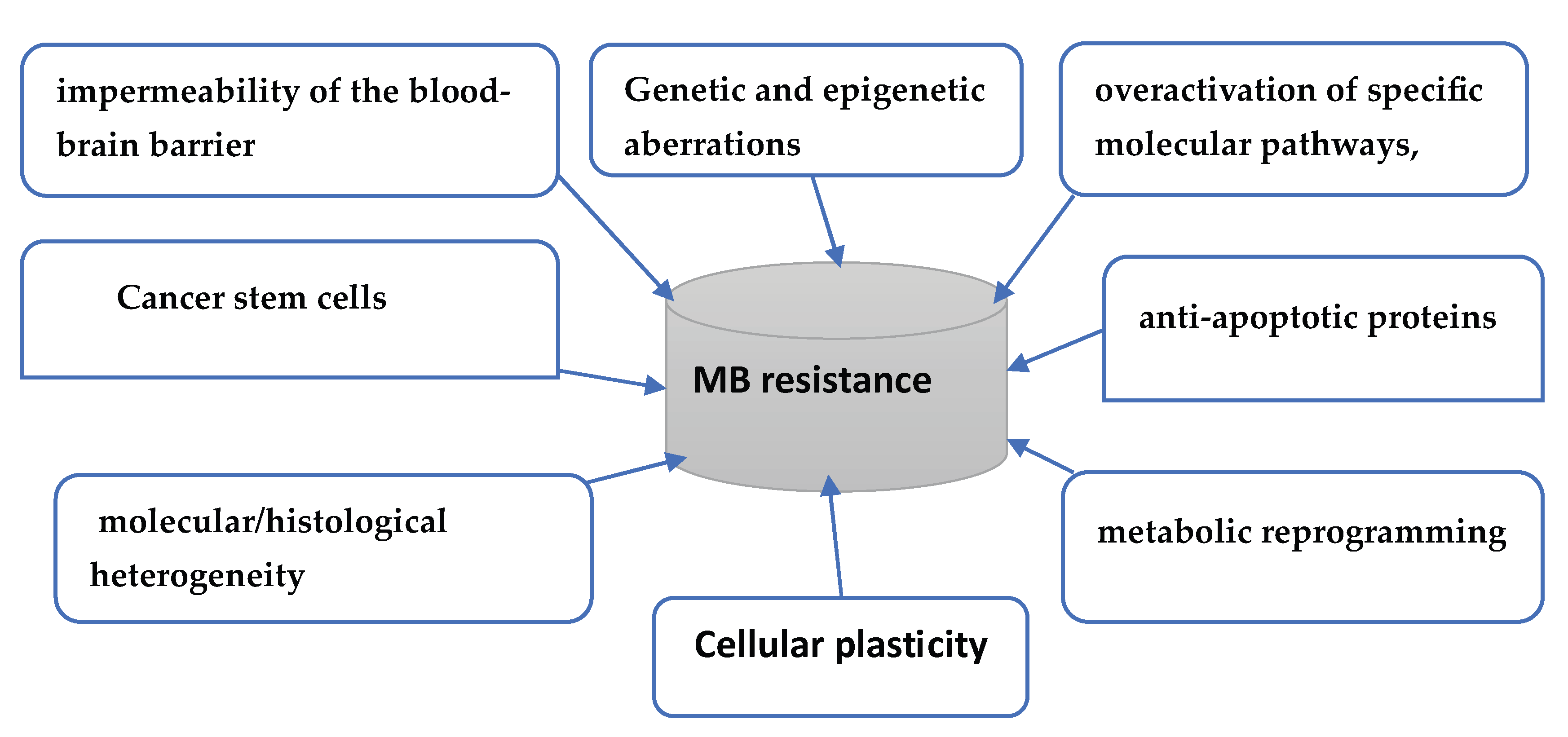
Figure 2.
schematic representation of the various steps leading to decision making leading to the design of a clinical trial based on cell therapy. CSF analyses provide the proteomic profile and other biomolecules shed by the disease into the CSF. Genetic sequences provide targetable mutations, while epigenetic analyses should identify relevant dysregulations associated with disease. The level of expression of B7-H3 is measured by Histochemical staining of the investigated tissues the.
Figure 2.
schematic representation of the various steps leading to decision making leading to the design of a clinical trial based on cell therapy. CSF analyses provide the proteomic profile and other biomolecules shed by the disease into the CSF. Genetic sequences provide targetable mutations, while epigenetic analyses should identify relevant dysregulations associated with disease. The level of expression of B7-H3 is measured by Histochemical staining of the investigated tissues the.
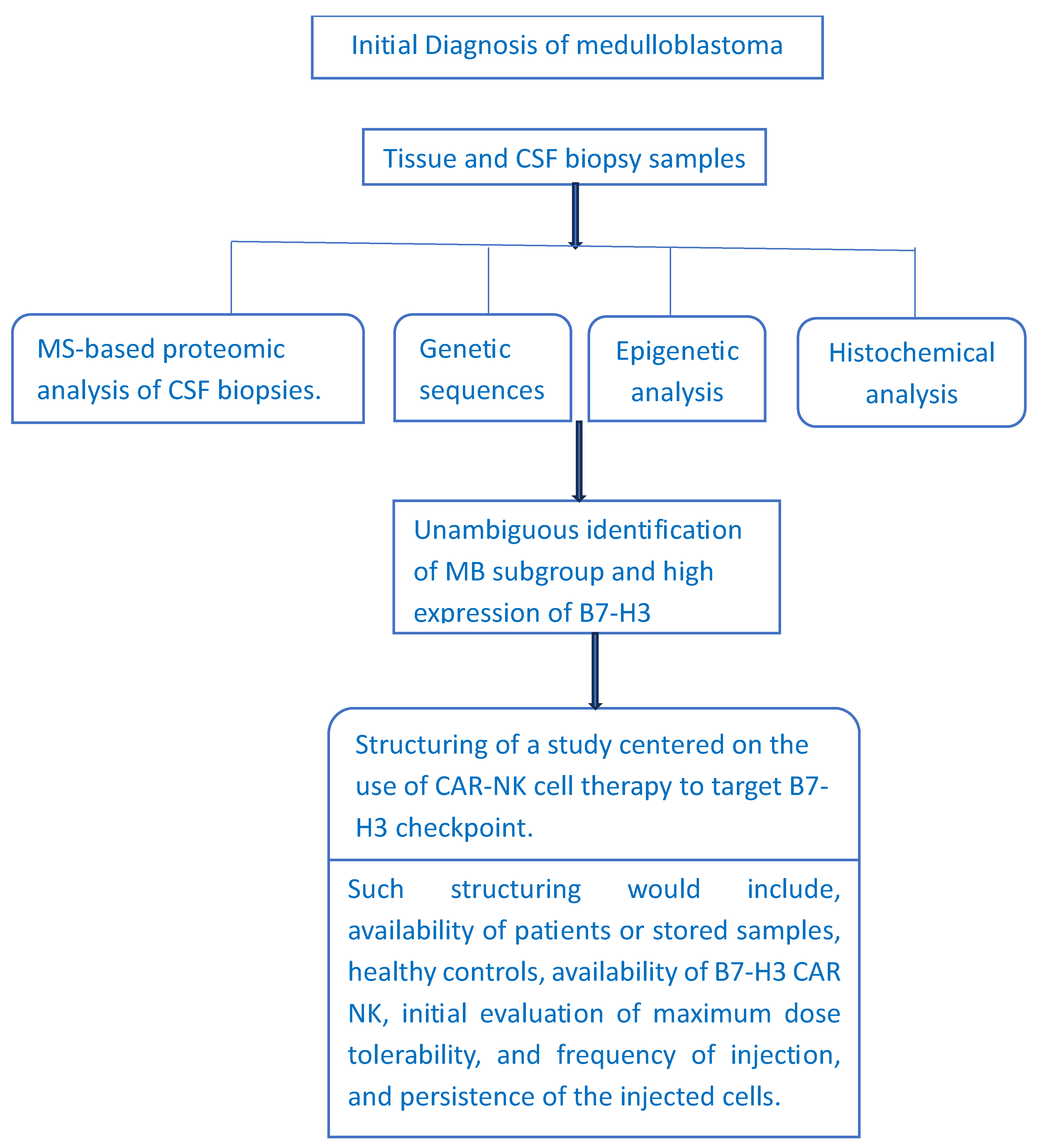
Table 2.
Ongoing trials to assess CAR T cell therapy in targeting certain antigens expressed by medulloblastoma cells.
Table 2.
Ongoing trials to assess CAR T cell therapy in targeting certain antigens expressed by medulloblastoma cells.
| Trial’s Identifier/Sponsor | Trial objective | Observations/Refs. |
|---|---|---|
| NCT05298995/ Gesù Hospital and Research Institute, ITALY NCT07087002/ Stanford University, USA NCT07390539/ Robbie MajznerDana-Farber Cancer Institute, USA. NCT05241392/ Beijing Tiantan Hospital, Cina NCT06061809/ImmunityBio, Inc. |
evaluate the safety and therapeutic efficacy of CAR.GD2 therapy in high-risk Medulloblastoma patients. Evaluate GPC2 Chimeric Antigen Receptor T (GPC2-CAR T) Cells for the treatment of Relapsed or Refractory Medulloblastoma in Children and Young Adults The purpose of this research study is to test the safety and effectiveness of a cell therapy at different doses for children and young adults with recurrent or progressive brain tumors. Evaluate the Safety/Preliminary Effectiveness and Determine the Maximal Tolerated Dose of B7-H3-targeting CAR-T Cell Therapy in Treating Recurrent Glioblastomas. Evaluate the safety and efficacy of NAI, PD-L1 t-haNK, and bevacizumab combination therapy in participants with recurrent or progressive glioblastoma (GMB) |
This a phase I clinical trial, designed to assess the safety and efficacy of 4.1BB-CD28 CAR T cell treatment targeting GD2 in pediatric or young adult patients affected by relapsed/refractory malignant central nervous system (CNS) tumors: started 2023, estimated primary completion,2027, estimated completion, 2038 Ciccone et al.2024 [69]. Single-site, open-label Phase 1 clinical trial to evaluate, safety, and efficacy of autologous GPC2-targeted chimeric antigen receptor CART cells in children and young adults with relapsed or refractory medulloblastoma or other eligible Central Nervous System (CNS) embryonal tumors. Study Start,2025-08, Primary Completion (Estimated) 2027-08 Study Completion (Estimated) 2027-08 [70] This is a single-institution, Phase 1/1b, open-label study, which uses B7-H3 CAR T cells therapy to treat some forms of recurrent or progressive brain tumors: Study start 07/2026, estimated primary completion,08/2030, estimated completion 08/2032 This is phase I open, single-arm, dose-escalation and multiple-dose study to evaluate the safety, tolerability and preliminary effectiveness of B7-H3-targeting Chimeric Antigen Receptor-T (CAR-T) cell therapy on patients with recurrent glioblastomas. Study Start 2022 Primary Completion estimated study completion [71]. This study consists of two parts: the first part is an open-label, single-arm study to evaluate the safety and efficacy of NAI, Pt-haNK, and bevacizumab combination therapy in participants with recurrent or progressive GBM. The second part consists of two experimental arms, in the firs,t participants with recurrent or progressive GBM: NAI, bevacizumab, and TTFields combination therapy, In the second arm, NAI, PD-L1 t-haNK, bevacizumab, and TTFields combination therapy is evaluated. Study start ,2024-08, primary completion (estimated) 2029-12, study completion (Estimated) 2030-12. |
Table 3.
Some ongoing clinical trials to assess the safety, and efficacy of natural killer cell therapy in treating various forms of cancer.
Table 3.
Some ongoing clinical trials to assess the safety, and efficacy of natural killer cell therapy in treating various forms of cancer.
| Trial’s Identifier/Sponsor | Observations |
|---|---|
| NCT05020678/ Nkarta, Inc. NCT05194709/ Wuxi People’s Hospital NCT02271711/ M.D. Anderson Cancer Center NCT05588453/Kari Kendra, (Ohio State University Comprehensive Cancer Center) NCT05962450/ Beijing YouAn Hospital |
This is a single arm, open-label, multi-center, Phase 1 study to determine the safety and tolerability of an experimental therapy called NKX019 (allogeneic CAR NK cells targeting CD19) in patients with relapsed/refractory non-Hodgkin lymphoma, chronic lymphocytic leukemia or B cell acute lymphoblastic leukemia. Study Start: 2021-08. Primary Completion, 2025-03(estimated), Study Completion 2038-12(estimated), Enrollment, 150 (Estimated). This study is an interventional, single arm, open-label, to evaluate the safety, tolerability, initial efficacy and pharmacokinetics of anti-5T4 CAR-NK cells in patients with advanced solid tumors. Study Start: Dec. 2021, Primary Completion, Dec..2022(estimated), Study Completion Dec,2022, enrollment 40(estimated). This is a phase I study to assess the safety, efficacy, side effects and maximum tolerated dose of administering autologous natural killer (NK) cells. These cells were administered directly into the ventricle in recurrent /refractory malignant posterior fossa tumors. Study Start: 2015-03, Primary Completion, 2020-08 Study Completion, 2020-08, enrollment,12. This phase I/II trial the safety and tolerability of UD TGFbetai NK cells in combination with temozolomide as a lymphodepleting agent in patients with melanoma metastatic to the brain and to determine the recommended phase 2 dose (RP2D). (Phase 1) II. To determine the intracranial response rate. (Phase 2) Study Start: 2023-03, Primary Completion, 2026-04, Study Completion 2026-04(estimated), enrollment, 30 (Estimated). The main objective of thisphase II clinical trial is to assess the efficacy and safety of autologous iNKT cells in patients with progressed hepatocellular carcinoma (HCC) after treatment with PD-1 antibody. Study start 10-.2023(estimated), Primary Completion 08-2025 (Estimated), Study Completion 08-2025 (Estimated), Enrollment (Estimated)84. |
Disclaimer/Publisher’s Note: The statements, opinions and data contained in all publications are solely those of the individual author(s) and contributor(s) and not of MDPI and/or the editor(s). MDPI and/or the editor(s) disclaim responsibility for any injury to people or property resulting from any ideas, methods, instructions or products referred to in the content. |
© 2026 by the authors. Licensee MDPI, Basel, Switzerland. This article is an open access article distributed under the terms and conditions of the Creative Commons Attribution (CC BY) license.
Copyright: This open access article is published under a Creative Commons CC BY 4.0 license, which permit the free download, distribution, and reuse, provided that the author and preprint are cited in any reuse.


