
Submitted:
15 April 2026
Posted:
17 April 2026
You are already at the latest version
Abstract
This study presents the first comprehensive molecular characterization of Escherichia coli producing extended-spectrum beta-lactamases (ESBL-Ec) in surface waters in Albania, focusing on the Shkumbini river. Antimicrobial resistance (AMR) in aquatic ecosystems poses a significant threat to public health, yet data from Albania remain scarce. Thirty water samples were collected from six locations near Elbasan between September 2022 and February 2024. Following the WHO Tricycle protocol, 52 ESBL-Ec isolates were recovered and characterized for antimicrobial susceptibility, biofilm formation, resistance genotypes and clonal relatedness via pulsed-field gel electrophoresis (PFGE). ESBL-Ec was detected in 80% of the samples analyzed, with 94.2% of the isolates classified as multidrug-resistant (MDR). High resistance frequencies were observed for ampicillin (98.1%) and cefotaxime (86.5%), while 7.7% of the isolates displayed colistin resistance associated with the mcr-3 gene. The blaCTX-M-1 genotype was the most prevalent (57.7%), and almost half of the isolates harbored multiple ESBL genes. Phylogroup A (46.2%) predominated, followed by the high-risk extraintestinal lineages B2 (23.1%) and D (11.5%). PFGE revealed high genetic heterogeneity, with 51 distinct pulsotypes indicating multiple sources of contamination, such as untreated municipal, agricultural and industrial waste. Additionally, 55.8% of the isolates were capable of forming biofilms. These results highlight the critical role of the Shkumbini river as a reservoir for highly resistant pathogens and emphasize the urgent need for integrated environmental surveillance and improved wastewater management in Albania.
Keywords:
ESBL
; antimicrobial resistance
; β-lactamase genes
; genotyping
; surface water
; phylogenetic groups
1. Introduction
Antimicrobial resistance is a critical global public health threat of the 21st century, challenging effective treatment across human and veterinary medicine and increasing morbidity, mortality, and healthcare costs [1]. The rapid dissemination of antimicrobial resistance genes (ARGs) among bacteria is primarily driven by the remarkable genomic plasticity of these microorganisms. This plasticity facilitates the acquisition of ARGs through horizontal gene transfer (HGT), a process that is facilitated by mobile genetic elements such as plasmids, integrons, transposons and insertion sequences [2,3].
In the field of AMR dissemination, the emergence of plasmid-mediated extended-spectrum beta-lactamases (ESBLs) has become a matter of significant concern, threatening the efficacy of third-generation cephalosporins for the treatment of multidrug-resistant Gram-negative infections [4]. Among Gram-negative pathogens, E. coli occupies a central position due to its dual role as a ubiquitous commensal organism and a major cause of both community- and hospital-acquired infections. Some pathotypes of this species, particularly the uropathogenic E. coli (UPEC) group identified as extraintestinal pathogenic E. coli (ExPEC,) have been linked to urinary tract infections, which have recently emerged as one of the most prevalent infectious diseases [5]. In recent decades, a substantial increase in the prevalence of E. coli strains that produce ESBLs has been observed in both clinical and non-clinical settings. The global dissemination of ESBL-producing E. coli (ESBL-Ec) is predominantly driven by the propagation of CTX-M-type β-lactamases, plasmid-mediated enzymes that confer resistance to a broad spectrum of β-lactams and are readily transferable among bacterial hosts [6].
Furthermore, of particular concern is the recent rise of E. coli isolates that are resistant to colistin, often mediated by the plasmid-borne mcr genes, which facilitate the horizontal transfer of resistance to this antibiotic [7]. Since then, numerous mcr variants have been detected in a variety of settings including clinical [8], agricultural, and environmental [9] contexts worldwide, while the co-occurrence of ESBL and mcr genes within the same isolates is particularly alarming, as it creates strains with severely limited therapeutic options and increases the likelihood of environmental-to-human transmission [10,11].
While ESBL-Ec was initially regarded primarily as a clinical problem, there has been a substantial shift in understanding, due to the recognition that resistant bacteria circulate across human, animal and environmental reservoirs. A plethora of studies have demonstrated the ubiquity of ESBL-Ec strains in livestock, wildlife, companion animals, food products, soil, and aquatic ecosystems [12,13]. It has been increasingly recognised that environmental compartments, particularly surface waters, function as pivotal interfaces for the accumulation, persistence, and dissemination of resistant bacteria and resistance genes [14]. A growing body of evidence shows that ESBL-Ec is prevalent in rivers worldwide, often carrying clinically relevant resistance determinants such as blaCTX-M-1, blaCTX-M-14, and blaCTX-M-15 [15,16]. The presence of human-associated sequence types, including ST131, ST10, ST38, and ST40, in surface waters underscores the contribution of wastewater contamination and highlights the potential for environmentally derived E. coli to pose risks to human and animal health. Surface water isolates frequently exhibit multidrug resistance, including co-resistance to fluoroquinolones, aminoglycosides, tetracyclines, and sulphonamides, illustrating the complexity of aquatic AMR ecology. Furthermore, the presence of plasmids, integrons, and transposons in aquatic E. coli has been demonstrated to promote horizontal gene transfer, thereby accelerating the dissemination of resistance determinants across bacterial populations [17,18,19].
In view of the role of rivers in the environmental dissemination of AMR, it is imperative that continuous surveillance and molecular characterization of indicator bacteria in these systems are implemented. In the context of the Western Balkans, the absence of established national surveillance programmes for antibiotic consumption and antimicrobial resistance in Albania severely limits informed clinical and public health responses. Consequently, analogous data concerning the prevalence and molecular characteristics of antibiotic resistance in surface water ecosystems across Albania are completely missing. This significant data gap underscores the great importance of environmental research in this area. Therefore, this study aimed to provide a comprehensive molecular characterization of ESBL-Ec isolates recovered from the Shkumbini river, a major watercourse that flows through densely populated areas and is subjected to discharges that potentially include urban and agricultural wastes. We determined the antimicrobial susceptibility profiles, identified the key ESBL-encoding genes and performed phylogenetic analysis to identify circulating high-risk clones and sequence types. The findings of this study will contribute vital baseline data, enhance the understanding of environmental AMR burden and inform future public health and water management strategies in the region.
2. Materials and Methods
2.1. Description of the Study Location and Sample Collection
From September 2022 to February 2024, a total of 30 samples were collected at four-month intervals from six sampling locations along a section of the Shkumbini river near Elbasan. The Shkumbini river, a major waterway in Albania, is 181 kilometers long with an average annual water flow of 61 cubic meters per second. It passes through urban centers, agricultural zones, and industrial areas before reaching the Adriatic Sea (Figure 1). Sampling points were selected both upstream and downstream of Elbasan, a city with a population of 296,000, based on the World Health Organization Tricycle Protocol for global surveillance on ESBL-Ec, which suggests methodology for site selection at city level [20]. In all cases, 500 mL of water samples were collected in sterile plastic containers at a depth of approximately 30 cm below the water surface. The samples were then transported to the laboratory on ice and processed within 24 hours of collection.
2.2. Collection of Isolates
The isolation of ESBL-Ec was performed using the membrane filtration method, following the World Health Organization Tricycle Protocol, a standardized approach for detecting ESBL-Ec [20]. Water samples of 100 mL were filtered through 0.45 μm filters, after which the filter membranes were placed on tryptone bile X-glucuronide agar (TBX) plates supplemented with 4 µg/mL cefotaxime (CTX; Sigma-Aldrich, St. Louis, MI, USA). The plates were then incubated for 24 h at 37 °C. Colonies exhibiting blue or blue-green pigmentation on chromogenic agar were identified as potential ESBL-Ec and subjected to further investigation. Three morphologically diverse colonies from each plate were initially transferred to TBX agar and further processed to confirm species identification. This confirmation process involved assessment of indole production, using the BBL Dry SlideTM (BD) method, together with the determination of phenotypic evidence of ESBL production through the double disk synergy test (DDST) performed on Mueller-Hinton agar (Merck, Darmstadt, Germany), in accordance with EUCAST guidelines [21]. ESBL-Ec isolates were preserved at –70 °C in TS broth, with the addition of 20% (v/v) glycerol, until further analysis. E. coli ATCC 25922 was used as the control strain for the methodology.
2.3. Antimicrobial Susceptibility Profiles of ESBL-Ec
A total of 15 antimicrobial agents were tested against ESBL-Ec isolates using the standard disc diffusion method on Mueller–Hinton agar (Merck, Darmstadt, Germany) with commercially available discs (Oxoid, Basingstoke, UK), except for colistin, which was tested by broth microdilution to determine the minimum inhibitory concentration (MIC). The antimicrobial agents employed in this study encompassed a range of classes, including the penicillin ampicillin (AMP, 10 μg), the penicillin and β-lactamase inhibitor amoxicillin with clavulanic acid (AMC, 30 μg), the cephamycin cefoxitin (FOX 30 μg), the cephalosporins cefotaxime (CTX, 5 μg) and ceftazidime (CAZ, 10 μg), the monobactam aztreonam (ATM, 30 μg), the carbapenems meropenem (MEM, 10 μg) and imipenem (IMP, 10 μg), the tetracycline tetracycline (TET, 30 μg), the fluoroquinolone ciprofloxacin (CIP, 5 μg), the aminoglycosides gentamicin (CN, 10 μg) and streptomycin (S, 10 μg), the phenicol chloramphenicol (C, 30 μg), the folate pathway inhibitor sulfamethoxazole and trimethoprim (SXT, 25 μg), and the polymyxin colistin (COL).
The estimation of the antimicrobial susceptibility of the isolates was performed according to EUCAST breakpoint criteria [22], except for tetracycline, which was evaluated according to CLSI guidelines [23]. To ensure the accuracy and reproducibility of antimicrobial susceptibility testing, E. coli ATCC 25922 was included in each run as a negative control. Strains exhibiting resistance to three or more antibiotic classes were classified as MDR [24].
2.4. Assessment of Biofilm Formation Ability of ESBL-Ec
The biofilm-forming ability of ESBL-Ec isolates was evaluated using the semi-quantitative microtiter plate assay, as previously described [25], with minor modifications. Briefly, each isolate was cultivated overnight in tryptic soy broth (TSB) at 37 °C, then diluted to 108 CFU/mL using TSB supplemented with 1% (w/v) glucose to enhance biofilm formation. A total of 200 µL of the diluted suspension was dispensed into triplicate wells of a sterile 96-well flat-bottom polystyrene microplate. Wells containing sterile broth alone served as negative controls. Subsequently, the plates were incubated at 37 °C for 24 h under static conditions with the objective of enabling the formation of biofilms. After incubation, the planktonic cells were gently removed, and the wells were washed three times with sterile phosphate-buffered saline (PBS, pH 7.2) to remove non-adherent bacteria. The remaining attached biofilms were stained by adding 100 μL of 0.3% (w/v) crystal violet solution for 15 min. Excess stain was removed by washing the plates under running distilled water, and the plates were air-dried at room temperature. The bound crystal violet was solubilized by adding 200 µL of 33% (v/v) glacial acetic acid to each well after which the optical density (OD) of the adherent biofilms was measured at 570 nm using a microplate reader. Biofilm production was classified according to the optical density cut-off (ODc), defined as three standard deviations above the mean OD of the negative control. Isolates were categorized as non-biofilm producers (OD ≤ ODc), weak (ODc < OD ≤ 2×ODc), moderate (2×ODc < OD ≤ 4×ODc), or strong biofilm producers (OD > 4×ODc) [26]. Each assay was performed in triplicate, and mean OD values were calculated.
2.5. Pulsed-Field Gel Electrophoresis Genotyping
The clonal relatedness of ESBL-Ec isolates was assessed using pulsed-field gel electrophoresis (PFGE) following the standardized PulseNet protocol for E. coli, with the XbaI as restriction enzyme [27]. Restricted DNA fragments were separated using a CHEF-DR III instrument (Bio-Rad Laboratories Inc., Hercules, CA, USA). Salmonella enterica serovar Braenderup H9812 digested with XbaI was used as the molecular size standard, while PFGE patterns were digitally analyzed using the FPQuest (Bio-Rad Laboratories Pty Ltd. Hercules, CA, USA) software package. Banding patterns were compared using the Dice similarity coefficient with 1.5% optimization and 1.5% band-position tolerance. Cluster analysis was performed by the Unweighted Pair Group Method using Averages (UPGMA). Two PFGE profiles were designated as indistinguishable if the DNA fragment patterns matched completely, while clusters were defined using a cutoff at the 57% level of genetic similarity.
2.6. Detection of Resistance Genes and Phylogenetic Typing
ESBL-Ec strains were characterized with respect to their phylogenetic group and the genetic basis of ESBL production. For this purpose, genomic DNA was extracted from overnight cultures using a commercial bacterial DNA extraction kit (Invitrogen, Carlsbad, CA, USA), according to the manufacturer’s instructions, and stored at −20 °C until use.
Phylogenetic grouping of ESBL-Ec isolates was performed using a multiplex PCR method as previously described [28]. The isolates were assigned to groups A, B1, B2, C, D, E, or F, targeting the the arpA, chuA, yjaA, and TspE4.C2 genetic markers. The presence of major β-lactamase gene families associated with ESBL production in ESBL-Ec isolates was investigated by multiplex PCR. Detection of seven β-lactamase gene families, including blaCTX-M-1 group, blaCTX-M-2 group, blaCTX-M-9 group, blaCTX-M group 8/25, blaOXA-1-like, blaSHV, and blaTEM, was achieved using specific primers and conditions as previously described [29]. Furthermore, ESBL-Ec isolates exhibiting resistance to colistin (R> 2 mg/L) were subjected to multiplex PCR analysis to ascertain the presence of mcr-1, -2, -3, -4, and -5 [30]
3. Results
3.1. Prevalence of ESBL-Ec
A total of 52 isolates exhibiting ESBL production were recovered from water samples from the Shkumbini river. ESBL-Ec was found in 80.0% (24/30) of water samples originating from all sampling points.
3.2. Phenotypic Characterization of ESBL-Ec-Antibiotic Resistance Profiling and Biofilm Formation Ability
According to antimicrobial susceptibility testing of the 52 ESBL-Ec isolates, all displayed resistance to at least three of the tested antimicrobials, resulting in 42 distinct antimicrobial resistance profiles (ARP). Among these ARP, only one type (AMC CTX CAZ ATM CIP S SXT C AMP TET) was observed in five out of the six sampling points (Table 1).
Higher resistance frequencies were observed against penicillins (AMP, 98.1%), aminoglycosides (S, 98.1%; CN, 28.8%), cephalosporins (CTX, 86.5%; CAZ, 55.8%) and the monobactam aztreonam (ATM, 80.8%), followed by penicillin and β-lactamase inhibitors (AMC, 63.0%), tetracyclines (TET, 51.9%), phenicols (C, 48.1%), fluoroquinolones (CIP, 38.5%), folate pathway inhibitors (SXT, 36.5%), cephamycins (FOX, 11.5%), and carbapenems (MEM, 9.6%; IMP, 1.9%). Additionally, resistance to colistin (COL) was noted in four isolates (Figure 2). Regarding classification based on multidrug resistance, 49 out of 52 ESBL-Ec isolates (94.2%) were resistant to three or more different antimicrobial classes and could therefore be characterized as MDR (Figure 3).
The biofilm formation assay differentiated ESBL-Ec isolates into three categories: moderate, weak and non-producers (Table 2). The majority of isolates were characterized as weak biofilm producers (48.1%, 25/52), followed by isolates with no biofilm formation capacity (44.2%, 23/52) and moderate biofilm formation capacity (7.7%, 4/52).
3.3. Distribution of ESBL Genotypes and Phylogenetic Groups
Among the 52 ESBL-Ec isolates, five of the seven gene families analyzed by conventional PCR were detected in 75% (39 out of 52) of the isolates with 43.6% (17 out of 39) of these harboring more than one gene. The blaCTX-M-1 gene family (57.7%; n=30) was the most prevalent followed by blaTEM (30.8%; n=16), blaOXA-1-like (11.5%; n=6) and blaCTX-M-9 (11.5%; n=6), while the blaCTX-M-2, blaCTX-M group 8/25, and blaSHV genes were not detected. Regarding the presence of colistin resistance genes, the four isolates exhibiting the colistin-resistant phenotype were found to carry the mcr-3 gene. Analysis of the isolates’ phylogenetic grouping revealed that the majority were assigned to the Clermont phylogroup A (46.2%; 24/52), followed by B2 (23.1%; 12/52), D (11.5%; 6/52), B1 (9.6%; 5/52), C (5.8%; 3/52), and E (3.8%; 2/52). (Table 2).
3.4. ESBL-Ec Strains Genetic Relatedness
Of the 52 ESBL-Ec isolates, 51 were successfully typed by PFGE following digestion with the restriction enzyme XbaI. This analysis yielded 51 distinct pulsotypes (Figure 4). At a similarity level of 57% or higher, most isolates (84.3%, 43/51) were grouped into 13 clusters (CL1-13), comprising isolates from different sampling points. Notably, no common pulsotypes were identified among isolates from the same or different sampling points.
4. Discussion
This study presents the first comprehensive phenotypic and molecular characterization of ESBL-Ec in surface waters of Albania, focusing on the Shkumbini river. Detection of ESBL-Ec in 80% of the analyzed water samples indicates widespread contamination of this aquatic ecosystem with antimicrobial-resistant bacteria. The Shkumbini river is considered highly polluted, flowing through urban settlements, agricultural areas, and industrial zones, all of which are potential sources of fecal contamination and antibiotic residues that may contribute to the persistence and proliferation of resistant bacteria in the aquatic environment [31,32]. The high prevalence of ESBL-Ec may also reflect the high daily doses per 1,000 inhabitants of antibiotics consumed in Albania, due to high rates of self-purchasing of antibiotics in the country [33]. These findings provide further evidence supporting the hypothesis that surface waters serve as reservoirs and dissemination pathways for antimicrobial resistance determinants and resistant bacterial populations. The high prevalence of ESBL-Ec observed in this study is consistent with reports from river systems worldwide, where surface waters frequently receive untreated or partially treated municipal wastewater, hospital effluents, and agricultural runoff containing resistant microorganisms. Similarly high detection rates have been reported in river systems worldwide, suggesting that anthropogenic activities play a pivotal role in the environmental dissemination of ESBL-producing Enterobacterales [16,34].
By assessing the antimicrobial susceptibility profile of ESBL-Ec, a wide variation in resistance profiles was observed (42 ARPs among 52 isolates) within the Shkumbini river. This likely reflects differential selection pressures due to intensive use of antimicrobials; an increase in the combined consumption of cephalosporins and quinolones (22–37%) between 2011 and 2015 in Albania has been reported [35]. Moreover, the majority of isolates (94.2%) were classified as MDR, indicating resistance to three or more antimicrobial classes. Such high MDR rates have also been reported in ESBL-Ec recovered from rivers and wastewater treatment plant effluents in several regions of Europe and Asia, emphasizing the role of aquatic environments as reservoirs of clinically relevant resistance phenotypes [36].
Nearly all isolates demonstrated resistance to ampicillin, and a significant proportion showed resistance to third-generation cephalosporins, reflecting the selective pressure exerted by β-lactam antibiotic use. The high prevalence of resistance to ampicillin and third-generation cephalosporins among E. coli isolates from the Shkumbini river is a matter of profound clinical and epidemiological concern. Ampicillin is widely used to treat various infections in both animals and humans [37], while the WHO has classified third-generation cephalosporin-resistant Enterobacterales as “Critical Priority” pathogens due to their significant global health implications, including high rates of treatment failure and increased healthcare costs [38].
The detection of carbapenem-resistant ESBL-Ec in the Shkumbini river, particularly resistance to meropenem (9.6%) and imipenem (1.9%), is a critical public health finding of this study, as it is associated with increased morbidity and mortality in clinical settings. Carbapenems are considered last-resort antibiotics for treating severe infections caused by multidrug-resistant Gram-negative bacteria [39]. The emergence of carbapenem resistance among ESBL-producing strains indicates the accumulation of multiple resistance mechanisms, often mediated by mobile genetic elements such as plasmids carrying carbapenemase genes, and significantly limits therapeutic options [40]. Although carbapenems are primarily reserved for human medicine and are not widely used in veterinary practice, previous studies have reported the isolation of Enterobacterales that are both ESBL-producing and carbapenem-resistant from surface waters, suggesting indirect selective pressures, likely driven by the discharge of hospital effluents, municipal wastewater, and inadequately treated sewage [41,42].
Of particular concern is the detection of colistin resistance in 7.7% (n = 4) of the ESBL-Ec isolates from the Shkumbini river, specifically associated with the carriage of the plasmid-mediated mcr-3 gene. Several studies have reported the emergence of mobile colistin resistance genes in environmental bacteria, which represents a significant public health concern because these determinants can be readily transferred among bacterial populations via horizontal gene transfer [43]. The co-occurrence of ESBL production and plasmid-mediated colistin resistance further reduces therapeutic options and increases the risk of environmental reservoirs contributing to the dissemination of highly resistant pathogens. In the context of the Shkumbini river, which receives untreated municipal wastewater from urban centres such as Elbasan and provides irrigation to agricultural land [31,44,45] the detection of multiple-resistant strains may reflect that, in Albania, Enterobacteriaceae isolated from farm animals show extremely high levels of resistance to multiple antimicrobials [46]. The Institute for Health Metrics and Evaluation (IHME) has reported that the number of AMR deaths in Albania exceeds the number of deaths from chronic respiratory diseases, digestive diseases, diabetes and kidney diseases, respiratory infections and tuberculosis [47]. Additionally, the main resistance challenge in the country appears to be linked with Gram-negative organisms, particularly ESBL-producing Enterobacteriaceae [48]. This underscores the significance of river waters as a prospective reservoir and environmental-to-human transmission route of these critical resistance determinants.
The molecular characterization of ESBL genes revealed a clear predominance of the blaCTX-M-1 group, detected in more than half of the isolates (57.7%). CTX-M-type enzymes are now the most widespread ESBLs globally and are frequently associated with both clinical and environmental E. coli strains. Their dominance in this study aligns with numerous environmental surveys demonstrating that CTX-M-type β-lactamases, particularly those in the CTX-M-1 group, are the primary drivers of ESBL dissemination in aquatic ecosystems [49,50]. The detection of additional ESBL determinants such as blaTEM, blaOXA-1-like, and blaCTX-M-9 is consistent with previous studies showing the genetic diversity of β-lactamase genes circulating in this environment [2,51]. Genetic diversity analysis by PFGE revealed a high level of heterogeneity among the ESBL-Ec isolates; all strains exhibited distinct pulsotypes, and no identical PFGE profiles were observed among isolates collected from different sampling points, indicating that the river is exposed to a wide range of genetically distinct ESBL-Ec strains. Taken together, the results of the molecular characterization of the isolates, regarding both the genetic heterogeneity among the ESBL-Ec isolates and the genetic diversity of β-lactamase genes detected, indicate the introduction into the river of resistant bacteria from multiple contamination sources, such as domestic sewage, livestock operations, and industrial and hospital discharges [52,53].
In order to ascertain the virulence potential of ESBL-Ec, the isolates were characterized with respect to their phylogenetic group and their ability to form biofilms. Phylogenetic analysis revealed that most isolates belonged to phylogroup A, followed by B2 and D. Phylogroup A is typically associated with commensal strains that are widely distributed in environmental reservoirs, while groups B2 and D are commonly linked to extraintestinal pathogenic E. coli (ExPEC) [54,55]. The ability to form biofilms is an important virulence trait of bacteria that enhances their survival in aquatic environments [56] and enables them to cause persistent urinary tract infections [57]; assays to quantify biofilm formation have been suggested as a possible method for screening pathogenic enteroaggregative E. coli (EAEC) strains [54]. In the present study, almost half of the isolates exhibited weak biofilm-forming ability (48.1%), while a smaller proportion showed moderate biofilm production (7.7%). Despite the absence of strong biofilm producers, the detection of biofilm-forming strains and potentially pathogenic phylogenetic lineages indicates that the Shkumbini river waters can act as reservoirs for ESBL-Ec strains capable of causing human infections [58].
5. Conclusions
The results of this study demonstrate that the Shkumbini river represents an important environmental reservoir of MDR and ESBL-Ec. The combination of high prevalence, diverse resistance gene profiles, and genetic heterogeneity suggests ongoing contamination from multiple anthropogenic sources. From a public health perspective, the presence of ESBL-producing, carbapenem- and colistin-resistant E. coli in surface waters raises concerns about potential human exposure through recreational water activities, crop irrigation, and contamination of drinking water resources. These findings highlight the importance of implementing integrated environmental surveillance programmes to monitor antimicrobial resistance in aquatic ecosystems. In countries such as Albania, where national AMR surveillance systems are still developing, environmental monitoring can provide valuable insights into the circulation and spread of resistant bacteria. Future research should expand surveillance to additional river systems, wastewater treatment plants, and coastal environments to better understand the dynamics of antimicrobial resistance dissemination in the region.
Author Contributions
Conceptualization, C.K. and I.K.; methodology, F.P., T.P, and E.D.; formal analysis, E.L. and F.S.; investigation, C.K. and F.P.; resources, C.K. and I.K.; data curation, A.P., and E.D.; writing—original draft preparation, C.K., I.K., F.P. and V.G.; writing—review and editing, C.K., F.P., I.K., E.L. and T.P.; visualization, T.P; supervision, C.K. and I.K.; project administration, C.K. All authors have read and agreed to the published version of the manuscript.
Funding
This research received no external funding.
Institutional Review Board Statement
Not applicable.
Data Availability Statement
The original contributions presented in this study are included in the article. Further inquiries can be directed to the corresponding authors.
Conflicts of Interest
The authors declare that they have no conflicts interests.
References
- Naghavi, M.; Vollset, S.E.; Ikuta, K.S.; Swetschinski, L.R.; Gray, A.P.; Wool, E.E.; Robles Aguilar, G.; Mestrovic, T.; Smith, G.; Han, C.; et al. Global Burden of Bacterial Antimicrobial Resistance 1990–2021: A Systematic Analysis with Forecasts to 2050. The Lancet 2024, 404, 1199–1226. [Google Scholar] [CrossRef]
- Hooban, B.; Joyce, A.; Fitzhenry, K.; Chique, C.; Morris, D. The Role of the Natural Aquatic Environment in the Dissemination of Extended Spectrum Beta-Lactamase and Carbapenemase Encoding Genes: A Scoping Review. Water Res. 2020, 180. [Google Scholar] [CrossRef] [PubMed]
- Partridge, S.R.; Kwong, S.M.; Firth, N.; Jensen, S.O. Mobile Genetic Elements Associated with Antimicrobial Resistance. Clin. Microbiol. Rev. 2018, 31, 1–61. [Google Scholar] [CrossRef]
- Husna, A.; Rahman, M.M.; Badruzzaman, A.T.M.; Sikder, M.H.; Islam, M.R.; Rahman, M.T.; Alam, J.; Ashour, H.M. Extended-Spectrum β-Lactamases (ESBL): Challenges and Opportunities. Biomedicines 2023, 11. [Google Scholar] [CrossRef] [PubMed]
- Lindblom, A.; Kiszakiewicz, C.; Kristiansson, E.; Yazdanshenas, S.; Kamenska, N.; Karami, N.; Åhrén, C. The Impact of the ST131 Clone on Recurrent ESBL-Producing E. Coli Urinary Tract Infection: A Prospective Comparative Study. Sci. Rep. 2022, 12. [Google Scholar] [CrossRef] [PubMed]
- Peirano, G.; Endimiani, A.; Pitout, J.D.D. CTX-M-Producing Escherichia Coli: History, Molecular Epidemiology and Laboratory Detection. Infect. Drug Resist. 2025, 18, 6549–6560. [Google Scholar] [CrossRef]
- MacNair, C.R.; Stokes, J.M.; Carfrae, L.A.; Fiebig-Comyn, A.A.; Coombes, B.K.; Mulvey, M.R.; Brown, E.D. Overcoming Mcr-1 Mediated Colistin Resistance with Colistin in Combination with Other Antibiotics. Nat. Commun. 2018, 9. [Google Scholar] [CrossRef]
- Dadashi, M.; Sameni, F.; Bostanshirin, N.; Yaslianifard, S.; Khosravi-Dehaghi, N.; Nasiri, M.J.; Goudarzi, M.; Hashemi, A.; Hajikhani, B. Global Prevalence and Molecular Epidemiology of Mcr-Mediated Colistin Resistance in Escherichia Coli Clinical Isolates: A Systematic Review. J. Glob. Antimicrob. Resist. 2022, 29, 444–461. [Google Scholar] [CrossRef]
- Gharaibeh, M.H.; Shatnawi, S.Q. An Overview of Colistin Resistance, Mobilized Colistin Resistance Genes Dissemination, Global Responses, and the Alternatives to Colistin: A Review. Vet. World 2019, 12, 1735–1746. [Google Scholar] [CrossRef]
- Touati, A.; Ibrahim, N.A.; Mairi, A.; Kirat, H.; Basher, N.S.; Idres, T. One Health at Risk: Plasmid-Mediated Spread of Mcr-1 Across Clinical, Agricultural, and Environmental Ecosystems. Antibiotics 2025, 14. [Google Scholar] [CrossRef]
- Mmatli, M.; Mbelle, N.M.; Osei Sekyere, J. Global Epidemiology, Genetic Environment, Risk Factors and Therapeutic Prospects of Mcr Genes: A Current and Emerging Update. Front. Cell. Infect. Microbiol. 2022, 12. [Google Scholar] [CrossRef] [PubMed]
- Maric, L.; Rupnik, M.; Janezic, S. Diversity of ESBL-Producing E. Coli in Various Water and Sediment Types. PLoS One 2025, 20. [Google Scholar] [CrossRef] [PubMed]
- Ribeiro, L.F.; Nespolo, N.M.; Rossi, G.A.M.; Fairbrother, J.M. Exploring Extended-Spectrum Beta-Lactamase (ESBL)-Producing Escherichia Coli in Food-Producing Animals and Animal-Derived Foods. Pathogens 2024, 13. [Google Scholar] [CrossRef] [PubMed]
- Zurfluh, K.; Hächler, H.; Nüesch-Inderbinen, M.; Stephan, R. Characteristics of Extended-Spectrum β-Lactamase- and Carbapenemase-Producing Enterobacteriaceae Isolates from Rivers and Lakes in Switzerland. Appl. Environ. Microbiol. 2013, 79, 3021–3026. [Google Scholar] [CrossRef]
- Kutilova, I.; Medvecky, M.; Leekitcharoenphon, P.; Munk, P.; Masarikova, M.; Davidova-Gerzova, L.; Jamborova, I.; Bortolaia, V.; Pamp, S.J.; Dolejska, M. Extended-Spectrum Beta-Lactamase-Producing Escherichia Coli and Antimicrobial Resistance in Municipal and Hospital Wastewaters in Czech Republic: Culture-Based and Metagenomic Approaches. Environ. Res. 2021, 193. [Google Scholar] [CrossRef]
- Cho, S.; Jackson, C.R.; Frye, J.G. Freshwater Environment as a Reservoir of Extended-Spectrum β-Lactamase-Producing Enterobacteriaceae. J. Appl. Microbiol. 2023, 134. [Google Scholar] [CrossRef]
- Meena, P.R.; Priyanka, P.; Singh, A.P. Extraintestinal Pathogenic Escherichia Coli (ExPEC) Reservoirs, and Antibiotics Resistance Trends: A One-Health Surveillance for Risk Analysis from “Farm-to-Fork.”. Lett. Appl. Microbiol. 2023, 76. [Google Scholar] [CrossRef]
- Chen, P.A.; Hung, C.H.; Huang, P.C.; Chen, J.R.; Huang, I.F.; Chen, W.L.; Chiou, Y.H.; Hung, W.Y.; Wang, J.L.; Cheng, M.F. Characteristics of CTX-M Extendedspectrum β-Lactamase-Producing Escherichia Coli Strains Isolated from Multiple Rivers in Southern Taiwan. Appl. Environ. Microbiol. 2016, 82, 1889–1897. [Google Scholar] [CrossRef]
- Rozwandowicz, M.; Brouwer, M.S.M.; Fischer, J.; Wagenaar, J.A.; Gonzalez-Zorn, B.; Guerra, B.; Mevius, D.J.; Hordijk, J. Plasmids Carrying Antimicrobial Resistance Genes in Enterobacteriaceae. Journal of Antimicrobial Chemotherapy 2018, 73, 1121–1137. [Google Scholar] [CrossRef]
- WHO Integrated Global Surveillance on ESBL-Producing E. coli Using a “One Health” Approach. Available online: https://www.who.int/publications/i/item/who-integrated-global-surveillance-on-esbl-producing-e.-coli-using-a-one-health-approach (accessed on 20 February 2026).
- The European Committee on Antimicrobial Susceptibility Testing. EUCAST guidelines for detection of resistance mechanisms and specific resistances of clinical and/or epidemiological importance, Version 2.0. Available online: https://www.eucast.org/bacteria/important-additional-information/resistance-detection/ (accessed on 20 February 2026).
- The European Committee on Antimicrobial Susceptibility Testing. Breakpoint tables for interpretation of MICs and zone diameters, Version 16.0. Available online: http://www.eucast.org/clinical_breakpoints<b>/</b> (accessed on 23 February 2026).
- Clinical and Laboratory Standards Institute. M07-A9: Methods for Dilution Antimicrobial Susceptibility Tests for Bacteria That Grow Aerobically; Approved Standard, 9th ed.; Clinical and Laboratory Standards Institute: Wayne, PA, USA, 2018; ISBN 1-56238-783-9. [Google Scholar]
- Magiorakos, A.P.; Srinivasan, A.; Carey, R.B.; Carmeli, Y.; Falagas, M.E.; Giske, C.G.; Harbarth, S.; Hindler, J.F.; Kahlmeter, G.; Olsson-Liljequist, B.; et al. Multidrug-Resistant, Extensively Drug-Resistant and Pandrug-Resistant Bacteria: An International Expert Proposal for Interim Standard Definitions for Acquired Resistance. Clinical Microbiology and Infection 2012, 18, 268–281. [Google Scholar] [CrossRef]
- Stepanovic, S.; Vukovic, D.; Hola, V.; DI Bonaventura, G.; Djukic, S.; Ruzicka, F.; Bonaventura, D.G. The Authors Printed in Denmark. All rights reserved Journal Compilation C 2007, 115, 891–900. [Google Scholar]
- Borges, S.; Silva, J.; Teixeira, P. Survival and Biofilm Formation by Group B Streptococci in Simulated Vaginal Fluid at Different PHs. Antonie van Leeuwenhoek, International Journal of General and Molecular Microbiology 2012, 101, 677–682. [Google Scholar] [CrossRef] [PubMed]
- Sonnei, Shigella; Flexneri, Shigella; CDC PulseNet. Standard Operating Procedure for PulseNet PFGE of Escherichia coli O157: H7, Escherichia coli non-O157 (STEC), Salmonella Serotypes; PNL05 Centers for Disease Control and Prevention: Atlanta, GA, USA, 2017; Volume 157, pp. 1–16. [Google Scholar]
- Clermont, O.; Christenson, J.K.; Denamur, E.; Gordon, D.M. The Clermont Escherichia Coli Phylo-Typing Method Revisited: Improvement of Specificity and Detection of New Phylo-Groups. Environ. Microbiol. Rep. 2013, 5, 58–65. [Google Scholar] [CrossRef] [PubMed]
- Dallenne, C.; da Costa, A.; Decré, D.; Favier, C.; Arlet, G. Development of a Set of Multiplex PCR Assays for the Detection of Genes Encoding Important β-Lactamases in Enterobacteriaceae. Journal of Antimicrobial Chemotherapy 2010, 65, 490–495. [Google Scholar] [CrossRef]
- Rebelo, A.R.; Bortolaia, V.; Kjeldgaard, J.S.; Pedersen, S.K.; Leekitcharoenphon, P.; Hansen, I.M.; Guerra, B.; Malorny, B.; Borowiak, M.; Hammerl, J.A.; et al. Multiplex PCR for Detection of Plasmid-Mediated Colistin Resistance Determinants, Mcr-1, Mcr-2, Mcr-3, Mcr-4 and Mcr-5 for Surveillance Purposes. Eurosurveillance 2018, 23. [Google Scholar] [CrossRef]
- Bekteshi, L.; Hoxha, B.; Gega, N.; Karamelo, P. THE IMPACT OF URBAN AND INDUSTRIAL ACTIVITY IN THE POLLUTION OF SHKUMBINI RIVER. International Conference on Applied Engineering and Natural Sciences 2023, 1, 1066–1070. [Google Scholar] [CrossRef]
- Sulce, S.; Rroco, E.; Malltezi, J.; Shallari, S.; Libohova, Z.; Sinaj, S.; Qafoku, N. Water Quality in Albania: An Overview of Sources of Contamination and Controlling Factors. Albanian j. agric. sci. Special edition – Proceedings of ICOALS 2018, 2, 279–297. [Google Scholar]
- Hoxha, I.; Malaj, A.; Kraja, B.; Bino, S.; Oluka, M.; Marković-Peković, V.; Godman, B. Are Pharmacists’ Good Knowledge and Awareness on Antibiotics Taken for Granted? The Situation in Albania and Future Implications across Countries. J. Glob. Antimicrob. Resist. 2018, 13, 240–245. [Google Scholar] [CrossRef]
- Fagerström, A.; Mölling, P.; Khan, F.A.; Sundqvist, M.; Jass, J.; Söderquist, B. Comparative Distribution of Extended-Spectrum Beta-Lactamase–Producing Escherichia Coli from Urine Infections and Environmental Waters. PLoS One 2019, 14. [Google Scholar] [CrossRef]
- Robertson, J.; Iwamoto, K.; Hoxha, I.; Ghazaryan, L.; Abilova, V.; Cvijanovic, A.; Pyshnik, H.; Darakhvelidze, M.; Makalkina, L.; Jakupi, A.; et al. Antimicrobial Medicines Consumption in Eastern Europeand Central Asia – An Updated Cross-National Study and Assessment of QuantitativeMetrics for Policy Action. Front. Pharmacol. 2019, 9. [Google Scholar] [CrossRef]
- Aguilar-Salazar, A.; Martínez-Vázquez, A.V.; Aguilera-Arreola, G.; de Jesus de Luna-Santillana, E.; Cruz-Hernández, M.A.; Escobedo-Bonilla, C.M.; Lara-Ramírez, E.; Sánchez-Sánchez, M.; Guerrero, A.; Rivera, G.; et al. Prevalence of ESKAPE Bacteria in Surface Water and Wastewater Sources: Multidrug Resistance and Molecular Characterization, an Updated Review. Water (Switzerland) 2023, 15. [Google Scholar] [CrossRef]
- Van Duijkeren, E.; Schwarz, C.; Bouchard, D.; Catry, B.; Pomba, C.; Baptiste, K.E.; Moreno, M.A.; Rantala, M.; Ružauskas, M.; Sanders, P.; et al. The Use of Aminoglycosides in Animals within the EU: Development of Resistance in Animals and Possible Impact on Human and Animal Health: A Review. Journal of Antimicrobial Chemotherapy 2019, 74, 2480–2496. [Google Scholar] [CrossRef] [PubMed]
- Sati, H.; Carrara, E.; Savoldi, A.; Hansen, P.; Garlasco, J.; Campagnaro, E.; Boccia, S.; Castillo-Polo, J.A.; Magrini, E.; Garcia-Vello, P.; et al. The WHO Bacterial Priority Pathogens List 2024: A Prioritisation Study to Guide Research, Development, and Public Health Strategies against Antimicrobial Resistance. Lancet Infect. Dis. 2025, 25, 1033–1043. [Google Scholar] [CrossRef]
- van Duin, D.; Doi, Y. The Global Epidemiology of Carbapenemase-Producing Enterobacteriaceae. Virulence 2017, 8, 460–469. [Google Scholar] [CrossRef] [PubMed]
- Partridge, S.R.; Kwong, S.M.; Firth, N.; Jensen, S.O. Mobile Genetic Elements Associated with Antimicrobial Resistance. Clin. Microbiol. Rev. 2018, 31. [Google Scholar] [CrossRef]
- Dantas Palmeira, J.; do Arte, I.; Ragab Mersal, M.M.; Carneiro da Mota, C.; Ferreira, H.M.N. KPC-Producing Enterobacterales from Douro River, Portugal—Persistent Environmental Contamination by Putative Healthcare Settings. Antibiotics 2023, 12. [Google Scholar] [CrossRef]
- Nobili, G.; Cocomazzi, A.; Basanisi, M.G.; Damato, A.M.; Coppola, R.; Cariglia, M.G.; Franconieri, I.; Stallone, A.; Notarangelo, M.; Scirocco, T.; et al. Occurrence and Genomic Characterization of ESBL-, AmpC-, and Carbapenemase-Producing Escherichia Coli and Klebsiella Pneumoniae Isolated from Surface Water in Southern Italy, 2023–2024. Microorganisms 2026, 14. [Google Scholar] [CrossRef]
- Falgenhauer, L.; zur Nieden, A.; Harpel, S.; Falgenhauer, J.; Domann, E. Clonal CTX-M-15-Producing Escherichia Coli ST-949 Are Present in German Surface Water. Front. Microbiol. 2021, 12. [Google Scholar] [CrossRef]
- Çomo, E.; Hasimi, A.; Tako, E.; Ormeni, R. Evaluation of Seasonal Distribution of Heavy Metals in the Water of Shkumbini River, Albania. International Journal of Environmental Science and Development 2024, 15, 140–145. [Google Scholar] [CrossRef]
- Shyti, B.; Bekteshi, L.; Paralloj, S.; Hila, E. Remodeling of the WQI Index for the Evaluation of the Shkumbini River’s Water Quality in Albania Using the Statistical Method. Ecologia Balkanica 2024, 16, 58–67. [Google Scholar]
- Alcaine, S.D.; Molla, L.; Nugen, S.R.; Kruse, H. Results of a Pilot Antibiotic Resistance Survey of Albanian Poultry Farms. J. Glob. Antimicrob. Resist. 2016, 4, 60–64. [Google Scholar] [CrossRef] [PubMed]
- Murray, C.J.; Ikuta, K.S.; Sharara, F.; Swetschinski, L.; Robles Aguilar, G.; Gray, A.; Han, C.; Bisignano, C.; Rao, P.; Wool, E.; et al. Global Burden of Bacterial Antimicrobial Resistance in 2019: A Systematic Analysis. The Lancet 2022, 399, 629–655. [Google Scholar] [CrossRef] [PubMed]
- Parascandalo, F.A.; Zarb, P.; Tartari, E.; Lacej, D.; Bitincka, S.; Manastirliu, O.; Nika, D.; Borg, M.A. Carriage of Multidrug-Resistant Organisms in a Tertiary University Hospital in Albania-a Point Prevalence Survey. Antimicrob. Resist. Infect. Control 2016, 5. [Google Scholar] [CrossRef] [PubMed]
- Girlich, D.; Bonnin, R.A.; Naas, T. Occurrence and Diversity of CTX-M-Producing Escherichia Coli From the Seine River. Front. Microbiol. 2020, 11. [Google Scholar] [CrossRef]
- Zarfel, G.; Lipp, M.; Gürtl, E.; Folli, B.; Baumert, R.; Kittinger, C. Troubled Water under the Bridge: Screening of River Mur Water Reveals Dominance of CTX-M Harboring Escherichia Coli and for the First Time an Environmental VIM-1 Producer in Austria. Science of the Total Environment 2017, 593–594, 399–405. [Google Scholar] [CrossRef]
- Kotzamanidis, C.; Malousi, A.; Paraskeva, A.; Vafeas, G.; Giantzi, V.; Hatzigiannakis, E.; Dalampakis, P.; Kinigopoulou, V.; Vrouhakis, I.; Zouboulis, A.; et al. River Waters in Greece: A Reservoir for Clinically Relevant Extended-Spectrum-β-Lactamases-Producing Escherichia Coli. Science of the Total Environment 2024, 941. [Google Scholar] [CrossRef]
- Berendonk, T.U.; Manaia, C.M.; Merlin, C.; Fatta-Kassinos, D.; Cytryn, E.; Walsh, F.; Bürgmann, H.; Sørum, H.; Norström, M.; Pons, M.N.; et al. Tackling Antibiotic Resistance: The Environmental Framework. Nat. Rev. Microbiol. 2015, 13, 310–317. [Google Scholar] [CrossRef]
- Gambero, M.L.; Blarasin, M.; Bettera, S.; Albo, J.G. Genetic Diversity of Escherichia Coli Isolates from Surface Water and Groundwater in a Rural Environment. J. Water Health 2017, 15, 757–765. [Google Scholar] [CrossRef]
- Franz, E.; Veenman, C.; Van Hoek, A.H.A.M.; Husman, A.D.R.; Blaak, H. Pathogenic Escherichia Coli Producing Extended-Spectrum β-Lactamases Isolated from Surface Water and Wastewater. Sci. Rep. 2015, 5. [Google Scholar] [CrossRef]
- Clermont, O.; Gordon, D.; Denamur, E. Guide to the Various Phylogenetic Classification Schemes for Escherichia Coli and the Correspondence among Schemes. Microbiology (United Kingdom) 2015, 161, 980–988. [Google Scholar] [CrossRef]
- Abe, K.; Nomura, N.; Suzuki, S. Biofilms: Hot Spots of Horizontal Gene Transfer (HGT) in Aquatic Environments, with a Focus on a New HGT Mechanism. FEMS Microbiol. Ecol. 2021, 96. [Google Scholar] [CrossRef]
- Soto, S.M. Importance of Biofilms in Urinary Tract Infections: New Therapeutic Approaches. Adv. Biol. 2014, 2014, 1–13. [Google Scholar] [CrossRef]
- Chandran, A.; Mazumder, A. Pathogenic Potential, Genetic Diversity, and Population Structure of Escherichia Coli Strains Isolated from a Forest-Dominated Watershed (Comox Lake) in British Columbia, Canada. Appl. Environ. Microbiol. 2015, 81, 1788–1798. [Google Scholar] [CrossRef]
Figure 1.
Location and map of the Shkumbin river. The sampling sites are indicated by their numbers along the Shkumbin river.
Figure 1.
Location and map of the Shkumbin river. The sampling sites are indicated by their numbers along the Shkumbin river.
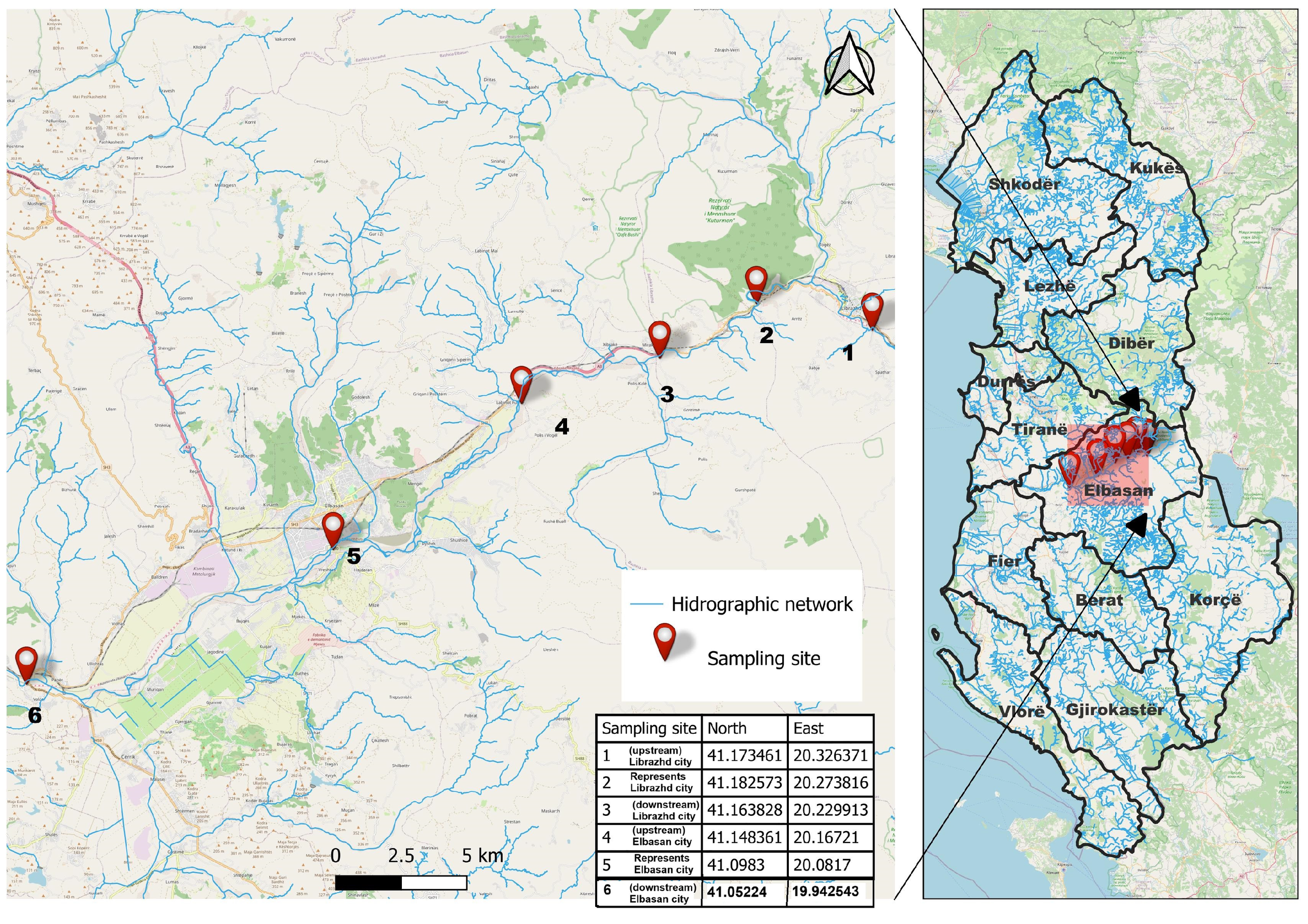
Figure 2.
Percentages of resistant ESBL-Ec isolates to tested antimicrobials. Different colors represent the percentages of isolates originating from the various sampling points (1-6). Antimicrobial acronyms: AMC, amoxicillin/clavulanic acid; FOX, cefoxitin; CTX, cefotaxime; CAZ, ceftazidime; ATM, aztreonam; CIP, ciprofloxacin; S, streptomycin; CN, gentamicin; SXT, sulfamethoxazole/trimethoprim; C, chloramphenicol; AMP, ampicillin; MEM, meropenem; TET, tetracycline; IMP, imipenem; COL, colistin.
Figure 2.
Percentages of resistant ESBL-Ec isolates to tested antimicrobials. Different colors represent the percentages of isolates originating from the various sampling points (1-6). Antimicrobial acronyms: AMC, amoxicillin/clavulanic acid; FOX, cefoxitin; CTX, cefotaxime; CAZ, ceftazidime; ATM, aztreonam; CIP, ciprofloxacin; S, streptomycin; CN, gentamicin; SXT, sulfamethoxazole/trimethoprim; C, chloramphenicol; AMP, ampicillin; MEM, meropenem; TET, tetracycline; IMP, imipenem; COL, colistin.
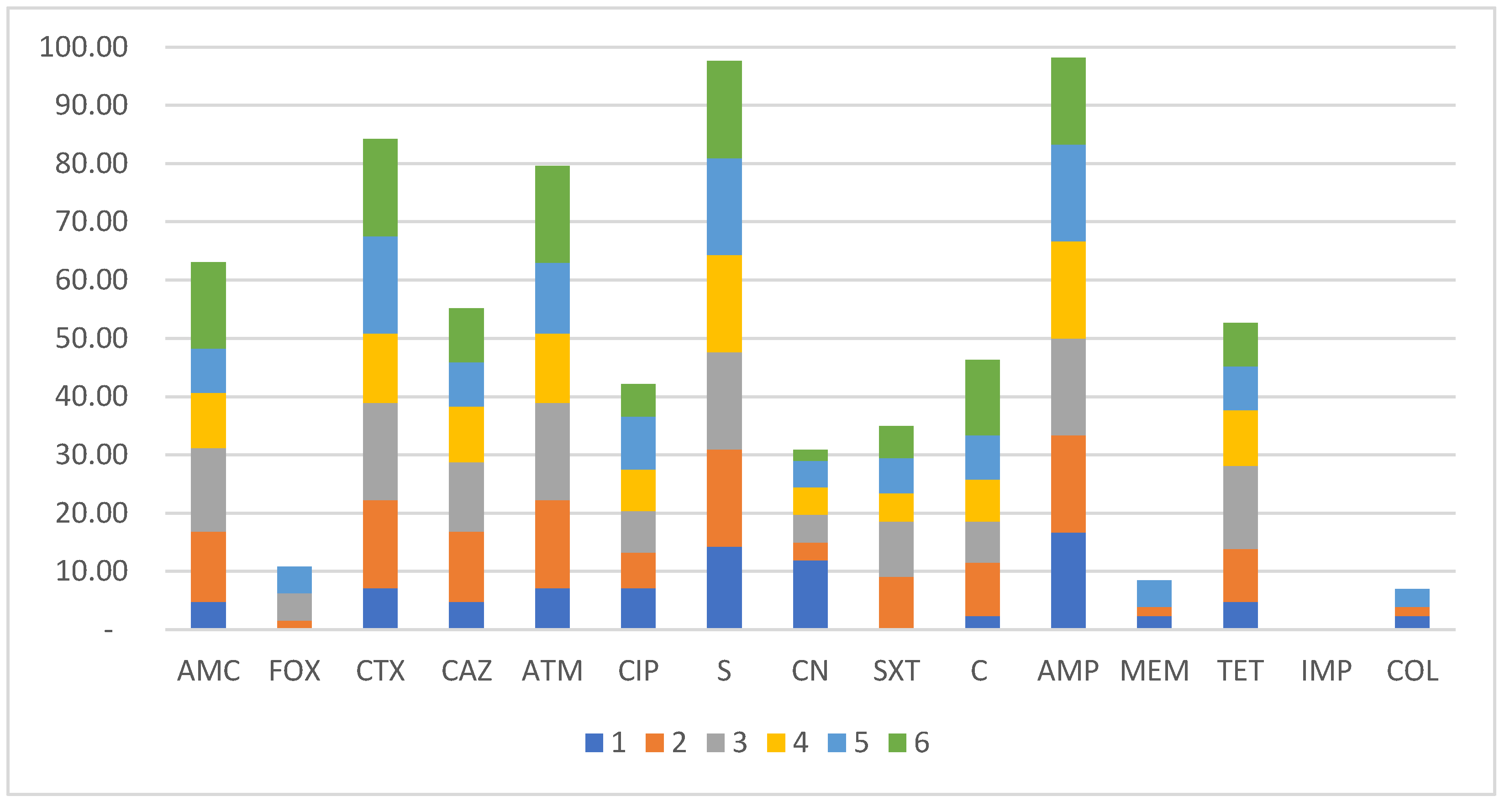
Figure 3.
Percentages of resistant ESBL-Ec isolates to different antimicrobial classes. The number of antimicrobial classes (ranging from 2 to 10) to which the strains are resistant is indicated by different colors.
Figure 3.
Percentages of resistant ESBL-Ec isolates to different antimicrobial classes. The number of antimicrobial classes (ranging from 2 to 10) to which the strains are resistant is indicated by different colors.
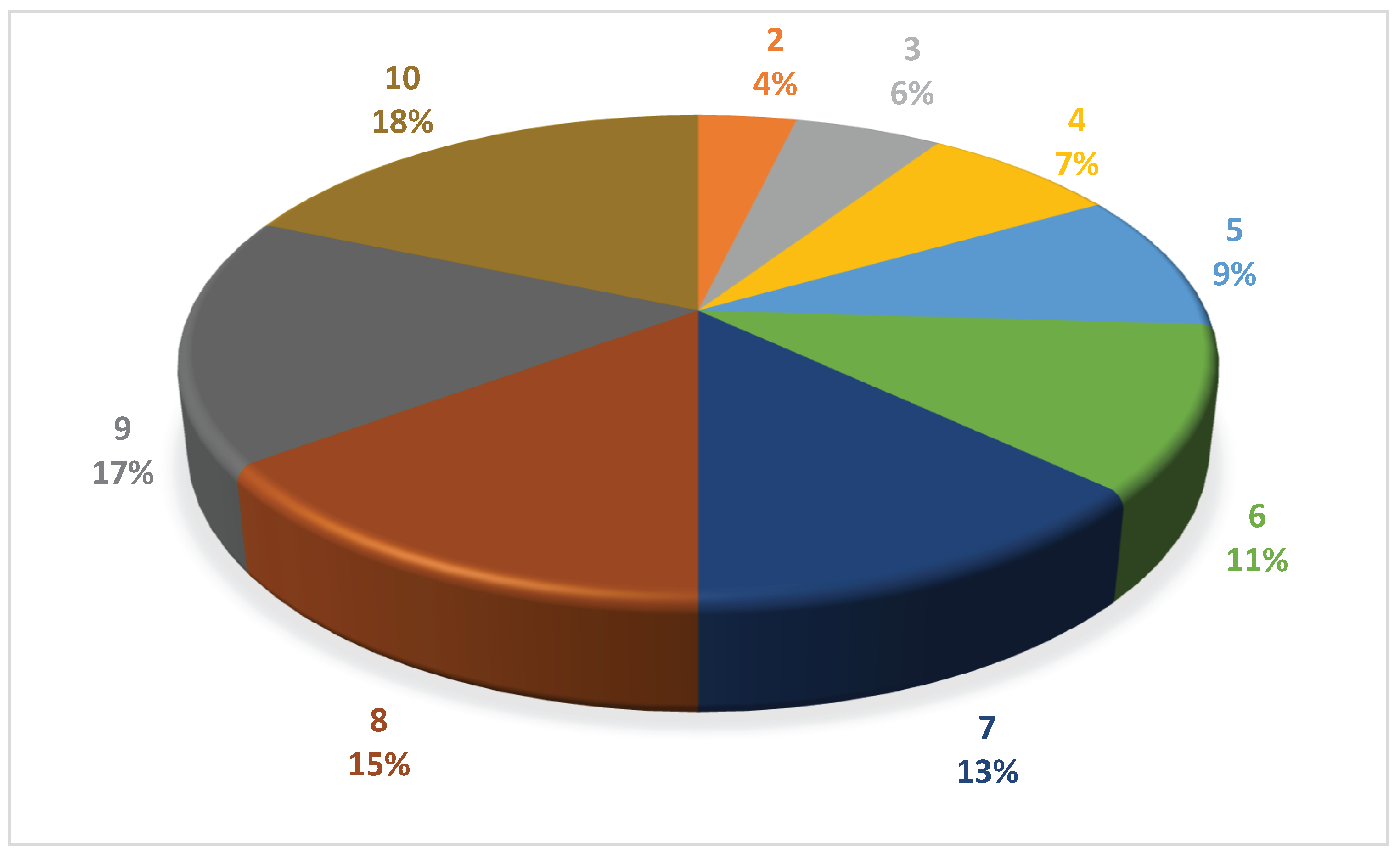
Figure 4.
Dendrogram of XbaI PFGE macrorestriction patterns of ESBL-Ec, isolated from the Shkumbini river. The dendrogram is based on analysis by the unweighted pair group with the arithmetic averages clustering method. The clusters CL1-CL13 defined at a similarity level of 57%.
Figure 4.
Dendrogram of XbaI PFGE macrorestriction patterns of ESBL-Ec, isolated from the Shkumbini river. The dendrogram is based on analysis by the unweighted pair group with the arithmetic averages clustering method. The clusters CL1-CL13 defined at a similarity level of 57%.
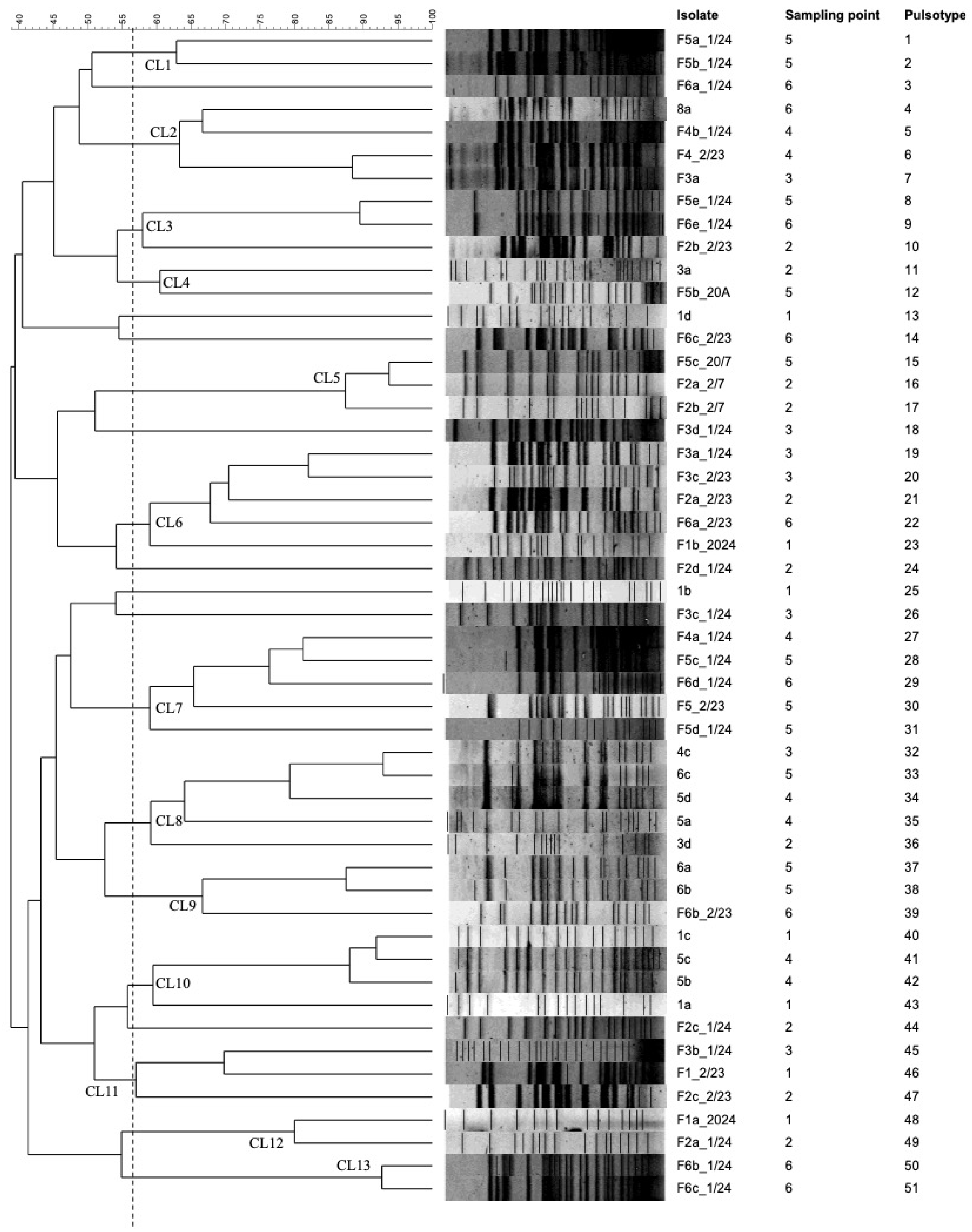

Table 1.
Resistance patterns of ESBL-Ec isolated from Shkumbini river.
| Strain | ARP typea | Sampling point 1 (n=7) |
Sampling point 2 (n=11) |
Sampling point 3 (n=7) |
Sampling point 4 (n=7) |
Sampling point 5 (n=11) |
Sampling point 6 (n=9) |
| 5c | S AMP | 1 (14.3%) | |||||
| 1b | CIP CN AMP | 1 (14.3%) | |||||
| 1c, 1d | S CN AMP | 2 (28.6%) | |||||
| 1a | S CN AMP MEM IMP | 1 (14.3%) | |||||
| 3a | ATM S CN AMP | 1 (9.1%) | |||||
| 5b | CAZ S AMP TET | 1 (14.3%) | |||||
| 6a | CTX S CN AMP | 1 (9.1%) | |||||
| F5b_1/24 | CTX CIP S AMP | 1 (9.1%) | |||||
| F5c_1/24 | CTX ATM S AMP | 1 (9.1%) | |||||
| 3d | AMC CTX CAZ S AMP | 1 (9.1%) | |||||
| 8a | CTX ATM S CN TET | 1 (11,1%) | |||||
| F2b_1/24, F3a_1/24, F6c_1/24 | AMC CTX ATM S AMP | 1 (9.1%) | 1 (14.3%) | 1 (11,1%) | |||
| F2c_1/24 | CTX ATM S SXT AMP | 1 (9.1%) | |||||
| F5d_1/24, F6a_1/24, F6e_1/24 | AMC CTX ATM S C AMP | 1 (9.1%) | 2 (22.2%) | ||||
| F5e_1/24 | CTX CAZ ATM S AMP TET | 1 (9.1%) | |||||
| F4a_1/24 | AMC CTX CAZ ATM S AMP | 1 (14.3%) | |||||
| 6b | CTX CAZ ATM S AMP MEM | 1 (9.1%) | |||||
| 6c | CTX CIP S C AMP TET | 1 (9.1%) | |||||
| F1b_2024 | AMC CTX CAZ ATM CIP S AMP | 1 (14.3%) | |||||
| F3b_1/24 | CTX CAZ ATM S SXT AMP TET | 1 (14.3%) | |||||
| F4b_1/24 | AMC CTX CAZ ATM S CN AMP | 1 (14.3%) | |||||
| F6d_1/24 | AMC CTX CAZ ATM S C AMP TET | 1 (11,1%) | |||||
| 4c | AMC CTX ATM CIP S C AMP TET | 1 (14.3%) | |||||
| 5d | CTX ATM CIP S CN C AMP TET | 1 (14.3%) | |||||
| F1_2/23 | CTX CAZ ATM S C AMP TET COL | 1 (14.3%) | |||||
| F2a_2/23 | AMC CTX CAZ ATM CIP S C AMP | 1 (9.1%) | |||||
| F2c_2/23 | CTX CAZ ATM S SXT C AMP TET | 1 (9.1%) | |||||
| F1a_2024 | AMC CTX ATM CIP S CN AMP TET | 1 (14.3%) | |||||
| F6b_1/24 | AMC CTX CAZ ATM S C AMP TET | 1 (11,1%) | |||||
| 5a | AMC CTX ATM CIP S SXT C AMP TET | 1 (14.3%) | |||||
| F6a_2/23 | AMC CTX CAZ ATM CIP S SXT C AMP | 1 (11,1%) | |||||
| F3a | AMC CTX CAZ ATM CIP S SXT AMP TET | 1 (14.3%) | |||||
| F2a_1/24 | AMC CTX CAZ ATM S SXT C AMP TET | 1 (9.1%) | |||||
| F2d_1/24 | AMC CTX CAZ ATM CIP S SXT AMP TET | 1 (9.1%) | |||||
| F2b_2/23 | AMC CTX CAZ ATM S CN SXT C AMP TET | 1 (9.1%) | |||||
| F3c_2/23, F5_2/23, F6b_2/23, F6c_2/23, F4_2/23, F2a_2/7 |
AMC CTX CAZ ATM CIP S SXT C AMP TET | 1 (9.1%) | 1 (14.3%) | 1 (14.3%) | 1 (9.1%) | 2 (22.2%) | |
| F3c_1/24 | AMC FOX CTX CAZ ATM S CN SXT AMP TET | 1 (14.3%) | |||||
| F3d_1/24 | AMC FOX CTX CAZ ATM S CN C AMP TET | 1 (14.3%) | |||||
| F5a_1/24 | AMC FOX CTX CAZ ATM CIP S CN SXT AMP | 1 (9.1%) | |||||
| F2b_2/7 | AMC FOX CTX CAZ ATM CIP S C AMP MEM TET COL | 1 (9.1%) | |||||
| F5c_20/7 | AMC FOX CTX ATM CIP S SXT C AMP MEM TET COL | 1 (9.1%) | |||||
| F5b_20A | AMC FOX CTX CAZ ATM CIP S CN SXT C AMP MEM TET COL | 1 (9.1%) |
aAntimicrobial acronyms: FOX, cefoxitin; CAZ, ceftazidime; CTX, cefotaxime; ATM, aztreonam; AMC, amoxicillin/clavulanic acid; IMP, imipenem; MEM, meropenem; TET, tetracycline; AMP, ampicillin; CIP, ciprofloxacin; S, streptomycin; CN, gentamicin; SXT, sulfamethoxazole/trimethoprim; C, chloramphenicol; COL, colistin.
Table 2.
Phenotypic and genotypic characteristics of the ESBL-Ec isolated from the Shkumbini river.
| Sampling point | Period of sampling | Isolates | Antimicrobial resistance profilea | Biofilmb | Phylogenetic groupc | Antimicrobial resistance genes (PCR)d | |||||||||||||||||||||
| AMC | FOX | CTX | CAZ | ATM | CIP | S | CN | SXT | C | AMP | MEM | TET | IMP | COL | OXA family | SHV family | TEM family | CTX-M group 1 | CTX-M group 2 | CTX-M group 9 | CTX-M group 8/25 | mcr-1,-2,-3,-4,-5 | |||||
| 1 | September2022 | 1a | S | S | S | S | S | S | R | R | S | S | R | R | S | R | S | M | A | ||||||||
| 1b | S | S | S | S | S | R | S | R | S | S | R | S | S | S | S | W | A | ||||||||||
| 1c | S | S | S | S | S | S | R | R | S | S | R | S | S | S | S | W | C | ||||||||||
| 1d | S | S | S | S | S | S | R | R | S | S | R | S | S | S | S | W | A | ||||||||||
| 2 | 3a | S | S | S | S | R | S | R | R | S | S | R | S | S | S | S | W | A | |||||||||
| 3d | R | S | R | R | S | S | R | S | S | S | R | S | S | S | S | NB | A | ||||||||||
| 3 | 4c | R | S | R | S | R | R | R | S | S | R | R | S | R | S | S | W | C | |||||||||
| 4 | 5a | R | S | R | S | R | R | R | S | R | R | R | S | R | S | S | W | C | |||||||||
| 5b | S | S | S | R | S | S | R | S | S | S | R | S | R | S | S | NB | A | ||||||||||
| 5c | S | S | S | S | S | S | R | S | S | S | R | S | S | S | S | NB | A | ||||||||||
| 5d | S | S | R | S | R | R | R | R | S | R | R | S | R | S | S | NB | A | ||||||||||
| 5 | 6a | S | S | R | S | S | S | R | R | S | s | R | S | S | S | S | NB | A | |||||||||
| 6b | S | S | R | R | R | S | R | S | S | S | R | R | S | S | S | W | A | ||||||||||
| 6c | S | S | R | S | S | R | R | S | S | R | R | S | R | S | S | W | A | ||||||||||
| 6 | 8a | S | S | R | S | R | S | R | R | S | S | S | S | R | S | S | NB | B2 | |||||||||
| 1 | February 2023 | F1_2/23 | S | S | R | R | R | S | R | S | S | R | R | S | R | S | R | W | D | ||||||||
| 2 | F2a_2/23 | R | S | R | R | R | R | R | S | S | R | R | S | S | S | S | NB | B2 | |||||||||
| F2b_2/23 | R | S | R | R | R | S | R | R | R | R | R | S | R | S | S | NB | B2 | ||||||||||
| F2c_2/23 | S | S | R | R | R | S | R | S | R | R | R | S | R | S | S | NB | A | ||||||||||
| 3 | F3c_2/23 | R | S | R | R | R | R | R | S | R | R | R | S | R | S | S | W | B2 | |||||||||
| 5 | F5_2/23 | R | S | R | R | R | R | R | S | R | R | R | S | R | S | S | NB | A | |||||||||
| 6 | F6a_2/23 | R | S | R | R | R | R | R | S | R | R | R | S | S | S | S | W | B2 | |||||||||
| F6b_2/23 | R | S | R | R | R | R | R | S | R | R | R | S | R | S | S | W | A | ||||||||||
| F6c_2/23 | R | S | R | R | R | R | R | S | R | R | R | S | R | S | S | NB | A | ||||||||||
| 4 | F4_2/23 | R | S | R | R | R | R | R | S | R | R | R | S | R | S | S | W | B2 | |||||||||
| 5 | F5b_20A | R | R | R | R | R | R | R | R | R | R | R | R | R | S | R | W | A | |||||||||
| 2 | June 2023 | F2a_2/7 | R | S | R | R | R | R | R | S | R | R | R | S | R | S | S | W | D | ||||||||
| F2b_2/7 | R | R | R | R | R | R | R | S | S | R | R | R | R | S | R | NB | D | ||||||||||
| 3 | F3a | R | S | R | R | R | R | R | S | R | S | R | S | R | S | S | W | B2 | |||||||||
| 5 | F5c_20/7 | R | R | R | S | R | R | R | S | R | R | R | R | R | S | R | M | D | |||||||||
| 1 | February 2024 | F1a_2024 | R | S | R | S | R | R | R | R | S | S | R | S | R | S | S | W | A | ||||||||
| F1b_2024 | R | S | R | R | R | R | R | S | S | S | R | S | S | S | S | NB | B2 | ||||||||||
| 2 | F2a_1/24 | R | S | R | R | R | S | R | S | R | R | R | S | R | S | S | NB | A | |||||||||
| F2b_1/24 | R | S | R | S | R | S | R | S | S | S | R | S | S | S | S | NB | B1 | ||||||||||
| F2c_1/24 | S | S | R | S | R | S | R | S | R | S | R | S | S | S | S | W | D | ||||||||||
| F2d_1/24 | R | S | R | R | R | R | R | S | R | S | R | S | R | S | S | W | E | ||||||||||
| 3 | F3a_1/24 | R | S | R | S | R | S | R | S | S | S | R | S | S | S | S | W | B1 | |||||||||
| F3b_1/24 | S | S | R | R | R | S | R | S | R | S | R | S | R | S | S | W | A | ||||||||||
| F3c_1/24 | R | R | R | R | R | S | R | R | R | S | R | S | R | S | S | W | A | ||||||||||
| F3d_1/24 | R | R | R | R | R | S | R | R | S | R | R | S | R | S | S | NB | E | ||||||||||
| 4 | F4a_1/24 | R | S | R | R | R | S | R | S | S | S | R | S | S | S | S | M | A | |||||||||
| F4b_1/24 | R | S | R | R | R | S | R | R | S | S | R | S | S | S | S | W | B2 | ||||||||||
| 5 | F5a_1/24 | R | R | R | R | R | R | R | R | R | S | R | S | S | S | S | NB | B2 | |||||||||
| F5b_1/24 | S | S | R | S | S | R | R | S | S | S | R | S | S | S | S | W | B2 | ||||||||||
| F5c_1/24 | S | S | R | S | R | S | R | S | S | S | R | S | S | S | S | NB | A | ||||||||||
| F5d_1/24 | R | S | R | S | R | S | R | S | S | R | R | S | S | S | S | W | B2 | ||||||||||
| F5e_1/24 | S | S | R | R | R | S | R | S | S | S | R | S | R | S | S | NB | A | ||||||||||
| 6 | F6a_1/24 | R | S | R | S | R | S | R | S | S | R | R | S | S | S | S | NB | B1 | |||||||||
| F6b_1/24 | R | S | R | R | R | S | R | S | S | R | R | S | R | S | S | NB | B1 | ||||||||||
| F6c_1/24 | R | S | R | S | R | S | R | S | S | S | R | S | S | S | S | M | B1 | ||||||||||
| F6d_1/24 | R | S | R | R | R | S | R | S | S | R | R | S | S | S | S | NB | A | ||||||||||
| F6e_1/24 | R | S | R | S | R | S | R | S | S | R | R | S | S | S | S | NB | D | ||||||||||
aAntimicrobial acronyms: AMC, amoxicillin/clavulanic acid; FOX, cefoxitin; CTX, cefotaxime; CAZ, ceftazidime; ATM, aztreonam; CIP, ciprofloxacin; S, streptomycin; CN, gentamicin; SXT, sulfamethoxazole/trimethoprim; C, chloramphenicol; AMP, ampicillin; MEM, meropenem; TET, tetracycline; IMP, imipenem; COL, colistin. bAbility to form biofilms according to Borges [26]: W, weak biofilm producer; NB, no biofilm producer; M, moderate biofilm producer. cPhylogenetic group determined by PCR assay [28]. dGreen square, positive for a specific gene; white square, negative for a specific gene.
Disclaimer/Publisher’s Note: The statements, opinions and data contained in all publications are solely those of the individual author(s) and contributor(s) and not of MDPI and/or the editor(s). MDPI and/or the editor(s) disclaim responsibility for any injury to people or property resulting from any ideas, methods, instructions or products referred to in the content. |
© 2026 by the authors. Licensee MDPI, Basel, Switzerland. This article is an open access article distributed under the terms and conditions of the Creative Commons Attribution (CC BY) license (http://creativecommons.org/licenses/by/4.0/).
Copyright: This open access article is published under a Creative Commons CC BY 4.0 license, which permit the free download, distribution, and reuse, provided that the author and preprint are cited in any reuse.


