

Submitted:
14 April 2026
Posted:
16 April 2026
You are already at the latest version
Abstract
Kidney transplantation for patients affected by end stage renal failure is considered the best therapeutic option, but this possibility is limited by deceased donor shortage. Living donor kidney transplantation (LDKD) is a valuable option, frequently limited by immunological incompatibility between donor and recipient. This review will consider the to date possibility of performing living donor kidney donation in the case of AB0 blood group incompatibility and the progresses that have been made in this field.
Kidney paired donation is one possibility. Such technique offers the best possibility if the number of pairs available is wide. This is possible by performing national and also international registries.
The technique more diffuse is the desensitization of the recipients. Desensitization may be obtained by several ways that are extensively treated in this review.
In the recent period some published studies document the possibility to enzymatically convert A or B group from the cells of the donor to 0 group. This possibility is only on the beginning, but may represent the future eventually associated to a mild desensitization.
Keywords:
kidney transplantation
; living donation
; blood group incompatibility
; kidney paired donation
; desensitization
; enzyme conversion of A and B group
1. Introduction
The best treatment for patients affected by end stage renal failure (ESRD) is renal transplantation. However, the availability of such treatment is limited by the organ shortage. Therefore, many patients remain on the waiting list and are seriously affected to the different diseases related to the ESRD, among which the cardiovascular disorders are the most important and often cause of death. Kidney transplantation from living donor could solve the problem of remaining on waiting list but this option is limited in several countries. Another limiting factor for living donor kidney transplantation (LDKD) is the incompatibility between donors and recipients because of the presence in the recipient of antibody directed against the human leukocyte antigens of the donor or because the incompatibility of the AB0 system. It is evaluated that about 30% of possible LDKD is limited by the presence of AB0 system antibodies, which can cause hyperacute rejection [1,2].
In this study we will describe the different system to avoid this problem and how they evolved by time.
2. Immunological Aspects
The AB0 system is represented by glycoproteins that are represented on the surface on the surface of the erythrocyte membrane, endothelial cells and kidney parenchymal cells [3]. They are oligosaccharide synthesized from the common precursor, the H antigen [4]. The enzyme α (1, 2)-fucosyltransferase (FUT), encoded by the FUT 1 gene, catalyzes the addition of a molecule of fucose to form the H antigen. The antigen H represents the matrix for the formation of A and B antigens [5]. Indeed, in individuals with A group, the enzyme α-1, 3-n-acetylgalactosaminyltransferase (A transferase) attaches β-n-acetylgalactosamine, leading to the expression of A antigen. In individuals of group B, the α-1, 3-galactosyltransferase (B transferase), attaches α-d-galactose, leading to the expression of B antigen. Subjects that express both genes and enzymes have AB group. Individuals of group A are represented by two subtypes A1 and A2 [6]. Subjects with A2 subtype express smaller amount of A antigen and their immunological risk of rejection is significantly lower [7,8,9]. The biology described are well represented in Figure 1.
The formation of anti-blood group antibodies occurs against the antigens not represented in the host. In addition, some patients have circulating epitopes A and B soluble and linked to von Willebrand factor. These antigens are responsible for antibody mediated rejections (ABMR) [10]. An example of this fact is that the transplantation of kidneys from A2 donors to 0 recipients obtains better results. Indeed, the A2 subtype does not have circulating antigens linked to von Willebrand factor [11].
3. Development Of The Different Strategies To Overcome The Problem Of A, B, 0 Incompatibility
For a long time A, B, 0 incompatibility (AB0i) has been considered a formal contraindication to kidney transplantation.
This fact has been overcome on 1982 by Brynger et al. [12], who reported the clinical outcomes of 21 kidney transplantation from A2 donors to 0 recipients.
The historical evolution of LDKD AB0i is shown in Figure 2.
There are several techniques to overcome the problem of AB0i. Such techniques have evolved by time.
- a)
- The kidney paired donation (KPD). It is the simpler way to perform kidney transplantation in AB0i. This way concerns LDKT involving different families with a kidney exchange among them. Each family is unable to make LDKT, but the problem may be overcome exchanging kidneys. This avoid immunological problems, but may implies legal ones.
- b)
- The desensitization technique is the most utilized. There are several techniques that may be adopted for desensitization and these techniques has evolved by time as will described later.
- c)
- The use of enzymatic conversion of the blood group is the most recent and promising technique for the future. Anyway, also the enzymatic conversion is part of desensitization treatment.
4. Kidney Paired Donation
The kidney transplantation in a cross way allows avoiding costs and side effects related to the different techniques. The simplest way consists in the utilization of two pairs donor-recipient with the donor of the first pair gives the kidney to the recipient of the second pair and the donor of the second pair gives the kidney to the recipient of the first pair. This is well represented in Figure 3. Generally, also for legal reason, the two transplants are realized simultaneously. The concept of Kidney Paired Donation (KPD) to overcome the immunological barrier avoiding the desensitization of the recipient has been proposed by Rapaport in 1986 [13]
The first KPD has been performed in South Korea and later extended in Europe and United States [14,15,16]. On 2004, in Netherlands the first KPD has been realized the first national program for KPD [17]. In addition, the KPD program may include a higher number of pairs. In every KPD program the possibility to find pairs for effective KPD increases with the number of pairs involved in the programs [18]. Toews et al. [19] compared the positive experience of Australia, Canada and United States. The National Kidney Registry in the United States highlights that the KPD is increasing, while the desensitization strategy is reducing [20]. A recent paper from Bohmig et al. reported the positive experience of KPD in pediatric patients in a program involving Austria and Czech Republic.
5. Desensitization
As aforementioned, the first kidney transplantation in patients AB0i have been made utilizing donors with group A2 as this group is poorly expressed on renal parenchymal cells. However, soon became evident that also with donors A2, ABMR may develop [21]. Hence the necessity to desensitize the recipients in order to reach a condition of tolerance [22].
The mechanisms to reach the condition of tolerance, also called accommodation, are poorly understood. A favoring factor is the low titer of antibody in the recipient. The increased expression of complement regulatory proteins such as CD55 and CD59 and the presence of anti-apoptotic proteins such as Bcl-2 and clusterin are factors that may favor the accommodation [23]. Anyway, the desensitization is essential to obtain good results.
Historically, the first important series of successful AB0i kidney transplantation have been performed in Japan by Takahashi et al. [24] that used plasmapheresis (PE) or immunoabsorption associated to splenectomy. Later on, the technique has been improved in the United States at the John Hopkins University and at the Mayo Clinic. These authors successfully performed AB0i kidney transplantation by the use of PE, pretransplant administration of intravenous immunoglobulins (IVIG) and anti CD-20 monoclonal antibodies without splenectomy [25,26]. A further improvement in AB0i kidney transplantation has been reported in 2008 by Genberg et al. ( 27). These Swedish authors used selective immunoadsorption, anti CD-20 and low molecular heparin without splenectomy. In addition, these authors reported for the first time similar survival rates and similar complication rates between AB0i and AB0c kidney transplantation.
6. Principal Techniques Used to Obtain Desensitization, Results Obtained and Controversies
First it is important to highlight that the best results are obtained when the antibodies anti AB0 are low before transplantation. This point is important even if some important recent studies report favorable long-term patient survival outcomes also for patients with very high isoagglutinin titers [28,29]. The French study refers only to five patients, but the Korean study refers to 271 cases of AB0i kidney transplantation, 42 of them had a baseline antibody titer higher than 1:256. In the Korean study, patients with baseline high antibody titers had comparable short and long-term patient and allograft outcomes.
The desensitization protocols for AB0i kidney transplantation are a mixture of Removal of circulating AB0 antibodies, immunomodulation and immunosuppression.
The removal of circulating AB0 antibodies may be non-selective or selective. Plasma exchange (PEX) is the most common and cheaper form to removing of AB0 antibodies. Its disadvantages consist in the fact of losing important plasma factors as coagulation factors, hormones, anti bacterial and anti viral immunoglobulins. Anyway, PEX is the less expensive and the more widely apheresis technique [30,31]. The double filtration plasmapheresis (DFPP) consists in the use of two filters and the second one allows smaller molecules to return to the patient.
The selective way to remove circulating AB0 antibodies is represented by the immunoadsorption (IA). In IA the separated plasma pass to an antigen specific absorber consisting in A or B antigens linked to a sepharose matrix. By this technique it is possible to remove the antibodies without loss of others important plasma components. The main disadvantage is represented by the high costs of the columns [9].
By IA is also possible to remove some complement components, which may be involved in ABMR. Indeed, Biglarnia et al. [32] documented the removal by IA the removal of C3a in 19 AB0i LDKT. The removal of C3a is probably related to its high isoelectric point that facilitates the affinity with the negative charged resin of immunoadsorbent. It is not agreed on the levels required of antibodies anti-A/B to be reached before transplantation, either using PE or IA, even if most centers requires titers of 1:8 or less. After transplantation, at least two sessions of PE are required. More sessions are required in patients with antibody rebound or with documented ABMR [33,34].
Obviously, either PE or IA are only a component of a more complex desensitization treatment. Even if not recent, it is to highlight the experience of Tyden et al. [35]. These authors compared 60 AB0i kidney transplant performed in different centers with 267 AB0c LDKT performed in the same period. The AB0i LDKT were treated by IA, anti CD20, IVIG and the association of Tacrolimus, Mycophenolate Mofetil (MMF) and steroids. The graft survival in the AB0i group was 97% and 95% in the AB0c group.
The Immunomodulation consists in the administration of IVIG to the patient before transplantation with the aim to replace the patient’s immunoglobulin lost with the apheresis techniques. In addition, IVIG neutralize the Fc receptor and have immunoregulatory properties. IVIG are essential in the desensitization protocols for AB0i LDKT. They are administered before transplantation and after transplantation in order to inhibit the rebound of anti-A/B agglutinins favoring the organ survival.
IVIG do not act alone, but always as part of a complex immunosuppression with anti CD20, calcineurin inhibitors and MMF. IVIG are safe and without reported significant side effects.
The immunosuppression essentially consists in the depletion of B cells that are responsible of the production of the isoagglutinins.
Historically, the first attempt to reduce B cells to realize AB0i kidney transplantation has been made in Japan by splenectomy as spleen is the major content of B cells [24]. Such technique was not well accepted outside Japan and both at the John Hopkins University and at the Mayo Clinic, in addition to PE and the standard immune suppression the B cells depletion was obtained by the use of Rituximab (RTX), a humanized monoclonal antibody that links to CD20 expressed on the B cell membrane. With the use of RTX, splenectomy has been no more used. To date, the immunosuppression adopted in the majority of centers are, in addition to the standard immunosuppression, RTX, PE or IA and the administration of IVIG.
New strategies are represented by the use of monoclonal anti-A or B antibody Fab fragment or by the use of an AB0 blood group trisaccharide carbohydrate epitope [36,37].
The terminal complement inhibitor eculizumab has also been proposed in the induction of AB0i kidney transplantation to inhibit the antibody-triggered complement activation [38]. Heo et al. [39] used eculizumab as an adjunctive therapy to desensitization in AB0. LDKT in two patients with very high pre-transplant titers of anti- AB0 antibodies refractory to PE. The antibody titers decreased after transplantation and the renal function of the graft remained good for one-year follow up. In a very recent study, Wan et al. documented the eculizumab efficacy associated with DFPP in 30 AB0i kidney transplantation [40]. The authors concluded that eculizumab associated with DFPP improved the transplant success rate and the quality of life in patients with AB0i kidney transplantation.
7. Clinical Outcomes After Kidney Transplantation Involving AB0i Kidneys
Several reviews and meta analyses have been made to verify the clinical outcomes of ABOi kidneys transplantation.
By 2021, Mohamed M et al. [41] made an extensive literature review reporting the AB0i kidney transplantation with its complications and outcome. Here we report the principal studies performed according the number of patients examined.
Scurt et al. reviewed 65063 kidney transplantation with 7098 transplants performed in AB0i pairs [42]. In this study, the risk of bleeding and infection were higher in AB0i. In the first year after transplantation, the death censored graft survival was similar in AB0i and in AB0c patients, but in AB0i patients, the mortality in the first year was significantly higher.
Lo et al. [43] reported 4810 AB0i kidney transplantations. In this review 878 recipients (33%) experienced acute rejections with 35% of ABMR. CMV infections, urinary tract infections and BKV nephropathy were the most frequent. The graft survival rate at 28 months was similar in patients treated by IA and in patients who underwent splenectomy.
Okuni et al. [44] in a retrospective cohort study compared compatible LDKT with incompatible LDKT. In patients transplanted after 2005, the 9-year graft survival rates were similar in the two groups.
Kimura et al. [45] in a retrospective study, examined 5549 patients with 2820 AB0 matched and 1384 with AB0 major incompatible. The survival rates were significantly lower in the group of AB0 major incompatibles.
Okada et al. [46] in a retrospective study examined 412 kidney transplant patients, 205 of them were AB0i. After 5 years, the graft survival rates were significantly lower in the AB0i group. In addition, the incidence of infection was higher in AB0i group, when treated with RTX.
In a different meta-analysis performed by Xu et al. [47] were analyzed the success rate and safety of LDKT in AB0 blood group incompatible relatives.
The review was conducted following a strict and severe restriction method. Therefore, of 1238 records identified through database searching; only 15 were included in the study. Indeed, the exclusion criteria were: non-English articles, studies evaluating only AB0-compatible kidneys, studies evaluating AB0i kidneys from deceased donors and trials on animal subjects. In the 15 studies were examined patient and graft survival rates and the incidence of infections.
The long-term patient survival rates were 0.93 as a result of meta-analysis of pooled data, while the short-term survival rate was 0.94. The long-term graft survival rate was 0.89, while the short term was 0.94 documenting that a higher graft survival rate was observed after a short-term follow up.
Infectious complications was 0.31, while surgical complications occurred at a rate of 0.12. Among the infectious complications, sepsis showed an increase in the most recent studies, probably related to a more intensive desensitization treatment. On the contrary viral complications remained stable [42].
Recently, Obeid et al. [48] performed a retrospective study on 239 AB0i kidney transplantation to evaluate the short and long-term patient and graft survival rates. At 1 year after transplantation, patient survival rate was 99.1% while graft survival rate was 92, 7%. At 15 years after transplantation, patient survival rate was 86.2, while graft survival rate was 87.5%. ABMR occurred in 9.2% and was related to longer hospitalization and higher graft failure. Interestingly, ABMR was most frequent in the case of group B to group 0, but no case of ABMR was observed in recipients from A2 donors.
In a different recent study from Taylan et al., [49], successful AB0i LDKT has been reported in 10 children. The study was retrospective and the 10 children with AB0i LDKT were compared with 30 children transplanted in the same period who received an AB0c LDKT. The 3-year graft survival rate in the AB0i was 90%, while in the AB0c group was 86.8%. Patient survival rates were similar in both groups. In general in the studies concerning AB0i LDKT, the frequency of infectious complications varies [50,51] and is probably related to the intensity of desensitization treatment. In this study, the infectious complications were lower in the AB0i group. This fact may be ascribed to a higher incidence of urinary tract obstructions and pulmonary hypoplasia in the AB0c patients.
Outcomes in AB0i kidney transplantation have markedly improved over the years as documented by the fact that graft survival and patient’s safety is to date comparable to those in AB0-compatible kidney transplant. This fact is well documented by several studies as the study of Barnett et al. [52], of Speer et al. [53], of Becker et al. [54], and the already cited studies of Genberg et al. [27] and of Okumi et al. [44].
Interestingly, some studies document a better renal function and a lower incidence of chronic ABMR in patients with AB0i kidney transplants [55,56].
More recent studies aimed to compare the results of AB0i kidney transplantation with those of AB0c kidney transplantation.
The already cited study of Cozzi et al. [50] in a retrospective case-control study analyzed the results of 17 AB0i LDKTs with 34 AB0c controls. All transplants have been performed from March 2012 to September 2021. These authors found an excellent graft function in both groups up to 3 years of follow-up. In AB0i, patients verified higher incidence of ABMR and septic episodes in the first 30 days after transplantation. This fact was the cause for an inferior patient survival at both 1 and 3 years. However, the authors highlight that overall they obtained an excellent graft function in AB0i patients comparable with other important experiences as those obtained from the group of Heidelberg [53,54], from UK [52] and from Langhorst [57] in Freiburg. The lower patent survival in the AB0i group was related to early death in the first year after transplantation due to opportunistic infections. This fact, probably related to a heavier desensitization has been reported also from largest studies as in the De Weerd meta-analysis [58]. The authors conclude that AB0i LDKT is an important therapeutic strategy, principally for patients with less chances of being transplanted.
Koo et al. [59] in Korea compared the results of 426 patients who underwent AB0i LDKT with patients who remained on waiting list or patients who received AB0c donor deceased kidney transplant (DDKT). Few studies made this kind of comparison, among which an US registry study [60]. In this study, AB0i LDKT was associated with a higher mortality risk in the 30 days after transplantation, but a lower mortality risk beyond 180 days than AB0cDDKT. In a similar Dutch study [61] was documented that AB0iLDKT had a higher survival rates than AB0c DDKT. Additionally, Koo et al. analyzed the results according the initial antibody titers of patients receiving AB0i LDKT. They found that patients with low titer had a better survival rates than patients receiving AB0c-DDKT. Patients with high titers lost this benefit.
Another important study comparing AB0i-LDKT with AB0c-LDKT has been made by Chen et al. [62] in 2026. These authors performed a meta-analysis of 18 studies including 15,611 kidney transplant. Additionally, the authors conducted a retrospective single center study comparing 41 AB0i-LDKT with 132 AB0c-LDKT. All these transplants were made in the same period between 2021 and 2022. The variable examined were patient and graft survival, renal function, postoperative complications, infections, delayed graft function (DGF) and hospitalization costs.
Surprisingly, at difference to other meta-analyses already cited, the meta-analysis of this study documented lower 1-year graft survival and 3-year patient survival in AB0i-LDKT than in AB0c-LDKT. In contrast, their retrospective study documented no significant difference in the two groups with the exception of hospitalization costs that were higher in the AB0i-LDKT group probably due to the additional desensitization treatment. All these data are shown in Table 1.
Enzyme conversion of A or B groups to 0 kidneys, more than an alternative procedure to desensitization could in the future represent an important integration to desensitization therapy.
In a very recent study, Zeng et al. [63] reviewed several studies documenting that enzyme-converted 0 kidneys allow AB0-incompatible transplantation without hyperacute rejection in a human decedent model.
Already in 2019, Rahfeld et al. [64] documented that N-acetylgalactosamine deacetylase was able to completely convert A to 0 of the rhesus at very low enzyme concentrations in whole blood. These results were more recently extended and confirmed by MacMillan [65]. They documented the activity of two enzymes FpGalNAc deacetylase and FpGalactosaminidase derived from the bacterium Flavonifractor plautii. These enzymes were able to convert blood group antigens from the human renal vasculature to 0 type. These enzymes were able to act on the kidney both using normothermic machine perfusion (NMP) and hypothermic machine perfusion (HMP) strategies removing more than 80% of group A antigen.
In a different study, MacMillan et al. [66] studied human kidney cortex biopsies from B positive patients. The biopsies were incubated with α-galactosidase enzyme (GH110B) from Bacteroides fragilis. After incubation, a decrease of B antigen of 99% was observed. These results were further confirmed by the examination of three human donor kidneys rejected for transplantation. The kidneys were perfused with GH110B in NMP. After 5 hours of NMP, a removal of B antigen was obtained in a percentage from 71 to 94%.
Zeng et al. [67] recently obtained similar results for B antigen. In this study, more than 95% of B antigen was removed by the kidneys after 3 hours of perfusion with GH110B during HMP. This fact represents a promising strategy to overcome the problems of AB0i kidney transplantation.
8. Conclusions
The shortage of kidneys for transplantation has always been a major problem. Kidneys shortage allows that many patients remain on dialysis cumulating several diseases related to ESRD and with a higher risk of death. Living donation could partially solve this problem. However, often living donation is limited by immunological incompatibility between donor and recipient. AB0 blood group is a typical example of such incompatibility. For a long time AB0i has been an absolute contraindication to proceed with kidney transplantation.
More recently, several strategies allowed proceeding in the case of AB0i LDKT.
Kidney paired donation is one of such strategies. In this case, two or more incompatible pairs exchange their kidneys allowing overcoming the incompatibility. This is simpler in the case of two pairs in the same kidney transplant center. However, KPD is more effective with a wider number of pairs. This fact led to national or even international registries that to date are present in several nations.
The strategy more frequently used is the desensitization of the recipient. Desensitization has evolved by time, improving the results. The techniques more frequently used are:
- a)
- Removal of circulating AB0 antibodies by PE or IA;
- b)
- Immunomodulation by the administration of IVIG before and even after transplantation;
- c)
- B cell depletion by the use of immunosuppressant, among which monoclonal antibody anti CD20 seems to be one of the more effective. Indeed, B cells produce isoagglutinins, and their reduction is essential to obtain an effective desensitization.
- d)
- Enzymatic elimination of the donor kidney of group A or group B. To date this technique is only experimental, but it seems to be effective. The A or B elimination could be reached adding the appropriate enzyme to the kidney during the machine perfusion of the explanted kidneys.
- e)
- It is thought that the enzymatic elimination in the future could be added to the desensitization strategy.
The results obtained to date with desensitization are optimal and in several reports patient and graft survival rates are similar in AB0i LDKT and in AB0c LDKT.
Several open controversies remain in AB0i kidney transplantation. Among these, the more frequent are as follows:
Apheresis:
Main problems are whether is better PE or IA, whether to proceed also after transplantation and what to do with patients with low titers of isoagglutinins.
IVIG:
The principal questions are how much IVIG should be administered and whether IVIG should be administered in more sessions.
Accommodation:
Accommodation consists in the presence, after transplantation, of isoagglutinins and antigen in the graft cells with normal graft function and normal histology. It is facilitated by reduced isoagglutinin level, blockage of complement activation and RTX.
Complications
Hemorrhages is a complication particularly frequent in AB0i kidney transplantation. They are probably related to the apheresis treatments.
The incidence of infectious complications is different in the studies and are probably related to the intensity of desensitization.
ABMR is the first cause of loss in AB0i transplantations. They occurs more frequently in the first two weeks after transplantation and are often related to the levels of isoagglutinins.
As final consideration, we highlight that AB0i transplants are more expensive than AB0c transplants. These higher costs are probably related to the desensitization techniques. This is why KPD are evolving, even if only 30% of the pairs encounter a possible exchange.
Author Contributions
Salvadori M and Rosso G contributed equally to the manuscript; Salvadori M designed the study, performed the last revision. Rosso G collected the data from literature; Salvadori M and Rosso G analyzed the collected data and wrote the manuscript.
Acknowledgments
The authors acknowledge Professor Lorenzo Del Panta for his valuable effort in finding rare references.
Conflicts of Interest
Maurizio Salvadori and Giuseppina Rosso do not have any conflict of interest in relation to the manuscript.
References
- Stewart, D.E.; Klassen, D.K. Kidney Transplants from HLA-Incompatible Live Donors and Survival. N Engl J Med. 2016, 375, 287–8. [Google Scholar]
- Starzl, T.E.; Marchioro, T.L.; Holmes, J.H.; Hermann, G.; Brittain, R.S.; Stonington, O.H.; Talmage, D.W.; Waddel, W.R. RENAL HOMOGRAFTS IN PATIENTS WITH MAJOR DONOR-RECIPIENT BLOOD GROUP INCOMPATIBILITIES. Surgery. 1964, 55, 159–200. [Google Scholar]
- Oriol, R. ABH and related tissue antigens. Biochem Soc Trans. 1987, 15, 596–599. [Google Scholar] [CrossRef]
- Watkins, W.M.; Morgan, W.T.J. Possible genetical pathways for the biosynthesis of blood group mucopolysaccharides. Vox 1959, 4, 27–119. [Google Scholar]
- Larsen, R.D.; Ernst, L.K.; Nair, R.P.; Lowe, J.B. Molecular cloning, sequence, and expression of a human GDP-L-fucose:beta-D-galactoside 2-alpha-L-fucosyltransferase cDNA that can form the H blood group antigen. Proc Natl Acad Sci U S A 1990, 87, 6674–6678. [Google Scholar] [CrossRef] [PubMed]
- Yamamoto, F.; Clausen, H.; White, T.; Marken, J.; Hakomori, S. Molecular genetic basis of the histo-blood group ABO system. Nature. 1990, 17(345), 229–233. [Google Scholar] [CrossRef] [PubMed]
- Rydberg, L.; Breimer, M.E.; Brynger, H.; Samuelsson, B.E. ABO-incompatible kidney transplantation (A2 to O). Qualitative and semiquantitative studies of the humoral immune response against different blood group A antigens. Transplantation 1990, 49, 954–960. [Google Scholar] [CrossRef] [PubMed]
- Rydberg, L.; Breimer, M.E.; Samuelsson, B.E.; Brynger, H. Blood group ABO-incompatible (A2 to O) kidney transplantation in human subjects: a clinical, serologic, and biochemical approach. Transplant Proc. 1987, 19, 4528–4537. [Google Scholar]
- Böhmig, G.A.; Farkas, M.A.; Eskandary, F.; Wekerle, T. Strategies to overcome the ABO barrier in kidney transplantation. Nat Rev Nephrol. 2015, 11, 732–747. [Google Scholar] [CrossRef]
- Matsui, T.; Fujimura, Y.; Nishida, S.; Titani, K. Human plasma alpha 2-macroglobulin and von Willebrand factor possess covalently linked ABO(H) blood group antigens in subjects with corresponding ABO phenotype. Blood 1993, 82, 663–668. [Google Scholar] [CrossRef] [PubMed]
- Brown, S.A.; Bowen, D.J.; Hallett, M.B.; Giddings, J.C.; Collins, P.W. Factor VIIa induced release of von Willebrand factor from human umbilical vein endothelial cells by a tyrosine kinase dependent pathway. Thromb Haemost. 2002, 87, 1057–1061. [Google Scholar]
- Brynger, H.; Rydberg, L.; Samuelsson, B.; Blohmé, I.; Lindholm, A.; Sandberg, L. Renal transplantation across a blood group barrier--‘A2’ kidneys to ‘O’ recipients. Proc Eur Dial Transplant Assoc. 1983, 19, 427–431. [Google Scholar]
- Rapaport, F.T. The case for a living emotionally related international kidney donor exchange registry. Transplant Proc. 1986, 18, 5–9. [Google Scholar]
- Delmonico, F.L.; Morrissey, P.E.; Lipkowitz, G.S.; Stoff, J.S.; Himmelfarb, J.; Harmon, W.; Pavlakis, M.; Mah, H.; Goguen, J.; Luskin, R.; Milford, E.; Basadonna, G.; Chobanian, M.; Bouthot, B.; Lorber, M.; Rohrer, R.J. Donor kidney exchanges. Am J Transplant. 2004, 4, 1628–1634. [Google Scholar] [CrossRef]
- Segev, D.L.; Gentry, S.E.; Warren, D.S.; Reeb, B.; Montgomery, R.A. Kidney paired donation and optimizing the use of live donor organs. JAMA. 2005, 293, 1883–1890. [Google Scholar] [CrossRef] [PubMed]
- de Klerk, M.; Keizer, K.M.; Claas, F.H.; Witvliet, M.; Haase-Kromwijk, B.J.; Weimar, W. The Dutch national living donor kidney exchange program. Am J Transplant. 2005, 5, 2302–2305. [Google Scholar]
- de Klerk, M.; Witvliet, M.D.; Haase-Kromwijk, B.J.; Weimar, W.; Claas, F.H. A flexible national living donor kidney exchange program taking advantage of a central histocompatibility laboratory: the Dutch model. Clin Transpl. 2008, 69–73. [Google Scholar]
- Bingaman, A.W.; Wright, F.H.; Murphey, C.L. Kidney paired donation in live-donor kidney transplantation. N Engl J Med. 2010, 363, 1091–1092. [Google Scholar] [CrossRef]
- Toews, M.; Giancaspro, M.; Richards, B.; Ferrari, P. Kidney Paired Donation and the “Valuable Consideration” Problem: The Experiences of Australia, Canada, and the United States. Transplantation. 2017, 101, 1996–2002. [Google Scholar] [CrossRef] [PubMed]
- D’Alessandro, T.; Veale, J.L. Innovations in kidney paired donation transplantation. Curr Opin Organ Transplant. 2019, 24, 429–433. [Google Scholar] [CrossRef]
- Pins, M.R.; Saidman, S.L.; Cosimi, A.B.; Jennings, L.D.; Stowell, C.P. Accelerated acute rejection of an apparent A2 renal allograft in an O recipient: report of a case with flow cytometric analysis. Transplantation. 1997, 63, 984–988. [Google Scholar] [CrossRef]
- Park, W.D.; Grande, J.P.; Ninova, D.; Nath, K.A.; Platt, J.L.; Gloor, J.M.; Stegall, M.D. Accommodation in ABO-incompatible kidney allografts, a novel mechanism of self-protection against antibody-mediated injury. Am J Transplant. 2003, 3, 952–960. [Google Scholar] [CrossRef] [PubMed]
- Iwasaki, K.; Miwa, Y.; Ogawa, H.; Yazaki, S.; Iwamoto, M.; Furusawa, T.; Onishi, A.; Kuzuya, T.; Haneda, M.; Watarai, Y.; Uchida, K.; Kobayashi, T. Comparative study on signal transduction in endothelial cells after anti-a/b and human leukocyte antigen antibody reaction: implication of accommodation. Transplantation 2012, 93, 390–397. [Google Scholar] [CrossRef] [PubMed]
- Takahashi, K.; Saito, K.; Takahara, S.; Okuyama, A.; Tanabe, K.; Toma, H.; Uchida, K.; Hasegawa, A.; Yoshimura, N.; Kamiryo, Y. Japanese ABO-Incompatible Kidney Transplantation Committee. Excellent long-term outcome of ABO-incompatible living donor kidney transplantation in Japan. Am J Transplant. 2004, 4, 1089–1096. [Google Scholar] [CrossRef]
- Gloor, J.M.; Lager, D.J.; Fidler, M.E.; Grande, J.P.; Moore, S.B.; Winters, J.L.; Kremers, W.K.; Stegall, M.D. A Comparison of splenectomy versus intensive posttransplant antidonor blood group antibody monitoring without splenectomy in ABO-incompatible kidney transplantation. Transplantation. 2005, 80, 1572–1577. [Google Scholar] [CrossRef]
- Sonnenday, C.J.; Warren, D.S.; Cooper, M.; Samaniego, M.; Haas, M.; King, K.E.; Shirey, R.S.; Simpkins, C.E.; Montgomery, R.A. Plasmapheresis, CMV hyperimmune globulin, and anti-CD20 allow ABO-incompatible renal transplantation without splenectomy. Am J Transplant. 2004, 4, 1315–1322. [Google Scholar] [CrossRef]
- Genberg, H.; Kumlien, G.; Wennberg, L.; Berg, U.; Tydén, G. ABO-incompatible kidney transplantation using antigen-specific immunoadsorption and rituximab: a 3-year follow-up. Transplantation. 2008, 85, 1745–1754. [Google Scholar] [CrossRef]
- Naciri Bennani, H.; Bobo Barry, K.M.; Noble, J.; Malvezzi, P.; Jouve, T.; Rostaing, L. Outcomes of ABO-incompatible kidney transplants with very high isoagglutinin titers: a single-center experience and literature review. Front Immunol. 2024, 15, 1504495. [Google Scholar] [CrossRef]
- Eum, S.H.; Lee, H.; Ko, E.J.; Min, J.W.; Ban, T.H.; Yoon, H.E.; Shin, S.J.; Chung, B.H. Long-Term Clinical Outcomes of ABO-Incompatible Kidney Transplantation in Patients With High Baseline Anti-A/B Antibody Titers. J Korean Med Sci. 2025, 40, e308. [Google Scholar] [CrossRef] [PubMed]
- Genberg, H.; Kumlien, G.; Wennberg, L.; Berg, U.; Tydén, G. Isoagglutinin adsorption in ABO-incompatible transplantation. Transfus Apher Sci. 2010, 43, 231–235. [Google Scholar] [CrossRef] [PubMed]
- Cen, M.; Wang, R.; Kong, W.; Deng, H.; Lei, W.; Chen, J. ABO-incompatible living kidney transplantation. Clin Transplant. 2020, 34, e14050. [Google Scholar] [CrossRef]
- Biglarnia, A.R.; Nilsson, B.; Nilsson Ekdahl, K.; Tufveson, G.; Nilsson, T.; Larsson, E.; Wadström, J. Desensitization with antigen-specific immunoadsorption interferes with complement in ABO-incompatible kidney transplantation. Transplantation. 2012, 93, 87–92. [Google Scholar] [CrossRef]
- Tobian, A.A.; Shirey, R.S.; Montgomery, R.A.; Ness, P.M.; King, K.E. The critical role of plasmapheresis in ABO-incompatible renal transplantation. Transfusion. 2008, 48, 2453–2460. [Google Scholar] [CrossRef]
- Tobian, A.A.; Shirey, R.S.; Montgomery, R.A.; Tisch, D.J.; Ness, P.M.; King, K.E. plasma exchange reduces ABO titers to permit ABO-incompatible renal transplantation. Transfusion. 2009, 49, 1248–1254. [Google Scholar] [CrossRef]
- Tydén, G.; Donauer, J.; Wadström, J.; Kumlien, G.; Wilpert, J.; Nilsson, T.; Genberg, H.; Pisarski, P.; Tufveson, G. Implementation of a Protocol for ABO-,incompatible kidney transplantation--a three-center experience with 60 consecutive transplantations. Transplantation. 2007, 83, 1153–1155. [Google Scholar] [CrossRef] [PubMed]
- Hasegawa, Y.; Kato, Y.; Kaneko, M.K.; Ogasawara, S.; Shimazu, M.; Tanabe, M.; Kawachi, S.; Obara, H.; Shinoda, M.; Kitagawa, Y.; Narimatsu, H.; Kitajima, M. Neutralization of blood group A-antigen by a novel anti-A antibody: overcoming ABO-incompatible solid-organ transplantation. Transplantation. 2008, 85, 378–385. [Google Scholar] [CrossRef] [PubMed]
- Ye, Y.; Niekrasz, M.; Kehoe, M.; Rolf, L.L., Jr.; Martin, M.; Baker, J.; Kosanke, S.; Romano, E.; Zuhdi, N.; Cooper, D.K. Cardiac allotransplantation across the ABO-blood group barrier by the neutralization of preformed antibodies: the baboon as a model for the human. Lab Anim Sci. 1994, 44, 121–124. [Google Scholar] [PubMed]
- Wongsaroj, P.; Kahwaji, J.; Vo, A.; Jordan, S.C. Modern approaches to incompatible kidney transplantation. World J Nephrol. 2015, 4, 354–362. [Google Scholar] [CrossRef] [PubMed]
- Heo, G.Y.; Jung, M.; Piao, H.; Kim, H.J.; Kim, H.W.; Lee, J.; Huh, K.H.; Kim, B.S.; Yang, J. Successful eculizumab treatment as an adjunctive therapy to desensitization in ABO-incompatible living donor kidney transplantation and its molecular phenotypes. Front Immunol. 2024, 15, 1465851. [Google Scholar] [CrossRef]
- Wan, Z.; He, X.; Zhou, J.; Tan, Z.; Zhong, Q.; Zhao, F. The effect of eculizaumab combined with double filtration plasmapheresis in improving recovery outcomes in ABOi-KT patients. Transpl Immunol. 2026, 95, 102362. [Google Scholar] [CrossRef]
- Mohamed, M.; Sweeney, T.; Alkhader, D.; Nassar, M.; Alqassieh, A.; Lakhdar, S.; Nso, N.; Fülöp, T.; Daoud, A.; Soliman, K.M. ABO incompatibility in renal transplantation. World J Transplant. 2021, 11, 388–399. [Google Scholar] [CrossRef]
- Scurt, F.G.; Ewert, L.; Mertens, P.R.; Haller, H.; Schmidt, B.M.W.; Chatzikyrkou, C. Clinical outcomes after ABO-incompatible renal transplantation: a systematic review and meta-analysis. Lancet. 2019, 393, 2059–2072. [Google Scholar] [CrossRef]
- Lo, P.; Sharma, A.; Craig, J.C.; Wyburn, K.; Lim, W.; Chapman, J.R.; Palmer, S.C.; Strippoli, G.F.; Wong, G. Preconditioning Therapy in ABO-Incompatible Living Kidney Transplantation: A Systematic Review and Meta-Analysis. Transplantation. 2016, 100, 933–942. [Google Scholar] [CrossRef]
- Okumi, M.; Toki, D.; Nozaki, T.; Shimizu, T.; Shirakawa, H.; Omoto, K.; Inui, M.; Ishida, H.; Tanabe, K. ABO-Incompatible Living Kidney Transplants: Evolution of Outcomes and Immunosuppressive Management. Am J Transplant. 2016, 16, 886–896. [Google Scholar] [CrossRef] [PubMed]
- Kimura, F.; Sato, K.; Kobayashi, S.; Ikeda, T.; Sao, H.; Okamoto, S.; Miyamura, K.; Mori, S.; Akiyama, H.; Hirokawa, M.; Ohto, H.; Ashida, H.; Motoyoshi, K. Japan Marrow Donor Program. Impact of AB0-blood group incompatibility on the outcome of recipients of bone marrow transplants from unrelated donors in the Japan Marrow Donor Program. Haematologica. 2008, 93, 1686–1693. [Google Scholar] [CrossRef]
- Okada, M.; Watarai, Y.; Iwasaki, K.; Murotani, K.; Futamura, K.; Yamamoto, T.; Hiramitsu, T.; Tsujita, M.; Goto, N.; Narumi, S.; Takeda, A.; Morozumi, K.; Uchida, K.; Kobayashi, T. Favorable results in ABO-incompatible renal transplantation without B cell-targeted therapy: Advantages and disadvantages of rituximab pretreatment. Clin Transplant. 2017, 31. [Google Scholar] [CrossRef]
- Xu, P.; Zhao, N.; Wang, J. Success rate and safety of living donor kidney transplantation in ABO blood group incompatible relatives: A systematic review and meta-analysis. Transpl Immunol. 2023, 81, 101921. [Google Scholar] [CrossRef] [PubMed]
- Obeid, D.A.; Broering, D.C.; AlMeshari, K.A.; Shah, Y.Z.; Aleid, H.A.; AlManea, H.M.; AlAbassi, A.M.; AlMozain, N.; Marquez, K.; Alsaadi, E.A.; Ali, T.Z. Impact of different blood group incompatibilities in kidney transplantation: a 15-year outcomes analysis from a large kidney transplant center. Front Transplant. 2025, 18, 1690999. [Google Scholar] [CrossRef] [PubMed]
- Taylan, C.; Mückenhausen, S.I.; Weber, L.T.; Stippel, D.L.; Thumfart, J. Midterm Outcome of AB0 Incompatible Kidney Transplantation in Children and Adolescents-A Single Center Experience. Pediatr Transplant. 2026, 30, e70248. [Google Scholar] [CrossRef] [PubMed]
- Cozzi, M.; Donato, P.; Ugolini, G.; Nguefouet Momo, R.E.; Nacchia, F.; Ballarini, Z.; Piccoli, P.; Cantini, M.; Caletti, C.; Andreola, S.; Gandini, G.; Gambaro, G.; Boschiero, L. Outcomes in AB0 Incompatible Living Donor Kidney Transplantation: A Case - Control Study. Front Med (Lausanne). 2022, 22, 932171. [Google Scholar] [CrossRef]
- Bachmann, F.; Lachmann, N.; Budde, K.; Liefeldt, L.; Halleck, F.; Naik, M.; Friedersdorff, F.; Rudolph, B.; Wu, K.; Meyer, O.; Slowinski, T.; Waiser, J. Late Steroid Withdrawal Following AB0-Incompatible Renal Transplantation. Transplant Proc. 2018, 50, 72–78. [Google Scholar] [CrossRef] [PubMed]
- Barnett, A.N.; Manook, M.; Nagendran, M.; Kenchayikoppad, S.; Vaughan, R.; Dorling, A.; Hadjianastassiou, V.G.; Mamode, N. Tailored desensitization strategies in ABO blood group antibody incompatible renal transplantation. Transpl Int. 2014, 27, 187–196. [Google Scholar] [CrossRef]
- Speer, C.; Kälble, F.; Nusshag, C.; Pego da Silva, L.; Schaier, M.; Becker, L.E.; Klein, K.; Sommerer, C.; Beimler, J.; Leo, A.; Waldherr, R.; Mehrabi, A.; Süsal, C.; Zeier, M.; Morath, C. Outcomes and complications following ABO- incompatible kidney transplantation performed after desensitization by semi-selective immunoadsorption - a retrospective study. Transpl Int. 2019, 32, 1286–1296. [Google Scholar] [CrossRef] [PubMed]
- Becker, L.E.; Siebert, D.; Süsal, C.; Opelz, G.; Leo, A.; Waldherr, R.; Macher-Goeppinger, S.; Schemmer, P.; Schaefer, S.M.; Klein, K.; Beimler, J.; Zeier, M.; Schwenger, V.; Morath, C. Outcomes Following ABO-Incompatible Kidney Transplantation Performed After Desensitization by Nonantigen-Specific Immunoadsorption. Transplantation 2015, 99, 2364–2371. [Google Scholar] [CrossRef] [PubMed]
- Kohei, N.; Hirai, T.; Omoto, K.; Ishida, H.; Tanabe, K. Chronic antibody-mediated rejection is reduced by targeting B-cell immunity during an introductory period. Am J Transplant. 2012, 12, 469–476. [Google Scholar] [CrossRef]
- Subramanian, V.; Gunasekaran, M.; Gaut, J.P.; Phelan, D.; Vachharajani, N.; Santos, R.D.; Wellen, J.; Shenoy, S.; Mohanakumar, T. ABO incompatible renal transplants and decreased likelihood for developing immune responses to HLA and kidney self-antigens. Hum Immunol. 2016, 77, 76–83. [Google Scholar] [CrossRef]
- Langhorst, C.; Ganner, A.; Schneider, J.; Prager, E.P.; Walz, G.; Pisarski, P.; Jänigen, B.; Zschiedrich, S. Long-term Follow-up of ABO-Incompatible Kidney Transplantation in Freiburg, Germany: A Single-Center Outcome Report. Transplant Proc. 2021, 53, 848–855. [Google Scholar] [CrossRef]
- de Weerd, A.E.; Betjes, M.G.H. ABO-Incompatible Kidney Transplant Outcomes: A Meta-Analysis. Clin J Am Soc Nephrol. 2018, 13, 1234–1243. [Google Scholar] [CrossRef]
- Koo, T.Y.; Lee, J.; Lee, Y.; Kim, H.W.; Kim, B.S.; Huh, K.H.; Yang, J. Outcomes of ABO-Incompatible Living Donor Kidney Transplantation Compared to Waiting or Deceased Donor Kidney Transplantation. Am J Nephrol. 2024, 55, 235–244. [Google Scholar] [CrossRef]
- Massie, A.B.; Orandi, B.J.; Waldram, M.M.; Luo, X.; Nguyen, A.Q.; Montgomery, R.A.; Lentine, K.L.; Segev, D.L. Impact of ABO-Incompatible Living Donor Kidney Transplantation on Patient Survival. Am J Kidney Dis. 2020, 76, 616–623. [Google Scholar] [CrossRef]
- de Weerd, A.E.; van den Brand, J.A.J.G.; Bouwsma, H.; de Vries, A.P.J.; Dooper, I.P.M.M.; Sanders, J.F.; Christiaans, M.H.L.; van Reekum, F.E.; van Zuilen, A.D.; Bemelman, F.J.; Nurmohamed, A.S.; van Agteren, M.; Betjes, M.G.H.; de Jong, M.F.C.; Baas, M.C. ABO-incompatible kidney transplantation in perspective of deceased donor transplantation and induction strategies: a propensity-matched analysis. Transpl Int. 2021, 34, 2706–2719. [Google Scholar] [CrossRef] [PubMed]
- Chen, Y.; Pan, J.; Li, D.; Wang, K.; Ding, H.; Zhang, F.; Wang, W.; Li, P.; Zhong, J.; Liao, G. The viability of ABO-incompatible kidney transplants: a single-center cohort in China. Front Immunol. 2026, 17, 1747411. [Google Scholar] [CrossRef]
- Zeng, J.; Ma, M.; Tao, Z.; Rao, Z.; Wu, C.; Yin, S.; Jiang, X.; Chen, G.; Wang, Z.; Huang, D.; Zhu, M.; Liu, L.; Huo, W.; Yang, H.; Guo, H.; Chen, G.; Li, F.; Zheng, C.; Huang, D.; Rahfeld, P.; Kizhakkedathu, J.N.; Withers, S.G.; Lu, X.; Zhang, K.; Lin, T.; Song, T. Enzyme-converted O kidneys allow ABO-incompatible transplantation without hyperacute rejection in a human decedent model. Nat Biomed Eng. Online ahead of print. 2025.
- Rahfeld, P.; Sim, L.; Moon, H.; Constantinescu, I.; Morgan-Lang, C.; Hallam, S.J.; Kizhakkedathu, J.N.; Withers, S.G. An enzymatic pathway in the human gut microbiome that converts A to universal O type blood. Nat Microbiol. 2019, 4, 1475–1485. [Google Scholar] [CrossRef]
- MacMillan, S.; Hosgood, S.A.; Walker-Panse, L.; Rahfeld, P.; Macdonald, S.S.; Kizhakkedathu, J.N.; Withers, S.G.; Nicholson, M.L. Enzymatic conversion of human blood group A kidneys to universal blood group O. Nat Commun. 2024, 15, 2795. [Google Scholar] [CrossRef] [PubMed]
- MacMillan, S.; Hosgood, S.A.; Nicholson, M.L. Enzymatic blood group conversion of human kidneys during ex vivo normothermic machine perfusion. Br J Surg. 2023, 110, 133–137. [Google Scholar] [CrossRef] [PubMed]
- Zeng, J.; Ma, M.; Jiang, X.; Rao, Z.; Huang, D.; Zhang, H.; Yin, S.; Bao, R.; Zhang, H.; Wang, Z.; Gao, H.; Gong, F.; Lin, T.; Zhang, K.; Song, T. Enzymatic conversion of blood group B kidney prevents hyperacute antibody-mediated injuries in ABO-incompatible transplantation. Nat Commun. 2025, 16, 1506. [Google Scholar] [CrossRef]
Figure 1.
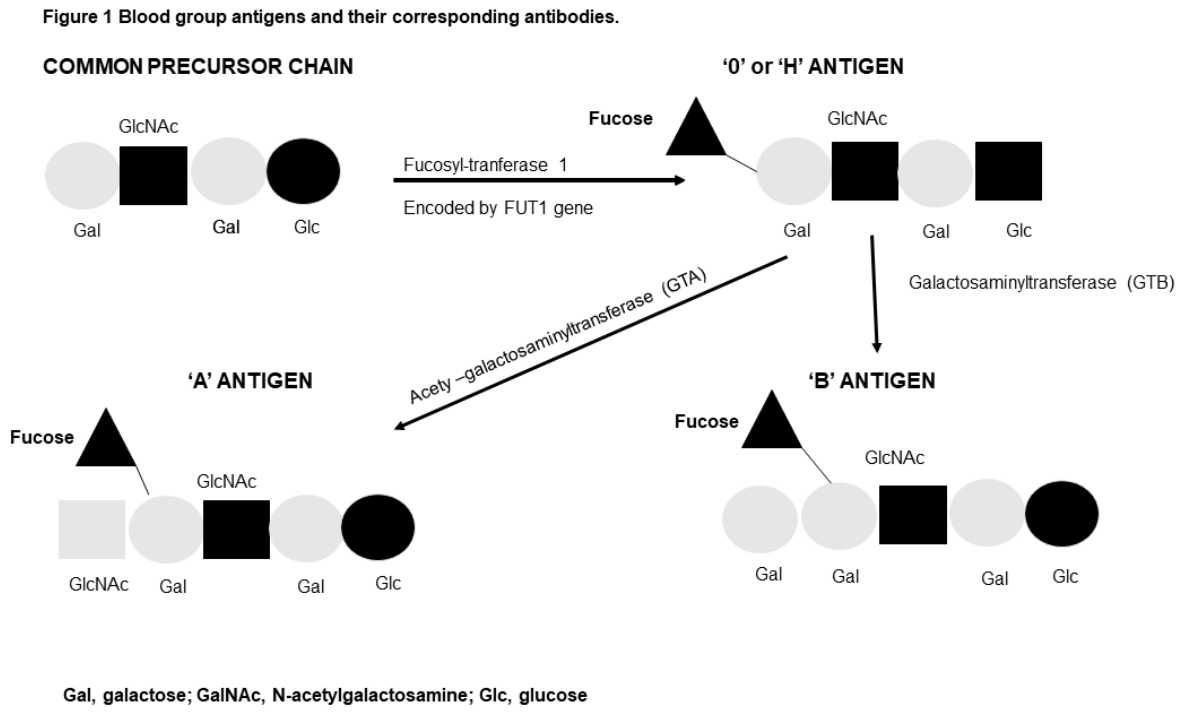
Figure 2.

Figure 3.
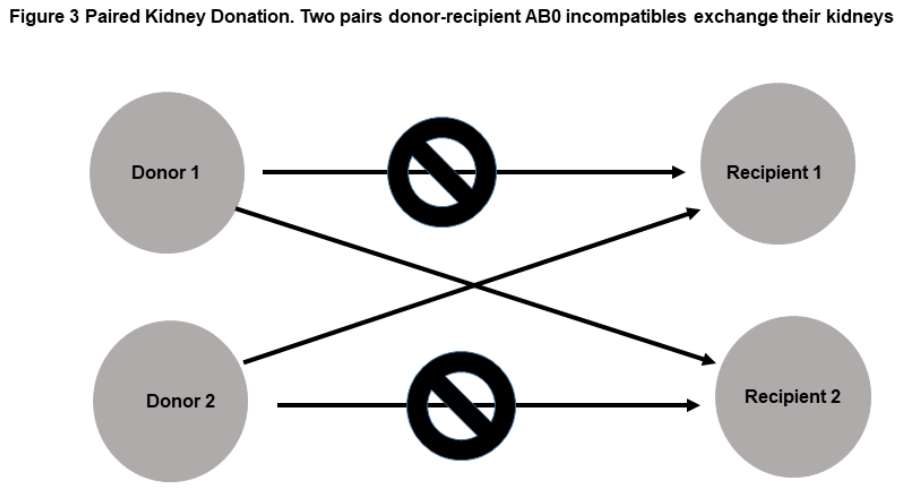

Table 1.
The Clinical data analysis results of the two groups of patients.
| Clinical Outcomes | AB0i-LDKT | AB0c-LDKT | p |
|---|---|---|---|
| Number | 41 | 132 | |
| Preoperative Hospital Stay (Day) | 22.27±7.10 | 22.20±9.30 | 0.955 |
| In-patient Care Spending | 127.13±41.21 | 91.34±38.74 | <0.001 |
| Delayed Graft Function | 2.44% | 3.03% | 1.000 |
| Pulmonary Infection | 34.15% | 20.45% | 0.092 |
| Urinary Tract Infection | 4.88% | 3.79% | 0.670 |
| Surgical Complications | 14.63% | 8.33% | 0.240 |
| Graft Survival 1st year | 95.12% | 94.70% | 1.000 |
| Graft Survival 3st year | 92.68% | 92.42% | 1.000 |
| Patient Survival 1st year | 97.56% | 96.21% | 1.000 |
| Patient Survival 3st year | 97.56% | 93.94% | 0.692 |
Disclaimer/Publisher’s Note: The statements, opinions and data contained in all publications are solely those of the individual author(s) and contributor(s) and not of MDPI and/or the editor(s). MDPI and/or the editor(s) disclaim responsibility for any injury to people or property resulting from any ideas, methods, instructions or products referred to in the content. |
© 2026 by the authors. Licensee MDPI, Basel, Switzerland. This article is an open access article distributed under the terms and conditions of the Creative Commons Attribution (CC BY) license (http://creativecommons.org/licenses/by/4.0/).
Copyright: This open access article is published under a Creative Commons CC BY 4.0 license, which permit the free download, distribution, and reuse, provided that the author and preprint are cited in any reuse.


