
Submitted:
01 April 2026
Posted:
02 April 2026
You are already at the latest version
Abstract
Introduction and Purpose. Aquatic organisms, including invertebrates such as sponges, mollusks, and jellyfish, are sources of environmentally friendly marine collagen and low-molecular-weight bioactive oligopeptides, purified using advanced technologies. Since the early 2010s, numerous high-quality experimental and human studies have explored the properties of hydrolyzed marine collagen fragments as systemic functional ingredients in regenerative medicine. The purpose of this review is to discuss these properties and the rationale behind them, with a focus on wound healing. Mechanisms underlying chronic wound healing may offer a strong foundation for the still-missing, high-level clinical studies, particularly in patients with diabetic and pressure ulcers.
Methods. This review examines only academically significant studies published in PubMed-indexed journals with significant impact factors, supplemented by a few contributions from Google Scholar for methodologically sound in vitro and animal studies.
Results. Activation of skin fibroblasts and other mesenchymal cells underpins the systemic regenerative properties of highly purified hydrolyzed marine collagens. For example, 50 µg/mL of hydrolyzed marine collagen peptides nearly replicated in vitro the accelerated cell migration induced by 10 µg/mL of recombinant human epidermal growth factor. Faster wound healing, associated with increased collagen neosynthesis, is accompanied by increased immunohistochemical expression of platelet-endothelial cell adhesion molecule-1, basic fibroblast growth factor, and transforming growth factor β-1. The potential supportive role of collagen hydrolysates in managing insulin resistance could benefit the treatment of chronic diabetic and pressure ulcers.
Conclusions. An increasing number of preclinical and human studies highlight the systemic regenerative properties of hydrolyzed marine collagens and their excellent safety profile. The evidence for their regenerative properties in aesthetic skin rejuvenation appears solid. Preclinical evidence is also growing for wound-healing support. Unfortunately, sound clinical studies confirming the experimental evidence in everyday wound care practice are still lacking, with long-term safety as a primary concern.
Keywords:
collagen hydrolysates
; diabetes foot care
; fibroblast activation
; hydrolyzed marine collagen
; regenerative medicine
; wound care
1. Introduction
2.1. Marine Collagen Hydrolysates and Their Growing Role as Beauty Supplements
Collagen derivatives from cowhide and other land mammals, along with more recent marine collagen supplements, have gained prominence in the global beauty supplement industry, despite the limited number of well-designed studies. The decline in native collagen with age after early adulthood, which contributes to visible signs of skin aging, such as wrinkles and sagging, especially among women after menopause, has fueled the recent widespread acclaim for collagen derivative supplements.[1]
Seawater and freshwater organisms—including invertebrates like sponges, mollusks, echinoderms, and jellyfish—are sources of marine collagen.[2,3,4] Unlike bovine, porcine, or human recombinant Type 1 collagens, all marine collagens are naturally less cross-linked, making them biophysically unique. They exhibit less tensile strength, which is less critical in the low-gravity aquatic environment, but show greater flexibility.[4] Collagen from aquatic sources addresses religious concerns and avoids the risks of prion disease transmitted by land-mammal collagens; additionally, it avoids the risks of contamination with heavy metals and marine pollutants.[2],[5] Highly purified marine collagens are also environmentally friendly because they originate from the estimated 20 million tons of waste organic residues produced annually by the global industrial fishing industry.[2],[5] Moreover, published studies and a recent review of their regenerative potential indicate similar safety profiles of marine collagen hydrolysates and placebo, with only occasional mild nausea and negligible risks of Type 1 immediate hypersensitivity.[2]
The high bioavailability of hydrolyzed marine collagens after oral intake explains their widespread distribution throughout the body.[2] Several studies discuss their skin-rejuvenating effects and potential to reactivate functions in joints and other organs. However, these studies are outside the scope of this review, which focuses on the potential benefits of marine collagen fragments for wound healing, especially in slow-healing wounds.
Because they were introduced only recently, the number of published papers on hydrolyzed marine collagens indexed in PubMed is limited. This is especially true in high-impact, peer-reviewed journals. A PubMed search conducted in early January 2026, using the search string “marine collagen peptides” and limited to English-language articles, returned only 30 citations, including a review in aesthetic regenerative medicine by two authors of this manuscript.[2] Many of these papers mainly focus on purification procedures and other technical, non-medical issues.
Wound care dressings often use hydrolyzed collagen-based matrices, with a large body of literature supporting their use. Still, as of early January 2026, no paper in PubMed-indexed journals appeared to have reviewed the effectiveness of orally administered marine collagen hydrolysates in wound care in human patients.
2.2. A Role for Marine Collagen Oligopeptides in Chronic Wound Healing Is Soundly Based
Despite the lack of clinical studies on marine collagen bioactive fragments in wound care—especially for chronic, difficult-to-heal wounds like diabetic and pressure ulcers—the rationale for their widespread use appears solid. Fibroblast dysfunction and abnormally high levels of matrix metalloproteinases (MMPs) disrupt extracellular matrix remodeling by reducing collagen content.[6,7,8] Histochemical studies in experimental diabetic models confirm this disruption, showing delayed appearance of sparse, poorly stained precollagen (reticulin) fibers and weak staining for acid and neutral mucopolysaccharides.[6] Histologically, scar formation is delayed, with abnormal persistence of early vascularization and cellular activity. In fibroblasts, wound-healing mediators like COL16A1 are poorly expressed. Likewise, several intracellular signaling pathways, including transcription factors PLAGL1, RUNX2, and ZKSCAN7, which appear downregulated in poorly healing lesions, respond favorably to regenerative treatments such as platelet-rich plasma.[9],[10]
The purpose of this review is to discuss the properties of bioactive hydrolyzed marine collagen oligopeptides, with a particular focus on wound healing, and the rationale for their potential effectiveness in this indication. The mechanisms underlying chronic wound healing, such as those demonstrated preclinically and herein discussed, may provide a strong foundation for the high-level clinical studies that remain warranted.
The rationale appears especially well documented for diabetic ulcers, but may extend to other hard-to-heal chronic wounds, as suggested, in patients with chronic tissue ischemia and pressure ulcers, usually over bony prominences, by the oral administration of bioactive oligopeptides derived from gelatin or heat-denatured collagen from land mammals.[11]
2. Material and Methods
The authors adopted selective criteria for their review of published papers on hydrolyzed marine collagens in wound management:
- Inclusion only of well-described, methodologically sound, and reproducible studies, published in PubMed-indexed journals with notable impact factors.
- Exclusion of all studies of questionable quality published in non-indexed, non-peer-reviewed journals.
These selection criteria aimed to minimize the risk of promotional bias. The early 2010s mark the period when the first indexed, academically credible papers on hydrolyzed marine collagens appeared in the literature; this period was set as the search cutoff for the consulted databases. The authors made the final decision about which studies to include in their review during an online consensus meeting held in mid-November 2025. They adhered as closely as possible to the PRISMA guidelines for reviews while maintaining a general narrative style to make their manuscript easier to read.
3. Results
Even if still limited, evidence from literature on marine collagen-derived oligopeptides indicates a notable oral bioavailability and systemic distribution (Figure 1).[12] After oral intake and systemic distribution, the low-molecular-weight [14]C-labelled fragments have a long persistence in target tissues—more than two weeks in the skin, muscles, and mesenchymal tissues involved in slow-healing wounds.[12],[13]
Efficient absorption, mediated by transporters in the intestinal brush border membrane, such as the proton-coupled oligopeptide transporter 1 (PepT1), prevents digestion of marine collagen fragments into individual amino acids.[2] The high systemic bioavailability of marine collagen oligopeptides, which is indistinguishable from that of the amino acid proline, sets hydrolyzed marine collagens apart from collagen fragments derived from land mammals. Absorption is up to 50% more efficient compared to mammalian collagens, likely owing to the higher content of glycine, serine, and threonine and the lower levels of proline and hydroxyproline.[14],[15]
3.1. Safety and Oral-Route Bioavailability of Hydrolyzed Marine Collagens
In preclinical investigations, marine collagen oligopeptide hydrolysates showed negligible impact on pro-inflammatory mediators in animal studies.[2] The low content of the histamine precursor histidine is a marker highlighting the low antigenic potential of marine fragments and reduced risk of type-1 immediate hypersensitivity.[16] These hydrolysates also act as potent antioxidants, with free radical scavenging activity comparable to E321, a widely used food preservative (Figure 2).[5]
3.2. The Biological Properties of Hydrolyzed Marine Collagens
Activation of skin fibroblasts underpins the regenerative properties of marine collagen hydrolysates after oral intake, both in the skin and systemically. These properties are unique to marine breakdown fragments, compared to dermally infiltrated intact collagen.[2],[16,17,18,19] Fibroblast activation requires a polypeptide structure, as exposure to proline and hydroxyproline, the amino acids typical of all collagens, fails to exhibit the same biological behavior (Figure 3).[12]
The effect on fibroblasts appears direct. For example, the hydrophobic peptide F5 from Mozambique tilapia (Oreochromis mossambicus) fish scales not only scavenges reactive oxygen species and prevents oxidative stress-induced damage to fibroblasts, but also docks to the active sites of matrix metalloproteinases MMP-1, MMP-3, and MMP-12, which are responsible for breaking down collagen and elastin.[3] Furthermore, in laboratory animals supplemented with oral marine collagen hydrolysate for 24 months, there is an increase in the expression of Type I and III collagen compared to aged untreated controls. This increase in collagen deposition occurs alongside a decrease in metalloproteinase-1 (MMP-1) expression and higher tissue levels of the MMP-1 inhibitor, as revealed by immunohistochemical and Western blot analysis.[20]
These changes are linked to the activation of the SMAD signaling pathway—mediated by the SMAD group of related proteins acting as the primary signal transducers for receptors of the Transforming Growth Factor beta (TGF-ß) superfamily—and the up-regulated expression of the SMAD activator TGF-βRII (TβRII), supporting the direct effect on fibroblasts.[21] The activation of the Hyaluronan Synthase 2 (HAS2) transcription pathway stimulates the synthesis of high-molecular-weight hyaluronan.[20]
The rationale behind these properties is sound and unsurprising and falls within the innovative concept of transitioning from inflammatory repair to non-inflammatory tissue regeneration (Anti-Inflammatory Regenerative Medicine, AIMED).[22] The small peptides, known as matrikines, released during the breakdown of extracellular matrix collagen, are highly homologous to marine collagen fragments and act as good models of the biological effects of marine collagen hydrolysates (Figure 4). Molecular docking studies demonstrate the high affinity of several matrikines for receptors for chemokines, cytokines, ion channels, and growth factors.[2], [23] Examples include the collagen matrikine α1 C-1158/59, which promotes wound healing and cell migration, and the glycine- and proline-containing matrikine PGP, which binds at the chemokine receptors C-X-C motif chemokine receptors 1 and 2 (CXCR1 and CXCR2), regulating both the inflammatory and epithelialization phases of wound healing.[23],[24]
3.3. The Promising Rationale for Hydrolyzed Marine Collagens in Wound Care
A recent review examined the emerging benefits of orally administered marine collagen hydrolysates in aesthetic medicine and plastic surgery.[2] Building on those findings, the authors present some ideas about the rationale and expected advantages of marine collagen hydrolysates in wound care.
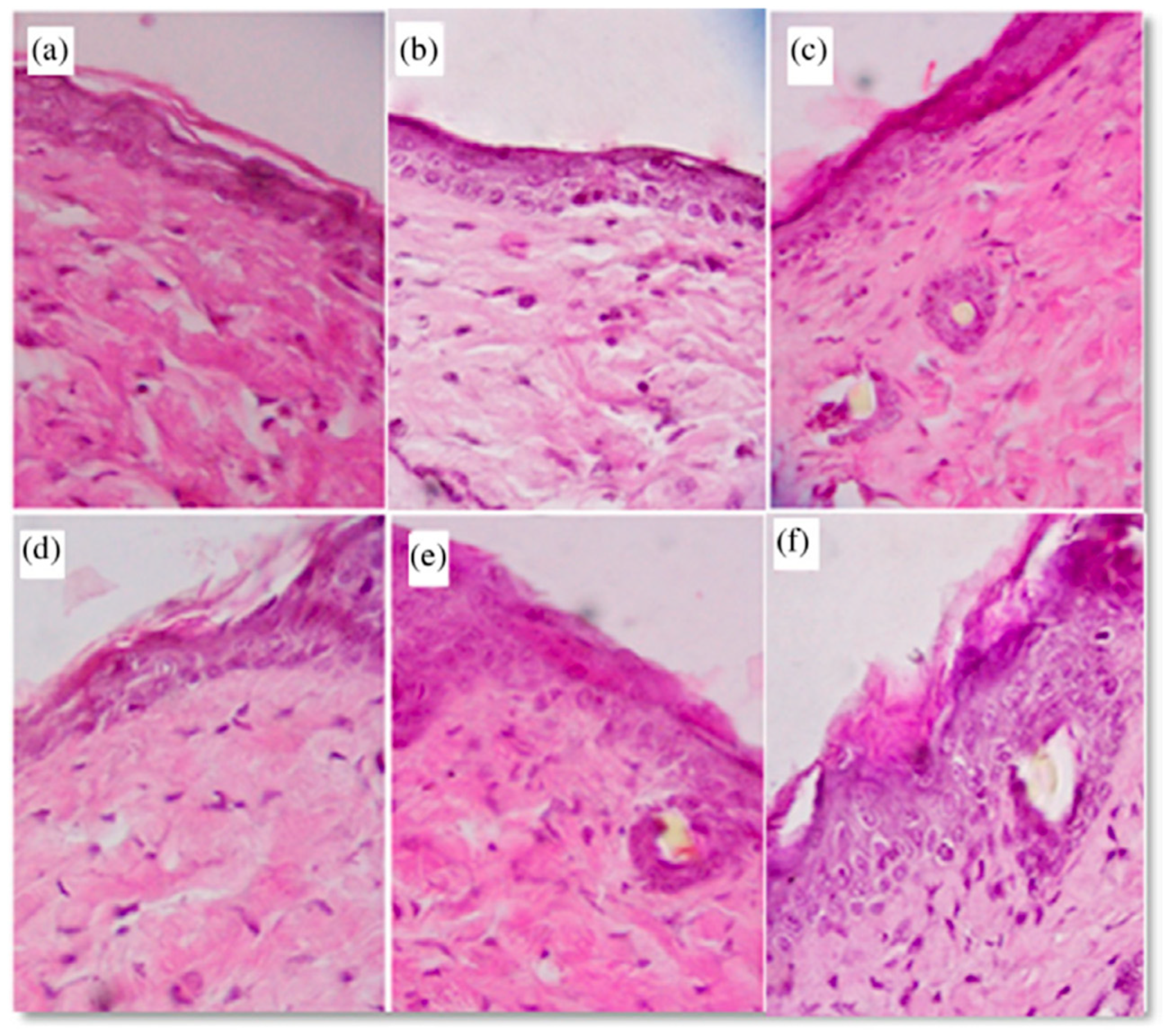
Experimental in vitro exposure to marine collagen peptides promotes wound healing in a dose-dependent manner, as demonstrated in several early preclinical studies from the mid-2010s. In a 2015 study based on the in-vitro scratch closure assay, with marine collagen proteolysate concentrations ranging from 6.25 to 50 µg/mL, there was no difference in the rate of cell migration and repair ability of the injured cell monolayer between fibroblasts exposed to 50 µg/mL of marine collagen fragments and 10 µg/mL of recombinant human epidermal growth factor (rhEGF), used as positive controls.[25] In the same year, in a study with young male Balb/c mice injected in the tails (test solutions: 80 µL) with acid-soluble collagen (ASC) from haddock (Melanogrammus aeglefinus) skin and four ASC hydrolysates with different average molecular weights — H1 (53.8 kDa), H2 (23 kDa), H3 (14.4 kDa), and H4 (6.5 kDa) — ASC and the hydrolysates with higher molecular weights (H1 and H2) shortened clotting times and, consequently, bleeding times compared to controls (saline).[26] Moreover, during experimental burn wound healing, skin cellularity and maturity increased in both the epidermal and dermal layers compared to the control group. After a week, blood capillaries appeared in scalded skin treated with hydrolysates but not in controls (Figure 5).[26]
In another similar study conducted two years later, chum salmon skin collagen fragments accelerated wound healing after cesarean section. This was associated with increased immunohistochemical expression of platelet-endothelial cell adhesion molecule-1, basic fibroblast growth factor, and transforming growth factor ß-1.[27] The dose-dependent increase in fibroblast proliferation following exposure to marine collagen peptides is also chronologically connected to the dose-dependent activation of the fibroblast intracellular NF-κB p65 signaling pathway, followed by enhanced signaling along other secondary intracellular pathways.[28]
The closure of monolayer scratch wounds occurs quickly. In a previously discussed wound-healing scratch assay, the repair rate of the scarified monolayer of Human Umbilical Vein Endothelial Cells (HUVEC) after 48 hours was about 74-75% following exposure to 6.25 μg/mL of two slightly different formulations of marine collagen peptides from the jellyfish Rhopilema esculentum. The faster wound closure compared to the repair rate of vehicle-treated, scarified control HUVEC cells was less than 50%. Starting at 18 hours, the difference in wound closure was significant compared to controls (Figure 6).[19]
Figure 6.
Migration of HUVEC cells in a wound-healing scratch assay after exposure to two slightly different formulations of jellyfish collagen peptides (6.25 μg/mL) compared to cell migration after treatment with vehicle (control) at baseline and after 48 hours. Red lines highlight the edges of the wound gap. Reproduced from Hu Z et al (Ref 19) under a Creative Commons CC BY-NC 4.0 License.
Figure 6.
Migration of HUVEC cells in a wound-healing scratch assay after exposure to two slightly different formulations of jellyfish collagen peptides (6.25 μg/mL) compared to cell migration after treatment with vehicle (control) at baseline and after 48 hours. Red lines highlight the edges of the wound gap. Reproduced from Hu Z et al (Ref 19) under a Creative Commons CC BY-NC 4.0 License.
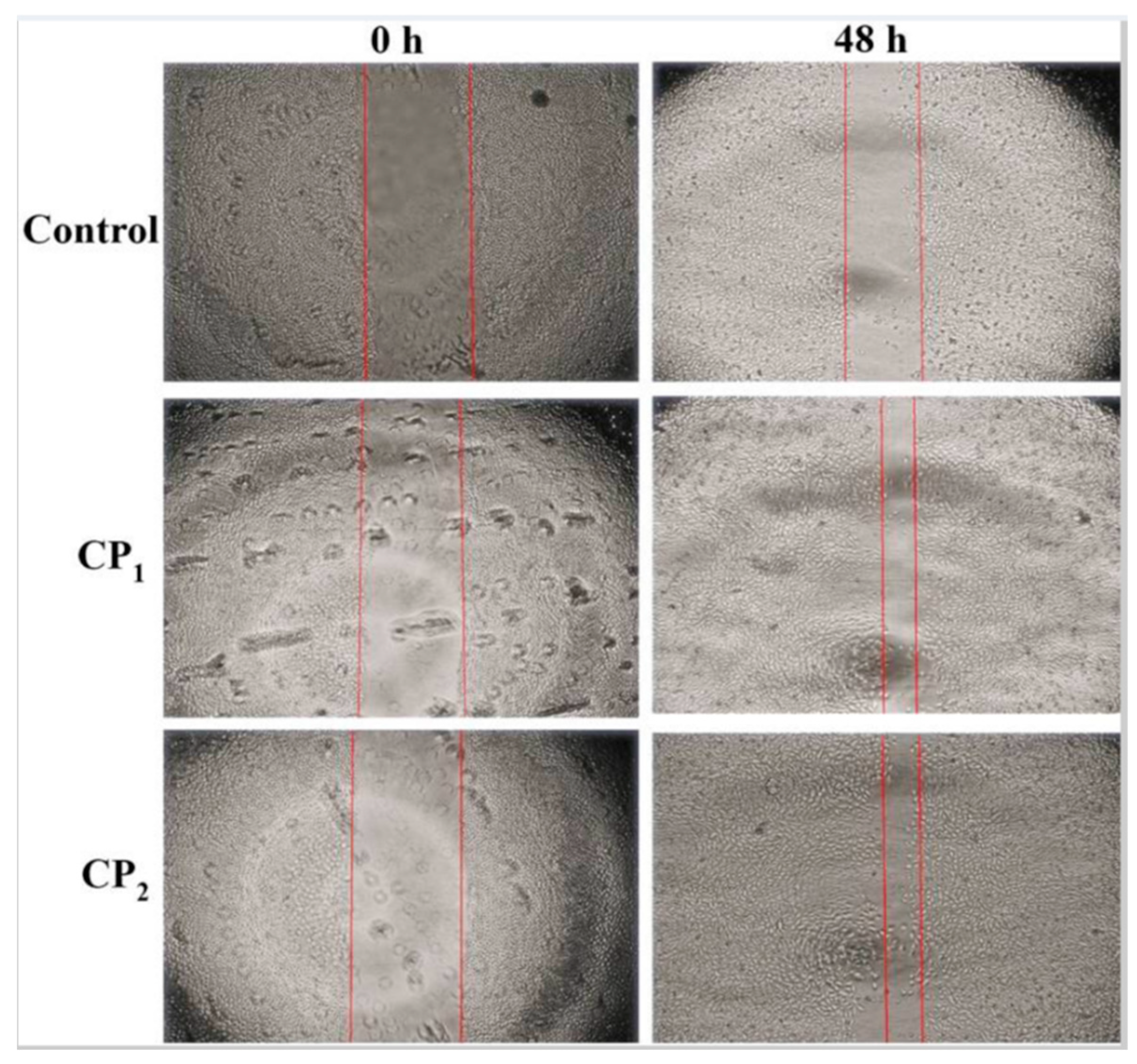
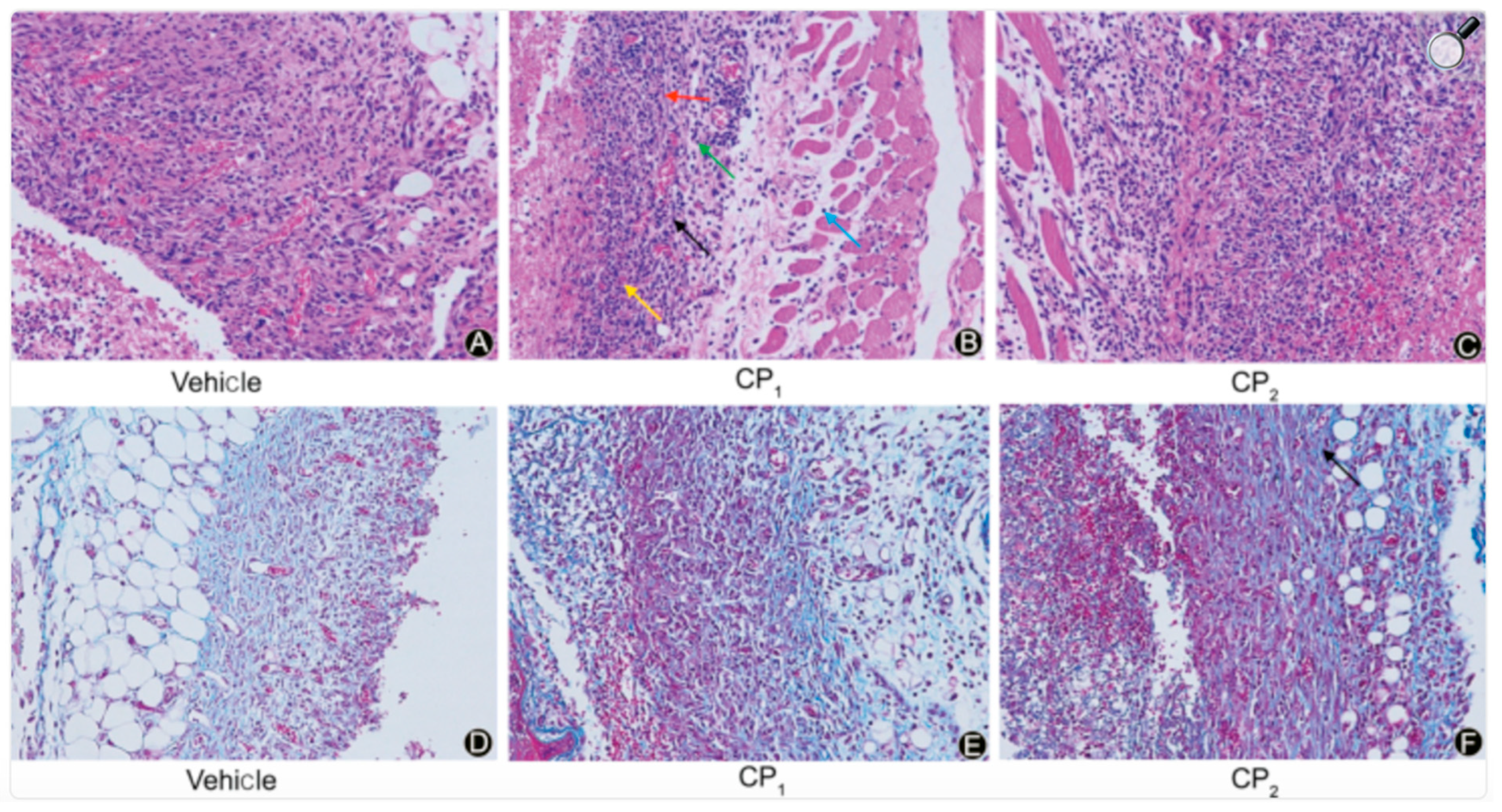
Figure 7.
Skin sections from mice treated with 0.9 g/kg body weight collagen peptides or vehicle on day 6; magnification 200×. A to C micrographs: skin sections showing fibroblasts (black arrows), fiber cells (red arrow), new blood vessels (yellow arrow), inflammatory cells (green arrow), and interstitial connective tissue of muscle cells (blue arrow). Hematoxylin & eosin stain. D to F micrographs: blue-stained collagen (black arrow). Masson trichrome stain. Reproduced from Hu Z et al (Ref 19) under a Creative Commons CC BY-NC 4.0 License.
Figure 7.
Skin sections from mice treated with 0.9 g/kg body weight collagen peptides or vehicle on day 6; magnification 200×. A to C micrographs: skin sections showing fibroblasts (black arrows), fiber cells (red arrow), new blood vessels (yellow arrow), inflammatory cells (green arrow), and interstitial connective tissue of muscle cells (blue arrow). Hematoxylin & eosin stain. D to F micrographs: blue-stained collagen (black arrow). Masson trichrome stain. Reproduced from Hu Z et al (Ref 19) under a Creative Commons CC BY-NC 4.0 License.
Most of the limited number of published papers on hydrolyzed marine collagens indexed in PubMed are experimental, conducted in vitro and in laboratory models, including studies on wound healing. Surprisingly, despite the sound rationale for marine collagen hydrolysates, there are no studies specifically focused on pressure injuries in laboratory models, nor have human studies examined the potential of hydrolyzed marine collagen in wound management. The results of the only (as far as the authors know) double-blind placebo-controlled study investigating the effectiveness of non-marine collagen hydrolysates could approximate the expected positive outcomes of the still-absent human studies.[11] Patients with pressure ulcers receiving standard care were randomized to twice-daily, high-dose oral intake of low-molecular-weight hydrolysates from heat-denatured pork skin gelatin containing either low or high levels of the prolylhydroxyproline (Pro-Hyp) and hydroxyprolylglycine (Hyp-Gly) dipeptides or placebo (maltodextrin TK-16). The primary efficacy parameters, the two scoring scales Pressure Ulcer Scale for Healing (PUSH) and Pressure Sore Status Tool (PSST), as well as the wound area, were significantly lower at the end of 16 weeks compared to placebo, with only minor differences between the two formulations. The PUSH scores for the slightly more effective formulation were 6.46 ± 0.98 and 9.26 ± 2.09 for the placebo (p < 0.01), while the PSST scores were 19.71 ± 3.08 and 23.38 ± 3.85 (p = 0.01), and the wound areas were 3.19 ± 2.88 and 5.00 ± 3.88 (p = 0.027). Over 71% of individuals showed improvements in their PUSH and PSST scores. Attributing the significant improvements in PUSH and PSST scores and wound area to the physiological activity of the systemically absorbed oligopeptides was a legitimate conclusion, according to the authors.[11]
Conversely, evidence is accumulating on the potential role of collagen hydrolysates in modulating insulin resistance, an interesting finding given the rising prevalence of diabetic ulcers.[29,30,31,32,33] Helping control insulin resistance and regulate glycemic metabolism could be beneficial, as the prevalence of diabetic foot, a serious complication of diabetes, is estimated at 4-10%. It primarily affects older patients, with a lifetime risk of about 15% for diabetic individuals to develop this complication.[34]
Although not strictly derived from an aquatic organism, exposure to the skin collagen polypeptide GPAGAP from Andrias davidianus, a giant, critically endangered amphibious salamander from the Yangtze River basin in central China, improved insulin resistance in the HepG2 cell line through multiple-target, multi-pathway mechanisms. Molecular docking studies revealed interference with several intracellular signaling pathways involved in type 2 diabetes mellitus and its complications, including the PI3K-Akt and AGE-RAGE pathways, as well as α-glucosidase inhibition.[29] Marine collagen polypeptides from the bones of Thunnus albacares, a yellowfin tuna from tropical and subtropical oceans, also demonstrated the ability to inhibit α-glucosidase competitively.[30] Even more convincing is the evidence that marine collagen hydrolysates inhibit dipeptidyl peptidase IV (DPP-IV), which degrades the intestinal incretin hormones GLP-1 (glucagon-like peptide-1) and GIP (glucose-dependent insulinotropic polypeptide), thereby promoting insulin secretion, inhibiting glucagon release, and delaying gastric emptying.[30] Already in 2014, the tripeptide GPA from fish scale collagen proved to be a competitive inhibitor (Ki=4.5 mM) of DPP-IV; in contrast, collagen hydrolysates from pig and cattle skin and chicken feet showed no inhibitory activity against DPP-IV.[31] Collagen polypeptides from the Far East fish Selar crumenophthalmus also increased GLP-1 expression.[32] Molecular docking analysis identified nine collagen oligopeptides from bighead carp skin with potential DPP-IV inhibitory activity, with the fragment PPGF exhibiting the highest potency (IC50=4.63 nM).[33] Emerging clinical evidence from well-designed, double-blind, actively controlled trials indicates that patients with type 2 diabetes treated with fish collagen fragments experience significantly better control of short-term and medium-term parameters, such as reductions in fasting blood glucose and glycosylated hemoglobin (HbA1c) over a three-month period.[34]
Building on this preclinical evidence, one of the authors, M.R., is currently coordinating a pilot study sponsored by his company that uses a patented hydrolyzed marine collagen supplement (Nashira Collagen, Astéria Pharma Srl, Milan, Italy) to explore the potential of oral marine collagen hydrolysates in the early stages of diabetic foot ulcers as an addition to standard diabetic ulcer treatment.[35]
4. Conclusions
The rationale for the value of collagen oligopeptides, particularly their potential to support wound healing via oral intake, appears trustworthy. This conclusion is primarily based on methodologically sound, reproducible preclinical studies. However, there are no clinical studies specifically addressing wound care. This lack of human studies hinders a balanced discussion of the advantages and disadvantages of hydrolyzed marine collagens in wound management. It also prevents drawing definitive conclusions beyond a cautious acknowledgment of the consistent preclinical rationale and the potential for clinical benefits in support of standard conservative wound management, such as surgical debridement, correction of peripheral arterial insufficiency, offloading the wound, daily saline or similar dressings to maintain a moist wound environment, and infection control.
Conversely, clinical investigations are available and discussed in systematic reviews and meta-analyses for the indication of skin rejuvenation for aesthetic purposes.[2],[36,37,38] However, even in that indication, acceptance of generally favorable outcomes is not universal, as suggested by subgroup meta-analyses by funding source—corporate-dependent or corporate-independent.[39]
Although persuasive, experimental data on wound management from in vitro and animal models cannot escape debate and doubts about their predictive value for humans.[40] These considerations led the Corresponding Author to oversee an academic clinical research program on early diabetic foot care with medium-term follow-up. Based on the described preclinical evidence, short-term benefits are likely; however, only long-term studies will confirm their sustainability and prevent overestimating benefits. Verifying the long-term safety of marine collagen fragments is another critical issue. Chronic wound care is a prolonged medical and surgical endeavor, and currently, there is limited information on long-term safety, including for the anti-aging and skin rejuvenation indications.[2]
In conclusion, although it may still be too early for definitive recommendations to wound care specialists about adjunctive biologically active marine collagen hydrolyzed oligopeptides, pending confirmation from the well-designed clinical trials currently in progress, the substantial experimental evidence so far suggests potential benefits in clinical settings. Clinicians may consider the existing evidence when making decisions on a case-by-case basis.
Author Contributions
All authors made significant contributions to the work reported, whether in conception, study design, execution, data acquisition, analysis, and interpretation, or across all these areas; participated in drafting, revising, or critically reviewing the article; gave final approval of the manuscript for submission; and agreed to be accountable for all aspects of the work. Dr. Mauro Raichi was the primary contributor to medical writing.
Funding
The corporate sponsor Astéria Pharma Srl, Milan, Italy, will be the sole provider of funding to support the article processing charges required by the Molecules journal.
Institutional Review Board Statement
The submitted review covers previously published information, thus waiving any formal preliminary requirement for Institutional Review Board approval.
Data Availability Statement
The minutes of board discussions are archived and can be provided by the Corresponding Author upon reasonable request.
Acknowledgments
The authors thank Astéria Pharma Srl, Milan, Italy (https://asteriapharma.com/), for their unrestricted support towards open-access publication costs.
Conflicts of Interest
The authors declare no conflicts of interest. No author received funding or other benefits. Dr. Mauro Raichi, the corresponding author, is the medical director of a company that sells hydrolyzed marine collagen nutritional supplements. However, he acted solely as an expert in the field and as a clinical pharmacology consultant, making every effort to ensure that his position did not influence his judgments. Dr. Maurizio Cavallini received research grants as a member of R&D steering boards and as a lecturer and tutor in continuing medical education activities from several companies that may be only occasionally connected to the issues discussed in the manuscript. Similarly, Dr. Emanuele S. Aragona, Dr. George Christopoulos, and Dr. Mauro Raichi received fees over the past year and a half from various producers of plastic and aesthetic surgery products for their roles as R&D consultants, editors of educational materials, and lecturers at continuing medical education and academic meetings.
References
- Global Beauty Supplements Market Outlook, 2024; Research and Markets: Dublin, Ireland, September 2024.
- Bartoletti, E.; Cavallini, C.; Klinger, M.E.A.; Lim, T.S.; Llorca Pérez, V.M.; Raichi, M. Hydrolyzed Marine Collagen: Emerging Evidence of Benefits Vva The Oral Route - Review And Insights For Medical Aesthetics Practitioners. Clin Cosmet Investig Dermatol. 2025, 18, 3339–3356. [Google Scholar] [CrossRef]
- Ma, X.; Chuang, P.H.; Tseng, Y.H.; Wang, X.; Ma, Z.; Chen, H.; Zhai, W.; Yang, W.; Meng, Z.; Xu, J. Progress in Research on Animal Collagen Peptides: Preparation, Bioactivity, and Application. Molecules. 2025, 30, 3061. [Google Scholar] [CrossRef]
- Coppola, D.; Oliviero, M.; Vitale, G.A.; Lauritano, C.; D’Ambra, I.; Iannace, S.; de Pascale, D. Marine Collagen from Alternative and Sustainable Sources: Extraction, Processing and Applications. Mar Drugs. 2020, 18, 214. [Google Scholar] [CrossRef]
- Geahchan, S.; Baharlouei, P.; Rahman, A. Marine Collagen: A Promising Biomaterial for Wound Healing & Skin Anti-Aging. Mar Drugs. 2022, 20, 61. [Google Scholar] [CrossRef]
- Ekmektzoglou, K.A.; Zografos, G.C. A Concomitant Review of the Effects of Diabetes Mellitus and Hypothyroidism in Wound Healing. World J Gastroenterol. 2006, 12, 2721–2729. [Google Scholar] [CrossRef] [PubMed]
- Goulding, V. The Effects of Diabetes on Collagen within Wound Healing. Diabetic Foot Journal. 2015, 18, 75–80. [Google Scholar]
- Huang, Y.; Kyriakides, T.R. The Role of Extracellular Matrix in The Pathophysiology of Diabetic Wounds. Matrix Biol Plus. 2020, 6-7, 100037. [Google Scholar] [CrossRef]
- Wang, P.; Sun, J.; Wang, Y.; Ren, B.; Liu, Y.; Liu, Y.; Chen, L.; Yu, L.; Dai, T.; Yu, L.; Dong, Z. Promotion of DFU Wound Healing via BRG1-COL16A1 Axis in Fibroblasts. Adv Sci (Weinh). 2026, e16687. [Google Scholar] [CrossRef]
- Li, X.; He, Z.; Long, C.; Chen, M.; Chen, M.; Zhang, L.; Luo, Z; Tian, J. Single-Cell Dissection of Fibroblast Heterogeneity in Diabetic Ulcers: Platelet-Rich Plasma (PRP) Therapy Activates Core Regenerative Programs via PLAGL1/RUNX2/ZKSCAN7 Networks. Front Biosci (Landmark Ed). 2025, 30, 47450. [Google Scholar] [CrossRef]
- Sugihara, F.; Inoue, N.; Venkateswarathirukumara, S. Ingestion of Bioactive Collagen Hydrolysates Enhanced Pressure Ulcer Healing in a Randomized Double-Blind Placebo-Controlled Clinical Study. Sci Rep. 2018, 8, 11403. [Google Scholar] [CrossRef]
- Sibilla, S.; Godfrey, M.; Brewer, S.; Budh-Raja, A.; Genovese, L. An Overview of the Beneficial Effects of Hydrolyzed Collagen as a Nutraceutical on Skin Properties: Scientific Background and Clinical Studies. Open Nutraceut J. 2015, 8, 29–42. [Google Scholar] [CrossRef]
- Watanabe-Kamiyama, M.; Shimizu, M.; Kamiyama, S.; Taguchi, Y.; Sone, H.; Morimatsu, F.; Shirakawa, H.; Furukawa, Y.; Koma, M. Absorption and Effectiveness of Orally Administered Low-Molecular-Weight Collagen Hydrolysate in Rats. J Agric Food Chem. 2010, 58, 835–841. [Google Scholar] [CrossRef]
- Jafari, H.; Lista, A.; Siekapen, M.M.; Ghaffari-Bohlouli, P.; Nie, L.; Alimoradi, H.; Shavandi, A. Fish Collagen: Extraction, Characterisation, and Applications for Biomaterials Engineering. Polymers (Basel). 2020, 12, 2230. [Google Scholar] [CrossRef]
- Islam, J.; Solval, K.E.M. Recent Advancements in Marine Collagen: Exploring New Sources, Processing Approaches, and Nutritional Applications. Mar Drugs. 2025, 23, 190. [Google Scholar] [CrossRef]
- Salvatore, L.; Gallo, N.; Natali, M.L.; Campa, L.; Lunetti, P.; Madaghiele, M.; Blasi, F.S.; Corallo, A.; Capobianco, L.; Sannino, A. Marine Collagen and Its Derivatives: Versatile and Sustainable Bio-Resources for Healthcare. Mater Sci Eng C Mater Biol Appl. 2020, 113, 110963. [Google Scholar] [CrossRef]
- Ricard-Blum, S.; Vallet, S.D. Fragments Generated upon Extracellular Matrix Remodeling: Biological Regulators and Potential Drugs. Matrix Biol. 2019, 75–76, 170–189. [Google Scholar] [CrossRef]
- Kisling, A.; Lust, R.M.; Katwa, L.C. What is the Role of Peptide Fragments of Collagen I and IV In Health and Disease? Life Sci. 2019, 228, 30–34. [Google Scholar] [CrossRef]
- Hu, Z.; Yang, P.; Zhou, C.; Li, S.; Hong, P. Marine Collagen Peptides from the Skin of Nile Tilapia (Oreochromis Niloticus): Characterization and Wound Healing Evaluation. Mar Drugs. 2017, 15, 102. [Google Scholar] [CrossRef]
- Liang, J.; Pei, X.; Zhang, Z.; Wang, N.; Wang, J.; Li, Y. The Protective Effects of Long-Term Oral Administration of Marine Collagen Hydrolysate from Chum Salmon on Collagen Matrix Homeostasis in the Chronologically Aged Skin of Sprague-Dawley Male Rats. J Food Sci. 2010, 75, H230–H238. [Google Scholar] [CrossRef]
- Kim, D.U.; Chung, H.C.; Choi, J.; Sakai, Y.; Lee, B.Y. Oral intake of Low-Molecular-Weight Collagen Peptide Improves Hydration, Elasticity, and Wrinkling in Human Skin: A Randomized, Double-Blind, Placebo-Controlled Study. Nutrients. 2018, 10, 826. [Google Scholar] [CrossRef]
- Aragona, S.E.; Mereghetti, G.; Ciprandi, G. LumiHeal® and Anti-Inflammatory Regenerative Medicine (AIMED): A New Management Strategy for Shortening Wound Healing and Effective Outcomes, from Repair 1.0 to Wound Regeneration 4.0. J Biol Regul Homeost Agents. 2022, 36, 87(S2)–95(S2). [Google Scholar] [CrossRef]
- Jariwala, N.; Ozols, M.; Bell, M.; Bradley, E.; Gilmore, A.; Debelle, L.; Sherratt, M.J. Matrikines as Mediators of Tissue Remodelling. Adv Drug Deliv Rev. 2022, 185, 114240. [Google Scholar] [CrossRef]
- Ma, Y.; Kleinbeck, K.; Kao, W.J. Extracellular Matrix-Derived Tripeptide Proline-Glycine-Proline Inhibits Keratinocyte Proliferation and Migration. Wound Repair Regen. 2011, 19, 718–726. [Google Scholar] [CrossRef]
- Kwon, Y.W.; Heo, S.C.; Lee, T.W.; Park, G.T.; Yoon, J.W.; Jang, I.H.; Kim, S.C.; Ko, H.C.; Ryu, Y.; Kang, H.; et al. N-Acetylated Proline-Glycine-Proline Accelerates Cutaneous Wound Healing and Neovascularisation by Human Endothelial Progenitor Cells. Sci Rep. 2017, 7, 43057. [Google Scholar] [CrossRef]
- Dang, Q.F.; Liu, H.; Yan, J.Q.; Liu, C.S.; Liu, Y.; Li, J.J. Characterisation of Collagen from Haddock Skin and Wound Healing Properties of its Hydrolysates. Biomed Mater. 2015, 10, 015022. [Google Scholar] [CrossRef]
- Wang, J.; Xu, M.; Liang, R.; Zhao, M.; Zhang, Z.; Li, Y. Oral Administration of Marine Collagen Peptides Prepared from Chum Salmon (Oncorhynchus keta) Improves Wound Healing Following Cesarean Section in Rats. Food Nutr Res. 2015, 59, 26411. [Google Scholar] [CrossRef]
- Yang, F.; Jin, S.; Tang, Y. Marine Collagen Peptides Promote Cell Proliferation Of NIH-3T3 Fibroblasts via NF-κB Signaling Pathway. Molecules. 2019, 24, 4201. [Google Scholar] [CrossRef]
- Zhou, M.; Ren, G.; Zhang, B.; Ma, F.; Fan, J.; Qiu, Z. Screening and identification of a novel antidiabetic peptide from collagen hydrolysates of Chinese giant salamander skin: Network pharmacology, inhibition kinetics and protection of IR-HepG2 cells. Food Funct. 2022, 13(6), 3329–3342. [Google Scholar] [CrossRef]
- Natsir, H.; Dali, S.; Arif, A.R.; Sartika; Leliani. Activity and kinetics of α-glucosidase inhibition by collagen hydrolysate from Thunnus albacares bone. J Phys Conf Ser. 2019, 1341, 032015. [Google Scholar] [CrossRef]
- Hatanaka, T.; Kawakami, K.; Uraji, M. Inhibitory effect of collagen-derived tripeptides on dipeptidylpeptidase-IV activity. J Enzyme Inhib Med Chem. 2014, 29, 823–828. [Google Scholar] [CrossRef]
- Kusuma, R.J.; Ermamilia, A.; Halimah, S.N.; Pradani, N.F.; Sholikha, I. Selar (Selar crumenophthalmus) fish protein hydrolysate has antidiabetic properties possibly through GLP-1. Curr Nutr Food Sci. 2020, 17, 516–522. [Google Scholar] [CrossRef]
- Zheng, H.; Zhao, L.; Xie, Y; Tan, Y. Purification identification of novel dipeptidyl peptidase IV inhibitory peptides derived from bighead carp (Hypophthalmichthys nobilis). Foods. 2024, 13, 2644. [Google Scholar] [CrossRef]
- Devasia, S.; Kumar, S.; Stephena, P.S.; Inoue, N.; Sugihara, F.; Koizumi, S.; Matsushita, A.; Sriraam, V.T. A double blind, randomised, four-arm clinical study to evaluate the safety, efficacy, and tolerability of collagen peptide as a nutraceutical therapy in the management of type II diabetes mellitus. J Diabetes Metab. 2019, 10, 1–7. [Google Scholar] [CrossRef]
- Alexiadou, K.; Doupis, J. Management of diabetic foot ulcers. Diabetes Ther. 2012, 3, 4. [Google Scholar] [CrossRef]
- Dewi, D.A.R.; Arimuko, A.; Norawati, L.; Yenny, S.W.; Setiasih, N.L.; Perdiyana, A.; Arkania, N.; Nadhira, F.; Wiliantari, N. Exploring the impact of hydrolyzed collagen oral supplementation on skin rejuvenation: A systematic review and meta-analysis. Cureus. 2023, 15, e50231. [Google Scholar] [CrossRef]
- Mokari-Yamchi, A.; Davoodi, S.H. Collagen supplementation for skin health: A mechanistic systematic review. J Cosmet Dermatol. 2020, 19, 2820–2829. [Google Scholar] [CrossRef]
- Ravindran, R.; Pizzol, D.; López-Gil, JF.; Rahmati, M.; Boyer, L.; Fond, G.; Butler, L.; Stellato, A.; Gawronska, J.; Barnett, Y.; et al. Collagen supplementation for skin and musculoskeletal health: An umbrella review of meta-analyses on elasticity, hydration, and structural outcomes. Aesthet Surg J Open Forum. 2026, 8, ojag018. [Google Scholar] [CrossRef]
- Myung, S.K.; Park, Y. Effects of collagen supplements on skin aging: A systematic review and meta-analysis of randomized controlled trials. Am J Med. 2025, 138, 1264–1277. [Google Scholar] [CrossRef]
- Shanks, N.; Greek, R.; Greek, J. Are animal models predictive for humans? Philos Ethics Humanit Med. 2009, 4, 2. [Google Scholar] [CrossRef]
Figure 1.
Distribution of radioactivity in the skin and muscle, normalized to 1 g of wet tissue, in laboratory Wistar rats during the first six hours and after 14 days following oral administration of [14]C-labeled hydrolyzed collagen fragments (CTp) and proline (Pro); mean ± standard error. Reproduced and adapted from Sibilla S et al (Ref 12) under a Creative Commons CC BY-NC 4.0 License.
Figure 1.
Distribution of radioactivity in the skin and muscle, normalized to 1 g of wet tissue, in laboratory Wistar rats during the first six hours and after 14 days following oral administration of [14]C-labeled hydrolyzed collagen fragments (CTp) and proline (Pro); mean ± standard error. Reproduced and adapted from Sibilla S et al (Ref 12) under a Creative Commons CC BY-NC 4.0 License.
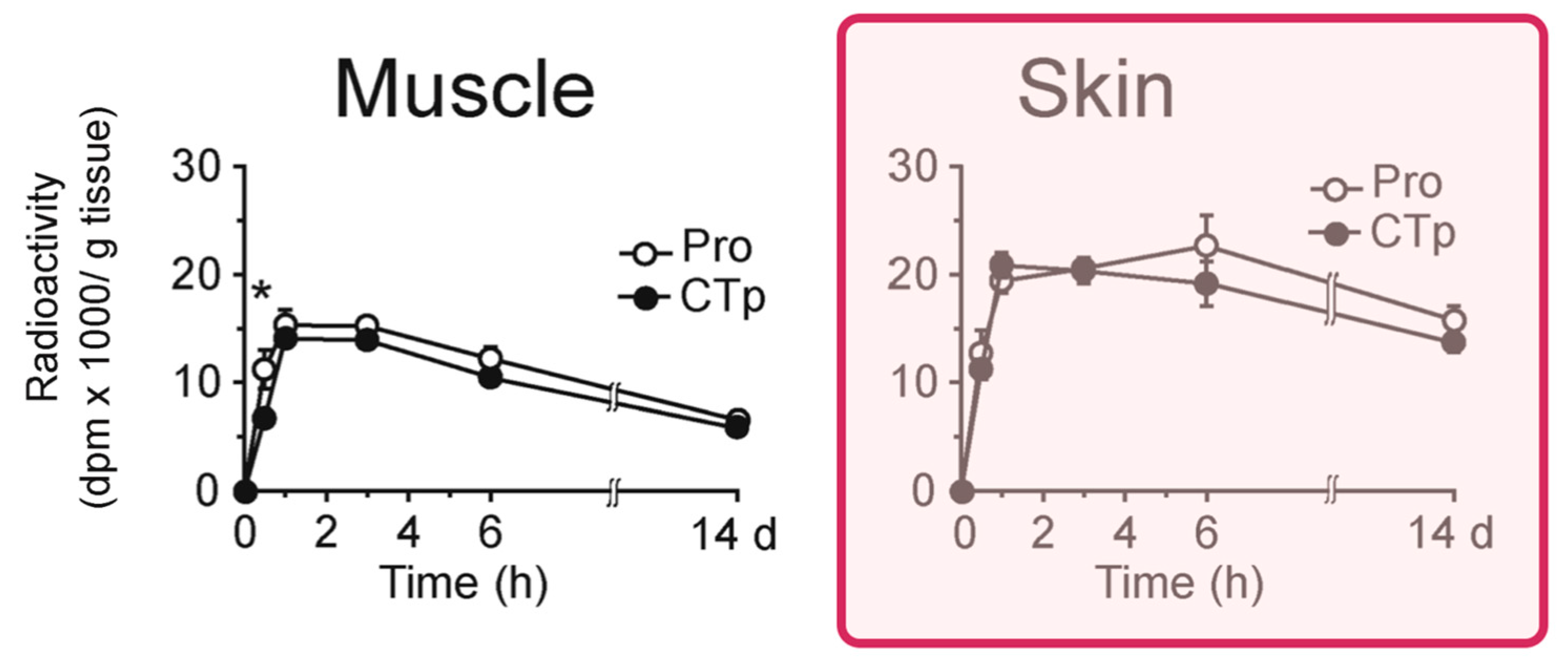
Figure 2.
The decrease in spectrophotometric absorbance by cell membranes over seven days directly correlates with the oxidative damage caused by free radicals. The antioxidant effectiveness of the positive control E321 and three peptides from the same batch of marine collagen is comparable. Control: inert negative control. Reproduced and adapted from Geahchan S et al (Ref 5) under a Creative Commons CC BY-NC 4.0 License.
Figure 2.
The decrease in spectrophotometric absorbance by cell membranes over seven days directly correlates with the oxidative damage caused by free radicals. The antioxidant effectiveness of the positive control E321 and three peptides from the same batch of marine collagen is comparable. Control: inert negative control. Reproduced and adapted from Geahchan S et al (Ref 5) under a Creative Commons CC BY-NC 4.0 License.
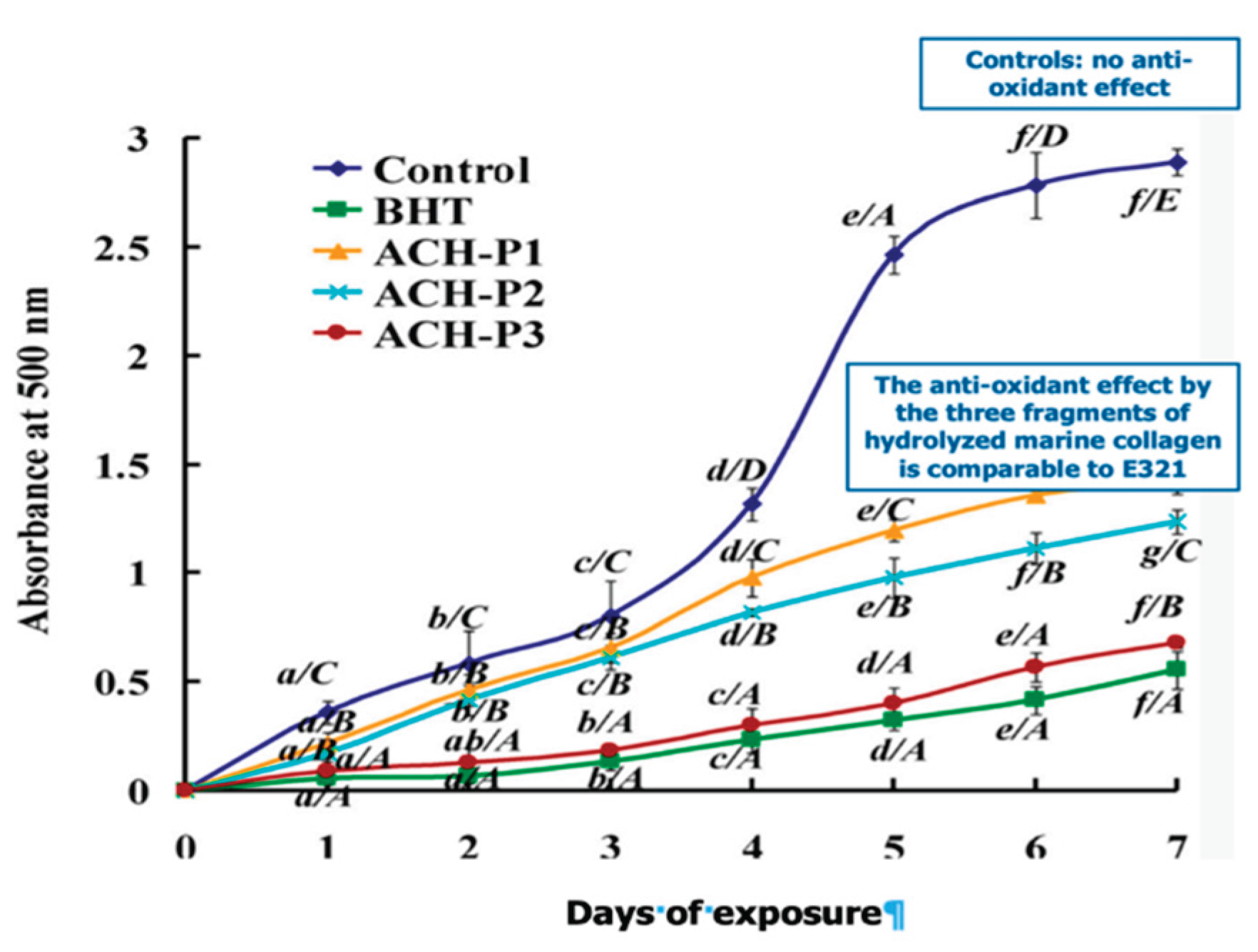
Figure 3.
Effects on in-vitro proliferation and migration speed of human fibroblasts after exposure to marine collagen fragments for 72 hours compared to the growth medium (inert placebo), the amino acid proline, and a proline-hydroxyproline mixture; * p<0.05 versus placebo. Reproduced from Sibilla S et al (Ref 12) under a Creative Commons CC BY-NC 4.0 License.
Figure 3.
Effects on in-vitro proliferation and migration speed of human fibroblasts after exposure to marine collagen fragments for 72 hours compared to the growth medium (inert placebo), the amino acid proline, and a proline-hydroxyproline mixture; * p<0.05 versus placebo. Reproduced from Sibilla S et al (Ref 12) under a Creative Commons CC BY-NC 4.0 License.
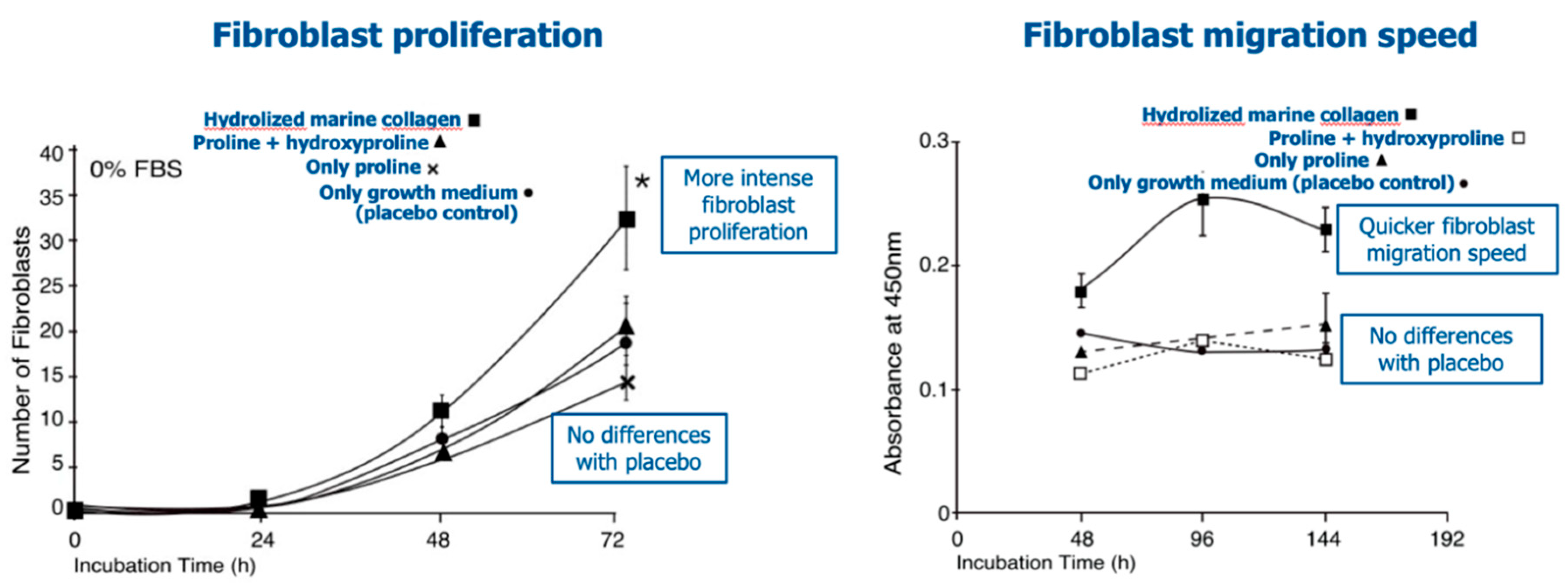
Figure 4.
The effects of hydrolyzed marine collagens on fibroblasts resemble and complement those of physiological matrikines as native collagen reaches the end of its lifespan in the dermis and subdermal tissues. Reproduced and adapted from Bartoletti E et al (Ref 2) under a Creative Commons CC BY-NC 4.0 License.
Figure 4.
The effects of hydrolyzed marine collagens on fibroblasts resemble and complement those of physiological matrikines as native collagen reaches the end of its lifespan in the dermis and subdermal tissues. Reproduced and adapted from Bartoletti E et al (Ref 2) under a Creative Commons CC BY-NC 4.0 License.
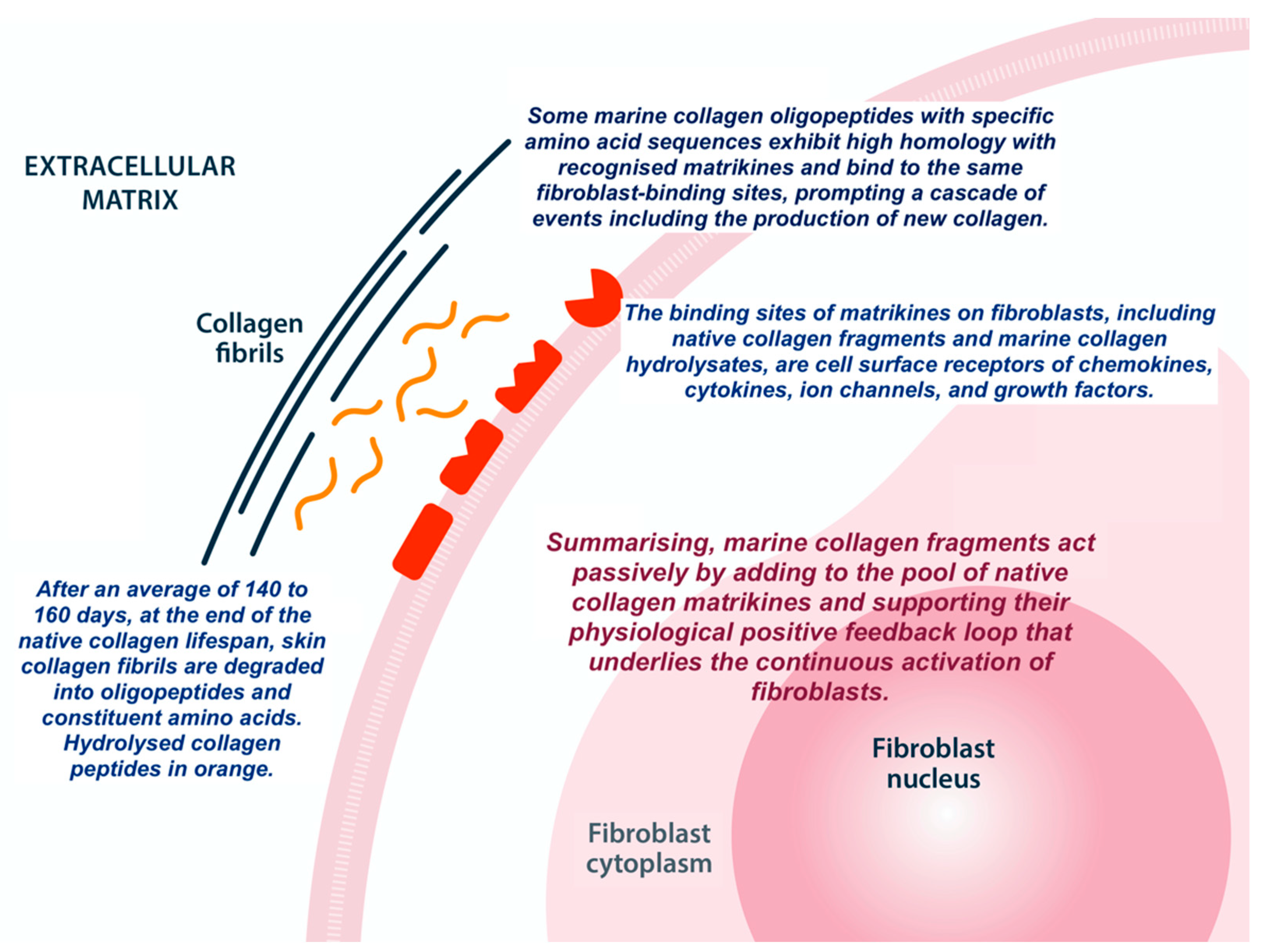
Figure 5.
Increased cellularity and maturation of cells in the epidermis and dermis of scalded mouse skin (×400) after treatment with (a) saline (control group); (b) haddock skin ASC; (c) H1; (d) H2; (e) H3; (f) H4. Reproduced from Dang QF et al (Ref 26) with permission from the publisher.
Figure 5.
Increased cellularity and maturation of cells in the epidermis and dermis of scalded mouse skin (×400) after treatment with (a) saline (control group); (b) haddock skin ASC; (c) H1; (d) H2; (e) H3; (f) H4. Reproduced from Dang QF et al (Ref 26) with permission from the publisher.
Disclaimer/Publisher’s Note: The statements, opinions and data contained in all publications are solely those of the individual author(s) and contributor(s) and not of MDPI and/or the editor(s). MDPI and/or the editor(s) disclaim responsibility for any injury to people or property resulting from any ideas, methods, instructions or products referred to in the content. |
© 2026 by the authors. Licensee MDPI, Basel, Switzerland. This article is an open access article distributed under the terms and conditions of the Creative Commons Attribution (CC BY) license (http://creativecommons.org/licenses/by/4.0/).
Copyright: This open access article is published under a Creative Commons CC BY 4.0 license, which permit the free download, distribution, and reuse, provided that the author and preprint are cited in any reuse.


