

Submitted:
16 March 2026
Posted:
17 March 2026
You are already at the latest version
Abstract
This study adopts an agricultural archaeology perspective, integrating excavated remains, artifact genealogies, and pictorial materials to conduct a systematic investigation into the origins, evolution, and cultural significance of traditional Chinese tea-making techniques.By examining tea plant genetic remains dating back 6,000 years, tea-processing tools from the Western Han to Tang-Song periods, Ming-Qing purple clay tea ware, and representative tea paintings from the Tang, Song, Yuan, Ming, and Qing dynasties, this study analyzes the historical development of tea-making techniques, revealing their continuous evolution from the nascent stages of consumption to systematic development.The research demonstrates that archaeological evidence not only provides a solid foundation for chronological progression and technical analysis of traditional Chinese tea-making techniques and related customs, but also reflects the interactive relationship between technological innovation, the dissemination of tea customs, and social structures. Furthermore, archaeological material from Liao Dynasty tombs, Tibetan burial sites, and overseas shipwrecks indicates that tea customs exhibit remarkable cultural adaptability and influence in cross-regional exchanges and global dissemination.This paper argues that agricultural archaeology not only provides material evidence and methodological frameworks for studying traditional crafts but also offers new academic perspectives for understanding the diverse values of Chinese tea culture across temporal and spatial dimensions.
Keywords:
agricultural archaeology
; tea culture
; tea-making techniques
; cultural relics
; intangible cultural heritage
1. Introduction
Tea, a globally consumed beverage originating in China, embodies profound agricultural heritage and cultural symbolism(Mair 2009; Benn 2015). Tea-making techniques, serving as a bridge connecting natural ecosystems, agricultural production, and human life, have long transcended simple food processing to become an integral part of traditional Chinese agricultural wisdom. From the discovery of wild tea trees to deliberate cultivation and management, from the maturation of manual roasting techniques to the establishment of commercial tea distribution networks, the tea-making process embodies accumulated technical expertise, strategies for ecological adaptation, and expressions of sociocultural identity.
In recent years, with the advancement of intangible cultural heritage protection and the emergence of the agricultural cultural heritage concept(Fang and Shen 2025; Yang B., He, and Min 2020; Li Z. 2025; Huang and Sun 2025; Agnoletti and Santoro 2022; Kajihara et al. 2018) , particularly following the successful inscription of China’s traditional tea-making techniques and related customs onto UNESCO’s Representative List of the Intangible Cultural Heritage of Humanity in 2022(Xinhua 2022) , domestic research on this intangible cultural heritage project has gained increasing attention.1 However, existing studies predominantly focus on process documentation , cultural symbol analysis(Lu C. 2023; Bamo 2023) , and contemporary preservation strategies(Bao et al. 2025; Bao and Zhu 2023; Xu 2021) . Systematic historical depth analysis and archaeological evidence remain insufficient. As a quintessential “agriculture-craft integration” food-related intangible cultural heritage, Chinese tea urgently requires reconstruction and interpretation of its technical systems, tool evolution, ecological foundations, and social functions from historical and archaeological perspectives.
Agricultural archaeology, as a research pathway connecting ancient agricultural practices(Fisher 2020; Vareilles et al. 2021; de Vareilles et al. 2021), material culture, and technological systems, offers new perspectives and methodologies for understanding China’s tea intangible cultural heritage. By integrating multi-source materials—including ancient tea tree germplasm resources, ancient tea garden sites, archaeologically excavated artifacts, and extant historical records—this paper attempts to comprehensively analyze the historical evolution logic and cultural value characteristics of China’s tea intangible cultural heritage system within a “material evidence—technique—transmission” structural framework.
This study addresses several key questions: First, can the tea-making craftsmanship system within China’s tea intangible cultural heritage be reconstructed through archaeology? Second, can the living transmission of tea customs within this heritage be analyzed across time and space using archaeological artifacts? Third, as the only large-scale heritage project nationwide currently inscribed on UNESCO’s Representative List of the Intangible Cultural Heritage of Humanity, how can archaeology validate its OUV(outstanding universal value)? Fourth, whether archaeologically grounded research on China’s Tea ICH can offer practical insights for its future conservation and transmission.
In summary, this paper strives to provide robust empirical and theoretical support for the academic understanding, protection, and transmission of China’s tea intangible cultural heritage, thereby advancing the interdisciplinary integration of agricultural archaeology and intangible cultural heritage studies.
2. Archaeological Evidence for the Tea Production Technique System
2.1. Raw Material Basis: Physical Evidence of Tea Tree Cultivation
2.1.1. Remains of Wild Tea Tree Germplasm Resources
China is not only the birthplace of tea culture but also the earliest known country to discover and utilize tea plants(Benn 2015; Ellis, Coulton, and Mauger 2015; Zhou 2020; Pan et al. 2022). However, the precise origin of tea plants remains a complex issue, with multiple theories proposed, including -Chinese origin, Indian origin, and Southeast Asian origin(Chen and Yang 2011,8-9).Since the 20th century, Chinese scholars have conducted exhaustive research on historical records of tea and tea customs in ancient texts, supporting the Chinese origin theory. However, there remains no consensus on the specific geographical origin(Liu 2012,3-7).
In 1992, researchers conducted botanical genetic analyses comparing ancient tea varieties from Yunnan Province with those from other Chinese provinces and Japan. Their findings suggested that “the origin of Chinese tea trees is likely Yunnan, from where they gradually spread eastward and southward along the Yangtze River and coastal regions(Takeo et al. 1992). According to existing ecological data, over 90% of China’s currently identified ancient tea trees are found in Yunnan, solidifying its status as the undisputed birthplace of tea cultivation.2
2.1.2. Archaeological Remains of Cultivated Tea Trees
In addition to wild tea tree germplasm resources, since the 1990s, physical evidence of ancient tea tree cultivation has been discovered in at least four archaeological sites across China. These include tea seeds unearthed at the Kahuqiao Site in Hangzhou, Zhejiang Province(Chen 2005) , tea tree roots excavated at the Tianshuoshan Site in Yuyao, Ningbo(Mitsuo et al. 2011) , tea leaves unearthed from the Han Yangling Mausoleum in Xianyang, Shaanxi , and tea leaves from Tomb No. 1 of the Early Warring States period in the Xigang Cemetery at the Ru State Ancient City site in Zoucheng, Shandong(Lu et al. 2021) .
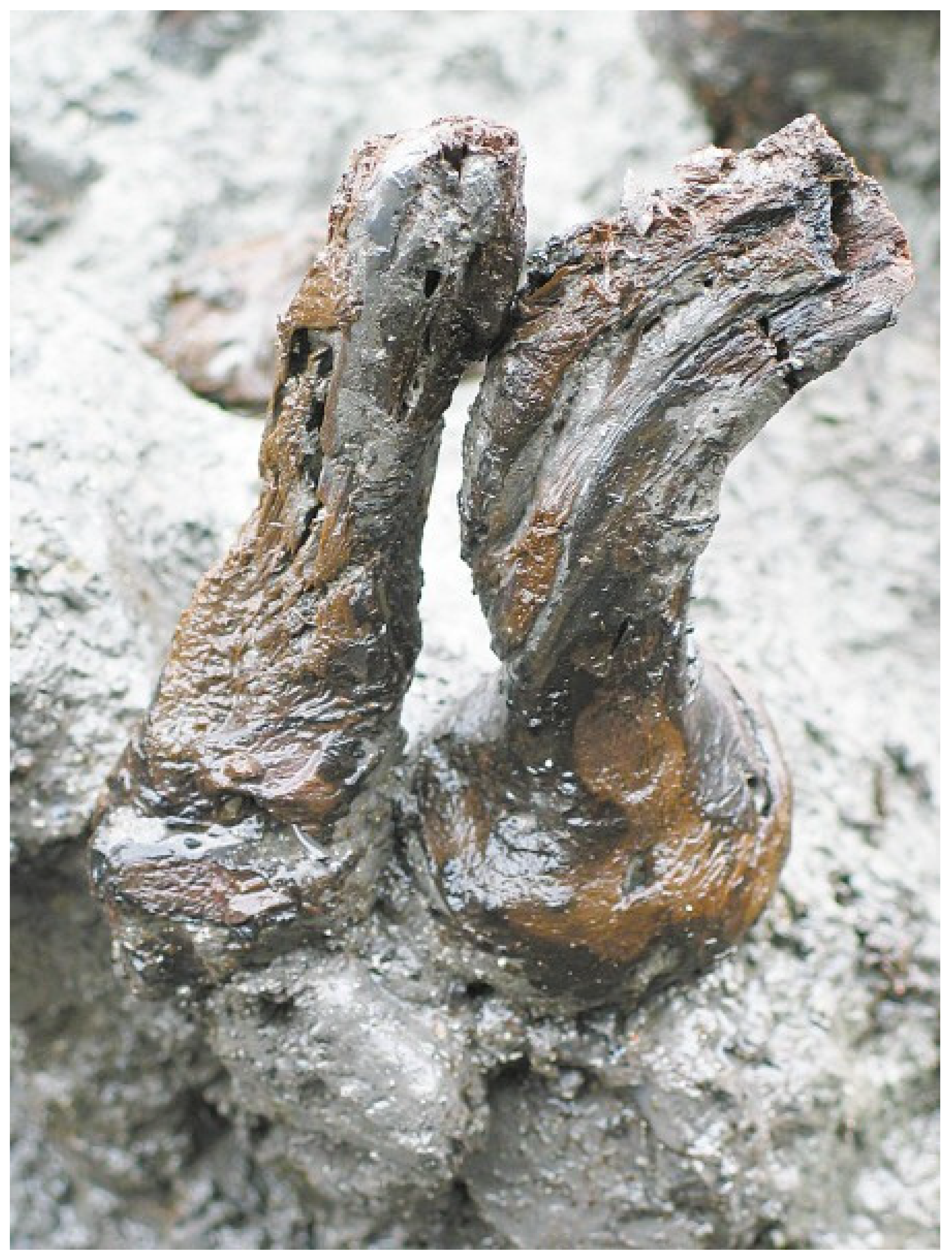
Tea tree roots unearthed at the Tianshuoshan Site in Yuyao, Zhejiang (see Figure 2-1) were carbon-14 dated by archaeologists to the stratum where they were found, revealing an age of approximately 6,000 years. Japanese experts participating in the Tianshuoshan excavation conducted wood micro-section analysis on the tea root samples(Mitsuo et al. 2011) revealed that the microstructure of the core tissue matched cultivated tea plants, provisionally identifying them as Camellia species. Subsequently, a collaborative effort between the Chinese Academy of Agricultural Sciences and archaeologists conducted biochemical analysis on the extraction solution from the excavated tea root samples, confirming the presence of theanine in the solution.
Figure 2-1.
Tea tree root remains excavated from the Tianshuoshan site in Yuyao, Zhejiang.
In 2016, a study on tea leaf remains excavated from the Western Han Emperor Jingdi’s (188–141 BCE) Yangling Mausoleum in Xianyang, Shaanxi, was published in Scientific Reports, a journal under Nature. Archaeological analysis confirmed that the tea leaves from Yangling are the oldest known tea remains in the world, pushing the documented history of tea drinking in ancient China back to 2,150 years ago(Lu et al. 2016) .Meanwhile, the discovery of tea residue (steeped tea leaves) from Tomb No. 1 at the Xigang Cemetery of the State of Zhu (453–410 BCE) pushes the physical evidence of Chinese tea culture back another 300 years.
Both the wild tea tree germplasm resources in Yunnan and the archaeologically excavated remains of tea tree cultivation provide reliable physical evidence that China’s ancient inhabitants cultivated tea trees, laying the foundation for thousands of years of tea processing techniques and tea-drinking customs.
2.2. Core Techniques: Archaeological Evidence of Processing Workflows
Archaeologically excavated tea utensils and tea residue provide direct material evidence for reconstructing ancient Chinese tea-making techniques. These artifacts can be categorized by function into tea processing, storage, grinding, brewing, and consumption, linking together a complete tea-making chain. Through typological analysis and craftsmanship research of key artifacts, the specific operational processes and technical characteristics of tea-making techniques across different historical periods can be empirically verified.
2.2.1. Indirect Evidence from Tea Picking
Harvesting forms the foundation of traditional tea-making techniques. As the Tea Sage Lu Yu stated in The Classic of Tea: “If picked out of season, processed carelessly, or mixed with weeds and grasses, drinking it will cause illness(Y. Lu 2006,2-3).” While no artifacts directly depicting ancient Chinese tea harvesting exist, indirect inferences can be drawn from related archaeological remains.
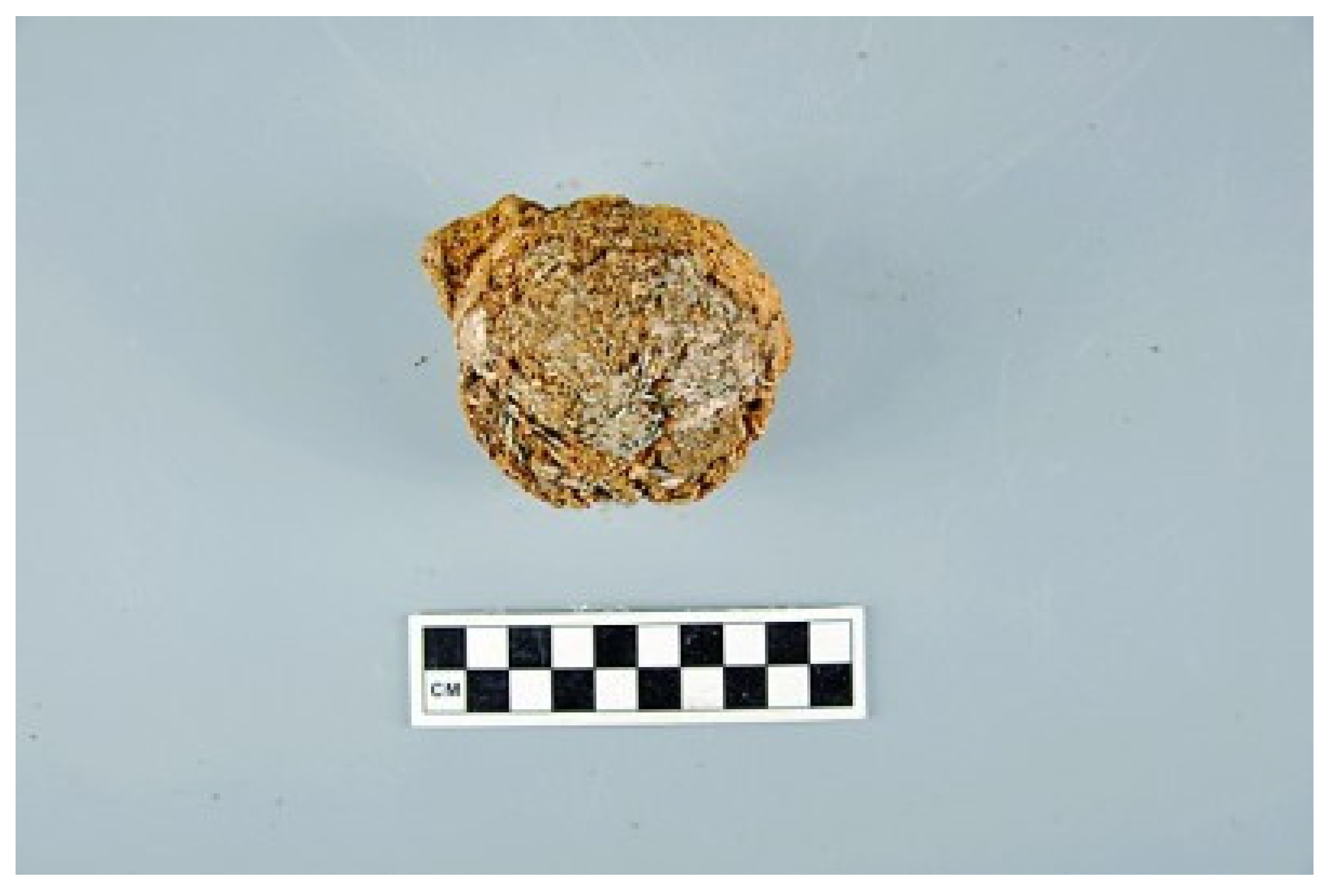
One piece of evidence comes from a primitive porcelain bowl unearthed in 2018 by Shandong University at the Western Hill Cemetery No. 1 Warring States tomb within the ancient city ruins of the State of Zhu (under the administration of Jining City) in Zoucheng, Shandong Province(Lu G. et al. 2021). Tea leaf samples discovered within this porcelain bowl were identified as residues from boiled (or steeped) tea leaves. Laboratory analysis confirmed these stem-and-leaf remains as tea residue, demonstrating widespread tea consumption among nobility during the early Warring States period. Such prevalent tea drinking undoubtedly required extensive manual harvesting and processing. Thus, this tea residue serves as indirect archaeological evidence reflecting the harvesting stage of Warring States tea production techniques.
Figure 2-2.
Tea leaf sample excavated from Tomb M1:7, Xigang, Ru State Ancient City Site.
2.2.2. Dual Evidence for the Tea Drying Process
The drying process is a critical step in traditional Chinese tea production. Historically, key methods evolved through three stages: sun-drying, steaming, and pan-firing. Sun-drying relied on natural temperatures, steaming involved pressing fresh leaves before re-drying, while pan-firing—prevalent since the Ming Dynasty—directly roasts freshly picked leaves. As noted by Chinese tea expert Chen Chuan, “The transition began with shifting from steamed compressed tea to steamed loose tea, preserving the tea’s original aroma. This evolved into stir-fired loose tea, utilizing dry heat to enhance the tea’s rich flavor—a major reform in tea processing(Chen 2018,188).Whether steamed or pan-fired, fresh leaves require post-processing drying to remove residual moisture and extend storage life. The distinction lies in the sequence: steaming precedes drying in the former, while the latter directly roasts out moisture.
According to Mr. Chen Chuan’s research, the baking process was already present in the production of compressed tea during the Wei and Jin dynasties. As described, “Residents in the Shu and E regions made tea into cakes, dried them, then pounded them into powder and mixed with water.”(Chen 2018,186).By the Tang Dynasty, this drying method was further refined. As described in Lu Yu’s Classic of Tea: “On a clear day, pick the leaves, steam them, pound them, press them, bake them, thread them, seal them—the tea is now dry.” During the Song Dynasty, as tribute tea cakes gained popularity among nobility—particularly the imperial court—the steaming method was further refined while retaining the baking step. As recorded in Cai Jing’s Tea Record: “For baking tea, weave bamboo into a frame, wrap it with leaves, cover it to contain the heat. A partition is placed in the middle for inspection. Fire is applied beneath, about a foot away from the tea, maintained at a constant temperature to nurture the tea’s color, aroma, and flavor(Y. Lu 2006,7).”Emperor Huizong Zhao Ji’s Da Guan Tea Treatise also records: ‘Steaming and pressing must be done appropriately; grinding into paste must be thorough; roasting must be done with fine fire. If the brew contains a little sand, it is due to insufficient washing; if the texture appears cracked and reddened, it indicates excessive heat during roasting.”(Y. Lu 2006,86).” These historical records from renowned scholars underscore the critical importance of roasting.
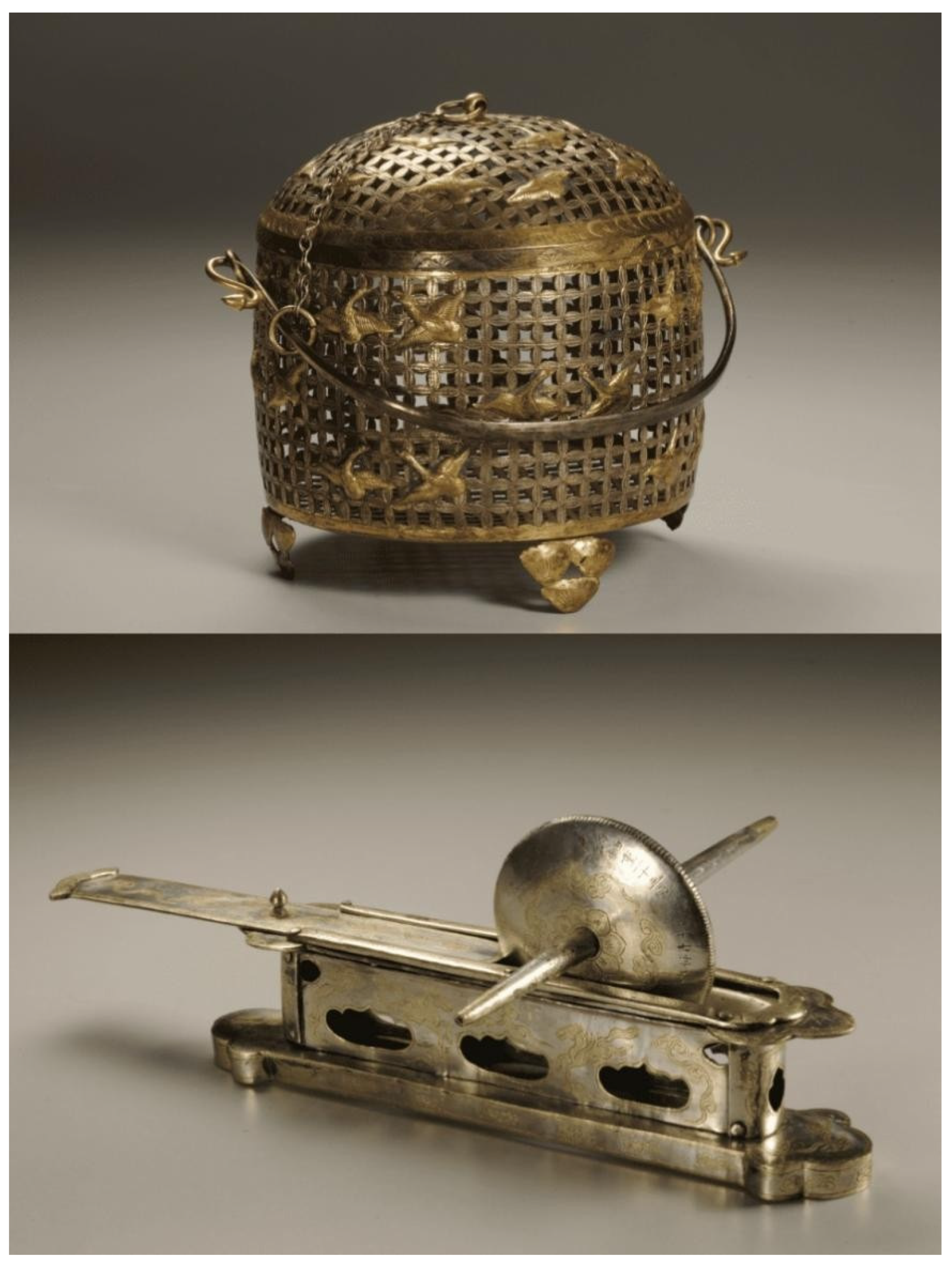
In 1987, a set of exquisitely crafted imperial tribute tea utensils was unearthed from the underground palace of Famen Temple in Fufeng County, Baoji City, Shaanxi Province. Among these artifacts was a tea basket specifically designed for roasting—a drying tool used in the steamed green tea production of the Tang Dynasty (see Figure 2-3 top). Crafted from silver and cast as a single piece with gilded exterior, this cylindrical openwork structure comprises a lid, body, and handle, weighing 654 grams. Based on its form and components, combined with records from The Classic of Tea, the Tang Dynasty device used to dry moisture during steaming was called a “tea roaster” (茶焙), typically a bamboo cage. The Famen Temple tea basket, being an imperial tribute item, employed the more luxurious materials of gold and silver(An 2010). This openwork design allowed compressed tea cakes to be placed inside while being roasted over charcoal below. Its purpose served two key functions: first, ensuring the cakes remained sufficiently dry after roasting to prevent moisture absorption; second, preserving the roasted cakes’ aroma for prolonged storage, thereby maintaining the brewed tea’s flavor.
Figure 2-3.
Gilded silver tea utensils unearthed from the Tang Dynasty Famen Temple underground palace (top: gilded silver cage with flying cranes and swirling patterns; bottom: gilded silver tea tray with wild geese motifs and gilded silver tea spindle with floral motifs; image source: Famen Temple Museum).
Figure 2-3.
Gilded silver tea utensils unearthed from the Tang Dynasty Famen Temple underground palace (top: gilded silver cage with flying cranes and swirling patterns; bottom: gilded silver tea tray with wild geese motifs and gilded silver tea spindle with floral motifs; image source: Famen Temple Museum).
2.2.3. Direct Evidence of Tea Leaf Compression
Tea grinding represents another crucial step in traditional tea processing. Prior to the Ming Dynasty’s adoption of pan-fired loose tea, compressed tea cakes were predominantly produced. These required grinding before brewing and consumption, making tea grinders essential tools in tea production for centuries.
Unlike the cultivation, harvesting, and drying stages, which yield relatively few direct material remains, the grinding process has produced a substantial number of excavated artifacts and extant objects (see Table 2-1).

Table 2-1.
Representative Excavated Tea Grinding Tools.
| Object Name | Period | Collection Location | Object Type |
| Gilded Silver Tea Tray with Wild Goose Design | Tang Dynasty | Famen Temple Museum (Baoji, Shaanxi) | Sacrificial Offering |
| Gilded Silver Pillar with Floral Motifs | Tang Dynasty | Famen Temple Museum (Baoji, Shaanxi) | Sacrificial Offering |
| White-Glazed Tea Grinder | Tang Dynasty | China Tea Museum (Hangzhou, Zhejiang) | Funeral Offerings |
| Brown-Glazed Tea Grinder | Tang Dynasty | Gongyi Museum (Zhengzhou, Henan) | Funeral Offerings |
| Porcelain Tea Grinder | Song Dynasty | China Tea Museum (Hangzhou, Zhejiang) | Funeral Offerings |
Most unearthed tea grinders date from the Tang and Song dynasties, closely tied to the era when compressed tea cakes were prevalent. These cakes required grinding before brewing, naturally giving rise to grinding tools. Lu Yu’s Classic of Tea: Tea Utensils describes the materials and form of tea grinders: “(The grinding trough) is made of citrus wood; next in quality are pear, mulberry, paulownia, and zelkova for the mortar. It is round inside and square outside. The inner roundness facilitates rotation; the outer squareness prevents tipping. The interior holds the pestle, leaving no excess space. The wooden pestle resembles a cartwheel, lacking spokes but possessing an axle. Nine inches long, one inch and seven-tenths wide. The grinding stone measures three inches and eight-tenths in diameter, one inch thick at its center, and half an inch thick at its edges. The axle is square in the center and round at the handle (Y. Lu 2006,10).” During the Song Dynasty, tea drinking became even more prevalent. Cai Jing’s “Tea Record” states: “Tea grinders are made of silver or iron. Gold is too soft, while copper and yu stone can produce iron, so they are not suitable for use (Y. Lu 2006,48) .” In his Da Guan Tea Treatise, Emperor Huizong of Song commented on the materials and specifications for high-quality tea grinders, stating: “Silver is the best material for grinding, followed by wrought iron. For raw iron... In general, the grinding mechanism should have a deep and steep trough, with a sharp and thin wheel (Y. Lu 2006,70).
The gilt-bronze tea grinder shown in Figure 2-3 was specially commissioned for Emperor Xizong of Tang (862–888) by the Wensi Academy. The tea trough measures 25.5 cm long, 3.4 cm wide, and 7.1 cm high, weighing 1168 grams. It was later enshrined by Emperor Xizong in the underground palace of Famen Temple. The tea grinder forms an overall rectangular prism, comprising a base, grinding trough, cover plate, and grinding wheel. The trough is welded to the base, with the cover plate placed atop to prevent dust. Both ends of the trough and the main body are adorned with flowing cloud patterns. The grinding wheel resembles an iron disc adorned with floral motifs, featuring serrated edges to crush compressed tea cakes as it rotates within the grinding trough.
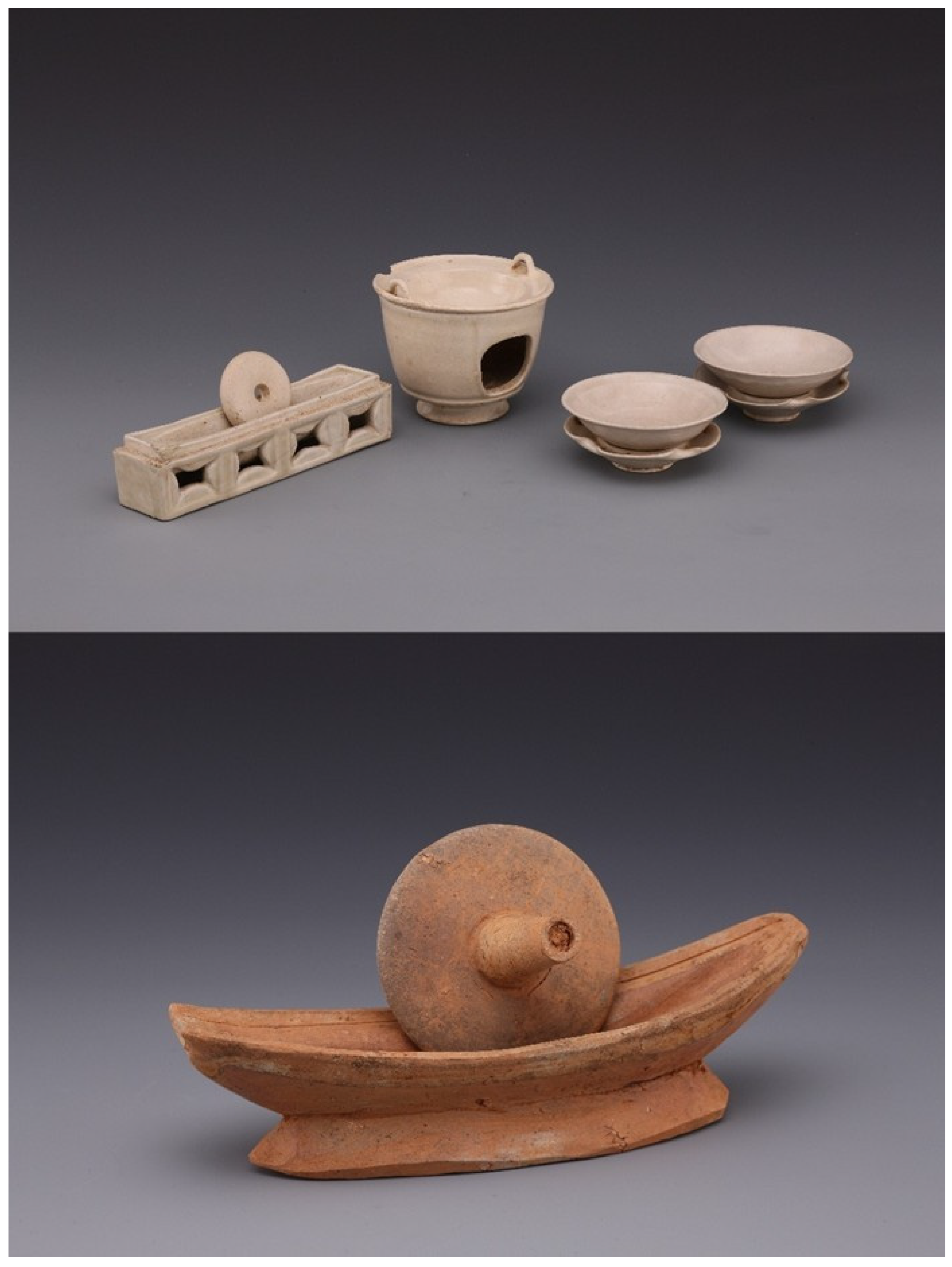
Additionally, two Tang and Song Dynasty porcelain tea grinder replicas housed in the China Tea Museum reflect the prevalence of tea grinding among tea enthusiasts during those periods, embodying the principle of “treating the deceased as if they were alive.” This further attests to the significance of the grinding stage in traditional tea production techniques (see Figure 2-4).The Tang Dynasty white-glazed tea grinder (top image) measures 4.5 cm in height, 18.3 cm in length, and 4.6 cm in width, while the Song Dynasty brown-glazed tea grinder (bottom image) has a total length of 22 cm. Both objects are funerary replicas, with materials and glaze colors consistent with contemporary ceramic production. Their plain surfaces lack the intricate decorations seen on the silver tea grinder from Famen Temple, suggesting they were burial goods for the lower-middle class. This indicates that tea drinking and production had become widespread social practices during the Tang and Song dynasties.The paired combination of tea grinders and tea sets further underscores the indispensable role of grinding in the tea-making process.
Figure 2-4.
Tang and Song Dynasty porcelain tea grinders, Image source: China Tea Museum.
3. Archaeological Observations on the Historical Development of Tea Customs
The preceding section reconstructed the traditional craftsmanship system—the first component of China’s intangible cultural heritage of tea—from an archaeological perspective. This section will now conduct an archaeological analysis of the living transmission of tea customs within China’s intangible cultural heritage of tea, based on excavated artifacts and extant cultural relics.
3.1. Cultural Imprints of Community Participation
Since the Tang Dynasty, tea drinking has flourished in China, with literati scholars leaving extensive textual records and paintings (see Table 3-1). Throughout history, painters created numerous tea-themed works, making tea a recurring subject in their art. This section selects representative tea paintings from the Tang Dynasty onwards to demonstrate the archaeological traces of community participation in China’s tea intangible cultural heritage across historical periods. Beyond depicting tea utensils, these paintings often center on specific social strata, serving as the soul of the artwork. While artists did not intend to prove community involvement in tea rituals, their artistic expressions were intrinsically linked to the social and historical context of their time. Thus, these works reflect the cultural significance of widespread community participation in tea practices and the transmission of tea customs during those periods.
Table 3-1.
Information Table of Representative Tea Paintings from the Tang Dynasty Onward.
| Title of Tea Painting | Dynasty | Artist |
| Tuning the Zither and Sipping Tea | Tang | Zhou Fang |
| Literary Gathering | Northern Song Dynasty | Emperor Huizong of Song, Zhao Ji |
| Tea Garden Gambling Scene | Southern Song Dynasty | Liu Songnian |
| Tea Competition Painting | Southern Song Dynasty | Liu Songnian |
| Tea Competition Painting | Yuan Dynasty | Zhao Mengfu |
| Lu Tong Brewing Tea | Yuan Dynasty | Qian Xuan |
| Drawing Water from the Spring to Brew Tea | Ming Dynasty | Shen Zhou |
| Hui Mountain Tea Gathering | Ming Dynasty | Wen Zhengming |
| Tea Brewing in a Woodland Pavilion | Ming Dynasty | Wen Zhengming |
| Tea Ceremony Scene | Ming | Tang Yin |
| Lu Tong Brewing Tea | Ming Dynasty | Tang Yin |
| Pine Pavilion Testing the Spring | Ming Dynasty | Qiu Ying |
| Boiling Tea and Discussing Painting | Ming Dynasty | Qiu Ying |
| Pausing the Zither to Savor Tea | Ming Dynasty | Chen Hongshou |
| Tea Brewing | Ming Dynasty | Ding Yunpeng |
| Yu Chuan Brewing Tea | Ming Dynasty | Ding Yunpeng |
| Huisan Spring Boiling Scene | Ming Dynasty | Qian Gu |
| Tea Brewing and Inkstone Washing | Qing Dynasty | Qian Hui’an |
| Tea Affection and Zither Sentiment | Qing Dynasty | By Lü Xue |
| Mr. Yuchuan Brewing Tea | Qing Dynasty | Jin Nong |
| Tasting Tea by the Stone Spring | Qing Dynasty | Yu Hui |
Since the Tang Dynasty, when tea drinking became widespread, people of all social classes, regions, and ages have regarded tea consumption as a daily necessity. A popular saying among the common folk goes, “The seven necessities of life: firewood, rice, oil, salt, soy sauce, vinegar, and tea,” highlighting tea’s deep integration into community life and its broad reach across society.
3.1.1. Tea Drinking Among the Aristocracy
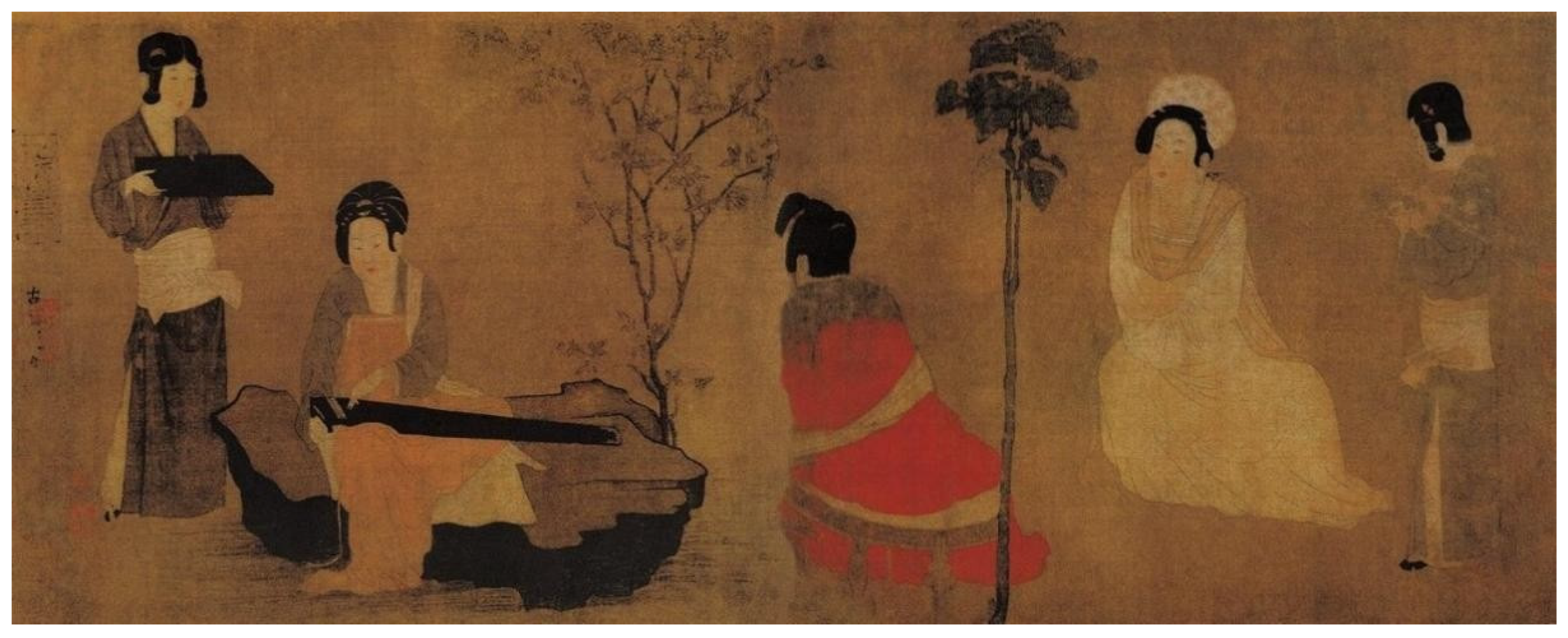
First, among the aristocracy. From the Tang Dynasty onward, the expansion of tea cultivation, improvements in tea processing techniques, and the publication of Lu Yu’s Classic of Tea collectively propelled the spread of tea culture and customs within the aristocratic circles. Zhou Fang’s Tang Dynasty painting, “Tuning the Zither and Sipping Tea,” vividly captures this scene (see Figure 3-1).In the painting, three noblewomen leisurely sip tea and tune zithers, while two attendants at either end of the composition hold tea sets, serving tea to their mistresses.
Figure 3-1.
“Tuning the Zither and Sipping Tea” by Zhou Fang (Tang Dynasty), currently housed at the Nelson-Atkins Museum of Art in the United States.
Figure 3-1.
“Tuning the Zither and Sipping Tea” by Zhou Fang (Tang Dynasty), currently housed at the Nelson-Atkins Museum of Art in the United States.
3.1.2. Tea-Tasting Competitions Among the Urban Population
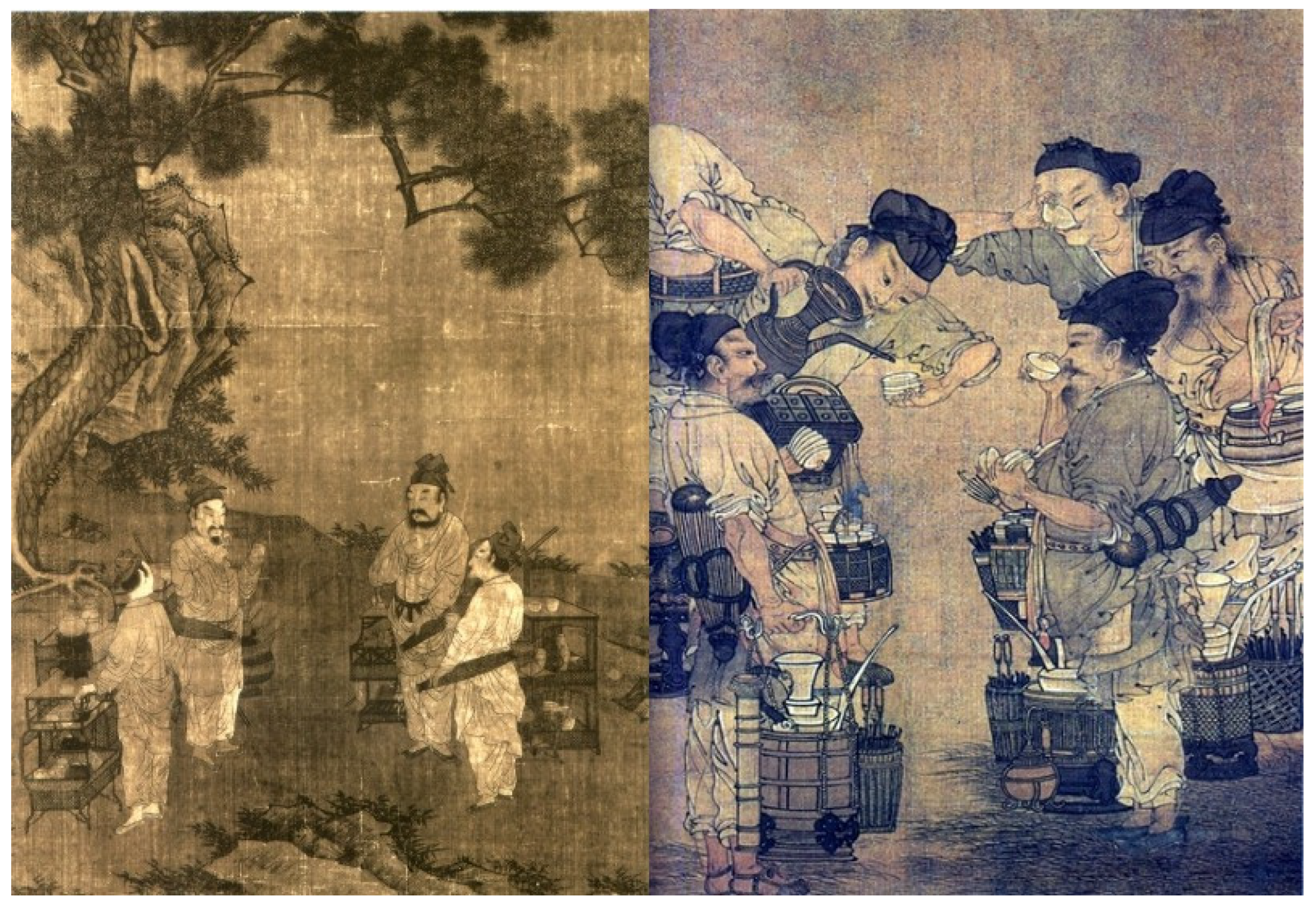
Next came the urban populace. By the Song Dynasty, continuous improvements in tea processing techniques led to increased tea production. Coupled with the growing popularity among the emerging urban middle class, tea rituals and customs rapidly spread throughout society. Representative depictions of folk tea-drinking customs include the similarly titled Tea Competition Paintings by Liu Songnian of the Southern Song Dynasty and Zhao Mengfu of the Yuan Dynasty (see Figure 3-2), as well as Liu Songnian’s Tea Garden Gambling Scene. These three paintings share similar content, depicting the “tea competition” activity prevalent in Song and Yuan society. The three paintings depict similar scenes, all depicting the “tea competition” that was popular in Song and Yuan society. Known as “tea competition” or “tea battle” (Chen 2000,556), this social custom involved several people gathering to brew tea using their own prized tea leaves and offering critiques of one another’s brews. All three tea paintings focus on the moment when the crowd is fully engrossed in the tea competition, capturing the dynamic activities of the common people in a static, two-dimensional format, thereby conveying the widespread and lively participation of the commoner class in tea ceremonies and customs during the Song and Yuan dynasties(Dang and Chang 2022).
Figure 3-2.
Two versions of Tea Competition (detail). Liu’s version is housed in the National Palace Museum, Taipei, Taiwan; Zhao’s version is unattributed.
Figure 3-2.
Two versions of Tea Competition (detail). Liu’s version is housed in the National Palace Museum, Taipei, Taiwan; Zhao’s version is unattributed.
3.1.3. Tea Appreciation Gatherings Among the Literati Class
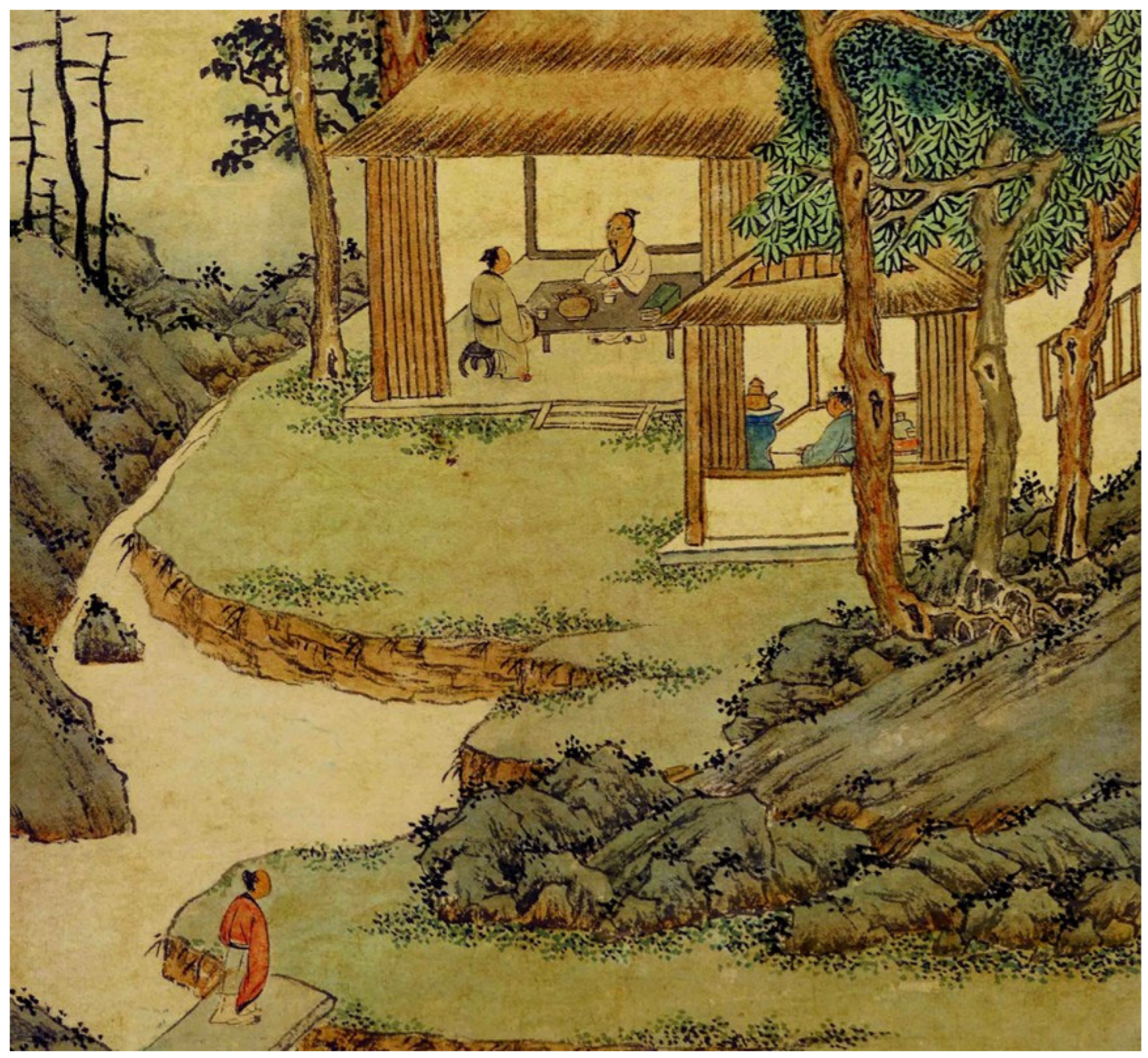
Among the literati class, participation in tea rituals and customs was even more widespread. This is evident in Wen Zhengming’s Tea Tasting Scene (see Figure 3-3), a representative work of the Wu School of Painting that rose to prominence during the mid-to-late Ming Dynasty. The painting focuses on three figures—host and two guests—with two seated indoors, enjoying conversation and tea. A third figure approaches from the lower left corner, whilewhile another tea attendant busies himself boiling water in the preparation room. The entire painting centers on the refined leisurely pursuits of the literati, depicting tea gatherings as a subject, vividly showcasing the seamless integration of daily life and the elegant pleasures of tea among the scholar-officials of the time.
Figure 3-3.
(Ming Dynasty) Wen Zhengming’s Tea Tasting (detail), currently housed in the National Palace Museum, Taipei, Taiwan.
Figure 3-3.
(Ming Dynasty) Wen Zhengming’s Tea Tasting (detail), currently housed in the National Palace Museum, Taipei, Taiwan.
3.2. Material Vessels of Intergenerational Transmission
Intergenerational cultural transmission refers to the process by which prevailing values, knowledge, and practices of one generation are passed to the next(Tam 2015) . For intangible cultural heritage, such transmission is “regarded as the process of cultural reproduction within each generation(Trommsdorff 2008,126-127).The most tangible evidence of China’s tea culture transmission across generations lies in the evolution of tea ware. Tea leaves and tea utensils form a mutually corroborating system in archaeological and museological research, enabling the clear reconstruction of the historical trajectory of tea production techniques and tea-drinking customs.
As early as the late Warring States period to the early Western Han dynasty, tea had entered daily life. Plant remains excavated from Tomb No. 1 at Xigang, Zoucheng, Shandong, were identified through microscopic morphology and chemical analysis as Camellia sinensis, indicating the possibility of brewing and drinking tea.(J. Jiang et al. 2021). Tea polyphenols and caffeine were also detected in the outer burial pits of Emperor Jing of Han’s Yangling Mausoleum in Shaanxi(Lu et al. 2016) . These represent the earliest verifiable tea remains, indicating that tea had evolved beyond medicinal use during the Han Dynasty and was gradually integrated into imperial cuisine.
The institutionalization of tea drinking during the Tang Dynasty is particularly evident in the imperial tea utensils unearthed from the underground palace of Famen Temple in Fufeng, Shaanxi (sealed during Emperor Yizong’s Xiantong reign).The complete sets of artifacts, including gilded silver tea baskets and tea grinders (see Figures 2-3), perfectly align with the tea production and preparation processes described in Lu Yu’s Classic of Tea. This indicates that steamed green tea cakes at the time required a complete sequence of grinding, boiling, and whisking. These artifacts, now housed in the Famen Temple Museum, provide invaluable material evidence of Tang Dynasty tea rituals, Buddhist tea offerings, and imperial life.
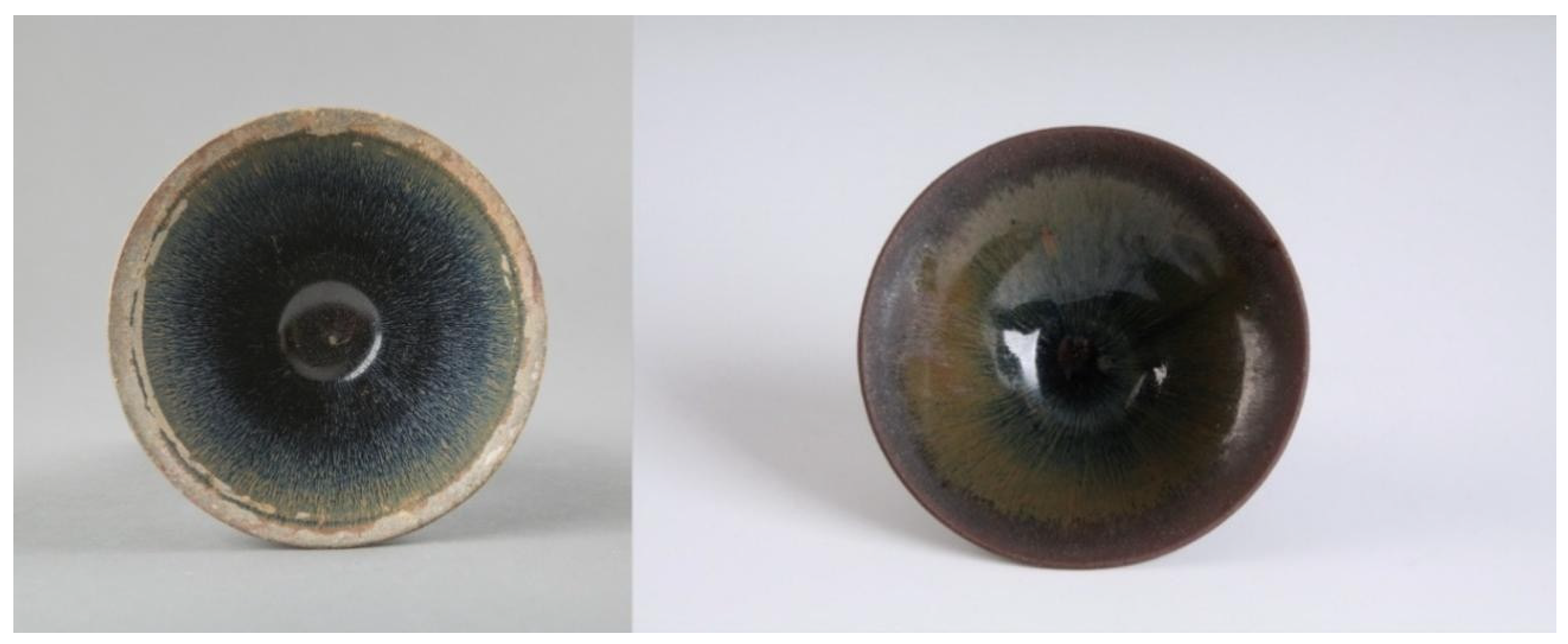
Changes in Song Dynasty tea-drinking practices gave rise to new types of tea ware distinct from earlier eras, most notably the Jian Kiln tea bowls—particularly the black rabbit-hair bowls. Song scholars believed no other vessel could adequately showcase the effects of tea competition and whipped tea(Shen 2015,32-36), “This was because the preferred tea color in the Song Dynasty was white. To achieve greater contrast and highlight the tea’s hue, dark-colored tea bowls were considered optimally(Shen 2015,61-64).. Cai Xiang of the Northern Song Dynasty discussed this in his tea treatise Tea Record: Tea Bowls: ‘Tea is white, thus black bowls are suitable. Those made in Jian’an are deep black with rabbit-hair-like patterns. Their slightly thicker clay retains heat for a long time and cools slowly, making them most essential for use(Y. Lu 2006, 49).Through Cai Xiang’s vigorous advocacy, the black rabbit-hair bowls produced in Jian’an gradually became essential vessels for preparing and competing with tea during the Song Dynasty, a tradition that continues to this day. This legacy makes rabbit-hair bowls crucial physical artifacts for modern research into Song Dynasty tea preparation techniques. A “zhan” is a shallow small bowl. Jian Kiln zhan feature thick walls, predominantly flared or open mouths, slender bases with ring feet, and predominantly black glaze. Archaeological excavations at the Song Dynasty Jian Kiln site in Jianyang County (now Jianyang District), Nanping City, Fujian Province, in 1990 revealed that Jian Kiln tea bowls also existed in other colors such as dark blue-black, blue-black, deep green, and dark brown.(Li D. 1990). Furthermore, the large number of Jian Kiln tea bowls unearthed from the Southern Song Dynasty Huang Huan tomb in Shaowu City, Fujian Province in 1998, provide tangible evidence of the popularity of black rabbit-fur bowls at that time(Li 1995; Chen 2014) (see Figures 3-4).
Figure 3-4.
Fujian Jian Kiln Rabbit-Hair Glaze Tea Bowls (Left: Song Dynasty Jian Kiln rabbit-hair glaze tea bowl with silver-inlaid rim, collection of Shaowu Museum; Right: Song Dynasty Jian Kiln black-glazed rabbit-hair pattern porcelain tea bowl, collection of Nanping Museum).
Figure 3-4.
Fujian Jian Kiln Rabbit-Hair Glaze Tea Bowls (Left: Song Dynasty Jian Kiln rabbit-hair glaze tea bowl with silver-inlaid rim, collection of Shaowu Museum; Right: Song Dynasty Jian Kiln black-glazed rabbit-hair pattern porcelain tea bowl, collection of Nanping Museum).
By the Ming Dynasty, tea consumption transitioned from compressed tea cakes and powdered tea to loose-leaf tea brewed directly. During this period, the ideal practice evolved into solitary enjoyment—one person, one teapot. As Mr. Chen Chuan noted in A Comprehensive History of Tea, “Teapots should be small, not overly large; small pots preserve aroma well, while large ones allow it to dissipate easily(Chen 2018,256-287). This shift in tea-drinking practices elevated the emerging zisha teapot to its most iconic status. As The Comprehensive History of Tea notes, “Clay is the finest material, for it neither masks the fragrance nor imparts the taste of boiled water(Chen 2018,287).Domestic research on purple clay teapots has long remained theoretical. Since the 1960s, numerous archaeological discoveries of purple clay teapots(Gao, Wang, and Qin 2022) , particularly scientific analysis of fragments unearthed from the Shushan Kiln site in Yixing, Jiangsu in 2005(Zhang M., Li, and Wu 2016) , it has been confirmed that purple clay firing techniques had reached considerable maturity by the 15th to 16th centuries. The Ming Dynasty peach-shaped purple clay cup in the Nanjing Museum collection features a fine-grained body with moderate porosity, perfectly suited for brewing loose-leaf tea during the Ming period (see Figure 3-5).
Figure 3-5.
Peach-shaped purple clay cup by Xiang Shengsi, late Ming dynasty. Source: Nanjing Museum.
Figure 3-5.
Peach-shaped purple clay cup by Xiang Shengsi, late Ming dynasty. Source: Nanjing Museum.
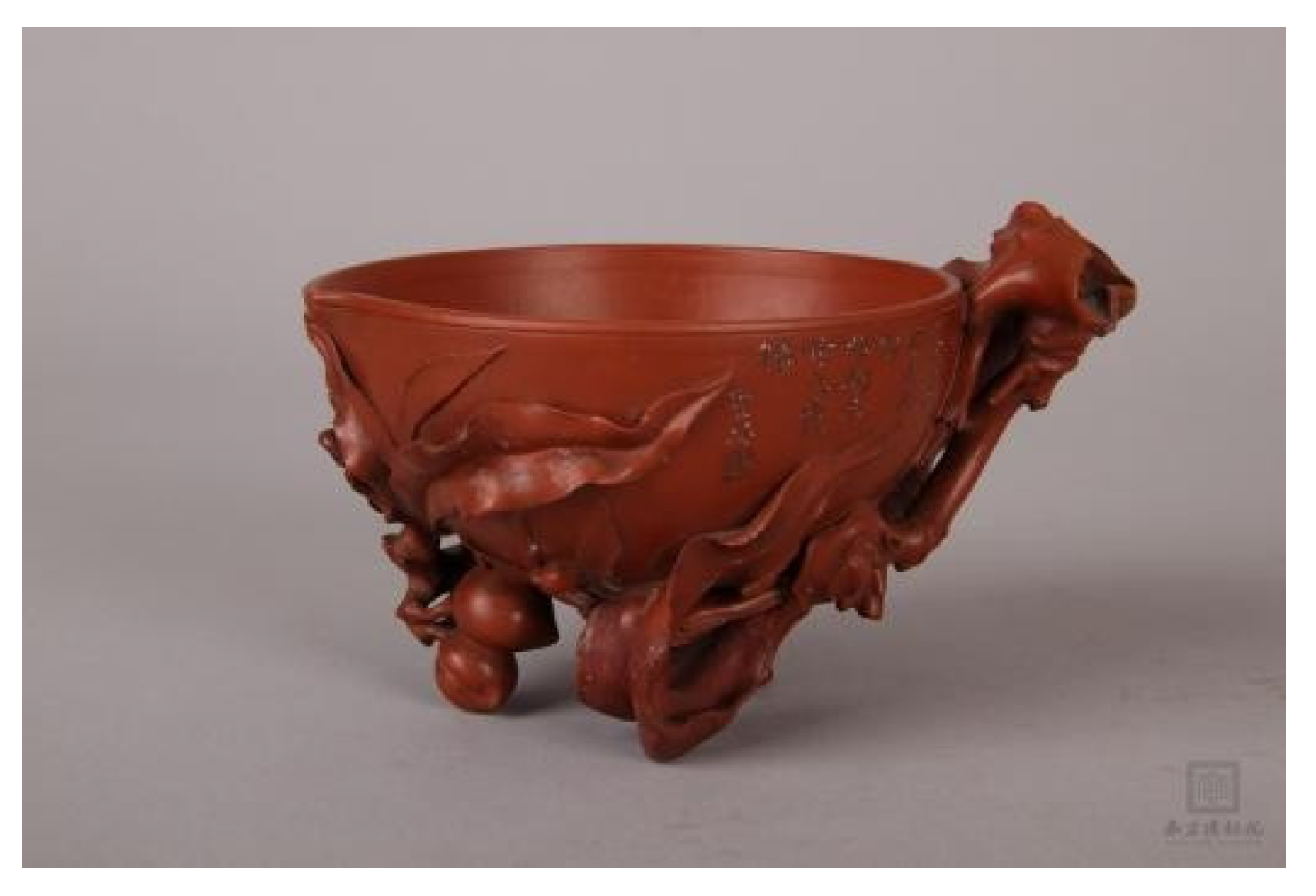
In summary, comprehensive research on excavated artifacts and extant masterpieces demonstrates that tea culture achieved intergenerational transmission spanning two millennia at the material level. From carbonized tea leaves and pottery of the Western Han Dynasty, to the institutionalized forms of imperial gold and silver tea sets in the Tang Dynasty, to the tea-tasting aesthetics of Song Dynasty Jianzhan bowls, and the literati tastes embodied in Ming and Qing Dynasty purple clay teapots, tea utensils have served not only as tools for tea rituals and customs but also as material carriers of cultural continuity and innovation(Kuang, Luo, and Fang 2023; X. Li 2023; L. Liu, Li, and Fan 2024). These archaeologically sourced artifacts and museum collections provide solid academic evidence for the significance of Chinese tea culture as intangible cultural heritage. They also offer a material foundation for understanding the diversity, continuity, and outstanding historical value of Chinese tea culture.
4. Archaeological Evidence of Cross-Regional Practice Diversity
Traditional Chinese tea customs exhibited significant technical adaptations and cultural integration during their cross-regional dissemination. Archaeological artifacts, scientific testing data, and historical records collectively demonstrate that distinct regions systematically modified tea utensils and practices based on environmental conditions, social structures, and cultural traditions. The following empirical analysis examines three representative cases: the Khitan region during the Liao Dynasty, the Han-Tibetan borderlands, and overseas trade with Europe and America.
4.1. The Transmission of Han Chinese Tea Customs to the Liao Territory
Following the widespread adoption of tea drinking during the Tang Dynasty, Chinese tea customs gradually spread to other regions both domestically and internationally, exerting significant cultural influence. This paper utilizes the relatively abundant materials of Liao Dynasty tomb murals(Tang 2023) and artifacts, supplemented by textual records, to demonstrate the cross-regional practice of Han tea customs in the Liao domain. The selection of Liao tomb murals as evidence stems from two key reasons: first, as a unique heritage type, tomb murals offer a more intuitive reflection of the “social universality and popular spontaneity” of cultural phenomena within a historical period compared to textual records, thereby revealing the authentic face of social culture(Yi and Tang 2020); Second, a significant number of murals depicting tea preparation and consumption have been unearthed in tombs across the Liao territory 3, providing valuable insights into the dissemination and practice of Han tea customs within northern ethnic regions. The following analysis takes the most representative example—the tea preparation murals from Xuanhua Liao Tomb M10—and combines it with excavated tea utensils for comparative examination. This approach aims to demonstrate the transmission of Han tea customs during the Liao Dynasty and the Liao region’s acceptance and inheritance of these traditions.
In the mural depicting tea preparation from Xuanhua Liao Tomb M10 (see Figure 4-1), the tea preparation tools used by the boy and attendants closely resemble those employed in Han regions.For instance, the tea grinder held by the red-robed boy bears a striking resemblance to the Tang Dynasty silver-gilt tea grinder unearthed from the Famen Temple underground palace and to Tang-Song Dynasty ceramic tea grinders found as burial goods (see Figures 2-3 and 2-4), differing only in size and material.Similarly, the white teapot atop the lotus-shaped stove used by the white-robed servant closely resembles the porcelain teapot unearthed from the late Tang tomb of Qian Kuan in form. According to Tang Xuemei’s research, the ceramic teapot from M10 belongs to the same type of drinking vessel as the iron teapot unearthed from the Liao tomb of Yelü Yu(Qi, Wang, and Cong 1996) , both belonging to the same category of drinking vessels(Tang 2023) . Other tea utensils depicted in the M10 murals—such as the tea chests for storing leaves in the upper right and upper-middle sections, and the cups held by the two attendants on the left—demonstrate that tea drinking was a widespread custom among the Liao aristocracy, who readily embraced Han Chinese tea traditions(H. Wu 2010; Wang, Zhang, and Wang 2024).
Figure 4-1.
Tea Preparation and Consumption Murals (Detail) from Liao Tomb M10 (Zhang Kuangzheng’s Tomb), Xuanhua.
Figure 4-1.
Tea Preparation and Consumption Murals (Detail) from Liao Tomb M10 (Zhang Kuangzheng’s Tomb), Xuanhua.
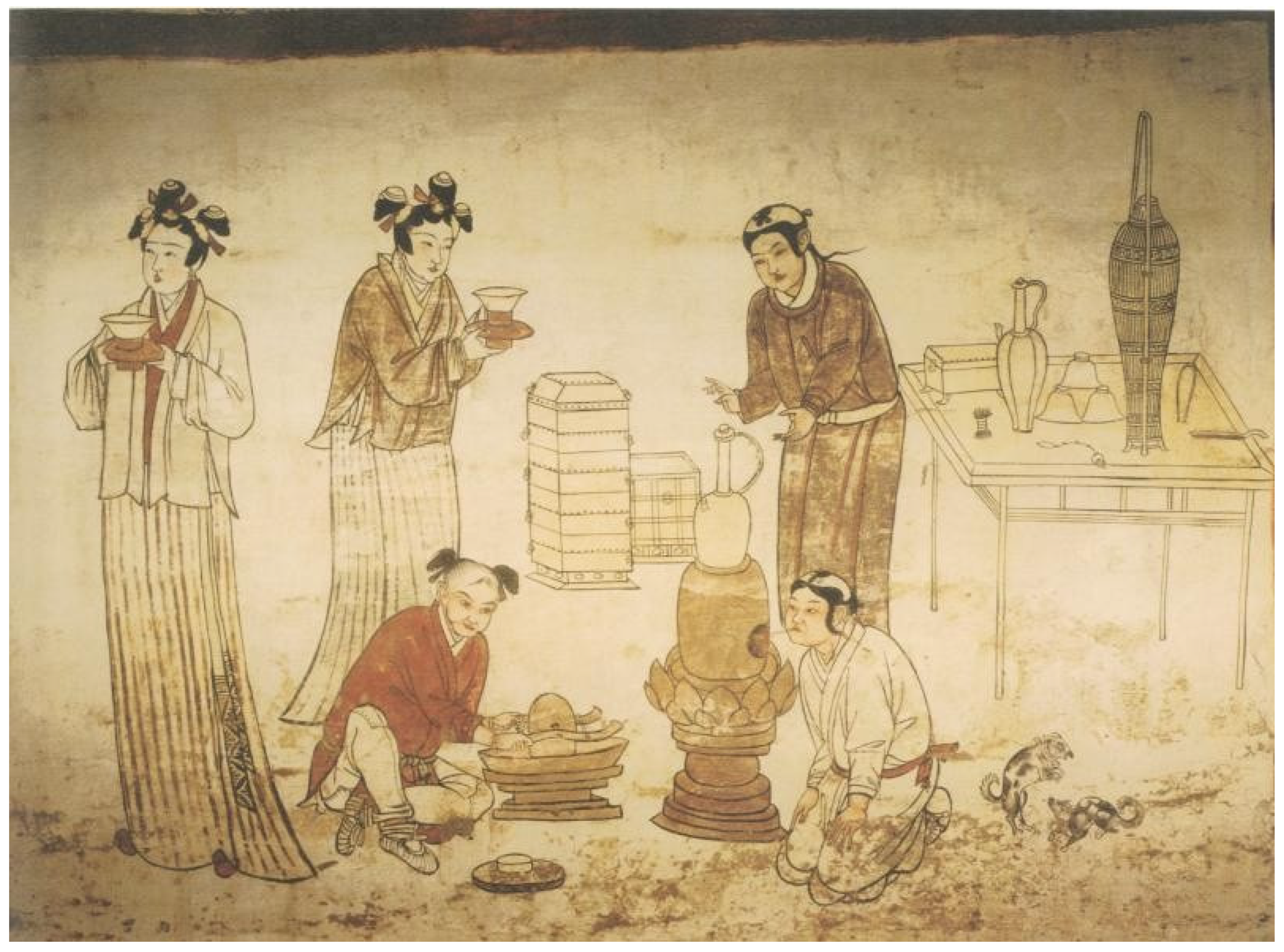
As noted by renowned art archaeologist Wu Hung, since the Han Dynasty, ancient Chinese tombs have consistently depicted an ideal “happy home” for the deceased through mural paintings(Wu 2010,35-40).Through tea-preparation murals and burial tea ware in Liao tombs, we can infer that tea customs served significant sociocultural functions in Liao daily life, indirectly demonstrating cultural integration between Liao and Han regions(Wang, Zhang, and Wang 2024) .
4.2. The Spread of Central Plains Tea Culture in Tibet
Tea plays a vital role in Tibetan social life and ethnic culture, forming one of the Four Treasures of Tibetan traditional society alongside butter, tsampa, and beef/mutton. Generally, tea’s importance in Tibet manifests in three aspects: First, it supplements trace elements lacking in the high-altitude environment and aids digestion of beef/mutton; second, Tibet’s scarcity of tea necessitates reliance on trade with Han regions; Third, it plays a vital role in religious practices. As noted by Zhao Guodong, “Its elevated status and influence within the religious sphere significantly enhanced tea’s social standing in secular life(Zhao 2015,1-2).”
For a long time, there has been no consensus on the exact time when tea spread from the Central Plains to Tibet. Historians and Tibetologists both domestically and internationally hold differing views. Some scholars, based on sociolinguistic analysis, argue that tea culture from the Central Plains began spreading to Tibet as early as the Wei and Jin dynasties(Yang 2010) ;Others contend that tea and tea culture were first introduced to Tibet during Princess Wencheng’s marriage alliance to Tibet (T. Grunfeld 1990; Ovchinnikov 2009; Khedrup 2011), a view endorsed by the majority of scholars(Zhao 2015,2-3). Some perspectives even suggest that tea drinking customs only became widespread in Tibet during the 8th century or later.
In recent years, archaeological excavations in Tibet and the discovery of related artifacts have provided more scientific evidence regarding the timeline of tea culture’s dissemination in Tibet, while also substantiating the spread of Central Plains tea culture in Tibet from a material perspective. In 2012, during joint excavations at the Gurujia Mu burial site in Gar County, Ali Prefecture, Tibet Autonomous Region, conducted by the Institute of Archaeology of the Chinese Academy of Social Sciences and other institutions, tea residue was discovered(Li L., Tao, and Huang 2014). One find was inside a pot-shaped vessel in M1:9, where “brown tea-like plant leaf fragments were found, partially stained green by copper patina”; Another find in a basin-shaped vessel at M1:10 contained “a copper spoon with clumps of tea-like plant leaves”(Li, Tao, and Huang 2014) (see Figure 4-2).In 2015, three four-legged wooden tables were unearthed from Tomb No. 4 at the Quta Cemetery, located just a few kilometers from the Guluojia Wooden Cemetery. These tables featured a four-legged tripod shape with a circular tabletop. Tea-like food residues were also discovered within one of these wooden tables, catalogued as 2014M4:9.
Figure 4-2.
Bronze basin and bronze pot with tea leaves and tea rust discovered at the Guluojia Wooden Tomb Site4
Figure 4-2.
Bronze basin and bronze pot with tea leaves and tea rust discovered at the Guluojia Wooden Tomb Site4
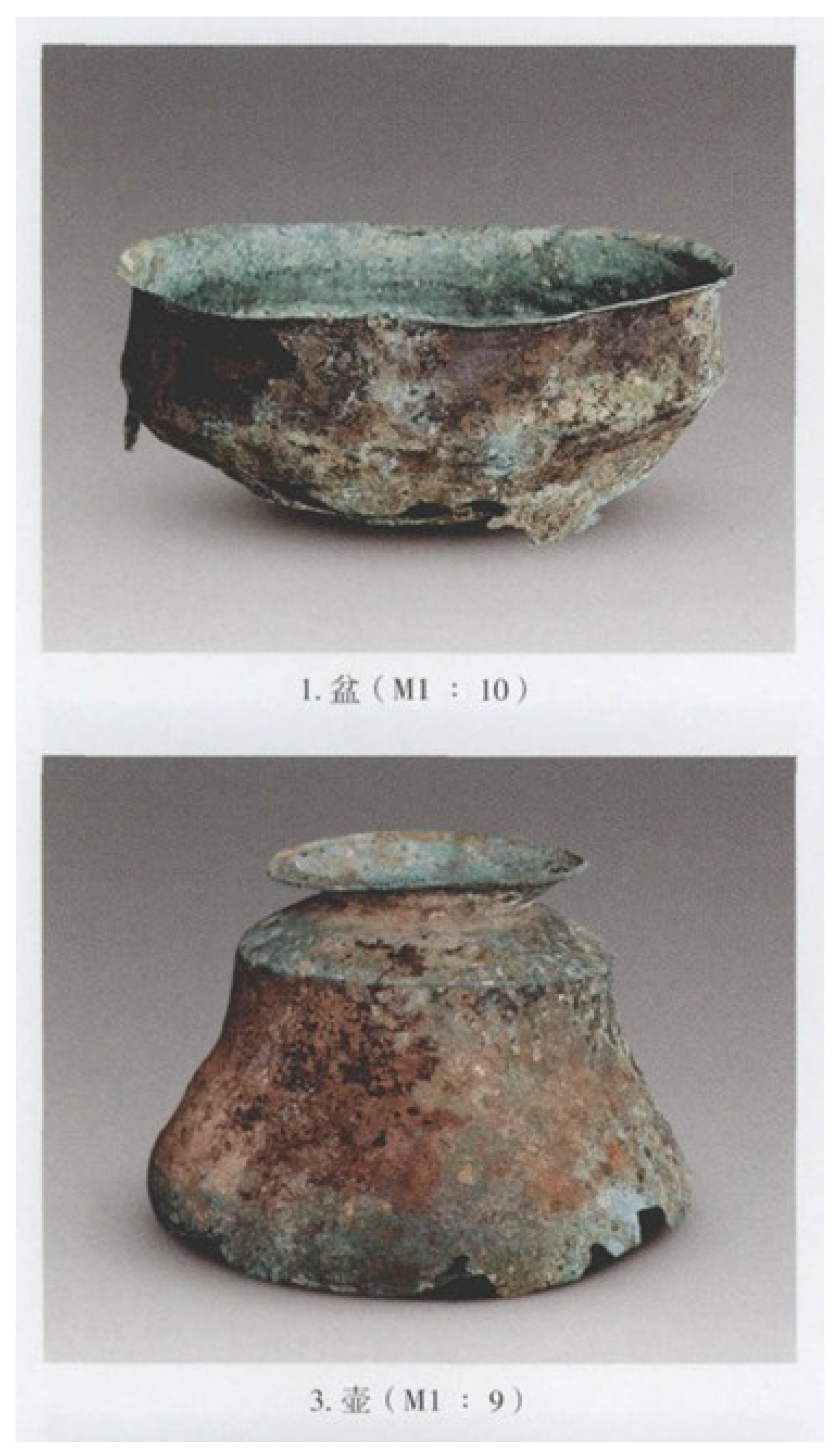
Archaeologists and anthropologists employed fluorescence spectrometers, microscopes, and other equipment to analyze phytocalcium, caffeine, and theanine . They confirmed that decayed, carbonized plant material excavated from the Goru Jiaomu Cemetery in Tibet’s Ali region (dating to the Zhangzhung period, approximately 1,800 years ago) and from the Western Han Yangling Mausoleum in Shaanxi (dating to approximately 2,100 years ago) were indeed tea leaves(H. Lu et al. 2016; Y. Yang 2020) . This archaeological discovery overturns the conventional understanding that tea was introduced to Tibet from Han China only during the Tang Dynasty. Based on phytogeochemical analysis, it can be concluded that significant quantities of tea had already entered what is now the Tibet Autonomous Region of China by at least the Han-Wei period.
As Professor Huo Wei noted, “The most probable route was southward transmission from Han China through the southern Xinjiang region of the Western Regions to the Ali Plateau. If this hypothesis holds, it would establish a crucial corridor for Han tea to reach Tibet’s Ali Plateau via the Silk Road in the Western Regions as early as 1,800 years ago(Huo 2016).Although the introduction of tea reveals only one facet of the material life of people at that time, it also serves as evidence of the diverse yet unified pattern of cultural exchange and harmonious coexistence between the Central Plains and Tibet, as well as between the Han and Tibetan peoples, since historical times.
4.3. The Overseas Dissemination of Chinese Tea Culture
The dissemination and development of Chinese tea culture overseas, viewed through an archaeological lens, primarily manifests in the spatio-temporal distribution of material remains and their cultural adaptation processes. Archaeological evidence not only reveals the circulation routes of tea and tea ware but also illustrates how tea production techniques and drinking customs underwent adaptation, acceptance, and reconstruction within foreign cultures. Several representative cases illustrate this point.
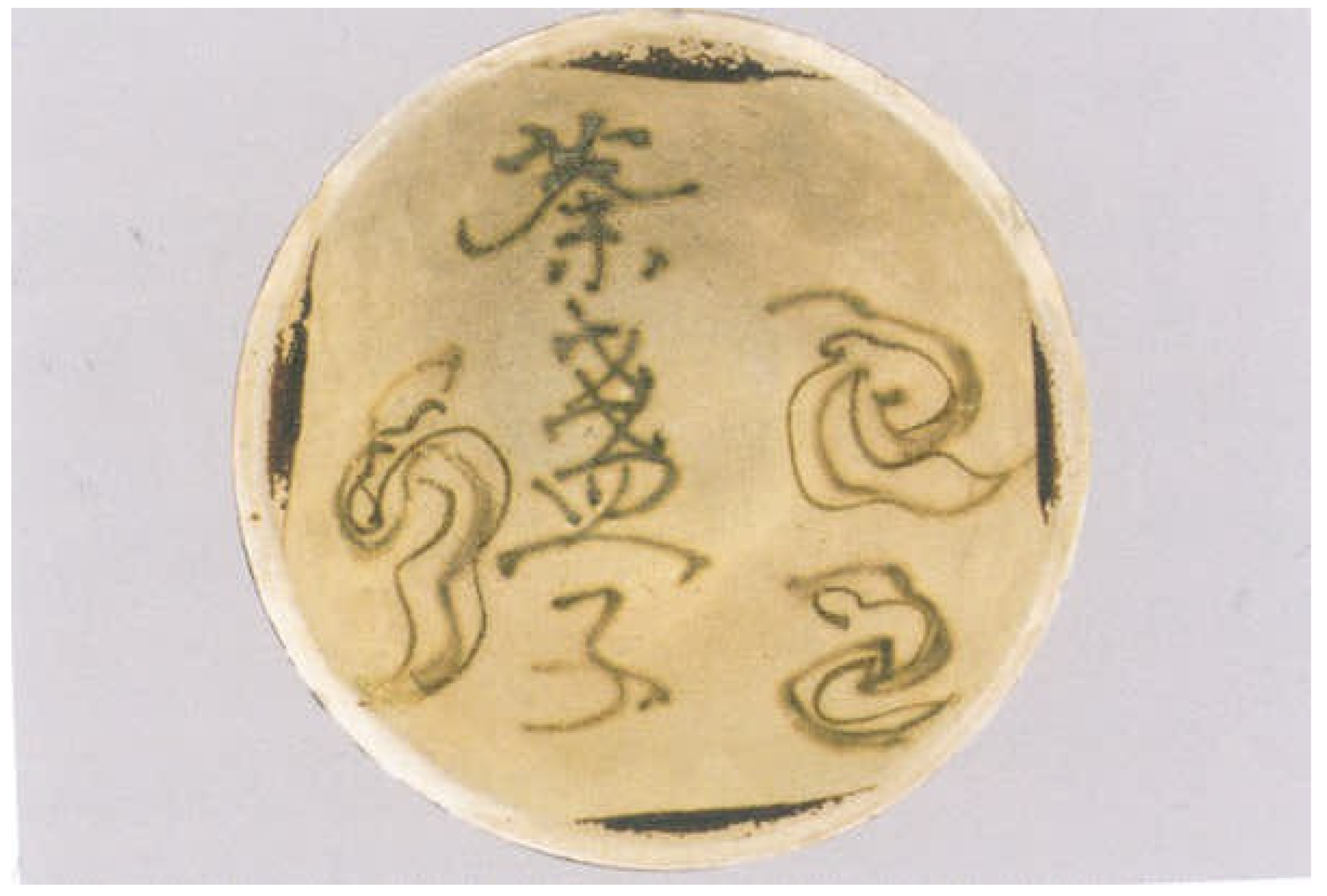
First, shipwreck archaeology provides direct evidence of tea culture’s maritime dissemination. The artifacts recovered from the Batu Hitam shipwreck (dating to approximately the 9th century CE) discovered in 1998 off the coast of Belitung Island, Indonesia, included over 67,000 ceramic pieces, 98% of which were Chinese ceramics(B. Jiang 2019; Jiang B. 2020). Among these, approximately 56,500 were Changsha Kiln ceramics, predominantly bowls followed by ewers. .Of particular significance, ceramics directly related to tea were discovered among the cargo: a Changsha Kiln bowl inscribed with the characters “荼盏子” (tú zhàn zǐ, meaning “tea bowl”) (see Figure 4-3). This provides definitive evidence for the export of these Tang Dynasty Changsha Kiln ceramics and the spread of Chinese tea culture along the Maritime Silk Road during the Tang and Song periods. According to Lu Minghua, a research curator at the Shanghai Museum, Changsha Kiln ceramics were highly sought after abroad, particularly along the Maritime Silk Road, owing to several trade advantages. One key factor was that “during the Tang Dynasty, the Hunan region flourished in tea production and developed a sophisticated tea culture. Tea paired with tea ware complemented each other perfectly, enhancing both sales and.(M. Lu 2020)“
Figure 4-3.
(Tang Dynasty) Changsha Kiln Celadon-Glazed Brown-Green Decorated “Tea Cup” Inscribed Bowl, currently housed in the Maritime Museum, Singapore.
Figure 4-3.
(Tang Dynasty) Changsha Kiln Celadon-Glazed Brown-Green Decorated “Tea Cup” Inscribed Bowl, currently housed in the Maritime Museum, Singapore.
Secondly, the spread of Chinese tea and tea culture to Europe and North America can also be substantiated by physical evidence from archaeological discoveries. The Maritime Silk Road has long been regarded as the trade route through which China exported silk, tea, and porcelain to regions including West Asia, Europe, and Africa. However, since tea and silk are organic materials that are difficult to preserve in a marine environment, tangible relics are rare.(Jiang B. 2020). In recent decades, a series of underwater archaeological discoveries have sketched a global picture of how Chinese tea and tea culture spread along the Maritime Silk Road.
First, in 1984, tea-related artifacts were discovered in two East India Company shipwrecks. One was the Swedish East India Company (SOIC) vessel “Gothenburg” (East Indiaman Gotheborg), found by Swedish divers near Gothenburg(Johansson 1992; Hodacs and Müller 2015,277-278; Hodacs 2016,1-2). The other was the Dutch East India Company (VOC) ship Geldermalsen, discovered by British explorer and treasure hunter Michael Hatcher in the South China Sea5 .Both wrecks yielded substantial quantities of Chinese export porcelain and tea. Records from the Swedish and Dutch East India Companies confirm that both vessels carried large loads of tea and porcelain when departing China for Europe.According to Jiang Bo’s research, the final voyage record of the “Gothenburg” states: “On January 11, 1745, the ‘Gothenburg’ set sail from Guangzhou for home, carrying approximately 700 tons of Chinese goods, including tea (see Figure 4-4), porcelain, silk, and rattan goods.(Jiang B. 2020)“ .
Figure 4-4.
Tea sample from the (Qing Dynasty) Gothenburg wreck, currently housed at the China Tea Museum.
Figure 4-4.
Tea sample from the (Qing Dynasty) Gothenburg wreck, currently housed at the China Tea Museum.
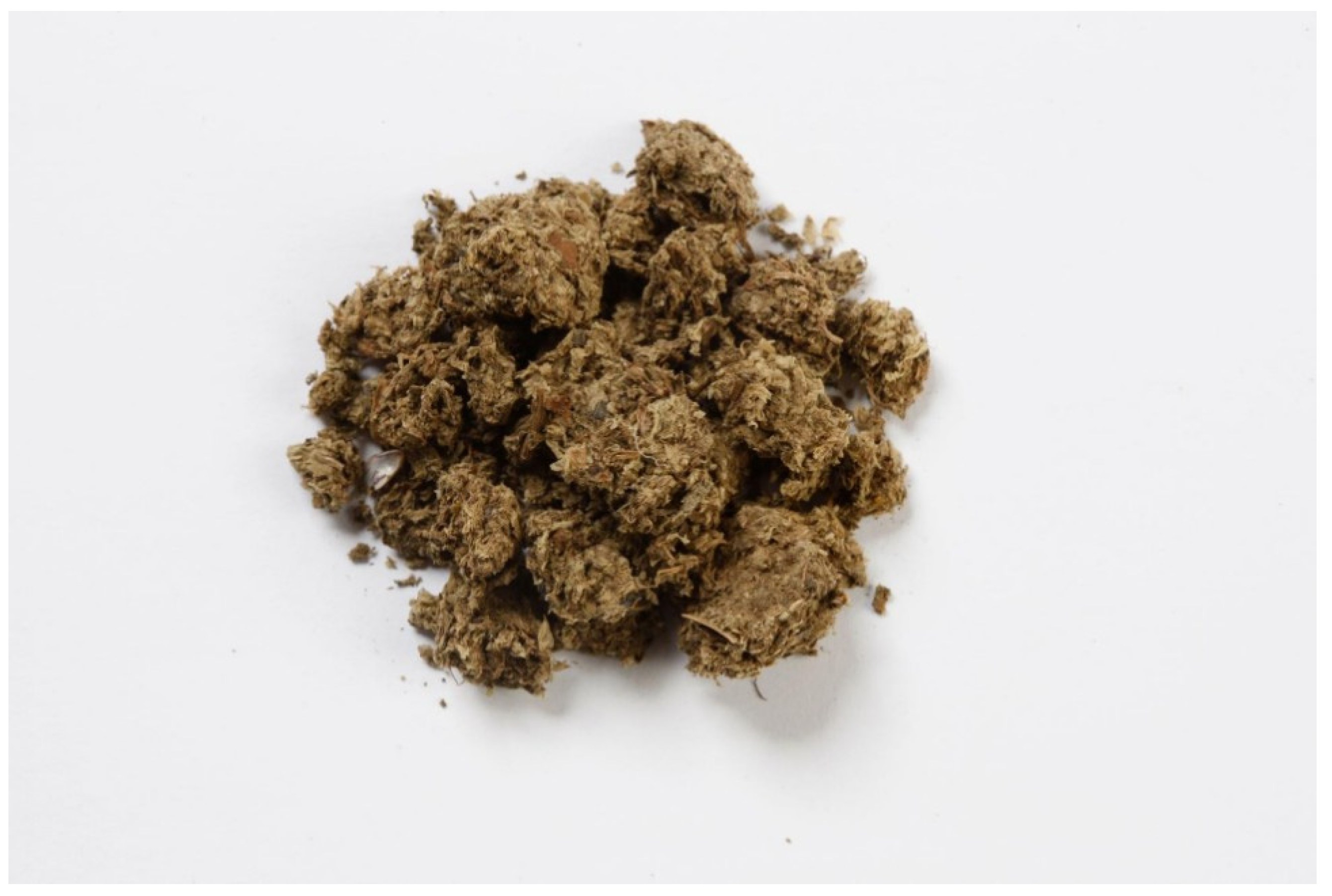
The “Heldmarsson” wreck also yielded numerous blue-and-white porcelain tea jars and tea leaves during salvage operations. However, due to aggressive commercial salvage practices and inadequate post-salvage preservation, the tea leaves and other organic materials were completely eroded(Jiang B. 2020) .Nevertheless, the substantial quantity of blue-and-white porcelain tea jars recovered from this wreck still vividly reconstructs the flourishing maritime tea trade between China and Europe during that era, confirming the dissemination of Chinese tea and tea culture across Europe.
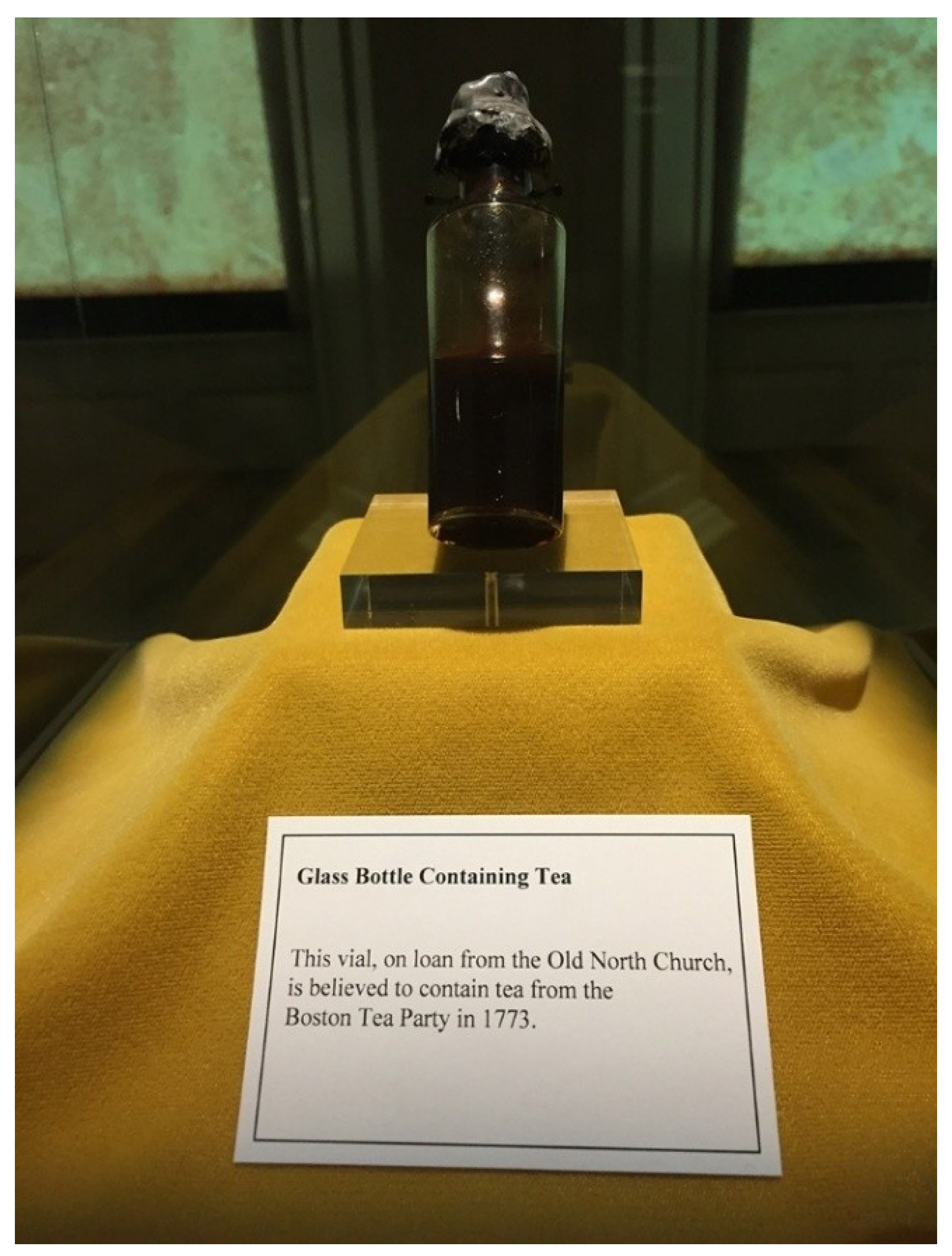
Beyond the shipwreck artifacts from Sino-European tea trade, North America also possesses tangible evidence illustrating the overseas dissemination of Chinese tea culture. When discussing tea-related incidents in North America, the most renowned is the globally renowned Boston Tea Party of 1773, regarded as a pivotal historical event in the North American colonies’ resistance against British imperialist colonization. However, for a long time, only written accounts of this event existed, with few associated physical artifacts. In August 2018, the Boston Tea Party Ship & Museum exhibited a bottle of tea residue washed ashore that night, preserved by the Old North Foundation (see Figures 4-5). As Shawn P. Ford, Executive Director of the museum, stated to local media:(DeBianchi 2018), drawing attention from historians and history enthusiasts across North America and the world to this iconic event.
Figure 4-5.
Residual tea leaves from the Boston Tea Party, part of the Old North Foundation collection, currently on display at the Boston Tea Party Ship & Museum.
Figure 4-5.
Residual tea leaves from the Boston Tea Party, part of the Old North Foundation collection, currently on display at the Boston Tea Party Ship & Museum.
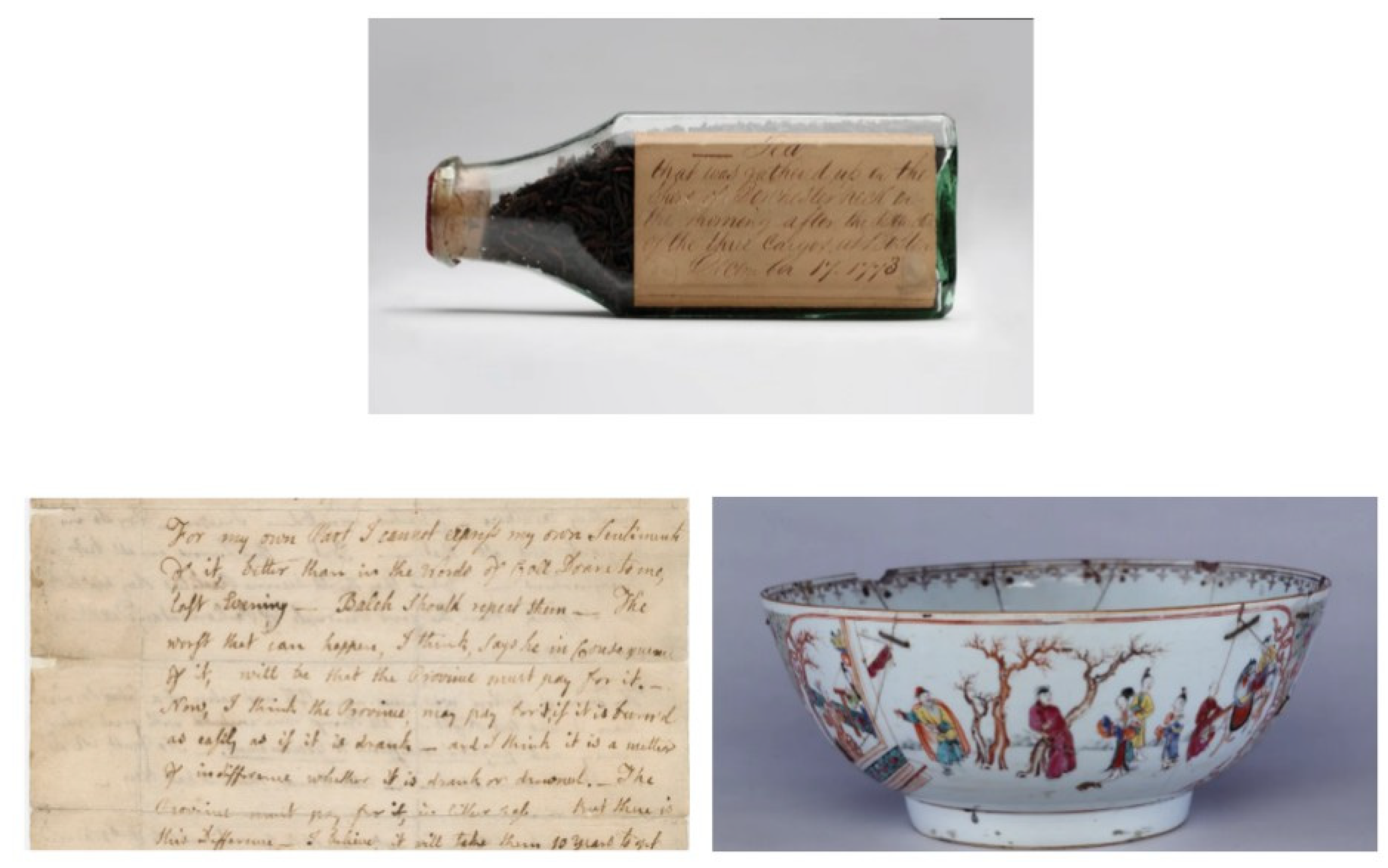
On December 15, 2023,The Massachusetts Historical Society exhibited several original artifacts from the evening of December 16, 1773, including a bottle of original Boston Tea Party tea, a letter written by John Adams about the landmark event, and a Chinese porcelain bowl used by the Edes family during their celebration (see Figure 4-5).The tea residue and Chinese porcelain bowl serve as evidence of Sino-American tea trade at the time and also reflect the overseas dissemination of Chinese tea culture.
Figure 4-6.
Tea sample from the Boston Tea Party, handwritten letter, and Chinese porcelain bowl, now housed at the Massachusetts Historical Society.
Figure 4-6.
Tea sample from the Boston Tea Party, handwritten letter, and Chinese porcelain bowl, now housed at the Massachusetts Historical Society.
In summary, from an archaeological perspective, the dissemination of tea culture overseas constitutes a multi-layered process grounded in material evidence. Artefacts excavated from shipwrecks and trading posts confirm the routes and contents of transmission, while remains from consumption sites and production sites reveal selective absorption and creative transformation within the cultural reception process. By uncovering these material flows, archaeology provides an irreplaceable empirical foundation for understanding the mechanisms shaping the global influence of Chinese tea culture.
5. Archaeological Arguments for the “Outstanding Value” of Intangible Cultural Heritage
The inscription of Traditional Chinese Tea-Making Techniques and Related Rituals onto UNESCO’s Representative List of the Intangible Cultural Heritage of Humanity hinges on four core criteria: the ingenuity of the Chinese people, the inclusivity of Chinese culture, the ecological wisdom of sustainable development, and the extensive temporal and spatial reach of these techniques and rituals. Archaeological material evidence not only provides a solid foundation for the value of this heritage project but also empirically validates the “outstanding universal value” of the heritage as advocated by UNESCO over a long historical period.
5.1. Historical Depth: The Ancient Origins of Traditional Tea-Making Techniques
Archaeological discoveries trace the origins of Chinese tea culture to the Tianshuoshan and Kahuqiao sites dating back approximately 6,000 years. Tea leaf remains unearthed from the Western Han Dynasty’s Yangling Mausoleum and the Xigang tombs at the ancient capital of the State of Zhu further substantiate this heritage. Recent research has even pushed the confirmed date of tea consumption in China back to the 2nd century BCE(Chen H. 2005; Mitsuo et al. 2011; H. Lu et al. 2016; Lu G. et al. 2021) .Traditional Chinese tea processing evolved from rudimentary methods to a sophisticated system during the Tang and Song dynasties, encompassing techniques like steaming, grinding, and drying. These craftsmanship chains are documented in archaeological artifacts. For instance, the gilded silver tea grinder and tea basket unearthed from the Tang Dynasty’s Famen Temple underground palace reveal the maturity of tribute tea production and imperial drinking rituals(An 2010) ; while Song Dynasty rabbit-fur glazed bowls from the Jian Kiln attest to the aesthetic sensibilities of whipped tea preparation and tea competition during that era(Shen 2015; Li D. 1990; Li J. 1995; Chen S. 2014) . These excavated artifacts and extant cultural relics fully demonstrate the ancient origins and clear lineage of Chinese tea culture, providing conclusive archaeological evidence for the “continuous transmission of ancient traditions.”
5.2. Cultural Continuity: Intergenerational Transmission of Craftsmanship and Tea Customs
The transmission of tea culture is reflected not only in its technical lineage but also in its widespread participation across social strata and regions. The tea-tasting rituals of the Tang imperial court, the tea-contest fads of Song-era citizens, and the refined tea gatherings of Ming and Qing literati scholars all leave their imprints in surviving paintings, burial tea sets, and archaeological artifacts(Z. Chen 2000; Dang and Chang 2022; Tam 2015; Trommsdorff 2008; Gao, Wang, and Qin 2022; Zhang M., Li, and Wu 2016) .From Western Han Dynasty ceramic tea ware and Tang Dynasty tribute tea silverware to the Ming and Qing Dynasty craze for purple clay teapots, the evolution of tea utensils demonstrates a unity of continuity and innovation. These material carriers provide tangible evidence for the “living transmission” of traditional Chinese tea-making techniques and related customs , demonstrating that tea culture has maintained its cultural vitality within China’s social history for over two millennia. This aligns with UNESCO’s evaluation criteria for heritage projects regarding “sustained cultural expression and community identity”(Lu C. 2023; Bamo 2023; Bao Jing et al. 2025; Bao Jin and Zhu 2023; Xu 2021) .
5.3. Cross-Cultural Influence: The Transcendental Dissemination and Universal Value of Tea Culture
Archaeology reveals the extensive dissemination and cultural adaptation of Chinese tea culture. Liao Dynasty tomb murals and burial tea sets indicate widespread acceptance of Han tea customs among northern ethnic societies(Tang 2023; Yi and Tang 2020; Qi, Wang, and Cong 1996; Wang, Zhang, and Wang 2024; H. Wu 2010) ; tea residue from the ancient Rujiaomu burial site in Ali, Tibet, pushes the entry of Central Plains tea culture into the plateau back to the Han-Wei period(H. Lu et al. 2016; Zhao 2015; Huo 2016; Jiang B. 2020) ;Overseas “Black Stone” Shipwreck(M. Lu 2020) ; East India Company Merchant Vessels and Relics of the Boston Tea Party(Jiang B. 2020; Stoll and Monahan 2023) ; these demonstrate the global circulation routes of tea and tea ware, confirming tea culture’s profound influence on world dietary and social life(B. Jiang 2019; Jiang B. 2020) .This cross-cultural transmission and shared value recognition demonstrate that traditional Chinese tea-making techniques and associated customs are not only national heritage but also cultural achievements shared by human civilization.
6. Conclusion
In summary, archaeological evidence spanning long timeframes, cross-regional cultural imprints, and global dissemination pathways validate the outstanding universal value of China’s tea intangible cultural heritage project across three dimensions: origin, transmission, and influence. It stands not only as the crystallization of Chinese agricultural civilization and aesthetic sensibilities but also offers a historical mirror for understanding how human societies achieve sustainable development through technological innovation, cultural exchange, and ecological adaptation.
Funding
This study was funded by the Chongqing Municipal Education Commission, Project Approval Number: S20231064204
Acknowledgements
The author would like to express gratitude to the Chongqing Intangible Cultural Heritage Research Center, the School of Cultural Communication and Design at Chongqing University of Arts and Sciences, and the School of Ethnology and Sociology at Southwest Minzu University for their academic support of this study. The author also thanks the preprints platform for providing an opportunity for open academic exchange.
Conflicts of Interest
The authors declare no conflicts of interest.
Abbreviations
The following abbreviations are used in this manuscript:
ICH Intangible Cultural Heritage
UNESCO United Nations Educational, Scientific and Cultural Organization
OUV Outstanding Universal Value
BCE Before Common Era
CE Common Era
SOIC Swedish East India Company
VOC Dutch East India Company
| 1 | For convenience, the heritage project "Traditional Chinese Tea-Making Techniques and Related Customs" will be referred to as "Chinese Tea Intangible Cultural Heritage" hereafter. |
| 2 | See Ancient Tea Trees Big Data | Data Visualization Platform (https://teabigdata.swfu.edu.cn/). |
| 3 | Examples include the mural depicting tea preparation in the Liao Dynasty tomb at Dishuihu, Balin Left Banner, Chifeng City, Inner Mongolia; and the mural depicting tea preparation unearthed from the Liao Dynasty tomb at Lama Gully, Beizi Fu Town, Aohan Banner.See the mural depicting tea preparation in Liao Dynasty Tomb M1 (Zhang Shiqing's Tomb) in Xuanhua, Zhangjiakou City, Hebei Province; the mural depicting tea preparation in Liao Dynasty Tomb M2 (Zhang Gongqian's Tomb) in Xuanhua; and the mural depicting tea preparation in Liao Dynasty Tomb M10 (Zhang Kuangzheng's Tomb) in Xuanhua, among others. |
| 4 | See Tong Tao, Li Linhui, and Huang Shan, "2012 Excavation Report of the Goru Jiaomu Cemetery in Gar County, Ali Region, Tibet," Plate 3, "Bronze Artifacts Unearthed from the Goru Jiaomu Cemetery in Gar County, Ali Region, Tibet," in Acta Archaeologica Sinica, No. 4, 2014. |
| 5 | Also known as the Geldermalsen merchant ship (Dutch: Geldermalsen); after salvage, its cargo was auctioned by Christie's in Amsterdam, leading the auction house to designate it as the "Nanking Cargo" (English: Nanking Cargo). Consequently, it is referred to in the English-speaking world as the "Nanking Shipwreck." |
References
- Agnoletti, Mauro, and Antonio Santoro. 2022. “Agricultural Heritage Systems and Agrobiodiversity.” Biodiversity and Conservation 31 (10): 2231–41. [CrossRef]
- An Xiqiang. 2010. “Feedback on the TEA CULTURE OF TANG DYNASTY FROM TEA EQUIPAGE UNEARTHED FROM FAMEN TEMPLE UNDERGROUND PALACE.” Journal of Heihe University 1 (4): 100–103. https://kns.cnki.net/KCMS/detail/detail.aspx?dbcode=CJFQ&dbname=CJFD2010&filename=hhxy201004030.
- Bamo Qubumo. 2023. “Systematic Safeguarding of Intangible Cultural Heritage for Sustainable Development——Revisiting the Nomination Practices for the ICH Element ‘Traditional tea processing techniques and associated social practices in China.’” Journal of Northwestern Ethnic Studies, no. 6 (2023): 89–104. [CrossRef]
- Bao Jin, and Zhu Yang. 2023. “Reflection on protection and inheritance of ‘Traditional tea processing skills and related custom in China’——Taking China National Tea Museum as an example.” Journal of Tea, 49 (3): 176–78. https://kns.cnki.net/KCMS/detail/detail.aspx?dbcode=CJFQ&dbname=CJFDLAST2023&filename=CHAY202303011.
- Bao Jing, Xin Chen, Cui Ya, and Zhu Yang. 2025. “Research on the Revitalization of Intangible Cultural Heritage from the Perspective of Social Aesthetic Education ——Targeting 6 Related Projects in Zhejiang Province on ‘Traditional Chinese Tea Making Techniques and Related Customs.’” China Tea, 47 (2): 86–92. https://kns.cnki.net/KCMS/detail/detail.aspx?dbcode=CJFQ&dbname=CJFDLAST2025&filename=CAYA202502014.
- Benn, James A. 2015. Tea in China: A Religious and Cultural History. Honolulu: University of Hawaiʻi Press.
- Chen, Chuan. 2018. A Comprehensive History of the Tea Industry. 2nd ed. Beijing: China Agriculture Press.
- Chen Hui. 2005. “The world’s oldest tea seeds, along with tea leaves and a tea kettle, have been unearthed in Hangzhou.” Journal of Tea, no. 3 (2005): 142–44. https://kns.cnki.net/KCMS/detail/detail.aspx?dbcode=CJFQ&dbname=CJFD2005&filename=CHAY200503002.
- Chen Shaolong. 2014. “A Study of Song Dynasty Tea Ware Unearthed from Huang Huan’s Tomb in Shaowu City.” Fujian Cultural Heritage, no. 3 (2014): 30–34. https://kns.cnki.net/KCMS/detail/detail.aspx?dbcode=CJFQ&dbname=CJFD2014&filename=FJKB201403006.
- In The Encyclopedia of Chinese Tea; Chen, Zongmao, ed. 2000. The Encyclopedia of Chinese Tea. Beijing: China Light Industry Press.
- Chen, Zongmao, and Yajun Yang. 2011. The Chinese Book of Tea. Shanghai: Shanghai Literature and Art Publishing House.
- Dang, Beibei, and Lei Chang. 2022. “A Historical Portrayal of Everyday Life:A Glimpse into the Folk Tea Affairs in the Song Dynasty from the Gambling Market Map in the Ming Garden.” Art and Design 2 (2): 128–30. https://lib.cqvip.com/Qikan/Article/Detail?id=7106740424.
- DeBianchi, Antonia. 2018. “Check Out This Original Vial of Tea from the Boston Tea Party.” Boston Magazine, February 14, 2018. https://www.bostonmagazine.com/2018/02/14/original-tea-vial-boston-tea-party/.
- Ellis, Markman, Richard Coulton, and Matthew Mauger. 2015. Empire of Tea: The Asian Leaf That Conquered the World. London: Reaktion Books.
- Fang Hongqin, and Shen Wenguang. 2025. “Research on Intangible Cultural Heritage Safeguarding and Sustainable Development of Traditional Craft.” Cultural Heritage, no. 2 (2025): 10–17. https://kns.cnki.net/KCMS/detail/detail.aspx?dbcode=CJFQ&dbname=CJFDLAST2025&filename=WHYA202502002.
- Fisher, Chelsea. 2020. “Archaeology for Sustainable Agriculture.” Journal of Archaeological Research 28 (3): 393–441. [CrossRef]
- Gao, Xianping, Shuofei Wang, and Dashu Qin. 2022. “The Purple Clay Ware Research in an Archaeological Perspective.” Cultural Relics of Central China, no. 6 (2022): 120-127+137.
- Hodacs, Hanna. 2016. “Introduction: Global, European and Scandinavian Histories and the East India Trade.” In Silk and Tea in the North, 1–28. Palgrave Macmillan, London. [CrossRef]
- Hodacs, Hanna, and Leos Müller. 2015. “Chests, Tubs and Lots of Tea — the European Market for Chinese Tea and the Swedish East India Company, c. 1730–1760.” In Goods from the East, 1600–1800, 277–93. Palgrave Macmillan, London. [CrossRef]
- Huang Jianbo, and Sun Pange. 2025. “From Conservation to Care:An Alternative Approach to the Study of Agricultural Heritage.” Folklore Studies, no. 2 (2025): 145–56, 160. [CrossRef]
- Huo Wei. 2016. “On the Newly Archaeologically Discovered Tea and Tea Set in Western Tibet.” Journal of Xizang University 31 (1): 8-12+66. [CrossRef]
- Jiang, Bo. 2019. “Underwater Archaeology and the Maritime Silk Road.” Guangming Daily, December 16, 2019. https://epaper.gmw.cn/gmrb/html/2019-12/16/nw.D110000gmrb_20191216_2-14.htm.
- ———. 2020. “Tea, Tea Cultural Landscape and Maritime Tea Trade.” Study on Natural and Cultural Heritage 5 (5): 62–78. [CrossRef]
- Jiang, Jianrong, Guoquan Lu, Qing Wang, and Shuya Wei. 2021. “The Analysis and Identification of Charred Suspected Tea Remains Unearthed from Warring State Period Tomb.” Scientific Reports 11 (1): 16557. [CrossRef]
- Johansson, Bengt. 1992. The Golden Age of China Trade: Essays on the East India Companies’ Trade with China in the 18th Century and the Swedish East Indiaman Götheborg. Hong Kong: Viking Hong Kong Publications.
- Kajihara, Hiroyuki, Su Zhang, Wonhee You, and Qingwen Min. 2018. “Concerns and Opportunities around Cultural Heritage in East Asian Globally Important Agricultural Heritage Systems (GIAHS).” Sustainability 10 (4): 1235. [CrossRef]
- Khedrup Lobsang. 2011. “The Formation and the Characteristics of Tibetan Tea Habitude.” Journal of Minzu University of China(Philosophy and Social Sciences) 38 (3): 85–90. [CrossRef]
- Kuang, Huiyi, Mengting Luo, and Xuanjun Fang. 2023. “History, Philosophy, and Rituals of Tea Ceremony: Integration of Tradition and Modernity.” Journal of Tea Science Research 13 (4): 1–13. [CrossRef]
- Li Dejin. 1990. “Brief Report on the Excavation of the Northern Song Dynasty Jian Kiln Site in Shuiji, Jianyang County, Fujian.” Archaeology, no. 12 (1990): 1095–99, 1089, 1156–57. https://kns.cnki.net/KCMS/detail/detail.aspx?dbcode=CJFQ&dbname=CJFD9093&filename=KAGU199012007.
- Li Jianan. 1995. “Brief Report on the Excavation of the Northern Song Dynasty Jian Kiln Site in Shuiji, Jianyang County, Fujian.” Archaeology, no. 2 (1995): 148–54, 159, 199. https://kns.cnki.net/KCMS/detail/detail.aspx?dbcode=CJFQ&dbname=CJFD9495&filename=KAGU199502006.
- Li Linhui, Tao Tong, and Huang Shan. 2014. “2012 Excavation Report on the Goru Jiamu Cemetery in Gar County, Ali Region, Tibet.” Acta Archaeologica Sinica, no. 4 (2014): 563-587+599-604. https://d.wanfangdata.com.cn/periodical/kgxb201404004.
- Li, Xia. 2023. “Historical Comparison of Tea Culture in China, Britain, and Japan between the Sixteenth and Nineteenth Centuries: A Performative Approach to Ritual Theory.” Lakehead University. https://knowledgecommons.lakeheadu.ca/handle/2453/5199.
- Li Zhi. 2025. “The Agri-food Systems beyond Productivism-Insights from Agricultural Heritage.” Journal of China Agricultural University(Social Sciences) 42 (2): 125–39. [CrossRef]
- Liu, Jiahu. 2012. A Study on the Origins of Tea Drinking and the Origins of Tea Plantation Cultivation. Beijing: China Agriculture Press.
- Liu, Litang, Minrui Li, and Yuling Fan. 2024. “The Imperial Tea Culture of the Song Dynasty.” Frontiers of History in China 19 (3): 312. [CrossRef]
- Lu Chengyin. 2023. “Interpretation of ‘Traditional Tea Processing Techniques and Associated Social Practices in China.’” China Tea 45 (2): 49–53. https://kns.cnki.net/KCMS/detail/detail.aspx?dbcode=CJFQ&dbname=CJFDLAST2023&filename=CAYA202302009.
- Lu Guoquan, Jiang Jianrong, Wang Qing, and Wei Shuya. 2021. “On the Residue of Tea Leaves in the Warring States Tomb (No. M1) at the Xigang Cemetery in the Capital City of the Zhu State in Zoucheng, Shandong.” Archaeology and Cultural Relics, no. 5 (2021): 118–22. https://qikan.chaoxing.com/detail_38502727e7500f266d89e719c813e9cfbf37c2072ecf153c1921b0a3ea255101fc1cf1fbb4666ae6c59bd3ba51144be8f4b55a237d5326d2cf870c23af6f925270debbf24ca9fe49c5f1b7aba07bc57c.
- Lu, Houyuan, Jianping Zhang, Yimin Yang, Xiaoyan Yang, Baiqing Xu, Wuzhan Yang, Tao Tong, et al. 2016. “Earliest Tea as Evidence for One Branch of the Silk Road across the Tibetan Plateau.” Scientific Reports 6 (1): 18955. [CrossRef]
- Lu, Minghua. 2020. “Reflections on the ‘Black Stone’ Shipwreck and the Ceramics Recovered from It.” In The Baoli Era:Treasures From The Tang Shipwreck Collection, edited by Shanghai Museum, 25–49. Shanghai: Shanghai Painting&Calligraphy Publishing House.
- Lu, Yu. 2006. The Classic of Tea. Translated by Kaka. Beijing: China Textile & Apparel Press.
- Mair, Victor H. 2009. The True History of Tea. 1st ed. With Erling Hoh. London: Thames & Hudson, Limited.
- Mitsuo, Suzuki, Yunfei Zheng, Ohyama Motonari, and Nakamura Shinichi. 2011. “Identification of Tree Species in Wood Artifacts Unearthed at the Tianshuoshan Site in Zhejiang Province.” In A Comprehensive Study of the Natural Remains at the Tianshuoshan Site, edited by Zhejiang Provincial Institute of Cultural Relics and Archaeology, 108–61. Beijing: Cultural Relics Press.
- Ovchinnikov. 2009. A Journey Through Tibet in 1955. Translated by Xiaomei Zhang. Beijing: China Tibetology Publishing House[Zhongguo Zangxue Chuban She].
- Pan, Si-Yuan, Qu Nie, Hai-Chuan Tai, Xue-Lan Song, Yu-Fan Tong, Long-Jian-Feng Zhang, Xue-Wei Wu, et al. 2022. “Tea and Tea Drinking: China’s Outstanding Contributions to the Mankind.” Chinese Medicine 17 (1): 27. [CrossRef]
- Qi Xiaoguang, Wang Jianguo, and Cong Yanshuang. 1996. “Excavation of Yelu Yuzhi’ s Tomb of the Liao Dynasty The Inst. of Archaeology, Inner Mongolia and Others.” Cultural Relics, no. 1 (1996): 4–32, 97–100, 1–2, 1. https://kns.cnki.net/KCMS/detail/detail.aspx?dbcode=CJFQ&dbname=CJFD9697&filename=WENW199601000.
- Shen, Dongmei. 2015. Tea and Social Life in the Song Dynasty. Revised Edition. Beijing: China Social Sciences Publishing House.
- Stoll, Shira, and JC Monahan. 2023. “This Is the Original Tea from the Boston Tea Party.” NBC Boston, December 15, 2023. https://www.nbcboston.com/news/local/how-to-see-the-original-tea-from-the-boston-tea-party/3220800/.
- T. Grunfeld. 1990. The Making of Modern Tibet. Translated by Kunming Wu and Baoyu Wang. Beijing: China Tibetology Publishing House[Zhongguo Zangxue Chuban She].
- Takeo Tadakazu, You Xiaoqing, Wang Huafu, Yi Lifu, Li Mingjun, Cheng Qikun, and Wang Haisi. 1992. “One Speculation on thé Origin and Dispersion of Tea Plant in China——One Speculation Based on the Chemotaxonomy by Using the Content-ration of Terpen-alcohols Found in Tea Aroma Composition.” Journal of Tea Science, no. 2 (1992): 81–86. https://kns.cnki.net/KCMS/detail/detail.aspx?dbcode=CJFQ&dbname=CJFD9093&filename=CYKK199202000.
- Tam, Kim-Pong. 2015. “Understanding Intergenerational Cultural Transmission Through the Role of Perceived Norms.” Journal of Cross-Cultural Psychology 46 (10): 1260–66. [CrossRef]
- Tang, Xuemei. 2023. “The Source and Course of the Liao People’s Tea Culture Reviewed Archaeologically.” Palace Museum Journal, no. 9 (2023): 16-30+146.
- Trommsdorff, Gisela. 2008. “Intergenerational Relations and Cultural Transmission.” In Cultural Transmission: Psychological, Developmental, Social, and Methodological Aspects, edited by Ute Schönpflug, 126–60. Culture and Psychology. Cambridge: Cambridge University Press. [CrossRef]
- Vareilles, Anne de, Ruth Pelling, Jessie Woodbridge, and Ralph Fyfe. 2021. “Archaeology and Agriculture: Plants, People, and Past Land-Use.” Trends in Ecology & Evolution 36 (10): 943–54. [CrossRef]
- Vareilles, Anne de, Ruth Pelling, Jessie Woodbridge, and Ralph Fyfe. 2021. “Archaeology and Agriculture: Plants, People, and Past Land-Use.” Trends in Ecology & Evolution 36 (10): 943–54. [CrossRef]
- Wang Junyan, Zhang Yue, and Wang Yingying. 2024. “Image art and social culture in ‘Preparing Tea with Children Playing’ in Zhang Wenzao’s tomb murals in Xuanhua of the Liao Dynasty.” Journal of Fujian University of Technology 22 (2): 150–55. https://kns.cnki.net/KCMS/detail/detail.aspx?dbcode=CJFQ&dbname=CJFDLAST2024&filename=JZGZ202402008.
- Wu, Hung. 2010. The Art of the Yellow Springs: Understanding Chinese Tombs. Honolulu: University of Hawai’i Press.
- Xinhua. 2022. “China’s Traditional Tea-Making Enters UNESCO Cultural Heritage List.” November 30. https://english.www.gov.cn/news/topnews/202211/30/content_WS63868ef8c6d0a757729e3d47.html.
- Xu Fanfan. 2021. “Protection and Development of Intangible Cultural Heritage of Traditional Tea Making Skills.” Agricultural Archaeology, no. 5 (2021): 234–40. https://kns.cnki.net/KCMS/detail/detail.aspx?dbcode=CJFQ&dbname=CJFDLAST2021&filename=NOSE202105037.
- Yang Bo, He Lu, and Min Qingwen. 2020. “Cognition and Protection of Agricultural Heritage from the Perspective of Cultural Landscape:A Case Study of the AncientTea Gardenand Tea Cultural Systemin Shuangjiang,Yunnan.” Journal of Ethnic Culture 12 (5): 110–16. https://qikan.chaoxing.com/detail_38502727e7500f26ff98e596061bf5a84f766e99c073be6e1921b0a3ea255101fc1cf1fbb4666ae6e949e9f165b7d6da3fb4075e2a797f3acb8b66d314d0097ff7ce0b446c2465f97040558fff3688a7.
- Yang Haichao. 2010. “The Initial Time and Place of Tea Culture into Tibetan Area.” Qinghai Journal of Ethnology 21 (3): 111–15. [CrossRef]
- Yang, Yimin. 2020. “High-Tech ‘Gadgets’ in Archaeology.” Guangming Daily, November 26, 2020.
- Yi Changchun, and Tang Yanjie. 2020. “A Preliminary Study of a Liao Dynasty Painting Depicting the Preparation of Tea.” Image Historical Studies, no. 2 (2020): 75–90. https://lib.cqvip.com/Qikan/Article/Detail?id=00002EOG493G7JP0MPDO7JP1MBR.
- Zhang Maolin, Li Qijiang, and Wu Junming. 2016. “Research on the Characteristics of Chemical Composition of Zisha Pottery in Successive Dynasties Excavated from Shushan Kiln Site in Yixing.” China Ceramics 52 (1): 108–13. [CrossRef]
- Zhao, Guodong. 2015. Tea and Tibet: Culture, History, and Society. Lhasa: Tibet People’s Publishing House.
- Zhou, Jiahua. 2020. “Tea Planting and Making.” In Thirty Great Inventions of China: From Millet Agriculture to Artemisinin, edited by Jueming Hua and Lisheng Feng, 595–613. Singapore: Springer Nature. [CrossRef]
Disclaimer/Publisher’s Note: The statements, opinions and data contained in all publications are solely those of the individual author(s) and contributor(s) and not of MDPI and/or the editor(s). MDPI and/or the editor(s) disclaim responsibility for any injury to people or property resulting from any ideas, methods, instructions or products referred to in the content. |
© 2026 by the authors. Licensee MDPI, Basel, Switzerland. This article is an open access article distributed under the terms and conditions of the Creative Commons Attribution (CC BY) license (http://creativecommons.org/licenses/by/4.0/).
Copyright: This open access article is published under a Creative Commons CC BY 4.0 license, which permit the free download, distribution, and reuse, provided that the author and preprint are cited in any reuse.