

Submitted:
09 March 2026
Posted:
10 March 2026
You are already at the latest version
Abstract
To investigate the interaction between mine ventilation and the thermal en-vironment in a fully mechanized longwall face, a Computational Fluid Dy-namics (CFD) model was developed for the 11-3107 working face of Menkeqing Coal Mine based on field-measured data. The model was used to analyze the effects of ventilation mode, electromechanical equipment layout, roadway length, airflow velocity, and inlet air temperature on the thermal environment of the working face. The results show that changing the ventilation mode alone has only a limited effect on reducing the maximum face temperature, although the U-shaped system provides a comparatively practical ventilation arrange-ment under the studied conditions. Locating major electromechanical equipment in the return airway helps reduce the temperature in the intake airway and working face. Shorter ventilation routes, higher airflow velocity, and lower inlet air temperature all contribute to improved thermal conditions. Considering both simulation results and operational constraints, cooling equipment should be installed near the intake airway to effectively lower the working-face temper-ature. Based on psychrometric analysis and ventilation parameters, the required cooling load for the 11-3107 fully mechanized working face was determined to be 2417 kW under normal conditions and 3082 kW under critical conditions, in-cluding a 20% safety margin. The study provides a numerical basis for venti-lation optimization, cooling-system design, and heat-hazard control in deep underground coal mines.
Keywords:
heat hazard control
; thermal environment coupling
; numerical simulation
1. Introduction
In recent decades, the advancement of underground coal mining technologies has enabled mining operations to extend to significantly greater depths. As shallow coal resources continue to decline, deep mining has become an inevitable direction for modern coal production. With the ongoing development and optimization of mining technologies, deep mining now represents an increasingly important component of global coal extraction systems [1,2,3]. However, increasing mining depth is accompanied by a substantial rise in underground thermal load due to geothermal gradients, heat transfer from surrounding rock, and heat generated by mining equipment and mechanical operations. As a consequence, thermal hazards have become a major challenge affecting both safety and productivity in underground coal mines. Excessive heat exposure can lead to heat stress, reduced worker efficiency, and potentially serious safety risks for underground personnel. Ryan and Euler (2017) [4] reported that high-temperature environments significantly affect miner health and operational efficiency in underground mines. In deep mining environments, heat sources mainly include geothermal heat from surrounding rock, heat generated by mining machinery, oxidation reactions within the mine, and heat exchange processes associated with ventilation airflow [5]. With the continued increase in mining depth, heat hazards have gradually been recognized as the “fifth major hazard” in coal mines, in addition to the four traditional hazards associated with gas, dust, water, and roof instability [6,7,8,9,10]. Various technological approaches have been proposed to control thermal hazards in underground mines, including ventilation optimization, refrigeration cooling systems, and heat-resistant mining methods. Among these approaches, numerical modeling has become an important tool for analyzing the complex interactions between airflow and heat transfer in underground environments [11,12,13,14]. In particular, Computational Fluid Dynamics (CFD) has been widely applied to investigate airflow distribution, gas migration, and temperature fields within mine ventilation systems [15,16]. Through CFD simulations, researchers can analyze airflow–temperature coupling processes and evaluate the effectiveness of ventilation and cooling strategies before their practical implementation in the field. Several studies have applied numerical simulations to investigate the thermal environment in deep mines. For example, Guo et al. (2020) analyzed the heat transfer process between ventilation airflow and surrounding rock and demonstrated that the interaction between airflow and rock surfaces plays a key role in determining the temperature distribution in mine roadways [17]. Bascompta et al. (2020) developed predictive models for underground temperature distribution and showed that ventilation parameters significantly influence thermal conditions in mine workings [18]. More recently, Chen et al. (2023) used CFD simulations to investigate ventilation and cooling optimization in coal mining faces and found that airflow velocity and ventilation configurations strongly affect the thermal environment at the working face [19]. In addition, Zhao et al. (2023) proposed energy-efficient cooling technologies for high-temperature working faces in deep mines, highlighting the importance of coordinated ventilation and refrigeration strategies for effective thermal hazard mitigation [20]. Despite these advances, several limitations remain in current research. Many existing studies focus primarily on individual influencing factors, such as airflow velocity or surrounding rock heat transfer, while the complex coupling relationship between ventilation systems and the thermal environment in fully mechanized longwall mining faces has not been sufficiently explored. Moreover, current numerical analyses often lack comprehensive consideration of the combined effects of ventilation configuration, equipment layout, airflow paths, and environmental conditions.
To address these research gaps, this study investigates the coupling interaction between ventilation systems and the thermal environment in a deep underground coal mine. The research focuses on the 11-3107 fully mechanized mining face of the Menkeqing Coal Mine, where significant heat hazards have been observed. Based on field measurement data, a three-dimensional numerical model of airflow and heat transfer was established using CFD techniques. The model was used to analyze the interaction between the mine ventilation system and the underground thermal environment. Specifically, this study examines the influence of ventilation methods, electromechanical equipment layout, ventilation routes, airflow velocity, and initial air temperature on the thermal conditions of the working face. By establishing numerical models and conducting detailed simulations, the coupling mechanism between ventilation airflow and heat transfer processes is clarified. The results provide a theoretical basis for optimizing mine ventilation systems and developing effective cooling strategies to mitigate heat hazards in deep underground coal mines.
2. Model Establishment and Assumptions
2.1. Establishment of the Coal Mining Face Model
In this study, the pre-processing software Gambit was used to establish the geometric models for airflow and heat transfer in the mining face, followed by mesh generation. The physical modeling was based on the actual dimensions of the 11-3107 fully mechanized mining face of the coal mine. The mining face is 320 meters long, 3.7 meters wide, and 5.6 meters high, with a rectangular cross-sectional shape. The inclination of the mining face is approximately 0.3°, and the ventilation volume is 2213 m³/min. The electromechanical equipment includes high temperature devices such as mobile transformers, starters, circuit power supply equipment, spray pump water tanks, emulsifier pump motors, and liquid return tanks. A simulation analysis of the airflow temperature field in the mining face was conducted. The lengths of the intake and return air passages are both approximately 1400 meters. These passages are assumed to be rectangular tunnels, with cross-sectional dimensions of 3.7×6.9 meters. The geometric model of the mining face is shown in Figure 1.
2.2. Initial Condition Assumptions
During the numerical simulation of the thermal environment in the coal mining face, the following simplifications and assumptions were made:
- (1)
- The surrounding rock of the mining face tunnels is homogeneous and isotropic.
- (2)
- The airflow underground is treated as an incompressible fluid, with the dissipation heat caused by the viscous work of the airflow being neglected.
- (3)
- The airflow is considered to be steady-state turbulence, satisfying the Boussinesq approximation, where viscous dissipation is negligible, and density variations are only considered when calculating buoyancy forces.
- (4)
- The airflow in the mining face is assumed to be steady-state, with constant wall surface temperatures for both the mining face and electromechanical equipment, and the disturbances caused by the mining machine and hydraulic supports on the airflow are ignored.
- (5)
- The heat and mass exchange process between the surrounding rock and the airflow, as well as the condensation process caused by the mixing of hot and cold airflows, are not considered.
The temperatures of the equipment and the rubber-tired vehicles’ upper and lower surfaces and surrounding areas in the central pump station are set to be constant.
The boundary conditions for the intake passage of the 11-3107 fully mechanized mining face are set as velocity inlet, while the boundary conditions for the return air passage are set as pressure outlet. The standard wall function method is used for handling the near-wall region. The wall temperatures of the intake passage, mining face, and return air passage are set to 29 °C, 30 °C, and 30 °C, respectively. The temperatures of the upper surface, lower surface, and surrounding areas of the electromechanical equipment are set to be constant.
3. Ventilation–Thermal Coupling Simulation
The airflow and heat transfer processes in the coal mining face must adhere to four fundamental laws. The airflow in the tunnels is typically turbulent, and during CFD simulations, turbulence equations must be specified to obtain a complete set of governing equations. Therefore, this study uses the k-ε standard turbulence model for the simulations [21,22,23]. This study focuses on the 11-3107 fully mechanized mining face of Menkeqing Coal Mine to investigate the interaction between the ventilation system and the thermal environment. Specifically, it examines the effects of different ventilation methods, electromechanical equipment layouts, ventilation processes, wind speed, initial air temperature, and advance rate on the thermal environment. Modeling is performed using SpaceClaim, and the study investigates the impact of the ventilation system on the thermal environment based on the actual conditions of the intake passage, mining face, and return air passage in the 11-3107 mining area.
3.1. Impact of Different Ventilation Methods on the Mine’s Thermal Environment
This study simulates the impact of four ventilation methods U-shaped, Y-shaped, W-shaped, and E-shaped on the thermal environment of the mining face, as shown in Figure 2. Using the Fluent numerical simulation software, the effects of these four ventilation methods on the thermal environment of the mine under the same intake air temperature conditions are simulated. The cooling effects of each method are compared to determine the optimal ventilation method. To analyze the impact of different ventilation methods on the thermal environment of the mining face, this study simulates the airflow conditions with a wind speed of 1.5 m/s and an air temperature of 26 °C. Based on these conditions, the relationship between different ventilation methods and the environmental temperature of the mining face is examined. Figure 3 shows the temperature distribution contour map of the working temperature field for the 11-3107 fully mechanized mining face under different ventilation methods. Figure 4 presents the temperature variation curves along the intake passage, mining face, and return air passage for each ventilation method.
According to the image, the Y-shaped ventilation method has more high-temperature areas compared to the other ventilation methods. By comparing the global contour maps of the mining face under the W-shaped and E-shaped ventilation methods, the temperature distribution in the intake passage, mining face, and return air passage is similar for both ventilation methods. In conjunction with the temperature variation curves, the temperature rise trends in the main and secondary intake tunnels for both W-shaped and E-shaped ventilation methods are similar. The temperature at the corner of the mining face is approximately 28.8 °C, and the maximum temperature on the mining face is around 29.35 °C. However, for the return air passage, the temperature along the path is slightly lower in the W-shaped ventilation method compared to the E-shaped method, making the W-shaped ventilation method more favorable. When comparing the U-shaped ventilation method with the other three ventilation methods, the airflow temperature along the intake passage for the U-shaped method is similar to that of the W-shaped and E-shaped ventilation methods. However, along the mining face, the temperature under the U-shaped ventilation method is generally higher than that under the W-shaped and E-shaped methods.
In summary, under the same working conditions with an intake air temperature of 26 °C and a wind speed of 1.5 m/s, based on the global temperature contour maps and along-path temperature curves for the U-shaped, Y-shaped, W-shaped, and E-shaped ventilation methods, the Y-shaped ventilation method is significantly less effective than the U-shaped method. From the perspective of along-path temperature, the W-shaped and E-shaped ventilation methods result in lower temperatures at certain locations on the mining face compared to the U-shaped method, with the maximum temperature being about 0.09 °C lower than that of the U-shaped method. Overall, the temperature difference is minimal. Considering the higher difficulty and cost of tunneling, without the use of cooling equipment, simply changing the ventilation method does not significantly reduce the maximum temperature on the mining face.
3.2. Impact of Different Electromechanical Equipment Layouts on the Thermal Environment of the Mining Face
During the investigation of electromechanical equipment heat dissipation, it was found that numerous electromechanical devices are arranged in the intake passage of the mining face.
As the surface temperatures of these devices are significantly higher than the ambient temperature in the tunnel, they transfer heat to the surrounding environment. Therefore, studying the impact of electromechanical equipment on the tunnel’s thermal environment is of great significance. Since the layout of the electromechanical equipment varies, the extent and range of its impact on the thermal environment will differ. Based on the conclusions from different ventilation methods, this study simulates and analyzes the impact of three different equipment layouts on the thermal environment of the 11-3107 fully mechanized mining face under the conditions of an initial airflow temperature of 26 °C, a wind speed of 1.5 m/s, and U-shaped ventilation: all electromechanical equipment in the intake passage, all electromechanical equipment in the return air passage, and half of the electromechanical equipment in the intake passage and the other half in the return air passage. Figure 5 shows the temperature field contour maps of the 11-3107 fully mechanized mining face under the three different equipment layouts. Figure 6 presents the temperature variation curves along the intake passage, mining face, and return air passage for each layout.
According to the image, the temperature increase trends in the intake airways are similar under the three different equipment layouts. When all equipment is arranged in the intake air passage, the temperature is higher, with the highest temperature at the corner of the intake airway reaching approximately 29.11 °C. When the equipment is arranged in the return air passage, the temperature at the corner of the intake airway is the lowest, at about 28.89 °C. When half of the equipment is arranged in the intake and return air passages, the temperature along the intake air passage is between the other two layouts.
For the working face, when all the equipment is arranged in the intake airway, the airflow temperature at the corner of the intake airway and the working face’s cut-in is relatively higher compared to the other two layouts, reaching about 29.11 °C at the entrance of the working face. After heat exchange in the working face, the temperature at the outlet reaches around 29.32 °C. When all the equipment is arranged in the return air passage, the temperature at the corner of the intake airway and the entrance of the working face is the lowest, at approximately 28.90 °C. After heat exchange, the temperature at the working face outlet is around 29.10 °C.
For the return air passage, it is evident that when all the equipment is arranged in the return air passage, the temperature increase is the fastest, with the final temperature reaching around 29.78 °C. Due to the absence of electromechanical equipment, in the other two cases, the temperature increase in the return air passage is slower, with the highest temperature reaching 29.63 °C and 27.1 °C, respectively.
In summary, when all the equipment is arranged in the return air passage, the environment temperature in the intake airway and the working face is lower. Considering that lower working face temperatures lead to reduced harm to personnel and higher mining safety, equipment can be arranged in the return air passage, in accordance with the Coal Mine Safety Regulations, to improve the working environment in the working face.
3.3. Effects of Different Ventilation Processes on the Thermal Environment
In this study, the impact of different ventilation routes on the thermal environment was investigated by shortening the ventilation path and considering varying roadway lengths. Numerical simulations were conducted to analyze the temperature distribution in the longwall working face under three roadway lengths: 1500 m, 1300 m, and 1100 m. The simulations were performed under a consistent airflow condition with an inlet air velocity of 1.5 m/s and a temperature of 26 °C. The relationship between roadway length and the thermal environment of the mining face was examined. Figure 7 presents the overall temperature distribution of the 11-3107 longwall face under different roadway lengths, while Figure 8 displays localized temperature field contours for the three ventilation scenarios.
Figure 9 shows the temperature field distribution along the tunnel for the 11-3107 fully mechanized mining face, including the intake airway, the working face crosscut, and the return airway, under different tunnel length conditions. The temperature rise trends along the airflow path are similar for all three tunnel lengths. Under the condition of a shorter tunnel length, the temperature along the airflow path is lower at various points. For example, with a tunnel length of 1100m, the temperature at the intake corner is approximately 28.1 °C, the maximum temperature at the working face is around 28.94 °C, and the temperature at the return airway outlet is 29.46 °C.
It can be concluded that with an increase in tunnel length, the airflow has a longer heat exchange time with the surrounding rock surfaces, resulting in higher temperatures at the return airway. If the length of the intake airway is shortened while considering the issues related to the electromechanical equipment in the intake airway, the heat exchange time between the airflow and the tunnel surfaces before reaching the working face is reduced, resulting in relatively lower temperatures of the airflow entering the working face.
3.4. Effect of Different Air Velocity on the Thermal Environment of Underground Mining Faces
To analyze the effect of different air velocities on the thermal environment of the working face with an inlet airflow temperature of 26 °C, simulations were conducted under four different airflow velocities: 1.5 m/s, 2.0 m/s, 2.5 m/s, and 3.0 m/s. The relationship between airflow velocity and the environmental temperature at the mining face was investigated. Figure 10 shows the global temperature field distribution for the 11-3107 fully mechanized mining face with an inlet temperature of 26 °C. Figure 11 presents the local contour plots of the temperature field under the four different airflow velocity conditions.
Figure 12 shows the temperature field distribution along the tunnel for the 11-3107 fully mechanized mining face, including the intake airway, the working face crosscut, and the return airway, under different airflow velocity conditions. From the Figure, it can be observed that the airflow temperature continuously increases from the intake airway entrance, rising from 26 °C to a maximum of 29.7 °C. Upon reaching the working face crosscut, the temperature rises more slowly due to the limited heat dissipation from the coal mining equipment. When the airflow enters the return airway, the temperature starts to gradually decrease from the maximum of 29.98 °C due to the presence of the misting system, although the temperature decline is relatively slow.
By comparing different airflow velocities, it can be concluded that the higher the tunnel airflow velocity, the lower the temperature at various points. The study identifies the optimal tunnel airflow velocity as 3.0 m/s. However, considering that the Coal Mine Safety Regulations stipulate the maximum airflow velocity in coal tunnels to be 4.0 m/s, the ideal airflow velocity for the working face is 4.0 m/s. When selecting the airflow velocity for the tunnel, factors such as the spontaneous combustion risk in the mined-out area, dust levels at the working face, fan capacity, and the ventilation capacity of the intake and return airways should also be comprehensively considered.
3.5. Impact of Initial Air Temperature on Work Face Thermal Environment
To analyze the effect of different initial air temperatures on the thermal environment of the working face under the same airflow velocity conditions, simulations were conducted at an airflow velocity of 1.5 m/s with four different initial air temperatures: 6 °C, 8 °C, 10 °C, and 12 °C. The relationship between initial air temperature and the temperature at the mining face was investigated. Figure 13 shows the contour plot of the temperature field distribution for the 11-3107 fully mechanized mining face under different initial air temperature conditions. Figure 14 presents the simulation results of the 11-3107 fully mechanized mining face under different initial air temperature conditions.
Figure 15 shows the temperature field distribution along the tunnel for the 11-3107 fully mechanized mining face, including the intake airway, working face crosscut, and return airway, under different initial air temperature conditions. From the Figure, it can be observed that the four curves exhibit similar increasing trends, with only the initial and final temperatures differing. This indicates that the lower the initial air temperature, the greater the temperature difference between the airflow and the heat source, leading to a faster increase in airflow temperature and more significant heat exchange. As the airflow enters the working face crosscut, the temperature continues to rise due to the heat dissipation from the coal mining equipment, but at a slower rate. Upon entering the return airway, due to fewer devices in the return airway, the airflow primarily exchanges heat with the surrounding rock, and the final temperature is greater than 25 °C.
By comparing different initial air temperatures, it can be concluded that under the same airflow velocity conditions, the lower the initial air temperature in the tunnel, the lower the temperature of the airflow at various points. The study identifies the optimal tunnel air temperature as 6 °C. However, considering that the 11-3107 fully mechanized mining face has a long ventilation distance, and the airflow undergoes heat exchange along the way from the shaft to the intake airway of the 11-3107 mining face, the temperature cannot reach the optimal 6 °C as simulated. Therefore, it may be considered to use cooling equipment near the intake airway of the 11-3107 mining face to cool the airflow and reduce its temperature as much as possible. Simultaneously, considering the simulation results for different airflow velocities and the Coal Mine Safety Regulations stipulating a maximum airflow velocity of 4 m/s and a temperature not exceeding 26 °C, the ideal ventilation conditions should aim for an inlet air temperature of 6 °C and an airflow velocity of 4 m/s. However, factors such as the maximum cooling capacity of the equipment, natural coal spontaneous combustion risks in the mined-out area, and other relevant conditions should also be comprehensively considered.
4. Determination of Cooling Load for Mechanical Refrigeration
Based on the study of heat hazard distribution and the coupling effects of the thermal environment, it is necessary to supply cooling capacity to the working face to mitigate heat stress and create a more comfortable working environment. The determination of the cooling load for the mining face plays a critical role in guiding the design of the mine’s cooling system.
4.1. Cooling Load Calculation
According to GB50418-2007 Design Code for Thermal Hazard Control in Underground Coal Mines, the cooling load for mining faces and electromechanical equipment chambers can be calculated using the following equation:
Q cool ≥ G(h2-h1)
In the equation: Qcool - Cooling load required at the cooling point, kW; G - Air mass flow rate at the cooling point, kg/s; h1 - Enthalpy corresponding to the cooling target at the cooling point, kJ/kg; h2 - Enthalpy of the air flow at the cooling point, kJ/kg.
4.2. Determination of Cooling Load for Mining Faces
4.2.1. Cooling Load for the 11-3107 Fully Mechanized Mining Face
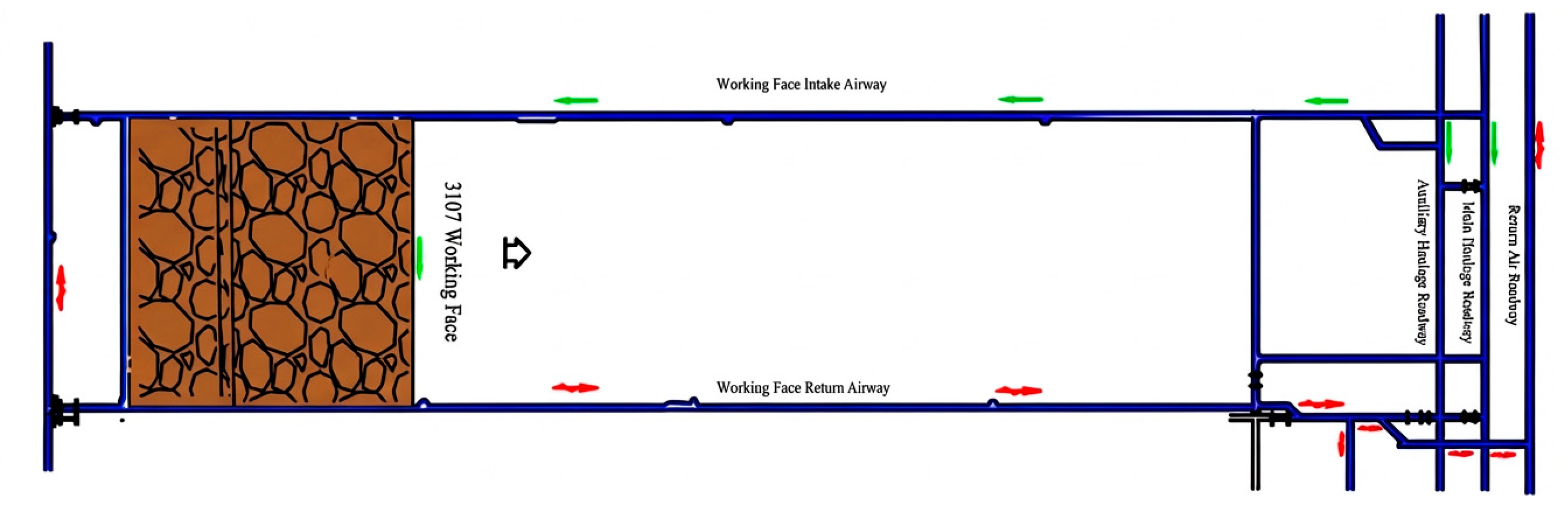
The cooling load calculation for the mining face is based on the 11-3107 fully mechanized mining face. The face adopts a U-shaped ventilation system, with the intake and return airway lengths both set at 1400 m. The mined-out face has a length of 320 m, a width of 3.7 m, and a height of 6.9 m. The ventilation cross-sectional area is 25.53 m², and the shape is square, as shown in Figure 16. The temperature of the tunnel walls is 29 °C, with an air volume of 2815.7 m³/min, and the air density is 1.073 kg/m³. The original air flow temperature in the tunnel is 30 °C, with a humidity of 99.1%. To achieve a face air temperature of 26 °C and a humidity of 85%, the temperature increase along the tunnel is assumed to be 0.2 °C per 100 m. Therefore, the outlet air temperature for the cooling equipment is targeted at 23.2 °C with a humidity of 85%. Based on the air volume, the mass flow rate of the air is calculated as G = 50.35 kg/s. Referring to the psychrometric chart for moist air, the enthalpy before cooling is h2 = 102 kJ/kg, and after cooling, it is h1 = 62 kJ/kg. Using the formula (Equation 3-1), the cooling load is calculated as 2014 kW, and considering a 20% safety margin, the final cooling load is 2417 KW.
Based on the current situation and considering the challenging period, the intake and return airways of the 11-3107 fully mechanized mining face are assumed to be a maximum of 2800 m in length. To achieve a face air temperature of 26 °C and a humidity of 85%, the temperature increase along the tunnel is assumed to be 0.2 °C per 100 m. Therefore, the outlet air temperature for the cooling equipment is targeted at 20.4 °C with a humidity of 85%. Using the air volume, the mass flow rate of the air is calculated as G = 50.35 kg/s. Referring to the psychrometric chart for moist air, the enthalpy before cooling is h2 = 102 kJ/kg, and after cooling, it is h1 = 51 kJ/kg. Using the formula (Equation 3-1), the cooling load is calculated as 2568 kW, and considering a 20% safety margin, the final cooling load is 3082 kW.
4.2.2. Determination of Cooling Load for the Central Pump Room
Taking the central pump room cooling load calculation as an example, the air volume in the central pump room is 250 m³/min, with a pressure of 93,900 Pa and an air density of 1.062 kg/m³. The initial air flow temperature in the tunnel is 35.5 °C, with a humidity of 46%. The target air flow temperature for cooling is 30 °C, with a humidity of 46%. Based on the air volume, the mass flow rate of the air is calculated as G = 4.425 kg/s. Referring to the psychrometric chart for moist air, the enthalpy before cooling is h2 = 77 kJ/kg, and after cooling, it is h1 = 60 kJ/kg. Using the formula (Equation 3-1), the cooling load is calculated as 75.2 kW, and considering a 20% safety margin, the final cooling load is 90.3 kW.
5. Conclusions
This study takes the 11-3107 fully mechanized mining face of the Menkeqing Coal Mine as the primary research object. Based on data collected from field measurements, a geometric model was established, and the influence of the ventilation system on the underground thermal environment was analyzed using Computational Fluid Dynamics (CFD) simulations. The corresponding cooling load was also calculated. The main findings are as follows:
- (1)
- Heat sources such as the central pump room and rubber-tired vehicles significantly affect the temperature in the surrounding roadways or chambers where the heat sources are located. However, they have minimal impact on the initial airflow temperature entering the main airways and almost no influence on the thermal environment of the 11-3107 working face.
- (2)
- Numerical simulation of the influence of the ventilation system on the thermal environment shows that the U-shaped ventilation system is relatively reasonable. However, without the application of cooling equipment, merely adjusting the ventilation method has limited effect on reducing the maximum temperature at the working face. When all equipment is arranged in the return air roadway, the temperatures of the intake airway and the working face environment are lower. As the length of the roadway increases, the final temperature in the return airway tends to rise. Higher airflow velocity results in lower air temperatures at various locations, with an optimal airflow velocity of 4 m/s identified for the working face. Under the same airflow velocity, a lower initial air temperature leads to lower airflow temperatures at all points along the roadway. The optimal initial air temperature is found to be 6 °C. However, considering heat exchange between the airflow and the auxiliary shaft, the target temperature is difficult to achieve under real conditions. Therefore, cooling equipment should be installed near the intake airway of the 11-3107 fully mechanized mining area to reduce the airflow temperature as much as possible. Among the four simulated working conditions, the optimal face advancement rate is determined to be 9 m/d.
Based on model construction and numerical simulation, further calculation of the required cooling capacity indicates that, considering a 20% reserve factor, the cooling load near the auxiliary shaft central pump room should exceed 995.3 kW; the cooling load for the 11-3107 fully mechanized working face should exceed 2417 kW under normal conditions, and exceed 3082 kW during critical periods. The determination of the cooling load provides quantitative support for the selection of refrigeration equipment and thermal hazard mitigation in the Menkeqing Mine.
Author Contributions
Md Mojahidul Islam: Conceived and supervised the study; developed the theoretical framework and numerical model; conducted formal analysis and visualization; and prepared and revised the manuscript. Ma Liqiang: Project administration, validation, resources, and writing-review and editing. Qazi Adnan Ahmad: Supervision, validation, investigation, data curation, and writing-review and editing. Sobuj Hasan: Contributed to data collection, model validation, and manuscript review and editing.
Funding
This research received no external funding.
Data Availability
The data that support the findings of this study were obtained from Menkeqing Coal Mine of Zhongtian Hechuang Energy Co., Ltd. Due to commercial confidentiality and enterprise data protection requirements, these data are not publicly available. Relevant data may be made available from the corresponding author upon reasonable request and with permission from the enterprise.
Acknowledgments
The author sincerely acknowledges China University of Mining and Technology, Xuzhou, Jiangsu, China, for providing laboratory facilities and research equipment during the author’s M.Sc. studies, which made this research possible.
Conflicts of Interest
The authors declare that they have no known competing financial interests or personal relationships that could have appeared to influence the work reported in this paper. The authors declare no conflict of interest.
Abbreviations
The following abbreviations are used in this manuscript:
| CFD | Computational Fluid Dynamics |
| GB50418-2007 | Design Code for Thermal Hazard Control in Underground Coal Mines |
| k-ε | standard k–epsilon turbulence model |
| U-shaped | U-shaped ventilation system |
| Y-shaped | Y-shaped ventilation system |
| W-shaped | W-shaped ventilation system |
| E-shaped | E-shaped ventilation system |
| kg/s | kilogram per second |
| kW | kilowatt |
| m | meter |
| m/d | meter per day |
| m/s | meter per second |
| m² | square meter |
| m³/min | cubic meter per minute |
| °C | degree Celsius |
References
- Li, G.; Hu, Z.; Li, P.; Yuan, D.; Feng, Z.; Wang, W.; Fu, Y. Innovation for Sustainable Mining: Integrated Planning of Underground Coal Mining and Mine Reclamation. Journal of Cleaner Production 2022, 351, 131522. [Google Scholar] [CrossRef]
- Guo, F.; Zhang, N.; Xie, Z.; Han, C.; Zhang, C.; Yuan, Y.; He, Z.; Liu, J. A Three-Dimensional Supporting Technology, Optimization and Inspiration from a Deep Coal Mine in China. Rock Mech Rock Eng 2024, 57, 655–677. [Google Scholar] [CrossRef]
- Singh, S.K.; Kumar, D. Optimizing Coal Mine Planning and Design for Sustainable Development in the Context of Mass Exploitation of Coal Deposits. Heliyon 2024, 10, e28524. [Google Scholar] [CrossRef] [PubMed]
- Ryan, A.; Euler, D.S. Heat Stress Management in Underground Mines. International Journal of Mining Science and Technology 2017, 27, 651–655. [Google Scholar] [CrossRef]
- Su, Z.; Jiang, Z.; Sun, Z. Study on the Heat Hazard of Deep Exploitation in High-Temperature Mines and Its Evaluation Index. Procedia Earth and Planetary Science 2009, 1, 414–419. [Google Scholar] [CrossRef]
- Wang, K.; Li, Q.; Wang, J.; Yang, S. Thermodynamic Characteristics of Deep Space: Hot Hazard Control Case Study in 1010-m-Deep Mine. Case Studies in Thermal Engineering 2021, 28, 101656. [Google Scholar] [CrossRef]
- Lazaro, P.; Momayez, M. Heat Stress in Hot Underground Mines: A Brief Literature Review. Mining, Metallurgy & Exploration 2021, 38, 497–508. [Google Scholar] [CrossRef]
- Nie, X.; Wei, X.; Li, X.; Lu, C. Heat Treatment and Ventilation Optimization in a Deep Mine. Advances in Civil Engineering 2018, 2018, 1529490. [Google Scholar] [CrossRef]
- Habibi, A.; Kramer, R.B.; Gillies, A.D.S. Investigating the Effects of Heat Changes in an Underground Mine. Applied Thermal Engineering 2015, 90, 1164–1171. [Google Scholar] [CrossRef]
- Xiaojie, Y.; Qiaoyun, H.; Jiewen, P.; Xiaowei, S.; Dinggui, H.; Chao, L. Progress of Heat-Hazard Treatment in Deep Mines. Mining Science and Technology (China) 2011, 21, 295–299. [Google Scholar] [CrossRef]
- Peltier, M.; Loria, A.F.R.; Lepage, L.; Garin, E.; Laloui, L. Numerical Investigation of the Convection Heat Transfer Driven by Airflows in Underground Tunnels. Applied Thermal Engineering 2019, 159, 113844. [Google Scholar] [CrossRef]
- Alymenko, N.I.; Kamenskikh, A.A.; Nikolaev, A.V.; Petrov, A.L. Numerical Modeling of Heat and Mass Transfer during Hot and Cool Air Mixing in Air Supply Shaft in Underground Mine. Eurasian mining 2016, 2016. [Google Scholar] [CrossRef]
- Cuifeng, D.; Menglong, B. Numerical Simulation of Fluid Solid Coupling Heat Transfer in Tunnel. Case studies in thermal engineering 2018, 12, 117–125. [Google Scholar] [CrossRef]
- Szabo, J.; Kajtár, L.; Nyers, J.; Bokor, B. A New Approach and Results of Wall and Air Temperature Dynamic Analysis in Underground Spaces. Energy 2016, 106, 520–527. [Google Scholar] [CrossRef]
- Wang, W.; Zhang, C.; Yang, W.; Xu, H.; Li, S.; Li, C.; Ma, H.; Qi, G. In Situ Measurements and CFD Numerical Simulations of Thermal Environment in Blind Headings of Underground Mines. Processes 2019, 7, 313. [Google Scholar] [CrossRef]
- Sasmito, A.P.; Birgersson, E.; Ly, H.C.; Mujumdar, A.S. Some Approaches to Improve Ventilation System in Underground Coal Mines Environment–A Computational Fluid Dynamic Study. Tunnelling and Underground Space Technology 2013, 34, 82–95. [Google Scholar] [CrossRef]
- Guo, P.; Su, Y.; Pang, D.; Wang, Y.; Guo, Z. Numerical Study on Heat Transfer between Airflow and Surrounding Rock with Two Major Ventilation Models in Deep Coal Mine. Arabian Journal of Geosciences 2020, 13, 756. [Google Scholar] [CrossRef]
- Bascompta, M.; Rossell, J.M.; Sanmiquel, L.; Anticoi, H. Temperature Prediction Model in the Main Ventilation System of an Underground Mine. Applied Sciences 2020, 10, 7238. [Google Scholar] [CrossRef]
- Chen, X.; Zhang, Y.; Ji, J.; Miao, D. Ventilation and Cooling of Coal Mining Face Based on CFD Model Optimization. Process Safety and Environmental Protection 2023, 172, 764–777. [Google Scholar] [CrossRef]
- Zhao, H.; Tu, S.; Liu, X.; Ma, J.; Tang, L. Study of Energy-Efficient Heat Resistance and Cooling Technology for High Temperature Working Face with Multiple Heat Sources in Deep Mine. International Journal of Coal Science & Technology 2023, 10, 35. [Google Scholar] [CrossRef]
- Vives, J.; Bascompta, M.; de Felipe, J.J.; Sanmiquel, L. Computational Fluid Dynamics (CFD) Study to Optimize the Auxiliary Ventilation System in an Underground Mine. Dyna 2022, 89, 84–91. [Google Scholar] [CrossRef]
- Huang, P.; Huang, W.; Zhang, Y.; Tang, S. Simulation Study on Sectional Ventilation of Long-Distance High-Temperature Roadway in Mine. Arab J Geosci 2021, 14, 1674. [Google Scholar] [CrossRef]
- Zhelnin, M.; Kostina, A.; Plekhov, O.; Zaitsev, A.; Olkhovskiy, D. Numerical Simulation on Temperature and Moisture Fields Around Cooling Towers Used in Mine Ventilation System. Fluids 2022, 7, 317. [Google Scholar] [CrossRef]
Figure 1.
Geometric Model of the Coal Mining Face.
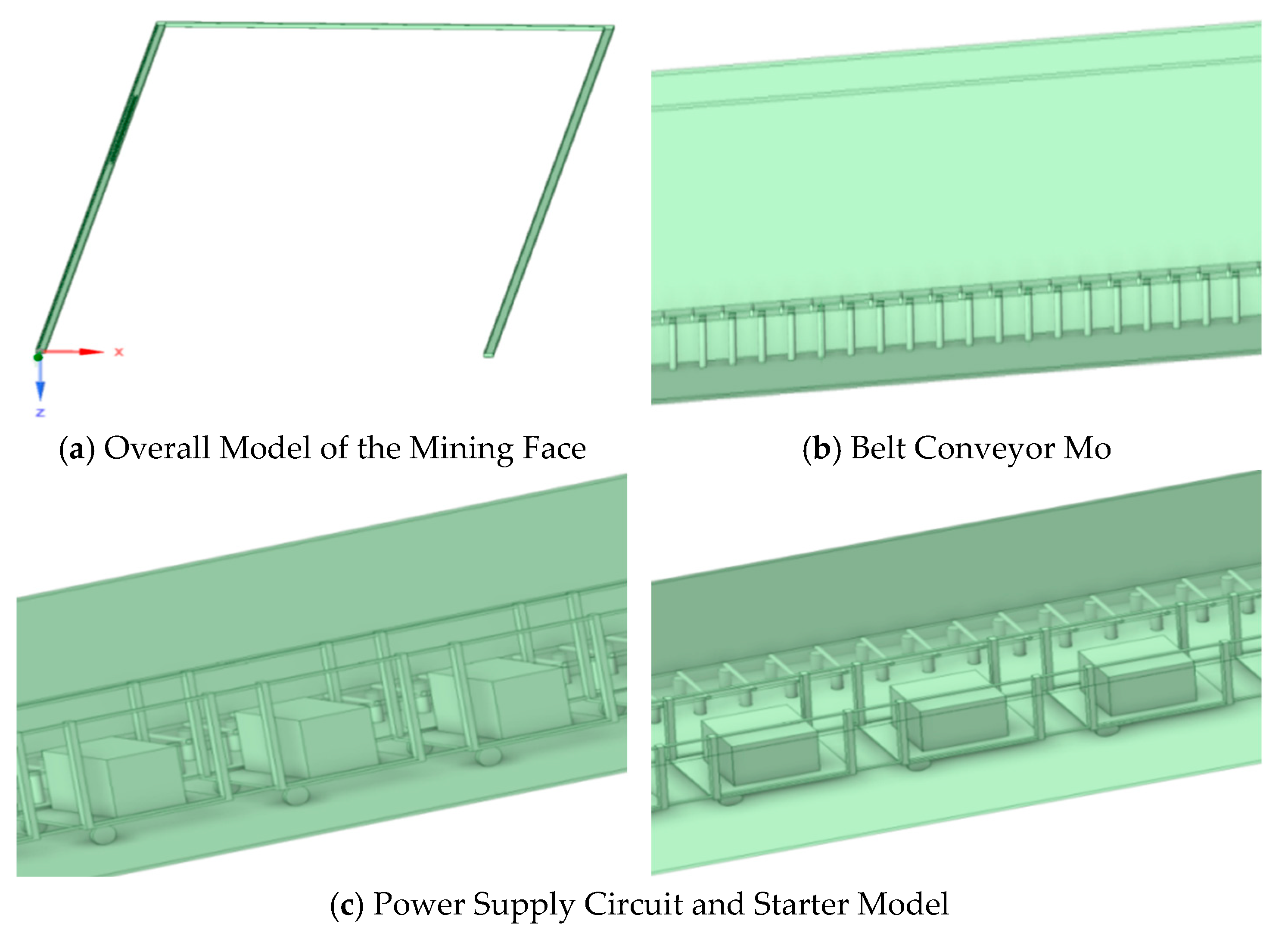
Figure 2.
Four Different Ventilation Modes.
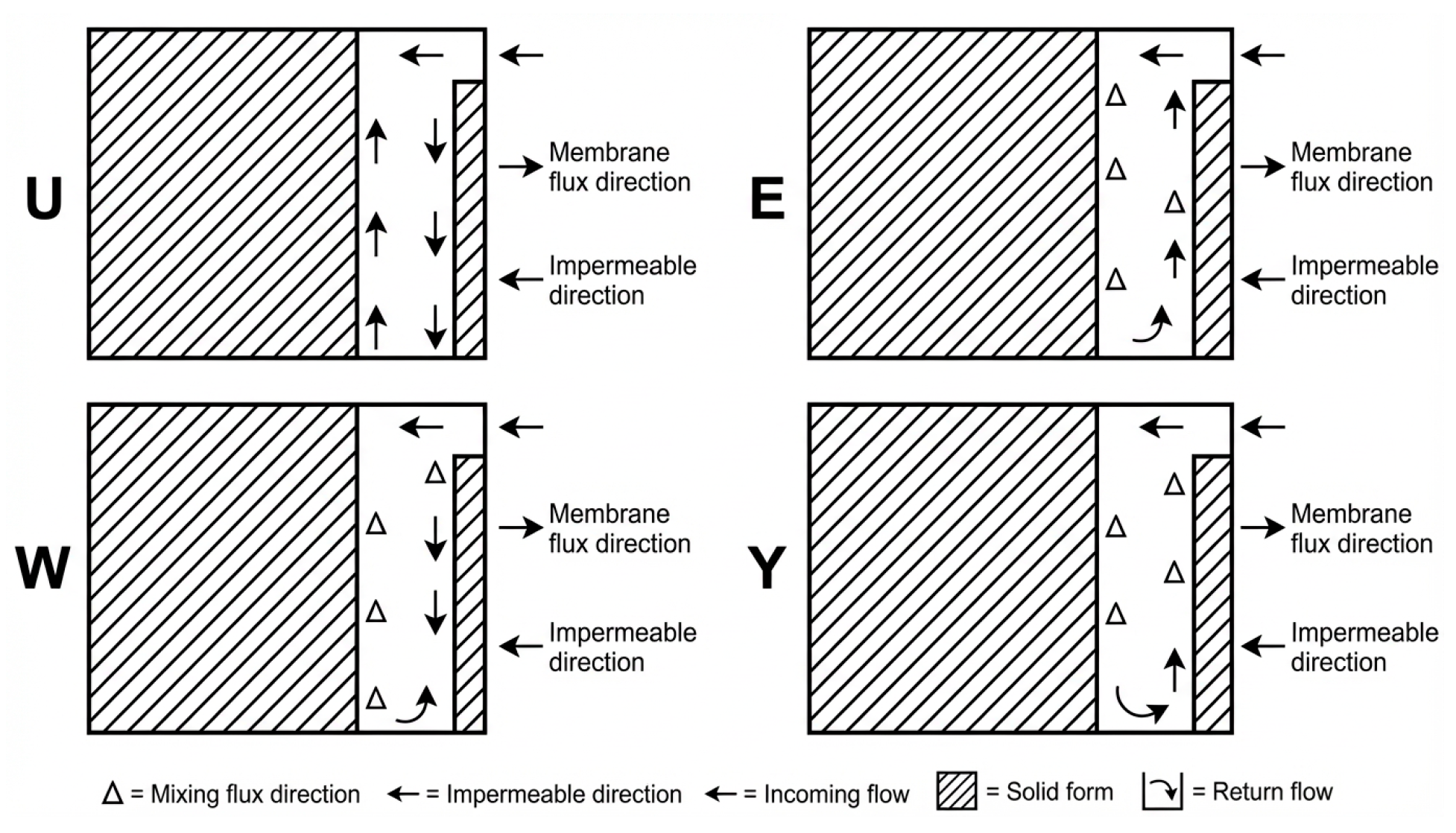
Figure 3.
Temperature Field Distribution Contour Map of the 11-3107 Fully Mechanized Mining Face under Different Ventilation Methods.
Figure 3.
Temperature Field Distribution Contour Map of the 11-3107 Fully Mechanized Mining Face under Different Ventilation Methods.
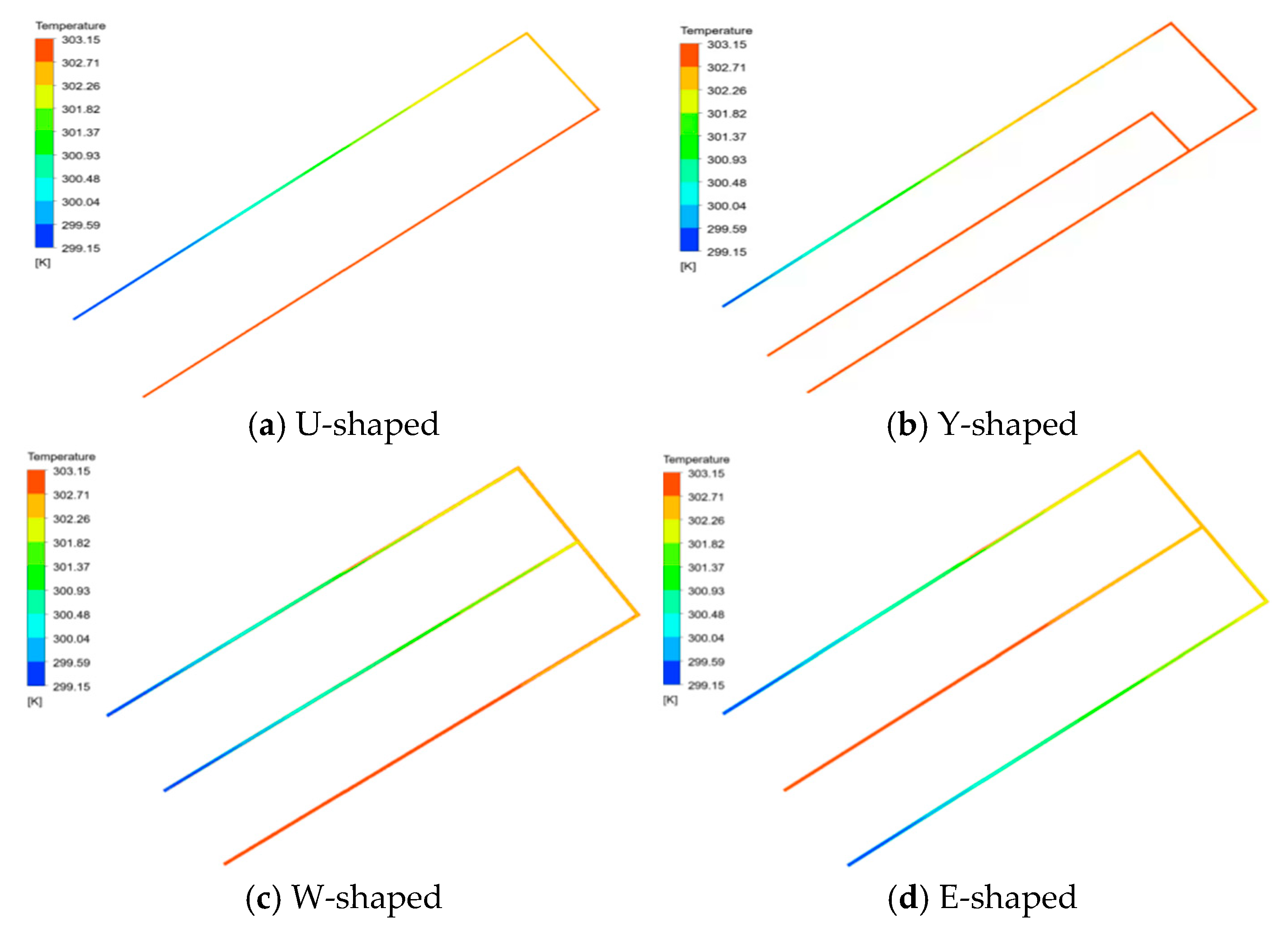
Figure 4.
Temperature Distribution Along the Path under Different Ventilation Methods.
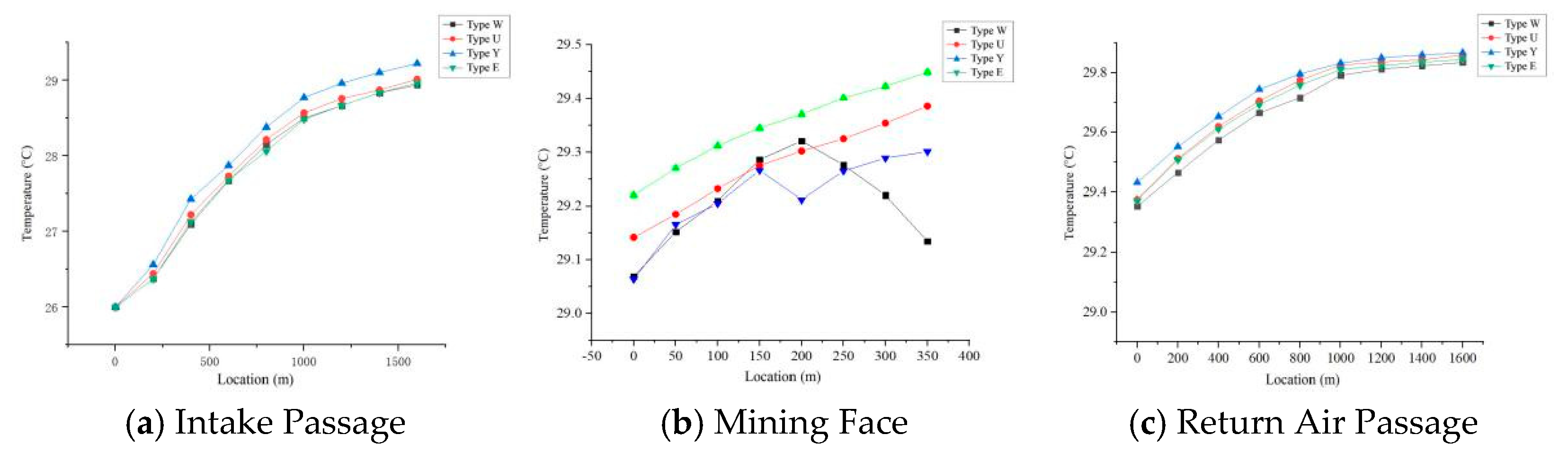
Figure 5.
Temperature field distribution contour map of the working face under different equipment layout configurations.
Figure 5.
Temperature field distribution contour map of the working face under different equipment layout configurations.
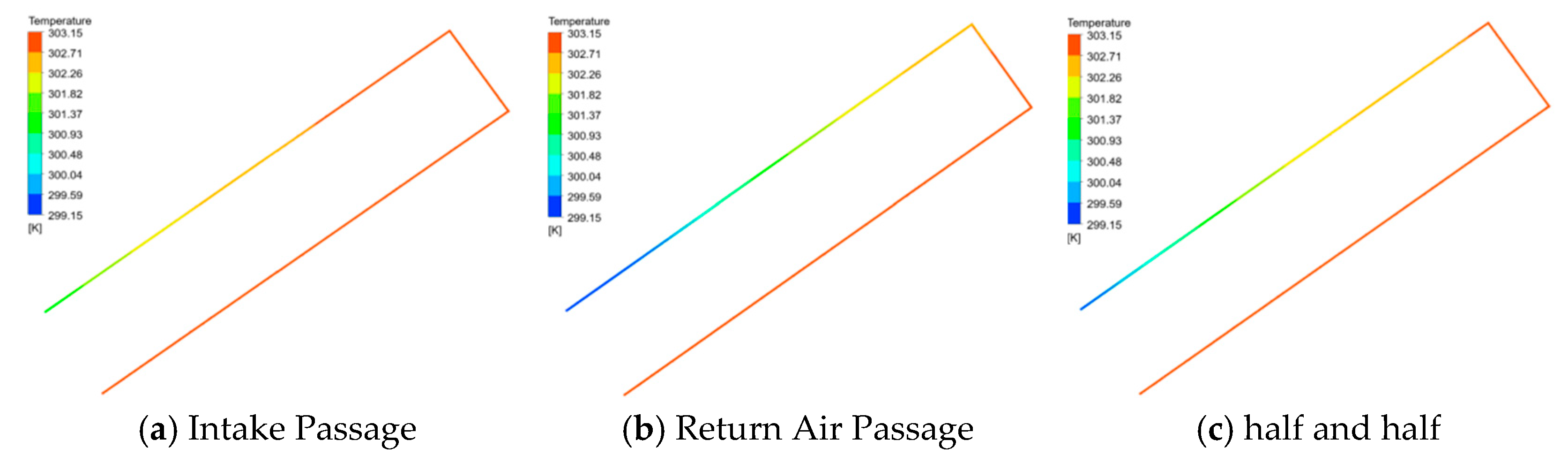
Figure 6.
Temperature distribution along the path under different equipment layout configurations.
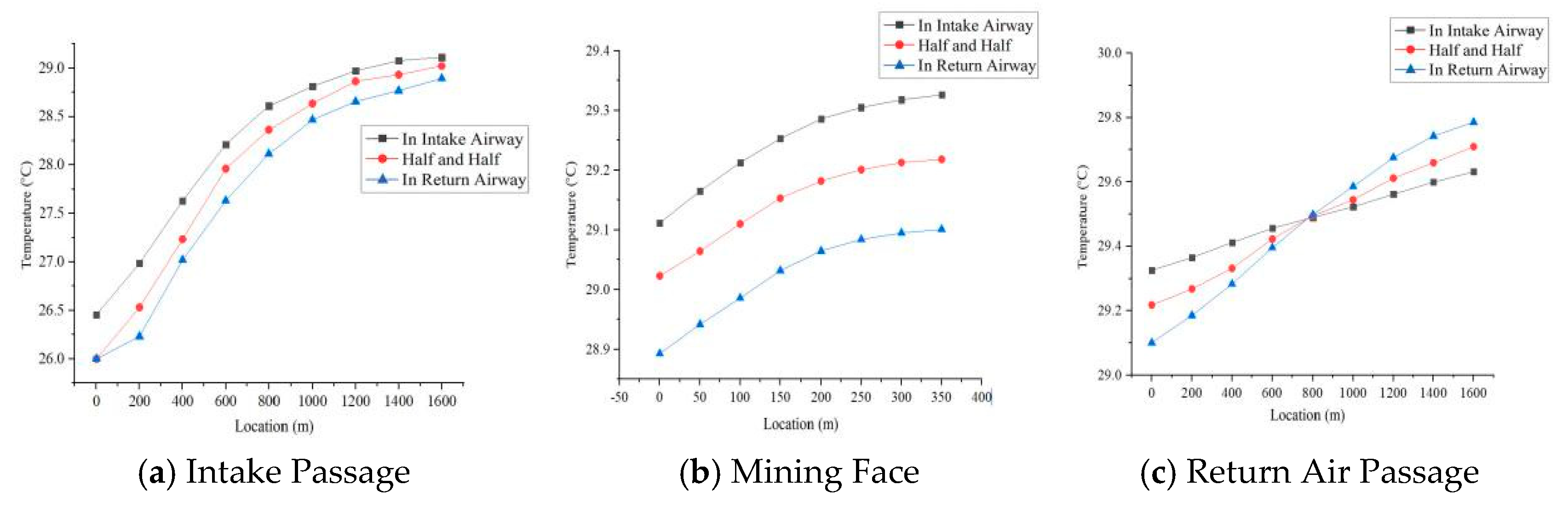
Figure 7.
Temperature field distribution contours of the 11-3107 longwall face under different roadway lengths.
Figure 7.
Temperature field distribution contours of the 11-3107 longwall face under different roadway lengths.
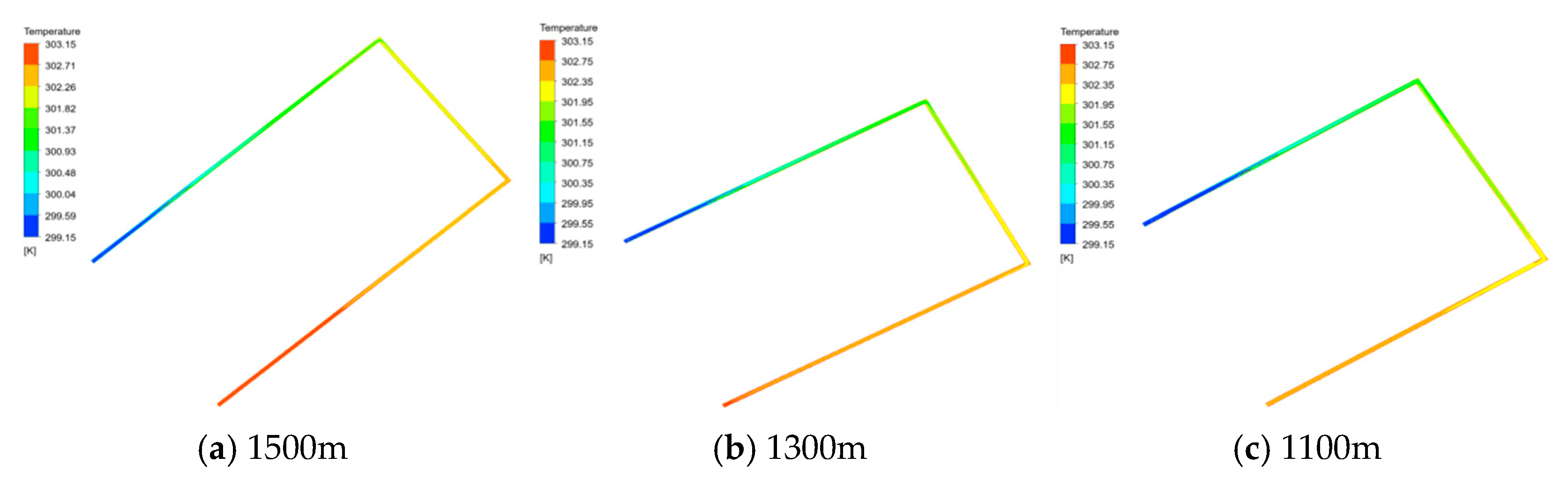
Figure 8.
Simulation Results of Different Tunnel Length Conditions in the 11-3107 Fully Mechanized Mining Face.
Figure 8.
Simulation Results of Different Tunnel Length Conditions in the 11-3107 Fully Mechanized Mining Face.
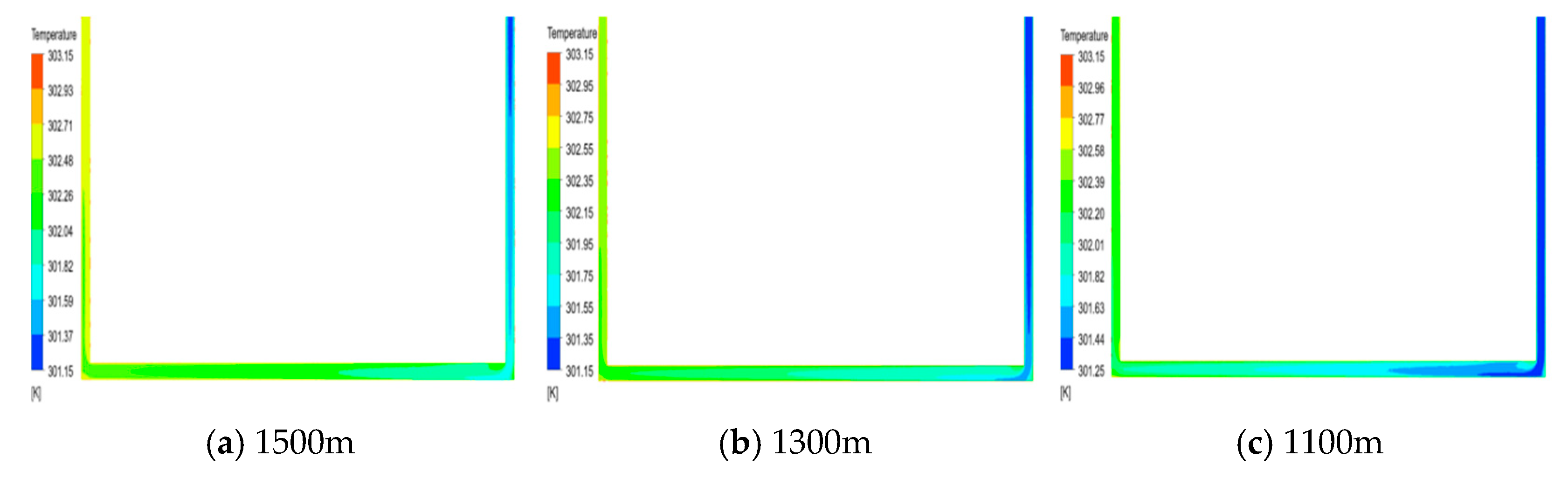
Figure 9.
Temperature Field Distribution along the Tunnel for Different Tunnel Length Conditions.
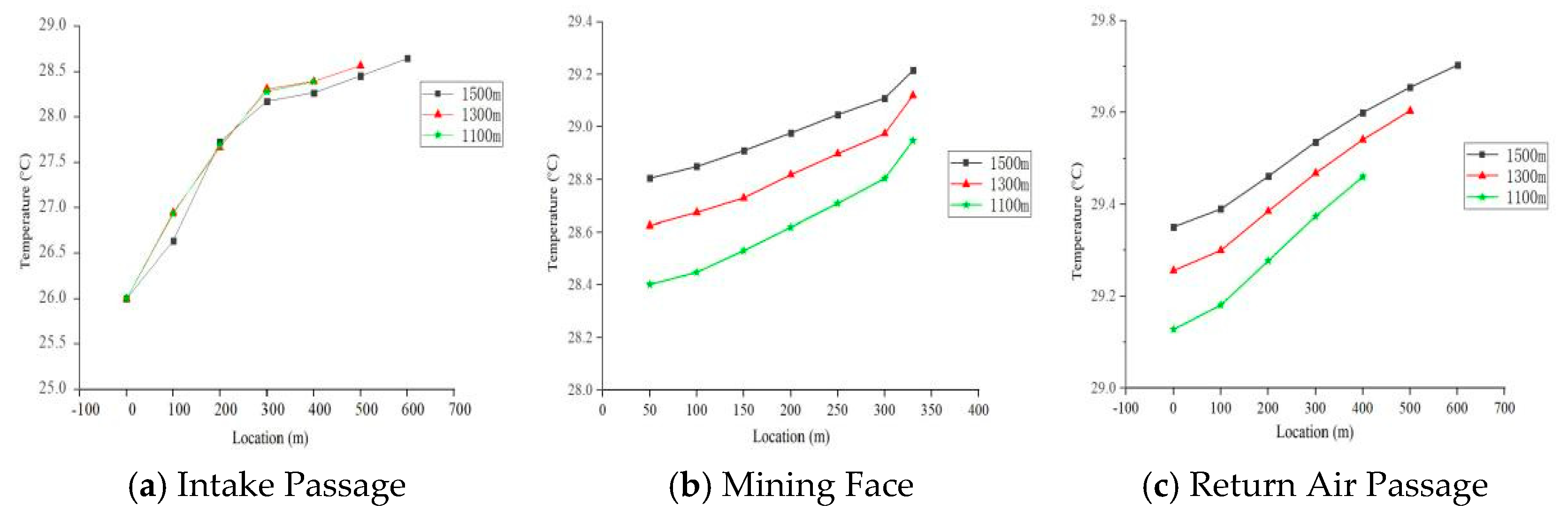
Figure 10.
Temperature Field Distribution Contour Plot of the 11-3107 Fully Mechanized Mining Face.
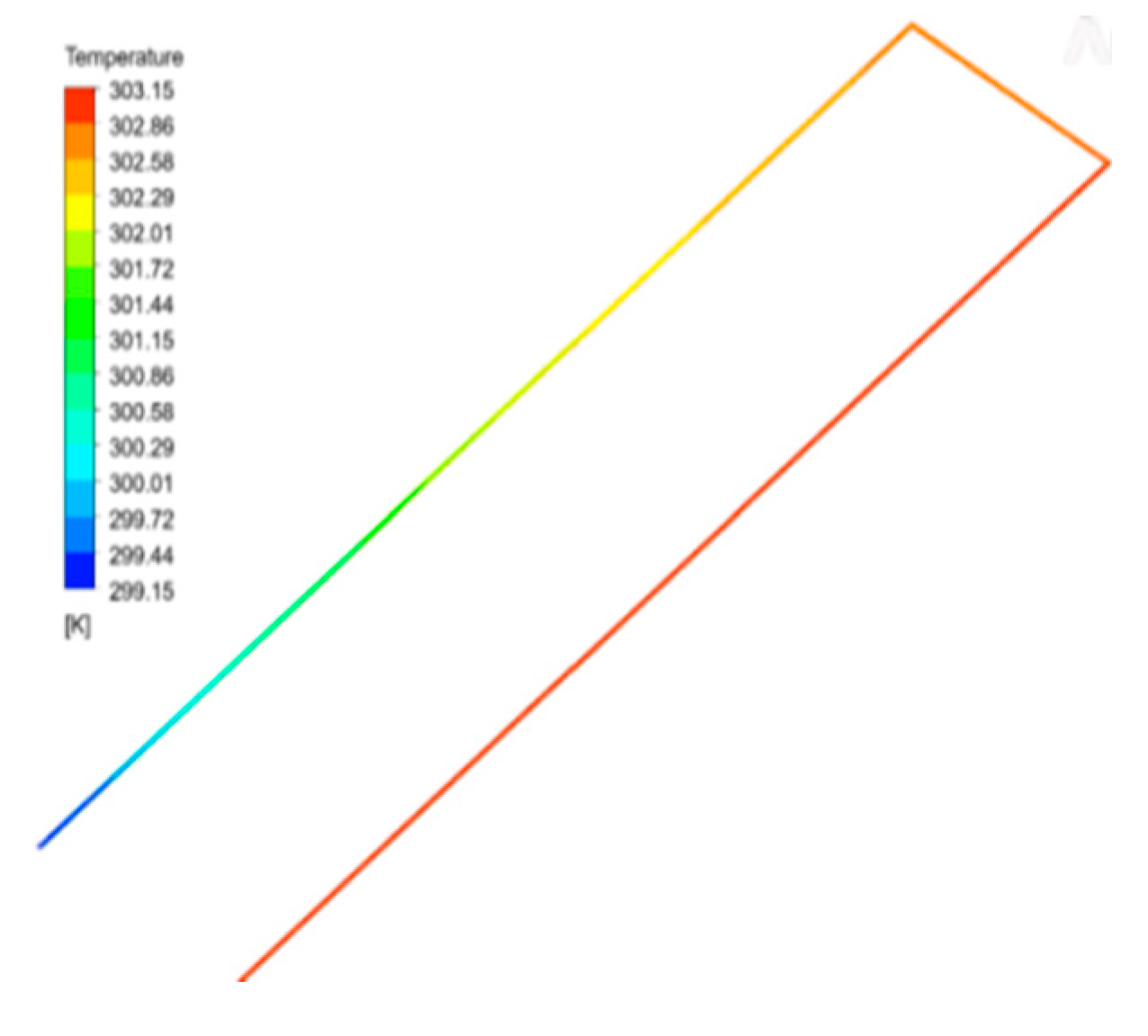
Figure 11.
Simulation Results of the 11-3107 Fully Mechanized Mining Face under Different Airflow Velocity Conditions.
Figure 11.
Simulation Results of the 11-3107 Fully Mechanized Mining Face under Different Airflow Velocity Conditions.
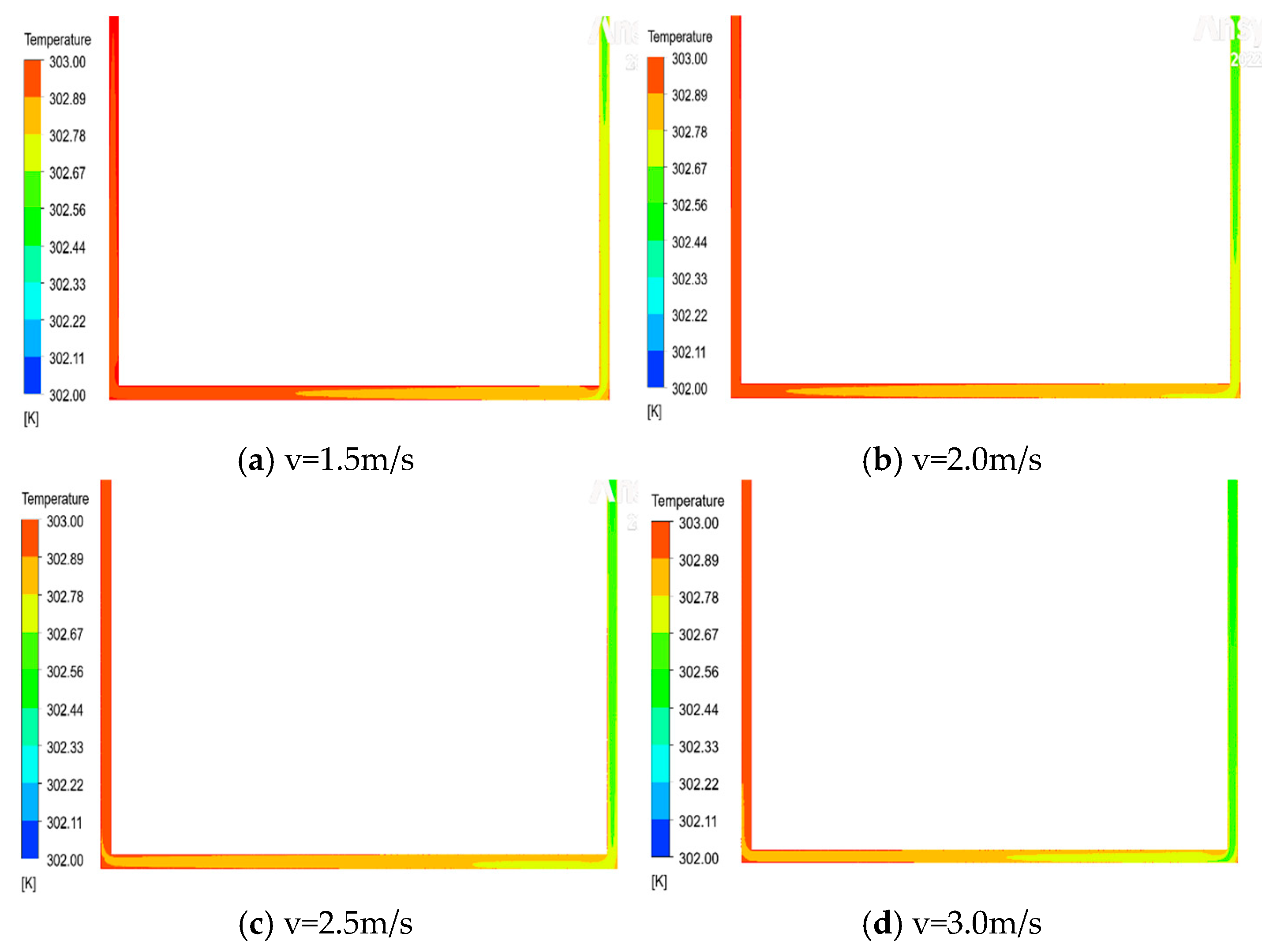
Figure 12.
Temperature Field Distribution along the Tunnel under Different Airflow Velocity Conditions.
Figure 12.
Temperature Field Distribution along the Tunnel under Different Airflow Velocity Conditions.
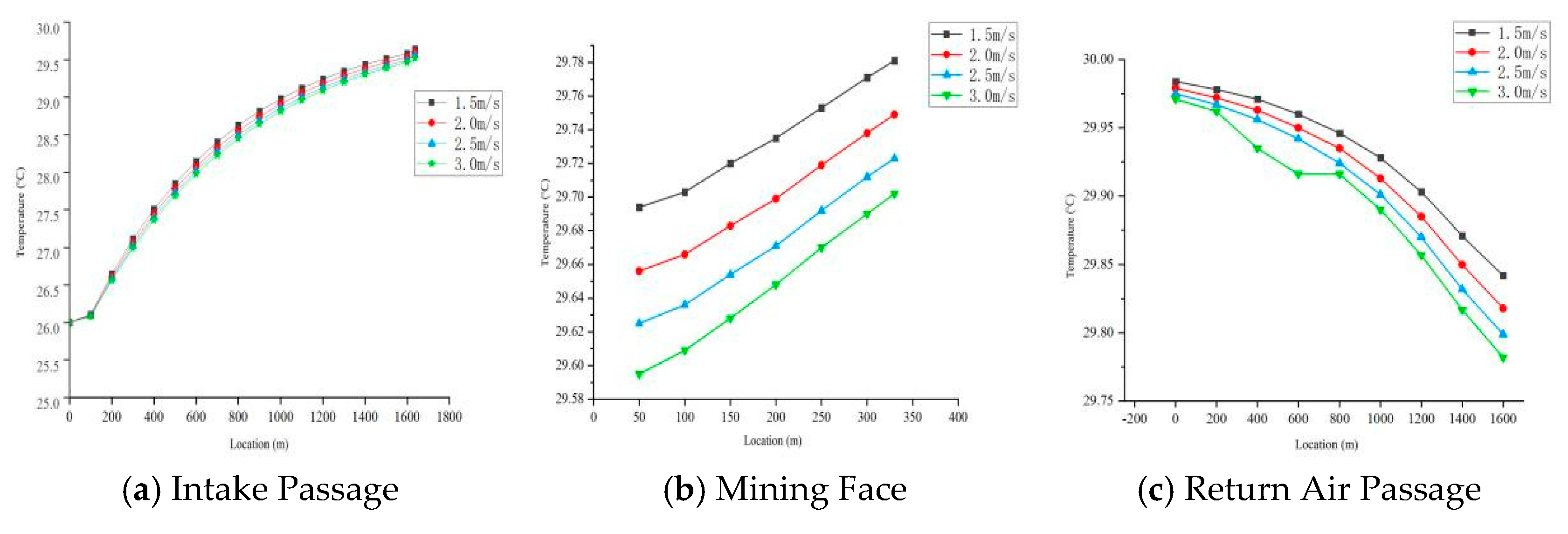
Figure 13.
Temperature Field Distribution of the 11-3107 Fully Mechanized Mining Face under Different Initial Air Temperatures.
Figure 13.
Temperature Field Distribution of the 11-3107 Fully Mechanized Mining Face under Different Initial Air Temperatures.
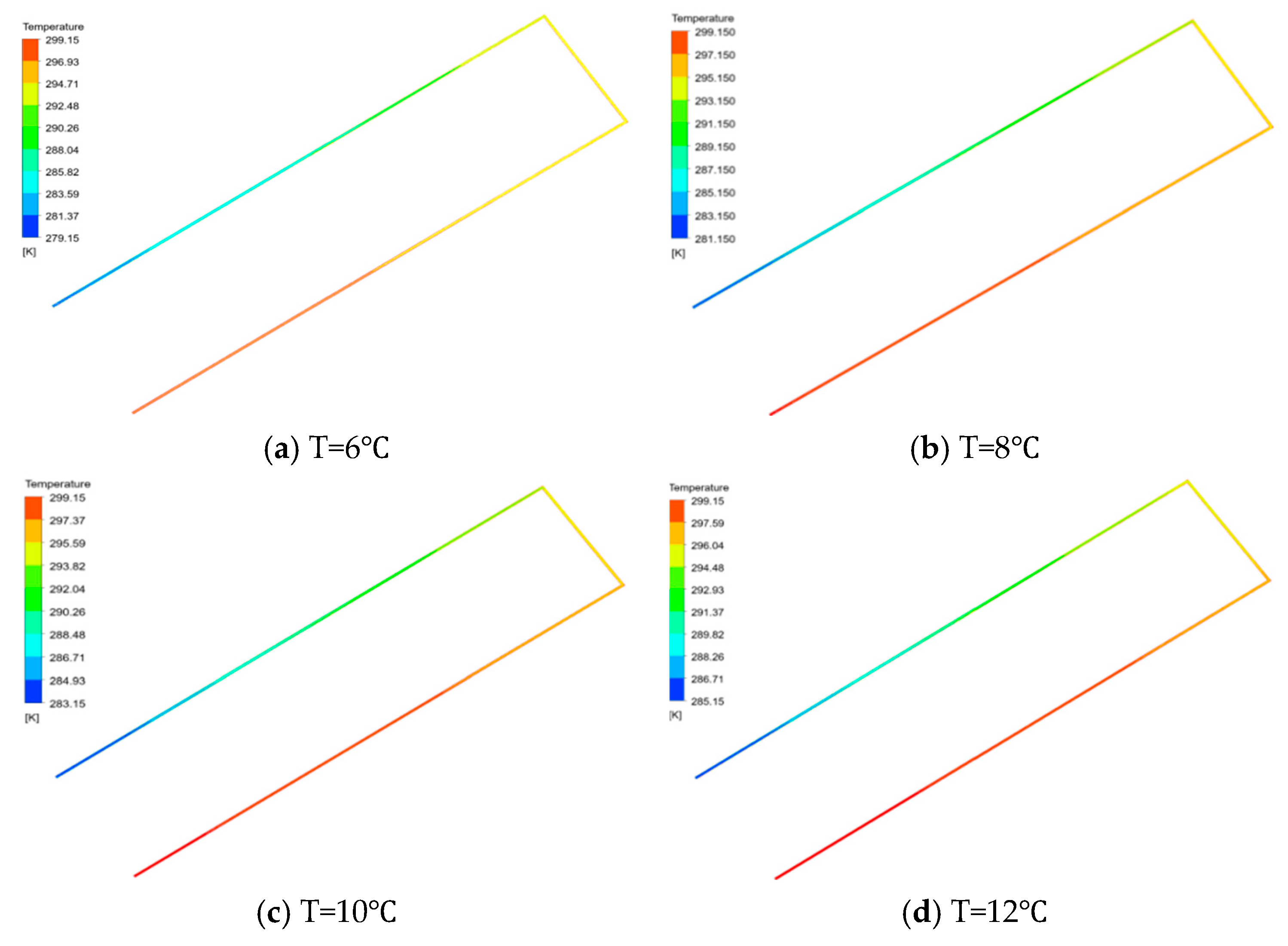
Figure 14.
Simulation Results of the 11-3107 Fully Mechanized Mining Face under Different Initial Air Temperature Conditions.
Figure 14.
Simulation Results of the 11-3107 Fully Mechanized Mining Face under Different Initial Air Temperature Conditions.
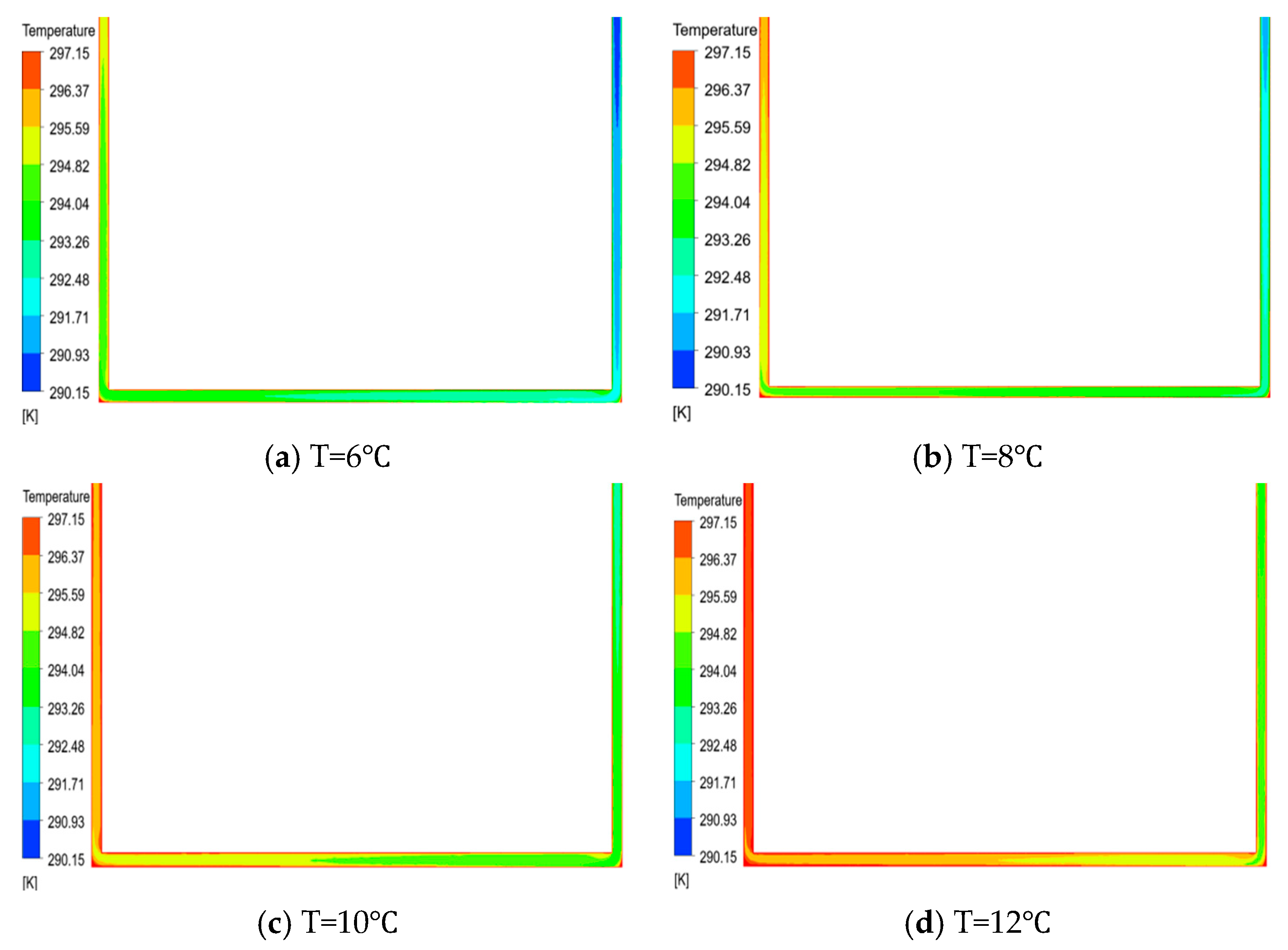
Figure 15.
Temperature Field Distribution along the Tunnel under Different Initial Air Temperature Conditions.
Figure 15.
Temperature Field Distribution along the Tunnel under Different Initial Air Temperature Conditions.
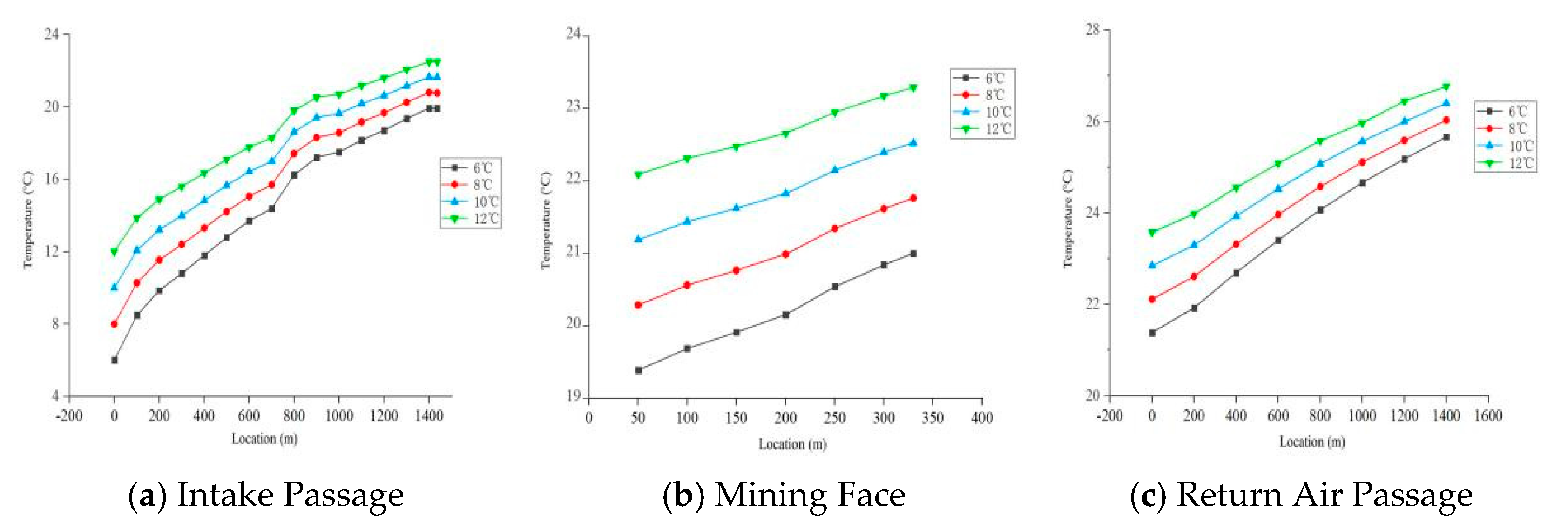
Figure 16.
Overview of the 11-3107 Fully Mechanized Mining Face.
Disclaimer/Publisher’s Note: The statements, opinions and data contained in all publications are solely those of the individual author(s) and contributor(s) and not of MDPI and/or the editor(s). MDPI and/or the editor(s) disclaim responsibility for any injury to people or property resulting from any ideas, methods, instructions or products referred to in the content. |
© 2026 by the authors. Licensee MDPI, Basel, Switzerland. This article is an open access article distributed under the terms and conditions of the Creative Commons Attribution (CC BY) license.
Copyright: This open access article is published under a Creative Commons CC BY 4.0 license, which permit the free download, distribution, and reuse, provided that the author and preprint are cited in any reuse.


