

Submitted:
17 February 2026
Posted:
28 February 2026
You are already at the latest version
Abstract
Health is a complex and multifaceted concept that extends beyond exercise or diet alone. The Physical Health Model presents a comprehensive, universally applicable framework integrating exercise, nutrition, hydration, and sleep as interconnected pillars of optimal well-being. Unlike conventional health approaches that focus on isolated components, this model ensures sustainable and long-term improvements in physical function, metabolic health, and overall quality of life. By incorporating intentional and progressively challenging exercise, nutrient-dense whole foods, proper hydration strategies, and structured sleep optimization, individuals can maximize muscle growth, endurance, cognitive function, immune resilience, and longevity. This paper highlights how these fundamental components complement each other and explains how neglecting one pillar can significantly diminish overall progress. The Physical Health Model applies to all populations, from elite athletes optimizing performance to working professionals seeking better energy levels, aging adults aiming for longevity, and individuals recovering from illness or injury. Its structured approach provides scientific insights and practical applications that benefit everyone—regardless of fitness level, health status, or personal goals. Furthermore, research supports the synergistic effects of these four pillars—such as sleep enhancing nutrient-driven muscle growth—emphasizing that exercise without proper nutrition, hydration, or sleep leads to plateaus and inefficiencies, just as a well-balanced diet cannot compensate for a sedentary lifestyle or chronic sleep deprivation. By aligning scientific principles with real-world application, this paper provides an evidence-based, adaptable strategy for achieving optimal health across diverse populations. Whether the goal is to build muscle, improve cardiovascular endurance, manage weight, enhance mental clarity, or prevent disease, the Physical Health Model offers a scalable and sustainable solution for individuals at all stages of life. Through a holistic and integrated perspective, this model establishes a foundation for lifelong physical and mental resilience.
Keywords:
physical health
; lifestyle medicine
; preventive health
; exercise science
; nutrition
; hydration
; sleep health
; health behavior
; systems-based health model
; health optimization
The pursuit of physical health often focuses on isolated aspects such as exercise or diet, neglecting the interdependent nature of bodily systems (Schoenfeld, 2016). This paper presents a comprehensive Physical Health Model structured around four core pillars: Exercise, Nutrition, Hydration, and Sleep. Each pillar is divided into fundamental components that collectively support strength, longevity, and overall well-being. This model provides a structured, science-based framework for maximizing health outcomes and ensuring a sustainable, balanced approach to fitness. By integrating resistance training principles, whole food nutrition, hydration strategies, and sleep optimization, individuals can significantly enhance their physical performance, recovery, and long-term vitality.
Physical Health Model: Exercise, Nutrition, Hydration, and Sleep
The Physical Health Model is a structured framework designed to optimize human performance, longevity, and overall well-being by addressing four fundamental pillars: Exercise, Nutrition, Hydration, and Sleep, as shown in Figure 1. These pillars represent the core elements necessary for sustained physical health, ensuring that individuals engage in a balanced, intentional approach to fitness and wellness. Unlike traditional health paradigms that often emphasize only one or two components, this model takes a holistic perspective, recognizing the interconnectedness of movement, nourishment, hydration, and recovery (Leproult & Van Cauter, 2011).
Each pillar is broken down into key subcategories that provide a deeper level of specificity and application. Exercise encompasses strength, endurance, hypertrophy, cardiovascular conditioning, and mobility training. Nutrition focuses on consuming whole foods that fuel the body efficiently, with an emphasis on whole grains, vegetables and legumes, fruits and berries, meat and eggs, and nuts and seeds. Hydration prioritizes the quantity, timing, and quality of fluid intake to support metabolic function, performance, and recovery. Finally, Sleep ensures consistency, duration, and quality to optimize hormonal balance, cognitive function, and muscle repair. By addressing these four components collectively, this model establishes a comprehensive strategy for improving physical health and maintaining long-term sustainability.
The purpose of this model is to bridge the gap between scientific principles and practical application, allowing individuals to implement structured, evidence-based strategies that enhance their overall physical function. Whether applied to athletes, fitness enthusiasts, or individuals seeking improved health, the Physical Health Model provides a clear, adaptable framework that can be personalized to meet specific needs. With this foundation in place, each pillar can now be examined in detail, beginning with the role of exercise as a foundational component of physical health.
Exercise: Intentional and Progressively Challenging Movements
Exercise involves deliberate and progressively challenging physical activities designed to enhance various aspects of health, including muscular strength, cardiovascular efficiency, flexibility, and overall physical performance. Optimal exercise includes all types of training including: strength training, endurance training, hypertrophy training, cardio training, and mobility training, as shown in Figure 2. Unlike general physical activity, which encompasses any form of movement, exercise is characterized by structured and purposeful actions aimed at eliciting specific physiological adaptations. This intentional approach ensures that each activity contributes meaningfully toward achieving targeted health and fitness goals. Research suggests that structured exercise programs, particularly those following resistance training models, lead to greater neuromuscular adaptations and improved metabolic function compared to general activity alone (Kraemer & Ratamess, 2004).
Intentional movement requires engaging in exercises that specifically target particular muscle groups, energy systems, or movement patterns to achieve predefined objectives. For example, resistance training programs are meticulously designed to improve muscle strength and hypertrophy, ensuring that each session effectively contributes to these goals (Schoenfeld et al., 2017). Emphasizing proper form and controlled movements not only maximizes the efficiency of these exercises but also minimizes the risk of injury, thereby supporting sustainable progress (Fleck & Kraemer, 2014). Proper form is crucial in strength training to ensure that the targeted muscle group is adequately challenged, reaching the threshold of overload necessary for muscle gain. Conversely, poor form can lead to injuries or an inability to achieve training objectives, as the desired muscle group may not be sufficiently engaged, preventing it from gaining strength.
The principle of progressive overload is fundamental to continuous improvement in physical fitness. This concept entails systematically increasing the intensity of exercises—such as adding weight, increasing repetitions, or reducing rest intervals—to continually challenge the body and stimulate adaptations. Research has demonstrated that both high-load and low-load resistance training to failure can elicit significant strength and hypertrophy gains, underscoring the importance of progressively challenging the musculoskeletal system (Schoenfeld et al., 2017). Without such progression, individuals are likely to experience plateaus in their training outcomes, limiting further improvements. Additionally, structured progression models that incorporate variation in volume, intensity, and rest intervals have been shown to optimize muscle recruitment and adaptation (American College of Sports Medicine, 2009).
By integrating intentional movement with progressive overload, exercise becomes a dynamic and effective tool for enhancing physical health. This integrated approach ensures that training programs are both purposeful and adaptable, promoting long-term development across various fitness domains, including strength, endurance, and mobility. Adherence to these principles not only optimizes performance but also contributes to overall well-being, aligning with the core objectives of the Physical Health Model. Research supports the application of structured training principles to maximize muscular and metabolic adaptations, further emphasizing the importance of combining intentional exercise with progressive challenges (Kraemer & Ratamess, 2004).
Strength Training
Strength training is a foundational component of exercise, focused on enhancing maximal force output, muscular efficiency, and neuromuscular coordination. This category of training emphasizes the use of progressively increasing resistance to stimulate muscle fibers, improve skeletal integrity, and develop functional strength that translates into daily activities and athletic performance. Strength training is distinguished by low-repetition, high-intensity movements, typically performed using free weights, machines, or bodyweight resistance.
The primary goal of strength training is to improve the body’s ability to exert force against resistance. This process involves recruiting high-threshold motor units, which are responsible for generating significant power and explosiveness. As resistance levels increase, the neuromuscular system adapts by enhancing muscle fiber recruitment, increasing motor unit synchronization, and strengthening connective tissues such as tendons and ligaments (Kraemer & Ratamess, 2004). These adaptations not only improve strength capacity but also contribute to joint stability and injury prevention.
A well-structured strength training regimen follows the principle of progressive overload, wherein resistance is systematically increased to challenge muscle fibers beyond their previous capacity. This can be achieved through heavier weights, increased training volume, or refined movement mechanics. The exercises commonly associated with strength training include compound movements, such as squats, deadlifts, bench presses, overhead presses, and pull-ups. These exercises engage multiple muscle groups, ensuring comprehensive strength development and functional carryover to sports and daily physical tasks.
Strength training also plays a vital role in metabolic health and longevity. Research has shown that resistance training enhances insulin sensitivity, increases resting metabolic rate, and supports bone density, making it an essential component for long-term health (Schoenfeld, 2016). Additionally, strength training contributes to hormonal optimization, including increased testosterone and growth hormone production, which are crucial for muscle repair, energy balance, and overall vitality.
By integrating strength training into a structured exercise regimen, individuals can develop a resilient, powerful, and functional body. This form of training not only enhances athletic performance but also ensures greater independence and physical capability as one ages. With a clear understanding of its role, it is important to explore the next category: endurance training, which focuses on sustained muscular and cardiovascular efficiency.
Endurance Training:
Endurance training is a fundamental component of exercise that focuses on improving the body’s ability to sustain physical activity over prolonged periods. Unlike strength training, which prioritizes maximal force output, endurance training develops muscular stamina, cardiovascular efficiency, and metabolic conditioning. This type of training is essential for both athletes and general populations, as it enhances energy system efficiency, oxygen utilization, and fatigue resistance. By progressively increasing the duration, intensity, or complexity of activity, endurance training conditions the body to perform longer and more efficiently, delaying the onset of muscular or cardiovascular fatigue.
The primary physiological benefit of endurance training lies in its ability to increase aerobic capacity and muscular endurance. At a cardiovascular level, endurance exercise strengthens the heart, improves circulation, and enhances oxygen delivery to working muscles (Nystoriak & Bhatnagar, 2018). This is achieved through adaptations in stroke volume, cardiac output, and capillary density, which collectively optimize the body’s ability to transport and utilize oxygen. Endurance training also stimulates mitochondrial biogenesis—the process by which new mitochondria are formed within muscle cells—allowing for greater ATP production and sustained energy output. Additionally, endurance training promotes efficient fat oxidation, enabling the body to rely more on fat stores for energy, thereby improving metabolic flexibility and endurance performance.
In terms of muscular endurance, this type of training conditions muscle fibers to resist fatigue and sustain contractions for extended durations. It primarily targets slow-twitch (Type I) muscle fibers, which are designed for prolonged activity due to their high oxidative capacity and resistance to fatigue. However, endurance training can also improve the fatigue resistance of fast-twitch (Type II) fibers by enhancing their oxidative capacity through aerobic training adaptations. By repeating submaximal efforts over time, endurance training improves neuromuscular efficiency, coordination, and movement economy, which are essential for maintaining consistent effort in activities like long-distance running, cycling, rowing, and high-rep resistance training.
There are multiple ways to implement endurance training, depending on the specific goals and desired adaptations. The two primary forms of endurance training are aerobic endurance training and muscular endurance training. Aerobic endurance training involves activities that sustain an elevated heart rate for prolonged periods, such as steady-state cardio, interval training, and long-duration workouts. This type of training strengthens the cardiovascular system and increases overall work capacity. Muscular endurance training, on the other hand, involves higher-rep, lower-resistance exercises designed to improve the muscle’s ability to sustain repeated contractions without fatigue. This includes activities such as high-repetition strength training, circuit workouts, and bodyweight endurance exercises.
To ensure continuous adaptation, endurance training must follow the principle of progressive overload, just like strength training. Progression can be achieved by increasing duration (time spent training), intensity (effort level), or frequency (number of sessions per week). For aerobic endurance, this could mean running longer distances, increasing pace, or incorporating interval training to boost cardiovascular output. For muscular endurance, progression may involve increasing repetitions, reducing rest periods, or integrating higher resistance at moderate loads. Maintaining varied training stimuli—such as alternating between steady-state cardio and interval-based endurance training—ensures continuous improvement and prevents plateaus.
Beyond performance benefits, endurance training contributes to long-term health and longevity. Studies have shown that consistent endurance training reduces the risk of cardiovascular diseases, enhances metabolic function, and improves cognitive performance. It also plays a significant role in reducing systemic inflammation, promoting vascular health, and improving overall quality of life. Whether for competitive sports or daily activities, building endurance leads to increased stamina, resilience, and energy efficiency, making it a crucial aspect of comprehensive physical health.
With endurance training established as a pillar of the Physical Health Model, the next component to explore is hypertrophy training, which focuses on optimizing muscle growth and structural adaptations.
Hypertrophy Training:
Hypertrophy training is a structured form of resistance exercise designed to increase muscle size by inducing structural and cellular adaptations in muscle fibers. Unlike strength training, which prioritizes maximal force output, hypertrophy training emphasizes moderate-to-high training volume with controlled resistance to create optimal conditions for muscle growth (myofibrillar and sarcoplasmic hypertrophy). This training method is widely utilized by athletes, bodybuilders, and individuals seeking to improve muscular aesthetics, strength endurance, and metabolic efficiency.
The primary mechanism of hypertrophy training revolves around mechanical tension, metabolic stress, and muscle damage—three key factors that stimulate muscle growth. Mechanical tension occurs when muscles contract against external resistance, creating strain on muscle fibers and triggering anabolic responses. Metabolic stress results from sustained muscle contractions that limit oxygen availability, increase lactate buildup, and create cellular swelling, all of which contribute to hypertrophic adaptations. Muscle damage occurs when muscle fibers experience micro-tears from eccentric contractions, prompting the body to repair and rebuild the fibers thicker and stronger. Collectively, these factors signal muscle cells to increase protein synthesis, leading to muscular hypertrophy over time.
Hypertrophy training primarily targets fast-twitch (Type II) muscle fibers, which have the greatest potential for size and strength development. These fibers produce high amounts of force but fatigue quickly, making them particularly responsive to moderate-to-heavy loads, controlled tempo, and progressive overload. Unlike endurance training, which favors higher repetitions and lower resistance, hypertrophy training typically employs moderate rep ranges (6-12 reps per set) with moderate-to-heavy resistance (65-80% of 1-rep max). This time under tension (TUT) ensures prolonged muscle activation, maximizing fiber recruitment and metabolic stress.
A well-structured hypertrophy program incorporates both compound and isolation exercises to target major muscle groups and smaller stabilizing muscles. Compound movements—such as squats, deadlifts, bench presses, and rows—recruit multiple muscle groups, facilitating greater hormonal response and neuromuscular activation. Isolation exercises—such as bicep curls, leg extensions, and lateral raises—allow for targeted hypertrophy, ensuring balanced muscle development. Additionally, varied rep speeds, intensity techniques (drop sets, supersets, rest-pause), and progressive overload are used to maximize hypertrophic adaptation while preventing stagnation.
Progression in hypertrophy training follows the principle of progressive overload, ensuring continuous muscle growth and adaptation. This can be achieved by increasing resistance, adjusting volume (total sets and reps), manipulating rest periods, or incorporating advanced techniques to push muscles beyond their previous limits. However, hypertrophy training requires a balance between intensity and recovery, as excessive fatigue or inadequate nutrition can hinder muscle repair and regeneration. Proper recovery strategies—including nutrient timing, sleep optimization, and active recovery—play a crucial role in maximizing muscle hypertrophy and preventing overtraining.
Beyond its aesthetic benefits, hypertrophy training offers numerous functional and metabolic advantages. Increased muscle mass improves metabolic efficiency, enhances insulin sensitivity, and supports joint stability, reducing the risk of injury. Additionally, larger, stronger muscles contribute to improved performance in sports, daily activities, and overall quality of life. When integrated with strength training and endurance conditioning, hypertrophy training completes the spectrum of muscular development, ensuring a well-rounded, physically capable individual.
With a thorough understanding of hypertrophy training’s role in muscle growth and physical adaptation, the next key pillar to explore is cardiovascular training, which focuses on heart health, aerobic efficiency, and endurance performance.
Cardio Training:
Regular physical activity is essential for maintaining cardiovascular health. Studies have shown that individuals who engage in consistent exercise routines have a significantly lower risk of developing cardiovascular diseases and related mortality (Nystoriak & Bhatnagar, 2018). Cardiovascular (cardio) training is a fundamental component of physical health, focusing on heart function, oxygen utilization, and energy system efficiency. Unlike strength and hypertrophy training, which emphasize muscular adaptation, cardio training primarily targets the cardiovascular and respiratory systems, improving the body’s ability to transport and utilize oxygen efficiently. Engaging in regular cardiovascular training enhances aerobic endurance, metabolic flexibility, and cardiovascular resilience, leading to better athletic performance, reduced disease risk, and improved overall well-being.
The physiological benefits of cardiovascular training stem from its ability to strengthen the heart muscle, expand lung capacity, and improve circulation. The heart adapts by increasing stroke volume (the amount of blood pumped per beat) and enhancing cardiac output, allowing for more efficient oxygen delivery to working muscles. Additionally, cardio training promotes capillary growth and mitochondrial biogenesis, increasing the body’s ability to generate ATP (energy) through oxidative pathways. Over time, these adaptations lead to lower resting heart rate, improved endurance capacity, and greater resistance to fatigue.
Cardiovascular training is generally categorized into two primary modalities: aerobic training and anaerobic training. Aerobic training involves sustained, steady-state activities such as jogging, cycling, swimming, or rowing, performed at moderate intensity for extended durations. This form of training enhances the body’s ability to use oxygen efficiently, improving fat oxidation and cardiovascular endurance. On the other hand, anaerobic training—such as high-intensity interval training (HIIT) and sprinting—involves short bursts of high-intensity effort followed by rest periods, improving power output, metabolic rate, and lactate threshold. A well-rounded cardio program often incorporates both aerobic and anaerobic components to maximize cardiovascular health and athletic performance.
Progression in cardiovascular training follows the principle of overload and adaptation, ensuring continuous improvement in endurance and efficiency. This can be achieved by increasing duration (longer workouts), intensity (higher speeds or resistance), or frequency (more sessions per week). Interval-based training, such as HIIT or tempo runs, can further challenge the cardiovascular system by alternating between high and low-intensity phases, promoting both aerobic and anaerobic conditioning. Additionally, cross-training—combining different forms of cardio (e.g., cycling and swimming)—helps to reduce overuse injuries while improving overall cardiovascular efficiency.
Beyond endurance and performance benefits, cardiovascular training plays a crucial role in long-term health and disease prevention. Regular cardio exercise has been shown to lower blood pressure, improve cholesterol profiles, enhance insulin sensitivity, and reduce inflammation, significantly decreasing the risk of heart disease, stroke, and metabolic disorders. Furthermore, cardiovascular training has profound benefits on mental health, as it triggers endorphin release, reducing stress, anxiety, and depressive symptoms.
When combined with strength, hypertrophy, and mobility training, cardiovascular training ensures a well-rounded approach to fitness, balancing muscle development, cardiovascular endurance, and overall physical resilience. With cardio training established as a key pillar of the Physical Health Model, the next component to explore is mobility training, which focuses on joint function, movement efficiency, and long-term musculoskeletal health.
Mobility Training:
Mobility training is a critical yet often overlooked component of physical health, focusing on joint flexibility, stability, and overall movement capacity. Unlike strength or endurance training, which emphasize muscle performance and cardiovascular efficiency, mobility training ensures that the body moves efficiently, safely, and without restriction. Proper mobility allows individuals to perform exercises with full range of motion, prevent injuries, and maintain movement quality throughout life. Whether for athletes, fitness enthusiasts, or aging populations, mobility training is essential for sustaining joint health, functional independence, and long-term physical resilience.
Mobility is distinct from flexibility, though the two are often confused. Flexibility refers to the passive lengthening of a muscle, while mobility involves the ability to actively move a joint through its full range of motion with control. Optimal mobility requires a combination of muscular strength, joint stability, neuromuscular coordination, and connective tissue elasticity. Poor mobility can lead to compensatory movement patterns, increased risk of injury, and decreased performance in strength, endurance, and hypertrophy training (Fleck & Kraemer, 2014).
The primary goal of mobility training is to improve joint integrity and movement efficiency, allowing for pain-free, unrestricted motion across all planes of movement. This is particularly important in compound exercises, such as squats, deadlifts, and overhead presses, where tight or restricted joints can lead to imbalanced force distribution and improper mechanics. Mobility training incorporates dynamic stretches, controlled joint articulations, myofascial release, and active range-of-motion drills to enhance joint function and neuromuscular control. Key training methods include Controlled Articular Rotations (CARs), Proprioceptive Neuromuscular Facilitation (PNF) stretching, resistance band mobility work, and eccentric strengthening exercises that improve both stability and flexibility.
To ensure continuous improvement in mobility, progression can be achieved through increased range of motion, controlled movement execution, and resistance integration. For example, weighted mobility drills, such as deep goblet squats or loaded hip stretches, enhance strength in extended ranges, improving overall joint resilience and functional movement capacity. Additionally, movement variability and multi-directional exercises help to reinforce joint stability in unpredictable movement scenarios, reducing the likelihood of injuries in sports and daily life.
Beyond movement efficiency, mobility training plays a crucial role in injury prevention and longevity. Regular mobility work enhances synovial fluid production (lubricating joints), reduces muscular imbalances, and improves connective tissue strength, decreasing the likelihood of joint degeneration, chronic pain, and stiffness as one ages. Furthermore, mobility training supports optimal nervous system function, promoting better posture, movement awareness, and overall coordination.
When combined with strength, hypertrophy, endurance, and cardiovascular training, mobility training completes the foundation of a well-rounded fitness regimen. By integrating daily mobility drills and movement-based warm-ups, individuals can maintain functional independence, optimize athletic performance, and enhance overall quality of life. With all key aspects of exercise now explored, the next major pillar of the Physical Health Model is Nutrition, which focuses on fueling the body for optimal function, recovery, and performance.
Nutrition: Wide Variety of Whole Foods
Nutrition is a fundamental pillar of the Physical Health Model, serving as the fuel that drives all bodily functions, including muscle growth, energy production, cognitive performance, and immune resilience. Unlike exercise, which primarily stimulates physiological adaptations, nutrition provides the building blocks necessary for recovery, supporting immune function (Gombart et al., 2020), metabolic pathways (Sharma et al., 2010), cellular repair, and long-term health. Every system in the body—from the musculoskeletal system to the nervous system—relies on proper nutrient intake to function optimally. Without adequate nutrition, performance, recovery, and overall well-being deteriorate, leading to fatigue, metabolic dysfunction, and increased susceptibility to illness. A well-balanced diet ensures that individuals achieve peak physical condition, sustain energy levels, and support the body’s natural ability to adapt and thrive.
One of the key principles of proper nutrition is incorporating a wide variety of nutrient-dense foods. A diverse diet ensures that the body receives a broad spectrum of macronutrients (proteins, carbohydrates, and fats) and micronutrients (vitamins and minerals), all of which play distinct roles in metabolism, tissue repair, and immune function. As shown in Figure 3, vegetables, legumes, whole grains, nuts, seeds, meats, eggs, fruits, and berries should all be consumed for optimal health. Different food sources provide unique benefits—fruits and vegetables deliver antioxidants and fiber, proteins supply amino acids for muscle repair, and healthy fats contribute to hormonal balance and cognitive function. Consuming a monotonous or restrictive diet can lead to nutritional deficiencies, impairing the body’s ability to recover from exercise, maintain energy balance, and regulate hormones. A well-rounded approach to nutrition ensures sustainability and long-term health, allowing individuals to maintain an optimal physique, metabolic efficiency, and disease resistance. A balanced diet supports a robust immune system. Adequate intake of essential nutrients is crucial for the optimal functioning of immune cells, thereby enhancing the body’s ability to combat infections (Gombart et al., 2020).
In addition to variety, prioritizing whole foods over processed alternatives is essential for nutrient density and metabolic health. Whole foods—such as lean meats, fish, eggs, vegetables, fruits, nuts, seeds, and whole grains—are minimally processed and retain their natural fiber, vitamins, and minerals. Unlike processed foods, which are often stripped of nutrients and loaded with refined sugars, unhealthy fats, and artificial additives, whole foods support digestion, stabilize blood sugar levels, and enhance satiety. By focusing on nutrient-dense whole foods, individuals can optimize muscle recovery, improve gut health, and sustain high energy levels throughout the day. Consuming whole, minimally processed foods supports metabolic health and aids in weight management. A diet rich in whole foods can positively influence metabolic pathways and support overall health (Sharma et al., 2010). Whole foods not only enhance physical performance but also contribute to cognitive clarity, mood stability, and immune resilience, making them a cornerstone of long-term well-being.
By integrating a varied, whole-food-based diet, individuals can ensure that their bodies function efficiently and effectively, supporting both short-term performance and long-term vitality. Nutrition is not just about meeting caloric needs but about fueling the body in a way that promotes sustainable health, disease prevention, and optimal function. Just as exercise requires intentionality and progression, nutrition demands consistency, balance, and quality choices to yield maximum benefits. With a strong nutritional foundation in place, individuals can enhance recovery, maximize training adaptations, and improve overall quality of life. Now, with the fundamental principles of nutrition established, the next step is to explore the specific components of an optimal diet, beginning with whole grains and carbohydrate sources as essential energy providers.
Whole Grains:
Whole grains are a vital component of a well-balanced diet, serving as a primary source of complex carbohydrates, fiber, and essential micronutrients (Gombart et al., 2020). Unlike refined grains, which are stripped of their natural fiber and nutrients during processing, whole grains retain all three parts of the grain kernel—the bran, germ, and endosperm—preserving their full nutritional profile. These grains provide a steady and sustainable energy source, supporting physical performance, cognitive function, and overall metabolic health. Whether for athletes, fitness enthusiasts, or individuals seeking optimal health, whole grains offer a nutrient-dense, fiber-rich alternative to highly processed carbohydrate sources.
One of the defining characteristics of whole grains is their ability to provide long-lasting energy through slow-digesting complex carbohydrates. Unlike simple sugars, which cause rapid spikes and crashes in blood sugar levels, whole grains are digested more gradually, leading to a steady release of glucose into the bloodstream. This stabilized energy flow is essential for endurance training, cognitive performance, and metabolic efficiency. Whole grains also play a key role in glycogen replenishment, ensuring that muscles recover efficiently after exercise and have sufficient stored energy for future training sessions. Individuals who incorporate whole grains into their diet experience better sustained energy, improved concentration, and reduced cravings for processed foods.
Beyond energy production, whole grains contribute significantly to digestive health and cardiovascular function. Their high fiber content supports gut microbiome diversity, promoting healthy digestion, improved nutrient absorption, and enhanced immune function. Fiber also regulates blood sugar levels, reducing the risk of insulin resistance and metabolic disorders such as type 2 diabetes (Sharma et al., 2010). Additionally, whole grains contain heart-healthy compounds, such as beta-glucans and polyphenols, which help to lower LDL cholesterol, reduce systemic inflammation, and improve overall cardiovascular health. Regular consumption of whole grains has been associated with lower risks of heart disease, stroke, and obesity, making them a crucial component of a longevity-focused nutrition plan.
To maximize the benefits of whole grains, it is essential to prioritize minimally processed and diverse grain sources. Some of the best whole grain options include oats, quinoa, brown rice, barley, whole wheat, farro, millet, and bulgur, each offering unique nutritional benefits. Oats, for example, are rich in soluble fiber, aiding in cholesterol regulation and gut health. Quinoa is a complete protein source, containing all nine essential amino acids, making it an excellent grain choice for those focusing on muscle recovery and plant-based nutrition. Brown rice provides B vitamins and magnesium, crucial for energy metabolism and muscle function. By incorporating a variety of whole grains, individuals ensure they receive a broad spectrum of essential nutrients, optimizing overall dietary balance.
Whole grains form a cornerstone of sustainable nutrition, providing a steady energy source, enhancing digestive function, and promoting cardiovascular health. Their nutrient density, fiber content, and ability to stabilize blood sugar levels make them far superior to refined grains, which often contribute to weight gain, energy crashes, and metabolic dysfunction. By integrating a diverse range of whole grains into daily meals, individuals can fuel their bodies effectively, supporting both performance and longevity. With whole grains established as an essential dietary component, the next key food group to explore is vegetables and legumes, which provide vitamins, minerals, antioxidants, and fiber to support overall health and immune function.
Vegetables & Legumes:
Vegetables and legumes are nutritional powerhouses, providing an abundance of vitamins, minerals, fiber, and antioxidants that are essential for cellular function, recovery, and long-term health. Unlike processed foods that contribute to inflammation and metabolic dysfunction, vegetables and legumes support optimal digestion, immune function, and disease prevention. They form the foundation of a well-balanced diet, ensuring that individuals receive micronutrients necessary for energy metabolism, muscle repair, and overall vitality. Whether incorporated into meals for fiber, plant-based protein, or anti-inflammatory benefits, these foods play a crucial role in sustained health and physical performance.
One of the most significant advantages of consuming vegetables and legumes is their high micronutrient density. Unlike macronutrients (proteins, fats, and carbohydrates), which provide caloric energy, micronutrients—including vitamins A, C, K, and folate, along with essential minerals like magnesium, potassium, and iron—support nearly every physiological function. Leafy greens (such as spinach, kale, and Swiss chard) are rich in iron and vitamin K, essential for oxygen transport and bone health. Cruciferous vegetables (broccoli, cauliflower, and Brussels sprouts) contain powerful antioxidants like sulforaphane, which activate antioxidant pathways to reduce oxidative stress and inflammation. Root vegetables (carrots, beets, and sweet potatoes) are high in beta-carotene and slow-digesting carbohydrates, supporting immune function (Gombart et al., 2020) and sustained energy release. These nutrient-dense foods ensure that the body operates efficiently, preventing nutrient deficiencies that can impair recovery, focus, and muscle function.
Legumes, which include beans, lentils, chickpeas, and peas, provide a unique combination of fiber, protein, and complex carbohydrates, making them an excellent plant-based nutrient source. Unlike refined carbohydrates, which cause blood sugar fluctuations and metabolic imbalances, legumes have a low glycemic index, allowing for stable energy levels and improved insulin sensitivity critical for recovery (Schoenfeld, 2016). The high fiber content in legumes supports gut health, promoting the growth of beneficial gut bacteria that enhance digestion, nutrient absorption, and immune resilience. Additionally, legumes are an exceptional plant-based protein source, containing essential amino acids needed for muscle repair and growth, particularly for individuals following plant-based or flexitarian diets.
Beyond their role in nutrient delivery and energy regulation, vegetables and legumes are among the most potent disease-fighting foods available. Their high levels of antioxidants and phytochemicals help neutralize free radicals, reducing inflammation and lowering the risk of chronic diseases such as heart disease, diabetes, and cancer. The fiber content in these foods also plays a key role in cholesterol regulation, weight management, and digestive health, ensuring that the body eliminates waste efficiently while maintaining a balanced gut microbiome. Studies consistently show that diets rich in vegetables and legumes contribute to longevity, cognitive health, and reduced incidence of metabolic disorders.
By integrating a variety of colorful vegetables and legumes into daily meals, individuals can fortify their bodies with essential nutrients, improve digestive and immune function, and support sustainable energy levels. Unlike processed foods, which contribute to inflammation and nutrient deficiencies, these plant-based powerhouses enhance overall health, recovery, and long-term performance. With vegetables and legumes established as foundational foods for optimal nutrition, the next essential food group to explore is fruits and berries, which provide natural antioxidants, fiber, and essential micronutrients for immune support and metabolic health.
Fruits & Berries:
Fruits and berries are nutrient-dense, fiber-rich, and antioxidant-packed foods that play a crucial role in energy metabolism, cellular repair, and immune function. Unlike refined sugars, which cause rapid blood sugar spikes and crashes, fruits and berries provide natural, slow-digesting carbohydrates, delivering steady energy while supplying the body with essential vitamins, minerals, and phytonutrients. These foods are an integral part of a balanced diet, promoting recovery, cognitive health, and overall vitality. Whether consumed for their anti-inflammatory benefits, hydration properties, or micronutrient support, fruits and berries serve as a foundational component of sustainable nutrition and long-term health.
A key advantage of incorporating fruits and berries into a daily diet is their high vitamin and mineral content, which supports a wide range of physiological processes. Vitamin C, found abundantly in citrus fruits, kiwi, and strawberries, strengthens the immune system, aids in collagen production, and enhances iron absorption. Potassium, present in bananas, oranges, and melons, plays a vital role in muscle contraction, electrolyte balance, and cardiovascular function. Folate, found in papayas, mangoes, and avocados, supports red blood cell production and cognitive function. These micronutrients ensure optimal metabolic efficiency, cellular regeneration, and hormonal balance, all of which are essential for physical performance and long-term wellness.
Beyond their micronutrient density, fruits and berries contain high levels of antioxidants, which combat oxidative stress, inflammation, and free radical damage. Oxidative stress—caused by intense exercise, environmental toxins, and metabolic processes—can lead to muscle fatigue, aging, and chronic diseases. Dark-colored berries such as blueberries, blackberries, and raspberries are rich in anthocyanins, compounds that reduce inflammation, support brain function, and enhance muscle recovery(Schoenfeld, 2016). Pomegranates and cherries contain polyphenols that have been shown to reduce exercise-induced muscle soreness and accelerate post-workout recovery. These powerful phytonutrients aid in recovery, protect against cell damage, and promote longevity (Gombart et al., 2020).
Another key benefit of fruits and berries is their fiber content, which supports digestive health, gut microbiome diversity, and blood sugar regulation. The fiber in fruits, particularly soluble fiber found in apples, pears, and bananas, slows down the absorption of glucose, preventing insulin spikes and crashes. This ensures a steady energy supply, making fruits an excellent pre- or post-workout food choice. Additionally, fiber-rich fruits feed beneficial gut bacteria, enhancing digestion, nutrient absorption, and immune resilience. Unlike fruit juices, which lack fiber and contribute to rapid sugar absorption, whole fruits provide a balanced combination of natural sugars, fiber, and hydration, optimizing digestive efficiency and metabolic stability.
By incorporating a wide variety of fruits and berries into the diet, individuals benefit from sustained energy, enhanced recovery, and long-term disease protection. Unlike processed snacks, which contribute to inflammation and metabolic dysfunction, these natural foods hydrate, nourish, and replenish the body, ensuring optimal performance and vitality. With fruits and berries established as essential components of a nutrient-rich diet, the next critical food group to explore is meat and eggs, which provide high-quality protein, essential fatty acids, and micronutrients necessary for muscle growth and hormonal health.
Meat & Eggs:
Meat and eggs are among the most nutrient-dense and bioavailable protein sources, providing the essential building blocks necessary for muscle repair, strength development, and metabolic function. Unlike plant-based proteins, which often lack one or more essential amino acids, meat and eggs contain complete proteins, ensuring that the body receives all nine essential amino acids required for muscle synthesis, immune function, and cellular repair. Beyond their protein content, these foods supply vital micronutrients, healthy fats, and hormones that support physical performance, cognitive function, and long-term health.
One of the primary benefits of consuming meat and eggs is their high biological value (BV), a measure of how efficiently the body can utilize protein. Animal-based proteins, particularly those found in lean meats (chicken, turkey, beef, fish) and eggs, have a BV of 90 or higher, meaning they are absorbed and utilized efficiently for muscle growth and tissue repair. Protein plays a fundamental role in recovery, as resistance training and endurance exercise cause micro-tears in muscle fibers, which require adequate protein intake to rebuild stronger. Additionally, protein consumption supports enzymatic reactions, neurotransmitter production, and immune resilience, ensuring that the body functions optimally under both physical and metabolic stress.
Beyond protein content, meat and eggs provide crucial micronutrients that are difficult to obtain in adequate amounts from plant-based sources. Iron, particularly heme iron found in red meat, is more bioavailable than non-heme iron from plant sources, making it essential for oxygen transport, red blood cell formation, and endurance performance (Gombart et al., 2020). Vitamin B12, present in animal products, plays a vital role in nerve function, cognitive health, and DNA synthesis, preventing fatigue and neurological decline. Zinc and selenium, abundant in meat and eggs, support immune function, hormone production, and metabolic health. These nutrients are critical for hormonal balance, energy metabolism, and muscle function, making meat and eggs indispensable for individuals focused on physical performance and long-term health.
The healthy fat content in meat and eggs is another crucial factor in optimizing hormonal health and overall well-being. Egg yolks, grass-fed beef, and fatty fish contain omega-3 fatty acids and cholesterol, both of which are essential for testosterone production, cognitive function, and cellular integrity. Contrary to outdated dietary myths that demonized cholesterol, research suggests that dietary cholesterol from whole eggs does not negatively impact blood cholesterol levels in healthy individuals. In fact, cholesterol serves as a precursor for steroid hormones, including testosterone, which plays a vital role in muscle growth, strength, and recovery. Consuming adequate dietary fats from high-quality animal sources supports hormonal regulation, joint lubrication, and cognitive function, ensuring long-term health and vitality.
Incorporating a variety of meats and eggs into the diet ensures a well-rounded intake of essential amino acids, micronutrients, and healthy fats. Lean meats such as chicken, turkey, and fish provide high-protein, low-fat options ideal for muscle building and fat loss. Red meats like beef, lamb, and venison, when sourced from grass-fed, hormone-free sources, deliver higher levels of iron, creatine, and conjugated linoleic acid (CLA), which support muscle growth, energy production, and fat metabolism. Eggs, often referred to as nature’s multivitamin, contain a perfect balance of protein, fats, and essential nutrients, making them one of the most versatile and nutritionally complete foods available.
By integrating high-quality meat and eggs into a structured diet, individuals can optimize muscle recovery, maintain hormonal balance, and support overall health and performance. Unlike processed meats and artificial protein substitutes, these natural food sources provide superior nutrient absorption, satiety, and metabolic support, ensuring long-term physical resilience and vitality. With meat and eggs established as a crucial component of a nutrient-dense diet, the next essential food group to explore is nuts and seeds, which provide healthy fats, fiber, and essential minerals that support metabolic health and sustained energy production.
Nuts & Seeds:
Nuts and seeds are nutrient-dense powerhouses, providing a rich source of healthy fats, protein, fiber, and essential micronutrients that support metabolic function, cardiovascular health, and cognitive performance. Unlike processed snacks that contribute to inflammation and blood sugar imbalances, nuts and seeds deliver sustained energy, satiety, and a diverse array of vitamins and minerals. These whole-food sources play a crucial role in balancing blood sugar, reducing inflammation, and supporting overall well-being, making them an essential part of a nutrient-dense, whole-food diet.
One of the most significant benefits of nuts and seeds is their high content of healthy fats, particularly monounsaturated and polyunsaturated fats, including omega-3 and omega-6 fatty acids that reduce inflammation (Gombart et al., 2020). These fats play a critical role in brain function, cellular health, and hormone production. Omega-3 fatty acids, found in walnuts, flaxseeds, and chia seeds, have been shown to reduce inflammation, improve heart health, and enhance cognitive function. Monounsaturated fats in almonds, cashews, and macadamia nuts support cardiovascular function by lowering LDL cholesterol while increasing HDL cholesterol, reducing the risk of heart disease. Unlike trans fats and excessive saturated fats found in processed foods, the healthy fats in nuts and seeds contribute to hormonal balance, joint lubrication, and long-term metabolic health.
Beyond healthy fats, nuts and seeds provide a plant-based source of protein and fiber, which promote satiety, digestive health, and blood sugar regulation. The combination of protein and fiber slows down digestion, preventing rapid spikes and crashes in blood sugar levels, supporting muscle repair and making nuts and seeds an excellent snack for sustained energy (Schoenfeld, 2016). Additionally, the fiber content in nuts and seeds supports gut microbiome diversity, fostering better digestion, improved nutrient absorption, and enhanced immune function. This makes them particularly beneficial for individuals aiming to maintain stable energy levels, improve metabolic efficiency, and optimize digestive health.
Nuts and seeds are also packed with essential micronutrients that contribute to various aspects of physical health. Magnesium, found in pumpkin seeds, almonds, and cashews, plays a key role in muscle recovery, nerve function, and electrolyte balance. Zinc, abundant in sesame seeds and pine nuts, supports immune function, testosterone production, and metabolic processes. Vitamin E, present in almonds, sunflower seeds, and hazelnuts, acts as a powerful antioxidant, protecting cells from oxidative stress and inflammation. These micronutrients enhance muscle recovery, optimize immune response, and support long-term vitality, making nuts and seeds a crucial component of a well-rounded diet.
Incorporating a variety of nuts and seeds into daily meals ensures a broad spectrum of essential nutrients, supporting brain function, cardiovascular health, and sustained energy production. Some of the best choices include almonds, walnuts, cashews, macadamia nuts, pistachios, flaxseeds, chia seeds, pumpkin seeds, and sunflower seeds, each offering unique nutritional benefits. Walnuts and flaxseeds provide high amounts of omega-3s for cognitive and cardiovascular health, while almonds and cashews supply protein and magnesium for muscle recovery and metabolic function. Unlike processed snack foods, which are often laden with artificial ingredients and unhealthy fats, raw and minimally processed nuts and seeds provide pure, nutrient-dense energy that fuels the body efficiently.
By integrating a variety of nuts and seeds into the diet, individuals can enhance metabolic flexibility, maintain stable energy levels, and support long-term health. These foods serve as excellent additions to meals, snacks, and smoothies, delivering high-quality fats, proteins, fiber, and micronutrients essential for physical resilience and performance. With nuts and seeds established as a key component of a whole-food-based diet, the next critical pillar of the Physical Health Model to explore is Hydration, which plays a fundamental role in cellular function, recovery, and overall physiological balance.
Processed Foods
Processed foods, particularly ultra-processed items, are characterized by high levels of added sugars, unhealthy fats, and sodium while being deficient in essential nutrients and fiber. This nutritional imbalance has been linked to various adverse health outcomes, including obesity, cardiovascular diseases, and metabolic disorders (Monteiro et al., 2016). Research indicates that individuals who consume high amounts of ultra-processed foods have an increased risk of chronic diseases, including heart disease, type 2 diabetes, and all-cause mortality (Lane et al., 2021).
One of the primary concerns with processed foods is their lack of essential nutrients due to refining processes that strip away fiber, vitamins, and minerals. Studies show that diets high in ultra-processed foods are associated with an increased risk of micronutrient deficiencies, impairing immune function and overall metabolic health (Fiolet et al., 2018). Moreover, these foods frequently contain additives and preservatives, some of which have been linked to inflammation and adverse gut microbiome changes (Elizabeth et al., 2020).
Reducing ultra-processed food intake can lead to significant health improvements. A prospective cohort study found that participants who limited their consumption of processed foods had a significantly lower risk of developing type 2 diabetes compared to those with higher intake levels (Srour et al., 2019). Additionally, replacing processed foods with whole, minimally processed alternatives—such as lean proteins, whole grains, fresh fruits, and vegetables—has been shown to support metabolic efficiency, improve weight management, and enhance overall well-being (Monteiro et al., 2016).
By limiting processed food consumption and focusing on nutrient-dense whole foods, individuals can optimize their health and reduce the risk of chronic disease. Choosing whole, unprocessed foods over refined and artificially enhanced products provides the necessary nutrients for proper physiological function while supporting long-term energy balance and disease prevention. As research continues to highlight the dangers of ultra-processed food consumption, prioritizing a whole-food diet—central to the Physical Health Model—remains one of the most effective strategies for maintaining lifelong health and performance (Fiolet et al., 2018).
Hydration: Sufficient Consumption of Quality Water
Hydration is a critical yet often overlooked pillar of physical health, influencing cellular function, metabolic efficiency, athletic performance, and overall well-being. As shown in Figure 4, quantity, timing, and quality are all components of optimal hydration. Proper hydration is essential for maintaining physical performance and metabolic functions. Water makes up approximately 60% of the human body and is involved in nearly every physiological process, including nutrient transport, temperature regulation, digestion, and joint lubrication. Unlike macronutrients, which provide energy, water acts as the medium through which all biochemical reactions occur, ensuring that muscles contract properly, the brain functions optimally, and organs operate efficiently. Without adequate hydration, muscle performance, cognition, and recovery decline (Masento et al., 2014), making consistent water intake essential for sustained health, longevity, and peak physical performance.
While hydration needs vary depending on age, body weight, activity level, and environmental factors, a general guideline is to consume at least half to a full gallon (2-4 liters) of water per day. Athletes and highly active individuals may require even more, as sweating leads to significant fluid loss and electrolyte depletion. Water plays a crucial role in circulatory function, ensuring that oxygen and nutrients are efficiently delivered to working muscles while also aiding in waste removal and detoxification. A well-hydrated body maintains stable blood pressure, reduces inflammation, and prevents excessive strain on the kidneys and liver, reinforcing the necessity of consistent water intake throughout the day.
Beyond consuming sufficient quantities, the quality of water matters just as much as the amount. While tap water may be the most accessible source, it often contains chlorine, heavy metals, and other contaminants that can interfere with proper hydration and long-term health. Mineral-rich water, which contains essential electrolytes such as sodium, potassium, and magnesium, enhances hydration efficiency by replenishing the minerals lost through sweat and urine. Electrolytes help maintain fluid balance within cells, improve nerve signaling, and prevent muscle cramping, making them a crucial component of high-quality hydration. Filtered water, natural spring water, or water enhanced with electrolytes provides superior hydration compared to processed or artificially flavored beverages, which can introduce excess sugars, artificial additives, and dehydrating agents like caffeine and alcohol.
By prioritizing both sufficient consumption and water quality, individuals can ensure optimal hydration, improved physical endurance, enhanced cognitive clarity, and better overall metabolic function. Unlike sugary drinks and artificial hydration solutions, pure, high-quality water supports long-term health without unnecessary additives or empty calories. Hydration is not just about drinking when thirsty—it requires consistent, proactive intake to maintain fluid balance and prevent dehydration-related declines in performance and well-being. With hydration established as a key pillar of the Physical Health Model, the next essential element to explore is Sleep, which plays a fundamental role in recovery, cognitive function, and hormonal regulation.
Quantity:
Proper hydration is not just about drinking water—it is about consistently consuming enough to support physiological function and prevent dehydration-related impairments. While the human body can survive for weeks without food, it can only function for a few days without water, highlighting its critical role in survival and performance. Every system in the body relies on water, from regulating body temperature and lubricating joints to facilitating digestion and cognitive processes. Inadequate hydration can lead to muscle cramps, dizziness, sluggish metabolism, and impaired endurance and cognition, reinforcing the necessity of meeting daily hydration needs (Masento et al., 2014).
The ideal daily water intake depends on individual factors such as body weight, activity level, and environmental conditions, but a general guideline is to consume half to a full gallon (2-4 liters) per day. Those engaged in strenuous physical activity, living in warmer climates, or consuming dehydrating substances like caffeine or alcohol may require even more. Sweat loss during exercise results in a significant reduction of fluid and electrolytes, making proper hydration essential for maintaining circulatory efficiency, thermoregulation, and muscular function. Drinking sufficient water throughout the day—not just during meals or workouts—ensures steady hydration levels, reducing stress on the cardiovascular system and promoting metabolic efficiency.
While thirst is a useful indicator of hydration needs, it is not always reliable, as mild dehydration can occur before noticeable thirst signals arise. A practical method to assess hydration is monitoring urine color, with light yellow indicating adequate hydration and darker shades suggesting a need for more fluid intake. Additionally, factors like dry skin, persistent fatigue, and frequent headaches may signal chronic underhydration. Staying hydrated is important for cognitive functions. Research indicates that even mild dehydration can impair attention, memory, and mood (Masento et al., 2014). By prioritizing consistent water intake, individuals can enhance endurance, improve nutrient transport, and optimize bodily functions, making hydration a cornerstone of sustained health and performance.
With the importance of sufficient water intake established, the next key aspect of hydration is timing, ensuring that fluids are consumed strategically throughout the day for maximum effectiveness.
Timing:
Drinking enough water is essential, but when and how fluids are consumed throughout the day can significantly impact energy levels, digestion, physical performance, and cognitive function. Proper hydration timing ensures that the body remains consistently hydrated, preventing the negative effects of dehydration while avoiding excessive fluid intake at inconvenient times (such as before sleep, which can disrupt rest due to frequent urination). Rather than consuming large amounts of water sporadically, a well-timed approach to hydration maximizes fluid absorption, electrolyte balance, and overall efficiency in bodily functions.
One of the most important hydration strategies is starting the day with water. After several hours of sleep, the body is naturally dehydrated, as it continues to lose fluids overnight through breathing and perspiration. Drinking 16–20 ounces (500–600 mL) of water upon waking helps jumpstart metabolism, rehydrate cells, and flush out toxins accumulated during the night. This practice also aids digestion, circulation, and cognitive alertness, setting the stage for optimal performance throughout the day.
During the day, hydration should be spread out evenly, rather than consumed in large quantities all at once. Consuming 8–16 ounces (250–500 mL) of water every couple of hours helps maintain steady hydration levels, preventing dips in energy and cognitive function. This approach also supports efficient digestion, as drinking small amounts of water throughout the day aids nutrient absorption and prevents bloating, which can occur from excessive water intake during meals. It is especially important to pre-hydrate before physical activity, as drinking 16–24 ounces (500–750 mL) of water an hour before exercise helps ensure optimal muscle function, thermoregulation, and endurance.
During exercise and physical exertion, hydration timing becomes even more critical. Water loss through sweat varies depending on intensity, duration, and environmental conditions, but a good rule of thumb is to drink 4–8 ounces (120–250 mL) every 15–20 minutes during exercise, adjusting based on personal sweat rates. After workouts, replenishing lost fluids with 16–24 ounces (500–750 mL) per pound of body weight lost through sweat ensures effective recovery, muscle repair, and electrolyte balance. Post-exercise hydration also reduces muscle soreness, flushes metabolic waste, and helps regulate body temperature.
In the evening, hydration should be moderated to avoid disruptions in sleep patterns. Drinking too much water too close to bedtime can lead to frequent trips to the bathroom, interfering with deep sleep cycles. Instead, focusing on steady hydration throughout the day reduces the need for excessive fluid intake at night. Stopping water consumption about 60–90 minutes before bedtime helps ensure uninterrupted, restorative sleep while still maintaining adequate hydration levels overnight.
By strategically timing water intake, individuals can optimize digestion, physical performance, and mental clarity, while preventing dehydration and its associated consequences. With a structured hydration approach in place, the next critical factor to consider is water quality, ensuring that the fluids consumed contribute to overall health and metabolic efficiency.
Quality:
While the quantity and timing of water intake are essential for proper hydration, the quality of the water consumed plays an equally critical role in cellular function, mineral balance, and long-term health. Not all water sources are created equal—tap water, bottled water, filtered water, and electrolyte-enhanced water vary significantly in their mineral content, purity, and overall hydration efficiency. The presence of electrolytes, trace minerals, and the absence of contaminants determines how effectively the body can absorb, retain, and utilize water for optimal physiological function.
One of the key factors in water quality is its mineral content, particularly the presence of electrolytes such as sodium, potassium, magnesium, and calcium. These minerals are essential for fluid balance, muscle contractions, nerve signaling, and energy production. Water that lacks adequate electrolytes—such as distilled or highly purified water—can lead to electrolyte imbalances, causing fatigue, muscle cramps, and impaired performance. On the other hand, mineral-rich water sources, such as natural spring water or filtered water with added electrolytes, help maintain hydration efficiency and optimal cellular function. Consuming water with trace minerals ensures that the body remains well-hydrated without excessive fluid loss, as electrolytes enhance water retention at the cellular level.
Another crucial aspect of water quality is avoiding contaminants and harmful additives commonly found in tap water and some bottled water brands. Many municipal water supplies contain chlorine, fluoride, heavy metals, and microplastics, all of which can negatively impact metabolic health, gut microbiome balance, and long-term organ function. Fluoride and chlorine, while used for sanitation purposes, may disrupt gut bacteria (Gombart et al., 2020) and thyroid function, though evidence varies. Heavy metals such as lead and arsenic, found in some poorly regulated water sources, pose serious health risks, including neurological and cardiovascular issues. To ensure clean and safe hydration, opting for filtered water (via high-quality reverse osmosis or carbon filtration systems) or natural spring water can significantly reduce exposure to these harmful substances while preserving beneficial minerals.
In addition to purity and mineral content, the pH level of water can influence hydration effectiveness. While the body naturally regulates pH balance, consuming excessively acidic water (low pH) from processed sources or plastic bottles may contribute to low-grade inflammation and metabolic stress over time. On the other hand, slightly alkaline water (pH 7.5–9) sourced from mineral-rich springs or alkaline filtration systems may provide better hydration and antioxidant benefits. While extreme alkalinity is unnecessary, maintaining a neutral to slightly alkaline water intake supports better mineral absorption and metabolic balance.
By prioritizing high-quality water with essential electrolytes, minimal contaminants, and proper mineral balance, individuals can enhance hydration efficiency, reduce inflammation, and support optimal physiological performance. Instead of relying solely on convenient but questionable sources like plastic-bottled water or unfiltered tap water, investing in clean, mineral-rich, and properly filtered water ensures sustained hydration, improved nutrient transport, and long-term health benefits. With hydration quality, quantity, and timing established, the next essential pillar to explore is Sleep, which plays a fundamental role in recovery, cognitive function, and hormonal regulation.
Sleep: Consistent Pattern of Adequate Rest
Sleep is one of the most underappreciated yet vital pillars of physical health, playing a fundamental role in recovery, cognitive performance, metabolic function, and overall well-being. As shown in Figure 5, consistency, duration, and quality are all components of optimal sleep. While exercise and nutrition provide the body with the necessary stimuli and fuel for growth, sleep is when the body repairs itself, strengthens neural connections, and regulates essential hormones. Without adequate sleep, even the most well-structured training and nutrition plans become ineffective, as muscle recovery slows, cognitive abilities decline, and hormonal imbalances disrupt metabolism and immune function. Sleep is not merely about getting rest—it is an active, biological process essential for physical adaptation, memory consolidation, and long-term health.
One of the most important aspects of sleep health is consistency in sleep patterns, as the body thrives on regularity in its circadian rhythm. The circadian rhythm is the internal clock that regulates sleep-wake cycles, hormone production, and metabolic function, largely influenced by light exposure and habitual sleep schedules. Inconsistent sleep patterns—such as varying bedtimes, irregular waking hours, or disrupted sleep due to shift work—can disrupt melatonin production, impair recovery, and lead to chronic fatigue. Maintaining a consistent sleep schedule, even on weekends, helps regulate the body’s natural sleep-wake cycle, ensuring that deep, restorative sleep phases occur efficiently. Exposure to natural sunlight during the day and minimizing blue light from screens before bed further optimizes circadian rhythm, reinforcing better sleep quality and hormonal balance.
Beyond consistency, the duration and depth of sleep are equally crucial in determining how well the body recovers and functions daily. The recommended sleep duration for most adults is 7–9 hours per night, allowing for full sleep cycles, including deep sleep (slow-wave sleep) and REM (rapid eye movement) sleep. Deep sleep is when muscle repair, immune function, and growth hormone release peak, while REM sleep is essential for memory consolidation, learning, and emotional processing. Inadequate sleep duration—whether due to stress, lifestyle habits, or excessive stimulant use—leads to reduced cognitive function, impaired reaction time, and increased risk of chronic diseases such as obesity, diabetes, and cardiovascular issues. Prioritizing uninterrupted, high-quality sleep ensures optimal mental and physical recovery, enhancing daily performance, mood regulation, and long-term health.
By maintaining a consistent sleep schedule, prioritizing adequate rest, and optimizing sleep quality through proper habits, individuals can unlock the full potential of their physical and cognitive abilities. Sleep is not a passive state—it is a crucial biological process that influences energy levels, recovery efficiency, and metabolic regulation. Just as exercise, nutrition, and hydration require intentionality and structure, sleep must be approached with the same level of importance to maximize health and performance. With sleep established as an essential pillar of the Physical Health Model, the next step is to explore the specific elements that contribute to high-quality sleep, beginning with sleep consistency and its impact on recovery and circadian rhythm regulation.
Consistency:
Consistency in sleep patterns is one of the most impactful factors in overall sleep quality, influencing recovery, cognitive sharpness, and hormonal balance. While total sleep duration is important, maintaining a regular sleep-wake cycle ensures that the body follows a predictable rhythm, allowing for more restorative and efficient sleep. Irregular sleep schedules—such as fluctuating bedtimes, erratic wake-up hours, and excessive sleep variation between weekdays and weekends—can disrupt the body’s circadian rhythm, making it harder to fall asleep and wake up feeling refreshed.
The body’s circadian rhythm, or internal clock, thrives on consistency, regulating key biological processes like melatonin release, cortisol levels, and energy production, which supports recovery (Baglioni et al., 2011). When sleep patterns are stable, the body knows when to prepare for rest and when to wake up naturally, resulting in deeper, more efficient sleep cycles. In contrast, inconsistent sleep patterns confuse the body’s rhythm, leading to grogginess upon waking, difficulty falling asleep, and disrupted sleep stages. Over time, this can contribute to accumulated sleep debt, negatively affecting recovery, metabolism, and mental performance.
Maintaining a fixed bedtime and wake-up time, even on non-working days, reinforces a strong and reliable sleep-wake cycle. Exposing the body to natural sunlight in the morning helps reinforce circadian alignment, while minimizing bright screens and artificial light exposure at night prevents disruptions to melatonin production. These small adjustments create a stable internal rhythm, ensuring that sleep occurs more naturally and effectively, rather than being disrupted by environmental or behavioral inconsistencies.
By prioritizing sleep regularity, individuals can optimize their ability to fall asleep faster, experience more restful deep sleep, and wake up feeling energized without reliance on alarms or stimulants. With consistency as a foundation, the next key component of high-quality sleep is ensuring adequate duration, allowing the body sufficient time for full recovery and regeneration.
Duration:
Ensuring adequate sleep duration is essential for muscle repair, cognitive function, hormonal regulation, and immune resilience. While the optimal sleep range varies slightly between individuals, most adults require 7–9 hours of sleep per night to allow for complete sleep cycles and full physical and mental restoration. Sleep is not just about resting—it is an active biological process in which the body undergoes tissue repair, memory consolidation, and metabolic regulation. Without enough sleep, the body struggles to fully recover from daily exertion, leading to fatigue, slower reaction times, and impaired decision-making. Adequate sleep is crucial for metabolic health, influencing glucose metabolism, appetite regulation, and energy expenditure. Sleep deprivation has been linked to alterations in glucose metabolism and increased risk of obesity (Buxton & Marcelli, 2007).
Sleep is structured into multiple cycles, each lasting approximately 90 minutes, consisting of light sleep, deep sleep (slow-wave sleep), and REM sleep. Deep sleep is crucial for muscle recovery and immune function, as it is the stage when the body releases growth hormone and repairs damaged tissues. REM sleep, on the other hand, is essential for brain function, helping with memory processing, emotional regulation, and cognitive performance. When sleep duration is cut short—whether due to stress, lifestyle habits, or inconsistent scheduling—the body is deprived of these critical restorative processes, increasing the risk of chronic fatigue, metabolic disorders, and impaired immune response.
One of the biggest misconceptions about sleep duration is the idea that lost sleep can be “made up” later. While occasional sleep deprivation can be recovered with extra rest, chronic sleep debt accumulates over time, leading to long-term deficits in performance, mood stability, and metabolic health. Regularly sleeping less than six hours per night has been linked to higher levels of inflammation, increased cortisol (stress hormone), and decreased insulin sensitivity, all of which negatively impact recovery, fat loss, and muscle growth (Leproult & Van Cauter, 2011).
By prioritizing adequate sleep duration, individuals allow their bodies to cycle through all necessary sleep stages, maximizing recovery, cognitive function, and overall performance. Consistently achieving 7–9 hours of sleep—rather than relying on inconsistent, fragmented rest—ensures that the body and mind operate at peak efficiency. With both sleep consistency and duration established, the final key factor in sleep optimization is ensuring sleep quality, which determines how restorative and effective each hour of rest truly is.
Quality:
Sleep quality is just as important as sleep duration—eight hours of restless, interrupted sleep is not the same as eight hours of deep, restorative rest. High-quality sleep ensures that the body cycles efficiently through light sleep, deep sleep (slow-wave sleep), and REM sleep, allowing for complete muscle repair, cognitive function, and hormonal balance. Even if someone gets the recommended 7–9 hours of sleep, poor sleep quality—due to frequent awakenings, excessive light exposure, or environmental disruptions—can prevent them from fully benefiting from their rest. Quality sleep is linked to better mental health. Poor sleep patterns have been associated with an increased risk of developing anxiety and depression disorders (Baglioni et al., 2016). Optimizing sleep quality ensures that each hour spent sleeping is as restorative and efficient as possible.
One of the primary factors influencing sleep quality is sleep environment. A dark, quiet, and cool room enhances the body’s ability to enter deep, uninterrupted sleep, reducing the chances of waking up throughout the night. Light exposure, especially from screens, suppresses melatonin production, making it harder to fall and stay asleep. Using blackout curtains, minimizing blue light exposure before bedtime, and keeping the bedroom free from electronic distractions all contribute to better sleep efficiency. Additionally, maintaining a room temperature between 60–67 °F (15–19 °C) has been shown to promote deeper sleep by helping regulate core body temperature.
Beyond environmental factors, pre-sleep habits and routines play a significant role in determining sleep quality. Engaging in relaxing activities before bed, such as reading, meditation, or light stretching, signals to the body that it is time to wind down. Avoiding stimulants like caffeine and nicotine in the evening prevents disruptions in the nervous system’s ability to transition into deep sleep. Similarly, eating large meals too close to bedtime can interfere with digestion and cause discomfort, leading to restless sleep and frequent awakenings. By establishing a consistent nighttime routine, individuals can enhance their ability to fall asleep faster, stay asleep longer, and wake up feeling refreshed.
Finally, reducing stress and regulating nighttime cortisol levels are essential for maintaining uninterrupted, high-quality sleep. Chronic stress and excessive mental stimulation before bed can keep the nervous system in a heightened state of alertness, making it difficult to enter deep, restorative sleep stages. Practicing stress-management techniques such as deep breathing, journaling, or limiting exposure to stressful content before bed helps calm the mind and optimize sleep depth and efficiency. Sleep tracking can also be a valuable tool for identifying disruptions, allowing individuals to make targeted adjustments to improve their sleep patterns over time.
By focusing on sleep quality alongside consistency and duration, individuals can ensure that each night of rest is truly restorative, efficient, and beneficial for recovery, cognitive function, and overall health. With all aspects of sleep optimization established, the next step is to put everything together, reinforcing why sleep is an essential pillar of the Physical Health Model and how it ties into overall well-being and performance.
Interdependence of Exercise, Nutrition, Hydration, and Sleep
Optimal health and physical performance are not the result of a singular focus on exercise, diet, hydration, or sleep in isolation, but rather the seamless integration of all four elements. The Physical Health Model emphasizes that these pillars are interdependent, meaning that each enhances the effectiveness of the others, while neglecting one can lead to diminished results. Exercise requires proper nutrition to fuel performance and recovery, as macronutrient intake plays a key role in muscle repair and endurance capacity (Schoenfeld, 2016). Similarly, hydration is necessary to facilitate nutrient transport, regulate body temperature, and maintain muscular function, as even mild dehydration can impair cognitive ability and physical output (Masento et al., 2014). Sleep is equally crucial, as it is the time when the body undergoes essential hormonal regulation, tissue repair, and metabolic recovery, all of which influence energy levels and overall performance (Leproult & Van Cauter, 2011). For instance, sleep enhances protein synthesis from nutrition, amplifying hypertrophy gains from exercise (Schoenfeld, 2016; Leproult & Van Cauter, 2011).
Neglecting any of these pillars leads to imbalances and suboptimal results, which explains why many common fitness and health approaches fail. For example, a workout-intensive approach without proper nutrition or sleep leads to fatigue, muscle breakdown, and increased stress hormones, hindering progress and increasing injury risk (Plotkin et al., 2022). Conversely, a nutrition-focused approach without structured exercise can result in muscle loss, metabolic inefficiency, and reduced functional strength, as the body lacks the necessary stimulus to build and maintain lean mass (Buxton & Marcelli, 2007). Hydration alone cannot compensate for a poor diet or lack of exercise, as nutrient absorption and metabolic processes rely on movement and proper fueling (Gombart et al., 2020). Even prioritizing sleep while neglecting the other pillars results in low energy, poor metabolic function, and decreased cardiovascular health, as exercise and nutrition are necessary to stimulate physiological adaptations that sleep then reinforces (Nystoriak & Bhatnagar, 2018).
Unlike fragmented approaches that emphasize one component while ignoring others, the Physical Health Model offers a comprehensive, science-backed strategy that ensures long-term progress, sustainable health, and peak physical and mental function. By aligning exercise, nutrition, hydration, and sleep into a unified system, individuals can maximize their potential, optimize recovery, and prevent stagnation or health complications. Neglecting one pillar creates inefficiencies that hinder results, but when all four are intentionally integrated, they work together to promote lifelong health, performance, and resilience.
Practical Application
The Physical Health Model is a structured yet adaptable framework that applies to individuals across all populations, fitness levels, and health goals. Unlike traditional fitness models that cater only to athletic performance or weight loss, this model provides a comprehensive, science-backed approach that integrates exercise, nutrition, hydration, and sleep to optimize long-term well-being. Whether someone is an elite athlete striving for peak performance, an aging adult focusing on mobility and disease prevention, a corporate professional seeking sustainable health habits, or an individual recovering from illness or injury, this model serves as a practical roadmap toward improved physical and metabolic health.
For athletes, the model provides a structured regimen that enhances neuromuscular adaptation, cardiovascular endurance, and metabolic efficiency, all of which are critical for performance. Strength training is designed to maximize power and hypertrophy (Schoenfeld, 2016), while endurance and mobility work improve oxygen utilization and injury prevention (Nystoriak & Bhatnagar, 2018). Proper macronutrient timing, hydration strategies, and sleep optimization are incorporated to ensure recovery and performance gains, as research indicates that sleep deprivation can impair muscle recovery and hormonal regulation (Leproult & Van Cauter, 2011).
Beyond competitive sports, this model is essential for general populations seeking longevity and disease prevention. Strength training has been shown to improve insulin sensitivity and reduce the risk of metabolic disorders (Buxton & Marcelli, 2007), while endurance work supports cardiovascular health and cognitive function (Nystoriak & Bhatnagar, 2018). Hydration plays a crucial role in maintaining cognitive clarity and energy levels, as mild dehydration can significantly impair mood, memory, and attention (Masento et al., 2014). Adequate sleep also supports immune resilience and mental well-being (Baglioni et al., 2011).
Aging adults can benefit from the model’s focus on mobility, joint health, and maintaining lean muscle mass to counteract sarcopenia and osteoporosis. Strength training improves bone density and functional independence (Schoenfeld, 2016), while proper hydration and nutrition play a key role in reducing inflammation and supporting cognitive function (Gombart et al., 2020). Additionally, improving sleep quality enhances hormonal balance and neuroprotection, further reducing the risk of age-related cognitive decline (Leproult & Van Cauter, 2011).
For individuals recovering from injury or chronic illness, the Physical Health Model offers a structured approach to rehabilitation. Progressive resistance training has been shown to accelerate musculoskeletal recovery and improve functional outcomes (Plotkin et al., 2022), while proper hydration and micronutrient intake enhance tissue repair and reduce inflammation (Gombart et al., 2020). Sleep remains a fundamental pillar in restoring immune function and reducing systemic stress, ensuring that recovery is efficient and sustainable (Baglioni et al., 2011).
The application of this model extends beyond individuals to corporate wellness programs, healthcare settings, and community health initiatives. Research indicates that workplace health interventions that promote structured exercise and nutrition guidance lead to reduced absenteeism and improved productivity (Buxton & Marcelli, 2007). Sleep optimization strategies, such as consistent scheduling and reducing screen exposure before bedtime, enhance cognitive efficiency and stress resilience, further improving overall workplace performance (Leproult & Van Cauter, 2011).
Ultimately, the Physical Health Model serves as a long-term strategy rather than a short-term fix, ensuring that individuals of all backgrounds can integrate exercise, whole-food nutrition, strategic hydration, and restorative sleep into their daily routines, potentially enhanced by wearable fitness trackers. The integration of wearable fitness trackers, AI-driven nutrition planning, and behavioral coaching may further enhance long-term adherence and engagement in this model. By prioritizing holistic, evidence-based health principles, individuals across all demographics and health goals can achieve improved performance, disease prevention, and enhanced quality of life.
Conclusion
The Physical Health Model offers a comprehensive and structured approach to optimizing human health by integrating exercise, nutrition, hydration, and sleep into a single, evidence-based framework. Unlike conventional fitness and wellness models, which often focus on isolated health factors, this holistic approach ensures that each pillar works synergistically to promote sustained physical and cognitive well-being. By implementing this model, individuals can enhance athletic performance, improve metabolic efficiency, reduce disease risk, and support long-term vitality.
Beyond individual application, this model has broader implications for public health, corporate wellness programs, and rehabilitation settings. Employers can leverage its principles to boost workplace productivity and reduce absenteeism, while healthcare professionals can incorporate it into preventative medicine strategies to lower the prevalence of lifestyle-related diseases. Additionally, rehabilitation specialists can use it as a structured recovery framework to improve patient outcomes following injury or illness.
While this model provides a scientifically grounded foundation for health optimization, future research should explore how digital health tools—such as wearable fitness trackers, AI-driven nutrition coaching, and sleep-monitoring devices—can enhance adherence to the model’s principles. The integration of technology, behavioral psychology, and personalized coaching could further increase engagement and long-term sustainability, making this model even more effective for individuals and organizations alike.
By prioritizing intentional exercise, nutrient-dense whole foods, high-quality hydration, and consistent, restorative sleep, individuals can unlock their full physical and cognitive potential through this integrated, evidence-based approach. The Physical Health Model is not just a fitness plan—it is a long-term strategy for optimal health, performance, and longevity.
References
- Baglioni, C., Battagliese, G., Feige, B., Spiegelhalder, K., Nissen, C., Voderholzer, U., & Riemann, D. (2011). Insomnia as a predictor of depression: A meta-analytic evaluation of longitudinal epidemiological studies. Journal of Affective Disorders, 135(1-3), 10-19. [CrossRef]
- Buxton, O. M., & Marcelli, E. (2007). Short and long sleep are positively associated with obesity in a large, nationally representative sample. Sleep, 30(5), 711-716. [CrossRef]
- Gombart, A. F., Pierre, A., & Maggini, S. (2020). A review of micronutrients and the immune system–working in harmony to reduce the risk of infection. Nutrients, 12(1), 236. [CrossRef]
- Leproult, R., & Van Cauter, E. (2011). The role of sleep in maintaining testosterone levels in men. JAMA, 305(21), 2173–2174. [CrossRef]
- Masento, N. A., Golightly, M., Field, D. T., Butler, L. T., & van Reekum, C. M. (2014). Effects of hydration status on cognitive performance and mood. Appetite, 91, 44-51. [CrossRef]
- Nystoriak, M. A., & Bhatnagar, A. (2018). Cardiovascular effects and benefits of exercise. Frontiers in Cardiovascular Medicine, 5, 135. [CrossRef]
- Plotkin, D., Coleman, M., Van Every, D., Maldonado, J., Oberlin, D., Israetel, M., Feather, J., Alto, A., Vigotsky, A. D., & Schoenfeld, B. J. (2022). Progressive overload without progressing load? The effects of load or repetition progression on muscular adaptations. PeerJ, 10, e14142. [CrossRef]
- Schoenfeld, B. J. (2016). The mechanisms of muscle hypertrophy and their application to resistance training. Journal of Strength and Conditioning Research, 30(4), 1177–1189. [CrossRef]
- Sharma, S., Kavuru, M., & Gillespie, B. W. (2010). Sleep and metabolism: An overview. International Journal of Endocrinology, 2010, 270832. [CrossRef]
- American College of Sports Medicine. (2009). American College of Sports Medicine position stand. Progression models in resistance training for healthy adults. Medicine and Science in Sports and Exercise, 41(3), 687-708. [CrossRef]
- Fleck, S. J., & Kraemer, W. J. (2014). Designing resistance training programs (4th ed.). Human Kinetics.
- Kraemer, W. J., & Ratamess, N. A. (2004). Fundamentals of resistance training: Progression and exercise prescription. Medicine and Science in Sports and Exercise, 36(4), 674-688. [CrossRef]
- Schoenfeld, B. J., Ogborn, D., & Krieger, J. W. (2017). Strength and hypertrophy adaptations between low- vs. high-load resistance training: A systematic review and meta-analysis. Journal of Strength and Conditioning Research, 31(12), 3508-3523. [CrossRef]
- Lane, M. M., Davis, J. A., Beattie, S., Gómez-Donoso, C., Loughman, A., O’Neil, A., Jacka, F., Berk, M., Page, R., Marx, W., & Rocks, T. (2021). Ultraprocessed food and chronic noncommunicable diseases: A systematic review and meta-analysis of 43 observational studies. Obesity Reviews, 22(3), e13146. [CrossRef]
- Elizabeth, L., Machado, P., Zinöcker, M., Baker, P., & Lawrence, M. (2020). Ultra-processed foods and health outcomes: A narrative review. Nutrients, 12(7), 1955. [CrossRef]
Figure 1.
Physical Health Model. Note. A comprehensive framework that integrates exercise, nutrition, hydration, and sleep as interconnected pillars necessary for optimal health, performance, and longevity. This model emphasizes that each component supports and enhances the others, ensuring a holistic approach to well-being.

Figure 2.
Exercise Model. Note. A comprehensive framework integrating strength, endurance, hypertrophy, cardio, and mobility as essential components of exercise. Each pillar is interdependent, ensuring optimal physical adaptation and functional improvement.
Figure 2.
Exercise Model. Note. A comprehensive framework integrating strength, endurance, hypertrophy, cardio, and mobility as essential components of exercise. Each pillar is interdependent, ensuring optimal physical adaptation and functional improvement.
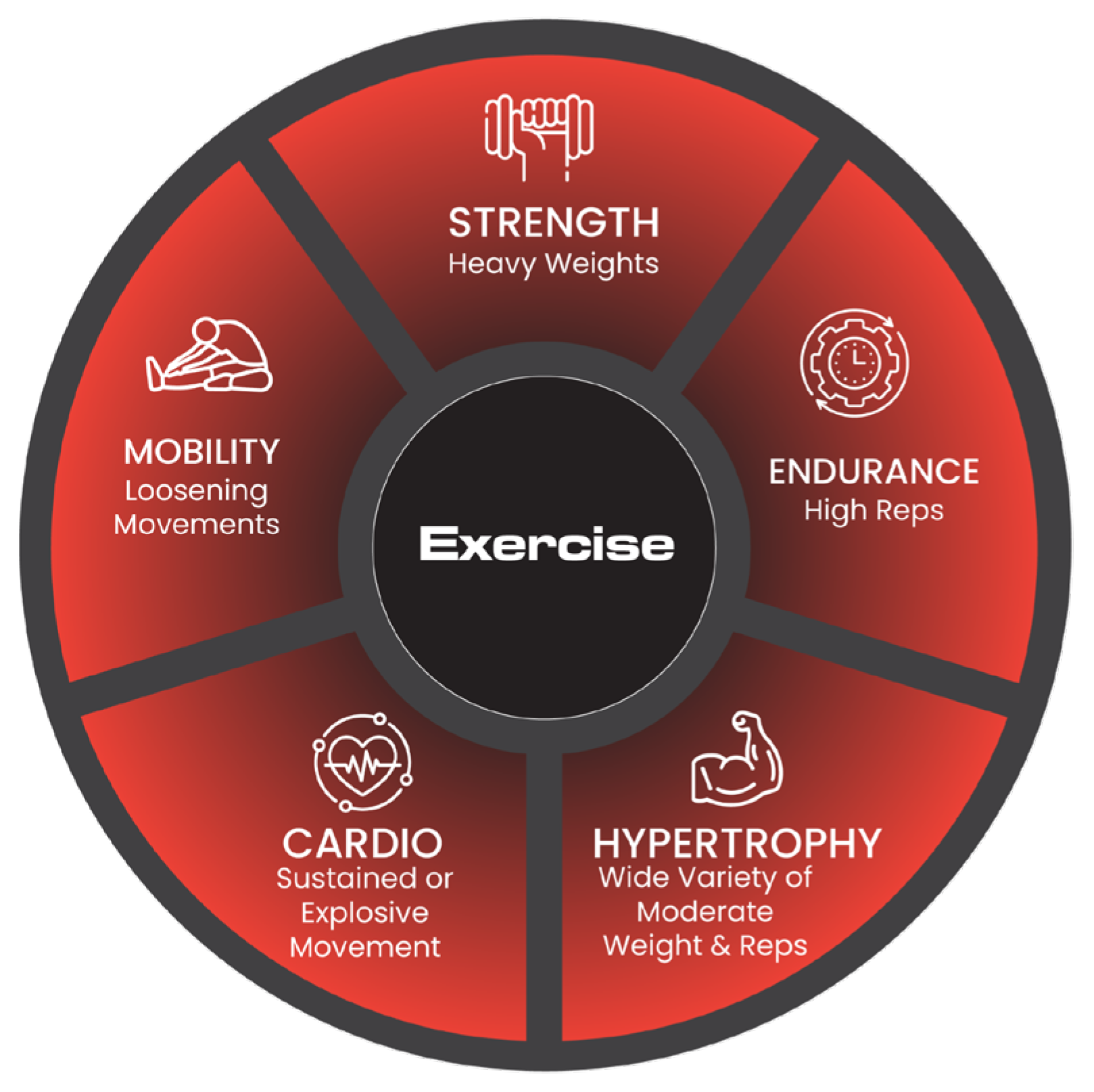
Figure 3.
Nutrition Model. Notes. A comprehensive framework integrating vegetables, legumes, whole grains, nuts, seeds, meats, eggs, fruits, and berries as essential components of nutrition. Each pillar is interdependent, ensuring a diverse intake of macronutrients and micronutrients to support long-term health.

Figure 4.
Hydration Model. Notes. A comprehensive framework integrating quantity, timing, and quality as essential components of hydration. Each pillar is interdependent, ensuring optimal performance and metabolic function.
Figure 4.
Hydration Model. Notes. A comprehensive framework integrating quantity, timing, and quality as essential components of hydration. Each pillar is interdependent, ensuring optimal performance and metabolic function.

Figure 5.
Sleep Model. Notes. A comprehensive framework integrating consistency, duration, and quality as essential components of sleep. Each pillar is interdependent, ensuring optimal recovery and long-term well-being.
Figure 5.
Sleep Model. Notes. A comprehensive framework integrating consistency, duration, and quality as essential components of sleep. Each pillar is interdependent, ensuring optimal recovery and long-term well-being.
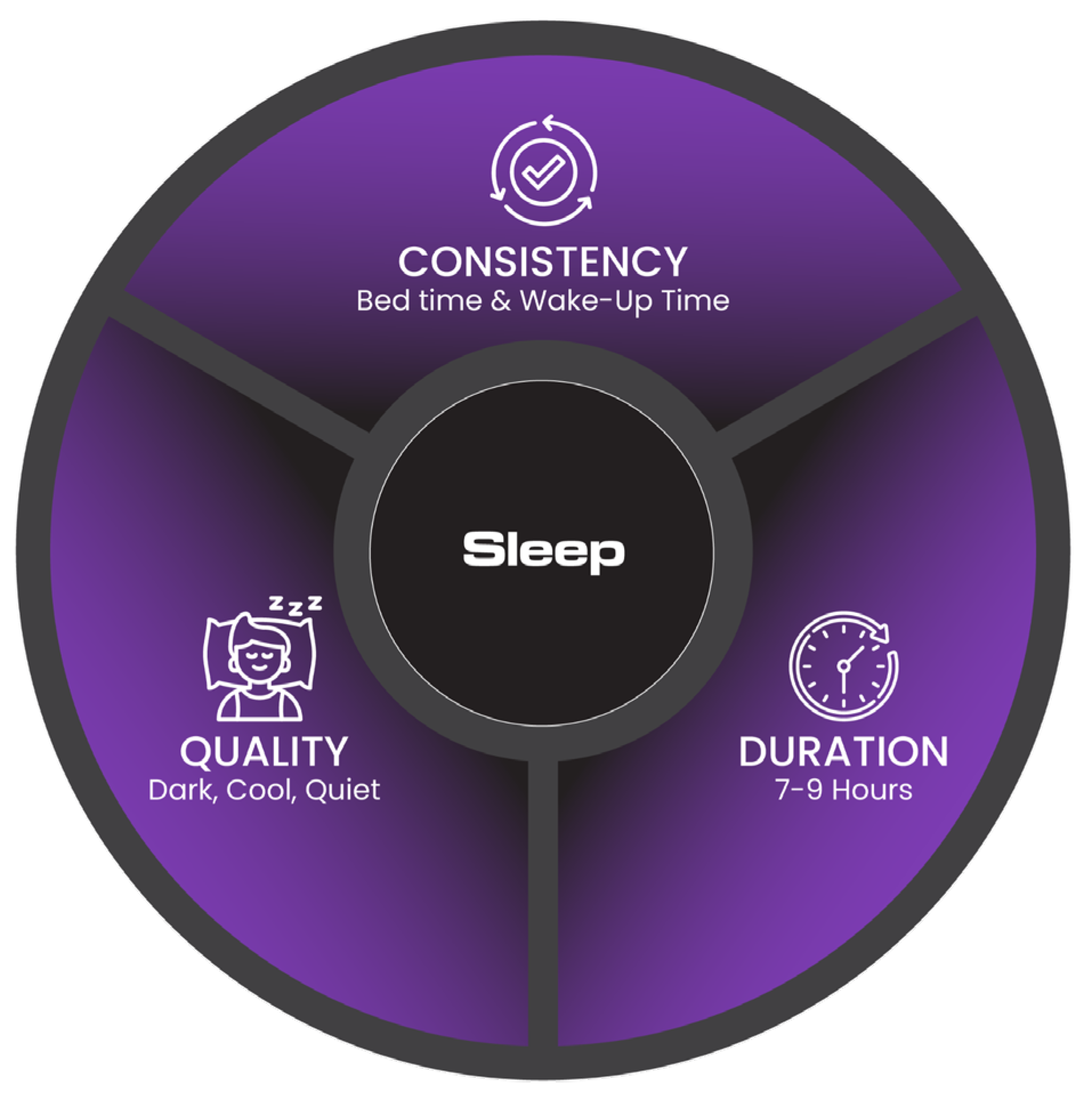
Disclaimer/Publisher’s Note: The statements, opinions and data contained in all publications are solely those of the individual author(s) and contributor(s) and not of MDPI and/or the editor(s). MDPI and/or the editor(s) disclaim responsibility for any injury to people or property resulting from any ideas, methods, instructions or products referred to in the content. |
© 2026 by the authors. Licensee MDPI, Basel, Switzerland. This article is an open access article distributed under the terms and conditions of the Creative Commons Attribution (CC BY) license (http://creativecommons.org/licenses/by/4.0/).
Copyright: This open access article is published under a Creative Commons CC BY 4.0 license, which permit the free download, distribution, and reuse, provided that the author and preprint are cited in any reuse.