

Submitted:
24 February 2026
Posted:
28 February 2026
You are already at the latest version
Abstract
Purpose – This study critically examines the literature on applying artificial intelligence (AI) and Extended Reality (XR) in restaurant settings and related foodservice operations. The focus is on enhancing consumers’ understanding of nutritional content and promoting more informed, health-conscious food choices.
Design/methodology/approach – This study adopts a systematic literature review (SLR) approach, beginning with an initial search that identified over 3,900 academic publications published over the past decade (2016-2025). A critical literature review is undertaken research on the use of AI and XR technologies in restaurant and foodservice settings that can enhance consumer nutrition awareness. Studies were selected based on predetermined inclusion and exclusion criteria, and the findings are conceptual, offering propositions for practical applications and future research directions.
Findings – The review highlighted advances in AI and XR technologies with applications to nutritional labeling in foodservice. Key findings include AI-driven improvements in calorie tracking, personalized meal recommendations, menu planning, and the promotion of healthier eating. It is found that XR technologies, such as Augmented Reality (AR) and Virtual Reality (VR), have enhanced customer engagement and dietary interventions. However, there has been limited adoption of XR remains, indicative of opportunities for further research.
Originality– This study develops theory-driven research propositions by identifying gaps in the integration of AI and XR in the context of restaurants and foodservice. It bridges three perspectives – a) hospitality (menus and dining experience), b) nutrition (dietary awareness and healthier choices), and c) human–technology interaction (technology acceptance and user engagement). A focused agenda is proposed for advancing AI- and XR-enabled nutritional communication.
Keywords:
menu to meal
; artificial intelligence
; extended reality
; nutritional labeling
; restaurant
; foodservice operations
1. Introduction
Artificial Intelligence (AI) and Extended Reality (XR) have become prominent contemporary phenomena (Reiners et al., 2021), reshaping the way individuals and organizations interact with their environments (Chen et al., 2024). Such technologies not only enhance awareness (Woodward et al., 2022) but also provide innovative tools for decision-making (Samant et al., 2023), personalization (Alimamy & Gnoth, 2022), and efficiency (Mayer et al., 2025). The food and beverage (F&B) sector plays a particularly significant role within the hospitality and tourism domain (Mun et al., 2019), through its close association with consumer experience, service quality, and customer satisfaction (Namkung & Jang, 2007).
While AI and XR technologies have advanced across various sectors of the economy, their integration within the restaurant industry has been limited, notably in the domain of menu design. Despite their potential to enhance consumer decision-making, improve menu personalization, and promote healthier eating behaviors, these technologies have not yet become commonplace in foodservice operations. Restaurants are still characterized by traditional methods of menu presentation and dietary information (Abbas & Hatch, 2024), with limited implementation of AI-powered systems and XR applications, such as AR menus or interactive nutritional recommendations. This adoption lag underscores the importance of exploring how these technologies could be leveraged in foodservice to improve nutrition awareness and guide healthier consumer choices.
The significance of this research is underscored by the growing demand for health-conscious dining options (Li et al., 2018) and the increasing prevalence of chronic diseases that are linked to poor dietary habits (Chen et al., 2024). AI and XR have the potential to revolutionize how nutritional information is presented in restaurants and foodservice operations and to engage consumers more actively in healthier food choices. By bridging the gap, this study will enlighten the current state of AI and XR in foodservice, identify the opportunities and challenges for adoption, and explore the theoretical underpisnnings that guide acceptance by diners of these technologies.
Despite the growing body of research on artificial intelligence, extended reality, and digital health applications, existing scholarship remains fragmented across technical, clinical, and consumer-oriented domains. Prior reviews have primarily focused on technical and algorithmic nutrition recommendation systems, automated dietary monitoring and food sensing technologies, and technology-driven food design and sensory innovations, rather than integrated AI and XR interventions within restaurant foodservice environments. However, no systematic review to date has holistically integrated AI and XR applications within restaurant and on-site foodservice environments through a behavioral and hospitality-focused theoretical lens. As a result, the field lacks a unified conceptual understanding of how these technologies function not merely as informational tools, but as behavioral intervention mechanisms capable of shaping nutrition awareness and food choice decisions at the point of consumption.
To address this gap, the present study advances hospitality technology research in three important ways. First, it reconceptualizes AI- and XR-enabled menu systems as behavioral health interventions rather than purely operational or algorithmic systems. Second, it integrates the Technology Acceptance Model (TAM; Davis, 1985) and the Health Belief Model (HBM; Becker, 1974) into a unified framework that explains how technological characteristics translate into nutrition awareness and ultimately health-conscious food choices in restaurant settings. Third, it identifies an evolutionary shift in the literature from static optimization models toward immersive, adaptive, and persuasive AI ecosystems that blend personalization, explainability, and experiential engagement. By bridging hospitality management, nutrition science, and human–technology interaction, this study offers a theoretically grounded agenda for the next generation of intelligent foodservice systems.
2. Literature Review
Numerous studies have demonstrated that food intake and eating habits have a significant influence on the health of individuals (e.g. Van Dyke & Drinkwater, 2014) and of life satisfaction overall (e.g. Chen et al.,2024). Restaurants and other foodservice settings are therefore expected to play a critical role in supporting these outcomes. One important avenue for achieving this is through menu design. Nie et al. (2025) conducted a systematic review about menu design and concluded that menus extend beyond a listing of dishes. They are influenced by factors such as social norms, cultural values, market forces, industry practices, and customer preferences. Menus function as important tools for communication and management, helping restaurants to connect with guests and guide their dining decisions.
Recognizing the importance of food intake and eating habits on people’s health, Hassannejad et al. (2017), conducted a literature review to categorize research on automating the monitoring of diets. They proposed two study classifications: one focused on extracting information about dietary content from images, and the other on using wearable sensors to detect eating behaviors. In another investigation, Bo et al. (2024) explored the field of food design, highlighting how AI and 3D printing technologies are influencing the industry and helping restaurants achieve their goals, such as conveying messaging from the chef to customers through innovative culinary presentations. Collectively, these studies illustrate how AI has the capacity to transform raw dietary data into actionable insights, thereby offering the potential to support personalized and real-time dietary guidance.
Artificial intelligence (AI) can play a significant role in achieving the previously noted goals. Various subfields of AI have been applied for this purpose, including, but not limited to, machine learning (ML; Herranz et al., 2016), computer vision (CV; Shi et al., 2024), natural language processing (NLP; De Croon et al., 2025), recommender systems (Li et al., 2018), deep learning (Chang et al., 2021), reinforcement learning, (Liu et al., 2024), Knowledge-Based Systems (Wang et al., 2020) and data mining (Vandeputte et al., 2023). Collectively, these technologies enable applications ranging from personalized meal recommendations and calorie tracking to menu optimization and predictive modeling of consumer choices, demonstrating AI’s multifaceted role in enhancing nutritional awareness.
In an overview article, Trang Tran et al. (2018) examined recommendation techniques, within the healthy food context and tailored to both individuals and groups. They also assessed current advances in food recommender systems and outlined key challenges for the progression of future recommendation technologies in this field. Another systematic literature review on nutrition recommendation systems (NRS) was conducted by Abhari et al. (2019), who reported that hybrid recommender systems (40%) and knowledge-based recommender systems (32%) were the most employed types within this domain. Saad and Islam (2025) also conducted a scoping review on real-time food nutrition classification and recommendation systems. They found that machine learning algorithms and sensor-based technologies are used to support smart dietary decisions, highlighting AI’s direct role in analyzing dietary data, predicting user needs, and delivering personalized nutritional guidance.
Extended Reality (XR) is another technology applied to support these outcomes, encompassing several key subfields such as virtual reality (VR; Persky & Dolwick, 2020), augmented reality (AR; Sharma et al., 2024), and mixed reality (MR; Fuchs et al., 2020). These technologies enable immersive dining experiences (Deng et al., 2024), interactive menu visualizations (Fritz et al., 2023), and enhanced customer engagement (Sung et al., 2021), helping restaurants communicate culinary concepts (tom Dieck et al., 2024), educate consumers about nutritional content (ChanLin et al., 2019), and guide food choices (Chark & Ip, 2023) in innovative ways. XR thus complements AI by providing experiential and visual interventions that reinforce algorithmic nutritional information, linking cognitive understanding with experiential engagement in food choice contexts.
3. Methodology
A systematic review approach was employed to achieve a holistic understanding of using AI and XR trends in restaurants and other foodservice operations related to nutritional labeling and informing. The review process adhered to the PRISMA guidelines (Moher et al., 2009), ensuring transparency, rigor, and a systematic approach to the identification, selection, and analysis of relevant studies. An extensive search was conducted of nine electronic databases (including Scopus (comprehensive coverage), ScienceDirect (scientific literature), Web of Science (high-impact journals), Emerald Insight (hospitality-focused research), PubMed (health-related studies), ACM Digital Library (AI-focused resources), IEEE Xplore (technology and innovation), Hospitality & Tourism Complete (foodservice operations), and APA PsycINFO (consumer behavior research)) in June 2025, to identify relevant studies.
Seven out of nine databases were searched using the following terms: [(menu OR meal OR restaurant OR foodservice) AND (“artificial Intelligence” OR “augmented reality” OR “virtual reality”) AND (“nutritional labeling” OR nutrition)]. Search strategies were adapted that acknowledge different their search syntax and limitations between databases. For seven of the databases, the search string was used as written. However, Web of Science and IEEE Xplore do not support the use of parentheses, so the combined search string was broken down into all possible keyword combinations (4 × 3 × 2 = 24) and searched individually (e.g., [menu AND “artificial intelligence” AND “nutritional labeling”]). Quotation marks (“ ”) were also used to ensure that multi-word terms, such as “augmented reality” were retrieved as exact phrases. This review included studies from the past decade (2016-2025) to ensure that the findings reflect the most recent trends and developments in the field.
Studies were identified according to predetermined inclusion and exclusion criteria, and the following inclusion criteria were deployed:
- Articles published in peer-reviewed journals.
- Written in English.
- Empirical research articles.
- Studies examining the use of AI or XR in menus and nutritional labeling within restaurant and other foodservice settings.
The exclusion criteria included:
- Studies not available in full text.
- Articles published in nonpeer-reviewed sources.
- Reviewed articles.
- Studies related to personal use rather that foodservices.
- Studies related to healthcare industry (such as hospital catering, nutrition and diet clinics, healthcare services).
- Studies focused on animal nutrition.
The selection of studies was conducted using Covidence, a software tool designed to streamline the screening of titles and abstracts in systematic reviews (Macdonald et al., 2016). An initial total of 4,337 records was identified through database searches, with 3,929 unique records remaining following the removal of duplicates. Gray literature sources such as conference papers were excluded by filtering databases such as Hospitality & Tourism Complete and APA PsycINFO to include only peer-reviewed articles. Gray literature records may have been retrieved in the case of databases without a peer-review filter. However, any articles that met the inclusion criteria during the screening process were checked carefully to ensure that gray literature was excluded from the final analysis. The distribution of records retrieved from each database is presented in Figure 1. Title and abstract screening were performed independently by two authors following the inclusion criteria. Each article was categorized as 'yes' (eligible), 'maybe' (potentially eligible), or 'no' (ineligible). Consensus was reached for 3,527 articles, corresponding to an initial inter-rater agreement rate of 89.8%, which exceeds the commonly accepted minimum threshold of 80% for adequate agreement in research (McHugh, 2012). Disagreements regarding the remaining articles were addressed through discussion between the reviewers, leading to the selection of 204 articles for full-text assessment. After conducting a comprehensive full-text assessment of the 204 articles, those that either did not meet the inclusion criteria or met any of the exclusion criteria were eliminated, resulting in 26 studies being retained for the final analysis. The procedure for selecting articles is illustrated in the PRISMA flow diagram (Figure 2). A structured data extraction form was utilized to collect the relevant information, which included sections for:
- Study details (authors, publication year, and source journal).
- Targeted Foodservice in the study
- Mapped AI/XR Category; and
- Key Contribution/Finding
Following full-text selection, the extracted data were synthesized using a narrative synthesis approach supported by inductive thematic analysis. This approach was adopted to integrate heterogeneous studies drawn from hospitality, nutrition, and computer science. The synthesis focused on identifying recurring technological applications, research objectives, and outcomes related to nutritional information and consumer decision-making in foodservice settings. A structured data extraction matrix was used to code each study according to predefined fields, including foodservice context, AI/XR technology type, and key contributions. Coding was conducted iteratively, with studies repeatedly reviewed and compared to identify recurring patterns and conceptual similarities. Thematically related studies were grouped through this iterative comparison process, leading to the identification of five main research categories. The coding framework was constantly refined to ensure consistency, conceptual clarity, and align with the review objectives.
This review includes articles that met the inclusion criteria and did not meet the exclusion criteria. Based on the selected articles, five main research categories were identified, followed by three additional categories that were discussed but not reviewed systematically. These categories are highly relevant to the research, but they are too broad and would require separate systematic reviews for each. The following sections outline the key research categories uncovered through the review.
To ensure the reliability and rigor of this systematic literature review, all included studies were evaluated using the quality appraisal checklist Hawker et al. (2002), which assesses quality across nine domains, including title and abstract, introduction and aims, method and data, sampling, data analysis, results, implications, transferability, and ethical considerations. Each study was scored on a scale from 1 (very poor) to 4 (good) for each domain, with a total possible score of 36 points. Articles scoring between 26 and 34 points met the quality selection criteria. Scores between 28 and 36 indicate high-quality studies, 20 to 27 suggest fair quality, 10 to 20 reflect poor quality, and below 10 is considered very poor quality. Additionally, 22 of the included articles were published in Q1 journals and 4 in Q2 journals, further demonstrating the high academic quality of the studies analyzed. A summary of the quality ratings is presented in Appendix A, providing an overview of the strength of evidence and supporting the reliability of the review findings.
4. Finding
A total of 26 articles were selected and classified into five categories based on the chosen criteria. The first publications meeting our criteria appeared in 2018, while the majority of the studies (16 out of 26) were published in the last two years of the examined period, indicating a recent surge of interest in the field (see Figure 3). For detailed comparisons and summaries of the studies in each category, please refer to Figure 4, Figure 5, Figure 6, Figure 7 and Figure 8, which outline the technological approaches, novelties, and results of each study.
- 1)
- AI-powered calorie and nutrition tracking. Studies in this category collectively demonstrate the increasing use of AI-based systems to automate dietary assessment in foodservice-related settings.
Graph 2025 and Siemon et al. (2021) both applied computer vision techniques to monitor food intake among students, showing that AI-based image analysis can improve the accuracy of dietary evaluation, with Siemon et al. reporting a 6% accuracy improvement over traditional methods. Chang et al. (2021) extended calorie tracking into buffet environments through an AIoT-based system that integrates intelligent tables, mobile applications, and cloud platforms to record meals and calculate calorie intake in real time. Similarly, Shi et al. (2024) focused on automated dietary assessment of tray meals by combining food identification, volume estimation, and nutritional analysis. Building on this work, Shi et al. (2025) further advanced calorie detection by integrating deep learning with 3D reconstruction techniques. Together, these studies indicate a progression toward increasingly automated and precise AI-driven calorie and nutrition tracking systems.
2) AI-driven Personalized food recommendations & meal guidance. Recent studies have explored AI systems that assist consumers in selecting meals aligned with their preferences, budgets, and health needs. Li et al. (2018) developed a system that analyzes past orders and menu evaluations to guide customer choices, particularly in settings with extensive menu options. Wang et al. (2020) expanded this approach using a knowledge-based multi-objective optimization model to suggest dish combinations that satisfy taste preferences while respecting budget constraints. Qiao et al. (2022) further incorporated nutritional considerations into recommendations, leveraging customer order histories and spending habits. Wu et al. (2025) developed a fully automated diet counseling system that monitors food purchases, demonstrating technical feasibility and scalability, though no significant changes in food healthiness were observed.
Recent advancements emphasize adaptability and interaction. Liu et al. (2024) combined AI with Reinforcement Learning to create a dynamic food recommendation system (FRS) capable of adjusting to changing health requirements through continuous interaction. Wang et al. (2024) employed heterogeneous hypergraph learning with IoT data to enhance personalization and precision in recommendations. Vandeputte et al. (2023) highlighted the importance of contextual factors and user involvement, while Forouzandeh et al. (2024) focused on improving recommendation accuracy by learning semantic relationships in food and health contexts. Collectively, these studies demonstrate the evolution of AI-driven meal guidance from static preference-based systems to more adaptive, interactive, and health-oriented approaches.
3) AI-Driven Menu Planning. Research on AI-driven menu planning demonstrates a shift from static nutritional compliance toward dynamic optimization that balances health, cost, personalization, and operational efficiency. Early work by Hernandez-Ocana et al. (2018) illustrates how rule-based menu generation systems can translate established nutritional guidelines into personalized meal plans, highlighting AI’s capacity to operationalize abstract dietary principles into actionable menus. However, the limited sample size underscores the exploratory nature of early menu automation research. More recent studies emphasize optimization performance and scalability.
Sahin and Aytekin-Sahin (2024) compared multi-objective optimization algorithms and showed that AGEMOEA and SMSEMOA outperform alternatives in simultaneously addressing nutritional adequacy and operational constraints. Their findings signal a methodological maturation in menu planning research, where algorithmic efficiency becomes central to enabling healthier menus at scale. Complementing this optimization-focused stream, Hannon et al. (2024) extend menu planning toward experiential personalization by integrating multimodal AI and user feedback, suggesting a transition from system-driven planning to adaptive, user-involved menu customization. Institutional foodservice contexts further illustrate AI’s applied value. Studies in school and college canteens (Segredo et al., 2020; Marrero et al., 2020) demonstrate how AI can reconcile affordability, nutritional balance, and dietary diversity, addressing public health objectives. Li et al. (2025) extend menu planning beyond design into execution, showing that AI-enabled portion recognition can reduce food waste, thereby linking menu planning decisions to sustainability and operational outcomes.
4) AI-based Promotion of Healthier Eating Choices in Restaurants. Research on AI-enabled interventions increasingly emphasizes behavioral influence rather than information provision alone. Avatar-based systems exemplify this shift by embedding persuasive and social cues into menu interfaces. Aman et al. (2025) demonstrate that avatars can effectively encourage healthier food choices while simultaneously enhancing satisfaction, loyalty, and electronic word-of-mouth, suggesting that health promotion and experiential value are not mutually exclusive. Hao et al. (2024) further unpack the mechanisms underlying these effects, showing that avatar appearance, humor, and persuasive messaging shape customer responses by activating social comparison and aspirational appeal. Their findings indicate that the effectiveness of AI-driven persuasion depends not only on functional accuracy but also on affective and symbolic design elements.
Beyond avatars, explanation-enhanced recommender systems address tensions between user autonomy and nutritional guidance. De Croon et al. (2025) show that providing transparent explanations improves users’ understanding and perceived control, even when recommendations diverge from stated preferences, highlighting explainability as a critical facilitator of acceptance. Complementing these approaches, decision-support dashboards extend AI influence through nudging and gamification. Agyemang et al. (2024) illustrate how simplified health metrics and environmental feedback can translate abstract nutritional consequences into tangible outcomes, reinforcing healthier choices through behavioral incentives. Collectively, these studies reveal a progression toward AI systems that integrate persuasion, transparency, and behavioral nudges to support healthier restaurant decisions.
5) Immersive & real-time dietary interventions. While AI-based approaches dominate nutrition-focused research, a smaller but growing body of work demonstrates the distinct value of XR for real-time and immersive dietary interventions. Fuchs et al. (2020) show that Mixed Reality (MR), combined with Internet of People (IoP) applications, can move beyond passive monitoring by enabling continuous, visual interventions that directly influence eating behavior. Their findings suggest that MR’s strength lies in its ability to integrate dietary feedback into users lived environments, making health cues more salient than conventional screen-based tools. Extending this immersive logic to foodservice contexts, Sharma et al. (2024) demonstrate that Augmented Reality (AR) menus influence ordering behavior by reshaping portion size perceptions and increasing awareness of food waste, thereby reducing over-ordering. Similarly, Braga et al. (2025) highlight Virtual Reality’s capacity to improve portion size estimation, addressing a key cognitive driver of overeating. Collectively, these studies indicate that XR interventions operate primarily through perceptual and experiential mechanisms, complementing AI’s informational role by directly shaping how food quantities and consequences are experienced at the point of decision-making.
Other Related Studies. Much research has targeted individuals rather than restaurants or other foodservice establishments and have shown the importance of providing personalized menus and nutritional recommendations tailored to customers. This area of research is broad and requires a focused systematic literature review to allow for deeper exploration, divided into two main categories:
Personalized meal plans - Individual Focus. The first category primarily targets end consumers seeking personalized meal plans to support a healthy lifestyle (e.g., Amiri & Hasan, 2023; Kopitar et al., 2025; Stefanidis et al., 2022). In these studies, researchers typically propose apps or systems designed for individuals with specific dietary needs, ranging from generally healthy individuals to those managing particular health conditions.
food recognition and dietary assessment systems. The second category includes studies that have developed deep learning-based food recognition and dietary assessment systems to analyze daily meal images (e.g., Chen et al., 2021; Herranz et al., 2016; Larke et al., 2023; Li et al., 2024; Lyu et al., 2023; O’Hara et al., 2025; Papathanail et al., 2023; Vasiloglou et al., 2020). These systems are designed for individuals seeking personalized nutritional insights to improve health and wellness and typically employ advanced algorithms to identify food items and assess their nutritional content. Although most of these studies focus on individual users, their underlying technologies have potential applications in restaurants and other foodservice contexts.
AI and XR Applications for Enhancing Nutritional Management in Healthcare industry. Healthcare represents a distinct and mature research domain in which AI and XR have been extensively applied to nutritional management across hospitals, clinics, elder care, and digital health platforms. Prior studies demonstrate how AI systems support clinical nutrition through automated intake estimation and disease-specific dietary control. For example, Lu et al. (2020) developed an AI-based system to estimate hospitalized patients’ nutrient intake, while Jin et al. (2024) examined AI-driven dietary recommendations for hemodialysis patients to manage potassium levels. The breadth and clinical specificity of this literature distinguish it from foodservice-focused research, warranting separate systematic review treatment.
5. Discussion and Conclusions
Conceptual Framework Linking AI/XR, Nutrition Awareness, and Health-Conscious Choices. the findings have been organized using an integrated conceptual framework that combines the Technology Acceptance Model (TAM) and the Health Belief Model (HBM; Becker, 1974). TAM has been widely employed to explain consumer adoption and use of technology-based systems emphasizing perceived usefulness and perceived ease of use as key determinants of engagement with technological interfaces (e.g., Al-Adwan et al., 2023; Oyman et al., 2022). In contrast, HBM has been extensively applied to understand health-related decision-making, focusing on perceived benefits, perceived barriers, and cues to action that influence behavioral change (e.g., Glick et al., 2024).
In the context of restaurants and foodservice operations, AI- and XR-enabled applications (e.g., intelligent menus, recommender systems, and immersive visualizations) serve as technological stimuli that consumers must first accept and interact with. AI technologies, such as recommendation engines and chatbots, provide personalized nutrition guidance, (e.g., Li et al., 2018) while XR tools, including AR menus and VR simulations, offer immersive, interactive experiences (e.g., Braga et al., 2025). Together, they complement each other by enhancing awareness and promoting healthier consumer food choices. When these technologies are perceived as useful and easy to use, they enhance consumers’ nutrition awareness by improving understanding of calorie content, portion sizes, ingredient composition, and dietary implications. This heightened awareness subsequently activates health-related beliefs by clarifying the benefits of healthier choices and providing salient cues to action at the point of decision-making, ultimately supporting more health-conscious food and beverage selections.
Accordingly, the reviewed studies can be conceptually positioned along a sequential pathway linking (1) AI and XR technological characteristics, (2) consumer nutrition awareness, and (3) health-conscious decision-making outcomes. This framework provides a unifying lens for synthesizing the heterogeneous literature reviewed in this study and clarifies how technological design, consumer cognition, and behavioral responses are interconnected in foodservice settings.
Figure 9 illustrates the conceptual framework, showing how AI/XR technology influences nutrition awareness and health-conscious choices. The model highlights the evolution from focusing solely on technology adoption (TAM) to integrating psychological and behavioral mechanisms (HBM) that guide food decisions. By linking technological characteristics to cognitive awareness and health-related beliefs, the framework emphasizes both the informational and motivational roles of AI/XR in promoting healthier consumer choices in foodservice settings.
Trends in AI and XR Research Over Time (2016–2025).Over the past decade, AI research in foodservice has evolved towards advanced, adaptive, and user-centric solutions (see figure 10). Early studies emphasized personalized menu planning and nutritional optimization using machine learning and knowledge-based approaches. Between 2020 and 2021, research expanded to institutional settings, integrating deep learning, reinforcement learning, and AIoT to address cost, diversity, and calorie control. From 2022 onward, the focus shifted to real-time, privacy-aware, and behavior-oriented systems, incorporating computer vision, NLP, and multimodal AI. Recent studies (2024–2025) highlight explainability, gamification, avatars, and automated dietary assessment, reflecting a maturation toward intelligent, scalable, and decision-support ecosystems that promote healthier and more sustainable food choices.
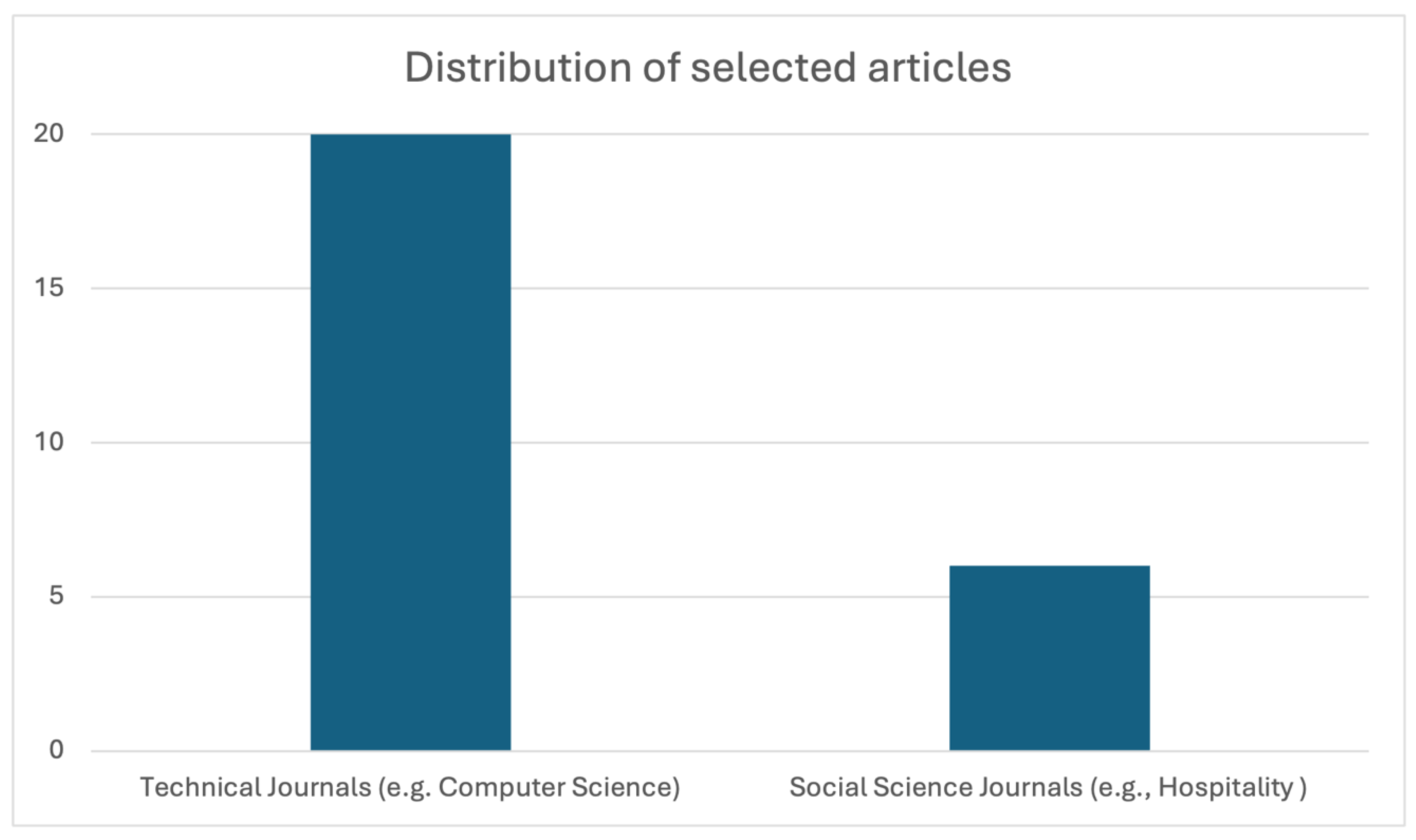
Future Research Directions.In addition to the three main relevant areas (personalized meal plans, food recognition systems, and a focus on the healthcare industry) that require separate systematic literature reviews, this study has identified several other potential research directions. Research on AI and XR in this domain follows two main perspectives. The first emphasizes improving the technical accuracy of AI and XR for tasks such as food recommendation and detection, requiring substantial technical expertise and receiving extensive attention in nutrition and computer science research (e.g., Braga et al., 2025; Marrero et al., 2020). The second, prevalent in hospitality management, explores how these technologies support informed food and beverage choices (e.g., Aman et al., 2025; Hao et al., 2024). While the technical stream is well developed, social science research, particularly in hospitality, remains limited (see Figure 11), highlighting opportunities to integrate consumer behavior and service theories into AI and XR design and evaluation. Accordingly, the following proposition is advanced:
Proposition 1:
AI and XR-enabled menu systems designed using hospitality and consumer behavior theories will lead to higher customer trust, satisfaction, and adoption intentions compared to systems developed without such theoretical grounding.
Also observed from the results, while numerous studies have been conducted utilizing AI, there is a noticeable lack of research exploring the use of Extended Reality technologies. While AI has garnered significant attention for its applications, XR has received comparatively less. There remains a considerable opportunity for future researchers to investigate the potential of XR in this area, especially in applications where immersive experiences could offer innovative solutions.
Research Question 1: How do XR-based menu interventions (e.g., AR and VR) differ from AI-only systems in influencing nutrition awareness, portion perception, and ordering behavior in foodservice settings?
It has also been observed that much research has focused on food rather than on beverage, particularly in the case of liquor. Alcoholic beverages represent a significant component of consumer demand and spending in many markets (Fogarty, 2010), yet they remain underexplored by researchers. Conducting studies on beverages in general, and liquors in particular, could help individuals have a better and more informed experience in the hospitality industry.
Research Question 2: How can AI- and XR-enabled menu and recommendation systems for beverages, particularly alcoholic drinks, affect consumer awareness, moderation intentions, and beverage selection in hospitality contexts?
Furthermore, there has been limited scholarly exploration regarding customer perceptions of these interventions. Human-food interactions play a significant role in the overall enjoyment of life (Batat et al., 2019). Many individuals prefer to disconnect from technology while eating (Tabares-Tabares et al., 2022), valuing the opportunity to be in a cozy environment, listen to pleasant music (Ryu et al., 2012), enjoy conversations with those at the dining table, and savor their food without tech-related distractions. Future researchers could explore how to balance technological interventions with the desire for more authentic, technology-free dining experiences. This leads us to research question three.
Research Question 3: How do customers perceive and respond to AI- and XR-enabled foodservice interventions when dining authenticity and technology avoidance motivations are salient?
An important yet underexplored issue in foodservice settings is meeting individual nutritional needs. A central goal in this field is supporting consistency in achieving essential nutritional requirements (Meyers et al., 2006). However, many diners make food choices with limited understanding of their nutritional needs, relying heavily on guesswork, which highlights a gap in personalized nutrition tracking. Future research could focus on developing comprehensive databases that monitor individuals’ nutritional intake over defined periods (e.g., weekly or monthly). Such systems could function as personalized portfolios, offering insights into dietary patterns and enabling more informed meal planning. These databases could also store preferences, allergies, budget constraints, health conditions, and related factors. If restaurants contributed standardized nutritional data, customer profiles could be scanned across establishments to deliver tailored menu options. Recommendations could then be customized based on taste preferences, nutritional needs, price sensitivity, and variety, enhancing personalization and supporting more informed dining decisions.
Proposition 2: Access to a longitudinal, cross-restaurant personalized nutrition profile will increase consumer trust in AI-driven menu recommendations and improve alignment between menu selections and individual nutritional needs.
Beyond identifying technological and contextual gaps, future research should examine the psychological and behavioral mechanisms through which AI and XR influence healthier food choices. Studies should empirically test cognitive load reduction as a mediator in AI-based menu systems and its effect on food selection in complex dining environments. Similarly, research should investigate immersion as a mediating mechanism in XR-based menus, focusing on how visual realism and interactivity shape portion perception, ordering behavior, and consumption intentions. Trust, transparency, and explainability should also be examined as mediators between AI-driven recommendations and consumer acceptance, particularly across culturally diverse foodservice contexts. Modeling these mechanisms would advance theory beyond adoption outcomes and clarify how AI and XR operate as behavioral interventions in restaurant settings, leading to question four.
Research Question 4: What psychological mechanisms (e.g., cognitive load reduction, immersion, trust, and explainability) mediate the relationship between AI/XR interventions and healthier food choices in restaurant environments?
Practical Implications. The complexity and profusion of choices presented in modern menus can overwhelm consumers, undermining meal selections that align with personal preferences and dietary requirements. This decision fatigue is particularly pronounced in foodservice settings where menu options are diverse and frequently include complex ingredient lists. To mitigate this challenge, restaurants and foodservice providers can leverage AI and XR-powered menus to introduce a more intuitive and tailored dining experience. By integrating an advanced search engine within the menu interface, restaurants can enable customers to filter meal options based on customizable criteria such as dietary preferences (e.g., vegetarian, gluten-free), nutritional goals (e.g., low-calorie, low-sodium), or specific ingredients (e.g., including rice, excluding dairy). This feature would empower customers to make more informed and efficient meal choices, enhancing their overall dining experience.
In addition to improving the customer experience, AI and XR-driven menu systems can also foster deeper engagement by offering personalized meal recommendations that adapt to customer preferences over time. As customers return, the system could refine its suggestions based on previous selections, dietary restrictions, and even real-time health data (if applicable), thus creating a more dynamic and personalized dining journey. For foodservice providers, implementing such technologies can increase customer satisfaction, reduce decision fatigue, and enhance operational efficiency. By streamlining the decision-making process, restaurants can enhance service delivery, improve order accuracy, and boost customer loyalty. Moreover, AI-driven menu systems could generate valuable data insights, enabling restaurants to tailor their offerings to meet changing customer demands and emerging dietary trends.
Conclusions. The integration of Artificial Intelligence (AI) and Extended Reality (XR) technologies in the food and beverage sector offers significant benefits for a variety of stakeholders. For consumers, these technologies enable more informed meal choices by providing real-time insights into portion sizes (Sharma et al., 2024), nutritional content (Hernandez-Ocana et al., 2018), and personal preferences (Hannon et al., 2024), thereby promoting healthier eating behaviors. From the perspective of foodservice providers, AI and XR tools can enhance operational efficiency, improve customer satisfaction (Hao et al., 2024), and contribute to a more tailored dining experience (Wang et al., 2024). This personalized approach not only optimizes service delivery but also fosters customer loyalty by aligning meals with individual dietary needs and preferences. Furthermore, these innovations support broader societal goals by encouraging better eating habits and contributing to public health. However, challenges accompany the adoption of these technologies. Cultural preferences play a crucial role in shaping how consumers perceive technology in dining environments. An over-reliance on technology may reduce the richness of human interaction (Kushlev et al., 2017) that many diners appreciate. Restaurants should strike a balance and ensure that technological interventions enhance rather than diminish the authenticity and social aspects of dining.
References
- Abbas, R.; Hatch, C. D. Providing Nutrition Information on US Restaurant Menus: A Systematic Review Since the Affordable Care Act (2010). Journal of Consumer Policy 2024, 1–21. [Google Scholar] [CrossRef]
- Abhari, S.; Safdari, R.; Azadbakht, L.; Lankarani, K. B.; Kalhori, S. R. N.; Honarvar, B.; Abhari, Kh.; Ayyoubzadeh, S. M.; Karbasi, Z.; Zakerabasali, S.; Jalilpiran, Y. “A systematic review of nutrition recommendation systems: with focus on technical aspects”. Journal of Biomedical Physics & Engineering 2019, 9(6), 591. [Google Scholar] [CrossRef]
- Abrahams, M.; O’Grady, R.; Prawitt, J. “Effect of a Daily Collagen Peptide Supplement on Digestive Symptoms in Healthy Women: 2-Phase Mixed Methods Study”. JMIR Formative Research 2022, 6(5), e36339. [Google Scholar] [CrossRef]
- Agyemang, P.; Kwofie, E. M.; Baum, J. I.; Wang, D. “The design and development of a dashboard for improving sustainable healthy food choices”. Science of the Total Environment 2024, 930, 172726. [Google Scholar] [CrossRef]
- Al-Adwan, A. S.; Li, N.; Al-Adwan, A.; Abbasi, G. A.; Albelbisi, N. A.; Habibi, A. Extending the technology acceptance model (TAM) to Predict University Students’ intentions to use metaverse-based learning platforms. Education and Information Technologies 2023, 28(11), 15381–15413. [Google Scholar] [CrossRef]
- Alimamy, S.; Gnoth, J. “I want it my way! The effect of perceptions of personalization through augmented reality and online shopping on customer intentions to co-create value”. Computers in Human Behavior 2022, 128, 107105. [Google Scholar] [CrossRef]
- Aman, A. M.; Ng, W.; Hao, F.; Zhang, C.; Chon, K. K. S. “Digital nudge persuasiveness of avatars in restaurants toward healthy choices and happy diners”. Tourism Review 2025. [Google Scholar] [CrossRef]
- Amiri, M.; Li, J.; Hasan, W. “Personalized flexible meal planning for individuals with diet-related health concerns: System design and feasibility validation study”. JMIR Formative Research 2023, 7, e46434. [Google Scholar] [CrossRef]
- Barrett, E. M.; Cudhea, F.; Washbon, E.; Levitan, Z.; Sharib, J. R.; Blumberg, J. B.; Micha, R.; Mozaffarian, D. “Food Compass Score-10: validation of a method for evaluating the healthfulness of foods and beverages using ingredient list information”. The American Journal of Clinical Nutrition 2025. [Google Scholar] [CrossRef] [PubMed]
- Batat, W.; Peter, P. C.; Moscato, E. M.; Castro, I. A.; Chan, S.; Chugani, S.; Muldrow, A. “The experiential pleasure of food: A savoring journey to food well-being”. Journal of business Research 2019, 100, 392–399. [Google Scholar] [CrossRef]
- Becker, M. H. “The health belief model and personal health behavior”. Health education monographs 1974, 2, 324–473. [Google Scholar] [CrossRef]
- Bo, X. I. A.; Abidin, M. R. Z.; Ab Karim, S. “From tradition to technology: A comprehensive review of contemporary food design”. International Journal of Gastronomy and Food Science 2024, 37, 100977. [Google Scholar] [CrossRef]
- Braga, B. C.; Long, J.; Maksi, S.; Sajjadi, P. K.; Klippel, A.; Masterson, T. D. “Immersive Virtual Reality Dietitian Improves Portion Control Self-Efficacy and Portion Size Estimation Accuracy”. Journal of Nutrition Education and Behavior 2025. [Google Scholar] [CrossRef]
- ChanLin, L. J.; Chan, K. C.; Wang, C. R. “An epistemological assessment of learning nutritional information with augmented reality”. The Electronic Library 2019, 37(2), 210–224. [Google Scholar] [CrossRef]
- Chang, W. J.; Chen, L. B.; Lin, I. C.; Ou, Y. K. “iBuffet: An AIoT-based intelligent calorie management system for eating buffet meals with calorie intake control”. IEEE Transactions on Consumer Electronics 2021, 67(4), 226–234. [Google Scholar] [CrossRef]
- Chark, R.; Ip, M. M. H. “Is menu design effective? A p-curving analysis”. International Journal of Hospitality Management 2023, 108, 103378. [Google Scholar] [CrossRef]
- Chen, S.; López-Gil, J. F.; Memon, A. R.; Bao, R.; Yang, X. “Associations of eating habits with self-rated health and life satisfaction in adolescents: a 42-country cross-sectional study”. European Journal of Investigation in Health, Psychology and Education 2024, 14(6), 1501–1513. [Google Scholar] [CrossRef] [PubMed]
- Chen, X.; Johnson, E.; Kulkarni, A.; Ding, C.; Ranelli, N.; Chen, Y.; Xu, R. “An exploratory approach to deriving nutrition information of restaurant food from crowdsourced food images: Case of Hartford”. Nutrients 2021, 13(11), 4132. [Google Scholar] [CrossRef] [PubMed]
- Davis, F. D. “A technology acceptance model for empirically testing new end-user information systems: Theory and results”. Doctoral dissertation, Massachusetts Institute of Technology, 1985. [Google Scholar]
- Deng, D. S.; Seo, S.; Harrington, R. J.; Martin, D. “When virtual others are with me: Exploring the influence of social presence in virtual reality wine tourism experiences”. International Journal of Wine Business Research 2024, 36(4), 548–571. [Google Scholar] [CrossRef]
- De Croon, R.; Segovia-Lizano, D.; Finglas, P.; Vanden Abeele, V.; Verbert, K. “An explanation interface for healthy food recommendations in a real-life workplace deployment: User-centered design study”. JMIR mHealth and uHealth 2025, 13(1), e51271. [Google Scholar] [CrossRef]
- Fritz, W.; Hadi, R.; Stephen, A. “From tablet to table: How augmented reality influences food desirability”. Journal of the Academy of Marketing Science 2023, 51(3), 503–529. [Google Scholar] [CrossRef]
- Fogarty, J. “The demand for beer, wine and spirits: a survey of the literature”. Journal of Economic Surveys 2010, 24(3), 428–478. [Google Scholar] [CrossRef]
- Forouzandeh, S.; Rostami, M.; Berahmand, K.; Sheikhpour, R. “Health-aware food recommendation system with dual attention in heterogeneous graphs”. Computers in Biology and Medicine 2024, 169, 107882. [Google Scholar] [CrossRef] [PubMed]
- Fuchs, K.; Haldimann, M.; Grundmann, T.; Fleisch, E. “Supporting food choices in the Internet of People: Automatic detection of diet-related activities and display of real-time interventions via mixed reality headsets”. Future Generation Computer Systems 2020, 113, 343–362. [Google Scholar] [CrossRef]
- Gao, X.; Xiao, Z.; Deng, Z. “High accuracy food image classification via vision transformer with data augmentation and feature augmentation”. Journal of Food Engineering 2024, 365, 111833. [Google Scholar] [CrossRef]
- Gao, Z.; Yuan, X.; Lei, J.; Guo, H.; Marinello, F.; Guerrini, L.; Carraro, A. “A vision-based dietary survey and assessment system for college students in China”. Food Chemistry 2025, 464, 141739. [Google Scholar] [CrossRef] [PubMed]
- Glick, A. A.; Winham, D. M.; Heer, M. M.; Shelley, M. C.; Hutchins, A. M. Health belief model predicts likelihood of eating nutrient-rich foods among US adults. Nutrients 2024, 16(14), 2335. [Google Scholar] [CrossRef] [PubMed]
- Hannon, B.; Kumar, Y.; Li, J. J.; Morreale, P. “Chef Dalle: transforming cooking with multi-model multimodal AI”. Computers 2024, 13(7), 156. [Google Scholar] [CrossRef]
- Hao, F.; Aman, A. M.; Zhang, C. “What is beautiful is good: attractive avatars for healthier dining and satisfaction”. International Journal of Contemporary Hospitality Management 2024, 36(12), 3969–3988. [Google Scholar] [CrossRef]
- Hassannejad, H.; Matrella, G.; Ciampolini, P.; De Munari, I.; Mordonini, M.; Cagnoni, S. “Automatic diet monitoring: a review of computer vision and wearable sensor-based methods”. International Journal of Food Sciences and Nutrition 2017, 68(6), 656–670. [Google Scholar] [CrossRef]
- Hawker, S.; Payne, S.; Kerr, C.; Hardey, M.; Powell, J. “Appraising the evidence: reviewing disparate data systematically”. Qualitative health research 2002, 12(9), 1284–1299. [Google Scholar] [CrossRef]
- Hernandez-Ocana, B.; Chavez-Bosquez, O.; Hernandez-Torruco, J.; Canul-Reich, J.; Pozos-Parra, P. “Bacterial foraging optimization algorithm for menu planning”. IEEE Access 2018, 6, 8619–8629. [Google Scholar] [CrossRef]
- Herranz, L.; Jiang, S.; Xu, R. “Modeling restaurant context for food recognition”. IEEE Transactions on Multimedia 2016, 19(2), 430–440. [Google Scholar] [CrossRef]
- Jin, H.; Lin, Q.; Lu, J.; Hu, C.; Lu, B.; Jiang, N.; Wu, S.; Li, X. “Evaluating the effectiveness of a generative pretrained transformer-based dietary recommendation system in managing potassium intake for hemodialysis patients”. Journal of Renal Nutrition 2024, 34(6), 539–545. [Google Scholar] [CrossRef]
- Kopitar, L.; Bedrač, L.; Strath, L. J.; Bian, J.; Stiglic, G. “Improving Personalized Meal Planning with Large Language Models: Identifying and Decomposing Compound Ingredients”. Nutrients 2025, 17(9), 1492. [Google Scholar] [CrossRef] [PubMed]
- Kushlev, K.; Proulx, J. D.; Dunn, E. W. “Digitally connected, socially disconnected: The effects of relying on technology rather than other people”. Computers in Human Behavior 2017, 76, 68–74. [Google Scholar] [CrossRef]
- Larke, J. A.; Chin, E. L.; Bouzid, Y. Y.; Nguyen, T.; Vainberg, Y.; Lee, D. H.; Pirsiavash, H.; Smilowitz, J. T.; Lemay, D. G. “Surveying nutrient assessment with photographs of meals (SNAPMe): a benchmark dataset of food photos for dietary assessment”. Nutrients 2023, 15(23), 4972. [Google Scholar] [CrossRef]
- Li, X.; Jia, W.; Yang, Z.; Li, Y.; Yuan, D.; Zhang, H.; Sun, M. “Application of intelligent recommendation techniques for consumers' food choices in restaurants”. Frontiers in Psychiatry 2018, 9, 415. [Google Scholar] [CrossRef]
- Li, X.; Yin, A.; Choi, H. Y.; Chan, V.; Allman-Farinelli, M.; Chen, J. “Evaluating the quality and comparative validity of manual food logging and artificial intelligence-enabled food image recognition in apps for nutrition care”. Nutrients 2024, 16(15), 2573. [Google Scholar] [CrossRef] [PubMed]
- Li, Y.; Zhang, C.; Xu, H.; Yang, Y.; Lu, H.; Deng, L. “Strategies for Automated Identification of Food Waste in University Cafeterias: A Machine Vision Recognition Approach”. Applied Sciences 2025, 15(9), 5036. [Google Scholar] [CrossRef]
- Liu, L.; Guan, Y.; Wang, Z.; Shen, R.; Zheng, G.; Fu, X.; Yu, X.; Jiang, J. “An interactive food recommendation system using reinforcement learning”. Expert Systems with Applications 2024, 254, 124313. [Google Scholar] [CrossRef]
- Lu, Y.; Stathopoulou, T.; Vasiloglou, M. F.; Christodoulidis, S.; Stanga, Z.; Mougiakakou, S. “An Artificial Intelligence-Based System to Assess Nutrient Intake for Hospitalised Patients”. IEEE Transactions on Multimedia 2020, 23, 1136–1147. [Google Scholar] [CrossRef]
- Lyu, W.; Seok, N.; Chen, X.; Xu, R. “Using Crowdsourced Food Image Data for Assessing Restaurant Nutrition Environment: A Validation Study”. Nutrients 2023, 15(19), 4287. [Google Scholar] [CrossRef]
- Macdonald, M.; Misener, R. M.; Weeks, L.; Helwig, M. “Covidence vs Excel for the title and abstract review stage of a systematic review”. JBI Evidence Implementation 2016, 14(4), 200–201. [Google Scholar] [CrossRef]
- Marrero, A.; Segredo, E.; León, C.; Segura, C. “A memetic decomposition-based multi-objective evolutionary algorithm applied to a constrained menu planning problem”. Mathematics 2020, 8(11), 1960. [Google Scholar] [CrossRef]
- Mayer, A.; Greif, L.; Häußermann, T. M.; Otto, S.; Kastner, K.; El Bobbou, S.; Chardonnet, J.R.; Reichwald, J.; Fleischer, J.; Ovtcharova, J. “Digital Twins, Extended Reality, and Artificial Intelligence in Manufacturing Reconfiguration: A Systematic Literature Review”. Sustainability 2025, 17(5), 2318. [Google Scholar] [CrossRef]
- “Dietary reference intakes: the essential guide to nutrient requirements”; Meyers, L. D., Hellwig, J. P., Otten, J. J., Eds.; National Academies Press, 2006. [Google Scholar]
- McHugh, M. L. “Interrater reliability: the kappa statistic”. Biochemia Medica 2012, 22(3), 276–282. [Google Scholar] [CrossRef] [PubMed]
- Mun, S. G.; Woo, L.; Paek, S. “How important is F&B operation in the hotel industry? Empirical evidence in the US market”. Tourism Management 2019, 75, 156–168. [Google Scholar] [CrossRef]
- Moher, D.; Liberati, A.; Tetzlaff, J.; Altman, D. G.; Prisma Group. “Preferred reporting items for systematic reviews and meta-analyses: the PRISMA statement”. International Journal of Surgery 2010, 8(5), 336–341. [Google Scholar] [CrossRef] [PubMed]
- Nakamura, Y.; Nakaoka, R.; Matsuda, Y.; Yasumoto, K. “Eat2pic: an eating-painting interactive system to nudge users into making healthier diet choices”. Proceedings of the ACM on Interactive, Mobile, Wearable and Ubiquitous Technologies 2023, 7(1), 1–23. [Google Scholar] [CrossRef]
- Namkung, Y.; Jang, S. “Does food quality really matter in restaurants? Its impact on customer satisfaction and behavioral intentions”. Journal of Hospitality & Tourism Research 2007, 31(3), 387–409. [Google Scholar] [CrossRef]
- Nie, X.; Zhao, W. M.; Guan, J. “Towards a framework of menu research: insights from the multiple level perspective and signaling theory”. British Food Journal 2025, 127(1), 233–252. [Google Scholar] [CrossRef]
- O’Hara, C.; Kent, G.; Flynn, A. C.; Gibney, E. R.; Timon, C. M. “An evaluation of ChatGPT for nutrient content estimation from meal photographs”. Nutrients 2025, 17(4), 607. [Google Scholar] [CrossRef]
- Oyman, M.; Bal, D.; Ozer, S. “Extending the technology acceptance model to explain how perceived augmented reality affects consumers' perceptions”. Computers in Human Behavior 2022, 128, 107127. [Google Scholar] [CrossRef]
- Persky, S.; Dolwick, A. P. “Olfactory perception and presence in a virtual reality food environment”. Frontiers in Virtual Reality 2020, 1, 571812. [Google Scholar] [CrossRef]
- Papathanail, I.; Abdur Rahman, L.; Brigato, L.; Bez, N. S.; Vasiloglou, M. F.; van der Horst, K.; Mougiakakou, S. “The nutritional content of meal images in free-living conditions—automatic assessment with gofoodtm”. Nutrients 2023, 15(17), 3835. [Google Scholar] [CrossRef] [PubMed]
- Qiao, Y.; Sun, Q.; Cao, H.; Wang, J.; Hao, T. “Privacy-preserving dish-recommendation for food nutrition through edging computing”. Transactions on Emerging Telecommunications Technologies 2022, 33(6), e3869. [Google Scholar] [CrossRef]
- Racine, E. F.; Ademu, L. O.; Dahl, A. A.; Fandetti, S. M.; Schulkind, L. “The impact of fast-food energy posting on college students’ food purchases”. The American Journal of Clinical Nutrition 2024, 120(5), 1207–1214. [Google Scholar] [CrossRef] [PubMed]
- Reiners, D.; Davahli, M. R.; Karwowski, W.; Cruz-Neira, C. “The combination of artificial intelligence and extended reality: A systematic review”. Frontiers in Virtual Reality 2021, 2, 721933. [Google Scholar] [CrossRef]
- Ryu, K.; Lee, H. R.; Kim Gon, W. “The influence of the quality of the physical environment, food, and service on restaurant image, customer perceived value, customer satisfaction, and behavioral intentions”. International Journal of Contemporary Hospitality Management 2012, 24(2), 200–223. [Google Scholar] [CrossRef]
- Saad, A. M.; Islam, M. M. “Navigating nutrients: A scoping review on real-time food nutrition classification and recommendation systems”. Computers in Biology and Medicine 2025, 192, 110306. [Google Scholar] [CrossRef] [PubMed]
- Sahin, O.; Aytekin-Sahin, G. “Open-source multi-objective optimization software for menu planning”. Expert Systems with Applications 2024, 252, 124213. [Google Scholar] [CrossRef]
- Samant, S.; Bakhos, J. J.; Wu, W.; Zhao, S.; Kassab, G. S.; Khan, B.; Panagopoulos, A.; Makadia, J.; Oguz, U. M.; Banga, A.; Fayaz, M.; Glass, W.; Chiastra, C.; Burzotta, F.; LaDisa, J. F., Jr.; Iaizzo, P.; Murasato, Y.; Dubini, G.; Migliavacca, F.; Chatzizisis, Y. S. “Artificial intelligence, computational simulations, and extended reality in cardiovascular interventions”. Cardiovascular Interventions 2023, 16(20), 2479–2497. [Google Scholar] [CrossRef]
- Segredo, E.; Miranda, G.; Ramos, J. M.; León, C.; Rodriguez-Leon, C. “Schoolthy: automatic menu planner for healthy and balanced school meals”. IEEE Access 2020, 8, 113200–113218. [Google Scholar] [CrossRef]
- Sharma, S.; Singh, G.; Prasad, B. “Portion perception and waste awareness: investigating the effects of Augmented Reality menus on over-ordering intentions in various dining settings”. Current Issues in Tourism 2024, 27(23), 4033–4048. [Google Scholar] [CrossRef]
- Shi, J.; Han, Q.; Cao, Z.; Wang, Z. “DeepTrayMeal: Automatic dietary assessment for Chinese tray meals based on deep learning”. Food Chemistry 2024, 434, 137525. [Google Scholar] [CrossRef]
- Shi, Y.; Gao, W.; Shen, T.; Li, W.; Li, Z.; Huang, X.; Li, C.; Chen, H.; Zou, X.; Shi, J. “Calorie detection in dishes based on deep learning and 3D reconstruction”. Computers and Electronics in Agriculture 2025, 229, 109832. [Google Scholar] [CrossRef]
- Siemon, M. S.; Shihavuddin, A. S. M.; Ravn-Haren, G. “Sequential transfer learning based on hierarchical clustering for improved performance in deep learning based food segmentation”. Scientific Reports 2021, 11(1), 813. [Google Scholar] [CrossRef]
- Stefanidis, K.; Tsatsou, D.; Konstantinidis, D.; Gymnopoulos, L.; Daras, P.; Wilson-Barnes, S.; Hart, K.; Cornelissen, V.; Decorte., E.; Lalama., E.; Pfeiffer, A.; Hassapidou, M.; Pagkalos, I.; Argiriou, A.; Rouskas, K.; Hadjidimitriou, S.; Charisis, V.; Dias, S. B.; Diniz, J. A.; Dimitropoulos, K. “PROTEIN AI advisor: a knowledge-based recommendation framework using expert-validated meals for healthy diets”. Nutrients 2022, 14(20), 4435. [Google Scholar] [CrossRef] [PubMed]
- Stephen, A.; Connelly, D.; Hung, L.; Unger, J. Staff-Family Communication Methods in Long-Term Care Homes: An Integrative Review. Journal of Long-Term Care 2024, 220. [Google Scholar] [CrossRef]
- Sung, E. C.; Bae, S.; Han, D. I. D.; Kwon, O. “Consumer engagement via interactive artificial intelligence and mixed reality”. International Journal of Information Management 2021, 60, 102382. [Google Scholar] [CrossRef]
- Tabares-Tabares, M.; Aznar, L. A. M.; Aguilera-Cervantes, V. G.; León-Landa, E.; López-Espinoza, A. “Screen use during food consumption: Does it cause increased food intake? A systematic review”. Appetite 2022, 171, 105928. [Google Scholar] [CrossRef]
- tom Dieck, M. C.; Han, D. I. D.; Rauschnabel, P. A. “Augmented reality marketing in hospitality and tourism: a guide for researchers and managers”. International Journal of Contemporary Hospitality Management 2024, 36(13), 97–117. [Google Scholar] [CrossRef]
- Trang Tran, T. N.; Atas, M.; Felfernig, A.; Stettinger, M. “An overview of recommender systems in the healthy food domain”. Journal of Intelligent Information Systems 2018, 50(3), 501–526. [Google Scholar] [CrossRef]
- Van Dyke, N.; Drinkwater, E. J. “Review article relationships between intuitive eating and health indicators: literature review”. Public Health Nutrition 2014, 17(8), 1757–1766. [Google Scholar] [CrossRef] [PubMed]
- Vandeputte, J.; Herold, P.; Kuslii, M.; Viappiani, P.; Muller, L.; Martin, C.; Davidenko, O.; Delaere, F.; Manfredotti, C.; Cornuéjols, A.; Darcel, N. “Principles and validations of an artificial intelligence-based recommender system suggesting acceptable food changes”. The Journal of Nutrition 2023, 153(2), 598–604. [Google Scholar] [CrossRef] [PubMed]
- Vasiloglou, M. F.; Lu, Y.; Stathopoulou, T.; Papathanail, I.; Faeh, D.; Ghosh, A.; Baumann, M.; Mougiakakou, S. “Assessing mediterranean diet adherence with the smartphone: The medipiatto project”. Nutrients 2020, 12(12), 3763. [Google Scholar] [CrossRef] [PubMed]
- Wang, Z.; Meng, C.; Ji, S.; Li, T.; Zheng, Y. “Food package suggestion system based on multi-objective optimization: A case study on a real-world restaurant”. Applied Soft Computing 2020, 93, 106369. [Google Scholar] [CrossRef]
- Wang, J.; Zhou, J.; Aksoy, M.; Sharma, N.; Rahman, M. A.; Zain, J. M.; Alenazi, M. J. F.; Aminzadeh, A. “Improving healthy food recommender systems through heterogeneous hypergraph learning”. Egyptian Informatics Journal 2024, 28, 100570. [Google Scholar] [CrossRef]
- Wang, W.; Duan, L. Y.; Jiang, H.; Jing, P.; Song, X.; Nie, L. “Market2Dish: Health-aware food recommendation”. ACM Transactions on Multimedia Computing, Communications, and Applications (TOMM) 2021, 17(1), 1–19. [Google Scholar] [CrossRef]
- Woodward, J.; Ruiz, J. “Analytic review of using augmented reality for situational awareness”. IEEE Transactions on Visualization and Computer Graphics 2022, 29(4), 2166–2183. [Google Scholar] [CrossRef] [PubMed]
- Wu, J.; Mayer, S.; Pilz, S.; Antille, Y. S.; Albert, J. L.; Stoll, M.; Garcia, K.; Fuchs, K.; Bally, L.; Eichelberger, L.; Schneider, T.; Tiefenbeck, V.; Merian, S.; Orban, F. “FoodCoach: Fully Automated Diet Counseling”. In IEEE Journal of Biomedical and Health Informatics; 2025. [Google Scholar] [CrossRef]
- Zhang, J.; Li, M.; Liu, W.; Lauria, S.; Liu, X. “Many-objective optimization meets recommendation systems: A food recommendation scenario”. Neurocomputing 2022, 503, 109–117. [Google Scholar] [CrossRef]
Figure 1.
Number of records by database.
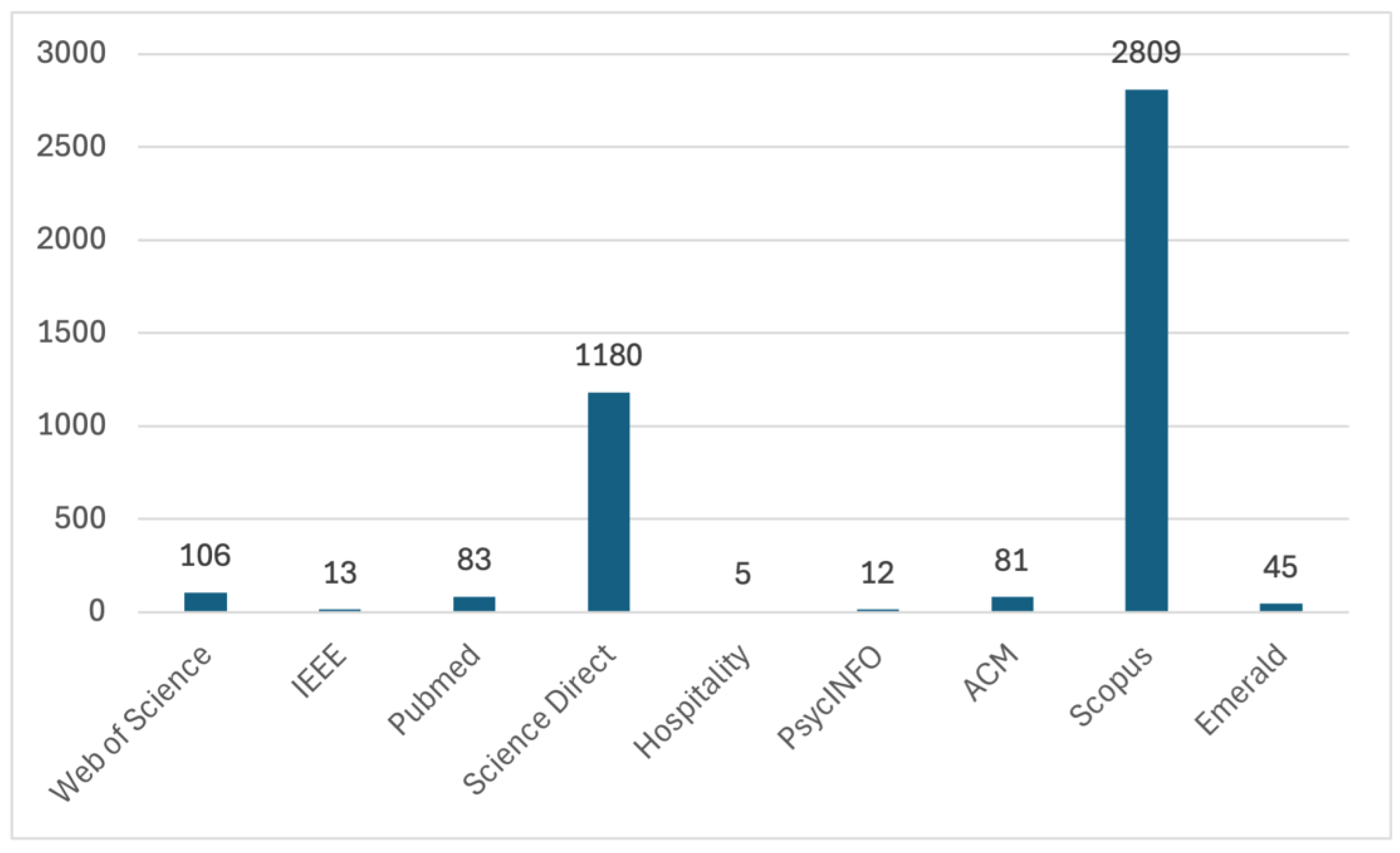
Figure 2.
PRISMA flow diagram.
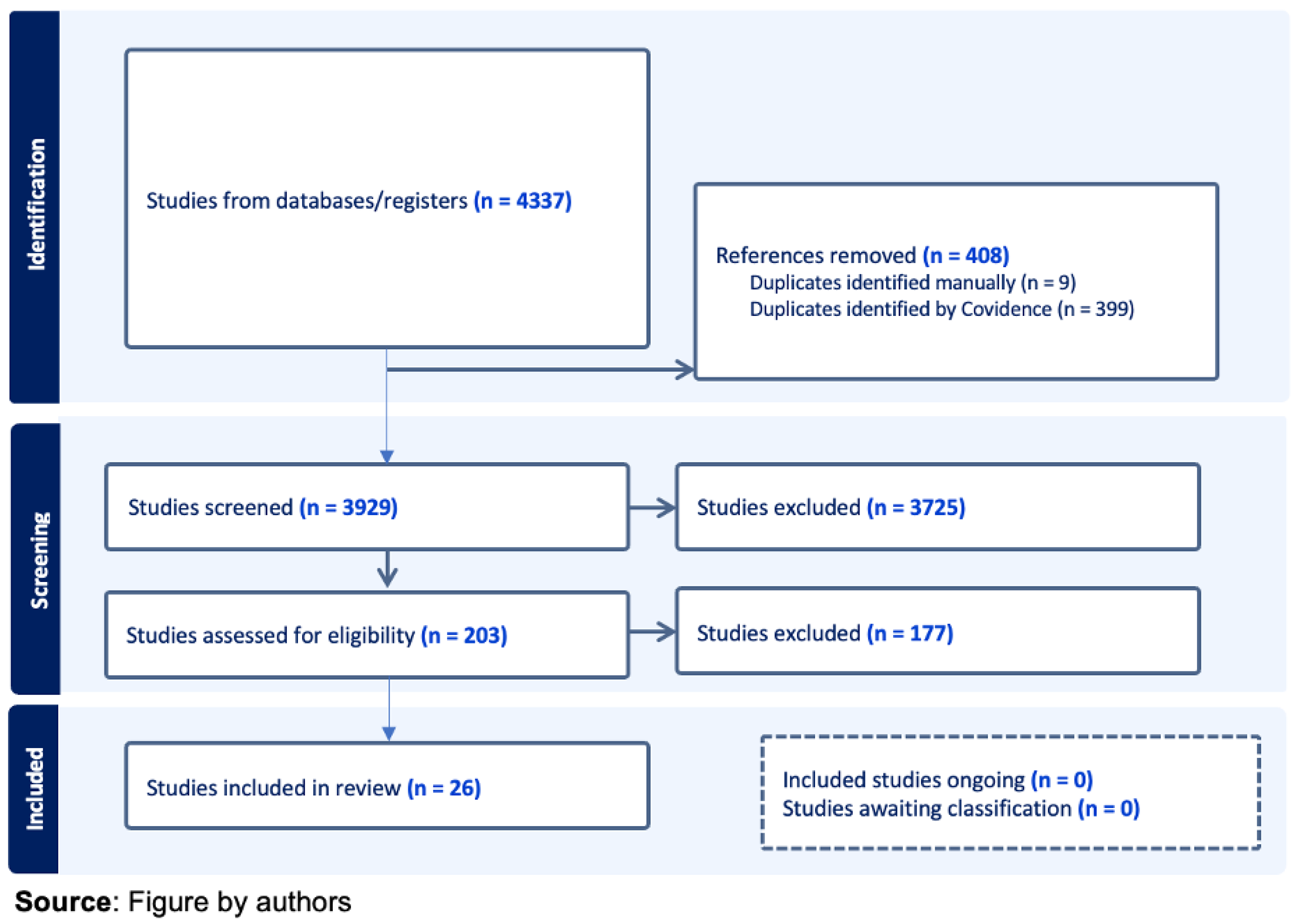
Figure 3.
Year and the number of publications.
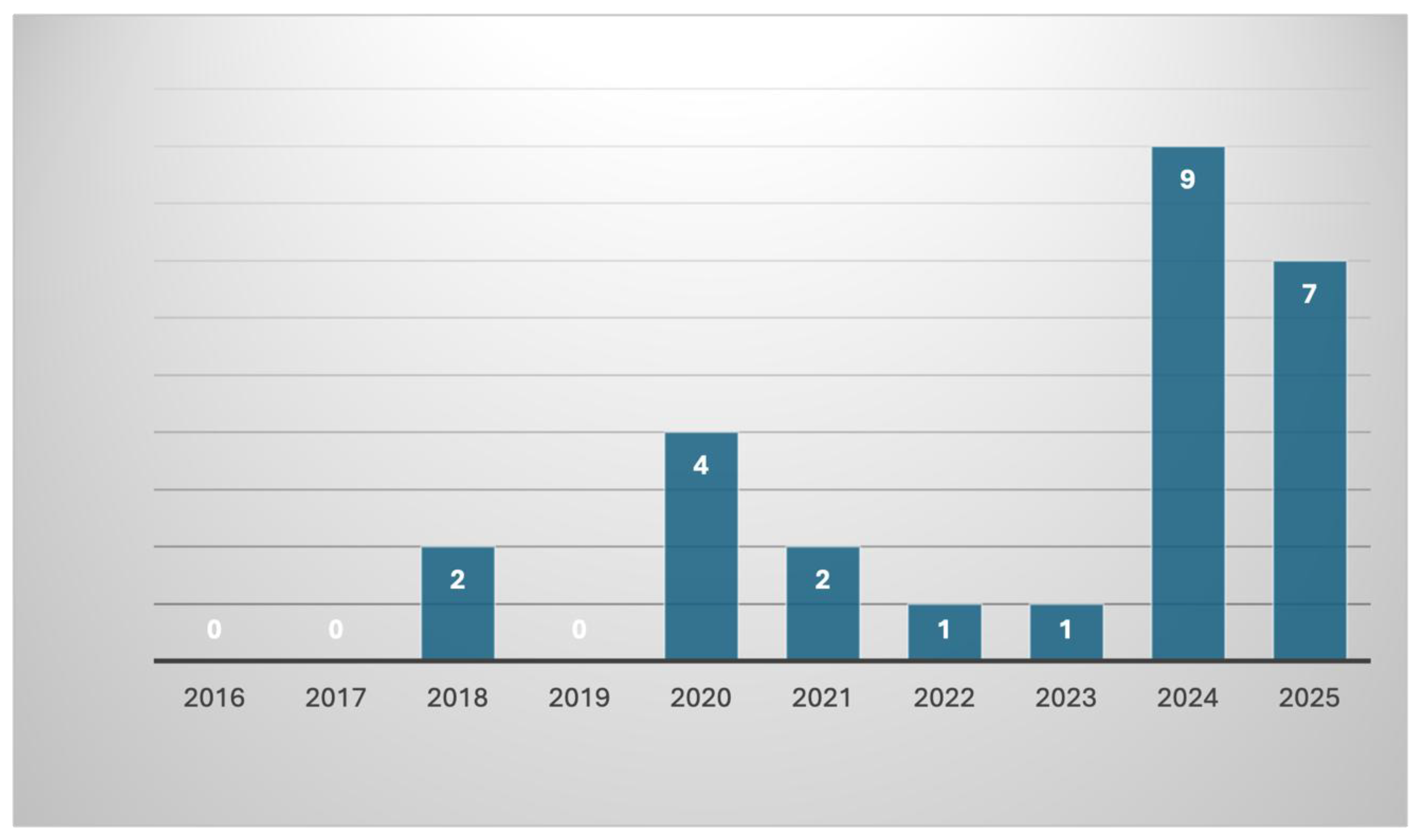
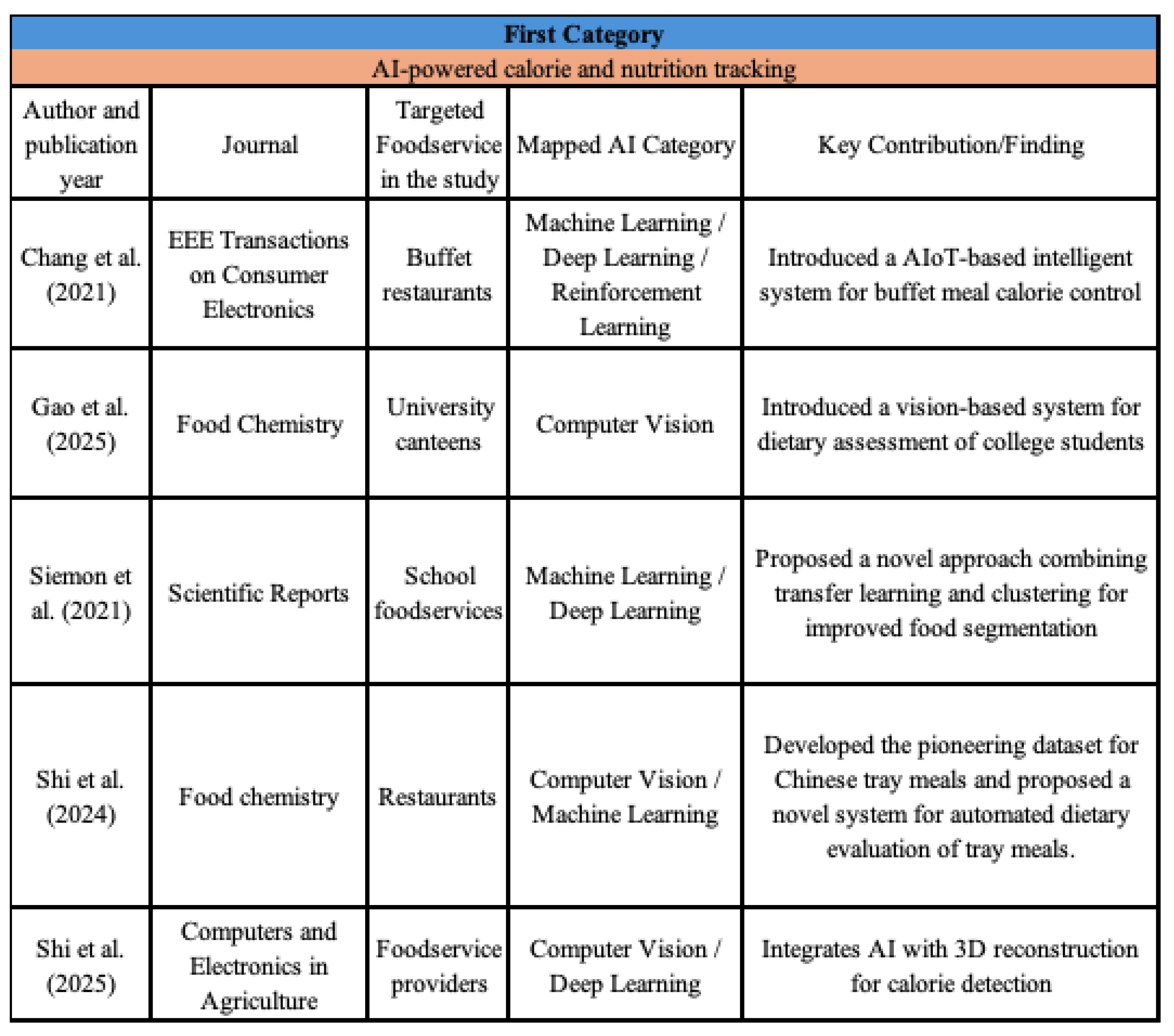
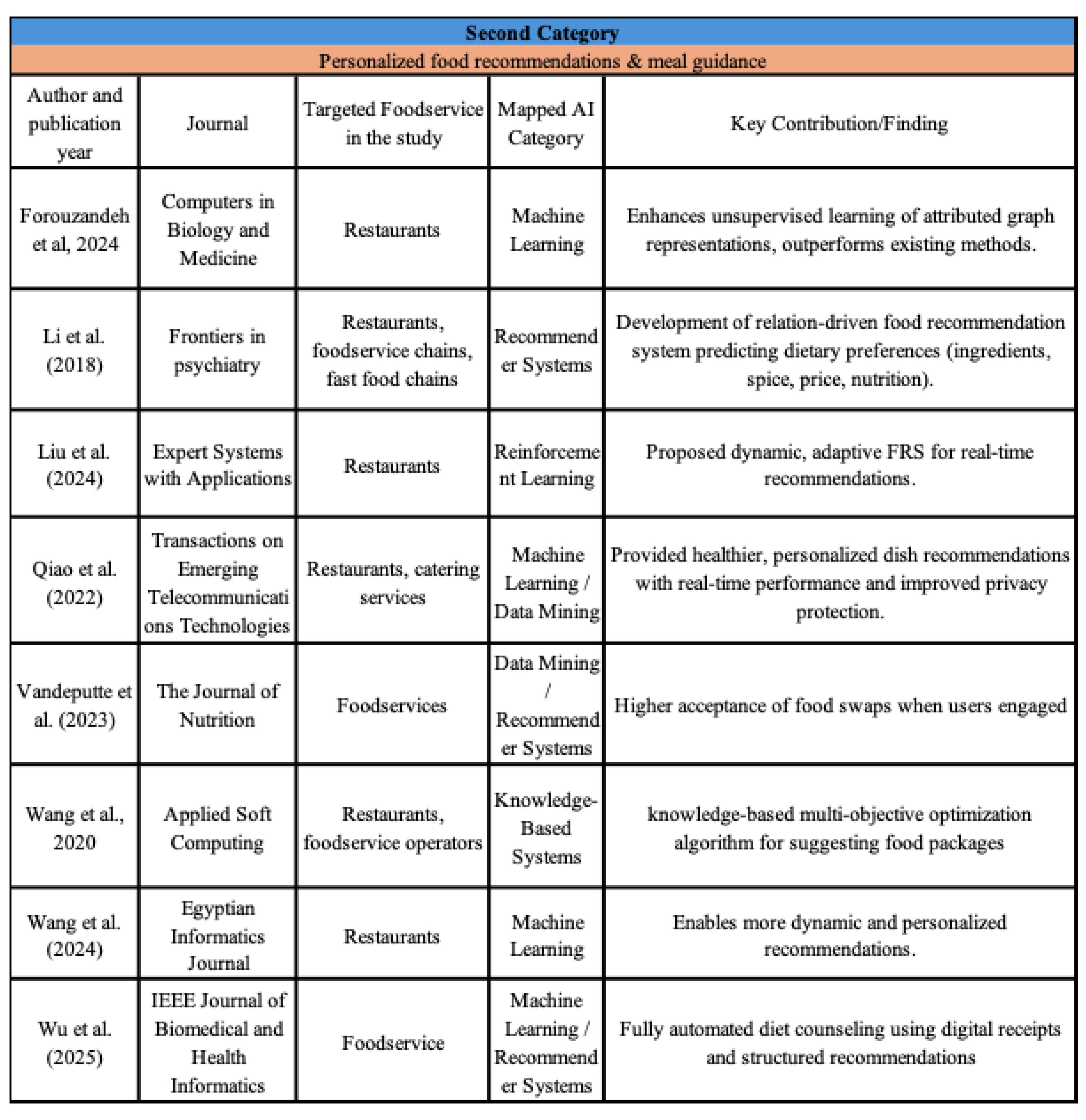
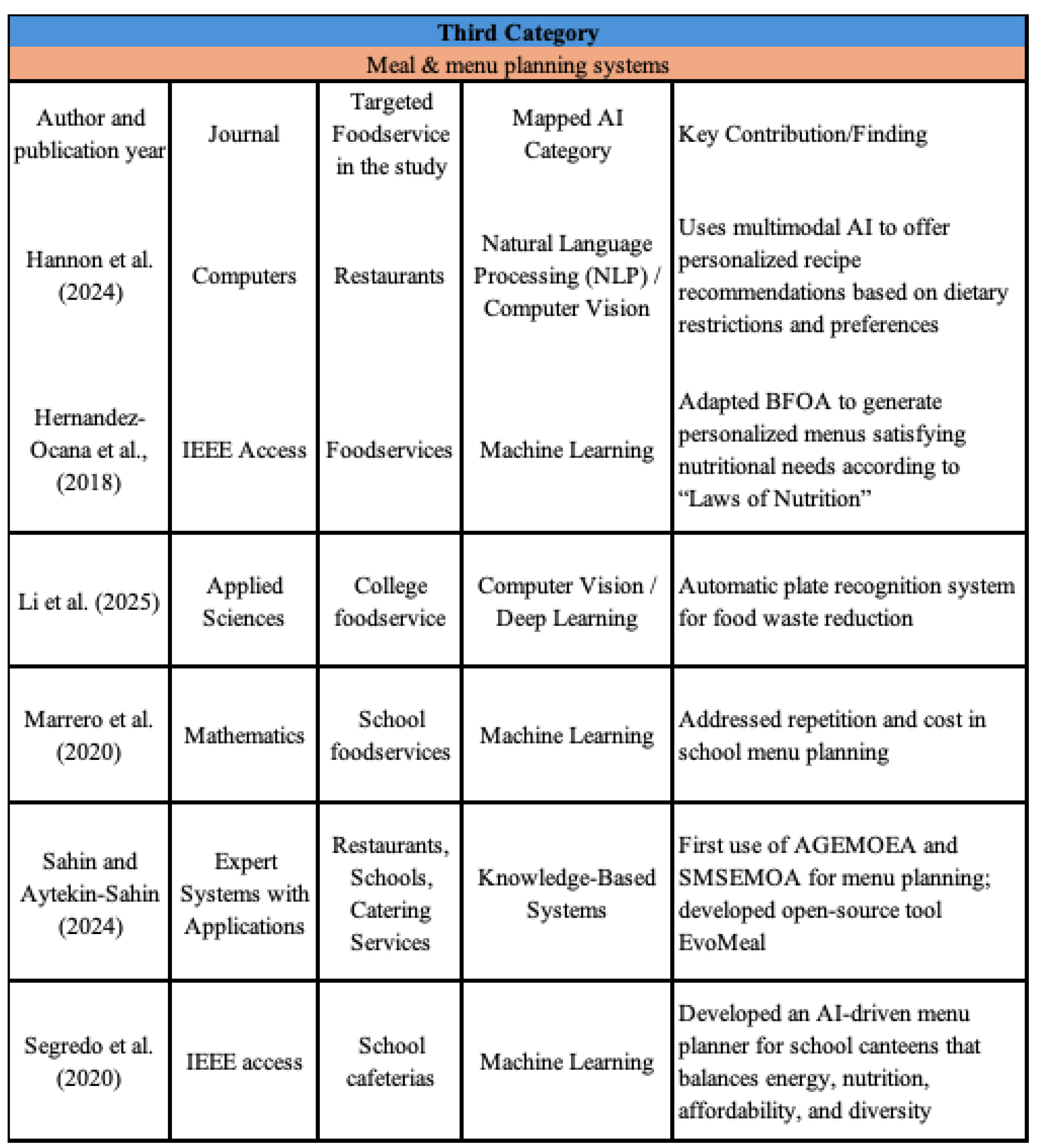
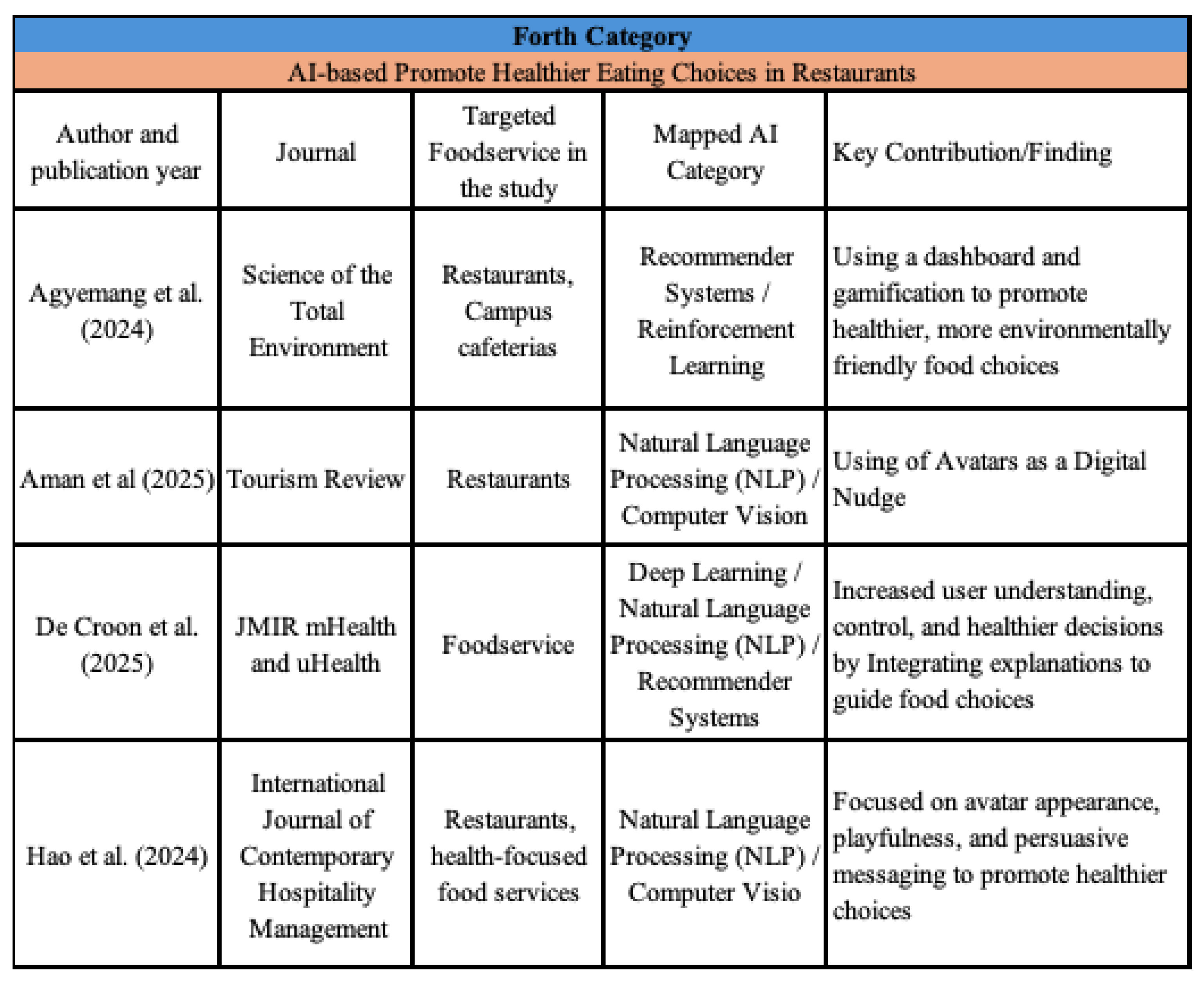
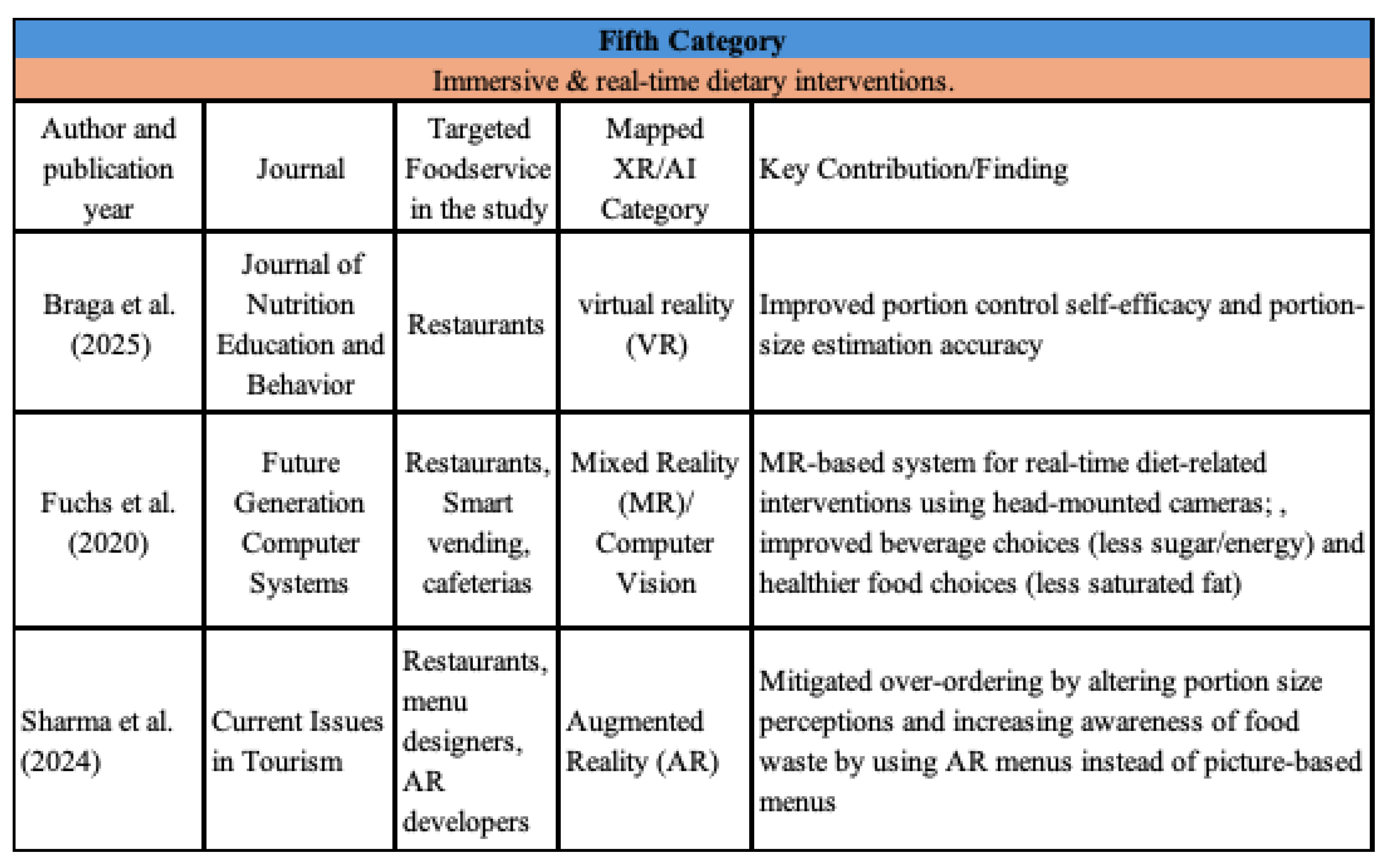
Figure 9.
Conceptual Framework: The Role of AI/XR in Enhancing Nutrition Awareness and Health-Conscious Choices.
Figure 9.
Conceptual Framework: The Role of AI/XR in Enhancing Nutrition Awareness and Health-Conscious Choices.
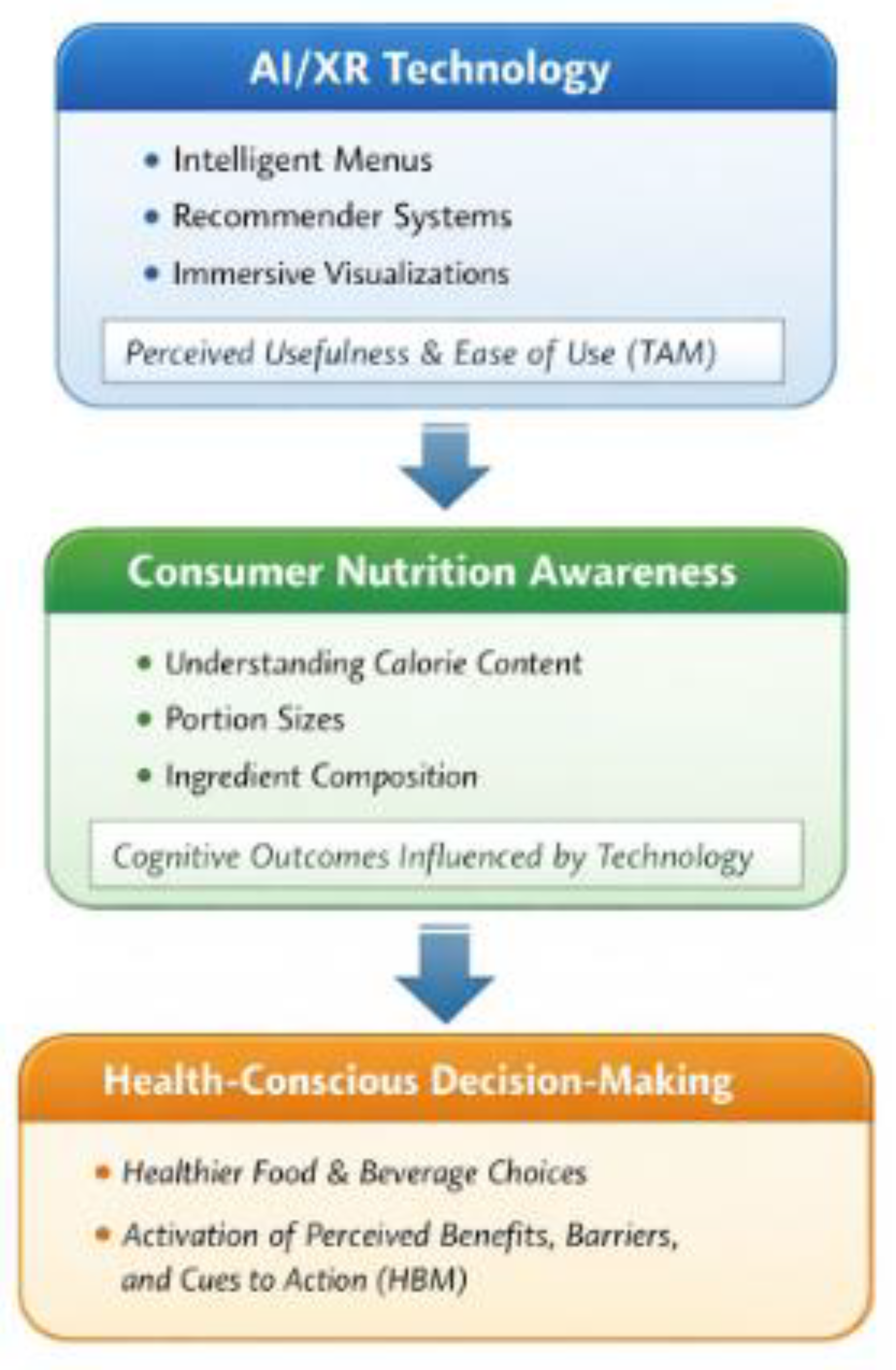
Figure 10.
Decade-long Trend in Al and XR Applications for Nutritional Insights (2016-2025).
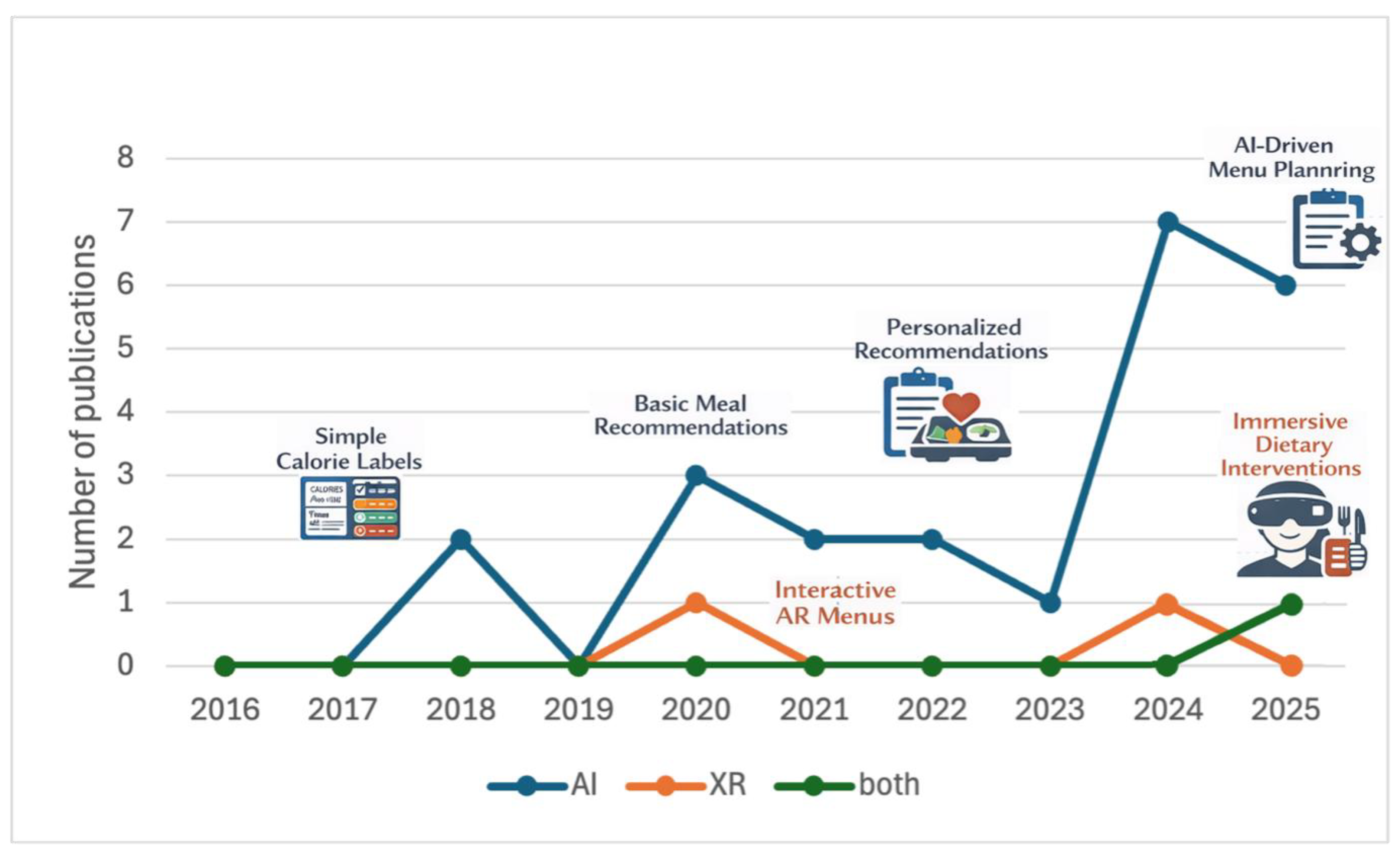
Figure 11.
Distribution of selected articles in Technical and Social Science Journals.
Disclaimer/Publisher’s Note: The statements, opinions and data contained in all publications are solely those of the individual author(s) and contributor(s) and not of MDPI and/or the editor(s). MDPI and/or the editor(s) disclaim responsibility for any injury to people or property resulting from any ideas, methods, instructions or products referred to in the content. |
© 2026 by the authors. Licensee MDPI, Basel, Switzerland. This article is an open access article distributed under the terms and conditions of the Creative Commons Attribution (CC BY) license (http://creativecommons.org/licenses/by/4.0/).
Copyright: This open access article is published under a Creative Commons CC BY 4.0 license, which permit the free download, distribution, and reuse, provided that the author and preprint are cited in any reuse.


