

Submitted:
21 February 2026
Posted:
26 February 2026
Read the latest preprint version here
Abstract
Autonomous Haulage Systems (AHS) are becoming increasingly popular in recent years as mining operations seek to improve productivity and remove workers from hazardous environments. The integration of this technology in a systematic manner implies not only change management in operations, but also deeper perspective into mine planning implications. Currently, existing literature describes AHS and their implementation guidelines with focus on operational safety and autonomous system architecture, without systematically addressing required planning-level adaptations. This study aims to identify how mine planning frameworks must evolve to accommodate autonomy in open-pit metal mining operations. A systematic review is conducted using the PRISMA methodology with emphasis on identifying the principal aspects of AHS that must be considered in mine planning strategies. Findings reveal major shifts in workforce dynamics, communication infrastructure, and haul road geometry, alongside ongoing debates regarding optimal road width and load channelization. The study highlights the need for (i) holistic approaches to haul road and mine design, that are aware of technology, geotechnical, and mineral aspects with a data driven perspective (ii) human-systems integration and new needs in human-autonomous collaboration, and (iii) empirical validation of workforce transition strategies for more effective and safe deployment.
Keywords:
autonomous haulage systems
; mine planning
; haul road design
; human-machine interface
1. Introduction
The exponential growth of the global population has amplified the demand for minerals, driven by the requirements of economic development, infrastructure expansion, and technological advancement [1,2]. Consequently, the need to enhance mineral production through the expansion of mining operations has become increasingly critical. However, such growth also introduces significant safety risks for miners, for example, heavy machinery and equipment accidents, ground instability, blasting hazards, amongst others [3,4]. This highlights the importance of minimizing human exposure to hazardous environments. The push for safety and workforce shortages, particularly for remote mining operations [5,6,7,8] are some of the leading drivers for Autonomous Haulage Systems (AHS) adoption.
According to [9], AHS refer to the use of automated trucks that operate without human drivers to transport materials in surface mining operations. AHS remove humans from hazardous environments, while also enhancing the predictability of key haulage performance metrics such as cycle times, vehicle speed behavior, fuel consumption, and fleet interaction dynamics, thereby supporting improved operational planning and productivity [8,10,11]. Recent developments in the United States illustrate this growing momentum. Freeport-McMoRan, one of the world’s leading copper producers, is retrofitting its haul truck fleet with autonomous capabilities [12], converting about 30 trucks at its Bagdad mine in Arizona to fully autonomous operation. These emerging deployments mark the expanding adoption of AHS across North America. Globally, the transition toward autonomous haulage is even more pronounced. A recent study by [13] highlights large-scale AHS implementation at Codelco’s Radomiro Tomic Mine and Gabriela Mistral Mine operations in Chile, as well as at Rio Tinto’s West Angelas Mine and Solomon Hub, and BHP’s Navajo Mine. Coupled together, these deployments demonstrate that AHS are increasingly embedded within large-scale surface mining operations worldwide.
Despite growing adoption of AHS, most guidelines focus on their implications on operational safety, risk management and system architecture without systematically addressing how mine planning methodologies must change. Moreover, current literature is widely fragmented across fleet management, traffic control, equipment and safety engineering, with a few studies providing integrated mine planning perspectives. Furthermore, mine planning itself is inherently influenced by several key decision variables, including haul road design, speed policies, equipment selection, production scheduling and traffic interaction modeling [14]. Very few studies have explicitly translated the impacts of AHS into those planning-level decision variables. The need for integration is just beginning to be addressed in recent literature. Notably, [15] presented one of the first holistic discussions, examining changes in mine design, planning and schesuling processes when haul trucks are automated. Similarly, [16] explored adapting open-pit design fundamentals such as road width requirements to leverage AHS advantages. These and other works offer similar perspectives, for instance, suggesting that pit layout, phase sequencing, and infrastructure should be reconsidered from the ground up for autonomous operation [17]. However, such work is still sparse. In light of that, even though the literature to date confirms major planning factors (road geometry, speed, equipment mix, scheduling, traffic control) – are all affected by autonomy, this knowledge remains fragmented. As such, there is a recognized gap in systematically incorporating AHS impacts into mine planning methodologies, and addressing this will be key to unlocking the full economic benefits of autonomous haulage. Even though there are perceived benefits of integrating AHS into mine planning, the identified gap hinders the effective implementation.
To fully leverage the benefits presented by AHS, new standards, trained talent and specific regulation frameworks are necessary. To inform on new standards, regulations and methodologies, there is need to understand what changes are needed in mine planning practices for successful implementation of AHS. Bridging this gap between regulatory intent and operational implementation requires systematic integration of AHS considerations into mine planning methodologies. In this study, we conduct a PRISMA-based systematic review to synthesize existing evidence and identify the specific planning-level adaptations necessary for effective AHS deployment in open-pit metal mining operations.
2. Review Objectives
We present a comprehensive examination of the current mine planning practices, key success factors for AHS implementation and gaps that exist in current mine planning. With a focus on open-pit metal mining operations involving fully autonomous haul trucks, the primary objective of this review is to provide an overview of the changes that need to take place in mine planning to fully leverage the benefits presented by AHS. Figure 1 shows a schematic representation of the scope of this study.
3. Methodology
This literature review focuses on key aspects, including methods and techniques for AHS implementation, strategies for integrating autonomy into mine design, and details on the resulting improvements to operational efficiency. The study adheres to the guidelines posed through the PRISMA (Preferred Reporting Items for Systematic Review and Meta-Analysis) method to ensure the research process is both thorough and transparent. The PRISMA methodology provides a systematic framework for planning and reporting reviews, enhancing both transparency and reproducibility. Figure 2 presents the PRISMA flow diagram illustrating the identification, screening, eligibility assessment, and inclusion process for the studies reviewed.
The main steps in the methodology adopted in this study are as follows:
- Define research questions based on the problem domain, focusing on AHS and mine planning, and retrieve relevant studies from multiple databases.
- Extract and compile key data from the selected studies to offer evidence-based answers to the defined research questions.
- Analyze compiled data to identify relevant takeaways from the results, as they pertain to the initial research questions.
3.1. Research Questions
This review is guided by a set of research questions that examine how mine planning practices must evolve to accommodate AHS. These questions provide a structured framework for analyzing current literature and identifying gaps in the planning, design, and operational strategies required for successful AHS integration. Specifically, they address how autonomy influences mine design parameters, infrastructure requirements, and human–machine interactions that underpin efficient and safe mining operations.
- RQ1: What are the documented benefits of Autonomous Haulage Systems (AHS) that directly influence mine planning decisions, particularly regarding productivity, safety, and environmental performance?
- RQ2: What infrastructure, communication, and systems-engineering requirements must be integrated at the planning stage to support reliable and secure autonomous operations?
- RQ3: How does the implementation of AHS reshape mine economics and operational efficiency, including haulage optimization, energy consumption, and equipment utilization?
- RQ4: Which elements of mine planning require modification to enable effective deployment of AHS?
- RQ5: How should regulatory and standardization frameworks be interpreted within the mine planning process to ensure compliance and interoperability of AHS?
- RQ6: To what extent can haul road design be optimized to balance safety, operational efficiency, and economic outcomes under autonomous conditions?
- RQ7: What environmental and climatic risks affect AHS performance, and how should these risks be incorporated into planning design and workforce training?
- RQ8: What constitutes acceptable risk tolerance thresholds for identifying unsafe conditions critical to autonomous haulage operations?
- RQ9: How do haul truck operators and mine managers communicate operational risks in real time to reduce downtime and prevent cascading failures?
3.2. Search Strategy
The core literature for this review was sourced from leading journals specializing in mine planning. These journals were selected based on their impact factor, expertise in mine planning and design, and broad coverage of significant titles in the field. The distribution and credibility of these sources, reflected by their associated impact factors, are presented in Table 1. To ensure comprehensive coverage, the search was iteratively expanded to include complementary academic databases such as IEEE Xplore, SpringerLink, and ScienceDirect. Conference papers from IEEE Xplore were specifically included, as this platform primarily indexes peer-reviewed proceedings, ensuring the studies meet the review’s quality standards. Furthermore, technical reports from leading industry stakeholders and regulatory bodies were also reviewed to address gaps in the traditional peer-reviewed literature.
The chosen journals and databases collectively provide a comprehensive range of literature related to mine planning, AHS, and broader applications of automation in mining. The initial search string was designed using a mix of keywords aligned with the predefined research questions, focusing on mine planning, autonomous systems, and operational efficiency. One example of a full Boolean query used in Scopus was: (“mining” OR “mine planning” OR “open pit” OR “open-pit”) AND (“autonomous haulage” OR “autonomous truck” OR “automated truck” OR “automated haulage” OR “robotic truck” OR “intelligent management” OR “dispatch” OR “mine automation” OR “human-system” OR “human factors” OR “digital twin” OR “vehicle routing” OR “route optimization”).
The initial keyword combinations yielded 3,046 articles (see Figure 3), demonstrating that AHS-related research has attracted increased attention in the last decade. To refine this large dataset, filters were applied to restrict the publication years (2005–2025), limit to mining-related subjects, include only works published in English, and restrict the publication type to journal articles. This filtering process narrowed the corpus to 256 articles suitable for further screening, review, and analysis. Subsequently, an additional screening based on titles, abstracts, and keywords was conducted to ensure topical relevance, resulting in a final selection of 45 peer-reviewed studies for detailed analysis and synthesis. This indicates limited body of literature directly addressing layout, design, and planning adaptations for AHS deployment. Many of the results focused on automation, safety, or fleet performance without extending those findings to actionable design principles or planning frameworks. This scarcity suggests that valuable insights into layout, design, and planning adaptations for AHS deployment may also reside in credible non-peer-reviewed literature, including technical reports, industry Standards and Guidelines, and leading OEM reports and whitepapers (see Figure 4).
Despite limitations in the operational adoption of autonomous technologies within its mining sector, the United States is recognized as a significant contributor to the international body of literature and research pertaining to autonomous mining systems and mine planning. Its high volume of academic production is comparable to that of other key contributors, including China, Australia, Chile, Brazil and Canada.
Following the initial database search, a multi-stage screening process was implemented. An initial review of article titles and abstracts filtered articles by relevancy before conducting subsequent full-text reviews to assess eligibility based on predefined inclusion and exclusion criteria. This staged approach ensured that only studies directly relevant to the integration of AHS into surface metal mine planning and design over the past 2 decades were included in the final synthesis.
For each study that passed the full-text screening, key characteristics were systematically extracted and coded. Extracted data included the type of mining operation, geographic region, type of autonomous technology implemented, methodological approaches, and reported outcomes. This structured extraction process enabled the synthesis of findings across diverse studies and enhanced the reproducibility of the review.
3.3. Inclusion and Exclusion Criteria
To ensure the relevance and quality of the selected literature for this review on the integration of AHS into mine planning, a structured set of inclusion and exclusion criteria was applied during the screening process. These criteria were developed to align with the geographic, operational, technological, and academic context of the research.
The inclusion criteria for this review focused on studies conducted in, or directly applicable to, mining operations in the United States, South America, Australia, or Canada, given their leadership in autonomous mining technologies and strong regulatory frameworks. Although South America was underrepresented in the Scopus bibliometric output due to initial search limitations, its significant AHS deployment, such as at Gabriela Mistral [10,18], justified its retention. Works published between 2005 and 2025 were included to ensure technological relevance.
Source quality was maintained by selecting peer-reviewed journal articles, industry white papers, and technical reports from reputable agencies such as Mine Safety and Health Administration (MSHA) and internationally leading Original Equipment Manufacturers (OEMs), for instance, Komatsu, and Caterpillar [19]. Despite lacking peer review, many sources written in Spanish, largely Master’s theses and engineering technical papers, were still utilized through the research process for cross-referencing and to derive further citations.
Studies focused on countries outside the United States, South America, Australia, and Canada were excluded unless their findings showed clear applicability to U.S. operations. Papers on underground mining, non-metal mining (e.g., coal, salt), or quarrying were also excluded due to differing operational contexts. Research centered on manually operated, remote-controlled, or semi-autonomous trucks was omitted unless full autonomy was demonstrated. Literature published before 2005 was excluded from the main synthesis, except when used for historical context. To ensure technical rigor, non-peer-reviewed sources such as blogs, news articles, and opinion pieces were excluded.
The included studies were then characterized based on several key factors to contextualize the findings of the review. In terms of mining type, the majority of studies focused on surface mining operations, particularly open-pit metal mines such as copper, iron, and gold. Geographically, a significant portion of the reviewed literature originated from Australia, followed by contributions from Chile, Canada, and the United States. Regarding technological maturity, the reviewed studies primarily address fully autonomous systems, reflecting the increasing trend toward full autonomy over semi-autonomous solutions in surface mining operations.
Collectively, these study characteristics were considered throughout the synthesis to ensure that conclusions drawn are appropriately grounded in operational realities relevant to surface metal mining.
3.4. AI Use Disclosure
The authors utilized generative artificial intelligence (AI) tools, including OpenAI’s ChatGPT, to assist with minor grammatical refinement, stylistic editing, and figure visualization development. AI tools were not used for data generation, data analysis, interpretation of results, or the formulation of scientific conclusions. All technical content, methodological decisions, and analytical interpretations were independently developed and verified by the authors.
4. Findings
4.1. Key Benefits of AHS
This subsection addresses Research Question RQ1 by synthesizing the documented safety, productivity, and environmental benefits of AHS that directly influence mine-planning decisions. These benefits are not merely operational outcomes; they reshape production scheduling assumptions, fleet sizing strategies, haul road utilization, and long-term economic modeling. The discussion also informs Research Question RQ3 by examining how improvements in equipment utilization, cost efficiency, and fuel performance translate into measurable economic advantages.
The literature consistently identifies three dominant benefit domains that directly influence mine-planning decisions: safety performance, productivity enhancement, and environmental efficiency.
Safety enhancement
- AHS significantly reduces safety risk while enhancing labor efficiency [9,20,21]. Based on a comparison of near-miss rates, Figure 5 provides site-level evidence of the effectiveness of AHS in incident reduction, despite the scope being confined to data from Rio Tinto operations. This is further supported by simulation-based findings from [18], which show that AHS implementation reduces collision probability to 0.22, compared with 0.98 for human-operated systems.
Productivity
- AHS deployments address the rampant shortage of skilled personnel [25].
Environmental benefits
Recent implementations have shown that companies have achieved up to a 30% boost in productivity in surface mining operations [15,26]. Rio Tinto currently operates about 150 unmanned mining trucks, primarily from Komatsu, at its Pilbara mines [27]. Over time, the fleet size has evolved significantly; the company has eliminated expensive labor and increased automation, leading to a productivity increase of 13% compared to conventional operations. In 2017, each autonomous truck worked 700 hours longer than manned trucks, and operating costs decreased by 15% [10]. Another favorable attribute of AHS is how it allows for smooth utilization of equipment which is essential for predictability of production [15]. Evidently, by enhancing productivity and safety while minimizing environmental impact, automation supports the mining industry’s transition towards more sustainable practices, ultimately contributing to a lower ecological footprint.
Collectively, these findings demonstrate that AHS adoption alters core mine-planning variables, including safety margins, equipment utilization assumptions, production predictability, and environmental performance benchmarks. These documented benefits form the foundation upon which subsequent planning adaptations must be evaluated.
4.2. Key Components of AHS
This subsection addresses Research Question RQ2 by identifying the infrastructure, communication, and systems-engineering requirements that must be embedded within mine planning frameworks to enable reliable and secure AHS deployment. While AHS are often presented as equipment-level innovations, the reviewed literature demonstrates that sensing, communication, decision-making, and control architectures impose structural planning constraints that influence network design, layout configuration, data governance, and operational redundancy.
A synthesis of the reviewed literature indicates that AHS comprise four interdependent system-level components: (1) sensing and positioning systems, (2) communication infrastructure, (3) decision-making and optimization algorithms, and (4) real-time control and supervisory integration.
4.2.1. Communication Infrastructure
Secure and low-latency communication networks enable continuous data exchange between autonomous equipment and remote operation centers. However, the literature emphasizes that AHS function as cyber-physical systems (CPS)—integrated physical and computational architectures that are inherently vulnerable to cybersecurity threats and communication breakdowns [18,28,29,30]. Studies highlight susceptibility to GPS spoofing, signal interference, and network attacks, which may induce unsafe vehicle behavior if not properly mitigated [31]. Therefore, this necessitates secure and reliable communication to ensure safety and productivity in mining environments [20]. From a mine planning perspective, this implies that communication architecture must be treated as critical infrastructure. Planning-stage requirements include deployment of private LTE/5G networks, redundancy mechanisms, segmentation of safety-critical systems, secure fleet management software, and edge-computing capabilities to reduce latency. Reliable communication is therefore not merely supportive but structural to AHS safety, operational continuity, and production predictability [20,32].
4.2.2. Sensing and Positioning Systems
The literature consistently identifies multi-modal perception as foundational to AHS operation. Autonomous haul trucks integrate LiDAR, radar, machine vision, and GNSS-based positioning to enable obstacle detection, terrain mapping, and lane adherence in unstructured open-pit environments [33,34,35]. Multi-constellation GNSS solutions (GPS, GLONASS, Galileo, BeiDou) enhance positional accuracy and system robustness under challenging conditions such as dust and variable lighting [36]. These sensing architectures have been shown to reduce collision rates and improve operational stability in production-scale deployments [37].
4.2.3. Decision-Making and Optimization Capabilities
Artificial intelligence and machine learning algorithms enable adaptive routing, traffic management, and dynamic dispatching in response to changing operational conditions [8,38]. Reinforcement learning approaches are increasingly explored for real-time optimization of haul cycles and equipment coordination [11]. The literature further highlights the need for models capable of integrating operational micro-constraints, such as charging cycles and seasonal haul road degradation, which directly influence performance and infrastructure loading [39,40].
4.2.4. Real-Time Control and Supervisory Systems
AHS are embedded within short-interval control frameworks that continuously adjust dispatching and maintenance scheduling. Predictive maintenance systems using equipment telemetry for instance, vibration and temperature have demonstrated measurable improvements in reliability. Case evidence reports increases in mean time between failure and reductions in unplanned maintenance following deployment of integrated monitoring systems [41].
Collectively, these system-level components demonstrate that AHS deployment is not solely a fleet upgrade but an infrastructure transformation. Effective integration requires early-stage planning for sensing coverage, communication redundancy, data governance, algorithmic transparency, and supervisory control architecture. These requirements reshape mine layout design, capital allocation, network topology, and operational risk modeling, directly responding to Research Question RQ2 by identifying autonomy-ready infrastructure as a foundational planning prerequisite.
4.3. Current Challenges
This subsection primarily addresses Research Question RQ5 by examining how existing regulatory and standardization frameworks fall short of fully supporting mine-planning integration of AHS. While several guidelines and safety standards provide foundational operational direction, they often do not translate directly into actionable mine-planning methodologies. The resulting regulatory fragmentation introduces uncertainty, increases development costs, and complicates scalable deployment of AHS within surface mining operations.
Despite well documented benefits of AHS, findings in [21,42], highlight significant shortcomings in existing research concerning a lack of a standardized reference for AHS integration. This presents significant challenges, impacting the efficiency, safety, and cost-effectiveness of mining operations [43]. Standards and regulations play a crucial role in mine planning by ensuring that mining activities are conducted in a sustainable, safe, and environmentally responsible manner [44]. These frameworks guide the entire lifecycle of mining operations, from initial planning and development to closure and reclamation. Specifically missing are standardized protocols for haul road infrastructure design, human-autonomous safety procedures, and emergency management [45]. These gaps elevate development costs and impede safe, scalable deployment of autonomous systems. For instance, even though there are legislative provisions for autonomous systems in other countries, such as Canada and Australia [46], lack of specific regulatory framework in the USA and other countries has been a barrier (see Figure 6) for widespread adoption for AHS [20,47,48,49]. The development of standards is crucial to streamline operations, enhance safety, and reduce costs associated with the deployment of AHS.
Moreover, AHS introduce new risks and challenges [51] related to complex human-autonomous interactions and new failure modes. This reshapes the landscape of mine planning. Guidelines like the Mining Automation Real-time Control System Architecture Standard Reference Model (MASREM) [52], Global Mining Guidelines Group (GMG) [53], Safe Mobile Autonomous Mining in Western Australia – Code of Practice [54] and standards like ISO 17757:2019 [55], offer a foundational framework for this transition. These existing guidelines, beyond safe operation and implementation provisions, often do not fully address the nuanced shifts in mine planning practices that AHS implementation demands. According to [46], MASREM focuses on high-level design concepts, the Safe Mobile Autonomous Mining in Western Australia – Code of Practice adopts a conventional risk management strategy despite additional risks brought by AHS. [46] further adds that the focus on failure modes by ISO 17757:2019 overlooks the potential for unwanted outcomes. Noting that there is not yet one standard and regulatory framework specifically for AHS, [43] further corroborates this.
Collectively, these limitations indicate that mine planning for AHS cannot rely solely on existing operational safety standards; instead, planners must interpret and extend these frameworks to explicitly incorporate layout design, human–systems integration, and infrastructure resilience at early project stages.
4.4. Changes in Workforce Dynamics
4.4.1. Training and Transferable Skills
This subsection responds directly to Research Question RQ4 by identifying workforce readiness as a core mine-planning parameter in AHS implementation. Changes in skills, staffing models, and supervisory roles impose constraints on scheduling, fleet allocation, and infrastructure design. The discussion further informs Research Questions RQ7 and RQ9 by addressing training requirements and human-centered operational coordination in autonomous environments.
As mines adopt AHS, workforce dynamics undergo significant transformation, demanding reconsideration of traditional mine planning strategies. Recent works have examined how the integration of autonomous systems in mining impacts the workforce dynamics. A study by [56] explored the shift of mine-control tasks from drivers to remote operators. They found that integrating automation often fails without addressing human factors. Specifically, poorly designed job roles and interfaces have led to a shortage of skilled “mine controller” candidates. Their findings emphasize that companies face a significantly growing gap in qualified personnel for operating autonomous fleets. This mismatch is confirmed by [57], highlighting the urgent need for the mining workforce to transition from traditional manual roles to technically intensive positions involving remote operation, data analysis, and systems integration. Mining 5.0, derived from the principles of Industry 5.0, centers on the close collaboration between humans and autonomous systems. Industry 5.0 marks an advancement of the conventional industrial manufacturing model, highlighting the synergy between human intelligence and machine automation [1].
From a mine planning perspective, these workforce transitions have direct implications for scheduling, pit sequencing, and fleet allocation. The availability and skill level of remote operators influence the achievable level of autonomy, which in turn constrains equipment utilization rates and production planning. Planners must account for learning curves, human–system interaction delays, and communication dependencies when modeling equipment performance and shift structures. Thus, workforce readiness is not merely an operational issue but a planning parameter that determines how effectively autonomous haulage can be integrated into mine layouts and production schedules. Considering these interdependencies, training and education must be transformed to create a workforce capable of supporting autonomy-ready mine plans and sustaining productivity in increasingly digital mining environments [49,58]. This aligns with empirical findings from [59], which evaluated a driverless truck operation and showed that drivers’ tasks shifted rather than disappeared. The study revealed that new system-based roles, such as fleet supervisors, have emerged—corroborating broader observations by [57]. Recent guidance and human-factors studies [17,60,61] further note that the cognitive workload and coordination demands placed on control-room personnel in autonomous operations create recruitment and retention pressures. These factors must be considered by mine planners through continuous training programs, human-centered control-room design, and robust operational support systems. Collectively, these findings indicate that human–systems integration should be treated as a core element of autonomous mine design and planning. Strategic adjustments recommended by prior studies include:
Therefore, in response to Research Question RQ4, the review finds that effective deployment of AHS requires modification of workforce planning parameters such as staffing availability, competency development timelines, shift structures, and control-room infrastructure. These elements fundamentally constrain production scheduling and fleet allocation decisions.
4.4.2. Operator Fatigue and Attention
This subsection primarily addresses Research Question RQ9 by examining how cognitive workload, fatigue, and supervisory attention constraints influence real-time risk detection and operational continuity in autonomous mining environments. While AHS remove operators from physical hazards, they introduce new human-centered risks within control-room supervision and loading coordination. These factors must be incorporated into planning-level communication protocols, escalation structures, and spatial design decisions to prevent safety degradation and production instability.
While the removal of operators from hazardous environments generally enhances physical safety, it also introduces new cognitive and psychological burdens [59]. [25] conducted a comprehensive systematic review to identify key human impacts imposed by the integration of autonomous systems. They report that automation can increase operator workload and cognitive demands, which may in turn influence operator trust and acceptance of autonomous system performance. Findings from [20], corroborate that automation introduces new cognitive and workload risks for the workforce, for instance, control room operators who are tasked with supervising large autonomous fleets. They face the risk of increased mental stress, as they are expected to monitor, intervene, and troubleshoot in real time, often across multiple systems. This concentration of oversight introduces risks of cognitive overload, fatigue, and decision fatigue, which can compromise safety and operational responsiveness. In some cases, extended shifts, often up to 12 hours, compounded by sedentary conditions and interface multitasking, further elevate physical and psychological strain. [25], a comprehensive systematic review, emphasizes that as mining becomes more automated, the role of human operators shifts from manual control to supervisory monitoring, which increases cognitive load and creates risks related to loss of situational awareness. A key operational implication is that fatigue and attention limitations in control-room environments can delay anomaly detection and response, thereby increasing downtime risk. In direct response to Research Question RQ9, the literature indicates that effective real-time risk communication under AHS requires structured escalation pathways embedded within the mine’s planning framework. These include automated alert systems, predefined intervention protocols, operator-to-supervisor handoffs, and decision-support rules designed to reduce stoppage duration and prevent cascading production delays.
Beyond communication protocols, autonomy also alters loading system dynamics. Although AHS improve truck availability and reduce idle time, maintaining continuous, high-intensity haul cycles places greater demands on excavator operators and loading areas. To prevent fatigue-induced bottlenecks and throughput instability, mine planners must integrate optimized loading-area geometry, appropriate dig-face spacing, and equipment redundancy into pit sequencing and spatial design [62].
4.4.3. Implications of AHS on Human-Machine Interface
This subsection directly addresses Research Question RQ4 by identifying human–machine interface (HMI) considerations as critical mine-planning variables requiring modification for effective AHS deployment. While AHS are often evaluated from an operational or technological standpoint, their integration fundamentally reshapes planning-level decisions related to haul road layout, operating zone design, communication architecture, and workforce configuration. In addition, the discussion contributes to Research Questions RQ7, RQ8, and RQ9 by examining environmental and operational risks, acceptable safety thresholds, and real-time risk communication mechanisms that influence both system safety and production continuity.
AHS promise improved safety and productivity by removing drivers from hazardous environments. However, the literature consistently demonstrates that autonomy does not eliminate human involvement; rather, it redistributes risk to the human–machine interface. While operators are removed from the cab, personnel continue to interact with autonomous systems during maintenance, inspection, supervision, and infrastructure support activities, introducing new safety risks and failure modes [14,20,59]. Studies further highlight that this transition reshapes mine planning requirements by creating complex interaction zones between human operators and autonomous equipment [63,64,65]. These dynamic interfaces increase the potential for reduced situational awareness, ambiguous system-state interpretation, and coordination breakdowns. Consequently, effective AHS deployment requires that human–autonomous interaction be explicitly considered within mine layout design, operational zoning, and safety protocol development.
A documented incident at BHP’s Jimblebar mine in Western Australia illustrates the complexities of human–autonomous interactions in open-pit operations. During night-shift activities, an autonomous haul truck collided with a manned water cart due to inadequate intersection design and lack of visual cues for manually operated vehicles (see Figure 7). The event underscored how shortcomings in haul road geometry, signage, and communication protocols can compromise the situational awareness of both human operators and autonomous systems, emphasizing the need to integrate these considerations within mine planning and safety design frameworks [66].
In similar context [20], reports a near-miss incident, revealing the safety risks posed by communication failures in AHS. During recovery operations at an open pit operation, two autonomous trucks were believed to have lost network connectivity and were manually approached by operators (see Figure 8). Upon deactivation of one truck, the system’s virtual safety perimeter was removed, prompting both autonomous trucks to revert to their last command and resume movement autonomously. Operators narrowly avoided injury. One operator entered the cabin to take manual control, while the other evaded an advancing truck on foot. This incident illustrates a critical failure in human-autonomy coordination: ambiguous system state awareness, rigid fallback logic, and inadequate interface cues created a hazardous situation. It highlights the need for robust communication protocols, transparent state indicators, and guaranteed safe behaviors when personnel are in proximity.
According to a study by [59], another safety concern is the narrow focus of autonomous systems. Unlike humans, who can communicate and coordinate informally, current autonomous systems lack the cooperative strategies that improve team synergy. Artificial General Intelligence (AGI) can potentially enable agents to infer goals of others and blend interaction policies, addressing the deficiency in coordination among autonomous systems [67].Miners interviewed in [59] noted that autonomous trucks perform reliably but lack cooperative behaviour, such as anticipating a shovel operator’s next move. This rigidity can introduce collision risks or inefficiencies in mixed fleets, as autonomous vehicles might rigidly follow programming even in dynamic situations where a human driver would normally yield or communicate.
Furthermore, a widely recognized issue in AHS implementations is the loss of human situational awareness. Even though AHS trucks are equipped with sensors for perception, absence of a human driver actively scanning the environment, the full situational awareness is limited, and those monitoring remotely may experience the classic out-of-the-loop problem [20]. Supervisors rely on camera feeds and sensor data, which might not convey the full context, especially under abnormal conditions like dust, rain, or sensor faults. Work in [59] further highlights that monitoring automated systems can induce complacency and opacity, where human overseers might miss critical cues because the interface doesn’t highlight them or because they become too trusting of the automation (see Figure 9). In the study, trust level was operationalised as a self-reported rating out of 10, collected during semi-structured interviews with mine personnel. Participants reported high trust levels (median ≈ 9), indicating strong perceived reliability of the AHS.However, this trust can lead to assumptions that the system will handle everything, potentially degrading operators’ situational awareness.
To address the risks associated with the complex interactions between humans and autonomous systems, the Global Mining Guidelines Group (GMG) advocates for the application of system safety engineering [53]. This discipline adopts a holistic approach to identifying, mitigating, or managing risks to both humans and the environment throughout a system’s entire lifecycle. A key component of ensuring system safety is recognizing and integrating the various roles humans play within these systems. In this context, human-systems integration is employed as a structured, interdisciplinary process that embeds human considerations into all facets of system design and operation. Findings in [9,57] further corroborate that the challenge of implementing autonomous haulage lies not in installing and commissioning the technology but in ensuring employees develop and demonstrate the necessary competence to interact with the equipment. As such, there is need for a human-centered design approach.
When introducing autonomy in mining environments, GMG identifies six critical domains as central to effective human-systems integration (see Figure 10). Human-systems integration involves embedding human-centered analysis, design, and evaluation within the overarching systems engineering framework. This approach not only enhances operational safety and efficiency but also presents a strategic opportunity to reshape mining education and training. By placing greater emphasis on human–machine interaction, human factors, and system adaptability, engineering curricula can better prepare future engineers and operators for increasingly automated and data-intensive work environments. It is an ongoing process that should be initiated as early as the concept of operations phase in any automation project. This integration must then be sustained throughout the stages of system design, testing, and evaluation to ensure that safety objectives are continuously verified and met through iterative refinement.
[14] further adds that the establishment of autonomous operating zones becomes vital, requiring clear demarcation and controlled access points to prevent unauthorized entry into areas where autonomous trucks are operating. This may involve implementing access control systems, such as RFID tags for personnel and GPS-based monitoring for vehicles, to ensure the safety and efficient functioning of the autonomous systems. Understanding the root causes of these incidents and other instances of dangerous human-autonomous interaction is vital for understanding how to best design for safety and improve workforce dynamics in the context of AHS implementation.
4.4.4. Assessing and Mitigating Social Impact
This subsection further addresses Research Question RQ4 by examining how social impact considerations must be integrated into mine planning frameworks for responsible AHS deployment. Beyond technical adaptation, the introduction of autonomy reshapes workforce distribution, community engagement, and social license to operate—factors that directly influence project continuity and long-term economic stability. The discussion also informs Research Question RQ7 by highlighting stakeholder awareness, workforce transition risks, and the need for structured change management strategies.
Given the changes in workforce dynamics and human interaction with autonomous systems, mindful implementation of AHS also requires consideration of the inevitable social impact of these changes. It has been demonstrated that autonomous systems tend to reduce on-site jobs and can affect local and indigenous communities where mines operate if mining companies do not manage this transition responsibly [25]. For instance, AHS can shift work offshore or to remote centers, undermining employment opportunities for the local communities. This is supported by [68], similarly noting that job loss is a major concern in adopting AHS.
According to [69], jobs such as haul truck drivers and operational jobs in drilling and blasting will be the most impacted due to the repetitive nature of the work itself. This trend fuels concerns among workers and sparks opposition from labor unions in the mining sector. They emphasize that even if safety and productivity rise, miners worry about their livelihoods. As such, failure to integrate workforce transition planning into AHS implementation can delay deployment, increase resistance, risk social license to operate and hence jeopardize operational continuity [70]. Therefore, change management must be treated as a strategic mine planning component. In that light, structured re-training programs [71] enable the reallocation of displaced personnel into autonomy-support roles such as remote operations, maintenance diagnostics, and data-driven supervision. Embedding these workforce transition pathways into early-stage mine planning reduces implementation friction while preserving operational knowledge and production stability [48,72].
4.5. Implications of AHS on Haul Road Design
This subsection primarily addresses Research Question RQ6 by examining how haul road design can be re-optimized under autonomous operating conditions to balance safety, operational efficiency, and economic performance. In doing so, it also contributes to Research Question RQ4 by identifying the specific mine-planning parameters, such as road width, gradient, curvature, and maintenance modeling—that require modification to enable effective AHS deployment.
As the physical foundation for all mine haulage systems, manned or unmanned, haul road design and its adjacent considerations are of utmost importance to the successful integration of autonomous haulage onto a mine site. Given the high importance of haul roads to the success of autonomous operations, it is unsurprising to note that in a study analyzing safety incidents across Western Australia from 2014 to 2018, haul road conditions were the most common reason for incident occurrence with autonomous haul trucks [59]. It should be noted that these incidents include both the failed perception of objects present and the false perception of obstacles not actually present. Understanding how to minimize these occurrences through proper haul road design is essential for the successful integration of AHS. Despite the significant number of haul road accidents reported due to various factors in the last few decades, there is currently no platform to assess and address the deterioration of design parameters in the field. These shortcomings have led to the formation of ruts, cracks, and potholes, posing safety risks and hazards to operators [73,74,75]. With quickly deteriorating haul roads, it is prudent to consider and incorporate the following issues:
- What is the design service life of the haul road with increasing vehicular operations and mine life?
- How are flood conditions, precipitation events, freeze-thaw periods, and other risks considered?
- What effective measures are currently practiced in mitigating failures and how are they being performed?
Hence, to effectively manage the existing haul road conditions and transition to automation of haul trucks, there is a critical need to systematically design for resiliency of haul roads, assess the risks, monitor and maintain haul roads to enhance both safety and overall mine operations.
Over the years, adjustments were made to the design and construction based on the truckload, deflection criterion, and material availability. Different monitoring techniques and management systems, including surveys, early warning pressure or displacement sensors, and use of artificial intelligence techniques based on smartphone images and photogrammetry techniques [76,77] are being adopted. While these techniques showed great promise, the results do not indicate the haul road design parameters that were used for the design and construction of haul roads. This results in discrepancies in the safety and risk assessments. Mitigation of haul road failures relies on an integrated combination of robust engineering design and proactive operational practices, which has become increasingly critical with the adoption of AHS. Key design measures include enhanced drainage systems, conservative road geometry, and the use of high-quality, well-graded aggregates or stabilized layers to prevent moisture-induced weakening, rutting, and erosion under heavy traffic loads [78,79]. Structural reinforcement using geosynthetics (polymer-based materials used to reinforce and stabilize soil and road structures [80]) and chemical or industrial by-product stabilizers has been shown to significantly improve load-bearing capacity and reduce permanent deformation, particularly under ultra-class haul trucks [81,82]. In parallel, operational measures such as frequent grading, dust suppression, and rapid repair of surface defects remain essential, but are increasingly supplemented by automated condition-monitoring technologies, including UAV surveys and onboard vibration-based sensing using autonomous trucks themselves [83]. These data-driven approaches enable predictive maintenance and targeted interventions, reducing unplanned failures and AHS stoppages. Field studies indicate that mines adopting these combined strategies achieve substantial reductions in road-related downtime, maintenance costs, and energy consumption, while maintaining the consistent road quality required for safe and efficient autonomous haulage operations.
The design of haul road widths traditionally follows the guideline that each traffic lane should have an additional half vehicle width on either side to enhance operational safety [84,85]. Furthermore, total road width is influenced by regulatory requirements such as those from the Electronic Code of Federal Regulations, which mandate the installation of berms or guardrails wherever there is a significant drop-off [86]. These berms must reach at least the mid-axle height of the largest mobile equipment regularly using the road. Beyond these safety considerations, drainage ditches and bench accesses are typically incorporated into haul ramps, further expanding the overall road width. [87] highlights that the introduction of AHS necessitates significant changes in mine planning. Traditional haulage road designs, initially developed for manually operated trucks, need to be reevaluated to accommodate the specific needs of autonomous haul trucks. These changes include ensuring appropriate road material, optimal road geometries such as proper vertical and horizontal alignments, as well as sufficient sight distances for sensor visibility and stopping distances, which are critical for safe navigation. AHS also demand improved road conditions, which leads to increased labor for maintenance and upkeep. Road widths must also be adjusted to ensure that the largest trucks can operate without interference. In that light, [15,85] advocates for accommodation of wider road widths, arguing that this enhances accuracy of object detection systems, essential for safe AHS operation. Accordingly, [15] haul road widths for AHS implementation are recommended to be 15% wider than conventional roads (see Figure 11). On the contrary, [85] suggests that road widths in open-pit mines, typically designed to accommodate two-lane traffic, can be reduced for autonomous haulage operations. There are economic benefits to narrowing road widths as that results in decreased stripping ratio and lower costs associated with high wall flattening. Findings from this study suggest that with AHS, it may be possible to operate safely on narrower roads, enabling changes to the highwall design and reducing the strip ratio.
While other works have advocated for wider roads to enhance safety,Another focus in designing to maximize the efficiency and safety of an autonomous haulage system is increasing the predictability of the trucks. By pulling drivers out of haul trucks, it increases the safety of the system but introduces an element of unpredictability based on how the trucks object detection systems and central governing system will interact with obstacles. Emphasis must be placed on mine planning focused on making haul truck patterns and actions more predictable by separating light vehicle roads from haulage routes or implementing dedicated turn lanes, but more research must be done to determine the best method or methods which fulfill the goals without sacrificing the value of the operations [9].
Findings in [87] stress that AHS introduce minimal vehicle path wander, resulting in highly channelized wheel loading concentrated over a narrow path. This contrasts significantly with conventional haulage, where driver variability leads to wider wheel-path distribution. The concentration of load over a smaller area leads to increased stress on specific zones of the haul road, raising important concerns regarding structural integrity, material selection, and maintenance frequency.
From a mine planning perspective, this channelization offers a double-edged sword: while it necessitates higher precision in road structural design and performance predictability, it also opens up opportunities to reduce road construction and operating widths. Narrower roads can lead to reduced stripping ratios, particularly in deep pits or constrained geometries, which may positively influence overall mine economics [85]. However, to maximize these benefits, mine planning must integrate predictive models for road deterioration, accounting for material properties and maintenance strategies under autonomous operations.
Autonomous haul trucks require precise and consistent road geometry [8], especially when navigating curves. As shown in a study by [14], road sections transitioning into super-elevation must follow a controlled gradient to ensure safe turning dynamics (see Figure 12). For example, at a speed of 56 km/h, a 5% transverse slope is recommended, with a total curve length of 60 meters. Of this, roughly one-third (20 m) is used for slope adjustment at the curve’s entrance and exit, and the remaining two-thirds (40 m) for the actual curve. This level of detail is critical because autonomous trucks lack the adaptive steering intuition of human drivers. Their reliance on pre-programmed paths and sensor-based navigation demands consistently constructed and maintained geometric features, such as banking (super-elevation) and curvature, to avoid stability issues, particularly at higher speeds.
Poorly maintained haul roads contribute to increased dust emissions, including respirable silica dust, and can result in environmental and financial impacts, as well as increased safety risks, including over 800 fatalities related to dump truck accidents, between 2011 and 2020 [88]. Effective road maintenance is critical in mining operations to enhance safety, reduce equipment maintenance costs, and support higher travel speeds. In the context of autonomous haulage, maintaining consistently high-quality road conditions becomes even more important [85,89]. Unlike manned trucks, autonomous vehicles are less capable of adapting to uneven surfaces or loose debris, which can lead to higher fuel usage and accelerated tire degradation [90]. The study by [89] reveals that road conditions were linked to the majority of autonomous truck incidents on a mine site in Western Australia (see Table 2). Given the significance of road maintenance, the minimum road width must accommodate haul truck movement without interference from concurrent operations such as grading. On the topic of effective road maintenance, it is also important to recognize the decrease in overall awareness that results from removing drivers from the cab, since this requires compensation by improving haul road quality [59].
In a similar vein, AHS must be supported in adapting to wet road conditions, since this has been identified as a primary hazard for autonomous trucks, which lack the ability to identify wet or slippery conditions [40,91]. As such, for efficient haul road operations, wet-season rainfall patterns should be embedded into AHS dispatch route planning. Seasonal drainage redesign, ditches, cross-falls, and crown heights should be recommended. Proper road drainage and frequent atmospheric monitoring are therefore necessary to provide controls that reduce the chance of loss-of-traction incidents. The sensor-based detection of standing water during wet seasons can be integrated into AHS perception systems that would enable quick remediation and reduce the downtime of vehicles.
[59] also indicates that abrupt delineation of speed limit zones around the site pose loss-of-traction hazards to autonomous trucks, since unlike haul truck drivers, these trucks lack the capability to automatically predict changes to speed limits and adjust in advance, which introduces the risk for rapid breaking. Adjusting to these limitations by introducing zones for gradual speed changes through the AHS network can be important for reducing risk in this manner.
In light of these requirements, haulage planning for AHS must also account for the system’s ability to perceive and respond to surface-condition variability. [92] developed a YOLOv4-based detection framework capable of identifying negative obstacles on mining roads with high accuracy and real-time performance. Such perception capabilities enable more reliable estimation of route accessibility and risk, which can be integrated into dispatch algorithms and mine-planning models to minimize unexpected stoppages or re-routing delays.
[14] further adds that the design of vertical curves and grades in haul roads must now account for the unique braking dynamics of electric or hybrid autonomous trucks. Traditional vertical alignment aims to ensure visibility and stopping distance, but in autonomous systems, this must be recalibrated to include machine perception, data processing latency, and automated braking actuation. According to ISO 3450, which provides standardized test procedures for braking systems in earth-moving machinery, braking distance for autonomous vehicles includes both physical braking and electronic reaction time [93]. Figure 13 demonstrates how electronic reaction time contributes to overall stopping distance, underscoring the need to recalibrate vertical alignment and gradient tolerances under autonomous operating conditions. For heavy vehicles, pneumatic brake-pressure propagation and actuation delays can reach up to 300 ms in articulated configurations [94], and additional control/processing latency around 100 ms can measurably increase stopping distance [95]. This added complexity demands stricter road design tolerances, especially on slopes where gravitational forces further challenge safe stopping. From a mine planning standpoint, this implies:
- Maximum allowable gradients may need to be reduced in autonomous zones to comply with braking limitations.
- Vertical curve design must ensure that stopping distances are achievable even with electronic delay considered.
- Haul road designs may require iterative simulation with OEM-specified vehicle models to ensure compliance with safety standards.
In addition to geometric and structural optimization considerations, haul road design must also respond to environmental and climatic risks, thereby contributing to Research Question RQ7. Recent studies have also shown that the adoption of AHS, and extended mine lives has intensified the need to explicitly incorporate environmental and climatic risks into surface mine haul road design. Peer-reviewed studies and widely cited engineering guidelines emphasize that increased precipitation and flood events accelerate pavement deterioration through subgrade saturation, loss of bearing capacity, rutting, and erosion, necessitating improved drainage design, including adequate crossfall, ditching, culverts, and stormwater controls [78,81]. Freeze–thaw cycles have been shown to significantly reduce the strength and durability of haul road materials, particularly unbound granular layers, prompting the use of frost-resistant aggregates, stabilization techniques, and thicker structural layers in cold-region surface mines [82]. Experimental and field studies further demonstrate that moisture-induced weakening and cyclic freeze–thaw damage increase maintenance demands and operational risk, which is especially critical for AHS operations that require consistent road geometry and surface conditions to ensure vehicle stability and sensor reliability [81]. Consequently, modern haul road design increasingly adopts empirical approaches, climate-resilient materials, and conservative drainage criteria to ensure safe, predictable, and long-term performance under extreme weather conditions and autonomous operation requirements [78,82].
5. Discussion
This review has explored the multifaceted implications of integrating autonomous haulage systems into surface mine planning in metal mines. While they offer clear benefits in terms of safety, productivity, and environmental performance, successful implementation requires reimagining traditional planning principles. Critical adjustments are necessary in haul road geometry, communication infrastructure, control room design, and operator workload balancing. Moreover, human-system integration must be considered from the earliest phases of system deployment to mitigate the risks introduced by the human-autonomous interface complexity.
As current mine planning standards do not fully capture the disruptive nature of AHS, their integration into mine planning requires a reimagination of mine design, both technically and strategically. Within this context, haul road design has attracted particular research interest, with several studies advocating for wider haul road designsn [15] to enhance sensor detection reliability and operational safety. In contrast, Owens [85] and Thompson [87] suggest that AHS precision could allow narrower roads, potentially improving economics by reducing stripping ratios. However, the benefits of narrower roads are constrained by the increased channelization of wheel loads [87], which accelerates localized road deterioration and demands higher pavement resilience and maintenance intensity. Additionally, the loss of human adaptability necessitates meticulous geometric design. This is particularly vital in curve transitions, grades, and stopping distances to accommodate autonomous navigation and electronic braking delays [14,59,93].
Although there is broad agreement on the criticality of road surface quality and drainage management to mitigate traction risks [59], the literature reveals no consensus on the optimal balance between operational cost savings and the long-term structural demands of autonomous operations. This highlights the need for predictive road performance modeling and dynamic maintenance strategies in future mine designs supporting AHS. The requirement for more adaptive planning frameworks is reinforced by recent work on perception in AHS. Findings in [92] has revealed that negative obstacles on unstructured roads can be detected with high precision using advanced deep-learning architectures. This line of research indicates that road-condition intelligence will increasingly be available in real time, meaning that mine-planning systems must evolve to ingest and utilise such data, allowing haul routes, cycle-time estimates, and safety buffers to be dynamically updated as conditions change.
Moreover, it is critical to reimagine haul road design as the loss of human adaptability necessitates a fundamental shift toward incorporating aspects of seasonal friction coefficients into autonomous brake modeling [40,91]. While traditional designs often use static parameters, actual stopping distances are drastically altered by surface conditions like ice, snow, wet clay, and dry dust. Furthermore, autonomous braking distance is not merely a physical calculation but must include electronic reaction time, which accounts for machine perception and data processing latency [14]. When seasonal low-friction scoring is integrated with this electronic delay, traditional stopping distance models become insufficient. To mitigate these risks, mine planning should evolve from fixed parameters to dynamic systems where trucks require the automatic adaptation of speed limits based on seasonal surface hazards rather than a static, year-round framework.
Beyond influencing pit geometry, the transition to AHS is reshaping mining workforce dynamics, shifting roles from manual operation toward high-cognitive-load supervisory tasks [25,56,57]. While AHS enhances physical safety, it introduces new psychological and ergonomic risks, including cognitive overload, trust complacency, and situational awareness decline [20,59].
A consistent concern across studies is the emerging skills gap, as mines face shortages of personnel trained in remote operations, data analytics, and system integration [56,57]. This necessitates the development of a new workforce, equipped with multidisciplinary expertise in mining engineering, automation technologies, and human–machine interaction, to meet the evolving demands of AHS-enabled mining operations. Furthermore, while automation offers efficiency gains, it also raises significant risks of job displacement, particularly for local communities, fueling resistance and requiring strategic workforce redeployment [5,59]. Despite general agreement on these risks, the literature highlights a lack of longitudinal studies validating the effectiveness of proposed interventions such as ergonomic control centers, predictive staffing models, and human-systems integration frameworks [14,20,53]. This underscores the need for future research to empirically evaluate workforce transition strategies in AHS environments.
Furthermore, the findings reveal that AHS introduces new complexities at the human–autonomy interface, exposing critical safety and operational risks. While AHS reduce human exposure to high-risk environments, studies [59,63,64] reveal that human-system interactions remain a significant challenge during maintenance, inspection, and emergency operations. Incidents involving poor communication, ambiguous system states, and rigid fallback behaviors highlight the vulnerability of current human-autonomy coordination frameworks [20,66]. Trust dynamics further complicate the interface: while excessive trust can lead to complacency and situational awareness loss [20,59], insufficient trust impairs effective supervision. Cybersecurity vulnerabilities, including GPS spoofing and network disruptions, add another layer of risk to autonomous operations [31]. Although human-systems integration frameworks and autonomous zone management protocols have been proposed [14,53], the literature indicates a pressing need for empirical validation of these interventions under real-world mining conditions. Addressing these gaps is critical for ensuring both the operational resilience and safety of future AHS deployments.
6. Future Work
The transition from conventional to autonomous haulage systems introduces operational, safety, and infrastructure characteristics that are not fully addressed by existing mine planning standards and road design guidelines. Most current practices are based on assumptions related to human-operated equipment, including driver reaction time, sight distance, and manual decision-making under variable conditions. AHS operations, however, rely on sensor-based perception, algorithmic control, and centralized traffic management, which can alter vehicle spacing, braking behavior, speed consistency, and interaction with other equipment. As a result, conventional design parameters for haul road width, curvature, intersection control, stopping distance, and traffic flow may no longer be directly applicable or may require adjustment. Planning standards should therefore incorporate AHS-specific considerations, including sensor line-of-sight requirements, communication coverage, redundancy in traffic control systems, and protocols for mixed manual–autonomous operations. In addition, performance-based approaches may be needed to account for evolving autonomous technologies and site-specific operational constraints.
A priority area for future research is the evaluation of trade-offs between wider and narrower haul roads under AHS conditions, considering implications for safety, operational efficiency, and mine economics. While some researchers have advocated for wider roads to improve sensor detection reliability and autonomous truck performance, others propose that the precision and predictability of AHS could support narrower designs and improve stripping ratios. Future investigations should aim to establish clear guidance on optimal haul road width for autonomous operations across varying mine conditions and operational contexts. Additionally, future work should incorporate considerations such as load channelization and geometric alignment to ensure that haul road design outcomes contribute to both infrastructure resilience and safe autonomous navigation.
Moreover, guidelines should also address human–system interaction risks through the design of safe work zones, access control, and standard procedures for maintenance or emergency interventions. In that light, it is pivotal to evaluate workforce transition strategies and validate human–systems integration frameworks to address issues related to trust, situational awareness, and cybersecurity in autonomous mining environments.
Finally, while current AHS utilizes AI for specific tasks, for instance, path planning, collision avoidance, future work should explore the integration of General Artificial Intelligence principles into the core mine planning and execution framework. This could enable truly cognitive autonomy, capable of reasoning across diverse, unstructured data streams, such as, economic forecasts, environmental compliance, and real-time operational metrics to achieve global, self-optimizing production goals.
Overall, updated standards and planning guidelines are necessary to ensure that infrastructure design, operational policies, and safety management practices are aligned with the functional requirements and risk profiles of autonomous haulage systems.
References
- Chen, L.; Li, Y.; Silamu, W.; Li, Q.; Ge, S.; Wang, F.Y. Smart Mining With Autonomous Driving in Industry 5.0: Architectures, Platforms, Operating Systems, Foundation Models, and Applications. IEEE Transactions on Intelligent Vehicles 2024, 9, 4383–4393. [Google Scholar] [CrossRef]
- Radebe, N.T.; Chipangamate, N.S. Mining industry risks, and future critical minerals and metals supply chain resilience in emerging markets. Resources Policy 2024, 91. [Google Scholar] [CrossRef]
- Strzałkowski, P.; Woźniak, J.; Górniak-Zimroz, J.; Delijewska, B.; Bęś, P.; Solatycka, D.; Janiszewski, M. Identification and systematics of safety hazards in surface rock mining. Scientific Reports 2025, 15, 30492. [Google Scholar] [CrossRef] [PubMed]
- Kasap, Y.; Subaşi, E. Risk assessment of occupational groups working in open pit mining: Analytic Hierarchy Process. Journal of Sustainable Mining 2017, 16. [Google Scholar] [CrossRef]
- Long, M.; Schafrik, S.; Kolapo, P.; Agioutantis, Z.; Sottile, J. Equipment and Operations Automation in Mining: A Review. Machines 2024, 12. [Google Scholar] [CrossRef]
- Asare, B.Y.A.; Kwasnicka, D.; Powell, D.; Robinson, S. Health and well-being of rotation workers in the mining, offshore oil and gas, and construction industry: a systematic review. BMJ Global Health 2021, 6, e005112. [Google Scholar] [CrossRef]
- Shahirpour, A.; Reuscher, T. Design and Experimental Evaluation of Model Predictive Control for Autonomous Articulated Dump Trucks. Mining, Metallurgy and Exploration 2025, 42, 1975–1987. [Google Scholar] [CrossRef]
- Lööw, J.; Johansson, J. Eight Conditions That Will Change Mining Work in Mining 4.0. Mining 2024, 4, 904–912. [Google Scholar] [CrossRef]
- Humphrey, J.; Smith, C. “Autonomous and Semi-Autonomous Equipment”. In SME Surface Mining Handbook; Darling, P., Ed.; Society for Mining, Metallurgy & Exploration: Englewood, Colorado, 2023; Volume chapter 14, pp. 289–305. [Google Scholar]
- Voronov, Yuri.; Voronov, Artyom.; Makhambayev, Daulet. Current State and Development Prospects of Autonomous Haulage at Surface Mines. E3S Web Conferences. 2020, 174, 01028. [Google Scholar] [CrossRef]
- Caldas, K.A.; Barbosa, F.M.; da Silva, J.A.R.; Dos Santos, T.C.; Gomes, I.P.; Rosero, L.A.; Wolf, D.F.; Grassi, V., Jr. Autonomous Driving of Trucks in Off-Road Environment. Journal of Control, Automation and Electrical Systems 2023, 34, 1179–1193. [Google Scholar] [CrossRef]
- Freeport-McMoRan Inc.. Annual Report on Sustainability. Technical report, Freeport-McMoRan Inc., Phoenix, Arizona, USA, 2023. Accessed: 13 October 2025.
- Goli, M.; Moniri-Morad, A.; Aguilar, M.; Shishvan, M.S.; Shahsavar, M.; Sattarvand, J. A Simulation-Based Risk Assessment Model for Comparative Analysis of Collisions in Autonomous and Non-Autonomous Haulage Trucks. Applied Sciences 2025, 15. [Google Scholar] [CrossRef]
- Benlaajili, S.; Moutaouakkil, F.; Chebak, A. “Infrastructural requirements for the implementation of autonomous trucks in open-pit mines” 2021, Vol. 315, 3009–3009.
- Price, R.; Cornelius, M.; Burnside, L.; Miller, B. Mine Planning and Selection of Autonomous Trucks. In Proceedings of the Proceedings of the 28th International Symposium on Mine Planning and Equipment Selection - MPES 2019; Cham, Topal, E., Ed.; 2020; pp. 203–212. [Google Scholar] [CrossRef]
- Owens, R. Adapting Open Pit Mine Design Fundamentals to Leverage the Advantages of Autonomous Haulage Systems. Graduate theses & non-theses, Montana Technological University, 2021. [Google Scholar]
- Global Mining Guidelines Group. Guideline for the Implementation of Autonomous Systems in Mining. Technical report, 2024.
- Goli, M.; Moniri-Morad, A.; Aguilar, M.; Shishvan, M.S.; Shahsavar, M.; Sattarvand, J. A Simulation-Based Risk Assessment Model for Comparative Analysis of Collisions in Autonomous and Non-Autonomous Haulage Trucks. Applied Sciences (Switzerland) 2025, 15. [Google Scholar] [CrossRef]
- Sizemov, D.N.; Temkin, I.O.; Deryabin, S.A.; Vladimirov, D.Y. On Some Aspects of Increasing the Target Productivity of Unmanned Mine Dump Trucks. Eurasian Mining 2021, 36, 68–73. [Google Scholar] [CrossRef]
- Fouche, L. 2023.
- Ali, D.; Frimpong, S. DeepHaul: a deep learning and reinforcement learning-based smart automation framework for dump trucks. Progress in Artificial Intelligence 2021, 10, 157–180. [Google Scholar] [CrossRef]
- Kaur, D. “The impact of autonomous vehicles on mining operations: Enhancing safety and productivity through technological advancements”. In Scholarly Review Journal; 2024; SR Online: Showcase. [Google Scholar] [CrossRef]
- Mugebe, P.; Kizil, M.S.; Yahyaei, M.; Low, R. “Foundation of a framework for evaluating the impact of mining technological innovation on a company’s market value”. Resources Policy 2023, 85, 103913. [Google Scholar] [CrossRef]
- Yaghini, A.; Hall, R.A.; Apel, D.B. Autonomous and Operator-Assisted Electric Rope Shovel Performance Study. Mining 2022, 2, 699–711. [Google Scholar] [CrossRef]
- Codoceo-Contreras, L.; Rybak, N.; Hassall, M. Exploring the impacts of automation in the mining industry: A systematic review using natural language processing. Mining Technology 2024, 133, 191–213. [Google Scholar] [CrossRef]
- Rogers, W.P.; Kahraman, M.M.; Drews, F.A.; Powell, K.; Haight, J.M.; Wang, Y.; Baxla, K.; Sobalkar, M. Automation in the Mining Industry: Review of Technology, Systems, Human Factors, and Political Risk. Mining, Metallurgy & Exploration 2019, 36, 607–631. [Google Scholar] [CrossRef]
- Temkin, I.; Myaskov, A.; Deryabin, S.; Konov, I.; Ivannikov, A. Design of a Digital 3D Model of Transport–Technological Environment of Open-Pit Mines Based on the Common Use of Telemetric and Geospatial Information. Sensors 2021, 21. [Google Scholar] [CrossRef]
- of Standards, N.I.; Technology. Framework for Cyber-Physical Systems, Release 1.0. Technical Report NIST Special Publication 1500-201, U.S. Department of Commerce, Gaithersburg, MD, USA, 2017. Defines cyber-physical systems (CPS) as smart systems that include engineered interacting networks of physical and computational components.
- Tubis, A.A.; Werbińska-Wojciechowska, S.; Góralczyk, M.; Wróblewski, A.; Ziętek, B. Cyber-Attacks Risk Analysis Method for Different Levels of Automation of Mining Processes in Mines Based on Fuzzy Theory Use. Sensors 2020, 20. [Google Scholar] [CrossRef] [PubMed]
- Tubis, A.A.; Werbińska-Wojciechowska, S.; Góralczyk, M.; Wroblewski, A.; Zietek, B. Cyber-attacks risk analysis method for different levels of automation of mining processes in mines based on fuzzy theory use. Sensors 2020, 20, 1–23. [Google Scholar] [CrossRef] [PubMed]
- Gaber, T.; El Jazouli, Y.; Eldesouky, E.; Ali, A. Autonomous Haulage Systems in the Mining Industry: Cybersecurity, Communication and Safety Issues and Challenges. Electronics 2021, 10. [Google Scholar] [CrossRef]
- Gao, Y.; Ai, Y.; Tian, B.; Chen, L.; Wang, J.; Cao, D.; Wang, F.Y. Parallel End-to-End Autonomous Mining: An IoT-Oriented Approach. IEEE Internet of Things Journal 2020, 7, 1011–1023. [Google Scholar] [CrossRef]
- Zhang, X.; Guo, A.; Ai, Y.; Tian, B.; Chen, L. Real-Time Scheduling of Autonomous Mining Trucks via Flow Allocation-Accelerated Tabu Search. IEEE Transactions on Intelligent Vehicles 2022, 7, 466–479. [Google Scholar] [CrossRef]
- Guo, L.; Guo, Y.; Liu, J.; Zhang, Y.; Song, Z.; Zhang, X.; Liu, H. A Semi-Supervised Domain Adaptation Method for Sim2Real Object Detection in Autonomous Mining Trucks. Sensors 2025, 25. [Google Scholar] [CrossRef]
- Li, X.; Zhang, X.; Ren, X.; Fritsche, M.; Wickert, J.; Schuh, H. Precise positioning with current multi-constellation Global Navigation Satellite Systems: GPS, GLONASS, Galileo and BeiDou. Scientific Reports 2015, 5, 8328. [Google Scholar] [CrossRef]
- Ralston, J.; Reid, D.; Hargrave, C.; Hainsworth, D. Sensing for advancing mining automation capability: A review of underground automation technology development. International Journal of Mining Science and Technology;Special Issue on Green Mining 2014, 24, 305–310. [Google Scholar] [CrossRef]
- Teng, S.; Li, L.; Li, Y.; Hu, X.; Li, L.; Ai, Y.; Chen, L. FusionPlanner: A multi-task motion planner for mining trucks via multi-sensor fusion. Mechanical Systems and Signal Processing 2024, 208, 111051. [Google Scholar] [CrossRef]
- Hyder, Z.; Siau, K.; Nah, F. Artificial Intelligence, Machine Learning, and Autonomous Technologies in Mining Industry. Journal of Database Management 2022, 478–492. [Google Scholar] [CrossRef]
- Fang, Y.; Peng, X. Micro-Factors-Aware Scheduling of Multiple Autonomous Trucks in Open-Pit Mining via Enhanced Metaheuristics. Electronics (Switzerland) 2023, 12. [Google Scholar] [CrossRef]
- Tlhatlhetji, M.; Kolapo, P. Investigating the effects of rainy season on open cast mining operation: the case of Wescoal Khanyisa Colliery. Research Square (Preprint) 2021. [Google Scholar] [CrossRef]
- Mining, M. Remote Component Monitoring Helps Peruvian Mine Improve MTBF and Reduce Unplanned Maintenance. 2021. [Google Scholar]
- Dudley, J.J.; McAree, P.R. Why the mining industry needs a reference architecture for automation initiatives. In Proceedings of the 2013 IEEE/ASME International Conference on Advanced Intelligent Mechatronics, 2013; pp. 1792–1797. [Google Scholar] [CrossRef]
- Wu, B.; Bai, J.; Ling, Z.; Zhou, Z.; Wang, F.; Hu, S.; Liu, A. The Safety Design Suggestions of Autonomous Mine Transportation System. In Proceedings of the IEEE 5th International Conference on Intelligent Transportation Engineering (ICITE), 2020; pp. 388–392. [Google Scholar] [CrossRef]
- Kulshrestha, S.; Acharya, N.; Mathur, K.; Pandey, T. Legal Framework and Regulatory Compliance in Metal Mining - An Analysis of Environmental and Operational Standards. Journal of Mines, Metals and Fuels 2024, 1035–1047. [Google Scholar] [CrossRef]
- Ge, S.; Wang, F.Y.; Yang, J.; Ding, Z.; Wang, X.; Li, Y.; Teng, S.; Liu, Z.; Ai, Y.; Chen, L. Making Standards for Smart Mining Operations: Intelligent Vehicles for Autonomous Mining Transportation. IEEE Transactions on Intelligent Vehicles 2022, 7, 413–416. [Google Scholar] [CrossRef]
- Burgess-Limerick, R.; Horberry, T.; Lynas, D.; Hill, A.; Haight, J.M. Human Systems Integration for Mining Automation, 1st ed.; CRC Press, 2025. [Google Scholar] [CrossRef]
- Luxbacher, K.; Miller, H.; Moats, M.; Savit, M.; Miller, B.; Le Vier, M.; Parratt, R.L.; Kanagy, D.L. Eliminating Barriers for the Implementation of Automation in the Mining Industry. NIOSH Automation Partnership Presentation, CDC/NIOSH Contract 75D30122C14149, 2024. Presented October 10, 2024.
- Voronov, Y.; Voronov, A.; Makhambayev, D., 2020.
- Ondov, M.; Saderova, J.; Sofrankova, A.; Horizral, L.; Kačmáry, P. Transport System Digitalization in the Mining Industry. Sustainability (Switzerland) 2025, 17. [Google Scholar] [CrossRef]
- Daruka, Y.; Basu, A. Transforming India’s Mining Landscape with Autonomous Technology. PwC India – Research & Insights Hub, 2024. Accessed: 2025-04-15.
- Gleason, W. Autonomous haulage growing fast. Mining Engineering 2018, 70, 28–31. Name - Modular Mining Systems; Komatsu America Corp; Copyright - Copyright Society for Mining, Metallurgy, and Exploration, Inc. Dec 2018; Last updated - 2024-12-01; SubjectsTermNotLitGenreText - Arizona; Las Vegas Nevada; United States–US; Economic.
- Albus, J.; Quintero, R.; Huang, H.M.; Roche, M. Mining Automation Real-Time Control System Architecture Standard Reference Model (MASREM). NIST Technical Note 1261, Volume 1, National Institute of Standards and Technology (NIST), Gaithersburg, MD, USA, 1998.
- System Safety for Autonomous Mining Guideline. Technical Report GMG-AM-SS-v01, Global Mining Guidelines Group (GMG), Montreal, Canada, 2023. Autonomous Mining Working Group.
- Global Mining Guidelines Group, and Western Australia Mining Industry Advisory Committee, and Department of Mines and Petroleum. Resources Safety Division. Code of Practice: Safe Mobile Autonomous Mining in Western Australia; Department of Mines and Petroleum, Resources Safety, Western Australia: East Perth, WA, Australia, 2015.
- International Organization for Standardization. Earth-moving machinery and mining – Autonomous and semi-autonomous machine system safety, 2019.
- Chirgwin, P. Skills development and training of future workers in mining automation control rooms. Computers in Human Behavior Reports 2021, 4, 100115. [Google Scholar] [CrossRef]
- Lund, E.; Pekkari, A.; Johansson, J.; Lööw, J. Mining 4.0 and its effects on work environment, competence, organisation and society – a scoping review. Mineral Economics 2024, 37, 827–840. [Google Scholar] [CrossRef]
- Gendler, S.G.; Tumanov, M.V.; Levin, L.Y. Principles for selecting, training and maintaining skills for safe work of personnel for mining industry enterprises. Naukovyi Visnyk Natsionalnoho Hirnychoho Universytetu 2021, 156–162. [Google Scholar] [CrossRef]
- Pascoe, T.; Mcgough, S.; Jansz, J. “The experiences of mineworkers interacting with driverless trucks: risks, trust and teamwork”. World Safety Journal 2022, 19–40. [Google Scholar]
- Sustainable Minerals Institute, The University of Queensland. Human Aspects of Automation and New Technology in Mining: Integrating People and Technology Through Human-Centred Design. Technical report, ACARP C34026, 2024.
- Beesley, H. Human factors in autonomous haulage: Challenges in operations and workforce development. Holmes Safety Association presentation, 2021.
- Li, J.; Li, H.; Wang, H.; Umer, W.; Fu, H.; Xing, X. Evaluating the impact of mental fatigue on construction equipment operators’ ability to detect hazards using wearable eye-tracking technology. Automation in Construction 2019, 105, 102835. [Google Scholar] [CrossRef]
- Hassall, M.; Seligmann, B.; Lynas, D.; Haight, J.; Burgess-Limerick, R. Predicting Human-System Interaction Risks Associated with Autonomous Systems in Mining. In Proceedings of the Human Factors in Robots, Drones and Unmanned Systems. AHFE (2022) International Conference; Ahram, T.; Karwowski, W., Eds., USA, 2022; Vol. 57, AHFE Open Access. [CrossRef]
- Chen, L.; Xie, Y.; He, Y.; Ai, Y.; Tian, B.; Li, L.; Ge, S.; Wang, F.Y. Autonomous mining through cooperative driving and operations enabled by parallel intelligence. Communications Engineering 2024, 3, 75. [Google Scholar] [CrossRef]
- França, J.E.M.; Hollnagel, E. Analyzing human factors and complexities of mining and O&G process accidents using FRAM: Copiapó (Chile) and FPSO CSM (Brazil) cases. Process Safety Progress 2023, 42, S9–S18. [Google Scholar] [CrossRef]
- Burgess-Limerick, R.; Horberry, T.; Lynas, D.; Hill, A.; Haight, J.M. Human Aspects of Mining Automation. In Human Systems Integration for Mining Automation, 1 ed.; CRC Press, 2025; p. 8. [Google Scholar] [CrossRef]
- Malhar P. Ubhe, R.M.S. AGI via Multi-Agent Systems: Towards a Scalable and Adaptive Intelligence Model. International Journal of Computer Applications 2025, 187, 21–27. [Google Scholar] [CrossRef]
- Rogers, W.P.; Kahraman, M.M.; Drews, F.A.; Powell, K.; Haight, J.M.; Wang, Y.; Baxla, K.; Sobalkar, M. Automation in the Mining Industry: Review of Technology, Systems, Human Factors, and Political Risk. Mining, Metallurgy & Exploration 2019, 36, 607–631. [Google Scholar] [CrossRef]
- Mining Industry Human Resources Council. “The Changing Nature of Work: Innovation, Automation and Canada’s Mining Workforce.” Mining Industry Human Resources Council (MiHR”, 2020.
- Mitchell, P.; Beifus, A.; Yameogo, T.; Downham, L. “Top 10 Business Risks and Opportunities for Mining and Metals in 2024”, 2024.
- Chirgwin, P. Skills development and training of future workers in mining automation control rooms. Computers in Human Behavior Reports 2021, 4, 100115. [Google Scholar] [CrossRef]
- Lööw, J.; Abrahamsson, L.; Johansson, J. Mining 4.0—the Impact of New Technology from a Work Place Perspective. Mining, Metallurgy & Exploration 2019, 36. [Google Scholar] [CrossRef]
- Sagberg, F.; Piccinini, G.; Engström, J. A review of research on driving styles and road safety. Human Factors: The Journal of the Human Factors and Ergonomics Society 2015, 57, 1248–1275. [Google Scholar] [CrossRef]
- Benevenuti, F.; Peroni, R. Detecting drainage pitfalls in open-pit mines and haul roads using UAV-photogrammetry. Dyna 2021, 88, 190–195. [Google Scholar] [CrossRef]
- Shakenov, A.; Sładkowski, A.; Stolpovskikh, I. Haul road condition impact on tire life of mining dump truck. Naukovyi Visnyk Natsionalnoho Hirnychoho Universytetu 2022, 25–29. [Google Scholar] [CrossRef]
- Kim, H.; Lee, W.H.; Lee, C.H.; Kim, S.M. Development of Monitoring Technology for Mine Haulage Road through Sensor-Connected Digital Device and Smartphone Application. Applied Sciences 2022, 12, 12166. [Google Scholar] [CrossRef]
- Douglas, A.; Langenderfer, M.; Johnson, C. Road Condition Monitoring Utilizing UAV Photogrammetry Aligned to Principal Curve of Mine Haul Truck Path. Mining, Metallurgy & Exploration 2024, 41, 61–72. [Google Scholar]
- Visser, A.T. Haul Roads Can Make Money! Journal of the Southern African Institute of Mining and Metallurgy 2015, 115, 993–999. [Google Scholar] [CrossRef]
- Thompson, R.J. Mine Road Design and Management in Autonomous Hauling Operations – A Research Roadmap. In Proceedings of the Proceedings of the Second International Future Mining Conference 2011, Melbourne, 2011; pp. 95–102.
- Koerner, R.M. Designing with Geosynthetics, 6th ed.; Xlibris, 2012.
- Gouda, J.; Rami Reddy, D.S.; Srinivasan, V.; Butle, V. Comprehensive Review of Haul Road Design Methods: a Comparative Approach. Archives of Mining Sciences 2024, 69, 529–554. [Google Scholar] [CrossRef]
- Zimar, F.; et al. Experimental Study of the Freeze–Thaw Damage of Alpine Surface Coal Mine Roads Based on Geopolymer Materials. Water 2024, 15, 3903. [Google Scholar] [CrossRef]
- Heyns, T.; Heyns, P.; de Villiers, J. A method for real-time condition monitoring of haul roads based on Bayesian parameter estimation. Journal of Terramechanics 2012, 49, 103–113. [Google Scholar] [CrossRef]
- Mine Safety and Health Administration (MSHA)., Ed. “Haul Road Inspection Handbook”; 2000.
- Owens, R. Adapting Open Pit Mine Design Fundamentals to Leverage the Advantages of Autonomous Haulage Systems. In Proceedings of the SME Annual Meeting. SME, 2022.
- U.S. Mine Safety and Health Administration (MSHA). Berms or guardrails. Electronic Code of Federal Regulations (e-CFR). 30 CFR §56.9300, Title 30 (Mineral Resources), Part 56, Subpart H.
- Thompson, R.J. Mine Road Design and Management in Autonomous Hauling Operations – A Research Roadmap. In Proceedings of the Proceedings of the Second International Future Mining Conference 2011, Melbourne, 2011; pp. 95–102.
- NIOSH. Preventing Dump Truck-related Injuries and Deaths During Construction – Guidance for Employers. Technical Report DHHS (NIOSH) Publication No. 2023-137, U.S. Department of Health and Human Services, Centers for Disease Control and Prevention, National Institute for Occupational Safety and Health, Cincinnati, OH, 2023. [CrossRef]
- Pascoe, T.; McGough, S.; Jansz, J. From truck driver awareness to obstacle detection: A tiger never changes its stripes. World Safety Journal 2022, XXXI. [Google Scholar] [CrossRef]
- Zhao, Z.; Bi, L. A New Challenge: Path Planning for Autonomous Truck of Open-Pit Mines in The Last Transport Section. Applied Sciences 2020, 10. [Google Scholar] [CrossRef]
- Ghimire, U.; Bheemasetti, T.V.; Kim, H.J. Performance of stabilized copper mine tailings with freeze-thaw and wet-dry seasonal cycles. Journal of Rock Mechanics and Geotechnical Engineering 2025, 17, 1418–1428. [Google Scholar] [CrossRef]
- Ruan, S.; Li, S.; Lu, C.; Gu, Q. A Real-Time Negative Obstacle Detection Method for Autonomous Trucks in Open-Pit Mines. Sustainability (Switzerland) 2023, 15. [Google Scholar] [CrossRef]
- International Organization for Standardization. Earth-moving machinery — Wheeled or high-speed rubber-tracked machines — Performance requirements and test procedures for brake systems. ISO 3450:2011; International standard. Last reviewed and confirmed in 2022. 2011. [Google Scholar]
- Westerhof, B.; Kalakos, D. Heavy Vehicle Braking using Friction Estimation for Controller Optimization. Master’s thesis, Chalmers University of Technology, Gothenburg, Sweden, 2017.
- Luo, Y. Time Constraints and Fault Tolerance in Autonomous Driving Systems. Technical Report UCB/EECS-2019-39, University of California, Berkeley, 2019.
Figure 1.
Schematic representation of study scope.
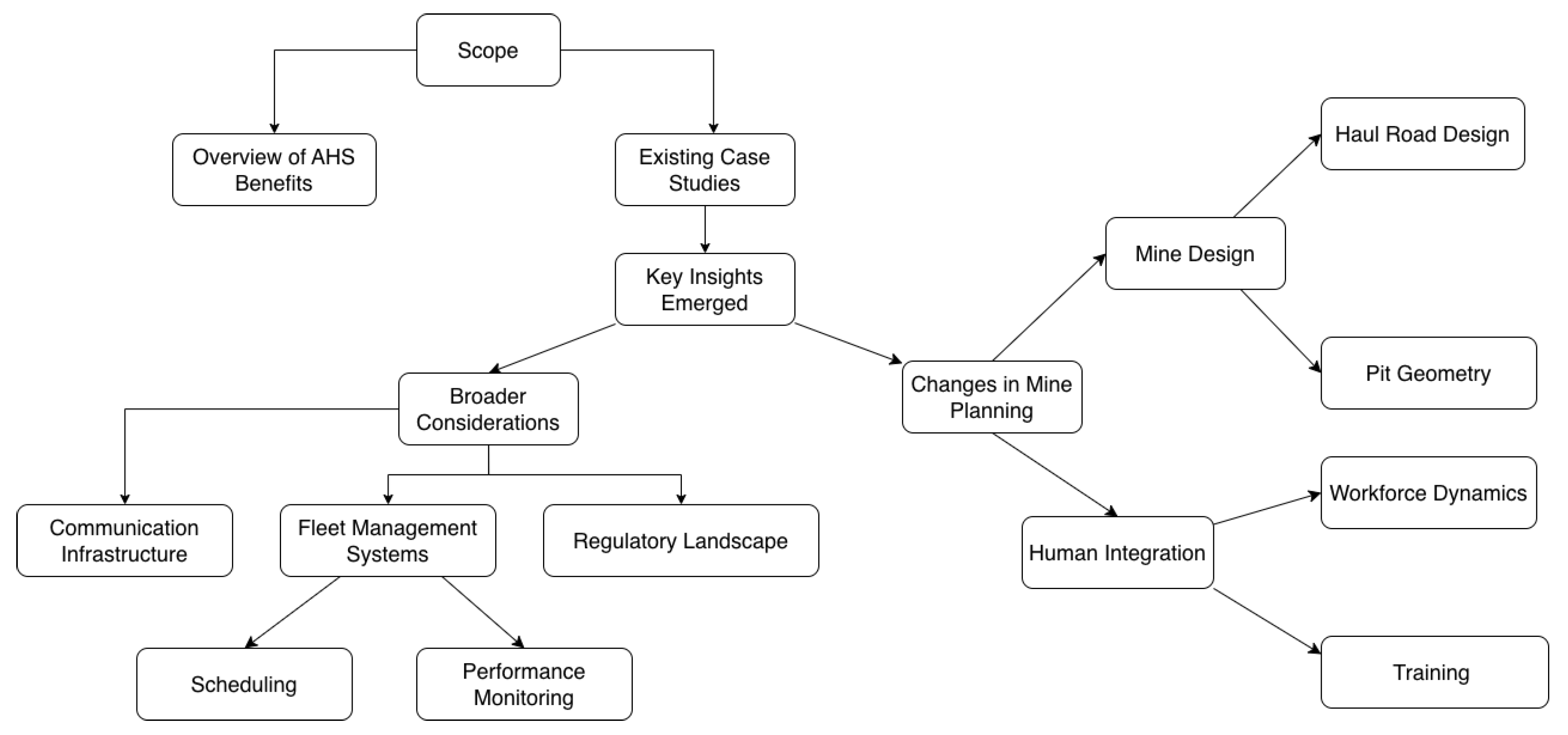
Figure 2.
Workflow of the PRISMA methodology.
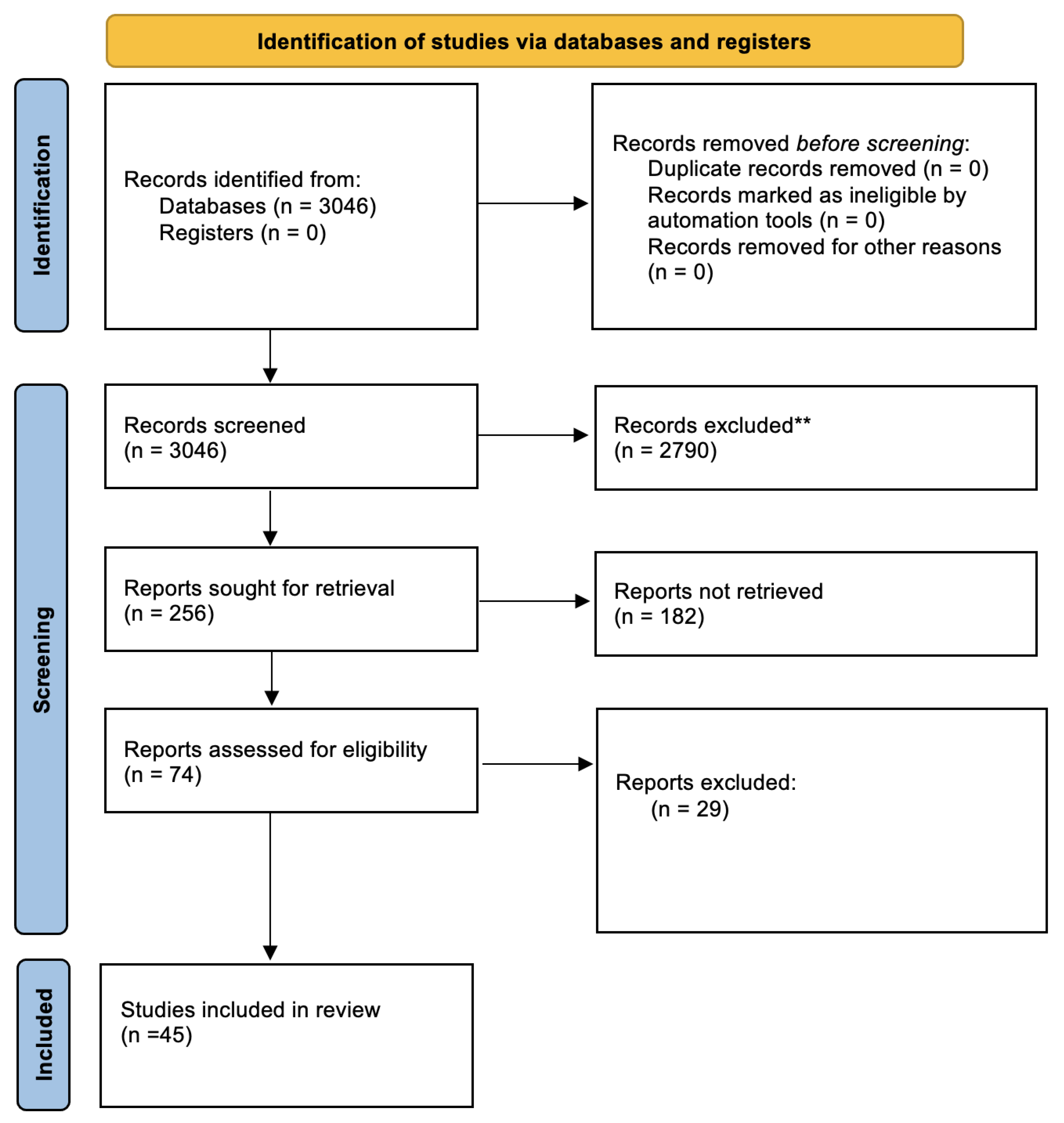
Figure 3.
AHS-related publications in the last two decades.
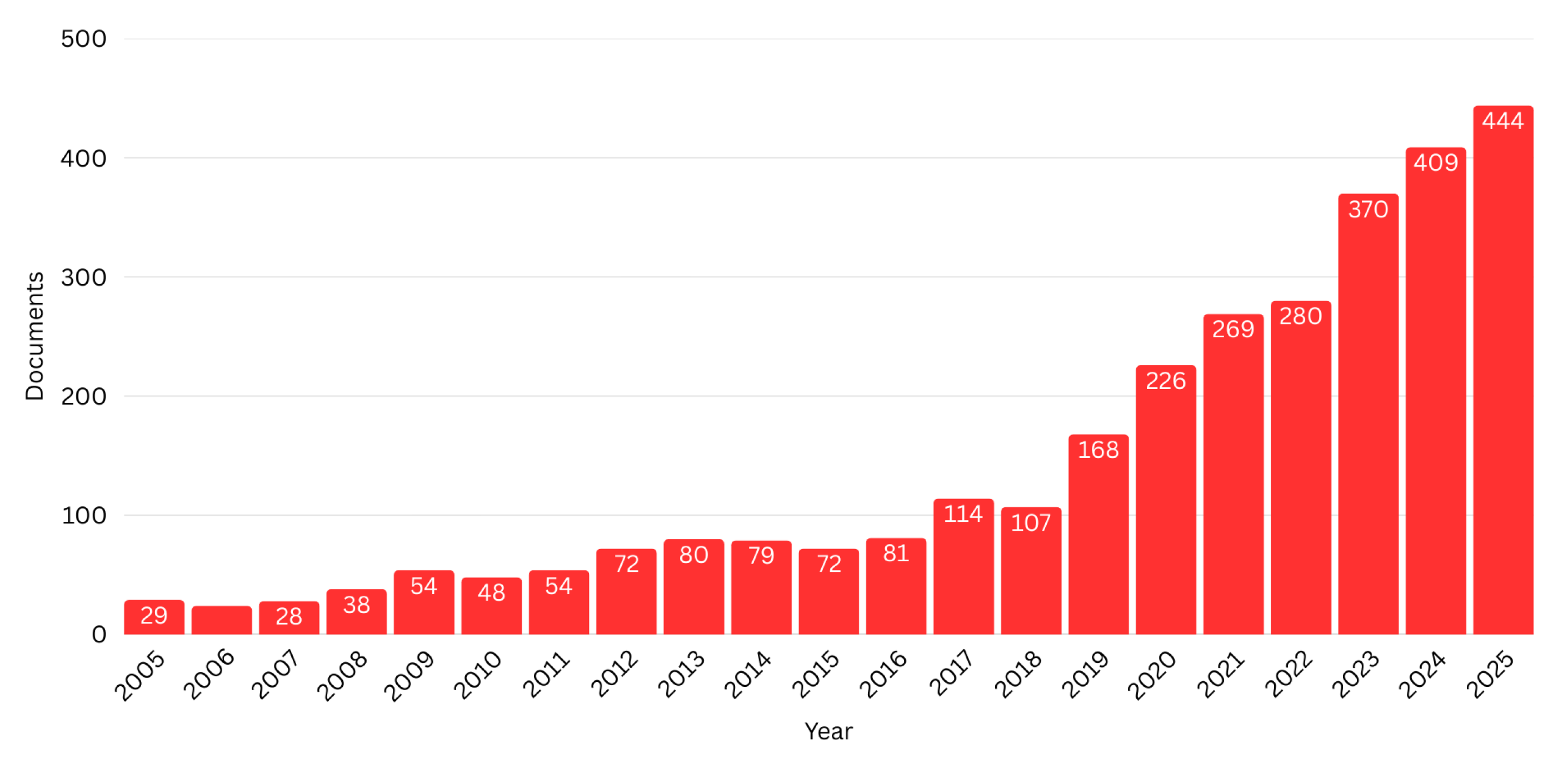
Figure 4.
Literature Source Categorization.
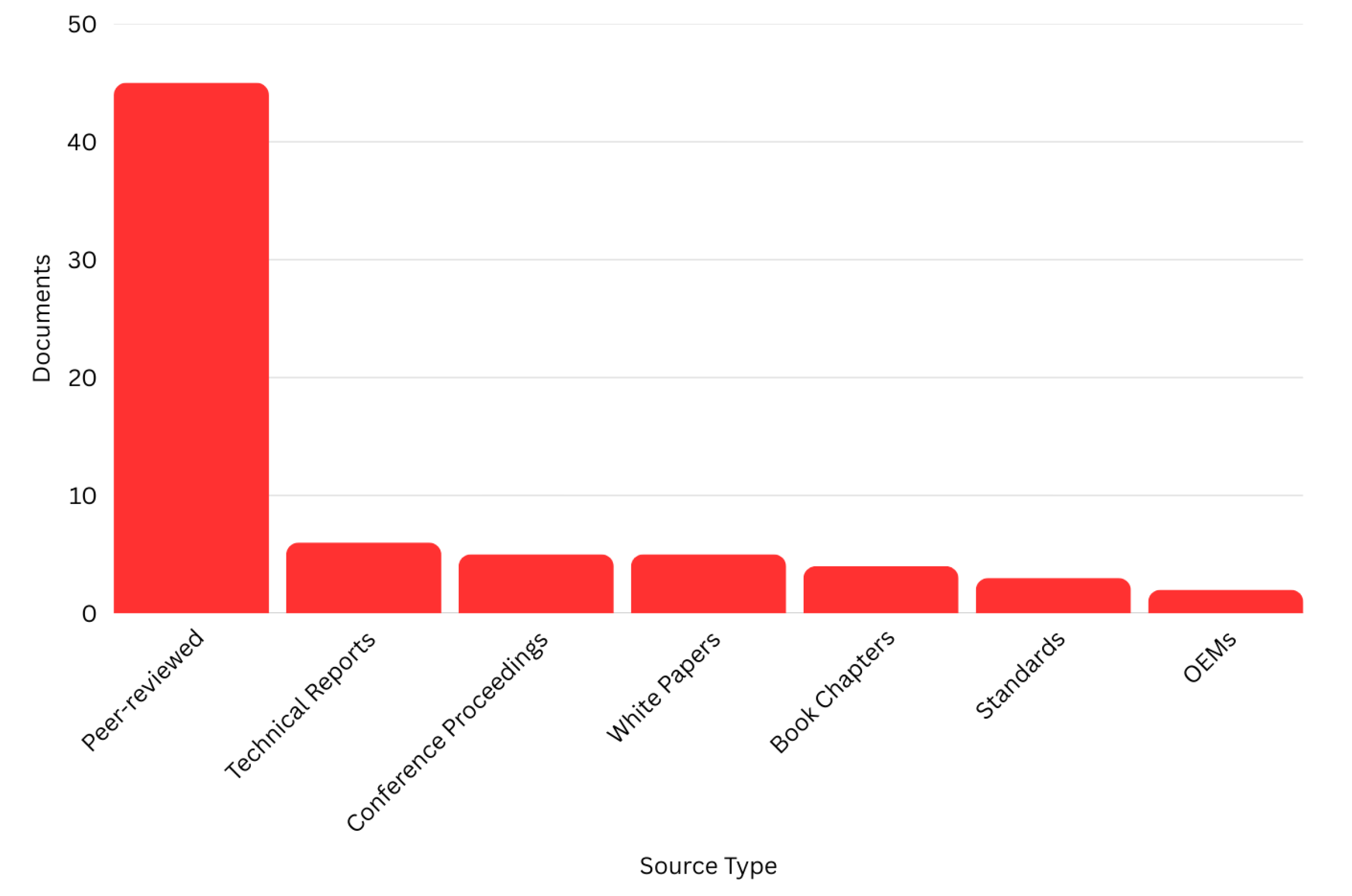
Figure 5.
Comparison of near misses between Rio Tinto’s manual and autonomous haulage sites [20].
Figure 5.
Comparison of near misses between Rio Tinto’s manual and autonomous haulage sites [20].
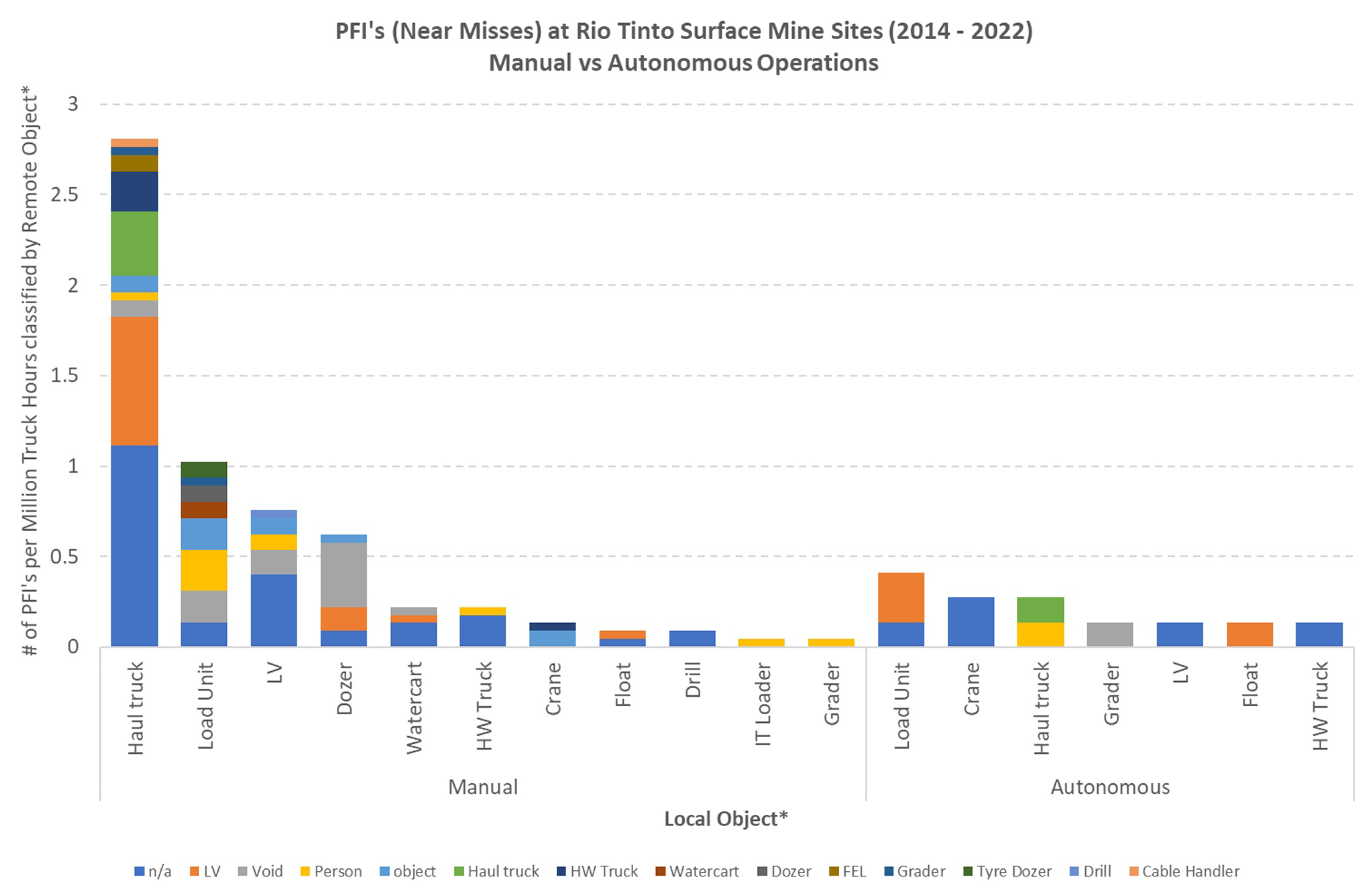
Figure 6.
Global adoption of AHS by country in 2023. Adapted from [50].
Figure 6.
Global adoption of AHS by country in 2023. Adapted from [50].
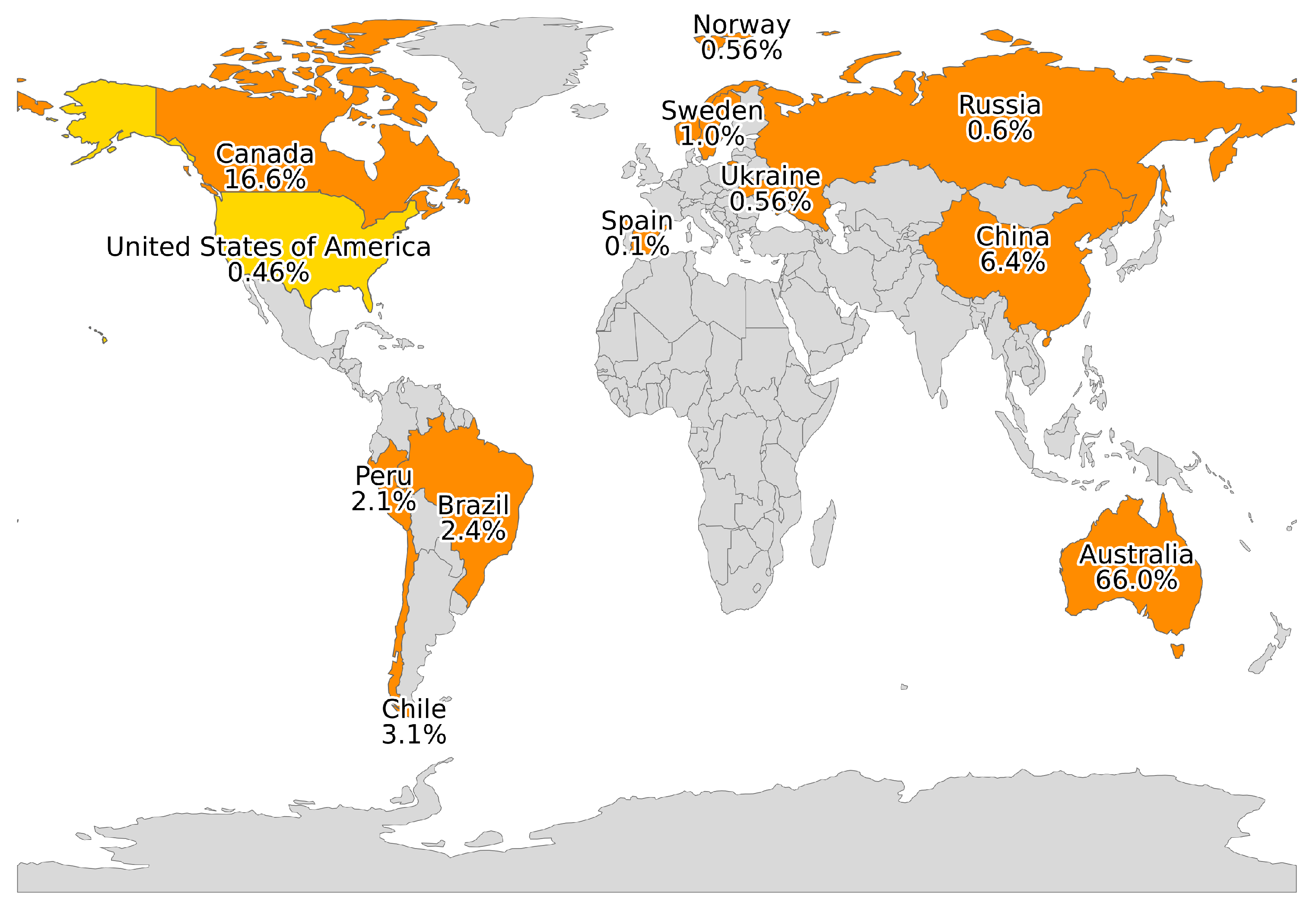
Figure 7.
Collision of an autonomous truck with a manned water cart. Adapted from [66].
Figure 7.
Collision of an autonomous truck with a manned water cart. Adapted from [66].
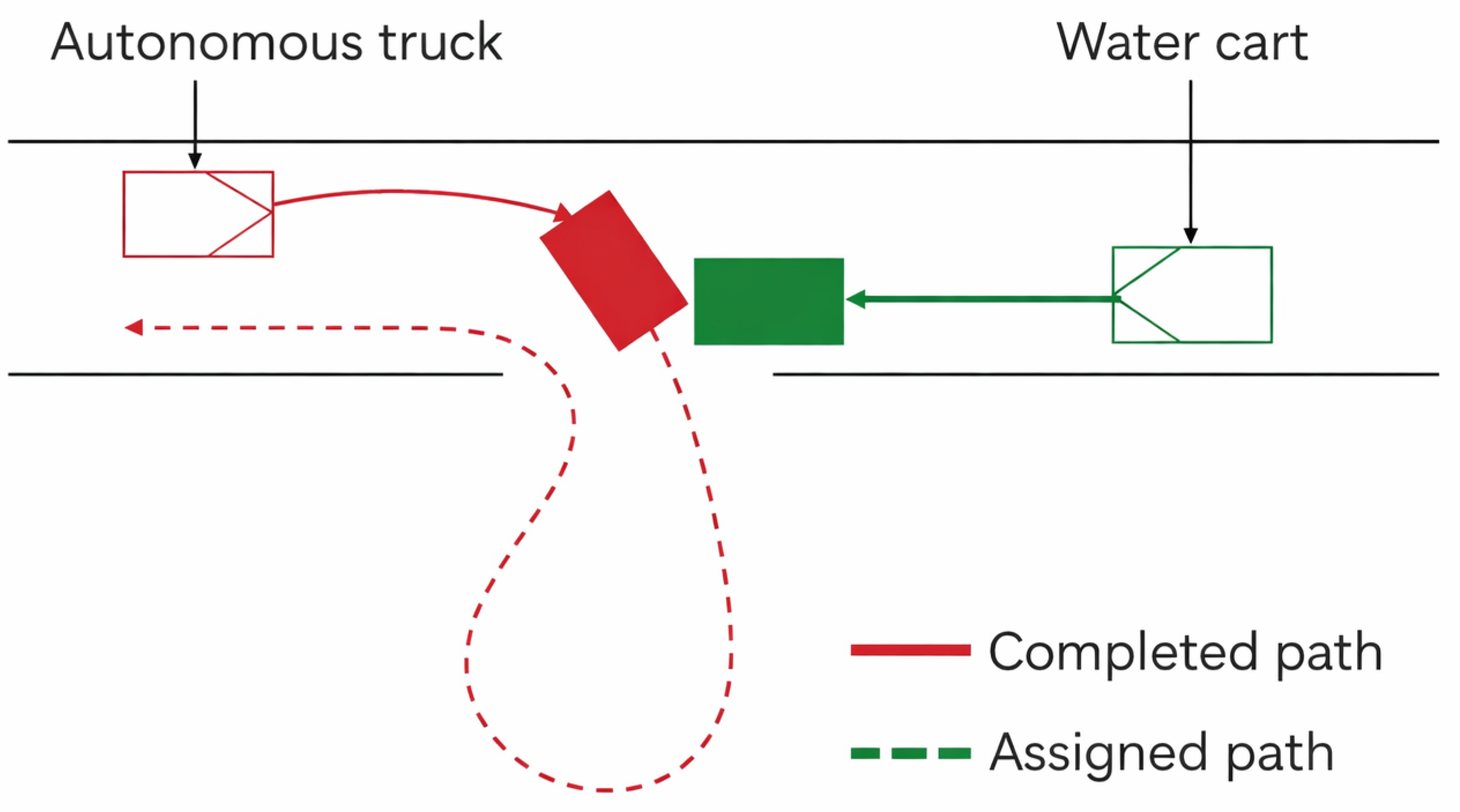
Figure 8.
Near-miss incident involving unexpected autonomous truck movement during recovery. Adapted from [20].
Figure 8.
Near-miss incident involving unexpected autonomous truck movement during recovery. Adapted from [20].
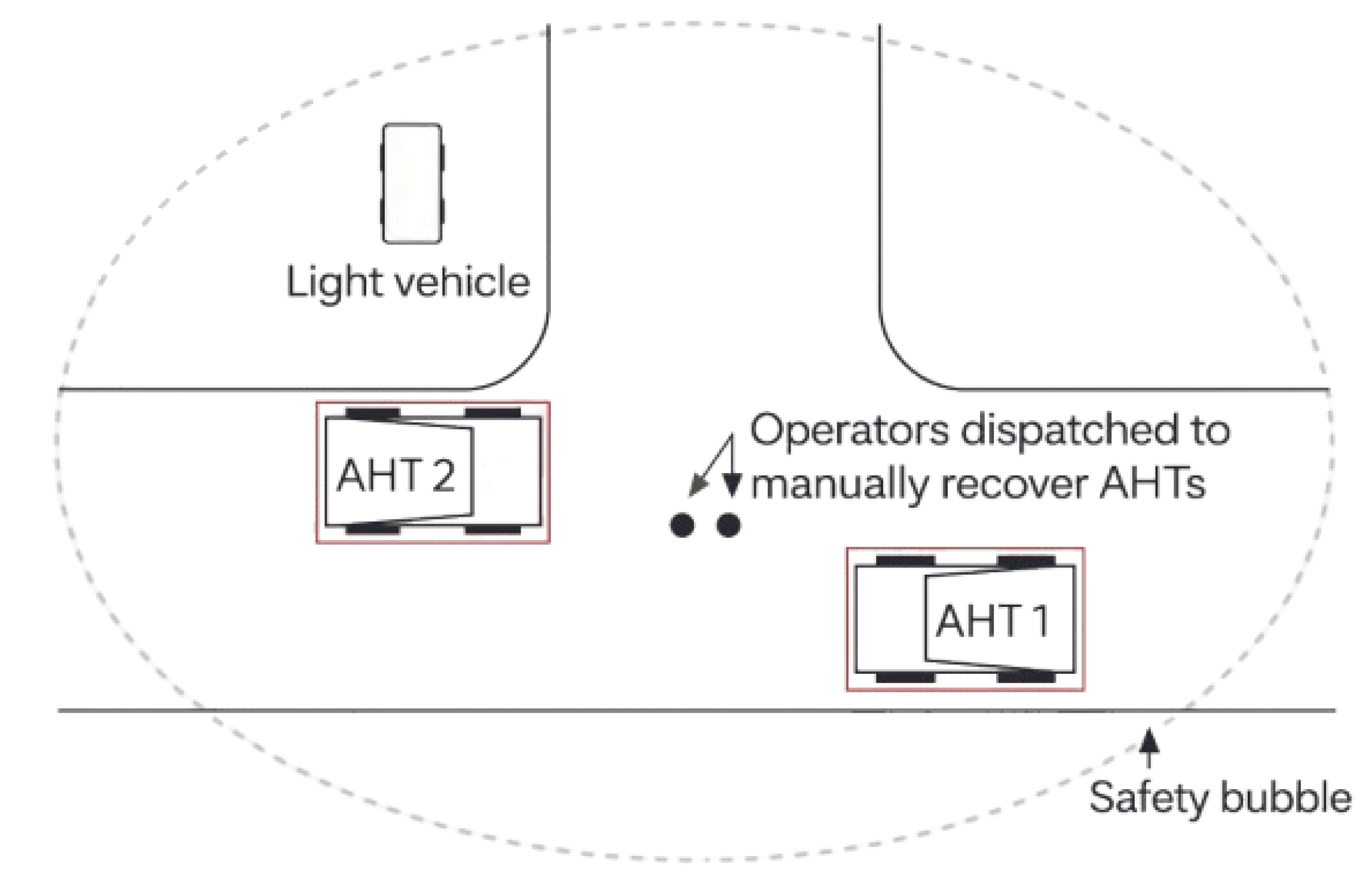
Figure 9.
Mean trust levels reported by different participant roles toward AHS, based on a questionnaire of 25 respondents ([59])
Figure 9.
Mean trust levels reported by different participant roles toward AHS, based on a questionnaire of 25 respondents ([59])
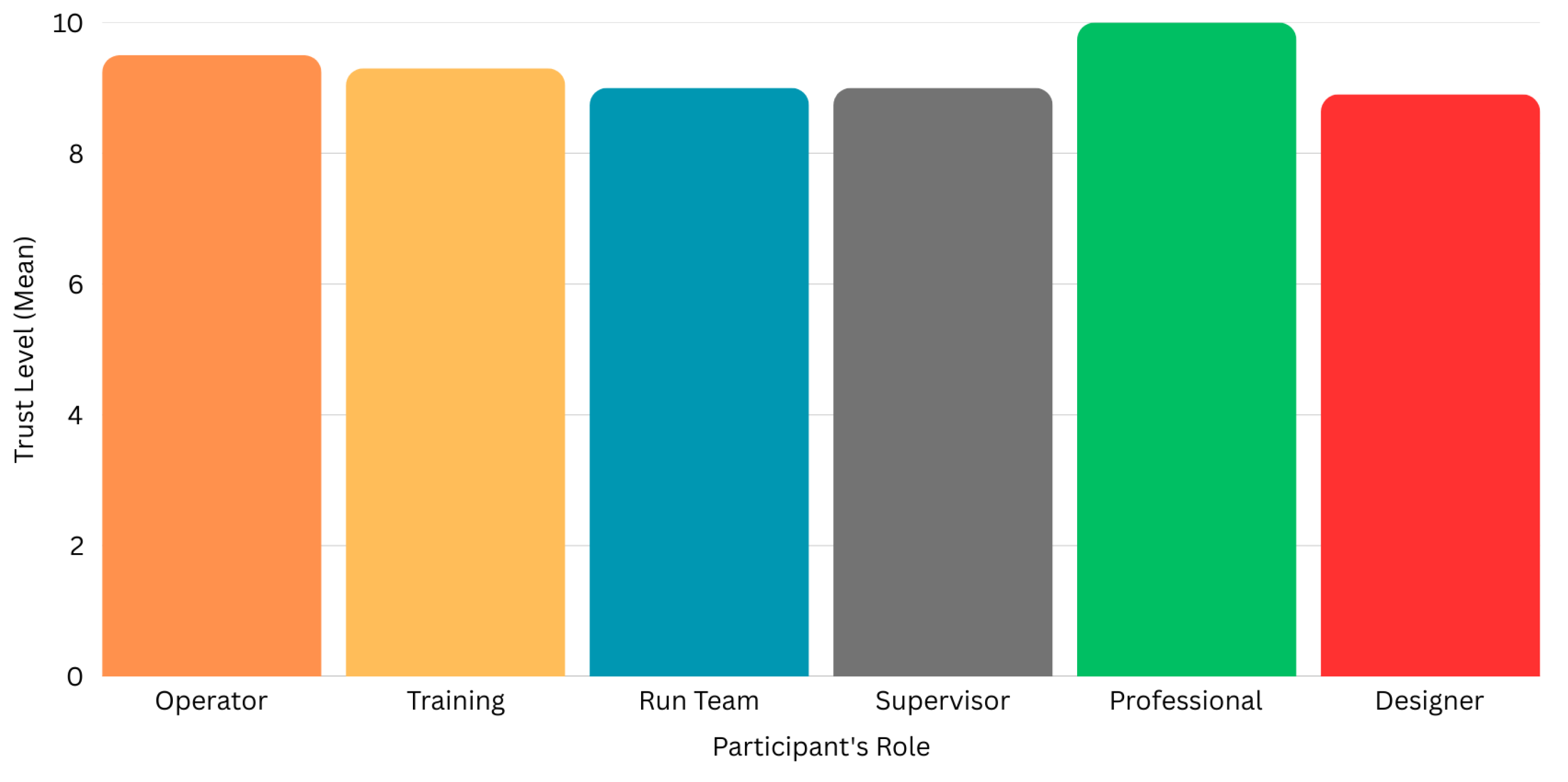
Figure 10.
Human-systems integration for autonomous systems implementation. Adapted from [53].
Figure 10.
Human-systems integration for autonomous systems implementation. Adapted from [53].
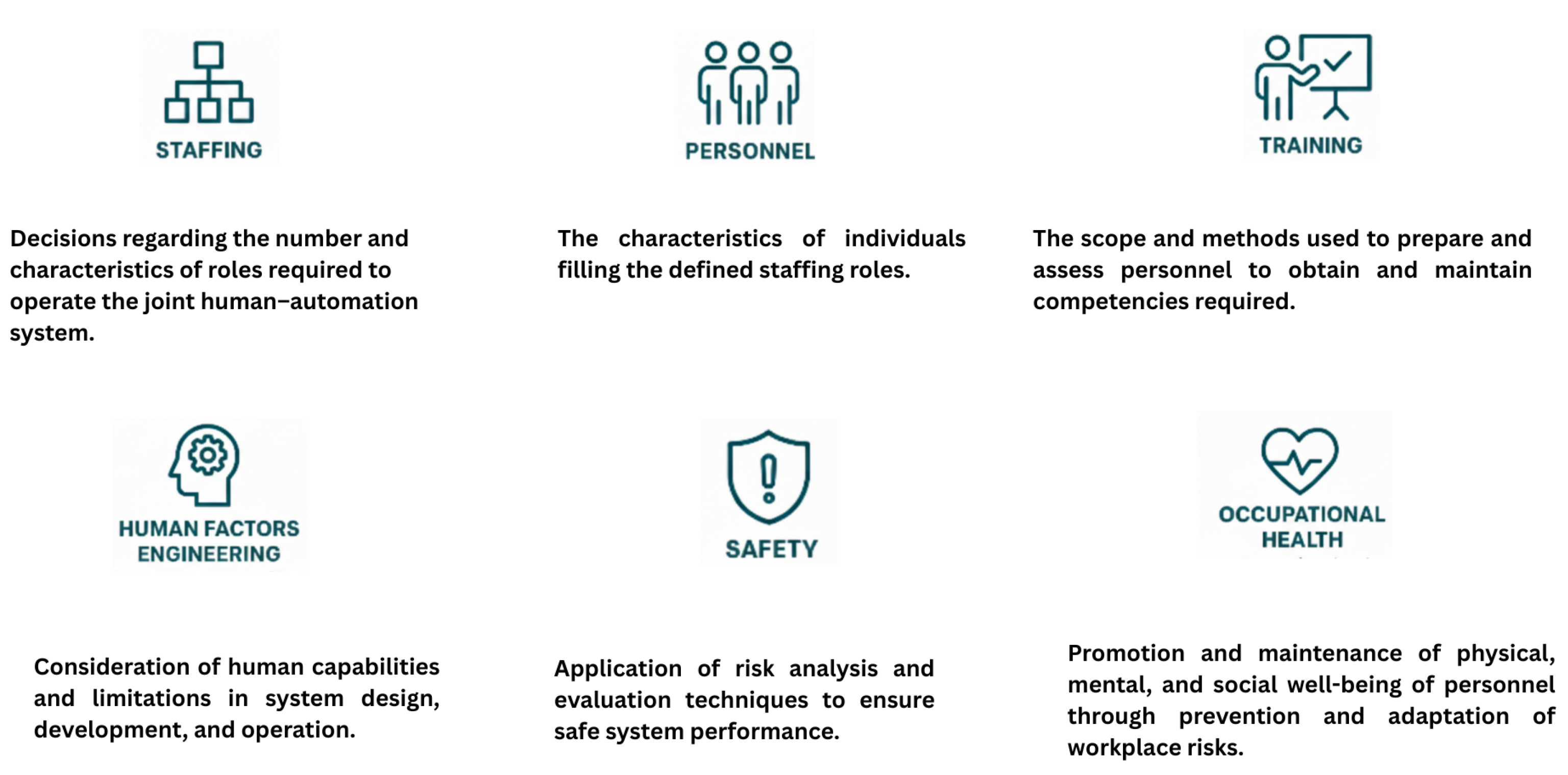
Figure 11.
Two lane traffic-road width recommendation is 3 and a half times the size of the largest truck width. Adapted from [15].
Figure 11.
Two lane traffic-road width recommendation is 3 and a half times the size of the largest truck width. Adapted from [15].
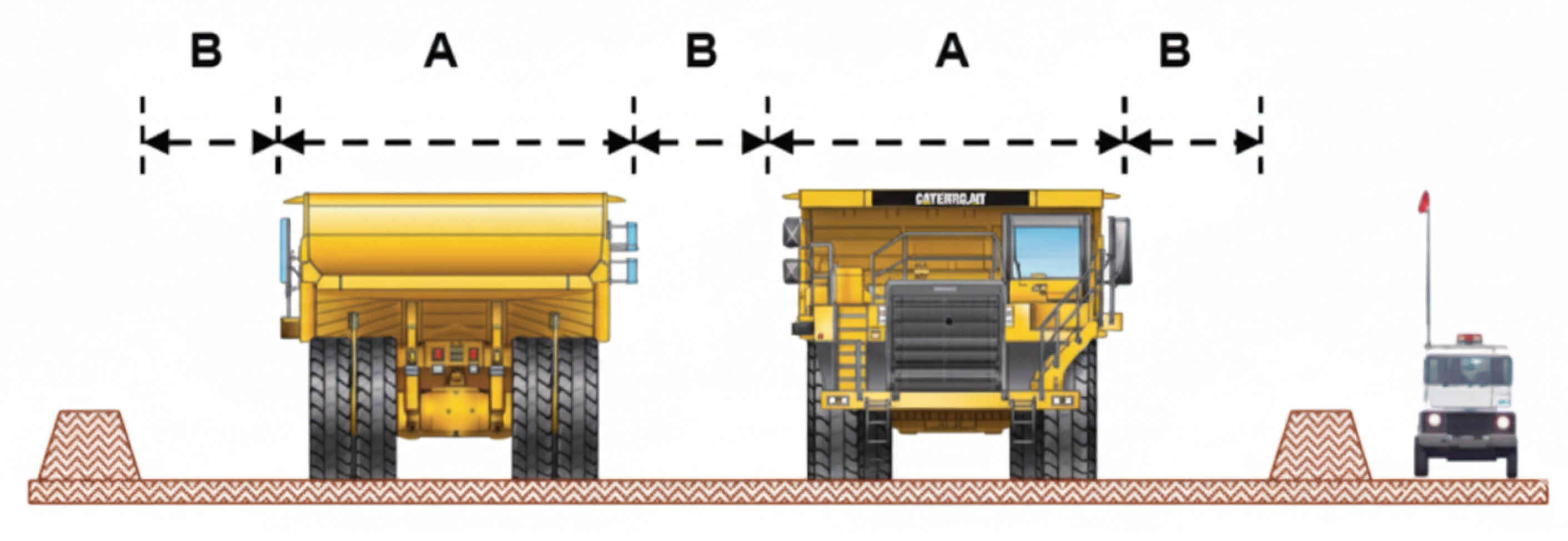
Figure 12.
Scheme of the road elevation and transverse slope.
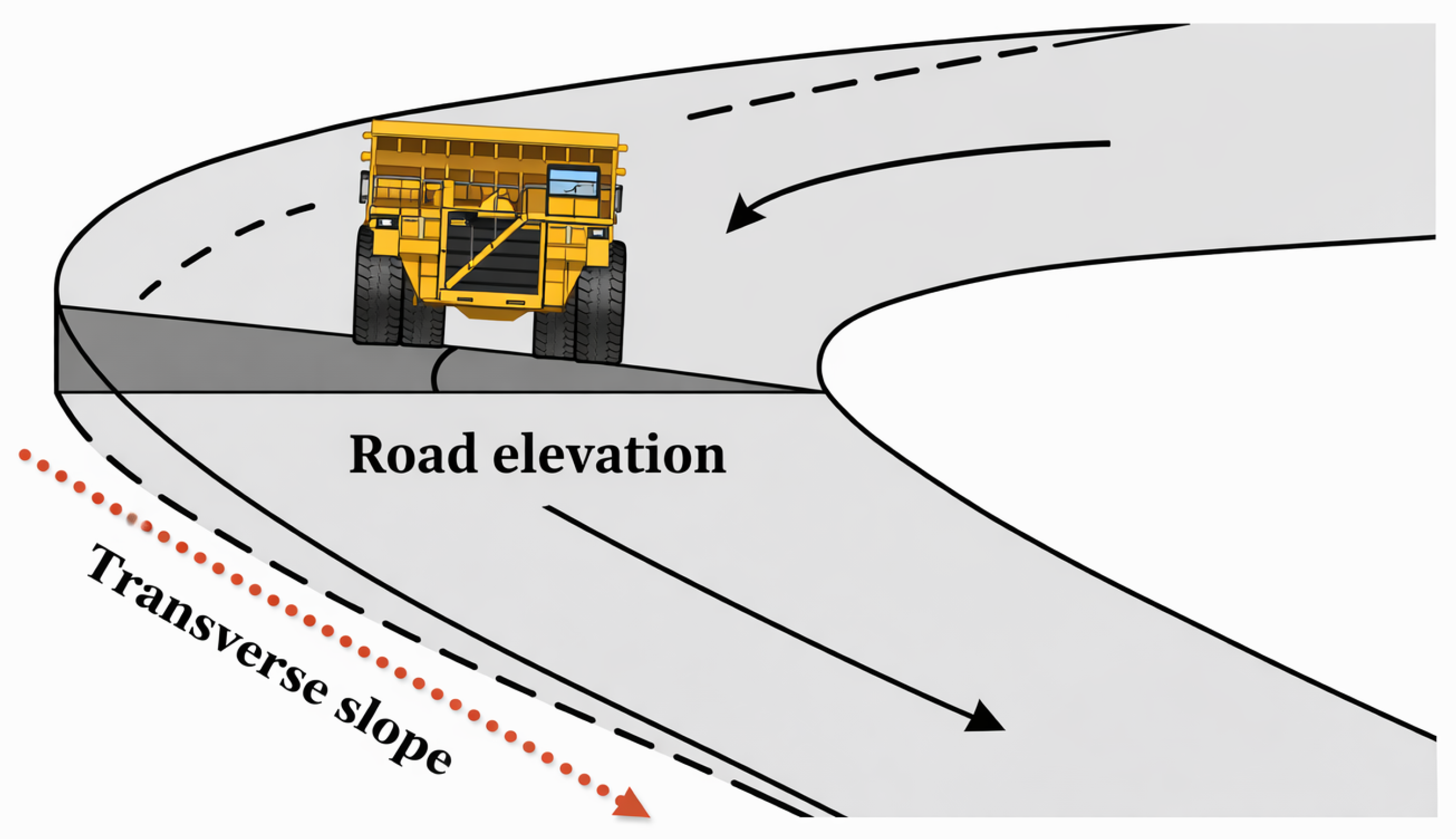
Figure 13.
Reaction time for autonomous haul trucks.
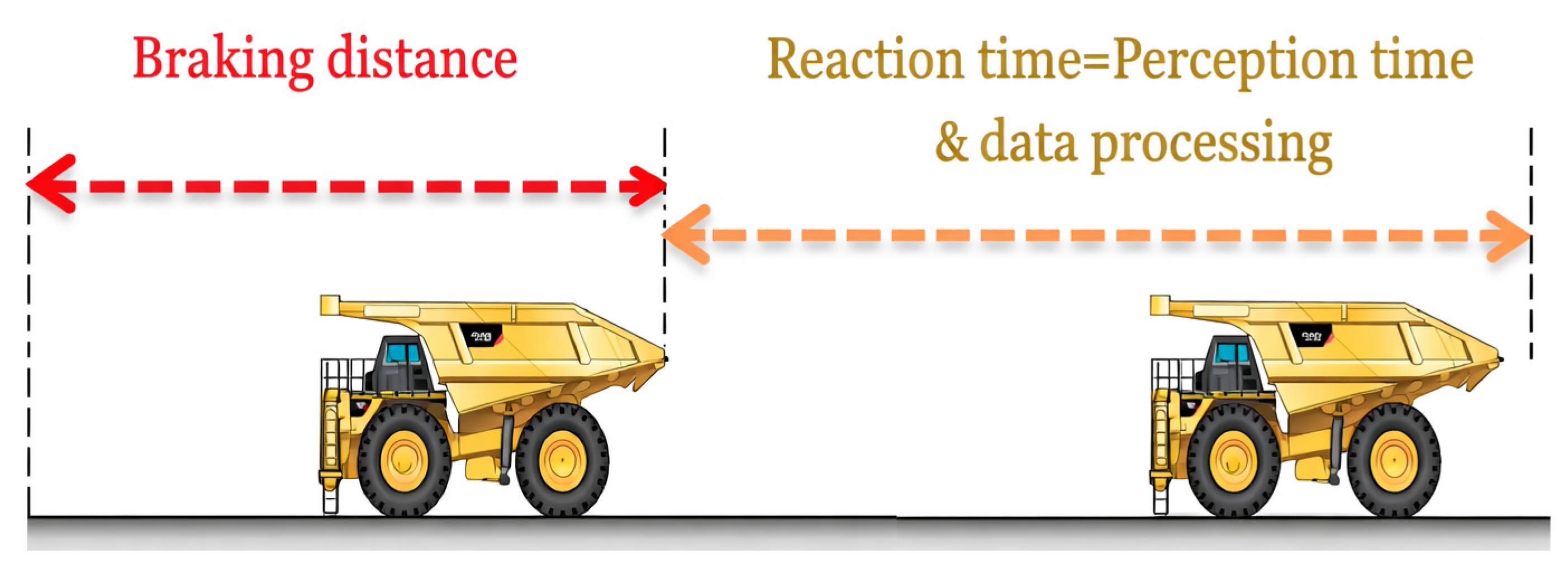

Table 1.
Impact factors of journals referenced in this study.
| Journal | Impact Factor |
|---|---|
| IEEE Trans. on Intelligent Vehicles | 14.07 |
| International Journal of Mining Science and Technology | 13.7 |
| Automation in Construction | 11.5 |
| Resources Policy | 10.1 |
| Mechanical Systems and Signal Processing | 8.9 |
| IEEE Internet of Things Journal | 8.2 |
| Communications Engineering (Nature) | 5.24 |
| Sensors | 3.5 |
| Mineral Economics | 3.5 |
| Sustainability | 3.3 |
| Electronics | 2.6 |
| Applied Sciences | 2.5 |
| Progress in Artificial Intelligence | 2.4 |
| Mining, Metallurgy & Exploration | 1.5 |
| Journal of Control, Automation and Electrical Systems | 1.3 |
| Mining Technology | 1.1 |
| Process Safety Progress | 1.0 |
| Journal of Mining Science | 0.8 |
Table 2.
Incident categories linked to autonomous haul trucks, with road conditions, clean-up machine interaction, and obstacles as the most frequent. Adapted from [89].
Table 2.
Incident categories linked to autonomous haul trucks, with road conditions, clean-up machine interaction, and obstacles as the most frequent. Adapted from [89].
| Hazard Type | Description | (%) |
|---|---|---|
| Road condition | Wet and slippery road conditions | 26.62% |
| Clean-up machine interaction | Clean-up machine moving around in loading area | 15.28% |
| Road obstacle | Truck detects windrow or rock | 10.88% |
| Communications loss | Truck loses communications | 8.65% |
| Haul road interaction | Truck interacting with haulage class equipment on road | 6.71% |
| Load unit interaction | Truck being loaded heavily or struck by excavator | 6.25% |
| Road maintenance interaction | Truck interacts with equipment for road work | 5.09% |
| Operator awareness | Manual equipment unaware of truck presence | 4.63% |
| Non-surveyed material | Material not surveyed into mine model | 1.62% |
| Speed zones | Zones triggering significant truckspeed decrease | 1.39% |
| Zone locking | Virtual zones not in place or applied properly | 1.39% |
| Non-site aware equipment | Equipment loses escort and does not have a predicted path | 1.39% |
| Light vehicle interaction | Truck interacting with small vehicles | 1.16% |
| Technology breakdown | Technology hardware breakdowns | 1.16% |
| Full dump spot | Dump location already has material | 0.93% |
| Stationary truck | Truck stationary on haul road | 0.93% |
| Icon spin | Icon in virtual system flips to cause truck reaction | 0.69% |
| Truck assignments | Truck loses assignment or lifts tray in loading bay | 0.69% |
| Tire separation | Tire separated from rim | 0.46% |
| Single lane access | Virtual system moves trucks into oncoming lane | 0.46% |
| Machine bubble | Virtual safety mechanism causing trucks to brake instantly | 0.46% |
Disclaimer/Publisher’s Note: The statements, opinions and data contained in all publications are solely those of the individual author(s) and contributor(s) and not of MDPI and/or the editor(s). MDPI and/or the editor(s) disclaim responsibility for any injury to people or property resulting from any ideas, methods, instructions or products referred to in the content. |
© 2026 by the authors. Licensee MDPI, Basel, Switzerland. This article is an open access article distributed under the terms and conditions of the Creative Commons Attribution (CC BY) license (http://creativecommons.org/licenses/by/4.0/).
Copyright: This open access article is published under a Creative Commons CC BY 4.0 license, which permit the free download, distribution, and reuse, provided that the author and preprint are cited in any reuse.